-

Angelica archangelica root extracts are incorporated into multi-herbal formulations like Iberogast (STW 5), a standardized preparation used clinically for functional dyspepsia and irritable bowel syndrome,…
-
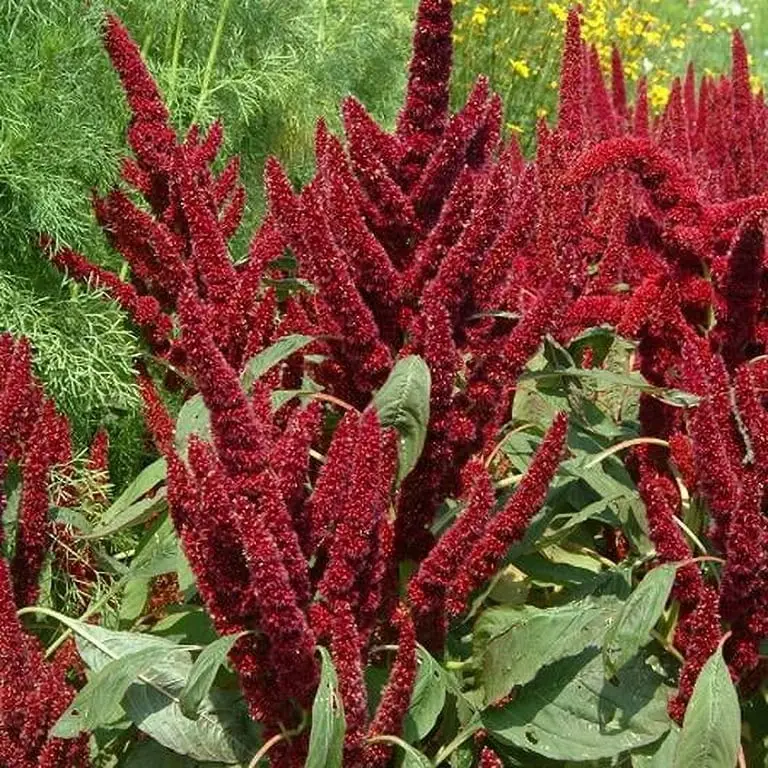
Unlocking Amaranth’s Health Benefits: Amaranth is rich in bioactive compounds, including phenolic acids (e.g., ferulic, caffeic, vanillic), flavonoids (e.g., rutin, isoquercetin), betalains (betacyanins and betaxanthins…
-
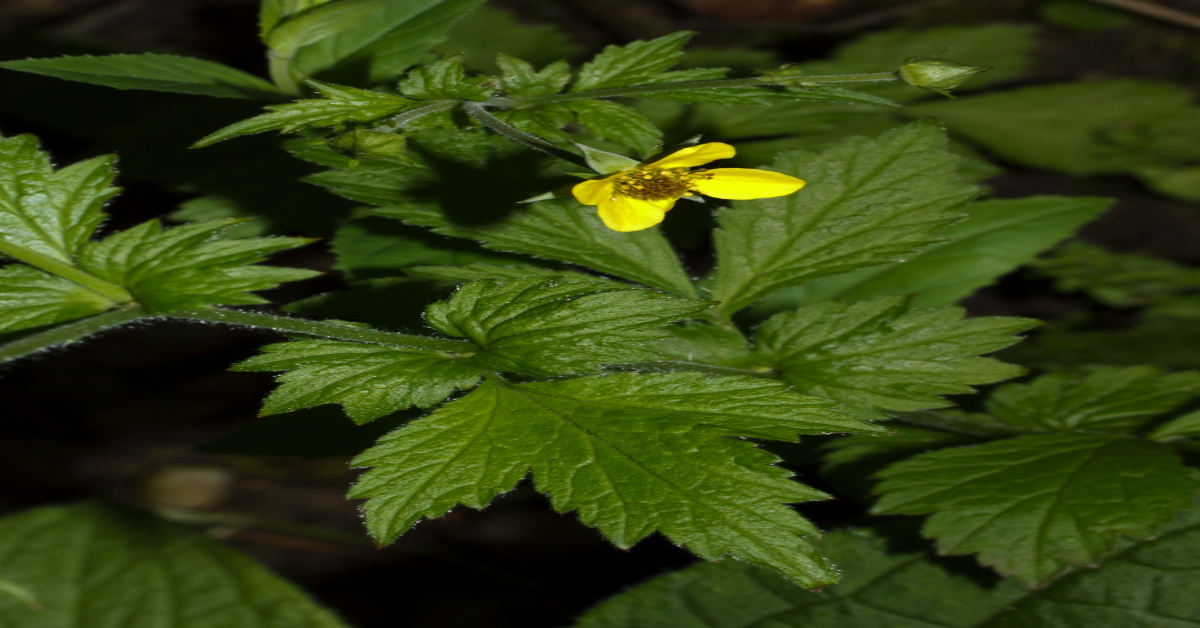
The herb is also antiseptic, anti-inflammatory, and styptic, supporting its traditional use in treating infections, wounds, and hemorrhoids. It acts as a diaphoretic (promoting sweating)…
-
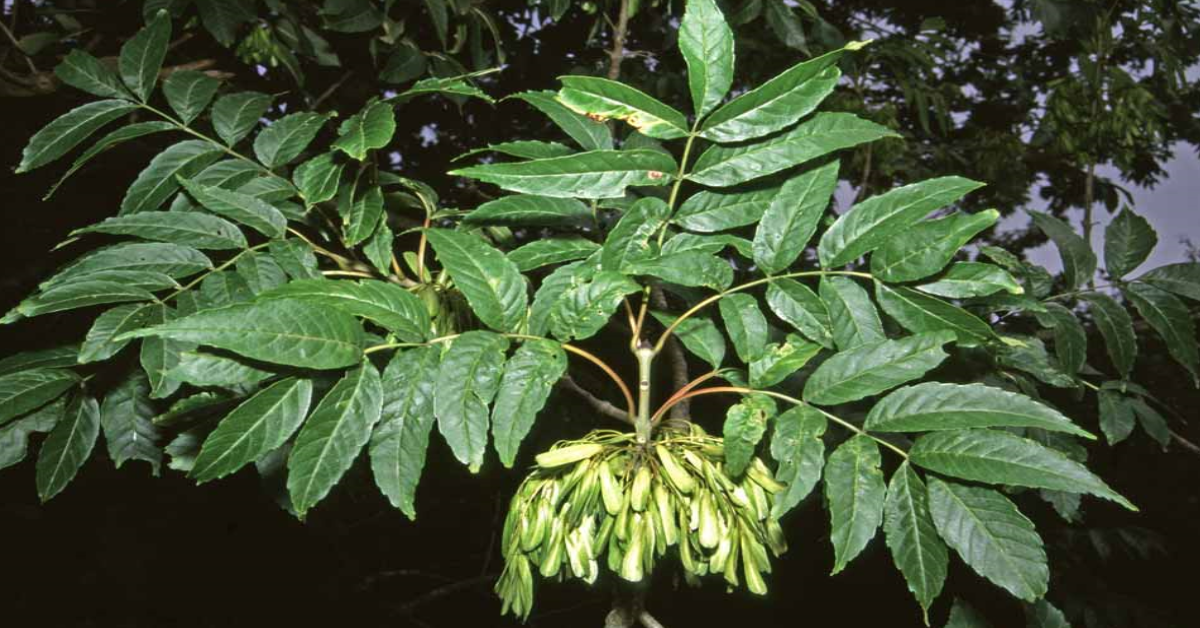
The herbal actions of ash, particularly from the genus Fraxinus, include astringent, antiperiodic, antipyretic, tonic, sedating, anti-inflammatory, expectorant, and anticoagulant properties. The bark is traditionally used…
-

Traditional Uses of Asafoetida (Ferula asafoetida) Asafoetida has been used for centuries in traditional medicine systems worldwide, particularly in India, Afghanistan, Egypt, and China, to…
-
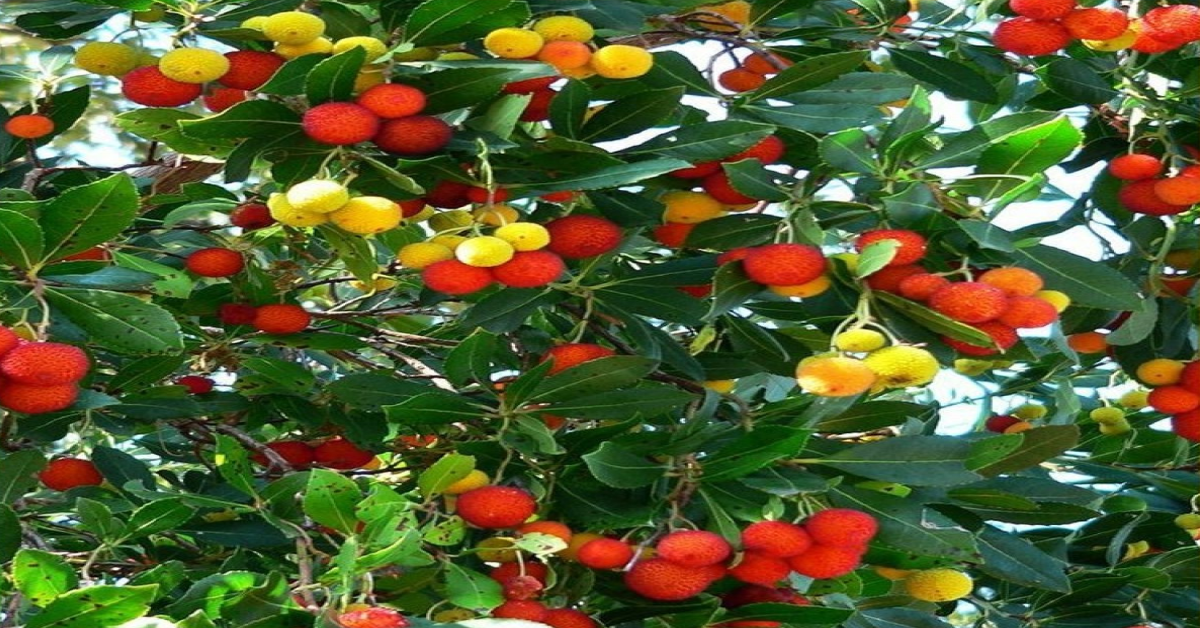
The fruits are traditionally used as antiseptics, diuretics, and laxatives, while the roots have been used in folk medicine to treat gastrointestinal, urological, dermatological, and…
-
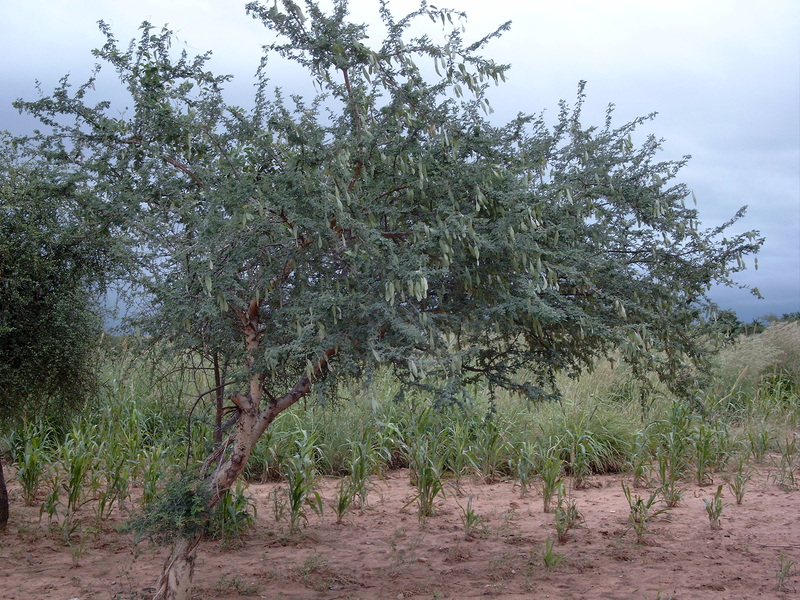
Arabic Gum, derived primarily from Acacia senegal, is a versatile natural resin with a rich history spanning millennia. Revered across cultures for its medicinal, spiritual,…
-

The herbal actions of apricot, particularly its seeds (kernel), are diverse and well-documented across traditional and modern medicinal systems. The kernel is primarily used for…
-
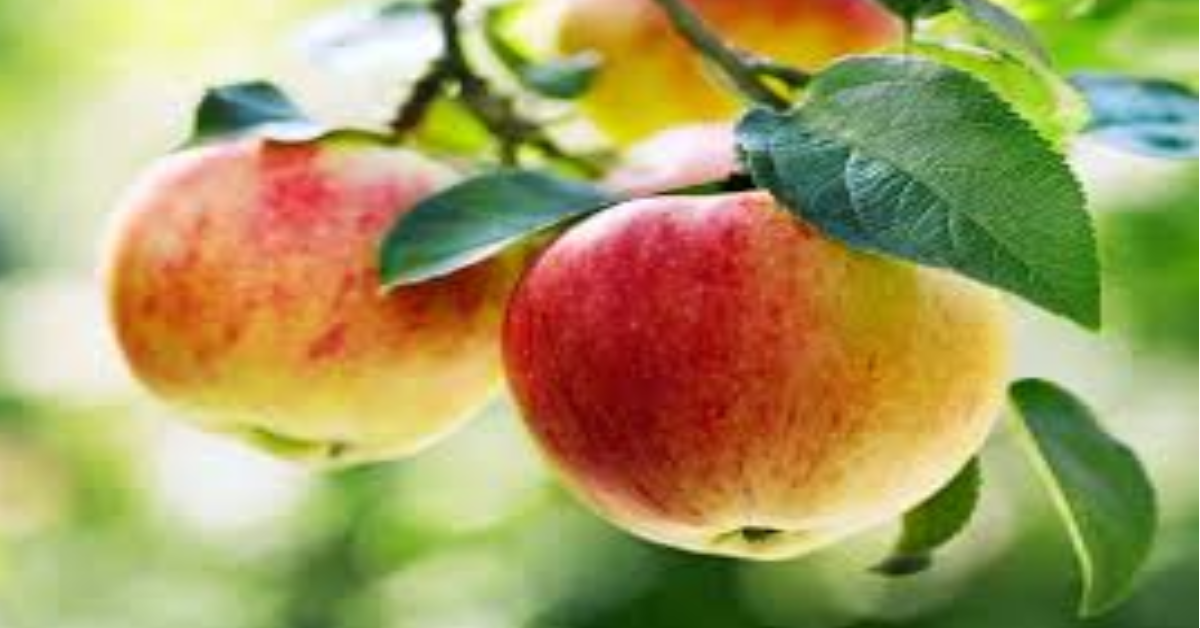
Herbal Actions of Apple (Malus domestica) Apple is valued in herbalism not only as food but also for its diverse medicinal properties. Various parts of…
-

Herbal Actions: Analgesic, anticonvulsant, antifungal, antimicrobial, antioxidant, antispasmodic, antiviral, aromatic, carminative, diuretic, emollient, expectorant, galactagogue. Neurological Benefits: Reduces morphine dependence, exhibits anticonvulsant effects, and supports…
-

The herb exhibits several key actions in Western traditional and clinical applications. It is classified as a nervine, antispasmodic, alterative, diaphoretic, emmenagogue, and mild purgative.…
-

Anti-Inflammatory Properties: Alyssum contains compounds like flavonoids and glucosinolates, common in the Brassicaceae family, which may contribute to mild anti-inflammatory effects. Herbalists use alyssum teas…
Vital Spirit Medica from Root to Crown: A Journey Into Happiness & Wellbeing
