Vital Spirit Medica from Root to Crown: A Journey Into Happiness & Wellbeing


Getting your Trinity Audio player ready…

Arabic Gum (Acacia senegal):

Arabic Gum (Acacia senegal): A Comprehensive Exploration

Scientific Name: Acacia senegal (syn. Senegalia senegal), also known as Vachellia seyal for related species
Common Names: Gum Arabic, Gum Acacia, Sudan Gum, Egyptian Gum, Indian Gum, Hashab Gum
Family: Fabaceae (Leguminosae)
Native Range: Sub-Saharan Africa (Sahel region), Sudan, Senegal, Somalia, Oman, Pakistan, India
Parts Used: Resin (gum), bark, leaves, flowers, seeds, pods
Element: Air
Planetary Association: Sun
Gender: Masculine
Deities: Osiris, Astarte, Ishtar, Diana, Ra, Isis, Nephthys


Overview

Arabic Gum, derived primarily from Acacia senegal, is a versatile natural resin with a rich history spanning millennia. Revered across cultures for its medicinal, spiritual, and practical applications, it is a keystone species in both ecological and cultural landscapes. Known as the “golden tears of the Acacia tree,” its significance stretches from ancient Egyptian rituals to modern industrial and esoteric uses. This exploration delves into its multifaceted roles across history, spirituality, medicine, folklore, and emerging scientific applications, providing a holistic view.


File written by Adobe Photoshop¨ 5.0

Historical Significance

Ancient Origins

  • Mesopotamia and Arabia (9th Century CE): The name “Gum Arabic” (al-samgh al-‘arabi) traces to Middle Eastern trade routes, where it was exported to Europe via Arabic ports. It was a prized commodity in pre-industrial economies, particularly for textile printing.
  • Ancient Egypt (4000+ Years Ago): Acacia gum was integral to mummification, used as an embalming agent to preserve bodies, symbolizing eternal life and the afterlife. It was also a binder in pigments for papyrus paintings and cosmetics. The Acacia tree was revered as the “Tree of Life,” associated with death and rebirth.
  • Sudan and the Sahel: Sudan has historically produced 70% of the world’s gum arabic, known as hashab gum, valued for its high quality. Harvested by seminomadic pastoralists, it remains a critical export, supporting rural economies.
  • Colonial Era (15th–19th Centuries): European powers, including the Portuguese, Dutch, and French, competed fiercely for control of gum arabic trade in West Africa, leading to conflicts like the Franco-Trarzan War (1825). The gum was essential for textile industries, sparking “gum wars.”

Ancient Texts

  • Materia Medica (Dioscorides, 1st Century CE): Dioscorides noted Acacia’s astringent properties, recommending its gum for treating wounds, inflammation, and digestive issues. It was used as a binding agent in medicinal preparations.
  • Unani Medicine (Ibn Sina, 980–1035 CE): Ibn Sina described aqāqia (Acacia extract) as a styptic and astringent, used for wounds and conjunctivitis. The gum was extracted from leaves and pods of Acacia nilotica, a related species.
  • Islamic Alchemy: Arabic gum appeared in alchemical texts as a binding agent for elixirs and a symbol of transformation, aligning with the pursuit of spiritual and material purification.

Biblical Significance

  • Scriptural References: Acacia wood (shittim in Hebrew) is mentioned extensively in the Old Testament, particularly in Exodus 25–27, where it was used to construct the Ark of the Covenant, the Tabernacle, and sacred altars. Its durability and sacredness made it a symbol of divine presence and immortality. While the text specifies Acacia wood, the gum’s spiritual significance likely extended to related rituals.
    • Exodus 25:10: “They shall make an ark of acacia wood…”
  • Symbolic Interpretation: In biblical contexts, Acacia represents endurance, renewal, and divine protection. Its association with the “Tree of Knowledge” in Arabian folklore parallels the biblical Tree of Life, linking it to wisdom and spiritual insight.
  • Honorable Mention: The burning bush (Exodus 3:2) is speculated by some scholars to be an Acacia, due to its thorny nature and prevalence in the Sinai region. The gum’s use in incense may have enhanced sacred rituals, carrying prayers heavenward.

Medicinal Significance

Traditional Uses

  • Ancient Egypt: Gum Arabic was used to treat intestinal inflammation, wounds, and as a cough suppressant due to its soothing, mucilaginous properties.
  • African Traditions: Across the Sahel, it was consumed to protect against hepatic, renal, and cardiac complications in diabetic and renal failure patients.
  • Unani and Ayurvedic Medicine: Valued for its hypoglycemic, antidiabetic, antioxidant, and antiulcer properties, it was used to stabilize blood sugar and promote wound healing.

Modern Research

  • Chronic Kidney Disease (CKD): Studies suggest gum arabic’s antioxidative and anti-inflammatory properties may improve renal biomarkers, though long-term safety and mechanisms are under-researched.
  • Gut Health: As an FDA-approved dietary fiber (E414), it supports digestive health by acting as a prebiotic, reducing inflammation, and alleviating diarrhea.
  • Wound Healing: Combined with pectin, gum arabic forms hydrogels for encapsulating bioactive compounds like naringin, enhancing wound healing through anti-inflammatory and antioxidant effects.
  • Other Benefits: Preliminary research indicates potential for managing blood sugar, cholesterol, and weight, though further studies are needed.

Medicinal Recipes

  • Soothing Cough Syrup: Dissolve 1 tbsp gum arabic powder in 1 cup warm water, mix with honey and lemon juice, and sip to coat the throat.
  • Wound Paste: Mix gum arabic powder with water to form a gel, apply to minor wounds, and cover with a bandage to promote healing.
  • Digestive Tonic: Steep 1 tsp gum arabic in hot water, add a pinch of ginger, and drink to ease gastrointestinal discomfort.

Folklore Significance

  • Arabian Folklore: The Acacia was the “Tree of Knowledge,” believed to hold wisdom and secrets. Its gum was used in rituals to invoke divine insight.
  • African Traditions: Tribes across the Sahel used Acacia in dances, initiations, and healing rituals, believing it connected the living to the spirit world.
  • Australian Aboriginal Legends: Acacia was used in rituals to heal illnesses and wounds, symbolizing resilience in arid environments.
  • Honorable Mention: In some African cultures, Acacia gum was scattered on graves to honor the dead, believed to aid their journey to the afterlife.

Spiritual and Esoteric Significance

Spiritual Properties

  • Purification: Burned as incense, gum arabic cleanses spaces of negative energies, creating a sacred environment for rituals.
  • Psychic Enhancement: Its smoke enhances spiritual awareness, aiding meditation and divination. Burning sandalwood stimulates psychic powers.
  • Protection: A sprig of Acacia over the bed or tucked into clothing wards off evil. Powdered gum forms protective circles around altars.
  • Connection to the Divine: In ancient Persia, Magi burned Acacia resin to carry prayers to the heavens, facilitating divine communication.

Esoteric Associations

  • Astrological: Linked to the Sun, gum arabic embodies light, warmth, and vitality. It also resonates with Aquarius, enhancing clarity and intuition.
  • Elemental: Associated with Air for its light, ethereal smoke, and Mars for the tree’s thorny nature, symbolizing defense and resilience.
  • Alchemical Symbolism: In alchemy, gum arabic was a binding agent in elixirs, symbolizing the union of material and spiritual realms. Its role in purification aligned with the alchemical goal of transmutation.

Rituals and Spells

  • Purification Ritual: Burn gum arabic resin on a charcoal disc, waft the smoke around a space, and recite: “By light and air, cleanse this place, banish all that harms.”
  • Psychic Vision Spell: Burn gum arabic with frankincense and myrrh, meditate, and say: “Open my eyes to the unseen, guide my spirit through the dream.”
  • Protection Charm: Sprinkle gum arabic powder in a circle around a candle, light it, and visualize a shield of light.
  • Contacting the Dead: Dip Acacia leaves in holy water, sprinkle over an altar, and burn gum arabic to honor or communicate with ancestors.

Cultural Significance

  • Sudanese Communities: Gum arabic is a socioeconomic lifeline, providing income during agricultural off-seasons and supporting pastoralist livelihoods.
  • Egyptian Mythology: The Acacia was the abode of a goddess, granting fertility and healing, linking it to feminine divine energy.
  • Nomadic Traditions: Pastoralist tribes like the Ma’aza and Bishaari view Acacia as a keystone species, using it for medicine, fodder, and crafts.
  • Modern Industry: Beyond spiritual uses, gum arabic is a stabilizer in foods, cosmetics, and inks, reflecting its enduring practical value.

Magical and Alchemical Uses

  • Magical Tools: Acacia wood is crafted into wands, staves, and altar items to channel energy. It’s gum binds incense blends, enhancing their potency.
  • Love and Money Spells: Used in spells for platonic love and prosperity, often combined with other herbs like cinnamon or rose.
  • Alchemical Role: As a fixative, gum arabic stabilized volatile substances, symbolizing the alchemist’s quest for balance and perfection.
  • Incense Blends: Combine gum arabic with dragon’s blood for necromancy or frankincense for spiritual grounding.

Scientific and Technological Applications

  • Food Industry: As E414, gum arabic stabilizes emulsions in soft drinks and confections, preventing sugar crystallization.
  • Pharmaceuticals: Used as an encapsulation agent and texturizer in oral medications, it enhances drug delivery.
  • Microencapsulation: Gum arabic protects bioactive compounds like antioxidants and probiotics, improving their bioavailability via spray-drying techniques.
  • Nanotechnology: Its polymeric properties make it a candidate for smart nanomaterials in bioencapsulation and drug delivery systems.

Current Projects and Future Possibilities

Ongoing Research

  • Renal Health: Clinical trials are exploring gum arabic’s role in CKD management, focusing on its anti-inflammatory effects. Interdisciplinary studies aim to clarify mechanisms and optimize dosing.
  • Sustainable Harvesting: In Sudan and Ethiopia, projects focus on improving post-harvest practices and restoring Acacia plantations to combat desertification and support rural economies.
  • Wound Healing: Research into gum arabic-based hydrogels for drug delivery shows promise for advanced wound care.

Future Potential

  • Phytopharmaceuticals: Gum arabic’s therapeutic properties could lead to new herbal medicines for diabetes, inflammation, and gut health.
  • Eco-Friendly Materials: Its biodegradable properties make it a candidate for sustainable packaging and edible films.
  • Spiritual and Esoteric Revival: As interest in green magic grows, gum arabic could see increased use in modern witchcraft and holistic practices, blending ancient wisdom with contemporary spirituality.
  • Fruit and Essence Exploration: While Acacia senegal pods are less studied, their phenolic compounds (e.g., catechin 5-O-gallate) show antioxidant and anticancer potential, suggesting future applications in nutraceuticals.

Conclusion

Arabic Gum (Acacia senegal) is a botanical treasure with a legacy spanning ancient rituals, biblical symbolism, and modern science. From its role in Egyptian mummification to its protective powers in African folklore, it embodies a bridge between the material and spiritual worlds. Its medicinal promise, cultural significance, and ecological importance ensure its relevance today and into the future. Whether burned as incense, consumed for health, or harnessed in technology, gum arabic remains a testament to humanity’s enduring relationship with nature.


Plant Identification and Distribution

  • Scientific Name: Acacia senegal (syn. Senegalia senegal)
  • Common Names: Gum Arabic, Gum Acacia, Sudan Gum, Hashab Gum
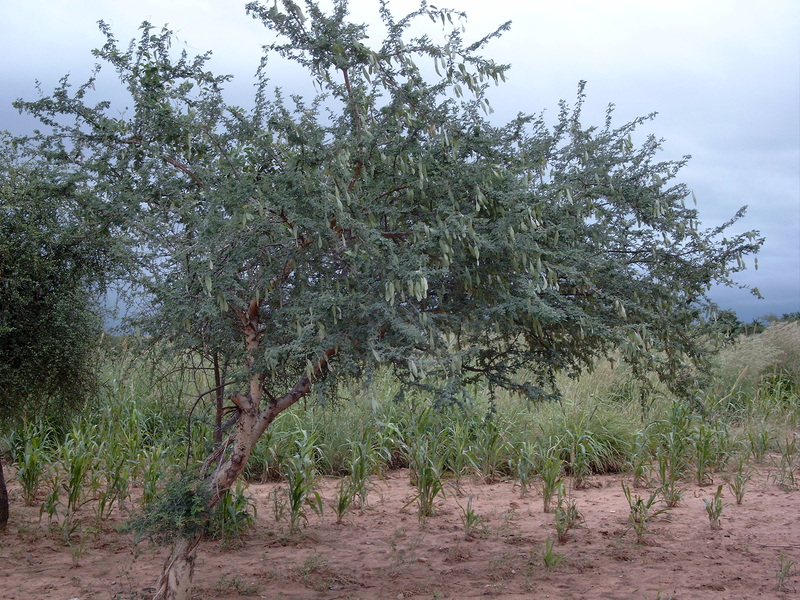
  • Description: A small, thorny deciduous tree or shrub, 5–12 meters tall, with feathery, bipinnate leaves, creamy-white flowers, and flat, papery pods. Exudes a sticky, amber-colored gum from stem wounds.
  • Native Region: Sub-Saharan Africa, particularly the Sahel region (Sudan, Senegal, Somalia, Mali, Niger, Chad).
  • Commonly Found: Thrives in arid and semi-arid climates, including Sudan (70% of global supply), Ethiopia, Senegal, and parts of Oman, Pakistan, and India. Cultivated in agroforestry systems and dry savannas, often alongside millet or sorghum crops.
  • Ecological Notes: Grows in sandy or clay soils, tolerating drought and high temperatures. A keystone species, it supports soil fertility via nitrogen fixation and provides fodder for livestock.

TRAVELER DIGITAL CAMERA

TRAVELER DIGITAL CAMERA

Summary of Sources

  • Ancient Texts: Dioscorides, Materia Medica (1st Century CE); Ibn Sina, The Canon of Medicine (980–1035 CE); Biblical references (Exodus 25–27, Old Testament).
  • Historical and Cultural: Studies on gum arabic trade in Sudan and the Sahel; Egyptian mummification practices; Arabian and African folklore traditions; Unani and Ayurvedic medicinal texts.
  • Medicinal and Scientific: Research on gum arabic’s antidiabetic, antioxidant, and renal protective properties; FDA classification as E414; studies on hydrogels and microencapsulation in wound healing and nanotechnology.
  • Spiritual and Esoteric: Traditional African and Persian ritual practices; alchemical texts on purification; modern witchcraft and green magic resources.
  • Ecological and Economic: Reports on Sudan’s gum arabic production; agroforestry and desertification studies in the Sahel; current sustainable harvesting projects.
  • Web and Real-Time Data: Information from botanical, cultural, and scientific websites; posts and discussions on X about gum arabic’s uses and significance (accessed April 23, 2025).

Discover more from Vital Spirit Medica: From Root to Crown: A Journey Into Happiness & Wellbeing

Subscribe to get the latest posts sent to your email.


If You Made It This Far, Thank You For Visiting!


Leave a Reply

Your email address will not be published. Required fields are marked *


Something To Think About…


🌿*Lactuca virosa (wild lettuce)

In Western herbalism, Lactuca virosa acts primarily as a nervine relaxant, mild sedative, hypnotic, analgesic, and antispasmodic. It has been used for nervous irritability, insomnia, restlessness (including in children), anxiety, tension headaches, muscular pain, irritable cough, and mild pain relief as a gentler alternative to opium. It is considered cooling and grounding, helping with overactive nervous system states without strong narcotic effects.

Ancient and historical uses date back centuries, with the latex (lactucarium) employed in…

READ MORE

How to Detect and Counter Psychological Operations

What is a Psyop and Why Does It Matter?

A psychological operation, or psyop (often stylized as PSYOP or PSYOPS), is a planned effort to convey selected information and indicators to target audiences—typically foreign governments, organizations, groups, or individuals—to influence their emotions, motives, objective reasoning, and ultimately their behavior in ways that align with the originator’s objectives. This definition draws from U.S. military doctrine, where psyops are seen as a non-lethal tool in the spectrum…

READ MORE

COHERENCE

Diving deeper into “practicing coherence”—referring primarily to heart coherence training techniques like those from the HeartMath Institute, which involve heart-focused breathing, positive emotion activation, and sometimes biofeedback tools to achieve a synchronized, harmonious state between the heart, brain, and nervous system. This isn’t about vague spirituality; it’s grounded in measurable physiological changes, like improved heart rate variability (HRV) and rhythmic patterns that shift the body from stress mode to regeneration. Regular practice (even 5-10 minutes…

READ MORE

A Gentle Guide to Riding the Current Cosmic Wave

Good morning, friend.

Right now, our Sun is especially lively—sending waves of energy through our solar system after the recent eclipse. You might have noticed sleep shifting, emotions rising quickly, or intuition speaking a bit louder. It can feel personal, like the whole sky is whispering directly to you. And in a way, it is.

These solar pulses don’t just pass through the atmosphere; they touch our bodies, nervous systems, and inner worlds. Some days…

READ MORE

Forgotten Food #2: Acorns

Earliest Evidence: The oldest known food-processing tool in Europe is a 32,000-year-old grinding stone from Grotta Paglicci cave in Italy, used for acorns. In Morocco’s Taforalt caves (around 12,000 BC), acorn shells were so abundant that they were deemed a year-round staple. This predates the domestication of cereals, with acorn use traced back to 700,000 years ago in Paleolithic sites.

Ancient Civilizations: In Ancient Greece, acorns were called the “food of invincible men” and were…

READ MORE

🌿*Groundnut (Apios americana)

Groundnut tubers are utilized in modern herbal practices for metabolic support, often prepared as capsules or extracts standardized to isoflavone content, aiding in blood sugar regulation and anti-inflammatory effects, with recommended dosages of 500-1000 mg daily for adults based on preclinical evidence showing efficacy in reducing hyperglycemia without reported adverse effects in short-term use.

In integrative medicine, groundnut flower extracts are applied topically or ingested as tinctures for skin health and wound healing, leveraging their…

READ MORE

The Power of Forgiveness in Turbulent Times

Forgiveness isn’t weakness or denial; it’s a deliberate refusal to let violence recruit more violence by mirroring it. It allows us to say: “No more harm,” with clear boundaries and firm consequences, while still recognizing souls on both sides of the pain.

READ MORE

🌿*Uva Ursi (Arctostaphylos uva-ursi)

Pharmacology:

The primary mechanism of Uva Ursi involves the hydrolysis of arbutin into hydroquinone in alkaline urine, which exerts potent antibacterial effects against pathogens like Escherichia coli and Staphylococcus, inhibiting bacterial adhesion and proliferation in the urinary tract to prevent and treat infections.

Tannins in Uva Ursi contribute to its astringent properties, contracting tissues and reducing inflammation in mucous membranes, which helps alleviate symptoms of cystitis and urethritis by forming a protective barrier and decreasing…

READ MORE

🌿*Angelica

Angelica archangelica root extracts are incorporated into multi-herbal formulations like Iberogast (STW 5), a standardized preparation used clinically for functional dyspepsia and irritable bowel syndrome, where it contributes to symptom relief by modulating gastric motility, reducing spasms, and alleviating bloating through synergistic interactions with other botanicals such as peppermint and caraway; clinical trials involving over 1,200 patients have demonstrated superior efficacy over placebo in resolving abdominal pain and improving overall gastrointestinal function when administered at…

READ MORE

🌿*Amaranth (Amaranthus hypochondriacus)

Unlocking Amaranth’s Health Benefits: Amaranth is rich in bioactive compounds, including phenolic acids (e.g., ferulic, caffeic, vanillic), flavonoids (e.g., rutin, isoquercetin), betalains (betacyanins and betaxanthins giving red pigmentation), saponins, tannins, squalene (high in seed oil), and vitamins (high in C, A, E, and minerals like calcium, iron). These contribute to strong antioxidant, anti-inflammatory, and hypocholesterolemic effects.

Amaranth was a staple grain in Aztec, Mayan, and other Mesoamerican cultures, dating back over 7,000 years. Seeds were ground…

READ MORE

*Slippery Elm (Ulmus rubra)

Western Traditional & Clinical Actions In Western herbalism, slippery elm is a classic demulcent, emollient, nutritive, and mild astringent. It coats and soothes inflamed mucous membranes, supports digestion, and is used for sore throats, coughs, gastrointestinal irritation (e.g., ulcers, IBS, diarrhea/constipation), and topically for skin wounds or rashes. It is generally recognized as safe (GRAS) and valued as a gentle remedy for convalescence.

READ MORE

*Marshmallow (Althaea officinalis)

Discover Marshmallow Root: Remedies for Health and Wellness:

As a nutritional supplement in powder or capsule form, Althaea officinalis supplies polysaccharides and flavonoids that support immune function and reduce oxidative stress, ideal for inclusion in daily regimens for metabolic health, with 500-1000 mg doses aiding in blood sugar regulation and anti-inflammatory nutrition.

In functional food recipes, the root powder is added to smoothies and soups as a thickener rich in vitamins A, C, and B-complex,…

READ MORE

* Vervain (Genus Verbena)

Herbal Actions of Vervain (Verbena officinalis)

**Nervine relaxant** – Calms the nervous system, eases tension, anxiety, and over-excitement without heavy sedation; traditionally prized for soothing “over-enthusiastic” or stressed individuals. – **Mild antidepressant** – Supports emotional balance and lifts melancholy, historically used for nervous exhaustion and depressive states. – **Antispasmodic** – Relaxes muscular and nervous spasms, beneficial for tension headaches, menstrual cramps, and irritable bowel symptoms. – **Bitter tonic** – Stimulates digestion by increasing bile…

READ MORE

*Yarrow

Herbal Actions: Astringent and hemostatic (stops bleeding) Anti-inflammatory and antispasmodic Diaphoretic (promotes sweating) Diuretic, carminative, and bitter tonic Vulnerary (wound-healing) and antimicrobial Phytochemistry: Rich in essential oils (1,8-cineole, camphor, achillicin), flavonoids (apigenin, luteolin, quercetin), sesquiterpene lactones (leucodin, achillin), phenolic acids (chlorogenic, caffeoylquinic), and alkaloids (achilleine). These contribute to its bioactivities, with variability by habitat and chemotype.

READ MORE

*Dandelion

Functional Foods and Nutrition: Dandelion-infused oils and vinegars function as dietary condiments to aid fat digestion and mineral absorption, leveraging phenolic acids for antioxidant protection, integrated into modern functional diets based on ancient Greek and Roman records for enhanced meal nutrition. Dandelion leaves are incorporated into functional salads and greens as a nutrient-dense food source rich in vitamins A, C, and K, and minerals like potassium and iron, supporting immune function and bone health, with…

READ MORE

🎄Holly

As the winter solstice fades and Christmas lights flicker on, few plants evoke the season’s magic quite like Holly (Ilex aquifolium). With its glossy, spiny leaves and crimson berries, holly adorns wreaths, mantels, and holiday cards worldwide. However, beneath its festive façade lies a story of contrast: in modern medicine, holly has largely retreated to an ornamental role, its therapeutic potential overshadowed by limited evidence and concerns about toxicity. Yet in the realms of folklore,…

READ MORE

Forgotten Food #1: Groundnut (Apios americana)

This is a gut-punch of a tale—equal parts inspiring resilience and infuriating erasure. It’s a microcosm of how colonialism didn’t just steal land but systematically dismantled Indigenous food sovereignty, replacing regenerative systems (like nitrogen-fixing perennials in polycultures) with extractive ones that lock us into chemical dependency. The 1654 law? Straight-up resource piracy, dressed as “progress,” ensured Natives couldn’t sustain themselves on stolen soil. And the Irish Famine rejection? A tragic irony—Europeans tested a famine-proof crop…

READ MORE

Monthly Symptoms Herbal Recipe Guide

March herbal remedies focus on detoxification and allergy relief as the season transitions towards spring. Key herbs include nettle for its antihistamine properties, dandelion for liver support, and cleavers for lymphatic health. Goldenrod assists with sinus congestion, while astragalus and reishi strengthen immunity. Herbal blends, like a spring tonic tea, combine these elements for optimal health. The advice also emphasizes the importance of consulting professionals before use. Overall, these remedies promote renewal and prepare the…

READ MORE

Big Pharma Takeover

Big Pharma Takeover Timeline Act I: The Ancient Symphony of Healing Picture a world where the earth was the first healer, her secrets whispered to those who listened. Long before ink met papyrus, our ancestors—Paleolithic wanderers some 60,000 years ago—were already tuning into nature’s pharmacy. Archaeological digs reveal traces of opium poppies, ephedra, and cannabis in ancient burials, hinting at a primal bond with plants. Neanderthals chewed chamomile and yarrow, their dental calculus spilling secrets…

READ MORE

Elecampane

Elecampane (Inula helenium) possesses a wide range of herbal actions, including expectorant, antitussive, diaphoretic, bactericidal, antispasmodic, alterative, stimulant, and tonic effects. It is particularly noted for its ability to act as a stimulating expectorant, helping to loosen and expel thick mucus from the respiratory tract. Its antispasmodic properties relax bronchial muscles, making it useful in conditions like asthma and bronchitis where bronchial constriction is present. The herb is also described as a bronchospasmolytic, aiding in…

READ MORE

Datura: The Hallucinogenic Plant with Historical Roots

Datura stramonium (common names: Jimsonweed, devil’s trumpet, thorn apple, moonflower, zombie’s cucumber) is a highly toxic, deliriant hallucinogenic nightshade plant with a global reputation in medicine, witchcraft, crime, and folklore. Below is a comprehensive, continuously updated synthesis of botanical, chemical, pharmacological, historical, ethnobotanical, toxicological, legal, and modern data—drawn from primary literature, forensic databases, ethnopharmacology archives, and real-time monitoring of emerging reports (up to November 13, 2025).

READ MORE

Mandrake: Ancient Remedies and Modern Uses

Mandrake, scientifically known as Mandragora officinarum, is a plant steeped in history, mythology, and medicinal use. Here is a comprehensive exploration of its characteristics, historical significance, chemical properties, uses, and cultural references.

READ MORE

Hemp (Cannabis Sativa): From Ancient Uses to Modern Solutions

Hemp’s Sacred Song: A SPARK Original

Beneath the sun’s warm gaze, where earth and sky entwine, Hemp rises tall, a verdant thread of life divine. Its roots drink deep from Gaia’s heart, unyielding, strong, A whispered hymn of healing, sung through ages long.

READ MORE

Turmeric: Culinary, Medicinal, and Cultural Insights

A Golden Ode to Turmeric A SPARK Original

Beneath the earth, a hidden flame, Curcuma longa, turmeric by name. Golden rhizome, pulsing bright, Born of soil and cosmic light. From ancient roots to modern hands, You weave your magic through the lands.

READ MORE

White Lotus: Ecological Roles and Uses

Ode to the White Lotus (Nymphaea alba) In silent waters, deep and still, You rise, O Lotus, with sacred will. From mud’s embrace, your petals gleam, A beacon born of a primal dream.

Your white blooms kiss the dawn’s first light, Unfurling soft in the arms of night. A chalice pure, of star and moon, You sing of peace in a timeless tune.

READ MORE

GINGER

Ginger’s Fire: A Song of Earth and Spirit

Beneath the soil, a spark of life takes root, Zingiber’s heart, a rhizome resolute. Ginger, fierce with fiery, golden glow, Whispers ancient secrets only earth may know.

READ MORE

Holy Basil

Ode to Tulsi: The Eternal Pulse of Harmony From India’s sacred soil, Tulsi ascends, Ocimum sanctum, where spirit blends. Her genome unveiled, a map of might, Unveils the essence of healing light.

READ MORE

Wormwood

Wormwood’s Song Beneath the moon’s pale, watchful gaze, Wormwood rises through misty haze. Silvery leaves, a bitter sigh, Whisper truths where shadows lie.Born of Artemis, fierce and free, Your roots entwine eternity. A chalice of gall, both sharp and wise, You pierce the veil of mortal guise.

READ MORE

Something went wrong. Please refresh the page and/or try again.

Translate »