Vital Spirit Medica from Root to Crown: A Journey Into Happiness & Wellbeing


Getting your Trinity Audio player ready…

Ash (Fraxinus excelsior and Fraxinus americana)

Comprehensive Exploration of Ash (Fraxinus excelsior and Fraxinus americana)

Overview

The ash tree, encompassing Fraxinus excelsior (European ash) and Fraxinus americana (American white ash), is a deciduous hardwood revered across cultures for its strength, flexibility, and spiritual significance. Belonging to the Oleaceae family, ash trees are native to Europe and North America, thriving in temperate climates with well-drained soils. Their tall, stately forms, reaching up to 130 feet, and compound leaves have made them symbols of resilience and connection between earth and sky. Historically, ash has been integral to tool-making, medicine, and mythology, with its wood prized for its durability and its bark and leaves used in traditional remedies. Today, ash faces challenges from pests like the emerald ash borer, prompting innovative conservation efforts.


The Herbal Actions of Ash

The herbal actions of ash, particularly from the genus Fraxinus, include astringent, antiperiodic, antipyretic, tonic, sedating, anti-inflammatory, expectorant, and anticoagulant properties. The bark is traditionally used as a bitter tonic and astringent, and has been employed as an antiperiodic, especially in treating intermittent fevers and ague, where it was used as a substitute for Peruvian bark. It is also considered useful for removing obstructions of the liver and spleen and in rheumatism of an arthritic nature. The leaves exhibit diuretic, diaphoretic, and purgative properties, and are used in modern herbal medicine for their laxative action, particularly in treating gouty and rheumatic complaints, serving as a less-griping alternative to senna. In gemmotherapy, ash buds are used to increase urine output and lower uric acid levels, which is beneficial for gout. The herb is also noted for its anti-inflammatory and antirheumatic properties, with studies showing effects comparable to nonsteroidal anti-inflammatory drugs but with fewer side effects. Additionally, ash leaf extracts have been shown to reduce the release of pro-inflammatory cytokines such as TNF-α and IL-6, and increase the expression of the receptor for IL-10, an anti-inflammatory cytokine, thereby helping regulate the immune response. The bark and leaves are also used for their diuretic effects, with studies indicating that ash extract increases glomerular filtration rate and urinary excretion of sodium, potassium, and chloride, suggesting potential for treating conditions requiring increased diuresis.


Quick Facts Table

CategoryDetails
Scientific NameFraxinus excelsior, Fraxinus americana
FamilyOleaceae
Common NamesEuropean ash, American white ash
HeightUp to 130 feet
Native RangeEurope (excelsior), North America (americana)
Medicinal UsesAnti-inflammatory, diuretic, analgesic; treats arthritis, gout, liver issues
Spiritual UsesProtection, meditation, divination
Magical UsesWands, charms, luck spells
Mythological RoleYggdrasil (Norse), Meliae (Greek), Celtic sacred tree
AstrologicalSun, Neptune, Mercury
ElementalAir, Water, Fire
AlchemicalTransformation, balance
TarotThe World, The Magician, Ace of Wands
Tree of LifeHod, Path 23
Indigenous UsesBaskets, lacrosse sticks (Iroquois); rituals (Celtic)
CulinaryPickled keys, sap syrup
Current ProjectsEAB resistance, fraxin research, reforestation
GardeningFull sun, loamy soil, prune regularly

Biblical Associations

While ash is not explicitly named in the Bible, its symbolic resonance appears in references to strong, enduring trees. In Isaiah 44:14, trees used for crafting idols may include ash due to its prevalence in the region and its workable wood. Ash’s association with strength aligns with biblical metaphors of righteousness as a “tree planted by streams of water” (Psalm 1:3). In early Christian traditions, ash was sometimes linked to the Tree of Life, symbolizing eternal resilience.

Modern Medical Use and Relevance

Ash bark, leaves, and seeds have been used in traditional herbalism for their anti-inflammatory, diuretic, and analgesic properties. Modern herbalists employ ash leaf tea to alleviate arthritis and gout, while bark decoctions are used for liver support. Studies highlight ash’s fraxin, a compound with antioxidant and anti-inflammatory effects, supporting its use in natural remedies. Its role in ethnobotany persists, particularly in Europe, where it’s valued for managing rheumatism.

Chemistry

Ash contains several bioactive compounds:

  • Fraxin: A coumarin glycoside with anti-inflammatory and antioxidant properties.
  • Esculin: A coumarin derivative with venotonic effects.
  • Tannins: Contribute to astringent and antimicrobial properties.
  • Flavonoids: Support cardiovascular health and reduce oxidative stress.
  • Mannitol: A sugar alcohol in ash seeds, used as a diuretic in traditional remedies.

These compounds underpin ash’s medicinal applications, with ongoing research into their potential in natural pharmacology.

Mythological Associations

Ash holds a central place in mythology:

  • Norse Mythology: Yggdrasil, the World Tree, is often depicted as an ash, connecting the nine realms. Odin hung from Yggdrasil to gain wisdom, cementing ash’s role as a symbol of sacrifice and enlightenment.
  • Celtic Mythology: Ash was sacred to the Druids, associated with Lir, the sea god, and used in wands for its protective qualities.
  • Greek Mythology: Ash nymphs, the Meliae, were born from the blood of Uranus, linking ash to creation and divine feminine energy.

Astrological Associations

Ash is linked to:

  • Sun: Reflecting its vitality and strength.
  • Neptune: Due to its connection to water and intuition in Celtic lore.
  • Mercury: For its role in communication and wisdom in Norse traditions.

Its astrological influence promotes clarity, resilience, and spiritual growth.

Elemental Associations

  • Air: Ash’s towering canopy and flexible wood align with air’s qualities of intellect and movement.
  • Water: Its preference for moist soils and mythological ties to sea deities evoke water’s fluidity and healing.
  • Fire: Ash wood’s excellent burning properties connect it to transformation and energy.

Medicinal Uses

Ash has a rich history in herbal medicine:

  • Leaves: Brewed as a tea to relieve joint pain, gout, and kidney issues due to diuretic properties.
  • Bark: Used in decoctions for liver detoxification and fever reduction.
  • Seeds (keys): Traditionally ground into powders for diuretic and laxative effects.
  • Sap: Applied topically for wound healing in some indigenous practices.

A common recipe is ash leaf tea: steep 1–2 teaspoons of dried leaves in hot water for 10 minutes, used for arthritis relief.

Spiritual Uses

Ash is a conduit for spiritual connection:

  • Meditation: Sitting beneath an ash tree is believed to enhance intuition and cosmic awareness.
  • Protection: Ash branches are hung over doorways to ward off negative energies.
  • Divination: Ash wood is carved into runes or ogham sticks for prophetic insights.

Magical Uses

In magical practices, ash is versatile:

  • Wands and Staffs: Ash wood channels energy and is used in spellwork for healing and protection.
  • Charms: Ash keys (winged seeds) are carried for luck and to attract love.
  • Rituals: Burning ash wood in fires invokes clarity and strength.

A simple spell: Tie three ash keys with red thread, hang above your bed to promote vivid dreams.

Alchemical Associations

In alchemy, ash symbolizes transformation and balance. It’s wood, used in sacred fires, represents the union of earth (roots) and air (canopy), mediating between material and spiritual realms. Ash’s resilience mirrors the alchemical process of turning base elements into gold, embodying endurance and purity.

Scientific and Technological Applications

  • Wood Technology: Ash wood’s strength and elasticity make it ideal for tool handles, furniture, and sports equipment like baseball bats.
  • Ecological Restoration: Ash is used in reforestation for its fast growth and soil stabilization.
  • Biotechnology: Research explores ash’s compounds for natural preservatives and anti-inflammatory agents.
  • Pest Resistance: Genetic studies aim to develop ash varieties resistant to the emerald ash borer, a devastating invasive beetle.

Esoteric and Astro-Spiritual Uses

Ash’s esoteric significance lies in its role as a bridge between worlds:

  • Chakras: Associated with the throat and crown chakras, enhancing communication and divine connection.
  • Dreamwork: Ash essence is used in tinctures to promote lucid dreaming.
  • Astral Travel: Meditating with ash wood aids in journeying to higher realms.

Tarot

In tarot, ash aligns with:

  • The World: Symbolizing unity and cosmic connection, reflecting Yggdrasil’s role.
  • The Magician: For its channeling of energy and transformative power.
  • Ace of Wands: Representing Ash’s fiery creativity and strength.

Tree of Life

In Kabbalistic tradition, ash corresponds to:

  • Hod (Splendor): Reflecting its intellectual and communicative qualities.
  • Path 23: Connecting Hod to Geburah, symbolizing disciplined strength and clarity.

Indigenous Uses

  • Native American: The Iroquois used ash wood for baskets and lacrosse sticks, valuing its flexibility. Ash bark tea treated infections and fevers.
  • European Indigenous: Celtic tribes used ash in rituals for protection and healing, with Druids carving ogham inscriptions on ash staves.

Current Projects and Future Possibilities

  • Conservation: Programs like the UK’s Ash Dieback Taskforce and North America’s EAB resistance breeding aim to save ash populations.
  • Phytochemistry: Research into fraxin’s anti-inflammatory potential may yield new herbal remedies.
  • Sustainable Forestry: Ash’s fast growth makes it a candidate for carbon sequestration projects.
  • Cultural Revival: Festivals celebrating ash, like Yggdrasil Day in Scandinavia, promote its mythological legacy.

Future possibilities include bioengineered ash for pest resistance and expanded use of ash compounds in natural medicine.

Literary Mentions and Poems

Ash appears in literature as a symbol of endurance:

  • Beowulf: Ash spears symbolize warrior strength.
  • The Mabinogion: Ash is linked to magical transformations.

Poem Example (by modern herbalist poet, inspired by tradition):

Ash tree, sentinel of time,
Your roots entwine where spirits climb.
From earth to stars, your branches soar,
Guardian of worlds, forevermore.

Ancient Poem or Incantation

From Norse tradition, an incantation invoking Yggdrasil, the World Tree often associated with ash:

O mighty ash, Yggdrasil’s kin,
Roots deep in earth, crown touching the wind.
Bind the worlds, hold fast the skies,
Grant strength and wisdom, let power rise.

This chant was used in rituals to honor the tree’s cosmic role, which was believed to channel divine energy.

Herbal Gardening

  • Planting: Ash prefers loamy, well-drained soil and full sun. Plant in spring, spacing 20–30 feet apart.
  • Care: Water young trees regularly; prune dead branches to prevent disease.
  • Pests: Monitor for emerald ash borer; use organic neem oil as a deterrent.
  • Harvesting: Collect leaves in summer, bark in spring, and keys in autumn for medicinal use.

Homesteading

  • Wood: Harvest ash for firewood or crafting; its straight grain is ideal for furniture.
  • Fodder: Leaves can be fed to livestock in small quantities.
  • Shade: Plant ash for natural shade in pastures.

Culinary Uses

Ash is not a primary culinary plant, but its seeds and sap have niche uses:

  • Ash Keys: Pickled young keys are a tangy condiment in European traditions.
  • Sap: Boiled into a sweet syrup by some Native American tribes.

Popular Recipe: Pickled Ash Keys

  • Ingredients: 1 cup young ash keys, 1 cup vinegar, 1/2 cup water, 1 tbsp salt, 1 tsp sugar, spices (e.g., mustard seeds, dill).
  • Instructions: Boil keys for 5 minutes, then drain. Combine vinegar, water, salt, sugar, and spices; simmer. Pack keys in jars, pour hot brine over, and seal. Store for 2 weeks before eating. Serve as a pickle with cheeses.

Easy Plant Identification and Regional Information

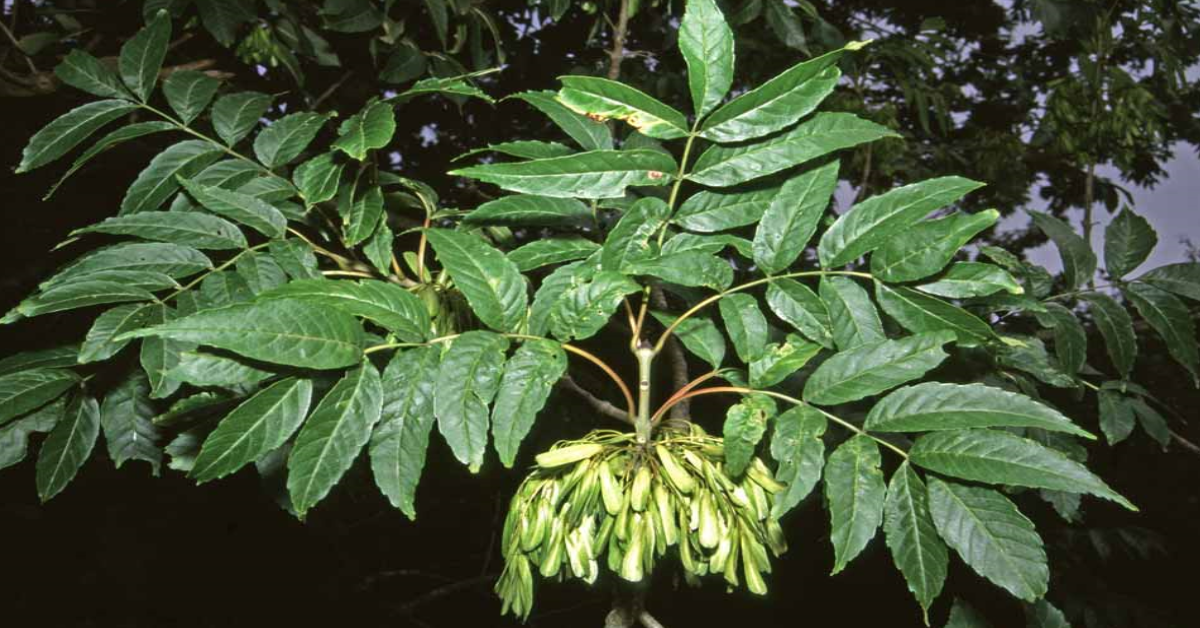
  • Appearance: Compound leaves with 7–13 leaflets, serrated edges; gray bark with diamond patterns; winged seeds (keys) in clusters.
  • Regions:
    • F. excelsior: Native to Europe, found in woodlands and hedgerows; thrives in USDA zones 5–7.
    • F. americana: Native to eastern North America, common in forests; thrives in USDA zones 3–9.
  • Lookalikes: Differentiate from hickory (similar leaves) by ash’s opposite branching and diamond bark.

List of Sources

  • Dioscorides, De Materia Medica
  • Culpeper’s Complete Herbal
  • Norse Eddas (Poetic and Prose)
  • Celtic Ogham texts
  • Journal of Ethnobotany
  • USDA Forest Service Reports
  • European Ash Dieback Taskforce
  • Native American Ethnobotanical Database
  • Modern herbalist manuals (Grieve, Hoffmann)

Relevant Tags and Categories

AshTree, Herbalism, Yggdrasil, NorseMythology, CelticLore, MedicinalPlants, Esoteric, Astrology, MagicalHerbs, Ethnobotany, Conservation, Homesteading, PickledAshKeys, WILDCRAFTING,
biodynamic farming, herbal medicine, phytotherapy, anti-inflammatory, holistic healing, esoteric practices
ethnobotany, anthroposophical medicine, plant identification

Bark

Discover more from Vital Spirit Medica: From Root to Crown: A Journey Into Happiness & Wellbeing

Subscribe to get the latest posts sent to your email.


If You Made It This Far, Thank You For Visiting!


Leave a Reply

Your email address will not be published. Required fields are marked *


Something To Think About…


🌿*Lactuca virosa (wild lettuce)

In Western herbalism, Lactuca virosa acts primarily as a nervine relaxant, mild sedative, hypnotic, analgesic, and antispasmodic. It has been used for nervous irritability, insomnia, restlessness (including in children), anxiety, tension headaches, muscular pain, irritable cough, and mild pain relief as a gentler alternative to opium. It is considered cooling and grounding, helping with overactive nervous system states without strong narcotic effects.

Ancient and historical uses date back centuries, with the latex (lactucarium) employed in…

READ MORE

How to Detect and Counter Psychological Operations

What is a Psyop and Why Does It Matter?

A psychological operation, or psyop (often stylized as PSYOP or PSYOPS), is a planned effort to convey selected information and indicators to target audiences—typically foreign governments, organizations, groups, or individuals—to influence their emotions, motives, objective reasoning, and ultimately their behavior in ways that align with the originator’s objectives. This definition draws from U.S. military doctrine, where psyops are seen as a non-lethal tool in the spectrum…

READ MORE

COHERENCE

Diving deeper into “practicing coherence”—referring primarily to heart coherence training techniques like those from the HeartMath Institute, which involve heart-focused breathing, positive emotion activation, and sometimes biofeedback tools to achieve a synchronized, harmonious state between the heart, brain, and nervous system. This isn’t about vague spirituality; it’s grounded in measurable physiological changes, like improved heart rate variability (HRV) and rhythmic patterns that shift the body from stress mode to regeneration. Regular practice (even 5-10 minutes…

READ MORE

A Gentle Guide to Riding the Current Cosmic Wave

Good morning, friend.

Right now, our Sun is especially lively—sending waves of energy through our solar system after the recent eclipse. You might have noticed sleep shifting, emotions rising quickly, or intuition speaking a bit louder. It can feel personal, like the whole sky is whispering directly to you. And in a way, it is.

These solar pulses don’t just pass through the atmosphere; they touch our bodies, nervous systems, and inner worlds. Some days…

READ MORE

Forgotten Food #2: Acorns

Earliest Evidence: The oldest known food-processing tool in Europe is a 32,000-year-old grinding stone from Grotta Paglicci cave in Italy, used for acorns. In Morocco’s Taforalt caves (around 12,000 BC), acorn shells were so abundant that they were deemed a year-round staple. This predates the domestication of cereals, with acorn use traced back to 700,000 years ago in Paleolithic sites.

Ancient Civilizations: In Ancient Greece, acorns were called the “food of invincible men” and were…

READ MORE

🌿*Groundnut (Apios americana)

Groundnut tubers are utilized in modern herbal practices for metabolic support, often prepared as capsules or extracts standardized to isoflavone content, aiding in blood sugar regulation and anti-inflammatory effects, with recommended dosages of 500-1000 mg daily for adults based on preclinical evidence showing efficacy in reducing hyperglycemia without reported adverse effects in short-term use.

In integrative medicine, groundnut flower extracts are applied topically or ingested as tinctures for skin health and wound healing, leveraging their…

READ MORE

The Power of Forgiveness in Turbulent Times

Forgiveness isn’t weakness or denial; it’s a deliberate refusal to let violence recruit more violence by mirroring it. It allows us to say: “No more harm,” with clear boundaries and firm consequences, while still recognizing souls on both sides of the pain.

READ MORE

🌿*Uva Ursi (Arctostaphylos uva-ursi)

Pharmacology:

The primary mechanism of Uva Ursi involves the hydrolysis of arbutin into hydroquinone in alkaline urine, which exerts potent antibacterial effects against pathogens like Escherichia coli and Staphylococcus, inhibiting bacterial adhesion and proliferation in the urinary tract to prevent and treat infections.

Tannins in Uva Ursi contribute to its astringent properties, contracting tissues and reducing inflammation in mucous membranes, which helps alleviate symptoms of cystitis and urethritis by forming a protective barrier and decreasing…

READ MORE

🌿*Angelica

Angelica archangelica root extracts are incorporated into multi-herbal formulations like Iberogast (STW 5), a standardized preparation used clinically for functional dyspepsia and irritable bowel syndrome, where it contributes to symptom relief by modulating gastric motility, reducing spasms, and alleviating bloating through synergistic interactions with other botanicals such as peppermint and caraway; clinical trials involving over 1,200 patients have demonstrated superior efficacy over placebo in resolving abdominal pain and improving overall gastrointestinal function when administered at…

READ MORE

🌿*Amaranth (Amaranthus hypochondriacus)

Unlocking Amaranth’s Health Benefits: Amaranth is rich in bioactive compounds, including phenolic acids (e.g., ferulic, caffeic, vanillic), flavonoids (e.g., rutin, isoquercetin), betalains (betacyanins and betaxanthins giving red pigmentation), saponins, tannins, squalene (high in seed oil), and vitamins (high in C, A, E, and minerals like calcium, iron). These contribute to strong antioxidant, anti-inflammatory, and hypocholesterolemic effects.

Amaranth was a staple grain in Aztec, Mayan, and other Mesoamerican cultures, dating back over 7,000 years. Seeds were ground…

READ MORE

*Slippery Elm (Ulmus rubra)

Western Traditional & Clinical Actions In Western herbalism, slippery elm is a classic demulcent, emollient, nutritive, and mild astringent. It coats and soothes inflamed mucous membranes, supports digestion, and is used for sore throats, coughs, gastrointestinal irritation (e.g., ulcers, IBS, diarrhea/constipation), and topically for skin wounds or rashes. It is generally recognized as safe (GRAS) and valued as a gentle remedy for convalescence.

READ MORE

*Marshmallow (Althaea officinalis)

Discover Marshmallow Root: Remedies for Health and Wellness:

As a nutritional supplement in powder or capsule form, Althaea officinalis supplies polysaccharides and flavonoids that support immune function and reduce oxidative stress, ideal for inclusion in daily regimens for metabolic health, with 500-1000 mg doses aiding in blood sugar regulation and anti-inflammatory nutrition.

In functional food recipes, the root powder is added to smoothies and soups as a thickener rich in vitamins A, C, and B-complex,…

READ MORE

* Vervain (Genus Verbena)

Herbal Actions of Vervain (Verbena officinalis)

**Nervine relaxant** – Calms the nervous system, eases tension, anxiety, and over-excitement without heavy sedation; traditionally prized for soothing “over-enthusiastic” or stressed individuals. – **Mild antidepressant** – Supports emotional balance and lifts melancholy, historically used for nervous exhaustion and depressive states. – **Antispasmodic** – Relaxes muscular and nervous spasms, beneficial for tension headaches, menstrual cramps, and irritable bowel symptoms. – **Bitter tonic** – Stimulates digestion by increasing bile…

READ MORE

*Yarrow

Herbal Actions: Astringent and hemostatic (stops bleeding) Anti-inflammatory and antispasmodic Diaphoretic (promotes sweating) Diuretic, carminative, and bitter tonic Vulnerary (wound-healing) and antimicrobial Phytochemistry: Rich in essential oils (1,8-cineole, camphor, achillicin), flavonoids (apigenin, luteolin, quercetin), sesquiterpene lactones (leucodin, achillin), phenolic acids (chlorogenic, caffeoylquinic), and alkaloids (achilleine). These contribute to its bioactivities, with variability by habitat and chemotype.

READ MORE

*Dandelion

Functional Foods and Nutrition: Dandelion-infused oils and vinegars function as dietary condiments to aid fat digestion and mineral absorption, leveraging phenolic acids for antioxidant protection, integrated into modern functional diets based on ancient Greek and Roman records for enhanced meal nutrition. Dandelion leaves are incorporated into functional salads and greens as a nutrient-dense food source rich in vitamins A, C, and K, and minerals like potassium and iron, supporting immune function and bone health, with…

READ MORE

🎄Holly

As the winter solstice fades and Christmas lights flicker on, few plants evoke the season’s magic quite like Holly (Ilex aquifolium). With its glossy, spiny leaves and crimson berries, holly adorns wreaths, mantels, and holiday cards worldwide. However, beneath its festive façade lies a story of contrast: in modern medicine, holly has largely retreated to an ornamental role, its therapeutic potential overshadowed by limited evidence and concerns about toxicity. Yet in the realms of folklore,…

READ MORE

Forgotten Food #1: Groundnut (Apios americana)

This is a gut-punch of a tale—equal parts inspiring resilience and infuriating erasure. It’s a microcosm of how colonialism didn’t just steal land but systematically dismantled Indigenous food sovereignty, replacing regenerative systems (like nitrogen-fixing perennials in polycultures) with extractive ones that lock us into chemical dependency. The 1654 law? Straight-up resource piracy, dressed as “progress,” ensured Natives couldn’t sustain themselves on stolen soil. And the Irish Famine rejection? A tragic irony—Europeans tested a famine-proof crop…

READ MORE

Monthly Symptoms Herbal Recipe Guide

March herbal remedies focus on detoxification and allergy relief as the season transitions towards spring. Key herbs include nettle for its antihistamine properties, dandelion for liver support, and cleavers for lymphatic health. Goldenrod assists with sinus congestion, while astragalus and reishi strengthen immunity. Herbal blends, like a spring tonic tea, combine these elements for optimal health. The advice also emphasizes the importance of consulting professionals before use. Overall, these remedies promote renewal and prepare the…

READ MORE

Big Pharma Takeover

Big Pharma Takeover Timeline Act I: The Ancient Symphony of Healing Picture a world where the earth was the first healer, her secrets whispered to those who listened. Long before ink met papyrus, our ancestors—Paleolithic wanderers some 60,000 years ago—were already tuning into nature’s pharmacy. Archaeological digs reveal traces of opium poppies, ephedra, and cannabis in ancient burials, hinting at a primal bond with plants. Neanderthals chewed chamomile and yarrow, their dental calculus spilling secrets…

READ MORE

Elecampane

Elecampane (Inula helenium) possesses a wide range of herbal actions, including expectorant, antitussive, diaphoretic, bactericidal, antispasmodic, alterative, stimulant, and tonic effects. It is particularly noted for its ability to act as a stimulating expectorant, helping to loosen and expel thick mucus from the respiratory tract. Its antispasmodic properties relax bronchial muscles, making it useful in conditions like asthma and bronchitis where bronchial constriction is present. The herb is also described as a bronchospasmolytic, aiding in…

READ MORE

Datura: The Hallucinogenic Plant with Historical Roots

Datura stramonium (common names: Jimsonweed, devil’s trumpet, thorn apple, moonflower, zombie’s cucumber) is a highly toxic, deliriant hallucinogenic nightshade plant with a global reputation in medicine, witchcraft, crime, and folklore. Below is a comprehensive, continuously updated synthesis of botanical, chemical, pharmacological, historical, ethnobotanical, toxicological, legal, and modern data—drawn from primary literature, forensic databases, ethnopharmacology archives, and real-time monitoring of emerging reports (up to November 13, 2025).

READ MORE

Mandrake: Ancient Remedies and Modern Uses

Mandrake, scientifically known as Mandragora officinarum, is a plant steeped in history, mythology, and medicinal use. Here is a comprehensive exploration of its characteristics, historical significance, chemical properties, uses, and cultural references.

READ MORE

Hemp (Cannabis Sativa): From Ancient Uses to Modern Solutions

Hemp’s Sacred Song: A SPARK Original

Beneath the sun’s warm gaze, where earth and sky entwine, Hemp rises tall, a verdant thread of life divine. Its roots drink deep from Gaia’s heart, unyielding, strong, A whispered hymn of healing, sung through ages long.

READ MORE

Turmeric: Culinary, Medicinal, and Cultural Insights

A Golden Ode to Turmeric A SPARK Original

Beneath the earth, a hidden flame, Curcuma longa, turmeric by name. Golden rhizome, pulsing bright, Born of soil and cosmic light. From ancient roots to modern hands, You weave your magic through the lands.

READ MORE

White Lotus: Ecological Roles and Uses

Ode to the White Lotus (Nymphaea alba) In silent waters, deep and still, You rise, O Lotus, with sacred will. From mud’s embrace, your petals gleam, A beacon born of a primal dream.

Your white blooms kiss the dawn’s first light, Unfurling soft in the arms of night. A chalice pure, of star and moon, You sing of peace in a timeless tune.

READ MORE

GINGER

Ginger’s Fire: A Song of Earth and Spirit

Beneath the soil, a spark of life takes root, Zingiber’s heart, a rhizome resolute. Ginger, fierce with fiery, golden glow, Whispers ancient secrets only earth may know.

READ MORE

Holy Basil

Ode to Tulsi: The Eternal Pulse of Harmony From India’s sacred soil, Tulsi ascends, Ocimum sanctum, where spirit blends. Her genome unveiled, a map of might, Unveils the essence of healing light.

READ MORE

Wormwood

Wormwood’s Song Beneath the moon’s pale, watchful gaze, Wormwood rises through misty haze. Silvery leaves, a bitter sigh, Whisper truths where shadows lie.Born of Artemis, fierce and free, Your roots entwine eternity. A chalice of gall, both sharp and wise, You pierce the veil of mortal guise.

READ MORE

Something went wrong. Please refresh the page and/or try again.

Translate »