
|
Getting your Trinity Audio player ready…
|
Rosemary (Salvia rosmarinus, formerly Rosmarinus officinalis)
Overview
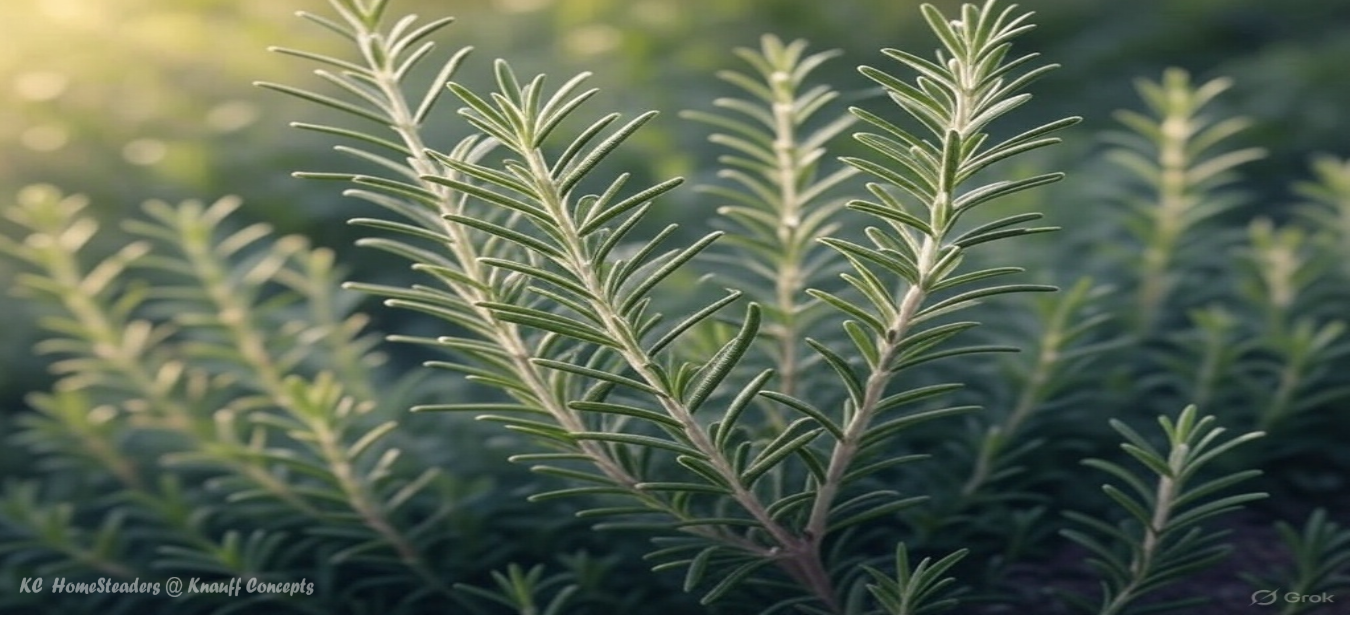
Rosemary, now classified as Salvia rosmarinus (previously Rosmarinus officinalis), is a fragrant, evergreen shrub belonging to the Lamiaceae family, alongside mint, oregano, and lavender. Native to the Mediterranean region, including Portugal, Spain, and North Africa, rosemary thrives in dry, rocky, coastal environments, earning its Latin name ros marinus (“dew of the sea”) due to its ability to survive with minimal water, often nourished by sea mist. This perennial herb, reaching heights of 1.2–1.8 meters (4–6 feet), features needle-like, aromatic leaves and small flowers in shades of white, pink, purple, or blue. Its fibrous root system and woody stems make it a resilient plant, cultivated globally for its culinary, medicinal, ornamental, and spiritual significance.
Rosemary’s history spans millennia, with evidence of its use dating back to 5000 BCE on cuneiform tablets and in ancient Egyptian burial rituals. Revered by the Greeks and Romans for enhancing memory and warding off evil, it was later adopted in medieval Europe for purification and protection. Across cultures, rosemary symbolizes remembrance, fidelity, and spiritual clarity, appearing in folklore, religious texts, and indigenous traditions. Its bioactive compounds, including rosmarinic acid, carnosic acid, and essential oils, contribute to its antimicrobial, antioxidant, and neuroprotective properties, making it a cornerstone of holistic healing. From ancient Materia Medica to modern herbalism, rosemary’s versatility endures in kitchens, apothecaries, and sacred spaces worldwide.

Quick Facts Table & Page Navigation
| Category | Key Facts |
|---|---|
| Overview | Evergreen shrub, 1.2–1.8 m, native to Mediterranean. Needle-like, aromatic leaves; blue, white, or pink flowers. Symbolizes remembrance, fidelity, purity. Used since 5000 BCE for culinary, medicinal, and spiritual purposes. |
| Modern Medical Use and Relevance | Antioxidant, antimicrobial, neuroprotective. Treats cognitive decline, pain, infections, diabetes, skin aging. Forms: leaves, oils, extracts. Safe in moderation; avoid in pregnancy or high doses (seizure risk). |
| Scientific and Technological Advancements | Bioactives: carnosic acid, rosmarinic acid, camphor. Supercritical CO2 extraction, nanoencapsulation enhance efficacy. Used in food preservation (E392), cosmeceuticals, wound healing. |
| Current Projects and Future Possibilities | Research on Alzheimer’s, antimicrobial resistance, sustainable extraction. Future: personalized therapies, neurological treatments, phytoremediation. |
| Biblical References | No direct mention; linked to “aromatic herbs” (e.g., Song of Solomon 4:14). Christian folklore: Virgin Mary’s cloak turned flowers blue. Symbolizes purity, devotion; used in purification, funerary rites. |
| Indigenous Perspectives | Berber: medicinal (colds, wounds), spiritual (smudging). Native American: adopted for smudging, insect repellent. Symbolizes protection, clarity; called “alecrirn” (elfin-plant) in Berber lore. |
| Homesteading / Herbal Gardening | USDA zones 7–10, drought-tolerant, sandy soil (pH 6–7). Propagate by cuttings; pest-resistant (deters aphids). Harvest leaves year-round; uses: culinary, medicinal, ornamental. |
| Culinary Uses | Piney flavor enhances meats, breads, desserts, cocktails. Flowers garnish salads. Essential oil preserves food (E392). |
| Chemistry | Phenolic diterpenes (carnosic acid), rosmarinic acid, volatile oils (α-pinene, camphor). Antioxidant, antimicrobial via Nrf2 activation, membrane disruption. Chemotypes vary (e.g., camphor-rich in Spain). |
| Alchemical Significance | Sun-ruled; secondary Venus. Elixirs (tinctures, oils) for vitality, clarity. Symbolizes purification, transformation; used in solar rituals. |
| Spiritual Practices | Protection, purification, remembrance. Smudging, ritual baths, love charms. Aligns with Third Eye, Crown chakras; used in meditation, funerary rites. |
| Folklore Medicinal Uses with Recipe | Hungary Water: rosemary, lavender, mint in alcohol; used as tonic, topical, or spray for vitality, pain relief. Medieval cure-all linked to Queen Isabella. |
| Literary Mentions | Shakespeare’s Hamlet: “rosemary, that’s for remembrance.” Dioscorides, Pliny note medicinal uses. Sicilian tales: fairies sleep in flowers. |
| Mythological Significance | Greek: linked to Aphrodite, Mnemosyne. Christian: “Rose of Mary” legend. Egyptian: used in tombs (Anubis). Symbolizes remembrance, protection, purity. |
| Elemental Associations | Primary: Fire (transformation, vitality). Secondary: Air (intellect, divination). Tertiary: Water (emotion, purification). Used in smudging, baths, meditation. |
| Esoteric and Astro-Spiritual Practices | Aligns with Third Eye, Crown chakras. Aids astral travel, divination (scrying, tarot), energy cleansing. Rituals: smudging, baths, Sun/Venus ceremonies. |
| Astrological Connections | Ruled by Sun (vitality); secondary Venus (love). Leo, Libra, Taurus. Rituals on Sundays, Fridays, new/full moons, summer solstice. |
| Magical Uses | Ancient: Greek garlands, Egyptian tombs. Medieval: plague protection, love charms. Modern: spell jars, smudging, success spells. Wiccan, Hoodoo, Santería applications. |
| Tarot Associations | The Sun (vitality), High Priestess (intuition), Empress (love). Cleanses decks, enhances readings with oil or incense. |
| Tree of Life | Tiphareth (solar harmony), Netzach (Venusian love). Used in meditation, pathworking for balance, spiritual connection. |
| Honorable Mentions | Culpeper: Sun-ruled, heart tonic. Pliny: memory charm. Spanish: “pilgrim’s flower.” Modern: Laurie Colwin’s “soul-lifter” in cooking. |
| Easy Plant Identification and Regional Information | Needle-like leaves, blue flowers, piney scent. Mediterranean native; zones 7–10. Berber: medicinal; European: weddings. Coastal, salt-tolerant. |
| Plants to Watch Out For (Look-Alikes) | Lavender (softer leaves, floral scent), thyme (smaller, rounded leaves), sage (broader, musky). Non-toxic but lack rosemary’s bioactives. |
| Conclusion | |
| SOURCES | |
| TAGS AND CATEGORIES |

Modern Medical Use and Relevance
Rosemary (Salvia rosmarinus) is valued across multiple domains due to its diverse phytochemical profile, including carnosic acid, rosmarinic acid, and essential oils (e.g., α-pinene, camphor, eucalyptol). Its applications span medicinal, therapeutic, cosmetic, industrial, and practical uses, supported by scientific research and traditional knowledge. Below is an exhaustive overview of all applications, followed by accessibility and safety considerations.
Medicinal and Therapeutic Applications
- Cognitive Health and Neuroprotection
Rosemary enhances memory and concentration, a use validated by studies showing its diterpenes (e.g., carnosic acid) protect neurons from oxidative stress and amyloid-beta toxicity. A 2018 meta-analysis (Hussain et al., 2021) confirmed cognitive improvement in lab animals, suggesting potential for Alzheimer’s and Parkinson’s prevention. Inhalation of rosemary essential oil (1,8-cineole) improves mental clarity, reduces anxiety, and alleviates depression and insomnia symptoms, as seen in aromatherapy trials. It’s used in clinical settings to support patients with dementia or stress-related disorders. - Anti-Inflammatory and Pain Relief
Rosmarinic acid and essential oils exhibit anti-inflammatory and antinociceptive effects. Studies (Khezri et al., 2019) demonstrate efficacy in reducing pain from intercostal neuralgia, migraines, and headaches. Topical rosemary oil in nanostructured lipid carriers accelerates wound healing by reducing inflammation and promoting tissue regeneration. It’s applied in clinical and home settings for muscle soreness, joint pain (e.g., arthritis), and post-surgical recovery. - Antimicrobial and Antiviral Activity
Rosemary essential oils are potent against bacteria (Staphylococcus aureus, Escherichia coli), fungi (Candida albicans), and viruses (herpes simplex). Research (Pieracci et al., 2021) shows effectiveness against multidrug-resistant bacteria, making it a candidate for infection control in hospitals. It’s used in wound care, oral health products (e.g., mouthwashes for gingivitis), and respiratory treatments for colds and flu. Its antiviral properties support applications against respiratory viruses, often administered via steam inhalation. - Antioxidant Effects
Carnosic acid, carnosol, and rosmarinic acid neutralize free radicals, protecting against oxidative stress linked to chronic diseases like cancer, diabetes, and cardiovascular issues. A 2023 study (Pomi et al.) highlights its role in preventing cellular damage, used in clinical supplements to support systemic health and reduce inflammation in conditions like rheumatoid arthritis. - Metabolic Health and Diabetes Management
Rosemary lowers blood glucose and improves insulin sensitivity, as shown in studies on alloxan-diabetic rabbits (Bakirel et al., 2008) and human trials with type 2 diabetes patients. It reduces fasting blood sugar, improves lipid profiles, and limits weight gain in high-fat diet models, supporting its use in managing metabolic syndrome and obesity-related complications in clinical settings. - Cardiovascular and Circulatory Support
Rosemary enhances blood circulation when applied topically, used in clinical therapies to improve scalp health, promote hair growth, and reduce thrombosis risk by preventing platelet aggregation. Its diuretic properties help manage fluid retention, applied in treatments for edema and hypertension. Clinicians use rosemary oil in massage therapies for varicose veins and peripheral circulation issues. - Digestive Health
Rosemary’s carminative properties alleviate dyspepsia, bloating, and flatulence. The German Commission E approves rosemary leaf (4–6 g/day) for digestive issues, as it stimulates bile production and gut motility. It’s used in medical herbalism to treat stomach cramps, nausea, and liver dysfunction, often administered as a tea or tincture in clinical practice. - Respiratory Health
Rosemary’s expectorant and antimicrobial properties treat bronchitis, asthma, and colds. Inhalation of essential oil clears congestion and reduces airway inflammation, used in clinical respiratory therapies. It’s also incorporated into cough syrups and lozenges to soothe sore throats and combat respiratory pathogens. - Immune System Support
Rosemary’s immunomodulatory effects (Ahmed & Babakir-Mina, 2020) enhance immune function by boosting antioxidant defenses and reducing inflammation. It’s used in clinical settings to strengthen immunity during infections, particularly respiratory illnesses, and to support recovery in chronic conditions like autoimmune diseases. - Detoxification and Liver Support
Rosemary enhances liver detoxification by stimulating bile production and protecting hepatocytes from oxidative damage. It’s used in medical herbalism to treat liver congestion, jaundice, and toxin overload, often prescribed as an extract or tea in integrative medicine. - Oral Health
Rosemary’s antimicrobial properties combat oral bacteria, reducing plaque, gingivitis, and bad breath. It’s used in clinical dental products like mouthwashes and toothpastes, and as a rinse in dental care to reduce gum inflammation and promote oral hygiene. - Addiction and Withdrawal Support
A clinical trial (Solhi et al., 2013) found rosemary reduces opioid withdrawal symptoms, potentially via opioid receptor interaction and nervous system calming. It’s used in addiction treatment programs to alleviate cravings, anxiety, and physical discomfort during detoxification. - Eye Health
Carnosic acid protects retinal cells, with preliminary research suggesting benefits for macular degeneration. Rosemary extracts are used in integrative eye health protocols to support vision and reduce oxidative stress, often combined with other herbs. - Cancer Support
Preclinical studies (Borrás-Linares et al., 2015) show rosmarinic and carnosic acids inhibit tumor growth in leukemia, breast, and prostate cancers by inducing apoptosis. Rosemary extracts are used in integrative oncology to support cellular health and reduce inflammation during cancer treatments, though not as a primary therapy.
Cosmetic and Dermatological Applications
- Skin Care
Rosemary’s antimicrobial and antioxidant properties make it a staple in cosmetics. It’s used in creams, serums, and soaps to treat acne, prevent microbial degradation, and protect against UV-induced damage. A 2023 study (Pomi et al.) notes its role in reducing skin aging (wrinkles, hyperpigmentation), incorporated into anti-aging products and sunscreens in the cosmetic industry. - Hair Care
Rosemary essential oil stimulates hair follicles, promoting growth and preventing hair loss by improving scalp circulation. It’s used in shampoos, conditioners, and scalp treatments, with clinical studies supporting its efficacy for androgenetic alopecia. It also reduces dandruff due to its antimicrobial effects. - Aromatherapy and Fragrance
Rosemary’s piney, camphoraceous scent is used in perfumes, candles, and diffusers. Its essential oil is a key ingredient in aromatherapy products to enhance mental clarity, reduce stress, and uplift mood, widely sold in wellness and beauty industries.
Industrial and Practical Applications
- Food Preservation
Rosemary extract, approved as E392 by the EU, acts as a natural antioxidant in food preservation, extending shelf life in meats, oils, and dairy products. It replaces synthetic preservatives like BHA and BHT, used in the food industry to maintain freshness and prevent microbial growth. - Insect Repellent
Rosemary’s volatile oils (e.g., camphor, eucalyptol) repel insects like mosquitoes, moths, and aphids. It’s used in natural insect-repellent sprays, candles, and sachets for household and agricultural applications, reducing reliance on chemical pesticides. - Veterinary Medicine
Rosemary extracts are used in veterinary care for their antimicrobial and anti-inflammatory properties. They treat skin infections in pets, support digestive health in livestock, and act as a natural preservative in animal feed, applied in both small and large-scale animal husbandry. - Environmental Applications
Rosemary’s drought tolerance and pest resistance make it valuable in sustainable landscaping and phytoremediation. It’s planted in arid regions to stabilize soil and reduce erosion, and its bioactive compounds may help degrade pollutants, explored in environmental science for eco-friendly solutions.
Other Applications
- Nutritional Supplements
Rosemary is incorporated into capsules, tablets, and powders as a dietary supplement, providing antioxidants, supporting cognitive health, and aiding digestion. It’s marketed in the health industry for general wellness, often combined with other herbs like turmeric or ginkgo. - Household Cleaning
Rosemary’s antimicrobial properties make it a natural disinfectant. It’s used in eco-friendly cleaning products, such as surface sprays and laundry detergents, to kill bacteria and add a fresh scent, popular in green living markets. - Craft and Ornamental Use
Rosemary’s evergreen nature and aromatic leaves make it a favorite in crafts, such as wreaths, potpourri, and herbal sachets. It’s also grown ornamentally in gardens or as a bonsai, valued in horticulture for its aesthetic appeal and low maintenance.
Accessibility
Rosemary is widely accessible due to its global cultivation and versatile forms:
- Forms: Fresh or dried leaves, essential oils, extracts, tinctures, teas, capsules, powders, and cosmetic products. Available in grocery stores, health food shops, pharmacies, farmers’ markets, and online retailers.
- Cultivation: Grown in USDA zones 7–10, adaptable to zones 6–11 with care. Thrives in gardens, pots, or indoors, requiring minimal water and maintenance, making it accessible to growers worldwide.
- Cost: Affordable—dried rosemary costs $1–$5 per ounce, essential oils $5–$20 per 10 mL, and fresh sprigs are often under $2 at markets. Bulk purchases or home cultivation reduce costs.
- Global Availability: Cultivated in Mediterranean regions, North America, Australia, India, and South Africa. Its integration into various industries (food, cosmetics, wellness) ensures widespread availability.

Safety Considerations
Rosemary is generally safe when used appropriately, but precautions are necessary:
- Oral Use: Safe in culinary amounts. Medicinal doses (4–6 g/day leaf, 0.1–1 mL essential oil) are safe for up to 8 weeks but may cause stomach irritation, nausea, or kidney damage in excess.
- Topical Use: Essential oils must be diluted to avoid skin irritation or allergic reactions. Rare cases of contact dermatitis have been reported.
- Contraindications:
- Pregnancy: Avoid medicinal doses due to emmenagogue and abortifacient effects.
- Children: Not recommended for medicinal use under 18 due to limited safety data.
- Medical Conditions: Consult a doctor if on anticoagulants, diuretics, or diabetes medications (may interact). Avoid in epilepsy or seizure disorders due to camphor’s convulsant potential.
- Toxicity: High doses of essential oils may cause seizures, vomiting, coma, or pulmonary edema due to monoterpene ketones (e.g., camphor). Overdose requires medical attention.
- Allergies: Possible cross-reactivity in those allergic to Lamiaceae family plants (e.g., mint, basil), though rare.
- Industrial Use: Safe as a food preservative (E392) in regulated amounts; excessive use in food products may alter taste or cause irritation.
Scientific and Technological Advancements
Research on Chemical Composition and Properties
- Key Compounds: Over 150 molecules are identified in rosemary, with primary bioactives including:
- Phenolic Diterpenes: Carnosic acid, carnosol, rosmanol—potent antioxidants and neuroprotectants.
- Phenolic Acids: Rosmarinic acid, caffeic acid—anti-inflammatory and antimicrobial.
- Volatile Oils: α-Pinene, camphor, eucalyptol, borneol—responsible for aroma and antimicrobial effects.
- Triterpenes: Ursolic acid, oleanolic acid—anti-inflammatory and anticancer.
- Mechanisms: Carnosic acid activates the Nrf2 pathway, enhancing antioxidant defenses and protecting against neurodegeneration. Rosmarinic acid inhibits inflammatory pathways (e.g., COX-2). Essential oils disrupt microbial cell membranes.
- Variability: Chemotypes vary by region (e.g., camphor-rich in Spain, cineole-rich in Morocco), affecting oil composition and efficacy. Supercritical CO2 extraction preserves volatile compounds for consistent potency.
Innovations in Cultivation and Extraction
- Cultivation: Drought-tolerant cultivars are bred for higher yields of bioactive compounds. Hydroponics and vertical farming optimize space and resource use, supporting sustainable production.
- Extraction Methods:
- Supercritical CO2 Extraction: Yields high-purity extracts with enhanced carnosic acid content, used in food preservation and cosmetics.
- Microwave-Assisted Extraction: Reduces energy use and preserves volatile oils, improving efficiency.
- Nanoencapsulation: Encapsulating rosemary oil in nanostructured lipid carriers enhances bioavailability for topical and oral applications.
- Sustainable Practices: Organic farming and water-efficient irrigation systems minimize environmental impact. Rosemary’s pest resistance reduces pesticide use.
Technological Applications
- Delivery Systems: Liposomal and nanoparticle-based delivery enhances rosemary’s bioavailability for skin and systemic applications, used in cosmeceuticals and wound healing.
- Food Preservation: Rosemary extract (E392) replaces synthetic antioxidants (e.g., BHA, BHT) in foods, extending shelf life naturally.
- Cosmetics: Essential oils and extracts are incorporated into anti-aging creams and shampoos, leveraging antioxidant and antimicrobial properties.
- Aromatherapy Devices: Diffusers and wearable inhalers deliver rosemary’s cognitive-enhancing aroma, integrating traditional uses with modern technology.

Current Projects and Future Possibilities
Ongoing Research and Projects
- Neurodegenerative Diseases: Studies at institutions like Mashhad University of Medical Sciences explore rosemary’s diterpenes for Alzheimer’s and Parkinson’s, focusing on carnosic acid’s role in reducing neuronal apoptosis. Clinical trials are investigating its effects on memory in healthy adults.
- Antimicrobial Resistance: Projects in Morocco and Algeria test rosemary essential oils against multidrug-resistant bacteria, aiming to develop natural alternatives to antibiotics.
- Cosmeceuticals: Research at Umm Al-Qura University examines rosemary’s role in topical formulations for cellulite and skin aging, combining it with other botanicals.
- Sustainable Extraction: The ANPMA/CNRST/UMP project in Morocco develops eco-friendly extraction methods for rosemary essential oils, targeting pharmaceutical and nutraceutical applications.
Potential Future Uses
- Personalized Medicine: Advances in chemotype analysis could lead to tailored rosemary-based therapies based on individual needs and regional plant variations.
- Neurological Therapies: Rosemary’s neuroprotective effects may inspire non-invasive treatments, such as aromatherapy patches or oral supplements for cognitive health.
- Biotechnology: Genetic engineering could enhance bioactive compound production, creating rosemary strains optimized for medicinal use.
- Environmental Applications: Rosemary’s drought tolerance and pest resistance make it a candidate for phytoremediation and sustainable landscaping in arid regions.
Biblical References

Rosemary’s presence in biblical contexts is subtle, often inferred through symbolic associations rather than explicit mentions. Its role in spiritual and cultural practices reflects themes of purification, remembrance, and divine protection.
Mentions and Symbolic Associations
- No Direct Biblical References: The Bible does not explicitly name rosemary, but scholars suggest it may be among the “aromatic herbs” mentioned in contexts like the Song of Solomon (4:14) or Exodus (30:23–25), where fragrant plants were used in anointing oils and incense. Its Mediterranean origin supports this possibility.
- Christian Folklore: A prominent legend links rosemary to the Holy Family. During the flight to Egypt, the Virgin Mary reportedly rested her blue cloak on a rosemary bush, turning its white flowers blue. This story, recorded in medieval texts, associates rosemary with divine protection and purity, earning it the name “Rose of Mary.”
- Manger Tradition: Christian tradition holds that rosemary was among the herbs lining Jesus’ manger, symbolizing humility and sacredness. This enhances its use in Christmas decorations during the Middle Ages.
Role in Spiritual and Cultural Practices
- Purification: Burned as incense in early Christian churches, rosemary was believed to purify sacred spaces and ward off evil, a practice echoing its Roman use.
- Funerary Rites: Sprigs were placed in graves to protect souls, a custom tied to its Egyptian use and adopted in Christian burial rituals.
- Wedding Ceremonies: In medieval Europe, rosemary garlands symbolized fidelity and remembrance, worn by brides to ensure lasting love.
Symbolic Themes
- Purity: Its blue flowers and clean scent evoke divine grace and spiritual cleansing.
- Devotion: Associated with Mary, rosemary represents steadfast faith and loyalty.
- Remembrance: Its link to memory aligns with honoring God and ancestors.

Indigenous Perspectives
Rosemary’s use among Indigenous cultures is primarily documented in Mediterranean and North African contexts, with limited but growing adoption in other regions due to its introduction via trade and colonization. Below are perspectives from relevant Indigenous groups.
Mediterranean Indigenous Cultures (e.g., Berber, Ancient Greek)
- Medicinal Uses: Berber communities in Morocco and Algeria used rosemary for respiratory ailments, digestive issues, and wound healing. Infusions treated colds, while poultices addressed skin infections.
- Spiritual Practices: Burned to cleanse spaces and protect against malevolent spirits, rosemary was integral to Berber rituals for purification and ancestral connection.
- Symbolism: Seen as a guardian plant, rosemary was planted near homes to ward off negativity. Oral traditions describe it as a gift from the sea, embodying resilience.
North American Indigenous Cultures
- Adoption Post-Colonization: Some Native American tribes, particularly in the Southwest, incorporated rosemary after European contact. It was used in smudging rituals, blending with sage for purification, and as a tea for headaches.
- Practical Uses: Applied as a natural insect repellent, rosemary leaves were strewn in dwellings to deter pests.
- Symbolism: Viewed as a plant of clarity, it was used in storytelling to enhance memory of tribal histories.
Other Indigenous Cultures
- Limited Documentation: In regions like Australia or Sub-Saharan Africa, rosemary’s use is less documented among Indigenous groups due to its non-native status. However, its introduction via colonial trade led to experimental uses in herbalism, often for antimicrobial purposes.
Oral Traditions
- In Berber folklore, rosemary is called “alecrirn” (elfin-plant), linked to elves and fairies, suggesting a mystical role in protecting sacred spaces. Sicilian tales describe baby fairies sleeping in rosemary flowers, emphasizing its nurturing spirit.
Homesteading and Herbal Gardening
Rosemary is a staple in homestead gardens due to its resilience, versatility, and low maintenance, making it ideal for herbalists and self-sufficient households.
Cultivation
- Climate and Soil: Thrives in USDA zones 7–10, preferring full sun and well-drained, sandy, or loamy soil (pH 6–7). Tolerates drought and poor soils but dislikes excessive moisture.
- Planting: Sow seeds in spring or propagate via cuttings for faster growth. Space plants 2–3 feet apart to allow air circulation.
Propagation
- Cuttings: Take 4–6 inch stem cuttings, remove lower leaves, and root in moist sand or water. Rooting takes 2–4 weeks.
- Seeds: Slow to germinate (2–3 weeks), with low viability. Soak seeds for 24 hours to improve success.
- Layering: Bend a low branch to the ground, cover with soil, and anchor until roots form.
Pest Resistance
- Highly resistant to pests due to its aromatic oils. Deters aphids, spider mites, and whiteflies. Susceptible to powdery mildew in humid climates; ensure good air circulation. Spittlebugs may occasionally infest but are manageable with hosing.
Harvesting
- Harvest leaves year-round, ideally in the morning when oils are concentrated. Cut 6–8 inch sprigs, avoiding more than one-third of the plant to ensure regrowth. Dry in a shaded, well-ventilated area for 1–2 weeks.
- Flowers can be harvested for culinary or decorative use when fully open.
Homestead Uses
- Culinary: Fresh or dried leaves flavor dishes; flowers garnish salads.
- Medicinal: Teas for digestion, poultices for wounds, and oils for scalp health.
- Household: Leaves strewn as a natural insect repellent or boiled for a cleaning spray.
- Ornamental: Planted as a hedge or in pots for aesthetic appeal.

Culinary Uses
Rosemary’s pungent, piney flavor with citrus and camphor notes makes it a culinary cornerstone, especially in Mediterranean cuisine. Its leaves, flowers, and oils enhance both savory and sweet dishes.
- Savory Dishes: Adds depth to roasted meats (lamb, poultry), grilled vegetables, soups, stews, and sauces. Infused in olive oil for marinades or dipping.
- Baked Goods: Incorporated into breads, focaccia, and crackers for aromatic flavor.
- Sweet Dishes: Pairs with fruit, chocolate, and caramel in desserts like rosemary-infused banana splits or pear upside-down cake.
- Beverages: Steeped as a tea for digestion or added to cocktails (e.g., gin with rosemary sprigs) for a herbal twist.
- Preservation: Essential oil extends shelf life in cheeses and oils, approved as a natural preservative (E392).
- Edible Flowers: Used as a garnish in salads or desserts for a mild, floral flavor.
Chemistry
Rosemary’s therapeutic effects stem from its complex chemical profile, with variability influenced by region, climate, and extraction method.
Key Compounds
- Phenolic Diterpenes: Carnosic acid (antioxidant, neuroprotective), carnosol (anticancer), rosmanol.
- Phenolic Acids: Rosmarinic acid (anti-inflammatory, antimicrobial), caffeic acid.
- Volatile Oils (1.5–2.5%): α-Pinene, camphor, eucalyptol, borneol, β-caryophyllene—responsible for antimicrobial and aromatic properties.
- Triterpenes: Ursolic acid, oleanolic acid—anti-inflammatory, antidiabetic.
- Flavonoids: Luteolin derivatives—antioxidant, anti-inflammatory.
Essential Oil Variability
- Chemotypes: Spanish rosemary is camphor-rich, Moroccan is cineole-rich, and Tunisian is α-pinene-rich, affecting therapeutic applications.
- Extraction Impact: Steam distillation yields 1–2% oil, while supercritical CO2 extraction preserves higher diterpene content.
- Environmental Factors: Drought and soil type influence oil concentration, with coastal plants often richer in volatile compounds.
Mechanisms
- Antioxidant: Carnosic acid and rosmarinic acid scavenge free radicals, upregulating Nrf2 to protect cells.
- Antimicrobial: Volatile oils disrupt microbial cell walls, inhibiting growth of bacteria and fungi.
- Neuroprotective: Diterpenes inhibit amyloid-beta aggregation and reduce oxidative stress in neuronal cells.
- Anti-Inflammatory: Rosmarinic acid inhibits COX-2 and cytokine production, reducing inflammation.
Safety
- Safe in culinary amounts. Medicinal doses require dilution (essential oils) or moderation (extracts) to avoid irritation or toxicity. Avoid in pregnancy or with seizure disorders due to camphor’s convulsant potential.

Alchemical Significance
In alchemy, rosemary is revered for its transformative and purifying qualities, bridging the physical and spiritual realms.
Planetary Correspondence
- Sun: Rosemary’s vibrant energy, golden-green leaves, and resilience align with the Sun, symbolizing vitality, clarity, and illumination. It is used in rituals to invoke courage and renewal.
- Secondary Associations: Some traditions link rosemary to Venus for its role in love and fidelity rituals.
Elixir Preparation
- Tincture: Steep 1 part fresh rosemary leaves in 2 parts high-proof alcohol for 4–6 weeks, shaking daily. Strain and use as a tonic for vitality or mental clarity (5–10 drops daily).
- Infused Oil: Simmer dried rosemary in carrier oil (e.g., olive) for 2 hours, strain, and use for anointing or massage to enhance spiritual focus.
- Distillation: Alchemists distilled rosemary to capture its volatile oils, believed to carry the plant’s “spirit” for healing and purification.
Symbolism
- Purification: Represents cleansing of body and soul, used to clear negative energies.
- Transformation: Its evergreen nature symbolizes eternal life and spiritual growth.
- Memory: Linked to the mind’s ability to connect with divine wisdom.
Uses and Practical Applications
- Ritual Anointing: Oils or tinctures anoint candles or tools to invoke solar energy or protection.
- Amulets: Dried sprigs carried as talismans for clarity and strength.
- Elixirs: Consumed in small doses to align with the Sun’s vitality and enhance spiritual insight.
Spiritual Practices
Rosemary’s spiritual significance spans cultures, embodying protection, clarity, and remembrance in rituals and meditative practices.
Rituals
- Protection: Burned as incense or strewn around homes to shield against negative energies. In Greek and Roman traditions, rosemary garlands were worn to ward off evil.
- Purification: Smudged to cleanse sacred spaces, tools, or auras, often combined with sage in modern practices.
- Love and Fidelity: Woven into bridal wreaths or placed under pillows to ensure loyal love, a medieval European custom.
- Ancestral Connection: Burned during remembrance ceremonies to honor the departed, believed to bridge the living and dead.
Symbolism
- Clarity: Activates the third eye chakra, enhancing spiritual insight and focus.
- Remembrance: Represents memory of ancestors and divine purpose, used in funerary and memorial rites.
- Protection: A guardian herb, symbolizing strength and divine safeguarding.
Meditation
- Aromatherapy: Inhaling rosemary oil during meditation clears mental fog and deepens focus. Diffusers or anointed wrists enhance the experience.
- Visualization: Holding a sprig while visualizing light or protection strengthens spiritual intent.
- Chakra Work: Placed on the third eye or crown chakra to open pathways to intuition and wisdom.
Funerary Rites
- Egyptian Tradition: Sprigs placed in tombs to protect souls in the afterlife, a practice adopted in Christian burials.
- European Customs: Thrown into graves or carried by mourners to honor the deceased and ensure peaceful passage.
- Modern Practices: Burned or placed on altars during memorial rituals to connect with ancestors.
Folklore Medicinal Uses with an Interesting Popular Recipe
Rosemary’s medicinal folklore is rich, with remedies passed down through generations for physical and spiritual healing. A popular recipe, Hungary Water, is a legendary tonic attributed to Queen Isabella of Hungary in the 13th century, believed to restore vitality and cure paralysis.
Hungary Water Recipe
Ingredients:
- 1 cup fresh rosemary leaves (or ½ cup dried)
- ½ cup fresh lavender flowers (or ¼ cup dried)
- ¼ cup fresh mint leaves
- 2 cups high-proof alcohol (e.g., vodka or brandy)
- 1 cup distilled water
- Optional: 1 tsp rose petals for added fragrance
Instructions:
- Combine rosemary, lavender, mint, and rose petals (if using) in a clean glass jar.
- Pour alcohol over the herbs, ensuring they are fully submerged. Seal the jar tightly.
- Store in a cool, dark place for 4–6 weeks, shaking daily to infuse.
- Strain through cheesecloth into a clean bottle, discarding solids.
- Dilute with distilled water (1:1 ratio) and shake well.
- Store in a dark glass bottle to preserve potency.
Usage:
- Tonic: Take 1 tsp diluted in water daily to boost vitality and mental clarity.
- Topical: Apply to pulse points or sore muscles for invigoration and pain relief.
- Aromatic: Use as a facial mist or room spray for purification and mood enhancement.
- Spiritual: Anoint candles or ritual tools for protection and clarity.
Cultural Note: Hungary Water, also called “Queen of Hungary’s Water,” was reputedly gifted to Queen Isabella by a hermit or alchemist. It was used as a cure-all, from restoring youth to treating paralysis, and became a staple in European apothecaries. Its rosemary base reflects the herb’s reputation as a rejuvenating and protective plant, blending practical healing with mystical allure. The recipe survives in herbal traditions, celebrated for its versatility and historical significance.
Literary Mentions
Rosemary’s evocative symbolism has inspired its inclusion in literature, folklore, and sacred texts, enriching its cultural narrative.
- Shakespeare: In Hamlet, Ophelia declares, “There’s rosemary, that’s for remembrance; pray, love, remember” (Act 4, Scene 5), cementing its association with memory and fidelity.
- Ancient Texts: Mentioned on cuneiform tablets (5000 BCE) and in Dioscorides’ De Materia Medica (1st century CE), which praises rosemary for brain, liver, and heart ailments.
- Medieval Literature: Elizabeth Kent’s Flora Domestica (1823) notes rosemary’s name as “Sea-dew,” thriving by the coast, and its use in warding off nightmares.
- Folklore: Sicilian tales describe fairies sleeping in rosemary flowers, while Spanish lore calls it “pilgrim’s flower,” tied to the Virgin Mary’s rest during the flight to Egypt.
- Modern Works: Molly O’Neill’s food writing praises rosemary’s “subtle magic” in cooking, evoking forest and sea. Ernest Thomas Cook (1900) describes its virtues of “constancy to the living and remembrance of the lost.”
Mythological Significance
Rosemary’s mythological roots are deeply entwined with Mediterranean folklore, divine associations, and spiritual symbolism, reflecting its role as a sacred herb across ancient cultures.
Mediterranean Mythology
- Greek Mythology: Rosemary is linked to Aphrodite, goddess of love, who emerged from the sea, mirroring the herb’s coastal origins. It was sacred to Mnemosyne, goddess of memory, as Greek scholars wore rosemary garlands to enhance recall during studies. In some myths, rosemary sprouted where sea foam touched the shore, symbolizing divine creation and purity.
- Roman Mythology: Associated with Venus (Aphrodite’s Roman counterpart), rosemary was used in love rituals and purification ceremonies. Romans believed it grew where the footsteps of gods touched the earth, marking it as a divine gift for protection and remembrance.
- Christian Folklore: The legend of the Virgin Mary’s cloak turning rosemary’s flowers blue during the flight to Egypt ties it to divine protection and humility. Known as the “Rose of Mary,” it was planted near shrines and used in Christian rituals to honor the divine feminine.
Other Cultural Myths
- Egyptian Mythology: Rosemary’s use in embalming and funerary rites suggests a connection to Anubis, god of the afterlife, symbolizing safe passage and eternal memory. Sprigs were placed in tombs to protect souls, aligning with Osiris’s themes of rebirth.
- Celtic Traditions: Though not native to Celtic regions, rosemary was adopted post-Roman contact and linked to Brigid, goddess of healing and poetry, for its purifying and memory-enhancing qualities. It was used in rituals to honor ancestors.
- Berber Folklore: In North Africa, rosemary, called “alecrirn” (elfin-plant), was believed to house protective spirits or elves. Myths describe it as a gift from the sea gods, used to ward off malevolent forces and ensure spiritual clarity.
Symbolic Themes
- Remembrance: Across myths, rosemary embodies memory, connecting the living to divine or ancestral wisdom.
- Protection: Its evergreen nature and potent aroma mark it as a guardian against spiritual and physical harm.
- Purity and Love: Associated with divine feminine energies, rosemary symbolizes spiritual cleansing and enduring devotion.
Elemental Associations

Rosemary’s elemental correspondences enhance its esoteric and magical applications, aligning with its energetic properties.
- Primary Element: Fire
- Qualities: Rosemary’s warm, pungent aroma and vibrant energy resonate with Fire’s transformative, purifying, and illuminating nature. Its association with the Sun reinforces this fiery connection, symbolizing vitality, courage, and spiritual clarity.
- Uses: Burned in rituals to ignite passion, banish negativity, or invoke divine light. Used in fire-based spells for protection and empowerment.
- Secondary Element: Air
- Qualities: Its aromatic volatile oils and cognitive-enhancing effects align with Air’s domain of intellect, communication, and spiritual connection. Rosemary’s wind-dispersed seeds and coastal growth evoke airy freedom.
- Uses: Inhaled or diffused in meditation to clear mental fog and enhance divination. Used in air-based rituals for memory and inspiration.
- Tertiary Element: Water
- Qualities: Rosemary’s name (ros marinus, dew of the sea) and coastal habitat tie it to Water’s emotional and intuitive realms. Its use in love and purification rituals reflects Water’s cleansing and nurturing aspects.
- Uses: Infused in ritual baths or moon water for emotional healing and spiritual cleansing.
Esoteric and Astro-Spiritual Practices
Rosemary’s esoteric significance spans chakra work, astral travel, divination, and energy cleansing, making it a versatile tool in spiritual practices.
Chakra Alignment
- Primary Chakra: Third Eye (Ajna)
- Effects: Rosemary’s memory-enhancing and clarity-inducing properties stimulate the Third Eye, fostering intuition, psychic vision, and spiritual insight.
- Practices: Place rosemary oil or a sprig on the forehead during meditation to open the Third Eye. Burn rosemary incense to clear mental blocks and enhance dreamwork.
- Secondary Chakra: Crown (Sahasrara)
- Effects: Its purifying and uplifting energy connects to the Crown, facilitating divine communication and spiritual awakening.
- Practices: Anoint the crown with rosemary-infused oil or wear a rosemary crown during rituals to align with higher consciousness.
- Supporting Chakras: Heart (Anahata) for love and fidelity rituals; Solar Plexus (Manipura) for confidence and personal power.
Astral Travel
- Role: Rosemary protects and grounds during astral projection, ensuring safe return to the physical body. Its clarity-enhancing properties aid in navigating astral realms.
- Practices:
- Amulet: Carry a rosemary sprig or sachet under the pillow to protect during astral journeys.
- Incense: Burn rosemary to create a sacred space, guiding the spirit through clear visions.
- Tea: Drink rosemary tea before projection to sharpen focus and strengthen psychic barriers.
Divination
- Role: Rosemary enhances psychic sensitivity and memory, making it ideal for scrying, tarot, and dreamwork.
- Practices:
- Scrying: Burn rosemary or place sprigs around a scrying mirror to amplify visions.
- Tarot: Anoint cards with rosemary oil to clear residual energies and enhance readings.
- Dreamwork: Place rosemary under the pillow to promote prophetic dreams and recall.
Astro-Spiritual Rituals
- Sun Rituals: As a solar herb, rosemary is used in rituals on Sundays or during the summer solstice to invoke vitality, success, and divine light. Burn rosemary or offer sprigs on an altar to honor the Sun.
- Venus Rituals: For love and fidelity, incorporate rosemary in Friday rituals or during Libra/Taurus transits. Weave into wreaths or infuse in rosewater for love spells.
- Purification Ceremonies: Use rosemary in smudging or ritual baths during new or full moons to cleanse energies and set intentions.
Energy Cleansing
- Methods:
- Smudging: Burn dried rosemary bundles to clear negative energies from spaces, tools, or auras. Combine with sage for enhanced potency.
- Sprinkling: Scatter rosemary leaves around thresholds or altars to protect and purify.
- Baths: Steep rosemary in bathwater with sea salt to cleanse the aura and release emotional blockages.
- Sprays: Create a rosemary-infused spray (boil leaves, strain, and bottle) to mist rooms or sacred spaces.
- Purpose: Removes spiritual stagnation, protects against psychic attacks, and restores energetic balance.
Astrological Connections
Rosemary’s astrological correspondences align with its fiery, solar, and loving energies, influencing its use in rituals and magical timing.
Ruling Planet
- Sun: Rosemary’s vibrant, warming energy and evergreen resilience mirror the Sun’s qualities of vitality, leadership, and illumination. It is used in solar rituals to boost confidence, clarity, and spiritual growth.
- Uses: Burn rosemary on Sundays or at sunrise to harness solar power. Anoint with rosemary oil for success and personal empowerment.
Secondary Influence
- Venus: Rosemary’s association with love, fidelity, and beauty ties it to Venus, enhancing its use in romance and harmony rituals.
- Uses: Incorporate rosemary in Venus-ruled rituals (Fridays, Libra/Taurus seasons) for love spells or to strengthen relationships.
Zodiac Signs
- Leo: As a Sun-ruled sign, Leo resonates with rosemary’s boldness and charisma. Use in rituals to enhance leadership and creativity.
- Libra and Taurus: Venus-ruled signs align with rosemary’s role in love and aesthetic harmony. Use for attraction and balance.
- Aries: Fire sign synergy amplifies rosemary’s protective and energizing qualities, ideal for courage spells.
Ritual Timing
- Day: Sunday (Sun) for success, vitality, and protection; Friday (Venus) for love and harmony.
- Time: Sunrise for solar rituals; twilight for Venusian love spells.
- Moon Phase: New Moon for setting intentions; Full Moon for purification and manifestation; Waxing Moon for growth and attraction.
- Season: Summer solstice for peak solar energy; spring for love and renewal.
Magical Uses from Ancient to Today
Rosemary’s magical applications are vast, spanning ancient Mediterranean practices to modern witchcraft and holistic spirituality. Below is an exhaustive list of its uses across time and traditions:
Ancient Magical Uses
- Greek and Roman: Worn as garlands to enhance memory and protect against evil spirits. Burned in temples to honor gods like Aphrodite and Apollo. Used in love potions and purification baths.
- Egyptian: Placed in tombs to protect souls and ensure safe passage to the afterlife. Infused in oils for anointing sacred objects.
- Celtic (Post-Roman): Adopted for protection and healing, strewn around homes to ward off malevolent forces.
Medieval and Renaissance Uses
- Protection: Hung over doorways or carried in sachets to repel witches and demons. Burned to purify homes during plagues.
- Love Magic: Woven into bridal wreaths or placed under pillows to dream of future spouses. Infused in wine for love potions.
- Funerary Magic: Sprigs thrown into graves or burned to honor the dead and ensure their peace.
- Healing Charms: Tied to the body or worn as amulets to cure ailments and boost vitality.
Modern Magical Uses
- Protection Spells:
- Warding: Plant rosemary around homes or sprinkle leaves at thresholds to block negative energies.
- Amulets: Carry rosemary sprigs or sachets for personal protection during travel or spiritual work.
- Hex-Breaking: Burn rosemary with salt to break curses or psychic attacks.
- Love and Fidelity:
- Attraction: Add rosemary to love sachets with rose quartz or anoint candles for romance spells.
- Commitment: Exchange rosemary sprigs in handfasting ceremonies to symbolize loyalty.
- Dream Magic: Place under the pillow to dream of true love or strengthen bonds.
- Purification and Cleansing:
- Smudging: Burn rosemary to clear spaces, tools, or auras before rituals.
- Baths: Soak in rosemary-infused water to cleanse the aura and release emotional baggage.
- Altars: Place sprigs on altars to maintain sacred energy.
- Divination and Psychic Work:
- Clarity: Burn or anoint with rosemary oil to enhance tarot, scrying, or pendulum work.
- Dreamwork: Use in dream pillows for prophetic visions and dream recall.
- Astral Protection: Carry during astral travel to shield the spirit.
- Success and Empowerment:
- Career Spells: Anoint resumes or business tools with rosemary oil for success.
- Confidence: Burn rosemary before important events to boost courage and charisma.
- Manifestation: Combine with bay leaves in intention-setting rituals for achievement.
- Healing Magic:
- Energy Healing: Place rosemary on chakras or use in reiki to clear blockages.
- Physical Healing: Infuse in oils for massage to relieve pain or boost vitality.
- Emotional Healing: Burn or diffuse rosemary to alleviate grief and restore balance.
- Funerary and Ancestral Work:
- Remembrance: Burn rosemary during memorial rituals to honor ancestors.
- Connection: Place sprigs on ancestral altars to strengthen spiritual bonds.
- Passage: Use in funerary rites to guide souls to peace.
Global and Contemporary Variations
- Wiccan and Pagan: Central to protection, purification, and love spells. Used in sabbat rituals (e.g., Beltane for love, Samhain for ancestors).
- Hoodoo: Incorporated in mojo bags for protection and success, often paired with basil or rue.
- Santería and Vodou: Used in spiritual baths and offerings to deities like Oshun (love) or Elegua (protection).
- Modern Witchcraft: Featured in spell jars, candles, and herbal blends for versatility in intention work.

Tarot Associations
Rosemary’s symbolic themes of memory, protection, and clarity align it with specific tarot cards, enhancing readings and rituals.
Major Arcana
- The Sun: Reflects rosemary’s solar energy, vitality, and illumination. Use rosemary to invoke joy, success, and clarity in Sun-related readings.
- The High Priestess: Aligns with rosemary’s intuitive and psychic-enhancing qualities. Anoint cards or burn rosemary to deepen spiritual insight.
- The Empress: Represents rosemary’s nurturing, Venusian qualities of love and abundance. Use in love or fertility readings.
Minor Arcana
- Ace of Wands: Symbolizes rosemary’s fiery, creative energy. Use to ignite passion or new beginnings.
- Nine of Pentacles: Reflects rosemary’s association with prosperity and self-sufficiency. Use in abundance spells.
- Four of Swords: Ties to rosemary’s calming, memory-enhancing effects. Use to promote rest and mental clarity.
Uses in Tarot
- Cleansing Cards: Rub rosemary sprigs or anoint with oil to clear residual energies from decks.
- Enhancing Readings: Burn rosemary incense or place sprigs on the table to sharpen intuition and focus.
- Spellwork: Pair rosemary with specific cards in rituals (e.g., The Sun for success, The Empress for love) to amplify intentions.
Tree of Life
In Kabbalistic tradition, rosemary’s energetic properties align with specific sephirot on the Tree of Life, enhancing its mystical applications.
Primary Sephirot
- Tiphareth (Beauty):
- Correspondence: As the solar sephira, Tiphareth resonates with rosemary’s vitality, balance, and divine connection. It represents harmony and spiritual illumination.
- Uses: Burn rosemary or anoint with oil during meditations on Tiphareth to align with the higher self and divine light. Use in rituals for balance and success.
- Netzach (Victory):
- Correspondence: Linked to Venus, Netzach reflects rosemary’s role in love, creativity, and emotional endurance.
- Uses: Incorporate rosemary in Netzach-focused rituals for love spells, artistic inspiration, or strengthening relationships.
Secondary Sephirot
- Hod (Splendor): Aligns with rosemary’s intellectual clarity and memory-enhancing properties. Use in study or divination rituals to connect with Hod’s communicative energy.
- Yesod (Foundation): Reflects rosemary’s role in dreamwork and psychic vision. Use in astral or lunar rituals to access Yesod’s subconscious realms.
Uses in Kabbalistic Practice
- Meditation: Place rosemary on an altar or hold during Tree of Life meditations to connect with specific sephirot.
- Ritual: Burn rosemary or use infused oils to invoke Tiphareth’s solar energy or Netzach’s Venusian harmony.
- Pathworking: Carry rosemary as a talisman when exploring paths between sephirot (e.g., Tiphareth to Netzach for love and balance).
Honorable Mentions
Rosemary’s rich narrative is further enriched by notable references across scriptures, literature, and oral traditions:
- Dioscorides’ De Materia Medica (1st century CE): Describes rosemary as warming, used for brain, liver, and heart ailments, and as a diuretic.
- Pliny the Elder’s Natural History: Notes rosemary’s use in memory enhancement and as a protective charm against nightmares.
- Culpeper’s Complete Herbal (1653): Assigns rosemary to the Sun, recommending it for “cold diseases of the head” and as a love charm.
- Sicilian Folklore: Tales of baby fairies sleeping in rosemary flowers, emphasizing its nurturing and protective spirit.
- Spanish Tradition: Known as “pilgrim’s flower,” tied to the Virgin Mary’s rest, used in pilgrimage rituals for protection.
- Modern Literature: Featured in Laurie Colwin’s essays as a culinary “soul-lifter,” evoking memory and comfort in cooking.
Conclusion
Rosemary (Salvia rosmarinus) stands as a timeless emblem of remembrance, protection, and spiritual clarity, weaving a vibrant thread through human history, culture, and spirituality. From its ancient roots in Mediterranean myths, sprouting where Aphrodite’s sea foam touched the shore, to its modern applications in holistic healing and sustainable technology, rosemary embodies resilience and versatility. Its fiery, solar energy and Venusian grace illuminate rituals across traditions, from Greek garlands to Berber smudging, medieval love charms to Wiccan spell jars. Whether burned to purify, infused for vitality, or planted to guard, rosemary bridges the physical and spiritual, grounding us in memory while guiding us toward divine insight.
In the esoteric realm, rosemary’s alignment with the Third Eye and Crown chakras, its role in astral travel and divination, and its connections to the Sun, Venus, and sephirot like Tiphareth make it a cornerstone of magical practice. Its practical applications—culinary flavor, homestead utility, and medicinal potency—reflect its accessibility and enduring relevance. Across Indigenous, biblical, alchemical, and folkloric contexts, rosemary’s story celebrates the sacred interplay of nature and spirit, inviting us to honor its legacy through cultivation, ritual, and healing.

Easy Plant Identification and Regional Information
Identification
- Appearance: Evergreen shrub, 1.2–1.8 m tall, with woody stems and fibrous roots. Leaves are needle-like, 2–4 cm long, dark green above, silvery-white beneath, with a leathery texture. Flowers are small (1 cm), tubular, in clusters, blooming in white, pink, purple, or blue (typically blue in spring/summer).
- Aroma: Pungent, piney, with camphor and citrus notes, especially when leaves are crushed.
- Growth Habit: Upright or trailing (depending on cultivar), drought-tolerant, thrives in sunny, well-drained sites.
- Distinguishing Features: Aromatic leaves and coastal affinity set it apart from similar herbs. Flowers attract bees, aiding identification in bloom.
Regional Information
- Native Range: Mediterranean (Portugal, Spain, Morocco, Algeria, Greece, Italy).
- Global Cultivation: Grown in USDA zones 7–10, adaptable to zones 6–11 with protection. Thrives in Australia, California, South Africa, and India.
- Cultural Significance:
- Mediterranean: Central to culinary, medicinal, and spiritual practices (e.g., Berber purification, Greek memory aids).
- Europe: Used in weddings, funerals, and plague remedies during the Middle Ages.
- North America: Adopted by Native American tribes post-colonization for smudging and insect repulsion.
- Australia: Cultivated for essential oil production, integrated into modern herbalism.
- Environmental Notes: Prefers sandy, loamy soils (pH 6–7). Tolerates drought but is sensitive to overwatering and heavy frost. Coastal varieties are salt-tolerant.
Plants to Watch Out For (Look-Alikes)
- **Lavender (Lavandula spp.)**:
- Similarity: Similar needle-like leaves and purple flowers, both in Lamiaceae family.
- Differences: Lavender leaves are softer, less leathery, with a milder, floral scent. Flowers are more clustered and vibrant purple. Lavender prefers drier conditions and blooms later.
- Thyme (Thymus vulgaris):
- Similarity: Small, aromatic leaves and Mediterranean origin.
- Differences: Thyme has smaller, rounded leaves and a creeping growth habit. Its scent is earthier, less piney.
- Sage (Salvia officinalis):
- Similarity: Related to rosemary (same genus), with aromatic, silvery leaves.
- Differences: Sage leaves are broader, velvety, and gray-green. Its scent is musky, not piney. Sage flowers are larger and less frequent.
- Safety Note: These look-alikes are generally safe but lack rosemary’s specific bioactives (e.g., carnosic acid). Confirm identification before medicinal use.
Relevant Tags and Categories
rosemary, salvia rosmarinus, herbalism, holistic healing, medicinal plants, spiritual practices, protection magic, love spells, purification rituals, memory enhancement, Mediterranean herbs, culinary herbs, essential oils, alchemical herbs, esoteric traditions, astrology, chakra alignment, divination, smudging, homesteading, herbal gardening, folklore, mythology, indigenous uses, biblical symbolism, sustainable practices, neuroprotection, antioxidants, anti-inflammatory, antimicrobial, magical herbs, tarot, tree of life, sun herbs, venus herbs, fire element, air element, water element
SOURCES

General Overview and Taxonomy
- Wikipedia: Rosemary
- Published: January 1, 2025.
- Britannica: Rosemary
- Published: April 10, 2025.
- Global Biodiversity Information Facility: Salvia rosmarinus Spenn.
Modern Medical Use and Relevance
- Antioxidant and antimicrobial properties of rosemary (Rosmarinus officinalis, L.): A review
- Authors: Nieto, G., Ros, G., & Castillo, J.
- Journal: Medicines, 2018.
- Therapeutic effects of rosemary (Rosmarinus officinalis L.) and its active constituents on nervous system disorders
- Authors: Rahbardar, M. G., et al.
- Journal: Iranian Journal of Basic Medical Sciences, 2020.
- Cognition enhancing effect of rosemary (Rosmarinus officinalis L.) in lab animal studies: A systematic review and meta-analysis
- Authors: Hussain, S. M., et al.
- Journal: Brazilian Journal of Medical and Biological Research, 2021.
- Accelerated infected wound healing by topical application of encapsulated rosemary essential oil into nanostructured lipid carriers
- Authors: Khezri, K., et al.
- Journal: Artificial Cells, Nanomedicine, and Biotechnology, 2019.
- In vivo assessment of antidiabetic and antioxidant activities of rosemary (Rosmarinus officinalis) in alloxan-diabetic rabbits
- Authors: Bakirel, T., et al.
- Journal: Journal of Ethnopharmacology, 2008.
- Rosmarinus officinalis and skin: Antioxidant activity and possible therapeutical role in cutaneous diseases
- Authors: Pomi, F. L., et al.
- Journal: Antioxidants, 2023.
- Beneficial effects of Rosmarinus officinalis for treatment of opium withdrawal syndrome during addiction treatment programs: A clinical trial
- Authors: Solhi, H., et al.
- Journal: Addiction & Health, 2013.
- Medical News Today: Rosemary: Health benefits, precautions, and drug interactions
- Published: May 9, 2024.
- Mount Sinai: Rosemary Information
Scientific and Technological Advancements
- Rosemary (Salvia rosmarinus): Health-promoting benefits and food preservative properties
- Authors: Veenstra, J. P., & Johnson, J. J.
- Journal: Integrative Medicine Research, 2021.
- Phytochemical profiling of flavonoids, phenolic acids, terpenoids, and volatile fraction of a rosemary (Rosmarinus officinalis L.) extract
- Authors: Mena, P., et al.
- Journal: Molecules, 2016.
- A bioguided identification of the active compounds that contribute to the antiproliferative/cytotoxic effects of rosemary extract on colon cancer cells
- Authors: Borrás-Linares, I., et al.
- Journal: Food and Chemical Toxicology, 2015.
- Potential therapeutic use of the rosemary diterpene carnosic acid for Alzheimer’s disease, Parkinson’s disease, and long-COVID through NRF2 activation to counteract the NLRP3 inflammasome
- Authors: Satoh, T., et al.
- Journal: Antioxidants, 2022.
- Journal of Umm Al-Qura University for Applied Sciences: Rosmarinus officinalis Linn.: Unveiling its multifaceted nature in nutrition, diverse applications, and advanced extraction methods
- Published: April 2, 2024.
Current Projects and Future Possibilities
- The therapeutic potential of rosemary (Rosmarinus officinalis) diterpenes for Alzheimer’s disease
- Author: Habtemariam, S.
- Journal: Evidence-Based Complementary and Alternative Medicine, 2016.
- Antimicrobial activity and composition of five Rosmarinus (now Salvia spp. and varieties) essential oils
- Authors: Pieracci, Y., et al.
- Journal: Antibiotics, 2021.
- Investigation of rosemary herbal extracts (Rosmarinus officinalis) and their potential effects on immunity
- Authors: Ahmed, H. M., & Babakir-Mina, M.
- Journal: Phytotherapy Research, 2020.
Biblical References
- JSTOR Daily: Rosemary: The Herb of Ritual and Remembrance
- Published: December 20, 2024.
- The Old English Herbals
- Author: Rohde, E. S.
- Published: 1930, Longmans, Green and Co., London.
Indigenous Perspectives
- CABI Compendium: Rosmarinus officinalis
- Published: December 3, 2014.
- Handbook of Herbs and Spices
- Author: Peter, K. V.
- Published: 2004, Woodhead Publishing.
Homesteading and Herbal Gardening
- Royal Horticultural Society: How to Grow Rosemary
- Wisconsin Horticulture – Division of Extension: Rosemary, Rosmarinus officinalis
Culinary Uses
- A Modern Herbal: Rosemary
- The New York Times: Food; The Soul of the Kitchen
- Author: O’Neill, M.
- Published: 1999.
Chemistry
- Rosmarinus officinalis L.: An update review of its phytochemistry and biological activity
- Authors: Andrade, J. M., et al.
- Journal: Future Science OA, 2018.
- Phytochemical profile of Rosmarinus officinalis and Salvia officinalis extracts and correlation to their antioxidant and anti-proliferative activity
- Authors: Kontogianni, V. G., et al.
- Journal: Food Chemistry, 2013.
- Antiviral effect of aqueous extracts from species of the Lamiaceae family against herpes simplex virus type 1 and type 2 in vitro
- Authors: Nolkemper, S., et al.
- Journal: Planta Medica, 2006.
Alchemical Significance
- Culpeper’s Complete Herbal
- Author: Culpeper, N.
- Published: 1653, Richard Evans, London.
- The Energetics of Western Herbs
- Author: Holmes, P.
- Published: 1999, North Atlantic Books, Berkeley.
Spiritual Practices
- A Brief History of Thyme and Other Herbs
- Author: Seymour, M.
- Published: 2002, John Murray, London.
- Some notes on the folklore of rosemary
- Author: Newman, L. F.
- Journal: Economic Botany, 1979.
Folklore Medicinal Uses with Recipe
- A Modern Herbal
- Author: Grieve, M.
- Published: 1931, Jonathan Cape, London.
- Herbs and Things
- Author: Rose, J.
- Published: 1974, Grosset & Dunlap, New York.
Literary Mentions
- Hamlet
- Author: Shakespeare, W.
- Published: 1602, Nicholas Ling, London.
- De Materia Medica
- Author: Dioscorides, P.
- Translated by: Beck, L. Y., 2005, Olms-Weidmann, Hildesheim.
- Natural History
- Author: Pliny the Elder
- Translated by: Rackham, H., 1938, Harvard University Press, Cambridge.
- Flora Domestica
- Author: Kent, E.
- Published: 1823, Taylor and Hessey, London.
Mythological Significance
- The Mediterranean Herb Cookbook
- Author: Giugnolinini, L.
- Published: 1985, Rizzoli, New York.
- The Old English Herbals
- Author: Rohde, E. S.
- Published: 1930, Longmans, Green and Co., London.
Esoteric and Astro-Spiritual Practices
- Cunningham’s Encyclopedia of Magical Herbs
- Author: Cunningham, S.
- Published: 1985, Llewellyn Publications, St. Paul.
- The Master Book of Herbalism
- Author: Beyerl, P.
- Published: 1998, Phoenix Publishing, Custer.
Astrological Connections
- Culpeper’s Complete Herbal
- Author: Culpeper, N.
- Published: 1653, Richard Evans, London.
- Christian Astrology
- Author: Lilly, W.
- Published: 1647, John Partridge, London.
Magical Uses
- A Witches’ Bible
- Authors: Farrar, J., & Farrar, S.
- Published: 1984, Phoenix Publishing, Custer.
- Hoodoo Herb and Root Magic
- Author: yronwode, catherine
Tarot Associations
- Seventy-Eight Degrees of Wisdom
- Author: Pollack, R.
- Published: 1980, Thorsons, London.
Tree of Life
- The Tree of Life: A Study in Magic
- Author: Regardie, I.
- Published: 1932, Rider & Co., London.
- The Mystical Qabalah
- Author: Fortune, D.
- Published: 1935, Williams and Norgate, London.




Leave a Reply