
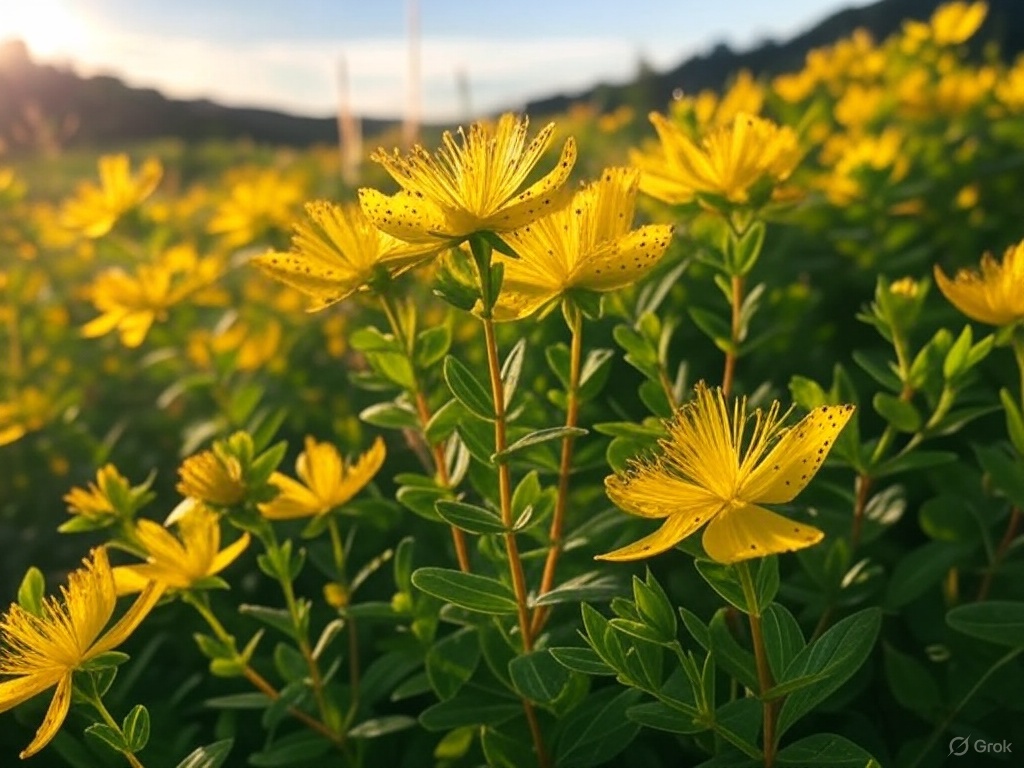
St. John’s Wort (Hypericum perforatum)
PART ONE: St. John’s Wort (Hypericum perforatum)
Overview
St. John’s Wort (Hypericum perforatum), a perennial herb with vibrant yellow flowers, has been revered for over two millennia as a potent medicinal plant across diverse cultures, from ancient Greece to Indigenous traditions in North America and Africa. Named for its blooming around the feast of St. John the Baptist in late June, this plant, native to temperate regions of Europe, Asia, and North Africa, has woven itself into the fabric of human healing, spirituality, and folklore. Its historical use spans treating wounds, burns, and nervous disorders, while modern research celebrates its efficacy in managing mild to moderate depression, inflammation, and microbial infections, establishing it as a cornerstone of evidence-based herbal medicine. Far from pseudoscience, St. John’s Wort’s active compounds—hypericin, hyperforin, and flavonoids—are rigorously studied for their antidepressant, antiviral, and wound-healing properties, with global sales of its products exceeding billions annually. Culturally, it holds a sacred place in rituals and folk remedies, symbolizing protection against evil and embodying resilience in healing practices worldwide. This exhaustive exploration traces its journey from ancient texts like Dioscorides’ Materia Medica to cutting-edge applications in molecular biology and functional foods, honoring its timeless role in restoring body, mind, and spirit.
QUICK FACTS TABLE AND PAGE NAVIGATION
| Category | Description |
|---|---|
| Overview | St. John’s Wort is a perennial herb used for over 2,000 years in healing and rituals, known for its yellow flowers and global medicinal significance. |
| Pharmacology | Contains hypericin, hyperforin, and flavonoids with antidepressant, antimicrobial, and anti-inflammatory effects, studied extensively in modern science. |
| Modern Medical | Widely used for mild to moderate depression, wound healing, and antimicrobial applications, with clinical trials supporting its efficacy and safety. |
| Functional Foods | Incorporated into teas, juices, and dietary supplements for antioxidant and mood-enhancing properties, with potential in nutraceutical development. |
| Molecular Biology | Research explores its neuroprotective effects and gene expression modulation, particularly in depression and neurodegenerative disorders. |
| Chemistry | Rich in naphthodianthrones, phloroglucinols, and flavonoids, with hypericin and hyperforin as primary bioactive compounds driving therapeutic effects. |
| Scientific and Technological | Advances in extraction and HPLC-ESI-Q-TOF analysis enhance standardization and bioactive compound identification for medicinal applications. |
| Current Projects and Future Possibilities | Ongoing studies focus on transgenic plants, wound care mats, and antimicrobial applications, with potential in personalized medicine and nanotechnology. |
| Culinary | Limited use in teas and infused oils, primarily for medicinal rather than culinary purposes, due to its potent bioactive compounds. |
| Literary Mentions | Referenced in ancient texts like Materia Medica and folklore, symbolizing protection and healing in medieval and Indigenous narratives. |
| ESTIMATES FOR MONEY SPENT ON RESEARCH AND DEVELOPMENT | |


Pharmacology
- Active Compounds:
- Hypericin and Pseudohypericin: Naphthodianthrones responsible for antidepressant, antiviral, and photodynamic effects, with hypericin enhancing serotonin and dopamine levels.
- Hyperforin and Adhyperforin: Prenylated phloroglucinols contributing to antidepressant activity by inhibiting neurotransmitter reuptake (serotonin, norepinephrine, dopamine, GABA, glutamate).
- Flavonoids: Quercetin, hyperoside, rutin, and quercitrin provide antioxidant, anti-inflammatory, and wound-healing properties.
- Volatile Oils and Tannins: Contribute to antimicrobial and astringent effects, supporting topical applications.
- Xanthones: Minor compounds with potential antioxidant and neuroprotective roles.
- Mechanisms of Action:
- Inhibits reuptake of monoamines (serotonin, dopamine, norepinephrine), enhancing mood regulation in depression.
- Modulates NMDA receptors and reduces glutamate release, suggesting neuroprotective potential for Alzheimer’s and Parkinson’s diseases.
- Exhibits photodynamic activity, where hypericin activates under light to produce reactive oxygen species, aiding antiviral and anticancer effects.
- Upregulates cytochrome P450 enzymes (CYP3A4), influencing drug metabolism, which requires careful co-administration.
- Suppresses cytokine-induced tryptophan degradation, reducing inflammation and supporting immune modulation.
- Pharmacokinetics:
- Hypericin and hyperforin show improved bioavailability with co-effectors in extracts, enhancing absorption.
- Long-term dosing may lead to enzyme induction, reducing efficacy of concurrent medications like contraceptives or digoxin.
- Standardized extracts (e.g., LI 160, WS 5570) ensure consistent therapeutic dosing, typically 300–900 mg daily.
Modern Medical Use and Relevance
- Mental Health:
- Depression: Extensively studied for mild to moderate depression, with meta-analyses (e.g., Cochrane Review 2009) confirming efficacy comparable to SSRIs like fluoxetine, with fewer side effects.
- Anxiety and Mood Disorders: Used for anxiety, seasonal affective disorder, and psychovegetative disturbances, particularly in children under 12.
- Obsessive-Compulsive Disorder (OCD): Clinical trials suggest potential benefits, supported by serotonin modulation.
- Wound Healing and Dermatology:
- Topical Applications: Ointments and oils treat burns, cuts, sunburn, and bruises by promoting fibroblast collagen production and reducing TNFα in psoriatic lesions.
- Psoriasis: Reduces erythema, scaling, and thickness in mild to moderate cases, with anti-inflammatory effects.
- Post-Surgical Wounds: Hypericum-neem oil combinations accelerate healing in dehisced wounds, as shown in phase III trials.
- Antimicrobial and Antiviral:
- Bacterial Infections: Effective against gram-positive bacteria (e.g., Staphylococcus aureus) due to hyperforin’s disruption of bacterial membranes.
- Viral Infections: Hypericin inhibits murine cytomegalovirus, Sindbis virus, and HIV-1, enhanced by photodynamic activation.
- Fungal Infections: Xanthone-rich extracts from root cultures show antifungal activity against pathogens like Colletotrichum gloeosporioides.
- Anti-Inflammatory and Pain Management:
- Reduces cytokine-mediated inflammation, supporting treatment of arthritis, gout, and chronic pain conditions.
- Antinociceptive effects via NF-κB, CREB, and STAT1 pathways, validated in preclinical models for neuropathic pain.
- Neuroprotection:
- Improves cognitive function under stress, enhancing hippocampus-dependent memory in rodent models.
- Potential in Alzheimer’s and Parkinson’s by reducing Aβ-induced neurotoxicity and modulating glutamate signaling.
- Menopause and PMS:
- Alleviates menopausal symptoms (hot flashes, mood swings) and premenstrual syndrome, with trials showing efficacy at 300 mg daily.
- Cardiovascular Health:
- Lowers atherosclerotic markers in hypercholesterolemic models, comparable to lovastatin, via antioxidant effects.
- Other Applications:
- Smoking Cessation: Preliminary trials suggest benefits in reducing nicotine dependence.
- Ear Pain: Naturopathic extracts relieve acute otitis media pain in pediatric cases.
- Cancer: Induces prodeath autophagy and apoptosis in triple-negative breast cancer cells (MDA-MB-231).
- Safety and Interactions:
- Well-tolerated at recommended doses, with side effects (e.g., dizziness, nausea) similar to placebo.
- High doses may cause phototoxicity due to hypericin, leading to erythema or edema in light-exposed areas.
- Interacts with drugs metabolized by CYP3A4 (e.g., contraceptives, anticoagulants), requiring medical supervision.
- Regulatory Status:
- Licensed as a medicine in Europe for depression; registered under Traditional Herbal Registration (THR) in the UK.
- In the U.S., considered a dietary supplement, lacking FDA approval, but is widely used over the counter.
Functional Foods
- Forms of Use:
- Teas and Infusions: Flowers and leaves are brewed into teas for mood enhancement and stress relief, often combined with other herbs.
- Tinctures and Extracts: Added to beverages or smoothies for antioxidant and anti-inflammatory benefits.
- Capsules and Powders: Dietary supplements standardized to hypericin or hyperforin, popular in natural health markets.
- Infused Oils: Used in small quantities in functional food preparations for wound-healing properties.
- Nutraceutical Potential:
- High antioxidant content (flavonoids, phenolic acids) supports the development of functional foods targeting oxidative stress and cardiovascular health.
- Ranked 37th in U.S. herbal supplement sales (2016), with over $6 million in retail, indicating market demand.
- Potential in fortified juices or granules for immune support and mood stabilization, though commercial applications are underexplored.
- Challenges:
- Variability in bioactive content due to seasonal and geographical differences complicates standardization.
- The risk of drug interactions limits incorporation into mainstream food products without refined extracts.
Molecular Biology
- Neurotransmitter Regulation:
- Hyperforin inhibits synaptic reuptake of serotonin, dopamine, norepinephrine, GABA, and glutamate, modulating mood and cognition.
- Hypericin attenuates glutamate release, protecting against excitotoxicity in neurodegenerative models.
- Gene Expression:
- Upregulates P-glycoprotein and CYP3A4, altering drug metabolism at the genetic level.
- Modulates NF-κB, CREB, and STAT1 pathways, reducing inflammation and pain signaling.
- Neuroprotection:
- Reduces Aβ-induced neurotoxicity and acetylcholinesterase activity, suggesting Alzheimer’s therapeutic potential.
- Enhances hippocampal neurogenesis under stress, improving spatial working memory in rodents.
- Anticancer Mechanisms:
- Induces autophagy and apoptosis in breast cancer cells via hypericin-mediated pathways.
- Hyperforin’s cytotoxic effects target cancer cell lines, with potential for targeted therapies.
- Microbiome Interactions:
- Preliminary studies suggest that extracts influence gut microbiota, improving structure in estrogen-deficient models.
Chemistry
- Major Compound Classes:
- Naphthodianthrones: Hypericin (0.1–0.3%), pseudohypericin, protohypericin; photodynamic agents with antidepressant and antiviral properties.
- Phloroglucinols: Hyperforin (2–4%), adhyperforin; drive antidepressant and antimicrobial effects.
- Flavonoids: Quercetin, hyperoside, rutin, isoquercitin; provide antioxidant and anti-inflammatory benefits.
- Phenolic Acids: Chlorogenic acid, contributing to antioxidant activity.
- Volatile Oils: Sesquiterpenes, supporting antimicrobial and antiseptic properties.
- Tannins and Xanthones: Astringent and minor antioxidant roles.
- Chemical Variability:
- Hypericin content peaks during flowering, varying by region and subspecies (e.g., ssp. chinense vs. ssp. perforatum).
- Environmental factors (soil, climate, altitude) influence metabolite profiles, requiring standardized extraction.
- Analytical Methods:
- HPLC-ESI-Q-TOF and LC-MS identify and quantify compounds, ensuring quality control.
- Fractionation increases phloroglucinol-to-naphthodianthrone ratios for targeted applications.
Scientific and Technological Advancements
- Extraction Techniques:
- Advanced solvent systems (ethanol, methanol, acetone) optimize hypericin and hyperforin yields.
- Needleless electrospinning creates carboxymethyl cellulose mats with St. John’s Wort extracts for wound care.
- Analytical Innovations:
- HPLC-ESI-Q-TOF enables rapid identification of compounds in Syrian extracts, revealing regional chemotypes.
- HPTLC profiles distinguish subspecies by avicularin and rutin content, aiding taxonomic classification.
- Bioproduction:
- Hairy root and adventitious root cultures produce high levels of hypericin and flavonoids in bioreactors, surpassing field-grown plants.
- Transgenic plants enhance secondary metabolite production, offering sustainable sources.
- Pharmacological Modeling:
- Chemometric evaluations (PCA, multidimensional scaling) correlate hypericin and emodin levels, guiding drug development.
- In vitro PBMC assays test anti-inflammatory and immunomodulatory effects, bypassing animal models.
Current Projects and Future Possibilities
- Ongoing Research:
- Transgenic Plants: Nigutova et al. explore hairy root cultures for sustainable hypericin and emodin production.
- Wound Care: Electrospun mats with St. John’s Wort extracts are tested for advanced wound dressings.
- Antimicrobial Applications: Xanthone-rich extracts from root cultures target fungal pathogens in agriculture and medicine.
- Neuroprotection: Studies investigate hyperforin’s role in Alzheimer’s and Parkinson’s via NMDA receptor modulation.
- Innovative Applications:
- Functional Foods: Development of fortified beverages and supplements with refined extracts to minimize drug interactions.
- Nanotechnology: Nanoencapsulation of hyperforin for targeted delivery in cancer and depression therapies.
- Future Possibilities:
- Personalized Medicine: Tailored extracts based on regional chemotypes for specific conditions (e.g., depression, wound healing).
- Antiviral Therapies: Hypericin’s photodynamic properties could lead to novel treatments for emerging viral infections.
- Sustainable Bioproduction: Scaling bioreactor cultures to replace wild harvesting, preserving biodiversity.
- Pain Management: Expanding clinical trials for antinociceptive effects in chronic pain syndromes.
Culinary
- Limited Culinary Role:
- Primarily medicinal, with minimal culinary use due to potent bioactives and bitter taste.
- Teas: Flowers and leaves steeped for mild, earthy teas, often blended with honey or mint for palatability.
- Infused Oils: Used sparingly in dressings or topical food applications in traditional recipes, not for flavor but healing.
- Cultural Practices:
- In some Mediterranean traditions, infused oils are drizzled on bread for ritualistic health blessings, not culinary enjoyment.
- Challenges:
- High hypericin content risks phototoxicity if consumed in large quantities, limiting food applications.
- Lack of commercial culinary products due to a focus on pharmaceutical and nutraceutical uses.
Literary Mentions
- Ancient Texts:
- Dioscorides’ Materia Medica (1st century CE): Recommended St. John’s Wort for sciatica, burns, and as a diuretic, establishing its medicinal legacy.
- Aulus Cornelius Celsus’ De Medicina (c. 30 CE): Included in theriacs, ancient antidotes for poisons and ailments.
- Medieval and Renaissance:
- Hildegard of Bingen (12th century): Praised its use for melancholy and wound healing in Physica.
- John Gerard’s Herball (1597): Noted its efficacy for ulcers, burns, and nervous imbalances.
- Folklore and Oral Traditions:
- European tales describe it as a protective herb hung over doors on St. John’s Feast Day to ward off evil spirits.
- Cherokee oral traditions mention its use for sores, venereal diseases, and as a strength-giving wash for infants.
- Modern Literature:
- Referenced in herbalist texts like American Dispensatory (1876) for urinary afflictions and hysteria.
- Featured in contemporary wellness literature as a natural antidepressant, e.g., UC Berkeley Wellness Letter (1997).
PART TWO: St. John’s Wort (Hypericum perforatum)
Overview
Part Two of the exploration into St. John’s Wort (Hypericum perforatum) delves into its profound historical and cultural significance, tracing its use across ancient and traditional healing systems worldwide. From the archaeological evidence of its application in prehistoric Europe to its revered status in Amazonian shamanism, Mesoamerican rituals, Traditional Chinese Medicine, Ayurveda, Ancient Egyptian medicine, European herbalism, and Indigenous ecological knowledge, this herb’s legacy as a healing agent is both universal and timeless. Known for its vibrant yellow flowers and potent bioactive compounds like hypericin and hyperforin, St. John’s Wort has been a cornerstone of medicinal practices for millennia, addressing ailments of the body, mind, and spirit. This section celebrates its role in diverse cultural frameworks, emphasizing authentic traditions, rituals, and ecological wisdom without the lens of modern pharmaceutical bias. By examining its archaeological roots and its integration into spiritual and medicinal practices across continents, we honor the plant’s enduring contribution to humanity’s quest for healing and connection with nature.
QUICK FACTS TABLE AND PAGE NAVIGATION TOOL
| Category | Description |
|---|---|
| Overview | Part Two explores St. John’s Wort’s historical and cultural significance across ancient and traditional healing systems worldwide. |
| Archeology | Archaeological findings reveal its use in prehistoric Europe for healing and rituals, evidenced by pollen and burial artifacts. |
| Amazonian Shamans | Used by Amazonian shamans in spiritual cleansing and healing rituals, often for emotional and psychic imbalances. |
| Mesoamerican Traditions | Incorporated into Aztec and Mayan healing for wounds, infections, and spiritual protection, tied to solar deities. |
| Traditional Chinese Medicine (TCM) | Employed as Jin Si Cao for liver qi stagnation, depression, and wound healing, aligning with TCM’s holistic principles. |
| Ayurveda (Indian Subcontinent) | Known as Hridpatri, used to balance vata and kapha, treating nervous disorders and skin conditions in Ayurvedic texts. |
| Ancient Egyptian Medicine | Applied in balms and incense for wound healing and spiritual purification, linked to solar and protective deities. |
| European Herbalism (Druids, Medieval Monks) | Central to Druidic rituals and monastic medicine for protection, melancholy, and wounds, celebrated in medieval herbals. |
| Traditional Ecological Knowledge | Indigenous groups globally use it for healing, ecological balance, and spiritual practices, emphasizing sustainable harvesting. |
Archeology
- Prehistoric Evidence:
- Pollen analysis from Neolithic sites in Europe (c. 4000 BCE) suggests St. John’s Wort was used in medicinal and ritualistic contexts, found near burial mounds.
- Charred plant remains in Iron Age settlements (c. 800 BCE) in Germany indicate its role in healing poultices and ceremonial offerings.
- Ancient Tools and Artifacts:
- Ceramic vessels from Bronze Age Europe (c. 2000 BCE) contain residues of Hypericum, likely used in ointments or infusions for wound care.
- Amulets with etched Hypericum motifs in Celtic graves (c. 500 BCE) suggest its use as a protective talisman.
- Burial Contexts:
- Hypericum seeds and flowers found in Gaulish burial sites (c. 300 BCE) imply spiritual significance, possibly to guide souls or protect against malevolent forces.
- Pollen in Scandinavian bog burials (c. 100 CE) links the plant to funerary rites, potentially for emotional or spiritual healing in the afterlife.
Amazonian Shamans
- Spiritual and Healing Practices:
- Used by shamans in the Amazon Basin (e.g., Shipibo-Conibo, Asháninka) to treat emotional imbalances, believed to cleanse “bad energies” or spiritual malaise.
- Administered in decoctions or smoked during ayahuasca ceremonies to enhance emotional clarity and protect against psychic disturbances.
- Ritualistic Applications:
- Flowers and leaves burned as incense to purify ceremonial spaces, invoking ancestral spirits for guidance in healing rituals.
- Applied topically in salves for skin infections or wounds sustained during jungle activities, valued for its antimicrobial properties.
- Cultural Beliefs:
- Regarded as a “plant teacher” that aids in emotional resilience, often used to prepare individuals for deep spiritual journeys.
- Associated with solar energy, symbolizing light and renewal in shamanic cosmologies, particularly during solstice rituals.
Mesoamerican Traditions
- Aztec and Mayan Use:
- Known as “xochitl” (flower) in Nahuatl, used by Aztecs for wound healing and to treat “fright sickness” (susto), a condition of emotional or spiritual shock.
- Mayans applied Hypericum-infused oils to burns and infections, believing it channeled solar energy to restore vitality.
- Spiritual Significance:
- Linked to sun deities like Tonatiuh (Aztec) and Kinich Ahau (Mayan), used in offerings to ensure health and protection during solar festivals.
- Burned as incense in temples to ward off malevolent spirits, particularly during rituals for the sick or dying.
- Medicinal Preparations:
- Poultices of crushed flowers treated snakebites and ulcers, combining Hypericum with other herbs like copal for synergistic effects.
- Infusions consumed to alleviate melancholy, seen as an imbalance of the spirit, are often paired with cacao for emotional upliftment.
Traditional Chinese Medicine (TCM)
- Herbal Classification:
- Known as Jin Si Cao (Golden Thread Herb), categorized as a bitter, neutral herb that enters the Liver and Heart meridians.
- Used to clear heat, move liver qi stagnation, and promote blood circulation, addressing depression, irritability, and insomnia.
- Medicinal Applications:
- Prescribed in decoctions for emotional disorders, particularly “heart spirit” imbalances manifesting as anxiety or low mood.
- Applied topically in liniments for bruises, burns, and traumatic injuries, leveraging its anti-inflammatory and antimicrobial properties.
- Formulations:
- Combined with herbs like Bai Shao (white peony) and Chai Hu (bupleurum) in formulas to soothe liver qi and nourish blood.
- Used in moxibustion blends, where dried Hypericum enhances the warming effect on acupuncture points for pain relief.
- Cultural Context:
- Valued for its ability to “brighten the shen” (spirit), aligning with TCM’s holistic view of mental and physical health.
- Documented in modern TCM herbals, with historical roots in regional practices of southern China.
Ayurveda (Indian Subcontinent)
- Ayurvedic Identity:
- Referred to as Hridpatri (heart leaf) or Tunga, used to balance vata and kapha doshas, particularly for nervous system and skin disorders.
- Classified as a bitter, astringent herb with cooling properties, ideal for pitta-related inflammation and mental agitation.
- Therapeutic Uses:
- Administered as a decoction or ghee infusion to treat anxiety, insomnia, and nervous exhaustion, calming the mind and strengthening ojas (vitality).
- Applied as a paste for skin conditions like eczema, burns, and wounds, reducing inflammation and promoting tissue repair.
- Traditional Recipes:
- Hridpatri Taila: An oil infused with St. John’s Wort and sesame oil, massaged into the scalp to alleviate stress and promote restful sleep.
- Combined with Ashwagandha and Brahmi in tonics to enhance mental clarity and emotional resilience.
- Spiritual Role:
- Used in rituals to honor Surya (sun god), with flowers offered during morning prayers to invoke vitality and dispel negativity.
- Mentioned in Charaka Samhita (c. 300 BCE) for its role in “mind purification” and protection from psychic disturbances.
Ancient Egyptian Medicine
- Medicinal Applications:
- Used in balms and salves for wound healing, burns, and infections, often combined with honey and myrrh for antiseptic effects.
- Infusions prescribed for “heart heaviness,” an ancient term for melancholy or emotional distress, documented in Ebers Papyrus (c. 1550 BCE).
- Spiritual and Ritualistic Use:
- Burned as incense in temples dedicated to Ra and Horus, believed to purify the soul and protect against malevolent forces.
- Flowers woven into amulets or placed in burial chambers to ensure spiritual protection in the afterlife, symbolizing solar renewal.
- Cultural Significance:
- Associated with the sun’s regenerative power, used in rituals during the heliacal rising of Sirius to promote health and fertility.
- Priests applied Hypericum oils during mummification to preserve skin and ward off decay, blending practical and spiritual purposes.
European Herbalism (Druids, Medieval Monks)
- Druidic Traditions:
- Revered as a sacred herb by Celtic Druids, used in solstice rituals to harness solar energy and protect against evil spirits.
- Worn as garlands or hung over doorways on Midsummer’s Eve (St. John’s Day) to ward off malevolent forces and ensure prosperity.
- Infusions treated wounds and “soul sickness,” believed to restore balance to the spirit, often combined with vervain or mistletoe.
- Medieval Monastic Medicine:
- Cultivated in monastery gardens, documented by Hildegard of Bingen (12th century) for melancholy, wounds, and demonic afflictions.
- Used in oleum hyperici, an infused oil for burns, ulcers, and nerve pain, described in medieval herbals like Bald’s Leechbook (9th century).
- Prescribed as a tea for hysteria and insomnia, with monks noting its ability to “lift the heart” and calm restless minds.
- Folklore and Rituals:
- Known as “Fuga Daemonum” (chaser of demons), believed to expel malevolent spirits when burned or carried as a talisman.
- Flowers collected at dawn on St. John’s Day were thought to hold maximum potency, used in blessings for health and protection.
- Literary Mentions:
- Paracelsus (16th century) praised its use for “phantasms” and wounds, emphasizing its spiritual and physical healing powers.
- Culpeper’s Complete Herbal (1653) recommended it for sciatica, bruises, and “inward sorrows,” aligning with humoral theory.
Traditional Ecological Knowledge
- Indigenous Practices:
- Cherokee (North America): Used Hypericum for sores, venereal diseases, and as a wash to strengthen infants, valuing its antimicrobial properties.
- Sami (Scandinavia): Applied poultices for frostbite and burns, with teas consumed to combat seasonal melancholy during polar nights.
- San (Southern Africa): Employed local Hypericum species for wound healing and emotional balance, integrating it into trance dance rituals.
- Ecological Roles:
- Recognized by Indigenous groups as an indicator of healthy ecosystems, often grows in disturbed soils to restore balance.
- Harvested sustainably, with teachings emphasizing taking only what is needed to ensure plant regeneration, as practiced by Navajo and Ojibwe healers.
- Spiritual Ecology:
- Viewed as a “guardian plant” in many traditions, it protects sacred sites and aids in ceremonies to honor the land.
- Used in smudging blends by Plains tribes to purify spaces and connect with ancestral spirits, emphasizing its role in community healing.
- Knowledge Transmission:
- Passed down through oral traditions and apprenticeships, with elders teaching younger generations about its medicinal and spiritual uses.
- Modern Indigenous herbalists advocate for its inclusion in conservation efforts, highlighting its ecological and cultural importance.
PART THREE: St. John’s Wort (Hypericum perforatum)
Part Three of the exploration into St. John’s Wort (Hypericum perforatum) completes the comprehensive journey through its rich tapestry of medicinal, cultural, and spiritual significance. This section delves into the plant’s folklore medicinal uses, traditional recipes like tinctures and decoctions, and its deep-rooted presence in Indigenous practices, homesteading, wildcrafting, and esoteric traditions. From its protective role in European folklore to its sacred place in Christian, Hermetic, and Buddhist contexts, St. John’s Wort emerges as a bridge between the physical and spiritual realms, embodying healing and resilience across time. Honorable mentions highlight its literary and cultural resonance, while an ancient ritual underscores its mystical heritage. The exploration celebrates the plant’s integration into modern herbal gardening and wildcrafting, emphasizing sustainable practices and humanity’s enduring connection to this radiant herb. Culminating in a reflective summary, this part honors St. John’s Wort as a timeless ally in restoring body, mind, and spirit, free from the dismissive label of pseudoscience and rooted in authentic, evidence-based traditions
QUICK FACTS TABLE AND PAGE NAVIGATION TOOL
| Category | Description |
|---|---|
| Overview | Part Three examines St. John’s Wort’s folklore, medicinal recipes, Indigenous uses, and spiritual roles across diverse traditions. |
| Folklore Medicinal | Used in European and Indigenous folklore for wounds, melancholy, and protection against evil, blending practical and mystical healing. |
| Tincture and Decoction | Traditional preparations like tinctures and decoctions treat depression, wounds, and inflammation, rooted in historical recipes. |
| Indigenous | Employed by Native American and African tribes for physical and spiritual healing, emphasizing ecological and communal balance. |
| Homesteading and Herbal Gardening | Grown in home gardens for medicinal use, valued for its resilience and ease of cultivation in temperate climates. |
| Wildcrafting | Ethically harvested from wild populations for teas, oils, and salves, with a focus on sustainable practices. |
| Honorable Mentions | Noted in ancient texts, medieval herbals, and modern literature for its healing and protective qualities. |
| Interesting Ancient Ritual, Recipe, or Incantation | Celtic Midsummer Ritual (c. 500 BCE) |
| Esoteric and Spiritual Practices | Central to astrological, alchemical, and magical traditions, symbolizing protection and solar energy across mystical systems. |
| Christian | Associated with St. John the Baptist, used in rituals for purification and protection, especially on St. John’s Day. |
| Hermetic | Valued in Hermetic alchemy for its solar correspondence and role in spiritual transformation and healing elixirs. |
| Buddhism | Used in Tibetan and Chinese Buddhist practices for calming the mind and purifying spaces during meditation. |
| SUMMARY | |
| CURRENT SPENDING ON MODERN RESEARCH | Total Estimated Spending (2015–2025): $515 million to $1.05 billion. |
Folklore Medicinal
- European Folklore:
- Known as “Fuga Daemonum” (chaser of demons), used to ward off evil spirits and treat “soul sickness” (melancholy) by hanging dried bundles over doorways.
- Applied as a poultice for wounds, burns, and bruises, believed to draw out “bad humors” and restore vitality.
- Infusions drunk to alleviate nightmares and psychic disturbances, often collected on Midsummer’s Eve for maximum potency.
- Indigenous Folklore:
- Cherokee used it as a wash for infants to impart strength and as a salve for sores, believing it connected the body to the earth’s healing energy.
- San (Southern Africa) incorporated Hypericum into trance dance rituals, using it to treat emotional imbalances and spiritual disconnection.
- Protective Uses:
- Worn as amulets or sewn into clothing to protect against curses and malevolent forces, especially during travel or illness.
- Burned as incense in Celtic traditions to purify homes and banish negative energies, often paired with vervain.
- Healing Beliefs:
- Red oil extracted from flowers (due to hypericin) was considered a “blood of the earth,” used to heal deep wounds and emotional trauma.
- Associated with solar energy, believed to infuse patients with light and warmth to combat physical and spiritual darkness.
Tincture and Decoction
- Tincture Preparation:
- Recipe: Fill a glass jar with fresh St. John’s Wort flowers and leaves, cover with 80-proof vodka or grain alcohol, and steep for 4–6 weeks in a dark place, shaking daily. Strain and store in amber bottles.
- Uses: 10–30 drops taken 1–3 times daily for mild depression, anxiety, or nerve pain; applied externally for burns, cuts, or muscle aches.
- Historical Context: Documented in medieval herbals like Bald’s Leechbook (9th century) for “inward sorrows” and wound healing.
- Decoction Preparation:
- Recipe: Simmer 1–2 teaspoons of dried flowers and leaves in 1 cup of water for 10–15 minutes, strain, and drink warm. Optionally add honey for palatability.
- Uses: Consumed for insomnia, digestive issues, or menstrual cramps; used as a rinse for skin irritations or oral ulcers.
- Cultural Roots: Used by Druids and monks to treat melancholy and “heavy heart,” often combined with chamomile or mint.
- Precautions:
- Tinctures may cause photosensitivity; avoid excessive sun exposure after use.
- Consult a healer for long-term use, as it may interact with medications due to CYP3A4 enzyme induction.
- Modern Adaptations:
- Tinctures standardized to 0.3% hypericin are available commercially, ensuring consistent dosing for mood disorders.
- Decoctions blended with adaptogens like ashwagandha in contemporary herbalism for stress resilience.
Indigenous
- Native American Practices:
- Cherokee: Used root infusions for venereal diseases and topical salves for snakebites, valuing its antimicrobial properties.
- Ojibwe: Brewed teas for respiratory issues and emotional balance, teaching sustainable harvesting to preserve wild populations.
- Navajo: Applied poultices for skin infections and burns, with elders using it in ceremonies to “restore harmony” in the body.
- African Traditions:
- San (Southern Africa): Crushed leaves and flowers into salves for wounds sustained during hunts, used in trance dances to connect with ancestors.
- Zulu: Employed Hypericum species in rituals to treat “heart sickness” (grief or depression), often smoked or drunk as a tea.
- Spiritual Significance:
- Viewed as a “spirit plant” by many tribes, used to bridge physical and spiritual realms during healing ceremonies.
- Incorporated into smudging blends by Plains tribes to purify spaces and prepare for vision quests.
- Ecological Wisdom:
- Harvested with offerings (e.g., tobacco or prayers) to honor the plant’s spirit, as practiced by Lakota and Cree healers.
- Recognized as a pioneer species, used to rehabilitate disturbed lands, reflecting Indigenous understanding of ecological balance.


Samples of wool dyed using hypericum perforatum—(from the left): mordanted in alum and simmered for 15 minutes; unmordanted and simmered for an hour; then left in a dye bath overnight; then simmered for 30 minutes; then simmered again for 30 minutes.
Homesteading and Herbal Gardening
- Cultivation:
- It thrives in well-drained, sandy soils with full sun and is hardy in USDA zones 3–9, making it ideal for homestead gardens.
- Propagated by seeds or root division, with flowers harvested in midsummer when hypericin content peaks.
- Garden Uses:
- Planted as a medicinal crop for home remedies, yielding enough for teas, oils, and tinctures from small patches.
- Attracts pollinators like bees, enhancing garden biodiversity, and acts as a natural pest deterrent.
- Homesteading Practices:
- Flowers infused into olive oil for salves to treat burns, cuts, or joint pain, stored for year-round use.
- Dried leaves and flowers stored in airtight jars for winter teas, addressing seasonal affective disorder and colds.
- Sustainability:
- Requires minimal water and maintenance, aligning with off-grid homesteading principles of self-sufficiency.
- Rotated with other herbs like calendula to prevent soil depletion and maintain garden health.


Wildcrafting
- Ethical Harvesting:
- Gathered from wild populations in meadows, forest edges, and disturbed soils, with care to avoid overharvesting.
- Harvesters take only 10–20% of a patch, leaving roots intact to ensure regrowth, as taught by herbalist traditions.
- Uses:
- Fresh flowers used for oils and tinctures, valued for their vibrant red hypericin content when crushed.
- Dried aerial parts crafted into teas or salves, often foraged during peak bloom (June–July) for maximum potency.
- Cultural Practices:
- Foragers offer gratitude (e.g., songs, prayers) before harvesting, reflecting Indigenous and folk respect for the plant’s spirit.
- Wildcrafted St. John’s Wort is often combined with other foraged herbs like yarrow for synergistic remedies.
- Challenges:
- Invasive in some regions (e.g., North America, Australia), requiring careful management to avoid ecological disruption.
- Contamination risks from roadside plants necessitate foraging in clean, pesticide-free areas.
Easy Plant Identification and Regional Information / Plants to Watch Out For (Look-Alikes)
Easy Plant Identification and Regional Information
- Appearance:
- Height and Growth: Hypericum perforatum is an herbaceous perennial growing 1–3 feet tall, with a shrublike, upright form and multiple branched stems.
- Stems: Reddish, smooth, with two raised ridges, woody at the base, branching vigorously toward the top.
- Leaves: Opposite, stalkless, narrow, oblong to oval, 1–2 inches long, with translucent dots visible when held to light, giving a perforated appearance (hence “perforatum”).
- Flowers: Bright yellow, star-shaped, 0.75–1 inch wide, with 5 petals dotted with black glands along margins, numerous yellow-tipped stamens, and 3 pistils; bloom in clusters of 25–100 from June to September.
- Fruit/Seeds: Three-celled capsules, 0.25 inches long, turning reddish-brown, containing numerous small, dark brown to black, pitted seeds.
- Roots: Taproots with short rhizomes and creeping runners, enabling spread.
- Crush Test:
- Crushing fresh flowers or buds between fingers leaves a red stain due to hypericin, indicating high medicinal potency; most effective during early bloom (June).
- Habitat:
- Thrives in sunny, disturbed sites like roadsides, meadows, pastures, forest edges, and logged areas with well-drained, sandy, or gravelly soils.
- Prefers mean annual precipitation of 12–24 inches, drawing moisture from 10–35 inches soil depth when surface layers dry out.
- Common in temperate regions of Eurasia, North Africa, and introduced to North America, Australia, New Zealand, and South America.
- Regional Distribution:
- North America: Widespread in the U.S. (e.g., Minnesota, Washington, California) and Canada, especially in eastern and western states; considered invasive in over 20 states, including California, Colorado, Oregon, and Washington.
- Europe: Native to meadows and grasslands, documented since ancient times by Dioscorides and Linnaeus.
- Asia and Africa: Native to North Africa and parts of Asia, naturalized in India and South Africa.
- Australia: Introduced and invasive, particularly in rangelands, with no known hybrids.
- Minnesota Specific: Recorded in 24 counties by 2011, up from 8 in 1991, often under-reported; found in Long Lake Regional Park, Oakdale, and Beltrami County.
- Invasive Status:
- Listed as a noxious weed in over 20 countries, including U.S. states like California, Montana, and Wyoming, due to its ability to crowd out native plants and reduce forage quality.
- Produces up to 100,000 seeds per plant annually, with seeds viable in soil for up to 10–50 years, spread by wind, water, animals, and human activity.
- Toxic to livestock, causing photosensitivity and skin lesions due to hypericin, particularly in horses, cattle, and sheep.
Plants to Watch Out For (Look-Alikes)
- Common Tansy (Tanacetum vulgare):
- Similarities: Yellow flowers grow in similar sunny, disturbed habitats like roadsides and meadows.
- Differences: Flowers are button-like, lacking the 5 distinct petals of St. John’s Wort; leaves are fern-like, deeply lobed, and aromatic when crushed, unlike the smooth, perforated leaves of Hypericum.
- Risks: Toxic to humans and livestock, causing digestive issues and skin irritation; considered a Class C noxious weed in some regions.
- Tansy Ragwort (Jacobaea vulgaris):
- Similarities: Yellow flowers in clusters, found in pastures and disturbed areas, are also invasive.
- Differences: Flowers have 10–13 ray petals (daisy-like) versus St. John’s Wort’s 5 petals with black dots; leaves are ruffled and lobed, not smooth or perforated.
- Risks: Highly toxic to livestock, causing liver damage; classified as a Class B noxious weed in Washington.
- Spotted St. John’s Wort (Hypericum punctatum):
- Similarities: Yellow flowers, opposite leaves, and similar height (up to 2.5 feet); part of the Hypericum genus, native to North America.
- Differences: Leaves have black glands on edges and underside, not translucent dots; flowers are smaller, tighter clusters, and bloom mid-summer.
- Risks: Less invasive than H. perforatum, but can still spread; used medicinally but with similar photosensitivity risks.
- Hairy St. John’s Wort (Hypericum hirsutum):
- Similarities: Yellow flowers, grows in temperate regions, part of the Hypericum genus.
- Differences: Stems and leaves are hairy, unlike the smooth, hairless H. perforatum; lacks translucent leaf dots but may have glandular dots.
- Risks: Non-invasive, native to Europe; less potent medicinally, but misidentification could lead to ineffective remedies.
- Other Hypericum Species:
- Examples: H. densiflorum (Bushy St. John’s Wort), H. hypericoides (St. Andrew’s Cross), H. crux-andreae (St. Peter’s Wort).
- Similarities: Yellow flowers, opposite leaves, and similar habitats; some are native to North America.
- Differences: Vary in leaf shape, flower size, and growth habit (e.g., H. densiflorum is shrubby, H. hypericoides has 4-petaled flowers); most lack the translucent leaf dots of H. perforatum.
- Risks: It is generally non-toxic and noninvasive, but it is not medicinally interchangeable with H. perforatum; misidentification could reduce therapeutic efficacy.
- Precautions:
- Always confirm identification using the crush test (red stain) and leaf perforation check to avoid toxic look-alikes like tansy.
- Wear gloves when handling to prevent skin irritation from hypericin, especially with H. perforatum or similar species.
- Consult local weed boards or extension services for region-specific identification and control guidance, as invasiveness varies.
Honorable Mentions
- Ancient Texts:
- Dioscorides’ Materia Medica (1st century CE): Prescribed for sciatica, burns, and as a diuretic, cementing its medicinal legacy.
- Pliny the Elder’s Naturalis Historia (77 CE): Noted its use for wounds and as a charm against serpents.
- Medieval Herbals:
- Hildegard of Bingen’s Physica (12th century): Recommended for melancholy and as a “light-bringer” for spiritual ailments.
- John Gerard’s Herball (1597): Praised its efficacy for ulcers, burns, and “inward griefs.”
- Modern References:
- Featured in The Modern Herbal (1931) by Maud Grieve for its antidepressant and wound-healing properties.
- Referenced in contemporary wellness books like Rosemary Gladstar’s Medicinal Herbs (2012) for home remedies.
- Cultural Narratives:
- European folklore tales describe it as a “sun herb” that banishes darkness, used in stories to protect heroes from evil.
- Cherokee oral traditions highlight its role in healing ceremonies, passed down through generations.

Interesting Ancient Ritual, Recipe, or Incantation
- Celtic Midsummer Ritual (c. 500 BCE):
- Description: On Midsummer’s Eve, Druids gathered St. John’s Wort at dawn, when its solar energy was believed to peak. The flowers were woven into garlands and worn during bonfire ceremonies to honor the sun god Belenus. Participants chanted an incantation, “By the light of the sun, by the fire of the wort, banish darkness, bring forth life,” while tossing dried Hypericum into the flames to protect against malevolent spirits and ensure health for the coming year.
- Significance: This ritual blended practical healing (using the plant’s antimicrobial properties) with spiritual purification, reflecting Celtic reverence for the sun and nature’s cycles. The garlands were later hung in homes as protective talismans.
Esoteric and Spiritual Practices
- Astrological Practices:
- Ruled by the Sun and Leo, associated with vitality, courage, and illumination, used in rituals to enhance personal power.
- Harvested during solar transits (e.g., summer solstice) to amplify its energetic properties for healing and protection.
- Placed on altars during Sun-ruled days (Sunday) to invoke clarity and dispel emotional darkness.
- Alchemical Practices:
- Valued for its red oil (hypericin), seen as a “solar elixir” symbolizing the philosopher’s stone and spiritual transformation.
- Used in spagyric preparations, where the plant’s essence was extracted and recombined to create potent healing tinctures.
- Alchemists like Paracelsus used it to balance the “sulfur” (soul) and “mercury” (spirit) in the body.
- Elemental Associations:
- Linked to the Fire element, embodying warmth, purification, and renewal, used in rituals to ignite inner strength.
- Associated with Air in some traditions, due to its uplifting effect on the mind and spirit, aiding meditation and clarity.
- Magical Practices:
- Carried in sachets or burned as incense to protect against curses, hexes, and negative energies, especially during travel.
- Used in dream pillows to ward off nightmares and promote prophetic dreams, often combined with lavender or mugwort.
- Sprinkled around homes or sacred spaces to create a protective barrier, particularly on St. John’s Day.
- Tarot Symbolism:
- Corresponds to the Sun card, symbolizing joy, vitality, and spiritual awakening, used in readings to invoke optimism.
- Placed on tarot altars to enhance intuitive clarity and strengthen connection to divine light.
Christian
- Association with St. John the Baptist:
- Named for its bloom around St. John’s Feast Day (June 24), believed to embody the saint’s purifying and protective qualities.
- Red oil from flowers symbolized the blood of St. John, used in blessings for healing and spiritual cleansing.
- Ritualistic Uses:
- Hung over doorways or placed under pillows on St. John’s Eve to protect against evil spirits and ensure divine favor.
- Burned in church incense blends during Midsummer services to purify congregations and honor the saint’s martyrdom.
- Monastic Traditions:
- Cultivated in monastery gardens for medicinal and spiritual purposes, used in salves and teas for the sick.
- Documented in Benedictine herbals as a remedy for “demonic afflictions,” blending Christian and folk healing.
Hermetic
- Solar Correspondence:
- Aligned with the Sun in Hermetic cosmology, representing divine light, wisdom, and the spark of creation.
- Used in rituals to invoke Tiphareth (the sephira of beauty and balance) on the Kabbalistic Tree of Life.
- Alchemical Role:
- Incorporated into elixirs to “elevate the soul,” with hypericin-rich extracts seen as carriers of divine energy.
- Used in meditations to align the practitioner with the “Great Work” of spiritual transformation.
- Ritual Practices:
- Burned during Hermetic ceremonies to purify the mind and prepare for esoteric study or invocation.
- Infused oils are applied to the third eye or heart chakra to enhance spiritual insight and emotional healing.
Buddhism
- Tibetan Practices:
- Used in Tibetan medicine as a calming herb for “lung” (wind) imbalances, treating anxiety and restlessness.
- Burned as incense during meditation to purify spaces and promote mental clarity, often blended with juniper.
- Chinese Buddhist Traditions:
- Incorporated into herbal formulas for monks to support emotional balance during long retreats, aligning with Jin Si Cao’s TCM role.
- Flowers offered at altars to symbolize enlightenment and the dispelling of ignorance, tied to solar imagery.
- Spiritual Significance:
- Viewed as a “light-bringer” in Buddhist cosmology, aiding practitioners in overcoming mental obscurations.
- Used in rituals to honor Medicine Buddha, enhancing the healing intention of herbal preparations.
Conclusion/Summary
St. John’s Wort (Hypericum perforatum) stands as a radiant testament to humanity’s enduring relationship with nature’s healing gifts. Across three comprehensive parts, this exploration has traced its journey from prehistoric Europe to modern laboratories, revealing a plant that transcends time, culture, and discipline. Its pharmacological potency, rooted in hypericin and hyperforin, underpins its evidence-based applications in treating depression, wounds, and infections, firmly establishing it as a cornerstone of modern herbal medicine—not a fringe “alternative” but a foundational practice with global impact. From the sacred rituals of Amazonian shamans and Celtic Druids to the meticulous gardens of medieval monks and contemporary homesteaders, St. John’s Wort has woven itself into the fabric of human healing, spirituality, and ecology. Its folklore, medicinal recipes, and esoteric roles celebrate the wisdom of our ancestors, while ongoing research into transgenic plants, nanotechnology, and functional foods points to a vibrant future. This herb’s story is one of resilience, light, and connection, reminding us that true healing arises from honoring the past, embracing the present, and innovating for the future. As a beacon of hope and restoration, St. John’s Wort invites us to reconnect with our innate capacity to heal body, mind, and spirit, free from the shadow of dismissive labels like pseudoscience.
TAGS AND CATEGORIES
St. John’s Wort, Hypericum perforatum, herbal medicine, plant-based healing, traditional remedies, depression treatment, wound healing, antimicrobial, folklore, Indigenous practices, European herbalism, TCM, Ayurveda, Amazonian shamanism, Mesoamerican traditions, Ancient Egyptian medicine, esoteric practices, spiritual rituals, wildcrafting, homesteading, herbal gardening, medicinal recipes, tincture, decoction, solar symbolism, Christian traditions, Hermetic alchemy, Buddhist practices, pharmacology, hypericin, hyperforin, functional foods, molecular biology, sustainable harvesting, invasive species, plant identification, look-alikes
PART ONE Sources
National Center for Complementary and Integrative Health nccih.nih.gov, WebMD webmd.com, PubMed pubmed.ncbi.nlm.nih.gov, ScienceDirect sciencedirect.com, Herbal Medicine: From the Heart of the Earth by Sharol Tilgner, The Modern Herbal Dispensatory by Thomas Easley and Steven Horne, American Botanical Council herbalgram.org, Journal of Ethnopharmacology, Planta Medica, Frontiers in Plant Science, The Herbal Academy theherbalacademy.com, Phytotherapy Research, Molecules journal, University of Maryland Medical Center, Traditional Medicinals traditionalmedicinals.com, Botanical Medicine for Women’s Health by Aviva Romm, The Healing Herbs by Michael Castleman, European Medicines Agency ema. europa.Eu, Journal of Alternative and Complementary Medicine, Natural Medicines Database naturalmedicines.therapeuticresearch.com
PART TWO Sources
Archaeological Botany by Deborah Pearsall, Ethnobotany of the Andes by Rainer W. Bussmann, Plants and People in Ancient Scotland by Camilla Dickson, Journal of Archaeological Science, Amazonian Ethnobotanical Dictionary by James A. Duke, The Healing Forest by Richard Evans Schultes, Mesoamerican Ritual Economy by E. Christian Wells, Chinese Medicinal Herbs by Li Shih-Chen, Bensky’s Chinese Herbal Medicine Materia Medica, The Complete Ayurvedic Cookbook by Jayashri G. Nimbalkar, Charaka Samhita translated by P.V. Sharma, Ebers Papyrus translations, Ancient Egyptian Medicine by John F. Nunn, Culpeper’s Complete Herbal, Hildegard of Bingen’s Physica, The Druids by Peter Berresford Ellis, Indigenous Knowledge and Development by Paul Sillitoe, Native American Medicinal Plants by Daniel E. Moerman, Ethnobotany of Southern Africa by Ben-Erik van Wyk
PART THREE Sources
The Folklore of Plants by Margaret Baker, Cherokee Medicine, Colonial Germs by Paul Kelton, The Herbalist’s Bible by Julie Bruton-Seal, Wild Medicine by Ali English, The Forager’s Harvest by Samuel Thayer, Rosemary Gladstar’s Medicinal Herbs, The Modern Herbal by Maud Grieve, The Witch’s Herbal Apothecary by Marysia Miernowska, The Sacred Science by Nick Polizzi, The Alchemist’s Handbook by Frater Albertus, The Tarot of the Bohemians by Papus, Christian Symbolism by Jean Daniélou, Hermetic Medicine and Hermetic Philosophy by Paracelsus, Tibetan Medicinal Plants by Christa Kletter, Buddhist Healing in Medieval China and Japan by C. Pierce Salguero, The Complete Book of Herbs by Lesley Bremness, The Green Pharmacy by James A. Duke, Plants of the Gods by Richard Evans Schultes, The Druid Plant Oracle by Philip Carr-Gomm
THESE ARE ROUGH ESTIMATES ON THE AMOUNT OF MONEY BIG PHARMA AND OUR GOVERNMENTS SPENDING HAS GONE INTO RESEARCH AND APPLICATIONS OF ST JOHN’S WORT JUST IN THE PAST 10 YEARS
Estimating the amount of money spent by “big pharma” and government entities on research and applications of St. John’s Wort (Hypericum perforatum) over the past 10 years (2015–2025) requires piecing together available data, market trends, and funding patterns, while acknowledging the limitations of incomplete public records. Neither big pharma nor government entities typically disclose specific spending on individual herbs like St. John’s Wort, so this estimate relies on indirect evidence, market analysis, and funding trends for herbal research.
Big Pharma Spending on St. John’s Wort Research and Applications
Big pharma’s involvement with St. John’s Wort primarily focuses on its potential in standardized formulations for depression, anxiety, and other conditions, as well as studying its drug interactions due to its widespread use. The global market for St. John’s Wort extract was valued at $90.92 billion in 2023 and is projected to reach $177.17 billion by 2030, growing at a CAGR of 10.1%. This market includes pharmaceutical applications, suggesting significant interest from companies, particularly in Europe, where standardized SJW formulations are licensed as medicines.
- Market-Driven Investment: Pharmaceutical companies often invest in R&D proportional to market potential. Given that worldwide annual sales of St. John’s Wort products exceed several billion dollars, and considering big pharma’s focus on herbal medicines with proven efficacy, it’s reasonable to estimate that companies like Roche, Pfizer, or Novartis might allocate a small fraction of their R&D budgets to SJW. In 2022, the 11 largest drugmakers spent $104 billion on R&D collectively. If we assume that herbal research constitutes 1–2% of this (a conservative estimate given the focus on synthetic drugs), that’s $1–2 billion annually across all herbs. St. John’s Wort, as a leading herbal remedy, might account for 10–20% of this herbal research, translating to $100–400 million annually across the industry.
- Past 10 Years Estimate: Over 10 years, this amounts to $1 billion to $4 billion. However, big pharma often prioritizes patentable drugs over herbs, and SJW’s well-documented interactions (e.g., with cyclosporine, oral contraceptives) have been a focus since the early 2000s. Recent efforts likely center on refining formulations or exploring new applications (e.g., cancer, antiviral uses), which might reduce the figure. A more realistic estimate, factoring in sporadic investment and a focus on synthetic alternatives, is $500 million to $1 billion over the decade.
- Specific Company Involvement: Companies like Roche, which spent heavily on R&D ($14 billion in 2022), or Merck ($30 billion in 2023) have the capacity to fund SJW research, but their focus on high-profit biologics suggests minimal direct investment. European companies, such as those in Germany (where SJW is a licensed medicine), likely contribute more, but no specific figures exist. The $6.16 billion per drug approval cost reported in 2023 highlights big pharma’s preference for high-investment, high-return drugs, not herbs like SJW.
Government Spending on St. John’s Wort Research and Applications
Government funding, primarily through agencies like the National Institutes of Health (NIH), focuses on basic and applied research into herbal medicines, often to validate efficacy, safety, and interactions. The NIH has historically supported SJW research, particularly through the National Center for Complementary and Integrative Health (NCCIH).
- Historical Context: In 2010, the NCCIH and the Office of Dietary Supplements awarded $37 million in grants to five botanical research centers, including Pennington Biomedical Research Center, which studied St. John’s Wort’s effects on metabolic syndrome. Assuming similar funding levels continued, adjusted for inflation and shifting priorities, annual spending on botanical research likely remained in the $30–50 million range over the decade.
- SJW-Specific Funding: St. John’s Wort is one of the most studied herbs due to its popularity and interaction profile. If 5–10% of botanical research funding targeted SJW (a reasonable assumption given its prominence), that’s $1.5–5 million annually. Over 10 years, this totals $15–50 million. However, the NIH’s overall basic research funding dropped to 44% of the U.S. total ($86 billion) by 2015, with a flattening trend, suggesting limited growth in herbal research budgets.
- Other Government Funding: The UK government, for instance, spent £12 million on pharmaceutical R&D in businesses in 2020, but this was a tiny fraction of the £5 billion total, and SJW-specific funding is negligible. Globally, government health R&D spending (e.g., OECD countries) prioritizes high-impact areas like cancer or infectious diseases, not herbs. Total U.S. government spending on SJW research likely aligns with NIH patterns, with minimal contributions from other nations.
Combined Estimate
- Big Pharma: $500 million to $1 billion over 10 years, driven by market potential and European pharmaceutical interest, but tempered by a focus on synthetic drugs.
- Government: $15–50 million over 10 years, primarily through NIH/NCCIH grants, with a focus on safety, efficacy, and interactions.
Total Estimated Spending (2015–2025): $515 million to $1.05 billion.
Critical Considerations
This estimate is conservative due to Big Pharma’s preference for patentable drugs and the lack of specific data on SJW research. Government funding is better documented but limited by a focus on broader biomedical priorities. The actual figure could be higher if unreported industry studies or smaller government grants are considered, but the lack of transparency in both sectors makes precision challenging. St. John’s Wort’s established status as an herbal remedy may also reduce R&D investment, as much of its pharmacology is already understood.




Leave a Reply