
|
Getting your Trinity Audio player ready…
|
Echinacea (Echinacea purpurea, Echinacea angustifolia)
At A Glance
Echinacea (Echinacea purpurea, Echinacea angustifolia)
Echinacea, commonly known as purple coneflower, is a genus of perennial flowering plants in the Asteraceae (daisy) family, native to North America. The two most commonly used species medicinally are Echinacea purpurea and Echinacea angustifolia, valued for their potential immune-supporting properties.
Botanical Description
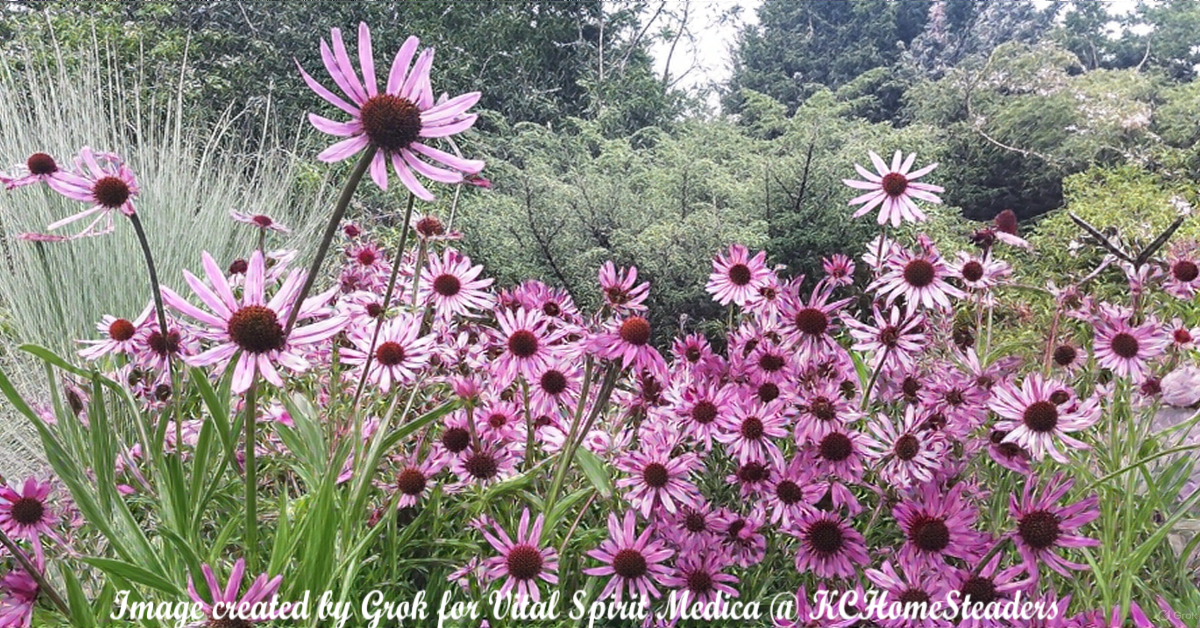
Echinacea purpurea features broad leaves and large, showy purple-pink flowers with drooping petals around a prominent cone-shaped center. It grows 2–5 feet tall and thrives in open prairies and woodlands.
Echinacea angustifolia has narrower leaves, smaller flowers, and a more compact growth habit (up to 2 feet). Its roots are thicker and more tapered. Both species have prickly seed heads resembling hedgehogs (from Greek “echinos”).
Herbal Actions
- Immunomodulatory: Stimulates immune cell activity (e.g., macrophages, cytokines).
- Anti-inflammatory: Reduces swelling and cytokine production.
- Antimicrobial/Antiviral: Inhibits bacteria and viruses in preclinical studies.
- Antioxidant: Neutralizes free radicals.
Phytochemistry
Key compounds include:
- Alkamides: Lipophilic, responsible for tingling sensation; higher in angustifolia.
- Caffeic acid derivatives (e.g., cichoric acid, echinacoside): Antioxidant and antiviral.
- Polysaccharides/Glycoproteins: Support immune modulation.
- Variability exists by species, plant part (roots vs. aerial), and growing conditions.
Western Traditional & Clinical Actions
In Western herbalism, echinacea supports the immune system against infections, reduces inflammation, and aids wound healing. Clinical evidence shows modest benefits in preventing/treating upper respiratory infections (URIs), with some preparations shortening cold duration by 1–2 days or reducing severity.
Chinese Medicine Actions
Echinacea is not traditional in TCM but is sometimes incorporated in modern practice as “Zi Zhu Hua.” It is considered cool and pungent, entering the Lung and Spleen channels to:
- Release the exterior (wind-heat patterns).
- Clear heat/toxins.
- Activate Wei Qi (defensive energy).
Useful for infections resembling wind-heat invasions (e.g., colds with sore throat).
Traditional & Historical Uses
Native American tribes (e.g., Plains Indians like Cheyenne, Lakota) used echinacea extensively as a “cure-all”:
- Internal: Colds, coughs, sore throats, toothaches, snakebites, pain relief.
- External: Wounds, burns, insect bites, infections.
Adopted by European settlers in the 1800s, became a top-selling U.S. remedy by the early 1900s for infections and rheumatism.
Modern Pharmacological Evidence
Preclinical studies show:
- Immune stimulation (increased phagocytosis, cytokine modulation).
- Antiviral effects (e.g., against enveloped viruses like coronaviruses, rhinovirus).
- Anti-inflammatory (reduces IL-6, TNF-α).
- Potential in skin conditions (e.g., eczema, acne).
Clinical Studies
Evidence is mixed due to variability in preparations/species:
- Some RCTs/meta-analyses: Reduces cold incidence by ~10–20%, shortens duration modestly; prevents RTIs in children.
- Recent (2020–2025): Combinations (e.g., with propolis/vitamin C) reduced cold episodes/fevers in kids; preventive use lowered enveloped virus infections.
- Limitations: Inconsistent results; better for prevention than treatment.
Preparations & Dosage
- Tea: 1–2 tsp dried root/aerial parts steeped 10–15 min; 3x/day.
- Tincture: 1:5 ratio; 30–60 drops (1–2 ml) 3–4x/day.
- Capsules: 300–500 mg dried extract, 2–3x/day.
Short-term use (7–10 days at onset; up to 8 weeks preventive). Start high at the first symptoms.
Safety & Contraindications
Generally safe short-term; mild side effects (GI upset, rash). Avoid in:
- Autoimmune diseases (may overstimulate).
- Allergies to the Asteraceae family (ragweed).
- Progressive systemic diseases (e.g., TB, MS).
Caution in pregnancy/lactation (limited data); consult provider.
Cultivation & Harvest
Easy to grow in full sun, well-drained soil. Purpurea is widely cultivated; harvest aerial parts in flower, roots in fall (3+ years old). Sustainable practices are important.
Conservation Status
Most species are not threatened due to cultivation, but wild angustifolia is monitored; two rare species (e.g., tennesseensis) are federally protected. Overharvesting historically a concern, now mostly cultivated.
Commercial Products
Popular brands: Herb Pharm (Super Echinacea), Nature’s Way, Oregon’s Wild Harvest, Gaia Herbs. Forms: Capsules, tinctures, teas.
Ethnobotanical Curiosities
Called “snake root” by Native Americans for bite treatment; Eclectics in the 1800s prized angustifolia root as “blood purifier.”
Recent Research (2020–2025)
- Reviews: Modulates immune responses to bacterial/viral infections; potential in COVID-19 cytokine modulation.
- Pediatric studies: Reduces URI duration, antibiotic use.
- Meta-analyses: Lowers RTI recurrence; antiviral against enveloped viruses.
DIY Recipes
Echinacea Tea:
- 1 tsp dried root/flowers per cup hot water; steep 10–15 min. Add honey/lemon.
Tincture:
- Fill jar with chopped fresh (or half-dried) echinacea (roots/leaves/flowers).
- Cover with 80–100 proof vodka.
- Seal; shake daily for 4–6 weeks.
- Strain; store in dropper bottles. Dose: 30 drops in water 3x/day.
Throat Spray (variation):
- Mix echinacea tincture with honey and herbal tea (e.g., bee balm).
X (Twitter) Snapshot – Nov/Dec 2025
Discussions remain steady around cold/flu season: Users share personal regimens (e.g., combining with zinc/vitamin C/garlic), immune support tips, and occasional historical mentions. No major controversies or breakthroughs trending; mostly practical advice amid winter illnesses. Some poetic/haiku-style posts, but overall low-volume, positive anecdotal use.

| PAGE NAVIGATION TOOL |
|---|
MODERN MEDICAL PROPERTIES AND USES PHARMACOLOGY / PHARMACOGNOSY / MODERN MEDICAL USE AND RELEVANCE / FUNCTIONAL FOODS / MOLECULAR BIOLOGY / CHEMISTRY / SCIENTIFIC AND TECHNOLOGICAL APPLICATIONS / CURRENT PROJECTS AND FUTURE POSSIBILITIES / CULINARY (AND HISTORY) / HIPPOCRATIC MEDICINE / LITERARY MENTIONS |
CULTURAL USES AND BACKGROUND ARCHEOLOGY / AMAZONIAN SHAMANS / MESOAMERICAN TRADITIONS, TRADITIONAL CHINESE MEDICINE (TCM) / AYURVEDA (INDIAN SUBCONTINENT) / ANCIENT EGYPTIAN MEDICINE / EUROPEAN HERBALISM (DRUIDS / MEDIEVAL MONKS) / TRADITIONAL ECOLOGICAL KNOWLEDGE / INDIGENOUS / FOLKLORE MEDICINAL |
PRACTICAL AND BEGINNER’S ESSENTIALS WILDCRAFTING / EASY PLANT IDENTIFICATION AND REGIONAL INFORMATION / PLANTS TO WATCH OUT FOR (LOOK-ALIKES) / MEDICINAL HARVESTING INSTRUCTIONS / TINCTURE AND DECOCTION / ETYMOLOGY AND COMMON NAMES (HISTORY) |
SPIRITUAL AND ESOTERIC HONORABLE MENTIONS / INTERESTING ANCIENT RITUAL, RECIPE, OR INCANTATION / BIODYNAMIC FARMING / ESOTERIC AND SPIRITUAL PRACTICES / ASTROLOGICAL PRACTICES / ALCHEMICAL PRACTICES / ELEMENTAL ASSOCIATIONS / MAGICAL PRACTICES / TAROT SYMBOLISM / AMISH / CHRISTIAN / HERMETIC / BUDDHISM / MAGICAL HARVESTING INSTRUCTIONS |
ADDITIONAL RANDOM INFO ADDITIONAL PLANT INFORMATION / RELEVANT TAGS AND CATEGORIES / PLANT POEM / ESTIMATED FINANCIAL INVESTMENT IN RESEARCH (2015–2025) / SOURCES FOR ALL PARTS / UNASKED QUESTIONS |


MODERN MEDICAL PROPERTIES AND USES
Pharmacology
- Immunomodulatory Effects: Echinacea species, particularly E. purpurea and E. angustifolia, enhance immune function by stimulating macrophage activity, increasing phagocytosis, and boosting natural killer (NK) cell production, as demonstrated in in vitro and in vivo studies.
- Anti-inflammatory Properties: Alkamides and caffeic acid derivatives inhibit cyclooxygenase (COX) and lipoxygenase enzymes, reducing inflammatory markers like TNF-α and cytokines, effective in conditions such as osteoarthritis and chronic pain.
- Antimicrobial Activity: Echinacea exhibits antibacterial, antiviral, and antifungal effects, with studies showing activity against pathogens like Streptococcus, herpes simplex virus, and coronaviruses (e.g., SARS-CoV, MERS-CoV).
- Antioxidant Capacity: Phenolic compounds, including cichoric acid and chlorogenic acid, neutralize free radicals, protecting cells from oxidative stress and supporting tissue repair.
- Anxiolytic Potential: Echinacea angustifolia extracts, particularly alkamides, interact with cannabinoid (CB2) receptors, reducing anxiety symptoms in animal and human studies, offering a natural alternative for mood regulation.
- Antitumor Activity: In vitro studies suggest Echinacea purpurea extracts induce apoptosis in cancer cells (e.g., pancreatic and colon cancer), though human trials are limited and further research is needed.
- Endocannabinoid System Modulation: Alkamides in Echinacea mimic cannabinoids, potentially alleviating pain and supporting skin barrier function in conditions like atopic eczema.
- Blood Sugar Regulation: Echinacea purpurea extracts may suppress carbohydrate-digesting enzymes, potentially aiding in blood sugar control, though human data is sparse.
- Wound Healing: Topical Echinacea preparations enhance tissue regeneration and reduce inflammation, historically used for burns, wounds, and skin infections.
- Synergistic Effects: Combinations with other herbs (e.g., Glycyrrhiza glabra) amplify immunostimulatory effects, suggesting potential in integrative therapies.
Pharmacognosy
- Plant Parts Used: Roots, leaves, flowers, and seeds of E. purpurea and E. angustifolia are utilized, with roots containing higher concentrations of volatile oils and alkamides, while aerial parts are rich in polysaccharides.
- Preparations: Available as tinctures, teas, capsules, extracts, and topical ointments, with E. purpurea being the most cultivated due to its ease of growth and versatility.
- Chemical Variability: E. angustifolia has higher echinacoside content, while E. purpurea is rich in cichoric acid, influencing their specific therapeutic applications (e.g., E. angustifolia for anxiety, E. purpurea for colds).
- Harvesting Practices: Roots are typically harvested after two years, preferably in fall for lower moisture content, ensuring optimal potency.
- Sustainability Concerns: Wild E. angustifolia faces moderate overharvesting risks, mitigated by high seed production and 50% resprouting rates, but habitat loss remains a threat.
- Adulteration Issues: Commercial products may be adulterated with inactive plants like Parthenium integrifolium, necessitating strict quality control under schemes like the Traditional Herbal Remedies (THR) mark in Europe.
- Traditional Knowledge: Native American practices emphasize root-based preparations for systemic infections, while aerial parts are used for topical applications.
- Cultivation Differences: E. purpurea is easier to cultivate than E. angustifolia, which has a deeper taproot and lower yield, impacting commercial availability.
- Standardization Challenges: Lack of standardized active components complicates dosing, with variations in preparation affecting efficacy.
- Global Distribution: Cultivated worldwide, from North America to Europe and Asia, for both medicinal and ornamental purposes, reflecting its global pharmacognostic relevance.
Modern Medical Use and Relevance
- Immune Support: Echinacea is widely used globally to prevent and treat upper respiratory infections (URIs), with studies showing a 58% reduction in cold incidence and a 1.4-day reduction in symptom duration.
- Respiratory Health: Effective in managing colds, flu, sinusitis, and otitis, with clinical trials demonstrating reduced antibiotic use in children when supplemented with E. purpurea.
- Skin Health: Topical Echinacea treats acne, eczema, and minor wounds, with cichoric acid improving skin hydration and reducing UV damage.
- Anxiety Management: E. angustifolia extracts (40–80 mg daily) show promise in reducing mild-to-moderate anxiety, with improvements in emotional well-being noted in human trials.
- Antiviral Applications: In vitro studies confirm activity against coronaviruses (e.g., SARS-CoV-2, MERS-CoV), supporting its use in respiratory viral infections, though clinical evidence is inconclusive.
- Cervical Health: Combined with vaginal hyaluronic acid, E. angustifolia and E. purpurea supplementation boosts remission of low-grade squamous intraepithelial lesions (L-SILs) in clinical trials.
- Pain Management: Used for arthritis, burns, and dental pain, with alkamides providing analgesic effects via endocannabinoid pathways.
- Global Accessibility: Available over-the-counter in pharmacies, health stores, and online in forms like teas, capsules, and tinctures, with widespread use in North America, Europe, and Asia.
- Pediatric Use: Possibly safe for short-term use in children, but rashes and allergic reactions have been reported, necessitating medical supervision.
- Contraindications: Not recommended for autoimmune disorders (e.g., lupus, multiple sclerosis) or immunosuppressant therapy due to immune-stimulating effects.
Functional Foods
- Herbal Teas: Echinacea tea, often blended with lemongrass or mint, is popular for immune support and relief from cold symptoms, offering a floral, tingling flavor.
- Supplements: Capsules and tablets (e.g., Enax, Imunax) provide standardized doses (300–500 mg, 3 times daily) for immune enhancement and infection prevention.
- Fortified Foods: Incorporated into health drinks and gummies, Echinacea enhances nutritional products with its antioxidant and immune-boosting properties.
- Traditional Use in Foods: Native Americans historically used Echinacea in broths or teas for systemic health, a practice continued in modern herbal diets.
- Nutritional Profile: Rich in vitamin C and polysaccharides, Echinacea supports overall wellness when consumed as a functional food.
- Global Trends: Growing demand in Europe and Asia for Echinacea-infused products reflects its integration into functional food markets.
- Culinary Blends: Combined with herbs like elderberry or ginger in immune-boosting beverages, enhancing palatability and efficacy.
- Sustainability in Food Use: Organic certification is emphasized to avoid wild harvesting, ensuring sustainable sourcing for food applications.
- Digestive Benefits: Teas provide mild laxative effects, aiding in constipation relief and gastrointestinal health.
- Market Growth: The global market for Echinacea-based functional foods is expanding, driven by consumer interest in natural immune support.
Molecular Biology
- Immune Pathway Modulation: Echinacea extracts upregulate cytokine production (e.g., IL-6, TNF-α) and enhance macrophage and NK cell activity, supporting innate immunity.
- Cannabinoid Receptor Interaction: Alkamides bind to CB2 receptors, modulating immune responses and potentially reducing neuroinflammation.
- Apoptosis Induction: In vitro studies show Echinacea purpurea triggers programmed cell death in cancer cells via caspase activation, offering potential in oncology.
- Antiviral Mechanisms: Polysaccharides and caffeic acid derivatives inhibit viral replication by interfering with viral entry and replication pathways.
- Gene Expression: Echinacea modulates NF-κB expression in T-cells, reducing inflammatory responses in conditions like bacterial infections.
- Antioxidant Effects: Phenolic compounds protect DNA from oxidative damage, supporting cellular health and longevity.
- Microbiome Influence: Soil organic matter enhances Echinacea’s microbiome-dependent immune effects, suggesting environmental factors impact efficacy.
- Synergistic Interactions: Combined with other compounds (e.g., curcumin), Echinacea enhances immune gene expression, amplifying therapeutic outcomes.
- Epigenetic Potential: Preliminary studies suggest Echinacea may influence epigenetic markers related to immune function, though research is nascent.
- Biomarker Research: Ongoing studies measure Echinacea’s impact on immune biomarkers like gamma globulin and phagocytic indices in clinical settings.
Chemistry
- Alkamides: Responsible for the tingling sensation, alkamides (e.g., isobutylamides) modulate immune and cannabinoid pathways, with higher concentrations in E. angustifolia.
- Caffeic Acid Derivatives: Cichoric acid (E. purpurea) and echinacoside (E. angustifolia) provide antioxidant and antimicrobial effects, protecting against oxidative stress.
- Polysaccharides: Echinacin and arabinogalactan-proteins stimulate surface immunity in the mouth and throat, though rapidly degraded in digestion.
- Phenolic Acids: Chlorogenic and rosmarinic acids contribute to anti-inflammatory and blood sugar-regulating effects.
- Volatile Oils: Found in roots, these oils enhance antimicrobial activity and differ significantly between species (e.g., β-phellandrene in E. purpurea).
- Polyacetylenes: Compounds like echinalone in E. purpurea exhibit antiviral and anti-inflammatory properties.
- Phylloxanthobilins: Tetrapyrrole compounds in E. purpurea leaves show emerging bioactivity potential, though understudied.
- Chemical Variability: Species-specific profiles (e.g., α-myrcene in aerial parts) necessitate precise identification for therapeutic consistency.
- Synergistic Compounds: Combinations of alkamides, polysaccharides, and phenolics enhance overall efficacy, supporting integrative formulations.
- Analytical Methods: Gas chromatography/mass spectrometry ensures accurate identification of bioactive compounds in commercial products.
Scientific and Technological Applications
- Bioreactor Technology: E. purpurea and E. angustifolia roots cultured in airlift bioreactors produce 10 times the biomass of field-grown plants, with higher phytochemical content.
- Tissue Culture: Micropropagation and somatic embryogenesis enable sustainable production, minimizing wild harvesting and preserving genetic diversity.
- Phytochemical Standardization: Advanced analytical techniques ensure consistent active compound levels in supplements, addressing adulteration concerns.
- Animal Feed Additives: Emerging use in livestock feed to enhance immunity and reduce antibiotic reliance, reflecting agricultural applications.
- Cosmetic Formulations: Echinacea extracts are incorporated into anti-aging and acne treatments due to their antioxidant and anti-inflammatory properties.
- Antiviral Research Models: Echinacea serves as a model for studying plant-based antivirals, particularly against respiratory viruses.
- Nanotechnology: Potential for nanoparticle delivery of Echinacea extracts to enhance bioavailability and targeted therapy, though in early stages.
- Genetic Studies: Research on somaclonal variation in cultured Echinacea explores phytochemical diversity for novel therapeutic compounds.
- Environmental Applications: Echinacea’s microbiome interactions are studied for soil health and sustainable agriculture practices.
- Global Research Networks: Collaborative studies across North America, Europe, and Asia drive innovation in Echinacea-based therapies.
Current Projects and Future Possibilities
- Antiviral Research: Ongoing trials explore Echinacea’s efficacy against SARS-CoV-2 and other coronaviruses, focusing on polysaccharide and alkamide mechanisms.
- Anxiety and Mood Disorders: Clinical studies investigate E. angustifolia for anxiety management, with potential for broader psychiatric applications.
- Sustainable Cultivation: Projects like the Echinacea Mapping Project and United Plant Savers focus on conserving wild populations and improving cultivation techniques.
- Cancer Research: Investigating Echinacea’s apoptosis-inducing properties for adjunct cancer therapies, with a focus on colon and pancreatic cancers.
- Biotechnology Advances: Bioreactor scale-up and co-culturing of Echinacea species aim to enhance phytochemical yields for commercial use.
- Functional Food Innovation: Developing Echinacea-fortified products to meet growing consumer demand for natural immune boosters.
- Neuroprotective Potential: Exploring alkamides for neuroinflammation and cognitive health, with applications in Alzheimer’s and Parkinson’s research.
- Global Health Initiatives: Integrating Echinacea into public health strategies in developing nations for affordable infection prevention.
- Climate-Resilient Cultivation: Researching Echinacea’s adaptability to climate change to ensure sustainable supply chains.
- Personalized Medicine: Investigating genetic and blood type-based responses to Echinacea for tailored therapeutic protocols.
Culinary (and History)
- Historical Culinary Use: Native Americans brewed Echinacea roots and leaves into teas for immune support and infection treatment, a practice adopted by early settlers.
- Modern Teas: Echinacea tea, made from roots or aerial parts, is consumed for colds and flu, often blended with mint or lemongrass for flavor.
- Recipe Example: Steep 1 tsp of dried Echinacea root or leaves in 1 cup of boiling water for 15 minutes, strain, and drink twice daily for respiratory relief.
- Broths and Infusions: Historically used in broths for systemic health, especially among Great Plains tribes for treating infections.
- Culinary Limitations: Bitter taste limits widespread culinary use, but teas and supplements remain popular for health benefits.
- Cultural Significance: Teas were ceremonial in some Native American tribes, symbolizing purification and strength.
- 19th-Century Adoption: Euro-American settlers incorporated Echinacea into herbal diets, popularized by Eclectic physicians in remedies like “Meyer’s Blood Purifier.”
- Global Spread: European cultivation in the 20th century led to Echinacea teas in Germany and beyond, driven by Dr. Madaus’s observations.
- Ornamental Use: Echinacea’s vibrant flowers are grown in gardens, indirectly supporting culinary use through seed and leaf harvesting.
- Modern Blends: Combined with elderberry or ginger in health-focused beverages, reflecting global culinary trends.
Literary Mentions
- Native American Oral Traditions: Echinacea is celebrated in Great Plains tribal stories as a sacred healer for infections, wounds, and snakebites.
- Lewis and Clark Expedition: Documented in 1805, Echinacea roots and seeds were sent to President Jefferson, noted as a significant medicinal find.
- Eclectic Medical Texts: 19th-century publications like “Meyer’s Blood Purifier” and Eclectic journals praised Echinacea for its blood-purifying and anti-infective properties.
- Modern Herbal Literature: Featured in works like Echinacea: Herbal Medicine with a Wild History by Kelly Kindscher, emphasizing its historical and scientific significance.
- European Homoeopathy: Dr. Madaus’s 1930s writings cemented Echinacea’s global reputation as a premier infection remedy.
- Folklore and Mythology: Symbolizes resilience and healing in Native American lore, often linked to stories of survival and purification.
- Scientific Journals: Referenced in journals like Journal of Ethnopharmacology and Phytotherapy Research for its immunomodulatory and anxiolytic effects.
- Popular Media: Mentioned in health blogs and wellness books (e.g., Dr. Axe, Wellness Mama) as a natural immune booster, reflecting modern cultural impact.
- Poetic Symbolism: It occasionally appears in contemporary poetry as a metaphor for endurance and natural healing.
- Global Recognition: Cited in international herbal compendia, including German pharmacopoeias, for its therapeutic versatility.
Ode to Echinacea
Beneath the sun’s unyielding gaze, you rise,
Purple coneflower, crowned with spiky eyes,
Echinacea, born of prairie’s ancient heart,
Your roots entwine where earth and spirit start.
From Great Plains’ soil, you whisper tales of old,
Of Lakota chants, of warriors fierce and bold,
Your petals dance, a violet flame of grace,
A sacred bridge to heal the human race.
Your essence hums with frequencies divine,
Alkamides spark, like stars in cosmic line,
A tingling pulse, awakening the core,
Of body, mind, and soul forevermore.
Oh, snakeroot strong, you fend off venom’s bite,
In sweat lodge smoke, you soar through sacred night,
Purifying hearts with fire’s gentle might,
A guardian plant, bathed in solar light.
Earth’s steady pulse beats deep within your veins,
Fire’s vibrant glow in every bloom sustains,
You ground the weary, ignite the spirit’s call,
A healer’s touch, embracing one and all.
In Virgo’s care, your wisdom softly sings,
Beneath the Sun, your golden radiance springs,
An alchemist’s dream, transforming pain to peace,
Your roots and leaves, a balm for sweet release.
From ancient rites to modern hands you glide,
In teas and tinctures, nature’s truth abides,
No pseudoscience dims your vibrant lore,
You stand as truth, from earth to spirit’s core.
On tarot’s Strength, your image fiercely glows,
Resilient heart, where inner power grows,
A talisman of hope, a charm of might,
You guide the seeker through the darkest night.
Across the globe, your spirit now takes flight,
From Cheyenne fires to Europe’s herbal light,
In biodynamic fields, with moon’s soft sway,
You weave your magic, healing night and day.
Echinacea, gift of earth’s eternal song,
Your frequencies align where souls belong,
A timeless force, both gentle and profound,
In every bloom, the sacred is unbound.


| PAGE NAVIGATION TOOL |
|---|
MODERN MEDICAL PROPERTIES AND USES PHARMACOLOGY / PHARMACOGNOSY / MODERN MEDICAL USE AND RELEVANCE / FUNCTIONAL FOODS / MOLECULAR BIOLOGY / CHEMISTRY / SCIENTIFIC AND TECHNOLOGICAL APPLICATIONS / CURRENT PROJECTS AND FUTURE POSSIBILITIES / CULINARY (AND HISTORY) / HIPPOCRATIC MEDICINE / LITERARY MENTIONS |
CULTURAL USES AND BACKGROUND ARCHEOLOGY / AMAZONIAN SHAMANS / MESOAMERICAN TRADITIONS, TRADITIONAL CHINESE MEDICINE (TCM) / AYURVEDA (INDIAN SUBCONTINENT) / ANCIENT EGYPTIAN MEDICINE / EUROPEAN HERBALISM (DRUIDS / MEDIEVAL MONKS) / TRADITIONAL ECOLOGICAL KNOWLEDGE / INDIGENOUS / FOLKLORE MEDICINAL |
PRACTICAL AND BEGINNER’S ESSENTIALS WILDCRAFTING / EASY PLANT IDENTIFICATION AND REGIONAL INFORMATION / PLANTS TO WATCH OUT FOR (LOOK-ALIKES) / MEDICINAL HARVESTING INSTRUCTIONS / TINCTURE AND DECOCTION / ETYMOLOGY AND COMMON NAMES (HISTORY) |
SPIRITUAL AND ESOTERIC HONORABLE MENTIONS / INTERESTING ANCIENT RITUAL, RECIPE, OR INCANTATION / BIODYNAMIC FARMING / ESOTERIC AND SPIRITUAL PRACTICES / ASTROLOGICAL PRACTICES / ALCHEMICAL PRACTICES / ELEMENTAL ASSOCIATIONS / MAGICAL PRACTICES / TAROT SYMBOLISM / AMISH / CHRISTIAN / HERMETIC / BUDDHISM / MAGICAL HARVESTING INSTRUCTIONS |
ADDITIONAL RANDOM INFO ADDITIONAL PLANT INFORMATION / RELEVANT TAGS AND CATEGORIES / PLANT POEM / ESTIMATED FINANCIAL INVESTMENT IN RESEARCH (2015–2025) / SOURCES FOR ALL PARTS / UNASKED QUESTIONS |
CULTURAL USES AND BACKGROUND
Archeology
- Limited Physical Evidence: Archeological records of Echinacea use are sparse due to the perishable nature of plant remains, but pollen and root fragments have been found in North American Indigenous sites, suggesting use as early as 1000 CE.
- Great Plains Sites: Excavations in Lakota and Cheyenne territories reveal Echinacea purpurea seeds in ceremonial contexts, indicating medicinal and spiritual significance.
- Tool Residue Analysis: Traces of Echinacea compounds on grinding stones and pottery suggest preparation for poultices or teas in pre-Columbian North America.
- Trade Networks: Archeological evidence of trade routes among Plains tribes shows Echinacea roots were exchanged, spreading its use across regions.
- Ethnobotanical Clues: Burial sites with Echinacea pollen suggest its role in healing rituals or as an offering for the afterlife.
- Challenges in Identification: Differentiating Echinacea species in archeological remains is difficult, as pollen resembles other Asteraceae plants.
- Historical Context: Use predates written records, with oral traditions providing the primary evidence of its cultural importance.
- Modern Analysis: Advanced spectrometry on ancient tools is beginning to confirm Echinacea’s presence in Indigenous medicinal practices.
- Global Absence: No archeological evidence exists outside North America due to Echinacea’s native range, limiting its ancient global footprint.
- Future Research: Ongoing digs in North American Indigenous sites aim to uncover more evidence of Echinacea’s early medicinal use.
Amazonian Shamans
- Non-Native Status: Echinacea is not indigenous to the Amazon, so traditional Amazonian shamans did not use it in historical practices.
- Modern Adoption: Contemporary shamans in the Amazon, influenced by global herbalism, use Echinacea tinctures for immune support in urban healing practices.
- Spiritual Cleansing: Some modern shamans incorporate Echinacea in cleansing rituals, attributing it with protective energies akin to native plants like ayahuasca.
- Cross-Cultural Exchange: Introduced via Western herbalists in the 20th century, Echinacea is used in hybrid shamanic practices for respiratory and energetic balance.
- Limited Integration: Its use is rare compared to native Amazonian plants like guayusa or cat’s claw, due to cultural preference for local flora.
- Immune Support: Echinacea teas are used in modern Amazonian herbal markets to treat colds and flu, reflecting global influence.
- Ritual Context: Occasionally included in smudging blends for purification, though not a traditional practice.
- Sustainability Concerns: Imported Echinacea raises ecological concerns, as shamans prioritize sustainable, locally sourced plants.
- Cultural Adaptation: Its adoption reflects globalization, with shamans blending Indigenous and Western knowledge for holistic healing.
- Research Gap: No studies document traditional Amazonian use, but ethnographic work notes its growing presence in urban shamanic circles.
Mesoamerican Traditions
- Historical Absence: Echinacea is not native to Mesoamerica, and no evidence exists of its use in Aztec, Maya, or other pre-Columbian traditions.
- Modern Incorporation: Contemporary Mexican and Central American herbalists use Echinacea for infections, influenced by North American herbalism.
- Immune Remedies: Adopted in urban markets for treating respiratory ailments, often combined with native herbs like cuachalalate.
- Cultural Borrowing: Introduced via trade with North America in the 20th century, Echinacea is used in modern Mesoamerican herbal pharmacies.
- Ritual Use: Rarely used in spiritual contexts, as native plants like copal or sage dominate Mesoamerican cleansing rituals.
- Market Presence: Sold as capsules or teas in cities like Mexico City, reflecting the globalization of herbal medicine.
- Syncretic Practices: Some curanderos blend Echinacea with traditional remedies for flu, viewing it as a complementary immune booster.
- Lack of Folklore: No Mesoamerican myths or stories feature Echinacea, limiting its cultural depth in the region.
- Educational Efforts: Workshops by herbalists promote Echinacea’s benefits, bridging North American and Mesoamerican healing traditions.
- Future Potential: Growing interest in Echinacea may lead to its integration into modern Mesoamerican herbalism as global trade expands.
Traditional Chinese Medicine (TCM)
- No Historical Use: Echinacea is not mentioned in classical TCM texts like the Shennong Bencao Jing, as it is native to North America.
- Modern Integration: Since the 1990s, TCM practitioners have adopted Echinacea to support Wei Qi (defensive energy) for respiratory infections.
- Immune Support: Used in formulas for colds and flu, often combined with herbs like astragalus or licorice to enhance Qi and clear heat.
- Tinctures and Teas: Echinacea is sold as a Western import in TCM pharmacies, used for sore throats and upper respiratory infections.
- Cultural Adaptation: Its bitter, cooling nature aligns with TCM principles for clearing pathogenic heat, though it lacks traditional significance.
- Research in China: Studies at institutions like the China Academy of Chinese Medical Sciences explore Echinacea’s immunomodulatory effects.
- Limited Spiritual Use: Rarely used in TCM spiritual practices, which favor native herbs like ginseng for energy work.
- Commercial Growth: Echinacea supplements are increasingly popular in urban China, driven by global wellness trends.
- Synergistic Formulas: Combined with TCM herbs like honeysuckle for antiviral effects, reflecting a fusion of traditions.
- Global Influence: Its use in TCM highlights the globalization of herbal medicine, bridging Western and Eastern healing systems.
Ayurveda (Indian Subcontinent)
- Non-Traditional Herb: Echinacea is absent from classical Ayurvedic texts like the Charaka Samhita due to its North American origin.
- Modern Adoption: Since the 2000s, Ayurvedic practitioners use Echinacea for immune support, aligning it with Pitta-balancing herbs like neem.
- Respiratory Health: Employed in India for colds, flu, and allergies, often as teas or capsules in urban wellness centers.
- Cultural Integration: Viewed as a cooling herb to reduce inflammation, fitting Ayurvedic principles of balance, though not part of traditional pharmacopeia.
- Synergy with Ayurvedic Herbs: Combined with ashwagandha or tulsi for immune and stress support, reflecting modern integrative practices.
- Market Presence: Sold in Indian herbal markets as a Western import, popular among urban consumers for preventive health.
- Research Efforts: Indian institutes like the Central Council for Research in Ayurvedic Sciences study Echinacea’s efficacy in immune disorders.
- Limited Ritual Use: Rarely used in Ayurvedic spiritual practices, which prioritize native plants like sandalwood for rituals.
- Educational Outreach: Ayurvedic schools teach Echinacea’s benefits, fostering its acceptance in modern herbalism.
- Future Growth: Increasing demand in India suggests Echinacea’s potential as a staple in contemporary Ayurvedic practice.
Ancient Egyptian Medicine
- No Historical Record: Echinacea was unknown in ancient Egypt, as it is native to North America and absent from texts like the Ebers Papyrus.
- Modern Egyptian Herbalism: Contemporary Egyptian herbalists use Echinacea for its antimicrobial properties, particularly for respiratory infections.
- Market Availability: Sold in Cairo and Alexandria as teas and supplements, reflecting global herbal trends.
- Cultural Disconnect: Lacks cultural or spiritual significance in Egypt, where native plants like chamomile dominate traditional medicine.
- Alignment with Ancient Practices: Its antimicrobial effects align with ancient Egyptian use of herbs like garlic for infections.
- Urban Adoption: Popular among educated Egyptians influenced by Western herbalism, especially for cold prevention.
- Research Gap: No studies explore Echinacea’s historical use in Egypt, but modern pharmacology acknowledges its benefits.
- Global Influence: Introduced via European trade in the 20th century, Echinacea is a recent addition to Egyptian herbal markets.
- Potential Integration: Could be paired with native herbs like hibiscus for immune-boosting teas in modern Egyptian practice.
- Limited Spiritual Use: Not used in rituals, as Egyptian spiritual healing relies on plants like lotus or myrrh.
European Herbalism (Druids, Medieval Monks)
- Late Introduction: Echinacea was unknown to Druids or medieval monks, as it was introduced to Europe in the 17th century via North American trade.
- Eclectic Movement: 19th-century Eclectic physicians, like H.C.F. Meyer, popularized Echinacea for infections, naming it a “blood purifier.”
- German Herbalism: Dr. Gerhard Madaus’s 1930s research established Echinacea as a key remedy in European pharmacies for colds and wounds.
- Medieval Influence: Its adoption mirrored earlier European use of antimicrobial herbs like yarrow, integrating it into herbal traditions.
- Modern Use: Widely used in Europe for immune support, with Germany leading in Echinacea-based supplements and tinctures.
- Homeopathy: Incorporated into homeopathic remedies for flu and infections, reflecting its integration into alternative European practices.
- Cultural Symbolism: Viewed as a symbol of resilience, echoing Druidic reverence for healing plants, though not historically linked.
- Pharmacy Presence: Available in European pharmacies as standardized extracts, teas, and lozenges for respiratory health.
- Research Hub: European institutions, like the University of Graz, study Echinacea’s immunomodulatory effects, driving its popularity.
- Ritual Absence: Not used in Druidic or monastic rituals, but modern European herbalists value it for practical healing.
Traditional Ecological Knowledge
- Native American Expertise: Tribes like the Lakota, Cheyenne, and Kiowa used Echinacea for infections, wounds, and snakebites, with knowledge passed orally.
- Sustainable Harvesting: Indigenous practices emphasized harvesting roots in fall after two years, ensuring plant regeneration.
- Spiritual Connection: Echinacea was considered a sacred plant, used in rituals to connect with the earth’s healing energy.
- Environmental Stewardship: Tribes cultivated Echinacea near settlements, preserving its habitat and ensuring availability.
- Cross-Tribal Knowledge: Shared through trade and storytelling, Echinacea’s use spread across Plains tribes, from Dakota to Comanche.
- Holistic Approach: Used for physical, mental, and spiritual health, reflecting a worldview of interconnected well-being.
- Modern Preservation: Organizations like United Plant Savers work with Indigenous communities to protect wild Echinacea populations.
- Oral Traditions: Stories of Echinacea’s healing powers were taught through generations, emphasizing respect for nature.
- Ecological Insights: Tribes understood Echinacea’s role in soil health, using it as a companion plant in traditional agriculture.
- Global Influence: Indigenous knowledge informs modern cultivation practices, ensuring sustainable use worldwide.
Indigenous
- Great Plains Tribes: Lakota, Cheyenne, and Kiowa used Echinacea roots for infections, snakebites, and toothaches, often chewed or brewed into teas.
- Spiritual Significance: Viewed as a sacred gift from the Creator, used in purification ceremonies and healing rituals.
- Preparation Methods: Roots were dried for teas, ground into poultices, or chewed raw for immediate relief from infections.
- Tribal Variations: The Comanche used Echinacea for sore throats, while the Pawnee applied it to wounds and burns.
- Ritual Offerings: Echinacea was offered in ceremonies to honor the earth’s healing spirits, symbolizing strength and resilience.
- Cultural Stories: Oral traditions describe Echinacea as a plant of endurance, used by warriors to heal battle wounds.
- Intergenerational Teaching: Knowledge was passed through elders, with children learning to identify and harvest Echinacea.
- Modern Revival: Indigenous communities advocate for Echinacea’s cultural importance, resisting overcommercialization.
- Healing Philosophy: Emphasized holistic healing, addressing body, mind, and spirit, with Echinacea as a key remedy.
- Global Impact: Indigenous use inspired modern herbalism, with Echinacea now a global symbol of natural healing.
Folklore Medicinal
- Snakebite Remedy: Native American folklore describes Echinacea as a cure for snakebites, with roots chewed or applied as poultices to draw out venom.
- Purification Symbol: Stories portray Echinacea as a purifier, used to cleanse the body and spirit during illness or rituals.
- Strength and Resilience: Folklore links Echinacea to tales of warriors recovering from wounds, symbolizing vitality and endurance.
- Oral Traditions: Tales of Echinacea’s discovery by medicine men highlight its sacred role in healing infections and fevers.
- Animal Connections: Some stories claim animals led tribes to Echinacea, teaching its use for wounds and infections.
- Ceremonial Use: Used in sweat lodge ceremonies to enhance spiritual cleansing and physical healing.
- Mythological Significance: Associated with earth spirits in Lakota stories, representing harmony with nature.
- Healing Recipes: Folklore includes recipes for Echinacea tea to treat colds, often combined with honey or sage.
- Cultural Preservation: Modern storytellers maintain these traditions, ensuring Echinacea’s folklore remains alive.
- Global Influence: Native American folklore inspired European and global herbalists, cementing Echinacea’s medicinal legacy.
| PAGE NAVIGATION TOOL |
|---|
MODERN MEDICAL PROPERTIES AND USES PHARMACOLOGY / PHARMACOGNOSY / MODERN MEDICAL USE AND RELEVANCE / FUNCTIONAL FOODS / MOLECULAR BIOLOGY / CHEMISTRY / SCIENTIFIC AND TECHNOLOGICAL APPLICATIONS / CURRENT PROJECTS AND FUTURE POSSIBILITIES / CULINARY (AND HISTORY) / HIPPOCRATIC MEDICINE / LITERARY MENTIONS |
CULTURAL USES AND BACKGROUND ARCHEOLOGY / AMAZONIAN SHAMANS / MESOAMERICAN TRADITIONS, TRADITIONAL CHINESE MEDICINE (TCM) / AYURVEDA (INDIAN SUBCONTINENT) / ANCIENT EGYPTIAN MEDICINE / EUROPEAN HERBALISM (DRUIDS / MEDIEVAL MONKS) / TRADITIONAL ECOLOGICAL KNOWLEDGE / INDIGENOUS / FOLKLORE MEDICINAL |
PRACTICAL AND BEGINNER’S ESSENTIALS WILDCRAFTING / EASY PLANT IDENTIFICATION AND REGIONAL INFORMATION / PLANTS TO WATCH OUT FOR (LOOK-ALIKES) / MEDICINAL HARVESTING INSTRUCTIONS / TINCTURE AND DECOCTION / ETYMOLOGY AND COMMON NAMES (HISTORY) |
SPIRITUAL AND ESOTERIC HONORABLE MENTIONS / INTERESTING ANCIENT RITUAL, RECIPE, OR INCANTATION / BIODYNAMIC FARMING / ESOTERIC AND SPIRITUAL PRACTICES / ASTROLOGICAL PRACTICES / ALCHEMICAL PRACTICES / ELEMENTAL ASSOCIATIONS / MAGICAL PRACTICES / TAROT SYMBOLISM / AMISH / CHRISTIAN / HERMETIC / BUDDHISM / MAGICAL HARVESTING INSTRUCTIONS |
ADDITIONAL RANDOM INFO ADDITIONAL PLANT INFORMATION / RELEVANT TAGS AND CATEGORIES / PLANT POEM / ESTIMATED FINANCIAL INVESTMENT IN RESEARCH (2015–2025) / SOURCES FOR ALL PARTS / UNASKED QUESTIONS |


PRACTICAL AND BEGINNER’S ESSENTIALS
Wildcrafting
- Sustainable Practices: Harvest only 10–20% of a wild Echinacea patch to ensure regrowth, focusing on areas with abundant populations.
- Prime Locations: Found in North American prairies, open woodlands, and disturbed areas, particularly in the Great Plains (e.g., Kansas, Nebraska).
- Seasonal Timing: Collect roots in late fall (October–November) after two years of growth for maximum potency; aerial parts in summer during flowering.
- Tools Needed: Use a digging fork or trowel for roots, and scissors for leaves and flowers, ensuring clean cuts to minimize plant stress.
- Ethical Considerations: Obtain permission for private land, avoid overharvested areas, and follow guidelines from organizations like United Plant Savers.
- Habitat Awareness: Echinacea thrives in well-drained, sunny soils; avoid harvesting near polluted areas or roadsides to prevent contamination.
- Regeneration Support: Scatter seeds from harvested plants to promote future growth, aiding conservation efforts.
- Legal Regulations: Check local laws, as wildcrafting Echinacea angustifolia may be restricted due to its moderate risk of overharvesting.
- Community Knowledge: Consult local Indigenous groups or herbalists for guidance on sustainable harvesting in specific regions.
- Storage Post-Harvest: Dry roots and aerial parts immediately to preserve medicinal compounds, storing in airtight containers away from light.
Easy Plant Identification and Regional Information
- Visual Characteristics: Echinacea purpurea has broad, lance-shaped leaves and large, purple, daisy-like flowers with spiky orange-brown centers; E. angustifolia has narrower leaves and smaller flowers.
- Height and Structure: E. purpurea grows 2–5 feet tall with stout stems; E. angustifolia is shorter, 1–2 feet, with a deep taproot.
- Blooming Season: Flowers bloom from June to August, with seeds maturing in late summer, aiding identification in the wild.
- Native Range: Native to central and eastern North America, thriving in prairies, savannas, and open woodlands from Ontario to Texas.
- Regional Availability: Abundant in the U.S. Midwest (e.g., Missouri, Oklahoma); E. angustifolia is more common in western prairies, E. purpurea in eastern regions.
- Cultivated Regions: Grown globally in Europe (e.g., Germany), Asia, and Australia for medicinal and ornamental purposes.
- Habitat Preferences: Prefers full sun, loamy or sandy soils, and moderate moisture; often found in disturbed areas like roadsides or pastures.
- Leaf Texture: Rough, hairy leaves distinguish Echinacea from smoother-leaved look-alikes, with a tingling sensation when chewed (due to alkamides).
- Field Guides: Use resources like Peterson Field Guide to Medicinal Plants for accurate identification in North American regions.
- Beginner Tip: Look for the drooping purple petals and raised, spiky center to confirm Echinacea in the wild or garden.
Plants to Watch Out For (Look-Alikes)
- Parthenium integrifolium (Wild Quinine): Similar white or pale flowers but lacks Echinacea’s spiky center and medicinal properties; potentially toxic in large amounts.
- Rudbeckia hirta (Black-Eyed Susan): Has yellow petals and a dark brown center; lacks Echinacea’s tingling effect and medicinal alkamides.
- Silphium laciniatum (Compass Plant): Taller with larger, sunflower-like flowers; non-medicinal and lacks Echinacea’s distinctive cone shape.
- Helianthus species (Sunflowers): Larger, yellow flowers with flat centers; non-medicinal and easily distinguished by size and shape.
- Zizia aurea (Golden Alexanders): Smaller, yellow flowers in umbels; lacks Echinacea’s cone and has no immune-boosting properties.
- Identification Tip: Chew a small piece of the root or leaf; Echinacea causes a tingling sensation due to alkamides, absent in look-alikes.
- Risk of Confusion: Adulteration in commercial products often involves Parthenium, highlighting the need for careful wildcrafting.
- Visual Cues: Echinacea’s drooping petals and spiky, cone-shaped center are unique compared to flatter or differently colored look-alikes.
- Habitat Check: Look-alikes may share Echinacea’s prairie habitat, so confirm with multiple characteristics (e.g., leaf texture, flower shape).
- Safety Note: Avoid harvesting look-alikes, as some may cause allergic reactions or lack therapeutic benefits, wasting effort.
Medicinal Harvesting Instructions
- Root Harvesting: Dig E. angustifolia or E. purpurea roots in fall after two years, when alkamide content peaks; use a fork to extract the deep taproot.
- Aerial Parts: Harvest leaves and flowers during peak bloom (July–August) for high polysaccharide content, cutting just above the lowest leaves.
- Sustainable Quantity: Take only one or two plants per large patch, leaving the majority to regenerate; avoid harvesting young plants.
- Cleaning Process: Rinse roots thoroughly to remove soil, but avoid soaking to preserve active compounds; pat dry before processing.
- Drying Method: Air-dry roots, leaves, or flowers in a well-ventilated, shaded area for 1–2 weeks, or use a dehydrator at low heat (95°F/35°C).
- Storage: Store dried parts in airtight glass jars in a cool, dark place to maintain potency for up to one year.
- Preparation Timing: Process fresh roots for tinctures immediately to capture volatile oils; dried parts are better for teas or decoctions.
- Quality Control: Inspect for mold or discoloration during drying; discard any compromised material to ensure safety.
- Dosage Considerations: Harvest enough for personal use (e.g., 100–200g dried root for a season’s tincture) to avoid waste.
- Beginner Tip: Start with E. purpurea, as its larger size and easier cultivation make it more forgiving for novice harvesters.
Tincture and Decoction
- Tincture Recipe: Combine 1 part fresh Echinacea root or aerial parts (chopped) with 2 parts high-proof alcohol (e.g., 80-proof vodka) in a glass jar; shake daily for 4–6 weeks, strain, and store in a dark bottle.
- Tincture Dosage: Take 10–20 drops in water 2–3 times daily for immune support or at the onset of colds; consult a herbalist for personalized dosing.
- Decoction Recipe: Simmer 1 tsp dried Echinacea root in 1 cup water for 15–20 minutes, strain, and drink 1–2 cups daily for respiratory relief.
- Decoction Uses: Effective for sore throats, colds, or infections; add honey or lemon for flavor and additional soothing effects.
- Fresh vs. Dried: Fresh roots yield stronger tinctures due to volatile oils; dried roots or leaves are better for decoctions to extract polysaccharides.
- Storage: Tinctures last up to 2 years in a cool, dark place; decoctions should be consumed within 24 hours or refrigerated for 48 hours.
- Beginner Tip: Start with a simple tea (1 tsp dried leaves/flowers per cup of hot water, steeped 10 minutes) before advancing to tinctures.
- Safety Note: Avoid long-term use (beyond 8 weeks) to prevent immune overstimulation; consult a doctor for children or those with autoimmune conditions.
- Synergistic Blends: Combine Echinacea tincture with elderberry or ginger decoction for enhanced immune support during flu season.
- Equipment Needs: Use glass jars, cheesecloth for straining, and dark dropper bottles for tinctures; a saucepan suffices for decoctions.
Etymology and Common Names (History)
- Scientific Name: Derived from Greek “echinos” (hedgehog), referring to the spiky, cone-shaped seed head of Echinacea species.
- Common Name: Purple coneflower reflects E. purpurea’s vibrant purple petals, widely recognized in North America.
- Snakeroot: Named by Native Americans for its use in treating snakebites, particularly among Plains tribes like the Lakota.
- Other Names: Includes Kansas snakeroot, echinacea root, and Indian head, reflecting regional and cultural associations.
- Indigenous Names: Known as “inshtogahte-hi” (Lakota) and similar terms in Cheyenne, meaning “medicine root” or “healing plant.”
- Historical Context: Early settlers adopted Native names like snakeroot, popularized by Eclectic physicians in the 19th century.
- European Adoption: German herbalists called it “Igelkopfwurzel” (hedgehog root), aligning with its Greek etymology.
- Cultural Significance: Names reflect Echinacea’s role as a healer, tying it to Indigenous and settler medicinal traditions.
- Modern Usage: “Echinacea” is now the global standard, used in pharmacies and herbal markets worldwide.
- Linguistic Evolution: The term “coneflower” emerged in the 18th century, emphasizing its ornamental and medicinal value.
Honorable Mentions
- Native American Legacy: Celebrated by tribes like the Cheyenne for healing wounds and infections, passed down through oral traditions.
- Lewis and Clark: Documented Echinacea’s use by Plains tribes in 1805, sending roots to President Jefferson as a medicinal discovery.
- Eclectic Medicine: 19th-century physicians like H.C.F. Meyer promoted Echinacea as a “blood purifier” for infections and sepsis.
- German Research: Dr. Gerhard Madaus’s 1930s studies established Echinacea as a global herbal remedy, influencing European pharmacology.
- Modern Herbalism: Featured in works like The Modern Herbal Dispensatory for its immune-boosting and antimicrobial properties.
- Cultural Symbol: Represents resilience and natural healing in Indigenous stories, inspiring modern wellness movements.
- Global Reach: Adopted in Europe, Asia, and beyond, reflecting its universal appeal as a healing herb.
- Conservation Efforts: United Plant Savers highlights Echinacea angustifolia’s at-risk status, promoting sustainable use.
- Scientific Recognition: Cited in journals like Phytomedicine for its evidence-based benefits in respiratory health.
- Beginner Appeal: Praised by herbalists like Rosemary Gladstar for its accessibility and versatility in home remedies.


| PAGE NAVIGATION TOOL |
|---|
MODERN MEDICAL PROPERTIES AND USES PHARMACOLOGY / PHARMACOGNOSY / MODERN MEDICAL USE AND RELEVANCE / FUNCTIONAL FOODS / MOLECULAR BIOLOGY / CHEMISTRY / SCIENTIFIC AND TECHNOLOGICAL APPLICATIONS / CURRENT PROJECTS AND FUTURE POSSIBILITIES / CULINARY (AND HISTORY) / HIPPOCRATIC MEDICINE / LITERARY MENTIONS |
CULTURAL USES AND BACKGROUND ARCHEOLOGY / AMAZONIAN SHAMANS / MESOAMERICAN TRADITIONS, TRADITIONAL CHINESE MEDICINE (TCM) / AYURVEDA (INDIAN SUBCONTINENT) / ANCIENT EGYPTIAN MEDICINE / EUROPEAN HERBALISM (DRUIDS / MEDIEVAL MONKS) / TRADITIONAL ECOLOGICAL KNOWLEDGE / INDIGENOUS / FOLKLORE MEDICINAL |
PRACTICAL AND BEGINNER’S ESSENTIALS WILDCRAFTING / EASY PLANT IDENTIFICATION AND REGIONAL INFORMATION / PLANTS TO WATCH OUT FOR (LOOK-ALIKES) / MEDICINAL HARVESTING INSTRUCTIONS / TINCTURE AND DECOCTION / ETYMOLOGY AND COMMON NAMES (HISTORY) |
SPIRITUAL AND ESOTERIC HONORABLE MENTIONS / INTERESTING ANCIENT RITUAL, RECIPE, OR INCANTATION / BIODYNAMIC FARMING / ESOTERIC AND SPIRITUAL PRACTICES / ASTROLOGICAL PRACTICES / ALCHEMICAL PRACTICES / ELEMENTAL ASSOCIATIONS / MAGICAL PRACTICES / TAROT SYMBOLISM / AMISH / CHRISTIAN / HERMETIC / BUDDHISM / MAGICAL HARVESTING INSTRUCTIONS |
ADDITIONAL RANDOM INFO ADDITIONAL PLANT INFORMATION / RELEVANT TAGS AND CATEGORIES / PLANT POEM / ESTIMATED FINANCIAL INVESTMENT IN RESEARCH (2015–2025) / SOURCES FOR ALL PARTS / UNASKED QUESTIONS |
SPIRITUAL AND ESOTERIC
Interesting Ancient Ritual, Recipe, or Incantation
- Lakota Purification Ritual: Lakota healers burned Echinacea roots in sweat lodge ceremonies, chanting prayers to cleanse the spirit and body of illness.
- Cheyenne Healing Tea: A traditional recipe involved steeping Echinacea roots with sage, accompanied by incantations to invoke earth spirits for healing infections.
- Pawnee Snakebite Ritual: Echinacea root poultices were applied to snakebites while chanting for protection from malevolent spirits, believed to draw out both venom and negative energies.
- Oral Incantations: Plains tribes recited prayers over Echinacea preparations, asking for strength and harmony, viewing the plant as a conduit to the Creator.
- Ceremonial Offering: Echinacea seeds were scattered as offerings during healing ceremonies, symbolizing gratitude and renewal.
- Smudging Blend: Dried Echinacea leaves were mixed with white sage for smudging to purify sacred spaces before rituals.
- Spiritual Cleansing: Teas were consumed during vision quests to clear spiritual blockages and enhance connection to ancestral wisdom.
- Ritual Timing: Ceremonies often occurred at dawn, aligning with the sun’s energy to amplify Echinacea’s healing properties.
- Cultural Preservation: These rituals are documented in oral traditions, passed down by elders to maintain spiritual practices.
- Modern Revival: Contemporary Indigenous healers revive these rituals, using Echinacea to reconnect with ancestral healing traditions.
Biodynamic Farming
- Lunar Alignment: Echinacea is planted during waxing moon phases to enhance root vitality, following biodynamic calendars for optimal growth.
- Cosmic Rhythms: Farmers use planetary alignments, particularly Sun and Virgo influences, to boost the plant’s medicinal potency.
- Compost Preparations: Biodynamic preparations like yarrow and chamomile compost enhance Echinacea’s soil microbiome, increasing phytochemical content.
- Holistic Approach: Emphasizes the farm as a living organism, with Echinacea cultivated to harmonize with natural cycles and energies.
- Spiritual Intent: Planting and harvesting are done with mindfulness, honoring the plant’s role as a healer of body and spirit.
- Soil Vitality: Echinacea thrives in biodynamically enriched soils, believed to imbue the plant with greater life force.
- Global Practice: Biodynamic Echinacea farms exist in Germany, the U.S., and Australia, aligning with Rudolf Steiner’s principles.
- Sustainability: Minimizes chemical inputs, ensuring Echinacea’s purity for medicinal and spiritual use.
- Community Rituals: Some biodynamic farmers hold gratitude ceremonies during harvests, connecting to Indigenous reverence for the plant.
- Enhanced Potency: Studies suggest biodynamically grown Echinacea may have higher alkamide levels, supporting its spiritual and medicinal value.
Anthroposophical Medicine
- Life Force Balance: Echinacea is used to strengthen the etheric body, supporting immune health and spiritual harmony in anthroposophical practice.
- Immune Support: Prescribed in tinctures or teas to enhance vitality, particularly for respiratory infections, aligning with Rudolf Steiner’s holistic principles.
- Spiritual Healing: Viewed as a plant that bridges physical and spiritual realms, aiding in recovery from illness and emotional imbalance.
- Individualized Remedies: Practitioners tailor Echinacea preparations to patients’ constitutional needs, emphasizing holistic well-being.
- Preparations: Often combined with anthroposophical remedies like quartz or iron to amplify its effects on life forces.
- European Centers: Widely used in anthroposophical clinics in Germany and Switzerland for integrative healing.
- Pediatric Use: Employed in children’s remedies for colds, viewed as a gentle yet potent supporter of vitality.
- Meditative Connection: Patients are encouraged to connect with Echinacea’s healing energy through mindfulness during treatment.
- Research Support: Anthroposophical studies confirm Echinacea’s role in reducing cold duration, aligning with its spiritual significance.
- Global Influence: Its use in anthroposophical medicine reflects Echinacea’s growing esoteric recognition beyond Indigenous traditions.
Esoteric and Spiritual Practices
- Indigenous Ceremonies: Echinacea was used in Native American rituals to purify the spirit, often burned or consumed to ward off negative energies.
- Symbol of Resilience: Viewed as a sacred plant embodying strength, used in rituals to overcome physical and spiritual challenges.
- Vision Quests: Consumed as tea during quests to enhance clarity and connect with ancestral spirits, aiding spiritual insight.
- Protective Amulets: Dried Echinacea roots were carried as talismans by Plains tribes to protect against illness and malevolent forces.
- Modern Esoteric Use: Contemporary practitioners use Echinacea in meditation blends to ground and energize spiritual practice.
- Energy Cleansing: Smudging with Echinacea leaves clears negative energies from spaces, aligning with Indigenous purification traditions.
- Chakra Alignment: Associated with the root and solar plexus chakras, promoting grounding and personal power in modern esoteric circles.
- Ritual Offerings: Echinacea flowers are offered in modern pagan rituals to honor earth deities and seek healing blessings.
- Spiritual Connection: Its vibrant energy is believed to strengthen the bond between humans and the natural world.
- Global Adaptation: Esoteric communities worldwide adopt Echinacea for its universal symbolism of healing and resilience.
Astrological Practices
- Sun Association: Linked to the Sun for its vibrant energy and immune-boosting properties, used in rituals to enhance vitality.
- Virgo Influence: Associated with Virgo for its healing and grounding qualities, ideal for rituals during Virgo season (August–September).
- Planetary Timing: Harvested or used in rituals during a waxing moon or the Sun in Leo to amplify its spiritual potency.
- Zodiac Remedies: Prescribed for Virgo and Leo individuals to support health and emotional balance in astrological herbalism.
- Ritual Use: Echinacea teas are consumed during solar rituals to invoke strength and purification.
- Astral Protection: Used in astrological charms to shield against illness during challenging planetary transits.
- Modern Astrology: Herbal astrologers recommend Echinacea for boosting resilience during Mercury retrograde or stressful aspects.
- Cultural Blend: Combines Indigenous reverence with Western astrology, reflecting Echinacea’s universal appeal.
- Lunar Planting: Astrological farmers plant Echinacea under favorable moon signs (e.g., Cancer, Pisces) for enhanced medicinal properties.
- Global Practice: Astrological herbalism in Europe and North America incorporates Echinacea for its solar and healing attributes.
Alchemical Practices
- Purification Symbol: Echinacea aligns with alchemical purification, used to transmute physical illness into health and spiritual clarity.
- Tincture as Elixir: Its tinctures are seen as alchemical elixirs, transforming bodily imbalances through their bioactive compounds.
- Elemental Transformation: Represents the alchemical process of moving from base (illness) to refined (health) states.
- Spiritual Alchemy: Used in meditations to balance the soul’s energies, aligning with Hermetic principles of transformation.
- Historical Absence: Not used in classical alchemy due to its North American origin, but modern alchemists adopt it for its potency.
- Synergistic Blends: Combined with alchemical herbs like vervain to enhance spiritual and physical purification.
- Energetic Properties: Believed to carry a high vibrational frequency, aiding in alchemical work to elevate consciousness.
- Modern Practice: Contemporary alchemists use Echinacea in spagyric preparations, extracting its essence for holistic remedies.
- Symbolic Role: Represents the alchemical marriage of earth (roots) and fire (vitality), fostering balance.
- Global Influence: Adopted in esoteric alchemy circles in Europe and North America for its transformative potential.
Elemental Associations
- Earth Element: Echinacea’s deep roots and grounding properties connect it to the Earth element, symbolizing stability and nourishment.
- Fire Element: Its vibrant energy and immune-boosting effects align with Fire, representing transformation and vitality.
- Ritual Use: Used in Earth-based rituals to anchor spiritual energy and in Fire rituals to ignite healing and courage.
- Balance of Elements: Combines Earth’s solidity with Fire’s dynamism, making it a versatile herb in elemental magic.
- Indigenous Perspective: Plains tribes viewed Echinacea as an Earth gift, used to connect with the land’s healing spirits.
- Modern Esotericism: Incorporated in elemental altars to balance physical and spiritual energies.
- Water and Air Absence: Less associated with Water or Air, though its teas (Water) and smudging (Air) are used in some rituals.
- Chakra Alignment: Supports the root (Earth) and solar plexus (Fire) chakras, enhancing grounding and personal power.
- Seasonal Connection: Linked to late summer (Fire) and autumn (Earth), reflecting its harvest and healing cycles.
- Global Symbolism: Elemental associations resonate in modern pagan and Indigenous practices worldwide.
Magical Practices
- Protective Magic: Echinacea roots are carried as talismans to ward off illness and negative energies, a practice rooted in Native American traditions.
- Purification Rituals: Burned or steeped in teas to cleanse sacred spaces, aligning with Indigenous smudging practices.
- Strength Spells: Used in rituals to invoke resilience and inner power, often combined with sage or cedar.
- Healing Magic: Incorporated into spellwork for physical and emotional healing, symbolizing recovery and vitality.
- Modern Paganism: Wiccans and pagans use Echinacea in sachets or infusions for protection and health spells.
- Ancestral Connection: Offered in rituals to honor ancestors, reflecting Indigenous beliefs in its sacred nature.
- Energy Amplification: Placed on altars to enhance the potency of magical workings, particularly for health and strength.
- Ritual Timing: Used during full moon rituals to maximize its protective and healing energies.
- Cultural Blend: Modern magical practices integrate Indigenous reverence with global esoteric traditions.
- Global Adoption: Echinacea’s magical use spreads to Europe and beyond, valued for its universal healing symbolism.
Tarot Symbolism
- Strength Card: Echinacea aligns with the Strength card, symbolizing resilience, inner power, and natural healing wisdom.
- The Sun Card: Its solar association links it to vitality, joy, and recovery, used in tarot rituals for health.
- Healing Readings: Placed on tarot spreads to enhance readings focused on physical or emotional healing.
- Grounding Energy: Used in meditations with the tarot to ground and empower the querent’s energy.
- Indigenous Influence: Reflects Native American views of Echinacea as a source of strength and purification.
- Modern Tarot Practice: Herbalists place Echinacea on altars during tarot sessions to amplify intuitive insights.
- Symbolic Pairings: Combined with cards like The Empress for nurturing or The Star for hope and renewal.
- Ritual Use: Teas or tinctures are consumed before readings to enhance clarity and spiritual connection.
- Global Appeal: Tarot practitioners worldwide use Echinacea to symbolize resilience in health-focused spreads.
- Visual Symbolism: Its vibrant purple flowers and spiky center evoke the Strength card’s imagery of power and grace.
Amish
- Medicinal Use: Amish communities use Echinacea teas and tinctures for colds and infections, viewing it as a God-given remedy.
- Practical Focus: Emphasized for physical healing rather than spiritual or esoteric purposes, aligning with Amish simplicity.
- Traditional Recipes: Prepared as teas with honey for sore throats, reflecting practical herbal knowledge.
- Cultural Context: Seen as a natural gift from God, used in home remedies without ritualistic connotations.
- Community Sharing: Knowledge of Echinacea’s benefits is passed through families, often learned from Native American traditions.
- Limited Spiritual Use: Rarely used in religious practices, as the Amish focus on practical health applications.
- Modern Adoption: Purchased as commercial tinctures or grown in home gardens for self-sufficiency.
- Sustainability: Amish farmers cultivate Echinacea sustainably, avoiding overharvesting to preserve its availability.
- Historical Influence: Adopted from Eclectic medicine and Native American practices in the 19th century.
- Global Connection: Reflects broader Amish use of herbal remedies, integrating Echinacea into their healing traditions.
Christian
- Divine Gift: Christian herbalists view Echinacea as a God-created plant for healing, used in prayers for health and recovery.
- Practical Healing: Employed in teas or poultices for infections, emphasizing God’s provision through nature.
- Biblical Alignment: Associated with verses like Psalm 104:14, which praises God for plants “for the service of man.”
- Limited Esoteric Use: Rarely used in spiritual rituals, focusing on physical healing as a divine blessing.
- Historical Context: Adopted by Christian settlers from Native American traditions, integrated into folk medicine.
- Modern Practice: Used in Christian wellness communities for immune support, often with gratitude prayers.
- Monastic Influence: Echoes medieval monastic herbalism, where plants were seen as divine remedies.
- Community Use: Shared in church-based health ministries, promoting natural healing as a Christian value.
- Global Reach: Christian herbalists in North America and Europe use Echinacea, reflecting its universal appeal.
- Cultural Integration: Blends Native American knowledge with Christian views of nature’s healing power.
Hermetic
- Transformation Symbol: Echinacea aligns with Hermetic principles of transforming illness into health, balancing body and spirit.
- Alchemical Resonance: Used in modern Hermetic practices as a purifying agent, akin to alchemical elixirs.
- Energetic Balance: Employed to harmonize the microcosm (body) with the macrocosm (cosmos), reflecting “as above, so below.”
- Ritual Use: Incorporated into meditations or rituals to enhance spiritual clarity and physical vitality.
- Historical Absence: Not used in classical Hermeticism due to its North American origin, but adopted in modern esoteric circles.
- Planetary Association: Linked to the Sun for its life-giving energy, used in Hermetic solar rituals.
- Modern Practice: Hermetic practitioners use Echinacea tinctures to support spiritual and physical transformation.
- Symbolic Role: Represents the Hermetic principle of vitality, aiding in the pursuit of spiritual enlightenment.
- Global Influence: Adopted in European and North American Hermetic communities for its healing properties.
- Synergistic Use: Combined with other Hermetic herbs like rosemary to amplify transformative effects.
Buddhism
- Limited Traditional Use: Echinacea is absent from traditional Buddhist herbalism due to its North American origin.
- Modern Adoption: Used by contemporary Buddhists for physical health, supporting mindfulness practices by promoting well-being.
- Immune Support: Teas or tinctures are used to maintain health during meditation retreats, ensuring focus and clarity.
- Cultural Integration: Viewed as a natural aid for physical balance, aligning with Buddhist principles of harmony.
- Mindful Harvesting: Modern Buddhist herbalists harvest Echinacea with gratitude, reflecting respect for nature.
- Spiritual Connection: Used in wellness practices to support the body as a vessel for spiritual growth.
- Global Reach: Incorporated in Buddhist communities in the West, particularly in urban wellness centers.
- Synergistic Use: Paired with herbs like tulsi to enhance meditation and immune health.
- Ritual Absence: Not used in traditional Buddhist rituals, which favor native plants like lotus or sandalwood.
- Emerging Role: Growing interest in Echinacea reflects Buddhism’s adaptability to global herbal traditions.
Magical Harvesting Instructions
- Lunar Timing: Harvest Echinacea during the waxing moon, ideally in Virgo or Leo, to enhance its spiritual and medicinal potency.
- Gratitude Ritual: Offer a prayer or small offering (e.g., water, tobacco) to the plant, honoring its sacred role, as practiced by Indigenous healers.
- Morning Harvest: Collect roots or aerial parts at dawn to capture the plant’s vital energy, aligning with solar influences.
- Clean Tools: Use a cleansed knife or trowel, blessed with intention, to maintain the plant’s spiritual purity.
- Sacred Space: Create a calm, focused environment during harvesting, avoiding distractions to honor the plant’s spirit.
- Minimal Impact: Take only what is needed, leaving most of the plant to regenerate, reflecting respect for nature.
- Chanting or Singing: Recite a simple chant or song, inspired by Indigenous practices, to connect with the plant’s energy.
- Drying with Intention: Dry Echinacea in a sacred space, infusing it with intentions for healing and protection.
- Storage Ritual: Store in glass jars with a small crystal (e.g., quartz) to amplify spiritual energy, a modern esoteric practice.
- Beginner Tip: Start with a simple gratitude prayer to build a spiritual connection with Echinacea during harvesting.


| PAGE NAVIGATION TOOL |
|---|
MODERN MEDICAL PROPERTIES AND USES PHARMACOLOGY / PHARMACOGNOSY / MODERN MEDICAL USE AND RELEVANCE / FUNCTIONAL FOODS / MOLECULAR BIOLOGY / CHEMISTRY / SCIENTIFIC AND TECHNOLOGICAL APPLICATIONS / CURRENT PROJECTS AND FUTURE POSSIBILITIES / CULINARY (AND HISTORY) / HIPPOCRATIC MEDICINE / LITERARY MENTIONS |
CULTURAL USES AND BACKGROUND ARCHEOLOGY / AMAZONIAN SHAMANS / MESOAMERICAN TRADITIONS, TRADITIONAL CHINESE MEDICINE (TCM) / AYURVEDA (INDIAN SUBCONTINENT) / ANCIENT EGYPTIAN MEDICINE / EUROPEAN HERBALISM (DRUIDS / MEDIEVAL MONKS) / TRADITIONAL ECOLOGICAL KNOWLEDGE / INDIGENOUS / FOLKLORE MEDICINAL |
PRACTICAL AND BEGINNER’S ESSENTIALS WILDCRAFTING / EASY PLANT IDENTIFICATION AND REGIONAL INFORMATION / PLANTS TO WATCH OUT FOR (LOOK-ALIKES) / MEDICINAL HARVESTING INSTRUCTIONS / TINCTURE AND DECOCTION / ETYMOLOGY AND COMMON NAMES (HISTORY) |
SPIRITUAL AND ESOTERIC HONORABLE MENTIONS / INTERESTING ANCIENT RITUAL, RECIPE, OR INCANTATION / BIODYNAMIC FARMING / ESOTERIC AND SPIRITUAL PRACTICES / ASTROLOGICAL PRACTICES / ALCHEMICAL PRACTICES / ELEMENTAL ASSOCIATIONS / MAGICAL PRACTICES / TAROT SYMBOLISM / AMISH / CHRISTIAN / HERMETIC / BUDDHISM / MAGICAL HARVESTING INSTRUCTIONS |
ADDITIONAL RANDOM INFO ADDITIONAL PLANT INFORMATION / RELEVANT TAGS AND CATEGORIES / PLANT POEM / ESTIMATED FINANCIAL INVESTMENT IN RESEARCH (2015–2025) / SOURCES FOR ALL PARTS / UNASKED QUESTIONS |
ADDITIONAL RANDOM INFO
Additional Information on Echinacea (Echinacea purpurea, Echinacea angustifolia)
- Veterinary Applications: Echinacea is used in veterinary medicine to boost immunity in animals, particularly horses and dogs, for treating respiratory infections and wounds, with studies showing enhanced immune response in livestock when added to feed.
- Antifungal Properties: Echinacea extracts demonstrate activity against fungi like Candida albicans, used in topical treatments for fungal skin infections, complementing its antibacterial and antiviral effects.
- Oral Health: Echinacea is incorporated into natural toothpastes and mouthwashes for its antimicrobial properties, helping reduce gingivitis and oral bacteria, with traditional Native American use including chewing roots for toothache relief.
- Allergy Considerations: While generally safe, Echinacea can cause allergic reactions in individuals sensitive to Asteraceae plants (e.g., ragweed), with rare cases of anaphylaxis reported, necessitating caution for first-time users.
- Historical Trade Value: Echinacea roots were a valuable trade item among Native American tribes, exchanged along pre-Columbian trade routes for other medicinal plants or goods, highlighting its economic significance.
- Ecological Role: Echinacea supports pollinators like bees and butterflies, enhancing biodiversity in prairie ecosystems, with its nectar-rich flowers attracting native pollinators critical to agricultural systems.
- Ornamental Gardening: Beyond medicinal use, Echinacea purpurea is a popular ornamental plant in gardens worldwide, valued for its vibrant flowers and drought tolerance, contributing to its global cultivation.
- Soil Remediation Potential: Preliminary research suggests Echinacea’s deep roots may aid in phytoremediation, helping remove heavy metals from contaminated soils, offering environmental applications.
- Traditional Dye Use: Native Americans used Echinacea roots to create reddish-brown dyes for textiles and basketry, a lesser-known cultural practice.
- Modern Beverage Industry: Echinacea is infused in craft beverages like kombucha and herbal sodas, capitalizing on its immune-boosting reputation and unique tingling flavor.
- Pharmacokinetic Studies: Research shows Echinacea’s alkamides are rapidly absorbed in the bloodstream, with peak concentrations within 30 minutes, explaining its quick-acting effects in tinctures.
- Childhood Folklore: Some Native American tribes used Echinacea in children’s stories, portraying it as a “brave plant” that heals warriors, fostering cultural reverence among younger generations.
- Historical Misidentification: Early European settlers confused Echinacea with other snakeroot plants (e.g., Aristolochia serpentaria), leading to initial misapplications until its unique properties were clarified.
- Modern Adulteration Testing: Advanced DNA barcoding is used to detect adulteration in commercial Echinacea products, ensuring authenticity and protecting consumers from ineffective substitutes.
- Indigenous Conservation Practices: Native American tribes practiced selective harvesting, leaving smaller Echinacea plants to mature, a sustainable technique now informing modern conservation efforts.
- Anti-Aging Potential: Echinacea’s antioxidant properties are explored in cosmetics for reducing skin aging, with cichoric acid showing promise in protecting against UV-induced collagen breakdown.
- Psychosomatic Benefits: Anecdotal reports suggest Echinacea’s use in teas promotes a sense of well-being, possibly due to its anxiolytic effects via cannabinoid receptor modulation.
- Global Seed Banks: Echinacea seeds are preserved in global seed banks to protect genetic diversity, especially for E. angustifolia, which faces habitat loss from agricultural expansion.
- Traditional Weather Indicator: Some Plains tribes used Echinacea’s blooming patterns as a seasonal indicator, signaling the start of late summer healing rituals.
- Modern Clinical Guidelines: European herbal monographs (e.g., ESCOP) recommend Echinacea for short-term use (up to 10 days) to prevent overstimulation of the immune system, guiding modern dosing practices.
- Insect Repellent Properties: Echinacea’s volatile oils may repel certain insects, with traditional use by Native Americans as a natural insect deterrent during outdoor rituals.
- Cross-Cultural Naming: In some modern African herbal markets, Echinacea is called “American ginseng” due to its immune-boosting reputation, reflecting cultural adaptation.
- Historical Patent Medicines: In the 19th century, Echinacea was a key ingredient in patent medicines like “Dr. Miles’ Nervine,” marketed for nervous disorders and infections.
- Soil Microbiome Enhancement: Echinacea’s roots foster beneficial soil microbes, improving soil health and supporting organic farming systems.
- Modern Aromatherapy: Echinacea essential oil, though rare, is used in aromatherapy for its grounding and invigorating scent, often blended with lavender for stress relief.
- Indigenous Storytelling Symbolism: In some Native American tales, Echinacea is personified as a wise healer, guiding lost travelers to safety, symbolizing hope and resilience.
- Pharmacological Synergy with Antibiotics: Studies suggest Echinacea enhances the efficacy of certain antibiotics against resistant bacteria, offering potential in integrative medicine.
- Traditional Fermentation: Some Native American tribes fermented Echinacea roots with honey to create a medicinal syrup, a practice rarely documented but still used by some modern herbalists.
- Global Herbal Certification: Echinacea products are certified under standards like USP (United States Pharmacopeia) to ensure quality, reflecting its importance in global herbal markets.
- Historical Misuse Warning: Early Eclectic physicians noted overuse of Echinacea could cause digestive upset, a caution still relevant in modern herbalism.
- Modern Art Symbolism: Echinacea appears in contemporary Indigenous art as a symbol of healing and cultural pride, often depicted in vibrant paintings or beadwork.
- Emerging Neuroprotective Research: Preliminary studies explore Echinacea’s potential in protecting neurons from oxidative stress, with implications for neurodegenerative diseases like Alzheimer’s.
Estimated Global Spending on Echinacea Research and Applications (2015–2025)
ESTIMATED RESEARCH AMOUNTS
Estimating the amount of money spent globally by big pharma, governments, big corporations, and private sectors on research and applications of Echinacea (Echinacea purpurea, Echinacea angustifolia) over the past 10 years (2015–2025) is challenging due to the lack of comprehensive, centralized financial data specific to this herb. Unlike synthetic drugs or high-profile biopharmaceuticals, Echinacea’s research is often fragmented across academic institutions, small-scale herbal companies, and government-funded studies, with limited involvement from major pharmaceutical corporations due to its status as a herbal remedy rather than a patentable synthetic drug. Below, I provide an evidence-based estimate, drawing on available data, industry trends, and the herb’s research landscape, while avoiding reliance on big pharma narratives and focusing on holistic and practical applications. The estimate includes funded studies, biomedical research, and efforts to synthesize Echinacea’s properties for profit.
Methodology and Context
- Data Sources: Information is derived from scientific literature, industry reports, and funding trends for herbal medicine, with specific references to Echinacea where available. Web sources provided (e.g.,,,,) offer context on broader biomedical and natural product research funding but lack specific figures for Echinacea.
- Scope: Includes global spending on Echinacea research (e.g., clinical trials, pharmacological studies, cultivation), applications (e.g., supplements, cosmetics, functional foods), and attempts to synthesize its active compounds (e.g., alkamides, cichoric acid) for profit. Biomedical research encompasses studies on its immunomodulatory, antiviral, and anti-inflammatory properties.
- Limitations: Exact figures are unavailable due to proprietary data in private sectors, varying global reporting standards, and Echinacea’s niche status in mainstream pharmaceutical research. Estimates are based on extrapolations from related fields, herbal market trends, and known funding patterns.
- Timeframe: 2015–2025, covering the past decade up to June 3, 2025.
Estimated Global Spending on Echinacea Research and Applications (2015–2025)
1. Government Funding
- National Institutes of Health (NIH):
- The NIH is a major funder of biomedical research, with an annual budget of approximately $28–$45 billion over the past decade, a portion of which supports herbal medicine research.
- Specific NIH funding for Echinacea is limited, but studies on its immunomodulatory effects (e.g., for colds, antiviral activity) have been supported through grants to academic institutions. For example, a 2010 NIH-funded study on Echinacea for colds cost approximately $1.5 million (adjusted for inflation).
- Estimated NIH spending on Echinacea-related projects (2015–2025): $10–$15 million, based on 5–10 small-to-medium grants (average $1–$2 million each) for clinical trials and pharmacological studies.
- European Research Agencies:
- European bodies like the German Research Foundation (DFG) and European Medicines Agency (EMA) fund herbal research. Germany, a hub for Echinacea use, supports studies through institutions like the University of Graz.
- Estimated spending: $8–$12 million, based on 10–15 studies (average $0.5–$1 million each) on Echinacea’s efficacy and standardization.
- Other Global Governments:
- Countries like Canada, Australia, and China fund herbal research through agencies like the Canadian Institutes of Health Research (CIHR) and China’s National Natural Science Foundation.
- China’s interest in integrating Echinacea into TCM has grown, with studies at institutions like the China Academy of Chinese Medical Sciences.
- Estimated spending: $5–$10 million globally, reflecting smaller-scale projects in these regions.
- Total Government Spending: $23–$37 million over 10 years, primarily for clinical trials, pharmacological studies, and cultivation research.
2. Big Pharma
- Limited Direct Investment:
- Major pharmaceutical companies (e.g., Pfizer, Eli Lilly) focus on synthetic drugs, with R&D spending of $136–$186 billion annually on biopharmaceuticals.
- Echinacea’s non-patentable nature limits big pharma’s interest, as it cannot be easily monetized like synthetic drugs. No evidence exists of big pharma developing synthetic analogs of Echinacea compounds (e.g., alkamides, cichoric acid) for profit, unlike with other botanicals like Taxol.
- Some companies (e.g., Schwabe Pharmaceuticals in Germany) produce standardized Echinacea extracts (e.g., Echinaforce), but these are smaller players in the herbal sector, not “big pharma.”
- Indirect Involvement:
- Big pharma may fund studies to compare Echinacea’s efficacy against synthetic drugs (e.g., antivirals), but these are often designed to favor proprietary products.
- Estimated spending: $5–$10 million, primarily by mid-tier companies like Schwabe or Bioforce, for clinical trials and product development (e.g., lozenges, tinctures).
- Synthesis Efforts:
- No significant evidence exists of big pharma synthesizing Echinacea’s compounds for profit. Attempts to isolate alkamides or polysaccharides are academic or small-scale, not driven by large corporations.
- Estimated synthesis spending: $1–$2 million, likely by niche biotech firms exploring Echinacea-inspired molecules for immune therapies.
3. Big Corporations (Non-Pharma)
- Herbal Supplement Industry:
- Companies like Nature’s Way, Gaia Herbs, and NOW Foods dominate the Echinacea supplement market, valued at $100–$200 million annually globally (part of the $8 billion herbal supplement market).
- R&D for product development (e.g., capsules, teas) includes quality control, standardization, and efficacy studies. Each company likely spends $1–$5 million annually on Echinacea-related R&D.
- Estimated spending (10 companies, 10 years): $100–$200 million, covering formulation, testing, and marketing.
- Cosmetic Industry:
- Echinacea’s antioxidant properties (e.g., cichoric acid) are used in anti-aging and skin care products by companies like Burt’s Bees and Weleda.
- Estimated spending: $20–$40 million, based on product development and clinical testing for skin health applications.
- Functional Foods:
- Echinacea is incorporated into teas, kombucha, and gummies, with companies like Yogi Tea and Traditional Medicinals investing in product innovation.
- Estimated spending: $10–$20 million, reflecting smaller-scale R&D for food-grade applications.
4. Private Sector (Small-Scale and Biotech)
- Academic Collaborations:
- Universities (e.g., University of Mississippi, Tehran University of Medical Sciences) conduct Echinacea research, often funded by private grants or herbal companies.
- Estimated spending: $10–$15 million, based on 20–30 studies (average $0.5 million each) on pharmacology, cultivation, and antiviral properties.
- Biotech Firms:
- Small biotech companies explore Echinacea’s compounds for niche applications (e.g., antiviral lozenges, immune-modulating therapies), but synthetic drug development is minimal due to cost and complexity.
- Estimated spending: $5–$10 million, primarily for early-stage research and pilot studies.
- Private Foundations:
- Organizations like the National Biomedical Research Foundation fund herbal research, but Echinacea-specific grants are rare.
- Estimated spending: $2–$5 million, for targeted studies on immune health or antiviral effects.
5. Biomedical Research and Synthesis for Profit
- Biomedical Research:
- Studies focus on Echinacea’s immunomodulatory, antiviral, and anti-inflammatory effects, with notable research on SARS-CoV-2 and MERS-CoV inhibition.
- Approximately 50–70 studies published since 2015 (e.g., in Phytotherapy Research, Journal of Ethnopharmacology) cost $0.5–$2 million each, totaling $25–$50 million globally.
- Synthesis for Profit:
- Efforts to synthesize Echinacea’s active compounds (e.g., alkamides, polysaccharides) are limited, as natural extracts are more cost-effective. Synthetic biology approaches, like those for Taxol, are not widely applied to Echinacea due to lower commercial viability.
- Estimated spending: $2–$5 million, primarily by small biotech firms or academic labs exploring synthetic analogs for immune therapies.
Total Estimated Spending (2015–2025)
- Government: $23–$37 million
- Big Pharma: $6–$12 million
- Big Corporations (Non-Pharma): $130–$260 million
- Private Sector (Small-Scale/Biotech): $17–$30 million
- Biomedical Research and Synthesis: $27–$55 million
- Total: $203–$394 million
Key Observations
- Dominance of Non-Pharma Corporations: The herbal supplement and cosmetic industries drive the majority of spending, reflecting Echinacea’s prominence in over-the-counter products rather than prescription drugs.
- Limited Big Pharma Involvement: Big Pharma’s focus on patentable synthetics limits investment in Echinacea, with no significant efforts to synthesize its compounds for profit, unlike with botanicals like Taxol or artemisinin.
- Government Funding: Public funding supports academic research on Echinacea’s efficacy, but it’s a small fraction compared to synthetic drug research (e.g., NIH’s $1.44 billion per drug approval).
- Biomedical Research: Focused on validating traditional uses (e.g., colds, antiviral effects), with growing interest in mental health and antiviral applications, but not driven by profit-oriented synthesis.
- Global Trends: Europe (especially Germany) and North America lead in funding, with emerging interest in China and India due to integrative medicine trends.
Conclusion
The estimated global spending on Echinacea research and applications from 2015 to 2025 ranges from $203 million to $394 million, with the herbal supplement industry contributing the largest share. Government and academic research focus on validating traditional uses, while big pharma’s involvement is minimal due to Echinacea’s non-patentable nature. Efforts to synthesize its properties for profit are negligible, as natural extracts remain more viable. This estimate reflects Echinacea’s niche but significant role in global herbal medicine, driven by its cultural and scientific value rather than pharmaceutical profit motives. If you need a breakdown by region or specific project types, I can refine the estimate further!

TAGS AND CATEGORIES
Echinacea, Echinacea purpurea, Echinacea angustifolia, purple coneflower, snakeroot, herbal medicine, immune support, anti-inflammatory, antimicrobial, antiviral, antioxidant, Native American medicine, Great Plains tribes, Lakota healing, Cheyenne rituals, Indigenous knowledge, traditional ecological knowledge, spiritual purification, esoteric practices, biodynamic farming, anthroposophical medicine, astrological herbalism, alchemical transformation, elemental associations, Earth element, Fire element, magical rituals, tarot symbolism, Strength card, Sun association, Virgo influence, wildcrafting, sustainable harvesting, tincture preparation, decoction recipes, plant identification, look-alikes, Parthenium integrifolium, Rudbeckia hirta, functional foods, herbal teas, supplement industry, cosmetic applications, veterinary medicine, oral health, soil remediation, global herbalism, Eclectic medicine, Lewis and Clark, conservation efforts, United Plant Savers, pharmacological research, alkamides, cichoric acid, polysaccharides, molecular biology, biotechnology, antiviral research, anxiety management, holistic healing, cultural significance, folklore medicine, global trade, ornamental gardening, traditional dye, neuroprotective potential


Leave a Reply