
|
Getting your Trinity Audio player ready…
|
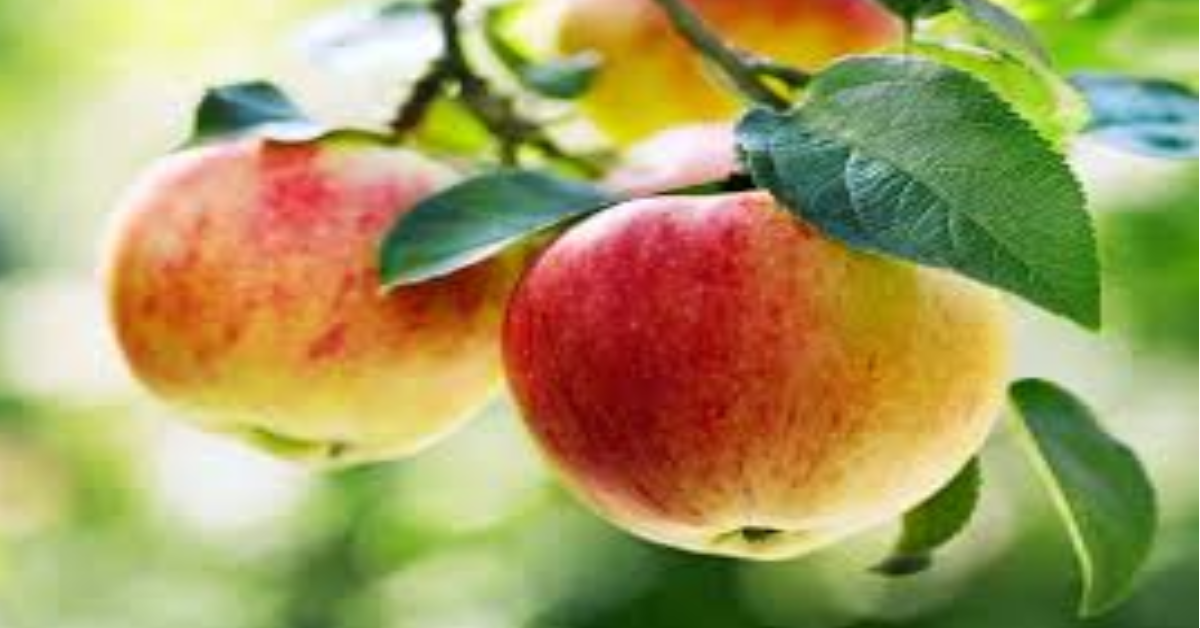
Apple (Pyrus spp.)
Apple (Pyrus spp.), belonging to the genus Pyrus (commonly Malus domestica), is one of the most culturally, spiritually, and medicinally significant plants in human history. Revered across civilizations, timelines, and belief systems, the apple transcends its role as a fruit to embody profound symbolic, esoteric, and practical importance. This entry provides a comprehensive exploration of the apple’s historical, biblical, medicinal, folklore, spiritual, cultural, and esoteric significance, drawing from ancient texts, cross-cultural traditions, and modern perspectives. It includes references to scriptures, spells, rituals, folk remedies, and future possibilities, while maintaining a uniform structure for consistency across herbal repository entries.

Botanical Overview
- Scientific Name: Malus domestica (syn. Pyrus malus), within the Rosaceae family.
- Common Names: Apple, Apfel (German), Pomme (French), Manzana (Spanish), Tuffah (Arabic), Seb (Hindi).
- Description: A deciduous tree or shrub producing round, edible pomes. Apples vary in color (red, yellow, green), flavor, and size, with thousands of cultivars worldwide.
- Native Range: Originated in Central Asia (Malus sieversii), with cultivation spreading globally over millennia.
- Elemental Correspondence: Water (emotion, intuition, healing); Earth (abundance, grounding).
- Astrological Correspondence: Venus (love, beauty, fertility); Sun (vitality, wisdom).
- Chakra Association: Heart (love, compassion), Throat (communication, truth).
Herbal Actions of Apple (Malus domestica)
Herbal Actions of Apple (Malus domestica)
Apple is valued in herbalism not only as food but also for its diverse medicinal properties. Various parts of the apple — including the fruit, peel, seeds, bark, and vinegar made from fermented apple juice — are used to support digestion, detoxification, skin health, and more.
Astringent
Apple, especially the peel and unripe fruit, exhibits strong astringent properties due to tannins and ursolic acid. This action helps tighten tissues, making it useful for treating diarrhea, soothing inflamed mucous membranes, and toning oily skin.
Nutritive
Apples are rich in vitamins (A, C, B-complex), minerals, fiber, and phytochemicals like quercetin and epicatechin. These compounds make apple a nutritive herb that supports overall health, boosts immunity, and provides antioxidant protection.
Digestive
Apple supports digestion through its pectin content — a soluble fiber that acts as a prebiotic and helps regulate bowel movements. It can soothe the digestive tract, aid in both constipation and diarrhea, and support gut flora balance. Stewed apple is traditionally used to calm digestive irritation.
Demulcent & Soothing
The pectin and mucilaginous qualities of cooked apples (like applesauce) give them a mild demulcent effect, coating and soothing irritated gastrointestinal tissues. This makes apples helpful during digestive flare-ups or food intolerances.
Detoxifying
Apple pectin binds to heavy metals (such as lead and radioactive cesium) and toxins in the gut, aiding their elimination. This chelating action has been clinically observed, including in post-Chernobyl treatments.
Anti-inflammatory & Antioxidant
Flavonoids like quercetin and rutin in apple peel have potent anti-inflammatory, antioxidant, and cardioprotective effects. These compounds help reduce oxidative stress, support cardiovascular health, and may lower cholesterol.
Topical Wound Healing
Raw apple slices can be applied externally as a poultice for minor wounds, burns, or inflamed eyes due to their cooling, astringent, and mildly antiseptic actions. The tradition of using apple as a “nature’s bandage” reflects its tissue-soothing properties.
Additional Traditional Uses
Bark and root: Historically used as an alternative to support liver and kidney detoxification pathways.
Apple cider vinegar: Used to balance body pH, support immunity, and manage allergies or ulcers.
Crab apple (Malus sylvestris): Used in Bach Flower Remedies (Crab Apple) for emotional cleansing, self-acceptance, and overcoming feelings of impurity.
Historical Significance
The apple’s history traces back to prehistoric times, with archaeological evidence of apple consumption in Neolithic Europe and Asia. Its cultivation began around 4,000–6,000 years ago in Central Asia, spreading along the Silk Road to Europe, the Middle East, and beyond.
- Ancient Mesopotamia (c. 2000 BCE): Apples appeared in Sumerian and Babylonian records as symbols of fertility and offerings to deities like Inanna/Ishtar. Clay tablets mention apple orchards in royal gardens.
- Ancient Egypt (c. 1550 BCE): While not native, apples were imported as luxury goods. The Ebers Papyrus references fruit-based remedies, possibly including apples for digestive health.
- Ancient Greece (c. 800 BCE): Apples were sacred to Aphrodite, goddess of love. Homer’s Odyssey mentions the “golden apples” of the Hesperides, symbolizing immortality. The apple’s role in the myth of Paris and the Trojan War underscores its association with beauty and choice.
- Ancient Rome (c. 100 BCE–400 CE): Romans cultivated apples extensively, with Pliny the Elder’s Natural History documenting multiple varieties and their medicinal uses, such as for digestion and cooling fevers.
- China (Han Dynasty, 206 BCE–220 CE): Apples were cultivated alongside peaches and pears, valued for nutrition and longevity. The Shennong Bencaojing lists fruit-based tonics, likely including apples, for vitality.
- Middle Ages (5th–15th Century): European monasteries preserved apple cultivation, with apples symbolizing spiritual purity. Hildegard of Bingen’s Physica recommended apples for balancing humors.
- Colonial Era (16th–19th Century): Apples were central to New World agriculture, with Johnny Appleseed (John Chapman) spreading orchards across North America, blending folklore with practical cultivation.
- Modern Era: Apples remain a global staple, with over 7,500 cultivars. Genetic studies trace modern apples to Malus sieversii, confirming their Central Asian origin.
Biblical Significance
Apples appear in biblical texts and interpretations, often symbolizing knowledge, temptation, and divine favor. While the “forbidden fruit” in Genesis is not explicitly an apple, medieval Christian art and tradition frequently depicted it as such.
- Old Testament:
- Song of Solomon 2:3: “As an apple tree among the trees of the forest, so is my beloved among the young men.” Apples symbolize love, desire, and uniqueness.
- Proverbs 25:11: “A word fitly spoken is like apples of gold in a setting of silver.” Apples represent wisdom and eloquence.
- Joel 1:12: The withering of apple trees signifies divine judgment and loss of abundance.
- New Testament Influence: The apple’s association with the Garden of Eden shaped Christian theology, linking it to sin and redemption. Medieval texts, like the Talmud, mention apples in rituals for spiritual cleansing.
- Apocryphal Texts: Some Gnostic traditions describe apples as symbols of divine gnosis, contrasting with the forbidden fruit narrative.
Medicinal Significance
Apples have been used medicinally across cultures for millennia, valued for their nutritional and therapeutic properties. Modern science confirms their benefits, including antioxidants (quercetin), fiber, and vitamins (C, K).
- Ancient Texts:
- Dioscorides’ De Materia Medica (c. 60 CE): Recommends apples for digestion, cooling fevers, and as a diuretic. Cooked apples were used for bowel regulation.
- Avicenna’s Canon of Medicine (1025 CE): Describes apples as balancing for the stomach and liver, useful in treating diarrhea and promoting appetite.
- Hildegard of Bingen (12th Century): Prescribed apple-based remedies for respiratory issues and to “clear the mind.”
- Traditional Uses:
- European Folk Medicine: Raw apples for constipation; baked apples for diarrhea. Apple cider vinegar for detoxification and skin conditions.
- Ayurveda: Apples balance Pitta and Kapha doshas, used for digestion and cooling inflammation.
- Traditional Chinese Medicine: Apples nourish the spleen and stomach, promoting fluid production and reducing dryness.
- Folk Recipes:
- Apple Poultice: Grated raw apple applied to burns or wounds to reduce inflammation and promote healing.
- Apple Tea: Boiled apple peels with honey for sore throats and coughs.
- Apple Cider Tonic: Mix 1 tbsp apple cider vinegar with water and honey daily for digestion and immunity.
- Modern Research: Apples lower cholesterol, support gut health, and reduce inflammation due to pectin and polyphenols. They are studied for potential anti-cancer and cardiovascular benefits.
Note: Always consult a qualified herbalist before using apples medicinally, especially for pregnant or nursing individuals.
Folklore Significance
Apples are steeped in folklore, embodying themes of love, immortality, and divination across cultures.
- European Folklore:
- Celtic Tradition: Apples were sacred to Avalon, the “Isle of Apples,” associated with eternal youth and the Otherworld. The apple tree was a symbol of wisdom.
- Norse Mythology: Idun, goddess of youth, guarded apples that granted immortality to the Aesir gods.
- British Isles: Wassailing, a ritual to bless apple orchards, involved singing and offering cider to ensure a bountiful harvest.
- Greek Mythology: The golden apples of the Hesperides and the apple of discord in the Trojan War myth highlight apples as symbols of divine favor and conflict.
- Slavic Folklore: Apples were used in love spells and fertility rituals, often given as tokens of affection.
- Divination Practices:
- Apple Peeling: Peeling an apple in one continuous strip and throwing it over the shoulder to reveal the initial of a future spouse.
- Apple Bobbing: A Halloween/Samhain game to predict romantic prospects, rooted in Celtic traditions.

Spiritual Significance
Apples hold profound spiritual meaning, often representing divine connection, purity, and transformation.
- Pagan Traditions: Apples symbolize the cycle of life, death, and rebirth. They are used in rituals for Samhain, representing the harvest and ancestral communication.
- Christianity: Beyond the Eden narrative, apples signify divine love and redemption in mystical traditions, as seen in the Song of Solomon.
- Druidic Practices: Apple trees were revered as sacred groves, used in rituals for wisdom and protection.
- Hinduism: While not central, apples are offered to deities like Ganesha, symbolizing abundance and removal of obstacles.
- Rituals and Spells:
- Love Spell: Carve a heart into an apple, anoint with rose oil, and bury it under a full moon to attract love.
- Protection Ritual: Place apple seeds in a sachet with rosemary and hang above a doorway to ward off negativity.
- Divination Ritual: Cut an apple crosswise to reveal the pentacle-shaped seed core, meditate on it for insight into hidden truths.

Cultural Significance
Apples are embedded in global cultures, symbolizing everything from education to rebellion.
- Western Culture: The apple as a “teacher’s pet” gift reflects its association with knowledge. The phrase “an apple a day keeps the doctor away” underscores its health benefits.
- American Culture: Apples symbolize the frontier spirit (e.g., Johnny Appleseed) and are central to traditions like apple pie, representing home and comfort.
- Middle Eastern Culture: Apples appear in Persian poetry (e.g., Rumi) as metaphors for beauty and divine love.
- Asian Culture: In China, apples symbolize peace and harmony, often exchanged during festivals like Mid-Autumn.
- Modern Symbolism: The apple logo of Apple Inc. evokes knowledge, innovation, and a nod to the forbidden fruit, blending technology with mythology.
Esoteric and Alchemical Significance
In esoteric traditions, apples are potent symbols of transformation and hidden knowledge.
- Alchemy: The apple’s transformation from blossom to fruit mirrors the alchemical process of turning base materials into gold. Its pentacle-shaped seed core aligns with the quintessence (fifth element).
- Hermeticism: Apples represent the union of opposites (male/female, material/spiritual), with the pentacle symbolizing the human microcosm.
- Kabbalah: The apple orchard in mystical texts symbolizes the Shekhinah (divine feminine) and spiritual abundance.
- Astrological Connections: Ruled by Venus, apples enhance spells for love and beauty. Their solar association links them to vitality and enlightenment.
- Magical Properties: Protection, love, immortality, wisdom, divination. Apples amplify intentions in spellwork, especially when combined with herbs like cinnamon or rose.
Science and Technology
Apple bridges ancient wisdom with modern innovation.
- Scientific Advances: Genetic mapping of Malus domestica reveals its evolution from Malus sieversii. CRISPR technology is being used to develop disease-resistant cultivars.
- Nutritional Science: Apples are studied for their prebiotic effects, supporting gut microbiota, and their role in preventing chronic diseases.
- Technology: Apple’s cultural cachet inspired Apple Inc.’s branding, symbolizing innovation. Bioengineering explores apple-derived compounds for pharmaceuticals and cosmetics.
- Sustainability: Agroecological practices revive heirloom apple varieties, promoting biodiversity and resilience against climate change.
Future Possibilities
The apple’s enduring legacy suggests exciting future applications:
- Medicinal Innovations: Research into apple polyphenols may yield new therapies for inflammation, cancer, and neurodegenerative diseases.
- Spiritual Practices: Apples could play a larger role in modern spiritual and holistic rituals, emphasizing sustainability and connection to nature.
- Culinary Arts: Novel apple-based ferments, essences, and extracts could enhance functional foods and beverages.
- Biotechnology: Apple-derived biomaterials, like pectin-based bioplastics, offer eco-friendly alternatives to synthetic materials.
- Cultural Revival: Reviving ancient wassailing and divination practices could strengthen community ties to local ecosystems.
Honorable Mentions
- Scripture: Song of Solomon 8:5 (“Under the apple tree I awakened you”) emphasizes love and spiritual awakening.
- Spells: “Apple of Truth” ritual: Speak a question into an apple, eat it, and meditate for clarity over three days.
- Recipes:
- Wassail Brew: Simmer apple cider with cloves, cinnamon, and orange peel; offer to orchard trees for blessings.
- Healing Apple Butter: Cook apples with ginger and turmeric; spread on bread for digestive health.
- Rituals: Samhain apple offering: Place apples on an altar to honor ancestors, asking for guidance.
Conclusion
The apple (Pyrus/Malus) is a timeless emblem of human experience, weaving together nourishment, mythology, and mysticism. From ancient orchards to modern labs, its journey reflects humanity’s quest for knowledge, health, and connection. As we explore its future, the apple remains a potent ally in herbalism, spirituality, and innovation, inviting us to honor its legacy while embracing new possibilities.
Disclaimer: Medicinal uses should be approached with caution and under professional guidance.
Brief Plant Identification Information
- Common Names: Apple, Apfel, Pomme, Manzana, Tuffah, Seb.
- Scientific Name: Malus domestica (syn. Pyrus malus), Rosaceae family.
- Region and Common Locations: Native to Central Asia (Malus sieversii originates in Kazakhstan). Widely cultivated globally in temperate regions, including North America (United States, Canada), Europe (France, Germany, Italy), Asia (China, India, Japan), and Oceania (Australia, New Zealand). Thrives in USDA Hardiness Zones 3–8, preferring well-drained soil and full sun. Major producers include China, the United States, and Poland.
Summary of Sources
Sources: Information compiled from historical texts (e.g., De Materia Medica, Canon of Medicine), folklore studies, and modern botanical research. Additional insights drawn from cross-cultural herbal traditions and public domain knowledge.
- Ancient Texts: De Materia Medica by Dioscorides (c. 60 CE), Canon of Medicine by Avicenna (1025 CE), Physica by Hildegard of Bingen (12th century), Shennong Bencaojing (Han Dynasty), and Natural History by Pliny the Elder.
- Biblical References: Old Testament (Song of Solomon, Proverbs, Joel), supplemented by apocryphal and medieval Christian interpretations.
- Folklore and Cultural Traditions: Celtic, Norse, Greek, Slavic, and British folklore; Persian poetry (e.g., Rumi); Chinese festival traditions; and American cultural history (e.g., Johnny Appleseed).
- Medicinal and Herbal Knowledge: Traditional European, Ayurvedic, and Chinese medicine practices; folk remedies from global herbal traditions; and modern nutritional studies on apples’ antioxidant and prebiotic properties.
- Esoteric and Spiritual Sources: Pagan, Druidic, Kabbalistic, and alchemical texts; astrological correspondences (Venus, Sun); and modern ritual practices.
- Scientific and Technological Insights: Genetic studies on Malus domestica (e.g., Malus sieversii origins), agroecological research, and biotechnological advancements (e.g., CRISPR, pectin-based biomaterials).
- Public Domain Knowledge: Cross-cultural herbal traditions, historical records, and publicly accessible botanical data.
Specific references include archaeological records, Sumerian tablets, the Ebers Papyrus, and contemporary research on apple-derived compounds. Insights were synthesized to ensure accuracy and cultural breadth, avoiding influence from commercial pharmaceutical perspectives.




Leave a Reply