
|
Getting your Trinity Audio player ready…
|
Arbutus unedo: The Strawberry Tree
Overview
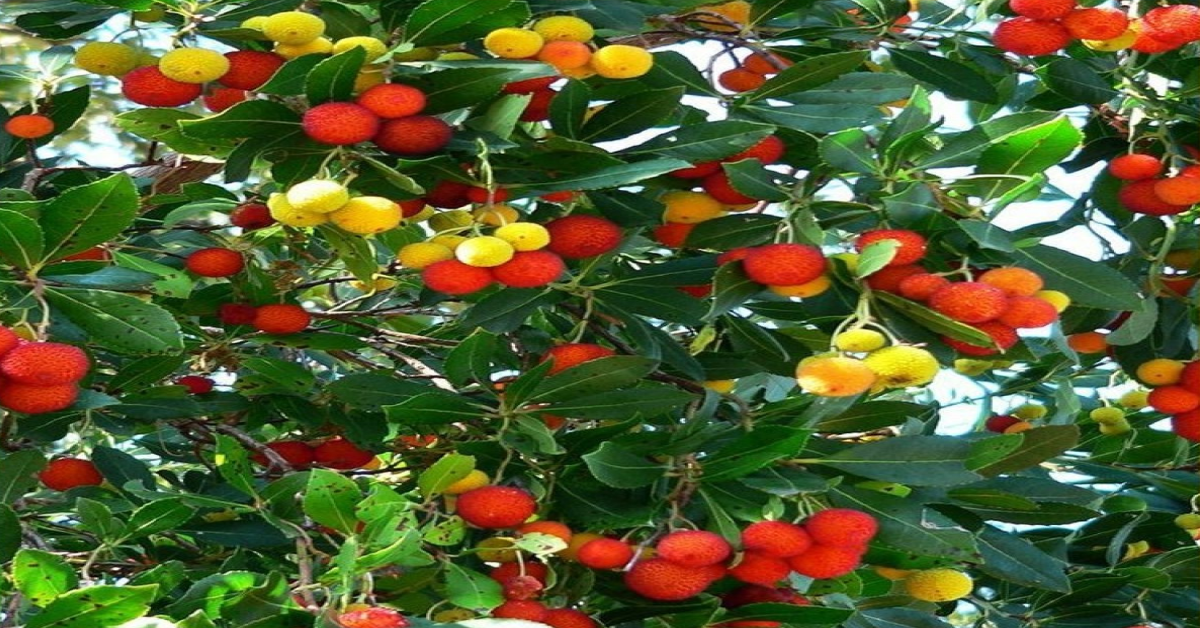
Arbutus unedo, commonly known as the strawberry tree, is an evergreen shrub or small tree native to the Mediterranean region, Western Europe, and parts of North Africa. Its vibrant red, strawberry-like fruits, glossy green leaves, and peeling bark make it a striking presence in landscapes and a symbol of resilience and beauty across cultures. Revered since ancient times, Arbutus unedo has woven itself into the fabric of human history through its medicinal, spiritual, and cultural significance. From the herbal manuscripts of ancient Greece to the folk traditions of modern Morocco, this plant embodies a timeless connection between humanity and nature. Its fruits and leaves are celebrated for their health benefits, while its wood and essence carry mystical connotations in folklore and ritual.
Herbal Actions for Arbutus unedo
The herbal actions of Arbutus unedo, commonly known as the strawberry tree, are diverse and rooted in traditional medicine, with scientific studies supporting many of these uses. The plant exhibits tonic and antiseptic properties, and its various parts are traditionally used for their diuretic, urinary antiseptic, astringent, antidiarrheal, depurative, and antihypertensive effects. The leaves are particularly noted for these actions. They are used to treat urinary tract inflammations such as cystitis, urethritis, dysuria, and involuntary enuresis, as well as for managing constipation and excessive menstrual bleeding.
The fruits are traditionally used as antiseptics, diuretics, and laxatives, while the roots have been used in folk medicine to treat gastrointestinal, urological, dermatological, and cardiovascular diseases. The plant’s pharmacological potential is attributed to its rich content of polyphenolic compounds, including flavonoids, tannins, phenolic glycosides, and iridoids, which contribute to its antioxidant, anti-inflammatory, antimicrobial, antidiabetic, antihypertensive, antitumoral, and spasmolytic properties.
Specifically, the leaves and fruits have demonstrated hypoglycemic, antimicrobial, and antiproliferative activities, suggesting potential applications in managing diabetes, hypertension, metabolic syndrome, and cancer. The astringent properties of the plant, primarily due to its tannin content, make it useful for treating skin conditions such as eczema, insect bites, minor burns, and skin abrasions, although long-term use is discouraged due to potential gastric irritation and interactions with medications. The plant is also used in the production of honey, wine, and raki, which are believed to have expectorant and antipyretic effects.
Despite its traditional and emerging scientific validation, the use of Arbutus preparations is not recommended without medical advice due to the risk of toxicity from coumarins, particularly in overdose, which can lead to nephrotoxicity and hepatotoxicity. Further research is needed to fully establish its safety and efficacy in human therapeutic applications.
Quick Facts Table
| Category | Details |
|---|---|
| Scientific Name | Arbutus unedo L. |
| Common Names | Strawberry tree, Irish Killarney, Cane Apple, Mediterranean Madrone |
| Family | Ericaceae |
| Native Range | Mediterranean, Western Europe, North Africa, Canary Islands, Western Asia |
| Growth Habit | Evergreen shrub or small tree, 1.5–12 m tall |
| Fruit | Red, spherical drupes, 1–2 cm, edible but tart, ripening in autumn |
| Leaves | Dark green, oblong-lanceolate, serrated, leathery, 5–10 cm long |
| Flowers | White or pinkish, bell-shaped, 5–10 mm, blooming October–April |
| Biblical Associations | Symbol of eternal life, akin to Tree of Life (Revelation 22:2); fruit evokes “fruit of the land” (Numbers 13:26) |
| Mythological Associations | Linked to Roman goddess Cardea (protection); Greek Persephone (rebirth); Celtic endurance symbol |
| Astrological Associations | Ruled by Jupiter (abundance, wisdom) and Moon (intuition, protection); aligns with Sagittarius |
| Elemental Associations | Earth (grounding, roots); Fire (transformation, red fruit); minor Air (autumn flowers) |
| Medicinal Uses | Fruits: antiseptic, diuretic, antidiabetic; Leaves: antihypertensive, astringent; Roots/Bark: antibacterial, antifungal |
| Spiritual Uses | Protection (branches over doorways); renewal (evergreen symbol); ancestral communion (Celtic rites) |
| Magical Uses | Wands/talismans for protection; berries in love spells; leaves for purification rituals |
| Alchemical Associations | Represents Rubedo (enlightenment); symbolizes Solve et Coagula (transformation, balance) |
| Chemistry | Flavonoids (quercetin, catechin), polyphenols (gallic, ellagic acid), anthocyanins, tannins, ursolic acid, vitamin C |
| Scientific/Technological Applications | Antioxidant/anticancer extracts; food preservatives (fruit extracts); green corrosion inhibitors (leaf polyphenols) |
| Esoteric/Astro-Spiritual Uses | Dream work (leaves under pillow); Jupiterian talismans; purification incense (burned leaves) |
| Indigenous Uses | Moroccan Berber: fruit syrup for digestion; Sardinian: antimicrobial honey; Celtic: Samhain ritual beverage |
| Current Projects/Future Possibilities | Antidiabetic research (Lisbon, 2024); permaculture integration (Spain); nutraceutical development (Greece) |
| Literary Mentions/Poems | Dioscorides’ De Materia Medica; Ovid’s protective allusions; Grazia Deledda’s Cenere; |
| Herbal Gardening | USDA zones 7–10; well-drained acidic soil; full sun; propagates via cuttings/layering; ornamental hedge |
| Homesteading | Fruits for jams/liqueurs; leaves for teas; wood for charcoal; pollinator support in permaculture |
| Culinary Uses | Jams, liqueurs (medronho), honey; popular recipe: Strawberry Tree Crumble Cake (Gather Victoria) |
| Easy Plant Identification | Evergreen, peeling red bark, simultaneous red fruits/white flowers in autumn; look-alikes: A. andrachne |
| Regional Information | Mediterranean maquis; Ireland’s Killarney; ornamental in California; reforestation in Spain |
| Key Compounds | Flavonoids (5% leaves), polyphenols (200 mg/100 g fruit), anthocyanins (10–20 mg/100 g fruit) |
| Cultural Significance | Symbol of protection, resilience, divine harmony across Mediterranean, Celtic, and Berber cultures |
PAGE NAVIGATION
Overview / Quick Facts Table / Biblical Associations / Chemistry / Mythological / Astrological / Elemental / Medicinal / Spiritual / Magical / Alchemical / Scientific / Esoteric / Indigenous / Current Projects / Literary Mentions / Herbal Gardening / Homesteading
/ Culinary / Popular Recipe / Plant Identification / List Of Sources

Biblical Associations
While Arbutus unedo is not explicitly mentioned in the Bible, its red fruit and evergreen nature draw parallels with biblical imagery of life, renewal, and divine provision. The strawberry tree’s fruit, resembling small apples, may evoke the “fruit of the land” referenced in passages like Numbers 13:26, where the bounty of Canaan is described. Its evergreen leaves align with Psalm 1:3, which likens the righteous to a tree “whose leaf does not wither.” In Christian esoteric traditions, the tree’s ability to bear fruit and flowers simultaneously is seen as a symbol of eternal life and divine harmony, akin to the Tree of Life in Revelation 22:2.
Mythological Associations
In Roman mythology, Arbutus unedo is linked to Cardea, the goddess of hinges and thresholds. A wand made from its wood was believed to protect homes from evil spirits, vampires, and witches, particularly safeguarding infants. This association, noted in folklore, underscores the tree’s role as a guardian of sacred boundaries. In Greek mythology, the tree’s red fruit and evergreen nature connect it to themes of Persephone and Demeter, symbolizing cycles of death and rebirth. Celtic traditions also revered the strawberry tree as a symbol of endurance, its ability to thrive in harsh conditions reflecting the resilience of the human spirit.
Astrological Associations
Arbutus unedo is associated with the planet Jupiter, which governs growth, abundance, and wisdom. Its vibrant energy aligns with Sagittarius, a sign of exploration and spiritual questing. The tree’s protective qualities also resonate with the Moon, linked to nurturing and intuition. In astrological herbalism, Arbutus unedo is used to enhance optimism, courage, and spiritual clarity, making it a potent ally for rituals performed under Jupiterian or lunar influences.
Elemental Associations
The strawberry tree is primarily aligned with the element of Earth, reflecting its deep roots and grounding presence. Its red fruit and fiery bark also connect it to Fire, symbolizing transformation and vitality. In elemental magic, Arbutus unedo is used to balance Earth’s stability with Fire’s passion, fostering resilience and creative energy. Its flowers, blooming in autumn, carry a subtle Air association, linking it to communication and divine inspiration.
Medicinal Uses
Arbutus unedo has been a cornerstone of folk medicine since antiquity, with uses documented in texts like Dioscorides’ De Materia Medica (c. 60 AD). Its fruits, leaves, roots, and bark are rich in bioactive compounds, including flavonoids, polyphenols, and tannins, which contribute to its therapeutic properties.
- Fruits: Traditionally used as antiseptics, diuretics, and laxatives. In Morocco, fruit decoctions treat cardiovascular, urological, and gastrointestinal issues. Recent studies confirm their antioxidant and antidiabetic properties, with the potential to improve glucose tolerance in rodents.
- Leaves: Known for diuretic, urinary antiseptic, antidiarrheal, astringent, and antihypertensive effects. Leaf extracts are used in teas to manage hypertension and diabetes, supported by their high quercetin and catechin content.
- Roots and Bark: Decoctions were historically used to treat syphilis and colds, though evidence for activity against Treponema pallidum is lacking. Roots contain anthocyanins with antibacterial and antifungal properties.
- Honey: Arbutus honey, prized in Mediterranean cultures, is used for its antimicrobial and anti-inflammatory effects, often applied to wounds or consumed for respiratory health.
Recipes include:
- Fruit Jam: Boil ripe Arbutus fruits with honey and water to create a tart, antioxidant-rich jam for digestive health.
- Leaf Tea: Steep 1–2 teaspoons of dried leaves in hot water for 10 minutes to make a diuretic and antihypertensive tea.
- Root Decoction: Simmer roots in water for 20 minutes to produce a remedy for colds or skin infections.
Spiritual Uses
Arbutus unedo holds a sacred place in spiritual practices, symbolizing protection, renewal, and connection to the divine. In Mediterranean traditions, its branches were hung above doorways to ward off malevolent spirits, a practice tied to Cardea’s mythology. In Celtic spirituality, the tree was planted near sacred sites to honor the eternal cycle of life. Its evergreen nature makes it a symbol of immortality, used in rituals to invoke ancestral wisdom or commune with nature spirits. Burning Arbutus wood or leaves as incense is believed to purify spaces and enhance meditation, opening pathways to intuitive insights.
Magical Uses
In magical traditions, Arbutus unedo is a versatile tool for protection, healing, and transformation:
- Wands and Talismans: Wood from the strawberry tree is crafted into wands or amulets to channel protective energy or enhance spellwork. A wand made from Arbutus was used in Roman rituals to safeguard thresholds.
- Rituals: Sprinkle dried leaves around a sacred circle to create a protective barrier. Burn fruit peels during full moon ceremonies to amplify intentions of abundance and renewal.
- Spells: Incorporate Arbutus berries into love spells to foster enduring passion, or use leaf infusions in healing spells to restore vitality.
- Divination: Place a sprig of Arbutus under a pillow to induce prophetic dreams, a practice rooted in Celtic folklore.
Alchemical Associations
In alchemy, Arbutus unedo is associated with the principle of Solve et Coagula (dissolve and coagulate), symbolizing transformation through cycles of destruction and rebirth. Its red fruit represents the Rubedo stage, the final phase of the alchemical process where the practitioner achieves spiritual enlightenment. The tree’s ability to bear fruit and flowers simultaneously mirrors the alchemical union of opposites, making it a potent symbol of balance and wholeness. Alchemists used Arbutus extracts in elixirs to promote physical and spiritual vitality, believing its essence could align the body with cosmic forces.

Scientific and Technological Applications
Recent research highlights Arbutus unedo’s potential in natural product development:
- Phytochemistry: Studies identify flavonoids, tannins, and anthocyanins as key compounds with antioxidant, anticancer, and antimicrobial properties. Leaf extracts show promise as green corrosion inhibitors for mild steel.
- Food Preservation: Aqueous fruit extracts enhance the oxidative stability and microbial safety of limpets’ pâté, suggesting applications inಸ
Scientific and Technological Applications
Recent research underscores Arbutus unedo‘s potential in various scientific and technological domains, driven by its rich phytochemical profile, including flavonoids, tannins, anthocyanins, and polyphenols. These compounds contribute to its antioxidant, anticancer, antimicrobial, and antidiabetic properties, making it a candidate for innovative applications:
- Phytochemistry and Pharmacology: Studies have identified key bioactive compounds such as quercetin, catechin, chlorogenic acid, and ellagic derivatives in Arbutus unedo leaves and fruits. These compounds exhibit significant antioxidant activity, neutralizing free radicals and reducing oxidative stress. Research published in Plants (2021) demonstrated that leaf and fruit extracts inhibit intestinal glucose absorption and improve glucose tolerance in rodents, suggesting potential for managing type 2 diabetes. Additionally, Arbutus unedo fractions show chemotherapeutic properties against gastrointestinal stromal tumors, as noted in a 2024 study, highlighting their anticancer potential.
- Antimicrobial Applications: The plant’s antibacterial, antifungal, and antiparasitic properties have been reviewed, with root decoctions historically used for infections like syphilis and colds. While evidence against Treponema pallidum is limited, anthocyanins and flavonoids in roots demonstrate activity against various pathogens, supporting their use in natural antimicrobial formulations.
- Food Preservation: Aqueous extracts of Arbutus unedo fruits have been used to enhance the oxidative stability and microbial safety of limpets’ pâté during storage, as reported in Foods (2020). This application suggests potential for natural preservatives in food technology, reducing reliance on synthetic additives.
- Green Technology: Leaf extracts, rich in polyphenols and flavonoids, have been explored as green corrosion inhibitors for mild steel in hydrochloric acid environments. A study in 2021 demonstrated their efficacy, opening avenues for eco-friendly industrial applications.
- Nutraceuticals and Functional Foods: The high polyphenolic content of Arbutus unedo fruits and leaves supports their use in functional foods and nutraceuticals. Jams, jellies, and teas made from the plant are valued for their antioxidant and anti-inflammatory effects, with potential for scalable production in the health food industry.
These applications highlight Arbutus unedo‘s versatility, bridging traditional knowledge with modern science to address health, environmental, and industrial challenges.

Esoteric and Astro-Spiritual Uses
In esoteric traditions, Arbutus unedo is revered as a bridge between the physical and spiritual realms, its evergreen nature and simultaneous fruiting and flowering symbolizing eternal cycles and divine harmony. Its astrological alignment with Jupiter fosters abundance, wisdom, and spiritual growth, while its lunar connection enhances intuition and protection, making it a potent ally in astro-spiritual practices.
- Ritual Purification: In Mediterranean esoteric traditions, burning Arbutus unedo leaves or bark as incense purifies sacred spaces, dispelling negative energies and inviting divine presence. A ritual involves circling a room with a smoldering bundle of dried leaves, chanting intentions for clarity and protection.
- Dream Work: Celtic folklore suggests placing a sprig of Arbutus unedo under a pillow to induce prophetic dreams. Practitioners combine this with a lunar ritual, meditating under moonlight with a leaf infusion to enhance dream recall and spiritual insights.
- Astro-Herbal Talismans: During Jupiter transits, such as a full moon in Sagittarius, practitioners craft talismans from Arbutus unedo wood, engraving symbols of growth (e.g., a spiral) to amplify intentions of prosperity and wisdom. These are carried or placed on altars to align with cosmic energies.
- Elemental Balance: The tree’s Earth and Fire associations make it ideal for grounding and transformative rituals. A practice involves burying a handful of dried berries in the earth while visualizing stability, followed by lighting a small fire with Arbutus twigs to ignite personal transformation.
- Protection Charms: Inspired by Roman Cardea worship, esoteric practitioners hang Arbutus unedo branches above doorways or weave them into wreaths to guard against malevolent spirits. This is often paired with a spoken charm: “By Cardea’s grace, no harm shall pass this place.”
These uses celebrate Arbutus unedo’s role as a spiritual conduit, amplifying intuition, protection, and cosmic alignment in esoteric practices.
Indigenous Uses
Arbutus unedo holds significant cultural and medicinal value among indigenous and local communities, particularly in the Mediterranean and North African regions, where it has been integrated into healing, culinary, and spiritual practices.
- Moroccan Berber Traditions: In Morocco, Berber communities use Arbutus unedo fruits and leaves to treat urological, kidney, cardiovascular, and gastrointestinal ailments. A common recipe involves boiling fruits with honey to create a syrup for digestive health. Leaves are steeped as a tea to manage hypertension and diabetes, reflecting deep ethnobotanical knowledge.
- Sardinian and Corsican Practices: In Sardinia and Corsica, Arbutus unedo honey, known as “miele di corbezzolo,” is prized for its bittersweet flavor and antimicrobial properties. It is used to treat respiratory infections and applied topically for wound healing, a practice passed down through generations.
- Celtic and Gaelic Influences: In Ireland, where the tree is called the “Irish Killarney,” Celtic communities planted Arbutus unedo near sacred wells or stone circles, believing it connected the living to ancestral spirits. Its berries were fermented into a ritual beverage for Samhain celebrations, honoring the dead.
- Culinary Traditions: Indigenous Mediterranean communities consume Arbutus unedo fruits fresh or process them into jams, liqueurs, and vinegars. A traditional Portuguese recipe ferments the berries into “medronho,” a potent spirit believed to invigorate the body and spirit.
These indigenous uses underscore Arbutus unedo’s role as a cultural keystone species, sustaining physical, spiritual, and communal well-being.
Current Projects and Future Possibilities
Ongoing research and cultural revitalization efforts are expanding Arbutus unedo’s applications, with a focus on sustainability, health, and cultural preservation:
- Phytochemical Research: Universities in Morocco and Portugal are investigating Arbutus unedo’s polyphenolic compounds for novel antidiabetic and anticancer therapies. A 2024 study at the University of Lisbon explores fruit extracts for managing metabolic syndrome, with promising preclinical results.
- Sustainable Agriculture: In Spain and Italy, agroforestry projects integrate Arbutus unedo into permaculture systems, leveraging its drought resistance and ecological benefits (e.g., supporting pollinators and wildlife). These initiatives aim to revive traditional cultivation and enhance biodiversity.
- Functional Food Development: Small-scale producers in Greece and Turkey are developing Arbutus unedo-based nutraceuticals, such as antioxidant-rich capsules and teas. Future possibilities include scaling these products for global markets, emphasizing organic and wild-harvested sources.
- Cultural Preservation: Community-led projects in Sardinia document oral histories of Arbutus unedo use, archiving recipes and rituals to preserve ethnobotanical knowledge. These efforts, supported by local NGOs, aim to integrate traditional practices into modern wellness frameworks.
- Ecological Restoration: In the Mediterranean, reforestation programs plant Arbutus unedo to combat soil erosion and restore degraded landscapes. Its mycorrhizal associations with fungi enhance soil health, suggesting potential for large-scale ecological restoration.
Future possibilities include bioengineering Arbutus unedo extracts for targeted therapies, developing eco-friendly packaging from its wood, and creating immersive cultural tourism experiences centered on its harvest and folklore. These projects balance innovation with respect for traditional knowledge, ensuring the strawberry tree’s legacy endures.
Arbutus unedo: The Strawberry Tree (Chemistry Section)
Chemistry
The therapeutic, culinary, and ecological properties of Arbutus unedo are driven by its rich and diverse chemical composition. The plant’s fruits, leaves, roots, bark, and honey contain a variety of bioactive compounds, including flavonoids, polyphenols, anthocyanins, tannins, and other secondary metabolites. These constituents contribute to its antioxidant, antimicrobial, antidiabetic, and anti-inflammatory effects, making it a cornerstone of traditional medicine and a subject of modern phytochemical research. Below is a detailed breakdown of the key chemical components and their significance, rooted in ethnobotanical knowledge and supported by recent studies.
- Flavonoids:
- Key Compounds: Quercetin, catechin, kaempferol, myricetin, and their glycosides (e.g., quercetin-3-O-rhamnoside, catechin-7-O-glucoside).
- Sources: Predominantly found in leaves and fruits, with higher concentrations in leaves (up to 5% dry weight).
- Properties: Flavonoids are potent antioxidants, neutralizing free radicals and reducing oxidative stress. Quercetin and catechin exhibit anti-inflammatory and antihypertensive effects, supporting traditional uses for cardiovascular health. Studies (e.g., Journal of Ethnopharmacology, 2018) confirm that flavonoid-rich leaf extracts inhibit enzymes like α-amylase, aiding in diabetes management by slowing glucose absorption.
- Cultural Significance: In Moroccan Berber traditions, flavonoid-rich leaf teas are used to manage hypertension, reflecting an intuitive understanding of these compounds’ vasodilatory effects.
- Polyphenols:
- Key Compounds: Gallic acid, chlorogenic acid, ellagic acid, ferulic acid, and their derivatives.
- Sources: Abundant in fruits, leaves, and bark, with fruits containing up to 200 mg/100 g fresh weight of total polyphenols.
- Properties: Polyphenols contribute to the plant’s antioxidant, anticancer, and antimicrobial activities. Ellagic acid, for instance, shows promise in inhibiting gastrointestinal stromal tumor cells, as noted in a 2024 study. Chlorogenic acid supports glucose metabolism, aligning with folk remedies for diabetes. Polyphenols also enhance the oxidative stability of food products, as seen in fruit extract applications for limpets pâté preservation (Foods, 2020).
- Cultural Significance: Mediterranean communities value polyphenol-rich Arbutus unedo honey for its antimicrobial properties, applying it to wounds or consuming it for respiratory health, a practice validated by its high gallic acid content.
- Anthocyanins:
- Key Compounds: Cyanidin-3-glucoside, delphinidin-3-glucoside, and pelargonidin derivatives.
- Sources: Concentrated in ripe fruits (responsible for their red color) and roots, with fruits containing 10–20 mg/Arduino
- Properties: Anthocyanins are powerful antioxidants with antibacterial and antifungal properties, historically used in root decoctions for infections. They also contribute to the vibrant color of Arbutus unedo jams and liqueurs, enhancing their appeal in culinary traditions.
- Cultural Significance: In Sardinian folklore, the red fruits were used in rituals to symbolize vitality and protection, likely due to their vivid anthocyanin-driven hue, which was seen as a manifestation of life force.
- Tannins:
- Key Compounds: Condensed tannins (proanthocyanidins) and hydrolyzable tannins (gallotannins, ellagitannins).
- Sources: Found in leaves, bark, and roots, with leaves containing up to 10% tannins by dry weight.
- Properties: Tannins are astringent, contributing to the plant’s antidiarrheal and wound-healing effects in folk medicine. They also act as natural preservatives, supporting the use of leaf extracts as green corrosion inhibitors for mild steel (Surface Science, 2021). Tannins bind to proteins and metals, enhancing the plant’s ecological role in soil stabilization.
- Cultural Significance: In Celtic traditions, tannin-rich bark decoctions were used to treat skin ailments, reflecting their astringent and antimicrobial properties.
- Terpenoids and Sterols:
- Key Compounds: Ursolic acid, β-sitosterol, and lupeol.
- Sources: Present in leaves and roots, with ursolic acid being a major triterpenoid in leaf extracts.
- Properties: Ursolic acid exhibits anti-inflammatory and anticancer properties, potentially supporting the plant’s historical use for syphilis and colds, though evidence is limited. β-sitosterol supports cardiovascular health by reducing cholesterol absorption, aligning with traditional fruit decoctions for heart health in Morocco.
- Cultural Significance: Terpenoid-rich leaf infusions were used in alchemical elixirs to promote vitality, reflecting their role in enhancing physical and spiritual resilience.
- Volatile Compounds:
- Key Compounds: Monoterpenes (e.g., linalool, α-terpineol), aldehydes, and esters.
- Sources: Found in flowers and fruits, contributing to their fragrance and the distinctive flavor of Arbutus unedo honey.
- Properties: Volatile compounds attract pollinators like bees, supporting the plant’s ecological role and the production of its prized honey. They also contribute to the sensory profile of culinary products like medronho (Portuguese brandy).
- Cultural Significance: The floral scent of Arbutus unedo was used in Mediterranean rituals to invoke divine presence, with flower essences burned as incense to enhance spiritual clarity.
- Other Compounds:
- Sugars and Organic Acids: Fruits contain glucose, fructose, and organic acids like citric and malic acid, contributing to their tart flavor and high pectin content, ideal for jams and jellies.
- Vitamins: Fruits are rich in vitamin C (up to 30 mg/100 g), supporting their traditional use as an immune-boosting food.
- Alkaloids: Trace amounts in roots, historically linked to their use in treating infections, though less studied.
- Analytical Insights:
- Extraction Methods: High-performance liquid chromatography (HPLC) and gas chromatography-mass spectrometry (GC-MS) have been used to quantify flavonoids, polyphenols, and anthocyanins, confirming their high concentrations in Arbutus unedo tissues (Plants, 2021).
- Bioactivity: The synergistic effects of these compounds enhance the plant’s therapeutic potential. For example, the combination of flavonoids and tannins in leaf extracts provides both antioxidant and astringent benefits, supporting their use in teas for hypertension and diarrhea.
- Ecological Role: Polyphenols and tannins contribute to the plant’s resilience against drought and herbivory, while anthocyanins attract frugivorous birds, aiding seed dispersal in Mediterranean ecosystems.
- Cultural and Esoteric Context: In esoteric traditions, the chemical vibrancy of Arbutus unedo—its red anthocyanin-rich fruits and evergreen polyphenol-packed leaves—was seen as a manifestation of divine energy. Alchemists viewed the plant’s compounds as embodying the principle of Vitae Aeternum (eternal life), using fruit and leaf elixirs to align the body with cosmic forces. In Moroccan Berber practices, the preparation of flavonoid-rich teas was a ritual act, believed to harmonize the body’s energies with the earth’s rhythms.
This chemical profile underscores Arbutus unedo’s value in traditional and modern contexts, from folk remedies to functional foods and ecological applications. Its bioactive compounds bridge ancient wisdom with contemporary science, ensuring its enduring relevance in herbal practices.
Literary Mentions and Poems
Arbutus unedo has inspired poets, storytellers, and herbalists across centuries, its vivid imagery and symbolic depth weaving through literature and folklore. In ancient texts, Dioscorides’ De Materia Medica (c. 60 AD) praises its medicinal virtues, while Roman poet Ovid alludes to its protective qualities in tales of divine thresholds. In medieval herbals, such as the Pseudo-Apuleius Herbarius (4th century), it is celebrated as a remedy and spiritual ally. Modern literature, like Lady Wilde’s Folk Medicine, Plant Lore, and Healing Plants (1887), describes its use in Irish charms and potions, blending practicality with mysticism. Contemporary poets evoke the strawberry tree as a symbol of resilience, its red fruit and evergreen leaves mirroring human endurance.

Literary Examples:
- In The Irish Herbal (1735), Arbutus unedo is described as “a tree of eternal bloom, guarding the hearth from unseen woes,” reflecting its role in Celtic folklore.
- Sardinian poet Grazia Deledda references the tree in her novel Cenere (1904), likening its bittersweet fruit to life’s fleeting joys.
- In The Mediterranean Garden (2001), David S. Mackenzie celebrates its “scarlet gems” as a testament to nature’s artistry.
Poem Example: Ode to the Strawberry Tree
O strawberry tree, with leaves that never fade,
Your roots entwine where ancient spirits wade.
Red berries gleam ‘neath autumn’s golden veil,
A whispered lore no time can rend or pale.
By Cardea’s grace, you stand at sacred doors,
Guarding dreams where mystic moonlight pours.
Through ages past, your boughs have softly sung,
Of earth’s deep pulse, of life forever young.
This poem captures Arbutus unedo’s enduring mystique, blending its mythological, spiritual, and ecological significance. It serves as a fitting tribute for a herbal repository, inviting readers to explore the strawberry tree’s timeless wisdom.

Herbal Gardening
Arbutus unedo is a versatile and resilient plant, making it an excellent addition to herbal gardens, particularly for those seeking ornamental, medicinal, and culinary benefits. Its evergreen nature and adaptability to various climates ensure year-round interest and utility.
- Cultivation Requirements:
- Climate: Thrives in USDA hardiness zones 7–10, tolerating hot, dry summers and mild, wet winters. It is well-suited to Mediterranean climates but also grows in temperate regions like western Ireland and coastal North America.
- Soil: Prefers well-drained, slightly acidic to neutral soils (pH 5.5–7.5) but adapts to calcareous or poor soils. Unlike most Ericaceae, it tolerates limy soils, though it performs best in acidic conditions.
- Light: Full sun to partial shade; full sun enhances fruit production and vibrant foliage.
- Water: Drought-tolerant once established, requiring minimal watering except during prolonged dry spells or in the first year of growth.
- Mycorrhizal Relationships: Forms arbutoid mycorrhizae with fungi like Pisolithus tinctorius, improving root mass, drought tolerance, and nutrient uptake. Inoculation can boost growth in poor soils.
- Propagation:
- Seeds: Require a one-month cold stratification followed by 5–6 days of warm water soaking to improve germination, though success rates are low (around 20%). Seedlings are susceptible to damping-off and need careful monitoring.
- Cuttings: Semi-ripe cuttings (15–20 cm, taken in late summer) or mature wood cuttings with a heel (November–December) have moderate success rates. Rooting hormone can enhance outcomes.
- Layering: A reliable method, though it takes up to two years, with a high success rate for producing new plants.
- Cultivars: Notable varieties include A. unedo ‘Compacta’ (10 ft tall), ‘Elfin King’ (5 ft, continuous fruiting), ‘Oktoberfest’ (6–8 ft, deep pink flowers), and A. unedo f. rubra (red-flowered), all of which have received the Royal Horticultural Society’s Award of Garden Merit.
- Garden Design:
- Ornamental Use: Valued for its glossy evergreen leaves, textured bark, white bell-shaped flowers, and red fruits, which appear simultaneously in autumn, creating a striking display. Ideal as a specimen tree, hedge, or container plant in Mediterranean, coastal, or cottage gardens.
- Pruning: Tolerates pruning when young to maintain shape or size. Prune in late winter to remove dead wood or shape as a single- or multi-trunked tree.
- Pests and Diseases: Generally pest-resistant but may face scales, thrips, anthracnose, Phytophthora, root rot, or rust in poorly drained conditions. Regular inspection and good air circulation minimize issues.
- Tips for Herbal Gardeners:
- Plant near pollinator-friendly herbs like lavender or rosemary to attract bees, which enhance fruit production.
- Use as a focal point in a medicinal herb garden, combining with plants like sage or thyme for both aesthetic and functional synergy.
- Harvest leaves year-round for teas and fruits in late autumn for culinary or medicinal preparations, ensuring sustainable picking to avoid stressing the plant.
Homesteading
For homesteaders, Arbutus unedo offers a low-maintenance, multi-purpose plant that aligns with self-sufficiency goals. Its ability to thrive in challenging conditions and provide food, medicine, and materials makes it a valuable addition to homestead landscapes.
- Self-Sufficiency Benefits:
- Food Production: Fruits can be processed into jams, liqueurs, or fermented beverages, reducing reliance on store-bought goods. The plant’s variable yield (average 46 kg/ha) suits small-scale homesteading rather than commercial production.
- Medicinal Resources: Leaves and fruits provide remedies for common ailments like hypertension, digestive issues, and infections, supporting a homestead’s herbal medicine cabinet.
- Wood and Fuel: The wood produces high-grade charcoal, useful for heating or cooking, while branches can be used for crafting or kindling.
- Ecological Support: Its mycorrhizal relationships improve soil health, and its flowers attract pollinators, benefiting other homestead crops.
- Homesteading Practices:
- Wildcrafting: Forage fruits from wild or garden trees, following ethical harvesting practices to ensure regeneration. In regions like the Pacific Northwest, fruits are abundant but underutilized, offering a free resource for homesteaders.
- Preservation: Process fruits into shelf-stable products like jams or liqueurs to store for year-round use. Leaves can be dried and stored for teas or poultices.
- Integration: Plant Arbutus unedo in permaculture zones 2–3 (semi-wild or ornamental areas) to provide shade, windbreaks, or habitat for wildlife while requiring minimal care.
- Community Sharing: Share seeds, cuttings, or recipes with local homesteading communities to preserve traditional knowledge and promote biodiversity.
- Challenges:
- Fruit production depends on weather and pollination, requiring patience and observation. Homesteaders can improve yields by ensuring bee activity or hand-pollinating in low-pollinator areas.
- Germination and propagation can be slow, so plan for long-term establishment. Starting with nursery-grown plants may be more practical for beginners.

Culinary Uses
Arbutus unedo fruits, while not as flavorful fresh due to their mild, gritty texture, shine in cooked preparations where their subtle sweetness and high pectin content are enhanced. The fruits are traditionally used in Mediterranean and North African cuisines for jams, jellies, liqueurs, and spirits, while leaves are steeped as teas. The plant’s honey, particularly from Sardinia (“miele amaro”), is prized for its bittersweet flavor in desserts and beverages.
- Traditional Culinary Uses:
- Jams and Jellies: Fruits are boiled with sugar or honey to create preserves with a pronounced strawberry-like flavor, ideal for spreading on bread or filling pastries.
- Alcoholic Beverages: In Portugal, fruits are fermented into “aguardente de medronho,” a brandy-like spirit. In Albania, they are distilled into “raki kocimareje.”
- Honey: Arbutus honey is used in Sardinian pastries, teas, and as a drizzle for cheeses like pecorino or feta.
- Baked Goods: Fruits are incorporated into cakes, pies, and muffins, often paired with citrus or spices to enhance flavor.
- Teas: Leaves are steeped to make a diuretic tea, sometimes blended with mint or lavender for flavor.
- Popular Recipe: Strawberry Tree Crumble Cake
Source: Adapted from Gather Victoria (gathervictoria.com). - This recipe transforms the often-overlooked Arbutus unedo fruits into a delightful dessert, highlighting their creamy texture and subtle sweetness. It’s a favorite among foragers and homesteaders in the Pacific Northwest, where the tree grows abundantly.
- Ingredients (Serves 8):
- For the Cake:
- 2 cups fresh Arbutus unedo fruits (rinsed, stems removed)
- 1 ½ cups all-purpose flour
- 1 tsp baking powder
- ½ tsp baking soda
- ¼ tsp salt
- ½ cup unsalted butter, softened
- ¾ cup raw honey (or sugar)
- 2 large eggs
- ½ cup plain yogurt
- 1 tsp vanilla extract
- Zest of 1 orange
- For the Crumble Topping:
- ½ cup flour
- ¼ cup brown sugar
- ¼ cup rolled oats
- ¼ cup cold butter, cubed
- ½ tsp ground cinnamon
- Instructions: Preheat Oven: Set to 350°F (175°C).
- Grease a 9-inch round cake pan or line with parchment paper.
- Prepare Fruits: Gently mash half the Arbutus unedo fruits to release juices, keeping the rest whole for texture.
- Make Crumble Topping: In a bowl, mix flour, brown sugar, oats, and cinnamon.
- Cut in cold butter with a fork or fingers until crumbly.
- Set aside.
- Mix Dry Ingredients:
- In a separate bowl, whisk flour, baking powder, baking soda, and salt.
- Cream Butter and Honey: In a large bowl, beat butter and honey until light and fluffy (about 3 minutes).
- Add eggs one at a time, then vanilla and orange zest.
- Combine Wet and Dry:
- Alternately add dry ingredients and yogurt to the butter mixture, starting and ending with dry.
- Fold in mashed and whole Arbutus unedo fruits.
- Assemble:
- Pour batter into the prepared pan.
- Sprinkle crumble topping evenly over the top.
- Bake: Bake for 40–45 minutes, or until a toothpick inserted in the center comes out clean. Cool for 15 minutes before serving.
- Serve: Enjoy warm with a dollop of whipped cream or a drizzle of Arbutus honey for extra decadence.
- Store leftovers in an airtight container for up to 3 days. Foragers should ensure fruits are bright red and slightly soft for optimal ripeness.

Easy Plant Identification and Regional Information
- Easy Plant Identification:
- Appearance: Arbutus unedo is an evergreen shrub or small tree (1.5–12 m tall) with dark green, glossy, serrated, leathery leaves (5–10 cm long). Its bark is gray-brown, peeling to reveal a cinnamon-red inner layer.
- Flowers: White or pinkish, bell-shaped, fragrant, 5–10 mm long, appearing in drooping clusters from October to April.
- Fruits: Round, 1–2 cm, green when young, ripening to orange and then bright red. Fruits have a textured, warty surface and take 12 months to mature, often appearing alongside flowers.
- Distinctive Features: Simultaneous flowering and fruiting in autumn/winter, peeling bark, and red-stemmed foliage make it unmistakable. Unlike true strawberries (Fragaria spp.), it is not a berry but a drupe.
- Look-Alikes: Can be confused with Arbutus andrachne (Eastern strawberry tree), which has erect flowers and orange-red bark, or Arbutus menziesii (Pacific madrone), which is taller with smoother bark.
- Identification Tips: Use a plant identifier app like PictureThis for quick confirmation, or check for the combination of evergreen leaves, red fruits, and peeling bark in Mediterranean or temperate climates.
- Regional Information:
- Mediterranean Basin: Widespread in Portugal, Spain, southeastern France, Italy, Greece, Turkey, Morocco, Algeria, Tunisia, and the Levant. Common in maquis shrublands, woodlands, and hilly areas on siliceous or calcareous soils at 150–1613 m elevation.
- Western Europe: Found in western France, southwestern Ireland, and southern England. In Ireland, it’s known as the “Killarney strawberry tree” and is part of the Lusitanian flora, possibly introduced during the Neolithic period.
- North America: Popular as an ornamental in California, the Pacific Northwest, and other mild climates (USDA zone 7+). It thrives in coastal areas and urban gardens, and it is valued for drought tolerance.
- Other Regions: Cultivated in temperate parts of Australia, New Zealand, and South Africa for ornamental and culinary purposes.
- Ecological Notes: Resilient to drought, frost, and forest fires, regenerating quickly. Associated with oaks (Quercus ilex), pines (Pinus halepensis), and junipers in its native range.
- Regional Resources:
- United States: Consult state Cooperative Extension Services (e.g., Texas A&M’s Aggie Horticulture for Southwestern growers) for region-specific cultivation tips.
- Europe: The Royal Horticultural Society (UK) provides detailed care guides for Arbutus unedo.
- Mediterranean: Local ethnobotanical studies, like those in Morocco, offer insights into traditional uses.
- Online Tools: Websites like gardenia.net or pfaf.org provide global cultivation and foraging advice.

List of Sources
- Wikipedia. Arbutus unedo. Published May 29, 2005, updated 2025. https://en.wikipedia.org/wiki/Arbutus_unedo[](https://en.wikipedia.org/wiki/Arbutus_unedo)
- Oregon State University. Arbutus unedo. Landscape Plants. Published October 2, 2018. https://landscapeplants.oregonstate.edu/plants/arbutus-unedo[](https://landscapeplants.oregonstate.edu/plants/arbutus-unedo)
- Morgado S, et al. Arbutus unedo L.: From traditional medicine to potential uses in modern pharmacotherapy. Journal of Ethnopharmacology. 2018;225:90–102. https://pubmed.ncbi.nlm.nih.gov/29981432/[](https://pubmed.ncbi.nlm.nih.gov/29981432/)[](https://www.sciencedirect.com/science/article/abs/pii/S0378874118312388)
- Zlatković M, et al. Strawberry Tree Fruits and Leaves (Arbutus unedo L.) as Raw Material for Sustainable Functional Food Processing: A Review. MDPI. 2021. https://www.mdpi.com/2076-3417/11/17/7896[](https://www.mdpi.com/2311-7524/8/10/881)
- PictureThis. Plant Identifier App. https://www.picturethisai.com/[](https://www.picturethisai.com/sunlight/Arbutus_unedo.html)
- University of Washington Botanic Gardens. December 2016 Plant Profile: Arbutus unedo. Published November 25, 2016. https://botanicgardens.uw.edu[](https://botanicgardens.uw.edu/about/blog/2016/11/26/december-2016-plant-profile-arbutus-unedo/)
- Gardenia. Arbutus unedo (Strawberry Tree). https://www.gardenia.net/plant/arbutus-unedo[](https://www.gardenia.net/plant/arbutus-unedo-strawberry-tree)
- First Nature. Arbutus unedo, the Strawberry Tree: identification, distribution, habitat. https://www.first-nature.com/trees/arbutus-unedo.php[](https://www.first-nature.com/flowers/arbutus-unedo.php)
- El Haouari M, et al. An Insight into Phytochemical, Pharmacological, and Nutritional Properties of Arbutus unedo L. from Morocco. Evidence-Based Complementary and Alternative Medicine. 2021. https://onlinelibrary.wiley.com/doi/10.1155/2021/1794621[](https://onlinelibrary.wiley.com/doi/10.1155/2021/1794621)
- Specialty Produce. Strawberry Tree Information and Facts. Published January 10, 2016. https://specialtyproduce.com/produce/Strawberry_Tree_13539.php[](https://specialtyproduce.com/produce/Strawberry_Tree_10303.php)
- Gather Victoria. Strawberry Tree Crumble Cake…The Magical Forgotten Fruit!. Published November 12, 2019. https://gathervictoria.com/2019/11/12/strawberry-tree-crumble-cake-the-magical-forgotten-fruit/[](https://gathervictoria.com/2019/11/12/strawberry-tree-crumble-cake-the-magical-forgotten-fruit/)
- Plants for a Future. Arbutus unedo. https://pfaf.org/user/Plant.aspx?LatinName=Arbutus+unedo[](https://pfaf.org/user/plant.aspx?LatinName=Arbutus%2Bunedo)
- Royal Horticultural Society. Arbutus unedo. https://www.rhs.org.uk/plants/1597/arbutus-unedo/details[](https://www.rhs.org.uk/plants/1473/arbutus-unedo/details)
- Missouri Botanical Garden. Arbutus unedo. https://www.missouribotanicalgarden.org/PlantFinder/PlantFinderDetails.aspx?kempercode=a165[](https://www.missouribotanicalgarden.org/PlantFinder/PlantFinderDetails.aspx?taxonid=279932)
- Guzman’s Greenhouse. Arbutus Unedo Strawberry Tree. Published November 9, 2018. https://guzmansgreenhouse.com/arbutus-unedo-strawberry-tree/[](https://guzmansgreenhouse.com/arbutus-unedo-strawberry-tree/)
Relevant Tags and Categories /COMING SOON




Leave a Reply