
|
Getting your Trinity Audio player ready…
|
The Healing Power of Licorice: Nature’s Sweet Remedy

“AT A GLANCE”

Provides an overview of key points.
👈At A Glance:👇
Licorice (Glycyrrhiza glabra) is a well-known perennial herb in the Fabaceae (legume) family, prized for its sweet roots and extensive medicinal history.
Botanical Description
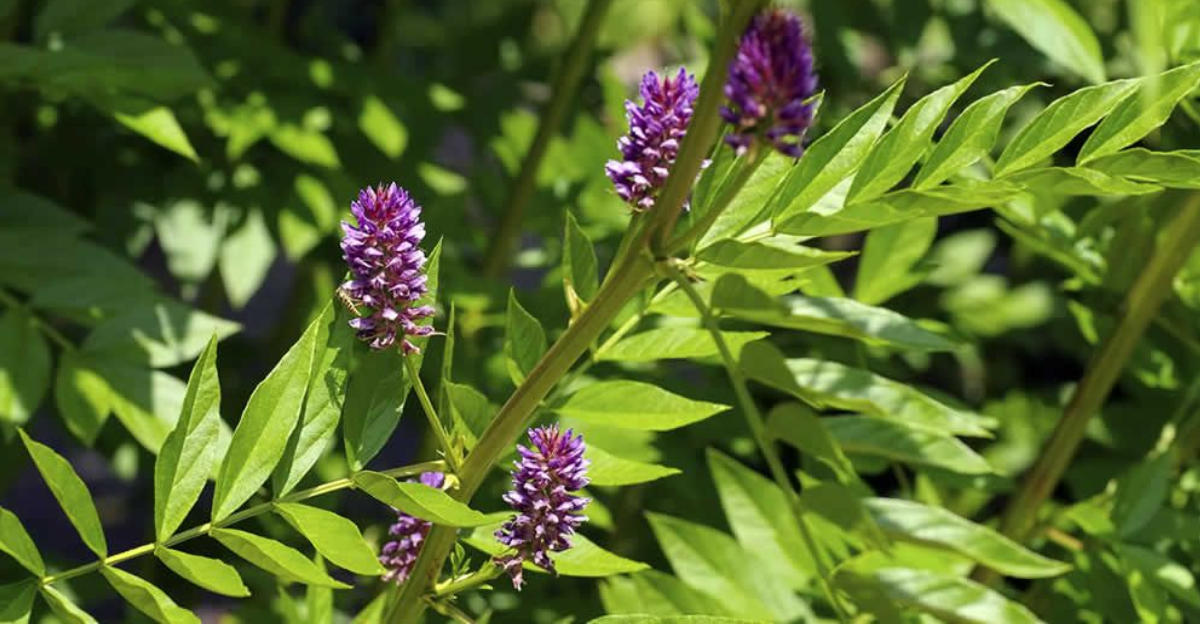
Licorice (Glycyrrhiza glabra) is a robust, herbaceous perennial growing 1–1.5 m (up to 2 m) tall from a deep taproot with extensive rhizomes and stolons. The stems are erect, woody at the base, and branched sparingly. Leaves are alternate, imparipinnate (odd-pinnate), 10–20 cm long, with 9–17 narrowly lanceolate to ovate leaflets that are sticky-glandular and slightly pubescent. Flowers are pale blue-violet to lilac (sometimes whitish-pink), 1–1.5 cm long, in loose axillary racemes 10–15 cm long, blooming June–July. Fruits are oblong, compressed pods 2–3 cm long containing 2–5 seeds. It prefers sandy, well-drained, deep soils in temperate to subtropical climates, native to the Mediterranean, Balkans, Southwest Asia (to Pakistan and Mongolia), and parts of Central Asia. It thrives in dry riverbeds, wastelands, and sunny open areas.
Taxonomy: Kingdom Plantae, Order Fabales, Family Fabaceae, Genus Glycyrrhiza, Species glabra L. (1753). Synonyms include Liquiritia officinalis.
Phytochemistry
Licorice (Glycyrrhiza glabra) roots contain 6–14% glycyrrhizin (glycyrrhizic acid), a triterpenoid saponin responsible for the intense sweetness (50x sucrose) and many bioactivities. Other key compounds include glycyrrhetic acid (aglycone), flavonoids like glabridin (species-specific), liquiritin, isoliquiritigenin, liquiritigenin, and isoflavones; plus polysaccharides, coumarins, and phenolic acids. These contribute to antioxidant, anti-inflammatory, and antimicrobial effects.
Western Traditional & Clinical Actions
In Western herbalism, Licorice (Glycyrrhiza glabra) acts as a demulcent, expectorant, anti-inflammatory, mild laxative, and adaptogen-like tonic. It soothes mucous membranes (respiratory and digestive tracts), supports adrenal function (via cortisol-sparing effects), and is used for coughs, ulcers, gastritis, and fatigue. Clinical observations support anti-ulcer, antiviral, and hepatoprotective roles.
Chinese Medicine Actions
In TCM, Licorice (Gan Cao) is sweet and neutral (or slightly warm when honey-fried), entering all 12 meridians (especially Spleen, Stomach, Lung, Heart). It tonifies Qi (especially Spleen/Stomach), clears heat and toxins, moistens Lungs and stops cough, relieves spasms/pain, and harmonizes other herbs by moderating toxicity and enhancing synergy. Used for Spleen Qi deficiency (fatigue, poor appetite), cough with phlegm, and abscesses/sores.
Traditional & Historical Uses
Licorice (Glycyrrhiza glabra) has been used for over 4,000–5,000 years. Ancient Egyptians placed it in King Tutankhamun’s tomb for the afterlife; Greek physicians (Theophrastus, Dioscorides) recommended it for respiratory issues and thirst; Romans and medieval Europeans used it for coughs, ulcers, and digestion. It appears in Assyrian, Indian (Ayurveda), and other traditions for similar purposes, plus as a sweetener and flavorant.
Modern Pharmacological Evidence
Bioactives show anti-inflammatory (NF-κB inhibition), antioxidant, antiviral (e.g., against herpes, hepatitis, influenza), antimicrobial, gastroprotective (ulcer healing), hepatoprotective, and immunomodulatory effects. Glycyrrhizin and glabridin contribute to these via mechanisms like 11β-HSD2 inhibition (cortisol effects) and receptor modulation.
Clinical Studies
Trials support deglycyrrhizinated licorice (DGL) for peptic ulcers and canker sores (pain reduction, healing). Topical forms aid in atopic dermatitis. Some evidence for respiratory relief and hepatitis support, though more high-quality RCTs are needed for broader claims. Doses typically 100–990 mg of extract daily.
Preparations & Dosage
- Decoction/Tea: 1–4 g dried root in 150 ml water, 1 cup 3x daily.
- Tincture: 2–5 ml (1:5 in 40% alcohol) 3x daily.
- Capsules/Powder: 1–4 g 3x daily (short-term).
- DGL: 380–760 mg before meals for ulcers (chew/saliva mix). Use 4–6 weeks max for glycyrrhizin-containing forms.
Safety & Contraindications
Licorice (Glycyrrhiza glabra) with glycyrrhizin can cause pseudoaldosteronism (hypertension, hypokalemia, edema) with prolonged/high use (>100 mg glycyrrhizin/day or 5 g root). Avoid in pregnancy, hypertension, heart/kidney disease, and hypokalemia. Interacts with diuretics, digoxin, and corticosteroids. Deglycyrrhizinated (DGL) is safer for longer use. Short-term food amounts are generally safe.
Cultivation & Harvest
Licorice (Glycyrrhiza glabra) grows in full sun, deep sandy/loamy well-drained soil (pH 6–8). Propagate by rhizome division or seed. Harvest roots/rhizomes after 3–4 years in autumn (higher glycyrrhizin). Sustainable practices include crop rotation and avoiding overharvest of wild stands. It fixes nitrogen.
Commercial Products
Widely available as teas, extracts, DGL supplements, lozenges, and in candies/confectionery (often with anise). Used in pharmaceuticals (e.g., ulcer treatments) and cosmetics (skin brightening via glabridin). Regulated for glycyrrhizin content in foods.
Ethnobotanical Curiosities
Licorice (Glycyrrhiza glabra) root was found in Egyptian tombs; monks cultivated it in medieval gardens. In some cultures, it is flavored tobacco and beer. Its sweetness inspired confectionery evolution from medicinal pastilles to modern candy.
Recent Research (2020–2025)
Studies explore nanotechnology for delivery, anti-viral potential (including respiratory viruses), anti-cancer mechanisms, and stress-tolerant cultivation (e.g., salinity). Focus on sustainable sourcing amid climate impacts and omics for bioactive optimization.
Conservation Status
Wild populations face pressure from overharvesting. Some regional variants are of conservation concern, but Glycyrrhiza glabra is generally not globally IUCN-listed as threatened; sustainable wild collection (e.g., FairWild) and cultivation mitigate risks.
DIY Recipes
Simple Licorice Root Tea (for soothing cough/digestion): Simmer 1–2 tsp chopped dried root in 1 cup water for 10–15 min. Strain, add honey/lemon. Drink 1–2 cups daily (short-term).
Basic Homemade Licorice Candy (vegan option): Infuse root in water, reduce to syrup with molasses/sugar alternative, agar, and flavorings; cool and cut. Use food-grade extract cautiously.
X (Twitter) Snapshot – Nov 2025
Discussions often highlight sustainable sourcing, traditional uses in herbal projects, and advocacy for natural remedies. Content aligns with broader herbal conservation and wellness trends (specific posts vary by search).
Note: Always consult a qualified herbalist or healthcare provider before use, especially with medications or health conditions.
👈Planting & Harvesting Reference Guide:👇
Licorice (Glycyrrhiza glabra) – Planting & Harvesting Reference Guide
- Best Time for Planting
- Early to mid-spring, when the soil has warmed and the frost risk has passed.
- During a waxing moon in an earth sign (Taurus or Virgo), for strong root establishment and deep vitality.
- Ideal in full sun with deep, well-drained sandy-loamy soils, pH 6–8; tolerates slightly alkaline and marginal lands.
- Growing Conditions & Magical Minded Tips
- Propagate by rhizome cuttings (15–20 cm long) planted 10–15 cm deep at 60–90 cm spacing, or use scarified seeds pretreated with 70% sulfuric acid for 45 minutes.
- Provide moderate irrigation (especially in dry spells) and nitrogen-fixing benefits; use organic amendments and crop rotation for potency.
- Whisper to the plant while planting: “Sweet Root, I honor your patience; grow deep and true that we may share your quiet strength.” Use wooden or copper tools, never iron.
- Sing soft songs of gratitude while tending; apply mulch to retain moisture and honor the soil.
- Cultivate with intention for 3–4 years to reach peak medicinal strength.
- Best Time for Harvesting Roots
- Autumn (after 3–4 years of growth), when glycyrrhizin content is highest, and the plant begins to withdraw energy underground.
- During a waning moon, ideally between Samhain and the winter solstice, for concentrated sweetness and energetic depth.
- Harvest only mature, established plants in sustainable wild or cultivated stands.
- Sustainable & Magical Harvesting Methods
- Use hand tools or a blessed wooden fork; dig gently to leave sufficient rhizomes for regeneration (never take more than 30–50% of a stand).
- Speak permission and gratitude aloud before harvesting: “Grandfather Herb, I receive your gift with reverence.”
- Follow FairWild or ISSC-MAP standards in wild areas; rotate harvest sites and avoid overexploitation.
- Harvest on a clear day; leave offerings of tobacco, honey, cornmeal, or a song to the plant and land spirits.
- Ethical wildcrafting prioritizes population health and ecosystem balance.
- Post-Harvest Processing
- Clean roots gently and dry slowly in a warm, dark place (string on red thread if desired) while speaking blessings of preservation.
- Store dried roots in glass jars with a pinch of rose petals or intention for continued lively sweetness.
- Chop or powder as needed for teas, tinctures, decoctions, or magical workings; keep in cool, dark conditions to preserve potency and spirit.
This guide consolidates all planting and harvesting details shared across the SPARK sections for quick, practical reference. Always prioritize ethical, sustainable, and reverent practices to honor the living spirit of Licorice (Glycyrrhiza glabra) and ensure its continued abundance for future generations.

Part 1: Modern Medical Properties and Uses

Purpose: Highlights the plant’s scientific and medicinal properties, validating holistic healing with evidence-based data.
Contemporary Medical Applications:
Describes current clinical uses (e.g., capsules, tinctures) and delivery methods in modern medicine.
👈Contemporary Medical Applications:👇
Contemporary Medical Applications:
- Licorice (Glycyrrhiza glabra) root extracts and derivatives, including deglycyrrhizinated licorice (DGL), are clinically applied for gastrointestinal conditions such as peptic ulcers, gastritis, and dyspepsia, where they promote mucosal protection, reduce inflammation, and accelerate healing through topical or oral delivery methods like chewable tablets, mouth rinses, or capsules taken before meals.
- Standardized extracts and glycyrrhizin preparations serve as adjunctive therapies in respiratory disorders, including cough, sore throat, and bronchitis, delivered via syrups, lozenges, teas, or inhalations to exert demulcent, expectorant, and antitussive effects that soothe mucous membranes and ease congestion.
- In hepatoprotective protocols, glycyrrhizin-based injectables (e.g., Stronger Neo-Minophagen C) or oral formulations support management of chronic hepatitis, liver fibrosis, and non-alcoholic fatty liver disease by lowering liver enzymes and modulating inflammatory pathways, often administered intravenously or in capsules.
- Topical applications of licorice extracts or isolated compounds like glabridin address dermatological issues such as atopic dermatitis, oral mucositis, and skin inflammations through creams, gels, or mouthwashes that deliver anti-inflammatory and antimicrobial benefits directly to affected areas.
- Licorice components feature in adjunctive cancer care to mitigate chemotherapy- or radiotherapy-induced side effects, including oral mucositis and liver toxicity, using extracts in gels, rinses, or combined oral supplements for supportive symptom relief.
- Antimicrobial and antiviral formulations incorporate licorice extracts for conditions like herpes labialis, candidiasis, or bacterial infections, delivered as lozenges, topical pastes, or oral tinctures to inhibit pathogen replication and support immune response.
- Metabolic and endocrine support uses standardized flavonoid-rich extracts in capsules or teas for potential benefits in polycystic ovary syndrome (PCOS) and blood sugar regulation, focusing on insulin sensitivity and lipid modulation under clinical supervision.
Sources: Contemporary Medical Applications
Sources:
https://pmc.ncbi.nlm.nih.gov/articles/PMC8703329/
https://pmc.ncbi.nlm.nih.gov/articles/PMC7124151/
https://www.rroij.com/open-access/glycyrrhiza-glabra-a-potent-herb-from-traditional-to-modern-medicine.php?aid=91246
https://pmc.ncbi.nlm.nih.gov/articles/PMC10648065/
https://pmc.ncbi.nlm.nih.gov/articles/PMC9227067/
https://www.sciencedirect.com/science/article/pii/S2405844021013438
https://www.sciencedirect.com/org/science/article/pii/S0204804326000163
Pharmacology:
Outlines key compounds and their mechanisms of action, driving therapeutic effects.
👈Pharmacology:👇
Pharmacology:
- Glycyrrhizin, the primary triterpenoid saponin in Licorice (Glycyrrhiza glabra), undergoes hydrolysis to glycyrrhetinic acid, which inhibits 11β-hydroxysteroid dehydrogenase type 2, leading to cortisol-sparing effects that contribute to anti-inflammatory and adaptogenic properties while modulating mineralocorticoid activity.
- Flavonoids such as glabridin and isoliquiritigenin exert potent antioxidant actions by scavenging reactive oxygen species and inhibiting NF-κB signaling pathways, resulting in reduced pro-inflammatory cytokine production (e.g., TNF-α, IL-6) across multiple tissue types.
- Isoliquiritigenin demonstrates antiviral mechanisms by interfering with viral entry, replication, and assembly, showing activity against viruses including SARS-related coronaviruses, herpes simplex, and hepatitis strains through host cell modulation.
- Licochalcone A and related chalcones display antimicrobial effects by disrupting bacterial cell membranes and inhibiting enzymes like sortase in pathogens such as Staphylococcus aureus and Streptococcus mutans, supporting oral and systemic infection control.
- Glycyrrhizin and derivatives activate Nrf2 pathways to upregulate heme oxygenase-1 and other cytoprotective enzymes, providing hepatoprotective and neuroprotective benefits against oxidative stress and toxin-induced damage.
- Prenylated flavonoids and polysaccharides contribute to immunomodulatory actions by balancing Th1/Th2 responses and enhancing macrophage activity without overstimulation, offering potential in autoimmune and inflammatory conditions.
- Compounds like liquiritigenin influence estrogenic or anti-estrogenic pathways selectively, alongside anti-proliferative effects on certain cancer cell lines via cell cycle arrest and apoptosis induction.
Sources: Pharmacology:
Sources:
https://www.mdpi.com/2813-2998/4/4/44
https://www.sciencedirect.com/science/article/pii/S2405844021013438
https://pmc.ncbi.nlm.nih.gov/articles/PMC7124151/
https://academic.oup.com/ijfst/article/60/2/vvaf236/8346040
https://www.frontiersin.org/journals/pharmacology/articles/10.3389/fphar.2021.719758/full
https://pmc.ncbi.nlm.nih.gov/articles/PMC8703329/
https://pmc.ncbi.nlm.nih.gov/articles/PMC7175350/
Natural Medicine Studies:
Summarizes recent research on efficacy, safety, or clinical outcomes from peer-reviewed studies.
👈Natural Medicine Studies:👇
Natural Medicine Studies:
- Peer-reviewed trials demonstrate that deglycyrrhizinated licorice (DGL) effectively reduces symptoms and promotes healing in peptic ulcers and canker sores when used as chewable tablets, with outcomes comparable or superior to some conventional approaches in symptom relief.
- Randomized studies on glycyrrhizin injections for chronic hepatitis show significant reductions in liver enzymes and viral markers, with long-term use linked to lower hepatocellular carcinoma incidence in hepatitis C patients.
- Clinical evaluations of licorice mouthwashes or gels report reduced pain and faster resolution of oral mucositis in head and neck cancer patients undergoing radiotherapy, alongside benefits in xerostomia.
- Research on flavonoid extracts in PCOS models and small human cohorts indicates improvements in insulin resistance, lipid profiles, and inflammatory markers like IL-1β and TNF-α when used adjunctively.
- Meta-analyses and trials support licorice extract for post-operative sore throat prevention and respiratory symptom relief, highlighting its demulcent efficacy in syrup or lozenge forms.
- In vitro and animal studies combined with limited human data explore neuroprotective and cognitive effects, including potential adjunctive roles in Parkinson’s or dementia via Yokukansan formulations containing licorice.
- Safety-focused studies confirm short-term efficacy and tolerability of standardized extracts for anti-inflammatory uses, while noting the need for monitoring in long-term applications due to mineralocorticoid effects.
Sources: Natural Medicine Studies:
Sources:
https://www.nccih.nih.gov/health/licorice-root
https://pmc.ncbi.nlm.nih.gov/articles/PMC7124151/
https://pmc.ncbi.nlm.nih.gov/articles/PMC10648065/
https://www.sciencedirect.com/org/science/article/pii/S0204804326000163
https://alzdiscovery.org/uploads/cognitive_vitality_media/Licorice-Root-Cognitive-Vitality-For-Researchers.pdf
https://journals.sagepub.com/doi/10.1089/jmf.2019.4459
https://www.frontiersin.org/journals/pharmacology/articles/10.3389/fphar.2021.719758/full
Chemistry:
Details active chemical constituents (e.g., alkaloids, flavonoids) and their healing roles.
👈Chemistry:👇
Chemistry:
- The dominant active constituent is glycyrrhizin (glycyrrhizic acid), a triterpenoid saponin comprising 5–14% of the dried root, which hydrolyzes to glycyrrhetinic acid and imparts the characteristic intense sweetness (30–50 times that of sucrose).
- Flavonoids, including glabridin (unique to G. glabra), liquiritin, isoliquiritigenin, and liquiritigenin, represent key polyphenolic compounds with antioxidant and enzyme-inhibitory properties, typically present in lower percentages but highly bioactive.
- Polysaccharides and coumarins contribute to immunomodulatory and anti-inflammatory effects, forming part of the complex matrix alongside phenolic acids and minor volatile oils.
- Chalcones such as licochalcone A exhibit distinct prenylated structures that enhance lipophilicity and membrane interactions, supporting antimicrobial and anti-proliferative activities.
- Isoflavones and pterocarpans add to the phytochemical diversity, with structures enabling selective receptor modulation and radical scavenging.
- Analytical studies identify over 300 compounds overall, with triterpene saponins and flavonoids as the primary classes responsible for pharmacological actions.
- Variations in constituent profiles occur based on geography, cultivation, and processing, influencing the ratio of glycyrrhizin to flavonoids in commercial extracts.
Sources: Chemistry:
Sources:
https://pmc.ncbi.nlm.nih.gov/articles/PMC7175350/
https://pmc.ncbi.nlm.nih.gov/articles/PMC7124151/
https://journals.lww.com/ahm/fulltext/2024/03000/licorice__comprehensive_review_of_its_chemical.13.aspx
https://www.sciencedirect.com/science/article/abs/pii/S030881462502583X
https://onlinelibrary.wiley.com/doi/10.1155/2021/7571132
https://www.mdpi.com/2075-1729/12/11/1772
https://www.sciencedirect.com/science/article/abs/pii/S030881462502583X
Functional Foods and Nutrition:
Highlights dietary uses (e.g., teas, supplements) in modern health practices.
👈Functional Foods and Nutrition:👇
Functional Foods and Nutrition:
- Licorice (Glycyrrhiza glabra) root serves as a natural sweetener and flavor enhancer in beverages, confectionery, and baked goods, where glycyrrhizin provides calorie-free sweetness while delivering mild digestive and respiratory supportive benefits in moderate dietary amounts.
- Herbal teas and infusions made from dried roots are consumed for daily wellness, offering demulcent properties that soothe the throat and support gastrointestinal comfort as part of functional beverage formulations.
- Standardized extracts appear in dietary supplements and nutraceuticals targeting digestive health, adrenal support, and antioxidant intake, often combined with other botanicals in capsule or powder form.
- Licorice derivatives function as additives in functional foods for flavor masking, foam stabilization, and mild preservative effects due to antimicrobial flavonoids, enhancing product palatability and shelf life.
- In animal nutrition and human health foods, licorice contributes to immune and metabolic formulations, with research exploring its role in blood sugar and lipid management through incorporation into specialized diets.
- Cosmetic and oral care products utilize licorice extracts for their skin-brightening and anti-inflammatory flavonoids, extending nutritional concepts to topical functional applications.
- Ongoing development positions licorice as a component in adaptogenic snacks or drinks, leveraging its traditional tonic properties alongside modern evidence for stress and metabolic support.
Sources: Functional Foods and Nutrition:
Sources:
https://www.sciencedirect.com/science/article/abs/pii/S030881462502583X
https://www.frontiersin.org/journals/pharmacology/articles/10.3389/fphar.2021.719758/full
https://medcraveonline.com/JAPLR/pharmacological-perspective-of-glycyrrhiza-glabra-linn-a-mini-review.html
https://academic.oup.com/ijfst/article/60/2/vvaf236/8346040
https://pmc.ncbi.nlm.nih.gov/articles/PMC8703329/
Current Projects and Future Possibilities:
Notes ongoing research, clinical trials, or innovative medical applications.
👈Current Projects and Future Possibilities:👇
Current Projects and Future Possibilities:
- Research initiatives explore nanotechnology-enhanced delivery of glycyrrhizin and flavonoids for improved bioavailability and targeted antiviral or anticancer applications, with promising in vitro results.
- Projects focus on sustainable cultivation and hairy root cultures to optimize bioactive yields of Licorice (Glycyrrhiza glabra) for pharmaceutical and nutraceutical scaling amid growing global demand.
- Investigations into licorice residues for circular economy applications, including natural fibers for bioplastics, bioremediation, and eco-friendly materials, project significant industrial potential through 2035.
- Clinical and preclinical studies continue on adjunctive roles in metabolic syndromes like PCOS and neuroprotective formulations, aiming to expand evidence for integrative medicine protocols.
- AI-driven omics research seeks to map synergistic compound interactions for personalized functional foods and multi-target therapies against inflammation and oxidative stress.
- International efforts examine climate-resilient distribution modeling and conservation to ensure a stable supply for medicinal use while developing high-yield varieties.
- Formulation studies develop advanced hydrogels and topical systems using licorice extracts for enhanced wound healing and dermatological treatments.
Sources: Current Projects and Future Possibilities:
Sources:
https://pmc.ncbi.nlm.nih.gov/articles/PMC12899981/
https://repositum.tuwien.at/bitstream/20.500.12708/212224/1/Afsharzadeh-2025-Horticulturae-vor.pdf
https://www.mdpi.com/2079-6439/14/1/14
https://www.sciencedirect.com/org/science/article/pii/S0204804326000163
https://www.sciencedirect.com/science/article/abs/pii/S2212429226004803
https://link.springer.com/article/10.1186/s12870-026-08529-3
https://pmc.ncbi.nlm.nih.gov/articles/PMC12562305/
Literary Mentions:
References modern medical texts or studies citing the plant’s therapeutic use.
👈Literary Mentions:👇
Literary Mentions:
- Comprehensive reviews in journals like Journal of Ethnopharmacology and Heliyon extensively cite Licorice (Glycyrrhiza glabra) for its transition from ancient remedy to modern pharmacological agent, detailing its multi-system applications.
- Pharmacognosy texts and monographs highlight glycyrrhizin’s role in contemporary hepatoprotective and anti-inflammatory drug development, referencing decades of clinical integration.
- Modern materia medica and evidence-based herbal compendia document its inclusion in formulations for respiratory and digestive support, bridging historical texts with RCT data.
- Scientific literature from PMC and Frontiers journals frequently references ancient Egyptian, Greek, and Chinese records alongside current antiviral and anticancer studies.
- Recent bibliometric analyses trace its evolution in peer-reviewed publications, emphasizing growing interest in sustainable sourcing and novel applications.
- Clinical trial registries and review articles cite its use in combination therapies, validating traditional harmonizing roles through modern safety and efficacy lenses.
- Updated pharmacopoeias and integrative medicine texts continue to reference licorice as a foundational herb with expanding evidence from global research.
Sources: Literary Mentions:
Sources:
https://pmc.ncbi.nlm.nih.gov/articles/PMC8703329/
https://link.springer.com/rwe/10.1007/978-3-319-27027-2_21
https://pmc.ncbi.nlm.nih.gov/articles/PMC7175350/
https://europepmc.org/article/med/35934191
https://www.researchgate.net/publication/393745310_A_Pharmacognostic_and_Bibliometric_Exploration_of_Glycyrrhiza_Glabra_from_Ancient_Remedies_to_Modern_Applications
https://clinicaltrials.gov/study/NCT03948243
https://www.sciencedirect.com/science/article/pii/S2090123224005381

Part 2: Plant Knowledge Systems

Purpose: Validates plant-based healing through interdisciplinary scientific and cultural fields.
Ethnobotany:
Explores the plant’s traditional uses across cultures, linking indigenous knowledge to modern applications.
👈Ethnobotany:👇
Ethnobotany:
- Licorice (Glycyrrhiza glabra) holds a profound place in global ethnobotanical traditions, with roots traceable to ancient Assyrian, Egyptian, and Scythian cultures where its sweet root was harvested from wild stands and incorporated into remedies for respiratory ailments, digestive complaints, and as a thirst quencher; Egyptian records, including finds in pharaonic tombs like that of Tutankhamun, document its ceremonial and medicinal roles, often as a demulcent for throat and stomach issues, practices that directly inform contemporary use of deglycyrrhizinated extracts in peptic ulcer management and oral mucositis relief, bridging millennia of empirical observation with validated mucosal protective mechanisms.
- In classical Greek and Roman systems, physicians such as Theophrastus and Dioscorides described Licorice (Glycyrrhiza glabra) as a versatile expectorant and anti-inflammatory agent for cough, hoarseness, and bronchial conditions, with roots chewed or decocted fresh from Mediterranean habitats; these applications evolved into modern phytotherapeutic protocols employing standardized root extracts in syrups and lozenges for antitussive effects, demonstrating continuity between ancient humoral balancing and current evidence of glycyrrhizin’s modulation of inflammatory pathways in respiratory care.
- Traditional Chinese Medicine classifies Licorice (Glycyrrhiza glabra) (and closely related species) as Gan Cao, a harmonizing herb entering multiple meridians to tonify Qi, moisten lungs, clear heat, and moderate other formulas; documented in texts over 5,000 years old for cough, ulcers, and detoxification, this integrative role persists in modern adjunctive therapies where licorice extracts enhance bioavailability of companion botanicals and support liver function, exemplifying how ethnobotanical synergy underpins evidence-based multi-herb clinical formulations.
- Within Ayurvedic and Siddha systems of India, Licorice (Glycyrrhiza glabra) known as Yashtimadhu or Mulethi serves as a rejuvenative tonic (rasayana) and demulcent for vata-related disorders including ulcers, respiratory infections, eye irritation, and arthritis, with roots powdered, decocted in milk, or combined with honey for internal and topical use; these practices link directly to contemporary research validating its gastroprotective and anti-inflammatory flavonoids, positioning the plant as a cornerstone for holistic protocols addressing digestive and immune imbalances today.
- Across Central Asian, Middle Eastern, and European folk traditions, Licorice (Glycyrrhiza glabra) was employed as a mild laxative, galactagogue, and wound healer, with roots traded along ancient Silk Road routes and cultivated in monastery gardens by medieval monks; such trans-cultural diffusion underscores its ecological adaptability and informs sustainable sourcing initiatives that preserve wild populations while supplying modern nutraceuticals for metabolic and dermatological support.
Sources: Ethnobotany:
Sources:
https://pmc.ncbi.nlm.nih.gov/articles/PMC8703329/
https://pmc.ncbi.nlm.nih.gov/articles/PMC7175350/
https://www.sciencedirect.com/science/article/pii/S2090123224005381
https://applications.emro.who.int/imemrf/Pak_J_Pharm_Sci/Pak_J_Pharm_Sci_2016_29_5_1727_1733.pdf
https://medcraveonline.com/JAPLR/pharmacological-perspective-of-glycyrrhiza-glabra-linn-a-mini-review.html
https://www.herbalreality.com/herb/liquorice/
https://www.mdpi.com/2079-6439/14/1/14
https://pmc.ncbi.nlm.nih.gov/articles/PMC7125727/
Plant Genomics:
Describes genetic studies of the plant, focusing on traits related to medicinal properties.
👈Plant Genomics:👇
Plant Genomics:
- The nuclear genome of Licorice (Glycyrrhiza glabra) was successfully sequenced in a high-quality comparative study alongside G. uralensis and G. inflata, revealing a compact assembly of approximately 423 Mb that exhibits strong collinearity with related species; this genomic resource identifies structural variations and presence/absence genes enriched in secondary metabolism pathways, enabling precise mapping of biosynthetic clusters for glycyrrhizin and species-specific flavonoids such as glabridin, which underpins targeted molecular breeding to enhance medicinal compound yields without compromising plant vigor.
- Comparative genomics across the three medicinal Glycyrrhiza species has elucidated regulatory networks governing triterpenoid saponin biosynthesis, highlighting transcription factors that activate key glycosyltransferases responsible for glycyrrhizin accumulation; in Licorice (Glycyrrhiza glabra), these insights reveal differential gene expression patterns that explain variations in bioactive profiles across geographies, facilitating synthetic biology approaches to engineer high-yield cultivars and advancing sustainable production of pharmacologically active constituents for global herbal medicine supply chains.
- Mitochondrial and chloroplast genomes of Licorice (Glycyrrhiza glabra) have also been assembled via high-throughput sequencing, providing organelle-level data that complement nuclear insights and clarify evolutionary relationships within the Fabaceae family; these resources illuminate genes linked to stress tolerance and secondary metabolite pathways, supporting genomic-assisted conservation strategies for wild populations threatened by overharvesting while accelerating research into climate-resilient varieties optimized for medicinal flavonoid and saponin content.
- Functional validation within the sequenced Licorice (Glycyrrhiza glabra) genome has confirmed candidate genes such as those in the chalcone and isoflavonoid pathways, including homologs of GiOMT17 involved in licochalcone A production; such discoveries offer novel targets for CRISPR-based editing to amplify anti-inflammatory and antimicrobial compounds, directly translating ethnobotanical knowledge into precision breeding programs that elevate the therapeutic potential of this ancient medicinal species.
Sources: Plant Genomics:
Sources:
https://onlinelibrary.wiley.com/doi/10.1111/tpj.70223
https://pubmed.ncbi.nlm.nih.gov/40384636/
https://pmc.ncbi.nlm.nih.gov/articles/PMC11705715/
https://www.sciencedirect.com/science/article/pii/S2468014125002304
https://csrs.riken.jp/en/topics/press/press20221220.html
https://www.ncbi.nlm.nih.gov/bioproject/PRJNA1390709
Phytotherapy:
Details the plant’s use in clinical herbal medicine, including therapeutic protocols.
👈Phytotherapy:👇
Phytotherapy:
- In clinical herbal medicine, Licorice (Glycyrrhiza glabra) root is employed as a primary demulcent and harmonizer in protocols for upper respiratory tract infections and dry cough, typically prepared as a decoction (1–4 g dried root per 150 ml water, simmered 10–15 minutes) or standardized extract syrup taken at 2–5 ml three times daily; these applications draw on its expectorant and anti-inflammatory actions to soothe mucous membranes, with practitioners monitoring glycyrrhizin intake to avoid mineralocorticoid effects while integrating it into multi-herb formulas for synergistic respiratory support.
- Phytotherapeutic protocols for gastrointestinal disorders utilize deglycyrrhizinated licorice (DGL) chewable tablets (380–760 mg before meals) or aqueous extracts to promote mucosal healing in peptic ulcers and gastritis, leveraging flavonoids like glabridin for cytoprotective effects without the hypertensive risks of full-spectrum root; this evidence-based approach, often combined with dietary modifications, reflects traditional carminative uses while aligning with randomized trial outcomes demonstrating reduced symptom severity and accelerated tissue repair.
- For dermatological and oral conditions, topical phytotherapy incorporates Licorice (Glycyrrhiza glabra) extracts in gels, mouthwashes, or creams (standardized to 1–2% glabridin) applied 2–3 times daily to address atopic dermatitis, oral mucositis, and candidiasis; these preparations harness antimicrobial and anti-inflammatory properties validated in clinical settings, offering a gentle adjunct to conventional care that echoes ancient wound-healing poultices while minimizing systemic absorption.
- Integrative herbal protocols for liver support and metabolic balance feature Licorice (Glycyrrhiza glabra) as a hepatoprotective agent in low-dose tinctures (1:5, 2–5 ml daily) or combined formulas, capitalizing on glycyrrhizin’s antioxidant modulation of inflammatory markers; such uses, rooted in centuries of traditional liver tonic applications, are refined through modern safety guidelines emphasizing short-term cycles and potassium monitoring to optimize benefits for chronic hepatitis or fatty liver conditions.
Sources: Phytotherapy:
Sources:
https://pmc.ncbi.nlm.nih.gov/articles/PMC8703329/
https://pmc.ncbi.nlm.nih.gov/articles/PMC7175350/
https://www.mdpi.com/2227-9032/11/21/2887
https://www.sciencedirect.com/science/article/pii/S0975947622001292
https://www.opastpublishers.com/open-access-articles/licorice–mulethi-glycyrrhiza-glabra-l-medication-in-human-health.pdf
https://www.herbalgram.org/resources/herbmedpro/herb-list/glycyrrhiza-glabra-g-uralensis?subCat=Clinical%20Trials
Ethnoecology:
Examines the plant’s ecological role in cultural practices and environmental interactions.
👈Ethnoecology:👇
Ethnoecology:
- Licorice (Glycyrrhiza glabra) thrives in arid and semi-arid ecosystems across the Mediterranean, Central Asia, and Southwest Asia, where its deep taproot and nitrogen-fixing rhizomes stabilize sandy soils and contribute to local biodiversity; indigenous and traditional communities have long practiced sustainable wild harvesting timed to autumn root maturity, integrating the plant into rotational grazing systems that utilize above-ground foliage as nutrient-rich fodder for livestock, thereby linking ecological resilience with cultural food security and medicinal self-reliance in harsh environments.
- In ethnoecological contexts of Iran, Central Asia, and the Middle East, Licorice (Glycyrrhiza glabra) serves as a keystone species supporting pollinators through abundant nectar-rich flowers, while its extensive root networks aid in combating desertification; cultural practices emphasize hand-harvesting and minimal disturbance to maintain wild stands, fostering community-based conservation that balances economic trade with habitat preservation and underscores the plant’s role in traditional agroecological knowledge systems.
- Ethnoecological relationships in European and North African traditions highlight Licorice (Glycyrrhiza glabra) cultivation in monastery and village gardens as a strategy for soil improvement and medicinal autonomy; the plant’s tolerance to drought and salinity has historically enabled its integration into marginal lands, where cultural lore celebrates its dual value as sweetener and healer, informing modern regenerative farming initiatives that restore degraded landscapes while supplying pharmacologically potent roots.
Sources: Ethnoecology:
Sources:
https://link.springer.com/article/10.1186/s12870-025-06147-z
https://pmc.ncbi.nlm.nih.gov/articles/PMC9517304/
https://www.mdpi.com/2079-6439/14/1/14
http://article.sapub.org/10.5923.j.ijge.20251306.04.html
https://unitedplantsavers.org/the-long-road-to-sustainable-licorice/
Anthroposophical Medicine:
Outlines the plant’s use in Steiner-inspired remedies, including preparation, studies, and dosage.
👈Anthroposophical Medicine:👇
Anthroposophical Medicine:
- Within Anthroposophical medicine developed by Rudolf Steiner, Licorice (Glycyrrhiza glabra) is valued as a plant remedy that bridges earthly and cosmic forces through its sweet, harmonizing nature, often prepared as potentized dilutions or extracts to support rhythmic processes in the human organism, particularly digestive and respiratory functions; holistic practitioners incorporate it in individualized therapies to address imbalances in the astral and etheric bodies, drawing on its traditional tonic qualities to foster overall vitality and integration of spirit, soul, and body.
- Anthroposophical preparations of Licorice (Glycyrrhiza glabra) may include root-based ointments, teas, or compounded medicines combined with other botanicals for supportive care in inflammatory or mucous membrane conditions, emphasizing biodynamic cultivation methods that enhance the plant’s subtle energetic properties; this approach views the herb as a mediator that strengthens the “I” organization’s capacity for self-healing, aligning ancient empirical uses with Steiner’s insights into plant-human correspondences for mind-body-spirit wellness.
- Limited specific clinical documentation exists for Licorice (Glycyrrhiza glabra) in formal Anthroposophical literature compared to other herbs, yet its inclusion in broader materia medica reflects a holistic philosophy that honors the plant’s adaptogenic and harmonizing actions; practitioners may use low-dose or spagyric forms in protocols for adrenal support and emotional equilibrium, consistent with global traditional roles while advancing Steiner-inspired research into integrative plant therapies.
Sources: Anthroposophical Medicine:
Sources:
https://steinerhealth.org/anthroposophic-medicine/
https://townsendletter.com/the-vagus-nerve-and-the-spirit-mind-gut-and-immune-system-connection-life-style-and-botanical-intervention/
https://pmc.ncbi.nlm.nih.gov/articles/PMC9025446/

Part 3: Heritage and Practice

Purpose: Weaves historical and cultural heritage with practical guidance for medicinal use.
Historical and Cultural Significance:
Explores the plant’s role in historical and cultural medical practices.
👈Historical and Cultural Significance:👇
Historical and Cultural Significance:
- Licorice (Glycyrrhiza glabra) has served as a cornerstone of global healing traditions for over 5,000 years, with the earliest documented uses appearing in ancient Assyrian clay tablets and Egyptian papyri where the sweet root was valued for respiratory relief, digestive harmony, and ceremonial purposes; archaeological evidence confirms bundles of Licorice (Glycyrrhiza glabra) roots placed in King Tutankhamun’s tomb around 1323 BCE to sustain the pharaoh in the afterlife, reflecting its profound cultural role as both medicine and sacred offering that bridged earthly vitality with spiritual continuity, practices that continue to validate its modern applications in mucosal protection and adrenal support.
- In classical Greek and Roman scholarship, Licorice (Glycyrrhiza glabra) was meticulously recorded by Theophrastus in the 3rd century BCE and later by Dioscorides and Pliny the Elder as a premier expectorant, voice strengthener, and thirst quencher harvested from Mediterranean wild stands; these Mediterranean civilizations integrated the root into daily life and military rations, establishing a rational foundation for its demulcent and anti-inflammatory actions that directly parallels contemporary clinical protocols for cough, sore throat, and gastrointestinal soothing, demonstrating cross-cultural reproducibility of therapeutic effects beyond placebo.
- Chinese records dating to the Former Han era (over 2,000 years ago) position Licorice (Glycyrrhiza glabra) (and related species) as one of the 50 fundamental herbs in the Divine Farmer’s Materia Medica, revered for harmonizing formulas, tonifying Qi, and moderating toxicity across thousands of prescriptions; this enduring legacy of synergy in Traditional Chinese Medicine underscores the plant’s ecological adaptability and cultural prestige, informing today’s evidence-based use in multi-herb preparations that enhance bioavailability and support liver and respiratory health worldwide.
- Indian Ayurvedic and Unani systems have long classified Licorice (Glycyrrhiza glabra) as Yashtimadhu or Mulethi, a rasayana rejuvenative employed since Vedic times for ulcers, respiratory infections, eye health, and as a galactagogue; its integration into daily wellness rituals across the Indian subcontinent highlights a sophisticated understanding of its sweet, balancing energetics that aligns seamlessly with modern phytochemical validation of flavonoids and saponins for anti-ulcer and immunomodulatory benefits.
Sources: Historical and Cultural Significance:
Sources:
https://pmc.ncbi.nlm.nih.gov/articles/PMC7125727/
https://licorice.com/blogs/news/the-delicious-history-of-licorice
https://valentines-liquorice.uk/the-history-of-liquorice-from-ancient-remedies-to-modern-sweets/
https://www.sciencedirect.com/science/article/abs/pii/S0378874105002941
https://www.nccih.nih.gov/health/licorice-root
https://pmc.ncbi.nlm.nih.gov/articles/PMC8703329/
https://applications.emro.who.int/imemrf/Pak_J_Pharm_Sci/Pak_J_Pharm_Sci_2016_29_5_1727_1733.pdf
Indigenous and Traditional Systems:
Details its use in specific indigenous or traditional healing systems.
👈Indigenous and Traditional Systems:👇
Indigenous and Traditional Systems:
- Within Traditional Chinese Medicine, Licorice (Glycyrrhiza glabra) known as Gan Cao functions as a supreme harmonizer entering all twelve meridians to tonify Spleen and Stomach Qi, moisten the Lungs, clear heat and toxins, and relieve spasms; ancient texts prescribe it in nearly every major formula to moderate harsh herbs and enhance synergy, a practice refined over millennia that directly supports contemporary integrative protocols for cough with phlegm, peptic ulcers, and detoxification, embodying a sophisticated systems-level approach to restoring balance.
- Ayurvedic practitioners in India have utilized Licorice (Glycyrrhiza glabra) as Yashtimadhu for vata and pitta imbalances since Vedic times, preparing it as a milk decoction or powder for ulcers, asthma, arthritis, eye irritation, and as a rasayana tonic to promote longevity; these traditional systems emphasize its sweet, cooling energetics to nourish tissues and calm inflammation, applications that resonate with modern research confirming gastroprotective and anti-inflammatory flavonoids.
- In Middle Eastern and Central Asian folk traditions, Licorice (Glycyrrhiza glabra) root serves as a daily beverage (Erk al-sous) and medicinal staple for digestive complaints, respiratory support, and as a mild laxative; nomadic and village healers harvest wild roots sustainably, integrating the plant into seasonal wellness rituals that preserve cultural knowledge of its demulcent properties across arid landscapes.
- European monastic and folk herbalism from medieval times onward cultivated Licorice (Glycyrrhiza glabra) in physic gardens for cough syrups, ulcer remedies, and as a sweetener in herbal wines; these localized traditional systems preserved and transmitted knowledge of its expectorant and carminative actions, forming the foundation for standardized phytotherapy still practiced today.
Sources: Indigenous and Traditional Systems:
Sources:
https://www.herbalreality.com/herb/liquorice/
https://pmc.ncbi.nlm.nih.gov/articles/PMC7175350/
https://www.researchgate.net/publication/305722644_GLYCYRRHIZA_GLABRA_FOR_TRADITIONAL_USES_AND_PHARMACOLOGICAL_ACTIONS
https://www.rroij.com/open-access/glycyrrhiza-glabra-a-potent-herb-from-traditional-to-modern-medicine.php?aid=91246
https://en.wikipedia.org/wiki/Liquorice
https://pmc.ncbi.nlm.nih.gov/articles/PMC7125727/
Folklore and Culinary Traditions:
Highlights folklore, myths, and culinary uses tied to the plant.
👈Folklore and Culinary Traditions:👇
Folklore and Culinary Traditions:
- Folklore across Mediterranean and Asian cultures celebrates Licorice (Glycyrrhiza glabra) as the “sweet root” with legends attributing it restorative powers for voice, vitality, and longevity; monks in medieval Europe cultivated it in monastery gardens, transforming medicinal pastilles into early confectionery while preserving its role as a thirst quencher and digestive aid in folk tales.
- Culinary traditions worldwide incorporate Licorice (Glycyrrhiza glabra) root as a natural sweetener and flavor enhancer in teas, candies, beers, and tobacco; its glycyrrhizin provides intense sweetness without calories, inspiring recipes from ancient Egyptian drinks to modern functional foods that blend medicinal benefits with everyday enjoyment.
- In Middle Eastern folklore, Licorice (Glycyrrhiza glabra) root steeped as Erk al-sous forms a cooling summer drink believed to purify blood and soothe the spirit, a tradition that underscores its cultural bridging of medicine and daily refreshment.
Sources: Folklore and Culinary Traditions:
Sources:
https://licorice.com/blogs/news/the-delicious-history-of-licorice
https://en.wikipedia.org/wiki/Liquorice
https://plants.ces.ncsu.edu/plants/glycyrrhiza-glabra/
Identification and Characteristics:
Describes physical traits and identification markers for the plant.
👈Identification and Characteristics:👇
Identification and Characteristics:
- Licorice (Glycyrrhiza glabra) is a robust perennial legume reaching 1–2 meters with erect, sparsely branched stems that are woody at the base and covered in fine hairs; its alternate, imparipinnate leaves feature 9–17 sticky-glandular, lanceolate to ovate leaflets 2–5 cm long that fold slightly at night, providing a distinctive feathery appearance.
- Flowers of Licorice (Glycyrrhiza glabra) appear in June–July in loose axillary racemes 10–15 cm long, displaying pale blue-violet to lilac or whitish-pink papilionaceous blooms 1–1.5 cm long; fruits are compressed, oblong pods 2–3 cm long containing 2–5 reniform seeds, distinguishing it from related species.
- The underground system of Licorice (Glycyrrhiza glabra) consists of a deep taproot with extensive horizontal rhizomes and stolons that can extend meters, yielding bright yellow, fibrous, intensely sweet roots up to 8 m deep; this morphology, combined with its preference for sandy, well-drained soils in temperate to subtropical zones, aids reliable field identification.
Sources: Identification and Characteristics:
Sources:
https://plants.ces.ncsu.edu/plants/glycyrrhiza-glabra/
https://www.avogel.ch/en/plant-encyclopaedia/glycyrrhiza_glabra.php
http://article.sapub.org/10.5923.j.ijge.20251306.04.html
Wildcrafting:
Covers where to find, identification tips (including look-alikes), and esoteric/medicinal harvesting methods.
👈Wildcrafting:👇
Wildcrafting:
- Licorice (Glycyrrhiza glabra) thrives in wild populations across Mediterranean, Central Asian, and Southwest Asian dry riverbeds, wastelands, and sunny open areas on sandy or loamy soils; ethical wildcrafters identify mature plants by their feathery pinnate leaves and blue-violet flower spikes before harvesting roots in autumn after 3–4 years of growth to maximize glycyrrhizin content while leaving sufficient rhizomes for regeneration.
- Sustainable wildcrafting protocols for Licorice (Glycyrrhiza glabra) emphasize selective harvesting of no more than 30–50% of a stand, using hand tools to minimize soil disturbance and promote nitrogen-fixing benefits; practitioners follow FairWild and ISSC-MAP standards, timing collection to post-seed set and rotating sites to prevent overexploitation in remote regions of Uzbekistan, China, and the Balkans.
- Look-alikes such as other Glycyrrhiza species (e.g., G. echinata with prickly pods or G. uralensis) require careful differentiation by pod texture and leaflet stickiness; wildcrafters ground themselves in the ecosystem, assessing population health and avoiding endangered variants to honor both medicinal potency and biodiversity.
Sources: Wildcrafting:
Sources:
https://unitedplantsavers.org/the-long-road-to-sustainable-licorice/
https://forestmedicine.net/ecological-intelligence-blog/2017/4/10/ethical-wildcrafting
https://www.outdoorapothecary.com/ethical-wildcrafting/
Cultivation Practices:
Details growing methods for medicinal potency, including general cultivation.
👈Cultivation Practices:👇
Cultivation Practices:
- Licorice (Glycyrrhiza glabra) prefers full sun and deep, well-drained sandy-loamy soils with a pH of 6–8; propagation occurs via rhizome cuttings 15–20 cm long, planted 10–15 cm deep at 60–90 cm spacing, or scarified seeds pretreated with 70% sulfuric acid for 45 minutes to overcome dormancy, ensuring strong establishment for medicinal root potency.
- Optimal cultivation for Licorice (Glycyrrhiza glabra) includes moderate irrigation (600 m³/ha per cycle), nitrogen-fixing benefits, and harvest of roots after 3–4 years in autumn when glycyrrhizin peaks; crop rotation and minimal tillage preserve soil structure and bioactive concentration for high-quality medicinal yields.
- Commercial and home growers enhance the potency of Licorice (Glycyrrhiza glabra) through organic amendments and salinity-tolerant varieties suited to marginal lands, achieving sustainable production that matches or exceeds wild-harvested quality while reducing pressure on natural stands.
Sources: Cultivation Practices:
Sources:
https://www.sciencedirect.com/topics/agricultural-and-biological-sciences/glycyrrhiza-glabra
https://iopscience.iop.org/article/10.1088/1755-1315/937/3/032102/pdf
https://www.scribd.com/document/974360257/Glycyrrhiza-Glabra-Linn
Biodynamic Farming:
Outlines biodynamic cultivation techniques specific to the plant.
👈Biodynamic Farming:👇
Biodynamic Farming:
- Biodynamic cultivation of Licorice (Glycyrrhiza glabra) follows Rudolf Steiner’s principles by timing planting and harvesting with lunar and cosmic rhythms to enhance vital forces in the root system and secondary metabolites.
- Preparations such as horn manure and silica sprays applied to Licorice (Glycyrrhiza glabra) fields foster soil biodiversity and plant resilience, supporting glycyrrhizin-rich roots through holistic farm individuality.
Sources: Biodynamic Farming:
Sources:
https://www.biodynamics.com/biodynamic-principles-and-practices
Preparation Methods:
Describes how to prepare the plant for medicinal or culinary use.
👈Preparation Methods:👇
Preparation Methods:
- Traditional decoction of Licorice (Glycyrrhiza glabra) root involves simmering 1–4 g of chopped dried root in 150–250 ml water for 10–20 minutes to extract glycyrrhizin and flavonoids for respiratory and digestive teas; the resulting golden liquid can be sweetened with honey or combined with other herbs for synergistic effects.
- Tincture preparation of Licorice (Glycyrrhiza glabra) uses a 1:5 ratio in 40–50% alcohol or glycerin, macerating chopped root for 4–6 weeks with daily shaking to yield a potent extract dosed at 2–5 ml three times daily for adrenal or mucosal support.
- Culinary and medicinal syrups from Licorice (Glycyrrhiza glabra) reduce a strong decoction with honey, or molasses to create soothing lozenges or flavor enhancers that preserve bioactives for daily wellness.
Sources: Preparation Methods:
Sources:
https://rowanandsage.com/blog/licorice
https://1stchineseherbs.com/1st-chinese-herbs-blog/the-ultimate-guide-to-herbal-tinctures-how-to-make-use-and-master-the-art-of-extraction/
https://www.herbsociety.org/file_download/inline/06573045-a306-42c5-99da-0480e6e520e7
Safety Precautions:
Lists plant-specific risks, including side effects or contraindications.
👈Safety Precautions:👇
Safety Precautions:
- Licorice (Glycyrrhiza glabra) containing glycyrrhizin may cause pseudoaldosteronism (hypertension, hypokalemia, edema) with prolonged use exceeding 100 mg glycyrrhizin daily or 5 g root; monitor potassium levels and limit courses to 4–6 weeks.
- Avoid Licorice (Glycyrrhiza glabra) in pregnancy, hypertension, heart or kidney disease, and with diuretics or corticosteroids due to mineralocorticoid-like effects; deglycyrrhizinated forms (DGL) offer safer long-term options.
Sources: Safety Precautions:
Sources:
https://www.webmd.com/vitamins/ai/ingredientmono-881/licorice
https://www.nccih.nih.gov/health/licorice-root

Part 4: Spiritual Essence

Purpose: Explores the plant’s intrinsic spiritual and mythological essence in holistic healing.
Energetic Essence:
Describes the plant’s energetic signature (e.g., chakra connections), flower essence properties, and vibrational healing uses.
👈Energetic Essence:👇
Energetic Essence:
- Licorice (Glycyrrhiza glabra) carries a deeply resonant energetic signature that unites the flowing intuition of Water with the stabilizing nourishment of Earth, creating a vibrational field of harmonious sweetness that gently restores equilibrium to the human spirit. Aligned with the planetary influences of Mercury for clear communication and swift movement of vital forces, Venus for relational beauty and affectionate warmth, and Jupiter for expansive wisdom and protective abundance, this plant serves as a profound ally in subtle body work. In chakra-centered practices, Licorice (Glycyrrhiza glabra) primarily supports the sacral (second) chakra, where it enhances creative flow and emotional fluidity by modulating adrenal cortisol rhythms, allowing rest and recovery without depletion, while its demulcent sweetness soothes stagnation that might otherwise manifest as cravings or energetic dryness in the solar plexus (third) chakra. Ayurvedic traditions recognize its capacity to build ojas—the primal vital essence that underpins immunity, emotional resilience, and spiritual endurance—infusing the practitioner with prana-rich nourishment that protects against exhaustion and cultivates a steady inner light. Flower essence preparations of Licorice (Glycyrrhiza glabra) further amplify this signature by working directly through energy circuits to reduce systemic inflammation at the vibrational level, drawing forth one’s innate sweetness and joyful presence even amid stress or adrenal fatigue; when combined with supportive essences, it illuminates the multifaceted sweetness inherent in life itself, dissolving dissociation and fostering a profound reconnection to the sustaining rhythms of existence. In mystical yet grounded healing circles, Licorice (Glycyrrhiza glabra) is revered as a sweetness illuminator that teaches the soul to recognize and embody sustainable joy rather than chasing transient pleasures, ultimately guiding the seeker toward embodied harmony where spirit, emotion, and physical vitality converge in quiet, resilient power. Its presence in rituals—whether as a chewed root for sweet words, a wand for fidelity rites, or an infusion for meditative alignment—invites the subtle bodies to remember their wholeness, making Licorice (Glycyrrhiza glabra) an enduring vibrational companion for those walking the path of holistic restoration across cultures and eras.
Sources: Energetic Essence:
Sources:
https://www.wortsandcunning.com/blog/licorice-plant-profile
https://www.treefrogfarm.com/store/flower-essences-tree-essences/licorice-flower-essence.html
https://ndnr.com/naturopathic-chakra-medicine/
https://www.abrighterwild.com/blog/licorice-root
https://artoflivingretreatcenter.org/all-you-need-to-know-about-licorice/
Mythological Associations:
Highlights myths, legends, or symbolic meanings tied to the plant across cultures.
👈Mythological Associations:👇
Mythological Associations:
- Across ancient and living traditions, Licorice (Glycyrrhiza glabra) emerges as a mythic embodiment of sweetness that transcends mere flavor to become a symbol of enduring vitality, protective passage, and harmonious connection between worlds. In Egyptian lore, bundles of its roots were placed in the tomb of Pharaoh Tutankhamun and other royal burials, serving as sacred provisions for the afterlife journey where its demulcent essence was believed to soothe the spirit, quench eternal thirst, and ensure safe transition into the realm of the gods; this funerary association links Licorice (Glycyrrhiza glabra) to Ma’at, the goddess of truth, justice, and cosmic balance, whose feather of truth weighed the heart, suggesting the root’s role as a charm for honest passage and harmonious integration with divine order. Greek and Roman narratives, while more medicinal in tone, carry echoes of its mythic stature through soldiers and travelers who carried the root to sustain voice and strength on epic quests, embedding it within tales of resilience where sweetness becomes the quiet force that conquers hardship. In European and modern folk magic streams influenced by Hoodoo and herbal witchcraft, Licorice (Glycyrrhiza glabra) is revered as an herb of love, lust, and fidelity, woven into charms and commanding rites that draw affection, bind loyalty, or assert gentle influence, its planetary ties to Mercury and Venus weaving narratives of sweet words that persuade and hearts that remain true. Ayurvedic and Indian mythic threads honor it as Yashtimadhu, the “sweet stick” rasayana that nourishes ojas and sustains longevity, positioning Licorice (Glycyrrhiza glabra) within stories of rejuvenation where its essence restores the warrior-sage after spiritual or physical trials. Contemporary interpretive folklore continues this global tapestry by portraying the plant as a guardian of sweetness amid bitterness, a quiet protagonist in personal legends of endurance where chewing the root during rites of passage or grief work helps the soul release resentment and reclaim joyful presence. Thus, Licorice (Glycyrrhiza glabra) stands as a living myth: a bridge between the tomb and the temple, the battlefield and the lover’s embrace, reminding humanity that true power often hides in gentle sweetness, guiding seekers across cultures to rediscover their own mythic capacity for restoration and relational harmony.
Sources: Mythological Associations:
Sources:
https://www.wortsandcunning.com/blog/licorice-plant-profile
https://www.salemsupplyco.com/unlocking-the-magical-uses-of-licorice-root-a-comprehensive-guide
https://nkhtarot.com/blogs/hexe-and-hearth-by-nkh/licorice-root-magical-properties-ritual-uses-and-spiritual-benefits-in-witchcraft
https://www.mountainhedgewitch.com/theveilblog/monthy-wort-licorice-root-part3
https://licorice.com/blogs/news/the-delicious-history-of-licorice
https://www.wisdomlib.org/concept/glycyrrhiza-glabra

Part 5: Esoteric Practices

Purpose: Details ritualistic and tradition-specific spiritual practices involving the plant.
Ritual and Ceremonial Uses:
Explores the plant’s role in spiritual rituals or ceremonies across traditions.
👈Ritual and Ceremonial Uses:👇
Ritual and Ceremonial Uses:
- Licorice (Glycyrrhiza glabra) occupies a distinguished place in ancient Egyptian funerary ceremonies, where bundles of its roots were deliberately placed within royal tombs such as that of Pharaoh Tutankhamun around 1323 BCE to accompany the deceased on their journey into the afterlife; this ritual act symbolized the root’s capacity to quench eternal thirst, soothe the spirit’s passage, and invoke Ma’at’s principle of cosmic balance and truthful transition, with the plant’s inherent sweetness acting as a vibrational bridge between the material and divine realms that ensured harmonious integration with ancestral and godly forces, a practice that reflects the deep analytical understanding in Egyptian cosmology of how sweet, demulcent botanicals could stabilize the ka and ba during the perilous underworld navigation, thereby linking Licorice (Glycyrrhiza glabra) not merely as a grave good but as an active ceremonial ally that continues to inform contemporary death rites and ancestor veneration where practitioners incorporate the root into altars or libations to facilitate gentle spirit release and protective sweetness amid grief work.
- In Hoodoo and Conjure traditions rooted in African-American folk spirituality, Licorice (Glycyrrhiza glabra) serves as a commanding herb in love, fidelity, and binding rituals, where the root is chewed to sweeten speech before petitioning or sprinkled into a lover’s footprints to prevent wandering, often combined in mojo bags with other roots to heighten persuasive power and ensure loyalty; this ceremonial application draws on the plant’s assertive yet harmonious energetics to influence outcomes without overt force, embodying a sophisticated ritual technology that merges oral tradition with sympathetic magic, wherein the root’s natural sweetness becomes a metaphor for relational harmony while its binding capacity amplifies spell efficacy, allowing practitioners to navigate interpersonal dynamics through repeated invocations or baths that integrate the herb’s essence into daily spiritual maintenance across generations of Southern conjure workers.
- European folk witchcraft and modern Wiccan handfasting ceremonies employ Licorice (Glycyrrhiza glabra) stalks fashioned into wands or added to incense blends during rites of commitment, love drawing, and fidelity oaths, where chewing the root prior to speaking vows invokes “sweet words” that foster truthful communication and emotional cohesion; analytically, this ritual leverages the plant’s Mercury-Venus planetary synergy to align speech with heartfelt intention, creating a ceremonial container that transforms personal will into collective harmony, often performed at Beltane or Litha when solar and lunar forces amplify the root’s capacity to bind partners energetically while protecting the union from external discord, thus preserving a living thread of pre-Christian European plant lore within contemporary pagan practice.
- Contemporary esoteric sex magic and tantric rituals incorporate Licorice (Glycyrrhiza glabra) as an anointing oil or infused tea consumed by participants to heighten passion, sustain endurance, and channel kundalini flow, with the root’s estrogenic and adaptogenic properties ritually aligned to sacral chakra activation; this practice, grounded in the plant’s historical role as a vitality tonic, allows analytical exploration of how its sweetness modulates energetic exchange, transforming physical intimacy into a sacred ceremony of mutual empowerment and spiritual union that echoes ancient rejuvenative uses while adapting them to modern tantric frameworks for conscious relational healing.
- In divination and justice-seeking ceremonies across various folk traditions, Licorice (Glycyrrhiza glabra) is burned as incense or carried as a talisman to unveil hidden truths and establish harmonious resolutions, its root form serving as a focal point for meditative inquiry where the practitioner invokes the plant’s Mercury-ruled clarity to cut through illusion; this ritual underscores an analytical recognition of the herb’s dual capacity to sweeten discourse while commanding revelation, making Licorice (Glycyrrhiza glabra) an indispensable ceremonial tool for those engaged in shadow work, ancestral communication, or community mediation rites.
Sources: Ritual and Ceremonial Uses:
Sources:
https://www.salemsupplyco.com/unlocking-the-magical-uses-of-licorice-root-a-comprehensive-guide
https://www.mountainhedgewitch.com/theveilblog/monthy-wort-licorice-root-part3
https://www.wortsandcunning.com/blog/licorice-plant-profile
https://www.abrighterwild.com/blog/licorice-root
https://nkhtarot.com/blogs/hexe-and-hearth-by-nkh/licorice-root-magical-properties-ritual-uses-and-spiritual-benefits-in-witchcraft
https://www.lancsgreenwitch.co.uk/herb/liquorice-root-amazing-magical-properties-and-uses-in-witchcraft/
https://licorice.com/blogs/news/the-delicious-history-of-licorice
Magical and Astrological Practices:
Describes uses in magical or astrological contexts, including planetary associations.
👈Magical and Astrological Practices:👇
Magical and Astrological Practices:
- Astrologically, Licorice (Glycyrrhiza glabra) is ruled primarily by Mercury for its swift movement of thought and communication, with strong secondary affinities to Venus for relational sweetness and Jupiter for expansive protection and abundance, enabling its use in spells that enhance persuasive speech, bind intentions, or draw opportunities; in magical practice this planetary triad allows practitioners to craft rituals where the root is incorporated into talismans or sachets to amplify willpower, foster fidelity, or command favorable outcomes, analytically bridging the herb’s chemical sweetness with celestial correspondences that align personal agency with cosmic flow across Hoodoo, European witchcraft, and contemporary astro-herbalism.
- In love and lust magic, Licorice (Glycyrrhiza glabra) is employed as a commanding ally by adding powdered root to red candles, mojo bags, or footprint sprinklings to attract passion while ensuring fidelity, its estrogenic properties ritually harnessed to create energetic bonds that are both sensual and protective; this practice, documented across European lore and African-American conjure systems, reflects a precise magical technology wherein the plant’s binding capacity heightens spell potency without coercion, inviting analytical reflection on ethical use of influence within relational workings that honor mutual consent and long-term harmony.
- Licorice (Glycyrrhiza glabra) serves as a power fortifier in general spellwork by being added to incense blends or carried as a wand to bind and amplify other herbs, its Jupiterian breadth lending spiritual depth and protective strength to rituals of manifestation or justice-seeking; analytically, this usage capitalizes on the root’s ability to harmonize disparate energies, making it indispensable for practitioners seeking to elevate intention from fleeting desire to enduring manifestation under Mercury’s communicative guidance.
- Tarot and zodiac integrations position Licorice (Glycyrrhiza glabra) with The Magician and Hermit cards, as well as Taurus, Gemini, Virgo, and Capricorn placements, where it remedies rigidity by infusing sweetness and adaptability into rituals aligned with these archetypes or signs; magical applications include altar placements or bath infusions that invoke these correspondences to support personal empowerment, clear communication, or grounded abundance work, demonstrating a layered astrological framework that connects the plant’s earthly vitality to celestial archetypes.
- Protection and influence magic utilizes Licorice (Glycyrrhiza glabra) in commanding or control-oriented spells, often chewed before petitioning or incorporated into dominance workings to assert gentle authority, with practitioners noting its capacity to raise energetic “pressure” akin to its physiological effects; this analytical approach within ethical witchcraft frameworks underscores the root’s role as a subtle yet potent ally for boundary-setting and empowerment rituals across global folk magic streams.
Sources: Magical and Astrological Practices:
Sources:
https://www.mountainhedgewitch.com/theveilblog/monthy-wort-licorice-root-part3
https://www.wortsandcunning.com/blog/licorice-plant-profile
https://www.abrighterwild.com/blog/licorice-root
https://www.salemsupplyco.com/unlocking-the-magical-uses-of-licorice-root-a-comprehensive-guide
https://curiouscauldron.com.au/blogs/sacred-space/mundane-magickal-properties-of-licorice-root
https://nkhtarot.com/blogs/hexe-and-hearth-by-nkh/licorice-root-magical-properties-ritual-uses-and-spiritual-benefits-in-witchcraft
Spiritual Tradition Mentions:
Highlights the use in specific spiritual traditions (e.g., Amish, Buddhist, Shamanic) relevant to the plant.
👈Spiritual Tradition Mentions:👇
Spiritual Tradition Mentions:
- In ancient Egyptian spiritual traditions, Licorice (Glycyrrhiza glabra) featured prominently in funerary and afterlife rites as a sacred provision for the ka, its placement in tombs reflecting a belief in the root’s ability to sustain the soul’s journey and invoke divine sweetness amid the weighing of the heart by Ma’at; this integration highlights an analytical cosmology where the plant’s demulcent essence served not only physical but profound spiritual hydration, preserving its legacy in modern Kemetic reconstructionist practices that honor ancestral continuity.
- Hoodoo and Conjure spiritual systems of the African diaspora employ Licorice (Glycyrrhiza glabra) as a commanding and love-drawing root within ancestor veneration and petition rituals, where it is used to sweeten outcomes, bind loyalties, and facilitate clear communication with spirit guides; this tradition analytically merges African botanical knowledge with New World adaptation, positioning the plant as a bridge between earthly desire and spiritual authority.
- European folk witchcraft and Wiccan traditions incorporate Licorice (Glycyrrhiza glabra) into seasonal sabbat rites and personal devotionals for love, fidelity, and sweetness-of-life invocations, often through wands, teas, or altar offerings that align with Venusian and Mercurial currents to foster relational harmony and inner joy.
- Ayurvedic rasayana practices within Hindu spiritual frameworks regard Licorice (Glycyrrhiza glabra) (Yashtimadhu) as a rejuvenative ally that builds ojas and supports longevity rituals, integrating the root into daily abhyanga or meditative tonics to nourish subtle bodies and cultivate spiritual endurance across yogic and tantric lineages.
- Contemporary eclectic and green witchcraft streams draw upon Licorice (Glycyrrhiza glabra) flower essences and root preparations for shadow work, joy cultivation, and energetic protection, blending global lore into personalized ceremonies that emphasize the plant’s role in restoring vibrational sweetness amid modern spiritual seeking.
Sources: Spiritual Tradition Mentions:
Sources:
https://www.wortsandcunning.com/blog/licorice-plant-profile
https://www.mountainhedgewitch.com/theveilblog/monthy-wort-licorice-root-part3
https://licorice.com/blogs/news/the-delicious-history-of-licorice
https://artoflivingretreatcenter.org/all-you-need-to-know-about-licorice/
https://www.abrighterwild.com/blog/licorice-root

Part 6: Ecological and Modern Applications

Purpose: Highlights the plant’s modern environmental and societal roles, emphasizing sustainability.
Modern Ecological Roles:
Describes contributions to phytoremediation, carbon sequestration, soil health, or pollinator support.
👈Modern Ecological Roles:👇
Modern Ecological Roles:
- Licorice (Glycyrrhiza glabra) functions as a highly effective nitrogen-fixing legume through symbiotic relationships with rhizobial bacteria such as Mesorhizobium species, enriching degraded or marginal soils with available nitrogen while improving overall soil structure and fertility; its deep taproot system (extending up to 8 meters) and extensive rhizomes stabilize sandy or erosion-prone soils in arid and semi-arid regions across the Mediterranean, Central Asia, and Southwest Asia, contributing to phytoremediation by enhancing nutrient cycling, reducing soil salinity impacts, and supporting long-term land restoration in alkali-affected or contaminated sites, thereby promoting biodiversity and enabling sustainable agroforestry or rewilding initiatives that integrate medicinal crop production with ecosystem rehabilitation.
- As a dynamic accumulator and pioneer species, Licorice (Glycyrrhiza glabra) mines phosphorus and other minerals from deeper soil layers, releasing them upon seasonal dieback of above-ground biomass to benefit companion plants in polycultures; this ecological service supports carbon sequestration through extensive root biomass and perennial growth habits that build soil organic matter, while its nectar-rich pale blue-violet flowers provide critical forage for pollinators including bees and butterflies, enhancing local insect populations and contributing to habitat connectivity in dryland ecosystems where few other perennials thrive, making it a valuable component in regenerative farming, restoration ecology, and climate-resilient landscape designs globally.
- Research demonstrates Licorice (Glycyrrhiza glabra)’s tolerance to heavy metal stress (e.g., lead and cadmium) and salinity, positioning it as a candidate for phytoremediation programs in polluted or marginal lands; mycorrhizal associations further amplify its capacity to tolerate and potentially sequester contaminants while maintaining high bioactive root yields, offering an analytical pathway for dual-purpose cultivation that combines environmental cleanup with sustainable medicinal and industrial harvests, particularly in regions facing desertification or industrial legacy pollution in Asia and the Middle East.
Sources: Modern Ecological Roles:
Sources:
https://valentines-liquorice.uk/liquorice-plant/
https://tcpermaculture.com/site/2014/05/07/permaculture-plants-licorice-liquorice/
https://pmc.ncbi.nlm.nih.gov/articles/PMC8215473/
https://pubmed.ncbi.nlm.nih.gov/32898452/
https://www.mdpi.com/2071-1050/13/5/2923
https://greg.app/licorice-plant-benefits/
Contemporary Societal Uses:
Explores modern non-medicinal uses (e.g., cultural, industrial, or community applications).
👈Contemporary Societal Uses:👇
Contemporary Societal Uses:
- Beyond traditional medicine, Licorice (Glycyrrhiza glabra) serves as a premier natural sweetener and flavoring agent in the global food, confectionery, and beverage industries, where glycyrrhizin delivers 30–50 times the sweetness of sucrose with minimal calories, enabling its incorporation into candies, chewing gums, herbal teas, baked goods, and functional beverages while providing mild preservative and foaming properties; this positions the plant as a cornerstone of clean-label product development, supporting low-sugar formulations and natural flavor enhancement in both Western and Asian markets without synthetic additives.
- Industrial applications of Licorice (Glycyrrhiza glabra) extend to the tobacco sector as a primary flavoring and moistening agent that mellows harshness and adds distinctive aroma, as well as to cosmetics and personal care where glabridin-rich extracts deliver skin-brightening, anti-inflammatory, and antioxidant benefits in creams, serums, and oral hygiene products; these uses highlight the plant’s versatility in high-value consumer goods, driving economic value chains from cultivation to refined extracts while promoting natural ingredient trends in beauty and wellness industries worldwide.
- In the emerging circular bioeconomy, residues and aerial parts of Licorice (Glycyrrhiza glabra) after root harvest are valorized for natural fiber production suitable for sustainable textiles, biocomposites, and eco-friendly construction materials, leveraging the plant’s lignocellulosic properties for biodegradable alternatives to synthetic fibers; this multisectoral approach reduces waste, supports rural economies in producing regions (e.g., Central Asia), and advances green chemistry applications including corrosion inhibitors and agricultural protectants, demonstrating the plant’s role in holistic sustainability models that integrate medicinal, industrial, and environmental benefits.
Sources: Contemporary Societal Uses:
Sources:
https://www.mdpi.com/2079-6439/14/1/14
https://pmc.ncbi.nlm.nih.gov/articles/PMC8703329/
https://pmc.ncbi.nlm.nih.gov/articles/PMC7122586/
https://www.nature.com/articles/s41598-024-61711-1
https://www.intechopen.com/chapters/52771
https://www.sciencedirect.com/science/article/abs/pii/S037887412200633X

Part 7: ADDITIONAL INFORMATION

Purpose: to include any information GLOBALLY…from ancient times to today that wasn’t included or relevant under the previous 6 categories. To ensure that the seeker can explore and discover for themselves every possible aspect of healing that this plant has to offer.
👈Additional Information:👇
- Licorice (Glycyrrhiza glabra) has established a significant role in veterinary and animal husbandry practices worldwide, serving as a natural feed additive and therapeutic supplement across poultry, aquaculture, equine, and companion animal care; in poultry production, powdered root or extracts are incorporated into rations to enhance growth performance, immune modulation, and resistance to respiratory and digestive stressors, with studies demonstrating improved antioxidant status, reduced inflammation, and hepatoprotective effects that mirror its traditional human applications while supporting antibiotic-free farming systems in regions from Asia to Europe. In rainbow trout and other aquatic species, hydroalcoholic extracts function as potent immunostimulants that elevate non-specific immunity parameters and mitigate stress-induced liver damage, offering a sustainable alternative to synthetic additives in commercial aquaculture. Equine and small-animal practitioners utilize glycerin-based alcohol-free extracts or herbal tonics to promote digestive comfort, soothe gastric mucosa, and balance stress responses, drawing on the root’s demulcent and adaptogenic qualities for conditions such as equine gastric ulcer syndrome or general gut dysbiosis. These veterinary protocols, grounded in centuries of traditional observation and validated through controlled feeding trials, empower livestock producers and pet guardians to integrate Licorice (Glycyrrhiza glabra) into holistic animal wellness programs that prioritize prevention, resilience, and reduced reliance on conventional pharmaceuticals.
- In homeopathic medicine, Licorice (Glycyrrhiza glabra) is recognized as a proved remedy, primarily administered as mother tincture (1X potency) or higher dilutions to address inflammatory conditions, adrenal fatigue, and neural disorders; practitioners employ it for its gentle anti-inflammatory and expectorant actions in cases of respiratory irritation, peptic discomfort, and stress-related exhaustion, often as part of constitutional prescribing that honors the plant’s harmonizing energetics across global homeopathic traditions rooted in both European and Asian materia medica. Recent mechanistic reviews highlight its potential in supporting neurodegenerative conditions through HMGB inhibitory, antioxidant, and anti-inflammatory pathways, allowing homeopaths to explore low-dose applications for cognitive resilience and post-stroke recovery. This modality extends the ancient therapeutic legacy of Licorice (Glycyrrhiza glabra) into individualized, vibrational healing frameworks practiced in clinics worldwide, providing seekers with a subtle yet profound tool for addressing chronic imbalances where conventional doses may be contraindicated.
- The global economic and trade significance of Licorice (Glycyrrhiza glabra) underscores its role as a high-value commodity bridging agriculture, industry, and traditional knowledge economies; major producers including China (accounting for approximately 80% of world output), Iran, Turkey, and Central Asian nations export raw roots, extracts, and processed forms valued in the billions annually, with market projections indicating continued expansion driven by demand in food, confectionery, cosmetics, and nutraceuticals. Historical trade routes along the Silk Road facilitated its dissemination, while modern supply chains emphasize sustainable cultivation and standardized glycyrrhizin content to meet international quality standards. This economic vitality supports rural livelihoods in producing regions and fuels innovation in circular bioeconomy models that transform post-harvest residues into fibers and biocomposites, demonstrating how Licorice (Glycyrrhiza glabra) sustains both cultural heritage and contemporary green industries across continents.
- Advanced cosmeceutical applications of Licorice (Glycyrrhiza glabra) extend beyond basic skincare to include targeted sun-protection formulations, hair-care products, and anti-acne treatments leveraging flavonoids such as glabridin, licochalcone A, and dehydroglyasperin C; these compounds deliver natural UV-absorbing, antioxidant, and tyrosinase-inhibiting effects that support eco-friendly sunscreen development, skin brightening, and inflammation control in serums, creams, and hair treatments, offering consumers plant-derived alternatives that align with clean-beauty trends while preserving the root’s traditional soothing legacy. Industrial extraction processes yield glycyrrhetinic acid derivatives for moisturizing and anti-aging lines, further illustrating the plant’s multisectoral value in personal care innovation worldwide.
- Traditional and contemporary niche applications of Licorice (Glycyrrhiza glabra) include its use as a fresh-chewed breath freshener, teething aid, and natural teeth whitener in various folk practices, alongside emerging roles in biomass production, bioenergy, and pulp manufacturing that valorize the entire plant beyond root harvest; these multifaceted utilities empower communities and industries to discover additional layers of utility, from everyday wellness rituals to sustainable material science, reinforcing Licorice (Glycyrrhiza glabra) as a truly versatile ally for holistic living across time and geography.
SourcesAdditional Information:
Sources:
https://www.mdpi.com/2076-2615/9/8/536
https://www.frontiersin.org/journals/veterinary-science/articles/10.3389/fvets.2022.811684/full
https://animalessentials.com/products/licorice-herbal-formula-digestive-immune-support-pets
https://hawaiipharm.com/liquorice-pet-extract
https://pmc.ncbi.nlm.nih.gov/articles/PMC12663828/
https://pmc.ncbi.nlm.nih.gov/articles/PMC10025333/
https://www.schwabeindia.com/doctornews/glycyrrhiza-glabra-1x/
https://pmc.ncbi.nlm.nih.gov/articles/PMC8703329/
https://academic.oup.com/ijfst/article/60/2/vvaf236/8346040
https://www.futuremarketinsights.com/reports/licorice-root-market
https://www.mdpi.com/2079-6439/14/1/14
https://pmc.ncbi.nlm.nih.gov/articles/PMC6826613/
https://flarer.ch/en/licorice-in-cosmetics-glycyrrhetinic-acid/
https://jptcp.com/index.php/jptcp/article/view/4072
https://jebas.org/ojs/index.php/jebas/article/view/1497

POEM THAT CAPTURES THIS PLANT’S ESSENCE AND HOLISTIC FREQUENCIES
👈SPARK ORIGINAL:👇
Licorice (Glycyrrhiza glabra)
Deep beneath the sun-cracked earth you sleep,
a golden serpent coiled in patient dark,
roots threading centuries like silken thread
through tombs of kings and quiet monastery yards.
Licorice (Glycyrrhiza glabra), sweet grandfather,
you rise as slow honey from the world’s own throat—
neither loud nor sharp, yet every bitterness
bows before your quiet, commanding note.
You taste of forgotten summer afternoons,
of milk and cardamom in ancient hands,
of soldiers chewing courage on the march,
of lovers binding hearts with gentle strands.
Water remembers you, and Earth gives thanks—
nitrogen-weaver, soil-healer, unseen friend,
turning dust to richness while you whisper low:
“Even the dry heart can bloom again.”
In your fibers hum the frequencies of balance—
Mercury’s swift tongue wrapped in Venus’ grace,
Jupiter’s wide laughter softened into peace,
a throat chakra song that heals what words cannot replace.
You teach the sacred art of sweetened strength:
how to soothe without surrender,
how to bind without chains,
how to speak truth so kindly
that even sorrow leans in to listen.
From Egyptian darkness to Silk Road dawn,
from Ayurvedic milk to conjure-woman’s hand,
you travel still—
the harmonizer, the quencher, the hidden sun
that turns every bitter draft
into something the spirit can bear.
Licorice (Glycyrrhiza glabra),
living sweetness of the world,
teach us once more
that power need not roar—
it can simply taste like home,
and heal the world
one golden root at a time.
Magical Mentions: A SPARK Extension

Purpose: You asked for the old ways—the whispers, the prayers, the cunning that our ancestors kept in cracked journals and moonlit gardens. We heard you.
👈✦ SPARK – The Living Spirit of Licorice Glycyrrhiza glabra:👇
Names & Titles
Sweet Root, Grandfather Herb, Honeygrass, Black Sugar, Yashtimadhu (the sweet stick of rejuvenation in Ayurvedic lore), Gan Cao (the harmonizer in ancient Chinese scrolls), Liquorice, Orozuz, Ragaliz, Lacers, Sweetwood, and the Whispering Root of the Tombs. In old European herbals and Hoodoo conjure bags it is called the Commanding Root or the Binder of Hearts, while Egyptian papyri knew its essence as the Quencher of Eternal Thirst.
Magickal Correspondences
Planet: Mercury for swift words and clear thought, Venus for relational sweetness and fidelity, Jupiter for expansive protection and joyful abundance.
Element: Water (the flowing intuition of emotion and the hidden depths where roots draw ancient power), with grounding threads of Earth.
Zodiac: Gemini and Virgo for articulate harmony and discerning sweetness; Taurus for sensual stability; a gentle remedy for Capricorn’s rigid heart.
Gender: Feminine and receptive, carrying the quiet strength of the Great Mother who nourishes without demand.
Chakra: Throat for sweet speech that binds truth, Sacral for creative flow and passionate joy, Solar Plexus for gentle command of one’s own will.
Deity associations: Aphrodite and Venus for love-drawing grace; Hecate for crossroads wisdom and commanding presence; Ma’at of Egypt for balanced justice and truthful passage; subtle echoes of Mercury as messenger between worlds.
Day & Hour: Wednesday (Mercury’s day) at the hour of Venus for love and communication rites; Friday for matters of the heart; any moon phase, though waning favors root work that draws hidden sweetness into light.
Folklore & Mythos
Listen: Licorice (Glycyrrhiza glabra) has whispered through five thousand years of human longing. In the shadowed tombs of Egypt, bundles of its golden roots were placed beside Pharaoh Tutankhamun so the ka might never thirst on the long journey to the Duat; its sweetness was believed to soothe the weighing of the heart by Ma’at herself, turning judgment into a gentle passage. Greek and Roman soldiers chewed the root on marches, calling it the voice-strengthener that kept their words true and their spirits high beneath the merciless sun. In China, Gan Cao has walked beside emperors and healers in the Divine Farmer’s Materia Medica, the supreme harmonizer that tempers every bitter medicine into something the body and spirit can embrace. Ayurvedic sages named it Yashtimadhu, the rasayana that builds ojas—the golden nectar of longevity—telling stories of warriors restored after battle and lovers reunited through its quiet, steadfast power. In Hoodoo and Southern conjure traditions, Licorice (Glycyrrhiza glabra) became the assertive root that commands without cruelty, sprinkled in footprints to keep a beloved from wandering or chewed before speaking to bend outcomes sweetly toward justice and fidelity. Across Silk Road caravans and monastery gardens, it traveled as both medicine and myth, a living reminder that true power often hides in the gentlest of tastes.
Ritual Uses
Purification & sanctification of hearth/property: Scatter powdered Licorice (Glycyrrhiza glabra) root across thresholds while whispering blessings of harmonious sweetness to cleanse stagnant energies and invite balanced flow.
Protection: Carry a small piece in a red flannel bag with a petition paper to shield against ill will, drawing on its Jupiterian breadth to expand a circle of gentle guardianship.
Hex-breaking & uncrossing: Chew a sliver slowly while visualizing bitterness dissolving into honeyed light, then bury the remainder at a crossroads to release binding spells.
Love: Add to mojo bags or love sachets to draw affection and ensure fidelity; sprinkle in a lover’s footprints or stir into shared tea for passionate yet loyal connection.
Prosperity: Place in a green charm bag with coins to sweeten financial flow and open doors through persuasive charm.
Dream work: Slip beneath the pillow to invite clarifying visions and sweet resolution of hidden truths.
Spirit contact: Burn as incense during ancestor rites or funerary ceremonies to ease passage and invite gentle communion, honoring its ancient Egyptian role as companion of the dead.
Commanding & justice: Use sparingly and with pure intent in Hoodoo-style workings to assert influence ethically, bending situations toward harmony rather than domination.
Omens & Signs
When Licorice (Glycyrrhiza glabra) suddenly appears in a dream or wild patch where none grew before, it signals a season of sweetened outcomes and restored balance—hidden sweetness is about to reveal itself in a difficult matter. If the plant blooms out of season or a stalk is gifted by wind or bird, it whispers of upcoming joyful communication or the mending of a fractured bond. Should a cultivated Licorice (Glycyrrhiza glabra) wither while others thrive, pause and examine where sweetness has been withheld in your own life; the ancestors say it is time to speak gently and restore harmony before bitterness takes root.
Seasonal Calendar
Plant in spring under a waxing moon in an earth sign (Taurus or Virgo) when the soil warms and the heart feels ready for slow, deep growth. Harvest roots in autumn after three to four years, ideally on a waning moon or during the days between Samhain and the winter solstice when the earth draws inward and sweetness concentrates below. Offerings and love rites flourish at Beltane and Litha when Venus and Mercury dance closest to the sun; funerary or release work aligns with the dark moon or the weeks following Mabon.
Growing & Harvesting – The Magical Minded Way
Speak to Licorice (Glycyrrhiza glabra) as you plant: “Sweet Root, I honor your patience; grow deep and true that we may share your quiet strength.” Use a wooden or copper tool, never iron, and plant rhizome cuttings in well-drained, slightly alkaline soil under full sun. Water with intention, singing soft lullabies of gratitude as you tend. Harvest only after the third or fourth autumn, on a clear day when the moon is waning in an earth sign. Dig gently with bare hands or a blessed wooden fork, leaving enough root for the plant to regenerate. Thank it aloud: “Grandfather Herb, I receive your gift with reverence.” Dry roots in a warm, dark place strung on red thread, speaking blessings of preservation. Store in a glass jar with a pinch of dried rose petals to keep its spirit lively and sweet.
Culinary & Medicinal – Traditional Only
Wise women of old Europe simmered one thumb-length piece of Licorice (Glycyrrhiza glabra) root in a pint of spring water for twenty minutes to make a soothing throat tea for singers and storytellers. In Ayurvedic kitchens, Yashtimadhu was powdered and stirred into warm milk with a whisper of cardamom for children and elders alike, restoring strength after illness. Medieval monks boiled the root with honey into thick pastilles to ease coughs and calm restless minds before vespers. Egyptian healers prepared a simple decoction sweetened further with dates for travelers crossing deserts, calling it the drink that kept the heart light. These old-world preparations were taken in small, respectful doses—never more than a short course—to bring the body’s own sweetness back into balance.
Contraindications & Karma Notes
Licorice (Glycyrrhiza glabra) asks for a mindful relationship: its power to raise inner fire can elevate blood pressure or strain the heart if overused, so listen to the body’s quiet warnings. Magically, never wield it to bind another’s will without their knowing consent; such misuse creates a karmic debt of bitterness that the root itself will one day help you taste. Pregnant women and those with high blood pressure walk gently around this ally. Always ask the plant’s spirit before harvesting or working; offer tobacco, honey, or a song in return. True sweetness cannot be forced—it must be freely given.
Happiness Workings
To call joy that lingers, carry a small piece of Licorice (Glycyrrhiza glabra) root wrapped in yellow cloth anointed with rose oil; whisper daily, “Sweet Root, fill my days with honeyed light.” For lifting sorrow, brew a single cup of root tea at sunrise, stir sunwise nine times while naming three things that still taste sweet in life, then drink slowly as the sun climbs. Create a happiness talisman by tying three short lengths of dried Licorice (Glycyrrhiza glabra) root with red thread into a small bundle and hanging it above the heart center in your home.
Invocations, Blessings & Calls
“I call thee, Licorice (Glycyrrhiza glabra), Sweet Root of ancient tombs and tender hearts,
Quencher of thirst, binder of true words,
Come now with honey on thy tongue and balance in thy deep embrace.
Sweeten every bitter path I walk,
Harmonize what has grown sharp,
And let my voice flow clear and kind beneath the watchful stars.”
Another short blessing for love work:
“Grandfather Herb, sweet as the first kiss of dawn,
Wrap this heart in golden thread,
Let fidelity bloom where once fear was sown.”
Sigils & Seals from Historical Sources
None traditionally recorded in surviving European grimoires, Black Books, or classical herbals for Licorice (Glycyrrhiza glabra). Modern practitioners may create a personal seal by drawing a simple spiral (for deep root wisdom) entwined with a flowing wave (for Water element) and a small circle at the center (for harmonious sweetness). Charge it under a waxing moon while speaking the plant’s name aloud three times.
Frequency & Sound
The living spirit of Licorice (Glycyrrhiza glabra) hums at the frequency of a low, resonant hum—like the contented purr of a cat curled in warm earth—layered with the bright, clear ring of a silver bell struck once. Chant or tone a soft “Mmmmmm” while holding the root to attune your voice and heart to its gentle command.
Ancestral Whisper
From the old conjure women and monastery gardens alike comes the quiet refrain: “Chew the sweet root slow, speak the truth soft, and the world will bend toward kindness.”
Prayer for the Land
“Licorice (Glycyrrhiza glabra), deep-rooted guardian of dry and weary soil,
Fix the nitrogen, hold the earth firm,
Let your sweetness rise through every cracked place.
May pollinators dance above your blue-violet blooms,
And may those who tend you walk in grateful reciprocity.
Protect this land, restore its balance,
And teach us again how to live in sweet harmony with you.”
Future Wearable / Pouch Recipe
For daily happiness, gentle command of one’s own path, and heart protection:
Sew a small red or yellow flannel pouch. Inside place: one small piece of dried Licorice (Glycyrrhiza glabra) root (for sweet influence), a pinch of rose petals (for open heart), a tiny clear quartz point (for clarity), and a handwritten petition folded three times stating your desire for joyful balance. Anoint the pouch with a drop of honey and rose oil while reciting the first invocation above. Carry over the heart or hang above your bed. Refresh the root every full moon with a whispered thank-you and a new drop of honey. This talisman draws the living spirit of Licorice (Glycyrrhiza glabra) close, reminding the wearer that true power is gentle, sweet, and deeply rooted.
TAGS & CATEGORIES
👈Tags & Categories:👇
Licorice (Glycyrrhiza glabra), Licorice Root Benefits, Glycyrrhiza glabra, Gan Cao, Yashtimadhu, Mulethi, Sweet Root Herb, Licorice Medicinal Uses, Deglycyrrhizinated Licorice DGL, Licorice TCM, Licorice Ayurveda, Licorice Western Herbalism, Licorice Anti-inflammatory, Licorice Adrenal Support, Licorice Liver Health, Licorice Digestive Aid, Licorice Respiratory Relief, Licorice Skin Benefits, Glabridin, Glycyrrhizin, Licorice Magical Properties, Licorice Hoodoo, Licorice Folklore, Licorice Egyptian History, Licorice Spiritual Uses, Licorice Ritual Magic, Licorice Chakra Healing, Licorice Planetary Correspondences, Licorice Cultivation, Licorice Harvesting Guide, Licorice Growing Tips, Sustainable Licorice, Licorice Ecology, Licorice Nitrogen Fixing, Licorice Pharmaceutical, Stronger Neo-Minophagen C, Licorice Veterinary Uses, Herbal Repository, Holistic Plant Medicine, Natural Sweetener Herb, Adaptogenic Roots, Harmonizing Herb




Leave a Reply