
Hemp (Cannabis Sativa): Complete Guide to History, Medicine, Spirit & Ecology
👈Note on This Monograph:👇
Note on This Monograph: This extensive entry uses the full 8-part structure, offering a deep, interdisciplinary exploration of Hemp (Cannabis Sativa)— weaving together modern scientific evidence, traditional and ethnobotanical wisdom, practical cultivation and preparation guidance, and its living spiritual essence. Drawing from clinical studies, historical texts, indigenous knowledge, and esoteric traditions, it serves as a comprehensive resource for holistic understanding and respectful relationship with this powerful plant ally. Please work with trained professionals for therapeutic applications.
“Our Commitment to Transparent Research”
Unlike many herbal resources that offer generalized information with little or no backing, we provide direct links to every source we reference. This allows you to verify claims, explore topics in greater depth, and trust that what you’re reading is grounded in both modern science and time-honored tradition.
Section-specific Sources lists
Most monographs include dedicated “Sources:” sections at the end of major topics (e.g., Sources: Phytotherapy, Sources: Historical and Cultural Significance, Sources: Pharmacology). These contain direct, clickable links to the original material. We created this level of transparency so the research can serve you. Here are some ways readers use our sourced monographs: Anyone seeking truth — Verify claims for yourself instead of taking information at face value. Students & Researchers — Use the references for papers, assignments, or deeper study. Herbalists & Practitioners — Cite sources when educating clients or in professional materials. Curious Explorers — Follow the links to read original studies or historical texts yourself. Writers & Educators — Reference our monographs (with attribution), knowing the information is traceable.

“AT A GLANCE”
Hemp (Cannabis Sativa) is one of humanity’s oldest cultivated plants, valued for over 12,000 years as a source of durable fiber, nutritious seed, and healing resin. From Scythian purification rites and Chinese shamanic medicine to modern phytoremediation and cannabinoid therapeutics, Hemp bridges the practical and the sacred. Its deep roots cleanse contaminated soils, its stalks clothe and build, its seeds nourish, and its subtle frequencies support emotional balance, vision, and spiritual insight—making it a true multipurpose ally for body, land, and spirit.

Provides an overview of key points.
A Synopsis for Hemp (Cannabis Sativa)
👈At A Glance:👇
Hemp (Cannabis sativa)
Scientific Name: Cannabis sativa L.
Family: Cannabaceae
Common Names: Hemp, industrial hemp, marijuana (high-THC forms), cannabis, Indian hemp, pot, grass, Mary Jane, chanvre, and numerous vernacular names worldwide.
Botanical Description
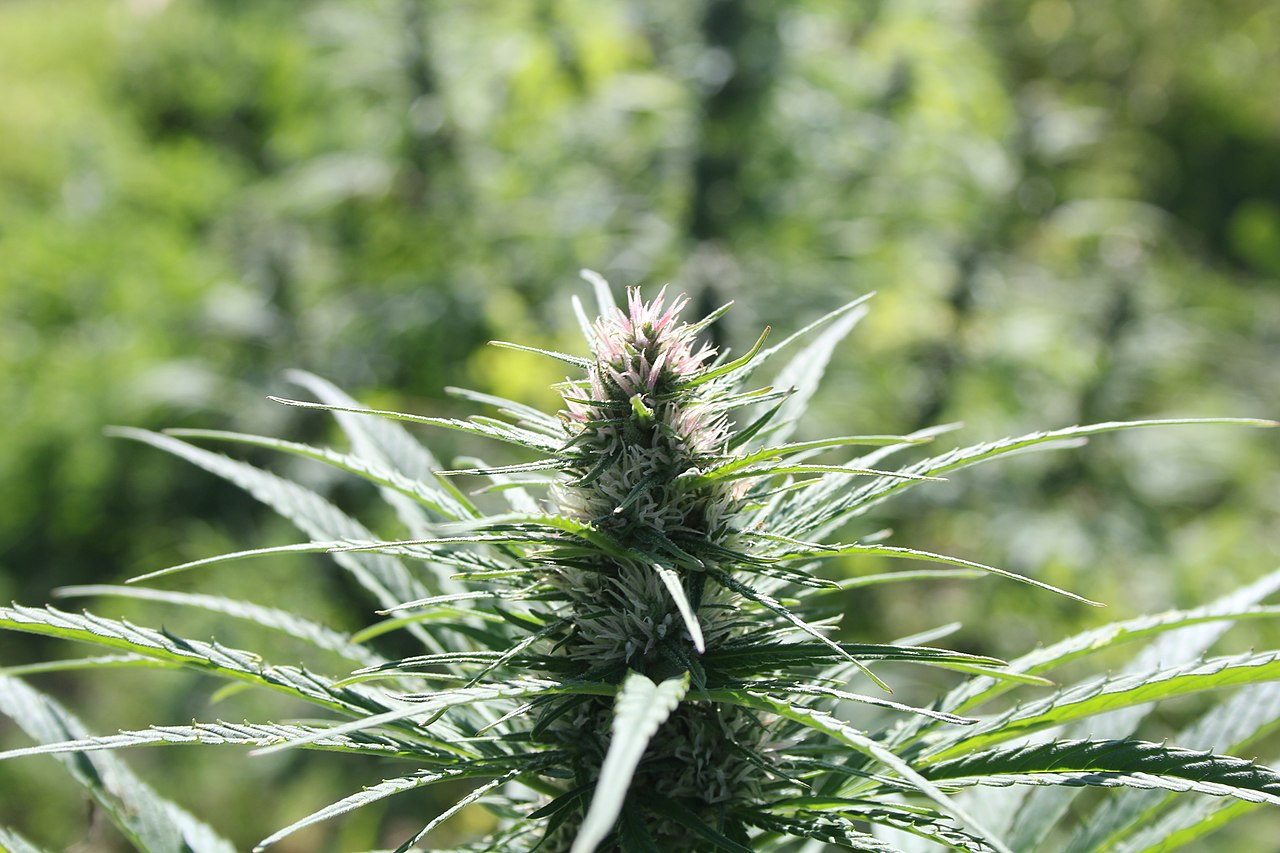
Cannabis sativa is an annual, typically dioecious (rarely monoecious) herbaceous plant native to Central Asia (ranging from Central Asia to Xinjiang and Pakistan), now cosmopolitan due to cultivation. It grows 0.2–6 m tall (often 1–4 m in cultivation), with erect, angular, furrowed, often hollow stems that are fibrous and canelike, covered in stiff hairs and glandular trichomes. Leaves are opposite lower down and alternate above, palmately compound with 3–9 (rarely up to 11) linear to lanceolate, coarsely serrate leaflets (3–15 cm long). Plants are wind-pollinated; male (staminate) plants are usually taller and less robust, producing open panicles of small greenish-yellow flowers, while female (pistillate) plants are stockier with denser, spike-like clusters enclosed by glandular bracts. Fruits are achenes (seeds), ovoid, 2–5 mm, mottled. Chromosome number 2n = 20. It thrives in well-drained, moist, fertile soils (sandy loam preferred), open habitats, farmyards, and waste places at elevations 0–2000 m, flowering in early summer to fall. Hemp varieties are selected for tall, unbranched stems with high fiber and low THC (<0.3%), distinguishing them from shorter, branched, high-resin drug types.
Phytochemistry
C. sativa produces over 500–6000 identified compounds, including >100–200 phytocannabinoids (C21/C22 terpenophenolics accumulated in glandular trichomes of female inflorescences and leaves), terpenes/terpenoids (~100–200, mainly mono- and sesquiterpenes), flavonoids, phenols, and others. Key cannabinoids: Δ⁹-tetrahydrocannabinol (THC) and its acid (THCA; psychoactive precursor), cannabidiol (CBD) and CBDA (non-psychoactive, abundant in hemp), cannabigerol (CBG), cannabinol (CBN), and others. Hemp is defined by low THC (<0.3% dry weight) and higher CBD. Major terpenes include β-myrcene, α-/β-pinene, limonene, β-caryophyllene, α-humulene, and terpinolene, contributing to aroma and potential entourage effects. Seeds are rich in proteins (edestin, albumin), polyunsaturated fatty acids (omega-3/6, including γ-linolenic acid), fiber, vitamins, and minerals. Cannabinoids are biosynthesized from cannabigerolic acid (CBGA) via competing synthases.
Western Traditional & Clinical Actions
In Western herbal and historical medicine (19th–early 20th century U.S. Pharmacopeia), cannabis extracts were used as analgesics, antispasmodics, sedatives, and for pain, inflammation, nausea, and neurological conditions. Modern clinical actions focus on cannabinoid modulation of the endocannabinoid system (CB1/CB2 receptors): anti-inflammatory, analgesic (especially neuropathic pain), antiemetic, anticonvulsant (CBD), anxiolytic, appetite-stimulating, and muscle relaxant (spasticity). Hemp-derived CBD is valued for non-psychoactive effects.
Chinese Medicine Actions
In Traditional Chinese Medicine (TCM), hemp (Da Ma or Huo Ma Ren for seeds) is classified as a moistening, neutral-to-cooling herb that nourishes Yin, lubricates the intestines, and tonifies. Seeds (achenes) are a primary official herb for constipation due to dryness, promoting bowel movements without harshness. Historical texts (e.g., Shen Nong Ben Cao Jing) place it among upper-grade nourishing herbs for longevity, benefiting the five organs, treating pain, inflammation, menstrual issues, and (with caution) mental conditions. Flowers/leaves were used for pain and anesthesia (e.g., Hua Tuo’s ma fei san). Modern TCM continues seed use as a demulcent laxative.
Traditional & Historical Uses
Domesticated ~12,000 years ago in East Asia for fiber, seed, and medicine; archaeological evidence includes cord-impressed pottery and seeds from China/Japan ~10,000–7,500 BP. In China (from ~2700 BCE, attributed to Shen Nong), used for fiber (rope, cloth, paper), food, and medicine (constipation, pain, anesthesia). Scythians (Herodotus, ~450 BCE) used it in purification rituals with heated seeds for euphoria. In India, bhang (beverage) was linked to Shiva worship and ritual. Ancient Egypt (Ebers Papyrus ~1550 BCE) applied it for pain/inflammation; traces found in mummies. Indigenous and Eurasian folk uses included fiber for nets/cordage, seeds as food, and ritual/magical applications (protection, purification, shamanism). Spread globally via trade; declined industrially in the 20th century due to synthetic alternatives and prohibition.
Modern Pharmacological Evidence
Cannabinoids interact with CB1/CB2, serotonin (5-HT1A for CBD), and other receptors. Preclinical data show THC analgesia (narrow therapeutic window, tolerance with chronic use), CBD anti-inflammatory/neuroprotective effects (microglia modulation), and terpene contributions (e.g., β-caryophyllene as a CB2 agonist). Antioxidant, antimicrobial, and anticonvulsant activities are documented. Entourage effects (cannabinoids + terpenes) may enhance efficacy. Mechanisms support use in pain, epilepsy, spasticity, and neuroinflammation.
Clinical Studies
Evidence supports pharmaceutical cannabinoids (e.g., Epidiolex/CBD for Dravet/Lennox-Gastaut syndromes and tuberous sclerosis; nabiximols/THC: CBD for MS spasticity; dronabinol/nabilone for chemotherapy nausea and HIV appetite). Meta-analyses show modest benefits for chronic neuropathic pain, insomnia, Tourette tics, autism traits, and cannabis use disorder withdrawal; mixed/low-certainty for anxiety, PTSD, and most other conditions. Recent trials (to 2026) include THC/CBD for dementia agitation (LiBBY phase 2), migraine, and chronic low back pain (phase 3 full-spectrum extract). Adverse events (dizziness, sedation) are common, but serious ones are rare. Evidence is insufficient or lacking for many promoted uses.
Preparations & Dosage
Forms: teas/infusions (seeds or low-THC flower), tinctures (alcohol or oil extracts), capsules, oils, topicals/salves, edibles, and standardized pharmaceuticals (e.g., Epidiolex starting 5 mg/kg/day CBD, up to 20 mg/kg). Hemp seed oil/protein for nutrition. Industrial: fiber, hurd for textiles/building. Typical herbal CBD supplementation estimates 5–100 mg/day (start low); always use lab-tested, legal products. Decarboxylation (heating) activates acid forms.
Safety & Contraindications
Generally well-tolerated at low THC; high-THC risks include psychoactivity, dependence (up to 29% in medical users), psychosis/anxiety with high-potency, and cardiovascular effects (daily inhaled use linked to higher heart disease risk). CBD may elevate liver enzymes at high doses and interact with CYP450 drugs (e.g., blood thinners, anticonvulsants). Avoid in pregnancy/breastfeeding, psychosis history, or with sedatives. Allergies rare. Legal THC limits (0.3% or lower by jurisdiction) apply to hemp. Children and driving caution required.
Cultivation & Harvest
Annual crop preferring well-drained loam (pH 6.0–7.5), full sun, 20–28 inches of water/season. Sow in warm soil (≥8–10°C), density 100–300 seeds/m² (higher for fiber). Fertilize moderately (e.g., ~70–110 kg N/ha). Fast growth suppresses weeds; few pests/diseases. Harvest fiber at early flowering (80–100 days); flowers/seeds later for cannabinoids/oil. Dry carefully (5–10% moisture) to preserve quality. Sustainable: soil-building, low inputs, rotation-friendly. THC testing mandatory for compliance.
Commercial Products
Fiber (textiles, rope, paper, bioplastics, hempcrete insulation/building); seeds/oil/protein (foods, supplements, animal feed); CBD oils/tinctures/gummies/salves (wellness); pharmaceuticals (Epidiolex, Sativex/nabiximols); cosmetics, biofuels. Market includes food (milk alternatives, snacks), personal care, and industrial goods. Regulated for purity/THC limits; GRAS status for certain seed products in the U.S.
Ethnobotanical Curiosities
Linked to shamanism across Eurasia (hemp ropes/bridges as spirit pathways); Scythian vapor baths; Hindu bhang for Shiva communion and oaths; Japanese Shinto purity rituals and taimatsu fire ceremonies; Chinese mourning cloths and longevity elixirs; possible biblical anointing oil component; European folk dances/jumps for crop growth and protective fires. Seeds as “superfood” in ancient diets; fiber in ritual clothing worldwide.
Recent Research (2020–2026)
Genomics: whole-genome resequencing confirmed East Asian domestication (~12,000 BP) and divergence of hemp/drug types; pangenome reveals diversity in fatty acid/terpene genes and under-sampled Asian germplasm. Phytochemistry: expanded cannabinoid inventories (>130 structures) and terpene profiles. Clinical: phase 2/3 trials for dementia agitation (THC/CBD), chronic pain, MS spasticity, epilepsy (CBD), Tourette, migraine; machine learning linking terpenes (e.g., α-bisabolol) to analgesia. Omics/AI for breeding, sustainability, and antimicrobial/cancer applications amid climate shifts. Focus on non-THC cannabinoids (CBG, CBC) for neuroinflammation.
Conservation Status
Not evaluated as threatened by IUCN (widely cultivated and naturalized); NatureServe ranks as not ranked/secure in many regions. Wild relatives, landraces, and high-THC ancestral forms face genetic erosion from hybridization and habitat loss; conservation of Asian germplasm and in-situ/ex-situ efforts recommended for biodiversity and breeding potential. Climate models predict suitability shifts.
DIY Recipes
Hemp Seed Tea (nutritive): Steep 1–2 tsp hulled hemp seeds in hot water 5–10 min; strain. Optional: add ginger/honey. (Safe, non-psychoactive.)
Low-THC Hemp Flower Infusion/Oil: Decarb flower (250°F/120°C, 45–60 min covered). Infuse 7–10 g in 1 cup coconut/olive oil (low heat 1–2 hrs or double boiler); strain. Use 1/4–1 tsp in food or topically.
Salve: Melt 1/2 cup infused oil + 1/4–1/3 cup beeswax; add optional essential oils (lavender); pour into tins. For skin/muscles.
Tincture: Cover decarbed flower with high-proof alcohol in a jar; steep for 2 weeks (shake daily); strain. Dose drops carefully. Always use legal, tested low-THC hemp; start low.
X (Twitter) Snapshot – 2020–2026
Recent posts emphasize hemp’s industrial revival: sustainable building materials (hempcrete), bioplastics, soil remediation, and rural economies (“freedom crop” with 50,000+ uses). Advocacy highlights legalization of industrial/medical hemp, CBD access threats from regulations, historical medicine status pre-1937, and conservation/agriculture potential. Discussions cover policy (Farm Bills, testing standards), youth protection, and research into non-intoxicating applications amid climate and health debates.
Planting & Harvesting Reference Guide for Hemp (Cannabis Sativa)
👈Planting & Harvesting Reference Guide:👇
Hemp (Cannabis Sativa) – Planting & Harvesting Reference Guide
- Best Time for Planting
- Early to mid-spring once soil is workable and frost risk has passed; soil temperature ideally above 8–10 °C.
- During waxing Moon phases for strong establishment; Saturn-aspected days or fertile water signs support grounding and vigorous growth.
- Sow certified low-THC industrial Hemp seed directly into well-drained fertile loam or prepared beds. Adjust density: closer for fiber, wider for seed or flower production.
- Collect seed only from mature, legal, tested plants; store dry, cool, and dark in airtight containers until sowing. Fresh seed from the previous season germinates best.
- Growing Conditions & Magical Minded Tips
- Full sun preferred; tolerates a range of soils but thrives in moderately fertile, well-drained ground with consistent moisture during vegetative growth.
- Apply light organic compost or balanced amendments in spring; reduce nitrogen later to favour resin or fibre quality. Mulch to retain moisture and suppress weeds.
- Hemp is photoperiod-sensitive: outdoor plants follow natural day length; controlled environments use 16–18 h light for vegetative growth, then 12 h to induce flowering.
- Speak or whisper to the seed before planting: “Rise tall, root deep, give what is asked and no more.” Sing or hum low grounding tones while thinning or watering.
- In biodynamic practice, apply BD 500 (horn manure) in autumn or spring and BD 501 (horn silica) during growth and flowering; align work with the biodynamic calendar.
- Leave an offering of seed or simple gratitude to the land spirit after planting.
- Best Time for Harvesting
- Fibre: late summer when lower leaves begin to yellow, and plants reach full height (typically 70–100 days after planting).
- Seed: when seeds turn brown, firm, and bracts begin to dry (mid- to late season).
- Flowers / resinous tops (medicinal or ceremonial): at peak trichome maturity—pistils mostly amber/orange and trichomes milky to amber—usually under a full or dark Moon according to intent.
- Prefer waxing to full Moon for increase and potency; waning Moon for release or fibre work.
- Sustainable & Magical Harvesting Methods
- Always confirm local regulations distinguishing industrial Hemp from other forms.
- Cut stems at the base with clean tools or by hand; take only what is needed and leave sufficient plants for regeneration where feral stands are legal.
- For wild or feral Hemp, harvest sparingly from abundant populations in disturbed open ground, roadsides, or waste places; never strip an entire stand.
- Sing soft praises or speak gratitude before and after cutting. Invoke permission from the plant and land; leave a small offering of seed, tobacco, or a simple token.
- Separate male plants early if seedless (sinsemilla) flowers are desired.
- Post-Harvest Processing
- Hang stems or flower tops upside-down in a shaded, well-ventilated space out of direct sun to dry slowly and preserve quality and energetic integrity.
- For fibre: rett (water or dew) after cutting, then break and scutch.
- For seed: thresh when fully dry and store cool and airtight.
- For flowers: cure in controlled humidity after initial drying to stabilise cannabinoids and terpenes.
- Store dried material in natural cloth, paper, or glass with clear intention; keep away from light, heat, and moisture.
- Process only what will be used; return excess plant matter to the soil as mulch or compost where appropriate.
This guide consolidates all planting and harvesting details mentioned across the SPARK sections for quick, practical reference. Always prioritise ethical, sustainable, and legal practices to honour the plant’s spirit and ensure its continued abundance.
Healing Categories of Hemp (Cannabis Sativa)
👈Healing Categories for Hemp (Cannabis Sativa):👇
Hemp (Cannabis Sativa) fits most strongly into the following healing categories:
- Physical & Physiological Support — Addresses pain, inflammation, muscle tension, digestive dryness, and neurological balance through its cannabinoids, terpenes, and seed nutrients.
- Emotional & Mental Equilibrium — Calms anxiety, softens grief, lifts low mood, and supports emotional resilience via its anxiolytic and heart-opening qualities.
- Spiritual & Energetic Alignment — Grounds the root, opens the heart, and clarifies the third eye; traditionally used for purification, vision, and sacred communion.
- Nutritional & Restorative Nourishment — Provides complete protein, balanced essential fatty acids, and mineral-rich seed nutrition for systemic rebuilding.
- Protective & Purificatory — Historically employed to cleanse spaces, bodies, and thresholds after illness, death, or spiritual contamination.
- Ecological & Planetary Healing — Restores contaminated soils, sequesters carbon, prevents erosion, and regenerates degraded land.
- Visionary & Consciousness Support — Facilitates meditative insight, dream work, and expanded awareness in traditional and ceremonial contexts.
Healing Categories
Physical & Physiological Support
Hemp offers a broad spectrum of body-centered healing. Its cannabinoids (particularly CBD-dominant profiles) and terpenes traditionally ease inflammatory conditions, musculoskeletal discomfort, and spasmodic tension. Seed preparations moisten dryness in the intestines and nourish depleted systems. In both folk and modern contexts, Hemp supports neurological calm, sleep quality, and recovery from physical strain when used with appropriate dosage and respect for individual constitution.
Emotional & Mental Equilibrium
The plant’s subtle chemistry and energetic signature help soothe frayed nerves, quiet racing thoughts, and soften the edges of grief or emotional overwhelm. Traditional preparations and modern low-THC forms are valued for promoting a steady, centered mood without dulling clarity. Hemp is frequently turned to when the nervous system needs gentle regulation, and the heart requires quiet strengthening.
Spiritual & Energetic Alignment
Long regarded as a threshold plant, Hemp has been burned, ingested, or carried to purify the energetic field, facilitate spirit contact, and support meditative depth. Its frequencies are associated with grounding (root), compassion (heart), and inner vision (third eye). In ceremonial settings, it serves as both protector and opener, helping practitioners move between ordinary and non-ordinary states with greater coherence.
Nutritional & Restorative Nourishment
Hemp seeds stand among the most complete plant foods known—rich in easily digested protein, ideal ratios of omega fatty acids, and a suite of minerals and vitamin E. Traditional cultures used the seeds as daily sustenance and rebuilding food after illness or hard labor. This nutritional dimension underpins much of Hemp’s reputation as a whole-system restorative.
Protective & Purificatory
From Scythian funerary vapours to Eastern European plague shirts and Chinese demon-dispelling wands, Hemp has been employed to create boundaries against illness, malevolent influence, and spiritual residue. Fiber, seed, and smoke have all served protective and cleansing roles, making the plant a classic ally for clearing and safeguarding person, home, and community.
Ecological & Planetary Healing
Beyond human medicine, Hemp heals the land itself. Its deep roots extract heavy metals and persistent pollutants, stabilize eroding soils, suppress weeds, and sequester significant amounts of atmospheric carbon. In regenerative and phytoremediation projects it functions as a living remedy for wounded ecosystems, returning vitality to places damaged by industrial activity.
Visionary & Consciousness Support
In controlled traditional and ceremonial contexts, Hemp has long been used to enhance meditation, dream recall, divinatory clarity, and communion with unseen realms. Whether through gentle smoke, carefully prepared bhang, or simply the plant’s presence, it supports expanded yet grounded awareness when approached with clear intention and proper set and setting.
Synergistic & Holistic Note
Hemp (Cannabis Sativa) rarely works in isolation. Its greatest gifts appear when the physical, emotional, spiritual, nutritional, and ecological dimensions are held together. A simple seed porridge can nourish the body while the same plant’s fiber clothes it and its roots restore the soil that grew the grain. Ceremonial smoke may clear a space while simultaneously calming the nervous system of those present. True partnership with Hemp invites this multi-layered reciprocity: care for the plant and the land that sustains it, and the plant in turn offers its full spectrum of healing across body, heart, spirit, and earth.
✦ If You Only Read U.S. Consumer Pages ✦
U.S. consumer pages usually flatten Hemp (Cannabis sativa) into three talking points: “Farm Bill hemp is legal,” “CBD for everything,” and a THC-percentage war. That is not invented—the 2018 statute, seed oil in grocery aisles, and genuine epilepsy data are all real—but it is a small slice. Those pages rarely mention that Ph. Eur. now defines three flower chemotypes with ±10% label discipline; that HMPC refused an EU herbal monograph for flos; that China’s official drug is the seed, recorded since the Shennong bencao; that Epidyolex, Sativex, Marinol and hemp-seed porridge are four different objects; that EFSA still has data gaps on CBD as food; or that a missed Ashworth primary endpoint sits next to a successful seizure label. They also rarely distinguish achene from inflorescence, 7.5 mg/kg THC in seed oil from 5% THC in a prescribed flower, or a novel-food dossier from a marketing authorization. Reading only U.S. retail copy makes the plant look like a wellness extract with a legal footnote. Reading the global official and clinical record makes it look like one species that official books split into seed food, industrial fiber, quality-specified medical flower, and a short list of registered cannabinoid medicines. Both pictures matter. The second one is the one most American seekers and shoppers never see.
Sources:
https://www.ema.europa.eu/en/documents/herbal-monograph/draft-public-statement-cannabis-sativa-l-flos_en.pdf
https://www.gmp-publishing.com/blog/tests-in-the-new-ph.-eur.-monograph-on-cannabis-flower
https://pmc.ncbi.nlm.nih.gov/articles/PMC5345167/
https://mobil.bfr.bund.de/en/service/frequently-asked-questions/topic/questions-and-answers-on-the-health-risks-of-food-and-feed-containing-hemp/
Globally: Where This Plant Is Studied
👈Global research, official texts, publishers, and human-trial data, rather than U.S.-consumer-page-limited:👇
Where This Plant Is Studied
Hemp (Cannabis sativa L.) is studied as one species with many lives: a fiber and oilseed crop, a Chinese moistening seed, a European pharmacopoeial flower, and the source of a handful of registered cannabinoid medicines—not as a U.S. wellness gummy. Modern taxonomy mostly keeps a single Linnaean species; “indica” and “ruderalis” are habits and chemotypes more than separate official drugs. What the books split is the part and the assay. Female inflorescence (Cannabis flos) can be THC-dominant, CBD-dominant, or intermediate. The achene—Huo Ma Ren, hemp seed—is a different article: oil, protein, and a gentle laxative, not a psychoactive flower. Stalk fiber is another industry again.
Study geography follows those splits. EDQM wrote the 2024 Ph. Eur. flower monograph from German, Dutch, Danish and Swiss national texts. GW / Jazz ran the Epidyolex and nabiximols programmes from the United Kingdom across EU and North American trial sites. China’s official plant is still the seed in the Chinese Pharmacopoeia, with industrial-hemp variety rules (NY/T 3252: flowering-top THC < 0.3%). Canada, Israel, the Netherlands, Germany and Australia built medical-flower programmes with their own chemotype labels. FAO and fiber institutes still treat hemp as bast and hurd. In short: the plant is a multi-country agronomy, pharmacognosy, neurology and food-law subject. Calling all of it “CBD” is how the story gets lost.
Sources:
https://www.ema.europa.eu/en/medicines/herbal/cannabis-flos
https://www.gmp-publishing.com/blog/tests-in-the-new-ph.-eur.-monograph-on-cannabis-flower
https://pmc.ncbi.nlm.nih.gov/articles/PMC5345167/
https://analyticalsciencejournals.onlinelibrary.wiley.com/doi/10.1002/pca.70014
Official Books That Name This Species
Official books name Cannabis sativa by part, chemotype and legal class. They do not agree with a smoke-shop menu.
European Pharmacopoeia Cannabis flower / Cannabis flos (3028), Supplement 11.5, implemented 1 July 2024: dried, whole or fragmented, fully developed female inflorescence. Three types are defined on the dried drug: THC-dominant (total Δ9-THC minimum 5.0%, total CBD maximum 1.0%); intermediate (each minimum 1.0%, THC/CBD ratio 0.2–5.0); CBD-dominant (total CBD minimum 5.0%, total THC maximum 1.0%). If the flower is prescribed as a medicinal product, labelled THC and CBD must sit within ±10%, and seed/leaf limits apply. HPTLC identification distinguishes the three chromatograms. A 2025 Pharmeuropa revision is already loosening some foreign-matter wording because immature seed is common in prescribed lots. National DAB and Dutch texts fed this book.
EMA HMPC is the other European official voice—and it stopped. After a call for data, a 2025 draft public statement concluded that an EU herbal monograph on Cannabis sativa L., flos cannot be established: the legal tests for well-established use (Article 10a) and traditional use were not met, in part because there are not qualifying single herbal flos products on the EU market in the sense the Directive requires. Quality monograph and herbal-use monograph are not the same document.
Pharmacopoeia of the People’s Republic of China: Huo Ma Ren / Cannabis Fructus (editions have oscillated between fruit and seed language)—ripe fruit or dehulled seed as a sweet, neutral moistening laxative for dry constipation. That is the headline Chinese official drug, not the flowering top. China’s industrial-hemp standard separately caps flowering-top THC below 0.3%. USP has published expert-panel quality considerations for inflorescence chemotypes and carries cannabidiol / dronabinol-related texts in the American drug tradition. WHO ECDD critical reviews treated herbal cannabis, resin, extracts, dronabinol and CBD as distinct scheduling questions.
Food law is a third official bookshelf. Hemp seed, seed oil and seed flour are old foods in the EU, not novel; Regulation (EU) 2023/915 sets THC maxima (3.0 mg/kg seed; 7.5 mg/kg seed oil). CBD isolates and hemp extracts are novel foods; EFSA’s 2022 statement listed data gaps and has not cleared a general food use. Industrial-hemp cultivation caps (0.2% then 0.3% THC in the EU; 0.3% in the U.S. 2018 Farm Bill definition) are agricultural law, not a medical indication. That is a very different class of “naming” than a U.S. consumer page.
Sources:
https://www.ema.europa.eu/en/documents/herbal-monograph/draft-public-statement-cannabis-sativa-l-flos_en.pdf
https://www.leafie.co.uk/cannabis/cannabis-flower-monograph-information-patients/
https://pmc.ncbi.nlm.nih.gov/articles/PMC5345167/
https://mobil.bfr.bund.de/en/service/frequently-asked-questions/topic/questions-and-answers-on-the-health-risks-of-food-and-feed-containing-hemp/
Who Publishes on It
Publication is split across four scholarly worlds that barely share a bibliography. Neurology and epilepsy journals carry purified CBD (GWPCARE1–4). Multiple Sclerosis and Current Neuropharmacology carry nabiximols. Journal of Natural Products and EDQM/GMP titles carry flower quality. Phytochemical Analysis and TCM journals carry Huo Ma Ren lipids and lignin amides. Official publishers include EDQM, EMA HMPC (the discontinuation statement), the China Pharmacopoeia Commission, USP’s Cannabis Expert Panel, FDA and EMA product labels for Epidiolex / Epidyolex, Marinol / Syndros (dronabinol), Cesamet (nabilone), and national agencies that license Sativex. EFSA and the Commission Novel Food Catalogue publish the food-side refusal to treat CBD like hemp seed. Consumer sites reprint “hemp heals”; they are not the original publishers.
Sources:
https://pubs.acs.org/doi/10.1021/acs.jnatprod.9b01200
https://www.springermedicine.com/link?doi=10.1186/s12916-022-02459-1
https://analyticalsciencejournals.onlinelibrary.wiley.com/doi/10.1002/pca.70014
https://www.ema.europa.eu/en/medicines/herbal/cannabis-flos
Human Trials Tied to This Species
Human evidence for Cannabis sativa is strongest where a named, assayed product met a regulator—not where a gas-station bottle borrowed the Latin name.
Cannabidiol oral solution (Epidiolex / Epidyolex) is plant-derived, highly purified CBD. GWPCARE3 and GWPCARE4 (Lennox–Gastaut) and GWPCARE1 and GWPCARE2 (Dravet) were randomized, double-blind, placebo-controlled add-on trials: median drop or convulsive seizures fell versus placebo, with dose-dependent liver-enzyme and somnolence warnings on the label. Tuberous sclerosis complex was added later. That is a medicine, with a therapeutic dose far above novel-food guesswork.
Nabiximols (Sativex) is an oromucosal spray of a cloned-sativa extract standardized to roughly 1:1 THC:CBD plus minor cannabinoids. Adult MS-spasticity RCTs and a 2023 meta-analysis of seven trials (1,128 people) support add-on use when standard antispasticity drugs fail, mostly on patient-reported NRS. A 2024 objective-tone study (RELEASE MSS1, MAS LLMT-6) missed its primary endpoint—an honest reminder that spasticity is hard to measure. A pediatric cerebral-palsy nabiximols RCT did not beat placebo on NRS and recorded hallucinations. Approval exists in many countries; it is not a U.S. FDA MS label in the same way Epidiolex is an epilepsy label.
Dronabinol (synthetic Δ9-THC) and nabilone (a synthetic analogue) have older FDA indications for chemotherapy nausea and, for dronabinol, AIDS anorexia. A 2022 pharmacology-sorted meta-analysis of 152 cannabinoid RCTs (12,123 participants) found high-grade evidence for CBD in those epilepsies, moderate evidence for nabiximols on adult MS pain/spasticity/sleep, and more modest, indication-specific signals for dronabinol. Whole-flower “medical cannabis” observational cohorts are larger than their controlled trials; they are not Ph. Eur. 3028 plus a Phase III number.
Hemp seed as Huo Ma Ren has traditional and food-use human experience as a moistening laxative; it does not have Epidiolex-grade seizure RCTs, and the seed is not the flower.
Important cautions, held with the plant: THC is intoxicating and a controlled substance in most jurisdictions; high-dose CBD can raise transaminases and interact with clobazam and other CYP substrates; pregnancy, driving and adolescent brain data cut against casual use; CBD food is not authorized in the EU while assessment gaps remain; a 0.3% agricultural cap is not a medical dose; this overview is not cultivation, extraction, or dosing advice.
Sources:
https://www.medsafe.govt.nz/Profs/Datasheet/e/epidyolexsol.pdf
https://pmc.ncbi.nlm.nih.gov/articles/PMC10616923/
https://www.springermedicine.com/link?doi=10.1186/s12916-022-02459-1
https://www.msard-journal.com/article/S2211-0348(24)00317-1/pdf

Part 1: Modern Medical Properties and Uses

Purpose: Highlights the plant’s scientific and medicinal properties, validating holistic healing with evidence-based data.
Contemporary Medical Applications of Hemp (Cannabis Sativa)
Describes current clinical uses (e.g., capsules, tinctures) and delivery methods in modern medicine.
👈Contemporary Medical Applications:👇
Contemporary Medical Applications:
- Pharmaceutical-grade cannabinoids derived from Hemp and related Cannabis sativa varieties have received regulatory approval for specific indications, including oral cannabidiol solutions for seizures associated with Lennox-Gastaut syndrome, Dravet syndrome, and tuberous sclerosis complex in patients one year of age and older, demonstrating clinically meaningful reductions in seizure frequency when used as adjunctive therapy.
- Synthetic or plant-derived Δ⁹-tetrahydrocannabinol preparations, such as oral capsules or solutions, are authorized for the treatment of chemotherapy-induced nausea and vomiting in patients who have not responded adequately to conventional antiemetics, as well as for anorexia associated with weight loss in patients with HIV/AIDS, where meta-analyses of randomized trials confirm modest to moderate benefits in symptom control and body-weight gain.
- Oromucosal sprays containing balanced ratios of Δ⁹-tetrahydrocannabinol and cannabidiol are employed as add-on therapy for moderate to severe spasticity in multiple sclerosis patients who have shown inadequate response to other antispasticity medications, with observational and controlled data supporting reductions in patient-rated spasticity scores and improvements in related quality-of-life measures.
- Topical and systemic Hemp-derived cannabidiol formulations are under clinical investigation and real-world use for dermatological conditions, including acne, atopic dermatitis, psoriasis, and chronic wounds, where anti-inflammatory and antimicrobial properties contribute to reductions in pruritus and accelerated healing times in both preclinical models and limited human studies.
- Full-spectrum or hybrid Hemp extracts are utilized in chronic neuropathic pain management, with short-term randomized trials and observational registries indicating small but statistically significant reductions in pain severity scores, particularly when products maintain comparable or higher Δ⁹-tetrahydrocannabinol-to-cannabidiol ratios, alongside improvements in sleep and overall well-being.
- Emerging applications include adjunctive use of Hemp-derived cannabinoids for symptoms associated with autism spectrum disorder, where registry data over 18 months associate treatment with improvements in anxiety scores, sleep quality, and health-related quality of life, and for endometriosis-related pain, where prescribed medical cannabis preparations correlate with sustained symptom relief and reduced opioid requirements over multi-year follow-up.
- Delivery methods encompass oral solutions, capsules, oromucosal sprays, vaporized flower or concentrates under regulated programs, and topical oils or ointments, allowing titration according to individual response while prioritizing standardized, laboratory-tested products to ensure consistent cannabinoid content and minimize contaminants.
Sources: Contemporary Medical Applications
https://jamanetwork.com/journals/jama/fullarticle/2852547
https://jamanetwork.com/journals/jama/fullarticle/2842072
https://www.frontiersin.org/journals/neuroscience/articles/10.3389/fnins.2026.1888863/full
https://pmc.ncbi.nlm.nih.gov/articles/PMC9389720/
https://link.springer.com/article/10.1007/s40122-024-00643-0
https://onlinelibrary.wiley.com/doi/10.1002/npr2.70146
https://www.cannabissciencetech.com/view/new-review-highlights-cbd-s-potential-in-skin-wound-healing-and-oral-health
Pharmacology of Hemp (Cannabis Sativa)
Outlines key compounds and their mechanisms of action, driving therapeutic effects.
👈Pharmacology:👇
Pharmacology:
- Δ⁹-Tetrahydrocannabinol functions primarily as a partial agonist at cannabinoid receptor type 1 and type 2, binding with high affinity to modulate neurotransmitter release in the central and peripheral nervous systems, thereby producing analgesic, antiemetic, and appetite-stimulating effects through inhibition of adenylate cyclase and subsequent alterations in intracellular signaling cascades.
- Cannabidiol exhibits low affinity for classical cannabinoid receptors yet acts as a negative allosteric modulator at cannabinoid receptor type 1, while also engaging serotonin 5-HT1A receptors as an agonist, transient receptor potential vanilloid channels, peroxisome proliferator-activated receptor gamma, and enzymes involved in endocannabinoid degradation, resulting in elevated anandamide levels and broad anti-inflammatory, anxiolytic, and anticonvulsant activity without pronounced psychoactivity.
- The endocannabinoid system, comprising cannabinoid receptors, endogenous ligands such as anandamide and 2-arachidonoylglycerol, and biosynthetic and degradative enzymes, serves as the primary physiological target through which Hemp phytocannabinoids restore homeostasis across neurological, immune, metabolic, and gastrointestinal pathways, mirroring the plant’s historical applications for pain and inflammation.
- Minor phytocannabinoids including cannabigerol, cannabichromene, and tetrahydrocannabivarin interact with additional targets such as GPR55, TRP channels, and enzymes of the endocannabinoid system, contributing to neuroprotective, antibacterial, and metabolic regulatory effects that expand the therapeutic spectrum beyond the two major compounds.
- Terpenes such as β-caryophyllene act as selective agonists at cannabinoid receptor type 2, while myrcene, limonene, linalool, and α-pinene engage complementary pathways including adenosinergic signaling, opioid modulation, and anti-inflammatory cascades, producing additive or synergistic interactions with cannabinoids that enhance overall pharmacological efficacy in a ratio- and dose-dependent manner known as the entourage effect.
- Non-receptor mechanisms include inhibition of fatty acid amide hydrolase and monoacylglycerol lipase by certain phytocannabinoids, leading to prolonged endocannabinoid tone, as well as modulation of ion channels and nuclear receptors that influence gene expression related to inflammation and cellular stress responses.
- Pharmacokinetic profiles vary by route of administration, with oral delivery subject to first-pass metabolism producing active metabolites, oromucosal absorption providing intermediate onset, and topical application limiting systemic exposure while concentrating local anti-inflammatory actions within cutaneous tissues.
Sources: Pharmacology:
https://journals.lww.com/anesthesia-analgesia/fulltext/10.1213/ane.0000000000006472~the-basic-science-of-cannabinoids
https://www.frontiersin.org/journals/neuroscience/articles/10.3389/fnins.2026.1888863/full
https://pubs.acs.org/jnprdf/article/84/1/142/1677906/Phytocannabinoid-Pharmacology-Medicinal-Properties
https://pmc.ncbi.nlm.nih.gov/articles/PMC5345356/
https://pubmed.ncbi.nlm.nih.gov/42349621/
https://doi.org/10.1177/1934578X251334244
https://doi.org/10.1152/physrev.00002.2016
Natural Medicine Studies / Hemp (Cannabis Sativa)
Summarizes recent research on efficacy, safety, or clinical outcomes from peer-reviewed studies.
👈Natural Medicine Studies:👇
Natural Medicine Studies:
- Systematic reviews and meta-analyses of randomized controlled trials demonstrate high-grade evidence for cannabidiol in reducing seizure frequency in refractory pediatric epilepsies, with standardized mean differences indicating clinically relevant benefits and an acceptable safety profile when administered at doses up to 20 mg per kilogram per day under medical supervision.
- Moderate-grade evidence supports the use of Δ⁹-tetrahydrocannabinol-containing preparations for chronic neuropathic pain and multiple sclerosis-associated spasticity, where pooled analyses of short-term trials reveal modest reductions in pain intensity and patient-reported spasticity scores, accompanied by improvements in sleep quality.
- Observational registry studies and real-world evidence indicate that balanced or Δ⁹-tetrahydrocannabinol-predominant natural extracts provide symptomatic relief in chronic neuropathic pain, anxiety, nausea, and sleep disturbances, with associated gains in overall quality of life and well-being when products are standardized and monitored for adverse events.
- A 2026 systematic review and meta-analysis of cannabinoids for mental health and substance-use disorders found reductions in cannabis withdrawal symptoms, tic severity in Tourette syndrome, and autistic traits, although certainty of evidence remained generally low and adverse events of mild to moderate intensity were more frequent than with placebo.
- Preclinical and early clinical investigations of topical cannabidiol formulations report significant reductions in pruritus across dermatological conditions and accelerated healing of chronic wounds, including venous and pressure ulcers, with mean times to closure ranging from several weeks and minimal systemic side effects.
- Hybrid cannabis extracts containing equal ratios of Δ⁹-tetrahydrocannabinol and cannabidiol have been associated in observational studies with sustained decreases in endometriosis-related pain intensity and interference over multi-year periods, alongside reductions in concurrent opioid use and enhancements in physical and mental health scores.
- Safety analyses across multiple reviews confirm that serious adverse events are uncommon, while common effects such as dizziness, dry mouth, and gastrointestinal symptoms are dose-dependent and predominantly linked to higher Δ⁹-tetrahydrocannabinol content, underscoring the importance of individualized titration and product quality control.
Sources: Natural Medicine Studies:
https://jamanetwork.com/journals/jama/fullarticle/2842072
https://pmc.ncbi.nlm.nih.gov/articles/PMC9389720/
https://link.springer.com/article/10.1007/s40122-024-00643-0
https://www.sciencedirect.com/science/article/pii/S2215036626000155
https://www.frontiersin.org/journals/pharmacology/articles/10.3389/fphar.2025.1609667/full
https://onlinelibrary.wiley.com/doi/full/10.1002/ptr.70403
https://link.springer.com/article/10.1007/s12325-025-03262-z
Chemistry of Hemp (Cannabis Sativa)
Details active chemical constituents (e.g., alkaloids, flavonoids) and their healing roles.
👈Chemistry:👇
Chemistry:
- Hemp and related Cannabis sativa chemotypes produce more than 125 characterized phytocannabinoids, primarily C21 terpenophenolic compounds accumulated in glandular trichomes, with the most abundant being Δ⁹-tetrahydrocannabinolic acid and cannabidiolic acid that decarboxylate upon heating to their neutral forms Δ⁹-tetrahydrocannabinol and cannabidiol.
- Beyond the major cannabinoids, the plant synthesizes numerous minor analogs including cannabigerol, cannabichromene, cannabinol, tetrahydrocannabivarin, and cannabidivarin, each arising from variations in alkyl side-chain length and cyclization patterns catalyzed by dedicated synthase enzymes competing for the common precursor cannabigerolic acid.
- Over 120 terpenes and terpenoids contribute to the aromatic profile and pharmacological synergy, with dominant monoterpenes such as β-myrcene, α-pinene, limonene, and terpinolene, and sesquiterpenes including β-caryophyllene and α-humulene, many of which exhibit independent anti-inflammatory and analgesic activities.
- Non-cannabinoid phenolics, flavonoids (including the unique geranylated cannflavins A, B, and C), stilbenoids, and lignans are distributed primarily in leaves and other aerial parts, providing additional antioxidant and anti-inflammatory capacity that complements the cannabinoid fraction.
- Seeds of industrial Hemp varieties are rich in polyunsaturated fatty acids, particularly linoleic and α-linolenic acids in an approximately 3:1 omega-6 to omega-3 ratio, along with γ-linolenic acid, tocopherols, phytosterols, and easily digestible proteins dominated by the storage proteins edestin and albumin.
- Comprehensive metabolomic analyses of commercial and research materials have catalogued more than 500 to over 6000 chemical constituents across multiple classes, encompassing hydrocarbons, sugars, nitrogenous compounds, and minerals, underscoring the chemical complexity that underpins both nutritional and therapeutic properties.
- Biosynthetic pathways for cannabinoids and terpenes share common isoprenoid precursors, and genetic variation in synthase genes and regulatory elements determines chemotype, enabling selective breeding of low-Δ⁹-tetrahydrocannabinol, high-cannabidiol Hemp cultivars suitable for industrial and medicinal applications.
Sources: Chemistry:
https://link.springer.com/article/10.1007/s11101-021-09780-2
https://en.wikipedia.org/wiki/Cannabis_sativa
https://connectsci.au/ch/article/74/6/369/89650/The-Chemistry-of-Cannabis-and-Cannabinoids
https://pubs.acs.org/doi/10.1021/acs.jafc.3c06616
http://www.ncbi.nlm.nih.gov/pmc/articles/PMC8125862
https://www.sciencedirect.com/science/article/pii/S2214750024000684
https://analyticalsciencejournals.onlinelibrary.wiley.com/doi/10.1002/rcm.70111
Functional Foods and Nutrition / Hemp (Cannabis Sativa)
Highlights dietary uses (e.g., teas, supplements) in modern health practices.
👈Functional Foods and Nutrition:👇
Functional Foods and Nutrition:
- Hemp seeds constitute a nutritionally complete food source containing approximately 20–35 percent highly digestible protein rich in all essential amino acids, with the predominant storage proteins edestin and albumin offering superior bioavailability compared with many other plant proteins and suitability for gluten-free and allergen-conscious diets.
- The lipid fraction of Hemp seeds and cold-pressed oil provides 25–35 percent total fat, of which more than 70–90 percent consists of polyunsaturated fatty acids, featuring an optimal omega-6 to omega-3 ratio near 3:1 that aligns with recommendations for cardiovascular and inflammatory balance and includes the uncommon γ-linolenic acid.
- Dietary fiber content ranges from 20–40 percent, predominantly insoluble, supporting gastrointestinal health, while the seeds and derived flours supply substantial quantities of vitamins E, D, B-complex, and minerals including magnesium, phosphorus, potassium, iron, zinc, and copper that can meet or exceed recommended daily allowances in modest serving sizes.
- Functional food applications include incorporation of hulled seeds, protein concentrates, flours, and oils into breads, energy bars, plant-based beverages, dairy alternatives, snacks, and fortified products, where they enhance nutritional density, texture, and sensory attributes without introducing psychoactive constituents when derived from compliant industrial Hemp.
- Hemp seed protein isolates and hydrolysates demonstrate emulsifying, foaming, and water-holding capacities that improve the technological quality of vegetarian and vegan formulations, while bioactive peptides released during digestion exhibit potential antioxidant and antihypertensive properties under investigation.
- Regulatory recognition of hulled Hemp seeds, Hemp seed oil, and Hemp seed protein as generally recognized as safe in certain jurisdictions has facilitated their widespread adoption as dietary supplements and everyday food ingredients that contribute to balanced nutrition and sustainable plant-based diets.
- Omics-based investigations confirm that environmental and agronomic factors influence the precise nutrient profile, yet the overall composition consistently positions Hemp seeds as a valuable resource for addressing protein and essential fatty-acid needs across diverse populations, including those following vegetarian or restricted diets.
Sources: Functional Foods and Nutrition:
https://pmc.ncbi.nlm.nih.gov/articles/PMC11085560/
https://www.sciencedirect.com/science/article/abs/pii/S0278691526003595
https://pmc.ncbi.nlm.nih.gov/articles/PMC12154244/
https://ifst.onlinelibrary.wiley.com/doi/10.1111/ijfs.16116
https://www.mdpi.com/2304-8158/12/18/3505
https://www.tandfonline.com/doi/full/10.1080/10408398.2025.2534839
https://pmc.ncbi.nlm.nih.gov/articles/PMC7571072/
Current Projects and Future Possibilities /Hemp (Cannabis Sativa)
Notes ongoing research, clinical trials, or innovative medical applications.
👈Current Projects and Future Possibilities:👇
Current Projects and Future Possibilities:
- Large-scale genomic initiatives, including the construction of a comprehensive cannabis pangenome encompassing nearly 200 diverse genomes, are revealing previously under-sampled genetic diversity in Asian landraces and wild relatives, providing foundational resources for precision breeding of medicinal, nutritional, and industrial traits.
- Ongoing clinical programs funded by public agencies are investigating synthetic and rare cannabinoids for therapeutic potential, cardiovascular effects of smoked versus oral routes, and the regulatory science of terpene profiles, aiming to generate evidence-based standards that support safer and more effective product development.
- Functional genomics tools such as CRISPR/Cas9 genome editing, virus-induced gene silencing, and multiplex base-editing systems are being refined for Cannabis sativa, enabling targeted modification of cannabinoid biosynthetic pathways, flowering time, fiber quality, and stress resilience to accelerate elite cultivar development.
- Biosynthetic engineering in heterologous hosts and advanced synthetic chemistry approaches are expanding access to minor and novel cannabinoids at scale, facilitating pharmacological characterization of compounds previously available only in trace amounts and opening pathways to new therapeutic candidates.
- Genome-wide association studies linking single-nucleotide polymorphisms to cannabinoid and terpene profiles in industrial Hemp varieties are identifying candidate genes that will support marker-assisted selection for optimized chemotypes suited to specific medical or nutritional applications.
- Research into the anti-inflammatory, neuroprotective, and antiviral properties of non-psychoactive phytocannabinoids continues to explore applications in neurodegenerative diseases, autoimmune conditions, and infectious challenges, with early translational studies informing future clinical trial designs.
- Integration of multi-omics platforms with sustainable agronomic practices promises to unlock the full potential of Hemp as a climate-resilient crop that simultaneously delivers medicine, nutrition, fiber, and environmental benefits, positioning the plant as a cornerstone of future bio-based economies and holistic health systems.
Sources: Current Projects and Future Possibilities:
https://pmc.ncbi.nlm.nih.gov/articles/PMC12286863/
https://www.uclahealth.org/news/release/ucla-receives-73m-wide-ranging-cannabis-research
https://www.mdpi.com/2223-7747/15/13/2088
https://www.salk.edu/news-release/cannabis-pangenome-reveals-potential-for-medicinal-and-industrial-use/
https://link.springer.com/article/10.1007/s11101-024-10052-y
https://doi.org/10.3390/plants15020202
https://www.sciencedirect.com/science/article/abs/pii/S0958166925001223
Literary Mentions of Hemp (Cannabis Sativa)
References modern medical texts or studies citing the plant’s therapeutic use.
👈Literary Mentions:👇
Literary Mentions: in ancient texts
- The Shen Nong Ben Cao Jing (Divine Farmer’s Classic of Materia Medica), compiled in the Eastern Han dynasty around the second century CE and attributed to the legendary emperor Shen Nong of approximately 2700 BCE, classifies Hemp seeds and flowers among the superior herbs that nourish vitality, promote longevity, and treat a wide range of conditions including pain and digestive imbalance without toxicity when used appropriately.
- Egyptian medical papyri, including the Ebers Papyrus dated to approximately 1550 BCE and the earlier Ramesseum III Papyrus of around 1700 BCE, prescribe preparations containing shemshemet (identified as Hemp) for ocular inflammation, vaginal contractions to aid childbirth, and topical applications to painful nails or skin, indicating established therapeutic recognition in pharaonic medicine.
- Assyrian clay tablets from the library of Ashurbanipal (seventh century BCE), drawing on Sumerian and Akkadian sources as early as 2000 BCE, record azallû (Hemp) mixed with other agents in beer for conditions related to depression and sorrow, alongside its recognized use in fiber production.
- Classical Greco-Roman authors such as Dioscorides in De Materia Medica (first century CE), Pliny the Elder in Natural History, and Galen describe cultivated and wild forms of the plant for fiber, ear remedies, and medicinal applications that quench conception or relieve pain, distinguishing utilitarian stalks from the more potent flowering tops.
- Chinese surgeon Hua Tuo of the late Han dynasty is recorded as employing a “hemp-boiling compound” dissolved in wine as an anesthetic for abdominal surgery in the second to third centuries CE, representing one of the earliest documented uses of the plant for surgical pain control.
- Indian Ayurvedic and Hindu traditions, reflected in texts and legends associating the plant with Shiva as “Lord of Bhang,” document its ritual and medicinal employment for a spectrum of ailments including fever, inflammation, and mood elevation, with preparations of leaves and flowers consumed in beverages or pastes.
- Medieval and later Chinese materia medica, including the Ben Cao Gang Mu compiled by Li Shizhen in 1596, continue the classical tradition by recommending cannabis flowers for menstrual disorders and seeds as moistening agents, illustrating continuous literary transmission of empirical knowledge across millennia.
Sources: Literary Mentions:
https://www.researchgate.net/publication/6126750_History_of_Cannabis_and_Its_Preparations_in_Saga_Science_and_Sobriquet
https://www.frontiersin.org/journals/pharmacology/articles/10.3389/fphar.2017.00108/full
https://www.nature.com/articles/525S10a
https://en.wikipedia.org/wiki/History_of_medical_cannabis
https://www.sydney.edu.au/lambert/medicinal-cannabis/history-of-cannabis.html
https://www.ncbi.nlm.nih.gov/pmc/articles/PMC7605027/
https://www.researchgate.net/publication/228559586_Cannabis_Treatments_in_Obstetrics_and_Gynecology_A_Historical_Review

Part 2: Plant Knowledge Systems

Purpose: Validates plant-based healing through interdisciplinary scientific and cultural fields.
Ethnobotany of Hemp (Cannabis Sativa)
Explores the plant’s traditional uses across cultures, linking indigenous knowledge to modern applications.
👈Ethnobotany:👇
Ethnobotany:
- Across East Asian cultures, particularly in China dating to Neolithic times around 10,000–5,000 BCE, Hemp served as a multipurpose resource whose fibers were spun into textiles, ropes, and paper while seeds provided nutrition and medicine; archaeological imprints on Yangshao pottery and continuous literary references in the Shen Nong Ben Cao Jing document its role in treating constipation, pain, and inflammation, practices that parallel modern applications of Hemp seed oils and cannabidiol extracts for digestive and anti-inflammatory support in contemporary herbal protocols.
- In South Asian traditions rooted in the Vedic texts of India from approximately 2000–1500 BCE, Hemp known as bhang was integrated into Ayurvedic formulations for balancing doshas, offering analgesic, antispasmodic, and anti-inflammatory effects through leaf and flower preparations consumed in beverages or pastes; this ethnobotanical knowledge links directly to current phytotherapeutic uses of balanced cannabinoid ratios for spasticity, pain, and anxiety management in clinical settings.
- Scythian and broader Eurasian nomadic peoples, as recorded by Herodotus in the fifth century BCE, employed Hemp seeds in ritual vapor baths for purification and euphoria following funerals, while African and Middle Eastern communities utilized the plant for antiseptic wound care, epilepsy, migraines, and sleep disorders; these cross-cultural patterns of fiber, food, and medicinal exploitation underscore Hemp’s adaptability and inform today’s sustainable industrial and therapeutic developments from low-tetrahydrocannabinol varieties.
- European folk medicine from Greco-Roman times onward, including recommendations by Hippocrates for digestive relief via seeds and later applications in Islamic texts of the ninth century for chronic pain, demonstrates Hemp’s diffusion westward; such historical integrations of the entire plant—stalks for cordage, seeds for sustenance, and aerial parts for healing—resonate with modern ethnobotanical validations of Hemp’s role in holistic nutrition and endocannabinoid system modulation.
- Indigenous and Himalayan communities have maintained symbiotic relationships with wild and cultivated Hemp for clothing, food, medicine, and ritual, preserving native strains that support biodiversity; these practices of low-input cultivation and full-plant utilization connect ancient ecological knowledge to contemporary efforts in regenerative agriculture and community-based medicinal plant economies.
Sources: Ethnobotany:
https://www.science.org/doi/10.1126/sciadv.abg2286
https://cannabismuseum-amsterdam.com/hemp-and-traditional-medicine/
https://pmc.ncbi.nlm.nih.gov/articles/PMC10058143/
https://www.degruyterbrill.com/document/doi/10.1525/9780520954571/html
https://atmos.earth/hemp-cannabis-himalayas-farming-history/
Plant Genomics of Hemp (Cannabis Sativa)
Describes genetic studies of the plant, focusing on traits related to medicinal properties.
👈Plant Genomics:👇
Plant Genomics:
- The first draft genome of Hemp and related Cannabis sativa was sequenced in 2011 from the Purple Kush cultivar, revealing a highly heterozygous diploid genome of approximately 534–843 Mb with substantial repetitive elements; subsequent chromosome-level assemblies using long-read technologies such as PacBio and Oxford Nanopore have produced high-contiguity references for hemp-type Finola, high-cannabidiol CBDRx, and wild Tibetan accessions, enabling precise mapping of cannabinoid synthase genes critical to medicinal chemotypes.
- Large-scale whole-genome resequencing of 110 accessions in 2021 demonstrated that Hemp was domesticated in early Neolithic East Asia, with all modern hemp and drug cultivars diverging from Chinese ancestral gene pools; candidate genes linked to branching architecture, cellulose and lignin biosynthesis, and loss-of-function mutations in tetrahydrocannabinolic acid and cannabidiolic acid synthases explain differentiation of fiber versus resin-rich medicinal varieties.
- The 2025 cannabis pangenome, encompassing 193 genomes from diverse male and female plants including industrial Hemp, captures extensive structural variation and under-sampled Asian diversity while showing relatively conserved cannabinoid biosynthetic loci; this resource identifies acyl-lipid thioesterase variants associated with rare propyl cannabinoids such as tetrahydrocannabivarin, supporting targeted breeding for enhanced medicinal profiles with minimal psychoactive content.
- High-quality assemblies of wild and cultivar genomes, including the Pink Pepper cannabidiol-rich variety with 97.8–99.6 percent BUSCO completeness and annotations of over 30,000 protein-coding genes, facilitate functional genomics studies of terpene synthases and stress-response pathways; these advances allow marker-assisted selection for medicinal traits such as elevated cannabidiol yields and improved agronomic performance under varying environmental conditions.
- Ongoing genomic research integrates CRISPR-based editing and genome-wide association studies to dissect regulatory networks controlling cannabinoid and terpene accumulation, fiber quality, and seed oil composition in Hemp; such tools accelerate the development of elite medicinal cultivars optimized for therapeutic consistency and sustainable production.
Sources: Plant Genomics:
https://www.science.org/doi/10.1126/sciadv.abg2286
https://doi.org/10.1111/nph.17140
https://www.eurekalert.org/news-releases/1085667
https://pmc.ncbi.nlm.nih.gov/articles/PMC12286863/
https://www.mdpi.com/2223-7747/15/13/2088
Phytotherapy of Hemp (Cannabis Sativa)
Details the plant’s use in clinical herbal medicine, including therapeutic protocols.
👈Phytotherapy:👇
Phytotherapy:
- In clinical herbal practice, Hemp seed preparations such as the Traditional Chinese Medicine formula MaZiRenWan, containing Semen Cannabis Sativae combined with complementary herbs, have demonstrated efficacy in randomized controlled trials for increasing complete spontaneous bowel movements in functional constipation, with benefits sustained post-treatment and supporting protocols of twice-daily capsules over eight weeks under professional supervision.
- Phytotherapeutic protocols for chronic neuropathic pain and multiple sclerosis spasticity frequently employ standardized full-spectrum or balanced Hemp extracts via oral or oromucosal routes, beginning with low doses equivalent to 1.25–2.5 mg tetrahydrocannabinol and titrating gradually according to response, while cannabidiol-dominant Hemp oils at 30–600 mg daily are utilized for anxiety, epilepsy adjunctive care, and sleep support with monitoring for mild adverse effects.
- Topical herbal creams incorporating Hemp extracts alongside synergistic botanicals have shown preliminary clinical improvements in eczema and psoriasis severity scores over four weeks of thrice-daily application, leveraging anti-inflammatory and antipruritic actions; such preparations align with traditional wound and skin applications and emphasize laboratory-verified low-tetrahydrocannabinol content for safety.
- For autoimmune and inflammatory conditions, clinical guidance recommends daytime administration of cannabidiol and cannabidiolic acid combined with modest evening tetrahydrocannabinol doses, or acidic cannabinoid teas prepared from Hemp flower, to maintain anti-inflammatory tone without excessive psychoactivity; protocols stress starting low, prioritizing acid forms for oral bioavailability, and integrating with lifestyle measures for restorative sleep.
- Decoctions and oils prepared from medical Hemp flowering tops follow established herbal methods of cold-water immersion or gentle heating to preserve cannabinoids, with strain selection guided by tetrahydrocannabinol-to-cannabidiol ratios matched to indications such as higher cannabidiol for epilepsy and anxiety or balanced ratios for pain and spasticity, always under clinician oversight for individualized titration.
Sources: Phytotherapy:
https://journals.plos.org/plosone/article?id=10.1371/journal.pone.0245471
https://pmc.ncbi.nlm.nih.gov/articles/PMC7279290/
https://link.springer.com/article/10.1007/s40122-024-00643-0
https://www.mdpi.com/2079-9284/13/4/201
https://www.cannabissciencetech.com/view/cannabis-for-autoimmune-disease-benefits-beyond-symptom-relief-
Ethnoecology of Hemp (Cannabis Sativa)
Examines the plant’s ecological role in cultural practices and environmental interactions.
👈Ethnoecology:👇
Ethnoecology:
- In Himalayan mountain ecosystems of India and surrounding regions, wild and cultivated Hemp thrives in symbiotic association with local communities that have long relied on its multipurpose yields for food, fiber, medicine, and ritual, fostering regenerative land practices that maintain forest integrity and biodiversity; contemporary cooperative initiatives rebuild these village-scale systems by preserving native strains and low-input cultivation methods that enhance soil health and climate resilience.
- Eurasian cultural landscapes historically integrated Hemp fiber into ritual practices, including shamanic rope and cloth bridges symbolizing spirit pathways and mourning garments in China or purity offerings in Japanese Shinto, reflecting ecological reverence for the plant’s rapid growth and versatile biomass within temperate agroecosystems; these traditions highlight Hemp’s role as a cultural keystone species that supported sustainable resource cycles across diverse biomes.
- As a fast-growing annual adapted to varied climates from Central Asian origins, Hemp contributes to ethnoecological systems by improving soil structure through deep rooting, suppressing weeds, and providing high cellulose yields for paper and textiles with lower environmental impact than tree-based alternatives; Indigenous and traditional knowledge keepers increasingly recognize its potential in Land-based climate solutions that reconnect communities to regenerative agriculture.
- Global diffusion of Hemp cultivation intertwined human societies with local ecologies, from East Asian Neolithic fiber production that shaped early agricultural landscapes to African and New World adaptations under colonial and indigenous stewardship; these interactions demonstrate the plant’s capacity to support multifunctional ecosystems yielding nutrition, medicine, and materials while promoting cultural continuity and environmental stewardship.
- Modern ethnoecological revitalization emphasizes Hemp’s low-water, low-chemical requirements and carbon-sequestering potential within Indigenous-led and community programs addressing climate impacts on mental health and land connection; such approaches restore the plant’s historical place as a bridge between human well-being and ecological balance.
Sources: Ethnoecology:
https://atmos.earth/hemp-cannabis-himalayas-farming-history/
https://ethnobiology.org/persistent-ritualistic-hemp-fiber-use-eurasia
https://www.journalofglobalindigeneity.com/article/146193-hemp-as-a-sustainable-solution-for-climate-crisis-action-and-the-opportunities-and-implications-for-indigenous-communities-a-review-of-literature
https://pmc.ncbi.nlm.nih.gov/articles/PMC10058143/
https://www.science.org/doi/10.1126/sciadv.abg2286
Anthroposophical Medicine of Hemp (Cannabis Sativa)
Outlines the plant’s use in Steiner-inspired remedies, including preparation, studies, and dosage.
👈Anthroposophical Medicine:👇
Anthroposophical Medicine:
- Limited data exist on specific Rudolf Steiner-inspired Hemp remedies within formal Anthroposophic Pharmaceutical Codex listings, yet historical phytotherapeutic traditions aligned with anthroposophic principles have employed Cannabis sativa preparations, particularly seeds and unfertilized female flowering tops, for urogenital inflammations, dysuria, and bladder conditions through cold infusions or tinctures that respect the plant’s formative forces and metabolic processes.
- In the broader context of anthroposophic pharmacy, which integrates potentization methods and consideration of plant growth rhythms with mineral and animal substances, Hemp’s fibrous and oil-rich nature may be understood as supporting metabolic-limb system processes when prepared in lower potencies or mother tinctures; traditional dosages recorded in related literature include 0.25–0.4 g of tincture or half to one teaspoon of seeds as a cold extract daily, emphasizing individualized assessment of the patient’s constitution.
- Anthroposophic approaches to herbal medicine prioritize the whole plant’s etheric qualities and preparation techniques such as rhythmic dilution or specific heat treatments to enhance therapeutic dialogue with human organ systems; although direct Steiner indications for Hemp remain sparse in available records, analogous use of the plant in European herbalism for inflammatory and nervous conditions informs potential applications within holistic protocols that combine remedies with eurythmy, nutrition, and lifestyle measures.
- Preparations such as fresh-plant triturations or Teep tablets derived from Hemp aerial parts, standardized to substantial plant substance content, have been suggested in classical phytotherapeutic sources compatible with anthroposophic practice for three to four daily doses in urogenital and related complaints; these methods aim to work with the plant’s vitality rather than isolated constituents, aligning with the principle of supporting the patient’s self-healing capacities.
- Overall, the integration of Hemp into anthroposophic medicine remains exploratory and relies on bridging traditional European herbal knowledge with Steiner’s pharmaceutical guidelines, focusing on low-potency or non-potentized forms for metabolic support while awaiting further documentation of specific remedies, dosages, and clinical observations within the anthroposophic medical community.
Sources: Anthroposophical Medicine:
https://www.henriettes-herb.com/eclectic/madaus/cannabis.html
https://www.rudolfsteiner.it/media/pdf/2022/Anthroposophic_Pharmaceutical_Codex__APC__edition_4.2.pdf
https://www.anthromed.org/server/api/core/bitstreams/335643e0-8201-4fc5-9126-bc9cf0d4f065/content
https://static1.squarespace.com/static/60e4901e2d0a0b11bee1edb5/t/6733cfa556fa7d60c5ccb8f9/1731448741975/2024+AM+Intro+Manual.pdf

Part 3: Heritage and Practice

Purpose: Weaves historical and cultural heritage with practical guidance for medicinal use.
Historical and Cultural Significance of Hemp (Cannabis Sativa)
Explores the plant’s role in historical and cultural medical practices.
👈Historical and Cultural Significance:👇
Historical and Cultural Significance:
- Hemp holds a foundational place in human cultural evolution as one of the earliest domesticated plants, with archaeological evidence of fiber use in East Asia dating to approximately 12,000 years before present, coinciding with Neolithic cord-impressed pottery in China and Taiwan and seed finds in Japan around 10,000 years before present; this early integration into agricultural societies facilitated the production of textiles, ropes, and paper that supported expanding civilizations while seeds provided nutritional and medicinal resources documented in classical Chinese texts attributed to the legendary emperor Shen Nong.
- Ritual and funerary practices involving Hemp appear across Eurasian steppe cultures, most notably among the Scythians as described by Herodotus in the fifth century BCE, where seeds or flowers were thrown onto heated stones within enclosed tents to produce purifying vapors during mortuary ceremonies; phytochemical analyses of wooden braziers from the Jirzankal Cemetery in the Pamirs around 500 BCE and related finds from the Pazyryk culture confirm the intentional burning of psychoactive Hemp varieties, illustrating a widespread cultural association with purification, spirit communication, and communal rites that persisted into later Zoroastrian and Central Asian traditions.
- In Indo-European linguistic and material culture, Hemp fiber served both utilitarian and symbolic functions, appearing in funeral shrouds, protective plague shirts in Balkan folklore, and ritual garments across Eastern Europe, where it was regarded as ritually clean and capable of warding off malevolent forces; these practices reflect a dual cultural perception of the plant as both a practical resource for daily life and a sacred medium linking the living with ancestral and spiritual realms.
- Diffusion of Hemp westward and southward through trade and migration shaped Mediterranean, African, and later New World societies, where Greco-Roman authors such as Pliny and Dioscorides distinguished fiber and medicinal uses, while Islamic medical texts of the ninth century expanded applications for pain and epilepsy; this historical trajectory underscores Hemp’s role as a cultural keystone that adapted to diverse societies while maintaining continuity in fiber, food, and healing applications across millennia.
Sources: Historical and Cultural Significance:
https://science.org/doi/10.1126/sciadv.aaw1391
https://www.science.org/doi/10.1126/sciadv.abg2286
https://en.wikipedia.org/wiki/Etymology_of_cannabis
https://archive.org/details/CannabisSativa_201905
https://www.dw.com/en/world-cannabis-day-a-brief-cultural-history-of-hemp/a-60587032
Indigenous and Traditional Systems /Hemp (Cannabis Sativa)
Details its use in specific indigenous or traditional healing systems.
👈Indigenous and Traditional Systems:👇
Indigenous and Traditional Systems:
- Within Traditional Chinese Medicine, Hemp seeds known as huo ma ren have been continuously documented since the Shen Nong Ben Cao Jing of the Eastern Han dynasty as a moistening, neutral herb that lubricates the intestines, treats constipation due to dryness, and nourishes the body’s vital essence; leaves and flowers were historically employed for pain relief, inflammation, and as components in anesthetic mixtures such as those attributed to the surgeon Hua Tuo, practices that remain reflected in modern Chinese pharmacopeial preparations.
- In Ayurvedic systems of the Indian subcontinent, Hemp referred to as bhang occupies a prominent place in Vedic and later classical texts as a substance capable of balancing the doshas, particularly for its analgesic, anti-inflammatory, antispasmodic, and digestive-enhancing properties; traditional preparations include leaf and seed pastes or yogurt-based beverages consumed to promote mental clarity, physical strength, and spiritual insight, with continuous use among certain ascetic and community traditions.
- African traditional medical systems, including those of the Kalahari Bushmen and various sub-Saharan communities, have utilized the entire Hemp plant for fiber, nutrition, root-based medicines, and flowering tops for spiritual and therapeutic purposes; these indigenous practices emphasize full-plant reciprocity and claim ancestral continuity, paralleling broader continental applications for wound care, anxiety, and sleep support documented in ethnographic records.
- Himalayan and Central Asian indigenous communities maintain living ethnobotanical relationships with wild and cultivated Hemp, integrating it into local economies, religious folklore, and Land-based healing; cooperative revitalization efforts in regions such as Himachal Pradesh and Uttarakhand seek to preserve native genetic diversity while restoring village-scale systems of cultivation that historically sustained clothing, food, and medicinal needs within mountain ecosystems.
Sources: Indigenous and Traditional Systems:
https://cannabismuseum-amsterdam.com/hemp-and-traditional-medicine/
https://www.science.org/doi/10.1126/sciadv.abg2286
https://ja.wikipedia.org/wiki/%E3%82%A2%E3%82%B5
https://cannabisdigest.ca/wp-content/uploads/2019/11/Hempology-Textbook.pdf
https://www.sciencedirect.com/science/article/abs/pii/S0378874118316611
Folklore and Culinary Traditions of Hemp (Cannabis Sativa)
Highlights folklore, myths, and culinary uses tied to the plant.
👈Folklore and Culinary Traditions:👇
Folklore and Culinary Traditions:
- European folklore associates Hemp with both protective and cautionary motifs, including the drawing of chalk circles around plants sprinkled with holy water for good fortune in Poland and the placement of Hemp seeds or cloth in coffins across Eastern Europe to safeguard the deceased from vampires; these beliefs reflect the plant’s perceived ritual purity and its dual role as a material of mourning and communal defense against epidemics through the preparation of special hempen shirts.
- In Japanese cultural traditions, Hemp fiber features in Shinto purity rites and ceremonial practices, while oral legends link its introduction and use to broader East Asian exchanges; culinary applications of seeds appear in historical diets as a nutritious grain, paralleling widespread Eurasian use of Hemp seeds as a staple food roasted, ground into flour, or pressed for oil.
- Indian and Himalayan folklore elevates Hemp within Hindu mythology as a favored substance of Shiva, with bhang preparations consumed during festivals and spiritual observances to facilitate divine communion; seeds and leaves enter culinary traditions as ingredients in beverages and confections valued for both sustenance and mild psychoactive or medicinal effects.
- Culinary heritage globally emphasizes Hemp seeds for their balanced protein and fatty-acid profile, appearing in traditional porridges, breads, and oils across Asia and Europe; these food uses complement folklore narratives that portray the plant as a gift of the earth capable of sustaining body and spirit through everyday and ceremonial consumption.
Sources: Folklore and Culinary Traditions:
https://archive.org/details/CannabisSativa_201905
https://www.scribd.com/document/255102262/Early-Diffusion-and-Folk-Uses-of-Hemp-Sula-Benet
https://headmagazine.com/a-brief-history-of-the-spiritual-use-of-cannabis/
https://cannabismuseum-amsterdam.com/hemp-and-traditional-medicine/
https://doctorlib.org/herbal/encyclopedia-psychoactive-plants-ethnopharmacology/30.html
Identification and Characteristics of Hemp (Cannabis Sativa)
Describes physical traits and identification markers for the plant.
👈Identification and Characteristics:👇
Identification and Characteristics:
- Hemp is an annual dioecious herbaceous plant typically reaching 0.3 to 6 meters in height, with erect, angular, and often hollow stems that may be branched or unbranched depending on density and cultivar; lower leaves are opposite and upper leaves alternate, each palmately compound with three to eleven narrowly lanceolate, coarsely serrated leaflets featuring prominent veins and a characteristic resinous aroma when crushed.
- Male plants produce loose, elongated panicles of small yellowish-green flowers with five sepals and stamens, while female plants develop more compact, leafy clusters of flowers enclosed by glandular bracts that accumulate resin; the fruit is an ovoid achene 2 to 5 millimeters long, mottled in color, and enclosed by a persistent papery perianth.
- Distinctive identification markers include the palmate leaf arrangement with elongated tapering leaflets, the absence of petals, and the presence of cystolithic and glandular hairs; mature plants often exhibit a characteristic odor and, in fiber varieties, tall slender stature with minimal branching.
- Look-alike plants such as certain Hibiscus species, Potentilla (cinquefoils), or other palmately leaved weeds may share superficial leaf similarity, yet Hemp is distinguished by its uniquely elongated leaflet shape, serrated margins without the showy petals of rosaceous plants, and the specific structure of its unisexual flower clusters.
Sources: Identification and Characteristics:
https://edis.ifas.ufl.edu/publication/AG476
https://gobotany.nativeplanttrust.org/species/cannabis/sativa/
https://www.illinoiswildflowers.info/weeds/plants/hemp.htm
https://journals.flvc.org/edis/article/view/132993
https://www.researchgate.net/publication/402914952_Cannabis_sativa_Plant_Identification_and_Its_Look-Alikes
Wildcrafting /Hemp (Cannabis Sativa)
Covers where to find, identification tips (including look-alikes), and esoteric/medicinal harvesting methods.
👈Wildcrafting:👇
Wildcrafting:
- Limited data exist on unrestricted wildcrafting of Hemp due to legal regulations distinguishing industrial varieties (tetrahydrocannabinol below 0.3 percent) from higher-content forms; where permitted, feral or naturalized populations may be encountered in disturbed open habitats, roadsides, farmyards, and waste places across temperate regions, requiring careful verification of local statutes and laboratory testing for compliance before any collection.
- Identification in the field relies on the characteristic palmate leaves with three to eleven serrated leaflets, angular stems, and dioecious flowering structures; potential look-alikes include certain Hibiscus, Potentilla, or other compound-leaved annuals, which lack Hemp’s specific leaflet tapering, resinous glands, and unisexual flower morphology, necessitating close examination of reproductive parts and overall stature.
- Sustainable and ethical harvesting emphasizes collection only from abundant stands, taking limited material while leaving roots and sufficient plants for regeneration, with timing aligned to intended use—early for fine fiber or peak resin maturity indicated by trichome color for medicinal aerial parts; esoteric traditions historically regarded Hemp harvesting with ritual care, including offerings or purification, reflecting respect for the plant’s multipurpose gifts.
- Practical considerations include obtaining necessary licenses, avoiding contaminated sites, and employing clean cutting tools to minimize plant stress; post-harvest handling should preserve quality through proper drying in shaded, ventilated conditions, always prioritizing legal industrial Hemp sources over wild collection to support conservation of genetic diversity and regulatory compliance.
Sources: Wildcrafting:
https://edis.ifas.ufl.edu/publication/AG476
https://extension.missouri.edu/publications/mx79
https://www.science.org/doi/10.1126/sciadv.abg2286
https://marijuanagrowing.com/harvest-drying-curing-chapter-9/
https://www.researchgate.net/publication/232977796_Traditional_Fiber_Hemp_Cannabis_Production_Processing_Yarn_Making_and_Weaving_Strategies-Functional_Constraints_and_Regional_Responses_Part_1
Cultivation Practices of Hemp (Cannabis Sativa)
Details growing methods for medicinal potency, including general cultivation.
👈Cultivation Practices:👇
Cultivation Practices:
- Successful cultivation of medicinal Hemp begins with selection of certified low-tetrahydrocannabinol cultivars suited to local climate and intended chemotype, sown into well-drained fertile loam at soil temperatures above 8–10 degrees Celsius with planting densities adjusted for fiber, seed, or flower production; consistent moisture during vegetative growth and reduced nitrogen later support balanced cannabinoid development.
- Photoperiod management is critical, as Hemp is a short-day plant; outdoor cultivation follows natural seasonal cues, while controlled environments maintain vegetative growth under 16–18 hours of light before inducing flowering with 12-hour cycles, optimizing resin production through an appropriate spectrum including blue light during early stages.
- Soil fertility benefits from moderate organic amendments providing balanced nitrogen, phosphorus, and potassium, with attention to pH near neutrality; regular monitoring of plant health and tetrahydrocannabinol levels ensures compliance, while spacing and pruning techniques influence branching and flower density for enhanced medicinal potency.
- Harvest timing for medicinal flowers targets peak trichome maturity indicated by milky to amber resin glands and pistil color change, typically 70–100 days after planting depending on variety, followed by careful drying and curing to preserve cannabinoids and terpenes under controlled humidity and temperature.
Sources: Cultivation Practices:
https://doi.org/10.7298/1p4a-mq98
https://www.sciencedirect.com/science/article/abs/pii/S1011134424000502
https://extension.missouri.edu/publications/mx79
https://onlinelibrary.wiley.com/doi/abs/10.1002/9781119793007.ch5
https://agrifutures.com.au/product/best-management-practice-manual-for-growing-harvesting-and-storing-industrial-hemp-in-australia/
Biodynamic Farming /Hemp (Cannabis Sativa)
Outlines biodynamic cultivation techniques specific to the plant.
👈Biodynamic Farming:👇
Biodynamic Farming:
- Biodynamic approaches treat the Hemp field as a living organism, applying Steiner’s preparations such as BD 500 (horn manure) in autumn or spring to stimulate soil vitality and root development.
- BD 501 (horn silica) is sprayed as a fine mist during vegetative and flowering stages to enhance light assimilation, strengthen plant structure, and support resin quality.
- Compost preparations incorporating yarrow, chamomile, nettle, oak bark, dandelion, and valerian inoculate organic matter, fostering microbial diversity and nutrient cycling suited to Hemp’s rapid growth.
- Planting and harvesting align with lunar and planetary rhythms according to the biodynamic calendar, while closed-system fertility from on-farm animal manures and cover crops maintains ecological balance.
- Limited specific long-term studies on biodynamic Hemp exist, yet practitioners report improved plant resilience, higher secondary metabolite expression, and soil health consistent with Demeter certification principles.
Sources: Biodynamic Farming:
https://thestonerreview.com/blogs/news/biodynamic-preparation-recipes-bd-500-508
https://www.marijuanaventure.com/the-biodynamic-difference/
https://zenodo.org/records/5234577
https://stichtingdemeter.nl/wp-content/uploads/2024/03/2023-Biologisch-Dynamische-preparaten-maken-en-toepassen.pdf
https://www.piandellorino.com/en/deep/biodynamics.html
Preparation Methods of Hemp (Cannabis Sativa)
Describes how to prepare the plant for medicinal or culinary use.
👈Preparation Methods:👇
Preparation Methods:
- Medicinal decoctions or teas from Hemp seeds are prepared by cold infusion of half to one teaspoon of seeds in water for several hours or gentle heating, traditionally used for digestive support; aerial parts for cannabinoid extracts undergo decarboxylation by heating dried material at controlled temperatures around 110–120 degrees Celsius before infusion in oil or alcohol.
- Tinctures are made by macerating dried or fresh Hemp flowers and leaves in high-proof alcohol or glycerin for two to six weeks with daily agitation, followed by straining; ratios typically range from 1:5 to 1:10 plant to solvent, with dosage starting low and adjusted according to individual response and cannabinoid content.
- Infused oils for topical or internal use involve gentle heating of decarboxylated Hemp material in carrier oils such as olive or coconut for one to several hours, then straining; this method preserves terpenes when temperatures remain moderate and is suitable for salves when combined with beeswax.
- Culinary preparations utilize hulled Hemp seeds raw or lightly toasted in porridges, baked goods, and smoothies, or cold-pressed oil as a finishing ingredient; traditional bhang-style beverages blend leaves or paste with dairy or plant milks and spices, always ensuring legal low-tetrahydrocannabinol material for non-psychoactive applications.
Sources: Preparation Methods:
https://pmc.ncbi.nlm.nih.gov/articles/PMC7279290/
https://cannabismuseum-amsterdam.com/hemp-and-traditional-medicine/
https://extension.missouri.edu/publications/mx79
https://marijuanagrowing.com/harvest-drying-curing-chapter-9/
https://www.henriettes-herb.com/eclectic/madaus/cannabis.html
Safety Precautions for Hemp (Cannabis Sativa)
Lists plant-specific risks, including side effects or contraindications.
👈Safety Precautions:👇
Safety Precautions:
- Hemp with tetrahydrocannabinol content below legal thresholds is generally well-tolerated, yet higher-content material may produce psychoactive effects, dizziness, or dry mouth; start with minimal doses and avoid operating machinery until individual response is known.
- Contraindications include pregnancy, breastfeeding, and history of certain psychiatric conditions; potential interactions with medications metabolized by cytochrome P450 enzymes require professional consultation.
- Topical preparations carry low systemic risk but may cause local irritation in sensitive individuals; always verify product testing for contaminants such as heavy metals, pesticides, or molds.
- Legal compliance is essential—confirm local regulations distinguishing industrial Hemp from other forms before cultivation, harvest, or use; children and pets should be protected from accidental ingestion.
- Long-term high-dose use of psychoactive varieties warrants monitoring for tolerance or dependence potential; prioritize standardized, laboratory-verified preparations to ensure safety and consistency.
Sources: Safety Precautions:
https://jamanetwork.com/journals/jama/fullarticle/2842072
https://link.springer.com/article/10.1007/s40122-024-00643-0
https://edis.ifas.ufl.edu/publication/AG476
https://www.mayoclinicproceedings.org/article/S0025-6196(19)30007-2/fulltext
https://pmc.ncbi.nlm.nih.gov/articles/PMC7279290/

Part 4: Spiritual Essence

Purpose: Explores the plant’s intrinsic spiritual and mythological essence in holistic healing.
Energetic Essence of Hemp (Cannabis Sativa)
Describes the plant’s energetic signature (e.g., chakra connections), flower essence properties, and vibrational healing uses.
👈Energetic Essence:👇
Energetic Essence:
- The vibrational signature of Hemp resonates profoundly with the heart chakra, known as Anahata, where its subtle frequencies are understood to dissolve emotional armor and cultivate compassion, forgiveness, and interconnectedness with all living beings; traditional Chinese perspectives viewed the plant as a harmonizer of qi, allowing the circulation of vital life force to flow freely through the emotional body, while contemporary flower essence practitioners prepare infusions of the flowering tops in pure spring water under sunlight or moonlight to capture this essence for vibrational remedies that soothe grief, open the capacity for unconditional love, and restore equilibrium after emotional upheaval, creating a bridge between the physical heart and the higher realms of empathic awareness that modern observations of the plant’s calming influence further affirm through its capacity to quiet mental agitation and invite a state of centered presence.
- In alignment with the third eye chakra, or Ajna, Hemp carries an energetic current that clears the veils of ordinary perception, enhancing intuitive insight, visionary states, and the capacity for inner knowing; flower essence traditions describe the preparation of Hemp buds as a means of imprinting the water with the plant’s crystalline clarity, supporting spiritual awakening and the dissolution of mental fog that obscures higher guidance, a quality mirrored in ancient Indian practices where preparations of the plant were employed in meditative disciplines to transcend dualistic thought and access expanded states of consciousness, allowing the seeker to perceive the subtle architecture of reality and integrate mystical experiences into daily awareness with grounded discernment.
- The grounding and protective essence of Hemp anchors deeply into the root chakra, Muladhara, offering stability, resilience, and a sense of belonging to the Earth herself; shamanic lineages across Eurasia utilized the smoke or presence of the plant to create sacred boundaries against discordant forces, a practice that finds modern expression in the use of Hemp flower essences to fortify the auric field and restore a sense of safety during times of transition or vulnerability, while its earthy vibration is said to reconnect the individual to primal life force, facilitating the release of survival-based fears and the embodiment of steadfast presence that supports the full spectrum of energetic ascent through the higher centers.
- As a master plant ally in vibrational healing, Hemp facilitates the harmonious interplay among multiple energetic centers, promoting the free flow of kundalini energy and the alignment of the subtle bodies; ceremonial essences prepared from the plant are employed prior to meditation, prayer, or visionary work to awaken purposeful direction, elevate mood into states of receptive joy, and foster a profound sense of unity between body, mind, and spirit, reflecting the plant’s inherent capacity to act as a sacred gateway that amplifies intention and invites reciprocal relationship with the living intelligence of nature.
- Limited formal clinical studies exist on specific Hemp flower essences within standardized systems, yet cross-cultural experiential traditions and contemporary vibrational practitioners consistently describe its signature as one of integration—balancing expansion with groundedness, clarity with compassion—making it a versatile ally for those seeking to harmonize the energetic anatomy in service of holistic spiritual unfolding.
Sources: Energetic Essence:
https://merryjane.com/health/marijuana-affect-seven-shakras/
https://inheal.com/balancing-chakras-with-cannabis-strains-for-each-energy-center/
https://books.google.com/books/about/The_Lotus_and_the_Bud.html?id=q3nYDwAAQBAJ
https://www.insightfulinspirations.com/store/p/cannabis
https://cannalib.eu/wp-content/uploads/2023/03/Cannabis-and-Spirituality-2016.pdf
Mythological Associations of Hemp (Cannabis Sativa)
Highlights myths, legends, or symbolic meanings tied to the plant across cultures.
👈Mythological Associations:👇
Mythological Associations:
- In the vast tapestry of Hindu mythology, Hemp emerges as the sacred companion of Lord Shiva, the great ascetic and transformer who is said to have discovered the plant in the Himalayas and claimed it as his own; legends recount that after consuming a world-threatening poison during the churning of the cosmic ocean, Shiva was offered Hemp by his consort as both medicine and meditative aid, thereafter becoming known as the Lord of Bhang, with the plant itself regarded as one of the five sacred herbs in the Atharvaveda that liberate the soul from suffering and open pathways to divine communion, a reverence that continues in temple offerings and festival rites where devotees partake of preparations to honor the deity’s dual powers of destruction and creation, dissolving illusions of permanence and inviting the seeker into the eternal dance of transformation.
- Among the nomadic Scythians of the Eurasian steppes, Hemp occupied a central place in funerary mythology and purification rites, as vividly recorded by the Greek historian Herodotus in the fifth century BCE; the people would erect felt-covered tents, cast the seeds or flowering tops upon red-hot stones, and inhale the rising vapors in a collective act of cleansing after burial, shouting with joy as the plant’s spirit facilitated passage between the worlds of the living and the dead, a practice corroborated by archaeological remains of braziers and charred seeds in kurgan tombs that speak to an ancient shamanic cosmology in which Hemp served as a psychopomp, guiding souls and purifying the community through its sacred smoke.
- Chinese mythological and shamanic traditions weave Hemp into the fabric of spiritual communication and longevity, with the legendary emperor Shen Nong credited in the Shen Nong Ben Cao Jing with discovering its properties that, when used with reverence, enable one to communicate with spirits and lighten the body toward immortality; Taoist lore elevates the plant through the figure of Ma Gu, the Hemp Maiden, a goddess associated with healing and transcendence, while ancient shamans employed its fruits and flowers to enter visionary states for divination and healing, reflecting a cosmology in which the plant’s dual nature as both earthly fiber and celestial ally bridged the human realm with the unseen forces that govern fate and harmony.
- Across broader Eurasian and Indo-European mythic landscapes, Hemp appears as a symbol of purification, protection, and the cyclical renewal of life and death; in Eastern European folklore the plant was placed in coffins or woven into funeral shrouds because of its ritual cleanliness, capable of shielding the deceased from malevolent entities, while Balkan legends speak of the victory or plague shirt spun from its fibers to avert epidemic catastrophe, narratives that echo the plant’s ancient role as a guardian of thresholds and a mediator between chaos and order in the collective human story.
- In the living mythologies of Himalayan and Central Asian peoples, Hemp continues to embody the archetype of the multipurpose sacred gift—provider of sustenance, clothing, medicine, and ecstatic vision—whose presence in the landscape is interwoven with ancestral memory and ecological reciprocity, inviting contemporary seekers to recover the plant’s primordial status as a teacher of balance, reverence, and the interconnected web of existence that unites the material and the spiritual dimensions of being.
Sources: Mythological Associations:
https://headmagazine.com/a-brief-history-of-the-spiritual-use-of-cannabis/
https://www.science.org/doi/10.1126/sciadv.abg2286
https://en.wikipedia.org/wiki/Etymology_of_cannabis
https://doctorlib.org/herbal/encyclopedia-psychoactive-plants-ethnopharmacology/30.html
https://www.psychologytoday.com/gb/blog/healing-from-addiction/202312/lord-shiva-and-cannabis-destroyer-and-creator-0
https://archive.org/details/CannabisSativa_201905
https://www.dw.com/en/world-cannabis-day-a-brief-cultural-history-of-hemp/a-60587032
https://web.archive.org/web/20190620232557/https:/en.wikipedia.org/wiki/Entheogenic_use_of_cannabis

Part 5: Esoteric Practices

Purpose: Details ritualistic and tradition-specific spiritual practices involving the plant.
Ritual and Ceremonial Uses for Hemp (Cannabis Sativa)
Explores the plant’s role in spiritual rituals or ceremonies across traditions.
👈Ritual and Ceremonial Uses:👇
Ritual and Ceremonial Uses:
- In Scythian funerary ceremonies of the mid-first millennium BCE, Hemp functioned as a central agent of purification and ecstatic communion with the ancestral realm; following the interment of a leader, participants constructed temporary felt-covered structures, heated stones within a central pit, and cast Hemp seeds or resinous tops upon them to generate dense aromatic vapors that filled the enclosed space, inducing states of collective exaltation and spiritual cleansing as documented by Herodotus and corroborated by archaeological discoveries of charred remains in kurgan tombs across the Eurasian steppes, a practice that scholars interpret as a form of family shamanism facilitating the safe passage of the deceased and the reintegration of the living community through shared visionary experience.
- Within Hindu ritual frameworks spanning Vedic and post-Vedic periods, Hemp preparations known as bhang occupy a sacramental position in ceremonies dedicated to Lord Shiva and during major festivals such as Shivaratri and Holi; devotees prepare the leaves and flowers through grinding, mixing with milk or yogurt, and ritual invocation, consuming the beverage to invoke divine favor, dissolve worldly attachments, and attain states of elevated consciousness, a continuity that extends into contemporary temple offerings and sadhu practices along the Ganges where the plant is regarded as a living embodiment of sacred energy capable of mediating between human aspiration and celestial grace.
- Ancient Chinese shamanic and Taoist ceremonies incorporated Hemp as both incense and visionary medium, with early texts describing the use of ma-fen to enable communication with spirits and the carving of serpentine forms upon Hemp stalks employed as ritual wands in healing rites; Taoist alchemical traditions later refined these practices into the preparation of elixirs and suffumigations intended to lighten the body, extend longevity, and facilitate ascent to celestial realms, reflecting a sophisticated understanding of the plant’s capacity to bridge material and spiritual dimensions within the pursuit of immortality and harmony with the Dao.
- Across Central Asian and Himalayan shamanic lineages, Hemp has long served as a catalyst for trance induction, divination, and spirit negotiation; practitioners burn the flowering tops or smoke them in conical chillums during healing ceremonies and seasonal rites, employing the resulting altered states to diagnose illness, retrieve lost soul portions, and maintain reciprocal relationships with landscape spirits, a tradition that persists among certain Nepalese and Tibetan communities where the plant’s multipurpose nature reinforces its status as a primary ally in the maintenance of cosmological balance.
- In Eastern European folk ceremonies associated with the cult of the dead, non-psychoactive Hemp seeds and fibers continue to play protective and commemorative roles; on Christmas Eve in regions of Poland and Lithuania, a soup prepared from Hemp seeds is set out for visiting ancestral souls, while historically the plant was placed in coffins or woven into funeral shrouds to ensure ritual purity and ward against malevolent forces, practices that illustrate the enduring association of Hemp with liminal thresholds between life and death across Indo-European cultural spheres.
- Mesopotamian and Assyrian ceremonial contexts employed Hemp as a sacred incense burned during temple rites and purification sequences, its aromatic smoke believed to attract divine presence and cleanse sacred spaces; textual references from the first millennium BCE indicate its integration into broader Near Eastern ritual complexes that valued aromatic plants for their capacity to alter atmosphere and consciousness in service of royal and priestly obligations.
- Contemporary ceremonial revivals and syncretic practices draw upon these ancient precedents, incorporating carefully prepared Hemp essences or smoke in intentional circles dedicated to meditation, grief work, and collective visioning; such modern applications emphasize set, setting, and reciprocal relationship with the plant, seeking to recover the original sacramental dimension while adapting to current legal and ethical frameworks that prioritize low-tetrahydrocannabinol industrial varieties for non-intoxicating ritual support.
- Limited detailed ethnographic records exist for certain African and indigenous American ceremonial applications prior to colonial contact, yet available accounts from Bantu and other southern African groups describe the use of dagga in life-transition rites and ancestral communication, suggesting parallel patterns of plant-mediated spiritual technology that merit further interdisciplinary investigation.
Sources: Ritual and Ceremonial Uses:
https://science.org/doi/10.1126/sciadv.abg2286
https://cannalib.eu/wp-content/uploads/2023/03/Cannabis-and-Spirituality-2016.pdf
https://doctorlib.org/herbal/encyclopedia-psychoactive-plants-ethnopharmacology/30.html
https://bibliography.maps.org/resources/download/17311
https://archive.org/details/CannabisSativa_201905
https://en.wikipedia.org/wiki/Entheogenic_use_of_cannabis
https://headmagazine.com/a-brief-history-of-the-spiritual-use-of-cannabis/
https://www.researchgate.net/publication/347574314_Peak-experience_and_the_entheogenic_use_of_cannabis_in_world_religions
Magical and Astrological Practices of Hemp (Cannabis Sativa)
Describes uses in magical or astrological contexts, including planetary associations.
👈Magical and Astrological Practices:👇
Magical and Astrological Practices:
- Classical Western occult traditions, as codified in works such as Cunningham’s Encyclopedia of Magical Herbs and earlier herbal-astrological compendia, assign Hemp a Saturnian planetary correspondence, reflecting its association with boundaries, purification, vision, and the transformation of consciousness; under Saturn’s influence the plant was employed in meditation incenses, scrying mixtures combined with mugwort, and protective operations intended to strengthen psychic defenses and facilitate controlled access to otherworldly insight, a classification that aligns with its historical use in funerary and liminal rites across Eurasia.
- In medieval and Renaissance grimoires including the Picatrix (derived from the Arabic Ghayat al-Hakim), Hemp resin appears in specific suffumigation recipes designed to invoke lunar spirits, particularly when the Moon occupies signs such as Aries or Pisces; the practitioner prepared the material under precise planetary hours, combined it with complementary resins, and burned it in green, watery locations while wearing appropriate regalia, thereby attracting the Moon’s receptive and visionary virtues for the purpose of communication with celestial intelligences and the fulfillment of petitions related to intuition and hidden knowledge.
- European folk magic preserved numerous divinatory and love-oriented applications of Hemp seeds, most notably the midsummer “hempseed spell” in which seeds were sown in a circle around a church at midnight while reciting verses that summoned a vision of one’s future spouse; such practices, recorded in British and continental sources, illustrate the plant’s dual magical identity as both a catalyst of prophetic sight and an agent of romantic attraction, often performed under the auspices of Venus or the Moon depending on regional variation.
- Alchemical and Hermetic lineages classified Hemp among the Saturnian herbs capable of altering the spirit, grouping it with other consciousness-modifying plants such as mandrake, henbane, and poppy; practitioners incorporated it into elixirs and fumigations intended to refine the subtle body, dissolve fixed mental patterns, and support the Great Work of inner transformation, viewing its earthly growth and ethereal effects as a microcosmic reflection of Saturn’s dual role as both limiter and initiator into higher mysteries.
- Chinese magical traditions employed Hemp stalks carved with serpentine motifs as ritual implements in shamanic healing ceremonies, where the wand was struck against the bed of the afflicted to expel pathogenic spirits; this practice, rooted in the understanding of medicine as an extension of magic, demonstrates an early recognition of the plant’s capacity to mediate between visible and invisible forces within a cosmology that regarded illness as spiritual imbalance.
- In certain African magical systems, Hemp leaves and fibers were woven into protective charms and amulets designed to shield individuals and communities from malevolent influences; smoke from the plant was directed in cleansing rituals to purify spaces and persons, reflecting a broader continental appreciation of aromatic and psychoactive flora as active participants in the maintenance of spiritual equilibrium and social cohesion.
- Contemporary esoteric practitioners continue to explore Hemp within planetary magic and talismanic work, often aligning its use with Saturn for grounding and discipline or with the Moon for intuitive enhancement, while emphasizing ethical cultivation and intentional relationship; these modern applications draw upon historical correspondences while adapting them to current understandings of plant intelligence and vibrational medicine.
- Limited primary sources detail systematic astrological attributions in South Asian or indigenous American systems prior to cross-cultural exchange, yet the plant’s consistent association with visionary and protective operations across multiple continents suggests an underlying recognition of its capacity to modulate human consciousness in service of magical intent.
Sources: Magical and Astrological Practices:
https://publicism.info/magic/books/herbs/198.html
https://www.cannabisculture.com/content/2019/03/23/the-cannabis-suffumigations-of-the-ghayat-alhakim-and-the-picatrix/
https://www.cannabisculture.com/content/2019/10/15/cannabis-the-herb-of-saturn/
https://bibliography.maps.org/resources/download/17311
https://archive.org/details/liber-420-cannabis-magickal-herbs-and-the-occult-2018-a-compressed
https://doctorlib.org/herbal/encyclopedia-psychoactive-plants-ethnopharmacology/30.html
Spiritual Tradition Mentions of Hemp (Cannabis Sativa)
Highlights the use in specific spiritual traditions (e.g., Amish, Buddhist, Shamanic) relevant to the plant.
👈Spiritual Tradition Mentions:👇
Spiritual Tradition Mentions:
- Within Hindu spiritual traditions, Hemp maintains an unbroken sacramental presence from the Atharvaveda, where it is enumerated among the five sacred plants that liberate from distress, through to contemporary Shaivite practice in which sadhus and householders consume bhang as an offering to Shiva, the Lord of Bhang; this tradition regards the plant as a divine gift that facilitates meditation, dissolves the ego, and grants access to states of blissful union, thereby integrating Hemp into the broader yogic and tantric path of self-realization and devotion.
- Taoist spiritual lineages absorbed earlier Chinese shamanic uses of Hemp into alchemical and meditative disciplines aimed at longevity and celestial ascent; texts and oral traditions associate the plant with the goddess Ma Gu and describe its capacity, when properly prepared, to enable spirit communication and the lightening of the corporeal form, positioning Hemp as a material support for the inner work of refining jing, qi, and shen in accordance with the principles of the Dao.
- Shamanic traditions across Central Asia, Siberia, and the Himalayas have long regarded Hemp as a primary plant teacher and trance ally; practitioners employ its smoke or preparations to enter non-ordinary reality, negotiate with helping spirits, diagnose and treat soul loss, and maintain ecological and cosmological reciprocity, a relationship that archaeological evidence from sites such as the Yanghai tombs confirms as dating back at least 2,700 years and that continues in living practices among certain indigenous communities.
- In Buddhist tantric contexts, particularly within Himalayan and certain Indian esoteric schools, Hemp appears as an occasional sacramental aid in meditative rituals designed to accelerate the generation of peak consciousness and the realization of emptiness; while mainstream monastic traditions generally emphasize abstinence, tantric lineages historically incorporated the plant alongside other substances and practices to facilitate the rapid transformation of ordinary perception into enlightened awareness.
- Rastafarian spiritual tradition elevates Hemp, referred to as the holy herb or ganja, to the status of a sacred sacrament given by Jah for the healing of the nations and the facilitation of meditative communion; communal reasoning sessions and personal contemplation are often accompanied by the plant, which is understood to open the mind to divine truth, promote livity, and counteract the spiritual oppression of Babylon, thereby constituting one of the most visible contemporary religious uses of Hemp in the African diaspora.
- Zoroastrian and related Iranian spiritual traditions show indications of early ritual engagement with Hemp, possibly linked to funerary and purification practices that parallel Scythian customs; while textual evidence is sparse due to later doctrinal developments, archaeological and comparative studies suggest that the plant once occupied a place within the broader Indo-Iranian complex of sacred botanicals employed in the maintenance of ritual purity and contact with the divine.
- Indigenous African spiritual systems, including those of certain Bantu-speaking peoples, have incorporated Hemp (dagga) into ceremonies marking life transitions, healing, and ancestral communication; the plant is regarded as a gift that supports health, happiness, and connection with the spirit world, reflecting a broader pattern of reciprocal plant-human relationships that predates colonial disruption and continues in localized forms.
- Limited documentation exists regarding formal Hemp use within Amish or other Anabaptist Christian communities, which generally maintain strict separations from intoxicating substances; however, historical European Christian folk practices occasionally retained protective and funerary applications of non-psychoactive Hemp fiber and seed, illustrating the complex ways in which pre-Christian plant lore persisted beneath official doctrinal surfaces across centuries.
Sources: Spiritual Tradition Mentions:
https://cannalib.eu/wp-content/uploads/2023/03/Cannabis-and-Spirituality-2016.pdf
https://www.researchgate.net/publication/347574314_Peak-experience_and_the_entheogenic_use_of_cannabis_in_world_religions
https://headmagazine.com/a-brief-history-of-the-spiritual-use-of-cannabis/
https://doctorlib.org/herbal/encyclopedia-psychoactive-plants-ethnopharmacology/30.html
https://en.wikipedia.org/wiki/Entheogenic_use_of_cannabis
https://archive.org/details/CannabisSativa_201905
https://www.treehousecannabis.com/blog/cannabis-religions-1778555408923
https://bibliography.maps.org/resources/download/17311

Part 6: Ecological and Modern Applications

Purpose: Highlights the plant’s modern environmental and societal roles, emphasizing sustainability.
Modern Ecological Roles of Hemp (Cannabis Sativa)
Describes contributions to phytoremediation, carbon sequestration, soil health, or pollinator support.
👈Modern Ecological Roles:👇
Modern Ecological Roles:
- Industrial Hemp demonstrates significant phytoremediation capacity through its deep fibrous root system, which can extend up to two meters and efficiently extract heavy metals such as cadmium, lead, zinc, nickel, chromium, and emerging contaminants including PFAS from polluted soils; field and greenhouse studies confirm uptake rates that position the plant among the more effective hyperaccumulator candidates, with biomass production of 10–15 tons dry matter per hectare enabling subsequent valorization of contaminated material into bioenergy or biochar, thereby converting degraded land into productive systems while avoiding the secondary pollution associated with conventional excavation or chemical treatments.
- As a rapid-growing annual capable of reaching four meters in approximately one hundred days, Hemp functions as an efficient carbon sink, sequestering between 1.37 and 1.6 metric tons of carbon dioxide per metric ton of harvested biomass or roughly 3.15 to 3.68 metric tons of CO₂ per hectare under conservative yield assumptions; European policy frameworks have identified the crop as a strategic contributor toward carbon neutrality targets by 2050, with the potential for two harvests annually in suitable climates further amplifying its climate-mitigation value when integrated into regenerative rotations that enhance long-term soil organic carbon stocks.
- Cultivation of Hemp improves soil structure and health by reducing erosion through extensive root networks, suppressing weeds via dense canopy cover, accessing subsoil nutrients, and diminishing nematode populations, thereby supporting subsequent crops and biodiversity enhancement; these attributes contribute to regenerative agricultural systems that lower agrochemical dependency and promote ecosystem restoration, with life-cycle assessments confirming net environmental benefits when biomass is directed toward energy recovery or material applications rather than disposal.
- Limited quantitative data specifically quantify Hemp’s direct support for pollinator populations compared with dedicated flowering crops, yet its dense vegetative growth and the presence of male and female flowers provide habitat and forage opportunities that contribute to overall on-farm biodiversity, particularly when grown without intensive pesticide regimes in diversified landscapes.
Sources: Modern Ecological Roles:
https://onlinelibrary.wiley.com/doi/10.1002/rem.70059
https://www.sciencedirect.com/science/article/pii/S2213138822001333
https://link.springer.com/article/10.1007/s10668-021-01289-0
https://www.sciencedirect.com/science/article/abs/pii/S004896972501616X
https://www.mdpi.com/2227-9717/13/11/3384
https://link.springer.com/article/10.1007/s11356-023-30474-z
Contemporary Societal Uses of Hemp (Cannabis Sativa)
Explores modern non-medicinal uses (e.g., cultural, industrial, or community applications).
👈Contemporary Societal Uses:👇
Contemporary Societal Uses:
- Hemp bast fibers supply high-strength, sustainable raw material for textiles, apparel, ropes, and specialty papers, with a single hectare yielding three to four times more pulp than an equivalent area of trees and requiring fewer chemical inputs; global production has expanded in Europe, China, and North America to meet demand for durable, biodegradable fabrics and recyclable paper products that reduce reliance on cotton and wood-based resources while supporting circular-economy manufacturing chains.
- In the construction sector, Hemp hurds form the basis of hempcrete and natural insulation materials that offer thermal and acoustic performance, carbon-negative building solutions, and reduced greenhouse-gas emissions compared with conventional concrete or synthetic foams; national strategies such as the Netherlands’ bio-based building targets and broader European Green Deal initiatives actively promote these applications to achieve substantial shares of renewable construction materials by 2030.
- Automotive, packaging, and consumer-goods industries increasingly incorporate Hemp-derived biocomposites and bioplastics as lightweight, renewable alternatives to petroleum-based polymers, utilizing the plant’s rapid growth and low-input cultivation to produce interior components, structural parts, and single-use items that lower overall environmental footprints across supply chains.
- Remaining biomass fractions support biofuel production (bioethanol, biodiesel, biogas), animal bedding, horticultural mulches, and seed-based nutritional products, creating multi-stream value that maximizes resource efficiency; with more than twenty-five thousand documented applications worldwide, Hemp functions as a versatile industrial platform that simultaneously addresses material scarcity, waste reduction, and rural economic diversification in regulated production regions.
Sources: Contemporary Societal Uses:
https://link.springer.com/article/10.1007/s10311-020-01029-2
https://www.fas.usda.gov/data/gain/2025/02/netherlands-overview-market-industrial-hemp-netherlands-and-its-potential-bio-based-material
https://www.sciencesocieties.org/publications/crops-soils/2025/february/assessing-the-feasibility-of-hemp-for-fiber-production-in
https://link.springer.com/article/10.1007/s42114-025-01414-x
https://www.tandfonline.com/doi/full/10.1080/15440478.2024.2435047
https://www.mdpi.com/1420-3049/31/10/1699
https://www.mdpi.com/2624-7402/6/3/167

Part 7: Additional Information

Purpose: to include any information GLOBALLY…from ancient times to today that wasn’t included or relevant under the previous 6 categories. To ensure that the seeker can explore and discover for themselves every possible aspect of healing that this plant has to offer.
Additional Information About Hemp (Cannabis Sativa)
👈Additional Information:👇
Conservation Status and Genetic Diversity:
- Comprehensive pangenome analyses published in 2025, encompassing nearly 200 genomes including haplotype-resolved assemblies from diverse global accessions, reveal that Hemp retains substantial untapped genetic variation outside the relatively conserved cannabinoid synthase genes; core genes represent only about 23 percent of the total, with extensive structural variation, transposable element activity, and shell or cloud genes offering breeding potential for improved fiber quality, seed-oil profiles, disease resistance, and climate resilience, while also indicating the probable existence of still-undiscovered wild relatives in Asia.
- Independent conservation databases document hundreds of landrace accessions across traditional growing regions, with approximately 46 percent currently assessed as critical or high conservation priority due to habitat loss, replacement by commercial cultivars, and historical prohibition effects that restricted formal germplasm preservation; efforts such as community seed banks and open-access repositories aim to safeguard these populations and the associated traditional knowledge that sustains them.
- Genomic studies confirm that modern hemp and drug-type cultivars derive from an East Asian domestication center around 12,000 years before present, with feral populations largely representing historical escapes rather than true wild types; this underscores the urgency of protecting remaining Asian and Central Asian landraces as reservoirs of adaptive diversity for future crop improvement under changing climatic conditions.
https://pmc.ncbi.nlm.nih.gov/articles/PMC12286863/
https://landrace.wiki/wiki/Main_Page
https://www.science.org/doi/10.1126/sciadv.abg2286
https://nph.onlinelibrary.wiley.com/doi/abs/10.1002/ppp3.70043
https://www.salk.edu/news-release/cannabis-pangenome-reveals-potential-for-medicinal-and-industrial-use/
Archaeological and Linguistic Depth:
- Beyond well-documented Scythian and Chinese finds, additional archaeobotanical evidence includes hemp-fiber impressions on Yangshao pottery from the fifth millennium BCE, pollen records exceeding 5,000 years in China, and seed remains associated with Neolithic linear-band ceramic cultures in Central Europe dating to approximately 5500 BCE; these finds collectively affirm continuous multipurpose use across Eurasia long before written records.
- Linguistic traces span multiple language families: the Chinese character má graphically depicts plants drying under a shelter and has remained in continuous use for millennia; Indo-Iranian and Scythian roots underlie the Greek kánnabis and Latin cannabis; Akkadian qunnabu and possible Semitic connections further illustrate early diffusion along trade and migration routes.
- Specialized applications in antiquity extended to fishing nets, bowstrings, ship cordage, lacquerware reinforcement, and even early paper precursors in East Asia, while seed remains in burial contexts across the steppes and Xinjiang demonstrate simultaneous nutritional and ritual roles that predate formal agricultural texts.
https://www.science.org/doi/10.1126/sciadv.abg2286
https://indhemp.com/wp-content/uploads/2025/05/HistoryofHemp5-21-2025-1.pdf
https://www.nature.com/articles/525S10a
https://toc.library.ethz.ch/objects/pdf03/e05_978-0-520-27048-0_01.pdf
https://www.researchgate.net/publication/266083497_High_Points_An_Historical_Geography_of_Cannabis
Nutritional, Culinary, and Animal Applications:
- Hemp seeds have served as a staple food and oil source since Neolithic China, providing a complete protein profile, balanced omega-3 and omega-6 fatty acids, and high digestibility; historical texts and archaeological seed caches confirm their role in human diets and as animal feed across Eurasia, with modern analyses reinforcing their value in both human nutrition and livestock rations without the anti-nutritional factors common in some other oilseeds.
- Traditional processing methods included roasting, grinding into flour, pressing for oil, and incorporating into porridges or confections; these culinary practices persist in various regional cuisines and support contemporary interest in Hemp as a sustainable protein and lipid crop for food security initiatives.
- Animal applications historically encompassed feed, bedding from hurds, and even medicinal uses in veterinary folk traditions; current research explores optimized seed inclusion rates for poultry, ruminants, and aquaculture to improve animal health markers while utilizing the crop’s rapid biomass production.
https://toc.library.ethz.ch/objects/pdf03/e05_978-0-520-27048-0_01.pdf
https://indhemp.com/wp-content/uploads/2025/05/HistoryofHemp5-21-2025-1.pdf
https://link.springer.com/article/10.1007/s10311-020-01029-2
Climate Adaptation and Landscape Restoration:
- Feasibility studies for semi-arid and dry-savannah regions, including proposals linked to the Great Green Wall initiative, position industrial Hemp as a rapid-establishment crop capable of stabilizing soils, improving water retention, reducing erosion, and creating microclimates that enhance subsequent tree survival within months rather than years.
- Its deep root system and high biomass turnover contribute to desertification combat strategies by increasing organic matter and enabling diversified value chains (fiber, seed, biochar, construction materials) that generate income while delivering measurable carbon removals recognized in emerging carbon-finance markets.
- Ongoing multi-institutional projects in North America and Europe evaluate Hemp within climate-smart cropping systems that simultaneously deliver fiber or grain yields, enhance biodiversity, improve soil health metrics, and reduce reliance on synthetic inputs across varied agro-ecological zones.
https://nachhaltigkeit.bvng.org/wp-content/uploads/2025/10/CODE-Hemp-Feasibility-Study-2025.pdf
https://onlinelibrary.wiley.com/doi/10.1002/rem.70059
https://nimss.org/projects/view/mrp/outline/18999
Emerging Biotechnological and Future Directions:
- Recent pangenome resources and advanced breeding tools open pathways for optimizing rare cannabinoid profiles, fatty-acid chain lengths, and stress-tolerance traits previously inaccessible under restrictive legal regimes; these genomic blueprints support the development of specialized cultivars for nutrition, fiber, and novel biomaterials.
- Conceptual biorefinery models explore dual-purpose systems in which genetically augmented Hemp could generate green hydrogen during vegetative growth while producing therapeutic compounds at flowering, projecting favorable economic returns and shortened break-even periods relative to alternative bioenergy platforms.
- Global regulatory relaxation since the late 2010s has accelerated research into multi-product cropping systems, life-cycle assessments, and market development, positioning Hemp as a versatile platform for circular bioeconomies that integrate ecological restoration with industrial and nutritional outputs across continents.
https://www.salk.edu/news-release/cannabis-pangenome-reveals-potential-for-medicinal-and-industrial-use/
https://hempgazette.com/news/industrial-hemp-biorefinery-green-hydrogen-cannabinoids/
https://pmc.ncbi.nlm.nih.gov/articles/PMC12286863/
https://www.mdpi.com/2624-7402/6/3/167

POEM THAT CAPTURES Hemp (Cannabis Sativa) ESSENCE AND HOLISTIC FREQUENCIES
👈SPARK ORIGINAL:
Hemp
From ancient soils of Asia’s cradle rise
your fibrous stems that reach toward open skies,
deep roots that drink the hidden earth below
and lift the heavy metals as they grow.
You weave the cloth that clothed the first of kin,
the ropes that bound the ships across the sea,
the paper that once held the written word,
the oil that fed the body and the flame.
In seed you offer perfect balance kept—
omega rivers, protein pure and whole—
a quiet feast for human and for beast,
a circle closed between the soil and soul.
Your blossoms hold the subtle frequencies:
the root that grounds, the heart that softens grief,
the third-eye gate that clears the inner sight
and opens pathways to the living leaf.
Scythian smoke beneath the felted tent,
Shiva’s companion on the mountain path,
Taoist wand that banished shadowed forms—
you walk the thresholds where the spirits pass.
You cleanse the wounded ground, sequester breath,
restore the tired field, invite the bee;
you stand as bridge between the seen and veiled,
a living chord of earth and mystery.
Neither solely medicine nor mere material,
you are the full chord—fiber, seed, and flower—
a frequency that heals the parted whole
and returns the seeker to the present hour.

Magical Mentions: A SPARK Extension

Purpose: You asked for the old ways—the whispers, the prayers, the cunning that our ancestors kept in cracked journals and moonlit gardens. We heard you.
A Page From The Herbal Grimore of SPARK
👈✦ SPARK – The Living Spirit of Hemp (Cannabis Sativa)✦👇
✦SPARK – The Living Spirit of Hemp✦
Names & Titles
Hemp, Cannabis Sativa, Chanvre, Gallowgrass, Ganeb, Ganja, Grass, Hanf, Kif, Marijuana, Neckweede, Tekrouri, Weed, Má (Chinese), Bhang, Ta-ma, Qunnabu.
Saturn’s dark-green child. Shiva’s sacred companion. Ma Gu’s living staff. The Scythian vapour-bearer. The fiber that clothed the dead and the living alike.
Magickal Correspondences
Planet: Saturn (classical attribution in Culpeper and Lilly; modern folk also notes lunar affinity for its visionary qualities)
Element: Water (Cunningham)
Zodiac: Capricorn / Aquarius (Saturnian)
Gender: Feminine
Chakra: Root (grounding & protection), Heart (compassion & emotional opening), Third Eye (vision & insight) — contemporary energetic associations drawn from traditional uses
Deity associations: Shiva (Lord of Bhang), Ma Gu / Magu (Hemp Maiden of Taoist lore), Freya (Germanic folk association with erotic harvest rites), lunar spirits in Picatrix-style workings
Day & Hour: Saturday, hour of Saturn; or Monday for lunar visionary work
Folklore & Mythos
Listen: across the steppes the Scythians raised felt tents after burial, cast Hemp seeds upon glowing stones, and breathed the rising vapour until they shouted with joy — a purification that carried the soul across the threshold. In the Atharvaveda, Hemp stands among the five sacred plants that liberate from distress. Shiva, having drunk the poison of the cosmos, took Hemp as both medicine and meditative ally; thereafter the plant became His constant companion. In China, the character for Má shows two plants drying beneath a shelter; shamans carved serpents upon its stalks and struck the beds of the sick to drive out demons. Eastern European women once spun, wove, and sewed a magical “plague shirt” of Hemp in a single night so that an entire community might pass through an epidemic unharmed. At midsummer midnight, girls walked nine times around a church scattering Hemp seed and whispering: “Hempseed I sow, hempseed I sow, who will come after me and mow?” — and the figure of a future beloved appeared in the dark.
Ritual Uses
Purification of space and person after death or illness (Scythian vapour rites, Eastern European funerary cloth).
Protection: the plague shirt, protective charms of fiber or seed, Chinese scourge-wands.
Love & divination: the classic Hempseed Spell at Midsummer.
Visions & scrying: burned with mugwort before a magic mirror; added to meditation incense.
Spirit contact & funerary rites: smoke to escort the dead, offerings of seed soup left for ancestral visitors on Christmas Eve in Poland and Lithuania.
Hex-breaking & uncrossing: smoke or fiber used to drive out malignant forces.
Prosperity & fertility: seed sowing rites for abundant crops and clean white cloth.
Omens & Signs
Dreaming of Hemp once betokened misfortune among the Anglo-Saxons, yet a healthy stand was considered lucky and protective.
A plant that appears suddenly near a dwelling may signal the need for purification or the presence of ancestral attention.
Blooming out of season or thriving in harsh ground speaks of resilience and the return of hidden strength.
Seed or leaf gifted by wind or bird is traditionally received as a quiet invitation to visionary or protective work.
None of these omens are rigidly codified; they arise from the living folk sense of the plant as threshold-keeper.
Seasonal Calendar
Plant under a waxing Moon in spring when Saturn is well-aspected, or after the last frost.
Harvest fiber when lower leaves yellow (late summer); seeds when fully mature and dry; flowers for visionary use at peak trichome maturity, preferably under a full or dark Moon according to intent.
Midsummer (especially the night of) for love divination.
Saturday for Saturnian protection and boundary work.
Funerary and ancestral rites at Samhain or the dark of the year.
Offerings of seed or simple fiber left at thresholds on the eve of major agricultural festivals.
Growing & Harvesting – The Magical Minded Way
Speak to the seed before it meets the soil: “Rise tall, root deep, give what is asked and no more.”
Sing or hum low, grounding tones while thinning or watering.
Harvest fiber with a clean, dedicated knife or by hand under a waning Moon if seeking release; waxing or full for increase and vision.
Leave a stalk or a handful of seed as an offering to the land spirit.
Dry in a shadowed, airy place with the clear intention of the intended work. Store in natural cloth or wood, never metal if the purpose is spiritual.
Culinary & Medicinal – Traditional Only
Hempseed soup (semieniatka) set out for the dead on Christmas Eve.
Bhang: leaves and flowers ground with milk, spices, and intention, offered to Shiva and shared in festival.
Seed oil and roasted seeds as nourishing food across Eurasia.
Traditional Chinese use of the seeds (huo ma ren) as a moistening laxative.
Folk poultices and washes of leaf or fiber for cleansing and external ease.
Always the old ways: small amounts, respectful preparation, clear purpose.
Contraindications & Karma Notes
Respect local law and the distinction between industrial Hemp and higher-THC forms.
Never force the plant’s spirit into binding or coercive magic; it answers best to honest request.
Avoid during pregnancy and with certain mental vulnerabilities when using psychoactive forms.
The plant teaches reciprocity: take only what is needed, give back in care of the land and truthfulness of intent.
Spirit debt is incurred when the relationship is treated as a mere commodity rather than a living ally.
Happiness Workings
A simple joy charm: place a few Hemp seeds with a drop of honey and a written wish for lightness of heart into a small cloth pouch; carry or sleep with it.
Meditation incense of Hemp leaf (where legal) and mugwort to lift the mind from heaviness.
A bath of seed infusion (strained) for emotional softening and quiet gladness.
The Midsummer seed-sowing rite itself, performed not only for love of another but for renewed love of life.
Invocations, Blessings & Calls
“I call thee, Hemp, Saturn’s green child,
Fiber of the living and the dead,
Opener of the inner eye,
Root that holds and heart that softens—
Walk with me in truth and measure.”
“Hempseed I sow, Hempseed I sow,
Bring clarity where shadows grow,
Bring peace that roots and joy that flies,
Beneath the turning of the skies.”
Sigils & Seals from Historical Sources
None specifically recorded as fixed seals for Hemp in the major European grimoires. The Picatrix contains lunar suffumigation recipes that include cannabis resin, but no unique glyph.
Suggestion for mindful creation: draw a simple vertical stem with five or seven radiating leaflets enclosed in a circle, or a seed within a protective square, charged under Saturn’s hour with clear intent.
Frequency & Sound
Low, steady, earth-deep tones — the hum of a spinning wheel, the slow rhythm of a funeral drum, the quiet exhalation after smoke rises. Its frequency is the sound of threshold: the pause between one world and the next.
Ancestral Whisper
“Hempseed I sow, hempseed I sow, who will come after me and mow?”
Prayer for the Land
Root of the deep, leaf of the open sky,
Cleanse the soil, bind the wind, feed the hungry,
Cloth the living, guard the dead,
Teach us measure, teach us return.
May every field that holds you
Be richer when you depart.
Future Wearable / Pouch Recipe
For grounded joy and clear sight:
A small square of natural Hemp cloth.
Inside: three Hemp seeds, a pinch of dried mugwort, a tiny chip of black tourmaline or simple dark stone, a drop of olive oil in which a leaf was steeped with intention.
Sew closed under a Saturday sunset or full Moon.
Carry close to the body or sleep beneath the pillow. Speak the short invocation once when sealing.
Sources
Cunningham, Scott. Encyclopedia of Magical Herbs. Llewellyn, 1985.
Culpeper, Nicholas. The Complete Herbal, 1652 (Saturn attribution).
Lilly, William. Christian Astrology, 1647.
Herodotus. The Histories (Scythian vapour rites).
Picatrix / Ghayat al-Hakim (lunar suffumigations containing cannabis resin).
Clarke, Robert C. & Merlin, Mark D. Cannabis: Evolution and Ethnobotany.
Benet, Sula. Early Diffusion and Folk Uses of Hemp.
Folkard, Richard. Plant Lore, Legends and Lyrics.
Archive.org full text of Cannabis Sativa ethnographic compilations.
Ratsch, Christian. The Encyclopedia of Psychoactive Plants.
Estimated total annual investment worldwide across all sectors

Pharmaceutical, biotechnology, agricultural, and other industries—on research and development focused specifically on plant-based compounds, products, and technologies over the past decade:
👈Global Plant-Based Compounds R&D Investment (Annual Average, Past Decade)👇

Interactive Corner
“In 20 years, what role do you most hope Hemp will play in the world?”
Leave your answer (and why!) in the comments below (bottom of this page) for a chance to be featured as our “Comment of the Month” on the homepage!
Winners receive a special spotlight section with their full comment, name (or username), and the win date.
Past features are archived for inspiration.
“In Closing”
In summary, Hemp (Cannabis Sativa) endures as one of the most versatile and enduring plant allies known to humankind—botanical, ecological, medicinal, and spiritual. Its history stretches from the earliest agricultural settlements to the frontiers of modern science and regenerative practice. The monograph closes with a simple charge: approach Hemp with knowledge, respect, and reciprocity, so that its gifts may continue to serve both people and planet in balanced measure.
TAGS, CATEGORIES & IMAGE RESOURCES
👈Tags & Categories:👇
Hemp, Cannabis Sativa, Cannabis sativa, industrial hemp, medicinal hemp, fiber hemp, seed hemp, traditional medicine, ethnobotany, phytochemistry, cannabinoids, CBD, terpenes, historical uses, Scythian rituals, Chinese medicine, Ayurveda, Hindu mythology, Shiva, Taoist traditions, spiritual plant, sacred plant, purification plant, funerary rites, visionary plant, Saturnian herb, elemental water, feminine herb, root chakra, heart chakra, third eye chakra, energetic healing, flower essence, vibrational medicine, folklore, magical correspondences, ritual uses, ceremonial plant, protection magic, love divination, hempseed spell, biodynamic farming, cultivation, harvesting, sustainable agriculture, phytoremediation, carbon sequestration, soil restoration, ecological healing, regenerative plant, nutritional seed, complete protein, omega fatty acids, physical healing, anti-inflammatory, analgesic, emotional balance, anxiety support, mental clarity, spiritual alignment, protective and purificatory, visionary and consciousness support, nutritional and restorative nourishment, ecological and planetary healing, plant spirit, holistic healing, SPARK monograph, Vital Spirit Medica
👈Image Sources & Links:👇
Hemp (Cannabis Sativa)
WIKIPEDIA /Hemp (Cannabis Sativa)
GOOGLE /Hemp (Cannabis Sativa)
YANDEX /Hemp (Cannabis Sativa)
🌿“From Root to Crown: Healing Body, Mind & Spirit.”🌿
✨Other Posts You Might Enjoy👇

Discover the Power of Plant Medicine: A Comprehensive Guide
Vital Spirit Medica’s Site Navigation Tool This Comprehensive guide on plant medicine serves as Vital Spirit Medica’s Site Navigation Tool, the central pillar and authoritative hub. Here you will find a detailed map that honors both ancient traditions and rigorous modern research. Every monograph in our repository connects back to this guide, creating a complete…
Keep reading
🌿 A ~ Z PLANT MONOGRAPHS ( by common name ) IN ALPHABETICAL ORDER 🌿
A / B / C / D / E / F / G / H / I / J / K / L / M / N / O / P / Q / R / S / T / U / V / W / X / Y / Z

Vital Spirit Medica’s A~Z Plant Repository
A Medicinal Plants Library Welcome, seekers and kindred spirits. 🌿For too long, the living wisdom of the plant world has been filtered through a marketplace that too often bends truth for profit. Names of respected herbalists are borrowed, traditional knowledge stretched or simplified, and potent remedies packaged into promises that rarely honor the full depth…
Keep reading

🌿”Unyielding Evidence. Unshakeable Hope.”🌿




Leave a Reply