-
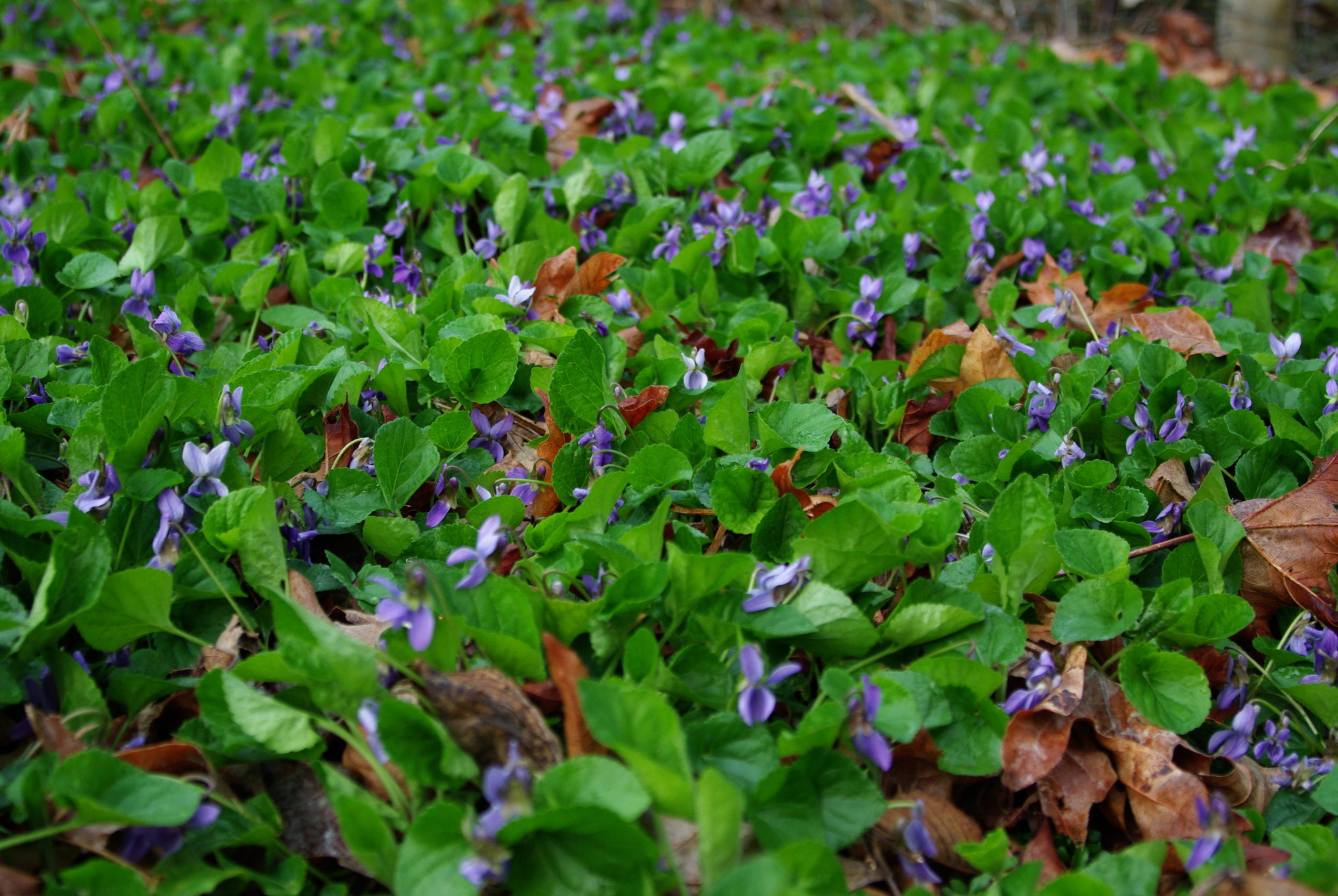
Today, Viola odorata is a great addition to holistic healing, valued for its anti-inflammatory, expectorant, and antioxidant properties. Modern research explores its potential in treating…
-
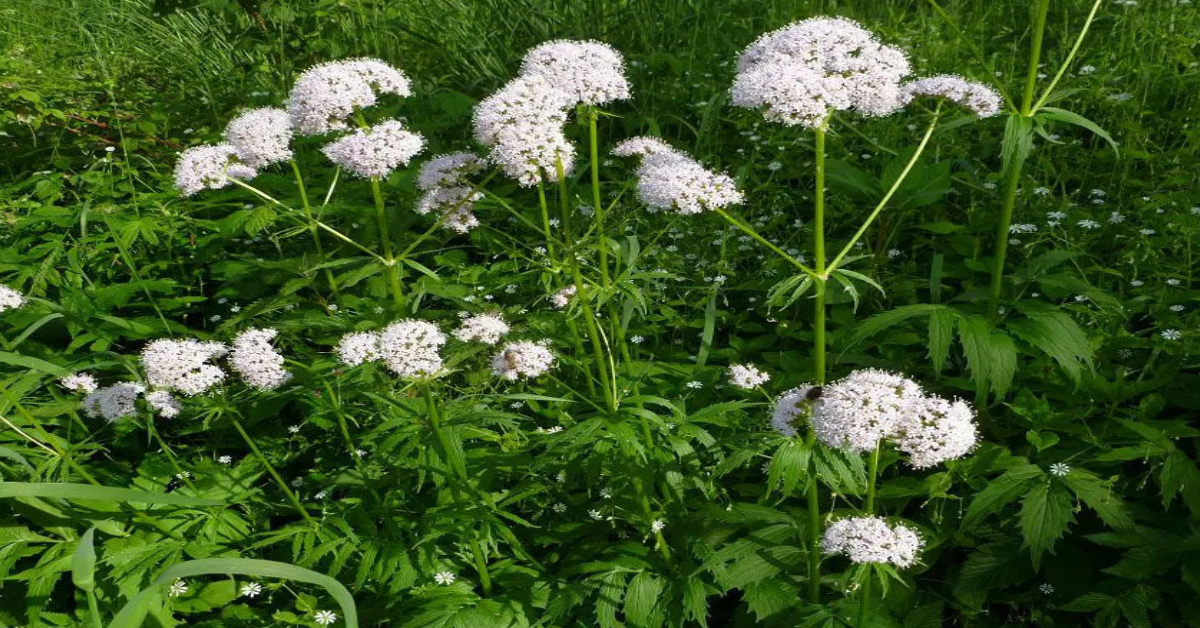
Valerian is the plant that learned how to be strong by lying down. The Latin valere means to be well; the older name phu is…
-
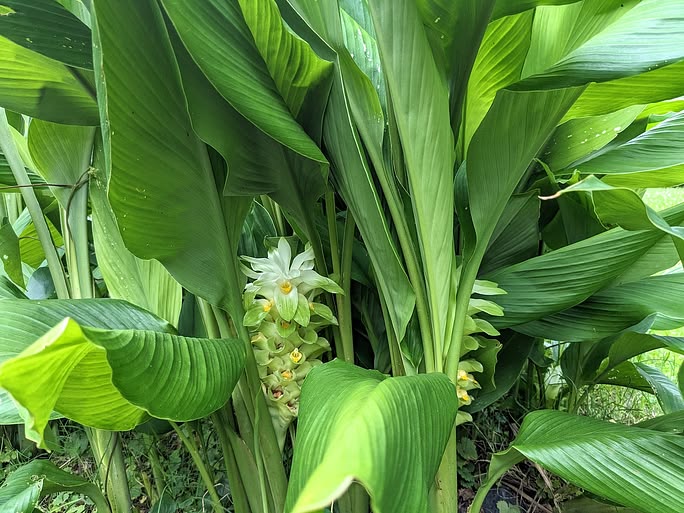
Turmeric (Curcuma Longa) is the principal medicinal rhizome of the ginger family and the parent of curcumin, demethoxycurcumin, bisdemethoxycurcumin, and the turmerone oil. Official books…
-
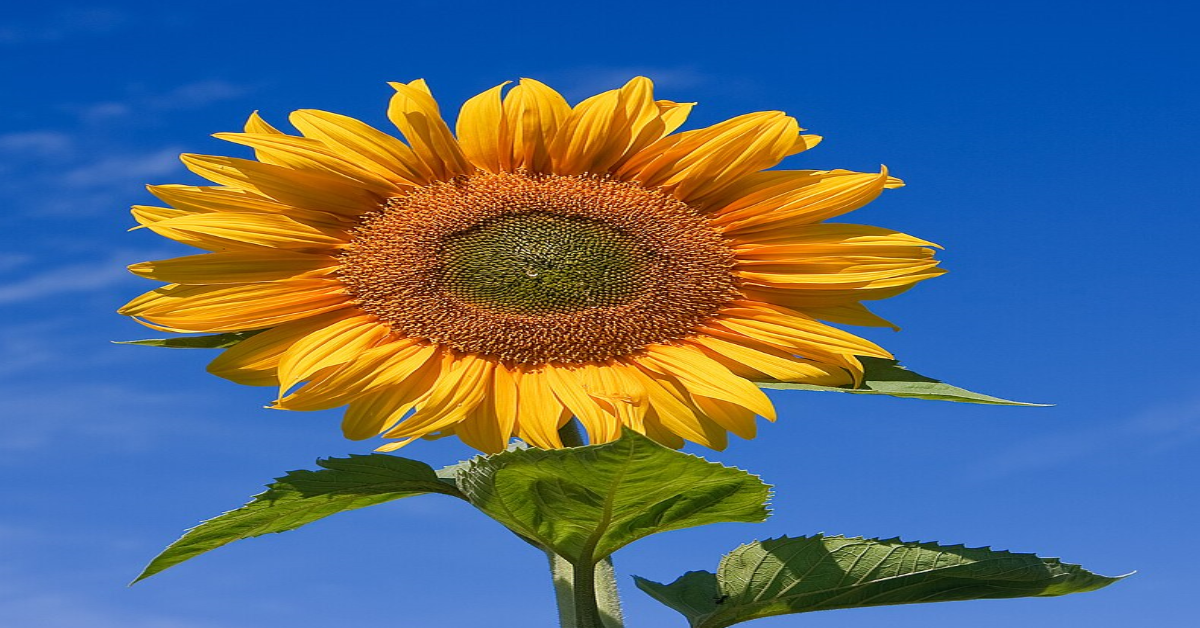
Sunflower (Helianthus annuus L.) was a shield before it was a salad oil. In the Florentine Codex, the head traveled in a merchant’s right hand,…
-
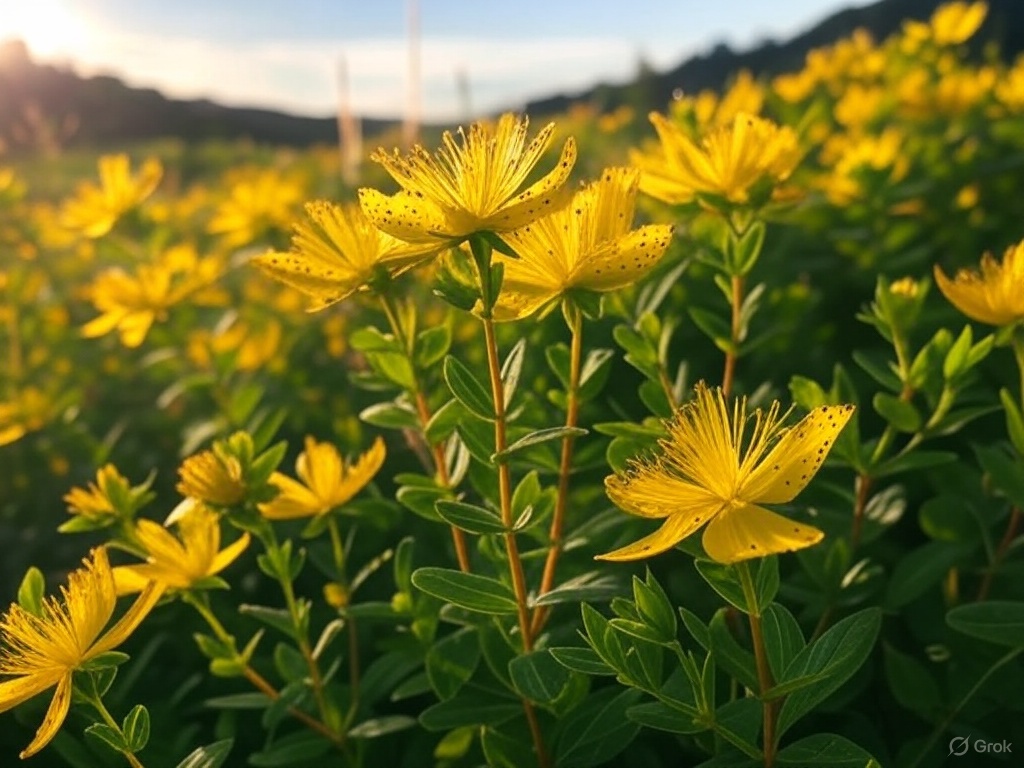
St. John’s Wort (Hypericum perforatum), a perennial herb with vibrant yellow flowers, has been revered for over two millennia as a potent medicinal plant across…
-

Rosemary (Salvia Rosmarinus) history spans millennia, with evidence of its use dating back to 5000 BCE on cuneiform tablets and in ancient Egyptian burial rituals.…
-
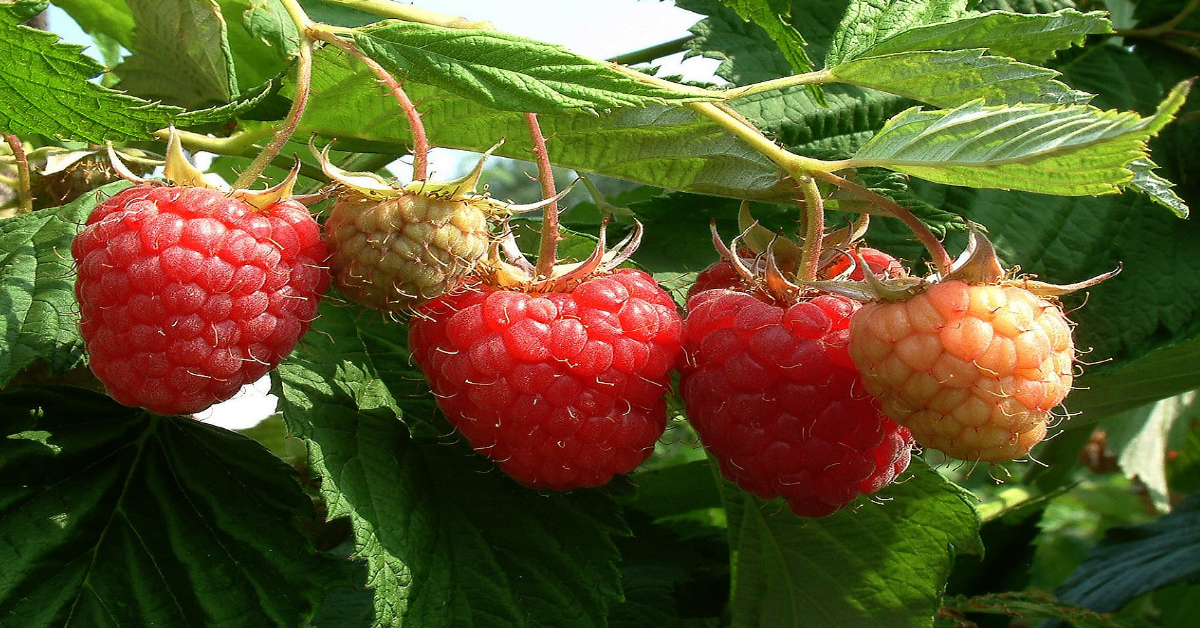
Red Raspberry Leaf (Rubus idaeus), a revered botanical ally, has woven itself into the fabric of human healing across millennia, its vibrant green leaves offering…
-

Europe defines Wild Thyme in the European Pharmacopoeia (monograph 1891, minimum 3.0 mL/kg oil) and warns against leaves of Garden Thyme. Finzelberg’s patent family (WO2013182709A1…
-

Contemporary work on Primula vulgaris sits beside a much larger European evidence base for closely related cowslip and oxlip (Primula veris and Primula elatior). Those…
-
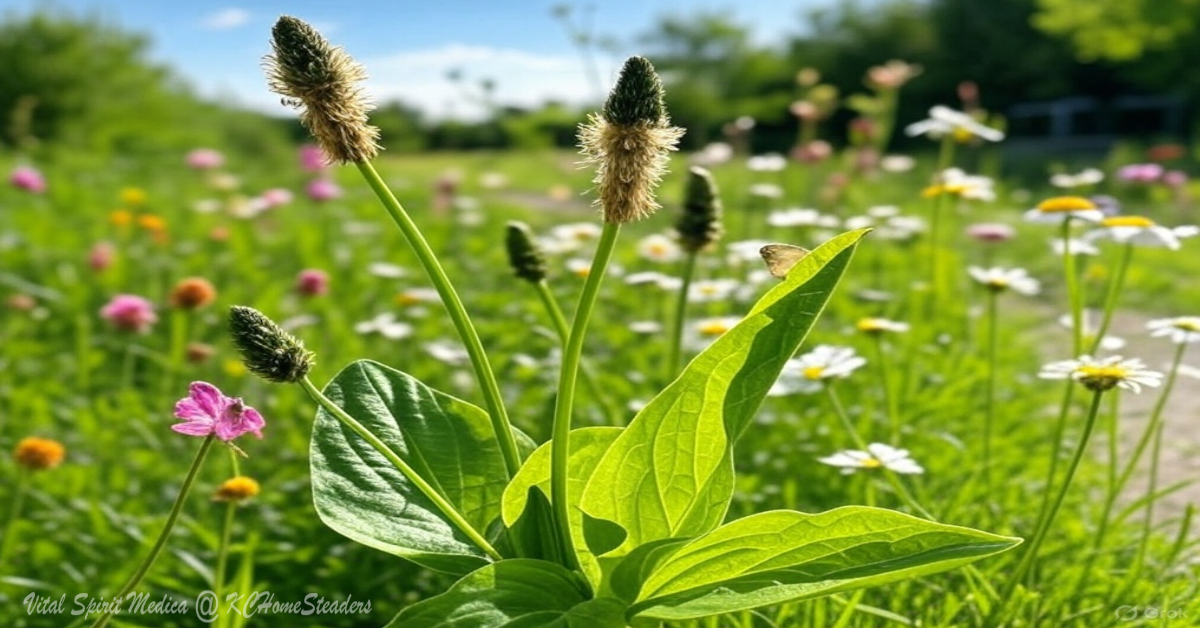
Plantain (Plantago major) is a Eurasian perennial of compacted ground, naturalized wherever people walk. The basal rosette of ribbed oval leaves yields aucubin, plantamajoside, mucilage,…
-

A Comprehensive Herbal Monograph: “AT A GLANCE” “Step into the vibrant world of peppermint, where its cool, invigorating energy awakens the senses and clears the…
-
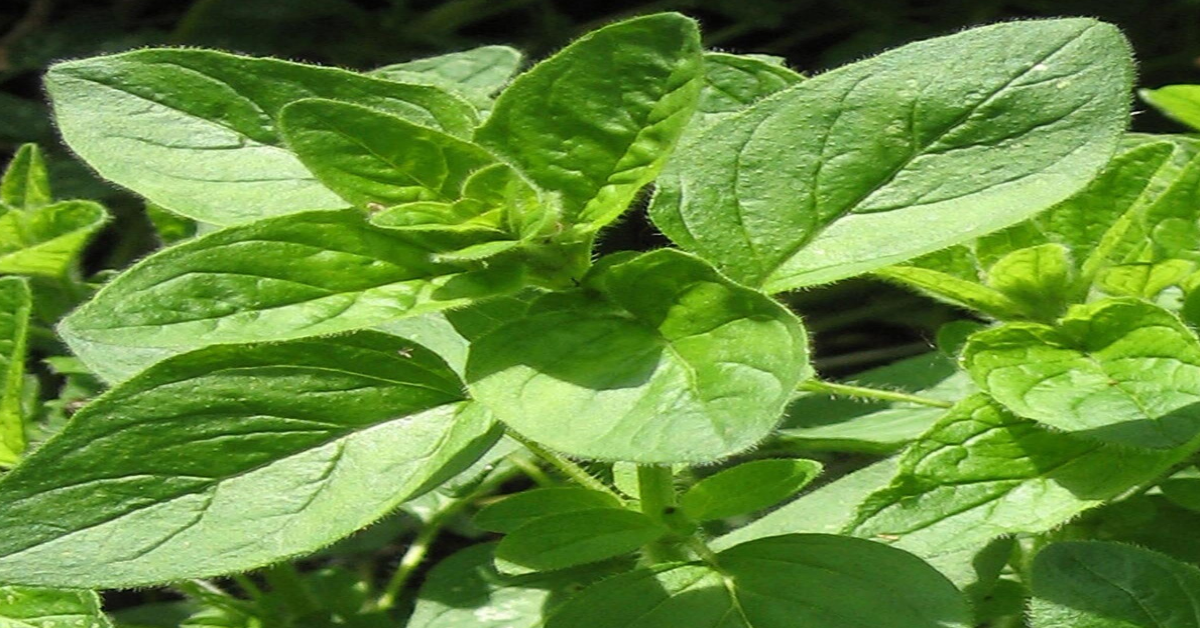
Oregano (Origanum vulgare), a fragrant herb synonymous with Mediterranean cuisine. From ancient Greek healers who crowned it “joy of the mountain” to contemporary researchers exploring…
-
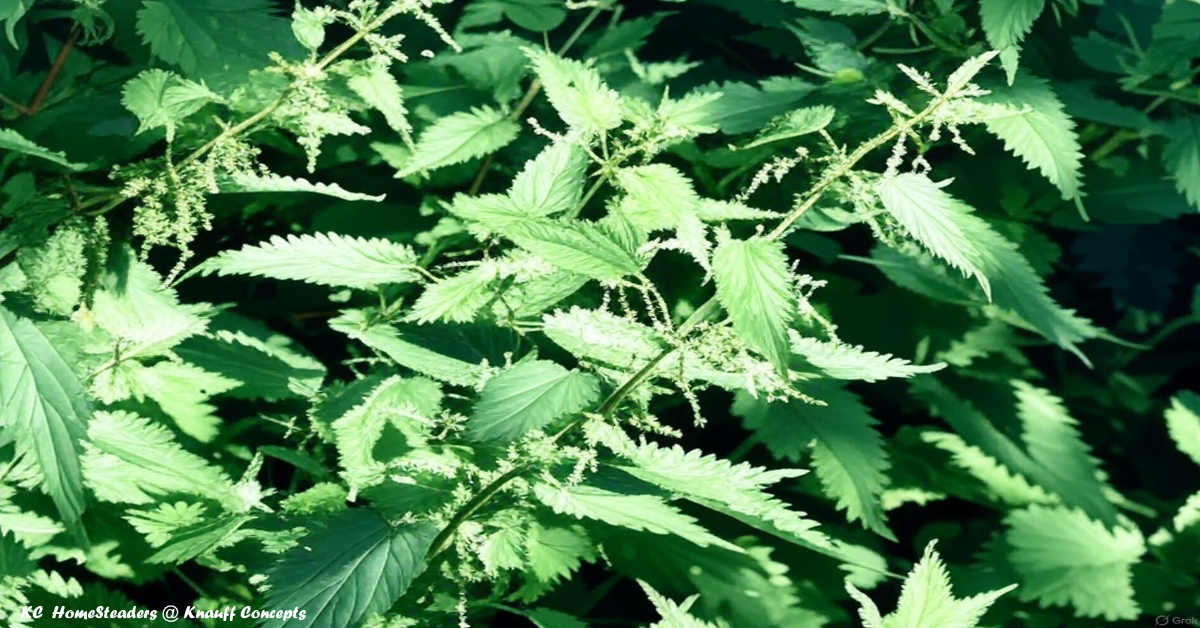
Historically, nettle has been revered across cultures as a healing plant, food source, textile fiber, and spiritual ally. Ancient texts, including Dioscorides’ Materia Medica (1st…
-

Traditional & Historical Uses: Used since antiquity in Europe (Dioscorides, medieval herbals) for lung complaints, wounds, and as a torch (dried stalks dipped in tallow…
-
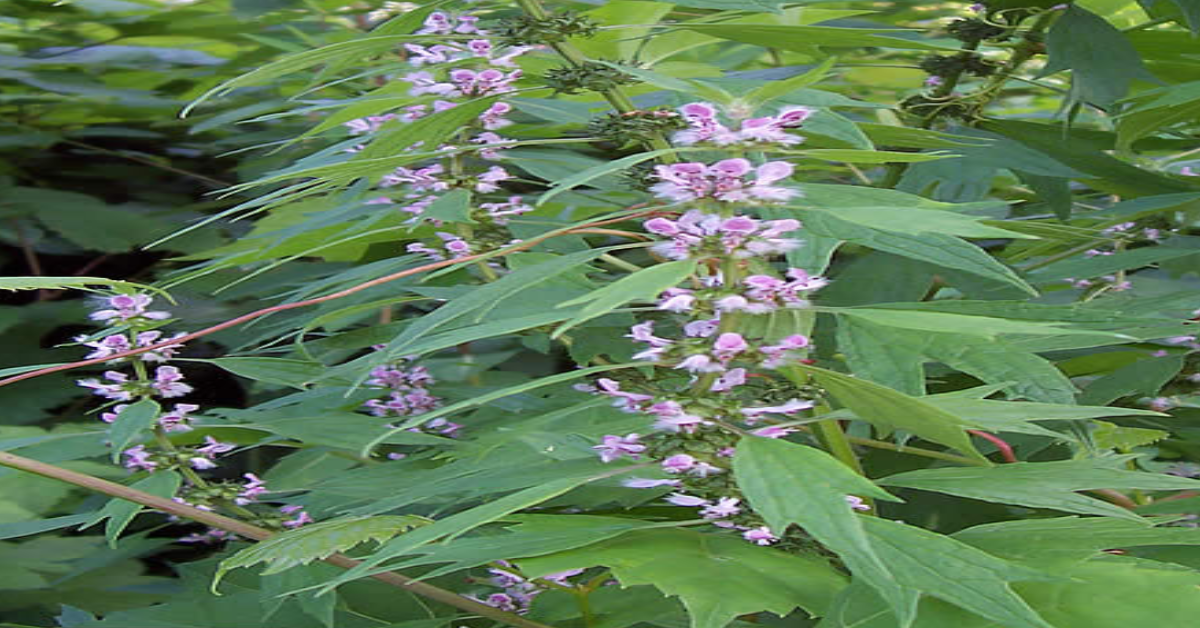
Motherwort is the lion-tailed mint of the European fence line: bitter flowering tops used for a nervous heart and a womb that needs settling. Official…
-
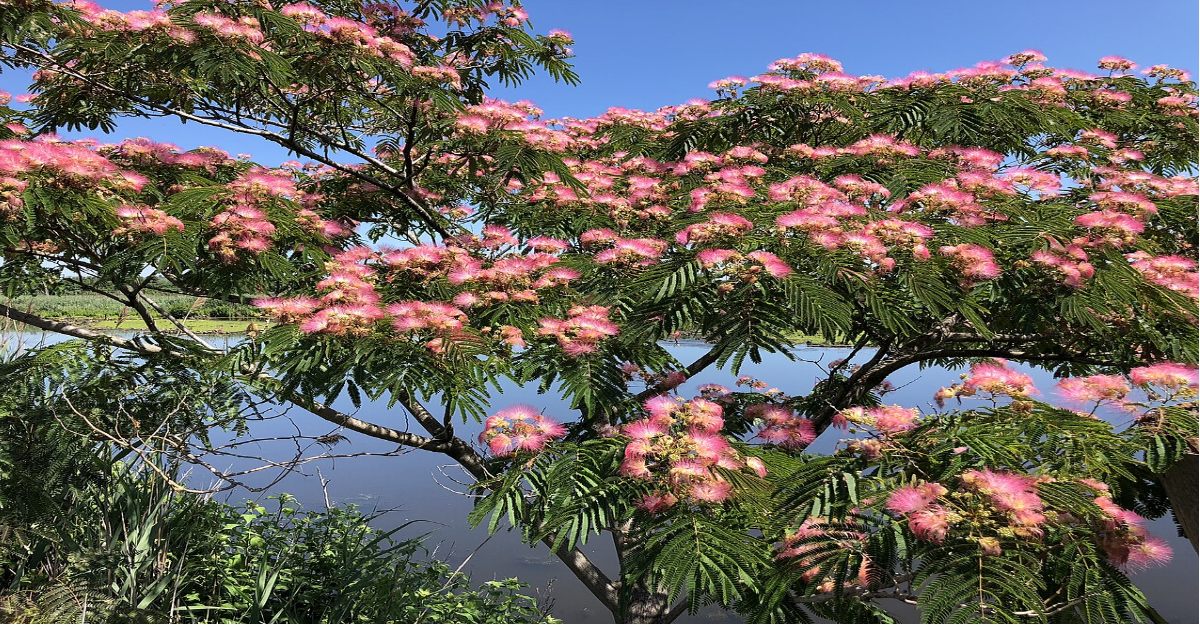
Mimosa is a small umbrella tree with ferny leaves and summer powder-puffs of pink silk. From Iran to Japan she has been named for two…
-

Western Traditional & Clinical Actions Hepatoprotective, antioxidant, anti-inflammatory, choleretic, and liver-regenerative. Historically used as a galactagogue and for jaundice, biliary complaints, and toxin exposure. Modern…
-

Mandrake is Saturn in the soil, and Venus in the fruit—a being that lies flat on the earth, then sends a body downward until the…
-

U.S. consumer pages usually meet Juniper (Juniperus communis) as gin, a “detox berry,” and a supplement capsule next to dandelion. Those pages are not inventing…
-
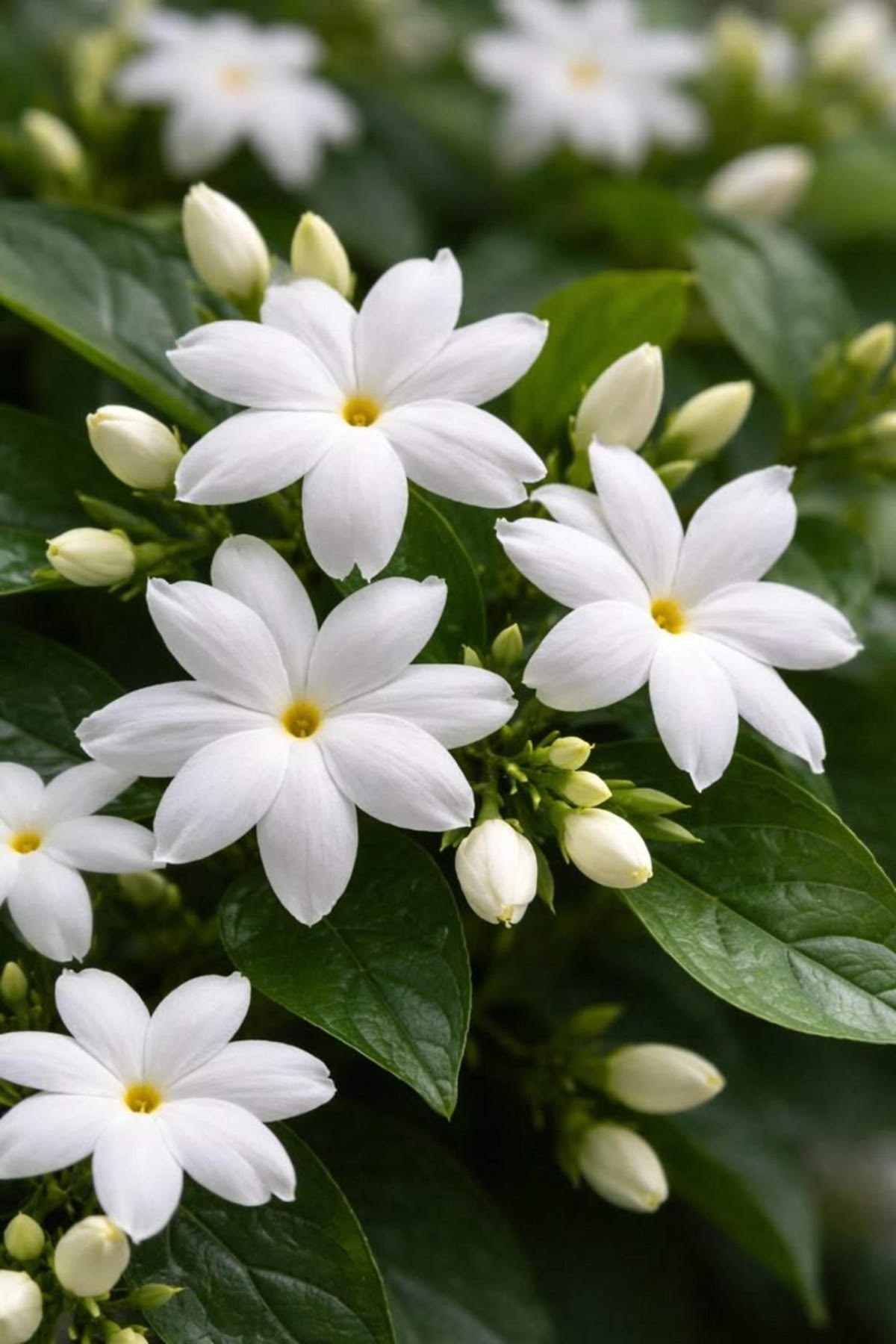
Jasmine is a twining olive-family climber native from the Caucasus to the Himalaya and south-central China. Its pinnate leaves and white, dusk-opening stars release an…
-

Hyssop (Hyssopus officinalis) is the classic herb of purification and spiritual clarity. Associated with Jupiter and the element of Fire, it has been employed for…
-

Holly (Ilex aquifolium) is the classic European holly: an evergreen tree of glossy spines and scarlet berries that has symbolized protection, eternal life, and winter…
-
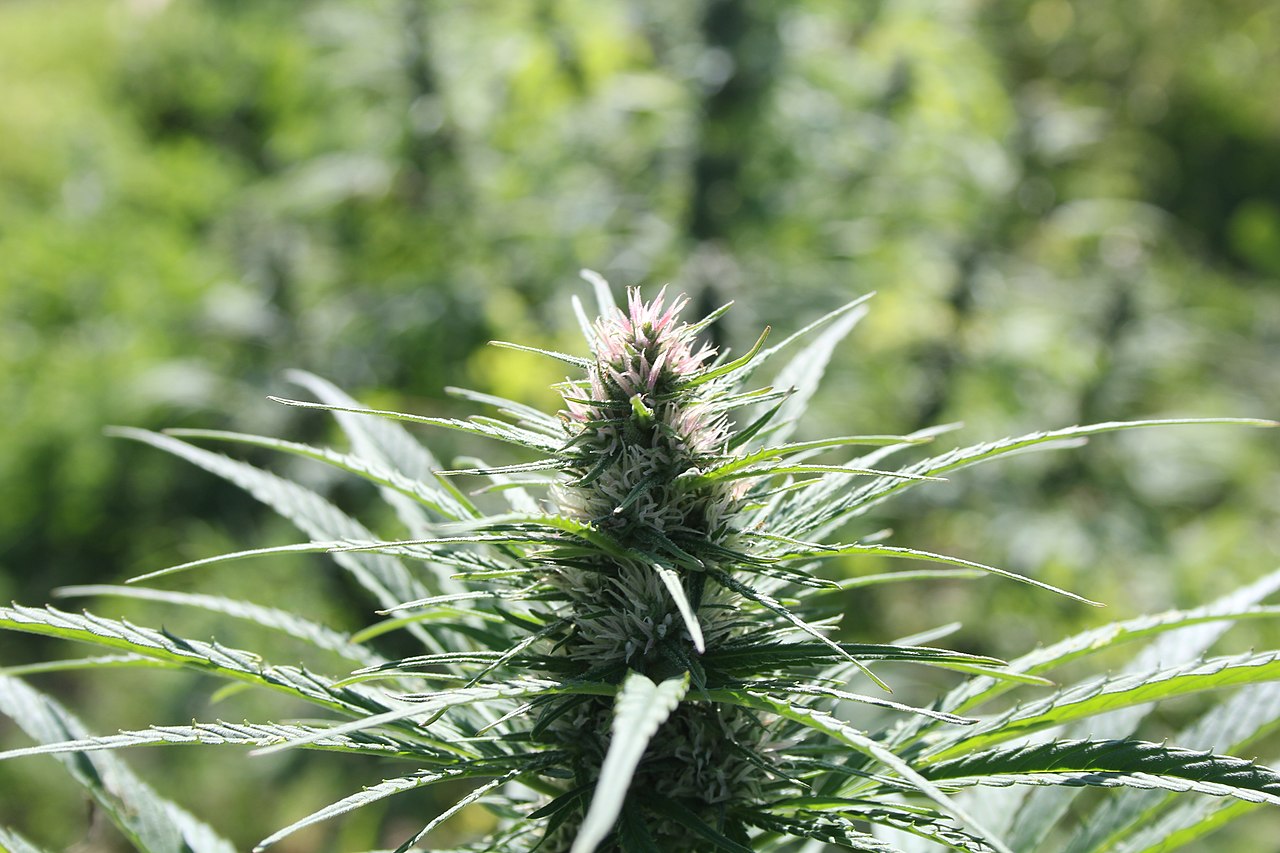
Hemp (Cannabis Sativa) is one of humanity’s oldest cultivated plants, valued for over 12,000 years as a source of durable fiber, nutritious seed, and healing…
-

Ginger (Zingiber officinale) is the Horned Root of Mars and Fire—a masculine, solar catalyst that heats the blood, opens the solar plexus, and accelerates intention.…
-
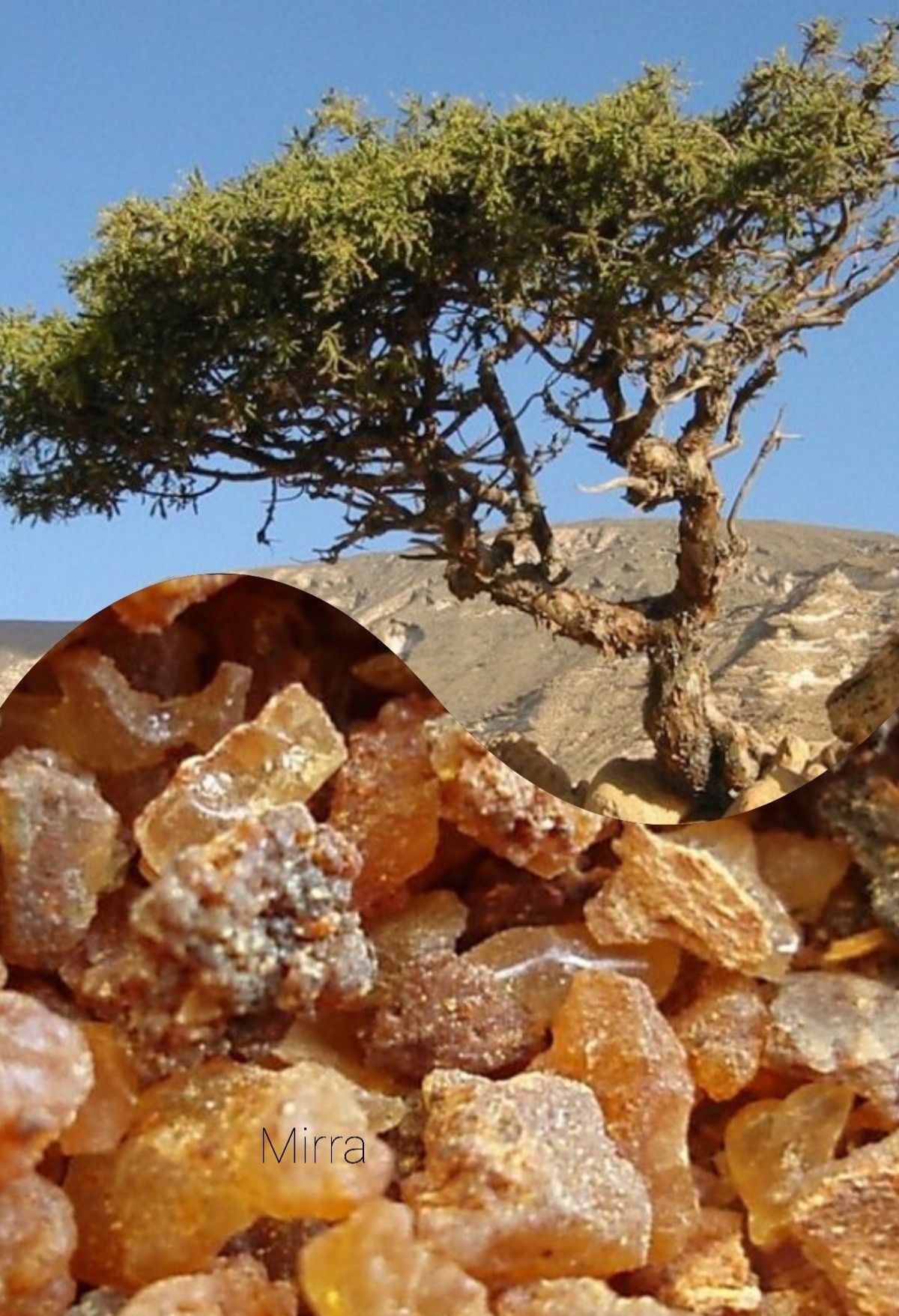
Frankincense (Boswellia sacra) is a small, multi-stemmed tree of the arid limestone slopes and fog oases of southern Arabia and the Horn of Africa. Its…
-

Elder is the threshold guardian of the hedgerow—its creamy flower lace and dark berries bridging the worlds of body, spirit, and season. Revered across Europe…
-
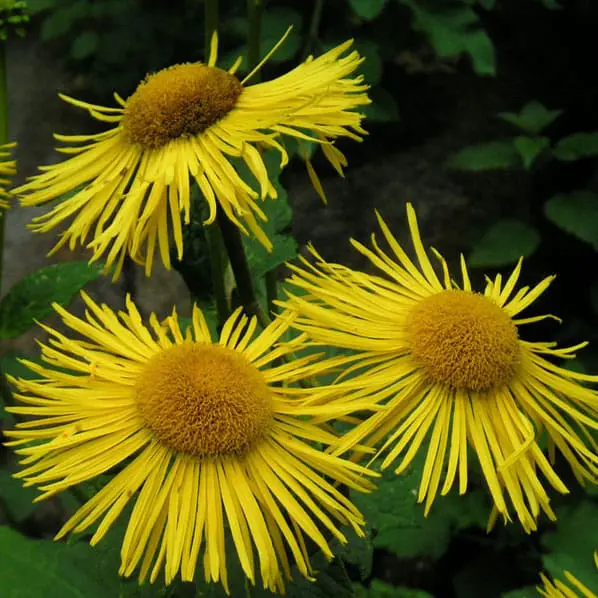
Elecampane (Inula Helenium L.) is a robust temperate perennial valued for its high inulin content and bioactive sesquiterpene lactones (alantolactone and isoalantolactone). Traditionally used for…
-

Purple coneflower (Echinacea purpurea) rises from the open prairie as a plant of upright power and protective vitality. Its deep roots and hedgehog-like cone embody…
-
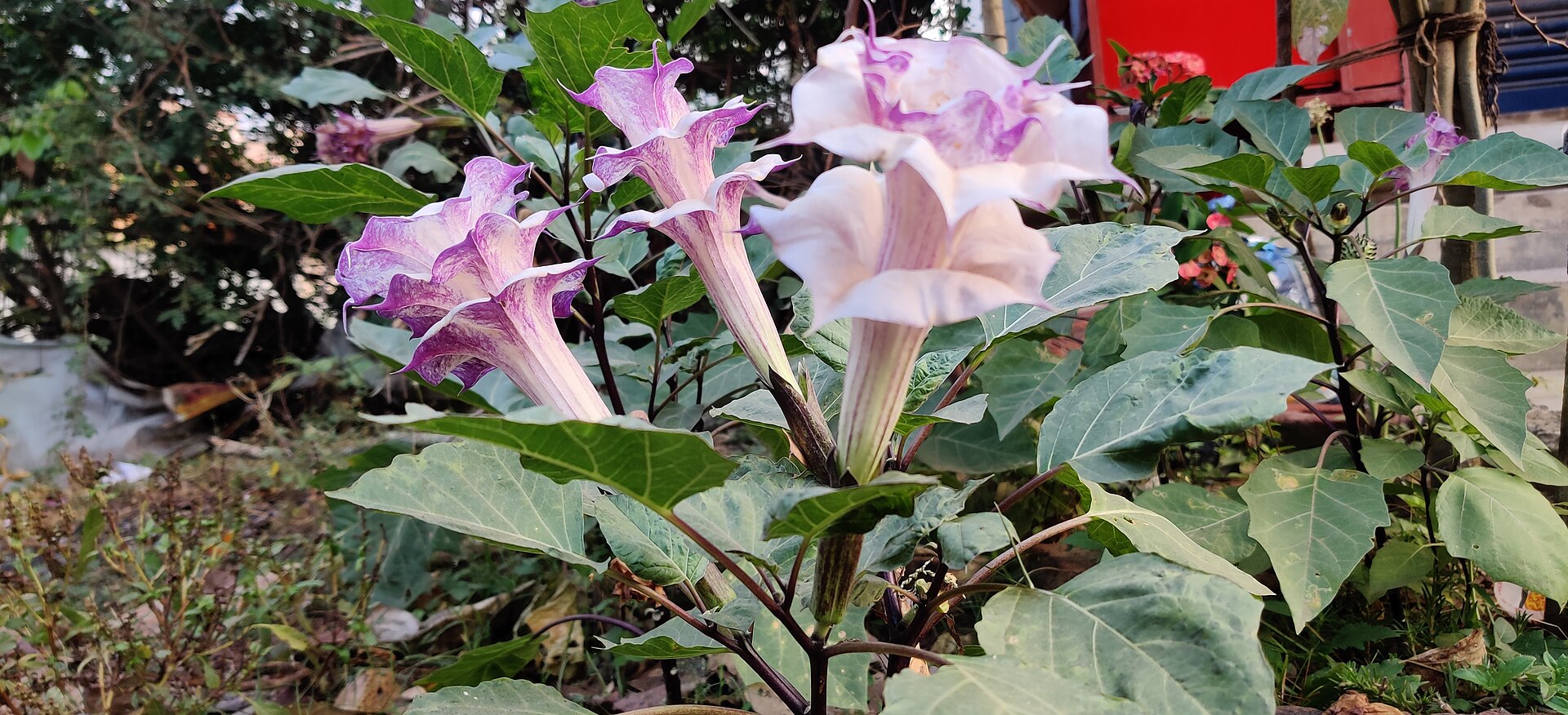
Datura (Datura stramonium), the night-blooming thorn apple, stands as one of the most potent and paradoxical plants in the herbal world. With its trumpet-shaped white-to-violet…
-

Spiritually, Dandelion (Taraxacum officinale) is a living emblem of resilience and sacred transformation. It teaches us to root deeply even in harsh conditions, to open…
-
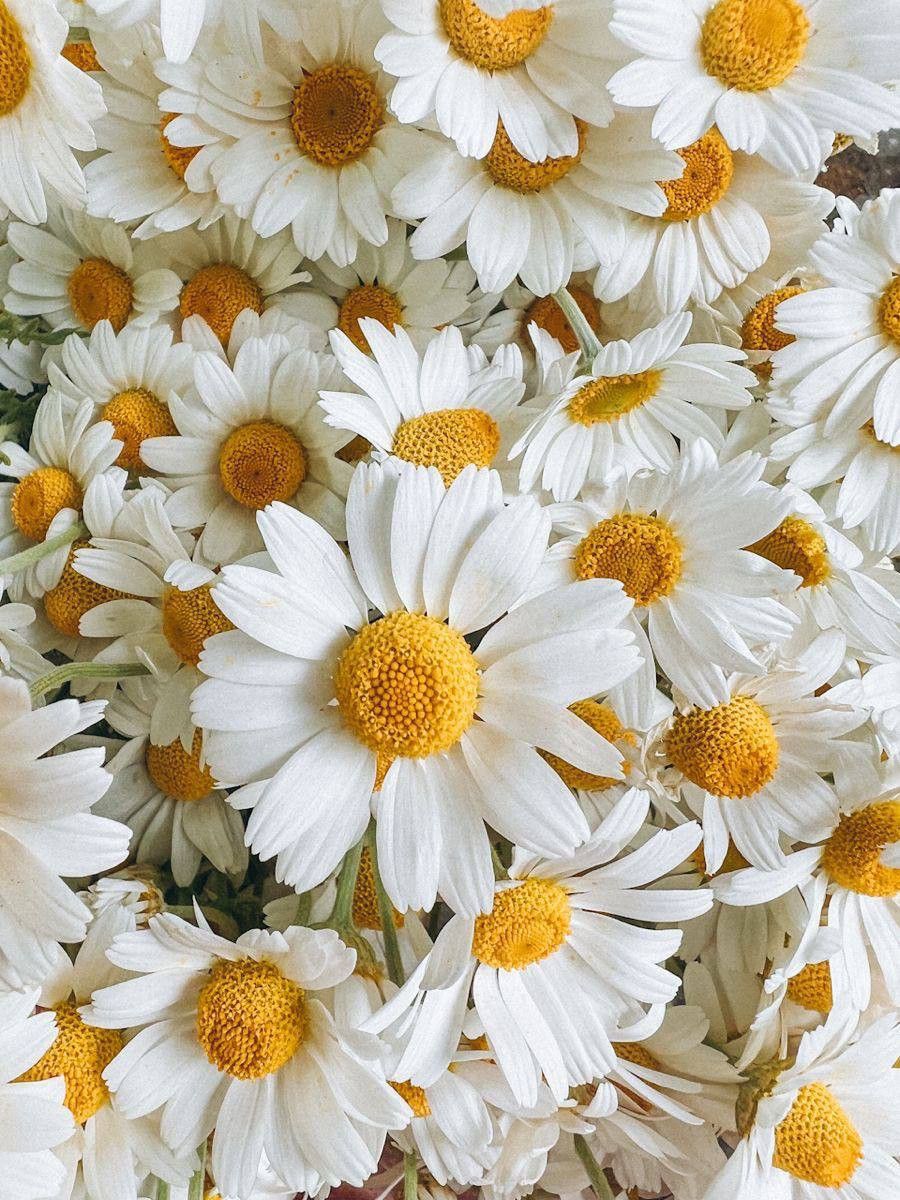
Chamomile (Matricaria chamomilla), the gentle “earth-apple” of the fields, is an annual aromatic herb of the Asteraceae family long cherished across cultures for its calming,…
-

U.S. consumer pages usually flatten Cleavers (Galium aparine) into three talking points: “lymphatic cleanser,” “spring detox tea,” and “sticky weed that heals glands.” That is…
-
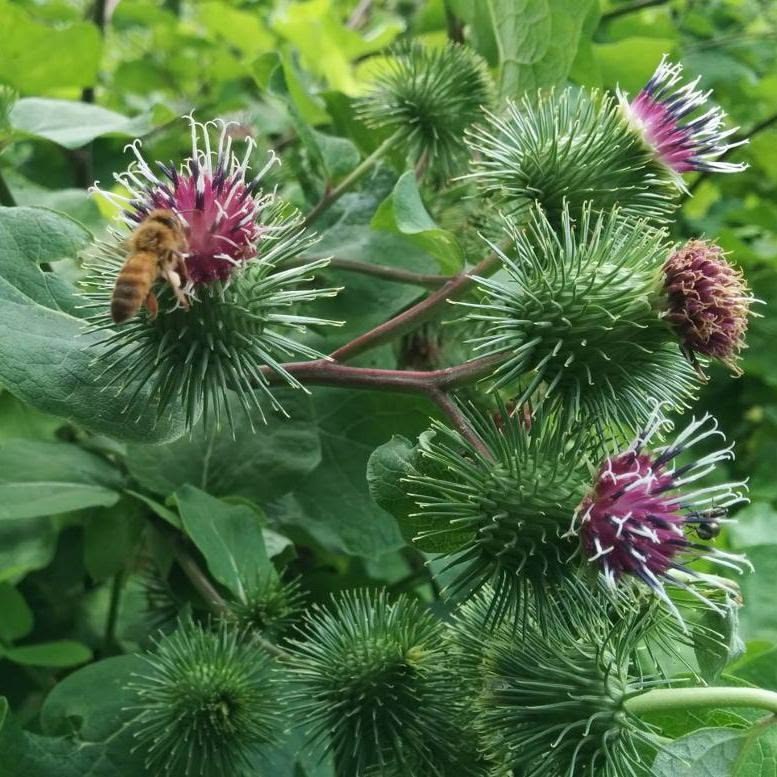
Burdock (Arctium lappa) is a biennial herb whose first-year root is used as both a nutritious vegetable (gobo) and a traditional herbal remedy. Rich in…
-

From woodland edge to urban margin, Avens (Geum urbanum) rises with wiry stems, yellow five-petaled flowers, and a root that breathes of cloves. Traditional European…
-

U.S. consumer pages usually flatten ash into three talking points: “emerald ash borer is killing our trees,” “white ash makes baseball bats,” and, on herbal…
-

Asafoetida: From Ancient Spice to Contemporary Medicine “AT A GLANCE” Asafoetida is the pungent oleo-gum-resin obtained from the roots of Ferula assa-foetida, a perennial plant…
-

Arabic Gum: Nature’s Healing & Cultural Treasure “AT A GLANCE” Harvested from the thorny branches of Acacia Senegal, Arabic Gum is a time-honored demulcent, prebiotic,…
-

Explore the Traditional and Modern Applications of Strawberry Tree “AT A GLANCE” Strawberry Tree (Arbutus unedo) thrives on rocky, well-drained soils from the Mediterranean Basin…
-

U.S. consumer pages usually flatten Apricot (Prunus armeniaca) into two opposite talking points: “a vitamin A dried snack” and, on another corner of the internet,…
-
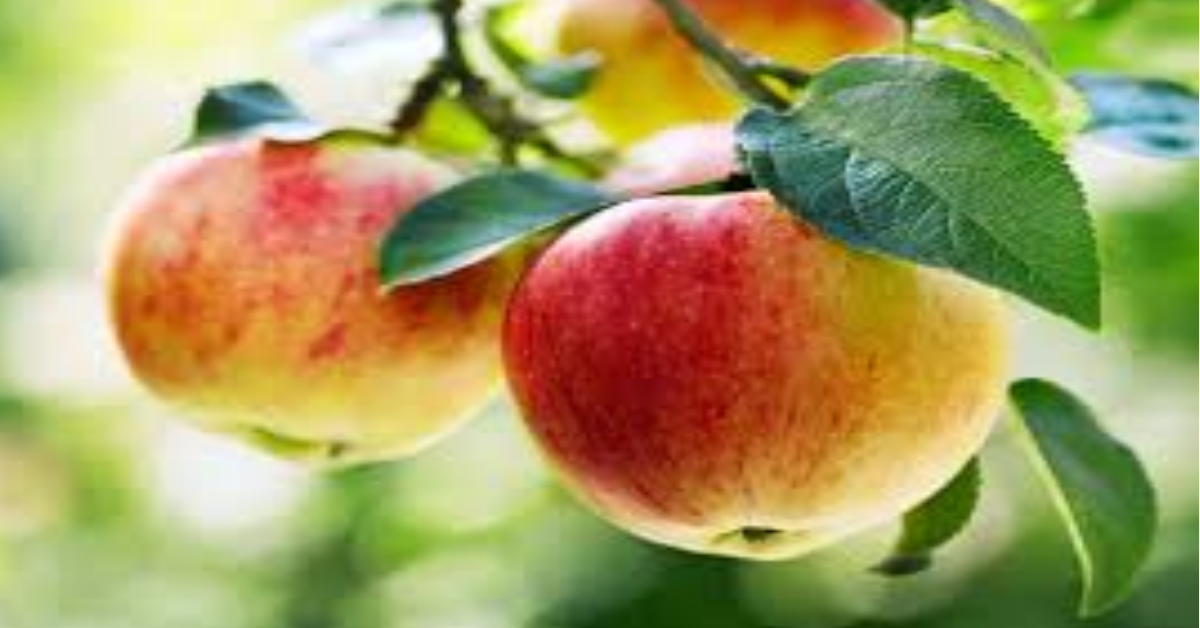
U.S. consumer pages usually flatten Apple (Malus domestica) into three talking points: “an apple a day,” “fiber and vitamin C,” and “keep the peel on.”…
-
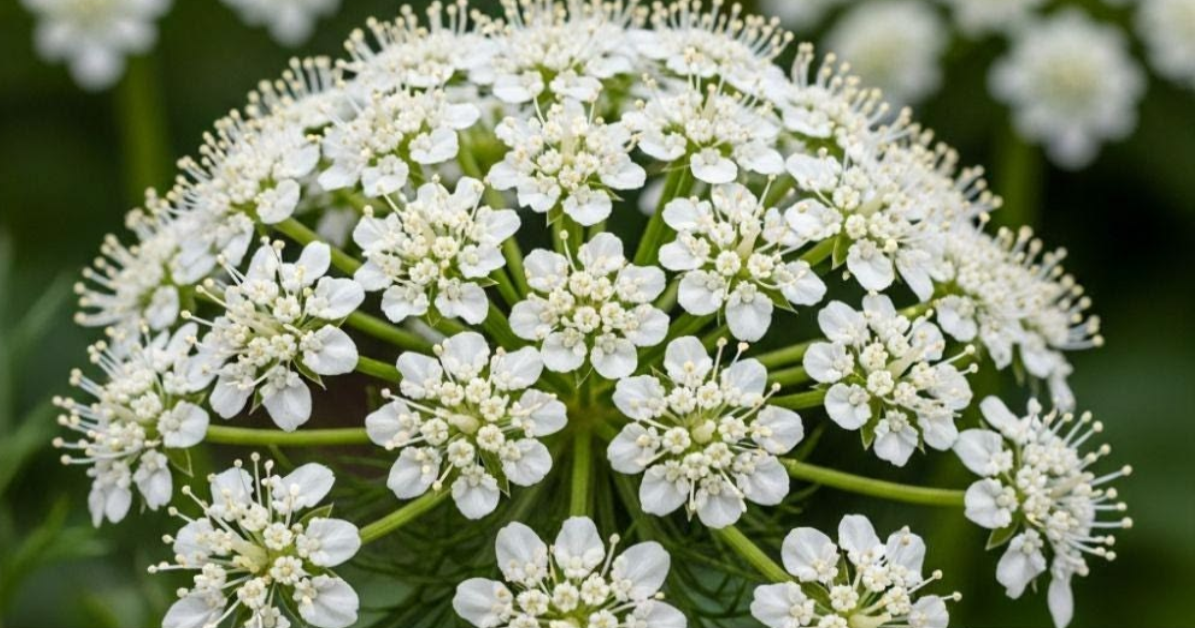
U.S. consumer pages usually flatten Anise (Pimpinella anisum) into four talking points: “tastes like licorice,” “used in cookies and sausage,” “flavor of ouzo and absinthe,”…
-
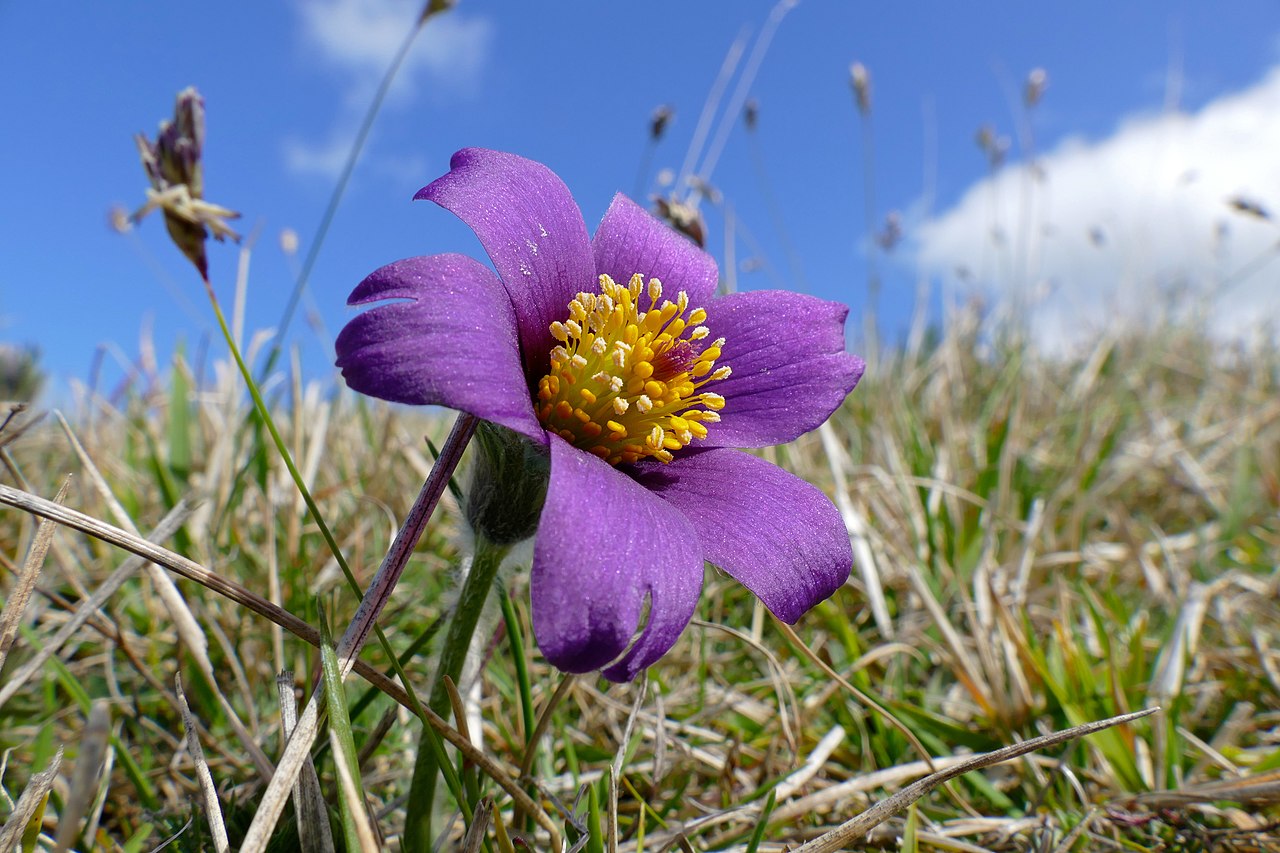
Pulsatilla vulgaris, the Pasqueflower, is a low-growing spring ephemeral with finely dissected silvery-hairy leaves and striking purple flowers that bloom around Easter. A Near Threatened…
-

GABA: The Body’s Primary Inhibitory Messenger – Biochemistry, Neural Effects, GABA-A Receptors, and the Vital Role of Plants Gamma-aminobutyric acid (GABA), also known as γ-aminobutyric…
-

Andrographis paniculata, known as the King of Bitters or Kalmegh (“Dark Cloud”), is a bitter annual herb native to India and Sri Lanka, widely cultivated…
-

Phytochemicals, produced by plants, significantly contribute to human health through mechanisms like antioxidant activity, anti-inflammatory effects, and immune modulation. Key classes include flavonoids, alkaloids, terpenes,…
-

Pharmacology:: Kavalactones, the primary lipophilic α-pyrones in kava roots, enhance GABA-A receptor binding at sites distinct from benzodiazepines, increasing chloride influx and promoting inhibitory neurotransmission…
-
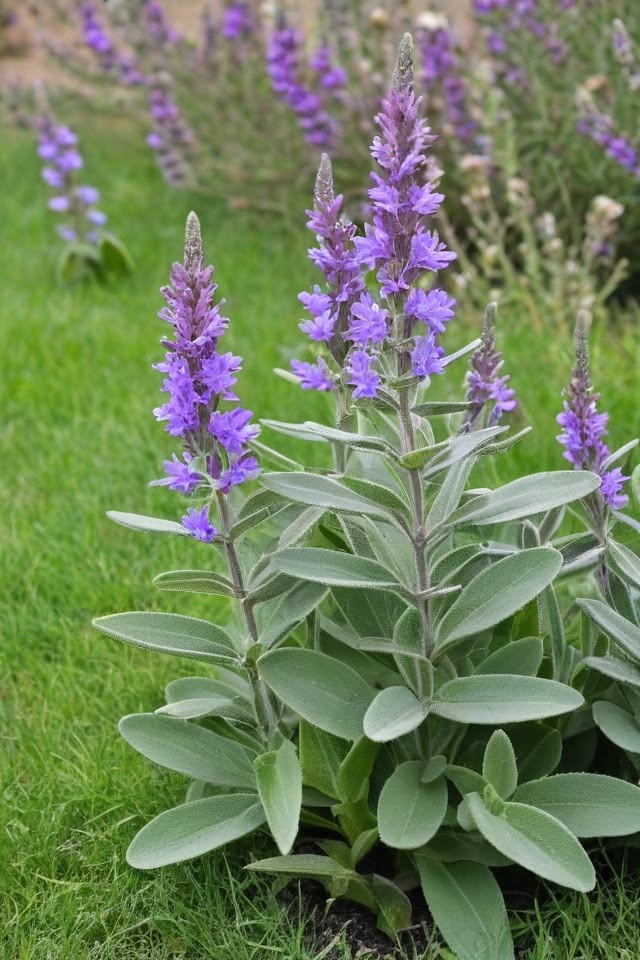
Sage (Salvia officinalis) is rich in rosmarinic acid, thujone, camphor, and 1,8-cineole, delivering clinically studied benefits for cognitive function, menopausal vasomotor symptoms, metabolic health, and…
-

Lavender (Lavandula angustifolia) is the quiet breath of peace in the plant kingdom. With its narrow silver-green leaves and fragrant purple spikes, it carries the…
-
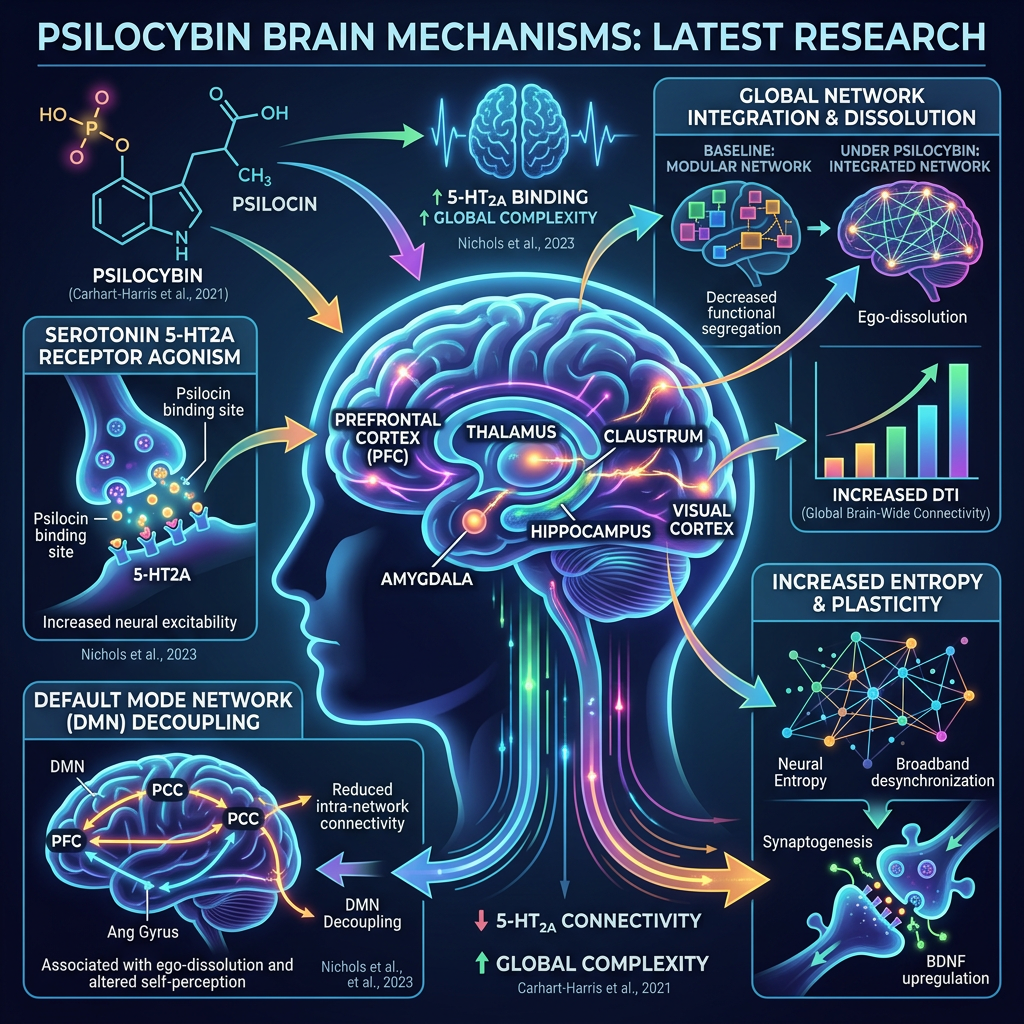
Psilocybin is a naturally occurring psychedelic compound found in certain mushrooms (often called “magic mushrooms”). It acts primarily as a prodrug that is rapidly converted…
-

Peyote (Lophophora williamsii) is best understood as a Spiritual-Entheogenic Teacher Plant with profound holistic applications. Its healing power is primarily ceremonial and consciousness-based rather than…
-

Blue Lotus (Nymphaea caerulea), known as the Sacred Blue Lily of the Nile, stands as one of humanity’s oldest revered botanical treasures. Celebrated in Egyptian…
-
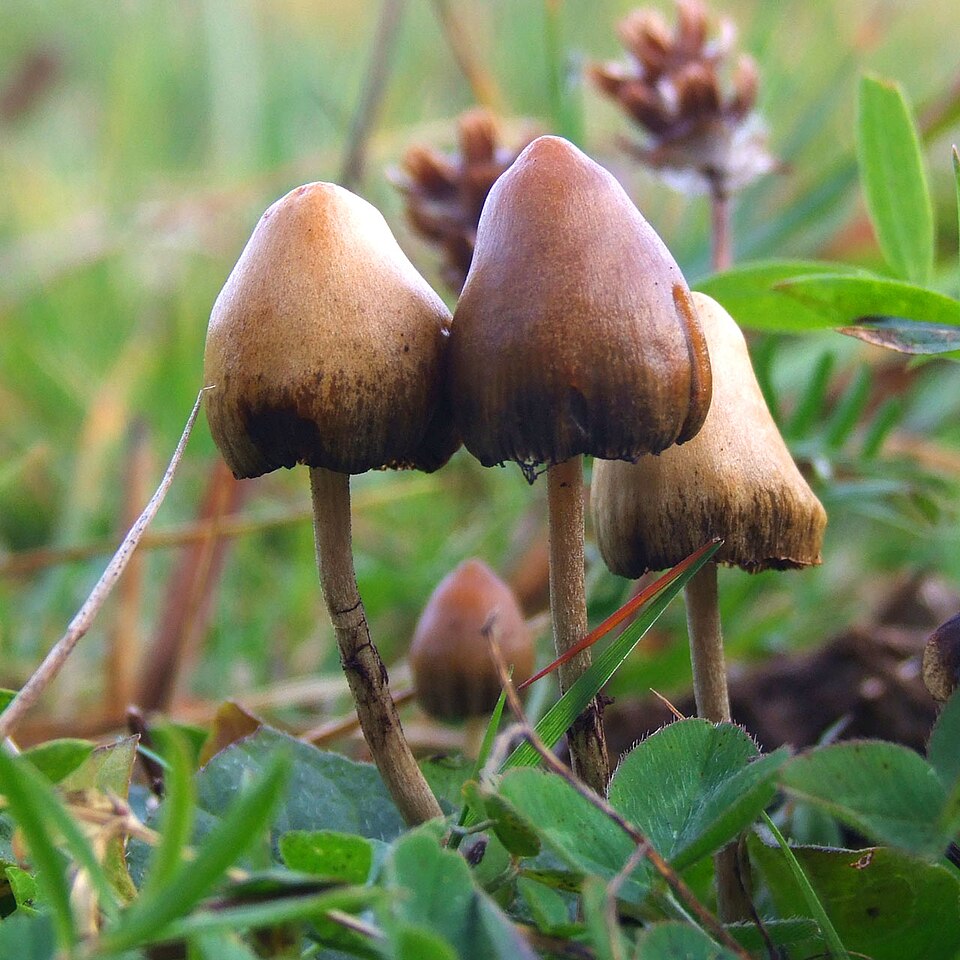
Psilocybin Mushrooms are multifaceted healers that work on the physical, emotional, mental, and spiritual levels. Their natural compounds promote neuroplasticity, reduce inflammation in the brain,…
-
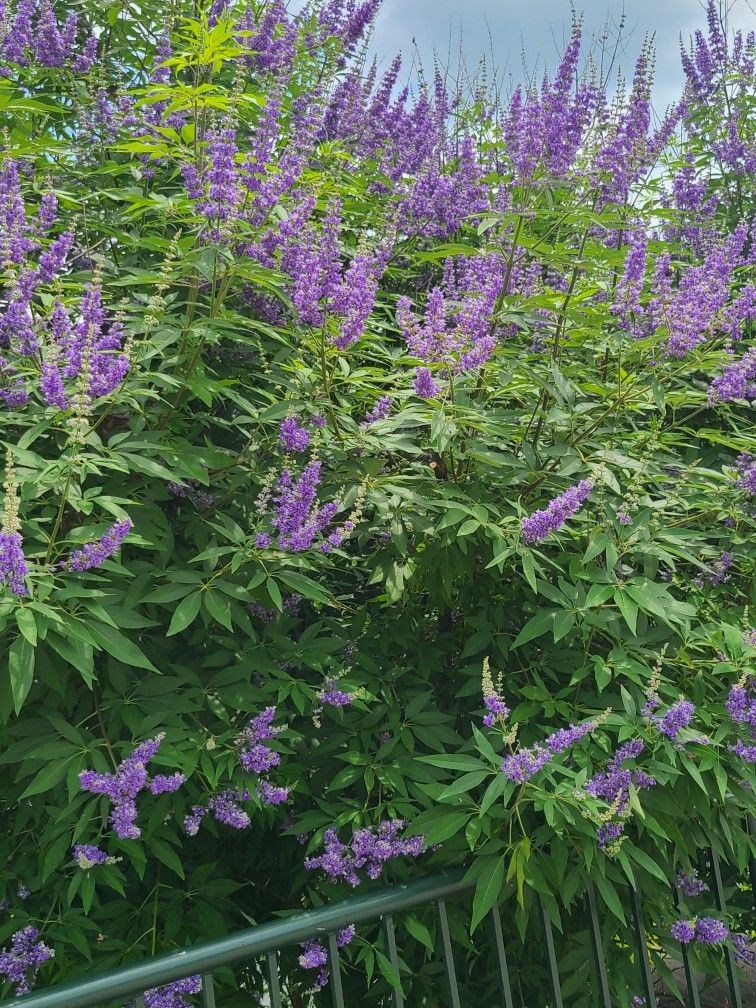
Vitex Agnus-Castus, commonly known as Chasteberry or Monk’s Pepper, is a Mediterranean shrub revered for over 2,500 years for its ability to balance female reproductive…
-
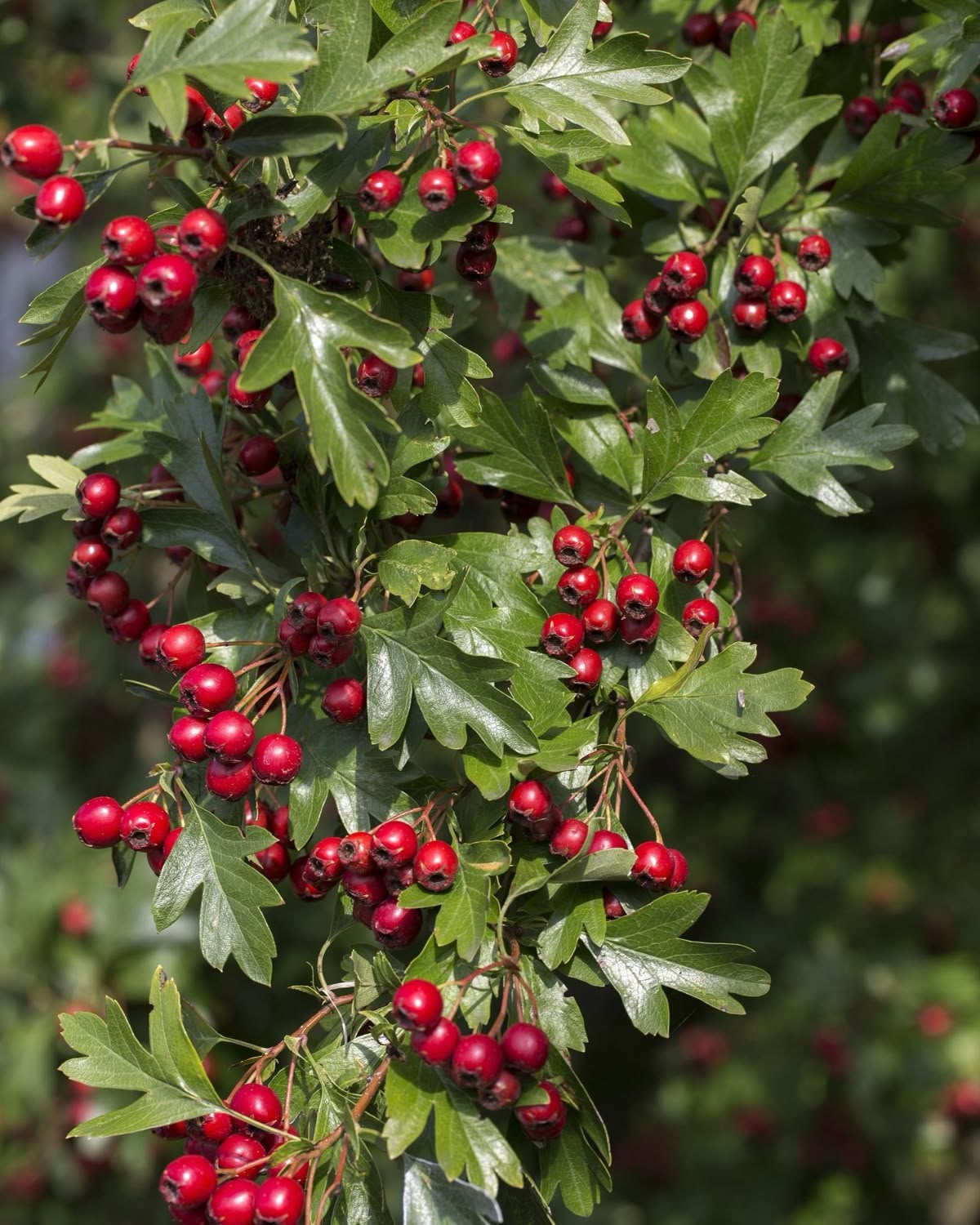
Hawthorn (Crataegus) — May Tree, Holy Thorn, and Keeper of Boundaries — carries the living pulse of the land itself. With thorns that fiercely protect…
-
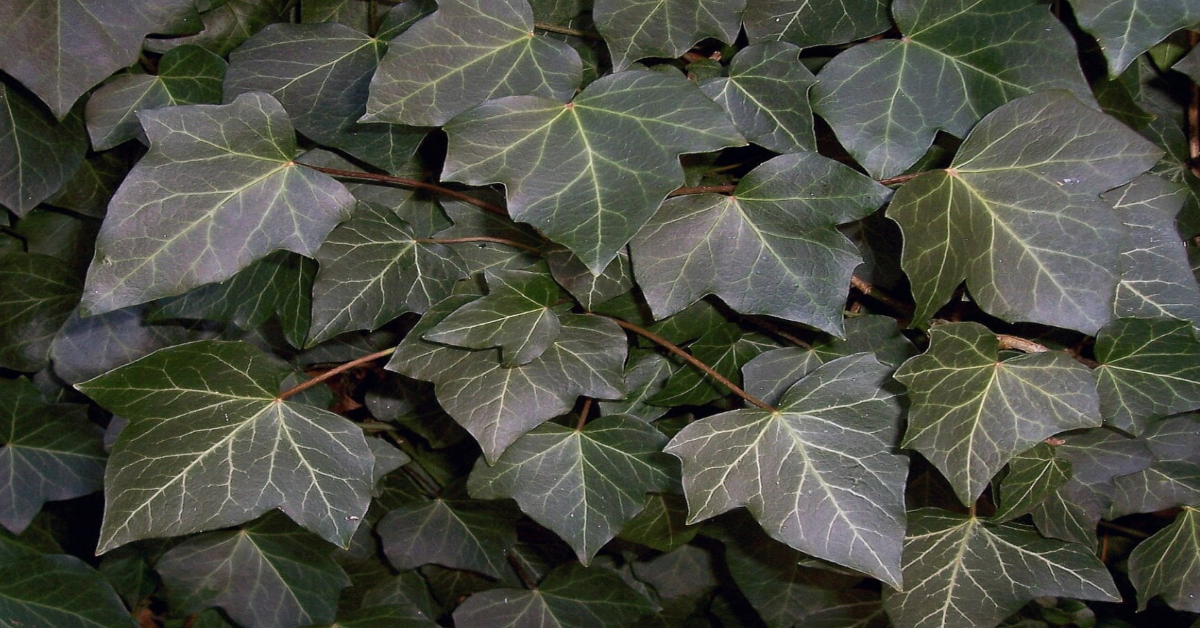
Western Traditional & Clinical Actions: Primarily expectorant, mucolytic, bronchodilatory, and antispasmodic for respiratory catarrh, cough, and bronchitis. It thins mucus and eases a productive cough.…
-
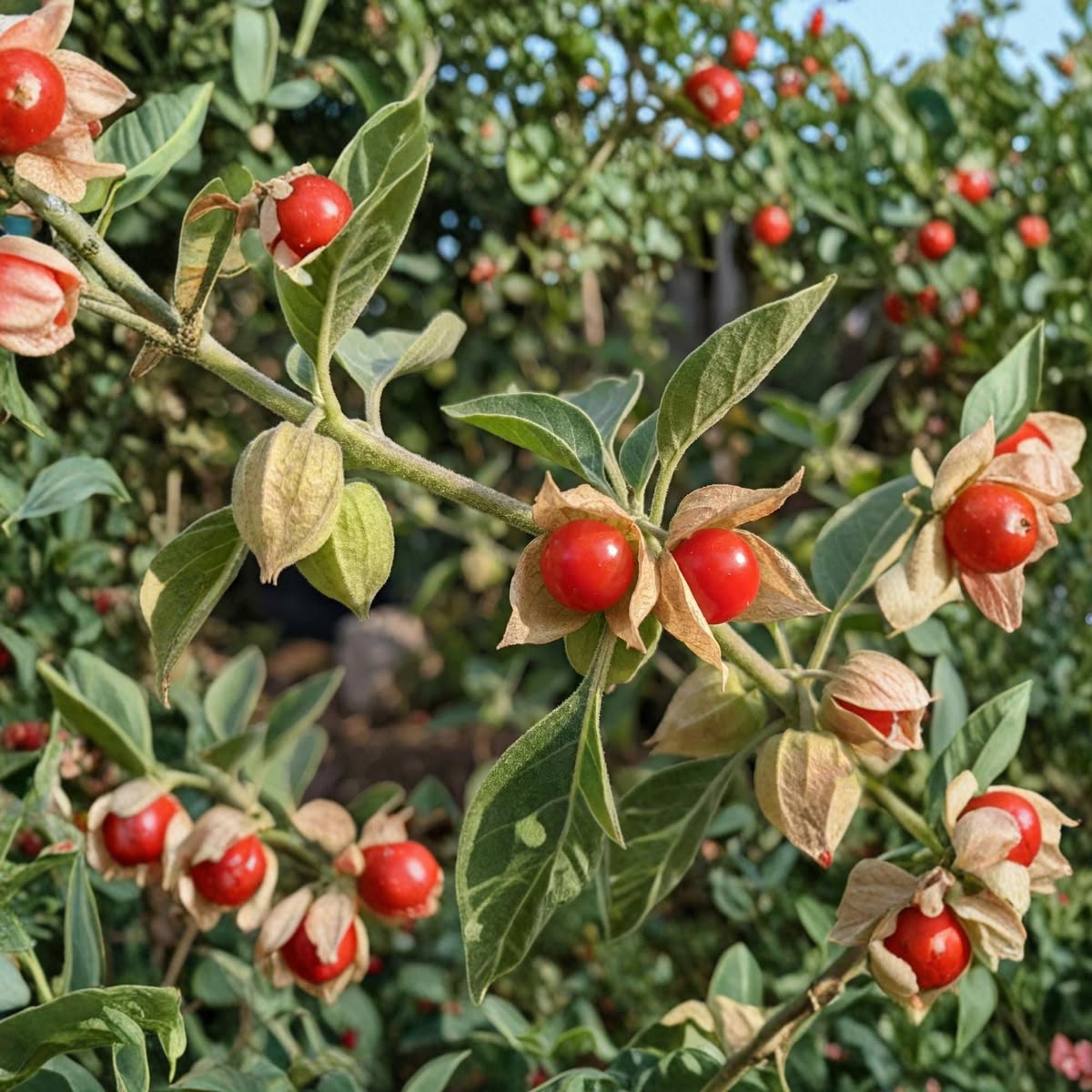
U.S. consumer pages usually flatten Ashwagandha (Withania somnifera) into four talking points: “adaptogen for stress,” “helps you sleep,” “boosts testosterone and gym gains,” and sometimes…
Vital Spirit Medica: “From Root to Crown: Healing Body, Mind & Spirit.”
