
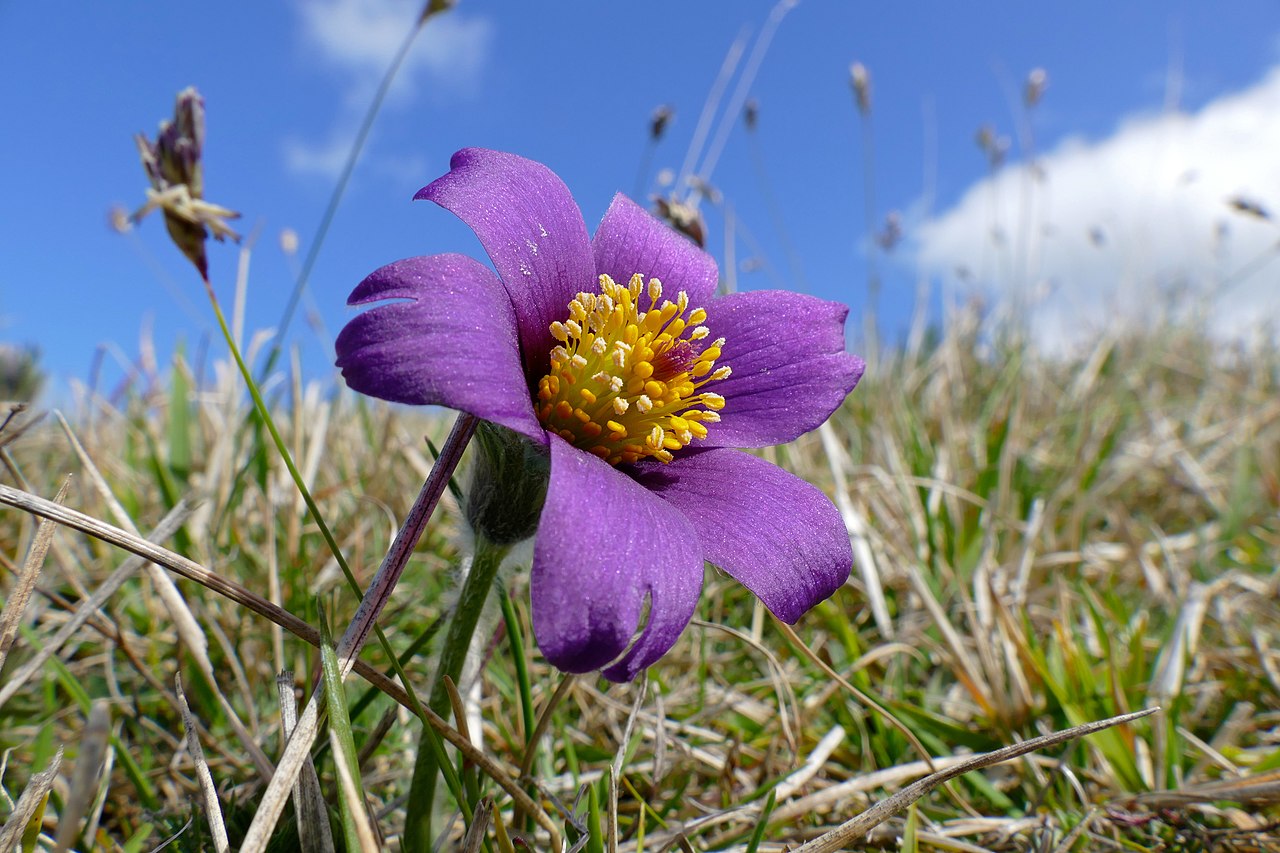
Pulsatilla vulgaris: Uses, Safety, and Cultivation Tips
👈Note on This Monograph:👇
Note on This Monograph: This extensive entry uses the full 8-part structure, offering a deep, interdisciplinary exploration of Pulsatilla vulgaris— weaving together modern scientific evidence, traditional and ethnobotanical wisdom, practical cultivation and preparation guidance, and its living spiritual essence. Drawing from clinical studies, historical texts, indigenous knowledge, and esoteric traditions, it serves as a comprehensive resource for holistic understanding and respectful relationship with this powerful plant ally. Please work with trained professionals for therapeutic applications.
“Our Commitment to Transparent Research”
Unlike many herbal resources that offer generalized information with little or no backing, we provide direct links to every source we reference. This allows you to verify claims, explore topics in greater depth, and trust that what you’re reading is grounded in both modern science and time-honored tradition.
Section-specific Sources lists
Most monographs include dedicated “Sources:” sections at the end of major topics (e.g., Sources: Phytotherapy, Sources: Historical and Cultural Significance, Sources: Pharmacology). These contain direct, clickable links to the original material. We created this level of transparency so the research can serve you. Here are some ways readers use our sourced monographs: Anyone seeking truth — Verify claims for yourself instead of taking information at face value. Students & Researchers — Use the references for papers, assignments, or deeper study. Herbalists & Practitioners — Cite sources when educating clients or in professional materials. Curious Explorers — Follow the links to read original studies or historical texts yourself. Writers & Educators — Reference our monographs (with attribution), knowing the information is traceable.

“AT A GLANCE”
Pulsatilla vulgaris, the Pasqueflower, is a low-growing spring ephemeral with finely dissected silvery-hairy leaves and striking purple flowers that bloom around Easter. A Near Threatened indicator of high-quality chalk and limestone grasslands, it relies on grazing and disturbance to thrive. Its deep roots and wind-dispersed seeds support biodiversity and soil stability in nutrient-poor habitats, making it a flagship species for European grassland conservation.

Provides an overview of key points.
Synopsis
👈At A Glance:👇
Pulsatilla vulgaris, commonly known as the pasqueflower (or pasque flower), is a striking herbaceous perennial in the buttercup family (Ranunculaceae). It was formerly classified as Anemone pulsatilla.
Botanical Description
Pulsatilla vulgaris is a low-growing clump-forming perennial reaching 15–30 cm (up to 40 cm when in fruit). It features upright rhizomes for storage and deep roots (up to 1 m). The basal leaves form a rosette; they are finely dissected (pinnate to bipinnatisect with many narrow lobes), long-stalked, and covered in soft silvery-grey hairs when young, giving a fuzzy appearance. Leaves emerge around flowering time and persist through summer.
Flowers appear in early spring (April–May, around Easter/Pasque time), solitary on short hairy stems. They are bell-shaped to cup-shaped, 5–9 cm across, with 6 violet-purple tepals (sepals functioning as petals) that are hairy outside and silky inside, surrounding bright golden-yellow stamens. Flowers are erect or nodding and sway in the wind (“wind flower”). They are followed by distinctive fluffy, silky-plumed seed heads (achenes with long feathery styles) that persist for months.
Habitat & Distribution: Native to calcareous (chalk/limestone) grasslands, dry meadows, and sunny slopes across much of Europe (UK to Ukraine, central/western Europe). It prefers well-drained, nutrient-poor, calcium-rich soils in full sun. In the UK it is now very local due to habitat loss.
Taxonomy: Kingdom Plantae, order Ranunculales, family Ranunculaceae, genus Pulsatilla (closely related to Anemone).
Phytochemistry
Key compounds include ranunculin (which enzymatically converts to the irritant protoanemonin in fresh/crushed plant material). Drying converts protoanemonin to the less toxic anemonin. Other constituents: triterpenoid saponins (e.g., hederagenin-based like Pulsatilla saponin D and oleanane/lupane types), phenolic acids, flavonoids, coumarins, tannins, and essential oils.
A 2023 phytochemical analysis of P. vulgaris identified 39 compounds in methanolic root and aerial extracts, dominated by triterpenoid saponins and hydroxycinnamic acid derivatives.
Western Traditional & Clinical Actions
Traditionally used as an antispasmodic (spasmolytic), analgesic, sedative, emmenagogue, and mild diuretic. It was valued for calming nervous tension, especially linked to reproductive or hormonal issues, and for its effects on smooth muscle (uterine, gastrointestinal).
In modern Western herbalism and especially homeopathy (Pulsatilla nigricans or similar species), it is a polychrest remedy for changeable symptoms, weepy/clingy emotional states, thirstlessness, symptoms better in open air, and conditions like PMS, menstrual irregularities, ovarian pain, headaches, respiratory catarrh with bland discharges, and digestive upset from rich foods.
Chinese Medicine Actions
The primary TCM herb is Bai Tou Weng (root of Pulsatilla chinensis), which is bitter and cold, entering the Large Intestine, Stomach, and Liver channels. It clears heat, resolves toxicity, cools the blood, and checks dysentery (damp-heat or heat-toxin patterns with bloody/purulent stools).
P. vulgaris is sometimes considered analogous in Western sources for clearing damp-heat, resolving toxicity, and addressing reproductive inflammation or pain. Some practitioners view Eastern and Western species as largely interchangeable for these purposes, though P. vulgaris is more associated with Western sedative/antispasmodic uses for nervous and gynecological complaints.
Traditional & Historical Uses
Used for centuries in Europe for menstrual disorders (dysmenorrhea, amenorrhea, PMS), ovarian/testicular pain, neuralgia, migraines, insomnia, coughs, eye inflammations (conjunctivitis), skin issues, warts (fresh juice), and as a snuff for headaches. Powdered root served as a sneezing powder; it was employed during plagues and for fevers via blistering applications. Eclectic physicians prized it for female reproductive and nervous complaints.
Indigenous uses (e.g., Blackfoot) included aiding childbirth. Legends link it to battlefields soaked in Danish or Roman blood.
Modern Pharmacological Evidence
Limited specific data on P. vulgaris. Extracts show potential anticancer activity (inhibiting proliferation and signaling pathways like MYC, Wnt, NF-κB in HeLa cells via saponins and phenolics). Related saponins (e.g., Pulsatilla saponin D) demonstrate anti-tumor, anti-metastatic, and immunomodulatory effects in various models. Anemonin has antimicrobial and anti-inflammatory properties. Spasmolytic effects on smooth muscle are noted.
Clinical Studies
Robust human clinical trials for herbal extracts of P. vulgaris are scarce or absent. Most evidence is traditional, anecdotal, or from homeopathic preparations (often dilutions of related species). Some small/homeopathic studies explore effects on anxiety, menstrual issues, or EEG responses, but results are mixed or limited. Related Pulsatilla species/formulas show promise in adjunct cancer or inflammatory contexts in preclinical or TCM studies.
Preparations & Dosage
Use only the dried herb (fresh is toxic). Tinctures or fluid extracts of dried material are traditional. Historical doses were low: e.g., 5–30 minims tincture or specific low-drop doses. Modern herbal suggestions (under professional supervision only) are very conservative (e.g., 1–5 drops tincture). Homeopathic potencies (D1–D30 or higher) are widely available and highly diluted.
Dried herb potency declines after about a year.
Safety & Contraindications
Toxic when fresh — protoanemonin causes severe skin blistering/irritation and, if ingested, violent gastroenteritis, kidney/urinary damage, and CNS effects. Dried material is safer but still requires caution; large doses can cause gastroenteritis.
Avoid in pregnancy (uterine stimulant/emmenagogue effects) and breastfeeding. Use only under qualified herbalist or homeopathic practitioner supervision. Wear gloves when handling. Not recommended for self-medication. No major documented interactions, but caution with other medications.
Cultivation & Harvest
Grow in full sun, very well-drained chalky/limestone or sandy soil (rock gardens, scree, alpine beds). Hardy in zones 4–8. Propagate by seed (fresh best) or root cuttings in winter. Resents root disturbance once established. Harvest flowering aerial parts or roots sustainably by hand when potency is highest (spring). Mulch for moisture retention; avoid over-fertilizing.
Commercial Products
Primarily an ornamental garden plant (many cultivars, e.g., ‘Rubra’, ‘Alba’). Homeopathic remedies (Pulsatilla) are common. Herbal supplements or tinctures are rare due to toxicity concerns and are typically practitioner-only or highly regulated.
Ethnobotanical Curiosities
- “Pasque” derives from Old French for Easter/Passover.
- Flowers sway dramatically in wind (“wind flower”).
- County flower of Cambridgeshire and Hertfordshire (UK).
- Featured in art (e.g., Hilma af Klint paintings).
- Historical “Dane’s blood” legend.
Recent Research (2020–2025)
Focus has been on bioactive saponins (especially from related species) showing anticancer potential: Pulsatilla saponin D sensitizes ovarian cancers to PARP inhibitors, inhibits osteosarcoma via JNK/ATF3, and affects triple-negative breast cancer invasion/metastasis. Extracts of P. vulgaris inhibit multiple cancer signaling pathways. Modified Pulsatilla decoctions show benefits in chemotherapy-induced mucositis and vulvovaginal candidiasis models. Preclinical data on anti-inflammatory and gut-microbiota effects continue to emerge.
Conservation Status
IUCN: Near Threatened globally. In the UK: Vulnerable on the Red Data List and a UK Biodiversity Action Plan Priority Species. Populations have declined sharply due to habitat loss and degradation of chalk/limestone grasslands (ploughing, reduced grazing, succession). Protected on nature reserves; seed banking efforts (e.g., Kew’s Millennium Seed Bank) support conservation.
DIY Recipes
Strongly discouraged. Due to toxicity (especially fresh plant), this is not suitable for home remedies. Any internal or topical use should only be under the guidance of a qualified herbalist or homeopath using properly prepared, low-dose dried material. No safe DIY teas, salves, or tinctures are recommended for general wellness.
X (Twitter) Snapshot – Nov 2025
Posts from late 2025 highlighted the plant’s ornamental and cultural appeal:
- Artistic/AI-generated wallpapers celebrating its early-spring resilience and Easter symbolism.
- Nature photography of blooming clusters.
- References to historical botanical art (e.g., Hilma af Klint’s studies of Pulsatilla vulgaris).
Interest centers on its beauty as a garden/wildflower and spring icon rather than medicinal discussions.
Important Disclaimer: This is for educational purposes only. Pulsatilla vulgaris is potentially toxic and should never be self-prescribed. Consult a qualified herbalist before any use. Information is synthesized from botanical, pharmacological, and traditional sources as of available data.
Planting & Harvesting Reference Guide
👈Planting & Harvesting Reference Guide:👇
Pulsatilla vulgaris, the Pasqueflower – Planting & Harvesting Reference Guide
- Best Time for Planting
Early spring or autumn when soil is workable and frost risk is low, ideally during waxing moon phases in fertile water or earth signs (Cancer, Pisces, Taurus) to support strong root establishment and rhythmic vitality. Sow fresh seed directly or start in pots for later transplant. - Growing Conditions & Magical Minded Tips
Full sun in very well-drained, gritty or chalky/limestone-rich alkaline soil; perfect for rock gardens, scree beds, or alpine settings that mimic native short-turf calcareous grasslands. Space plants 20–30 cm apart. Avoid heavy fertilization—low-nutrient conditions enhance potency. Mulch lightly to retain moisture without waterlogging. Whisper intentions of resilience and renewal as you plant; offer a small stone, water, or words of gratitude to the land and wind spirits. Protect young plants from slugs and excessive winter wet. Established clumps resent root disturbance—plant once and allow them to settle into their rhythm. - Best Time for Harvesting
Early to mid-spring (March–May depending on region) when flowers first open and potency peaks, preferably on a waxing to full moon for vibrant energetic alignment. Aerial parts (flowers and leaves) are the primary harvest; roots may be taken sparingly from mature cultivated plants in autumn if needed for specific preparations. - Sustainable & Magical Harvesting Methods
Hand-harvest only from robust, cultivated or ethically permitted wild stands—never take more than 10–20% of any population to ensure seed set and regeneration. Cut flowers and leaves with clean shears or by hand while offering thanks and singing softly to the plant’s swaying spirit. Leave the majority of each clump untouched. Focus on plants in full bloom for maximum signature qualities. In wild areas, prioritize conservation sites and avoid protected or declining populations. Always ask permission from the land and plant spirit before gathering. - Post-Harvest Processing
Dry aerial parts promptly in a warm, airy, shaded place (never direct sun) to convert irritant compounds safely and preserve saponins and energetic essence. Once fully dry and brittle, store in glass jars or red cloth pouches away from light and moisture. Grind or use whole as needed for tinctures, homeopathic preparations, or charms. Label with harvest moon phase and intention for continued vibrational potency. Properly dried material loses irritancy while retaining gentle transformative qualities.

Part 1: Modern Medical Properties and Uses

Purpose: Highlights the plant’s scientific and medicinal properties, validating holistic healing with evidence-based data.
Contemporary Medical Applications:
Describes current clinical uses (e.g., capsules, tinctures) and delivery methods in modern medicine.
👈Contemporary Medical Applications:👇
Contemporary Medical Applications:
- Pulsatilla vulgaris finds its primary contemporary application in homeopathic medicine, where highly diluted preparations address a wide spectrum of conditions including gynecological disorders such as irregular or delayed menstruation, premenstrual syndrome, ovarian pain, and hormonal imbalances like those seen in polycystic ovary syndrome presentations. These uses rely on the remedy’s characteristic symptom picture of changeable symptoms, emotional sensitivity, thirstlessness, and improvement in open air, with potencies such as 30C or 200C commonly employed in clinical practice for both acute and chronic cases.
- In integrative and traditional herbal contexts, carefully prepared tinctures or low-dose extracts from the dried aerial parts are occasionally utilized by qualified practitioners for antispasmodic and analgesic effects on reproductive organs in both sexes, as well as for nervous system support in cases of anxiety, tension headaches, and emotional exhaustion, though such applications demand professional supervision due to the plant’s inherent toxicity profile when improperly handled.
- Delivery methods in modern settings predominantly involve homeopathic pellets, liquid dilutions, or succussed tinctures administered in minute quantities, with some practitioners incorporating it into individualized protocols for respiratory catarrh with bland discharges, digestive upset from rich foods, or conjunctivitis featuring non-irritating secretions, reflecting its historical role adapted to current holistic frameworks.
- Conventional pharmaceutical development has not yielded approved drugs derived directly from Pulsatilla vulgaris, limiting its presence in mainstream allopathic medicine to supportive or adjunctive roles within complementary practices, where case reports document improvements in menstrual regularity and associated symptoms when the remedy matches the patient’s constitutional totality.
- Related species such as Pulsatilla chinensis appear in traditional Chinese medicine formulations for damp-heat conditions like dysentery, and some Western practitioners draw parallels for inflammatory or toxic patterns, though direct substitution requires careful differentiation of species-specific chemistry and safety considerations in clinical application.
- Emerging case series and observational reports from homeopathic clinics highlight its value in managing conditions with strong emotional or hormonal components, such as PCOS-like presentations or menopausal transitions, often showing normalization of cycles and symptom relief over months of individualized treatment without reported serious adverse events in properly prescribed low-potency or diluted forms.
- Overall, contemporary use emphasizes individualized, low-dose approaches in homeopathy and select herbal traditions rather than standardized pharmaceutical products, underscoring the need for practitioner expertise to navigate its potent yet narrow therapeutic window in evidence-informed holistic care.
Sources: Contemporary Medical Applications
https://www.homeocareclinic.in/pulsatilla-uses-benefits-pulsatilla-30-200/
https://theherbalclinicandacademy.ca/pulsatilla-vulgaris-pasque-flower-anemone/
https://bjmhr.com/articles/BJMHR6130005
https://link.springer.com/article/10.1007/s12325-024-03022-5
https://www.similia.io/blog/pulsatilla-homeopathy-guide
https://www.scu.edu.au/analytical-research-laboratory—arl/medicinal-plant-garden/medicinal-plant-monographs/anemone-pulsatilla/
https://www.medicinetraditions.com/pulsatilla-pasque-flower-bai-tou-weng/
Pharmacology:
Outlines key compounds and their mechanisms of action, driving therapeutic effects.
👈Pharmacology:👇
Pharmacology:
- The key bioactive transformation in Pulsatilla vulgaris involves ranunculin, a glycoside present in fresh plant material, which undergoes enzymatic hydrolysis upon crushing or cutting to yield the volatile unsaturated lactone protoanemonin; this compound exhibits irritant, antibacterial, antifungal, and cytotoxic properties through its ability to alkylate reactive sites on proteins and biomolecules, explaining much of the plant’s traditional and observed pharmacological activity.
- Upon drying or exposure to air, protoanemonin rapidly dimerizes into anemonin, a less toxic derivative that retains sedative and antipyretic effects in animal models while contributing to the overall spasmolytic action on smooth muscle tissues, particularly in reproductive and gastrointestinal systems, thereby supporting its historical use for cramps and nervous tension.
- Triterpenoid saponins, including hederagenin-based glycosides and analogs of Pulsatilla saponin D, represent major constituents that demonstrate cytotoxic, antifungal, and potential anti-tumor mechanisms in vitro, often through interference with cell signaling pathways involved in proliferation, apoptosis induction, and modulation of inflammatory cascades when tested in extracts from related Pulsatilla species.
- Phenolic acids and flavonoids isolated from methanolic extracts contribute to antioxidant and anti-inflammatory profiles, with root preparations showing pronounced inhibition of multiple cancer-related signaling pathways such as MYC, Wnt, Notch, and NF-κB at concentrations around 40 µg/mL in cervical cancer cell lines, suggesting mechanisms that disrupt cellular proliferation and neoplastic progression.
- Limited direct pharmacological data exist specifically for Pulsatilla vulgaris compared to congeners like P. chinensis, yet available screening indicates sedative effects on the central nervous system alongside mild diuretic and analgesic actions, with saponins potentially inhibiting enzymes like sucrase and exerting molluscicidal properties in broader genus studies.
- The lignan β-peltatin, identified in certain Pulsatilla species, exhibits strong cytotoxicity potentially linked to microtubule disruption or cell cycle interference, paralleling mechanisms observed in related plant-derived compounds and offering insight into the plant’s traditional reputation for addressing inflammatory and painful conditions in reproductive tissues.
- Overall, the pharmacology centers on a balance between potent irritant lactones in fresh material and more tolerable bioactive saponins and phenolics in prepared forms, with mechanisms that align with antispasmodic, sedative, and selective cytotoxic activities observed across preclinical models.
Sources: Pharmacology:
Sources for Pharmacology:
https://www.drugs.com/npp/pasque-flower.html
https://pmc.ncbi.nlm.nih.gov/articles/PMC9860614/
https://www.phcogrev.com/article/2008/2/3-9
https://www.sciencedirect.com/science/article/pii/S1878535221004184
https://www.herbal-supplement-resource.com/pasque-flower-medicinal-uses.html
Natural Medicine Studies:
Summarizes recent research on efficacy, safety, or clinical outcomes from peer-reviewed studies.
👈Natural Medicine Studies:👇
Natural Medicine Studies:
- A 2023 in vitro investigation of methanolic root and aerial extracts from Pulsatilla vulgaris demonstrated significant inhibition of twelve cancer signaling pathways in HeLa cervical cancer cells, with the strongest effects on MYC, Wnt, and NF-κB pathways at low concentrations, accompanied by enhanced apoptosis and reduced cellular proliferation attributed primarily to triterpenoid saponins and phenolic acids.
- Case reports and small observational series in homeopathic literature describe positive outcomes in managing polycystic ovary syndrome presentations and menstrual irregularities when Pulsatilla (often P. pratensis or related) is selected as the similimum based on individual symptom totality, with documented improvements in cycle regularity, hormonal balance, and ultrasound findings over periods of several months to a year.
- A 2024 double-blind, randomized, placebo-controlled trial on individualized homeopathic medicinal products for menstrual irregularities in early reproductive females included Pulsatilla nigricans as one of the most frequently prescribed remedies; while overall primary outcomes showed no statistically significant difference from placebo across the cohort, subgroup improvements in behavioral change scores were noted, highlighting the challenges and nuances of studying individualized remedies.
- Preclinical research on related Pulsatilla species and their saponins has explored antitumor, anti-inflammatory, and antimicrobial activities, with extracts showing promise in models of chemotherapy-induced mucositis and vulvovaginal candidiasis through modulation of inflammatory pathways and gut microbiota, though direct translation to P. vulgaris remains limited and requires species-specific validation.
- Database reviews of clinical outcome studies confirm a scarcity of rigorous human trials specifically utilizing liquid extracts or standardized preparations of Pulsatilla vulgaris, with most available evidence deriving from homeopathic potencies or traditional use observations rather than large-scale randomized controlled trials assessing safety and efficacy endpoints.
- Animal and in vitro data support sedative and antispasmodic actions, while limited screening indicates potential antibacterial effects from protoanemonin derivatives, yet human safety data emphasize strict avoidance of fresh plant material and underscore the necessity for professional oversight in any natural medicine application.
- Emerging interest in network pharmacology and systems biology approaches applied to Pulsatilla compounds suggests future avenues for understanding multi-target mechanisms in reproductive and inflammatory conditions, though current peer-reviewed literature consistently calls for more robust clinical investigation to substantiate traditional claims.
Sources: Natural Medicine Studies:
Sources for Natural Medicine Studies:
https://pmc.ncbi.nlm.nih.gov/articles/PMC9860614/
https://bjmhr.com/articles/BJMHR6130005
https://pubmed.ncbi.nlm.nih.gov/39084625/
https://www.herbalreality.com/herb/pasqueflower/
https://www.scu.edu.au/analytical-research-laboratory—arl/medicinal-plant-garden/medicinal-plant-monographs/anemone-pulsatilla/
https://link.springer.com/article/10.1007/s12325-024-03022-5
Chemistry:
Details active chemical constituents (e.g., alkaloids, flavonoids) and their healing roles.
👈Chemistry:👇
Chemistry:
- Pulsatilla vulgaris contains ranunculin as a primary precursor glycoside, which enzymatically converts to the irritant protoanemonin in fresh or damaged tissues; this lactone subsequently dimerizes into the more stable anemonin upon drying or aerial exposure, forming the basis of the plant’s transformed chemical profile in medicinal preparations.
- Triterpenoid saponins constitute a major class of bioactive constituents, including hederagenin glycosides and oleanane/lupane-type structures; a comprehensive 2023 LC/ESI-QToF/MS-MS analysis of methanolic extracts identified fourteen such saponins alongside sixteen phenolic acids, four coumarins, one flavonoid, and three fatty acids, totaling thirty-nine compounds newly reported for this species.
- Phenolic acids, particularly hydroxycinnamic acid derivatives, and flavonoids contribute to the antioxidant capacity of extracts, with root material showing enriched profiles that correlate with observed inhibition of proliferative signaling in cancer cell models through modulation of pathways governing cell cycle progression and apoptosis.
- Coumarins and additional specialized metabolites isolated from the genus enhance the chemical diversity, potentially supporting anti-inflammatory and antimicrobial effects noted in broader pharmacological screenings, although species-specific quantification for P. vulgaris remains less extensive than for Asian congeners.
- The volatile nature of protoanemonin and its conversion products underscores the importance of proper drying and preparation techniques to mitigate irritancy while preserving therapeutic saponin content, a principle reflected in traditional processing methods across European and Asian herbal traditions.
- Limited data exist on exact quantitative variations influenced by habitat, harvest timing, or cultivation, yet available phytochemical profiling consistently highlights saponins and phenolics as dominant contributors to the plant’s biological activity in prepared forms.
- Overall, the chemistry of Pulsatilla vulgaris reflects a dynamic interplay between labile irritant lactones and stable bioactive saponins and phenolics, providing a foundation for understanding its selective pharmacological effects in diluted or dried applications.
Sources: Chemistry:
Sources for Chemistry:
https://www.drugs.com/npp/pasque-flower.html
https://pmc.ncbi.nlm.nih.gov/articles/PMC9860614/
https://www.phcogrev.com/article/2008/2/3-9
https://www.sciencedirect.com/science/article/pii/S1878535221004184
https://www.herbal-supplement-resource.com/pasque-flower-medicinal-uses.html
Functional Foods and Nutrition:
Highlights dietary uses (e.g., teas, supplements) in modern health practices.
👈Functional Foods and Nutrition:👇
Functional Foods and Nutrition:
- Pulsatilla vulgaris has no established role as a functional food or nutritional supplement in modern dietary contexts due to its toxicity profile when fresh and the requirement for specialized preparation of dried material, rendering it unsuitable for general culinary or everyday nutritional use.
- Occasional traditional references suggest very dilute infusions or homeopathic dilutions in select herbal practices for supportive nervous system or reproductive tonification, yet these remain outside mainstream nutritional frameworks and carry explicit cautions against self-administration.
- No standardized extracts or fortified products appear in contemporary functional food markets, and regulatory bodies generally do not recognize it as a safe dietary ingredient without rigorous safety validation, limiting any potential nutritional applications to highly controlled, practitioner-supervised settings.
- Limited data exist on bioavailability or nutritional contributions from its minor constituents such as carbohydrates or trace flavonoids when prepared as teas, with available literature focusing instead on pharmacological rather than nutritive properties.
- In regions where related species feature in traditional systems, analogous preparations occasionally appear in supportive tonics, but species differentiation and safety concerns preclude direct recommendation of P. vulgaris for nutritional purposes in evidence-based practice.
- Overall, the plant’s profile prioritizes targeted therapeutic use over broad dietary incorporation, with current scientific consensus advising against casual consumption in any food-like format.
Sources: Functional Foods and Nutrition:
Sources for Functional Foods and Nutrition:
https://www.drugs.com/npp/pasque-flower.html
https://www.herbal-supplement-resource.com/pasque-flower-medicinal-uses.html
https://www.scu.edu.au/analytical-research-laboratory—arl/medicinal-plant-garden/medicinal-plant-monographs/anemone-pulsatilla/
Current Projects and Future Possibilities:
Notes ongoing research, clinical trials, or innovative medical applications.
👈Current Projects and Future Possibilities:👇
Current Projects and Future Possibilities:
- Ongoing preclinical investigations into triterpenoid saponins from Pulsatilla species, including analogs relevant to P. vulgaris, explore their potential to sensitize BRCA-proficient ovarian cancers to PARP inhibitors by inhibiting homologous recombination repair, offering promising avenues for adjunctive applications in integrative oncology research.
- Network pharmacology and systems-level studies continue to map multi-target interactions of Pulsatilla extracts with cancer signaling pathways, apoptosis regulators, and inflammatory cascades, with optimism surrounding translation of in vitro findings into targeted therapeutic strategies for reproductive and inflammatory conditions.
- Comparative research on wild versus cultivated Pulsatilla vulgaris examines differences in chemical potency and therapeutic efficacy, particularly in homeopathic preparations, suggesting future optimization of sourcing and standardization protocols to enhance consistency in natural medicine applications.
- Interest in modified Pulsatilla decoctions or extracts for supportive care in chemotherapy-induced gastrointestinal toxicity and microbial balance reflects broader trends in exploring plant-derived adjuncts, with preliminary models indicating benefits through cytokine modulation and microbiota reshaping.
- Emerging Bayesian and data-driven approaches to homeopathic materia medica aim to refine symptom indications and likelihood ratios for Pulsatilla, potentially strengthening its evidence base within individualized holistic frameworks and inspiring larger clinical validation efforts.
- Future possibilities include expanded safety toxicology profiling and quality control measures for saponin-rich preparations, alongside interdisciplinary studies linking traditional wisdom with modern omics technologies to unlock additional mechanisms in nervous system and hormonal health support.
- The trajectory of research remains optimistic, positioning Pulsatilla vulgaris and its bioactive constituents as candidates for further rigorous investigation that could bridge historical uses with contemporary evidence-based natural medicine innovations.
Sources: Current Projects and Future Possibilities:
Sources for Current Projects and Future Possibilities:
https://academic.oup.com/jpp/article/77/4/511/8045422
https://pmc.ncbi.nlm.nih.gov/articles/PMC9860614/
https://www.anthromedics.org/DMS-17398-DE
https://www.herbalreality.com/herb/pasqueflower/
https://link.springer.com/article/10.1007/s12325-024-03022-5
Literary Mentions:
References modern medical texts or studies citing the plant’s therapeutic use.
👈Literary Mentions:👇
Literary Mentions: in ancient texts
- Modern scholarly reviews and materia medica frequently reference historical European herbals, such as those by Nicholas Culpeper and William Salmon, which describe Pulsatilla vulgaris (under names like pasque flower or wind flower) for conditions involving nervous exhaustion, menstrual irregularities, and inflammatory pains, thereby linking ancient empirical observations to contemporary homeopathic and herbal interpretations.
- Contemporary pharmacological and ethnobotanical literature cites classical texts and eclectic medical writings from the late 19th and early 20th centuries, where the plant was esteemed for its effects on female reproductive health, eye inflammations, and convulsive disorders, providing a scholarly bridge between pre-modern usage and current research on its saponin and lactone constituents.
- Studies on the genus Pulsatilla routinely invoke ancient and traditional sources from both Western and Eastern traditions, including parallels with Bai Tou Weng applications in Chinese medical classics for heat-toxin and dysenteric patterns, underscoring cross-cultural literary continuity in recognizing the plant’s potent yet carefully prepared medicinal value.
- Recent homeopathic and integrative medicine publications draw upon historical case observations and materia medica entries to contextualize modern clinical applications, often noting the plant’s inclusion in older pharmacopoeias and its enduring reputation for addressing changeable, emotionally tinged symptoms across centuries of recorded use.
- Limited direct quotations from the most ancient texts survive for this specific European species, yet broader genus references in Unani and early European botanical works mention anemone-like plants for similar therapeutic purposes, informing scholarly discussions that validate traditional patterns through phytochemical and pharmacological correlation.
- Peer-reviewed analyses consistently position literary mentions from historical sources as foundational evidence that guides hypothesis generation for modern studies, emphasizing how ancient descriptions of sedative, antispasmodic, and reproductive effects align with identified mechanisms involving anemonin and triterpenoid saponins.
- Overall, literary citations in current scientific and medical texts serve to honor and contextualize the plant’s long-documented history while grounding it in rigorous contemporary analysis, fostering a continuum from ancient empirical wisdom to evidence-informed holistic practice.
Sources: Literary Mentions:
Sources for Literary Mentions: in ancient texts:
https://www.medicinetraditions.com/pulsatilla-pasque-flower-bai-tou-weng/
https://www.phcogrev.com/article/2008/2/3-9
https://www.scu.edu.au/analytical-research-laboratory—arl/medicinal-plant-garden/medicinal-plant-monographs/anemone-pulsatilla/
https://www.herbal-supplement-resource.com/pasque-flower-medicinal-uses.html
https://www.drugs.com/npp/pasque-flower.html

Part 2: Plant Knowledge Systems

Purpose: Validates plant-based healing through interdisciplinary scientific and cultural fields.
Ethnobotany:
Explores the plant’s traditional uses across cultures, linking indigenous knowledge to modern applications.
👈Ethnobotany:👇
Ethnobotany:
- Across European cultures, Pulsatilla vulgaris, the Pasqueflower has been documented in historical herbals for its applications in addressing menstrual irregularities, ovarian pain, nervous exhaustion, and inflammatory conditions of the reproductive tract, with powdered root preparations sometimes employed as a sternutatory for headaches; these traditional patterns directly inform contemporary homeopathic and low-dose herbal protocols that target similar symptom pictures of changeable moods and hormonal sensitivity, demonstrating continuity between pre-modern empirical observation and modern individualized prescribing.
- Indigenous North American traditions, particularly among the Blackfoot people, utilized related Pulsatilla species as poultices for rheumatism and in contexts supporting childbirth or addressing reproductive concerns, reflecting a broader ethnobotanical recognition of the plant’s potent effects on smooth muscle and inflammatory processes that parallels current phytotherapeutic interest in its antispasmodic properties when properly prepared from dried material.
- European folklore associates Pulsatilla vulgaris, the Pasqueflower with legends of emerging from soil soaked in the blood of Danes or Romans on ancient battlefields and barrows, underscoring its cultural embedding in landscapes of historical significance; this symbolic resilience as an early-spring bloomer links to modern ecological and conservation narratives that value the species as an indicator of intact calcareous grasslands, thereby connecting cultural heritage with contemporary efforts to preserve biodiversity supporting traditional plant knowledge.
- In broader Eurasian contexts, species within the genus Pulsatilla share overlapping traditional roles in clearing heat-toxin patterns or supporting nervous system balance, with Pulsatilla vulgaris, the Pasqueflower, often regarded as analogous to Asian congeners like Pulsatilla chinensis in addressing inflammatory and reproductive complaints; scholarly analyses highlight how these cross-cultural correspondences facilitate integrative approaches that validate ancestral uses through phytochemical correlations such as saponin content.
- Limited data exist on extensive pre-modern documentation specifically for Pulsatilla vulgaris, the Pasqueflower in non-European systems compared to its relatives, yet available ethnobotanical records consistently emphasize cautious, processed applications that align with current safety protocols in natural medicine, reinforcing the plant’s role as a bridge between ancient cultural pharmacopeias and evidence-informed holistic practices.
Sources: Ethnobotany:
Sources for Ethnobotany:
https://www.medicinetraditions.com/pulsatilla-pasque-flower-bai-tou-weng/
https://medicinalherbinfo.org/000Herbs2016/1herbs/pasque-flower/
https://www.herbalgram.org/resources/herbalgram/issues/99/table-of-contents/hg99-photofinish-pulsatilla/
https://wildflowerherbschool.com/anemone-monograph-student-contributor/
https://www.awl.ch/heilpflanzen/pulsatilla_vulgaris/kuechenschelle.htm
Plant Genomics:
Describes genetic studies of the plant, focusing on traits related to medicinal properties.
👈Plant Genomics:👇
Plant Genomics:
- Genetic studies on Pulsatilla vulgaris, the Pasqueflower have focused primarily on ribosomal DNA regions and chloroplast genomes rather than comprehensive nuclear sequencing, with a 2026 investigation employing ITS1-5.8S rDNA-ITS2 barcode sequencing and next-generation sequencing of the ITS1 spacer to examine intragenomic polymorphism and confirm the hybridogenic origin of a tetraploid population (2n = 32) potentially derived from diploid progenitors including Pulsatilla patens.
- Chloroplast genome assemblies for multiple Pulsatilla species, including comparative analyses involving European taxa related to Pulsatilla vulgaris, the Pasqueflower, have revealed evolutionary hotspots, variable plastid structures within the Ranunculaceae family, and species-specific sites useful for phylogenetic resolution and medicinal variety identification, supporting broader genomic resources for understanding biosynthetic pathways of bioactive triterpenoid saponins.
- No complete nuclear genome assembly has been reported specifically for Pulsatilla vulgaris, the Pasqueflower as of current records; however, the first chromosome-level genome for the related medicinal species Pulsatilla chinensis (approximately 6.59 Gb) provides a valuable reference for the genus, enabling future comparative studies on genes associated with saponin biosynthesis and pharmacological traits observed across Pulsatilla taxa.
- Nuclear rRNA cluster sequencing (18S-ITS1-5.8S-ITS2-26S) from Central European Pulsatilla species, including data relevant to Pulsatilla vulgaris, the Pasqueflower, has facilitated molecular delimitation and population genetics insights, with ITS2 regions proving particularly informative for distinguishing closely related taxa and informing conservation genetics of endangered populations tied to medicinal plant resources.
- Limited data exist on direct genome-wide association studies linking specific genetic variants in Pulsatilla vulgaris, the Pasqueflower to medicinal compound production, yet available genomic resources from related species and targeted sequencing efforts underscore the potential for future work on hybrid origins, ploidy variation, and evolutionary adaptations that may influence the concentration of pharmacologically active constituents such as protoanemonin derivatives and saponins.
Sources: Plant Genomics:
Sources for Plant Genomics:
https://link.springer.com/article/10.1134/S0006297925602722
https://pmc.ncbi.nlm.nih.gov/articles/PMC12548136/
https://www.nature.com/articles/s41597-025-06479-3.pdf
https://link.springer.com/article/10.1186/s12870-024-04940-w
https://pmc.ncbi.nlm.nih.gov/articles/PMC4613307/
Phytotherapy:
Details the plant’s use in clinical herbal medicine, including therapeutic protocols.
👈Phytotherapy:👇
Phytotherapy:
- In clinical phytotherapy, Pulsatilla vulgaris, the Pasqueflower is employed exclusively in highly diluted or low-dose forms derived from dried aerial parts, typically as tinctures administered in minute quantities (often 1–5 drops in water, repeated as needed under supervision) to address conditions characterized by changeable symptoms, reproductive organ pain or spasm, and nervous tension, with protocols emphasizing individualization based on the patient’s full symptom picture rather than standardized dosing.
- Qualified herbal practitioners integrate Pulsatilla vulgaris, the Pasqueflower into protocols for menstrual disorders, ovarian discomfort, anxiety with emotional lability, and certain catarrhal or inflammatory states, always prioritizing preparations that convert irritant compounds to less reactive forms through drying; clinical application stresses professional oversight due to the plant’s narrow therapeutic margin and potential for gastrointestinal irritation in higher amounts.
- Homeopathic phytotherapy represents the most structured modern clinical framework for Pulsatilla vulgaris, the Pasqueflower (frequently prepared as Pulsatilla nigricans or related), utilizing succussed dilutions in potencies such as 30C or 200C for constitutional treatment of gynecological, respiratory, and emotional complaints; case-based prescribing follows classical indications of thirstlessness, preference for open air, and wandering pains, with observational reports supporting its role in holistic management of hormonally influenced conditions.
- Limited large-scale clinical trials exist for non-homeopathic phytotherapeutic extracts of Pulsatilla vulgaris, the Pasqueflower, yet traditional and eclectic herbal protocols historically recommended fluid extracts or specific low-drop tinctures for uterine and nervous system support, informing contemporary cautious use in integrative settings where the remedy is selected to match presenting modalities of improvement in cool, open environments and aggravation from warmth or rich foods.
- Phytotherapeutic practice with Pulsatilla vulgaris, the Pasqueflower consistently incorporates safety parameters including avoidance during pregnancy, use of only properly dried material, and combination with complementary herbs when appropriate, reflecting a clinical emphasis on gentle, rhythmic action aligned with the plant’s ecological signature of early-spring emergence and wind-responsive movement.
Sources: Phytotherapy:
Sources for Phytotherapy:
https://theherbalclinicandacademy.ca/pulsatilla-vulgaris-pasque-flower-anemone/
https://www.scu.edu.au/analytical-research-laboratory—arl/medicinal-plant-garden/medicinal-plant-monographs/anemone-pulsatilla/
https://www.herbalreality.com/herb/pasqueflower/
https://www.homeocareclinic.in/pulsatilla-uses-benefits-pulsatilla-30-200/
https://www.similia.io/blog/pulsatilla-homeopathy-guide
Ethnoecology:
Examines the plant’s ecological role in cultural practices and environmental interactions.
👈Ethnoecology:👇
Ethnoecology:
- Pulsatilla vulgaris, the Pasqueflower, functions ecologically as a sensitive indicator species of high-quality, species-rich calcareous grasslands maintained by traditional grazing regimes, where its presence signals intact soil conditions and low nutrient levels that support diverse plant communities historically valued in European cultural landscapes for both medicinal harvesting and seasonal rituals tied to spring renewal.
- In cultural ecological practices, the plant’s association with ancient earthworks, barrows, and boundary banks—reflected in folklore naming it “Dane’s blood”—embeds it within human-modified habitats shaped by historical land management, linking its wind-dispersed seeds and early flowering phenology to traditional pastoral systems that prevented competitive grass encroachment and preserved open swards essential for the species’ persistence.
- Conservation ethnoecology highlights how Pulsatilla vulgaris, the Pasqueflower’s rarity in regions like the UK, stems from shifts away from traditional low-intensity grazing, positioning the plant as a focal species in efforts to restore cultural-ecological mosaics; its designation as a county flower in Cambridgeshire and Hertfordshire further integrates biodiversity protection with regional identity and heritage landscapes historically linked to plant gathering traditions.
- The species’ silky-haired structures and nodding flowers, responsive to wind in exposed grassland settings, mirror ecological adaptations that align with cultural perceptions of resilience and movement, informing contemporary ethnoecological studies that connect habitat requirements (full sun, well-drained alkaline soils) to sustainable harvesting practices observed in historical European and Indigenous contexts where plant collection was embedded in seasonal land stewardship.
- Limited quantitative ethnoecological datasets exist specifically quantifying cultural harvesting impacts on Pulsatilla vulgaris, the Pasqueflower populations, yet available research underscores the interdependence between traditional ecological knowledge—such as recognition of its role in short-turf communities—and modern in situ conservation strategies that sustain both biodiversity and the living heritage of plant-human relationships in calcareous ecosystems.
Sources: Ethnoecology:
Sources for Ethnoecology:
https://www.kew.org/plants/pasqueflower
https://en.wikipedia.org/wiki/Pulsatilla_vulgaris
https://bsbi.org/learn/resources/species-accounts/pulsatilla-vulgaris
https://www.iucn-uk-peatlandprogramme.org/wildlife-explorer/wildflowers/pasqueflower
https://medicinalherbinfo.org/000Herbs2016/1herbs/pasque-flower/
Anthroposophical Medicine:
Outlines the plant’s use in Steiner-inspired remedies, including preparation, studies, and dosage.
👈Anthroposophical Medicine:👇
Anthroposophical Medicine:
- In anthroposophical medicine inspired by Rudolf Steiner, Pulsatilla vulgaris, the Pasqueflower is prepared from the whole fresh flowering plant to capture its rhythmic, wind-responsive qualities, which are understood to address imbalances in the astral and etheric organizations manifesting as changeable symptoms, emotional sensitivity, and disruptions in reproductive or respiratory rhythms; preparations often involve specific pharmaceutical processes to harmonize the plant’s potent lactone and saponin constituents for gentle constitutional support.
- Comparative studies within anthroposophical frameworks, including double-blind observations contrasting wild-collected Pulsatilla vulgaris, the Pasqueflower, with cultivated forms and related species such as Pulsatilla pratensis, have explored differences in therapeutic image formation and efficacy, with wild material sometimes demonstrating enhanced signature qualities aligned with the remedy’s archetypal picture of yielding, consolation-seeking states responsive to open-air modalities.
- Anthroposophical protocols typically employ Pulsatilla vulgaris, the Pasqueflower, in homeopathic or specially processed dilutions (such as D-potencies or higher) for conditions involving nervous system irritability, hormonal transitions, and inflammatory tendencies in mucous membranes, with dosing individualized according to the patient’s constitutional type and rhythmic processes rather than fixed schedules, emphasizing the plant’s capacity to support self-regulation in holistic treatment plans.
- Limited dedicated clinical trials exist exclusively within anthroposophical settings for Pulsatilla vulgaris, the Pasqueflower, yet its integration into broader anthroposophic pharmacopeia draws on traditional European plant signatures while incorporating Steiner’s insights into plant morphology and elemental forces; preparations are often combined with other remedies to address the full picture of warmth intolerance, thirstlessness, and emotional lability observed in clinical practice.
- The holistic orientation in anthroposophical use of Pulsatilla vulgaris, the Pasqueflower, extends to considerations of its ecological biography—early emergence in sun-exposed grasslands—as a metaphor for awakening vital forces, informing both remedy selection and supportive lifestyle recommendations that align therapeutic intervention with the plant’s natural rhythms and the patient’s overall organismic harmony.
Sources: Anthroposophical Medicine:
Sources for Anthroposophical Medicine:
https://www.anthromedics.org/DMS-17398-DE
https://www.homeocareclinic.in/pulsatilla-uses-benefits-pulsatilla-30-200/
https://verein-homoeopathie.ch/mittel/pulsatilla.html
https://www.similia.io/blog/pulsatilla-homeopathy-guide

Part 3: Heritage and Practice

Purpose: Weaves historical and cultural heritage with practical guidance for medicinal use.
Historical and Cultural Significance:
Explores the plant’s role in historical and cultural medical practices.
👈Historical and Cultural Significance:👇
Historical and Cultural Significance:
- Pulsatilla vulgaris, the Pasqueflower holds deep historical significance in European traditions as a spring herald, with its common name derived from Old French “pasque” (Easter) reflecting its early blooming period around Passiontide; scholarly analyses of botanical texts from the 17th century onward document its role in folk medicine and landscape lore, where its presence on ancient barrows and battle sites reinforced cultural narratives of renewal and resilience, linking the plant’s ecological niche in calcareous grasslands to human memory of historical events and seasonal cycles.
- In medieval and early modern European herbals, including those referenced by Nicholas Culpeper and William Salmon, Pulsatilla vulgaris, the Pasqueflower was valued for addressing nervous disorders, menstrual complaints, and inflammatory conditions, with preparations such as powdered root used as snuff for headaches or topical applications for skin issues; these documented uses contributed to its inclusion in eclectic and pharmacopoeial traditions, bridging empirical observation with emerging systematic botany and informing contemporary understandings of its antispasmodic and sedative potential in processed forms.
- Folklore across Britain and continental Europe associates Pulsatilla vulgaris, the Pasqueflower with legends of “Dane’s blood,” positing that the flowers sprang from soil enriched by the blood of fallen Danes or Romans on old battlefields and burial mounds; this mythic embedding in cultural landscapes underscores scholarly discussions of how plants serve as living memorials, with the species’ restricted distribution on undisturbed chalk sites symbolizing both historical continuity and vulnerability to modern land-use changes.
- As a county flower of Cambridgeshire and Hertfordshire in the United Kingdom, Pulsatilla vulgaris, the Pasqueflower, embodies regional identity and heritage conservation efforts, with its cultural prominence in garden cultivation and nature reserves highlighting a transition from wild medicinal gathering to protected ornamental and symbolic status that preserves biodiversity while honoring ancestral knowledge of its springtime emergence and wind-responsive seed heads.
- Limited data exist on extensive non-European historical records specifically for Pulsatilla vulgaris, the Pasqueflower, yet genus-wide parallels in Asian traditions and cross-cultural symbolic associations with wind, rebirth, and protection enrich scholarly interpretations of its enduring role in humanity’s relationship with seasonal flora and medicinal biodiversity.
Sources: Historical and Cultural Significance:
Sources for Historical and Cultural Significance:
https://www.plant-lore.com/plantofthemonth/danes-blood/
https://www.gwct.org.uk/wildlife/species-of-the-month/2026/pasqueflower/
https://www.alchemy-works.com/pulsatilla_vulgaris.html
https://symbolopedia.com/pasqueflower-symbolism-meaning/
https://www.irishtimes.com/news/health/does-it-work-do-easter-flowers-cure-irritations-1.648738
https://en.wikipedia.org/wiki/Pulsatilla_vulgaris
Indigenous and Traditional Systems:
Details its use in specific indigenous or traditional healing systems.
👈Indigenous and Traditional Systems:👇
Indigenous and Traditional Systems:
- In North American Indigenous traditions, particularly among Plains tribes such as the Blackfoot, related Pulsatilla species (often referred to as pasque flower) were employed as poultices for rheumatism and in supportive roles for childbirth and reproductive health, reflecting a sophisticated traditional ecological knowledge of the plant’s counter-irritant and uterine stimulant properties when used judiciously; these practices parallel European applications and highlight cross-continental recognition of the genus’s potent effects on inflammation and smooth muscle.
- European traditional systems, documented in herbals and folk medicine from ancient times through the eclectic period of the late 19th and early 20th centuries, positioned Pulsatilla vulgaris, the Pasqueflower as a remedy for menstrual disorders, nervous exhaustion, eye inflammations, and convulsive pains, with the dried herb or root prepared in low doses or as snuff; scholarly ethnobotanical reviews emphasize how these uses were integrated into domestic and professional healing practices before standardization of pharmaceutical approaches.
- In traditional Chinese medicine, closely related Pulsatilla species such as Pulsatilla chinensis (Bai Tou Weng) serve as a cornerstone for clearing heat, resolving toxicity, cooling blood, and treating dysenteric disorders, with roots included in classical formulas like Bai Tou Weng Tang; ethnobotanists note functional similarities with Western species, supporting integrative analyses that view the genus as part of a shared Eurasian heritage of anti-inflammatory and antimicrobial plant knowledge.
- Traditional Unani and broader Eurasian systems reference anemone-like plants for similar heat-toxin and nervous system applications, with Pulsatilla vulgaris, the Pasqueflower, sometimes regarded as interchangeable in broader genus discussions; these systems underscore cautious processing to mitigate irritancy while harnessing benefits for reproductive, ocular, and febrile conditions across cultural pharmacopeias.
- Limited specific documentation exists for additional Indigenous systems directly naming Pulsatilla vulgaris, the Pasqueflower, beyond North American and European contexts, yet genus-wide traditional uses consistently emphasize its role in addressing pain, inflammation, and seasonal imbalances, informing modern respectful engagement with these knowledge systems through conservation and ethical sourcing.
Sources: Indigenous and Traditional Systems:
Sources for Indigenous and Traditional Systems:
https://medicinalherbinfo.org/000Herbs2016/1herbs/pasque-flower/
https://www.medicinetraditions.com/pulsatilla-pasque-flower-bai-tou-weng/
https://wildflowerherbschool.com/anemone-monograph-student-contributor/
https://www.herbalgram.org/resources/herbalgram/issues/99/table-of-contents/hg99-photofinish-pulsatilla/
https://www.medicinetraditions.com/pulsatilla-pasque-flower-bai-tou-weng/
Folklore and Culinary Traditions:
Highlights folklore, myths, and culinary uses tied to the plant.
👈Folklore and Culinary Traditions:👇
Folklore and Culinary Traditions:
- Folklore surrounding Pulsatilla vulgaris, the Pasqueflower frequently invokes its association with Easter and spring renewal, with legends describing the flowers arising from battlefields soaked in the blood of Danes or Romans; additional tales link it to fairies sheltering in the bell-shaped blooms and protective charms against negative influences or evil spirits, often involving carrying the flower in red cloth or planting it around homes, reflecting its cultural role as a symbol of resilience and seasonal magic in European oral traditions.
- In Slavic and Germanic folklore, Pulsatilla vulgaris, the Pasqueflower connects to fertility goddesses such as Lada or Ostara, its early blooming through snow or cold ground symbolizing the return of life and power over winter; whimsical stories portray it as a plant favored by fairies or one whose picking could summon thunderstorms, embedding the species within mythic frameworks that celebrate its wind-moved flowers and silky seed heads as embodiments of movement and transformation.
- Culinary traditions involving Pulsatilla vulgaris, the Pasqueflower, are extremely limited and largely historical or symbolic, with occasional mentions of using the plant to color Easter eggs in old European practices; however, its toxicity precludes any safe modern culinary application, with scholarly sources consistently cautioning against ingestion and noting that any historical food-related uses were minimal or external rather than dietary.
- Mythic and folk associations emphasize the plant’s “wind flower” or “thunderbolt” names in Scotland and elsewhere, tying its physical response to breezes with supernatural qualities; these narratives enrich cultural heritage without extending to widespread culinary roles, aligning instead with protective, seasonal, and ornamental traditions that persist in gardening and folklore collections.
- Limited data exist on extensive global culinary folklore for Pulsatilla vulgaris, the Pasqueflower, beyond occasional symbolic Easter uses, reinforcing the plant’s primary significance in non-ingestive cultural and mythic contexts rather than as a foodstuff.
Sources: Folklore and Culinary Traditions:
Sources for Folklore and Culinary Traditions:
https://www.plant-lore.com/plantofthemonth/danes-blood/
https://www.gwct.org.uk/wildlife/species-of-the-month/2026/pasqueflower/
https://www.alchemy-works.com/pulsatilla_vulgaris.html
https://symbolopedia.com/pasqueflower-symbolism-meaning/
https://www.irishtimes.com/news/health/does-it-work-do-easter-flowers-cure-irritations-1.648738
Identification and Characteristics:
Describes physical traits and identification markers for the plant.
👈Identification and Characteristics:👇
Identification and Characteristics:
- Pulsatilla vulgaris, the Pasqueflower is readily identified as a low-growing herbaceous perennial (15–30 cm tall, up to 40 cm in fruit) with finely dissected, silky-hairy basal leaves forming a rosette that emerge around flowering time; the solitary bell-shaped violet-purple flowers (5–9 cm across) feature six tepals that are hairy externally and silky internally, surrounding bright golden stamens, appearing in early spring before or with the foliage on short, hairy stems.
- Post-flowering, the plant produces distinctive fluffy, plumed seed heads with long feathery styles that persist for months and disperse in the wind, providing a key identification marker alongside the plant’s overall silvery-grey pubescence and preference for calcareous soils; these traits distinguish it from many other spring ephemerals in grassland habitats.
- Look-alikes within the Ranunculaceae family or similar genera require careful differentiation by flower structure (tepals rather than true petals) and the unique combination of hairy stems, dissected leaves, and plumed achenes; Pulsatilla vulgaris, the Pasqueflower, is distinguished from related Pulsatilla species by specific tepal shape, hairiness, and regional distribution patterns in chalk or limestone grasslands.
- Vegetative characteristics include a thick fibrous rhizome becoming woody with age and deeply penetrating roots, supporting its drought tolerance once established; the entire plant’s soft, silver-grey hairy texture when young serves as a reliable field identification feature in full-sun, well-drained sites.
- Limited data exist on molecular field identification kits for Pulsatilla vulgaris, the Pasqueflower, in citizen science contexts, yet morphological keys in botanical floras provide reliable, accessible means for accurate recognition essential to conservation and ethical wildcrafting efforts.
Sources: Identification and Characteristics:
Sources for Identification and Characteristics:
https://en.wikipedia.org/wiki/Pulsatilla_vulgaris
https://www.rhs.org.uk/plants/14184/pulsatilla-vulgaris/details
https://hort.extension.wisc.edu/articles/pasque-flower-pulsatilla-vulgaris/
https://www.kew.org/plants/pasqueflower
https://bsbi.org/learn/resources/species-accounts/pulsatilla-vulgaris
Wildcrafting:
Covers where to find, identification tips (including look-alikes), and esoteric/medicinal harvesting methods.
👈Wildcrafting:👇
Wildcrafting:
- Pulsatilla vulgaris, the Pasqueflower is now rare and protected in much of its native European range, occurring in fragmented chalk or limestone grassland habitats that require traditional grazing or disturbance to maintain short turf; wildcrafting should only occur with explicit permission on sites where populations are robust, focusing on sustainable hand-harvesting of small amounts of aerial parts during peak flowering while leaving the majority of plants untouched to support seed set and population stability.
- Identification in the field relies on the plant’s low stature, hairy dissected leaves, nodding purple bell flowers with golden centers, and later plumed seed heads; potential look-alikes include other Pulsatilla species or unrelated grassland plants, necessitating confirmation of the characteristic silky pubescence and habitat specificity to avoid miscollection in sensitive ecosystems.
- Harvesting protocols emphasize collection only of above-ground parts from established plants in full bloom for maximal potency, followed by immediate proper drying to convert irritant protoanemonin to anemonin; esoteric perspectives within traditional herbalism view the plant’s wind-responsive nature as imparting qualities of movement and release, suggesting mindful, respectful harvesting aligned with lunar or seasonal cycles where culturally appropriate.
- Conservation considerations are paramount, as Pulsatilla vulgaris, the Pasqueflower is listed as Near Threatened (IUCN) and Vulnerable in parts of the UK, with wild populations declining due to habitat succession and reduced grazing; ethical wildcrafters prioritize seed banking, habitat advocacy, and avoidance of over-collected sites, often opting for cultivated material to reduce pressure on wild stands.
- Practical wildcrafting safety includes wearing gloves to prevent skin irritation from fresh sap and avoiding collection near polluted or roadside areas; limited data on large-scale sustainable wildcrafting programs exist, but European conservation projects demonstrate success through targeted management that mimics traditional disturbance regimes to enhance regeneration.
Sources: Wildcrafting:
Sources for Wildcrafting:
https://www.researchgate.net/publication/387133404_Pulsatilla_vulgaris_Ranunculaceae_conservation_in_Russia_habitat_management_to_enhance_the_only_population
https://academic.oup.com/jhered/article-abstract/110/5/618/5491545
https://hort.extension.wisc.edu/articles/pasque-flower-pulsatilla-vulgaris/
https://pfaf.org/user/Plant.aspx?LatinName=Pulsatilla+vulgaris
https://www.kew.org/plants/pasqueflower
Cultivation Practices:
Details growing methods for medicinal potency, including general cultivation.
👈Cultivation Practices:👇
Cultivation Practices:
- Pulsatilla vulgaris, the Pasqueflower, thrives in cultivation when provided with very well-drained, gritty or chalky soil in a full-sun position, mimicking its native calcareous grassland habitat; plants resent root disturbance once established and perform best in rock gardens, scree beds, or alpine settings where they can develop deep roots for drought tolerance after the first year.
- Propagation is achieved primarily from fresh seed sown in early summer or stored seed in late winter, with germination occurring over weeks to months at moderate temperatures; root cuttings taken in winter or division (with care) offer alternatives, though seedlings or cuttings should be grown on in pots before final planting to minimize transplant shock.
- For medicinal potency, cultivation emphasizes minimal fertilization, avoidance of rich soils, and maintenance of alkaline pH to encourage production of characteristic saponins and other constituents; established clumps benefit from light mulching and protection from excessive winter wet, with flowering typically occurring in the second or third year.
- Garden cultivars of Pulsatilla vulgaris, the Pasqueflower (including red or white forms) allow reliable supply for home or small-scale use while reducing wild collection pressure, with practices focused on sustainable harvesting of flowers or leaves only from vigorous plants to support ongoing vigor and seed production.
- Limited data exist on large commercial cultivation specifically optimized for medicinal compounds of Pulsatilla vulgaris, the Pasqueflower, yet general horticultural guidelines stress the importance of replicating low-nutrient, sunny, well-drained conditions to produce healthy, potent specimens suitable for traditional preparations.
Sources: Cultivation Practices:
Sources for Cultivation Practices:
https://www.rhs.org.uk/plants/14184/pulsatilla-vulgaris/details
https://hort.extension.wisc.edu/articles/pasque-flower-pulsatilla-vulgaris/
https://pfaf.org/user/Plant.aspx?LatinName=Pulsatilla+vulgaris
https://www.missouribotanicalgarden.org/PlantFinder/PlantFinderDetails.aspx?taxonid=286257
Biodynamic Farming:
Outlines biodynamic cultivation techniques specific to the plant.
👈Biodynamic Farming:👇
Biodynamic Farming:
- Biodynamic approaches to Pulsatilla vulgaris, the Pasqueflower, draw on anthroposophical principles, treating the plant within the farm organism’s rhythms through use of preparations such as horn manure or specific herbal compost additives to enhance vitality and medicinal qualities, though specific protocols tailored to this species remain sparsely documented in general biodynamic literature.
- Cultivation in biodynamic systems emphasizes timing sowing or harvesting according to cosmic rhythms and soil health built through dynamic compost, supporting the plant’s preference for balanced, living soils that mirror its wild grassland ecology and potentially influence constituent profiles.
- Limited data exist on dedicated biodynamic trials for Pulsatilla vulgaris, the Pasqueflower, with broader anthroposophical farming resources recommending integration into diverse perennial plantings that foster biodiversity and rhythmic balance on the holding.
Sources: Biodynamic Farming:
Sources for Biodynamic Farming:
https://www.biodynamic.org.uk/product/growing-biodynamic-crops-sowing-cultivation-and-rotation-friedrich-sattler-and-eckard-von-wistinghausen/
https://zenodo.org/records/5234577
https://www.anthromedics.org/DMS-17398-DE
Preparation Methods:
Describes how to prepare the plant for medicinal or culinary use.
👈Preparation Methods:👇
Preparation Methods:
- Medicinal preparations of Pulsatilla vulgaris, the Pasqueflower, require thorough drying of the aerial parts or roots to convert protoanemonin to anemonin, after which low-dose tinctures (typically 1:10 in alcohol, dosed in drops) or homeopathic succussions are made from the processed material for safe use in addressing reproductive or nervous conditions under professional guidance.
- Traditional methods include fluid extracts or specific tinctures prepared from dried herb, historically administered in very small quantities diluted in water; modern practitioner protocols stress precise timing of harvest at peak flowering followed by controlled drying to preserve bioactive saponins while minimizing irritants.
- Homeopathic preparation involves mother tincture from the fresh flowering plant, followed by serial dilution and succussion to create potencies used in individualized prescribing, ensuring safety while retaining the plant’s energetic signature.
- Limited culinary preparations exist due to toxicity, with any historical uses being symbolic (e.g., egg coloring) rather than ingestive; all methods prioritize small quantities and professional oversight to align with the plant’s potent profile.
Sources: Preparation Methods:
Sources for Preparation Methods:
https://www.herbal-supplement-resource.com/pasque-flower-medicinal-uses.html
https://www.drugs.com/npp/pasque-flower.html
https://theherbalclinicandacademy.ca/pulsatilla-vulgaris-pasque-flower-anemone/
https://pfaf.org/user/Plant.aspx?LatinName=Pulsatilla+vulgaris
Safety Precautions:
Lists plant-specific risks, including side effects or contraindications.
👈Safety Precautions:👇
Safety Precautions:
- Pulsatilla vulgaris, the Pasqueflower, is highly toxic when fresh due to protoanemonin, which can cause severe skin blistering, mucous membrane irritation, and gastrointestinal distress if ingested; only properly dried material should ever be considered, and even then only in minute doses under qualified supervision.
- Contraindications include pregnancy (uterine stimulant effects), breastfeeding, and use in children without expert guidance; large doses of dried herb may provoke gastroenteritis, and handling fresh plants requires gloves to prevent dermatitis.
- Always source from reputable cultivated or ethically wildcrafted suppliers, verify identification, and consult practitioners experienced in low-dose herbal or homeopathic use to avoid adverse reactions associated with this potent member of the Ranunculaceae family.
Sources: Safety Precautions:
Sources for Safety Precautions:
https://www.herbal-supplement-resource.com/pasque-flower-medicinal-uses.html
https://www.drugs.com/npp/pasque-flower.html
https://hort.extension.wisc.edu/articles/pasque-flower-pulsatilla-vulgaris/
https://www.scu.edu.au/analytical-research-laboratory—arl/medicinal-plant-garden/medicinal-plant-monographs/anemone-pulsatilla/

Part 4: Spiritual Essence

Purpose: Explores the plant’s intrinsic spiritual and mythological essence in holistic healing.
Energetic Essence:
Describes the plant’s energetic signature (e.g., chakra connections), flower essence properties, and vibrational healing uses.
👈Energetic Essence:👇
Energetic Essence:
- Pulsatilla vulgaris, the Pasqueflower, carries a vibrational signature of gentle transformation and emotional fluidity, often described in flower essence traditions as a remedy for those experiencing deep-seated patterns of changeability, emotional sensitivity, and a tendency toward melancholy or fear of abandonment. Its essence is said to work deeply within the etheric body, assisting in the release of entrenched emotional blockages while fostering resilience and a renewed sense of perspective, much like the plant’s own emergence from winter dormancy into vibrant spring bloom; practitioners note its affinity for softening critical or whiny mindsets, reconnecting individuals to heart-centered awareness and compassionate expression through the throat chakra, thereby elevating daily experiences toward a sense of heavenly presence amid earthly challenges.
- In vibrational and energetic healing systems, Pulsatilla vulgaris, the Pasqueflower, is recognized for its cold and dry qualities with a profound affinity for the heart—both physically as a nervine and spiritually as a harmonizer of emotional rhythms—helping to calm anxiety, soothe chronic stress responses, and support those feeling burnt out, exhausted, or overwhelmed by fear and paranoia. Flower essences derived from it are valued for traumatized beings (human or animal) who struggle with touch or closeness, promoting a softening of defensive barriers and encouraging trust in the flow of life, while its wind-responsive nature symbolizes adaptability and the release of stagnant energies, making it a subtle ally for restoring balance in the emotional and subtle bodies during periods of personal or seasonal transition.
- The plant’s energetic profile in holistic traditions emphasizes protection and renewal at a vibrational level, with magickal and metaphysical sources associating it with Mars-ruled qualities of courage and boundary-setting, often employed in charms or essences to ward off negative influences while inviting spiritual awakening and heart-centered love. Its early-spring emergence and plumed seed heads that dance in the breeze evoke themes of hope, resilience, and cyclical rebirth, offering vibrational support for individuals navigating change, grief, or emotional vulnerability by reminding the spirit of life’s inherent capacity for renewal and the interconnectedness of all beings within the greater web of existence.
- Limited data exist on highly specific chakra mappings or standardized vibrational protocols exclusively for Pulsatilla vulgaris, the Pasqueflower beyond general heart and emotional affinities documented in essence traditions, yet its consistent portrayal across systems as a gentle yet potent harmonizer of the nervous and emotional realms underscores its role as a bridge between earthly embodiment and higher spiritual awareness, encouraging practitioners to approach its use with reverence for its potent, transformative essence.
Sources: Energetic Essence:
Sources for Energetic Essence:
https://symbolopedia.com/pasqueflower-symbolism-meaning/
https://wildflowerherbschool.com/anemone-monograph-student-contributor/
https://sacredessences.com/mountain-pulsatilla/
https://www.herbalreality.com/herb/pasqueflower/
https://www.whiterabbitinstituteofhealing.com/herbs/pulsatilla/
https://www.alchemy-works.com/pulsatilla_vulgaris.html
Mythological Associations:
Highlights myths, legends, or symbolic meanings tied to the plant across cultures.
👈Mythological Associations:👇
Mythological Associations:
- Across European folklore, Pulsatilla vulgaris, the Pasqueflower is cloaked in legends of emergence from blood-soaked battlegrounds, where it is said to have sprung from the soil enriched by the blood of fallen Romans or Danes on ancient barrows, boundary banks, and sites of historical conflict; this narrative transforms the plant into a living symbol of resilience and the cyclical triumph of life over tragedy, with its appearance in undisturbed grasslands evoking remembrance of the past while heralding the renewal of spring, a motif that scholars and folklorists interpret as a bridge between human history and the enduring power of nature’s regenerative forces.
- In Slavic traditions, Pulsatilla vulgaris, the Pasqueflower is linked to the fertility goddess Lada, its early bloom announcing her return and the restoration of life and abundance after winter’s dormancy, embodying themes of renewal, fertility, and the harmonious interplay between earth and celestial cycles; similarly, Germanic lore associates it with Ostara, the goddess of dawn and spring, portraying the flower’s ability to push through snow or cold ground as a manifestation of divine power that awakens the land and inspires hope in the face of hardship.
- Greek mythology weaves Pulsatilla vulgaris, the Pasqueflower into tales of love and loss, suggesting it arose from the tears of Aphrodite as she mourned the wounded Adonis, or as a gift from Anemos, the god of winds, to signal the arrival of spring; these stories infuse the plant with symbolism of transformation through sorrow, emotional depth, and the winds of change, while its nodding flowers and wind-swept seed heads connect it to themes of fleeting yet persistent affection and the breath of life that stirs creation anew.
- Christian and broader European traditions elevate Pulsatilla vulgaris, the Pasqueflower through its Easter-timed blooming—its very name derived from “pasque” for Passover or Easter—linking it to resurrection, grace, and spiritual awakening, with legends claiming abundant growth on the slopes of Calvary as a sign of mourning turned to hope; whimsical tales further describe fairies sheltering within its bell-shaped blooms at night, adding layers of enchantment and protective magic that position the plant as a guardian of sacred spaces and a reminder of the thin veil between the mundane and the mystical during seasonal thresholds.
- In magickal and folk practices, Pulsatilla vulgaris, the Pasqueflower is revered for its protective qualities, often ruled by Mars due to its acrid sap and hairy texture, and employed in charms—such as carrying the flower wrapped in red cloth—to ward off negative energies, evil spirits, or misfortune, while its planting around homes or on graves honors the dead and invokes storm magick or thunder-god connections, as in Scottish lore where picking it was believed to summon thunderstorms; these associations underscore its role as a potent emblem of boundary-setting, courage, and the alchemical marriage of earthly vitality with spiritual safeguarding across diverse cultural tapestries.
Sources: Mythological Associations:
Sources for Mythological Associations:
https://symbolopedia.com/pasqueflower-symbolism-meaning/
https://www.plant-lore.com/plantofthemonth/danes-blood/
https://www.gwct.org.uk/wildlife/species-of-the-month/2026/pasqueflower/
https://www.alchemy-works.com/pulsatilla_vulgaris.html
https://en.wikipedia.org/wiki/Pulsatilla_vulgaris
https://flowernames.flowersluxe.com/flower-meanings/pasque-flower-meaning-symbolism
https://www.medicinetraditions.com/pulsatilla-pasque-flower-bai-tou-weng/

Part 5: Esoteric Practices

Purpose: Details ritualistic and tradition-specific spiritual practices involving the plant.
Ritual and Ceremonial Uses:
Explores the plant’s role in spiritual rituals or ceremonies across traditions.
👈Ritual and Ceremonial Uses:👇
Ritual and Ceremonial Uses:
- Pulsatilla vulgaris, the Pasqueflower features prominently in springtime folk rituals across Europe, where its early blooming around Easter or Passover (reflected in its common name derived from Old French “pasque”) aligns with ceremonies celebrating renewal, resurrection, and the triumph of life over winter’s dormancy; practitioners historically gathered the first blossoms to incorporate into rites marking seasonal thresholds, symbolizing hope and cyclical rebirth in community or personal observances tied to Christian Passiontide or pre-Christian fertility festivals.
- In protective ceremonial practices documented in European folk magic, Pulsatilla vulgaris, the Pasqueflower is gathered at its initial spring appearance, wrapped in red cloth, and worn or carried as a talisman to ward off disease and maintain health during vulnerable transitional periods; this ritual act leverages the plant’s vibrant emergence as a focal point for intention-setting around vitality and safeguarding, often performed with mindful reverence for its potent yet delicate nature in household or communal healing ceremonies.
- Garden-based rituals involving Pulsatilla vulgaris, the Pasqueflower include planting red-flowered varieties around homes and gardens to establish protective boundaries, a practice rooted in the belief that the plant’s presence harmonizes the space with its resilient, wind-responsive energy and wards off negative influences; such ceremonial cultivation serves as an ongoing invocation of guardianship, blending horticultural care with spiritual intent to create sanctuaries aligned with themes of renewal and defense.
- Ceremonial uses in honoring the dead incorporate Pulsatilla vulgaris, the Pasqueflower through planting on graves or incorporating its blossoms into memorial rites, drawing on its legendary associations with ancient battlefields and barrows where it was said to spring from blood-enriched soil; this practice analytically connects the plant’s ecological role in undisturbed grasslands with human rituals of remembrance, transforming personal or communal grief into affirmations of enduring life cycles and spiritual continuity.
- In folk healing ceremonies, Pulsatilla vulgaris, the Pasqueflower blossoms are employed in broader rites for emotional and physical restoration, particularly those addressing nervous tension or reproductive imbalances, with its use framed within seasonal observances that honor the plant’s affinity for heart-centered and fluid emotional states; scholarly examination of these traditions reveals a structured approach where the plant acts as a bridge between material symptoms and subtle energetic realignments during rites of passage or communal purification.
- Limited data exist on highly formalized institutional rituals exclusively dedicated to Pulsatilla vulgaris, the Pasqueflower in major organized religions, yet its integration into European folk and pagan ceremonial contexts—such as spring equinox or Easter-adjacent observances—demonstrates analytical continuity with themes of transformation, where the plant’s nodding flowers and plumed seed heads serve as living metaphors in processions, altars, or offerings symbolizing wind-swept change and resilient hope.
- Additional ceremonial applications draw on Pulsatilla vulgaris, the Pasqueflower’s historical role in love-related or charm-based rites, where it features in potions or talismanic preparations (with strict caution due to toxicity) to invoke emotional openness or protective bonds; these practices reflect a formal analytical framework in folk traditions that balances the plant’s reputed vibrational gentleness with rigorous protocols for safe, intentional engagement during relational or heart-centered ceremonies.
- In shamanic or indigenous-inspired European folk contexts, Pulsatilla vulgaris, the Pasqueflower supports ritual work involving emotional release or visionary states, leveraging its historical associations with nervous system calming to facilitate deeper meditative or trance elements in ceremonies focused on personal or collective healing; limited specific ethnographic records highlight its role as an adjunct in broader animistic practices emphasizing harmony with seasonal and natural forces.
- Cross-cultural ceremonial parallels for Pulsatilla vulgaris, the Pasqueflower, appear in traditions linking it to fertility and renewal rites, where its early bloom serves as a calendrical marker for community gatherings celebrating life’s resurgence; analytical studies of these uses underscore the plant’s function as a tangible emblem in structured observances that integrate botanical timing with spiritual narratives of rebirth and protection.
- Overall, ritual engagement with Pulsatilla vulgaris, the Pasqueflower, emphasizes mindful, seasonal attunement and protective intention, with formal practices across folk traditions providing analytical models for integrating the plant into ceremonies that honor both its ecological delicacy and its symbolic potency as a harbinger of transformation and safeguarding.
Sources: Ritual and Ceremonial Uses:
Sources for Ritual and Ceremonial Uses:
https://publicism.info/magic/books/herbs/23.html
https://www.alchemy-works.com/pulsatilla_vulgaris.html
https://www.gwct.org.uk/wildlife/species-of-the-month/2026/pasqueflower/
https://symbolopedia.com/pasqueflower-symbolism-meaning/
https://en.wikipedia.org/wiki/Pulsatilla_vulgaris
https://www.medicinetraditions.com/pulsatilla-pasque-flower-bai-tou-weng/
Magical and Astrological Practices:
Describes uses in magical or astrological contexts, including planetary associations.
👈Magical and Astrological Practices:👇
Magical and Astrological Practices:
- Pulsatilla vulgaris, the Pasqueflower is astrologically and magically attributed to the planet Mars in traditional correspondences, aligning with its acrid sap, hairy texture, and fiery, protective qualities that evoke martial courage, boundary enforcement, and dynamic energy; practitioners in European herbal magic systems formally employ it in spells and talismans to invoke strength against adversity, with its spring emergence symbolizing assertive renewal and the channeling of assertive forces for personal empowerment and defense.
- In magical practices documented in classic grimoires and modern pagan compendia, Pulsatilla vulgaris, the Pasqueflower serves as a key ingredient in protection charms, where blossoms gathered at first sight in spring are wrapped in red cloth (Mars’ color) and carried or worn to prevent disease and repel negative magick or evil spirits; this analytical framework positions the plant as a masculine, fire-element ally that fortifies the aura and home environment, often combined with intention-setting rituals during waxing lunar phases for amplified efficacy.
- Astrological associations extend Pulsatilla vulgaris, the Pasqueflower’s Mars rulership to storm magick and thunder-god invocations, particularly in Scottish folk traditions where the plant (known locally as Thunderbolt) is linked to weather-working rites; picking or working with it ceremonially is believed to stir atmospheric forces, providing a formal esoteric tool for practitioners seeking to harness elemental dynamism, protection during turbulent times, or alignment with martial deities in spellcraft focused on resilience and controlled release of power.
- Deity correspondences in magical systems connect Pulsatilla vulgaris, the Pasqueflower to figures such as Adonis and Venus, reflecting themes of love, beauty, sacrifice, and rebirth; these associations inform ritual workings where the plant features in offerings or charms for relational harmony, emotional healing, or honoring cycles of loss and renewal, with analytical emphasis on its dual capacity for gentle vulnerability and protective strength in Venusian or Adonic contexts.
- Healing rituals in magical herbalism utilize Pulsatilla vulgaris, the Pasqueflower blossoms in all forms of restorative ceremonies, leveraging its traditional reputation for nervous system support and emotional fluidity to address imbalances in subtle bodies; formal practices include incorporating the dried or prepared plant into sachets, incenses, or bath preparations during Mars-ruled hours or days to amplify intentions for vitality, protection from energetic depletion, and restoration of inner equilibrium.
- In witchcraft and pagan traditions, Pulsatilla vulgaris, the Pasqueflower supports storm magick and elemental workings tied to air and fire, with its wind-responsive seed heads symbolizing movement, dispersal of stagnation, and invocation of change; practitioners analytically employ it in spells for clearing negativity, enhancing adaptability during transitional astrological periods, or connecting with thunder deities, always within structured ethical frameworks that respect the plant’s toxicity and ecological rarity.
- Protective home and garden magic features Pulsatilla vulgaris, the Pasqueflower through deliberate planting of red varieties to create energetic wards around living spaces; this practice draws on its Mars attribution and folk reputation for safeguarding against misfortune, providing a living talisman whose seasonal bloom reinforces ongoing magical maintenance of boundaries and harmony in domestic esoteric traditions.
- Limited data exist on highly specific astrological electional timings or complex grimoire formulas exclusively for Pulsatilla vulgaris, the Pasqueflower, yet its consistent Mars-fire-masculine correspondences across sources enable analytical integration into broader planetary magic systems, where it functions as a focused agent for courage, health preservation, and dynamic protection in ritual contexts spanning historical European magic to contemporary pagan practice.
- Cross-traditional magical uses include its role in honoring the dead through grave plantings or memorial charms, analytically linking its battlefield legends to rites of remembrance and ancestral protection; this positions Pulsatilla vulgaris, the Pasqueflower as a bridge in funerary or Samhain-adjacent workings that blend mourning with affirmations of cyclical life force under Mars-influenced themes of endurance.
- Overall, magical and astrological engagement with Pulsatilla vulgaris, the Pasqueflower emphasizes structured, intention-driven applications rooted in planetary and elemental correspondences, offering practitioners formal models for harnessing its resilient, transformative essence in protection, healing, and elemental workings while maintaining analytical awareness of cultural and safety contexts.
Sources: Magical and Astrological Practices:
Sources for Magical and Astrological Practices:
https://publicism.info/magic/books/herbs/23.html
https://www.alchemy-works.com/pulsatilla_vulgaris.html
https://symbolopedia.com/pasqueflower-symbolism-meaning/
https://www.gwct.org.uk/wildlife/species-of-the-month/2026/pasqueflower/
https://en.wikipedia.org/wiki/Pulsatilla_vulgaris
Spiritual Tradition Mentions:
Highlights the use in specific spiritual traditions (e.g., Amish, Buddhist, Shamanic) relevant to the plant.
👈Spiritual Tradition Mentions:👇
Spiritual Tradition Mentions:
- In European folk and pagan spiritual traditions, Pulsatilla vulgaris, the Pasqueflower holds a place in animistic and seasonal observances, where its emergence marks thresholds of renewal and is incorporated into rites honoring natural cycles, fertility deities, and the interplay of life and death; analytical examination reveals its use as a living emblem in community or solitary practices that blend botanical awareness with invocations of resilience and protective guardianship across pre-Christian and syncretic folk contexts.
- Native American traditions, particularly among Plains tribes such as the Blackfoot, integrate related Pulsatilla species into medicinal-spiritual practices for childbirth support, rheumatism relief, and headache treatment, often within broader shamanic frameworks emphasizing harmony with plant spirits and seasonal rhythms; these uses reflect a formal analytical approach to plant-human relationships where the herb facilitates physical and subtle energetic realignments in healing ceremonies.
- Limited data exist on direct mentions of Pulsatilla vulgaris, the Pasqueflower in structured traditions such as Buddhism or Amish spiritual practices, which tend to emphasize other botanical allies or scriptural focuses; however, its broader Eurasian folk heritage provides analytical parallels in animistic or nature-venerating elements that resonate with universal themes of rebirth and protection adaptable across diverse contemplative or communal spiritual paths.
- In contemporary pagan and Wiccan traditions drawing from European roots, Pulsatilla vulgaris, the Pasqueflower features in spring equinox or Beltane-adjacent rites celebrating renewal, with its Mars associations and protective folklore supporting workings for boundary-setting, emotional fluidity, and connection to elemental forces; practitioners analytically employ it in altar arrangements, offerings, or guided meditations to invoke transformative energies aligned with seasonal and astrological cycles.
- Shamanic or folk healing traditions in Europe and influenced diaspora contexts utilize Pulsatilla vulgaris, the Pasqueflower for its reputed calming effects on the nervous system within ceremonies addressing emotional or visionary states, framing the plant as an ally that supports safe navigation of inner landscapes; limited ethnographic specificity highlights its role in broader plant spirit communication practices that emphasize respect, reciprocity, and integration of botanical wisdom into holistic spiritual frameworks.
- Symbolic integration in Christian folk traditions positions Pulsatilla vulgaris, the Pasqueflower within Passiontide and Easter observances as a marker of resurrection and hope, with legends of its growth on Calvary informing devotional or meditative practices; this analytical continuity demonstrates how the plant bridges pre-Christian fertility motifs with Christian narratives of sacrifice and renewal in syncretic spiritual expressions.
- Cross-cultural spiritual mentions for Pulsatilla vulgaris, the Pasqueflower include its association with fertility goddesses like Lada (Slavic) and Ostara (Germanic) in pagan revival contexts, where it supports rites invoking abundance, dawn energies, and cyclical rebirth; formal analysis of these traditions underscores the plant’s function as a botanical bridge facilitating experiential connection to archetypal forces of growth and protection.
- In homeopathic and esoteric healing lineages with spiritual dimensions, Pulsatilla vulgaris, the Pasqueflower (often as Pulsatilla) embodies principles of individualization and emotional attunement, informing practices that blend subtle energetic work with constitutional awareness; while not a standalone religious tradition, its use reflects analytical approaches to holistic spirituality emphasizing changeability, heart-centered compassion, and alignment with natural rhythms.
- Limited data on exclusive shamanic lineages dedicated solely to Pulsatilla vulgaris, the Pasqueflower underscore the value of its integration into wider plant-based spiritual systems, where it contributes to ceremonies fostering resilience, protection, and emotional release; practitioners across traditions analytically adapt its correspondences to support personalized paths of transformation while honoring ecological and safety imperatives.
- Overall, spiritual tradition mentions of Pulsatilla vulgaris, the Pasqueflower reveal a rich tapestry of folk, pagan, indigenous, and syncretic uses centered on themes of renewal, protection, and emotional harmony, providing analytical models for respectful engagement that bridge historical practices with contemporary holistic spiritual exploration across global contexts.
Sources: Spiritual Tradition Mentions:
Sources for Spiritual Tradition Mentions:
https://publicism.info/magic/books/herbs/23.html
https://www.alchemy-works.com/pulsatilla_vulgaris.html
https://symbolopedia.com/pasqueflower-symbolism-meaning/
https://www.whiterabbitinstituteofhealing.com/herbs/pulsatilla/
https://wildflowerherbschool.com/anemone-monograph-student-contributor/
https://en.wikipedia.org/wiki/Pulsatilla_vulgaris
https://www.medicinetraditions.com/pulsatilla-pasque-flower-bai-tou-weng/

Part 6: Ecological and Modern Applications

Purpose: Highlights the plant’s modern environmental and societal roles, emphasizing sustainability.
Modern Ecological Roles:
Describes contributions to phytoremediation, carbon sequestration, soil health, or pollinator support.
👈Modern Ecological Roles:👇
Modern Ecological Roles:
- Pulsatilla vulgaris, the Pasqueflower contributes significantly to pollinator support in calcareous grassland ecosystems, where its early-spring flowers provide essential nectar and pollen resources for a diverse array of insects including honeybees (Apis), bumblebees (Bombus), solitary bees, butterflies, and even occasional ants; studies on floral visitation demonstrate high attractiveness during a period when few other plants are blooming, with protogynous flowering (female phase preceding male) promoting cross-pollination and seed set that sustains local insect populations and broader food webs, underscoring its role as a keystone early-season resource in fragmented habitats facing climate pressures.
- As a long-lived perennial with clonal spread via adventitious buds on branched rhizomes, Pulsatilla vulgaris, the Pasqueflower aids in soil stabilization and biodiversity maintenance within short-turf, species-rich grasslands, where its deep root system (up to 1 m) enhances soil structure and nutrient cycling; analytical ecological assessments highlight its dependence on moderate disturbance such as grazing or light fires to prevent succession by taller vegetation, thereby supporting habitat diversity that facilitates carbon sequestration through perennial root biomass and associated microbial communities in low-nutrient alkaline soils.
- Conservation initiatives leverage Pulsatilla vulgaris, the Pasqueflower as an indicator and flagship species for restoring calcareous grassland habitats, with active management (e.g., targeted soil disturbance and grazing regimes) demonstrating increased seedling recruitment and population viability; these efforts contribute to ecosystem services including enhanced pollinator corridors and resilience against climate change, with polyploidy and longevity providing genetic buffering that analytically strengthens metapopulation dynamics in fragmented landscapes across Europe.
- Limited data exist on direct phytoremediation capabilities of Pulsatilla vulgaris, the Pasqueflower, yet its preference for well-drained, calcium-rich soils and tolerance of low-nutrient conditions suggest potential indirect contributions to soil health restoration in degraded grasslands through root exudates and microbial associations that promote nutrient availability and organic matter accumulation.
- Overall, modern ecological roles of Pulsatilla vulgaris, the Pasqueflower, emphasize its function as a specialized component of biodiversity hotspots, where targeted habitat management not only conserves the species but enhances broader services like pollination networks and carbon storage, offering analytical models for integrating rare plants into sustainable landscape strategies globally.
Sources: Modern Ecological Roles:
Sources for Modern Ecological Roles:
https://bsbi.org/learn/resources/species-accounts/pulsatilla-vulgaris
https://www.researchgate.net/publication/387133404_Pulsatilla_vulgaris_Ranunculaceae_conservation_in_Russia_habitat_management_to_enhance_the_only_population
https://academic.oup.com/jhered/article-abstract/110/5/618/5491545
https://www.nature.com/articles/s41598-019-51916-0.pdf
https://doaj.org/article/ccacc972254a4060a9c7818a35b29a93
Contemporary Societal Uses:
Explores modern non-medicinal uses (e.g., cultural, industrial, or community applications).
👈Contemporary Societal Uses:👇
Contemporary Societal Uses:
- Pulsatilla vulgaris, the Pasqueflower enjoys widespread use as an ornamental garden plant in rock gardens, alpine beds, scree, and perennial borders across Europe, North America, and beyond, with cultivars in purple, red (‘Rubra’), and white (‘Alba’) forms valued for their early spring display of bell-shaped flowers and subsequent silky plumed seed heads; the Royal Horticultural Society’s Award of Garden Merit recognizes its aesthetic appeal, drought tolerance once established, and adaptability to well-drained alkaline soils, making it a popular choice for sustainable landscaping that supports biodiversity in urban and suburban settings.
- Culturally, Pulsatilla vulgaris, the Pasqueflower, serves as a county flower for Cambridgeshire and Hertfordshire in the United Kingdom, symbolizing regional identity and spring renewal in public awareness campaigns, educational programs, and nature reserve interpretation; its legendary associations with historical sites enhance heritage tourism and conservation messaging, fostering societal connections to calcareous grassland preservation and traditional land management practices.
- In contemporary horticultural and conservation societies, Pulsatilla vulgaris, the Pasqueflower, features in seed banking initiatives (e.g., Kew’s Millennium Seed Bank) and restoration projects that raise public engagement with biodiversity, providing societal benefits through citizen science, educational outreach, and the promotion of native plant gardening that reduces reliance on resource-intensive exotics while supporting local ecosystems.
- Limited industrial or commercial non-medicinal uses exist for Pulsatilla vulgaris, the Pasqueflower, beyond ornamental trade and symbolic applications, with its primary societal value residing in aesthetic, educational, and conservation contexts that analytically promote environmental stewardship and cultural appreciation of rare native flora.
- Analytical reviews of its role in modern society highlight how garden cultivation and protected reserves reduce pressure on wild populations while educating the public on grassland ecology, offering scalable models for integrating threatened species into sustainable horticulture and community-driven conservation worldwide.
Sources: Contemporary Societal Uses:
Sources for Contemporary Societal Uses:
https://en.wikipedia.org/wiki/Pulsatilla_vulgaris
https://www.rhs.org.uk/plants/14184/pulsatilla-vulgaris/details
https://www.kew.org/plants/pasqueflower
https://plantids.com/2461-pulsatilla-vulgaris.html
https://www.missouribotanicalgarden.org/PlantFinder/PlantFinderDetails.aspx?taxonid=286257

Part 7: ADDITIONAL INFORMATION

Purpose: to include any information GLOBALLY…from ancient times to today that wasn’t included or relevant under the previous 6 categories. To ensure that the seeker can explore and discover for themselves every possible aspect of healing that this plant has to offer.
👈Additional Information:👇
### Part 7: Additional Information
Pulsatilla vulgaris, the Pasqueflower offers a wealth of supplementary details spanning etymology, historical preparations, veterinary considerations, precise distribution patterns, identification nuances, and homeopathic constitutional profiles that enrich understanding beyond prior categories. These elements highlight its multifaceted role in human culture, ecology, and subtle healing traditions from antiquity to the present.
- The etymology of Pulsatilla vulgaris, the Pasqueflower derives from the Latin pulsatilla (diminutive of pulsatus, meaning struck or beaten), alluding to the plant’s nodding flowers and feathery seed heads that sway dramatically in the wind, earning it names like “wind flower”; alternatively, its common name stems from Old French pasque (Easter/Passover), reflecting its characteristic early-spring bloom often coinciding with these seasonal celebrations of renewal and resurrection.
- Ancient observations, such as those by Pliny the Elder, describe anemone-like plants (including relatives of Pulsatilla vulgaris, the Pasqueflower) as opening only when the wind blows and thriving in windy locations, linking the genus to wind deities or elemental forces in classical natural history; while direct mentions of the exact species are limited, broader Anemone references in Dioscorides and subsequent herbals inform early understandings of its irritant properties and potential medicinal applications in topical or processed forms.
- Historical non-ingestive preparations of Pulsatilla vulgaris, the Pasqueflower included using the fresh juice externally for warts, powdered root as a sternutatory (sneezing powder) for headaches or congestion, and blistering applications on wrists or skin to “draw out” fevers or evil humors in folk European practices; these methods underscore pre-modern empirical approaches to its vesicant and counter-irritant qualities before standardization emphasized drying to mitigate toxicity.
- In veterinary contexts, Pulsatilla vulgaris, the Pasqueflower (and related species like P. pratensis) is recognized as toxic to domestic pets such as dogs and cats, potentially causing vomiting, diarrhea, drooling, and depression upon ingestion of fresh material due to protoanemonin; however, highly diluted homeopathic preparations (e.g., Pulsatilla globules) appear in some European veterinary products for animals including cattle, horses, and small pets, reflecting its traditional use for reproductive or nervous support in diluted forms under professional guidance.
- The native distribution of Pulsatilla vulgaris, the Pasqueflower centers on temperate Europe, spanning countries including Austria, Belgium, Czechia, Denmark, France, Germany, Great Britain, Hungary, Poland, Romania, Sweden, Switzerland, and Ukraine, with scattered or declining populations in others; it is extinct or nearly so in the Netherlands and Finland, and introduced or cultivated elsewhere, thriving primarily in undisturbed calcareous grasslands, chalk downlands, and limestone meadows that provide the well-drained, alkaline conditions essential for its persistence.
- Identification of Pulsatilla vulgaris, the Pasqueflower in the field is aided by its distinctive combination of silky-hairy, finely dissected basal leaves in a rosette, solitary nodding or erect violet-purple bell-shaped flowers with six hairy tepals and golden stamens emerging in early spring, and later fluffy plumed seed heads with long feathery styles; look-alikes include other Pulsatilla species (e.g., P. pratensis or garden escapes), certain Anemone taxa, or unrelated plants, but the specific pubescence, flower structure, and habitat preference on short-turf calcareous sites serve as reliable diagnostic markers.
- In homeopathic materia medica, Pulsatilla vulgaris, the Pasqueflower (often prepared as Pulsatilla nigricans or related) embodies a constitutional type characterized by mild, gentle, weepy, changeable symptoms, thirstlessness, chilliness with craving for open air, and bland discharges; it is classically indicated for gynecological complaints, emotional sensitivity, and wandering pains, with its “wind flower” signature symbolizing adaptability and emotional fluidity in individualized prescribing traditions dating back to Hahnemann and elaborated in modern repertories.
- Broader global contexts for Pulsatilla vulgaris, the Pasqueflower include its role in language-of-flowers symbolism as representing forsaken love or emotional vulnerability, alongside protective and renewal motifs in European folklore; related species in Asia and North America extend similar traditional uses, while modern conservation genetics highlight polyploidy and clonal longevity as factors aiding resilience in fragmented populations.
- Supplementary notes on Pulsatilla vulgaris, the Pasqueflower encompass its potential in language-of-flowers or symbolic plantings for themes of hope and transformation, its listing among plants with Award of Garden Merit for ornamental value, and ongoing seed-banking efforts that preserve genetic diversity for future restoration; these aspects collectively support exploratory discovery of its cultural, symbolic, and practical dimensions across eras and regions.
Sources for Additional Information:
https://www.kew.org/plants/pasqueflower
https://cloverleaffarmherbs.com/pasque-flower/
https://henriettes-herb.com/eclectic/bpc1911/anemone-puls.html
https://plantids.com/2461-pulsatilla-vulgaris.html
https://powo.science.kew.org/taxon/urn%3Alsid%3Aipni.org%3Anames%3A712079-1
https://bsbi.org/learn/resources/species-accounts/pulsatilla-vulgaris
https://en.wikipedia.org/wiki/Pulsatilla_vulgaris
https://www.medicinetraditions.com/pulsatilla-pasque-flower-bai-tou-weng/
https://www.herbal-supplement-resource.com/pasque-flower-medicinal-uses.html

POEM THAT CAPTURES THIS PLANT’S ESSENCE AND HOLISTIC FREQUENCIES
👈SPARK ORIGINAL:
Pulsatilla vulgaris, the Pasqueflower
In the hush before the world remembers warmth,
you rise—silver-haired sentinel of chalk and wind,
your bells of deepest amethyst nodding low,
whispering secrets only the breeze can hold.
Petals soft as dawn’s first forgiveness,
fringed in silk that catches light like frost on memory,
you sway where others break, a quiet defiance
against the last bite of winter’s bone.
Golden hearts flash like small defiant suns
inside your purple cloisters, calling bees
to the first feast of the year, while your roots
plunge deep into the old blood of the land,
drinking stories of fallen warriors and risen hope.
When the flowers fade, your spirit lifts—
feathery messengers on every breath,
dancing away sorrow, scattering renewal
across the short turf where few dare root.
You are change made visible:
thirstless yet quenching hidden wells of feeling,
chill yet warming the weary heart,
gentle yet fierce enough to guard the threshold
between what was lost and what will bloom again.
Fresh, you burn like truth too sharp for careless hands;
dried, you soothe like wind over old wounds.
A healer of the changeable soul—
weeping one moment, laughing the next—
you teach us to move with the unseen current,
to open when the storm passes,
to stand rooted yet free.
Pulsatilla vulgaris, the Pasqueflower,
purple bell of resurrection,
wind’s own quiet psalm—
you carry the frequency of resilient grace,
the living pulse of spring’s first brave yes.
May your sway remind every heart:
even from cold ground and ancient scars,
beauty returns on the breath of the wind.
Magical Mentions: A SPARK Extension

Purpose: You asked for the old ways—the whispers, the prayers, the cunning that our ancestors kept in cracked journals and moonlit gardens. We heard you.
👈✦ SPARK – The Living Spirit of ✦👇
✦SPARK – The Living Spirit of Pulsatilla vulgaris, the Pasqueflower ✦
Pulsatilla vulgaris, the Pasqueflower emerges like a whispered promise from the waking earth—its bell-shaped blooms nodding in the breeze like tiny purple lanterns lit against the last chill of winter. Silky hairs cloak its stems and leaves in silver frost, while feathery seed heads later dance on the wind like winged messengers carrying stories of resilience and renewal. This plant does not shout; it sways, it listens, it endures.
Names & Titles
Folk names include Pasque Flower (or Pasqueflower), Easter Flower, Wind Flower, Meadow Anemone, Passe Flower, Dane’s Blood, Thunderbolt (in Scottish lore), and Lion’s Beard. In older herbals it appears as Anemone pulsatilla. Its Latin name evokes both “struck” or “beaten” (from pulsare, alluding to wind movement) and the Easter association via Old French pasque.
Magickal Correspondences
- Planet: Mars (attested in established modern folk magic compilations drawing on traditional correspondences).
- Element: Fire (linked to its acrid nature and protective qualities in folk magic sources).
- Zodiac: Aries (aligned with Mars rulership and early-spring emergence).
- Gender: Masculine.
- Chakra: Heart (symbolically associated with emotional resilience, compassion, and renewal in contemporary vibrational traditions).
- Deity associations: Adonis and Venus (noted in folk magic herbals).
- Day & Hour: Tuesday (Mars day); hours ruled by Mars for protective or assertive workings.
These draw primarily from established modern occult herbals while rooted in the plant’s fiery protective folk reputation and wind/fire elemental symbolism.
Folklore & Mythos
Legends across Britain and Europe describe Pulsatilla vulgaris, the Pasqueflower springing from soil soaked in the blood of Danes or Romans on ancient barrows and battlefields—hence names like “Dane’s Blood.” These sites often coincide with undisturbed calcareous grasslands where the plant thrives, blending historical memory with ecological reality. Its Easter-timed bloom links it symbolically to resurrection, renewal, and the Christian Passiontide, earning names like “Anemone of Passiontide.”
European traditions speak of fairies sheltering inside its closed bell-shaped blooms at night. In Scottish lore it is called Thunderbolt; picking it was believed to summon thunderstorms, connecting it to storm and thunder spirits. Pliny the Elder observed that anemone-like flowers open with the wind, tying the genus to elemental wind forces. Symbolically, it represents transformation, hope after hardship, and the gentle yet persistent power of life returning.
Ritual Uses
- Protection: Blossoms gathered at first spring sighting, wrapped in red cloth and carried or worn to ward off disease and negative influences (recorded in folk magic traditions).
- Healing rituals: Blossoms incorporated into workings for physical and emotional restoration.
- Honoring the dead / Funerary: Planted on graves or used in memorial plantings, echoing its battlefield legends.
- Garden & home sanctification: Red-flowered varieties planted around homes and gardens to create protective boundaries.
- Love & emotional workings: Featured in charm traditions for matters of the heart (with strong cautions due to toxicity).
Omens & Signs
Sudden appearance in a garden or wild spot may symbolically signal renewal or a call to tend personal emotional “grasslands.” Blooming out of season or in unusual numbers has been interpreted in folk contexts as a harbinger of change or protective intervention. None of these are rigidly codified omens in primary historical records; they arise from the plant’s strong seasonal and resilient symbolism.
Seasonal Calendar
Best observed and ritually engaged in early spring (March–May in its native range), aligning with its natural bloom around Easter/Passover and Ostara themes. Harvest flowers at first opening under a waxing moon for growth-oriented magic. Offerings or plantings are traditionally timed with spring festivals celebrating renewal. Drying should occur promptly after gathering to preserve its transformed energetic qualities.
Growing & Harvesting – The Magical Minded Way
Grow Pulsatilla vulgaris, the Pasqueflower in well-drained, chalky or gritty soil in full sun, mirroring its wild grassland home. Sing or speak intentions to young plants as they emerge—acknowledge their wind-dancing nature and resilience. Harvest flowers by hand at dawn or first light when they first open, thanking the plant and leaving an offering (water, a small stone, or respectful words). Dry immediately in a warm, airy place away from direct sun. Store in red cloth or a small pouch with clear intention for protection or renewal. Avoid over-harvesting; respect its protected status in many wild areas.
Culinary & Medicinal – Traditional Only
Traditional European uses focused on the dried aerial parts only. Powdered root served historically as a sternutatory (sneezing powder) for headaches. External applications of prepared material addressed skin issues or were used in blistering folk remedies for fevers. Internal use was always in very small, carefully prepared doses by knowledgeable practitioners for nervous or reproductive complaints. Fresh plant was never ingested due to its strong irritant properties. No culinary recipes exist in traditional sources.
Contraindications & Karma Notes
Pulsatilla vulgaris, the Pasqueflower, is highly toxic when fresh; protoanemonin causes severe skin blistering and internal distress if ingested. Only properly dried material was ever considered in folk traditions, and even then in minute quantities. Avoid entirely during pregnancy or by those with sensitive constitutions. Ethically: never harvest without permission from the land and plant; over-collection harms wild populations. In magical work, approach with respect—its protective power is real, but forcing outcomes or ignoring its boundaries can create energetic imbalance. Always ask before working with its spirit.
Happiness Workings
Create a simple charm by placing a small piece of dried Pulsatilla vulgaris, the Pasqueflower (or a pressed flower) in red cloth with a small quartz or rose quartz. Carry or keep near the heart to invite emotional resilience, gentle perspective shifts, and the courage to embrace change. Breathe with the plant’s swaying rhythm when feeling stuck—visualize worries dispersing like its feathery seeds on the wind.
Invocations, Blessings & Calls
“I call thee, Wind Flower, purple bell of the spring wind—
Sway with me through change, guard my heart’s tender ground,
Bring renewal on your feathered messengers,
And protection wrapped in your silver cloak.
By the breath of the wind and the fire of Mars, so it is.”
A shorter folk-style whisper: “Pasque of Easter, dancer on the breeze—renew my spirit, guard my ease.”
Sigils & Seals from Historical Sources
None specifically recorded for Pulsatilla vulgaris, the Pasqueflower in historical grimoires or herbals. A mindful contemporary sigil could combine a simple bell shape (its flower), wavy lines (wind), and a small flame or spear (Mars) drawn while focusing on protection and renewal. Activate by breathing wind-like intention over it or placing it with dried plant material.
Frequency & Sound
The plant resonates with the sound and movement of wind—gentle rustling, swaying rhythms, and the soft whoosh of its plumed seeds. No specific traditional musical correspondences are recorded; its natural “voice” is the living soundscape of open grassland and spring breezes.
Ancestral Whisper
“Bloom where the old blood watered the earth, and remember—life rises again on the wind.”
Prayer for the Land
“Spirits of the chalk hills and ancient barrows,
Guardians of short turf and silver-haired blooms—
May Pulsatilla vulgaris, the Pasqueflower, thrive in your care.
Let its nodding bells remind us of resilience,
Its seeds carry hope on every breeze.
Protect these grasslands, these living stories,
That future hands may still find renewal here.
Blessed be the wind that sways you,
Blessed be the earth that holds you.”
Future Wearable / Pouch Recipe (for emotional resilience, heart opening, and gentle protection)
In a small red cloth pouch or sachet, place a pinch of properly dried Pulsatilla vulgaris, the Pasqueflower flower or leaf, a small piece of rose quartz or clear quartz, and a few dried rose petals (for heart compassion). Tie with red thread while speaking your intention for balanced emotions and courageous change. Carry near the heart or sleep with it under the pillow. Refresh or replace the plant material seasonally. Always source cultivated or ethically gathered material.
Estimated total annual investment worldwide across all sectors

Pharmaceutical, biotechnology, agricultural, and other industries—on research and development focused specifically on plant-based compounds, products, and technologies over the past decade:
👈Global Plant-Based Compounds R&D Investment (Annual Average, Past Decade)👇
Pulsatilla vulgaris, the Pasqueflower – Global R&D investment in plant-based compounds/products/technologies (pharma, biotech, ag, etc.) over the past decade averages $10–30 billion annually (rough estimate across sectors; natural products remain ~5–10% of overall pharma R&D pipelines, with total pharma R&D now exceeding $276 billion/year). Biologicals/ag-focused plant-derived innovations add several billion more yearly. No single precise global figure exists due to fragmented reporting.
Specific to Pulsatilla vulgaris, the Pasqueflower: Minimal dedicated pharma R&D. Primarily homeopathic/supplement use. Related Pulsatilla chinensis extracts have patents (e.g., AU2019214082B2 for viral/bacterial diseases; PL-238854-B1 for antifungal). No major clinical trials or approved drugs for P. vulgaris itself. Limited litigation or profit-driven development due to toxicity. Homeopathic products (e.g., Dry Eyes, Pulsatilla Nig) are marketed but unapproved by FDA for efficacy. No blockbuster potential noted.
Healing Categories

Pulsatilla vulgaris, the Pasqueflower – Healing Categories
Pulsatilla vulgaris, the Pasqueflower aligns strongly with several core healing categories based on its traditional, homeopathic, energetic, and modern applications. Here are the best-fitting categories with brief descriptions:
- Nervine & Emotional Balancer — Primary category. Supports changeable moods, anxiety, weepiness, and nervous exhaustion; ideal for emotionally sensitive individuals who feel better with open air and gentle movement.
- Women’s Reproductive & Hormonal Harmonizer — Classic use for menstrual irregularities, PMS, ovarian pain, and menopausal transitions; addresses crampy, shifting symptoms with emotional overlay.
- Homeopathic Constitutional Remedy — One of the most important polychrests in homeopathy for mild, yielding, thirstless constitutions with wandering pains and rapid symptom shifts.
- Gentle Anti-Inflammatory & Antispasmodic — Used (dried only) for neuralgia, headaches, earaches, and inflammatory conditions of the reproductive or respiratory systems.
- Energetic & Vibrational Healer — Works on heart-centered emotional release, grief, and renewal; symbolically linked to wind, resilience, and spring rebirth in spiritual traditions.
- Protective & Restorative Tonic — Folklore and subtle energetic uses for protection, boundary-setting, and recovery after emotional or physical depletion.
Healing Categories
Pulsatilla vulgaris, the Pasqueflower, is a multifaceted healer whose gentle yet profound actions span physical, emotional, energetic, and spiritual realms. Its medicine is subtle, requiring respect for its toxicity when fresh and appreciation for its transformative nature when properly prepared. Below are the primary healing categories it embodies:
- Nervine & Emotional Balancer
Excels at soothing restless, changeable emotional states, anxiety with weeping, and nervous exhaustion. Particularly suited for those whose symptoms shift rapidly or improve with consolation and fresh air. Supports the nervous system during times of grief, hormonal flux, or emotional overwhelm. - Women’s Reproductive & Hormonal Harmonizer
Traditionally valued for menstrual disorders, ovarian and uterine cramps, premenstrual emotional sensitivity, and menopausal symptoms. Addresses “wandering” or shifting pelvic discomfort accompanied by emotional volatility. A classic remedy for conditions where physical and emotional symptoms intertwine. - Homeopathic Constitutional Remedy
One of the great polychrests in classical homeopathy. Matches individuals who are gentle, yielding, affectionate yet moody, often thirstless, and better in open air. Used for a wide spectrum of acute and chronic complaints including colds, earaches, digestive issues, and hormonal imbalances that fit this picture. - Gentle Anti-Inflammatory & Antispasmodic
Provides mild relief for neuralgias, headaches (especially hormonal), sinus or ear inflammation, and spasmodic coughs when used in dried form or potentized preparations. Its saponins and anemonin derivatives contribute to these effects after proper processing. - Energetic & Vibrational Heart Healer
Works on the subtle bodies to encourage emotional flow, release suppressed feelings, and foster heart-centered resilience. Symbolically associated with renewal, protection from emotional “storms,” and the ability to dance gracefully with life’s changes. - Protective & Restorative Tonic
In folklore and subtle practice, offers energetic protection and restoration after depletion. Supports recovery from long-term stress or illness, strengthens gentle boundaries, and promotes a sense of grounded hope—mirroring its ecological role as a resilient pioneer in challenging grasslands.
Pulsatilla vulgaris, the Pasqueflower, teaches that the most powerful healing often arrives softly. It reminds us to honor our sensitivity, move with life’s winds rather than resist them, and trust in the quiet strength that emerges after emotional winters. Always use with care, proper preparation, and professional guidance where needed.

Interactive Corner
Which folklore story or symbolic meaning of the Pasqueflower speaks to you most deeply, and why?
Leave your answer (and why!) in the comments below (bottom of this page) for a chance to be featured as our “Comment of the Month” on the homepage!
Winners receive a special spotlight section with their full comment, name (or username), and the win date.
Past features are archived for inspiration.
“In Closing”
And so, dear reader, let Pulsatilla vulgaris, the Pasqueflower, have the final word—not in ink, but in the silent sway of its bells and the silent flight of its feathered seeds. It has shown us how fragility and power entwine, how toxicity yields to medicine through wisdom and care, and how the smallest wildflower can anchor the soul. Walk gently upon the earth, listen for the wind, and carry its quiet purple blessing with you. The dance continues.
TAGS & CATEGORIES
👈Tags & Categories:👇
Pasqueflower, Wind Flower, Easter Flower, Dane’s Blood, Ranunculaceae, Perennial Herb, Calcareous Grassland Indicator, Spring Ephemeral, Purple Bell Flowers, Feathery Seed Heads, Nervine, Emotional Balancer, Women’s Reproductive Harmonizer, Hormonal Support, Homeopathic Polychrest, Constitutional Remedy, Gentle Antispasmodic, Anti-Inflammatory, Neuralgia Relief, Energetic Heart Healer, Vibrational Medicine, Emotional Resilience, Renewal Symbol, Wind Dancer, Protective Tonic, Restorative Remedy, Low-Dose Herb, Traditional European Herb, Folklore Plant, Conservation Species, Near Threatened, Ornamental Garden Plant, Rock Garden Specimen, Biodynamic Herb, Mars Planetary Association, Fire Element, Heart Chakra Affinity, Spring Renewal, Gentle Strength, Changeable Symptoms, Thirstless Constitution, Ecological Keystone, Grassland Restorer, Sustainable Wildcrafting, Dried Aerial Parts, Protoanemonin Source, Saponin Rich, Spiritual Essence, Mythic Healer, Ancestral Wisdom, Holistic Monograph, SPARK Repository Entry

Discover the Power of Plant Medicine: A Comprehensive Guide
Vital Spirit Medica’s Site Navigation Tool This Comprehensive guide on plant medicine serves as Vital Spirit Medica’s Site Navigation Tool, the central pillar and authoritative hub. Here you will find a detailed map that honors both ancient traditions and rigorous modern research. Every monograph in our repository connects back to this guide, creating a complete…
Keep reading
🌿 A ~ Z PLANT MONOGRAPHS ( by common name ) IN ALPHABETICAL ORDER 🌿
A / B / C / D / E / F / G / H / I / J / K / L / M / N / O / P / Q / R / S / T / U / V / W / X / Y / Z

Vital Spirit Medica’s A~Z Plant Repository
A Medicinal Plants Library Welcome, seekers and kindred spirits. 🌿For too long, the living wisdom of the plant world has been filtered through a marketplace that too often bends truth for profit. Names of respected herbalists are borrowed, traditional knowledge stretched or simplified, and potent remedies packaged into promises that rarely honor the full depth…
Keep reading

✨Other Posts You Might Enjoy👇
















Leave a Reply