
A Comprehensive Herbal Monograph:
👈Note on This Monograph:👇
Note on This Monograph: This extensive entry uses the full 8-part structure, offering a deep, interdisciplinary exploration of Sunflower (Helianthus annuus L.)— weaving together modern scientific evidence, traditional and ethnobotanical wisdom, practical cultivation and preparation guidance, and its living spiritual essence. Drawing from clinical studies, historical texts, indigenous knowledge, and esoteric traditions, it serves as a comprehensive resource for holistic understanding and respectful relationship with this powerful plant ally. Please work with trained professionals for therapeutic applications.
“Our Commitment to Transparent Research”
Unlike many herbal resources that offer generalized information with little or no backing, we provide direct links to every source we reference. This allows you to verify claims, explore topics in greater depth, and trust that what you’re reading is grounded in both modern science and time-honored tradition.
Section-specific Sources lists
Most monographs include dedicated “Sources:” sections at the end of major topics (e.g., Sources: Phytotherapy, Sources: Historical and Cultural Significance, Sources: Pharmacology). These contain direct, clickable links to the original material. We created this level of transparency so the research can serve you. Here are some ways readers use our sourced monographs: Anyone seeking truth — Verify claims for yourself instead of taking information at face value. Students & Researchers — Use the references for papers, assignments, or deeper study. Herbalists & Practitioners — Cite sources when educating clients or in professional materials. Curious Explorers — Follow the links to read original studies or historical texts yourself. Writers & Educators — Reference our monographs (with attribution), knowing the information is traceable.

“The shield that became a crop”
Sunflower (Helianthus annuus L.) was a shield before it was a salad oil. In the Florentine Codex, the head traveled in a merchant’s right hand, stood for a shield, and at dawn was buried with tobacco ash at the pyramid of Huitzilopochtli so that children might eat. Plains nations carried the seed against fatigue and painted the body with its oil. The Otomí name still says what the mature head does: big flower that looks at the sun god. Young plants track. Ripe heads settle east and stay. Europe later redrew Ovid’s purple heliotrope as this gold face and called the gesture fidelity. The botany is stricter than the emblem, and stronger for it.

Provides an overview of key points.
A Synopsis for Sunflower (Helianthus annuus L.)
👈At A Glance:👇
We identified the strongest repository candidate in the sunflower family (Asteraceae) and compile a structured monograph from botanical and clinical sources. Helianthus annuus L. is the strongest repository fit in Asteraceae: it is the type species of the sunflower genus, widely cultivated, dual-purpose (food oil and ethnomedicine), chemically well characterized, and Least Concern, so material is sustainable and reproducible.
Official scientific name: Helianthus annuus L.
Scientific Name: Helianthus annuus L.
Family: Asteraceae (Compositae)
Common Names: Common sunflower, sunflower, girasol, mirasol, tournesol, Sonnenblume, Xiang Ri Kui
Botanical Description
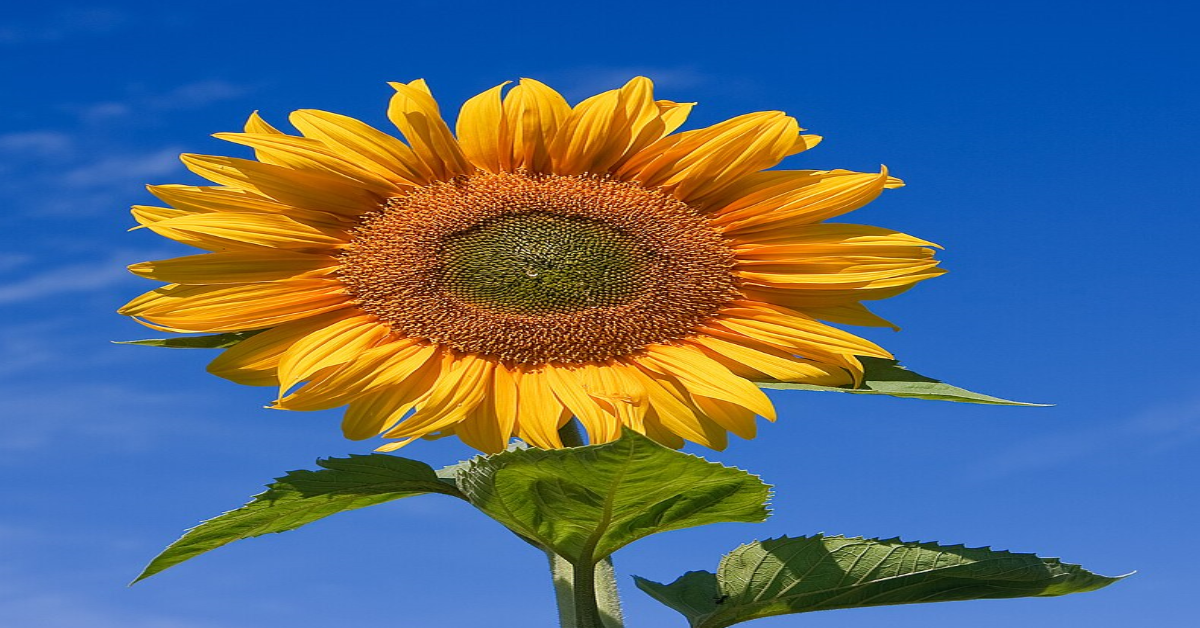
Annual herb, typically 1–3 m (cultivars often taller), with a stout, hispid stem. Leaves are alternate, ovate to cordate, coarsely toothed, and rough-hairy, with long petioles. The inflorescence is a large radiate capitulum (head) 10–30+ cm across: sterile yellow ray florets surround fertile brownish disc florets arranged in spiral phyllotaxis. Fruit is a compressed achene (sunflower “seed”) with a thin pericarp, often striped. Native to open habitats of central and western North America; now cultivated and naturalized worldwide in disturbed ground, roadsides, and fields. Taxonomy: tribe Heliantheae, genus Helianthus (about 50–70 species); H. annuus is the primary genetic source of the oilseed crop.
Phytochemistry
Seeds are rich in fixed oil (typically 40–50%), dominated by linoleic acid (standard types) or oleic acid (high-oleic cultivars), plus tocopherols (vitamin E), phytosterols, and proteins. Phenolics include chlorogenic acid and other caffeoylquinic acids (concentrated in seed extracts used in trials), flavonoids, and phenolic acids. Aerial parts and flowers contain sesquiterpene lactones (including helianthosides and germacranolides), diterpenes, triterpene glycosides, and additional phenolics. Leaves and stems also yield chlorogenic/neochlorogenic acids and related caffeoyl derivatives. These classes underpin most reported antioxidant, anti-inflammatory, and metabolic activities.
Western Traditional & Clinical Actions
Traditional Western and American eclectic use centers on seeds and oil as nutritive, demulcent, and mild expectorant; leaves and flowers as diuretic, febrifuge, and topical vulnerary. Oil is used externally as an emollient for dry or irritated skin and minor wounds. Modern observations and limited trials support lipid-modulating, modest glycemic, and body-composition effects from seed extracts standardized to chlorogenic acids, plus barrier-supportive effects of topical seed oil. Anti-inflammatory and antioxidant actions are the most consistent preclinical findings.
Chinese Medicine Actions
Recorded as Xiang Ri Kui. Different parts are assigned distinct properties: seeds/fruit sweet and neutral (moisten intestines, support nutrition); flower mildly sweet and neutral (course wind, regulate the liver, promote urination); flower disc sweet and cold (clear heat, stop bleeding, ease pain); leaves bitter and neutral; stem pith sweet and neutral (clear heat, promote urination, relieve cough); root sweet/bland and slightly cold. Actions cited in materia medica sources include clearing heat, stopping cough, expelling damp, and moistening skin and intestines. Meridians commonly linked to lung and spleen. Not a classical major herb, but used for cough, urinary discomfort, and topical dryness.
Traditional & Historical Uses
Indigenous North American groups used seeds as food and employed various parts for respiratory complaints, wounds, and ceremonial purposes (including root smoke for purification in some traditions). In Mexico, seeds and preparations have been used for stomach pain, cough, and rheumatism. South American and Brazilian folk uses include asthma and cough decoctions and, among some communities, support for cholesterol and blood pressure. European and Unani (Shams-ul-Nahar) traditions value the oil externally for rheumatic pain and skin, and seeds as nutritive and mild laxative. Russian and Eastern European folk practice used flowers and leaves for fever and bronchial complaints. Historical cultivation exceeds 3,000 years in the Americas before global spread as an oilseed.
Modern Pharmacological Evidence
In vitro and animal studies report antioxidant (phenolics, tocopherols), anti-inflammatory (sesquiterpene lactones, triterpene glycosides such as helianthosides), antimicrobial, hypolipidemic, and hypoglycemic effects. Chlorogenic acid-rich seed extracts and inulin-related fractions (more prominent in related H. tuberosus) are linked to glucose and lipid modulation. Leaf and flower extracts show wound-related and anti-edematous activity in rodent models. A 2025 systematic review/meta-analysis of the genus found preclinical reductions in glycemia and HbA1c, with chlorogenic acid highlighted for H. annuus. Human evidence remains limited and mostly confined to metabolic endpoints.
Clinical Studies
Randomized, placebo-controlled trials of sunflower seed extract standardized to chlorogenic acids (commonly 500 mg/day providing about 100 mg chlorogenic acids, for 12 weeks) in adults with overweight or obesity reported reductions in body-fat mass, weight, BMI, and waist circumference versus placebo, with acceptable short-term tolerability (constipation noted in some participants). A smaller trial in type 2 diabetes using seed extract reported improvements in fasting glucose, lipids, and blood pressure relative to diet alone; confirmatory larger trials are still needed. Topical sunflower-seed oil has been studied as a skin-barrier emollient, including hospital trials in preterm infants showing improved skin condition under supervised use. Overall clinical evidence is preliminary rather than definitive for disease treatment.
Preparations & Dosage
Culinary seed oil: 1–2 tablespoons (about 14–28 g) daily within normal fat intake. Standardized seed extract (chlorogenic-acid enriched): 500 mg/day in studied trials (often split). Traditional seed or flower infusion: weak tea from a small handful of crushed seeds or dried florets, 1–2 cups daily in folk practice (not standardized). Topical oil: 1–3 mL on intact skin 1–2 times daily. Homeopathic mother tincture of fresh flowering tops exists but is a separate system. No universally accepted medicinal monograph dose; food use predominates.
Safety & Contraindications
Generally recognized as safe as a food. Seed allergy (including cross-reactivity in some Asteraceae-sensitive individuals) is the main concern—avoid if known sunflower or related composite allergy. Topical oil can rarely cause contact dermatitis. High-dose extracts may cause mild gastrointestinal upset or constipation. Oil is calorie-dense; excess intake affects energy balance. No strong evidence of major drug interactions at dietary doses; theoretical additive effects with hypoglycemic or lipid-lowering agents warrant monitoring. Pregnancy data for concentrated extracts are insufficient—prefer food amounts. Not for use on broken skin in place of medical wound care.
Cultivation & Harvest
Easily grown as an annual in full sun and well-drained soil; frost-sensitive. Sow after last frost; many cultivars mature in 70–120 days. Heads are harvested when the back of the capitulum yellows and seeds firm, then dried. For oil, seeds are cleaned and pressed (cold-press preferred for culinary/emollient use). Leaves and flowers for extracts are collected at early bloom. Sustainable practice is straightforward because the species is a major global crop; wild North American populations remain common. Avoid over-reliance on single hybrid lines if conserving genetic diversity.
Commercial Products
Edible seeds, cold-pressed and refined oils, high-oleic oils for stability, margarine and food ingredients, cosmetic emollients and barrier creams, vitamin-E-rich supplements, and chlorogenic-acid standardized seed extracts marketed for metabolic support. Also used in phytoremediation plantings and as ornamental cut flowers. Quality varies; third-party testing is relevant for oxidized oil or adulterated extracts.
Ethnobotanical Curiosities
The name combines Greek helios (sun) and anthos (flower). Young heads show solar tracking (heliotropism); mature heads generally face east. After Chernobyl and Fukushima, sunflower plantings were used experimentally for rhizofiltration of radionuclides. Some Native traditions linked the plant to purification after death. Spiral seed packing approximates Fibonacci phyllotaxis, a frequent teaching example in botany.
Recent Research (2020–2026)
Reviews (including 2025–2026 genus surveys) consolidate terpenoids and phenolics as dominant metabolites and list antioxidant, anti-inflammatory, antimicrobial, hypolipidemic, and hypoglycemic activities, mostly preclinical. A 2025 meta-analysis supports glycemic effects across Helianthus species in animal data, with limited human corroboration. Human trials 2019–2024 focus on chlorogenic-acid seed extracts for body composition and lipids. Crop research continues on disease resistance (downy mildew, Fusarium, broomrape) and oil quality. Clinical evidence for classical respiratory or wound claims remains sparse.
Conservation Status
IUCN Least Concern (global assessment 2016; population trend stable). NatureServe global rank G5 (secure). Wild populations are widespread in native range; the species is extensively cultivated and often naturalized. Primary conservation value is as a crop wild relative rather than as a threatened taxon.
DIY Recipes
Emollient oil: use cold-pressed sunflower oil directly on dry intact skin, or blend 1:1 with olive oil. Simple seed tea (folk nutritive/expectorant): lightly crush 1 tablespoon raw seeds, steep in 250 mL hot water 10 minutes, strain; 1 cup as needed. Not a substitute for medical care. Flower rinse (traditional external): steep a small handful of dried ray florets in hot water, cool, and use as a mild skin wash on unbroken skin.
X (Twitter) Snapshot – 2020 – 2026
Recent posts mainly discuss culinary and cosmetic sunflower oil (high-linoleic types for skin-barrier talk, flavor in snack foods) rather than formal herbal practice. Medicinal conversation is sparse compared with better-known Asteraceae such as calendula or echinacea; metabolic-extract marketing appears occasionally but is not a dominant theme.
Planting & Harvesting Reference Guide for Sunflower (Helianthus annuus L.)
👈Planting & Harvesting Reference Guide:👇
Sunflower (Helianthus annuus L.) – Planting & Harvesting Reference Guide
- Best Time for Planting
- Sow Sunflower (Helianthus annuus L.) after the last frost, once soil is workable and nights are no longer freezing. The plant is an annual and frost-tender.
- Seed depth about 2–3 cm (roughly 1 inch). Many oilseed types mature in 70–120 days, depending on cultivar and latitude.
- Choose the seed for the end use before sowing: high-linoleic oilseed for traditional emollient oil, high-oleic for more stable cooking oil, confectionery types for large edible kernels. Chlorogenic-acid extracts come from seed, so plump, clean seed matters more than showy size.
- Contemporary timing overlay, not a Mexica or Plains rule: Sunday or dawn sowings fit the solar filing; biodynamic fruit or flower days are a Steiner-derived farm schedule. Waxing moon in a water sign is a general garden custom, not a recorded Sunflower (Helianthus annuus L.) requirement.
- Ideal location: full sun and well-drained soil. Native stands favor open grassland, banks, fields, and disturbed ground, not deep shade or waterlogged lime woods. Avoid sprayed roadsides if the harvest is for food or medicine.
- Growing Conditions & Magical Minded Tips
- Thin so plants are not crowded if large heads and plump seed are the goal. Wildlife and pollinator plots may be sown more densely.
- Skip late overhead irrigation to reduce head rots. Water in dry spells at the soil, especially while plants are young.
- Feed with compost rather than forcing soft growth. In a biodynamic reading, rotate so Sunflower (Helianthus annuus L.) does not occupy the same field more than two years running, return nutrients with compost or green manure, and keep a biodiversity margin for bees.
- Watch for downy mildew, Fusarium, and broomrape. Volunteers can persist in the seed bank if heads shatter.
- A plain thanks at sowing is enough. No traditional lyric is required. Offer a few seeds back to soil or birds at harvest, in keeping with the dawn-offering idea that food should continue. Leave some heads uncut for bees and birds; the disc is their landing.
- Best Time for Harvesting
- Seed: when the back of the capitulum turns yellow to yellow-brown and the achenes are firm and beginning to loosen. In temperate North America, flowering runs midsummer into autumn, so harvest follows that, not a fixed calendar month.
- Leaves for tea: before or at early bloom; dry in shade promptly.
- Ray florets for a folk tea or wash: as they open; dry in shade.
- Stem juice, Cochiti-style external smear: fresh green stems only, used at once. Do not store it.
- Contemporary energetic window: waxing toward full moon and Sunday morning are optional overlays. Readiness of the head outranks the moon.
- Sustainable & Magical Harvesting Methods
- Prefer cultivated plants. Wild Sunflower (Helianthus annuus L.) is Least Concern, but medicinal need is better met from the garden than from roadsides.
- Confirm identity. Prairie Sunflower (Helianthus petiolaris) is smaller, with narrower leaves and white hairs on the disc chaff. Sunflower (Helianthus annuus L.) lacks those white disc-chaff hairs and has longer spreading hairs on the involucral bracts, plus a broader three-veined leaf and a larger dark disc.
- Cut heads by hand or with a clean knife. Do not strip a whole colony. Leave heads for pollinators and seed-eating birds.
- Speak thanks if that is your practice. Permission here is practical as well as ceremonial: harvest only where rules allow, away from sprayed ground.
- This is not a bark plant. Do not girdle stems for inner bark. The medicinal and food organs are seed, oil, leaf, flower, fresh stem juice, and, in older records, root.
- Post-Harvest Processing
- Hang heads or dry them on screens until the seed rattles hard in the hull, then rub out the achenes. Keep bins dry to limit mold. Discard moldy heads; do not feed them to people or livestock.
- Store dry seed cool and dark. Cold-press cleaned, dry seed for culinary or skin oil. High-linoleic oil should be fresher; high-oleic keeps better for heat. Refine only if a neutral, long-keeping oil is required. Discard rancid oil.
- Shade-dry leaves and ray florets. Do not dry them in harsh direct sun if you want them for tea.
- Pouch or altar seed should be renewed each season so oil does not sour. Kitchen infusions use crushed raw kernel; older cough decoctions used a larger boiled-seed preparation and belong to tradition, not to a standardized extract.
Healing Categories of Sunflower (Helianthus annuus L.)
👈Sunflower (Helianthus annuus L.) fits best where food, skin barrier, and solar tradition overlap. It is a weak fit as a stand-alone drug for infection, fever, or cancer. The categories below follow the organs and preparations already in the monograph:👇
Best-fit categories, briefly
- Skin barrier and emollient care. Linoleic-rich seed oil on intact skin; the Cairo preterm trial is the strongest human skin signal, with a later trial urging caution in neonates.
- Metabolic and body-composition support. Chlorogenic-acid seed extracts in 12-week adult trials; adjunct to food, not a diabetes drug.
- Nutritive and cardiovascular food medicine. Whole seed and oil as unsaturated fat, vitamin E, phytosterols, and protein; Unani and folk cholesterol notes sit here.
- Respiratory folk use. Seed decoctions and flower teas for cough and chest complaints; tradition is wide, modern trials are not.
- Wound and external vulnerary use. Cochiti stem juice, Unani oil on ulcers, leaf washes; local and historical.
- Solar identity and emotional steadiness. Flower essence and ceremonial record for a self that can shine without inflation; contemporary essence work beside Mexica and Plains rite.
- Urinary and heat-clearing part medicine. Chinese and some Indigenous leaf, pith, and root uses; lightly tested.
- Pollinator and land healing. Not a human dose category, but part of how Sunflower (Helianthus annuus L.) heals a place.
Healing Categories
Skin barrier and emollient care. Sunflower (Helianthus annuus L.) seed oil is the preparation with the clearest external human record. High-linoleic oil supplies fatty acids the skin can use in its own lipid matrix, including ceramide-related barrier repair described in dermatological reviews. In 2004, oil applied three times daily to preterm infants in Cairo improved skin scores and was linked to fewer nosocomial infections. A 2014 trial found that daily oil could slow some measures of barrier maturation, so neonatal use stays clinician-supervised. For adults, 1–3 mL on intact dry skin is the practical range. Refined oil is an official excipient in the European Pharmacopoeia and the USP–NF. Unsaponifiable fractions appear in dry-skin creams for their phytosterols. This category does not cover open wounds as a substitute for medical care.
Metabolic and body-composition support. Hydroalcoholic seed extracts standardized to chlorogenic acids are the internal preparation with randomized data. A 2019 pilot and a 2024 Korean trial both used about 500 mg per day for 12 weeks and reported changes in fat mass, weight, and waist or hip measures versus placebo, with a cholesterol signal in the earlier study. An Iraqi diabetes cohort reported glucose and lipid shifts that still need cleaner confirmation. Chlorogenic acid is the named constituent, not the whole folklore of the flower. These are adjunct nutritional protocols. They do not replace diabetes or obesity care, and constipation appeared in one trial.
Nutritive and cardiovascular food medicine. Most hectares of Sunflower (Helianthus annuus L.) are planted so people can eat the seed and the oil. Kernels carry protein, fiber, minerals, and tocopherols. Standard oil is linoleic-rich; high-oleic oil is the stable culinary grade. Unani texts call the seed nutritive and demulcent and the oil emollient and heart-supporting in the older sense. Moroccan and Brazilian community use for cholesterol and blood pressure belongs in this food file, beside the extract trials, not above them. Press-cake feeds livestock. The healing act here is substitution: unsaturated plant fat and a real seed, inside an ordinary diet.
Respiratory folk use. Dakota infusions for chest pain, Seri cough use, Mexican and South American asthma and cough decoctions, and nineteenth-century seed teas for whooping cough form a real ethnomedical cluster. Dispensatory notes give a boiled-seed preparation by the teaspoon and oil by the drop. No modern respiratory trial matches those doses. Keep the category as tradition with a plausible demulcent and expectorant logic, and do not promote it as proven treatment of infection.
Wound and external vulnerary use. Cochiti practice smeared fresh stem juice on cuts and bandaged them. Unani oil was applied to ulcers and rheumatic pain. Pima leaf washes were used on animal sores. Leaf and flower poultices appear in several Indigenous and Chinese part lists. Evidence is experiential and local. Fresh stem juice is used at once; it is not a stored drug. Patch-test oil if Asteraceae or seed allergy is a question. A 2025 patch series found no reactions to Sunflower oil in a large contact-dermatitis clinic, including patients reactive to Compositae mixes, because the lactones sit in leaf and flower trichomes more than in pressed seed oil. Rare protein reactions still exist.
Solar identity and emotional steadiness. Flower Essence Services places Sunflower (Helianthus annuus L.) with a distorted sense of self, inflation or self-effacement, and a poor relation to father or solar aspects, toward a personality that can be radiant without counterfeit grandeur. That is twentieth-century essence work, labeled as such. It rhymes with older rite without copying it: shield flower at dawn, seed-oil body paint, sun sand painting, hair ornaments. The morphological teaching is the capitulum—many florets, one stalk, young tracking, mature east-facing rest. This category is spiritual and psychological accompaniment, not a psychiatric treatment.
Urinary, heat, and part-specific traditional use. Chinese listings assign root and stem pith to urinary turbidity and cough, the flower disc to heat and bleeding, leaves to pressure and detoxifying actions, seeds to moistening. Cherokee leaf infusion for kidneys and Paiute root decoction for rheumatism sit nearby. Homeopathic flowering tops are a separate, small picture of periodic fever with splenic weight. These indications are the least tested in the monograph. Record them by part. Do not collapse them into “the flower cures fever.”
Pollinator and land healing. Exclusion studies show seed set, oil content, and fatty-acid balance fall when insects cannot reach the disc. Wild and margin plantings feed bees and seed-eating birds. Rhizofiltration trials near Chernobyl removed a large share of cesium and strontium from water; soil campaigns, including Fukushima, largely failed once cesium locked to clay. Healing the land with Sunflower (Helianthus annuus L.) means margins, rotation, and honest limits, not a claim that the crop cleans every spoiled field.
Synergistic & Holistic Note
Sunflower (Helianthus annuus L.) works as a set of parts, not as a single heroic extract. Seed feeds and, pressed, anoints. Oil keeps the barrier story; chlorogenic-acid extract keeps the metabolic story; leaf, pith, and root keep the older urinary and chest story; the intact head keeps the offering and the bees. Using only the capsule drops the shield. Using only the rite drops the monograph. The coherent whole is a sun-facing annual eaten, returned at harvest, and applied to intact skin, with clinical extracts as a narrow modern room inside a much older house. Pair it with food, sleep, and a margin left for pollinators rather than with a stack of stimulants. Do not bind another person’s will with it. Do not confuse it with Helianthus tuberosus. Stand it where morning can find it, and the categories stop competing.
✨ If You Only Read U.S. Consumer Pages ✨
U.S. consumer pages usually meet Sunflower (Helianthus annuus L.) as a snack seed, a bottled cooking oil, a birdseed, and a skincare emollient labeled “non-comedogenic” or “rich in vitamin E.” That picture is not false. It is incomplete in a way that flattens a crop with a four-thousand-year American history and a present scientific life on several continents. Those pages rarely say that refined Sunflower oil is a monograph in the European Pharmacopoeia and the USP–NF, with numeric limits on fatty acids and oxidation, or that the species has a public reference genome from INRAE and later chromosome-scale assemblies from China. They rarely name the Cairo preterm trial, the 2019 and 2024 chlorogenic-acid extract trials, or the gene banks at Ames, Novi Sad, Toulouse, and St. Petersburg. They often skip the distinction between high-linoleic oil, high-oleic oil, and a seed extract standardized to chlorogenic acids, and they almost never separate Sunflower (Helianthus annuus L.) from the tuberous relative Helianthus tuberosus. Ethnomedical use—Plains seed and leaf medicines, Mexica shield-flower offerings, Unani Shams-ul-Nahar—disappears behind the salad-oil aisle. Reading only retail copy makes the plant look like a grocery staple with a pleasant story about turning toward the sun. Reading the global record makes it look like a domesticated North American oilseed, an official excipient oil, a pollinator-dependent crop, and a modest but documented source of human skin and metabolic data. Both pictures are true. The second is the one most shoppers never see.
https://www.pharmacopeia.cn/v29240/usp29nf24s0_m80110.html
https://www.inrae.fr/en/news/international-consortium-sunflower-genomics
https://plants.usda.gov/DocumentLibrary/plantguide/pdf/cs_hean3.pdf
https://www.pnas.org/doi/10.1073/pnas.0711760105
https://pubmed.ncbi.nlm.nih.gov/15295221/
Globally: Where This Plant Is Studied
👈Global research, official texts, publishers, and human-trial data, rather than U.S.-consumer-page-limited:👇
Where This Plant Is Studied
Sunflower (Helianthus annuus L.) is a multi-continent research plant whose densest modern work sits in breeding stations, gene banks, and oil-chemistry labs rather than in a single traditional-medicine academy. France’s INRAE Occitanie-Toulouse (LIPM, the sunflower genetic-resources center, and the Heliagene portals) anchors public genomics: the 2017 reference genome, later XRQ and related assemblies, and the International Consortium on Sunflower Genomics with the University of British Columbia, the University of Georgia, and the Galilee Research Institute. Wild and cultivated collections are held at USDA-ARS and Iowa State’s North Central Regional Plant Introduction Station in Ames, the N.I. Vavilov Institute in St. Petersburg, IFVCNS in Novi Sad, INTA Manfredi in Argentina, and IPK Gatersleben. China’s Inner Mongolia Agricultural University has published chromosome-level oilseed and confectionery assemblies. India’s Vidya Herbs in Bangalore supplied the chlorogenic-acid seed extract used in the 2019 body-composition pilot. Field research tracks the crop across Ukraine, the Russian Federation, Argentina, Romania, Bulgaria, Hungary, France, Turkey, China, and the United States—the same belt that plants on the order of 26 to 30 million hectares. Neonatal oil trials were run in Cairo; a later barrier study in Europe; metabolic extract trials in France-linked and Korean registries. Unani and Chinese part-medicine notes exist, but they are not the main publishing stream. The plant is an agronomy, genomics, food-oil, and dermatological-emollient subject that happens to carry a smaller ethnomedical file.
https://www.inrae.fr/en/news/international-consortium-sunflower-genomics
https://www.heliagene.org/
https://www.nature.com/articles/nature22380
https://www.sciengine.com/OCL/doi/10.1051/ocl/2020004
https://www.nature.com/articles/s41597-024-04097-z
Official Books That Name This Species
Official naming of Sunflower (Helianthus annuus L.) is strongest for the refined seed oil, not for a whole-herb drug monograph of the kind written for licorice root. The European Pharmacopoeia monograph 1371, carried into the British Pharmacopoeia, defines refined Sunflower oil as the fatty oil from the seeds of Helianthus annuus L. obtained by expression or extraction and then refined, with limits for acid value, peroxide value, unsaponifiable matter, and a fatty-acid window (palmitic, stearic, oleic, linoleic). The United States Pharmacopeia–National Formulary monograph Sunflower Oil likewise defines a refined fixed oil from Helianthus annuus L. (Asteraceae), and it separates generic, mid-oleic, and high-oleic grades by iodine value and methyl-ester composition. Those books are legal quality texts for a pharmaceutical and food excipient. They are not traditional-use herbal monographs. The European Medicines Agency HMPC does not maintain a community herbal monograph on Sunflower (Helianthus annuus L.) comparable to its licorice radix text. The Pharmacopoeia of the People’s Republic of China does not treat Xiang Ri Kui as a headline TCM drug; part-based actions live in materia medica compilations. Unani literature names the plant Shams-ul-Nahar or Gul-e-Aftab. Codex Alimentarius and national food standards govern edible oil. Reading only a supplement label misses this split: the species is official as an oil, and traditional as a seed, leaf, and flower.
https://www.pharmacopeia.cn/v29240/usp29nf24s0_m80110.html
https://doi.org/10.31003/USPNF_M80110_03_01
https://nhathuocngocanh.com/bp/wp-content/uploads/2025/11/Refined-Sunflower-Oil-British-Pharmacopoeia-2025.pdf
https://sys01.lib.hkbu.edu.hk/cmed/mpid/detail.php?herb_id=D00691&lang=eng
https://journals.stmjournals.com/joayush/article=2025/view=231049/
Who Publishes on It
Publication splits into crop science and a thinner medicinal stream. Breeding, disease, and genomics papers cluster around INRAE and French partners, USDA-ARS, Serbian and Argentine institutes, Vavilov, and Chinese agricultural universities, often in journals such as OCL, Theoretical and Applied Genetics, Nature, Scientific Data, and Field Crops Research. Phytochemistry of terpenes and phenolics appears in Phytochemistry Reviews, Plants (MDPI), and Chemistry & Biodiversity. Human metabolic trials of seed extract have been published in Nutrients (2019; extract from Vidya Herbs, Bangalore) and Nutrition Research (2024; Korean CRIS registry KCT0005733). Neonatal oil papers sit in The Pediatric Infectious Disease Journal and Dermatology. Ethnobotany is carried by PNAS, USDA plant guides, and Unani reviews. Publishers include Springer Nature, Elsevier, Wiley, MDPI, and the pharmacopoeia commissions already named. Private breeding companies sit on genomics consortia beside public labs; that is a fact of the oilseed economy, not a reason to discard the public genome or the clinical oil papers. Consumer sites reprint fragments of this literature. They are not the original publishers.
https://www.mdpi.com/2072-6643/11/5/1080
https://www.sciencedirect.com/science/article/abs/pii/S0271531723001240
https://pubmed.ncbi.nlm.nih.gov/15295221/
https://www.pnas.org/doi/10.1073/pnas.0711760105
https://link.springer.com/article/10.1007/s11101-023-09903-x
Human Trials Tied to This Species
Human evidence for Sunflower (Helianthus annuus L.) is real and narrow. It clusters on topical seed oil and on chlorogenic-acid seed extracts, not on a registered systemic drug. In 2004, a randomized trial at Kasr El-Aini in Cairo applied Sunflower seed oil three times daily to preterm infants under 34 weeks (51 treated, 52 comparison) and reported better skin scores and fewer nosocomial infections (adjusted incidence ratio 0.46). A 2014 randomized trial in preterm infants found that daily oil could increase transepidermal water loss at some sites during application, so neonatal benefit is protocol-specific. In adults, a 2019 randomized, double-blind pilot (Nutrients) gave 50 obese adults 500 mg/day of seed extract standardized to 40 percent chlorogenic acids for 12 weeks and reported lower weight, BMI, waist, fat mass, and cholesterol versus placebo, especially in women over 30. A 2024 Korean double-blind trial (KCT0005733; Nutrition Research) gave 100 adults 500 mg/day of extract supplying 100 mg chlorogenic acids for 12 weeks and found greater body-fat loss than placebo (−0.9 kg versus −0.1 kg) plus improvements in weight, BMI, and hip circumference. An Iraqi study of seed extract in type 2 diabetes reported larger shifts in fasting glucose and lipids than diet alone; it is smaller in methodological clarity than the two randomized metabolic trials. No EMA well-established-use monograph and no FDA botanical drug approval attach to these studies. They remain nutritional and dermatological human data on a named species.
https://pubmed.ncbi.nlm.nih.gov/15295221/
https://pubmed.ncbi.nlm.nih.gov/25323538/
https://www.mdpi.com/2072-6643/11/5/1080
https://www.sciencedirect.com/science/article/abs/pii/S0271531723001240
https://jabs.fums.ac.ir/article-1-2793-en.html
https://cris.nih.go.kr/cris/index/index.do

Part 1: Modern Medical Properties and Uses

Purpose: Highlights the plant’s scientific and medicinal properties, validating holistic healing with evidence-based data.
Contemporary Medical Applications of Sunflower (Helianthus annuus L.)
👈Contemporary Medical Applications: Describes current clinical uses (e.g., capsules, tinctures) and delivery methods in modern medicine.👇
Contemporary Medical Applications:
- Cold-pressed and refined Sunflower seed oil is used as a topical emollient and barrier-support agent on intact skin, including supervised application three times daily in neonatal units for preterm infants, where one randomized trial linked it to improved skin condition and fewer nosocomial infections.
- Hydroalcoholic seed extracts standardized to chlorogenic acids (often about 40 percent, delivering roughly 100 mg chlorogenic acids in a 500 mg daily dose) are taken as capsules for 12 weeks in adults with overweight or obesity to support reductions in body-fat mass, weight, BMI, and waist circumference.
- Seed extracts have been administered orally in type 2 diabetes cohorts (reported doses around 500 mg/kg in one three-month study) alongside diet, with observed improvements in fasting glucose, cholesterol, triglycerides, HDL, and blood pressure relative to diet alone.
- Culinary seed oil (high-linoleic or high-oleic) is used as a dietary fat source within ordinary food intake, typically 1–2 tablespoons daily, for its unsaturated fatty-acid and tocopherol contribution rather than as a concentrated drug.
- Flower and leaf preparations appear mainly as traditional infusions or external washes for cough, fever, and minor skin irritation; modern clinical delivery of these parts remains limited compared with seed oil and seed extracts.
- Homeopathic tinctures prepared from fresh flowering tops are used in small organ-directed protocols for intermittent fevers and portal congestion, separate from phytotherapeutic dosing of seeds or oil.
- Commercial formats include softgel or tablet seed extracts, bottled culinary and cosmetic oils, and occasional dried-flower teas; standardized chlorogenic-acid content is the marker most often cited for metabolic products.
Sources: Contemporary Medical Applications
https://pubmed.ncbi.nlm.nih.gov/15295221/
https://www.sciencedirect.com/science/article/abs/pii/S0271531723001240
https://pmc.ncbi.nlm.nih.gov/articles/PMC6566515/
https://jabs.fums.ac.ir/article-1-2793-en.html
https://journals.stmjournals.com/joayush/article=2025/view=231049/
Pharmacology of Sunflower (Helianthus annuus L.)
👈Pharmacology: Outlines key compounds and their mechanisms of action, driving therapeutic effects.👇
Pharmacology:
- Chlorogenic acid and related caffeoylquinic acids from seeds are associated with modulation of glucose and lipid handling, antioxidant radical scavenging, and mild anti-inflammatory signaling in preclinical models and in the human trials that used standardized extracts.
- Sesquiterpene lactones (annuolides, helivypolides, heliangolides, and related germacranolides) from aerial parts show anti-inflammatory, antifungal, and antifeedant actions in laboratory assays, consistent with the broader Asteraceae lactone profile.
- Triterpene glycosides known as helianthosides, isolated from flowers and related tissues, have been linked to anti-inflammatory activity in experimental systems.
- Tocopherols and phytosterols in the seed oil contribute membrane-protective and cholesterol-modulating effects when the oil is consumed as food, while linoleic acid supports skin-barrier lipid replenishment when the oil is applied topically.
- Phenolic acids and flavonoids in leaves, receptacles, and sprouts add further antioxidant capacity; reviews of the genus list more than twenty reported bioactivities for H. annuus, most of them in vitro or in animal models.
- Fixed-oil fatty acids act mainly as nutritive and emollient agents rather than as high-affinity receptor ligands; their clinical signal is therefore nutritional and barrier-related rather than drug-like.
- Antimicrobial effects reported for leaf, flower, and root extracts are concentration-dependent and largely preclinical; human infection-prevention data are strongest for topical seed oil on compromised neonatal skin.
Sources: Pharmacology:
https://www.mdpi.com/2223-7747/15/3/401
https://doi.org/10.1002/cbdv.202502471
https://link.springer.com/article/10.1007/s11101-023-09903-x
https://pmc.ncbi.nlm.nih.gov/articles/PMC6566515/
https://pubmed.ncbi.nlm.nih.gov/15295221/
Natural Medicine Studies /Sunflower (Helianthus annuus L.)
👈Natural Medicine Studies: Summarizes recent research on efficacy, safety, or clinical outcomes from peer-reviewed studies.👇
Natural Medicine Studies:
- A 2019 randomized, double-blind, placebo-controlled pilot study of 50 adults given 500 mg/day of seed extract standardized to 40 percent chlorogenic acids for 12 weeks reported decreases in body weight, BMI, waist circumference, and fat mass, with a cholesterol reduction, especially in women over 30.
- A 2024 double-blind trial of 100 adults (BMI 25–31.9) using 500 mg/day of sunflower seed extract supplying 100 mg chlorogenic acids for 12 weeks found greater body-fat mass loss than placebo (−0.9 kg versus −0.1 kg) and improvements in weight, BMI, and hip circumference, without excess serious adverse events.
- An Iraqi study of seed hydro-alcoholic extract (major fraction about 40 percent chlorogenic acid) in 300 people with type 2 diabetes over three months reported larger reductions in fasting glucose, cholesterol, and triglycerides, and a rise in HDL, versus diet control, along with a blood-pressure effect.
- A 2004 randomized trial in Egypt of topical sunflower seed oil three times daily in preterm infants under 34 weeks found improved skin condition and a reduced incidence of nosocomial infections (adjusted incidence ratio 0.46) compared with no topical prophylaxis.
- A smaller 2014 randomized trial of sunflower seed oil on preterm infant skin barrier reported mixed barrier-maturation findings (increased transepidermal water loss during application in some sites), indicating that neonatal oil protocols are not uniformly beneficial and require careful monitoring.
- A 2025 systematic review and meta-analysis of the Helianthus genus concluded that extracts, including those of H. annuus, reduced glycemia and HbA1c in preclinical data, with chlorogenic acid identified as a candidate contributor in sunflower; human evidence remained limited.
- Genus-level reviews through 2026 note that most of the more than twenty bioactivities listed for H. annuus rest on in-vitro or animal work, with only a small set of human metabolic and topical trials available.
Sources: Natural Medicine Studies:
https://pmc.ncbi.nlm.nih.gov/articles/PMC6566515/
https://www.sciencedirect.com/science/article/abs/pii/S0271531723001240
https://jabs.fums.ac.ir/article-1-2793-en.html
https://pubmed.ncbi.nlm.nih.gov/15295221/
https://pubmed.ncbi.nlm.nih.gov/25323538/
https://www.sciencedirect.com/science/article/abs/pii/S0367326X25001467
https://www.mdpi.com/2223-7747/15/3/401
Chemistry of Sunflower (Helianthus annuus L.)
👈Chemistry: Details active chemical constituents (e.g., alkaloids, flavonoids) and their healing roles.👇
Chemistry:
- Seeds concentrate fixed oil (commonly 40–50 percent), with linoleic acid dominant in standard types and oleic acid dominant in high-oleic cultivars, plus proteins, phytosterols, and tocopherols.
- Chlorogenic acid (5-O-caffeoylquinic acid) is the leading phenolic in many hydroalcoholic seed extracts, often comprising roughly a quarter to two-fifths of the phenolic fraction used in clinical products, accompanied by other caffeoylquinic acids and caffeic acid.
- Aerial parts yield a large terpenoid suite: reviews cite nearly 400 terpenes in sunflower, including sesquiterpene lactones (annuolides, helivypolides, heliangolides), diterpenes (ent-kaurenes, ent-trachylobanes), and apocarotenoids.
- Triterpenoid glycosides helianthoside 1–5 and helianthoside B have been isolated from floral and related tissues and are among the named anti-inflammatory constituents.
- Leaves and stems contain chlorogenic and neochlorogenic acids, flavonoids such as luteolin derivatives, and additional phenolics; flower heads add triterpene saponins and carotenoid pigments in the ray florets.
- Minor constituents reported across extracts include alkaloids in small amounts, alkanes, vitamins, and benzenoids; quantitative profiles vary strongly by cultivar, plant part, and extraction solvent.
- Essential-oil fractions from aerial parts are rich in monoterpenes such as alpha-pinene and have been studied mainly for antifungal and allelopathic rather than internal medicinal use.
Sources: Chemistry:
https://doi.org/10.1002/cbdv.202502471
https://www.mdpi.com/2223-7747/15/3/401
https://link.springer.com/article/10.1007/s11101-023-09903-x
https://link.springer.com/chapter/10.1007/978-981-19-6080-2_12
https://pmc.ncbi.nlm.nih.gov/articles/PMC6566515/
Functional Foods and Nutrition /Sunflower (Helianthus annuus L.)
👈Functional Foods and Nutrition: Highlights dietary uses (e.g., teas, supplements) in modern health practices.👇
Functional Foods and Nutrition:
- Whole seeds and seed kernels are eaten raw, roasted, or as butter, supplying protein, fiber, minerals (including magnesium, selenium, and zinc in meaningful dietary amounts), vitamin E, and unsaturated fat.
- Sunflower oil is a global culinary fat used in cooking, salad dressings, and margarine; high-oleic grades improve oxidative stability for higher-heat use while retaining a plant-sterol and tocopherol contribution.
- Chlorogenic-acid-standardized seed extracts are sold as food-supplement capsules aimed at body-composition and lipid support, distinct from ordinary seed snacks that deliver far lower phenolic doses.
- Sprouts and young shoots are occasionally consumed as salad greens and concentrate phenolics relative to mature seed oil, though they are not a major commercial functional food.
- Seed press-cake and protein isolates enter animal feed and some human protein ingredients, extending the nutritional use of the crop beyond the oil fraction.
- Traditional nutritive teas of crushed seeds are still prepared in folk practice as a mild demulcent drink; these are culinary infusions rather than quantified extracts.
- Dietary patterns that include sunflower seeds or oil as part of mixed unsaturated-fat intake align with cardiovascular nutrition guidance that favors replacement of saturated fat, independent of any concentrated herbal claim.
Sources: Functional Foods and Nutrition:
https://pmc.ncbi.nlm.nih.gov/articles/PMC6566515/
https://www.sciencedirect.com/science/article/abs/pii/S0271531723001240
https://link.springer.com/chapter/10.1007/978-981-19-6080-2_12
https://doi.org/10.1002/cbdv.202502471
https://journals.stmjournals.com/joayush/article=2025/view=231049/
Current Projects and Future Possibilities /Sunflower (Helianthus annuus L.)
👈Current Projects and Future Possibilities: Notes ongoing research, clinical trials, or innovative medical applications.👇
Current Projects and Future Possibilities:
- Ongoing work on chlorogenic-acid-rich seed extracts is refining dose, duration, and population (obesity, dyslipidemia, early glycemic change) after the 2019 and 2024 body-composition trials.
- Genus-level reviews published in 2025–2026 call for larger human studies to test whether preclinical glycemic and HbA1c signals translate into durable clinical outcomes for H. annuus specifically.
- Crop-protection research is mapping the nearly 400 sunflower terpenes, including sesquiterpene lactones and diterpenes, for antifungal, insect-antifeedant, and allelopathic leads that could also inform topical antimicrobial formulations.
- Breeding programs continue to shift oil profiles (high-oleic, altered tocopherol) and disease resistance (downy mildew, Fusarium, broomrape), indirectly improving the nutritional and cosmetic raw material stream.
- Residue valorization of leaves, receptacles, and stems—currently agricultural by-products—is being screened for phenolic and terpenoid extracts that might supply future dermal or metabolic ingredients.
- Neonatal barrier-oil research remains open: the favorable Egyptian infection-reduction trial and the more cautious barrier-maturation trial together suggest a need for protocol-specific follow-up rather than blanket endorsement.
- Phytoremediation plantings that use sunflower roots to take up certain metals and radionuclides illustrate a non-medicinal but health-relevant application that keeps the species in environmental research pipelines.
Sources: Current Projects and Future Possibilities:
https://www.mdpi.com/2223-7747/15/3/401
https://www.sciencedirect.com/science/article/abs/pii/S0367326X25001467
https://link.springer.com/article/10.1007/s11101-023-09903-x
https://doi.org/10.1002/cbdv.202502471
https://pubmed.ncbi.nlm.nih.gov/15295221/
https://pubmed.ncbi.nlm.nih.gov/25323538/
Literary Mentions of Sunflower (Helianthus annuus L.)
👈Literary Mentions: References modern medical texts or studies citing the plant’s therapeutic use.👇
Literary Mentions:
- A 2022 chapter in Medicinal Plants of the Asteraceae Family reviews traditional uses dating back more than 3,000 years in the Americas, together with phytochemistry and pharmacology of H. annuus as an oil and ethnomedicinal species.
- Unani literature records the plant as Shams-ul-Nahar (also Gul-e-Aftab), with a hot-and-moist temperament, seeds as nutritive and demulcent, oil as emollient, and flowers as febrifuge, summarized in a 2025 JoAYUSH review that aligns those actions with modern antioxidant and anti-inflammatory findings.
- Chinese materia medica sources list Xiang Ri Kui by part: seeds sweet and neutral, flower disc sweet and cold, leaves bitter and neutral, with actions including clearing heat, stopping cough, and moistening, as compiled in herb databases drawing on classical descriptions.
- Eclectic and homeopathic literature (Clarke, Hughes, Allen) associates flowering-top tincture with intermittent fevers, splenic congestion, and venous bleeding, a clinical picture preserved in contemporary materia medica summaries.
- Mexican and broader Latin American ethnobotanical surveys cited in 2026 genus reviews record seed and achene use for stomach pain, cough, and rheumatism, and Brazilian community use for cholesterol, blood pressure, and cough.
- Springer and MDPI reviews from 2022–2026 repeatedly cite the plant in the context of cardiovascular nutrition, anti-inflammatory terpenes, and chlorogenic-acid research, placing sunflower among the better-documented food-medicines of Asteraceae.
- Neonatal and nutrition journals (2004–2024) cite sunflower seed oil and seed extract specifically, giving the species a modern clinical footprint beyond purely historical texts.
Sources: Literary Mentions:
https://link.springer.com/chapter/10.1007/978-981-19-6080-2_12
https://journals.stmjournals.com/joayush/article=2025/view=231049/
https://www.mdpi.com/2223-7747/15/3/401
https://www.iqhomeopathy.com/materia-medica/helianthus-annuus/
https://sys01.lib.hkbu.edu.hk/cmed/mpid/detail.php?herb_id=D00691&lang=eng
https://pubmed.ncbi.nlm.nih.gov/15295221/

Part 2: Plant Knowledge Systems

Purpose: Validates plant-based healing through interdisciplinary scientific and cultural fields.
Ethnobotany of Sunflower (Helianthus annuus L.)
👈Ethnobotany: Explores the plant’s traditional uses across cultures, linking indigenous knowledge to modern applications.👇
Ethnobotany:
- Across the Great Plains and Southwest, Indigenous nations treated Sunflower (Helianthus annuus L.) as both food and medicine. Moerman’s compilations and the USDA plant guide record Cherokee leaf infusions for kidney complaints, Dakota flower or seed infusions for chest pain and pulmonary troubles, Paiute root decoctions for rheumatism, Pima leaf decoctions for high fever and as a wash for animal sores, and Hopi use of the plant as a dermatological aid and “spider medicine.” Gros Ventres, Mandan, Rees, and Hidatsa carried seeds as a fatigue stimulant on hunts and war parties, while seed oil served as a ceremonial face and body paint. These respiratory, urinary, rheumatic, and wound uses align with later laboratory reports of expectorant, diuretic, anti-inflammatory, and topical barrier actions of seeds, leaves, and oil.
- In Mexico, Sunflower (Helianthus annuus L.) was already a cultivated and named plant before Spanish contact. Lentz and colleagues document indigenous terms among Nahua, Rarámuri, Seri, Otomí, Huastec, and others that are unrelated to Spanish girasol, together with seed foods (atole, toasted seeds) and medicinal notes: Seri use as a cough suppressant, Tepehuan and Huastec seed preparations for stomach pain, and Otomí medicinal as well as ceremonial use of the flowers. Francisco Hernández illustrated chimalacatl and noted seed bread and cultivated-field growth. Contemporary Mexican community surveys still list stomach pain, cough, and rheumatism, linking the pre-Columbian record to present ethnomedicine.
- Cochiti practice, recorded via Lange and cited by Heiser, used juice of freshly crushed Sunflower stems smeared on cuts and wounds and bandaged, with a reputation for rapid healing without infection. That external vulnerary use sits beside modern topical Sunflower seed-oil trials in compromised skin and beside Unani external use of the oil for ulcers and rheumatic pain. Pawnee women used a dry-seed preparation to protect nursing infants, an early nutritional-protective framing that parallels today’s interest in seed oil as a simple barrier emollient.
- South American and diaspora records extend the same pattern. A decoction of Sunflower achenes with Jodina leaves has been used for asthma in parts of South America; Brazilian Roma communities have used the seeds for hypercholesterolemia, hypertension, and cough. Moroccan seed use for cholesterol and circulatory complaints, and European folk teas of the flowers for fever and lung ailments, show the plant traveling with cultivation. Unani texts name it Shams-ul-Nahar, hot and moist, with seeds nutritive and demulcent, oil emollient, and flowers febrifuge—categories that map onto chlorogenic-acid metabolic extracts and linoleic-rich oil now studied clinically.
- Ceremonial and domestic roles reinforced medicinal ones. Heads and ray florets marked altars, cemeteries, and shrines among Nahua and other Mexican groups; some Plains nations used the plant in ritual paint and as a travel food. Shasta accounts describe burning the root to purify a house after a death. These practices kept living knowledge of which part to gather—seed, leaf, root, or stem juice—until written ethnographies and later phytochemical work could test the same organs.
Sources: Ethnobotany:
https://plants.usda.gov/DocumentLibrary/plantguide/pdf/cs_hean3.pdf
https://pmc.ncbi.nlm.nih.gov/articles/PMC2359819/
https://www.sciencedirect.com/science/article/pii/0378874182900162
https://journals.stmjournals.com/joayush/article=2025/view=231049/
https://www.mdpi.com/2223-7747/15/3/401
Plant Genomics of Sunflower (Helianthus annuus L.)
👈Plant Genomics: Describes genetic studies of the plant, focusing on traits related to medicinal properties.👇
Plant Genomics:
- Sunflower (Helianthus annuus L.) has been sequenced. The landmark reference of Badouin and colleagues, published in Nature in 2017, assembled a roughly 3.6-gigabase, highly repetitive genome and anchored it to the 17 chromosomes, overcoming earlier barriers from long terminal repeats. The assembly, available through Phytozome as the INRA r1.2 annotation, includes extensive transcriptomes from vegetative and floral organs and gene networks for flowering time and oil metabolism. Resequencing of dozens of cultivated lines identified regions associated with flowering time and supported breeding for oil quality and stress tolerance—traits that determine tocopherol, phytosterol, and fatty-acid profiles of medicinal and food oils.
- Later chromosome-level assemblies refine that map. A 2025 Scientific Data paper reports PacBio HiFi and Hi-C assemblies of a Chinese oilseed cultivar (OXS, about 3.03 Gb, 99.58 percent of sequence on 17 chromosomes, contig N50 154.78 Mb) and the first published confectionery cultivar genome (YDS, about 3.02 Gb). NCBI hosts the OXS assembly GCA_042479495.1. These resources separate oilseed and confectionery genetic backgrounds, which matters for repository work because confectionery types emphasize seed protein and snack quality while oilseed types emphasize linoleic or oleic oil used in topical and nutritional products.
- Medicinal chemistry is only partly mapped onto these genomes. Oil-metabolism networks from the 2017 study point to candidate genes for fatty-acid composition, directly relevant to linoleic-rich barrier oils. Phenolic and sesquiterpene-lactone pathways—chlorogenic acid, helianthosides, annuolides—are less completely annotated than oil genes, but the chromosome-scale assemblies now allow expression studies of leaf, receptacle, and seed tissues that accumulate those compounds. Wild Helianthus relatives, included in diversity panels because they carry disease-resistance alleles, also harbor terpenoid variation that breeders and phytochemists can mine without depleting rare species.
- Whole-genome duplication in the Asterid lineage shaped flowering-time architecture and left ancient paralogues inside the same regulatory networks for tens of millions of years. That history helps explain the chemical richness of the genus: duplicated pathways can retain both primary oil metabolism and secondary terpenoid defenses. For a medicinal repository, the practical outcome is that cultivar choice, not only species identity, governs chlorogenic-acid yield in extracts and linoleic-to-oleic ratio in oils.
- Public portals (Phytozome Hannuus r1.2, NCBI genome datasets, and the 2025 oilseed and confectionery assemblies) make the sequence searchable and reusable. No genome-wide association study yet isolates a single “medicinal” locus for cough or wound healing; the genetic evidence currently supports nutritional and dermatological quality traits more strongly than classical respiratory indications.
Sources: Plant Genomics:
https://www.nature.com/articles/nature22380
https://phytozome-next.jgi.doe.gov/info/Hannuus_r1_2
https://www.nature.com/articles/s41597-024-04097-z
https://www.ncbi.nlm.nih.gov/datasets/genome/GCA_042479495.1/
https://www.nature.com/articles/546043a
Phytotherapy of Sunflower (Helianthus annuus L.)
👈Phytotherapy: Details the plant’s use in clinical herbal medicine, including therapeutic protocols.👇
Phytotherapy:
- Modern phytotherapy of Sunflower (Helianthus annuus L.) centers on two preparations with human data: cold-pressed or refined seed oil applied to intact skin, and hydroalcoholic seed extracts standardized to chlorogenic acids taken by mouth. In the 2019 pilot and the 2024 trial, adults received 500 mg per day of extract (about 100 mg chlorogenic acids, or a 40 percent chlorogenic-acid standard) for 12 weeks, with body-fat, weight, BMI, and waist changes versus placebo and a cholesterol signal in the earlier study. These are adjunct nutritional protocols, not replacements for diabetes or obesity care.
- Topical protocols use Sunflower seed oil as an emollient rich in linoleic acid. The Egyptian neonatal trial applied oil three times daily to preterm infants under 34 weeks and reported better skin scores and fewer nosocomial infections; a later European trial found that daily application could slow some measures of barrier maturation, so phytotherapists treat neonatal use as setting-specific and clinician-supervised. In general adult skin care, 1–3 mL on intact dry skin once or twice daily is the range described in dermatological reviews of the oil.
- Older Western herbal protocols, preserved in dispensatory-style sources, used a decoction of about 2 ounces of seeds boiled in a quart of water down to 12 ounces for bronchial and whooping-cough complaints, given by the teaspoon, and seed oil at 10–15 drops two or three times a day. Flower tea was listed for fever and lung ailments, and a seed tincture was used in Turkey and Persia for intermittent fevers when quinine was unavailable. These historical doses are not matched by modern respiratory trials and should be read as tradition, not as proven protocols.
- Unani practice employs seeds as nutritive, diuretic, and expectorant, oil externally for rheumatic pain and ulcers, flowers as febrifuge, and leaves in wound formulations. Chinese part-specific use (Xiang Ri Kui) assigns seeds to moistening, the flower disc to clearing heat and stopping bleeding, and leaves to blood-pressure and detoxifying actions. Clinical herbalists who draw on these systems still lack large trials for cough or malaria-like fevers; the evidence base is strongest for oil on skin and for chlorogenic-acid extracts on body composition and lipids.
- Homeopathic phytotherapy uses a tincture of fresh flowering tops (Helianthus annuus, often abbreviated Helia.) in intermittent fevers with splenic and portal congestion, following Clarke, Hughes, and Allen. That is a separate potency-based system from crude seed extracts. Safety notes shared across phytotherapy sources are seed allergy, rare contact dermatitis from the oil, and insufficient pregnancy data for concentrated extracts.
Sources: Phytotherapy:
https://pmc.ncbi.nlm.nih.gov/articles/PMC6566515/
https://www.sciencedirect.com/science/article/abs/pii/S0271531723001240
https://pubmed.ncbi.nlm.nih.gov/15295221/
https://pubmed.ncbi.nlm.nih.gov/25323538/
https://nutrawiki.org/helianthus-annuus/
https://journals.stmjournals.com/joayush/article=2025/view=231049/
https://www.iqhomeopathy.com/materia-medica/helianthus-annuus/
Ethnoecology of Sunflower (Helianthus annuus L.)
👈Ethnoecology: Examines the plant’s ecological role in cultural practices and environmental interactions.👇
Ethnoecology:
- Sunflower (Helianthus annuus L.) evolved in open grasslands, shrublands, and disturbed ground of western and central North America, where large heads feed native bees and other pollinators with both nectar and pollen. Indigenous management—harvesting wild stands, then sowing selected large-seeded forms—tied the plant to anthropogenic edges: field margins, garden plots, and settlement clearings. Mexican indigenous names that mean “looks at the sun” or “shield flower” record an ecological observation of east-facing mature heads and of the capitulum as a landing platform, knowledge that traveled with the crop into ritual flower use on altars and in markets.
- Domestication ecology is dual. Archaeological achenes from San Andrés, Tabasco, dated near 4100 years before present, and eastern North American finds together show Sunflower entering human landscapes more than once or spreading early between regions. Cultivation replaced some wild harvesting but did not erase wild populations; the species remains a common ruderal and a primary crop wild relative. Cultural practice thus conserved both the domesticated oilseed and the wild gene pool that later genome projects mined for stress tolerance.
- Seed-saving and ceremonial painting linked ecology to social life. Plains nations carried seeds as portable food on long hunts, reducing reliance on hunted fat, while oil from those seeds marked the body in ceremony. In Mexico, flowers sold in local markets and placed on shrines kept demand for fresh heads, which in turn maintained smallholder plots beside milpa and chile fields. Huastec and Rarámuri preparation of seed atole embedded the plant in daily carbohydrate ecology rather than in specialist herbal trade alone.
- Contemporary ethnoecology includes phytoremediation plantings after industrial and nuclear contamination, where Sunflower roots have been used experimentally to take up cesium and strontium. That use continues an older pattern of placing the plant on disturbed ground, now with an explicit environmental-health aim. Crop diseases—downy mildew, Fusarium, broomrape—are the main pressures on cultivated stands, not wild extinction; cultural conservation today is largely on-farm diversity of oilseed and confectionery types.
- Pollinator gardens and conservation plantings restate the original mutualism. Because the disc florets are fertile and abundant, community gardens that grow Sunflower for seed also support bees, closing a loop between food medicine and habitat that ethnographic sources already implied when they described the plant as both eaten and offered.
Sources: Ethnoecology:
https://pmc.ncbi.nlm.nih.gov/articles/PMC2359819/
https://plants.usda.gov/plant-profile?symbol=hean3
https://www.iucnredlist.org/species/19073408/47600755
https://www.mdpi.com/2223-7747/15/3/401
https://explorer.natureserve.org/Taxon/ELEMENT_GLOBAL.2.134717/Helianthus_annuus
Anthroposophical Medicine of Sunflower (Helianthus annuus L.)
👈Anthroposophical Medicine: Outlines the plant’s use in Steiner-inspired remedies, including preparation, studies, and dosage.👇
Anthroposophical Medicine:
- Limited data exist for a classical anthroposophic organ preparation unique to Sunflower (Helianthus annuus L.). Rudolf Steiner and Ita Wegman’s system, developed from 1920 and carried by Weleda and independent anthroposophic physicians, uses plant, mineral, and animal substances in potentiated and rhythmically prepared forms, but published anthroposophic materia medica do not feature Sunflower alongside better-known plants such as Arnica or Calendula. Seekers should not infer a specific Steiner dosage from the absence of a monograph.
- The documented bridge is cosmetic and dermatological rather than a fever or spleen remedy. Weleda lists Helianthus Annuus (Sunflower) Seed Oil Unsaponifiables as a skin-care ingredient, noting that the unsaponifiable fraction is well absorbed and suited to dry skin because of its phytosterol content. That use matches the wider anthroposophic emphasis on supporting the life-processes of the skin with plant oils, and it aligns with external linoleic-rich Sunflower oil already studied for barrier care outside anthroposophic settings.
- Where anthroposophic clinicians draw on homeopathic pictures, the flowering-top tincture of Sunflower (Helianthus annuus L.) is sometimes discussed for periodic fevers with splenic congestion, following the same Clarke–Hughes indications used in homeopathy. Anthroposophic practice would typically individualize potency and combine the remedy with nursing, rhythm, and artistic therapies rather than publish a fixed milligram protocol. No controlled anthroposophic trial of this indication was located.
- Oil and seed foods fit the anthroposophic nutritional stream more readily than specialized ampules. Whole seeds and cold-pressed oil are treated as warmth- and metabolism-supporting foods, consistent with the system’s interest in unsaturated plant fats for the skin and the metabolic organism. Any internal extract aimed at body composition remains a modern phytotherapeutic product, not an anthroposophic pharmacopoeia item.
- Practical guidance from available sources is therefore modest: topical Sunflower seed oil or its unsaponifiable fraction for dry intact skin, as in Weleda ingredient descriptions, and no claim of a standardized anthroposophic internal dose. Further primary literature from anthroposophic pharmacies would be required before this subcategory could expand beyond the oil and the homeopathic overlap.
Sources: Anthroposophical Medicine:
https://www.weleda.com/ingredients/helianthus-annuus-sunflower-seed-oil-unsaponifiables-208
https://www.weleda.co.nz/magazine/health/anthroposophic-medicine
https://steinerhealth.org/anthroposophic-medicine/
https://www.iqhomeopathy.com/materia-medica/helianthus-annuus/

Part 3: Heritage and Practice

Purpose: Weaves historical and cultural heritage with practical guidance for medicinal use.
Historical and Cultural Significance of Sunflower (Helianthus annuus L.)
👈Historical and Cultural Significance: Explores the plant’s role in historical and cultural medical practices.👇
Historical and Cultural Significance:
- Sunflower (Helianthus annuus L.) was domesticated in the Americas long before European contact. Archaeological achenes from San Andrés, Tabasco, have been dated near 4100 years before present, and linguistic plus ethnohistoric evidence places cultivated Sunflower in Mexico by about 2600 calibrated years B.C., with later presence as far south as El Salvador. Aztec-period observers linked the flower to solar worship and to Huitzilopochtli, patron of war; the modern Otomí name dä nukhä, “big flower that looks at the sun god,” preserves that solar association. After the Spanish conquest, ritual plants tied to indigenous religion declined, and some scholars argue Sunflower shared that fate in central Mexico even as the food use continued in other regions.
- North of Mexico, Sunflower (Helianthus annuus L.) was a Plains and Southwest staple and a ceremonial plant. Heiser’s mid-twentieth-century surveys and later USDA compilations describe seed foods, face and body paint from seed oil among Gros Ventres, Mandan, and related nations, and travel rations carried on hunts. European botanists received the cultivated form in the sixteenth century; by the eighteenth and nineteenth centuries Russia had turned Sunflower into a major oilseed, a path that returned high-oil cultivars to North America and made the species a global crop. That agricultural history is why seed oil, not the wild leaf, dominates modern medicinal and culinary trade.
- Cultural memory also travels through names. Greek-derived Helianthus joins helios and anthos; Spanish girasol and mirasol, French tournesol, and Chinese Xiang Ri Kui all mark the sun-facing habit of young heads. Mature heads generally settle facing east, a fact folk observation recorded long before phyllotaxis studies. The same geometry—the spiral packing of disc florets—later became a teaching image in botany, while the plant remained a market flower, a shrine offering, and an oil crop.
- Industrial and environmental chapters sit beside the ritual ones. Sunflower seed oil entered margarine, soap, and paint industries; after Chernobyl and Fukushima, plantings were used experimentally for rhizofiltration of radionuclides. Those episodes keep Sunflower (Helianthus annuus L.) in public memory as both a food-medicine and a plant of disturbed ground, consistent with its wild ecology on roadsides and old fields.
Sources: Historical and Cultural Significance:
https://www.pnas.org/doi/10.1073/pnas.0711760105
https://plants.usda.gov/DocumentLibrary/plantguide/pdf/cs_hean3.pdf
https://pmc.ncbi.nlm.nih.gov/articles/PMC2359819/
https://online.ucpress.edu/abt/article/17/5/161/4495/The-Origin-and-Development-of-the-Cultivated
Indigenous and Traditional Systems /Sunflower (Helianthus annuus L.)
👈Indigenous and Traditional Systems: Details its use in specific indigenous or traditional healing systems.👇
Indigenous and Traditional Systems:
- Plains and Prairie systems used multiple organs of Sunflower (Helianthus annuus L.). Cherokee practice included a leaf infusion for kidney complaints; Dakota infusions addressed chest pain and pulmonary troubles; Paiute root decoctions were used for rheumatism; Pima leaf decoctions served for high fever and as a wash for horse sores from screwworms; Hopi use included a dermatological aid and a “spider medicine.” Gros Ventres, Mandan, Rees, and Hidatsa took seeds as a stimulant against fatigue and used seed oil to paint face and body. Pawnee women used a dry-seed preparation in the care of nursing infants. Cochiti practice smeared juice of freshly crushed stems on cuts, then bandaged them, with a local reputation for healing without infection.
- Mexican indigenous systems name and use Sunflower (Helianthus annuus L.) independently of Spanish loanwords. Seri za:h ko:kta (“the one that watches the sun”) is a cough suppressant; Tepehuan and Huastec seed atole has been taken for stomach pain; Otomí practice combines food, cooking oil, ceremonial flowers, and medicine; Nahua chi:malxo:chitl (“shield flower”) supplied edible seeds and altar flowers. Hernández’s sixteenth-century herbal illustrated chimalacatl and noted seed bread. These records align with later South American asthma decoctions that combine Sunflower achenes with other leaves, and with Brazilian community use of seeds for cough, cholesterol, and blood pressure.
- Unani medicine records Sunflower (Helianthus annuus L.) as Shams-ul-Nahar or Gul-e-Aftab, temperament hot and moist. Seeds are nutritive, demulcent, mild laxative, diuretic, and expectorant; oil is emollient and applied to rheumatic pain, ulcers, and skin disorders; flowers are febrifuge; leaves enter wound formulations. Scholars caution use in people of already hot temperament and in some spleen disorders. Chinese part-based practice (Xiang Ri Kui) assigns root to clearing heat and promoting urination, stem pith to cough and urinary turbidity, leaves to blood pressure and detoxifying actions, flower disc to clearing heat and stopping bleeding, and seeds to moistening and promoting eruption.
- European and Middle Eastern folk streams adopted the crop after its introduction. Flower tea was listed for malaria-like fevers and lung ailments; a seed tincture was used in Turkey and Persia for intermittent fevers when cinchona preparations failed; Russian tincture of the flowers entered nineteenth-century practice. Homeopathic clinical tradition, drawing on eclectic notes, kept flowering tops for periodic fevers with splenic congestion. These systems share an emphasis on seed, oil, flower, and leaf, but they do not share a single dose.
Sources: Indigenous and Traditional Systems:
https://plants.usda.gov/DocumentLibrary/plantguide/pdf/cs_hean3.pdf
https://pmc.ncbi.nlm.nih.gov/articles/PMC2359819/
https://journals.stmjournals.com/joayush/article=2025/view=231049/
https://sys01.lib.hkbu.edu.hk/cmed/mpid/detail.php?herb_id=D00691&lang=eng
https://nutrawiki.org/helianthus-annuus/
Folklore and Culinary Traditions of Sunflower (Helianthus annuus L.)
👈Folklore and Culinary Traditions: Highlights folklore, myths, and culinary uses tied to the plant.👇
Folklore and Culinary Traditions:
- Solar folklore clings to Sunflower (Helianthus annuus L.) wherever it is grown. Young heads track the sun; mature heads face east. Otomí speech ties the flower to the sun god, and post-conquest churches sometimes place Sunflower on crosses as a combined solar and Christian image. Plains oil-paint and Mexican altar flowers show the capitulum treated as both ornament and offering. European emblem books later moralized the turning head as fidelity, a literary layer added after the plant left the Americas.
- Culinary practice is older than the emblem. Seeds were ground into pinole in California, toasted and salted, or stirred into atole in Mexico. Confectionery cultivars are eaten as snacks; oilseed cultivars yield cooking oil, salad oil, and margarine. Roasted-seed infusions appear in older cough recipes. Press-cake feeds livestock. Modern tables still use raw or dry-roasted kernels, seed butter, and cold-pressed oil, so the medicinal seed and the food seed are often the same harvest.
- A smaller folk stream treats the flower as a dye and the leaf as a tobacco admixture. Ray florets can tint fiber yellow; some accounts mention leaf in herb smoking mixtures. These uses are local and secondary to seed food. Mythic narratives that cast Sunflower as an Inca solar priestess are popular retellings rather than documented Andean domestication history; the archaeological center of gravity remains North America and Mexico.
Sources: Folklore and Culinary Traditions:
https://www.pnas.org/doi/10.1073/pnas.0711760105
https://pmc.ncbi.nlm.nih.gov/articles/PMC2359819/
https://plants.usda.gov/DocumentLibrary/plantguide/pdf/cs_hean3.pdf
https://nutrawiki.org/helianthus-annuus/
Identification and Characteristics of Sunflower (Helianthus annuus L.)
👈Identification and Characteristics: Describes physical traits and identification markers for the plant.👇
Identification and Characteristics:
- Sunflower (Helianthus annuus L.) is a coarse annual forb, commonly 0.5–3 m in the wild and taller in crops. Stems are erect, often branched above, and densely covered with spreading coarse hairs. Leaves are alternate, long-petioled, ovate to triangular or heart-shaped, 10–30 cm long, toothed, three-veined at the base, and rough on both surfaces. The plant smells faintly resinous when crushed.
- The head is a capitulum on a long stalk. Wild heads are often 3–15 cm across; confectionery cultivars may reach several decimeters and nod under their own weight. Twenty to forty sterile yellow ray florets surround a dark red-brown to purple disc of fertile florets. Involucral bracts are ovate, tapered, hairy, and overlapping in two or three rows. The fruit is a flattened achene, 4–15 mm, white, gray, brown, or black, often striped, with deciduous pappus scales.
- Flowering in temperate North America runs from midsummer into autumn, July to November in Missouri records, in prairies, openings, banks, fields, and roadsides. Cultivars differ mainly in head size, branching, and oil composition, not in the basic radiate plan. The combination of tall hispid stem, broad petiolate leaves, and large dark-disc head separates Sunflower (Helianthus annuus L.) from most other yellow composites at a glance.
Sources: Identification and Characteristics:
https://missouriplants.com/Helianthus_annuus_page.html
https://www.sare.org/publications/manage-weeds-on-your-farm/common-sunflower/
https://powo.science.kew.org/taxon/urn:lsid:ipni.org:names:119003-2/general-information
https://plants.usda.gov/plant-profile?symbol=hean3
Wildcrafting /Sunflower (Helianthus annuus L.)
👈Wildcrafting: Covers where to find, identification tips (including look-alikes), and esoteric/medicinal harvesting methods.👇
Wildcrafting:
- Wild Sunflower (Helianthus annuus L.) is native from the Great Plains and western North America south into Mexico, and it is widely naturalized on disturbed ground: roadsides, field edges, stream banks, and old lots. Harvest only where local rules allow, away from sprayed rights-of-way and busy roads. Because the species is a major crop and Least Concern in the wild, medicinal need is better met from cultivation than from wild stands; wildcrafting is appropriate for teaching identification or for small personal seed lots.
- Confirm the plant before harvest. Prairie Sunflower (Helianthus petiolaris) is the closest look-alike: it is usually smaller, with heads about 2–5 cm wide, narrower leaves, and white hairs on the chaff of the disc, whereas Sunflower (Helianthus annuus L.) lacks those white hairs on the disc chaff and has longer spreading hairs on the involucral bracts. Other Helianthus species and yellow asters can confuse a beginner; the broad three-veined leaf and large dark disc are the practical field marks.
- Traditional medicinal harvest follows the organ. Seeds are taken when the back of the head yellows and achenes loosen, then dried fully before storage. Leaves are gathered before or at early bloom for infusions. Stem juice for the Cochiti-style wound smear is taken from fresh green stems and used at once. Flowers for tea are picked as ray florets open and dried in shade. Do not strip whole colonies; leave heads for birds and bees, which rely on the disc for pollen and seed.
- Esoteric timing in folk practice favors morning harvest of flowers and full maturity for seed. No unique lunar rule is required for a safe food-medicine crop. Dry seeds to a hard rattle in the hull, and keep oil plants out of damp bins to limit mold.
Sources: Wildcrafting:
https://missouriplants.com/Helianthus_annuus_page.html
https://www.sare.org/publications/manage-weeds-on-your-farm/common-sunflower/
https://plants.usda.gov/DocumentLibrary/plantguide/pdf/cs_hean3.pdf
https://www.iucnredlist.org/species/19073408/47600755
Cultivation Practices ofSunflower (Helianthus annuus L.)
👈Cultivation Practices: Details growing methods for medicinal potency, including general cultivation.👇
Cultivation Practices:
- Sunflower (Helianthus annuus L.) wants full sun and well-drained soil and is frost-tender. Sow after the last frost, about 2–3 cm deep, in rows or blocks. Oilseed types mature in roughly 70–120 days depending on cultivar and latitude. Thin so plants are not crowded if large heads and plump seed are the goal; wildlife plots can be sown more densely.
- For medicinal and culinary quality, choose the end use first. High-linoleic oilseed cultivars suit traditional emollient oil; high-oleic cultivars keep better for cooking. Confectionery types give larger edible kernels. Chlorogenic-acid extracts used in trials come from seed, so seed fill and clean drying matter more than flower size. Avoid overhead irrigation late in the season to reduce head rots.
- Harvest when the back of the capitulum turns yellow-brown and seeds are firm. Cut heads, hang or screen-dry, then rub out achenes. Cold-press dried, cleaned seed for oil intended as food or skin oil; refine only if shelf life or neutral flavor is required. Leaves for tea are cut at early flowering and dried quickly in shade. Rotate plantings; downy mildew, Fusarium, and broomrape are the main field threats, and volunteer Sunflower can persist in seed banks if heads shatter.
Sources: Cultivation Practices:
https://www.sare.org/publications/manage-weeds-on-your-farm/common-sunflower/
https://missouriplants.com/Helianthus_annuus_page.html
https://www.nature.com/articles/s41597-024-04097-z
https://powo.science.kew.org/taxon/urn:lsid:ipni.org:names:119003-2/general-information
Biodynamic Farming /
👈Biodynamic Farming: Outlines biodynamic cultivation techniques specific to the plant.👇
Biodynamic Farming:
- Limited data exist for a Sunflower-specific biodynamic monograph. Demeter-style practice would fold Sunflower (Helianthus annuus L.) into the whole-farm organism: crop rotation so the same annual does not occupy a field more than two years running, green manures or legumes before or after the oilseed, and at least a tenth of the land held as biodiversity reserve that can include pollinator strips.
- Biodynamic preparations (horn manure, horn silica, and compost preparations) are applied on the calendar used by the farm, not as a unique Sunflower recipe. Open-pollinated or farm-saved seed fits the biodynamic preference for locally adapted varieties; hybrid oilseed still grows under the same soil and rotation rules.
- Because Sunflower is a heavy seed exporter of oil and protein, biodynamic growers return nutrients with composted manure or green manure rather than relying on soluble salts excluded by the standard. Bee habitat beside the field supports both yield and the ecological picture Steiner-influenced farms intend.
Sources: Biodynamic Farming:
https://demeter-usa.org/wp-content/uploads/2025/11/Demeter-Farm-Standard-2025.pdf
https://en.wikipedia.org/wiki/Biodynamic_agriculture
Preparation Methods of Sunflower (Helianthus annuus L.)
👈Preparation Methods: Describes how to prepare the plant for medicinal or culinary use.👇
Preparation Methods:
- Seed food: hull confectionery seed, eat raw or dry-roast, or grind into meal and butter. Traditional atole is ground seed stirred into hot water or milk. For a folk nutritive infusion, crush a tablespoon of raw kernel, steep in a cup of hot water for about ten minutes, and strain.
- Older respiratory decoction, recorded in dispensatory-style notes: boil about 2 ounces of seed in a quart of water down to 12 ounces, strain, and in historical practice sweeten and sometimes combine with a small amount of spirit; dose was given by the teaspoon. This is tradition, not a modern trial protocol. Seed oil was listed at 10–15 drops two or three times a day for similar complaints.
- Oil: cold-press clean, dry seed for culinary and skin use. Apply 1–3 mL to intact skin, or use a few drops on the face. Flower tea uses dried ray florets steeped briefly for a mild febrifuge wash or drink in folk practice. Stem juice for external wound smears is fresh only. Homeopathic tincture is made from fresh flowering tops and is a separate potency system. Standardized chlorogenic-acid capsules (about 500 mg extract daily in published trials) are commercial extracts, not kitchen preparations.
Sources: Preparation Methods:
https://nutrawiki.org/helianthus-annuus/
https://pmc.ncbi.nlm.nih.gov/articles/PMC6566515/
https://www.sciencedirect.com/science/article/abs/pii/S0271531723001240
https://plants.usda.gov/DocumentLibrary/plantguide/pdf/cs_hean3.pdf
Safety Precautions for Sunflower (Helianthus annuus L.)
👈Safety Precautions: Lists plant-specific risks, including side effects or contraindications.👇
Safety Precautions:
- Seed allergy is the principal risk. People with known Sunflower seed allergy should avoid kernels, butters, and unrefined products. Asteraceae sensitivity does not automatically predict reactions to refined seed oil: a 2025 patch-test series found no reactions to Sunflower oil in 568 patients, including those positive to nickel or Compositae mixes, because sesquiterpene lactones concentrate in leaves and floral trichomes rather than in pressed seed oil. Rare contact dermatitis and contact urticaria are still reported, usually linked to seed protein or to multi-ingredient balms.
- Oxidized oil can irritate skin. Store cold-pressed oil cool and dark, and discard rancid lots. High-oleic oil is more shelf-stable for cooking; high-linoleic oil is the form usually discussed for barrier care and should be fresher. Patch-test new topical use. Neonatal oil massage belongs under clinical supervision; one trial supported infection reduction, another suggested delayed barrier maturation.
- Concentrated seed extracts may cause constipation, as noted in a body-composition trial. Pregnancy data for those extracts are insufficient; food amounts of seed and oil are the prudent limit. Do not rely on historical fever tinctures in place of care for malaria or serious infection. Livestock and pet owners should keep moldy heads out of feed.
Sources: Safety Precautions:
https://pmc.ncbi.nlm.nih.gov/articles/PMC12318892/
https://www.glooshi.com/helianthus-annuus-seed-oil/
https://pubmed.ncbi.nlm.nih.gov/15295221/
https://pubmed.ncbi.nlm.nih.gov/25323538/
https://www.sciencedirect.com/science/article/abs/pii/S0271531723001240

Part 4: Spiritual Essence

Purpose: Explores the plant’s intrinsic spiritual and mythological essence in holistic healing.
Energetic Essence of Sunflower (Helianthus annuus L.)
👈Energetic Essence: Describes the plant’s energetic signature (e.g., chakra connections), flower-essence properties, and vibrational-healing uses.👇
Energetic Essence:
- Flower Essence Services places Sunflower (Helianthus annuus L.) among the composite remedies that speak to the structure of the self. Patricia Kaminski’s indications name the positive pole as unique individuality and spiritualized ego forces infused into a sun-radiant personality, and the imbalance pole as a distorted or vacillating sense of self, inflation or self-effacement, low self-esteem or arrogance, and a poor relation to the father or to solar aspects of the self. The morphological signature used in that teaching is the capitulum itself: what looks like one blossom is a field of disc florets ringed by ray florets, a picture of many lives held in one upright form. Practitioners who follow this line treat the essence as a catalyst for personal identity aligned with a larger spiritual Self, neither collapsed nor grandiose, and they typically dose it in the usual flower-essence pattern of a few drops, often with quiet attention rather than as a drug.
- The same teaching reads the mature east-facing head and the young plant’s solar tracking as a lesson in service. A vertical stem that still bends toward a higher light is taken as the image of strength that does not close on itself. Satya Center’s essay on Sunflower and Love-Lies-Bleeding develops that contrast: Sunflower (Helianthus annuus L.) for the integrated, inwardly radiant individuality that knows it belongs to a greater collectivity. In chakra language used by contemporary essence practitioners, this signature is seated at the solar plexus—warmth, will, and coherent identity—without requiring a claim that ancient American ceremonial use was framed in Sanskrit centers. The vibrational use is therefore modern and explicit: essence in water or under the tongue, sometimes in a bath, aimed at self-worth, father-wound themes, and the swing between arrogance and erasure.
- Indigenous ceremonial energetics are organ- and rite-specific rather than essence-bottle specific. Navajo Kayenta practice used the plant in the sun sand-painting ceremony and as a disinfectant against prenatal harm linked to a solar eclipse, binding Sunflower (Helianthus annuus L.) to solar danger and solar order. Hopi dancers wore the wild flower in the hair, and carved wooden sunflower disks from a prehistoric Arizona site are read as ceremonial objects. Zuni treatment of snakebite with chewed root was accompanied by ritual, so the root was not a lone chemical but part of a spoken cure. Gros Ventres, Mandan, and Rees painted face and body with seed oil in ceremony, carrying solar color onto the skin. These uses ground any later “solar vibration” language in documented rite.
- Chinese part-theory and Unani temperament offer a third energetic map. Xiang Ri Kui assigns flowers and the flower disc to coursing wind, regulating the liver, and clearing heat, while seeds moisten; Unani Shams-ul-Nahar is hot and moist, with a caution in already hot constitutions and some spleen pictures. Homeopathic clinical tradition keeps flowering tops for periodic, marsh-like fevers with splenic weight. A repository reading can hold these systems beside the flower essence without collapsing them: solar, upright, and identity-bearing in essence work; heat-clearing or heat-giving according to part and school in traditional medicine.
- Limited data exist for a single global chakra protocol or for measured “frequencies” of Sunflower (Helianthus annuus L.). What is searchable is the FES picture, the composite morphology used as a teaching signature, and the ceremonial record of paint, sand painting, hair ornaments, and altar flowers. Those are the sources a seeker can verify.
Sources: Energetic Essence:
https://shop.desertsageherbs.com/Flower%2C-Sunflower-12063-1635/
https://www.satyacenter.com/blogs/health/sunflower-love-lies-bleeding-a-study-in-spiritual-surrender
https://plants.usda.gov/DocumentLibrary/plantguide/pdf/cs_hean3.pdf
https://www.iqhomeopathy.com/materia-medica/helianthus-annuus/
https://sys01.lib.hkbu.edu.hk/cmed/mpid/detail.php?herb_id=D00691&lang=eng
Mythological Associations of Sunflower (Helianthus annuus L.)
👈Mythological Associations: Highlights myths, legends, or symbolic meanings tied to the plant across cultures.👇
Mythological Associations:
- In central Mexico, Sunflower (Helianthus annuus L.) entered elite solar and warrior symbolism. The Florentine Codex describes merchants carrying the “shield flower” (chimalxochitl) in the right hand as part of a formal flower offering, the head standing for a shield, and later records offerings of those flowers with tobacco tubes at the pyramid of Huitzilopochtli, buried at dawn after an all-night rite. Sahagún’s illustrations show buds and open heads together, read by scholars as the sun emerging from night. Codex imagery places the flower on shields of Huitzilopochtli and other deities, and in the hand of Netzahualpilli of Tetzcoco. The Otomí name dä nukhä, “big flower that looks at the sun god,” keeps the solar link in living speech, and some Otomí churches still set Sunflower on crosses so that sun and Christian image share one ornament. Lentz and colleagues argue that this tie to warfare and solar cult helps explain post-conquest suppression alongside continued food use.
- Plains and Southwest ceremonial myth is practical and pictorial rather than a single origin story. Seed oil became ceremonial paint; Hopi hair ornaments and prehistoric wooden disks mark the flower as a worn and carved sacred object; Navajo sun sand paintings place Sunflower (Helianthus annuus L.) inside a ritual map of the sun; Zuni snakebite cure wraps the root in ceremony. Shasta accounts, preserved in secondary herbal compilations, describe burning the root to purify a house after a death and to clear stuck decisions. Purple and black dyes from wild plants colored basketry, so the underworld tones of the seed hull sat beside the solar ray. These are nation-specific practices, not a pan-Indian myth.
- The Greek story often pinned to Sunflower is a later substitution. In Ovid, the Oceanid Clytie, rejected by Helios, wastes on the ground and becomes the heliotrope, a purple turnsole that keeps its face toward the sun. Early modern engravers and emblem books replaced that flower with the yellow American Sunflower (Helianthus annuus L.), which Europe had only recently received. From that swap the plant became an emblem of the faithful subject, the soul turned toward God, the Virgin toward Christ, and the lover toward the beloved—a Platonic and Christian reading laid over an Ovidian plot. Folk belief that every head tracks the sun all its life is imprecise: young plants track; mature heads generally face east. The emblem still teaches devotion; the botany is more exact than the motto.
- European emblem tradition after the sixteenth century moralized the newly arrived crop as constancy and loyal turning. Russian adoption of Sunflower as a major oilseed added a folk layer of household prosperity and Lenten oil, not a classical myth. Popular tales that make Sunflower an Inca priestess or a Chinese solar bride are modern retellings; the documented mythic centers are Mexica shield-and-sun offerings, Otomí solar naming, Plains and Pueblo ceremonial objects, and the post-contact Clytie emblem.
- Across these strands the shared image is the upright head that acknowledges a light it does not own. Aztec dawn burial of the flowers, Navajo sun sand painting, FES language of a self that bends to a higher Self, and the mistaken but persistent Clytie-Sunflower emblem all circle that gesture. Seekers can separate archaeological and codex evidence from later literary overlay and still keep the symbol.
Sources: Mythological Associations:
https://www.mexicolore.co.uk/aztecs/flora-and-fauna/sunflower
https://pmc.ncbi.nlm.nih.gov/articles/PMC2359819/
https://www.pnas.org/doi/10.1073/pnas.0711760105
https://en.wikipedia.org/wiki/Clytie_(Oceanid)
https://plants.usda.gov/DocumentLibrary/plantguide/pdf/cs_hean3.pdf
https://www.satyacenter.com/blogs/health/sunflower-love-lies-bleeding-a-study-in-spiritual-surrender

Part 5: Esoteric Practices

Purpose: Details ritualistic and tradition-specific spiritual practices involving the plant.
Ritual and Ceremonial Uses for Sunflower (Helianthus annuus L.)
👈Ritual and Ceremonial Uses: Explores the plant’s role in spiritual rituals or ceremonies across traditions.👇
Ritual and Ceremonial Uses:
- Mexica merchant ritual, recorded in Book 9 of the Florentine Codex, gave Sunflower (Helianthus annuus L.) a fixed place in elite hospitality and debt-payment to the gods. The server carried the “shield flower” in the right hand and the “stick flower” in the left; the recipient took the shield flower in the left hand. Sahagún states that the shield flower represented a shield. The same sequence moved from the banquet to the pyramid of Huitzilopochtli, where the host, with singers and drummers, laid offerings of shield flowers, garlands, and bowls of burning tobacco tubes. After a night of ceremony the flowers, tubes, and incense ash were buried in the courtyard at dawn, with prayers that children and grandchildren would eat and drink. Bud and open head were often offered together, a pairing scholars read as night giving way to sun.
- That rite was not a folk charm but a standardized presentation. Illustrations in the Florentine Codex show the flowers in tasseled holders. Codex shield designs place the same bloom with Huitzilopochtli and other deities, and the ruler Netzahualpilli of Tetzcoco is shown holding a bud and an open head. Otomí practice continues a solar thread: the name dä nukhä means “big flower that looks at the sun god,” and anthropologists have noted Sunflower set on crosses in some Otomí churches so that older solar imagery and Christian form share one ornament. Post-conquest clergy pressure on ritual plants is part of why scholars discuss suppression of the ceremonial role even where seed food persisted.
- On the Plains, ceremony used the oil more than the cut head. Gros Ventres, Rees, and Mandan painted or lubricated face and body with seed oil, and seeds were carried on war parties and hunts as a fatigue food that also belonged to the ceremonial kit. The paint made the solar crop visible on the skin during events that were not solely agricultural. Hopi dancers wore wild Sunflower (Helianthus annuus L.) in the hair, and carved wooden sunflower disks from a prehistoric Arizona site are interpreted as ceremonial objects rather than toys, linking the living flower to an older crafted image.
- Navajo Kayenta practice placed the plant inside the sun sand-painting ceremony and used it as a disinfectant against prenatal harm associated with a solar eclipse, so the rite addressed both solar order and solar danger. Zuni treatment of rattlesnake bite had the medicine person chew fresh or dried root, suck the wound, and surround the act with ritual; the root was an instrument of the ceremony, not a standalone plaster. Navajo Ramah practice included a salve of pulverized seed and root to prevent injury from a horse falling on a person, again a protective rite tied to a specific fear.
- Household and funerary uses are thinner in the written record but recurrent in secondary ethnobotany. Shasta accounts describe burning the root to purify a house after a death and to clear stuck judgments about what should be done next. Purple and black dyes from wild plants colored basketry, so the dark hull entered craft that itself carried design and story. These acts are local; they should not be generalized into a single “Native American sunflower ceremony.”
- European ceremonial use after the sixteenth century is largely emblematic and ecclesiastical rather than sacrificial. Sunflower entered church decoration and moral emblem books as the flower that turns toward the light, a visual sermon on fidelity. Otomí church crosses already noted are a colonial meeting point of that visual habit and an older solar name. No comparable dawn-burial rite is documented in Europe.
- Modern ceremonial reuse is mostly decorative and essence-based: heads on altars, in seasonal festivals, and in flower-essence sittings aimed at identity and father or solar themes. Those sittings are contemporary practice, not a continuation of the Florentine offering. Limited data exist for a continuous priesthood or liturgy unique to Sunflower (Helianthus annuus L.) outside the Mexica, Pueblo, Navajo, and Plains records above.
Sources: Ritual and Ceremonial Uses:
https://www.mexicolore.co.uk/aztecs/flora-and-fauna/sunflower
https://pmc.ncbi.nlm.nih.gov/articles/PMC2359819/
https://www.pnas.org/doi/10.1073/pnas.0711760105
https://plants.usda.gov/DocumentLibrary/plantguide/pdf/cs_hean3.pdf
Magical and Astrological Practices of Sunflower (Helianthus annuus L.)
👈Magical and Astrological Practices: Describes uses in magical or astrological contexts, including planetary associations.👇
Magical and Astrological Practices:
- Western magical assignment of Sunflower (Helianthus annuus L.) is by doctrine of signatures and by the solar name, not by an ancient Mediterranean pharmacopoeia. The plant reached Europe in the sixteenth century. Later herbal magic and emblem literature place it under the Sun: gold ray, round head, tracking of the young plant, and the very word Helianthus. Culpeper’s 1652 planetary table systematized Sun, Moon, Mercury, Venus, Mars, Jupiter, and Saturn for the herbs he knew; Sunflower is not a core entry in that English list the way native solar plants are. Subsequent astrological herbalism still files it with solar simples—heart, vitality, fame, honest visibility—by signature rather than by Culpeper’s pen.
- The Clytie emblem supplied the magical image. Ovid’s heliotrope was later drawn as a yellow Sunflower, and emblem books used that picture for the faithful subject, the soul turned toward God, and the lover fixed on the beloved. Magical practice that “turns a matter toward the light,” seeks patronage, or asks for constancy often borrows this picture. The botany is narrower than the spell: mature heads generally face east and do not follow the sun all day. Practitioners who want historical accuracy keep the emblem as symbol and the tracking as a trait of the young plant.
- Protective planting is widely repeated in modern folk magic—heads at the door, seed scattered for prosperity—and is only partly anchored in older sources. Slavic household plantings “to ward off spirits” appear in popular compilations more often than in primary ethnographies that can be checked line by line. What is firm is Mexica shield symbolism: the flower stood for a shield in the Florentine offering, a martial-solar protection inside a state cult, not a cottage charm. Plains body paint with seed oil is a documented protective and ceremonial marking. Those two practices are the strongest “apotropaic” records.
- Flower-essence magic overlaps astrology without being the same system. Flower Essence Services lists patterns of inflation or self-effacement and a poor relation to the father or to solar aspects of the self, and the positive pole as a sun-radiant personality aligned with a larger Self. That is a twentieth-century diagnostic picture used in drop doses. It matches the solar filing in astrology but does not inherit a Renaissance talismanic recipe.
- Timing customs in contemporary practice favor Sunday, the hour of the Sun, or dawn, echoing the Mexica burial of offerings at dawn and the east-facing mature head. No manuscript grimoire of the seventeenth century was located that gives a Sunflower incense formula, planetary hour, or sigil of its own. Limited data exist for a classical talisman; the workable historical set is shield-flower offering, solar emblem, body paint, and modern essence work under a solar heading.
- Agricultural astrology in biodynamic calendars may place sowing of Sunflower (Helianthus annuus L.) on fruit or flower days according to the farm’s rhythm. That is a Steiner-derived scheduling practice, not a Mexica or Plains rite, and it governs fieldwork more than spellcraft.
Sources: Magical and Astrological Practices:
https://www.medievalastrologyguide.com/culpepers-planetary-herbal-table
https://knowledge.lancashire.ac.uk/id/eprint/40746/1/40746%20Dr%20Reason%20%26%20Dr%20Experience%20CLOK%20%281%29.pdf
https://en.wikipedia.org/wiki/Clytie_(Oceanid)
https://www.mexicolore.co.uk/aztecs/flora-and-fauna/sunflower
https://shop.desertsageherbs.com/Flower%2C-Sunflower-12063-1635/
https://www.satyacenter.com/blogs/health/sunflower-love-lies-bleeding-a-study-in-spiritual-surrender
Spiritual Tradition Mentions of Sunflower (Helianthus annuus L.)
👈Spiritual Tradition Mentions: Highlights the use in specific spiritual traditions (e.g., Amish, Buddhist, Shamanic) relevant to the plant.👇
Spiritual Tradition Mentions:
- Mexica state religion is the fullest spiritual dossier. Sunflower (Helianthus annuus L.) was the shield flower in merchant ritual, an offering at Huitzilopochtli’s pyramid, and a motif on divine shields. Sahagún’s dawn burial and the prayers for descendants’ food tie the flower to reciprocity with a solar war god. Nahua poetic habit, as later readers of the cantares note, treated flowers as metaphors—war-flowers, gold-flowers—so the real bloom sat inside a wider flower theology. This is elite and urban as well as agricultural.
- Otomí solar religion survives in the name “big flower that looks at the sun god” and in church decoration that places Sunflower on crosses. The continuity is linguistic and visual, not a published liturgy. Pueblo practice is visible in Hopi ceremonial hair ornaments and in prehistoric wooden disks. Navajo practice is visible in the sun sand-painting ceremony and in eclipse-related protective use. Zuni practice is visible in the ritualized root cure for snakebite. Each nation has its own rite; none of these is a generic shamanic template.
- Plains spiritual use is carried on the body. Seed oil as face and body paint among Gros Ventres, Mandan, and Rees, and seed carried on expeditions, put Sunflower (Helianthus annuus L.) into the same kit as other ceremonial paints and travel medicines. Shasta root-smoke after a death, as recorded in secondary sources drawing on ethnographic notes, is a purification of place and of decision, closer to cleansing smoke than to an offering feast.
- Christian adoption is emblematic. After the Clytie image was redrawn as Sunflower, the plant stood in European devotional art for the soul turned toward Christ and for Mary’s constancy. That reading is post-contact and literary. It does not cancel the Mexica record, and it should not be projected backward onto it. Unani and Chinese medical traditions name Shams-ul-Nahar and Xiang Ri Kui and assign temperament and actions; they are clinical-spiritual maps of heat, moisture, and organs more than mythic cycles.
- Modern Western esoteric streams—flower essences, some biodynamic scheduling, altar use in seasonal pagan practice—treat Sunflower (Helianthus annuus L.) as a solar ally for identity, joy, and visibility. Flower Essence Services is the clearest published protocol. Buddhist, Amish, and classical Hindu texts do not feature this American domesticate; any use in those communities today is local and recent. Limited data exist for an African-diaspora or Andean priesthood of this species; Inca solar myths sometimes attached to it in popular books are not supported by domestication archaeology, which centers on North America and Mexico.
- Homeopathic clinical tradition, sometimes practiced inside spiritual healing circles, keeps flowering tops for periodic fevers and splenic congestion. That is a symptom picture from Clarke, Hughes, and Allen, not a temple rite. A seeker can hold codex offering, sand painting, body paint, emblem, and essence as separate lineages that share only the solar gesture.
Sources: Spiritual Tradition Mentions:
https://www.mexicolore.co.uk/aztecs/flora-and-fauna/sunflower
https://pmc.ncbi.nlm.nih.gov/articles/PMC2359819/
https://plants.usda.gov/DocumentLibrary/plantguide/pdf/cs_hean3.pdf
https://en.wikipedia.org/wiki/Clytie_(Oceanid)
https://shop.desertsageherbs.com/Flower%2C-Sunflower-12063-1635/
https://www.iqhomeopathy.com/materia-medica/helianthus-annuus/
https://journals.stmjournals.com/joayush/article=2025/view=231049/

Part 6: Ecological and Modern Applications

Purpose: Highlights the plant’s modern environmental and societal roles, emphasizing sustainability.
Modern Ecological Roles of Sunflower (Helianthus annuus L.)
👈Modern Ecological Roles: Describes contributions to phytoremediation, carbon sequestration, soil health, or pollinator support.👇
Modern Ecological Roles:
- Sunflower (Helianthus annuus L.) is a major nectar and pollen source for managed honey bees and for native bees. Disc florets are fertile and abundant, so a single head functions as a landing platform over many days. Exclusion studies in commercial fields, including a 2025 Field Crops Research report from Argentina, found that shutting out floral visitors cut seed set by about 20 percent, seed mass by about 12 percent, and crop yield by about 30 percent, and also shifted oil content and the oleic-to-linoleic ratio. Honey bees and native genera such as Melissodes and Megachile both contribute. Field margins and wildlife plots of Sunflower therefore support pollinators while the same insects raise oilseed yield, a direct ecological service rather than a decorative claim.
- Phytoremediation trials made Sunflower (Helianthus annuus L.) a public symbol of nuclear cleanup, with results that depend on medium and cultivar. After Chernobyl, hydroponic and raft-grown plants on a small pond about a kilometer from the reactor were reported to remove on the order of 90 percent of cesium-137 and about 80 percent of strontium-90 from water over roughly twelve days, plants being exchanged every few days. That is rhizofiltration of dissolved radionuclides. Soil cleanup at the same region was weaker. At Fukushima, plantings were largely judged unsuccessful: cesium had bound to clay and mica, bioavailability was low, and the cultivar used was a poor extractor. Sunflower can accumulate cesium and strontium when those ions are mobile in water; it is not a universal soil decontaminant.
- As a ruderal native of open grassland and disturbed ground, wild Sunflower (Helianthus annuus L.) holds soil on banks, roadsides, and old fields and feeds birds with shattered achenes after harvest. Cultivated stands add biomass that can be returned as residue, though carbon-sequestration figures for the crop are ordinary annual-crop values, not forest-scale storage. The deeper climate role is substitution: seed oil replacing other fats, and press-cake replacing part of imported protein feed. Conservation status is Least Concern; the ecological pressure is on crop health (downy mildew, Fusarium, broomrape) and on pollinator habitat inside industrial monocultures, not on extinction of the species.
- Allelopathic terpenes from leaves and roots, including sesquiterpene lactones reviewed in phytochemistry surveys, influence neighboring plants and have been studied for weed and insect interactions. That chemistry is both an ecological trait of the wild plant and a lead for crop-protection research. Residue of heads and stalks, if not removed, returns some of those compounds and organic matter to the field.
- Limited data exist for a verified, large-scale carbon-credit protocol unique to Sunflower. What is well supported is pollinator dependence of yield and oil quality, bird and bee use of heads, and conditional phytoremediation of waterborne radionuclides.
Sources: Modern Ecological Roles:
https://www.sciencedirect.com/science/article/abs/pii/S0378429025000012
https://www.scienceabc.com/nature/why-were-sunflowers-planted-in-the-shadow-of-nuclear-disasters
https://blogs.wellesley.edu/es39901/2026/10/02/sunflowers-on-styrofoam-rafts-the-potential-of-phytoremediation-in-chernobyls-nuclear-cleanup/
https://www.iucnredlist.org/species/19073408/47600755
https://link.springer.com/article/10.1007/s11101-023-09903-x
Contemporary Societal Uses of Sunflower (Helianthus annuus L.)
👈Contemporary Societal Uses: Explores modern non-medicinal uses (e.g., cultural, industrial, or community applications).👇
Contemporary Societal Uses:
- Sunflower (Helianthus annuus L.) is the fourth major oilseed crop worldwide. Standard cultivars supply linoleic-rich oil for cooking, salad dressings, and margarine; high-oleic cultivars supply more stable frying oil. Kernels of confectionery types are a global snack and bakery ingredient. Press-cake and meal are protein feeds for livestock. Genome projects now separate oilseed and confectionery assemblies because those markets demand different seed chemistry. The same oil enters cosmetics as an emollient and as a source of unsaponifiable phytosterols, including in commercial skin-care lines.
- Industrial uses extend past the kitchen. Oil has long fed soap, varnish, and lubricant streams; farm-energy reviews list Sunflower oil as a biodiesel feedstock, though it is often reserved as a premium food oil where soy or rapeseed dominate fuel markets. Hulls and stalks have been tested as roughage, bedding, and biomass. Ray florets have been used as a yellow dye, and wild plants historically yielded purple and black dyes for basketry fiber. Ornamental cultivars support cut-flower and agritourism plantings; Kansas holds the species as a state flower, and festival fields are a rural economy in several countries.
- Cultural visibility is part of the modern role. Heads remain altar and market flowers in Mexican communities, body-paint oil survives in historical Plains practice, and European emblem tradition still uses the turning head as an image of fidelity. After Chernobyl and Fukushima, news images of Sunflower plantings fixed the species in public environmental memory even where soil extraction failed. Educational gardens use the spiral seed pack to teach phyllotaxis.
- Breeding and trade shape society as much as folklore does. Russian selection created the high-oil crop that returned to North America; today’s hybrids target oil profile, disease resistance, and herbicide tolerance. Volunteer Sunflower on field edges is both a weed in some grain systems and a genetic bridge to wild relatives used as crop wild relatives. Societal debates around the crop are therefore about rotation, pollinator strips, and seed-system diversity more than about scarcity of the plant.
- Non-medicinal dominance does not erase the medicinal seed and oil already covered in earlier parts. The societal fact is that most hectares of Sunflower (Helianthus annuus L.) are planted for food oil, snack seed, feed meal, and flowers, with phytoremediation and ceremonial use as smaller, place-specific roles.
Sources: Contemporary Societal Uses:
https://www.nature.com/articles/s41597-024-04097-z
https://farm-energy.extension.org/oilseed-crops-for-biodiesel-production/
https://powo.science.kew.org/taxon/urn:lsid:ipni.org:names:119003-2/general-information
https://www.weleda.com/ingredients/helianthus-annuus-sunflower-seed-oil-unsaponifiables-208
https://plants.usda.gov/DocumentLibrary/plantguide/pdf/cs_hean3.pdf
https://explorer.natureserve.org/Taxon/ELEMENT_GLOBAL.2.134717/Helianthus_annuus

Part 7: Additional Information

Purpose: to include any information GLOBALLY…from ancient times to today that wasn’t included or relevant under the previous 6 categories. To ensure that the seeker can explore and discover for themselves every possible aspect of healing that this plant has to offer.
Additional Information About Sunflower (Helianthus annuus L.)
👈Additional Information:👇
Names, Relatives, and Field Confusions:
- The scientific name Helianthus joins Greek helios (sun) and anthos (flower); annuus marks the annual habit. Vernacular names repeat the solar idea: girasol, mirasol, tournesol, Sonnenblume, and Chinese Xiang Ri Kui. Unani texts use Shams-ul-Nahar and Gul-e-Aftab. Nahua chi:malxo:chitl means shield flower. These names are identifiers, not proof that every culture told the same myth.
- Sunflower (Helianthus annuus L.) is the annual oilseed and confectionery species. Jerusalem artichoke, or sunchoke, is Helianthus tuberosus, a perennial with edible tubers, smaller heads, and a different medicinal and food profile built on inulin. Mixing the two in a repository entry will scramble both chemistry and dose. Other perennial Helianthus species are wild relatives and crop-breeding resources, not substitutes for seed oil.
- Disc florets pack in a Fermat spiral. Vogel’s 1979 model places each floret at about 137.5 degrees, the golden angle, so left and right spirals fall on successive Fibonacci numbers, often 34 and 55, and on very large heads 89 and 144. The pattern is a packing solution, frequently used in teaching, and is independent of healing claims.
- Kansas designates common Sunflower as a state flower. That civic symbol sits beside the older Mexica shield-flower and Plains paint uses without replacing them.
https://web.archive.org/web/20210609173728/https://en.wikipedia.org/wiki/Helianthus_annuus
https://www.florafinder.org/Species/Helianthus_tuberosus.php
https://plants.usda.gov/plant-profile?symbol=hean3
Animals, Feed, and Wildlife Healing Ecology:
- Seed-eating birds use Sunflower (Helianthus annuus L.) heavily. Mourning dove, bobwhite, white-crowned sparrow, goldfinch, meadowlark, and crow diets in prairie studies include the achenes in season; thirteen-lined ground squirrels take seeds in fall; voles and pocket gophers feed on the plants. Wildlife plots are therefore both habitat and a reason volunteer plants persist on field edges.
- Livestock know the crop as meal, hulls, forage, and pet-bird seed rather than as a drug. Feedipedia notes meal as a protein source especially for ruminants, hulls as low-value fiber or bedding, whole seed in beef and dairy rations and in cage-bird mixes, and ensiled foliage where the season is too short for maize silage. Oil itself is seldom fed because it is worth more as human food; small amounts reduce dust in meals. Moldy heads should stay out of feed.
- Historical animal medicine is sparse but real. Pima practice used a leaf decoction as a wash for horse sores caused by screwworms. Navajo Ramah practice used a salve of pulverized seed and root to prevent injury when a horse fell on a person. These are external, local rites, not modern veterinary protocols.
- Bees are already covered as pollinators; the additional point is nutritional. Pollen and nectar from the disc support colonies during late summer bloom, which is why beekeepers seek Sunflower plantings even though some hybrids yield less nectar than open wild types.
https://www.illinoiswildflowers.info/plant_animals/plants/helianthus_spp.html
https://www.feedipedia.org/node/6225
https://plants.usda.gov/DocumentLibrary/plantguide/pdf/cs_hean3.pdf
Leftover Healing and Craft Threads:
- Dye use is easy to miss beside oil. Wild plants yielded purple and black dyes for basketry fiber in the Southwest; ray florets can give a yellow tint. Craft and medicine shared the same harvest window.
- Hernández and later European writers repeated an aphrodisiac reputation for the seed. That claim is ethnohistoric, not trial-based, and it is one reason some scholars think colonial clergy frowned on the plant alongside its solar-war symbolism. Seekers should treat it as a historical note, not a protocol.
- Homeopathic Helianthus annuus (Helia.) remains a small remedy for intermittent fevers with splenic weight, epistaxis, and hemorrhoids tied to portal congestion. It lacks a full Hahnemannian proving and rests on clinical notes from Clarke, Hughes, and Allen. It is not interchangeable with 500 mg chlorogenic-acid capsules.
- Stem pith in Chinese listings is used for urinary turbidity, cough, and measles-like eruptions; flower disc for heat, bleeding, and pain; root for strangury and trauma. These part-specific indications were only sketched earlier and are still the least tested in modern trials.
- Commercial confusion is practical. Cosmetic labels say Helianthus Annuus Seed Oil; supplement labels may say sunflower seed extract standardized to chlorogenic acids. Unsaponifiables are a sterol fraction used in dry-skin creams, not the whole oil. Reading the part and the process prevents mixing a barrier oil with a metabolic extract.
https://plants.usda.gov/DocumentLibrary/plantguide/pdf/cs_hean3.pdf
https://pmc.ncbi.nlm.nih.gov/articles/PMC2359819/
https://www.iqhomeopathy.com/materia-medica/helianthus-annuus/
https://sys01.lib.hkbu.edu.hk/cmed/mpid/detail.php?herb_id=D00691&lang=eng
https://www.weleda.com/ingredients/helianthus-annuus-sunflower-seed-oil-unsaponifiables-208

POEM THAT CAPTURES THIS PLANT’S ESSENCE AND HOLISTIC FREQUENCIES
👈A Spark Original:👇
Sunflower (Helianthus annuus L.)
Before the oil was bottled, before the snack aisle learned its name, the Plains carried seed against the long walk, and Mexico set the shield flower in a merchant’s right hand. Sahagún watched it leave the banquet and go up to Huitzilopochtli, then down into the courtyard at dawn, buried with tobacco ash so the children might eat. Otomí speech still says what the head is doing: big flower that looks at the sun god. The young plant tracks. The mature head settles east and stays. That is not fickleness. That is a life that follows until it knows where morning comes from.
What we call one blossom is a city. Ray florets flag the landing. Disc florets pack at the golden angle, thirty-four against fifty-five, seed against seed, a geometry bees read better than we do. Shut the visitors out and the crop thins—less seed, less oil, a poorer ratio of oleic to linoleic—as if the plant had always meant to be met. Wild stands still feed dove and goldfinch on the shattered edge of fields. Cultivated stands still ask for margins.
The seed is food and, pressed, a quiet medicine of the skin. In Cairo, oil on preterm bodies kept a barrier where the world was too large. Elsewhere the same oil has been only oil, and that is enough: linoleic light in a bottle, phytosterols in the unsaponifiable fraction, a monograph in the European book and the USP that never mentions prayer and still describes the fat truly. Chlorogenic acids in the kernel have been weighed in small human trials against weight and waist. They are not a miracle. They are a seed telling the truth about phenolics. Leaf, root, and stem juice belong to older rooms—kidney, chest, rheumatism, a Cochiti smear on a cut—and those rooms are not closed because a label prefers salad.
Do not confuse it with the tuber-bearing kin. Do not ask the mature head to spin all day for your emblem. Clytie was a purple turnsole; Europe redrew her in gold after the ships. The fidelity is real enough without the mistake. Inflation and erasure both fail the capitulum: many florets, one stalk, bent toward a light it does not own. Flower-essence speech says father, solar self, a personality that can shine without counterfeit grandeur. Navajo sand paintings and Hopi hair already knew the sun was not a mood.
Plant it in full light. Leave heads for the late bees. Dry the seed until it rattles. If you anoint, anoint intact skin, and fresh oil. If you eat, eat it as the nations ate it, among other foods, not as a substitute for a life. Sunflower (Helianthus annuus L.) is a prairie annual that learned the garden, a shield that became a crop, a dawn offering that became a genome in Toulouse and a pond plant on a raft near Chernobyl—useful in water, humbled in clay. Its frequency, if the word must be used, is not a haze. It is upright warmth, many held in one, and the habit of turning until the face can rest toward morning.

A Page From The Herbal Grimore of SPARK

Purpose: You asked for the old ways—the whispers, the prayers, the cunning that our ancestors kept in cracked journals and moonlit gardens. We heard you.
👈✦ SPARK – The Living Spirit of Sunflower (Helianthus annuus L.)✦👇
Sunflower (Helianthus annuus L.) does not whisper. It stands. A coarse annual of open ground, hispid stem, broad three-veined leaves, and a head that is not one flower but a city of florets: sterile gold rays around a dark fertile disc. Young plants track the sun. Mature heads settle east and stay. That habit is the plant’s oldest teaching, and every later emblem borrows it.
Names & Titles
Helianthus annuus L., from Greek helios and anthos, “sun” and “flower,” with annuus marking the single season. English Sunflower and Common Sunflower. Spanish girasol and mirasol. French tournesol. German Sonnenblume. Chinese Xiang Ri Kui. Unani Shams-ul-Nahar and Gul-e-Aftab. Nahua chi:malxo:chitl, “shield flower.” Otomí dä nukhä, “big flower that looks at the sun god.” Seri za:h ko:kta, “the one that watches the sun.” Hopi ceremonial hair-flower and Plains seed-oil paint plant are roles, not alternate species names. Victorian floriography later titled it constancy and haughty devotion. Modern witchcraft often calls it a solar ally. None of those later titles erase the shield-flower name in the Florentine Codex.
Magickal Correspondences
Planet: the Sun, by doctrine of signatures and by the name itself. This is post-contact European filing, not a Culpeper native entry. Sunflower (Helianthus annuus L.) reached Europe in the sixteenth century; Culpeper’s 1652 table systematized planets for the herbs he knew, and Sunflower is not a core plant of that English list. Later astrological herbalism still places it under the Sun. Element: Fire, contemporary folk assignment from the gold ray and the solar ruler; Earth is the fair second, because the seed is food. Zodiac: Leo is the modern solar guess; none traditionally recorded in a classical table for this species. Gender: often called masculine in contemporary solar magic; none traditionally recorded. Chakra: solar plexus in twentieth-century essence teaching (Flower Essence Services); not an ancient American category. Deity: Huitzilopochtli in Mexica offering practice, attested; Helios only by the later Clytie substitution, which originally named the purple heliotrope, not Sunflower (Helianthus annuus L.). Day and hour: Sunday and the hour of the Sun in contemporary practice, echoing dawn burial of offerings; none recorded in a seventeenth-century grimoire recipe for this plant.
Folklore & Mythos
In the Florentine Codex, merchants carried the shield flower in the right hand. It stood for a shield. The host later laid Sunflower (Helianthus annuus L.), garlands, and burning tobacco tubes at the pyramid of Huitzilopochtli, and at dawn buried flowers, tubes, and ash in the courtyard so children and grandchildren might eat. Bud and open head were offered together, read by scholars as night giving way to sun. Codex shields place the bloom with deities. Netzahualpilli of Tetzcoco is shown with bud and open head. The Otomí name keeps the solar link, and some Otomí churches still set the flower on crosses.
Plains nations painted face and body with seed oil and carried seed on hunts. Hopi dancers wore the wild flower in the hair. Carved wooden sunflower disks from a prehistoric Arizona site are read as ceremonial objects. Navajo Kayenta practice used the plant in the sun sand-painting ceremony and against prenatal harm linked to a solar eclipse. Zuni snakebite cure chewed the root inside ritual. Shasta accounts, in secondary ethnobotany, burn the root to purify a house after a death.
Ovid’s Clytie becomes the heliotrope, a purple turnsole. Early modern engravers redrew her as yellow Sunflower (Helianthus annuus L.). From that swap the plant became an emblem of the faithful subject, the soul toward God, the lover toward the beloved. Phrase it as symbolically associated with fidelity after the sixteenth century, not as the original Greek flower. Inca priestess tales are modern inventions and are omitted here. Domestication evidence centers on North America and Mexico.
Ritual Uses
Attested: dawn offering and burial with tobacco at a solar war god’s pyramid; shield symbolism in elite gift exchange; body paint from seed oil; hair ornaments; sun sand painting; ritual root use in a snakebite cure; root smoke for house purification after death, in secondary record; altar and shrine flowers among Mexican communities; church-cross decoration among some Otomí. Contemporary folk magic, flagged as such, uses heads at a door for visibility and joy, seed in prosperity jars, and flower essence for a self that can shine without inflation. Hex-breaking formulas and love-binding spells are not traditionally recorded for this species. Do not invent a binding. The historical gesture is offering, paint, and dawn return, not coercion.
Omens & Signs
None traditionally recorded as a formal omen codex. Agricultural signs are practical: a head that yellows on the back and rattles when shaken is ready; a head that molds in damp is a spoiled harvest, not a curse. A volunteer Sunflower (Helianthus annuus L.) on disturbed ground is the plant’s ordinary ecology, symbolically associated with return after breakage because it favors roadsides and old fields. A bird stripping seed is hunger and season, recorded in diet studies, not a personal message. Blooming “out of season” in a mild autumn is weather, not a portent, unless a local oral tradition says otherwise. None was located.
Seasonal Calendar
Sow after frost, in full sun. Flowering in temperate North America runs midsummer into autumn. Harvest seed when the capitulum back turns yellow-brown. Mexica offerings in the Codex are tied to merchant banquets and dawn, not to a published sabbat wheel. Contemporary pagan practice often offers heads at Midsummer and at Lammas as first-fruit grain-and-seed festivals; flag that as modern calendar overlay. Sunday and dawn are the coherent ritual windows if one follows the solar filing and the Codex burial hour. Biodynamic fruit or flower days are a Steiner-derived farm schedule, not a Mexica rite.
Growing & Harvesting – The Magical Minded Way
Sing if you sing to everything you plant; nothing traditional requires a set lyric. A plain spoken thanks at sowing matches the offering logic better than a borrowed European charm. Cut heads by hand or with a clean knife when seed is firm. Leave some heads for bees and birds; the disc is their landing. Dry in air until the achene rattles, then store cool and dark so oil does not turn. Offer a few seeds back to the soil or to birds at harvest. That reciprocity is the closest working to the dawn burial prayer that descendants might eat. Wildcraft only where allowed, and prefer cultivation: the species is Least Concern and already a world crop.
Culinary & Medicinal – Traditional Only
Seeds toasted, salted, ground into pinole or atole, or eaten on the trail. Seed oil as food and as face paint. Older Western notes: a decoction of about two ounces of seed boiled in a quart of water down to twelve ounces, given by the teaspoon for cough; oil at ten to fifteen drops, two or three times a day; flower tea for fever and lung complaints; a seed tincture in Turkey and Persia for intermittent fevers. Unani: seeds nutritive and demulcent, oil external on rheumatic pain and ulcers, flowers febrifuge. Chinese part use: seeds to moisten, flower disc to clear heat, leaves for pressure and wounds, stem juice or pith for urinary turbidity and cough. Cochiti: fresh stem juice smeared on cuts and bandaged. These are folk preparations, not the later chlorogenic-acid capsule trials.
Contraindications & Karma Notes
Seed allergy is a physical stop. Rancid oil irritates skin. Concentrated extracts lack pregnancy tradition; food amounts are the old measure. Unani writers caution already-hot constitutions and some spleen pictures. Magical ethics: the shield flower was given, not used to bind a will. Do not aim a working at another person’s obedience. Do not strip a wild stand. Do not call a grocery oil a temple drug and skip the offering. Spirit debt, where the Codex speaks, is paid in flowers returned at dawn and in food shared onward.
Happiness Workings
A verified-adjacent joy working, contemporary but loyal to the plant: on a Sunday morning, set one open head in water where you eat. Speak the names you can verify—shield flower, sun-watcher—and eat a small handful of plain seed without a wish aimed at power over anyone. Flower Essence Services uses Sunflower (Helianthus annuus L.) for a vacillating self, inflation or self-effacement, and a poor relation to solar or fatherly aspects, toward a radiant individuality aligned with a larger Self. Drops in water, a few, with quiet attention. A bath of a handful of dried ray florets is modern practice; flag it as such. The historical happiness is food after the offering.
Invocations, Blessings & Calls
None traditionally recorded as a fixed spoken charm in a grimoire. A short call in the manner of an offering, not a command:
Shield flower, Sunflower (Helianthus annuus L.), head of many faces, I set you toward morning. What was given at dawn, let it return as bread. I do not bind. I stand, and I turn until I know where the light rises.
Sigils & Seals from Historical Sources
None recorded in the major grimoires or Black Books for Sunflower (Helianthus annuus L.). The historical “seal” is pictorial: the shield-flower in the Florentine Codex, and the later Clytie emblem of a face turned to the sun. To make a new seal mindfully, draw a circle of ray marks around a dark disc, a short stem, and a single eastward tick. Cut it on Sunday. Do not claim it is ancient.
Frequency & Sound
No measured healing frequency is traditionally recorded. The audible life of the plant is bees in the disc, seed rattling in a dry head, and the drumming Sahagún notes beside the offering. If a tone is wanted, a low steady hum while facing east at dawn matches the mature head better than a high charm. Flower-essence language of “solar frequency” is contemporary; keep it labeled.
Ancestral Whisper
The shield flower in the right hand; at dawn, bury it, that the children may eat.
Prayer for the Land
Sunflower (Helianthus annuus L.), holder of banks and bee-roads, we plant you in the open and leave a margin wild. Take what is mobile in spoiled water if you will; we will not pretend you clean every clay. Feed the late insects. Shatter a little seed for the dove. We return stalks to the field and do not call the whole harvest ours.
Future Wearable / Pouch Recipe
For ordinary courage and a clear self, not for disease: a small cloth pouch of fully dried Sunflower (Helianthus annuus L.) seed, a scrap of yellow ray if you have it, and a pinch of clean soil from the planting place. Wear at the chest on heavy days, or set it by the door. Renew the seed each season so oil does not sour against the skin. This is a contemporary charm built from attested food, flower, and place. It is not a substitute for care, and it asks nothing of another person’s will.
https://www.mexicolore.co.uk/aztecs/flora-and-fauna/sunflower
https://pmc.ncbi.nlm.nih.gov/articles/PMC2359819/
https://www.pnas.org/doi/10.1073/pnas.0711760105
https://plants.usda.gov/DocumentLibrary/plantguide/pdf/cs_hean3.pdf
https://en.wikipedia.org/wiki/Clytie_(Oceanid)
https://www.medievalastrologyguide.com/culpepers-planetary-herbal-table
https://shop.desertsageherbs.com/Flower%2C-Sunflower-12063-1635/
https://nutrawiki.org/helianthus-annuus/
https://sys01.lib.hkbu.edu.hk/cmed/mpid/detail.php?herb_id=D00691&lang=eng
https://journals.stmjournals.com/joayush/article=2025/view=231049/
Estimated total annual investment worldwide across all sectors

Pharmaceutical, biotechnology, agricultural, and other industries—on research and development focused specifically on plant-based compounds, products, and technologies over the past decade:
👈Global Plant-Based Compounds R&D Investment (Annual Average, Past Decade)👇
Pulling published spend figures, trial records, and patent filings so the numbers stay tied to searchable sources. Sunflower (Helianthus annuus L.) sits in food-oil and supplement commerce, not in a registered botanical drug. There is no single audited world total for “all plant-based R&D.” The figures below are the published proxies.
Plant-based spend and sales, not Sunflower-only
- Botanical and plant-derived drug market (sales, not R&D): about $35.8 billion in 2024, $38.7 billion in 2025, forecast $58.1 billion by 2030 (BCC Research, CAGR 8.5%). Analysts note thin dedicated funding for botanical-drug R&D.
- Herbal-medicine market (sales): about $169.1 billion in 2023, forecast $279.8 billion by 2028 (BCC, CAGR 10.6%).
- Sunflower crop area: about 25.9 million hectares in 2019 across 72 countries; later consortium notes cite about 30 million hectares, with a large share in Europe. Oilseed accounts for about 90% of crop value, confectionery about 10%.
- One public Sunflower genomics slice: International Consortium on Sunflower Genomics, about €1.88 million over 4 years (INRAE-led). That is not global R&D.
Human studies aimed at product use
- 2004, Cairo: topical Sunflower seed oil in preterm infants; fewer nosocomial infections (PMID 15295221). Not a drug approval.
- 2014: preterm barrier study; mixed skin-maturation findings (PMID 25323538).
- 2019, Nutrients: 50 adults, 500 mg/day Sunflower seed extract, 40% chlorogenic acids, 12 weeks; weight and waist (PMC6566515). Extract from Vidya Herbs, Bangalore. Supplement trial, not an FDA botanical drug.
- 2024, Nutrition Research: 100 adults, 500 mg/day extract with 100 mg chlorogenic acids, 12 weeks; body fat. Registry KCT0005733 (Korea CRIS).
- 2022, Iraq: seed extract in type 2 diabetes; glucose and lipids (JABS). Weaker design than the two randomized metabolic trials.
- 2025–2026, Mansoura University, NCT07636993: ozonated Sunflower seed oil gel as an adjunct in stage II periodontitis. Experimental dental use, not an approved drug.
No FDA botanical New Drug Application and no EMA well-established-use herbal monograph for Sunflower (Helianthus annuus L.) were located. Official books name the refined oil as an excipient (European Pharmacopoeia 1371; USP–NF Sunflower Oil).
Patents tied to the commercial extract
- US 12,370,164 B2 (29 July 2025), Vidya Herbs, Inc.: chlorogenic-acid Sunflower seed extract composition for body weight (3-CQA, 5-CQA, 4-CQA and dicaffeoylquinic acids). Continuation of US 11,752,124 and US 10,952,985; priority provisional 62/571,781 (12 October 2017).
- US 11,607,398 B2 (21 March 2023), Vidya Herbs, Inc.: chlorogenic-acid composition and method of weight management from Sunflower, priority 13 April 2015.
- Related family members cited on those grants include US 10,039,303 and US 10,952,985. Trade name in commerce: SUNCA. Sold as a supplement ingredient, not as a prescription drug.
- Breeding and oilseed patents are a separate, much larger agricultural portfolio (variety and trait filings worldwide). A 2023–2026 Corteva–Inari seed-deposit lawsuit settled in September 2026; public reports do not identify Sunflower (Helianthus annuus L.) as the crop in that case.
Bottom line
Countable Sunflower-specific pharmaceutical R&D is small: a handful of oil and extract trials, a patented chlorogenic-acid supplement family, and an oil monograph. The large money is in the oilseed crop and in the broader botanical-drug market, not in a Sunflower pill approved as a drug.
https://www.bccresearch.com/pressroom/bio/botanical-and-plant-derived-drug-market-projected-to-hit-$581-billion
https://www.bccresearch.com/market-research/biotechnology/botanical-and-plant-derived-drugs-global-markets.html
https://www.inrae.fr/en/news/international-consortium-sunflower-genomics
https://patentsgazette.uspto.gov/week30/OG/html/1536-5/US12370164-20250729.html
https://pubchem.ncbi.nlm.nih.gov/patent/US-11607398-B2
https://pmc.ncbi.nlm.nih.gov/articles/PMC6566515/
https://ichgcp.net/clinical-trials-registry/NCT07636993
⚠️Placeholder for Pillar Page info…Coming Soon.⚠️
Comment Invitation Board

“Thank you for being here, however briefly or deeply you’ve chosen your visit (this time) to be.If this entry stirred something, leave a reply below, email your wildcrafting photos/stories to vitalspiritmedica@gmail.com, or follow us on X for more plant wisdom. The conversation is the living part of this work. We love hearing from you!”
“East, and stay”
Do not ask Sunflower (Helianthus annuus L.) to perform the folk error. The young plant tracks. The mature head settles east and stays. Fidelity, in this species, is not spinning. It is a season of following, then a face that knows where morning comes from. The disc is a city of florets at the golden angle; bees read it, and the crop thins if they are shut out. Chernobyl showed the roots could take cesium from water; Fukushima showed clay could refuse them. Honesty is part of the medicine. Add this plant to the repository as an American domesticate that became a world oilseed without ceasing to be an offering, a paint, a bird-food, and a monograph. Leave a head uncut. Dry the rest until it rattles.
Tags, Categories, & Image Resources
👈Tags & Categories:👇
Sunflower (Helianthus annuus L.), Helianthus annuus, Asteraceae, shield flower, chimalxochitl, Shams-ul-Nahar, Xiang Ri Kui, girasol, tournesol, seed oil, refined sunflower oil, European Pharmacopoeia, USP-NF, high-linoleic oil, high-oleic oil, chlorogenic acid, caffeoylquinic acids, SUNCA, skin barrier, emollient, preterm infant skin care, body composition, metabolic support, nutritive food medicine, cardiovascular food use, vitamin E, phytosterols, respiratory folk use, cough tradition, wound vulnerary, stem juice, Unani medicine, Chinese part medicine, homeopathic Helia, flower essence, solar plexus, solar identity, Mexica offering, Huitzilopochtli, Florentine Codex, Plains body paint, Hopi ceremonial flower, Navajo sun sand painting, dawn burial, east-facing head, heliotropism, Clytie emblem, pollinator support, bees, phytoremediation, rhizofiltration, crop wild relative, confectionery seed, oilseed crop, cultivation, harvest, Least Concern, biodynamic rotation, seed allergy, contact dermatitis caution, Jerusalem artichoke distinction, Helianthus tuberosus.
👈Image Sources & Links:👇
Sunflower (Helianthus annuus L.)
GOOGLE /Sunflower (Helianthus annuus L.)
WIKIPEDIA /Sunflower (Helianthus annuus L.)
YANDEX /Sunflower (Helianthus annuus L.)
🌿“From Root to Crown: Healing Body, Mind & Spirit.”🌿
✨Other Posts You Might Enjoy👇

Discover the Power of Plant Medicine: A Comprehensive Guide
Vital Spirit Medica’s Site Navigation Tool This Comprehensive guide on plant medicine serves as Vital Spirit Medica’s Site Navigation Tool, the central pillar and authoritative hub. Here you will find a detailed map that honors both ancient traditions and rigorous modern research. Every monograph in our repository connects back to this guide, creating a complete…
Keep reading
🌿 A ~ Z PLANT MONOGRAPHS ( by common name ) IN ALPHABETICAL ORDER 🌿
A / B / C / D / E / F / G / H / I / J / K / L / M / N / O / P / Q / R / S / T / U / V / W / X / Y / Z

Vital Spirit Medica’s A~Z Plant Repository
A Medicinal Plants Library Welcome, seekers and kindred spirits. 🌿For too long, the living wisdom of the plant world has been filtered through a marketplace that too often bends truth for profit. Names of respected herbalists are borrowed, traditional knowledge stretched or simplified, and potent remedies packaged into promises that rarely honor the full depth…
Keep reading

📚Coming Soon…Subscriber PDF Download Links for Your Favorite Monographs! Click this link for a sample.🖨️
🌿“Unlocking Nature’s Pharmacy: Science, Spirit & Self-Healing.”🌿





Leave a Reply