
A Comprehensive Herbal Monograph:
👈Note on This Monograph:👇
Note on This Monograph: This extensive entry uses the full 8-part structure, offering a deep, interdisciplinary exploration of Oregano (Origanum vulgare)— weaving together modern scientific evidence, traditional and ethnobotanical wisdom, practical cultivation and preparation guidance, and its living spiritual essence. Drawing from clinical studies, historical texts, indigenous knowledge, and esoteric traditions, it serves as a comprehensive resource for holistic understanding and respectful relationship with this powerful plant ally. Please work with trained professionals for therapeutic applications.
“Our Commitment to Transparent Research”
Unlike many herbal resources that offer generalized information with little or no backing, we provide direct links to every source we reference. This allows you to verify claims, explore topics in greater depth, and trust that what you’re reading is grounded in both modern science and time-honored tradition.
Section-specific Sources lists
Most monographs include dedicated “Sources:” sections at the end of major topics (e.g., Sources: Phytotherapy, Sources: Historical and Cultural Significance, Sources: Pharmacology). These contain direct, clickable links to the original material. We created this level of transparency so the research can serve you. Here are some ways readers use our sourced monographs: Anyone seeking truth — Verify claims for yourself instead of taking information at face value. Students & Researchers — Use the references for papers, assignments, or deeper study. Herbalists & Practitioners — Cite sources when educating clients or in professional materials. Curious Explorers — Follow the links to read original studies or historical texts yourself. Writers & Educators — Reference our monographs (with attribution), knowing the information is traceable.

“AT A GLANCE”
Oregano (Origanum vulgare), a fragrant herb synonymous with Mediterranean cuisine. From ancient Greek healers who crowned it “joy of the mountain” to contemporary researchers exploring its role in combating antibiotic-resistant bacteria, oregano bridges time, offering evidence-based hope for natural healing. Its versatility in capsules, oils, and teas underscores its growing role in integrative health, empowering individuals to harness nature’s pharmacy for body, mind, and spirit. This exploration validates oregano’s place in modern medicine, unearthing its potential to restore health without the shadow of synthetic overreach.

Provides an overview of key points.
A Synopsis for Oregano (Origanum vulgare)
👈At A Glance:👇
Scientific Name: Origanum vulgare L.
Family: Lamiaceae (mint family; also called Labiatae)
Common Names: Oregano, wild marjoram, common oregano, pot marjoram, English marjoram, wintersweet; German Dost / Oregano; French origan / marjolaine sauvage; Spanish orégano; Chinese niu zhi (牛至); Arabic mardagosh. Commercial “oregano” can also include related Origanum taxa and even unrelated plants such as Mexican oregano (Lippia graveolens).
Culinary Greek oregano is often O. vulgare subsp. hirtum, which is typically richer in carvacrol than many northern European O. vulgare populations.
Botanical Description
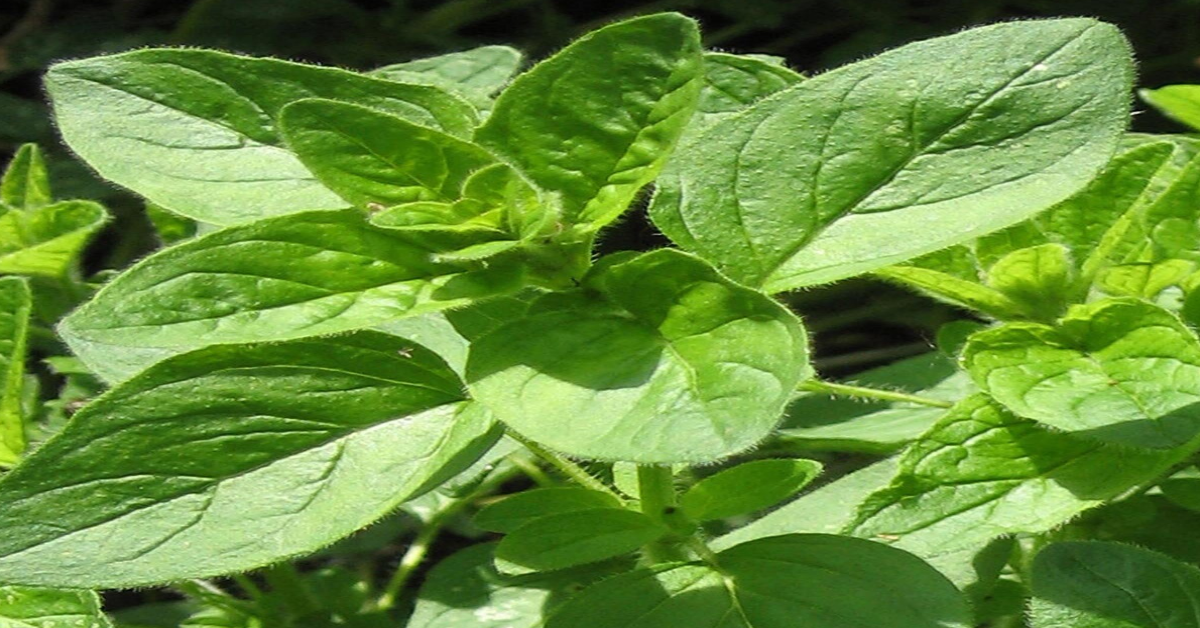
Origanum vulgare is a woody-based, rhizomatous perennial (subshrub) of the mint family, typically 20–90 cm tall (occasionally to about 1 m), with square, often purplish stems and opposite, aromatic, gland-dotted leaves. Leaves are ovate to nearly round, about 6–40 mm long and 5–30 mm wide, entire or finely toothed, and fragrant from abundant oil glands.
Flowers are small, two-lipped, white to pink or purple, clustered in dense terminal or axillary spikes with conspicuous bracts; blooming is usually midsummer to autumn. Fruits are four small brown nutlets. Native range is the Mediterranean through Europe into western and central Asia (including the Himalayas and parts of China); it is widely naturalized and cultivated. Habitat: dry grasslands, rocky slopes, open scrub, and calcareous soils in full sun. Chromosome number commonly reported as 2n = 30.
Phytochemistry
The essential oil (chemotype-dependent) is dominated by phenolic monoterpenes carvacrol and/or thymol, with frequent co-occurrence of p-cymene, γ-terpinene, linalool, borneol, and β-caryophyllene. High-carvacrol oils often contain 60–85% carvacrol; other populations are thymol-rich or mixed.
Non-volatile extracts are rich in phenolic acids (especially rosmarinic acid) and flavonoids (e.g. luteolin glycosides). Composition varies strongly with subspecies, geography, harvest stage, and distillation method. European Pharmacopoeia “Origanum herba” expects a minimum essential-oil content and a high combined carvacrol + thymol fraction in the oil.
Western Traditional & Clinical Actions
Warming, pungent, aromatic. Classically: antimicrobial, carminative, expectorant, diaphoretic, antispasmodic, mild emmenagogue, and digestive stimulant. Traditional indications: coughs, colds, bronchial catarrh, dyspepsia, bloating, and topical use on minor skin complaints. The German Commission E listed historical uses but judged efficacy insufficiently documented for a therapeutic recommendation. EMA traditional-use language has supported oregano herb for cough associated with cold and for digestive complaints such as dyspepsia and flatulence.
Chinese Medicine Actions
Not a classical materia medica staple; modern TCM-style framing treats it as niu zhi. Descriptions vary: some sources call it pungent, slightly bitter, aromatic, and relatively cooling or heat-clearing; others emphasize a warming, Qi-moving character. Common modern attributions: clear heat-toxin, disperse wind-heat, circulate Qi, support Spleen/digestive function, and address colds, cough, digestive upset, and menstrual cramping. Meridians cited in popular TCM herb sheets include Spleen, Heart, Bladder, Kidney, and Liver. Treat these as contemporary mappings, not Song- or Ming-dynasty canon.
Traditional & Historical Uses
The name is usually derived from Greek oros (mountain) + ganos (joy/brightness). Hippocrates and later Dioscorides and Galen recorded respiratory, digestive, gynecological, and topical uses (wounds, bites, ear complaints). In Greek folklore it marked joy at weddings and peace on graves. Medieval and early-modern European herbals used wild marjoram for cough, stomach “sourness,” lost appetite, and as a diaphoretic tea. In the United States it remained a niche immigrant spice until WWII; returning soldiers’ taste for Italian food drove a huge mid-20th-century rise in oregano sales. Egyptian and broader Mediterranean traditions also used related origanum plants as preservatives and household remedies.
Modern Pharmacological Evidence
In vitro and animal work consistently shows:
- Broad antibacterial and antifungal activity (membrane disruption by carvacrol/thymol; activity against S. aureus including some MRSA models, E. coli, Candida, Aspergillus, and others).
- Antioxidant and anti-inflammatory effects (phenolics, rosmarinic acid).
- Antiparasitic, antibiofilm, and possible antihyperglycemic or antitumor signals in preclinical models.
- Synergy with some antibiotics in laboratory assays.
These mechanisms explain traditional antimicrobial and digestive uses but do not by themselves prove clinical equivalence to drugs.
Clinical Studies
Human evidence is modest and often small:
- A frequently cited open study (n = 14) used 600 mg/day emulsified O. vulgare oil for 6 weeks in people with enteric protozoa; several organisms declined or cleared. Not a large RCT.
- A 2021 study in metabolic syndrome patients suggested oregano essential oil reduced selected minor infections without the dysbiosis associated with antibiotics in that cohort.
- Topical oregano preparations have been tested on surgical wounds and, in combination products, on bacterial vaginosis (non-inferiority trial vs metronidazole for a mixed herbal vaginal tablet).
- Food-science trials support oregano oil as a natural preservative in meats, dairy, and sauces.
Overall: promising antimicrobial pharmacology; limited high-quality clinical proof for most popular supplement claims.
Preparations & Dosage
Culinary use is GRAS. There is no official therapeutic dose.
Typical traditional / product ranges:
| Form | Typical use |
|---|---|
| Infusion (tea) | 1–2 tsp dried herb (or 2–4 g) per cup, 2–3× daily; cover while steeping 5–15 min |
| Tincture | Often 1–2 mL, 1–3× daily (product-dependent) |
| Dried herb | 2–4 g, 3× daily in teas |
| Emulsified oil (study) | 200–600 mg/day for limited periods (e.g. up to 6 weeks in one trial) |
| Essential oil internally | Only highly diluted/emulsified commercial products; never undiluted |
| Topical EO | Dilute ~1–3% in carrier oil; never neat |
Harvest flavor and oil content peak just before or at early flowering.
Safety & Contraindications
- Food amounts: generally safe.
- Concentrated oil: mucosal and skin irritant; undiluted oil can burn.
- Pregnancy: avoid medicinal doses and essential oil (traditional emmenagogue; uterine-stimulation concern). Culinary amounts only.
- Allergy: possible cross-reactivity with other Lamiaceae (mint, basil, thyme, sage, lavender).
- Interactions: theoretical potentiation of antidiabetic drugs (blood-sugar lowering) and anticoagulants; stop high-dose products before surgery.
- Gut flora: prolonged high-dose oil may disturb commensal bacteria.
- Quality: independent testing has found many commercial oregano oils fail labeled carvacrol claims.
Cultivation & Harvest
Full sun, well-drained, lean to moderately fertile soil, pH roughly 6–8. Drought-tolerant once established; hardy in about USDA zones 4–8 depending on genotype. Space ~30 cm. Propagate by seed (erratic), division, or cuttings. Harvest leafy stems in the morning after dew dries; for oil, full bloom is preferred; for dried culinary herb, beginning of flowering. Cut 5–7 cm above the crown; multiple cuts per season are possible. Dry quickly in shade with airflow. Flavor varies hugely with climate and chemotype—hot, dry sites usually give stronger oil.
Commercial Products
Dried leaf and ground spice; essential oil and oleoresin for food flavoring and “oil of oregano” capsules (often diluted in olive oil, marketed at 60–80% carvacrol); teas; hydrosols (kekik suyu in Turkey); topical ointments; and food-preservative applications. Turkey, Greece, and other Mediterranean countries dominate herb and oil trade. Label species and chemotype when possible; “oregano” on a bottle is not a single standardized drug.
Ethnobotanical Curiosities
Aphrodite was said to have created the plant as a symbol of happiness. Greeks crowned couples with it and planted it on tombs so the dead would rest in joy. Gerard claimed it “easeth such as are given to over much singing.” Before hops, related origanum was sometimes used in ale. The pizza-herb boom after 1943 is one of the clearest examples of wartime cuisine changing a national spice pantry. Bees and other pollinators work the flowers heavily—gardeners often leave some plants uncut for that reason.
Recent Research (2020–2026)
Work has focused on: chemotype mapping; synergy of oregano oil with conventional antibiotics against S. aureus and MDR isolates; antifungal systematic reviews; food-safety “clean label” preservation; nanoformulations to improve delivery; antioxidant/antimicrobial profiling with docking/ADME studies; and small clinical or quasi-clinical uses (GI infections in metabolic syndrome, herbal vaginal tablets). Quality-control papers keep flagging adulteration and failed potency in retail oils. Climate and harvest timing remain major determinants of oil yield and carvacrol content.
Conservation Status
IUCN: Least Concern. The species is widespread, commonly cultivated, and not globally threatened. Local wild harvesting of Origanum taxa in the eastern Mediterranean has still raised genetic-erosion concerns for some commercial “oregano” species and landraces, which is why cultivation and gene-bank collections matter.
DIY Recipes
Oregano tea: 1–2 tsp dried leaf (or a small handful of fresh) per 250 ml just-off-boil water; cover 8–10 minutes; honey and lemon optional. 1–3 cups/day for short-term colds or bloating.
Simple tincture (dried herb, 1:5 w/v): 20 g dried flowering herb + 100 ml 40–60% ethanol; macerate 4–6 weeks in the dark, shake periodically, strain. Adult starting range often ~1 ml in water, 1–3× daily—not a substitute for medical care.
Culinary oxymel idea: Warm (do not boil) apple-cider vinegar + honey, steep a generous handful of fresh oregano 1–2 weeks, strain; a spoonful in warm water for a pungent digestive tonic.
Never ingest or apply undiluted essential oil.
X (Twitter) Snapshot – 2020–2026
Recent posts mix three themes: (1) gardeners noting oregano flowers as late-season bee forage; (2) wellness accounts promoting oil of oregano for gut, immune, and “natural antibiotic” uses, often ahead of the clinical evidence; (3) skeptical corrections that oregano oil is not a pharmaceutical equivalent (e.g., not the source of azithromycin) and that overuse can disturb gut flora. Commercial accounts push high-carvacrol Mediterranean oils; quality and dilution remain the practical issues behind the hype.1
Planting & Harvesting Reference Guide for Oregano (Origanum vulgare)
👈Planting & Harvesting Reference Guide:👇
Oregano (Origanum vulgare) – Planting & Harvesting Reference Guide
- Best Time for Planting
- Start seed indoors 6–8 weeks before last frost, or sow / set plants outdoors once soil is workable and frost risk has passed.
- Divide established clumps in spring or early autumn.
- Take root cuttings and layered stems anytime the plant is in active growth and the ground is warm.
- Seed from garden Oregano (Origanum vulgare) is viable but variable: pungent Greek types (subsp. hirtum) often do not come true from seed. Save seed only from the most aromatic plants if you accept mixed children; otherwise propagate by division or cuttings of a tasted clone.
- Collect ripe seed heads when brown and dry; thresh, winnow, store cool and dry in labeled paper or glass. There is no “pit from fruit”—Oregano (Origanum vulgare) is a dry nutlet, not a fleshy fruit.
- Contemporary lunar custom (not classical): some plant on a waxing moon; the plant answers drainage and sun more than the calendar of water signs.
- Growing Conditions & Magical Minded Tips
- Full sun. Poor to moderately fertile, well-drained, even rocky or calcareous soil. Wet feet kill it faster than lean ground.
- Space clumps 12–18 inches (30–45 cm) apart; it is a low perennial herb, not a 20-foot tree.
- Light compost in spring if the stand looks starved; do not drown it in rich mulch that holds winter wet. A thin mineral mulch of grit suits it better than heavy bark.
- Water to establish, then sparingly. Drought-tough once rooted.
- Leave a portion uncut for bees; mid- to late-summer flowers are late forage.
- Whisper thanks if that is your way; the older offering is simply not stripping the wild hillside and naming the jar with the Latin name.
- Watch for root rot in clay; rust and leaf spots in wet summers. Choose a tasted, pungent clone for medicine and kitchen; golden ‘Aureum’ is milder and ornamental.
- Subsp. hirtum for heat and oil; subsp. vulgare for pink bracts, gentler tea, and pollinator beauty.
- Best Time for Harvesting Leaf and Flower
- Cut flowering tops at peak scent, usually high summer into early autumn, late morning after dew has lifted, on a dry bright day.
- First modest cuts can begin once stems are sturdy; the finest aromatic harvest is at full bloom.
- Contemporary custom: some prefer waxing-to-full moon; potency follows weather, chemotype, and hour of day more than a single moon rule.
- You are harvesting aerial parts—leaf and flower—not inner bark.
- Sustainable & Magical Harvesting Methods
- Take no more than one-third to one-half of a clump; leave bloom for insects and enough leaf for the plant to recover.
- Prefer cultivated rows and garden divisions over wild stripping of Mediterranean kekik slopes.
- Hand or clean shears; a silver blade is optional poetry, not a requirement of the old herbals.
- Ask once. Cut with thanks. Do not raze a wild stand and call it devotion.
- Keep kitchen harvest and medicine harvest labeled by subspecies when you know it.
- Post-Harvest Processing
- Dry in shade, thin layers, good air—never harsh sun that bleaches oil and color.
- Hang small bunches or screen-dry until crisp.
- Store whole in dark glass or tins, cool and dry, labeled Oregano (Origanum vulgare) and year. Crush only as needed.
- Distill only known pungent plants if you want oil; home yield is small (often near 1–2% in good material). Hydrosol is the gentler household water.
- Freeze or dry surplus leaf. Do not store damp. Discard faded, hay-flat herb; the mountain should still be in the jar when you open it.
This guide gathers the planting and harvesting notes from across the SPARK Oregano (Origanum vulgare) entry. Ethical, cultivated, bee-leaving practice keeps both the kitchen and the slope alive.
Healing Categories of Oregano (Origanum vulgare)
👈Oregano (Origanum vulgare): fits most strongly into the following healing categories, based on its traditional use, phytochemistry, clinical observations, and energetic profile:👇
Best-fit healing categories for Oregano (Origanum vulgare)
- Digestive & carminative — Warms and settles the middle: bloating, sluggish appetite, after-meal heaviness.
- Respiratory & diaphoretic — Steam, tea, and traditional “open the chest” use in colds and catarrh.
- Antimicrobial kitchen medicine — Phenolic oil (carvacrol/thymol) studied against selected microbes; food-preservative and household-hygiene current.
- Mucosal & ENT comfort — Folk gargle/steam; small trial work on rhinosinusitis inhalers and oral bacteria.
- Topical first-aid (dilute) — Warm herb poultice, heavily diluted oil for minor skin complaints—not neat oil.
- Culinary vitality — Daily seasoning as the oldest tonic: appetite, table joy, ordinary nourishment.
- Emotional-spiritual: joy, courage, release — Wedding/grave lore; modern heart-and-solar-plexus work; letting a finished story fall.
- Household purification — Strew, wash, smoke: clear heavy air after illness or quarrel.
- Veterinary & farm-adjacent — Traditional barn teas; feed-oil research; bee/forage ecology.
- Women’s folk cycle support — Older emmenagogue listings; use only as gentle kitchen herb unless guided.
Healing Categories
Digestive fire and the middle body
Oregano (Origanum vulgare) is first a stomachic. Covered infusions and food use follow Culpeper and village habit: wind, slow digestion, the meal that sits. The same warmth that seasons tomato is the warmth the old books wanted in the gut.
Breath, sweat, and the cold season
Diaphoretic and expectorant in European folk and Commission E’s listed (if officially “undocumented”) uses. Steam of the herb is closer to tradition than a dropper of oil. Think kettle, towel, and sense—not a substitute for urgent care.
The cutting leaf: microbial and preserving work
Carvacrol- and thymol-forward chemotypes disrupt membranes in the dish and in food systems. Human data are small (protozoa series, selected infections, mucosal studies). Place this category under “studied kitchen antimicrobial,” not “cure-all antibiotic.”
Mouth, sinus, and the open face
Smoke or steam to a sore tooth; Iranian inhaler RCT for chronic rhinosinusitis symptoms; extract work on oral bacteria. Gargle and inhale the whole herb. Keep neat oil off mucosa.
Skin and the outer gate
Warm poultice of leaf; modern nano- and microemulsion research on carvacrol for irritation-sparing delivery. Dilute. Patch-test. This is first-aid scale.
The table as medicine
Daily Oregano (Origanum vulgare) in food is the widest healing category on earth for this plant: appetite, pleasure, shared meals, the “good courage” (Wohlgemut) of a seasoned pot.
Joy, threshold, and grief
Classical-adjacent wreath and grave. Contemporary folk magic: protection of the door, banishing of stuck sorrow, consenting love-work only. Healing here is atmospheric and ritual, not a diagnosis code.
Land and other-than-human
Pollinator forage, cultivated rows that spare wild kekik, barn and hive experiments. Healing the house includes healing the slope.
What it is not the best fit for
Not a primary adaptogen, not a registered hospital hepatoprotective like glycyrrhizin, not an FDA botanical NDA drug, not a children’s essential-oil protocol.
Synergistic & Holistic Note
Oregano (Origanum vulgare) works best in company: olive oil and lemon at the table; thyme or sage in a winter steam; honey in a short tea; sunlight and drainage in the garden; honest naming beside Mexican Lippia look-alikes. Holism here is not stacking ten supplements. It is matching chemotype to job, food before fire, bees before yield, and consent before any “love” packet. The synergy is kitchen plus slope plus restraint.
✨ If You Only Read U.S. Consumer Pages ✨
U.S. consumer pages usually flatten Oregano (Origanum vulgare) into three talking points: it flavors pizza, “oil of oregano” is a natural antimicrobial, and you should not take a lot of oil if you are pregnant. Those sentences are not empty. They leave almost everything else off the table. They rarely say that the legal European drug is not “any Oregano from the garden,” but Origanum onites and Oregano (Origanum vulgare) subsp. hirtum with a minimum oil yield and a 60% phenol rule that many northern plants fail. They rarely mention the WHO NIS monograph, Commission E’s 1988 listing of traditional uses, ISO and Codex spice standards, China’s dried-niu-zhi trade standard, or EFSA’s species-by-species feed-oil limits. They rarely distinguish Greek high-carvacrol Oregano from pink-bracted wild marjoram, or Oregano (Origanum vulgare) from Mexican Lippia. They seldom name the Romanian metabolic-syndrome series, the Iranian sinus inhaler RCT, the Crete aromatic-droplet trial, or the Washington State interaction study now on ClinicalTrials.gov. What the shopper sees is a capsule and a warning. What the official and clinical record shows is a pharmacopoeial herb in Europe, a WHO-described flowering drug, a Codex and ISO commodity, a Chinese spice standard, a Turkish and Greek rural economy, a feed-additive file, and a thin but real human-trial literature spread across at least four countries. Both pictures matter. The second one is the one most American shoppers never see. It does not make the plant a miracle. It does make it larger, older, and more carefully defined than a pizza-aisle story can hold.
Sources:
https://www.vetpharm.uzh.ch/phytodb/0021_phy.htm
https://www.e-lactancia.org/media/papers/0-Fitoterapia-Plantas-WHO-O5NIS_2010.pdf
https://www.herbalgram.org/resources/commission-e-monographs/monograph-unapproved-herbs/oregano/
https://clinicaltrials.gov/study/NCT06693960
https://www.fao.org/fao-who-codexalimentarius/sh-proxy/ua/?lnk=1&url=https%253A%252F%252Fworkspace.fao.org%252Fsites%252Fcodex%252FStandards%252FCXS%2B342-2021%252FCXS_342e.pdf
Globally: Where This Plant Is Studied
👈Global research, official texts, publishers, and human-trial data, rather than U.S.-consumer-page-limited:👇
Where This Plant Is Studied
Oregano (Origanum vulgare) is studied as a Mediterranean crop, a pharmacognosy problem of chemotypes, a food-preservative oil, a feed additive, and a household medicinal aromatic—not as a U.S. wellness novelty. The densest modern output sits where the genus is native and traded: Turkey, Greece, Italy, Spain, Romania, Poland, Estonia, Germany, Iran, Pakistan, India, China, and, in smaller but important clusters, the United States. Institutional work includes Turkish agricultural and taxonomic schools (the gene center of Origanum), Greek island and mainland groups that still distinguish Origanum vulgare subsp. hirtum from milder northern plants, Italian and Spanish food-microbiology labs, Romanian and Polish oil-profile groups, Iranian clinical and ENT researchers, Chinese natural-products and spice-standard bodies, and U.S. centers such as Washington State University’s NIH-supported botanical–drug interaction program. Genome and breeding papers on Greek Oregano and high-carvacrol cultivars have come from Chinese and international horticulture groups. Field research follows the same map as the spice sack: Aegean and Anatolian hillsides, Balkan meadows, Himalayan and Chinese slope populations recorded as niu zhi, and experimental plots from Scotland to Moldova that often fail European Pharmacopoeia oil minima when the wrong chemotype is grown. In short, Oregano (Origanum vulgare) is a multi-country agronomy, chemistry, food-safety, veterinary-feed, and traditional-medicine subject.
Sources:
https://link.springer.com/article/10.1007/s11101-018-9566-0
https://www.mdpi.com/2073-4395/14/12/3046
https://academic.oup.com/hr/article/13/5/uhag030/8444835
https://www.herbalgram.org/resources/herbalgram/issues/134/table-of-contents/hg134-bkrvw-oregano/
https://www.efloras.org/florataxon.aspx?flora_id=2&taxon_id=200019922
Official Books That Name This Species
Oregano (Origanum vulgare) is named in official quality books, but the name on the page is not always the whole species as a garden perennial. The European Pharmacopoeia monograph Origani herba (Ph. Eur. 1880) defines the drug as dried leaves and flowers, stems removed, of Origanum onites L., Oregano (Origanum vulgare) subsp. hirtum (Link) Ietsw., or a mixture of both—not automatically subsp. vulgare from a northern roadside. It requires at least 25 mL/kg essential oil on the anhydrous drug and at least 60% combined carvacrol plus thymol in that oil. The World Health Organization’s 2010 NIS volume monograph Herba Origani defines the drug as flowering aerial parts of Oregano (Origanum vulgare) L., while noting the narrower Ph. Eur. species pair. German Commission E published an Origani vulgaris herba monograph (6 July 1988) listing traditional respiratory, digestive, urinary, and diaphoretic uses, then classed the herb unapproved because those uses were not documented to Commission E’s standard—an official German book, not a dismissal of the plant’s existence. EMA HMPC issued a traditional-use EU monograph on Origanum majorana (sweet marjoram), not on Oregano (Origanum vulgare) itself; the sister is regulated at EU herbal-medicine level, the pizza-and-oil plant mainly at pharmacopoeia and food-law level. Food and trade law is explicit: ISO 7925 covers dried Oregano (Origanum vulgare) leaf; ISO 13171 covers essential oil of Origanum vulgare subsp. hirtum; Codex Alimentarius CXS 342-2021 is the international standard for dried oregano (Origanum spp. except O. majorana, plus Mexican Lippia); China maintains GB/T 22302-2020 Dried oregano specifically for Oregano (Origanum vulgare) L. and warns that “Mexican oregano” is not this genus. Flora of China records Oregano (Origanum vulgare) as niu zhi and notes medicinal use; it is not a headline Chinese Pharmacopoeia TCM drug in the Gan Cao sense. United States: GRAS-style food spice and dietary-supplement commerce, not an FDA botanical NDA. EFSA has assessed subsp. hirtum oil as a sensory feed additive for animal species. These books specify identity, oil yield, phenol fraction, ash, and what may legally be sold as the drug or the spice. That is a different class of naming than a retail capsule label.
Sources:
https://www.vetpharm.uzh.ch/phytodb/0021_phy.htm
https://ogyei.gov.hu/dynamic/2_2008/Origani%20herba.pdf
https://www.e-lactancia.org/media/papers/0-Fitoterapia-Plantas-WHO-O5NIS_2010.pdf
https://www.herbalgram.org/resources/commission-e-monographs/monograph-unapproved-herbs/oregano/
https://www.ema.europa.eu/documents/herbal-monograph/final-european-union-herbal-monograph-origanum-majorana-l-herba_en.pdf
https://www.iso.org/standard/37382.html
https://www.fao.org/fao-who-codexalimentarius/sh-proxy/ua/?lnk=1&url=https%253A%252F%252Fworkspace.fao.org%252Fsites%252Fcodex%252FStandards%252FCXS%2B342-2021%252FCXS_342e.pdf
https://www.spc.org.cn/online/13a8f0219b69807a1cad1460a2824c17.html
https://efsa.onlinelibrary.wiley.com/doi/pdfdirect/10.2903/j.efsa.2019.5909
Who Publishes on It
Publication is global and split across food chemistry, essential-oil analysis, agronomy, microbiology, veterinary feed, and a thinner clinical layer. Turkey, Greece, Italy, Spain, Iran, China, India, Romania, Poland, and Germany recur as author addresses; the United States appears strongly in food science, supplement analytics, and interaction pharmacokinetics. Journals that repeatedly carry Oregano (Origanum vulgare) include Molecules, Plants, Agronomy, Phytotherapy Research, Journal of Ethnopharmacology, Journal of Dairy Science, Food Control, Horticulture Research, Antibiotics, and regional titles such as the Journal of Mazandaran University of Medical Sciences. Publishers and official bodies include Elsevier, Wiley, Springer, MDPI, Frontiers, WHO, the European Directorate for the Quality of Medicines (Ph. Eur.), Codex/FAO-WHO, ISO, China’s SAC spice committee, EFSA FEEDAP, and national pharmacopoeia commissions. Author clusters sit in Mediterranean herb institutes, Iranian ENT and pharmacognosy groups, Turkish kekik trade and taxonomy, Chinese genome and spice-standard labs, and U.S. botanical-safety groups. Consumer sites reprint fragments. They are not the original publishers.
Sources:
https://www.mdpi.com/1420-3049/26/2/283
https://www.mdpi.com/2073-4395/14/12/3046
https://onlinelibrary.wiley.com/doi/10.1002/(SICI)1099-1573(200005)14:3%3C213::AID-PTR583%3E3.0.CO;2-U
https://www.journalofdairyscience.org/article/S0022-0302(21)00092-8/fulltext
https://academic.oup.com/hr/article/13/5/uhag030/8444835
Human Trials Tied to This Species
Human evidence for Oregano (Origanum vulgare) is real, modest in size, and geographically wider than U.S. retail copy admits. Force, Sparks, and Ronzio (United States, Phytotherapy Research, 2000) gave fourteen adults with stool-positive protozoa 600 mg daily emulsified oil of Mediterranean Oregano (Origanum vulgare) for six weeks; several organisms cleared or declined, and gut symptoms improved in most Blastocystis carriers—an open series, not a large RCT, still the most-cited human oil study. Ghitea and colleagues (Romania, Molecules, 2021) followed 106 adults with metabolic syndrome and compared Oregano (Origanum vulgare) essential oil with antibiotic management of selected minor infections; they reported antimicrobial effect without the intestinal disruption seen with antibiotics in that cohort, plus improved phase angle. An Iranian double-blind, placebo-controlled RCT at Boo Ali Sina Hospital, Sari (2005; Journal of Mazandaran University of Medical Sciences) tested inhalation of a 75% hydroalcoholic extract of Origanum vulgare in sixty-four people with chronic rhinosinusitis; most symptoms except hyposmia and nasal drip improved versus placebo, with no reported adverse effects. A later Iranian triple-blind non-inferiority trial of a vaginal tablet containing Oregano (Origanum vulgare) and lemon balm versus metronidazole found comparable short-course results on bacterial vaginosis signs and Amsel criteria. The University of Crete registered ISRCTN31202330, a proof-of-concept RCT of olive-oil droplets from Origanum vulgare subsp. hirtum and/or Origanum onites plus sage and dittany for functional dyspepsia and IBS-like symptoms. Washington State University’s ongoing early-phase trial NCT06693960 (NIH U54AT008909) is asking how a characterized Oregano (Origanum vulgare) product changes the pharmacokinetics of a CYP probe cocktail—caffeine, dextromethorphan, losartan, midazolam, omeprazole—the first modern U.S. interaction study worthy of the name. Species-adjacent human work on Turkish oregano, Origanum onites, aqueous distillate in mild hyperlipidaemia (endothelial function, lipids, 2008) belongs next to this file, not inside it. Official European assessment of Oregano (Origanum vulgare) remains traditional-use and pharmacopoeial quality, not EMA “well-established efficacy.” The honest sentence is: human trials exist in the United States, Romania, Iran, and Greece; they are small; they point at gut microbes, sinus comfort, mucosa, and drug metabolism; they do not yet equal a hospital monograph for a single registered Oregano drug.
Sources:
https://pubmed.ncbi.nlm.nih.gov/10815019/
https://pubmed.ncbi.nlm.nih.gov/33429991/
https://www.mdpi.com/1420-3049/26/2/283
https://www.researchgate.net/publication/26458063_Origanum_vulgar_inhaler_in_the_treatment_of_chronic_rhinosinositis_a_double_blind_placebo_controlled_randomized_clinical_trial
https://pmc.ncbi.nlm.nih.gov/articles/PMC12745365/
https://doi.org/10.1186/isrctn31202330
https://clinicaltrials.gov/study/NCT06693960
https://pubmed.ncbi.nlm.nih.gov/19094443/

Part 1: Modern Medical Properties and Uses

Purpose: Highlights the plant’s scientific and medicinal properties, validating holistic healing with evidence-based data.
Contemporary Medical Applications of Oregano (Origanum vulgare)
👈Contemporary Medical Applications: Describes current clinical uses (e.g., capsules, tinctures) and delivery methods in modern medicine.👇
Contemporary Medical Applications:
- Oregano (Origanum vulgare) enters contemporary practice as dried herb, aqueous infusions, hydroalcoholic tinctures, oleoresins, and steam-distilled essential oil, most often sold as “oil of oregano” softgels emulsified in olive or other carrier oils so the phenolic volatiles can be swallowed without burning the mucosa.
- Traditional European herbal practice and modern clinic protocols still use hot infusions and gargles of the aerial parts for cough associated with cold, bronchial tightness, and dyspepsia with bloating, aligning with long-standing Mediterranean household use of the flowering tops.
- Emulsified essential-oil capsules have been studied as an oral course (classically 600 mg daily for six weeks in an open human series) for people whose stools carried Blastocystis hominis and related protozoa, with reported clearance or reduction of organisms and improvement of gastrointestinal symptoms in a majority of those carrying B. hominis.
- Topical applications include diluted essential oil in carrier oil, ointments, and combination vaginal tablets; a randomized non-inferiority trial of an oregano–lemon-balm vaginal tablet reported clinical and laboratory improvement in bacterial vaginosis comparable to metronidazole on Amsel criteria over a short course.
- Food-medicine crossover remains the widest modern use: dried leaf and essential oil function as culinary antimicrobials and flavorants in tomato sauces, meats, cheeses, and ready meals, while the same chemistry is investigated as a “clean-label” preservative against foodborne bacteria and spoilage fungi.
- Veterinary and animal-production settings employ oregano oil and herb in feed or water as a digestive and respiratory support and as a growth- and hygiene-supporting botanical in poultry and livestock systems, echoing older European ethnoveterinary use of origanum teas for respiratory and digestive complaints.
- Delivery choices matter: whole-herb tea and tincture supply volatiles plus rosmarinic acid and flavonoids; isolated oil concentrates carvacrol and thymol and must be diluted or enteric-coated; quality varies widely, so labeled carvacrol content and botanical identity (O. vulgare, often subsp. hirtum for high-phenol oils) are the practical modern standards.
Sources: Contemporary Medical Applications
https://pubmed.ncbi.nlm.nih.gov/10815019/
https://onlinelibrary.wiley.com/doi/10.1002/(SICI)1099-1573(200005)14:3%3C213::AID-PTR583%3E3.0.CO;2-U
https://materiamedica.holisticconsultinghq.com/herbs/oregano/
https://pmc.ncbi.nlm.nih.gov/articles/PMC12745365/
https://www.vetpharm.uzh.ch/phytodb/0021_phy.htm
https://www.drugs.com/npp/oregano.html
https://www.herbalreality.com/herb/oregano/
Pharmacology of Oregano (Origanum vulgare)
👈Pharmacology: Outlines key compounds and their mechanisms of action, driving therapeutic effects.👇
Pharmacology:
- Carvacrol, the dominant monoterpene phenol of many Mediterranean oregano oils, partitions into microbial membranes, expands the bilayer, collapses the proton motive force, and acts as a proton exchanger through its phenolic hydroxyl, draining intracellular ATP and leaking potassium until the cell dies.
- Thymol, the positional isomer of carvacrol, shares the same aromatic hydroxyl and delocalized-electron system, disrupting membrane integrity, raising permeability, and contributing synergistic antimicrobial action whenever both phenols co-occur in an oil.
- Precursor hydrocarbons p-cymene and γ-terpinene swell membranes and facilitate entry of the phenols; they are weaker antimicrobials alone but amplify the activity of carvacrol–thymol oils in living plant chemotypes.
- Rosmarinic acid and related caffeic esters in aqueous and methanolic extracts scavenge reactive oxygen species, chelate metal ions, and modulate inflammatory signaling, giving the whole-herb tea a different pharmacological profile from steam-distilled oil.
- Flavonoids such as luteolin glycosides add mild antispasmodic and antioxidant support to the digestive tract, consistent with carminative and spasmolytic folk use of the infusion rather than the isolated oil.
- Anti-inflammatory readouts in experimental models include reduced cytokine signaling and antioxidant enzyme support; these sit beside the membrane-level antimicrobial action and help explain combined respiratory and gut applications of the plant.
- Antiparasitic and antibiofilm activity observed in laboratory and small human series is attributed to the same membrane disruption plus oxidative stress inside the target organism, rather than a single receptor-specific drug action.
Sources: Pharmacology:
https://journals.asm.org/doi/10.1128/AEM.68.4.1561-1568.2002
https://link.springer.com/article/10.1007/s43450-023-00433-3
https://pmc.ncbi.nlm.nih.gov/articles/PMC7765853/
https://pmc.ncbi.nlm.nih.gov/articles/PMC10818459/
https://consensus.app/search/what-is-oregano-mechanism-of-action/8_yjC3DSQMKn1-PaDI9GuQ
https://www.mdpi.com/1422-0067/21/24/9653
https://www.mdpi.com/2218-273X/15/1/5
Natural Medicine Studies / Oregano (Origanum vulgare)
👈Natural Medicine Studies: Summarizes recent research on efficacy, safety, or clinical outcomes from peer-reviewed studies.👇
Natural Medicine Studies:
- Force, Sparks, and Ronzio (2000) gave fourteen adults with stool-positive enteric protozoa 600 mg daily of emulsified Origanum vulgare oil for six weeks; Entamoeba hartmanni and Endolimax nana cleared in all identified cases, Blastocystis hominis cleared in eight of eleven, and gastrointestinal symptoms improved in seven of those eleven.
- A 2021 clinical investigation in people with metabolic syndrome compared oregano essential oil with conventional antibacterial management of selected minor infections and reported antimicrobial effect without the intestinal disruption associated with antibiotic courses in that cohort, with improvement in phase-angle measures used as a cellular-function index.
- A triple-blind non-inferiority trial of a vaginal tablet containing oregano and lemon balm versus metronidazole in bacterial vaginosis found comparable resolution of clinical signs and Amsel criteria by days five and ten, supporting topical origanum preparations in mucosal infection.
- Systematic and narrative reviews from 2020–2026 compile strong in-vitro and food-matrix antifungal and antibacterial data for O. vulgare oils against Candida, Aspergillus, Staphylococcus aureus (including resistant isolates in laboratory models), and Gram-negative food pathogens, with carvacrol content predicting potency.
- Combination studies show oregano oil lowering fractional inhibitory concentrations of several conventional antibiotics against S. aureus, a laboratory synergy that researchers are exploring as a way to restore activity against resistant strains rather than as a stand-alone replacement for indicated drugs.
- Safety observations in the small oral-oil series and in animal repeated-dose work report good short-term tolerance of emulsified oil at studied capsule doses, while undiluted essential oil remains a documented mucosal and dermal irritant and is not used neat.
- Quality-control surveys of retail “oregano oil” continue to find products that miss labeled carvacrol claims, which means clinical results cannot be generalized to every bottle on a shelf without assay data.
Sources: Natural Medicine Studies:
https://pubmed.ncbi.nlm.nih.gov/10815019/
https://pubmed.ncbi.nlm.nih.gov/33429991/
https://pmc.ncbi.nlm.nih.gov/articles/PMC12745365/
https://onlinelibrary.wiley.com/doi/10.1002/cbdv.202402296
https://www.frontiersin.org/journals/cellular-and-infection-microbiology/articles/10.3389/fcimb.2025.1684624/full
https://www.mdpi.com/1420-3049/29/2/435
https://www.nutritionaloutlook.com/view/now-testing-reveals-potency-failures-in-oregano-oil-on-amazon-raising-quality-concerns-in-supplements
Chemistry of Oregano (Origanum vulgare)
👈Chemistry: Details active chemical constituents (e.g., alkaloids, flavonoids) and their healing roles.👇
Chemistry:
- Steam-distilled essential oil of Origanum vulgare is a chemotype-rich mixture of monoterpenes; high-phenol Mediterranean types commonly carry 60–85% carvacrol, with thymol, p-cymene, γ-terpinene, linalool, borneol, and β-caryophyllene as recurring companions.
- Northern and some wild Eurasian populations lean toward thymol, mixed phenol, or sabinyl/linalool profiles, so “oregano oil” is not a single chemical substance; European Pharmacopoeia language for origanum herb expects a minimum oil yield and a high combined carvacrol-plus-thymol fraction when the drug is defined that way.
- Aqueous and hydroalcoholic extracts are dominated by phenolic acids—rosmarinic acid foremost—together with caffeic and other hydroxycinnamates that survive tea-making and tincturing better than the most volatile monoterpenes.
- Flavonoid glycosides (luteolin-7-O-glucoside and related luteolin conjugates) and smaller amounts of tannins contribute color, mild astringency, and antioxidant capacity to leaf infusions.
- Sesquiterpenes such as β-caryophyllene and germacrene D appear in many chromatograms and are investigated for complementary anti-inflammatory receptor activity alongside the phenols.
- Glandular trichomes on leaves and bracts are the anatomical factories of the oil; gland density and harvest stage (often peak at full bloom for oil, earlier for culinary leaf) govern yield more than crude biomass alone.
- Commercial oleoresins and CO₂ extracts capture a broader slice of mid-polarity phenolics than hydrodistillation, which is why extract type must be named when comparing laboratory results.
Sources: Chemistry:
https://pmc.ncbi.nlm.nih.gov/articles/PMC10818459/
https://pmc.ncbi.nlm.nih.gov/articles/PMC7765853/
https://www.mdpi.com/1420-3049/29/2/435
https://www.mdpi.com/2223-7747/14/16/2468
https://powo.science.kew.org/taxon/urn:lsid:ipni.org:names:453395-1
https://www.mdpi.com/2073-4395/14/12/3046
https://www.agriculturejournal.org/volume11number2/botanical-description-cultivation-practices-essential-oil-composition-and-therapeutic-values-of-origanum-vulgare-l-and-its-future-prospective/
Functional Foods and Nutrition /Oregano (Origanum vulgare)
👈Functional Foods and Nutrition: Highlights dietary uses (e.g., teas, supplements) in modern health practices.👇
Functional Foods and Nutrition:
- Dried oregano leaf is a daily Mediterranean seasoning whose volatile phenols and rosmarinic acid travel with tomato, olive oil, garlic, and grilled meats; drying concentrates flavor and keeps the herb available year-round as both food and household medicine.
- Oregano tea—typically 1–2 teaspoons of dried aerial parts steeped covered in hot water—is used as a savory, pungent infusion for sore throat, early cold, and after-meal heaviness, delivering a gentler dose of the same constituents found in capsules.
- Hydrosols remaining after distillation (kekik suyu in Turkish commerce) are drunk as aromatic waters for digestion and as a daily household tonic in producing regions, a food-grade use distinct from swallowing essential oil.
- Softgel and liquid supplements place measured carvacrol into the diet as a concentrated functional ingredient; they sit beside, rather than replace, culinary amounts that the FDA treats as GRAS when used as food.
- Antioxidant capacity of oregano ranks high among culinary herbs in comparative assays, reflecting both essential-oil phenols and the water-soluble rosmarinate fraction that survives cooking better than some volatiles.
- Food-technology research uses oregano oil and extracts to slow spoilage and pathogen growth in cheese, meat, fish, and tomato sauces, turning a kitchen herb into a practical hurdle technology for cleaner labels.
- Nutritional identity is herbal rather than macronutrient-dense: small serving sizes supply aroma, phenolics, and trace minerals, not calories, which is why the plant’s dietary value is pharmacological and culinary rather than caloric.
Sources: Functional Foods and Nutrition:
https://www.herbalreality.com/herb/oregano/
https://www.drugs.com/npp/oregano.html
https://medlineplus.gov/druginfo/natural/644.html
https://www.sciencedirect.com/science/article/abs/pii/S0956713526002173
https://www.britannica.com/plant/oregano
https://en.wikipedia.org/wiki/Oregano
https://www.herbalgram.org/resources/herbalgram/issues/134/table-of-contents/hg134-bkrvw-oregano/
Current Projects and Future Possibilities / Oregano (Origanum vulgare)
👈Current Projects and Future Possibilities: Notes ongoing research, clinical trials, or innovative medical applications.👇
Current Projects and Future Possibilities:
- Researchers are mapping harvest date, subspecies, and climate against carvacrol yield so growers can stabilize high-phenol chemotypes for both spice markets and standardized extracts instead of relying on wild collection alone.
- Synergy projects pair oregano oil with older antibiotics against multidrug-resistant Staphylococcus and environmental isolates, seeking lower effective doses and slower resistance pressure in laboratory and veterinary models.
- Nanoemulsions, liposomes, and edible films are being built around oregano volatiles to keep carvacrol dispersed in food and on wound or mucosal surfaces without the burn of neat oil.
- Antifungal pipelines continue to test Origanum oils against Candida and storage molds, including systematic reviews that treat oregano as a lead botanical for difficult mucosal and food fungi.
- Agricultural science explores oregano as a dual-use crop: culinary herb, essential-oil plant, pollinator forage, and a possible on-farm hygiene aid, which supports rural economies in Turkey, Greece, and other producer countries.
- Analytical campaigns (HPLC versus cruder colorimetric assays) aim to clean up the supplement marketplace after surveys found many retail oils far below labeled carvacrol, a quality project as important as any new bioassay.
- Comparative work on whole-herb versus isolated-oil pharmacology may restore attention to rosmarinic-rich teas and tinctures for everyday digestive and respiratory support, reserving high-carvacrol oils for short, targeted courses.
Sources: Current Projects and Future Possibilities:
https://www.sciencedirect.com/science/article/abs/pii/S0882401025007594
https://pubmed.ncbi.nlm.nih.gov/41799149/
https://www.nature.com/articles/s41598-025-10814-4
https://www.mdpi.com/1420-3049/30/16/3329
https://www.agriculturejournal.org/volume11number2/botanical-description-cultivation-practices-essential-oil-composition-and-therapeutic-values-of-origanum-vulgare-l-and-its-future-prospective/
https://www.herbalgram.org/resources/herbalgram/issues/134/table-of-contents/hg134-bkrvw-oregano/
https://uses.plantnet-project.org/en/Origanum_(PROSEA)
Literary Mentions of Oregano (Origanum vulgare)
👈Literary Mentions: References modern medical texts or studies citing the plant’s therapeutic use.👇
Literary Mentions:in ancient texts
- The Hippocratic corpus (fifth–fourth century BCE) names origanum across dozens of passages, with the heaviest cluster on throat and chest affections, plus gynecological applications and uses for swelling and pain, establishing oregano as a working physician’s plant rather than a later folkloric invention.
- Pedanius Dioscorides, De Materia Medica (first century CE), Book III, treats several origanon kinds (including Heracleotic, onitis, wild, and goat oregano) between lavender and pennyroyal; he records warming action, use in wine against venomous bites, milk or vinegar combinations against plant poisons, expectorant honey-and-raisin preparations, and applications for cough, ear, and skin.
- Galen and Pliny the Elder carry the same plant into Roman encyclopedic medicine: digestive upset, respiratory phlegm, bites, and topical complaints, locking oregano into the Greco-Roman chain that later herbals simply continued.
- Medieval and Renaissance printed herbals—Ortus Sanitatis, Lonitzer’s Kräuterbuch, Fuchs, and the illustrated Dioscorides recensions—keep oregano and marjoram as paired mountain aromatics, warming, drying, and useful for wind, cough, and poison, with woodcuts that still identify the square-stemmed labiate.
- John Gerard (1597) writes that the fresh or dried leaves “drunk in wine” serve against mortal poisons and that the plant eases those “given to over much singing,” a nervous and respiratory note that sits beside Culpeper’s later stomach-and-head strengthening of wild or “wind” marjoram.
- Chinese materia records of niu zhi (Origanum vulgare) describe a fragrant perennial of slopes and roadsides used for feverish colds, digestive upset, and related complaints, a parallel Eurasian thread rather than a late Western import.
- Modern scholarly histories (AHPA “Herbs in History,” annotated Dioscorides translations, and regional European monographs) treat these texts as the documentary spine of oregano’s medical identity: an aromatic mountain labiate used for breath, belly, bites, and ritual joy long before it became the pizza herb of the twentieth century.
Sources: Literary Mentions:
https://archive.org/details/dioscorides-de-materia-medica-2000-english
https://www.ahpa.org/herbs_in_history_oregano
https://www.myhealthcare.com/Herbs/Oregano/History/index.html
https://www.medicinetraditions.com/marjorana-oreganum-marjoram-and-oregano-pro/
https://materiamedica.holisticconsultinghq.com/herbs/oregano/
https://sys01.lib.hkbu.edu.hk/cmed/mpid/detail.php?herb_id=D00290&lang=eng
https://www.joellane.org/history/the-gardens/oregano

Part 2: Plant Knowledge Systems

Purpose: Validates plant-based healing through interdisciplinary scientific and cultural fields.
Ethnobotany of Oregano (Origanum vulgare)
👈Ethnobotany: Explores the plant’s traditional uses across cultures, linking indigenous knowledge to modern applications.👇
Ethnobotany:
- Across the eastern Mediterranean, Oregano (Origanum vulgare) belongs to a living kekik complex in which villagers do not always separate species the way botanists do; Turkish, Greek, Albanian, and Levantine households harvest flowering tops for tea, spice, wound washes, cough steam, and the aromatic distillation water left after oil is taken off. That hydrosol—kekik suyu—is still drunk for stomach complaint and as a daily prophylactic water, a food-medicine that modern gastro-antimicrobial research now reads as a dilute phenolic rinse of the same carvacrol–thymol chemistry sold in capsules.
- Greek and Roman physicians already treated several origanon kinds as warming, drying mountain herbs for throat, chest, belly, menses, bites, and poison; Hippocratic treatises cluster Oregano around respiratory and gynecological uses, while Dioscorides places Heracleotic and wild Oregano beside lavender and pennyroyal and prescribes wine, honey, milk, or vinegar vehicles. Those protocols survive, almost unchanged in outline, in later European herbals and in today’s teas, gargles, and emulsified oils.
- In China the same species is recorded as niu zhi, a fragrant slope and roadside labiate used for feverish colds, cough, vomiting, diarrhea, and related heat-damp patterns. The parallel is ecological as much as medical: a Eurasian perennial of open, often calcareous ground offering pungent aerial parts at midsummer, pressed into service wherever people needed a household antimicrobial and digestive aromatic.
- Wedding garlands, grave plantings, and the folk etymology “joy of the mountain” show Oregano as a plant of passage as well as of the sickroom. Happiness and peaceful rest were planted with the same square-stemmed herb that flavored meat and broke a fever, so the modern pizza-herb identity is a late, narrow slice of a much older social botany.
- Contemporary clinic and kitchen uses—carminative tea, expectorant steam, topical dilute oil, food preservation—map directly onto these regional practices. What has changed is standardization: chemotype, carvacrol assay, and subspecies (Origanum vulgare subsp. hirtum versus milder northern Origanum vulgare) now sit beside the grandmother’s bundle of flowering stems.
Sources: Ethnobotany:
https://www.ahpa.org/herbs_in_history_oregano
https://www.myhealthcare.com/Herbs/Oregano/History/index.html
https://www.sciencedirect.com/science/article/abs/pii/S221080331930003X
https://link.springer.com/chapter/10.1007/978-3-031-43312-2_9
https://www.herbalgram.org/resources/herbalgram/issues/134/table-of-contents/hg134-bkrvw-oregano/
https://sys01.lib.hkbu.edu.hk/cmed/mpid/detail.php?herb_id=D00290&lang=eng
https://avesis.sdu.edu.tr/yayin/e7fb339b-6268-45af-b60e-2cd866a534f2/turkiyede-dogal-olarak-yayilis-gosteren-origanum-l-turlerinin-geleneksel-tibbi-kullanimlari
Plant Genomics of Oregano (Origanum vulgare)
👈Plant Genomics: Describes genetic studies of the plant, focusing on traits related to medicinal properties.👇
Plant Genomics:
- Oregano (Origanum vulgare) has been sequenced. Early comparative work assembled culinary-herb genomes including Oregano alongside sweet marjoram, basil, and rosemary, cataloguing terpene-synthase families that explain why Nepetoideae mints produce such different aroma maps from a shared monoterpene backbone.
- A chromosome-level genome of Greek Oregano (Origanum vulgare subsp. hirtum) now anchors roughly 710 Mb on fifteen chromosomes with tens of thousands of predicted genes, including large cytochrome-P450 clades (CYP71, CYP76, CYP706) that decorate γ-terpinene toward thymol and carvacrol. A whole-genome duplication dated near sixty million years ago is invoked to explain the explosion of specialized terpenoid pathways in Lamiaceae.
- Haplotype-resolved assemblies of the high-carvacrol cultivar ‘Hot and Spicy’ resolve two haplotypes near 600 Mb each, map glandular-secretory-trichome density against oil yield, and supply SNP and structural-variant catalogs for breeding denser oil glands rather than simply more biomass.
- Functional genomics has named a jasmonate-inducible bHLH transcription factor, OvbHLH13, that binds the promoter of OvSDR1, a short-chain dehydrogenase on the thymol–carvacrol route. Jasmonic-acid treatment raises oil yield and upregulates OvSDR1 and several CYP71D genes, giving breeders a hormonal handle on the same pathway village distillers already selected by nose.
- Tissue-resolved transcriptomes show carvacrol biosynthesis concentrated where peltate glands sit—leaves and floral bracts more than stems—so “harvest at bloom” is now a genomic statement as well as an old field rule. Heavy-ion mutagenesis plus metabolomics continues to throw candidate TPS and CYP71D alleles that track thymol versus carvacrol, turning chemotype from a mystery of place into a tractable breeding target.
Sources: Plant Genomics:
https://pmc.ncbi.nlm.nih.gov/articles/PMC7508350/
https://academic.oup.com/hr/article/13/5/uhag030/8444835
https://www.eurekalert.org/news-releases/1133931
https://pmc.ncbi.nlm.nih.gov/articles/PMC9654750/
https://www.biorxiv.org/content/10.1101/2024.04.30.591903v1
https://www.mdpi.com/1467-3045/48/1/7
Phytotherapy of Oregano (Origanum vulgare)
👈Phytotherapy: Details the plant’s use in clinical herbal medicine, including therapeutic protocols.👇
Phytotherapy:
- Clinical herbal protocols treat Oregano (Origanum vulgare) aerial parts as a warming, pungent, aromatic antimicrobial carminative and expectorant. Infusions of 2–4 g dried herb, taken hot at the onset of a cold to encourage diaphoresis, or cooler before meals for dyspepsia and flatulence, remain the baseline whole-plant method; covered steeping keeps the volatiles in the cup.
- Emulsified essential-oil courses used in documented human work have centered on 600 mg daily for up to six weeks in adults with stool-documented protozoa, with follow-up stool testing rather than open-ended “immune” dosing. Phytotherapists who adopt this protocol treat it as a short, targeted course, not a daily spice-cabinet habit, and keep culinary tea available as the gentler maintenance form.
- Respiratory protocols combine Oregano tea or diluted tincture with steam inhalation of the herb (not neat essential oil) for cough and catarrh, echoing both European folk practice and related Origanum monographs that support cough associated with cold and mild gastrointestinal spasm. Gargles of strong infusion are used for sore throat where the tissue can tolerate the pungency.
- Topical phytotherapy uses only diluted oil (about 1–3% in a carrier) or finished ointments and, in one controlled gynecologic study, a combination vaginal tablet; undiluted oil is excluded from competent protocols because of mucosal burn. Skin and wound washes historically used decoction or hydrosol rather than neat distillate.
- Differentiation by preparation is clinical policy: tea and tincture deliver rosmarinic acid plus a modest volatile load for everyday gut and upper-airway work; high-carvacrol oil is reserved for short antimicrobial aims and is stopped if heartburn, rash, or gut distress appears. Pregnancy protocols keep medicinal oil and strong emmenagogue doses off the chart and leave only culinary amounts.
Sources: Phytotherapy:
https://materiamedica.holisticconsultinghq.com/herbs/oregano/
https://pubmed.ncbi.nlm.nih.gov/10815019/
https://www.herbalreality.com/herb/oregano/
https://www.arzneipflanzenlexikon.info/en/greek-oregano.php
https://www.vetpharm.uzh.ch/phytodb/0021_phy.htm
https://carahealth.com/herbal-monographs/oregano-origanum-vulgare
Ethnoecology of Oregano (Origanum vulgare)
👈Ethnoecology: Examines the plant’s ecological role in cultural practices and environmental interactions.👇
Ethnoecology:
- Oregano (Origanum vulgare) is a plant of open, often limestone ground—dry meadow, rocky slope, forest edge, and sunlit scrub—from Macaronesia and the Mediterranean through Europe into Central Asia and China. People who live on those slopes have long timed cutting to early bloom for leaf spice and full bloom for oil, leaving enough standing stems that bees, hoverflies, and other pollinators can work the purple heads; the herb is therefore both harvest and habitat.
- Turkey sits at the gene center of Origanum, with dozens of taxa and a majority of global dried-Oregano and Oregano-oil exports. That commercial gravity has a double ecological face: cultivation takes pressure off some hillsides, while wild stripping of kekik in Turkey, Albania, Morocco, and Greece has already raised genetic-erosion warnings for local landraces. Seed banks in Izmir, Gatersleben, Palermo, and French aromatic-plant conservatories exist because the mountain beauty is also a traded commodity.
- Cultural practice and ecology meet in distillation. Village stills return hydrosol to the household and send oil to town; the plant’s drought tolerance and preference for poor, drained soils make it a crop that can hold eroding terraces and survive summers that wilt thirstier herbs. Garden escapes in North America and elsewhere show the same opportunism that made it a roadside medicine in Eurasia.
- Naming the mountain—oros plus ganos—is ethnoecology in miniature. Communities read Oregano as a marker of high, bright, well-drained ground, planted on graves and worn at weddings because the same ecology that concentrates phenol oils also concentrates meaning. Conservation of the species globally is not the emergency (it is Least Concern), but conservation of wild chemotype diversity in the eastern Mediterranean is the live ethnoecological task.
Sources: Ethnoecology:
https://powo.science.kew.org/taxon/urn:lsid:ipni.org:names:453395-1
https://uses.plantnet-project.org/en/Origanum_(PROSEA)
https://link.springer.com/chapter/10.1007/978-3-031-43312-2_9
https://www.herbalgram.org/resources/herbalgram/issues/134/table-of-contents/hg134-bkrvw-oregano/
https://en.wikipedia.org/wiki/Oregano
https://www.researchgate.net/publication/365182744_Oregano
Anthroposophical Medicine of Oregano (Origanum vulgare)
👈Anthroposophical Medicine: Outlines the plant’s use in Steiner-inspired remedies, including preparation, studies, and dosage.👇
Anthroposophical Medicine:
- Limited data. Oregano (Origanum vulgare) does not occupy the central, richly documented place that mistletoe, calendula, or Arnica hold in the Weleda and WALA canons, and a dedicated Steiner lecture-remedy monograph for this species is not a standard catalogue item. Anthroposophic pharmacy as set out in the Anthroposophic Pharmaceutical Codex nevertheless includes aromatic Lamiaceae among plant substances prepared as mother tinctures, teas, external oils, and potentized dilutions according to rhythmic, warmth-conscious methods rather than isolation of a single phenol.
- In the anthroposophic picture, a sun-filled, pungent mountain labiate speaks to the warmth organism and to the rhythmic system that mediates between nerves and metabolism. Practitioners who reach for Oregano-type aromatics generally do so for catarrhal respiratory processes and sluggish, windy digestion—the same polarities European folk medicine already named—using tea, external rubs, or compound chest balms rather than high-dose essential-oil swallowing.
- WALA and Weleda respiratory and digestive compounds historically favor related plants (thyme, primrose, Plantago, Drosera, anise) in bronchial balms and teas; Oregano may appear as a compositional aromatic or as a local herbal adjunct rather than as a flagship single-remedy ampule. Cohort safety work on anthroposophic medicines for ear and airway infection tracks the manufactured AMED range as a whole, not Oregano as a solo investigational drug.
- Preparation, when Oregano is used in this stream, follows anthroposophic herbal craft: harvest respecting plant process (flowering warmth), gentle extraction or rhythmic potentization, and dosing scaled to constitution—hot infusion to open and sweat a recent chill, cooler or potentized forms when the aim is longer rhythmic support. Exact milligram protocols of commercial oil-of-Oregano sit outside classical AM pharmacy and should not be imported uncritically into a Steiner–Wegman prescription.
- Seekers looking for anthroposophic guidance will therefore treat Oregano as a culturally and botanically coherent warming aromatic that can stand beside better-documented AM respiratory plants, while recognizing that published AM clinical literature on this exact species remains sparse compared with the Greco-Arabic, Turkish, and modern phytotherapy records.
Sources: Anthroposophical Medicine:
https://www.rudolfsteiner.it/media/pdf/2022/Anthroposophic_Pharmaceutical_Codex__APC__edition_4.2.pdf
https://en.wikipedia.org/wiki/Anthroposophical_medicine
https://www.researchgate.net/publication/26513207_Use_and_Safety_of_Anthroposophic_Medications_for_Acute_Respiratory_and_Ear_Infections_A_Prospective_Cohort_Study
https://www.scribd.com/doc/271628469/WALA-Compendium-of-Medicines
https://www.anthromedics.org/PRA-0993-DE
https://materiamedica.holisticconsultinghq.com/herbs/oregano/

Part 3: Heritage and Practice

Purpose: Weaves historical and cultural heritage with practical guidance for medicinal use.
Historical and Cultural Significance of Oregano (Origanum vulgare)
👈Historical and Cultural Significance: Explores the plant’s role in historical and cultural medical practices.👇
Historical and Cultural Significance:
- Oregano (Origanum vulgare) entered written medicine in the Hippocratic corpus, where origanum preparations cluster around throat, chest, swelling, pain, and gynecological complaints. That early record already treats the plant as an everyday physician’s aromatic rather than a rare temple drug. Dioscorides later devoted several De Materia Medica chapters to distinct origanon kinds, placing them among other scented labiates and assigning warming action against venom, plant poisons, thick phlegm, ear trouble, and delayed menses. Galen and Pliny carried the same plant into Roman encyclopedic practice, so the Western medical biography of Oregano is continuous from classical Greece through the printed herbals of Fuchs, Lonitzer, Gerard, and Culpeper.
- The Greek name, commonly derived from oros (mountain) and ganos (joy or brightness), is itself a cultural document. Oregano marked high, sunlit ground and was woven into wedding rites as a sign of happiness and set on graves so the dead might rest in joy. That double life—kitchen, sickroom, and threshold ritual—explains why the same square-stemmed herb could flavor meat, break a fever, and decorate a tomb without contradiction in Mediterranean thought.
- For most of European history Oregano and sweet marjoram were spoken of as kin, often under overlapping vernaculars (wild marjoram, winter marjoram, Dost, origan). Sweet marjoram held the medieval garden; wild Oregano held the hillside. Only in the twentieth century, after Allied soldiers met southern Italian food in 1943, did Oregano become the mass “pizza herb” of North American pantries, a cultural turn that multiplied demand without erasing the older medical identity.
- In the eastern Mediterranean the plant belongs to the broader kekik world. Turkish, Greek, and Levantine households distilled oil, kept the fragrant water (kekik suyu) as a digestive drink, and sold dried flowering tops into a trade that still makes Turkey a leading exporter. Oregano’s historical significance is therefore not only textual; it is an economy of hillsides, stills, and spice roads that modern cultivation now tries to stabilize against wild overharvest.
Sources: Historical and Cultural Significance:
https://www.ahpa.org/herbs_in_history_oregano
https://www.myhealthcare.com/Herbs/Oregano/History/index.html
https://archive.org/details/dioscorides-de-materia-medica-2000-english
https://www.britannica.com/plant/oregano
https://www.herbalgram.org/resources/herbalgram/issues/134/table-of-contents/hg134-bkrvw-oregano/
https://www.medicinetraditions.com/marjorana-oreganum-marjoram-and-oregano-pro/
Indigenous and Traditional Systems / Oregano (Origanum vulgare)
👈Indigenous and Traditional Systems: Details its use in specific indigenous or traditional healing systems.👇
Indigenous and Traditional Systems:
- Greco-Arabic and later European learned medicine treated Oregano (Origanum vulgare) as a warming, drying, pungent carminative, expectorant, diaphoretic, and mild emmenagogue. Infusions and wine decoctions moved phlegm and wind; hot tea raised a sweat at the start of a chill; poultices and oils met topical infection, ache, and bite. That system is not “folk only”: it is the through-line from Dioscorides to household European practice and into contemporary Western herbal protocols for cough, dyspepsia, and short antimicrobial courses.
- Anatolian and Aegean village medicine still harvests several Origanum species under the name kekik. Field studies from southern Turkey record wild collection, sun-drying, and traditional steam distillation; dried leaf and oil are used for cough, chronic cold, wounds, gastrointestinal disorder, and skin trouble in people and in domestic animals. Infusion is the most frequent preparation; aerial parts are the most frequent plant part. Oregano (Origanum vulgare) ranks among the taxa with the highest number of recorded medicinal uses in recent Turkish ethnobotanical compilations.
- Chinese traditional use of niu zhi describes Oregano as a fragrant perennial of slopes, forest edges, and roadsides, applied to feverish colds, cough, vomiting, diarrhea, and related patterns. Modern TCM-style sheets map pungent, aromatic, heat-clearing or Qi-moving actions onto Spleen and respiratory complaints. This is a parallel Eurasian household system rather than a late import of the pizza herb.
- Limited data for named Indigenous North American medical systems as an original Oregano plant: Origanum vulgare is an introduced, now-naturalized Eurasian species in parts of Canada and the United States. Where communities use it, they generally do so as a garden or naturalized European aromatic, not as a pre-contact ceremonial plant. Mexican “Oregano” in Indigenous and mestizo kitchens is often Lippia graveolens or other verbenas, a reminder that the folk name travels farther than the genus.
Sources: Indigenous and Traditional Systems:
https://www.sciencedirect.com/science/article/abs/pii/S221080331930003X
https://avesis.sdu.edu.tr/yayin/e7fb339b-6268-45af-b60e-2cd866a534f2/turkiyede-dogal-olarak-yayilis-gosteren-origanum-l-turlerinin-geleneksel-tibbi-kullanimlari
https://sys01.lib.hkbu.edu.hk/cmed/mpid/detail.php?herb_id=D00290&lang=eng
https://materiamedica.holisticconsultinghq.com/herbs/oregano/
https://carahealth.com/herbal-monographs/oregano-origanum-vulgare
https://link.springer.com/chapter/10.1007/978-3-031-43312-2_9
Folklore and Culinary Traditions of Oregano (Origanum vulgare)
👈Folklore and Culinary Traditions: Highlights folklore, myths, and culinary uses tied to the plant.👇
Folklore and Culinary Traditions:
- Folklore crowns Oregano (Origanum vulgare) with joy. Aphrodite was said to have created the plant; couples wore it at marriage; graves planted with it promised the dead happiness. Gerard’s claim that it eases those “given to over much singing” sits in the same imaginative field as Culpeper’s wild or “wind” marjoram strengthening stomach and head. The plant was a household charm as much as a condiment.
- Culinary Oregano is the dried or fresh leaf of pungent chemotypes, especially Origanum vulgare subsp. hirtum (Greek Oregano), used on tomato, lamb, fish, beans, and grilled vegetables. Northern wild marjoram (Origanum vulgare subsp. vulgare) is milder, pink-flowered, and often a disappointment if sold as pizza spice. Commerce also bottles Mexican Oregano (Lippia) and other stand-ins, so the cook’s “Oregano” is a flavor name as well as a species.
- Before hops, origanum-type herbs flavored some ales. After 1945, returning soldiers made Italian-seasoned food a United States staple and multiplied Oregano sales many times over. The kitchen tradition is therefore both ancient Mediterranean and strikingly modern in its global reach.
- Flowers are edible and milder than leaves; bees work them heavily. Leaving a patch uncut for pollinators is itself a culinary-ecology custom in home gardens that still want next year’s leaf.
Sources: Folklore and Culinary Traditions:
https://www.britannica.com/plant/oregano
https://growwild.kew.org/plants/wild-marjoram
https://pacifichorticulture.org/articles/ioriganumi-beauty-of-the-mountains/
https://www.joellane.org/history/the-gardens/oregano
https://en.wikipedia.org/wiki/Oregano
Identification and Characteristics of Oregano (Origanum vulgare)
👈Identification and Characteristics: Describes physical traits and identification markers for the plant.👇
Identification and Characteristics:
- Oregano (Origanum vulgare) is a woody-based perennial mint with square, often purplish stems, opposite ovate to rounded leaves, and a warm, spicy, resinous scent when crushed. Height commonly ranges from about 20 to 90 cm. Leaves are gland-dotted; the crush-and-smell test is the field worker’s first confirmation.
- Flowers are small, two-lipped, and gathered in dense spikes with conspicuous bracts. Origanum vulgare subsp. vulgare typically shows pink to purple corollas and purple-tinged bracts. Greek Oregano (Origanum vulgare subsp. hirtum) more often shows greener bracts, whiter flowers, smaller ovate leaves, and a much sharper thyme-like, phenolic aroma.
- Look-alikes inside the family include sweet marjoram (Origanum majorana), which is usually softer, greyer, and sweeter, and various thymes and savories that share square stems and opposite leaves but differ in flower arrangement and scent. Outside the genus, Mexican Oregano (Lippia graveolens) mimics the flavor in the kitchen but not the mint-family architecture.
- Medicinal and culinary identity is chemotype as much as morphology. High-carvacrol plants smell hot and antiseptic; low-phenol northern plants smell pleasant and floral. Taste a leaf before you commit a patch to medicine or sauce.
Sources: Identification and Characteristics:
https://powo.science.kew.org/taxon/urn:lsid:ipni.org:names:453395-1
https://growwild.kew.org/plants/wild-marjoram
https://uses.plantnet-project.org/en/Origanum_(PROSEA)
https://pacifichorticulture.org/articles/ioriganumi-beauty-of-the-mountains/
https://www.mdpi.com/1424-2818/18/4/221
Wildcrafting / Oregano (Origanum vulgare)
👈Wildcrafting: Covers where to find, identification tips (including look-alikes), and esoteric/medicinal harvesting methods.👇
Wildcrafting:
- Seek Oregano (Origanum vulgare) on dry meadows, rocky calcareous slopes, forest edges, and open scrub in full sun. In Britain and much of northern Europe the wild plant is usually the milder subsp. vulgare; the high-phenol medicine-and-pizza plant is more often Greek or Balkan material, cultivated or imported. Naturalized patches occur in parts of North America.
- Identify by square stem, opposite leaves, dense bracted flower clusters, and the oregano scent. Do not rely on flower color alone. Distinguish from sweet marjoram (garden plant, sweeter, often greyer), thyme (usually lower, different inflorescence), and non-mint “Oreganos” sold in markets. If the crushed leaf does not speak clearly, leave it.
- Harvest on a dry morning after dew lifts, cutting stems above a node and taking only a portion of any wild stand. For culinary leaf and balanced tea, cut as buds form; for essential-oil work, many traditional distillers wait for full bloom. Never strip a hillside population that already feeds local trade; Turkey, Albania, Morocco, and Greece have already seen genetic-erosion pressure from commercial wild harvest of Origanum.
- Esoteric and old-practice notes follow the same ecology: gather from bright, well-drained ground, keep some flowering heads for bees and for seed, and dry out of direct sun. Permission, clean air, and clean soil are part of the medicine. Roadside plants take up dust and exhaust; they are poor teachers and poorer remedies.
Sources: Wildcrafting:
https://growwild.kew.org/plants/wild-marjoram
https://uses.plantnet-project.org/en/Origanum_(PROSEA)
https://powo.science.kew.org/taxon/urn:lsid:ipni.org:names:453395-1
https://link.springer.com/chapter/10.1007/978-3-031-43312-2_9
https://www.researchgate.net/publication/365182744_Oregano
Cultivation Practices of Oregano (Origanum vulgare)
👈Cultivation Practices: Details growing methods for medicinal potency, including general cultivation.👇
Cultivation Practices:
- Give Oregano (Origanum vulgare) full sun, sharp drainage, and lean to moderately fertile soil, ideally near neutral to slightly alkaline. Rich, wet ground makes lank growth and weaker oil. Space plants about 30 cm apart; they will sprawl and root at the base.
- Propagate by seed (mixed with sand; germination can be uneven), summer cuttings, or division of the woody crown. Taste or smell the mother plant first so you are not multiplying a pretty but bland ornamental. Greek Oregano types hold medicinal and culinary potency better than many golden-leaf garden cultivars.
- Water to establish, then let the plant lean dry. Excess nitrogen fattens leaves and can dilute aroma; modest spring feeding is enough in most soils. Cut for leaf just before bloom, then cut back spent stems to invite a second flush for drying.
- Winter hardiness is generally good in temperate zones (often USDA 4–8 depending on clone). In humid summers, airflow matters more than fertilizer. Pot culture works if the container drains freely.
Sources: Cultivation Practices:
https://plants.ces.ncsu.edu/plants/origanum-vulgare/
https://www.missouribotanicalgarden.org/PlantFinder/PlantFinderDetails.aspx?taxonid=281411
https://www.researchgate.net/publication/354300944_Ecological_Value_Cultivation_and_Utilization_of_Important_Medicinal_Plants_Sage_Oregano_and_Sideritis_in_Greece
https://gardentherapy.ca/how-to-grow-oregano/
https://growyourflowers.com/oregano-how-to-grow-harvest-dry-and-use-it/
Biodynamic Farming / Oregano (Origanum vulgare)
👈Biodynamic Farming: Outlines biodynamic cultivation techniques specific to the plant.👇
Biodynamic Farming:
- Limited data specific to Oregano (Origanum vulgare) as a named biodynamic crop monograph. Treat the farm as one organism: compost built with preparations 502–507, horn manure (500) to root the plant in living soil, horn silica (501) in bright weather to refine leaf and oil quality.
- Time sowing, cutting, and drying with a root–leaf–flower–fruit calendar; Oregano harvested as leaf or flowering aromatic is usually worked on leaf or flower days in dry weather.
- Keep the patch in full light on well-drained ground, leave flowering corridors for insects, and save seed from the most aromatic individuals so chemotype, not only yield, is selected.
Sources: Biodynamic Farming:
https://en.wikipedia.org/wiki/Biodynamic_farming
https://thalira.com/blogs/quantum-codex/biodynamic-agriculture-guide
https://www.piandellorino.com/en/deep/biodynamics.html
https://www.homeopathy360.com/wp-content/uploads/Articles-British-Inst-Hom-January-1971-Final-converted.pdf
Preparation Methods of Oregano (Origanum vulgare)
👈Preparation Methods: Describes how to prepare the plant for medicinal or culinary use.👇
Preparation Methods:
- Tea: use about 1–2 teaspoons dried aerial parts, or a small handful of fresh, per cup. Pour just-off-boil water, cover 8–15 minutes so the volatiles stay in the cup, then strain. Honey and lemon soften the pungency for throat and cold use.
- Drying: cut clean morning stems, bundle loosely, and hang in warm shade with airflow until leaves crumble. Shade-drying near room temperature keeps carvacrol and thymol better than hot ovens; dehydrators at roughly 35–46 °C are a practical middle path. Store whole leaf in dark jars; crush only when cooking.
- Tincture: dried flowering herb in 40–60% ethanol, commonly about 1:5 by weight to volume, macerated several weeks in the dark and shaken. Dose is product- and practitioner-specific; this is a whole-herb extract, not a substitute for distilled essential oil.
- Oil and hydrosol: steam distillation is a craft, not a kitchen boil. Commercial or village oil must be diluted for skin (about 1–3% in carrier) and never swallowed neat. The leftover aromatic water is the traditional digestive drink of producing regions. Culinary use remains the safest daily preparation.
Sources: Preparation Methods:
https://gardentherapy.ca/how-to-grow-oregano/
https://www.bloomingexpert.com/herbs/drying-oregano/
https://www.epicgardening.com/how-to-harvest-oregano/
https://practicalselfreliance.com/oregano-tincture/
https://materiamedica.holisticconsultinghq.com/herbs/oregano/
Safety Precautions for Oregano (Origanum vulgare)
👈Safety Precautions: Lists plant-specific risks, including side effects or contraindications.👇
Safety Precautions:
- Culinary Oregano (Origanum vulgare) is generally well tolerated. Concentrated essential oil burns skin and mucosa if used undiluted and can upset the stomach if swallowed neat.
- Avoid medicinal doses and essential oil in pregnancy because of traditional emmenagogue action and lack of safety data at those strengths. Food amounts remain the conservative path.
- People allergic to mint-family plants (basil, thyme, sage, lavender, marjoram) may react. High-dose products may theoretically affect blood sugar or bleeding tendency; stop concentrated supplements before surgery.
- Quality varies: many retail oils fail labeled carvacrol claims. Do not treat Oregano oil as a stand-alone replacement for indicated care in serious infection.
- Prolonged high-dose oil may disturb gut flora. Short courses and whole-herb tea are the gentler pattern.
Sources: Safety Precautions:
https://medlineplus.gov/druginfo/natural/644.html
https://www.drugs.com/npp/oregano.html
https://materiamedica.holisticconsultinghq.com/herbs/oregano/
https://www.herbalreality.com/herb/oregano/

Part 4: Spiritual Essence

Purpose: Explores the plant’s intrinsic spiritual and mythological essence in holistic healing.
Energetic Essence of Oregano (Origanum vulgare)
👈Energetic Essence: Describes the plant’s energetic signature (e.g., chakra connections), flower-essence properties, and vibrational-healing uses.👇
Energetic Essence:
- Oregano (Origanum vulgare) carries the signature of mountain light made pungent: a warming, cutting, clarifying fire that lives in air. Vibrational practitioners describe it as an essence of release. One established flower-remedy teaching holds that Oregano works on magnetic polarities in the subtle field that have gone sluggish or fixed, restoring ebb and flow where the aura has dulled into possessiveness, rigid opinion, and bodily stiffness. The gift named there is surrender without collapse—the courage to drop the reins of control so life can move again. That reading matches the plant’s physical gesture: oil glands flashing heat on a dry slope, flowers offered openly to bees, stems that endure cutting and return.
- Chakra mappings in contemporary aromatherapy and Western energy herbalism most often seat Oregano at the solar plexus and the heart, sometimes with a secondary note at the throat. Spice oils of this family are said to enkindle digestive fire—agni in Ayurvedic speech—and so to wake Manipura, the seat of will, warmth, and the power to metabolize both food and experience. Heart correspondences follow the older Greco-Roman joy-and-love current: wreaths for marriage, plantings for the dead, the folk name “joy of the mountain.” A minority of popular Hindu-inflected blogs also assign Oregano to Ajna for insight and dreamwork; that claim is modern overlay rather than classical chakra shastra, yet it rhymes with Mediterranean custom of wearing the herb at night for visionary or prophetic sleep. Taken together, the honest map is fire in the middle body, joy in the heart, speech that has been cleaned of clinging.
- Flower essence of Oregano is not a Bach original; it appears in later repertoires as a remedy of perspective and letting go. Growers who make marjoram and Oregano essences speak of sorting strong, confusing emotion so it can be seen rather than clutched. Magical herbalists add purification, protection, and energy-clearing: smoke, floor-wash, or a sprig over a threshold to cut lower-vibration static and leave room for peace. These uses are ceremonial, not a substitute for the plant’s documented antimicrobial chemistry, but they are coherent with it. A substance that breaks microbial membranes in the body is asked, in the subtle crafts, to break stuck stories in the field.
- Dream and grief work form a single current. Ancient and folk practice placed Oregano on the grave and in the hair at night; modern spirit-workers still tuck a sprig near the pillow or burn a pinch to banish sorrow after a death. The teaching is not that the herb forces vision, but that joy and release are the same motion seen from two sides of the threshold. Oregano does not anesthetize grief. It insists that happiness is allowed to continue—on the mountain, in the marriage, and in whatever country the dead now walk.
- Limited data exist for a single, universally agreed vibrational monograph. Planetary lists split between Venus (love, beauty, Aphrodite’s garden) and Mercury (speech, travel, cunning, law, the messenger’s adaptability); element is usually Air, sometimes Fire in hotter, high-carvacrol chemotypes. Gender is likewise split by tradition. The seeker is better served by sitting with the living plant—square stem, purple or white flame of bloom, sharp kindness of the crushed leaf—than by forcing one table of correspondences. The essence is consistent even when the labels quarrel: purify, warm, loosen the grip, restore joy.
Sources: Energetic Essence:
https://aquariusflowerremedies.com/general-interest/top-seven-flower-remedies.html
https://blessedmaineherbs.com/pages/marjoram-oregano
https://www.crowconsultations.com/blog/a-classical-view-of-the-chakras-system-and-essential-oils
https://uk.eosupplies.com/blogs/all/get-to-know-oregano
https://spells8.com/lessons/oregano-magical-properties/
https://publicism.info/magic/books/plant/154.html
https://plentifulearth.com/spiritual-meanings/magickal-correspondences-of-oregano/
Mythological Associations of Oregano (Origanum vulgare)
👈Mythological Associations: Highlights myths, legends, or symbolic meanings tied to the plant across cultures.👇
Mythological Associations:
- Greek story names Aphrodite as the maker of Oregano (Origanum vulgare). In the telling, the goddess of love grew the herb in a high garden—sometimes specified as Olympus—and gave it as a token of happiness. The etymology offered for centuries, oros plus ganos, “joy of the mountain,” may be folk linguistics rather than settled philology, yet it is the name the culture chose to remember. From that story flowed two rites that are better documented than the origin myth itself: newly married pairs crowned with Oregano so the marriage would be glad, and the dead accompanied by the same herb so their rest would be joyful. If the plant later sprang of itself on a grave, the living read it as a sign that the departed had found peace. Medicine and myth here are one hillside.
- Rome received the plant under Venus as well as under household custom. Wreaths at weddings, scent as a reminder of divine beauty, and the use of origanum against venom and sorrow kept the Greek pattern intact. Later European lore layered protection onto the same joy: strewing the herb in sickrooms and churches, hanging it to turn aside ill will, claiming that hostile spirits could not abide the smell. Aristotle’s anecdote that a tortoise seeks Oregano after swallowing a snake belongs to this protective cycle—the mountain joy as antidote, not only as ornament.
- Marjoram and Oregano share the mythic household. Demeter is sometimes shown crowned with wild marjoram; Egyptian funerary wreaths used marjoram kin; medieval Europe tucked a sprig against sadness and, on St. Luke’s Day, into rites by which a young woman hoped to dream the face of a husband. The two plants are botanically sisters and culturally almost twins: sweeter marjoram for the cultivated heart, sharper Oregano for the wild slope. To separate them too cleanly in myth is to miss how Mediterranean people actually spoke.
- Global echo is thinner outside the Greco-Roman and later European-magical stream, but not absent. Chinese niu zhi is first a medical and culinary plant; explicit Olympian myth does not travel with it. Modern Hindu-language blogs that assign Oregano to aura-cleansing and chakra work are recent devotional adaptations of a Mediterranean herb, valuable as contemporary practice, not as Vedic proof-text. In the Americas the plant arrives with settlers and naturalizes; Indigenous ceremonial systems have their own sacred aromatics. What travels globally with Oregano is the portable myth of joy that can be worn, planted, burned, and cooked—an ethic of happiness that does not deny death.
- The deepest legend may be the simplest: a pungent flower that human beings have, for more than two millennia, placed at the two gates they fear most and love most—the marriage bed and the grave. Oregano does not promise that either gate is easy. It promises that joy is not a betrayal of the mountain, the body, or the dead. That is the spiritual essence the old stories were trying to keep in the world.
Sources: Mythological Associations:
https://www.myhealthcare.com/Herbs/Oregano/History/index.html
https://www.ahpa.org/herbs_in_history_oregano
https://folkloreofplants.blog/2023/10/18/oregano/
https://nutritionalgeography.faculty.ucdavis.edu/marjoram/
https://www.flyingthehedge.com/2021/09/magical-and-medicinal-uses-of-oregano.html
https://magickalspot.com/oregano/
https://mysticryst.com/blogs/the-mystic-journal/oregano-magic-joy-protection-happiness
https://blessedmaineherbs.com/pages/marjoram-oregano
https://www.britannica.com/plant/oregano

Part 5: Esoteric Practices

Purpose: Details ritualistic and tradition-specific spiritual practices involving the plant.
Ritual and Ceremonial Uses for Oregano (Origanum vulgare)
👈Ritual and Ceremonial Uses: Explores the plant’s role in spiritual rituals or ceremonies across traditions.👇
Ritual and Ceremonial Uses:
- Wedding crowns are the best-attested ceremony of Oregano (Origanum vulgare). In Greek and Roman custom the bride and groom were wreathed with the herb so the marriage would be glad and fruitful. The rite is not a late Victorian invention; it sits on the older story that Aphrodite grew the plant as a sign of joy, and on the living Mediterranean habit of wearing scented mountain labiates at thresholds of adult life. A modern couple who winds fresh or dried Oregano into a small vine circlet is repeating a form that already understood happiness as something one could put on the head and walk under the sun wearing. The ceremony does not replace legal or sacramental marriage; it names the emotional weather the household hopes to keep.
- Funeral and grave rites form the twin of the wedding crown. Oregano was planted on tombs, laid with the body, or later burned when a loved one had died, so that the dead might find joy in the next country and the living might loosen sorrow without denying it. Folk reading was precise: if the plant afterward sprang of itself on the grave, the soul was held to be at peace. To decorate a contemporary memorial with a sprig is therefore not costume paganism; it is continuity with a Mediterranean grammar in which the same herb seasons the wedding table and the burial ground.
- Strewing and smoke-cleansing occupy the domestic sanctuary. Branches were scattered on floors of sickrooms and churches, especially at funerals, both for scent and for the belief that hostile presence could not abide the aroma. Modern practitioners burn a pinch of dried leaf, simmer it as a floor-wash, or hang a bundle over a door when a house feels heavy after quarrel, illness, or a death. The ritual logic is purification by pungent joy rather than by harsh banishing alone: Oregano is asked to cut static and leave peace, not to wage a war of fumes.
- Dream and oracular sleep rites use a sprig in the hair, under the pillow, or—more cautiously—a trace of scent near the bed. Greek and later European lore held that Oregano worn at night could open visionary or prophetic dreaming, and that a young woman might glimpse a future spouse. These are folk protocols, not guaranteed laboratories of the unconscious. Anyone repeating them should treat the essential oil as too harsh for skin and fabric in any but minute, well-diluted amounts; the whole dried herb is the older and kinder instrument.
- Household protection rites include growing Oregano near the door, carrying a small charm of the dried leaf, and grinding leaf into a carpet or porch sprinkle. The plant is planted as a living ward as much as a culinary patch. Shepherds’ lore that flocks grazing wild Oregano were guarded from snake-venom, and Aristotle’s tortoise-seeking-Oregano after a snakebite, belong to the same protective imagination: the mountain herb as antidote and boundary.
- Seasonal and feast use is quieter than sabbat pageantry. Oregano appears in harvest cooking, in wreaths for celebrations of birth and marriage, and in the ordinary blessing of a table. Because the plant is first a food, many of its ceremonies are eaten. That is not a lesser magic. Sharing a dish seasoned with Oregano after a reconciliation, or brewing a covered tea before a hard conversation, is ritual in the oldest sense: a repeated act that tries to make a quality—warmth, clarity, goodwill—present in the room.
- Limited data exist for formal liturgical use inside the great scriptural religions as a required sacrament. Oregano is not the Eucharist, the smudge of a specific First Nation, or a mandated Buddhist offering. Its ceremonial life is domestic, nuptial, funerary, and folk-magical. That narrower stage is still a complete theatre of human passage.
Sources: Ritual and Ceremonial Uses:
https://www.myhealthcare.com/Herbs/Oregano/History/index.html
https://www.ahpa.org/herbs_in_history_oregano
https://spells8.com/lessons/oregano-magical-properties/
https://folkloreofplants.blog/2023/10/18/oregano/
https://nutritionalgeography.faculty.ucdavis.edu/marjoram/
https://www.flyingthehedge.com/2021/09/magical-and-medicinal-uses-of-oregano.html
https://magickalspot.com/oregano/
https://blessedmaineherbs.com/pages/marjoram-oregano
https://mysticryst.com/blogs/the-mystic-journal/oregano-magic-joy-protection-happiness
Magical and Astrological Practices of Oregano (Origanum vulgare)
👈Magical and Astrological Practices: Describes uses in magical or astrological contexts, including planetary associations.👇
Magical and Astrological Practices:
- Planetary rulership of Oregano (Origanum vulgare) is split in the tables, and the split itself is information. Venus lines follow Aphrodite, wedding joy, beauty, and the deepening of existing love. Mercury lines follow speech, travel, cunning, adaptability, legal navigation, and the messenger’s double tongue. Some hot, high-carvacrol chemotypes are also filed under Mars or Fire because the leaf bites. A practitioner does better to choose the ruler that matches the work at hand—Venus for reconciliation and gladness, Mercury for clean speech and movement, the fiery note for cutting and protection—than to pretend the old herbals never disagreed.
- Element is most often Air: the plant lives in wind on open slopes, offers itself to bees, and works through scent. Fire is the minority report of the phenolic oils that warm the middle body and sting the mouth. Gender listings likewise divide feminine (Venus, wreath, grave-joy) from masculine (Mercury, cutting purification). These are working metaphors, not laboratory facts. They help a ritualist decide whether to bind Oregano into a love packet or into a banishing smoke.
- Correspondences commonly named in contemporary magical manuals include joy, happiness, love already present rather than seduction of the unwilling, luck, health, protection, peace, banishing of sorrow, justice-smoke, and release of old attachments. A widely repeated small rite is to pinch a leaf, inhale, and let it fall when the work is to forget a finished love. Another is to burn leaf with a spoken intention that fairness be done. None of these replace law or therapy; they are gestures that concentrate will around a quality the plant has carried in story for a very long time.
- Astrological timing, when used, favors Venus days and hours for wreath-making, love-deepening, and household harmony; Mercury days for travel charms, study, and speech; bright, dry weather for harvest that will be used as incense. Biodynamic and lunar gardeners who cut on flower or leaf days are practicing a related art: matching the plant’s aerial, flowering nature to a sky that supports aroma rather than root.
- Zodiac attachments in popular lists include Taurus (Venus, the body’s pleasure in food and scent), Gemini and Virgo (Mercury), and sometimes Leo when the solar-plexus fire of the essential oil is emphasized. Crystals paired with Oregano in modern crystal-and-oil culture include rose quartz and amethyst for heart-calm, sunstone for joy, and black tourmaline when protection is the aim. These pairings are recent retail language; they can be used lightly without being mistaken for Hellenistic astrological medicine.
- Dream magic and psychic-work recipes survive from St. Luke’s Day charms and Greek night-wearing of the herb. Combined packets in older English herb-lore mixed marjoram or Oregano with thyme, calendula, and wormwood. The ethical line is the same as in all divinatory practice: seek insight, do not coerce another person’s will, and do not drive on vision alone.
- Conjure and hoodoo-adjacent herb lists sometimes file Oregano as a Mercury curio for law-keep-away, clever speech, and adaptability, distinguishing hotter Oregano from sweeter marjoram. European folk magic more often burns it to banish grief and to protect the house. Both streams treat the plant as a specialist in moving stuck situations, not as a general-purpose “omnipotent kitchen witch” herb.
- Limited data bind Oregano to a single medieval grimoire as a mandatory pentacle ingredient. Its magical life is folk, domestic, and reconstructed-pagan more than Solomonic. That is a strength for household practice and a caution against claiming temple-grade antiquity for every Pinterest spell.
Sources: Magical and Astrological Practices:
https://plentifulearth.com/spiritual-meanings/magickal-correspondences-of-oregano/
https://magickalspot.com/oregano/
https://www.flyingthehedge.com/2021/09/magical-and-medicinal-uses-of-oregano.html
https://conjurework.com/product/oregano/
https://www.theknottyoccultist.org/planetary-correspondences
https://publicism.info/magic/books/plant/154.html
https://spells8.com/lessons/oregano-magical-properties/
https://uk.eosupplies.com/blogs/all/get-to-know-oregano
https://mysticryst.com/blogs/the-mystic-journal/oregano-magic-joy-protection-happiness
Spiritual Tradition Mentions of Oregano (Origanum vulgare)
👈Spiritual Tradition Mentions: Highlights the use in specific spiritual traditions (e.g., Amish, Buddhist, Shamanic) relevant to the plant.👇
Spiritual Tradition Mentions:
- Hellenic and Roman folk religion is the home tradition. Oregano (Origanum vulgare) belongs to Aphrodite and Venus as joy made plant, to wedding and funeral custom, and to the household gods of scent and health. A reconstructed Hellenic practice that offers a sprig with wine, crowns a handfasting, or tends a grave with the living herb is working inside that stream rather than inventing a new one.
- European Christian folk practice absorbed the plant without writing it into the missal. Strewing in churches at funerals, St. Luke’s Day dream charms, and Gerard’s and Culpeper’s medical-moral prose kept Oregano in the parish world as blessing, protection, and remedy. Amish and other plain-community gardens grow Oregano as food and household medicine; dedicated esoteric monographs from those communities are limited. The spirituality there is obedience, usefulness, and the table, which is a tradition of its own.
- Anthroposophical and biodynamic streams mention wild marjoram as a warming plant of poor, bright ground that speaks to the warmth organism and, in older Steiner-circle notes, to the sexual and metabolic sphere. Marjoram seed appears in a menstrual-cycle context in that literature; Oregano is the more robust wild sister. These are constitutional and agricultural spiritualities, not temple cults of Oregano.
- Contemporary Pagan, Wiccan, and revival-witchcraft practice is the most verbose modern tradition: Venus/Mercury tables, joy spells, protection jars, grave work, and solar-plexus anointing with heavily diluted oil. The ethics worth keeping from the older stories are consent in love work, respect at graves, and the refusal to treat a kitchen herb as a weapon.
- Islamic, Jewish, and Christian scriptural canons do not prescribe Oregano as a required sacred species. Related Levantine Origanum (often za’atar blends including Origanum syriacum) live in food-blessing and hospitality rather than in a named sacrament. Treating supper herbs as holy is itself a spiritual stance across those kitchens.
- Buddhist institutional liturgy does not feature Oregano. Any use in modern mindfulness or temple gardens is local adaptation. Shamanic claims should be handled with care: Eurasian and Mediterranean folk seeing (dream wreaths, smoke, grave-plant) is not interchangeable with Siberian, Amazonian, or specific Indigenous North American ceremonial systems. Oregano is an introduced plant in much of the Americas.
- Hindu classical texts do not seat Oregano among the great Vedic or Ayurvedic liturgies. Recent popular articles that assign it to prana, aura, and chakra work are contemporary syncretic practice. They may be used sincerely; they should not be footnoted as if they were the Charaka Samhita.
- Chinese spiritual-medical culture knows niu zhi primarily as a landscape herb for colds and digestion. Ritual overlay is limited compared with incense woods and temple flowers. The reverence is ecological and medicinal: a fragrant being of slopes and roadsides.
- African Traditional and African Diaspora systems may employ Oregano where it has entered the pharmacopeia as a hot cleansing herb, especially in Caribbean and southern United States kitchens that already cook with it. Systematic ethnographic monographs naming Oregano as a central orisha or lwa plant remain limited; rum, pepper, and older African aromatics usually lead those altars.
- The honest global picture is this: Oregano’s spiritual traditions are thickest where the plant is native and named for joy, and thinner where it arrives only as a spice. Seekers honor the plant best by practicing the rites that grew on its own mountains—crown, grave, table, smoke, and the decision to let go—while leaving other peoples’ sealed ceremonies uncolonized.
Sources: Spiritual Tradition Mentions:
https://www.myhealthcare.com/Herbs/Oregano/History/index.html
https://blessedmaineherbs.com/pages/marjoram-oregano
https://www.homeopathy360.com/wp-content/uploads/Articles-British-Inst-Hom-January-1971-Final-converted.pdf
https://sys01.lib.hkbu.edu.hk/cmed/mpid/detail.php?herb_id=D00290&lang=eng
https://publicism.info/magic/books/plant/154.html
https://www.hindu-blog.com/2013/08/spiritual-benefits-of-oregano-in.html
https://conjurework.com/product/oregano/
https://www.ahpa.org/herbs_in_history_oregano
https://folkloreofplants.blog/2023/10/18/oregano/

Part 6: Ecological and Modern Applications

Purpose: Highlights the plant’s modern environmental and societal roles, emphasizing sustainability.
Modern Ecological Roles of Oregano (Origanum vulgare)
👈Modern Ecological Roles: Describes contributions to phytoremediation, carbon sequestration, soil health, or pollinator support.👇
Modern Ecological Roles:
- Oregano (Origanum vulgare) is a high-value pollinator plant. Its mid- to late-summer flower heads feed bees, hoverflies, butterflies, and other insects on dry, open ground when many earlier nectar sources have faded. Gardeners who leave a portion of the patch uncut are running a small seasonal refuge. In Mediterranean and temperate landscapes the species therefore works as both crop and habitat, not merely as a spice row that can be shaved to the soil.
- On lean, rocky, or calcareous slopes Oregano helps hold soil with a woody base and spreading roots while asking little irrigation once established. That drought tolerance makes it a candidate for low-input terraces, erosion-prone banks, and climate-hardening herb systems in the same belt where wild Origanum already lives. Cultivation on such ground can spare wild hillsides that have been stripped for the kekik trade.
- Essential-oil chemistry gives Oregano a second ecological job as a biological-control and post-harvest ally: insecticidal, fungicidal, and allelopathic properties are under study for crop protection, stored fruit and vegetables, and even hive health where fungal pressure threatens bees. Used with care, the plant’s own defenses become farm tools that reduce reliance on harsher synthetics.
- Livestock ecology is an active research front. Leaves and oil have been tested in dairy and other rations for rumen fermentation and short-term methane effects, and as residue-conscious feed additives in poultry, fish, and ruminants. Results vary by dose and chemotype; the sustainable reading is not that Oregano is a complete climate solution, but that a Mediterranean herb is being asked to serve the barn as well as the table.
- Limited data support Oregano as a major phytoremediation or carbon-forestry species. It is a perennial herb, not a woody carbon sink. Its climate service is modest biomass, soil cover on dry sites, pollinator forage, and the substitution of cultivated leaf for over-collected wild stands—an ecological role measured in diversity kept alive, not in tons of sequestered carbon.
Sources: Modern Ecological Roles:
https://growwild.kew.org/plants/wild-marjoram
https://uses.plantnet-project.org/en/Origanum_(PROSEA)
https://www.journalofdairyscience.org/article/S0022-0302(21)00092-8/fulltext
https://scispace.com/pdf/the-applications-of-origanum-vulgare-and-its-derivatives-in-4u0h0akc2e.pdf
https://www.cabidigitallibrary.org/doi/pdf/10.5555/20220052809
https://link.springer.com/chapter/10.1007/978-3-031-43312-2_9
Contemporary Societal Uses of Oregano (Origanum vulgare)
👈Contemporary Societal Uses: Explores modern non-medicinal uses (e.g., cultural, industrial, or community applications).👇
Contemporary Societal Uses:
- The global spice and oil trade is the largest non-clinical use of Oregano (Origanum vulgare) and its kin. Turkey leads dried-herb and oil export; Greece and other Mediterranean producers follow; North American demand still rides the postwar “pizza herb” wave. That commerce supports rural stills, kekik suyu hydrosol, and farm jobs—while remaining honest about wild-harvest pressure and the need for named chemotypes and cultivated supply.
- Food industry uses oil and extract as flavor and as a clean-label preservative in meat, fish, cheese, sauces, and edible films. Packaging research pairs Oregano volatiles with chitosan or other coatings to slow spoilage without leaning only on synthetic antimicrobials. The same chemistry that seasoned a village stew now works in a factory hurdle system.
- Cosmetics, soaps, oral-care experiments, and household cleaners borrow the pungent oil in dilution. Landscape and ornamental use—golden-leaf cultivars, pollinator borders, Mediterranean-style dry gardens—puts Oregano in public parks and home yards where people meet the plant first as beauty and bee-forage, then as food.
- Animal agriculture and aquaculture employ herb and oil as feed-functional ingredients aimed at hygiene, performance, and, in some trials, methane. This is a societal use with live debate on dose, palatability, and consistency; it is also a path for farm circularity when spent distillation herb returns to compost.
- Culture keeps the non-medicinal core: restaurant identity, home cooking, festival wreaths, dye notes in older craft, and the teaching garden. Oregano’s modern social role is to remain a plant people can grow, cook, trade fairly, and leave blooming for insects—proof that a medicinal mountain herb can still be ordinary, which is a kind of sustainability no laboratory can patent.
Sources: Contemporary Societal Uses:
https://www.herbalgram.org/resources/herbalgram/issues/134/table-of-contents/hg134-bkrvw-oregano/
https://www.britannica.com/plant/oregano
https://en.wikipedia.org/wiki/Oregano
https://www.cabidigitallibrary.org/doi/pdf/10.5555/20220052809
https://uses.plantnet-project.org/en/Origanum_(PROSEA)
https://link.springer.com/chapter/10.1007/978-3-031-43312-2_9
https://www.sciencedirect.com/science/article/abs/pii/S0956713526002173

Part 7: Additional Information

Purpose: to include any information GLOBALLY…from ancient times to today that wasn’t included or relevant under the previous 6 categories. To ensure that the seeker can explore and discover for themselves every possible aspect of healing that this plant has to offer.
Additional Information About Oregano (Origanum vulgare)
👈Additional Information:👇
Naming, Taxonomy, and the Word “Oregano”
- Oregano (Origanum vulgare) is one species; “Oregano” as a market word is a flavor. Commerce draws on more than sixty plants in several families. European Oregano is mostly Origanum; Mexican Oregano is often Lippia graveolens (Verbenaceae). Syrian za’atar blends may include Origanum syriacum. A seeker comparing bottles is comparing a taste, not always a Latin name.
- Ietswaart’s revision is the taxonomic backbone. Origanum vulgare is commonly treated with six subspecies: vulgare, hirtum, virens, viridulum, gracile, and glandulosum. Greek Oregano (Origanum vulgare subsp. hirtum) is the high-phenol kitchen and oil plant. Northern wild marjoram (Origanum vulgare subsp. vulgare) is the pink-bracted roadside beauty with a gentler scent.
- The genus has about forty-three species and many hybrids. More than three hundred scientific names have been piled onto fewer than seventy accepted taxa. Old books that say Origanum heracleoticum are often pointing at what is now called subsp. hirtum.
- European Pharmacopoeia “Origani herba” may legally mean dried leaf and flower of Origanum onites, Origanum vulgare subsp. hirtum, or a mixture of both—not automatically every garden Oregano.
https://brieflands.com/journals/ijpr/articles/126905
https://pmc.ncbi.nlm.nih.gov/articles/PMC8457725/
https://www.vetpharm.uzh.ch/phytodb/0021_phy.htm
https://uses.plantnet-project.org/en/Origanum_(PROSEA)
https://pacifichorticulture.org/articles/ioriganumi-beauty-of-the-mountains/
Subspecies, Cultivars, and What to Plant
- If you’re aiming for medicine or pizza, plant a pungent clone and taste it before multiplying. Golden-leaf ‘Aureum’ is an ornamental with milder flavor and an RHS Award of Garden Merit. Patented high-carvacrol lines such as cultivar Pierre exist for oil breeding.
- Oil yield is often near 1–2% of fresh or dried aerial mass in good Greek types, with laboratory guides citing about 1.2% for Oregano leaves and tops; high-oil mutants and Greek strains can exceed 2–5% under elite conditions. Yield is a weather-and-harvest number, not a promise printed on a seed packet.
- Chromosome number is commonly 2n = 30. That fact matters to breeders crossing subspecies and to anyone surprised that seedlings from one packet taste like three different plants.
https://en.wikipedia.org/wiki/Oregano
https://www.missouribotanicalgarden.org/PlantFinder/PlantFinderDetails.aspx?taxonid=281411
https://pmc.ncbi.nlm.nih.gov/articles/PMC9995836/
https://www.essentialoil.com/pages/percentage-yield
https://academic.oup.com/hr/article/13/5/uhag030/8444835
Animals, Bees, and the Barn
- European ethnoveterinary surveys record Oregano (Origanum vulgare) for livestock respiratory complaints; Swiss farm households more often reach for sweet marjoram infusions in cattle, horses, goats, and hens for gut and metabolism. The two plants travel together in the barn as they do in the kitchen.
- EFSA has evaluated Origanum vulgare subsp. hirtum oil as a sensory feed additive, proposing species-specific maximums in complete feed (for example, far lower for cats and chickens than for salmonids or dogs). “Safe as spice” is not the same sentence as “safe as concentrated oil in a ration.”
- Poultry and parasite reviews test Oregano-type oils against farm parasites and as antibiotic-sparing supports. Related Greek Oregano (Origanum heracleoticum / hirtum complex) has been studied in green-veterinary work on honeybee varroa. Gardeners who leave bloom for bees and farmers who distill oil for hives are working two sides of one plant.
- Companion-animal use should stay culinary or practitioner-guided. Cats in particular sit at the cautious end of feed-additive safety tables for the essential oil.
https://www.vetpharm.uzh.ch/phytodb/0021_phy.htm
https://efsa.onlinelibrary.wiley.com/doi/pdfdirect/10.2903/j.efsa.2019.5909
https://pmc.ncbi.nlm.nih.gov/articles/PMC7008907/
https://www.mdpi.com/2306-7381/9/3/124
https://www.tandfonline.com/doi/full/10.1080/00439339.2025.2510425
Mouth, Tooth, and Smoke
- Folk practice used Oregano smoke or strong infusion for toothache; modern oral-microbiology papers test extracts against cariogenic and periodontal bacteria, including strains that shrug at some common antibiotics in the dish. This is laboratory encouragement for gargles and dental-hygiene research, not a license to skip a dentist.
- Pieroni’s ethnography of smoke inhalation for toothache belongs with the older Mediterranean custom of holding pungent herbs to a sore place. The whole-herb steam is closer to tradition than a drop of neat oil on a gum.
https://doi.org/10.3390/biom14060619
https://brieflands.com/journals/ijpr/articles/126905
https://carahealth.com/herbal-monographs/oregano-origanum-vulgare
Craft, Drink, and Color
- Before hops became the bittering law of northern beer, origanum-type herbs flavored ale. Flowering tops still appear in experimental brews and in older liqueur formulas. Spanish and Catalan household drinks (mistela, ratafía) sometimes include Oregano among other garden aromatics.
- Older craft notes record a purplish dye on wool and a red-brown on linen. Results vary with mordant and subspecies; this is a curiosity for natural dyers, not an industrial colorway.
- Furniture polish, strewing herb, and barrel-rinsing with aromatic stems appear in regional European notes. The plant was a house-cleaner before it was a capsule.
https://www.joellane.org/history/the-gardens/oregano
https://blessedmaineherbs.com/pages/marjoram-oregano
https://www.miteco.gob.es/content/dam/miteco/es/biodiversidad/temas/inventarios-nacionales/iect_origanum_vulgare_tcm30-164102.pdf_tcm30-164102.pdf
Children, Elders, and Daily Life
- Culinary Oregano in food is the form most traditions give children. Strong essential oil is not a pediatric toy. Teas for a household cold are made milder and shorter than adult cups, and they remain food-like, not pharmaceutical.
- Elders in producing regions often drink hydrosol or weak tea daily as a stomach water. That pattern is cultural prevention-by-kitchen, not a published geriatric trial.
- Gerard’s joke about easing those “given to over much singing” is a reminder that nervous and throat uses lived in the same jar as the roast-lamb rub.
https://medlineplus.gov/druginfo/natural/644.html
https://www.herbalreality.com/herb/oregano/
https://www.joellane.org/history/the-gardens/oregano
Adulteration, Look-Alikes, and Honest Shopping
- Olive leaf, myrtle, sumac, thyme, savory, and cheaper Origanum biomass have all been documented in Oregano supply chains. HPLC and microscopic ID exist because the word on the jar outruns the plant in the field.
- Mexican Oregano, Cuban Oregano (Plectranthus amboinicus), and Lippia species will satisfy a chili pot and confuse a monograph. Write the Latin name on the home jar.
- Independent tests of retail “oil of Oregano” have found bottles with little or no carvacrol. A seeker who wants the chemistry described in papers must buy assayed oil or distill known plants.
https://www.researchgate.net/publication/311572614_Adulteration_Identification_and_Quality_of_Culinary_Herbs_-_Botanical_and_Chemical_Analytical_Methods_for_International_Conference_on_Food_Analysis_Melbourne_November_2016
https://www.nutritionaloutlook.com/view/now-testing-reveals-potency-failures-in-oregano-oil-on-amazon-raising-quality-concerns-in-supplements
https://uses.plantnet-project.org/en/Origanum_(PROSEA)
Conservation Nuance
- Origanum vulgare as a species is Least Concern and widely planted. The live problem is local: wild stripping of eastern Mediterranean Origanum landraces, mixing of taxa in sacks, and loss of chemotype diversity that no supermarket blend can replace. Gene banks in Turkey, Italy, Germany, and France exist for that reason.
- Home growers who save seed from the most aromatic plants in their own soil are doing small-scale conservation whether they name it or not.
https://powo.science.kew.org/taxon/urn:lsid:ipni.org:names:453395-1
https://uses.plantnet-project.org/en/Origanum_(PROSEA)
https://en.wikipedia.org/wiki/Oregano

POEM THAT CAPTURES Oregano (Origanum vulgare) ESSENCE AND HOLISTIC FREQUENCIES
👈SPARK ORIGINAL:
Joy of the Mountain
Call it Oregano.
Call it the square-stemmed lamp on the dry hill
that learned to keep summer in a leaf.
It does not ask for rich earth.
It asks for light, for stone that drains,
for a wind that combs the purple heads
until the bees write their names in pollen.
Crush it and the room changes key—
warm, sharp, a little resin,
as if a mountain had been folded small enough
to live beside the salt.
Aphrodite, they said, set it in a high garden
and named it joy.
So brides wore it like a weather they hoped would last,
and graves received the same green word
so the dead might go on being glad.
One herb for the two doors
we are most afraid to open.
In the cup it is a covered steam,
expectant, carminative, honest.
In the oil it is a bright blade—
carvacrol and thymol speaking membrane to membrane,
not unkind, only unwilling to let the small invaders keep the house.
Use it briefly. Dilute it.
The whole leaf is the longer friendship.
It flavors the tomato as if the sun had a recipe.
It stands in the late garden when other nectar has gone,
a purple hospitality for whatever still flies.
It fails the pharmacopoeia when the wrong cousin is grown,
and passes when the Greek heat is in the gland.
Even official books must learn its dialects.
Do not swallow the lightning neat.
Hang the stems in shade until they crumble into winter.
Leave some uncut.
Pinch a leaf when the old story will not loosen;
breathe; let it fall.
Oregano is not a miracle.
It is a mountain that consented to the kitchen,
a joy that consented to work,
a warmth that knows the difference
between holding on
and keeping faith.

Magical Mentions: A SPARK Extension

Purpose: You asked for the old ways—the whispers, the prayers, the cunning that our ancestors kept in cracked journals and moonlit gardens. We heard you.
A Page From The Herbal Grimore of SPARK
👈✦ SPARK – The Living Spirit of Oregano (Origanum vulgare)✦👇
Names & Titles
Oregano. Origanum. Joy of the Mountain. Wild Marjoram. Dosten. Dost. Wohlgemut—“good courage.” Organy. Organ. Origan. Kekik (when the Anatolian hills speak of the pungent kin). Niu Zhi on Chinese slopes. Herba Origani in the old dispensaries. Origani vulgaris herba in the German book of 1988. Greek Oregano when the leaf bites and the oil runs gold-green. The plant whose Greek name already contains the mountain (oros) and the shining (ganos).
Magickal Correspondences
Planet • Venus in the older joy-and-wreath current; Mercury in the speech-travel-cunning current of some later tables; a Martial spark when the carvacrol is high enough to sting.
Element • Air first—the wind on the slope, the bee-loud flower, the scent that arrives before the hand. Fire second—the warm middle, the cutting oil.
Zodiac • Taurus for the body’s pleasure in food and scent; Gemini or Virgo when Mercury is the working planet.
Gender • Listed feminine with Venus, masculine with Mercury; the living plant is both crown and knife.
Chakra • Solar plexus for the digestive fire and courage; heart for the wedding joy and the grave-peace. These mappings are contemporary subtle-body language, not Hippocratic.
Deity • Aphrodite / Venus in the attested Mediterranean story of joy planted on the height. Household gods of the table and the threshold in folk practice.
Day & Hour • Friday and Venus hour for wreaths, reconciliation, gladness. Wednesday and Mercury hour for speech, travel, and letting a finished story fall from the hand. Harvest in dry, bright weather.
Folklore & Mythos
Listen: the mountain kept a lamp of leaf. Classical and later European telling holds that Aphrodite herself grew Oregano as a sign of happiness; the bride and groom wore it so the marriage would be glad. The same green was laid with the dead, or planted on the tomb, that joy might not fail in the next country. If it sprang of itself on the grave, the soul was said to rest. Aristotle’s tortoise, seeking the herb after a snake’s bite, and shepherds’ talk of flocks grazing wild Oregano, belong to a protective imagination, not a laboratory proof. Dioscorides and the English herbals kept the plant in the house as warm, cutting, and kind to the middle body. Victorian floriography sometimes read marjoram-kin as blushes and courtesy; that is a later bouquet language. Modern witchcraft manuals add packets, smokes, and planetary tables—contemporary folk magic built on the older joy-and-ward current. Flag the difference: the wreath and the grave are the deep story. The Pinterest jar is a grandchild.
Ritual Uses
Purification of hearth and threshold—strew, simmer as a floor-wash, or burn a pinch of dried leaf so heavy air will move. Protection of the door by a living plant and a small charm of the dried tops. Hex-breaking and uncrossing in modern folk magic as a cutting, clarifying smoke; historically closer to banishing sorrow than to formal grimoire uncrossing. Love—not seduction of the unwilling, but the deepening of a bond already chosen; wedding crowns remain the cleanest rite. Prosperity as the well-kept kitchen and the fair table, not a gold-drawing pentacle. Dream work—sprig in the hair or under the pillow in Greek and later European lore; St. Luke’s Day charms mixed origanum-kin with other garden leaves. Spirit contact is not a recorded temple cult of Oregano; treat night-scent as folk seeing, not a sealed shamanic protocol. Funerary rites—the twin of the wedding: plant, lay, or smoke so grief can loosen without being denied.
Omens & Signs
None are fixed in a single canonical omen-book. Folk reading is local and modest. A plant that springs on a grave has been taken as peace for the dead. A patch that fails after years of kitchen use is often only wet feet and winter, not a curse—ask the soil before the stars. Bloom out of season on a warm wall is the plant’s own hunger for light. A sprig offered by a neighbor is hospitality. A bird taking seed is the mountain sending messengers, if you like a poetic frame; it is also a goldfinch doing goldfinch work. Invent new readings mindfully. Do not conscript wildlife into a drama the old texts never wrote.
Seasonal Calendar
Plant after frost, in the waxing moon if you keep that custom—contemporary garden magic, not Dioscorides. Harvest flowering tops at the height of scent, late morning after dew, dry bright days of high summer through early autumn. Midsummer and harvest-home tables are natural offering windows because the plant is first a food. Venus days for wreaths; Mercury days for travel charms; funerary use whenever death arrives, not only at Samhain. Agricultural festivals of the Mediterranean—wedding season, harvest, All Souls—fit it better than a northern sabbat grid forced onto an Aegean slope.
Growing & Harvesting – The Magical Minded Way
Give it stone that drains and a sky that does not pity. Sing if you sing; the plant answers light more than lyrics. Hand before steel when the patch is small; a clean knife if the stand is wide. Ask once. Cut with thanks, leave a third for bees. Dry in shade with the intention of keeping summer, not of hoarding power. Store in dark glass, labeled with the Latin name, so the grandchild of this jar will still know which mountain it was. Offer a splash of water in drought and a handful of the first drying to the compost—return is the oldest magic.
Culinary & Medicinal – Traditional Only
Old kitchens rub the leaf into oil, tomato, meat, cheese, and fish. Covered infusions for the cold chest and the slow belly. Hydrosol—kekik suyu—as a village water after meals. Poultices of the warm herb to bruises in the English books. Smoke or strong steam held to a sore tooth in Mediterranean folk practice. Culpeper’s warm, cutting stomachic. Gerard’s wry note on those given to over-much singing. Wise-woman doses were food-like: a tea, a rub, a steam—not a dropper of neat oil. Keep it so.
Contraindications & Karma Notes
The leaf as food is the old safe door. Essential oil is a concentrated fire: not for neat swallowing, not for undiluted skin, not a children’s toy, used sparingly in pregnancy. Ask the body. Ask the land. Never bind another’s will with a “love” packet; the classical story is joy freely worn, not a leash. Do not strip a wild hillside and call it devotion. No spirit-debt is recorded in the primary herbals; the debt that exists is ordinary and holy—leave bloom for insects, name the plant truly, do not sell a northern cousin as Greek fire.
Happiness Workings
A small vine circlet at a handfasting or a kitchen blessing. A pinch of leaf inhaled and dropped when a finished love must be laid down—modern folk rite on an old theme of release. Tea before a hard conversation, covered, sipped slowly. A living pot by the door so the house remembers summer. A bath with a muslin bag of the dried tops for courage that smells like a hill, not like a lecture. Joy here is not a spell against grief. It is grief given a place at the table and still offered the green wreath.
Invocations, Blessings & Calls
“I call thee, Oregano, Joy of the Mountain,
leaf of the bright slope, crown of the living and the dead.
Warm the middle. Clear the air.
Let what is finished fall.
Let what is kind remain.”
“Wohlgemut, good courage,
season the pot and the threshold.
Be the scent that arrives before the hand.”
Sigils & Seals from Historical Sources
None traditionally recorded in the Solomonic or Black Book sense. Oregano was a folk and kitchen plant, not a pentacle ingredient with an engraved seal. If you make one, keep it honest: a simple mountain-and-leaf mark, or the four letters of a household word—JOY, WARD, TABLE—inside a circle, drawn in kitchen soot or herb-ash, not claimed as medieval. Contemporary folk magic may do this. Antiquity did not require it.
Frequency & Sound
The plant’s own sound is bee-hum and dry stem in wind. Modern vibrational lists that assign a note or a hz number are New Age overlay; say so. If you work with voice, a mid-tone hum while the steam rises is enough. The older frequency is the table-talk after the dish is served.
Ancestral Whisper
Joy of the mountain—wear it when you marry, plant it when you bury, eat it while you live.
Prayer for the Land
Keep the slope unstripped.
Keep the bees a late purple table.
Let cultivated rows spare the wild gene.
May the water drain, the sun stay long,
and the name on the sack match the plant in the ground.
Future Wearable / Pouch Recipe
A small linen square: three flowering tops of Oregano (Origanum vulgare), a pinch of salt from the kitchen, a scrap of the cloth that wiped the wedding cup or the everyday board. Sew on a Friday if you keep Venus; sew whenever the house needs courage if you do not. Wear at the breast for gladness and clean speech. Sleep with it one night when a sorrow will not loosen, then bury the herbs and wash the cloth. This is a made thing, not a recovered grimoire. Treat it as a promise you can keep.
https://www.myhealthcare.com/Herbs/Oregano/History/index.html
https://www.ahpa.org/herbs_in_history_oregano
https://www.joellane.org/history/the-gardens/oregano
https://folkloreofplants.blog/2023/10/18/oregano/
https://spells8.com/lessons/oregano-magical-properties/
https://www.flyingthehedge.com/2021/09/magical-and-medicinal-uses-of-oregano.html
https://magickalspot.com/oregano/
https://plentifulearth.com/spiritual-meanings/magickal-correspondences-of-oregano/
https://blessedmaineherbs.com/pages/marjoram-oregano
https://www.herbalgram.org/resources/commission-e-monographs/monograph-unapproved-herbs/oregano/
https://www.ema.europa.eu/documents/herbal-monograph/final-european-union-herbal-monograph-origanum-majorana-l-herba_en.pdf
https://www.vetpharm.uzh.ch/phytodb/0021_phy.htm
https://pub2te.upctechnology.edu.ph/cgi/viewcontent.cgi?article=1032&context=socialsciences
https://uses.plantnet-project.org/en/Origanum_(PROSEA)
https://en.wikipedia.org/wiki/Oregano
Estimated total annual investment worldwide across all sectors

Pharmaceutical, biotechnology, agricultural, and other industries—on research and development focused specifically on plant-based compounds, products, and technologies over the past decade:
👈Global Plant-Based Compounds R&D Investment (Annual Average, Past Decade)👇
Worldwide plant-based R&D / markets (past decade, just the numbers)
No single official “total R&D spend on all plant compounds, all sectors, 10 years.” What is published is market size, not a unified R&D budget.
- Botanical / plant-derived drugs market: about $36–39 billion (2024–2025) → forecasts $58 billion by 2030 (BCC, ~8.5% CAGR) or $49 billion (2025) → $109 billion by 2035 (other houses).
- Broader “medicinal herbs” tallies run as high as ~$196 billion (2025) in some reports (definitions vary wildly).
- One 2025 estimate: major pharma botanical programs ~$2.4 billion/year; ~2,100 botanical-extraction/delivery patent filings that year.
- Separate pots not rolled into those figures: spice/agronomy breeding, feed-additive oils, food-preservative films, cosmetics.
Oregano (Origanum vulgare) — for-profit use, trials, lawsuits, patents
Not an FDA-approved prescription botanical drug. Profit sits in spice, oil, supplements, feed additives, packaging, cosmetics.
Human trials tied to this plant (small)
- Force et al. 2000 — 14 adults, 600 mg/day emulsified oil, intestinal protozoa.
- Ghitea et al. 2021 — Romania, 106 metabolic-syndrome patients, oil vs antibiotics for minor infections.
- Sari, Iran 2005 — 64-person RCT, hydroalcoholic inhaler, chronic rhinosinusitis.
- Iranian vaginal-tablet non-inferiority vs metronidazole (Oregano (Origanum vulgare) + lemon balm).
- ISRCTN31202330 — Crete mix including subsp. hirtum.
- NCT06693960 — Washington State University, ongoing, oregano–drug cocktail PK (NIH-funded, not a drug NDA).
Pharma / supplement commercial track
- Softgels and “oil of Oregano” mass-market SKUs.
- EFSA: subsp. hirtum oil as sensory feed additive (species-specific mg/kg limits).
- Food films, meat/fish preservatives, nanoemulsions, transdermal carvacrol microemulsions (formulation research, not approved drugs).
- High-carvacrol clonal breeding for biomass/oil (e.g. KI-Ov1750 / US20140336421A1).
Litigation
- FTC 2008: North American Herb & Spice / Judy Kay Gray — Oreganol P73, Super Strength, Oregacyn — $2.5 million settlement; barred unsubstantiated cold/flu/pathogen-kill claims.
- 2026: law-firm investigations after NOW Foods tested 35 Amazon oregano-oil products — 15 under 8% of labeled carvacrol; 6 with none. Potential class actions on potency, not on the plant itself.
Patents / applications (examples, not exhaustive)
- US 6,649,660 B2 — Ninkov / Van Beek — Labiatae oils (incl. Origanum) + organic acid/salt for infections, human and animal.
- CA 2222563 — etheric oils of Origanum vulgaris etc., GI infection in poultry; thymol/carvacrol.
- US20140336421A1 — Oregano clonal line, high carvacrol.
- CN101475448B — synthetic carvacrol “to replace natural oregano.”
- Many later filings on carvacrol formulations (food, feed, pharma, cosmetics)—the molecule more than the whole plant.
Bottom line in one line: tens of billions in botanical-drug markets; Oregano (Origanum vulgare) money is spice + supplement + feed oil + patents on phenol chemistry, plus one major FTC fine and a 2026 potency-testing fight—not a blockbuster prescription franchise.

Comment Invitation Board
“Thank you for being here, however briefly or deeply you’ve chosen your visit (this time) to be.If this entry stirred something, leave a reply below, email your wildcrafting photos/stories to vitalspiritmedica@gmail.com, or follow us on X for more plant wisdom. The conversation is the living part of this work. We love hearing from you!”
“In Closing”
If this entry has done its duty, the reader leaves able to tell subsp. hirtum from a roadside cousin, a trial from a tale, a wreath from a leash—and still willing to call Oregano (Origanum vulgare), without embarrassment, joy of the mountain.
Tags, Categories, & Image Resources
👈Tags & Categories:👇
Oregano, Origanum vulgare, Origanum vulgare subsp. hirtum, Origanum vulgare subsp. vulgare, Greek Oregano, wild marjoram, Origani herba, Herba Origani, joy of the mountain, Wohlgemut, kekik, niu zhi, Lamiaceae, carvacrol, thymol, p-cymene, gamma-terpinene, rosmarinic acid, chemotype, essential oil, hydrosol, kekik suyu, culinary herb, pizza herb, Mediterranean herb, digestive, carminative, stomachic, diaphoretic, expectorant, antimicrobial, antifungal, antiparasitic, mucosal comfort, rhinosinusitis, oral health, topical first aid, culinary vitality, household purification, strewing herb, funerary herb, wedding wreath, grave plant, Aphrodite, Venus, Mercury, Air element, Fire element, solar plexus, heart chakra, folk magic, contemporary witchcraft, dream work, protection, joy work, release work, pollinator plant, late summer forage, sustainable harvest, wildcrafting ethics, gene bank, Turkish oregano trade, Codex CXS 342, ISO 7925, ISO 13171, European Pharmacopoeia, WHO NIS monograph, German Commission E, EFSA feed additive, human trials, Force 2000, Ghitea 2021, Iranian sinus RCT, NCT06693960, carvacrol patents, FTC Oreganol settlement, supplement potency, food preservation, edible films, livestock feed oil, veterinary ethnobotany, cultivation, full sun, well-drained soil, flowering-top harvest, shade drying, identity vs Lippia, Mexican oregano look-alike, SPARK monograph, Vital Spirit Medica.
👈Image Sources & Links:👇
Oregano (Origanum vulgare)
GOOGLE / Oregano (Origanum vulgare)
WIKIPEDIA / Oregano (Origanum vulgare)
YANDEX / Oregano (Origanum vulgare)
🌿“From Root to Crown: Healing Body, Mind & Spirit.”🌿
✨Other Posts You Might Enjoy👇

Discover the Power of Plant Medicine: A Comprehensive Guide
Vital Spirit Medica’s Site Navigation Tool This Comprehensive guide on plant medicine serves as Vital Spirit Medica’s Site Navigation Tool, the central pillar and authoritative hub. Here you will find a detailed map that honors both ancient traditions and rigorous modern research. Every monograph in our repository connects back to this guide, creating a complete…
Keep reading
🌿 A ~ Z PLANT MONOGRAPHS ( by common name ) IN ALPHABETICAL ORDER 🌿
A / B / C / D / E / F / G / H / I / J / K / L / M / N / O / P / Q / R / S / T / U / V / W / X / Y / Z

Vital Spirit Medica’s A~Z Plant Repository
A Medicinal Plants Library Welcome, seekers and kindred spirits. 🌿For too long, the living wisdom of the plant world has been filtered through a marketplace that too often bends truth for profit. Names of respected herbalists are borrowed, traditional knowledge stretched or simplified, and potent remedies packaged into promises that rarely honor the full depth…
Keep reading

📚Coming Soon…Subscriber PDF Download Links for Your Favorite Monographs! Click this link for a sample.🖨️
🌿“Unlocking Nature’s Pharmacy: Science, Spirit & Self-Healing.”🌿





Leave a Reply