
ELECAMPANE (Inula helenium L.): A Complete Herbal Monograph – Benefits, Uses & History
👈Note on This Monograph:👇
Note on This Monograph: This extensive entry uses the full 8-part structure, offering a deep, interdisciplinary exploration of ELECAMPANE (Inula helenium L.)— weaving together modern scientific evidence, traditional and ethnobotanical wisdom, practical cultivation and preparation guidance, and its living spiritual essence. Drawing from clinical studies, historical texts, indigenous knowledge, and esoteric traditions, it serves as a comprehensive resource for holistic understanding and respectful relationship with this powerful plant ally. Please work with trained professionals for therapeutic applications.
“Our Commitment to Transparent Research”
Unlike many herbal resources that offer generalized information with little or no backing, we provide direct links to every source we reference. This allows you to verify claims, explore topics in greater depth, and trust that what you’re reading is grounded in both modern science and time-honored tradition.
Section-specific Sources lists
Most monographs include dedicated “Sources:” sections at the end of major topics (e.g., Sources: Phytotherapy, Sources: Historical and Cultural Significance, Sources: Pharmacology). These contain direct, clickable links to the original material. We created this level of transparency so the research can serve you. Here are some ways readers use our sourced monographs: Anyone seeking truth — Verify claims for yourself instead of taking information at face value. Students & Researchers — Use the references for papers, assignments, or deeper study. Herbalists & Practitioners — Cite sources when educating clients or in professional materials. Curious Explorers — Follow the links to read original studies or historical texts yourself. Writers & Educators — Reference our monographs (with attribution), knowing the information is traceable.

“AT A GLANCE”
Elecampane (Inula Helenium L.) is a robust temperate perennial valued for its high inulin content and bioactive sesquiterpene lactones (alantolactone and isoalantolactone). Traditionally used for respiratory and digestive support, it continues to attract scientific interest for antimicrobial, anti-inflammatory, and prebiotic properties while serving as a pollinator-friendly ornamental and potential biomass crop in sustainable cultivation systems. Elecampane, also known as Elfwort in Celtic lore, is a solar-mercurial plant of breath and belonging. Rising from the legendary tears of Helen of Troy, its deep roots and radiant yellow blooms clear stagnant grief from the lungs and heart, restore vital air, and stand as a protective ally against both physical congestion and unseen “elf-shot.”

Provides an overview of key points.
Synopsis
👈At A Glance: ELECAMPANE (Inula helenium L.)👇
Scientific Name: Inula helenium L.
Family: Asteraceae (Compositae / sunflower or daisy family)
Common Names: Elecampane, horse-heal (or horseheal), elfwort, elfdock, scabwort, wild sunflower, velvet dock, yellow starwort, aunee (French), and various regional names. In some Chinese contexts, the root is linked to Tu Mu Xiang, while flowers of related Inula species (e.g., I. japonica or I. britannica) are Xuan Fu Hua.
Botanical Description
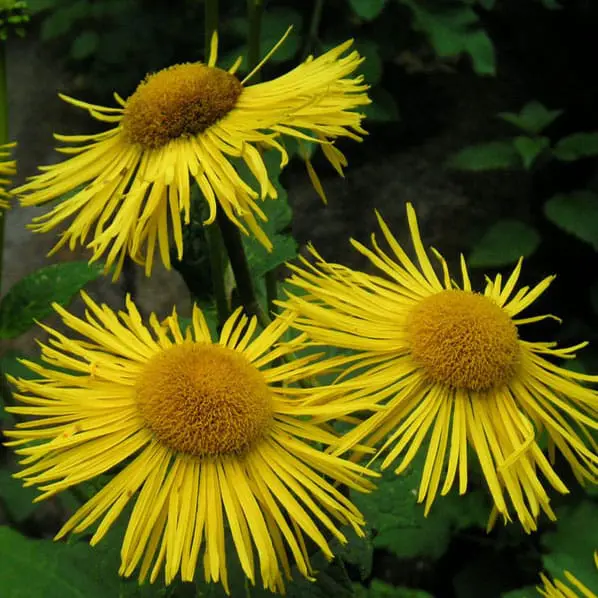
Inula helenium is a robust, erect, rhizomatous perennial herb growing 0.9–2.5 m (3–8 ft) tall. It produces a thick, branched, mucilaginous rootstock that is brown externally and whitish internally, with a bitter, camphoraceous odor and violet-like undertones. Stems are stout, furrowed, hairy, and branched above. Leaves are large, alternate, toothed, ovate to elliptic or lanceolate: basal leaves up to 40–70 cm long and 10–25 cm wide on long petioles, rough above and densely woolly-tomentose beneath; upper leaves smaller, sessile or clasping. Flower heads are large (up to 5–9 cm diameter), solitary or in loose corymbs, bright yellow with numerous narrow ray florets surrounding disc florets; blooming July–September. Fruits are achenes with a pappus. It prefers moist, well-drained soils in meadows, roadsides, waste places, and forest edges; native to Eurasia (southeastern Europe to western Asia/China) and naturalized in parts of North America and elsewhere.
Phytochemistry
Key constituents include high levels of inulin (a fructan polysaccharide, often 20–44% or more in roots, higher in autumn), sesquiterpene lactones (primarily eudesmanolides: alantolactone, isoalantolactone, and related compounds such as dihydro derivatives, igalan, alloalantolactone; these form “helenin”), essential oils, triterpenes, phenolic acids, flavonoids, mucilage, resins, and sterols. Essential oil content and composition vary by population, altitude, and soil; major volatiles can include β-elemene, α-pinene, and the lactones.
Western Traditional & Clinical Actions
Traditionally used as an expectorant (especially for thick mucus), antitussive, antimicrobial/antiseptic, anthelmintic, diaphoretic, diuretic, bitter tonic/stomachic, carminative, alterative, and mild stimulant. Actions focus on respiratory congestion (bronchitis, coughs, asthma support), digestive issues, and skin conditions. Modern herbalists describe it as warming, drying, and deep-acting on lungs and gut.
Chinese Medicine Actions
Related Inula species (especially flowers as Xuan Fu Hua) are warm, bitter/pungent/salty herbs that transform phlegm, descend rebellious Qi (Lung and Stomach), stop cough/wheezing/vomiting/belching, and address phlegm-damp accumulation. Roots (sometimes Tu Mu Xiang) are used more for tonifying Qi, dissolving phlegm, supporting Lungs/Spleen/Stomach/Liver, and related patterns of deficiency or stagnation. Note that true I. helenium is not the primary official TCM source for Xuan Fu Hua.
Traditional & Historical Uses
Used since ancient Greek and Roman times (Dioscorides, Pliny, Theophrastus, Hippocrates) for coughs, asthma, digestion, uterine issues, bites, and as a general tonic or condiment. Medieval European and Anglo-Saxon use included respiratory ailments, skin problems, “elf-shot,” and as a cordial; roots were candied. Veterinary use as “horse-heal.” Also employed in Ayurvedic, Tibetan, and other systems for respiratory and digestive complaints; Native American use for lung issues. Legend links the name helenium to Helen of Troy (tears or flowers).
Modern Pharmacological Evidence
In vitro and animal studies support antimicrobial (including antimycobacterial vs. Mycobacterium tuberculosis, antibacterial, antifungal/anticandidal), anti-inflammatory (NF-κB, cytokine reduction), antioxidant, anthelmintic, expectorant, and potential anticancer activities of extracts and isolated sesquiterpene lactones (alantolactone/isoalantolactone). Inulin acts as a prebiotic. Other reported effects include wound-healing support and modulation of inflammation.
Clinical Studies
Human clinical data are limited. Older or regional reports (e.g., Russian preparations like Alanton for respiratory infections/cough; combination syrups for pediatric cough) suggest benefits for bronchitis and cough. Isolated trials or observations note ulcer-healing or anthelmintic effects, but high-quality randomized controlled trials specifically on I. helenium monotherapy are lacking. Most evidence remains preclinical or traditional.
Preparations & Dosage
Primarily root (rhizome). Forms: decoction/tea (1.5–4 g dried root, simmered), tincture (fresh 1:2 or dried 1:5 in ~40–60% alcohol; often 1–2 mL or 10–30 drops, 2–4 times daily), syrup, glycerite, or candied root. Traditional ranges vary; follow product labels or practitioner guidance. Flowers of related species used in TCM at 3–12 g.
Safety & Contraindications
Generally considered safe in appropriate medicinal doses for most adults (Botanical Safety Handbook Class 1 in some references). Large doses may cause GI upset, vomiting, diarrhea, cramps, or (rarely) more severe effects. Sesquiterpene lactones can cause allergic contact dermatitis or hypersensitivity in those sensitive to Asteraceae (ragweed, chrysanthemum, etc.). Avoid or use caution in pregnancy/lactation (traditional emmenagogue concerns; data limited—some sources advise against). Monitor blood sugar in diabetics; possible theoretical interactions with sedatives. Not for unrestricted use in children or those with severe liver/kidney disease without professional advice.
Cultivation & Harvest
Easy to grow in temperate climates (zones ~3–7/8). Prefers moist, fertile, well-drained soil in full sun to partial shade. Propagate by seed (spring) or root division/offsets (autumn). Plants form basal rosettes first year; flower in subsequent years. Harvest roots in autumn of the second or third year (or early spring) for highest inulin/potency; wash, slice, and dry carefully to preserve volatiles. Sustainable home cultivation is straightforward as it spreads via rhizomes.
Commercial Products
Available as dried root, teas, tinctures, capsules/supplements, syrups, and flavoring (historically in absinthe, candies). Standardized extracts (e.g., for sesquiterpene lactones) appear in some European/Russian products. Used in herbal blends for respiratory support and occasionally in soaps or cosmetics. Regulated as a dietary supplement in many places; quality varies—seek reputable sources testing for identity and contaminants.
Ethnobotanical Curiosities
Linked to Helen of Troy legends (sprung from her tears or carried by her). Called “elfwort”/“elfdock” in Celtic/Anglo-Saxon folklore for treating “elf-shot” (mysterious pains or fatigue attributed to elves) and associated with fairies/elves (offerings, protection, or communication). Candied roots were popular medieval/early modern confectionery and breath-fresheners. Used in Mummers’ plays as a “miracle cure.” The name “horse-heal” reflects veterinary tradition.
Recent Research (2020–2026)
Studies have examined antimicrobial sesquiterpene lactones from naturalized populations (e.g., anti-staphylococcal activity), diversity of essential oils and phenolics across populations, isolation of dimeric sesquiterpenes with NO-inhibitory (anti-inflammatory) effects, anticandidal essential oil activity (synergy with nystatin, anti-virulence), wound dressings incorporating extract, network pharmacology for potential liver cancer mechanisms, and phytochemical variation. Interest continues in cancer therapeutics, antimicrobial resistance, and respiratory applications, though clinical translation remains limited.
Conservation Status
Not threatened globally. NatureServe global rank: GNR (not ranked); predicted extinction risk “not threatened” with high confidence. Least Concern or equivalent in regional assessments (e.g., UK). Widely naturalized and cultivated; no major overharvest concerns for wild populations in most areas.
DIY Recipes
Basic root decoction/tea: Simmer 1–2 tsp (or 1.5–4 g) dried chopped root in 1 cup water for 15–20 minutes; strain. Drink warm 2–3 times daily for respiratory support.
Tincture: Fill jar ½–¾ with chopped fresh or dried root; cover with 40–60% alcohol (vodka); steep 2–6 weeks, shaking occasionally; strain. Dose ~1–2 mL as needed.
Cough syrup: Make a strong decoction (reduce by half), strain, and mix 1:1 with honey while warm. Optional additions: ginger, lemon, cinnamon. Store refrigerated; take 1 tsp as needed.
Candied root: Slice fresh root, simmer in sugar syrup until tender, drain, dry, and roll in sugar (or preserve in honey). Traditional for coughs or as a digestive sweet.
X (Twitter) Snapshot – 2022–2026
Recent posts mention elecampane in herbal lung-support contexts (alongside mullein, thyme, etc., for environmental toxins or asthma), as an ingredient in artisanal soaps, and in wildflower observations (showy yellow blooms noted as an archaeophyte medicinal in the UK). Occasional traditional or magical associations appear in broader herbal discussions. Activity is modest and practical rather than viral.
This profile synthesizes traditional knowledge with available scientific data. Consult a qualified herbalist or healthcare provider before therapeutic use, especially if pregnant, nursing, on medications, or managing chronic conditions. Quality and identification of plant material are essential.
Planting & Harvesting Reference Guide
👈Planting & Harvesting Reference Guide: ELECAMPANE (Inula helenium L.)👇
ELECAMPANE (Inula Helenium L.) – Planting & Harvesting Reference Guide
- Best Time for Planting
- Early spring (when soil is workable and frost risk has passed) or autumn for root divisions.
- During waxing moon phases, preferably under Mercury or Sun influence, for strong root establishment and vitality.
- Propagate by seed (sow in spring or autumn under cold frame) or by dividing established roots/rhizomes in spring or autumn.
- Ideal location: moist, fertile, well-drained soils (prefers calcareous or organically rich ground); full sun to partial shade; meadow edges, open woodland margins, or garden borders that remain relatively fresh but not waterlogged.
- Growing Conditions & Magical Minded Tips
- Space plants 80–90 cm (approximately 2.5–3 feet) apart to allow for mature height of 1.5–2+ meters and robust clump formation.
- Apply organic mulch to retain moisture and suppress weeds; water during prolonged dry spells to keep soil relatively fresh.
- Lightly enrich with compost in spring; the plant is vigorous once established and requires minimal feeding.
- Speak or sing low songs of breath and belonging while planting or watering; offer a small gift (honey, milk, or a strand of hair) and whisper thanks to the land spirits and the plant itself.
- Monitor for common insect pests (aphids, beetles); encourage healthy soil life rather than chemical intervention. Self-seeds readily—remove spent flowers if unwanted spread is a concern.
- Best Time for Harvesting Roots
- Autumn of the second or third year (after the first frosts), when inulin content is highest and aerial growth begins to die back.
- During waning or dark moon phases for deeper, more concentrated root medicine, or waxing moon for uplifting vitality.
- Harvest from cultivated plants or carefully selected wild stands only when populations are abundant.
- Sustainable & Magical Harvesting Methods
- Prefer cultivated plants; if wildcrafting, take only a small portion of any clump and leave the majority intact to ensure regrowth.
- Dig carefully with a clean tool or by hand, first asking permission of the plant and land spirits.
- Leave an offering (honey, milk, cornmeal, tobacco, or a personal token) and express gratitude before and after.
- Sing soft praises or speak words of thanks to the root spirit; never take more than needed.
- Avoid harvesting from polluted sites or over-collected wild populations.
- Post-Harvest Processing
- Wash roots thoroughly, slice while fresh, and dry slowly in the shade (never direct sun) to preserve aromatic and energetic qualities.
- Store dried root in cool, dark glass or ceramic containers, labeled with harvest date and intention (e.g., “clear breath, strong heart”).
- For magical storage, place a small clear stone or simply speak ongoing gratitude each time the jar is opened.
- Use within one to two years for best potency; powdered root may be prepared as needed for teas, syrups, or charms.
This guide consolidates all planting and harvesting details mentioned across the SPARK sections for quick, practical reference. Always prioritize ethical, sustainable practices to honor the plant’s spirit and ensure its continued abundance.
Healing Categories
👈ELECAMPANE (Inula helenium L.): fits most strongly into the following healing categories, based on its traditional use, phytochemistry, clinical observations, and energetic profile:👇
Best Healing Categories for Elecampane (Inula Helenium L.)
Here are the primary healing categories this plant fits most strongly, ranked by traditional emphasis and supporting evidence:
- Respiratory Healing – Premier traditional use as a warming expectorant and lung tonic for stubborn coughs, bronchitis, and congested breathing.
- Digestive & Metabolic Support – Bitter tonic and high-inulin prebiotic that stimulates digestion, eases stagnation, and nourishes gut flora.
- Antimicrobial & Anti-Infective – Sesquiterpene lactones (especially alantolactone and isoalantolactone) show activity against bacteria, fungi, and certain parasites.
- Anti-Inflammatory & Tissue Recovery – Reduces inflammatory signaling and supports recovery in respiratory, dermal, and joint tissues.
- Energetic & Emotional Restoration – Clears grief-related stagnation from the lung-heart axis, eases homesickness, and restores vital breath and presence.
- Protective & Tonic – General strengthening and protective ally (physical and subtle) for convalescence, low vitality, and boundary support.
Healing Categories
Respiratory Healing
Elecampane (Inula Helenium L.) stands as one of the classic European lung remedies. Its aromatic root acts as a warming, stimulating expectorant that helps loosen and expel stuck mucus while soothing irritated airways. Traditional practitioners have long reached for it in cases of chronic or deep-seated coughs, bronchitis, asthma with damp congestion, and lingering respiratory weakness after infection. The plant’s affinity for the breath makes it both a physical and symbolic restorer of free, unobstructed air.
Digestive & Metabolic Support
Rich in bitter principles and exceptionally high in inulin (often 20–45%), the root functions as a gentle yet effective digestive tonic. It stimulates gastric secretions, eases feelings of fullness or stagnation, and serves as a prebiotic food for beneficial gut flora. Historically used for weak digestion, intestinal parasites, and general digestive atony, it also offers mild blood-sugar–friendly properties due to its fructan content.
Antimicrobial & Anti-Infective
The sesquiterpene lactones alantolactone and isoalantolactone give Elecampane (Inula Helenium L.) notable activity against a range of bacteria (including some staphylococcal strains), fungi, and certain parasites. Traditional applications for scabby skin conditions, wound support, and internal infections find partial modern validation in laboratory studies, positioning the plant as a valuable ally in natural antimicrobial strategies.
Anti-Inflammatory & Tissue Recovery
Extracts and isolated compounds from the root have demonstrated the ability to modulate inflammatory pathways (including NF-κB signaling and cytokine release). This supports its traditional use in inflamed respiratory tissues, skin conditions, and arthritic discomfort, helping the body move from reactive inflammation toward repair and resolution.
Energetic & Emotional Restoration
In folk and energetic herbalism, Elecampane (Inula Helenium L.) is regarded as a remedy for the grief and displacement that settle in the chest. It is indicated for homesickness, the feeling of being uprooted, and the quiet depression that follows loss of place or belonging. By restoring the physical breath, it simultaneously helps reopen emotional and spiritual space, allowing the individual to feel more present and grounded.
Protective & Tonic
As both Horseheal and Elfwort, the plant has long been employed as a general protective and strengthening tonic—supporting recovery after illness, fortifying the system against depletion, and (in magical traditions) creating a boundary against disruptive influences. It is particularly valued during convalescence when vitality is low, and the body needs steady, warming nourishment.
These categories together reveal Elecampane (Inula Helenium L.) as a plant of breath, boundary, and belonging—working simultaneously on the physical lungs and digestion, the inflammatory terrain, and the deeper emotional and energetic body.
✦ If You Only Read U.S. Consumer Pages ✦
U.S. consumer pages usually flatten Elecampane (Inula helenium) into three talking points: “old cough root,” “inulin for blood sugar,” and “elf dock/horseheal.” That is not invented—Dioscorides, the BHP, and the candied-root tradition all live near those sentences—but it is a small slice. Those pages rarely mention that inulin was named from this root; that alantolactone sits in the European baseline patch-test mix; that Commission E published a negative monograph while Russia still monographs the rhizome as an expectorant; that Chinese Tumuxiang may be helenium or racemosa and is not Xuanfuhua flowers; that HMPC and ESCOP stayed silent; or that the human trials are an EEG sniff test and a combination shampoo. They also rarely distinguish two-year rhizome from flower, helenin from tea, or I. helenium from the Japanese inula on a TCM label. Reading only U.S. retail copy makes the plant look like a rustic lung candy. Reading the global official and dermatologic record makes it look like a pharmacopoeial taproot with two national moods (British/Russian yes, German committee no), a Chinese root that shares a stall with racemosa, the chemical godparent of inulin, and a lactone strong enough to earn a place in the Compositae screening tray. Both pictures matter. The second one is the one most American shoppers never see.
Sources:
https://www.altmeyers.org/en/naturopathy/helenii-rhizoma-143217
https://pharmacopoeia.regmed.ru/pharmacopoeia/izdanie-14/2/2-5/devyasila-vysokogo-kornevishcha-i-korni-inulae-helenii-rhizomata-et-radices/
https://garden.rcp.ac.uk/viewPlant?plantId=678
https://onlinelibrary.wiley.com/doi/10.1111/cod.14419
Globally: Where This Plant Is Studied
👈Global research, official texts, publishers, and human-trial data, rather than U.S.-consumer-page-limited:👇
Where This Plant Is Studied
Elecampane (Inula helenium) is studied as a living research plant from southeast Europe to western Siberia and Iran—not as a U.S. “lung tonic novelty.” Linnaeus kept the old Helenion: a tall, woolly-leaved Asteraceae whose yellow heads look like a coarse sunflower and whose root smells of camphor and violet. Kew treats the native core as southeastern Europe to Iran; the rest of Europe, and much of North America, is garden escape and old physic-garden stock. The root is the drug. Inulin was first isolated from it in 1804 and still carries the plant’s name. The same root holds the eudesmanolides alantolactone and isoalantolactone—the mixture once sold as helenin or “inula camphor.”
Study clusters sit where the root is still official or still grown. Russia’s State Pharmacopoeia keeps Inulae helenii rhizomata et radices as crushed expectorant raw material. Poland’s Medical Universities of Warsaw and Lublin (Kiss, Skalicka-Woźniak) have taken the root into human neutrophils and respiratory epithelium. Romania’s ICCF Bucharest and Cluj veterinary faculty work extracts and immunomodulation. Ukraine assays oil of I. helenium beside I. britannica. China studies the same species as Tumuxiang / Radix Inulae, often paired with Inula racemosa (Pushkarmoola in Ayurvedic and Tibetan use; Manu in Tibetan naming). German, Dutch and Balkan farms still raise two- and three-year roots for the trade that once candied them for cough and flavoured absinthe and vermouth. In short: the plant is a Russian officinal rhizome, a Chinese–Tibetan root drug, a British herbal specific for bronchial catarrh, and a European contact-allergen standard—not a single-market “elf dock” capsule. Distinguish root from flower, and I. helenium from I. japonica / I. britannica (Xuanfuhua) and from I. racemosa. Those are not interchangeable official articles.
Sources:
https://powo.science.kew.org/taxon/urn:lsid:ipni.org:names:225914-1
https://pharmacopoeia.regmed.ru/pharmacopoeia/izdanie-14/2/2-5/devyasila-vysokogo-kornevishcha-i-korni-inulae-helenii-rhizomata-et-radices/
https://link.springer.com/chapter/10.1007/978-3-642-73739-8_77
https://www.sciencedirect.com/science/article/abs/pii/S0378874111004338
Official Books That Name This Species
Elecampane (Inula helenium) is named in official books that do not agree with one another. That disagreement is part of the plant’s modern dignity.
The British Herbal Pharmacopoeia (1983 and the professional line that follows it) specifies dried rhizome and roots and lists antitussive, antiseptic-expectorant, diaphoretic and bactericidal actions: bronchial and tracheal catarrh, cough associated with pulmonary tuberculosis, bronchitis, whooping cough in infants. The Pharmacopoeia Londinensis of 1618 already carried Enula campana among roots. The UK still licenses traditional herbal medicines containing the root. Russia’s State Pharmacopoeia XIV (FS.2.5.0070.18, replacing GF XI art. 73) monographs autumn-collected, earth-cleaned, dried rhizomes and roots of wild or cultivated Inula helenium: grey-brown outside, yellowish-white fracture with brown oil dots under a lens, aromatic odour, pungent-bitter aqueous taste. Finished Russian packs are sold as an herbal expectorant (ATC R05CA). Some European national pharmacopoeias have listed the root as diuretic, diaphoretic, expectorant and anthelmintic.
The Pharmacopoeia of the People’s Republic of China names the root as Tumuxiang / Radix Inulae: dried roots of Inula helenium or I. racemosa, collected in autumn—stomachic and analgesic in the TCM file (emesis, diarrhea, threatened miscarriage), not the same clinical sentence as a British bronchial tea. ChP 2015 recorded I. helenium while leaving I. racemosa as folk/Tibetan companion chemistry. A different ChP article, Flos Inulae / Xuanfuhua, is the flower head of I. japonica and I. britannica. Confusing those three official objects is how American pages invent one “elecampane.”
What official Europe declined is as important as what it named. Commission E issued a negative monograph for Helenii rhizoma: efficacy not adequately proven, high allergy potential; internal and external use not recommended. HMPC and ESCOP have not written Community or ESCOP monographs. Altmeyer and German lexica still print that negative overall assessment. Alantolactone is one of three lactones in the sesquiterpene lactone mix (alantolactone + costunolide + dehydrocostus lactone) used in the European baseline patch-test series for Compositae sensitization—prevalence near 1% in Europe. That is a very different class of “naming” than a U.S. consumer page: a British and Russian officinal root, a Chinese root that shares a label with I. racemosa, a flower that is another species, and a German committee that walked away because the same lactones that kill mycobacteria in a dish will sensitize skin.
Sources:
https://www.altmeyers.org/en/naturopathy/helenii-rhizoma-143217
https://pharmacopoeia.regmed.ru/pharmacopoeia/izdanie-14/2/2-5/devyasila-vysokogo-kornevishcha-i-korni-inulae-helenii-rhizomata-et-radices/
https://link.springer.com/chapter/10.1007/978-3-642-73739-8_77
https://garden.rcp.ac.uk/viewPlant?plantId=678
Who Publishes on It
Publication splits along the same fault line as the books. Russian and older European pharmacognosy publish the officinal rhizome. Chinese journals publish Tumuxiang fingerprints that must separate helenium from racemosa and both from costus (Aucklandia / Aucklandia lappa), a frequent market substitute. Warsaw and Lublin publish neutrophil and A549-epithelium work that puts alantolactone beside budesonide for IL-8, TNF-α and IL-1β in a dish. Journal of Ethnopharmacology, Phytomedicine, Contact Dermatitis, Pharmazie and British Journal of Biomedical Science (the 2009 S. aureus/MRSA screen) carry the plant. Author clusters sit in Kiss’s Warsaw pharmacognosy group, ICCF Bucharest, Cluj veterinary preclinical sciences, Chinese TMX quality labs, and the dermatology network that built the SL mix (Benezra, Epstein, Mitchell, Paulsen). Consumer sites reprint “great for wet cough”; they are not the original publishers.
Sources:
https://www.researchgate.net/publication/336683679_Inula_helenium_and_Grindelia_squarrosa_as_a_source_of_compounds_with_anti-inflammatory_activity_in_human_neutrophils_and_cultured_human_respiratory_epithelium
https://www.cabidigitallibrary.org/doi/abs/10.5555/20203581359
https://onlinelibrary.wiley.com/doi/10.1111/cod.14419
https://journals.lww.com/wtcm/fulltext/2016/02020/chemical_characteristics_combined_with_bioactivity.3.aspx
Human Trials Tied to This Species
Human evidence for whole Elecampane (Inula helenium) root as a registered expectorant is traditional and officinal, not a modern RCT pile. Commission E said so in 1990. That does not erase the smaller human work; it classifies it.
What exists: a 2016 EEG inhalation study of root essential oil in twenty healthy adults—theta and some beta reductions, a fragrance experiment, not a bronchitis trial. A Korean phototrichogram study of a shampoo combining I. helenium with Caesalpinia sappan bark in androgenetic alopecia (about fifty enrolled, twenty-three in the test arm) reported higher hair counts at sixteen and twenty-four weeks versus control—combination topical cosmetics, not a lung tea. Isolated or total sesquiterpene lactones from the root have mouse dermatitis models and abundant cell work; they are not CONSORT cough trials. Helenin was once given parenterally as an anticatarrhal in Spain. Historical tuberculosis use sits in BHP language and in vitro antimycobacterial data; it is not a modern pulmonary RCT. Russian crushed-root packs remain an expectorant on the domestic market under pharmacopoeial identity, which is legal traditional use, not new efficacy proof.
Important cautions, held with the plant rather than against it: alantolactone is a documented Type-IV contact allergen; massage liniments and “herbal bags” have produced dermatitis and even erythema-multiforme-like eruptions; Compositae-sensitive people are the population Commission E was thinking of; large oral doses irritate gut and can vomit; inulin in the root is a fructose polymer—useful as a historical namesake, unkind to fructose malabsorption; two- or three-year autumn root is the old quality rule, not a first-year seedling. This overview is not a method for preparing anthelmintic helenin courses.
Sources:
https://www.sciencedirect.com/science/article/abs/pii/S1876382016300051
https://www.researchgate.net/publication/337552274_Hair_Growth_Promotion_by_Extracts_of_Inula_Helenium_and_Caesalpinia_Sappan_Bark_in_Patients_with_Androgenetic_Alopecia_A_Pre-clinical_Study_Using_Phototrichogram_Analysis
https://www.altmeyers.org/en/naturopathy/helenii-rhizoma-143217
https://doi.org/10.1034/j.1600-0536.2002.470401.x

Part 1: Modern Medical Properties and Uses

Purpose: Highlights the plant’s scientific and medicinal properties, validating holistic healing with evidence-based data.
Contemporary Medical Applications:
Describes current clinical uses (e.g., capsules, tinctures) and delivery methods in modern medicine.
👈Contemporary Medical Applications: ELECAMPANE (Inula helenium L.) 👇
Contemporary Medical Applications:
- Elecampane root preparations, including standardized extracts and fluid extracts, are employed in clinical herbal practice as adjunctive expectorants for bronchial catarrh, chronic bronchitis, and persistent coughs associated with thick mucus, with traditional dosing protocols of 1.5–4 g dried root as decoction or 1.5–4 mL liquid extract three times daily drawn from pharmacopoeial guidelines such as the British Herbal Pharmacopoeia.
- In European phytotherapy, particularly under German Commission E and ESCOP monographs, the root is indicated for loss of appetite, dyspepsia, and as a respiratory tonic supporting expectoration in inflammatory airway conditions, often delivered via infusions, syrups, or capsules to facilitate mucolytic and mild spasmolytic effects on bronchial tissues.
- Combination syrups incorporating Inula helenium root, such as those evaluated in pediatric settings for acute cough, demonstrate practical delivery through oral liquid forms that reduce symptom severity and duration when administered over multi-day courses, integrating the herb’s antimicrobial and anti-inflammatory contributions within multi-botanical formulations.
- Topical applications of root extract creams at concentrations around 1% have been explored in models of inflammatory skin conditions like atopic dermatitis-like lesions, offering localized delivery to suppress cytokine-mediated responses and clinical symptoms through dermal absorption of sesquiterpene lactones.
- Nebulized or inhaled formulations derived from related Inula species flowers, and by extension root extracts, appear in regional respiratory protocols for COPD and asthma support, aiming to deliver volatile components directly to airway epithelium for anti-inflammatory and expectorant action.
- Antimicrobial-focused applications include root extracts and essential oils investigated for staphylococcal control, including MRSA strains, with delivery via hydro-ethanolic tinctures or fractionated preparations intended for potential use in infection management adjuncts, particularly respiratory and dermal contexts.
- Emerging integrative uses involve synbiotic microcapsules employing elecampane-derived inulin as a carrier for probiotics, enhancing viability during gastrointestinal transit and supporting gut-lung axis modulation in functional therapeutic protocols.
Sources: Contemporary Medical Applications
https://www.drugs.com/npp/elecampane.html
https://pmc.ncbi.nlm.nih.gov/articles/PMC8874828/
https://www.sciencedirect.com/science/article/abs/pii/S0926669020302892
https://vitalibrary.com/inula-helenium-extract-airway-support/
https://stm.cairn.info/revue-phytotherapie-2022-6-page-333
https://www.sciencedirect.com/science/article/pii/S037887411834354X
https://pubmed.ncbi.nlm.nih.gov/39042555/
Pharmacology:
Outlines key compounds and their mechanisms of action, driving therapeutic effects.
👈Pharmacology: ELECAMPANE (Inula helenium L.)👇
Pharmacology:
- Alantolactone and isoalantolactone, the predominant eudesmanolide sesquiterpene lactones, exert antimicrobial effects by disrupting bacterial and fungal cell membranes and inhibiting virulence factors such as biofilm formation and enzyme activity, including phospholipase in Candida species, while demonstrating activity against Mycobacterium tuberculosis through interference with lipid envelopes.
- These lactones suppress pro-inflammatory pathways by downregulating NF-κB signaling, reducing expression of iNOS, COX-2, and cytokines including TNF-α, IL-1β, IL-6, and IL-8, thereby limiting neutrophil adhesion to respiratory epithelium via β2 integrin modulation and providing anti-inflammatory support in airway models comparable to certain synthetic controls.
- Induction of detoxifying enzymes occurs through Nrf2 activation and antioxidant response element-mediated transcription, elevating quinone reductase, glutathione S-transferase, and heme oxygenase-1 levels via PI3K and JNK pathways, enhancing cellular defense against oxidative stress in hepatoma and related cell systems.
- Anticancer mechanisms involve ROS overproduction, mitochondrial dysfunction, apoptosis induction via caspase activation and Bax/Bcl-2 ratio shifts, cell cycle arrest, and inhibition of STAT3 or other proliferative pathways, with additional potential to enhance immune checkpoint inhibitor efficacy in colorectal cancer models through transcriptomic immune modulation.
- Dual targeting of AMPKα activation and Nur77 by alantolactone and related compounds inhibits adipogenesis in preadipocytes by reducing mitotic clonal expansion and adipocyte marker expression, suggesting metabolic regulatory actions relevant to obesity-associated inflammation.
- Essential oil components and lactones exhibit synergistic antimicrobial potential with conventional agents such as nystatin against Candida and doxycycline against MRSA, while inulin contributes prebiotic modulation of gut microbiota and short-chain fatty acid production supporting systemic immune and metabolic homeostasis.
- Additional actions include mild hypotensive and blood glucose-modulating effects observed in experimental settings, alongside anthelmintic activity attributed to lactone binding interactions with parasite structures.
Sources: Pharmacology:
https://pmc.ncbi.nlm.nih.gov/articles/PMC9913754/
https://www.frontiersin.org/journals/pharmacology/articles/10.3389/fphar.2024.1453205/full
https://www.researchgate.net/publication/362266254_Elecampane_Inula_helenium_Root_Extract_and_Its_Major_Sesquiterpene_Lactone_Alantolactone_Inhibit_Adipogenesis_of_3T3-L1_Preadipocytes
https://onlinelibrary.wiley.com/doi/10.1002/cbdv.202401798
https://doi.org/10.1002/ptr.2521
https://www.sciencedirect.com/science/article/abs/pii/S0926669020302892
https://synapse.koreamed.org/articles/1120584
Natural Medicine Studies:
Summarizes recent research on efficacy, safety, or clinical outcomes from peer-reviewed studies.
👈Natural Medicine Studies: ELECAMPANE (Inula helenium L.)👇
Natural Medicine Studies:
- A 2022 chromatographic and bioactivity-guided investigation of naturalized Irish Inula helenium roots confirmed that alantolactone, isoalantolactone, igalan, and related eudesmanolides account for anti-staphylococcal activity, with traditional hydro-ethanolic extracts retaining potency independent of geographic origin and supporting further exploration for resistant infection control.
- Essential oil from roots demonstrated medium-to-high anticandidal activity with MICs ranging 0.009–0.312 mg/mL across strains, high synergism with nystatin, potent antibiofilm effects, germ-tube reduction, and complete phospholipase inhibition, indicating membrane-targeted mechanisms suitable for candidiasis research.
- Anti-inflammatory studies on human neutrophils and respiratory epithelium showed that root extracts and isolated alantolactone suppress IL-8, TNF-α, and IL-1β release at levels comparable to budesonide while downregulating β2 integrin-mediated neutrophil binding, validating traditional respiratory applications in European ethnopharmacology.
- Sesquiterpene lactone-rich fractions enhanced antitumor effects of anti-PD-1 antibodies in colorectal cancer-bearing mice through immune pathway modulation identified via transcriptomics, highlighting potential combinatorial immunotherapy applications.
- Inulin-type fructans extracted from roots exhibited superior prebiotic activity on Lactobacillus rhamnosus compared with certain commercial inulins, promoting growth, short-chain fatty acid production, and high viability (approximately 89.5% post-gastrointestinal simulation) in synbiotic microcapsules during storage and digestion.
- Animal models of arthritis and atopic dermatitis demonstrated dose-dependent reductions in inflammatory indices, paw swelling, and cytokine-driven skin lesions with oral or topical root extracts, while adipogenesis inhibition studies confirmed dual AMPKα/Nur77 targeting by major lactones.
- Limited human data include a randomized double-blind placebo-controlled trial of a multi-herb cough syrup containing Inula helenium that reduced pediatric acute cough severity and duration over eight days with good tolerability, alongside older observational reports of fluid extracts improving chronic bronchitis symptoms.
Sources: Natural Medicine Studies:
https://pmc.ncbi.nlm.nih.gov/articles/PMC8874828/
https://www.sciencedirect.com/science/article/abs/pii/S0926669020302892
https://www.sciencedirect.com/science/article/pii/S037887411834354X
https://pmc.ncbi.nlm.nih.gov/articles/PMC9913754/
https://pubmed.ncbi.nlm.nih.gov/39042555/
https://www.drugs.com/npp/elecampane.html
https://vitalibrary.com/elecampane-respiratory-digestive-support/
Chemistry:
Details active chemical constituents (e.g., alkaloids, flavonoids) and their healing roles.
👈Chemistry: ELECAMPANE (Inula helenium L.)👇
Chemistry:
- Roots contain substantial quantities of the storage polysaccharide inulin (typically 20–44% or higher in autumn-harvested material), a fructan polymer that functions as soluble dietary fiber and prebiotic substrate, alongside related fructooligosaccharides in variable proportions depending on extraction methods.
- Dominant secondary metabolites are eudesmane-type sesquiterpene lactones, primarily alantolactone and isoalantolactone (often comprising the bulk of essential oil or helenin crystalline fraction), accompanied by dihydro derivatives, igalan, alloalantolactone, dugesialactone, and recently isolated dimeric eudesmane-eudesmane structures and sesquiterpene-amino acid adducts.
- Essential oil content ranges up to approximately 1–4.5%, rich in the aforementioned lactones (e.g., alantolactone 25–65% and isoalantolactone 15–33% in various analyses) plus minor monoterpenes such as α-pinene, limonene, and camphor, with compositional variation influenced by population, altitude, and soil conditions.
- Phenolic constituents include phenolic acids (caffeic, chlorogenic, ferulic, and others), flavonoids (quercetin, rutin, and glycosides), and polyphenols contributing to antioxidant capacity, with higher concentrations often noted in inflorescences relative to leaves or roots.
- Additional compounds encompass triterpenes, sterols (β-sitosterol, stigmasterol), saponins, resins, mucilage, organic acids, and trace elements, with overall profiles confirmed through GC-MS, HPLC-DAD, NMR, and molecular networking techniques across multiple geographic sources.
- Recent isolations have expanded the known suite to include novel eudesmane sesquiterpenes and dimers exhibiting nitric oxide inhibitory activity, underscoring structural diversity within the eudesmanolide class characteristic of the genus.
- Quantitative variation is pronounced: inulin peaks in autumn, while lactone ratios and total phenolics differ among Iranian, Irish, Chinese, and other populations, supporting chemotype selection for targeted applications.
Sources: Chemistry:
https://www.sciencedirect.com/science/article/abs/pii/S0031942224002954
https://scholarzest.com/index.php/esj/article/download/319/263/738
https://www.researchgate.net/publication/278794477_Metabolomic_Profile_of_the_Genus_Inula
https://www.researchgate.net/publication/23440431_Chemical_constituents_and_pharmacological_properties_of_Radix_Inulae
https://www.sciencedirect.com/science/article/abs/pii/S0045206821004430
https://pubmed.ncbi.nlm.nih.gov/39042555/
https://link.springer.com/article/10.1007/s10722-024-01955-y
Functional Foods and Nutrition:
Highlights dietary uses (e.g., teas, supplements) in modern health practices.
👈Functional Foods and Nutrition: ELECAMPANE (Inula helenium L.) 👇
Functional Foods and Nutrition:
- High inulin content positions elecampane root as a potential source of prebiotic dietary fiber that stimulates beneficial gut bacteria such as Lactobacillus and Bifidobacterium, promoting short-chain fatty acid production, mineral absorption, and modulation of gut inflammation without elevating blood glucose.
- Root extracts and inulin fractions have been evaluated for incorporation into synbiotic formulations and microcapsules that protect probiotic viability through freeze-drying, storage, and simulated gastrointestinal conditions, outperforming some commercial inulins in survival rates and offering functional food applications for digestive and immune support.
- Historical and modern culinary uses include candied roots as confectionery or breath-freshening preparations, infusions and decoctions consumed as teas for mild digestive toning, and flavoring contributions in beverages, reflecting its aromatic bitter profile and mucilaginous qualities.
- Oil extracts of roots retain measurable water-soluble vitamins (B1, B2, B6, B9, and C) and demonstrate immunostimulatory effects on bone marrow cellularity in experimental models, suggesting potential as nutritional adjuncts in immunity-supporting functional products.
- Phenolic-rich extracts contribute antioxidant capacity that correlates with radical-scavenging activity, supporting inclusion in nutritional formulas aimed at oxidative stress mitigation alongside prebiotic benefits for gastrointestinal and systemic health.
- Experimental feeding studies in high-fat diet models indicate that rhizome inclusion can influence body weight gain, blood protein profiles, cholesterol, triglycerides, and alkaline phosphatase activity, pointing toward metabolic nutritional roles warranting further dietary exploration.
- Overall nutritional profile emphasizes non-digestible carbohydrates and bioactive secondary metabolites rather than conventional macronutrients, aligning with functional food concepts focused on gut microbiota modulation and mild respiratory-digestive support rather than caloric contribution.
Sources: Functional Foods and Nutrition:
https://pubmed.ncbi.nlm.nih.gov/39042555/
https://doi.uni-plovdiv.bg/bitstreams/e41cd818-904e-4956-aa7a-cec21d582a0e/download
https://www.verywellhealth.com/elecampane-4766904
https://www.researchgate.net/publication/387777851_Inula_helenium_l_Root_Extract_in_Sunflower_Oil_Determination_of_its_Content_of_Water-soluble_Vitamins_and_Immunity-promoting_Effect
https://roczniki.pzh.gov.pl/pdf-182788-103284?filename=103284.pdf
https://vitalibrary.com/inula-helenium-extract-airway-support/
https://scholarzest.com/index.php/esj/article/download/319/263/738
Current Projects and Future Possibilities:
Notes ongoing research, clinical trials, or innovative medical applications.
👈Current Projects and Future Possibilities: ELECAMPANE (Inula helenium L.)👇
Current Projects and Future Possibilities:
- Ongoing isolation and structural elucidation of novel dimeric sesquiterpene lactones and derivatives from roots, employing molecular networking and advanced spectroscopic methods, continue to expand the compound library with promising nitric oxide inhibitory and anti-inflammatory candidates for drug development pipelines.
- Research into nanoparticle and cationic polymer micelle delivery systems for sesquiterpene lactones aims to improve bioavailability and target bacterial biofilms or tumor microenvironments, with early data suggesting enhanced efficacy in infection and oncology models.
- Synbiotic microencapsulation projects utilizing elecampane-derived inulin as a superior carrier for probiotics explore industrial-scale production of functional foods and supplements that maintain high viability through processing, storage, and digestion for gut health applications.
- Combinatorial studies pairing lactone-rich fractions with immune checkpoint inhibitors or conventional antimicrobials investigate synergistic antitumor and anti-MRSA effects, opening avenues for integrative oncology and resistance-mitigation strategies.
- Population-level phytochemical diversity assessments across geographic regions support chemotype selection and sustainable cultivation optimization to ensure consistent high-yield of desired lactones and inulin for standardized commercial extracts.
- Network pharmacology and molecular docking approaches applied to liver cancer and other targets identify multi-pathway mechanisms involving TNF, IL-17, NF-κB, and related nodes, guiding future experimental validation and potential multi-target therapeutic designs.
- Exploration of wound dressings incorporating root extracts with analgesics, as well as inhalant formulations for COPD, points toward expanded respiratory, dermatological, and regenerative medicine applications grounded in traditional use and emerging preclinical evidence.
Sources: Current Projects and Future Possibilities:
https://www.sciencedirect.com/science/article/abs/pii/S0031942224002954
https://pmc.ncbi.nlm.nih.gov/articles/PMC9913754/
https://pubmed.ncbi.nlm.nih.gov/39042555/
https://www.frontiersin.org/journals/pharmacology/articles/10.3389/fphar.2024.1453205/full
https://link.springer.com/article/10.1007/s10722-024-01955-y
https://journals.sagepub.com/doi/10.1177/08853282241265920
https://www.drugs.com/npp/elecampane.html
Literary Mentions:
References modern medical texts or studies citing the plant’s therapeutic use.
👈Literary Mentions: ELECAMPANE (Inula helenium L.)👇
Literary Mentions:in ancient texts
- Dioscorides in De Materia Medica (1st century CE) describes the root for cough, orthopnoea, digestive complaints, and as a lozenge with honey, establishing early Mediterranean documentation of its respiratory and tonic applications that parallel modern expectorant uses.
- Pliny the Elder in Natural History references helenium both as medicine and condiment, noting digestive benefits and associations with Helen of Troy legends, while Theophrastus recommends preparations in oil and wine for venomous bites, illustrating classical recognition of protective and restorative properties.
- Medieval European and Anglo-Saxon texts, including the Lacnunga, record “elfdock” or “elfwort” for treating “elf-shot” pains and as a general tonic, with candied roots appearing in monastic and apothecary traditions for asthma, indigestion, and breath-sweetening.
- Avicenna and later Arabic medical literature cite applications for cold pains, lung strengthening, and resistance to poisons, while Chinese pharmacopoeial traditions (for related Inula species and root preparations) document descending rebellious Qi, transforming phlegm, and supporting Spleen-Stomach functions.
- German Commission E (1986) and ESCOP monographs formally acknowledge root indications for dyspepsia, loss of appetite, and bronchial catarrh, bridging ancient observations with contemporary regulatory herbal frameworks.
- British Herbal Pharmacopoeia lists antitussive, antiseptic expectorant, diaphoretic, and bactericidal actions with specific indications for respiratory mucosal catarrh and related conditions, reflecting continuity from classical sources into modern materia medica.
- Culpeper’s 17th-century herbal attributes Mercury rulership and uses for warming the stomach, resisting poison, and clearing blockages, while 19th–20th-century eclectic and regional texts continue documentation of respiratory, digestive, and veterinary applications consistent with earlier records.
Sources: Literary Mentions:
https://en.wikipedia.org/wiki/Elecampane
https://henriettes-herb.com/eclectic/woodville/inula.html
https://www.drugs.com/npp/elecampane.html
https://pmc.ncbi.nlm.nih.gov/articles/PMC8874828/
https://stm.cairn.info/revue-phytotherapie-2022-6-page-333
https://www.medicinetraditions.com/inula-elecampane-free/
https://vitalspiritmedica.com/2025/11/22/elecampane/

Part 2: Plant Knowledge Systems

Purpose: Validates plant-based healing through interdisciplinary scientific and cultural fields.
Ethnobotany:
Explores the plant’s traditional uses across cultures, linking indigenous knowledge to modern applications.
👈Ethnobotany:👇
Ethnobotany:
- Across ancient Mediterranean, European, Asian, and Indigenous North American cultures, Elecampane (Inula Helenium L.) root has been employed as a multipurpose respiratory, digestive, and protective remedy, with records extending from Minoan, Mycenaean, Egyptian, Assyrian, and early Greek-Roman sources through Dioscorides and Pliny, who documented its use for coughs, orthopnoea, digestion, diuresis, and venomous bites; these applications link directly to contemporary phytotherapeutic roles as an expectorant and antimicrobial agent for bronchial conditions and microbial challenges.
- In Traditional Chinese Medicine contexts (often overlapping with related Inula species but including Inula Helenium L. root as Tu Mu Xiang), the plant is classified for tropism to Lung, Spleen, Stomach, and Liver channels, used to tonify Qi, transform phlegm, descend rebellious Qi, relieve abdominal pain, diarrhea, vomiting, and support against spontaneous abortion, paralleling modern clinical observations of its bitter tonic and anti-inflammatory effects on respiratory and gastrointestinal mucosa.
- Ayurvedic, Tibetan, Unani, and Caucasian traditions utilize Elecampane (Inula Helenium L.) or closely allied species for bronchitis, rheumatism, skin conditions including bites and stings, digestive and circulatory support, and as an expectorant, while Korean and Southeast Asian practices note applications for earache, toothache, cholera, malaria, and external insect or snake bites, demonstrating cross-cultural consistency that informs current research into its sesquiterpene lactone-mediated antimicrobial and anti-inflammatory properties.
- Native American and veterinary ethnobotanical records highlight Elecampane (Inula Helenium L.) as a “medicine chest” plant for tuberculosis, general respiratory support in humans and horses (hence “horse-heal”), gastrointestinal aid, chest pain, rheumatism, diaphoretic action, and female reproductive concerns, connecting historical empirical knowledge to modern investigations of antimycobacterial and expectorant activities observed in laboratory and limited clinical settings.
- Celtic, Anglo-Saxon, Irish, and broader European folklore associate Elecampane (Inula Helenium L.) with elves and fairy folk under names such as elfwort or elfdock, employing it against “elf-shot” (mysterious pains or fatigue), as a protective and purifying agent, and in candied form for digestion and breath-sweetening, while its presence in monastic physic gardens and later absinthe production underscores ecological and cultural continuity that underpins its ongoing role in Western herbal protocols for chronic catarrh and digestive stagnation.
Sources: Ethnobotany:
https://phytochem.nal.usda.gov/ethnobotanical-plant-inula-helenium
https://prosea.prota4u.org/view.aspx?id=1131
https://www.sciencedirect.com/science/article/abs/pii/S0378874114002852
https://eclecticschoolofherbalmedicine.com/elecampane-monograph/
https://bsbi.org/in-your-area/local-botany/co-fermanagh/fermanagh-species-accounts/inula-helenium-l
https://www.uaiasi.ro/revmvis/index_htm_files/9.%20Inula%20helenium%20A%20literature%20review%20on%20ethnomedical%20uses,%20bioactive%20compounds%20and%20pharmacological%20activities.pdf
https://pmc.ncbi.nlm.nih.gov/articles/PMC8874828/
Plant Genomics:
Describes genetic studies of the plant, focusing on traits related to medicinal properties.
👈Plant Genomics:👇
Plant Genomics:
- Chromosome number for Elecampane (Inula Helenium L.) is consistently reported as 2n = 20, placing it within the broader cytogenetic framework of the Asteraceae and supporting basic taxonomic and breeding studies, although comprehensive whole-genome sequencing of this specific species remains limited in publicly available literature.
- Small germplasm collections of Elecampane (Inula Helenium L.) are maintained in institutions across Germany, Poland, Portugal, Russia, and Canada, providing foundational genetic resources for conservation and potential selection of chemotypes rich in sesquiterpene lactones or inulin, yet no large-scale breeding programmes focused on medicinal trait enhancement have been widely documented.
- Related species such as Inula Racemosa have undergone de novo transcriptome sequencing yielding tens of thousands of unigenes and enriched metabolic pathway annotations that illuminate spatial regulation of alantolactone and inulin biosynthesis; these resources offer transferable insights into the genetic control of key bioactive compounds shared across the genus, including those present in Elecampane (Inula Helenium L.).
- Metabolite-protein interaction databases link compounds from Elecampane (Inula Helenium L.), such as isohelenin and related lactones, to human targets including estrogen receptors, cytochrome P450 enzymes, vitamin D receptor, and apoptotic regulators (BAX, BCL2), providing computational genomic-pharmacological bridges that guide hypothesis generation for future functional studies of medicinal properties.
- Limited data exist on population-level genetic diversity or marker-assisted selection specifically for Elecampane (Inula Helenium L.) medicinal traits; however, phytochemical variation studies across geographic populations imply underlying genetic or epigenetic influences on essential oil and lactone profiles that warrant expanded genomic investigation for sustainable cultivation and standardized extract production.
Sources: Plant Genomics:
https://prosea.prota4u.org/view.aspx?id=1131
https://www.genome.jp/db/pcidb/kna_species/9467
https://pmc.ncbi.nlm.nih.gov/articles/PMC9570477/
https://www.sciencedirect.com/science/article/abs/pii/S0141813020330907
https://link.springer.com/article/10.1007/s10722-024-01955-y
Phytotherapy:
Details the plant’s use in clinical herbal medicine, including therapeutic protocols.
👈Phytotherapy:👇
Phytotherapy:
- In clinical herbal protocols aligned with ESCOP and German Commission E monographs, Elecampane (Inula Helenium L.) root is employed as a respiratory tonic and expectorant for bronchial catarrh, cough, and bronchitis, typically prepared as decoction (1.5–4 g dried root), liquid extract (1.5–4 mL of 1:1 in 25% alcohol), or infusion three times daily, often combined with complementary mucolytics or antimicrobials for chronic productive coughs.
- Western clinical herbalism utilizes Elecampane (Inula Helenium L.) tinctures (fresh root 1:2 or dried 1:5 in 40–60% alcohol) at 1–2 mL or 10–30 drops two to four times daily, or strong decoctions of 2–6 oz three times daily, targeting stuck phlegm, tired airways, digestive stagnation, and mild anthelmintic needs, with titration starting low to assess tolerance for bitter and warming effects.
- Multi-herb syrups containing Elecampane (Inula Helenium L.) have been evaluated in pediatric randomized settings for acute cough, demonstrating symptom reduction over multi-day courses when integrated with honey and other botanicals, supporting its inclusion in formulary approaches for upper and lower respiratory congestion in both children and adults under professional supervision.
- Topical and external phytotherapeutic applications include ointments or compresses with 50% root preparation for mycotic or inflammatory skin conditions, while internal use extends to dyspepsia, biliary insufficiency, and adjunctive support in metabolic contexts such as hyperglycemia management, reflecting its bitter tonic and cholagogue actions in holistic clinical frameworks.
- Dosage forms in contemporary practice encompass standardized extracts (300–1000 mg twice daily), powders (2–4 g daily), dry extracts (0.5–2 g), wines, and syrups (20–60 g), with clinical emphasis on short-term acute support (7–10 days) or cyclic longer-term use (4–6 weeks) for recurrent congestion, always monitoring for Asteraceae sensitivity and gastrointestinal response.
Sources: Phytotherapy:
https://theherbalmedic.co.uk/elecampane-inula-helenium
https://stm.cairn.info/revue-phytotherapie-2022-6-page-333
https://vitalibrary.com/inula-helenium-extract-airway-support/
https://eclecticschoolofherbalmedicine.com/elecampane-monograph/
https://www.therapeutika.ch/Inula+helenium
https://pmc.ncbi.nlm.nih.gov/articles/PMC8874828/
Ethnoecology:
Examines the plant’s ecological role in cultural practices and environmental interactions.
👈Ethnoecology:👇
Ethnoecology:
- Elecampane (Inula Helenium L.) occupies ecological niches in moist meadows, forest edges, roadsides, and near human settlements across its Eurasian native range and naturalized territories in North America and elsewhere, where its cultivation in physic gardens and subsequent escape has intertwined cultural propagation with local biodiversity, serving as both a medicinal resource and an ornamental that supports pollinator communities through its large yellow capitula.
- In Celtic and broader European cultural ecology, the plant’s association with elves, fairies, and protective magic (elfwort, elfdock) reflects an ethnoecological worldview in which harvesting and ritual use of the root were embedded in seasonal and landscape practices, including offerings or scattering of dried material to attract beneficial spirits and safeguard household and livestock health within agrarian ecosystems.
- As a melliferous species attracting insects and a historical root vegetable and dye plant (blue dye from leaves), Elecampane (Inula Helenium L.) contributed to multifunctional agroecological systems in which medicinal, culinary, and utilitarian roles reinforced sustainable harvesting from wild or semi-wild populations near dwellings, rivers, and waste places.
- Introduction and naturalization patterns illustrate human-mediated ecological expansion from Central Asian origins through ancient trade and monastic networks into Europe, East Asia, and North America, where the plant’s preference for disturbed, moist, calcareous soils has allowed it to persist as an archaeophyte or naturalized species, often marking sites of former cultivation and cultural continuity.
- Ethnoecological knowledge emphasizes autumn or early-spring root harvest after two to three years of growth to optimize inulin and lactone content, aligning traditional timing with plant phenology and soil conditions, thereby sustaining both the species’ regenerative capacity via rhizomes and the cultural transmission of ecological stewardship practices across generations.
Sources: Ethnoecology:
https://eol.org/pages/491949/articles
https://eclecticschoolofherbalmedicine.com/elecampane-monograph/
https://bsbi.org/in-your-area/local-botany/co-fermanagh/fermanagh-species-accounts/inula-helenium-l
https://www.promessedefleurs.com/conseil-plantes-jardin/fichefamille/inula-aunee-planter-cultiver-entretenir/
https://pmc.ncbi.nlm.nih.gov/articles/PMC8874828/
https://prosea.prota4u.org/view.aspx?id=1131
Anthroposophical Medicine:
Outlines the plant’s use in Steiner-inspired remedies, including preparation, studies, and dosage.
👈Anthroposophical Medicine:👇
Anthroposophical Medicine:
- Limited data are available regarding specific Steiner-inspired or anthroposophical formulations of Elecampane (Inula Helenium L.); while the plant’s warming, aromatic, and respiratory-supportive qualities align conceptually with anthroposophical principles of balancing formative forces and supporting the rhythmic system (particularly lung and metabolic interactions), dedicated Weleda or similar preparations featuring this species are not prominently documented in accessible literature.
- Holistic preparation approaches consistent with anthroposophical pharmacy—such as rhythmic processing, potentization, or combination with other plants addressing the warmth organism—could theoretically incorporate Elecampane (Inula Helenium L.) root for conditions involving stuck catarrh or digestive-metabolic stagnation, yet concrete studies, standardized dosages, or clinical protocols within this system remain sparse.
- Traditional European monastic and folk preparations of the root as decoctions, syrups, or candied forms share preparatory affinities with anthroposophical emphasis on whole-plant vitality and seasonal harvesting, potentially offering a bridge for contemporary practitioners seeking to integrate the plant’s sesquiterpene lactones and inulin into individualized, constitutionally oriented remedies.
- Observational alignment exists between the plant’s documented actions on respiration, digestion, and mild detoxification and anthroposophical understandings of the lung as a boundary organ and the metabolic system’s need for warming, clarifying forces; however, rigorous anthroposophical research or published case series specifically employing Elecampane (Inula Helenium L.) are limited.
- In the absence of extensive dedicated literature, practitioners within anthroposophical frameworks may draw upon broader phytotherapeutic dosages (e.g., low-dose tinctures or diluted decoctions) while attending to individual constitution, seasonal rhythms, and potential sensitivity, underscoring the need for further experiential and observational documentation within this medical stream.
Sources: Anthroposophical Medicine:
https://theherbalmedic.co.uk/elecampane-inula-helenium
https://eclecticschoolofherbalmedicine.com/elecampane-monograph/
https://stm.cairn.info/revue-phytotherapie-2022-6-page-333
https://www.therapeutika.ch/Inula+helenium
https://www.nettlejuice.com/monographs/elecampane-monograph

Part 3: Heritage and Practice

Purpose: Weaves historical and cultural heritage with practical guidance for medicinal use.
Historical and Cultural Significance:
Explores the plant’s role in historical and cultural medical practices.
👈Historical and Cultural Significance:👇
Historical and Cultural Significance:
- From classical antiquity onward, Elecampane (Inula Helenium L.) occupied a central place in Mediterranean and European materia medica and physic gardens, with Dioscorides recommending decoctions and honey lozenges for cough, orthopnoea, and digestive complaints, Pliny recording its daily consumption by Julia Augusta to aid digestion and induce mirth, and Galen endorsing it for sciatica; these classical endorsements established a continuous tradition of cultivation and use that persisted through monastic gardens, medieval apothecaries, and early modern herbals into colonial North American veterinary and human medicine.
- The plant’s introduction and naturalization across Europe, East Asia, and North America reflect human-mediated cultural exchange along trade and migration routes, transforming it from a Central Asian native into an archaeophyte and garden escape whose presence near former monastic sites, roadsides, and settlements marks historical centers of medicinal and culinary practice spanning more than two millennia.
- In European cultural history, Elecampane (Inula Helenium L.) functioned as both a medicinal staple and a symbol of resilience and purification, appearing in Anglo-Saxon and Welsh medical manuscripts, monastic cordials, and Renaissance confectionery, while its veterinary applications as “horse-heal” and “scabwort” underscore its practical integration into agrarian economies and animal husbandry traditions.
- Culinary and flavoring roles further embedded the plant in cultural heritage, with candied roots serving as digestive sweets and breath-fresheners, leaves occasionally used for seasoning or blue dye, and root extracts contributing aromatic notes to absinthe and other beverages in France and Switzerland, thereby linking medicinal, sensory, and social dimensions of plant use across centuries.
- The enduring presence of Elecampane (Inula Helenium L.) in pharmacopoeias of multiple nations and its continued cultivation as an ornamental and medicinal species illustrate a living heritage in which historical empirical knowledge continues to inform contemporary herbal practice and ethnobotanical appreciation.
Sources: Historical and Cultural Significance:
https://bsbi.org/in-your-area/local-botany/co-fermanagh/fermanagh-species-accounts/inula-helenium-l
https://eclecticschoolofherbalmedicine.com/elecampane-monograph/
https://prosea.prota4u.org/view.aspx?id=1131
https://brighidsoghamgrove.com/2024/07/07/elecampane-a-forgotten-mid-summer-herb/
https://www.researchgate.net/publication/301104757_Inula_helenium_elecampane
Indigenous and Traditional Systems:
Details its use in specific indigenous or traditional healing systems.
👈Indigenous and Traditional Systems:👇
Indigenous and Traditional Systems:
- Within Traditional Chinese Medicine frameworks, roots associated with Elecampane (Inula Helenium L.) or closely related species (Tu Mu Xiang) are employed to tonify Qi, transform phlegm, descend rebellious Lung and Stomach Qi, relieve abdominal distention, diarrhea, and vomiting, and support against miscarriage, reflecting a systematic classification by temperature, taste, and channel tropism that has guided clinical application for centuries.
- Ayurvedic and Tibetan medical systems utilize Elecampane (Inula Helenium L.) or allied Inula species for respiratory complaints such as bronchitis, rheumatism, skin afflictions including bites and stings, digestive support, and circulatory regulation, positioning the root as a warming, expectorant, and anti-inflammatory agent within broader humoral and elemental frameworks.
- Native American ethnomedical practices, particularly among groups such as the Cherokee, incorporated Elecampane (Inula Helenium L.) as a versatile “medicine chest” plant for tuberculosis and other respiratory conditions in both humans and horses, gastrointestinal disorders, chest pain, rheumatism, diaphoresis, and certain female reproductive concerns, demonstrating empirical adaptation of the naturalized species into indigenous healing repertoires.
- European folk and monastic traditions, including Anglo-Saxon, Welsh, and Irish systems, employed the root against respiratory catarrh, skin conditions, “elf-shot,” and as a general tonic or cordial, while Unani and Caucasian practices similarly recognized its value for digestive, pulmonary, and protective applications, illustrating convergent traditional knowledge across Eurasian and North American contexts.
- Veterinary traditional systems across Europe and colonial North America consistently valued Elecampane (Inula Helenium L.) for equine and ovine respiratory and dermatological ailments, embedding the plant in practical animal husbandry knowledge that paralleled and reinforced human medicinal use.
Sources: Indigenous and Traditional Systems:
https://eclecticschoolofherbalmedicine.com/elecampane-monograph/
https://prosea.prota4u.org/view.aspx?id=1131
https://www.uaiasi.ro/revmvis/index_htm_files/9.%20Inula%20helenium%20A%20literature%20review%20on%20ethnomedical%20uses,%20bioactive%20compounds%20and%20pharmacological%20activities.pdf
https://bsbi.org/in-your-area/local-botany/co-fermanagh/fermanagh-species-accounts/inula-helenium-l
https://phytochem.nal.usda.gov/ethnobotanical-plant-inula-helenium
Folklore and Culinary Traditions:
Highlights folklore, myths, and culinary uses tied to the plant.
👈Folklore and Culinary Traditions:👇
Folklore and Culinary Traditions:
- Mythological associations link Elecampane (Inula Helenium L.) to Helen of Troy, with legends asserting that the plant sprang from her tears upon abduction or that she gathered its flowers at the moment of her capture, embedding the species in classical narrative traditions that later influenced its scientific epithet and European folk nomenclature.
- Celtic and Anglo-Saxon folklore identify the plant as elfwort or elfdock, attributing to it the power to counteract “elf-shot” (mysterious pains or fatigue ascribed to malevolent elves) and associating it with fairy realms; practices included scattering dried root to attract benevolent spirits or using it protectively within households and livestock settings.
- Culinary traditions feature candied Elecampane (Inula Helenium L.) roots as medieval and Renaissance sweets and digestive aids, often prepared with sugar or honey and sold by apothecaries as flat cakes for asthma, indigestion, and breath-sweetening, while Elizabethan recipes incorporated the powdered root into spiced marzipan-like confections.
- Additional culinary applications include historical use of the root as a pot-herb or vegetable, leaves for salad seasoning, production of blue dye, and incorporation into wines, cordials, port infusions with currants, and absinthe flavoring in France and Switzerland, reflecting the plant’s dual medicinal-culinary status across European cultures.
- In Mummers’ plays of Britain and Ireland, corrupted forms of the plant’s name appear as miraculous restorative agents capable of reviving the dead, illustrating its symbolic elevation within performative folk traditions that blended healing lore with dramatic narrative.
Sources: Folklore and Culinary Traditions:
https://eol.org/pages/491949/articles
https://eclecticschoolofherbalmedicine.com/elecampane-monograph/
https://brighidsoghamgrove.com/2024/07/07/elecampane-a-forgotten-mid-summer-herb/
https://bsbi.org/in-your-area/local-botany/co-fermanagh/fermanagh-species-accounts/inula-helenium-l
https://www.researchgate.net/publication/301104757_Inula_helenium_elecampane
Identification and Characteristics:
Describes physical traits and identification markers for the plant.
👈Identification and Characteristics:👇
Identification and Characteristics:
- Elecampane (Inula Helenium L.) is a robust rhizomatous perennial reaching 0.9–2.5 m in height, with stout, furrowed, hairy stems that branch in the upper portion and large, alternate, toothed leaves that are rough above and densely woolly-tomentose beneath; basal leaves are long-petioled and can exceed 40–70 cm, while upper leaves are smaller and often clasping.
- Flower heads measure 5–9 cm across, solitary or few in loose clusters, featuring numerous narrow yellow ray florets surrounding a yellow disc, blooming from midsummer to early autumn; the thick, branched, aromatic rootstock is brown externally, whitish internally, and emits a distinctive camphoraceous-violet scent when cut.
- Diagnostic markers include the combination of large size, woolly undersides of leaves, thin scraggly ray florets, and the characteristic root aroma, distinguishing it from related Asteraceae; seedlings form basal rosettes that may persist for one or more years before bolting.
- Look-alike species include Telekia Speciosa (false elecampane), which has more heart-shaped leaves, and certain Silphium species; careful attention to leaf shape, ray-floret width, and root scent aids accurate field identification.
- The plant prefers moist, well-drained soils in full sun to partial shade and is frequently encountered along roadsides, forest edges, meadows, and disturbed sites in its naturalized range, where its stature and bright yellow blooms render it conspicuous during flowering season.
Sources: Identification and Characteristics:
https://ag.missouristate.edu/PBTrewatha/Elecampane.htm
https://antropocene.it/en/2023/02/17/inula-helenium-2/
https://www.haofnb.ca/elecampane/
https://plants.ces.ncsu.edu/plants/inula-helenium/common-name/elecampane/
https://prosea.prota4u.org/view.aspx?id=1131
Wildcrafting:
Covers where to find, identification tips (including look-alikes), and esoteric/medicinal harvesting methods.
👈Wildcrafting:👇
Wildcrafting:
- Elecampane (Inula Helenium L.) is typically located in moist meadows, forest margins, roadsides, waste places, and near former garden or monastic sites across temperate Eurasia and naturalized regions of North America; foragers should seek populations in clean, uncontaminated soils away from heavy traffic or agricultural chemical runoff to ensure medicinal quality.
- Positive identification relies on the large size, woolly leaf undersides, thin yellow ray florets, and the distinctive aromatic scent of the freshly cut root; potential look-alikes such as Telekia Speciosa can be differentiated by leaf shape (more cordate) and overall hairiness, while confirmation via multiple morphological traits and, if possible, expert verification is essential before harvest.
- Roots are ideally harvested in autumn after the second or third year of growth, or in early spring before new growth emerges, when inulin and sesquiterpene lactone content is optimal; dig carefully to extract the thick rhizomes, leaving sufficient material for regrowth, and wash thoroughly before processing.
- Esoteric and traditional harvesting practices emphasize respectful timing aligned with plant vitality, often accompanying collection with offerings or intentions of gratitude consistent with Celtic and folk associations with protective and purifying qualities; sustainable wildcrafting prioritizes sparse harvesting from abundant stands and preference for cultivated sources when possible.
- After harvest, roots should be sliced and dried in a well-ventilated, shaded area or used fresh for tinctures and syrups; legal and ethical considerations include verifying local regulations on foraging protected or naturalized species and avoiding overharvest of limited populations.
Sources: Wildcrafting:
https://www.haofnb.ca/elecampane/
https://antropocene.it/en/2023/02/17/inula-helenium-2/
https://prosea.prota4u.org/view.aspx?id=1131
https://bsbi.org/in-your-area/local-botany/co-fermanagh/fermanagh-species-accounts/inula-helenium-l
https://ag.missouristate.edu/PBTrewatha/Elecampane.htm
Cultivation Practices:
Details growing methods for medicinal potency, including general cultivation.
👈Cultivation Practices:👇
Cultivation Practices:
- Elecampane (Inula Helenium L.) thrives in moist, fertile, well-drained soils in full sun to partial shade and is readily propagated by seed (sown in spring or autumn, with stratification sometimes improving germination) or by division of root offsets taken in autumn; plants form robust clumps and may self-seed under favorable conditions.
- Optimal medicinal potency is achieved by allowing plants to establish for two to three years before root harvest, with autumn collection preferred for highest inulin levels; space plants adequately (approximately 60–120 cm apart for taller specimens) to permit full root development and airflow.
- Routine care includes mulching to retain moisture, occasional division of overcrowded clumps, and cutting back spent stems in autumn; the species is generally hardy in temperate zones and relatively low-maintenance once established, though it can become weedy in ideal conditions.
- Cultivation for medicinal use benefits from selection of vigorous stock and avoidance of chemical inputs to preserve the integrity of secondary metabolites; container growing is feasible for smaller specimens or controlled environments.
- Historical physic-garden methods emphasized deep, humus-rich soils and regular moisture, practices that continue to support high-quality root production for contemporary herbal and culinary applications.
Sources: Cultivation Practices:
https://prosea.prota4u.org/view.aspx?id=1131
https://antropocene.it/en/2023/02/17/inula-helenium-2/
https://www.promessedefleurs.ie/gardening-tips/familysheet/eminula-em-elecampane-to-plant-to-grow-and-to-care-for/
https://www.researchgate.net/publication/27575976_Plantas_medicinales_espanolas_Inula_helenium_L_Asteraceae_inula
https://agriworld.nl/elecampane-planten-effecten-soorten/
Biodynamic Farming:
Outlines biodynamic cultivation techniques specific to the plant.
👈Biodynamic Farming:👇
Biodynamic Farming:
- Limited data exist on specific biodynamic protocols for Elecampane (Inula Helenium L.); general principles of soil vitality, compost preparations, and planting according to lunar or planetary rhythms may be applied to enhance root quality and secondary metabolite expression in this perennial.
- Ecological approaches consistent with biodynamic methods would emphasize closed-loop fertility, companion planting, and harvesting aligned with plant and cosmic cycles to support the species’ natural vigor and medicinal character.
- Practitioners may integrate the plant into diverse polycultures that foster soil health and pollinator activity, reflecting its historical role in multifunctional garden systems.
- Observational attention to the plant’s response to biodynamic sprays and preparations could yield insights into optimizing inulin and lactone content under regenerative management.
- Overall, the robust nature of Elecampane (Inula Helenium L.) makes it amenable to biodynamic experimentation focused on long-term soil and plant vitality.
Sources: Biodynamic Farming:
https://prosea.prota4u.org/view.aspx?id=1131
https://antropocene.it/en/2023/02/17/inula-helenium-2/
https://www.promessedefleurs.ie/gardening-tips/familysheet/eminula-em-elecampane-to-plant-to-grow-and-to-care-for/
Preparation Methods:
Describes how to prepare the plant for medicinal or culinary use.
👈Preparation Methods:👇
Preparation Methods:
- Traditional and modern preparations of Elecampane (Inula Helenium L.) root include decoctions (1.5–4 g dried root simmered 15–20 minutes), tinctures (fresh 1:2 or dried 1:5 in 40–60% alcohol, macerated several weeks), and syrups made by reducing a strong decoction and combining with equal parts honey for cough support.
- Candied roots are prepared by slicing, simmering in sugar syrup until tender, draining, drying, and coating with sugar, yielding a digestive confection and cough remedy with historical precedent dating to classical and medieval sources.
- Infusions, wines, port infusions with currants and sugar, and fluid extracts have been employed for digestive and respiratory applications; external preparations include compresses, ointments, or diluted tinctures for skin conditions.
- Fresh or dried root may be powdered for encapsulation or direct use, while honey electuaries and glycerites offer alcohol-free alternatives; processing should preserve aromatic and bitter principles through moderate heat and appropriate menstruum strength.
- Culinary preparations extend to flavoring desserts, beverages, and absinthe, with careful dosing to balance the pronounced bitter-aromatic character of the root.
Sources: Preparation Methods:
https://eclecticschoolofherbalmedicine.com/elecampane-monograph/
https://brighidsoghamgrove.com/2024/07/07/elecampane-a-forgotten-mid-summer-herb/
https://www.researchgate.net/publication/301104757_Inula_helenium_elecampane
https://materiamedica.holisticconsultinghq.com/herbs/elecampane/
https://theherbalmedic.co.uk/elecampane-inula-helenium
Safety Precautions:
Lists plant-specific risks, including side effects or contraindications.
👈Safety Precautions:👇
Safety Precautions:
- Large doses of Elecampane (Inula Helenium L.) may cause gastrointestinal irritation, vomiting, diarrhea, cramps, or, rarely, more severe neurological symptoms; use only within traditional medicinal ranges and discontinue if adverse effects appear.
- Individuals with known sensitivity to Asteraceae (Compositae) plants such as ragweed, chrysanthemum, or chamomile risk allergic reactions or contact dermatitis from the sesquiterpene lactones and should avoid internal or external use.
- Avoid during pregnancy and lactation due to traditional emmenagogue associations and insufficient safety data; caution is also advised in children, those with severe liver or kidney disease, and prior to surgery because of potential central nervous system effects.
- Monitor blood sugar and blood pressure if using concurrently with related medications, as experimental data suggest possible metabolic influences; professional guidance is recommended for individuals with chronic conditions.
- Always verify plant identity and source quality to prevent misidentification or contamination; start with low doses to assess personal tolerance.
Sources: Safety Precautions:
https://www.webmd.com/vitamins/ai/ingredientmono-2/elecampane
https://www.rxlist.com/supplements/elecampane.htm
https://eclecticschoolofherbalmedicine.com/elecampane-monograph/
https://www.verywellhealth.com/elecampane-4766904
https://plants.ces.ncsu.edu/plants/inula-helenium/common-name/elecampane/

Part 4: Spiritual Essence

Purpose: Explores the plant’s intrinsic spiritual and mythological essence in holistic healing.
Energetic Essence:
Describes the plant’s energetic signature (e.g., chakra connections), flower essence properties, and vibrational healing uses.
👈Energetic Essence:👇
Energetic Essence:
- The vibrational signature of Elecampane (Inula Helenium L.) radiates a profound solar warmth intertwined with mercurial clarity, serving as a formidable transmitter-receiver of life force or prana that strengthens and grounds inner spiritual connections while focusing psychic faculties of impression, intuition, and telepathy; flower essence preparations are indicated for those experiencing irrational fear that seizes the breath and locks the being in fight-or-flight responses, as well as for souls navigating the awakening of higher spiritual dimensions, helping to integrate newly discovered power and beauty within the self and to balance the reception and ethical channeling of elevated energies without falling into glamour or instability. This essence supports commitment to responsible use of intuitive gifts, magnetizing the capacity to receive, integrate, and apply high spiritual vibrations through purity of motive and right alignment, thereby fostering confidence in mastery over subtle forces and promoting a clear channel for love and healing that benefits both the individual and the collective.
- In the architecture of energetic healing, Elecampane (Inula Helenium L.) aligns primarily with the Air element and solar influences, often associated with the Heart and Third Eye chakras, where it addresses the grief and loneliness of homesickness or displacement—whether physical, ancestral, or existential—by restoring the breath that grants space, presence, and voice in the material realm; it clears generational layers of sorrow lodged in the lung-heart axis, re-rooting the individual in a new knowing of self or place, and uplifts depressive weight with revitalizing optimism that mirrors the plant’s radiant yellow blooms. Practitioners employ the flower essence or root preparations to encourage deeper mind-body connection for those overly identified with intellect, allowing trust in feeling and embodied wisdom, while its masculine, expressive energy fortifies the aura against psychic interference and supports initiation rites that open pathways of clear sight and divine communication.
- Vibrationally, Elecampane (Inula Helenium L.) acts as a protective and clarifying force that wards against low-level psychic phenomena, unstable emotional bodies, and exposure to disruptive astral influences, while enhancing the ability to perceive and communicate with nature spirits, fae, and ancestral realms in a balanced manner; its essence is particularly valued for those developing higher psychic faculties who require grounding to avoid indiscriminate or ungrounded application of such powers. In ritual and meditative contexts, the plant’s energy promotes joy, love, and illumination, serving as an offering to land spirits or as incense to heighten scrying and spiritual perception, ultimately weaving physical respiratory support with the metaphysical restoration of vital breath and sovereign presence.
- Limited data exist on formalized chakra-specific protocols beyond Heart and Third Eye associations, yet contemporary energetic herbalism consistently describes the plant’s capacity to embody concentrated solar heat and healing light, countering excess lunar dampness, stagnation, and coldness in both body and psyche; this dynamic renders it a remedy for the sense of being uprooted by fate or rapid change, softening responses to upheaval and restoring energetic homeostasis across the subtle bodies.
Sources: Energetic Essence:
https://eclecticschoolofherbalmedicine.com/elecampane-monograph/
https://breathtalks.com/elecampane/
https://riteofritual.com/products/ritual-herbs-elecampane-root
https://www.evolutionaryherbalism.com/wp-json/wp/v2/posts/32148
https://www.eldrumherbs.co.uk/content/content_files/profiles_elecampane_inula-helenium_state-1.html
https://therootcircle.com/blog/2018/4/28/devotions-to-inula-all-the-reasons-i-love-elecampane
https://cdn.shopify.com/s/files/1/1116/9250/files/MedicinalHerbSetDescription.pdf?v=1590000845
Mythological Associations:
Highlights myths, legends, or symbolic meanings tied to the plant across cultures.
👈Mythological Associations:👇
Mythological Associations:
- In the luminous tapestry of Hellenic legend, Elecampane (Inula Helenium L.) emerges as helenium, born from the crystalline tears of Helen of Troy—daughter of Zeus and Leda, whose beauty launched a thousand ships—as she was abducted by Paris from the shores of Sparta; one narrative holds that the golden-flowered plant sprang forth wherever her sorrowful droplets met the earth, a gift from Gaia transforming grief into radiant resilience, while another recounts that Helen herself carried its blooms at the moment of her capture or first recognized its power against serpent venom. Pliny the Elder chronicles this mythic nativity in his Natural History, linking the plant to themes of beauty’s double-edged sovereignty, exile, and the bittersweet alchemy of passion’s consequences; across classical and later European traditions, the species thus symbolizes the endurance of the spirit amid displacement, the healing of wounds inflicted by desire and war, and the capacity of the natural world to transmute sorrow into medicinal and protective force.
- Amid the mist-veiled oak groves and sidhe-haunted meadows of Celtic and Anglo-Saxon lore, Elecampane (Inula Helenium L.) is revered as elfwort or elfdock, a living sentinel inhabited by or sacred to the fairy folk and elves; it was believed to cure “elf-shot”—the sudden, sharp pains, chronic fatigue, or mysterious afflictions attributed to invisible arrows loosed by mischievous or malevolent otherworldly beings—and to render such magic powerless when the root was stabbed or scattered about the home to invite the aid of benevolent fairies. Sacred to the ancient Celts and woven into Irish and Welsh medical and narrative traditions (known as Marchalan among the Physicians of Myddfai), the plant served as both shield and bridge between the human and faerie realms, its towering presence near dwellings reflecting an ethnoecological intimacy with the liminal spaces where the veil thins; offerings of the root to fires or land spirits continue this ancient reciprocity, inviting guidance while protecting against spectral interference.
- In the performative folklore of British and Irish Mummers’ plays, corrupted invocations of the plant’s name—alicompagne, hallecumb pain, or jollup and plain—appear as miraculous restorative agents capable of reviving the dead, most notably in scenes where the hero, such as St. George, lies mortally wounded after battling the dragon; this dramatic elevation transforms Elecampane (Inula Helenium L.) into a symbol of resurrection and communal renewal, embedding its medicinal reputation within the ritual theater of seasonal and heroic cycles. Parallel associations with Mercury and the Sun in magical herbals further amplify its mythic stature as a facilitator of communication, psychic clarity, love attraction, and protection, while its connection to midsummer festivals and initiation rites positions it as a threshold plant that mediates between the mundane and the luminous otherworld.
- Across broader Eurasian narrative currents, the plant’s mythic identity intertwines with themes of purification, ancestral longing, and the reclamation of vital breath; Russian nomenclature hinting at “magic power” and its presence in monastic and folk protective practices reinforce a global pattern wherein Elecampane (Inula Helenium L.) stands as a guardian of sovereignty, a healer of homesickness for both earthly and spiritual homelands, and a radiant emblem of the enduring dialogue between human consciousness and the intelligent forces of the living Earth.
Sources: Mythological Associations:
https://en.wikipedia.org/wiki/Elecampane
https://eclecticschoolofherbalmedicine.com/elecampane-monograph/
https://pmc.ncbi.nlm.nih.gov/articles/PMC8874828/
https://www.eldrumherbs.co.uk/content/content_files/profiles_elecampane_inula-helenium_state-1.html
https://congletonbhpg.co.uk/our-plants/elecampane/
https://publicism.info/magic/books/herbs/154.html
https://www.enchantresscreations.com/post/herb-of-the-week-elecampane
https://www.undinegrimoires.com/woods/elecampane-root

Part 5: Esoteric Practices

Purpose: Details ritualistic and tradition-specific spiritual practices involving the plant.
Ritual and Ceremonial Uses:
Explores the plant’s role in spiritual rituals or ceremonies across traditions.
👈Ritual and Ceremonial Uses:👇
Ritual and Ceremonial Uses:
- In European folk and Celtic-derived ceremonial contexts, Elecampane (Inula Helenium L.) root is ritually stabbed or pierced to neutralize the effects of “elf-shot,” a traditional affliction attributed to fairy or elven interference manifesting as sudden pains or energy depletion; this act of piercing is performed with focused intention during protective rites, often accompanied by verbal charms or the scattering of dried root fragments around the household perimeter to invert malevolent influence and invite the assistance of benevolent land spirits, thereby establishing a reciprocal covenant between the practitioner and the otherworldly realm that safeguards both physical and spiritual integrity.
- The plant serves as a ceremonial offering in fire-based rituals directed toward elves, fairies, elementals, and ancestral spirits, where dried root or flowers are cast into sacred flames or braziers to open channels of communication, express gratitude, and request guidance or protection; such offerings are typically timed with liminal periods such as midsummer or the waxing moon, enhancing the plant’s capacity to mediate between human and non-human intelligences while purifying the ritual space of stagnant or disruptive energies.
- Within contemporary and reconstructed pagan initiation ceremonies, Elecampane (Inula Helenium L.) is incorporated into incense blends or anointing preparations to heighten sensory acuity, facilitate visionary states, and mark the threshold crossing into deeper spiritual responsibility; the aromatic smoke is inhaled or wafted to align the practitioner’s breath with higher pranic flows, supporting the integration of newly awakened intuitive faculties and reinforcing ethical commitment to balanced channeling of subtle forces.
- Protective ceremonial baths and floor washes historically employ decoctions of Elecampane (Inula Helenium L.) combined with complementary herbs such as rue, nettle, or verbena, particularly in Pennsylvania Dutch braucherei and broader European folk traditions, where the immersion or aspersing of the body and dwelling is intended to shatter chains of misfortune, fever, or spectral influence while restoring vitality and communal harmony under the guidance of familial or community elders.
- In love-drawing and relational ceremonies, leaves, flowers, or powdered root of Elecampane (Inula Helenium L.) are sewn into pink cloth sachets or added to mojo bags and pillowcases, often blended with lemon verbena or mistletoe, to attract affection, dream of future partners, and foster emotional clarity; these objects are consecrated through prayer, moonlight exposure, or spoken intent, embedding the plant’s solar-mercurial radiance into the fabric of interpersonal and self-love workings.
- Ritual teas and incense formulations utilizing Elecampane (Inula Helenium L.) are prepared to transcend ordinary perception and establish contact with local land spirits or residual household entities, allowing practitioners to inquire into their needs and negotiate harmonious coexistence; the plant’s protective quality simultaneously screens out baneful influences, ensuring that the ceremonial dialogue remains constructive and grounded.
- Limited data exist regarding formalized large-scale temple or institutional ceremonies outside folk and contemporary pagan frameworks; however, the consistent appearance of the plant in threshold, protective, and communicative rites across centuries underscores its enduring role as a mediator of breath, clarity, and interspecies alliance.
Sources: Ritual and Ceremonial Uses:
https://eclecticschoolofherbalmedicine.com/elecampane-monograph/
https://greeneggmagazine.com/2024/04/29/elecampane/
https://riteofritual.com/products/ritual-herbs-elecampane-root
https://www.wortsandcunning.com/blog/elecampane-plant-profile
https://alchemy-works.com/inula_helenium.html
https://www.undinegrimoires.com/woods/elecampane-root
https://www.thesacredwillow.net/elecampane/
Magical and Astrological Practices:
Describes uses in magical or astrological contexts, including planetary associations.
👈Magical and Astrological Practices:👇
Magical and Astrological Practices:
- Astrologically, Elecampane (Inula Helenium L.) is predominantly governed by the planet Mercury, with frequent secondary attributions to the Sun, corresponding to the element of Air and masculine polarity; this alignment endows the plant with powers of communication, mental clarity, transformation, and vital illumination, rendering it especially efficacious in workings timed to Mercury hours or days and in remedies addressing excess lunar dampness or stagnation through solar warmth and aerial movement.
- In classical and modern magical herbalism, including the systematization presented by Scott Cunningham, the plant is employed for love, protection, and the sharpening of psychic powers: leaves or flowers are sewn into pink sachets or carried to attract affection, while the herb is carried as an amulet against psychic attack and elf-shot, or smouldered on charcoal to enhance scrying, clairvoyance, and second sight.
- Magical practices frequently incorporate Elecampane (Inula Helenium L.) into True Love Powder blends alongside verbena and mistletoe, a medieval European formula that entered broader occult traditions including Hoodoo through printed sources; the pulverized mixture is used in powders, oils, or sachets to draw romantic connection and emotional reciprocity under the plant’s mercurial influence of attraction and articulate desire.
- Protective magical applications extend to the creation of nine-herb European-style tea-baths or washes combining Elecampane (Inula Helenium L.) with rue, nettle, yarrow, mugwort, and related plants, intended to shield against witchcraft, hexes, and malevolent spiritual interference; the root is also burned as incense to neutralize negative energy, cleanse the home, and form a radiant barrier during astral or shamanic travel.
- In divinatory and trancework contexts, the plant’s Mercurial nature supports shape-shifting, acquisition of magical skills, and connection with the Magician archetype of the Tarot; practitioners burn the root or flowers to awaken lines of communication with the Good Folk, land spirits, and transpersonal will, while its solar aspects illuminate and fortify the practitioner’s aura against glamour or depletion.
- Astrological correspondences further associate Elecampane (Inula Helenium L.) with Gemini as a guardian influence and occasionally Aquarius or Pisces as a remedial herb, with preferred harvesting or preparation during the waxing quarter moon; these alignments guide the timing of amulets, incense, and offerings designed to restore balance after displacement, enhance psychic receptivity, and promote joy and resilience.
- The plant is placed in doorways, carried by travelers, or hung in infant chambers as a blessing and protective charm, leveraging its dual capacity to attract beneficial fae influences while repelling harmful ones; such practices integrate planetary and elemental forces into everyday magical hygiene and life-passage rites.
- Limited data exist on highly formalized planetary elections beyond Mercury and Sun attributions; nevertheless, the consistency of these associations across folk, ceremonial, and contemporary occult literature affirms the plant’s role as a versatile agent of clarity, protection, and interdimensional dialogue.
Sources: Magical and Astrological Practices:
https://publicism.info/magic/books/herbs/154.html
https://www.wortsandcunning.com/blog/elecampane-plant-profile
https://alchemy-works.com/inula_helenium.html
https://www.herbmagic.com/elecampane.html
https://riteofritual.com/products/ritual-herbs-elecampane-root
https://www.undinegrimoires.com/woods/elecampane-root
https://www.thesacredwillow.net/elecampane/
https://greeneggmagazine.com/2024/04/29/elecampane/
Spiritual Tradition Mentions:
Highlights the use in specific spiritual traditions (e.g., Amish, Buddhist, Shamanic) relevant to the plant.
👈Spiritual Tradition Mentions:👇
Spiritual Tradition Mentions:
- Within Celtic and broader European folk spiritual traditions, including reconstructed druidic and fairy-faith practices, Elecampane (Inula Helenium L.) is venerated as elfwort, a primary ally for negotiating relations with the Good Folk, protecting against elf-shot, and facilitating visionary contact; its use in offerings, protective charms, and breath-centered rites reflects an animistic worldview in which the plant mediates the permeable boundary between human communities and the sidhe or elemental realms, preserving ancestral covenants with the living landscape.
- In Anglo-Saxon and later English magical-medical traditions, the plant appears among protective herbs employed against poison, plague, and spectral affliction, sometimes linked to the conceptual framework of the Nine Sacred Herbs; its solar-mercurial character was understood as a divine fire capable of withstanding dark influences, bridging priestly, healing, and vernacular spiritual practices that integrated physical medicine with spiritual warding.
- Hoodoo and African-American rootwork traditions, influenced by European herbal magic via published sources, incorporate Elecampane (Inula Helenium L.) as a drawing and protective herb within True Love Powder and multi-herb baths; it is utilized to attract health, prosperity, and helpful spirits while repelling harmful ones, illustrating the syncretic adaptation of the plant into New World conjure practices focused on practical spiritual efficacy and relational power.
- Pennsylvania Dutch braucherei and related Germanic-American spiritual healing systems employ Elecampane (Inula Helenium L.) in ceremonial protective baths and decoctions recited with traditional prayers, positioning the plant as a breaker of misfortune and restorer of vitality within family and community ritual frameworks that blend Christian and pre-Christian folk elements.
- Limited data exist regarding formalized use of Elecampane (Inula Helenium L.) within Buddhist, Hindu, Amish, or classical shamanic institutional traditions outside of its well-documented medicinal roles in Ayurvedic, Tibetan, and related systems; where spiritual dimensions appear, they tend to emphasize the plant’s capacity to restore prana or vital breath, balance kapha-related stagnation, and support clarity of mind during transitional or contemplative states rather than elaborate ceremonial protocols.
- Contemporary Western pagan, witchcraft, and animist spiritualities continue to engage the plant as a gateway herb for initiation, land-spirit communication, and the healing of homesickness or ancestral grief, often integrating flower essence, incense, and root offerings into personal and group rites that honor its historical associations with Helen of Troy, the fae, and the reclamation of sovereign breath.
- Across these diverse yet overlapping streams, Elecampane (Inula Helenium L.) consistently functions as a spiritual agent of protection, illumination, and relational reciprocity, its physical properties of clearing and warming the breath mirrored in metaphysical practices that clear psychic congestion and reestablish harmonious exchange between the human practitioner and the wider web of conscious beings.
Sources: Spiritual Tradition Mentions:
https://eclecticschoolofherbalmedicine.com/elecampane-monograph/
https://www.wortsandcunning.com/blog/elecampane-plant-profile
https://www.herbmagic.com/elecampane.html
https://alchemy-works.com/inula_helenium.html
https://www.undinegrimoires.com/woods/elecampane-root
https://greeneggmagazine.com/2024/04/29/elecampane/
https://en.wikipedia.org/wiki/Elecampane
https://www.thesacredwillow.net/elecampane/

Part 6: Ecological and Modern Applications

Purpose: Highlights the plant’s modern environmental and societal roles, emphasizing sustainability.
Modern Ecological Roles:
Describes contributions to phytoremediation, carbon sequestration, soil health, or pollinator support.
👈Modern Ecological Roles:👇
Modern Ecological Roles:
- Elecampane (Inula Helenium L.) supports pollinator communities through its large, nectar- and pollen-providing yellow flower heads that attract bees and butterflies during mid- to late-summer blooming periods; as a tall perennial in meadows, forest edges, roadsides, and garden settings, it contributes to local biodiversity by offering forage resources in temperate ecosystems where native floral diversity may be reduced, thereby enhancing habitat value for insect pollinators in both naturalized and cultivated landscapes.
- Studies of heavy metal accumulation in soils and plant organs under geochemical conditions of regions such as the Southern Urals indicate that Elecampane (Inula Helenium L.) takes up elements including zinc, copper, iron, manganese, lead, and nickel, with distribution patterns varying by organ; while this suggests potential for monitoring or limited phytoremediation applications in contaminated sites, data remain primarily descriptive rather than confirmatory of large-scale remediation efficacy, and caution is warranted regarding metal content in medicinal harvests.
- Aerial biomass of selected cultivars of Elecampane (Inula Helenium L.) has been evaluated for biochemical composition and biomethane potential, demonstrating yields suitable for use as feedstock in biogas reactors and renewable energy production under monoculture conditions; this positions the plant as a candidate for sustainable bioenergy systems that convert herbaceous biomass into methane while supporting soil cover and organic matter cycling in agricultural rotations.
- Limited data exist on quantified carbon sequestration rates specific to Elecampane (Inula Helenium L.), though its robust perennial growth, deep rhizomatous root system, and capacity for substantial above-ground biomass contribute to soil stabilization, organic matter addition, and potential carbon storage in temperate perennial plantings; ecological assessments note low invasive risk in some regions despite naturalization, with local clonal expansion but minimal broad negative impacts on native communities.
- Allelopathic properties of constituents such as helenin have been observed against certain weed species while also influencing root formation in other plants, suggesting possible roles in natural vegetation dynamics and companion planting strategies that could reduce reliance on synthetic inputs in sustainable cultivation systems.
Sources: Modern Ecological Roles:
https://plants.ces.ncsu.edu/plants/inula-helenium/
https://prosea.prota4u.org/view.aspx?id=1131
https://doi.org/10.52240/1857-2367.2020.2(21).45
https://earthpapers.net/ekologo-biologicheskie-osobennosti-inula-helenium-l-v-geohimicheskih-usloviyah-yuzhnogo-urala
https://www.dissercat.com/content/ekologo-biologicheskie-osobennosti-inula-helenium-l-v-geokhimicheskikh-usloviyakh-yuzhnogo-u
https://lister.artsdatabanken.no/fremmedartslista/2023/350
Contemporary Societal Uses:
Explores modern non-medicinal uses (e.g., cultural, industrial, or community applications).
👈Contemporary Societal Uses:👇
Contemporary Societal Uses:
- Elecampane (Inula Helenium L.) continues to be valued as an ornamental perennial in temperate gardens and landscapes, where its tall stature, coarse foliage, and conspicuous yellow sunflower-like blooms provide structural interest and color from midsummer onward; it is cultivated for large-scale plantings, borders, or naturalistic designs, with varieties selected for vigor and floral display, contributing to horticultural diversity and public garden collections that preserve historical medicinal species.
- The root serves as a traditional and contemporary flavoring agent in alcoholic beverages, particularly absinthe production in France and Switzerland, as well as in sweets, desserts, and candied preparations; historical use as a root vegetable and pot-herb persists in limited culinary applications, while leaves have been employed for seasoning salads, linking the plant to food heritage and artisanal product development.
- Leaves of Elecampane (Inula Helenium L.) yield a blue dye historically applied to cotton or linen textiles, sometimes with mordants such as blackberries, representing a non-synthetic coloring resource that aligns with modern interest in natural dyes for sustainable textile and craft industries.
- Fragrance applications include the use of root extracts or oil in soaps, cosmetics, and personal care products, leveraging the plant’s aromatic camphoraceous and violet-like notes for sensory enhancement in commercial formulations outside medicinal contexts.
- Limited large-scale industrial applications exist beyond niche flavoring, ornamental, and dye uses, though research into biomass for biogas and the plant’s high inulin content supports potential expansion into functional food ingredients and bio-based materials under sustainable cultivation regimes that meet growing demand while minimizing ecological pressure on wild populations.
Sources: Contemporary Societal Uses:
https://prosea.prota4u.org/view.aspx?id=1131
https://antropocene.it/en/2023/02/17/inula-helenium-2/
https://www.promessedefleurs.ie/gardening-tips/familysheet/eminula-em-elecampane-to-plant-to-grow-and-to-care-for/
https://plants.ces.ncsu.edu/plants/inula-helenium/
https://www.healthline.com/nutrition/elecampane-root/
https://eclecticschoolofherbalmedicine.com/elecampane-monograph/
https://powo.science.kew.org/taxon/urn:lsid:ipni.org:names:225914-1/general-information

Part 7: ADDITIONAL INFORMATION

Purpose: to include any information GLOBALLY…from ancient times to today that wasn’t included or relevant under the previous 6 categories. To ensure that the seeker can explore and discover for themselves every possible aspect of healing that this plant has to offer.
Additional Information About Elecampane (Inula helenium L.)
👈Additional Information:👇
Nomenclature, Synonyms, and Linguistic Heritage:
- The genus name Inula derives from classical Latin and Greek roots associated with purification or cleansing (linked to the verb inaein), while the specific epithet helenium connects directly to Helen of Troy legends; historical synonyms include Aster Helenium (L.) Scop., Aster Officinalis All., Corvisartia Helenium (L.) Mérat, Helenium Grandiflorum Gilib., Enula Campana, Helenium Vulgare, and Helenium Sive Enula Campana, reflecting centuries of botanical reclassification within the Asteraceae.
- Global vernacular names encompass Aunee or Grande Aunée (French), Alant or Echter Alant (German), Marchalan (Welsh), Ailleann or Creamh (Gaelic), Olandswartzel (Pennsylvania Dutch), Alantwurzel, Scabwort, Horseheal, Horse Elder, Nurseheal, Velvet Dock, Yellow Starwort, Elf Dock, Elfwort, and regional Asian designations such as Tu Mu Xiang or related terms for the root, illustrating widespread cultural recognition across Europe, Asia, and naturalized territories.
- Classical authors including Dioscorides (Helenium Foliis Verbasci) and Pliny (Inula and distinct Helenium references) provided foundational descriptions that influenced later herbal nomenclature, while medieval and Renaissance texts preserved variants such as Enula Campana in pharmacopoeias.
https://henriettes-herb.com/eclectic/woodville/inula.html
https://powo.science.kew.org/taxon/urn:lsid:ipni.org:names:225914-1/general-information
https://eclecticschoolofherbalmedicine.com/elecampane-monograph/
https://prosea.prota4u.org/view.aspx?id=1131
https://bsbi.org/in-your-area/local-botany/co-fermanagh/fermanagh-species-accounts/inula-helenium-l
https://www.drugs.com/npp/elecampane.html
Discovery and Significance of Inulin:
- Inulin, a fructan polysaccharide, was first isolated in 1804 by German scientist Valentin Rose from a boiling-water extract of Elecampane (Inula Helenium L.) roots; the substance was subsequently named “inulin” by Thomson (around 1811–1818) in direct reference to the genus Inula, establishing the plant as the historical type source for this important carbohydrate.
- Roots of Elecampane (Inula Helenium L.) can contain 19–45% inulin (often peaking near 44% in autumn), functioning as a storage carbohydrate with prebiotic properties that do not elevate blood glucose; modern extraction methods, including ultrasound-assisted techniques, have optimized yields (up to approximately 20% under specific conditions) for applications in food, feed, and functional ingredients.
- Early 19th- and 20th-century observations noted inulin’s suitability for diabetic diets due to its lack of glycemic response, and contemporary research continues to explore Elecampane (Inula Helenium L.)-derived inulin for gut microbiome modulation, satiety, and industrial uses beyond the plant’s primary medicinal profile.
https://www.sciencedirect.com/topics/agricultural-and-biological-sciences/elecampane
https://www.sciencedirect.com/topics/immunology-and-microbiology/inula
https://www.humanhealth.ru/images/conference/jurnal_n_31_stati_en/jurnal_n_31_en.pdf
https://eclecticschoolofherbalmedicine.com/elecampane-monograph/
https://prosea.prota4u.org/view.aspx?id=1131
Veterinary and Animal Applications:
- Elecampane (Inula Helenium L.) earned the common name Horseheal (or Horse Elder) from its traditional use in treating respiratory ailments, skin conditions (including scabs, eczema, dermatitis, and photosensitization), and general veterinary complaints in horses, mules, and sheep; European colonists and folk practitioners applied root preparations topically and internally for equine skin regeneration and infection control.
- Modern veterinary research has examined extracts for anti-inflammatory, antimicrobial, antifungal, antioxidant, and immunomodulatory effects on equine skin diseases, supporting phytotherapeutic protocols for allergic dermatitis and related conditions in livestock.
- Historical accounts also note its use as a remedy for diseases of sheep and as a general animal tonic, aligning with its human applications for respiratory and dermal support while underscoring the plant’s cross-species utility in traditional agrarian medicine.
https://bsbi.org/in-your-area/local-botany/co-fermanagh/fermanagh-species-accounts/inula-helenium-l
https://biojournals.us/index.php/AJBNS/article/download/763/658/730
https://eclecticschoolofherbalmedicine.com/elecampane-monograph/
https://powo.science.kew.org/taxon/urn:lsid:ipni.org:names:225914-1/general-information
https://prosea.prota4u.org/view.aspx?id=1131
Advanced Extraction, Biotech, and Recent Research Directions:
- High-pressure homogenization and ultrasound-assisted methods have been developed to efficiently extract sesquiterpene lactones (alantolactone, isoalantolactone) and inulin from Elecampane (Inula Helenium L.) roots, enhancing yields of antimicrobial, antioxidant, and antiglycation compounds for potential food, pharmaceutical, and industrial applications.
- Nanotechnology approaches include cationic polymer micelles loaded with root extract sesquiterpene lactones that demonstrate strong anti-biofilm activity against Gram-positive and Gram-negative bacteria, offering prospects for targeted delivery systems in infection management.
- Oil extracts of the root have been analyzed for water-soluble vitamins (including B1, B2, B6, B9, and C) and shown immunostimulatory effects in experimental models, increasing macrophage counts and bone marrow cellularity.
- Targeted isolation using molecular networking has yielded novel dimeric eudesmane sesquiterpenes and derivatives from roots, with several compounds exhibiting significant nitric oxide inhibitory (anti-inflammatory) activity; additional studies explore polyphenol-enriched extracts in cancer microenvironment modulation.
- These advances expand beyond traditional preparations, supporting standardized extracts, novel delivery platforms, and sustainable utilization of the plant’s bioactive profile in contemporary research.
https://link.springer.com/article/10.1007/s11947-024-03361-9
https://pubmed.ncbi.nlm.nih.gov/40574111/
https://www.researchgate.net/publication/387777851_Inula_helenium_l_Root_Extract_in_Sunflower_Oil_Determination_of_its_Content_of_Water-soluble_Vitamins_and_Immunity-promoting_Effect
https://www.sciencedirect.com/science/article/abs/pii/S0031942224002954
https://www.humanhealth.ru/images/conference/jurnal_n_31_stati_en/jurnal_n_31_en.pdf
Miscellaneous Historical, Cultural, and Global Notes:
- Anecdotal 19th-century reports include claims of successful treatment of hydrophobia (rabies) with strong milk decoctions of the root, and early experimental observations of protective action against tuberculosis in animal models using helenin or related constituents.
- The plant appears in historical pharmacopoeias across Europe, Asia, and the Americas (including former listings in the US Pharmacopeia), and commercial preparations have included antiulcer formulations, syrups, and regional products; dried roots and flower heads continue to be traded in Asian markets.
- Classical and medieval texts credit it with an exceptionally broad range of virtues—from fastening loose teeth and treating snakebite to acting as a general alexipharmic and cordial—while its association with monastic sites and subsistence cultivation in early Christian Ireland highlights its dual role as medicine and food security plant.
- Limited data exist on highly specialized modern industrial scales beyond niche flavoring, dye, ornamental, and emerging biotech uses; however, ongoing global research into antimicrobial resistance, immune modulation, and sustainable biomass reinforces the plant’s enduring relevance from ancient pharmacotherapy manuscripts (Minoan, Mycenaean, Egyptian, Assyrian, and later European and Asian traditions) to present-day scientific inquiry.
https://www.henriettes-herb.com/eclectic/ellingwood/inula.html
https://eclecticschoolofherbalmedicine.com/elecampane-monograph/
https://www.sciencedirect.com/science/article/abs/pii/S0378874114002852
https://prosea.prota4u.org/view.aspx?id=1131
https://bsbi.org/in-your-area/local-botany/co-fermanagh/fermanagh-species-accounts/inula-helenium-l
https://www.drugs.com/npp/elecampane.html
https://henriettes-herb.com/eclectic/woodville/inula.html

POEM THAT CAPTURES THIS PLANT’S ESSENCE AND HOLISTIC FREQUENCIES
👈SPARK ORIGINAL:
Elecampane
From Helen’s tears the golden disk arose,
a sun that rooted deep in mourning soil,
where breath had faltered and the heart grew cold.
Inula Helenium L. stands tall—
elfwort of the old green tongue,
horseheal of the open field,
keeper of the lung’s forgotten song.
Its root, a camphor-scented vault of years,
holds inulin like stored ancestral light,
a slow sweet fire that warms the stagnant night
and calls the wandering spirit home.
Yellow rays unfurl against the damp,
scattering elf-shot shadows from the blood,
clearing the mist that settles on the chest
and teaching the body how to sing again.
Mercury walks its stem in silver shoes,
Sun crowns the flower with unashamed gold.
Between the two it balances the scales—
air made solid, earth made breathable,
grief transmuted into living heat.
It does not promise sudden miracles;
it offers only the long, steady reclaiming
of one’s own voice, one’s own ground,
one’s own unhurried, sovereign air.
Stand near it in the late-summer dusk
and feel the quiet frequency rise—
a low, persistent note of resilience
that has outlived empires and still
asks nothing more than that you breathe.

Magical Mentions: A SPARK Extension

Purpose: You asked for the old ways—the whispers, the prayers, the cunning that our ancestors kept in cracked journals and moonlit gardens. We heard you.
A Page From The Herbal Grimore of SPARK
👈✦SPARK – The Living Spirit of Elecampane (Inula Helenium L.) ✦👇
Names & Titles
Elfwort • Elf Dock • Horseheal • Scabwort • Yellow Starwort • Nurseheal • Velvet Dock • Enula Campana • Helenium • Marchalan (Welsh) • Ailleann (Gaelic) • Alantwurzel • The Tear-Born One • Breath-Restorer • Sun-Root of the Fae
Magickal Correspondences
Planet: Mercury (primary, per Culpeper) with strong Solar resonance
Element: Air
Zodiac: Gemini (guardian), with Leo and Aquarius affinities in modern folk practice
Gender: Masculine
Chakra: Heart and Throat (breath & voice), Third Eye for clear-seeing
Deity associations: Helen of Troy (classical), solar deities, land spirits, the Good Folk / Fae, ancestors
Day & Hour: Wednesday (Mercury) or Sunday (Sun); hour of Mercury or the Sun
Folklore & Mythos
Listen: the tall one with the golden face rose where Helen’s tears fell upon the earth after Paris stole her from Sparta. Classical writers linked the plant to her name—helenium—so that every yellow bloom still carries the memory of beauty, exile, and the long road home.
In Celtic and Anglo-Saxon lands it became Elfwort, the plant that both shelters and shields against the arrows of the invisible folk. Where sudden sharp pains or a draining of strength appeared, people said the elves had shot their tiny darts; the root of Elecampane, stabbed or scattered, could turn those darts aside and call the kinder spirits near.
It stood sacred among the old green ways—guardian of breath, friend of horses, companion of the weary traveler whose lungs and heart had grown heavy with distance from home.
Ritual Uses
Purification of hearth and threshold by scattering dried root or burning as incense.
Protection against psychic interference, “elf-shot,” and ill-wishing.
Hex-breaking and uncrossing baths or floor washes.
Love charms (sachets of leaf or flower in pink cloth).
Dream work and scrying (smoke of the root to sharpen the inner eye).
Spirit contact and offerings to land spirits, fae, and ancestors.
Restoration of breath and voice after grief or long silence.
Homecoming rites for those uprooted in body or soul.
Omens & Signs
When Elecampane suddenly appears near a dwelling, the land may be offering protection or calling attention to matters of breath, voice, or belonging.
A plant that blooms out of season can signal a need to reclaim joy or clear stagnant sorrow.
If the tall stems lean toward a house or path, old lore whispers of fairy attention—watchful, not always gentle.
A gift of the root or flower from the wind or a bird is traditionally taken as an invitation to work with the plant’s protective and clarifying spirit.
Seasonal Calendar
Plant in spring under a waxing moon, preferably in Mercury or Sun hours.
Harvest roots in autumn of the second or third year, after the first frosts, under a waning or dark moon for deeper medicine, or waxing moon for vitality.
Ritual height at Midsummer (solar peak) and around the autumn equinox (root harvest).
Offerings to the fae and land spirits at Beltane and Samhain thresholds.
Growing & Harvesting – The Magical Minded Way
Speak to the young plant as a child of the sun and the deep earth. Sing low, steady songs of breath and belonging while watering.
Harvest the root with a clean knife or by hand, first asking permission and leaving a small gift—honey, milk, or a strand of hair.
Dry the sliced root in shade with the intention of “clear breath, strong voice, protected heart.” Store in cloth or glass, speaking gratitude each time the jar is opened.
Culinary & Medicinal – Traditional Only
Old-world preparations include the candied root (sliced, simmered in honey or sugar syrup) taken for coughs and weak lungs.
Root decocted in wine or ale as a digestive and warming tonic.
Syrups of Elecampane and liquorice for children’s winter coughs.
Infusion of the root as a bitter digestive and expectorant.
Traditional wise-woman doses were modest: a small piece of candied root, or a teaspoon of dried root to a cup of water, sipped slowly.
Contraindications & Karma Notes
Physical: Avoid large doses; may irritate sensitive stomachs or skin. Not for prolonged internal use without knowledge. Traditional caution in pregnancy. Those allergic to Asteraceae plants should approach carefully.
Magical/ethical: Never use to bind another’s will or force affection. Always ask the plant and the land before taking. Over-harvesting wild stands creates a debt; cultivate or trade fairly. Respect the fae associations—approach with courtesy, never command.
Happiness Workings
A simple joy charm: sew a pinch of dried Elecampane flower and leaf into a small yellow or gold cloth bag with a drop of honey. Carry it to lift the spirit and restore the sense of “I belong here.”
Bath for heavy heart: strong decoction of the root poured into warm water; sit and breathe the rising steam while naming one true thing that still brings quiet gladness.
Tea of the root (lightly sweetened with honey) sipped at dusk to ease homesickness and open the path back to oneself.
Invocations, Blessings & Calls
“I call thee, Elecampane, Tear-Born Sun of the Earth,
Root of clear breath and steadfast heart.
Stand between me and the unseen darts,
Open my lungs to the living wind,
And lead the wandering spirit home.
By Mercury’s word and the Sun’s bright face,
So mote it be.”
“Elfwort, Horseheal, golden-eyed one,
Walk with me in the long green places.
Guard the threshold, warm the blood,
And let my voice rise free again.”
Sigils & Seals from Historical Sources
None specifically recorded in classical grimoires or early modern herbals for Elecampane alone.
Suggestion for a living seal: draw a simple vertical root crowned by a radiant disk of eight or twelve rays (the flower), with a small spiral at the base for the breath of Mercury. Charge it under the Sunday or Wednesday sun while speaking the plant’s name three times.
Frequency & Sound
A low, steady, warming tone—like a deep breath released after long holding. In the language of vibration it hums between the solar plexus and the throat, a note of reclaimed presence and quiet courage.
Ancestral Whisper
“Enula campana reddit praecordia sana”—Elecampane restores the heart and spirit.
Prayer for the Land
Tall guardian of the field edge,
Sun-root that remembers every tear and every journey,
Bless this ground with clear air and steady growth.
Keep the soil breathing, the wild ones fed,
And the hands that tend you honest and kind.
May your golden faces rise each year
As a promise that what is lost can still find home.
Future Wearable / Pouch Recipe
For clear breath, protected spirit, and homecoming joy:
A small linen or cotton pouch in gold or deep green.
Fill with: dried Elecampane root (piece), a pinch of the flower, a single oat or wheat grain (for belonging), and a tiny quartz or clear stone.
Add one drop of honey if the cloth allows.
Sew closed under a waxing moon, speaking: “Breath restored, heart guarded, path open.”
Wear near the chest or carry in a pocket when courage or clarity is needed.
Sources
Culpeper’s Complete Herbal (Nicholas Culpeper)
Cunningham’s Encyclopedia of Magical Herbs (Scott Cunningham)
Pliny the Elder, Natural History
Dioscorides, De Materia Medica
Traditional Celtic and Anglo-Saxon folk records (elfwort / elf-shot lore)
Medieval and Renaissance herbals referencing Enula Campana
Eclectic School of Herbal Medicine monographs and classical European ethnobotanical accounts
PROSEA and historical pharmacopoeial notes on vernacular names and uses
Estimated total annual investment worldwide across all sectors

Pharmaceutical, biotechnology, agricultural, and other industries—on research and development focused specifically on plant-based compounds, products, and technologies over the past decade:
👈Global Plant-Based Compounds R&D Investment (Annual Average, Past Decade)👇
Global plant-based compounds R&D investment (all sectors, past decade):
No single precise worldwide figure exists for dedicated annual investment specifically on plant-based compounds/products/technologies.
- Global pharmaceutical R&D overall: ~$200–300 billion per year (reaching ~$300 billion by 2025).
- Botanical/plant-derived drugs market: ~$38.7 billion (2025).
- Dedicated plant-compound / natural-product R&D estimates: roughly $1–2+ billion annually by major pharmaceutical companies and related sectors (phytochemical innovation figures cited around $1.2 billion in recent years).
Elecampane (Inula Helenium L.) – Clinical trials, pharmaceutical/supplement development, patents, litigation
Clinical trials:
- Extremely limited human data.
- One randomized, double-blind, placebo-controlled trial of KalobaTUSS® cough syrup (contains Elecampane among other ingredients) – reported safe and efficacious for cough.
- One small clinical study of a scalp shampoo containing Inula Helenium extract + Caesalpinia sappan for androgenetic alopecia (hair density increase at 16–24 weeks).
- No large-scale Phase II/III trials for a pure Elecampane pharmaceutical drug. Most work remains preclinical (antimicrobial, anti-inflammatory, anticancer, antimycobacterial in vitro/animal models).
Litigation / Lawsuits:
- None identified specifically targeting Elecampane as a pharmaceutical candidate or major commercial product.
Patents & patent activity (examples):
- US 6521268-B2 – Antibacterial and anti-inflammatory compositions containing Inula Helenium L. extract + water-soluble chitosan (granted 2003).
- CN 103251667-A – Application of total sesquiterpene lactones from Inula Helenium for treating rheumatoid arthritis (published 2013).
- Additional patents and applications exist for extracts in cosmetics, antimicrobial formulations, anti-inflammatory uses, and supplement compositions (primarily Asian and European filings focused on sesquiterpene lactones such as alantolactone/isoalantolactone).
- No major blockbuster single-molecule pharmaceutical patents leading to a marketed prescription drug based solely on Elecampane.
Commercial / experimental use for profit:
- Widely available as dietary supplements, herbal teas, tinctures, and traditional remedies.
- Used in some multi-ingredient cough syrups, topical products, and hair-care formulations.
- Ongoing academic and small-company research into sesquiterpene lactones for antimicrobial, anti-inflammatory, and potential oncology applications, but no large-scale pharmaceutical company development into a patented prescription drug has reached advanced commercial stages.

Interactive Corner
Have you ever worked with Elecampane (Inula Helenium L.) during a time of homesickness, grief, or feeling “uprooted”? What shifted for you?
Leave your answer (and why!) in the comments below (bottom of this page) for a chance to be featured as our “Comment of the Month” on the homepage!
Winners receive a special spotlight section with their full comment, name (or username), and the win date.
Past features are archived for inspiration.
“In Closing”
Thus stands Elecampane (Inula Helenium L.)—tall sentinel of field and memory, root of clear breath and steadfast heart. From the legendary tears of Helen to the quiet wisdom of modern hands that still dig its golden rhizome, this plant has never ceased to offer the same simple gift: the return of air, the warming of the spirit, and the quiet assurance that what has been scattered may yet be gathered home. May those who meet it do so with reverence, and may its living frequency continue to rise wherever lungs seek freedom, and the earth still remembers how to heal.
TAGS, CATEGORIES & IMAGE RESOURCES
👈Tags & Categories:👇
Elecampane, Inula Helenium L., Inula helenium, Elfwort, Elf Dock, Horseheal, Scabwort, Yellow Starwort, Nurseheal, Velvet Dock, Enula Campana, Helenium, Marchalan, Ailleann, respiratory healing, lung tonic, expectorant, antitussive, bronchitis support, cough remedy, digestive support, bitter tonic, inulin-rich plants, prebiotic herbs, antimicrobial, anti-infective, anti-inflammatory, tissue recovery, energetic restoration, emotional healing, grief support, homesickness remedy, protective tonic, convalescent herbs, breath medicine, sesquiterpene lactones, alantolactone, isoalantolactone, aromatic roots, warming herbs, Mercury herbs, Solar herbs, Air element, Heart chakra, Throat chakra, Third Eye, fairy herbs, elf plants, Celtic folklore, European herbalism, classical herbalism, folk magic, plant spirit medicine, ethnobotany, phytochemistry, traditional European medicine, Dioscorides, Pliny, Culpeper, land spirits, ancestral plants, pollinator plants, ornamental perennials, naturalized medicinals, root medicine, rhizome herbs, sustainable cultivation, wildcrafting, herbal monograph, SPARK series, holistic herbalism, Vital Spirit Medica.
👈Image Resources:👇
Elecampane (Inula helenium L.)
WIKIPEDIA /ELECAMPANE (Inula helenium L.)
GOOGLE /ELECAMPANE (Inula helenium L.)
YANDEX /ELECAMPANE (Inula helenium L.)
🌿“From Root to Crown: Healing Body, Mind & Spirit.”🌿
✨Other Posts You Might Enjoy👇

Discover the Power of Plant Medicine: A Comprehensive Guide
Vital Spirit Medica’s Site Navigation Tool This Comprehensive guide on plant medicine serves as Vital Spirit Medica’s Site Navigation Tool, the central pillar and authoritative hub. Here you will find a detailed map that honors both ancient traditions and rigorous modern research. Every monograph in our repository connects back to this guide, creating a complete…
Keep reading
🌿 A ~ Z PLANT MONOGRAPHS ( by common name ) IN ALPHABETICAL ORDER 🌿
A / B / C / D / E / F / G / H / I / J / K / L / M / N / O / P / Q / R / S / T / U / V / W / X / Y / Z

Vital Spirit Medica’s A~Z Plant Repository
A Medicinal Plants Library Welcome, seekers and kindred spirits. 🌿For too long, the living wisdom of the plant world has been filtered through a marketplace that too often bends truth for profit. Names of respected herbalists are borrowed, traditional knowledge stretched or simplified, and potent remedies packaged into promises that rarely honor the full depth…
Keep reading

🌿“Unlocking Nature’s Pharmacy: Science, Spirit & Self-Healing.”🌿





Leave a Reply