

“AT A GLANCE”
Explore this complete Hedera helix monograph for detailed botanical information, traditional uses, modern research, spiritual practices, planting guides, rituals, and more. Discover why English Ivy remains one of nature’s most enduring and multifaceted allies.

Provides an overview of key points.
Synopsis
👈At A Glance:👇
Ivy (Hedera helix), also known as English ivy or common ivy, is a versatile evergreen vine with a long history in herbal traditions, particularly for respiratory support. Below is a comprehensive profile structured by the provided sections.
Botanical Description
Hedera helix L. belongs to the family Araliaceae (order Apiales). It is a woody, evergreen, climbing or trailing perennial vine native to most of Europe, western Asia, and parts of North Africa. It thrives in shady, moist habitats such as woodlands, hedgerows, cliffs, and disturbed areas, often climbing trees or walls to heights of 20–30 m (up to 90+ ft) using adventitious rootlets that exude adhesive compounds.
It exhibits heterophylly (two growth phases):
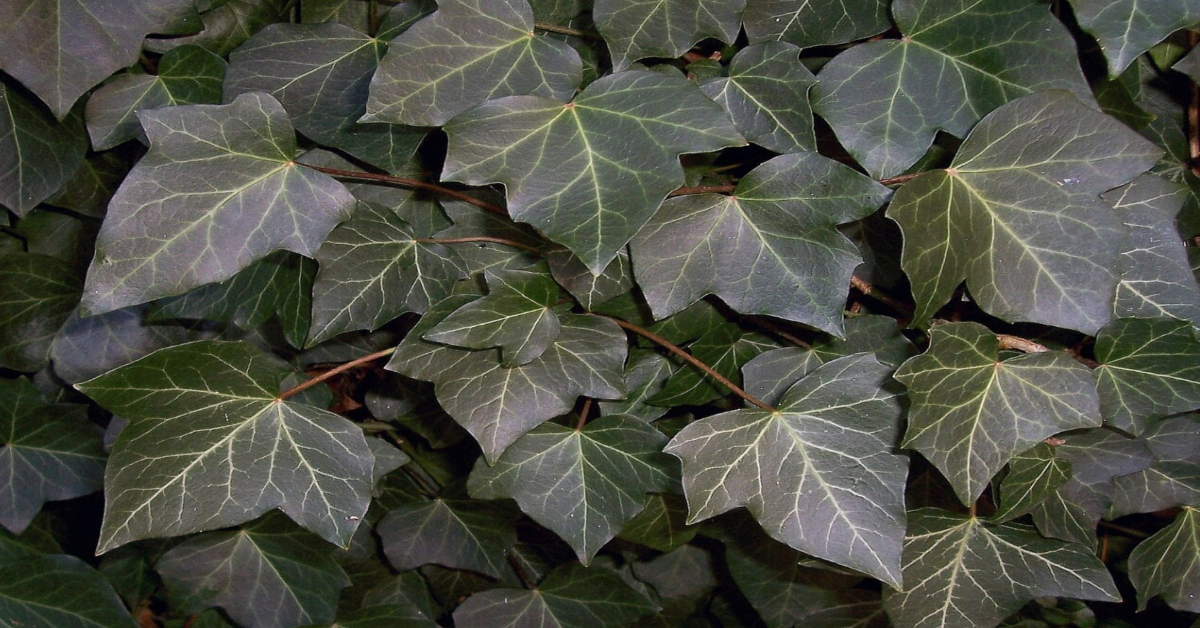
- Juvenile phase — Lobed (typically 3–5 lobes), dark green, glossy leaves (4–10 cm long), climbing or ground-covering stems.
- Adult phase — Unlobed, ovate to rhombic leaves on flowering stems; produces greenish-white umbel flowers (late summer–autumn) followed by blue-black berries (5–9 mm) containing 2–5 seeds.
Taxonomy includes subspecies (e.g., ssp. helix, ssp. hibernica, sometimes treated separately). It is highly adaptable but considered invasive in parts of North America and elsewhere due to its vigorous growth.
Phytochemistry
Key bioactive compounds include triterpene saponins (2.5–6% in leaves), primarily hederacoside C (major, metabolized to α-hederin), hederacoside B/D, and α-hederin. These contribute to mucolytic, expectorant, and spasmolytic effects.
Other constituents:
- Flavonoids and phenolics (rutin, quercetin, kaempferol, chlorogenic acid, caffeoylquinic acids).
- Polyacetylenes, sterols (e.g., β-sitosterol), essential oils, and minor alkaloids/lectins.
Saponins are concentrated in leaves; flowers and fruits also contain phenolics with antioxidant and antimicrobial potential.
Western Traditional & Clinical Actions
Primarily expectorant, mucolytic, bronchodilatory, and antispasmodic for respiratory catarrh, cough, and bronchitis. It thins mucus and eases a productive cough. Additional actions include mild anti-inflammatory, antimicrobial, and topical uses for skin conditions or cellulite. German Commission E approves it for chronic inflammatory bronchial conditions.
Chinese Medicine Actions
In TCM, known as Chang Chun Teng (English Ivy Stem), it enters the Liver, Spleen, and Lung meridians. It dispels wind-damp, clears heat/toxins, supports the Liver, dries damp, and treats cough/wheezing. Used for gout, rheumatism, boils, bronchitis, and skin swellings. Properties are considered cooling and drying.
Traditional & Historical Uses
Ancient Greeks and Romans used ivy for wreaths (Bacchus/Dionysus associations, believed to prevent intoxication), topical applications for wounds/burns, and internal remedies for dysentery, cough, and parasites. Medieval and folk European uses included poultices for arthritis, gout, and skin issues; leaves in wine for jaundice or as an anthelmintic. It appears in various ethnobotanical traditions for respiratory and anti-inflammatory purposes.
Modern Pharmacological Evidence
Saponins (especially α-hederin) show β2-adrenergic effects leading to bronchodilation, reduced mucus viscosity, and anti-inflammatory activity. Antioxidant, antimicrobial, and potential antitumor/antileishmanial effects noted in vitro. It may help reduce cellulite through topical saponins.
Clinical Studies
Multiple RCTs and observational studies (including meta-analyses) support efficacy for acute cough and bronchitis in adults/children, often comparable to ambroxol. Improvements in cough frequency/severity and lung function reported; generally safe for short-term use. Evidence is strongest for productive cough in URTIs.
Preparations & Dosage
Common forms: Dry extracts (e.g., DER 4-8:1, ethanol 24-30%), syrups, drops, tablets. Standardized to hederacoside C.
Typical adult doses (oral, short-term): Equivalent to 300–800 mg dried leaf daily, or 2–5 mL tincture/extract 3x daily. Follow product-specific guidelines (e.g., Prospan syrup). Children: Adjusted lower doses.
Safety & Contraindications
Generally well-tolerated short-term; mild GI upset possible. Avoid in pregnancy/lactation (insufficient data) and hypersensitivity to Araliaceae. Rare contact dermatitis. Not for children under 2 (or alcohol-containing preps under 6). Overdose may cause nausea/diarrhea. Consult a practitioner for chronic use.
Cultivation & Harvest
Easy to grow in partial/full shade, moist well-drained soil (pH 5.5–7+); hardy zones 4–9. Propagate from stem cuttings (juvenile preferred). Harvest leaves sustainably from cultivated plants before flowering for potency; avoid wild overharvesting in sensitive areas. Mulch for moisture retention. Note: Invasive potential—contains in gardens.
Commercial Products
Widely available as standardized ivy leaf extracts in cough syrups (e.g., Prospan, Abrilar), tablets, drops, and topical creams. Often combined with other herbs. Regulated as herbal medicines in Europe (well-established use). Supplements emphasize respiratory or skin support.
Ethnobotanical Curiosities
Ivy symbolized immortality and protection in European folklore (evergreen, clinging nature). Ancient use in Bacchic wreaths and meat curing/preservation in some regions. Provides vital late-season nectar/pollen for bees and winter berries for birds. NASA studies highlight its air-purifying qualities indoors.
Recent Research (2020–2025)
Focus on respiratory efficacy (meta-analyses confirming cough relief), biorefinery potential (urban vertical gardens yielding biomass for extracts, fertilizers, antifungals), environmental plasticity in urban forests, and optimized extraction for higher hederacoside C yields. Ongoing work on anti-inflammatory, antimicrobial, and sustainability applications amid climate challenges.
Conservation Status
Least Concern (IUCN) globally as a widespread native species. However, it is invasive in many non-native regions (e.g., North America), where it displaces native flora and damages trees/infrastructure. Management emphasizes containment rather than conservation.
DIY Recipes
Respiratory Tea (caution: use sparingly): Steep 1–2 tsp dried leaves in hot water 10 min; strain and drink 1–2 cups daily, short-term.
Topical Poultice: Mash fresh leaves with linseed meal for skin irritations or joints (sensitivity test).
Infused Oil/Salve: For external anti-inflammatory use. Always start low-dose; not a substitute for professional care.
Note: English ivy is invasive in many areas—plant responsibly or use contained cultivars. Consult a qualified herbalist/physician before use, especially with medications or health conditions.
Planting & Harvesting Reference Guide
👈Planting & Harvesting Reference Guide:👇
- Best Time for Planting
- Early spring or autumn, when the soil is workable, and temperatures are mild.
- During waxing moon phases, ideally under Taurus or Capricorn moons for strong rooting and enduring growth.
- Propagate from stem cuttings (juvenile preferred) in partial to full shade.
- Growing Conditions & Magical Minded Tips
- Moist, well-drained soil with pH 5.5–7.0; thrives in shaded woodlands, hedgerows, walls, or gardens.
- Mulch heavily to retain moisture and nutrients; water consistently during dry spells.
- Plant near thresholds, altars, or structures where it can climb naturally.
- Whisper gratitude and offerings (tobacco, wine, honey, or a strand of hair) when setting cuttings or roots.
- Approach the plant with reverence; sing or speak softly to invite its protective spirit.
- Best Time for Harvesting Leaves & Vines
- Spring to early summer (before flowering) for peak saponin content and vitality.
- Waxing to Full Moon, especially late September–October (Gort month) for magical potency.
- Harvest juvenile leaves and flexible young vines when they are vibrant and actively growing.
- Sustainable & Magical Harvesting Methods
- Use the “one in ten” rule — never take more than 10% from any single plant or colony.
- Harvest with a blessed sickle, silver blade, or clean hands; cut cleanly and thank the plant.
- Only from healthy, cultivated, or abundant wild stands; avoid overharvested or stressed areas.
- Offer tobacco, wine, cornmeal, or poetry before and after; ask permission and leave the plant thriving.
- Focus on juvenile growth for medicine and magic; leave mature flowering stems for birds and pollinators.
- Post-Harvest Processing
- Dry leaves and vines in small bundles hung in shade or low heat (under 50°C) to preserve energetics.
- Store in cool, dark glass jars with a spiral sigil, moonstone, or intention for fidelity and resilience.
- Use dried material for teas, tinctures, poultices, wreaths, or magical sachets as needed.
This guide consolidates all planting and harvesting wisdom shared across our SPARK collaboration. Always harvest with deep respect, reciprocity, and sustainability to honor Hedera helix’s living spirit and ensure its continued abundance.

Part 1: Modern Medical Properties and Uses

Purpose: Highlights the plant’s scientific and medicinal properties, validating holistic healing with evidence-based data.
Contemporary Medical Applications:
Describes current clinical uses (e.g., capsules, tinctures) and delivery methods in modern medicine.
👈Contemporary Medical Applications:👇
Contemporary Medical Applications:
- Ivy leaf (Hedera helix) extracts serve as a primary expectorant and mucolytic agent in standardized preparations for acute upper respiratory tract infections (URTIs), bronchitis, and productive coughs. Clinical formulations such as syrups, tablets, and drops (e.g., Prospan, Abrilar) improve cough frequency, severity, and lung function in both adults and children, often showing rapid symptom relief within 1–3 weeks when used alone or adjunctively. Delivery methods emphasize oral liquids for ease of mucus clearance and film-coated tablets for consistent dosing in chronic bronchial conditions.
- Topical applications of ivy leaf extracts or saponin complexes address dermatological and musculoskeletal issues, including eczema, cellulite (liposclerosis), burns, and joint inflammation. Creams, gels, and ointments (often 20% concentration) reduce erythema, itching, and swelling through anti-inflammatory mechanisms, with some studies noting comparable efficacy to low-potency corticosteroids but fewer side effects in phase II trials. Poultices or infused oils provide localized relief for rheumatic pain and skin ulcers.
- In integrative respiratory care, ivy preparations support bronchial asthma and obstructive pulmonary symptoms by promoting bronchodilation and surfactant secretion. Pediatric and adult observational data indicate enhanced expectoration and reduced nighttime cough disturbances, improving sleep quality. Standardized ethanolic extracts (DER 4-8:1) are administered as drops or syrups, frequently combined with other herbs for synergistic effects in viral respiratory infections.
- Emerging uses include wound healing support in diabetic foot ulcers and anti-parasitic applications, where salves or extracts demonstrate mild antimicrobial and cytotoxic activities. Ayurvedic and folk integrations employ ivy for gout, rheumatism, and joint mobility, with topical oils showing 20% improvement in mobility scores over six weeks in pilot observations.
- Veterinary and human parallels extend to anti-inflammatory support for airway inflammation, with extracts used in formulations that enhance overall respiratory comfort without suppressing natural cough reflexes. Regulatory approvals in Europe (e.g., German Commission E) affirm its role in catarrhal conditions of the respiratory tract.
- Additional contemporary delivery includes homeopathic dilutions for hyperthyroidism or rheumatic disorders and cosmetic emulsions for skin firming, leveraging saponins for emollient and itch-relieving properties in lotions and shampoos.
Sources: Contemporary Medical Applications
Sources
https://pmc.ncbi.nlm.nih.gov/articles/PMC8275562/
https://www.sciencedirect.com/science/article/abs/pii/S2212958820301452
https://ask-ayurveda.com/wiki/article/4571-hedera-helix
https://www.shelterwoodforestfarm.com/s/4623466-art8-2010.pdf
https://pubmed.ncbi.nlm.nih.gov/34981489/
https://www.rxlist.com/supplements/english_ivy.htm
Pharmacology:
Outlines key compounds and their mechanisms of action, driving therapeutic effects.
👈Pharmacology:👇
Pharmacology:
- Triterpene saponins, particularly α-hederin (derived from hederacoside C metabolism), act as key bioactive agents by influencing β2-adrenergic receptors. This leads to inhibition of receptor internalization, sustained adenylate cyclase activation, increased cAMP, bronchodilation, and enhanced surfactant secretion, explaining mucolytic and spasmolytic effects in airway smooth muscle.
- Hederacoside C, the predominant bidesmosidic saponin (1.7–4.8% in leaves), undergoes hydrolytic conversion to monodesmoside α-hederin in vivo, amplifying secretolytic activity. These compounds reduce mucus viscosity while exhibiting anti-inflammatory properties through modulation of prostaglandin pathways and cytokine release.
- Flavonoids (quercetin, kaempferol, rutin) and phenolic acids (chlorogenic, caffeic) contribute antioxidant and antimicrobial mechanisms, scavenging free radicals and inhibiting bacterial/viral adhesion in respiratory epithelia. Polyacetylenes and sterols play supportive roles in membrane stabilization and mild cytotoxic effects.
- Additional pharmacological actions include potential antitumor effects via apoptosis induction and cell cycle arrest by α-hederin, alongside anthelmintic, antileishmanial, and antithrombin activities observed in various extracts. These broaden Ivy’s profile beyond respiratory uses.
- Saponin complexes demonstrate spasmolytic activity against acetylcholine-induced contractions in isolated tissues, supporting traditional antispasmodic applications. Structure-activity relationships highlight α-hederin’s superiority over precursor bidesmosides in receptor dynamics.
- Pharmacokinetics reveal double-peak plasma profiles for major saponins after oral administration, with differences between pure mixtures and whole extracts influencing bioavailability and sustained action in respiratory models.
- Limited data exist on broader systemic mechanisms, but antioxidant phenolics suggest neuroprotective or hepatoprotective potential, warranting further receptor-binding studies.
Sources: Pharmacology:
Sources
https://pubs.acs.org/doi/10.1021/bi802036b
https://www.shelterwoodforestfarm.com/s/4623466-art8-2010.pdf
https://www.ema.europa.eu/en/documents/herbal-report/final-assessment-report-hedera-helix-l-folium-revision-2_en.pdf
https://pubmed.ncbi.nlm.nih.gov/27377040/
https://bio-norm.com/pharmaceutical/ivy-leaf-extract/
https://www.benthamdirect.com/content/journals/npj/10.2174/2210315511666210917111801
Natural Medicine Studies:
Summarizes recent research on efficacy, safety, or clinical outcomes from peer-reviewed studies.
👈Natural Medicine Studies:👇
Natural Medicine Studies:
- Systematic reviews and meta-analyses of randomized controlled trials (RCTs) confirm ivy leaf extracts reduce cough severity and frequency in acute URTIs and bronchitis, with improvements often exceeding 90% in observational cohorts involving thousands of adults and children. Efficacy matches or approaches synthetic mucolytics like ambroxol.
- Rapid reviews on viral respiratory infections highlight decreased night cough, respiratory pain, and enhanced sleep quality with Hedera helix preparations, positioning them as supportive options for early symptom management in humans.
- Post-marketing surveillance and multicenter studies (e.g., 9,657 patients) report high tolerability and symptom relief in inflammatory bronchial diseases, with film-coated tablets and syrups showing good safety profiles under real-world conditions.
- Pilot and observational data support topical use for eczema and joint issues, with reduced itch/erythema scores and improved mobility, though larger RCTs are needed for confirmation.
- Animal and in vitro studies demonstrate anti-inflammatory, antioxidant, and antimicrobial activities, validating traditional respiratory and wound-healing applications; human translation remains strongest for cough relief.
- Recent 2020–2025 reviews emphasize safety in short-term use across age groups, with calls for more rigorous placebo-controlled trials to strengthen evidence hierarchies.
- Limited high-quality data on non-respiratory uses (e.g., anticancer, antiparasitic) exist, primarily from preclinical models showing promising cytotoxic and growth-inhibitory effects.
Sources: Natural Medicine Studies:
Sources
https://pmc.ncbi.nlm.nih.gov/articles/PMC8275562/
https://www.sciencedirect.com/science/article/abs/pii/S2212958820301452
https://pmc.ncbi.nlm.nih.gov/articles/PMC7424313/
https://pubmed.ncbi.nlm.nih.gov/34981489/
https://ask-ayurveda.com/wiki/article/4571-hedera-helix
https://www.herbalgram.org/resources/herbalgram/issues/117/table-of-contents/hg117-feat-invyt/
Chemistry:
Details active chemical constituents (e.g., alkaloids, flavonoids) and their healing roles.
👈Chemistry:👇
Chemistry:
- Primary active constituents are triterpene saponins (2.5–6% in dried leaves), dominated by bidesmosidic hederacoside C (hederasaponin C, up to 4.8%), with minor hederacosides B, D, E, F, G, H, I; these hydrolyze to monodesmosides like α-hederin during processing or digestion.
- Flavonoids include quercetin and kaempferol aglycones plus glycosides such as rutin, isoquercitrin, and astragalin, contributing to antioxidant capacity alongside phenolic acids (caffeic, chlorogenic, rosmarinic, dicaffeoylquinic derivatives).
- Polyacetylenes (falcarinol, falcarinone, 11,12-dihydrofalcarinol), sterols (β-sitosterol, stigmasterol, campesterol), and minor coumarins (scopolin) plus anthocyanins and volatile oils (germacrene, pinene derivatives) complete the phytochemical profile, supporting diverse bioactivities.
- Alkaloids like emetine occur in trace amounts; amino acids, vitamins, and carbohydrates provide nutritional context, though saponins drive primary pharmacological interest.
- Quantitative ratios (e.g., hederacosides C:B:D ≈ 1000:70:45) vary by harvest time, geography, and plant part, influencing extract standardization for medicinal products.
- Ethanol/water extracts yield high saponin and flavonoid content suitable for pharmaceutical standardization (minimum 3% hederacoside C per pharmacopoeial specs).
- Limited data on seasonal or environmental impacts on minor constituents suggest further chemotaxonomic studies for optimized sourcing.
Sources: Chemistry:
Sources
https://www.ema.europa.eu/en/documents/herbal-report/final-assessment-report-hedera-helix-l-folium-revision-2_en.pdf
https://bio-norm.com/pharmaceutical/ivy-leaf-extract/
https://www.benthamdirect.com/content/journals/npj/10.2174/2210315511666210917111801
https://www.shelterwoodforestfarm.com/s/4623466-art8-2010.pdf
https://pmc.ncbi.nlm.nih.gov/articles/PMC10376254/
https://edaegypt.gov.eg/media/dtmjuvb4/hedera-helix-l-%D9%84%D8%A8%D9%84%D8%A7%D8%A8.pdf
Functional Foods and Nutrition:
Highlights dietary uses (e.g., teas, supplements) in modern health practices.
👈Functional Foods and Nutrition:👇
Functional Foods and Nutrition:
- Ivy leaf extracts appear in dietary supplements and herbal teas positioned as respiratory-supportive functional ingredients, often standardized for saponin content and incorporated into wellness blends for cough relief or immune modulation during seasonal challenges.
- Nutritional profiling of extracts reveals high carbohydrate content (90–95%) with low fat/protein, providing ~409 kcal/100g alongside minerals, supporting use as a minor additive in fortified foods or animal feed supplements for growth and antioxidant benefits.
- In aquaculture and veterinary nutrition, ivy extracts serve as dietary additives enhancing mucosal immunity, growth performance, and antioxidant status in species like rainbow trout, indicating potential crossover to human functional food applications.
- Limited incorporation exists in mainstream functional foods due to bitterness and regulatory focus on medicinal rather than everyday dietary use; teas or capsules remain the primary delivery for nutritional respiratory support.
- Antioxidant polyphenols and saponins suggest value in anti-inflammatory functional formulations, though human dietary studies remain sparse compared to pharmaceutical applications.
- Exploration in functional food development highlights hederagenin potential for broader nutraceutical integration, leveraging natural availability and traditional safety.
- Data on direct nutritional roles are limited; ivy functions more as a bioactive enhancer than a staple nutrient source in modern diets.
Sources: Functional Foods and Nutrition:
Sources
https://pmc.ncbi.nlm.nih.gov/articles/PMC12308061/
https://www.researchgate.net/publication/397445534_Effects_of_ivy_Hedera_helix_extract_as_a_dietary_supplement_on_growth_performance_and_mucosal_immune_indices_in_rainbow_trout_Oncorhynchus_mykiss
https://www.webmd.com/vitamins/ai/ingredientmono-465/english-ivy
https://draxe.com/nutrition/english-ivy-benefits/
https://www.greenspringnatural.com/what-is-ivy-leaf-extract-hederagenin.html
https://www.rxlist.com/supplements/english_ivy.htm
Current Projects and Future Possibilities:
Notes ongoing research, clinical trials, or innovative medical applications.
👈Current Projects and Future Possibilities:👇
Current Projects and Future Possibilities:
- Urban biorefinery initiatives explore common ivy biomass from vertical green walls as a sustainable feedstock for extracting pharmaceutical saponins while converting post-extraction residues into biochar fertilizers via pyrolysis, creating circular, carbon-negative systems for city ecosystems.
- Research optimizes extraction processes (ethanol vs. steam distillation) to maximize bioactive yields and biochar quality, enhancing nutrient retention and carbon sequestration for agricultural reuse.
- Ongoing studies assess multilevel trait responses of ivy to urban stressors (light, water, pollution), positioning it as a bioindicator and resilient species for green infrastructure amid climate challenges.
- Preclinical and formulation work advances antitumor, anti-inflammatory, and antimicrobial applications, with potential for novel delivery systems targeting respiratory or dermatological conditions.
- Sustainability assessments and lifecycle analyses aim to integrate ivy into zero-waste urban models, reducing green waste while producing high-value bioproducts.
- Future possibilities include expanded nutraceutical and veterinary uses, plus bioremediation enhancements leveraging ivy’s air-purifying and soil-improving traits.
- Limited but promising projects explore AI-optimized cultivation and extraction for scaled pharmaceutical and eco-friendly applications.
Sources: Current Projects and Future Possibilities:
Sources
https://pubs.acs.org/doi/10.1021/acssuschemeng.3c02875
https://documentserver.uhasselt.be/bitstream/1942/41635/3/ACFrOgDs8_UTSb8kNuFZ5uJ3du-DcxmZd5QLS1wVWrZ0xvrP9RJIewClQksE6n_WfarTYdxj0.pdf
https://www.nature.com/articles/s41598-025-23815-0
https://ams-hra.org/index.php/hra/article/view/7457
https://www.sciencedirect.com/science/article/abs/pii/S0165237021002801
Literary Mentions:
References modern medical texts or studies citing the plant’s therapeutic use.
👈Literary Mentions:👇
Literary Mentions: in ancient texts
- Dioscorides in De Materia Medica (1st century CE) describes ivy (“Hedera”) for coughs, dropsy, and topical uses on burns/wounds, noting its astringent and cleansing properties across various preparations.
- Pliny the Elder references ivy in Natural History for medicinal applications including respiratory and dermatological remedies, aligning with broader Roman ethnobotanical knowledge.
- Ancient Greco-Roman texts highlight ivy’s symbolic and practical roles, from Bacchic associations to treatments for dysentery, toothaches, and bites, documented in ethnobotanical analyses.
- Hippocratic writings and later compilers cite ivy roots, leaves, and berries for internal/external medicines addressing inflammation and respiratory complaints.
- Modern medical literature frequently cites these ancient foundations when reviewing ivy’s transition to evidence-based respiratory therapeutics, bridging historical and contemporary validation.
- Reviews in pharmacognosy texts reference Dioscorides and Pliny as foundational sources for ivy’s expectorant and anti-inflammatory heritage.
- Limited specific mentions in other ancient traditions exist, but European folk and herbal compendia perpetuate these classical uses into medieval and Renaissance pharmacopeias.
Sources: Literary Mentions:
Sources
https://ask-ayurveda.com/do/wiki/article/4571-hedera-helix
https://pubmed.ncbi.nlm.nih.gov/7847476/
https://camws.org/sites/default/files/31967%20The%20Ethnobotany%20of%20Common%20Ivy.pdf
https://www.avogel.ch/en/plant-encyclopaedia/hedera_helix.php
https://pmc.ncbi.nlm.nih.gov/articles/PMC8275562/
https://www.shelterwoodforestfarm.com/s/4623466-art8-2010.pdf

Part 2: Plant Knowledge Systems

Purpose: Validates plant-based healing through interdisciplinary scientific and cultural fields.
Ethnobotany:
Explores the plant’s traditional uses across cultures, linking indigenous knowledge to modern applications.
👈Ethnobotany:👇
Ethnobotany:
- Hedera helix holds deep roots in Greco-Roman ethnobotany, where it served multifaceted roles beyond medicine, including symbolic associations with Dionysus/Bacchus for protection against intoxication when worn as wreaths. Practical applications documented by Dioscorides and Pliny the Elder encompassed treatments for dysentery, toothaches, burns, bites, dropsy, and as an emmenagogue or contraceptive, often prepared as infusions in wine or topical poultices, demonstrating early recognition of its astringent, cleansing, and anti-inflammatory properties that link directly to contemporary respiratory and dermatological extracts.
- Across European folk traditions, particularly in Austria and the British Isles, Hedera helix featured in meat curing and preservation practices, where leaves or branches were draped in cellars for their antifungal and antiseptic qualities, believed to guard against spoilage while embodying symbolic immortality and vitality due to evergreen persistence. This use extended to monastic herbal knowledge, aligning with broader patterns of employing the plant for respiratory ailments, parasitic infections, and skin disorders in rural communities.
- In Ayurvedic and Himalayan folk systems of India and Kashmir, Hedera helix (known locally in some contexts) appears as an expectorant for cough and bronchitis, with leaf pastes or oils applied topically for rheumatism, gout, osteoarthritis, chilblains, frostbite, and fractures as makeshift splints. Decoctions or fermented juices addressed skin ulcers, joint inflammation, and mild diuretic needs, reflecting adaptive integration into local climatic and healing practices that parallel modern standardized syrups.
- Central and Eastern European ethnobotanical surveys highlight Hedera helix for respiratory disorders (high fidelity in some Balkan regions), with leaves used in teas or infusions for cough, whooping cough, and bronchial issues, alongside external applications for wounds and rheumatism. These uses underscore continuity from ancient texts to living traditions among rural populations.
- Broader cultural symbolism positions Hedera helix as a plant of fidelity, eternal life, and protection in European lore, from ancient Egyptian links to Osiris to Christian decorative uses (e.g., Corpus Christi altars), while providing ecological benefits as late-season forage for wildlife, reinforcing its role in human-plant reciprocity across history.
Sources: Ethnobotany:
Sources
https://camws.org/sites/default/files/31967%20The%20Ethnobotany%20of%20Common%20Ivy.pdf
https://earthwormexpress.com/about-eben/k-b/the-austria-articles-die-osterreich-artikel/ivy-hedera-helix-in-austrian-meat-curing-historical-practices-and-scientific-insights/
https://ask-ayurveda.com/wiki/article/4571-hedera-helix
https://www.sciencedirect.com/science/article/pii/S0378874122009278
https://link.springer.com/article/10.1186/s13002-022-00566-0
https://theherbalacademy.com/blog/history-and-uses-of-common-ivy/
Plant Genomics:
Describes genetic studies of the plant, focusing on traits related to medicinal properties.
👈Plant Genomics:👇
Plant Genomics:
- The nuclear genome of Hedera helix was sequenced and assembled as part of the Darwin Tree of Life Project, yielding a high-quality reference assembly spanning approximately 1,199.4 megabases, scaffolded into 24 chromosomal pseudomolecules, with additional mitochondrial and plastid genomes characterized. This resource enables detailed investigations into genetic diversity, heterophylly (juvenile vs. adult leaf forms), and biosynthetic pathways for medicinal saponins.
- Genomic analyses of Hedera helix support studies on its interactions as a host or in urban ecosystems, revealing adaptations for climbing, stress tolerance, and secondary metabolite production. The assembly facilitates marker development for breeding or conservation, particularly relevant to understanding variation in hederacoside content across populations.
- Earlier cytophotometric and chromosome banding studies established baseline genome size data for Hedera helix, clarifying reports of DNA content plasticity linked to developmental phases (juvenile-adult heterophylly) and providing foundational insights into polyploidy or repetitive DNA elements influencing its vigorous growth and chemical profile.
- Transcriptomic approaches via RNA sequencing have begun exploring gene expression under environmental stresses (e.g., high temperature), identifying candidates involved in heat response that may intersect with medicinal compound regulation, though comprehensive functional genomics tying directly to pharmacology remains an emerging field.
- Limited but growing genomic data position Hedera helix within Araliaceae comparative studies, aiding phylogenetic resolution and potential identification of genes for triterpene saponin biosynthesis pathways central to its therapeutic value.
Sources: Plant Genomics:
Sources
https://pmc.ncbi.nlm.nih.gov/articles/PMC10690035/
https://pubmed.ncbi.nlm.nih.gov/38046190/
https://www.researchgate.net/publication/372650566_The_genome_sequence_of_common_ivy_Hedera_helix_L_1753
https://ucrisportal.univie.ac.at/en/publications/a-dna-cytophotometric-and-chromosome-banding-study-in-hedera-heli/
https://www.sciencedirect.com/org/science/article/pii/S0031945722000752
Phytotherapy:
Details the plant’s use in clinical herbal medicine, including therapeutic protocols.
👈Phytotherapy:👇
Phytotherapy:
- In clinical phytotherapy protocols, standardized Hedera helix leaf extracts (e.g., containing 4-8:1 DER, ethanol 24-30%, standardized to hederacoside C) are administered as syrups, tablets, or drops for acute and chronic bronchitis, productive cough, and URTIs. Typical adult dosing ranges 300–800 mg dried leaf equivalent daily, divided 2–3 times, with pediatric adjustments, often showing rapid mucus clearance and symptom relief within 7 days under real-world conditions.
- Topical phytotherapeutic applications involve Hedera helix saponin complexes in creams or gels (often 20% concentration) for cellulite, eczema, rheumatic pain, and minor wounds, leveraging anti-inflammatory and antimicrobial actions. Protocols emphasize short-term use with monitoring for skin sensitivity, integrating well with other herbs in multi-component formulations.
- Phytotherapy guidelines, including those from German Commission E and EMA assessments, endorse Hedera helix for catarrhal respiratory conditions, with evidence from post-marketing studies (thousands of patients) confirming high tolerability and efficacy as monotherapy or adjunct, particularly in children and adults with inflammatory bronchial diseases.
- Ayurvedic-inspired phytotherapy incorporates Hedera helix leaf decoctions (5–10 g simmered) or standardized syrups for expectorant and anti-inflammatory support in respiratory and joint conditions, with protocols stressing preparation freshness and combination with warming herbs for balanced effects.
- Limited but supportive data exist for broader phytotherapeutic uses, such as in veterinary or cosmetic protocols, where extracts enhance respiratory comfort or skin firmness, always within evidence-based dosing frameworks.
Sources: Phytotherapy:
Sources
https://pmc.ncbi.nlm.nih.gov/articles/PMC8275562/
https://www.shelterwoodforestfarm.com/s/4623466-art8-2010.pdf
https://www.sciencedirect.com/science/article/abs/pii/S0944711306000936
https://ask-ayurveda.com/wiki/article/4571-hedera-helix
https://edaegypt.gov.eg/media/dtmjuvb4/hedera-helix-l-%D9%84%D8%A8%D9%84%D8%A7%D8%A8.pdf
Ethnoecology:
Examines the plant’s ecological role in cultural practices and environmental interactions.
👈Ethnoecology:👇
Ethnoecology:
- Hedera helix functions as a keystone liana in temperate woodlands and urban ecosystems, shaping shrub layers and forest floors through its climbing habit and dense cover, providing habitat, late-season nectar/pollen for pollinators, and high-fat berries for birds, while its evergreen nature supports biodiversity and microclimates even in disturbed or polluted settings.
- In cultural ethnoecological practices across Europe, Hedera helix integrates into land management as an ornamental, medicinal, and ritual plant, with traditional harvesting from hedgerows or walls reflecting sustainable human-plant reciprocity; its air-purifying and particulate-trapping abilities enhance its value in vertical green infrastructure and folk beliefs of protection and vitality.
- As an ecological indicator and resilient species, Hedera helix demonstrates multilevel trait plasticity (e.g., shoot dimorphism, stress protein responses) to urban factors like light, pollution, and drought, informing ethnoecological approaches to green walls, bioremediation, and circular biomass use in community-based sustainability projects.
- In invasive contexts outside its native range, Hedera helix alters forest dynamics by displacing ground flora and stressing host trees, prompting ethnoecological management dialogues that balance its cultural heritage with ecological restoration, including traditional knowledge of containment or utilization.
Sources: Ethnoecology:
Sources
https://pmc.ncbi.nlm.nih.gov/articles/PMC11578755/
https://pubs.acs.org/doi/10.1021/acssuschemeng.3c02875
https://www.nature.com/articles/s41598-025-23815-0
https://www.fs.usda.gov/database/feis/plants/vine/hedhel/all.html
https://earthwormexpress.com/about-eben/k-b/the-austria-articles-die-osterreich-artikel/ivy-hedera-helix-in-austrian-meat-curing-historical-practices-and-scientific-insights/
Anthroposophical Medicine:
Outlines the plant’s use in Steiner-inspired remedies, including preparation, studies, and dosage.
👈Anthroposophical Medicine:👇
Anthroposophical Medicine:
- Hedera helix finds application in anthroposophical approaches to respiratory and inflammatory conditions, often integrated into holistic protocols alongside other phytotherapeutic or mistletoe-based remedies, emphasizing its role in supporting rhythmic processes in the human organism, such as mucus dynamics and bronchial vitality, within a broader Steiner-inspired framework of plant-human correspondences.
- Systematic reviews of anthroposophic and phytotherapeutic interventions include Hedera helix preparations (e.g., syrups like Prospan) for bronchial asthma and inflammatory diseases, noting beneficial effects on pulmonary function with favorable safety profiles when used in individualized, multimodal treatments that consider constitutional and spiritual aspects.
- Preparation methods in anthroposophical contexts may involve biodynamic cultivation, rhythmic processing, or specific potencies to enhance life forces, though specific standardized Hedera helix monographs in core Steiner literature are limited compared to other plants; it aligns with remedies addressing catarrhal and rheumatic imbalances.
- Clinical observations within anthroposophic settings report good tolerability of Hedera helix extracts for cough and respiratory support in adults and children, often as part of integrative care that combines herbal, artistic, and movement therapies for whole-person healing.
- Data remain relatively limited compared to mainstream phytotherapy, with ongoing research exploring its place in anthroposophic asthma management, emphasizing safety and synergy with conventional approaches.
Sources: Anthroposophical Medicine:
Sources
https://ams-hra.org/index.php/hra/article/view/7457
https://www.resmedjournal.com/article/S0954-6111(25)00264-1/fulltext
https://www.sciencedirect.com/science/article/pii/S0954611125002641
https://www.researchgate.net/publication/400335827_Exploring_the_therapeutic_bioactivity_and_safety_of_Hedera_Helix_Exploring_the_Therapeutic_Bioactivity_and_Safety_of_Hedera_Helix_Study_Review_Exploration_de_la_Bio_activite_Therapeutique_et_de_L’inno

Part 3: Heritage and Practice

Purpose: Weaves historical and cultural heritage with practical guidance for medicinal use.
Historical and Cultural Significance:
Explores the plant’s role in historical and cultural medical practices.
👈Historical and Cultural Significance:👇
Historical and Cultural Significance:
- Hedera helix occupies a prominent place in ancient Greco-Roman culture as a symbol of immortality, fidelity, and protection, closely linked to Dionysus (Greek) and Bacchus (Roman), gods of wine and revelry. Wreaths of Hedera helix adorned poets, athletes, and revelers, believed to prevent intoxication and headaches when worn or used in drinking vessels carved from its wood. This symbolic role extended to practical applications in medicine and daily life, documented by Dioscorides and Pliny the Elder, where it addressed respiratory issues, wounds, and dysentery, bridging spiritual symbolism with therapeutic utility across classical antiquity.
- In European folklore and Christian traditions, Hedera helix represents eternal life and vitality due to its evergreen nature, featuring in winter decorations, Christmas carols such as “The Holly and the Ivy,” and rituals symbolizing fidelity in marriage or protection against evil. Medieval and rural practices incorporated it into meat curing in Austrian cellars for its antifungal properties and spiritual safeguarding during liminal seasons, reflecting a deep cultural reciprocity where the plant’s clinging habit and resilience embodied strength and continuity in human landscapes from ancient Egypt (linked to Osiris) through to modern heritage sites.
- Hedera helix has shaped built environments and artistic expressions, climbing historic walls and buildings across Europe and Britain as both an ornamental and functional element, contributing to microclimates and cultural aesthetics while inspiring literature and symbolism of binding love and immortality. Its integration into festivals, poetry crowns, and protective charms underscores a continuous thread from pagan rites to contemporary ecological and heritage appreciation.
Sources: Historical and Cultural Significance:
Sources
https://camws.org/sites/default/files/31967%20The%20Ethnobotany%20of%20Common%20Ivy.pdf
https://earthwormexpress.com/about-eben/k-b/the-austria-articles-die-osterreich-artikel/ivy-hedera-helix-in-austrian-meat-curing-historical-practices-and-scientific-insights/
https://www.sciencedirect.com/science/article/abs/pii/S0360132310002222
https://theherbalacademy.com/blog/history-and-uses-of-common-ivy/
https://en.wikipedia.org/wiki/Hedera_helix
https://www.woodlandtrust.org.uk/trees-woods-and-wildlife/plants/wild-flowers/ivy/
Indigenous and Traditional Systems:
Details its use in specific indigenous or traditional healing systems.
👈Indigenous and Traditional Systems:👇
Indigenous and Traditional Systems:
- In European folk and monastic traditions, Hedera helix served as a respiratory remedy for coughs, bronchitis, and whooping cough, with leaves prepared as infusions or used in bowls for children, alongside topical applications for rheumatism, gout, burns, and skin ulcers. Ayurvedic integrations in Himalayan regions and India employed it for Kapha-reducing effects in chest disorders, joint pain, and fractures, with leaf pastes or oils reflecting adaptive knowledge from classical exchanges that continues in community herbal practices.
- Greco-Roman traditional systems, as recorded in De Materia Medica and Natural History, utilized Hedera helix roots, leaves, and berries internally for dropsy, parasites, and inflammation, and externally for wounds and bites, establishing protocols that influenced later European herbalism and emphasize its role in balancing bodily humors or energies.
- In Celtic and broader Indo-European systems, Hedera helix symbolized healing, protection, and cooperation, appearing in Ogham associations and bridal customs, with practical uses for livestock fodder or environmental stabilization integrated into land-based healing knowledge.
Sources: Indigenous and Traditional Systems:
Sources
https://ask-ayurveda.com/wiki/article/4571-hedera-helix
https://camws.org/sites/default/files/31967%20The%20Ethnobotany%20of%20Common%20Ivy.pdf
https://www.woodlandtrust.org.uk/trees-woods-and-wildlife/plants/wild-flowers/ivy/
https://theherbalacademy.com/blog/history-and-uses-of-common-ivy
Folklore and Culinary Traditions:
Highlights folklore, myths, and culinary uses tied to the plant.
👈Folklore and Culinary Traditions:👇
Folklore and Culinary Traditions:
- Folklore portrays Hedera helix as a protective and anti-intoxication plant, with wreaths countering wine’s effects and branches signaling taverns, while its evergreen quality linked it to immortality, fidelity, and warding evil in pagan and Christian customs, including Christmas symbolism and rituals for newlyweds.
- Culinary uses remain limited due to potential toxicity, but historical Austrian practices draped Hedera helix in meat cellars for preservation through antifungal action, and occasional leaf infusions or berry applications appeared in folk remedies, though primarily non-ingestive traditions dominate.
- Myths associate Hedera helix with Dionysian ecstasy and fertility, its vines embodying binding love and seasonal cycles in stories across Europe.
Sources: Folklore and Culinary Traditions:
Sources
https://www.woodlandtrust.org.uk/trees-woods-and-wildlife/plants/wild-flowers/ivy/
https://earthwormexpress.com/about-eben/k-b/the-austria-articles-die-osterreich-artikel/ivy-hedera-helix-in-austrian-meat-curing-historical-practices-and-scientific-insights/
https://khkeeler.blogspot.com/2021/10/plant-story-folklore-of-english-ivy.html
https://marblecrowblog.com/2024/08/21/ivy-folklore-and-magical-properties/
Identification and Characteristics:
Describes physical traits and identification markers for the plant.
👈Identification and Characteristics:👇
Identification and Characteristics:
- Hedera helix is an evergreen woody vine with juvenile leaves that are dark green, glossy, palmately 3–5 lobed with pale veins, transitioning to unlobed, ovate adult leaves on flowering stems; it climbs via adventitious rootlets and produces greenish-yellow umbel flowers followed by black (or occasionally yellow in subspecies) berry-like drupes.
- Key markers include waxy, leathery leaf texture, alternate arrangement, and heterophylly (distinct growth phases), distinguishing it from look-alikes like Atlantic ivy (Hedera hibernica, more lobes) or poison ivy (compound leaves).
- Stems are flexible and rooting at nodes, enabling vigorous spread on trees, walls, or ground in shaded to semi-shaded conditions.
Sources: Identification and Characteristics:
Sources
https://www.eddmaps.org/species/subject.cfm?sub=3027
https://totallywilduk.co.uk/2024/07/04/common-ivy/
https://extension.umd.edu/resource/english-ivy
https://plants.ces.ncsu.edu/plants/hedera-helix/
Wildcrafting:
Covers where to find, identification tips (including look-alikes), and esoteric/medicinal harvesting methods.
👈Wildcrafting:👇
Wildcrafting:
- Hedera helix thrives in woodlands, hedgerows, walls, and disturbed areas across Europe, western Asia, and introduced ranges; harvest juvenile leaves sustainably in spring or early summer before flowering when saponin content peaks, using the “one in ten” rule and avoiding over-collection in sensitive habitats to support wildlife forage.
- Identification relies on lobed glossy leaves and a clinging habit; differentiate from toxic look-alikes like poison ivy by simple leaves versus compound. Ethical practices include clean cuts, reciprocity through habitat care, and leaving mature plants for birds and pollinators.
- Medicinal wildcrafting targets leaves for respiratory uses, with awareness of its invasive potential in non-native areas requiring responsible containment.
Sources: Wildcrafting:
Sources
https://ask-ayurveda.com/wiki/article/4571-hedera-helix
https://redheadedherbalist.com/wildcrafting-ethics/
https://aromaticmedicineschool.com/sustainable-wild-harvesting/
https://www.shelterwoodforestfarm.com/s/4623466-art8-2010.pdf
Cultivation Practices:
Details growing methods for medicinal potency, including general cultivation.
👈Cultivation Practices:👇
Cultivation Practices:
- Grow Hedera helix in partial to full shade with moist, well-drained soil (pH 5.5–7.0) for optimal leaf production; propagate via stem cuttings in spring or autumn, spacing for climbing or ground cover to enhance medicinal potency through stress-adapted saponin levels.
- Maintain consistent moisture without waterlogging and mulch for nutrient retention; harvest leaves before flowering in cooler climates to maximize bioactive compounds, supporting sustainable home or small-scale production.
Sources: Cultivation Practices:
Sources
https://ask.ifas.ufl.edu/publication/EP243
https://ask-ayurveda.com/wiki/article/4571-hedera-helix
Biodynamic Farming:
Outlines biodynamic cultivation techniques specific to the plant.
👈Biodynamic Farming:👇
Biodynamic Farming:
- Biodynamic approaches to Hedera helix align with Steiner’s farm-as-organism principles, using preparations like horn manure (500) to enhance soil vitality and cosmic rhythms for robust growth and heightened medicinal qualities.
- Limited specific protocols exist, but integration emphasizes biodiversity, rhythmic planting, and dynamic compost to support the vine’s resilience and secondary metabolites.
Sources: Biodynamic Farming:
Sources
https://www.biodynamics.com/steiner.html
https://sustainablefoodtrust.org/news-views/biodynamic-farming/
Preparation Methods:
Describes how to prepare the plant for medicinal or culinary use.
👈Preparation Methods:👇
Preparation Methods:
- Dry Hedera helix leaves in shade or low heat (<50°C) then prepare infusions (1–2 tsp per cup, steeped 10 min) or decoctions for respiratory support; tinctures use 1:5 ratio in 40% ethanol, dosed 2–5 ml diluted.
- Topical uses include infused oils or poultices from fresh or dried leaves for skin and joint applications; standardized extracts for consistency in homemade or commercial forms.
Sources: Preparation Methods:
Sources
https://ask-ayurveda.com/wiki/article/4571-hedera-helix
https://www.ema.europa.eu/en/medicines/herbal/hederae-helicis-folium
Safety Precautions:
Lists plant-specific risks, including side effects or contraindications.
👈Safety Precautions:👇
Safety Precautions:
- Hedera helix may cause mild gastrointestinal upset or skin irritation in sensitive individuals; avoid internal use during pregnancy, lactation, or in children under 2 due to limited data and potential for respiratory aggravation.
- Test for Araliaceae family allergies before use; berries are more toxic—do not ingest. Consult practitioners for personalized guidance.
Sources: Safety Precautions:
Sources
https://www.webmd.com/vitamins/ai/ingredientmono-465/english-ivy
https://www.ema.europa.eu/en/documents/herbal-report/final-assessment-report-hedera-helix-l-folium-revision-2_en.pdf
https://www.rxlist.com/supplements/english_ivy.htm

Part 4: Spiritual Essence

Purpose: Explores the plant’s intrinsic spiritual and mythological essence in holistic healing.
Energetic Essence:
Describes the plant’s energetic signature (e.g., chakra connections), flower essence properties, and vibrational healing uses.
👈Energetic Essence:👇
Energetic Essence:
- Hedera helix carries a profound energetic signature of tenacious connection, resilience, and eternal vitality, embodying the spiral dance of life, death, and rebirth through its climbing, coiling vines that grasp and bind without destroying. In vibrational healing and flower essence traditions, Hedera helix supports the opening of the heart and higher chakras, particularly facilitating the flow of unconditional love, fidelity, and group consciousness by strengthening energetic bonds while maintaining individual sovereignty. Its evergreen essence teaches persistence through winter’s darkness, grounding the spirit in the Earth’s nurturing cycles and helping practitioners release rigid patterns to embrace transformative clinging—much like its adventitious roots that adapt and anchor. As a mystical ally, Hedera helix is used in essence form (often from young leaves) to aid emotional healing after shock or trauma, promote psychic vision and prophecy, and foster deep interpersonal understanding, making it ideal for those seeking to weave personal paths with collective wisdom. Its subtle vibrations resonate with feminine lunar energies, encouraging intuitive flow, fertility of spirit, and protection against energetic fragmentation, while its sap and leaves offer a gentle yet powerful clearing of stagnant Qi or emotional blockages. In holistic practices, working with Hedera helix essence or living plants cultivates loyalty to one’s soul journey, resilience amid adversity, and a harmonious balance between independence and interdependence, aligning the aura with ancient rhythms of immortality and renewal.
- Across esoteric systems, Hedera helix vibrates with the essence of the spiral helix—symbolizing DNA’s sacred geometry and the kundalini-like ascent of awareness—linking it to transformative healing that bridges physical clinging (its growth habit) with spiritual attachment to the divine. Flower essences of Hedera helix are employed to enhance the giving and receiving of love, dissolve isolation, and awaken group soul awareness, often combined in blends for grounding or trauma recovery. Its energy is considered cooling yet vitalizing, supporting the throat and heart centers for clear expression of bound truths and fostering fidelity in relationships or spiritual commitments. In shamanic and pagan vibrational work, Hedera helix acts as a guardian of thresholds, its tendrils mirroring the soul’s ability to traverse worlds while remaining rooted, offering protection from negativity and disaster while inviting abundance and prophetic insight. This plant’s essence reminds seekers that true strength lies in flexible persistence, encouraging the release of outdated bindings to form healthier energetic alliances with the living Earth and ancestral lines. Its presence in homes or altars radiates a field of immortality and rebirth, harmonizing with lunar goddesses and Dionysian ecstasy to awaken dormant life forces.
Sources: Energetic Essence:
Sources
https://www.lottibrowndesigns.com/symbolism-of-ivy.html
https://www.eldrumherbs.co.uk/content/content_files/profiles_ivy_hedera-helix_state-1.html
https://www.yorkshirefloweressences.com/products/ivy
https://juliagraves.com/products/ivy
https://druidry.org/druid-way/teaching-and-practice/druid-tree-lore/english-ivy
https://marblecrowblog.com/2024/08/21/ivy-folklore-and-magical-properties/
Mythological Associations:
Highlights myths, legends, or symbolic meanings tied to the plant across cultures.
👈Mythological Associations:👇
Mythological Associations:
- In ancient Greek and Roman mythology, Hedera helix stands as the sacred plant of Dionysus (Bacchus), the god of wine, vegetation, fertility, ecstasy, and theatrical transformation. Dionysus is frequently depicted wearing a crown of Hedera helix leaves rather than grapes, with his thyrsus staff entwined in its vines, symbolizing the dual nature of intoxication and sobriety, wild abandon and disciplined revelry. Legends tell that Hedera helix grew abundantly on Mount Nysa, the mythical childhood home of the god, and that it could counteract the effects of wine when worn or boiled in the beverage, representing the plant’s power to both induce and temper divine madness. This association extends to themes of immortality and resurrection, as the evergreen Hedera helix thrives through seasons of apparent death, mirroring Dionysus’s own dismemberment and rebirth. The plant’s vigorous, binding growth embodies the god’s fertile, unstoppable life force, linking it to maenads and satyrs in ecstatic rites where Hedera helix facilitated communion with the wild divine.
- Hedera helix carries ancient Egyptian ties to Osiris, god of fertility, agriculture, the underworld, and resurrection. As an attribute of Osiris, the plant symbolized eternal life and the regenerative powers of the Nile’s cycles, with its clinging vines representing the soul’s enduring connection to the divine even after physical death. This syncretic link merges with Dionysian worship, as Greco-Roman cultures identified Osiris with Dionysus, creating a cross-cultural archetype of the dying-and-rising god whose essence Hedera helix embodies through its evergreen persistence and ability to cover and renew landscapes. In Phrygian and later traditions, Hedera helix connects to Attis, another vegetation deity of death and spring rebirth, reinforcing its role in solar-lunar mysteries of transformation and the eternal wheel of seasons.
- Celtic and Druidic lore places Hedera helix (known as Gort in the Ogham alphabet, spanning late September to late October) as a symbol of fertility, fidelity, luck, peace, and everlasting life. Its spiraling tendrils evoke the serpentine wisdom of the Otherworld, often marking thresholds between human and fairy realms or facilitating prophecy and visionary states. In British and Irish folklore, Hedera helix brought into the home during winter ensured protection, abundance, and harmony, with customs pairing it with holly to balance masculine and feminine forces. Brides carried Hedera helix for marital luck and fidelity, while its presence on walls guarded against evil and negativity, weaving the plant into rituals of binding love, ancestral connection, and seasonal renewal across pagan European traditions.
- Broader Indo-European and folk narratives celebrate Hedera helix for its protective and binding qualities: in Victorian language of flowers, it signified fidelity and marriage; in witchcraft and Wiccan practices, it enhances love spells, divination, and fertility rites while serving as a guardian against disaster. Its mythological arc spans from Egyptian Osirian resurrection to Dionysian ecstasy, Celtic Otherworld gateways, and Christian adaptations in carols and cathedral carvings, consistently portraying Hedera helix as an emblem of resilient interconnection, immortality through cycles, and the sacred marriage of earth and spirit.
Sources: Mythological Associations:
Sources
https://www.lottibrowndesigns.com/symbolism-of-ivy.html
https://marblecrowblog.com/2024/08/21/ivy-folklore-and-magical-properties/
https://druidry.org/druid-way/teaching-and-practice/druid-tree-lore/english-ivy
http://khkeeler.blogspot.com/2021/10/plant-story-folklore-of-english-ivy.html
https://www.avogel.ch/en/plant-encyclopaedia/hedera_helix.php
https://interestingliterature.com/2021/05/ivy-symbolism-in-literature-religion-mythology-analysis-meaning/
https://www.icysedgwick.com/folklore-of-ivy/

Part 5: Esoteric Practices

Purpose: Details ritualistic and tradition-specific spiritual practices involving the plant.
Ritual and Ceremonial Uses:
Explores the plant’s role in spiritual rituals or ceremonies across traditions.
👈Ritual and Ceremonial Uses:👇
Ritual and Ceremonial Uses:
- Hedera helix plays a central role in ancient Dionysian and Bacchanalian rites as the sacred vine of Dionysus/Bacchus, god of ecstasy, fertility, and transformation. Worshippers wore wreaths and garlands of Hedera helix leaves and berries during processions and mysteries, symbolizing the balance between intoxication and sobriety, death and rebirth. The thyrsus staff, entwined with Hedera helix vines, served as a ritual tool to invoke divine madness and vegetative life force. These ceremonies, spanning Greece and Rome, integrated Hedera helix into seasonal festivals celebrating the vine’s evergreen persistence through winter, mirroring the god’s dismemberment and resurrection. In modern pagan reconstructions, practitioners recreate these by crafting ivy crowns for Samhain or winter solstice rites to honor cycles of renewal and ecstatic communion with nature spirits.
- In Celtic and Druidic traditions, Hedera helix (known as Gort in the Ogham alphabet, governing late September to late October) features prominently in Samhain and winter ceremonies as a symbol of everlasting life and the threshold between worlds. Branches or vines of Hedera helix are brought indoors during Yule or winter festivals to ensure protection, abundance, and continuity of life amid darkness. Rituals pair Hedera helix with holly to balance feminine and masculine energies, using entwined wreaths or altar decorations for harmony, fidelity, and ancestral connection. Its spiraling growth inspires binding spells or ceremonies that strengthen community bonds and facilitate prophecy during the dark half of the year.
- European folk and Christian-adapted customs incorporate Hedera helix into winter solstice and Christmas rituals, often alongside holly in carols and decorations symbolizing the feminine principle and eternal life. Medieval and rural practices placed Hedera helix on altars or homes to guard against evil and invite good fortune, with brides carrying it in bouquets or crowns for marital fidelity and luck. In Austrian meat-curing cellars, ritual draping of Hedera helix branches served both practical preservation and spiritual safeguarding during liminal seasons.
- In contemporary Wiccan and neopagan handfasting or fertility rites, Hedera helix vines bind hands or adorn altars to invoke loyalty, growth, and passionate connection. Its use in nature and fertility processions continues the ancient pairing with holly or vines, emphasizing resilience and interdependence. Some traditions employ Hedera helix in threshold-crossing ceremonies or visionary work to traverse realms, leveraging its clinging nature as a metaphor for soul attachment to the divine.
- Egyptian and syncretic rituals link Hedera helix to Osiris, using it in resurrection mysteries and funerary contexts to symbolize immortality and the soul’s enduring bond. This extends into broader Mediterranean and later European esoteric practices where Hedera helix appears in protective house blessings or seasonal altars to ward off negativity and promote regenerative life force.
Sources: Ritual and Ceremonial Uses:
Sources
https://druidry.org/druid-way/teaching-and-practice/druid-tree-lore/english-ivy
https://marblecrowblog.com/2024/08/21/ivy-folklore-and-magical-properties/
http://khkeeler.blogspot.com/2021/10/plant-story-folklore-of-english-ivy.html
https://www.icysedgwick.com/folklore-of-ivy/
https://annafranklinhearthwitch.wordpress.com/2022/12/30/english-ivy/
https://www.celebratepaganholidays.com/fall/celtic-month-of-ivy-sept-30-oct-27
Magical and Astrological Practices:
Describes uses in magical or astrological contexts, including planetary associations.
👈Magical and Astrological Practices:👇
Magical and Astrological Practices:
- Hedera helix holds strong associations with the planet Saturn in traditional Western astrology and planetary magic, embodying discipline, boundaries, binding, and long-term endurance. Its water element and feminine polarity make it ideal for spells involving emotional depth, protection through flexibility, and karmic resolution. Magicians use Hedera helix in Saturnian workings to strengthen resolve, enforce healthy boundaries, or release toxic attachments, often incorporating leaves or vines into talismans for longevity and resilience.
- In magical herbalism, Hedera helix excels in protection magic, planted around homes or carried to guard against negativity, disaster, and malevolent forces. Its binding nature supports love, fidelity, and binding spells—used in sachets, poppets, or handfasting cords to secure relationships or commitments. Witches employ it in hex-breaking or uncrossing work, leveraging its historical role against witchcraft and evil to reverse curses while promoting healing and good fortune.
- Fertility and abundance rites frequently feature Hedera helix due to its vigorous growth and evergreen vitality. Women historically carried it for luck and conception; modern practitioners add it to baths, incenses, or garden spells to enhance creativity, prosperity, and reproductive health. Its divinatory uses include love prognostication—placing leaves under pillows or in water bowls to reveal future partners or omens.
- Hedera helix enhances psychic abilities and trance states in magical practice. Wands or staffs entwined with its vines aid Dionysian-inspired ecstasy or shamanic journeying, while its leaves in dream pillows or incenses promote prophecy and visionary insight. In Ogham divination (Gort), it signifies expansive growth, foundation-building, and ruthless achievement, guiding practitioners through periods of transformation.
- Astrologically and elementally tied to Water and Saturn, Hedera helix appears in lunar or nocturnal rites for intuition, emotional healing, and protection during vulnerable transitions. It pairs with crystals like aquamarine for amplified magical workings focused on peace, cooperation, and spiritual climbing toward higher awareness. Its use in fire-starting rituals (ivy wood with laurel) symbolizes gendered union and transformative spark.
- Broader applications include ancestral binding rituals, where Hedera helix vines connect living practitioners to lineage, and prosperity magic through its climbing habit that overcomes obstacles. It serves as a guardian in circle-casting or as an altar plant to maintain energetic stability and fidelity to one’s path.
Sources: Magical and Astrological Practices:
Sources
https://www.flyingthehedge.com/2017/12/herbarium-ivy.html
https://marblecrowblog.com/2024/08/21/ivy-folklore-and-magical-properties/
https://druidry.org/druid-way/teaching-and-practice/druid-tree-lore/english-ivy
https://www.controverscial.com/In%20Worship%20of%20Trees%20-%20Ivy.htm
https://www.icysedgwick.com/folklore-of-ivy/
http://khkeeler.blogspot.com/2021/10/plant-story-folklore-of-english-ivy.html
Spiritual Tradition Mentions:
Highlights the use in specific spiritual traditions (e.g., Amish, Buddhist, Shamanic) relevant to the plant.
👈Spiritual Tradition Mentions:👇
Spiritual Tradition Mentions:
- In Druidic and Celtic pagan traditions, Hedera helix (Gort) embodies feminine endurance, fertility, and the eternal cycle, integrated into Ogham-based divination and seasonal observances that honor its role in bridging physical and spiritual growth. It supports ancestor veneration and nature reciprocity practices, teaching lessons of cooperative strength and resilience.
- Greco-Roman and Dionysian mystery traditions revere Hedera helix as the plant of ecstatic union with the divine, used by initiates in rites that explore transformation, resurrection, and the wild feminine/masculine balance. Its symbolism persists in modern mystery schools drawing from classical sources.
- Egyptian spiritual traditions associate Hedera helix with Osiris, employing it in resurrection and fertility mysteries that parallel later Dionysian cults, emphasizing immortality and regenerative agriculture of the soul.
- Wiccan and broader neopagan paths utilize Hedera helix for love, protection, and seasonal magic, often in conjunction with holly for polarity work and in rituals honoring the Goddess’s tenacious life force. It features in handfastings, house blessings, and shadow work for binding healthy patterns.
- Christian folk adaptations incorporate Hedera helix into Christmas symbolism (paired with holly) as a sign of eternal life and resurrection, reflecting the syncretic survival of pre-Christian veneration in carols and home altars.
- Limited mentions appear in other global traditions, but its European-centric lore influences diaspora practices where it serves as a guardian and fidelity emblem in immigrant herbalism and garden spirituality.
Sources: Spiritual Tradition Mentions:
Sources
https://druidry.org/druid-way/teaching-and-practice/druid-tree-lore/english-ivy
http://khkeeler.blogspot.com/2021/10/plant-story-folklore-of-english-ivy.html
https://marblecrowblog.com/2024/08/21/ivy-folklore-and-magical-properties/
https://annafranklinhearthwitch.wordpress.com/2022/12/30/english-ivy/
https://www.controverscial.com/In%20Worship%20of%20Trees%20-%20Ivy.htm
https://www.celebratepaganholidays.com/fall/celtic-month-of-ivy-sept-30-oct-27

Part 6: Ecological and Modern Applications

Purpose: Highlights the plant’s modern environmental and societal roles, emphasizing sustainability.
Modern Ecological Roles:
Describes contributions to phytoremediation, carbon sequestration, soil health, or pollinator support.
👈Modern Ecological Roles:👇
Modern Ecological Roles:
- Hedera helix functions as a significant habitat-forming liana in temperate woodlands and urban ecosystems, shaping shrub layers and forest floors through its dense evergreen cover. It extends the growing season for understory vegetation, provides late-season nectar and pollen for pollinators (especially flies and bees in autumn), and supplies high-fat berries as critical winter food for birds such as robins, blackbirds, and thrushes. Its climbing structure creates microhabitats that support invertebrate diversity and small mammals, contributing to local biodiversity while demonstrating strong adaptability to varying light and soil moisture conditions.
- In urban phytoremediation and green infrastructure, Hedera helix excels at particulate matter (PM) capture on its glossy, waxy leaves, acting as an effective sink for fine particles (PM2.5 and smaller) in high-traffic areas and vertical green walls. Studies show it reduces airborne pollutants, including dust and biological particles, while improving air quality in street canyons and built environments. Its evergreen foliage supports year-round filtration, temperature regulation, and mitigation of urban heat island effects, making it valuable for sustainable city planning and bioremediation projects.
- Hedera helix contributes to carbon sequestration and biomass productivity in vertical and forest systems through its vigorous growth and biomass accumulation. Post-harvest residues from urban trimmings serve as feedstock for biochar production via pyrolysis, creating carbon-negative cycles when used as soil amendments or fertilizers. Its role in green walls enhances overall ecosystem services, including improved energy efficiency of buildings and enhanced urban biodiversity, though careful management is required in non-native ranges to prevent displacement of local flora.
Sources: Modern Ecological Roles:
Sources
https://www.frontiersin.org/journals/plant-science/articles/10.3389/fpls.2024.1464006/full
https://pubs.acs.org/doi/10.1021/acssuschemeng.3c02875
https://pubmed.ncbi.nlm.nih.gov/21914660/
https://www.sciencedirect.com/science/article/abs/pii/S161886672100039X
https://pmc.ncbi.nlm.nih.gov/articles/PMC11578755/
Contemporary Societal Uses:
Explores modern non-medicinal uses (e.g., cultural, industrial, or community applications).
👈Contemporary Societal Uses:👇
Contemporary Societal Uses:
- Hedera helix remains a widely valued ornamental plant in landscaping, horticulture, and interior design, used as ground cover, climbing vine on walls and trellises, topiary, hanging baskets, and houseplants. Its evergreen foliage and adaptability make it popular for aesthetic enhancement in gardens, urban greening projects, and commercial spaces, where cultivars with varied leaf shapes and colors support creative applications while providing insulation and visual appeal to buildings.
- In urban sustainability and circular economy initiatives, Hedera helix biomass from regular trimmings of vertical greenery systems supplies a novel renewable resource for biorefineries. Extracts yield pharmaceutical and agricultural compounds, while post-extraction residues undergo pyrolysis to produce biochar fertilizers, growth substrates, and potential industrial materials. This creates closed-loop systems that reduce green waste, lower urban heat, and support carbon-negative processes in modern cities.
- Culturally and industrially, Hedera helix supports erosion control, wildlife gardening, and heritage landscaping in Europe and introduced regions. It features in green infrastructure for noise reduction, thermal regulation, and biodiversity enhancement in built environments, with ongoing research exploring its potential in air-purifying indoor systems and sustainable vertical farming or bioremediation technologies.
Sources: Contemporary Societal Uses:
Sources
https://pubs.acs.org/doi/10.1021/acssuschemeng.3c02875
https://plants.ces.ncsu.edu/plants/hedera-helix/
https://ask.ifas.ufl.edu/publication/EP243
https://pmc.ncbi.nlm.nih.gov/articles/PMC10747257/
https://documentserver.uhasselt.be/bitstream/1942/41635/3/ACFrOgDs8_UTSb8kNuFZ5uJ3du-DcxmZd5QLS1wVWrZ0xvrP9RJIewClQksE6n_WfarTYdxj0.pdf

Part 7: ADDITIONAL INFORMATION

Purpose: to include any information GLOBALLY…from ancient times to today that wasn’t included or relevant under the previous 6 categories. To ensure that the seeker can explore and discover for themselves every possible aspect of healing that this plant has to offer.
👈Additional Information:👇
Veterinary and Ethnoveterinary Uses:
- In British and Irish ethnoveterinary traditions, Hedera helix leaves serve as an appetite stimulant for sick sheep and cattle, especially during heavy snow or when animals lose interest in feed. Farmers offer unrestricted access or feed liberally to off-color or convalescing livestock, noting that animals actively seek it out for self-medication, supporting recovery from respiratory issues, diarrhea, mastitis, foot-and-mouth disease, and post-partum complications such as expelling afterbirth.
- Historical and folk records document Hedera helix for treating eye disorders in livestock (bruised leaves squeezed for juice), coughs and respiratory congestion in horses (oral preparations or steam inhalation), and as general fodder or tonic. In some regions, it addresses bacterial infections, warts, and anthelmintic needs, reflecting widespread traditional knowledge of its supportive role in animal wellness.
- Modern observations and limited studies explore Hedera helix extracts in veterinary contexts for respiratory support in companion animals and livestock, paralleling human uses, though dosing requires caution due to saponin content. Cases of accidental exposure highlight gastrointestinal effects in dogs from high doses of human syrups, underscoring the need for species-specific guidance.
Sources
https://www.kew.org/read-and-watch/why-do-sheep-eat-ivy
https://www.researchgate.net/figure/The-ethnoveterinary-use-of-Hedera-helix-in-Britain-and-Ireland-Table-S1-compared-with_fig4_373113150
https://learning.wholehealthag.org/blog/ivy
http://www.scielo.org.co/scielo.php?script=sci_arttext&pid=S0122-93542021000100093
Invasive Status, Management, and Global Adaptations:
- Hedera helix demonstrates remarkable global adaptability, native to Europe, western Asia, and North Africa but naturalized across North America, Australia, New Zealand, South Africa, India, Brazil, and elsewhere. It thrives in temperate biomes, forming dense ground cover or climbing to significant heights, with heterophylly enabling survival in varied light, pollution, and disturbance conditions.
- In non-native regions, Hedera helix can displace understory flora, stress host trees, and reduce local biodiversity, prompting management strategies such as goat or sheep browsing (significant cover reduction observed in trials), mechanical removal, and integrated approaches. Its role in erosion control and urban greening creates a balance between beneficial ecosystem services and containment needs.
- Adaptations include tolerance to urban stressors, salt, and shade, supporting its use in vertical greenery while requiring monitoring to prevent unintended spread via seeds or vegetative fragments.
Sources
https://www.fs.usda.gov/database/feis/plants/vine/hedhel/all.html
https://www.iucngisd.org/gisd/species.php?sc=469
https://powo.science.kew.org/taxon/urn:lsid:ipni.org:names:90723-1
https://www.cal-ipc.org/plants/profile/hedera-helix-profile/
Artistic, Literary, and Cultural Representations:
- Hedera helix appears extensively in Western art and literature as a symbol of fidelity, immortality, and poetic inspiration. Ancient depictions link it to Dionysus/Bacchus wreaths and poet’s crowns; medieval and Renaissance works feature it in Christmas symbolism alongside holly, while Victorian language of flowers and later poetry emphasize binding love and resilience.
- In visual arts, Hedera helix adorns walls, frames, and landscapes in Northern European painting, often echoing classical poetic traditions of sylvan imagery. Literary references span from Virgil and Theocritus to modern works exploring its clinging, evergreen nature as metaphor for endurance and interconnection.
- Culturally, it inspires garden design, topiary, and symbolic motifs in heraldry, architecture, and folklore-inspired storytelling worldwide through diaspora communities.
Sources
http://khkeeler.blogspot.com/2021/10/plant-story-folklore-of-english-ivy.html
https://owlcation.com/social-sciences/english-ivy-symbolism-traditions-and-mythology
https://hnanews.org/hnar/reviews/woodland-imagery-in-northern-art-c-1500-1800-poetry-and-ecology/
https://www.lottibrowndesigns.com/symbolism-of-ivy.html
Horticultural Diversity, Cultivars, and Emerging Innovations:
- Hundreds of Hedera helix cultivars exist, varying in leaf shape (lobed to sagittate), color (green, variegated, purple, golden), size, and growth habit, enabling diverse ornamental applications from ground cover and topiary to houseplants and vertical gardens. Popular selections like ‘Magic Dust’ highlight breeding for aesthetic and performance traits.
- Biorefinery research positions urban Hedera helix trimmings as a sustainable feedstock for saponin extraction (pharmaceutical/agricultural), biochar fertilizers, and circular carbon-negative systems, supporting green infrastructure and zero-waste urban models.
- Nanoparticle biofabrication from Hedera helix adventitious roots and ongoing studies on its biomass in vertical ecosystems expand its industrial and ecological potential.
Sources
https://pubs.acs.org/doi/10.1021/acssuschemeng.3c02875
https://patents.google.com/patent/USPP21360P2/en
https://alextokolyi.com/2020/05/26/diversity-of-common-ivy.html
Hedera helix offers a rich, multifaceted profile spanning healing, ecology, culture, and innovation, inviting continued global exploration and respectful integration into sustainable practices. Consult qualified practitioners for any application.

POEM THAT CAPTURES THIS PLANT’S ESSENCE AND HOLISTIC FREQUENCIES
👈SPARK ORIGINAL:
Ivy (Hedera helix)
In shadowed folds where stone forgets its age,
Hedera helix stirs — a slow green fire.
She does not conquer; she embraces,
sending silent fingers of root that kiss
and cling without crushing, turning ruin
into living tapestry.
Her leaves, dark as midnight’s secret,
shift shape like a shaman’s dream:
lobed and wild in youth, then steady,
heart-shaped and whole when she claims
the sunlit crown. Eternal shape-shifter,
she wears winter as velvet, never yields
her green breath to frost’s pale knife.
She is the spiral that remembers:
Dionysus’ crown, Osiris’ shroud,
the Gort-rune humming through October wind.
Where others wither she binds —
fidelity carved in every tendril,
a quiet vow that love and life
may climb the same scarred wall
and still bloom.
Breathe her in:
the cool, resinous whisper of ancient woods,
the faint sweet dust of berries black as raven eyes.
She thins the heavy air in your chest,
loosens what grief has thickened,
teaches lungs to dance again
like vines in storm-wind.
Hedera helix — healer of thresholds,
guardian of the in-between.
She roots in cracked concrete and cathedral stone,
turns decay to dwelling,
binds what is broken
without asking permission of the wound.
Touch her and feel the slow green pulse:
Saturn’s patient drum beneath a lunar veil,
the heart-chakra hum of loyal green blood.
She says, without words:
Hold gently. Grow upward. Even stone can become a forest if you learn how to cling with grace.
O immortal sister,
climbing teacher,
evergreen heart of the world —
may we all learn your quiet art:
to bind without breaking,
to rise without leaving the ground,
to wear every season
as one living crown.
Magical Mentions: A SPARK Extension

Purpose: You asked for the old ways—the whispers, the prayers, the cunning that our ancestors kept in cracked journals and moonlit gardens. We heard you.
👈✦ SPARK – The Living Spirit of Hedera helix ✦👇
✦SPARK – The Living Spirit of Hedera helix ✦
Names & Titles
Hedera helix, English Ivy, Common Ivy, Bindwood, Lovestone, Robin-run-in-the-edge, True Ivy, Tun-hoof, Gort (Ogham), Catsfoot (sometimes shared), Poet’s Crown, Bacchus’ Vine, Osiris’ Evergreen, The Clinging Immortal. In old grimoires and herbals, it appears as “Ivy” or “Hedera,” symbol of fidelity and eternal life.
Magickal Correspondences
- Planet: Saturn (structure, endurance, boundaries) with strong Dionysian lunar undertones.
- Element: Water (flexibility, emotion, binding) and Earth (rooted persistence).
- Zodiac: Capricorn (tenacity, ambition) and Scorpio (transformation, hidden depths).
- Gender: Feminine (evergreen resilience, receptive clinging).
- Chakra: Heart (fidelity, interconnection) and Root (grounding, survival).
- Deity associations: Dionysus/Bacchus, Osiris, Arianrhod, Cerridwen, Artemis, Persephone, Ariadne, Hymen (marriage).
- Day & Hour: Saturday (Saturn) or Monday (lunar mysteries); twilight or midnight hours for binding and threshold work.
Folklore & Mythos
Listen as the ancient vines whisper through stone and memory. In Greco-Roman lore, Hedera helix crowned Dionysus/Bacchus himself; its leaves and spiraling tendrils adorned the thyrsus staff, balancing wine’s ecstasy with sober endurance. A young maiden named Cissos danced herself to exhaustion in his honor and was transformed into ivy so her spirit could climb eternally. Egyptians linked Hedera helix to Osiris, god of resurrection and the Nile’s fertile flood, its evergreen cloak symbolizing life beyond death.
In Celtic tradition, as Gort in the Ogham (late September to late October), Hedera helix teaches ruthless achievement and the winding path of growth. Victorian floriography called it the emblem of fidelity and marriage because of its unbreakable cling. Christian folk paired it with holly in carols and wreaths, the feminine evergreen principle dancing with masculine fire. Across rural Europe, Hedera helix guarded homes from evil when grown on walls and protected meat in Alpine cellars through its subtle preservative spirit.
Ritual Uses
- Protection & Sanctification: Hang fresh or dried vines over doorways or weave into wreaths to guard against negativity, disaster, and malevolent forces. Pair with holly for full home blessing.
- Hex-breaking & Uncrossing: Use in baths or floor washes to release unwanted bindings; its historical reputation against witchcraft makes it potent for reversal work.
- Love & Fidelity: Brides carried Hedera helix for luck and lasting union; entwine vines in handfasting cords or place leaves under the marriage bed.
- Fertility & Abundance: Women historically carried it for conception and prosperity; add to garden spells or nature altars.
- Dream Work & Spirit Contact: Place leaves under pillows or in dream pillows for prophecy and Otherworld insight, especially during Samhain or winter thresholds.
- Funerary Rites: Use evergreen sprigs on altars or graves to honor immortality and ancestral continuity.
Omens & Signs
When Hedera helix suddenly climbs your walls or appears where none grew before, it signals strengthening foundations and protective alliances entering your life. If it withers on a home, examine emotional or relational bindings that need release. A vine gifted by wind or bird carries messages of fidelity or a call to tenacity. Leaves turning black in water on New Year’s Eve foretold illness in old British custom; a green leaf promised a joyful year. Blooming out of season whispers of unexpected abundance or Dionysian inspiration.
Seasonal Calendar
Best harvesting window: Waxing to Full Moon in late September–October (Gort month) or spring before flowering for peak vitality. Plant or propagate cuttings during Taurus or Capricorn moons for strong rooting. Ritual and offering times: Samhain, Yule, Dionysian festivals, or Saturn hours in winter. Offerings of wine, honey, or poetry please its spirit.
Growing & Harvesting – The Magical Minded Way
Approach Hedera helix with respect; speak softly: “Climbing sister, teach me your strength without harm.” Harvest juvenile leaves with a blessed sickle or by hand under a waxing moon, offering tobacco, wine, or a strand of your hair in reciprocity. Sing gratitude as you cut. Dry in bundles hung in shade with intent for protection or fidelity. Store in jars with a sigil of spiral or entwined hearts. Grow near thresholds or altars to invite its living guardianship.
Culinary & Medicinal – Traditional Only
Wise-women once boiled fresh leaves in wine or vinegar for poultices on burns, wounds, and rheumatic pain. Berries (used cautiously) went into wines for jaundice or plague prevention in old herbals. Austrian folk draped vines in meat cellars for preservation. Leaves in small folk infusions supported coughs and chest complaints. Always approach with reverence and moderation.
Contraindications & Karma Notes
Hedera helix binds with power—never use to force another’s will, lest the vine turn inward. Berries are toxic; avoid internal use in pregnancy or with young children. Ask permission of the plant spirit before taking. Magical debt accrues if harvested without offering. Test for skin sensitivity.
Happiness Workings
Weave a small Hedera helix crown or bracelet while chanting joy into each loop. Bathe with leaves and rose petals to lift sorrow and open the heart to loyal friendships. Carry a leaf in a green pouch with quartz for daily resilience and delight. Plant Hedera helix near your door while whispering wishes for abundance and laughter.
Invocations, Blessings & Calls
“I call thee, Hedera helix, Clinging Immortal,
Spiral of life that binds without breaking,
Dionysus’ crown and Osiris’ shroud,
Guard my hearth, strengthen my heart,
Teach me fidelity to joy and the green Earth.
So may it grow, so may it be.”
Sigils & Seals from Historical Sources
None is directly recorded in major grimoires as a standalone sigil, but traditional vine spirals and the Ogham few ᚌ (Gort) serve as living seals. Create your own by drawing an upward spiral entwined with a heart or thyrsus staff, charged under moonlight with wine libation.
Frequency & Sound
The low, whispering rustle of leaves in the wind; a deep, rhythmic hum like distant drums of Bacchanal processions. Chant “Gort… Gort…” on a descending note to invoke grounding.
Ancestral Whisper
“Bring ivy in at Yuletide, green as eternal life, and the house shall never want.” (Traditional English folk saying)
Prayer for the Land
“Hedera helix, guardian vine, cloak the weary soil, bind the broken places, climb toward light and pull abundance down. May your roots hold what storms would tear away. Blessed be the green that endures.”
Future Wearable / Pouch Recipe
Fidelity & Resilience Pouch: Small green cloth bag with dried Hedera helix leaf, rose quartz, a strand of red thread (for binding love), and a pinch of dried rosemary. Anoint with honeyed wine under a full moon. Carry or wear near the heart for loyal joy, protection, and heart strength. Refresh with gratitude each season.
May the spirit of Hedera helix climb beside you, teaching that true strength lies in the flexible, faithful embrace of life.
Estimated total annual investment worldwide across all sectors

Pharmaceutical, biotechnology, agricultural, and other industries—on research and development focused specifically on plant-based compounds, products, and technologies over the past decade:
👈Global Plant-Based Compounds R&D Investment (Annual Average, Past Decade)👇
Precise global figures focused specifically on plant-based compounds are not centrally tracked. Broader estimates:
- Total global biopharmaceutical R&D: ~$250–300 billion annually (2021–2025 peak ~$276 billion).
- Plant-based API / natural products segment: Market size ~$4.2 billion (2026) growing to ~$7.8 billion by 2036 — R&D investment is a small fraction (estimated low single-digit billions annually across pharma, supplements, and ag).
- Agricultural biotechnology (includes plant tech): ~$150–170 billion market, with R&D in the tens of billions annually.
Hedera helix (Ivy Leaf Extract) Commercial & Clinical Activity
Prospan / EA 575 (standardized ivy leaf dry extract) is the main profit-driven product:
- Widely marketed as pharmaceutical-grade cough syrup/drops/tablets in Europe, Asia, and other regions (Engelhard Arzneimittel and partners).
- Extensive clinical trials (dozens of RCTs, observational studies, meta-analyses) involving >65,000 patients, primarily for acute cough, bronchitis, and respiratory catarrh in adults and children. Strongest evidence for mucolytic/expectorant effects.
- Approved/well-established use in Germany (Commission E), EMA assessments, and multiple countries as herbal medicinal product.
Litigation / Lawsuits
No major publicized lawsuits or litigation specifically tied to Hedera helix / ivy leaf extracts. General herbal supplement risks (rare GI upset, skin irritation, or allergic reactions) apply, but no high-profile cases or recalls found for standardized products like Prospan.
Profit-Oriented Development
Primarily as standardized herbal medicinal products and supplements rather than novel synthetic drugs. Ongoing trials compare it to other herbals or synthetics (e.g., vs. ambroxol or NAC). Used commercially for decades with post-marketing surveillance supporting safety in short-term use. No major new pharmaceutical drug pipeline identified.

Healing Categories

Best Healing Categories for Ivy (Hedera helix)
Here’s a clear, well-organized breakdown of the strongest healing categories this plant fits into, ranked by strength of traditional + modern evidence:
1. Primary Healing Category
Respiratory System Support
(Strongest and best-documented use)
- Potent natural expectorant and mucolytic
- Supports acute cough, bronchitis, productive cough, and upper respiratory tract infections
- Helps thin and expel mucus, ease breathing, and calm spasmodic coughs
- Especially useful for children and adults with wet coughs or chronic bronchial conditions
2. Major Supporting Categories
Anti-inflammatory & Musculoskeletal Health
- Topical use for joint pain, rheumatism, gout, and arthritis
- Reduces swelling and inflammation in muscles and soft tissues
Skin & Wound Healing
- Traditional poultices and salves for burns, wounds, eczema, ulcers, and skin irritations
- Mild antimicrobial and soothing properties
Immune & Defensive Support
- Helps the body clear infections in the respiratory tract
- Supports general immune response during seasonal challenges
3. Holistic & Energetic Categories
Emotional & Spiritual Resilience
- Teaches “graceful persistence” and emotional binding/fidelity
- Excellent for heart-centered healing, releasing grief stuck in the lungs/chest, and building inner strength
Protective & Boundary Medicine
- Strong protective energy (physical, emotional, and energetic)
- Helps create healthy boundaries while remaining connected
Adaptogenic & Vitality Support
- Evergreen nature symbolizes endurance and vitality through difficult seasons
- Supports recovery from long-term depletion or chronic conditions
4. Secondary / Emerging Categories
- Air Purification & Environmental Healing (living plant)
- Topical Cellulite & Lymphatic Support
- Veterinary Respiratory & Anti-inflammatory Use
Ivy (Hedera helix) shines most brightly as a Respiratory Healing Plant with strong overlapping gifts in anti-inflammatory, protective, and resilience medicine.
Interactive Corner
“What is your favorite way to use Hedera helix magically or practically? (Recipes, charms, growing tips welcome!)”
Leave your answer (and why!) in the comments below (bottom of this page) for a chance to be featured as our “Comment of the Month” on the homepage!
Winners receive a special spotlight section with their full comment, name (or username), and the win date.
Past features are archived for inspiration.
In Closing
Hedera helix does not merely grow — she binds, heals, protects, and transforms. She has walked beside humanity for millennia as medicine, myth, and living teacher. Whether you seek her for clear breath, loyal love, ancestral connection, or the simple beauty of evergreen endurance, she stands ready. Let her spiral tendrils remind you: even the hardest surfaces can become gardens when we learn to climb with grace, root with patience, and cling with love. The immortal ivy awaits your next breath — and your next step upward.
TAGS & CATEGORIES
👈Tags & Categories:👇
Ivy (Hedera helix), English Ivy, Common Ivy, Hedera helix, Ivy Leaf Extract, Prospan, Respiratory Herb, Natural Cough Remedy, Bronchitis Treatment, Expectorant Herb, Mucolytic, Hederacoside C, Alpha Hederin, Triterpene Saponins, Traditional Herbal Medicine, Western Herbalism, TCM Chang Chun Teng, Ethnobotany, Celtic Ogham Gort, Dionysus Ivy, Bacchus Crown, Osiris Evergreen, Folklore and Mythology, Magical Ivy, Protection Herb, Fidelity Plant, Evergreen Vine, Climbing Ivy, Herbal Cough Syrup, Ivy for Children, Natural Expectorant, Respiratory Support, Herbal Respiratory Medicine, Garden Ivy, Invasive Ivy, Vertical Garden Plant, Biorefinery Ivy, Sustainable Biomass, Flower Essence, Druid Tree Lore, Plant Spirit Medicine, Hedera helix Cultivation, Wildcrafting Ivy, Ivy Poultice, Ivy Tea, Anthroposophical Medicine, Phytotherapy, Natural Saponins, Air Purifying Plant, Ecological Ivy, Herbal Monographs, SPARK Herbal Repository

Discover the Power of Plant Medicine: A Comprehensive Guide
Vital Spirit Medica’s Site Navigation Tool This Comprehensive guide on plant medicine serves as Vital Spirit Medica’s Site Navigation Tool — the central pillar and authoritative hub. Here you will find a detailed map that honors both ancient traditions and rigorous modern research. Every monograph in our repository connects back to this guide, creating a…
Keep reading

Vital Spirit Medica’s A~Z Plant Repository
A Medicinal Plants Library Welcome, seekers and kindred spirits. 🌿For too long, the living wisdom of the plant world has been filtered through a marketplace that too often bends truth for profit. Names of respected herbalists are borrowed, traditional knowledge stretched or simplified, and potent remedies packaged into promises that rarely honor the full depth…
Keep reading




Leave a Reply