


“AT A GLANCE”
Lavender (Lavandula angustifolia) is the quiet breath of peace in the plant kingdom. With its narrow silver-green leaves and fragrant purple spikes, it carries the living spirit of purification, protection, and profound relaxation. From Egyptian mummification rites to Virgin Mary legends, Roman baths to modern clinical trials, Lavender (Lavandula angustifolia) has consistently served as a bridge between body, mind, and spirit. Its rich essential oil — dominated by linalool and linalyl acetate — gently calms the nervous system, supports restorative sleep, eases tension, and invites emotional harmony. A true ally for our times, Lavender (Lavandula angustifolia) reminds us how to exhale.

Provides an overview of key points.
Note on This Monograph: This extensive entry uses the full 8-part structure, offering a deep, interdisciplinary exploration of Lavender (Lavandula angustifolia) — weaving together modern scientific evidence, traditional and ethnobotanical wisdom, practical cultivation and preparation guidance, and its living spiritual essence. Drawing from clinical studies, historical texts, indigenous knowledge, and esoteric traditions, it serves as a comprehensive resource for holistic understanding and respectful relationship with this powerful plant ally. Please work with trained professionals for therapeutic applications.
Synopsis
👈At A Glance:👇
Lavender (Lavandula angustifolia) is a classic aromatic herb valued for its calming scent, therapeutic properties, and versatility in herbal medicine, aromatherapy, and culinary uses. Below is a comprehensive profile structured by the provided sections.
Botanical Description
Lavandula angustifolia (synonyms: L. officinalis, L. vera), commonly known as English or true lavender, belongs to the Lamiaceae (mint) family. It is a compact, evergreen, semi-woody shrub growing 1–2 m (3–6.5 ft) tall, often 0.5–1 m in cultivation. It features narrow, linear to lance-shaped, gray-green leaves (2–6 cm long, 4–6 mm wide) that are opposite, sessile, and often revolute-margined with fine hairs when young. The stems are square and branched. Flowers are small, tubular, two-lipped, typically lavender-blue to purple (occasionally white or pink), borne in dense terminal spikes (2–8 cm long) on leafless stems rising above the foliage. Blooming occurs in summer (June–August in temperate climates).
Taxonomy: Genus Lavandula (about 47 species); species angustifolia refers to its narrow leaves. Native to the Mediterranean basin (Spain to Croatia, mountainous regions), it prefers well-drained, calcareous, sandy/loamy soils in full sun, with low water needs once established. It is hardy in USDA zones 5–9 and thrives in dry, open habitats but is widely cultivated globally.
Phytochemistry
The primary bioactive fraction is the essential oil (0.5–3% yield from flowers), dominated by monoterpenes: linalyl acetate (often 25–50+%), linalool (20–40+%), plus lavandulyl acetate, 1,8-cineole (eucalyptol), β-caryophyllene, terpinen-4-ol, and others. Variations depend on cultivar, origin, and harvest timing. Other compounds include flavonoids, rosmarinic acid and other phenolics, coumarins, and triterpenoids. These contribute to its antioxidant, anti-inflammatory, and neuroprotective effects.
Western Traditional & Clinical Actions
Lavender acts as a nervine sedative, anxiolytic, antispasmodic, carminative, analgesic, and mild antimicrobial. It calms the nervous system, eases tension headaches, promotes relaxation/sleep, supports digestion (reducing gas/colic), and aids topical wound healing or skin irritation. It is cooling and drying energetically.
Chinese Medicine Actions
In TCM (Pin Yin: Xun Yi Cao), lavender is cool in temperature, aromatic/pungent/sweet in flavor, and enters the Lung, Liver, Pericardium, and Heart channels. It circulates Qi, clears Heat and Wind, expels toxicity, relieves itching/inflammation, promotes menstruation, and calms the Shen (mind). It addresses patterns like Wind-Heat invasions, anxiety/palpitations, skin issues, and stagnation.
Traditional & Historical Uses
Used since antiquity: Ancient Egyptians employed it in mummification and perfumes. Greeks and Romans used it in baths for cleansing (“lavare” = to wash), wound healing, and relaxation. Dioscorides noted it for indigestion and headaches. In the Middle Ages, it served as a disinfectant, aphrodisiac, and insect repellent; it was strewn on floors and used in sachets. It appeared in European herbals for hysteria, colic, and infections, and in Chinese remedies as part of oils for various ailments.
Modern Pharmacological Evidence
Key mechanisms include modulation of the NMDA receptor (antagonism for anxiolytic effects), inhibition of the serotonin transporter (SERT) for antidepressant-like activity, antioxidant/free radical scavenging, anti-inflammatory effects via reduced cytokines, and antimicrobial action. Linalool and linalyl acetate drive many benefits, with evidence for neuroprotection and mild analgesic properties.
Clinical Studies
Strong evidence supports oral standardized lavender oil (e.g., Silexan 80–160 mg/day) for generalized anxiety disorder (superior or comparable to lorazepam/paroxetine in some trials, with fewer side effects), reduced anxiety/stress, and improved sleep. Inhalation aromatherapy aids perioperative anxiety, insomnia, and pain. Benefits seen in depression (adjunctive), menopausal symptoms, and wound healing, though results vary by delivery method. Meta-analyses generally affirm efficacy for anxiety and sleep with good tolerability.
Preparations & Dosage
- Tea: 1–2 tsp dried flowers steeped in 1 cup hot water, 1–3 times daily.
- Tincture: 2–4 mL (1:2–1:5) up to 3 times daily.
- Essential oil: Inhalation (diffuser, a few drops) or diluted topical (1–5% in carrier). Oral capsules (standardized like Silexan) per product instructions. Avoid undiluted internal use of EO.
Safety & Contraindications
Generally safe; possible side effects include skin irritation (topical), drowsiness, headache, or GI upset (oral). Rare allergic reactions. Avoid excessive internal use in pregnancy (possible emmenagogue effect, though aromatherapy is often considered low-risk). May interact with sedatives or CNS depressants. Discontinue before surgery. Not for young children undiluted.
Cultivation & Harvest
Propagate by cuttings (preferred) or seeds. Plant in full sun, well-drained alkaline soil (pH 6.5–8), spaced 12–18+ inches. Drought-tolerant once established; mulch for weed control. Harvest flower spikes in early bloom (morning, post-dew) for the highest oil content; cut above leaves. Dry in bundles or distill. Sustainable practices include organic methods and avoiding overharvesting wild populations.
Commercial Products
Widely available as essential oils, dried flowers for teas/sachets, capsules (e.g., Silexan for anxiety), aromatherapy blends, skincare (soaps, lotions), culinary herbs, and supplements. Regulated for purity; look for tested products to avoid adulteration.
Ethnobotanical Curiosities
Romans valued it so highly that a pound could equal a month’s wages; it featured in “nard” perfumes. Folklore links it to protection against evil spirits, the evil eye, or plague (used in “Four Thieves Vinegar”). It symbolized purity and was associated with the Virgin Mary or used in love charms. In some traditions, it tamed wild animals or flavored snuff.
Recent Research (2020–2025)
Ongoing studies explore expanded uses: anxiolytic/sleep benefits in specific populations (e.g., diabetics, postoperative, pregnant), anti-inflammatory effects in skin conditions like psoriasis, potential in antimicrobial coatings or feed additives, and broader pharmacological reviews confirming safety and multi-target actions. Omics and clinical trials continue validating traditional uses amid a sustainability focus.
Conservation Status
Listed as Least Concern (IUCN). Widely cultivated, reducing pressure on wild populations, though sustainable sourcing is encouraged for commercial demand.
DIY Recipes
Calming Lavender Tea: Steep 1 tsp dried flowers in hot water 5–10 min; add honey for sleep or digestion.
Lavender Salve (for skin/soothing): Infuse ½ cup dried flowers in 1 cup carrier oil (olive/coconut) for weeks (or heat gently). Strain, melt with 1 oz beeswax, add 10–20 drops EO. Pour into tins; use for dry skin, minor burns, or massage.
X (Twitter) Snapshot – Nov 2025: Discussions likely mirror ongoing trends in sustainable herbalism, home growing, aromatherapy for wellness, and advocacy for natural remedies, aligning with broader interest in lavender projects and conservation.
This profile draws from scientific, traditional, and practical sources for accurate identification and use in herbal contexts. Always consult a qualified practitioner for personalized advice.
Planting & Harvesting Reference Guide
👈Planting & Harvesting Reference Guide:👇
- Best Time for Planting
- Early to mid-spring, after the last frost, when the soil has warmed and is workable.
- During the waxing moon in Virgo or Gemini, for strong growth and aromatic potency.
- Ideal in full sun with well-drained, alkaline to neutral sandy or loamy soils (pH 6.5–8.0), mimicking Mediterranean hillsides.
- Growing Conditions & Magical Minded Tips
- Space plants 12–18 inches apart (or wider for larger varieties) to ensure good airflow and bushy growth.
- Propagate preferably from semi-ripe cuttings in summer rather than seed for true-to-type medicinal plants.
- Mulch lightly to suppress weeds and retain moisture; water deeply but infrequently once established — Lavender (Lavandula angustifolia) is drought-tolerant.
- Whisper gratitude or sing softly to the young plants while planting; offer a pinch of honey or milk to the land spirits.
- Prune lightly after flowering to maintain shape and encourage next season’s bloom; avoid rich fertilizers to keep essential oil concentration high.
- Best Time for Harvesting Flower Spikes
- Early to mid-summer, when flower spikes are one-third to one-half open (peak volatile oil content).
- Midsummer (Litha) or St. John’s Day at dawn on a Wednesday or Friday, after dew has dried.
- Harvest during waxing to full moon for maximum energetic and aromatic strength.
- Sustainable & Magical Harvesting Methods
- Use a clean silver or wooden blade or sharp shears; never harvest when plants are wet.
- Cut spikes just above the leafy part of the stem, taking no more than one-third of the flowering stems from any single plant.
- Speak or sing thanks to Lavender (Lavandula angustifolia) before and after cutting; ask permission and leave offerings (honey, cornmeal, or a small crystal).
- Harvest only from healthy, mature plants in clean locations; avoid wildcrafting rare or stressed populations.
- Post-Harvest Processing
- Tie in small bundles and hang upside down in a warm, airy, shaded place to dry (never in direct sun to preserve color and oils).
- Once fully crisp, strip flowers from stems and store in glass jars with a clear quartz crystal, charged under moonlight.
- Label with harvest date and moon phase; use within one year for optimal medicinal and magical potency.
This guide consolidates every planting and harvesting detail shared across the SPARK entries for quick, practical, and reverent reference. Always prioritize ethical, sustainable practices to honor the living spirit of Lavender (Lavandula angustifolia) and ensure its continued abundance.

Part 1: Modern Medical Properties and Uses

Purpose: Highlights the plant’s scientific and medicinal properties, validating holistic healing with evidence-based data.
Contemporary Medical Applications:
Describes current clinical uses (e.g., capsules, tinctures) and delivery methods in modern medicine.
👈Contemporary Medical Applications:👇
Contemporary Medical Applications:
- Standardized lavender essential oil extracts, such as Silexan (80–160 mg daily oral capsules), are clinically applied for generalized anxiety disorder, demonstrating comparable efficacy to lorazepam or paroxetine in reducing symptoms while exhibiting a favorable side-effect profile with minimal sedation. Delivery methods include oral capsules for systemic effects and inhalation aromatherapy for acute stress relief in perioperative or intensive care settings.
- Topical diluted lavender essential oil (1–5% in carrier oils) serves as an analgesic and anti-inflammatory agent for minor burns, wounds, skin irritations, and arthritic pain, promoting faster healing through antimicrobial action and improved circulation. It is commonly integrated into creams, salves, and massage oils for musculoskeletal discomfort.
- Inhalation of lavender essential oil via diffusers or personal inhalers is widely used in clinical environments to alleviate insomnia, improve sleep quality, and reduce agitation, particularly in elderly patients, postmenopausal women, and those experiencing menopausal symptoms or hospital-related anxiety.
- Lavender preparations, including teas and tinctures (2–4 mL, 1:2–1:5 ratio), support digestive health as a carminative and antispasmodic for colic, gas, and mild gastrointestinal distress, often combined with other herbs in integrative protocols for functional dyspepsia.
- Adjunctive use in oral or inhaled forms aids in managing mild to moderate depression, stress-related headaches, and nervous exhaustion, with evidence supporting reduced cortisol levels and enhanced parasympathetic activity in various populations including cancer patients and those with occupational burnout.
- Lavender oil demonstrates potential in adjunctive antimicrobial applications, such as in coatings or wound care, and for pain reduction in postoperative or chronic conditions, often reducing opioid requirements when used aromatherapeutically.
- Emerging applications include support for menopausal vasomotor symptoms, antidiabetic adjunctive effects in animal models translated to human interest, and dermatological uses for conditions like atopic dermatitis or psoriasis via modulation of inflammatory pathways.
Sources: Contemporary Medical Applications
Sources
https://pmc.ncbi.nlm.nih.gov/articles/PMC10079719/
https://www.sciencedirect.com/science/article/abs/pii/S0944711325009134
https://www.frontiersin.org/journals/pharmacology/articles/10.3389/fphar.2017.00280/full
https://www.herbalgram.org/resources/herbclip/issues/2024/issue-732/lavender-essential-oil-general-medicine/
https://chestnutherbs.com/lavenders-medicinal-and-aromatherapy-uses-and-lavender-truffles/
https://pmc.ncbi.nlm.nih.gov/articles/PMC5437114/
https://www.drugs.com/npp/lavender.html
https://www.healthline.com/health/what-lavender-can-do-for-you
https://www.mdpi.com/2079-6382/14/7/656
https://arabjchem.org/therapeutic-effects-and-mechanism-of-action-of-lavender-essential-oil-on-atopic-dermatitis-by-modulating-the-stat3-rort-pathway/
Pharmacology:
Outlines key compounds and their mechanisms of action, driving therapeutic effects.
👈Pharmacology:👇
Pharmacology:
- Linalool and linalyl acetate, the dominant monoterpenes in lavender essential oil, exert anxiolytic effects primarily through antagonism at NMDA receptors and inhibition of the serotonin transporter (SERT), modulating glutamatergic and serotonergic neurotransmission to reduce neuronal excitability without strong GABAergic sedation.
- These compounds display anti-inflammatory activity by inhibiting pro-inflammatory cytokines, nitric oxide production, and pathways such as STAT3/RORγt, contributing to reduced edema and skin inflammation in models of psoriasis or atopic dermatitis.
- Antioxidant mechanisms involve free radical scavenging and enhancement of endogenous enzymes, with linalool and linalyl acetate protecting against oxidative stress in neural and vascular tissues, supporting neuroprotection and vascular relaxation via myosin light chain dephosphorylation.
- Antimicrobial action stems from disruption of microbial cell membranes, particularly effective against Gram-positive bacteria and certain fungi, with linalool and linalyl acetate showing synergy in enhancing antibiotic efficacy and potential as adjuvants.
- Analgesic and antispasmodic properties arise from calcium channel modulation and smooth muscle relaxation, observed in gastrointestinal and vascular tissues, alongside mild antinociceptive effects in pain models.
- Additional mechanisms include modulation of KCNQ5 potassium channels for potential blood pressure regulation and antiemetic effects via reduction of serotonin (5-HT) and downstream signaling (Ca²⁺/CaMKII/ERK1/2).
- Limited data exist on broader receptor interactions, but studies confirm multi-target actions supporting traditional uses while highlighting dose-dependent safety in therapeutic ranges.
Sources: Pharmacology:
Sources
https://www.frontiersin.org/journals/pharmacology/articles/10.3389/fphar.2017.00280/full
https://pmc.ncbi.nlm.nih.gov/articles/PMC10079719/
https://arabjchem.org/therapeutic-effects-and-mechanism-of-action-of-lavender-essential-oil-on-atopic-dermatitis-by-modulating-the-stat3-rort-pathway/
https://www.mdpi.com/2079-6382/14/7/656
https://pmc.ncbi.nlm.nih.gov/articles/PMC9357533/
https://ouci.dntb.gov.ua/en/works/4O6XXvz7/
https://medschool.uci.edu/news/new-uci-study-explains-molecular-mechanism-botanical-folk-medicines-used-treat-hypertension
https://www.dovepress.com/study-of-the-mechanism-of-antiemetic-effect-of-lavandula-angustifolia–peer-reviewed-fulltext-article-DDDT
Natural Medicine Studies:
Summarizes recent research on efficacy, safety, or clinical outcomes from peer-reviewed studies.
👈Natural Medicine Studies:👇
Natural Medicine Studies:
- Meta-analyses and randomized controlled trials consistently show oral Silexan lavender oil significantly reduces anxiety scores in subthreshold and generalized anxiety disorders, with benefits extending to co-occurring depressive symptoms and somatic complaints over 8–10 weeks.
- Inhalation aromatherapy trials demonstrate reduced preoperative and postoperative anxiety, improved sleep quality in ICU and menopausal populations, and lowered pain perception, often with decreased need for conventional sedatives or analgesics.
- Recent 2020–2025 studies confirm efficacy for sleep disorders in older adults, menopausal symptom relief (including hot flashes and mood disturbances), and adjunctive benefits in burnout or cancer-related distress through rigorous placebo-controlled designs.
- Antimicrobial and wound-healing trials highlight lavender oil’s role in inhibiting pathogens like E. coli and supporting skin barrier repair in inflammatory conditions, with in vitro and animal data translating to clinical interest.
- Safety-focused reviews across multiple trials affirm good tolerability for standardized preparations, with fewer adverse effects than benzodiazepines, though individual variability in response to inhalation versus oral forms is noted.
- Emerging evidence from network pharmacology and clinical protocols supports lavender’s multi-target profile for integrative use in hypertension, diabetes adjuncts, and neurodegenerative protection, though human data remains developing.
- Long-term real-world data analyses reinforce sustained anxiolytic benefits without tolerance development, positioning lavender as a viable phytotherapeutic option in primary care.
Sources: Natural Medicine Studies:
Sources
https://www.sciencedirect.com/science/article/abs/pii/S0944711325009134
https://www.herbalgram.org/resources/herbclip/issues/2024/issue-732/lavender-essential-oil-general-medicine/
https://www.healthline.com/health/what-lavender-can-do-for-you
https://pubmed.ncbi.nlm.nih.gov/41057090/
https://www.mdpi.com/2079-6382/14/7/656
https://arabjchem.org/therapeutic-effects-and-mechanism-of-action-of-lavender-essential-oil-on-atopic-dermatitis-by-modulating-the-stat3-rort-pathway/
https://medschool.uci.edu/news/new-uci-study-explains-molecular-mechanism-botanical-folk-medicines-used-treat-hypertension
https://medizinonline.com/en/new-study-on-lavender-oil-extract-in-a-long-term-setting/
Chemistry:
Details active chemical constituents (e.g., alkaloids, flavonoids) and their healing roles.
👈Chemistry:👇
Chemistry:
- Lavender essential oil is predominantly composed of monoterpenes, with linalyl acetate (25–50%) and linalool (20–45%) as the primary constituents, varying by cultivar, geography, and distillation timing for optimal therapeutic quality.
- Additional key compounds include 1,8-cineole (eucalyptol), camphor, borneol, terpinen-4-ol, β-caryophyllene, and lavandulyl acetate, contributing to the oil’s characteristic floral-herbaceous aroma and synergistic bioactivity.
- Non-volatile fractions contain flavonoids (e.g., luteolin, apigenin derivatives), rosmarinic acid and other phenolic acids, coumarins, and triterpenoids, which underpin antioxidant and anti-inflammatory effects in extracts and hydrosols.
- GC-MS analyses of various origins reveal oxygenated monoterpenes dominating (often >80%), with sesquiterpenes and minor hydrocarbons providing depth to the chemical profile and influencing stability and efficacy.
- Hydrosols (aromatic waters) primarily retain linalool and hydrophilic phenolics but lack significant linalyl acetate, offering gentler applications for skin and internal use with distinct solubility characteristics.
- Chemotype variations, such as higher camphor in some Mediterranean samples versus linalool-rich English cultivars, affect potency and require standardization for medicinal preparations.
- Overall, the complex matrix supports multi-target pharmacology, with encapsulation technologies enhancing stability and bioavailability of these labile terpenoids.
Sources: Chemistry:
Sources
https://pmc.ncbi.nlm.nih.gov/articles/PMC10079719/
https://pubs.acs.org/doi/10.1021/acsomega.4c00313
https://pmc.ncbi.nlm.nih.gov/articles/PMC12589732/
https://www.researchgate.net/publication/309578139_Chemical_composition_and_antioxidant_activity_of_lavender_Lavandula_angustifolia_Mill_aboveground_parts
https://www.longdom.org/open-access/essential-oil-composition-of-lavender-lavandula-angustifoli-101120.html
https://www.sciencedirect.com/science/article/abs/pii/S0001868624001520
Functional Foods and Nutrition:
Highlights dietary uses (e.g., teas, supplements) in modern health practices.
👈Functional Foods and Nutrition:👇
Functional Foods and Nutrition:
- Lavender flowers are incorporated into herbal teas and infusions, providing mild calming effects alongside trace minerals, vitamin C, and polyphenols that support antioxidant intake and digestive comfort when consumed as part of a balanced diet.
- Culinary uses include flavoring baked goods, syrups, honeys, and beverages with small amounts of dried flowers or extracts, delivering linalool and phenolics that may contribute to stress reduction and enhanced sensory appeal in functional food formulations.
- Standardized lavender supplements and extracts appear in nutraceutical blends for sleep and mood support, often combined with other botanicals to create convenient daily options that align with evidence on anxiolytic benefits.
- Lavender-infused products like vinegars, jellies, or salads offer subtle aromatic and potential carminative benefits, with low caloric impact and compatibility with anti-inflammatory dietary patterns.
- Research on functional applications explores lavender essential oil in animal feed or human beverages for antimicrobial preservation and mild metabolic support, though human nutritional data remains supportive rather than primary.
- Limited but promising studies suggest contributions to glycemic control and lipid profiles when used adjunctively, positioning lavender as a versatile ingredient in wellness-oriented foods and teas.
Sources: Functional Foods and Nutrition:
Sources
https://www.healthline.com/nutrition/lavender-tea-benefits
https://health.clevelandclinic.org/health-benefits-of-lavender
https://www.everydayhealth.com/food-ingredients/what-are-the-benefits-of-eating-lavender/
https://thepaleodiet.com/the-health-benefits-of-lavender-and-how-to-use-it-in-your-kitchen/
https://www.webmd.com/vitamins-supplements/lavender
https://pmc.ncbi.nlm.nih.gov/articles/PMC9862182/
Current Projects and Future Possibilities:
Notes ongoing research, clinical trials, or innovative medical applications.
👈Current Projects and Future Possibilities:👇
Current Projects and Future Possibilities:
- Ongoing clinical trials investigate lavender aromatherapy combined with breathing exercises or other oils for occupational burnout, joint pain, and menopausal sleep disturbances, aiming to expand integrative protocols in hospital and community settings.
- Research into encapsulated lavender essential oil formulations seeks improved stability and targeted delivery for food preservation, pharmaceuticals, textiles, and agriculture, enhancing bioavailability and shelf-life.
- Projects explore lavender by-products (post-distillation biomass) rich in polyphenols for nutraceuticals, animal feed additives, and sustainable materials, promoting circular economy approaches in cultivation.
- Molecular and network pharmacology studies continue to elucidate multi-target mechanisms, with potential for novel applications in antimicrobial resistance, skin disorders, and metabolic health amid rising demand for natural alternatives.
- Industry initiatives focus on organic expansion, quality standardization, and pharmaceutical-grade oils for anxiety/sleep supplements, driven by market growth and consumer preference for evidence-backed botanicals.
- Future possibilities include broader integration into personalized medicine, veterinary applications, and climate-resilient farming research to ensure sustainable supply for therapeutic and functional uses.
- Collaborative efforts in omics and AI-driven discovery aim to optimize chemotypes and novel delivery systems for enhanced efficacy in chronic conditions.
Sources: Current Projects and Future Possibilities:
Sources
https://www.mdpi.com/2223-7747/12/2/357
https://www.persistencemarketresearch.com/market-research/lavender-oil-market.asp
https://www.sciencedirect.com/science/article/abs/pii/S0001868624001520
https://pmc.ncbi.nlm.nih.gov/articles/PMC11720256/
https://www.factmr.com/report/lavender-oil-market
https://projects.sare.org/sare_project/fnc10-819/
Literary Mentions:
References modern medical texts or studies citing the plant’s therapeutic use.
👈Literary Mentions:👇
Literary Mentions in ancient texts:
- Dioscorides in De Materia Medica (1st century CE) describes lavender (often as stoichas) for its warming properties, use in cleansing, wound treatment, and respiratory or digestive complaints, establishing early pharmacological documentation.
- Pliny the Elder in Naturalis Historia references lavender for melancholy, menstrual regulation, and as a perfume diluent, highlighting its value in Roman materia medica and daily hygiene.
- Theophrastus (4th–3rd century BCE) provides some of the earliest botanical mentions, noting aromatic qualities relevant to medicinal applications in ancient Greek texts.
- Galen discusses lavender in contexts of antidotes for poisons and bites, integrating it into complex formulations for internal and external use.
- Modern medical texts and pharmacopoeias frequently cite these classical sources when validating lavender’s historical continuity into contemporary phytotherapy and essential oil monographs.
- Renaissance and later herbals build upon ancient foundations, referencing Dioscorides and Pliny in discussions of lavender for nervous disorders and infections.
- Contemporary reviews in peer-reviewed literature often open with nods to these ancient mentions to contextualize evidence-based evolution of uses.
Sources: Literary Mentions:
Sources
https://pmc.ncbi.nlm.nih.gov/articles/PMC12172069/
https://en.wikipedia.org/wiki/De_materia_medica
https://web.english.upenn.edu/~cavitch/pdf-library/Dioscorides_De_materia_medica.pdf
https://www.motherearthliving.com/health-and-wellness/Dioscorides/
https://bmcr.brynmawr.edu/2020/2020.04.24/
https://naturespharmacy.substack.com/p/ancient-texts-and-the-history-of

Part 2: Plant Knowledge Systems

Purpose: Validates plant-based healing through interdisciplinary scientific and cultural fields.
Ethnobotany:
Explores the plant’s traditional uses across cultures, linking indigenous knowledge to modern applications.
👈Ethnobotany:👇
Ethnobotany:
- Across ancient Mediterranean cultures, Lavender (Lavandula angustifolia) served as a foundational aromatic and medicinal plant, with Egyptians incorporating it into mummification processes and perfumes for its preservative and fragrant qualities that linked material preservation to spiritual transition; this ethnobotanical tradition analytically connects to contemporary applications in aromatherapy and essential oil preservation technologies, where its antimicrobial terpenoids continue to support hygienic and therapeutic formulations validated through modern phytochemical analysis.
- In classical Greek and Roman traditions, as documented by Dioscorides in De Materia Medica and Pliny the Elder, Lavender (Lavandula angustifolia) was employed for bathing rituals (deriving from Latin lavare, to wash), wound cleansing, digestive complaints, and nervous disorders, embodying an ecological and cultural interface between human well-being and plant volatiles; these uses analytically bridge to present-day phytotherapy and clinical aromatherapy protocols for anxiety, insomnia, and skin healing, demonstrating continuity in ethnobotanical knowledge systems that prioritize sensory and systemic plant-human interactions.
- During medieval European practices, Lavender (Lavandula angustifolia) functioned as a strewing herb for disinfection in castles and sickrooms, an insect repellent, and a component in remedies like Four Thieves Vinegar, reflecting cultural adaptations to plague and hygiene challenges within agrarian and monastic knowledge systems; this ethnobotanical role analytically informs modern sustainable pest management and natural antimicrobial applications in food preservation and personal care products derived from its essential oil constituents.
- In Chinese traditional contexts, Lavender (Lavandula angustifolia) appears in formulations such as White Flower Oil, utilized as a versatile remedy for various ailments, illustrating cross-cultural exchange and adaptation of Mediterranean botanicals into East Asian healing frameworks; these historical integrations analytically connect to globalized modern uses in integrative medicine, where Lavender (Lavandula angustifolia) essential oil supports neurological and anti-inflammatory protocols across diverse therapeutic traditions.
- Iranian and broader folk medicinal systems have employed Lavender (Lavandula angustifolia) leaves and flowers for inflammatory conditions, carminative effects, and as a healing agent, often in decoctions, highlighting localized ecological knowledge of its volatile compounds in arid and semi-arid environments; such ethnobotanical practices analytically underpin contemporary evidence-based applications in dermatology, gastroenterology, and stress-related disorders, fostering a scholarly understanding of plant cultural ecology and pharmacological continuity.
Sources: Ethnobotany:
Sources
https://newcropsorganics.ces.ncsu.edu/herb/lavender-history-taxonomy-and-production/
https://botanical.com/botanical/mgmh/l/lavend13.html
https://www.stuartxchange.org/Lavandula
Plant Genomics:
Describes genetic studies of the plant, focusing on traits related to medicinal properties.
👈Plant Genomics:👇
Plant Genomics:
- The genome of Lavandula angustifolia has been fully sequenced, with a high-quality chromosome-level reference assembly for the Chinese cultivar ‘Jingxun 2’ completed in 2021 using PacBio long-read sequencing and Hi-C scaffolding, resulting in an 894.50 Mb assembly anchored to 27 pseudochromosomes that reveals extensive gene family expansions in terpenoid biosynthesis pathways; this genomic architecture, shaped by ancient whole-genome duplications and tandem repeats, analytically explains the plant’s optimized production of essential oil volatiles like linalool and linalyl acetate, providing a foundational scientific basis for breeding programs targeting enhanced medicinal compound yields.
- Draft genome sequencing of Lavandula angustifolia in 2018–2019 produced assemblies around 870 Mb with high repetitiveness (over 48%), identifying genetic features highly duplicated and specialized for essential oil biosynthesis, including expanded terpene synthase (TPS) and cytochrome P450 gene families abundant in glandular trichomes; these findings analytically illuminate evolutionary adaptations that enhance ecological interactions (e.g., pollinator attraction and defense) while directly supporting modern genetic improvement for higher-quality medicinal extracts used in phytotherapy.
- A chromosome-scale genome assembly for the ‘Munstead’ cultivar of Lavandula angustifolia was achieved in 2023 using Oxford Nanopore long reads and Hi-C data, yielding approximately 795 Mb across 25 chromosomes and enabling detailed comparative genomics within Lamiaceae; this resource analytically facilitates studies on chemotype variation and medicinal trait inheritance, linking genetic diversity to the plant’s therapeutic profile in clinical herbal applications.
- The mitochondrial genome of Lavandula angustifolia was sequenced and assembled in 2024, encompassing 61 genes and providing insights into cytoplasmic inheritance relevant to hybrid vigor and essential oil production stability; combined with chloroplast genome data (approximately 151 kb with standard quadripartite structure), these organellar genomes analytically support comprehensive genetic mapping for sustainable cultivation and conservation of medicinal chemotypes.
- Genetic studies on Lavandula angustifolia accessions have utilized DNA sequencing to assess varietal identity and reconstruct phylogenetic relationships, revealing low genetic diversity in some cultivated lines that analytically informs strategies for maintaining medicinal potency and resilience in global production systems.
Sources: Plant Genomics:
Sources
https://www.nature.com/articles/s41438-021-00490-6
https://link.springer.com/article/10.1007/s00425-018-3012-9
https://link.springer.com/article/10.1186/s12863-023-01181-y
https://bmcgenomics.biomedcentral.com/articles/10.1186/s12864-024-10841-x
https://www.herbalgram.org/resources/herbmedpro/herb-list/lavandula-angustifolia-syn-l-officinalis-l-vera-l-spica-subsp-pyrenaica?subCat=Genetics
Phytotherapy:
Details the plant’s use in clinical herbal medicine, including therapeutic protocols.
👈Phytotherapy:👇
Phytotherapy:
- In clinical phytotherapy, Lavender (Lavandula angustifolia) essential oil and preparations are employed according to evidence-based protocols for anxiety, restlessness, and sleep disturbances, with the European Medicines Agency (EMA) recognizing traditional use of the aetheroleum for mild symptoms of mental stress and exhaustion; standardized oral forms like Silexan (80–160 mg daily) are integrated into herbal medicine regimens as alternatives or adjuncts to conventional anxiolytics, supported by randomized trials demonstrating efficacy with favorable safety profiles in phytotherapeutic practice.
- Herbalists and phytotherapists utilize Lavender (Lavandula angustifolia) tinctures (typically 2–4 mL of 1:2–1:5 extract, up to three times daily) and infusions (1–2 g dried flowers per cup, steeped) for nervous system support, digestive carminative effects, and topical applications in wound healing or dermatological conditions; these clinical protocols emphasize individualized dosing based on patient constitution, often combining Lavender (Lavandula angustifolia) with complementary herbs for synergistic nervous and anti-inflammatory actions in integrative care.
- Aromatherapy protocols in phytotherapy involve inhalation or diluted topical application of Lavender (Lavandula angustifolia) essential oil (5–10 drops in carrier or via diffuser) for stress reduction, headache relief, and postoperative recovery, drawing on its documented sedative, analgesic, and antimicrobial properties; clinical integration includes use in hospital settings to lower anxiety and improve sleep, aligning with holistic herbal medicine approaches that prioritize non-invasive, plant-derived interventions.
- In phytotherapeutic dermatology and wound care, Lavender (Lavandula angustifolia) preparations address burns, eczema, insect bites, and minor infections through anti-inflammatory and antimicrobial mechanisms, with protocols recommending diluted essential oil or hydrosol applications; these uses extend traditional knowledge into evidence-informed clinical practice, often combined with other botanicals for enhanced barrier repair and infection control.
- Broader phytotherapy applications of Lavender (Lavandula angustifolia) include supportive roles in menopausal symptom management and adjunctive care for mood disorders, with dosing tailored to delivery method (tea, tincture, or standardized extracts) and monitored for individual response; clinical herbal medicine emphasizes quality sourcing and standardization to ensure consistent therapeutic outcomes aligned with traditional indications.
Sources: Phytotherapy:
Sources
https://www.ema.europa.eu/en/documents/herbal-monograph/final-community-herbal-monograph-lavandula-angustifolia-miller-aetheroleum_en.pdf
https://www.ebsco.com/research-starters/complementary-and-alternative-medicine/lavenders-therapeutic-uses
https://www.herbalgram.org/resources/herbclip/issues/2024/issue-732/lavender-essential-oil-general-medicine/
https://www.cell.com/heliyon/fulltext/S2405-8440%2823%2902653-1?
https://www.drugs.com/npp/lavender.html
Ethnoecology:
Examines the plant’s ecological role in cultural practices and environmental interactions.
👈Ethnoecology:👇
Ethnoecology:
- In its native Mediterranean ecosystems, Lavender (Lavandula angustifolia) plays a key ecological role as a drought-adapted perennial shrub thriving in well-drained, calcareous soils with deep root systems that enhance water efficiency and soil stabilization in arid landscapes; culturally, this adaptation has informed traditional harvesting practices in regions like Provence and Spain, where sustainable wildcrafting and cultivation maintain biodiversity while supplying aromatic materials central to local economies and hygiene rituals such as floor-strewing for pest deterrence and air purification.
- Lavender (Lavandula angustifolia) functions as an important pollinator attractor in cultural landscapes, drawing bees, butterflies, and other insects through its volatile terpenoids that serve dual ecological roles in plant defense and reproductive signaling; ethnobotanical traditions of integrating Lavender (Lavandula angustifolia) into gardens and agricultural borders reflect an ecological awareness of these interactions, which analytically supports modern permaculture and restoration projects that leverage the plant for biodiversity enhancement and sustainable land management.
- Ecologically, Lavender (Lavandula angustifolia) contributes to Mediterranean scrubland communities by tolerating poor soils and providing habitat structure, while its essential oil volatiles mediate plant-insect communications that have been culturally harnessed for insect-repellent and preservative uses; these ethnoecological dynamics analytically link traditional knowledge of plant-environment relationships to contemporary research on chemotype variation influenced by biotic and abiotic factors, informing resilient cultivation practices amid climate change.
- Cultural practices surrounding Lavender (Lavandula angustifolia) in European and North African contexts have historically emphasized its role in ecological hygiene and seasonal rituals, such as St. John’s Day bonfires or church strewing, embedding the plant within community relationships to landscape health and seasonal cycles; this ethnoecological integration analytically underscores the plant’s value in sustainable systems that balance human cultural needs with ecosystem services like erosion control and pollinator support.
- In global cultivation, Lavender (Lavandula angustifolia) exemplifies adaptive ethnoecology through selective breeding and organic farming methods that preserve genetic diversity and soil health, mirroring indigenous understandings of plant resilience; these practices analytically connect historical ecological stewardship to present-day conservation efforts, ensuring the continued availability of high-quality medicinal material while supporting biodiversity in agricultural landscapes.
Sources: Ethnoecology:
Sources
https://pmc.ncbi.nlm.nih.gov/articles/PMC9861439/
https://bio4climate.org/featured-creature/featured-creature-lavender/
https://www.mdpi.com/2673-9488/5/1/11
https://newcropsorganics.ces.ncsu.edu/herb/lavender-history-taxonomy-and-production/
https://worldpermacultureassociation.com/not-just-lavender-landscape-restoration/
Anthroposophical Medicine:
Outlines the plant’s use in Steiner-inspired remedies, including preparation, studies, and dosage.
👈Anthroposophical Medicine:👇
Anthroposophical Medicine:
- In anthroposophical medicine, founded by Rudolf Steiner and Ita Wegman, Lavender (Lavandula angustifolia) is recognized for its specific action on the human periphery and extremities, where it helps expel an overactive astral body from overpowering the physical organization, particularly addressing negative soul conditions such as fainting fits, neurasthenia, and paralytic states; Steiner’s lectures analytically describe its capacity to strengthen surface and limb processes, supporting holistic preparations that integrate the plant’s etheric qualities with human constitutional needs for balanced soul-body dynamics.
- Anthroposophic pharmacy prepares Lavender (Lavandula angustifolia) remedies through potentization and rhythmic processes aligned with alchemical principles, creating dilutions or external applications (oils, compresses) that address nervous weakness and promote peripheral circulation; these methods analytically extend Steiner’s indications into individualized protocols that complement conventional care by stimulating self-healing forces related to the plant’s calming volatile profile and its affinity for the astral-physical interface.
- Within anthroposophical frameworks, Lavender (Lavandula angustifolia) supports treatments for conditions involving inner restlessness or weakened life forces at the organism’s boundaries, often combined with other plant or mineral remedies in multimodal therapies that consider the patient’s biographical and constitutional context; clinical integration in anthroposophic hospitals and practices emphasizes its role in fostering equilibrium between sensory and motor poles, drawing on the plant’s traditional aromatic virtues in a spiritually informed manner.
- Limited but targeted studies and experiential reports in anthroposophic medicine highlight Lavender (Lavandula angustifolia) preparations for stress-related and neurological support, aligning with broader salutogenic approaches that view illness as an imbalance in the fourfold human being (physical, etheric, astral, ego); preparations may include potentized forms or external rhythmic applications, analytically bridging botanical science with anthroposophical insights into plant morphology and human physiology.
- Anthroposophical use of Lavender (Lavandula angustifolia) extends to supportive care in developmental and emotional contexts, where its peripheral action is considered beneficial for harmonizing over-intellectualized or weakened states; dosing and preparation follow individualized assessment within the system’s holistic diagnostics, emphasizing the plant’s contribution to restoring rhythmic processes in the organism as part of comprehensive therapeutic plans.
Sources: Anthroposophical Medicine:
Sources
https://rsarchive.org/Lectures/SpiSciMed/19200330p01.html
https://www.nvaa.nl/wp-content/uploads/2021/06/anthroposophic-medicine-deepening-our-understanding-of-herbs-healing-and-the-human-being.pdf
https://steinerhealth.org/anthroposophic-medicine/
https://pmc.ncbi.nlm.nih.gov/articles/PMC3865373/
https://liveoakmed.org/about-anthroposophic-medicine/

Part 3: Heritage and Practice

Purpose: Weaves historical and cultural heritage with practical guidance for medicinal use.
Historical and Cultural Significance:
Explores the plant’s role in historical and cultural medical practices.
👈Historical and Cultural Significance:👇
Historical and Cultural Significance:
- In ancient Egyptian civilization, Lavender (Lavandula angustifolia) held profound significance in mummification rituals and perfumery, where its aromatic and preservative properties were employed to honor the deceased and facilitate spiritual transitions; archaeological evidence from tombs, including traces associated with Tutankhamun, underscores its role in elite funerary practices, analytically linking material preservation techniques to broader cosmological beliefs in the afterlife and the plant’s enduring cultural symbolism as a bridge between the physical and sacred realms.
- Classical Greek and Roman societies integrated Lavender (Lavandula angustifolia) extensively into daily hygiene, medicine, and social rituals, as documented by Dioscorides in De Materia Medica and Pliny the Elder, who praised its use in baths (from the Latin lavare, to wash), wound care, and treatments for nervous or digestive ailments; this cultural embedding reflects an analytical synthesis of empirical observation and philosophical traditions that viewed aromatic plants as mediators of bodily and environmental balance, influencing subsequent European herbal lineages.
- During the European Middle Ages, Lavender (Lavandula angustifolia) functioned as a practical and symbolic agent in monastic and household contexts, strewn on floors for disinfection, incorporated into protective remedies like Four Thieves Vinegar, and associated with love, chastity, and warding off evil or plague; its insect-repellent and aromatic qualities supported both hygienic innovations and folk beliefs, analytically illustrating the plant’s adaptive role in pre-modern European cultural ecology amid disease and social upheaval.
- In traditional Chinese medicine and broader East Asian contexts, Lavender (Lavandula angustifolia) appears in compound formulations such as White Flower Oil, valued for its versatile therapeutic applications; this adoption exemplifies cross-cultural exchange along historical trade routes, where Mediterranean botanicals were analytically assimilated into established systems, enriching global herbal pharmacopeias with its calming and anti-inflammatory attributes.
- Broader historical narratives across Phoenician, Arabian, and colonial European traditions highlight Lavender (Lavandula angustifolia) in cooking, bathing, and medicinal applications, with Roman-era superstitions (such as asps nesting in bushes) elevating its perceived value; these layered cultural significances analytically demonstrate the plant’s consistent positioning as a versatile ally in human adaptation to environmental and health challenges across millennia.
Sources: Historical and Cultural Significance:
Sources
https://www.cachecreeklavender.com/history-of-lavender.html
https://newcropsorganics.ces.ncsu.edu/herb/lavender-history-taxonomy-and-production/
https://pmc.ncbi.nlm.nih.gov/articles/PMC12172069/
https://whiteoaklavender.com/pages/history-of-lavender
Indigenous and Traditional Systems:
Details its use in specific indigenous or traditional healing systems.
👈Indigenous and Traditional Systems:👇
Indigenous and Traditional Systems:
- In Mediterranean traditional systems, particularly among ancient and folk communities of the region, Lavender (Lavandula angustifolia) was revered for its aromatic and therapeutic virtues in daily hygiene, wound care, and nervous system support, forming part of localized ethnobotanical knowledge systems that emphasized sustainable interaction with native flora; these practices analytically connect empirical observation of its volatile compounds to cultural frameworks of balance and healing that persist in contemporary herbal traditions.
- European traditional herbalism, encompassing monastic and folk practices from the medieval period onward, systematically incorporated Lavender (Lavandula angustifolia) into remedies for insomnia, digestive complaints, and skin conditions, often as strewing herbs or in distilled waters; this body of knowledge analytically reflects a holistic approach integrating sensory experience with empirical efficacy, influencing modern phytotherapy protocols worldwide.
- In Iranian folk medicine and related traditional systems of the region, Lavender (Lavandula angustifolia) has been employed in decoctions and preparations for inflammatory conditions and as a carminative, demonstrating localized adaptation of its properties within established humoral or empirical frameworks; such uses analytically highlight the plant’s role in culturally specific responses to environmental and physiological stressors.
- Broader traditional systems in China and select Asian contexts have integrated Lavender (Lavandula angustifolia) into multi-herb formulations for its calming and versatile effects, illustrating analytical processes of botanical exchange and assimilation that enrich indigenous pharmacopeias with non-native species while preserving core therapeutic philosophies.
- Limited data exists on highly specific pre-colonial indigenous systems outside the Mediterranean and European spheres for Lavender (Lavandula angustifolia), as its native range centers on the Old World; however, its adoption into various traditional frameworks analytically underscores universal human recognition of its medicinal and aromatic value across diverse cultural ecologies.
Sources: Indigenous and Traditional Systems:
Sources
https://newcropsorganics.ces.ncsu.edu/herb/lavender-history-taxonomy-and-production/
https://www.stuartxchange.org/Lavandula
https://pmc.ncbi.nlm.nih.gov/articles/PMC10079719/
Folklore and Culinary Traditions:
Highlights folklore, myths, and culinary uses tied to the plant.
👈Folklore and Culinary Traditions:👇
Folklore and Culinary Traditions:
- Folklore surrounding Lavender (Lavandula angustifolia) frequently associates it with purity, love, protection, and warding off evil or misfortune, including beliefs that sprinkling lavender water preserved chastity or that it repelled malevolent spirits; these symbolic layers analytically reflect cultural projections of the plant’s calming aroma onto human emotional and spiritual needs, embedding it in rituals from medieval Europe to broader folk traditions.
- Culinary traditions employ Lavender (Lavandula angustifolia) (particularly English varieties) to flavor vinegars, jellies, salads, baked goods, teas, and beverages, imparting a subtle floral, slightly sweet, and herbaceous note that enhances both savory and sweet dishes; this practical integration analytically bridges its aromatic heritage with gastronomic innovation, where small quantities provide sensory and mild digestive benefits.
- Mythic and folk narratives often link Lavender (Lavandula angustifolia) to themes of devotion, constancy, and cleanliness, with historical accounts of its use in church strewing or festive bonfires (such as on St. John’s Day) symbolizing purification; these stories analytically illustrate the plant’s role in communal rituals that combined practical utility with symbolic meaning across European cultural landscapes.
- In various culinary contexts, Lavender (Lavandula angustifolia) appears in herbal infusions and flavorings that support relaxation and digestion, aligning folk wisdom with observable effects of its compounds; analytical examination reveals how these traditions preserve empirical knowledge of its gentle carminative and calming properties within everyday food practices.
Sources: Folklore and Culinary Traditions:
Sources
https://www.icysedgwick.com/lavender-folklore/
https://newcropsorganics.ces.ncsu.edu/herb/lavender-history-taxonomy-and-production/
https://www.gardenia.net/guide/culinary-lavender-sweet-savory-addition-to-your-kitchen
Identification and Characteristics:
Describes physical traits and identification markers for the plant.
👈Identification and Characteristics:👇
Identification and Characteristics:
- Lavender (Lavandula angustifolia) is identified as a compact, semi-woody evergreen shrub in the Lamiaceae family, typically reaching 0.5–1 meter in height with narrow, linear to lance-shaped, gray-green leaves (2–6 cm long) that are opposite, sessile, and often revolute-margined with fine hairs when young; its square stems and highly aromatic foliage and flowers serve as primary diagnostic markers, distinguishing it from broader-leaved relatives.
- The inflorescence consists of dense terminal spikes of small, tubular, two-lipped flowers, usually lavender-blue to purple (occasionally white or pink), borne on leafless stems above the foliage during summer; this characteristic spike arrangement and coloration, combined with the intense sweet-herbaceous scent, provides reliable field identification within its native and cultivated ranges.
- Look-alikes include other Lavandula species such as Lavandula stoechas (with prominent bracts) or Lavandula x intermedia (larger and more robust), as well as certain Salvia or Santolina species; differentiation relies on leaf narrowness, flower spike structure, and bract presence, analytically supporting precise botanical and medicinal sourcing.
- Overall morphology features a mounded habit with evergreen tendencies in milder climates, aromatic glands on leaves and calyces, and a preference for well-drained soils; these traits analytically reflect adaptations to Mediterranean environments and aid in distinguishing true Lavender (Lavandula angustifolia) for therapeutic collection and cultivation.
Sources: Identification and Characteristics:
Sources
https://www.missouribotanicalgarden.org/plantfinder/PlantFinderDetails.aspx?taxonid=281393
https://gobotany.nativeplanttrust.org/species/lavandula/angustifolia/
https://plants.ces.ncsu.edu/plants/lavandula-angustifolia/
Wildcrafting:
Covers where to find, identification tips (including look-alikes), and esoteric/medicinal harvesting methods.
👈Wildcrafting:👇
Wildcrafting:
- Lavender (Lavandula angustifolia) occurs naturally in Mediterranean regions from Spain to Croatia in rocky, well-drained, calcareous soils on sunny slopes and hillsides; wildcrafters identify prime patches by the plant’s characteristic narrow gray-green leaves, square stems, and purple flower spikes at peak bloom (typically early to mid-summer), ensuring sustainable harvest by taking only a portion of flowers from abundant, healthy stands.
- Identification in the field emphasizes the intense aromatic scent released when leaves or flowers are crushed, combined with the absence of prominent bracts (distinguishing it from Lavandula stoechas); look-alikes such as other lavenders or rosemary-like plants require close examination of leaf shape and flower structure to avoid misidentification during ethical wildcrafting.
- Esoteric and medicinal harvesting traditions often align collection with lunar phases or peak volatile content at midday in full sun, cutting flower spikes above the leaves with clean tools while leaving sufficient plant material for regeneration; this practical approach analytically supports both potency of essential oils and long-term population health in native habitats.
- Sustainable wildcrafting protocols for Lavender (Lavandula angustifolia) stress the “one in ten” rule or similar guidelines—harvesting sparingly from robust patches, scattering seeds, and avoiding over-collection—while respecting local regulations and ecosystems; these practices ensure the continued availability of high-quality wild material for traditional and modern medicinal uses.
Sources: Wildcrafting:
Sources
https://newcropsorganics.ces.ncsu.edu/herb/lavender-history-taxonomy-and-production/
https://plants.ces.ncsu.edu/plants/lavandula-angustifolia/
https://aromaticmedicineschool.com/sustainable-wild-harvesting/
https://redheadedherbalist.com/wildcrafting-ethics/
Cultivation Practices:
Details growing methods for medicinal potency, including general cultivation.
👈Cultivation Practices:👇
Cultivation Practices:
- Successful cultivation of Lavender (Lavandula angustifolia) for medicinal potency requires full sun exposure and well-drained, alkaline to neutral sandy or loamy soils with low fertility, mimicking its native Mediterranean conditions to promote concentrated essential oil production in the flowers.
- Propagation is most reliably achieved through semi-ripe cuttings taken in summer or early autumn, rooted in well-draining medium; plants are spaced adequately to ensure airflow, reducing disease risk, with initial watering to establish deep roots that confer drought tolerance once mature.
- Harvesting for peak medicinal quality occurs when flower spikes are partially open (about one-third to one-half bloom), typically in the morning after dew has dried, cutting stems above the foliage; this timing maximizes volatile oil content, with subsequent drying in bundles or distillation preserving therapeutic compounds.
- Maintenance includes light pruning after flowering to maintain shape and encourage bushiness, mulching for weed suppression and moisture retention, and minimal fertilization; these practices analytically support robust growth and high-quality yields suited to herbal and essential oil production.
Sources: Cultivation Practices:
Sources
https://www.missouribotanicalgarden.org/plantfinder/PlantFinderDetails.aspx?taxonid=281393
https://pmc.ncbi.nlm.nih.gov/articles/PMC9861439/
https://newcropsorganics.ces.ncsu.edu/herb/lavender-history-taxonomy-and-production/
Biodynamic Farming:
Outlines biodynamic cultivation techniques specific to the plant.
👈Biodynamic Farming:👇
Biodynamic Farming:
- Biodynamic approaches to Lavender (Lavandula angustifolia) emphasize cosmic rhythms, using preparations such as horn manure or silica sprays timed to lunar and planetary cycles to enhance soil vitality and plant resilience in aromatic herb cultivation.
- Practitioners integrate compost made with biodynamic preparations and encourage biodiversity through companion planting, viewing the farm as a living organism where Lavender (Lavandula angustifolia) contributes to overall energetic balance and medicinal quality.
- Limited specific data exists on dedicated biodynamic protocols uniquely tailored to Lavender (Lavandula angustifolia) beyond general aromatic herb guidelines; however, the system’s holistic principles analytically align with sustainable practices that support the plant’s native ecological adaptations.
Sources: Biodynamic Farming:
Sources
https://www.nvaa.nl/wp-content/uploads/2021/06/anthroposophic-medicine-deepening-our-understanding-of-herbs-healing-and-the-human-being.pdf
https://steinerhealth.org/anthroposophic-medicine/
Preparation Methods:
Describes how to prepare the plant for medicinal or culinary use.
👈Preparation Methods:👇
Preparation Methods:
- Common preparations of Lavender (Lavandula angustifolia) include simple herbal teas made by steeping 1–2 teaspoons of dried flowers in hot water for 5–10 minutes, valued for gentle calming and digestive effects in daily wellness routines.
- Tinctures are prepared by macerating dried or fresh flowers in alcohol (typically 1:2–1:5 ratio) for several weeks, yielding a concentrated extract dosed at 2–4 mL for nervous system or digestive support in traditional herbal practice.
- Essential oil is obtained through steam distillation of the flowering tops, producing a highly concentrated aromatic product used diluted in carriers for topical or inhalation applications; hydrosols from the same process offer gentler aromatic waters for skin or internal use.
- Infused oils and salves are created by steeping flowers in carrier oils (such as olive or jojoba) over gentle heat or time, then combining with beeswax for topical remedies addressing skin irritations or muscle tension; these methods preserve the plant’s volatile and phenolic compounds effectively.
Sources: Preparation Methods:
Sources
https://newcropsorganics.ces.ncsu.edu/herb/lavender-history-taxonomy-and-production/
https://www.ebsco.com/research-starters/complementary-and-alternative-medicine/lavenders-therapeutic-uses
https://www.gardenia.net/guide/culinary-lavender-sweet-savory-addition-to-your-kitchen
Safety Precautions:
Lists plant-specific risks, including side effects or contraindications.
👈Safety Precautions:👇
Safety Precautions:
- Lavender (Lavandula angustifolia) is generally regarded as safe for most adults when used appropriately, though essential oil should always be diluted for topical application to avoid skin irritation or sensitization in sensitive individuals.
- Caution is advised during pregnancy due to potential emmenagogue effects with internal use; consult qualified practitioners, as limited data exists on high-dose or prolonged internal applications in certain populations.
- Rare allergic reactions or interactions with sedatives may occur; undiluted essential oil should never be ingested, and quality sourcing helps minimize risks associated with adulteration.
Sources: Safety Precautions:
Sources
https://www.drugs.com/npp/lavender.html
https://www.ebsco.com/research-starters/complementary-and-alternative-medicine/lavenders-therapeutic-uses
https://www.cell.com/heliyon/fulltext/S2405-8440%2823%2902653-1?

Part 4: Spiritual Essence

Purpose: Explores the plant’s intrinsic spiritual and mythological essence in holistic healing.
Energetic Essence:
Describes the plant’s energetic signature (e.g., chakra connections), flower essence properties, and vibrational healing uses.
👈Energetic Essence:👇
Energetic Essence:
- Lavender (Lavandula angustifolia) carries a high-vibrational energetic signature characterized by profound calming and purifying qualities that resonate deeply with the subtle bodies, gently dissolving energetic congestion in the aura while restoring a sense of serene clarity and inner spaciousness; in vibrational healing traditions, its essence is employed to elevate consciousness toward higher states of peace and spiritual alignment, acting as a bridge between the physical nervous system and the ethereal realms by modulating chaotic thought patterns into harmonious flow.
- Flower essences derived from Lavender (Lavandula angustifolia) are utilized in modern vibrational medicine to address states of nervous tension, anxiety, and emotional overwhelm, promoting restorative sleep and emotional equilibrium by infusing the subtle energy field with frequencies of tranquility and purification; practitioners note its affinity for supporting the release of mental clutter, fostering a grounded yet expansive awareness that facilitates deeper meditation and intuitive reception without overwhelming the system.
- In chakra-based energetic frameworks, Lavender (Lavandula angustifolia) is frequently associated with the Crown chakra (Sahasrara) for its capacity to enhance spiritual connection and divine attunement, while also supporting the Third Eye (Ajna) through clarified perception and the Heart chakra through compassionate, purifying love; its vibrational essence helps balance these centers by transmuting lower vibrational discord into elevated states of serenity and unified awareness, making it a valued ally in holistic energy work for those seeking integration of body, mind, and spirit.
- The vibrational healing properties of Lavender (Lavandula angustifolia) extend to aura cleansing and protective applications, where its subtle energy is believed to create a luminous field of calm that repels discordant influences while inviting restorative light; in serious mystical traditions and contemporary energy medicine, it is applied through mists, essences, or meditative focus to realign the energetic matrix, supporting resilience against stress-induced fragmentation and promoting a coherent vibrational state conducive to spiritual evolution and holistic well-being.
- Limited data exists on highly formalized ancient energetic systems specifically attributing chakra correspondences to Lavender (Lavandula angustifolia), yet its consistent historical reverence for purification and calming across cultures analytically supports its role in vibrational practices as a gentle yet potent frequency for harmonizing the subtle bodies and facilitating access to higher states of consciousness in contemporary holistic healing modalities.
Sources: Energetic Essence:
Sources
https://albuquerqueherbalism.com/2025/06/24/the-healing-power-of-flowers/
https://www.fesflowers.com/product-info/all-flower-essences-with-indications
http://www.positivehealth.com/article/flower-essences/bach-flower-remedies-correspondences-with-the-chakras
https://www.scribd.com/document/714652335/Aromatherapy-and-FlowerEssences
Mythological Associations:
Highlights myths, legends, or symbolic meanings tied to the plant across cultures.
👈Mythological Associations:👇
Mythological Associations:
- In ancient Egyptian mythology and ritual practice, Lavender (Lavandula angustifolia) was intimately linked with themes of preservation, purity, and the journey through the afterlife, as its aromatic essence was incorporated into mummification unguents and sacred perfumes to honor the divine spark within the deceased and facilitate smooth passage to the eternal realms; legends and archaeological traces, including associations with royal tombs, portray it as a fragrant guardian that bridged the material world with the spiritual, embodying the eternal cycle of life, death, and renewal in one of humanity’s earliest sophisticated civilizations.
- Greek and Roman mythological traditions wove Lavender (Lavandula angustifolia) into narratives of healing, love, and divine favor, with its use in luxurious baths and as nard (a related aromatic) evoking associations with the gods’ own perfumes and the restorative powers of nature; classical accounts describe it as a plant of luxury and medicine favored by the elite, while Roman lore includes cautionary tales of asps nesting among its bushes, symbolically elevating its perceived potency and value as a plant intertwined with both pleasure and peril in the mythic imagination of the Mediterranean world.
- Christian and medieval European folklore richly associates Lavender (Lavandula angustifolia) with purity, devotion, and divine protection, including legends that the Virgin Mary hung the infant Jesus’s swaddling clothes upon a lavender bush, thereby transferring his sacred scent to the plant and imbuing it with protective and purifying virtues; it was fashioned into crosses to ward off evil, strewn in churches and homes for spiritual cleansing, and revered as an herb of love and chastity, with its calming aroma believed to repel malevolent spirits and the evil eye while fostering humility, faith, and emotional constancy across centuries of folk belief.
- Broader global and cross-cultural mythological threads portray Lavender (Lavandula angustifolia) as a symbol of luck, cleanliness, compassion, and spiritual safeguarding, appearing in narratives from medieval witchcraft traditions—where it was said to repel ghosts and dark forces—to folk stories linking it to biblical figures and the very expulsion from Eden, where it was carried as a practical and sacred companion; these layered legends analytically reflect humanity’s enduring recognition of its vibrational essence as a bridge between the earthly and the divine, a fragrant ally in rituals of protection, love, and purification that transcend specific cultural boundaries.
- In various folk and esoteric traditions worldwide, Lavender (Lavandula angustifolia) emerges in stories of transformation and resilience, such as its reputed ability to tame wild animals or its use in protective charms, underscoring a mythic archetype of the plant as a gentle yet powerful agent of harmony that calms chaos and invites higher spiritual order; these narratives, spanning ancient Mediterranean roots to later European and syncretic practices, highlight its symbolic role as an emissary of peace, purity, and divine favor in the collective human imagination.
Sources: Mythological Associations:
Sources
https://www.icysedgwick.com/lavender-folklore/
https://newcropsorganics.ces.ncsu.edu/herb/lavender-history-taxonomy-and-production/
https://www.cachecreeklavender.com/history-of-lavender.html
https://www.pumpkinblossomfarm.com/post/lavender-lore-the-plant-that-protected-against-evil-spirits

Part 5: Esoteric Practices

Purpose: Details ritualistic and tradition-specific spiritual practices involving the plant.
Ritual and Ceremonial Uses:
Explores the plant’s role in spiritual rituals or ceremonies across traditions.
👈Ritual and Ceremonial Uses:👇
Ritual and Ceremonial Uses:
- In ancient Egyptian ceremonial practices, Lavender (Lavandula angustifolia) played a central role in mummification rituals and temple incense offerings, where its aromatic properties were believed to preserve the physical form while facilitating the soul’s transition to the afterlife; analytical examination of archaeological evidence and historical texts reveals how its use symbolically bridged the material and spiritual realms, creating sacred spaces for divine communion and eternal renewal within one of humanity’s earliest formalized ritual systems.
- Roman bathing rituals elevated Lavender (Lavandula angustifolia) to a position of ceremonial importance, integrating it into public and private purification rites that combined physical cleansing with spiritual restoration; these practices, documented in classical literature, analytically demonstrate the plant’s function as a mediator of bodily and ethereal balance, transforming everyday hygiene into profound acts of devotion to the gods and maintenance of cosmic harmony.
- Medieval European church and household rituals incorporated Lavender (Lavandula angustifolia) through strewing on floors and its inclusion in protective preparations such as Four Thieves Vinegar, serving both hygienic and spiritual functions during times of plague and uncertainty; scholarly analysis of these customs highlights how the plant’s volatile essence was ritually deployed to create sanctified environments that repelled malevolent forces while invoking communal protection and divine favor.
- Christian liturgical and folk ceremonial traditions have long associated Lavender (Lavandula angustifolia) with purification and warding, including the crafting of protective crosses and its use in St. John’s Day bonfires to drive away evil; these rituals analytically reflect a synthesis of biblical symbolism—such as legends linking the plant to the Virgin Mary—with practical spiritual technology for maintaining sacred space and safeguarding the faithful against spiritual adversity.
- In contemporary Wiccan and pagan ceremonial frameworks, Lavender (Lavandula angustifolia) is ritually employed for space cleansing, circle casting, and invocations of peace and protection, often through incense, asperging, or placement at sacred sites; formal analysis of modern pagan practices reveals continuity with ancient traditions, positioning the plant as a versatile tool for aligning participants with higher vibrational states during seasonal sabbats and personal rites of passage.
- Shamanic and indigenous-inspired ceremonies in various global contexts utilize Lavender (Lavandula angustifolia) for energetic purification and blessing, particularly in directional work within Medicine Wheel traditions where it is placed in the North for its cooling, clarifying qualities; analytical study of these applications underscores the plant’s role in facilitating trance states, ancestral connection, and restoration of spiritual equilibrium within holistic ceremonial frameworks.
- Historical love and fertility ceremonies across Mediterranean and European cultures incorporated Lavender (Lavandula angustifolia) in potions, baths, and offerings to deities associated with romance and procreation; these rituals, examined through folkloric and classical lenses, demonstrate the plant’s analytical function as a catalyst for harmonizing emotional and spiritual energies in communal and personal rites of union and continuation.
- Funerary and transitional ceremonies in multiple traditions have employed Lavender (Lavandula angustifolia) for its preservative and calming aromatic properties, creating sacred thresholds between life and death; scholarly analysis of these practices across cultures reveals a consistent recognition of the plant’s capacity to support the soul’s journey through ritualized scent and symbolic purity.
Sources: Ritual and Ceremonial Uses:
Sources
https://newcropsorganics.ces.ncsu.edu/herb/lavender-history-taxonomy-and-production/
https://spells8.com/lessons/lavender-herbal-witchcraft/
https://www.pumpkinblossomfarm.com/post/lavender-lore-the-plant-that-protected-against-evil-spirits
https://www.icysedgwick.com/lavender-folklore/
https://www.youtube.com/watch?v=MXqP2_ZuU58
Magical and Astrological Practices:
Describes uses in magical or astrological contexts, including planetary associations.
👈Magical and Astrological Practices:👇
Magical and Astrological Practices:
- In European folk magic and witchcraft traditions, Lavender (Lavandula angustifolia) is analytically employed for protection against evil spirits, the evil eye, and negative energies, often hung above doorways or incorporated into charms and sachets to create barriers of peace and purification; these practices reflect a sophisticated understanding of the plant’s vibrational properties as a gentle yet potent agent for maintaining spiritual sovereignty and warding in domestic and ceremonial magic.
- Astrological correspondences link Lavender (Lavandula angustifolia) primarily to the planet Mercury, enhancing clarity of thought, communication, and mental focus in magical workings, while secondary associations with Venus support love, beauty, and emotional harmony; formal analysis of herbal magic texts demonstrates how these planetary attributions guide timing and intention in spells for prosperity, healing, and relational balance.
- Elemental associations in magical systems frequently assign Lavender (Lavandula angustifolia) to Air for its uplifting, clarifying qualities that facilitate divination, psychic enhancement, and mental purification, with some traditions noting Water influences for emotional healing and dream work; analytical examination of correspondences reveals its versatility in rituals aimed at restoring equilibrium between intellectual and intuitive faculties.
- Zodiacal attributions in astrological magic connect Lavender (Lavandula angustifolia) to Virgo for its purifying and service-oriented energies, as well as Gemini for communicative and adaptable qualities, with additional links to Pisces for compassionate and dreamy states; practitioners analytically integrate these associations into personalized spells and talismans timed to planetary transits for amplified efficacy.
- Love and fertility magic across historical and contemporary traditions utilizes Lavender (Lavandula angustifolia) in potions, baths, and incense to attract romance, deepen emotional bonds, and promote harmonious unions; scholarly study of these practices highlights the plant’s role as a symbolic and vibrational catalyst for aligning personal desires with universal flows of affection and creation.
- Protection and warding rituals in folk and modern witchcraft employ Lavender (Lavandula angustifolia) through burning, sprinkling, or carrying to repel negativity, thieves, and spiritual intrusion while inviting peace and success; analytical frameworks in magical herbology position it as a high-vibration herb that raises the energetic baseline of spaces and individuals against discordant influences.
- Dream and sleep magic incorporates Lavender (Lavandula angustifolia) in pillows, sachets, and evening rituals to promote restful states, prophetic dreams, and psychic clarity; these applications, examined through esoteric traditions, analytically support the plant’s function in bridging conscious and subconscious realms during nocturnal ceremonial work.
- In alchemical and Hermetic magical contexts, Lavender (Lavandula angustifolia) is regarded as a Mercurial herb that sharpens focus and facilitates communication with higher realms during transformative rites; formal analysis reveals its integration into operations seeking mental purification and spiritual ascension through its clarifying aromatic and vibrational profile.
Sources: Magical and Astrological Practices:
Sources
https://artoftheroot.com/blogs/spells-and-rituals/lavender-magical-properties
https://naturallymodernlife.com/lavender-properties-magickal-correspondences-and-uses/
https://spells8.com/lessons/lavender-herbal-witchcraft/
https://awesomeon20.com/herbs-in-witchcraft-lavender/
Spiritual Tradition Mentions:
Highlights the use in specific spiritual traditions (e.g., Amish, Buddhist, Shamanic) relevant to the plant.
👈Spiritual Tradition Mentions:👇
Spiritual Tradition Mentions:
- In shamanic traditions, particularly those drawing from Medicine Wheel frameworks, Lavender (Lavandula angustifolia) is placed in the North direction for its cooling, purifying, and blessing qualities, used in ceremonies to cleanse physical and energetic spaces while facilitating connection to ancestral wisdom and spiritual clarity; analytical study positions it as an ally that supports balanced traversal of the wheel’s directions in holistic healing rituals.
- Christian and esoteric Christian spiritual practices have historically incorporated Lavender (Lavandula angustifolia) in rituals of purification, protection, and prayer, including its use in sacred spaces to foster contemplation and ward against spiritual adversity; these traditions analytically integrate the plant’s symbolic purity with devotional practices aimed at aligning the practitioner with divine presence.
- Wiccan and contemporary pagan spiritual traditions employ Lavender (Lavandula angustifolia) in sabbat celebrations such as Litha (Midsummer) and in circle-casting rituals for peace, love, and energetic protection; formal analysis of these practices reveals a synthesis of ancient folk magic with modern reconstruction, emphasizing the plant’s role in creating harmonious sacred containers for communal and solitary spiritual work.
- Limited specific documentation exists for Lavender (Lavandula angustifolia) in core Buddhist traditions, yet its calming vibrational qualities are analytically embraced in modern mindfulness and meditation practices influenced by Eastern spirituality, where it supports clarity of mind and emotional equanimity during contemplative rituals.
- In various folk shamanic and indigenous-inspired spiritual systems, Lavender (Lavandula angustifolia) serves in cleansing and blessing ceremonies to restore harmony between participants and their environments; analytical perspectives highlight its cross-cultural adaptability as a gentle yet effective agent for spiritual hygiene and energetic realignment.
- Hermetic and alchemical spiritual traditions recognize Lavender (Lavandula angustifolia) as a Mercurial plant that enhances mental acuity and facilitates inner transformation during initiatory and meditative rites; these contexts analytically link its properties to the pursuit of gnosis and balanced integration of rational and intuitive faculties.
- Limited direct references appear in Amish spiritual traditions, which emphasize practical simplicity, yet Lavender (Lavandula angustifolia) finds analytical resonance in broader Anabaptist-influenced folk herbalism for its calming effects in daily devotional and communal life.
Sources: Spiritual Tradition Mentions:
Sources
https://www.youtube.com/watch?v=MXqP2_ZuU58
https://madewithlavender.com/blogs/about-lavender/lavender-essential-oil-spiritual-benefits
https://awesomeon20.com/herbs-in-witchcraft-lavender/
https://islandlavender.com/blogs/news/what-are-the-spiritual-uses-of-lavender-in-traditional-practices-for-clarity-of-thought
https://artoftheroot.com/blogs/spells-and-rituals/lavender-magical-properties

Part 6: Ecological and Modern Applications

Purpose: Highlights the plant’s modern environmental and societal roles, emphasizing sustainability.
Modern Ecological Roles:
Describes contributions to phytoremediation, carbon sequestration, soil health, or pollinator support.
👈Modern Ecological Roles:👇
Modern Ecological Roles:
- Lavender (Lavandula angustifolia) serves as a significant pollinator support plant in diverse ecosystems, attracting a wide array of bees (including species such as Hoplitis producta, Osmia trevoris, and Megachile snowi), butterflies, and other insects through its nectar-rich flowers that bloom in summer; analytical studies demonstrate that pollinated plants produce higher essential oil yields (up to 1.49% versus 1.07% in excluded plants) and altered chemical profiles, highlighting its role in enhancing biodiversity while supporting agricultural ecosystems and seed viability in both cultivated and wild settings.
- In phytoremediation applications, Lavender (Lavandula angustifolia) exhibits notable tolerance to heavy metals such as lead (Pb), nickel (Ni), cadmium, and zinc, accumulating and translocating these contaminants from polluted soils through its root systems and rhizosphere microbiome interactions; field and greenhouse research, including synergistic effects with bacterial bioaugmentation, shows its capacity to reshape soil microbial communities and enhance metal removal, positioning it as a sustainable tool for restoring contaminated urban, industrial, or agricultural lands without competing for prime arable areas.
- Lavender (Lavandula angustifolia) contributes to soil stabilization and carbon cycling in Mediterranean-style and drought-prone landscapes through its deep root systems and perennial growth habit, which reduce erosion, improve soil structure, and support organic matter accumulation; while specific long-term carbon sequestration data for large-scale lavender plantations remain developing, its low-input requirements (minimal irrigation and fertilization) and compatibility with carbon farming practices analytically enhance ecosystem resilience, biodiversity, and overall carbon storage potential in marginal lands.
- Cultivation of Lavender (Lavandula angustifolia) promotes agrobiodiversity and habitat connectivity when integrated into polycultures or restoration projects, providing seasonal floral resources that bolster pollinator populations critical for surrounding crops and natural ecosystems; global analyses of sustainable farming trends underscore its value in low-impact systems that balance essential oil production with ecological services such as pest deterrence and soil health maintenance.
Sources: Modern Ecological Roles:
Sources
https://www.mdpi.com/2037-0164/16/3/72
https://biorisk.pensoft.net/article/77364/
https://pmc.ncbi.nlm.nih.gov/articles/PMC12430180/
https://publications.waset.org/10001414/potential-of-lavender-lavandula-vera-l-for-phytoremediation-of-soils-contaminated-with-heavy-metals
https://bio4climate.org/featured-creature/featured-creature-lavender/
https://californiaagriculture.org/article/108611.pdf
Contemporary Societal Uses:
Explores modern non-medicinal uses (e.g., cultural, industrial, or community applications).
👈Contemporary Societal Uses:👇
Contemporary Societal Uses:
- The global essential oil industry utilizes Lavender (Lavandula angustifolia) extensively in perfumery, cosmetics, soaps, and personal care products, where its floral-herbaceous aroma and volatile compounds provide natural fragrance and functional benefits such as antimicrobial and antioxidant properties; sustainable extraction innovations, including microwave-assisted and supercritical fluid methods, reduce energy consumption and environmental impact while meeting rising demand in the multibillion-dollar market for natural ingredients.
- Culinary and food industry applications of Lavender (Lavandula angustifolia) include flavoring baked goods, teas, syrups, honeys, vinegars, ice creams, and beverages, capitalizing on its subtle sweet-floral notes and mild carminative qualities; these uses extend to functional foods and natural preservatives, supporting trends toward clean-label products with added aromatic and shelf-life benefits derived from its bioactive constituents.
- In textiles, household products, and industrial formulations, Lavender (Lavandula angustifolia) essential oil and by-products serve as natural insect repellents, disinfectants, and scenting agents for sachets, potpourri, candles, and cleaning solutions; historical and modern applications in varnishes, lacquers, and air purification reflect its versatility in low-toxicity alternatives that align with consumer demand for eco-friendly and sustainable materials.
- Post-distillation biomass and residues from Lavender (Lavandula angustifolia) processing find value in circular economy models, including animal feed additives, compost, nutraceutical polyphenols, and even phytoremediation follow-up materials; these applications promote resource efficiency and waste minimization across global production regions such as Bulgaria, France, and emerging cultivation areas.
- Ornamental and landscape uses of Lavender (Lavandula angustifolia) in gardens, urban greening, and tourism (e.g., lavender farms and festivals) enhance cultural heritage, recreational value, and local economies while supporting biodiversity and sustainable land management in Mediterranean-climate regions worldwide.
Sources: Contemporary Societal Uses:
Sources
https://pmc.ncbi.nlm.nih.gov/articles/PMC9861439/
https://newcropsorganics.ces.ncsu.edu/herb/lavender-history-taxonomy-and-production/
https://www.mdpi.com/2304-8158/14/1/100
https://botanical.com/botanical/mgmh/l/lavend13.html
https://www.spiritualbotany.com/plant-profiles/english-lavender-lavandula-angustifolia-mill-botanical-versatility/

Part 7: ADDITIONAL INFORMATION

Purpose: to include any information GLOBALLY…from ancient times to today that wasn’t included or relevant under the previous 6 categories. To ensure that the seeker can explore and discover for themselves every possible aspect of healing that this plant has to offer.
👈Additional Information:👇
Veterinary and Zootherapeutic Uses
- Lavender (Lavandula angustifolia) essential oil and preparations have demonstrated insecticidal and acaricidal properties useful in veterinary contexts, including effectiveness against mites such as Psoroptes cuniculi (causing psoroptic mange in sheep and rabbits) and other ectoparasites like grain weevils or clothes moths when applied to animals or their environments; studies support its potential as a natural alternative or adjunct for managing parasitic infestations in livestock and pets while minimizing synthetic chemical exposure.
- In animal husbandry and pet care, diluted Lavender (Lavandula angustifolia) essential oil or hydrosols are sometimes used for their calming effects on dogs and other animals to reduce stress or anxiety during travel, thunderstorms, or veterinary visits, though caution is essential as concentrated essential oils can be toxic to cats and certain small mammals if ingested or improperly applied; traditional and modern anecdotal reports highlight its role in supporting animal welfare through gentle aromatic interventions.
- Historical and folk veterinary practices across regions have employed Lavender (Lavandula angustifolia) leaves or oil for treating wounds, repelling insects on livestock, and addressing minor digestive or respiratory issues in animals, aligning with its broader antimicrobial and soothing profile; analytical review of ethnobotanical records shows continuity in using the plant for holistic animal health in pre-modern agricultural societies.
Sources
https://pmc.ncbi.nlm.nih.gov/articles/PMC10079719/
https://lavender-life.com/blogs/news/understanding-lavender-safety-for-your-furry-friends-essential-guide-for-pet-owners
Specific Excerpts from Ancient Texts
- Dioscorides, in De Materia Medica (1st century CE), described lavender (often under related names like stoichas or nard) as useful internally for relieving indigestion, headaches, and sore throats, and externally for cleaning wounds, burns, and treating various skin ailments, establishing one of the earliest systematic pharmacological records of its therapeutic virtues.
- Pliny the Elder, in Naturalis Historia, noted benefits of lavender (or related species) for menstrual problems, upset stomachs, kidney disorders, jaundice, dropsy (edema), and treating insect bites, reflecting Roman-era empirical observations of its diuretic, digestive, and antiparasitic qualities integrated into broader medical compendia.
- Theophrastus (4th–3rd century BCE) provided early botanical mentions of aromatic plants akin to lavender in discussions of scents and their properties, contributing foundational observations on Mediterranean flora that later informed classical pharmacology and the plant’s enduring recognition in herbal traditions.
Sources
https://www.cachecreeklavender.com/history-of-lavender.html
https://www.herbalgram.org/resources/herbclip/herbclip-news/2011/lavender-a-bit-of-history/
https://pmc.ncbi.nlm.nih.gov/articles/PMC12172069/
Global Production, Economy, and Trade
- Worldwide production of true Lavender (Lavandula angustifolia) essential oil is estimated at approximately 200–500 tons annually, with Bulgaria emerging as the leading producer (surpassing traditional centers like France), followed by contributions from China (notably the Ili River Valley region producing thousands of tons), Spain, and other areas; this scale supports a multibillion-dollar global market driven by demand in fragrance, cosmetics, aromatherapy, and food industries.
- Economic analyses highlight lavender cultivation’s role in rural development and export economies, with essential oil prices varying based on quality and origin (often ranging significantly per kilogram), while by-products such as dried flowers, hydrosols, and biomass add value streams in circular models; sustainable expansion onto marginal lands further enhances its viability without competing with food crops.
- Trade and market trends show steady growth in lavender-derived products, influenced by consumer preference for natural ingredients, with major processing hubs in Europe and increasing cultivation in Asia and other regions adapting to climate and demand shifts; this global network underscores the plant’s economic resilience and adaptability across diverse agricultural systems.
Sources
https://pmc.ncbi.nlm.nih.gov/articles/PMC9861439/
https://www.factmr.com/report/lavender-oil-market
Companion Planting, Beekeeping, and Agricultural Synergies
- Lavender (Lavandula angustifolia) excels as a companion plant, repelling pests such as aphids, moths, and mosquitoes while attracting beneficial pollinators (bees, butterflies) and predatory insects that aid neighboring crops, particularly brassicas and other vegetables; its drought tolerance and aromatic profile create favorable microclimates and enhance overall garden biodiversity and resilience in mixed plantings.
- In beekeeping, lavender fields provide abundant nectar, leading to prized monofloral lavender honey with distinctive floral notes and potential therapeutic properties, while strategic placement of hives near lavender supports optimal pollination that can increase essential oil yields and quality in the plants themselves; studies confirm diverse bee species visitation and the mutual benefits in agroecosystems.
- Agricultural synergies extend to using Lavender (Lavandula angustifolia) in polycultures or as a border plant for pest management and soil health improvement, with its deep roots aiding drainage and its residues contributing to compost or mulch; these practices promote sustainable farming by reducing chemical inputs and fostering ecological balance in both small-scale and commercial settings.
Sources
https://www.gardenia.net/guide/drought-tolerant-companion-plants-for-lavenders
https://www.gardendesign.com/plants/lavender-companions.html
https://www.miel-factory.com/en/blogs/blog/miel-lavande-fine
Additional Insecticidal, Repellent, and Household Applications
- Beyond core uses, Lavender (Lavandula angustifolia) oil and dried material function as effective natural repellents and insecticides against household pests, including clothes moths, grain insects, mosquitoes, and flies, historically strewn in storage areas or used in sachets and diffusers for long-term protection without synthetic residues.
- In household and industrial contexts, lavender-derived products appear in varnishes, lacquers, disinfectants, and air fresheners, leveraging its antimicrobial volatiles for preservation and odor control; traditional and modern applications demonstrate versatility in eco-friendly formulations for textiles, cleaning, and storage.
- Emerging or niche applications include potential roles in integrated pest management for stored products or as components in natural formulations for broader environmental pest control, supported by its documented activity against various arthropods and alignment with sustainable, low-impact practices.
Sources
https://pmc.ncbi.nlm.nih.gov/articles/PMC10079719/
https://botanical.com/botanical/mgmh/l/lavend13.html

POEM THAT CAPTURES THIS PLANT’S ESSENCE AND HOLISTIC FREQUENCIES
👈SPARK ORIGINAL:
Lavender (Lavandula angustifolia)
In the hush between heartbeat and breath,
Lavender (Lavandula angustifolia) unfurls—
a violet river poured over silver-green blades,
each leaf a quiet blade of moonlight
carved by ancient winds off the Mediterranean hills.
She does not shout.
She breathes.
A single crushed flower releases
the entire sky of a summer evening—
sweet, resinous, cool as shadowed stone—
and every scattered thought falls gently into line
like tired children called home by lamplight.
Lavender (Lavandula angustifolia) is the Great Unknotter.
Where worry twists the nerves into briars,
she slips between the thorns wearing only fragrance,
loosening, softening, returning the body
to the slow rhythm of bees and blooming.
She walks the threshold between worlds—
Crown and Heart in quiet conversation,
Mercury whispering secrets to Venus
while Mary’s cloak still hangs upon her branches.
Priestess of thresholds, she anoints the dying,
soothes the birthing, calms the sleepless,
and teaches the living how to rest
without surrendering their fire.
In her presence, sorrow does not vanish—
it is transmuted into something fragrant,
something that can be carried lightly,
like a sachet of dried stars tucked against the skin.
She is guardian and guest,
protection that never imprisons,
love that never binds.
Where she grows, faeries pause to listen.
Where she is carried, peace travels lightly
on purple wings.
Lavender (Lavandula angustifolia)—
not merely flower,
but living prayer in petal form:
“Be still.
Be whole.
Be sweetly, fiercely, gently alive.”
And the world, for one breath,
remembers how to exhale.
Magical Mentions: A SPARK Extension

Purpose: You asked for the old ways—the whispers, the prayers, the cunning that our ancestors kept in cracked journals and moonlit gardens. We heard you.
👈✦ SPARK – The Living Spirit of Lavender (Lavandula angustifolia)✦👇
Names & Titles
English Lavender, True Lavender, Common Lavender, Garden Lavender; Lavandula officinalis (old synonym), Lavandula vera. In ancient texts, nard or stoichas is often linked. Folk names include Elf Leaf, Nard, Spike, and “the Herb of Mercury.” Romans called it lavare (to wash), evoking its purifying essence. Christians knew it as the plant blessed by the Virgin Mary.
Magickal Correspondences
- Planet: Mercury (primary – clarity, communication, intellect) with strong Venus influences (love, beauty, harmony).
- Element: Air (uplifting fragrance, mental calm) blended with subtle Water (emotional soothing).
- Zodiac: Virgo (purity, service, healing) and Gemini (adaptability, gentle communication).
- Gender: Feminine.
- Chakra: Crown and Third Eye (spiritual clarity, intuition); also Heart (compassionate calm).
- Deity associations: Mercury/Hermes (clarity), Venus/Aphrodite (love and beauty), the Virgin Mary (purity and protection), and faery folk.
- Day & Hour: Wednesday (Mercury) or Friday (Venus); best at dawn or twilight hours when the air is still and fragrant.
Folklore & Mythos
Listen: Lavender (Lavandula angustifolia) carries the hushed breath of antiquity. In ancient Egypt, its fragrant essence anointed pharaohs and filled unguents in Tutankhamun’s tomb, preserving bodies for the afterlife journey and symbolizing eternal purity. Greeks and Romans bathed in it, naming it after the act of washing, while Pliny warned that asps might nest among its bushes—yet its price soared like gold for its power to cleanse both body and spirit.
Christian legend tells that when the Virgin Mary hung the infant Jesus’s swaddling clothes upon a Lavender (Lavandula angustifolia) bush, the plant forever absorbed His sacred scent, becoming a guardian of purity and protection. Medieval folk hung lavender crosses over doors to repel evil, pinned sprigs to children’s clothing against the evil eye, and burned it on St. John’s Day bonfires to drive away malevolent spirits. In British lore, where Lavender (Lavandula angustifolia) grows, faeries dance—plant it near the hearth and the Good Folk bring healing and luck to the home.
Ritual Uses
Lavender (Lavandula angustifolia) sanctifies hearth and home through bundles hung at thresholds or sachets placed beneath pillows for peaceful sleep and protection. It excels in purification rites—asperge spaces with lavender water or burn the dried flowers to cleanse lingering discord. For love, add it to bath waters or mix with rose and chamomile to draw gentle affection and fidelity. In dream work, tuck sprigs beneath the pillow or brew as tea to invite prophetic visions and spirit contact. Hex-breaking uses include bathing with the herb while visualizing release, or carrying it to uncross paths clouded by negativity. In funerary rites, its calming scent eases the soul’s transition, offering comfort to both living and departed.
Omens & Signs
When Lavender (Lavandula angustifolia) suddenly blooms out of season near your home, it whispers of incoming peace after turmoil or the arrival of gentle spirits. If a sprig appears gifted by wind or bird, expect clarity in communication or a loving message from the unseen. Should a thriving plant wither without cause, it may signal the need to release stagnant energies or protect the household from hidden discord. Flourishing Lavender (Lavandula angustifolia) foretells prosperity, faery blessings, and emotional harmony.
Seasonal Calendar
Plant or transplant Lavender (Lavandula angustifolia) in spring under a waxing moon in Virgo or Gemini for the strongest growth. Harvest flowering spikes at Midsummer (Litha) or St. John’s Day, ideally at dawn on a Wednesday or Friday when the sun is rising. Dry under the full moon for maximum potency. Offerings and rituals peak during Air signs or Mercury/Venus hours—especially around the summer solstice when faery veils thin.
Growing & Harvesting – The Magical Minded Way
Speak softly to Lavender (Lavandula angustifolia) as you plant: “Gentle guardian, bless this ground with peace.” Harvest with a silver or wooden blade under morning sun, never when wet with dew. Cut spikes while singing gratitude, leaving enough for the bees and fae. Tie in small bundles and hang to dry in airy shade, whispering intentions of calm into each stem. Store in glass jars with a clear quartz crystal, charging under moonlight for preserved magic.
Culinary & Medicinal – Traditional Only
Wise women of old infused Lavender (Lavandula angustifolia) flowers in honey or vinegar for digestive calm and to lift melancholy. A traditional cordial: steep a handful of fresh spikes in wine with honey, taken in small spoonfuls for faintness or a nervous heart. Sprigs added to bathwater soothed body and spirit; a pinch of snuff or smoking blends eased headaches. Folk doses remained gentle—never more than a small handful in preparations.
Contraindications & Karma Notes
Lavender (Lavandula angustifolia) is gentle, yet never force its essence upon another’s will—love magic with it must remain free and consensual. Pregnant individuals should use it sparingly in internal preparations. Respect the plant spirit: always ask permission before harvesting and leave offerings (honey, milk, or song). Taking without gratitude may dull its blessings.
Happiness Workings
Create a Joy Sachet: dried Lavender (Lavandula angustifolia), rose petals, and lemon balm in a blue or yellow pouch, carried or placed under the bed. Bathe with lavender flowers while visualizing golden light filling the heart. A simple charm: tie seven sprigs with pink thread while reciting blessings of serenity.
Invocations, Blessings & Calls
“I call thee, Lavender (Lavandula angustifolia), gentle breath of Mercury,
Calmer of storms within the mind,
Purifier of hearth and soul,
Bring peace where sorrow dwells,
And love where hearts grow cold.
By leaf and flower, by scent divine,
So mote it be, thy grace be mine.”
Sigils & Seals from Historical Sources
None recorded in major historical grimoires specifically for Lavender (Lavandula angustifolia). Medieval herbals (such as Ashmole 1431) feature botanical illustrations that inspired later sigils. Create your own by drawing a simple spiral (for its calming whirl) entwined with a cross (for protection), charged under moonlight with the invocation above.
Frequency & Sound
Lavender (Lavandula angustifolia) vibrates with soft, high-pitched tones—like wind chimes in a summer breeze or the distant hum of bees. Its frequency aligns with 432 Hz or gentle flute notes for meditation and healing.
Ancestral Whisper
“Lavender in the linen, peace within the home;
Evil stays outside when its sweet scent roams.”
Prayer for the Land
“Lavender (Lavandula angustifolia), guardian of the purple flame,
Bless this soil with your quiet strength.
Draw faery light and bee song near,
Protect the roots, the leaves, the air.
May abundance flow where you are sown,
And peace return to field and stone.”
Wearable / Pouch Recipe
Happiness & Protection Pouch: Dried Lavender (Lavandula angustifolia) flowers, rose quartz chip, small clear quartz, and a pinch of mugwort. Sew into a small purple or white pouch with lavender thread. Carry for daily calm, heart-opening joy, and gentle shielding. Recharge monthly under the full moon.
Estimated total annual investment worldwide across all sectors

Pharmaceutical, biotechnology, agricultural, and other industries—on research and development focused specifically on plant-based compounds, products, and technologies over the past decade:
👈Global Plant-Based Compounds R&D Investment (Annual Average, Past Decade)👇
- Broad biopharmaceutical R&D (includes plant-derived compounds): ~$250–300 billion annually (2021–2025 estimates).
- Plant-based API/supplement sector: ~$4–7 billion market value (not pure R&D; growing at 6.4% CAGR).
- Agricultural biotechnology (plant-focused): ~$170–280 billion total market (R&D subset smaller, ~$10–20B estimated annually).
Specific to Lavender (Lavandula angustifolia): No isolated global investment figures; primarily driven by Silexan (standardized oral lavender oil by Dr. Willmar Schwabe).
- Clinical Trials: Hundreds registered (e.g., 523+ as of 2025); key ones for anxiety, depression, PTSD, sleep, and menopausal symptoms. Silexan trials (multiple Phase 3) show efficacy comparable to lorazepam/paroxetine with fewer side effects. Ongoing PTSD trial (NCT06412757).
- Patents & Development: Multiple patents (e.g., US20170296612A1 for valerian + lavender sleep combo; EP0973529B1 essential oil compositions; others for formulations). Silexan is a registered medicinal product in Germany/EU as a supplement/drug for anxiety. No major full synthetic drug conversion; focused on standardized extracts/supplements for profit.
- Litigation/Lawsuits: No major high-profile cases specific to lavender R&D; general industry issues involve adulteration (e.g., 89% of tested Amazon lavender oils failed authenticity in the 2026 NOW study) and quality disputes.
- Commercial Use: Sold as supplements (capsules, oils); Schwabe-funded trials support marketing as anxiolytic/antidepressant product.
Summary Numbers: Global plant-focused R&D is a small fraction (~1–5%) of total pharma/biotech spend, with lavender representing niche commercial investment via standardized extracts like Silexan.
“In Closing”
Thus concludes this living monograph of Lavender (Lavandula angustifolia). She has walked with us through Egyptian temples and medieval cloisters, through clinical trials and moonlit rituals, through ecological restoration and the quiet chambers of the human heart. In every age and culture, Lavender (Lavandula angustifolia) has offered the same eternal medicine: the power to calm the storm without extinguishing the fire. May her spirit continue to guide us toward balance, reminding every seeker that peace is not the absence of struggle, but the fragrant presence of grace.

Interactive Corner
What is Lavender (Lavandula angustifolia)’s greatest superpower?
Leave your answer (and why!) in the comments below (bottom of this page) for a chance to be featured as our “Comment of the Month” on the homepage!
Winners receive a special spotlight section with their full comment, name (or username), and the win date.
Past features are archived for inspiration.

Lavender (Lavandula angustifolia) – Best Healing Categories
Here are the primary healing categories where Lavender (Lavandula angustifolia) truly excels, ranked by strength of traditional use and modern evidence:
Top-Tier Categories (Where Lavender Shines Brightly)
- Nervous System Tonic & Anxiolytic
- One of the strongest herbal allies for anxiety, stress, nervous tension, and emotional overwhelm.
- Clinically validated (especially Silexan) as a natural alternative or complement to benzodiazepines.
- Sleep & Restorative Rest
- Exceptional for insomnia, restlessness, and improving sleep quality.
- Works gently without heavy sedation.
- Emotional & Mental Balance
- Helps with mild depression, irritability, burnout, and emotional regulation.
- Supports heart-centered calm and resilience.
- Skin Healing & Dermatological Care
- Outstanding for burns, wounds, cuts, eczema, insect bites, and minor skin irritations.
- Anti-inflammatory, antimicrobial, and tissue-regenerating.
- Aromatherapy & Energetic Purification
- Premier plant for space clearing, aura cleansing, and vibrational healing.
- Excellent for meditation, ritual, and energetic protection.
Strong Secondary Categories
- Digestive Support (Carminative)
- Relieves gas, bloating, nervous stomach, and mild digestive spasms.
- Mild Analgesic & Antispasmodic
- Helps with tension headaches, muscle tension, and mild pain.
- Antimicrobial & Immune Support
- Useful for minor infections, respiratory support, and natural preservation.
Spiritual / Esoteric Categories (Very Strong)
- Protection & Boundary Work
- Peace & Heart Opening
- Dreamwork & Spiritual Clarity
- Grief & Transition Support
Summary – Lavender’s Core Identity
Lavender (Lavandula angustifolia) is best described as a Nervine, Calmative, and Gentle Healer — especially powerful for conditions where stress, tension, and inflammation meet the nervous system and skin.It is one of the few plants that performs exceptionally well across physical, emotional, and spiritual levels simultaneously, making it a true “whole-being” remedy.
TAGS & CATEGORIES
👈Tags & Categories:👇
Nervine, Anxiolytic, Sedative, Sleep Support, Emotional Balancer, Stress Relief, Calmative, Mild Antidepressant, Skin Healer, Wound Care, Burn Remedy, Anti-inflammatory, Antimicrobial, Carminative, Digestive Support, Analgesic, Antispasmodic, Aromatherapy Essential, Energetic Cleanser, Protection Herb, Purification Plant, Spiritual Guardian, Faery Ally, Heart Opener, Dream Herb, Transition Support, Pollinator Plant, Phytoremediation Species, Essential Oil Powerhouse, Traditional Nervine Tonic, Lamiaceae Family, Mediterranean Native, Mercury-Venus Herb, Crown Chakra Ally, Third Eye Support, Love and Peace Herb, Ritual Purification, Magical Calm, Vibrational Healer, Silexan Source, Holistic Nervous System Restorative, Gentle Healer, Whole-Being Remedy.
The Plant Medicine Canon – Your Central Hub at Vital Spirit Medica

Vital Spirit Medicas A~Z Plant Repository

Posts Page

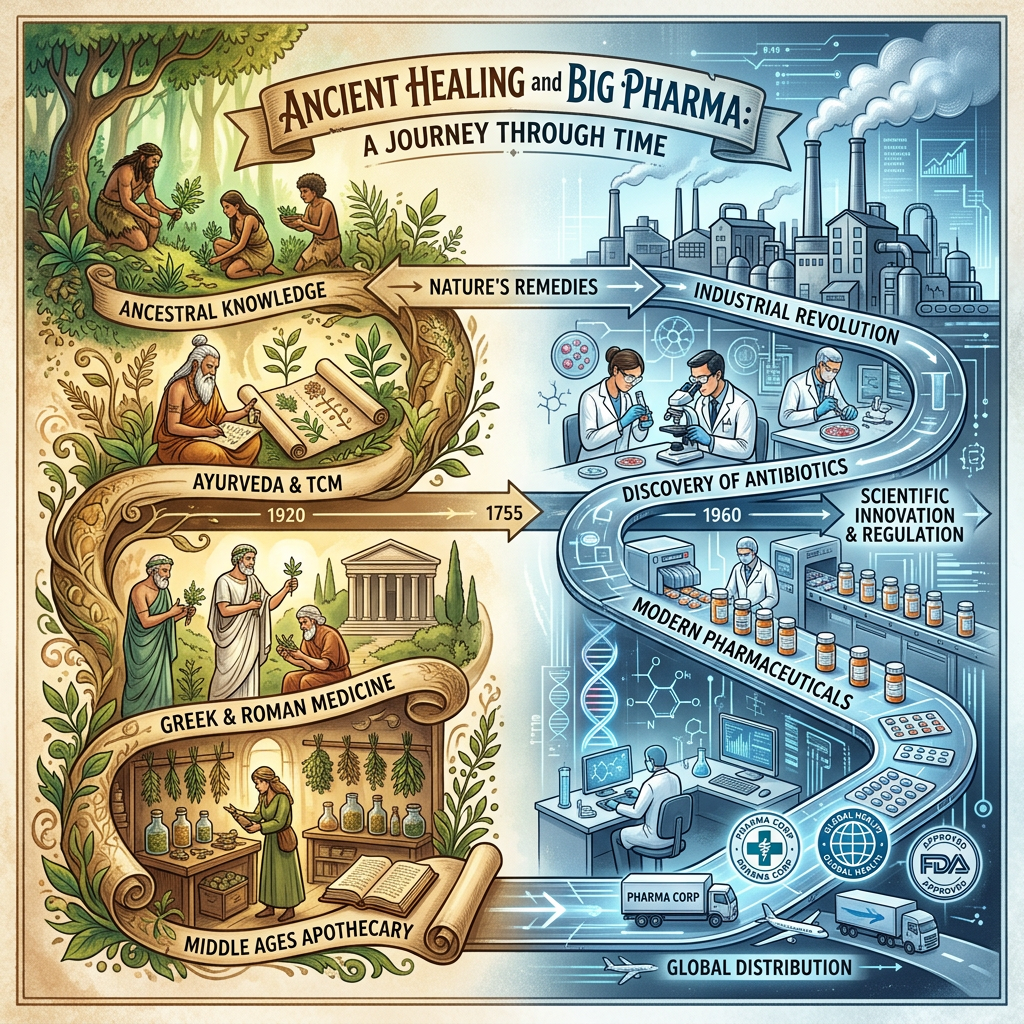
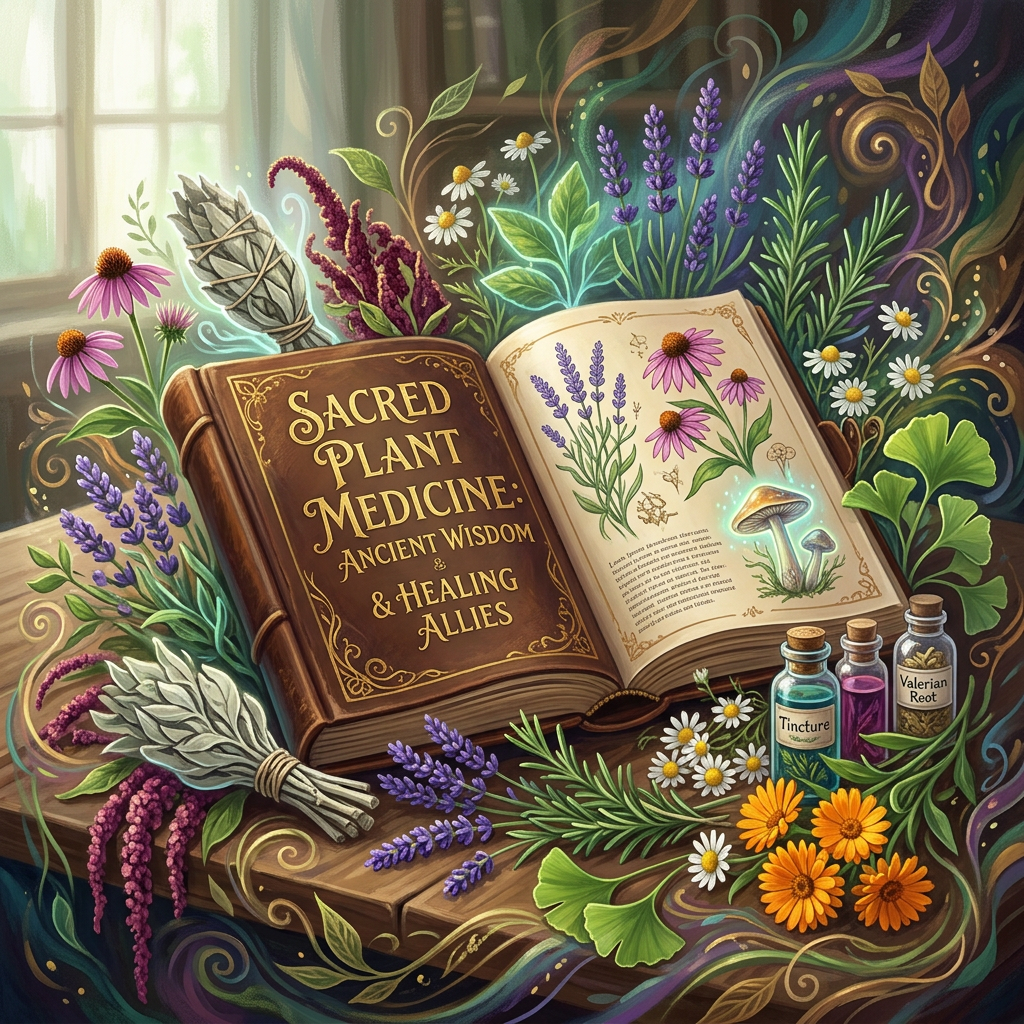
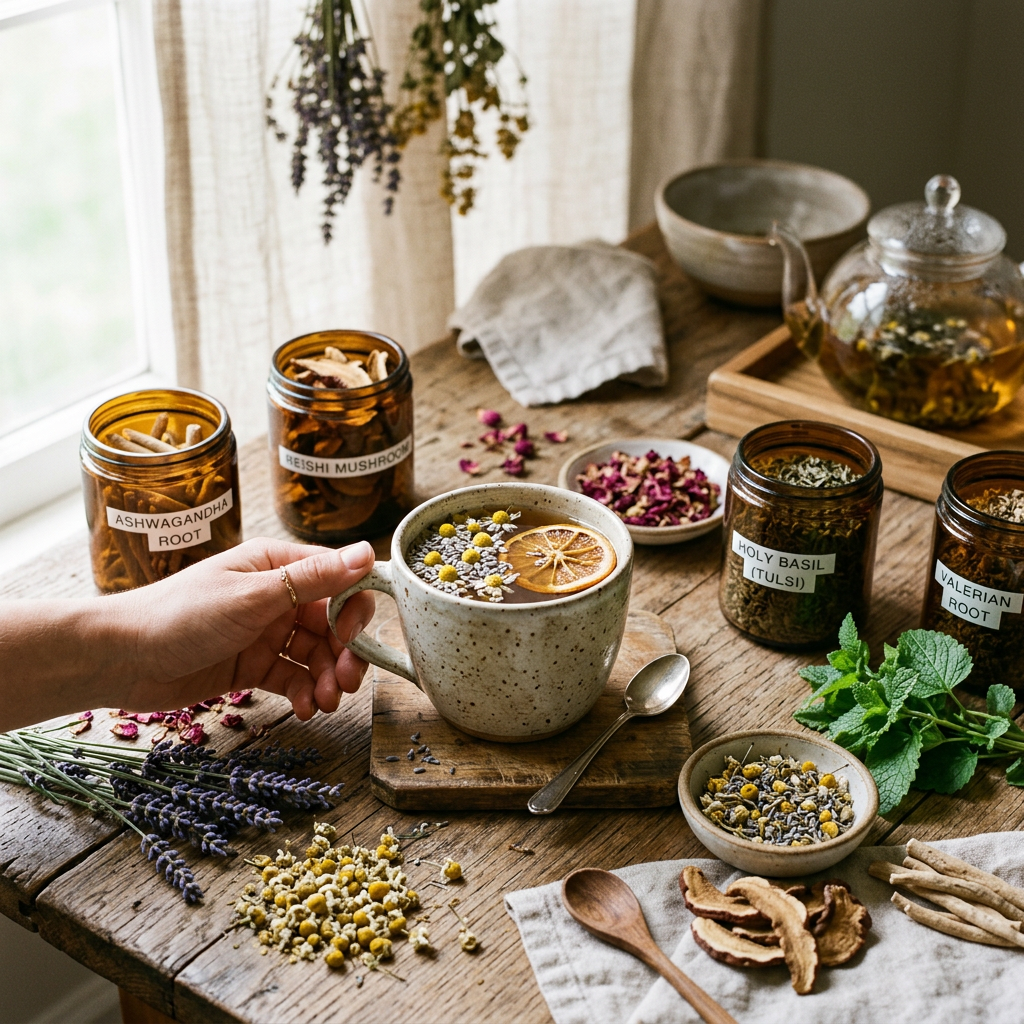


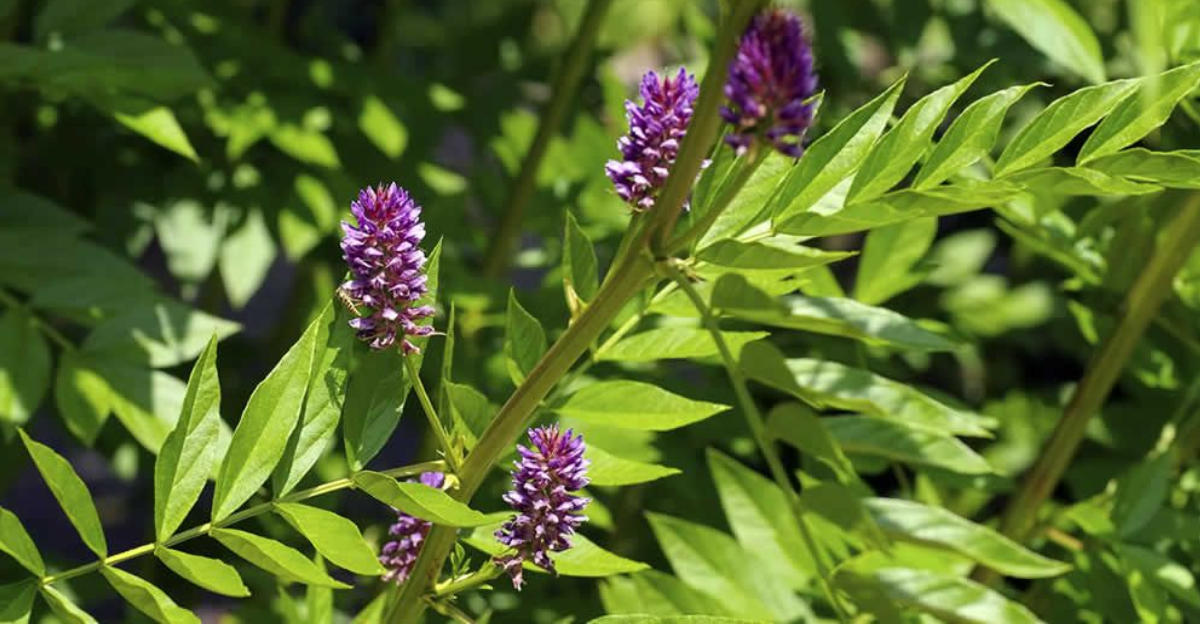

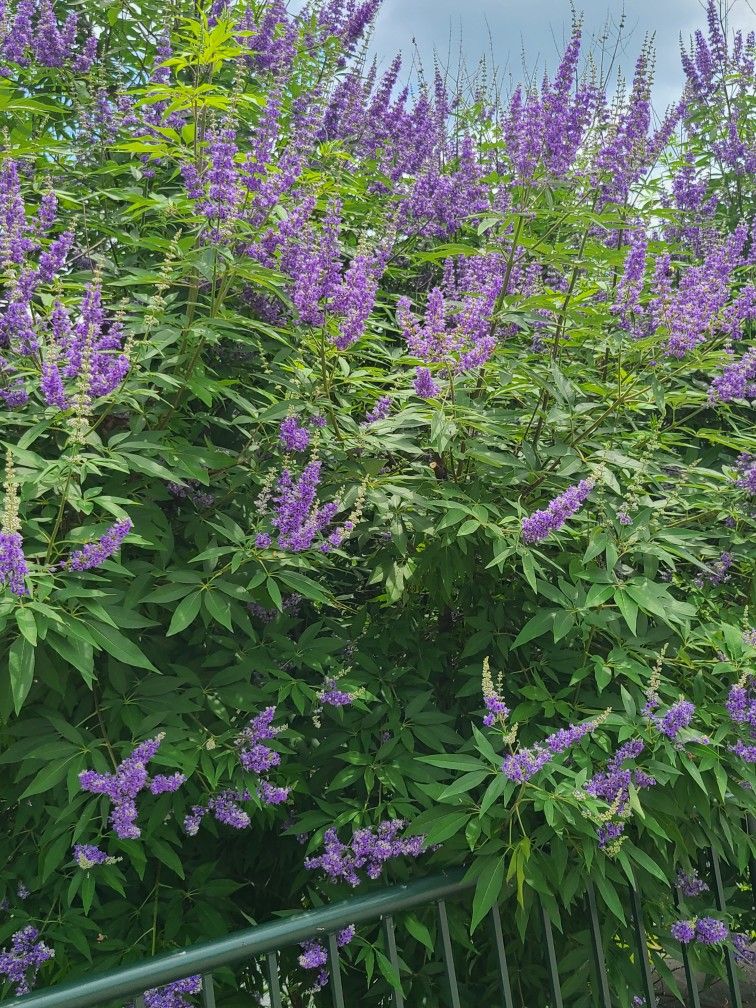
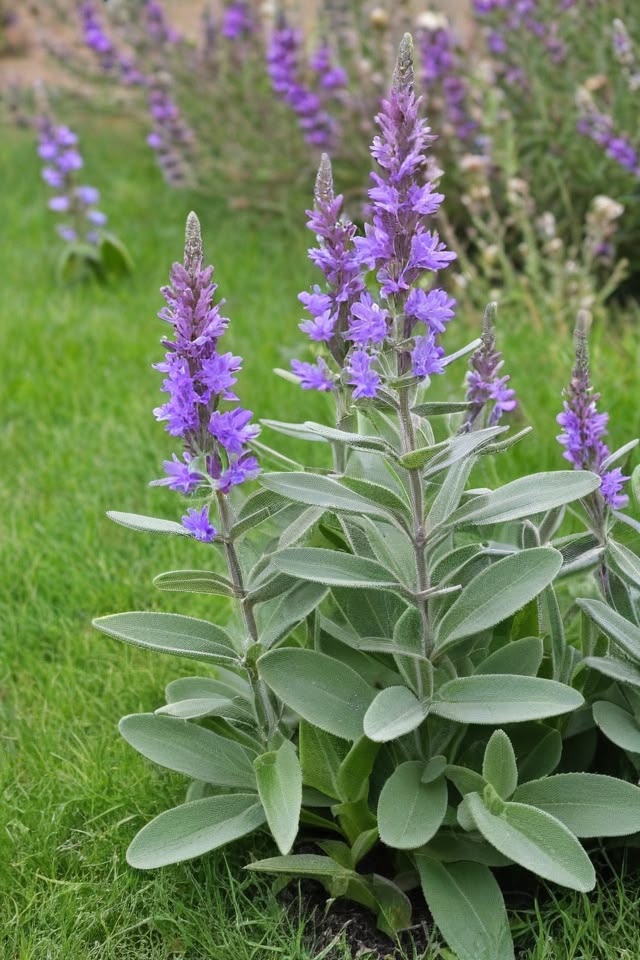
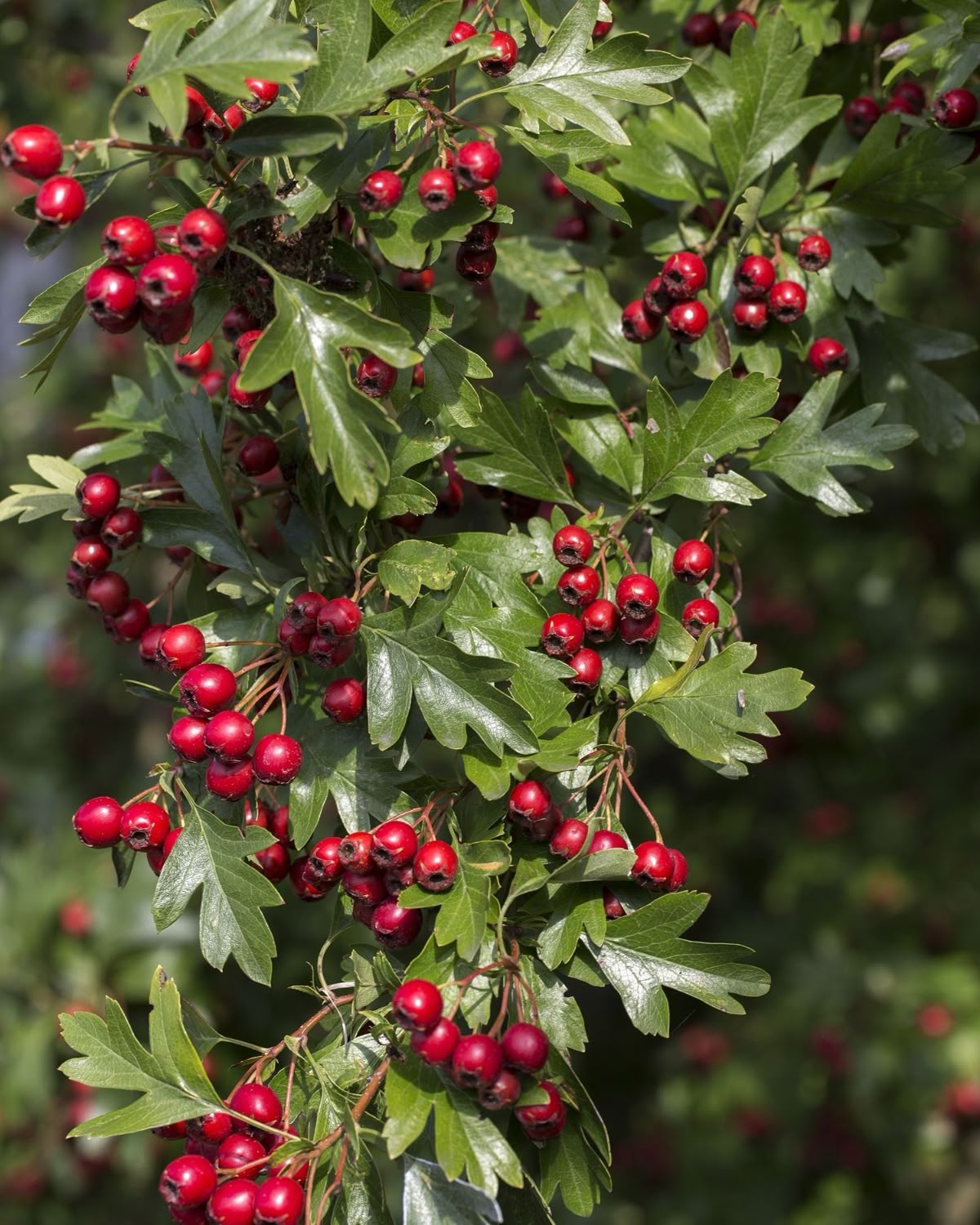






Leave a Reply