
Ancient Wisdom in Modern Healing

“AT A GLANCE”
Blue Lotus (Nymphaea caerulea), the Sacred Blue Lily of the Nile, is a powerful plant ally of rebirth and awakening. Rising each dawn from the primordial waters, it symbolizes the sun’s journey and the soul’s eternal cycle. Traditionally used in Egyptian rituals to open the heart, quiet the mind, and invite divine connection, it continues to serve as a gentle entheogen for meditation, dreamwork, emotional healing, and spiritual expansion.

Provides an overview of key points.
Synopsis
👈At A Glance:👇
Blue Lotus (Nymphaea caerulea, also known as Nymphaea nouchali var. caerulea) is a sacred aquatic plant revered in ancient Egyptian culture and used traditionally for its mild psychoactive, relaxing, and euphoric effects. Modern interest focuses on its potential as a calming herb, though research is limited and product quality varies significantly.
Botanical Description
Nymphaea nouchali var. caerulea (family Nymphaeaceae) is an aquatic perennial herb with a tuberous rhizome. It features large, peltate floating leaves (8–35 cm or more) that are orbicular to subelliptic, with incised-cordate bases and entire to sinuate-lobulate margins. The striking flowers are 8–12 cm in diameter, typically sky-blue to mauve with a pale yellow center, opening mid-morning and closing at dusk over 3–4 days. It thrives in shallow, warm freshwater lakes, ponds, rivers, and slow-moving waters in nutrient-poor or anoxic conditions. Native primarily to eastern and southern Africa (including the Nile region) and parts of southern Arabia, it has been introduced ornamentally elsewhere. Taxonomy notes it as a variety of the broader N. nouchali, though some phylogenetic studies suggest closer relations to other species.
Phytochemistry
Key bioactive compounds include aporphine alkaloids: nuciferine (primary, with dopamine/serotonin receptor activity) and apomorphine (dopamine agonist, linked to euphoria and muscle effects). Authentic plants show higher nuciferine levels than many commercial substitutes. Other constituents: flavonoids (e.g., kaempferol, quercetin), terpenoids, phytosterols, aliphatic hydrocarbons, aromatic alcohols, and fatty acids. Extracts vary widely by source; authentic flower concretes/absolutes are complex mixtures suitable for fragrance but low in certain alkaloids.
Western Traditional & Clinical Actions
Traditionally a nervine, antispasmodic, mild sedative, euphoric, and aphrodisiac. It promotes relaxation, improved sleep, anxiety relief, and mild mood elevation via dopamine/serotonin modulation. Limited clinical evidence supports calming effects; some use it for sexual enhancement due to apomorphine-like activity.
Chinese Medicine Actions
Blue Lotus aligns with TCM uses of related water lilies (e.g., lotus species). It is often described as calming the Shen (spirit), soothing Liver Qi, clearing mild Heart heat, and gently nourishing. Related lotus parts (e.g., embryo, leaf) tonify Heart, clear heat, calm Shen, and address anxiety, insomnia, or restlessness. It fits patterns of Shen disturbance or mild heat.
Traditional & Historical Uses
Prominent in ancient Egyptian mythology and rituals as a symbol of the sun, rebirth, and the afterlife; found in tombs and art. Used in purification rites, offerings, and possibly the “Festival of Drunkenness” for euphoria and spiritual insight. Infusions or wines served as aphrodisiacs, sleep aids, and in religious contexts. Also used in Ayurvedic and other traditions for calming and mental balance.
Modern Pharmacological Evidence
Alkaloids interact with dopamine (D2/D5), serotonin (5-HT2A, etc.), and adrenergic systems, supporting sedative, euphoric, and potential muscle-relaxant/aphrodisiac effects. Antioxidant, anti-inflammatory, and antimicrobial properties noted in extracts. In vitro studies suggest apoptotic effects on certain leukemia cells. Many commercial products lack consistent potency.
Clinical Studies
Human data is sparse. A 2021 case series reported toxicity (sedation, hallucinations, altered mental status) in military personnel after vaping or ingesting products. Supportive care resolved symptoms. No large RCTs confirm efficacy for anxiety/sleep; anecdotal and traditional uses predominate. Dosing safety is not well-established.
Preparations & Dosage
- Tea: 1–3 dried flowers or 1 tbsp (≈5g) steeped in hot (not boiling) water 10–15 min. Start low.
- Wine infusion: Soak 10–20g flowers in red wine for 1–4 weeks (traditional Egyptian style).
- Tincture: Glycerite or alcohol extract (e.g., 1:5 ratio).
- Smoking/vaping: Dried flowers (less common, higher risk).
- Other: Capsules, extracts, or topical (fragrance). Begin with low doses due to variable potency.
Safety & Contraindications
Generally considered low risk in moderate traditional doses, but psychoactive effects can cause drowsiness, dizziness, hallucinations, agitation, or (rarely) priapism at higher amounts. Avoid driving/operating machinery. Limited safety data; case reports of toxicity exist. Contraindicated in pregnancy, breastfeeding, with dopamine-related conditions, or before surgery. Potential interactions with sedatives or dopamine modulators. Not for children. Many products are misidentified.
Cultivation & Harvest
Grow in full sun, warm water (21–27°C), USDA zones 10–12 (or as annual/tropical pond plant). Plant tubers in nutrient-rich substrate in ponds or containers. Blooms spring–fall; harvest flowers by hand when open for potency. Sustainable pond cultivation (e.g., in Asia) with multiple harvests/year. Dry flowers promptly in shade. Authentic wild Egyptian populations are rare due to habitat changes.
Commercial Products
Sold as dried flowers, teas, extracts, tinctures, vapes, or fragrances. Quality varies—many “blue lotus” items are other water lilies with low alkaloids. Look for verified sources. Used in supplements for relaxation/sleep and in perfumery.
Ethnobotanical Curiosities
Central to Egyptian cosmology (rebirth, associated with Ra and Osiris). Depicted in art for millennia. Possible ritual use in sacred wines or oils for altered states. Links to spiritual practices across African and Asian water lily traditions.
Recent Research (2020–2025)
- 2023 chemical/market analysis: Confirmed variable alkaloids; safety for topical fragrance use.
- 2025 UC Berkeley study: Authentic plants chemically distinct (higher nuciferine) from most commercial products; highlights misidentification and historical processing importance.
- In vitro antimicrobial/apoptotic studies on extracts. Focus on distinguishing true N. caerulea and validating traditional psychoactivity.
Conservation Status
Not formally IUCN-assessed in many sources (or Least Concern for broader N. nouchali), but authentic Egyptian/Nile populations are rare/threatened due to dams (e.g., Aswan), habitat loss, and overcollection. Cultivated widely; sustainable sourcing recommended.
DIY Recipes
- Basic Tea: Steep 1–2 flowers in 1–2 cups hot water (88–93°C) 10–15 min. Sweeten with honey; sip for relaxation.
- Wine: Infuse 10–20g dried flowers in a bottle of red wine for 2+ weeks; strain and enjoy small servings.
- Tincture: Cover ½ cup dried flowers with glycerin/vodka in a jar; shake daily for 4–6 weeks. Dose: few drops.
- Skincare: Infuse flowers in oil or make a cooled tea compress for soothing. Start low and test for sensitivity.
X (Twitter) Snapshot – Nov 2025 (and recent)
Discussions often cover sustainable sourcing, cultural reverence, relaxation benefits, and warnings about product authenticity. Posts highlight ceremonial uses (e.g., with cacao), gardening, and advocacy for natural wellness. Recent activity includes personal experiences and calls for verified Egyptian strains.
Note: Consult a healthcare professional before use, especially given variable product quality and psychoactive potential. Prioritize sustainable, authenticated sources.
Planting & Harvesting Reference Guide
👈Planting & Harvesting Reference Guide:👇
- Best Time for Planting
- Early to mid-spring through early summer, when water temperatures reach and stabilize at 21–27°C (70–80°F).
- During the waxing moon, ideally in water signs (Cancer or Pisces), for a strong root and energetic establishment.
- Plant in warm, shallow freshwater ponds, containers, or slow-moving waters with full sun exposure.
- Growing Conditions & Magical Minded Tips
- Plant tuberous rhizomes in heavy loam, clay, or nutrient-rich aquatic soil at depths of 12–24 inches (30–60 cm); keep growing tips exposed.
- Use wide containers or pond bottoms in still or gently moving warm water; USDA zones 10–12 or grown as a tender perennial in cooler climates.
- Maintain consistent warmth and full sun for optimal flowering and alkaloid development.
- Speak or sing intentions to the rhizomes as you plant: “Rise with the sun, open the heart, reveal what is hidden in light.”
- Offer gratitude, a drop of honey, or tobacco to the water spirits and land before planting.
- Propagate by rhizome division in spring or by sowing seeds in shallow warm water.
- Best Time for Harvesting
- Harvest flowers during peak bloom (late spring through early autumn) when they are fully open, ideally at sunrise or mid-morning.
- Collect during the waxing to full moon for maximum vibrational potency and energetic alignment.
- Gather only mature, healthy blooms; avoid disturbing young plants or overharvesting any single stand.
- Sustainable & Magical Harvesting Methods
- Harvest by hand or with a consecrated blade, taking only open flowers and leaving rhizomes and sufficient foliage intact.
- Follow the “one in ten” rule — take no more than 10% from any colony to ensure regeneration.
- Ask permission from the plant and water spirits before harvesting; offer thanks, honey, or a small token in return.
- Sing or speak blessings while collecting: express reverence for its role as a bridge between water and sky.
- For wildcrafting, focus on abundant, clean-water populations in its native Nile and African regions or sustainably cultivated stands.
- Post-Harvest Processing
- Dry flowers promptly in gentle shade (never direct sun) to preserve delicate alkaloids, flavonoids, and fragrance.
- Lay blooms on breathable screens or hang in small bundles with good airflow.
- Once fully dry, store in glass jars or airtight containers on the altar or in a cool, dark place.
- Place a small moonstone or clear quartz with the dried flowers while setting the intention for continued heart-opening and spiritual clarity.
This guide consolidates every planting and harvesting detail shared across the SPARK entries for quick, practical, and respectful reference. Always prioritize ethical, sustainable, and reverent practices to honor Blue Lotus (Nymphaea caerulea) and ensure its continued abundance.

Part 1: Modern Medical Properties and Uses

Purpose: Highlights the plant’s scientific and medicinal properties, validating holistic healing with evidence-based data.
Contemporary Medical Applications:
Describes current clinical uses (e.g., capsules, tinctures) and delivery methods in modern medicine.
👈Contemporary Medical Applications:👇
Contemporary Medical Applications:
- Blue Lotus preparations, including dried flowers for teas, tinctures, glycerites, and vaporized resins, are employed in wellness practices to promote relaxation, support restful sleep, and ease mild anxiety symptoms through traditional infusion methods that preserve delicate alkaloids.
- In modern herbal protocols, standardized extracts and capsules serve as mild nervines and euphorics, often integrated into protocols for mood elevation and stress reduction, with users reporting improved emotional balance when consumed in moderate doses as beverages or sublingual preparations.
- Topical applications of authentic flower concretes and absolutes diluted in carrier oils or creams are utilized in aromatherapy and skincare for their soothing fragrance and potential antioxidant benefits, showing promise in cosmetic formulations without significant psychoactive risk.
- Blue Lotus is incorporated into blended herbal supplements aimed at supporting sexual wellness and libido, drawing on its historical aphrodisiac reputation and dopamine-modulating compounds, typically delivered via wine infusions or encapsulated powders.
- Clinical observations note its use in emergency settings for managing altered states from concentrated products, with supportive care resolving symptoms, highlighting the importance of proper preparation and dosing in contemporary contexts.
- Emerging wellness products combine Blue Lotus with other botanicals in functional beverages or meditation aids to enhance spiritual awareness and calmness, reflecting a bridge between ancient ritual use and current holistic practices.
- Antimicrobial applications are explored through ethanolic flower extracts in preliminary models, suggesting potential as a supportive agent against certain bacterial strains when prepared as infusions or topical solutions.
Sources: Contemporary Medical Applications
Sources:
https://pmc.ncbi.nlm.nih.gov/articles/PMC10609367/
https://www.healthline.com/nutrition/blue-lotus-flower
https://recovered.org/hallucinogens/blue-lotus
https://www.mdpi.com/1420-3049/28/20/7014
https://academic.oup.com/milmed/article/188/7-8/e2689/6338457
https://news.berkeley.edu/2025/03/11/investigating-the-psychedelic-blue-lotus-of-egypt-where-ancient-magic-meets-modern-science/
https://journal.unhas.ac.id/index.php/ijoab/article/view/31831/11007
Pharmacology:
Outlines key compounds and their mechanisms of action, driving therapeutic effects.
👈Pharmacology:👇
Pharmacology:
- Nuciferine, a primary aporphine alkaloid in authentic Blue Lotus, functions as a partial agonist at D2 and D5 dopamine receptors while exhibiting antagonist activity at certain serotonin (5-HT2A, 5-HT2C) receptors, contributing to calming and mood-modulating effects.
- Apomorphine acts as a non-selective dopamine agonist (particularly D2-like receptors), mirroring pharmaceutical applications in motor function support and potentially underlying the plant’s traditional euphoric and aphrodisiac properties at low natural concentrations.
- Combined alkaloid profiles interact with adrenergic and serotonergic systems to produce sedative, anticonvulsant-like, and antidepressant-like activities in preclinical models, offering a multifaceted neuropharmacological profile.
- Flavonoids such as kaempferol and quercetin in the flowers and leaves provide antioxidant mechanisms that combat oxidative stress and support anti-inflammatory pathways through free radical scavenging.
- The plant’s alkaloids demonstrate dopamine reuptake inhibition and receptor modulation that may enhance neuroplasticity and GABAergic activity, aligning with observed relaxation and sleep-promoting outcomes.
- In vitro studies reveal apoptotic effects on certain leukemia cells via gene regulation and cytokine modulation, indicating potential immunomodulatory and cellular health mechanisms.
- Antimicrobial constituents, including polyphenols and specific extracts, inhibit bacterial growth (e.g., E. coli) and modulate immune cytokines like IL-10 and IFN-γ in infection models.
Sources: Pharmacology:
Sources:
https://en.wikipedia.org/wiki/Nuciferine
https://go.drugbank.com/drugs/DB00714
https://www.azarius.com/wiki/ethnobotanicals/blue-lotus/lotus-chemistry
https://pmc.ncbi.nlm.nih.gov/articles/PMC10609367/
https://naturalbluelotus.com/blue-lotus-and-dopamine/
https://www.rupahealth.com/post/the-power-of-blue-lotus-benefits-risks-and-applications
https://journal.unhas.ac.id/index.php/ijoab/article/view/31831/11007
Natural Medicine Studies:
Summarizes recent research on efficacy, safety, or clinical outcomes from peer-reviewed studies.
👈Natural Medicine Studies:👇
Natural Medicine Studies:
- A 2023 chemical and market analysis confirmed variable alkaloid content in commercial products versus authentic extracts, with limited psychoactive compounds in true N. caerulea supporting safer traditional relaxation uses.
- Preclinical research on flower extracts demonstrated antibacterial activity against E. coli strains, reducing pathological changes in embryo models and modulating anti-inflammatory cytokines.
- In vitro investigations highlighted apoptotic properties of hydro-ethanolic flower extracts on cancer cell lines, suggesting pro-apoptotic and immune-regulatory potential warranting further exploration.
- Studies on nuciferine and apomorphine derivatives show neuroprotective and neurite outgrowth-promoting effects mediated by Nrf2 pathways, linking to potential benefits in oxidative stress-related conditions.
- Case observations from 2021 documented transient altered mental states from concentrated products, resolved supportively, underscoring dosage-dependent effects in natural medicine contexts.
- Antioxidant and anti-inflammatory activities of polyphenols and flavonoids were validated in multiple assays, reinforcing traditional applications for cellular protection and wellness.
- Limited human data from wellness reports and small observational uses support mild sedative and anxiolytic outcomes, consistent with historical applications, though large-scale trials remain sparse.
Sources: Natural Medicine Studies:
Sources:
https://pmc.ncbi.nlm.nih.gov/articles/PMC10609367/
https://journal.unhas.ac.id/index.php/ijoab/article/view/31831/11007
https://journal.waocp.org/article_90964_f8902eea6493d37aad771e10bf4ab8bb.pdf
https://www.mdpi.com/2076-3921/14/5/537
https://academic.oup.com/milmed/article/188/7-8/e2689/6338457
https://www.mdpi.com/1420-3049/28/20/7014
https://recovered.org/hallucinogens/blue-lotus
Chemistry:
Details active chemical constituents (e.g., alkaloids, flavonoids) and their healing roles.
👈Chemistry:👇
Chemistry:
- Authentic Blue Lotus flowers contain aporphine alkaloids, primarily nuciferine and trace apomorphine, alongside flavonoids (kaempferol, quercetin) that define its bioactive profile.
- Major volatile and non-volatile constituents in flower concretes include 6,9-heptadecadiene, n-tricosane, benzyl alcohol, and tetradecanol, contributing to aroma and potential therapeutic synergy.
- Polyphenols, anthocyanins (delphinidin derivatives responsible for blue coloration), and terpenoids provide antioxidant capacity, with higher concentrations in leaves and flowers compared to roots.
- Additional compounds such as phytosterols, aliphatic hydrocarbons, aromatic alcohols, and fatty acids form a complex matrix that modulates alkaloid bioavailability and effects.
- Commercial products often differ chemically from authentic material, frequently showing lower or absent target alkaloids, emphasizing the need for verified sourcing.
- Ethanolic extracts yield bioactive fractions rich in secondary metabolites with documented antimicrobial and anti-inflammatory properties.
- Comparative analyses distinguish N. caerulea chemistry from related water lilies, confirming unique alkaloid signatures linked to its traditional reputation.
Sources: Chemistry:
Sources:
https://pmc.ncbi.nlm.nih.gov/articles/PMC10609367/
https://www.mdpi.com/1420-3049/28/20/7014
https://news.berkeley.edu/2025/03/11/investigating-the-psychedelic-blue-lotus-of-egypt-where-ancient-magic-meets-modern-science/
https://www.sciopen.com/article/10.13568/j.cnki.651094.651316.2023.12.04.0001
https://journal.unhas.ac.id/index.php/ijoab/article/view/31831/11007
https://www.azarius.com/wiki/ethnobotanicals/blue-lotus/lotus-chemistry
Functional Foods and Nutrition:
Highlights dietary uses (e.g., teas, supplements) in modern health practices.
👈Functional Foods and Nutrition:👇
Functional Foods and Nutrition:
- Dried Blue Lotus flowers are prepared as herbal teas or infusions, valued for their mild flavor and traditional role in promoting relaxation when incorporated into daily wellness beverages.
- Flower extracts appear in functional supplements and capsules marketed for antioxidant support and stress management, often blended with compatible botanicals for synergistic nutritional benefits.
- Rhizomes and select plant parts offer edible potential in some aquatic plant traditions, contributing polysaccharides and minerals as minor nutritional components in specialized diets.
- Polyphenol-rich preparations function as natural antioxidants in food applications, potentially delaying spoilage or supporting cardiovascular wellness when used in small dietary amounts.
- Limited incorporation into modern nutraceuticals leverages flavonoids for general vitality, though primary use remains targeted herbal rather than staple nutritional.
- Wine or alcohol infusions historically and currently serve as functional elixirs, extracting alkaloids for occasional ceremonial or relaxation purposes.
- Emerging interest positions Blue Lotus in wellness drinks aimed at sleep and mood support, though nutritional data remains secondary to its phytochemical actions.
Sources: Functional Foods and Nutrition:
Sources:
https://www.healthline.com/nutrition/blue-lotus-flower
https://www.sciencedirect.com/science/article/pii/S2772502223000033
https://pmc.ncbi.nlm.nih.gov/articles/PMC10609367/
https://www.clinicsearchonline.org/article/nutritional-composition-bioactive-compounds-and-food-applications-of-lotus-seeds-nelumbo-nucifera-a-review
https://news.berkeley.edu/2025/03/11/investigating-the-psychedelic-blue-lotus-of-egypt-where-ancient-magic-meets-modern-science/
https://pwrdist.com/a-wild-journey-into-blue-lotus-everything-you-need-to-know-about-this-astonishing-flower
Current Projects and Future Possibilities:
Notes ongoing research, clinical trials, or innovative medical applications.
👈Current Projects and Future Possibilities:👇
Current Projects and Future Possibilities:
- UC Berkeley research (2025) continues chemical profiling of authentic ancient and modern samples to differentiate true N. caerulea from commercial substitutes and validate historical preparations.
- Investigations into antimicrobial and immune-modulating extracts explore development as natural agents against resistant bacteria, building on ethanolic flower studies.
- Neuroprotective studies on aporphine derivatives target Nrf2 pathways for potential applications in neurodegenerative conditions and oxidative stress management.
- Analytical efforts focus on market standardization to ensure product authenticity and safety for wellness applications.
- Exploration of apoptotic and immunomodulatory effects in cancer cell models opens avenues for adjunctive botanical research in cellular health.
- Integration into sustainable wellness and aromatherapy industries advances topical and fragrance uses with verified low-risk profiles.
- Broader ethnopharmacological projects aim to bridge ancient Egyptian ritual knowledge with contemporary evidence-based herbal formulations.
Sources: Current Projects and Future Possibilities:
Sources:
https://news.berkeley.edu/2025/03/11/investigating-the-psychedelic-blue-lotus-of-egypt-where-ancient-magic-meets-modern-science/
https://journal.unhas.ac.id/index.php/ijoab/article/view/31831/11007
https://www.mdpi.com/2076-3921/14/5/537
https://pmc.ncbi.nlm.nih.gov/articles/PMC10609367/
https://www.rupahealth.com/post/the-power-of-blue-lotus-benefits-risks-and-applications
https://www.mdpi.com/1420-3049/28/20/7014
https://news.berkeley.edu/2025/03/11/investigating-the-psychedelic-blue-lotus-of-egypt-where-ancient-magic-meets-modern-science/
Literary Mentions:
References modern medical texts or studies citing the plant’s therapeutic use.
👈Literary Mentions:👇
Literary Mentions in ancient texts:
- Dioscorides referenced the Egyptian Lotus in medicinal contexts, prescribing preparations steeped in wine to address certain conditions, influencing later herbal traditions.
- Avicenna (Ibn Sina) incorporated blue water lily insights into cardio-therapeutic writings, recognizing its narcotic and sedative qualities when prepared in wine.The
- Ebers Papyrus documents the lotus flower (Khau) in remedies for liver and stomach issues, and as enemas, highlighting its internal medicinal applications in ancient Egyptian practice.The
- Chester Beatty Papyrus mentions lotus in various formulations, underscoring its role in ancient pharmacopeia for therapeutic and ritual purposes.
- Modern pharmacological literature frequently cites ancient Egyptian tomb and papyri depictions as foundational evidence linking the plant to relaxation and spiritual practices.
- Homer and Greek-Roman texts reference Nymphaea species with reverence for beauty and medicinal value, paralleling Egyptian uses.
- Contemporary reviews in ethnobotany and pharmacognosy texts analyze these ancient mentions alongside alkaloid discoveries to validate historical wisdom.
Sources: Literary Mentions:
Sources:
https://www.diva-portal.org/smash/get/diva2:1560422/FULLTEXT01.pdf
https://pmc.ncbi.nlm.nih.gov/articles/PMC10609367/
https://news.berkeley.edu/2025/03/11/investigating-the-psychedelic-blue-lotus-of-egypt-where-ancient-magic-meets-modern-science/

Part 2: Plant Knowledge Systems

Purpose: Validates plant-based healing through interdisciplinary scientific and cultural fields.
Ethnobotany:
Explores the plant’s traditional uses across cultures, linking indigenous knowledge to modern applications.
👈Ethnobotany:👇
Ethnobotany:
- Blue Lotus (Nymphaea caerulea) holds profound cultural significance in ancient Egyptian traditions, where it symbolized the sun, rebirth, and creation; the flower’s daily cycle of opening at dawn and closing at dusk mirrored the journey of the sun god Ra, leading to its extensive use in religious rituals, tomb offerings, and funerary art as a bridge between the physical and spiritual realms, with modern applications drawing on these symbolic roots for meditation aids and spiritual wellness practices that promote heightened awareness and emotional balance.
- In Egyptian pharmacopeia documented in the Ebers Papyrus and other medical texts, Blue Lotus (Nymphaea caerulea) flowers (referred to as Khau) were steeped in wine or prepared as infusions for treating liver ailments, stomach issues, anxiety, insomnia, and as general tonics, reflecting empirical knowledge of its calming and narcotic properties that continues to inform contemporary herbal protocols for relaxation and mild mood support across global wellness traditions.
- Beyond Egypt, Blue Lotus (Nymphaea caerulea) influenced neighboring cultures in Africa and parts of Asia, where related Nymphaea species served as food (edible rhizomes and seeds) and medicine, with symbolic parallels in Indian and Southeast Asian traditions emphasizing purity and tranquility; these cross-cultural threads link to today’s use in Ayurvedic-inspired blends for stress reduction and aphrodisiac support, preserving ethnobotanical continuity.
- Ritualistic preparations, such as flower-infused wines for the Festival of Drunkenness dedicated to Hathor, combined Blue Lotus (Nymphaea caerulea) with alcohol to induce euphoria and spiritual visions, practices that parallel modern ethnobotanical explorations of its mild psychoactive potential in ceremonial or meditative contexts, highlighting sustainable cultural transmission of plant knowledge.
- In broader African and introduced ornamental contexts, Blue Lotus (Nymphaea caerulea) contributed to local healing systems for pain relief, circulation, and overall vitality, with contemporary ethnobotanical revival focusing on verified sourcing to reconnect communities with ancestral plant wisdom for holistic mental and physical well-being.
Sources: Ethnobotany:
Sources:
https://en.wikipedia.org/wiki/Nymphaea_nouchali_var._caerulea
https://www.diva-portal.org/smash/get/diva2:1560422/FULLTEXT01.pdf
https://pwrdist.com/a-wild-journey-into-blue-lotus-everything-you-need-to-know-about-this-astonishing-flower
https://news.berkeley.edu/2025/03/11/investigating-the-psychedelic-blue-lotus-of-egypt-where-ancient-magic-meets-modern-science/
https://konacloudforest.com/blog/blue-lotus-ancient-egyptian-healing-flower/
Plant Genomics:
Describes genetic studies of the plant, focusing on traits related to medicinal properties.
👈Plant Genomics:👇
Plant Genomics:
- The genome of closely related blue-petal water lilies such as Nymphaea colorata has been fully sequenced (approximately 409 Mb with 31,580 protein-coding genes), providing a foundational reference that includes transcriptomic data from Nymphaea caerulea tissues; this reveals insights into floral development genes, including MADS-box transcription factors critical for petal coloration and alkaloid biosynthesis pathways relevant to its medicinal properties.
- Phylogenetic analyses position Nymphaea caerulea within basal angiosperms (Nymphaeales), confirming a shared ancient whole-genome duplication event in the Nymphaeaceae family that likely contributed to the evolution of diverse secondary metabolites, including aporphine alkaloids responsible for its traditional relaxing and euphoric effects.
- Cytogenetic studies report Nymphaea caerulea with a diploid chromosome number of 2n=28, distinguishing it from polyploid variants in the broader Nymphaea nouchali complex; these genetic distinctions support targeted breeding and conservation efforts to maintain authentic chemotypes with higher nuciferine content for medicinal applications.
- Expression studies of MADS-box genes during flower development in Nymphaea caerulea demonstrate complex regulatory networks influencing anthocyanin production (delphinidin derivatives for blue coloration) and volatile compound synthesis, directly linking genomic data to the plant’s ethnobotanical value in fragrance and therapeutic extracts.
- Comparative chloroplast genome sequencing across Nymphaea species, including Nymphaea caerulea, aids in the authentication of commercial material and conservation genomics, addressing misidentification issues while supporting research into stress-response genes that enhance its resilience in aquatic habitats.
Sources: Plant Genomics:
Sources:
https://www.nature.com/articles/s41586-019-1852-5
https://pmc.ncbi.nlm.nih.gov/articles/PMC8492926/
https://www.electricveg.com/nymphaeaeceae/nymphaea-caerulea.html
https://www.frontiersin.org/journals/plant-science/articles/10.3389/fpls.2022.773572/full
Phytotherapy:
Details the plant’s use in clinical herbal medicine, including therapeutic protocols.
👈Phytotherapy:👇
Phytotherapy:
- In clinical herbal practice, Blue Lotus (Nymphaea caerulea) flower preparations function as mild nervines and sedatives, with protocols recommending infusions or tinctures for supporting restful sleep and reducing mild anxiety through dopamine and serotonin receptor modulation, often integrated into personalized wellness plans at conservative doses.
- Phytotherapeutic applications draw on its traditional aphrodisiac reputation, incorporating standardized extracts or wine infusions in protocols for sexual wellness and libido support, with emphasis on synergistic blending with complementary botanicals to enhance gentle euphoric and circulatory effects under practitioner guidance.
- Antimicrobial and anti-inflammatory properties of ethanolic flower extracts position Blue Lotus (Nymphaea caerulea) as a supportive agent in topical or internal phytotherapy formulations for minor infections and oxidative stress, with protocols highlighting its role in preventive wellness strategies informed by preclinical data.
- Modern herbal protocols stress authenticated sourcing and low-dose administration (teas, glycerites) to harness antioxidant flavonoids and alkaloids for cellular protection and mood balance, with monitoring for individual response in integrative settings.
Sources: Phytotherapy:
Sources:
https://www.healthline.com/nutrition/blue-lotus-flower
https://www.herbalgram.org/resources/herbclip/herbclip-news/2020/bluelotus/
https://journal.unhas.ac.id/index.php/ijoab/article/view/31831/11007
https://www.rupahealth.com/post/the-power-of-blue-lotus-benefits-risks-and-applications
Ethnoecology:
Examines the plant’s ecological role in cultural practices and environmental interactions.
👈Ethnoecology:👇
Ethnoecology:
- Blue Lotus (Nymphaea caerulea) plays a vital ecological role in shallow freshwater systems of the Nile and African wetlands, where its floating leaves provide shade that reduces algae growth, stabilizes sediments, and offers habitat for aquatic insects, fish, and amphibians, while culturally reinforcing sustainable harvesting practices tied to seasonal rituals in Egyptian communities.
- Traditional management in ethnoecological contexts involved selective collection of flowers during peak bloom to maintain population vigor, reflecting deep knowledge of its niche in nutrient-poor waters and its contributions to biodiversity, knowledge now informing modern wetland restoration projects that integrate cultural reverence with conservation.
- The plant’s presence in sacred landscapes linked human cultural practices to environmental stewardship, as depictions in art and ritual use promoted respect for aquatic ecosystems, paralleling contemporary ethnoecological approaches that value indigenous knowledge for habitat preservation amid climate pressures.
Sources: Ethnoecology:
Sources:
https://www.gardenia.net/plant/nymphaea-caerulea
https://pubmed.ncbi.nlm.nih.gov/28233353/
https://www.csus.edu/faculty/s/stevensm/docs/ethnobotany-and-environmental-science-curricula%20.pdf
Anthroposophical Medicine:
Outlines the plant’s use in Steiner-inspired remedies, including preparation, studies, and dosage.
👈Anthroposophical Medicine:👇
Anthroposophical Medicine:
- Limited specific documentation exists for Blue Lotus (Nymphaea caerulea) in core Anthroposophical literature; however, its watery, ethereal nature aligns with Steiner-inspired views of aquatic plants as carriers of light and formative forces, potentially prepared as dilutions or ointments to support astral body harmony and calm nervous disturbances in holistic protocols.
- In broader biodynamic and anthroposophical gardening contexts, cultivation of Nymphaea species emphasizes rhythmic planting aligned with cosmic influences to enhance medicinal potency, with preparations possibly used for subtle energetic support in wellness practices addressing sleep or spiritual disconnection.
Sources: Anthroposophical Medicine:
Sources:
https://www.herbalgram.org/resources/herbclip/herbclip-news/2020/bluelotus/
https://pmc.ncbi.nlm.nih.gov/articles/PMC10609367/

Part 3: Heritage and Practice

Purpose: Weaves historical and cultural heritage with practical guidance for medicinal use.
Historical and Cultural Significance:
Explores the plant’s role in historical and cultural medical practices.
👈Historical and Cultural Significance:👇
Historical and Cultural Significance:
- Blue Lotus (Nymphaea caerulea) occupied a central position in ancient Egyptian cosmology as a symbol of the sun, creation, rebirth, and the eternal cycle of life, death, and resurrection; its daily rhythm of closing at night and reopening at dawn mirrored the journey of the sun god Ra, who was mythologically born from a Blue Lotus (Nymphaea caerulea) blossom, leading to its prominent depiction in temple art, hieroglyphs, tomb offerings, and funerary practices including petals found covering King Tutankhamun’s body, where it served as a bridge facilitating communication with the divine and the afterlife.
- In religious and ritual contexts spanning over 3,000 years, Blue Lotus (Nymphaea caerulea) featured in ceremonies dedicated to deities such as Nefertem (god of healing and beauty, born from the flower), Hathor, and Osiris; it appeared in the Festival of Drunkenness, where infusions in wine facilitated states of euphoria, spiritual visions, and communal transcendence, while also functioning in purification rites, temple offerings, and as a “breath of life” when inhaled, underscoring its role in both sacred medicine and spiritual awakening that continues to inspire modern ceremonial and meditative applications.
- Archaeological evidence from papyri (including the Ebers Papyrus), temple carvings at Karnak, and tomb paintings demonstrates the integration of Blue Lotus (Nymphaea caerulea) into daily life, medicine, perfumery, and art as a heraldic emblem of Upper Egypt; its narcotic and calming properties were harnessed empirically for healing while its aesthetic and symbolic power reinforced social, religious, and political unity, providing a rich historical foundation for contemporary ethnobotanical revival and validation of traditional plant wisdom.
Sources: Historical and Cultural Significance:
Sources:
https://news.berkeley.edu/2025/03/11/investigating-the-psychedelic-blue-lotus-of-egypt-where-ancient-magic-meets-modern-science/
https://konacloudforest.com/blog/blue-lotus-ancient-egyptian-healing-flower/
https://en.wikipedia.org/wiki/Nymphaea_nouchali_var._caerulea
https://www.ancient-origins.net/ancient-places-africa/blue-lotus-0017940
https://www.diva-portal.org/smash/get/diva2:1560422/FULLTEXT01.pdf
Indigenous and Traditional Systems:
Details its use in specific indigenous or traditional healing systems.
👈Indigenous and Traditional Systems:👇
Indigenous and Traditional Systems:
- Within ancient Egyptian and broader North African indigenous systems, Blue Lotus (Nymphaea caerulea) served as a multifaceted medicinal and ritual plant; flowers and rhizomes were prepared as infusions, wines, or direct inhalations to address liver complaints, stomach disorders, anxiety, insomnia, pain, and circulatory issues, while its edible rhizomes provided sustenance, reflecting a holistic integration of nutrition, healing, and spirituality that aligned with empirical observations of its calming and euphoric effects.
- In traditional African contexts, particularly along the Nile and in southern regions, Blue Lotus (Nymphaea caerulea) formed part of local healing practices among communities such as the Cape Malays and farming groups, where rhizomes were consumed raw or cooked and flowers valued for their sedative and aphrodisiac qualities; these uses parallel applications in Ayurvedic and Southeast Asian systems for related Nymphaea species, emphasizing tranquility, vitality, and balance within broader aquatic plant traditions.
- Cross-cultural transmission through trade and migration carried knowledge of Blue Lotus (Nymphaea caerulea) into perfumery, aromatherapy, and wellness practices across the Mediterranean and Asia, where its symbolic and therapeutic attributes informed systems focused on spiritual purification and physical restoration, offering a living link between ancient indigenous knowledge and present-day global herbal applications.
Sources: Indigenous and Traditional Systems:
Sources:
https://en.wikipedia.org/wiki/Nymphaea_nouchali_var._caerulea
https://pza.sanbi.org/nymphaea-nouchali-var-caerulea
https://konacloudforest.com/blog/blue-lotus-ancient-egyptian-healing-flower/
https://pmc.ncbi.nlm.nih.gov/articles/PMC3255414/
Folklore and Culinary Traditions:
Highlights folklore, myths, and culinary uses tied to the plant.
👈Folklore and Culinary Traditions:👇
Folklore and Culinary Traditions:
- Folklore surrounding Blue Lotus (Nymphaea caerulea) centers on its association with immortality, divine birth, and transformation, appearing in creation myths as the cradle of Ra and in tales linking it to goddesses of love and fertility; artistic representations often show figures inhaling the flower or holding it in ritual scenes, embedding narratives of euphoria, rebirth, and connection to the divine that echo in modern storytelling and spiritual practices.
- Culinary traditions include the consumption of edible rhizomes in historical African diets (raw or in curries) and the ritualistic preparation of flower-infused wines or teas for both nourishment and altered states; contemporary adaptations incorporate dried petals into herbal infusions, functional beverages, or occasional culinary accents, preserving the plant’s gentle flavor and traditional role in ceremonial feasting.
- Mythical parallels, such as connections to the lotus-eaters in Homeric lore, highlight cross-cultural themes of the plant’s intoxicating yet sacred nature, influencing folklore that celebrates its capacity to induce relaxation, vivid dreams, and heightened sensory awareness.
Sources: Folklore and Culinary Traditions:
Sources:
https://konacloudforest.com/blog/blue-lotus-ancient-egyptian-healing-flower/
https://www.ancient-origins.net/ancient-places-africa/blue-lotus-0017940
https://en.wikipedia.org/wiki/Nymphaea_nouchali_var._caerulea
Identification and Characteristics:
Describes physical traits and identification markers for the plant.
👈Identification and Characteristics:👇
Identification and Characteristics:
- Blue Lotus (Nymphaea caerulea) is distinguished by its star-shaped flowers (8–12 cm diameter) featuring 14–20 narrow, pointed petals in sky-blue to mauve shades with a pale yellow center, four green sepals often tinged purple, and numerous stamens; the flowers open mid-morning and close by dusk over several days, providing a reliable temporal identification marker.
- Leaves are peltate, orbicular to subelliptic (8–35 cm), with incised-cordate bases, entire to sinuate-lobulate margins, and prominent raised veins on the underside; the plant grows from a tuberous rhizome in shallow freshwater, forming floating mats that differentiate it from deeper-water or differently colored Nymphaea species.
- Key markers for authentic identification include the specific blue coloration linked to delphinidin pigments, fragrance profile, and avoidance of common substitutes like darker blue hybrids or Nymphaea nouchali variants that lack the precise alkaloid signature and petal morphology.
Sources: Identification and Characteristics:
Sources:
https://en.wikipedia.org/wiki/Nymphaea_nouchali_var._caerulea
https://www.gardenia.net/plant/nymphaea-caerulea
https://deltanorthtea.com/blogs/tea/identifying-blue-lotus-species
Wildcrafting:
Covers where to find, identification tips (including look-alikes), and esoteric/medicinal harvesting methods.
👈Wildcrafting:👇
Wildcrafting:
- Blue Lotus (Nymphaea caerulea) occurs naturally in shallow, warm freshwater lakes, ponds, and slow rivers primarily in eastern and southern Africa (Nile region); sustainable wildcrafting focuses on harvesting only open flowers during peak bloom while leaving rhizomes and sufficient foliage to ensure regrowth, ideally collecting from abundant, healthy populations away from polluted waters.
- Identification in the field relies on the distinctive blue star-shaped flowers and floating peltate leaves; look-alikes include other Nymphaea species or hybrids with deeper blue or purple tones—true Blue Lotus (Nymphaea caerulea) shows lighter sky-blue petals and specific vein patterns—emphasizing the need for careful morphological verification to avoid misidentification.
- Esoteric and medicinal harvesting traditions recommend collecting flowers with reverence during morning hours when fully open, using clean tools, and expressing gratitude to maintain energetic integrity; only take a small percentage from each stand following the “one in ten” principle to support population vitality and ecosystem balance.
Sources: Wildcrafting:
Sources:
https://en.wikipedia.org/wiki/Nymphaea_nouchali_var._caerulea
https://www.youtube.com/watch?v=kWRVhzjb-20
https://redheadedherbalist.com/wildcrafting-ethics/
https://aromaticmedicineschool.com/sustainable-wild-harvesting/
Cultivation Practices:
Details growing methods for medicinal potency, including general cultivation.
👈Cultivation Practices:👇
Cultivation Practices:
- Blue Lotus (Nymphaea caerulea) thrives in full sun with water temperatures of 21–27°C and depths of 12–24 inches; plant tuberous rhizomes in heavy loam or clay soil within wide containers or pond bottoms, ensuring growing tips remain exposed, to promote robust flowering and alkaloid development for medicinal use.
- Propagation occurs via rhizome division or seeds sown in shallow warm water; consistent warmth, nutrient-rich substrate without excess fertilizer, and protection from strong currents enhance flower potency and plant vigor, allowing multiple harvests per season in suitable climates (USDA zones 10–12 or as a tender perennial).
- For medicinal potency, maintain stable aquatic conditions with minimal chemical inputs, harvesting flowers at peak openness and drying them promptly in shade to preserve delicate alkaloids and flavonoids.
Sources: Cultivation Practices:
Sources:
https://www.gardenia.net/plant/nymphaea-caerulea
https://www.electricveg.com/nymphaeaeceae/nymphaea-caerulea.html
https://www.youtube.com/watch?v=yMyPW5TPyoo
Biodynamic Farming:
Outlines biodynamic cultivation techniques specific to the plant.
👈Biodynamic Farming:👇
Biodynamic Farming:
- Biodynamic cultivation of Blue Lotus (Nymphaea caerulea) applies Steiner’s principles by treating the pond ecosystem as a living organism, using rhythmic planting aligned with lunar and cosmic cycles, and incorporating biodynamic preparations to enhance vitality and medicinal qualities.
- Practices emphasize regenerative soil and water health through companion planting, minimal intervention, and holistic management that supports biodiversity in aquatic settings.
Sources: Biodynamic Farming:
Sources:
https://www.biodynamics.com/biodynamic-principles-and-practices
https://www.organicindiausa.com/blue-lotus-born-in-water/
Preparation Methods:
Describes how to prepare the plant for medicinal or culinary use.
👈Preparation Methods:👇
Preparation Methods:
- Traditional tea preparation involves steeping 3–5 grams of dried Blue Lotus (Nymphaea caerulea) flowers in hot (not boiling, 88–93°C) water for 10–15 minutes to extract calming alkaloids gently; strain and enjoy for relaxation.
- Wine infusion follows historical methods by adding 5–10 grams of dried flowers to a bottle of wine, sealing, and steeping for 1–2 weeks with daily shaking before straining, yielding a ceremonial elixir.
- Tinctures or glycerites use alcohol or glycerin to preserve compounds for sublingual or diluted use, while dried flowers can be incorporated into aromatherapy oils or topical preparations.
Sources: Preparation Methods:
Sources:
https://www.healthline.com/nutrition/blue-lotus-flower
https://nextlevelsmart.nl/gb/blog/post/79-the-mysterious-power-of-blue-lotus-flower.html
https://psychedapothecary.substack.com/p/blue-lotus
Safety Precautions:
Lists plant-specific risks, including side effects or contraindications.
👈Safety Precautions:👇
Safety Precautions:
- Use Blue Lotus (Nymphaea caerulea) in moderation, starting with low doses, as higher amounts may cause drowsiness, dizziness, or mild altered states; avoid operating machinery after consumption.
- Contraindicated in pregnancy, breastfeeding, for children, or with sedatives, antidepressants, or dopamine-related medications due to potential interactions; consult a knowledgeable practitioner for personalized guidance.
- Source authentic material to ensure proper identification and quality, as commercial products vary significantly in potency.
Sources: Safety Precautions:
Sources:
https://www.healthline.com/nutrition/blue-lotus-flower
https://recovered.org/hallucinogens/blue-lotus
https://pmc.ncbi.nlm.nih.gov/articles/PMC10609367/

Part 4: Spiritual Essence

Purpose: Explores the plant’s intrinsic spiritual and mythological essence in holistic healing.
Energetic Essence:
Describes the plant’s energetic signature (e.g., chakra connections), flower essence properties, and vibrational healing uses.
👈Energetic Essence:👇
Energetic Essence:
- Blue Lotus (Nymphaea caerulea) carries a high vibrational essence that resonates deeply with the heart chakra (Anahata), gently opening the emotional center to cultivate compassion, joy, and harmonious connection while soothing emotional turbulence; in vibrational healing practices, its subtle energetic signature supports the release of grief or constriction, allowing a natural flow of unconditional love and inner peace that aligns the personal energy field with higher states of relational harmony and self-acceptance, making it a valued ally in heart-centered meditation and emotional alchemy work.
- The flower’s energetic properties are traditionally associated with the third eye (Ajna) and crown (Sahasrara) chakras, where it acts as a gentle purifier and activator that clears inner vision, enhances intuitive perception, and facilitates expanded states of consciousness; in flower essence therapy and vibrational medicine, Blue Lotus (Nymphaea caerulea) essence is employed to bridge the material and spiritual realms, supporting pineal gland activation, lucid dreaming, and heightened spiritual awareness without overwhelming the system, thereby serving as a subtle catalyst for those seeking deeper meditative states and conscious connection to higher guidance.
- In holistic vibrational healing traditions, Blue Lotus (Nymphaea caerulea) is regarded as a high-frequency botanical that elevates the overall auric field, promoting emotional balance, mental clarity, and a sense of divine connection; its essence is used in ritual baths, aromatherapy, or diluted preparations to cleanse stagnant energies, invite dreamlike serenity, and foster gentle euphoria that supports spiritual growth, manifestation, and the integration of higher wisdom into daily awareness, honoring its ancient role as a plant of ascension and inner illumination.
- Blue Lotus (Nymphaea caerulea) embodies a serene yet potent energetic signature that calms the nervous system while inviting expanded states of consciousness, making it suitable for energy healing sessions where practitioners seek to harmonize the subtle bodies and facilitate emotional-spiritual integration; its vibrational qualities are described as heart-opening and intuition-enhancing, supporting practices that bridge earthly embodiment with celestial awareness in a grounded, non-disruptive manner.
Sources: Energetic Essence:
Sources:
https://wanderingkamya.substack.com/p/what-is-blue-lotus-the-mystical-spiritual
https://konacloudforest.com/blog/blue-lotus-ancient-egyptian-healing-flower/
https://www.instagram.com/reel/DVQ1piVETwD/
https://www.instagram.com/reel/DTvhAYgEQgu/
Mythological Associations:
Highlights myths, legends, or symbolic meanings tied to the plant across cultures.
👈Mythological Associations:👇
Mythological Associations:
- In ancient Egyptian mythology, Blue Lotus (Nymphaea caerulea) stands as a profound symbol of creation, rebirth, and the eternal cycle of the sun; according to Hermopolitan and Heliopolitan cosmogonies, the flower emerged from the primordial waters of Nun at the dawn of time, opening to reveal the sun god Ra (or the child form of Nefertem), thereby initiating the Zep Tepi—the first moment of creation—and representing the triumph of light over chaos, a narrative preserved in Pyramid Texts and temple iconography that underscores its role as the divine cradle of cosmic order and solar renewal.
- Blue Lotus (Nymphaea caerulea) is intimately linked to the god Nefertem, the youthful deity of the lotus, beauty, and healing, who is often depicted wearing or emerging from the flower; in the Egyptian Book of the Dead, spells invoke rising “like Nefertem from the blue water lily” to the nostrils of Ra, symbolizing resurrection, purification, and the soul’s journey through the Duat (underworld), where the flower’s daily opening and closing mirrored the soul’s passage from death to rebirth and its fragrant essence was believed to offer the “breath of life” in the afterlife.
- The flower played a central role in the Hathoric Festival of Drunkenness, a ritual celebration honoring the goddess Hathor of love, beauty, fertility, and intoxication, during which Blue Lotus (Nymphaea caerulea) was infused into wine to induce states of euphoria, spiritual ecstasy, and communal transcendence; this practice reflected its mythological function as a bridge between the earthly and divine realms, facilitating heightened awareness, sensual awakening, and direct communion with the gods, as evidenced in tomb art and literary references that portray the plant as a sacred entheogen of joy and renewal.
- Across broader cultural lenses, Blue Lotus (Nymphaea caerulea) echoes themes of spiritual awakening and purity found in related lotus symbolism; in Indian traditions, associations with the third eye and enlightenment parallel its Egyptian solar and rebirth motifs, while its presence in art and ritual worldwide reinforces archetypal meanings of transformation, divine beauty, and the emergence of consciousness from primordial depths, connecting human experience to cosmic cycles of death and resurrection.
Sources: Mythological Associations:
Sources:
https://www.facebook.com/groups/309995910239647/posts/492702561968980/
https://en.wikipedia.org/wiki/Nymphaea_nouchali_var._caerulea
https://www.diva-portal.org/smash/get/diva2:1560422/FULLTEXT01.pdf
https://elisemccune.com/2024/03/24/the-blue-lotus/
https://konacloudforest.com/blog/blue-lotus-ancient-egyptian-healing-flower/

Part 5: Esoteric Practices

Purpose: Details ritualistic and tradition-specific spiritual practices involving the plant.
Ritual and Ceremonial Uses:
Explores the plant’s role in spiritual rituals or ceremonies across traditions.
👈Ritual and Ceremonial Uses:👇
Ritual and Ceremonial Uses:
- Blue Lotus (Nymphaea caerulea) held a central position in ancient Egyptian temple and funerary rituals as both a physical offering and a symbolic conduit for spiritual transition; priests and participants presented the flower to deities such as Ra and Nefertem during daily temple ceremonies, while its placement in tombs and on mummified remains, as seen in the discovery of petals covering King Tutankhamun, served to facilitate the deceased soul’s journey through the Duat and its rebirth, embodying the plant’s role as a bridge between the earthly and divine realms in elaborate mortuary practices documented across New Kingdom iconography and texts.
- In the Hathoric Festival of Drunkenness, Blue Lotus (Nymphaea caerulea) flowers were steeped in wine or possibly infused oils to induce states of ecstasy, trance, and heightened spiritual perception during communal celebrations honoring the goddess Hathor; participants consumed these preparations to experience euphoria, visions, and direct communion with the divine, as evidenced by tomb paintings, erotic papyri, and scholarly reconstructions linking the flower to ritual intoxication that facilitated emotional release, fertility blessings, and collective spiritual elevation in a structured ceremonial context.
- Blue Lotus (Nymphaea caerulea) featured prominently in purification and anointing rituals within Egyptian temple complexes, where its fragrant blossoms and derived oils or waters were used to cleanse participants, altars, and sacred spaces, symbolically removing impurities and inviting divine presence; this practice aligned with the flower’s mythological emergence from primordial waters, reinforcing themes of renewal and its practical employment in libation and offering sequences that prepared practitioners for deeper engagement with the gods.
- Modern esoteric and reconstructionist ceremonies draw upon ancient precedents by incorporating Blue Lotus (Nymphaea caerulea) into meditation, sound healing, and cacao ceremonies, where infusions or flower essences support heart opening, intuitive clarity, and energetic alignment; practitioners create intentional rituals involving tea, baths, or anointing to facilitate emotional release, spiritual connection, and expanded awareness, adapting the plant’s historical ceremonial role into contemporary frameworks that emphasize mindful preparation and respectful engagement with its subtle psychoactive and vibrational qualities.
- Archaeological and textual evidence, including traces of Blue Lotus (Nymphaea caerulea) alongside other botanicals in ritual vessels such as a Ptolemaic Bes vase, indicates its deliberate use in compounded ceremonial preparations designed to alter consciousness for religious or divinatory purposes; this supports analytical interpretations of the flower as an entheogenic element in structured rites that combined botanical knowledge with spiritual intent to achieve states conducive to divine encounter and inner transformation.
Sources: Ritual and Ceremonial Uses:
Sources:
https://konacloudforest.com/blog/blue-lotus-ancient-egyptian-healing-flower/
https://news.berkeley.edu/2025/03/11/investigating-the-psychedelic-blue-lotus-of-egypt-where-ancient-magic-meets-modern-science/
https://www.diva-portal.org/smash/get/diva2:1560422/FULLTEXT01.pdf
https://groundedcup.com.au/blogs/news/blue-lotus-from-ancient-rituals-to-modern-wellness
https://psychedapothecary.substack.com/p/blue-lotus
Magical and Astrological Practices:
Describes uses in magical or astrological contexts, including planetary associations.
👈Magical and Astrological Practices:👇
Magical and Astrological Practices:
- Blue Lotus (Nymphaea caerulea) is employed in contemporary magical practices to facilitate altered states of consciousness supportive of vision work, dream incubation, and intuitive spellcraft; practitioners prepare infusions or essences for use in rituals aimed at enhancing perception, releasing emotional blockages, and inviting guidance, drawing on its historical association with trance induction to create focused energetic containers for manifestation and inner exploration within structured magical frameworks.
- Astrological correspondences often link Blue Lotus (Nymphaea caerulea) to solar and lunar influences due to its daily cycle of opening with sunrise and closing at dusk, symbolizing the interplay of conscious illumination and receptive mystery; in esoteric traditions, it is utilized in workings aligned with the Sun for vitality and clarity or the Moon for dream enhancement and emotional fluidity, with some practitioners viewing its structure as a microcosmic reflection of planetary principles, including its stem as a Mercurial bridge between realms.
- In magical contexts, Blue Lotus (Nymphaea caerulea) serves as an ally for heart-centered and third-eye focused operations, including love, attraction, and spiritual communication spells; its gentle euphoric and relaxing qualities are harnessed to soften energetic defenses, promote receptivity, and amplify intention during ritual, often combined with complementary botanicals in baths, oils, or incenses designed to elevate vibrational states for effective magical outcomes.
- Modern magical practitioners incorporate Blue Lotus (Nymphaea caerulea) into ceremonies for spiritual ascension, intuition development, and connection to higher guidance, using it in anointing oils, smoke blends, or meditative elixirs to support lucid dreaming and visionary experiences; this reflects an analytical adaptation of its ancient ritual legacy into personal magical systems that prioritize intentional, respectful engagement with the plant’s capacity to bridge mundane and subtle realms.
Sources: Magical and Astrological Practices:
Sources:
https://www.lunaticus.co/witchcraft/the-magic-of-blue-lotus/
https://www.instagram.com/p/DWo1WIEjd2G/
https://cosmicpineapple.co.uk/wisdom/the-flower-of-intuition-connection-blue-lotus/
Spiritual Tradition Mentions:
Highlights the use in specific spiritual traditions (e.g., Amish, Buddhist, Shamanic) relevant to the plant.
👈Spiritual Tradition Mentions:👇
Spiritual Tradition Mentions:
- In Kemetic reconstructionist and modern Egyptian spiritual traditions, Blue Lotus (Nymphaea caerulea) is revered and ritually employed to honor deities such as Ra, Nefertem, and Hathor, with practitioners recreating ancient offering ceremonies, libations, and meditative practices that invoke its symbolic and experiential qualities for connection to divine solar and regenerative energies within contemporary devotional frameworks.
- Within eclectic New Age, shamanic, and energy-healing spiritualities, Blue Lotus (Nymphaea caerulea) features in ceremonies focused on heart opening, third-eye activation, and consciousness expansion; it is used in sound baths, guided meditations, and ritual elixirs to facilitate emotional healing, intuitive development, and states of serene awareness, adapting its historical ceremonial significance to support personal and collective spiritual evolution.
- Although mainstream Buddhist traditions more prominently feature the sacred lotus (Nelumbo nucifera) as a symbol of purity and enlightenment, some modern interpretations and cross-cultural practices associate Blue Lotus (Nymphaea caerulea) with themes of spiritual awakening, intuition, and transcendence of attachment; it appears in eclectic Buddhist-inspired or syncretic ceremonies emphasizing meditative calm and insight, reflecting broader global interest in its calming and consciousness-enhancing properties.
- In various shamanic and visionary spiritual traditions drawing from global indigenous and contemporary sources, Blue Lotus (Nymphaea caerulea) supports journeying, dreamwork, and energetic alignment practices; participants incorporate it into ceremonial teas or essences to promote gentle trance states conducive to receiving guidance, healing, and integration, honoring its ancient role as a plant ally for bridging ordinary and non-ordinary realities.
Sources: Spiritual Tradition Mentions:
Sources:
https://www.reddit.com/r/Kemetic/comments/16auv4n/egyptian_blue_lotus_nymphaea_caerulea_and_a/
https://www.instagram.com/p/DSOzamYEg6C/
https://dutchhealthstore.com/the-ancient-wisdom-of-blue-lotus/
https://www.facebook.com/groups/1558736874438330/posts/3324829237829076/

Part 6: Ecological and Modern Applications

Purpose: Highlights the plant’s modern environmental and societal roles, emphasizing sustainability.
Modern Ecological Roles:
Describes contributions to phytoremediation, carbon sequestration, soil health, or pollinator support.
👈Modern Ecological Roles:👇
Modern Ecological Roles:
- Blue Lotus (Nymphaea caerulea), as a floating aquatic macrophyte, plays a significant role in maintaining water quality in shallow freshwater ecosystems by providing extensive leaf cover that shades the water surface, thereby reducing water temperature and limiting excessive algal growth through decreased light penetration; this shading effect also stabilizes sediments and supports clearer water conditions beneficial for submerged aquatic life.
- The plant contributes to habitat complexity in ponds and wetlands by offering shelter and breeding sites for fish, amphibians, aquatic insects, and invertebrates beneath its floating leaves and around its rhizomes, while its flowers serve as a nectar and pollen source for pollinators such as bees and beetles, thereby supporting local biodiversity and food web dynamics in both natural and constructed aquatic environments.
- Blue Lotus (Nymphaea caerulea) demonstrates potential in phytoremediation processes typical of water lilies, as its root systems and associated microbial communities can absorb excess nutrients such as nitrogen and phosphorus from the water column, helping to mitigate eutrophication in nutrient-enriched waters; while species-specific studies on heavy metal uptake for this taxon remain limited, related Nymphaea species have shown capacity to accumulate certain contaminants, suggesting analogous ecological service potential in managed wetland systems.
- In wetland and pond ecosystems, Blue Lotus (Nymphaea caerulea) supports carbon sequestration through biomass production and sediment deposition, as aquatic plants in general facilitate the burial of organic carbon in anoxic sediments; although quantitative data specific to Nymphaea caerulea is sparse compared to more studied wetland species, its perennial growth habit and contribution to primary productivity in warm, shallow waters position it as a modest contributor to blue carbon processes in suitable habitats.
Sources: Modern Ecological Roles:
Sources:
https://www.gardenia.net/plant/nymphaea-caerulea
https://www.earthworksjax.com/gardencenter/water-lilies/
https://pmc.ncbi.nlm.nih.gov/articles/PMC10005053/
Contemporary Societal Uses:
Explores modern non-medicinal uses (e.g., cultural, industrial, or community applications).
👈Contemporary Societal Uses:👇
Contemporary Societal Uses:
- Blue Lotus (Nymphaea caerulea) is widely cultivated as an ornamental aquatic plant in water gardens, ponds, and landscape features across tropical and subtropical regions, valued for its striking sky-blue flowers, floating foliage, and ability to create serene, naturalistic water features that enhance aesthetic appeal and provide visual tranquility in both private and public settings.
- The plant holds ongoing cultural significance as a symbol of ancient Egyptian heritage, appearing in museum exhibits, heritage tourism, art reproductions, and educational programs that highlight its historical role in art and symbolism; this fosters public appreciation for biodiversity and ancient botanical knowledge while supporting cultural preservation initiatives.
- Blue Lotus (Nymphaea caerulea) flowers have been utilized historically and in limited modern contexts for perfumery and aromatherapy due to their distinctive fragrance, with extracts or concretes incorporated into niche botanical perfumes and essential oil blends; this non-medicinal application leverages the plant’s aromatic profile while requiring careful sourcing to ensure authenticity and sustainability.
- In contemporary water management and landscaping, Blue Lotus (Nymphaea caerulea) and related water lilies contribute to the design of natural swimming ponds and ecological water features, where they assist with natural filtration and oxygenation processes; this societal use promotes sustainable, low-maintenance aquatic environments that align with green infrastructure goals in urban and residential settings.
Sources: Contemporary Societal Uses:
Sources:
https://pmc.ncbi.nlm.nih.gov/articles/PMC10609367/
https://konacloudforest.com/blog/blue-lotus-ancient-egyptian-healing-flower/
https://www.ouddict.com/threads/blue-lotus-mostly-not-the-real-deal.8852/
https://www.earthworksjax.com/gardencenter/water-lilies/

Part 7: ADDITIONAL INFORMATION

Purpose: to include any information GLOBALLY…from ancient times to today that wasn’t included or relevant under the previous 6 categories. To ensure that the seeker can explore and discover for themselves every possible aspect of healing that this plant has to offer.
👈Additional Information:👇
Blue Lotus (Nymphaea caerulea) exhibits a distinctive sweet, floral, and slightly earthy fragrance when the flowers are fresh or properly dried, which has been noted in both ancient Egyptian descriptions and modern botanical analyses; this aromatic profile, derived from volatile compounds, contributes to its historical use in perfumes and modern applications in aromatherapy, where the scent is valued for its calming and uplifting qualities independent of internal consumption.
- In the Ebers Papyrus (c. 1550 BCE), Blue Lotus (Nymphaea caerulea), referred to as seshen or Khau, appears in specific internal remedies where petals are steeped in wine (jrp) or beer for periods ranging from overnight to a day and night; these preparations were prescribed for conditions such as liver complaints, stomach issues, and general tonics, demonstrating early empirical extraction methods focused on alcohol as a solvent to access bioactive alkaloids.
- Blue Lotus (Nymphaea caerulea) is frequently misidentified in commercial trade, with many products labeled as authentic material actually consisting of other Nymphaea species or hybrids that contain significantly lower or negligible levels of key alkaloids like nuciferine; recent chemical analyses, including those comparing verified Egyptian specimens to market samples, highlight the need for authentication to ensure efficacy and safety in both traditional and modern applications.
- The native range of Blue Lotus (Nymphaea caerulea) centers on the Nile River basin and eastern/southern Africa, with historical populations impacted by large-scale infrastructure such as the Aswan Dam, which altered habitats and contributed to local declines; while assessed as Least Concern in broader African contexts, authentic wild Egyptian material is now considered rare or threatened, prompting conservation interest in ex-situ collections and sustainable cultivation.
- Legal status of Blue Lotus (Nymphaea caerulea) varies globally: it remains unscheduled and legally available for purchase in most countries, including the United States (except certain state restrictions in some contexts), yet it is prohibited for use by U.S. military personnel worldwide due to its placement on the Department of Defense Prohibited Dietary Supplement Ingredients list; it faces outright bans in countries such as Poland, Russia, and Latvia, reflecting differing regulatory approaches to its psychoactive potential.
- Documented adverse effects from Blue Lotus (Nymphaea caerulea), particularly from concentrated or vaped products, include altered mental status, sedation, perceptual disturbances, and in rare cases seizures or akathisia; these reports from clinical observations underscore dose-dependent responses and the importance of distinguishing authentic plant material from adulterated commercial products in safety assessments.
- Blue Lotus (Nymphaea caerulea) is botanically distinct from the sacred lotus (Nelumbo nucifera), belonging to a different family (Nymphaeaceae versus Nelumbonaceae); while both share symbolic and some traditional uses across cultures, Blue Lotus (Nymphaea caerulea) is specifically tied to Egyptian solar and rebirth mythology, whereas Nelumbo features more prominently in broader Asian Buddhist and Hindu iconography as a symbol of purity rising from mud.
- Ongoing research, such as the 2025 UC Berkeley project analyzing authentic versus commercial Blue Lotus (Nymphaea caerulea) specimens, continues to refine understanding of its unique chemical profile and historical processing methods (potentially involving oil infusions prior to wine); these efforts support both scientific validation of traditional knowledge and improved standards for contemporary herbal and ceremonial applications worldwide.
Sources:
https://konacloudforest.com/blog/blue-lotus-ancient-egyptian-healing-flower/
https://nextlevelsmart.nl/gb/blog/post/255-egyptian-lotus-wine-archaeology-recipes.html
https://news.berkeley.edu/2025/03/11/investigating-the-psychedelic-blue-lotus-of-egypt-where-ancient-magic-meets-modern-science/
https://en.wikipedia.org/wiki/Nymphaea_nouchali_var._caerulea
https://www.opss.org/article/blue-lotus-prohibited-use
https://aesnet.org/abstractslisting/blue-lotus-induced-seizures-in-active-duty-soldier

POEM THAT CAPTURES THIS PLANT’S ESSENCE AND HOLISTIC FREQUENCIES
👈SPARK ORIGINAL:
Blue Lotus (Nymphaea caerulea)
In the hush before dawn, where the Nile still dreams,
Blue Lotus stirs beneath the velvet dark—
a star fallen into water,
petals folded like secrets whispered by the gods.
She rises slow,
unfurling sky-blue silks kissed by first light,
each delicate spear a bridge
between the mud’s quiet remembering
and the sun’s wild forgetting.
Born of primordial waters,
she carries the first breath of Ra
in her golden heart.
Her fragrance drifts like ancestral smoke—
sweet, ancient, slightly wild—
a perfume that loosens the grip of sorrow
and opens the chest like morning itself.
One sip of her wine, one breath of her bloom,
and the soul remembers it is light wearing skin.
Tension dissolves into blue water.
Grief becomes petals drifting downstream.
The third eye softens, the heart blooms wider,
and for a moment the veil thins
until you taste eternity on your tongue.
She teaches without speaking:
how to rise unsullied from the darkest silt,
how to open fully when the light calls,
how to close gently when night returns,
holding wisdom safe until dawn returns again.
A quiet teacher of cycles,
a tender entheogen of joy,
a living prayer that says—
even from the bottom of the pond,
beauty will find its way to the surface.
Blue Lotus,
child of the Nile,
keeper of the first sunrise,
you move through our blood like liquid sky,
awakening the sleeping sun within each of us.
Where you bloom,
hope learns how to float.
Where you are offered,
the heart learns how to open
without breaking.
She is the gentle thunder of rebirth—
soft blue lightning wrapped in silk and silence,
forever reminding us:
We were all born to rise.
Magical Mentions: A SPARK Extension

Purpose: You asked for the old ways—the whispers, the prayers, the cunning that our ancestors kept in cracked journals and moonlit gardens. We heard you.
👈✦ SPARK – The Living Spirit of ✦Blue Lotus ✦👇
✦SPARK – The Living Spirit of Blue Lotus ✦
Names & Titles
Blue Lotus, Egyptian Blue Water Lily, Sacred Blue Lily of the Nile, Nymphaea caerulea, Seshen (ancient Egyptian), Blue Water Lily of the Nile, Sacred Blue Lotus.
Magickal Correspondences
- Planet: Sun (primary)
- Element: Water
- Zodiac: Leo, Cancer
- Gender: Feminine
- Chakra: Heart (Anahata), Third Eye (Ajna), Crown (Sahasrara)
- Deity associations: Ra, Nefertem, Hathor (ancient Egyptian); symbolically linked to solar rebirth and divine beauty in broader traditions
- Day & Hour: Sunday (especially sunrise hours); Friday for heart-opening and love workings
Folklore & Mythos
In the primordial waters of Nun, the Blue Lotus rose at the first dawn of creation. Its petals parted to reveal the infant sun god Ra, or in other tellings, the beautiful child Nefertem. Each morning it opens in golden light and closes at dusk, mirroring the eternal journey of the sun through day and night, life and death, and the soul’s passage through the Duat.
Ancient Egyptians placed its fragrant blooms upon the bodies of the dead and wove them into garlands for the living. In the Festival of Drunkenness dedicated to Hathor, petals were steeped in wine so that participants might taste divine ecstasy, open the heart to joy, and briefly touch the face of the goddess. The flower was not merely decorative — it was a living bridge between the earthly and the divine, a symbol of purity rising from the mud of existence and the promise of rebirth.
Ritual Uses
Blue Lotus has long been offered to solar and love deities for purification of body and spirit. In ancient temple rites it was used in libations and anointing oils to sanctify space and invite divine presence. Modern practitioners employ it in heart-opening ceremonies, meditation circles, and dream incubation rites to facilitate gentle trance states and connection with higher guidance. It is especially valued in rituals seeking emotional healing, spiritual clarity, and the gentle dissolution of sorrow.
Omens & Signs
When Blue Lotus suddenly appears in dreams or waking life, it often signals a period of spiritual awakening or emotional renewal. A bloom opening out of season may herald unexpected joy or a message from the ancestors. If a plant gifted by wind or water appears near your home or altar, it is traditionally read as an invitation to open the heart and listen more deeply to inner wisdom.
Seasonal Calendar
Best harvested at sunrise during the waxing moon, especially in late spring through early autumn when the flowers are most vibrant. Rituals of rebirth and heart-opening are traditionally performed at dawn on Sunday or during the full moon. In reconstructionist practice, the ancient Egyptian New Year (Wepet Renpet) and the Festival of Hathor offer powerful windows for ceremonial work with Blue Lotus.
Growing & Harvesting – The Magical Minded Way
Plant rhizomes in still, sun-warmed water with intention during the waxing moon. Speak to the plant as you tend it: “Rise with the sun, open the heart, reveal what is hidden in light.” Harvest flowers at first light with clean hands or a consecrated blade, offering a drop of honey or a spoken thanks. Dry the blooms in gentle shade while singing or speaking your purpose aloud. Store in a glass jar on the altar or in a place of honor, away from direct sunlight.
Culinary & Medicinal – Traditional Only
Traditional preparations involve steeping dried petals in warm (not boiling) water or wine overnight. Wise women and temple priests used these infusions for calming the spirit, easing sorrow, and inviting peaceful sleep. In folk practice, a small cup of Blue Lotus tea or wine was taken before ritual or dream work to gently open perception without overwhelming the senses.
Contraindications & Karma Notes
Approach with respect and clear intention. Never work with Blue Lotus to manipulate another’s will or for purely selfish gain. Physical cautions include avoiding use during pregnancy or while operating machinery, as it can induce drowsiness or altered states. Spiritually, always ask permission of the plant and the land before harvesting, and give thanks and offerings in return.
Happiness Workings
For heart-opening and joy: Place fresh or dried Blue Lotus petals in a bowl of spring water with rose quartz at sunrise. Gaze into the water while speaking your gratitude and desires for joy. Drink the water or use it as a facial mist.
For lifting sorrow: Create a bath by steeping Blue Lotus and rose petals in warm water under the waxing moon. Add a few drops of honey. Enter the bath while affirming, “I release what no longer serves. I open to the light rising within me.”
Invocations, Blessings & Calls
“I call thee, Blue Lotus, child of the primordial waters,
Who opened to birth the golden sun.
Rise in my heart this day.
Open the petals of my spirit
That I may see clearly and love freely.
By the light of Ra and the grace of Hathor, so it is.”
Sigils & Seals from Historical Sources
No specific historical sigils for Blue Lotus have been widely recorded in surviving grimoires. A simple and respectful modern sigil may be created by drawing a lotus flower rising from waves with a radiant sun at its center. Charge the sigil by placing it beneath a bowl of Blue Lotus tea at sunrise while speaking your intention.
Frequency & Sound
The living spirit of Blue Lotus resonates with the soft, flowing tones of water and the gentle, awakening notes of sunrise. Chimes, singing bowls, or the human voice used in soft, rising melodies honor its essence. Traditional Egyptian temple music or simple vocal toning on the sound “Ah” while gazing at the flower can deepen connection.
Ancestral Whisper
“Rise like the lotus from the dark waters. The sun is already within you.”
Prayer for the Land
“Blue Lotus, sacred child of the waters,
Teach us to rise pure from the mud of our times.
Bless the rivers and ponds that sustain life.
May we remember our kinship with all beings
And tend this earth with the same reverence
You have shown since the first dawn.
Protect the waters. Heal the land. So it is.”
Future Wearable / Pouch Recipe
For heart healing and spiritual clarity: Combine dried Blue Lotus petals, rose petals, and a small piece of rose quartz in a blue or white cloth pouch. Add a drop of honey or a tiny crystal of clear quartz. Carry or wear the pouch during times of emotional transition or when seeking gentle spiritual guidance. Refresh the contents under the full moon as needed.
TAGS & CATEGORIES
👈Tags & Categories:👇
Blue Lotus (Nymphaea caerulea), Sacred Blue Lotus, Egyptian Blue Water Lily, Nymphaea caerulea, Blue Lotus Benefits, Blue Lotus Tea, Blue Lotus Effects, Blue Lotus Spiritual Meaning, Ancient Egyptian Sacred Plants, Blue Lotus Entheogen, Blue Lotus Aphrodisiac, Blue Lotus Relaxation, Blue Lotus Sleep Aid, Blue Lotus Anxiety Relief, Blue Lotus Euphoric Effects, Nuciferine Alkaloids, Heart Opening Herb, Third Eye Activator, Egyptian Ritual Plant, Blue Lotus Meditation, Blue Lotus Dream Herb, Rebirth Symbol Plant, Nile Sacred Flower, Blue Lotus Tincture, Blue Lotus Wine Infusion, Mild Psychoactive Herb, Spiritual Awakening Plant, Blue Lotus Ceremonial Use, Ancient Entheogens, Blue Lotus Cultivation, Sustainable Blue Lotus, Blue Lotus Monograph, Blue Lotus Folklore, Egyptian Blue Lotus History, Natural Mood Elevator, Gentle Nervine Relaxant
Estimated total annual investment worldwide across all sectors

Pharmaceutical, biotechnology, agricultural, and other industries—on research and development focused specifically on plant-based compounds, products, and technologies over the past decade:
👈Global Plant-Based Compounds R&D Investment (Annual Average, Past Decade)👇
Global plant-based compounds R&D investment (annual average, past decade): No single consolidated worldwide figure exists specifically isolating “plant-based compounds, products, and technologies” across all sectors.
- Broad context numbers: Global pharmaceutical/biopharma R&D ≈ USD 200–280 billion/year (e.g., $276 billion in 2021). Agricultural biotechnology market (related R&D component) projected USD 158 billion (2024) growing to 287 billion by 2033. Global bioeconomy (broader plant/biological resources) valued at ~USD 4 trillion total (not annual R&D).
Plant-specific natural product R&D is a small fraction of the above (likely low tens of billions annually at most, concentrated in supplements, cosmetics, and select pharma leads).
Blue Lotus (Nymphaea caerulea) – Pharmaceutical/Supplement Activity
- Clinical trials / Drug development: None registered for pharmaceutical drug approval. Sparse preclinical/in vitro studies only (antimicrobial, antioxidant, apoptotic effects). No large-scale human efficacy trials.
- Supplements & commercial use: Widely sold as teas, extracts, resins, vapes for relaxation/sleep (not FDA-approved as a drug). Commercial products are often misidentified or low in active alkaloids.
- Patents / Pendings:
- EP1768684A1 (2005, granted) – Cosmetic composition with Blue Lotus extract for skin relaxing/anti-aging (Société de Recherche Cosmétique / Nuxe).
- KR102946498B1 (2023/2026) – Scalp/hair composition with Blue Lotus extract.
- Other cosmetic/patent mentions in China/Korea for skincare, no major pharmaceutical drug patents.
- Litigation / Lawsuits: None major found. U.S. military case series (2021) reported toxicity (altered mental status, hallucinations) from vaping/ingesting products; led to DoD prohibition for personnel. No broad product liability suits identified.
- Profit-oriented experimentation: Primarily supplement/cosmetic industry; no evidence of large pharma pursuing it as a prescription drug. UC Berkeley (2025) research focused on authentication/chemistry, not drug development.
Summary: Blue Lotus remains in the wellness/supplement space with minimal formal pharmaceutical investment or clinical advancement.
In Closing
Blue Lotus (Nymphaea caerulea) — ancient, sacred, and quietly revolutionary — continues to offer humanity one of nature’s most elegant medicines: the ability to soften, to open, and to remember our divine nature. From Egyptian temples to modern altars, her message remains unchanged: rise with grace, bloom with courage, and return to the light. In her delicate blue petals lies a profound teaching for our time. May we honor her, protect her waters, and carry her wisdom forward with gratitude and reverence.
Interactive Corner
What is your favorite way to experience Blue Lotus (Nymphaea caerulea)?
Smoking or vaping (when legal)
Tea or infusion
Ritual bath
Wine or ceremonial elixir
Meditation/flower essence
Leave your answer (and why!) in the comments below (bottom of this page) for a chance to be featured as our “Comment of the Month” on the homepage!
Winners receive a special spotlight section with their full comment, name (or username), and the win date.
Past features are archived for inspiration.
Blue Lotus (Nymphaea caerulea) – Best Healing Categories
Here are the primary healing categories where Blue Lotus (Nymphaea caerulea) fits most strongly, ranked by strength of traditional use + modern evidence:
Top-Tier Categories (Strongest Fit)
- Nervine Relaxant / Mild Sedative
Excellent for calming the nervous system, easing tension, and promoting restful sleep without heavy sedation. - Anxiolytic & Emotional Balancer
Gently reduces mild anxiety, emotional turbulence, and sorrow while opening the heart. - Euphoric & Mood Elevator
Produces mild euphoria and uplifted mood through dopamine/serotonin modulation — one of its most distinctive qualities. - Heart-Opening & Spiritual Healing
One of the strongest categories. Deeply supports emotional healing, compassion, grief release, and spiritual connection. - Aphrodisiac & Sensual Tonic
Traditionally used to enhance libido, sensuality, and intimate connection (partly via apomorphine-like effects). - Entheogen / Visionary Ally
Mild psychoactive properties make it valuable for meditation, dreamwork, ritual, and gentle altered states.
Secondary / Supportive Categories
- Antioxidant & Cellular Protector — Preclinical evidence for oxidative stress and inflammation.
- Mild Antimicrobial — Some in-vitro activity, especially topical or supportive use.
- Adaptogen-like Calmative — Helps the body adapt to stress through gentle nervous system support.
Summary – Core Identity
Blue Lotus (Nymphaea caerulea) shines most brightly as a Gentle Nervine Entheogen that bridges the emotional, spiritual, and physical realms.
Its greatest healing gifts are:
- Calming without dulling
- Opening the heart
- Elevating mood and spirit
- Facilitating gentle visionary states
It is especially powerful for people working with emotional trauma, spiritual awakening, sleep issues, anxiety, creative blocks, or heart-centered healing practices.
Sacred, Entheogenic & Spiritual Plants
Plants traditionally used for consciousness expansion, spiritual connection, divination, and sacred ceremony. These powerful allies are approached with deep respect, proper preparation, and strong caution due to their potency and legal/safety considerations.
Psilocybin Mushrooms – The most researched entheogenic fungi, known for profound shifts in perception, emotional healing, and neuroplasticity support in clinical settings.
Ayahuasca & Harmala Allies – Traditional Amazonian visionary brew combining Banisteriopsis caapi (MAO-inhibitor vine) with DMT-containing plants; widely studied for deep psychological healing, trauma resolution, and spiritual insight.
Peyote & San Pedro Cactus – Mescaline-containing cacti used in Indigenous North and South American ceremonies for heart-opening, introspection, and connection to the divine.
Blue Lotus – Ancient Egyptian and Ayurvedic sacred flower prized for its gentle euphoric, dream-enhancing, and meditative qualities.
Datura – A powerful, potent visionary nightshade plant with strong caution; historically used in shamanic and magical traditions, but highly toxic and potentially dangerous.
Holy Basil (Tulsi) – Sacred bridge between body and spirit; revered in Hindu tradition as an adaptogen that calms the mind, uplifts the heart, and supports daily spiritual practice.
The Plant Medicine Canon – Your Central Hub at Vital Spirit Medica

Vital Spirit Medicas A~Z Plant Repository

Posts Page

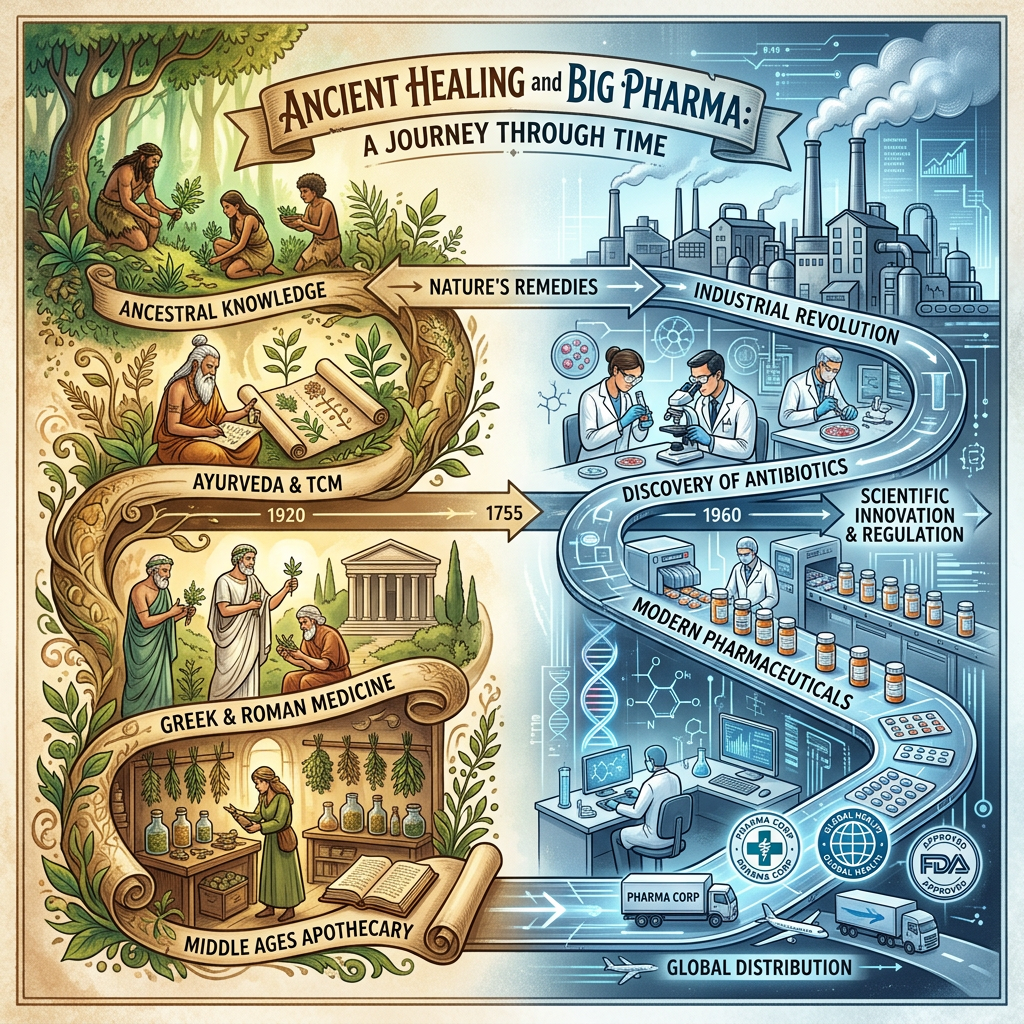
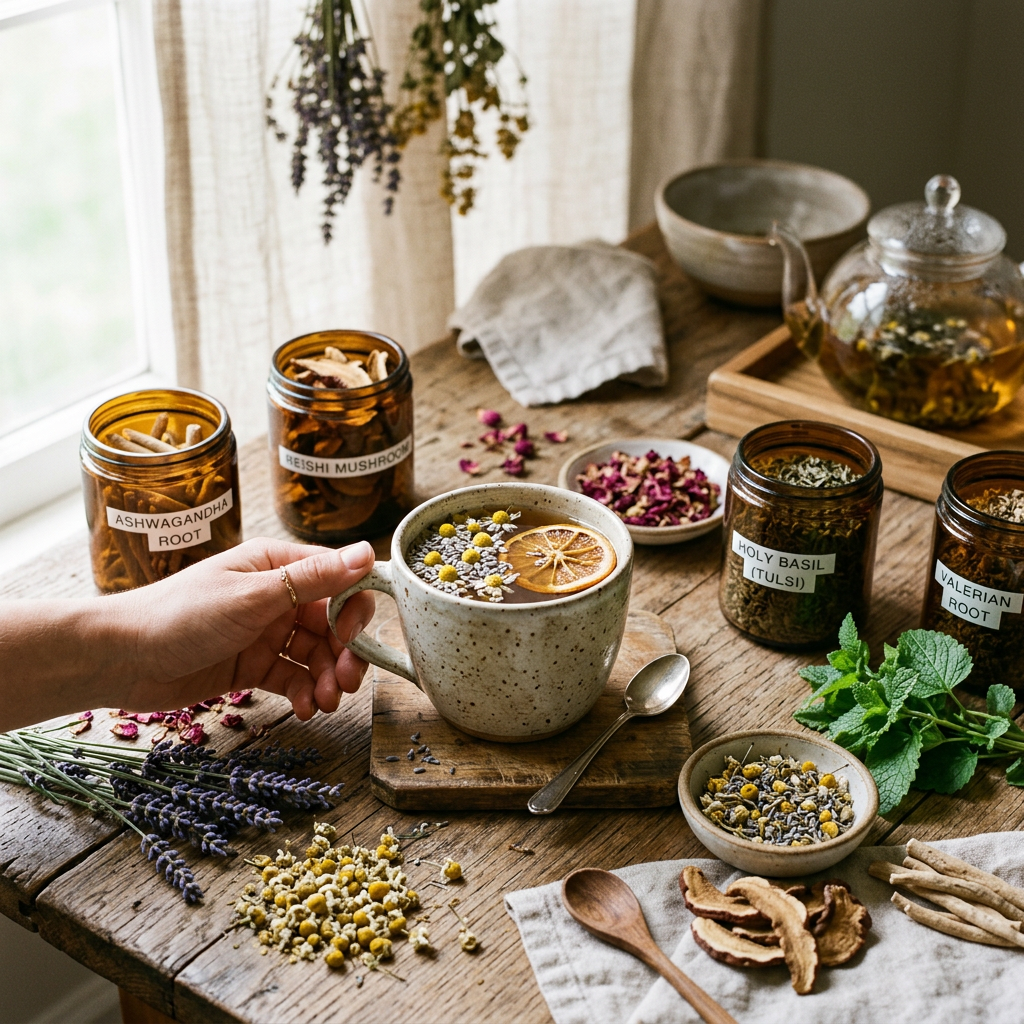

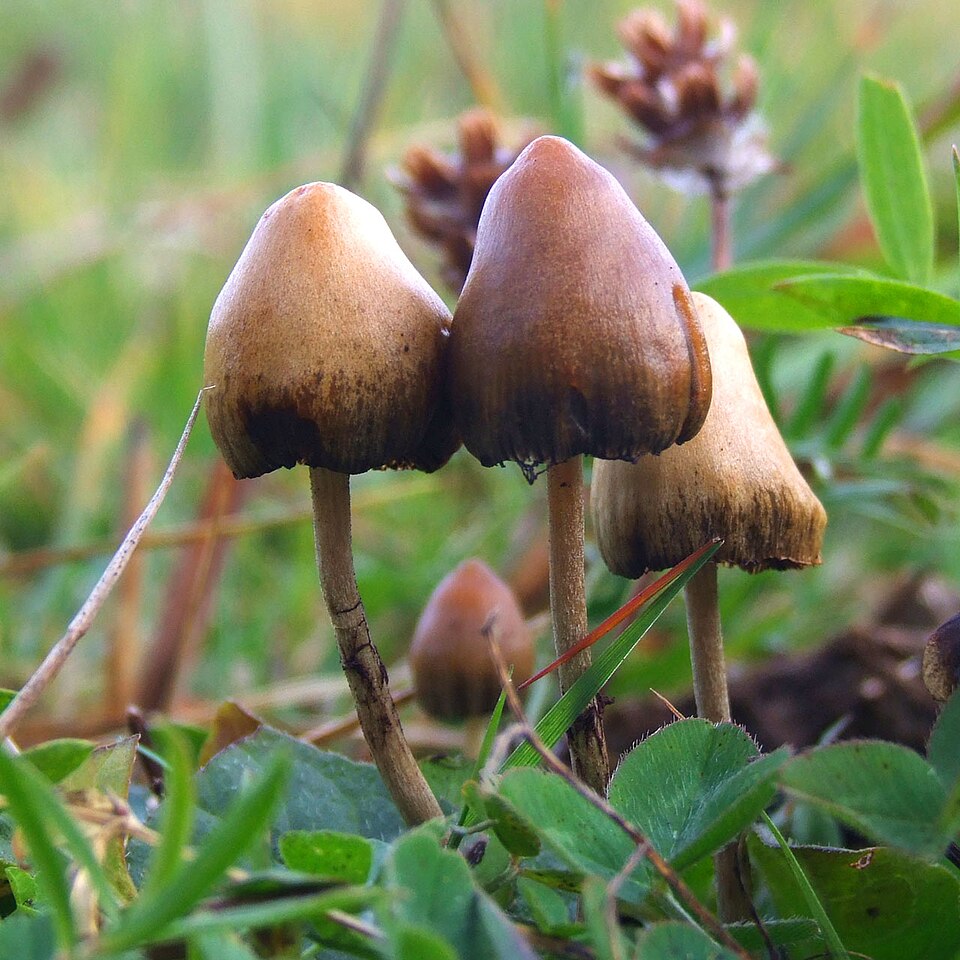
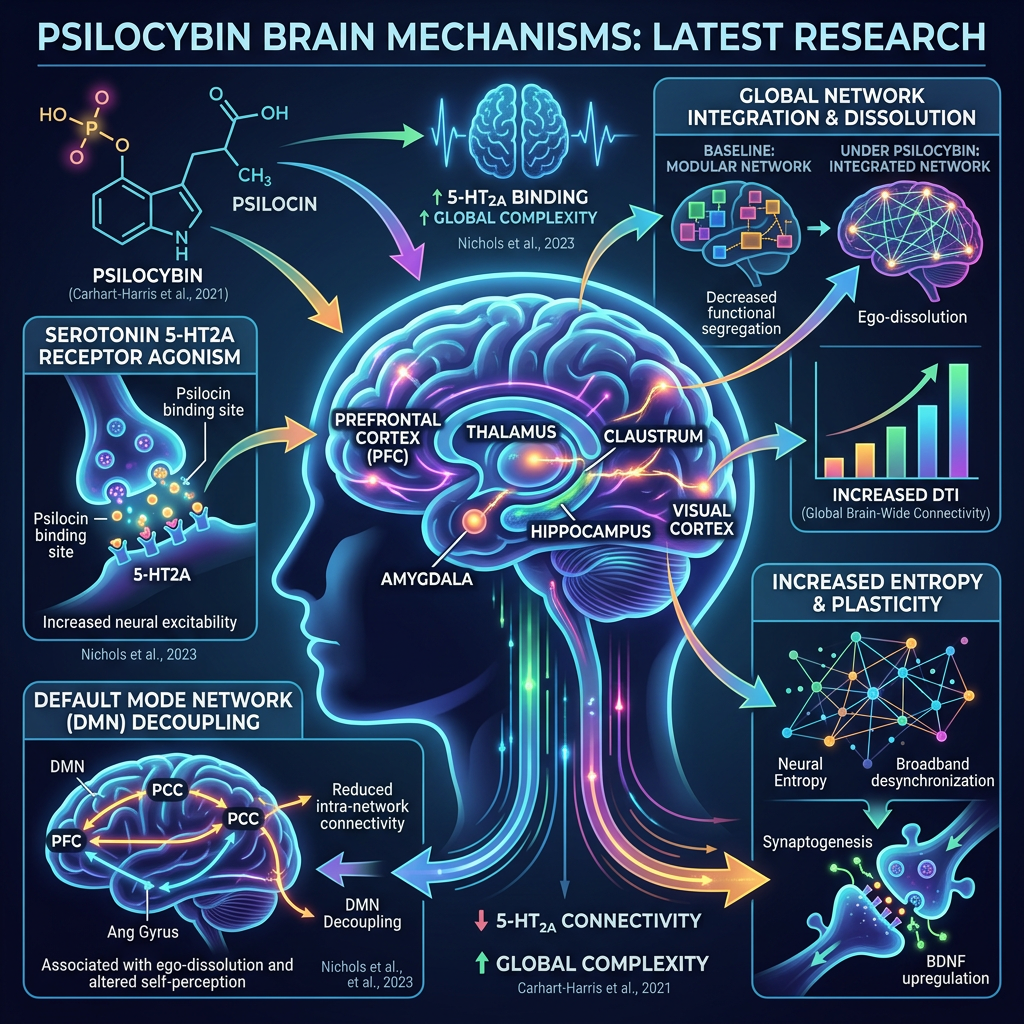


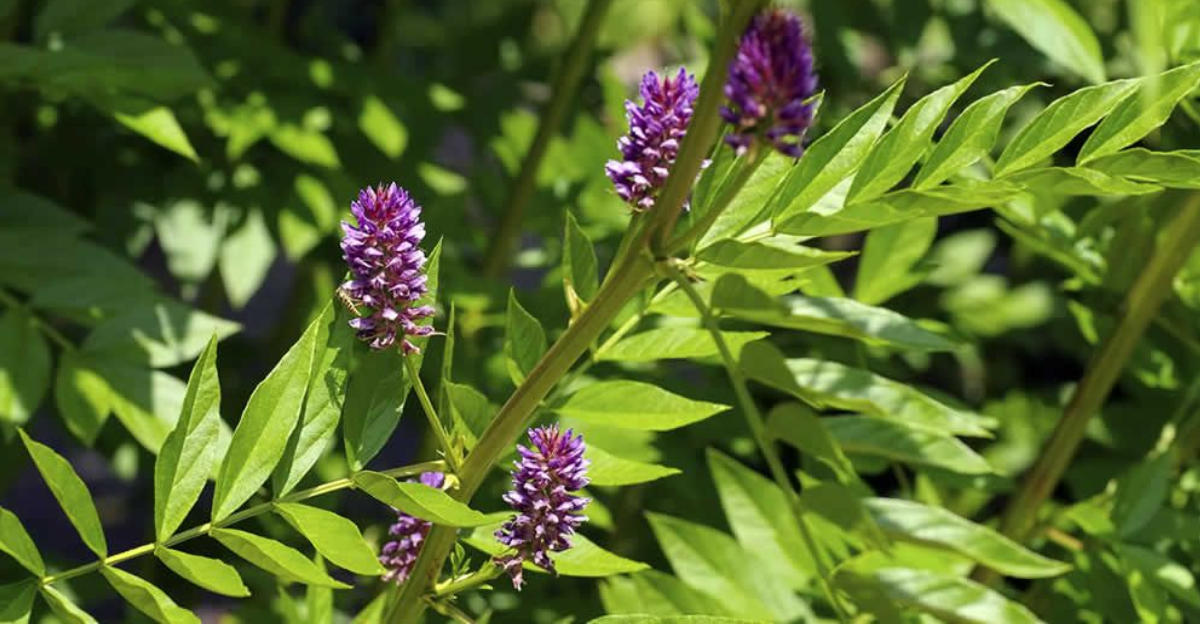







Leave a Reply