
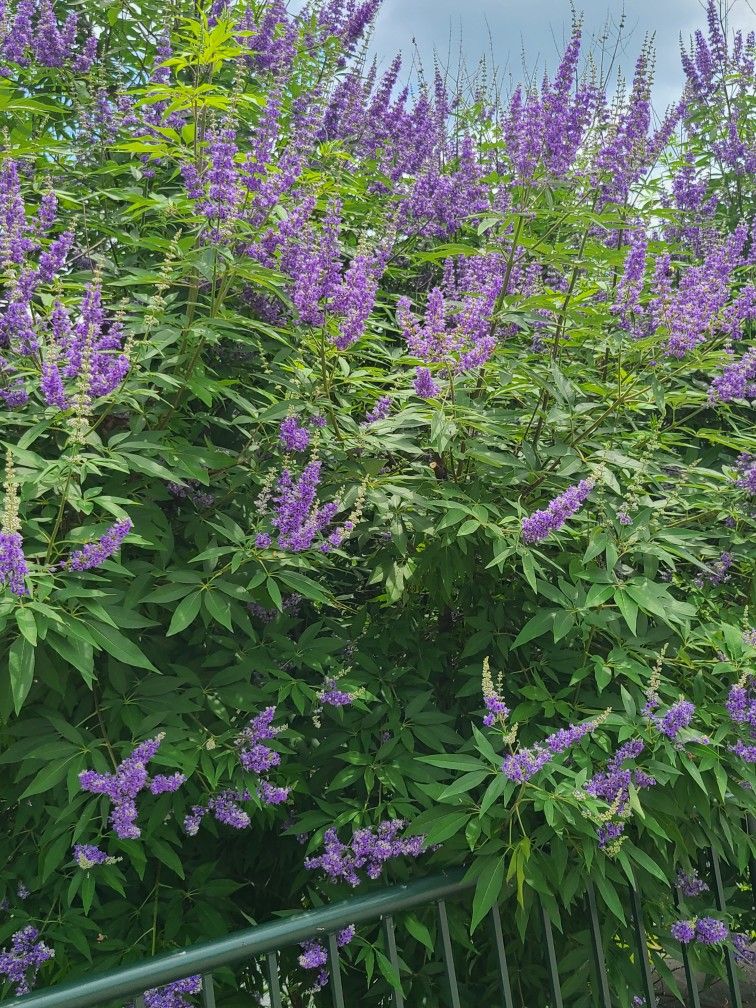
Vitex (Chasteberry)

“AT A GLANCE”
Vitex Agnus-Castus, commonly known as Chasteberry or Monk’s Pepper, is a Mediterranean shrub revered for over 2,500 years for its ability to balance female reproductive hormones. Through dopaminergic activity that gently lowers prolactin and supports progesterone, it has become one of the most well-studied herbs for PMS, cyclical mastalgia, irregular cycles, and menopausal transition. Rich in flavonoids, diterpenes, and iridoid glycosides, it serves as a bridge between ancient women’s wisdom and modern phytotherapy.

Provides an overview of key points.
Synopsis
👈At A Glance:👇
Vitex (Chasteberry)
Vitex agnus-castus (commonly known as chaste tree, chasteberry, or monk’s pepper) is a well-known medicinal shrub valued primarily for women’s reproductive health.
Botanical Description
Vitex agnus-castus L. belongs to the Lamiaceae family (formerly Verbenaceae). It is a deciduous shrub or small tree growing 1–5 m (up to 6–8 m in ideal conditions) tall, with an open, spreading, vase-shaped habit. The leaves are opposite, palmately compound (digitate), typically with 5–7 (sometimes 3–9) narrow, lanceolate to elliptical leaflets that are aromatic, dark green above, and white-tomentose (velvety) beneath. Leaflets are 4.5–11.5 cm long, with the central one being the largest.
Flowers are small, tubular, lilac to violet (occasionally white or pink), in dense terminal panicles or interrupted spikes, blooming in summer (July–September in temperate zones). Fruits are small, globose drupes (3–4 mm), dark brown to black with a spicy, pepper-like aroma and taste, resembling black pepper.
Habitat and distribution: Native to the Mediterranean region, southern Europe, North Africa, western Asia, and parts of Central Asia/India. It thrives in moist habitats like riverbanks, seacoasts, and woodlands but is drought-tolerant once established. It prefers full sun, well-drained soil, and is hardy in USDA zones 6–9 (or 5–9 with protection).
Taxonomy: Genus Vitex includes ~223–250 species, mostly tropical/subtropical; V. agnus-castus is one of the few temperate ones.
Phytochemistry
Key bioactive compounds include:
- Flavonoids: Casticin (major), vitexin, apigenin, luteolin, kaempferol, quercetin derivatives.
- Iridoid glycosides: Agnuside, aucubin.
- Terpenoids and essential oils: 1,8-Cineole, sabinene, β-caryophyllene, germacrene D, α-pinene; diterpenes like vitexilactone and clerodadienols.
- Other: Phenolic acids (e.g., ferulic acid), fatty oils, neolignans, steroids.
These contribute to dopaminergic, hormonal-modulating, antioxidant, and anti-inflammatory effects.
Western Traditional & Clinical Actions
Primarily a hormone balancer (dopamine agonist at D2 receptors, reducing prolactin; supports progesterone). Key actions: emmenagogue, galactagogue, anti-inflammatory, analgesic, and mood-stabilizing. Used for PMS, cyclical mastalgia, irregular menses, infertility, and menopausal symptoms.
Chinese Medicine Actions
Known as Man Jing Zi (fruit). Properties: acrid, bitter, slightly warm. Enters Liver, Stomach, and Bladder channels. Actions: disperses Wind-Heat, clears the head and brightens the eyes, relieves pain, drains Dampness. Traditionally used for headaches, eye pain, dizziness, and joint/muscle stiffness from Wind-Heat or Wind-Damp. It also has a regulating effect on reproductive Qi.
Traditional & Historical Uses
Used for over 2,500 years. Ancient Egyptians, Greeks (Hippocrates, Dioscorides), and Romans employed it for gynecological issues, postpartum recovery, and uterine complaints. In medieval Europe, monks used the peppery berries to suppress libido (hence “chaste” and “monk’s pepper”). Also applied for skin conditions, digestive aid, and as a sitz bath for uterine disorders.
Modern Pharmacological Evidence
Dopaminergic activity lowers prolactin; flavonoid/diterpene components modulate estrogen/progesterone balance and opioid receptors. Exhibits antioxidant, anti-inflammatory, antimicrobial, and mild analgesic effects. May support fertility by improving the luteal phase and ovulation.
Clinical Studies
Multiple RCTs and meta-analyses support efficacy for PMS/PMDD (reduced breast tenderness, mood swings, headaches) and cyclical mastalgia, often superior to placebo. Benefits for menstrual irregularities, hyperprolactinemia, and some infertility cases (e.g., improving progesterone). Mixed but promising results for menopausal symptoms. Effects typically require 3+ cycles. High-quality evidence is tempered by heterogeneity and bias risks in some trials.
Preparations & Dosage
- Standardized extract: 20–40 mg/day (e.g., 6–12:1 extract, often standardized to casticin/agnuside).
- Dried fruit: 1–3 g/day or capsules.
- Tincture: 1:5 in 60–70% alcohol, 2–5 mL (40–80 drops) 1–3x daily, often in the morning.
- Tea: 1 tsp crushed berries steeped 10–15 min.
Use consistently for 3–6 months for best results.
Safety & Contraindications
Generally well-tolerated; mild side effects may include nausea, headache, or GI upset. Avoid in pregnancy (may affect hormones/fetus) and lactation (controversial, though sometimes used as galactagogue—consult professional). Caution with hormone-sensitive conditions (e.g., breast cancer), dopamine-related meds (e.g., antipsychotics, Parkinson’s), or hormonal contraceptives. No major herb-drug interactions widely reported, but consult a provider.
Cultivation & Harvest
Easy to grow from seed (scarify/soak) or cuttings in full sun, well-drained soil. Drought-tolerant once established; prune in late winter for shape. Flowers/fruits appear after 2–4 years. Harvest ripe berries (fall) when dark and aromatic; dry in shade. Sustainable: hand-harvest, avoid over-collection.
Commercial Products
Widely available as capsules, tablets (e.g., Ze 440 extract), tinctures, and teas. Standardized products (e.g., for PMS) from brands following German Commission E guidelines. Also in women’s health blends.
Ethnobotanical Curiosities
Linked to chastity rituals in ancient Greece/Rome and monastic gardens. Berries used as pepper substitute. Associated with fertility goddesses like Hera/Demeter.
Recent Research (2020–2025)
Focus on hyperprolactinemia management, PCOS support, menopausal symptoms, antioxidant/anti-cancer potential (e.g., breast cancer cell studies), and broader endocrine/reproductive effects. Some exploration of anti-inflammatory and neuroprotective roles.
Conservation Status
IUCN: Data Deficient (DD). Not considered threatened; widely cultivated and naturalized in suitable climates.
DIY Recipes
Basic Tincture: Crush dried berries, cover with 5:1 vodka/brandy, steep 2–4 weeks, strain. Take 1–2 droppers daily (morning).
Tea Blend (for hormonal support): 1 tsp Vitex berries + rose petals, motherwort, cinnamon, cardamom. Steep in hot water.
Leaf Vinegar (topical or digestive): Dried leaves in apple cider vinegar, steep 3 weeks.
Always consult a qualified herbalist or healthcare provider before use, especially for therapeutic purposes.
X (Twitter) Snapshot – Nov 2025 / Recent
Discussions often focus on women’s health communities sharing personal experiences with cycle regulation, PMS relief, and fertility support. Broader herbal conversations highlight sustainable sourcing and integration with modern wellness. (Note: Specific recent posts in searches leaned toward unrelated or general mentions; interest remains steady in natural health circles.)
Planting & Harvesting Reference Guide
👈Planting & Harvesting Reference Guide:👇
Vitex (Chasteberry) – Planting & Harvesting Reference Guide
- Best Time for Planting
- Early to mid-spring, after the last frost, when the soil has warmed and become workable.
- During the waxing moon phase, ideally in water signs (Cancer or Pisces) or Venus-ruled days for strong root establishment and rhythmic vitality.
- Plant in full sun with well-drained, loamy to sandy soils (pH neutral to slightly alkaline); prefers moist riverbanks, coastal areas, or riparian zones but is highly drought-tolerant once established.
- Growing Conditions & Magical Minded Tips
- Space plants 8–15 feet (or up to 20–30 feet for larger specimens) apart to allow for vase-shaped growth and good airflow.
- Propagate from scarified/soaked seeds, hardwood cuttings, or divisions; young plants need consistent moisture for the first 1–2 years.
- Mulch generously to retain moisture and suppress weeds; prune in late winter to encourage bushy form and abundant flowering on new wood.
- Lightly feed with compost in spring; minimal irrigation after establishment to concentrate medicinal compounds.
- Whisper intentions of balance and sovereignty while planting; offer honey, milk, white flowers, or tobacco to the land and river spirits. Sing softly to the young tree of rhythmic harmony and fertile restraint.
- Best Time for Harvesting
- Ripe berries: Late summer through early autumn (typically August–October in temperate zones) when fruits turn dark brown to black and become aromatic.
- Harvest during the waning moon for releasing and boundary work, or full moon for maximum potency and energetic charge.
- Begin harvesting from mature plants (2–4 years old) that have developed full medicinal strength.
- Sustainable & Magical Harvesting Methods
- Hand-harvest ripe berry clusters, taking no more than 10–20% from any single plant or wild population to ensure regeneration and wildlife food sources.
- Gather with reverence using clean hands or a blessed silver/copper blade; only from healthy, mature shrubs.
- Ask permission from the plant’s spirit before harvesting; leave offerings of gratitude (honey, milk, cornmeal, or tobacco) at the base.
- In wildcrafting settings, focus on Mediterranean-style habitats (coastal, riverbank) and avoid over-collected or polluted areas.
- Sing thanks or speak invocations of balance while gathering to honor the plant’s role as cycle guardian.
- Post-Harvest Processing
- Dry berries slowly in shade (never direct sun) on screens or in well-ventilated areas to preserve volatile oils, diterpenes, and energetic qualities.
- Once fully dry and crisp, store in glass jars in a cool, dark place with a moon-charged quartz or clear intention for continued hormonal and spiritual harmony.
- Crush or grind as needed for teas, tinctures, or ritual use; label with harvest moon phase and gratitude note.
This guide consolidates all planting, cultivation, wildcrafting, and harvesting wisdom shared throughout our SPARK collaboration for Vitex Agnus-Castus. Always prioritize ethical, sustainable, and reverent practices to honor the plant’s spirit and ensure its continued abundance for future generations.

Part 1: Modern Medical Properties and Uses

Purpose: Highlights the plant’s scientific and medicinal properties, validating holistic healing with evidence-based data.
Contemporary Medical Applications:
Describes current clinical uses (e.g., capsules, tinctures) and delivery methods in modern medicine.
👈Contemporary Medical Applications:👇
Contemporary Medical Applications:
- Vitex agnus-castus extracts are widely employed in standardized capsule or tablet form (typically 20-40 mg daily of a 6-12:1 extract) to alleviate premenstrual syndrome (PMS) symptoms, including breast tenderness (mastalgia), mood swings, irritability, headaches, and fluid retention, with multiple randomized controlled trials demonstrating superiority over placebo after 3 menstrual cycles of consistent use.
- In clinical settings, Vitex supports management of menstrual irregularities such as amenorrhea, oligomenorrhea, and polymenorrhea by modulating the hypothalamic-pituitary-ovarian axis, helping restore cycle regularity and luteal phase progesterone levels, often administered as tinctures (1:5 ratio, 2-5 mL daily) or teas from dried fruits.
- For menopausal and perimenopausal women, Vitex preparations (capsules or liquid extracts) help reduce hot flashes, night sweats, mood disturbances, and sleep issues through mild phytoestrogenic and dopaminergic actions, providing a non-hormonal option endorsed in European phytotherapy guidelines.
- Vitex demonstrates utility in addressing hyperprolactinemia-related issues like infertility and cyclical breast pain, with extracts showing comparable efficacy to some pharmaceutical agents in normalizing prolactin while improving fertility markers such as mid-luteal progesterone.
- Topical or oral applications of Vitex have been explored for anti-inflammatory effects in conditions like dysmenorrhea and mild pelvic pain, often combined in multi-herb formulas or used standalone in modern herbal practice.
- In veterinary and integrative contexts, Vitex supports hormonal balance in animals, though human applications dominate with delivery methods emphasizing bioavailability-enhanced extracts for daily wellness supplementation.
Sources: Contemporary Medical Applications
Sources:
https://pubmed.ncbi.nlm.nih.gov/41630367/
https://link.springer.com/article/10.1186/s43094-025-00931-2
https://www.webmd.com/vitamins/ai/ingredientmono-968/vitex-agnus-castus
https://www.zrtlab.com/blog/archive/vitex-agnus-castus-botanical-support-for-female-hormone-imbalance/
https://www.sciencedirect.com/science/article/abs/pii/S2210803324000575
https://helloclue.com/articles/cycle-a-z/vitex-agnus-castus-menstrual-cycle
https://pmc.ncbi.nlm.nih.gov/articles/PMC10702745/
Pharmacology:
Outlines key compounds and their mechanisms of action, driving therapeutic effects.
👈Pharmacology:👇
Pharmacology:
- Diterpenes such as rotundifuran, vitexilactone, and clerodadienol act as dopamine D2 receptor agonists in the pituitary, inhibiting prolactin secretion and thereby addressing hyperprolactinemia and related reproductive imbalances with a mechanism mirroring natural dopaminergic regulation.
- Flavonoids including casticin, apigenin, luteolin, and kaempferol derivatives contribute to mild estrogen receptor modulation and opioid receptor binding, supporting progesterone dominance in the luteal phase and exerting anti-inflammatory and analgesic effects through lipoxygenase inhibition.
- Iridoid glycosides like agnuside and aucubin enhance the overall neuroendocrine balancing activity, potentially influencing endorphin pathways and providing neuroprotective or mood-stabilizing benefits observed in clinical hormonal applications.
- Essential oil components (e.g., 1,8-cineole, sabinene, β-caryophyllene) add antioxidant and antimicrobial properties, complementing the hormonal actions with broader systemic support for oxidative stress reduction.
- The synergistic interplay of these compounds results in normalized FSH/LH ratios and improved ovarian function, validated through radioligand binding studies confirming selective receptor interactions without strong estrogenic overload.
- Additional neolignans and phenolic acids support anti-inflammatory cascades, contributing to reduced mastalgia and menstrual discomfort via multiple overlapping pathways.
Sources: Pharmacology:
Sources:
https://pmc.ncbi.nlm.nih.gov/articles/PMC10702745/
https://restorativemedicine.org/library/monographs/chaste-tree-berry-vitex-agnus-castus-2/
https://pmc.ncbi.nlm.nih.gov/articles/PMC3081944/
https://link.springer.com/article/10.1186/s43094-025-00931-2
https://japsonline.com/admin/php/uploads/3583_pdf.pdf
https://www.mdpi.com/1420-3049/28/13/5096
Natural Medicine Studies:
Summarizes recent research on efficacy, safety, or clinical outcomes from peer-reviewed studies.
👈Natural Medicine Studies:👇
Natural Medicine Studies:
- Multiple meta-analyses and RCTs confirm Vitex extracts significantly reduce PMS symptom severity (by up to 50%+ in responder rates) compared to placebo, with strong evidence for breast pain relief and mood improvement across diverse populations.
- Systematic reviews of trials for latent hyperprolactinemia show Vitex normalizes prolactin levels, shortens luteal phases, and boosts mid-luteal progesterone, often matching bromocriptine efficacy with better tolerability.
- Clinical data on menopausal applications indicate alleviation of vasomotor and psychological symptoms through phytoestrogenic mechanisms, supported by recent 2020s studies validating traditional gynecological uses.
- Trials exploring PCOS and fertility support demonstrate improved cycle regularity and ovulation rates with Vitex supplementation, highlighting its role in integrative reproductive health protocols.
- Safety-focused studies across hundreds of participants report mild, infrequent adverse events (e.g., transient GI upset), affirming a favorable profile for long-term use in women’s health.
- Comparative trials position Vitex as equivalent or superior to pyridoxine or magnesium for certain PMS aspects, with ongoing research expanding to dysmenorrhea management.
Sources: Natural Medicine Studies:
Sources:
https://pubmed.ncbi.nlm.nih.gov/31780016/
https://www.thieme-connect.com/products/ejournals/abstract/10.1055/s-0032-1327831
https://pmc.ncbi.nlm.nih.gov/articles/PMC6887765/
https://pubmed.ncbi.nlm.nih.gov/41428718/
https://www.ema.europa.eu/en/documents/herbal-report/final-assessment-report-vitex-agnus-castus-l-fructus-revision-1_en.pdf
https://nunm.edu/2019/05/chaste-tree-berry-pms/
Chemistry:
Details active chemical constituents (e.g., alkaloids, flavonoids) and their healing roles.
👈Chemistry:👇
Chemistry:
- Primary flavonoids such as casticin (a key marker), vitexin, apigenin, luteolin, and quercetin derivatives dominate the fruit’s polar fractions, contributing to antioxidant capacity and receptor-modulating activities.
- Iridoid glycosides, prominently agnuside and aucubin, along with related compounds like agnucastosides, serve as signature chemotaxonomic markers with documented neuroendocrine influences.
- Labdane-type diterpenes, including vitexilactone, rotundifuran, clerodadienols, and viteagnusins, represent the lipophilic bioactive core responsible for dopaminergic agonism.
- Essential oils rich in monoterpenes (1,8-cineole, sabinene, α-pinene) and sesquiterpenes (β-caryophyllene, germacrene D) provide volatile aromatic components with antimicrobial synergies.
- Phenolic acids (ferulic, caffeic, vanillic) and neolignans add to the polyphenol profile, supporting anti-inflammatory and protective effects.
- Triterpenoids and minor alkaloids further diversify the matrix, with quantitative variations depending on ripeness, geography, and extraction methods.
Sources: Chemistry:
Sources:
https://pmc.ncbi.nlm.nih.gov/articles/PMC3081944/
https://link.springer.com/article/10.1186/s43094-025-00931-2
https://japsonline.com/admin/php/uploads/3583_pdf.pdf
https://www.mdpi.com/1420-3049/28/13/5096
https://www.sciencedirect.com/science/article/pii/S1674638416600047
https://en.wikipedia.org/wiki/Vitex_agnus-castus
Functional Foods and Nutrition:
Highlights dietary uses (e.g., teas, supplements) in modern health practices.
👈Functional Foods and Nutrition:👇
Functional Foods and Nutrition:
- Dried Vitex berries are incorporated into herbal teas or infusions (1-2 tsp steeped 10-15 minutes) as a daily tonic for hormonal support, providing subtle peppery flavor alongside bioactive delivery in functional beverage formats.
- Standardized extracts appear in dietary supplements and women’s health blends, often combined with nutrients like vitamin B6 or magnesium to enhance PMS and cycle support in nutraceutical products.
- Limited traditional use as a spice-like seasoning (monk’s pepper) suggests potential for culinary incorporation, though modern focus remains on concentrated extracts for consistent dosing rather than bulk dietary intake.
- Emerging applications explore Vitex in functional foods for antioxidant fortification, leveraging its phenolic content in powders or capsules positioned as daily wellness aids.
- Animal feed studies indicate nutritional benefits at low inclusion rates for hormonal and growth support, hinting at broader nutraceutical versatility.
Sources: Functional Foods and Nutrition:
Sources:
https://www.healthline.com/nutrition/vitex
https://agrifoodscience.com/index.php/TURJAF/article/view/6114
https://en.wikipedia.org/wiki/Vitex_agnus-castus
https://pmc.ncbi.nlm.nih.gov/articles/PMC12827490/
Current Projects and Future Possibilities:
Notes ongoing research, clinical trials, or innovative medical applications.
👈Current Projects and Future Possibilities:👇
Current Projects and Future Possibilities:
- Ongoing phase III trials evaluate standardized Vitex extracts (e.g., BNO 1095) specifically for primary dysmenorrhea, aiming to expand evidence for pelvic pain management.
- Research into nanoformulations and advanced delivery systems seeks to improve the bioavailability of diterpenes and flavonoids for enhanced therapeutic precision in women’s health.
- Investigations explore broader applications in oxidative stress-related conditions, cancer cell modulation, and neuroprotective effects, building on antioxidant phytochemistry.
- Integrative studies combine Vitex with other botanicals or conventional therapies for PCOS, infertility, and menopausal transition, with potential for personalized protocols.
- Sustainability-focused cultivation and extraction projects aim to standardize global supply for high-quality functional ingredients amid rising demand.
- Future possibilities include veterinary extensions and food fortification leveraging its safety profile for preventive hormonal wellness.
Sources: Current Projects and Future Possibilities:
Sources:
https://www.centerwatch.com/clinical-trials/listings/NCT06211049/efficacy-of-vitex-agnus-castus-bno-1095-20-mg-in-women-with-primary-dysmenorrhea
https://link.springer.com/article/10.1186/s43094-025-00931-2
https://agrifoodscience.com/index.php/TURJAF/article/view/6114
https://www.mdpi.com/1999-4907/11/7/761
Literary Mentions:
References modern medical texts or studies citing the plant’s therapeutic use.
👈Literary Mentions:👇
Literary Mentions in ancient texts:
- Hippocrates (ca. 400 BCE) recommended Vitex for inflammation, injuries, and spleen enlargement, establishing early recognition of its anti-inflammatory and systemic balancing properties in foundational Greek medical literature.
- Dioscorides in De Materia Medica (ca. 55 CE) detailed its use for promoting menstruation, milk production, uterine inflammation, and headaches, with external applications for wounds and bites, descriptions that closely parallel modern gynecological indications.
- Pliny the Elder and other Roman sources echoed its role in chastity rituals and gynecological remedies, integrating it into broader materia medica traditions, influencing European herbalism for centuries.
- Medieval and later European texts preserved these uses, citing Vitex for menstrual regulation and as a monastic garden plant, bridging ancient observations to Renaissance pharmacopeias.
- Modern medical reviews frequently cite these classical texts when validating contemporary applications, highlighting continuity from ancient empirical knowledge to evidence-based phytotherapy.
Sources: Literary Mentions:
Sources:
https://christopherhobbs.com/library/articles-on-herbs-and-health/vitex-the-chaste-tree/
https://link.springer.com/article/10.1186/s43094-025-00931-2
https://pmc.ncbi.nlm.nih.gov/articles/PMC2956839/

Part 2: Plant Knowledge Systems

Purpose: Validates plant-based healing through interdisciplinary scientific and cultural fields.
Ethnobotany:
Explores the plant’s traditional uses across cultures, linking indigenous knowledge to modern applications.
👈Ethnobotany:👇
Ethnobotany:
- Vitex agnus-castus holds a documented history spanning over 2,500 years across Mediterranean, European, North African, and Western Asian cultures, where its fruits, leaves, and flowers served as key remedies for gynecological conditions including menstrual irregularities, infertility, postpartum recovery, and lactation support; ancient Greek and Roman texts by Hippocrates (ca. 400 BCE) and Dioscorides (ca. 55 CE) describe its applications for uterine inflammation, milk promotion, and wound healing, practices that directly parallel contemporary uses for hormonal balance and reproductive health.
- In medieval European monastic traditions, Vitex agnus-castus earned the name “monk’s pepper” due to its incorporation into diets to promote chastity and suppress libido, while in ancient Athenian Thesmophoria festivals dedicated to Demeter and Persephone, women scattered its aromatic leaves on beds as part of ritual purity; these cultural roles reflect deep symbolic integration with fertility, restraint, and agricultural cycles, informing modern phytotherapeutic protocols for PMS, menopause, and cycle regulation.
- Traditional systems in Iran, Turkey, Arabia, Albania, and parts of India/Pakistan utilize Vitex agnus-castus leaves and fruits as galactagogues for milk production, sedatives for psychological ailments like hysteria, diuretics, carminatives, and remedies for chills via therapeutic baths or treatments for spleen disorders and flatulence; these applications demonstrate cross-cultural continuity in addressing hormonal, digestive, and inflammatory issues, bridging ancient empirical knowledge with evidence-based validation today.
- In North American Eclectic and broader European folk practices extending into the 19th–20th centuries, Vitex agnus-castus supported acne management, digestive complaints, and nervous system tonification alongside primary gynecological roles; its use as a pepper substitute in culinary contexts and in ritual antidotes for bites further highlights versatile ethnobotanical adaptation, reinforcing its position as a foundational herb in women’s holistic health traditions worldwide.
Sources: Ethnobotany:
Sources:
https://link.springer.com/article/10.1186/s43094-025-00931-2
https://en.wikipedia.org/wiki/Vitex_agnus-castus
https://pmc.ncbi.nlm.nih.gov/articles/PMC9370779/
https://christopherhobbs.com/library/articles-on-herbs-and-health/vitex-the-chaste-tree/
https://annestobart.substack.com/p/chaste-tree-vitex-agnus-castus-notes
Plant Genomics:
Describes genetic studies of the plant, focusing on traits related to medicinal properties.
👈Plant Genomics:👇
Plant Genomics:
- Genetic diversity studies on Vitex agnus-castus employ DNA barcoding markers such as matK and rbcL for species authentication and variation analysis within the Vitex genus, addressing challenges of morphological similarity across related taxa and supporting accurate sourcing for medicinal standardization.
- Molecular characterization via RAPD markers has revealed population-level genetic variation among Vitex agnus-castus accessions, aiding conservation and breeding efforts to maintain bioactive compound consistency, particularly diterpenes and flavonoids linked to hormonal activity.
- Biosynthetic pathway research highlights genes involved in diterpenoid production (e.g., labdane-type compounds like vitexilactone responsible for dopaminergic effects), with genomic insights enabling potential enhancement of medicinal traits through targeted approaches while preserving traditional chemotypes.
- In-silico analyses of Vitex species, including Vitex agnus-castus, focus on chloroplast sequences to differentiate medicinal variants, supporting pharmacognostic quality control and traceability in global herbal supply chains.
Sources: Plant Genomics:
Sources:
https://pubmed.ncbi.nlm.nih.gov/29315936/
https://sabraojournal.org/wp-content/uploads/2025/10/SABRAO-J-Breed-Genet-57-5-1838-1850-MS25-41.pdf
https://www.cabidigitallibrary.org/doi/pdf/10.5555/20203508771
https://www.researchgate.net/publication/397184559_GENETIC_MAKEUP_OF_THE_MEDICINAL_PLANT_VITEX_SP_BASED_ON_DNA_BARCODING_AN_IN-SILICO_ANALYSIS
Phytotherapy:
Details the plant’s use in clinical herbal medicine, including therapeutic protocols.
👈Phytotherapy:👇
Phytotherapy:
- In clinical herbal protocols, Vitex agnus-castus fruits are prepared as standardized dry extracts (DER 6-12:1, ethanol 60% m/m, 20–40 mg daily), tinctures (1:5, 2–5 mL daily), or teas for well-established use in relieving PMS symptoms, cyclical mastalgia, and menstrual irregularities, with European guidelines recommending consistent intake over at least three cycles for optimal hypothalamic-pituitary-ovarian axis modulation.
- Phytotherapeutic applications emphasize Vitex agnus-castus as a dopaminergic regulator for hyperprolactinemia and luteal phase support in infertility cases, often integrated into multi-herb formulas with monitoring for individual response, aligning with traditional European and modern integrative women’s health practices.
- Protocols for menopausal transition incorporate Vitex agnus-castus extracts to alleviate vasomotor and mood symptoms through non-hormonal mechanisms, with documented safety for extended use and synergy in combination therapies addressing broader endocrine balance.
Sources: Phytotherapy:
Sources:
https://www.ema.europa.eu/en/documents/herbal-report/final-assessment-report-vitex-agnus-castus-l-fructus-revision-1_en.pdf
https://pmc.ncbi.nlm.nih.gov/articles/PMC9370779/
https://www.herbalreality.com/herb/agnus-castus/
Ethnoecology:
Examines the plant’s ecological role in cultural practices and environmental interactions.
👈Ethnoecology:👇
Ethnoecology:
- Vitex agnus-castus thrives in Mediterranean coastal, riverbank, and woodland ecosystems, where its drought tolerance, pollinator-attracting panicles, and persistent fruits contribute to local biodiversity while providing sustainable harvest material for traditional medicine; Indigenous and rural communities integrate its ecological presence into seasonal gathering practices that respect regenerative cycles.
- Cultural practices in Greece, the Levant, and broader Mediterranean regions historically link Vitex agnus-castus to agricultural and ritual landscapes, such as Thesmophoria festivals and monastic gardens, embedding the plant within human-environment relationships that promote both spiritual symbolism and practical resource use in dynamic ecosystems.
Sources: Ethnoecology:
Sources:
https://link.springer.com/article/10.1186/s43094-025-00931-2
https://en.wikipedia.org/wiki/Vitex_agnus-castus
https://pmc.ncbi.nlm.nih.gov/articles/PMC9370779/
Anthroposophical Medicine:
Outlines the plant’s use in Steiner-inspired remedies, including preparation, studies, and dosage.
👈Anthroposophical Medicine:👇
Anthroposophical Medicine:
- In anthroposophical approaches inspired by Rudolf Steiner, Vitex agnus-castus, with its dominant flowering and fruiting gesture, is viewed as addressing the metabolic-reproductive pole of the human constitution, supporting remedies for hormonal imbalances, menstrual disorders, and related digestive or emotional disharmonies through preparations that harmonize astral and etheric forces.
- Anthroposophic practitioners incorporate Vitex agnus-castus in individualized, often combined formulations aligned with planetary rhythms and Goethean plant observation, emphasizing its role in restoring balance in women’s health conditions while integrating artistic therapies and lifestyle elements for holistic vitality.
Sources: Anthroposophical Medicine:

Part 3: Heritage and Practice

Purpose: Weaves historical and cultural heritage with practical guidance for medicinal use.
Historical and Cultural Significance:
Explores the plant’s role in historical and cultural medical practices.
👈Historical and Cultural Significance:👇
Historical and Cultural Significance:
- Vitex Agnus-Castus has held profound symbolic and practical importance in Mediterranean civilizations for over 2,500 years, serving as a bridge between ritual purity, agricultural cycles, and women’s reproductive health; in ancient Greece, it featured prominently in the Thesmophoria festival honoring Demeter and Persephone, where women scattered its aromatic leaves on beds to preserve chastity and invoke fertility renewal, while also associating the plant with goddesses Hera and Artemis Orthia in Spartan cults.
- The plant’s reputation as an anaphrodisiac led to its widespread use in medieval European monastic gardens, where monks incorporated the peppery fruits (known as monk’s pepper or cloister pepper) into food and bedding to support vows of celibacy; this practice, documented across Christian traditions and linked to earlier Greek and Roman customs of strewing leaves for ritual restraint, underscores Vitex Agnus-Castus enduring role in balancing desire, vitality, and spiritual discipline.
- In broader Levantine, Egyptian, and early Christian contexts, Vitex Agnus-Castus branches and fruits appeared in religious and protective rituals, including symbolic associations with the ram caught in the bush in Jewish tradition (reflected in its name elements meaning “chaste lamb”), and as material for weaving baskets or crafting sacred images such as the wooden statue of Asclepius in Sparta; these uses highlight its integration into daily life, medicine, and sacred practices across cultures.
- Historical texts from Hippocrates (ca. 400 BCE) through Dioscorides and Pliny the Elder consistently reference Vitex Agnus-Castus for gynecological support, wound healing, and anti-inflammatory applications, creating a continuous thread that influenced European herbalism, Arabian bazaar remedies for hysteria, and later Eclectic practices, affirming its status as a foundational herb in women’s holistic heritage.
Sources: Historical and Cultural Significance:
Sources:
https://en.wikipedia.org/wiki/Vitex_agnus-castus
https://link.springer.com/article/10.1186/s43094-025-00931-2
https://christopherhobbs.com/library/articles-on-herbs-and-health/vitex-the-chaste-tree/
https://pmc.ncbi.nlm.nih.gov/articles/PMC9370779/
Indigenous and Traditional Systems:
Details its use in specific indigenous or traditional healing systems.
👈Indigenous and Traditional Systems:👇
Indigenous and Traditional Systems:
- In Iranian, Turkish, Arabian, Albanian, and parts of Pakistani/Indian folk traditions, Vitex Agnus-Castus leaves and fruits serve as galactagogues to enhance milk production, sedatives for psychological conditions like hysteria, diuretics, carminatives for digestive complaints, and remedies for chills through therapeutic baths; these applications reflect deep empirical knowledge of its balancing effects on reproductive and nervous systems within local materia medica.
- Mediterranean and North African indigenous practices emphasize Vitex Agnus-Castus for postpartum recovery, uterine inflammation, and general vitality, often prepared as decoctions or sitz baths, integrating the plant into community healing systems that honor seasonal availability and holistic female wellness.
- While less prominent in East Asian or Ayurvedic core systems (where related Vitex species predominate), Vitex Agnus-Castus appears in localized traditional uses in regions like Baluchistan for similar gynecological and anti-inflammatory purposes, demonstrating adaptive integration across diverse ethnobotanical frameworks.
Sources: Indigenous and Traditional Systems:
Sources:
https://pmc.ncbi.nlm.nih.gov/articles/PMC9370779/
https://link.springer.com/article/10.1186/s43094-025-00931-2
https://christopherhobbs.com/library/articles-on-herbs-and-health/vitex-the-chaste-tree/
Folklore and Culinary Traditions:
Highlights folklore, myths, and culinary uses tied to the plant.
👈Folklore and Culinary Traditions:👇
Folklore and Culinary Traditions:
- Folklore centers on themes of chastity and fertility regulation, with myths portraying Vitex Agnus-Castus as a guardian of purity—women in ancient Athens and Rome used its leaves on beds during festivals or while husbands were away, and monks later adopted it to curb libido, giving rise to names like chaste tree, monk’s pepper, and Abraham’s balm.
- Culinary traditions treat the dried, peppery fruits as a spice substitute for black pepper in Mediterranean and Middle Eastern dishes, adding a warm, aromatic note to foods while subtly supporting digestive health; flowers are occasionally edible, and leaves contribute fragrance in herbal preparations.
- Symbolic lore links Vitex Agnus-Castus to life cycles, renewal, and protection, including associations with weaving (from flexible branches) and ritual antidotes for bites or stings, embedding the plant in stories of resilience and balance.
Sources: Folklore and Culinary Traditions:
Sources:
https://en.wikipedia.org/wiki/Vitex_agnus-castus
https://aegeanedibles.weebly.com/vitex-agnus-castus.html
https://christopherhobbs.com/library/articles-on-herbs-and-health/vitex-the-chaste-tree/
Identification and Characteristics:
Describes physical traits and identification markers for the plant.
👈Identification and Characteristics:👇
Identification and Characteristics:
- Vitex Agnus-Castus appears as a deciduous shrub or small tree reaching 1–8 meters, with an open, vase-shaped habit, grayish bark on mature stems, and opposite, palmately compound leaves featuring 5–7 (up to 9) lanceolate leaflets that are aromatic, dark green above, and white-tomentose beneath.
- Summer blooms consist of small, tubular, fragrant lilac-to-violet (sometimes white or pink) flowers in dense terminal panicles, followed by globose, dark brown-to-black drupes (3–4 mm) with a spicy, pepper-like aroma and taste, resembling peppercorns.
- Key identification markers include the aromatic foliage when crushed, opposite leaf arrangement, and preference for full sun in well-drained soils, distinguishing it from look-alikes like certain Buddleja species through its palmate leaves and drupe fruits.
Sources: Identification and Characteristics:
Sources:
https://plants.ces.ncsu.edu/plants/vitex-agnus-castus/
https://japsonline.com/admin/php/uploads/3583_pdf.pdf
https://www.missouribotanicalgarden.org/PlantFinder/PlantFinderDetails.aspx?kempercode=g290
Wildcrafting:
Covers where to find, identification tips (including look-alikes), and esoteric/medicinal harvesting methods.
👈Wildcrafting:👇
Wildcrafting:
- Vitex Agnus-Castus grows wild in Mediterranean coastal, riverbank, and woodland habitats across southern Europe, North Africa, and western Asia; sustainable wildcrafting involves hand-harvesting ripe or near-ripe berries in fall when dark and aromatic, using clean tools to strip clusters while leaving plenty for wildlife and regeneration.
- Identification in the field relies on aromatic palmate leaves and purple flower spikes; avoid overharvesting by taking no more than 10–20% from any population, respecting local regulations and avoiding polluted sites to ensure purity.
- Esoteric and medicinal harvesting traditions recommend gathering with intention during optimal lunar phases for potency, drying berries in shade, and processing promptly to preserve volatile compounds for tinctures or teas.
Sources: Wildcrafting:
Sources:
https://en.wikipedia.org/wiki/Vitex_agnus-castus
https://pmc.ncbi.nlm.nih.gov/articles/PMC10343858/
https://aromaticmedicineschool.com/sustainable-wild-harvesting/
Cultivation Practices:
Details growing methods for medicinal potency, including general cultivation.
👈Cultivation Practices:👇
Cultivation Practices:
- Vitex Agnus-Castus thrives in full sun with well-drained, loamy to sandy soils (pH neutral to slightly alkaline), showing strong drought tolerance once established; propagate from scarified seeds, cuttings, or divisions, spacing plants 8–15 feet apart for optimal growth and airflow.
- Prune in late winter to encourage bushy form and abundant flowering on new wood; mulch to retain moisture and suppress weeds while providing minimal supplemental water after the first year to enhance medicinal compound concentration.
- For medicinal potency, harvest berries after 2–4 years when plants mature, selecting vigorous, organically grown specimens in USDA zones 6–9 to maximize flavonoid and diterpene content.
Sources: Cultivation Practices:
Sources:
https://www.greendreamsfl.com/single-post/blog-vitex-agnus-castus-growing-medicinal-uses
https://www.missouribotanicalgarden.org/PlantFinder/PlantFinderDetails.aspx?kempercode=g290
https://strictlymedicinalseeds.com/product/chaste-tree-official-vitex-agnus-castus-packet-of-100-seeds-organic/
Biodynamic Farming:
Outlines biodynamic cultivation techniques specific to the plant.
👈Biodynamic Farming:👇
Biodynamic Farming:
- Biodynamic cultivation of Vitex Agnus-Castus aligns planting and harvesting with lunar and planetary rhythms to enhance vitality, incorporating horn manure and silica preparations to strengthen root and reproductive forces in the plant.
- Practices emphasize biodiversity, compost teas, and minimal intervention to support the plant’s etheric qualities, yielding berries with balanced energetic properties for holistic remedies.
Sources: Biodynamic Farming:
Preparation Methods:
Describes how to prepare the plant for medicinal or culinary use.
👈Preparation Methods:👇
Preparation Methods:
- For tinctures, use fresh or dried berries at a 1:5 ratio in 60–70% alcohol, steeping 4–6 weeks with daily shaking before straining for daily use; teas involve crushing 1 teaspoon of dried berries and steeping in hot water for 10–15 minutes.
- Standardized extracts or capsules provide consistent dosing, while infused vinegars or oils from leaves support topical or digestive applications; always dry berries in shade to preserve bioactives.
Sources: Preparation Methods:
Sources:
https://www.herbalreality.com/herb/agnus-castus/
https://www.ema.europa.eu/en/documents/herbal-monograph/final-european-union-herbal-monograph-vitex-agnus-castus-l-fructus-revision-1_en.pdf
Safety Precautions:
Lists plant-specific risks, including side effects or contraindications.
👈Safety Precautions:👇
Safety Precautions:
- Vitex Agnus-Castus is generally well-tolerated but may cause mild, transient effects such as nausea, headache, or gastrointestinal upset; discontinue if symptoms persist.
- Avoid during pregnancy, breastfeeding, or with hormone-sensitive conditions due to its modulating effects on the pituitary-ovarian axis; consult practitioners when combining with hormonal medications or dopamine agents.
Sources: Safety Precautions:
Sources:
https://www.webmd.com/vitamins/ai/ingredientmono-968/vitex-agnus-castus
https://www.nccih.nih.gov/health/chasteberry
https://www.ema.europa.eu/en/documents/herbal-monograph/final-european-union-herbal-monograph-vitex-agnus-castus-l-fructus-revision-1_en.pdf

Part 4: Spiritual Essence

Purpose: Explores the plant’s intrinsic spiritual and mythological essence in holistic healing.
Energetic Essence:
Describes the plant’s energetic signature (e.g., chakra connections), flower essence properties, and vibrational healing uses.
👈Energetic Essence:👇
Energetic Essence:
- Vitex Agnus-Castus carries a profound energetic signature of balanced feminine polarity and rhythmic harmony, often aligned with the Sacral Chakra (Svadhisthana) and the Moon’s cyclic influence, where its vibrational qualities help regulate emotional fluidity, creative expression, and reproductive vitality; as a flower essence or spagyric preparation, it assists individuals in navigating transitions of womanhood—menarche, motherhood, and menopause—by gently dissolving stagnant patterns of excess or deficiency, fostering inner chastity as disciplined self-mastery rather than suppression, and restoring trust in the body’s innate wisdom and lunar rhythms. Practitioners describe its subtle field as warming yet clarifying, supporting the etheric body’s connection to the divine feminine archetype of fertile restraint and cyclical renewal, making it an ally for those seeking hormonal-emotional equilibrium through vibrational medicine.
- In vibrational and anthroposophical contexts, Vitex Agnus-Castus embodies a bridging essence between the astral and etheric realms, strengthening the metabolic-reproductive pole while calming overactive desires or emotional turbulence; flower essence preparations of Vitex Agnus-Castus revitalize vital energies, liberate suppressed creative forces, and promote healthy cycles by addressing underlying disharmonies in the womb-space and heart-center, often used in remedies for those experiencing disconnection from natural rhythms or lunar attunement. Its energetic warmth and drying nature help transmute damp emotional stagnation into clear, purposeful flow, inviting a state of empowered chastity—defined as sacred devotion to one’s authentic path—while honoring the plant’s ancient role as guardian of thresholds in feminine spiritual development.
- Globally, modern flower essence practitioners and energy healers associate Vitex Agnus-Castus with divine feminine connection, moon magic, protection, and harmony, viewing its essence as a tool for balancing polarities of desire and restraint, fertility and focus; it supports aura cleansing of old relational patterns and enhances intuitive receptivity, particularly for those working with goddess archetypes or sacred sexuality, offering a serious vibrational pathway to integrate physical hormonal wisdom with spiritual sovereignty and cyclical awareness.
Sources: Energetic Essence:
Sources:
https://www.milagroherbs.com/products/vitex-flower-essence-5oz
https://www.whisperingrootsapothecary.com/products/nirgundi-vitex-flower-essence
https://melissaassilem.com/19-chaste-tree-lifespicer/
https://www.tragicbeautiful.com/en-us/blogs/book-of-spells/chaste-tree-berry-magickal-properties-uses
https://www.instagram.com/p/DUk_AMqDHsA/
Mythological Associations:
Highlights myths, legends, or symbolic meanings tied to the plant across cultures.
👈Mythological Associations:👇
Mythological Associations:
- In ancient Greek mythology, Vitex Agnus-Castus stood as a sacred emblem of purity, fertility cycles, and feminine power, deeply intertwined with goddesses Demeter and Persephone during the secretive Thesmophoria festival, where women strewed its fragrant leaves and flowers upon their beds as symbols of ritual chastity and agricultural renewal; the plant’s branches bound the statue of Artemis Orthia in Sparta, embodying protective restraint and upright vitality, while its association with Hera—whose birth and sacred rites on Samos involved the chaste tree—highlighted themes of marital fidelity, childbirth, and the binding of chaotic forces into harmonious creation, weaving a narrative of the plant as guardian of life’s thresholds and seasonal mysteries across the Mediterranean world.
- Roman and later European traditions carried forward the Greek reverence for Vitex Agnus-Castus as the “chaste lamb” (agnus-castus), linking it to Hestia/Vesta’s virginal hearth and monastic Christian practices where monks used its peppery berries to uphold vows of celibacy, earning names like monk’s pepper and cloister pepper; Jewish lore further enriched its symbolism by identifying the plant as the bush that held the ram in Abraham’s binding of Isaac, evoking themes of divine substitution, humble sacrifice, and redemptive life force, thus positioning Vitex Agnus-Castus as a cross-cultural mediator between restraint and providence, desire and devotion, across Abrahamic and classical narratives.
- Legends portray Vitex Agnus-Castus as a plant of transformation and sacred balance, used in rituals for protection against unwanted advances, wound healing from bites, and invocation of fertility goddesses like Artemis and Hera; its flexible stems served in basketry and binding rites, symbolizing the weaving of fate and the gentle containment of vital energies, while its persistent presence in monastic gardens and women’s mysteries underscored an enduring mythic role as ally to those walking the path of disciplined vitality, cyclical wisdom, and spiritual chastity—qualities that continue to resonate in contemporary goddess-centered and lunar spiritual practices worldwide.
Sources: Mythological Associations:
Sources:
https://en.wikipedia.org/wiki/Vitex_agnus-castus
https://www.theoi.com/Flora1.html
https://thevalemagazine.com/2025/07/23/vitex-tree-myth-history/
https://iritdulman.com/eco-printing-vitex/
https://hollybynoe.com/botanicals-blog/vitex-agnus-castus-ally-of-the-womb

Part 5: Esoteric Practices

Purpose: Details ritualistic and tradition-specific spiritual practices involving the plant.
Ritual and Ceremonial Uses:
Explores the plant’s role in spiritual rituals or ceremonies across traditions.
👈Ritual and Ceremonial Uses:👇
Ritual and Ceremonial Uses:
- In ancient Greek religious life, Vitex Agnus-Castus played a central ceremonial role in the Thesmophoria, an exclusive women’s festival honoring Demeter and Persephone that celebrated agricultural and human fertility; participants wore garlands of its branches, scattered leaves and flowers on sleeping mats to maintain ritual chastity during the multi-day event, and incorporated the plant into secret rites involving fasting, mourning reenactments, and offerings that symbolically renewed the earth’s cycles, embodying themes of restraint, renewal, and sacred feminine power that directly linked plant energetics to communal fertility blessings.
- Spartan cults in Archaic times integrated Vitex Agnus-Castus branches into the binding of the statue of Artemis Orthia, using its flexible stems in ritual weaving and protective ceremonies that emphasized purity, agricultural vitality, and the containment of vital forces; this practice extended to broader Levantine and Philistine traditions where the shrub featured in religious rituals symbolizing chastity and divine protection, often through placement in sacred spaces or use in processions that honored thresholds of life, marriage, and seasonal turning.
- Medieval Christian monastic ceremonies employed Vitex Agnus-Castus fruits and leaves as symbolic aids for celibacy vows, with monks scattering branches in cloister gardens and beds or consuming the peppery berries to support spiritual discipline; crucifixes carved from its wood were worn or carried in devotional practices to ward off temptation, integrating the plant into daily liturgical rhythms of restraint, prayer, and communal purity that echoed earlier pagan uses while adapting them to Christian ascetic ideals.
- In contemporary goddess-centered and women’s mystery traditions, Vitex Agnus-Castus branches and berries appear in modern recreations of lunar or fertility rites, where practitioners create altars, weave garlands, or prepare ritual baths to invoke divine feminine archetypes of Hera and Demeter; these ceremonies often involve intentional harvesting under specific lunar phases, anointing with infused oils, and meditative use to honor cycles of menstruation, motherhood, and menopause, fostering personal and collective healing through sacred containment and renewal.
- Yoruba-derived African spiritual practices recognize Vitex Agnus-Castus (known locally as Vencedor or “winner”) as sacred to Obatalá, employing it in cleansing baths, home purification rituals, and offerings to overcome obstacles, achieve triumph, and restore clarity; the plant’s leaves and fruits feature in ceremonial preparations that emphasize victory through purity and balanced life force, demonstrating global adaptation of its chastity and protective qualities into Orisha worship frameworks.
Sources: Ritual and Ceremonial Uses:
Sources:
https://www.instagram.com/reel/CwN2cK-AtcK/
https://www.hellenic.org.au/post/the-thesmophoria-women-s-ritual-in-the-ancient-world
https://en.wikipedia.org/wiki/Vitex_agnus-castus
https://hollybynoe.com/botanicals-blog/vitex-agnus-castus-ally-of-the-womb
https://thevalemagazine.com/2025/07/23/vitex-tree-myth-history/
https://www.mnhn.fr/en/vitex-chaste-tree
Magical and Astrological Practices:
Describes uses in magical or astrological contexts, including planetary associations.
👈Magical and Astrological Practices:👇
Magical and Astrological Practices:
- Vitex Agnus-Castus aligns strongly with Venusian and Lunar energies in classical and modern planetary magic, where its cooling, balancing qualities support spells for emotional harmony, relational boundaries, and feminine sovereignty; practitioners use the berries or leaves in Venus-ruled incense blends, charm bags, or anointing oils during Friday rituals to enhance self-mastery in matters of desire, fertility regulation, and heart-centered discipline, drawing on its historical reputation as a modulator of passion.
- In lunar astrology and moon-phase workings, Vitex Agnus-Castus serves as a key ally for rituals performed during waning or new moons to release old emotional patterns, regulate inner cycles, and cultivate inner chastity as empowered focus; its aromatic branches feature in circle casting, altar decorations, or bath infusions that attune the practitioner to lunar rhythms, supporting magical intentions around hormonal balance, dreamwork, and protection of sacred space.
- Magical folklore attributes protective and banishing properties to Vitex Agnus-Castus, with dried leaves or berries carried as talismans against unwanted advances, venomous influences, or disruptive energies; in hedgewitch traditions, the plant enters poppets, sachets, or floor washes to enforce healthy boundaries and promote disciplined vitality, often combined with other Venus or Saturn herbs for long-term energetic containment.
- Astrological herbalism following Culpeper and later systems places Vitex Agnus-Castus under Venus with secondary lunar and Saturnine influences, suiting it for workings involving love that respects autonomy, fertility magic tempered by wisdom, and karmic lessons around desire; its fruits provide a peppery base for planetary incenses or elixirs used in chart-specific rituals addressing Venus placements or lunar nodes.
- Contemporary witchcraft incorporates Vitex Agnus-Castus into goddess devotionals, handfasting blessings with restraint elements, and shadow work ceremonies, where its vibrational essence aids in transmuting raw desire into creative or spiritual power; spells often involve steeping berries under moonlight or weaving stems into ritual cords for binding intentions of balance and sovereignty.
Sources: Magical and Astrological Practices:
Sources:
https://newworldwitchery.com/2025/02/27/entry-242-planets/
http://www.badwitch.co.uk/2016/04/review-herbs-of-sun-moon-and-planets.html
https://forum.spells8.com/t/planetary-magic-ruling-forces-uses-correspondences/7739
https://www.herbalreality.com/herb/agnus-castus/
https://hollybynoe.com/botanicals-blog/vitex-agnus-castus-ally-of-the-womb
Spiritual Tradition Mentions:
Highlights the use in specific spiritual traditions (e.g., Amish, Buddhist, Shamanic) relevant to the plant.
👈Spiritual Tradition Mentions:👇
Spiritual Tradition Mentions:
- Within ancient Greek polytheistic traditions, Vitex Agnus-Castus held sacred status in Demeter-Persephone mysteries and Hera cults, featuring in women-only ceremonies that emphasized chastity as ritual purity and fertility as divine gift; its use in Thesmophoria and Spartan Artemis rites positioned it as a mediator between earthly cycles and celestial order, influencing later Hellenistic and Roman spiritual expressions.
- Christian monastic traditions across medieval Europe integrated Vitex Agnus-Castus into ascetic practices, with monks cultivating it in cloister gardens and using its berries to support vows of celibacy and spiritual focus; this reflects a deliberate adaptation of pagan symbolism into Christian discipline, extending to the carving of protective crucifixes and placement in devotional spaces.
- In Yoruba and derived African diaspora traditions (such as Santería or Candomblé), Vitex Agnus-Castus appears as Vencedor, sacred to Obatalá, and is employed in purification baths, home cleansings, and offerings for clarity, victory, and overcoming spiritual obstacles; its white-associated purity aligns with Obatalá’s dominion over peace and creation.
- Modern pagan and Dianic Wiccan paths reclaim Vitex Agnus-Castus in goddess-centered rituals honoring the divine feminine, using it in seasonal wheel ceremonies, menarche or menopause rites, and feminist mystery schools to embody empowered chastity and cyclical wisdom.
- Broader esoteric herbalism and anthroposophical streams view Vitex Agnus-Castus as supporting soul-level balance between desire and devotion, incorporating it into meditative preparations and biodynamic-influenced spiritual healing that bridges ancient goddess lore with contemporary inner work.
Sources: Spiritual Tradition Mentions:
Sources:
https://en.wikipedia.org/wiki/Vitex_agnus-castus
https://hollybynoe.com/botanicals-blog/vitex-agnus-castus-ally-of-the-womb
https://thevalemagazine.com/2025/07/23/vitex-tree-myth-history/
https://www.herbalreality.com/herb/agnus-castus/
https://christopherhobbs.com/library/articles-on-herbs-and-health/vitex-the-chaste-tree/

Part 6: Ecological and Modern Applications

Purpose: Highlights the plant’s modern environmental and societal roles, emphasizing sustainability.
Modern Ecological Roles:
Describes contributions to phytoremediation, carbon sequestration, soil health, or pollinator support.
👈Modern Ecological Roles:👇
Modern Ecological Roles:
- Vitex Agnus-Castus functions as a valuable pollinator support plant in Mediterranean, subtropical, and temperate landscapes, with its fragrant, tubular lilac-to-violet flowers in long terminal panicles blooming from mid-summer into fall providing a critical nectar and pollen source for bees, butterflies, hummingbirds, and other insects during periods when many other flowering plants have declined; this extended bloom period acts as a nectar bridge in hot climates, enhancing local biodiversity, supporting honey production in apiculture, and contributing to ecosystem resilience in pollinator gardens, xeriscapes, and restored habitats.
- As a drought-tolerant, deciduous shrub or small tree adapted to poor, sandy, rocky, or nutritionally limited soils, Vitex Agnus-Castus aids in land rehabilitation and erosion control in arid and semi-arid Mediterranean-type ecosystems; its deep root system and ability to thrive in full sun with minimal water once established make it suitable for degraded lands, coastal stabilization, and sustainable landscaping, where it helps improve soil structure and microclimates while requiring low inputs.
- While direct quantitative data on carbon sequestration for Vitex Agnus-Castus remains limited compared to large forest trees, its woody biomass, perennial growth habit, and use in agroforestry or pollinator habitat plantings contribute to above-ground carbon storage and soil organic matter enhancement through leaf litter and root exudates; as part of diverse planting systems, it supports broader ecosystem services including biodiversity and climate resilience in urban, peri-urban, and restoration projects globally.
Sources: Modern Ecological Roles:
Sources:
https://www.researchgate.net/publication/279848250_Determination_of_some_ecological_characteristics_and_economical_importance_of_Vitex_agnus-castus
https://www.greendreamsfl.com/single-post/blog-vitex-agnus-castus-growing-medicinal-uses
https://plants.ces.ncsu.edu/plants/vitex-agnus-castus/
https://gjesm.net/article_731134.html
Contemporary Societal Uses:
Explores modern non-medicinal uses (e.g., cultural, industrial, or community applications).
👈Contemporary Societal Uses:👇
Contemporary Societal Uses:
- Vitex Agnus-Castus serves extensively as an ornamental landscape plant in warm-temperate and subtropical regions worldwide, valued for its attractive palmately compound aromatic foliage, showy summer flower spikes in shades of lilac, violet, pink, or white, and ability to be trained as a multi-trunk small tree, large shrub, hedge, or specimen; popular cultivars such as ‘Shoal Creek’ and pink-flowering forms enhance gardens, pollinator habitats, and urban plantings due to drought tolerance, deer resistance, salt tolerance, and low-maintenance requirements in full sun and well-drained soils.
- In apiculture and beekeeping, the plant’s prolific nectar production makes it a sought-after summer forage source, supporting honey production in Mediterranean and similar climates; its integration into permaculture designs, food forests, and Florida-Friendly or xeriscape landscaping demonstrates practical non-medicinal ecological and aesthetic value in sustainable horticulture.
- Additional contemporary applications include limited use of flexible stems in basketry or weaving traditions, aromatic foliage and flowers in potpourri or natural fragrancing, and exploration of seed extracts for natural insect-repellent properties against mosquitoes, ticks, fleas, and other pests; these uses highlight versatile societal roles beyond medicine in crafts, wellness products, and eco-friendly pest management.
Sources: Contemporary Societal Uses:
Sources:
https://en.wikipedia.org/wiki/Vitex_agnus-castus
https://www.greendreamsfl.com/single-post/blog-vitex-agnus-castus-growing-medicinal-uses
https://pubmed.ncbi.nlm.nih.gov/15682335/
https://plants.ces.ncsu.edu/plants/vitex-agnus-castus/
https://www.lsuagcenter.com/articles/page1636499568193

Part 7: ADDITIONAL INFORMATION

Purpose: to include any information GLOBALLY…from ancient times to today that wasn’t included or relevant under the previous 6 categories. To ensure that the seeker can explore and discover for themselves every possible aspect of healing that this plant has to offer.
👈Additional Information:👇
Veterinary and Animal Applications:
- Vitex Agnus-Castus extracts and berries are widely used in equine herbalism to support hormonal balance in mares experiencing irregular or painful cycles, moodiness, and behavioral issues; it is also applied for stallions and geldings to promote even temperament and endocrine health, often administered as dried berries or standardized extracts in feed.
- In horses with Equine Cushing’s Syndrome (Pituitary Pars Intermedia Dysfunction), Vitex Agnus-Castus has been studied as a natural dopaminergic support alternative or complement to pergolide, showing potential to help regulate ACTH levels, reduce hirsutism, and improve overall vitality through its prolactin-modulating and dopamine-agonist properties.
- Broader animal studies demonstrate anti-inflammatory, antioxidant, and protective effects in models of mammary tumors, lung inflammation, and bone healing; traditional and modern veterinary practices incorporate Vitex Agnus-Castus for reproductive support across species, leveraging its safety profile for long-term use in companion and farm animals.
Sources:
https://madbarn.com/chasteberry-benefits-for-horses/
https://www.drugs.com/vet/chaste-berry-can.html
https://thehorse.com/151306/aaep-2002-vitex-agnus-castus-extract-for-treatment-of-equine-cushings-syndrome/
https://www.mdpi.com/1999-4907/11/7/761
Insect Repellent and Pesticidal Properties:
- Carbon dioxide extracts and essential oils from Vitex Agnus-Castus fruits and leaves demonstrate strong repellent activity against ticks (Ixodes ricinus, Rhipicephalus sanguineus), fleas, mosquitoes, biting flies, and head lice, protecting for up to 6–7 hours in human and animal applications.
- Larvicidal and adulticidal effects have been observed against houseflies, Culex mosquitoes, and other insects, with components like trans-β-caryophyllene contributing to reduced fecundity, egg fertility, and increased mortality in treated populations.
- Commercial formulations, including preventive sprays combining Vitex Agnus-Castus with other naturals, are used in eco-friendly pest management for humans, pets, and livestock, highlighting its value in sustainable alternatives to synthetic repellents.
Sources:
https://link.springer.com/article/10.1186/s43094-025-00931-2
https://patents.google.com/patent/DE10254072B4/en
https://www.webmd.com/vitamins/ai/ingredientmono-968/vitex-agnus-castus
Related Species and Comparative Traditions:
- Vitex Negundo (Nirgundi), a closely related species prominent in Ayurvedic and traditional Chinese medicine, shares anti-inflammatory, analgesic, and antimicrobial properties but is more commonly used for arthritis, respiratory issues, and skin conditions; while Vitex Agnus-Castus focuses on reproductive hormonal balance, Nirgundi emphasizes pain relief and detoxification across Asian systems.
- Other Vitex species worldwide contribute to global ethnobotanical knowledge, with overlapping uses in wound healing, fever reduction, and antimicrobial applications, demonstrating the genus’s broad therapeutic potential across tropical and subtropical regions.
Sources:
https://ijrpr.com/uploads/V4ISSUE12/IJRPR20170.pdf
https://pmc.ncbi.nlm.nih.gov/articles/PMC3040892/
Economic, Craft, and Industrial Uses:
- Flexible stems of Vitex Agnus-Castus have historically been utilized in basketry and weaving traditions due to their pliability, linking the plant etymologically (from Latin “vieo” meaning to weave) to practical crafts in Mediterranean and other regions.
- Aromatic foliage, flowers, and fruits find application in potpourri, natural fragrancing, and limited cosmetic formulations as astringents or skin-toning agents, while seed oils appear in nutraceutical and functional food explorations.
Sources:
https://en.wikipedia.org/wiki/Vitex_agnus-castus
https://www.thegoodscentscompany.com/data/ex1655371.html
Global Distribution, Naturalization, and Conservation:
- Native to the Mediterranean basin, southern Europe, North Africa, and western/central Asia, Vitex Agnus-Castus has naturalized extensively in warmer parts of North America (especially southern U.S. states), Australia, and other subtropical zones through ornamental planting and seed dispersal.
- IUCN lists it as Data Deficient; it is generally not considered threatened due to widespread cultivation, though monitoring is advised in areas where it shows invasive tendencies in disturbed habitats.
Sources:
https://explorer.natureserve.org/Taxon/ELEMENT_GLOBAL.2.130830/Vitex_agnus-castus
https://powo.science.kew.org/taxon/urn:lsid:ipni.org:names:865568-1/general-information
Additional Research and Innovations:
- Patents cover uses of Vitex Agnus-Castus extracts for movement disorders, dietary supplements with linoleic acid for women’s health, and cosmeceutical applications; ongoing studies explore fracture healing support when combined with magnesium and broader antioxidant/anti-cancer cell line activities.
Sources:
https://pmc.ncbi.nlm.nih.gov/articles/PMC9370779/
https://patents.google.com/patent/US20030054058A1/en

POEM THAT CAPTURES THIS PLANT’S ESSENCE AND HOLISTIC FREQUENCIES
👈SPARK ORIGINAL:
The Chant of Vitex Agnus-Castus
In the hush between moon and tide she rises,
Vitex Agnus-Castus, silver-green sentinel of thresholds.
Her palmate leaves open like quiet hands in prayer,
each finger scented with the memory of ancient summers,
holding the fragile line where desire softens into wisdom.
She is the keeper of the lamb, the weaver of restraint,
not cold denial but sacred containment —
the pause before the bloom, the breath between contractions.
Her lilac spires rise like cathedral candles in the heat,
perfuming the air with a promise: balance is possible.
Peppery berries, dark as midnight oaths,
carry the taste of monk and matron alike —
a sharp benediction on the tongue
that teaches the body its own forgotten rhythm.
She quiets the wild prolactin tides,
coaxes progesterone to dance again,
restores the luteal song when the cycle has forgotten its name.
Daughter of Hera’s hidden grove,
sister to Demeter’s mourning bed,
she walked with women through the Thesmophoria nights,
scattered across their dreams like fragrant guardianship.
Now she walks still — through the sleepless nights of mothers,
the restless moons of maidens,
the quiet reckonings of those crossing into crone fire.
Vitex Agnus-Castus,
you do not force the river.
You teach it where to slow, where to deepen,
where to curl back upon itself in holy chastity —
not absence of fire, but fire that knows its altar.
Beneath your branches the weary lay down their excess,
the barren find secret seeds,
the flooded learn gentle banks.
You are the medicine of sovereign cycles,
the quiet triumph of Vencedor,
the green heartbeat that says:
You may desire, and still belong to yourself.
Drink of her tea at twilight.
Carry her berries against the skin.
Let her teach you the sacred art
of wanting without being consumed —
of blooming without apology —
of resting without shame.
Vitex Agnus-Castus,
holy lamb, lunar weaver,
balance-maker, cycle-singer,
may your green grace move through every woman
who has ever forgotten she is her own temple.
And in the remembering,
may she rise — fragrant, rooted, and free.
Magical Mentions: A SPARK Extension

Purpose: You asked for the old ways—the whispers, the prayers, the cunning that our ancestors kept in cracked journals and moonlit gardens. We heard you.
👈✦ SPARK – The Living Spirit of ✦👇
Names & Titles
- Chaste Tree, Chasteberry, Monk’s Pepper, Cloister Pepper, Abraham’s Balm, Agnus Castus (Latin: “chaste lamb”), Agnos (Greek: holy/pure/chaste), Lygos, Hemp Tree, Texas Lilac, Vencedor (“winner” in Yoruba-derived traditions).
- In ancient grimoires and herbals: often linked to “pepper of the monks” or branches of ritual purity.
- Sacred titles: Tree of Hera, Demeter’s Guardian, Weaver of Cycles (from flexible branches used in basketry and binding rites).
Magickal Correspondences
- Planet: Venus (primary – balance of desire and restraint) with strong Lunar influences (cyclical rhythms) and subtle Saturnine discipline.
- Element: Water (emotional flow and purification) with Earth undertones (rooted stability).
- Zodiac: Libra (harmony, balance) and Cancer (womb, cycles, protection).
- Gender: Feminine.
- Chakra: Sacral (Svadhisthana) for creative/sexual energy regulation; also Heart for emotional sovereignty.
- Deity associations: Hera (marriage, fidelity, childbirth), Demeter and Persephone (fertility cycles, renewal), Artemis Orthia (protection, purity), Obatalá (clarity, victory, peace in Yoruba traditions), Hestia/Vesta (hearth chastity).
- Day & Hour: Friday (Venus) or Monday (Moon), especially during waning or new moons for release and boundary work.
Folklore & Mythos
Listen: Vitex Agnus-Castus rises like a quiet sentinel on Mediterranean hillsides, its palmate leaves whispering of ancient thresholds. In the Thesmophoria, Greek women wove its fragrant branches into sleeping mats, strewing leaves upon beds to honor Demeter and Persephone while preserving ritual chastity and invoking fertile renewal — a living embodiment of restraint that feeds abundance. Spartan maidens bound the statue of Artemis Orthia with its flexible stems, calling forth protection and upright vitality. Romans dedicated it to Hera, who legend says was born beneath its boughs, linking the tree forever to faithful marriage and the sacred binding of life’s cycles. Medieval monks planted it in cloister gardens, chewing the peppery berries to uphold vows of celibacy, earning it the enduring name Monk’s Pepper. In Yoruba and diaspora traditions it is Vencedor, sacred to Obatalá, used in cleansing baths to overcome obstacles and claim triumphant clarity. Across cultures, Vitex Agnus-Castus stands as guardian of thresholds — between desire and discipline, fertility and focus, earthly passion and divine order.
Ritual Uses
- Purification & sanctification of hearth/property: Scatter dried leaves or burn berries as incense to cleanse spaces of stagnant energies and restore rhythmic harmony.
- Protection: Carry berries or wear a branch charm as a talisman against unwanted advances or disruptive forces; place under beds or thresholds for boundary guardianship.
- Hex-breaking & uncrossing: Use in baths or floor washes to release binding emotional patterns and restore sovereign flow.
- Love: In workings for balanced partnerships, fidelity, and healthy desire — never coercive, always rooted in mutual respect.
- Dream work & spirit contact: Infuse pillows or burn as incense during lunar rites to invite clear visions and ancestral guidance on cycles.
- Funerary rites: Branches or berries offered in rites honoring life transitions, especially for women’s mysteries of passage.
Omens & Signs
When Vitex Agnus-Castus suddenly appears or thrives in a garden, it signals a time to reclaim personal rhythms and boundaries — a call to balanced sovereignty. If it blooms out of season, expect shifts in relationships or creative cycles requiring gentle discipline. Berries gifted by birds or wind whisper of incoming clarity and victory over inner obstacles. A thriving plant near the home foretells strengthened feminine vitality and protective peace; one that withers may indicate neglected emotional or hormonal cycles needing attention and ritual restoration.
Seasonal Calendar
Harvest ripe berries in late summer to early autumn (August–October in temperate zones) under the waning moon for releasing work or full moon for potency. Plant or transplant in spring during Venus hours. Best ritual windows: Thesmophoria-inspired late summer gatherings, Mabon for harvest balance, or new moon in Libra/Cancer for cycle attunement. Offerings of honey, milk, or white flowers during lunar eclipses or women’s mystery timings amplify its gifts.
Growing & Harvesting – The Magical Minded Way
Approach Vitex Agnus-Castus with reverence as you would a wise elder. Plant in full sun with well-drained soil during waxing moon, singing softly of balance and gratitude. Harvest berries by hand when dark and aromatic, whispering thanks and offerings of milk or honey. Use a blessed copper or silver knife only if needed; preferably gather by hand under moonlight. Dry in shade while speaking intentions of purity and strength. Store in glass with a moon-charged quartz, singing renewal over the jar.
Culinary & Medicinal – Traditional Only
Wise-women traditions use the peppery berries as a spice substitute in soups or wines to gently support inner balance. Folk teas of crushed berries (steeped 10–15 minutes) or leaf infusions served as tonics for women’s cycles. Traditional preparations include decoctions with wine for menstrual support or external fomentations for inflammations and bites, as noted by Dioscorides.
Contraindications & Karma Notes
Never use during pregnancy without guidance, as it powerfully influences cycles. Respect its spirit by never employing it to bind another’s will or force chastity — such misuse creates energetic debt. Always ask the plant’s permission before harvesting. Approach with humility; its gifts flow to those honoring natural rhythms rather than dominating them.
Happiness Workings
Create a joy talisman by sewing berries and rose petals into a blue or white pouch carried near the heart. Prepare a balancing bath with leaves and berries to lift sorrow and restore emotional flow. Sip moon-charged berry tea while journaling gratitudes for cycle wisdom, inviting gentle laughter and sovereign peace.
Invocations, Blessings & Calls
“I call thee, Vitex Agnus-Castus, Keeper of the Chaste Lamb, Guardian of rhythmic tides. Balance my waters, steady my fire, grant me sovereignty in desire. As Hera beneath your boughs, as Demeter in your leaves — so may I walk in holy wholeness. Blessed be.”
Sigils & Seals from Historical Sources
None traditionally recorded in major grimoires as a formal spirit seal. Contemporary practitioners may create one by combining a circle (for cycles), a downward triangle (water/emotion), and stylized palmate leaves or berry clusters, charged under the full moon with the invocation above.
Frequency & Sound
Soft, rhythmic rustling of leaves like distant waves or a woman’s quiet breath in meditation. Its “song” resonates at the frequency of gentle lunar tides and heart-centered balance.
Ancestral Whisper
“Athenian matrons strewed their beds with its leaves… preserving chastity at the Thesmophoria.”
Prayer for the Land
“Vitex Agnus-Castus, Weaver of Cycles, bless this soil with your rooted wisdom. Bring balance to waters, strength to roots, and fertile restraint to all who walk here. May every leaf teach harmony, every berry grant clarity, and every bloom sanctify the turning wheel of life. We steward with reverence — so may the land flourish in peace.”
Future Wearable / Pouch Recipe
Sovereignty Pouch for Hormonal Harmony & Inner Peace: Small white or lavender pouch containing 7 dried Vitex Agnus-Castus berries, a pinch of rose petals, moonstone or clear quartz, and a sprig of dried leaf. Anoint with rose or lavender oil under the new moon while speaking the invocation. Carry near the heart or under the pillow for balanced cycles, emotional clarity, and protected joy. Refresh every lunar cycle with gratitude.
TAGS & CATEGORIES
👈Tags & Categories:👇
Vitex Agnus-Castus, Chasteberry, Chaste Tree, Monk’s Pepper, Women’s Hormonal Balance, PMS Relief, PMDD Support, Menstrual Cycle Regulator, Fertility Herb, Hyperprolactinemia, Luteal Phase Support, Menopause Relief, Cyclical Mastalgia, Breast Pain Relief, Dopaminergic Herb, Pituitary Gland Support, Progesterone Balance, Traditional Women’s Herb, Ancient Greek Medicine, Thesmophoria Ritual, Monk’s Pepper History, Hormonal Harmonizer, Endocrine Modulator, Female Reproductive Health, Cycle Balancer, Galactagogue, Mood Support PMS, Natural Hormone Regulation, Vitex Tincture, Vitex Tea, Standardized Vitex Extract, Sacred Women’s Herb, Divine Feminine Plant, Lunar Herb, Venus Herb, Herbal PMS Treatment, Irregular Periods Remedy, Perimenopause Support, Flower Essence Vitex, Vitex Spiritual Uses, Chaste Tree Folklore, Sustainable Herbal Cultivation, Women’s Wellness Herb, Natural Prolactin Inhibitor
Estimated total annual investment worldwide across all sectors

Pharmaceutical, biotechnology, agricultural, and other industries—on research and development focused specifically on plant-based compounds, products, and technologies over the past decade:
👈Global Plant-Based Compounds R&D Investment (Annual Average, Past Decade)👇
Global plant-based R&D investment (all sectors, past decade):
No single consolidated worldwide figure exists for specifically plant-derived compounds. Estimates are fragmented:
- Pharma/biotech natural products R&D (subset of total pharma R&D ~$200–276 billion/year globally in recent years): Likely $5–15 billion annually (rough 2–5% share based on natural product pipelines).
- Plant biotechnology/agricultural (crops, traits, extracts): $50–80 billion market (2025), with heavy R&D component (~$10–20+ billion/year).
- Total estimated annual global investment in plant-based compounds/technologies: $15–40 billion/year over the past decade (pharma + ag + supplements + other).
Vitex Agnus-Castus specifics (for profit):
- Primarily sold as dietary supplements (standardized extracts like BNO 1095/Ze 440 by companies such as Bionorica). No approved synthetic pharmaceutical drug.
- Clinical trials: Dozens of RCTs/meta-analyses (mostly Phase 2/observational) for PMS, mastalgia, hyperprolactinemia, and menstrual issues; positive for symptom relief in many studies. Ongoing exploration in PCOS/menopause.
- Litigation/lawsuits: None significant found specific to Vitex patents or drug development.
- Commercial experimentation: Supplement manufacturers invest in standardization, extraction tech, and trials for marketing claims (Europe/Germany well-established; US as dietary supplement). Limited pharma-level profit-driven drug development.
In Closing
In the end, Vitex Agnus-Castus stands as one of nature’s most elegant harmonizers — a living bridge between ancient temple rites and modern clinical understanding. From the fragrant branches scattered across Greek festival beds to the carefully standardized extracts supporting millions of women today, she continues her quiet work of restoration. Whether approached through rigorous science, sacred ritual, or personal experience, Vitex Agnus-Castus reminds us that true healing often lies in balance, rhythm, and gentle sovereignty. May her green wisdom continue to guide those who seek harmony within their own sacred cycles.
Interactive Corner
Ancient vs Modern
Which Vitex Agnus-Castus role surprises you most?
A) Monk’s Pepper used for celibacy vows
B) The Thesmophoria festival, guardian of women’s mysteries
C) Modern clinical star for PMS and fertility
D) Vencedor – the “Winner” in Yoruba traditions
→ Which one speaks to you most and why?
Leave your answer (and why!) in the comments below (bottom of this page) for a chance to be featured as our “Comment of the Month” on the homepage!
Winners receive a special spotlight section with their full comment, name (or username), and the win date.
Past features are archived for inspiration.
Here are the primary healing categories where Vitex Agnus-Castus truly excels, ranked by strength of traditional use and modern evidence:
1. Women’s Reproductive & Gynecological Health (Strongest Category)
- Premier herb for the female reproductive system
- Excellent for PMS, PMDD, cyclical breast pain (mastalgia), menstrual irregularities, amenorrhea, and dysmenorrhea
2. Hormonal Balancer & Endocrine Modulator
- One of the most effective botanical dopaminergic agents
- Normalizes prolactin levels and supports healthy progesterone/estrogen balance
- Works primarily through the pituitary gland (hypothalamic-pituitary-ovarian axis)
3. Menstrual Cycle Regulator
- Helps restore missing or irregular periods
- Supports a healthy luteal phase and ovulation
- Classic herb for cycle-related disorders
4. Fertility Support
- Especially useful for hyperprolactinemia-related infertility
- Improves luteal phase defects and overall reproductive vitality
5. Menopausal & Perimenopausal Support
- Helps ease hot flashes, mood swings, night sweats, and sleep disturbances (non-hormonal approach)
6. Emotional & Mood Support (Hormonally Driven)
- Particularly effective for PMS-related irritability, anxiety, depression, and emotional volatility
Secondary / Supportive Categories
- Galactagogue (supports milk production)
- Mild Anti-inflammatory & Analgesic (especially breast and pelvic discomfort)
- Nervous System Tonic (for stress-related hormonal imbalance)
Summary – Top 3 Signature Categories
1. Hormonal Harmonizer
2. Women’s Reproductive Vitality
3. Cycle & Rhythm Restorer
Vitex Agnus-Castus is widely regarded as one of the most important and reliable herbs in the modern herbalist’s toolkit, specifically for female hormonal health across all life stages — from menarche to menopause. It is not a general “women’s tonic” like Shatavari or Dong Quai, but a precise endocrine modulator.
Women’s Health & Reproductive Support
Plants that gently nourish hormonal balance, support healthy menstrual cycles, fertility, pregnancy, and overall feminine vitality. These time-honored allies work with the female reproductive system to promote harmony, comfort, and strength throughout different life stages.
Uva Ursi – Powerful urinary tract and reproductive system ally traditionally used for bladder and kidney support, especially beneficial for women.
Shatavari – The “Queen of Herbs” in Ayurveda; a deeply nourishing tonic that supports hormonal balance, fertility, lactation, and reproductive vitality.
Red Raspberry Leaf – Traditional uterine tonic prized for strengthening the uterus, easing menstrual cramps, and supporting a healthy pregnancy and labor.
Vitex (Chasteberry) – Renowned for balancing progesterone and estrogen levels, helping with PMS, irregular cycles, and menopausal transitions.
The Plant Medicine Canon – Your Central Hub at Vital Spirit Medica

Vital Spirit Medicas A~Z Plant Repository

Posts Page








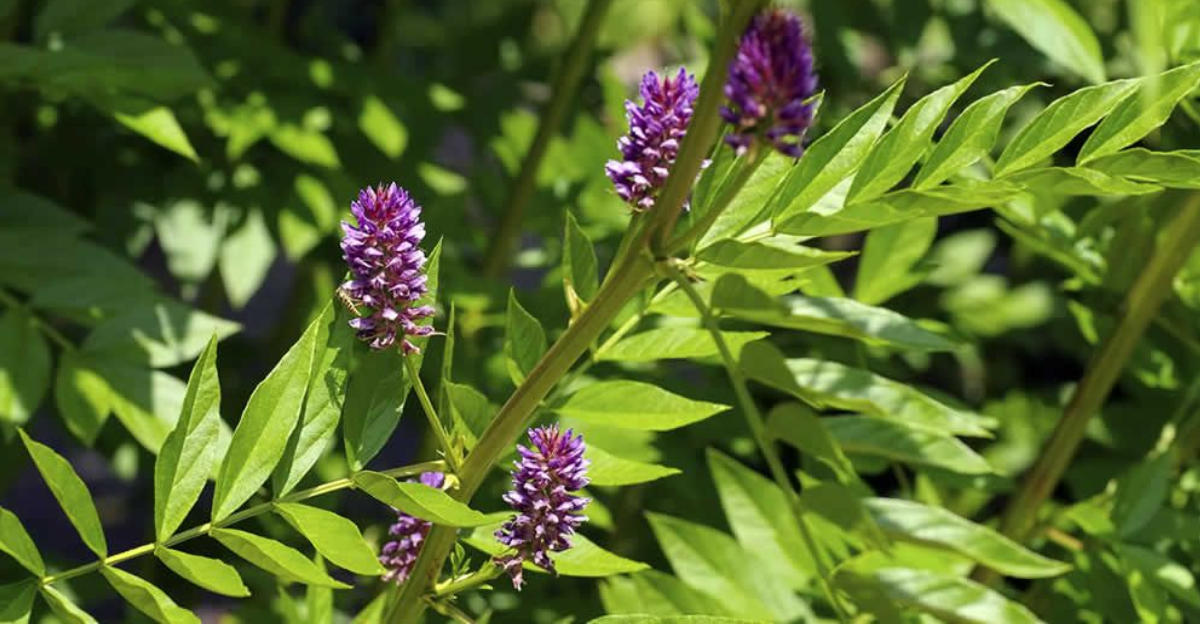

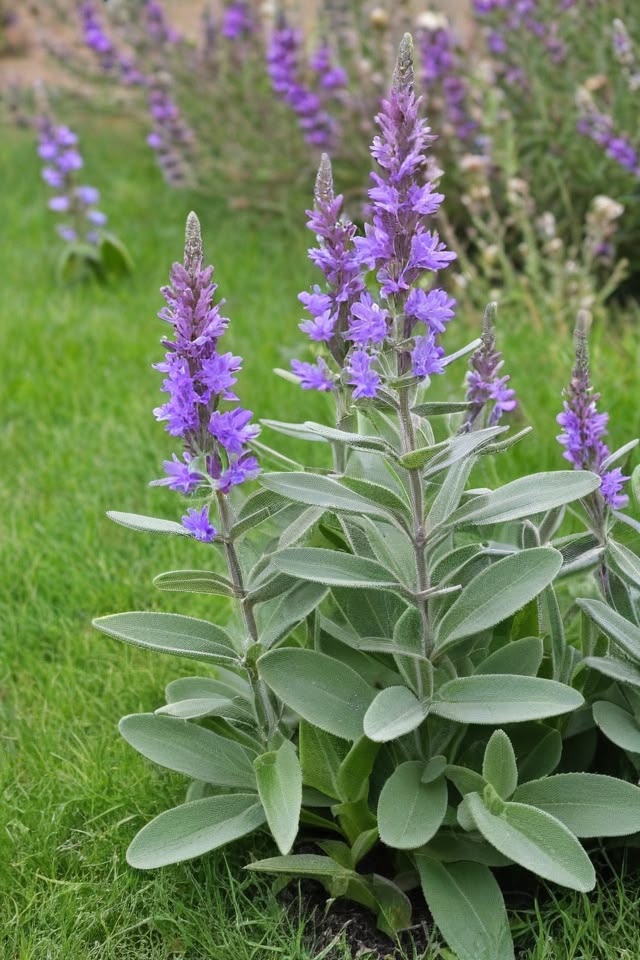








Leave a Reply