Vital Spirit Medica: “From Root to Crown: Healing Body, Mind & Spirit.”


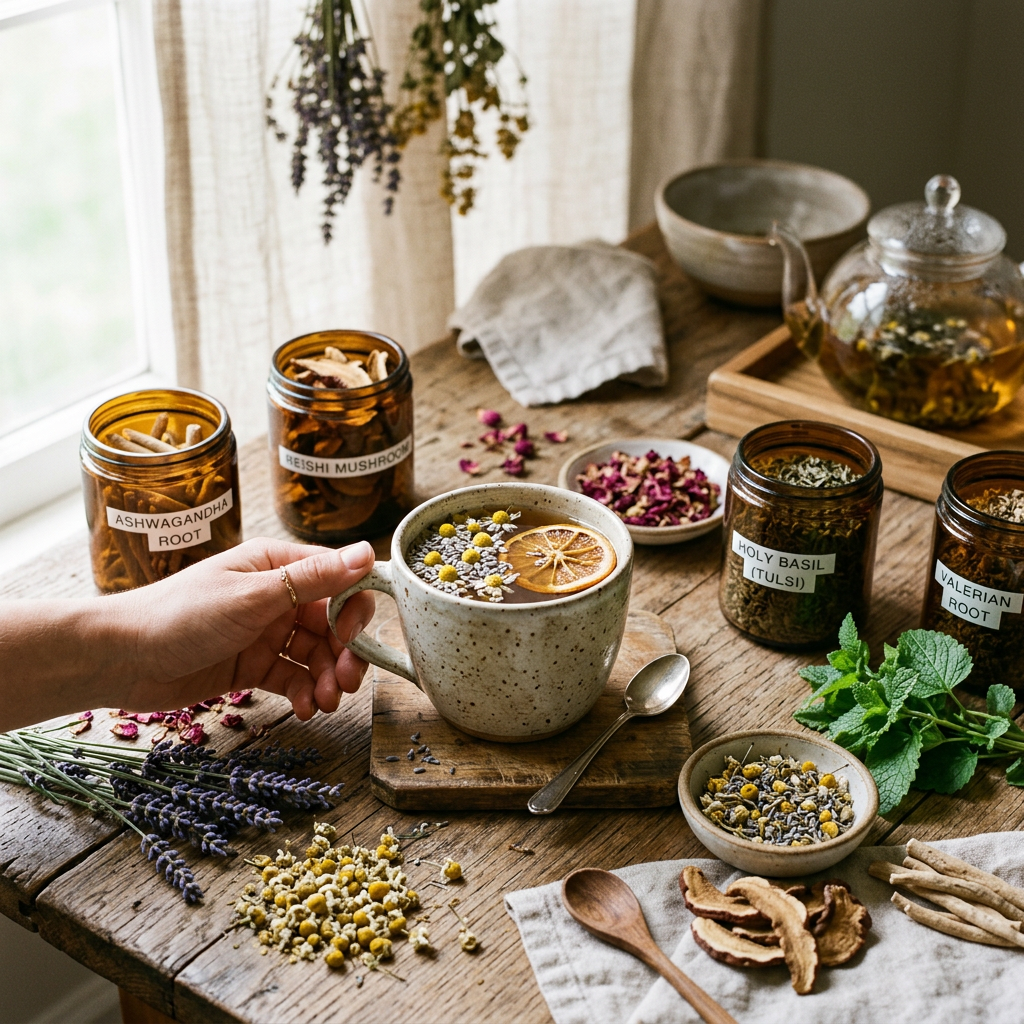
Hand holding a cup of herbal tea with dried chamomile and lemon slice, surrounded by jars labeled Ashwagandha root, Reishi mushroom, Holy basil, and Valerian root

Safe Ways to Use Adaptogens for Stress Relief: A Comprehensive Guide


Adaptogens

Adaptogens are plants, herbs, roots, or mushrooms that are claimed to help the body adapt to stress (physical, chemical, or biological), restore balance (homeostasis), reduce fatigue, and support overall resilience without causing harm at normal doses.

The term was coined in 1947 by Soviet toxicologist Nikolai Lazarev to describe substances that increase “non-specific resistance” to stress, building on Hans Selye’s work on the general adaptation syndrome. Soviet researchers like Israel Brekhman and others further developed the concept in the mid-20th century, studying plants for performance enhancement in demanding conditions (e.g., during WWII and for athletes/cosmonauts). Many have roots in traditional Ayurvedic, Chinese, and Siberian medicine, used for centuries as tonics.

Key Criteria for Adaptogens

To qualify (per classic definitions):

  • Non-toxic at normal doses.
  • Helps the body cope with a wide range of stressors.
  • Normalizes or balances bodily functions (e.g., raises or lowers activity as needed, rather than one-directional stimulation or sedation).

They are thought to interact with the hypothalamic-pituitary-adrenal (HPA) axis, modulating stress hormones like cortisol, and influencing systems like the nervous, endocrine, and immune responses. Mechanisms may include regulating molecular chaperones (e.g., HSP70), JNK1, FOXO transcription factors, nitric oxide, and more.

Note on scientific acceptance: Mainstream pharmacology and regulatory bodies (e.g., FDA in the US, EU) do not officially recognize the “adaptogen” category or approve related marketing claims as proven. Evidence varies—some promising results from animal/preclinical studies and small human trials, but often limited by small sample sizes, short durations, lack of rigor, or mixed outcomes. They are sold as dietary supplements, not drugs.

Common Adaptogens and Their Traditional/Studied Uses

Here are some of the most frequently mentioned ones:

  • Ashwagandha (Withania somnifera): Ayurvedic staple (“Indian ginseng”). Often used for stress/anxiety reduction, sleep support, cortisol modulation, energy, and cognitive function. Some meta-analyses support benefits for stress, anxiety, and sleep at doses like 240–600 mg/day.
  • Rhodiola rosea (Golden root): Siberian/Russian traditional use for fatigue, mental performance, and altitude/stress resilience. Studies suggest anti-fatigue, antidepressant, and cognitive-enhancing effects under stress.
  • Panax Ginseng (Asian/Korean ginseng) and American Ginseng: Traditional energy/fatigue fighters; may support immunity, cognition, and physical endurance.
  • Eleuthero (Siberian ginseng, Eleutherococcus senticosus): Used for stamina, immune support, and stress.
  • Schisandra chinensis: Berry used in Chinese medicine for liver protection, concentration, endurance, and stress.
  • Holy Basil (Tulsi, Ocimum sanctum): Ayurvedic herb for focus, anxiety reduction, immunity, and metabolic balance.
  • Reishi mushroom (Ganoderma lucidum): Immune-modulating, calming; studied for fatigue and overall wellness.
  • Cordyceps: Mushroom for energy, athletic performance, and oxygen utilization.
  • Others: Maca, Astragalus, Bacopa, Licorice root (with caveats), etc.

Many are available as capsules, powders, tinctures, or teas. Blends are common in wellness products.

Potential Benefits (Evidence Summary)

  • Stress, fatigue, and mental performance: Some clinical support for reduced perceived stress/fatigue and improved endurance/attention (e.g., Rhodiola, Schisandra, Ashwagandha). Animal studies show neuroprotective and anti-fatigue effects.
  • Other areas: Possible immune support, antioxidant/anti-inflammatory effects, mood benefits. Limited evidence for broader claims like anti-cancer or major disease treatment.
  • Overall: Promising but not conclusive; best as adjuncts to lifestyle basics (sleep, diet, exercise). Effects may build over weeks and can wane with long-term continuous use—cycling (e.g., <6 months) is sometimes recommended.

Safety, Side Effects, and Considerations

Adaptogens are generally well-tolerated, but not risk-free:

  • Rare side effects: Digestive upset (nausea, diarrhea, constipation), allergic reactions, drowsiness or overstimulation (depending on the herb and timing).
  • Interactions: Can affect blood sugar, blood pressure, thyroid, sleep, or interact with medications (e.g., antidepressants, diabetes drugs, immunosuppressants). Ashwagandha may not suit pregnancy.
  • Quality varies: Supplements aren’t FDA-regulated for efficacy/purity—choose reputable brands with third-party testing.
  • Consult a healthcare provider, especially if you have conditions (hypertension, diabetes, autoimmune issues, etc.) or take meds. Long-term safety data is limited.

Regulation

Treated as dietary supplements in the US (under DSHEA). No specific “adaptogen” approval; claims must be structure/function (e.g., “supports stress response”), not disease-treatment. FDA has issued warnings for unsubstantiated claims. Similar in other regions.

Adaptogens represent an interesting intersection of traditional herbalism and modern stress research, with growing popularity in wellness culture. While they may offer supportive benefits for some people managing mild stress/fatigue, they are not a cure-all or substitute for professional medical advice or foundational health habits. For personalized recommendations, talk to a qualified practitioner. Research continues, particularly on mechanisms and higher-quality trials.


Safe Ways to Use Adaptogens for Stress Relief: A Comprehensive Guide

Adaptogens are herbs, roots, mushrooms, and other plant-derived substances that may help the body adapt to stress by supporting the hypothalamic-pituitary-adrenal (HPA) axis, modulating cortisol, and promoting homeostasis. While promising for stress, fatigue, and resilience, they are dietary supplements—not medications—with varying evidence levels. They work best alongside foundational habits like quality sleep, balanced nutrition, exercise, mindfulness, and social support.

Important Disclaimer: This guide is for informational purposes only and is not medical advice. Consult a healthcare provider before starting adaptogens, especially if you have health conditions, take medications, are pregnant, breastfeeding, or planning pregnancy. Effects and safety vary individually.

1. Choosing the Right Adaptogen(s) for Stress

Select based on your needs (e.g., calming vs. energizing) and start with one to assess tolerance.

  • Ashwagandha (Withania somnifera): Calming; often best for anxiety, cortisol reduction, sleep, and overall stress. Evidence from studies shows benefits at consistent use.
  • Rhodiola rosea: Energizing/anti-fatigue; supports mental performance, burnout, and stress-related fatigue. Best taken earlier in the day.
  • Holy Basil (Tulsi): Balances mood, focus, and immunity; milder calming effects.
  • Schisandra or Reishi: For liver support, calm focus, or immune modulation.
  • Panax Ginseng or Cordyceps: More stimulating for energy and endurance (use cautiously if overstimulation is an issue).

Stacking/Combinations: Many can be combined synergistically (e.g., Ashwagandha + Rhodiola for day/night balance, or Rhodiola + Cordyceps for performance). Start with singles for 2–4 weeks before adding others. Avoid over-stacking to prevent interactions or overstimulation.

2. Forms and How to Take Them

  • Capsules/Tablets: Convenient, precise dosing. Look for standardized extracts (e.g., Ashwagandha with 5% withanolides; Rhodiola with 3% rosavins + 1% salidroside).
  • Powders: Add to smoothies, warm drinks, or food (e.g., golden milk with Ashwagandha).
  • Teas/Tinctures: Traditional; gentler, but dosing can vary.
  • Timing: Calming ones (Ashwagandha) often in the evening; stimulating (Rhodiola) morning or early afternoon. Consistency matters—effects may build over 1–8 weeks.

Always follow product labels and start low. Dosages are for adults; adjust with professional guidance.

  • Ashwagandha: 300–600 mg/day standardized root extract (often divided doses). Higher end (500–600 mg) may show stronger cortisol/stress benefits in studies. Whole root powder: up to 1–6 g/day.
  • Rhodiola rosea: 200–600 mg/day standardized extract.
  • Other examples: Vary widely—e.g., Ginseng 200–400 mg; follow specific product guidance.
  • General Tip: Begin at the lower end for 1–2 weeks, increase gradually while monitoring effects.

4. Best Practices for Safe and Effective Use

  • Start Low and Slow: Assess tolerance and minimize side effects.
  • Quality Matters: Choose third-party tested brands (USP, NSF, or ConsumerLab verified) for purity, potency, and to avoid contaminants (heavy metals, etc.).
  • Cycling: Many experts recommend 6–8 weeks on, followed by 1–2 weeks off (or 5 days on/2 off) to prevent tolerance and maintain effectiveness. Long-term continuous use lacks robust safety data.
  • Lifestyle Integration: Pair with stress-reduction techniques (meditation, yoga, nature time), regular exercise, and a nutrient-rich diet. Adaptogens are supportive, not standalone fixes.
  • Track Your Response: Keep a journal of energy, mood, sleep, digestion, and stress levels.
  • Duration: Short-term (weeks to months) for acute stress; consult a provider for ongoing use.

5. Safety, Side Effects, and Precautions

Adaptogens are generally well-tolerated at recommended doses, but not risk-free.

Common Mild Side Effects (rare, often dose-dependent):

  • Digestive upset (nausea, diarrhea, constipation).
  • Drowsiness or overstimulation.
  • Headaches or allergic reactions.

Serious/Rare Risks: Liver concerns (rare with Ashwagandha), hormonal effects, or interactions.

Key Contraindications and Cautions:

  • Pregnancy/Breastfeeding: Generally avoid most adaptogens (e.g., Ashwagandha may pose risks; consult experts). Some may be considered postpartum with guidance.
  • Interactions: Can affect thyroid meds, blood pressure/sugar drugs, sedatives, immunosuppressants, or antidepressants. Check with a pharmacist/doctor.
  • Conditions: Caution with autoimmune diseases, hypertension, diabetes, hormone-sensitive issues, or bipolar (stimulating ones).
  • Surgery: Stop before procedures due to potential blood sugar/pressure effects.

If side effects occur, discontinue and seek medical advice.

6. Monitoring and When to Seek Professional Help

Re-evaluate after 4–8 weeks. If stress persists or worsens, prioritize therapy, lifestyle changes, or medical evaluation. Adaptogens do not replace treatment for clinical anxiety, depression, or adrenal issues.

Final Tips for Success

  • View adaptogens as one tool in a holistic toolkit.
  • Combine with evidence-based stress management.
  • Prioritize sleep (7–9 hours), movement, and nutrition.
  • Be patient—benefits are often subtle and cumulative.

By approaching adaptogens mindfully—with quality products, proper dosing, cycling, and professional oversight—you can explore their potential for supporting stress resilience safely. Research continues to evolve, so stay informed through reputable sources like the NIH Office of Dietary Supplements or peer-reviewed studies. Always listen to your body.


Adaptogens & Nervous System Support

Plants that help the body adapt to stress, restore balance, and support cognitive function, emotional well-being, and long-term resilience. These gentle yet powerful allies work with the nervous and endocrine systems to build vitality rather than just masking symptoms.

Reishi Mushroom – The “Mushroom of Immortality”; a premier immune modulator and longevity tonic that promotes calm endurance and deep restorative sleep.

Lion’s Mane Mushroom – Nature’s neural nutrient, renowned for supporting cognitive function, nerve regeneration, focus, and mental clarity.

Ashwagandha – Ancient Ayurvedic root that builds stress resilience, supports healthy thyroid function, and promotes restful sleep.

Holy Basil (Tulsi) – Sacred adaptogen that balances stress hormones, uplifts mood, and clears mental fog while supporting spiritual clarity.

American Ginseng – Cooling adaptogen that provides steady energy, strengthens immunity, and promotes calm, centered focus without overstimulation.

Vervain – Gentle nervine traditionally used to ease anxiety, nervous tension, and emotional exhaustion.

Licorice – Soothing adrenal and digestive supporter that harmonizes energy and helps the body recover from prolonged stress.


Exploring Kava (Piper methysticum): Origins, Benefits, and Uses

Pharmacology::

Kavalactones, the primary lipophilic α-pyrones in kava roots, enhance GABA-A receptor binding at sites distinct from benzodiazepines, increasing chloride influx and promoting inhibitory neurotransmission that underlies anxiolytic and sedative effects without heavy cognitive depression.

Key compounds such as kavain and dihydrokavain inhibit voltage-gated sodium and calcium channels, contributing to muscle relaxation, anticonvulsant activity, and…

Sage (Salvia officinalis)

Sage (Salvia officinalis) is rich in rosmarinic acid, thujone, camphor, and 1,8-cineole, delivering clinically studied benefits for cognitive function, menopausal vasomotor symptoms, metabolic health, and oral hygiene. Its essential oil and standardized extracts demonstrate strong antioxidant, antimicrobial, and neuroprotective activity. Once called “Sage the Savior,” this Mediterranean herb remains a cornerstone of evidence-informed herbal practice…

Lavender (Lavandula angustifolia)

Lavender (Lavandula angustifolia) is the quiet breath of peace in the plant kingdom. With its narrow silver-green leaves and fragrant purple spikes, it carries the living spirit of purification, protection, and profound relaxation. From Egyptian mummification rites to Virgin Mary legends, Roman baths to modern clinical trials, Lavender (Lavandula angustifolia) has consistently served as a…

“How Psilocybin Works in the Brain – Latest Research”

Psilocybin is a naturally occurring psychedelic compound found in certain mushrooms (often called “magic mushrooms”). It acts primarily as a prodrug that is rapidly converted in the body to its active metabolite, psilocin. This conversion occurs mainly via dephosphorylation by alkaline phosphatase in the gut, liver, and kidneys. Psilocin is a serotonergic agonist with high…

Exploring the Healing Power of Peyote: Lophophora williamsii

Peyote (Lophophora williamsii) is best understood as a Spiritual-Entheogenic Teacher Plant with profound holistic applications. Its healing power is primarily ceremonial and consciousness-based rather than everyday herbal tonic-style medicine. The most transformative effects typically emerge within proper ritual or guided therapeutic contexts that honor its sacred nature.

Blue Lotus (Nymphaea caerulea): Discovering its Mystical Properties and Uses

Blue Lotus (Nymphaea caerulea), known as the Sacred Blue Lily of the Nile, stands as one of humanity’s oldest revered botanical treasures. Celebrated in Egyptian temples and tombs for over 3,000 years, this aquatic beauty offers a rare combination of calming, euphoric, and spiritually uplifting qualities. Today it remains a treasured ally for relaxation, emotional…


Discover more from Vital Spirit Medica: “From Root to Crown: Healing Body, Mind & Spirit.”

Subscribe to get the latest posts sent to your email.


✨IF YOU ARE INTERESTED IN SHARING YOUR WILDCRAFTING, GARDENING, PLANT FINDS, OR YOUR WELLNESS JOURNEY WITH US…
EMAIL YOUR STORIES, IMAGES, AND VIDEOS TO✨

vitalspiritmedica@gmail.com


If You Made It This Far, Thank You For Visiting!


Leave a Reply

Your email address will not be published. Required fields are marked *


← Back

Thank you for your response. ✨

Rate your experience(required)


Are you up for the challenge?


Psilocybin Mushrooms: Nature’s Healing Secrets

Psilocybin Mushrooms are multifaceted healers that work on the physical, emotional, mental, and spiritual levels. Their natural compounds promote neuroplasticity, reduce inflammation in the brain, and facilitate deep emotional processing. In traditional indigenous systems, they are used for soul retrieval, trauma resolution, and community healing. Today, they are studied for their ability to foster lasting improvements in mood, creativity, and sense of meaning. Gentle yet transformative, Psilocybin Mushrooms invite profound reconnection with self, others, and…

READ MORE

Vitex Agnus-Castus: A Natural Hormonal Balancer

Vitex Agnus-Castus, commonly known as Chasteberry or Monk’s Pepper, is a Mediterranean shrub revered for over 2,500 years for its ability to balance female reproductive hormones. Through dopaminergic activity that gently lowers prolactin and supports progesterone, it has become one of the most well-studied herbs for PMS, cyclical mastalgia, irregular cycles, and menopausal transition. Rich in flavonoids, diterpenes, and iridoid glycosides, it serves as a bridge between ancient women’s wisdom and modern phytotherapy.

READ MORE

🌿Hawthorn (Crataegus): Nature’s Heart Tonic Explained

Hawthorn (Crataegus) — May Tree, Holy Thorn, and Keeper of Boundaries — carries the living pulse of the land itself. With thorns that fiercely protect and flowers that tenderly open, this remarkable plant has walked beside humanity for millennia, healing hearts, nourishing spirits, and guarding the threshold between worlds. Whether used as medicine, magic, or sacred ally, Hawthorn (Crataegus) teaches us to bloom courageously even in the harshest seasons.

READ MORE

Ivy (Hedera helix) Therapeutic Benefits: A Deep Dive into Its Uses

Western Traditional & Clinical Actions: Primarily expectorant, mucolytic, bronchodilatory, and antispasmodic for respiratory catarrh, cough, and bronchitis. It thins mucus and eases a productive cough. Additional actions include mild anti-inflammatory, antimicrobial, and topical uses for skin conditions or cellulite. German Commission E approves it for chronic inflammatory bronchial conditions. Traditional & Historical Uses: Ancient Greeks and Romans used ivy for wreaths (Bacchus/Dionysus associations, believed to prevent intoxication), topical applications for wounds/burns, and internal remedies for…

READ MORE

The Power of Ashwagandha (Withania somnifera): Benefits and Uses

Meet Ashwagandha (Withania somnifera) — the ancient Ayurvedic treasure often called Indian Ginseng. This hardy desert shrub carries a unique dual gift for our plant medicine cabinet: it energizes when you are weary and calms when you are overwhelmed. Through its rich withanolides and time-honored Rasayana wisdom, Ashwagandha (Withania somnifera) helps rebuild Ojas (vital essence), supports restful sleep, balances stress hormones, and anchors the spirit with quiet, grounded strength.

READ MORE

Exploring American Ginseng Benefits: A Complete Guide

Ginseng (Panax quinquefolius), also known as American ginseng, is a medicinal herb native to eastern North America, valued for its cooling properties and unique ginsenosides. Recognized for adaptogenic, antioxidant, and immune-supporting effects, it has diverse applications in traditional and modern medicine, while advocating sustainable harvesting practices is crucial for its conservation.

READ MORE

Discover Holy Basil: Tradition Meets Modern Science

Native to the Indian subcontinent and widely cultivated across tropical and subtropical regions, Holy Basil (Ocimum sanctum) is cherished in Ayurveda, Siddha, Unani, and Hindu traditions as a rasayana (rejuvenative) herb and living embodiment of the Goddess Tulasi. Its warm, pungent, clove-like leaves and stems are rich in eugenol, rosmarinic acid, ursolic acid, and other potent bioactives that give it remarkable adaptogenic, anti-inflammatory, antioxidant, antimicrobial, and immunomodulatory properties.

READ MORE

Licorice (Glycyrrhiza glabra): Ancient Sweet Root Benefits, Uses & Spiritual Wisdom

Licorice (Glycyrrhiza glabra) is a perennial herb celebrated for its sweet roots and extensive medicinal properties, influencing cultures for over 5,000 years. It thrives in well-drained soils and is documented in ancient Egyptian, Greek, and Chinese texts for treating respiratory and digestive issues. Its roots contain glycyrrhizin, contributing to antioxidant, anti-inflammatory, and antimicrobial effects. In modern herbalism, licorice is used as a demulcent and adaptogen, supporting adrenal function and soothing mucous membranes. While beneficial, high…

READ MORE

Purple Deadnettle: Benefits, Uses, and Scientific Insights

Western Traditional & Clinical Actions: Astringent, diuretic, diaphoretic, purgative (mild laxative), anti-inflammatory, antibacterial, antifungal, and styptic (stops minor bleeding). It supports wound healing, reduces inflammation, and acts as a mild tonic for urinary and respiratory support.

READ MORE

Health Benefits of Ceylon Cinnamon Explained

Contemporary Medical Applications:

Cinnamomum Verum extracts and powders are clinically applied as adjunctive therapy for type 2 diabetes management, with doses of 1–3 g daily demonstrating reductions in fasting blood glucose, HbA1c, and improvements in insulin sensitivity in randomized controlled trials, particularly beneficial for patients with metabolic syndrome.

Standardized hydroalcoholic bark extracts (such as TAPP-CZ-IND02) show promise in alleviating symptoms of allergic rhinitis, including rapid reduction in nasal congestion, itchy eyes, and pruritus within 24…

READ MORE

Lactuca virosa: A Guide to Medicinal Uses

In Western herbalism, Lactuca virosa acts primarily as a nervine relaxant, mild sedative, hypnotic, analgesic, and antispasmodic. It has been used for nervous irritability, insomnia, restlessness (including in children), anxiety, tension headaches, muscular pain, irritable cough, and mild pain relief as a gentler alternative to opium. It is considered cooling and grounding, helping with overactive nervous system states without strong narcotic effects.

Ancient and historical uses date back centuries, with the latex (lactucarium) employed in…

READ MORE

How to Detect and Counter Psychological Operations

What is a Psyop and Why Does It Matter?

A psychological operation, or psyop (often stylized as PSYOP or PSYOPS), is a planned effort to convey selected information and indicators to target audiences—typically foreign governments, organizations, groups, or individuals—to influence their emotions, motives, objective reasoning, and ultimately their behavior in ways that align with the originator’s objectives. This definition draws from U.S. military doctrine, where psyops are seen as a non-lethal tool in the spectrum…

READ MORE

A Gentle Guide to Riding the Current Cosmic Wave

Good morning, friend.

Right now, our Sun is especially lively—sending waves of energy through our solar system after the recent eclipse. You might have noticed sleep shifting, emotions rising quickly, or intuition speaking a bit louder. It can feel personal, like the whole sky is whispering directly to you. And in a way, it is.

These solar pulses don’t just pass through the atmosphere; they touch our bodies, nervous systems, and inner worlds. Some days…

READ MORE

Forgotten Food #2: Acorns

Earliest Evidence: The oldest known food-processing tool in Europe is a 32,000-year-old grinding stone from Grotta Paglicci cave in Italy, used for acorns. In Morocco’s Taforalt caves (around 12,000 BC), acorn shells were so abundant that they were deemed a year-round staple. This predates the domestication of cereals, with acorn use traced back to 700,000 years ago in Paleolithic sites.

Ancient Civilizations: In Ancient Greece, acorns were called the “food of invincible men” and were…

READ MORE

Groundnut (Apios americana)

Groundnut tubers are utilized in modern herbal practices for metabolic support, often prepared as capsules or extracts standardized to isoflavone content, aiding in blood sugar regulation and anti-inflammatory effects, with recommended dosages of 500-1000 mg daily for adults based on preclinical evidence showing efficacy in reducing hyperglycemia without reported adverse effects in short-term use.

In integrative medicine, groundnut flower extracts are applied topically or ingested as tinctures for skin health and wound healing, leveraging their…

READ MORE

The Power of Forgiveness in Turbulent Times

Forgiveness isn’t weakness or denial; it’s a deliberate refusal to let violence recruit more violence by mirroring it. It allows us to say: “No more harm,” with clear boundaries and firm consequences, while still recognizing souls on both sides of the pain.

READ MORE

Uva Ursi: Nature’s Urinary Support Herb

Pharmacology:

The primary mechanism of Uva Ursi involves the hydrolysis of arbutin into hydroquinone in alkaline urine, which exerts potent antibacterial effects against pathogens like Escherichia coli and Staphylococcus, inhibiting bacterial adhesion and proliferation in the urinary tract to prevent and treat infections.

Tannins in Uva Ursi contribute to its astringent properties, contracting tissues and reducing inflammation in mucous membranes, which helps alleviate symptoms of cystitis and urethritis by forming a protective barrier and decreasing…

READ MORE

Angelica

Angelica archangelica root extracts are incorporated into multi-herbal formulations like Iberogast (STW 5), a standardized preparation used clinically for functional dyspepsia and irritable bowel syndrome, where it contributes to symptom relief by modulating gastric motility, reducing spasms, and alleviating bloating through synergistic interactions with other botanicals such as peppermint and caraway; clinical trials involving over 1,200 patients have demonstrated superior efficacy over placebo in resolving abdominal pain and improving overall gastrointestinal function when administered at…

READ MORE

Amaranth (Amaranthus hypochondriacus)

Unlocking Amaranth’s Health Benefits: Amaranth is rich in bioactive compounds, including phenolic acids (e.g., ferulic, caffeic, vanillic), flavonoids (e.g., rutin, isoquercetin), betalains (betacyanins and betaxanthins giving red pigmentation), saponins, tannins, squalene (high in seed oil), and vitamins (high in C, A, E, and minerals like calcium, iron). These contribute to strong antioxidant, anti-inflammatory, and hypocholesterolemic effects.

Amaranth was a staple grain in Aztec, Mayan, and other Mesoamerican cultures, dating back over 7,000 years. Seeds were ground…

READ MORE

Slippery Elm (Ulmus rubra)

Western Traditional & Clinical Actions In Western herbalism, slippery elm is a classic demulcent, emollient, nutritive, and mild astringent. It coats and soothes inflamed mucous membranes, supports digestion, and is used for sore throats, coughs, gastrointestinal irritation (e.g., ulcers, IBS, diarrhea/constipation), and topically for skin wounds or rashes. It is generally recognized as safe (GRAS) and valued as a gentle remedy for convalescence.

READ MORE

Marshmallow (Althaea officinalis)

Discover Marshmallow Root: Remedies for Health and Wellness:

As a nutritional supplement in powder or capsule form, Althaea officinalis supplies polysaccharides and flavonoids that support immune function and reduce oxidative stress, ideal for inclusion in daily regimens for metabolic health, with 500-1000 mg doses aiding in blood sugar regulation and anti-inflammatory nutrition.

In functional food recipes, the root powder is added to smoothies and soups as a thickener rich in vitamins A, C, and B-complex,…

READ MORE

The Healing Power of Vervain

Herbal Actions of Vervain (Verbena officinalis)

**Nervine relaxant** – Calms the nervous system, eases tension, anxiety, and over-excitement without heavy sedation; traditionally prized for soothing “over-enthusiastic” or stressed individuals. – **Mild antidepressant** – Supports emotional balance and lifts melancholy, historically used for nervous exhaustion and depressive states. – **Antispasmodic** – Relaxes muscular and nervous spasms, beneficial for tension headaches, menstrual cramps, and irritable bowel symptoms. – **Bitter tonic** – Stimulates digestion by increasing bile…

READ MORE

*Yarrow

Herbal Actions: Astringent and hemostatic (stops bleeding) Anti-inflammatory and antispasmodic Diaphoretic (promotes sweating) Diuretic, carminative, and bitter tonic Vulnerary (wound-healing) and antimicrobial Phytochemistry: Rich in essential oils (1,8-cineole, camphor, achillicin), flavonoids (apigenin, luteolin, quercetin), sesquiterpene lactones (leucodin, achillin), phenolic acids (chlorogenic, caffeoylquinic), and alkaloids (achilleine). These contribute to its bioactivities, with variability by habitat and chemotype.

READ MORE

*Dandelion

Functional Foods and Nutrition: Dandelion-infused oils and vinegars function as dietary condiments to aid fat digestion and mineral absorption, leveraging phenolic acids for antioxidant protection, integrated into modern functional diets based on ancient Greek and Roman records for enhanced meal nutrition. Dandelion leaves are incorporated into functional salads and greens as a nutrient-dense food source rich in vitamins A, C, and K, and minerals like potassium and iron, supporting immune function and bone health, with…

READ MORE

🎄Holly

As the winter solstice fades and Christmas lights flicker on, few plants evoke the season’s magic quite like Holly (Ilex aquifolium). With its glossy, spiny leaves and crimson berries, holly adorns wreaths, mantels, and holiday cards worldwide. However, beneath its festive façade lies a story of contrast: in modern medicine, holly has largely retreated to an ornamental role, its therapeutic potential overshadowed by limited evidence and concerns about toxicity. Yet in the realms of folklore,…

READ MORE

Forgotten Food #1: Groundnut (Apios americana)

This is a gut-punch of a tale—equal parts inspiring resilience and infuriating erasure. It’s a microcosm of how colonialism didn’t just steal land but systematically dismantled Indigenous food sovereignty, replacing regenerative systems (like nitrogen-fixing perennials in polycultures) with extractive ones that lock us into chemical dependency. The 1654 law? Straight-up resource piracy, dressed as “progress,” ensured Natives couldn’t sustain themselves on stolen soil. And the Irish Famine rejection? A tragic irony—Europeans tested a famine-proof crop…

READ MORE

Monthly Symptoms Herbal Recipe Guide

Monthly Symptoms Herbal Recipe Guide March to August… These recipes draw from traditional herbalism, seasonal availability, and the supportive style of Vital Spirit Medica’s existing guides. They emphasize accessible, multi-use plants for homestead apothecaries. Experiment mindfully, document your experiences, and share observations (email vitalspiritmedica@gmail.com).

Stay cool, hydrated, and connected to the green allies this summer. 🌿☀️ Questions or custom blends? Reach out—we evolve together.

READ MORE

Ancient Healing and Big Pharma: A Historical Timeline

Act I: The Ancient Symphony of Healing Picture a world where the earth was the first healer, her secrets whispered to those who listened. Long before ink met papyrus, our ancestors—Paleolithic wanderers some 60,000 years ago—were already tuning into nature’s pharmacy. Archaeological digs reveal traces of opium poppies, ephedra, and cannabis in ancient burials, hinting at a primal bond with plants. Neanderthals chewed chamomile and yarrow, their dental calculus spilling secrets of herbal know-how. Even…

READ MORE

Elecampane

Elecampane (Inula helenium) possesses a wide range of herbal actions, including expectorant, antitussive, diaphoretic, bactericidal, antispasmodic, alterative, stimulant, and tonic effects. It is particularly noted for its ability to act as a stimulating expectorant, helping to loosen and expel thick mucus from the respiratory tract. Its antispasmodic properties relax bronchial muscles, making it useful in conditions like asthma and bronchitis where bronchial constriction is present. The herb is also described as a bronchospasmolytic, aiding in…

READ MORE

Something went wrong. Please refresh the page and/or try again.

Translate »