
Discover the Remarkable Purple / Red Deadnettle (Lamium purpureum) Benefits, Uses, and Spiritual Properties
👈Note on This Monograph:👇
Note on This Monograph: This extensive entry uses the “full 8-part structure”, offering a deep, interdisciplinary exploration of Purple / Red Deadnettle (Lamium purpureum)— weaving together modern scientific evidence, traditional and ethnobotanical wisdom, practical cultivation and preparation guidance, and its living spiritual essence. Drawing from clinical studies, historical texts, indigenous knowledge, and esoteric traditions, it serves as a comprehensive resource for holistic understanding and respectful relationship with this powerful plant ally. Please work with trained professionals for therapeutic applications.
“Our Commitment to Transparent Research”
Unlike many herbal resources that offer generalized information with little or no backing, we provide direct links to every source we reference. This allows you to verify claims, explore topics in greater depth, and trust that what you’re reading is grounded in both modern science and time-honored tradition.
Section-specific Sources lists
Most monographs include dedicated “Sources:” sections at the end of major topics (e.g., Sources: Phytotherapy, Sources: Historical and Cultural Significance, Sources: Pharmacology). These contain direct, clickable links to the original material. We created this level of transparency so the research can serve you. Here are some ways readers use our sourced monographs: Anyone seeking truth — Verify claims for yourself instead of taking information at face value. Students & Researchers — Use the references for papers, assignments, or deeper study. Herbalists & Practitioners — Cite sources when educating clients or in professional materials. Curious Explorers — Follow the links to read original studies or historical texts yourself. Writers & Educators — Reference our monographs (with attribution), knowing the information is traceable.

“AT A GLANCE”
One of the first vibrant signs of spring, Purple / Red Deadnettle (Lamium purpureum) is far more than a common “weed.” This resilient maiden herb, also known as Purple Archangel, offers a powerful blend of nutritional, medicinal, ecological, and spiritual gifts. From its gentle astringent and allergy-supporting properties to its cheerful magickal energy and role as an early-season pollinator plant, Purple / Red Deadnettle (Lamium purpureum) benefits, uses, and spiritual properties make it a true superfood weed and cherished ally in holistic healing. Rising from disturbed soils with square stems and distinctive purple-tinged tops, this humble Lamiaceae family member has been valued for centuries in European folk medicine, foraging traditions, and esoteric practices. Whether you seek a nutritious spring tonic, a natural first-aid remedy, or a plant ally for joy and resilience, Purple / Red Deadnettle stands ready to support body, mind, and spirit.

Provides an overview of key points.
👈At A Glance
Purple / Red Deadnettle (Lamium purpureum) is a common, edible, and medicinally useful annual herb in the mint family (Lamiaceae). It is often foraged as a nutritious early-spring green and mild remedy. Always capitalize the first letter of the plant name as requested.
Botanical Description
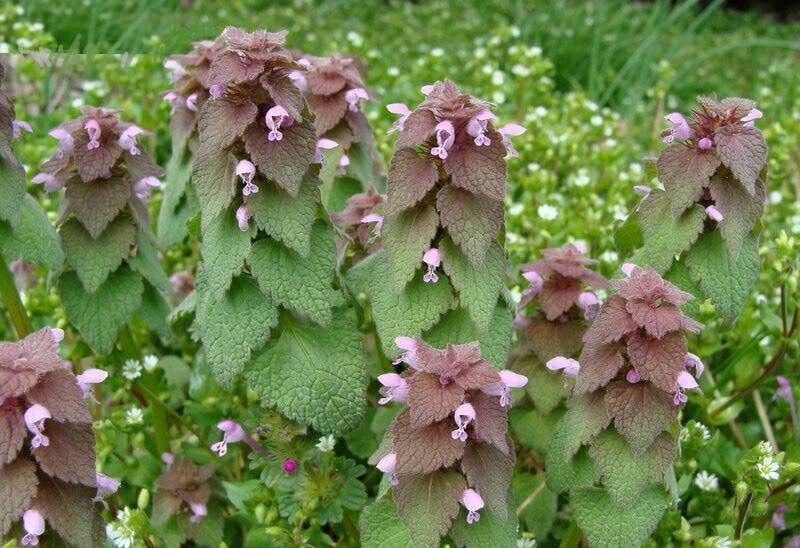
Lamium purpureum is an annual herbaceous flowering plant, typically 10–30 cm tall, with square stems characteristic of the mint family. The leaves are opposite, heart-shaped to triangular, coarsely toothed (crenate-dentate), and often tinged with purple or reddish hues toward the top of the plant, especially the upper bracts surrounding the flowers. The flowers are small, tubular, two-lipped, pinkish-purple to reddish, arranged in whorls at the upper leaf axils. It has a fibrous root system and produces small nutlet seeds.
Habitat: Disturbed soils, gardens, lawns, fields, roadsides, and waste areas. Native to Europe, western Asia, and North Africa; widely naturalized in North America and elsewhere. It thrives in full sun to partial shade and moist, fertile soils, but tolerates a range of conditions. It is one of the earliest spring bloomers, sometimes flowering as early as January in milder climates.
Taxonomy: Kingdom Plantae, Family Lamiaceae, Genus Lamium. It is not a true nettle (no stinging hairs), hence “deadnettle.”
Phytochemistry
Key compounds include phenylethanoid glycosides (e.g., lamiusides A–E), flavonoids, essential oils rich in germacrene D, and a unique fatty acid in the seeds called lamenallenic acid. It also contains antioxidants, iridoids, and other polyphenols contributing to its bioactivity.
Western Traditional & Clinical Actions
Astringent, diuretic, diaphoretic, purgative (mild laxative), anti-inflammatory, antibacterial, antifungal, and styptic (stops minor bleeding). It supports wound healing, reduces inflammation, and acts as a mild tonic for urinary and respiratory support.
Chinese Medicine Actions
Limited specific documentation for Lamium purpureum in classical TCM; related Lamium species or folk uses in Chinese medicine involve treating fractures, trauma, hypertension, leucorrhoea, and gynecological issues like menorrhagia. General actions align with clearing heat, reducing inflammation, and supporting blood or trauma resolution, though it is not a primary TCM herb.
Traditional & Historical Uses
In European folk medicine (including Anglo-Saxon traditions), it featured in charms against sudden pain and was used as a poultice for wounds, to staunch bleeding, and as a diuretic. Nicholas Culpeper noted it “makes the head merry, drives away melancholy.” Indigenous and settler uses in North America emphasize it as a nutritious edible and topical remedy for skin issues.
Modern Pharmacological Evidence
Studies show antioxidant and free radical scavenging activity from phenylethanoid glycosides. Anti-inflammatory and antinociceptive (pain-reducing) effects in animal models. Antimicrobial properties against bacteria and fungi. It supports potential use for allergies due to flavonoid content that may stabilize mast cells.
Clinical Studies
Human clinical data is limited compared to related species. It is primarily used based on traditional evidence and in vitro/animal studies. One older review notes genus-wide activities, but specific large-scale trials for L. purpureum are sparse.
Preparations & Dosage
- Tea/Infusion: 1–2 tsp dried herb per cup, steeped 10–15 min; 1–3 cups daily.
- Tincture: 2–5 mL (about 40–100 drops) of fresh or dried herb tincture, 2–3 times daily.
- Topical: Fresh leaves as a poultice for wounds/bruises; infused oil or salve for skin irritation.
- Edible: Young leaves and tops in salads, pestos, or cooked greens (hairy texture improves when cooked).
Safety & Contraindications
Generally considered safe as a wild edible and mild herb. No major known drug interactions for this species (related Lamium album has none documented). Avoid excessive use if pregnant or breastfeeding due to limited data. Possible mild laxative effect. Harvest from clean areas away from pesticides.
Cultivation & Harvest
Easy to grow from seed; self-sows readily as a weed. Prefers disturbed, fertile soil. Harvest young tops and leaves in early spring before flowering for the best edibility and potency. Sustainable hand-harvesting; it is abundant and not at risk of overharvest in most areas.
Commercial Products
Available as dried herb, teas, tinctures, or salves from herbal suppliers. Often foraged rather than commercially farmed due to its weedy nature. Not a major standardized extract like some pharmaceuticals.
Ethnobotanical Curiosities
Called “Purple Archangel” in folklore; associated with cheerfulness and heart-merrying qualities. In some traditions, it symbolizes resilience as an early spring pioneer plant.
Recent Research (2020–2025)
Focus remains on antioxidant and anti-inflammatory compounds. Broader Lamium genus studies continue exploring phenylethanoids for potential therapeutic applications. Limited new human trials specifically on L. purpureum, but interest in Lamiaceae for antimicrobial resistance and sustainable foraging persists.
Conservation Status
Not of conservation concern; it is widespread, naturalized, and often considered a common weed or invasive in some regions outside its native range. Abundant and supports early-season pollinators.
DIY Recipes
Purple Deadnettle Tea: Steep fresh or dried leaves in hot water for a diuretic, nutrient-rich spring tonic (high in vitamins A and C, iron).
Allergy or Skin Salve: Infuse leaves in oil, then blend with beeswax; apply to minor irritations, bug bites, or rashes.
Pesto: Blend young tops with garlic, nuts, oil, and cheese for a nutritious wild green pesto.
Poultice: Chew or crush fresh leaves and apply to cuts or stings to stop bleeding and reduce inflammation.
X (Twitter) Snapshot – Nov 2025
Discussions often highlight foraging, spring edibles, and sustainable uses. Posts frequently cover herbal projects promoting wild plant knowledge, garden conservation, and advocacy for natural remedies, with Purple Deadnettle praised as an easy backyard ally for allergies and nutrition.
This plant is a versatile, beginner-friendly foraged herb blending nutrition and gentle medicine. Consult a qualified herbalist or healthcare provider for personalized use, especially for therapeutic applications.
👈Planting & Harvesting Reference Guide
Planting & Cultivation
- Purple / Red Deadnettle (Lamium purpureum) grows readily from seed as a winter annual.
- Sow seeds in fall for overwintering rosettes that establish before spring.
- Sow in early spring for quick establishment in the current season.
- Prefers disturbed or cultivated ground, full sun to partial shade, and various soil types (clay, loam, sand).
- Requires minimal inputs; low-maintenance and self-seeding once established.
- Ideal for homestead, permaculture, regenerative, or biodynamic systems as a companion or cover plant.
- Succession planting or allowing natural self-seeding supports a continuous supply while managing spread.
Harvesting
- Harvest young flowering tops (first 5–10 cm) in early spring when tender and at peak potency.
- Best window: Imbolc through Ostara (late winter to mid-spring), continuing through peak flowering.
- Harvest from clean, unsprayed sites away from roads or contamination.
- Preferred method: Harvest by hand (gentle pull or snip) to leave roots intact for regrowth and pollinator support.
- Take only what is needed; always leave plenty for bees, self-seeding, and the plant’s resilience.
- For medicinal or magical potency: Harvest at peak flowering when phenolic and iridoid content is highest.
Magical & Intentional Practices
- Harvest on Wednesday mornings (Mercury day) under a waxing or full moon for uplifting energy.
- Approach with gratitude: Sing or whisper thanks; offer tobacco, honey, a coin, or spoken intention to the earth.
- Dry on screens in a sacred space with open windows (airy breezes) or a low-heat dehydrator.
- Store in jars with clear quartz or a written petition for joy/resilience, away from direct light.
- Charge harvested material under sunlight to harness spring-renewal vibration.
General Tips
- Purple / Red Deadnettle (Lamium purpureum) thrives as a ruderal pioneer — ideal for disturbed areas, gardens, lawns, and edges.
- Supports pollinators (especially early bumblebee queens) — always leave flowering patches untouched when possible.
- Mindful wildcrafting preserves its role in soil stabilization, erosion control, and biodiversity.
This consolidated guide brings together all planting, wildcrafting, cultivation, and intentional harvesting details from our full Purple / Red Deadnettle (Lamium purpureum) SPARK entry for quick reference. 🌿

Part 1: Modern Medical Properties and Uses

Purpose: Highlights the plant’s scientific and medicinal properties, validating holistic healing with evidence-based data.
Contemporary Medical Applications:
Describes current clinical uses (e.g., capsules, tinctures) and delivery methods in modern medicine.
👈Contemporary Medical Applications:
Contemporary Medical Applications:
- Purple Deadnettle (Lamium purpureum) serves as an astringent and styptic herb, with bruised fresh leaves or prepared poultices applied topically to minor wounds, cuts, and abrasions to staunch bleeding and promote tissue repair through vasoconstrictive and haemostatic actions.
- The aerial parts, including leaves and flowers, function as a mild diuretic when prepared as herbal infusions or teas, supporting urinary tract health and fluid balance in traditional and contemporary herbal practice.
- Its anti-inflammatory properties support topical use in salves or infused oils for soothing irritated, itchy, or dry skin conditions, as well as potential relief from joint discomfort or minor inflammatory issues when used externally.
- As a diaphoretic, infusions of the plant may aid in inducing mild perspiration to support fever management and detoxification processes during seasonal respiratory challenges.
- Antimicrobial and antifungal qualities of the plant allow incorporation into topical preparations, such as salves, to address minor bacterial or fungal skin concerns while providing a gentle, natural barrier.
- The herb acts as a gentle purgative in moderate internal use, contributing to digestive support, though caution is advised due to potential laxative effects at higher doses.
- In some practices, it supports women’s health applications, including easing heavy menstrual flow, owing to its astringent and tonifying effects on mucous membranes.
Sources: Contemporary Medical Applications
Sources:
https://chestnutherbs.com/purple-dead-nettle/
https://wiredhomestead.com/medicinal-properties-of-purple-dead-nettle
https://melissaknorris.com/purple-dead-nettle-foraging-medicinal-and-cooking-guide/
https://www.pattiwigington.com/the-magic-of-purple-deadnettle/
https://centennialroots.com/purple-dead-nettle-medicinal-benefits-uses/
https://en.wikipedia.org/wiki/Lamium_purpureum
https://pmc.ncbi.nlm.nih.gov/articles/PMC6571824/
Pharmacology:
Outlines key compounds and their mechanisms of action, driving therapeutic effects.
👈Pharmacology:
Pharmacology:
- Key compounds such as flavonoids (including quercetin) and phenolic acids contribute to antihistamine-like effects by modulating histamine release, supporting its traditional role in seasonal allergy management.
- Iridoid glucosides and phenylpropanoid glycosides present in the aerial parts exhibit anti-inflammatory activity, demonstrated in animal models through inhibition of edema in carrageenan- and PGE2-induced paw inflammation tests.
- Volatile oils and essential oil components, including germacrene D, β-pinene, and α-pinene, provide antimicrobial and antioxidant mechanisms, enabling free radical scavenging and potential inhibition of microbial growth.
- Tannins and mucilage-like constituents enhance astringent properties, forming protective barriers on tissues and supporting haemostatic effects by promoting vasoconstriction and reducing capillary permeability.
- Phenylethanoid glycosides isolated from the whole plant display potent antioxidant activity, contributing to cytoprotective potential against oxidative stress in cellular models.
- The plant’s antinociceptive actions, observed in writhing tests, may involve modulation of pain pathways, aligning with folk uses for relief of discomfort in rheumatism or trauma.
- Limited specific mechanistic data exist for Lamium purpureum alone compared to related Lamium species; however, shared Lamiaceae phytochemistry suggests overlapping pathways involving enzyme inhibition (e.g., cyclooxygenase-related) and radical neutralization.
Sources: Pharmacology:
Sources:
https://pmc.ncbi.nlm.nih.gov/articles/PMC6571824/
https://www.sciencedirect.com/science/article/abs/pii/S037887410800189X
https://www.jstage.jst.go.jp/article/cpb/54/12/54_12_1705/_pdf
https://en.wikipedia.org/wiki/Lamium_purpureum
https://theherbalacademy.com/blog/purple-dead-nettle/
https://wiredhomestead.com/medicinal-properties-of-purple-dead-nettle
Natural Medicine Studies:
Summarizes recent research on efficacy, safety, or clinical outcomes from peer-reviewed studies.
👈Natural Medicine Studies:
Natural Medicine Studies:
- In vivo studies on n-butanol extracts of Lamium purpureum aerial parts demonstrated significant anti-inflammatory effects (12.3–28.9% inhibition) in carrageenan-induced hind paw edema models at 200 mg/kg doses without gastric damage.
- The same extracts exhibited antinociceptive activity (approximately 24% reduction in writhing) in p-benzoquinone-induced abdominal constriction tests in mice, supporting pain-relieving potential.
- Antioxidant evaluations of various solvent extracts (methanol showing highest phenolic content at 128 mg GAE/g) revealed strong DPPH, ABTS, and FRAP radical scavenging capacities, correlating with total phenolic and flavonoid levels.
- Antimicrobial screening indicated activity against a range of bacteria and fungi, consistent with volatile oil components and supporting traditional topical applications for skin issues.
- Limited clinical human trials exist specifically for Lamium purpureum; most efficacy data derive from preclinical in vitro and in vivo models shared across Lamium genus, highlighting anti-inflammatory, antioxidant, and cytoprotective trends.
- One investigation noted potential antiproliferative effects in cell lines, though further targeted research on purple deadnettle is needed to substantiate broader anticancer implications.
- Safety profiles from related species and anecdotal use indicate low toxicity, with no major adverse effects reported in traditional applications, though purgative effects warrant dose moderation.
Sources: Natural Medicine Studies:
Sources:
https://pmc.ncbi.nlm.nih.gov/articles/PMC6571824/
https://www.sciencedirect.com/science/article/abs/pii/S037887410800189X
https://www.ache-pub.org.rs/index.php/HemInd/article/view/266
https://chestnutherbs.com/purple-dead-nettle/
https://theherbalacademy.com/blog/purple-dead-nettle/
Chemistry:
Details active chemical constituents (e.g., alkaloids, flavonoids) and their healing roles.
👈Chemistry:
Chemistry:
- The aerial parts contain iridoid glucosides, such as lamiol and related compounds, which serve as characteristic markers of the Lamium genus and contribute to biological activities.
- Phenylpropanoid glycosides, including verbascoside-like structures and lamalbosides, represent major phenolic constituents with antioxidant and anti-inflammatory potential.
- Flavonoids and hydroxycinnamic acids provide the basis for radical scavenging and antihistamine-supporting effects observed in extracts.
- Essential oils are dominated by sesquiterpenes like germacrene D (up to 46% in some samples), monoterpenes such as α-pinene and β-pinene, and alcohols including 1-octen-3-ol, varying by geographic origin and extraction method.
- Additional constituents include anthocyanins in purple-tinged parts, benzoxazinoids, and betaine, enhancing overall phytochemical diversity and potential nutraceutical value.
- Seed oil features unusual fatty acids such as lamenallenic acid, adding to the plant’s lipid profile with antioxidant properties.
- Phenolic content varies significantly with solvent extraction, with methanol extracts yielding the highest totals (up to 128 mg GAE/g dry extract).
Sources: Chemistry:
Sources:
https://pmc.ncbi.nlm.nih.gov/articles/PMC6571824/
https://en.wikipedia.org/wiki/Lamium_purpureum
https://www.jstage.jst.go.jp/article/cpb/54/12/54_12_1705/_article
https://dergi.fabad.org.tr/pdf/volum31/issue1/43-52.pdf
Functional Foods and Nutrition:
Highlights dietary uses (e.g., teas, supplements) in modern health practices.
👈Functional Foods and Nutrition:
Functional Foods and Nutrition:
- Young leaves and flowering tops of Purple Deadnettle offer a nutritious wild edible, rich in vitamins A and C, iron, calcium, and fiber, suitable for incorporation into salads, soups, or stir-fries as a spring green.
- Herbal teas prepared from dried aerial parts provide a mild, earthy infusion that supports hydration while delivering antioxidant polyphenols and potential diuretic benefits when sweetened lightly.
- As a functional food, the plant contributes bioavailable minerals and flavonoids that may bolster immune function and combat oxidative stress in everyday diets.
- Infused butters, pestos, or garnishes allow culinary use that preserves volatile compounds with antimicrobial qualities, enhancing both flavor and potential digestive support.
- Limited formal nutritional profiling exists compared to common vegetables, but its profile aligns with other Lamiaceae greens as a low-calorie source of micronutrients and secondary metabolites.
- Caution applies for internal use due to possible laxative effects in larger quantities; moderate consumption is recommended for general dietary integration.
- The plant’s edibility and nutrient density position it as a accessible foraged addition to support seasonal wellness without processed supplementation.
Sources: Functional Foods and Nutrition:
Sources:
https://chestnutherbs.com/purple-dead-nettle/
https://theherbalacademy.com/blog/purple-dead-nettle/
https://centennialroots.com/purple-dead-nettle-medicinal-benefits-uses/
https://melissaknorris.com/purple-dead-nettle-foraging-medicinal-and-cooking-guide/
https://en.wikipedia.org/wiki/Lamium_purpureum
Current Projects and Future Possibilities:
Notes ongoing research, clinical trials, or innovative medical applications.
👈Current Projects and Future Possibilities:
Current Projects and Future Possibilities:
- Ongoing phytochemical investigations continue to map variations in essential oil composition and phenolic profiles across global populations of Lamium purpureum, aiming to standardize extracts for nutraceutical development.
- Preclinical research explores expanded applications of its anti-inflammatory and antioxidant fractions in models of chronic pain, skin repair, and oxidative stress-related conditions, building on genus-wide findings.
- Potential for development of topical formulations, such as standardized salves or creams, leverages its established astringent and antimicrobial properties for natural skincare or wound-care products.
- Antioxidant and free radical scavenging data support future studies on its role in functional foods or supplements targeting seasonal immune and allergy support.
- Limited but promising in vitro antiproliferative observations invite deeper exploration of specific compounds for complementary research in cellular health.
- Sustainable foraging and cultivation practices could integrate the plant into local herbal economies, given its abundance as a winter annual and low-toxicity profile.
- Collaborative ethnopharmacological projects may further validate traditional European and folk uses through modern bioassays, opening avenues for evidence-grounded herbal preparations.
Sources: Current Projects and Future Possibilities:
Sources:
https://pmc.ncbi.nlm.nih.gov/articles/PMC6571824/
https://www.sciencedirect.com/science/article/abs/pii/S037887410800189X
https://wiredhomestead.com/medicinal-properties-of-purple-dead-nettle
https://theherbalacademy.com/blog/purple-dead-nettle/
Literary Mentions:
References modern medical texts or studies citing the plant’s therapeutic use.
👈Literary Mentions:
Literary Mentions:
- The plant appears in comprehensive reviews of the Lamium genus, such as the 2019 Molecules article detailing its health benefits, biological activities, and phytochemical profile alongside related species.
- Modern herbal resources, including foraging and medicinal guides, reference its astringent, diuretic, and anti-inflammatory applications, citing traditional European uses for wound healing and respiratory support.
- Nicholas Culpeper’s Complete Herbal describes related deadnettle species as uplifting to the spirits and useful for melancholy, with parallels drawn in contemporary interpretations for Purple Deadnettle.
- Maud Grieve’s A Modern Herbal notes decoctions for hemorrhaging and minor wounds, plus diuretic teas, influencing ongoing herbal literature on the plant.
- Ethnobotanical and pharmacological surveys, including Turkish and Anatolian folk medicine contexts, document its inclusion in remedies for trauma, inflammation, and women’s health issues.
- Wikipedia and academic compilations highlight its role in the Anglo-Saxon herb charm Wið færstice, linking ancient symbolic use with current interest in its analgesic and anti-inflammatory potential.
- Peer-reviewed journals on Lamiaceae pharmacology frequently cite Lamium purpureum in discussions of iridoids, flavonoids, and in vivo anti-edema studies.
Sources: Literary Mentions:
Sources:
https://pmc.ncbi.nlm.nih.gov/articles/PMC6571824/
https://www.pattiwigington.com/the-magic-of-purple-deadnettle/
https://en.wikipedia.org/wiki/Lamium_purpureum
https://dergi.fabad.org.tr/pdf/volum31/issue1/43-52.pdf
https://chestnutherbs.com/purple-dead-nettle/
https://www.sciencedirect.com/science/article/abs/pii/S037887410800189X

Part 2: Plant Knowledge Systems

Purpose: Validates plant-based healing through interdisciplinary scientific and cultural fields.
Ethnobotany:
Explores the plant’s traditional uses across cultures, linking indigenous knowledge to modern applications.
👈Ethnobotany:
Ethnobotany:
- Purple Deadnettle (Lamium purpureum) holds a significant place in European folk traditions, particularly in Anglo-Saxon England, where it features prominently in the ninth-century Wið færstice charm as one of three key herbs (alongside feverfew and plantain) boiled in butter to create an ointment applied against sudden stabbing pains believed to stem from supernatural causes. This historical use underscores its role in protective and healing rituals that blend practical herbal application with spiritual invocation, linking directly to modern topical preparations for pain and skin issues.
- Across Western and Central Europe, Purple Deadnettle has been employed as a traditional astringent, styptic, and diuretic, with decoctions of the whole plant used to check hemorrhages, staunch external wounds via bruised fresh leaves or poultices, and promote perspiration and kidney function in cases of chills or fluid retention. These practices, documented in British and broader European herbalism, parallel contemporary applications in wound care and mild detoxification, reflecting a continuity of empirical knowledge passed through generations of folk healers.
- In parts of Turkey and the broader Mediterranean basin, species within the Lamium genus, including Purple Deadnettle, appear in ethnobotanical records for anti-inflammatory and antinociceptive effects, supporting uses in relieving arthritic pain and as general tonics. This connects to wider Asian and European patterns where the plant’s nutritive and antimicrobial properties support its integration into diets and remedies for seasonal wellness.
- Purple Deadnettle serves as an early spring wild edible and medicinal ally in North American foraged traditions introduced from Eurasia, valued by contemporary herbalists for allergy support, skin salves, and immune nourishment. Its abundant growth in disturbed areas facilitates community-based knowledge systems that emphasize accessibility and self-reliance in holistic health practices.
Sources: Ethnobotany:
Sources for Ethnobotany:
https://en.wikipedia.org/wiki/Lamium_purpureum
https://en.wikipedia.org/wiki/Wi%C3%B0_f%C3%A6rstice
https://pfaf.org/user/Plant.aspx?LatinName=Lamium+purpureum
https://chestnutherbs.com/purple-dead-nettle/
https://thenerdyfarmwife.com/things-to-make-with-purple-dead-nettle/
https://pmc.ncbi.nlm.nih.gov/articles/PMC6571824/
Plant Genomics:
Describes genetic studies of the plant, focusing on traits related to medicinal properties.
👈Plant Genomics:
Plant Genomics:
- While a full genome sequence for Purple Deadnettle (Lamium purpureum) remains limited in public databases, molecular phylogenetic studies of the Lamium genus utilize chloroplast and nuclear DNA markers to clarify evolutionary relationships, including origins of polyploid species and taxonomic boundaries. These analyses position Purple Deadnettle within the Lamiaceae family, aiding understanding of chemotaxonomic traits like iridoid and phenolic production relevant to its medicinal profile.
- Related research on closely allied species, such as Lamium amplexicaule (Henbit), has produced de novo transcriptome assemblies that identify genes involved in secondary metabolism. Such work provides a foundational comparative framework for future genomic exploration of Purple Deadnettle, particularly for traits linked to its antioxidant and anti-inflammatory compounds.
- DNA barcoding evaluations across Lamium species, including assessments of single- and multi-locus markers, demonstrate the utility of regions like matK and ITS for species identification. These tools support ethnopharmacological authentication and conservation genetics for Purple Deadnettle populations in its native Eurasian range and introduced areas.
- Limited but growing genetic data highlight variability influenced by geography, supporting potential studies on adaptive traits that enhance its ruderal success and bioactive accumulation, which could inform breeding or sustainable sourcing for herbal applications.
Sources: Plant Genomics:
Sources for Plant Genomics:
https://pmc.ncbi.nlm.nih.gov/articles/PMC12599991/
https://www.frontiersin.org/journals/genetics/articles/10.3389/fgene.2025.1612607/abstract
https://en.wikipedia.org/wiki/Lamium_purpureum (phylogeny references)
ResearchGate molecular phylogeny Lamium
Phytotherapy:
Details the plant’s use in clinical herbal medicine, including therapeutic protocols.
👈Phytotherapy:
Phytotherapy:
- In clinical herbal protocols, Purple Deadnettle aerial parts are prepared as infusions, tinctures, or poultices for their astringent and styptic actions, with traditional recommendations for topical application on minor wounds, cuts, or skin irritations to promote hemostasis and soothe inflammation. Dosages often involve 1–2 teaspoons of dried herb per cup of tea, steeped 10–15 minutes, taken up to three times daily for supportive diuretic or allergy relief.
- Phytotherapeutic use leverages the plant’s mild antihistamine-like and anti-inflammatory properties in seasonal protocols, often as a fresh or dried tea combined with other respiratory allies, or in tincture form (1:5 in 50% alcohol) at 2–4 ml doses for immune modulation during early spring transitions.
- As a nutritive herb in broader herbal medicine frameworks, Purple Deadnettle integrates into protocols for gentle detoxification and mineral replenishment, with fresh greens or teas supporting vitality in deficiency states, always emphasizing harvest from clean sites and moderation due to its purgative potential at higher doses.
Sources: Phytotherapy:
Sources for Phytotherapy:
https://chestnutherbs.com/purple-dead-nettle/
https://www.growforagecookferment.com/foraging-purple-dead-nettle/
https://centennialroots.com/purple-dead-nettle-medicinal-benefits-uses/
https://pfaf.org/user/Plant.aspx?LatinName=Lamium+purpureum
Ethnoecology:
Examines the plant’s ecological role in cultural practices and environmental interactions.
👈Ethnoecology:
Ethnoecology:
- Purple Deadnettle functions as a pioneer ruderal species in disturbed anthropogenic habitats across Eurasia and introduced ranges, thriving in fields, roadsides, and gardens where it stabilizes soil, provides early-season ground cover, and supports pollinator networks—particularly bumblebee queens and honeybees—through abundant nectar and pollen in late winter to spring. This ecological niche integrates into cultural foraging and herbal practices that value resilient “weeds” for food sovereignty and biodiversity.
- In traditional European agrarian systems, its presence signals seasonal cycles and disturbed landscapes, fostering ethnoecological knowledge that views it as both a manageable companion plant and resource for pollinator support in homestead or small-farm settings, enhancing overall agroecosystem health without aggressive competition in established plant communities.
Sources: Ethnoecology:
Sources for Ethnoecology:
https://botsoc.scot/2022/02/06/plant-of-the-week-february-7th-2022-the-red-dead-nettle-lamium-purpureum/
https://gobotany.nativeplanttrust.org/species/lamium/purpureum/
https://chestnutherbs.com/purple-dead-nettle/
Anthroposophical Medicine:
Outlines the plant’s use in Steiner-inspired remedies, including preparation, studies, and dosage.
👈Anthroposophical Medicine:
Anthroposophical Medicine:
- Limited specific documentation exists for Purple Deadnettle in core Anthroposophical literature; however, its ruderal nature and membership in the Lamiaceae family align with biodynamic approaches that recognize such plants for their vital forces in disturbed soils, potentially supporting Steiner-inspired preparations that emphasize harmony with cosmic rhythms and soil health in holistic farming and remedy contexts.
- Broader biodynamic weed management views Purple Deadnettle as part of ecological balancing, where its early growth and pollinator attraction contribute to landscape vitality, indirectly informing anthroposophical perspectives on plant-human-animal interconnections in healing systems.
Sources: Anthroposophical Medicine:
Sources for Anthroposophical Medicine:
https://www.biodynamic.org.uk/wp-content/uploads/2023/09/How-to-deal-with-weeds-biodynamically-HGK-post-14th-Sept-2023.pdf

Part 3: Heritage and Practice

Purpose: Weaves historical and cultural heritage with practical guidance for medicinal use.
Historical and Cultural Significance:
Explores the plant’s role in historical and cultural medical practices.
👈Historical and Cultural Significance:
Historical and Cultural Significance:
- Purple Deadnettle (Lamium purpureum) features prominently in Anglo-Saxon medicinal and magical traditions, notably as one of three key herbs in the ninth-century Wið færstice charm (alongside feverfew and plantain). This charm involved boiling the herbs in butter to create an ointment rubbed on the body while reciting incantations against sudden stabbing pains attributed to supernatural forces, illustrating the plant’s deep integration into early English systems of protective healing that combined practical herbalism with spiritual alignment between healer and patient.
- Known also as Purple Archangel due to its blooming around the Feast of the Apparition of St. Michael, Purple Deadnettle carries associations with angelic protection and renewal in European Christian folk traditions. Its cheerful, resilient growth in disturbed soils symbolized hope and vitality emerging from hardship, influencing later herbal texts like Nicholas Culpeper’s Complete Herbal, which praised it for making the heart merry, driving away melancholy, and quickening the spirits.
- Across medieval and early modern Europe, Purple Deadnettle embodied the archetype of the “maiden herb” in folklore—tenacious, uplifting, and appearing at the cusp of spring—linking it to themes of rebirth, grounding in barren environments, and the triumph of life over winter dormancy. This cultural positioning reinforced its role in community practices of foraging and seasonal wellness.
Sources: Historical and Cultural Significance:
Sources for Historical and Cultural Significance:
https://en.wikipedia.org/wiki/Lamium_purpureum
https://www.pattiwigington.com/the-magic-of-purple-deadnettle/
https://www.learnreligions.com/purple-dead-nettle-magic-and-folklore-2562033
https://chestnutherbs.com/purple-dead-nettle/
Indigenous and Traditional Systems:
Details use in specific indigenous or traditional healing systems.
👈Indigenous and Traditional Systems:
Indigenous and Traditional Systems:
- In Eurasian folk systems predating its introduction to North America, Purple Deadnettle served as a valued astringent and styptic in British, Central European, and Mediterranean herbal traditions. Healers applied bruised fresh leaves or poultices directly to wounds to staunch bleeding and promote tissue repair, while decoctions addressed hemorrhages, chills, and fluid retention through its diuretic and diaphoretic actions.
- Traditional European agrarian knowledge integrated Purple Deadnettle into seasonal health regimens as a nutritive early-spring tonic. Its use paralleled broader Lamiaceae applications for supporting kidney function, easing discomfort, and providing accessible nutrition in times of scarcity, reflecting empirical wisdom preserved through oral transmission among rural healers.
- Limited documentation exists for deep indigenous use in its native Eurasian range beyond general folk herbalism. However, contemporary foragers and herbalists in introduced ranges (North America, Japan) have adopted and expanded these traditions, valuing the plant’s accessibility in disturbed habitats for self-reliant wellness practices.
Sources: Indigenous and Traditional Systems:
Sources for Indigenous and Traditional Systems:
https://chestnutherbs.com/purple-dead-nettle/
https://www.inlandnwroutes.com/red-dead-nettle.html
https://www.blueridgebotanic.com/blog/secret-stories-of-the-weeds-henbit-amp-dead-nettle
https://pmc.ncbi.nlm.nih.gov/articles/PMC6571824/
Folklore and Culinary Traditions:
Highlights folklore, myths, and culinary uses tied to the plant.
👈Folklore and Culinary Traditions:
Folklore and Culinary Traditions:
- Folklore portrays Purple Deadnettle as a cheerful, maidenly herb that lifts the heart and fosters merriment, with magical associations tied to Mercury, the element of air, and success in endeavors. It features in modern pagan and folk practices for grounding, overcoming obstacles, and spells related to stability, contracts, or new ventures, often carried or used in workings for its resilient energy.
- Culinary traditions emphasize Purple Deadnettle as a nutritious pot herb. Young tops and leaves add to spring salads, pestos, soups, stir-fries, or smoothies, offering mild earthy flavors alongside vitamins and minerals. Flowers can be crystallized for decorative use, while its role as an early-season green supports seasonal foraging feasts in European-derived wild food cultures.
- Symbolic tales link Purple Deadnettle to fairy lore and renewal, such as stories of it sheltering small creatures or marking the shift from winter’s hardship, reinforcing its place in oral traditions celebrating nature’s abundance in disturbed or humble spaces.
Sources: Folklore and Culinary Traditions:
Sources for Folklore and Culinary Traditions:
https://www.pattiwigington.com/the-magic-of-purple-deadnettle/
https://thewitchwench.com/2021/03/09/purple-dead-nettle-lamium-purpureum/
https://plants.ces.ncsu.edu/plants/lamium-purpureum/
https://en.wikipedia.org/wiki/Lamium_purpureum
Identification and Characteristics:
Describes physical traits and identification markers for the plant.
👈Identification and Characteristics:
Identification and Characteristics:
- Purple Deadnettle displays square stems typical of the mint family, growing 5–30 cm tall with opposite, triangular-to-heart-shaped leaves that have scalloped edges and prominent veining. Upper leaves often develop a distinctive purple-red hue near the flowering tops, while the plant remains softly hairy rather than stinging.
- Small tubular pinkish-purple flowers with hooded upper lips and lobed lower lips cluster in whorls at the stem tips, blooming from late winter through spring and providing early nectar. The overall low-clumping, mounding habit and musky scent upon crushing aid field recognition.
- Key markers include petiolate lower leaves transitioning to more sessile upper ones, distinguishing it from close relatives. Its preference for disturbed soils, full sun to partial shade, and rapid early-season growth further characterize this resilient annual.
Sources: Identification and Characteristics:
Sources for Identification and Characteristics:
https://en.wikipedia.org/wiki/Lamium_purpureum
https://thewitchwench.com/2021/03/09/purple-dead-nettle-lamium-purpureum/
https://plants.ces.ncsu.edu/plants/lamium-purpureum/
Wildcrafting:
Covers where to find, identification tips (including look-alikes), and esoteric/medicinal harvesting methods.
👈Wildcrafting:
Wildcrafting:
- Purple Deadnettle thrives in disturbed areas such as gardens, lawns, roadsides, fields, and woodland edges across its native Eurasia and introduced North American range. Harvest young flowering tops (first 5–10 cm) in early spring from clean, unsprayed sites to maximize tenderness and potency for food or medicine.
- Identification relies on square stems, purple-tinged upper leaves, and non-stinging hairy texture; it is commonly confused with edible Henbit (Lamium amplexicaule), which has more clasping upper leaves. Always confirm by gentle touch and scent. Rinse briefly before use and avoid soaking to preserve quality.
- Esoteric wildcrafting encourages mindful harvest with gratitude for its resilient spirit, taking only what is needed while leaving roots and plenty for pollinators. Drying on screens or in dehydrators at low heat preserves it for year-round teas, salves, or tinctures.
Sources: Wildcrafting:
Sources for Wildcrafting:
https://www.outdoorapothecary.com/purple-dead-nettle/
https://chestnutherbs.com/purple-dead-nettle/
https://melissaknorris.com/purple-dead-nettle-foraging-medicinal-and-cooking-guide/
Cultivation Practices:
Details growing methods for medicinal potency, including general cultivation.
👈Cultivation Practices:
Cultivation Practices:
- Purple Deadnettle grows readily from seed in various soils, preferring disturbed or cultivated ground with full sun to partial shade. Sow in fall for overwintering rosettes or early spring for quick establishment, requiring minimal inputs as a low-maintenance annual suited to homestead or regenerative systems.
- For medicinal potency, harvest at peak flowering when phenolic and iridoid content is high. Succession planting or allowing self-seeding supports a continuous supply, though managed to prevent unwanted spread in formal gardens. Its role as a pollinator attractor enhances companion planting strategies.
Sources: Cultivation Practices:
Sources for Cultivation Practices:
https://plants.ces.ncsu.edu/plants/lamium-purpureum/
https://chestnutherbs.com/purple-dead-nettle/
Biodynamic Farming:
Outlines biodynamic cultivation techniques specific to the plant.
👈Biodynamic Farming:
Biodynamic Farming:
- In biodynamic systems, Purple Deadnettle is viewed as a ruderal indicator plant signaling soil disturbance and vitality potential. Its early growth and pollinator support contribute to landscape balance when integrated into diverse rotations or cover strategies without aggressive intervention.
- Preparations emphasize harmony with seasonal rhythms, allowing natural self-seeding in appropriate zones to harness its tenacious life force for overall farm vitality and biodiversity.
Sources: Biodynamic Farming:
Sources for Biodynamic Farming:
https://chestnutherbs.com/purple-dead-nettle/
Biodynamic weed management references for ruderal species
Preparation Methods:
Describes how to prepare the plant for medicinal or culinary use.
👈Preparation Methods:
Preparation Methods:
- Fresh Purple Deadnettle tops make excellent additions to salads, pestos, or lightly cooked dishes; drying on screens preserves material for teas (1–2 tsp per cup, steeped 10–15 minutes) or tinctures (1:5 in 50% alcohol). Bruised leaves serve as immediate poultices for wounds.
- Infused oils for salves involve wilting or drying plant material before slow infusion, then combining with beeswax for topical first-aid blends targeting skin irritation or minor injuries. Flowers can be crystallized for culinary decoration.
Sources: Preparation Methods:
Sources for Preparation Methods:
https://chestnutherbs.com/purple-dead-nettle/
https://thenerdyfarmwife.com/purple-dead-nettle-salve/
https://www.outdoorapothecary.com/purple-dead-nettle/
Safety Precautions:
Lists plant-specific risks, including side effects or contraindications.
👈Safety Precautions:
Safety Precautions:
- Purple Deadnettle is generally regarded as safe for culinary and moderate medicinal use with no major known contraindications in traditional records. Those with excessive uterine bleeding should consult a practitioner to rule out underlying concerns.
- Harvest only from clean areas free of contaminants; avoid overconsumption due to mild purgative effects at high doses. Pregnant or nursing individuals should exercise standard caution with new herbs.
Sources: Safety Precautions:
Sources for Safety Precautions:
https://theherbalacademy.com/blog/purple-dead-nettle/
https://chestnutherbs.com/purple-dead-nettle/

Part 4: Spiritual Essence

Purpose: Explores the plant’s intrinsic spiritual and mythological essence in holistic healing.
Energetic Essence:
Describes the plant’s energetic signature (e.g., chakra connections), flower essence properties, and vibrational healing uses.
👈Energetic Essence:
Energetic Essence:
- Purple Deadnettle (Lamium purpureum) carries a vibrant energetic signature of resilient renewal and quiet fortitude, emerging as one of the first heralds of spring from seemingly barren or disturbed soil, embodying the vibrational lesson that joy, stability, and vitality can arise even in the most challenging environments. As a maiden herb in contemporary flower essence traditions, it is prepared by solar infusion of the fresh flowering tops to create a remedy that gently unblocks and balances the sacral/womb/lunar chakra, releasing long-stored unspoken emotions, creative blocks, and stagnant energies while fostering a sense of grounded optimism and heart-centered cheerfulness. Practitioners report that working with Purple Deadnettle essence supports emotional resilience during transitional periods, much like the plant itself thrives where other vegetation struggles, promoting a steady flow of life force that aligns the lower chakras with the throat center for authentic self-expression and spiritual adaptability. In vibrational healing sessions, a few drops under the tongue or added to bathwater or anointing oils are used to invoke this plant’s essence for lifting melancholy, enhancing willpower, and harmonizing the spirit with the cycles of death and rebirth, drawing on its mint-family affinity for Mercury and the element of air to clear mental fog and invite swift, uplifting movement through energetic obstacles. Its soft, non-stinging presence further reinforces a gentle yet persistent vibration of protection and inner security, making it ideal for those seeking to cultivate tenacity without aggression in their energetic field.
- The overall energetic imprint of Purple Deadnettle resonates with themes of cheerful perseverance and spiritual grounding, often described in holistic practices as a plant that “makes the heart merry” and quickens the spirits, echoing historical herbal observations while extending into modern energy work where it is employed to dispel negativity, ward off heavy or malevolent vibrations, and restore balance after emotional or spiritual winters. Some systems associate it with the throat chakra for clear communication of inner truths and the sacral chakra for creative rebirth, using the dried herb in sachets or grids to amplify personal resilience and invite ancestral protection, particularly when the plant appears spontaneously around a home as a sign of safeguarding energies at work. This vibrational profile supports deep inner healing by encouraging the release of stored trauma through its airy, mercurial qualities, allowing practitioners to move forward with renewed purpose and a light-hearted strength that mirrors the plant’s ability to colonize and beautify overlooked spaces.
👈Sources: Energetic Essence:
Sources for Energetic Essence:
https://healingearthapothecary.com/products/purple-dead-nettle-flower-essence-not-a-live-plant
https://www.etsy.com/listing/514608430/purple-dead-nettle-flower-essence-not-a
https://www.pattiwigington.com/the-magic-of-purple-deadnettle/
https://thewitchwench.com/2021/03/09/purple-dead-nettle-lamium-purpureum/
https://sherikurdakul.com/purple-dead-nettle/
Mythological Associations:
Highlights myths, legends, or symbolic meanings tied to the plant across cultures.
👈Mythological Associations:
Mythological Associations:
- Across European folk traditions, Purple Deadnettle (Lamium purpureum) is mythologically linked to themes of angelic intervention, renewal, and the triumph of life over dormancy, earning the name Purple Archangel because its blooms often coincide with the Feast of the Apparition of St. Michael the Archangel on May 8th (commemorating his sixth-century appearance at Mount Gargano, Italy). This association positions the plant as a living emblem of protective divine forces, where its cheerful purple tops rising from winter’s “dead” earth symbolize Michael’s warrior light piercing darkness, offering stories of resilience and spiritual guardianship that have been woven into Christian-influenced herbal lore for centuries. In older pagan interpretations, it appears as a maiden herb—tenacious and uplifting—whose ability to thrive in disturbed soil mirrors ancient tales of rebirth and the return of spring’s vitality, with its non-stinging nature contrasting true nettles to convey gentle strength rather than harsh confrontation. Modern retellings in witchcraft and folklore further connect Purple Deadnettle to the tarot’s Death card, representing not finality but transformative release, where the plant’s rapid colonization of barren ground narrates a legend of hope emerging from hardship, encouraging seekers to view personal “deaths” (endings, losses) as fertile ground for new growth and joy.
- Symbolic meanings in global and cross-cultural adaptations of European lore portray Purple Deadnettle as a resilient ally of the human spirit, with some contemporary pagan narratives linking it to Norse goddess Nanna for themes of enduring love and renewal after loss, or to Mercury’s swift, communicative energy through its mint-family lineage, evoking stories of clever adaptation and cheerful perseverance amid adversity. In certain folk accounts, fields overtaken by the plant were once viewed as sites of divine favor or gentle correction, underscoring its role in myths of balance where nature reclaims and revitalizes what humanity has overlooked. Though limited ancient non-European mythological records exist specifically for this introduced species, its universal archetype as an early-spring pioneer has inspired global foragers and herbalists to weave it into personal legends of fortitude, protection against negativity, and the sacred cycle of death-and-rebirth, often carried in talismans or burned as incense to invoke ancestral safeguarding and lift the heart during times of trial. These layered associations create a rich narrative tapestry that empowers holistic practitioners to draw on Purple Deadnettle’s essence for rituals celebrating inner victory, spiritual stability, and the quiet magic of thriving where others might wither.
Sources: Mythological Associations:
Sources for Mythological Associations:
https://www.learnreligions.com/purple-dead-nettle-magic-and-folklore-2562033
https://marblecrowblog.com/2023/03/24/dead-nettle-folklore-and-magical-properties/
https://www.pattiwigington.com/the-magic-of-purple-deadnettle/
https://thewitchwench.com/2021/03/09/purple-dead-nettle-lamium-purpureum/
https://www.flyingthehedge.com/2022/05/magical-and-medicinal-uses-of-purple-deadnettle.html
https://sherikurdakul.com/purple-dead-nettle/

Part 5: Esoteric Practices

Purpose: Details ritualistic and tradition-specific spiritual practices involving the plant.
Ritual and Ceremonial Uses:
Explores the plant’s role in spiritual rituals or ceremonies across traditions.
👈Ritual and Ceremonial Uses:
Ritual and Ceremonial Uses:
- Purple Deadnettle (Lamium purpureum) holds a prominent role in contemporary pagan and folk-inspired spring renewal ceremonies, where its emergence as one of the first flowering plants after winter dormancy symbolizes the transition from hardship to vitality and is incorporated into equinox or Imbolc altars through fresh wreaths, garlands, or scattered petals to invoke themes of rebirth, resilience, and the return of light; practitioners often weave the stems into ceremonial braids or crowns worn during group processions to represent fortitude in the face of obstacles, aligning the ritual participant’s personal energy with the plant’s ability to colonize disturbed ground and thrive where others cannot, thereby fostering collective intentions for emotional renewal, community stability, and the banishing of stagnation through a simple yet potent act of placing dried bundles at the four directional points of the circle while reciting invocations that honor its non-stinging yet protective nature as a gentle guardian of new beginnings.
- In protective home and hearth rituals within Western esoteric traditions, Purple Deadnettle (Lamium purpureum) is employed as a central component of floor washes, incense blends, or threshold sachets prepared by simmering fresh or dried aerial parts in spring water and using the cooled infusion to cleanse living spaces, thereby warding off negativity, malevolent influences, or energetic intrusions while simultaneously inviting cheerfulness and ancestral safeguarding; this ceremonial application draws on the plant’s historical association with the Archangel Michael—its blooms coinciding with his feast day—allowing practitioners to light a dedicated candle encircled by the herb during full-moon or new-moon workings, reciting analytical affirmations of stability and security that mirror the plant’s ruderal ecology, ensuring the ritual not only purifies the physical environment but also reinforces spiritual boundaries through its airy, mercurial qualities that promote swift movement of stagnant energies.
- Healing-focused ceremonies in modern witchcraft and kitchen-witch practices utilize Purple Deadnettle (Lamium purpureum) in poppet construction, pillow sachets, or bath infusions where the fresh tops are stuffed into cloth figures or steeped for ritual bathing to address physical, emotional, or spiritual wounds, emphasizing its role in mending the spirit alongside the body through a multi-step process of harvesting with gratitude, drying in sacred space, and incorporating into candle-dressing oils that anoint tools or participants while invoking its resilience archetype; such rituals analytically connect the plant’s traditional styptic and anti-inflammatory folklore to energetic restoration, creating a ceremonial bridge between ancient Anglo-Saxon charm traditions and contemporary holistic circles where participants meditate on its symbolism of overcoming barren conditions to achieve wholeness.
- Purple Deadnettle (Lamium purpureum) appears in prosperity and success rituals, particularly those tied to career transitions, legal matters, or new ventures, where bundles of the dried herb are carried in mojo bags or burned as loose incense during candle magic to amplify fortitude, willpower, and grounded optimism; the ceremonial protocol often involves placing the plant at the center of a green or yellow altar cloth alongside coins or written petitions, lighting corresponding candles while visualizing the plant’s rapid colonization of poor soil as a metaphor for manifesting abundance from challenging circumstances, thereby embedding analytical layers of ecological wisdom into the ritual structure to ensure long-term stability rather than fleeting gains.
- Road-opener and obstacle-removal ceremonies in eclectic and Hoodoo-influenced practices feature Purple Deadnettle (Lamium purpureum) as a key ally, with its leaves and flowers added to bath salts, floor sweeps, or jar spells designed to clear blockages and invite joy after periods of trial; the ritual sequence typically begins with mindful wildcrafting from clean sites, followed by charging the herb under sunlight to harness its spring-renewal vibration, then deploying it in a formal cleansing of pathways (literal or metaphorical) while chanting invocations of resilience, creating a comprehensive energetic framework that honors the plant’s global naturalization as a symbol of adaptive strength across diverse landscapes.
Sources: Ritual and Ceremonial Uses:
Sources for Ritual and Ceremonial Uses:
https://www.pattiwigington.com/the-magic-of-purple-deadnettle/
https://www.learnreligions.com/purple-dead-nettle-magic-and-folklore-2562033
https://thewitchwench.com/2021/03/09/purple-dead-nettle-lamium-purpureum/
https://www.flyingthehedge.com/2022/05/magical-and-medicinal-uses-of-purple-deadnettle.html
https://marblecrowblog.com/2023/03/24/dead-nettle-folklore-and-magical-properties/
Magical and Astrological Practices:
Describes uses in magical or astrological contexts, including planetary associations.
👈Magical and Astrological Practices:
Magical and Astrological Practices:
- Purple Deadnettle (Lamium purpureum) is astrologically aligned with the planet Mercury and the element of air due to its membership in the Lamiaceae family, making it a cornerstone in magical workings for communication, swift adaptation, and intellectual clarity; practitioners incorporate the dried leaves and flowers into incense blends or talismans carried during Mercury-ruled days (Wednesday) or hours to enhance success in contracts, examinations, job interviews, and new ventures, with the ritual analytically grounding the user’s intentions in the plant’s ecological tenacity—its ability to root and flourish in disturbed soils mirroring the need for mental agility and resilient decision-making in the face of obstacles, thereby transforming everyday challenges into opportunities for empowered, light-hearted progress through focused spellcraft that honors its cheerful vibrational signature.
- In protection and warding magic, Purple Deadnettle (Lamium purpureum) serves as a gentle yet effective ally for banishing negativity, evil spirits, or baneful influences, often burned as incense or added to protective floor washes and sachets to create energetic boundaries around the home or person; this practice analytically links the plant’s non-stinging yet hairy texture and purple archangel nomenclature to themes of divine safeguarding, allowing magicians to weave it into defensive grids or poppets during waning-moon phases, where its presence invokes stability and security while simultaneously uplifting the practitioner’s spirit, fostering a comprehensive magical framework that balances defense with optimism across diverse esoteric systems.
- Happiness and prosperity spells frequently employ Purple Deadnettle (Lamium purpureum) for its folkloric association with cheerfulness and heart-lifting energy, with the herb blended into loose incenses, jar spells, or kitchen-witchery dishes to dispel melancholy and attract abundance; astrologically tied to Venus in some interpretations for its nurturing renewal qualities, the magical application involves charging the plant under sunlight or during joyful planetary transits, then deploying it in workings that emphasize resilience and grounded joy, creating analytically layered rituals where the herb’s ruderal nature becomes a living metaphor for thriving amid adversity and inviting long-term fortune through its vibrant, adaptive essence.
- Healing magic, encompassing body, mind, and spirit, integrates Purple Deadnettle (Lamium purpureum) through sachets placed under pillows, anointing oils, or woven wreaths to promote physical recovery alongside emotional fortitude; its powers of courage, happiness, and resilience—rooted in Mercury’s swift movement and air’s clarifying influence—enable practitioners to craft targeted spells for insomnia, inflammation, or spiritual mending, with the analytical depth of the practice highlighting the plant’s global adaptability as a symbol of holistic restoration that empowers the magician to address multifaceted ailments within a single, cohesive energetic protocol.
- Tarot and divination practices connect Purple Deadnettle (Lamium purpureum) symbolically to the Death card, representing transformative endings that lead to rebirth, with the herb used in spreads or altar setups to facilitate readings on cycles of loss and renewal; astrologically enhancing Mercurial insight and airy detachment, these magical applications involve burning small amounts as offering incense or carrying dried sprigs during shadow work, providing an analytical lens through which the plant’s spring emergence from “dead” earth becomes a potent tool for navigating personal evolution with grace and optimism across astrological and divinatory traditions.
Sources: Magical and Astrological Practices:
Sources for Magical and Astrological Practices:
https://thewitchwench.com/2021/03/09/purple-dead-nettle-lamium-purpureum/
https://www.pattiwigington.com/the-magic-of-purple-deadnettle/
https://www.learnreligions.com/purple-dead-nettle-magic-and-folklore-2562033
https://sherikurdakul.com/purple-dead-nettle/
https://www.flyingthehedge.com/2022/05/magical-and-medicinal-uses-of-purple-deadnettle.html
Spiritual Tradition Mentions:
Highlights the use in specific spiritual traditions (e.g., Amish, Buddhist, Shamanic) relevant to the plant.
👈Spiritual Tradition Mentions:
Spiritual Tradition Mentions:
- Within modern Wiccan and broader pagan traditions, Purple Deadnettle (Lamium purpureum) is revered as a maiden herb and spring ally, integrated into wheel-of-the-year celebrations and deity devotions where its resilience and cheerfulness support rituals honoring renewal and the divine feminine; practitioners in these systems analytically draw upon its ecological role as a pioneer species to embody lessons of adaptability and joy in the face of change, using the plant in circle castings, offerings to Mercury-ruled gods, or ancestor altars to foster spiritual grounding and communal upliftment across global pagan communities that value accessible, wild-harvested allies.
- Christian folk and archangelic traditions associate Purple Deadnettle (Lamium purpureum) with St. Michael the Archangel—its common name Purple Archangel deriving from bloom timing around his feast—leading to its use in protective prayers, home blessings, or devotional sachets that invoke angelic guardianship against negativity; this spiritual application provides an analytical bridge between medieval European herbal charms and contemporary faith-based practices, where the plant’s non-aggressive protective energy reinforces themes of divine intervention and heart-centered faith in healing and warding ceremonies.
- In eclectic witchcraft and Hoodoo-influenced paths, Purple Deadnettle (Lamium purpureum) features in love mixtures, mojo bags, amulets, and road-opener spells for its nurturing protection and success-attracting properties, with practitioners employing it analytically to support self-reliance and emotional resilience in personal spiritual work; though primarily Western-derived, its global naturalization allows adaptation into diverse alternative religious practices that emphasize practical magic drawn from abundant local flora.
- Limited documentation exists for direct use in Buddhist, Shamanic, or Amish spiritual traditions, yet its role as a resilient early-spring plant aligns analytically with broader principles of impermanence, harmony with nature, and humble sustenance in contemplative or community-based systems; some foragers in North American contexts have incorporated it into personal shamanic journeys or earth-honoring practices as a symbol of rebirth, though such applications remain emergent rather than historically codified.
- European folk and kitchen-witchery lineages preserve Purple Deadnettle (Lamium purpureum) in oral traditions of hearth magic and seasonal observances, where its inclusion in everyday spiritual maintenance—such as protective washes or uplifting teas—embodies a practical, analytical continuity of ancestral wisdom that values the plant’s cheerful tenacity for sustaining household harmony and inner strength across generations.
Sources: Spiritual Tradition Mentions:
Sources for Spiritual Tradition Mentions:
https://thewitchwench.com/2021/03/09/purple-dead-nettle-lamium-purpureum/
https://www.flyingthehedge.com/2022/05/magical-and-medicinal-uses-of-purple-deadnettle.html
https://www.learnreligions.com/purple-dead-nettle-magic-and-folklore-2562033
https://tamethespiritherbs.com/products/dead-nettle-spring-wild-harvest
https://sherikurdakul.com/purple-dead-nettle/

Part 6: Ecological and Modern Applications

Purpose: Highlights the plant’s modern environmental and societal roles, emphasizing sustainability.
Modern Ecological Roles:
Describes contributions to phytoremediation, carbon sequestration, soil health, or pollinator support.
👈Modern Ecological Roles:
Modern Ecological Roles:
- Purple Deadnettle (Lamium purpureum) serves as a vital early-season pollinator support plant across its native Eurasian range and introduced regions in North America, providing nectar and pollen from late winter through spring when few other sources are available. Its long flowering period, sometimes extending year-round in mild climates, makes it especially valuable for bumblebee queens emerging from hibernation, honeybees, solitary bees, and other insects, thereby contributing to biodiversity maintenance and supporting agricultural pollination services in disturbed or urban landscapes.
- As a pioneer ruderal species, Purple Deadnettle (Lamium purpureum) excels in stabilizing disturbed soils in anthropogenic habitats such as roadsides, fields, gardens, and waste areas. Its rapid growth as a winter annual forms dense ground cover that reduces erosion, improves soil structure through root activity, and facilitates succession by preparing sites for later plant communities, enhancing overall ecosystem resilience in degraded environments globally.
- Purple Deadnettle (Lamium purpureum) contributes to urban and suburban biodiversity as an adaptable colonizer that thrives in nutrient-rich, disturbed soils, offering habitat and forage resources while demonstrating high tolerance to varied conditions, including clay, loam, and sandy substrates. Its role in supporting early insect food webs indirectly aids carbon cycling and soil health through biomass production and decomposition in regenerative or permaculture systems.
Sources: Modern Ecological Roles:
Sources for Modern Ecological Roles:
https://en.wikipedia.org/wiki/Lamium_purpureum
https://plants.ces.ncsu.edu/plants/lamium-purpureum/
https://botsoc.scot/2022/02/06/plant-of-the-week-february-7th-2022-the-red-dead-nettle-lamium-purpureum/
https://gobotany.nativeplanttrust.org/species/lamium/purpureum/
https://www.sussexflora.org.uk/2020/03/lamium-purpureum-red-dead-nettle/
Contemporary Societal Uses:
Explores modern non-medicinal uses (e.g., cultural, industrial, or community applications).
👈Contemporary Societal Uses:
Contemporary Societal Uses:
- In sustainable foraging and local food systems, Purple Deadnettle (Lamium purpureum) functions as a nutritious wild edible integrated into modern homestead, permaculture, and urban agriculture practices. Young leaves and tops enrich salads, pestos, soups, smoothies, and cooked dishes with vitamins, minerals, and fiber, promoting food sovereignty and biodiversity while reducing reliance on cultivated greens in seasonal diets across Europe and North America.
- Purple Deadnettle (Lamium purpureum) provides natural dye material for wool, yarn, and fiber crafts, yielding soft green to yellow-green hues through simple water-based extractions. This supports small-scale artisanal textile traditions, eco-friendly dyeing workshops, and zero-waste creative practices that value abundant “weeds” as renewable resources in contemporary sustainable crafting communities.
- As livestock and poultry forage, Purple Deadnettle (Lamium purpureum) offers a protein- and nutrient-rich supplement in regenerative farming. Fresh or chopped plants are fed to chickens and other animals, enhancing dietary diversity, supporting animal health through natural compounds, and closing nutrient loops in small-scale, self-reliant agricultural models worldwide.
- Seed oils from related Lamium species, including potential applications for Purple Deadnettle (Lamium purpureum), exhibit strong antioxidant properties explored for functional food additives or cosmetic formulations. This positions the plant within emerging bioresource research for sustainable industrial uses such as natural preservatives or emollients in eco-conscious product development.
Sources: Contemporary Societal Uses:
Sources for Contemporary Societal Uses:
https://www.growforagecookferment.com/foraging-purple-dead-nettle/
https://en.wikipedia.org/wiki/Lamium_purpureum
https://thenerdyfarmwife.com/things-to-make-with-purple-dead-nettle/
https://timbercreekfarmer.com/purple-dead-nettle-dye-for-wool/
https://www.sciencedirect.com/science/article/abs/pii/S0308814604004467

Part 7: ADDITIONAL INFORMATION

Purpose: to include any information GLOBALLY…from ancient times to today that wasn’t included or relevant under the previous 6 categories. To ensure that the seeker can explore and discover for themselves every possible aspect of healing that this plant has to offer.
👈Additional Information
Synonyms and Nomenclature:
- Purple Deadnettle (Lamium purpureum) is known by numerous common names globally, including Red Deadnettle, Purple Archangel, Red Henbit, and in some regions Velikdenche; these reflect its visual traits and cultural associations, with “Archangel” linking to its blooming near the Feast of St. Michael the Archangel.
- Scientific synonyms include historical names such as Lamium dissectum, Lamium hybridum (of authors not Vill.), Lamium molle, Lamium nudum, and Lamium foetidum (opus utique oppr.), documented in botanical texts from the 18th–19th centuries onward, illustrating evolving taxonomic understanding within the Lamiaceae family.
- Infraspecific variations like Lamium purpureum var. incisum and var. ehrenbergii appear in regional floras, highlighting subtle morphological differences influenced by geography across its native and naturalized ranges.
Sources for Synonyms and Nomenclature:
https://en.wikipedia.org/wiki/Lamium_purpureum
https://gobotany.nativeplanttrust.org/species/lamium/purpureum/
https://thebelmontrooster.com/families-of-familiar-plants/lamiaceae-family/lamium-purpureum-dead-nettle/
https://explorer.natureserve.org/Taxon/ELEMENT_GLOBAL.2.130819/Lamium_purpureum_var_incisum
Global Distribution and Naturalization:
- Native to Eurasia (Europe, Western Asia to Siberia) and parts of North Africa (Macaronesia, Mediterranean), Purple Deadnettle (Lamium purpureum) has naturalized extensively across North America (common in eastern and western US, Canada, Alaska), Japan, New Zealand, Australia, and temperate South America, thriving as a winter annual in disturbed soils, lawns, fields, and urban areas.
- Its rapid spread as an introduced species demonstrates high ecological adaptability to varied climates and soils, often appearing in archaeological contexts as an indicator of human activity and disturbed landscapes from medieval farming onward.
- In introduced regions it functions as a resilient colonizer that supports local biodiversity while serving as a model for studying plant invasion dynamics and ruderal ecology globally.
Sources for Global Distribution and Naturalization:
https://en.wikipedia.org/wiki/Lamium_purpureum
https://plants.ces.ncsu.edu/plants/lamium-purpureum/
https://cals.cornell.edu/weed-science/weed-profiles/deadnettles
https://pmc.ncbi.nlm.nih.gov/articles/PMC12198283/
Veterinary and Livestock Applications:
- Purple Deadnettle (Lamium purpureum) serves as a nutritious supplemental forage for poultry and small livestock in regenerative farming systems, offering protein, vitamins, and minerals when fresh or chopped, contributing to dietary diversity and natural health support in homestead settings.
- Unlike some related species that may cause mild neurological issues in ruminants when grazed heavily, Purple Deadnettle (Lamium purpureum) shows no reported toxic properties for cattle, sheep, horses, or goats, making it a safe occasional addition to pasture mixes or cut forage in spring.
- Traditional European agrarian practices likely incorporated it into livestock fodder or bedding, with its presence in historical farm remains underscoring long-term utility in integrated human-animal-plant systems.
Sources for Veterinary and Livestock Applications:
https://unrulygardening.com/henbit-vs-purple-dead-nettle/
https://www.growforagecookferment.com/foraging-purple-dead-nettle/
https://cals.cornell.edu/weed-science/weed-profiles/deadnettles
Seed Oil and Unique Compounds:
- Seed oil of Purple Deadnettle (Lamium purpureum) contains unusual fatty acids, notably lamenallenic acid (an octadecatrienoic acid), alongside strong antioxidant properties explored for potential use in functional foods, cosmetics, or natural preservatives.
- These specialized lipids and phenolics contribute to the plant’s overall bioactive profile, offering avenues for further research into sustainable bioresources from abundant ruderal species.
Sources for Seed Oil and Unique Compounds:
https://pmc.ncbi.nlm.nih.gov/articles/PMC1198447/
https://www.sciencedirect.com/science/article/abs/pii/S0308814604004467
https://thenerdyfarmwife.com/things-to-make-with-purple-dead-nettle/
Natural Dye and Craft Applications:
- Aerial parts of Purple Deadnettle (Lamium purpureum) yield soft green to yellow-green dyes for wool and natural fibers through simple water extractions, supporting sustainable artisanal crafting, eco-dyeing workshops, and zero-waste textile traditions.
Sources for Natural Dye and Craft Applications:
https://timbercreekfarmer.com/purple-dead-nettle-dye-for-wool/
https://thenerdyfarmwife.com/things-to-make-with-purple-dead-nettle/

POEM THAT CAPTURES THIS PLANT’S ESSENCE AND HOLISTIC FREQUENCIES
👈SPARK ORIGINAL
In the hush of winter’s fading breath,
Purple Deadnettle rises, unafraid—
A maiden clad in purple archangel light,
Rooting deep in earth’s forgotten scars.
No sting to wound, yet strength profound,
Square stem and heart-shaped leaves unfold,
Tiny trumpets calling bees from sleep,
While quiet joy awakens weary souls.
From barren soil you weave a living crown,
Turning hardship into emerald grace,
A healer’s whisper in the early thaw—
Resilient spark that lifts the heart’s embrace.
Mercurial air and Michael’s gentle sword,
You banish gloom and open pathways wide,
In salad, salve, or sacred circle song,
Purple Deadnettle—hope’s own faithful guide.
Through ancient charms and modern garden beds,
Your cheerful tenacity forever sings:
Where others falter, life renews again—
In every humble leaf, a kingdom springs.
Magical Mentions: A SPARK Extension

Purpose: You asked for the old ways—the whispers, the prayers, the cunning that our ancestors kept in cracked journals and moonlit gardens. We heard you.
👈✦ SPARK – The Living Spirit of Purple / Red Deadnettle (Lamium purpureum) ✦
✦SPARK – The Living Spirit of… Purple / Red Deadnettle (Lamium purpureum) ✦
Names & Titles
Purple Deadnettle (Lamium purpureum) carries the folk names Red Deadnettle, Purple Archangel, Red Archangel, and in older texts Velikdenche or Dumb Nettle. The title “Archangel” arises because its blooms often coincide with the Feast of the Apparition of St. Michael the Archangel. Nicholas Culpeper and other English herbalists referred to related deadnettles as Archangel, praising their cheerful virtues. In modern folk usage, it is sometimes called the Maiden Herb for its early-spring emergence and gentle tenacity.
Magickal Correspondences
- Planet: Mercury (primary, due to its mint-family lineage and swift, adaptive energy); some contemporary sources also note Mars for its resilience and protective qualities.
- Element: Air (primary); Fire in certain Mars-aligned interpretations.
- Zodiac: Gemini and Virgo (Mercurial adaptability and analytical resilience).
- Gender: Traditionally viewed as feminine/maidenly in older folklore; some modern systems list it as masculine.
- Chakra: Throat (for clear communication and cheerful expression) and Sacral (for creative renewal and emotional flow).
- Deity associations: St. Michael the Archangel (protective, warrior light); Mercury/Hermes (swift adaptation and clever resilience); in some Norse-inspired paths, linked symbolically to Nanna for themes of renewal after hardship.
- Day & Hour: Wednesday (Mercury) or Tuesday (Mars); best worked during daylight hours when its uplifting nature shines.
Folklore & Mythos
Purple Deadnettle (Lamium purpureum) emerges in European folk tradition as a maidenly herb of cheer and renewal, rising from disturbed or “dead” earth to signal spring’s return. Nicholas Culpeper in his Complete Herbal describes it as a plant that “makes the head merry, drives away melancholy, and quickens the spirits.” Its purple tops blooming near the Feast of St. Michael the Archangel (May 8 in some calendars) earned it the name Purple Archangel, linking it to angelic protection and divine intervention piercing winter’s darkness. Older folklore portrays it as a tenacious maiden who transforms barren ground into beauty, embodying hope emerging from hardship. A minor folk belief in some regions held that fields overtaken by it signaled divine correction or punishment for the unrighteous, though this is sparsely attested. Symbolically, it aligns with the tarot Death card—not as ending, but as the fertile ground from which new life springs.
Ritual Uses
Purple Deadnettle (Lamium purpureum) excels in spring renewal and protection rites. Use fresh or dried tops in floor washes or incense to purify the hearth and property, banishing negativity and evil spirits while inviting stability. For protection, especially for those in service roles (firefighters, officers, healers), burn as incense or carry in sachets invoking Archangel Michael. It supports hex-breaking and uncrossing through its resilient nature—add to bath infusions or road-opener jar spells to clear obstacles. In prosperity and success workings, include in mojo bags for contracts, interviews, or new ventures. For healing the spirit alongside the body, weave into poppets, pillow sachets, or wreaths. Its cheerful energy aids happiness and heart-opening rituals. None traditionally recorded for funerary rites, though its rebirth symbolism makes it suitable for commemorations of transition.
Omens & Signs
When Purple Deadnettle (Lamium purpureum) suddenly appears in a garden or disturbed patch, it is widely seen as an omen of resilience, upcoming renewal, and the ability to thrive amid challenge—encouraging fortitude and grounded optimism. Blooming out of season or in unusual abundance signals a time to lift the heart and push through melancholy. If gifted by wind or birds to your threshold, it carries protective cheer and a reminder that joy can root in unlikely places. A patch dying back gracefully teaches release and the cycle of death-into-rebirth. Its spontaneous presence near the home is often interpreted as an ancestral or angelic safeguarding.
Seasonal Calendar
Harvest Purple Deadnettle (Lamium purpureum) from early spring (Imbolc through Ostara) when tops are tender and flowering, ideally on a Wednesday morning under a waxing or full moon for maximum uplifting power. Plant seeds in fall for overwintering rosettes or early spring for quick growth. Ritual and offering windows align with Mercury days, spring equinox celebrations, and St. Michael’s feast (early May). Dry under gentle sun or low heat during airy, light-hearted transits for storage.
Growing & Harvesting – The Magical Minded Way
Approach Purple Deadnettle (Lamium purpureum) with gratitude as a resilient teacher. Sing or whisper thanks for its tenacity before harvesting by hand (preferred) or with a blessed knife on a Wednesday. Offer a pinch of tobacco, honey, or a coin to the earth. Harvest only what you need, leaving roots and plenty for pollinators. Dry in a sacred space with windows open to airy breezes, speaking intentions of cheer and resilience. Store in jars with a clear quartz or written petition for joy, away from direct light.
Culinary & Medicinal – Traditional Only
Wise-woman traditions use Purple Deadnettle (Lamium purpureum) as a pot herb in spring salads, soups, or pestos for its mild, earthy flavor and nutritive qualities. Bruised fresh leaves serve as a simple poultice to staunch minor wounds or ease skin irritation. Decoctions of the herb check hemorrhages or act as a gentle diuretic when sweetened with honey. Culpeper notes its ability to drive away melancholy when taken as a tea. Traditional doses remain modest—1–2 teaspoons dried herb per cup of infusion.
Contraindications & Karma Notes
Purple Deadnettle (Lamium purpureum) is generally gentle, but those with excessive uterine bleeding or pregnant individuals should exercise caution with internal use. Always ask the plant’s permission before harvesting and offer something in return to avoid energetic debt. Never use magic to bind another’s will—its spirit favors free-hearted resilience, not coercion. Harvest only from clean, abundant patches to honor its generous nature.
Happiness Workings
Blend dried leaves and flowers of Purple Deadnettle (Lamium purpureum) into a loose incense to lift sorrow and restore cheer—burn while visualizing golden light filling the heart. Carry a small sachet with the herb, a citrine chip, and a petition for joy in your pocket during challenging times. Add to bath teas or foot soaks for emotional renewal. A simple charm: tie a bundle with red thread and hang it by a window to invite daily merriment.
Invocations, Blessings & Calls
“I call thee, Purple Deadnettle, Maiden of the disturbed earth,
Archangel of cheerful light, quickener of weary spirits.
Rise in my heart as you rise from winter’s sleep—
Bring fortitude, joy, and resilient grace. So it is.”
Sigils & Seals from Historical Sources
None traditionally recorded in historical grimoires or herbals for Purple Deadnettle (Lamium purpureum). Create your own mindfully: a simple sigil combining a square stem (for structure), a purple triangle (for its tops), and airy spirals (for Mercurial movement). Charge it on a Wednesday under sunlight while focusing on resilience and cheer.
Frequency & Sound
Purple Deadnettle (Lamium purpureum) vibrates with a light, mercurial hum—like soft wind through mint leaves or the gentle buzzing of early bees. Its frequency evokes clear bells or uplifting flute notes, clearing stagnation and inviting playful movement.
Ancestral Whisper
“From barren ground she rises merry—heed her, child, and let your heart be light.”
Prayer for the Land
“Gentle Purple Deadnettle, guardian of disturbed places,
Bless this soil with your resilient grace.
Stabilize what is broken, nourish what hungers,
Protect pollinators and bring abundance to the stewards who walk here.
May your cheerful spirit renew the land as you renew the heart. So mote it be.”
Future Wearable / Pouch Recipe
Create a small happiness and resilience pouch: dried Purple Deadnettle (Lamium purpureum) tops, a pinch of calendula for extra cheer, a small citrine or clear quartz, and a handwritten petition for grounded joy. Sew into a purple or green cloth with golden thread. Carry daily or hang in the home for ongoing protection, upliftment, and success in endeavors. Refresh under full moonlight each spring.
This living profile honors verified traditions while breathing enchantment into the resilient spirit of Purple Deadnettle (Lamium purpureum). Let her guide your discoveries! 🌿
Estimated total annual investment worldwide across all sectors

Pharmaceutical, biotechnology, agricultural, and other industries—on research and development focused specifically on plant-based compounds, products, and technologies over the past decade:
👈Global Plant-Based Compounds R&D Investment (Annual Average, Past Decade)👇
Healing Categories

Here’s the best categorization for Purple / Red Deadnettle (Lamium purpureum) in your Vital Spirit Medica Herbal Repository:
Primary Healing Categories (Best Fit)
1. Spring Tonics & Early-Season Nutritive Herbs
Top Category
Rich in vitamins, minerals, and chlorophyll, it is one of the first edible greens of the year and serves as an excellent gentle spring cleanser and mineral replenisher.
2. Gentle Astringents & First-Aid Herbs
Excellent mild styptic and vulnerary. Traditionally used for minor wounds, cuts, skin irritations, and to staunch bleeding.
3. Respiratory & Seasonal Allergy Support Herbs
Mild antihistamine-like and anti-inflammatory actions make it valuable for early spring respiratory comfort and seasonal allergies.
4. Emotional & Heart-Lifting Herbs (Mood & Spirit Support)
Folklore and energetic uses emphasize its ability to “make the heart merry,” lift melancholy, and support emotional resilience.
5. Resilient & Adaptive “Weed” Medicine
Embodies the healing archetype of plants that thrive in disturbed or challenging conditions — ideal for themes of personal resilience and thriving despite adversity.
Secondary / Supporting Categories
- Lymphatic & Gentle Detox Herbs
- Herbal First Aid & Wound Care
- Pollinator & Ecological Healing Plants
- Magical & Spiritual Plant Allies (especially Mercury & Archangel herbs)
- Wild Edibles & Foraging Herbs
- Children’s & Gentle Family Herbs (mild taste and non-stinging nature)
Suggested Primary Placement on your site:
Main Category → Spring Tonics & Nutritive Herbs
Secondary Tags → Emotional Healing Herbs + First Aid Herbs + Magical Plant Allies
Interactive Corner
What draws you most to Purple / Red Deadnettle?
Leave your answer (and why!) in the comments below (bottom of this page) for a chance to be featured as our “Comment of the Month” on the homepage!
Winners receive a special spotlight section with their full comment, name (or username), and the win date.
Past features are archived for inspiration.
“In Closing”
As we close this living portrait of Purple / Red Deadnettle (Lamium purpureum), we are reminded that the most profound healers often wear the humblest faces. Rising first from winter’s sleep, this resilient maiden herb teaches us that true strength is gentle, that joy can bloom in disturbed places, and that renewal is always possible. Whether nourishing the body as a spring tonic, soothing the spirit as Purple Archangel, or supporting the land as a generous pollinator ally, Purple / Red Deadnettle (Lamium purpureum) stands as a living embodiment of hope, adaptability, and cheerful resilience. May her quiet wisdom accompany you through every season of challenge and rebirth.
TAGS & CATEGORIES
Purple / Red Deadnettle (Lamium purpureum) Tags & Categories
Purple / Red Deadnettle, Lamium purpureum, Purple Archangel, Red Deadnettle, Purple Deadnettle benefits, Purple Deadnettle medicinal uses, Purple Deadnettle edible, Purple Deadnettle foraging, Purple Deadnettle identification, Purple Deadnettle tea, Purple Deadnettle salve, spring wild edibles, early spring herbs, pollinator plants, ruderal species, winter annual herbs, Mercury herb, Archangel herb, St Michael herb, deadnettle folklore, deadnettle magic, deadnettle rituals, deadnettle spiritual uses, deadnettle resilience, deadnettle joy herb, deadnettle happiness workings, Purple Deadnettle planting, Purple Deadnettle harvesting, Purple Deadnettle cultivation, natural dye plants, herbal first aid, astringent herbs, nutritive weeds, permaculture plants, homestead herbs, Lamiaceae family, square stem herbs, Purple Deadnettle flower essence, deadnettle magickal correspondences, deadnettle ethnobotany, Purple Deadnettle poultice, Purple Deadnettle pesto, wild medicinal plants, resilient herbs, early spring medicine, holistic healing herbs, Vital Spirit Medica
Medicinal Herbs, Wild Edibles & Foraging, Spring Herbs, Magical & Esoteric Plants, Pollinator & Ecological Plants, Homestead & Permaculture, Folklore & Traditional Herbalism, Spiritual Plant Medicine, Herbal Repository, Purple Deadnettle Profile

Discover the Power of Plant Medicine: A Comprehensive Guide
Vital Spirit Medica’s Site Navigation Tool This Comprehensive guide on plant medicine serves as Vital Spirit Medica’s Site Navigation Tool, the central pillar and authoritative hub. Here you will find a detailed map that honors both ancient traditions and rigorous modern research. Every monograph in our repository connects back to this guide, creating a complete…


Vital Spirit Medica’s A~Z Plant Repository
A Medicinal Plants Library Welcome, seekers and kindred spirits. 🌿For too long, the living wisdom of the plant world has been filtered through a marketplace that too often bends truth for profit. Names of respected herbalists are borrowed, traditional knowledge stretched or simplified, and potent remedies packaged into promises that rarely honor the full depth…

✨Other Posts You Might Enjoy👇

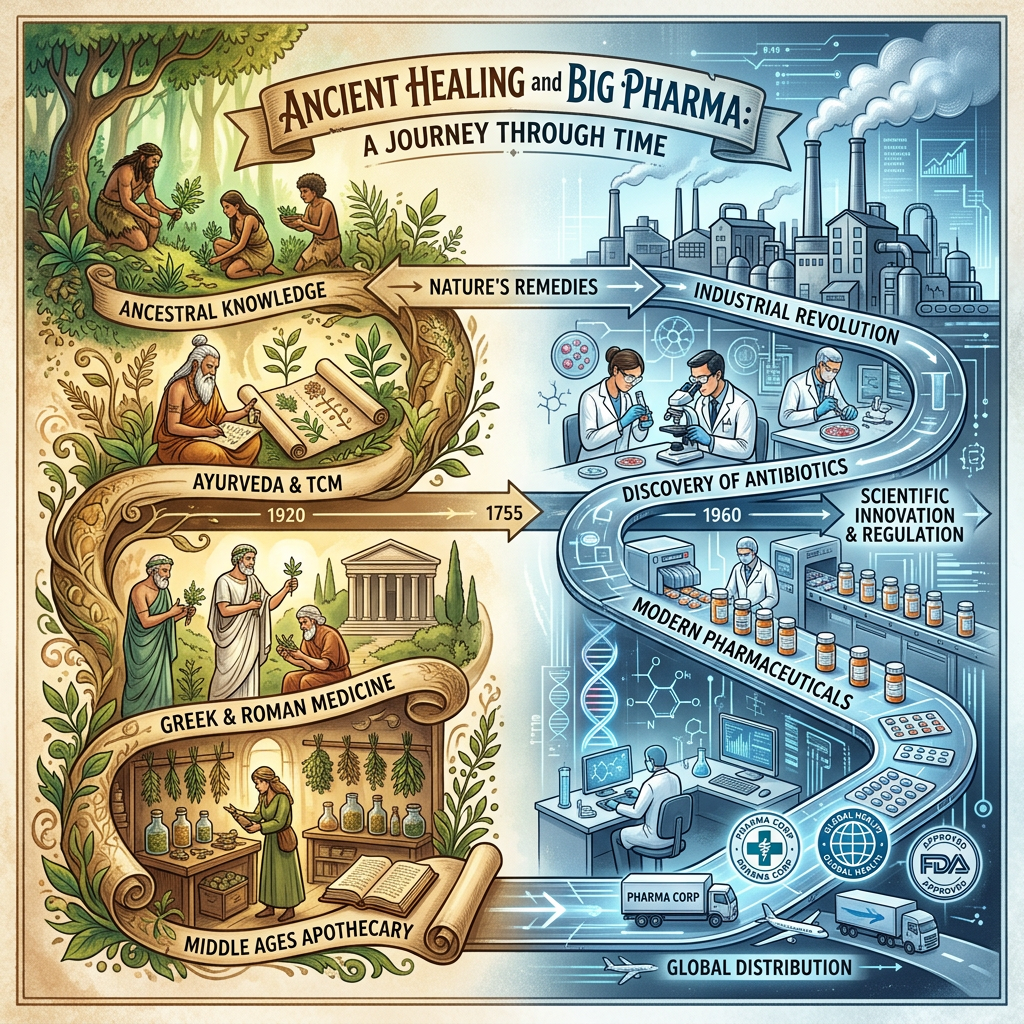


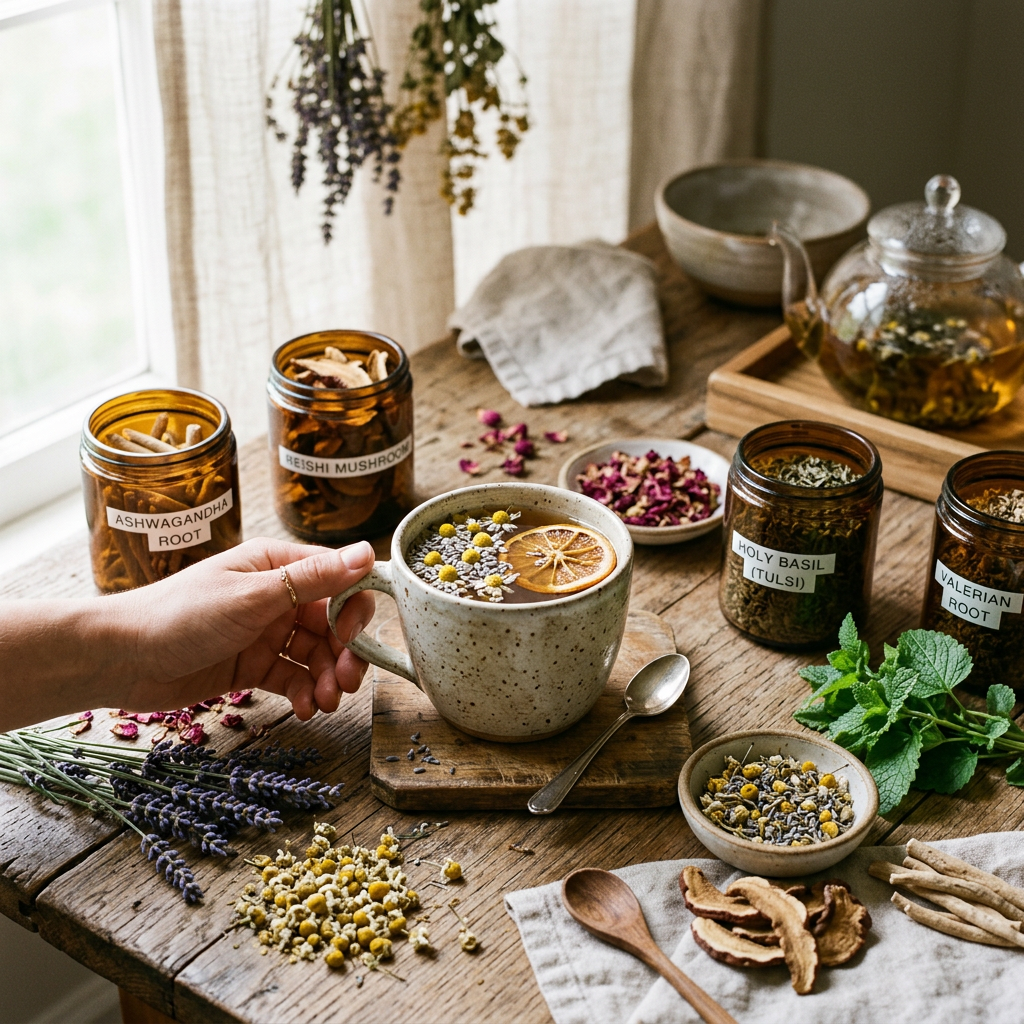












Leave a Reply