Explore the Traditional and Modern Applications of Strawberry Tree
👈Note on This Monograph:👇
Note on This Monograph: This extensive entry uses the full 8-part structure, offering a deep, interdisciplinary exploration of Strawberry Tree (Arbutus unedo)— weaving together modern scientific evidence, traditional and ethnobotanical wisdom, practical cultivation and preparation guidance, and its living spiritual essence. Drawing from clinical studies, historical texts, indigenous knowledge, and esoteric traditions, it serves as a comprehensive resource for holistic understanding and respectful relationship with this powerful plant ally. Please work with trained professionals for therapeutic applications.
“Our Commitment to Transparent Research”
Unlike many herbal resources that offer generalized information with little or no backing, we provide direct links to every source we reference. This allows you to verify claims, explore topics in greater depth, and trust that what you’re reading is grounded in both modern science and time-honored tradition.
Section-specific Sources lists
Most monographs include dedicated “Sources:” sections at the end of major topics (e.g., Sources: Phytotherapy, Sources: Historical and Cultural Significance, Sources: Pharmacology). These contain direct, clickable links to the original material. We created this level of transparency so the research can serve you. Here are some ways readers use our sourced monographs: Anyone seeking truth — Verify claims for yourself instead of taking information at face value. Students & Researchers — Use the references for papers, assignments, or deeper study. Herbalists & Practitioners — Cite sources when educating clients or in professional materials. Curious Explorers — Follow the links to read original studies or historical texts yourself. Writers & Educators — Reference our monographs (with attribution), knowing the information is traceable.

“AT A GLANCE”
Strawberry Tree (Arbutus unedo) thrives on rocky, well-drained soils from the Mediterranean Basin to southwestern Ireland, resprouting vigorously after fire through lignotubers and supporting late-season pollinators. Its leaves yield traditional astringent remedies, its fruits become jams and the renowned Portuguese medronho spirit, and its ornamental beauty and hardiness make it valued in sustainable landscaping and agroforestry. A multipurpose species of quiet strength and seasonal abundance.

Provides an overview of key points.
Synopsis
👈At A Glance:👇
Scientific Name: Arbutus unedo L.
Family: Ericaceae
Common Names: Strawberry tree, Irish strawberry tree, Killarney strawberry tree, cane apple, arbutus, madroño (Spanish), arbousier (French), corbezzolo (Italian), koumaria (Greek).
Botanical Description
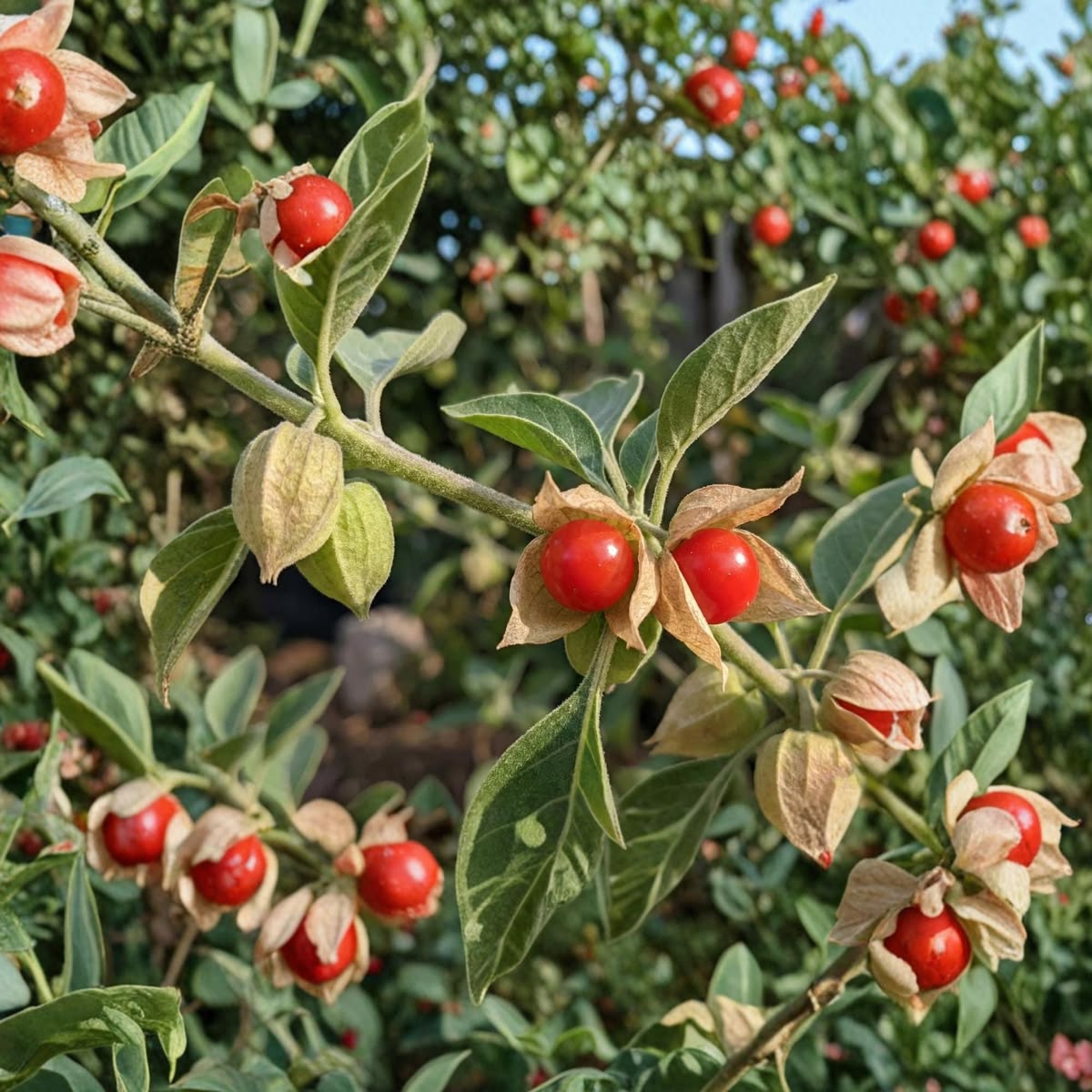
Arbutus unedo is an evergreen shrub or small tree typically growing 4–7 m (rarely to 15 m) tall, with a trunk diameter up to 80 cm. It often forms multi-stemmed plants from a thick base, with attractive grayish-brown bark that peels in flakes to reveal reddish-brown inner bark. Leaves are alternate, leathery, glossy dark green above and duller below, oblong to obovate or lanceolate (4–11 cm long × 1.5–4 cm wide), with serrate to nearly entire margins and short reddish petioles. Flowers are hermaphrodite, urn- or bell-shaped (urceolate, ~7–9 mm), white to pinkish, fragrant, in drooping terminal panicles, blooming mainly October–December (or into winter). Fruits are spherical berries (~1–2 cm diameter), warty with conical papillae, ripening from yellow through scarlet to deep crimson over ~12 months, often coinciding with the next year’s flowers. Seeds are small, angular, and dispersed by birds. It is native to the Mediterranean Basin (Portugal, Spain, France, Italy, Greece, Turkey, North Africa, Levant) and western Europe, with a disjunct native population in southwestern Ireland (Lusitanian flora). Habitat includes rocky slopes, hillsides, shrublands (macchia/garrigue), open woodlands, and lake shores from sea level to ~1000–1200 m, in well-drained acidic to neutral (or alkaline) soils; drought-, salt-, and frost-tolerant once established (USDA zones 7–10). It forms mycorrhizal associations and can resprout after fire.
Phytochemistry
Fruits, leaves, bark, and roots are rich in phenolic compounds, including phenolic acids (gallic, ellagic, chlorogenic, cinnamic, ferulic, sinapic, syringic, caffeic), flavonoids (quercetin, rutin, hyperoside/quercetin-3-O-galactoside, catechin, epicatechin, myricetin, naringenin), anthocyanins, tannins (hydrolysable and condensed/proanthocyanidins), and the hydroquinone glycoside arbutin (and methylarbutin). Fruits also contain triterpenoids (ursolic acid, lupeol, α-/β-amyrin, oleanolic acid), fatty acids (α-linolenic, linoleic, oleic, palmitic), sterols (β-sitosterol), vitamins (notably vitamin C/ascorbic acid, tocopherols), carotenoids, sugars, and fiber. Leaves are particularly high in arbutin, hyperoside, and tannins. Essential oils (minor) include compounds such as decenal and α-terpineol. Composition varies by plant part, ripening stage, geography, and extraction method.
Western Traditional & Clinical Actions
Traditionally used as astringent, diuretic, urinary antiseptic, antidiarrheal, depurative, antihypertensive, antidiabetic, anti-inflammatory, and tonic. Leaves and roots feature in folk remedies for urinary tract issues, diarrhea, hypertension, diabetes, rheumatism, and gastrointestinal complaints; fruits as mild laxative, antiseptic, or nutritive. Modern observations support antioxidant, antimicrobial, antiaggregant (platelet), and hypoglycemic effects, largely attributed to polyphenols and arbutin.
Chinese Medicine Actions
Not a traditional Chinese medicinal herb and absent from classical TCM materia medica. Occasional modern or extrapolated mentions of leaves/bark/fruit for hypertension, arteriosclerosis, or liver issues appear in secondary sources but lack classical grounding or standard TCM classification (e.g., no established temperature, flavor, or meridian tropism). Primary use remains Western/Mediterranean ethnobotanical.
Traditional & Historical Uses
Known since classical antiquity (Theophrastus, Dioscorides, Pliny the Elder—who linked unedo to “unum edo,” “I eat only one,” referring to the fruit’s bland or mildly astringent taste). Fruits eaten fresh or processed into jams, marmalades, syrups, and distilled spirits (Portuguese medronho/aguardente de medronho; Albanian raki). Leaves/roots as decoctions or infusions for urinary, digestive, and circulatory ailments across Iberia, North Africa (Morocco, Algeria), Italy, Greece, and Ireland. Wood used for charcoal, tools, or tanning (bark); honey from flowers prized (bitter “strawberry-tree honey”). Ornamental and symbolic: Italian national tree (colors echo the flag); Madrid’s coat of arms features the bear and madroño; Irish folklore links it to the Pursuit of Diarmuid and Gráinne (magical youth-restoring berries). Romans associated it with thresholds/protection; used in hedges, fodder, and rituals.
Modern Pharmacological Evidence
In vitro and in vivo studies demonstrate strong antioxidant activity (DPPH, etc.), anti-inflammatory effects (reduced NO, cytokines, COX-2/iNOS), antimicrobial/antibacterial (especially Gram-positive; arbutin key), antidiabetic (α-glucosidase/α-amylase inhibition, hypoglycemic in models), antihypertensive, antiaggregant, antiproliferative/antitumor, anti-tyrosinase (skin-lightening potential), and gastroprotective actions. Fruit extracts show promise against ulcerative colitis in rat models (reduced lesions, oxidative stress, inflammation markers). Leaf extracts exhibit similar polyphenol-driven benefits; exosome-like nanoparticles and green-synthesized nanoparticles (e.g., ZnO) add anti-inflammatory and antibacterial data.
Clinical Studies
Limited human data. A completed interventional trial (NCT05810922, Portugal, 2022) examined daily arbutus berry consumption (50 g or 200 g for ~4 weeks) on gut microbiota composition/diversity and metabolic parameters in healthy adults. A small pilot on strawberry-tree honey (70 g/day for 14 days in healthy men) noted modest improvements in iron status, some liver enzymes, and antioxidant markers. Most evidence remains preclinical (animal/cell); no large RCTs for therapeutic claims such as UTI, hypertension, or colitis. Further human trials are needed.
Preparations & Dosage
Traditional: Leaf infusion/decoction (1–3 g dried leaves per cup, steeped 10–15 min or briefly boiled; 1–3 cups/day for urinary/digestive support, short-term). Fruit eaten fresh (in moderation), as jam, or in liqueurs. Modern: Tinctures (e.g., 1:5 or 1:10 hydroalcoholic of leaves, ~1–2 mL or 20–40 drops, 2–3× daily); standardized extracts or capsules focusing on arbutin/polyphenols (dosages often calibrated similarly to uva-ursi/arbutin sources, e.g., aiming for moderate hydroquinone derivatives, short courses). Decoctions of roots also used traditionally. Always start low; consult a practitioner for therapeutic use.
Safety & Contraindications
Generally regarded as safe in food amounts (fruits) or short-term traditional leaf use. Arbutin metabolizes to hydroquinone; high or prolonged doses may pose theoretical risks (hepatotoxicity, nephrotoxicity, or genotoxicity concerns analogous to uva-ursi). Avoid in pregnancy/lactation, children, or with kidney disease. Possible interactions with diuretics or urine-acidifying agents (arbutin activity prefers alkaline urine in some contexts). Allergic reactions rare. Toxicity studies show low risk at typical doses; no major adverse effects reported in available animal/human data. Limit continuous use (e.g., ≤1–2 weeks for concentrated preparations).
Cultivation & Harvest
Easy ornamental: full sun to partial shade, well-drained soil (tolerates poor, sandy, clay, or alkaline), low maintenance, drought-tolerant once established. Slow-to-moderate growth; train as a multi-stem shrub or single-trunk tree. Propagate by seed (cold stratification helpful), cuttings, or layering. Hardy zones 7–10; protect young plants from severe frost. Harvest ripe red fruits in autumn/winter (handle gently—bruise easily); leaves year-round (preferably spring/summer for potency). Sustainable wildcrafting advised; wood and bark historically collected.
Commercial Products
Ornamental cultivars (e.g., ‘Elfin King’, ‘Compacta’, red-flowered forms, A. × marina hybrids) widely sold in nurseries. Culinary: jams, marmalades, medronho brandy/liqueur (Portugal), honey. Herbal: leaf teas, tinctures, extracts, or capsules (sometimes marketed for urinary support or antioxidants); arbutin-containing skin-lightening cosmetics. Limited large-scale pharmaceutical products; fruits and by-products (pomace) explored for functional foods and cosmeceuticals.
Ethnobotanical Curiosities
Pliny’s “I eat only one” etymology reflects the fruit’s reputation for blandness or mild narcotic/intoxicating effect in excess. Symbol of Madrid (bear eating madroño fruit in the coat of arms and Puerta del Sol statue). Italian national tree (green-white-red colors). Irish place names (e.g., Arbutus Island) and myth of youth-restoring berries. Wood for charcoal/pipes; bark for tanning/dye. Honey is distinctive and bitter. In some traditions, protective against evil or used in life-cycle rituals. Under-exploited yet culturally iconic Mediterranean species.
Recent Research (2020–2025)
Focus on valorization: detailed phenolic/triterpenoid profiling; antioxidant/anti-inflammatory/anti-tyrosinase extracts for cosmeceuticals and nanoemulsions; green synthesis of nanoparticles; protective effects of fruit aqueous extracts against acetic acid-induced colitis in rats (2025); exosome-like nanoparticles mitigating LPS inflammation via JAK-STAT; multi-omic characterization of ecotypes; pomace recovery for bioactive phenolics; antibacterial and tyrosinase-inhibitory leaf studies (Algeria, 2025). Emphasis on sustainability, gut health, and functional food potential amid climate considerations.
Conservation Status
IUCN Red List: Least Concern (global assessment 2017; stable, widespread populations). Regionally threatened in limited areas (e.g., Critically Endangered in Bulgaria and parts of Cyprus due to small/declining populations). No major global threats; local pressures from habitat change, overharvest, or drought possible. Occurs in protected areas.
DIY Recipes
Strawberry-tree (arbutus) jam (basic): Wash 1 kg ripe red fruits; crush or blend. Add 500 g sugar + juice of 1 lemon. Cook gently 20–30 min, stirring; sieve if desired to reduce grit. Jar and process for storage.
Simple liqueur/medronho-style: Place 500 g ripe fruits in a jar; cover with 500 ml 40% neutral spirit (vodka). Macerate 2–6 weeks (shake occasionally). Prepare syrup (200 g sugar + 200 ml water); cool, mix with strained spirit. Age further. Consume moderately.
Leaf tea: 1–2 tsp dried leaves per cup hot water, steep 10–15 min.
X (Twitter) Snapshot – Nov 2025
Posts in late November 2025 were limited and mostly regional/cultural rather than scientific. Highlights included botanical observations of medronho/Arbutus unedo as Lusitanian flora (Iberia–SW Ireland link), Spanish media segments on autumn madroño fruits and wildlife, references to Madrid’s “oso y el madroño” symbolism, and occasional photos or mentions of the tree in gardens or wild settings. Little discussion of herbal or conservation projects specific to the species during that window.
Planting & Harvesting Reference Guide
👈Planting & Harvesting Reference Guide:👇
Strawberry Tree (Arbutus unedo) – Planting & Harvesting Reference Guide*
- Best Time for Planting
- Autumn (September–November) is ideal, so roots establish before winter; spring planting is possible once frost risk has passed.
- Prefer a waxing Moon for strong root development.
- Choose a sheltered site in full sun to partial shade with well-drained soil (acidic to mildly alkaline); Strawberry Tree tolerates poor, rocky, or sandy ground but dislikes waterlogging.
- Seeds from fully ripe fresh fruit benefit from cold stratification; germination rates are modest (often under 20 %). Semi-hardwood cuttings or layering are more reliable. Plant container-grown stock carefully—Strawberry Tree resents root disturbance once established.
- Space 3–5 m apart for multi-stem shrubs; allow more room if training as a single-trunk tree.
- Growing Conditions & Magical Minded Tips
- Once established, Strawberry Tree is highly drought-tolerant and requires little irrigation; water young plants regularly through the first year or two.
- Apply a light organic mulch to conserve moisture and suppress weeds; minimal fertilization encourages stronger secondary metabolites for medicinal and magical potency.
- Protect young specimens from severe frost and cold winds.
- Approach planting with reverence: speak to the land, offer water, a pinch of cornmeal, or quiet thanks before setting roots. Whisper gratitude to the spirit of Strawberry Tree for its future gifts of protection and renewal.
- Prune lightly after fruiting or in late winter to maintain shape and airflow.
- Best Time for Harvesting
- Leaves: high summer to early autumn for drying and teas.
- Fruits: late autumn into early winter (typically October–December) when fully scarlet and slightly soft to the touch; flowers often appear simultaneously.
- Bark or limited root material: only from mature specimens and only when truly needed, ideally under a waning Moon for protective work.
- Magical harvest windows align with autumn full Moons, Samhain, or Mars hours on Tuesdays for protection and threshold magic.
- Sustainable & Magical Harvesting Methods
- Always ask permission of the living Strawberry Tree before taking anything; wait for a sense of consent.
- Harvest fruits gently by hand—they bruise easily. Take leaves sparingly; never strip a branch bare.
- For bark, use only fallen or carefully selected small pieces from mature trees; take far less than 10 % and never girdle.
- Prefer bare hands or a clean, dedicated knife. Sing or speak soft thanks before and after.
- Leave an offering of water, a strand of hair, honey, or a small token at the base.
- Follow the ethical rule of abundance: harvest only from healthy, plentiful stands and leave plenty for wildlife and future growth.
- Post-Harvest Processing
- Dry leaves and flowers in the shade on screens or cloth, never in direct sun, while holding the intention of stillness and protection.
- Handle ripe fruits promptly: refrigerate for 2–3 days or freeze for longer storage; process into jam, jelly, or traditional spirit while fresh.
- Store dried leaves in airtight glass jars or cloth bags in a cool, dark place; add a short length of red thread if working with Cardea’s protective current.
- Label with harvest date and Moon phase. Recharge dried material under the autumn full Moon or by placing the container overnight near a living Strawberry Tree with an offering of water.
This guide consolidates all planting and harvesting details mentioned across the SPARK sections for quick, practical reference. Always prioritize ethical, sustainable practices to honor the plant’s spirit and ensure its continued abundance.

Part 1: Modern Medical Properties and Uses

Purpose: Highlights the plant’s scientific and medicinal properties, validating holistic healing with evidence-based data.
Contemporary Medical Applications:
Describes current clinical uses (e.g., capsules, tinctures) and delivery methods in modern medicine.
👈Contemporary Medical Applications:👇
Contemporary Medical Applications:
- Leaf infusions and decoctions of Strawberry Tree continue to serve as urinary antiseptics and mild diuretics in contemporary herbal practice across Mediterranean regions, prepared by steeping 1–3 g dried leaves in hot water for 10–15 minutes or brief boiling, taken as 1–3 cups daily for short courses supporting urinary tract comfort and fluid balance, drawing on arbutin content that releases antimicrobial hydroquinone in alkaline urine environments.
- Alcoholic tinctures of Strawberry Tree leaves, typically at 1:5 or 1:10 ratios in 40–60% ethanol, are administered in doses of 20–50 drops two to three times daily as complementary supports for digestive astringency, mild hypertension management, and gastrointestinal comfort, available through herbalists and online suppliers in bulk powder, capsules, or liquid forms.
- Fruit extracts of Strawberry Tree appear in functional food preparations and experimental formulations for metabolic support, including aqueous decoctions tested for protective effects against colonic inflammation, with traditional processing into jams and liqueurs extending into modern nutraceutical exploration for antioxidant delivery.
- Topical applications of Strawberry Tree leaf or fruit extracts feature in cosmeceutical development, including nanoemulsions and phenolic-enriched formulations aimed at skin brightening via tyrosinase inhibition and antioxidant protection against oxidative stress in dermal cells.
- Root bark aqueous extracts of Strawberry Tree have been examined in preclinical models for glucose absorption modulation and vascular reactivity improvement, suggesting potential complementary roles in metabolic and circulatory protocols when prepared as standardized infusions.
- Commercial capsules and powdered leaf preparations of Strawberry Tree are marketed for short-term urinary and astringent support, often standardized toward polyphenol or arbutin content, used alongside dietary measures for digestive regularity and mild inflammatory conditions.
- Strawberry Tree honey, derived from its nectar, is consumed as a functional food with documented antioxidant and mild antimicrobial qualities, incorporated into daily regimens in Sardinian and Mediterranean traditions for general vitality and respiratory comfort.
Sources: Contemporary Medical Applications
https://www.sciencedirect.com/science/article/abs/pii/S0378874118312388
https://www.phytomania.com/herbal-medicine/strawberry-tree/
https://pmc.ncbi.nlm.nih.gov/articles/PMC9736438/
https://www.mdpi.com/2079-9284/9/6/143
https://onlinelibrary.wiley.com/doi/abs/10.1155/2021/1794621
https://www.medicalnewstoday.com/articles/could-a-mediterranean-plant-extract-help-treat-ibd
https://link.springer.com/article/10.1007/s12011-024-04201-9
Pharmacology:
Outlines key compounds and their mechanisms of action, driving therapeutic effects.
👈Pharmacology:👇
Pharmacology:
- Arbutin, the principal hydroquinone glycoside abundant in Strawberry Tree leaves, undergoes enzymatic hydrolysis in the body to release free hydroquinone, which exerts antimicrobial effects particularly in the urinary tract by disrupting bacterial metabolism under alkaline conditions while also contributing to tyrosinase inhibition for potential dermal applications.
- Phenolic acids such as gallic, ellagic, chlorogenic, ferulic, and cinnamic acids from Strawberry Tree fruits and leaves scavenge free radicals, inhibit pro-inflammatory nitric oxide production, and modulate oxidative stress pathways, supporting observed anti-inflammatory and antioxidant actions in cellular and animal models.
- Flavonoids including hyperoside, quercetin derivatives, rutin, catechin, and myricetin present in Strawberry Tree extracts enhance endothelial nitric oxide bioavailability, promote vasorelaxation through ion channel modulation, and inhibit carbohydrate-hydrolyzing enzymes such as α-glucosidase and α-amylase, underlying potential antihypertensive and hypoglycemic mechanisms.
- Tannins and proanthocyanidins concentrated in Strawberry Tree leaves provide astringent activity by precipitating proteins on mucosal surfaces, thereby reducing fluid loss in diarrheal states and contributing to anti-aggregant effects on platelets via interference with aggregation cascades.
- Triterpenoids such as ursolic acid and lupeol identified in Strawberry Tree fruits exhibit antiproliferative potential by influencing cell cycle regulation and apoptosis pathways in various cancer cell lines, while also supporting anti-inflammatory signaling through NF-κB and related cascades.
- Anthocyanins and carotenoids in ripe Strawberry Tree fruits contribute to systemic antioxidant capacity, protecting cellular membranes from lipid peroxidation and supporting metabolic resilience through synergistic interactions with vitamin C and tocopherols.
- Overall polyphenolic synergy in Strawberry Tree extracts appears to inhibit COX-2 and reduce expression of oxidative stress markers, offering multi-target pharmacological profiles that align with traditional uses for inflammation, metabolic imbalance, and microbial challenges.
Sources: Pharmacology:
https://www.sciencedirect.com/science/article/abs/pii/S0378874118312388
https://pmc.ncbi.nlm.nih.gov/articles/PMC9787540/
https://www.mdpi.com/2079-9284/9/6/143
https://link.springer.com/article/10.1007/s41207-025-00951-7
https://pmc.ncbi.nlm.nih.gov/articles/PMC6271735/
https://www.sciencedirect.com/science/article/abs/pii/S0378874118330289
https://onlinelibrary.wiley.com/doi/abs/10.1155/2021/1794621
Natural Medicine Studies:
Summarizes recent research on efficacy, safety, or clinical outcomes from peer-reviewed studies.
👈Natural Medicine Studies:👇
Natural Medicine Studies:
- A 2025 rat study demonstrated that pretreatment with aqueous Strawberry Tree fruit extract significantly attenuated acetic acid-induced ulcerative colitis, reducing colonic lesions, histological damage, malondialdehyde levels, and pro-inflammatory markers while elevating antioxidant enzymes such as superoxide dismutase and catalase.
- Multiple in vitro investigations confirm potent antioxidant capacity of Strawberry Tree leaf and fruit extracts via DPPH, ABTS, and FRAP assays, with aqueous reflux extracts showing particularly high total phenolic content and radical-scavenging activity comparable to reference standards.
- Leaf extracts of Strawberry Tree from Algerian sources exhibited strong antibacterial activity against Gram-positive bacteria, tyrosinase inhibition, and suppression of nitric oxide production in macrophage models, with arbutin identified as a primary active constituent and favorable selectivity indices indicating low cytotoxicity.
- Preclinical rodent models of root and leaf extracts of Strawberry Tree have shown improvements in oral glucose tolerance, inhibition of intestinal glucose absorption comparable in efficacy to metformin in some protocols, and reductions in blood pressure with enhanced vascular reactivity and baroreceptor sensitivity.
- Fruit and leaf polyphenol fractions of Strawberry Tree display antiproliferative effects against various human cancer cell lines, including colon adenocarcinoma, through DNA synthesis inhibition and induction of apoptosis, supported by honey-derived compounds showing similar cytotoxic potential.
- Safety assessments in animal models indicate that Strawberry Tree extracts lack significant toxicity at tested doses, with no adverse effects on macrophage viability at relevant concentrations and overall favorable profiles supporting short-term traditional use.
- Human interventional data remain limited, though a completed trial examined daily Strawberry Tree berry consumption for modulation of gut microbiota composition and metabolic parameters, while small pilots on strawberry-tree honey noted modest improvements in iron status and antioxidant markers.
Sources: Natural Medicine Studies:
https://www.medicalnewstoday.com/articles/could-a-mediterranean-plant-extract-help-treat-ibd
https://scijournals.onlinelibrary.wiley.com/doi/10.1002/jsfa.14317
https://link.springer.com/article/10.1007/s41207-025-00951-7
https://pmc.ncbi.nlm.nih.gov/articles/PMC9736438/
https://www.sciencedirect.com/science/article/abs/pii/S0378874118312388
https://onlinelibrary.wiley.com/doi/abs/10.1155/2021/1794621
https://pubmed.ncbi.nlm.nih.gov/36496646/
Chemistry:
Details active chemical constituents (e.g., alkaloids, flavonoids) and their healing roles.
👈Chemistry:👇
Chemistry:
- Arbutin (hydroquinone-β-D-glucopyranoside) and its methyl derivative constitute key phenolic glycosides in Strawberry Tree leaves, quantified at notable levels in aqueous and ethanolic extracts and serving as the primary source of urinary antimicrobial activity upon hydrolysis.
- Phenolic acids dominate fruit and leaf profiles of Strawberry Tree, including gallic acid as a major constituent (reported up to 10.7 mg/g dry weight in some samples), alongside ellagic, chlorogenic, caffeic, p-coumaric, ferulic, sinapic, and syringic acids that underpin antioxidant capacity.
- Flavonoids such as hyperoside (quercetin-3-O-galactoside, reaching 30–56 mg/g in optimized leaf extracts), quercetin glycosides, rutin, catechin, epicatechin, myricetin, and naringenin form a rich subclass in Strawberry Tree, contributing to enzyme inhibition and vascular effects.
- Anthocyanins, primarily cyanidin and delphinidin glycosides, concentrate in ripe Strawberry Tree fruits, providing characteristic red pigmentation and additional radical-scavenging properties measurable by HPLC-DAD-MS techniques.
- Triterpenoids including ursolic acid (often the dominant lipophilic compound), lupeol, α- and β-amyrin, and oleanolic acid appear in fruit extracts of Strawberry Tree, identified via GC-MS after hydrolysis and linked to antiproliferative potential.
- Fatty acids in Strawberry Tree fruits feature high unsaturated content, notably α-linolenic, linoleic, and oleic acids, accompanied by β-sitosterol and tocopherols that enhance nutritional and membrane-protective value.
- Tannins (both hydrolysable galloyl derivatives and condensed proanthocyanidins) and minor essential oil components further diversify the chemical matrix of Strawberry Tree, varying by plant part, geography, and extraction method.
Sources: Chemistry:
https://pmc.ncbi.nlm.nih.gov/articles/PMC6271735/
https://www.mdpi.com/2079-9284/9/6/143
https://pmc.ncbi.nlm.nih.gov/articles/PMC4490548/
https://pubs.acs.org/doi/abs/10.1021/jf062230o
https://link.springer.com/article/10.1007/s41207-025-00951-7
https://www.sciencedirect.com/science/article/abs/pii/S0378874118312388
https://onlinelibrary.wiley.com/doi/abs/10.1155/2021/1794621
Functional Foods and Nutrition:
Highlights dietary uses (e.g., teas, supplements) in modern health practices.
👈Functional Foods and Nutrition:👇
Functional Foods and Nutrition:
- Ripe Strawberry Tree fruits serve as a seasonal functional food rich in vitamin C (reported around 48–270 mg/100 g depending on origin), dietary fiber (10–30% dry weight), carbohydrates (70–80% dry weight), and modest protein and lipid fractions, consumed fresh or processed into jams, marmalades, and yogurts for antioxidant and metabolic support.
- Strawberry Tree honey, produced from autumn nectar, functions as a distinctive bitter functional food with elevated phenolic content, antioxidant capacity, and traditional medicinal reputation in Sardinian and Mediterranean diets for vitality and mild antimicrobial benefits.
- Leaf teas of Strawberry Tree prepared by infusion or 5–10 minute decoction deliver measurable levels of potassium, calcium, magnesium, iron, manganese, and selenium alongside polyphenols, offering a low-risk nutritional beverage when prepared optimally for maximum phenolic extraction.
- Distillation by-products (pomace) of Strawberry Tree fruits used in medronho production retain high polyphenol loads and antioxidant activity comparable to vitamin C, supporting their recovery as sustainable ingredients for functional food or nutraceutical enrichment.
- Fruit extracts of Strawberry Tree incorporated into experimental dietary protocols have demonstrated potential for modulating glucose handling and reducing oxidative stress markers, positioning them as candidates for metabolic wellness formulations.
- Nutritional profiles of Strawberry Tree fruits include significant unsaturated fatty acids and minerals (magnesium, calcium, potassium), contributing to overall dietary mineral balance when integrated into traditional Mediterranean eating patterns.
- Commercial exploration of Strawberry Tree as a source of functional fractions emphasizes its dual culinary-medicinal heritage, with juices, vinegars, and liqueurs extending bioavailability of bioactives in everyday nutrition.
Sources: Functional Foods and Nutrition:
https://pmc.ncbi.nlm.nih.gov/articles/PMC9736438/
https://www.sciencedirect.com/science/article/abs/pii/S0926669018305235
https://link.springer.com/article/10.1007/s12011-024-04201-9
https://pubmed.ncbi.nlm.nih.gov/40227276/
https://www.mdpi.com/2079-9284/9/6/143
https://onlinelibrary.wiley.com/doi/abs/10.1155/2021/1794621
https://www.researchgate.net/publication/350362425_The_Sardinian_Bitter_Honey_From_Ancient_Healing_Use_to_Recent_Findings
Current Projects and Future Possibilities:
Notes ongoing research, clinical trials, or innovative medical applications.
👈Current Projects and Future Possibilities:👇
Current Projects and Future Possibilities:
- Ongoing valorization of Strawberry Tree distillation pomace focuses on recovering phenolic-rich fractions for sustainable cosmeceutical and dermatologic applications, with demonstrated ability to reduce reactive oxygen species in human keratinocytes and fibroblasts under oxidative stress.
- Green synthesis of zinc oxide nanoparticles using Strawberry Tree leaf and fruit extracts is advancing biocompatible antimicrobial agents, showing superior cell viability and antibacterial activity against Escherichia coli compared with conventional nanoparticles.
- Research into nanoemulsions and phenolic-enriched formulations of Strawberry Tree extracts targets novel cosmeceuticals with dual antioxidant and anti-tyrosinase activity for skin brightening and anti-aging products, supported by stability and efficacy testing.
- Multi-omic characterization projects comparing Strawberry Tree ecotypes aim to identify superior genotypes for enhanced bioactive content, supporting both conservation and commercial cultivation for functional food and pharmaceutical development.
- Preclinical expansion of ulcerative colitis and gastrointestinal models continues to explore Strawberry Tree fruit extracts as potential adjuncts for inflammatory bowel conditions, with plans for human cell-line validation and mechanistic elucidation.
- Biotechnology efforts including in vitro cloning, stress-tolerance breeding, and intraspecific crosses seek to improve Strawberry Tree for larger-scale production of fruits, honey, and medicinal extracts while enhancing resilience to climate variables.
- Future possibilities include isolation of purified arbutin and hyperoside fractions for standardized phytopharmaceuticals targeting metabolic, urinary, and dermal applications, alongside microbiome-modulatory and hypocholesterolemic investigations currently identified as research gaps.
Sources: Current Projects and Future Possibilities:
https://pubmed.ncbi.nlm.nih.gov/40227276/
https://link.springer.com/article/10.1007/s11696-025-04073-w
https://www.mdpi.com/2079-9284/9/6/143
https://link.springer.com/article/10.1007/s11676-021-01369-x
https://www.medicalnewstoday.com/articles/could-a-mediterranean-plant-extract-help-treat-ibd
https://pmc.ncbi.nlm.nih.gov/articles/PMC9736438/
https://pubmed.ncbi.nlm.nih.gov/36496646/
Literary Mentions:
References modern medical texts or studies citing the plant’s therapeutic use.
👈Literary Mentions:👇
Literary Mentions: in ancient texts
- Pliny the Elder in Naturalis Historia (Book XV) discusses the Strawberry Tree under the name unedo, explaining the epithet as deriving from “unum edo” (“I eat only one”) due to the fruit’s limited palatability, while noting its occurrence and mild bitterness that could affect honey.
- Dioscorides in De Materia Medica (Book I) records the fruit of the plant known as komaros or related designations as astringent and potentially headache-inducing in excess, aligning with later classical observations on its digestive effects.
- Theophrastus in Historia Plantarum describes the Strawberry Tree (komaros) as a Mediterranean evergreen bearing edible fruits when ripe, providing one of the earliest botanical accounts that informed subsequent Greco-Roman herbal knowledge.
- Modern pharmacological reviews extensively cite classical sources alongside contemporary data, positioning Strawberry Tree extracts as promising phytopharmaceutical candidates for diabetes, hypertension, and inflammatory conditions based on polyphenolic profiles.
- Twentieth- and twenty-first-century ethnopharmacological surveys and monographs reference ancient Mediterranean uses while integrating in vitro and preclinical evidence, reinforcing continuity from classical texts to current evidence-based exploration.
- Galenic and later compilations echo earlier observations on the fruit’s astringency and limited gastronomic appeal, preserving the plant’s recognition within the continuum of Western herbal literature.
- Contemporary scientific literature frequently revisits Pliny’s etymology and Dioscorides’ descriptions when framing the transition of Strawberry Tree from traditional Mediterranean remedy to modern research subject.
Sources: Literary Mentions:
https://en.wikipedia.org/wiki/Arbutus_unedo
https://de.wikisource.org/wiki/RE:Erdbeerbaum
https://www.sciencedirect.com/science/article/abs/pii/S0378874118312388
https://pubmed.ncbi.nlm.nih.gov/29981432/
https://onlinelibrary.wiley.com/doi/abs/10.1155/2021/1794621
https://shs.cairn.info/article/PHY_193_0184
https://pmc.ncbi.nlm.nih.gov/articles/PMC9736438/

Part 2: Plant Knowledge Systems

Purpose: Validates plant-based healing through interdisciplinary scientific and cultural fields.
Ethnobotany:
Explores the plant’s traditional uses across cultures, linking indigenous knowledge to modern applications.
👈Ethnobotany:👇
Ethnobotany:
- Across Mediterranean and North African cultures, particularly in Morocco, Algeria, and the Iberian Peninsula, Strawberry Tree roots, leaves, bark, and fruits have long been prepared as decoctions, infusions, or powders for treating gastrointestinal disorders including gastritis, constipation, colic, liver complaints, and diarrhea, as well as urinary tract infections, renal ailments, diabetes, hypertension, cardiac conditions, rheumatism, and asthma; these practices, documented in ethnobotanical surveys of rural populations, align closely with modern pharmacological findings on polyphenol-driven astringent, diuretic, hypoglycemic, and antihypertensive activities, illustrating a continuous knowledge system from folk herbalism to contemporary research validation.
- In Portugal and surrounding regions, Strawberry Tree fruits form the basis of traditional distilled spirits such as medronho or aguardente de medronho, alongside jams, jellies, and fermented beverages, while leaves and bark serve as tannin sources for leather curing and folk remedies for dysentery and urinary infections; this dual culinary-medicinal heritage supports current valorization efforts for functional foods and phytopharmaceuticals, linking historical rural livelihoods to sustainable economic applications in agroforestry systems.
- Irish and broader Lusitanian cultural knowledge recognizes Strawberry Tree as a distinctive element of southwestern Irish flora, with place names and folklore associating its berries with restorative or otherworldly qualities in narratives such as the Pursuit of Diarmaid and Gráinne; although medicinal use appears less intensive than in Mediterranean contexts, the plant’s presence in local ecological lore and limited herbal applications for astringency reinforce its role as a cultural marker of Atlantic-Mediterranean botanical connections.
- North African ethnobotanical records, including Algerian surveys, highlight preferential use of Strawberry Tree roots followed by leaves for metabolic, digestive, urinary, genital, and dermatological conditions, often via oral decoction or raw fruit consumption; these documented practices among local populations provide empirical foundations for modern investigations into glucose regulation, anti-inflammatory effects, and antimicrobial properties, demonstrating how indigenous knowledge systems continue to guide scientific inquiry into the plant’s bioactive potential.
Sources: Ethnobotany:
https://doi.org/10.32859/era.18.30.1-12
https://www.sciencedirect.com/science/article/abs/pii/S0378874118312388
https://link.springer.com/rwe/10.1007/978-3-031-43105-0_36
https://www.researchgate.net/publication/385861174_Arbutus_unedo_L_Arbutus_andrachne_L_Ericaceae
https://link.springer.com/article/10.1007/s10298-016-1027-6
https://pmc.ncbi.nlm.nih.gov/articles/PMC8629616/
https://www.mdpi.com/2073-445x/14/3/468
https://shs.cairn.info/article/PHY_193_0184
Plant Genomics:
Describes genetic studies of the plant, focusing on traits related to medicinal properties.
👈Plant Genomics:👇
Plant Genomics:
- Next-generation sequencing of Strawberry Tree has produced the first genome assembly, comprising over 452 million nucleotides assembled into approximately 145,873 contigs, enabling the identification of 500 simple sequence repeat and 500 single nucleotide polymorphism loci that serve as species-specific molecular markers for unequivocal identification of germplasm accessions and assessment of genetic relationships in breeding collections.
- Chloroplast genome analysis of Strawberry Tree reveals an unusually regularly sized plastome resulting from balanced gene losses, duplications, and intensive rearrangements, providing insights into evolutionary dynamics within the Ericaceae and supporting phylogenetic studies that distinguish Mediterranean and Atlantic lineages relevant to adaptive traits potentially linked to medicinal compound production.
- Population genetic structure investigations using amplified fragment length polymorphism markers across the species’ range demonstrate restricted gene flow and a distinct genetic divide between Mediterranean and Atlantic coastal populations, including Irish accessions, with lower diversity in northwestern Iberia and Ireland consistent with postglacial colonization patterns; these findings inform conservation strategies and selection of genotypes with enhanced bioactive profiles.
- Molecular marker development and germplasm characterization projects for Strawberry Tree facilitate breeding programs aimed at improving fruit quality, stress tolerance, and bioactive content, thereby linking genomic tools to the enhancement of medicinal and nutritional properties observed in traditional and modern applications.
Sources: Plant Genomics:
https://pmc.ncbi.nlm.nih.gov/articles/PMC10096993/
https://journals.plos.org/plosone/article?id=10.1371/journal.pone.0079685
https://www.frontiersin.org/journals/plant-science/articles/10.3389/fpls.2015.01264/full
https://link.springer.com/article/10.1007/s11676-021-01369-x
Phytotherapy:
Details the plant’s use in clinical herbal medicine, including therapeutic protocols.
👈Phytotherapy:👇
Phytotherapy:
- In clinical herbal protocols derived from traditional Mediterranean and North African practices, Strawberry Tree leaf decoctions or infusions are employed as short-term urinary antiseptics and astringents for cystitis, urethritis, and mild diarrheal conditions, typically prepared with 1–3 grams of dried material per cup and administered one to three times daily, with modern preclinical support for arbutin-mediated antimicrobial action guiding cautious, time-limited use under practitioner supervision.
- Root bark aqueous extracts of Strawberry Tree have been investigated in rodent models for hyperglycemia management, demonstrating inhibition of intestinal glucose absorption and improvements in oral glucose tolerance comparable to metformin in chronic administration protocols; these findings support potential complementary phytotherapeutic applications for metabolic support when standardized and monitored for safety.
- Fruit extracts of Strawberry Tree are emerging in experimental phytotherapeutic approaches for gastrointestinal inflammation, with aqueous preparations showing protective effects against chemically induced colitis in animal models through reduction of oxidative stress and pro-inflammatory markers, suggesting future protocols for adjunctive gut health support pending human validation.
- Leaf and root preparations of Strawberry Tree feature in phytotherapeutic regimens for mild hypertension and circulatory support in traditional North African and Iberian contexts, informed by observed vasorelaxant and antiaggregant activities; clinical application remains primarily empirical, emphasizing short courses and integration with dietary measures rather than standalone long-term therapy.
Sources: Phytotherapy:
https://www.sciencedirect.com/science/article/abs/pii/S0378874118312388
https://www.sciencedirect.com/science/article/abs/pii/S0378874118330289
https://www.medicalnewstoday.com/articles/could-a-mediterranean-plant-extract-help-treat-ibd
https://onlinelibrary.wiley.com/doi/abs/10.1111/nmo.70189
https://shs.cairn.info/article/PHY_193_0184
https://pmc.ncbi.nlm.nih.gov/articles/PMC8629616/
Ethnoecology:
Examines the plant’s ecological role in cultural practices and environmental interactions.
👈Ethnoecology:👇
Ethnoecology:
- Strawberry Tree occupies a pivotal ecological niche in Mediterranean maquis, garrigue, oak woodland margins, and rocky slopes, where its drought tolerance, fire resilience through rapid resprouting, and ability to stabilize shallow nutrient-poor soils contribute to ecosystem recovery after wildfires and prevention of desertification; cultural practices of selective harvesting for fruits, leaves, and wood in Portugal, Spain, Morocco, and Algeria integrate human use with habitat stewardship, sustaining both biodiversity and traditional livelihoods.
- In Portuguese agroforestry systems, Strawberry Tree forests enhance landscape resilience by mitigating soil erosion, increasing organic matter, supporting pollinators through autumn flowering, and providing habitat for birds and insects, while fruit production for spirits and preserves generates socio-economic benefits that reinforce community commitment to maintaining these multifunctional ecosystems against climate pressures.
- The species’ disjunct Atlantic populations, including southwestern Ireland, reflect historical biogeographic patterns of Lusitanian flora, with cultural recognition through place names and folklore embedding the plant within local ecological identity; ethnoecological knowledge emphasizes its role as a pioneer species tolerant of varied soils, guiding contemporary conservation and reforestation initiatives that honor traditional landscape relationships.
- Across North African and Iberian ranges, rural communities utilize Strawberry Tree in everyday forest management and animal fodder practices, leveraging its regenerative capacity and phyto-associations to maintain productive marginal lands; this reciprocal relationship between cultural harvesting and ecological persistence underscores the plant’s contribution to sustainable land-use systems under changing environmental conditions.
Sources: Ethnoecology:
https://doi.org/10.32859/era.18.30.1-12
https://www.mdpi.com/2073-445x/14/3/468
https://www.sciencedirect.com/science/article/abs/pii/S0378874118312388
https://growables.org/information/TropicalFruit/StrawbTreeAgroForest.htm
https://shs.cairn.info/article/PHY_193_0184
https://journals.plos.org/plosone/article?id=10.1371/journal.pone.0181174
Anthroposophical Medicine:
Outlines the plant’s use in Steiner-inspired remedies, including preparation, studies, and dosage.
👈Anthroposophical Medicine:👇
Anthroposophical Medicine:
- Limited data exist regarding specific inclusion of Strawberry Tree within formal anthroposophical medical protocols or Steiner-inspired remedy preparations; available literature on anthroposophic pharmacy and plant-based treatments does not identify dedicated formulations, rhythmic applications, or clinical studies involving this species, indicating it has not been integrated into the core materia medica developed by Rudolf Steiner and subsequent practitioners.
- General principles of anthroposophical medicine emphasize qualitative observation of plant gestures, etheric forces, and compositional processes for remedy selection, yet no documented correspondence links Strawberry Tree’s morphological or ecological characteristics to particular organ systems, constitutional types, or therapeutic indications within this tradition.
- While anthroposophic approaches frequently draw upon Mediterranean and temperate flora for external applications, compresses, or potentized preparations, exhaustive searches of relevant sources reveal no references to Strawberry Tree leaves, fruits, bark, or extracts in Weleda, WALA, or related product lines, nor in nursing or therapeutic handbooks.
- In the absence of established anthroposophical usage, any potential exploration would require original phenomenological study of the plant’s growth processes and substance qualities according to Steiner’s methodological guidelines, rather than reliance on existing protocols.
Sources: Anthroposophical Medicine:
https://en.wikipedia.org/wiki/Anthroposophic_medicine
https://www.pflege-vademecum.de/1646.php?locale=en
https://anthrofoundation.org/articles-source/13550690
https://www.anthromedics.org/PRA-787-EN
https://www.anthromedics.org/DMS-20091-DE

Part 3: Heritage and Practice

Purpose: Weaves historical and cultural heritage with practical guidance for medicinal use.
Historical and Cultural Significance:
Explores the plant’s role in historical and cultural medical practices.
👈Historical and Cultural Significance:👇
Historical and Cultural Significance:
- Classical Greco-Roman literature records Strawberry Tree under names such as komaros and unedo, with Pliny the Elder attributing the epithet to the phrase “unum edo” reflecting limited esteem for the fruit, while Dioscorides noted its astringent qualities and potential to induce headache in excess; Virgil and other authors recommended its wood for practical crafts including flutes and basketry, and Romans associated branches with funerary rites and the protective nymph Cardea, embedding the plant within sacred and utilitarian frameworks of Mediterranean antiquity that continue to inform its symbolic resonance.
- In Iberian cultural history, Strawberry Tree holds emblematic status as the madroño paired with the bear on the coat of arms of Madrid, a motif whose origins may relate to medieval distinctions of communal lands or later popular interpretations, while Spanish oral traditions include proverbs and life-cycle rituals such as bridal or cemetery bouquets incorporating its branches, illustrating sustained integration into regional identity, landscape management, and ceremonial practices across centuries.
- Irish historical records place Strawberry Tree within early Brehon law as one of the “lower divisions of the wood,” with fines for damage reflecting its recognized value for charcoal production, and genetic as well as place-name evidence supporting possible introduction or reinforcement during Bronze Age copper-mining contacts with Iberia; subsequent sixteenth-century exports to English estates and persistent presence in Killarney and Cork landscapes underscore its enduring role as a Lusitanian cultural and botanical marker.
- Across Mediterranean societies the plant’s simultaneous flowering and fruiting in autumn has long inspired aesthetic appreciation and practical exploitation for honey, distilled spirits, and timber, fostering a heritage of seasonal gathering that links classical observations to contemporary agroforestry economies in Portugal, Italy, and North Africa without interruption of cultural continuity.
Sources: Historical and Cultural Significance:
https://www.ucc.ie/en/tree-explorers/trees/a-z/arbutusunedo
https://es.wikipedia.org/wiki/Arbutus_unedo
https://www.researchgate.net/publication/357474225_Is_the_Strawberry_Tree_Arbutus_unedo_Ericaceae_native_to_Ireland_or_was_it_brought_by_the_first_copper_miners
https://www.treesandshrubsonline.org/articles/arbutus/arbutus-unedo
https://www.miteco.gob.es/content/dam/miteco/es/biodiversidad/temas/inventarios-nacionales/iect_arbutus_unedo_tcm30-164139.pdf
https://www.hellenicaworld.com/Greece/PaulyRE/de/Erdbeerbaum.html
Indigenous and Traditional Systems:
Details its use in specific indigenous or traditional healing systems.
👈Indigenous and Traditional Systems:👇
Indigenous and Traditional Systems:
- Within North African traditional systems, particularly Moroccan and Algerian rural communities, Strawberry Tree roots and leaves are prepared as decoctions or infusions for metabolic, digestive, urinary, and circulatory conditions, reflecting localized knowledge systems that prioritize accessible forest resources and integrate the plant into daily health maintenance practices documented through ethnobotanical surveys of indigenous and village populations.
- Iberian Peninsula traditional systems, including Portuguese and Spanish folk practices, emphasize Strawberry Tree fruits for distillation into regional spirits such as medronho and for astringent leaf preparations addressing diarrhea and urinary discomfort, constituting a continuum of knowledge transmitted among farming and forest-dependent communities that balances culinary, medicinal, and economic uses.
- In Sardinian and Corsican traditional systems, Strawberry Tree nectar yields a distinctive bitter honey valued for both culinary and presumed medicinal qualities, while the plant itself features in local ecological knowledge as a melliferous and resilient species supporting seasonal apiculture and landscape identity within island Mediterranean cultural frameworks.
- Irish traditional systems incorporate Strawberry Tree primarily through ecological and place-name recognition rather than intensive medicinal protocols, with limited recorded uses aligned to broader astringent or charcoal-related applications, illustrating a more restrained indigenous integration compared with denser Mediterranean systems yet preserving its status within Lusitanian botanical heritage.
Sources: Indigenous and Traditional Systems:
https://doi.org/10.32859/era.18.30.1-12
https://www.sciencedirect.com/science/article/abs/pii/S0378874118312388
https://pmc.ncbi.nlm.nih.gov/articles/PMC8629616/
https://link.springer.com/article/10.1007/s10298-016-1027-6
https://www.mdpi.com/2073-445x/14/3/468
https://shs.cairn.info/article/PHY_193_0184
Folklore and Culinary Traditions:
Highlights folklore, myths, and culinary uses tied to the plant.
👈Folklore and Culinary Traditions:👇
Folklore and Culinary Traditions:
- Folklore surrounding Strawberry Tree includes classical associations with the birth of Hermes beneath an arbutus and Roman dedication to protective threshold deities, alongside Spanish legends linking the plant to the blood of the giant Geryon; these narrative threads, though not forming an extensive mythic cycle, contribute to the plant’s aura of resilience and seasonal wonder.
- Culinary traditions center on the spontaneous fermentation of ripe fruits into distilled spirits such as Portuguese medronho, Albanian raki kocimarje, and various regional liqueurs, while jams, jellies, tarts, and yogurts utilize the high-sugar berries, transforming their mild, granular texture into valued preserves across Mediterranean households.
- In Sardinian and Corsican folklore the autumn flowering coincides with honey production that yields a characteristically bitter monofloral product celebrated in local gastronomy and traditional wellness practices, reinforcing seasonal cultural rhythms tied to the plant’s unique phenology.
- Irish folklore references Strawberry Tree berries within the Fenian cycle narrative of Diarmaid and Gráinne as restorative provisions from the otherworld, embedding the fruit in mythic landscapes of youth and vitality that complement its physical presence in southwestern woodlands.
Sources: Folklore and Culinary Traditions:
https://www.treesandshrubsonline.org/articles/arbutus/arbutus-unedo
https://es.wikipedia.org/wiki/Arbutus_unedo
https://fa.wikipedia.org/wiki/%D8%AF%D8%B1%D8%AE%D8%AA_%D9%82%D8%B7%D8%A7%D8%A8
https://www.miteco.gob.es/content/dam/miteco/es/biodiversidad/temas/inventarios-nacionales/iect_arbutus_unedo_tcm30-164139.pdf
https://www.researchgate.net/publication/357474225_Is_the_Strawberry_Tree_Arbutus_unedo_Ericaceae_native_to_Ireland_or_was_it_brought_by_the_first_copper_miners
https://shs.cairn.info/article/PHY_193_0184
Identification and Characteristics:
Describes physical traits and identification markers for the plant.
👈Identification and Characteristics:👇
Identification and Characteristics:
- Strawberry Tree is readily identified as an evergreen shrub or small tree reaching 4–7 m, occasionally taller, with distinctive grayish-brown bark that peels in thin flakes to expose attractive reddish-brown underbark, providing a key diagnostic feature especially on mature trunks and branches.
- Leaves are alternate, leathery, glossy dark green above and paler below, oblong to lanceolate with finely serrated margins, measuring 5–10 cm in length, and often borne on reddish petioles, remaining on the plant year-round to facilitate winter recognition.
- Flowers appear in autumn as small, urn-shaped, white to pinkish, fragrant bells clustered in drooping panicles, frequently coinciding with the simultaneous presence of ripening spherical, warty, scarlet-to-crimson fruits that resemble strawberries in color but possess a granular texture.
- The combination of peeling bark, simultaneous flowers and fruits, and evergreen foliage distinguishes Strawberry Tree from look-alikes such as certain Comarostaphylis species or other Arbutus taxa, which differ in fruit structure (drupe versus berry) or bark retention patterns.
Sources: Identification and Characteristics:
https://landscapeplants.oregonstate.edu/plants/arbutus-unedo
https://www.treesandshrubsonline.org/articles/arbutus/arbutus-unedo
https://www.picturethisai.com/identify/Arbutus-unedo.html
https://www.efloras.org/florataxon.aspx?flora_id=1&taxon_id=102447
https://www.treesandshrubsonline.org/articles/arbutus/
Wildcrafting:
Covers where to find, identification tips (including look-alikes), and esoteric/medicinal harvesting methods.
👈Wildcrafting:👇
Wildcrafting:
- Strawberry Tree is wildcrafted primarily in Mediterranean maquis, rocky slopes, woodland margins, and coastal scrub from sea level to approximately 1000 m across southern Europe, North Africa, and southwestern Ireland, where populations remain abundant and resilient; sustainable practice follows the principle of harvesting only from healthy stands and limiting collection to a small proportion of available material to preserve regenerative capacity.
- Identification in the field relies on the simultaneous presence of urn-shaped flowers and warty red fruits in autumn, peeling reddish bark, and serrated evergreen leaves; potential look-alikes include other Arbutus species or Comarostaphylis, which can be differentiated by fruit anatomy (true berry with multiple seeds versus drupe with central stone) and bark characteristics.
- Medicinal harvesting focuses on leaves gathered in summer or early autumn for drying, fruits collected when fully red and slightly soft in late autumn to early winter for immediate processing, and limited bark or root material taken only from mature specimens under strict sustainability guidelines; esoteric traditions occasionally associate autumn gathering with protective or threshold qualities, though practical emphasis remains on ecological respect and minimal impact.
- Fruits bruise easily and should be handled gently, while leaves are best air-dried in shade; always verify local regulations, avoid contaminated sites, and prioritize cultivated sources when possible to reduce pressure on wild populations that also serve critical ecological roles in fire recovery and soil stabilization.
Sources: Wildcrafting:
https://www.mdpi.com/2073-445x/14/3/468
https://www.promessedefleurs.com/conseil-plantes-jardin/tutoriel/arbousier-recolter-et-utiliser-arbouses-en-cuisine/
https://agriculture.institute/horticulture-agro-forestry-systems/harvest-medicinal-plants-sustainably/
https://link.springer.com/chapter/10.1007/978-1-4939-3329-7_5
https://theorcasonian.com/no-place-like-loam-a-strawberry-tree-grows-in-seattle-rediscovering-an-ancient-evergreen/
Cultivation Practices:
Details growing methods for medicinal potency, including general cultivation.
👈Cultivation Practices:👇
Cultivation Practices:
- Strawberry Tree thrives in full sun to partial shade on well-drained soils ranging from acidic to mildly alkaline, tolerating poor, rocky, or sandy conditions once established; plant in autumn to allow root establishment, spacing specimens 3–5 m apart for shrubs or wider for tree forms, and avoid waterlogged sites that promote root stress.
- For medicinal potency emphasize organic matter incorporation at planting, minimal fertilization to encourage secondary metabolite production, and protection of young plants from severe frost or cold winds; established specimens require little irrigation and benefit from light mulching to conserve moisture and suppress competition.
- Propagation by seed benefits from cold stratification, though germination rates remain modest; semi-hardwood cuttings or layering offer more reliable vegetative methods, while micropropagation supports selected high-potency genotypes for consistent leaf or fruit quality in medicinal plantings.
- Prune lightly after fruiting or in late winter to maintain shape and airflow, selecting multi-stem forms for denser leaf production or single-trunk training to highlight ornamental bark; container culture is feasible in cooler climates with attention to drainage and winter protection.
Sources: Cultivation Practices:
https://horticulture.co.uk/blogs/growing/arbutus-unedo
https://www.gardenersworld.com/how-to/grow-plants/strawberry-tree-arbutus-unedo/
https://www.le-chatel-des-vivaces.com/content/390-plantation-de-l-arbousier
https://landscapeplants.oregonstate.edu/plants/arbutus-unedo
https://shs.cairn.info/article/PHY_193_0184
Biodynamic Farming:
Outlines biodynamic cultivation techniques specific to the plant.
👈Biodynamic Farming:👇
Biodynamic Farming:
- Limited data exist on formal biodynamic cultivation protocols specific to Strawberry Tree; general biodynamic principles of closed farm cycles, compost preparations, and cosmic timing may be applied to enhance soil vitality and plant resilience in Mediterranean or temperate settings.
- Practitioners seeking biodynamic integration could incorporate horn manure and silica preparations alongside careful observation of the plant’s autumn phenology, aligning sowing or transplanting with favorable lunar and planetary influences to support secondary metabolite expression.
- As a resilient pioneer species, Strawberry Tree aligns conceptually with biodynamic goals of landscape health and fire-resilient polycultures, though documented case studies remain sparse.
Sources: Biodynamic Farming:
https://de.wikipedia.org/wiki/Biologisch-dynamische_Landwirtschaft
https://www.cabi.org/isc/datasheet/6808
Preparation Methods:
Describes how to prepare the plant for medicinal or culinary use.
👈Preparation Methods:👇
Preparation Methods:
- Leaf tea is prepared by infusing 1–3 g dried Strawberry Tree leaves in hot water for 10–15 minutes or by brief decoction of 5–10 minutes to maximize phenolic extraction, strained and consumed warm in moderation for traditional astringent or urinary support applications.
- Alcoholic tinctures utilize fresh or dried leaves macerated in 40–60 percent ethanol at ratios of 1:5 or 1:10 for several weeks, filtered, and dosed in small measured amounts; fruit-based preparations include gentle cooking of ripe berries with sugar and lemon for jams or spontaneous fermentation followed by distillation for traditional spirits.
- Fresh ripe fruits may be crushed for immediate culinary use or frozen for later processing into coulis, jellies, or smoothies, while dried leaves store well in airtight containers away from light for subsequent infusions; bark or root material, when used, is typically decocted longer under traditional protocols.
- Optimal leaf tea preparation favors longer decoction times for higher mineral and phenolic yield, as demonstrated in comparative elemental studies, ensuring the finished liquid retains both nutritional and bioactive qualities.
Sources: Preparation Methods:
https://link.springer.com/article/10.1007/s12011-024-04201-9
https://www.promessedefleurs.ie/gardening-tips/tutorial/strawberry-tree-how-to-harvest-and-use-its-fruits-in-cooking/
https://www.phytomania.com/herbal-medicine/strawberry-tree/
https://pmc.ncbi.nlm.nih.gov/articles/PMC9736438/
https://ecologiaverde.elperiodico.com/madrono-propiedades-beneficios-y-contraindicaciones-4150.html
Safety Precautions:
Lists plant-specific risks, including side effects or contraindications.
👈Safety Precautions:👇
Safety Precautions:
- Concentrated leaf preparations containing arbutin should be limited to short-term use and avoided in pregnancy, lactation, and by young children due to potential hydroquinone metabolites; individuals with existing kidney or liver conditions are advised to exercise particular caution.
- Excessive consumption of fruits may produce mild gastrointestinal discomfort or astringent effects; discontinue use if adverse digestive reactions occur and consult a qualified practitioner before combining with other diuretics or urinary agents.
- Allergic sensitivity, though uncommon, remains possible; begin with small test amounts of any new preparation and source material from uncontaminated environments to minimize external contaminants.
- Overall toxicity data indicate a favorable safety profile at traditional dosages, yet the absence of extensive long-term human trials supports conservative, supervised application rather than prolonged self-administration.
Sources: Safety Precautions:
https://ecologiaverde.elperiodico.com/madrono-propiedades-beneficios-y-contraindicaciones-4150.html
https://www.sciencedirect.com/science/article/abs/pii/S0378874118312388
https://www.ema.europa.eu/en/documents/herbal-monograph/final-european-union-herbal-monograph-arctostaphylos-uva-ursi-l-spreng-folium-revision-2_en.pdf
https://pmc.ncbi.nlm.nih.gov/articles/PMC9736438/
https://onlinelibrary.wiley.com/doi/abs/10.1155/2021/1794621

Part 4: Spiritual Essence

Purpose: Explores the plant’s intrinsic spiritual and mythological essence in holistic healing.
Energetic Essence:
Describes the plant’s energetic signature (e.g., chakra connections), flower essence properties, and vibrational healing uses.
👈Energetic Essence:👇
Energetic Essence:
- The vibrational signature of Strawberry Tree, as captured in contemporary tree flower essence preparations, centers upon a profound quietude that clears the mind of superfluous thought and establishes an inner stillness and silence through which deeper transformation becomes possible; this essence is described as energizing the crown chakra while corresponding primarily to the brow, with indigo and white color resonances and an elemental affinity to Air, rendering it particularly supportive for healers, meditators, and those seeking to dissolve habitual mental patterns so that imagination, inspiration, and spiritual growth may arise unimpeded from a foundation of mental clarity rather than emotional calming.
- In broader esoteric and vibrational frameworks, Strawberry Tree is regarded as a bridge between physical and spiritual realms, its evergreen persistence and simultaneous flowering-and-fruiting phenology embodying the eternal cycle of renewal and divine harmony; practitioners associate its energy with protection of thresholds, purification of sacred space through incense of wood or leaves, and the opening of intuitive pathways, while elemental correspondences of Earth for grounding roots, Fire for the transformative red fruit, and minor Air for autumn blossoms invite alignment with Jupiterian abundance and lunar intuition for rituals that honor ancestral wisdom and nature spirits.
- Flower essence and energetic applications of Strawberry Tree emphasize its capacity to reduce mental noise almost instantaneously, creating a whitening or clearing of thought that allows form to become more fluid and less bound by past actions or routine patterns; this quality positions the plant as a facilitator of deep-level change, supporting crown and brow activation for personal spiritual development and offering a focused vibrational tool for those engaged in healing work or contemplative practice where silence itself becomes the medium of transformation.
- Symbolic energetic mappings further link Strawberry Tree to immortality and the Tree of Life archetype, its simultaneous presence of flower, fruit, and foliage reflecting the unbroken continuum of life force; in holistic vibrational healing contexts this signature is employed to invoke resilience, protection at transitional thresholds, and communion with the subtle dimensions of seasonal and cosmic cycles, inviting the practitioner into a state of receptive stillness from which renewed vitality and insight may organically emerge.
Sources: Energetic Essence:
https://www.greenmanshop.co.uk/shop/p/tree-essence-strawberry-tree
https://es.wikipedia.org/wiki/Arbutus_unedo
https://www.treesandshrubsonline.org/articles/arbutus/arbutus-unedo
https://italoamericano.org/italian-curiosities-strawberry-tree-symbol-of-italy/
Mythological Associations:
Highlights myths, legends, or symbolic meanings tied to the plant across cultures.
👈Mythological Associations:👇
Mythological Associations:
- In classical Greek tradition a legend recounts that from the spilled blood of the triple-bodied giant Geryon, slain by Heracles during the tenth labor on the western island of Erytheia, arose the first Strawberry Tree bearing seedless fruits at the rising of the Pleiades; this origin myth situates the plant at the edge of the known world and links it to themes of heroic conquest, liminal geography, and the generative power of sacrificial blood, while a separate account places the birth and nurturing of the god Hermes beneath an arbutus in Tanagra, associating the tree with the messenger of thresholds, opposites, and the bridging of mortal and divine realms.
- Roman mythology elevates Strawberry Tree as a sacred plant dedicated to the nymph Cardea (or Carna), lover of Janus and guardian of hinges, doorways, and household thresholds; branches or wands fashioned from its wood were believed to protect homes, infants, and sacred boundaries from malevolent spirits, vampires, and witches, and Romans customarily placed its boughs upon funerary biers, weaving the evergreen into rites of passage that affirmed continuity between life and death while invoking protective feminine divinity at the most vulnerable points of human dwelling.
- Iberian cultural mythology crystallizes in the enduring emblem of Madrid, where a bear rears against a Strawberry Tree in the city’s coat of arms and the celebrated statue at Puerta del Sol; whether arising from medieval land disputes between civic and ecclesiastical powers, Roman recollections of Ursalia as a land of bears, or later folk interpretations of a king’s admiration for a courageous she-bear, the paired symbols have come to embody civic identity, resilience, and the harmonious claim of wild nature within the urban heart, transforming the plant into a living heraldic guardian of place.
- Within Irish Fenian mythology the berries of Strawberry Tree appear in the Pursuit of Diarmuid and Gráinne as otherworldly provisions carried from Tír Tairngire; a dropped berry takes root near Moy in County Sligo and grows into a magical tree whose fruit confers freedom from illness and restoration of youth, endowing the plant with the aura of an elixir of life and embedding it within Celtic narratives of the eternal cycle, ancestral landscapes, and the thin boundary between the mortal world and the realms of enduring vitality.
- Italian national symbolism elevates Strawberry Tree through the poetry of Giovanni Pascoli, who in the ode Al Corbezzolo associates its green leaves, white flowers, and red fruits with the colors of the tricolor flag and with the sacrificial death of Pallas, son of Evander, whose body was laid upon a bed of its branches; thus the plant becomes a botanical emblem of national unity, patriotic sacrifice, and the living continuity of classical myth into modern republican identity, its simultaneous flowering and fruiting mirroring the enduring life of the nation itself.
Sources: Mythological Associations:
https://es.wikipedia.org/wiki/Arbutus_unedo
https://en.wikipedia.org/wiki/Geryon
https://www.atlasobscura.com/places/el-oso-y-el-madrono-the-bear-and-the-strawberry-tree
https://www.ucc.ie/en/tree-explorers/trees/a-z/arbutusunedo
https://italoamericano.org/italian-curiosities-strawberry-tree-symbol-of-italy/
https://www.treesandshrubsonline.org/articles/arbutus/arbutus-unedo
https://www.miteco.gob.es/content/dam/miteco/es/biodiversidad/temas/inventarios-nacionales/iect_arbutus_unedo_tcm30-164139.pdf
https://flora-obscura.de/erdbeerbaeume/
.jpg)
Part 5: Esoteric Practices

Purpose: Details ritualistic and tradition-specific spiritual practices involving the plant.
Ritual and Ceremonial Uses:
Explores the plant’s role in spiritual rituals or ceremonies across traditions.
👈Ritual and Ceremonial Uses:👇
Ritual and Ceremonial Uses:
- In classical Roman domestic and protective ceremonies, Strawberry Tree branches or rods were employed in threshold rites associated with the goddess Cardea, wherein a bride or household guardian would measure and purify the doorframe, dab the hinges with oil or fat using an arbutus bough, place leaves upon the sill, and asperse the entrance while invoking protective forces; this formal sequence established the plant as a material agent for defining sacred boundaries between interior safety and exterior threat, integrating botanical form into the consecration of the home as a microcosmic temple.
- Roman funerary ceremonies incorporated Strawberry Tree boughs laid upon biers and coffins as part of the symbolic passage of the deceased, a practice that analytically linked the evergreen’s simultaneous flowering and fruiting to continuity beyond physical death; the placement of foliage served not merely as ornament but as a ritual membrane facilitating communication between the living and the ancestral realm while reinforcing the impermeability of the grave against restless spirits.
- Mediterranean doorway and household protection ceremonies historically involved the suspension of Strawberry Tree branches above entrances or their weaving into wreaths, a custom analytically traceable to Cardea’s guardianship and later folk continuations in North African and Iberian contexts where the plant was positioned near dwellings to avert demonic influence; the evergreen quality provided an enduring visual and energetic marker of vigilance across seasonal cycles.
- In Iberian and Extremaduran ceremonial contexts, Strawberry Tree branches formed structural elements of festive arches and street adornments during religious processions such as Corpus Christi or local saint days, analytically embedding the plant within communal rites of seasonal renewal and collective identity; the simultaneous presence of green leaves, white flowers, and red fruits created a living chromatic tableau that reinforced the ceremonial atmosphere of abundance and continuity.
- Irish folkloric narratives surrounding the Pursuit of Diarmuid and Gráinne position Strawberry Tree berries as otherworldly provisions that, when dropped, generate a magical tree of restorative fruit; while not constituting a formalized ceremony, this narrative structure analytically informs contemporary Celtic-inspired rites of youth restoration and ancestral connection in which berries or foliage may be offered at sacred wells or landscape markers to honor liminal thresholds between worlds.
- Contemporary esoteric practitioners adapt Strawberry Tree material into circle-casting and purification ceremonies by sprinkling dried leaves to form protective perimeters or burning wood and leaves as incense to clear sacred space; the analytical rationale rests upon the plant’s historical threshold associations and its vibrational capacity to induce mental stillness, thereby preparing the ritual environment for deeper contemplative or invocatory work.
- Italian patriotic and commemorative ceremonies have elevated Strawberry Tree as a living emblem of national colors and sacrificial continuity, analytically drawing upon Pascoli’s poetic linkage of its foliage, flowers, and fruits to the tricolor and to the bier of Pallas; branches or representations may therefore appear in civic or cultural rites that celebrate enduring collective identity and the cyclical persistence of life force.
- Limited data exist regarding highly formalized, large-scale institutional ceremonies outside Mediterranean and classical European contexts; however, the consistent pattern of threshold, funerary, and protective applications across centuries provides a coherent analytical framework for understanding Strawberry Tree as a botanical mediator of transition, protection, and renewal in ritual practice.
Sources: Ritual and Ceremonial Uses:
https://www.patheos.com/blogs/religioromana/2011/06/cardea-blessing-the-doorway/
https://es.wikipedia.org/wiki/Arbutus_unedo
https://www.ucc.ie/en/tree-explorers/trees/a-z/arbutusunedo
https://www.miteco.gob.es/content/dam/miteco/es/biodiversidad/temas/inventarios-nacionales/iect_arbutus_unedo_tcm30-164139.pdf
https://italoamericano.org/italian-curiosities-strawberry-tree-symbol-of-italy/
https://chestofbooks.com/gardening-horticulture/Gardener-Monthly-V29/The-Arbutus.html
https://www.treesandshrubsonline.org/articles/arbutus/arbutus-unedo
Magical and Astrological Practices:
Describes uses in magical or astrological contexts, including planetary associations.
👈Magical and Astrological Practices:👇
Magical and Astrological Practices:
- Magical traditions analytically assign Strawberry Tree wood to the fashioning of wands and talismans specifically for threshold protection and the repulsion of malevolent influences, a practice rooted in Roman attributions to Cardea whereby a rod of the plant was believed to drive away witches and safeguard infants; contemporary practitioners continue this application by consecrating arbutus implements under lunar or Jupiterian influences to channel defensive and boundary-defining energy.
- Protective charms incorporating Strawberry Tree branches hung above doorways or woven into wreaths are analytically understood as extensions of classical household magic, often accompanied by spoken invocations that recall Cardea’s grace; the evergreen persistence of the material provides a sustained magical circuit that maintains vigilance across time, distinguishing it from ephemeral seasonal botanicals.
- Astrological correspondences associate Strawberry Tree with Jupiterian qualities of abundance, wisdom, and expansive growth alongside lunar attributes of intuition, protection, and cyclical renewal, analytically aligning the plant with Sagittarius; these planetary rulerships inform timing of magical operations such as full-moon ceremonies in which fruit peels are burned to amplify intentions of prosperity and regenerative transformation.
- Elemental magical mappings place primary emphasis upon Earth for grounding and stability, Fire for the transformative scarlet fruit, and secondary Air for the autumn blossoms, analytically supporting spellwork that seeks to balance material resilience with spiritual fluidity; practitioners may therefore incorporate leaves or berries into multi-elemental formulations aimed at enduring passion, vitality restoration, or the dissolution of stagnant patterns.
- Circle and space-clearing magic utilizes dried Strawberry Tree leaves scattered as a protective barrier or burned as incense to induce mental quietude and open intuitive pathways, analytically leveraging the plant’s documented vibrational capacity to reduce mental noise and facilitate deep-level change; this application is particularly suited to preparatory phases of larger magical workings where clarity of intention is paramount.
- Love and vitality spellcraft analytically employs Strawberry Tree berries to foster enduring rather than transient passion and leaf infusions to restore energetic vitality, drawing upon the fruit’s simultaneous presence with flowers as a symbol of continuous generative force; such operations are frequently timed to lunar cycles to enhance receptivity and Jupiterian hours to expand the scope of desired outcomes.
- Feng Shui and spatial energetic practices position Strawberry Tree as an Earth-element plant favoring northwest orientations, analytically associating its round fruits with completion and its evergreen nature with steady chi flow; placement in appropriate sectors is understood to promote grounding, nurturing support, and the attraction of positive, high-spirited environmental energies.
- Limited data exist for highly systematized grimoire attributions or extensive planetary tables specific to Strawberry Tree beyond the Jupiter-Moon and elemental frameworks noted; nevertheless, the coherent pattern of protective, threshold, and cyclical symbolism provides a robust analytical basis for its integration into contemporary magical and astrological practice.
Sources: Magical and Astrological Practices:
https://www.greenmanshop.co.uk/shop/p/tree-essence-strawberry-tree
https://www.picturethisai.com/fengshui/Arbutus_unedo.html
https://es.wikipedia.org/wiki/Arbutus_unedo
https://www.patheos.com/blogs/religioromana/2011/06/cardea-blessing-the-doorway/
https://chestofbooks.com/gardening-horticulture/Gardener-Monthly-V29/The-Arbutus.html
https://www.treesandshrubsonline.org/articles/arbutus/arbutus-unedo
Spiritual Tradition Mentions:
Highlights the use in specific spiritual traditions (e.g., Amish, Buddhist, Shamanic) relevant to the plant.
👈Spiritual Tradition Mentions:👇
Spiritual Tradition Mentions:
- Within reconstructed Roman polytheistic and Religio Romana traditions, Strawberry Tree occupies a defined place in household and threshold spirituality through its association with Cardea, analytically functioning as a material extension of the goddess’s protective authority over hinges, doorways, and the integrity of the domestic sphere; modern practitioners of these traditions may therefore incorporate arbutus wood or foliage into annual home consecrations and protective observances.
- Celtic and Gaelic-inspired spiritual traditions reference Strawberry Tree through the Fenian narrative of restorative otherworldly fruit and through landscape associations in southwestern Ireland, analytically positioning the plant as a marker of liminal sites and ancestral continuity; contemporary Celtic practitioners may plant or honor specimens near sacred wells or stone circles to facilitate communion with nature spirits and the eternal cycle of life.
- Italian cultural and spiritual nationalism analytically elevates Strawberry Tree as a botanical embodiment of the tricolor and of sacrificial continuity linked to the myth of Pallas, integrating the plant into a living patriotic spirituality that transcends formal religious boundaries; its simultaneous phenology of leaf, flower, and fruit serves as a contemplative focus for national and personal resilience.
- Contemporary Western esoteric and tree-spirit traditions employ Strawberry Tree flower essences and incense to support crown and brow activation, mental quietude, and transformative stillness, analytically framing the plant as a facilitator of spiritual growth and healing presence; these applications draw upon both classical protective symbolism and modern vibrational observations.
- Mediterranean folk spiritualities, including North African and Iberian household practices, historically positioned Strawberry Tree near dwellings or upon funerary structures as a protective and transitional agent against demonic or restless forces, analytically reflecting a shared regional understanding of the evergreen as a guardian of thresholds between the human and non-human realms.
- Limited data exist for explicit mentions within Amish, Buddhist, formal Shamanic, or other non-Mediterranean spiritual systems; the plant’s documented roles remain concentrated within classical European, Celtic, and contemporary Western esoteric frameworks, where its threshold, protective, and cyclical attributes provide coherent points of entry for ritual and contemplative engagement.
- Druidic and neo-pagan landscape spirituality may analytically incorporate Strawberry Tree as a symbol of endurance and otherworldly provision, particularly in Irish contexts where its rarity and mythic associations lend it the character of a living relic of the Tuatha Dé Danann’s gifts; such recognition supports quiet observances of seasonal presence rather than elaborate ceremonial complexes.
- Overall, the spiritual tradition mentions of Strawberry Tree demonstrate a consistent analytical pattern of boundary mediation, protective guardianship, and cyclical immortality, offering practitioners across related traditions a botanical ally for work at the thresholds of home, life, death, and spiritual insight.
Sources: Spiritual Tradition Mentions:
https://www.ucc.ie/en/tree-explorers/trees/a-z/arbutusunedo
https://italoamericano.org/italian-curiosities-strawberry-tree-symbol-of-italy/
https://es.wikipedia.org/wiki/Arbutus_unedo
https://www.patheos.com/blogs/religioromana/2011/06/cardea-blessing-the-doorway/
https://www.greenmanshop.co.uk/shop/p/tree-essence-strawberry-tree
https://www.treesandshrubsonline.org/articles/arbutus/arbutus-unedo
https://thedruidscauldron.net/2025/01/03/strawberry-tree/

Part 6: Ecological and Modern Applications

Purpose: Highlights the plant’s modern environmental and societal roles, emphasizing sustainability.
Modern Ecological Roles:
Describes contributions to phytoremediation, carbon sequestration, soil health, or pollinator support.
👈Modern Ecological Roles:👇
Modern Ecological Roles:
- Strawberry Tree contributes significantly to post-fire ecosystem recovery in Mediterranean landscapes through its capacity for vegetative resprouting from lignotubers, which store carbohydrates and enable rapid regeneration even after complete crown destruction; analytical assessments of Portuguese and broader Mediterranean forests demonstrate survival rates exceeding 80 percent within one year, positioning the species as a key agent in reducing desertification risk, stabilizing soils, and facilitating early successional recolonization of maquis and degraded sites.
- As a late-season nectar and pollen source, Strawberry Tree supports pollinator communities, particularly honeybees and native insects, during autumn and winter periods when floral resources are otherwise scarce; this temporal niche filling enhances biodiversity maintenance and sustains apicultural systems, while its fruits simultaneously provide extended forage for birds and small mammals, promoting seed dispersal via endozoochory and reinforcing food-web complexity in sclerophyllous ecosystems.
- Soil stabilization and organic-matter enrichment constitute core regulatory services of Strawberry Tree, whose deep root systems and arbutoid mycorrhizal associations improve phosphorus and nitrogen uptake, form clay-humic aggregates, and mitigate erosion on shallow, nutrient-poor, or rocky substrates; these processes analytically enhance water retention, biological soil activity, and the recovery of degraded lands, rendering the species valuable for agroforestry buffer zones and reforestation programs aimed at landscape resilience.
- Carbon sequestration potential of Strawberry Tree is recognized in sustainable forestry contexts, with individual specimens estimated to absorb substantial annual quantities of atmospheric carbon dioxide while contributing to long-term biomass and soil carbon pools; integration into mixed restoration plantings and climate-adapted agroforestry systems therefore supports regional mitigation strategies, particularly in fire-prone Mediterranean and analogous climates where the species’ drought and stress tolerance further amplify its ecological utility.
- Limited data exist regarding specialized phytoremediation of heavy metals or industrial pollutants by Strawberry Tree; however, its documented capacity to improve soil structure, organic content, and microbial activity in nutrient-poor environments provides an analytical foundation for broader applications in ecosystem restoration and the prevention of land degradation under changing climatic conditions.
Sources: Modern Ecological Roles:
https://www.mdpi.com/2073-445x/14/3/468
https://farmonaut.com/blogs/arbutus-unedo-arbutus-tree-compacta-7-key-benefits
https://silberkraft.com/pages/l/arbutus-unedo
https://pmc.ncbi.nlm.nih.gov/articles/PMC8742115/
https://link.springer.com/article/10.1007/s11676-021-01369-x
https://www.mdpi.com/2073-445X/14/8/1655
Contemporary Societal Uses:
Explores modern non-medicinal uses (e.g., cultural, industrial, or community applications).
👈Contemporary Societal Uses:👇
Contemporary Societal Uses:
- Ornamental and landscape applications of Strawberry Tree have expanded globally, particularly in Mediterranean, Californian, and temperate coastal regions, where its evergreen foliage, simultaneous autumn flowering and fruiting, and attractive peeling bark provide year-round visual interest for hedges, specimen plantings, urban green infrastructure, and low-maintenance public spaces; compact cultivars further support living fences, sound barriers, and biodiversity-enhancing roadside plantings in climate-adapted municipal design.
- Industrial and artisanal utilization of Strawberry Tree wood centers on its dense, fine-textured reddish-brown timber, which is valued for turning, small decorative objects, fine joinery, and high-quality charcoal production; although unsuitable for large-scale construction due to splitting tendencies, these specialized applications sustain traditional craft economies and provide renewable material sources within multifunctional forest management systems.
- Apicultural and food-product industries derive significant contemporary value from Strawberry Tree, whose late-season flowers yield a distinctive bitter monofloral honey prized in Sardinia, Corsica, Portugal, and Spain, while the fruits support commercial and artisanal production of jams, jellies, liqueurs, and the high-value Portuguese spirit aguardente de medronho; these value chains analytically contribute to rural livelihoods, cultural continuity, and the diversification of Mediterranean agroforestry incomes.
- Emerging industrial interest focuses on bioactive extracts and fibers from Strawberry Tree leaves, fruits, and other tissues for cosmetic, functional-food, and specialty-chemical applications, reflecting a transition from underutilized status to recognized multipurpose crop; cultivation expansion in southern Europe and North Africa is driven by demand for sustainable, high-value secondary metabolites alongside ornamental and fruit production.
- Cultural and symbolic societal roles persist and evolve, with Strawberry Tree serving as an emblematic element in Madrid’s civic identity, Italian national color symbolism, and regional Mediterranean heritage landscapes; these associations analytically reinforce community engagement in conservation, agroforestry initiatives, and the maintenance of traditional knowledge systems that integrate ecological stewardship with economic and cultural sustainability.
Sources: Contemporary Societal Uses:
https://www.mdpi.com/2073-445x/14/3/468
https://www.treesandshrubsonline.org/articles/arbutus/arbutus-unedo
https://farmonaut.com/blogs/arbutus-unedo-arbutus-tree-compacta-7-key-benefits
https://link.springer.com/article/10.1007/s11676-021-01369-x
https://shs.cairn.info/article/PHY_193_0184
https://www.delta-intkey.com/wood/en/www/eriarbsp.htm
https://italoamericano.org/italian-curiosities-strawberry-tree-symbol-of-italy/

Part 7: ADDITIONAL INFORMATION

Purpose: to include any information GLOBALLY…from ancient times to today that wasn’t included or relevant under the previous 6 categories. To ensure that the seeker can explore and discover for themselves every possible aspect of healing that this plant has to offer.
👈Additional Information:👇
Nomenclature and Historical Etymology:
- The scientific binomial Arbutus unedo was formally established by Carl Linnaeus in Species Plantarum (1753), drawing upon classical Latin usage in which “arbutus” denoted the tree and “unedo” (from unum edo, “I eat one”) reflected Pliny the Elder’s observation of the fruit’s limited appeal; earlier Greek designations included komaros for the tree and memaikylon or mimaikylon for the fruit, with medieval glossaries equating these terms across linguistic traditions.
- Numerous historical synonyms and varietal designations appear in botanical literature, including Arbutus serratifolia, Arbutus laurifolia, Arbutus crispa, and regional forms such as alba or intermedia, illustrating taxonomic refinement over centuries while underscoring the plant’s long recognition across Mediterranean and European floras.
- Classical authors including Theophrastus, Virgil, Ovid, Horace, and Dioscorides provided morphological and utilitarian descriptions that shaped subsequent herbal and literary references, embedding Strawberry Tree within a continuous written tradition from antiquity to modern systematic botany.
https://powo.science.kew.org/taxon/urn:lsid:ipni.org:names:326526-1
https://www.hellenicaworld.com/Greece/PaulyRE/de/Erdbeerbaum.html
https://www.asturnatura.com/especie/arbutus-unedo
https://es.wikipedia.org/wiki/Arbutus_unedo
Nutritional and Elemental Composition:
- Leaves of Strawberry Tree are notably rich in calcium, potassium, magnesium, and sodium, with lower levels of potentially toxic elements; comparative studies of infusion versus decoction methods demonstrate that a ten-minute decoction maximizes extraction of beneficial minerals (including iron, manganese, and selenium) alongside total phenolic content and antioxidant activity, while calculated intakes of radionuclides and heavy metals remain below health-risk thresholds.
- Fruits contain significant sugars (approximately 40 percent), vitamin C, dietary fiber, organic acids, and precursors of essential fatty acids, supporting their traditional processing into preserves and fermented beverages while contributing measurable nutritional value in regional diets.
- Recent analyses of Moroccan and Algerian leaf extracts confirm high polyphenol and flavonoid concentrations, correlating with documented antioxidant, antidiabetic, and antibacterial capacities that expand understanding of the plant’s biochemical profile beyond earlier phytochemical surveys.
https://link.springer.com/article/10.1007/s12011-024-04201-9
https://pmc.ncbi.nlm.nih.gov/articles/PMC10063422/
https://link.springer.com/article/10.1007/s41207-025-00951-7
https://www.mdpi.com/2073-445x/14/3/468
Veterinary and Animal-Feed Applications:
- Foliage of Strawberry Tree has been evaluated as a forest shrub resource for sheep and goats, with chemical analyses revealing substantial dry-matter, organic-matter, and crude-protein content alongside measurable effects on ruminal fermentation parameters and in-vitro digestibility; these findings support its traditional and potential role as a supplementary forage in Mediterranean silvopastoral systems.
- Limited but positive data indicate compatibility with small-ruminant diets when incorporated at moderate levels, contributing to the broader valorization of underutilized woody species in sustainable livestock management.
https://actascientific.com/ASAG/pdf/ASAG-09-1483.pdf
https://shs.cairn.info/article/PHY_193_0184
Toxicology and Safety Extensions:
- Acute and sub-chronic toxicity evaluations of Moroccan Strawberry Tree leaf aqueous extracts in murine models at doses up to 5,000 mg/kg demonstrated no significant abnormal behavior, mortality, or clinically relevant alterations in hematological and biochemical markers over 14- and 90-day periods, apart from observed hypoglycemia consistent with antidiabetic activity; these results reinforce a favorable short-term safety profile at traditional dosages.
- Elemental and radiological assessments of leaf teas confirm that preparation methods do not introduce health risks from heavy metals or radionuclides under normal consumption patterns, providing quantitative support for continued traditional use.
https://pmc.ncbi.nlm.nih.gov/articles/PMC10063422/
https://link.springer.com/article/10.1007/s12011-024-04201-9
Recent Pharmacological Investigations (2020–2026):
- Preclinical studies published in 2025 demonstrated that pretreatment with Strawberry Tree fruit extract significantly attenuated acetic-acid-induced ulcerative colitis in rat models, reducing colonic lesions, oxidative stress markers, and pro-inflammatory protein expression, thereby highlighting gastrointestinal protective potential warranting further investigation.
- Algerian leaf extracts exhibited potent antibacterial activity against Gram-positive organisms, tyrosinase inhibition relevant to dermatological applications, and suppression of nitric-oxide production indicative of anti-inflammatory capacity, with arbutin identified as a primary active constituent via GC–MS analysis; cytotoxicity assays on macrophage cells revealed a favorable selectivity index.
- Ongoing biotechnological research emphasizes micropropagation, molecular marker analysis, stress-tolerance screening, and intraspecific hybridization to develop improved genotypes for fruit quality, ornamental traits, and resilience, reflecting the species’ transition from neglected wild resource to cultivated multipurpose crop across southern Europe and North Africa.
https://www.eurekalert.org/news-releases/1084213
https://link.springer.com/article/10.1007/s41207-025-00951-7
https://link.springer.com/article/10.1007/s11676-021-01369-x
https://pmc.ncbi.nlm.nih.gov/articles/PMC10063422/
Conservation Status and Climate Projections:
- The global IUCN Red List assessment classifies Strawberry Tree as Least Concern (2017), citing a widespread Mediterranean distribution and overall stable populations, although localized declines and high threat levels are recorded in Cyprus and Bulgaria, where the species is regionally Critically Endangered and afforded legal protection.
- Climate-model projections indicate potential northward range shifts and contraction of suitable habitat in southern Iberia, North Africa, and parts of the eastern Mediterranean under future warming scenarios, with refugia historically centered on the Iberian Peninsula during the Last Glacial Maximum; these forecasts underscore the importance of in-situ and ex-situ conservation, genetic-resource banking, and assisted migration planning to maintain long-term viability.
https://www.iucnredlist.org/species/202930/68076133
https://pmc.ncbi.nlm.nih.gov/articles/PMC8742115/
https://pmc.ncbi.nlm.nih.gov/articles/PMC11286737/
https://www.sciencedirect.com/science/article/abs/pii/S0378112721002383
Miscellaneous Industrial and Cultural Notes:
- High tannin content in bark and leaves historically supported dyeing and leather-tanning applications, while the hard, fine-grained wood continues limited use in turning, small craft objects, and charcoal production; foliage occasionally enters the European cut-flower trade for decorative arrangements combining leaves, flowers, and fruit.
- Place-name evidence across Iberia and Ireland (for example, Madroño-derived toponyms and Irish caithne sites) reflects deep cultural embedding, while literary references from classical poetry through modern Irish song and Italian patriotic verse perpetuate symbolic recognition independent of formal medicinal or ecological categories.
- Hybrid forms and selected cultivars (including compacta types) expand ornamental and agroforestry options, with ongoing selection for improved fruit characteristics and stress tolerance supporting sustainable commercialization without compromising wild-population integrity.
https://www.treesandshrubsonline.org/articles/arbutus/arbutus-unedo
https://www.delta-intkey.com/wood/en/www/eriarbsp.htm
https://www.miteco.gob.es/content/dam/miteco/es/biodiversidad/temas/inventarios-nacionales/iect_arbutus_unedo_tcm30-164139.pdf
https://www.ucc.ie/en/tree-explorers/trees/a-z/arbutusunedo
https://farmonaut.com/blogs/arbutus-unedo-arbutus-tree-compacta-7-key-benefits

POEM THAT CAPTURES THIS PLANT’S ESSENCE AND HOLISTIC FREQUENCIES
👈SPARK ORIGINAL:
In the quiet hinge of seasons, where autumn meets the waiting dark,
Strawberry Tree stands sentinel, evergreen and marked
by bark that sheds its silver skin to bare the living red,
a threshold guardian woven from the blood of ancient dead.
From Geryon’s fallen form the first bright fruits arose,
scarlet orbs of quiet fire that only one might choose;
yet beneath white urns of blossom, hanging soft as breath,
life and ripeness share the branch—no ending, only depth.
Cardea’s wand of living wood still guards the household door,
while Irish otherworld berries promise youth forevermore;
Madrid’s great bear reaches high, the tricolor takes root—
green leaf, white flower, crimson fruit, a nation’s living truth.
Its frequencies are stillness first: a whitening of the mind,
crown and brow illuminated, thought released, refined;
through silence form grows fluid, old patterns gently break,
and in that sacred quietude the deeper healing wakes.
Fire may claim the upper crown, yet lignotuber holds
the memory of earth and rain, the strength that never folds;
drought and wind and rocky slope become its chosen ground,
while bees in winter darkness find the nectar still profound.
So rises Strawberry Tree between the worlds of seen and veiled,
protector of the hinge, the cycle never failed;
its essence is endurance wrapped in soft perpetual bloom—
a living bridge of root and star, of silence and of room.

Magical Mentions: A SPARK Extension

Purpose: You asked for the old ways—the whispers, the prayers, the cunning that our ancestors kept in cracked journals and moonlit gardens. We heard you.
👈✦SPARK – The Living Spirit of Strawberry Tree ✦👇
Names & Titles
Strawberry Tree • Madroño • Corbezzolo • Arbousier • Caithne • Killarney Strawberry • Irish Strawberry Tree • Cane Apple • Unedo • Komaros • The Threshold Guardian • Bearer of Simultaneous Bloom and Berry • Tree of the One Taste • Cardea’s Wand • The Evergreen Hinge
Magickal Correspondences
Planet: Mars (as recorded by Cunningham) with strong secondary currents of Jupiter (abundance, endurance) and Moon (cycles, intuition)
Element: Fire (protection, transformation) tempered by Earth (root resilience) and a whisper of Air (autumn blossom)
Zodiac: Scorpio–Sagittarius cusp energy – deep regeneration meeting expansive wisdom
Gender: Masculine
Chakra: Crown and Brow (quietude that clears mental noise and opens higher vision); Root for the lignotuber’s unyielding hold
Deity associations: Cardea (Roman guardian of hinges and doorways), Janus (thresholds), Hermes/Mercury (born beneath an arbutus in some classical tellings), the ancestral spirits of the Tuatha Dé Danann
Day & Hour: Tuesday (Mars) in the hour of Mars or the Moon; also favorable under the waning Moon for protection and the full Moon of autumn for renewal workings
Folklore & Mythos
Listen: from the spilled blood of the triple-bodied giant Geryon, slain by Heracles at the western edge of the world, the first Strawberry Tree rose, bearing seedless scarlet fruits beneath the rising Pleiades. In Roman lore the tree is sacred to Cardea, sister-spirit of Apollo and beloved of Janus; with a wand of its living wood she drove away witches and guarded sleeping infants at the household threshold. Branches were laid upon funerary biers so the evergreen might escort the dead across the hinge between worlds.
In the Fenian cycle of Ireland, Diarmuid and Gráinne carried berries of Strawberry Tree from the Promised Land; one fell near Moy in Sligo and grew into a magical tree whose fruit restored youth and banished illness. The madroño stands forever in the arms of Madrid’s bear, civic emblem of wild endurance. In Italy the simultaneous green leaf, white flower, and red fruit became living tricolor, sung by Pascoli as the bier of young Pallas and the heartbeat of the nation. Pliny named it Unedo—“I eat only one”—yet the tree itself never eats only once; it flowers while it fruits, teaching the eternal return.
Ritual Uses
Hang a living branch or dried sprig above the door to invoke Cardea’s protection and seal the threshold against ill-wishing. Scatter dried leaves in a circle for purification of hearth and property. Burn a few leaves or a small piece of bark as incense during uncrossing and exorcism rites—its smoke clears stagnant influence and restores stillness. Place berries or a small wand of wood upon an ancestral altar for spirit contact and funerary remembrance. In prosperity work, offer a single ripe fruit to the land spirits at the edge of cultivated ground. For dream work, rest a leaf beneath the pillow to quiet the mind and invite clear, threshold visions. Never use it to bind another’s will; its power is boundary and release, not compulsion.
Omens & Signs
When Strawberry Tree blooms and fruits together more abundantly than usual, expect a season of simultaneous endings and beginnings. A sudden appearance of seedlings near a doorway or path may signal the need to strengthen personal boundaries. If a bird drops a berry at your feet, tradition whispers of an otherworldly gift of renewal. A branch that dies while the rest thrives can mark the closing of an old protective cycle—thank it and plant anew. Out-of-season flowering after fire or drought is a sign of the lignotuber’s deep resilience rising to meet challenge.
Seasonal Calendar
Plant or transplant in autumn under a waxing Moon when the soil still holds summer’s warmth. Harvest leaves in high summer for drying, fruits and flowers together from October through December under the Hunter’s or Beaver Moon. Ritual windows open at Samhain (ancestral and threshold work), the winter solstice (evergreen endurance), and any Mars hour on a Tuesday. Offer honey or a drop of medronho spirit at the base during the dark of the Moon for protection, or under the full autumn Moon for abundance and renewal.
Growing & Harvesting – The Magical Minded Way
Approach Strawberry Tree as a living elder. Speak softly before cutting: “Strawberry Tree, guardian of the hinge, I ask only what you freely give.” Harvest by hand rather than steel when possible, or with a clean, dedicated knife under a waning Moon for protective material, waxing for growth magic. Leave an offering of water, a strand of hair, or a pinch of cornmeal. Dry leaves and flowers in the shade while singing or humming a low tone of stillness. Store in cloth bags with a small piece of red thread for Cardea’s blessing. Never take the last fruit or the strongest branch; the tree’s longevity is its teaching.
Culinary & Medicinal – Traditional Only
Old-world folk prepared the fruits into jams, jellies, and the fiery Portuguese aguardente de medronho. Leaves were steeped as astringent teas for digestive unsettlement and as mild urinary washes in Mediterranean wise-woman practice. Bark and leaf decoctions served as traditional gargles for the throat. In Irish memory the berries of the otherworld tree were spoken of as restorative, though the everyday fruit was taken sparingly—“unum edo.” Honey from its late blossoms was prized for its bitter, strengthening quality. All preparations were made with respect for the tree’s own measure.
Contraindications & Karma Notes
Physically, the fruits in excess may disturb the stomach; the astringent leaves are best used short-term. Magically, never harvest without asking, never bind another’s free will with its wood, and never cut a living branch from a solitary or sacred specimen. Blood and pregnancy call for particular caution—Cardea’s protection is fierce for the vulnerable, yet the plant’s own boundaries must be honored. A spirit debt is incurred if the tree is taken for granted; repay with water, song, or the planting of its kin.
Happiness Workings
To lift sorrow and open the heart to quiet joy: steep three dried leaves and one small dried berry in hot water under the light of a full Moon. Drink while gazing at the simultaneous flower-and-fruit image (or a living branch if possible), whispering, “From stillness comes the sweet return.” Carry a tiny pouch of leaf and red thread as a talisman of enduring brightness. Bathe with a handful of leaves to wash away mental noise and restore the heart’s clear threshold.
Invocations, Blessings & Calls
“I call thee, Strawberry Tree, Wand of Cardea,
Guardian of the hinge, bearer of the double gift—
Flower and fruit upon one bough,
Stillness that clears the brow.
Stand at my threshold, keep all harm without,
And open the way of renewal within.
By root, by bark, by scarlet sphere,
I honor thee and hold thee near.”
Sigils & Seals from Historical Sources
None traditionally recorded in the major grimoires. Suggestion for a modern seal born of its essence: a simple circle (the threshold) crossed by a vertical line (the evergreen trunk); from the upper half rise three small urn-shaped blossoms, from the lower half three rounded fruits. Draw it in red ink upon a leaf or small piece of bark under a Mars hour, then consecrate with a drop of its own tea.
Frequency & Sound
The living frequency of Strawberry Tree is a low, steady hum of quietude—almost a whitening silence that stills mental chatter while the deeper roots sing of endurance. Its sound is the soft peel of bark in wind, the late-season bee’s contented drone, the almost inaudible pop of a ripening berry. Chant on a single sustained mid-tone, then fall into silence; that silence is the working.
Ancestral Whisper
“But though ruddy the berry, and snowy the flower, that brighten together the arbutus bower…” — from the old Irish air “My Love is Like an Arbutus.”
Prayer for the Land
Strawberry Tree, deep-rooted kin of rock and fire-scarred earth,
Stand firm upon this soil we share.
Guard the thresholds of every living thing,
Bless the bees that find you in the lean months,
Hold the memory of forest after flame,
And teach us the patience of simultaneous becoming.
May your shade be sanctuary, your fruit a measured gift,
Your evergreen presence a vow of continuity.
So may the land be protected, sanctified, and abundant under your watch.
Future Wearable / Pouch Recipe
For enduring protection, quiet mind, and heart-renewal:
In a small red or natural linen pouch place:
- One dried Strawberry Tree leaf (stillness & crown clarity)
- One small dried berry or a fragment of fruit skin (renewal)
- A short length of red thread (Cardea’s boundary)
- A pinch of sea salt or a tiny stone from a threshold place
Tie with three knots while speaking the invocation above. Wear against the skin or keep by the door. Recharge under the autumn full Moon or by placing it overnight at the base of a living Strawberry Tree with an offering of water.
Sources:
Cunningham, Scott. Cunningham’s Encyclopedia of Magical Herbs. Llewellyn, 1985 (Arbutus entry: Mars, Fire, Cardea, protection, exorcism).
Pliny the Elder. Naturalis Historia (unedo etymology and classical references).
Ovid. Fasti (Cardea lore).
University College Cork Tree Explorers – Arbutus unedo (Irish folklore of Diarmuid and Gráinne, Brehon law, place-names).
Trees and Shrubs Online – Arbutus unedo (Hermes association, Madrid emblem, classical citations).
Italian patriotic and literary tradition (Pascoli’s Al Corbezzolo and tricolor symbolism).
Classical Greek sources on Geryon and the western isle of Erytheia.
Traditional Mediterranean and Iberian folk practices recorded in ethnobotanical surveys and historical herbals.
Estimated total annual investment worldwide across all sectors

Pharmaceutical, biotechnology, agricultural, and other industries—on research and development focused specifically on plant-based compounds, products, and technologies over the past decade:
👈Global Plant-Based Compounds R&D Investment (Annual Average, Past Decade)👇
Global plant-based R&D investment (past decade, all sectors)
No single precise worldwide figure exists for R&D focused specifically on plant-based compounds/products/technologies.
- Total global pharmaceutical R&D: ~$150–300 billion annually (rising to ~$300 billion by 2025).
- Botanical/plant-derived drugs + herbal/natural products segment: small fraction (typically estimated in the low single-digit billions USD annually for dedicated phytochemical/botanical R&D and development).
- Herbal supplements market size (related commercial activity): ~$50–57 billion (2026).
Strawberry Tree (Arbutus unedo) – Clinical trials, for-profit pharmaceutical/supplement development, litigation, patents
- Clinical trials: None registered in humans. Only preclinical (animal/in-vitro) studies, including a 2025 rat model showing fruit extract protective effects against acetic-acid-induced colitis.
- Litigation/lawsuits: None identified involving Strawberry Tree extracts, products, or development.
- For-profit pharmaceutical/supplement use or experimentation: Primarily traditional/supplementary and cosmetic/food applications (jams, spirits, leaf teas, antioxidant extracts). Growing interest in cosmeceuticals, functional ingredients, and by-product valorization (pomace phenolics for skincare). No approved pharmaceutical drugs. Academic and small-industry research in Mediterranean countries (Portugal, Tunisia, Algeria, etc.) exploring extracts for antioxidant, anti-inflammatory, antidiabetic, and skin-related applications.
Patents & patent pendings (examples)
- ES2803377T3 (and related family): Cosmetic use of an extract from the fruit of Strawberry Tree (Laboratoires Clarins) – active, for oily skin/sebum control and related cosmetic applications.
- Additional filings and research publications cover phenolic-rich extracts, pomace recovery for antioxidants/anti-tyrosinase activity, and cosmeceutical formulations (mostly European applicants). No major blockbuster pharmaceutical patents identified.
(Note: “Arbutus Biopharma” is an unrelated company focused on lipid nanoparticle technology and hepatitis B; its extensive patent litigation does not involve the plant.)
Healing Categories

Healing Categories
Astringent & Digestive Support
Strawberry Tree leaves and, to a lesser extent, bark have been employed for centuries across the Mediterranean as gentle astringents. Traditional infusions help tone mucous membranes of the digestive tract, making them useful for occasional diarrhea or a sense of digestive laxity. The high tannin content underlies this action, offering a classic “drawing-together” quality that folk healers have long trusted.
Urinary Tract & Fluid Balance
One of the most consistent traditional applications is as a mild urinary antiseptic and diuretic. Leaf teas were (and still are) prepared in Iberian, North African, and southern European folk medicine to support healthy urinary function and encourage gentle fluid movement. The presence of arbutin and related phenolic compounds provides a biochemical rationale for this long-standing use.
Antioxidant & Cellular Protection
Modern analyses reveal Strawberry Tree to be exceptionally rich in polyphenols, flavonoids (rutin, quercetin, catechin), phenolic acids, and vitamin C. These constituents confer strong free-radical-scavenging activity, positioning the plant as a valuable ally for protecting cells from oxidative stress—whether taken internally as tea or extract, or applied topically in skincare formulations.
Anti-inflammatory & Tissue Soothing
Preclinical studies (including recent work on colitis models) demonstrate that fruit and leaf extracts can modulate inflammatory pathways and reduce tissue irritation. This aligns with traditional use for soothing inflamed tissues and supports contemporary interest in the plant for gastrointestinal and systemic inflammatory balance.
Metabolic & Cardiovascular Tone
Folk traditions and laboratory research point to potential benefits for blood-sugar regulation and mild support of healthy blood pressure. The combination of polyphenols and fiber in the fruits, together with leaf constituents, contributes to this broader metabolic and circulatory profile.
Dermatological & Skin-Protective
Fruit extracts have been patented and researched for cosmetic applications, particularly for oily or sebum-prone skin, antioxidant protection, and anti-tyrosinase (brightening) effects. Leaf and pomace preparations are likewise valued for their ability to calm and protect the skin barrier, making Strawberry Tree a rising ingredient in natural cosmeceuticals.
Energetic Protection & Mental Quietude
On the subtle level, Strawberry Tree is regarded as a threshold guardian. Its association with the Roman goddess Cardea and its capacity (noted in modern flower-essence practice) to clear mental noise and induce deep stillness make it a plant of protective boundaries and inner clarity. It supports the work of releasing habitual thought patterns so that genuine renewal can occur.
Resilience, Recovery & Cyclical Renewal
Ecologically and symbolically, Strawberry Tree teaches endurance. Its ability to resprout from lignotubers after fire, thrive on poor soils, and simultaneously flower and fruit speaks to profound regenerative capacity. In holistic practice this translates into support for recovery after stress, burnout, or depletion, and an invitation to honor the natural cycles of release and return.
These categories together reflect the full spectrum of Strawberry Tree’s gifts—from the tangible astringency of its leaves to the quiet, protective frequency that has watched over thresholds for millennia.

Interactive Corner
If you could place a living branch of Strawberry Tree at one threshold in your life (a doorway, a decision, a relationship, or an inner boundary), where would you hang it and why?
Leave your answer (and why!) in the comments below (bottom of this page) for a chance to be featured as our “Comment of the Month” on the homepage!
Winners receive a special spotlight section with their full comment, name (or username), and the win date.
Past features are archived for inspiration.
“In Closing”
In the end, Strawberry Tree asks only that we listen. Listen to the soft peel of its bark, the late-season hum of bees, the almost silent ripening of its scarlet orbs. It offers no grand spectacle, only the steady miracle of continuity. Traditional healers, myth-keepers, forest stewards, and modern researchers have all found in it a mirror of measured strength and quiet transformation. May this record serve not as a final word but as an open door—inviting further study, deeper relationship, and the simple act of planting, protecting, and giving thanks to Strawberry Tree wherever it still graces the earth.
TAGS & CATEGORIES
👈Tags & Categories:👇
Strawberry Tree, Arbutus unedo, Madroño, Corbezzolo, Arbousier, Caithne, Killarney Strawberry Tree, Ericaceae, evergreen shrub, Mediterranean flora, Lusitanian species, simultaneous flowering and fruiting, astringent, urinary tonic, diuretic, antioxidant, anti-inflammatory, polyphenols, flavonoids, arbutin, phenolic acids, metabolic support, circulatory tonic, dermatological, cosmeceutical, skin protection, sebum regulation, digestive support, resilience tonic, protective, threshold guardian, Cardea, Geryon myth, Hermes, Irish otherworld, Diarmuid and Gráinne, Madrid emblem, Italian tricolor symbolism, energetic quietude, crown chakra, brow chakra, flower essence, mental stillness, fire resilience, lignotubers, drought tolerant, soil stabilization, pollinator support, late-season nectar, carbon sequestration, agroforestry, ornamental, medronho, aguardente de medronho, bitter honey, traditional leaf tea, fruit preserves, sustainable wildcrafting, autumn harvest, seed stratification, cuttings propagation, Least Concern IUCN, climate adaptation, ethnobotany, phytotherapy, plant genomics, historical significance, Roman funerary, Celtic lore, magical protection, exorcism, Mars correspondence, Fire element, Jupiter secondary, Moon secondary, culinary traditional, veterinary forage, tannin dye, charcoal, wood turning, multipurpose crop, preclinical colitis research, cosmetic patents, holistic healing, Vital Spirit Medica, SPARK series
Your stories, insights, questions, and even playful guesses keep this living monograph alive. We read every comment. Step up to the threshold and leave your mark — Strawberry Tree is listening, and so are we.

Discover the Power of Plant Medicine: A Comprehensive Guide
Vital Spirit Medica’s Site Navigation Tool This Comprehensive guide on plant medicine serves as Vital Spirit Medica’s Site Navigation Tool, the central pillar and authoritative hub. Here you will find a detailed map that honors both ancient traditions and rigorous modern research. Every monograph in our repository connects back to this guide, creating a complete…
Keep reading
🌿 A ~ Z PLANT MONOGRAPHS ( by common name ) IN ALPHABETICAL ORDER 🌿
A / B / C / D / E / F / G / H / I / J / K / L / M / N / O / P / Q / R / S / T / U / V / W / X / Y / Z

Vital Spirit Medica’s A~Z Plant Repository
A Medicinal Plants Library Welcome, seekers and kindred spirits. 🌿For too long, the living wisdom of the plant world has been filtered through a marketplace that too often bends truth for profit. Names of respected herbalists are borrowed, traditional knowledge stretched or simplified, and potent remedies packaged into promises that rarely honor the full depth…
Keep reading

✨Other Posts You Might Enjoy👇