

The Nutritional and Spiritual Benefits of Apples
👈Note on This Monograph:👇
Note on This Monograph: This extensive entry uses the full 8-part structure, offering a deep, interdisciplinary exploration of Apple (Malus domestica)— weaving together modern scientific evidence, traditional and ethnobotanical wisdom, practical cultivation and preparation guidance, and its living spiritual essence. Drawing from clinical studies, historical texts, indigenous knowledge, and esoteric traditions, it serves as a comprehensive resource for holistic understanding and respectful relationship with this powerful plant ally. Please work with trained professionals for therapeutic applications.
“Our Commitment to Transparent Research”
Unlike many herbal resources that offer generalized information with little or no backing, we provide direct links to every source we reference. This allows you to verify claims, explore topics in greater depth, and trust that what you’re reading is grounded in both modern science and time-honored tradition.
Section-specific Sources lists
Most monographs include dedicated “Sources:” sections at the end of major topics (e.g., Sources: Phytotherapy, Sources: Historical and Cultural Significance, Sources: Pharmacology). These contain direct, clickable links to the original material. We created this level of transparency so the research can serve you. Here are some ways readers use our sourced monographs: Anyone seeking truth — Verify claims for yourself instead of taking information at face value. Students & Researchers — Use the references for papers, assignments, or deeper study. Herbalists & Practitioners — Cite sources when educating clients or in professional materials. Curious Explorers — Follow the links to read original studies or historical texts yourself. Writers & Educators — Reference our monographs (with attribution), knowing the information is traceable.

“AT A GLANCE”
Thus Apple stands—humble fruit and holy threshold—holding in its quiet flesh the star of the elements, the memory of Avalon, the youth of the gods, and the daily bread of the people. May every seeker who meets this tree remember to ask permission, to offer cider or song in return, and to carry forward the ancient covenant of reciprocity. In the orchard of the heart, may Apple’s sweetness restore what has been forgotten, cleanse what has grown heavy, and remind us that the sacred is never far from the ordinary. So may the Silver Bough open, and so may we walk in gratitude.

Provides an overview of key points.
Synopsis
👈At A Glance:👇
Scientific Name: Malus domestica (Suckow) Borkh. (Synonyms include Pyrus malus L., Malus pumila Mill.; historically classified under Pyrus, but modern taxonomy places the cultivated apple in Malus). Note: Pyrus spp. properly refers to pears.
Family: Rosaceae (rose family), subfamily Amygdaloideae.
Common Names: Apple, orchard apple, common apple, paradise apple; numerous regional names (e.g., pommier in French, Apfel in German, manzana in Spanish, 苹果/píngguǒ in Chinese).
Botanical Description
Malus domestica is a deciduous tree typically 5–12 m tall in cultivation (up to 15 m or more in some forms), with a dense, twiggy crown. Bark is dark gray to gray-brown and scaly. Young branches are tomentose (woolly), becoming glabrous. Leaves are alternate, simple, elliptic to ovate, 5–10 cm long, serrate-margined, dark green above and often pubescent beneath. Flowers appear in spring (April–May) in corymbs or cymes of 4–6, white to pale pink, 3–4 cm diameter, with 5 petals and numerous stamens; they are insect-pollinated. The fruit is a pome (false fruit), globose to depressed-globose, 5–8+ cm diameter (varying by cultivar), with green, yellow, red, or blushed skin, whitish flesh, and a core of 5 carpels containing brown seeds. Originating in Central Asia (Afghanistan to Xinjiang, from wild ancestor M. sieversii), it is widely naturalized in temperate regions worldwide in thickets, fields, roadsides, and abandoned orchards (hardiness zones 3–9).
Phytochemistry
Apples are rich in polyphenols (especially in peels and unripe fruit), including flavonoids (quercetin, kaempferol, catechins, epicatechin, procyanidins/oligomeric proanthocyanidins), phenolic acids (chlorogenic, caffeic, p-coumaric), dihydrochalcones (phlorizin/phloretin, nearly unique to Malus), anthocyanins (in red-skinned varieties, e.g., cyanidin-3-O-galactoside), triterpenic acids (ursolic acid), pectin, sugars, organic acids (malic acid), vitamins (C, A, B-complex, E, K), minerals (K, Ca, Mg, Fe), and carotenoids. Peels concentrate higher levels of phenolics and triterpenes than pulp; leaves and callus cultures can also yield notable bioactives. These compounds contribute antioxidant, anti-inflammatory, and other protective roles.
Western Traditional & Clinical Actions
Traditionally astringent, laxative (or antidiarrheal depending on form/preparation), digestive tonic, diuretic, anti-rheumatic, antiseptic, and cooling. Fruit supports digestion, lowers cholesterol, aids blood sugar regulation, provides fiber for gut health, and acts as a mild antioxidant/anti-inflammatory. Bark/root bark historically used as refrigerant, anthelmintic, or for fevers; leaves contain antibacterial phloretin. Modern clinical observations note benefits for cardiovascular health, weight management, and glycemic control via polyphenols and pectin.
Chinese Medicine Actions
In TCM (pinyin: Píng Guǒ), apples are sweet and sour (or tart), cool/cooling in nature, entering the Lung, Heart, Stomach, Spleen, and Large Intestine meridians. Actions include generating body fluids (sheng jin), moistening the Lungs, relieving thirst and restlessness, strengthening the Stomach/Spleen, resolving phlegm, clearing heat, aiding digestion, treating diarrhea or constipation (depending on preparation), and sobering after alcohol. Used for patterns of heat, fluid deficiency, or mild digestive disharmony. Green varieties are considered more cooling/Yin.
Traditional & Historical Uses
Domesticated >4,000 years ago in Central Asia and spread via the Silk Road. Ancient uses include food, cider, and medicine across cultures (Egyptian, Greek, Roman, European folk, Indigenous). Western herbalism employed fruit for digestive issues, scurvy (vitamin C), fevers, and as a poultice; bark for intermittent fevers. In Europe, crab apples (M. sylvestris) used for food, liqueurs, rootstock, digestive remedies, and air fresheners. Celtic, Norse, and other traditions linked apples to immortality, fertility, and the Otherworld (Avalon = “Isle of Apples”). Tibetan/Unani/Ayurvedic systems note cooling, blood-clearing, and digestive effects.
Modern Pharmacological Evidence
Polyphenols (quercetin, procyanidins, phlorizin, chlorogenic acid, ursolic acid) demonstrate antioxidant, anti-inflammatory, antimicrobial, anti-glycation, and potential anticancer activity in vitro/in vivo. Mechanisms include free-radical scavenging, enzyme inhibition (e.g., elastase/collagenase, lipoxygenase), blood-sugar modulation (phlorizin as SGLT precursor), cholesterol lowering via pectin, and gut microbiota support. Apple extracts show gastroprotective, wound-healing, and antiviral potential (computational studies vs. certain viruses). Leaf extracts attenuate gastric ulcers in animal models.
Clinical Studies
Human trials support modest benefits: apple polyphenol extracts (300–600 mg/day) for skin pigmentation reduction and visceral fat; fruit/syrup for reducing chemotherapy-induced nausea severity/duration; vinegar for postprandial glycemic control and insulin sensitivity. Observational data link regular consumption to lower cardiovascular risk, better weight management, and gut health. Local cultivars often show higher phenolics and bioactivity than commercial ones in comparative studies. Evidence is generally supportive but variable by cultivar, dose, and endpoint; more large RCTs needed.
Preparations & Dosage
Fresh fruit (1–3 daily, with skin preferred for phenolics); juice; stewed/baked; dried; cider or vinegar. Tinctures/extracts of fruit, peel, or leaves; syrups; poultices (grated fruit). Standardized polyphenol extracts: 300–600 mg/day. TCM: eat fresh, juice, or paste as needed. Apple cider vinegar (ACV): 1–2 tbsp diluted in water before meals. Always start low; whole fruit preferred over isolates for synergy and fiber.
Safety & Contraindications
Generally recognized as safe (GRAS) as food. Seeds contain cyanogenic glycosides (hydrogen cyanide); avoid large quantities. Possible allergies (including oral allergy syndrome/cross-reactivity with birch pollen). ACV can erode enamel or irritate mucosa if undiluted; dilute and use straw. Interactions: apple juice may reduce absorption of certain OATP-substrate drugs (e.g., fexofenadine, aliskiren)—separate by hours. Caution with antidiabetics (additive effects possible). Excess may cause bloating. Safe in pregnancy/lactation as food; consult for extracts/high doses.
Cultivation & Harvest
Temperate climates; requires winter chill (900–1,000 hours below 7°C). Full sun, well-drained soil; propagate by grafting onto rootstocks. Prune for air circulation; manage pests (e.g., fire blight). Harvest when mature (summer–fall by cultivar); hand-pick for quality. Sustainable practices include mulching, integrated pest management, and preserving heirloom/local cultivars. Fruit forests of wild relatives need protection.
Commercial Products
Fresh fruit, juice, cider, vinegar, dried chips, sauces, pectin, polyphenol supplements/extracts (peel- or unripe-fruit based), skincare (malic acid, moisturizing extracts), and functional foods. Global production exceeds 80–90 million tonnes annually (China dominant). Regulated as food/supplements; look for third-party tested extracts.
Ethnobotanical Curiosities
Symbol of knowledge, temptation (Biblical association, though the fruit is unspecified), immortality (Norse Iðunn’s apples of youth; Avalon), fertility, and love (Greek myths of golden apples of the Hesperides, Paris’s judgment, Atalanta’s race). Celtic gateway to the Otherworld; English folklore for wart charms (rub and bury halves) or claiming land. Native American “apple” slang; teachers’ gift. In many cultures, linked to abundance, eternal youth, and the sacred. Wild relatives hold genetic diversity for breeding.
Recent Research (2020–2025)
Focus on polyphenol profiling (local vs. commercial cultivars often superior), antimicrobial activity of leaves/peels (vs. pathogens including Erwinia), gastroprotective leaf extracts, computational antiviral potential, callus culture for triterpenes, metabolomics of wild vs. domesticated Malus, anti-obesity/metabolic effects in Maloideae, stress-reduction via aroma, and waste valorization for phenolics/antimicrobials amid antimicrobial resistance and climate challenges. Omics and AI aid breeding and bioactive discovery.
Conservation Status
Malus domestica itself: Not Evaluated (IUCN) or Secure (NatureServe G5); widely cultivated with no extinction risk. Primary wild progenitor M. sieversii (Central Asian fruit forests): Vulnerable (IUCN), threatened by habitat loss (>70% decline in parts of Kazakhstan), overgrazing, hybridization, and climate change; urgent in-situ/ex-situ conservation needed for genetic resources.
DIY Recipes
Apple Cider Vinegar: Chop apples (any variety, peels/cores OK), cover with cooled sugar-water (2 tbsp sugar/pint), weight down, cover with cloth; ferment 4–6+ weeks, strain, age. Use diluted for digestion/glycemic support.
Simple Infusion/Tea: Steep dried apple peels or grated fruit in hot water.
Poultice: Grate fresh apple for mild skin irritation or eyes (traditional).
Fire Cider-style tonic: Infuse ACV with garlic, ginger, onion, horseradish, peppers, and honey for 3–6 weeks (immune support folklore). Always dilute ACV; consult professionals for therapeutic use.
X (Twitter) Snapshot – Nov 2025
Posts around this period more commonly referenced culinary or casual uses of apple cider rather than deep herbal/medicinal discussions; broader online conversation continues to highlight “an apple a day,” polyphenol benefits, sustainable orchards, and ACV for wellness, with occasional notes on local cultivars and conservation of wild apple forests. Specific high-engagement herbal threads were limited in sampled results.
Planting & Harvesting Reference Guide
👈Planting & Harvesting Reference Guide:👇
Apple (Malus domestica) – Planting & Harvesting Reference Guide
- Best Time for Planting
- Early spring, when the soil warms and is workable
- Under a waxing Moon for strong root establishment
- Growing Conditions & Magical Minded Tips
- Speak to the young tree at planting: “Grow strong, Silver Bough, feed body and spirit alike”
- Sing or hum while pruning under a waxing Moon
- Offer cider, bread, or honey at the roots during ritual windows (Beltane for blossom work, Friday in Venus’s hour, Twelfth Night/Old Twelfth Night Wassail)
- Never take more than the tree can freely give
- Best Time for Harvesting
- Fruit: at the full Moon nearest the autumn equinox or on Mabon for maximum virtue
- Blossoms: in spring (Beltane window)
- Wood for wands or charms: as needed, with whispered blessing for longevity and emotional clarity
- Sustainable & Magical Harvesting Methods
- Harvest fruit and blossoms by hand rather than knife when possible
- Ask permission of the Apple Tree Man (spirit of the oldest tree) before taking
- Leave the first fruit or a libation of cider as offering
- For bark (traditional dye use): take only what is freely available and with reverence
- Post-Harvest Processing
- Dry blossoms and fruit slices slowly in the shade (never direct sun) while sealing in the intention of love or healing
- Store dried material and Apple wood with a whispered blessing for continued virtue
This guide consolidates all planting and harvesting details mentioned across the SPARK sections for quick, practical reference. Always prioritize ethical, sustainable practices to honor the plant’s spirit and ensure its continued abundance.

Part 1: Modern Medical Properties and Uses

Purpose: Highlights the plant’s scientific and medicinal properties, validating holistic healing with evidence-based data.
Contemporary Medical Applications:
Describes current clinical uses (e.g., capsules, tinctures) and delivery methods in modern medicine.
👈Contemporary Medical Applications:👇
- Apple polyphenol extracts standardized to high procyanidin or total polyphenol content are formulated into capsules and tablets for daily oral administration at 300–600 mg, supporting skin health by reducing UV-induced pigmentation and improving dermal elasticity through multi-target antioxidant and enzyme-inhibitory actions observed in human trials lasting 8–12 weeks.
- Phlorizin-rich extracts derived from apple peels or unripe fruit appear in specialized dietary supplements aimed at metabolic support, delivered as powdered forms mixed into beverages or as softgels, leveraging the compound’s natural inhibition of glucose transporters to assist postprandial glycemic balance when taken with carbohydrate-containing meals.
- Topical preparations incorporating Apple fruit extract (often labeled Pyrus malus or Malus domestica) deliver malic acid as a gentle alpha-hydroxy acid alongside polyphenols and phloridzin in creams, serums, and lip balms, promoting surface exfoliation, enhanced moisture retention via saccharide complexes, and protection against glycation-related skin stiffening.
- Apple cider vinegar and diluted juice concentrates serve as functional liquid delivery systems for digestive and metabolic applications, typically consumed as 1–2 tablespoons diluted in water before meals to influence glycemic response and support gut environment through acetic acid and residual polyphenols.
- Leaf and callus culture extracts of specific cultivars such as Mela Rosa Marchigiana are explored in experimental anti-inflammatory formulations, administered via oral tinctures or encapsulated powders to modulate high-glucose-induced cellular inflammation and digestive enzyme activity in preclinical models transitioning toward human applications.
- Whole-fruit powders and pectin-enriched isolates from local and commercial cultivars enter functional food matrices including fortified snacks and beverages, providing fiber and phenolic delivery for cardiovascular and weight-management support in everyday dietary patterns.
- Homoeopathic dilutions of Malus domestica at 30CH have undergone controlled provings for constitutional applications, prepared as liquid drops for sublingual use in traditional complementary frameworks focusing on mental and physical affinity patterns.
Sources: Contemporary Medical Applications
https://www.dermalogica.com/blogs/living-skin/benefits-of-apple-fruit-extract
https://www.sciencedirect.com/science/article/pii/S1756464624004225
https://informaticsjournals.co.in/index.php/jnr/article/view/36229
https://vitalibrary.com/malus-domestica-extract-benefits-dosage/
https://pubmed.ncbi.nlm.nih.gov/34759989/
https://openscholar.dut.ac.za/items/8e2e46a3-a059-4c50-bd57-ed15f6f8832f/full
https://doi.org/10.18311/jnr/2024/36229
Pharmacology:
Outlines key compounds and their mechanisms of action, driving therapeutic effects.
👈Pharmacology:👇
Pharmacology:
- Phlorizin, a dihydrochalcone abundant in apple bark, leaves, and peels, competitively inhibits sodium-glucose cotransporters SGLT1 and SGLT2, reducing intestinal glucose absorption and renal reabsorption while simultaneously modulating TLR4/NF-κB, PI3K/AKT, and HIF-1 pathways to deliver anti-inflammatory, antispasmodic, and antimicrobial effects in diarrheal and metabolic models.
- Quercetin and its glycosides exert potent antioxidant activity by scavenging free radicals and upregulating endogenous defense systems, while also inhibiting elastase and collagenase enzymes that degrade dermal matrix proteins, thereby contributing to anti-aging and anti-inflammatory outcomes across skin and systemic tissues.
- Procyanidins (oligomeric B-type and higher polymers) bind and neutralize reactive oxygen species, inhibit nitric oxide overproduction and 5-lipoxygenase, and demonstrate cytotoxic selectivity toward certain cancer cell lines through interference with proliferative signaling, with higher oligomer content correlating to stronger bioactivity in flesh extracts.
- Ursolic acid and related triterpenic acids from peels and callus cultures stabilize cellular membranes, reduce advanced glycation end-product formation, and support anti-inflammatory cascades, offering protective actions against oxidative and metabolic stress in endothelial and macrophage models.
- Chlorogenic acid and other hydroxycinnamic derivatives inhibit digestive enzymes including α-glucosidase and α-amylase, slowing carbohydrate breakdown while providing direct antioxidant capacity that mitigates lipid peroxidation and supports endothelial function under high-glucose conditions.
- Malic acid functions as a mild keratolytic agent by disrupting desmosomal bonds in the stratum corneum, facilitating gentle exfoliation, while synergistic polyphenols enhance overall antioxidant network activity and moisture-binding properties of the skin barrier.
- Combined polyphenol fractions modulate gut microbial composition and short-chain fatty acid production, creating downstream effects on systemic inflammation, insulin sensitivity, and lipid metabolism that extend beyond isolated compound actions.
Sources: Pharmacology:
https://link.springer.com/article/10.1007/s00210-025-04814-4
https://www.mdpi.com/1420-3049/29/3/741
https://pubmed.ncbi.nlm.nih.gov/38338482/
https://www.sciencedirect.com/science/article/pii/S1756464624004225
https://pmc.ncbi.nlm.nih.gov/articles/PMC7690411/
https://doi.org/10.3390/plants9111408
https://www.dermalogica.com/blogs/living-skin/benefits-of-apple-fruit-extract
Natural Medicine Studies:
Summarizes recent research on efficacy, safety, or clinical outcomes from peer-reviewed studies.
👈Natural Medicine Studies:👇
Natural Medicine Studies:
- Randomized double-blind placebo-controlled trials demonstrate that Apple syrup significantly reduces both acute and delayed nausea grades and duration in chemotherapy patients when added to standard antiemetic regimens, highlighting practical supportive care potential with favorable tolerability.
- Comparative analyses of local Spanish and commercial Apple cultivars reveal superior phenolic profiles, nitric oxide scavenging, and 5-lipoxygenase inhibition in autochthonous varieties, with no cytotoxicity toward HepG2 or HeLa cells, supporting their preference as bioactive sources.
- Human supplementation studies with standardized Apple polyphenol extracts at 300–600 mg daily for 8–12 weeks show measurable reductions in visceral fat area and UV-induced skin pigmentation, accompanied by improvements in oxidative markers without serious adverse events.
- In vitro and animal investigations of pulp callus extracts from Mela Rosa Marchigiana cultivar document attenuation of high-glucose and LPS-induced inflammation via lowered pro-inflammatory cytokines, miRNA modulation, and modest inhibition of digestive enzymes linked to glucose and lipid absorption.
- Costa Rican cultivar extracts, particularly Jonagold flesh rich in procyanidin oligomers, exhibit strong antioxidant capacity (ORAC and DPPH) and selective cytotoxicity against colon (SW620) and gastric (AGS) cancer cell lines, correlating polyphenol abundance with bioactivity.
- Apple leaf extracts and isolated phlorizin display neuroprotective effects in models of recognition impairment by inhibiting BACE1 enzyme involved in amyloid-β formation, alongside antioxidant protection against hydrogen peroxide-induced stress.
- Safety evaluations across oral and topical applications confirm general recognition as safe for food use, with clinical observations noting only mild gastrointestinal effects at high vinegar doses and rare allergy potential linked to cross-reactivity.
Sources: Natural Medicine Studies:
https://pubmed.ncbi.nlm.nih.gov/34759989/
https://www.sciencedirect.com/science/article/pii/S1756464624006340
https://vitalibrary.com/malus-domestica-extract-benefits-dosage/
https://www.sciencedirect.com/science/article/pii/S1756464624004225
https://pmc.ncbi.nlm.nih.gov/articles/PMC8659030/
https://www.researchgate.net/publication/351239490_Apple_leaves_and_their_major_secondary_metabolite_phlorizin_exhibit_distinct_neuroprotective_activities_Evidence_from_in_vivo_and_in_silico_studies
https://doi.org/10.3390/molecules26237367
Chemistry:
Details active chemical constituents (e.g., alkaloids, flavonoids) and their healing roles.
👈Chemistry:👇
Chemistry:
- Apple fruit and peels contain a diverse array of polyphenols dominated by flavan-3-ols including catechin, epicatechin, and oligomeric procyanidins (B1, B2, higher polymers up to pentamers and beyond), concentrated more highly in skins and certain local cultivars than commercial pulp.
- Dihydrochalcones, particularly phlorizin (phloretin 2′-glucoside) and phloretin derivatives, represent signature compounds of the Malus genus, occurring in substantial quantities in peels, leaves, and bark, with unique structural features enabling glucose-transporter interaction.
- Hydroxycinnamic acids such as chlorogenic acid (5-caffeoylquinic acid), caffeic acid, p-coumaric acid, and ferulic acid constitute major phenolic acid fractions distributed across peel, pulp, and leaves, contributing both antioxidant capacity and enzyme-modulatory properties.
- Flavonols including quercetin, kaempferol, myricetin, and their glycosides (rutin, hyperoside, isoquercitrin) concentrate preferentially in peels and leaves, providing free-radical scavenging and metal-chelating activities quantified by high total flavonoid content in multiple extraction studies.
- Triterpenic acids, notably ursolic acid and related pentacyclic structures, accumulate in peels and are further enriched in optimized pulp callus cultures, offering membrane-stabilizing and anti-glycation chemistry distinct from the phenolic profile.
- Anthocyanins, primarily cyanidin-3-O-galactoside, appear in red-skinned cultivars and contribute both color and additional antioxidant capacity, while carotenoids (lutein, zeaxanthin, β-carotene) occur at lower but measurable levels especially in yellow-skinned peels.
- Organic acids (malic acid predominant), pectin polysaccharides, vitamins (C, A, B-complex, E, K), and minerals complete the matrix, with synergistic interactions among these constituents enhancing overall bioactivity beyond isolated molecules.
Sources: Chemistry:
https://pmc.ncbi.nlm.nih.gov/articles/PMC7690411/
https://doi.org/10.3390/plants9111408
https://pmc.ncbi.nlm.nih.gov/articles/PMC5848119/
https://doi.org/10.31351/vol33iss4pp174-189
https://www.sciencedirect.com/science/article/abs/pii/S0308814622024918
https://doaj.org/article/43608b9dceac4911bf0d4ffce42ef4d2
https://informaticsjournals.co.in/index.php/jnr/article/view/36229
Functional Foods and Nutrition:
Highlights dietary uses (e.g., teas, supplements) in modern health practices.
👈Functional Foods and Nutrition:👇
Functional Foods and Nutrition:
- Fresh Apple fruit consumed whole with peel supplies dietary fiber (pectin), polyphenols, and micronutrients in a matrix that supports digestive regularity, cholesterol binding, and sustained antioxidant intake as part of daily meals across global cuisines.
- Apple juice and cider products retain a portion of soluble polyphenols and organic acids, serving as hydrating beverages that contribute to postprandial glycemic moderation when selected as unfiltered or polyphenol-rich variants.
- Apple cider vinegar functions as a versatile functional ingredient in dressings, tonics, and diluted drinks, delivering acetic acid alongside residual phenolics that influence satiety signals and carbohydrate metabolism in controlled dietary contexts.
- Dried Apple chips, powders, and peel-enriched flours are incorporated into baked goods, smoothies, and snack formulations, concentrating fiber and polyphenols for convenient nutrient delivery while valorizing processing by-products.
- Standardized polyphenol supplements and pectin isolates derived from Apple enter capsule or powder formats marketed for metabolic and cardiovascular nutritional support, bridging whole-food benefits with concentrated dosing.
- Leaf teas and infusions prepared from Apple foliage provide accessible sources of phlorizin and flavonols, traditionally and in modern times used as mild beverages that contribute antioxidant activity and potential metabolic support.
- Cultivar-specific functional products emphasizing local or heirloom varieties leverage higher phenolic densities documented in comparative analyses, promoting biodiversity-linked nutrition with elevated bioactive profiles relative to standard commercial fruit.
Sources: Functional Foods and Nutrition:
https://doi.org/10.3390/plants9111408
https://informaticsjournals.co.in/index.php/jnr/article/view/36229
https://doaj.org/article/fdeaf3b2610d4806bd2a10d1f8652e27
https://www.sciencedirect.com/science/article/pii/S1756464624006340
https://pmc.ncbi.nlm.nih.gov/articles/PMC7690411/
https://vitalibrary.com/malus-domestica-extract-benefits-dosage/
https://www.uclahealth.org/news/article/ask-the-doctors-what-are-the-benefits-of-taking-apple-cider-vinegar
Current Projects and Future Possibilities:
Notes ongoing research, clinical trials, or innovative medical applications.
👈Current Projects and Future Possibilities:👇
Current Projects and Future Possibilities:
- Ongoing valorization research converts Apple processing waste (peels, pomace, leaves) into high-value polyphenol and antimicrobial extracts for sustainable functional ingredients, packaging, and natural preservatives aligned with circular bioeconomy goals.
- Callus culture optimization from pulp explants of specialized cultivars continues to yield elevated triterpenic acids and unique metabolites not abundant in mature fruit, opening pathways for controlled biotechnological production of bioactives.
- Computational docking and network pharmacology studies explore Apple-derived compounds such as ursolic acid, rutin, and procyanidins as multi-target candidates against viral proteins and metabolic pathways, guiding future antiviral and anti-inflammatory development.
- Comparative metabolomics and breeding programs integrate wild Malus germplasm with domesticated lines to enhance polyphenol density, aroma profiles, and resilience traits, supporting next-generation cultivars optimized for both nutrition and climate adaptation.
- Nanocarrier and delivery-system investigations aim to improve bioavailability of Apple polyphenols and phlorizin for targeted applications in skin, metabolic, and neuroprotective formulations, addressing current absorption limitations.
- Clinical expansion projects examine Apple extracts and vinegar in larger cohorts for chemotherapy support, skin photoprotection, and cardiometabolic endpoints, refining dosage and cultivar-specific efficacy data.
- Integrative approaches combining Apple phenolics with other plant matrices explore synergistic effects on gut microbiota, glycation pathways, and inflammatory axes, positioning the fruit as a cornerstone of personalized plant-based prevention strategies.
Sources: Current Projects and Future Possibilities:
https://www.sciencedirect.com/science/article/pii/S1756464624004225
https://pubmed.ncbi.nlm.nih.gov/41011572/
https://www.sciencedirect.com/science/article/pii/S2772753X25001145
https://link.springer.com/article/10.1007/s00709-025-02129-y
https://doi.org/10.1002/fsn3.70934
https://www.frontiersin.org/journals/pharmacology/articles/10.3389/fphar.2026.1871616/full
https://informaticsjournals.co.in/index.php/jnr/article/view/36229
Literary Mentions:
References modern medical texts or studies citing the plant’s therapeutic use.
👈Literary Mentions:👇
Literary Mentions:in ancient texts
- Classical Greco-Roman agricultural and medical writings reference apples (under Pyrus or Malus designations) for digestive, cooling, and restorative properties, with Dioscorides and later compilers noting fruit applications for thirst, fevers, and mild laxative or astringent effects depending on variety and preparation.
- Medieval European herbals and regimen texts, including those building on Arabic transmissions, describe cooked or stewed apples for gastrointestinal soothing, fever management, and as nutrient sources during convalescence, embedding the fruit within humoral balancing frameworks.
- Traditional Chinese medical literature from the Tang dynasty onward classifies Apple (Ping Guo) as sweet-sour and cool, documenting its use to generate fluids, moisten the lungs, relieve restlessness, strengthen the spleen-stomach, and counteract alcohol effects in dietary therapy texts.
- Early modern pharmacopeias and botanical monographs such as those by Matthiolus and later medicinal plant compendia detail bark, root, and fruit applications for intermittent fevers, anthelmintic actions, and topical poultices, reflecting continuity from classical sources.
- Nineteenth- and early twentieth-century Western herbal texts and materia medica continue to list Apple fruit as astringent-laxative and the bark as refrigerant, citing empirical observations that align with emerging chemical understandings of tannins and acids.
- Contemporary peer-reviewed reviews systematically cite both historical uses and modern phytochemical validation, bridging ancient dietary-medicinal roles with current evidence on polyphenols, pectin, and metabolic benefits to affirm longstanding empirical observations.
- Homoeopathic literature records provings of Malus domestica that expand symptomatic affinities, drawing implicit parallels to traditional signatures of the fruit while contributing new observational data to the broader medicinal narrative.
Sources: Literary Mentions:
https://www.medicinetraditions.com/malus-apple/
https://www.drxiangjun.com/blog/supermarket-herbs-apple
https://tcmfoodtherapy.net/fruits/apple/
https://pmc.ncbi.nlm.nih.gov/articles/PMC7690411/
https://doi.org/10.3390/plants9111408
https://openscholar.dut.ac.za/items/8e2e46a3-a059-4c50-bd57-ed15f6f8832f/full
https://theplantmedicineschool.com/plants/apple

Part 2: Plant Knowledge Systems

Purpose: Validates plant-based healing through interdisciplinary scientific and cultural fields.
Ethnobotany:
Explores the plant’s traditional uses across cultures, linking indigenous knowledge to modern applications.
👈Ethnobotany:👇
Ethnobotany:
- Across Central Asian, European, and Silk Road cultures, Apple trees originating from wild Malus sieversii populations were selectively propagated and carried westward, becoming integrated into daily diets as fresh fruit, stewed preparations, jams, and fermented beverages including cider and vinegar; these practices simultaneously supported digestive health, thirst quenching, and mild restorative effects that parallel modern polyphenol and pectin applications for glycemic and cardiovascular support.
- In Spanish ethnobotanical records focused on the closely related wild crab Apple (Malus sylvestris), communities traditionally consumed frost-softened or over-mature fruits raw or cooked, prepared liqueurs by long maceration, employed the trees as rootstocks for cultivated Apple grafting, and used ripe fruits as natural air fresheners, while medicinal applications targeted digestive ailments—patterns that continue to inform contemporary interest in local cultivar valorization for higher phenolic content and sustainable food systems.
- Ukrainian and broader Eurasian folklore and ethnocultural traditions embed Apple within rites of fertility, abundance, and passage, with the fruit appearing in myths, poetry, and ceremonial foods; historical texts document its role as a symbol of immortality and knowledge, linking ancient dietary and symbolic uses to present-day functional-food research that validates antioxidant and metabolic benefits.
- In Northern African, Levantine, and Andean highland communities (including Argentine Quebrada de Humahuaca), introduced and locally adapted Apple ethno-varieties form part of traditional crop diversity, serving as food, market products, and elements of religious or celebratory contexts; these practices demonstrate cultural selection processes that maintain genetic diversity while supporting food autonomy and ecological knowledge systems.
- Traditional Asian and Western herbal applications have long employed Apple fruit, bark, and leaves for skin conditions, cooling effects, fluid generation, and digestive regulation, providing empirical foundations that modern phytochemical studies of quercetin, phlorizin, and procyanidins now mechanistically explain and extend into clinical contexts, including anti-inflammatory and neuroprotective research.
Sources: Ethnobotany:
https://link.springer.com/rwe/10.1007/978-3-031-43105-0_141
https://powo.science.kew.org/taxon/urn:lsid:ipni.org:names:726282-1/general-information
https://link.springer.com/article/10.1007/s10722-020-01026-y
https://doaj.org/article/69ae3a9ce9e641ee95224e16be6bd3ba
https://es.unesco.org/silkroad/node/11061
https://revistas.unc.edu.ar/index.php/BSAB/article/view/25368
https://www.researchgate.net/publication/373494355_review_on_major_bioactive_agents_along_with_traditional_and_medicinal_uses_of_malus_domestica
Plant Genomics:
Describes genetic studies of the plant, focusing on traits related to medicinal properties.
👈Plant Genomics:👇
Plant Genomics:
- Multiple high-quality chromosome-scale and haplotype-resolved genome assemblies of cultivated Apple (Malus domestica), including cultivars such as Golden Delicious, Gala, Hanfu, WA 38 (Cosmic Crisp), and others, have been completed using PacBio, Illumina, and Hi-C technologies; these assemblies typically span approximately 650–675 Mb with high BUSCO completeness scores above 98 percent and annotate 39,000–54,000 protein-coding genes per haplome.
- Pan-genome analyses incorporating 30 or more Malus genomes spanning diploids and polyploids reveal extensive structural variation, ancient gene duplications, introgression events from wild progenitors Malus sieversii and Malus sylvestris, and selective sweeps associated with domestication traits including fruit quality, cold tolerance, and disease resistance, providing genomic tools for breeding enhanced medicinal polyphenol profiles.
- Phased diploid assemblies of Gala and its wild progenitors demonstrate that roughly 23 percent of the cultivated genome is of hybrid origin, with allele-specific expression patterns during fruit development influencing quality traits; thousands of novel genes fixed from progenitors highlight hybridization as a key driver of diversity relevant to bioactive compound pathways.
- Comparative genomics identifies mutations such as those in MdMYB5 linked to reduced stress resistance during domestication, while graph-based pan-genomes enable molecular markers for traits like scab resistance; these resources support targeted breeding for elevated flavonoid, dihydrochalcone, and triterpene content of medicinal interest.
- Recent haplotype-resolved assemblies of nineteen additional Apple cultivars further expand accessible genetic diversity, facilitating genome-wide association studies that connect specific loci to polyphenol biosynthesis, environmental adaptation, and postharvest traits with direct implications for functional-food and therapeutic applications.
Sources: Plant Genomics:
https://pmc.ncbi.nlm.nih.gov/articles/PMC12081284/
https://www.nature.com/articles/s41588-025-02166-6
https://www.sciencedirect.com/science/article/pii/S088875432300071X
https://pmc.ncbi.nlm.nih.gov/articles/PMC7728601/
https://academic.oup.com/g3journal/article/doi/10.1093/g3journal/jkae222
https://www.nature.com/articles/s41597-026-06583-y
Phytotherapy:
Details the plant’s use in clinical herbal medicine, including therapeutic protocols.
👈Phytotherapy:👇
Phytotherapy:
- Clinical protocols employing standardized Apple syrup prepared from lyophilized fruit extract (standardized to flavonoid content as quercetin) administered at 10 mL three times daily have demonstrated significant reductions in both acute and delayed chemotherapy-induced nausea severity and duration when used alongside conventional antiemetics, supporting its integration as a complementary supportive-care measure rooted in traditional Persian medicine references.
- Phytotherapeutic applications of whole Apple fruit, juice, or polyphenol-rich extracts focus on metabolic and digestive support, with protocols recommending regular consumption of fresh fruit or diluted vinegar preparations to moderate postprandial glycemic response through pectin and phlorizin-mediated mechanisms, consistent with observed improvements in insulin sensitivity in controlled settings.
- Homoeopathic phytotherapy utilizes potentized Malus domestica preparations (commonly 30CH) based on documented provings that reveal affinities for mental disconnection themes, digestive regulation, and circulatory patterns; comparative group analyses with related Rosaceae remedies refine clinical differentiation and expand prescribing indications within classical and contemporary frameworks.
- Topical phytotherapeutic use of Apple fruit extracts containing malic acid and polyphenols appears in dermatological protocols for gentle exfoliation, moisture enhancement, and anti-glycation support, delivered in creams or serums to address skin barrier integrity and oxidative stress in clinical and cosmeceutical practice.
- Herbal protocols drawing on traditional digestive and cooling indications incorporate stewed Apple, bark infusions, or leaf preparations for mild astringent-laxative or fluid-generating effects, with modern clinical observation guiding cautious dosing and combination with other plant medicines while emphasizing whole-food synergy over isolated isolates.
Sources: Phytotherapy:
https://journals.lww.com/jrms/fulltext/2021/26000/malus_domestica_reduces_chemotherapy_induced.72.aspx
https://pubmed.ncbi.nlm.nih.gov/34759989/
https://doi.org/10.51415/10321/4020
https://openscholar.dut.ac.za/items/d14e371f-7eb4-466e-b14e-c916ca862390/full
https://www.dermalogica.com/blogs/living-skin/benefits-of-apple-fruit-extract
https://doi.org/10.3390/plants9111408
Ethnoecology:
Examines the plant’s ecological role in cultural practices and environmental interactions.
👈Ethnoecology:👇
Ethnoecology:
- Apple cultivation and wild relative management form an integral ecological and cultural continuum along the ancient Silk Roads of Central Asia, where human selection, transport, and hybridization of Malus sieversii populations shaped both landscape diversity and the genetic foundation of modern cultivars, illustrating long-term coevolution between human societies and temperate fruit forests.
- In European mountain and rural landscapes, wild crab Apple (Malus sylvestris) and naturalized orchard trees occupy thickets, hedgerows, and abandoned fields, serving as rootstock sources, wildlife forage, and genetic reservoirs while supporting traditional practices of grafting, foraging, and seasonal food processing that maintain biocultural diversity.
- Andean highland communities in northwestern Argentina have incorporated introduced Apple ethno-varieties into local agroecosystems, recognizing them as part of “Andean fruit” diversity; selection criteria based on fruit attributes, conservation of trees for food autonomy, and inclusion in religious celebrations demonstrate adaptive ethnoecological processes that enhance resilience of traditional cropping systems.
- Canadian and North American contexts highlight the biocultural significance of native Malus species alongside domesticated Apple, with educational initiatives linking orchard heritage, Indigenous stewardship principles, and conservation of wild relatives to broader efforts addressing habitat loss, climate pressures, and the ecological role of fruit-bearing trees in supporting pollinators and biodiversity.
- Globally, Apple orchards and remnant wild stands function as living ethnoecological archives, where cultural practices of pruning, harvesting, and seed dispersal by humans and animals sustain genetic flow; these systems underscore the plant’s dual role as a domesticated crop and a keystone element in temperate agroforestry and cultural landscapes.
Sources: Ethnoecology:
https://es.unesco.org/silkroad/node/11061
https://link.springer.com/article/10.1007/s10722-020-01026-y
https://revistas.unc.edu.ar/index.php/BSAB/article/view/25368
https://doi.org/10.1002/ppp3.70067
https://floranorthamerica.org/w/index.php?title=Malus_domestica&printable=yes
https://link.springer.com/rwe/10.1007/978-3-031-43105-0_141
Anthroposophical Medicine:
Outlines the plant’s use in Steiner-inspired remedies, including preparation, studies, and dosage.
👈Anthroposophical Medicine:👇
Anthroposophical Medicine:
- Limited specific published clinical protocols focus exclusively on Apple within classical Anthroposophical materia medica; however, the plant’s Rosaceae family membership places it within broader anthroposophic considerations of fruit-bearing trees that support etheric and formative processes, particularly those related to digestive rhythm, fluid balance, and the interplay between physical and etheric organizations as described in foundational therapeutic principles.
- Anthroposophic approaches to plant substances emphasize qualitative understanding of growth processes and preparation methods (such as rhythmic processes or potentization) that can remedy imbalances between etheric and astral activities; Apple fruit, with its cooling, fluid-generating, and digestive qualities observed in traditional systems, aligns conceptually with remedies aimed at supporting metabolic and rhythmic functions of the organism.
- Related Rosaceae remedies and general plant-based anthroposophic preparations appear in nursing and external-application frameworks (including rhythmical embrocations), where fruit and tree substances may contribute to purifying or balancing forces; practitioners may integrate Apple-derived substances within individualized constitutional treatments guided by spiritual-scientific observation rather than solely empirical symptomatology.
- Homoeopathic provings of Malus domestica conducted in related complementary contexts provide symptomatic pictures that can inform anthroposophic prescribing when viewed through the lens of threefold and fourfold human organization, offering possible affinities for mental clarity, digestive regulation, and circulatory harmony consistent with Steiner-inspired holistic frameworks.
- Dosage and preparation in anthroposophic practice remain highly individualized, often involving diluted or rhythmically processed forms rather than crude extracts; while dedicated large-scale studies on Apple-specific anthroposophic remedies are sparse, the plant’s established traditional and modern phytochemical profile supports its potential inclusion in integrative protocols addressing metabolic, inflammatory, and regenerative processes.
Sources: Anthroposophical Medicine:
https://rsarchive.org/Medicine/GA027/English/RSP1983/GA027_c17.html
https://www.pflege-vademecum.de/1646.php?locale=en
https://books.google.com/books/about/Medicine.html?id=gOFnaH3aZ5kC
https://doi.org/10.51415/10321/4020
https://www.scribd.com/document/663181681/2-Vademecum-EN-2009
https://doi.org/10.3390/plants9111408

Part 3: Heritage and Practice

Purpose: Weaves historical and cultural heritage with practical guidance for medicinal use.
Historical and Cultural Significance:
Explores the plant’s role in historical and cultural medical practices.
👈Historical and Cultural Significance:👇
Historical and Cultural Significance:
- Apple trees, descending primarily from Central Asian Malus sieversii populations, were transported along ancient Silk Road trade networks and subsequently integrated into Mediterranean, European, and global cultures, where they assumed roles far beyond nutrition; historical records and archaeological evidence document their presence in Neolithic gatherings, Roman orchards, and medieval monastic gardens as symbols of fertility, abundance, and restorative power, while later artistic and literary traditions solidified their association with knowledge and temptation through the Latin linguistic link between “malus” (apple/evil).
- In Germanic and Norse cultural spheres, Apple fruit held particular significance as the property of the goddess Iðunn, whose wooden casket of apples sustained the gods’ youth and vitality; this mythological framework intertwined with broader Indo-European motifs of apples as emblems of immortality, rebirth, and the cyclical renewal of life, influencing later European folk practices that treated the tree and its fruit as mediators between the human and otherworldly realms.
- Celtic traditions identified the Apple with Avalon, the Isle of Apples, a realm of healing and eternal rest, while archaeological findings of apples in burial contexts across Europe and West Asia suggest their use as provisions for the deceased, reflecting a long-standing cultural understanding of the fruit as a bridge between life, death, and regeneration that continues to inform contemporary symbolic and ceremonial uses.
- Across Ukrainian, broader Slavic, and Eurasian ethnoses, Apple phytonyms appear extensively in folklore, poetry, rites of passage, and mystical ceremonies, where the tree and fruit encode concepts of abundance, love, and protective magic; these layered meanings demonstrate how a single plant species can accumulate diverse connotative roles that reinforce community identity and intergenerational transmission of ecological knowledge.
- From classical Greco-Roman medical texts through Renaissance herbals such as Matthiolus and into modern ethnobotanical compilations, Apple has maintained a consistent presence as a cooling, digestive, and fluid-generating substance, illustrating an unbroken thread of practical and symbolic significance that bridges ancient empirical observation with present-day cultural heritage practices worldwide.
Sources: Historical and Cultural Significance:
https://www.mimisbrunnr.info/ksd-apple
https://northwestnatureandhistory.co.uk/2025/04/26/malus-sylvestris-the-crabapple-including-a-chapter-on-the-plants-use-in-english-literature/
http://www.swcwt.org/myths-and-legends.html
https://www.npr.org/sections/thesalt/2017/04/30/526069512/paradise-lost-how-the-apple-became-the-forbidden-fruit
https://doaj.org/article/69ae3a9ce9e641ee95224e16be6bd3ba
https://powo.science.kew.org/taxon/urn:lsid:ipni.org:names:726282-1/general-information
Indigenous and Traditional Systems:
Details its use in specific indigenous or traditional healing systems.
👈Indigenous and Traditional Systems:👇
Indigenous and Traditional Systems:
- Within Traditional Chinese Medicine, Apple (Ping Guo) is classified as sweet and sour with a cool nature, entering the Lung, Heart, Stomach, Spleen, and Large Intestine channels; classical and later dietary therapy texts prescribe it to generate body fluids, moisten the Lungs, relieve thirst and restlessness, strengthen the Spleen-Stomach, resolve mild food retention or abdominal distention, and counteract the effects of alcohol, with green varieties regarded as more cooling than red.
- In Unani and related Greco-Arabic-influenced systems, Apple fruit and juice are valued for their cool, moist temperament (red varieties more sweet, green more sour and drying); traditional indications include clearing heat from the blood and Heart, calming restlessness and palpitations, strengthening a weak Stomach, and addressing thirst, fever, or mild digestive imbalance, often prepared as syrups or concentrated robs combined with other cooling agents.
- Tibetan medical traditions recognize Apple under names such as Ku Shu and employ it for heat conditions affecting the Heart or blood, restoration of bodily fluids, and support of digestive fire when appropriate; these applications align with broader Himalayan and Central Asian uses that emphasize the fruit’s capacity to clear excess heat while nourishing and cooling simultaneously.
- Ayurvedic references list Apple under designations such as Sinchitika and incorporate it within dietary recommendations for balancing certain Pitta-related excesses through its cooling and astringent qualities, although detailed classical formulations are less extensive than in Chinese or Unani systems; modern Indian traditional compilations continue to note its supportive role in digestive and metabolic contexts.
- European and Western traditional systems, drawing from classical sources through folk practice, have long utilized stewed or raw Apple for digestive regulation, mild fever support, and as a nutrient-dense food during convalescence, while bark and leaf preparations addressed intermittent fevers or astringent needs, demonstrating convergence of indigenous and transmitted knowledge across continents.
Sources: Indigenous and Traditional Systems:
https://www.medicinetraditions.com/malus-apple/
https://www.drxiangjun.com/blog/supermarket-herbs-apple
https://tcmfoodtherapy.net/fruits/apple/
https://link.springer.com/rwe/10.1007/978-3-031-43105-0_141
https://informaticsjournals.co.in/index.php/jnr/article/view/36229
Folklore and Culinary Traditions:
Highlights folklore, myths, and culinary uses tied to the plant.
👈Folklore and Culinary Traditions:👇
Folklore and Culinary Traditions:
- Folklore across British and Celtic regions associates Apple with love divination rituals in which a young woman eats an Apple before a mirror at midnight to glimpse her future spouse, or shares halves of the fruit to foster passion; these practices coexist with wassailing ceremonies that bless orchard trees for abundant harvests, linking the plant to both romantic and agricultural fertility.
- Norse and broader Germanic folklore elevates Apple as the fruit of eternal youth kept by Iðunn, while Celtic tales of Avalon portray it as sustenance of the Otherworld; such narratives frequently intersect with culinary customs of offering or burying Apples in ritual contexts to honor ancestors or ensure prosperity.
- Culinary traditions worldwide transform Apple into sauces, pies, jams, cider, vinegar, and dried preparations; high-pectin crab Apple varieties historically yielded verjuice and jellies valued for both flavor and digestive astringency, while stewed Apple remains a classic gentle food for convalescence and heat conditions.
- In many European households, leftover Apples or peels were traditionally used in simple home remedies or as natural air fresheners, reflecting an integrated folklore-culinary ethos in which no part of the harvest was wasted and the fruit’s aroma and taste carried both practical and symbolic weight.
- Global proverbs such as “an Apple a day” encapsulate the enduring folk belief in the fruit’s protective and health-sustaining qualities, a conviction that continues to shape everyday culinary choices and seasonal festival foods across temperate cultures.
Sources: Folklore and Culinary Traditions:
https://www.houseandgarden.co.uk/article/fruit-and-folklore
https://northwestnatureandhistory.co.uk/2025/04/26/malus-sylvestris-the-crabapple-including-a-chapter-on-the-plants-use-in-english-literature/
http://www.swcwt.org/myths-and-legends.html
https://www.mimisbrunnr.info/ksd-apple
https://powo.science.kew.org/taxon/urn:lsid:ipni.org:names:726282-1/general-information
Identification and Characteristics:
Describes physical traits and identification markers for the plant.
👈Identification and Characteristics:👇
Identification and Characteristics:
- Apple is a deciduous tree typically reaching 5–12 m in cultivation (occasionally taller in wild or vigorous forms), with dark gray to gray-brown scaly bark, young shoots initially densely tomentose becoming glabrous, and a broadly spreading or rounded crown that becomes dense and twiggy with age.
- Leaves are alternate, elliptic to ovate, 5–10 cm long, with obtusely serrate margins, a rounded or broadly cuneate base, and often pubescent undersides; they emerge concurrently with the flowers and turn yellow in autumn.
- Flowers appear in spring (April–May) in clusters of 4–6, measuring 3–4 cm across, with five white to pink-tinged petals, numerous yellow anthers, and a persistent calyx; they are insect-pollinated and emit a characteristic fragrance.
- The fruit is a pome ranging from green, yellow, or red (often blushed or striped), globose to depressed-globose, usually 5–8 cm or larger in cultivated forms, with a waxy or bloomed skin, whitish flesh, persistent erect sepals, and a core of five carpels containing light-brown seeds.
- Distinguishing features from related wild Malus species include larger fruit size, generally thornless mature branches (juvenile seedlings may bear thorns), and the absence of abundant grit cells in the flesh compared with pears (Pyrus).
Sources: Identification and Characteristics:
https://floranorthamerica.org/w/index.php?title=Malus_domestica&printable=yes
https://www.treesandshrubsonline.org/articles/malus/malus-domestica/
https://inspection.canada.ca/en/plant-varieties/plants-novel-traits/applicants/directive-94-08/biology-documents/malus-domestica
https://gardenoracle.com/images/malus-domestica.html
Wildcrafting:
Covers where to find, identification tips (including look-alikes), and esoteric/medicinal harvesting methods.
👈Wildcrafting:👇
Wildcrafting:
- Naturalized and feral Apple trees commonly occur in abandoned orchards, thickets, hedgerows, roadsides, field edges, and riverbanks throughout temperate regions where the species has been historically cultivated; these sites often yield fruit of variable quality descended from discarded seeds or rootstock suckers.
- Accurate identification relies on the combination of larger pomes (typically exceeding 5 cm), persistent calyx, generally thornless mature wood, and woolly young growth; look-alikes include wild crab Apples (Malus sylvestris), which produce smaller, more astringent fruit, and various ornamental crab Apples whose fruits are usually under 3–4 cm and may persist longer on the tree.
- Harvest ripe fruit in late summer to autumn when the background color changes and the fruit releases easily; for medicinal purposes, select undamaged specimens and include the peel when polyphenol content is desired, while avoiding trees near heavy traffic or pesticide-treated areas.
- Bark and leaf collection, when traditionally indicated, should be limited to small amounts from healthy, mature trees during appropriate seasons, practiced with restraint to avoid stressing individual specimens; seeds contain cyanogenic compounds and are not gathered for internal use in quantity.
- Esoteric or ceremonial wildcrafting traditions in some European regions involve respectful offering or seasonal timing aligned with lunar or festival calendars, emphasizing reciprocity with the orchard or wild stand as a living cultural resource.
Sources: Wildcrafting:
https://floranorthamerica.org/w/index.php?title=Malus_domestica&printable=yes
https://www.treesandshrubsonline.org/articles/malus/malus-domestica/
https://northwestnatureandhistory.co.uk/2025/04/26/malus-sylvestris-the-crabapple-including-a-chapter-on-the-plants-use-in-english-literature/
https://inspection.canada.ca/en/plant-varieties/plants-novel-traits/applicants/directive-94-08/biology-documents/malus-domestica
Cultivation Practices:
Details growing methods for medicinal potency, including general cultivation.
👈Cultivation Practices:👇
Cultivation Practices:
- Apple thrives in temperate climates with adequate winter chill (cultivar-dependent, often 300–1,000 hours below 7 °C), full sun, and well-drained loamy soils of moderate fertility; site selection should avoid frost pockets during bloom and provide good air circulation to reduce disease pressure.
- Propagation is almost exclusively by grafting scions of desired cultivars onto suitable rootstocks that control tree size, precocity, and stress tolerance; seedling rootstocks or clonal dwarfing stocks allow adaptation to space constraints and soil conditions while preserving medicinal and culinary traits.
- Pruning in the dormant season shapes the canopy for light penetration and fruit quality; regular removal of water sprouts and careful thinning of fruitlets enhance size and polyphenol concentration in remaining fruit.
- Organic or low-input management emphasizing mulching, compost, beneficial insects, and resistant cultivars supports higher secondary-metabolite production; irrigation during dry periods and balanced nutrition without excess nitrogen favor fruit quality over excessive vegetative growth.
- Harvest timing according to cultivar maturity indices (background color, firmness, starch conversion) optimizes both flavor and bioactive content; post-harvest handling that minimizes bruising preserves peel integrity and phenolic compounds.
Sources: Cultivation Practices:
https://gardenoracle.com/images/malus-domestica.html
https://www.treesandshrubsonline.org/articles/malus/malus-domestica/
https://inspection.canada.ca/en/plant-varieties/plants-novel-traits/applicants/directive-94-08/biology-documents/malus-domestica
https://doi.org/10.1079/cabicompendium.31964
Biodynamic Farming:
Outlines biodynamic cultivation techniques specific to the plant.
👈Biodynamic Farming:👇
Biodynamic Farming:
- Limited specific published protocols detail exclusive biodynamic methods for Apple; however, general biodynamic orchard practice applies compost preparations, horn manure (500), and silica (501) sprays timed to lunar and planetary rhythms to enhance soil vitality and plant resilience.
- Biodynamic approaches emphasize closed-system fertility, diverse understory plantings, and rhythmic applications intended to strengthen the tree’s formative forces and secondary-metabolite expression.
- Observational and practitioner reports suggest improved fruit quality and disease resistance when biodynamic preparations are integrated with careful variety selection and ecological habitat management.
- Certification standards require avoidance of synthetic inputs and adherence to the agricultural calendar developed within the biodynamic tradition.
- Further systematic studies on medicinal-potency outcomes under biodynamic Apple cultivation remain sparse.
Sources: Biodynamic Farming:
https://www.treesandshrubsonline.org/articles/malus/malus-domestica/
https://gardenoracle.com/images/malus-domestica.html
Preparation Methods:
Describes how to prepare the plant for medicinal or culinary use.
👈Preparation Methods:👇
Preparation Methods:
- Fresh Apple fruit is consumed whole (preferably with peel) or grated; traditional medicinal preparations include stewed or baked Apple for gentle digestive support and syrups made by reducing sweet and sour Apple juices with sugar to a concentrated form used in doses of several ounces.
- Apple cider vinegar is produced by crushing fruit, allowing natural fermentation of sugars to alcohol then to acetic acid; the resulting liquid, often containing the “mother,” is diluted (1–2 teaspoons to tablespoons in water) for culinary and traditional metabolic uses.
- Dried Apple slices or powder serve as shelf-stable snacks or ingredients in infusions; leaf or flower teas are prepared by steeping 1–2 teaspoons of dried material in hot water for 10–15 minutes.
- Topical preparations utilize grated fresh fruit as a poultice or commercially extracted fruit concentrates containing malic acid and polyphenols in creams and serums for skin applications.
- Juice, rob (concentrated evaporated juice), and tinctures of fruit or peel provide additional delivery forms; traditional formulas often combine Apple with complementary cooling or aromatic herbs according to specific indications.
Sources: Preparation Methods:
https://www.medicinetraditions.com/malus-apple/
https://satilabs.pl/jablon-domowa-malus-domestica/
https://www.dermalogica.com/blogs/living-skin/benefits-of-apple-fruit-extract
https://www.almanac.com/cooking/preserving-food
Safety Precautions:
Lists plant-specific risks, including side effects or contraindications.
👈Safety Precautions:👇
Safety Precautions:
- Apple seeds contain cyanogenic glycosides and should not be consumed in large quantities; the fruit flesh and peel are generally recognized as safe.
- Individuals with known Apple allergy or birch-pollen-related oral allergy syndrome may experience itching or swelling and should exercise caution, especially with raw fruit or concentrated extracts.
- Undiluted Apple cider vinegar can erode dental enamel or irritate mucous membranes; always dilute and consider using a straw, followed by rinsing the mouth.
- Excessive consumption of raw Apple may cause bloating or digestive discomfort in sensitive individuals, particularly those with cold or damp digestive patterns according to traditional systems.
- Topical Apple extracts containing malic acid are usually well tolerated, yet those sensitive to alpha-hydroxy acids should introduce products gradually and use sun protection.
Sources: Safety Precautions:
https://gardenoracle.com/images/malus-domestica.html
https://www.medicinetraditions.com/malus-apple/
https://www.dermalogica.com/blogs/living-skin/benefits-of-apple-fruit-extract
https://satilabs.pl/jablon-domowa-malus-domestica/
https://inspection.canada.ca/en/plant-varieties/plants-novel-traits/applicants/directive-94-08/biology-documents/malus-domestica
_2.jpg)
Part 4: Spiritual Essence

Purpose: Explores the plant’s intrinsic spiritual and mythological essence in holistic healing.
Energetic Essence:
Describes the plant’s energetic signature (e.g., chakra connections), flower essence properties, and vibrational healing uses.
👈Energetic Essence:👇
Energetic Essence:
- The vibrational signature of Apple, particularly through the classic Bach Flower Remedy prepared from the wild Crab Apple (Malus sylvestris or closely related forms), resonates as a profound cleanser of the subtle bodies, addressing states in which an individual feels inwardly or outwardly impure, contaminated, or obsessed with minor imperfections of body, mind, or environment; this essence works across physical, emotional, mental, and spiritual planes simultaneously, dissolving self-disgust, compulsive cleansing rituals, and the magnification of trivial flaws so that a restored sense of proportion and inner purity may emerge, allowing the soul to release psychic toxicity and reclaim a quiet acceptance of its human vessel as a sacred and sufficient dwelling.
- Apple Blossom flower essences prepared from Malus domestica carry frequencies of innocence, emotional renewal, and luminous clarity, gently clearing residual heaviness from the heart center and auric field that accumulates through prolonged stress, relational residue, or seasonal transitions; these essences reopen pathways to lightness and purity while bridging the seeker to the archetypal realm of Avalon and the inspirational current known in Celtic traditions as Awen, thereby supporting the restoration of divine feminine wisdom, compassionate self-regard, and the capacity to receive fresh spiritual insight after periods of disconnection or energetic depletion.
- In broader metaphysical correspondences, Apple is aligned with the element of Earth and the planetary influence of Venus, embodying feminine generative power, self-acceptance, and the five-pointed star revealed when the fruit is cut transversely—an ancient emblem of sacred geometry and the microcosm of the human being; its energetic medicine therefore nourishes the heart chakra while grounding higher insights into embodied love, assisting the practitioner in reclaiming personal and cultural feminine sovereignty through conscious ritual consumption, blossom meditation, or essence work that harmonizes the polarity of masculine and feminine forces within the psyche.
- Esoteric traditions recognize the elemental spirit of the Apple tree as a radiant, bridal presence of white light and igneous vitality capable of mending fractured relationships, protecting the household, and awakening the latent fire of pure will; when approached with reverence, this elemental ally can be invoked to transmute lower passions into higher creative force, illuminating the seven degrees of spiritual fire and guiding the aspirant toward the realization that the fruit itself is both the lamb of innocence and the mirror of the dual nature inherent in all manifestation.
- Collectively, the vibrational field of Apple—whether accessed through wild Crab Apple essence, cultivated blossom preparations, or direct communion with the living tree—functions as a multidimensional purifier and renewer, dissolving shame-based contractions around the physical form, clarifying the emotional body, and reopening the soul’s innate connection to cycles of death and rebirth so that the individual may stand cleansed, proportioned, and ready to receive the eternal youth of spirit within the limitations of earthly incarnation.
Sources: Energetic Essence:
https://mothernaturesremedy.com/products/crab-apple
https://www.bachflowers.com/products/crab-apple-flower-essence
https://www.alchemessence.com/flower-essences/p/apple-blossom-flower-essence
https://publicism.info/magic/books/trees/6.html
https://italisvital.info/herbal-profile-crab-apple-malus-sylvestris/
https://glorian.org/books/igneous-rose/the-apple-tree-malus-sylvestris
https://theplantmedicineschool.com/plants/apple
Mythological Associations:
Highlights myths, legends, or symbolic meanings tied to the plant across cultures.
👈Mythological Associations:👇
Mythological Associations:
- In the surviving Norse corpus, the goddess Iðunn (whose name evokes “the rejuvenator” or “she who renews”) keeps a wooden casket or basket of golden apples that the Æsir gods must consume to preserve their youth and vitality; when the giant Þjazi abducts her, the gods immediately begin to age and weaken, revealing that these fruits are not mere symbols but the literal sustenance of divine immortality, a motif that scholars trace to deeper Indo-European patterns in which sacred apples mediate between mortality and eternal life, fertility and death, and the human community of the gods and the forces of chaos that continually threaten it.
- Celtic mythology elevates the Apple to the very name of the Otherworld itself—Avalon, Ynys Afallon, the Isle of Apples—where the wounded King Arthur is carried to be healed by the priestesses of the sacred feminine; in Irish tales a golden Apple offered by a fairy woman grants knowledge and extended life, while the fruit repeatedly appears as the vehicle of transformation, rebirth, and initiation, embodying the Great Goddess in her aspects of sovereignty, wisdom, and the cyclical renewal that underlies both the orchard’s seasonal death and the soul’s journey beyond the veil.
- Greek tradition recounts the Golden Apples of the Hesperides, a wedding gift from Gaia to Hera that grew in a western garden at the edge of the world, guarded by nymphs and the serpent Ladon; these apples of immortality became the prize of Heracles’ eleventh labor and the Apple of Discord cast by Eris that ignited the Judgment of Paris and, ultimately, the Trojan War, weaving the fruit into an intricate tapestry of fertility, divine marriage, heroic quest, and the catastrophic consequences of desire and rivalry among both gods and mortals.
- Although the Hebrew Bible never names the forbidden fruit of Eden, the Latin translation that rendered the generic “peri” as “malus”—a word meaning both apple and evil—cemented the Apple in Christian imagination as the emblem of temptation, knowledge, the Fall, and the dual nature of human freedom; this linguistic and artistic transformation, influenced by classical golden-apple motifs, transformed a Near Eastern paradise narrative into a Western symbol of the tension between innocence and experience, obedience and the hunger for divine insight, that continues to shape cultural understandings of the human condition.
- Across these and parallel Indo-European strands—from the apples that appear in the Volsunga saga in association with Odin and lineage to the broader folk recognition of the fruit as a sign of love, fertility, and the fivefold star of sacred geometry—the Apple emerges as a universal mediator of liminal thresholds: between youth and age, life and death, the garden and the wilderness, the known and the forbidden, inviting every generation to contemplate the mystery of a simple fruit that carries within its core the architecture of the cosmos and the perennial human longing for renewal.
Sources: Mythological Associations:
https://www.thecollector.com/idunn-norse-goddess-golden-apples/
https://www.mimisbrunnr.info/ksd-apple
https://interestingliterature.com/2021/04/apples-symbolism-in-literature-myth-meaning-analysis/
https://www.antrodithoth.com/en/2022/03/07/the-island-of-avalon-between-history-and-legend/
https://en.wikipedia-on-ipfs.org/wiki/Apple_(symbolism)
https://www.npr.org/sections/thesalt/2017/04/30/526069512/paradise-lost-how-the-apple-became-the-forbidden-fruit
https://northwestnatureandhistory.co.uk/2025/04/26/malus-sylvestris-the-crabapple-including-a-chapter-on-the-plants-use-in-english-literature/

Part 5: Esoteric Practices

Purpose: Details ritualistic and tradition-specific spiritual practices involving the plant.
Ritual and Ceremonial Uses:
Explores the plant’s role in spiritual rituals or ceremonies across traditions.
👈Ritual and Ceremonial Uses:👇
Ritual and Ceremonial Uses:
- The Apple Wassail, or Orchard Wassail, constitutes one of the most enduring and well-documented ceremonial practices involving the Apple tree in the British Isles, traditionally performed on Twelfth Night or Old Twelfth Night in cider-producing regions of southern England; participants process into the orchard carrying a communal wassail bowl of spiced cider or ale, select the oldest or most productive tree as representative of the entire stand, place cider-soaked toast or cake in its branches or at its roots as offerings, pour libations of cider upon the roots, and generate loud noise through singing, pot-banging, shouting, and historically the discharge of firearms in order to awaken the tree’s spirit, drive away malevolent influences, and ensure fertility and abundance for the coming harvest season.
- Central to many wassail ceremonies is the figure of the Apple Tree Man, understood in Somerset and related folklore as the indwelling spirit of the oldest tree in an orchard, in whom the fertility and protective power of the entire planting are believed to reside; the ritual acts of offering food and drink, addressing the tree directly through song and spoken charm, and creating controlled chaos function as reciprocal communication with this spirit, reflecting an animistic worldview in which the orchard is a living community requiring seasonal acknowledgment and exchange to maintain harmonious relations between human cultivators and the land.
- In contemporary revivals of the wassail, both within folk heritage societies and modern pagan or Druidic circles, the ceremony retains its core structure of procession, offering, libation, and noise while often incorporating additional elements such as the election of a Wassail King or Queen, the hanging of ribbons or rags to hold collective blessings, and formal invocations that explicitly request health for the trees and protection from blight; these adaptations demonstrate the continuity of a practice that bridges agricultural pragmatism with spiritual reciprocity, transforming the orchard into a temporary sacred space where community and nature renew their mutual covenant.
- Historical accounts from the late sixteenth century onward record groups of young men moving from orchard to orchard performing the wassail in exchange for rewards, indicating that the rite functioned not only as fertility magic but also as a form of licensed seasonal performance that reinforced social bonds and redistributed resources during the barren midwinter period; the persistence of the custom into the present day, particularly at sites such as Carhampton in Somerset and Whimple in Devon, attests to its capacity to carry pre-modern cosmological assumptions into modern cultural memory.
- Beyond the formal wassail, simpler ceremonial uses of Apple appear in household and seasonal rites, including the placement of apples on altars or tables during Samhain or equivalent festivals of the dead as food for ancestral spirits, the burial of apples so that souls awaiting rebirth may be sustained through winter, and the offering of fruit still attached to the bough during festivals dedicated to deities of orchards and abundance such as the Roman Pomona or the Greek Diana; these practices position the Apple as a mediating substance capable of nourishing both the living and the departed.
- In certain Irish folk magical traditions recorded in the nineteenth century, the roots of an Apple tree bearing red fruit were combined with elder roots, boiled, and consumed while fasting as a means of expelling dwelling evil spirits or unwanted entities from the human body, illustrating a ceremonial application in which the tree’s purifying and protective qualities were ritually extracted and internalized for spiritual defense.
- The cutting of an Apple to reveal the pentagram formed by its seed chambers has been incorporated into contemplative and initiatory ceremonies as a revelation of sacred geometry and the microcosmic human form, allowing participants to meditate upon the hidden order within apparent simplicity and to align personal consciousness with the fivefold pattern of the elements or the limbs of the body.
- In some modern Druidic and Celtic reconstructionist rites, an Apple branch bearing buds, blossoms, and fruit simultaneously—the traditional Silver Bough—is carried or presented as a ceremonial key that grants symbolic passage between worlds, enabling participants to enter states of heightened perception or to mark the threshold of ritual space with the authority of a plant long associated with otherworldly access.
- Ceremonial consumption of shared Apple halves or cider within group rituals serves to bind participants in mutual intention, whether for love, community cohesion, or the collective blessing of the land, transforming a simple act of eating into a sacramental exchange that mirrors the reciprocal relationship between human and orchard cultivated over centuries.
- Across these varied ceremonial contexts, the Apple functions as both offering and recipient, food and symbol, earthly produce and vehicle of spiritual force, demonstrating a consistent ritual logic in which the tree’s capacity to feed the body is extended to feed the soul and the community’s relationship with the unseen forces that govern growth and renewal.
Sources: Ritual and Ceremonial Uses:
https://en.wikipedia.org/wiki/Apple_Wassail
https://thedruidsgarden.com/2018/09/30/sacred-tree-profile-apples-medicine-magic-mythology-and-meanings/
https://www.icysedgwick.com/cider-folklore/
https://annafranklinhearthwitch.wordpress.com/2022/01/17/wassailing-2/
https://mythlok.com/festivals/wassailing/
https://publicism.info/magic/books/herbs/26.html
https://www.nationaltrust.org.uk/discover/history/art-collections/wassailing-ritual-and-revelry
Magical and Astrological Practices:
Describes uses in magical or astrological contexts, including planetary associations.
👈Magical and Astrological Practices:👇
Magical and Astrological Practices:
- In classical and modern Western magical correspondences, Apple is assigned to the planet Venus and the element of Water (or occasionally Earth), rendering it particularly suited to operations of love, attraction, harmony, fertility, beauty, and the gentle resolution of conflict; its Venusian nature is further expressed through associations with copper, the color green or pink, and the number five, allowing practitioners to construct talismans, incense, or charms that draw upon these planetary currents for relational and aesthetic ends.
- Love magic constitutes one of the most frequently attested applications of Apple: blossoms are added to sachets, brews, and incenses; the fruit is cut and shared between partners to bind affection; apple wood is fashioned into wands for emotional and amatory rites; and dried peel, seeds, or bark are incorporated into charm bags or candles infused with pink wax to attract or strengthen romantic connection, all grounded in the plant’s long mythological linkage with goddesses of love and desire.
- The Apple’s association with immortality and otherworldly travel makes it a preferred substance for magical operations involving longevity, protection of the soul, and safe passage between realms; a branch simultaneously bearing bud, flower, and fruit—the Silver Bough of Celtic tradition—was regarded as a key that granted entry to the land of the gods or the underworld, and modern practitioners continue to employ Apple wood or fruit in charms for extended vitality and visionary journeying.
- Astrological magic has historically employed the image of Venus holding an Apple, as described in the Picatrix and later Renaissance sources, as a potent talismanic figure for procuring love, friendship, concord, and the dissolution of strife; such images, engraved or cast under appropriate Venusian elections, are understood to channel the planet’s influence into the material realm for the benefit of the operator and those within their sphere.
- Divinatory practices involving Apple are well recorded in British and Celtic folklore, particularly at Samhain: an Apple is peeled in a continuous spiral and the peel thrown over the shoulder to form the initial of a future spouse; an Apple is suspended and bitten while blindfolded; or an Apple is eaten before a candlelit mirror at midnight so that the face of one’s destined partner may appear, all of which utilize the fruit’s Venusian and liminal qualities to reveal hidden relational futures.
- Garden magic and fertility rites draw upon Apple’s reputation as a plant of abundance: offerings of cider or fruit are made to orchard spirits, Apple wood or leaves are used in charms to promote healthy growth of other plants, and the tree itself is treated as a living ally whose well-being is magically linked to the prosperity of the land and household.
- In protective and purifying magic, Apple—especially the wild Crab Apple—serves as a cleanser of spiritual and psychic impurity; its essence or decoctions are employed to remove unwanted influences, and combinations of Apple and elder roots appear in traditional Irish charms intended to expel dwelling spirits, reflecting a magical understanding of the tree as an agent of both physical and subtle purification.
- Wiccan and related neopagan traditions frequently place Apples upon Samhain altars as food for the dead and as symbols of the soul, sometimes burying fruit so that those awaiting rebirth may be nourished; cider may replace wine in the ritual cup, and Apple blossoms or wood are used in temple decorations and tools consecrated to the Goddess in her aspects of love, death, and renewal.
- The five-pointed star revealed by a transverse cut through the Apple core is employed in contemplative and talismanic magic as a natural pentagram, serving as a visual and energetic focus for workings that invoke elemental balance, the human microcosm, or the protective power of the pentacle itself.
- Across these magical and astrological applications, Apple functions as a versatile and accessible materia that bridges the planetary sphere of Venus with the practical needs of love, longevity, protection, and communion with the unseen, allowing both historical folk practitioners and contemporary magicians to engage a living plant whose mythological depth continuously informs its operative use.
Sources: Magical and Astrological Practices:
https://publicism.info/magic/books/herbs/26.html
https://annafranklinhearthwitch.wordpress.com/2022/08/08/the-apple-in-magic-medicine/
https://thedruidsgarden.com/2018/09/30/sacred-tree-profile-apples-medicine-magic-mythology-and-meanings/
https://www.renaissanceastrology.com/venusappletalisman.html
https://www.alchemy-works.com/planets_venus.html
https://occult-world.com/apples-in-witchcraft/
Spiritual Tradition Mentions:
Highlights the use in specific spiritual traditions (e.g., Amish, Buddhist, Shamanic) relevant to the plant.
👈Spiritual Tradition Mentions:👇
Spiritual Tradition Mentions:
- Within Celtic and Druidic spiritual frameworks, the Apple tree holds a place of exceptional sanctity; under early Irish law the felling of a valued Apple tree could incur severe penalties, and the plant is associated with the Ogham few “Queirt,” linked to concepts of shelter, lunacy or divine madness, protection, and the force of the warrior, while the Silver Bough serves as a traditional emblem of otherworldly authority and safe passage for the poet, the shaman, and the initiate seeking contact with the sidhe or the realms beyond ordinary perception.
- In Norse and Northern European pagan traditions, Apple is inseparable from the goddess Iðunn, whose guardianship of the youth-giving fruits sustains the vitality of the gods themselves; modern Northern pagan and Heathen practitioners may therefore approach Apple as a living link to Iðunn’s power of renewal, employing the fruit or wood in rites of healing, longevity, and the maintenance of spiritual vigor, or as an offering that acknowledges the reciprocal relationship between human communities and the divine forces that preserve life against entropy.
- Wiccan and broader contemporary pagan traditions regard Apple as a primary symbol of the Goddess in her aspects of love, fertility, death, and rebirth; the fruit appears on Samhain altars as sustenance for the ancestors, is buried to feed souls awaiting reincarnation, and is used in handfasting or love rites, while the tree’s wood and blossoms furnish tools and decorations that align ritual space with the currents of Venus and the sacred feminine.
- Shamanic and visionary practices, particularly those informed by Celtic and Northern sources, recognize Apple as a tree of divine or shamanic madness, a gateway and crossroads that awakens otherworldly senses and facilitates travel between the worlds; combined with hawthorn it may demarcate sacred space, and the fruit or branch is employed as a vehicle for journeying, protection during liminal states, and the retrieval of insight from non-ordinary reality.
- In certain esoteric and Gnostic-influenced Christian or post-Christian contemplative traditions, the Apple continues to function as a complex symbol of the dual nature of knowledge—both the instrument of the Fall and the potential key to recovered wisdom—prompting meditative engagement with the fruit as a reminder of the tension between innocence and experience, obedience and the hunger for divine understanding.
- Folk magical and cunning-craft traditions of the British Isles have long incorporated Apple into practical spiritual work, including love divination at seasonal thresholds, protective charms against dwelling spirits, and the seasonal blessing of orchards, thereby embedding the plant within a living continuum of rural spirituality that predates and coexists with formal religious structures.
- Modern Druidry and Celtic reconstructionist paths frequently revive the ceremonial use of the Apple branch and the wassail as means of restoring reciprocal relationship with the land spirits and the genius of the orchard, treating the tree as both ancestor and ally whose well-being is inseparable from the spiritual health of the community that tends it.
- Across these diverse spiritual traditions—Celtic, Norse, Wiccan, shamanic, and folk—the Apple consistently appears as a mediator between the human and the more-than-human worlds, a bearer of immortality and knowledge, a cleanser of impurity, and a tangible expression of the sacred feminine and the cycles of death and renewal, inviting practitioners of many paths to engage a single plant that carries a remarkably coherent and multilayered spiritual significance.
Sources: Spiritual Tradition Mentions:
https://www.northernpaganism.org/shrines/iduna/writings/the-power-of-apple.html
https://thedruidsgarden.com/2018/09/30/sacred-tree-profile-apples-medicine-magic-mythology-and-meanings/
https://occult-world.com/apples-in-witchcraft/
https://annafranklinhearthwitch.wordpress.com/2022/08/08/the-apple-in-magic-medicine/
https://publicism.info/magic/books/herbs/26.html
https://archive.org/details/applebranchpatht0000kond
https://en.wikipedia.org/wiki/Apple_Wassail

Part 6: Ecological and Modern Applications

Purpose: Highlights the plant’s modern environmental and societal roles, emphasizing sustainability.
Modern Ecological Roles:
Describes contributions to phytoremediation, carbon sequestration, soil health, or pollinator support.
👈Modern Ecological Roles:👇
Modern Ecological Roles:
- Apple orchards function as significant providers of pollination-dependent ecosystem services, with the tree’s spring blossoms supplying abundant nectar and pollen that support both managed honey bees and a diverse array of wild pollinators including mason bees, mining bees, bumblebees, and hoverflies; studies across multiple continents demonstrate that wild insects are often more effective pollinators than honey bees alone, and that surrounding semi-natural habitats enhance pollinator abundance and fruit set, thereby linking orchard management directly to the conservation of insect biodiversity and the resilience of temperate agroecosystems.
- As perennial woody plants, Apple trees contribute to carbon sequestration through biomass accumulation in wood, roots, and soil organic matter; modeling of orchard systems indicates that healthy stands can achieve positive net carbon storage under low pest pressure, while naturalized and feral trees in abandoned orchards, hedgerows, and thickets further support long-term carbon retention and soil stability across temperate landscapes where the species has become widely established.
- Naturalized and cultivated Apple trees enhance local biodiversity by providing early-season floral resources, foliage for specialist moth larvae, and fruit that sustains birds and mammals; crab Apple forms and mixed orchards in particular serve as keystone elements in agroforestry and wildlife corridors, supporting food webs that extend beyond the crop itself and contributing to the ecological complexity of agricultural and peri-urban environments.
- Limited data exist on large-scale phytoremediation by Apple; while some research has examined the tree’s capacity to accumulate certain metal(loid)s and its potential as a biomonitor of urban and industrial soils, results indicate that high concentrations of contaminants can stress the plant and that it is not currently recommended as a primary phytoremediator, although related genetic studies on metal-tolerance proteins suggest possible future applications in tolerance breeding.
- In sustainable landscape design, Apple and its wild relatives contribute to soil erosion control, organic-matter accumulation, and microclimate moderation; when managed with diverse understories and minimal chemical inputs, orchards function as multi-functional systems that deliver production alongside measurable environmental benefits, aligning commercial horticulture with broader goals of climate resilience and habitat restoration.
Sources: Modern Ecological Roles:
https://www.sciencedirect.com/science/article/abs/pii/S0167880920300244
https://www.sciencedirect.com/science/article/pii/S0048969726004316
https://www.sciencedirect.com/science/article/abs/pii/S0308521X23002135
https://app4future.org.uk/species/malus-domestica/
https://www.woodlandtrust.org.uk/trees-woods-and-wildlife/british-trees/a-z-of-british-trees/crab-apple/
https://doi.org/10.13057/biodiv/d220732
https://openknowledge.fao.org/handle/20.500.14283/cd7599en
Contemporary Societal Uses:
Explores modern non-medicinal uses (e.g., cultural, industrial, or community applications).
👈Contemporary Societal Uses:👇
Contemporary Societal Uses:
- Apple remains one of the world’s most important temperate fruit crops, with global production supporting extensive fresh-market, processing, and export industries; beyond direct consumption, the fruit is transformed into juice, sauce, dried products, and concentrates that form staple ingredients in households and food manufacturing across continents, sustaining rural economies and cultural foodways tied to seasonal harvest cycles.
- Fermented products derived from Apple, particularly cider and Apple cider vinegar, occupy significant cultural and industrial niches; traditional and craft cider production continues in historic growing regions while vinegar serves both culinary and household purposes, illustrating the plant’s capacity to generate value-added goods that link agricultural surplus to everyday material culture and small-scale enterprise.
- Apple wood, though not a primary commercial timber, is valued for specialty uses including firewood, smoking chips, turning, and the crafting of tool handles or decorative objects; its fine grain and pleasant aroma support artisanal and domestic applications that extend the tree’s utility beyond fruit production and contribute to the circular use of orchard prunings and end-of-life trees.
- In landscape architecture, urban greening, and heritage conservation, Apple trees are planted for ornamental blossom displays, autumn fruit color, and historical continuity; community orchards, school plantings, and restored traditional varieties serve educational, recreational, and social-cohesion functions, reinforcing the species’ role as a living emblem of cultivated nature within contemporary public space.
- Industrial and research applications continue to explore Apple by-products—pomace, peels, and seeds—for pectin extraction, natural colorants, bio-based materials, and biochemical feedstocks, reflecting ongoing efforts to valorize processing waste within circular-economy frameworks and to expand the non-food utility of a crop already deeply embedded in global agricultural systems.
Sources: Contemporary Societal Uses:
https://powo.science.kew.org/taxon/urn:lsid:ipni.org:names:726282-1/general-information
https://www.codeage.com/blogs/education/the-slow-turn-the-making-of-apple-cider-vinegar
https://www.researchgate.net/publication/348754358_Apple_Fermented_Products_An_Overview_of_Technology_Properties_and_Health_Effects
https://app4future.org.uk/species/malus-domestica/
https://www.treesandshrubsonline.org/articles/malus/malus-domestica/
https://doi.org/10.1079/cabicompendium.31964

Part 7: ADDITIONAL INFORMATION

Purpose: to include any information GLOBALLY…from ancient times to today that wasn’t included or relevant under the previous 6 categories. To ensure that the seeker can explore and discover for themselves every possible aspect of healing that this plant has to offer.
👈Additional Information:👇
Dye and Material Uses:
- The bark of Apple trees has long been utilized to produce a yellow dye suitable for coloring wool and other natural fibers, a practice recorded in traditional European textile work and noted in botanical references as a practical secondary product of the tree.
- Apple wood, dense and fine-grained, finds specialized application in carving, turning, engraving, printing blocks, tool handles, and historically in items such as golf-club heads or drawing instruments; it is also prized as aromatic firewood and for smoking meats and cheeses.
- Prunings and end-of-life orchard wood continue to supply small-scale craft and fuel needs, supporting circular use within horticultural communities.
https://powo.science.kew.org/taxon/urn:lsid:ipni.org:names:726282-1/general-information
https://www.kew.org/plants/apple
https://www.ucc.ie/en/tree-explorers/trees/a-z/malussylvestris/
Conservation of Wild Relatives:
- Malus sieversii, the primary wild progenitor of cultivated Apple, forms remnant fruit forests in the Tian Shan mountains of Kazakhstan, Kyrgyzstan, and adjacent regions of China and Central Asia; these forests are listed as Vulnerable on the IUCN Red List due to habitat loss from agricultural expansion, urban development, logging, overgrazing, invasive species such as wild hops, and pest and disease pressures.
- Genetic reserves have been established in Kazakhstan’s Zhongar and Ile Alatau national parks to safeguard in-situ diversity, yet ongoing threats including insect outbreaks, fire blight, scab, and suburban encroachment around cities such as Almaty continue to reduce population viability and unique gene pools essential for future breeding of resilient cultivars.
- Conservation initiatives emphasize community-managed sustainable harvesting, ecotourism, and international collaboration to protect these ancient forests as living libraries of traits for disease resistance, stress tolerance, and fruit quality.
https://www.treesandshrubsonline.org/articles/malus/malus-sieversii/
https://www.smithsonianmag.com/travel/saving-the-apples-ancient-ancestor-in-the-forests-of-kazakhstan-180983493/
https://doi.org/10.17660/actahortic.2024.1412.7
https://link.springer.com/article/10.1007/s11295-025-01706-9
Linguistic, Artistic, and Symbolic Extensions:
- The Latin word “malus” meaning both apple and evil influenced the identification of the biblical forbidden fruit as an Apple in Western art and literature, a linguistic coincidence that shaped centuries of visual and narrative representation from medieval manuscripts to Renaissance painting.
- Across global cultures Apple appears in seasonal and commemorative practices, including the Jewish custom of eating Apple with honey on Rosh Hashanah to symbolize a sweet new year, and Kurdish traditions of clove-studded Apples used as tokens of deep emotion, love, or memorial for historical tragedies.
- Ornamental and red-fleshed forms such as Malus niedzwetzkyana have contributed to modern breeding of distinctive cultivars with colored flesh and foliage, extending the aesthetic and horticultural range of the genus beyond standard dessert fruit.
https://www.kew.org/plants/apple
https://www.atlasobscura.com/articles/kurdish-clove-apples
https://en.wikipedia.org/wiki/Malus_niedzwetzkyana
https://www.npr.org/sections/thesalt/2017/04/30/526069512/paradise-lost-how-the-apple-became-the-forbidden-fruit
Historical Economic and Practical Notes:
- From Neolithic gathering through Bronze and Iron Age trackways that incorporated Apple-type wood, to early medieval Irish recognition of the wild Apple as one of the “Nobles of the Wood” protected by law, the plant has held continuous practical and status value across millennia.
- In homestead and early commercial economies, excess fruit supplied livestock feed, soft and hard cider, and vinegar essential for food preservation, while the tree itself provided fencing rootstock, shade, and multipurpose material before specialized dessert-fruit markets dominated.
- Modern global production continues to generate substantial economic activity in fresh fruit, processing, and export, while heritage orchards and community plantings sustain cultural continuity and local food security.
https://www.ucc.ie/en/tree-explorers/trees/a-z/malussylvestris/
https://powo.science.kew.org/taxon/urn:lsid:ipni.org:names:726282-1/general-information
https://www.treesandshrubsonline.org/articles/malus/malus-domestica/
https://doi.org/10.1079/cabicompendium.31964
Miscellaneous Observations:
- Naturalized Apple trees arising from discarded cores or rootstock suckers form self-sustaining populations in temperate regions worldwide, contributing to spontaneous genetic mixing and occasional novel forms of interest to foragers and breeders.
- The proverb “an Apple a day keeps the doctor away,” while optimistic, reflects a long-standing popular recognition of the fruit’s nutritional density that has been partially substantiated by modern analyses of fiber, polyphenols, and micronutrients.
- Specialized forms and related species continue to supply breeding material for cold-hardiness, ornamental traits, and novel flesh colors, ensuring that the genetic legacy of both cultivated and wild Apple remains an active resource for future horticultural and ecological adaptation.
https://floranorthamerica.org/w/index.php?title=Malus_domestica&printable=yes
https://www.kew.org/plants/apple
https://informaticsjournals.co.in/index.php/jnr/article/view/36229

POEM THAT CAPTURES THIS PLANT’S ESSENCE AND HOLISTIC FREQUENCIES
👈SPARK ORIGINAL:
Apple
In the quiet orchard where the seasons breathe,
Apple stands as keeper of the hidden star—
Five points of light sealed in the core,
A geometry of spirit folded into flesh.
Venus claims the fruit in soft pink dawn,
Blossoms trembling with the frequency of love,
Drawing bees and hearts alike into the dance
Of pollen, promise, and the slow turning year.
From Avalon’s misted shore to Iðunn’s golden store,
Apple carries the pulse of endless youth,
Offering the gods their portion of forever
While teaching mortals the grace of release.
Crab Apple’s wilder sister cleanses the field,
Washing shame from the body, dust from the soul,
Restoring proportion where obsession once ruled,
Returning the seeker to simple, luminous self.
Cut the fruit and the pentagram appears—
Earth, water, fire, air, and the living spirit
Held in perfect balance within one sphere,
A microcosm singing the song of the whole.
In winter the Wassailers wake the sleeping trees,
Pouring cider at the roots, calling the Apple Tree Man
To rise again in blossom and in yield,
Binding human hands to the land’s deep will.
Apple is the threshold and the key,
The Silver Bough that opens other worlds,
The food of the dead at Samhain’s quiet feast,
The sweetness shared between two lovers’ mouths.
Its frequency is pure renewal—
Cleansing, loving, immortal, and kind—
A living chord that hums through root and crown,
Inviting every being to remember
The original garden still growing within.
A SPARK ORIGINAL
Magical Mentions: A SPARK Extension

Purpose: You asked for the old ways—the whispers, the prayers, the cunning that our ancestors kept in cracked journals and moonlit gardens. We heard you.
👈✦SPARK – The Living Spirit of Apple ✦👇
Names & Titles
Fruit of the Gods, Fruit of the Underworld, Silver Bough, Silver Branch, Tree of Love, Avalon’s Own, Keeper of the Hidden Star, Apple Tree Man (of the oldest orchard tree), Queirt in the Ogham, Malus the dual-named (both fruit and the shadow of choice). In the old tongue she is called simply the one who feeds both the living and the departed, the branch that opens doors between worlds.
Magickal Correspondences
Planet: Venus
Element: Water (with strong Earth undertones in some modern attributions)
Zodiac: Libra (primary), Taurus secondary
Gender: Feminine
Chakra: Heart (Anahata), with secondary resonance at the Crown for otherworldly travel
Deity associations: Venus/Aphrodite, Iduna (Iðunn), Pomona, Hera, Diana, Olwen, Dionysus, Zeus, Athena, Morgan le Fay, Ceridwen, Manannan
Day & Hour: Friday, hour of Venus; dawn or dusk when the light softens
These are drawn chiefly from established modern folk-magic traditions (Cunningham and related herbals) rooted in classical planetary lore; no earlier grimoire assigns a fixed zodiacal hour exclusively, yet Venus’s day remains consistent across sources.
Folklore & Mythos
Listen: Apple is the living threshold. In the Norse halls she is the golden fruit of Iduna, without which the gods themselves would wither into age; when the giant stole the goddess and her apples, the Æsir greyed until the fruit was restored. In the Greek world the golden apples of the Hesperides, wedding gift of Gaia to Hera, became both prize and discord—the Apple of Eris that set the Trojan War alight. Celtic memory names Avalon the Isle of Apples, where the wounded king is carried for healing and where the Silver Bough (a branch bearing bud, blossom and ripe fruit together) grants safe passage to the Otherworld. Irish law ranked the wild Apple among the Chieftain trees; to fell one without cause invited the heaviest penalty. In English orchard lore the Apple Tree Man dwells in the oldest tree, and the fertility of the whole planting rests in his keeping. Christian tradition, through a Latin word-play of malus, placed the fruit in Eden as the symbol of knowledge and the Fall, though the original text never names it. Across these strands, Apple remains the fruit that offers immortality, love, choice, and the quiet knowledge that every ending carries a seed of beginning.
Ritual Uses
Purification of hearth and property: hang dried Apple slices or a small branch above the door; the five-pointed star within the core seals the threshold. Protection and uncrossing: boil roots of red-Apple tree with elder and drink fasting (Irish folk charm recorded by Lady Wilde) to expel unwanted spirits. Love: cut an Apple in half and share it with the beloved so that both may eat of the same heart; write the names of angels upon the skin of a fruit still on the branch and give it to be tasted. Prosperity and garden magic: the Wassail of Twelfth Night or Old Twelfth Night—pour cider at the roots, place toast in the branches, sing and make joyful noise to wake the Apple Tree Man and drive away blight. Dream work and spirit contact: place an Apple beneath the pillow or bury one for the dead at Samhain so the soul may find sustenance. Funerary rites: Apple is food of the ancestors; bury fruit so those awaiting rebirth may eat through the dark months. Immortality charms are carved from the wood or carried as dried slices.
Omens & Signs
When an Apple tree blooms out of season it is taken as a rare blessing of unexpected abundance or a warning of change in the household. A bird or the wind that drops a perfect fruit at your feet is a gift of Venus’s favour in love or healing. Sudden death of a healthy tree may signal the departure of a protective spirit or the need to restore balance to the land. Finding a five-pointed star clearly formed in the core is an invitation to deeper magical work. An Apple that falls without wind is sometimes read as a message from the Otherworld.
Seasonal Calendar
Plant under a waxing Moon in spring when the soil warms. Harvest fruit at the full Moon nearest the autumn equinox or on Mabon for maximum virtue. Ritual windows: Samhain (Feast of Apples), Twelfth Night / Old Twelfth Night (Wassail), August 13 (Diana’s / Venus’s festival when Apples still hanging on the bough were offered), Beltane for blossom magic, and any Friday in Venus’s hour. Offer cider, bread, or honey at the roots at these times.
Growing & Harvesting – The Magical Minded Way
Speak to the young tree at planting: “Grow strong, Silver Bough, feed body and spirit alike.” Sing or hum while pruning under a waxing Moon. Harvest by hand rather than knife when possible, asking permission of the Apple Tree Man; leave the first fruit or a libation of cider. Dry blossoms and slices in the shade with the intention of love or healing sealed into them. Store wood for wands with a whispered blessing for longevity and emotional clarity. Never take more than the tree can freely give.
Culinary & Medicinal – Traditional Only
Old-world kitchen: stewed Apple for the stomach, roasted with spices for the blood, cider as daily drink and vinegar for preservation. Wise-woman use: the fruit rubbed on warts then buried to carry the affliction into the earth; bark decoction as mild astringent tonic; blossoms infused for the heart’s ease. Cider replaced blood in certain old recipes. No clinical claims—only the quiet knowledge of the orchard that an Apple a day was long held to keep the body in good heart.
Contraindications & Karma Notes
Seeds in large quantity contain cyanogenic compounds—never consume them in bulk. Physical caution with unripe fruit for sensitive digestion. Magical ethics: love spells that compel the will of another create debt; work only to open the heart, never to bind. Ask the tree before every cutting. Blood and pregnancy taboos are not strongly recorded, yet the fruit’s link to fertility and the soul asks respectful restraint. Spirit debt arises when the orchard is taken without offering; always return a gift of song, cider, or care.
Happiness Workings
Share a halved Apple with one you love while speaking gratitude for the sweetness already present. Bathe with Apple blossom infusion or a few drops of blossom essence to lift sorrow and restore self-acceptance. Carry a dried slice etched with a small star as a talisman of quiet joy. Brew a simple tea of peel and blossom on a Friday morning and drink while naming three things that already make the heart light. The Crab Apple’s cleansing current (in modern flower essence tradition) washes away the grit of self-judgment so pure gladness may rise.
Invocations, Blessings & Calls
“I call thee, Apple, Silver Bough of Avalon,
Fruit of Iduna and of the Hesperides,
Open the gate between the worlds,
Feed the living and the dead,
And let the star within thy heart shine also in mine.”
“Old Apple Tree, we wassail thee,
And hope that thou wilt bear
Hats full, caps full, three bushel bags full,
And a little heap under the stairs.”
Sigils & Seals from Historical Sources
None traditionally recorded in the classical grimoires or Black Books specifically for Apple. The natural pentagram revealed by a transverse cut through the core has long served as the living seal. To create one mindfully: draw a simple five-pointed star enclosed in a circle, place a small Apple outline at the centre, and charge it under Venus’s hour with the intention of love, protection, or otherworldly travel.
Frequency & Sound
No fixed historical tone is recorded. Contemporary practitioners sometimes attune to the soft resonance of a struck wooden Apple-wood wand or the clear chime of a small bell hung on a Silver Bough. The frequency is felt rather than measured—the quiet hum of heart-opening, the low song of roots drinking cider at midwinter, the bright note of blossom in spring air.
Ancestral Whisper
“Hats full, caps full, three bushel bagfuls and a little heap under the stairs.”
Prayer for the Land
Blessed Apple, rooted in the deep dark and crowned with light,
Guard this soil, this orchard, this breath of green.
Scare the blight, call the bees, feed the hungry of every kind.
Let your roots hold the water, your branches hold the sky,
And your fruit hold the promise that the land will not forget us
As we do not forget you.
So may it be, under every Moon.
Future Wearable / Pouch Recipe
For health of heart, quiet joy, and gentle protection: a small linen pouch containing one dried Apple slice cut to show the star, three Apple blossoms (or a pinch of dried petal), a chip of Apple wood, a single rose petal, and a tiny piece of copper. Sew shut on a Friday in Venus’s hour while speaking the first invocation above. Wear against the heart or carry in the pocket. Renew the contents each autumn.
Sources
https://publicism.info/magic/books/herbs/26.html
https://annafranklinhearthwitch.wordpress.com/2022/08/08/the-apple-in-magic-medicine/
https://en.wikipedia.org/wiki/Apple_Wassail
https://occult-world.com/apples-in-witchcraft/
https://sacred-texts.com/neu/celt/ali/ali049.htm
https://thedruidsgarden.com/2018/09/30/sacred-tree-profile-apples-medicine-magic-mythology-and-meanings/
https://www.icysedgwick.com/cider-folklore/
https://www.learnreligions.com/the-magical-energy-of-apples-2562299
https://themagicalbuffet.com/blog1/?p=481
https://powo.science.kew.org/taxon/urn:lsid:ipni.org:names:726282-1/general-information
Estimated total annual investment worldwide across all sectors

Pharmaceutical, biotechnology, agricultural, and other industries—on research and development focused specifically on plant-based compounds, products, and technologies over the past decade:
👈Global Plant-Based Compounds R&D Investment (Annual Average, Past Decade)👇
Global plant-based R&D investment (all sectors, past decade):
No single verified worldwide total exists specifically for R&D on plant-based compounds/products/technologies.
- Overall global pharmaceutical R&D: ~$200–300 billion annually (recent years; ~doubled since 2016).
- Botanical/plant-derived drugs market: ~$4 billion (2024).
- Plant-based APIs market: $32.5 billion (2024).
- Phytochemicals market: ~$8.2 billion (2025 estimate).
- Natural product-derived drug approvals: average ~5 per year (2014–2025).
Apple (Malus domestica)–specific (for-profit pharma/supplement focus):
Clinical trials (examples):
- NCT03053986: Apple polyphenols (300 mg) for endothelial function/uric acid in overweight subjects (University of Bologna).
- Malus domestica syrup for chemotherapy-induced nausea/vomiting (randomized, double-blind, Iran).
- NCT07380178: Apple fruit extract for allergic rhinitis (antioxidant/anti-inflammatory).
- Additional trials/studies on Apple polyphenols/phlorizin for glycaemia, obesity, skin hyperpigmentation, gastric ulcer (preclinical-to-early clinical).
Patents/applications (examples):
- US 20220000959: Apple peel polyphenol extract for prevention/treatment of non-alcoholic fatty liver disease (filed 2019, published 2022).
- Multiple cosmetics patents (22 identified 2015–2020) using Malus domestica extracts for moisturizing, anti-aging, whitening (China leading).
- Various extract formulations (gels/emulgels, polyphenol products) for antioxidant, anti-inflammatory, anti-obesity, and skin applications.
Litigation / lawsuits: None major identified specifically tied to Apple-derived pharmaceutical development.
Commercial activity: Primarily dietary supplements, functional foods, cosmetics, and research extracts (polyphenols, phlorizin, pectin, ursolic acid). No blockbuster pharmaceutical drug from Apple currently on market; ongoing experimental use in metabolic, vascular, anti-emetic, and dermatological applications for profit.
Healing Categories

Healing Categories for Apple (Malus domestica)
Apple best fits the following healing categories:
- Digestive & Metabolic Support – Gently aids digestion, supports healthy blood sugar response, and provides fibre and polyphenols that nourish the gut and metabolic balance.
- Heart & Circulatory Tonic – Strengthens and protects the cardiovascular system through antioxidant polyphenols while energetically opening and soothing the heart centre.
- Emotional Cleansing & Self-Acceptance – Clears feelings of impurity, shame, or self-disgust (especially via Crab Apple essence) and restores a healthy sense of proportion and self-worth.
- Heart-Centred Emotional Healing – Softens emotional heaviness, supports renewal after stress or loss, and encourages compassion, love, and emotional openness.
- Spiritual Purification & Renewal – Acts as a cleanser across physical, emotional, and subtle levels, restoring inner purity and reconnecting the seeker to lightness and clarity.
- Love, Fertility & Relational Magic – Traditionally used to attract, strengthen, and bless love, partnership, and fertility on both personal and land-based levels.
- Abundance, Garden & Land Magic – Supports fertility of orchards and gardens, reciprocity with the land, and the flow of material and spiritual prosperity.
- Ancestral & Otherworld Connection – Serves as food for the dead, a key to liminal realms (Silver Bough), and a bridge between the living, the ancestors, and the Otherworld.
- Nutritional & Vitality Tonic – Provides everyday nourishment that builds long-term strength, resilience, and gentle vitality for body and spirit.
Healing Categories
Apple (Malus domestica) offers a rare and graceful spectrum of healing that moves fluidly between the physical body, the emotional heart, the subtle energetic field, and the wider web of land and spirit. Its gifts are never forceful; they arrive as quiet restoration, sweetness, and the return of right relationship.
On the physical level, Apple serves as a mild yet effective Digestive & Metabolic Support and Nutritional & Vitality Tonic. The fruit’s fibre, pectin, and polyphenols soothe and regulate the digestive tract, support healthy glucose metabolism, and provide steady nourishment. Its antioxidant compounds also act as a gentle Heart & Circulatory Tonic, protecting vessels and encouraging healthy blood flow while the plant’s Venusian nature simultaneously works on the energetic heart.
Emotionally, Apple is a profound ally for Emotional Cleansing & Self-Acceptance and Heart-Centred Emotional Healing. The classic Bach Crab Apple essence addresses the painful sense of being unclean or imperfect, washing away obsessive self-criticism and restoring proportion. Fresh Apple blossom and fruit essences further clear residual emotional heaviness, reopen the heart after periods of contraction, and invite softness, compassion, and renewal.
Spiritually and energetically, Apple functions as a living agent of Spiritual Purification & Renewal. It cleanses across multiple levels of being, returning the individual to a state of inner purity and lightness. At the same time, it belongs firmly to the realms of Love, Fertility & Relational Magic and Abundance, Garden & Land Magic. For centuries it has been used to draw and bless love, to support fertility of both body and land, and to maintain reciprocal relationship with orchards and the spirits that dwell within them.
Finally, Apple holds a special place in Ancestral & Otherworld Connection. As the Silver Bough, it grants symbolic passage between worlds; as the food placed on Samhain altars and buried for the dead, it nourishes those who have gone before and those yet to be reborn. In this way, Apple teaches that healing is never solely personal—it is woven into the greater cycles of life, death, land, and lineage.
Taken together, these categories reveal Apple as a plant of integration: it feeds the body, softens the heart, purifies the spirit, and re-embeds the human being within the living, generous intelligence of the orchard and the earth itself.

Interactive Corner
Which part of Apple — blossom, fruit, wood, bark, or the star inside — feels most alive to you right now, and why?
Leave your answer (and why!) in the comments below (bottom of this page) for a chance to be featured as our “Comment of the Month” on the homepage!
Winners receive a special spotlight section with their full comment, name (or username), and the win date.
Past features are archived for inspiration.
“In Closing”
Thus Apple stands—humble fruit and holy threshold—holding in its quiet flesh the star of the elements, the memory of Avalon, the youth of the gods, and the daily bread of the people. May every seeker who meets this tree remember to ask permission, to offer cider or song in return, and to carry forward the ancient covenant of reciprocity. In the orchard of the heart, may Apple’s sweetness restore what has been forgotten, cleanse what has grown heavy, and remind us that the sacred is never far from the ordinary. So may the Silver Bough open, and so may we walk in gratitude.
TAGS & CATEGORIES
👈Tags & Categories:👇
Apple, Malus domestica, Rosaceae, temperate fruit tree, orchard plant, polyphenols, phlorizin, quercetin, procyanidins, pectin, fibre, vitamin C, digestive support, metabolic support, heart tonic, circulatory tonic, antioxidant, mild astringent, nutritional tonic, vitality tonic, emotional cleansing, self-acceptance, Crab Apple essence, heart-centred healing, emotional renewal, spiritual purification, purity, self-worth, Venusian plant, love magic, fertility magic, relational magic, abundance magic, garden magic, land magic, orchard magic, ancestral connection, otherworld connection, Silver Bough, Avalon, Iðunn, Hesperides, Pomona, Diana, wassailing, Apple Tree Man, Samhain, Feast of Apples, Twelfth Night, Old Twelfth Night, Celtic tradition, Norse tradition, European folk magic, modern witchcraft, flower essence, Bach flower remedy, chakra heart, feminine energy, Water element, Earth element, planetary Venus, Friday plant, immortality symbol, knowledge symbol, temptation symbol, sacred geometry, pentagram core, wild Apple, crab Apple, cultivated Apple, heritage orchard, pollinator support, carbon sequestration, biodiversity, sustainable orchard, phytoremediation potential, traditional medicine, folk remedy, culinary Apple, cider, Apple cider vinegar, bark dye, Apple wood, wand wood, love charm, protection, uncrossing, dream work, spirit contact, funerary rites, healing categories, digestive and metabolic support, heart and circulatory tonic, emotional cleansing and self-acceptance, heart-centred emotional healing, spiritual purification and renewal, love fertility and relational magic, abundance garden and land magic, ancestral and otherworld connection, nutritional and vitality tonic

Discover the Power of Plant Medicine: A Comprehensive Guide
Vital Spirit Medica’s Site Navigation Tool This Comprehensive guide on plant medicine serves as Vital Spirit Medica’s Site Navigation Tool, the central pillar and authoritative hub. Here you will find a detailed map that honors both ancient traditions and rigorous modern research. Every monograph in our repository connects back to this guide, creating a complete…
Keep reading
🌿 A ~ Z PLANT MONOGRAPHS ( by common name ) IN ALPHABETICAL ORDER 🌿
A / B / C / D / E / F / G / H / I / J / K / L / M / N / O / P / Q / R / S / T / U / V / W / X / Y / Z

Vital Spirit Medica’s A~Z Plant Repository
A Medicinal Plants Library Welcome, seekers and kindred spirits. 🌿For too long, the living wisdom of the plant world has been filtered through a marketplace that too often bends truth for profit. Names of respected herbalists are borrowed, traditional knowledge stretched or simplified, and potent remedies packaged into promises that rarely honor the full depth…
Keep reading

✨Other Posts You Might Enjoy👇

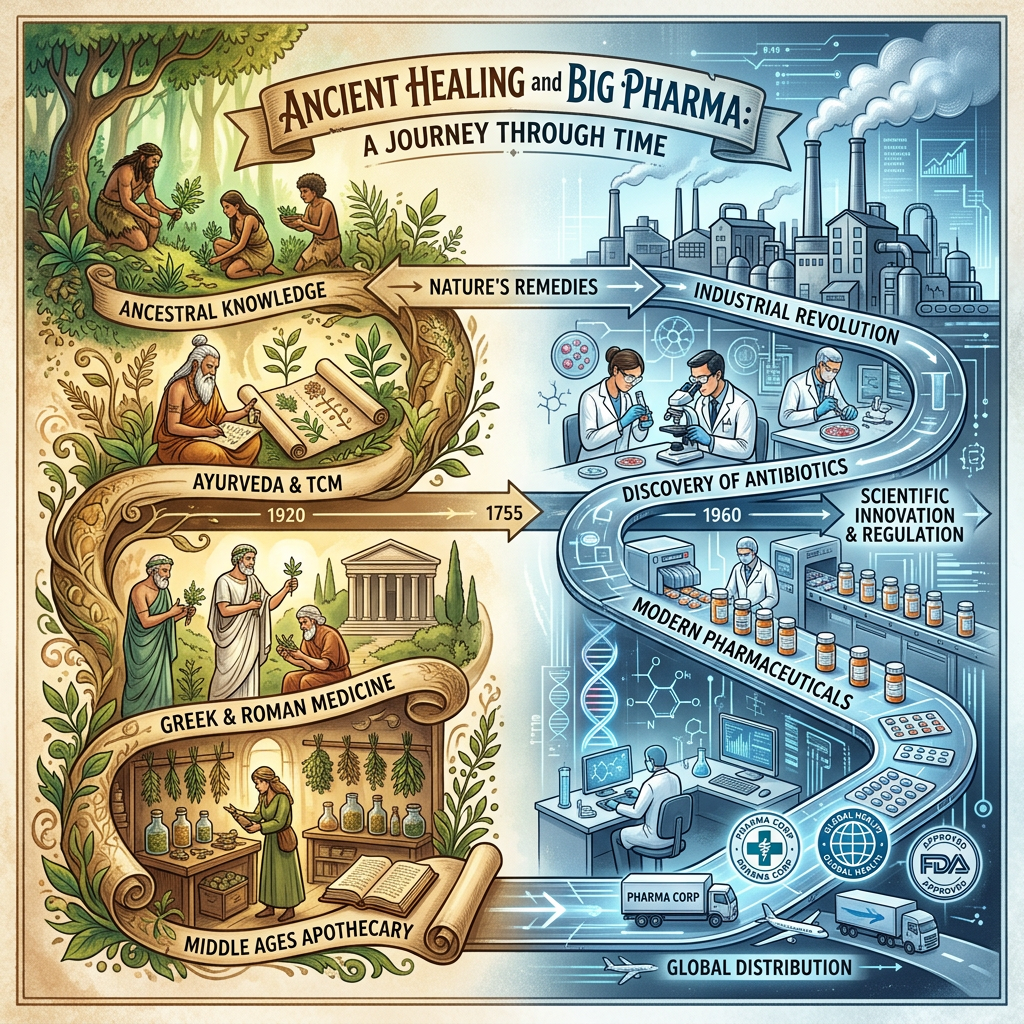


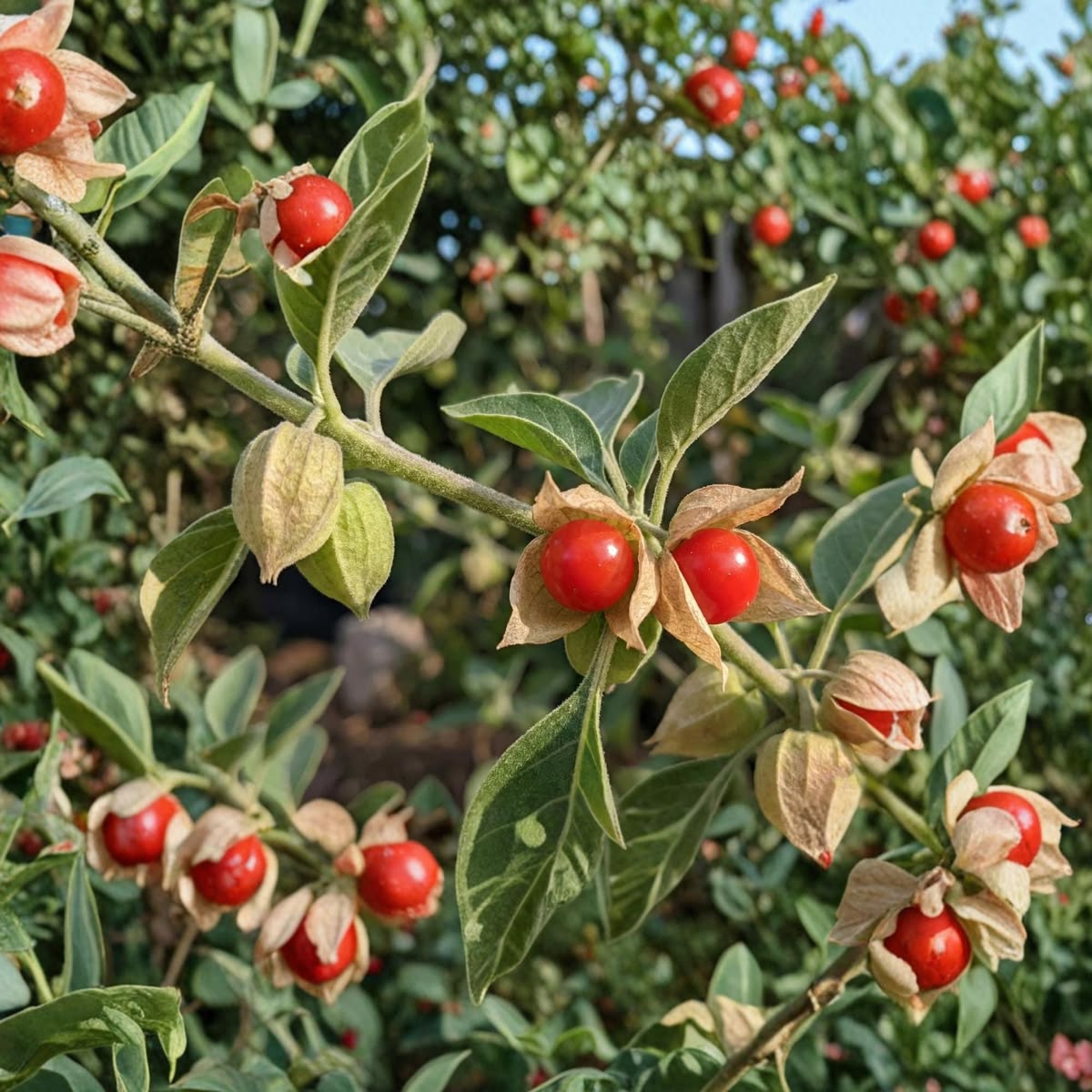
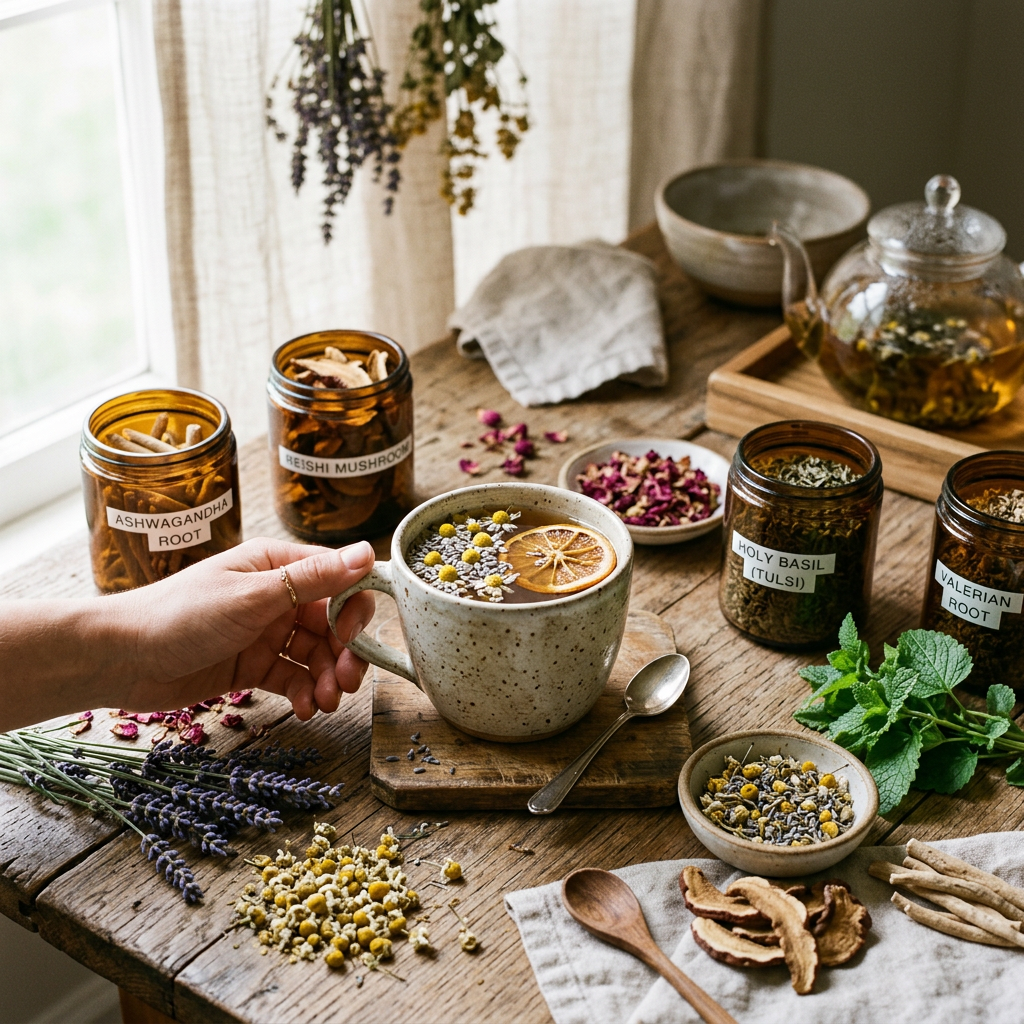

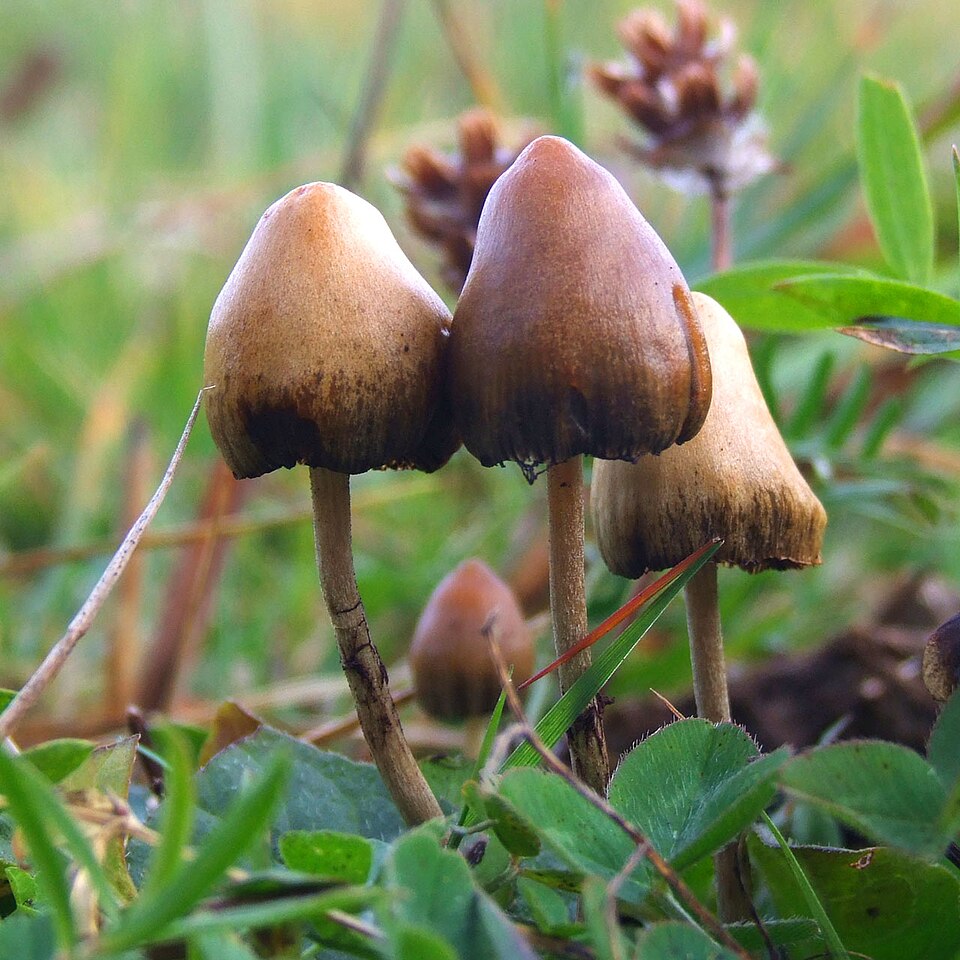
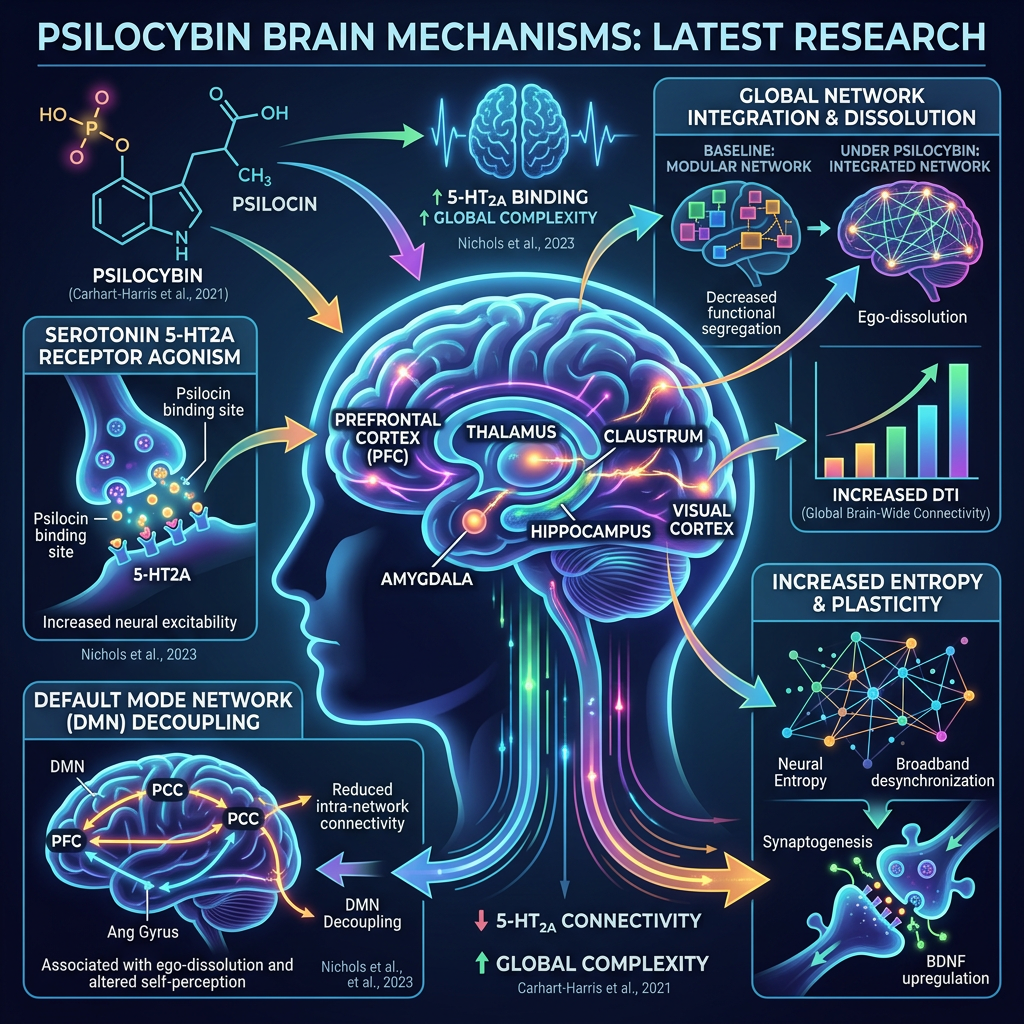




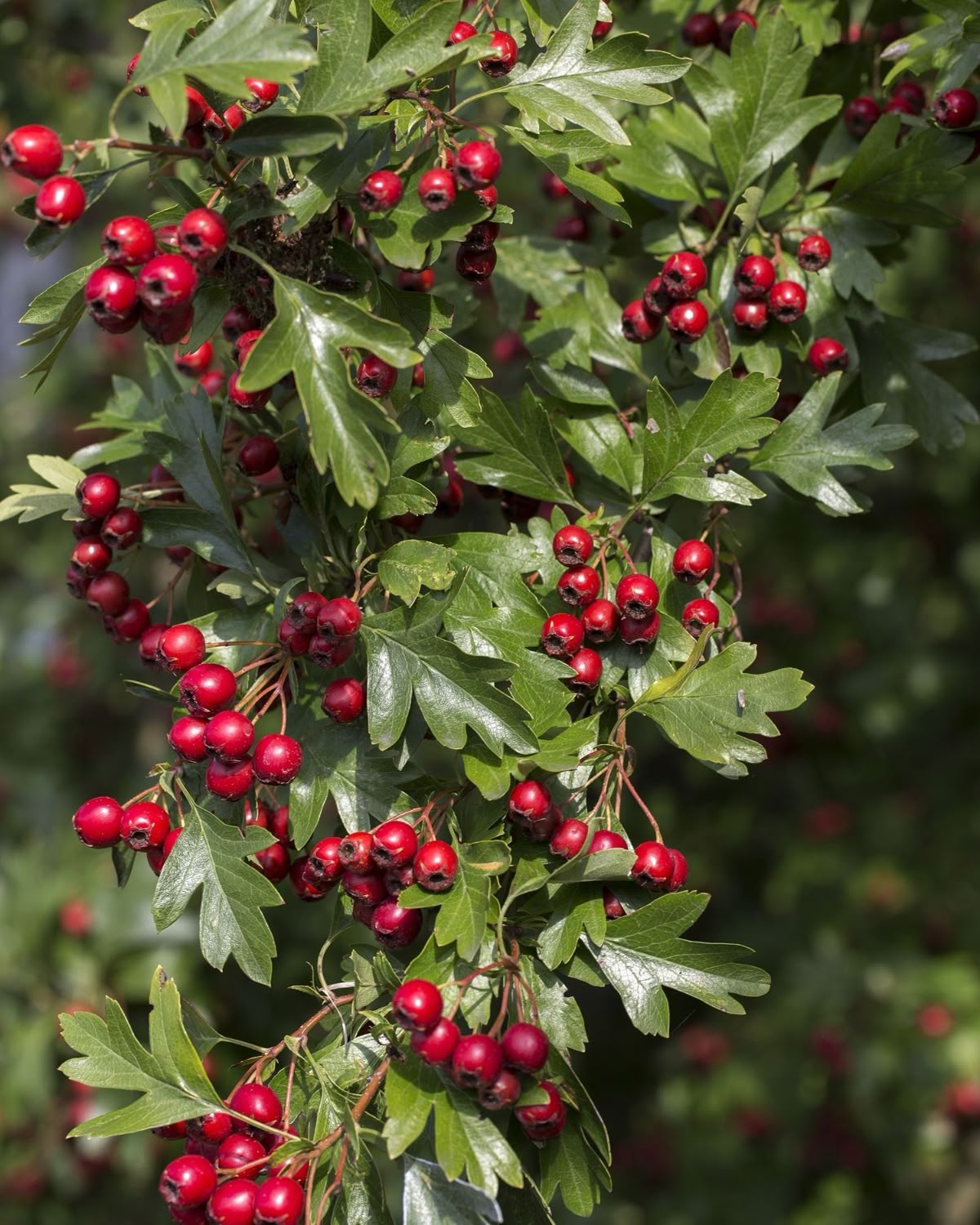






Leave a Reply