
A Comprehensive Herbal Monograph:
👈Note on This Monograph:👇
Note on This Monograph: This extensive entry uses the full 8-part structure, offering a deep, interdisciplinary exploration of Anise (Pimpinella anisum)— weaving together modern scientific evidence, traditional and ethnobotanical wisdom, practical cultivation and preparation guidance, and its living spiritual essence. Drawing from clinical studies, historical texts, indigenous knowledge, and esoteric traditions, it serves as a comprehensive resource for holistic understanding and respectful relationship with this powerful plant ally. Please work with trained professionals for therapeutic applications.
“Our Commitment to Transparent Research”
Unlike many herbal resources that offer generalized information with little or no backing, we provide direct links to every source we reference. This allows you to verify claims, explore topics in greater depth, and trust that what you’re reading is grounded in both modern science and time-honored tradition.
Section-specific Sources lists
Most monographs include dedicated “Sources:” sections at the end of major topics (e.g., Sources: Phytotherapy, Sources: Historical and Cultural Significance, Sources: Pharmacology). These contain direct, clickable links to the original material. We created this level of transparency so the research can serve you. Here are some ways readers use our sourced monographs: Anyone seeking truth — Verify claims for yourself instead of taking information at face value. Students & Researchers — Use the references for papers, assignments, or deeper study. Herbalists & Practitioners — Cite sources when educating clients or in professional materials. Curious Explorers — Follow the links to read original studies or historical texts yourself. Writers & Educators — Reference our monographs (with attribution), knowing the information is traceable.

“AT A GLANCE”
Anise (Pimpinella anisum) is an annual herb of the Apiaceae family native to the eastern Mediterranean and Southwest Asia. Its aromatic seeds, rich in trans-anethole, have been used for millennia as a carminative, expectorant, and flavoring agent. Modern research in the U.S supports modest benefits for functional dyspepsia, menopausal hot flashes, and lactation, while the plant continues to serve the food, cosmetic, and herbal-supplement industries.

Provides an overview of key points.
Synopsis
👈At A Glance: Anise (Pimpinella anisum)👇
Scientific Name: Pimpinella anisum L.
Family: Apiaceae (also known as Umbelliferae or parsley/carrot family)
Common Names: Anise, aniseed, sweet cumin, anis, anis vert, common anise, anise plant; regional names include Anisa/Badian/Saunf/Muhuri (various Asian languages), Boucage anis (North Africa), Hui Qin (sometimes overlapping with related spices in Chinese contexts).
Botanical Description
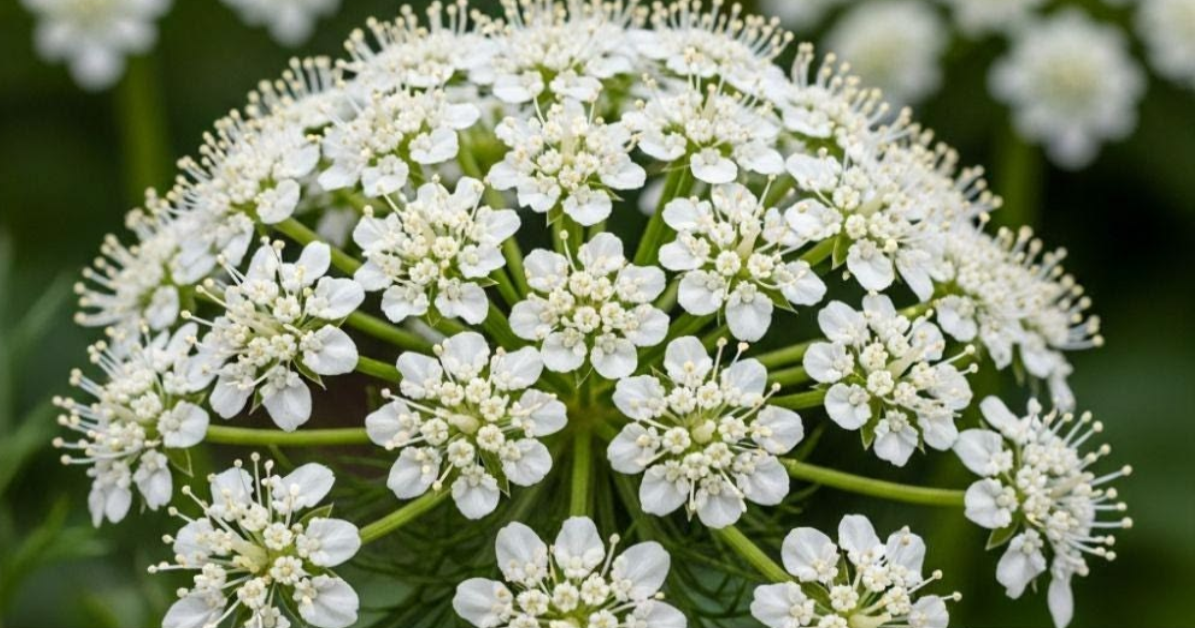
Pimpinella anisum is an herbaceous annual plant native to the eastern Mediterranean region and Southwest Asia (SE Türkiye to Central Israel, Cyprus). It grows 30–90 cm (1–3 feet) tall with a taproot. Basal leaves are simple, long-stalked, and shallowly lobed (1–5 cm); upper leaves are feathery/pinnate with numerous small leaflets. Small white or yellowish flowers (≈3 mm) form dense umbels in loose clusters. The fruit is a dry, oblong, curved, ribbed gray-brown schizocarp (4–6 mm long), commonly called the “seed” or aniseed. It thrives in temperate biomes on light, fertile, well-drained soils and is widely cultivated in Mediterranean climates and beyond.
Phytochemistry
Aniseed contains 2–7% essential oil (typically 1.5–6% by steam distillation), dominated by trans-anethole (80–95%, responsible for the characteristic sweet licorice-like aroma and flavor). Minor volatiles include estragole (methyl chavicol, 0.5–6%), p-anisaldehyde, γ-himachalene, linalool, α-terpineol, cis-anethole, and pseudoisoeugenyl-2-methylbutyrate. Other constituents include fixed oil (8–23%, rich in petroselinic acid), proteins (≈18%), carbohydrates, fiber, flavonol glycosides, phenolic acids (e.g., caffeic, chlorogenic, ferulic), coumarins (umbelliferone, bergaptene), and minerals/vitamins. Composition varies with genotype, climate, and extraction method (supercritical CO₂ can yield higher extracts).
Western Traditional & Clinical Actions
Traditionally used as a carminative, aromatic, digestive, expectorant, antispasmodic, galactagogue, mild diuretic, and mild estrogenic agent. Actions include relieving flatulence, indigestion, colic, coughs, and bronchial congestion; promoting lactation; and mild sedative or appetite-stimulating effects. Modern observations support antispasmodic, antimicrobial, antioxidant, anti-inflammatory, and mild estrogenic properties.
Chinese Medicine Actions
In TCM contexts (often overlapping with or distinguished from star anise/Illicium verum), aniseed is associated with warming the interior, tonifying Qi and Yang, expelling cold, promoting Qi circulation, and resolving dampness. It enters the Spleen, Stomach, Kidney, and Liver meridians. Used for poor appetite, abdominal pain/cramping due to cold, vomiting, nausea, hernia, menstrual cramps, joint pain, and constipation.
Traditional & Historical Uses
Cultivated for ≈4,000 years in Egypt and the Middle East; used by ancient Greeks, Romans, and in medieval European herbalism (e.g., Gerard’s Herball for flatulence, milk production, and women’s issues; Pliny for sleeplessness and bites). In Turkish, Iranian, Indian, and Unani/Ayurvedic traditions: carminative, digestive, expectorant, galactagogue, for respiratory congestion, migraines, colic, skin infections, and as a tranquilizer or aphrodisiac. Employed in culinary applications across cultures for flavoring baked goods, liqueurs, and savory dishes.
Modern Pharmacological Evidence
Preclinical studies demonstrate antioxidant, antibacterial, antifungal, antiviral, anti-inflammatory, analgesic, antispasmodic, anticonvulsant, bronchodilator, hepatoprotective, antidiabetic, hypolipidemic, estrogenic, insecticidal, and mild anticancer (antiproliferative/apoptotic) activities. Mechanisms often involve anethole’s effects on smooth muscle, free-radical scavenging, microbial membranes, and hormone receptors. Immunomodulatory and neuroprotective effects have also been noted.
Clinical Studies
Limited but positive human data exist. A randomized trial showed benefit for functional dyspepsia/postprandial distress. Studies support reduction of menopausal hot flashes (e.g., 330 mg capsules 3× daily) and premenstrual syndrome symptoms. A 2023 randomized controlled trial found anise herbal tea increased human milk volume and preterm infant weight gain. Other trials explored postpartum depression symptoms, dysmenorrhea, and limited COVID-19-related GI symptom relief with aniseed powder. More high-quality trials are needed.
Preparations & Dosage
Common forms: tea/infusion (1–2 tsp crushed seeds per cup, steep 10 min), powder, tincture/extract, essential oil, or capsules. Studied adult doses include 3–5 g seed powder daily (e.g., after meals for dyspepsia), 110–330 mg extract daily (up to 4 weeks for menopausal symptoms), or 200 mg oil 3× daily (up to 4 weeks). Culinary use is unlimited in food amounts. Always start low and consult a practitioner.
Safety & Contraindications
Generally recognized as safe (GRAS) in food amounts. Medicinal use is possibly safe for up to 4 weeks. Possible allergic reactions (cross-reactivity with Apiaceae plants: celery, carrot, fennel, etc.). Estrogenic activity: avoid in hormone-sensitive conditions (breast/uterine/ovarian cancer, endometriosis). May lower blood sugar (caution with diabetes meds/surgery). Potential interactions with estrogens, tamoxifen, birth control, certain CYP-metabolized drugs (e.g., diazepam, codeine), and caffeine. Avoid medicinal doses in pregnancy (reputed abortifacient in excess); food amounts are considered safe. Limited data for children and lactation beyond food use.
Cultivation & Harvest
Annual; sow seeds in spring in light, fertile, well-drained soil (pH 6.3–7.0), full sun, after frost risk. Direct sowing preferred (taproot makes transplanting difficult); space 15–30 cm. Needs >100 frost-free days. Harvest seeds late summer–early autumn, when brown and easily shed (cut umbels and dry upside down in bags). Sustainable practices: mulching, hand-harvesting, crop rotation. Widely grown commercially in the Mediterranean, Middle East, and temperate regions.
Commercial Products
Dried aniseed (whole or ground) as spice; essential oil for flavoring/aromatherapy; herbal teas, capsules, tinctures, and extracts as supplements; used in liqueurs (e.g., anisette, ouzo, pastis), baked goods, confectionery, and as a natural preservative/antioxidant in foods. Regulated as a food additive/flavoring; quality varies by anethole content and purity (distinguish from toxic Japanese star anise contaminants in related products).
Ethnobotanical Curiosities
Ancient Egyptians used it in medicines and as a digestive; Romans flavored cakes and wine with it. In European folklore, it was linked to protection, digestion, and mild aphrodisiac effects. It features in traditional Mediterranean, Middle Eastern, and South Asian cuisines and remedies. Its similarity in flavor to fennel, star anise, and licorice has led to frequent substitutions and shared cultural uses across continents.
Recent Research (2020–2025)
Multiple reviews (2023–2024) confirm rich phenolic, flavonoid, and anethole profiles with antioxidant, antimicrobial, anti-inflammatory, antidiabetic, and neuroprotective activities. 2023 work explored agrochemical potential (insecticidal/acaricidal). Clinical focus includes lactation support (2023 RCT) and ongoing interest in GI, menopausal, and metabolic effects. Studies address climate impacts on distribution and chemistry, nanoparticle applications, and combination therapies. Emphasis on sustainable cultivation and validation of traditional uses continues.
Conservation Status
Not evaluated as threatened by IUCN; it is a widely cultivated annual with broad distribution from Portugal to China. Wild populations may face climate-change pressures on range and chemistry, prompting recommendations for conservation of genetic diversity and sustainable practices, but commercial production ensures availability.
DIY Recipes
Anise Tea (digestive/carminative): Crush 1–2 tsp anise seeds lightly; steep in 1 cup boiling water for 10 minutes; strain. Optional: add honey or mint. Drink 1–3 cups daily.
Simple Anise Infusion for Lactation Support (traditional): Similar to the tea, 1–2 cups daily (consult a practitioner).
Anise Honey (soothing): Lightly crush 1–2 tsp seeds; cover with raw honey; infuse 3–5 days; take ½ tsp as needed or stir into tea.
Use fresh, high-quality seeds; avoid excessive internal use of essential oil.
Planting & Harvesting Reference Guide
👈Planting & Harvesting Reference Guide:👇
Anise (Pimpinella anisum) – Planting & Harvesting Reference Guide
- Best Time for Planting
- Early to mid-spring, after the last frost when soil has warmed to approximately 15–21°C (60–70°F)
- Direct-sow preferred (taproot resists transplanting)
- During waxing moon phases for strong establishment (contemporary magical preference)
- Ideal location: full sun, light, fertile, well-drained soil with pH 6.3–7.0
- Growing Conditions & Magical Minded Tips
- Space plants 15–30 cm (6–12 inches) apart
- Keep evenly moist but never waterlogged; mulch lightly to retain moisture
- Protect from strong winds; support umbel development with consistent warmth
- Requires more than 100 frost-free days for full seed maturation
- Sow with clear intention for clarity and gentle protection; speak quietly to emerging seedlings of the dreams they will one day guard
- Whisper thanks to the land when setting seed; offer a few seeds or simple gratitude in return
- Best Time for Harvesting Seeds
- Late summer to early autumn (typically 110–120 days after sowing) when fruits turn grayish-brown and separate easily from the umbels
- Prefer dry days; waxing-to-full moon phases favored in magical practice for potency and energetic alignment
- Sustainable & Magical Harvesting Methods
- Cut entire seed umbels (or seed heads) with a clean knife or by hand
- Take only what is needed; leave sufficient seed for natural regeneration or future sowing
- Harvest with reverence: ask permission of the plant, give thanks, and leave a small offering (a few seeds returned to the earth or a spoken blessing)
- Sing soft praises or speak gratitude before and after cutting
- Post-Harvest Processing
- Hang umbels upside-down in paper bags in a warm, dry, shaded, well-ventilated place so seeds fall cleanly as they dry
- Allow thorough drying to preserve aromatic oils and potency
- Store fully dried seeds in airtight containers protected from light and heat
- Optionally charge storage jars with a whispered blessing for truthful sleep and shielded sight
- Refresh magical sachets or dream pillows with each new harvest
This guide consolidates all planting and harvesting details mentioned across the SPARK sections for quick, practical reference. Always prioritize ethical, sustainable practices to honor the plant’s spirit and ensure its continued abundance.
Healing Categories
👈Anise (Pimpinella anisum) fits most strongly into the following healing categories, based on its traditional use, phytochemistry, clinical observations, and energetic profile:👇
- Digestive Health — Primary carminative and antispasmodic that eases bloating, gas, mild spasms, and functional dyspepsia.
- Women’s Hormonal & Reproductive Support — Mild phytoestrogenic actions support menopausal comfort (especially hot flashes), menstrual ease, and lactation.
- Respiratory Comfort — Traditional expectorant that helps loosen mild congestion and soothe coughs associated with colds.
- Nervous System & Restorative Sleep — Calming aromatic that settles the gut-brain axis and supports peaceful, clearer sleep and dream work.
- Energetic Protection & Psychic Clarity — Used in folk and esoteric traditions to purify the field, ward off subtle negativity, and gently open intuitive perception.
- Antioxidant & Antimicrobial Support — Provides free-radical scavenging and mild activity against certain bacteria and fungi.
- Lactation Support — Traditional galactagogue that may modestly encourage milk production when used appropriately.
Healing Categories
Digestive Health
Anise (Pimpinella anisum) stands as a classic carminative of the Apiaceae family. Its essential oil, dominated by trans-anethole, relaxes gastrointestinal smooth muscle, reduces bloating and flatulence, and has demonstrated benefit in functional dyspepsia. Traditional infusions and powdered seeds remain gentle first-line allies for everyday digestive discomfort.
Women’s Hormonal & Reproductive Support
Through mild estrogenic activity, Anise offers support during the menopausal transition—particularly in reducing the frequency and intensity of hot flashes—as shown in small clinical trials. It also appears in traditional formulas for menstrual comfort and as a galactagogue to encourage healthy milk flow in nursing mothers.
Respiratory Comfort
As a mild expectorant and aromatic, Anise helps ease upper-respiratory congestion and spasmodic coughs. Its warming, clearing quality has been valued since classical times for supporting comfortable breathing during seasonal challenges.
Nervous System & Restorative Sleep
By calming the digestive tract and offering a soothing aromatic profile, Anise indirectly supports the nervous system. Folk tradition places the seeds beneath the pillow to discourage nightmares and invite clearer, more restful sleep—linking physical ease with subtle restoration.
Energetic Protection & Psychic Clarity
In Mediterranean, European folk, and contemporary esoteric practice, Anise is regarded as a gentle protector and clarity-bringer. It is used to purify space, shield against the evil eye or ambient negativity, and lightly open the inner senses without force—making it a favored companion for dream work and quiet meditation.
Antioxidant & Antimicrobial Support
Rich in phenolic compounds and anethole, Anise exhibits measurable antioxidant capacity and mild antimicrobial effects. These properties contribute to its traditional role in preserving both physical and energetic well-being.
Lactation Support
Long employed as a galactagogue across Middle Eastern, Mediterranean, and European traditions, Anise is prepared as a mild tea to support milk production. Modern observations suggest a modest positive influence when used as part of a broader nourishing approach.
These categories reflect the plant’s multi-layered gifts—from the tangible comfort of digestion and hormonal balance to the quieter work of protection and clear-seeing. Anise (Pimpinella anisum) remains a versatile, gentle ally that invites both practical use and deeper relationship.
✨ If You Only Read U.S. Consumer Pages ✨
U.S. consumer pages usually flatten Anise (Pimpinella anisum) into four talking points: “tastes like licorice,” “used in cookies and sausage,” “flavor of ouzo and absinthe,” and “don’t confuse it with poisonous Japanese star anise.” That is not false, but it is a small slice. Those pages rarely mention that the same species is an official Ph. Eur., BP, Commission E, ESCOP, WHO and Egyptian Drug Authority drug; that EMA wrote separate fruit and oil monographs for dyspepsia and cough; that Iranian RCTs tested the fruit for functional dyspepsia, hot flashes, dysmenorrhea and postpartum pain; or that Spain, Egypt, Turkey and Iran still grow the pharmacopoeial crop. They also rarely distinguish Anise (Pimpinella anisum) from Illicium verum or from Indian saunf fennel, even though the European Pharmacopoeia already made that split official. Reading only U.S. retail copy makes the plant look like a baking spice with a look-alike warning. Reading the global official and clinical record makes it look like a Mediterranean–West Asian pharmacopoeial fruit, a Unani and Egyptian official herb, an Iranian women’s-health trial subject, and a regulated essential-oil crop. Both pictures matter. The second one is the one most American seekers never see.
Sources:
https://www.ema.europa.eu/en/documents/herbal-monograph/final-community-herbal-monograph-pimpinella-anisum-l-fructus_en.pdf
https://www.herbalgram.org/resources/commission-e-monographs/monograph-approved-herbs/anise-seed/
https://edaegypt.gov.eg/media/p4iejtrw/pimpinella-anisum-l-%D9%8A%D9%86%D8%B3%D9%88%D9%86.pdf
https://brieflands.com/journals/semj/articles/117385
Globally: Where This Plant Is Studied
👈Global research, official texts, publishers, and human-trial data, rather than U.S.-consumer-page-limited:👇
Anise (Pimpinella anisum) is studied as a living research plant across the eastern Mediterranean, North Africa, West Asia, South Asia, and southern Europe—not as a U.S. cookie-spice novelty. Kew treats the wide range as southeastern Turkey to Cyprus, Lebanon-Syria and Palestine; cultivation and naturalization stretch from Egypt, Morocco, Tunisia, Spain and Italy through Turkey, Iran, Bulgaria and Romania to India, China, Mexico, Chile and Argentina. The densest modern scientific output has come from Iran, Egypt, Turkey, India, Tunisia, Spain and Germany. Leading institutional clusters include Iranian groups at Mashhad University of Medical Sciences, Shahid Beheshti University of Medical Sciences, Qazvin health centers and Barij Essence in Kashan; Egypt’s Egyptian Drug Authority herbal-monograph program and Upper Egyptian ethnomedicine work; Tunisia’s Centre de Biotechnologie de Borj-Cédria; Turkey’s Ankara University Faculty of Pharmacy and the Aegean Agricultural Research Institute germplasm bank at Menemen, İzmir; India’s ICAR–National Research Centre on Seed Spices (Ajmer) and CIMAP Lucknow; and European agronomy at Justus Liebig University Giessen plus Spanish accession trials in Andalusia. Field and quality research tracks fruit yield and trans-anethole content in Egyptian, Spanish, Greek, Bulgarian, Turkish, and Iranian accessions—the same belt that still supplies aniseed and anise oil for ouzo, pastis, pharmacy teas, and Unani Anisoon. In short: the plant is a multi-country pharmacognosy, gynecology-trial, seed-spice and essential-oil subject, not a single-market baking flavor.
Sources:
https://powo.science.kew.org/taxon/urn:lsid:ipni.org:names:846658-1
https://pmc.ncbi.nlm.nih.gov/articles/PMC10035495/
https://prosea.prota4u.org/view.aspx?id=605
https://www.mdpi.com/2073-4395/16/3/285
https://www.ema.europa.eu/en/documents/herbal-report/final-assessment-report-pimpinella-anisum-l-fructus-and-pimpinella-anisum-l-aetheroleum_en.pdf
Official Books That Name This Species
Anise (Pimpinella anisum) is named, defined, and quality-tested in official national and regional pharmacopoeias. These are legal or quasi-legal reference books, not blog herbals. The core European texts are European Pharmacopoeia Anisi fructus (Ph. Eur. 0262): whole dry cremocarp of Pimpinella anisum L., not less than 20 ml/kg essential oil on the anhydrous fruit; and Anisi aetheroleum, steam-distilled oil from the dry ripe fruit, with specified ranges for trans-anethole (typically 87–94%), estragole, anisaldehyde, and cis-anethole, plus a fenchone maximum used to catch fennel-oil substitution. The same monographs are official in the British Pharmacopoeia by European harmonization. Ph. Eur. keeps Anisi stellati fructus and Anisi stellati aetheroleum as separate books—Illicium verum is not this plant. EMA’s HMPC issued Community herbal monographs on both Pimpinella anisum L., fructus (EMA/HMPC/321184/2012) and aetheroleum for traditional use in mild spasmodic gastrointestinal complaints, bloating, flatulence and, for the fruit, coughs associated with colds. Germany’s Commission E approved anise seed internally for dyspeptic complaints and internally/externally for respiratory catarrh (daily dose 3 g drug or 0.3 g essential oil). ESCOP published Anisi fructus. WHO issued Fructus Anisi in WHO Monographs on Selected Medicinal Plants, Volume 3 (2007). Egypt’s Drug Authority named the species in the 2022 Egyptian Herbal Monograph as ينسون / Yansoon. Unani texts treat it as Anisoon / Badiyan-e-Rumi. In India the market name saunf often means fennel (Foeniculum vulgare); official Ayurvedic monographs must be read with that confusion in mind. EFSA has assessed anise oil and tincture as feed flavourings. These books specify identity, oil minima, anethole/estragole ranges, contaminants, and permitted uses. That is a very different class of “naming” than a U.S. consumer page.
Sources:
https://www.ema.europa.eu/en/documents/herbal-monograph/final-community-herbal-monograph-pimpinella-anisum-l-fructus_en.pdf
https://www.ema.europa.eu/en/medicines/herbal/anisi-aetheroleum
https://www.herbalgram.org/resources/commission-e-monographs/monograph-approved-herbs/anise-seed/
https://www.escop.com/downloads/aniseed/
https://edaegypt.gov.eg/media/p4iejtrw/pimpinella-anisum-l-%D9%8A%D9%86%D8%B3%D9%88%D9%86.pdf
https://www.vetpharm.uzh.ch/phytodb/0050_phy.htm
Who Publishes on It
Publication is global but clinically heaviest in Iran, with agronomy and oil chemistry spread across the Mediterranean and South Asia. Iran leads human-trial volume on Anise (Pimpinella anisum); Egypt, Turkey, India, Tunisia, Spain, and Germany lead cultivation, composition, and official-monograph work. The journals that repeatedly carry the plant include Journal of Herbal Medicine, Shiraz E-Medical Journal, Iranian Journal of Pharmaceutical Research, Journal of Ethnopharmacology, Phytotherapy Research, Agronomy, Plant Biosystems, Industrial Crops and Products, and WHO / EMA assessment reports. Publishers and official bodies include Elsevier, Wiley, Springer Nature, MDPI, EMA HMPC, EDQM, WHO, ESCOP, Germany’s Commission E / BfArM, the Egyptian Drug Authority, ICAR–NRCSS, and Iranian manufacturers such as Barij Essence. Author clusters sit in Iranian obstetrics and gastroenterology trial groups, Egyptian and Tunisian phytochemistry labs, Turkish pharmaceutical botany, Indian seed-spice breeders, and German accession trials. Consumer-health sites reprint fragments of this literature; they are not the original publishers.
Sources:
https://www.sciencedirect.com/science/article/pii/S2667031321000452
https://www.herbalgram.org/resources/herbclip/herbclip-news/2018/anise/
https://link.springer.com/chapter/10.1007/978-3-030-16807-0_146
https://www.ema.europa.eu/en/documents/herbal-report/final-assessment-report-pimpinella-anisum-l-fructus-and-pimpinella-anisum-l-aetheroleum_en.pdf
Human Trials Tied to This Species
Human evidence for Anise (Pimpinella anisum) is strongest in Iranian randomized trials of the fruit or fruit extract for dyspepsia and women’s health—not in large Western drug programs. Official European monographs rest on traditional use plus pharmacology; the modern RCTs sit mostly outside those monographs’ indication lists.
A double-blind RCT in functional dyspepsia (Ghoshegir et al.; Barij Essence 3 g powder three times daily for four weeks, 107 patients) reported better SF-36 quality-of-life scores at twelve-week follow-up versus placebo. For menopausal hot flashes, a 2012 Qazvin double-blind trial (72 women; 330 mg capsules three times daily for four weeks) reduced frequency and severity versus starch placebo, with some effect persisting in a four-week follow-up; a later multicenter double-blind parallel-group trial (IRCT201103284317N4; 72 women) again cut frequency and severity at eight weeks, with partial recurrence after stopping. Primary dysmenorrhea trials of anise extract versus vitamin E or placebo, and Apiaceae-family meta-analyses that include Pimpinella anisum, report pain-score reductions; sample sizes are modest, and some arms use mixed herbs. A 108-woman RCT of PAC capsules (Pimpinella anisum + celery + saffron extracts, 500 mg) versus mefenamic acid 250 mg found faster and greater relief of postpartum after-pains with the combination. PMS work includes a triple-blind trial of a soft-gel combining anise, evening primrose and clary-sage oils. Reviews count a handful of female-disorder RCTs and note that anethole’s phytoestrogen-like structure is the usual mechanistic story.
Important caution: many “anise” food and oil products are Illicium verum (star anise) or fennel. Ph. Eur. and EMA treat those as different drugs. Estragole content is the official European toxicology theme for the oil. Human PK of trans-anethole has been measured; large disease-endpoint trials of Ph. Eur. aniseed tea itself remain thin compared with the Iranian extract trials.
Sources:
https://brieflands.com/journals/semj/articles/117385
https://www.sciencedirect.com/science/article/abs/pii/S2210803315000056
https://www.sciencedirect.com/science/article/pii/S2667031321000452
https://www.researchgate.net/publication/258703922_The_Study_on_the_Effects_of_Pimpinella_anisum_on_Relief_and_Recurrence_of_Menopausal_Hot_Flashes
https://www.ema.europa.eu/en/documents/herbal-report/final-assessment-report-pimpinella-anisum-l-fructus-and-pimpinella-anisum-l-aetheroleum_en.pdf

Part 1: Modern Medical Properties and Uses

Purpose: Highlights the plant’s scientific and medicinal properties, validating holistic healing with evidence-based data.
Contemporary Medical Applications:
Describes current clinical uses (e.g., capsules, tinctures) and delivery methods in modern medicine.
👈Contemporary Medical Applications:👇
Contemporary Medical Applications:
- Anise seed powder has been administered at doses of approximately 3 grams three times daily after meals for four weeks in clinical settings to alleviate symptoms of functional dyspepsia, including epigastric pain, bloating, early satiety, and postprandial fullness, with reported improvements in quality of life measures related to physical and social functioning.
- Capsules containing anise extract at around 330 milligrams taken three times daily for four weeks have been applied to reduce the frequency and severity of hot flashes in postmenopausal women, offering a plant-based option for managing this common climacteric symptom through phytoestrogenic pathways.
- Herbal combinations incorporating anise seed extracts alongside other botanicals have been studied for menstrual discomfort, with specific products delivering measured amounts of anise contributing to decreased pain intensity and duration during the early days of menstruation.
- Infusions and teas prepared from anise seeds are utilized to support lactation in nursing mothers, with some protocols involving 2 grams of dried seed material combined with other ingredients taken multiple times daily, aiming to modestly influence milk volume especially in the early postpartum period.
- Essential oil and seed preparations appear in formulations for digestive support, including carminative applications for flatulence and mild gastrointestinal spasms, often delivered via tinctures, teas, or powdered forms in traditional-to-modern transitional practices.
- Anise features in certain proprietary galactagogue mixtures and digestive aids available as capsules or teas, reflecting ongoing integration into supportive care for postpartum and functional gastrointestinal concerns based on observed physiological effects.
- Delivery methods commonly include oral powders, standardized extracts in capsules, aqueous infusions, and occasionally essential oil dilutions for aromatic or internal use under professional guidance, prioritizing measured dosing to align with studied parameters.
Sources: Contemporary Medical Applications
https://pmc.ncbi.nlm.nih.gov/articles/PMC4354059/
https://pubmed.ncbi.nlm.nih.gov/25767516/
https://pmc.ncbi.nlm.nih.gov/articles/PMC3813162/
https://pubmed.ncbi.nlm.nih.gov/24250540/
https://www.ncbi.nlm.nih.gov/books/NBK501776/
https://www.webmd.com/vitamins/ai/ingredientmono-582/anise
https://www.tandfonline.com/doi/full/10.1080/23312025.2019.1673688
https://pmc.ncbi.nlm.nih.gov/articles/PMC3405664/
Pharmacology:
Outlines key compounds and their mechanisms of action, driving therapeutic effects.
👈Pharmacology:👇
Pharmacology:
- The primary phenylpropanoid trans-anethole, comprising the majority of the essential oil, interacts with estrogen receptors and exhibits phytoestrogenic activity that may underlie observed effects on menopausal symptoms and potential influences on reproductive tissues through receptor modulation.
- Anethole and related compounds contribute to antispasmodic and muscle-relaxant actions by inhibiting muscarinic receptors and engaging nitric oxide-cyclic GMP pathways, facilitating relaxation of gastrointestinal and tracheal smooth muscle preparations in experimental models.
- Antioxidant mechanisms involve free-radical scavenging, including DPPH and superoxide anion neutralization, metal chelation, and inhibition of lipid peroxidation, attributed to both volatile oil constituents and phenolic fractions that protect cellular components from oxidative damage.
- Antimicrobial activity arises from disruption of microbial membranes and metabolic processes by anethole and accompanying volatiles, demonstrating inhibitory effects against various bacterial and fungal strains through direct contact or vapor-phase interactions.
- Anticonvulsant properties may involve modulation of voltage-gated calcium or potassium channels and enhancement of inhibitory neurotransmission, as evidenced by elevated seizure thresholds in experimental models of chemically induced convulsions.
- Anti-inflammatory and analgesic effects are linked to inhibition of pathways such as cyclooxygenase and lipoxygenase, with fixed oils and essential oil fractions showing potency comparable to certain reference compounds in models of pain and edema.
- Metabolic influences include enhancement of glucose absorption via sodium-potassium ATPase activity and potential reductions in circulating glucose and lipids, supporting observations of antidiabetic and hypolipidemic actions in relevant experimental and limited human contexts.
Sources: Pharmacology:
https://pmc.ncbi.nlm.nih.gov/articles/PMC3405664/
https://www.tandfonline.com/doi/full/10.1080/23312025.2019.1673688
https://pmc.ncbi.nlm.nih.gov/articles/PMC10347090/
https://ijbpsa.com/sites/default/files/IJBPSA-2024-0087.pdf
https://www.ncbi.nlm.nih.gov/books/NBK501776/
Natural Medicine Studies:
Summarizes recent research on efficacy, safety, or clinical outcomes from peer-reviewed studies.
👈Natural Medicine Studies:👇
Natural Medicine Studies:
- A double-blind randomized clinical trial evaluated anise powder in patients with functional dyspepsia and demonstrated significant reductions in epigastric discomfort, bloating, and related symptoms compared with placebo, alongside improvements in quality-of-life scores over a four-week period.
- Randomized controlled investigations of anise extract capsules in postmenopausal women reported marked decreases in both the frequency and severity of hot flashes after four weeks of administration, with sustained effects noted during follow-up observations.
- Studies examining anise in the context of lactation, including trials involving mothers of preterm infants, have indicated modest increases in milk volume with low-to-moderate certainty evidence from meta-analyses, particularly in the early postpartum days when combined with supportive measures.
- Research on seed powder supplementation in individuals with type 2 diabetes has documented reductions in fasting blood glucose, cholesterol, and triglycerides, accompanied by decreases in markers of lipid and protein oxidation and elevations in certain antioxidant vitamins.
- Investigations into dysmenorrhea utilizing combination products containing anise extracts have shown greater reductions in menstrual pain intensity relative to standard nonsteroidal comparisons in controlled settings involving young women.
- Experimental and limited clinical work has explored anticonvulsant, antimicrobial, and antioxidant capacities, confirming activity against selected pathogens and oxidative stress parameters that align with traditional digestive and protective applications.
- Safety-oriented observations from lactation and general use studies note generally favorable tolerability at studied doses, with rare reports of elevated liver enzymes or infant effects associated with excessive multi-herb tea consumption containing anise.
Sources: Natural Medicine Studies:
https://pmc.ncbi.nlm.nih.gov/articles/PMC4354059/
https://pmc.ncbi.nlm.nih.gov/articles/PMC3813162/
https://www.ncbi.nlm.nih.gov/books/NBK501776/
https://pmc.ncbi.nlm.nih.gov/articles/PMC3405664/
https://www.tandfonline.com/doi/full/10.1080/23312025.2019.1673688
https://brieflands.com/journals/semj/articles/117385
Chemistry:
Details active chemical constituents (e.g., alkaloids, flavonoids) and their healing roles.
👈Chemistry:👇
Chemistry:
- The essential oil of anise seeds typically yields 1.5–6 percent by weight and is dominated by trans-anethole at levels ranging from approximately 76 to 95 percent, which accounts for the characteristic sweet aromatic profile and many bioactivities.
- Secondary volatile constituents include estragole (methyl chavicol), γ-himachalene, p-anisaldehyde, cis-anethole, and various pseudoisoeugenyl esters, with proportions varying according to geographic origin, cultivation conditions, and extraction methods.
- Fixed lipids constitute 8–23 percent of the seed material and feature fatty acids such as petroselinic, oleic, palmitic, and linoleic acids, contributing to the overall nutritional and potential pharmacological matrix.
- Phenolic compounds and flavonoids identified in extracts encompass rutin, luteolin glycosides, isoorientin, isovitexin, quercetin derivatives, caffeic acid, chlorogenic acid, and related polyphenols that support antioxidant capacity.
- Coumarins such as umbelliferone, scopoletin, bergaptene, and umbelliprenine occur alongside phenolic glycosides and lignin-carbohydrate-protein complexes that have demonstrated additional biological activities including antiviral effects.
- Protein content approaches 18 percent and carbohydrates around 4–5 percent, with fiber and mineral fractions further enriching the seed matrix used in both medicinal and dietary preparations.
- Variation in chemical profiles has been documented across European, Middle Eastern, and other regional samples, with trans-anethole consistently predominant yet accompanied by measurable differences in minor terpenoids and phenylpropanoids.
Sources: Chemistry:
https://pmc.ncbi.nlm.nih.gov/articles/PMC3405664/
https://www.tandfonline.com/doi/full/10.1080/23312025.2019.1673688
https://ijbpsa.com/sites/default/files/IJBPSA-2024-0087.pdf
https://pmc.ncbi.nlm.nih.gov/articles/PMC10347090/
https://essentialoils.wiki/w/Essential_Oils/Aniseed
Functional Foods and Nutrition:
Highlights dietary uses (e.g., teas, supplements) in modern health practices.
👈Functional Foods and Nutrition:👇
Functional Foods and Nutrition:
- Anise seeds serve as a flavoring agent in baked goods, confectionery, liqueurs, savory dishes, and beverages, contributing both organoleptic qualities and minor nutritional contributions of iron, manganese, calcium, magnesium, and B-complex vitamins.
- Teas and infusions prepared from the seeds provide a traditional functional beverage for digestive comfort, offering low-calorie intake alongside bioactive volatiles and polyphenols that may support antioxidant status.
- Powdered seeds incorporated into dietary regimens or supplements deliver protein, fiber, and essential minerals, with one tablespoon supplying notable percentages of daily iron and manganese requirements relative to typical culinary quantities.
- Essential oil and oleoresin extracts function as natural flavoring and potential preservative components in food products due to antimicrobial and antioxidant properties that help maintain product stability.
- In certain traditional dietary practices, anise features in postpartum or digestive-support recipes, integrating culinary use with mild physiological effects on lactation and gastrointestinal function.
- Nutritional analyses highlight the presence of antioxidant vitamins A and C alongside minerals that complement the primary bioactive phenylpropanoids when consumed as part of a varied diet.
- Functional applications extend to poultry and animal feed as natural growth promoters or flavor enhancers, reflecting broader uses beyond human nutrition while maintaining alignment with plant-derived feed additives.
Sources: Functional Foods and Nutrition:
https://www.healthline.com/nutrition/anise
https://www.tandfonline.com/doi/full/10.1080/23312025.2019.1673688
https://pmc.ncbi.nlm.nih.gov/articles/PMC3405664/
https://www.webmd.com/diet/health-benefits-anise
https://checkyourfood.com/ingredients/ingredient/27/anise-seed
Current Projects and Future Possibilities:
Notes ongoing research, clinical trials, or innovative medical applications.
👈Current Projects and Future Possibilities:👇
Current Projects and Future Possibilities:
- Ongoing investigations explore the antimicrobial potential of anise essential oil and extracts against foodborne and clinical pathogens, with interest in applications as natural preservatives or complementary agents in the context of resistance challenges.
- Research into nanoparticle formulations and green synthesis using anise extracts examines enhanced delivery of bioactives for targeted antioxidant, antimicrobial, or cytotoxic effects in experimental models.
- Further clinical evaluation of standardized preparations for functional gastrointestinal disorders, menopausal symptoms, and lactation support remains a priority to strengthen evidence levels and refine dosing protocols.
- Phytochemical optimization studies focus on cultivation variables that maximize trans-anethole and secondary metabolite yields, supporting sustainable production of high-quality medicinal and food-grade material.
- Exploration of synergistic combinations with other botanicals continues in the domains of digestive health, respiratory comfort, and metabolic support, building on traditional multi-herb formulas.
- Potential applications in animal health, including poultry growth promotion and insecticidal uses, open avenues for agricultural innovation grounded in plant-derived alternatives.
- Advances in extraction technologies such as supercritical fluid methods aim to improve recovery of sensitive constituents while preserving bioactivity for pharmaceutical and nutraceutical development.
Sources: Current Projects and Future Possibilities:
https://www.tandfonline.com/doi/full/10.1080/23312025.2019.1673688
https://pmc.ncbi.nlm.nih.gov/articles/PMC3405664/
https://pmc.ncbi.nlm.nih.gov/articles/PMC10347090/
https://ijbpsa.com/sites/default/files/IJBPSA-2024-0087.pdf
Literary Mentions:
References modern medical texts or studies citing the plant’s therapeutic use.
👈Literary Mentions:👇
Literary Mentions:in ancient texts
- Classical authors including Pliny the Elder recorded anise for digestive comfort, breath freshening when chewed with other plants and honey, and various protective or restorative applications in Roman natural history writings.
- Dioscorides described anise in De Materia Medica among aromatic seeds valued for carminative, diuretic, and warming properties that addressed gastrointestinal and respiratory complaints in the Greco-Roman tradition.
- Ancient Egyptian practices incorporated anise among medicinal and culinary plants cultivated for thousands of years, reflecting early recognition of its aromatic and digestive contributions along the Nile.
- Medieval and Renaissance herbalists such as John Gerard noted anise for relieving flatulence, promoting milk production, and addressing women’s conditions, preserving continuity from earlier classical sources into European herbal literature.
- Traditional Iranian and Middle Eastern medical texts classify anise as a warm and dry remedy used as a carminative, galactagogue, and agent for melancholy or digestive imbalance, aligning with longstanding regional pharmacopeias.
- References in Unani and related systems highlight anise (Anisoon) for strengthening digestion, supporting lactation, and addressing respiratory phlegm, demonstrating cross-cultural literary transmission of its applications.
- Early modern pharmacopeial entries prepared aqua anisi and spiritus anisi, formalizing distilled preparations that bridged ancient aromatic uses with emerging pharmaceutical practices.
Sources: Literary Mentions:
https://en.wikipedia.org/wiki/Anise
https://pmc.ncbi.nlm.nih.gov/articles/PMC3405664/
https://www.tandfonline.com/doi/full/10.1080/23312025.2019.1673688
https://botanical.com/botanical/mgmh/a/anise040.html

Part 2: Plant Knowledge Systems

Purpose: Validates plant-based healing through interdisciplinary scientific and cultural fields.
Ethnobotany:
Explores the plant’s traditional uses across cultures, linking indigenous knowledge to modern applications.
👈Ethnobotany:👇
Ethnobotany:
- Across the eastern Mediterranean and Southwest Asia, where Anise (Pimpinella anisum) is native, ancient Egyptian cultivation for both spice and medicinal purposes established early patterns of use that continue to inform modern digestive and aromatic applications, with the plant’s seeds valued for carminative effects that parallel contemporary observations of antispasmodic activity in functional gastrointestinal complaints. Greek and Roman traditions further refined these practices, incorporating Anise into post-feast cakes to aid digestion and prevent flatulence, a custom that evolved into broader European culinary-medicinal integrations still reflected in herbal teas and flavorings today. These classical foundations link directly to present-day clinical interest in Anise for mild spasmodic digestive support and respiratory expectorant roles.
- In Iranian and broader Middle Eastern folk medicine, Anise seeds have long been employed as an analgesic for migraine, carminative, aromatic, disinfectant, diuretic, and galactagogue, with additional applications for melancholy, nightmares, and seizures, demonstrating a sophisticated humoral understanding that aligns with modern investigations into its phytoestrogenic and smooth-muscle relaxing properties. These regional traditions emphasize warming and drying qualities that support lactation and digestive harmony, providing ethnographic continuity with contemporary studies on milk volume and menopausal symptom management. The persistence of such uses across generations underscores the plant’s role as a bridge between ancestral knowledge systems and evidence-informed phytotherapy.
- Chinese records indicate Anise fruit applications as traditional medicine from at least the fifth century, while Indian Unani and related systems classify it for digestive strengthening, respiratory support, and lactation promotion, illustrating transcontinental diffusion that enriched local pharmacopeias. European medieval and Renaissance herbalists, including figures documenting its use for liver blockages and humoral balance, further disseminated these practices, creating a layered ethnobotanical record that modern research validates through antimicrobial, antioxidant, and estrogenic mechanisms. This global tapestry of traditional applications continues to inspire functional food and herbal product development worldwide.
- In North African, Turkish, and Levantine cultural contexts, Anise features prominently in remedies for digestive disorders, respiratory ailments, and as a general tonic, often prepared as infusions or incorporated into daily diets, reflecting adaptive ecological knowledge of the plant’s preferred dry, rocky, or cultivated habitats. These practices highlight the plant’s dual food-medicine status that modern nutritional analyses support through its mineral and volatile oil contributions. Ethnobotanical surveys in regions such as Morocco further document ongoing herbalist and household uses for food, digestion, and laxative purposes, reinforcing the living relevance of these traditions.
Sources: Ethnobotany:
https://pmc.ncbi.nlm.nih.gov/articles/PMC3405664/
https://www.tandfonline.com/doi/full/10.1080/23312025.2019.1673688
https://botanical.com/botanical/mgmh/a/anise040.html
https://www.mccormickscienceinstitute.com/resources/culinary-spices/herbs-spices/anise
https://theherbalacademy.com/blog/anise-monograph-pimpinella-anisum/
https://ethnobotanyjournal.org/index.php/era/article/view/5081
https://www.herbsociety.org/file_download/inline/5a607d8c-f268-46f9-b576-500501089979
Plant Genomics:
Describes genetic studies of the plant, focusing on traits related to medicinal properties.
👈Plant Genomics:👇
Plant Genomics:
- Molecular marker studies employing randomly amplified polymorphic DNA (RAPD) and inter-simple sequence repeat (ISSR) techniques have characterized genetic variation among Anise (Pimpinella anisum) landraces from Turkey, Cyprus, Syria, France, and other origins, revealing moderate levels of polymorphism that facilitate identification of diversity relevant to medicinal compound yields such as trans-anethole. These analyses group accessions into distinct clusters, providing tools for selecting genotypes with superior essential oil profiles or agronomic traits that enhance therapeutic potential. Such marker systems support conservation of genetic resources while informing breeding efforts aimed at stabilizing bioactive constituent levels across environmental conditions.
- Germplasm collections encompassing dozens of global Anise accessions have been evaluated for agronomic performance, seed traits, and chemical composition under controlled cultivation, demonstrating variation linked to geographic origin that correlates with differences in volatile oil content and secondary metabolites of pharmacological interest. These characterizations contribute foundational data for understanding genotype-by-environment interactions that influence medicinal quality, enabling more precise selection for high-anethole or resilient varieties. Ongoing work in this area advances the genomic resources available for Apiaceae species with established therapeutic applications.
- Although a complete reference genome sequence for Anise (Pimpinella anisum) remains limited in publicly available resources compared with major crops, transcriptomic and related genomic approaches within the broader Apiaceae family provide comparative insights into biosynthetic pathways for phenylpropanoids and other bioactives. Marker-assisted and diversity studies continue to expand the molecular toolkit, supporting future efforts to link genetic loci with medicinal properties such as antioxidant capacity or antimicrobial efficacy. These developments position Anise for deeper genomic exploration that could accelerate improved cultivars tailored to phytotherapeutic needs.
- Limited data exist on full genome sequencing or extensive functional genomics specific to Anise medicinal traits, with current research focusing primarily on diversity assessment and germplasm evaluation rather than comprehensive sequence annotation or CRISPR-level interventions. This relative sparsity highlights opportunities for expanded sequencing projects that could illuminate regulatory networks governing essential oil production and stress responses relevant to consistent medicinal quality.
Sources: Plant Genomics:
https://www.researchgate.net/publication/337465904_Investigation_of_the_genetic_variation_of_anise_Pimpinella_anisum_L_using_RAPD_and_ISSR_markers
https://agris.fao.org/search/en/providers/122535/records/65df07d26eef00c2cea1aaf4
https://www.mdpi.com/2073-4395/16/3/285
https://pmc.ncbi.nlm.nih.gov/articles/PMC8465131/
https://www.mdpi.com/2073-4395/11/7/1342
Phytotherapy:
Details the plant’s use in clinical herbal medicine, including therapeutic protocols.
👈Phytotherapy:👇
Phytotherapy:
- In clinical herbal protocols guided by European assessments, crushed Anise (Pimpinella anisum) fruits prepared as herbal tea at doses of approximately 1–5 grams in 150 milliliters of water, taken two to three times daily, are indicated for mild spasmodic gastrointestinal complaints including bloating and flatulence, as well as for expectorant support in cough and cold conditions. These aqueous infusions leverage the plant’s carminative and mild antispasmodic actions, with recommendations emphasizing short-term use for higher doses and professional oversight for prolonged administration. Such protocols align traditional digestive applications with standardized phytotherapeutic practice.
- Essential oil preparations of Anise are employed at 0.05–0.2 milliliters three times daily for similar gastrointestinal and upper respiratory indications, often delivered in soft capsules, lozenges, or diluted forms under clinical supervision to ensure precise dosing and minimize concentrated exposure. Tinctures and alcoholic extracts appear in traditional-to-modern transitional formulas, with some textbook guidance suggesting measured combinations for digestive comfort. These delivery methods support targeted phytotherapeutic interventions while respecting the plant’s volatile oil profile.
- For lactation support, phytotherapeutic approaches incorporate Anise seed infusions or combinations within broader galactagogue protocols, drawing on traditional use while integrating observational data on modest milk volume effects, typically as aqueous preparations rather than concentrated oils during nursing periods. Menopausal symptom management protocols have utilized extract capsules in studied regimens of several hundred milligrams multiple times daily for limited durations, focusing on hot flash frequency and severity. These applications exemplify evidence-informed clinical herbal strategies that prioritize safety alongside traditional indications.
- Fixed combinations containing Anise fruits or oil appear in syrups and multi-herb preparations for respiratory and digestive support, reflecting rational phytotherapy principles that combine complementary botanical actions. Clinical guidance generally restricts high-dose or prolonged use without medical advice and advises caution in certain populations due to specific constituents, ensuring protocols remain grounded in both historical efficacy and contemporary risk assessment. Overall, phytotherapeutic use of Anise emphasizes mild, symptomatic relief within a holistic framework of gastrointestinal and respiratory care.
Sources: Phytotherapy:
https://www.ema.europa.eu/en/documents/herbal-report/draft-assessment-report-pimpinella-anisum-l_en.pdf
https://www.herbalgram.org/resources/commission-e-monographs/monograph-approved-herbs/anise-seed/
https://pmc.ncbi.nlm.nih.gov/articles/PMC3405664/
https://www.tandfonline.com/doi/full/10.1080/23312025.2019.1673688
https://www.sciencedirect.com/science/article/pii/S2221169115301726
Ethnoecology:
Examines the plant’s ecological role in cultural practices and environmental interactions.
👈Ethnoecology:👇
Ethnoecology:
- Anise (Pimpinella anisum) occupies ecological niches in dry rocky places, crevices, fields, meadows, mountain pastures, and grasslands across its native Mediterranean and Southwest Asian range, where cultural practices of cultivation and wild collection have long intertwined human communities with the plant’s seasonal cycles and soil preferences. Traditional growers select well-drained, light soils and full-sun exposures that mirror natural habitats, fostering reciprocal relationships in which harvest timing and seed saving sustain both local biodiversity knowledge and reliable medicinal supplies. These practices demonstrate adaptive ethnoecological strategies that maintain the plant’s presence amid variable climatic conditions while supporting community health systems.
- In regions of historical cultivation extending from Egypt through Greece, Rome, and into broader Europe, the Middle East, India, and beyond, Anise has been integrated into agricultural landscapes as an annual crop whose poor natural germination is offset by intentional sowing and care, reflecting deep observational knowledge of its life cycle and environmental needs. Cultural rituals surrounding post-harvest processing and culinary-medicinal preparation reinforce ecological awareness, linking soil fertility, water management, and plant vitality to human well-being. Such systems preserve traditional ecological knowledge that modern sustainable agriculture can draw upon for resilient spice and medicinal plant production.
- Contemporary ethnoecological perspectives highlight the plant’s role in diversified farming and home gardens, where its aromatic qualities contribute to companion planting or pest-related observations while its seeds serve dual nutritional and therapeutic functions within household economies. Surveys in areas such as Morocco document ongoing interactions between herbalists, cultivators, and the plant’s local ecological settings, illustrating living knowledge of habitat preferences and seasonal availability. These cultural-ecological interdependencies underscore the importance of conserving both genetic diversity and associated traditional practices in the face of changing climates and land use.
- Limited data specifically frame Anise within formal ethnoecological models compared with more extensively studied wild-foraged species, yet available cultivation histories and regional surveys reveal consistent patterns of human-mediated distribution that expand its ecological footprint beyond original native ranges while retaining core habitat affinities.
Sources: Ethnoecology:
https://www.tandfonline.com/doi/full/10.1080/23312025.2019.1673688
https://botanical.com/botanical/mgmh/a/anise040.html
https://www.notulaebotanicae.ro/index.php/nbha/article/view/9492
https://ethnobotanyjournal.org/index.php/era/article/view/5081
https://pmc.ncbi.nlm.nih.gov/articles/PMC10035495/
Anthroposophical Medicine:
Outlines the plant’s use in Steiner-inspired remedies, including preparation, studies, and dosage.
👈Anthroposophical Medicine:👇
Anthroposophical Medicine:
- In Rudolf Steiner’s spiritual-scientific lectures on medicine, Anise (referred to as Anisum vulgare or aniseed) is described as influencing the human organism by increasing and exciting secretory functions, particularly the secretion and excretion of urine, milk, and sweat, with these effects linked to the plant’s finely distributed iron or iron salts that temporarily redirect forces normally active through iron in the blood toward regions below the blood sphere. This understanding positions Anise within anthroposophical approaches that consider the interplay of mineral processes within plants and their corresponding actions on human physiological systems, offering a qualitative framework for remedies aimed at supporting elimination and glandular activity. Preparations would traditionally emphasize the whole plant’s forces rather than isolated constituents.
- Anthroposophical perspectives view such plant remedies as working in harmony with the organism’s formative and life processes, where Anise’s iron-related qualities may be prepared through specific rhythmic or potentized methods to enhance its capacity to modulate secretory dynamics without overwhelming the system. Dosage considerations in this tradition often involve individualized assessment guided by the patient’s constitution and the remedy’s qualitative signature, potentially employing teas, diluted extracts, or other forms that preserve the plant’s living essence. Studies within anthroposophic practice remain largely observational or experiential rather than large-scale clinical trials, focusing on the remedy’s capacity to restore balance in fluid and metabolic processes.
- Limited data exist on formal clinical trials or standardized anthroposophical preparations specifically dedicated to Anise within contemporary literature, with primary references deriving from Steiner’s foundational lectures rather than extensive modern empirical protocols. This sparsity invites further exploration of how the plant’s documented ethnobotanical and pharmacological profiles of galactagogue, diuretic, and digestive support may resonate with anthroposophical indications for secretory regulation. Practitioners may integrate Anise into broader constitutional remedies that address imbalances in the lower organism or fluid organism, always within the holistic context of body, soul, and spirit.
- The holistic tone of anthroposophical medicine encourages viewing Anise as a mediator between mineral iron processes and human metabolic forces, potentially supporting applications for conditions involving deficient secretion or stagnation, prepared with attention to the plant’s growth gestures and seasonal rhythms to maximize therapeutic correspondence.
Sources: Anthroposophical Medicine:
https://rsarchive.org/Medicine/GA312/English/RSP1948/19200330p01.html
https://pmc.ncbi.nlm.nih.gov/articles/PMC3405664/
https://www.tandfonline.com/doi/full/10.1080/23312025.2019.1673688

Part 3: Heritage and Practice

Purpose: Weaves historical and cultural heritage with practical guidance for medicinal use.
Historical and Cultural Significance:
Explores the plant’s role in historical and cultural medical practices.
👈Historical and Cultural Significance:👇
Historical and Cultural Significance:
- Anise (Pimpinella anisum) holds a distinguished place in the ancient civilizations of the eastern Mediterranean and Near East, where Egyptian cultivators grew it for aromatic and medicinal purposes as early as several millennia before the Common Era, integrating the seeds into both daily sustenance and therapeutic preparations that supported digestion and overall vitality. Greek and Roman societies elevated its cultural role, with classical writers documenting its use following elaborate banquets to counteract the effects of rich foods, thereby embedding Anise within the social rituals of hospitality and health maintenance that characterized elite and common practices alike. This historical continuity from antiquity through medieval European herbal traditions illustrates how the plant served as a bridge between culinary refinement and preventive medicine across successive cultural epochs.
- In the broader diffusion of knowledge along trade routes, Anise traveled from its Mediterranean origins into Persian, Indian, and Chinese spheres by the medieval period, acquiring layered significance as both a valued spice commodity and a remedy within evolving medical systems that valued its warming and aromatic qualities. European Renaissance herbalists further codified its applications in printed works, ensuring its transmission into modern pharmacopeias and folk practices, while colonial introductions expanded its cultivation and cultural footprint into the Americas. Analytical examination of these trajectories reveals Anise as a plant whose historical mobility mirrored human exchanges of botanical wisdom, sustaining its relevance in contemporary holistic frameworks that honor ancestral plant relationships.
- Cultural practices surrounding Anise often intertwined practical utility with symbolic associations of purity, protection, and digestive harmony, as evidenced by its inclusion in ceremonial foods and household remedies across Mediterranean, Middle Eastern, and European communities over centuries. The plant’s enduring presence in regional pharmacopeias and spice blends underscores a shared recognition of its capacity to support physiological balance, a recognition that modern interdisciplinary studies continue to explore through the lens of traditional knowledge systems. Such historical depth provides a foundation for understanding Anise not merely as a botanical resource but as a cultural artifact that has shaped human approaches to wellness across time and geography.
Sources: Historical and Cultural Significance:
https://botanical.com/botanical/mgmh/a/anise040.html
https://www.mccormickscienceinstitute.com/resources/culinary-spices/herbs-spices/anise
https://www.tandfonline.com/doi/full/10.1080/23312025.2019.1673688
https://pmc.ncbi.nlm.nih.gov/articles/PMC3405664/
https://en.wikipedia.org/wiki/Anise
Indigenous and Traditional Systems:
Details its use in specific indigenous or traditional healing systems.
👈Indigenous and Traditional Systems:👇
Indigenous and Traditional Systems:
- Within traditional Mediterranean and Near Eastern systems, including those documented in classical Greco-Roman and subsequent Arabic medical literature, Anise (Pimpinella anisum) functioned as a principal carminative and digestive aid, prepared as infusions or incorporated into compound remedies to address flatulence, spasms, and respiratory congestion according to humoral principles of warming and drying. These systems emphasized the seeds’ capacity to promote secretion and ease internal stagnation, practices that persist in regional folk medicine and align with observed physiological effects on smooth muscle and glandular activity. Analytical review of these traditions highlights a sophisticated empirical understanding refined over generations through careful observation of plant-environment-human interactions.
- In Unani and related Indo-Persian traditional medical frameworks, Anise (often termed Anisoon) is classified for its actions in strengthening digestion, supporting lactation, relieving respiratory phlegm, and addressing conditions associated with cold and damp imbalances, with preparations ranging from simple decoctions to complex formulations. Iranian folk applications similarly employ the seeds for migraine relief, diuretic effects, and as a galactagogue, reflecting continuity with broader Middle Eastern knowledge systems that integrate the plant into both preventive and therapeutic regimens. These indigenous and traditional utilizations demonstrate adaptive cultural strategies that have maintained the plant’s relevance across diverse ecological and social contexts.
- Chinese traditional medicine records indicate early adoption of Anise fruits for medicinal purposes from at least the fifth century, while South Asian and North African systems incorporated it into digestive, respiratory, and postpartum support protocols, illustrating cross-cultural transmission and localization of knowledge. Limited data exist on highly localized indigenous systems outside the core Mediterranean-Asian continuum, yet available ethnographic accounts affirm the plant’s consistent role as a multi-purpose aromatic in household and practitioner settings. This distribution of traditional knowledge underscores the value of preserving such systems as living repositories of plant-based healing wisdom.
Sources: Indigenous and Traditional Systems:
https://pmc.ncbi.nlm.nih.gov/articles/PMC3405664/
https://www.tandfonline.com/doi/full/10.1080/23312025.2019.1673688
https://www.mccormickscienceinstitute.com/resources/culinary-spices/herbs-spices/anise
https://ethnobotanyjournal.org/index.php/era/article/view/5081
Folklore and Culinary Traditions:
Highlights folklore, myths, and culinary uses tied to the plant.
👈Folklore and Culinary Traditions:👇
Folklore and Culinary Traditions:
- Folklore surrounding Anise (Pimpinella anisum) frequently associates the plant with digestive protection and post-celebratory recovery, as seen in Roman customs of serving Anise-flavored cakes at the conclusion of feasts to mitigate the effects of overindulgence, a tradition that influenced later European wedding and festive baking practices. These narratives reflect a cultural recognition of the plant’s capacity to restore balance after excess, embedding it within communal rituals of hospitality and well-being across Mediterranean societies.
- Culinary traditions worldwide incorporate Anise seeds into baked goods, confectionery, liqueurs, savory stews, curries, and beverages, where its distinctive sweet aromatic profile enhances both flavor and perceived digestive comfort in Mediterranean, Middle Eastern, Indian, and European cuisines. The dual role as spice and mild medicinal agent in daily cooking illustrates an integrated approach to nourishment that blurs boundaries between food and remedy.
- In certain folk beliefs, Anise has been linked to protective or purifying qualities, sometimes employed in household practices to freshen breath or support respiratory ease, though specific mythological narratives remain less elaborated compared with more iconic sacred plants. Culinary diffusion along historical trade routes further enriched regional recipes, ensuring the plant’s aromatic presence in diverse gastronomic heritages.
Sources: Folklore and Culinary Traditions:
https://botanical.com/botanical/mgmh/a/anise040.html
https://www.herbsociety.org/file_download/inline/5a607d8c-f268-46f9-b576-500501089979
https://www.tandfonline.com/doi/full/10.1080/23312025.2019.1673688
https://gernot-katzers-spice-pages.com/engl/Pimp_ani.html
Identification and Characteristics:
Describes physical traits and identification markers for the plant.
👈Identification and Characteristics:👇
Identification and Characteristics:
- Anise (Pimpinella anisum) is an herbaceous annual reaching 60–90 centimeters in height, characterized by an erect, branched stem, basal leaves that are simple and long-stalked with shallow lobes, and upper leaves that become finely divided and feathery or pinnate, all emitting a characteristic aromatic scent when crushed. The small white or yellowish flowers form compound umbels typical of the Apiaceae family, appearing in summer and giving rise to the distinctive fruit.
- The fruits, commonly called seeds, are small, oblong to ovoid, ridged schizocarps measuring 3–6 millimeters, grayish-brown to greenish when mature, and possess a strong sweet licorice-like aroma and flavor due to high trans-anethole content. These morphological markers, combined with the plant’s overall feathery foliage and umbel structure, aid reliable field and garden identification.
- Careful distinction from related Apiaceae species such as fennel, dill, or chervil is essential, as well as from toxic look-alikes including poison hemlock (Conium maculatum), which lacks the characteristic Anise aroma and presents different leaf and stem features. Positive identification relies on the combination of scent, fruit morphology, and growth habit.
Sources: Identification and Characteristics:
https://plants.ces.ncsu.edu/plants/pimpinella-anisum/
https://www.rhs.org.uk/plants/73715/pimpinella-anisum/details
https://en.wikipedia.org/wiki/Anise
https://gernot-katzers-spice-pages.com/engl/Pimp_ani.html
Wildcrafting:
Covers where to find, identification tips (including look-alikes), and esoteric/medicinal harvesting methods.
👈Wildcrafting:👇
Wildcrafting:
- Wild Anise (Pimpinella anisum) occurs primarily in its native range of dry rocky places, fields, meadows, and grasslands across the eastern Mediterranean and Southwest Asia, though naturalized populations may appear in suitable temperate climates elsewhere; foragers should prioritize ethical collection from abundant stands while respecting local regulations and habitat integrity. Identification emphasizes the aromatic crushed leaves, white umbels, and ridged fruits, with extreme caution required to avoid toxic Apiaceae look-alikes such as poison hemlock, which can be distinguished by the absence of Anise’s sweet scent and the presence of purple-spotted stems or different leaf division patterns.
- Medicinal harvesting focuses on collecting mature seed heads in late summer to early autumn when fruits have turned grayish-brown and separate easily, cutting umbels on dry days and drying them in shaded, well-ventilated conditions to preserve volatile oils and potency. Esoteric or traditional approaches may incorporate mindful timing aligned with lunar or seasonal rhythms and expressions of gratitude, viewing the harvest as a reciprocal exchange that sustains both plant populations and human well-being.
- Practical wildcrafting guidelines stress leaving sufficient seed for regeneration, avoiding contaminated or roadside sites, and confirming identification through multiple morphological and olfactory markers before any collection for medicinal use. Limited data on extensive wild populations outside core native regions encourage preference for cultivated sources when wild abundance is uncertain.
Sources: Wildcrafting:
https://botanical.com/botanical/mgmh/a/anise040.html
https://www.tandfonline.com/doi/full/10.1080/23312025.2019.1673688
https://plants.ces.ncsu.edu/plants/pimpinella-anisum/
https://en.wikipedia.org/wiki/Anise
Cultivation Practices:
Details growing methods for medicinal potency, including general cultivation.
👈Cultivation Practices:👇
Cultivation Practices:
- For optimal medicinal potency, sow Anise (Pimpinella anisum) seeds directly outdoors in spring after the last frost when soil temperatures reach approximately 15–21°C, in full sun and well-drained, light, fertile soil with a pH near 6.3–7.0, as the plant develops a taproot that resists successful transplanting. Space plants 15–30 centimeters apart, maintain even moisture without waterlogging, and provide protection from strong winds to support healthy umbel development and high essential oil content.
- Harvest seed heads when fruits mature and brown in late summer or early autumn, typically 110–120 days after sowing, by cutting entire umbels and drying them upside down in paper bags in a warm, dry, shaded location to retain aromatic compounds. Consistent cultural practices that favor warm growing seasons and adequate but not excessive fertility enhance the concentration of trans-anethole and other bioactives valued for medicinal applications.
- Companion planting considerations and crop rotation help maintain soil health, while selecting high-quality seed from reliable sources supports genetic traits linked to robust oil yields. Container cultivation is feasible in deep pots for smaller-scale medicinal gardens, provided drainage and sun exposure are prioritized.
Sources: Cultivation Practices:
https://www.ufseeds.com/anise-seed-to-harvest.html
https://survivalgardenseeds.com/products/anise-seed
https://plants.ces.ncsu.edu/plants/pimpinella-anisum/
https://botanical.com/botanical/mgmh/a/anise040.html
Biodynamic Farming:
Outlines biodynamic cultivation techniques specific to the plant.
👈Biodynamic Farming:👇
Biodynamic Farming:
- Limited data specifically address biodynamic techniques for Anise (Pimpinella anisum), yet general principles of soil vitality, compost preparations, and planting according to lunar and planetary rhythms may be applied to enhance the plant’s aromatic and vital qualities. Ecological approaches emphasize living soil, biodiversity, and rhythmic care that align cultivation with broader cosmic and terrestrial forces.
- Practitioners might incorporate biodynamic compost or horn manure preparations to support root development and essential oil expression in this annual crop. Such methods seek to strengthen the plant’s inherent forces for medicinal use within a holistic farm organism.
- Observation of the plant’s growth gestures and seasonal timing remains central to adapting biodynamic practices for consistent quality in Anise cultivation.
Sources: Biodynamic Farming:
https://www.tandfonline.com/doi/full/10.1080/23312025.2019.1673688
https://botanical.com/botanical/mgmh/a/anise040.html
Preparation Methods:
Describes how to prepare the plant for medicinal or culinary use.
👈Preparation Methods:👇
Preparation Methods:
- For medicinal infusions, lightly crush 1–5 grams of dried Anise (Pimpinella anisum) seeds and steep in 150 milliliters of freshly boiled water for 10–15 minutes, then strain, yielding a traditional tea employed for digestive comfort or mild expectorant support. This aqueous preparation preserves water-soluble and volatile constituents while remaining accessible for daily or short-term use.
- Tinctures may be prepared by macerating crushed seeds in alcohol according to standard herbal ratios, while culinary applications involve whole or ground seeds added to baking, savory dishes, or liqueurs to impart flavor and mild carminative benefits. Essential oil, obtained by steam distillation, requires careful dilution for aromatic or internal applications under guidance.
- Drying harvested umbels thoroughly before storage in airtight containers protected from light and heat maintains potency for subsequent preparations. Powdered seeds offer convenient incorporation into capsules or blends when prepared from high-quality, fully dried material.
Sources: Preparation Methods:
https://www.ema.europa.eu/en/documents/herbal-report/draft-assessment-report-pimpinella-anisum-l_en.pdf
https://botanical.com/botanical/mgmh/a/anise040.html
https://www.tandfonline.com/doi/full/10.1080/23312025.2019.1673688
Safety Precautions:
Lists plant-specific risks, including side effects or contraindications.
👈Safety Precautions:👇
Safety Precautions:
- Anise (Pimpinella anisum) is generally well-tolerated in food amounts, yet medicinal doses may cause allergic reactions in individuals sensitive to Apiaceae plants such as celery, carrot, or fennel. Caution is advised with hormone-sensitive conditions due to potential phytoestrogenic activity.
- Use in pregnancy is not recommended in amounts exceeding culinary levels, as traditional sources have regarded it as a possible abortifacient; stick to food quantities during pregnancy and lactation unless guided by a qualified practitioner. Excessive consumption of concentrated preparations or multi-herb teas has been linked to rare adverse effects in sensitive individuals.
- Discontinue use before surgery due to possible effects on blood sugar, and monitor for interactions with estrogenic medications or other agents. Essential oil requires proper dilution to avoid irritation.
- Limited data on long-term high-dose safety support short-term use within studied parameters and professional consultation for therapeutic applications.
Sources: Safety Precautions:
ps://www.ncbi.nlm.nih.gov/books/NBK501776/
https://www.ema.europa.eu/en/documents/herbal-report/draft-assessment-report-pimpinella-anisum-l_en.pdf

Part 4: Spiritual Essence

Purpose: Explores the plant’s intrinsic spiritual and mythological essence in holistic healing.
Energetic Essence:
Describes the plant’s energetic signature (e.g., chakra connections), flower essence properties, and vibrational healing uses.
👈Energetic Essence:👇
Energetic Essence:
- The energetic signature of Anise (Pimpinella anisum) resonates primarily with the subtle currents of Air and the clarifying influence of Mercury, tempered by the expansive benevolence of Jupiter, creating a vibrational field that refines perception while anchoring the seeker in gentle equilibrium. In contemplative practice, the seeds are understood to stimulate the Third Eye center, facilitating the quiet opening of inner vision so that clairvoyant impressions and intuitive knowing may arise without force or distortion. Flower essence practitioners and vibrational healers who work with aromatic Apiaceae species describe Anise as a bridge between ordinary awareness and the dreaming mind, its sweet aromatic frequency dissolving mental fog and inviting prophetic insight during meditation or sleep. When prepared as a subtle essence or simply held in intention during ritual, the plant’s essence supports the purification of the auric field, forming a luminous yet permeable shield that allows beneficial spiritual contact while discouraging disruptive influences. This dual action of revelation and protection renders Anise a valuable ally for those seeking to cultivate sustained psychic sensitivity within a framework of grounded spiritual hygiene, its vibration encouraging the harmonious circulation of subtle energies from the sacral and solar regions upward into higher centers of perception.
- In vibrational healing traditions, Anise is employed to restore fluidity to stagnant emotional and psychic currents, particularly those associated with fear of the unseen or resistance to intuitive guidance. The plant’s essence is said to encourage a state of relaxed receptivity in which the boundary between waking consciousness and the imaginal realm softens, permitting clearer reception of guidance from deeper layers of the self or from benevolent spiritual presences. Practitioners may place a few seeds beneath the pillow or inhale the aroma before contemplative work to invite prophetic dreams and to dispel nightmares that arise from unresolved psychic tension. Energetically, Anise is regarded as masculine in polarity yet gentle in expression, promoting clarity, focus, and the quiet courage required for authentic inner exploration. Its association with the green ray of growth and renewal further supports processes of spiritual regeneration, helping the individual release outdated patterns of perception so that fresher, more luminous understandings may take root. Limited formal clinical studies exist on Anise flower essences specifically, yet the consistent testimony of folk magical and contemporary vibrational practitioners affirms its role as a mild yet effective catalyst for psychic refinement and protective alignment.
- The vibrational profile of Anise also carries a purifying current that extends into the wider energetic environment, making it suitable for the cleansing of ritual space, tools, or the personal field after intense spiritual work. By scattering seeds, burning a small quantity as incense, or preparing a mild infusion for asperging, the practitioner invokes an atmosphere of clarity and sacred containment in which higher frequencies may operate without interference. This purifying action is intimately linked to the plant’s traditional reputation for protection against the evil eye and other forms of subtle malice, translating an ancient folk understanding into the language of modern energy work. When used with reverence, Anise supports the alignment of the lower centers of vitality and digestion with the higher centers of insight, fostering an integrated state in which bodily ease and spiritual perception mutually reinforce one another. Its essence thus serves the holistic aim of uniting the physical, emotional, and subtle bodies in a coherent field of luminous awareness, inviting the seeker into deeper communion with the living intelligence of the plant realm itself.
Sources: Energetic Essence:
https://parlourofwonders.com/blogs/encyclopedia-of-magical-herbs/anise-seed-magical-properties-and-uses
https://www.crystalvaults.com/magical-herbs/anise/
https://getgrimoire.app/herbs/anise
https://www.facebook.com/Folkloretavern/posts/anise-the-star-of-dreams-pimpinella-anisum-sweet-and-aromatic-anise-has-long-bee/1413498054115420/
https://www.tphta.ws/the-role-of-anise-in-folk-magic/
Mythological Associations:
Highlights myths, legends, or symbolic meanings tied to the plant across cultures.
👈Mythological Associations:👇
Mythological Associations:
- Across the ancient Mediterranean world, Anise (Pimpinella anisum) entered the realm of legend less through dramatic epic narratives than through quiet associations with purification, protection, and the gentle unveiling of hidden knowledge. Egyptian cultivators who first tended the plant regarded its aromatic seeds as allies against the unseen afflictions of body and spirit, a practical reverence that later blossomed into folk beliefs concerning its power to avert the evil eye and to safeguard the sleeper from nocturnal disturbances. Greek and Roman writers, while primarily recording medicinal virtues, preserved the sense that Anise possessed an almost invincible quality—sometimes called aniketon—suggesting an underlying cultural perception of the plant as a subtle victor over disorder and darkness. In later European folk traditions, this protective current deepened: seeds were carried in sachets, scattered around thresholds, or placed beneath pillows to ward off nightmares and to invite dreams that carried truthful revelation, transforming the humble annual into a quiet guardian of the night’s mysteries.
- In the living tapestry of folk magic that stretches from Mediterranean villages through European countryside practices and into African American hoodoo traditions, Anise became known as a herb that opens the gates of intuition while simultaneously sealing the aura against malevolent influence. Storytellers and cunning folk describe the seeds as tiny fallen stars capable of summoning prophetic visions and of calling friendly spirits to the bedside of the dreamer. Ritual uses include burning the seeds before divination, steeping them to cleanse sacred space, or incorporating them into charm bags intended to enhance clairvoyance and spiritual growth. These practices weave a continuous narrative in which Anise mediates between the ordinary world and the subtle realms, offering both the lantern of insight and the shield of protection. The plant’s association with deities of clarity and illumination—among them Apollo in some modern correspondences and solar figures in broader esoteric systems—further situates it within a mythic lineage of light-bearing and truth-revealing powers, even when formal classical myths remain sparse.
- Limited data exist concerning elaborate creation myths or central roles in major pantheons specifically devoted to Anise, yet the cumulative folklore across cultures constructs a coherent symbolic identity: the plant as a gentle opener of inner sight, a defender against spiritual intrusion, and a companion for those who walk the boundary between waking and dreaming. In some contemporary narrative reconstructions, the seeds are imagined as messengers that carry prayers or intentions into the spirit world and return with answering guidance, a motif that echoes older Mediterranean beliefs in the plant’s capacity to purify and to restore harmony. Whether placed in dream pillows to ensure peaceful and visionary sleep, offered in ritual to entice benevolent spirits, or simply held as a talisman of clarity, Anise continues to embody the archetypal story of the modest herb that quietly reveals what is hidden while guarding the soul’s integrity. This enduring mythic current invites the modern seeker to approach the plant not merely as a physical remedy but as a living symbol of balanced revelation—sweet, protective, and ever ready to illuminate the path of inner knowing.
Sources: Mythological Associations:
https://parlourofwonders.com/blogs/encyclopedia-of-magical-herbs/anise-seed-magical-properties-and-uses
https://www.crystalvaults.com/magical-herbs/anise/
https://www.facebook.com/Folkloretavern/posts/anise-the-star-of-dreams-pimpinella-anisum-sweet-and-aromatic-anise-has-long-bee/1413498054115420/
https://www.avogel.ch/en/plant-encyclopaedia/pimpinella_anisum.php
https://getgrimoire.app/herbs/anise
https://www.tphta.ws/the-role-of-anise-in-folk-magic/

Part 5: Esoteric Practices

Purpose: Details ritualistic and tradition-specific spiritual practices involving the plant.
Ritual and Ceremonial Uses:
Explores the plant’s role in spiritual rituals or ceremonies across traditions.
👈Ritual and Ceremonial Uses:👇
Ritual and Ceremonial Uses:
- In traditional European and Mediterranean folk ceremonial contexts, Anise (Pimpinella anisum) seeds are incorporated into protective rites by placing them in sachets or charm bags carried on the person or positioned at thresholds to create a subtle barrier against malevolent influences and the evil eye, a practice rooted in the plant’s longstanding reputation for purification and spiritual shielding that extends from ancient practical uses against illness into formalized ritual defense of the home and individual. Analytical examination of these ceremonies reveals a consistent methodology of intentional placement combined with spoken or silent invocation, transforming the aromatic seeds into active participants in the maintenance of sacred boundary. The seeds may also be scattered in potpourri blends within living or ritual spaces to continuously release their purifying fragrance, thereby sustaining an atmosphere of clarity and safety during ongoing ceremonial work or daily spiritual maintenance.
- Dream-related ceremonies frequently employ Anise seeds in the construction of dream pillows or by placing a small quantity beneath the sleeper’s pillow to ward off nightmares while inviting prophetic or clarifying dreams, a ritual act that positions the plant as a mediator between ordinary consciousness and the subtle realms of nocturnal vision. This practice, documented across folk magical traditions, involves careful preparation of the seeds—often lightly crushed or left whole—accompanied by focused intention for truthful revelation and peaceful rest, reflecting an analytical understanding of the plant’s capacity to soften the boundary between waking and dreaming states. Such ceremonies underscore the plant’s role in facilitating gentle psychic opening within a protected container, allowing the practitioner to receive guidance without exposure to disruptive forces.
- Purification and blessing ceremonies utilize Anise in the preparation of holy or lustral water, where seeds are steeped or infused and the resulting liquid is employed for asperging ritual tools, spaces, or participants to cleanse residual energies and consecrate the area for higher work. Formal analysis of these rites indicates that the aromatic and energetic qualities of the plant are believed to dissolve subtle impurities while inviting benevolent spiritual presence, making Anise a preferred ingredient in ceremonies that require both cleansing and the establishment of sacred conditions. The inclusion of Anise in such preparations aligns with broader historical patterns of using aromatic Apiaceae species for ritual hygiene across Mediterranean and later European traditions.
- Offerings of Anise seeds or seed heads appear in ceremonial invocations designed to attract the assistance of friendly spirits or to enhance the efficacy of magical operations, with the plant presented on altars or burned in small quantities as incense to create an inviting olfactory and energetic pathway. Analytical observation of these practices shows that the sweet fragrance is regarded as particularly appealing to certain classes of spiritual entities, thereby facilitating communication and cooperative work within the ceremonial framework. This use extends the plant’s role from passive protector to active intermediary in spirit-assisted rites.
- Ritual baths incorporating Anise infusions form part of preparatory ceremonies for divination, meditation, or psychic work, in which the practitioner immerses in water steeped with the seeds to purify the personal energy field and heighten focus and receptivity. These baths are typically prepared with clear intention and may be combined with complementary herbs, reflecting a formal understanding of Anise as a catalyst for mental clarity and protective enclosure during vulnerable states of expanded awareness. The ceremonial sequence often concludes with the retention of a few seeds or the anointing of pulse points with a mild infusion to prolong the effects.
- In certain restorative ceremonies aimed at revitalization, seed heads of Anise are hung from the bedpost or near the sleeping area with the intention of supporting the recovery of youthful vitality and overall energetic renewal, a practice that combines the plant’s protective qualities with an affirmative focus on regeneration. Analytical interpretation positions this rite within broader folk traditions that view aromatic plants as carriers of life-force capable of influencing subtle physiological and spiritual processes during rest. The simplicity of the method belies its ceremonial seriousness, requiring consistent placement and periodic renewal of the plant material.
- Limited data exist concerning highly formalized institutional ceremonies within major world religions specifically centered on Anise, yet the plant’s consistent appearance in folk ceremonial systems across Europe, the Mediterranean, and diaspora traditions demonstrates a resilient pattern of ritual adaptation focused on protection, purification, dream work, and spirit contact.
Sources: Ritual and Ceremonial Uses:
https://www.crystalvaults.com/magical-herbs/anise/
https://parlourofwonders.com/blogs/encyclopedia-of-magical-herbs/anise-seed-magical-properties-and-uses
https://originalbotanica.com/anise-seed
https://getgrimoire.app/herbs/anise
https://www.facebook.com/Folkloretavern/posts/anise-the-star-of-dreams-pimpinella-anisum-sweet-and-aromatic-anise-has-long-bee/1413498054115420/
Magical and Astrological Practices:
Describes uses in magical or astrological contexts, including planetary associations.
👈Magical and Astrological Practices:👇
Magical and Astrological Practices:
- Within classical and contemporary magical herbalism, Anise (Pimpinella anisum) is formally associated with the element of Air and the planetary influences of Mercury and Jupiter, a dual correspondence that analytically accounts for its dual capacity to sharpen intellectual and psychic perception while expanding protective and benevolent forces. Mercury’s domain of communication, adaptability, and mental agility aligns with the plant’s traditional use in enhancing clairvoyance, divination, and the clear transmission of intuitive messages, whereas Jupiter’s expansive and protective qualities support its employment in rites of blessing, abundance, and spiritual safeguarding. Practitioners time operations involving Anise for Wednesdays (Mercury) or Thursdays (Jupiter) or during relevant planetary hours to amplify these inherent correspondences.
- Magical practices frequently incorporate Anise seeds into sachets or charm bags carried for continuous protection against the evil eye and general negativity, an application that draws upon both Mercurial clarity and Jupiterian benevolence to create a portable field of spiritual security. Analytical review of these methods reveals careful selection of complementary materials and the charging of the bag with specific intention, transforming the seeds into a sustained magical implement. The same seeds may be powdered and sprinkled around ritual circles or workspaces to establish a purified perimeter conducive to focused magical activity.
- In divinatory and meditative magical work, Anise is burned as incense or added to ritual baths to heighten concentration, ward away distracting influences, and facilitate access to inner vision or spirit communication, practices that leverage the plant’s Air-element affinity for mental refinement. Formal magical systems recommend these applications before card reading, scrying, or contemplative journeying, noting the plant’s capacity to open the Third Eye while maintaining protective containment. The aromatic release during burning is regarded as particularly effective for clearing mental clutter and inviting accurate insight.
- Astrological magical operations may align Anise with the sign of Gemini and the fifth Mansion of the Moon (associated with the Eagle), employing the plant in talismans or amulets intended to support spiritual introspection, celestial communication, and the sharing of insight with others. Analytical correspondence systems further link Anise to the green color ray of growth and renewal and, in certain Feng Shui interpretations, to Fire energy for inspiration and joyful expression, allowing practitioners to select the plant for workings that require both clarity and vital expansion. These multi-layered associations enable precise integration of Anise into complex planetary and lunar magical frameworks.
- Love and lust magic occasionally incorporates the scent of Anise to stimulate attraction and desire, a secondary yet documented application that analytically derives from the plant’s warming aromatic profile and its historical association with vitality. Seeds may be included in oils, sachets, or offerings designed to enhance personal magnetism or to draw harmonious relational energies, always balanced by the plant’s primary protective current to ensure ethical and contained results. This use demonstrates the flexibility of Anise within the broader spectrum of magical intentions.
- Spirit-contact magic employs Anise as an offering or incense to entice cooperative spiritual entities, with the sweet fragrance serving as both invitation and medium of communication according to traditional magical theory. Analytical practitioners note that the plant’s Mercurial qualities facilitate clear exchange while its Jupiterian aspects attract benevolent rather than chaotic forces, making it suitable for carefully structured invocations. The seeds may also be used in the preparation of holy water for blessing and exorcistic purposes, extending their magical utility into formal ceremonial purification.
- Limited data exist on highly specialized astrological elections unique to Anise beyond standard planetary and elemental correspondences, yet the consistency of Mercury-Jupiter-Air attributions across modern magical herbals provides a stable foundation for its integration into planetary magic, talismanic construction, and timed ritual work.
Sources: Magical and Astrological Practices:
https://www.crystalvaults.com/magical-herbs/anise/
https://parlourofwonders.com/blogs/encyclopedia-of-magical-herbs/anise-seed-magical-properties-and-uses
https://www.elementsofmagick.com/everyday-magick/the-magical-spice-rack
https://originalbotanica.com/anise-seed
https://getgrimoire.app/herbs/anise
Spiritual Tradition Mentions:
Highlights the use in specific spiritual traditions (e.g., Amish, Buddhist, Shamanic) relevant to the plant.
👈Spiritual Tradition Mentions:👇
Spiritual Tradition Mentions:
- In European folk spiritual traditions and cunning-craft practices, Anise (Pimpinella anisum) is consistently mentioned as a protective and purifying agent employed in household and personal spiritual maintenance, with seeds carried, scattered, or infused to maintain energetic cleanliness and to support dream-based guidance. Analytical study of these traditions reveals a pragmatic spirituality in which the plant’s aromatic qualities are harnessed for both physical and subtle well-being, reflecting a worldview that does not rigidly separate the medicinal from the spiritual. The continuity of these uses from classical Mediterranean sources into later European folk systems demonstrates a resilient tradition of plant-assisted spiritual hygiene.
- Within African American hoodoo and related Southern folk spiritual traditions, Anise appears among the aromatic seeds valued for enhancing psychic ability, promoting spiritual growth, and providing protection, often incorporated into baths, sachets, or incense blends intended to open intuition while shielding the practitioner. Formal examination of these practices situates Anise within a broader pharmacopeia of accessible culinary and medicinal plants adapted for spiritual work, highlighting the tradition’s emphasis on practical efficacy and ancestral knowledge transmission. The plant’s inclusion underscores the adaptive genius of diaspora spiritual systems in utilizing familiar botanicals for profound energetic purposes.
- Modern Western esoteric, Wiccan, and contemporary witchcraft traditions frequently reference Anise in grimoires and herbal correspondences for divination, protection, purification, and the enhancement of psychic faculties, with specific recommendations for its use in incense, dream work, and charm construction. Analytical review of these sources shows a synthesis of older folk practices with formalized elemental and planetary attributions, allowing Anise to function within structured ritual frameworks while remaining accessible to solitary practitioners. The plant’s gentle yet effective profile makes it a recurring recommendation for those developing intuitive skills within a protected magical context.
- Mediterranean and Near Eastern folk spiritual practices, extending from ancient Egyptian and Greco-Roman usages into later regional customs, mention Anise in contexts of purification, protection from unseen harm, and support for digestive and respiratory ease that were understood to have corresponding spiritual benefits. These traditions analytically link the plant’s physical warming and clarifying actions to subtle effects on mental clarity and spiritual resilience, forming an integrated approach to holistic well-being. Although formal temple or institutional roles remain sparsely documented, the plant’s persistent presence in household spiritual repertoires attests to its enduring cultural significance.
- Limited data exist regarding specific, central roles for Anise in major organized spiritual traditions such as Buddhism, formal Amish practice, or classical shamanic systems of the Americas or Siberia; available mentions are predominantly concentrated in European folk, Mediterranean, hoodoo, and modern Western esoteric contexts. This distribution analytically suggests that Anise functions most prominently within vernacular and adaptive spiritual systems rather than highly codified institutional ones, yet its consistent appearance across these living traditions affirms its value as a versatile ally for protection, purification, and the cultivation of inner vision. Practitioners seeking deeper engagement are encouraged to approach the plant within the ethical and cultural frameworks of the specific tradition being studied.
Sources: Spiritual Tradition Mentions:
https://www.crystalvaults.com/magical-herbs/anise/
https://parlourofwonders.com/blogs/encyclopedia-of-magical-herbs/anise-seed-magical-properties-and-uses
https://originalbotanica.com/anise-seed
https://www.facebook.com/Folkloretavern/posts/anise-the-star-of-dreams-pimpinella-anisum-sweet-and-aromatic-anise-has-long-bee/1413498054115420/
https://getgrimoire.app/herbs/anise
https://www.tphta.ws/the-role-of-anise-in-folk-magic/

Part 6: Ecological and Modern Applications

Purpose: Highlights the plant’s modern environmental and societal roles, emphasizing sustainability.
Modern Ecological Roles:
Describes contributions to phytoremediation, carbon sequestration, soil health, or pollinator support.
👈Modern Ecological Roles:👇
Modern Ecological Roles:
- Anise (Pimpinella anisum) contributes to pollinator support within agricultural and semi-natural landscapes, as its compound umbels of small white flowers attract a range of insect visitors, particularly honey bees (Apis mellifera), whose activity has been documented to enhance seed set and overall yield productivity. Analytical studies of pollination ecology demonstrate that the presence of managed and wild pollinators improves reproductive success in Anise crops, thereby reinforcing the plant’s role in sustaining local insect biodiversity while simultaneously benefiting commercial production systems. This mutualistic relationship positions Anise as a component of ecological intensification strategies that seek to integrate flowering crops into farming systems to mitigate pollinator declines and support broader ecosystem services.
- As an annual herb cultivated across Mediterranean, Middle Eastern, and other temperate-to-warm regions, Anise participates in agroecological rotations and diversified cropping systems that can enhance soil cover during its growing season and reduce reliance on synthetic inputs when managed with attention to organic or low-input practices. Research into agronomic variables such as sowing date, density, and ecological conditions indicates that appropriate cultivation can optimize both seed quality and environmental compatibility, contributing modestly to on-farm biodiversity through floral resources. Limited data exist regarding substantial phytoremediation capacity or significant long-term carbon sequestration by Anise itself, given its short annual life cycle, yet its inclusion in polycultures and sustainable spice production supports broader goals of resilient agricultural landscapes.
- Emerging investigations into the insecticidal and antimicrobial properties of Anise essential oil highlight potential ecological applications as a botanical alternative in pest management, with demonstrated efficacy against certain agricultural pests and vectors while showing relative safety toward non-target organisms such as beneficial predators and earthworms. This positions the plant within discussions of green chemistry and reduced-chemical agriculture, where plant-derived compounds may help lessen the environmental burden of conventional pesticides. Analytical evaluation of these properties underscores the importance of further field-scale studies to quantify real-world ecological benefits and ensure sustainable harvesting or cultivation of source material.
- Climate-related research notes that shifting environmental conditions may influence the geographical distribution, metabolic profile, and essential-oil composition of both wild and cultivated Anise populations, prompting recommendations for conservation of genetic diversity and adaptive cultivation practices. Such considerations link the plant’s ecological future to global efforts aimed at preserving aromatic crop resources under changing climatic regimes, thereby supporting long-term sustainability of both wild relative populations and production systems.
Sources: Modern Ecological Roles:
https://www.researchgate.net/publication/241683239_Insect_pollinators_of_anise_plants_Pimpinella_anisum_L_and_the_important_role_of_honey_bees_apis_mellifera_L_on_their_yield_productivity
https://pmc.ncbi.nlm.nih.gov/articles/PMC10035495/
https://www.mdpi.com/2073-4395/16/3/285
https://www.tandfonline.com/doi/full/10.1080/23312025.2019.1673688
https://www.sciencedirect.com/science/article/pii/S2949798123000030
Contemporary Societal Uses:
Explores modern non-medicinal uses (e.g., cultural, industrial, or community applications).
👈Contemporary Societal Uses:👇
Contemporary Societal Uses:
- In the global food and beverage industries, Anise (Pimpinella anisum) seeds and essential oil serve as established flavoring agents for a wide array of products, including baked goods, confectionery, ice cream, chewing gum, fish preparations, meat products, and numerous liqueurs and spirits that rely on the characteristic sweet aromatic profile dominated by trans-anethole. Analytical assessment of commercial applications reveals that Anise contributes both organoleptic quality and mild preservative or antioxidant effects in certain formulations, supporting its continued economic importance in culinary and industrial flavor systems across Europe, the Middle East, Asia, and the Americas. Production statistics indicate substantial cultivation in countries such as India, Turkey, Mexico, Iran, and Spain, reflecting a robust international supply chain oriented toward food-grade and aromatic uses.
- The essential oil of Anise finds extensive application in the perfume, cosmetics, and personal-care sectors, where its distinctive fragrance is incorporated into soaps, lotions, and fragrance compositions, while also appearing in oral-care products for its aromatic and traditional breath-freshening associations. Industrial extraction methods, including steam distillation and more advanced techniques, enable the consistent supply of oil standardized for anethole content, facilitating its integration into formulated consumer goods. These non-medicinal industrial roles demonstrate the plant’s versatility beyond therapeutic contexts and contribute to diversified rural economies in producing regions.
- Cultural and culinary traditions worldwide continue to employ Anise as a distinctive spice in regional cuisines, from Mediterranean and Middle Eastern savory and sweet dishes to European baking and Asian-influenced flavor profiles, thereby sustaining intangible cultural heritage linked to taste, hospitality, and seasonal cooking practices. Societal uses extend to household flavoring and the preparation of traditional beverages, reinforcing the plant’s presence in everyday cultural expression. Analytical observation of these practices highlights the seamless continuum between historical culinary adoption and contemporary globalized food culture.
- Emerging societal applications include the exploration of Anise-derived compounds as components of bio-based pesticides and green preservatives, aligning industrial innovation with sustainability objectives by offering plant-sourced alternatives for crop protection and food preservation. Research into these possibilities supports the development of value-added products that may reduce environmental impacts associated with synthetic chemicals while creating additional market opportunities for Anise growers. Limited data currently quantify large-scale commercial deployment of such bio-pesticidal formulations, yet the trajectory of investigation indicates growing interest in the plant’s contributions to eco-compatible industrial solutions.
Sources: Contemporary Societal Uses:
https://www.tandfonline.com/doi/full/10.1080/23312025.2019.1673688
https://pmc.ncbi.nlm.nih.gov/articles/PMC3405664/
https://www.mdpi.com/2073-4395/16/3/285
https://www.mccormickscienceinstitute.com/resources/culinary-spices/herbs-spices/anise
https://pmc.ncbi.nlm.nih.gov/articles/PMC10035495/

Part 7: ADDITIONAL INFORMATION

Purpose: to include any information GLOBALLY…from ancient times to today that wasn’t included or relevant under the previous 6 categories. To ensure that the seeker can explore and discover for themselves every possible aspect of healing that this plant has to offer.
Additional Information About Anise (Pimpinella anisum)
👈Additional Information:👇
- Veterinary and animal-feed applications of Anise (Pimpinella anisum) include its authorized use in the European Union as a sensory feed additive (anise oil and anise tincture) for poultry, horses, dogs, and cats, where it functions primarily as a flavoring agent at carefully defined low inclusion levels; EFSA evaluations have assessed safety for target animals, consumers, and the environment, while noting handling precautions related to estragole content in the oil.
- Global production and trade of Anise seeds are substantial, with major producing regions including India (often the largest contributor), Turkey, Mexico, Iran, and Spain; the crop supports rural economies through both domestic consumption and export markets for culinary, flavoring, and essential-oil purposes, with seed yields influenced by genotype, climate, and agronomic practices.
- Quality control and pharmacopoeial standards for Anise fruits emphasize minimum essential-oil content (typically not less than 2 percent) and high trans-anethole levels, while commercial material requires vigilance against adulteration or confusion with other aromatic seeds or with toxic look-alike species; proper botanical identification and chemical profiling remain essential for medicinal, food, and industrial integrity.
- Cosmetic and fragrance industries utilize Anise fruit oil and seed extracts for their characteristic anise-type odor and flavor, incorporating them into soaps, lotions, oral-care products, and perfume compositions; the oil is recognized in cosmetic ingredient databases for fragrance and related functions.
- Research into climate-change impacts on Anise highlights potential shifts in geographical distribution, seed yield, essential-oil metabolism, and chemical composition under elevated CO₂ or altered temperature and rainfall regimes, prompting recommendations for germplasm conservation, adaptive breeding, and further studies to safeguard both wild and cultivated genetic resources.
- Toxicity investigations in animal models, including studies of methanolic extracts in albino mice, have indicated a relatively broad therapeutic index with limited evidence of significant adverse effects on liver, kidney, or blood parameters at tested doses, supporting traditional margins of safety when used appropriately.
- Novel technological applications explore Anise extracts and essential oil in nano-formulations, chitosan-based nanoemulsions, and green pesticidal or preservative systems, leveraging antimicrobial and insecticidal properties while aiming for reduced environmental impact compared with synthetic alternatives.
- Historical continuity from ancient Egyptian, Greek, and Roman documentation through medieval and early modern pharmacopeias demonstrates uninterrupted recognition of Anise as both a culinary spice and a multi-purpose aromatic, with early references appearing in sources such as the Ebers Papyrus and the writings of Dioscorides and Pliny.
- Potential interactions and special-population considerations beyond basic safety include possible effects on blood-sugar regulation and hormone-sensitive conditions due to phytoestrogenic activity, reinforcing the value of individualized assessment when employing concentrated preparations.
- Conservation and genetic-resource efforts focus on maintaining diversity among landraces and wild populations spanning from the Atlantic regions of Portugal eastward to China, with molecular marker studies and germplasm collections supporting future resilience against environmental pressures.
https://efsa.onlinelibrary.wiley.com/doi/10.2903/j.efsa.2023.7976
https://pubmed.ncbi.nlm.nih.gov/37089173/
https://pmc.ncbi.nlm.nih.gov/articles/PMC10035495/
https://www.mdpi.com/2073-4395/16/3/285
https://www.tandfonline.com/doi/full/10.1080/23312025.2019.1673688
https://www.sciencedirect.com/science/article/pii/S2949798123000030
https://ec.europa.eu/growth/tools-databases/cosing/details/41016
https://www.thegoodscentscompany.com/data/ex1091081.html
https://researcherslinks.com/current-issues/Toxicity-Studies-Pimpinella-anisum-Albino-Mice/26/1/5926/html
https://www.researchgate.net/publication/340435072_Foreign_Trade_and_Production_of_Anise_Pimpinella_anisum_L_in_Turkey
https://www.tridge.com/market-overview/anise-seeds
https://botanical.com/botanical/mgmh/a/anise040.html
https://www.avogel.ch/en/plant-encyclopaedia/pimpinella_anisum.php

POEM THAT CAPTURES THIS PLANT’S ESSENCE AND HOLISTIC FREQUENCIES
👈SPARK ORIGINAL:
Anise
Tiny stars that fell to earth
and kept their light inside a seed,
you open on the tongue like truth—
sweet, sharp, and soft as need.
You settle what the feast unsettles,
warm the belly, clear the breath,
then rise through blood and quiet mind
to guard the borderlands of death
and dream.
Beneath the pillow you keep watch,
a lantern in the dark of sleep,
turning nightmares into mist
and calling visions pure and deep.
Air-born child of Jupiter’s hand,
you purify without a blade,
scatter quiet at the threshold,
bless the circle that is made.
Gentle opener of the inner eye,
you do not force the door ajar—
you simply scent the waiting air
and show the seeker what they are.
Star of dreams, protector small,
your frequency is clear and kind:
a silver bell, a breathed-out prayer,
a sweetness that restores the mind.
We plant you, gather you, return
a handful of your living light.
Anise, keep the night-watch well
and guide us safely into sight.

Magical Mentions: A SPARK Extension

Purpose: You asked for the old ways—the whispers, the prayers, the cunning that our ancestors kept in cracked journals and moonlit gardens. We heard you.
✦ A Page From The Herbal Grimore of SPARK ✦
👈✦SPARK – The Living Spirit of Anise (Pimpinella anisum) ✦👇
Names & Titles
Anise, Aniseed, Sweet Cumin, Anneys, Anisum, the Star of Dreams, the Tiny Fallen Stars, the Breath-Sweetener, the Gentle Opener of Night Vision.
Magickal Correspondences
Planet: Jupiter (primary in contemporary folk magic; Mercury secondary for clarity)
Element: Air
Zodiac: Gemini (modern association)
Gender: Masculine
Chakra: Third Eye (Ajna), with gentle support to the Crown
Deity associations: Apollo (modern correspondence for illumination and truth); no strong classical primary dedications recorded
Day & Hour: Thursday (Jupiter) or Wednesday (Mercury); planetary hours of either
Folklore & Mythos
In the old Mediterranean world, the tiny, rigid seeds of Anise were regarded as stars that had drifted down to earth, carrying the power to open the gates of dream and to call friendly spirits to the bedside. Egyptian, Greek, and Roman peoples valued the plant first for its practical gifts of sweet breath and settled stomach, yet the same aromatic virtue gradually took on protective and visionary meaning. By the time of European folk magic, the seeds were placed beneath pillows to keep nightmares at bay and to invite prophetic sleep. In later cunning-craft and hoodoo traditions, Anise became a quiet ally of psychic sight and of shielding against the evil eye—never a dramatic mythic hero, but a steadfast companion that turns the dreamer’s face gently toward truth, “like a flower to the sun.”
Ritual Uses
- Purification & sanctification of hearth and property: seeds scattered, burned as incense, or steeped into lustral water for asperging.
- Protection: carried in sachets, hung in seed-heads near the bed, or placed at thresholds to ward the evil eye and ill wishes.
- Hex-breaking & uncrossing: added to baths or floor washes for gentle cleansing of residual negativity.
- Dream work: sewn into dream pillows or laid beneath the pillow to dispel nightmares and encourage true-seeing sleep.
- Spirit contact & divination: burned before scrying or card work, or offered to invite cooperative spirits.
- Love & beauty (secondary contemporary use): scent employed to awaken gentle desire and self-radiance.
- Youth & vitality: seed-heads traditionally hung from the bedpost in folk practice to restore a sense of freshness.
Omens & Signs
None strongly codified in classical sources. In contemporary folk observation, a sudden abundance of Anise volunteers or an unexpected gift of the seeds is sometimes taken as a quiet invitation to pay attention to dreams and to strengthen personal boundaries. A plant that fails to set seed may simply reflect poor growing conditions rather than an omen.
Seasonal Calendar
Plant after the last frost when soil has warmed (spring). Harvest seed umbels in late summer to early autumn when fruits turn gray-brown and separate easily. Ritual work favored on Thursdays or during the waxing-to-full Moon for protection and vision; dark-of-Moon for purification. Offerings and dream work particularly potent around the harvest season when the “tiny stars” are gathered.
Growing & Harvesting – The Magical Minded Way
Sow with clear intention for clarity and gentle protection. Speak quietly to the emerging seedlings of the dreams they will one day guard. Harvest on a dry day, preferably under a clear sky, cutting umbels with a clean knife or by hand while giving thanks. Dry the seed-heads upside-down in paper bags in a warm, shaded place, allowing the aroma to concentrate. Store in sealed jars with a whispered blessing for truthful sleep and shielded sight. Offer a few seeds back to the earth or to a living Anise plant as a reciprocal gift.
Culinary & Medicinal – Traditional Only
Old-world use centered on the seeds as carminative tea or chewed to sweeten the breath and settle the stomach after rich feasts (Roman custom). Wise-woman infusions of the crushed seeds served as gentle digestive and mild expectorant. Galactagogue teas prepared for nursing mothers appear in Mediterranean and Middle Eastern folk practice. Anise-flavored cakes closed banquets to prevent griping. Doses remained culinary or mild infusion strength—never concentrated oil in traditional household use.
Contraindications & Karma Notes
Physical: avoid medicinal amounts in pregnancy (traditional abortifacient reputation in excess); possible allergy in those sensitive to Apiaceae; caution with hormone-sensitive conditions due to mild phytoestrogenic activity. Magical: never use to bind another’s will or to force revelation. Always ask the plant’s permission before harvest or ritual use. Handle concentrated oil with care (irritant potential). Leave an offering and close any spirit-contact work cleanly so no lingering debts remain.
Happiness Workings
Sew a small sachet of Anise seeds with a pinch of rose or lavender and carry it to lift heaviness from the heart while inviting clear, hopeful dreams. Steep a mild tea of the seeds at dusk, inhale the sweet steam, and speak aloud one true joy you wish to remember. Burn a few seeds on charcoal before sleep to clear the night of sorrow and open the way for restorative visions.
Invocations, Blessings & Calls
“Little stars of Anise, fallen gentle to earth,
Open the gates of true-seeing sleep,
Ward the dark with your sweet breath,
And guide this dreamer toward the light.”
“Anise, Air-born and Jupiter-bright,
Shield this circle, clear this sight,
Purify what lingers near,
And hold us safely in the night.”
Sigils & Seals from Historical Sources
None traditionally recorded in classical grimoires or early herbals specifically for Anise. Contemporary practitioners may create a simple seal by combining the stylized form of an umbel or ridged seed with the glyph of Jupiter or the Air triangle, charged under a Thursday or waxing Moon while speaking the plant’s name three times.
Frequency & Sound
The living spirit of Anise resonates with clear, high, sweet tones—soft chimes, the faint ring of a silver bell, or the quiet hiss of seeds poured from hand to hand. Humming a single pure note while holding the seeds amplifies its clarifying current.
Ancestral Whisper
“Chew me after the feast and sleep without fear—the stars I carry will keep the nightmares far.”
Prayer for the Land
May the fields that cradle Anise remain fertile and free of poison. May the tiny stars return each year to feed both body and dream. May those who gather remember reciprocity, leaving seed and thanks so the green breath of protection never fails the land or its people.
Wearable / Pouch Recipe
For clear sight, peaceful sleep, and gentle protection:
In a small white or pale-blue cloth, place:
- 1 teaspoon Anise seeds
- A pinch of lavender flowers
- One small clear quartz chip (optional)
- A single bay leaf for added strength
Tie with white thread while saying:
“Stars of Anise, guard my rest,
Open truth and keep me blessed.”
Wear near the heart or place beneath the pillow. Refresh the seeds with the next harvest.
Estimated total annual investment worldwide across all sectors

Pharmaceutical, biotechnology, agricultural, and other industries—on research and development focused specifically on plant-based compounds, products, and technologies over the past decade:
👈Global Plant-Based Compounds R&D Investment (Annual Average, Past Decade)👇
Global plant-based R&D investment (all sectors, past decade)
Approximate range: $10–30+ billion USD annually (highly variable estimates; includes pharmaceutical natural-product discovery, botanical drugs, agricultural biotech, essential oils, and supplements). Precise worldwide total focused specifically on plant compounds is not uniformly tracked in public data.
Anise (Pimpinella anisum) – Clinical trials, commercial development, patents
Clinical trials
- Limited number of small-to-medium human trials (mostly academic/Iranian): functional dyspepsia (e.g., 2015 double-blind RCT), menopausal hot flashes, premenstrual syndrome, lactation support.
- No large Phase III pharmaceutical drug trials identified.
- Primarily studied as herbal preparation/food supplement, not as a patented synthetic or single-molecule drug.
Pharmaceutical/for-profit drug or supplement development
- Used in commercial dietary supplements, teas, essential oils, flavorings, and EU-authorized animal-feed sensory additives.
- No major pharmaceutical company programs found converting Anise into a prescription drug.
- Activity remains in the traditional herbal, food, cosmetic, and feed sectors.
Litigation/lawsuits
- No significant product-liability, patent, or regulatory lawsuits specifically centered on Anise (Pimpinella anisum) identified in public records.
Patents & patent applications
- Multiple patents and applications exist for Anise extracts, essential-oil compositions, antimicrobial/antifungal uses, flavoring systems, cosmetic formulations, and feed additives (various jurisdictions including USPTO, EPO, and national offices).
- Focus is typically on compositions, extraction methods, or combinations rather than novel single-molecule drugs.
- Exact active/pending counts fluctuate; searchable on patents.google.com under “Pimpinella anisum” or “aniseed.”
Summary
Anise remains primarily a traditional spice/herbal ingredient with modest clinical research and commercial use in supplements and flavor industries. No large-scale pharmaceutical drug pipeline or major litigation is evident.

Interactive Corner
Have you ever placed Anise seeds beneath your pillow? What, if anything, changed in your sleep or dreams?
Leave your answer (and why!) in the comments below (bottom of this page) for a chance to be featured as our “Comment of the Month” on the homepage!
Winners receive a special spotlight section with their full comment, name (or username), and the win date.
Past features are archived for inspiration.
“In Closing”
Thus we have walked with Anise (Pimpinella anisum) from the dry soils of its Mediterranean birthplace to the modern laboratory, from ancient Roman banquet tables to the quiet pillow of the dreamer. In every realm—botanical, medicinal, culinary, ecological, and subtle—it reveals the same character: a gentle strength that settles, clarifies, and protects. May this record serve not as an ending, but as an invitation to meet the living plant itself, to taste its sweetness, to honor its star-like seeds, and to remember that the oldest medicines still speak when we are willing to listen.
TAGS, CATEGORIES & IMAGE RESOURCES
👈Tags & Categories:👇
Anise, Pimpinella anisum, Apiaceae, annual herb, Mediterranean native, aniseed, trans-anethole, essential oil, carminative, digestive health, functional dyspepsia, antispasmodic, women’s hormonal support, menopausal hot flashes, phytoestrogenic, lactation support, galactagogue, respiratory comfort, expectorant, nervous system support, restorative sleep, dream work, prophetic dreams, energetic protection, psychic clarity, purification, evil eye ward, antioxidant, antimicrobial, traditional medicine, ethnobotany, phytotherapy, folk magic, Jupiter, Air element, Third Eye chakra, culinary spice, flavoring agent, herbal tea, tincture, seed harvest, sustainable cultivation, pollinator support, veterinary feed additive, cosmetics, fragrance, SPARK monograph, holistic healing, plant spirit, Vital Spirit Medica
👈Image Resources:👇
Anise (Pimpinella anisum)
WIKIPEDIA / Anise (Pimpinella anisum)
GOOGLE / Anise (Pimpinella anisum)
YANDEX / Anise (Pimpinella anisum)
📚Coming Soon…Subscriber PDF Download Links for Your Favorite Monographs! Click this link for a sample.🖨️
✨Other Posts You Might Enjoy👇

Discover the Power of Plant Medicine: A Comprehensive Guide
Vital Spirit Medica’s Site Navigation Tool This Comprehensive guide on plant medicine serves as Vital Spirit Medica’s Site Navigation Tool, the central pillar and authoritative hub. Here you will find a detailed map that honors both ancient traditions and rigorous modern research. Every monograph in our repository connects back to this guide, creating a complete…
Keep reading
🌿 A ~ Z PLANT MONOGRAPHS ( by common name ) IN ALPHABETICAL ORDER 🌿
A / B / C / D / E / F / G / H / I / J / K / L / M / N / O / P / Q / R / S / T / U / V / W / X / Y / Z

Vital Spirit Medica’s A~Z Plant Repository
A Medicinal Plants Library Welcome, seekers and kindred spirits. 🌿For too long, the living wisdom of the plant world has been filtered through a marketplace that too often bends truth for profit. Names of respected herbalists are borrowed, traditional knowledge stretched or simplified, and potent remedies packaged into promises that rarely honor the full depth…
Keep reading

🌿“Unlocking Nature’s Pharmacy: Science, Spirit & Self-Healing.”🌿




Leave a Reply