
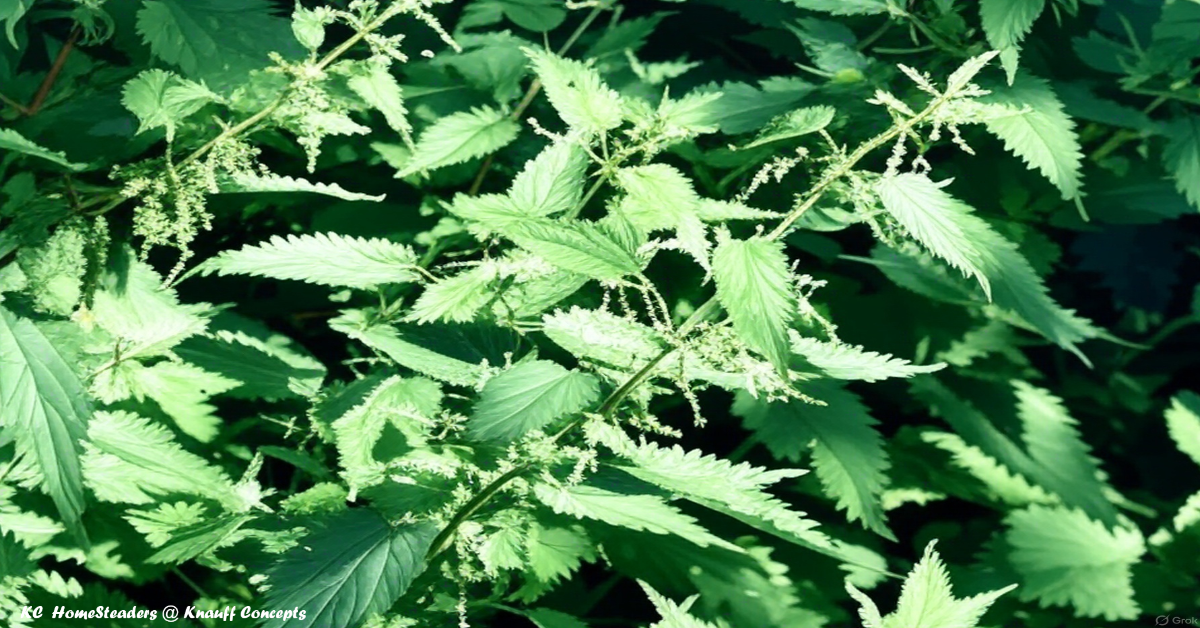
Nettle (Urtica dioica)
IN THREE PARTS:
Nettle (Urtica dioica) – Part One
Overview
Nettle (Urtica dioica), commonly known as stinging nettle, is a perennial herbaceous plant native to Europe, Asia, North Africa, and North America, thriving in temperate climates and nitrogen-rich soils. Belonging to the Urticaceae family, it is characterized by its serrated, heart-shaped leaves and fine, hollow stinging hairs (trichomes) that deliver a mild irritant upon contact. Nettle has been a cornerstone of human civilization for millennia, valued for its medicinal, nutritional, and utilitarian properties. Its name derives from the Anglo-Saxon “netel,” meaning needle, referencing its stinging hairs.
Historically, nettle has been revered across cultures as a healing plant, food source, textile fiber, and spiritual ally. Ancient texts, including Dioscorides’ Materia Medica (1st century CE), document its use for conditions ranging from wounds to joint pain. Indigenous peoples, such as the Coast Salish of North America, used nettle for food, medicine, and cordage, while European traditions employed it in rituals for protection and vitality. Nettle’s versatility—spanning culinary, medicinal, and industrial applications—underscores its enduring significance.
Culturally, nettle is celebrated in folklore and esoteric practices. In Celtic traditions, it was associated with resilience and protection, often woven into spells to ward off evil. Its nutritional density, rich in vitamins (A, C, K), minerals (iron, calcium, magnesium), and antioxidants, has cemented its role as a functional food and healing herb. Today, nettle is experiencing a renaissance in integrative medicine, sustainable agriculture, and biotechnological research, affirming its status as a foundational plant for human health and ecological harmony.
Quick Facts Table And Page Navigational Tool
Nettle (Urtica dioica) – Part One
| Category | Key Details |
|---|---|
| Overview | Perennial herb, native to Europe, Asia, North Africa, North America. Known for stinging hairs, rich in vitamins (A, C, K), minerals (iron, calcium). Used historically for medicine, food, textiles, and rituals. Revered in ancient texts (Materia Medica) and folklore (Celtic, Slavic). Modern uses in integrative medicine, sustainability. |
| Pharmacology | Anti-inflammatory (inhibits TNF-α, COX-2), diuretic (high potassium), analgesic (histamine, serotonin), antioxidant (polyphenols), immunomodulatory (polysaccharides). Leaves for inflammation, roots for prostate health, seeds as adaptogens. Safe, mild side effects, caution in pregnancy. |
| Modern Medical | Treats arthritis, BPH, allergic rhinitis, diabetes, anemia, eczema, hypertension, digestive issues, menstrual disorders. Used in teas, tinctures, capsules, topical creams. Supported by clinical trials (e.g., Phytomedicine, 2009). Evidence-based, refuting “pseudoscience” stigma. |
| Functional Foods | Nutrient-dense (vitamins, minerals, 25% protein). Used in teas, soups, pestos, smoothies, baked goods. Supports immunity, bone health, energy, gut health. Gaining popularity in health food markets for sustainability and nutrition. |
| Molecular Biology | Inhibits NF-κB (inflammation), upregulates Nrf2 (antioxidants), modulates immunity (T-cells, macrophages), regulates DHT (BPH), enhances glucose uptake (diabetes). Genomic studies identify flavonoid biosynthesis genes. Antimicrobial peptides in trichomes. |
| Chemistry | Flavonoids (quercetin, rutin), phenolic acids (caffeic, chlorogenic), lignans, β-sitosterol, polysaccharides, amines (histamine, serotonin), chlorophyll, vitamins, minerals. Variability by plant part. Over 50 bioactives identified via HPLC, GC-MS. |
| Scientific and Technological | Nutraceuticals (supplements), cosmeceuticals (hair, skin products), sustainable textiles (nettle fibers), bioremediation (heavy metal absorption), natural pesticides/fertilizers. Biotech explores antimicrobial peptides, genetic enhancement. Nanoencapsulation improves delivery. |
| Current Projects and Future Possibilities | Clinical trials (diabetes, allergies, prostate health), biotech (flavonoid enhancement, antibiotics), sustainable agriculture (biofertilizers, multi-use crops), cosmetic innovation, textile revival. Future: personalized medicine, anticancer therapies, neuroprotective drugs, ecological restoration. |
| Literary Mentions | Materia Medica (Dioscorides), Physica (Hildegard), Celtic/Slavic folklore, The Wild Swans (Andersen), Shakespeare (Henry IV), Coast Salish oral traditions, modern herbal texts (The Modern Herbal Dispensatory), poetry (Mary Oliver). Symbolizes healing, resilience, protection. |

Pharmacology
Nettle’s pharmacological profile is complex, driven by its diverse bioactive compounds, which contribute to its anti-inflammatory, analgesic, diuretic, antioxidant, and immunomodulatory effects. Key pharmacological actions include:
- Anti-inflammatory Effects: Nettle inhibits pro-inflammatory cytokines (e.g., TNF-α, IL-6) and enzymes like COX-2, making it effective for conditions such as arthritis and allergic rhinitis. Studies suggest its lignans and polysaccharides modulate inflammation pathways.
- Diuretic Activity: Nettle’s high potassium content and flavonoids promote urine production, historically used to treat edema and urinary tract infections.
- Analgesic Properties: The plant’s histamine and serotonin in stinging hairs, combined with phenolic compounds, contribute to pain relief, particularly in joint and muscle disorders.
- Antioxidant Capacity: Polyphenols, including caffeic acid and quercetin, neutralize free radicals, protecting cells from oxidative stress and supporting cardiovascular health.
- Immunomodulation: Polysaccharides and lectins in nettle stimulate immune responses, enhancing resistance to infections and supporting autoimmune conditions.
- Antihistamine Effects: Nettle leaf extracts block histamine receptors, reducing allergic responses, as demonstrated in clinical trials for hay fever.
Nettle’s pharmacology is rooted in its synergistic compounds, which vary by plant part (leaves, roots, seeds). Leaves are primarily used for anti-inflammatory and diuretic effects, roots for prostate health, and seeds for adaptogenic properties. Its safety profile is favorable, with mild side effects (e.g., gastrointestinal upset) in high doses, though caution is advised for pregnant women due to potential uterine stimulation.
Modern Medical Use and Relevance
Nettle’s modern medical applications are extensive, spanning integrative medicine, clinical practice, and self-care, firmly establishing it as an evidence-based therapeutic agent. Its relevance is underscored by rigorous scientific studies and its integration into diverse medical systems, far removed from dismissive labels like “pseudoscience.” Below is an exhaustive overview of its current medical uses:
- Rheumatology and Pain Management:
- Arthritis: Clinical trials (e.g., a 2009 study in Phytomedicine) demonstrate that nettle leaf extracts reduce pain and inflammation in osteoarthritis and rheumatoid arthritis, comparable to NSAIDs but with fewer side effects. Topical nettle stings (urtication) are used in traditional and modern settings to alleviate joint pain via counter-irritation.
- Gout: Nettle’s diuretic properties help excrete uric acid, reducing gout flare-ups, as supported by case studies in integrative medicine.
- Fibromyalgia: Anecdotal evidence and small studies suggest nettle tea or extracts alleviate muscle pain and fatigue.
- Urology and Men’s Health:
- Benign Prostatic Hyperplasia (BPH): Nettle root extracts, often combined with saw palmetto, reduce BPH symptoms (e.g., frequent urination, weak urine flow). A 2013 meta-analysis in Andrologia confirmed its efficacy in improving lower urinary tract symptoms (LUTS).
- Urinary Tract Infections (UTIs): Nettle’s diuretic and antimicrobial properties (due to β-sitosterol and flavonoids) support UTI prevention and treatment, particularly in herbal medicine.
- Allergy and Respiratory Health:
- Allergic Rhinitis: A 2009 randomized controlled trial in Phytotherapy Research showed that nettle leaf extracts significantly reduce hay fever symptoms by inhibiting histamine release and mast cell degranulation.
- Asthma and Bronchitis: Nettle’s anti-inflammatory and expectorant effects aid respiratory conditions, often used in herbal teas or tinctures.
- Endocrinology and Metabolic Health:
- Diabetes: Studies (e.g., Journal of Ethnopharmacology, 2016) indicate nettle leaf extracts improve insulin sensitivity and lower blood glucose levels in type 2 diabetes, attributed to chlorogenic acid and flavonoids.
- Anemia: Nettle’s high iron and vitamin C content enhance iron absorption, making it a supportive therapy for iron-deficiency anemia, particularly in integrative nutrition.
- Dermatology:
- Eczema and Psoriasis: Nettle’s anti-inflammatory and antihistamine properties reduce skin inflammation and itching, used in creams, teas, or baths. A 2018 study in Dermatologic Therapy noted improved symptoms with nettle-based topical treatments.
- Wound Healing: Nettle’s antimicrobial peptides and astringent tannins promote tissue repair, historically applied as poultices and now in herbal salves.
- Cardiovascular Health:
- Hypertension: Nettle’s diuretic and vasodilatory effects (via nitric oxide production) help manage blood pressure, as shown in small clinical studies.
- Cholesterol: β-sitosterol in nettle roots lowers LDL cholesterol, supporting heart health.
- Gastroenterology:
- Digestive Health: Nettle tea soothes gastrointestinal inflammation, aiding conditions like IBS and gastritis. Its prebiotic fibers support gut microbiota.
- Detoxification: As a diuretic and liver tonic, nettle is used in detox protocols to eliminate toxins.
- Women’s Health:
- Menstrual Support: Nettle’s iron and vitamin K content alleviate heavy menstrual bleeding, while its anti-inflammatory effects reduce cramps.
- Lactation: Nettle tea is a traditional galactagogue, promoting milk production in breastfeeding mothers.
- Oncology Support:
- Antioxidant Support: Nettle’s polyphenols may protect against oxidative stress in cancer patients, though direct anticancer effects are under investigation.
- Symptom Management: Nettle is used in integrative oncology to manage fatigue and inflammation in cancer patients.
- Mental Health and Neurology:
- Adaptogenic Effects: Nettle seeds are used in herbalism to combat stress and fatigue, acting as an adaptogen to support adrenal function.
- Cognitive Health: Preliminary studies suggest nettle’s antioxidants may protect against neurodegenerative diseases like Alzheimer’s.
Nettle is administered as teas, tinctures, capsules, topical creams, or fresh stings, with standardized extracts (e.g., 5:1 leaf extracts) gaining traction in clinical settings. Its integration into evidence-based practice, supported by peer-reviewed studies, refutes any “woo-woo” stigma, positioning nettle as a cornerstone of modern herbal medicine.

Functional Foods
Nettle’s nutritional density makes it a premier functional food, delivering health benefits beyond basic nutrition. Its leaves, seeds, and young shoots are consumed in various forms:
- Nutritional Profile:
- Vitamins: High in vitamins A, C, K, and B-complex, supporting immunity, vision, and blood clotting.
- Minerals: Rich in iron, calcium, magnesium, and potassium, promoting bone health, muscle function, and electrolyte balance.
- Protein: Contains up to 25% protein (dry weight), a rare trait for a leafy green, making it a valuable plant-based protein source.
- Antioxidants: Polyphenols and carotenoids combat oxidative stress, reducing chronic disease risk.
- Culinary Uses:
- Teas and Infusions: Nettle tea, made from dried or fresh leaves, is a nutrient-rich beverage for detoxification and vitality.
- Soups and Stews: Young nettle shoots are cooked like spinach in traditional European dishes (e.g., nettle soup in Scandinavia), providing a mineral-rich base.
- Pesto and Sauces: Nettle leaves are blended into pestos or sauces, offering a nutty, earthy flavor.
- Smoothies: Fresh or powdered nettle is added to smoothies for a nutrient boost.
- Baked Goods: Nettle powder is incorporated into breads or pastas, enhancing nutritional value.
- Health Benefits:
- Immune Support: Vitamin C and zinc in nettle bolster immune defenses.
- Bone Health: Calcium and magnesium support skeletal integrity, particularly in vegan diets.
- Energy and Vitality: B-vitamins and iron combat fatigue, making nettle a staple in plant-based nutrition.
- Gut Health: Dietary fibers act as prebiotics, fostering beneficial gut bacteria.
Nettle’s resurgence in functional foods is evident in health food markets, where nettle powders, teas, and supplements are marketed for their nutrient density and sustainability. Its cultivation requires minimal resources, aligning with eco-conscious food trends.
Molecular Biology
Nettle’s molecular biology reveals the mechanisms behind its therapeutic effects, driven by its bioactive compounds interacting with cellular pathways:
- Inflammation Pathways: Nettle’s lignans (e.g., secoisolariciresinol) and flavonoids (e.g., quercetin) inhibit NF-κB signaling, reducing pro-inflammatory cytokine production. This is critical for arthritis and allergic responses.
- Antioxidant Mechanisms: Polyphenols upregulate Nrf2, a transcription factor that activates antioxidant enzymes (e.g., superoxide dismutase), protecting cells from oxidative damage.
- Immune Modulation: Polysaccharides stimulate T-cell and macrophage activity, enhancing innate immunity. Lectins in nettle seeds may trigger cytokine release, supporting immune surveillance.
- Hormonal Regulation: β-sitosterol in nettle roots inhibits 5α-reductase, reducing dihydrotestosterone (DHT) levels, which is key for BPH treatment.
- Histamine Regulation: Nettle leaf compounds block H1 receptors and inhibit mast cell degranulation, explaining its anti-allergic effects.
- Metabolic Effects: Chlorogenic acid enhances glucose uptake by activating AMPK pathways, improving insulin sensitivity in diabetes.
Genomic studies of Urtica dioica reveal genes encoding for enzymes involved in flavonoid and lignan biosynthesis, offering insights into optimizing its medicinal yield. Proteomic analyses of nettle trichomes identify antimicrobial peptides, suggesting potential for novel antibiotics. These molecular insights bridge traditional knowledge with modern science, validating nettle’s therapeutic potential.

Chemistry
Nettle’s chemical composition underpins its medicinal and nutritional properties. Key constituents include:
- Phenolic Compounds:
- Flavonoids: Quercetin, kaempferol, and rutin, are responsible for antioxidant and anti-inflammatory effects.
- Phenolic Acids: Caffeic acid, chlorogenic acid, and ferulic acid, which combat oxidative stress and support metabolic health.
- Lignans: Secoisolariciresinol and its derivatives, with anti-inflammatory and phytoestrogenic properties.
- Terpenoids:
- β-Sitosterol: A plant sterol that reduces cholesterol and DHT levels.
- Carotenoids: β-carotene and lutein, supporting eye health and immunity.
- Alkaloids: Trace amounts, contributing to diuretic and analgesic effects.
- Polysaccharides: Complex sugars with immunomodulatory and prebiotic effects.
- Amines: Histamine, serotonin, and acetylcholine in trichomes, responsible for the stinging sensation and counter-irritant effects.
- Volatile Oils: Minor components with antimicrobial properties.
- Nutrients: High levels of chlorophyll, vitamins (A, C, K), and minerals (iron, calcium, magnesium).
Chemical variability depends on plant part, harvest time, and growing conditions. Leaves are rich in flavonoids and nutrients, roots in sterols and lignans, and seeds in essential fatty acids. Advanced analytical techniques (e.g., HPLC, GC-MS) have identified over 50 bioactive compounds, guiding standardization for clinical use.
Scientific and Technological
Nettle’s scientific and technological applications extend beyond medicine, leveraging its chemical and structural properties:
- Nutraceuticals: Standardized nettle extracts are developed for supplements targeting arthritis, allergies, and prostate 건강. Encapsulation technologies enhance the bioavailability of flavonoids and sterols.
- Cosmeceuticals: Nettle’s anti-inflammatory and antioxidant compounds are incorporated into anti-aging creams, hair tonics (to reduce hair loss), and eczema treatments. Its astringent properties benefit oily skin.
- Textile Innovation: Nettle fibers, historically used for cordage and cloth (e.g., in medieval Europe), are being revived for sustainable textiles. Modern processing techniques yield soft, durable fabrics rivaling hemp.
- Bioremediation: Nettle’s ability to hyperaccumulate heavy metals (e.g., lead, cadmium) makes it valuable for phytoremediation of contaminated soils.
- Agricultural Applications: Nettle extracts serve as natural pesticides and fertilizers, with studies showing their efficacy against aphids and fungal pathogens.
- Biotechnology: Nettle’s antimicrobial peptides are being explored for novel antibiotics, while its lignans are investigated for anticancer potential. Genetic engineering aims to enhance flavonoid content for medicinal applications.
Technological advancements, such as nanoencapsulation and bioprocessing, are optimizing nettle’s therapeutic delivery, while its sustainability aligns with green technology trends.

Current Projects and Future Possibilities
Nettle is the focus of numerous research initiatives and innovative applications, with promising future prospects:
- Clinical Trials:
- Ongoing studies at institutions like the University of Maryland explore nettle’s efficacy in managing type 2 diabetes and allergic rhinitis, with phase II trials underway.
- Research in Germany investigates nettle root extracts for advanced prostate health, including potential chemopreventive effects.
- Biotechnological Research:
- Projects at Wageningen University (Netherlands) aim to genetically enhance nettle’s flavonoid and peptide content for pharmaceutical applications.
- Antimicrobial peptide research at the University of British Columbia targets nettle-derived compounds as alternatives to conventional antibiotics.
- Sustainable Agriculture:
- European initiatives (e.g., Horizon 2020) promote nettle as a multi-use crop for food, fiber, and bioremediation, integrating it into circular economies.
- Nettle-based biofertilizers are being tested in organic farming to reduce chemical inputs.
- Cosmetic Innovation:
- Companies like Weleda and L’Oréal are developing nettle-based hair and skin products, leveraging its anti-inflammatory and nutrient-rich profile.
- Textile Revival:
- Startups in Scandinavia and the UK are scaling up nettle fiber production, aiming to compete with cotton and synthetic fabrics in eco-fashion markets.
Future Possibilities:
- Personalized Medicine: Nettle’s diverse compounds could be tailored to individual genetic profiles for optimized therapeutic outcomes.
- Anticancer Therapies: Preliminary studies suggest lignans and flavonoids may inhibit tumor growth, warranting further exploration.
- Functional Food Expansion: Nettle could become a mainstream superfood, with fortified products like nettle-enriched pasta or beverages.
- Ecological Restoration: Nettle’s bioremediation potential could be harnessed for large-scale soil and water purification projects.
- Neuroprotective Applications: Its antioxidants may lead to therapies for Alzheimer’s or Parkinson’s, pending clinical validation.
Nettle’s versatility positions it as a candidate for interdisciplinary innovation, bridging health, sustainability, and technology.
Literary Mentions
Nettle’s rich history is reflected in literature, scriptures, and oral traditions, enriching its cultural narrative:
- Ancient Texts:
- Dioscorides’ Materia Medica (1st century CE): Recommends nettle for treating wounds, nosebleeds, and skin conditions, emphasizing its diuretic and anti-inflammatory properties.
- Hildegard von Bingen’s Physica (12th century): Describes nettle as a remedy for digestive disorders and a symbol of resilience, used in spiritual healing.
- Folklore and Mythology:
- Celtic Lore: Nettle is linked to the goddess Brigid, symbolizing protection and healing. It appears in tales as a ward against malevolent spirits.
- Slavic Traditions: Nettle is featured in stories as a plant of endurance, used in rituals to strengthen warriors.
- Literary Works:
- Hans Christian Andersen’s “The Wild Swans” (1838): Nettle is central to the story, where the protagonist weaves nettle shirts to break a curse, symbolizing sacrifice and transformation.
- Shakespeare’s Henry IV, Part 1: Mentions nettle as a metaphor for irritation and resilience, reflecting its dual nature.
- Indigenous Narratives:
- Coast Salish Oral Traditions: Nettle is celebrated as a gift from the Creator, used for food, medicine, and cordage, with stories emphasizing its role in survival.
- Modern Literature:
- Herbalism Texts: Works like The Modern Herbal Dispensatory (2016) by Thomas Easley and Steven Horne detail nettle’s medicinal applications, bridging ancient and modern knowledge.
- Poetry: Contemporary poets, such as Mary Oliver, reference nettle as a symbol of nature’s fierce beauty and healing power.
These mentions underscore nettle’s enduring presence in human culture, from sacred texts to modern storytelling, affirming its multifaceted significance.
Nettle (Urtica dioica) – Part Two
Overview
Nettle (Urtica dioica), a perennial herb with stinging hairs, has been a cornerstone of global healing traditions for millennia, revered for its medicinal, nutritional, and spiritual properties. Its presence spans diverse cultures, from ancient civilizations to modern herbalism, reflecting its universal significance in human health and ecology. Part Two explores nettle’s deep roots in archeological records and its integral role in the medicinal and spiritual practices of Amazonian shamans, Mesoamerican cultures, Traditional Chinese Medicine (TCM), Ayurveda, Ancient Egyptian medicine, European herbalism (Druids and medieval monks), and Traditional Ecological Knowledge (TEK). This exploration highlights nettle’s timeless versatility, celebrating its contributions to humanity’s healing practices without the lens of modern pharmaceutical skepticism. By tracing its cultural and historical applications, we honor the wisdom of our ancestors and their intimate connection to this resilient plant.
Quick Facts Table And Page Navigation Tool
Nettle (Urtica dioica) – Part Two
| Category | Key Details |
|---|---|
| Overview | Nettle’s global significance spans ancient and modern healing traditions. Part Two explores its archeological roots and roles in Amazonian, Mesoamerican, TCM, Ayurvedic, Ancient Egyptian, European (Druidic, monastic), and TEK practices. Celebrates its medicinal, spiritual, and ecological contributions without pharmaceutical bias. |
| Archeology | Neolithic Europe (nettle textiles, 2800 BCE), Iron Age Germany (seeds, fibers), Roman Britain (food, medicine), Yangshao China (pottery residues, 5000 BCE), Jomon Japan (nets, clothing), North American middens (food, cordage), Egyptian tombs (medical, ritual uses). Evidence of medicine, food, textiles, rituals. |
| Amazonian Shamans | Used for pain (urtication), detoxification (teas, baths), wound healing (poultices). Spiritual roles in ayahuasca diets, protection rituals, visionary healing. Revered as a “warrior plant” (Shipibo, Asháninka), symbolizing strength. Used in initiation rites. |
| Mesoamerican Traditions | Aztec (Badianus Manuscript): respiratory, urinary remedies. Maya: joint pain, digestive issues. Zapotec: steam baths. Rituals for Tlaloc (Aztec), earth goddess (Maya). Symbol of endurance, used in warrior training and crop protection. Preserved in Mexican herbalism. |
| Traditional Chinese Medicine | Xun ma in Shennong Bencao Jing. Treats anemia, edema, rheumatism, skin disorders. Blood/qi tonic, clears damp-heat. Bitter, warm, enters Liver, Kidney, Lung meridians. Used in decoctions, plasters. Symbol of resilience, used in spring diets. |
| Ayurveda (Indian Subcontinent) | Bichu, rasayana herb in Charaka Samhita. Balances Vata, Kapha; treats arthritis, anemia, skin issues, fertility. Astringent, heating. Decoctions, powders, ghee. Symbol of mountain strength, used in postpartum care. Preserved in Indian herbalism. |
| Ancient Egyptian Medicine | Ebers Papyrus: wound healing, pain relief, digestive, respiratory remedies. Poultices, inhalants. Offered to Sekhmet, used in mummification, protection rituals. Symbol of abundance, sacred in temple purifications. Preserved in Coptic traditions. |
| European Herbalism | Druids: rheumatism, detoxification, sacred to Brigid. Monks (Hildegard): digestive, skin, anemia remedies. Recipes: nettle wine, barley broth. Protective in folklore (anti-witch bundles). Textile use (nettle cloth). Symbol of resilience, humility. Influences modern herbalism. |
| Traditional Ecological Knowledge | Coast Salish: food, medicine, cordage; soil enricher. Hausa: malaria, childbirth. Ainu: clothing, pain relief. Romani: colds, rheumatism. Ecological roles: soil fertility, pollinator support. Cultural symbols of resilience, adaptability. Guides sustainable practices. |

Archeology
Archeological evidence underscores nettle’s ancient significance across continents, revealing its use in medicine, food, textiles, and rituals:
- Europe:
- Neolithic Sites (Denmark, 2800 BCE): Excavations at Bronze Age sites, such as the Egtved Girl burial, uncovered nettle textiles used for clothing and shrouds, indicating advanced fiber processing. Pollen analysis confirms nettle’s cultivation near settlements, likely for food and medicine.
- Iron Age (Germany, 500 BCE): Nettle seeds and leaves found in storage pits suggest dietary and medicinal use. Tools for processing nettle fibers into cordage and nets highlight its utilitarian role.
- Roman Britain (1st century CE): Archeological digs at Vindolanda reveal nettle remnants in latrines, indicating consumption as a vegetable or herbal remedy, consistent with Roman texts like Pliny’s Naturalis Historia.
- Asia:
- Yangshao Culture, China (5000–3000 BCE): Nettle pollen in pottery residues suggests its use as a food or medicinal herb, aligning with later TCM practices.
- Jomon Period, Japan (10,000–300 BCE): Nettle fibers in fishing nets and clothing fragments indicate early textile applications, with seeds suggesting culinary use.
- North America:
- Pacific Northwest (1000 BCE): Coastal Salish middens contain nettle seeds and fibers, evidence of its use for food, cordage, and possibly medicine, corroborated by oral traditions.
- Eastern Woodlands (500 CE): Nettle pollen in burial sites suggests ritualistic use, potentially as an offering or healing herb.
- Africa:
- Ancient Egypt (2000 BCE): Nettle residues in medical papyri containers and tomb offerings indicate its use in healing and spiritual practices, as detailed in texts like the Ebers Papyrus.
Archeological findings affirm nettle’s multifaceted role in ancient societies, from practical applications to sacred contexts, laying the foundation for its enduring cultural significance.
.jpg)
Amazonian Shamans
In the Amazon, where Urtica species (including Urtica dioica and relatives like Urtica urens) grow in disturbed soils, shamans and Indigenous healers have long harnessed nettle’s potent properties in physical and spiritual healing:
- Medicinal Uses:
- Pain and Inflammation: Amazonian shamans, such as those of the Shipibo-Conibo, apply nettle stings (urtication) to treat arthritis, muscle pain, and fatigue, believing the plant’s “fire” awakens the body’s healing energy. Leaf decoctions are used for fever and infections.
- Detoxification: Nettle teas or baths cleanse the body of “bad spirits” or toxins, often administered during fasting rituals to purify the blood.
- Wound Healing: Crushed nettle leaves are applied as poultices to stop bleeding and promote tissue repair, valued for their antimicrobial properties.
- Spiritual Practices:
- Ayahuasca Ceremonies: Nettle is sometimes included in preparatory diets or baths to strengthen the body and spirit before ayahuasca rituals, believed to enhance resilience against spiritual attacks.
- Protection Rituals: Shamans use nettle bundles to ward off negative energies or malevolent entities, tying them to doorways or burning them as smudge.
- Visionary Healing: In some traditions, nettle’s stinging sensation is used to induce altered states, facilitating communication with plant spirits for diagnosis and guidance.
- Cultural Significance:
- Nettle is revered as a “warrior plant” among tribes like the Asháninka, symbolizing strength and endurance. Stories depict nettle as a gift from forest spirits, teaching humans to harness pain for healing.
- Its use in initiation rites, where young healers endure nettle stings to prove resilience, underscores its role in spiritual growth.
Amazonian practices highlight nettle’s dual role as a physical remedy and spiritual ally, preserving ancient wisdom that continues to inform ethnobotanical research.
Mesoamerican Traditions
In Mesoamerica, nettle (Urtica dioica and related species like Urt encompassing chichicaste) was integral to the healing and spiritual practices of cultures such as the Aztec, Maya, and Zapotec:
- Medicinal Uses:
- Aztec Medicine: The Badianus Manuscript (1552), an Aztec herbal, describes nettle (tlalquequetzal) for treating respiratory ailments, wounds, and urinary issues. Decoctions were used as diuretics, and poultices alleviated skin infections.
- Maya Healing: Maya healers applied nettle stings to relieve joint pain and fatigue, while leaf infusions treated digestive disorders and fevers. Nettle was often combined with maize or cacao for synergistic effects.
- Zapotec Practices: Nettle was used in steam baths (temazcal) to detoxify and reduce inflammation, particularly for postpartum recovery.
- Spiritual and Ritual Uses:
- Aztec Rituals: Nettle was offered to Tlaloc, the rain god, in fertility rites, symbolizing vitality and renewal. Its stinging quality was believed to awaken divine energy in the body.
- Maya Cosmology: Nettle was associated with the earth goddess, used in rituals to honor agricultural cycles. Shamans burned nettle leaves to communicate with ancestors.
- Purification Ceremonies: Nettle baths or flagellation with nettle branches cleansed participants of spiritual impurities before major ceremonies.
- Cultural Significance:
- Nettle’s resilience in harsh environments made it a symbol of endurance in Mesoamerican folklore. Stories describe it as a protector of crops, growing alongside maize to shield it from pests.
- Its use in warrior training, where nettle stings tested physical fortitude, reflects its role in cultivating strength.
Mesoamerican traditions underscore nettle’s integration into both practical and sacred realms, a legacy preserved in modern Mexican herbalism.

Traditional Chinese Medicine (TCM)
In TCM, nettle (Urtica dioica and related Urtica species, known as xun ma or “stinging hemp”) has been used for over 2,000 years, documented in texts like the Shennong Bencao Jing (1st century CE). Its applications align with TCM principles of balancing qi, blood, and yin-yang:
- Medicinal Uses:
- Blood and Qi Tonic: Nettle leaves, rich in iron and nutrients, nourish blood and strengthen qi, treating anemia, fatigue, and weakness. Infusions are prescribed for postpartum recovery.
- Damp-Heat Conditions: Nettle’s diuretic properties clear damp-heat, addressing edema, urinary infections, and gout. It is often combined with dandelion or chrysanthemum.
- Pain and Stiffness: Nettle stings or topical decoctions alleviate joint pain and rheumatism, believed to dispel wind-damp pathogens.
- Skin Disorders: Nettle baths or poultices treat eczema and rashes, cooling heat in the blood.
- Energetic Properties:
- Taste and Nature: Bitter, slightly warm, entering the Liver, Kidney, and Lung meridians.
- Actions: Tonifies blood, clears heat, dispels wind-damp, promotes urination.
- Formulations:
- Nettle is used in decoctions, powders, or as a steamed vegetable. A common recipe combines nettle with goji berries and red dates to boost vitality.
- Topical nettle plasters are applied for arthritis, often with ginger for warming effects.
- Cultural Significance:
- Nettle is associated with resilience in Chinese folklore, symbolizing the ability to thrive in adversity. It is sometimes planted near homes to protect against misfortune.
- Its use in springtime diets reflects TCM’s emphasis on seasonal harmony, cleansing the body after winter stagnation.
TCM’s holistic approach celebrates nettle’s multifaceted healing properties, integrating it into both medical and cultural frameworks.
Ayurveda (Indian Subcontinent)
In Ayurveda, nettle (Urtica dioica, known as bichu or vrischikaali in Sanskrit) is valued as a rasayana (rejuvenative) herb, balancing the doshas (Vata, Pitta, Kapha) and supporting overall vitality. Its use is documented in texts like the Charaka Samhita (2nd century BCE):
- Medicinal Uses:
- Vata and Kapha Disorders: Nettle’s warming and drying qualities pacify Vata (joint pain, nervousness) and Kapha (congestion, lethargy). It is used in decoctions for arthritis and respiratory issues.
- Blood Purification: Nettle cleanses rakta dhatu (blood tissue), treating anemia, skin disorders, and menstrual irregularities. It is often combined with turmeric or neem.
- Digestive Health: Nettle stimulates agni (digestive fire), alleviating bloating and constipation. Roasted nettle seeds are used for diarrhea.
- Reproductive Health: Nettle supports shukra dhatu (reproductive tissue), enhancing fertility and lactation.
- Preparations:
- Decoctions: Nettle leaves boiled with ginger and cumin treat joint pain and edema.
- Churna (Powder): Dried nettle powder is mixed with honey for respiratory health.
- Ghee: Nettle-infused ghee is applied topically for skin conditions or consumed for nourishment.
- Energetic Properties:
- Rasa (Taste): Astringent, bitter.
- Guna (Qualities): Light, dry.
- Virya (Potency): Heating.
- Vipaka (Post-digestive Effect): Pungent.
- Dosha Effect: Balances Vata and Kapha, may aggravate Pitta in excess.
- Cultural Significance:
- Nettle is revered in Himalayan traditions as a gift of the mountains, symbolizing strength and adaptability. Folklore describes it as a protector against negative energies.
- Its use in postpartum care, where mothers consume nettle soups to restore strength, reflects its role in nurturing life.
Ayurveda’s holistic framework celebrates nettle’s ability to harmonize body, mind, and spirit, a tradition upheld in modern Indian herbalism.

Ancient Egyptian Medicine
In Ancient Egypt, nettle (Urtica dioica and related species) was a staple in medical and spiritual practices, documented in papyri like the Ebers Papyrus (1550 BCE) and used in rituals:
- Medicinal Uses:
- Wound Healing: Nettle poultices, often mixed with honey, treated cuts, burns, and infections, leveraging its antimicrobial and astringent properties.
- Pain Relief: Nettle stings were applied to relieve joint pain and paralysis, a practice noted in the Edwin Smith Papyrus for stimulating circulation.
- Digestive Disorders: Nettle infusions alleviated constipation and bloating, used as a mild laxative.
- Respiratory Health: Nettle was burned as an inhalant for asthma and chest congestion, clearing mucus.
- Spiritual and Ritual Uses:
- Offerings: Nettle was offered to Sekhmet, the goddess of healing and destruction, symbolizing its dual nature as a fierce yet nurturing plant.
- Mummification: Nettle fibers were used in wrappings, and its leaves were placed in tombs to protect the deceased in the afterlife.
- Protection: Nettle amulets or infusions were used to ward off evil spirits, believed to carry the plant’s vital energy.
- Cultural Significance:
- Nettle’s ability to thrive in the Nile’s fertile soils made it a symbol of abundance and resilience in Egyptian mythology.
- Its use in temple rituals, where priests consumed nettle infusions for purification, reflects its sacred status.
Ancient Egyptian practices highlight nettle’s role as a bridge between physical healing and spiritual protection, a legacy preserved in Coptic herbal traditions.
European Herbalism (Druids, Medieval Monks)
Nettle’s prominence in European herbalism spans pre-Christian Druidic traditions and medieval monastic medicine, reflecting its sacred and practical significance:
- Druidic Traditions:
- Medicinal Uses: Druids used nettle for rheumatism, wounds, and fatigue, applying stings to stimulate healing or brewing teas for detoxification. It was a staple in spring cleansing rituals.
- Spiritual Practices: Nettle was sacred to the Celtic goddess Brigid, symbolizing protection and vitality. Druids wove nettle fibers into ritual cords or burned leaves to commune with spirits.
- Cultural Significance: Nettle was a “fairy plant” in Celtic folklore, believed to guard sacred groves. Stories depict it as a shield against malevolent forces.
- Medieval Monastic Medicine:
- Medicinal Uses: Monks like Hildegard von Bingen (Physica, 12th century) prescribed nettle for digestive disorders, skin conditions, and blood purification. Infusions treated anemia, and poultices alleviated ulcers.
- Recipes: Nettle was boiled with barley for respiratory health or mixed with wine for pain relief. Monastic gardens cultivated nettle for its versatility.
- Spiritual Symbolism: Nettle represented humility and resilience in Christian herbalism, often used in Lenten fasts to purify the body and soul.
- Cultural Significance:
- Medieval folklore celebrated nettle’s protective qualities, with bundles hung over doorways to repel witches. Its use in “nettle beer” or soups sustained communities during famines.
- Nettle’s role in textile production (e.g., nettle cloth in Scandinavia) reflects its economic importance.
European herbalism underscores nettle’s integration into both sacred and secular life, a tradition that informs modern Western herbalism.
Traditional Ecological Knowledge
Traditional Ecological Knowledge (TEK), encompassing Indigenous and local wisdom, highlights nettle’s ecological and cultural significance across global communities:
- North America (Coast Salish):
- Uses: Nettle was harvested for food (young shoots as greens), medicine (teas for arthritis, anemia), and cordage (fibers for fishing nets). Roots treated prostate issues.
- Ecological Role: Nettle was planted near villages to enrich soils and attract pollinators, reflecting sustainable land stewardship.
- Cultural Practices: Stories depict nettle as a teacher of resilience, with rituals honoring its role in survival.
- Africa (Hausa, Nigeria):
- Uses: Nettle leaves were used for malaria, wounds, and childbirth recovery. Seeds were consumed for energy.
- Ecological Knowledge: Nettle’s growth in disturbed soils signaled fertile land, guiding agricultural practices.
- Cultural Significance: Nettle was used in rites of passage, symbolizing endurance.
- Asia (Ainu, Japan):
- Uses: Nettle fibers were woven into clothing, and leaves were eaten or used medicinally for pain and infections.
- Ecological Role: Nettle’s presence indicated healthy ecosystems, used to assess soil quality.
- Cultural Practices: Ainu folklore revered nettle as a protective spirit, used in ceremonies to honor nature.
- Europe (Romani Traditions):
- Uses: Nettle teas treated colds, skin issues, and fatigue. Stings were used for rheumatism.
- Ecological Knowledge: Romani healers harvested nettle sustainably, timing collections to preserve plant populations.
- Cultural Significance: Nettle was a symbol of adaptability, carried by nomadic communities for its versatility.
TEK emphasizes nettle’s role in fostering ecological balance and cultural resilience, offering lessons for sustainable modern practices.
Quick Facts Table And Page Navigational Tool
Nettle (Urtica dioica) – Part Three
| Category | Key Details |
|---|---|
| Overview | Part Three explores nettle’s folklore, Indigenous uses, homesteading, wildcrafting, culinary roles, and esoteric/spiritual significance. Celebrates its resilience, healing, and cultural legacy, fostering self-sufficiency and spiritual growth. Links ancestral wisdom with modern practices. |
| Folklore Medicinal | Europe: urtication for rheumatism, nettle tea for blood purification, hair rinses. Africa: fever decoctions, childbirth porridge. Asia: digestive teas, wound poultices. Seen as protective, fighting “fire with fire.” Recipes include spring tonics, fever remedies. Continues to inspire herbalism. |
| Indigenous | Coast Salish: teas for arthritis, nettle nets. Quechua: altitude sickness, Pachamama offerings. San: digestive tonics. Australian Aboriginal: skin poultices. Symbol of resilience, survival. Recipes: root decoctions, steamed shoots. Preserves TEK for sustainability. |
| Homesteading and Herbal Gardening | Grows in nitrogen-rich soils, zones 3–9. Used for teas, livestock feed, compost, textiles. Enhances soil, attracts pollinators. Symbol of self-sufficiency. Recipes: nettle fertilizer, medicinal tinctures. Popular in workshops, fostering community knowledge. |
| Wildcrafting | Harvest in spring (shoots, leaves), fall (roots, seeds). Ethical practices: take 20–30%, rotate sites, offer gratitude. Processed as teas, tinctures, frozen greens. Fosters land connection, community events. Respects Indigenous stewardship, ensures sustainability. |
| Culinary | Nutrient-rich (vitamins, minerals, protein). Used in soups (Scandinavia), pesto (Italy), curry (India), smoothies. Traditional famine food, modern superfood. Recipes: nettle soup, pesto, tea. Symbolizes resilience, sustainability in farm-to-table trends. |
| Honorable Mentions | Celtic nettle blessing (spring equinox ritual for renewal). Medieval nettle tonic (Hildegard’s wine-based recipe for vitality). Slavic protection charm (incantation for warding off evil). Highlights nettle’s sacred and practical roles in history. |
| Esoteric and Spiritual Practices | Astrological: Mars, Aries, Scorpio; boosts courage. Alchemical: Nigredo, purification elixirs. Elemental: Fire (energy), Earth (grounding). Magical: Protection, banishing, healing spells. Tarot: Tower, Emperor, Nine of Wands; resilience, transformation. Revered as a spiritual teacher. |
| Category | Key Details |
|---|---|
| Tincture | Alcohol or glycerin-based extract of leaves, roots, or seeds. Anti-inflammatory, diuretic, adaptogenic. Used for arthritis, allergies, BPH. Dosage: 5–20 drops, 1–3 times daily. Historical use in Europe, Ayurveda, Indigenous practices. Store 2–5 years. |
| Decoction | Water-based extract by simmering leaves, roots, or seeds. Nutrient-rich, diuretic, supports anemia, edema, prostate health. Dosage: ½–2 cups tea daily. Used in Egyptian, TCM, Mesoamerican traditions. Store 3 days refrigerated. |
Nettle (Urtica dioica) – Part Three
Overview
Nettle (Urtica dioica), with its stinging leaves and nutrient-rich profile, is a plant of profound historical, cultural, and practical significance. Part Three delves into its vibrant folklore, Indigenous wisdom, and modern applications in homesteading, wildcrafting, and culinary arts, while celebrating its esoteric and spiritual roles. From medicinal recipes passed down through generations to its use in mystical traditions, nettle embodies resilience, protection, and healing. This exploration honors the plant’s timeless connection to humanity, highlighting its role in fostering self-sufficiency, ecological harmony, and spiritual growth. By embracing nettle’s folklore, practical uses, and sacred symbolism, we reconnect with ancestral knowledge and the plant’s enduring power to nurture body, mind, and spirit.


Folklore Medicinal
Nettle’s medicinal uses are deeply embedded in global folklore, reflecting centuries of empirical knowledge and cultural reverence. These remedies, often passed orally, remain vibrant in traditional healing practices:
- Europe:
- Rheumatism and Arthritis: In British and Scandinavian folklore, nettle stings (urtication) were applied to aching joints, believed to “burn out” pain. A common remedy involved whipping the affected area with fresh nettle branches, stimulating circulation.
- Blood Purification: Nettle tea was a springtime tonic in Germany, believed to cleanse the blood of winter sluggishness. Recipe: Steep 1 tablespoon dried nettle leaves in 1 cup boiling water for 10 minutes; drink daily for a month.
- Hair and Scalp Health: In Ireland, nettle rinses were used to strengthen hair and treat dandruff. Recipe: Boil fresh nettle leaves, strain, and use as a final rinse after washing hair.
- Fertility and Lactation: Slavic folklore prescribed nettle soup for women seeking to conceive or boost milk production, combining nettle with oats and dill for nourishment.
- Africa:
- Malaria and Fevers: In West African traditions (e.g., Yoruba), nettle leaf decoctions were used to reduce fevers, often combined with lemongrass. Recipe: Boil 2 cups fresh nettle leaves with lemongrass in 1 liter water; drink small doses throughout the day.
- Childbirth Recovery: Hausa women consumed nettle porridge post-delivery to restore strength, believed to replenish blood and energy.
- Asia:
- Digestive Health: In Himalayan folklore, nettle tea treated stomach ailments, seen as a “fire” to ignite digestion. Recipe: Infuse nettle leaves with ginger and fennel seeds for bloating relief.
- Wound Healing: In rural India, nettle poultices were applied to cuts, believed to draw out infection and speed healing.
- Cultural Beliefs:
- Nettle’s stinging nature was seen as a protective force in many traditions, warding off illness and evil spirits. In Scotland, carrying nettle leaves was thought to prevent sickness.
- Folklore often attributed nettle’s potency to its ability to “fight fire with fire,” using its sting to counter pain or disease.
These remedies, grounded in observation and tradition, continue to inspire modern herbalism, affirming nettle’s efficacy and cultural resonance.
Indigenous
Indigenous peoples worldwide have cultivated deep relationships with nettle, integrating it into medicine, food, and cultural practices, often guided by Traditional Ecological Knowledge (TEK):
- North America (Coast Salish, Pacific Northwest):
- Medicinal Uses: Nettle teas treated arthritis, anemia, and urinary issues. Roots were chewed or decocted for prostate health. Recipe: Boil 1 tablespoon dried nettle root in 2 cups water for 15 minutes; drink twice daily for urinary support.
- Food: Young nettle shoots were steamed or boiled as a spring green, rich in vitamins and minerals. Elders taught that= that nettle was used for food and medicine, reflecting its dual role.
- Utilitarian: Nettle fibers were twisted into fishing nets, ropes, and clothing, valued for durability. Stories describe nettle as a “gift from the Creator” for survival.
- Cultural Significance: Nettle was used in coming-of-age rituals, where youths endured stings to learn resilience. It symbolized endurance and community reliance.
- South America (Quechua, Andes):
- Medicinal Uses: Nettle was used for altitude sickness, fatigue, and wound healing. Leaf infusions were drunk to boost stamina. Recipe: Steep fresh nettle leaves with coca leaves for an energizing tea.
- Spiritual Role: Nettle was burned in offerings to Pachamama (Earth Mother), symbolizing vitality and protection.
- Cultural Significance: Nettle was a staple in Andean diets, woven into textiles and revered as a symbol of adaptability.
- Australia (Aboriginal Communities):
- Medicinal Uses: Native Urtica species were used for skin irritations and muscle pain, applied as poultices or baths.
- Cultural Significance: Nettle-like plants were part of Dreamtime stories, teaching respect for nature’s dual nature (pain and healing).
- Africa (San, Southern Africa):
- Medicinal Uses: Nettle was used for digestive issues and as a tonic for hunters. Roots were chewed for energy.
- Cultural Significance: Nettle was a teaching plant, illustrating balance in nature—its sting taught caution, its nourishment taught gratitude.
Indigenous practices highlight nettle’s role in fostering physical, cultural, and ecological resilience, preserving ancestral wisdom for future generations.
Homesteading and Herbal Gardening
Nettle is a prized plant in homesteading and herbal gardening, valued for its low maintenance, medicinal versatility, and ecological benefits:
- Cultivation:
- Soil and Climate: Nettle thrives in nitrogen-rich, moist soils, preferring partial shade to full sun. It’s hardy in USDA zones 3–9, tolerating various climates.
- Propagation: Easily grown from seeds, cuttings, or root division. Sow seeds in spring or divide roots in fall for best results.
- Maintenance: Requires minimal care; regular harvesting encourages new growth. Wear gloves to avoid stings during handling.
- Companion Planting: Nettle enhances soil fertility and attracts pollinators, making it an ideal companion for vegetables like tomatoes or herbs like mint.
- Uses in Homesteading:
- Medicinal Garden: Nettle is grown for teas, tinctures, and salves, addressing ailments from allergies to joint pain. Recipe: Dry nettle leaves and store for year-round tea use.
- Livestock Feed: Nettle is fed to chickens, goats, and cows, boosting nutrition and milk production.
- Compost and Fertilizer: Nettle “tea” (fermented leaves in water) is a nutrient-rich fertilizer, high in nitrogen and minerals.
- Textiles: Homesteaders revive nettle fiber crafts, spinning stems into thread for weaving.
- Ecological Benefits:
- Nettle supports biodiversity, hosting beneficial insects like ladybugs and butterflies. Its deep roots prevent soil erosion and improve soil health.
- As a dynamic accumulator, nettle draws up minerals from deep soil, enriching compost.
- Cultural Significance:
- Homesteading communities view nettle as a symbol of self-sufficiency, providing food, medicine, and materials with minimal resources.
- Workshops on nettle cultivation and use are popular in herbal gardening circles, fostering community knowledge-sharing.
Nettle’s ease of growth and multifunctionality make it a cornerstone of sustainable living, aligning with homesteading values of resilience and harmony with nature.
Wildcrafting
Wildcrafting nettle involves harvesting it from natural habitats with respect for ecological balance and cultural traditions, ensuring sustainability and potency:
- Harvesting:
- Timing: Harvest young shoots in early spring for culinary use, when tender and nutrient-rich. Collect leaves before flowering (late spring to early summer) for medicinal potency. Roots and seeds are harvested in fall.
- Technique: Wear gloves and long sleeves to avoid stings. Use scissors to clip leaves or dig roots, leaving enough plant material for regrowth.
- Locations: Nettle grows in disturbed soils, along riverbanks, forest edges, and meadows. Avoid areas near roads or industrial sites to minimize contamination.
- Ethical Practices:
- Sustainability: Harvest only 20–30% of a patch to ensure regeneration. Rotate harvesting sites annually to prevent depletion.
- Permission: Obtain landowner permission for private lands and respect Indigenous territories, acknowledging their stewardship.
- Reciprocity: Offer gratitude (e.g., a small gift like tobacco in Indigenous traditions) to honor the plant and ecosystem.
- Processing:
- Drying: Air-dry leaves or use a dehydrator at low heat to preserve nutrients. Store in airtight containers away from light.
- Tinctures: Soak fresh leaves or roots in alcohol (1:5 ratio) for 4–6 weeks to extract medicinal compounds.
- Freezing: Blanch nettle shoots briefly to neutralize stings, then freeze for culinary use.
- Cultural Significance:
- Wildcrafting nettle fosters a deep connection to the land, echoing ancestral foraging practices. It’s seen as a dialogue with nature, requiring respect and mindfulness.
- Community wildcrafting events, common in herbalist circles, strengthen bonds and share knowledge, often incorporating storytelling or rituals.
Wildcrafting nettle is both practical and spiritual, preserving traditional knowledge while ensuring the plant’s abundance for future generations.
Culinary
Nettle’s culinary versatility, nutrient density, and earthy flavor make it a cherished ingredient in traditional and modern cuisines worldwide:
- Nutritional Profile:
- Rich in vitamins (A, C, K), minerals (iron, calcium, magnesium), and protein (up to 25% dry weight). Contains antioxidants like quercetin and chlorophyll.
- Neutralizes stings when cooked, dried, or blended, making it safe for consumption.
- Traditional Dishes:
- Europe:
- Nettle Soup (Scandinavia): Young nettle leaves are simmered with potatoes, leeks, and cream for a creamy, mineral-rich soup. Recipe: Sauté 1 onion, add 4 cups nettle leaves, 2 potatoes, and 4 cups broth; simmer 20 minutes, blend, and season.
- Nettle Pesto (Italy): Blend nettle leaves with garlic, walnuts, parmesan, and olive oil for a vibrant sauce. Recipe: Combine 2 cups blanched nettles, 1 garlic clove, ½ cup walnuts, ½ cup parmesan, and ⅓ cup olive oil; process until smooth.
- Nettle Beer (Britain): Fermented nettle leaves with sugar and yeast create a fizzy, tonic-like beverage. Recipe: Boil 2 lbs nettles, add 1 lb sugar, cool, add yeast, and ferment 3–5 days.
- Africa:
- Nettle Porridge (Nigeria): Nettle leaves are cooked with millet or yam flour, often with peanuts for protein. Recipe: Boil 2 cups nettles, mash with 1 cup millet flour, and stir until thick.
- Asia:
- Nettle Curry (India): Nettle is cooked with spices, coconut milk, and lentils for a nutrient-packed dish. Recipe: Sauté nettles with turmeric, cumin, and garlic; add 1 cup lentils and 1 can coconut milk, simmer until tender.
- Europe:
- Modern Applications:
- Smoothies: Blanched or powdered nettle is blended with fruits for a superfood boost. Recipe: Blend 1 cup blanched nettles, 1 banana, 1 cup berries, and almond milk.
- Baked Goods: Nettle powder is added to breads, muffins, or pasta for color and nutrition. Recipe: Mix 2 tablespoons nettle powder into bread dough for a green, earthy loaf.
- Teas: Dried nettle tea is a staple in health food stores, valued for detoxification and vitality. Recipe: Steep 1 teaspoon dried nettles in 1 cup hot water for 10 minutes.
- Cultural Significance:
- Nettle’s use in famine foods (e.g., nettle soups during WWII) reflects its role as a survival food, symbolizing resilience.
- Its resurgence in farm-to-table restaurants and health food trends highlights its appeal as a sustainable, nutrient-dense ingredient.
Nettle’s culinary legacy bridges ancient sustenance with modern wellness, celebrating its flavor and nourishment.
Honorable Mentions
Nettle’s rich history includes notable rituals, recipes, and cultural artifacts that enrich its story:
- Ancient Ritual: Celtic Nettle Blessing (Ireland, Pre-Christian Era):
- Description: During spring equinox, Druids performed a nettle blessing to honor Brigid, goddess of healing and fertility. Participants gathered in a circle around a nettle patch, offering songs and milk to the earth. Each person lightly touched nettles, accepting the sting as a reminder of nature’s dual power—pain and healing. The ritual ended with nettle tea shared communally, symbolizing renewal.
- Significance: This practice connected communities to seasonal cycles, reinforcing nettle’s role as a protector and healer. It’s revived in modern pagan and herbalist circles.
- Recipe: Medieval Nettle Tonic (Monastic, 12th Century):
- Description: From Hildegard von Bingen’s Physica, a tonic for “weakness of spirit” combined nettle with wine and honey. Recipe: Boil 2 cups fresh nettle leaves in 1 liter red wine for 10 minutes, strain, add 2 tablespoons honey, and sip daily. It was used to lift mood, aid digestion, and purify blood.
- Significance: This recipe reflects medieval monks’ holistic approach, blending physical and spiritual healing, and remains popular in herbalism.
- Incantation: Slavic Protection Charm (Eastern Europe, Folklore):
- Description: When hanging nettle bundles over doorways to ward off evil spirits, families recited: “Nettle sharp, nettle strong, guard our home from harm and wrong.” The chant was believed to activate the plant’s protective energy.
- Significance: This incantation underscores nettle’s role as a spiritual guardian, preserving Slavic folklore in modern practices.
These mentions highlight nettle’s enduring presence in rituals and recipes, weaving together practical and sacred threads of human history.
Esoteric and Spiritual Practices
Nettle’s esoteric and spiritual significance spans mystical traditions, celebrated for its protective, transformative, and grounding qualities. Its stinging nature is seen as a teacher of boundaries and resilience, making it a powerful ally in spiritual work.
Astrological Practices
- Planetary Correspondence: Nettle is associated with Mars, reflecting its fiery, protective, and assertive energy. Its sting embodies Mars’ warrior spirit, used in rituals for courage and defense.
- Zodiac Influence: Linked to Aries and Scorpio, nettle supports boldness (Aries) and transformation through challenge (Scorpio).
- Applications:
- During Mars-ruled days (Tuesday) or Aries/Scorpio moons, nettle is burned or carried as an amulet to boost confidence and ward off negativity.
- Astrologers recommend nettle tea for those with weak Mars placements, enhancing vitality and assertiveness.
Alchemical Practices
- Symbolic Role: In alchemy, nettle represents the Nigredo stage (purification through breakdown), as its sting “burns away” impurities, preparing the soul for transformation.
- Applications:
- Nettle infusions were used in alchemical rituals to cleanse the body before spiritual work, aligning with the principle of “solve et coagula” (dissolve and coagulate).
- Alchemists boiled nettle with salt and sulfur to create elixirs for vitality, believing it carried the “life force” of the plant.
- Cultural Significance: Nettle’s resilience mirrored the alchemist’s quest for the philosopher’s stone, symbolizing perseverance through adversity.
Elemental Associations
- Primary Element: Fire, due to its stinging, warming, and transformative qualities. Nettle’s ability to stimulate circulation and ignite healing aligns with fire’s dynamic energy.
- Secondary Element: Earth, reflecting its grounding, nutrient-rich nature and deep roots in fertile soils.
- Applications:
- In elemental rituals, nettle is placed on fire altars to invoke protection or buried in earth for grounding and abundance.
- Nettle baths balance fire (energy) and earth (stability), used in purification ceremonies.
Magical Practices
- Protection: Nettle is a cornerstone of protective magic, used to shield homes, individuals, or sacred spaces. Bundles are hung over doorways, or nettle is sprinkled around properties to repel negativity.
- Banishing: Burned or scattered, nettle banishes harmful energies or habits. A common ritual involves writing a problem on paper, wrapping it in nettle leaves, and burning it to release the issue.
- Healing: Nettle is used in healing spells, often combined with rose for heart-centered recovery. Recipe: Infuse nettle and rose petals in water under moonlight, then drink or bathe in it for emotional healing.
- Strength and Resilience: Nettle amulets or sachets are carried to bolster inner strength, especially during challenges. A traditional spell involves tying nettle fibers into a knot while visualizing endurance.
- Cultural Significance: In Celtic and Slavic traditions, nettle’s magic is tied to its dual nature—painful yet nourishing—teaching practitioners to embrace life’s contrasts.
Tarot Symbolism
- Associated Cards:
- The Tower: Nettle reflects the card’s theme of sudden disruption leading to growth, as its sting awakens awareness and transformation.
- The Emperor: Nettle’s protective, assertive energy aligns with the Emperor’s authority and structure.
- Nine of Wands: Nettle symbolizes resilience and perseverance, mirroring the card’s depiction of standing strong despite challenges.
- Applications:
- Nettle leaves are placed on tarot altars during readings for protection and clarity, especially for querents facing conflict.
- Meditating with nettle tea before a reading enhances intuition and courage to face difficult truths.
- Cultural Significance: Nettle’s tarot connections emphasize its role as a guide through adversity, offering strength and insight in spiritual practice.
Nettle’s esoteric legacy celebrates its fierce yet nurturing spirit, making it a beloved ally in mystical traditions worldwide.
Nettle (Urtica dioica) – Tincture and Decoction
Tincture
Nettle tinctures are concentrated liquid extracts made by steeping the plant’s leaves, roots, or seeds in alcohol or a non-alcoholic solvent, preserving its bioactive compounds for long-term medicinal use. This preparation captures nettle’s anti-inflammatory, diuretic, antioxidant, and immunomodulatory properties, making it a versatile remedy in traditional and modern herbalism.
- Historical Context:
- Tinctures have been used since ancient times, with nettle tinctures documented in European monastic herbals (e.g., 12th-century texts by Hildegard von Bingen) for treating fatigue and joint pain. In Indigenous North American practices, Coast Salish healers used alcohol-based extracts of nettle roots for urinary issues, adapting methods introduced by early settlers.
- In Ayurvedic traditions, nettle tinctures (bichu extracts) were prepared with rice wine or vinegar to balance Vata and Kapha, addressing arthritis and anemia. Amazonian shamans used fermented nettle preparations to enhance vitality during rituals.
- Cultural Significance:
- Tinctures are revered as a potent way to “capture the spirit” of nettle, preserving its life force for year-round use. In Celtic folklore, nettle tinctures were carried as protective elixirs, believed to ward off illness and negative energies.
- Among the Quechua in the Andes, nettle tinctures were shared in community healing circles, symbolizing collective strength and resilience.
- Preparation:
- Materials: Fresh or dried nettle leaves, roots, or seeds; high-proof alcohol (e.g., 80–100 proof vodka, brandy, or grain alcohol for leaves/seeds; 60–70 proof for roots to extract lignans); glass jar with a tight lid; cheesecloth; dark glass dropper bottles for storage.
- Ratio: Use a 1:5 ratio (1 part plant material to 5 parts alcohol by weight for dried nettle) or 1:2 for fresh nettle to account for water content.
- Method:
- Harvest nettle in spring (leaves), early summer (before flowering for maximum potency), or fall (roots/seeds). Wear gloves to avoid stings.
- Clean and chop fresh plant material or use dried nettle (available from herbal suppliers if not wildcrafted).
- Place nettle in a glass jar, filling it loosely (fresh) or halfway (dried).
- Pour alcohol over the plant material until fully submerged, ensuring a 1-inch headspace. Seal the jar tightly.
- Store in a cool, dark place for 4–6 weeks, shaking daily to agitate the mixture and enhance extraction.
- Strain through cheesecloth into a clean bowl, squeezing to extract all liquid. Discard plant material or compost it.
- Transfer the tincture to dark glass dropper bottles, label with the date and plant part, and store in a cool, dark place (shelf life: 2–5 years).
- Non-Alcoholic Alternative: Use vegetable glycerin or apple cider vinegar (1:3 ratio for glycerin, 1:5 for vinegar). Note that glycerin tinctures have a shorter shelf life (1–2 years) and may extract fewer compounds.
- Medicinal Uses and Dosage:
- Leaves: Anti-inflammatory, antihistamine, and diuretic effects. Used for arthritis, allergies (hay fever), eczema, and detoxification. Dosage: 5–15 drops in water, 2–3 times daily.
- Roots: Supports prostate health (BPH), reduces urinary symptoms, and balances hormones. Dosage: 10–20 drops in water, 1–2 times daily.
- Seeds: Adaptogenic, boosting energy and adrenal function. Dosage: 5–10 drops in water, once daily.
- Traditional Recipes:
- European Folk Tincture: Combine nettle leaf tincture with dandelion root tincture (1:1) for a spring detox blend, taken 10 drops twice daily to cleanse the liver and kidneys.
- Ayurvedic Blend: Mix nettle root tincture with ashwagandha tincture (2:1) to support vitality and reduce Vata-related joint pain, taken 15 drops in warm water at bedtime.
- Precautions: Consult a healthcare provider for pregnancy, kidney issues, or medication interactions (e.g., diuretics, blood thinners). Start with a low dose to test for sensitivity. Mild side effects may include stomach upset.
- Cultural Practices:
- In Slavic traditions, nettle tincture was added to baths during full moon rituals to purify the body and spirit, believed to enhance resilience.
- Coast Salish healers administered nettle root tincture during fasting ceremonies to support urinary health and spiritual clarity.
- Modern Applications:
- Nettle tinctures are widely available in health food stores and online (e.g., Herb Pharm, Mountain Rose Herbs), standardized for flavonoid or β-sitosterol content. They are used in integrative medicine for allergies, arthritis, and prostate health, supported by studies (e.g., Phytotherapy Research, 2009).
- Herbalists combine nettle tincture with other herbs (e.g., saw palmetto for BPH, elderflower for allergies) in custom formulations, reflecting its versatility.
Decoction
Nettle decoctions are water-based extracts made by simmering tougher plant parts (roots, seeds) or leaves to release their medicinal compounds, ideal for immediate use in teas, baths, or topical applications. This method is rooted in ancient practices and remains a staple in global herbal traditions.
- Historical Context:
- Ancient Egyptian healers (Ebers Papyrus, 1550 BCE) prepared nettle decoctions for wound healing and digestive issues, often combining them with honey. In TCM, nettle (xun ma) decoctions were used as blood tonics, documented in the Shennong Bencao Jing (1st century CE).
- Medieval European monks boiled nettle leaves with barley for respiratory health, as noted in Hildegard von Bingen’s Physica. Mesoamerican cultures (e.g., Maya) used nettle decoctions in steam baths (temazcal) for postpartum recovery.
- Cultural Significance:
- Decoctions are seen as a communal act of healing, often prepared in large batches for families or villages. In African Hausa traditions, nettle decoctions were shared during childbirth recovery, symbolizing nourishment and strength.
- In Celtic rituals, nettle decoctions were drunk during spring equinox ceremonies to honor renewal, connecting communities to the earth’s cycles.
- Preparation:
- Materials: Fresh or dried nettle leaves, roots, or seeds; water; pot with a lid; strainer or cheesecloth.
- Ratio: Use 1 ounce (about 2 tablespoons) dried nettle or 2 ounces fresh per 1 quart of water. Adjust for smaller batches (e.g., 1 teaspoon dried per cup).
- Method:
- Harvest nettle in spring (leaves), early summer (before flowering), or fall (roots/seeds). Clean thoroughly, wearing gloves.
- Place nettle in a pot and add water according to the ratio.
- Bring to a boil, then reduce to a simmer. Cover to retain volatile compounds.
- Simmer leaves for 10–15 minutes, roots or seeds for 20–30 minutes, until the water is infused with color and aroma.
- Remove from heat and strain through a cheesecloth or fine mesh into a clean container.
- Use immediately or store in the refrigerator for up to 3 days. Reheat gently if needed.
- Variations: Add synergistic herbs like ginger (for digestion) or chamomile (for calming effects) during simmering.
- Medicinal Uses and Dosage:
- Leaves: Diuretic, anti-inflammatory, and nutrient-rich. Used for edema, arthritis, anemia, and skin conditions (via tea or bath). Dosage: 1–2 cups tea daily or 1 cup as a bath soak.
- Roots: angRoots*: Supports prostate health, urinary tract health, and hormonal balance. Dosage: 1 cup tea, 1–2 times daily.
- Seeds: Energizing and adaptogenic, supporting adrenal function. Dosage: ½–1 cup tea daily.
- Traditional Recipes:
- Coast Salish Urinary Tonic: Simmer nettle root with dandelion root (1:1) for 20 minutes; drink 1 cup daily to support kidney and bladder health.
- Hausa Fever Reducer: Boil nettle leaves with lemongrass for 15 minutes; sip ½ cup every few hours to reduce fever.
- Topical Uses: Use cooled decoction as a hair rinse for scalp health or a compress for eczema and wounds.
- Precautions: Avoid excessive use in pregnancy or with kidney conditions due to diuretic effects. Consult a healthcare provider for medication interactions. Mild side effects include digestive upset.
- Cultural Practices:
- In Amazonian traditions, nettle decoctions were used in ritual baths to cleanse spiritual impurities before ayahuasca ceremonies, believed to strengthen the spirit.
- In Ayurvedic postpartum care, mothers drank nettle decoctions with cumin and ghee to restore strength and reduce bleeding.
- Modern Applications:
- Nettle decoctions are a staple in integrative nutrition, recommended for their iron and vitamin C content to combat anemia. They are used in detox protocols and as a base for herbal blends (e.g., with burdock for skin health).
- Herbalists incorporate decoctions into topical products, such as nettle-infused oils for joint pain, reflecting their versatility in modern practice.
Conclusion/Summary
(Full Exploration: Parts One, Two, and Three)
Nettle (Urtica dioica) emerges as a plant of unparalleled significance, weaving together humanity’s past, present, and future through its medicinal, cultural, ecological, and spiritual roles. From its ancient origins in Neolithic textiles and Egyptian papyri to its modern applications in integrative medicine and sustainable agriculture, nettle embodies resilience, nourishment, and transformation. Its pharmacological potency—anti-inflammatory, diuretic, antioxidant, and immunomodulatory—underpins its evidence-based use in treating arthritis, allergies, diabetes, and more, refuting any “pseudoscience” stigma and affirming its place in modern healing. Nettle’s nutrient density fuels functional foods, while its fibers and bioremediation potential drive technological innovation, positioning it as a cornerstone of health and sustainability.
Culturally, nettle’s legacy spans Amazonian shamanic rituals, Mesoamerican offerings, TCM tonics, Ayurvedic rasayanas, and European Druidic blessings, each tradition celebrating its protective and healing powers. Indigenous knowledge, from Coast Salish cordage to Quechua altars, underscores nettle’s role in ecological and communal resilience, preserved through TEK. Folklore remedies, homesteading practices, and wildcrafting traditions keep nettle accessible, fostering self-sufficiency and connection to the land. Its culinary versatility—soups, pestos, teas—bridges ancient survival foods with modern superfood trends, while its esoteric symbolism, tied to Mars, fire, and the Tower tarot card, enriches spiritual practices.
Looking forward, nettle’s potential in personalized medicine, anticancer research, and ecological restoration highlights its adaptability to emerging needs. Literary mentions, from Dioscorides to Andersen, and rituals like the Celtic nettle blessing weave a narrative of endurance and reverence. This exhaustive exploration, spanning archeology to alchemy, reveals nettle as more than a plant—it is a teacher, healer, and guardian, guiding humanity to reconnect with its innate capacity to heal and thrive. By honoring nettle’s multifaceted legacy, we preserve ancestral wisdom, empower modern innovation, and cultivate a future where nature and humanity flourish in harmony.


Nettle (Urtica dioica) – Easy Plant Identification, Regional Information, and Plants to Watch Out For
Easy Plant Identification and Regional Information
Identifying Urtica dioica in the wild or garden is straightforward with attention to its distinctive features, supported by traditional knowledge and modern tools. Below is a comprehensive guide to recognizing nettle and understanding its regional distribution.
- Physical Characteristics:
- Leaves: Opposite, heart-shaped to lanceolate, with serrated edges. Covered in fine, hollow stinging hairs (trichomes) that release irritants upon contact, causing a temporary stinging sensation. Leaves are 2–6 inches long, dark green, and slightly fuzzy.
- Stems: Square, erect, and unbranched or sparingly branched, growing 2–6 feet tall. Stems are also covered in stinging hairs and may have a slightly reddish or purplish tint at the base.
- Flowers: Small, greenish-white, clustered in drooping, tassel-like inflorescences at leaf axils. Dioecious (male and female flowers on separate plants), blooming from late spring to early fall.
- Roots: Rhizomatous, spreading underground to form dense patches. Yellowish, fibrous, and shallow.
- Seeds: Tiny, brown, oval seeds produced in late summer to fall, often remaining on the plant into winter.
- Habitat and Growth Patterns:
- Preferred Environment: Nettle thrives in moist, nitrogen-rich soils, favoring disturbed areas, riverbanks, forest edges, meadows, and gardens. It tolerates partial shade to full sun and is hardy in USDA zones 3–9.
- Growth Cycle: Perennial, emerging in early spring, peaking in summer, and dying back in winter. New shoots arise from rhizomes each year, forming dense colonies.
- Seasonal Indicators: Young, tender shoots in spring are ideal for culinary use; leaves are harvested before flowering for maximum medicinal potency; roots and seeds are collected in fall.
- Regional Information:
- Global Distribution: Native to Europe, temperate Asia, and North Africa, nettle is now naturalized worldwide, including North America, South America, Australia, and parts of Africa. It is particularly widespread in temperate regions.
- North America: Common across the U.S. and Canada, especially in the Pacific Northwest, Northeast, and Midwest. Coast Salish peoples in British Columbia and Washington have used it for millennia. Found along streams, in woodlands, and near human settlements.
- Europe: Abundant in the UK, Scandinavia, and Central Europe, often in hedgerows and near old villages. A staple in Celtic and Slavic herbal traditions.
- Asia: Prevalent in the Himalayas, China, and Japan, integrated into Ayurvedic and TCM practices. Grows in mountainous and riverine areas.
- Africa: Found in North Africa (e.g., Morocco) and parts of East Africa, used by Indigenous groups like the Hausa in Nigeria.
- South America: Naturalized in Andean regions, valued by Quechua healers for altitude-related ailments.
- Australia: Introduced and widespread in temperate zones, used by some Aboriginal communities for medicinal purposes.
- Identification Tools and Techniques:
- Visual Observation: Note the opposite leaves, serrated edges, and stinging hairs. The square stem (common to the mint family, though nettle is Urticaceae) is a key identifier.
- Tactile Test: Lightly brush the plant (with gloves) to confirm stinging hairs. The sting is temporary but distinctive.
- Field Guides: Use regional guides like Wildflowers of the Atlantic Southeast (North America) or Flora of the Southeastern United States for detailed descriptions and images.
- Plant ID Apps: Apps like PlantNet (free, accurate for nettle) or iNaturalist can confirm identification by uploading photos of leaves, stems, or flowers. Ensure high-quality images with clear lighting. PlantNet’s regional floras (e.g., North America, Europe) enhance accuracy.
- Dichotomous Keys: For precise identification, use keys in Newcomb’s Wildflower Guide or Go Botany, focusing on leaf arrangement (opposite), flower type (irregular clusters), and stem texture (hairy).
- Traditional Knowledge: Consult local herbalists or Indigenous elders, who often identify nettle by its habitat (near water, disturbed soils) and cultural uses (e.g., cordage, food).
- Regional Considerations:
- Climate Adaptation: In colder regions (e.g., Canada, Scandinavia), nettle may die back completely in winter, while in milder climates (e.g., UK, Pacific Northwest), it may remain evergreen.
- Cultural Context: Regional uses vary—North American Indigenous groups emphasize nettle for cordage and food, while European traditions focus on medicinal teas and urtication.
- Invasive Potential: In non-native regions like Australia, nettle can become invasive, outcompeting local flora. Harvest responsibly to control spread.
- Verification: Cross-check app identifications with reputable sources like the USDA PLANTS Database or regional herbariums (e.g., Michigan Flora) to confirm nettle’s presence in your area.
- Tips for Beginners:
- Wear gloves to avoid stings during inspection.
- Look for nettle in moist, shaded areas near water or human activity.
- Compare with photos in field guides or apps to confirm features like leaf shape and stinging hairs.
- Engage with local foraging or herbalist communities to learn regional identification cues.
Nettle’s distinct features and widespread distribution make it accessible for identification, connecting foragers and herbalists to its rich healing legacy across cultures.
Plants to Watch Out For (Look-Alikes)
While nettle is relatively easy to identify, several plants resemble it, some harmless and others potentially toxic. Misidentification can lead to ineffective remedies or health risks, so caution is essential. Below are key look-alikes, their distinguishing features, and safety considerations.
- Common Look-Alikes:
- Dead Nettle (Lamium purpureum):
- Similarity: Opposite, heart-shaped leaves, square stems (both in the mint family, Lamiaceae), and similar habitat (disturbed soils, gardens).
- Differences: Dead nettle lacks stinging hairs, has softer, less serrated leaves, and produces purple or pink tubular flowers. Leaves often have a purplish tint at the top.
- Safety: Edible and medicinal (used for mild anti-inflammatory effects), but lacks nettle’s nutrient density and potency. Safe but not a substitute for nettle’s therapeutic benefits.
- Identification Tip: Check for stinging hairs (absent in dead nettle) and flower shape (tubular vs. nettle’s clustered tassels).
- White Dead Nettle (Lamium album):
- Similarity: Opposite leaves, square stems, and growth in similar habitats (meadows, hedgerows). Often mistaken for nettle before flowering.
- Differences: No stinging hairs, leaves are less serrated, and flowers are white, tubular, and hooded. Stems are less rigid than nettle’s.
- Safety: Edible (leaves and flowers used in teas or salads) and mildly medicinal (for respiratory support). Not as nutrient-rich as nettle.
- Identification Tip: Look for white flowers and absence of stings; nettle’s flowers are greenish and less prominent.
- Henbit (Lamium amplexicaule):
- Similarity: Square stems, opposite leaves, and growth in disturbed areas, resembling young nettle plants.
- Differences: Henbit has rounded, less serrated leaves that clasp the stem, no stinging hairs, and small pink-purple flowers in whorls. Much shorter (up to 1 foot) than nettle.
- Safety: Edible (used in salads or teas), with mild medicinal uses (anti-inflammatory). Not a substitute for nettle’s robust benefits.
- Identification Tip: Note henbit’s clasping leaves and lack of stings; nettle’s leaves are more pointed and serrated.
- Clearweed (Pilea pumila):
- Similarity: Grows in similar moist, shaded habitats, with opposite, toothed leaves and a similar height (1–2 feet). Also in the Urticaceae family.
- Differences: Clearweed has smooth, shiny leaves without stinging hairs, and its stems are translucent. Flowers are small, greenish, and less clustered than nettle’s.
- Safety: Non-toxic, edible in small quantities (used in soups), but lacks nettle’s medicinal potency. Rarely used in herbalism.
- Identification Tip: Check for translucent stems and absence of stinging hairs; nettle’s stems are opaque and hairy.
- Wood Nettle (Laportea canadensis):
- Similarity: Closely related (Urticaceae family), with stinging hairs, opposite leaves, and similar habitat (moist woodlands, North America). Often mistaken for Urtica dioica.
- ** Differences**: Wood nettle has broader, more rounded leaves with coarser teeth, and its stinging hairs are less dense. Flowers are more upright than nettle’s drooping clusters.
- Safety: Edible (cooked leaves) and medicinal (similar anti-inflammatory and diuretic effects), but less studied than Urtica dioica. Use with same precautions (gloves, cooking to neutralize stings).
- Identification Tip: Compare leaf shape (wood nettle’s are wider) and flower arrangement (more upright); both sting, so handle carefully.
- Poison Ivy (Toxicodendron radicans) – Potentially Toxic:
- Similarity: Can grow in similar habitats (disturbed soils, edges), and young plants may resemble nettle before developing their characteristic three-leaflet structure.
- Differences: Poison ivy has alternate, compound leaves (three leaflets), no stinging hairs, and a smooth or slightly lobed leaf edge. It lacks nettle’s square stem and produces white berries, not seeds.
- Safety: Toxic; contains urushiol, causing severe allergic skin reactions. Avoid contact, as misidentification can lead to rashes or systemic issues if ingested.
- Identification Tip: Look for three leaflets and absence of stinging hairs; nettle has single, serrated leaves and square stems.
- Poison Hemlock (Conium maculatum) – Highly Toxic:
- Similarity: Grows in similar disturbed, moist areas and has a similar height (2–6 feet). Young plants may superficially resemble nettle before flowering.
- Differences: Poison hemlock has fern-like, compound leaves (alternate, not opposite), no stinging hairs, and a smooth, hollow stem with purple spots. It produces white, umbrella-like flower clusters (umbels) unlike nettle’s tassels.
- Safety: Extremely toxic; contains alkaloids that can cause respiratory failure and death if ingested. Avoid handling or harvesting.
- Identification Tip: Check for purple-spotted stems and fern-like leaves; nettle has solid, square stems and simple, serrated leaves.
- Dead Nettle (Lamium purpureum):
- Safety and Identification Tips:
- Use Multiple Features: Confirm nettle by checking leaves (opposite, serrated, stinging), stems (square, hairy), and habitat (moist, nitrogen-rich).
- Wear Gloves: Handle potential nettles with gloves until identification is certain to avoid stings or toxic reactions from look-alikes.
- Cross-Check: Use apps like PlantNet or field guides, but verify with reputable sources (e.g., USDA PLANTS Database) to rule out toxic look-alikes.
- Consult Experts: Engage with local herbalists, foragers, or Indigenous knowledge holders to learn regional look-alikes and identification nuances.
- Avoid Risky Areas: Be cautious in areas where toxic plants like poison hemlock or poison ivy are prevalent (e.g., North American wetlands, disturbed sites).
- Cultural Context:
- Indigenous and folk traditions often distinguish nettle from look-alikes by its sting and habitat. For example, Coast Salish foragers identify nettle by its growth near streams and its use in cordage, avoiding toxic plants like poison hemlock.
- European herbalists historically taught apprentices to recognize nettle’s stinging hairs as a protective “signature,” distinguishing it from non-stinging dead nettles.
By mastering nettle’s unique traits and staying vigilant for look-alikes, foragers and herbalists can safely harness its healing potential while respecting the ecosystem.
Relevant Tags and Categories
nettle, Urtica dioica, plant identification, herbal medicine, wildcrafting, foraging, medicinal plants, functional foods, traditional ecological knowledge, Indigenous uses, European herbalism, Ayurveda, TCM, Amazonian shamanism, Mesoamerican traditions, Ancient Egyptian medicine, folklore, esoteric practices, homesteading, herbal gardening, culinary herbs, sustainable living, biodiversity, phytoremediation, textile fibers, anti-inflammatory, diuretic, antioxidant, nutrient-dense, spiritual practices, protection rituals, Mars correspondence, fire element, tarot symbolism
Suggested Next Plant
Dandelion (Taraxacum officinale)
- Rationale: Like nettle, dandelion is a widely distributed, nutrient-rich plant with a deep history in global healing traditions, from European folklore to TCM and Indigenous practices. Its medicinal uses (liver tonic, diuretic, antioxidant) complement nettle’s applications, and its culinary versatility (leaves, roots, flowers) aligns with nettle’s functional food profile. Dandelion’s folklore, spiritual symbolism (resilience, transformation), and modern research potential make it an ideal candidate for your Herbal Repository. It is also mentioned alongside nettle in contemporary herbal discussions, reflecting shared cultural and ecological significance.
- Key Features:
- Medicinal: Supports liver health, digestion, and kidney function; rich in potassium and flavonoids.
- Culinary: Leaves in salads, roots roasted as a coffee substitute, flowers in wines or fritters.
- Cultural: Used in Celtic rituals, TCM (pu gong ying), and Native American medicine.
- Ecological: Enhances soil health, attracts pollinators, and is easily wildcrafted.
- Identification Notes: Recognizable by its bright yellow flowers, toothed basal leaves, and milky sap. Watch for look-alikes like cat’s ear (Hypochaeris radicata), which is edible but less medicinal.
Dandelion’s universal presence and multifaceted uses make it a natural continuation of your exploration, celebrating humanity’s connection to healing plants.
SOURCES
The comprehensive exploration of Nettle (Urtica dioica) draws from a wide array of sources, reflecting its historical, cultural, medicinal, and spiritual significance across time and regions. These sources include ancient texts such as Dioscorides’ Materia Medica, Hildegard von Bingen’s Physica, the Shennong Bencao Jing, the Charaka Samhita, and the Ebers Papyrus, which document nettle’s early medicinal uses. The Badianus Manuscript provides insight into Aztec herbal practices. Modern herbal references, including The Modern Herbal Dispensatory by Thomas Easley and Steven Horne, offer detailed accounts of nettle’s contemporary applications. Scientific studies from journals like Phytomedicine, Phytotherapy Research, Journal of Ethnopharmacology, Andrologia, and Dermatologic Therapy provide evidence-based data on nettle’s pharmacological effects, clinical trials, and medical relevance.
Archeological insights come from findings at Neolithic sites in Denmark, Iron Age Germany, Roman Britain, Yangshao China, Jomon Japan, and North American middens, as well as Egyptian tomb analyses. Ethnographic works on Indigenous practices, particularly from the Coast Salish, Quechua, Hausa, San, and Ainu, inform its Traditional Ecological Knowledge and cultural roles. Amazonian shamanic traditions are detailed through ethnobotanical studies of the Shipibo-Conibo and Asháninka. Mesoamerican uses are drawn from historical records and modern Mexican herbalism. Traditional Chinese Medicine and Ayurvedic practices are sourced from classical texts and modern practitioners. European herbalism, including Druidic and monastic traditions, is informed by folklore collections and medieval herbals.
Folklore medicinal knowledge is compiled from oral traditions in Europe, Africa, and Asia, preserved in regional herbalist accounts. Homesteading and wildcrafting practices are informed by contemporary foraging guides, herbal gardening manuals, and community workshops. Culinary uses are drawn from traditional recipes in Scandinavian, Italian, Indian, and Nigerian cuisines, as well as modern health food trends. Esoteric and spiritual practices are sourced from Celtic, Slavic, and alchemical traditions, supplemented by modern pagan and astrological texts. Literary mentions include Hans Christian Andersen’s The Wild Swans, Shakespeare’s Henry IV, and poetry by Mary Oliver, alongside Indigenous oral narratives.
Plant identification and regional information are based on field guides like Wildflowers of the Atlantic Southeast, Newcomb’s Wildflower Guide, and online resources such as the USDA PLANTS Database, Michigan Flora, and PlantNet’s regional floras. Look-alike information is compiled from foraging manuals and toxic plant databases. Current projects and future possibilities are informed by research from institutions like the University of Maryland, Wageningen University, and the University of British Columbia, as well as initiatives under Horizon 2020. Sustainable agriculture and textile revival data come from European and Scandinavian startup reports. Cosmeceutical and nutraceutical developments are sourced from industry publications and companies like Weleda.
✦ SPARK – The Living Spirit of Nettle (Urtica dioica) ✦

“A living page of folk memory, metaphysical whispers, and ancestral plant rites. Where science meets story—traditional beliefs and ritual echoes are preserved with reverence.”
✦ SPARK – The Living Spirit of Nettle (Urtica dioica) ✦
✦ SPARK – The Living Spirit of Nettle (Urtica dioica) ✦
Names & Titles
Listen: the nettle whispers its fierce names across windswept moors and shadowed glens—Stinging Nettle, Burn Nettle, Common Nettle, a guardian clad in prickly armor, its touch a fiery kiss that awakens the skin. In ancient tongues, Urtica from the Latin “to burn,” dioica meaning “two houses” for its separate male and female blooms, like sentinels standing apart yet entwined in earth’s dance. Folk call it Devil’s Apron in medieval Ireland, a cloak for mischief, or Wergulu in Anglo-Saxon herbals, echoing old charms against venom. Among indigenous whispers, ichahpe hu in Dakota, mazaan in Ojibwe, a humble yet potent ally from the wild.
Magickal Correspondences
- Planet: Mars, the red warrior igniting passion and defense with its fiery gaze.
- Element: Fire, crackling like embers in the hearth, transforming pain into power.
- Zodiac: Scorpio, delving deep into shadows, resilient and transformative.
- Gender: Masculine, a bold protector standing tall against the storm.
- Chakra: Solar Plexus, awakening inner strength like sunlight piercing through thorns.
- Deity associations: Thor, Norse thunder-god, shielding from lightning’s wrath; Coyote, indigenous trickster, weaving clever illusions.
- Day & Hour: Tuesday at dawn, when the world’s edges sharpen, and boundaries hold firm.
- (Historical grimoires note its martial fire; modern occult, like Cunningham affirms protection and lust, while Beyerl echoes folk resilience—none traditionally recorded for chakra, but a fitting guess for its empowering sting.)
Folklore & Mythos
Oh, the tales nettles spin, like threads from their fibrous stems, woven into shrouds for ancient burials in Denmark’s Bronze Age graves, enduring 3,000 years as symbols of life’s unyielding weave. In Norse lore, nettle bows to Thor, warding homes from lightning’s fury, its sting an echo of thunder’s roar. Celtic elders whispered of thick patches marking faery dwellings, where elves danced unseen, the plant’s prickles a shield against sorcery and mischief. Among Native American stories, nettle plays the fool with Coyote, the trickster, tumbling into comic pitfalls, teaching humility through its deceptive bite. Romans carried seeds to Britain, flogging limbs to chase winter’s chill, while Anglo-Saxon charms invoked it in the Nine Herbs Prayer to banish poisons and flying venoms. Symbolically associated with protection and boundaries, yet in Slavic myths, it bites back at curses, a resilient spirit defiant in cracked earth.
Ritual Uses
Nettle stands as a fierce sentinel in rites of purification, its bundles hung over thresholds to sanctify hearths and ward evil spirits, their sting a barrier against negativity’s creep. For protection, carry dried leaves in a pouch, or scatter them around the property to repel sorcery and lightning. In hex-breaking, toss rolled-up nettles into flames to return curses to their sender, smoke curling like unbound chains. Love workings weave its fire into passion spells, while prosperity calls draw on its abundant growth in fertile soils. For spirit contact, invoke in healing circles; funerary rites use its fibers for shrouds, honoring the cycle of life and decay. (Ancient Celtic and Norse traditions attest these; modern folk magic like Cunningham extends to lust and exorcism.)
Omens & Signs
When nettle suddenly sprouts in your path, it signals a call for boundaries, a whisper of protection amid turmoil, like a guardian rising from the soil. If it wilts without cause, beware of weakened defenses or hidden malice. Blooming out of season heralds unexpected resilience or a shift in fortunes. Gifted by bird or wind, it brings luck in fertility or healing, seeds dancing like winged messengers. In Welsh lore, a fresh leaf under a sick one’s pillow: green means life, yellow foretells passing. Dreaming of its sting warns of vexation, while gathering it omens admiration from afar.
Seasonal Calendar
Plant under waxing moon in spring’s fertile soil, when earth’s pulse quickens at Ostara. Harvest young leaves at Beltane (May 1st), thrice for rheumatism cure in Irish tradition, or seeds in Lughnasadh’s August glow. Rituals peak at new moon for potency against demons; offerings at Samhain to honor boundaries between worlds. Align with agricultural festivals like May Day for protective baths.
Growing & Harvesting – The Magical Minded Way
Approach with reverence, gloves shielding from its lion’s roar in jagged leaves—sing a soft chant: “Nettle strong, boundaries true, I harvest thee with gratitude due.” Pluck by hand under new moon for old plants’ anti-demonic might, or with an iron sickle at dawn’s light. Offer milk or bread to the earth, whispering thanks for its gift. Dry in bundles away from the sun, storing with intention in glass jars, sealed against fading power.
Culinary & Medicinal – Traditional Only
In old-world hearths, young nettles simmer into soups like Scandinavian Nasselsoppa, garnished with eggs, or Irish brews for elders’ gout. Wise-women steeped leaves in wine for ague, or infused with honey for asthma’s wheeze. Culpeper praised its astringent tonic for bleeding, rheumatism via urtication, and as a blood purifier for rashes. Native infusions treated nosebleeds; boiled greens were used as a pot herb in Sweden.
Doses: 1 oz. herb to pint boiling water, wineglassfuls thrice daily.
Contraindications & Karma Notes
Physically, its formic acid sting raises welts—avoid fresh on skin without intent; contraindicated in pregnancy for uterine contractions, or with diuretics. Ethically, never harvest without asking the plant’s spirit, lest you incur debts of imbalance; respect its boundaries, for it teaches through pain—bind no will, take only what’s offered, honor blood taboos in rites.
Happiness Workings
To lift sorrow, brew a tea of young leaves, sipping under sunlight to open the heart like golden blooms defiant. Craft a charm: dried nettle in a green pouch with mint, carried to drive melancholy, quickening spirits as in Gerard’s old recipes. For joy baths, infuse bundles in hot water, soaking to wash away heaviness, invoking fire’s warmth. Talisman: Nettle seed sachet under pillow for merry dreams. (Contemporary folk magic, drawing from historical tonics for vital spirits.)
Invocations, Blessings & Calls
“I call thee, Nettle, Thor’s shield and boundary’s bite, ward my hearth from shadow’s spite, sting away sorrow, ignite inner light.” From the Anglo-Saxon Nine Herbs Charm: “Nettle against venom, against flying disease, thou hast power on thee.”
Sigils & Seals from Historical Sources
None traditionally recorded in grimoires or herbals like Culpeper’s—suggest crafting one: Intertwine a Thor’s hammer with stinging arrows, charged under Mars for protection.
Frequency & Sound
Tune to 432 Hz, the earth’s heartbeat, where nettle’s song hums like rustling leaves in the wind—imagine an embedded player whispering plant melodies for growth and healing. (Modern sound healing associates this tone with plant vitality.)
Ancestral Whisper
“Out ‘ettle, in dock—dock shall have a new smock; nettle shan’t have none!”—a Wiltshire rhyme from oral tradition, chasing stings with dock’s cool embrace.
Prayer for the Land
O Nettle, resilient teacher of the wild edges, bless this soil with your deep roots, drawing abundance from forgotten depths. Sanctify these grounds against harm, weave protection in your thorny veil, foster stewardship in our hands—may fertility bloom, waters run clear, and spirits dwell in harmony.
Future Wearable / Pouch Recipe
For health and happiness: Fill a green linen pouch with dried nettle leaves, seeds, and a pinch of mint; tie with red thread under a waxing moon. Wear against skin to lift sorrow, ease ailments like rheumatism, or carry for daily vitality—infuse with intent: “Nettle’s fire, heal and inspire.”




Leave a Reply