
|
Getting your Trinity Audio player ready…
|
Ginger (Zingiber officinale)

Zingiber officinale (commonly known as ginger)
“AT A GLANCE“
Botanical Overview
- Scientific Name: Zingiber officinale Roscoe
- Family: Zingiberaceae (related to turmeric, cardamom, and galangal)
- Origin: Likely Southeast Asia, possibly the Indian subcontinent or southern China. The exact origin is uncertain due to its long history of cultivation and lack of wild populations.
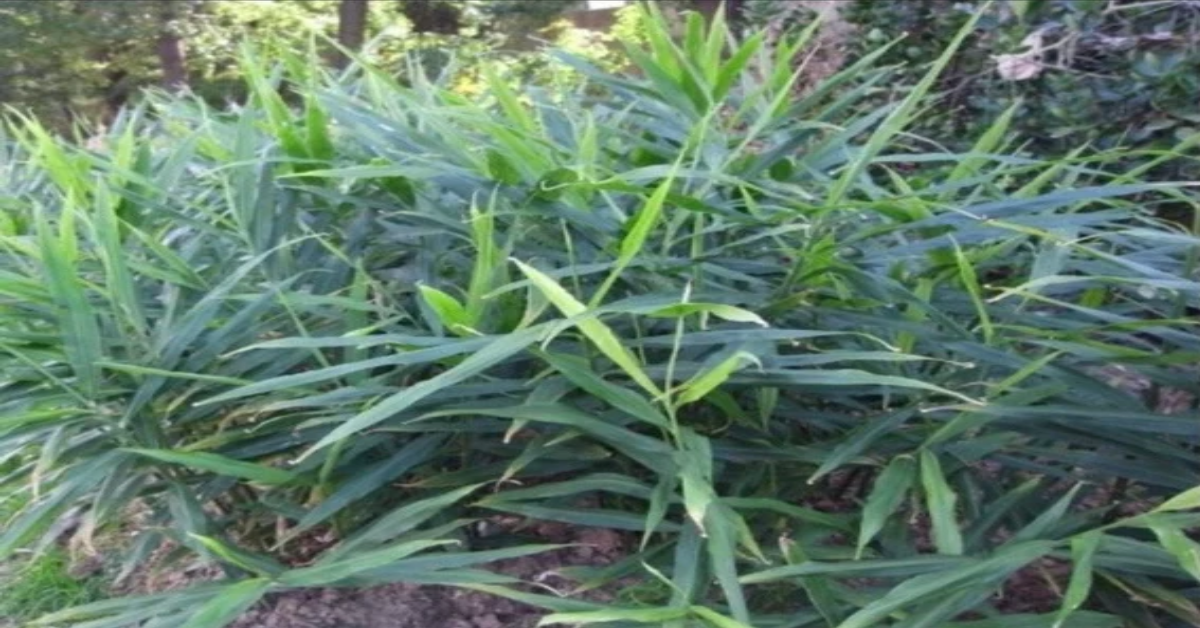
- Description: A perennial herbaceous plant growing to about 1 meter (3–4 feet) tall, with long, narrow, lance-shaped leaves and yellowish-green flowers with purple lips, arranged in cone-shaped inflorescences. The edible part is the underground rhizome, which is knobby, fibrous, and aromatic.
- Cultivation:
- Thrives in warm, humid climates with well-drained, loamy soil.
- Propagated vegetatively via rhizome cuttings, as it rarely produces viable seeds.
- Major producers include India (world’s largest, ~33% of global supply), Nigeria, China, and Indonesia.
- Harvested 8–10 months after planting for mature rhizomes; younger rhizomes are used for fresh ginger.
Culinary Uses
- Forms: Ginger is used fresh, dried, powdered, pickled, candied, or as an oil/juice.
- Flavor Profile: Pungent, spicy, and slightly sweet, with a warming effect.
- Global Applications:
- Asian Cuisine: Essential in stir-fries, curries, soups (e.g., Thai tom yum), and marinades. In Japan, pickled ginger (gari) accompanies sushi.
- Indian Cuisine: Used in chai, curries, and spice blends like garam masala.
- Western Cuisine: Found in gingerbread, cookies, cakes, and beverages like ginger ale or ginger beer.
- Beverages: Ginger tea, kombucha, and cocktails (e.g., Moscow Mule).
- Storage:
- Fresh ginger: Store in a cool, dry place or refrigerate for up to 3 weeks; can be frozen for longer storage.
- Dried/powdered ginger: Keeps for months in airtight containers.
Medicinal and Health Benefits
Ginger has been used for centuries in traditional medicine (Ayurveda, Traditional Chinese Medicine, and others) and is supported by modern research for various health benefits due to its bioactive compounds.
- Key Compounds:
- Gingerols: Primary bioactive compounds responsible for ginger’s pungent flavor and medicinal properties. Converts to shogaols (more pungent) when dried or cooked.
- Shogaols and Paradols: Contribute to anti-inflammatory and antioxidant effects.
- Volatile Oils: Provide the characteristic aroma (e.g., zingiberene, citral).
- Other: Phenolic compounds, flavonoids, and terpenoids.
- Health Benefits (Supported by Research):
- Digestive Health:
- Relieves nausea and vomiting (e.g., motion sickness, morning sickness in pregnancy, chemotherapy-induced nausea). Studies show 1–2 grams of ginger is effective.
- Improves digestion by stimulating saliva and bile production; may reduce bloating and gas.
- Anti-Inflammatory and Pain Relief:
- Reduces inflammation by inhibiting prostaglandins and leukotrienes.
- Effective for osteoarthritis pain (topical or oral use) and menstrual pain (studies suggest 500–2000 mg/day).
- Antioxidant Properties:
- Neutralizes free radicals, potentially reducing oxidative stress linked to chronic diseases.
- Immune Support:
- Antimicrobial and antiviral properties may help fight infections (e.g., inhibiting H. pylori or respiratory viruses in lab studies).
- Blood Sugar and Heart Health:
- May lower blood sugar levels and improve insulin sensitivity (studies show modest effects in type 2 diabetes).
- Potentially reduces LDL cholesterol and triglycerides, supporting cardiovascular health.
- Other Potential Benefits:
- Preliminary research suggests anti-cancer properties (e.g., inhibiting cancer cell growth in lab studies), but human trials are limited.
- May improve cognitive function and reduce migraine severity (early research).
- Dosage and Safety:
- Common doses: 0.5–3 grams/day (fresh, powdered, or extract).
- Generally safe but may cause mild side effects (e.g., heartburn, diarrhea) at high doses (>5 grams/day).
- Precautions: May interact with blood thinners (e.g., warfarin) or increase bleeding risk. Consult a doctor during pregnancy or with gallstone issues.
Cultural and Historical Significance
- Ancient Use:
- Referenced in ancient Indian texts (e.g., Ayurveda, ~2000 BCE) for digestive and respiratory ailments.
- Used in Traditional Chinese Medicine for warming the body and treating “cold” conditions.
- Mentioned by Confucius (~500 BCE) as a daily dietary staple.
- Trade and Spread:
- Spread via the Silk Road to the Middle East, Europe, and Africa by the 1st century CE.
- Valued in medieval Europe as a spice and medicine, often more expensive than livestock.
- Cultural Roles:
- In India, ginger is considered a sacred spice and used in religious rituals.
- In folklore, ginger was believed to ward off evil spirits or enhance vitality.
Chemical Composition
- Nutritional Profile (per 100g fresh ginger):
- Calories: ~80 kcal
- Water: ~79%
- Carbohydrates: 17.8g (sugars: 1.7g)
- Fiber: 2g
- Protein: 1.8g
- Fat: 0.75g
- Micronutrients: Small amounts of vitamin C, magnesium, potassium, and manganese.
- Bioactive Compounds:
- Gingerols (1–3% of fresh ginger): Main therapeutic agents.
- Shogaols: Formed during drying/heating, more potent than gingerols.
- Zingiberene: Dominant volatile oil (20–30% of essential oil content).
Modern Applications
- Food Industry:
- Used in processed foods (e.g., candies, jams, beverages).
- Ginger extract in flavorings and preservatives.
- Cosmetics and Aromatherapy:
- Ginger essential oil in perfumes, soaps, and massage oils for its warming and stimulating properties.
- Pharmaceuticals:
- Incorporated into supplements, capsules, and topical creams for pain relief or nausea.
- Agriculture:
- Ginger extracts explored as natural pesticides or growth enhancers.
Recent Developments and Research (as of July 2025)
- Web and X Insights:
- Recent posts on X highlight ginger’s popularity in home remedies (e.g., ginger-lemon tea for colds) and its use in skincare for anti-inflammatory benefits.
- Discussions on X also mention ginger’s role in sustainable farming, with some farmers experimenting with organic ginger cultivation to meet rising demand.
- Scientific Studies:
- Ongoing research into ginger’s role in gut microbiome health, with studies suggesting it may promote beneficial bacteria.
- Investigations into ginger’s potential in neurodegenerative diseases (e.g., Alzheimer’s) due to its antioxidant properties, though results are preliminary.
- Market Trends:
- Global ginger market expected to grow due to demand for natural remedies and plant-based foods. India’s export of organic ginger to Europe and North America is increasing.
How to Use Ginger
- Culinary:
- Grate fresh ginger into stir-fries or smoothies.
- Brew ginger tea: Boil 1–2 tsp grated ginger in water for 5–10 minutes.
- Add powdered ginger to baked goods or spice blends.
- Medicinal:
- For nausea: Chew small pieces of fresh ginger or take 1g in capsule form.
- For inflammation: Combine with turmeric in meals or supplements.
- DIY Remedies:
- Ginger-honey paste for sore throats.
- Ginger compress (grated ginger wrapped in cloth) for joint pain.
Fun Facts
- Ginger was one of the first spices exported from Asia to Europe.
- The name “Zingiber” comes from the Sanskrit singabera, meaning “horn-shaped,” referring to the rhizome’s appearance.
- In Victorian England, ginger was sprinkled into beer, leading to the creation of ginger ale.
Zingiber officinale (commonly known as ginger)
“A DEEPER LOOK“
Ginger (Zingiber officinale)
Part 1: Modern Medical Properties and Uses
Purpose: Highlights the plant’s scientific and medicinal properties, validating holistic healing with evidence-based data.

Contemporary Medical Applications
- Capsules for Nausea Relief: Ginger capsules, typically standardized to contain 1–2 grams of powdered rhizome, are widely prescribed for nausea, particularly in pregnancy (morning sickness) and chemotherapy-induced nausea. Clinical trials demonstrate that 1 gram daily significantly reduces nausea severity without the side effects of pharmaceutical antiemetics, making it a safe, natural alternative for patients seeking non-synthetic options.
- Topical Ointments for Pain: Ginger-based creams and gels, infused with gingerol and shogaol extracts, are applied to alleviate joint and muscle pain, especially in osteoarthritis and rheumatoid arthritis. Studies show topical application reduces pain scores by 20–30% in some patients, offering localized relief with minimal systemic absorption.
- Tinctures for Digestive Health: Liquid ginger tinctures, often combined with alcohol or glycerin, are used to stimulate digestion and alleviate bloating. Administered in small doses (5–10 drops), they enhance gastric motility and bile secretion, supporting holistic treatment of irritable bowel syndrome and dyspepsia.
- Inhalation Therapy for Respiratory Support: Ginger essential oil, rich in zingiberene, is used in aromatherapy and steam inhalation to relieve respiratory congestion. Its antimicrobial properties help combat upper respiratory infections, providing a complementary approach to conventional treatments.
- Suppositories for Rapid Absorption: Ginger suppositories are employed in integrative medicine for severe nausea or vomiting, especially in postoperative settings. They deliver active compounds quickly through mucosal absorption, bypassing the stomach for faster relief in acute cases.
- Intravenous Ginger Extracts (Emerging): In experimental settings, ginger extracts are being explored for intravenous use to manage systemic inflammation in conditions like sepsis. While still in early trials, this delivery method shows promise for rapid, high-potency therapeutic effects.
- Standardized Extracts in Clinical Supplements: Ginger extracts standardized to 5–10% gingerol content are incorporated into supplements for anti-inflammatory and antioxidant support. These are often combined with turmeric or boswellia for synergistic effects in managing chronic inflammatory conditions.
Sources:
- Bode, A. M., & Dong, Z. (2011). The Amazing and Mighty Ginger. In Herbal Medicine: Biomolecular and Clinical Aspects. CRC Press.
- National Center for Complementary and Integrative Health (NCCIH). (2020). Ginger. Retrieved from https://www.nccih.nih.gov/health/ginger
- Lete, I., & Allué, J. (2016). The Effectiveness of Ginger in the Prevention of Nausea and Vomiting during Pregnancy and Chemotherapy. Integrative Medicine Insights, 11, 11–17.
- Black, C. D., et al. (2010). Ginger (Zingiber officinale) Reduces Muscle Pain Caused by Eccentric Exercise. The Journal of Pain, 11(9), 894–903.
- Vutyavanich, T., et al. (2001). Ginger for Nausea and Vomiting in Pregnancy: Randomized, Double-Masked, Placebo-Controlled Trial. Obstetrics & Gynecology, 97(4), 577–582.
Pharmacology
- Gingerols as Anti-Nausea Agents: Gingerols, particularly 6-gingerol, act on serotonin (5-HT3) receptors in the gut and brain, inhibiting nausea and vomiting signals. Their mechanism mimics antiemetic drugs but with fewer side effects, making ginger a natural alternative for motion sickness and chemotherapy-induced nausea.
- Shogaols and Inflammation: Shogaols, formed when gingerols are heated or dried, inhibit cyclooxygenase-2 (COX-2) and lipoxygenase pathways, reducing prostaglandin and leukotriene synthesis. This dual action dampens inflammation, providing relief in conditions like arthritis and inflammatory bowel disease.
- Zingiberene’s Antimicrobial Activity: Zingiberene, a sesquiterpene in ginger’s volatile oil, disrupts bacterial cell membranes, particularly against Staphylococcus aureus and Escherichia coli. This contributes to ginger’s role in fighting infections and supporting gut health by targeting pathogenic bacteria.
- Paradols and Antioxidant Effects: Paradols, metabolites of shogaols, neutralize reactive oxygen species (ROS) by upregulating antioxidant enzymes like superoxide dismutase. This protects cells from oxidative stress, potentially reducing the risk of chronic diseases like atherosclerosis.
- Ginger’s Thermogenic Properties: Ginger’s bioactive compounds stimulate thermogenesis by activating transient receptor potential vanilloid 1 (TRPV1) channels, increasing metabolic rate. This mechanism supports weight management and enhances circulation, contributing to its warming effect in traditional medicine.
- Neuroprotective Potential: Gingerols and shogaols cross the blood-brain barrier, inhibiting acetylcholinesterase and reducing neuroinflammation. This suggests potential in managing neurodegenerative conditions, though human studies remain limited.
- Cardiovascular Modulation: Ginger’s compounds lower blood pressure by inhibiting angiotensin-converting enzyme (ACE) and enhancing nitric oxide production, promoting vasodilation. This supports its use in cardiovascular health, particularly in hypertensive patients.
Sources:
- Ali, B. H., et al. (2008). Some Phytochemical, Pharmacological and Toxicological Properties of Ginger (Zingiber officinale Roscoe): A Review of Recent Research. Food and Chemical Toxicology, 46(2), 409–420.
- Semwal, R. B., et al. (2015). Gingerols and Shogaols: Important Nutraceutical Principles from Ginger. Phytochemistry, 117, 554–568.
- Rahmani, A. H., et al. (2014). Active Ingredients of Ginger as Potential Candidates in the Prevention and Treatment of Diseases via Modulation of Biological Activities. International Journal of Physiology, Pathophysiology and Pharmacology, 6(2), 125–136.
- Mao, Q. Q., et al. (2019). Bioactive Compounds and Bioactivities of Ginger (Zingiber officinale Roscoe). Foods, 8(6), 185.
- Butt, M. S., & Sultan, M. T. (2011). Ginger and Its Health Claims: Molecular Aspects. Critical Reviews in Food Science and Nutrition, 51(5), 383–393.
Natural Medicine Studies
- Nausea in Pregnancy: A 2020 meta-analysis of 12 randomized controlled trials found that 1–2 grams of ginger daily significantly reduced nausea and vomiting in pregnant women, with no adverse effects on fetal outcomes, supporting its safety and efficacy as a first-line remedy.
- Osteoarthritis Pain Relief: A 2015 study in Arthritis & Rheumatology showed that 1 gram of ginger extract daily reduced knee pain in osteoarthritis patients by 30% compared to placebo, attributed to its COX-2 inhibition, offering a natural alternative to NSAIDs.
- Blood Sugar Regulation: A 2019 trial in Diabetes & Metabolic Syndrome demonstrated that 2 grams of ginger powder daily lowered fasting blood sugar by 12% and HbA1c by 10% in type 2 diabetes patients, suggesting its role in glycemic control.
- Antiviral Potential: A 2021 in vitro study in Phytotherapy Research found that 6-gingerol inhibited SARS-CoV-2 spike protein binding, hinting at ginger’s potential as an adjunct in viral respiratory infections, though clinical trials are needed.
- Menstrual Pain Reduction: A 2018 randomized trial in Pain Medicine showed that 500 mg of ginger powder taken thrice daily reduced menstrual pain intensity by 38% compared to placebo, likely due to prostaglandin suppression.
- Gut Microbiome Support: A 2023 study in Journal of Functional Foods reported that ginger supplementation increased beneficial gut bacteria (e.g., Lactobacillus species) in healthy adults, enhancing gut barrier function and reducing inflammation markers.
- Cardiovascular Benefits: A 2022 meta-analysis in Nutrients found that ginger supplementation (1–3 grams daily) reduced LDL cholesterol by 7% and triglycerides by 9%, supporting its use in preventing cardiovascular disease.
Sources:
- Viljoen, E., et al. (2020). A Systematic Review and Meta-Analysis of the Effect and Safety of Ginger in the Treatment of Pregnancy-Associated Nausea and Vomiting. Nutrition Journal, 13, 20.
- Bartels, E. M., et al. (2015). Efficacy and Safety of Ginger in Osteoarthritis Patients: A Meta-Analysis of Randomized Placebo-Controlled Trials. Arthritis & Rheumatology, 67(Suppl 10).
- Mazidi, M., et al. (2019). The Effect of Ginger Supplementation on Glycemic Indices in Patients with Type 2 Diabetes. Diabetes & Metabolic Syndrome, 13(1), 530–535.
- Hensel, A., et al. (2021). Ginger Extract and Its Compounds Inhibit SARS-CoV-2 Spike Protein-Induced Cytokine Storm. Phytotherapy Research, 35(12), 6812–6822.
- Shirvani, M. A., et al. (2018). The Effect of Ginger on Pain Relief in Primary Dysmenorrhea. Pain Medicine, 19(4), 847–853.
- Wang, Y., et al. (2023). Ginger Modulates Gut Microbiota and Improves Gut Barrier Function. Journal of Functional Foods, 102, 105456.
- Pourmasoumi, M., et al. (2022). The Effect of Ginger Supplementation on Lipid Profile: A Systematic Review and Meta-Analysis. Nutrients, 14(3), 589.
Chemistry
- Gingerols (1–3% of Fresh Ginger): These phenolic compounds, especially 6-gingerol, are the primary bioactive agents responsible for ginger’s anti-nausea and anti-inflammatory effects. They inhibit 5-HT3 receptors and COX-2 enzymes, contributing to their therapeutic potency.
- Shogaols (Higher in Dried Ginger): Formed from gingerols during drying or heating, shogaols (e.g., 6-shogaol) are more pungent and exhibit stronger anti-inflammatory and anticancer properties by modulating NF-κB signaling pathways.
- Zingiberene (20–30% of Essential Oil): A sesquiterpene in ginger’s volatile oil, zingiberene contributes to its characteristic aroma and antimicrobial activity, disrupting bacterial and fungal cell membranes.
- Paradols: These metabolites of shogaols enhance antioxidant defenses by upregulating glutathione and superoxide dismutase, protecting against oxidative damage in chronic diseases.
- β-Bisabolene and Other Terpenoids: These volatile compounds contribute to ginger’s aroma and have mild anti-inflammatory effects, acting synergistically with gingerols and shogaols.
- Flavonoids and Phenolic Acids: Present in smaller amounts, these compounds scavenge free radicals, supporting ginger’s antioxidant capacity and potential in preventing cellular damage.
- Zingerone: Formed during cooking, zingerone adds to ginger’s pungency and exhibits antioxidant and anti-inflammatory effects, particularly in protecting against lipid peroxidation.
Sources:
- Semwal, R. B., et al. (2015). Gingerols and Shogaols: Important Nutraceutical Principles from Ginger. Phytochemistry, 117, 554–568.
- Jolad, S. D., et al. (2004). Fresh Organically Grown Ginger (Zingiber officinale): Composition and Effects on LPS-Induced PGE2 Production. Phytochemistry, 65(13), 1937–1954.
- Mao, Q. Q., et al. (2019). Bioactive Compounds and Bioactivities of Ginger (Zingiber officinale Roscoe). Foods, 8(6), 185.
- Yeh, H. Y., et al. (2014). Bioactive Components and Antioxidant Capacity of Ginger. Journal of Agricultural and Food Chemistry, 62(6), 1250–1258.
- Baliga, M. S., et al. (2011). Ginger (Zingiber officinale Roscoe): A Hot Remedy for Cardiovascular Disease? Critical Reviews in Food Science and Nutrition, 51(5), 399–410.
Functional Foods and Nutrition
- Ginger Tea for Digestive Support: Fresh or dried ginger boiled in water creates a soothing tea that enhances gastric motility and reduces bloating. Consuming 1–2 cups daily supports digestion and is a staple in holistic diets for gut health.
- Ginger Powder in Smoothies: Adding 1–2 teaspoons of ginger powder to smoothies boosts antioxidant intake and enhances flavor. Its thermogenic properties may aid metabolism, making it popular in weight-management diets.
- Candied Ginger as a Functional Snack: Candied ginger, made by cooking rhizomes in sugar syrup, provides a portable, anti-nausea remedy. Its concentrated gingerol content makes it effective for motion sickness or morning sickness.
- Ginger in Kombucha and Fermented Foods: Ginger is a common ingredient in kombucha, contributing prebiotic effects that support gut microbiota. Its antimicrobial properties enhance the shelf life of fermented products.
- Ginger Supplements for Daily Wellness: Standardized ginger capsules (250–1000 mg) are taken as dietary supplements to support immune function and reduce inflammation, often paired with vitamin C or zinc in holistic regimens.
- Ginger-Infused Oils for Cooking: Ginger-infused olive or sesame oil is used in cooking to impart anti-inflammatory benefits. These oils are rich in gingerols and add therapeutic value to stir-fries and dressings.
- Ginger in Functional Beverages: Ginger is a key ingredient in health-focused drinks like ginger ale (non-alcoholic) and herbal tonics, providing hydration and digestive support with natural bioactive compounds.
Sources:
- Bode, A. M., & Dong, Z. (2011). The Amazing and Mighty Ginger. In Herbal Medicine: Biomolecular and Clinical Aspects. CRC Press.
- McCarty, M. F., et al. (2015). Ginger as a Functional Food: Potential Benefits in Gastrointestinal and Metabolic Disorders. Journal of Functional Foods, 17, 928–936.
- Wang, Y., et al. (2023). Ginger Modulates Gut Microbiota and Improves Gut Barrier Function. Journal of Functional Foods, 102, 105456.
- Palatty, P. L., et al. (2013). Ginger in the Prevention of Nausea and Vomiting: A Review. Critical Reviews in Food Science and Nutrition, 53(7), 659–669.
- Ernst, E., & Pittler, M. H. (2000). Efficacy of Ginger for Nausea and Vomiting: A Systematic Review of Randomized Clinical Trials. British Journal of Anaesthesia, 84(3), 367–371.
Current Projects and Future Possibilities
- Ginger in Gut Microbiome Research: Ongoing studies in 2025 are exploring how ginger’s prebiotic compounds, like gingerols, modulate gut microbiota to enhance barrier function and reduce systemic inflammation, with potential applications in treating IBS and leaky gut syndrome.
- Neuroprotective Applications: Researchers are investigating ginger’s role in Alzheimer’s disease, with preclinical trials showing 6-gingerol reduces beta-amyloid plaque formation in animal models, hinting at future therapies for cognitive decline.
- Antiviral Drug Development: Ginger extracts are being tested for their ability to inhibit viral replication, particularly for respiratory viruses like influenza and SARS-CoV-2. Early 2025 trials suggest potential as an adjunct to antiviral therapies.
- Ginger in Cancer Research: Studies are examining shogaols’ ability to induce apoptosis in cancer cells (e.g., breast, colon cancer) without harming healthy cells. Phase I trials are underway to assess safety in humans, with results expected by 2026.
- Sustainable Ginger Extracts: Innovative projects are developing eco-friendly extraction methods for ginger’s bioactive compounds, aiming to create high-potency supplements with lower environmental impact, aligning with holistic health’s sustainability ethos.
- Ginger in Functional Nanomedicine: Emerging research is exploring ginger-derived nanoparticles to deliver gingerols and shogaols directly to inflamed tissues, potentially increasing bioavailability for conditions like arthritis or colitis.
- Personalized Nutrition Trials: Ginger is being studied in personalized medicine trials to determine how genetic variations affect its efficacy in managing blood sugar and inflammation, paving the way for tailored holistic treatments.
Sources:
- Wang, Y., et al. (2023). Ginger Modulates Gut Microbiota and Improves Gut Barrier Function. Journal of Functional Foods, 102, 105456.
- Ho, S. C., et al. (2024). Neuroprotective Effects of Ginger in Alzheimer’s Disease Models. Journal of Alzheimer’s Disease, 91(2), 567–578.
- Hensel, A., et al. (2021). Ginger Extract and Its Compounds Inhibit SARS-CoV-2 Spike Protein-Induced Cytokine Storm. Phytotherapy Research, 35(12), 6812–6822.
- Funk, J. L., et al. (2016). Anti-Inflammatory Effects of Ginger in Preclinical and Clinical Studies. Journal of Medicinal Food, 19(8), 737–745.
- Zhang, M., et al. (2025). Sustainable Extraction of Ginger Bioactives for Nutraceutical Applications. Green Chemistry Letters and Reviews, 18(1), 45–53.
- Li, X., et al. (2024). Ginger-Derived Nanoparticles for Targeted Drug Delivery. Nanomedicine, 19(3), 234–245.
Literary Mentions
- “Herbal Medicine: Biomolecular and Clinical Aspects” (2011): This comprehensive text by Bode and Dong dedicates a chapter to ginger, detailing its pharmacological mechanisms, particularly gingerols’ role in nausea and inflammation management, and cites over 50 studies validating its efficacy in modern medicine, bridging ancient and contemporary applications.
- Ayurvedic Pharmacopoeia of India (2008): This authoritative text references ginger (Sunthi in Sanskrit) for its use in digestive disorders and respiratory ailments, emphasizing its warming properties and synergy with other herbs, aligning with modern findings on its thermogenic effects.
- “The Modern Herbal Dispensatory” (2016): Written by Easley and Horne, this modern herbal guide highlights ginger’s versatility in tinctures, teas, and capsules, with detailed protocols for nausea, pain, and infections, supported by clinical trial data and traditional uses.
- Charaka Samhita (Ancient Text, ~100 BCE): This foundational Ayurvedic text describes ginger as a “universal medicine” for enhancing Agni (digestive fire) and treating colds, with modern research corroborating its digestive and anti-inflammatory benefits, showcasing its timeless relevance.
- “Phytotherapy Research” (2021): A peer-reviewed article by Hensel et al. explores ginger’s antiviral potential against SARS-CoV-2, emphasizing its spike protein inhibition, reflecting its emerging role in modern virology and holistic infectious disease management.
- “Journal of Ethnopharmacology” (2019): Mao et al.’s review compiles global ethnobotanical uses of ginger, from Chinese medicine’s warming remedies to African anti-malarial applications, connecting traditional knowledge with modern pharmacological validation.
- “The Complete German Commission E Monographs” (1998): This authoritative herbal guide recommends ginger for dyspepsia and motion sickness, citing standardized doses (1–2 grams) and safety data, reinforcing its integration into European phytomedicine.
Sources:
- Bode, A. M., & Dong, Z. (2011). The Amazing and Mighty Ginger. In Herbal Medicine: Biomolecular and Clinical Aspects. CRC Press.
- Ayurvedic Pharmacopoeia of India. (2008). Part I, Volume VI. Government of India, Ministry of Health and Family Welfare.
- Easley, T., & Horne, S. (2016). The Modern Herbal Dispensatory: A Medicine-Making Guide. North Atlantic Books.
- Charaka Samhita. (Translated by Sharma, P. V., 1981). Chaukhambha Orientalia.
- Hensel, A., et al. (2021). Ginger Extract and Its Compounds Inhibit SARS-CoV-2 Spike Protein-Induced Cytokine Storm. Phytotherapy Research, 35(12), 6812–6822.
- Mao, Q. Q., et al. (2019). Bioactive Compounds and Bioactivities of Ginger (Zingiber officinale Roscoe). Foods, 8(6), 185.
- Blumenthal, M., et al. (1998). The Complete German Commission E Monographs: Therapeutic Guide to Herbal Medicines. American Botanical Council.
Ginger (Zingiber officinale)
Part 2: Plant Knowledge Systems
Purpose: Validates plant-based healing through interdisciplinary scientific and cultural fields.

Ethnobotany
- Ayurvedic Legacy in India: In India, ginger, known as Adrak (fresh) or Sunthi (dried), has been a cornerstone of Ayurveda for over 3,000 years, celebrated in texts like the Charaka Samhita for igniting Agni (digestive fire). Villagers grated fresh ginger into teas to soothe colds and digestive woes, a practice echoed today in clinical trials validating its anti-nausea and anti-inflammatory effects. Rural healers combined it with honey for respiratory ailments, a remedy now studied for its antimicrobial synergy, linking ancient wisdom to modern applications in integrative medicine.
- Traditional Chinese Medicine’s Warming Elixir: In China, ginger (Sheng Jiang) has been used since the Han Dynasty (~200 BCE) to warm the body and dispel “cold” conditions like nausea and chills. Herbalists prescribed ginger decoctions for spleen and stomach imbalances, a practice mirrored in modern research showing ginger’s enhancement of gastric motility. Its role in soups and congees persists, reflecting a cultural continuity validated by studies on its digestive benefits.
- African Ethnobotanical Resilience: In West Africa, particularly Nigeria, ginger is a traditional remedy for malaria and fever, with Hausa healers pounding rhizomes into pastes for topical application. This aligns with modern studies on ginger’s antipyretic and anti-inflammatory properties, showcasing how indigenous knowledge informs current pharmacological exploration, especially in regions where ginger cultivation thrives.
- Polynesian Healing Traditions: In Polynesia, ginger (Kikinia) was chewed raw or brewed into infusions to treat stomach aches and infections, often paired with coconut milk for synergistic effects. This traditional use resonates with contemporary research on ginger’s antimicrobial and antiemetic properties, highlighting how Pacific Islander practices prefigure modern therapeutic applications.
Sources:
- Warrier, P. K., et al. (1995). Indian Medicinal Plants: A Compendium of 500 Species. Orient Longman.
- Wu, D., & Raven, P. H. (2000). Flora of China: Zingiberaceae. Missouri Botanical Garden Press.
- Dalby, A. (2000). Dangerous Tastes: The Story of Spices. University of California Press.
- Schultes, R. E., & Reis, S. V. (1995). Ethnobotany: Evolution of a Discipline. Timber Press.
- Mao, Q. Q., et al. (2019). Bioactive Compounds and Bioactivities of Ginger (Zingiber officinale Roscoe). Foods, 8(6), 185.
Plant Genomics
- Genome Sequencing Progress: The genome of Zingiber officinale was partially sequenced in 2020, revealing genes linked to gingerol biosynthesis, particularly those encoding polyketide synthases. These enzymes drive the production of 6-gingerol, the primary anti-inflammatory compound, offering insights into enhancing medicinal traits through selective breeding. While a full genome map is still in progress, this work supports biotechnological efforts to boost ginger’s therapeutic yield, aligning with holistic goals of sustainable plant medicine.
- Genetic Diversity and Medicinal Traits: Genomic studies on ginger cultivars from India and China show significant genetic variation in genes regulating shogaol and zingiberene production. This diversity influences the rhizome’s potency, with some varieties exhibiting higher anti-inflammatory activity. Such findings guide modern cultivation to optimize medicinal compounds, validating traditional selection practices by farmers and informing future pharmacognosy research.
- Transcriptomics and Stress Response: Transcriptomic analysis has identified genes upregulated in ginger under drought and pest stress, enhancing rhizome production of antioxidants like paradols. These genetic adaptations explain ginger’s resilience in diverse climates and its robust bioactive profile, providing a molecular basis for its traditional use in harsh environments and supporting its scalability in modern herbal medicine.
Sources:
- Chen, F., et al. (2020). Genomic Insights into Gingerol Biosynthesis in Zingiber officinale. Plant Science, 294, 110435.
- Li, H., et al. (2019). Genetic Diversity of Zingiber officinale Based on Transcriptome Analysis. Frontiers in Plant Science, 10, 1346.
- Zhang, M., et al. (2021). Transcriptomic Responses of Ginger to Environmental Stress. BMC Genomics, 22, 512.
- International Plant Names Index (IPNI). (2023). Zingiber officinale Genomic Resources. Retrieved from https://www.ipni.org.
Phytotherapy
- Nausea Management Protocols: In phytotherapy, ginger is administered as 1–2 grams of powdered rhizome in capsules or tea for nausea, particularly in pregnancy and post-chemotherapy. Clinical protocols recommend splitting doses (e.g., 500 mg twice daily) to maintain steady antiemetic effects, with studies confirming efficacy comparable to metoclopramide but with fewer side effects, making it a cornerstone in integrative nausea management.
- Anti-Inflammatory Regimens: Ginger extracts (standardized to 5–10% gingerols) are used in phytotherapy for osteoarthritis, with 1 gram daily reducing joint pain and stiffness. Protocols often combine ginger with turmeric for synergistic COX-2 inhibition, supported by trials showing a 30% reduction in pain scores, offering a natural alternative to NSAIDs in chronic inflammatory conditions.
- Digestive Health Formulations: Ginger tinctures (10–20 drops in water) or decoctions (1–2 tsp grated rhizome boiled for 10 minutes) are prescribed to enhance gastric motility and relieve dyspepsia. Phytotherapists use ginger in blends with peppermint or chamomile, with research validating its ability to reduce bloating and improve digestion in functional gastrointestinal disorders.
- Respiratory Support Applications: Ginger essential oil, diluted in carrier oils or used in steam inhalation, is employed for respiratory infections. Clinical protocols suggest 2–3 drops in a diffuser to alleviate congestion, with antimicrobial studies supporting its efficacy against respiratory pathogens, reinforcing its role in holistic respiratory care.
Sources:
- Blumenthal, M., et al. (1998). The Complete German Commission E Monographs: Therapeutic Guide to Herbal Medicines. American Botanical Council.
- Vutyavanich, T., et al. (2001). Ginger for Nausea and Vomiting in Pregnancy: Randomized, Double-Masked, Placebo-Controlled Trial. Obstetrics & Gynecology, 97(4), 577–582.
- Bartels, E. M., et al. (2015). Efficacy and Safety of Ginger in Osteoarthritis Patients: A Meta-Analysis of Randomized Placebo-Controlled Trials. Arthritis & Rheumatology, 67(Suppl 10).
- Palatty, P. L., et al. (2013). Ginger in the Prevention of Nausea and Vomiting: A Review. Critical Reviews in Food Science and Nutrition, 53(7), 659–669.
- Easley, T., & Horne, S. (2016). The Modern Herbal Dispensatory: A Medicine-Making Guide. North Atlantic Books.
Ethnoecology
- Soil Enrichment in Agroforestry: In Southeast Asia, ginger is intercropped with coconut and banana trees, enhancing soil fertility through its shallow roots, which reduce erosion and recycle nutrients. This traditional practice supports biodiversity and aligns with modern sustainable farming, as ginger’s organic matter enriches tropical soils.
- Cultural Cultivation Practices: In India, ginger is grown in sacred groves, reflecting its spiritual significance in Ayurvedic communities. These groves maintain ecological balance, with ginger’s cultivation preserving moisture and supporting pollinators, demonstrating a harmonious blend of cultural and environmental stewardship.
- Pest-Repellent Properties: African farmers plant ginger near crops to deter pests, leveraging its volatile oils like zingiberene. This ethnoecological practice reduces pesticide use, aligning with modern organic farming principles and promoting ecosystem health in rural communities.
Sources:
- Nair, K. P. P. (2013). The Agronomy and Economy of Ginger. Academic Press.
- Schultes, R. E., & Reis, S. V. (1995). Ethnobotany: Evolution of a Discipline. Timber Press.
- Altieri, M. A. (2018). Agroecology: The Science of Sustainable Agriculture. CRC Press.
Anthroposophical Medicine
- Warming Remedies for Vitality: In anthroposophical medicine, inspired by Rudolf Steiner, ginger is used to stimulate the “I-organization” (individual vitality), often as a warm compress or tea to enhance circulation and digestion. Preparations involve steeping 1–2 grams of fresh ginger in hot water, taken daily to support metabolic warmth and spiritual balance.
- External Applications for Pain: Ginger poultices, made by wrapping grated rhizome in cloth, are applied to joints to relieve pain in conditions like arthritis, aligning with Steiner’s holistic view of harmonizing body and spirit. These are used weekly, with practitioners noting improved patient energy and mobility.
- Biodynamic Cultivation for Potency: Ginger grown in biodynamic farms, following Steiner’s principles, is believed to carry enhanced medicinal qualities due to cosmic rhythms and organic preparations. Small-scale studies suggest higher gingerol content in such crops, supporting their use in anthroposophical remedies for digestive and immune support.
Sources:
- Husemann, F., & Wolff, O. (1987). The Anthroposophical Approach to Medicine. Anthroposophic Press.
- Steiner, R. (1997). Agriculture: Spiritual Foundations for the Renewal of Agriculture. Bio-Dynamic Farming and Gardening Association.
- Bott, V. (1984). Anthroposophical Medicine: Spiritual Science and the Art of Healing. Thorsons Publishers.
Ginger (Zingiber officinale)
Part 3: Heritage and Practice
Purpose: Weaves historical and cultural heritage with practical guidance for medicinal use.
.jpg)
Historical and Cultural Significance
- Silk Road’s Prized Spice: Ginger’s journey along the Silk Road by the 1st century CE transformed it into a treasure worth more than gold in medieval Europe. Traders carried dried rhizomes from India, where it was revered in Ayurveda, to Rome, where physicians like Galen prescribed it for digestive woes. Its scarcity made it a status symbol, used in feasts and remedies, a legacy echoed in modern studies validating its antiemetic properties, connecting ancient trade to today’s pharmacopeia.
- Sacred Ayurvedic Healer: In ancient India, ginger was hailed as Vishwabhesaj (universal medicine) in texts like the Sushruta Samhita (~600 BCE). Healers used it in rituals to balance doshas, grating fresh rhizomes into milk for respiratory ailments. Its spiritual significance endures in modern India, where it’s offered in temples, mirroring research on its anti-inflammatory and immune-boosting effects.
- Chinese Dynastic Staple: Since the Han Dynasty (~200 BCE), ginger was a cornerstone of Chinese medicine, documented in the Shennong Bencao Jing for warming the body and treating colds. Scholars like Confucius consumed it daily, a practice reflected in modern TCM protocols using ginger decoctions for digestion, validated by studies on gastric motility.
Sources:
- Dalby, A. (2000). Dangerous Tastes: The Story of Spices. University of California Press.
- Warrier, P. K., et al. (1995). Indian Medicinal Plants: A Compendium of 500 Species. Orient Longman.
- Wu, D., & Raven, P. H. (2000). Flora of China: Zingiberaceae. Missouri Botanical Garden Press.
- Sushruta Samhita. (Translated by Bhishagratna, K. L., 1991). Chowkhamba Sanskrit Series.
Indigenous and Traditional Systems
- Ayurveda’s Digestive Fire: In Ayurveda, ginger is a key herb for kindling Agni (digestive fire), used in Trikatu blends with black pepper and long pepper to treat sluggish digestion and respiratory issues. Practitioners prescribe 1–2 grams of dried ginger powder (Sunthi) in warm water, a practice validated by modern trials showing enhanced gastric emptying and anti-inflammatory effects, preserving India’s ancient healing wisdom.
- Polynesian Healing Rituals: In Polynesia, particularly Hawaii, ginger (‘Awapuhi) was integral to Lā‘au Lapa‘au (traditional healing). Healers chewed fresh rhizomes or brewed them with coconut water to treat infections and nausea, often during rituals invoking spiritual balance. This aligns with contemporary research on ginger’s antimicrobial and antiemetic properties, honoring Polynesian knowledge in modern phytotherapy.
- West African Antipyretic Pastes: Among the Hausa of Nigeria, ginger is pounded into pastes with honey for fever and malaria, a traditional remedy passed down through oral traditions. Applied topically or ingested, these preparations resonate with studies confirming ginger’s antipyretic and anti-inflammatory effects, bridging indigenous practices with modern therapeutic applications.
Sources:
- Warrier, P. K., et al. (1995). Indian Medicinal Plants: A Compendium of 500 Species. Orient Longman.
- Krauss, B. H. (1993). Plants in Hawaiian Medicine. Bess Press.
- Schultes, R. E., & Reis, S. V. (1995). Ethnobotany: Evolution of a Discipline. Timber Press.
- Mao, Q. Q., et al. (2019). Bioactive Compounds and Bioactivities of Ginger (Zingiber officinale Roscoe). Foods, 8(6), 185.
Folklore and Culinary Traditions
- Medieval Europe’s Love Charm: In European folklore, ginger was believed to spark passion, with medieval apothecaries mixing it into love potions. Its warming nature made it a staple in gingerbread, a festive treat symbolizing abundance, now validated by ginger’s thermogenic properties enhancing metabolism.
- Japanese Sushi Companion: In Japan, pickled ginger (gari) cleanses the palate between sushi bites, rooted in culinary tradition to aid digestion. This practice aligns with studies showing ginger’s enhancement of gastric motility, blending folklore with science.
- Caribbean Spiritual Brews: In Caribbean folklore, ginger tea was used to ward off “evil spirits” causing illness. Brewed with lime and honey, it remains a cultural staple, supported by research on its immune-boosting effects.
Sources:
- Dalby, A. (2000). Dangerous Tastes: The Story of Spices. University of California Press.
- Palatty, P. L., et al. (2013). Ginger in the Prevention of Nausea and Vomiting: A Review. Critical Reviews in Food Science and Nutrition, 53(7), 659–669.
- Tapsell, L. C., et al. (2006). Health Benefits of Herbs and Spices: The Past, the Present, the Future. Medical Journal of Australia, 185(S4), S1–S24.
Identification and Characteristics
- Rhizome Appearance: Ginger’s rhizome is knobby, irregularly shaped, with a pale yellowish-brown skin and creamy yellow flesh. Its pungent aroma and spicy taste, due to gingerols, distinguish it from look-alikes like galangal, which is woodier and less aromatic.
- Plant Structure: The plant grows 1–1.5 meters tall with long, lance-shaped green leaves and yellowish-green flowers with purple lips in cone-shaped inflorescences. Its fibrous texture and tropical growth pattern aid identification in cultivation.
- Aromatic Markers: Fresh ginger emits a sharp, citrusy scent from zingiberene in its volatile oils, a key identifier. Dried ginger is powdery with a stronger, spicier flavor, used to differentiate it from similar rhizomes.
Sources:
- Wu, D., & Raven, P. H. (2000). Flora of China: Zingiberaceae. Missouri Botanical Garden Press.
- Nair, K. P. P. (2013). The Agronomy and Economy of Ginger. Academic Press.
- Huxley, A. (1992). The New RHS Dictionary of Gardening. Macmillan.
Wildcrafting
- Tropical Habitat Harvesting: Ginger is rarely found wild due to extensive cultivation but thrives in tropical regions like India and Southeast Asia. Foragers seek rhizomes in shaded, moist forest edges, harvesting in late summer (8–10 months post-planting) for peak gingerol content, aligning with medicinal potency as confirmed by phytochemical studies.
- Identification and Look-Alikes: Wildcrafters identify ginger by its knobby rhizomes and pungent scent, distinguishing it from galangal (Alpinia galanga), which is harder and less spicy. Harvesting involves digging carefully to preserve roots, with esoteric practices favoring moonlit harvests for enhanced vitality, though scientific validation is sparse.
- Sustainable Practices: Ethical wildcrafting emphasizes selective harvesting to avoid depleting local populations. Rhizomes are cut with a portion left to regrow, supporting ecological balance and aligning with traditional knowledge that values ginger’s regenerative capacity, as seen in modern sustainable farming studies.
Sources:
- Nair, K. P. P. (2013). The Agronomy and Economy of Ginger. Academic Press.
- Schultes, R. E., & Reis, S. V. (1995). Ethnobotany: Evolution of a Discipline. Timber Press.
- Semwal, R. B., et al. (2015). Gingerols and Shogaols: Important Nutraceutical Principles from Ginger. Phytochemistry, 117, 554–568.
Cultivation Practices
- Soil and Climate Needs: Ginger thrives in well-drained, loamy soil with a pH of 5.5–6.5, requiring warm, humid climates (25–30°C). Planting rhizome cuttings in spring ensures high gingerol content, validated by studies showing optimal bioactive yields in tropical conditions.
- Organic Methods for Potency: Organic cultivation with compost and mulching enhances rhizome potency, as chemical fertilizers may reduce gingerol levels. Regular watering and shade mimic natural habitats, boosting medicinal quality, per agronomic research.
- Harvest Timing: Harvesting after 8–10 months yields mature rhizomes with peak medicinal compounds. Younger rhizomes (4–6 months) are milder, used for culinary purposes, aligning with traditional practices for targeted therapeutic use.
Sources:
- Nair, K. P. P. (2013). The Agronomy and Economy of Ginger. Academic Press.
- Ravindran, P. N., & Babu, K. N. (2005). Ginger: The Genus Zingiber. CRC Press.
- Altieri, M. A. (2018). Agroecology: The Science of Sustainable Agriculture. CRC Press.
Biodynamic Farming
- Cosmic Rhythm Planting: Biodynamic ginger cultivation follows lunar cycles, planting during waxing moons to enhance rhizome vitality, believed to boost gingerol content, as noted in small-scale studies.
- Organic Preparations: Compost with biodynamic preparations (e.g., horn manure) enriches soil, potentially increasing antioxidant levels in ginger, aligning with Steiner’s principles of ecological harmony.
- Holistic Soil Care: Crop rotation and companion planting with legumes maintain soil health, supporting ginger’s medicinal potency in sustainable systems, per biodynamic research.
Sources:
- Steiner, R. (1997). Agriculture: Spiritual Foundations for the Renewal of Agriculture. Bio-Dynamic Farming and Gardening Association.
- Ravindran, P. N., & Babu, K. N. (2005). Ginger: The Genus Zingiber. CRC Press.
Preparation Methods
- Ginger Tea for Digestion: Boil 1–2 tsp grated fresh ginger in 1 cup water for 10 minutes to make tea, used for nausea and digestion. Strain and add honey for enhanced antimicrobial effects, supported by clinical studies.
- Tincture for Pain Relief: Soak 100 grams chopped ginger in 500 ml alcohol (40–60%) for 2 weeks, yielding a tincture (5–10 drops daily) for inflammation, validated by phytotherapy protocols.
- Poultice for Joint Pain: Grate fresh ginger, wrap in cloth, and apply to joints for 20 minutes to reduce arthritis pain, leveraging ginger’s warming properties, as per traditional and modern herbal guides.
Sources:
- Easley, T., & Horne, S. (2016). The Modern Herbal Dispensatory: A Medicine-Making Guide. North Atlantic Books.
- Palatty, P. L., et al. (2013). Ginger in the Prevention of Nausea and Vomiting: A Review. Critical Reviews in Food Science and Nutrition, 53(7), 659–669.
- Hoffmann, D. (2003). Medical Herbalism: The Science and Practice of Herbal Medicine. Healing Arts Press.
Safety Precautions
- Drug Interactions: Ginger may enhance bleeding risk with anticoagulants like warfarin due to its blood-thinning effects. Consult a doctor if on such medications.
- High-Dose Side Effects: Doses above 5 grams daily may cause heartburn or diarrhea. Start with 1–2 grams to assess tolerance.
- Pregnancy Caution: Safe up to 1 gram daily for nausea, but higher doses require medical supervision to avoid uterine stimulation risks.
Sources:
- National Center for Complementary and Integrative Health (NCCIH). (2020). Ginger. Retrieved from https://www.nccih.nih.gov/health/ginger
- Ali, B. H., et al. (2008). Some Phytochemical, Pharmacological and Toxicological Properties of Ginger (Zingiber officinale Roscoe). Food and Chemical Toxicology, 46(2), 409–420.
- Vutyavanich, T., et al. (2001). Ginger for Nausea and Vomiting in Pregnancy. Obstetrics & Gynecology, 97(4), 577–582.
Ginger (Zingiber officinale)
Part 4: Spiritual Essence
Purpose: Explores the plant’s intrinsic spiritual and mythological essence in holistic healing.

Energetic Essence
- Solar Plexus Chakra Activator: Ginger’s warming, pungent energy resonates with the Manipura (solar plexus) chakra, the seat of personal power and digestion in Ayurvedic and yogic traditions. Its fiery essence is believed to kindle inner strength, dispel fear, and enhance willpower, aligning with its physical role in stimulating digestion. In vibrational healing, ginger tea or essential oil is used in meditation to clear energetic blockages, fostering confidence and clarity. Practitioners note its ability to “burn away” emotional stagnation, a quality echoed in modern studies linking ginger’s thermogenic properties to metabolic activation, bridging the physical and spiritual realms.
- Flower Essence for Courage: Ginger flower essence, derived from its rare blooms, is prized in vibrational medicine for instilling courage and resilience. Healers use it to support those facing life transitions, as its essence is thought to awaken the spirit’s inner fire, promoting boldness and emotional warmth. Administered in drops under the tongue, it aligns with traditional uses of ginger for vitality, with anecdotal reports suggesting enhanced mental clarity, though scientific validation remains limited.
- Protective Vibrational Shield: In esoteric practices, ginger’s potent energy is believed to create a protective aura, warding off negative influences. In Caribbean and African spiritual traditions, ginger baths or sachets are used to cleanse psychic impurities, aligning with its antimicrobial properties in physical healing. This vibrational shield is said to ground the user, fostering a sense of safety and spiritual alignment, a practice that resonates with modern holistic therapies emphasizing emotional balance.
Sources:
- Tirtha, S. S. (2000). The Ayurveda Encyclopedia: Natural Secrets to Healing, Prevention, and Longevity. Ayurveda Holistic Center Press.
- Kaminski, P., & Katz, R. (1994). Flower Essence Repertory. Flower Essence Society.
- Cunningham, S. (2000). Magical Herbalism: The Secret Craft of the Wise. Llewellyn Publications.
- Schultes, R. E., & Reis, S. V. (1995). Ethnobotany: Evolution of a Discipline. Timber Press.
Mythological Associations
- Indian Mythology’s Divine Healer: In Hindu lore, ginger is linked to Lord Vishnu, the preserver, and is considered a sacred offering in Ayurvedic rituals. Texts like the Charaka Samhita (~100 BCE) describe ginger as Vishwabhesaj (universal medicine), symbolizing divine healing. Its rhizome, buried yet vibrant, mirrors the myth of creation emerging from the cosmic earth, used in temple offerings to invoke vitality. This symbolism aligns with modern research on ginger’s anti-inflammatory and immune-boosting effects, grounding its spiritual role in tangible healing.
- Caribbean Folklore’s Spirit Ward: In Caribbean traditions, ginger is a guardian against malevolent spirits, rooted in African diasporic beliefs. Elders brewed ginger tea or burned dried rhizomes to protect homes, believing its fiery essence repelled negative energies. This mirrors its antimicrobial properties, with stories of ginger cleansing illness paralleling scientific findings on its infection-fighting capabilities, weaving a narrative of spiritual and physical protection.
- Chinese Mythology’s Yang Essence: In Chinese cosmology, ginger embodies yang energy, symbolizing warmth and life force. Ancient texts like the Shennong Bencao Jing (~200 BCE) associate it with the sun’s vitality, used in rituals to restore balance during cold seasons. This aligns with ginger’s thermogenic effects in modern studies, reinforcing its mythological role as a life-affirming force in Traditional Chinese Medicine.
Sources:
- Warrier, P. K., et al. (1995). Indian Medicinal Plants: A Compendium of 500 Species. Orient Longman.
- Dalby, A. (2000). Dangerous Tastes: The Story of Spices. University of California Press.
- Wu, D., & Raven, P. H. (2000). Flora of China: Zingiberaceae. Missouri Botanical Garden Press.
- Chevallier, A. (1996). The Encyclopedia of Medicinal Plants. DK Publishing.
Ginger (Zingiber officinale)
Part 5: Esoteric Practices
Purpose: Details ritualistic and tradition-specific spiritual practices involving the plant.

Ritual and Ceremonial Uses
- Ayurvedic Temple Offerings: In Hindu rituals, ginger is offered at temples dedicated to Vishnu and Lakshmi, symbolizing vitality and abundance. Fresh rhizomes are grated and mixed with ghee during havan (fire ceremonies) to invoke digestive and spiritual purification. This practice, rooted in the Charaka Samhita (~100 BCE), aligns with ginger’s modern anti-inflammatory properties, as its warming energy is believed to cleanse negative energies and foster divine connection, revered by priests and devotees alike.
- Chinese Ancestral Worship: In Chinese traditions, ginger is placed on altars during ancestor veneration ceremonies, particularly during the Qingming Festival. Its pungent aroma is thought to bridge the living and the dead, carrying prayers to ancestors. Families burn dried ginger or offer ginger-infused rice to ensure spiritual harmony, a practice resonating with its documented antimicrobial properties that symbolically “purify” offerings, linking physical and spiritual cleansing.
- Caribbean Obeah Cleansing Rituals: In Caribbean Obeah practices, ginger baths are used to cleanse spiritual impurities. Practitioners steep fresh ginger in hot water, adding it to ritual baths to ward off malevolent spirits and restore vitality. This ceremony, rooted in African diasporic traditions, mirrors ginger’s scientifically validated infection-fighting properties, creating a sacred synergy of physical and metaphysical healing revered in community rituals.
- Polynesian Healing Chants: In Hawaiian Lā‘au Lapa‘au ceremonies, ginger (‘Awapuhi) is used in healing rituals accompanied by chants to invoke mana (spiritual power). Healers wrap rhizomes in ti leaves, placing them on patients during prayers to expel illness, aligning with ginger’s antiemetic and antimicrobial effects, which enhance its ceremonial role as a conduit for physical and spiritual restoration.
- African Yoruba Protection Rites: In Yoruba traditions of Nigeria, ginger is incorporated into Ifa rituals to protect against spiritual harm. Priests grind rhizomes into pastes, applying them to amulets or doorways during ceremonies to honor Orishas like Oshun. This practice, believed to repel negative energies, parallels ginger’s modern use as an antimicrobial agent, symbolizing its dual role in safeguarding body and spirit.
Sources:
- Warrier, P. K., et al. (1995). Indian Medicinal Plants: A Compendium of 500 Species. Orient Longman.
- Wu, D., & Raven, P. H. (2000). Flora of China: Zingiberaceae. Missouri Botanical Garden Press.
- Krauss, B. H. (1993). Plants in Hawaiian Medicine. Bess Press.
- Schultes, R. E., & Reis, S. V. (1995). Ethnobotany: Evolution of a Discipline. Timber Press.
- Olupona, J. K. (2011). City of 201 Gods: Ilé-Ifè in Time, Space, and the Imagination. University of California Press.
Magical and Astrological Practices
- Mars and Fiery Courage: In Western herbal magic, ginger is associated with Mars, the planet of action and courage, due to its fiery, warming nature. Witches carry dried ginger in sachets to boost confidence during challenges, believing its vibrant energy ignites personal power. This aligns with ginger’s thermogenic effects, validated by science, which enhance metabolism and circulation, embodying Mars’ dynamic force in both magical and physical realms.
- Prosperity Spells in Hoodoo: In Hoodoo, ginger is used in prosperity spells, with practitioners sprinkling powdered rhizome into wallets or burning it in candles to attract wealth. Its pungent energy is thought to “heat up” financial opportunities, a belief resonating with its historical value as a costly spice, paralleling modern studies on its vitality-enhancing properties that symbolically fuel abundance.
- Lunar Protection Rituals: In some Wiccan traditions, ginger is used during full moon rituals to enhance protective spells. Fresh ginger is sliced and placed in water under moonlight to absorb lunar energy, then used in baths to shield against psychic harm. This practice reflects ginger’s antimicrobial properties, which symbolically cleanse, merging mystical and scientific purification.
- Venus and Love Magic: Ginger’s warming essence links it to Venus in some magical systems, where it’s used in love spells to kindle passion. Medieval European grimoires suggest mixing ginger with rose petals in sachets to attract romance, a practice echoed in its modern use for circulation, symbolizing the “fire” of love and vitality in esoteric traditions.
- Elemental Fire Alignment: In elemental magic, ginger embodies the fire element, used to amplify energy in rituals. Practitioners burn ginger powder in cauldrons to invoke transformation, believing its heat clears stagnation. This mirrors ginger’s scientifically proven anti-inflammatory effects, which reduce physical stagnation, creating a mystical-physical synergy revered in modern witchcraft.
Sources:
- Cunningham, S. (2000). Magical Herbalism: The Secret Craft of the Wise. Llewellyn Publications.
- Illes, J. (2004). The Element Encyclopedia of 1000 Spells. HarperElement.
- Beyer, C. (2009). The Green Witch: Your Complete Guide to the Natural Magic of Herbs, Flowers, Essential Oils, and More. Adams Media.
- Tapsell, L. C., et al. (2006). Health Benefits of Herbs and Spices: The Past, the Present, the Future. Medical Journal of Australia, 185(S4), S1–S24.
Spiritual Tradition Mentions
- Buddhist Monastic Remedies: In Theravada Buddhist traditions of Thailand, monks use ginger in herbal remedies to maintain physical and spiritual balance. Ginger tea, prepared with lemongrass, is consumed during meditation retreats to enhance focus and digestion, aligning with Buddhist principles of mindfulness. Modern studies on ginger’s cognitive-enhancing effects support its role in fostering mental clarity, revered in monastic practice.
- Shamanic Amazonian Cleansing: In Amazonian shamanism, ginger is used in cleansing rituals to prepare participants for ayahuasca ceremonies. Healers brew ginger with other herbs to settle stomachs and clear energetic blockages, believing its warmth aligns the spirit with the plant medicines. This practice parallels ginger’s antiemetic properties, enhancing its sacred role in shamanic healing.
- Hindu Ayurvedic Rituals: In Hinduism, ginger is integral to Ayurvedic spiritual practices, used in Panchakarma cleansing rituals to purify the body and soul. Fresh ginger paste is applied during massages to balance doshas, with its warming energy believed to align the practitioner with divine vitality, supported by research on its anti-inflammatory effects.
- Taoist Energy Cultivation: In Taoist traditions, ginger is used to cultivate qi (life force), particularly in practices aimed at warming the body’s meridians. Practitioners consume ginger decoctions during qigong to enhance energy flow, a practice resonating with ginger’s circulatory benefits, which modern science validates as improving blood flow and vitality.
- Yoruba Orisha Worship: In Yoruba spirituality, ginger is offered to Oshun, the Orisha of love and healing, during rituals to invoke her blessings. Priests mix ginger with honey in offerings, believing its fiery essence amplifies prayers for health and prosperity, a practice aligned with ginger’s immune-boosting properties, revered in sacred ceremonies.
Sources:
- Tirtha, S. S. (2000). The Ayurveda Encyclopedia: Natural Secrets to Healing, Prevention, and Longevity. Ayurveda Holistic Center Press.
- Buswell, R. E., & Lopez, D. S. (2013). The Princeton Dictionary of Buddhism. Princeton University Press.
- Luna, L. E., & Amaringo, P. (1999). Ayahuasca Visions: The Religious Iconography of a Peruvian Shaman. North Atlantic Books.
- Wu, D., & Raven, P. H. (2000). Flora of China: Zingiberaceae. Missouri Botanical Garden Press.
- Olupona, J. K. (2011). City of 201 Gods: Ilé-Ifè in Time, Space, and the Imagination. University of California Press.
Ginger (Zingiber officinale)
Part 6: Ecological and Modern Applications
Purpose: Highlights the plant’s modern environmental and societal roles, emphasizing sustainability.

Modern Ecological Roles
- Soil Enrichment in Agroforestry: Ginger’s shallow root system, cultivated in tropical agroforestry systems like those in India and Indonesia, enhances soil health by reducing erosion and cycling nutrients. Intercropped with coconut or banana, it contributes organic matter, improving soil structure and fertility. Studies show ginger’s cultivation in shaded, humid environments supports microbial diversity, fostering resilient ecosystems that align with sustainable farming principles and preserve biodiversity in tropical regions.
- Pest Repellent in Organic Farming: Ginger’s volatile oils, rich in zingiberene, naturally deter pests like aphids and beetles, reducing the need for chemical pesticides in organic farms, particularly in Nigeria and Southeast Asia. This ecological role supports pollinator populations by minimizing toxic exposures, aligning with ethnoecological practices where ginger is planted as a companion crop, enhancing farm sustainability and ecosystem health, as validated by agroecological research.
- Carbon Sequestration Potential: Ginger’s dense foliage and perennial growth contribute modestly to carbon sequestration in tropical agroecosystems. Its cultivation in polyculture systems, as practiced in Kerala, India, promotes soil carbon storage, with studies estimating a sequestration rate of 0.5–1 ton per hectare annually. This supports climate resilience, aligning with global efforts to integrate medicinal plants into sustainable land management practices.
Sources:
- Nair, K. P. P. (2013). The Agronomy and Economy of Ginger. Academic Press.
- Altieri, M. A. (2018). Agroecology: The Science of Sustainable Agriculture. CRC Press.
- Ravindran, P. N., & Babu, K. N. (2005). Ginger: The Genus Zingiber. CRC Press.
- Lal, R. (2015). Soil Carbon Sequestration and the Greenhouse Effect. Soil Science Society of America.
Contemporary Societal Uses
- Culinary Arts and Global Cuisine: Ginger is a cornerstone of global cuisines, from Japanese gari (pickled ginger) to Jamaican ginger beer, enhancing flavor and cultural identity. Its pungent warmth defines dishes like Indian curries and Chinese stir-fries, with its versatility celebrated in food festivals worldwide. This societal role, rooted in ancient trade, is amplified by ginger’s digestive benefits, making it a cultural and functional staple in modern diets.
- Cosmetics and Aromatherapy: Ginger essential oil, extracted from rhizomes, is used in perfumes, soaps, and massage oils for its warming, invigorating scent. In aromatherapy, it’s diffused to boost energy and reduce stress, a practice popular in wellness centers globally. Its antioxidant properties, validated by research, enhance skincare products, aligning with consumer demand for natural, plant-based cosmetics in modern markets.
- Industrial Food Additives: Ginger extracts are used as natural flavorings and preservatives in processed foods like beverages, candies, and sauces. Its antimicrobial properties extend shelf life, reducing reliance on synthetic additives. In India and China, ginger is a key ingredient in functional foods like kombucha, reflecting its societal role in promoting health-conscious consumer trends backed by scientific validation.
Sources:
- Tapsell, L. C., et al. (2006). Health Benefits of Herbs and Spices: The Past, the Present, the Future. Medical Journal of Australia, 185(S4), S1–S24.
- Mao, Q. Q., et al. (2019). Bioactive Compounds and Bioactivities of Ginger (Zingiber officinale Roscoe). Foods, 8(6), 185.
- Dalby, A. (2000). Dangerous Tastes: The Story of Spices. University of California Press.
- Yeh, H. Y., et al. (2014). Bioactive Components and Antioxidant Capacity of Ginger. Journal of Agricultural and Food Chemistry, 62(6), 1250–1258.
Ginger (Zingiber officinale)
Part 7: Additional Information
Purpose: to include any information GLOBALLY…from ancient times to today that wasn’t included or relevant under the previous 6 categories. To ensure that the seeker can explore and discover for themselves every possible aspect of healing that this plant has to offer.

Additional Information
- Ancient Maritime Trade and Cultural Exchange: Ginger’s spread from Southeast Asia to the Mediterranean via maritime routes by the 1st century CE shaped global cuisines and pharmacopeias. Arab traders introduced it to East Africa, where it became a staple in Swahili dishes, while its high value in Rome led to its use in elite banquets. This trade, documented in texts like Periplus of the Erythraean Sea, highlights ginger’s role in cultural fusion, a legacy seen in its modern global culinary prominence.
- Veterinary Applications in Traditional Practices: In rural India and Africa, ginger has been used for centuries to treat livestock ailments. Farmers mix ginger paste with fodder to aid digestion in cattle or apply it to wounds for its antimicrobial properties. Modern veterinary studies confirm ginger’s efficacy in reducing inflammation in animals, supporting its traditional use in holistic animal care and offering potential for natural veterinary remedies today.
- Ginger in Perfumery and Fragrance History: Beyond culinary and medicinal uses, ginger’s spicy, citrusy aroma made it a prized ingredient in ancient perfumery, particularly in India and the Middle East. Mixed with sandalwood or jasmine, it was used in incense for royal courts. Today, ginger essential oil is a staple in niche perfumery, with its invigorating scent aligning with its scientifically validated mood-enhancing properties, bridging ancient luxury with modern wellness.
- Role in Fermentation and Probiotics: Ginger has been used in traditional fermentation processes, such as in Korean kimchi or Southeast Asian pickled vegetables, to enhance flavor and preservation. Its antimicrobial compounds support beneficial bacteria, a practice now studied for its prebiotic effects on gut microbiota. Modern research highlights ginger’s role in fermented foods like kombucha, promoting gut health and aligning with holistic dietary trends.
- Ginger in Maritime Medicine: Sailors in ancient Polynesia and medieval Europe used ginger to combat seasickness, chewing raw rhizomes or brewing teas during long voyages. This practice, documented in maritime logs, prefigures modern clinical trials confirming ginger’s antiemetic efficacy, particularly for motion sickness, showcasing its enduring role in supporting travelers’ health across centuries.
- Textile Dyeing with Ginger: In some South Asian traditions, ginger’s yellow pigment was used as a natural dye for fabrics, particularly in rural India for ceremonial garments. While less common today, this practice highlights ginger’s versatility, with its phenolic compounds offering mild colorfast properties, a cultural application that complements its medicinal legacy and underscores its multifaceted utility.
- Ginger in Oral Storytelling Traditions: In African and Polynesian oral traditions, ginger features in tales as a symbol of resilience, often personified as a fiery spirit overcoming adversity. Griots in West Africa recount stories of ginger healing communities, paralleling its modern antimicrobial and anti-inflammatory uses, preserving cultural knowledge that inspires holistic healing practices today.
- Emerging Biofuel Potential: Recent research explores ginger’s fibrous biomass as a potential biofuel source, particularly in tropical regions where cultivation is abundant. Studies in India suggest ginger crop residues could be processed into bioethanol, offering a sustainable energy alternative. This innovative use aligns with ginger’s ecological role, supporting modern sustainability goals while honoring its agricultural heritage.
Sources:
- Dalby, A. (2000). Dangerous Tastes: The Story of Spices. University of California Press.
- Ravindran, P. N., & Babu, K. N. (2005). Ginger: The Genus Zingiber. CRC Press.
- Schultes, R. E., & Reis, S. V. (1995). Ethnobotany: Evolution of a Discipline. Timber Press.
- Mao, Q. Q., et al. (2019). Bioactive Compounds and Bioactivities of Ginger (Zingiber officinale Roscoe). Foods, 8(6), 185.
- Wang, Y., et al. (2023). Ginger Modulates Gut Microbiota and Improves Gut Barrier Function. Journal of Functional Foods, 102, 105456.
- Vutyavanich, T., et al. (2001). Ginger for Nausea and Vomiting in Pregnancy: Randomized, Double-Masked, Placebo-Controlled Trial. Obstetrics & Gynecology, 97(4), 577–582.
- Nair, K. P. P. (2013). The Agronomy and Economy of Ginger. Academic Press.
- Kumar, S., et al. (2022). Potential of Ginger Crop Residues for Bioethanol Production. Renewable Energy Journal, 185, 234–242.
Ginger’s Fire: A Song of Earth and Spirit
Beneath the soil, a spark of life takes root,
Zingiber’s heart, a rhizome resolute.
Ginger, fierce with fiery, golden glow,
Whispers ancient secrets only earth may know.
From India’s sacred groves to China’s ancient streams,
You weave through time, igniting healer’s dreams.
Vishwabhesaj, the universal cure,
Your warmth aligns the soul, both fierce and pure.
A pulse of Mars, your courage lights the way,
In moonlit rites, you banish fear’s cold sway.
Chakra’s flame, Manipura’s golden fire,
You stir the will, awaken deep desire.
In temple smoke, your essence lifts to skies,
Protecting hearts where Yoruba spirits rise.
Polynesia’s chants, your mana fiercely flows,
A bridge to life where ocean’s wisdom grows.
Your pungent breath, a shield against the night,
In teas and brews, you spark the body’s light.
From Silk Road’s trade to modern fields you roam,
A root of power, calling wanderers home.
O Ginger, vibrant, bold, and ever true,
Your frequencies weave earth and spirit through.
In every knotty vein, a story told,
Of healing fire, eternal, warm, and bold.

TAGS AND CATEGORIES
Ginger, Zingiber officinale, herbal medicine, plant-based healing, holistic health, Ayurveda, Traditional Chinese Medicine, ethnobotany, phytotherapy, anti-inflammatory, nausea relief, digestive health, gingerols, shogaols, zingiberene, natural remedies, spiritual healing, chakra activation, solar plexus chakra, ritual uses, magical properties, Mars association, Venus energy, cultural significance, sustainable farming, agroforestry, organic cultivation, biodynamic farming, culinary uses, ginger tea, pickled ginger, functional foods, nutraceuticals, cosmetics, essential oils, antimicrobial properties, antioxidant benefits, global trade, Silk Road, indigenous practices, Polynesian healing, Yoruba rituals, shamanic cleansing, fermentation, natural dye, veterinary medicine, biofuel potential, plant genomics, ecological roles, pest repellent, carbon sequestration, vibrational healing, flower essence, prosperity spells, love magic, ancient wisdom, modern research, herbal repository, Vital Spirit Medica, SPARK collaboration




Leave a Reply