
SPEAK FROM AUTHENTICITY
These two statements act like a tuning fork for your entire being. When you truly feel them, they spark a deep, intuitive grasp of their meaning, aligning you with the universe’s rhythm. It’s as if they flip a switch, harmonizing the flow of synchronicity and restoring balance.

Below, I’ll expand on the two statements, “Start from where you are” and “Speak from authenticity,” delving into their deeper meanings, implications, and applications. Each expansion will explore the philosophical, psychological, and practical dimensions of the statement, moving beyond surface interpretations to uncover their significance in personal growth, decision-making, and communication.
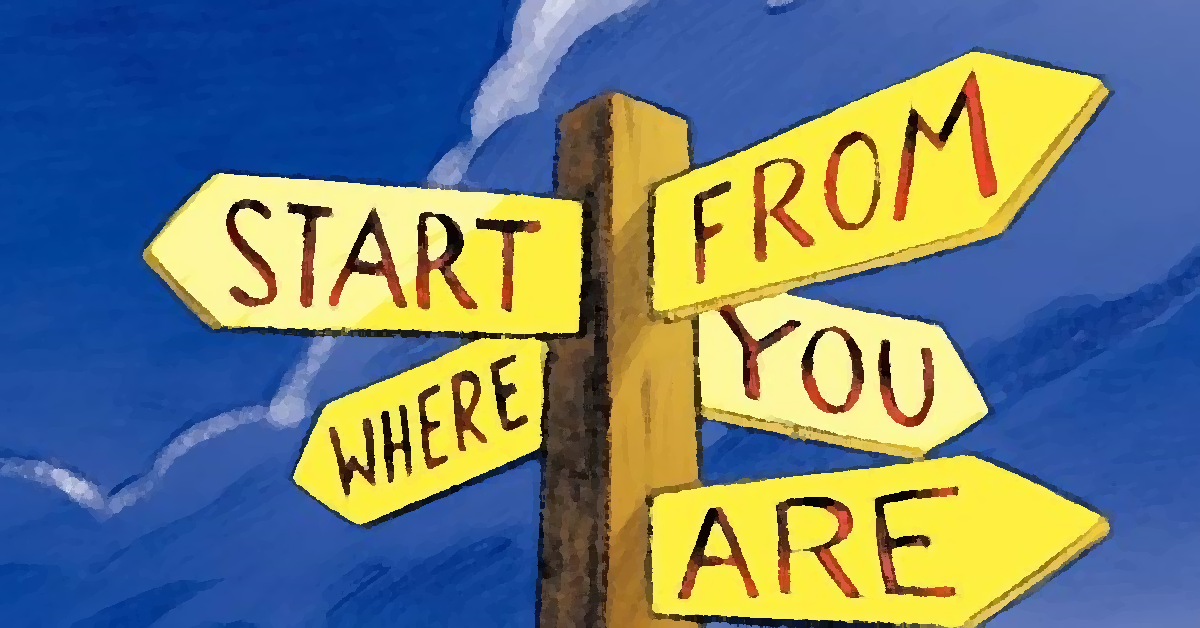
1. “Start from where you are.”
Surface Meaning: This statement suggests beginning a journey, task, or pursuit from your current position, circumstances, or state of being, rather than waiting for ideal conditions or a “better” starting point.
Expanded Meaning:
At its core, “Start from where you are” is a call to embrace the present moment and acknowledge reality as the foundation for progress. It challenges the human tendency to procrastinate or idealize a future state where conditions are perceived as more favorable, whether that’s having more time, money, skills, or confidence. This mindset is rooted in acceptance, pragmatism, and agency, urging you to work with what you have rather than lamenting what you lack.
Philosophically, this statement aligns with existentialist ideas of creating meaning in the here and now. Life is not a linear path with perfect starting points; it’s a messy, ongoing process. By starting from where you are, you reject the paralyzing notion of needing to “fix” yourself or your circumstances before taking action. Instead, you recognize that every moment is an opportunity to begin, and every step forward builds momentum.
Psychologically, this principle counters perfectionism and self-doubt. Many people delay action because they feel unprepared or unworthy, waiting to “know enough” or “be enough.” Yet, growth often happens through action, not in preparation for it. For example, an aspiring writer doesn’t need to master every literary technique before writing a first draft; they start with their current ideas and refine them through practice. This approach fosters resilience, as it normalizes imperfection as part of the process.
Practically, “Start from where you are” invites you to take inventory of your resources, skills, and circumstances, however limited they may seem. It’s about leveraging what’s available—whether that’s a small amount of time, a single connection, or a fleeting spark of motivation. For instance, someone wanting to improve their health doesn’t need a gym membership or a perfect diet plan; they can start by walking around their neighborhood or choosing water over soda. Small, immediate actions compound over time, creating transformative results.
This statement also carries a spiritual undertone, suggesting trust in the unfolding of life. It encourages you to let go of regrets about the past or anxieties about the future and to anchor yourself in the present. In Buddhist philosophy, this resonates with mindfulness—fully inhabiting the current moment without judgment. By starting from where you are, you align with the flow of life, trusting that each step will lead you where you need to go, even if the destination isn’t yet clear.
In a broader societal context, this principle can inspire collective action. Communities or movements don’t need perfect leaders or complete plans to effect change; they can begin with the passion, resources, and people available now. Historical examples, like grassroots movements, show how starting from modest beginnings can lead to a profound impact.
Ultimately, “Start from where you are” is a liberation from self-imposed barriers. It’s an invitation to act with courage, to embrace imperfection, and to trust that your current reality, flawed as it may be, is enough to begin building the future you envision.
2. “Speak from Authenticity”
Surface Meaning: This statement encourages expressing yourself honestly, sharing your true thoughts, feelings, and experiences rather than conforming to expectations or presenting a false persona.
Expanded Meaning:
“Speak from authenticity” is a profound directive to align your words with your inner truth, fostering genuine connection and integrity in communication. It’s about stripping away pretense, societal masks, or the urge to please others, and instead voicing what resonates with your core values, beliefs, and experiences. This act of vulnerability is both a personal commitment to self-honesty and a gift to others, as it invites deeper, more meaningful interactions.
Philosophically, this statement reflects the Socratic ideal of “know thyself” as a precursor to living and communicating authentically. To speak from authenticity, you must first understand who you are—your values, passions, fears, and contradictions. This requires introspection and self-awareness, often cultivated through reflection, journaling, or therapy. Authenticity isn’t a static state but a dynamic process of aligning your outer expression with your evolving inner truth.
Psychologically, speaking authentically is an act of courage, as it exposes you to judgment, rejection, or misunderstanding. In a world that often rewards conformity through social media personas, workplace norms, or cultural expectations, authenticity can feel risky. Yet, it’s also liberating. When you speak from your truth, you release the emotional burden of pretending, which can reduce anxiety and foster self-esteem. Research in psychology, such as studies on self-congruence, shows that aligning your actions and words with your true self leads to greater life satisfaction and mental well-being.
Practically, speaking from authenticity means choosing words that reflect your genuine perspective, even when they’re imperfect or unpopular. For example, in a professional setting, it might mean admitting you don’t have all the answers rather than feigning expertise. In personal relationships, it could involve sharing a difficult emotion, like fear or sadness, instead of hiding behind a facade of strength. This doesn’t mean oversharing or disregarding tact; authenticity is tempered by empathy and context, ensuring your truth is expressed with respect for others.
Authenticity in speech also has a ripple effect. When you model honest communication, you create a safe space for others to do the same. This is evident in leadership—authentic leaders who share their struggles and values inspire trust and loyalty. Similarly, in creative fields, artists who express their unique perspective, rather than mimicking trends, often produce the most impactful work. Think of musicians like Bob Dylan or writers like Toni Morrison, whose unapologetic authenticity resonated across generations.
Culturally, this principle challenges the performative nature of modern communication, where curated images and rehearsed narratives often dominate. Social media, for instance, can pressure people to present polished versions of themselves, leading to disconnection and inauthenticity. Speaking from authenticity counters this by prioritizing substance over appearance, encouraging raw, unfiltered expression that fosters genuine connection.
On a deeper level, this statement invites you to grapple with the question: What is my truth? Your authentic voice may evolve as you grow, shaped by new experiences or insights. Speaking from authenticity, then, is not about delivering a fixed or perfect truth but about honoring your current understanding of yourself with honesty and conviction.
Ultimately, “Speak from authenticity” is a call to live with integrity, to bridge the gap between your inner and outer worlds, and to contribute to a more truthful, connected human experience. It’s about trusting that your voice, in its rawest form, has value—not because it’s flawless, but because it’s yours.
Synthesis and Connection
Both statements—”Start from where you are” and “Speak from authenticity”—are deeply intertwined, as they emphasize embracing your current reality and expressing it with truth. Starting from where you are requires accepting your present circumstances, while speaking from authenticity demands honesty about your inner experience. Together, they form a powerful framework for living intentionally: begin with what you have, and express who you are without pretense.
In practice, these principles reinforce each other. For example, someone pursuing a new career might start from where they are by taking a small step, like enrolling in an online course, while speaking authentically by openly sharing their aspirations and uncertainties with mentors or peers. This combination of action and honesty creates a cycle of growth, where each step forward deepens self-awareness, and each authentic expression builds confidence.
Both statements also counter societal pressures to wait for perfection or conform to external expectations. They remind us that progress and connection stem from embracing our imperfect, unique selves. By starting from where you are and speaking from authenticity, you not only honor your own journey but also inspire others to do the same, creating a ripple effect of courage and truth in the world.




Leave a Reply