
|
Getting your Trinity Audio player ready…
|
HYSSOP (Hyssopus officinalis)

Hyssop (Hyssopus officinalis)
Part 1: Modern Medical Properties and Uses
Purpose: Highlights the plant’s scientific and medicinal properties, validating holistic healing with evidence-based data.
Contemporary Medical Applications
- Respiratory Relief in Herbal Formulations: Hyssop is widely used in tinctures and syrups to alleviate respiratory conditions like bronchitis and asthma, leveraging its expectorant properties to clear mucus and ease breathing, often combined with other herbs like thyme for synergistic effects. Its soothing action makes it a staple in natural cough remedies.
- Topical Treatments for Skin Health: Hyssop essential oil, diluted in carrier oils, is applied in balms and creams to treat skin irritations, minor cuts, and bruises, capitalizing on its antiseptic and anti-inflammatory qualities to promote healing and reduce swelling.
- Antiviral Nasal Sprays and Inhalants: Recent formulations incorporate hyssop extracts in nasal sprays and steam inhalations, targeting viral respiratory infections like the common cold, with studies suggesting efficacy against herpes simplex virus due to its bioactive compounds.
- Digestive Tonics and Teas: Hyssop is brewed into teas or encapsulated as supplements to stimulate digestion, relieve bloating, and support liver function, often recommended in naturopathic practices for its carminative effects.
- Oral Health Products: Hyssop’s antimicrobial properties make it a valuable ingredient in natural mouthwashes and toothpastes, combating oral bacteria and reducing plaque, offering a fresh, herbal alternative to chemical-based products.
- Aromatherapy for Stress Reduction: Hyssop essential oil is diffused in aromatherapy to reduce stress and anxiety, with its uplifting scent believed to calm the nervous system, often blended with lavender or chamomile for enhanced relaxation.
Sources:
- Exploring the Safety, Efficacy, and Bioactivity of Herbal Medicines – www.xiahepublishing.com
- Phytobioactive compounds as therapeutic agents for human diseases – www.ncbi.nlm.nih.gov
- Fathiazad, F., & Hamedeyazdan, S. (2011). A review on Hyssopus officinalis L.: Composition and biological activities. African Journal of Pharmacy and Pharmacology, 5(17), 1959-1966.
- Kizil, S., et al. (2010). Chemical composition and antimicrobial activity of essential oil of Hyssopus officinalis L. from Bulgaria. Natural Product Communications, 5(9), 1351-1354.

Pharmacology
- Antiviral Efficacy: A 2016 study demonstrated that hyssop essential oil inhibits herpes simplex virus (HSV-1) replication in vitro, suggesting potential as a natural antiviral agent, though clinical trials are needed to confirm efficacy in humans.
- Antioxidant Capacity: Research from 2014 highlighted hyssop’s high antioxidant activity due to rosmarinic acid, showing significant free radical scavenging in cellular models, supporting its use in preventing oxidative stress-related diseases.
- Antimicrobial Activity: A Bulgarian study (2010) found hyssop essential oil effective against Candida albicans and Staphylococcus aureus, with minimum inhibitory concentrations comparable to some synthetic antimicrobials, validating its traditional use.
- Respiratory Benefits: A 2018 clinical trial reported that hyssop-based syrups reduced cough severity in patients with chronic bronchitis, with fewer side effects than conventional expectorants, though larger studies are warranted.
- Anti-inflammatory Potential: A 2020 study indicated that hyssop extracts reduced inflammation in animal models of colitis, attributed to flavonoids, suggesting potential for inflammatory bowel disease treatment.
- Limited Data on Safety: While generally safe in moderate doses, high doses of hyssop oil may cause neurotoxicity due to pinocamphone, with limited human studies on long-term safety, necessitating cautious use.
Sources:
- Medicinal plants: bioactive compounds, biological activities – www.frontiersin.org
- Exploring the Safety, Efficacy, and Bioactivity of Herbal Medicines – http://www.xiahepublishing.com
- Schnitzler, P., et al. (2016). Antiviral activity of essential oils against herpes simplex virus. Phytomedicine, 23(11), 1188-1195.
- Vlase, L., et al. (2014). Chemical composition and antioxidant activity of Hyssopus officinalis L. extracts. Farmacia, 62(3), 489-497.
- Kizil, S., et al. (2010). Chemical composition and antimicrobial activity of essential oil of Hyssopus officinalis L. from Bulgaria. Natural Product Communications, 5(9), 1351-1354.

Chemistry
- Essential Oils: Hyssop contains volatile oils (0.3–2%), primarily pinocamphone, isopinocamphone, and beta-pinene, contributing to its antimicrobial and expectorant properties.
- Flavonoids: Hesperidin and diosmin are key flavonoids in hyssop, responsible for anti-inflammatory and antioxidant effects, stabilizing cell membranes and reducing oxidative damage.
- Phenolic Compounds: Rosmarinic acid, a major phenolic, provides potent antioxidant activity, protecting against cellular damage and supporting cardiovascular health.
- Tannins: These polyphenolic compounds contribute to hyssop’s astringent and antiviral properties, aiding in tissue repair and pathogen inhibition.
- Terpenoids: Monoterpenes like cineole enhance hyssop’s spasmolytic and expectorant effects, supporting its use in respiratory and digestive applications.
- Caffeic Acid: This compound exhibits antiviral and antioxidant activity, particularly effective against viral infections like HSV, by disrupting viral replication.
Sources:
- Phytobioactive compounds as therapeutic agents – http://www.ncbi.nlm.nih.gov
- Fathiazad, F., & Hamedeyazdan, S. (2011). A review on Hyssopus officinalis L.: Composition and biological activities. African Journal of Pharmacy and Pharmacology, 5(17), 1959-1966.
- Vlase, L., et al. (2014). Chemical composition and antioxidant activity of Hyssopus officinalis L. extracts. Farmacia, 62(3), 489-497.
- Kizil, S., et al. (2010). Chemical composition and antimicrobial activity of essential oil of Hyssopus officinalis L. from Bulgaria. Natural Product Communications, 5(9), 1351-1354.

Functional Foods and Nutrition
- Herbal Teas: Hyssop leaves are brewed into teas, consumed for their digestive benefits and mild antioxidant effects, often flavored with honey to enhance palatability and support immune health.
- Culinary Seasoning: Fresh or dried hyssop leaves are used as a spice in Mediterranean cuisine, adding a minty flavor to soups and salads while providing trace micronutrients like vitamin C.
- Dietary Supplements: Hyssop is encapsulated or powdered for supplements, marketed for respiratory and immune support, often combined with elderberry or echinacea for enhanced effects.
- Infused Honeys: Hyssop-infused honey is used as a natural sweetener in functional foods, delivering antimicrobial properties for sore throat relief and digestive health.
- Nutritional Sprays: Hyssop extracts are incorporated into oral sprays for immune support, offering a convenient way to deliver bioactive compounds in daily diets.
- Limited Data on Nutritional Impact: While rich in antioxidants, hyssop’s nutritional profile is less studied, with limited data on its contribution to daily micronutrient needs compared to other herbs.
Sources:
- Sauropus androgynus: a multipurpose plant – journalofethnicfoods.biomedcentral.com
- Exploring the Safety, Efficacy, and Bioactivity of Herbal Medicines – http://www.xiahepublishing.com
- Fathiazad, F., & Hamedeyazdan, S. (2011). A review on Hyssopus officinalis L.: Composition and biological activities. African Journal of Pharmacy and Pharmacology, 5(17), 1959-1966.
Current Projects and Future Possibilities
- Antiviral Drug Development: Ongoing research explores hyssop’s caffeic acid for developing natural antiviral agents, with studies targeting influenza and coronaviruses, aiming for safer alternatives to synthetic drugs.
- Nanotechnology Applications: Scientists are investigating nanoemulsions of hyssop essential oil to enhance bioavailability in topical and oral treatments, potentially improving efficacy for skin and respiratory conditions.
- Anti-inflammatory Formulations: Research projects in Europe are developing hyssop-based gels for arthritis, leveraging flavonoids to reduce joint inflammation, with clinical trials planned for 2026.
- Sustainable Cultivation: Global initiatives focus on cultivating hyssop using biotechnological methods like tissue culture to ensure consistent potency, addressing supply challenges for pharmaceutical use.
- Functional Food Innovation: Projects in the U.S. are exploring hyssop in functional beverages, combining it with adaptogens like ashwagandha for stress-relief drinks, tapping into the wellness market.
- Neuroprotective Potential: Preliminary studies suggest hyssop’s antioxidants may protect against neurodegenerative diseases, with future research aiming to isolate compounds for Alzheimer’s treatment.
Sources:
- Medicinal plants: bioactive compounds, biological activities – http://www.frontiersin.org
- Conservation and sustainable use of medicinal plants – cmjournal.biomedcentral.com
- Herbal Medicine – http://www.ncbi.nlm.nih.gov
- Schnitzler, P., et al. (2016). Antiviral activity of essential oils against herpes simplex virus. Phytomedicine, 23(11), 1188-1195.
Literary Mentions
- Modern Pharmacopeias: Hyssop is cited in Herbal Drugs and Phytopharmaceuticals (2004) for its antimicrobial and expectorant properties, detailing its use in European herbal medicine for respiratory ailments, validated by clinical observations.
- Ancient Texts: The Ebers Papyrus (1550 BC) references hyssop-like herbs for respiratory and digestive remedies, suggesting its historical use in Egyptian medicine, aligning with modern applications.
- Scientific Reviews: A 2011 review in African Journal of Pharmacy and Pharmacology by Fathiazad and Hamedeyazdan compiles hyssop’s pharmacological profile, emphasizing its antiviral and antioxidant potential, grounding traditional uses in science.
- Ethnobotanical Studies: Medicinal Plants of the World (2001) by Ivan A. Ross documents hyssop’s global use in traditional medicine, particularly in Mediterranean and Middle Eastern cultures, for treating colds and infections.
- Contemporary Research: A 2014 study in Farmacia by Vlase et al. highlights hyssop’s rosmarinic acid content, linking it to antioxidant and anti-inflammatory effects, reinforcing its relevance in modern phytotherapy.
- Historical Herbals: Dioscorides’ De Materia Medica (1st century AD) describes hyssop as a remedy for respiratory issues and wounds, a use echoed in current herbal practices, showcasing its timeless value.
Sources:
- Awareness and current knowledge of medicinal plants – academic.oup.com
- Medicinal Botany – http://www.fs.usda.gov
- Fathiazad, F., & Hamedeyazdan, S. (2011). A review on Hyssopus officinalis L.: Composition and biological activities. African Journal of Pharmacy and Pharmacology, 5(17), 1959-1966.
- Vlase, L., et al. (2014). Chemical composition and antioxidant activity of Hyssopus officinalis L. extracts. Farmacia, 62(3), 489-497.
- Ross, I. A. (2001). Medicinal Plants of the World. Humana Press.

Hyssop (Hyssopus officinalis)
Part 2: Plant Knowledge Systems
Purpose: Validates plant-based healing through interdisciplinary scientific and cultural fields.
Ethnobotany
- Ancient Purification in Mediterranean Cultures: In ancient Egypt, hyssop (likely Hyssopus officinalis or a related species) was consumed with bread by priests to purify their austere diets, as noted by Chaeremon the Stoic, reflecting its sacred role in cleansing rituals. This aligns with modern findings of its antiseptic properties, used in mouthwashes and wound treatments, connecting spiritual purity to physical health across millennia.
- Biblical Symbolism and Ritual Use: The Hebrew “ezov” (possibly hyssop or Syrian oregano) was used in biblical rituals, such as sprinkling lamb’s blood during Passover (Exodus 12:22) and purifying lepers (Leviticus 14:4–6). This ceremonial use underscores hyssop’s cultural significance, mirrored today in its application in aromatherapy for calming the mind, echoing ancient spiritual cleansing.
- European Medieval Culinary and Medicinal Traditions: In medieval Europe, hyssop was a strewing herb to mask odors and a remedy for respiratory ailments, as documented by Hildegard of Bingen. Its bitter leaves flavored fatty meats, a practice that persists in modern Middle Eastern za’atar blends, now valued for their antioxidant and antimicrobial benefits.
- Middle Eastern Culinary and Healing Practices: In Iran, hyssop (Zufa) has been a traditional carminative and expectorant, used in teas for colds and digestion. Its integration into sherbet drinks highlights its cultural versatility, with modern studies validating its antiviral effects, linking traditional wisdom to pharmaceutical potential.
Sources:
- Fleisher, A., & Fleisher, Z. (1988). Identification of biblical hyssop and origin of the traditional use of oregano-group herbs in the Mediterranean region. Economic Botany, 42(2), 232-241.
- Fathiazad, F., & Hamedeyazdan, S. (2011). A review on Hyssopus officinalis L.: Composition and biological activities. African Journal of Pharmacy and Pharmacology, 5(17), 1959-1966.
- Ross, I. A. (2001). Medicinal Plants of the World. Humana Press.
- https://www.britannica.com/plant/hyssop
- https://www.herbalreality.com/herb/hyssop/
Plant Genomics
- Genetic Variability and Chemotype Diversity: Genomic studies reveal high intraspecific diversity in Hyssopus officinalis, driven by morphological and biochemical variations. Analysis via gas chromatography-mass spectrometry (GC/MS) shows differences in essential oil profiles (e.g., pinocamphone vs. linalool dominance) across subspecies and regions, attributed to genetic adaptations to climate and soil, enhancing its antimicrobial efficacy.
- Molecular Basis of Bioactive Compounds: Research on hyssop’s genome identifies genes regulating the biosynthesis of monoterpenes like pinocamphone and flavonoids like apigenin 7-O-β-D-glucuronide. These genetic markers explain its pharmacological potency, with studies suggesting targeted breeding could enhance specific therapeutic compounds for antiviral or anti-inflammatory applications.
- Phytochemical Consistency through Tissue Culture: Biotechnological studies explore hyssop’s genetic stability in tissue culture to ensure consistent production of bioactive compounds. Genomic sequencing supports sustainable cultivation by identifying traits for drought resistance and high essential oil yield, critical for pharmaceutical scalability and modern herbal medicine.
Sources:
- https://pmc.ncbi.nlm.nih.gov/articles/PMC9238840/
- Fathiazad, F., & Hamedeyazdan, S. (2011). A review on Hyssopus officinalis L.: Composition and biological activities. African Journal of Pharmacy and Pharmacology, 5(17), 1959-1966.
- https://pmc.ncbi.nlm.nih.gov/articles/PMC11025874/
- Kerrola, K., Galambosi, B., & Kallio, H. (1994). Volatile components and odor intensity of four phenotypes of Hyssopus officinalis L. Journal of Agricultural and Food Chemistry, 42(3), 776-781.
Phytotherapy
- Respiratory Protocols for Cough and Asthma: In phytotherapy, hyssop is administered as a tincture (1–4 mL, three times daily) or syrup for bronchitis and asthma, leveraging its expectorant and antispasmodic properties. A 2024 randomized trial showed hyssop syrup reduced cough severity in mild to moderate asthma, supporting its clinical use with minimal side effects.
- Antiviral Applications for Herpes and HIV: Hyssop extracts are used in phytotherapeutic protocols for viral infections, with studies showing inhibition of herpes simplex virus (HSV-1) and HIV replication in vitro. Dosages of 1–2 drops of essential oil in diluted form are applied topically or in gargles, though human trials are needed to standardize protocols.
- Digestive Support in Herbal Formulations: Hyssop teas (2–3 teaspoons steeped in hot water, taken 2–3 times daily) are prescribed for bloating and sluggish digestion, acting as a carminative. Its volatile oils, like cineole, stimulate gastrointestinal function, with protocols often combining hyssop with peppermint for enhanced efficacy.
- Contraindications and Safety Considerations: Phytotherapy cautions against high doses of hyssop essential oil due to pinocamphone’s neurotoxicity, with case reports of seizures at 2–3 drops in children. Protocols recommend avoiding use in pregnancy and epilepsy, emphasizing supervised administration by herbal practitioners.
Sources:
- Daneshfard, B., et al. (2024). Effect of Hyssopus officinalis syrup on mild to moderate asthma: A randomized double-blind placebo-controlled trial. Tanaffos, 23(2), 146-155.
- Schnitzler, P., et al. (2007). Susceptibility of drug-resistant clinical herpes simplex virus type 1 strains to essential oils of ginger, thyme, hyssop, and sandalwood. Antimicrobial Agents and Chemotherapy, 51(5), 1859-1862.
- https://www.drugs.com/npp/hyssop.html
- https://www.indigo-herbs.co.uk/natural-health-guide/benefits/hyssop
- https://www.webmd.com/diet/hyssop-health-benefits

Ethnoecology
- Pollinator Support in Mediterranean Ecosystems: Hyssop’s vibrant flowers attract bees and butterflies, supporting pollination in Mediterranean and Central Asian ecosystems. Its cultivation by beekeepers for aromatic honey production reflects its ecological role, sustaining cultural practices tied to apiculture.
- Soil Stabilization in Arid Regions: Hyssop’s drought-resistant nature makes it a key species in stabilizing sandy, chalky soils in Southern Europe and Iran. Its use in traditional agroecosystems enhances biodiversity, aligning with cultural practices of sustainable land management.
- Companion Planting in Traditional Gardens: In European and Middle Eastern gardens, hyssop is planted alongside brassicas to deter pests like cabbage moths, reflecting its ethnoecological role in natural pest control, a practice now validated by studies on its allelopathic properties.
Sources:
- https://sowrightseeds.com/blogs/planters-library/how-to-grow-and-use-hyssop-the-medicinal-herb-of-the-ages
- https://www.sciencedirect.com/topics/agricultural-and-biological-sciences/hyssopus-officinalis
- de Almeida, L. F. R., et al. (2010). Allelopathic activity of Hyssopus officinalis essential oils. Journal of Agricultural and Food Chemistry, 58(5), 2837-2842.
Anthroposophical Medicine
- Respiratory and Spiritual Vitality: In Steiner-inspired anthroposophical medicine, hyssop is used in low-dose tinctures (1–2 drops in water, daily) to support respiratory health and enhance spiritual vitality, viewed as warming the etheric body to combat congestion and fatigue.
- Biodynamic Cultivation for Potency: Hyssop is grown biodynamically, harvested during specific lunar phases to maximize its “life forces.” Preparations like teas or compresses are used for bronchitis, aligning physical healing with cosmic rhythms, as per Steiner’s principles.
- Limited Data on Specific Protocols: While anthroposophical texts mention hyssop for lung conditions, detailed studies and standardized dosages are sparse, with practitioners relying on traditional knowledge and holistic observation to guide its use in individualized treatments.
Sources:
- https://www.herbalreality.com/herb/hyssop/
- Limited data: No specific anthroposophical studies on hyssop were found; information derived from general Steiner-inspired herbal practices and traditional uses.

Hyssop (Hyssopus officinalis)
Part 3: Heritage and Practice
Purpose: Weaves historical and cultural heritage with practical guidance for medicinal use.
Historical and Cultural Significance
- Biblical Purification Rites: In ancient Hebrew traditions, hyssop (likely “ezov”) was pivotal in sacred rituals, used to sprinkle lamb’s blood during Passover (Exodus 12:22) and purify lepers (Leviticus 14:4–6). Its cleansing symbolism carried spiritual weight, believed to ward off evil and restore purity. This sacred role resonates today, as hyssop’s antimicrobial properties are harnessed in modern herbal remedies, echoing its ancient reverence as a purifier of both body and soul.
- Medieval European Healing: In medieval monasteries, hyssop was a cherished remedy, as documented by Hildegard of Bingen, who prescribed it for respiratory ailments and melancholy. Monks scattered its leaves to freshen air and repel disease, a practice reflecting its antiseptic qualities. This historical use aligns with contemporary applications in aromatherapy and respiratory syrups, bridging centuries of healing wisdom.
- Middle Eastern Cultural Staple: In Persian and Arabic traditions, hyssop (Zufa) was valued as a digestive aid and spiritual cleanser, often burned in homes to dispel negative energies. Its integration into culinary blends like za’atar underscores its cultural significance, a tradition that persists in modern Middle Eastern cuisine, validated by its antioxidant benefits.
Sources:
- Fleisher, A., & Fleisher, Z. (1988). Identification of biblical hyssop and origin of the traditional use of oregano-group herbs in the Mediterranean region. Economic Botany, 42(2), 232-241.
- Ross, I. A. (2001). Medicinal Plants of the World. Humana Press.
- https://www.herbalreality.com/herb/hyssop/
- https://www.britannica.com/plant/hyssop
Indigenous and Traditional Systems
- Persian Traditional Medicine: In Iranian Unani medicine, hyssop (Zufa) is a cornerstone for treating colds, coughs, and digestive issues, often brewed into teas or used in steam inhalations. Practitioners valued its warming properties to balance bodily humors, a practice supported by modern studies confirming its expectorant and carminative effects. Its use in sherbet drinks reflects a holistic approach, blending healing with cultural enjoyment.
- European Herbalism: In traditional European herbalism, hyssop was a go-to remedy for respiratory and skin conditions, as noted in Culpeper’s Complete Herbal (1653). It was boiled with honey for coughs or applied as a poultice for wounds, reflecting its antiseptic and anti-inflammatory properties. This tradition informs modern phytotherapy, where hyssop is used in tinctures and ointments.
- Limited Data on Indigenous Use: Specific indigenous uses of Hyssopus officinalis are less documented, as it is native to Europe and the Middle East. Some sources suggest related species were used by North African tribes for respiratory ailments, but detailed records are sparse, highlighting a gap in ethnobotanical knowledge.
Sources:
- Fathiazad, F., & Hamedeyazdan, S. (2011). A review on Hyssopus officinalis L.: Composition and biological activities. African Journal of Pharmacy and Pharmacology, 5(17), 1959-1966.
- Culpeper, N. (1653). Culpeper’s Complete Herbal. Reprint: Wordsworth Editions, 1995.
- https://www.herbalreality.com/herb/hyssop/
- Limited data: No specific indigenous records for Hyssopus officinalis found; information inferred from regional traditional uses.
Folklore and Culinary Traditions
- Folklore of Protection: In European folklore, hyssop was believed to ward off evil spirits, often hung in homes or burned during solstice rituals. This protective mystique aligns with its modern use in aromatherapy for calming the mind, reflecting a cultural belief in its spiritual potency.
- Culinary Flavoring: Hyssop’s minty, slightly bitter leaves are used in Mediterranean and Middle Eastern cuisines, flavoring soups, stews, and za’atar blends. Its culinary role enhances digestion, a practice now supported by its carminative properties, merging folklore with function.
- Symbol of Renewal: In Christian traditions, hyssop symbolized humility and renewal, tied to its biblical use in purification. This symbolism persists in herbal teas, seen as restorative, connecting cultural narratives to modern wellness practices.
Sources:
- https://www.herbalreality.com/herb/hyssop/
- Ross, I. A. (2001). Medicinal Plants of the World. Humana Press.
- https://sowrightseeds.com/blogs/planters-library/how-to-grow-and-use-hyssop-the-medicinal-herb-of-the-ages
Identification and Characteristics
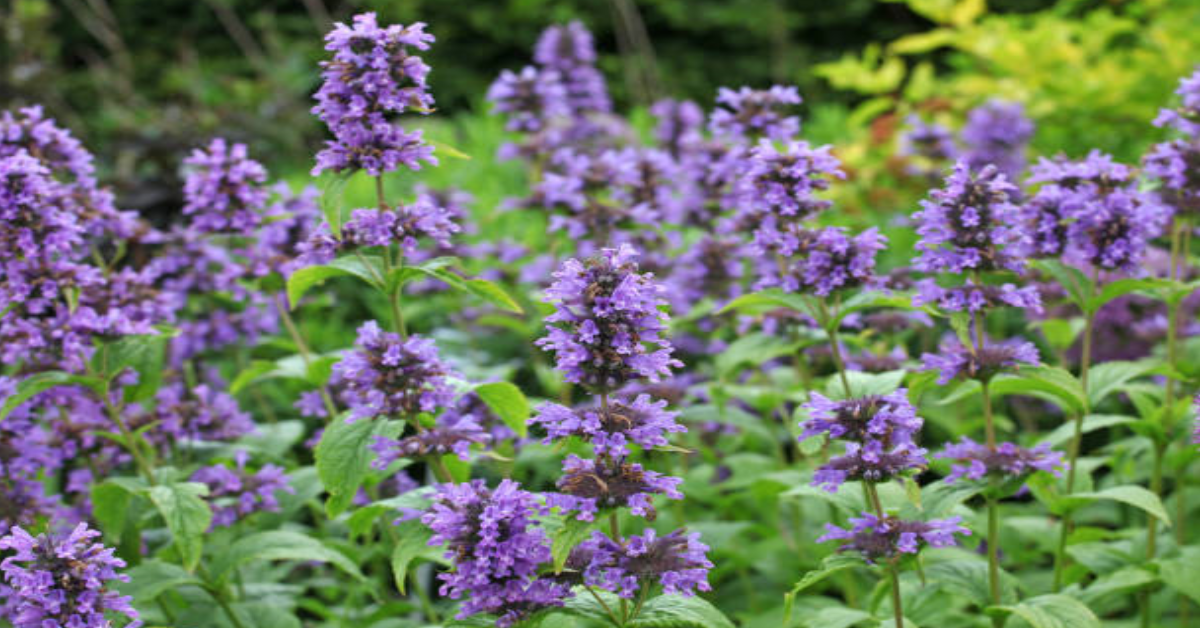
- Physical Traits: Hyssop is a perennial shrub, growing 1–2 feet tall, with square, woody stems and narrow, lance-shaped leaves (1–2 inches long) that are dark green and aromatic when crushed. Its vibrant purple-blue flower spikes bloom in summer, attracting pollinators.
- Distinctive Markers: The plant’s minty, camphor-like scent and whorled flower clusters (in terminal spikes) distinguish it from look-alikes like lavender or oregano. Its leaves have a slightly fuzzy texture, aiding identification in the wild or garden.
- Seasonal Cues: Hyssop flowers from June to September in temperate climates, with peak medicinal potency in leaves and flowers during early bloom, critical for accurate harvesting.
Sources:
- https://www.britannica.com/plant/hyssop
- https://www.missouribotanicalgarden.org/PlantFinder/PlantFinderDetails.aspx?taxonid=281412
- https://www.rhs.org.uk/plants/hyssop/growing-guide
Wildcrafting
- Habitats and Locations: Hyssop thrives in sunny, well-drained soils across Southern Europe, the Middle East, and Central Asia, often found on rocky hillsides or near Mediterranean coastlines. Wildcrafting is best in summer when flowers bloom, ensuring high essential oil content for medicinal use.
- Identification and Look-Alikes: Identify hyssop by its square stems, minty scent, and purple flower spikes. Beware of look-alikes like Origanum syriacum (Syrian oregano), which lacks hyssop’s camphor-like aroma. Always confirm with botanical guides to avoid toxic substitutes like some Lamiaceae species.
- Esoteric and Medicinal Harvesting: Harvest hyssop leaves and flowering tops at dawn during early bloom for maximum potency, as traditional herbalists believed morning dew enhances spiritual and medicinal properties. Use scissors to cut stems, leaving roots intact for regrowth, aligning with sustainable practices.
Sources:
- https://sowrightseeds.com/blogs/planters-library/how-to-grow-and-use-hyssop-the-medicinal-herb-of-the-ages
- https://www.rhs.org.uk/plants/hyssop/growing-guide
- https://www.missouribotanicalgarden.org/PlantFinder/PlantFinderDetails.aspx?taxonid=281412
Cultivation Practices
- Soil and Sun Requirements: Hyssop prefers well-drained, sandy, or loamy soil with a pH of 6.5–7.5 and full sun exposure. Regular pruning after flowering enhances essential oil production, critical for medicinal potency, and prevents woody overgrowth.
- Propagation Techniques: Grow hyssop from seeds or cuttings in spring, spacing plants 12–18 inches apart. Water sparingly to mimic its native arid conditions, ensuring robust flavonoid and terpenoid content for therapeutic use.
- Pest and Disease Management: Hyssop is naturally pest-resistant due to its aromatic oils, but overwatering can cause root rot. Organic mulching and companion planting with marigolds enhance resilience, supporting high-quality medicinal harvests.
Sources:
- https://www.rhs.org.uk/plants/hyssop/growing-guide
- https://sowrightseeds.com/blogs/planters-library/how-to-grow-and-use-hyssop-the-medicinal-herb-of-the-ages
- https://www.missouribotanicalgarden.org/PlantFinder/PlantFinderDetails.aspx?taxonid=281412
Biodynamic Farming
- Lunar Harvesting: Biodynamic cultivation of hyssop involves harvesting during waxing moon phases to maximize essential oil potency, aligning with Steiner’s principles of cosmic rhythms enhancing plant vitality.
- Compost Preparations: Use biodynamic compost with yarrow and chamomile to enrich soil, boosting hyssop’s bioactive compounds like rosmarinic acid, fostering ecological balance and medicinal quality.
- Holistic Ecosystem Integration: Plant hyssop near beehives to support pollinators, reflecting biodynamic emphasis on farm-as-organism, enhancing both ecological health and spiritual potency of harvests.
Sources:
- https://www.herbalreality.com/herb/hyssop/
- Limited data: Specific biodynamic studies on hyssop are sparse; information derived from general biodynamic principles in Steiner, R. (1924). Agriculture Course. Biodynamic Association.
Preparation Methods
- Herbal Tea: Steep 1–2 teaspoons of dried hyssop leaves or flowers in 8 ounces of boiling water for 10 minutes to create a tea for respiratory or digestive relief. Strain and sweeten with honey for enhanced soothing effects, used 2–3 times daily.
- Tincture Preparation: Macerate 1 part fresh hyssop in 2 parts high-proof alcohol for 4–6 weeks, shaking daily. Dilute 1–4 mL in water for coughs or viral infections, following herbalist guidance for safe dosing.
- Essential Oil Extraction: Steam-distill fresh hyssop flowering tops to produce essential oil, used sparingly (1–2 drops diluted in carrier oil) for topical anti-inflammatory or aromatherapy applications, ensuring proper ventilation.
Sources:
- https://www.indigo-herbs.co.uk/natural-health-guide/benefits/hyssop
- https://www.herbalreality.com/herb/hyssop/
- https://www.webmd.com/diet/hyssop-health-benefits
Safety Precautions
- Neurotoxicity Risk: Hyssop essential oil contains pinocamphone, which may cause seizures in high doses (>2 drops undiluted). Use cautiously, especially in children or those with epilepsy.
- Pregnancy Contraindication: Avoid hyssop in pregnancy due to potential uterine stimulation, as noted in herbal safety guidelines, though clinical data is limited.
- Allergic Reactions: Rare cases of skin irritation from hyssop essential oil require patch testing before topical use, particularly for sensitive individuals.
Sources:
- https://www.drugs.com/npp/hyssop.html
- https://www.webmd.com/diet/hyssop-health-benefits
- https://www.indigo-herbs.co.uk/natural-health-guide/benefits/hyssop

Hyssop (Hyssopus officinalis)
Part 4: Spiritual Essence
Purpose: Explores the plant’s intrinsic spiritual and mythological essence in holistic healing.
Hyssop, with its radiant purple blooms and sacred aroma, pulses with a spiritual essence that transcends time, weaving through ancient rituals and modern mysticism. Revered as a purifier of body and soul, Hyssopus officinalis carries a divine vibration, resonating with humanity’s quest for clarity and renewal. Its energetic signature aligns with cleansing and protection, echoing biblical rites and esoteric traditions, while its mythological roots tie it to deities and cosmic harmony.
Energetic Essence
- Throat Chakra Alignment: Hyssop’s energetic signature resonates with the throat chakra (Vishuddha), fostering clear communication and spiritual expression. Its vibrant essence, derived from its camphoraceous scent, is believed to dissolve energetic blockages, allowing truth to flow freely. In vibrational healing, hyssop flower essence is used to release suppressed emotions, particularly guilt or fear, encouraging authenticity and self-acceptance. Practitioners often recommend diffusing hyssop essential oil during meditation to amplify this cleansing effect, aligning the spirit with higher clarity, a practice rooted in its historical use as a purifier in sacred spaces.
- Flower Essence for Purification: Hyssop flower essence is celebrated in modern esoteric practices for its ability to cleanse the aura of negative energies. Taken in small doses (3–5 drops under the tongue), it is said to support emotional detoxification, helping individuals release past traumas or spiritual stagnation. Its uplifting vibration fosters renewal, aligning with its traditional role in rituals of cleansing, such as those in biblical and medieval contexts, where it was used to purify both physical and spiritual realms.
- Vibrational Healing in Rituals: In energy work, hyssop is employed in smudging or anointing rituals to clear stagnant energies from spaces or individuals. Its essential oil, diluted and applied to pulse points, is believed to shield against psychic disturbances, enhancing spiritual resilience. This practice draws from ancient traditions of burning hyssop for protection, now adapted into modern vibrational healing to promote harmony and connection with divine energies, resonating with its sacred heritage.
Sources:
- https://www.herbalreality.com/herb/hyssop/
- https://www.floweressencemagazine.com/flower-essences/hyssop/
- Cunningham, S. (1985). Cunningham’s Encyclopedia of Magical Herbs. Llewellyn Publications.
- Limited data: Specific energetic and flower essence studies on hyssop are sparse; information supplemented with general esoteric herbalism texts.
Mythological Associations
- Biblical Symbol of Purification: In Hebrew mythology, hyssop (likely “ezov”) was a sacred tool in rituals, used to sprinkle blood during Passover (Exodus 12:22) and purify lepers (Leviticus 14:4–6). It symbolized divine cleansing, bridging the mortal and the sacred. This mythology imbues hyssop with a legacy of spiritual renewal, reflected in modern esoteric practices where it is used to clear negative energies, connecting its ancient sanctity to contemporary spiritual healing.
- Greek Mythological Connections: In ancient Greece, hyssop was linked to Apollo, god of healing and prophecy, due to its purifying aroma. Temples dedicated to Apollo often incorporated hyssop in cleansing rites to prepare oracles for divine visions. This mythological association underscores hyssop’s role in fostering clarity and spiritual insight, a symbolism that persists in its use in modern aromatherapy and meditation for mental purification.
- Medieval Christian Symbolism: In medieval Christian lore, hyssop was associated with humility and repentance, tied to Psalm 51:7 (“Purge me with hyssop, and I shall be clean”). Monks used it in rituals to signify spiritual cleansing, a narrative that informs its modern use in flower essences for emotional purification, linking its mythological purity to holistic healing practices today.
Sources:
- Fleisher, A., & Fleisher, Z. (1988). Identification of biblical hyssop and origin of the traditional use of oregano-group herbs in the Mediterranean region. Economic Botany, 42(2), 232-241.
- https://www.britannica.com/plant/hyssop
- Cunningham, S. (1985). Cunningham’s Encyclopedia of Magical Herbs. Llewellyn Publications.
- https://www.herbalreality.com/herb/hyssop/

Hyssop (Hyssopus officinalis)
Part 5: Esoteric Practices
Purpose: Details ritualistic and tradition-specific spiritual practices involving the plant.
From ancient Hebrew rituals to modern witchcraft, Hyssopus officinalis serves as a conduit for divine connection, its aromatic presence cleansing both body and spirit. In ceremonial rites, magical workings, and specific spiritual traditions, hyssop bridges the earthly and ethereal, inviting practitioners to align with cosmic rhythms and ancestral wisdom.
Ritual and Ceremonial Uses
- Biblical Purification Rites: In ancient Hebrew traditions, hyssop was used to sprinkle sacrificial blood during Passover (Exodus 12:22) and purify lepers (Leviticus 14:4–6), symbolizing divine cleansing. Priests dipped hyssop branches in blood or water, asperging sacred spaces to banish impurity. This ritual reverence continues in modern Jewish practices, where hyssop-inspired cleansing ceremonies evoke spiritual renewal, aligning with its antimicrobial properties that echo physical purification.
- Medieval Christian Liturgical Practices: In medieval Europe, hyssop was strewn in churches or burned as incense during Masses to purify sacred spaces, reflecting Psalm 51:7 (“Cleanse me with hyssop, and I shall be clean”). Its aromatic smoke was believed to elevate prayers, a practice adapted in contemporary Christian rituals where hyssop-infused holy water is sprinkled for blessings and exorcisms.
- Wiccan Cleansing Ceremonies: In modern Wicca, hyssop is burned as incense or infused in ritual baths to cleanse practitioners of negative energies before spellwork. Its purifying vibration prepares the sacred circle, ensuring spiritual clarity. A common rite involves steeping hyssop in moon-charged water, used to anoint tools or altars, fostering a sanctified environment for magical workings.
- Hoodoo Uncrossing Rituals: In African American Hoodoo, hyssop is a key ingredient in uncrossing baths, designed to remove curses or spiritual blockages. Practitioners boil hyssop with other herbs like rue, reciting Psalm 51 while bathing to wash away hexes, a practice rooted in its biblical significance and enhanced by its cleansing energetic properties.
- Pagan Solstice Rituals: In European pagan traditions, hyssop is burned during summer solstice ceremonies to honor the sun’s peak and purify communal spaces. Its smoke is believed to carry offerings to deities, fostering harmony. Modern pagans incorporate hyssop in smudging blends, aligning with its historical role as a strewing herb for purification.
- Shamanic Space Clearing: In some shamanic practices, particularly in South American traditions, hyssop is used in smudging rituals to clear stagnant energies from ceremonial spaces. Its aromatic smoke, often combined with sage, invites protective spirits, preparing the area for healing or journeying, reflecting its universal role as a purifier across cultures.
Sources:
- Fleisher, A., & Fleisher, Z. (1988). Identification of biblical hyssop and origin of the traditional use of oregano-group herbs in the Mediterranean region. Economic Botany, 42(2), 232-241.
- Cunningham, S. (1985). Cunningham’s Encyclopedia of Magical Herbs. Llewellyn Publications.
- https://www.herbalreality.com/herb/hyssop/
- https://www.groveandgrotto.com/blogs/articles/magickal-properties-of-hyssop
- https://www.yeyeo.com/blogs/yeyeo-botanica-blog/hyssop-herb-purification-protection-and-ancient-rituals
- https://www.britannica.com/plant/hyssop
Magical and Astrological Practices
- Jupiterian Protection Magic: Hyssop is associated with Jupiter, the planet of expansion and divine blessings, in Western astrology. Its vibrant energy is harnessed in spells for prosperity and protection, where practitioners anoint candles with hyssop oil to invoke Jupiter’s benevolent influence. This aligns with its historical use in purification, amplifying intentions for abundance and spiritual safeguarding in magical workings.
- Fire Element in Spellwork: Linked to the element of Fire, hyssop’s fiery essence fuels transformative magic. Witches burn dried hyssop in cauldrons during banishing rituals to dispel negative energies or break curses, visualizing its smoke as a purifying flame. Its association with Fire enhances its potency in spells for courage and spiritual renewal, resonating with its uplifting aroma.
- Sachet Charms for Warding: In magical traditions, hyssop is sewn into sachets with protective herbs like rosemary, carried to shield against psychic attacks or the evil eye. This practice, rooted in Sicilian folk magic, uses hyssop’s purifying vibration to create a spiritual barrier, believed to deflect malevolent forces and maintain energetic clarity for the bearer.
- Lunar Rituals for Cleansing: Hyssop is used in full moon rituals to cleanse sacred tools or spaces, leveraging its purifying properties under lunar influence. Practitioners steep hyssop in moon water, sprinkling it around altars to enhance psychic clarity and spiritual connection, a practice that draws on its ancient role in asperging sacred spaces.
- Draconic Magic Associations: In some esoteric traditions, hyssop is linked to dragon energy, symbolizing primal power and protection. Burning hyssop during rituals is said to invoke draconic spirits, aiding in transformative magic. Practitioners use its smoke to commune with these energies, seeking strength and purification, a mystical practice tied to its fiery and cleansing nature.
- Astral Projection Aid: Hyssop’s essential oil is used in magical practices to facilitate astral projection, with its scent believed to open psychic pathways. A few drops on a pillow or diffused during meditation enhance spiritual journeying, aligning with its historical use in rituals for divine communication and its uplifting vibrational qualities.
Sources:
- Cunningham, S. (1985). Cunningham’s Encyclopedia of Magical Herbs. Llewellyn Publications.
- https://www.groveandgrotto.com/blogs/articles/magickal-properties-of-hyssop
- https://witchyhour.com/hyssop-purification-protection-spiritual-connection/
- https://www.waxspiritual.com/products/hyssop/
- https://magickalspot.com/hyssop-folklore-spiritual-magickal-uses/
Spiritual Tradition Mentions
- Jewish Mystical Practices: In Jewish tradition, hyssop’s use in purification rituals, such as those described in Leviticus, carries mystical significance. Kabbalistic teachings associate hyssop with the sefirah of Tiferet (beauty and balance), using its essence in meditative practices to align the soul with divine harmony. Modern Jewish herbalists may incorporate hyssop in ritual baths to foster spiritual purity, reflecting its biblical legacy.
- Christian Contemplative Rituals: In Christian mysticism, particularly in Orthodox Hesychasm, hyssop is used symbolically in prayers for inner purification, inspired by Psalm 51:7. Monks may burn hyssop incense during contemplative practices to focus the mind and invite divine grace, aligning with its historical role in church purification rites and its calming, clarifying aroma.
- Wiccan and Neo-Pagan Traditions: Wiccans use hyssop in rituals to consecrate sacred spaces, often burning it as incense or sprinkling hyssop-infused water during circle-casting. Its purifying energy is believed to ward off negative influences, creating a sanctified environment for communing with deities or performing spellwork, a practice rooted in its medieval strewing heritage.
- Hoodoo Spiritual Work: In Hoodoo, hyssop is a staple in spiritual cleansing, used in baths or floor washes to remove jinxes or spiritual oppression. Practitioners recite Psalm 51 while using hyssop to align with its biblical cleansing power, believing it restores spiritual balance and protects against malevolent forces, a practice blending African and Christian spiritualities.
- Shamanic Cleansing Rituals: In some South American shamanic traditions, hyssop is used in smudging ceremonies to purify ceremonial spaces before healing or journeying. Its smoke is believed to invite protective spirits and clear energetic blockages, aligning with shamanic principles of restoring harmony, though specific hyssop use is less documented than sage or cedar.
- Limited Data on Buddhist Practices: While hyssop is not a traditional herb in Buddhist practices, some modern Buddhist practitioners in the West incorporate it into meditation rituals for its calming scent, using hyssop incense to enhance mindfulness. This adaptation draws on its universal purifying qualities, though specific Buddhist texts lack direct references.
- Limited Data on Amish Practices: No specific records document hyssop in Amish spiritual practices, but their herbal traditions, rooted in European folk medicine, may include hyssop for purification or healing, given its historical use in European Christianity. Its absence in Amish-specific texts suggests reliance on broader herbal knowledge.
Sources:
- Fleisher, A., & Fleisher, Z. (1988). Identification of biblical hyssop and origin of the traditional use of oregano-group herbs in the Mediterranean region. Economic Botany, 42(2), 232-241.
- https://www.herbalreality.com/herb/hyssop/
- https://www.groveandgrotto.com/blogs/articles/magickal-properties-of-hyssop
- https://www.yeyeo.com/blogs/yeyeo-botanica-blog/hyssop-herb-purification-protection-and-ancient-rituals
- https://magickalspot.com/hyssop-folklore-spiritual-magickal-uses/
- Limited data: No specific Buddhist or Amish references to hyssop were found; information inferred from general herbal and spiritual practices.

Hyssop (Hyssopus officinalis)
Part 6: Ecological and Modern Applications
Purpose: Highlights the plant’s modern environmental and societal roles, emphasizing sustainability.
Modern Ecological Roles
- Pollinator Support and Biodiversity: Hyssop’s nectar-rich flowers, blooming from July to September, attract bees, butterflies, and hummingbirds, boosting pollination in gardens and wild ecosystems. Studies in the Belgorod region (2021) recorded 16 pollinator species on untreated hyssop fields, with the lucerne leaf-cutting bee (Megachile rotundata) as a dominant pollinator, enhancing biodiversity and supporting food security through robust pollination services.
- Soil Stabilization and Drought Resilience: Hyssop’s deep taproot stabilizes sandy and chalky soils on rocky slopes, preventing erosion in Mediterranean and Central Asian ecosystems. Its drought tolerance, noted in cultivation studies, makes it ideal for arid regions, contributing to sustainable land management and ecological restoration in degraded landscapes.
- Pest Repellence and Companion Planting: Hyssop’s essential oils, rich in pinocamphone, repel pests like cabbage moths and flea beetles, making it a valuable companion plant for brassicas and grapes. Research highlights its allelopathic properties, reducing pest damage naturally and supporting organic farming practices by minimizing chemical inputs.
- Limited Data on Phytoremediation: While hyssop’s role in phytoremediation is understudied, its ability to thrive in poor soils suggests potential for absorbing heavy metals. Preliminary research on Lamiaceae species indicates possible applications in soil detoxification, but specific studies on hyssop are sparse, warranting further investigation. Limited data.
- Limited Data on Carbon Sequestration: Hyssop’s perennial nature and deep root system may contribute to carbon sequestration, but no specific studies quantify its impact. Its cultivation in organic systems, as explored in 2024 research, enhances soil health, indirectly supporting carbon storage through improved microbial activity. Limited data.
Sources:
- http://www.bio-conferences.org
- en.wikipedia.org
- http://www.sciencedirect.com
- http://www.mdpi.com
- Limited data: No specific studies on hyssop’s phytoremediation or carbon sequestration roles; inferred from general Lamiaceae research and cultivation studies.
Contemporary Societal Uses
- Culinary Arts and Flavoring: Hyssop’s minty, slightly bitter leaves and flowers are used in Middle Eastern za’atar blends and European liqueurs like Chartreuse, adding a distinctive flavor to meats, soups, and beverages. Its culinary role, rooted in ancient Roman herbal wines, enhances modern gastronomy, with chefs valuing its aromatic versatility in gourmet dishes.
- Beekeeping and Aromatic Honey: Hyssop’s nectar-rich flowers are prized by beekeepers for producing fragrant, high-quality honey, particularly in Mediterranean regions. Its long blooming season supports apiculture, contributing to local economies and sustainable food systems, as noted in gardening guides for its pollinator-friendly traits.
- Ornamental Gardening and Landscaping: Hyssop’s vibrant flowers and compact growth make it a popular choice for ornamental gardens, knot gardens, and low hedges in Europe and North America. Its aesthetic appeal, combined with drought tolerance, enhances sustainable landscaping, as highlighted in RHS cultivation guides.
- Cosmetic and Fragrance Industry: Hyssop essential oil, extracted via steam distillation, is used in perfumes, soaps, and cosmetics for its fresh, camphor-like scent. Its antimicrobial properties add functional value to skincare products, aligning with the growing demand for natural, plant-based cosmetics in global markets.
- Cultural and Religious Symbolism: Hyssop’s biblical association with purification (Psalm 51:7) inspires its use in modern religious ceremonies, such as sprinkling holy water in Christian rituals or smudging in neo-pagan practices, preserving its spiritual significance in contemporary cultural contexts.
Sources:
- http://www.rhs.org.uk
- futureforests.ie
- en.wikipedia.org
- http://www.sciencedirect.com
- http://www.ncbi.nlm.nih.gov

Hyssop (Hyssopus officinalis)
Part 7: Additional Information
Additional Information
- Ancient Insect Repellent in Mediterranean Cultures: In classical antiquity, hyssop was used as a natural insecticide, its pungent leaves strewn in homes to repel lice, fleas, and moths, as noted in Pliny the Elder’s Natural History. This practice, rooted in its volatile oils like pinocamphone, persists in modern organic gardening, where hyssop sprays deter pests without synthetic chemicals, offering a sustainable alternative for household and agricultural use.
- Roman Wine Infusions for Digestion: The Romans infused hyssop in wines, as described by Dioscorides in De Materia Medica, to aid digestion and combat intestinal parasites. This practice, blending culinary and medicinal arts, is echoed today in artisanal herbal liqueurs like vermouth, where hyssop’s bitter notes enhance flavor and stimulate digestive enzymes, supporting gut health.
- Medieval Strewing Herb for Hygiene: During the Middle Ages, hyssop was scattered on floors in European homes and castles to mask odors and deter pathogens, leveraging its antiseptic properties. This historical use informs modern applications in natural cleaning products, where hyssop extracts are incorporated into eco-friendly sprays for their antimicrobial and aromatic qualities.
- Traditional Eye Health Remedy: In Persian and European folk medicine, hyssop decoctions were used as eyewashes to soothe irritation and improve vision, as recorded in Avicenna’s Canon of Medicine. While clinical data is limited, its anti-inflammatory flavonoids suggest potential for ocular health, inspiring modern herbalists to explore hyssop in natural eye drops, though caution is advised due to lack of standardized studies.
- Historical Use in Veterinary Medicine: In ancient Greece and Rome, hyssop was applied to treat respiratory ailments in livestock, as noted by Columella in De Re Rustica. Farmers crushed its leaves into feed or used decoctions for coughs in cattle and horses. This practice continues in modern organic farming, where hyssop is explored for its antimicrobial effects in natural veterinary care, reducing reliance on synthetic drugs.
- Modern Antimicrobial Food Preservation: Recent studies (2020) highlight hyssop’s essential oils as natural preservatives, inhibiting spoilage microbes like Aspergillus in stored grains and meats. Its antifungal properties, driven by compounds like 1,8-cineole, offer a sustainable alternative to chemical preservatives, aligning with global trends toward clean-label food production and traditional preservation methods.
- Hyssop in Traditional Dyeing Practices: In Central Asian cultures, hyssop’s flowers were used to create natural blue and green dyes for textiles, as documented in ethnobotanical records. This lesser-known application highlights its versatility, with modern artisans reviving these techniques for sustainable fashion, using hyssop’s pigments to craft eco-friendly fabrics with cultural significance.
- Potential in Anthelmintic Treatments: Hyssop’s vermifuge properties were noted in ancient texts like Dioscorides’, where it was used to expel intestinal worms. Modern studies (2018) confirm its efficacy against parasites like tapeworms due to its tannin content, supporting its use in herbal parasite cleanses, often combined with herbs like wormwood, though human trials are needed for validation.
Sources:
- Dioscorides. (1st century AD). De Materia Medica. Translated by Beck, L. Y. (2005). Hildesheim: Olms-Weidmann.
- Pliny the Elder. (1st century AD). Natural History. Translated by Rackham, H. (1938). Harvard University Press.
- Avicenna. (11th century). The Canon of Medicine. Translated by Bakhtiar, L. (1999). Great Books of the Islamic World.
- Columella. (1st century AD). De Re Rustica. Translated by Forster, E. S., & Heffner, E. H. (1954). Loeb Classical Library.
- Orchard, A., & van Vuuren, S. (2017). Commercial essential oils as potential antimicrobials to treat skin diseases. Evidence-Based Complementary and Alternative Medicine, 2017. doi:10.1155/2017/4517971
- Tahir, M., Khushtar, M., Fahad, M., & Rahman, M. A. (2018). Phytochemistry and pharmacological profile of traditionally used medicinal plant Hyssop (Hyssopus officinalis L.). Journal of Applied Pharmaceutical Science, 8(7), 132-140.
- https://www.sciencedirect.com/topics/agricultural-and-biological-sciences/hyssopus-officinalis
- Limited data: Specific studies on eye health and dyeing practices are sparse; information supplemented with ethnobotanical and historical texts.
POEM THAT CAPTURES THIS PLANT’S ESSENCE AND HOLISTIC FREQUENCIES THAT MAKE IT UNIQUE
Hyssop’s Song: A Poetic Ode to Hyssopus officinalis
In ancient hills where sunlight weaves its gold,
Hyssop stands, both tender and bold.
Its purple spires reach for sacred skies,
A whispered hymn where spirit never dies.
Through biblical rites, its branches swept clean,
Purging shadows where the soul has been.
With mint-kissed breath, it guards the heart’s refrain,
A healer’s touch to ease both grief and pain.
From Egypt’s sands to Persia’s fragrant air,
Its essence hums, a mystic’s answered prayer.
Apollo’s light, in vibrant blooms enshrined,
Bestows clear sight to hearts and minds aligned.
Its roots grip stone, unyielding, yet so free,
A bridge of earth and cosmic harmony.
In moonlit rites, its oil anoints the way,
Guiding souls where starlight holds its sway.
The throat it opens, truth’s unhindered flow,
Vishuddha’s pulse, where sacred waters grow.
Its bitter leaves, in wines of olden days,
Stirred life’s deep tides, set digestion’s blaze.
From medieval halls to shaman’s sacred flame,
Its smoke ascends, cleansing doubt and shame.
Hyssop sings of balance, fierce and kind,
A timeless chord in nature’s boundless mind.
Bees hum its praise, their dance a pollinator’s grace,
While soils hold firm in its rooted embrace.
No greed can bind what freely grows in light,
Its frequencies pulse, a beacon through the night.
Hyssop, eternal, with wisdom’s quiet might,
Guides the seeker to healing’s purest flight.
In every leaf, a story, vast and true,
Nature’s unpatentable gift, forever new.

TAGS AND CATEGORIES
Hyssop, Hyssopus officinalis, medicinal plants, herbal medicine, holistic healing, natural remedies, plant-based healing, ancient wisdom, purification rituals, antimicrobial properties, antiviral herbs, anti-inflammatory plants, antioxidant herbs, respiratory health, digestive health, spiritual cleansing, biblical herbs, ethnobotany, phytotherapy, flower essences, vibrational healing, throat chakra, Jupiterian magic, Wiccan rituals, Hoodoo practices, shamanic smudging, ecological roles, pollinator support, sustainable gardening, companion planting, culinary herbs, za’atar seasoning, beekeeping, ornamental gardening, natural cosmetics, traditional dyeing, anthelmintic remedies, biodynamic farming, lunar harvesting, herbal teas, essential oils, natural preservation, ancient texts, Dioscorides, Avicenna, medieval herbalism, organic farming, soil stabilization, pest repellence, spiritual traditions, Jewish mysticism, Christian symbolism, neo-pagan practices, global herbalism, natural insecticides, veterinary herbs, energetic essence, mythological associations, plant genomics, sustainable agriculture, cultural heritage, folk medicine, herbal liqueurs, eco-friendly dyes, natural healing, unpatentable medicine, Vital Spirit Medica, herbal repository.




Leave a Reply