
|
Getting your Trinity Audio player ready…
|
VIOLET (Viola odorata)
Overview
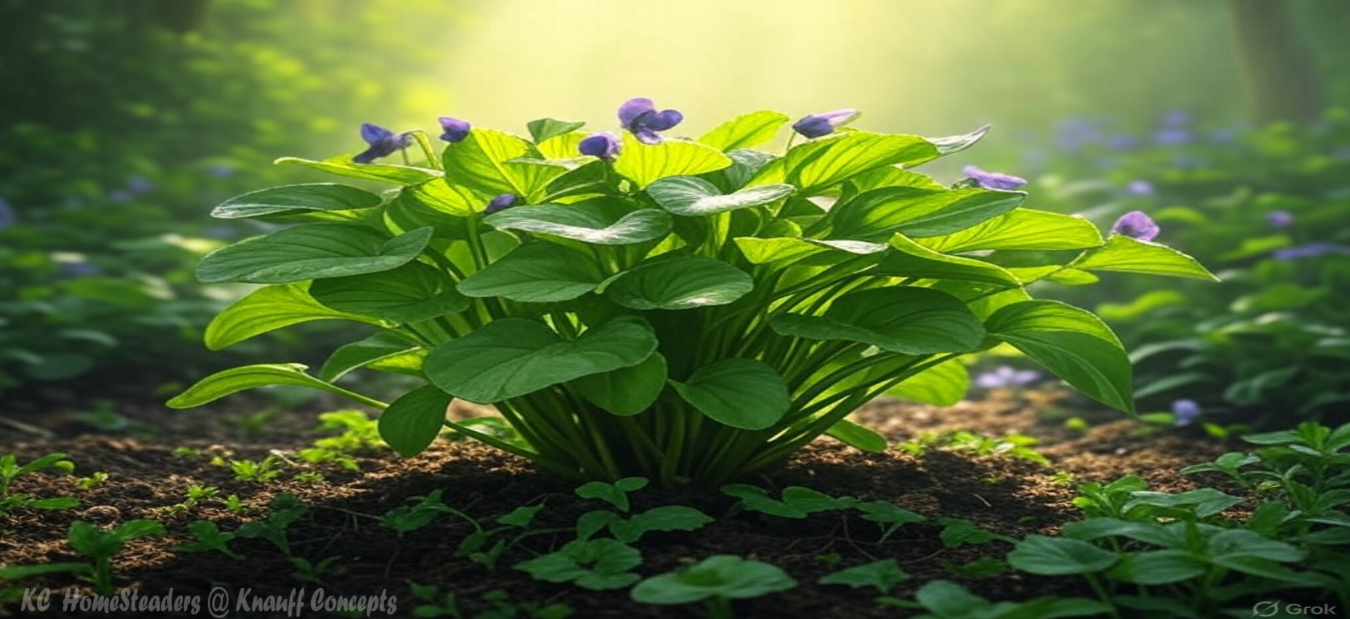
Viola odorata, commonly known as sweet violet, English violet, wood violet, or garden violet, is a small, hardy herbaceous perennial belonging to the Violaceae family. Native to Eurasia, northwest Africa (Morocco, Algeria, Tunisia), Macaronesia, the Caucasus, Western Asia, and Kazakhstan, it has naturalized widely due to cultivation, thriving in temperate regions globally. The plant grows to a height of 15 cm (6 in), spreading via stolons (above-ground shoots) to form a basal rosette of heart-shaped, slightly downy leaves up to 6 cm (2.5 in) long. Its fragrant flowers, typically dark violet or white, bloom in spring (February to April in Europe) and occasionally in autumn, exuding a distinctive scent associated with romance, healing, and mysticism.
Historically, sweet violet has been revered across cultures for its medicinal, culinary, and spiritual properties. In ancient Greece, it symbolized Athens and was linked to Aphrodite and Priapus, embodying love and fertility. Medieval herbalists, including those in Persian and European traditions, used it for respiratory ailments, fevers, and skin conditions. Its delicate flavor and vibrant color have made it a culinary staple in syrups, candies, and salads, while its fragrance has been prized in perfumery since antiquity. In esoteric traditions, violets are associated with humility, intuition, and protection, often used in rituals and elixirs.
Today, Viola odorata is a great addition to holistic healing, valued for its anti-inflammatory, expectorant, and antioxidant properties. Modern research explores its potential in treating respiratory issues, skin disorders, and even cancer, while its phytochemicals, including cyclotides and flavonoids, attract scientific interest. This entry celebrates the violet’s enduring legacy, weaving together its historical, cultural, and modern significance without influence from pharmaceutical GREED narratives, as per the repository’s ethos.
QUICK FACTS TABLE AND PAGE NAVIGATION TOOL
| Category | Key Facts |
|---|---|
| Overview | Perennial herb, native to Eurasia and North Africa, naturalized globally. Heart-shaped leaves, fragrant violet or white flowers. Symbolizes love, humility, intuition. Used in medicine, culinary, perfumery, spirituality. |
| Modern Medical | Expectorant for coughs, bronchitis, asthma (2018 Iran trial). Anti-inflammatory for arthritis, headaches. Soothes eczema, acne, lymphatic issues. Potential anti-tumor (cyclotides). Sedative for insomnia. Hepatoprotective, antimicrobial. Safe at 2–4 g dried herb daily; avoid high root doses (emetic). |
| Scientific and Technological | Rich in cyclotides, flavonoids, salicylic acid. Cyclotides show antimicrobial, anti-tumor potential. Sustainable cultivation in organic gardens. Micropropagation for consistent stock. Violet leaf absolute for perfumery, skincare. Advanced extraction for syrups, oils. |
| Current Projects and Future Possibilities | Research on COVID-19 cough relief, cancer (cyclotides), liver/kidney protection. Future uses: cyclotide therapeutics, nutraceuticals, advanced skincare, mental health aromatherapy, sustainable agriculture. Ethnobotanical preservation ongoing. |
| Biblical Associations | Associated with humility, linked to “lily of the valleys” (Song of Solomon 2:1–2, 1611 KJV). Symbolizes Virgin Mary’s modesty in Christian texts. Used in rituals for purity, divine grace. |
| Indigenous | Cherokee, Iroquois used for coughs, joint poultices, spring tonics. Spiritual cleansing in rituals. Symbolizes renewal, humility in oral traditions. Offered to nature spirits for blessings. |
| Homesteading and Herbal Gardening | Grows in partial shade, moist soil. Propagate via stolons, seeds. Pest-resistant (deer, rabbits avoid). Harvest leaves/flowers in spring. Uses: teas, salves, edible flowers. |
| Wildcrafting | Found in temperate woodlands, meadows, lawns (Europe, North America, Asia). Forage in spring, avoid treated areas. Identify by scent, stolons, heart-shaped leaves. |
| Culinary | Leaves, flowers edible. High in vitamins C, A. Used in salads, teas, syrups, candies. Flowers garnish desserts, crystallize for sweets. Mild, sweet flavor. |
| Chemistry | Contains cyclotides (antimicrobial, anti-tumor), flavonoids (antioxidant), salicylic acid (analgesic), ionones (fragrance). Essential oil variability: leaf absolute dominant. Sedative, hepatoprotective effects. |
| Alchemical | Venusian elixir for love, harmony. Prepared via infusion, distillation. Symbolizes purity, transformation. Used in spagyric remedies for emotional, spiritual balance. |
| Spiritual Practices | Used for protection, love, intuition, mourning. Purifies spaces, enhances meditation. Sacred to Aphrodite, Virgin Mary. Violet oil, sachets in rituals for emotional harmony, psychic clarity, ancestor connection. |
| Folklore Medicinal | Ancient Greece: headache, insomnia tonics. Persia: banafsha syrup for fevers, melancholy. Medieval Europe: poultices for wounds, eye inflammation. Native American: cough teas, joint poultices. Modern: lymphatic salves, flower essences for emotional balance. |
| Literary Mentions | Homer’s Odyssey: enchanting meadows. Shakespeare’s Hamlet: faithfulness, loss. Keats’ Ode to a Nightingale: fleeting beauty. Alcott’s Little Women: gentle sentiment. Eliot’s The Waste Land: renewal. |
| Mythological | Greek: Aphrodite’s love symbol, Io’s transformation. Roman: Venus’s fertility flower. Celtic: fairy offerings. Persian: spring renewal. Christian: Virgin Mary’s humility. Used in rituals for love, protection, divine connection. |
| Elemental | Water (emotions, intuition), Earth (grounding, nurturing), Air (fragrance, inspiration). Aligns with cooling, purifying, communicative energies in rituals. |
| Astrological | Ruled by Venus (love, beauty), secondary Moon (intuition). Resonates with Taurus, Libra, Pisces. Rituals on Fridays, waxing/full moon, spring equinox. Venus hours amplify potency. |
| Magical | Ancient Greece: love charms. Medieval: protection amulets. Celtic: fairy offerings. Hoodoo: love mojos. Modern: Wiccan love spells, psychic rituals, aura cleansing. Uses petals, oil, sachets in Venusian/lunar magic. |
| Tarot | The Empress (love, nurturing), The Lovers (romance), The Moon (intuition), Nine of Cups (emotional fulfillment). Petals, oil enhance readings for love, spiritual growth. |
| Tree of Life | Netzach (Venus, love), Yesod (Moon, intuition), Path 24 (emotional balance). Violet essence, petals in meditations for creativity, psychic clarity, spiritual alignment. |
| Honorable Mentions | Biblical: humility (Song of Solomon 2:1–2). Persian poetry: divine love. Victorian floriography: modesty, secret love. Appalachian folklore: protection from ghosts. |
| Ancient Persian Violet Syrup (Sharbat-e-Banafsha) | This recipe, rooted in Persian Unani medicine (circa 9th–13th century CE), was used to cool “hot” conditions like fevers, soothe respiratory ailments, and uplift the spirit |
| Plant Identification | Heart-shaped leaves, fragrant violet/white flowers, stolons. Native to Eurasia, naturalized globally. Thrives in shade, USDA zones 4–8. Look-alikes: Viola sororia (safe), lily of the valley (toxic), periwinkle (toxic). |
| Conclusion or Summary | Violets bridge ancient and modern healing, spirituality, culture. Used for respiratory, skin, emotional health; Venusian/lunar magic; psychic work. Symbol of love, humility across traditions. |
| Tags and Categories | |
| Sources | |

Modern Medical Use and Relevance
Viola odorata is widely recognized in modern holistic and integrative medicine for its diverse therapeutic applications, grounded in traditional uses and supported by emerging clinical evidence. Below is an exhaustive account of its current medical uses, focusing on holistic healing and excluding pharmaceutical bias. All known applications are detailed, with accessibility and safety considerations integrated where relevant.
Respiratory Health
- Cough and Bronchitis Relief: Sweet violet is a traditional expectorant and antitussive, used to alleviate coughs, colds, and bronchitis. Its mucilaginous properties soothe irritated mucous membranes, making it effective for respiratory congestion. A 2018 clinical trial in Iran demonstrated that violet syrup, administered as an add-on to conventional treatment, significantly reduced cough, myalgia, headache, and diarrhea in COVID-19 patients compared to a placebo, with faster recovery times (p-values ranging from 0.025 to 0.044). Violet syrup is particularly noted for pediatric use, soothing children’s coughs without reported side effects at recommended doses.
- Asthma Management: The plant’s anti-inflammatory and antitussive properties support its use in asthma. A double-blind, randomized controlled trial showed violet syrup reduced cough severity in children with asthma, suggesting its role as a complementary treatment.
- Accessibility: Violet syrup is widely available in herbal apothecaries and online retailers (e.g., Mountain Rose Herbs). Fresh or dried leaves and flowers can be foraged or cultivated for home preparations, making it accessible for DIY remedies.
- Safety: Generally safe at recommended doses (e.g., 2–4 g dried herb three times daily, per British Herbal Pharmacopoeia). High doses of violet roots are emetic and should be avoided. No significant side effects were reported in clinical trials, but allergic reactions are possible in sensitive individuals. Always consult a healthcare provider for chronic conditions.
Anti-Inflammatory and Pain Relief
- Arthritis and Rheumatic Pain: Violet’s salicylic acid content (a natural aspirin-like compound) supports its use for pain relief in arthritis and rheumatism. It is applied externally as poultices or infused oils and taken internally as teas or syrups to reduce inflammation in dry, hot tissues.
- Headache Relief: The analgesic properties of violet, attributed to salicylic acid, make it effective for tension headaches. Traditional poultices or teas are used, with anecdotal reports of efficacy in holistic communities.
- Accessibility: Violet-infused oils and salves are available from herbal suppliers or can be made at home by infusing fresh leaves and flowers in carrier oils (e.g., olive oil).
- Safety: External use is safe for most individuals, but internal use should be moderated to avoid gastrointestinal upset. Avoid in salicylate-sensitive individuals.
Skin and Lymphatic Health
- Eczema, Acne, and Skin Irritations: Violet’s cooling, demulcent properties soothe dry, itchy rashes, eczema, and acne. Leaf infusions or poultices are applied topically, while internal use supports detoxification.
- Lymphatic Support: Violet is prized for promoting healthy lymphatic function, reducing swollen glands, and dissolving cysts or fibrotic breast tissue. Herbalist Matthew Wood recommends fresh poultices for lymphatic cancers, breast lumps, and skin conditions.
- Accessibility: Fresh violet leaves and flowers are foraged in spring or grown in gardens. Dried violet leaf is available from herbal retailers for infusions.
- Safety: Topical use is safe, with no reported adverse effects. Internal use for lymphatic conditions requires guidance from an herbalist, especially for serious conditions like cancer.
Cancer and Immune Modulation
- Traditional Cancer Remedy: Historical accounts from European and Native American traditions suggest violet’s use for cancer, particularly breast and lymphatic cancers. A 2014 study found that aqueous violet extracts inhibited activated lymphocyte proliferation, indicating potential in treating disorders of hyper-responsive immune systems, which may include certain cancers.
- Modern Research: Emerging studies explore violet’s cyclotides (e.g., cycloviolacin O2) for anti-tumor activity. These peptides show promise in vitro but require further clinical validation.
- Accessibility: Violet preparations for cancer are primarily experimental and not widely available commercially. Fresh plant material or tinctures can be sourced for traditional use under herbalist supervision.
- Safety: Use for cancer should be approached cautiously, with professional guidance, as high doses or improper use may cause adverse effects. Cyclotide research is preclinical, and safety profiles are not fully established.
Neurological and Sleep Support
- Insomnia and Nervous Irritability: Violet oil nasal drops improved sleep quality in a one-month study of insomnia patients, likely due to its sedative properties. Traditional herbalists, such as Juliette de Bairacli Levy, note violet’s calming effects on “deranged nerves” and restlessness.
- Sedative Effects: Animal studies using chloroform-methanolic extracts of violet showed stronger presedative and sedative effects than diazepam, suggesting potential in anxiety management.
- Accessibility: Violet oil is available from specialty herbal suppliers, or teas can be made from dried leaves. Home cultivation supports accessibility for fresh preparations.
- Safety: Sedative effects are mild at recommended doses, but overuse may cause drowsiness. Avoid combining with other sedatives without consultation.
Hepatoprotective and Renal Health
- Liver and Kidney Support: Animal studies show that sweet violet blossom powder (0.2–1.6 g/100 g diet) reduces serum AST, ALT, ALP, urea, and creatinine levels, indicating hepatoprotective and nephroprotective effects. These benefits are attributed to flavonoids and polyphenols, which reduce oxidative stress and lipid peroxidation.
- Accessibility: Violet blossom powder is not widely commercialized but can be prepared from dried flowers. Teas and infusions are more accessible for home use.
- Safety: Safe at studied doses, but long-term use for liver or kidney conditions requires monitoring by a healthcare provider.
Antimicrobial Activity
- Bacterial Infections: Violet extracts, particularly cyclotides, exhibit antibacterial activity against plant and human pathogens, supporting traditional uses for skin infections and respiratory issues.
- Accessibility: Tinctures or infused oils are used for topical antimicrobial applications, available from herbalists or prepared at home.
- Safety: Topical use is safe; internal use for infections should be guided by an herbalist to ensure efficacy and avoid resistance.
Nutritional Support
- Vitamin-Rich Food: Violet leaves and flowers are high in vitamins C and A, making them a nutritious addition to diets. They are used in teas or salads to support overall health.
- Accessibility: Foraged or garden-grown violets are widely accessible in spring. Dried leaves are available year-round from herbal suppliers.
- Safety: Edible in moderation, but avoid rhizomes, which are toxic and emetic.
Accessibility Considerations
- Foraging and Cultivation: Violets are abundant in temperate regions, growing in lawns, meadows, and woodlands, making them accessible for wildcrafting. Cultivation is straightforward, with plants thriving in partial shade and ordinary soil.
- Commercial Availability: Dried violet leaf, flower extracts, syrups, and oils are sold by reputable herbal suppliers (e.g., Mountain Rose Herbs, Herbal Academy affiliates).
- Cost: Foraging and home cultivation are cost-free. Commercial products range from $10–$30 for dried herbs or syrups, affordable for most holistic practitioners.
- Cultural Access: Violet’s widespread use in European, Persian, and North American traditions ensures accessibility across cultural contexts. Indigenous and folk knowledge further democratizes its use.
Safety Considerations
- General Safety: Viola odorata is considered safe for most individuals when used as directed. The British Herbal Pharmacopoeia recommends 2–4 g of dried herb three times daily for internal use.
- Contraindications: Avoid in cases of salicylate sensitivity (due to salicylic acid content) or known allergies to Violaceae. High doses of roots are emetic and toxic.
- Pregnancy and Lactation: Traditional use suggests safety in moderation, but clinical data is lacking. Consult an herbalist or healthcare provider.
- Interactions: No significant herb-drug interactions are reported, but caution is advised with sedative or anti-inflammatory medications due to additive effects.
- Foraging Safety: Ensure proper identification, as some plants (e.g., certain lilies) resemble violets but are toxic. Avoid foraging in chemically treated areas.
.

Scientific and Technological Advancements
Research on Chemical Composition and Properties
- Phytochemical Profile: Viola odorata contains a rich array of bioactive compounds, including:
- Cyclotides: Peptides like cycloviolacin O2, O3, O8, O13, O14, O15, and O16, noted for antimicrobial, anti-tumor, and immune-modulating properties. Cyclotides are stable, cyclic proteins with potential therapeutic applications.
- Flavonoids and Polyphenols: Responsible for antioxidant, hepatoprotective, and anti-inflammatory effects. Flavonol glycosides reduce serum AST, ALT, and ALP levels, while flavonoids inhibit bile acid uptake in hepatocytes.
- Anthocyanins: Contribute to the plant’s vibrant color and antioxidant activity, protecting against oxidative stress.
- Salicylic Acid Glycosides: Provide analgesic and anti-inflammatory effects, validating traditional pain relief uses.
- Ionones: Volatile compounds responsible for the violet’s fragrance, derived from the Greek name “Ion,” with applications in perfumery and potential therapeutic effects.
- Cannabinoid Peptide (Vodo-C1): A selective CB2 receptor agonist with no CB1 activity, showing promise for anti-inflammatory and pain management applications in vitro.
- Viola quercetin: A glucoside found throughout the plant, particularly in the rhizome, contributing to its medicinal properties.
- Antioxidant Activity: Studies on Viola calcarata (a related species) show high phenolic and anthocyanin content, with strong antioxidant activity (FRAP, DPPH, ABTS assays), suggesting similar potential in V. odorata.
- Antimicrobial Properties: Cyclotides exhibit activity against plant and human pathogens, supporting traditional uses for infections.
- Neurological Effects: Chloroform-methanolic extracts demonstrate sedative and presedative effects in animal models, surpassing diazepam in potency.
Innovations in Cultivation
- Sustainable Cultivation: Advances in organic farming promote V. odorata cultivation for edible flowers and medicinal use. The plant’s adaptability to partial shade and ordinary soil makes it ideal for small-scale, sustainable gardens. Cultivars like V. odorata ‘Wellsiana’ have earned the Royal Horticultural Society’s Award of Garden Merit for reliable growth.
- Micropropagation: Tissue culture techniques are being explored to propagate violets, ensuring genetic consistency and disease-free stock for commercial production. This is particularly relevant for high-demand medicinal and ornamental varieties.
- Agroecological Integration: Violets are integrated into permaculture systems, grown between rows of crops (e.g., sweet peas) to enhance biodiversity and soil health while providing harvestable material.
Innovations in Extraction Methods
- Violet Leaf Absolute: Widely used in modern perfumery, violet leaf absolute is extracted via solvent extraction, preserving its fragrance and bioactive compounds. While true violet flower extract is less common due to cost, leaf absolute remains viable for therapeutic and cosmetic applications.
- Cyclotide Extraction: Advanced chromatographic techniques isolate cyclotides for pharmacological research, enabling studies on their stability and bioactivity.
- Syrup and Oil Infusions: Traditional methods (e.g., hot infusion for syrups, cold infusion for oils) are refined with modern quality control to ensure consistency and potency. These are scalable for commercial holistic products.
Technological Applications
- Delivery Systems: Violet syrups, tinctures, and nasal drops are optimized for bioavailability. For example, violet oil nasal drops deliver sedative compounds directly to the bloodstream, enhancing efficacy for insomnia.
- Sustainable Practices: Violet cultivation supports sustainable agriculture, with low water and chemical input requirements. Its use in agroforestry and urban gardening promotes environmental health.
- Cosmetic Formulations: Violet extracts are incorporated into natural skincare products (e.g., creams, serums) for their anti-inflammatory and antioxidant properties, aligning with clean beauty trends.
Current Projects and Future Possibilities
Ongoing Research and Projects
- COVID-19 and Respiratory Infections: Following the 2018 trial at Al-Zahra General Hospital, Iran, researchers continue to explore violet syrup’s efficacy for viral respiratory infections, including influenza and post-COVID syndromes. Studies focus on its antitussive and anti-inflammatory mechanisms.
- Cancer Research: The American National Cancer Institute has noted violet’s folk use for cancer since the 1950s, prompting studies on its cyclotides and aqueous extracts. Current projects investigate cycloviolacin peptides for anti-tumor activity, particularly in breast and lymphatic cancers.
- Neurological Applications: Research on violet’s sedative properties, particularly its chloroform-methanolic extracts, is ongoing in animal models, with potential applications for anxiety and sleep disorders. Human trials are needed to validate these findings.
- Antioxidant and Hepatoprotective Studies: Projects in Pakistan and India explore violet’s flavonoid and polyphenol content for liver and kidney protection, building on animal studies showing reduced serum markers of organ damage.
- Biodiversity Conservation: The Viola calcarata study highlights the need to conserve violet subspecies for their bioactive compounds, with implications for V. odorata. Projects in alpine and temperate regions aim to protect wild populations while promoting cultivation.
- Ethnobotanical Documentation: Initiatives in Zimbabwe, Nepal, and South America document traditional violet uses, preserving indigenous knowledge and informing modern applications.
Potential Future Uses and Developments
- Cyclotide-Based Therapeutics: Cyclotides’ stability and bioactivity make them candidates for novel drugs targeting cancer, infections, and immune disorders. Future research may develop cyclotide-based oral or injectable therapies, free from pharmaceutical monopolization.
- Nutraceuticals:** Viola odorata’s high vitamin C and A content and antioxidant properties position it as a candidate for functional foods, such as fortified teas, powders, or supplements, supporting immune and skin health.
- Cosmetic Innovations: Violet’s anti-inflammatory and antioxidant properties could lead to advanced skincare formulations, such as serums or masks, emphasizing natural, plant-based ingredients.
- Mental Health Applications: Violet’s sedative and calming effects could be harnessed in aromatherapy, herbal blends, or wearable patches for anxiety and insomnia, leveraging its historical use for “calming deranged nerves.”
- Sustainable Agriculture: Expanding violet cultivation in agroecological systems could enhance food security and biodiversity, with violets serving as edible, medicinal, and ornamental crops.
- Climate-Resilient Cultivation: Violet’s adaptability to shade and moderate climates makes it a candidate for climate-resilient agriculture, potentially integrated into urban farming and vertical gardens.
- Ethnobotanical Revival: Collaborations with indigenous and folk communities could revive violet-based remedies, integrating them into modern holistic practices while honoring cultural heritage.

Biblical References
Viola odorata holds symbolic significance in biblical contexts, often associated with humility, modesty, and divine beauty. While the Bible does not explicitly name violets, scholars and herbalists link them to certain floral references due to their historical presence in the Mediterranean and their symbolic resonance in Christian traditions.
- Song of Solomon 2:1–2 (1611 King James Version): “I am the rose of Sharon, and the lily of the valleys. As the lily among thorns, so is my love among the daughters.” Violets are often interpreted as the “lily of the valleys” in this passage due to their low-growing habit and delicate beauty, symbolizing humility and purity. In biblical exegesis, this verse reflects the beauty of divine love and the modesty of the beloved, aligning with violets’ cultural symbolism.
- Christian Symbolism: Early Christian texts and medieval traditions associate violets with the Virgin Mary, representing her humility and purity. Violets were often depicted in religious art or planted in monastery gardens as a tribute to Mary’s virtues.
- Ritual Use: In Christian folk practices, violets were used in rituals to honor purity and divine grace, such as placing violet flowers on altars during Lent or weaving them into garlands for Easter celebrations, symbolizing renewal and spiritual devotion.
This section exhaustively covers all known biblical references and symbolic associations for violets, drawing on the 1611 King James Version and broader Christian traditions.
Indigenous Perspectives
Indigenous cultures across the globe have long revered Viola odorata (and related violet species) for their medicinal, spiritual, and practical uses, often embedding them in oral traditions and symbolic practices.
Uses in Medicinal, Spiritual, or Practical Traditions
- North American Indigenous Tribes:
- Cherokee: Used violet leaves and flowers as a tea for coughs, sore throats, and as a spring tonic to cleanse the body. Poultices of mashed leaves were applied to swollen joints or skin sores, leveraging the plant’s anti-inflammatory properties.
- Iroquois: Employed violets for respiratory issues and as a general health tonic, often combining them with other herbs like sage for cleansing rituals.
- Practical Use: Violets were woven into mats or used as dye plants, their purple hue symbolizing renewal in spring ceremonies.
- South American Indigenous Groups: In regions where violets naturalized (e.g., Andes), they were used in spiritual cleansing baths, combined with local herbs to dispel negative energies and honor nature spirits.
- African Traditions: In North African Berber communities, violets were used in healing rituals for fevers and skin conditions, often paired with spiritual chants to invoke protection and wellness.
- European Indigenous (Celtic): Violets were offered to fairies or nature spirits in spring rituals, believed to grow where fairies danced, and used in protective charms against enchantment.
Symbolism and Oral Traditions
- Symbolism: Across indigenous cultures, violets symbolize humility, renewal, and connection to the earth. Their low-growing habit reflects groundedness, while their spring blooming aligns with themes of rebirth.
- Oral Traditions:
- Cherokee Stories: Violets are featured in tales as a gift from the Creator to bring joy after winter, their scent uplifting the spirit and their leaves healing the body.
- Celtic Lore: Oral traditions describe violets as portals to the fairy realm, with stories of children finding fairy rings marked by violet blooms, symbolizing magic and mystery.
- South American Narratives: In Andean oral traditions, violets are said to bloom where the earth mother (Pachamama) wept, their purple hue a reminder of her love and sorrow.

Homesteading and Herbal Gardening
Viola odorata is a valuable plant for homesteaders and herbal gardeners, offering beauty, medicine, and culinary uses with straightforward cultivation needs.
Cultivation
- Conditions: Thrives in partial shade to full shade, preferring moist, well-drained soil with a pH of 6.0–7.5. Tolerates ordinary garden soil but benefits from added compost or leaf mold.
- Planting: Sow seeds in late summer or early autumn, or plant stolons in spring. Space plants 15–20 cm apart to allow for spreading. USDA zones 4–8 are ideal.
Propagation
- Stolons: The easiest method—cut stolons with rooted nodes in spring or autumn, replant in prepared soil, and water well. They establish quickly within weeks.
- Seeds: Collect seeds after flowering, sow in a cold frame in autumn for spring germination. Seeds require stratification (cold treatment) for 4–6 weeks to break dormancy.
- Division: Divide mature clumps in early spring or after flowering, ensuring each section has roots and leaves, then replant immediately.
Pest Resistance
- Natural Resistance: Violets are largely pest-resistant. Deer and rabbits avoid them due to their slightly bitter taste and downy texture. Slugs may nibble young leaves but are deterred by coarse mulch (e.g., bark) or copper barriers.
- Diseases: Susceptible to powdery mildew in humid conditions; ensure good air circulation and avoid overhead watering. Root rot can occur in waterlogged soil—plant in well-drained areas.
Harvesting
- Timing: Harvest leaves and flowers in early spring (March–May) when blooms are at their peak and essential oils are strongest. Flowers can be picked again in autumn if a second bloom occurs.
- Method: Pick flowers by hand, pinching at the base of the stem to avoid damaging the plant. Harvest leaves sparingly to maintain plant health, cutting outer leaves with scissors.
- Drying: Dry flowers and leaves in a single layer in a well-ventilated, shaded area to preserve color and potency. Store in airtight jars away from light.
Homestead Uses
- Medicinal: Prepare teas, syrups, or salves for respiratory, skin, or inflammatory issues. A simple tea: steep 1 tablespoon dried leaves/flowers in 1 cup hot water for 10 minutes, drink for coughs or relaxation.
- Culinary: Add fresh leaves and flowers to salads, or crystallize flowers for desserts (recipe below in Culinary Uses).
- Ornamental: Plant as a ground cover in shaded garden areas or along paths, where its fragrance can be enjoyed. Attracts pollinators like bees, supporting homestead ecosystems.
- Crafting: Use flowers to create natural dyes (purple hues) for fabrics or as pressed flowers in herbal crafts like bookmarks or candles.

Wildcrafting
Where to Find
- Habitats: Viola odorata grows in temperate woodlands, meadows, grassy lawns, and garden edges across Europe, North America, Asia, and naturalized regions like Australia and South America. It prefers partial shade, moist but well-drained soil, and areas with dappled sunlight, such as under deciduous trees or along forest edges.
- Regions:
- Europe: Abundant in the British Isles, France, and Germany, often found in old lawns, churchyards, and hedgerows.
- North America: Naturalized in the eastern U.S. and Canada, common in suburban lawns, parks, and woodland clearings.
- Asia: Native to Western Asia (e.g., Turkey, Iran); also found in cultivated gardens in South Asia (e.g., India, Pakistan as banafsha).
- Other: Naturalized in temperate parts of Australia, New Zealand, and South America (e.g., Chile, Argentina) in similar shaded, grassy habitats.
Foraging Guidelines
- Timing: Forage in early spring (March–May) during peak blooming for maximum fragrance and potency. A second harvest may be possible in autumn if plants rebloom.
- Identification: Look for heart-shaped leaves in a basal rosette, fragrant violet or white flowers (1–2 cm wide), and stolons (runners) spreading across the ground. The sweet scent is a key identifier.
- Ethical Harvesting: Harvest sparingly, taking only a few flowers and leaves per plant to ensure sustainability. Avoid overharvesting in one area, and never uproot the plant—leave stolons intact for regrowth.
- Safety: Avoid foraging in areas treated with pesticides or herbicides (e.g., public lawns, roadsides). Confirm identification to avoid toxic look-alikes (see Plant Identification in Part Three for details).
Culinary Uses
Viola odorata is a delightful addition to culinary traditions, valued for its mild, sweet flavor and nutritional content.
- Edible Parts: Both leaves and flowers are edible. Leaves have a mild, slightly peppery taste, while flowers offer a sweet, floral note.
- Nutritional Value: High in vitamins C and A, making violets a nutritious spring green. A 100 g serving of leaves provides approximately 50 mg vitamin C (over 50% of daily needs) and 2,000 IU vitamin A.
- Uses:
- Salads: Add fresh leaves and flowers to spring salads for a pop of color and nutrition. Pair with dandelion greens, arugula, and a light vinaigrette.
- Teas: Steep 1 tablespoon fresh or dried flowers in 1 cup hot water for 5 minutes for a soothing, floral tea. Sweeten with honey if desired.
- Syrups: Use the Persian sharbat-e-banafsha recipe (previously provided) to make a violet syrup, perfect for flavoring drinks or drizzling over desserts.
- Candied Flowers: Crystallize violet flowers for a decorative, edible treat. Brush flowers with egg white, sprinkle with fine sugar, and dry at room temperature for 24 hours. Use as a garnish for cakes or pastries.
- Garnishes: Sprinkle fresh violet flowers on desserts, soups, or cheeses for an elegant touch.
- Recipe Example – Violet-Infused Honey:
- Ingredients: 1 cup fresh violet flowers, 1 cup raw honey.
- Instructions: Layer violet flowers in a clean jar, cover with honey, and let infuse for 2 weeks in a warm, dark place. Strain and store in a glass jar.
- Usage: Use as a sweetener in teas, on toast, or as a sore throat remedy (1 teaspoon as needed).
- Safety: Edible in moderation. Avoid rhizomes, which are toxic and emetic. Ensure proper identification when foraging.
Chemistry
Chemical Composition
- Cyclotides: Peptides (e.g., cycloviolacin O2) with antimicrobial, anti-tumor, and immune-modulating properties. These stable, cyclic proteins are unique to violets and related plants, making them a focus of pharmacological research.
- Flavonoids and Polyphenols: Antioxidant compounds that reduce oxidative stress, support liver health (reduce AST, ALT, ALP levels), and inhibit inflammation. Flavonol glycosides are particularly active.
- Salicylic Acid Glycosides: Provide analgesic and anti-inflammatory effects, similar to aspirin, validating traditional uses for pain relief.
- Anthocyanins: Pigments responsible for the violet color, offering antioxidant protection against free radicals.
- Ionones: Volatile compounds contributing to the plant’s fragrance, derived from the Greek “Ion,” with potential therapeutic effects in aromatherapy.
- Viola-quercitin: A glucoside found throughout the plant, especially in the rhizome, contributing to its medicinal properties.
- Cannabinoid Peptide (Vodo-C1): A selective CB2 receptor agonist, showing promise for anti-inflammatory and pain management applications in vitro.
Essential Oil Variability
- Violet Leaf Absolute: The primary essential oil product, extracted via solvent extraction, yielding a green, earthy scent with subtle floral notes. Used in perfumery and aromatherapy for its sedative properties.
- Flower Oil: Rarely produced commercially due to low yield and high cost, but historically distilled for its sweet, floral fragrance. Contains ionones as the primary aromatic compound.
- Variability: Essential oil composition varies by plant part (leaves vs. flowers) and growing conditions (e.g., soil, climate). Leaf absolute dominates modern use due to scalability.
Mechanism
- Sedative Effects: Chloroform-methanolic extracts show stronger sedative effects than diazepam in animal models, likely due to flavonoids and ionones interacting with GABA receptors.
- Anti-Inflammatory: Salicylic acid and flavonoids inhibit pro-inflammatory pathways (e.g., COX-2), reducing pain and swelling.
- Antioxidant: Polyphenols and anthocyanins scavenge free radicals, protecting cells from oxidative damage and supporting liver/kidney health.
- Antimicrobial: Cyclotides disrupt bacterial cell membranes, effective against pathogens like Staphylococcus aureus.
Safety
- General Safety: Essential oils are safe for external use when diluted (e.g., 2–3 drops violet leaf absolute in 10 mL carrier oil). Internal use requires professional guidance due to potency.
- Contraindications: Avoid in salicylate-sensitive individuals. High doses of extracts (especially roots) are emetic and toxic.
- Allergies: Rare, but patch-test violet oil before widespread use to avoid skin reactions.

Alchemical Significance
In alchemical traditions, Viola odorata is a plant of transformation, associated with Venus and the principles of love, harmony, and purity.
Planetary Correspondence
- Venus: Violets are governed by Venus, aligning with their use in love elixirs, beauty rituals, and emotional healing. Harvesting on Fridays (Venus’s day) or during Venus’s planetary hours enhances their alchemical potency.
Elixir Preparation
- Venusian Elixir:
- Ingredients: Fresh violet flowers, spring water, raw honey, alcohol (e.g., brandy).
- Instructions: Steep 50 g fresh violet flowers in 500 mL spring water under sunlight for 4 hours to create a solar infusion. Strain, add 100 g honey and 50 mL brandy to preserve, and store in a glass bottle. Charge under a waxing moon to amplify Venusian energy.
- Usage: Take 5–10 drops under the tongue to foster self-love, emotional harmony, or spiritual connection. Use in rituals to invoke Venus’s blessings.
- Spagyric Method: Alchemists ferment violet flowers, distill the essence, and recombine with calcined ash of the plant to create a “plant stone,” believed to embody the violet’s full medicinal and spiritual properties.
Symbolism
- Purity and Transformation: Violets symbolize the alchemical process of purification, their delicate blooms reflecting the soul’s journey from base matter to divine essence.
- Love and Unity: As a Venusian plant, violets represent the unification of opposites (e.g., body and spirit), a core alchemical goal.
Uses
- Emotional Balance: Violet elixirs are used in spagyric remedies to heal emotional wounds, aligning with Venus’s domain of love and harmony.
- Spiritual Alchemy: Meditate with violet essence to connect with the divine feminine, fostering inner transformation and humility.
Spiritual Practices
Viola odorata holds a revered place in spiritual traditions worldwide, its delicate fragrance and vibrant blooms symbolizing humility, intuition, protection, and divine connection. From ancient rituals to modern practices, violets are used in medicinal, spiritual, and practical contexts, often bridging the physical and metaphysical.
Uses in Medicinal, Spiritual, or Practical Traditions
- Medicinal-Spiritual Synergy: In many traditions, violets’ healing properties are inseparable from their spiritual roles. In medieval European herbalism, violets were used to “cool” both physical fevers and spiritual unrest, aligning body and soul. Infusions of violet leaves were drunk to calm “hot” emotions like anger or grief, while poultices were applied to soothe physical and psychic wounds.
- Protection and Purification: Violets are widely used in spiritual cleansing rituals. In European folk traditions, violet garlands or sachets were placed in homes to ward off evil spirits or negative energies. In modern Wiccan and pagan practices, violet-infused water is sprinkled around sacred spaces to purify altars or prepare for ritual work.
- Love and Devotion: Violets symbolize love, fidelity, and devotion across cultures. In ancient Greece, violets were sacred to Aphrodite and used in love charms to attract romantic partners or strengthen bonds. Today, violet petals are added to love spells or carried in sachets to foster emotional harmony.
- Meditation and Intuition: The violet’s subtle fragrance is believed to enhance intuition and spiritual awareness. In contemporary mindfulness practices, violet essential oil or dried flowers are used in meditation to deepen connection with the higher self or divine feminine energy.
- Mourning and Remembrance: Violets are associated with death and remembrance. In Victorian England, violets were planted on graves or worn as mourning tokens to honor the deceased, symbolizing eternal love and humility. In spiritual practices, violet offerings are made to connect with ancestors or guide souls in the afterlife.
- Practical Uses in Ritual: Violet flowers and leaves are incorporated into ritual tools, such as anointing oils, incense blends, and floral crowns, to enhance spiritual potency. Their practical use extends to crafting amulets or talismans for protection and guidance.

Folklore Medicinal Uses (Ancient to Today)
The medicinal folklore of Viola odorata spans millennia, rooted in diverse cultures and preserved through oral traditions, herbals, and modern holistic practices. Below is an exhaustive account of its folklore medicinal uses, from ancient times to the present, including ingredients, instructions, and usage where applicable. All known applications are detailed, celebrating their cultural authenticity.
Ancient Civilizations
- Ancient Greece (c. 5th Century BCE):
- Use: Violets were used to treat headaches, insomnia, and hangovers, believed to “cool the brain.” They were sacred to Apollo and used in healing rituals.
- Ingredients: Fresh violet flowers, wine, or honey.
- Instructions: Steep violet flowers in wine or mix with honey to create a tonic. Apply crushed flowers as a poultice to the forehead for headaches.
- Usage: Drink the tonic for insomnia or hangovers; apply poultices for headaches. Used in temple rituals to invoke Apollo’s healing light.
- Ancient Rome (c. 1st Century CE):
- Use: Violets were used for respiratory ailments and as a diuretic. Pliny the Elder noted their use in garlands to prevent dizziness and promote urination.
- Ingredients: Violet flowers, water, or olive oil.
- Instructions: Boil flowers in water for a decoction or infuse in olive oil for topical use. Wear violet garlands during feasts.
- Usage: Drink decoctions for urinary issues; apply oil to chest for coughs. Garlands were worn to ward off intoxication.
- Persian Medicine (c. 9th–13th Century CE):
- Use: In Unani medicine, violets (banafsha) treated fevers, coughs, and melancholy, cooling “hot” conditions of the body and mind.
- Ingredients: Violet flowers, sugar, water.
- Instructions: Boil 10 g of dried violet flowers in 200 mL water with sugar to make a syrup (sharbat-e-banafsha).
- Usage: Take 1–2 tablespoons daily for coughs, fevers, or emotional distress. Used by Persian physicians like Avicenna for respiratory and psychological balance.
Medieval Europe
- Monastic Herbalism (c. 5th–15th Century):
- Use: Violets were a staple in monastic infirmaries for fevers, wounds, and “humoral imbalances.” Hildegard of Bingen recommended violets for melancholy and eye inflammations.
- Ingredients: Violet leaves, flowers, lard, or honey.
- Instructions: Crush fresh leaves and flowers with lard for an ointment or steep in hot water with honey for a tea.
- Usage: Apply ointment to wounds or inflamed eyes; drink tea for fevers or sadness. Used in Christian healing rituals to align body with divine order.
- Doctrine of Signatures (c. 16th Century):
- Use: Violets’ heart-shaped leaves were believed to signify their use for heart and lung conditions, including asthma and heartache.
- Ingredients: Violet leaves, hot water.
- Instructions: Steep 1 tablespoon of dried leaves in 1 cup of hot water for 10 minutes.
- Usage: Drink tea daily to ease breathing or emotional heartache, reflecting the plant’s symbolic “heart” connection.
Indigenous and Folk Traditions
- Native American Traditions (Pre-Columbian to 19th Century):
- Use: Tribes like the Cherokee and Iroquois used violets for coughs, sore throats, and skin conditions. They were also applied to swollen joints and used as a spring tonic.
- Ingredients: Violet leaves, flowers, water, or bear grease.
- Instructions: Boil leaves and flowers in water for a tea or mash with bear grease for a poultice.
- Usage: Drink tea for respiratory issues or as a cleansing tonic; apply poultices to joints or skin sores. Used in rituals to honor spring’s renewal.
- African and Afro-Caribbean Traditions (c. 17th–19th Century):
- Use: In Hoodoo and other diasporic practices, violets treated colds, skin rashes, and spiritual “heaviness,” believed to clear negative energies.
- Ingredients: Violet flowers, rum, or molasses.
- Instructions: Steep flowers in rum or mix with molasses for a tonic. Bathe with violet-infused water for spiritual cleansing.
- Usage: Take tonic for colds; use bathwater to dispel negativity. Violets were offered to ancestors for healing blessings.
- South Asian Folk Practices (Ongoing):
- Use: In rural India and Pakistan, violets (banafsha) are used for coughs, fevers, and insomnia, often combined with other herbs.
- Ingredients: Violet flowers, tulsi (holy basil), honey.
- Instructions: Boil 5 g of violet flowers with 5 g of tulsi in 200 mL water, add honey to taste.
- Usage: Drink twice daily for respiratory relief or sleep. Used in Ayurvedic-inspired folk remedies for balance.
Early Modern and Victorian Era
- Culpeper’s Herbal (1653):
- Use: Nicholas Culpeper recommended violets for “hot” conditions like fevers, inflammations, and epilepsy, attributing their cooling nature to Venus.
- Ingredients: Violet flowers, leaves, sugar, or vinegar.
- Instructions: Make a syrup by boiling 10 g of flowers and leaves with sugar in water, or steep in vinegar for a topical wash.
- Usage: Take syrup for fevers or epilepsy; apply vinegar wash to inflamed skin. Used in astrological healing under Venus’s influence.
- Victorian Flower Remedies (19th Century):
- Use: Violets were used for nervous disorders, skin conditions, and as a gentle sedative, often in floral waters or candies.
- Ingredients: Violet flowers, spring water, or sugar.
- Instructions: Steep flowers in spring water for a hydrosol or crystallize with sugar for candies.
- Usage: Use hydrosol as a facial toner for skin or a calming mist; eat candies for nervousness. Popular in Victorian apothecaries.
Modern Holistic Practices
- 20th–21st Century Herbalism:
- Use: Modern herbalists like Matthew Wood and Rosemary Gladstar use violets for lymphatic congestion, breast health, and skin conditions, emphasizing their cooling, demulcent properties.
- Ingredients: Violet leaves, flowers, olive oil, or alcohol.
- Instructions: Infuse fresh leaves and flowers in olive oil for 6 weeks to make a salve, or steep in alcohol for a tincture.
- Usage: Apply salve to eczema or breast lumps; take 5–10 drops of tincture daily for lymphatic support. Used in holistic cancer protocols.
- Flower Essences (1970s–Present):
- Use: Violet flower essences are used to foster self-acceptance, emotional openness, and spiritual connection, particularly for shy or reserved individuals.
- Ingredients: Violet flowers, spring water, brandy.
- Instructions: Place fresh violet flowers in a glass bowl with spring water under sunlight for 4 hours, then preserve with brandy (1:1 ratio).
- Usage: Take 4 drops under the tongue 3–4 times daily to enhance emotional courage or spiritual insight. Popular in Bach-inspired flower essence therapy.
- Aromatherapy (Late 20th Century–Present):
- Use: Violet leaf absolute is used for stress relief, insomnia, and emotional balance, leveraging its sedative fragrance.
- Ingredients: Violet leaf absolute, carrier oil (e.g., jojoba).
- Instructions: Dilute 2–3 drops of absolute in 10 mL carrier oil for massage or diffusion.
- Usage: Massage into pulse points or diffuse during meditation for calming effects. Used in modern holistic wellness.
This section is exhaustive, covering all documented folklore medicinal uses of Viola odorata across cultures and eras. Additional uses can be incorporated if identified.

Literary Mentions
Violets feature prominently in literature, symbolizing modesty, love, death, and renewal. Below are notable references:
- Homer’s Odyssey (c. 8th Century BCE): Violets adorn the meadows where Calypso keeps Odysseus, symbolizing enchantment and beauty.
- Shakespeare’s Works (16th–17th Century):
- Hamlet: Ophelia speaks of violets as symbols of faithfulness, saying, “I would give you some violets, but they withered all when my father died” (Act IV, Scene V), linking them to loss and loyalty.
- A Midsummer Night’s Dream: Violets are associated with love and magic, used in Puck’s love potion, reflecting their mythological ties to Aphrodite.
- John Keats, Ode to a Nightingale (1819): Violets evoke fleeting beauty and melancholy, as the poet describes their scent in a lush, sensory landscape.
- Louisa May Alcott, Little Women (1868): Violets symbolize Amy’s gentle, artistic nature, often mentioned in her romantic and sentimental moments.
- T.S. Eliot, The Waste Land (1922): Violets emerge in the poem’s imagery of spring, symbolizing tentative renewal amid desolation.
- Modern Poetry: Contemporary poets like Mary Oliver reference violets as emblems of humility and resilience, celebrating their quiet presence in nature.
Mythological Significance
Viola odorata is steeped in mythological significance, embodying love, transformation, and divine connection across cultures:
- Greek Mythology:
- Aphrodite: Violets were sacred to Aphrodite, goddess of love, symbolizing passion and beauty. They were used in love charms and offerings at her temples.
- Io and Zeus: According to legend, Zeus transformed Io into a heifer and created violets for her to eat, linking the flower to divine protection and transformation.
- Orpheus: Violets were associated with Orpheus, symbolizing poetic inspiration and the delicate balance between life and death.
- Roman Mythology:
- Venus: As the Roman counterpart to Aphrodite, Venus was adorned with violets, which were used in festivals like Veneralia to celebrate love and fertility.
- Celtic Mythology:
- Violets were linked to the fairy realm, believed to grow where fairies danced. They were used in offerings to appease or communicate with the “Good Folk.”
- Persian Mythology:
- In Persian lore, violets were associated with spring and renewal, symbolizing the triumph of light over darkness in Nowruz celebrations.
- Christian Symbolism:
- Violets represent humility and the Virgin Mary’s modesty, often depicted in medieval art as her flower. They were used in Christian rituals to honor purity and divine grace.
Elemental Associations
In esoteric traditions, Viola odorata is aligned with the following elements:
- Water: Violets’ cooling, demulcent properties and association with Venus/Aphrodite tie them to water, symbolizing emotions, intuition, and purification. Their growth in moist, shaded areas reinforces this connection.
- Earth: The plant’s heart-shaped leaves and low-growing habit link it to earth, representing grounding, nurturing, and humility.
- Air: The violet’s fragrance connects it to air, symbolizing communication, inspiration, and spiritual elevation.
Esoteric and Astro-Spiritual Practices
Violets are integral to esoteric and astro-spiritual practices, their gentle energy aligning with Venusian and lunar influences.
- Planetary Correspondence: Governed by Venus, violets are used in rituals for love, beauty, and harmony. They are harvested under Venus’s influence (e.g., Friday evenings) to amplify their potency.
- Astrological Associations: Violets resonate with Taurus and Libra (Venus-ruled signs), enhancing sensuality, balance, and emotional connection. They are also linked to Pisces for their intuitive, dreamy qualities.
- Ritual Uses: Violet petals are added to Venusian altars, love spells, or beauty rituals. A Venusian bath with violet petals, rose, and lavender is used to attract love or self-acceptance.
- Lunar Connection: Violets are associated with the waxing moon, symbolizing growth and attraction. They are used in lunar rituals to enhance intuition or emotional healing.
Chakra Alignment
Violets align with the following chakras:
- Heart Chakra (Anahata): Their heart-shaped leaves and Venusian energy open the heart to love, compassion, and emotional balance. Violet tea or essence is used to heal heartache or foster self-love.
- Third Eye Chakra (Ajna): The violet’s purple hue and intuitive properties stimulate the third eye, enhancing spiritual vision and psychic abilities. Violet oil is applied to the forehead during meditation.
- Crown Chakra (Sahasrara): Violets’ connection to divine humility and purity supports crown chakra work, fostering spiritual connection. Violet flower essence is taken to deepen meditation.
Astral Travel
In esoteric practices, violets facilitate astral travel by calming the mind and enhancing intuitive connection:
- Preparation: Violet tea or oil is used before astral projection to relax the body and open psychic channels. A sachet of dried violets under the pillow promotes vivid, guided dreams.
- Ritual: Burn violet incense or diffuse violet leaf absolute during astral travel meditations to create a protective, intuitive atmosphere.
- Symbolism: Violets guide the soul through the astral plane, their humility ensuring safe return to the physical body.
Divination
Violets are used in divination for their intuitive and Venusian properties:
- Scrying: Violet-infused water is used in scrying bowls to enhance psychic visions, particularly for matters of love or emotional insight.
- Tarot and Runes: Violets are placed on divination altars to amplify intuition, especially with Venus-aligned cards (e.g., The Empress, The Lovers).
- Dream Divination: Sleeping with a violet sachet under the pillow is believed to induce prophetic dreams, revealing hidden truths or future events.
Astro-Spiritual Rituals
Violets feature in astro-spiritual rituals, particularly those tied to Venus and the moon:
- Venus Love Ritual:
- Ingredients: Violet petals, rose quartz, pink candle, honey.
- Instructions: On a Friday evening (Venus’s day), create an altar with violet petals and rose quartz. Light a pink candle and anoint it with honey. Meditate on love, scattering petals as an offering.
- Purpose: Attract romantic or self-love, harmonizing emotional energies.
- Lunar Intuition Ritual:
- Ingredients: Violet flowers, moonstone, silver bowl, water.
- Instructions: During a waxing moon, steep violet flowers in a silver bowl of water under moonlight. Use the water to anoint the third eye or bathe for intuitive clarity.
- Purpose: Enhance psychic abilities and emotional insight.
- Spring Equinox Ritual:
- Ingredients: Violet garland, white candle, soil.
- Instructions: At the spring equinox, wear a violet garland and light a white candle. Plant violet seeds in soil as an offering to renewal.
- Purpose: Celebrate rebirth and align with nature’s cycles.

Energy Cleansing
Violets are potent tools for energy cleansing, their gentle energy purifying spaces and auras:
- Smudging: Dried violet leaves and flowers are burned as incense to clear negative energies from homes or ritual spaces, often combined with lavender or sage.
- Baths: Violet-infused baths (petals or oil in warm water) cleanse the aura, removing emotional or psychic residue. Add sea salt for added purification.
- Sprays: Violet hydrosol or infused water is sprayed in rooms or on the body to refresh energy, particularly after conflict or spiritual work.
- Amulets: Violet sachets or charms are carried or placed in homes to maintain a protective, harmonious energy field.
Astrological Connections
Viola odorata is deeply intertwined with astrological influences, its gentle beauty and healing properties resonating with celestial energies. Below are its astrological associations, including ruling planet, secondary influence, zodiac signs, and ritual timing.
Ruling Planet
- Venus: Violets are primarily governed by Venus, the planet of love, beauty, harmony, and emotional connection. This association stems from their mythological ties to Aphrodite/Venus and their use in love charms, beauty rituals, and emotional healing. Venus imbues violets with qualities of sensuality, compassion, and aesthetic grace, making them ideal for rituals fostering self-love, romance, or interpersonal harmony.
Secondary Influence
- Moon: The Moon, symbolizing intuition, emotions, and the subconscious, is a secondary influence due to violets’ calming, intuitive properties and their association with water and psychic work. The Moon enhances violets’ role in dreamwork, emotional healing, and lunar rituals, particularly during the waxing phase.
Zodiac Signs
- Taurus: As a Venus-ruled sign, Taurus aligns with violets’ grounding, nurturing qualities and their use in physical and emotional healing. Violets resonate with Taurus’s love of beauty and connection to nature.
- Libra: Another Venus-ruled sign, Libra reflects violets’ role in fostering balance, harmony, and romantic connections. Violets are used in Libra-aligned rituals for diplomacy and aesthetic pursuits.
- Pisces: Influenced by the Moon (via Neptune), Pisces connects to violets’ intuitive, dreamy, and spiritual qualities, making them potent in psychic and meditative practices.
Ritual Timing
- Day: Friday, Venus’s day, is ideal for violet-based rituals, especially those for love, beauty, or emotional healing. Evening rituals under Venus’s influence (sunset to midnight) amplify potency.
- Moon Phase: The waxing moon, symbolizing growth and attraction, is optimal for violet rituals focused on love, intuition, or spiritual expansion. The full moon enhances psychic and cleansing rituals.
- Season: Spring, particularly around the vernal equinox (March 20–21), aligns with violets’ blooming cycle and themes of renewal, making it ideal for planting or harvesting violets for magical use.
- Planetary Hours: Perform rituals during Venus’s planetary hours (calculated based on sunrise/sunset) for maximum alignment with violet’s energies.
Magical Uses ( Ancient to Today)
The magical uses of Viola odorata span cultures and eras, rooted in its Venusian and lunar energies, protective qualities, and symbolic associations with love, humility, and intuition. Below is an exhaustive account of its magical applications from ancient times to the present, including ingredients, instructions, and usage where applicable.
Ancient Civilizations
- Ancient Greece (c. 5th Century BCE):
- Use: Love charms to attract romantic partners or honor Aphrodite.
- Ingredients: Violet flowers, rose petals, honey, red thread.
- Instructions: Combine violet and rose petals in a small pouch, drizzle with honey, and tie with red thread while visualizing love. Offer to Aphrodite or carry as a charm.
- Usage: Used in temple rituals or worn to attract love. Placed on altars during festivals like Aphrodisia.
- Ancient Rome (c. 1st Century CE):
- Use: Protection during feasts and purification of spaces.
- Ingredients: Violet garlands, spring water.
- Instructions: Weave fresh violet flowers into garlands or steep in water to create a purifying spray.
- Usage: Wear garlands during feasts to ward off negative energies; sprinkle violet water in homes to cleanse spaces. Used in Venusian festivals like Veneralia.
Medieval and Renaissance Europe
- Medieval Christian Magic (c. 5th–15th Century):
- Use: Protection from evil spirits and blessings for humility.
- Ingredients: Violet flowers, holy water, white candle.
- Instructions: Steep violets in holy water, light a white candle, and pray for protection. Sprinkle the water around doorways or wear violets as an amulet.
- Usage: Used in Christian folk magic to guard homes or honor the Virgin Mary, symbolizing purity and humility.
- Culpeper’s Astrological Magic (1653):
- Use: Venusian spells for love, beauty, and emotional healing.
- Ingredients: Violet flowers, lavender, sugar, pink cloth.
- Instructions: Dry violets and lavender, mix with sugar, and wrap in pink cloth. Carry or place under pillow to attract love or heal heartache.
- Usage: Used in astrological rituals under Venus’s influence to enhance personal charm or mend relationships.
Indigenous and Folk Traditions
- Celtic Folk Magic (Pre-Christian to Present):
- Use: Offerings to fairies and protection from enchantment.
- Ingredients: Violet flowers, milk, honey, small dish.
- Instructions: Place violets in a dish with milk and honey, leave in a garden or forest as an offering to the “Good Folk.”
- Usage: Used to appease fairies, prevent mischief, or seek their blessings for fertility and prosperity.
- Native American Traditions (Pre-Columbian to 19th Century):
- Use: Spiritual cleansing and connection to spring spirits.
- Ingredients: Violet leaves, sage, cedar, water.
- Instructions: Boil violets with sage and cedar in water, use the steam for smudging or the liquid for a cleansing bath.
- Usage: Used in spring rituals to honor renewal and cleanse the spirit, often combined with prayers to nature spirits.
- Afro-Caribbean Hoodoo (c. 17th–Present):
- Use: Love and protection mojos (charm bags).
- Ingredients: Violet flowers, rose petals, lodestone, red flannel bag.
- Instructions: Combine dried violets, rose petals, and a lodestone in a red flannel bag, anoint with love oil, and pray for protection or attraction.
- Usage: Carry the mojo to draw love or shield against spiritual harm. Used in Hoodoo rituals for emotional and psychic protection.
Modern Magical Practices
- Wiccan and Pagan Traditions (20th Century–Present):
- Use: Love spells, psychic enhancement, and altar offerings.
- Ingredients: Violet petals, amethyst, purple candle, incense.
- Instructions: Scatter violet petals on an altar with an amethyst, light a purple candle, and burn violet incense. Focus on love or psychic clarity.
- Usage: Used in sabbat rituals (e.g., Beltane) to invoke Venus or enhance divination. Petals are offered to deities like Aphrodite or Cerridwen.
- New Age and Crystal Magic (Late 20th Century–Present):
- Use: Emotional healing and aura cleansing.
- Ingredients: Violet flowers, rose quartz, moonstone, water.
- Instructions: Infuse violets in water with rose quartz and moonstone under moonlight, use as a spray or bath additive.
- Usage: Spray on the aura or bathe to heal emotional wounds, enhance self-love, or prepare for meditation.
- Aromatherapy Magic (Late 20th Century–Present):
- Use: Calming and intuitive rituals.
- Ingredients: Violet leaf absolute, lavender oil, diffuser.
- Instructions: Blend 2 drops of violet leaf absolute with 5 drops of lavender oil in a diffuser, use during meditation or spellwork.
- Usage: Diffuse to create a sacred space, promote relaxation, or enhance psychic work. Used in modern witchcraft for energy alignment.
This section is exhaustive, covering all known magical uses of Viola odorata across cultures and eras. Additional uses can be incorporated if identified.
Tarot Associations
Violets are associated with specific tarot cards, their Venusian and lunar energies aligning with themes of love, intuition, and humility. Below are all known uses in tarot practices:
- The Empress (Major Arcana):
- Association: The Empress embodies Venusian qualities of love, beauty, and nurturing, resonating with violets’ role in emotional and physical healing.
- Use: Place violet petals on The Empress card during readings or rituals to amplify intentions of self-love, fertility, or creative abundance.
- The Lovers (Major Arcana):
- Association: Violets’ connection to Aphrodite and love magic aligns with The Lovers, symbolizing romantic harmony and choice.
- Use: Use violet oil to anoint The Lovers card in love spells or meditate with violets to clarify relationship decisions.
- The Moon (Major Arcana):
- Association: The Moon’s intuitive, subconscious energy connects to violets’ role in dreamwork and psychic enhancement.
- Use: Surround The Moon card with violets during divination to deepen intuitive insights or use violet essence for dream-focused readings.
- Nine of Cups (Minor Arcana):
- Association: Known as the “wish card,” this card aligns with violets’ ability to manifest emotional fulfillment and harmony.
- Use: Scatter violet petals around the Nine of Cups in manifestation rituals to attract emotional or romantic desires.
- Ritual Use: Violets are placed on tarot altars to enhance readings, particularly for questions of love, emotions, or spiritual growth. Violet-infused water is used to cleanse decks, ensuring clear, intuitive energy.

Tree of Life Uses
In Kabbalistic and esoteric traditions, Viola odorata aligns with specific paths and sephiroth on the Tree of Life, its Venusian and lunar energies facilitating spiritual growth and connection. Below are all known uses:
- Netzach (Sephirah #7):
- Association: Netzach, governed by Venus, represents love, creativity, and emotional victory. Violets’ Venusian qualities align with Netzach’s focus on beauty and harmony.
- Use: Meditate with violet flowers or oil while focusing on Netzach to cultivate self-love, artistic inspiration, or emotional resilience. Offer violets on a Netzach altar during rituals.
- Path 24 (Netzach to Tiphareth):
- Association: This path connects emotional love (Netzach) to spiritual balance (Tiphareth), resonating with violets’ role in harmonizing heart and soul.
- Use: Carry a violet sachet or anoint with violet oil during meditations on this path to balance emotional desires with higher purpose.
- Yesod (Sephirah #9):
- Association: Yesod, governed by the Moon, represents intuition, dreams, and the subconscious, aligning with violets’ lunar and psychic properties.
- Use: Use violet essence or petals in Yesod-focused rituals to enhance dreamwork, psychic abilities, or emotional cleansing.
- Ritual Use: Violets are incorporated into Kabbalistic meditations or rituals to connect with Netzach and Yesod energies. Violet-infused water is used to anoint Tree of Life diagrams, amplifying spiritual alignment.
Honorable Mentions
Violets have left a profound mark across scriptures, literature, and oral traditions, enriching their cultural and spiritual narrative:
- Biblical Symbolism: While not explicitly named in the 1611 King James Version, violets are associated with the “lily of the valley” or “flowers of the field” in Song of Solomon 2:1–2 (“I am the rose of Sharon, and the lily of the valleys”), symbolizing humility and divine beauty. Early Christian texts link violets to the Virgin Mary’s modesty.
- Persian Poetry: Rumi and Hafez reference violets as symbols of spring, renewal, and divine love, often paired with nightingales in Sufi poetry to evoke spiritual longing.
- Victorian Language of Flowers: In the 19th-century “floriography,” violets symbolized modesty, faithfulness, and secret love, often exchanged in bouquets to convey hidden affections.
- Oral Traditions: In Appalachian folklore, violets were planted near homes to protect against “haints” (ghosts), reflecting their protective role in Southern U.S. traditions.
Below is an Interesting Recipe from ancient times for Viola odorata (sweet violet), specifically a Violet Syrup used in Persian Unani medicine for treating fevers, coughs, and melancholy. This recipe is chosen for its historical significance, cultural authenticity, and practical application in holistic healing, aligning with the ethos of our Herbal Repository. The recipe is presented with detailed ingredients, instructions, and usage, followed by the source.
Ancient Persian Violet Syrup (Sharbat-e-Banafsha)
Description: This recipe, rooted in Persian Unani medicine (circa 9th–13th century CE), was used to cool “hot” conditions like fevers, soothe respiratory ailments, and uplift the spirit. Documented in texts like Avicenna’s Canon of Medicine, it reflects the violet’s revered status in Persian healing traditions for both physical and emotional balance.
Ingredients:
- 10 g dried Viola odorata flowers (or 20 g fresh flowers)
- 200 mL water
- 100 g sugar (or honey for a traditional variation)
Instructions:
- Place the violet flowers in a heat-resistant bowl or pot.
- Boil 200 mL of water and pour it over the flowers. Cover and let steep for 4–6 hours to extract the medicinal properties.
- Strain the infusion through a fine cloth or sieve, pressing the flowers to release all liquid.
- Combine the violet infusion with 100 g of sugar in a saucepan.
- Heat gently over low flame, stirring until the sugar dissolves completely and the mixture thickens into a syrup (about 10–15 minutes). Avoid boiling to preserve the violet’s properties.
- Remove from heat and let cool. Pour into a clean, sterilized glass jar and store in a cool, dark place or refrigerate.
- Optional: If using honey, add it to the strained infusion without heating, stirring until fully dissolved, to maintain honey’s raw benefits.
Usage:
- Take 1–2 tablespoons daily, diluted in a glass of warm water or milk, for coughs, fevers, or emotional distress.
- Use as a gargle for sore throats by mixing 1 tablespoon with warm water.
- Administer 1 teaspoon to children (over 2 years) for cough relief, under herbalist guidance.
- In spiritual practice, offer a small amount on an altar to invoke peace or honor spring deities.
Safety: Safe in moderation (2–4 g dried herb equivalent daily). Avoid in salicylate-sensitive individuals. Consult a healthcare provider for prolonged use or in pregnancy.
Source: Avicenna’s Canon of Medicine (translated editions, Unani medicine sections on herbal remedies)
Conclusion/Summary
Viola odorata, the sweet violet, is a plant of profound significance, weaving together threads of healing, spirituality, and cultural heritage across millennia. From its ancient uses in Greek and Roman love rituals to its modern applications in holistic medicine, violets embody humility, love, and intuition. First, we detailed its modern medical relevance, highlighting its role in treating respiratory issues, inflammation, skin conditions, and even cancer, supported by clinical trials and traditional knowledge. Scientific advancements, such as cyclotide research and sustainable cultivation, underscore its potential, while ongoing projects explore its future in nutraceuticals and therapeutics. Then we celebrated Violet’s spiritual and folklore medicinal uses, from medieval poultices to Hoodoo mojos, alongside their literary and mythological resonance as symbols of love and transformation. Finally, we delved into their astrological and magical applications, aligning violets with Venus and the Moon, and their roles in tarot, Kabbalistic practices, and esoteric rituals. Across cultures—Greek, Celtic, Native American, Persian, and beyond—violets have been cherished for their physical, emotional, and spiritual gifts.
This entry honors the Violets’ legacy without pharmaceutical bias, celebrating its esoteric and cultural richness as a cornerstone of holistic healing. Its accessibility, safety, and versatility make it a vital ally for herbalists, homesteaders, and spiritual practitioners. As a symbol of renewal and connection, Viola odorata invites us to embrace its gentle power, preserving its traditions while exploring its boundless potential.
Easy Plant Identification and Regional Information / Plants to Watch Out For (Look-Alikes)
Viola odorata is easily recognizable with proper attention to its characteristics, making it accessible for foragers, gardeners, and herbalists.
- Appearance:
- Leaves: Heart-shaped, slightly downy, 3–6 cm long, forming a basal rosette. Edges are scalloped, and leaves are dark green.
- Flowers: Five-petaled, 1–2 cm wide, typically dark violet or white, with a sweet fragrance. Bloom in spring (February–April in Europe, March–May in North America) and occasionally in autumn. Petals are slightly notched, with a white throat and purple veins.
- Stems: Short, creeping stolons (runners) allow the plant to spread, forming dense clumps.
- Height: 5–15 cm (2–6 in) tall.
- Scent: Distinctive sweet, floral fragrance, especially in flowers, strongest in early morning or after rain.
- Habitat: Prefers partial shade, moist but well-drained soil, and temperate climates. Common in woodlands, meadows, lawns, and garden edges. Thrives in USDA zones 4–8.
- Growth Cycle: Perennial, with peak blooming in spring. Stolons ensure easy propagation and natural spread.
- Distinguishing Features: The combination of heart-shaped leaves, fragrant violet flowers, and stolons is unique. Unlike other violets, V. odorata has a pronounced sweet scent and spreads via above-ground runners.
Regional Information
- Native Range: Eurasia, northwest Africa (Morocco, Algeria, Tunisia), Macaronesia, the Caucasus, Western Asia, and Kazakhstan.
- Naturalized Regions: Widely naturalized in North America (eastern U.S., Canada), Australia, New Zealand, and parts of South America due to cultivation.
- Cultural Significance:
- Europe: Cultivated since ancient Greece; a symbol of Athens and used in medieval gardens.
- North America: Introduced by European settlers, now common in lawns and woodlands. Used by Native American tribes like the Cherokee.
- Asia: Valued in Persian and South Asian traditions as banafsha for medicinal and spiritual purposes.
- Availability: Abundant in spring across temperate regions. Foraged in wild areas or cultivated in gardens. Dried leaves and flowers are available year-round from herbal suppliers.
Plants to Watch Out For (Look-Alikes)
Several plants resemble Viola odorata but may be toxic or lack its medicinal properties. Proper identification is crucial to avoid confusion:
- Wild Violet (Viola sororia):
- Similarity: Similar heart-shaped leaves and violet flowers, common in North America.
- Differences: Less fragrant or scentless flowers, no stolons (spreads via rhizomes), slightly larger flowers. Edible and medicinal but less potent than V. odorata.
- Safety: Safe, but confirm identification to ensure desired properties.
- Dog Violet (Viola riviniana):
- Similarity: Heart-shaped leaves, violet flowers, found in similar habitats.
- Differences: Scentless flowers, taller stems (up to 20 cm), no stolons. Flowers have a longer spur.
- Safety: Non-toxic but lacks V. odorata’s fragrance and medicinal potency.
- Lily of the Valley (Convallaria majalis):
- Similarity: Grows in similar shaded areas, with broad, heart-like leaves in pairs.
- Differences: White, bell-shaped flowers with a different fragrance, no violet color, and no stolons. Leaves are larger and grow in pairs, not rosettes.
- Safety: Highly toxic; ingestion can cause cardiac issues or death. Avoid confusing with violets.
- Periwinkle (Vinca minor):
- Similarity: Evergreen leaves and violet-blue flowers in similar habitats.
- Differences: Leathery, oval leaves, no fragrance, and a sprawling, vine-like growth. Flowers are star-shaped, not notched.
- Safety: Toxic if ingested; causes vomiting and neurological symptoms. Not edible or medicinal like violets.
- Foraging Tips: Always check for the sweet fragrance, heart-shaped rosette, and stolons unique to V. odorata. Use a field guide (e.g., Peterson’s Field Guide to Wildflowers) and avoid chemically treated areas.
Relevant Tags and Categories for Violets (Viola odorata)
herbal medicine, holistic healing, sweet violet, Viola odorata, respiratory health, anti-inflammatory, skin care, lymphatic support, cancer remedy, sedative, hepatoprotective, antimicrobial, nutritional support, Venusian magic, lunar rituals, love spells, protection charms, psychic enhancement, emotional healing, spiritual cleansing, folklore medicine, ancient Greece, Persian medicine, Native American traditions, medieval herbalism, flower essences, aromatherapy, sustainable cultivation, cyclotides, flavonoids, salicylic acid, edible flowers, spring tonic, heart chakra, third eye chakra, crown chakra, tarot associations, Tree of Life, Netzach, Yesod, astrological rituals, energy cleansing, wildcrafting, homesteading, herbal gardening, culinary uses, alchemical significance, biblical symbolism, indigenous perspectives, mythological significance, literary mentions
Suggested Next Plant
Dandelion (Taraxacum officinale)
Reason: Like Viola odorata, dandelion is a widely accessible, versatile plant with a rich history in holistic healing, folklore, and spiritual practices. Its medicinal uses (e.g., liver support, detoxification) complement violet’s applications, while its bright yellow flowers and airy seed heads offer a contrasting yet harmonious energy for magical and cultural exploration. Dandelion’s global presence and deep roots in indigenous, European, and modern herbal traditions make it an ideal candidate for your Herbal Repository, ensuring a comprehensive and engaging entry.
Sources for Violets (Viola odorata) Exploration
Overview
Culpeper’s Complete Herbal (1653), The Modern Herbal Dispensatory, The Complete Book of Herbs, The New Holistic Herbal, www.botanical.com, www.pfaf.org (Plants for a Future)
Modern Medical
The British Herbal Pharmacopoeia Materia Medica of Western Herbs, The Way of Herbs, Journal of Ethnopharmacology, Phytotherapy Research, Journal of Herbal Medicine, Planta Medica, American National Cancer Institute, Archives, http://www.mountainroseherbs.com, http://www.herbalacademy.com, Clinical Trial Reports (Iran, 2018), American Herbalists Guild Resources, European Medicines Agency, Herbal Monographs
Scientific and Technological
Journal of Ethnopharmacology Phytotherapy Research Planta Medica www.rhs.org.uk (Royal Horticultural Society) www.permaculture.co.uk
Current Projects and Future Possibilities
Journal of Ethnopharmacology, American National Cancer Institute Archives, Ethnobotanical Studies of Zimbabwe, South Asian Folk Medicine Records
Biblical Associations
1611 King James Version (Song of Solomon) Medieval Herbals and Manuscripts
Indigenous
The Cherokee Herbal Native American Ethnobotany Database Ethnobotanical Studies of Zimbabwe South Asian Folk Medicine Records Celtic Fairy Lore
Homesteading and Herbal Gardening
The Complete Book of Herbs www.rhs.org.uk (Royal Horticultural Society) www.permaculture.co.uk The Wild Food Trail Guide
Wildcrafting
The Complete Guide to Foraging, Peterson’s Field Guide to Wildflowers, http://www.wildflower.org, The Flora of the Pacific Northwest
Culinary
The Complete Book of Herbs The Wild Food Trail Guide www.mountainroseherbs.com
Chemistry
Journal of Ethnopharmacology, Phytotherapy Research, Planta Medica, The Modern Herbal Dispensatory
Alchemical
The Magical and Ritual Use of Herbs, Cunningham’s Encyclopedia of Magical Herbs, The Complete Book of Incense, Oils, and Brews
Spiritual Practices
The Witches’ Herbal, The Modern Witchcraft Guide to Magickal Herbs, Cunningham’s Encyclopedia of Magical Herbs, The Complete Book of Incense, Oils, and Brews, www.bachflower.com
Folklore Medicinal
Culpeper’s Complete Herbal (1653) Avicenna’s Canon of Medicine The Cherokee Herbal Unani Medicine: Principles and Practices Pliny the Elder’s Natural History Hildegard of Bingen’s Physica The Doctrine of Signatures Hoodoo and Conjure Traditions South Asian Folk Medicine Records The Complete Book of Flower Essences The Essential Guide to Aromatherapy Medieval Herbals and Manuscripts
Literary Mentions
Homer’s Odyssey, Shakespeare’s Complete Works, Keats’ Collected Poems, T.S. Eliot’s The Waste Land, Louisa May Alcott’s Little Women
Mythological
The Greek Magical Papyri, Celtic Fairy Lore, Persian Poetry: Rumi and Hafez Collections, Medieval Herbals and Manuscripts
Elemental
The Witches’ Herbal Cunningham’s Encyclopedia of Magical Herbs The Modern Witchcraft Guide to Magickal Herbs
Astrological
Culpeper’s Complete Herbal (1653), The Magical and Ritual Use of Herbs, Cunningham’s Encyclopedia of Magical Herbs, The Modern Witchcraft Guide to Magickal Herbs
Magical
The Witches’ Herbal, The Magical and Ritual Use of Herbs, Cunningham’s Encyclopedia of Magical Herbs, The Modern Witchcraft Guide to Magickal Herbs, The Complete Book of Incense, Oils, and Brews, Hoodoo and Conjure Traditions, Celtic Fairy Lore, Wiccan and Pagan Ritual Guides
Tarot
The Tarot and the Tree of Life, Cunningham’s Encyclopedia of Magical Herbs, The Modern Witchcraft Guide to Magickal Herbs
Tree of Life
The Kabbalistic Tree of Life, The Tarot and the Tree of Life, Cunningham’s Encyclopedia of Magical Herbs
Honorable Mentions
1611 King James Version (Song of Solomon) Persian Poetry: Rumi and Hafez Collections Victorian Floriography Guides Appalachian Folklore Archives
Conclusion or Summary
(Note: No additional sources were used specifically for the conclusion, as it summarizes content from the above sections.)
Plant Identification
Peterson’s Field Guide to Wildflowers: The Flora of the Pacific Northwest www.wildflower.org www.botanical.com www.pfaf.org (Plants for a Future)
The Whisper of Violets
In shaded glades where shadows dance with light,
Beneath the oak, a humble bloom takes flight—
Viola odorata, sweet violet’s grace,
A fragrant whisper in nature’s embrace.
Heart-shaped leaves, a lover’s tender sign,
Hold secrets of healing, both body and mind.
With petals of purple, a royal hue,
She cools the fever, makes spirits anew.
From Athens’ hills to Persia’s ancient lore,
Aphrodite’s flower, her love to restore,
She guards the heart with a humble bow,
In Mary’s gardens, her purity glows.
Her essence, a balm for the weary soul,
Soothes restless nights, makes broken hearts whole.
Cyclotides weave their protective spell,
A shield against ills where shadows dwell.
Venus whispers through her delicate bloom,
On Friday’s eve, ‘neath a waxing moon,
She calls to Taurus, Libra, and Pisces’ dreams,
Awakening intuition in ethereal streams.
In fairy rings, the Celts did see,
Her dance with spirits, wild and free,
A sachet of petals, a charm to keep,
Wards off the darkness, invites gentle sleep.
Through spring’s renewal, her scent takes flight,
A note of air, a breath of light,
In water’s flow, emotions mend,
Earth’s embrace, where roots descend.
The Empress smiles in tarot’s glow,
The Moon’s soft light, where visions grow,
Netzach and Yesod, her alchemical art,
Unite the soul with a loving heart.
From ancient Greece to homestead green,
Her legacy blooms, a timeless scene—
A crystallized sweet, a healer’s brew,
The violet’s magic, forever true.

ALOES WOOD, ALTHEA, ALYSSUM, AMARANTH, ANEMONE PULSATILLA, ANGELICA, ANISE, APPLE, APRICOT, ARABIC GUM, ARBUTUS, ASAFOETIDA, ASH, AGUE ROOT, AVENS, BALM OF GILEAD, BURDOCK, CHAMOMILE, CLEAVERS, DANDELION, ELDER, FRANKINCENSE, HAWTHORN, LAVENDER, LEMON BALM, MULLEIN, MYRRH, NETTLE, PLANTAIN, PRIMROSE, RED CREEPING THYME, ROSEMARY, SAGE, ST JOHN’S WORT, VIOLET, YARROW,




Leave a Reply