
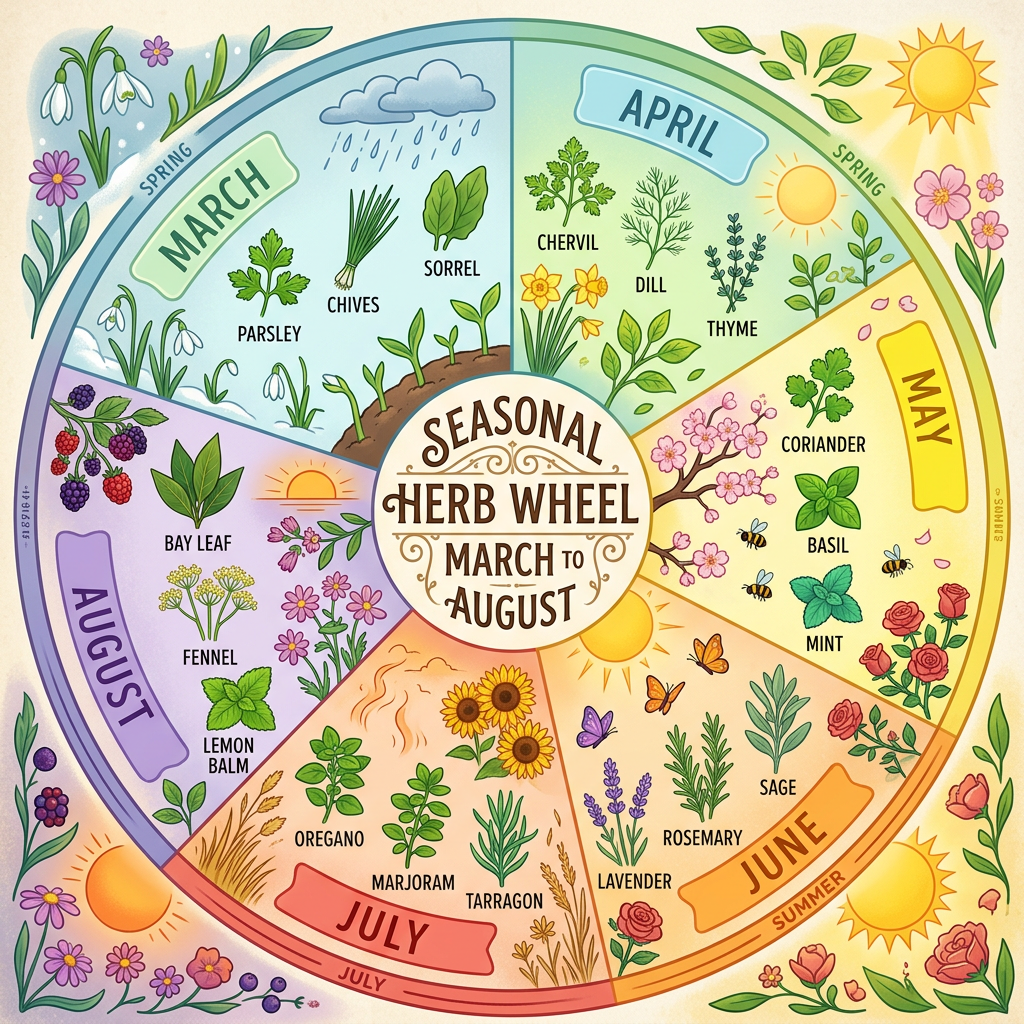

Top Herbal Remedies for March: Detox and Allergy Relief
Here are detailed herbal remedies tailored for March, aligning with the spring awakening around the Vernal Equinox (March 20, 2026). March brings a shift from winter stagnation to renewal—think detoxification after the cold months, preparation for seasonal allergies (pollen starting to stir), lingering respiratory concerns, fatigue, and a need for gentle liver/kidney support. These draw from traditional herbal wisdom, spring tonics, and natural allies like those in folklore and homestead practices.
March Herbal Focus: Detox, Renew, & Prepare for Allergies
Spring tonics emphasize bitter, cooling, and nutritive herbs to “clean the blood,” support the liver (associated with the Wood element in traditional systems), move lymph, and build vitality. Early March herbs often include wild greens emerging now or soon.
Key Spring Herbs & Remedies for March
Nettle (Urtica dioica) – The premier March ally!
A nutrient-dense spring tonic with antihistamine, anti-inflammatory, and diuretic properties. Excellent for early seasonal allergies (sneezing, itchy eyes), fatigue, and detoxification.
- Remedy Ideas: Brew fresh or dried nettle leaf tea (1–2 tsp per cup, steep 10–15 min; drink 2–3 cups daily). Add to soups or pesto once young leaves appear.
- Benefits in March: Opens elimination channels, nourishes with iron/minerals after winter, reduces histamine response as pollen ramps up. Start now for prevention.
Dandelion (Taraxacum officinale) – Root, leaf, and flower all shine in early spring.
Classic liver detoxifier, gentle diuretic, and alterative for sluggish digestion or skin issues post-winter.
- Remedy Ideas: Dandelion root tea or decoction (simmer 1 tbsp dried root 20 min) for liver support; fresh young leaves in salads for bitters to aid digestion.
- Benefits in March: Clears stagnation, supports kidney function, and carries spring’s “waking earth” energy—perfect around the equinox for renewal rituals.
Cleavers (Galium aparine) – Lymphatic tonic emerging in spring.
Cooling and soothing for swollen glands, skin eruptions, or mild urinary support.
- Remedy Ideas: Cold infusion (steep fresh tops overnight) or tea; combine with nettle for a detox blend.
- Benefits in March: Moves lymph after winter immobility, pairs well with nettle for allergy prep.
Goldenrod (Solidago spp.) – Often misunderstood, but a true decongestant.
Natural antihistamine and anti-inflammatory for sinus congestion and allergies (not the cause—ragweed often is).
- Remedy Ideas: Tea from dried flowering tops (1 tsp per cup); use as steam for sinuses.
- Benefits in March: Eases early pollen woes; supportive as blooms approach.
Astragalus (Astragalus propinquus) & Reishi (Ganoderma lucidum) – Immune modulators.
Build resilience against seasonal shifts and allergies without overstimulating.
- Remedy Ideas: Simmer astragalus root in broths or chai-style tea (add cinnamon, ginger); reishi in decoctions or powders.
- Benefits in March: Strengthens “wei qi” (defensive energy) for fluctuating weather; great preventives.
Supporting Herbs for Balance
- Lemon Balm (Melissa officinalis): Calming nervine for allergy-induced stress or overwhelm; tea for itchy eyes/skin.
- Peppermint: Clears brain fog, eases inflammation; add to teas for sinus relief.
- Holy Basil (Tulsi): Adaptogen to handle environmental stress/pollen; tea for mood and immunity.
Simple March Herbal Blend Recipe (Spring Tonic Tea)
- 1 part dried nettle leaf
- 1 part dandelion leaf/root
- ½ part cleavers or goldenrod
- Optional: Pinch of lemon balm or peppermint
Steep 1–2 tbsp in hot water for 10–15 min. Drink 1–3 cups daily for detox, allergy prep, and vitality. Sweeten with honey if needed.
Folklore & Practical Tips
- “Bitter greens in March cleanse the blood for the year ahead.” Harvest young dandelion/nettle safely (gloves for nettle!).
- Start tonics around the New Moon (March 18, 2026) for intention-setting.
- Consult a herbalist or doctor before use, especially if pregnant, on meds, or with conditions—herbs are supportive, not substitutes.
- Pair with equinox practices: Balance rituals, light movement, and planting intentions in your medicinal garden.
These remedies embrace March’s transitional energy—detox gently, nourish deeply, and ready your spirit for spring’s bloom. 🌿

April Herbal Remedies
April deepens spring’s bloom—pollen peaks, allergies intensify (tree/grass), energy rises, but fatigue lingers from detox. Focus on antihistamine, anti-inflammatory, liver/lymph support, and gentle immune modulation. Build on March’s nettle foundation with these allies.
Key April Herbs & Remedies
- Nettle (continued powerhouse) – Now at peak for fresh harvest.
Freeze-dried nettle capsules or strong tea for “herbal Benadryl” relief—reduces histamine, eases sneezing/itchy eyes. Drink 2–3 cups daily or use tincture. - Dandelion (Taraxacum officinale) – Full spring force.
Root tea/decoction for liver detox; young leaves in salads for bitters/digestion. Supports elimination as the body clears winter buildup. - Red Clover (Trifolium pratense) – Blooming now.
Tea from blossoms for lymph cleansing, mild detox, and skin support (eases rashes from allergies). Combine with nettle. - Holy Basil (Tulsi / Ocimum sanctum) – Adaptogen for stress/allergy fatigue.
Tea for adrenal support, mood balance, and anti-inflammatory effects. - Eyebright (Euphrasia spp.) or Plantain (Plantago major) – For eye/ sinus relief.
Eyebright tea or drops for watery/itchy eyes; plantain poultice or tea for mucous membranes. - Aromatics for Congestion – Ginger, peppermint, eucalyptus.
Ginger steam (boil fresh ginger, inhale vapors) for anti-inflammatory sinus opening; eucalyptus in a shower for nasal passages.
April Allergy/Detox Blend Tea
- 2 parts nettle leaf
- 1 part dandelion leaf/root
- 1 part red clover blossoms
- ½ part holy basil or peppermint
Steep 1–2 tbsp in hot water 10–15 min; 2–3 cups daily. Add local honey for soothing.
Additional Tips
- Start remedies 4–6 weeks pre-peak pollen if possible.
- Support gut/liver (allergies often root there) with bitters and castor oil packs.
- Folklore: “April showers bring May flowers—and nettle power!” Harvest on sunny days post-rain.
- Zodiac note: April energy (Aries/Taurus shift) favors bold action in health routines.
Embrace April’s vibrancy with these gentle, earth-given allies for clearer breathing, renewed energy, and seasonal harmony. 🌸 If symptoms persist, consult a practitioner. Happy foraging and healing!

May: Transition to Summer – Allergies, Fatigue, Digestive Shifts & Early Heat
May brings lingering spring pollen (trees/grass), rising heat, and energy fluctuations. Focus on continued allergy support, gentle cooling, liver/digestive tonics, and building resilience for warmer days.
Key Herbs:
- Nettle (Urtica dioica): Antihistamine, nutritive, diuretic.
- Dandelion (Taraxacum officinale): Liver support, digestion.
- Plantain (Plantago major): Soothing for mucous membranes/skin.
- Lemon Balm (Melissa officinalis): Calming, digestive.
- Peppermint: Cooling, sinus relief.
May Allergy & Cooling Tea Blend
- 2 parts nettle leaf
- 1 part dandelion leaf
- 1 part lemon balm
- ½ part peppermint
Steep 1–2 tbsp in hot water for 10–15 min. Drink 2–3 cups daily for histamine support, gentle detox, and mood balance. Add local honey.
Plantain Poultice for Skin Irritations/Bites (early bug season):
Mash fresh plantain leaves and apply them to itchy or irritated skin for 15–20 minutes. Or infuse in oil for a salve.
Folklore/Practical Tip:
May energy supports renewal—harvest young leaves on dry mornings. Pair with light movement and hydration rituals.

June: Early Summer Heat – Allergies Peak, Insect Bites, Mild Dehydration & Skin Irritation
June intensifies pollen/grass allergies in many areas, with rising bugs, heat, and outdoor activity. Emphasize cooling, anti-inflammatory, and first-aid herbs.
Key Herbs:
- Calendula (Calendula officinalis): Skin healing, anti-inflammatory.
- Plantain & Chickweed (Stellaria media): Itchy bites/rashes.
- Lemon Balm & Hibiscus: Cooling, hydrating.
- Yarrow (Achillea millefolium): Bug repellent, wound support (in moderation).
- Elderflower (Sambucus): Mild allergy/sinus support.
Cooling Hydration Summer Punch
- 1 part hibiscus flowers (for electrolytes/vitamin C)
- 1 part lemon balm
- ½ part peppermint or elderflower
Cold-infuse overnight or steep lightly. Add fresh lemon slices and a pinch of sea salt. Drink throughout the day.
Bug Bite & Skin Salve Base
Infuse calendula, plantain, and chickweed in olive or coconut oil (solar infuse 2–4 weeks). Strain and blend with beeswax for a balm. Apply as needed for bites, minor rashes, or irritation.
Yarrow Bug Repellent Spray (simple version):
Steep fresh/dried yarrow in hot water, cool, strain, add a splash of witch hazel or vinegar, and optional essential oils like lavender. Spray on skin/clothing.
Tip: Peak sun hours call for shade, hats, and proactive hydration. Harvest flowers at their vibrant best.

July: Peak Summer – Heat Exhaustion, Sunburn, Dehydration, Bites/Stings & Fatigue
July heat brings risks of dehydration, sunburn, exhaustion, and more insect issues. Prioritize cooling, hydrating, and restorative remedies.
Key Herbs:
- Aloe Vera: Sunburn cooling (fresh gel).
- Lavender: Calming, skin soothing, minor pain relief.
- Peppermint & Lemon Balm: Cooling nervines.
- Hibiscus & Rose: Electrolyte-rich, heart-supportive.
- Calendula & Plantain: Continued skin first aid.
Heat Relief Electrolyte Tea (cooled)
- 2 parts hibiscus
- 1 part lemon balm or peppermint
- ½ part rose petals or holy basil (tulsi)
Steep, cool, then add a pinch of sea salt and a squeeze of lemon/lime. Sip slowly for rehydration and cooling.
Sunburn & Burn Soother
Fresh aloe gel mixed with a few drops of lavender essential oil (diluted) or calendula-infused oil. Apply gently to cooled skin. Avoid broken skin.
Lavender-Plantain Bite/ Sting Roller
Infuse in jojoba or alcohol for a quick roll-on. Calms itching and swelling.
Tip: Move to shade at first signs of dizziness/nausea. Rest, hydrate, and use cooling compresses. July’s fire energy benefits from grounding practices.

August: Late Summer – Lingering Heat, Digestive Upset, Skin Issues, Fatigue & Immune Prep
August continues heat stress with possible digestive sluggishness (from heat/diet), skin dryness, and transition toward fall. Focus on cooling restoratives and gentle immune building.
Key Herbs:
- Holy Basil (Tulsi): Adaptogen for stress/fatigue.
- Mint Family Herbs (peppermint, spearmint): Digestion & cooling.
- Calendula, Chickweed, Self-Heal (Prunella vulgaris): Skin repair.
- Dandelion or Burdock: Mild liver/detox support.
- Elderberry (preparing for fall): Immune tonic.
Digestive Cooling Tea
- 1 part holy basil
- 1 part peppermint
- ½ part dandelion leaf or ginger (small amount for warmth)
Steep 10 min; drink warm or iced after meals for gentle digestion and calm.
Skin Repair Salve
Calendula + chickweed + self-heal in oil, thickened with beeswax. Excellent for dry, irritated, or healing skin.
Adaptogenic Daily Tonic
Tulsi (Holy Basil)+ lemon balm tea or tincture for summer fatigue and resilience as seasons shift.
Tip: Late summer invites reflection—harvest seeds/flowers for drying. Support gut health (often linked to seasonal sensitivities) with bitters and hydration. Prepare immune stores for fall.
These recipes draw from traditional herbalism, seasonal availability, and the supportive style of Vital Spirit Medica’s existing guides. They emphasize accessible, multi-use plants for homestead apothecaries. Experiment mindfully, document your experiences, and share observations (email vitalspiritmedica@gmail.com).
Stay cool, hydrated, and connected to the green allies this summer. 🌿☀️ Questions or custom blends? Reach out—we evolve together.

Disclaimer: These are supportive, traditional, and folk herbal suggestions aligned with seasonal patterns. They are not medical advice or substitutes for professional care. Consult a qualified herbalist or healthcare provider before use, especially if pregnant, nursing, on medications, or with health conditions. Start low and slow; patch-test topicals. Harvest sustainably and identify plants correctly.




Leave a Reply