
A Comprehensive Herbal Monograph:
👈Note on This Monograph:👇
Note on This Monograph: This extensive entry uses the full 8-part structure, offering a deep, interdisciplinary exploration of Chamomile (Matricaria chamomilla)— weaving together modern scientific evidence, traditional and ethnobotanical wisdom, practical cultivation and preparation guidance, and its living spiritual essence. Drawing from clinical studies, historical texts, indigenous knowledge, and esoteric traditions, it serves as a comprehensive resource for holistic understanding and respectful relationship with this powerful plant ally. Please work with trained professionals for therapeutic applications.
“Our Commitment to Transparent Research”
Unlike many herbal resources that offer generalized information with little or no backing, we provide direct links to every source we reference. This allows you to verify claims, explore topics in greater depth, and trust that what you’re reading is grounded in both modern science and time-honored tradition.
Section-specific Sources lists
Most monographs include dedicated “Sources:” sections at the end of major topics (e.g., Sources: Phytotherapy, Sources: Historical and Cultural Significance, Sources: Pharmacology). These contain direct, clickable links to the original material. We created this level of transparency so the research can serve you. Here are some ways readers use our sourced monographs: Anyone seeking truth — Verify claims for yourself instead of taking information at face value. Students & Researchers — Use the references for papers, assignments, or deeper study. Herbalists & Practitioners — Cite sources when educating clients or in professional materials. Curious Explorers — Follow the links to read original studies or historical texts yourself. Writers & Educators — Reference our monographs (with attribution), knowing the information is traceable.

“AT A GLANCE”
Chamomile (Matricaria chamomilla), the gentle “earth-apple” of the fields, is an annual aromatic herb of the Asteraceae family long cherished across cultures for its calming, anti-inflammatory, and digestive virtues. From ancient Egyptian offerings to the sun god Ra and its place among the Anglo-Saxon Nine Sacred Herbs to modern clinical use for anxiety, sleep, and skin comfort, Chamomile remains one of the world’s most trusted and widely cultivated medicinal plants. In the quiet radiance of Chamomile (Matricaria chamomilla) lives the medicine of gentle containment. Tiny suns rising from the earth, these blossoms teach the body and spirit how to release tension without force, how to rest without collapse, and how to open the heart to soft joy. From temple floors and medieval strewing herbs to modern teacups and energetic practices, Chamomile continues to whisper the same enduring invitation: peace is possible, and it can be fragrant.

Provides an overview of key points.
Synopsis
👈At A Glance: Chamomile (Matricaria chamomilla)👇
Scientific Name: Matricaria chamomilla L. (synonyms: Matricaria recutita L., Chamomilla recutita (L.) Rauschert)
Family: Asteraceae (Compositae)
Common Names: German chamomile, Hungarian chamomile, wild chamomile, blue chamomile, scented mayweed, true chamomile, matricaire camomille, manzanilla común, echte Kamille, and many regional variants.
Botanical Description
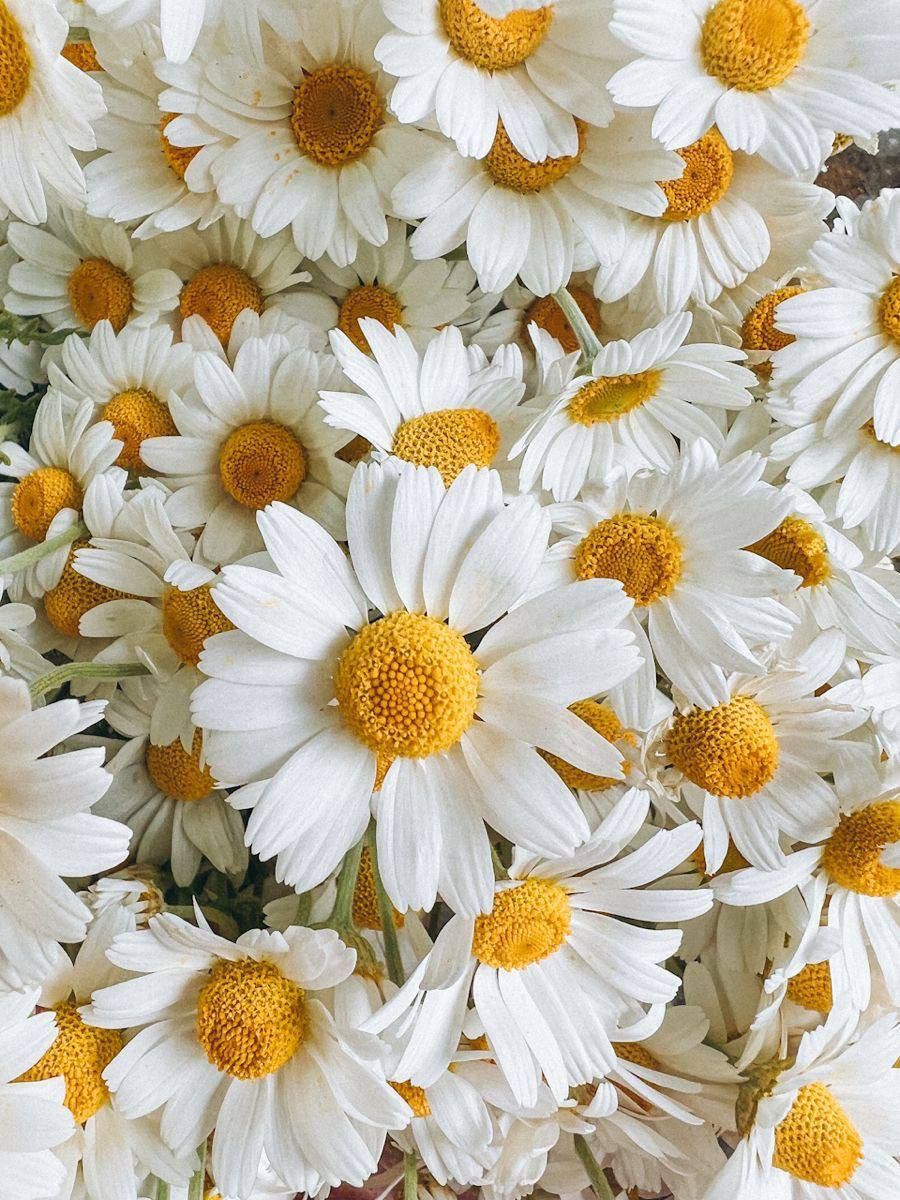
Matricaria chamomilla is an annual aromatic herb growing 8–60(–80) cm tall, with erect or ascending, branched, glabrous stems. Leaves are alternate, bipinnate to tripinnate, with linear-filiform segments. Flower heads (capitula) are radiate, 1–2 cm across, with white ray florets (10–26, soon deflexed) surrounding a hollow, conical receptacle bearing numerous yellow disc florets. Fruits are small achenes (cypselae), 0.75–0.9 mm, usually without pappus or with a minute corona. It is strongly aromatic when bruised. Native to southern and eastern Europe, North Africa, and temperate Eurasia to Indo-China; widely naturalized on all continents in disturbed habitats such as roadsides, fields, waste places, and meadows (0–2700 m elevation). Chromosome number 2n = 18.
Phytochemistry
Key bioactive compounds include sesquiterpenes (α-bisabolol and its oxides, chamazulene formed from matricin during distillation, farnesene), flavonoids (apigenin, apigenin-7-O-glucoside, luteolin, quercetin, rutin), coumarins, phenolic acids (caffeic, chlorogenic), and polyacetylenes. Essential oil (blue due to chamazulene) is rich in these; extracts contain high polyphenols and flavonoids. Composition varies by chemotype, origin, and plant part.
Western Traditional & Clinical Actions
Traditional Western uses emphasize anti-inflammatory, antispasmodic, carminative, mild sedative/nervine, vulnerary, and digestive tonic effects. It is used for gastrointestinal spasms, bloating, flatulence, mild inflammation of skin/mucosa, common cold symptoms, and minor wounds. Clinical observations support these for mild GI complaints and topical applications.
Chinese Medicine Actions
In Uyghur and broader Chinese traditional contexts (recorded as “Bamu Nai” or Huang Chu Ju), it is considered slightly bitter, nourishing to nerves and stomach, improving appetite, relieving painful swellings, and used for chronic headaches, constipation, joint swelling, urinary issues, muscle relaxation, and amenorrhea. It clears heat, stops dysentery, dispels wind, and calms Shen in some modern TCM-influenced descriptions; meridians associated include Lung, Heart, Stomach, and Liver.
Traditional & Historical Uses
Used since ancient times in Egypt, Greece (Dioscorides, Galen), Rome, and Persia (Avicenna) for menstrual issues, digestive complaints, inflammation, fevers, headaches, and external applications (eyes, wounds). Medieval and Renaissance texts recommend it as an emmenagogue, diuretic, and for colic or jaundice. Indigenous and folk uses across Europe, North Africa, and later introductions address infections, pain, and calming.
Modern Pharmacological Evidence
Preclinical studies demonstrate antioxidant, anti-inflammatory (COX-2 inhibition, cytokine reduction), antimicrobial, antispasmodic, antiulcer, wound-healing, neuroprotective, anxiolytic, hypoglycemic, and mild anticancer activities, largely attributed to apigenin, α-bisabolol, and chamazulene. Mechanisms include free-radical scavenging, modulation of inflammatory mediators, and cholinergic/antioxidant effects in brain models.
Clinical Studies
Human trials support benefits for mild anxiety/sleep quality (reduced PSQI scores), menopausal symptoms (vasomotor, psychological), oral mucositis/pain, infantile colic (in combinations), cyclic mastalgia, and mild GI complaints. Evidence is moderate for traditional indications; meta-analyses show anti-inflammatory effects on mucositis and pain. Results for PCOS, depression, and some metabolic parameters are promising but heterogeneous; larger standardized trials are needed. Generally well-tolerated.
Preparations & Dosage
- Infusion (tea): 1.5–4 g dried flower heads in 150 ml boiling water, steep 5–10 min covered; 3–4 times daily (adults).
- Tincture/fluid extract (1:1 in 45% alcohol): 1–4 ml, 3 times daily.
- Dry extract (standardized e.g. to apigenin): 220–1100 mg daily in divided doses.
- Topical: Compresses, rinses, or baths from stronger infusions (3–10%); ointments/gels 3–10%.
- For children: lower doses (e.g., 0.5–1 g infusion); not recommended under certain ages without advice. Duration typically short-term (1–2 weeks) unless supervised.
Safety & Contraindications
Generally recognized as safe in food amounts and short-term medicinal use. Contraindicated in known hypersensitivity to Asteraceae (ragweed, chrysanthemums, etc.) due to rare allergic reactions (contact dermatitis, anaphylaxis). Caution in pregnancy (theoretical uterine stimulant/emmenagogue effects at high doses); limited data on lactation. Possible mild sedation; theoretical interactions with anticoagulants (coumarins), sedatives, or hormone therapies. Avoid full baths with open wounds. Side effects rare at standard doses.
Cultivation & Harvest
Annual; sow seed in autumn/winter or early spring on surface or lightly covered, in full sun, well-drained soil (tolerates poorer soils). Spacing 20–30 cm; weeds must be controlled. Flowers harvested at full bloom (white rays horizontal, yellow center bright) every 2–3 days over 3–6 weeks; hand-picking preferred for quality. Dry immediately at ≤40°C to preserve oil. Yields vary: 300–1200+ kg/ha fresh flowers depending on conditions. Sustainable practices include mulching and selective harvesting.
Commercial Products
Dried flowers for tea bags/loose herb, essential oil (“blue chamomile”), standardized extracts/capsules, tinctures, creams/ointments, bath additives, and combination GI products. Regulated under pharmacopoeias (e.g., Ph. Eur. for Matricariae flos requiring minimum essential oil and apigenin-7-glucoside). Major producers include Argentina, Egypt, and Eastern Europe. Quality varies; look for standardized products.
Ethnobotanical Curiosities
Name Matricaria derives from Latin “matrix” (womb), reflecting ancient gynecological uses. Called “star among medicinal species.” In folklore, associated with calming and golden hair rinses. Used in the Nine Herbs Charm (Anglo-Saxon). Distinct from Roman chamomile (Chamaemelum nobile) and pineappleweed (M. discoidea). Cultural teas and rituals span continents.
Recent Research (2020–2025)
Studies confirm neuroprotective effects against scopolamine-induced amnesia; modulation of CYP enzymes via BMAL1 (potential drug interactions); benefits for menopausal symptoms and sleep in chemotherapy patients; anti-inflammatory effects in mucositis; and potential in PCOS models (anti-androgenic/antioxidant). Research also explores essential oil antimicrobial/insecticidal properties and network pharmacology for asthma. Focus includes omics profiling and sustainable by-product use (roots).
Conservation Status
Least Concern (LC) on regional IUCN/European Red Lists and national assessments (e.g., Germany, Switzerland, France). Widely cultivated and naturalized; not globally threatened. Predicted extinction risk: not threatened. Overharvesting of wild populations is minimal due to cultivation.
DIY Recipes
Calming Chamomile Tea: 1–2 tsp (≈1–3 g) dried flowers in 150–250 ml boiling water; cover and steep 5–15 min; strain. Optionally add honey or lemon balm. Drink 1–3 cups daily, especially before bed.
Chamomile Healing Salve: Infuse equal parts dried chamomile (and optionally calendula) in olive oil (solar method 2–6 weeks or gentle heat). Strain. Melt 1 cup infused oil with ¼ cup beeswax; pour into jars. Apply to minor skin irritations, rashes, or dry patches.
Soothing Compress: Strong infusion (2–3 tbsp flowers/150 ml); cool and apply as a compress to eyes (careful filtration), skin, or for mouth rinses.
X (Twitter) Snapshot – 2022–2026
Recent posts frequently mention chamomile tea for evening wind-down, sleep, and calm: users share personal rituals (“Let me make a cup of chamomile tea and get into bed”), advice for restless nights, and poetic notes on its gentle sweetness during preparation. Occasional garden or sustainable herb references appear, reflecting everyday wellness use rather than specialized conservation projects.
Planting & Harvesting Reference Guide
👈Planting & Harvesting Reference Guide: Chamomile (Matricaria chamomilla)👇
- Best Time for Planting
- Early spring once soil is workable and frost risk has passed, or in autumn in milder climates for natural stratification.
- Sow seeds during the waxing Moon, ideally in fertile water signs (Cancer, Scorpio, or Pisces) for strong establishment and abundant flowering.
- Scatter seeds shallowly on the surface of well-drained, moderately fertile soil (sandy loam preferred; tolerates poorer or slightly alkaline soils); press lightly and keep moist until germination. No need for deep covering as light aids sprouting.
- Collect ripe seed heads in late summer from healthy plants, dry thoroughly, and store in cool, dark, airtight containers for the following season.
- Growing Conditions & Magical Minded Tips
- Space plants 6–12 inches apart in full sun to light partial shade; thrives in open fields, garden beds, or as a low ground cover.
- Apply light organic mulch or compost in spring to retain moisture and feed the soil; water moderately during prolonged dry spells, as Chamomile prefers consistent but not waterlogged conditions.
- Whisper thanks to the plant spirit when setting seeds or thinning seedlings; offer a few drops of clean water, a soft song, or simple gratitude to the land.
- Monitor for overcrowding and thin gently; Chamomile self-sows readily and benefits from minimal disturbance once established.
- In magical practice, speak kindly to the growing plants at dusk, inviting them to rise as “little suns of calm.”
- Best Time for Harvesting Flowers
- Mid to late summer when the flower heads are fully open and the white petals begin to tip slightly backward, usually June–August depending on region and climate.
- Prefer sunny mornings after dew has lifted, ideally during a waxing to full Moon or on a Sunday (planetary day of the Sun) for peak aromatic and energetic potency.
- Harvest from vigorous, healthy plants at the height of bloom for the richest essential-oil content.
- Sustainable & Magical Harvesting Methods
- Pick only the flower heads by hand with reverence, leaving stems and roots intact so the plant may continue flowering and set seed.
- Take no more than one-third of the open blooms from any single plant or patch to ensure ongoing abundance and self-seeding.
- Sing soft praises or offer quiet thanks to the spirit of Chamomile before and after gathering; ask permission of the plant and land.
- Leave a small offering of water, a pinch of the plant’s own seeds returned to the soil, or a heartfelt blessing.
- Prefer hand-harvesting over tools to maintain a living connection; if using scissors, clean them with intention first.
- Post-Harvest Processing
- Spread flower heads in a single layer on screens or clean cloth in a warm, airy, shaded place (never direct hot sun) until fully dry and crisp.
- Store dried flowers in airtight glass jars in a cool, dark cupboard, labeled with the harvest date and any specific intention held during gathering.
- For magical storage, place a small clear quartz or simply hold the jar while affirming continued peace and potency.
- Use within one year for best aroma and virtue; residual stems or lower-grade material may be returned to the compost with thanks.
This guide consolidates all planting and harvesting details mentioned across the SPARK sections for quick, practical reference. Always prioritize ethical, sustainable practices to honor the plant’s spirit and ensure its continued abundance.
Healing Categories
👈Chamomile (Matricaria chamomilla) fits most strongly into the following healing categories, based on its traditional use, phytochemistry, clinical observations, and energetic profile:👇
Best-Fitting Healing Categories:
- Nervous System & Emotional Calm – Primary strength: gently soothes anxiety, irritability, restlessness, and mild insomnia while supporting emotional equilibrium.
- Digestive & Gastrointestinal Support – Classic carminative and antispasmodic for nervous stomach, gas, mild cramping, and tension-related digestive discomfort.
- Anti-inflammatory & Skin Healing – Topical and internal use for irritated skin, minor wounds, inflammatory conditions, and mucosal soothing.
- Sleep & Restorative Support – Mild sedative and nervine that encourages restful sleep without heavy drowsiness.
- Women’s Wellness – Traditional ally for menstrual tension, mild cramping, and menopausal comfort through its relaxing and anti-inflammatory actions.
- Pediatric & Gentle Constitutional Support – One of the safest and most widely used herbs for restless or sensitive children.
- Energetic, Spiritual & Vibrational Healing – Softens emotional tension, supports meditation, purifies subtle fields, and carries maternal-solar frequencies of calm containment.
- Protective & Purifying – Folk and energetic use for clearing residual stress, protecting the home field, and restoring gentle boundaries.
Healing Categories
Nervous System & Emotional Calm
Chamomile stands as one of the foremost gentle nervines in the Western herbal tradition. Its apigenin content and overall aromatic profile calm the central nervous system, ease irritability, reduce mild anxiety, and soften the “wound-tight” feeling of chronic tension. It is particularly suited to those whose emotional state directly affects the body (nervous stomach, restless mind, difficulty settling).
Digestive & Gastrointestinal Support
As a classic carminative, antispasmodic, and mild bitter, Chamomile relaxes smooth muscle in the gut, relieves gas and bloating, and soothes the “nervous stomach.” It has long been used for tension-related digestive complaints, mild colic, and the gut–brain axis disturbances that accompany stress.
Anti-inflammatory & Skin Healing (Vulnerary)
Both internally and topically, Chamomile reduces inflammation through chamazulene, α-bisabolol, and flavonoids. It supports the healing of minor wounds, irritated or inflamed skin, mucosal tissues, and conditions marked by heat and redness. Its cooling yet comforting nature makes it valuable in both acute and chronic inflammatory states.
Sleep & Restorative Support
Chamomile encourages the transition into restful sleep by quieting mental chatter and physical restlessness. It does not force sedation but creates the internal conditions in which natural sleep can arise, making it ideal for those who lie awake due to overstimulation or mild anxiety.
Women’s Wellness
Traditionally employed for menstrual cramping, premenstrual tension, and the emotional fluctuations of menopause, Chamomile offers gentle antispasmodic and nervine support without strong hormonal activity. Its historical association with the womb (reflected in the genus name Matricaria) underscores this long-standing affinity.
Pediatric & Gentle Constitutional Care
Few herbs are as trusted for children as Chamomile. Its mildness, pleasant taste, and broad safety profile make it a first-choice remedy for restless infants and children, teething discomfort, mild digestive upset, and the irritability that accompanies childhood fevers or overstimulation.
Energetic, Spiritual & Vibrational Healing
On the subtle level, Chamomile carries a maternal-solar frequency that soothes the solar plexus, calms the emotional body, and gently opens the brow to clearer perception. Flower essence practitioners and energetic herbalists use it to release overwhelm, support meditation, nurture the inner child, and restore a sense of being safely held.
Protective & Purifying
In both practical folk tradition and energetic practice, Chamomile clears residual tension and low-grade energetic stagnation. It is used to purify spaces, protect the home field, and create a soft but effective boundary against overstimulation—working through gentle displacement rather than confrontation.
These categories reflect the full spectrum of Chamomile’s gifts as revealed through traditional use, modern research, and energetic observation. Together they portray a plant of remarkable versatility whose deepest medicine remains its capacity to restore calm, comfort, and quiet resilience.
✦ If You Only Read U.S. Consumer Pages ✦
U.S. consumer pages usually flatten Chamomile (Matricaria chamomilla) into three talking points: “calming bedtime tea,” “good for an upset stomach,” and “safe for kids.” That is not false as a household summary, but it is a small slice. Those pages rarely mention that Ph. Eur. demands a hollow receptacle, 4 ml/kg blue oil and 0.25% apigenin-7-glucoside; that Commission E approved the flower while HMPC kept traditional-use language; that ISO still splits Egyptian from Hungarian oil; that Penn ran placebo-controlled GAD extract trials; that a German myrrh–chamomile–coffee-charcoal combination was studied in more than a thousand GI patients; that Brazilian and Russian pharmacopoeias assay the tincture or flower; or that the same committee that wrote the GI monograph also warned about rare anaphylaxis. They also rarely distinguish German from Roman chamomile, flower from oil, tea from standardized extract. Reading only U.S. retail copy makes the plant look like a yellow-box sleep tea. Reading the global official and clinical record makes it look like a pharmacopoeial capitulum with two oil nations, a positive German monograph, an EU traditional register, a measurable apigenin drug, a modest GAD and sleep-quality evidence pile, and a child’s first bitter-apple steam that laboratories still take seriously. Both pictures matter. The second one is the one most American shoppers never see.
Sources:
https://www.ema.europa.eu/en/documents/herbal-report/final-assessment-report-matricaria-recutita-l-flos-and-matricaria-recutita-l-aetheroleum-first-version_en.pdf-0
https://www.escop.com/downloads/matricariae-flos-matricaria-flower/
https://onlinelibrary.wiley.com/doi/10.1002/ptr.6349
https://pmc.ncbi.nlm.nih.gov/articles/PMC13363751/
Globally: Where This Plant Is Studied
👈Global research, official texts, publishers, and human-trial data, rather than U.S.-consumer-page-limited:👇

Part 1: Modern Medical Properties and Uses

Purpose: Highlights the plant’s scientific and medicinal properties, validating holistic healing with evidence-based data.
Contemporary Medical Applications:
Describes current clinical uses (e.g., capsules, tinctures) and delivery methods in modern medicine.
👈Contemporary Medical Applications:👇
Contemporary Medical Applications:
- Standardized preparations of Chamomile flower heads are employed in herbal medicinal products across Europe for the symptomatic relief of minor gastrointestinal complaints including bloating, minor spasms, epigastric distension, flatulence, and belching, typically administered as infusions, liquid extracts, or capsules taken orally several times daily under traditional-use frameworks established by regulatory authorities.
- Topical and oromucosal applications of Chamomile extracts and infusions serve as adjunctive treatments for minor inflammations and irritations of the skin, oral cavity, gums, throat, and anogenital mucosa, delivered via rinses, mouthwashes, compresses, ointments, gels, or bath additives after exclusion of serious underlying conditions by a healthcare practitioner.
- Inhalation of Chamomile steam or vapor from infusions is utilized to alleviate symptoms associated with the common cold and upper respiratory tract irritations, providing a traditional delivery method that leverages volatile constituents for local soothing effects on mucous membranes.
- Clinical formulations including standardized dry extracts in capsule form (often standardized to apigenin content) have been investigated and applied for managing menopausal symptoms such as vasomotor, psychological, locomotor, and urological complaints, with dosing regimens of multiple daily administrations over multi-week periods demonstrating measurable symptom score reductions.
- Wound care and dermatological preparations incorporating Chamomile flower extracts or essential oil components are applied as creams, salves, or irrigated dressings for minor superficial wounds, sunburn, small boils, and weeping dermatoses, supporting tissue recovery through anti-inflammatory and mild antimicrobial actions observed in controlled settings.
- Oral solutions and combination products containing Chamomile have been evaluated in supportive care contexts for chemotherapy-related symptoms, including potential improvements in sleep quality during paclitaxel regimens, administered as measured liquid doses several times daily concurrent with treatment cycles.
- European and international monographs endorse Chamomile flower preparations for both internal digestive support and external mucosal applications in adolescents and adults, with clear posology guidelines distinguishing herbal teas, fluid extracts, and semi-solid forms to ensure consistent therapeutic delivery.
Sources: Contemporary Medical Applications
https://www.ema.europa.eu/en/medicines/herbal/matricariae-flos
https://www.escop.com/downloads/matricariae-flos-matricaria-flower/
https://www.ema.europa.eu/en/documents/herbal-monograph/final-european-union-herbal-monograph-matricaria-recutita-l-flos-first-version_en.pdf
https://journals.lww.com/menopausejournal/fulltext/10.1097/gme.0000000000002496~efficacy-and-safety-of-matricaria-chamomilla-intervention-in
https://pubmed.ncbi.nlm.nih.gov/39836709/
https://www.drugs.com/npp/chamomile.html
https://link.springer.com/article/10.1007/s11101-022-09817-0
Pharmacology:
Outlines key compounds and their mechanisms of action, driving therapeutic effects.
👈Pharmacology:👇
Pharmacology:
- The flavonoid apigenin and its glycosides act as key modulators of inflammatory pathways by inhibiting cyclooxygenase-2 and inducible nitric oxide synthase expression, suppressing nuclear factor-kappa B transcriptional activation, and reducing pro-inflammatory cytokine release including tumor necrosis factor-alpha and interleukins, thereby contributing to the plant’s observed anti-inflammatory profile in cellular models.
- Sesquiterpene alcohol α-bisabolol demonstrates multi-targeted mechanisms including inhibition of 5-lipoxygenase, reduction of leukocyte migration, suppression of mitogen-activated protein kinase signaling cascades such as p38 and JNK, and mitigation of oxidative stress through enhanced antioxidant enzyme activity, supporting tissue-protective and anti-ulcerogenic effects.
- Chamazulene, generated during distillation from matricin precursors, functions as a potent free-radical scavenger and inhibitor of leukotriene B4 synthesis while down-regulating cyclooxygenase-2, inducible nitric oxide synthase, and matrix metalloproteinases, providing a mechanistic basis for its antioxidant and anti-inflammatory contributions in both in-vitro and in-vivo systems.
- Essential oil constituents including bisabolol oxides and farnesene derivatives exhibit antispasmodic activity on smooth muscle through musculotropic effects and potential potassium-channel modulation, explaining the traditional and observed relief of gastrointestinal spasms and related discomfort.
- Apigenin competitively interacts with central benzodiazepine receptors, contributing to mild sedative and anxiolytic actions without significant effects on other receptor systems, which underpins the plant’s traditional use for calming and sleep support observed across experimental models.
- Phenolic acids and additional flavonoids such as luteolin and quercetin enhance cellular antioxidant defenses by elevating glutathione, catalase, and superoxide dismutase activities while inhibiting lipid peroxidation and reactive oxygen species generation, thereby reinforcing overall cytoprotective pharmacology.
- Collective phytochemical synergy among sesquiterpenes, flavonoids, and coumarins supports wound-healing acceleration through collagen stabilization, antimicrobial modulation against select pathogens, and reduction of edema formation in experimental inflammation models.
Sources: Pharmacology:
https://link.springer.com/article/10.1007/s11101-022-09817-0
https://www.tandfonline.com/doi/full/10.1080/10942912.2023.2293661
https://onlinelibrary.wiley.com/doi/pdfdirect/10.2903/sp.efsa.2007.ZN-001
https://pmc.ncbi.nlm.nih.gov/articles/PMC9032859/
https://pmc.ncbi.nlm.nih.gov/articles/PMC9611340
https://www.rjpharmacognosy.ir/article_183875_617c98c40bd1adf0caeb40f892628275.pdf
https://doi.org/10.2174/0118756921412111251202141216
Natural Medicine Studies:
Summarizes recent research on efficacy, safety, or clinical outcomes from peer-reviewed studies.
👈Natural Medicine Studies:👇
Natural Medicine Studies:
- Systematic reviews and meta-analyses of randomized clinical trials demonstrate that Chamomile preparations significantly reduce Pittsburgh Sleep Quality Index scores, indicating improved subjective sleep quality particularly through fewer awakenings, although effects on total sleep duration and daytime functioning remain less consistent across studied populations.
- Triple-blind controlled trials evaluating standardized Chamomile capsules containing defined apigenin levels over twelve-week periods in postmenopausal women report statistically significant reductions in overall menopausal symptom scores as well as specific improvements in vasomotor, psychological, locomotor, and urological domains compared with placebo.
- Meta-analyses of randomized trials focused on anti-inflammatory outcomes confirm Chamomile’s capacity to lower mucositis severity scores and associated pain levels in clinical settings involving mucosal inflammation, supporting its adjunctive role in oral and related tissue recovery.
- Clinical investigations into chemotherapy support contexts reveal that oral Chamomile solutions administered concurrent with paclitaxel regimens may enhance sleep quality metrics without significantly altering neuropathy incidence, positioning the plant as a low-risk complementary option for symptom management.
- Systematic evaluations encompassing both animal and human data on polycystic ovary syndrome indicate improvements in clinical features and certain oxidative stress parameters with Chamomile supplementation, although pooled human analyses show non-significant changes in specific lipid and testosterone markers, highlighting the need for further standardized investigation.
- Controlled studies of Chamomile extracts in gastrointestinal and dermatological applications have validated antispasmodic effects in patients with varied digestive complaints and accelerated healing in weeping dermatoses and post-procedural wounds relative to comparative treatments.
- Broader reviews of clinical trials spanning 2014 onward document supportive evidence for Chamomile in anxiety, oral inflammation, women-related conditions, and metabolic parameters, while emphasizing methodological variability and the value of continued rigorous human research.
Sources: Natural Medicine Studies:
https://pubmed.ncbi.nlm.nih.gov/39106912/
https://www.sciencedirect.com/science/article/pii/S0965229924000591
https://pubmed.ncbi.nlm.nih.gov/39836709/
https://journals.lww.com/menopausejournal/fulltext/10.1097/gme.0000000000002496~efficacy-and-safety-of-matricaria-chamomilla-intervention-in
https://pubmed.ncbi.nlm.nih.gov/40665590/
https://pubmed.ncbi.nlm.nih.gov/41538720/
https://onlinelibrary.wiley.com/doi/abs/10.1002/fsn3.71600
https://link.springer.com/article/10.1007/s11101-022-09817-0
https://www.tandfonline.com/doi/full/10.1080/87559129.2020.1834577
Chemistry:
Details active chemical constituents (e.g., alkaloids, flavonoids) and their healing roles.
👈Chemistry:👇
Chemistry:
- Essential oil of Chamomile flower heads is characterized by sesquiterpenes dominated by α-bisabolol and its oxides A and B, bisabolone oxide A, chamazulene (formed from matricin during distillation), and β-farnesene, with relative percentages varying by chemotype, geography, and processing conditions to produce the distinctive blue coloration of the oil.
- Flavonoid profile centers on apigenin and its 7-O-glucoside as primary markers, accompanied by luteolin, quercetin, patuletin, and their glycosides, which constitute significant portions of the phenolic fraction and serve as quality indicators requiring minimum thresholds in pharmacopoeial standards.
- Coumarins including herniarin, umbelliferone, and related glycosides such as skimmin and daphnin occur alongside phenolic acids (caffeic, chlorogenic, and isochlorogenic acids), contributing water-soluble bioactive components particularly extractable in aqueous or hydroalcoholic preparations.
- Polyacetylenes and additional terpenoids, including spiroethers, further diversify the lipophilic fraction, while total polyphenol and flavonoid content in extracts routinely measures in the tens of milligrams per gram depending on extraction solvent and plant material source.
- Chemotypic variation is well documented, with certain populations yielding high α-bisabolone oxide A or alternative sesquiterpene hydrocarbon dominance, influencing both aroma and bioactivity profiles across cultivated and wild accessions.
- Isolation studies of whole-herb material have identified additional flavonoids such as galangin, kaempferol derivatives, and hispidulin, expanding the known phenolic inventory beyond classical flower-head constituents.
- Quantitative analyses consistently report essential oil yields and specific marker compounds (apigenin-7-glucoside minimum 0.25 percent in dried drug) as critical parameters for pharmaceutical-grade material under European Pharmacopoeia specifications.
Sources: Chemistry:
https://link.springer.com/article/10.1007/s11101-022-09817-0
https://pmc.ncbi.nlm.nih.gov/articles/PMC9032859/
https://pmc.ncbi.nlm.nih.gov/articles/PMC9611340
https://www.sciencedirect.com/science/article/abs/pii/S0308814613003051
http://jcps.bjmu.edu.cn/EN/abstract/abstract1833.shtml
https://pmc.ncbi.nlm.nih.gov/articles/PMC9505312/
https://www.ema.europa.eu/en/documents/herbal-report/final-assessment-report-matricaria-recutita-l-flos-and-matricaria-recutita-l-aetheroleum-first-version_en.pdf-0
Functional Foods and Nutrition:
Highlights dietary uses (e.g., teas, supplements) in modern health practices.
👈Functional Foods and Nutrition:👇
Functional Foods and Nutrition:
- Chamomile flower heads are widely incorporated into herbal teas prepared by infusion of 1.5 to 4 grams of dried material in boiling water, consumed multiple times daily as a functional beverage supporting digestive comfort and mild calming effects within everyday dietary patterns.
- Standardized extracts and powdered forms appear in dietary supplements including capsules and tablets delivering defined quantities of apigenin or total flavonoids, enabling convenient oral intake for individuals seeking consistent phytochemical exposure beyond traditional tea preparations.
- Essential oil and flower extracts feature in functional food products such as flavored honeys, syrups, and confectionery items, leveraging aromatic and mild bioactive properties for both sensory appeal and potential supportive nutritional roles.
- Hydroalcoholic tinctures and fluid extracts diluted in water or other beverages provide concentrated liquid formats suitable for precise dosing within nutritional regimens aimed at gastrointestinal or mucosal support.
- Culinary and beverage applications extend to blends with complementary herbs, where Chamomile contributes flavonoid and sesquiterpene content that may enhance overall antioxidant capacity of the finished preparation when consumed regularly.
- Analytical assessments of commercial teas and supplements confirm measurable levels of key markers such as apigenin glycosides and essential oil components, underscoring the importance of quality-controlled sourcing for nutritional reliability.
- Global consumption patterns position Chamomile as a staple functional herb in European, Mediterranean, and increasingly international diets, integrated into both traditional and modern wellness-oriented food systems.
Sources: Functional Foods and Nutrition:
https://www.ema.europa.eu/en/medicines/herbal/matricariae-flos
https://www.drugs.com/npp/chamomile.html
https://link.springer.com/article/10.1007/s11101-022-09817-0
https://pmc.ncbi.nlm.nih.gov/articles/PMC9611340
https://www.escop.com/downloads/matricariae-flos-matricaria-flower/
https://www.darwin-nutrition.fr/en/active/german-chamomile/
Current Projects and Future Possibilities:
Notes ongoing research, clinical trials, or innovative medical applications.
👈Current Projects and Future Possibilities:👇
Current Projects and Future Possibilities:
- Ongoing clinical and preclinical investigations continue to explore Chamomile’s potential in neuroprotective applications, including modulation of cholinergic function and antioxidant status in models of memory impairment, opening avenues for supportive cognitive wellness formulations.
- Research into metabolic and endocrine contexts, particularly polycystic ovary syndrome models and related hormonal parameters, is expanding with systematic reviews calling for larger, standardized human trials to clarify efficacy and optimal dosing strategies.
- Innovative extraction and formulation projects focus on valorizing industrial by-products such as ray florets and roots, applying supercritical fluid techniques to recover concentrated phenolics and flavonoids for sustainable cosmetic and therapeutic applications.
- Molecular docking and network pharmacology studies are elucidating multi-target interactions of Chamomile constituents with inflammatory, enzymatic, and receptor pathways, guiding the design of more precise multi-component preparations.
- Investigations into circadian and cytochrome P450 modulation by Chamomile extracts suggest future opportunities for understanding and optimizing timing of administration relative to drug metabolism and sleep architecture.
- Antimicrobial and insecticidal evaluations of essential oils from diverse geographic sources point toward potential applications in natural preservation systems and agricultural support products, broadening non-medicinal utility.
- Collaborative efforts integrating omics approaches and artificial intelligence for chemotype selection and bioactive prediction are advancing the development of next-generation standardized Chamomile materials tailored to specific therapeutic endpoints.
Sources: Current Projects and Future Possibilities:
https://link.springer.com/article/10.1007/s11101-022-09817-0
https://onlinelibrary.wiley.com/doi/abs/10.1002/fsn3.71600
https://pubmed.ncbi.nlm.nih.gov/41538720/
https://www.sciencedirect.com/science/article/pii/S0378874125008293
https://pubmed.ncbi.nlm.nih.gov/41091411/
https://www.nature.com/nature-index/topics/l4/bioactive-compounds-and-therapeutic-applications-of-chamomile-extracts
Literary Mentions:
References modern medical texts or studies citing the plant’s therapeutic use.
👈Literary Mentions:👇
Literary Mentions: in ancient texts
- Classical Greco-Roman sources including the works attributed to Dioscorides and Pliny the Elder describe Chamomile preparations for gynecological applications, digestive complaints, and external inflammations, establishing an early literary foundation for its therapeutic reputation that continues to inform modern monographs.
- Medieval and Renaissance herbal texts, drawing upon earlier Mediterranean traditions, repeatedly cite the plant for emmenagogue, carminative, and vulnerary purposes, with detailed preparation methods that parallel contemporary infusion and topical uses documented in pharmacopoeial literature.
- Persian medical literature, notably references linked to Avicenna’s Canon, records Chamomile for headaches, edema, conjunctivitis, and chronic fevers, illustrating cross-cultural transmission of knowledge that modern phytochemical and clinical studies continue to explore.
- Nineteenth- and early twentieth-century pharmacognosy treatises and Commission E documentation systematically catalog traditional European applications for gastrointestinal spasms and skin inflammations, providing a bridge between ancient usage and current evidence-based evaluations.
- Contemporary systematic reviews frequently reference these historical literary sources alongside experimental data, affirming continuity between classical descriptions of antispasmodic and anti-inflammatory actions and observed pharmacological mechanisms of apigenin and sesquiterpenes.
- Ethnopharmacological surveys and modern monographs explicitly acknowledge ancient textual mentions when justifying traditional-use registrations, ensuring that long-standing literary evidence contributes to regulatory acceptance of Chamomile preparations.
- Scholarly examinations of the plant’s nomenclature and early botanical descriptions in Linnaean and pre-Linnaean literature further contextualize its enduring presence in medical writing from antiquity through present-day research.
Sources: Literary Mentions:
https://link.springer.com/article/10.1007/s11101-022-09817-0
https://pmc.ncbi.nlm.nih.gov/articles/PMC9032859/
https://www.ema.europa.eu/en/documents/herbal-report/final-assessment-report-matricaria-recutita-l-flos-and-matricaria-recutita-l-aetheroleum-first-version_en.pdf-0
https://www.escop.com/downloads/matricariae-flos-matricaria-flower/
https://www.ahpa.org/herbs_in_history_chamomile
https://de.wikipedia.org/wiki/Echte_Kamille

Part 2: Plant Knowledge Systems

Purpose: Validates plant-based healing through interdisciplinary scientific and cultural fields.
Ethnobotany:
Explores the plant’s traditional uses across cultures, linking indigenous knowledge to modern applications.
👈Ethnobotany:👇
Ethnobotany:
- Across Mediterranean, European, North African, and West Asian cultures, Chamomile flower heads have been prepared as infusions, decoctions, and compresses for centuries to address gastrointestinal spasms, menstrual discomfort, mild anxiety, skin inflammations, and respiratory irritations, with ethnographic records from Morocco documenting “Babonj” or “Babounj” preparations specifically for diabetes management, nervous disorders, diarrhea, and painful menstruation, practices that parallel contemporary clinical applications of standardized extracts for digestive and anti-inflammatory support.
- In Unani, Persian, and Indian traditional systems, Chamomile (known as Gul-e-Babuna or similar vernaculars) has been employed alone or in multi-herb formulations for headaches, dyspepsia, fever, conjunctivitis, and general debility, while ancient Egyptian, Greek, and Roman texts describe its use as a calming tisane and topical agent for erythema and dry skin conditions, establishing a continuous ethnomedicinal lineage that modern pharmacological studies of apigenin and sesquiterpenes continue to validate through observed antispasmodic and soothing effects.
- Balkan and Eastern European communities, including those in Serbia’s Niš and Pirot regions, maintain oral traditions of collecting wild or garden-grown Chamomile for mild sedation, digestive relief, respiratory conditions, and dermatological applications via water infusions and topical extracts, with knowledge transmission primarily among older female community members, illustrating the plant’s enduring role in local health practices that bridge folk knowledge and evidence-based herbal protocols.
- In Chinese Uyghur medicine, historical texts such as the 10th-century “Zhu Medical Canon” record Chamomile (Bamu Nai) as slightly bitter and nourishing to the nerves and stomach, used for chronic headaches, joint swelling, and appetite support, while broader Asian and introduced American contexts expanded its applications to convalescence and pediatric calming, linking these cultural frameworks to today’s global use in teas and extracts for similar indications.
Sources: Ethnobotany:
https://pmc.ncbi.nlm.nih.gov/articles/PMC9032859/
https://pmc.ncbi.nlm.nih.gov/articles/PMC9822300/
https://doi.ub.kg.ac.rs/2025/10-46793-etnbot25-135i/
https://www.aseestant.ceon.rs/index.php/arhfarm/article/view/26986
https://link.springer.com/chapter/10.1007/978-3-030-16807-0_123
https://www.herbalgram.org/resources/herbalgram/issues/108/table-of-contents/hg108-herbpro-chamomile/
https://prosea.prota4u.org/view.aspx?id=610
Plant Genomics:
Describes genetic studies of the plant, focusing on traits related to medicinal properties.
👈Plant Genomics:👇
Plant Genomics:
- A high-quality chromosome-level genome assembly of diploid Chamomile was published in 2025, providing a 2.75 Gb pseudo-haploid reference organized into nine chromosomes with a scaffold N50 of 285 Mb and 98.8 percent BUSCO completeness, alongside haplotype-resolved assemblies of 2.28 Gb and 2.34 Gb that capture the species’ high heterozygosity and outcrossing nature, enabling detailed exploration of genetic loci underlying medicinal compound biosynthesis.
- The annotated genome includes 47,820 functional genes and supports comparative genomics within the Asteraceae, facilitating identification of pathways responsible for sesquiterpene and flavonoid production that determine essential oil quality and therapeutic potency across chemotypes.
- Earlier genome-size surveys and chloroplast SNP marker development from Mediterranean and Turkish populations have quantified diploid genome content around 5.1–5.2 pg and established molecular tools for accession characterization, contributing foundational data for breeding programs aimed at enhancing medicinal marker compounds such as α-bisabolol and apigenin.
- Complete mitochondrial genome assemblies for Chamomile further expand genomic resources, providing insights into organelle genetics that may influence secondary metabolite accumulation and offering comparative frameworks with related species for evolutionary studies of medicinal traits.
Sources: Plant Genomics:
https://www.nature.com/articles/s41597-025-04688-4
https://journals.plos.org/plosone/article?id=10.1371/journal.pone.0203762
https://link.springer.com/content/pdf/10.1007/s10722-023-01625-5.pdf
https://pmc.ncbi.nlm.nih.gov/articles/PMC10970603/
Phytotherapy:
Details the plant’s use in clinical herbal medicine, including therapeutic protocols.
👈Phytotherapy:👇
Phytotherapy:
- In clinical herbal practice guided by European monographs, Chamomile flower preparations are administered as infusions of 1.5–4 g dried material three to four times daily for minor gastrointestinal spasms, bloating, and flatulence, or as liquid extracts and topical rinses for oral and skin inflammations, with protocols emphasizing short-term use and professional consultation if symptoms persist beyond one week.
- Standardized dry extracts in capsule form, often calibrated to apigenin content, follow multi-week regimens such as 100 mg four times daily in menopausal symptom management trials, integrating phytotherapeutic dosing with clinical monitoring of vasomotor, psychological, and related scores to achieve measurable relief.
- External protocols include compresses, mouthwashes, and bath additives prepared from stronger infusions or diluted extracts for mucosal and anogenital irritations, as well as ointments for minor wounds, reflecting evidence-supported applications documented in ESCOP and EMA traditional-use frameworks.
- Pediatric and supportive-care phytotherapy incorporates diluted infusions or combination preparations for mild digestive discomfort and calming effects, with clinical observations supporting antispasmodic and anti-inflammatory outcomes when used according to established posology for adolescents and adults.
Sources: Phytotherapy:
https://www.ema.europa.eu/en/medicines/herbal/matricariae-flos
https://www.escop.com/downloads/matricariae-flos-matricaria-flower/
https://www.ema.europa.eu/en/documents/herbal-report/final-assessment-report-matricaria-recutita-l-flos-and-matricaria-recutita-l-aetheroleum-first-version_en.pdf-0
https://pubmed.ncbi.nlm.nih.gov/39836709/
https://link.springer.com/article/10.1007/s11101-022-09817-0
Ethnoecology:
Examines the plant’s ecological role in cultural practices and environmental interactions.
👈Ethnoecology:👇
Ethnoecology:
- Chamomile thrives in disturbed anthropogenic habitats such as field margins, roadsides, and waste places across its native Eurasian and North African range, where cultural practices of selective wild harvesting and home-garden cultivation sustain both local medicinal supplies and ecological niches that support biodiversity in agricultural landscapes while reinforcing community knowledge of sustainable collection timing at full bloom.
- In Balkan and Mediterranean rural systems, the plant’s presence in managed and semi-wild spaces integrates ecological observation with health practices, as communities monitor seasonal abundance for infusions and topical uses, fostering reciprocal relationships that preserve genetic diversity of local chemotypes and maintain the species’ role as a pioneer in human-modified environments.
- Traditional recognition of Chamomile’s aromatic and visual cues in cultural landscapes, including its association with pathways and cultivated edges, embeds ecological awareness into daily routines of gathering and preparation, contributing to the continuity of plant-based knowledge systems amid modernization pressures in regions such as southeastern Serbia and Morocco.
Sources: Ethnoecology:
https://pmc.ncbi.nlm.nih.gov/articles/PMC9032859/
https://doi.ub.kg.ac.rs/2025/10-46793-etnbot25-135i/
https://powo.science.kew.org/taxon/154715-2
https://www.aseestant.ceon.rs/index.php/arhfarm/article/view/26986
Anthroposophical Medicine:
Outlines the plant’s use in Steiner-inspired remedies, including preparation, studies, and dosage.
👈Anthroposophical Medicine:👇
Anthroposophical Medicine:
- Within anthroposophical medicine inspired by Rudolf Steiner, Chamomile root preparations address imbalances involving excessive activity of higher constitutive elements in the physical organism, particularly for gastric and genital spasms or related cramping conditions, with the root component valued for its capacity to support proper organ organization beyond the more commonly used flower preparations.
- Steiner selected German Chamomile for the biodynamic compost preparation BD 503, in which blossoms are harvested, stuffed into bovine intestines, and buried over winter to produce a substance that introduces vital harmonizing forces into compost heaps, reflecting a holistic view of the plant’s ecological and formative influences on soil and plant vitality.
- Anthroposophical remedies such as Chamomilla compositum suppositories combine Chamomile with other substances for pediatric applications addressing fever, restlessness, and teething-related discomfort, employing the plant’s anti-inflammatory, antispasmodic, and calming qualities to temper overactive processes in a manner consistent with Steiner’s indications for childhood and digestive harmony.
- Flower and root extracts appear in anthroposophical formulations for digestive and nervous support, prepared according to specific rhythmic and seasonal methods that honor the plant’s developmental gestures, with clinical use in complementary settings emphasizing individualized application for conditions involving cramping, inflammation, and mild agitation.
Sources: Anthroposophical Medicine:
https://elementedernaturwissenschaft.org/en/download/818/pre_pdf
https://cdn.shopify.com/s/files/1/0017/4473/2221/files/applied-biodynamics-issue-078-autumn-2012.pdf
https://www.antroposana.nl/artikel-ita/huisapotheek-de-kracht-van-kamille/
https://vrijeschoolpedagogie.com/tag/maretak/

Part 3: Heritage and Practice

Purpose: Weaves historical and cultural heritage with practical guidance for medicinal use.
Historical and Cultural Significance:
Explores the plant’s role in historical and cultural medical practices.
👈Historical and Cultural Significance:👇
Historical and Cultural Significance:
- Chamomile holds a documented place in ancient Egyptian, Greek, and Roman medicinal traditions, where flower preparations appear in texts associated with Hippocrates, Dioscorides, and Galen as calming infusions for digestive discomfort, topical applications for skin erythema and dryness, and supportive measures during postpartum recovery, reflecting a continuous cultural valuation of the plant as a gentle yet versatile remedy that later monastic and Renaissance European herbalists expanded into treatments for intermittent fevers and inflammatory conditions.
- In medieval and early modern European societies, Chamomile was regarded with reverence in certain folk practices, including Saxon traditions that held the plant sacred and Slovak customs requiring a bow of respect upon encountering it, while its apple-like fragrance inspired the Greek-derived name meaning “ground apple,” embedding the plant within both practical healing and symbolic cultural frameworks that persist in contemporary herbal heritage.
- Across Persian and broader West Asian literary sources, the scent of Chamomile flowers was credited with inducing sleep and repelling insects, and genital baths with its tea were described as possessing aphrodisiac qualities, illustrating how historical medical writers integrated sensory and physiological observations into cultural narratives of the plant’s multifaceted influence on body and environment.
- The plant’s designation as the “star among medicinal species” in later scholarly and popular European literature underscores its enduring cultural prominence from antiquity through the nineteenth-century American Eclectic physicians who emphasized its suitability for women and children, linking ancient textual authority to modern phytotherapeutic continuity.
Sources: Historical and Cultural Significance:
https://pmc.ncbi.nlm.nih.gov/articles/PMC9032859/
https://www.herbalgram.org/resources/herbalgram/issues/108/table-of-contents/hg108-herbpro-chamomile/
https://link.springer.com/chapter/10.1007/978-3-030-16807-0_123
https://pmc.ncbi.nlm.nih.gov/articles/PMC9822300/
https://www.erboristeriacomo.it/en/2021/12/11/matricaria-recutita/
Indigenous and Traditional Systems:
Details its use in specific indigenous or traditional healing systems.
👈Indigenous and Traditional Systems:👇
Indigenous and Traditional Systems:
- Within the Unani system of medicine practiced across the Indian subcontinent and historically linked to Greco-Arabic traditions, Chamomile known as Babuna or Gul-e-Babuna is employed as a resolvent, analgesic, diuretic, emmenagogue, stomachic, carminative, and nervine tonic for conditions including headache, dyspepsia, fever, conjunctivitis, renal and vesical calculi, hysteria, and general debility, with classical texts detailing its actions in ways that align with observed anti-inflammatory and soothing properties.
- In Uyghur traditional medicine of western China, Chamomile appears in the tenth-century Zhu Medical Canon under the name Bamu Nai as a slightly bitter herb that nourishes the nerves and stomach, improves appetite, relieves painful swellings and sweating, and addresses chronic headaches, constipation, joint swelling, and urinary disorders, forming an integral component of multi-herb preparations still referenced in regional materia medica.
- Although Sanskrit and classical Ayurvedic sources do not prominently feature Chamomile, later Indian traditional practice adopted the plant for flatulent colic, dyspepsia, amenorrhea, and convalescence from febrile illnesses, integrating it into local herbal repertoires through cultural exchange and empirical observation.
- Limited data exist for pre-colonial Native American systems regarding this introduced Eurasian species; post-contact ethnobotanical records primarily reflect European settler and subsequent community adaptations rather than indigenous origin traditions.
Sources: Indigenous and Traditional Systems:
https://doi.org/10.47070/ayushdhara.v8i6.857
https://cb.imsc.res.in/imppat/therapeutics/Matricaria%20chamomilla
https://pmc.ncbi.nlm.nih.gov/articles/PMC9822300/
https://link.springer.com/chapter/10.1007/978-3-030-16807-0_123
https://www.herbalgram.org/resources/herbalgram/issues/108/table-of-contents/hg108-herbpro-chamomile/
Folklore and Culinary Traditions:
Highlights folklore, myths, and culinary uses tied to the plant.
👈Folklore and Culinary Traditions:👇
Folklore and Culinary Traditions:
- Folk nomenclature such as “mother of the guts” in certain European traditions reflects Chamomile’s longstanding reputation for soothing digestive cramps and bloating, while its fragrant flowers feature in household rituals of tea preparation that blend medicinal intent with daily culinary comfort across Mediterranean and Central European cultures.
- Culinary applications center on the dried flower heads infused as a mild, apple-scented tea often sweetened with honey or combined with other herbs, serving both as a digestive aid after meals and a bedtime beverage in regional European and Middle Eastern households.
- In some folk practices the plant’s blossoms were gathered around specific calendar dates such as St. John’s Day, linking harvest timing to seasonal festivals and reinforcing cultural associations between the plant’s aromatic qualities and protective or restorative household uses.
- Limited mythological narratives specifically attribute supernatural powers to Chamomile beyond general reverence in Saxon and Slovak customs, with emphasis remaining on practical sensory and therapeutic folklore rather than elaborate mythic cycles.
Sources: Folklore and Culinary Traditions:
https://www.herbalgram.org/resources/herbalgram/issues/108/table-of-contents/hg108-herbpro-chamomile/
https://pmc.ncbi.nlm.nih.gov/articles/PMC9032859/
https://www.erboristeriacomo.it/en/2021/12/11/matricaria-recutita/
https://link.springer.com/chapter/10.1007/978-3-030-16807-0_123
Identification and Characteristics:
Describes physical traits and identification markers for the plant.
👈Identification and Characteristics:👇
Identification and Characteristics:
- Chamomile is an annual aromatic herb reaching 8–60 cm in height with erect, branched, glabrous stems and finely bipinnate to tripinnate leaves bearing linear segments; the flower heads feature white ray florets surrounding a conical, hollow yellow disc, a key diagnostic trait distinguishing it from related species with solid receptacles.
- When bruised, the plant releases a characteristic apple-like or pineapple-scented aroma; the ray florets typically reflex downward as the head matures, and the achenes are small, ribbed, and usually lack a prominent pappus.
- Reliable field identification relies on sectioning the flower head to confirm the hollow receptacle and verifying the presence of white rays, as these features separate true Chamomile from pineappleweed (lacking rays) and certain Anthemis or Tripleurospermum species that possess solid centers or different scents.
- Morphological consistency across cultivated and wild populations supports accurate recognition when combined with habitat preference for disturbed, sunny sites.
Sources: Identification and Characteristics:
https://floranorthamerica.org/Matricaria_chamomilla
https://hort.extension.wisc.edu/articles/chamomile-matricaria-chamomilla/
https://plantura.garden/uk/herbs/chamomile/types-of-chamomile
https://nwwildflowers.com/compare/?t=Matricaria+chamomilla,+Matricaria
Wildcrafting:
Covers where to find, identification tips (including look-alikes), and esoteric/medicinal harvesting methods.
👈Wildcrafting:👇
Wildcrafting:
- Chamomile is commonly encountered in disturbed habitats including roadsides, field margins, waste places, and agricultural edges throughout its native and naturalized temperate range; gatherers should seek plants in clean, uncontaminated sites away from heavy traffic or pesticide application to ensure medicinal quality.
- Positive identification requires confirmation of the hollow conical receptacle by cross-section and the presence of white ray florets that eventually reflex, while avoiding look-alikes such as Roman Chamomile (solid receptacle, perennial habit), pineappleweed (no rays, stronger pineapple odor), scentless mayweed, and certain Anthemis species that may cause irritation.
- Medicinal harvesting focuses on fully open flower heads collected on dry, sunny days when essential-oil content peaks, typically mid-morning, using selective hand-picking to leave sufficient plants for regeneration and seed production; traditional timing often aligns with peak flowering periods in late spring to midsummer.
- Esoteric or traditional considerations emphasize respectful collection, sometimes linked to calendar festivals, and immediate drying in shade with good air circulation to preserve aromatic and therapeutic constituents.
Sources: Wildcrafting:
https://plantura.garden/uk/herbs/chamomile/types-of-chamomile
https://hort.extension.wisc.edu/articles/chamomile-matricaria-chamomilla/
https://floranorthamerica.org/Matricaria_chamomilla
https://www.herbalgram.org/resources/herbalgram/issues/108/table-of-contents/hg108-herbpro-chamomile/
Cultivation Practices:
Details growing methods for medicinal potency, including general cultivation.
👈Cultivation Practices:👇
Cultivation Practices:
- Chamomile thrives as an annual in full sun and well-drained soils of moderate to low fertility, sown directly in autumn or early spring at shallow depth; thin seedlings to 15–30 cm spacing to encourage branching and abundant flowering for medicinal harvest.
- Consistent moisture during establishment followed by moderate drought tolerance once mature supports healthy growth, while minimal fertilization prevents excessive vegetative growth at the expense of essential-oil and flavonoid concentration in the flower heads.
- Successive sowings or staggered plantings extend the harvest window, with flower heads collected every few days at full bloom and dried promptly at temperatures not exceeding 40 °C to retain potency; commercial yields improve with weed control and careful timing.
- Home-scale cultivation in herb beds or borders readily produces sufficient material for teas and topical preparations when plants are allowed to self-seed moderately for future seasons.
Sources: Cultivation Practices:
https://hort.extension.wisc.edu/articles/chamomile-matricaria-chamomilla/
https://prosea.prota4u.org/view.aspx?id=610
https://plantura.garden/uk/herbs/chamomile/types-of-chamomile
Biodynamic Farming:
Outlines biodynamic cultivation techniques specific to the plant.
👈Biodynamic Farming:👇
Biodynamic Farming:
- Rudolf Steiner designated German Chamomile for the biodynamic compost preparation BD 503, in which dried blossoms are placed inside bovine intestines and buried over winter to create a substance that introduces harmonizing vital forces into compost.
- The preparation is inserted into manure or compost heaps alongside other biodynamic preparations to enhance soil vitality and plant health through the plant’s formative qualities.
- Harvest for preparation follows traditional guidance preferring wild or roadside plants with reflexed white petals and hollow centers, aligning ecological observation with biodynamic intention.
Sources: Biodynamic Farming:
https://cdn.shopify.com/s/files/1/0017/4473/2221/files/applied-biodynamics-issue-078-autumn-2012.pdf
https://elementedernaturwissenschaft.org/en/download/818/pre_pdf
Preparation Methods:
Describes how to prepare the plant for medicinal or culinary use.
👈Preparation Methods:👇
Preparation Methods:
- For medicinal tea, place 1.5–4 g dried Chamomile flower heads in a covered vessel, pour 150 ml freshly boiled water over them, and steep 5–15 minutes before straining to retain volatile oils; consume warm between meals or before bed.
- Tinctures are prepared by macerating fresh or dried flowers in ethanol-water mixtures (commonly 45–70 percent alcohol) for several weeks, then straining and storing in dark bottles for precise dosing of 1–4 ml several times daily.
- Topical preparations include strong infusions used as compresses or rinses, and infused oils made by steeping flowers in carrier oil for subsequent conversion into salves with beeswax for skin applications.
- Culinary use follows similar infusion methods, often combined with honey or complementary herbs, while steam inhalation employs hot infusions for respiratory comfort.
Sources: Preparation Methods:
https://www.ema.europa.eu/en/medicines/herbal/matricariae-flos
https://www.escop.com/downloads/matricariae-flos-matricaria-flower/
https://hort.extension.wisc.edu/articles/chamomile-matricaria-chamomilla/
Safety Precautions:
Lists plant-specific risks, including side effects or contraindications.
👈Safety Precautions:👇
Safety Precautions:
- Individuals with known hypersensitivity to plants of the Asteraceae family (including ragweed, chrysanthemums, and daisies) should avoid Chamomile due to potential cross-reactivity leading to allergic reactions ranging from contact dermatitis to rare anaphylaxis.
- Caution is advised during pregnancy, particularly in the first trimester, because of traditional emmenagogue associations and limited high-dose safety data, although moderate tea consumption is generally regarded as low risk under professional guidance.
- Theoretical interactions with anticoagulant medications exist due to coumarin content; discontinue concentrated preparations prior to surgery and consult a practitioner if combining with blood-thinning agents.
- Essential oil is highly concentrated and not intended for internal ingestion; topical and aromatic use requires dilution, and full baths are contraindicated in cases of open wounds, high fever, or severe circulatory issues.
Sources: Safety Precautions:
https://www.ema.europa.eu/en/documents/herbal-monograph/final-european-union-herbal-monograph-matricaria-recutita-l-flos-first-version_en.pdf
https://www.ema.europa.eu/en/medicines/herbal/matricariae-flos
https://clinicalgate.com/pregnancy-and-botanical-medicine-use-and-safety/

Part 4: Spiritual Essence

Purpose: Explores the plant’s intrinsic spiritual and mythological essence in holistic healing.
Energetic Essence:
Describes the plant’s energetic signature (e.g., chakra connections), flower essence properties, and vibrational healing uses.
👈Energetic Essence:👇
Energetic Essence:
- Chamomile carries a gentle yet profound vibrational signature that resonates primarily with the Solar Plexus and Brow chakras while also touching the Heart and Throat centers, offering a soft golden-white light that soothes excessive mental activity, dissolves emotional tension held in the solar plexus, and opens pathways for clearer intuitive perception; as a flower essence it is prepared by the traditional solar method of floating fresh blossoms on pure water under sunlight, capturing the plant’s essence of calm surrender and maternal containment so that those overwhelmed by daily stress or unable to quiet the mind may experience a gradual release of worry, an enhanced capacity for meditation, and a restored sense of inner harmony that allows spiritual connection to arise naturally without force.
- In vibrational healing traditions the essence of Chamomile works upon the emotional and mental subtle bodies by damping hypersensitivity and overstimulation, much as its hollow receptacle cushions the intense solar light of its yellow disc; practitioners observe that consistent use fosters a state of serene presence in which the seeker can move beyond reactive patterns into expanded awareness, supporting the quieting of nervous agitation, the soft opening of empathic boundaries that have become frayed, and the gentle restoration of trust in life’s benevolence, thereby serving as a subtle ally for those navigating emotional residue from trauma or the demands of highly sensitive constitutions.
- Energetically Chamomile embodies the quality of maternal containment and patient nurturing, often described as the herbal embrace of the Divine Mother; its cooling yet subtly warming vibration balances states of irritability, impatience, and overwrought sensitivity, allowing the individual to feel held and safe within the body while the spirit is invited into a quieter, more spacious field, making the essence particularly suited for children, highly sensitive persons, and anyone seeking to re-establish a grounded yet elevated connection to higher guidance during meditation or contemplative practice.
- Within esoteric herbal systems Chamomile’s signature of finely divided leaves reaching outward like delicate sensory antennae combined with the air-cushioned flower center reveals an intelligence that both receives and softens intense stimuli; this vibrational pattern is employed in energy work to clear residual emotional heat from the solar plexus, to soothe the overactive mind that prevents deep rest, and to facilitate a harmonious flow between the lower and upper energy centers so that the practitioner may experience greater clarity, emotional equilibrium, and a sustained sense of peaceful expansion.
Sources: Energetic Essence:
https://blog.crystalherbs.com/index.php/essence-reviews/chamomile-flower-essence/
https://www.consciouslifestylemag.com/22-essential-oils-for-chakras/
https://akademie.ceresheilmittel.com/kamille/
https://www.crystalvaults.com/magical-herbs/german-chamomile/
https://awakenche.org/knowledge-base/chamomile-and-emotional-calm/
https://www.sbquantumhealth.com/index.php?page=singles
https://witchinthewoodsbotanicals.com/pages/chamomile
Mythological Associations:
Highlights myths, legends, or symbolic meanings tied to the plant across cultures.
👈Mythological Associations:👇
Mythological Associations:
- In ancient Egyptian tradition Chamomile was held sacred to the sun god Ra, its golden disc-like flower heads seen as miniature solar emblems; priests and nobility employed the blossoms in offerings, beauty preparations, and mummification rites, believing the plant’s soothing virtue could calm the spirit of the deceased and protect the body on its journey through the afterlife, thereby linking the humble field flower to the life-giving and regenerative powers of the solar deity whose daily passage across the sky mirrored the plant’s own radiant yet gentle presence.
- Among the Anglo-Saxons Chamomile ranked among the Nine Sacred Herbs recorded in the Lacnunga manuscript, a collection of charms and healing formulas from the tenth century; in this mythic medical cosmology the plant was invoked for its protective and purifying virtues against poison, infection, and malevolent forces, standing alongside other holy herbs as a guardian of physical and spiritual integrity and reflecting a worldview in which the natural world itself participated in the ongoing struggle between order and chaos.
- Classical Greek and Roman sources associate Chamomile with solar and healing deities such as Apollo and Helios, its apple-scented blossoms and sun-like form inspiring both medicinal and symbolic uses; physicians including Dioscorides and Pliny recorded its virtues while folk tradition later extended these associations into strewing herbs that purified paths and thresholds, suggesting that the plant’s presence was understood to invite divine favor, clarity of mind, and a soft radiance capable of transforming adversity into resilience.
- Across later European folklore Chamomile acquired the symbolic meanings of energy in adversity, patience, and mercy within the language of flowers, while practical magical customs included washing the hands in its infusion before gambling for luck, scattering the herb to ward off negative influences, and using it in dream pillows or baths to invite peaceful sleep and protective dreams; these layered associations portray Chamomile as a quiet yet steadfast ally that bridges the solar brilliance of the gods with the intimate, nurturing care of the household hearth.
Sources: Mythological Associations:
https://www.learnreligions.com/chamomile-2562019
https://www.gardeningknowhow.com/tbt/chamomile-plant-history
https://theseventhatelier.com/blogs/the-herbarium-1/the-herbarium-chamomile-the-humble-healers-crown
https://magickalspot.com/chamomile/
https://plentifulearth.com/spiritual-meanings/chamomile/
https://www.alchemy-works.com/herb_chamomile.html
https://en.wikipedia.org/wiki/List_of_plants_with_symbolism
https://www.ahpa.org/herbs_in_history_chamomile

Part 5: Esoteric Practices

Purpose: Details ritualistic and tradition-specific spiritual practices involving the plant.
Ritual and Ceremonial Uses:
Explores the plant’s role in spiritual rituals or ceremonies across traditions.
👈Ritual and Ceremonial Uses:👇
Ritual and Ceremonial Uses:
- In ceremonial contexts drawn from European folk and contemporary pagan traditions, Chamomile flowers are steeped to create a purifying wash that is sprinkled around the perimeter of a ritual space or used to asperse participants, establishing a gentle metaphysical barrier that clears residual energetic stagnation and invites a field of calm receptivity prior to the commencement of formal workings focused on healing, meditation, or the invocation of peaceful influences.
- Ritual baths prepared with a strong infusion of Chamomile blossoms serve as a preparatory act of spiritual hygiene, wherein the practitioner immerses fully while visualizing the release of emotional tension and the attraction of harmonious forces; this practice is particularly employed before spells or ceremonies concerned with love, prosperity, or the restoration of inner equilibrium, allowing the plant’s soothing vibration to align the subtle body with the intended outcome.
- Dried Chamomile is blended into incense mixtures burned during meditation or sleep-oriented rituals, its aromatic smoke rising to quiet mental chatter, deepen contemplative states, and encourage restful or insightful dreams; the herb is often combined with complementary materials such as lavender to amplify the atmosphere of serenity within the ceremonial enclosure.
- Flower heads or infused water are used to cleanse thresholds, doorways, and windows of a dwelling as part of household purification rites, creating a protective perimeter that discourages the entry of unwanted influences while simultaneously blessing the space with the plant’s solar yet gentle radiance.
- In banishing or hex-breaking ceremonies, Chamomile infusion is sprinkled or used as a floor wash to lift residual misfortune and restore energetic flow, functioning not through aggressive confrontation but through the soft displacement of denser vibrations, a method rooted in long-standing folk understandings of the plant’s capacity to reverse subtle adversity.
- Garlands or sachets of Chamomile are prepared and worn or carried during ceremonies seeking to attract favorable social or romantic connections, the blossoms serving as a tangible focus for the intention of openness and mutual harmony within the ritual framework.
- Harvesting of Chamomile on specific calendar dates such as St. John’s Day forms part of traditional ceremonial timing, with the gathered flowers subsequently dedicated in simple rites of thanksgiving or empowerment before being dried for later ritual use, reflecting an older agricultural-spiritual calendar that linked plant potency to solar festivals.
- In some contemporary ceremonial practices the plant is offered on altars dedicated to solar or healing deities, its golden discs serving as living emblems of luminous yet accessible divine presence during invocations or seasonal observances.
Sources: Ritual and Ceremonial Uses:
https://www.learnreligions.com/chamomile-2562019
https://shadowgrimoire.com/how-is-chamomile-used-in-witchcraft/
https://grimoire.nyx.id.au/herbs/chamomile
https://curiouscauldron.com.au/blogs/sacred-space/magickal-properties-and-uses-of-chamomile
https://www.terravara.com/chamomile-magical-properties/
https://www.enchantedaromatics.com/magical-properties-of-chamomile/
https://plentifulearth.com/spiritual-meanings/chamomile/
Magical and Astrological Practices:
Describes uses in magical or astrological contexts, including planetary associations.
👈Magical and Astrological Practices:👇
Magical and Astrological Practices:
- Astrologically Chamomile is most frequently corresponded to the Sun, its radiant yellow disc and white ray florets mirroring the solar form, and is therefore employed in magical workings performed on Sundays or during the hour of the Sun to amplify vitality, success, and the brightening of consciousness while simultaneously tempering excessive solar heat through the plant’s inherent cooling and calming nature.
- Alternative correspondences place Chamomile under the Moon or Venus in certain systems that emphasize its soothing, watery, and affection-drawing qualities; practitioners working within these frameworks utilize the herb in lunar rituals for dream incubation, emotional healing, or the gentle attraction of love and friendship, recognizing the dual solar-lunar polarity as reflective of the plant’s balanced energetic signature.
- In planetary magic Chamomile is incorporated into talismans, oils, or incense blends intended to strengthen the beneficial influences of the Sun while mitigating its more harsh expressions such as irritability or inflammatory excess, thereby serving as a harmonizing agent within the broader scheme of astral herbalism.
- Magical applications for prosperity and luck include the placement of dried flowers in a wallet or the washing of the hands with a Chamomile infusion before financial negotiations or games of chance, practices drawn from American folk magic and European grimoire traditions that treat the plant as a magnet for favorable outcomes without aggressive force.
- Protection magic employs Chamomile as a soft yet effective ward: the herb is planted near entrances, scattered around property boundaries, or carried in sachets to deflect psychic or magical aggression, functioning through purification rather than confrontation and aligning with its historical role among the Anglo-Saxon Nine Sacred Herbs.
- Love and attraction workings utilize Chamomile baths, sachets, or garlands to open the heart and draw affectionate connections, the plant’s gentle masculine energy serving to encourage mutual harmony rather than domination within interpersonal magical intentions.
- Sleep and dream magic incorporates Chamomile into pillows, teas, or night-time incense to promote restful slumber, ward off nightmares, and occasionally facilitate prophetic or calming dream states, linking the herb’s physical sedative properties to subtle-plane applications.
- Purification and space-clearing spells rely on Chamomile as a mild yet thorough cleanser of residual negativity, whether through smoke, asperging, or floor washes, making it suitable for regular maintenance of sacred space or the preparation of tools and participants prior to more intensive magical operations.
- Elemental associations most commonly assign Chamomile to Water (for its calming and purifying fluidity) while acknowledging secondary Fire or Air affinities through its solar brightness and aromatic diffusion, allowing flexible integration into elemental ritual structures according to the practitioner’s system.
Sources: Magical and Astrological Practices:
https://www.learnreligions.com/chamomile-2562019
https://grimoire.nyx.id.au/herbs/chamomile
https://www.terravara.com/chamomile-magical-properties/
https://publicism.info/magic/books/herbs/98.html
https://plentifulearth.com/spiritual-meanings/chamomile/
https://www.sivasakti.com/the-plants-resonate-with-the-planets/
https://maevascottage.com/products/ritual-herbs-chamomile
https://shadowgrimoire.com/how-is-chamomile-used-in-witchcraft/
Spiritual Tradition Mentions:
Highlights the use in specific spiritual traditions (e.g., Amish, Buddhist, Shamanic) relevant to the plant.
👈Spiritual Tradition Mentions:👇
Spiritual Tradition Mentions:
- Within European folk-Christian and Anglo-Saxon spiritual frameworks, Chamomile occupies a place among the Nine Sacred Herbs of the Lacnunga tradition, where it was invoked in charms for protection against poison, infection, and spiritual affliction, reflecting a worldview in which the plant participated in the maintenance of both physical and metaphysical order under divine and ancestral auspices.
- In contemporary Wiccan, pagan, and modern witchcraft traditions, Chamomile is regularly employed as a gentle ally for purification, protection, prosperity, and emotional soothing, appearing in ritual baths, incense, and charm work that emphasize harmony with natural cycles and the cultivation of personal and household peace.
- Egyptian solar cult practices historically associated Chamomile with the god Ra, incorporating the plant into offerings, embalming preparations, and healing rites that linked its luminous form to the regenerative power of the sun and the safe passage of the spirit, establishing an ancient precedent for its use in ceremonies of illumination and continuity.
- Limited data exist for formal inclusion of Chamomile within classical Buddhist, traditional Amish, or indigenous shamanic systems outside of Europe and the Mediterranean; where the plant appears in later syncretic or diasporic contexts it tends to function as a general calming and purifying agent rather than a central sacramental species.
- In certain New Age and contemporary energy-healing circles that draw upon multiple spiritual lineages, Chamomile flower essence and tea are utilized to support meditative states, emotional release, and the gentle clearing of subtle-body congestion, adapting older European folk practices to modern frameworks of vibrational and chakra-oriented work.
- Folk magical traditions of the American South and Appalachian regions incorporate Chamomile as a lucky and protective herb, employing hand washes, pocket charms, and household sprinkling in ways that blend European inheritance with local practical spirituality focused on everyday fortune and boundary maintenance.
- Anthroposophical and biodynamic spiritual agriculture, while not strictly ceremonial in the occult sense, treats Chamomile with reverence as a preparation plant whose formative forces contribute to the vitality of compost and soil, thereby extending a Steiner-inspired spiritual ecology into the practical cultivation and ritualized preparation of the herb.
Sources: Spiritual Tradition Mentions:
https://www.learnreligions.com/chamomile-2562019
https://shadowgrimoire.com/how-is-chamomile-used-in-witchcraft/
https://grimoire.nyx.id.au/herbs/chamomile
https://www.terravara.com/chamomile-magical-properties/
https://plentifulearth.com/spiritual-meanings/chamomile/
https://www.gardeningknowhow.com/tbt/chamomile-plant-history
https://www.ahpa.org/herbs_in_history_chamomile

Part 6: Ecological and Modern Applications

Purpose: Highlights the plant’s modern environmental and societal roles, emphasizing sustainability.
Modern Ecological Roles:
Describes contributions to phytoremediation, carbon sequestration, soil health, or pollinator support.
👈Modern Ecological Roles:👇
Modern Ecological Roles:
- Chamomile demonstrates measurable capacity for heavy-metal uptake in contaminated environments, with studies documenting accumulation of nickel, cadmium, and lead in roots, shoots, and leaves; recent experimental work combining the plant with zero-valent iron nanoparticles and moringa extract has significantly enhanced phytoremediation efficiency from tannery wastewater, improving growth parameters while increasing metal sequestration and offering a low-cost, plant-based strategy for soil and water remediation in industrial landscapes.
- As a salt-tolerant annual capable of accumulating substantial sodium in its tissues, Chamomile contributes to the gradual reduction of surface-soil salinity in alkaline or marginally productive lands, thereby supporting soil amelioration and enabling cultivation on sites otherwise limited for conventional crops; this ecological trait aligns with its historical success on poor, sandy, or disturbed soils across temperate regions.
- The daisy-like flower heads of Chamomile provide accessible nectar and pollen resources that attract and sustain bees, butterflies, and other beneficial insects throughout the flowering season, enhancing local pollinator networks in agricultural margins, wildflower meadows, and alternative ground-cover plantings; when established as a low-maintenance lawn substitute, the plant further promotes biodiversity while reducing the need for intensive mowing, irrigation, and chemical inputs associated with traditional turf.
- Incorporation of Chamomile into biodynamic compost preparations and general organic waste streams supports soil carbon sequestration by improving compost quality, microbial activity, and the subsequent addition of stable organic matter to agricultural soils; this process simultaneously diverts plant material from landfills, thereby mitigating methane emissions and reinforcing closed-loop nutrient cycling in sustainable farming systems.
- Field trials integrating Chamomile as an intercrop between solar-panel arrays have confirmed viable commercial yields under the partial shade and altered microclimates of photovoltaic installations, illustrating a dual-use agroecological model that combines renewable-energy generation with medicinal-crop production while maintaining ground cover and habitat value.
Sources: Modern Ecological Roles:
http://dx.doi.org/10.31015/2025.1.10
https://www.sciencedirect.com/science/article/abs/pii/S0254629924007300
https://pmc.ncbi.nlm.nih.gov/articles/PMC3210003/
https://www.researchgate.net/publication/344339599_Recent_advances_toward_exploiting_medicinal_plants_as_phytoremediators
https://www.compostcheck.com/academy/composting/chamomile-a-gentle-giant-in-biodynamic-composting
https://wychwoodbiodiversity.co.uk/growing-chamomile-between-rows-on-a-solar-farm/
https://www.thespruce.com/chamomile-lawn-11697760
Contemporary Societal Uses:
Explores modern non-medicinal uses (e.g., cultural, industrial, or community applications).
👈Contemporary Societal Uses:👇
Contemporary Societal Uses:
- Beyond medicinal applications, Chamomile flower extracts and essential oil are widely incorporated into cosmetic and personal-care formulations, including shampoos and rinses valued for their hair-lightening and conditioning effects, skin lotions, creams, soaps, deodorants, and bath products that leverage the plant’s mild anti-inflammatory and aromatic properties for everyday consumer goods across global markets.
- In the food and beverage sector, dried Chamomile flowers and their extracts hold Generally Recognized as Safe status for use as natural flavoring, seasoning, and herbal-tea ingredients; they also appear as functional additives in confectionery, liqueurs, and poultry feed, where small inclusions have been shown to support productive performance and economic returns in animal husbandry.
- Industrial and technical applications extend to the use of Chamomile-derived materials as natural dyes for textiles, mild pest-repellent agents in agricultural settings, surfactants in enhanced oil-recovery processes, and anti-corrosive additives for metal protection, demonstrating the plant’s versatility as a renewable source of bioactive compounds outside traditional herbal medicine.
- Cultural and landscape uses include the establishment of Chamomile as a fragrant, pollinator-friendly ground cover or lawn alternative that reduces water and maintenance demands while providing aesthetic and sensory value in domestic and public green spaces; residual plant material after flower harvest is further valorized in food products or non-medicinal extracts, supporting circular-economy practices within the supply chain.
- The blue essential oil and flower waters continue to serve as fragrance components in perfumery and aromatherapy products, while by-product fractions from commercial processing are redirected into cosmetic or industrial formulations, illustrating an integrated approach that maximizes economic and environmental returns from cultivated Chamomile.
Sources: Contemporary Societal Uses:
https://link.springer.com/rwe/10.1007/978-3-642-36202-6_296-1
https://www.herbalgram.org/resources/herbalgram/issues/108/table-of-contents/hg108-herbpro-chamomile/
https://pmc.ncbi.nlm.nih.gov/articles/PMC8747680/
https://pmc.ncbi.nlm.nih.gov/articles/PMC9032859/
https://www.tandfonline.com/doi/full/10.1080/10942912.2023.2293661
https://de.wikipedia.org/wiki/Echte_Kamille
https://achs.edu/blog/chamomile-around-the-world/

Part 7: ADDITIONAL INFORMATION

Purpose: to include any information GLOBALLY…from ancient times to today that wasn’t included or relevant under the previous 6 categories. To ensure that the seeker can explore and discover for themselves every possible aspect of healing that this plant has to offer.
Additional Information About Chamomile (Matricaria chamomilla)
👈Additional Information:👇
Veterinary and Animal Applications:
- Ethnoveterinary surveys across Europe, particularly in Switzerland and broader continental studies, document the use of Chamomile flower and herb infusions, decoctions, and tinctures by farmers for cattle, horses, goats, sheep, pigs, cats, chickens, and other livestock to address gastrointestinal and metabolic issues, skin and hoof conditions, urogenital concerns, respiratory symptoms, eye irritations, and general strengthening.
- In contemporary veterinary practice, Chamomile is employed in dogs (and more cautiously in cats) as a mild sedative, anti-inflammatory, and muscle relaxant, administered orally or topically for inflamed skin, gastrointestinal inflammation such as ulcers or inflammatory bowel conditions, and mild anxiety, with noted higher sensitivity in felines requiring careful dosing.
- Experimental and teaching programs in veterinary medicine incorporate Chamomile preparations as antiphlogistic, spasmolytic, and carminative agents primarily for medium-sized and small animals, highlighting constituents such as chamazulene, α-bisabolol, and flavonoids for supportive therapy of non-infectious inflammation.
- Animal model research has explored Chamomile essential oil and extracts for reducing parasite loads (for example, Cryptosporidium oocysts), supporting wound healing, alleviating arthritis-like inflammation when combined with other botanicals, and serving as adjunctive eye treatments in dogs with chronic corneal defects.
- In aquaculture, Chamomile oil and fermented meal have been investigated as natural anesthetic agents for rainbow trout at appropriate concentrations and as dietary phytobiotic supplements for Nile tilapia and common carp to support growth, immune parameters, antioxidant status, and stress tolerance under intensive or low-water-exchange conditions.
https://www.vetpharm.uzh.ch/phytodb/0019_phy.htm
https://vcahospitals.com/know-your-pet/chamomile
https://doi.org/10.17660/actahortic.2007.749.35
https://www.herbalgram.org/resources/herbmedpro/herb-list/matricaria-chamomilla-syn-m-recutita-chamomilla-recutita?subCat=Animal%20Studies
https://www.frontiersin.org/journals/marine-science/articles/10.3389/fmars.2024.1473053/full
https://www.sciencedirect.com/science/article/abs/pii/S0044848622008596
https://www.frontiersin.org/journals/marine-science/articles/10.3389/fmars.2026.1847452/full
Global Production, Trade, and Economic Significance:
- Historical production estimates indicate more than 4,000 tonnes of chamomile (predominantly German Chamomile) annually in the 1980s, rising toward 20,000 tonnes in the 1990s, with the value of blue Chamomile oil alone estimated at several million US dollars in the early 1990s.
- Major producing regions include Egypt (often the leading exporter), Argentina, Hungary, Germany (significant domestic production especially in Thuringia), Poland, Slovakia, India, and others; Egypt has historically supplied thousands of tonnes annually, with Germany as the primary importer and largest overall consumer market in Europe.
- Global trade volume for Chamomile flower has been estimated around 8,000 tonnes, supporting substantial demand for herbal teas (Chamomile ranking among Germany’s top herbal teas by volume), pharmaceutical preparations, cosmetics, and essential oil, while local economies such as Paraná in Brazil report multi-million-real annual turnover concentrated in specific municipalities.
- Quality grades differentiate pharmacological-grade flower heads from lower-grade material used in food, cosmetics, or bulk extracts, influencing pricing and market segmentation across export destinations including the European Union, United States, and Russia.
- Cultivation areas reach approximately 1,500 hectares in Egypt and over 1,000 hectares in Germany, with additional significant plantings in Iran and other nations not fully captured in external trade statistics, underscoring the plant’s role as a commercially viable specialty crop.
https://prosea.prota4u.org/view.aspx?id=610
https://www.herbalgram.org/resources/herbalgram/issues/108/table-of-contents/hg108-herbpro-chamomile/
https://agro.estadao.com.br/agricultura/camomila
https://pamincat.ctfc.cat/wp-content/uploads/2022/11/Camamilla_PAMinCAT_maquetat.pdf
Nomenclature, Etymology, and Linguistic Heritage:
- The genus name Matricaria derives from the Latin “matrix” (womb) with the suffix “-aria,” reflecting ancient applications for female reproductive and related disorders; the specific epithet chamomilla (or chamomilla) originates from the Greek khamaimēlon, combining “khamai” (on the ground or dwarf) and “mēlon” (apple), alluding to the plant’s low growth habit and distinctive apple-like fragrance.
- Linnaeus published both Matricaria chamomilla and Matricaria recutita in 1753, leading to centuries of nomenclatural debate; later proposals such as Chamomilla recutita by Rauschert and various lectotypifications have been discussed extensively, with modern consensus often accepting Matricaria chamomilla while synonyms remain widely used in herbal commerce.
- Regional vernacular names across German-speaking areas alone number in the dozens historically (Apfelkraut, Gamillen, Hermelchen, Kamellen, and many dialect variants), illustrating deep folk embedding, while similar multiplicity appears in other European, Mediterranean, and introduced languages.
- The dual English spellings “chamomile” and “camomile” reflect differing preferences for classical versus popular orthography, with the former gaining prevalence in many scientific and American contexts.
https://en.wikipedia.org/wiki/Matricaria_chamomilla
https://www.etymonline.com/word/chamomile
https://de.wikipedia.org/wiki/Echte_Kamille
https://floranorthamerica.org/Matricaria_chamomilla
https://doi.org/10.1002/tax.581024
https://cyprustravels.org/asterales/matricaria-chamomilla/
https://www.ahpa.org/herbs_in_history_chamomile
Advanced Formulation Technologies and Innovations:
- Recent research has developed chitosan nanocapsules encapsulating Chamomile essential oil with high entrapment efficiency for potential topical applications such as cutaneous leishmaniasis treatment, preserving bioactivity against relevant pathogens while improving delivery characteristics.
- Green synthesis methods using Chamomile extracts have produced multifunctional core/shell nanoparticles (including iron/cerium oxide systems) exhibiting enhanced antioxidant and antimicrobial properties against bacterial and fungal strains, positioning the plant as a reducing and stabilizing agent in nanotechnology.
- Silver nanoparticles synthesized with Chamomile extracts have demonstrated superior anticonvulsant and neuroprotective effects compared with crude extracts in seizure models, acting via GABAergic and antioxidant pathways and suggesting nano-formulation as a route to amplify therapeutic potential.
- Encapsulation and nano-delivery approaches more broadly aim to improve stability, bioavailability, and controlled release of Chamomile bioactives for food, pharmaceutical, and cosmetic systems, aligning with sustainable green-extraction and circular-economy principles.
- These technological developments complement traditional forms by addressing limitations of volatility and solubility of essential-oil constituents while expanding possible applications in precision delivery.
https://www.sciencedirect.com/science/article/abs/pii/S014181302033590X
https://www.sciencedirect.com/science/article/abs/pii/S0022286025010178
https://pubs.rsc.org/en/content/articlelanding/2026/ra/d6ra01236a
https://www.sciencedirect.com/science/article/abs/pii/S0308814626017528
Miscellaneous Practical and Cultural Notes:
- Chamomile has been employed historically and in modern gardening as a companion or preparatory plant, with traditional recommendations for using infusions to pre-soak seeds (such as tomatoes or cucumbers) to encourage germination and reduce fungal issues.
- In viticulture contexts, the plant has been noted as a supportive ally for grapevines during specific growth stages, linked to its azulene content and potential regulatory effects on plant processes.
- Residual plant material after flower harvest (fines, stems, or lower-grade herb) finds secondary uses in food products, bulk extracts for cosmetics, or industrial applications, supporting fuller utilization of cultivated biomass.
- The plant’s long inclusion in major pharmacopoeias and monographs (European Pharmacopoeia, Commission E, ESCOP, WHO, and national standards) reflects sustained institutional recognition that bridges traditional knowledge with standardized quality requirements for global trade and practice.
https://de.wikipedia.org/wiki/Echte_Kamille
https://fr.wikipedia.org/wiki/Matricaria_chamomilla
https://www.herbalgram.org/resources/herbalgram/issues/108/table-of-contents/hg108-herbpro-chamomile/
https://www.ema.europa.eu/en/documents/herbal-report/final-assessment-report-matricaria-recutita-l-flos-and-matricaria-recutita-l-aetheroleum-first-version_en.pdf-0

POEM THAT CAPTURES THIS PLANT’S ESSENCE AND HOLISTIC FREQUENCIES
👈SPARK ORIGINAL:
Chamomile
Earth-apple rising from the quiet ground,
golden disc cradled in white rays of soft light,
you hold the sun without its scorching fire—
a hollow heart that cushions every intensity.
Your fragrance drifts like memory of orchards at dusk,
soothing the restless stomach, the frayed nerve,
the child’s fevered brow and the elder’s sleepless night.
In your blue oil lives the depth of ocean calm,
maternal blue that stills the overstimulated field.
You speak to the solar plexus in tones of gentle gold,
whispering balance where worry once clenched;
to the brow you offer clarity beyond the busy mind,
opening space for the larger view to enter.
Divine Mother in diminutive form,
you gather the hypersensitive and the weary,
wrapping them in patience, in soft containment,
teaching the body to release what it need not carry.
Scattered on thresholds, steeped in evening cups,
burned as incense for meditation’s threshold,
you purify without force, protect without armor,
attract luck and love with the quietest invitation.
From Egyptian solar temples to Anglo-Saxon charms,
from garden paths trodden into greater strength
to the modern hand that seeks pure rest—
you remain the same humble physician of spirit.
In your frequency lives the alchemy of tension into peace,
the transformation of adversity into resilience,
the reminder that true power often arrives
in the softest, most fragrant form.

Magical Mentions: A SPARK Extension

Purpose: You asked for the old ways—the whispers, the prayers, the cunning that our ancestors kept in cracked journals and moonlit gardens. We heard you.
A Page From The Herbal Grimore of SPARK
👈✦SPARK – The Living Spirit of Chamomile✦👇
Names & Titles
Ground Apple • Earth-Apple • Maythen • Whig Plant • Manzanilla • Heermannchen • Scented Mayweed • The Plant Physician • Little Sun of the Fields • One of the Nine Sacred Herbs • Ra’s Golden Offering • Matricaria the Womb-Friend
Magickal Correspondences
Planet: Sun (primary traditional association) • Element: Water (with solar Fire undertones) • Zodiac: Leo (solar radiance), sometimes Cancer for its watery soothing • Gender: Masculine • Chakra: Solar Plexus and Brow (with soft Heart resonance) • Deity associations: Ra, Helios, Apollo, Cernunnos, Balder (solar and healing gods) • Day & Hour: Sunday, especially the planetary hour of the Sun
Folklore & Mythos
In the bright temples of ancient Egypt, Chamomile was offered to Ra as a living emblem of the sun’s gentle face—its golden disc rising from white petals like miniature solar orbs. Egyptian hands placed the flowers among the ointments of the dead so the spirit might travel in calm light.
Centuries later, in the Anglo-Saxon Lacnunga, Chamomile stands among the Nine Sacred Herbs. The old charm remembers:
“Remember, Chamomile,
what you brought to pass,
what you accomplished at Alorford,
that never a man should lose his life from infection
after Chamomile was prepared for his food.”
Walked upon in medieval gardens and strewn across floors, it released its apple-sweet breath to purify the air and quiet the restless household. Its modest form belies a quiet sovereignty: the more it is trodden, the more it spreads—resilience made fragrant.
Ritual Uses
Purification & sanctification of hearth and property: sprinkle infusion around thresholds or wash floors to clear stagnant energies.
Protection: plant near doors and windows or carry in a sachet against psychic or magical attack.
Hex-breaking & uncrossing: scatter dried flowers or asperge with its tea to gently lift curses and restore flow.
Love: add to ritual baths or wear as a garland to attract affection and open the heart.
Prosperity: wash the hands in Chamomile tea before business or games of chance; place flowers in the wallet.
Dream work & meditation: burn as incense or place beneath the pillow for peaceful sleep and soft visionary states.
Spirit contact: use in incense blends when seeking calm communion with benevolent forces.
Omens & Signs
When Chamomile suddenly appears in abundance where none grew before, it often signals a call to gentleness and the need for emotional rest. Blooming out of season may speak of unexpected calm arriving amid turmoil. If a bird or the wind carries its seeds to your door, folk tradition reads it as an invitation to invite peace into the home. A plant that thrives despite being walked upon whispers resilience and the quiet strength that spreads under pressure.
Seasonal Calendar
Plant under a waxing Moon in spring when the soil first warms. Harvest flowers at the height of summer, ideally on a sunny Sunday or around Midsummer/Litha when solar power peaks. Dry and store under the waning Moon for protective workings. Offer flowers at solar festivals or on Sundays. Best ritual windows: planetary hour of the Sun, or the full Moon when seeking emotional clarity and restful dreams.
Growing & Harvesting – The Magical Minded Way
Speak softly to the seedlings at dusk: “Little Sun, rise gently and gift us your calm.” Harvest by hand on a bright morning after the dew has lifted, thanking each flower before you pick. Prefer the hand over the knife so the plant feels the warmth of living touch. Offer a few drops of clean water or a whispered blessing in return. Dry the blossoms in a shaded, airy place while holding the intention of peace; store in glass jars labeled with the date and the purpose for which they were gathered.
Culinary & Medicinal – Traditional Only
Old-world wise-women steeped the flowers into a golden tea for restless stomachs, fevered children, and sleepless nights. A warm infusion was given to calm nervous digestion and to ease the tensions that tighten the belly. The flowers were added to baths for skin comfort and to soothe the whole being. Culpeper and earlier herbalists noted its virtue against weariness and for the comfort of the womb and gut—simple, direct, and of the household hearth.
Contraindications & Karma Notes
Those sensitive to the Asteraceae family (ragweed, daisies) should approach with care. Use gently in pregnancy and with young children, as traditional caution advises. Magically: never force another’s will with this plant; its nature is invitation, not compulsion. Always ask the spirit of Chamomile before harvesting, and return gratitude—spirit debts of neglect diminish its willingness to work with you. Blood magic or binding work sits poorly with its soft frequency; it prefers release over restraint.
Happiness Workings
A simple joy bath: steep a handful of Chamomile flowers in warm water, pour into the tub, and soak while speaking aloud three things that bring you quiet delight.
Carry a small pouch of dried flowers and a single coin to invite light-hearted luck.
Sip Chamomile tea at sunset while naming one sorrow you are ready to release, letting the steam carry it upward.
Place a few blossoms beneath your pillow with the whispered request for dreams of gentle gladness.
Invocations, Blessings & Calls
“I call thee, Chamomile, Earth-Apple of the gentle Sun,
rise in golden calm and soothe this weary field.
Bring peace to body, mind, and spirit,
and let thy soft light open the way to rest.”
“Little Sun of the meadow,
remember what you accomplished at Alorford—
stand now with me against unrest,
and gift the quiet that heals.”
Sigils & Seals from Historical Sources
None traditionally recorded in the major grimoires specifically for Chamomile. Suggestion for creating one: draw a simple circle (the hollow receptacle) with a central disc and radiating lines for the petals; within the disc place a small solar cross or the rune for joy/sun. Charge it under the Sunday Sun while holding the intention of calm protection.
Frequency & Sound
Its vibrational tone is a soft golden hum—low, steady, and slightly sweet—like distant bells heard through summer air. In sound work it resonates with gentle major tones that quiet the nervous system and open the heart to quiet joy.
Ancestral Whisper
“Remember, Chamomile, what you brought to pass…”
Prayer for the Land
Blessed Chamomile, little sun of the fields,
root deep and bloom wide across this soil.
Purify the ground beneath our feet,
invite the bees and the soft winds,
and teach this land the quiet strength
that spreads even when trodden.
May abundance rise gently here,
and may all who walk upon you
carry peace away with them.
Future Wearable / Pouch Recipe
For calm and quiet joy:
In a small cloth pouch place a pinch of dried Chamomile flowers, a tiny piece of citrine or clear quartz, and a single written word of the peace you seek. Sew or tie closed under the Sunday Sun. Carry or wear close to the body. Refresh the flowers at each full Moon, returning the old ones to the earth with thanks.
Sources
https://publicism.info/magic/books/herbs/98.html
https://publicism.info/magic/books/herbs/97.html
https://www.learnreligions.com/chamomile-2562019
https://en.wikipedia.org/wiki/Nine_Herbs_Charm
https://www.gardeningknowhow.com/tbt/chamomile-plant-history
https://www.herbandfable.com/camomile/
https://www.ahpa.org/herbs_in_history_chamomile
https://spells.fandom.com/wiki/Nine_Herbs_Charm
Estimated total annual investment worldwide across all sectors

Pharmaceutical, biotechnology, agricultural, and other industries—on research and development focused specifically on plant-based compounds, products, and technologies over the past decade:
👈Global Plant-Based Compounds R&D Investment (Annual Average, Past Decade)👇
Global plant-based R&D investment (pharma, biotech, agri, related sectors, past decade):
No single precise worldwide annual figure is publicly aggregated. Related market sizes (as proxies for activity/investment scale):
- Botanical/plant-derived drugs market: ~$38–45 billion (2024–2025).
- Herbal medicine market: ~$70–200 billion range (various 2024–2025 estimates).
- Plant-based APIs market: ~$34 billion (2024).
- Botanical ingredients market: ~$200 billion (2025).
R&D portions are not broken out globally as a clean total; individual company and grant investments exist but do not sum to a verified decade-wide annual number.
Chamomile (Matricaria chamomilla) – clinical trials, patents, commercial/pharma activity:
Clinical trials (examples, multiple ongoing/completed):
- Generalized anxiety disorder (Phase 3, University of Pennsylvania / pharmaceutical-grade extract 1500 mg).
- Sleep quality/meta-analyses of trials.
- Menopausal symptoms (triple-blind, 100 mg capsules).
- Paclitaxel neurotoxicity / sleep in cancer patients.
- Oral pain/wound healing post-extraction, oral gels.
- Multiple others for GI, skin, inflammation, anxiety (dozens of RCTs reported in systematic reviews).
Patents / patent activity:
- Numerous (100+ medical/formulation patents referenced in databases for Matricaria chamomilla extract).
- Examples: skin creams/rosacea formulations (multiple Chinese patents, e.g., CN series), extract preparations, 3D-printed dosage forms, nanoencapsulation, amino-acid combinations, compound gels (e.g., chamomile + lidocaine = commercial Kamistad-type products).
- Ongoing filings in cosmetics, supplements, and pharmaceutical delivery systems.
Litigation / lawsuits:
- None major identified specifically targeting conversion of Chamomile into patented pharmaceuticals or large-scale infringement cases tied to this plant.
Commercial/pharma experimentation:
- Standardized extracts in licensed herbal medicinal products (EU traditional herbal registrations).
- Compound gels and topical pharmaceuticals (e.g., lidocaine + Chamomile extract).
- Supplement and functional-food formulations; nano/3D-printed experimental dosage forms.

Interactive Corner
“Have you ever harvested or grown Chamomile with intention? What did you notice in the plant or in yourself?”
Leave your answer (and why!) in the comments below (bottom of this page) for a chance to be featured as our “Comment of the Month” on the homepage!
Winners receive a special spotlight section with their full comment, name (or username), and the win date.
Past features are archived for inspiration.
“In Closing”
Thus stands Chamomile (Matricaria chamomilla): humble in stature yet vast in reach. From the hollow golden discs that once adorned the altars of Ra to the quiet teacups of the present day, this plant has never ceased to offer the same gift—calm without dullness, strength without hardness, and a fragrance that reminds the restless spirit it may rest. In its blossoms the seeker finds both ancient wisdom and living science, both practical remedy and subtle ally of the heart. May those who meet Chamomile receive its gentle teaching and, in turn, become gentler themselves.
TAGS, CATEGORIES & IMAGE RESOURCES
👈Tags & Categories:👇
Chamomile, Matricaria chamomilla, German Chamomile, Earth-Apple, Ground Apple, Asteraceae, nervine, anxiolytic, sedative, sleep support, digestive aid, carminative, antispasmodic, anti-inflammatory, vulnerary, skin healing, women’s wellness, menstrual support, pediatric herb, gentle tonic, flower essence, energetic medicine, solar plexus, brow chakra, vibrational healing, purification, protection, prosperity, love magic, dream work, meditation aid, Nine Sacred Herbs, Anglo-Saxon, Egyptian solar herb, Ra, Apollo, folk magic, Cunningham correspondences, Sun, Water element, masculine, ritual bath, strewing herb, biodynamic, phytoremediation, pollinator support, sustainable cultivation, herbal tea, essential oil, blue oil, chamazulene, apigenin, bisabolol, cosmetics, veterinary use, aquaculture, clinical trials
👈Image Resources:👇
Chamomile (Matricaria chamomilla)
WIKIPEDIA /Chamomile (Matricaria chamomilla)
GOOGLE /Chamomile (Matricaria chamomilla)
YANDEX /Chamomile (Matricaria chamomilla)
✨Other Posts You Might Enjoy👇

Discover the Power of Plant Medicine: A Comprehensive Guide
Vital Spirit Medica’s Site Navigation Tool This Comprehensive guide on plant medicine serves as Vital Spirit Medica’s Site Navigation Tool, the central pillar and authoritative hub. Here you will find a detailed map that honors both ancient traditions and rigorous modern research. Every monograph in our repository connects back to this guide, creating a complete…
Keep reading
🌿 A ~ Z PLANT MONOGRAPHS ( by common name ) IN ALPHABETICAL ORDER 🌿
A / B / C / D / E / F / G / H / I / J / K / L / M / N / O / P / Q / R / S / T / U / V / W / X / Y / Z

Vital Spirit Medica’s A~Z Plant Repository
A Medicinal Plants Library Welcome, seekers and kindred spirits. 🌿For too long, the living wisdom of the plant world has been filtered through a marketplace that too often bends truth for profit. Names of respected herbalists are borrowed, traditional knowledge stretched or simplified, and potent remedies packaged into promises that rarely honor the full depth…
Keep reading

🌿“Unlocking Nature’s Pharmacy: Science, Spirit & Self-Healing.”🌿





Leave a Reply