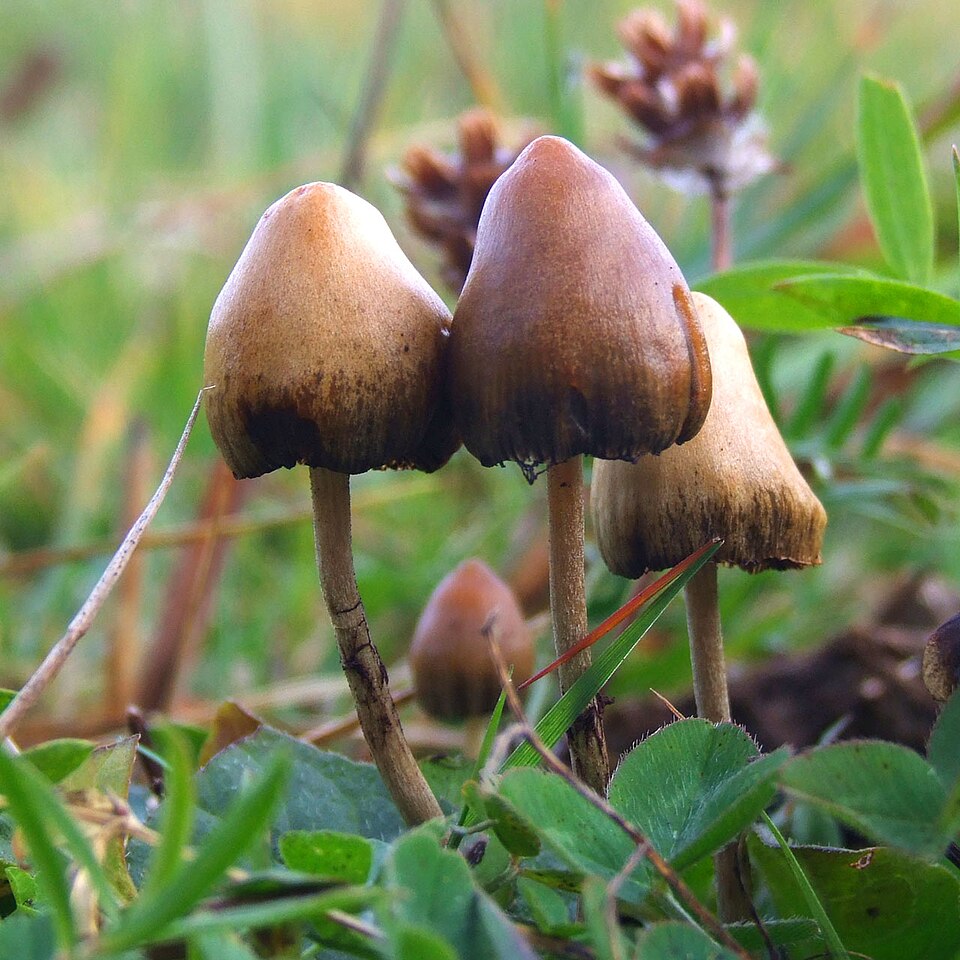
Psilocybin is a naturally occurring psychedelic compound found in certain mushrooms (often called “magic mushrooms”). It acts primarily as a prodrug that is rapidly converted in the body to its active metabolite, psilocin. This conversion occurs mainly via dephosphorylation by alkaline phosphatase in the gut, liver, and kidneys.
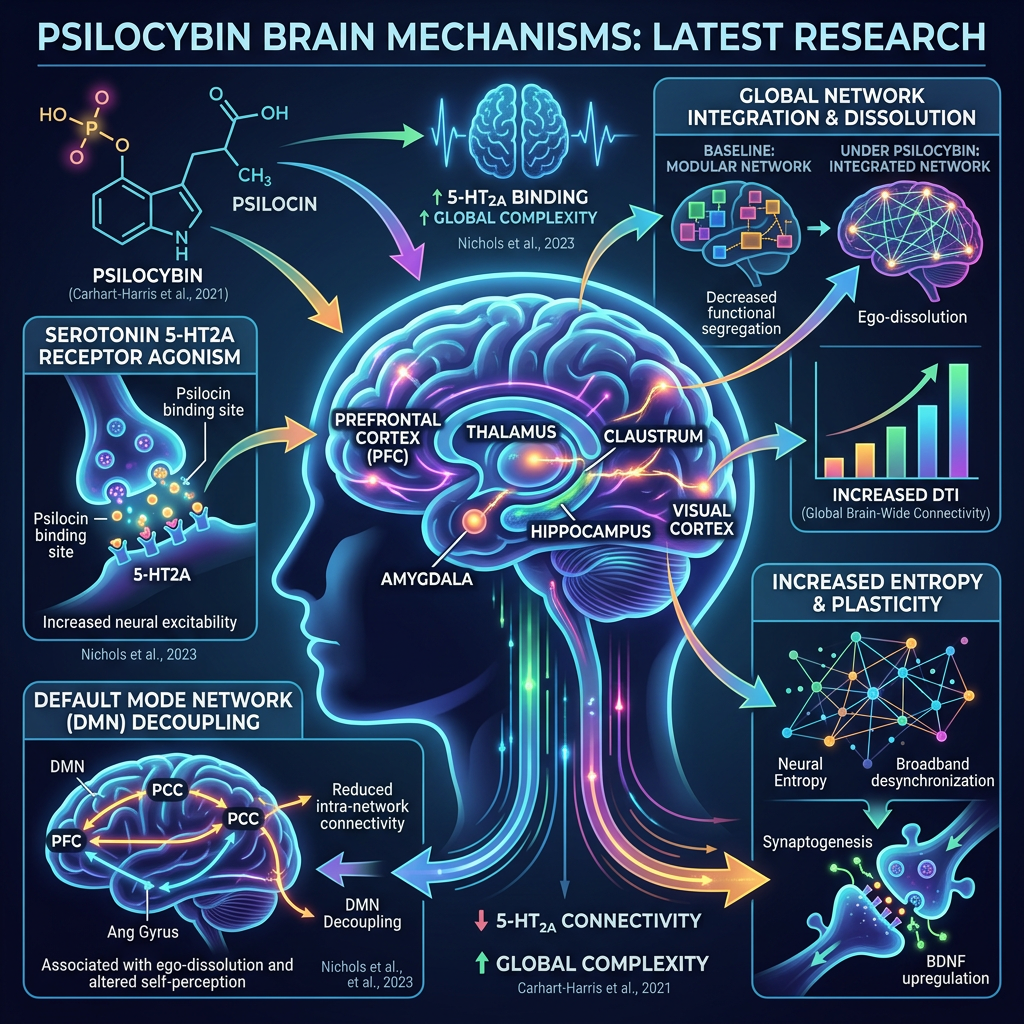
Illustration of brain pathways altered by psilocybin, highlighting enhanced connectivity and sensory integration.
Psilocin is a serotonergic agonist with high affinity for the 5-HT2A receptor (Ki values typically in the low nanomolar range, e.g., ~6–107 nM depending on assay; EC50 for activation ~35 nM), as well as activity at 5-HT1A, 5-HT2C, and other serotonin receptors to a lesser extent. It also has modest effects on the serotonin transporter (SERT). Psychedelic effects strongly correlate with 5-HT2A receptor occupancy (up to ~72% in human PET studies).
Pharmacokinetics: After oral ingestion, psilocin reaches peak plasma levels (Tmax) in ~2–4 hours. Its elimination half-life is typically 2–3 hours (range ~1.5–4 hours). It is primarily cleared via glucuronidation (UGT enzymes, especially UGT1A10), with minor contributions from CYP2D6, CYP3A4, and MAO-A. Bioavailability is around 50%, with extensive tissue distribution.
Molecular and Cellular Mechanisms
Psilocin’s primary action is agonism at 5-HT2A receptors (Gq-coupled), which are densely expressed on cortical pyramidal neurons, particularly in layer 5 of the prefrontal and other association cortices. This leads to:
Neuronal depolarization.
Increased glutamate release (from thalamocortical and intracortical sources).
Downstream signaling via PLC-IP3-DAG pathway, elevating intracellular Ca²⁺.
Activation of immediate early genes (e.g., c-Fos, Arc).
Release and expression of brain-derived neurotrophic factor (BDNF), activating TrkB receptors.
Engagement of mTORC1, ERK/MAPK, and other pathways promoting synaptic plasticity.
These effects are often described as psychoplastogenic — promoting rapid structural and functional remodeling of synapses.
Key recent evidence on neuroplasticity:
In rodents, a single dose rapidly increases dendritic spine density and size in the prefrontal cortex (persistent for at least a month).
2026 study in human iPSC-derived cortical neurons: Psilocin (via 5-HT2A) increases BDNF abundance, activates gene expression programs for neuromodulation and plasticity, enhances neuronal complexity, and promotes synaptogenesis.
December 2025 Cell paper (Jiang et al.): Using rabies viral tracing in mice, psilocybin induces activity-dependent rewiring of large-scale cortical networks. It strengthens inputs from perceptual/medial regions (DMN homolog) and sensorimotor areas to subcortical targets via pyramidal tract (PT) neurons, while weakening cortico-cortical recurrent feedback loops via intratelencephalic (IT) neurons. Effects depend on drug-evoked spiking activity and are cell-type and network-specific.
A detailed signaling diagram illustrates these pathways, including Gq signaling, glutamate release, BDNF-TrkB-mTOR, and resulting spinogenesis/dendritogenesis.
Acute Effects on Brain Networks and Activity
Psilocybin produces profound, transient changes in brain dynamics, often described as increasing entropy (disorder/complexity) and desynchronizing rigid patterns.
EEG findings (robust and replicated): Decreased alpha power, increased signal entropy (e.g., Lempel-Ziv complexity), and shifts in other bands (e.g., gamma increases). These peak around 1–2 hours post-dose and correlate with the subjective intensity of the psychedelic experience.
fMRI findings:
Widespread desynchronization of functional networks.
Decreased within-network connectivity (especially Default Mode Network/DMN and sensorimotor networks).
Increased between-network connectivity (flattening of the cortical hierarchy).
A 2026 Nature Medicine mega-analysis of >500 scans across psychedelics (including multiple psilocybin datasets) confirmed a consistent pattern: robust increases in inter-network FC (particularly transmodal association networks to unimodal/sensorimotor), with more variable within-network reductions. Psilocybin effects closely resemble those of LSD. This aligns with high 5-HT2A density in transmodal cortices.
The DMN (involved in self-referential thought, mind-wandering, and often overactive/rigid in depression) is particularly affected — its desynchronization is linked to the “ego-dissolution” or altered sense of self during the acute experience.
Theoretical models:
Entropic Brain Hypothesis (Carhart-Harris): Psychedelics increase the entropy of spontaneous brain activity, leading to a more flexible, less constrained state of consciousness.
REBUS (Relaxed Beliefs Under pSychedelics) and related Anarchic Brain model (Carhart-Harris & Friston): Reduces the precision-weighting of high-level predictive models/beliefs (priors), allowing revision of rigid or maladaptive beliefs. This integrates with free-energy principles and explains both acute phenomenology and therapeutic potential. Updates include ideas of “revised beliefs after psychedelics” (REBAS).
Additional acute fMRI observations include reduced low-frequency BOLD power (especially in transmodal networks) and increased spectral entropy.
Long-Term Brain Changes (Latest Human Research)
A landmark 2026 Nature Communications study (Lyons et al.) examined 28 psychedelic-naïve healthy volunteers in a within-subjects design (1 mg “placebo” then 25 mg psilocybin one month later):
Acute (EEG): Dose-dependent increases in brain entropy and decreases in alpha power.
1 month post-25 mg:
Diffusion tensor imaging (DTI): Decreased axial diffusivity in prefrontal-striatal and prefrontal-thalamic tracts (bilateral, stronger on left).
Psychological: Increased cognitive flexibility, psychological insight, and well-being at 1 month.
Correlations: Acute entropy increases predicted later well-being (mediated by insight); decreased diffusivity/modularity correlated with improved well-being.
These findings suggest lasting microstructural and network-level plasticity even after a single high dose in healthy people, consistent with preclinical spine growth and rewiring data. Changes were largely absent after the low (1 mg) dose.
Clinical Research and Therapeutic Implications (Latest as of 2026)
Psilocybin-assisted therapy shows rapid and often sustained benefits, particularly for treatment-resistant depression (TRD) and major depressive disorder (MDD). Effects are thought to arise from the combination of:
Psychological support and integration to form new adaptive connections.
Key latest data:
COMPASS Pathways Phase 3 program (COMP360, synthetic psilocybin): COMP005 (single 25 mg dose vs. placebo) met primary endpoint at Week 6 (significant, clinically meaningful MADRS reduction; mean difference –3.6 points, p<0.001). COMP006 (two doses) is also positive. Large program with >1,000 participants across trials.
Meta-analyses of RCTs: Moderate-to-large effect sizes for depression (Hedges’ g ≈ 0.66), with stronger effects in secondary depression or with self-report measures. Rapid onset (significant by ~1 week) and durability in responders.
Earlier Phase 2 data (e.g., NEJM) showed robust effects lasting weeks to months with psychological support.
Ongoing exploration in anxiety (including cancer-related), OCD, and other conditions. Some evidence of benefits lasting years in certain contexts (e.g., end-of-life anxiety).
A 2025 Cornell-linked study highlighted how psilocybin weakens cortico-cortical feedback loops (potentially breaking cycles of negative rumination) while strengthening sensory-to-subcortical pathways.
Safety Profile
In controlled clinical settings with psychological support, psilocybin is generally well-tolerated. Acute effects (perceptual changes, emotional intensity, nausea, transient anxiety) are intense but time-limited (4–6 hours). Physiological effects are mild (small increases in blood pressure/heart rate).
Serious adverse events are rare—no strong evidence of neurotoxicity, addiction potential, or persistent cognitive deficits in therapeutic use. Risks are higher in unsupervised settings or with pre-existing conditions (e.g., history of psychosis, certain cardiovascular issues). Long-term psychological changes in studies are typically neutral to positive.
Summary of Current Understanding and Gaps
Psilocybin acts primarily through 5-HT2A agonism, triggering glutamate surges, network desynchronization (especially in the DMN), increased entropy, and downstream neuroplasticity via BDNF/mTOR pathways. This creates a temporary state of heightened flexibility that, when paired with therapy, can lead to lasting rewiring and symptom relief.
Latest research (2025–2026) strengthens evidence for both acute dynamic changes and persistent structural/network effects, with strong Phase 3 support for TRD.
Ongoing questions: Exact contribution of subjective experience vs. direct plasticity; optimal dosing/integration protocols; long-term (>6–12 months) outcomes; mechanisms in specific disorders; potential for non-hallucinogenic analogs; interactions with other treatments.
Research is rapidly evolving, with large trials, advanced neuroimaging (including frequency-specific and multi-modal), and mechanistic studies in human neurons and circuit-level tracing providing increasingly precise insights.
For the most current primary sources, search PubMed or check journals like Nature, Cell, and Nature Medicine for papers from groups like Carhart-Harris, Kwan, Imperial College, Johns Hopkins, COMPASS Pathways, and others. Always consult medical professionals for any therapeutic considerations.
Healing Categories
Psilocybin-assisted therapy (typically a limited number of high-dose sessions with psychological support/integration) fits best into several evidence-based “healing categories” as of 2026. Its strongest and most advanced applications center on mental health and psychological distress, driven by its ability to promote neuroplasticity, disrupt rigid thought patterns (e.g., via DMN desynchronization), increase emotional openness, and facilitate insight.
Treatment-Resistant Depression (TRD) and Major Depressive Disorder (MDD): This is psilocybin’s clearest and most robust fit. Multiple Phase 3 trials (e.g., COMPASS Pathways’ COMP005 and COMP006 with COMP360) show statistically and clinically meaningful reductions in symptoms (MADRS score improvements of ~3.6–3.8 points vs. controls, p<0.001), with rapid onset and durability in many responders lasting weeks to months (or longer in follow-ups).
Meta-analyses confirm moderate-to-large effect sizes, often outperforming or complementing traditional antidepressants in resistant cases. It addresses core features like rumination, anhedonia, and negative self-focus.
Why it fits best here: High 5-HT2A agonism + plasticity effects directly target the inflexible neural and cognitive patterns in depression.
Anxiety in life-threatening illnesses (e.g., cancer-related), generalized anxiety, and end-of-life psychological distress.
Studies show sustained reductions in anxiety/depression symptoms, improved quality of life, and relief from existential dread/fear of death, often lasting months after 1–2 sessions.
Why it fits well: Promotes ego-dissolution, acceptance, and a sense of connectedness, which are particularly healing for profound fear or meaning-related suffering.
3. Substance Use Disorders / Addiction (Strong Promising Category)
Tobacco/nicotine cessation, alcohol use disorder, and other addictions.
Classic studies (e.g., Johns Hopkins) show high abstinence rates; ongoing research supports its use for breaking compulsive patterns via insight and rewiring reward/motivation circuits.
Why it fits: Increases psychological flexibility and can produce transformative experiences that shift long-term behavior and cravings.
4. Trauma-Related & Stress Disorders (Emerging but Promising)
PTSD (including in veterans) and related conditions: Evidence is encouraging but less mature than for depression/anxiety; psilocybin helps process trauma by reducing avoidance, enhancing emotional tolerance, and weakening fear-based memory loops. Often studied alongside or compared to MDMA-assisted therapy.
Why it fits: Facilitates safe reprocessing of difficult emotions/memories in a supported setting.
5. Obsessive-Compulsive & Related Disorders (Emerging Evidence)
OCD: Small trials and case reports show symptom reduction; larger studies are underway. Fits due to its effects on rigid thought patterns and compulsive behaviors.
Other Notable or Exploratory Categories
Eating Disorders (e.g., anorexia nervosa) — Compass and others are investigating.
Chronic Pain / Inflammatory Conditions (preliminary, via mood improvement and potential anti-inflammatory effects).
Neurodegenerative or Other (e.g., early interest in Alzheimer’s-related distress or post-treatment Lyme, but very early-stage).
Overall Ranking of Fit (Based on Strength of Evidence ~2026)
Depressive disorders (esp. TRD/MDD) — Most advanced (Phase 3 success, breakthrough designations, largest datasets).
Addiction/substance use — Strong mechanistic and clinical support.
PTSD/Trauma & OCD — Promising but needs more large-scale data.
Psilocybin is not a broad-spectrum “cure-all.” Benefits are maximized with professional guided therapy (preparation, dosing session, integration) rather than standalone use. It works best for conditions involving rigid, maladaptive patterns of thinking, emotion, or behavior — exactly where its entropy-increasing and psychoplastogenic effects shine.
Research is evolving quickly, with regulatory approvals (e.g., Australia for TRD) and more trials ongoing. Always consult qualified medical professionals—psilocybin is not risk-free and requires screening (e.g., for psychosis history or cardiovascular issues).
Sacred, Entheogenic & Spiritual Plants
Plants traditionally used for consciousness expansion, spiritual connection, divination, and sacred ceremony. These powerful allies are approached with deep respect, proper preparation, and strong caution due to their potency and legal/safety considerations.
Psilocybin Mushrooms– The most researched entheogenic fungi, known for profound shifts in perception, emotional healing, and neuroplasticity support in clinical settings.
Ayahuasca & Harmala Allies – Traditional Amazonian visionary brew combining Banisteriopsis caapi (MAO-inhibitor vine) with DMT-containing plants; widely studied for deep psychological healing, trauma resolution, and spiritual insight.
Peyote & San Pedro Cactus – Mescaline-containing cacti used in Indigenous North and South American ceremonies for heart-opening, introspection, and connection to the divine.
Blue Lotus– Ancient Egyptian and Ayurvedic sacred flower prized for its gentle euphoric, dream-enhancing, and meditative qualities.
Datura – A powerful, potent visionary nightshade plant with strong caution; historically used in shamanic and magical traditions, but highly toxic and potentially dangerous.
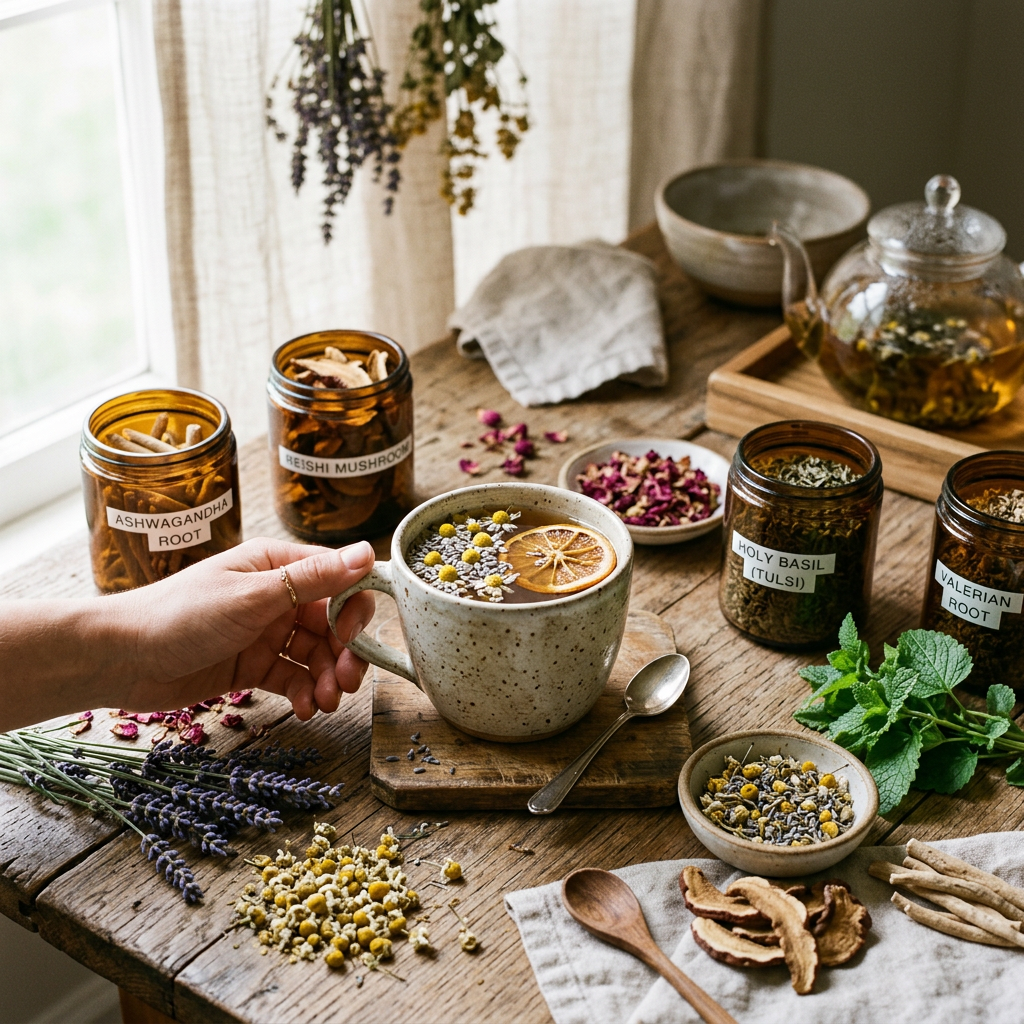
Holy Basil (Tulsi) – Sacred bridge between body and spirit; revered in Hindu tradition as an adaptogen that calms the mind, uplifts the heart, and supports daily spiritual practice.
An Exploration of Life’s Essence in the Natural World Plants are more than silent fixtures of the landscape; they are vibrant embodiments of life’s enduring energy, pulsing with what ancient thinkers called “vital spirits.” This concept, rooted in philosophy, science, culture, and ecology, captures the animating force that drives plants to grow, adapt, and sustain ecosystems. In this analytical exploration, we delve into the multifaceted nature of vital spirits in plants, weaving together historical wisdom, modern science, cultural reverence, and ecological insights to reveal how these green beings embody the essence of life itself. Philosophical and Historical Foundations The idea of […]
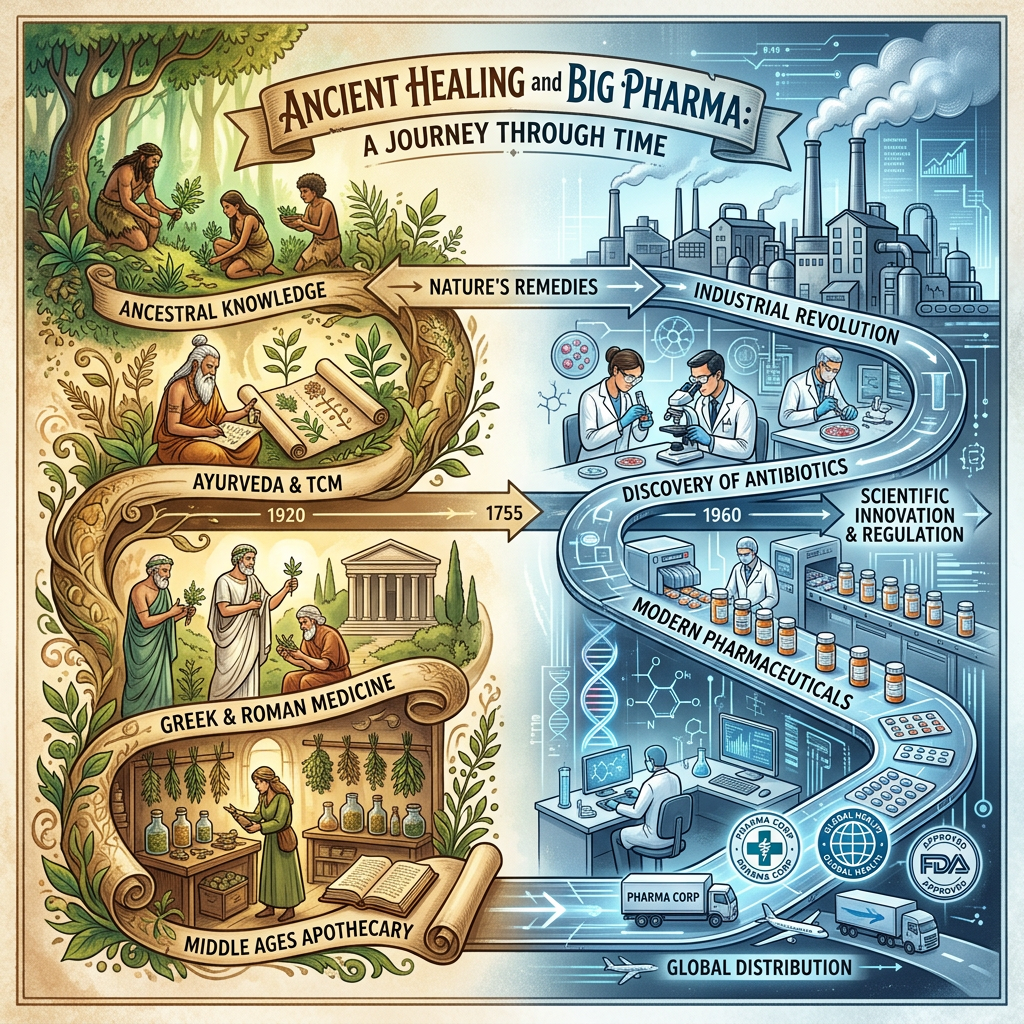
Ancient Healing and Big Pharma: A Historical Timeline
Ancient Healing and Big Pharma: A Historical Timeline
Act I: The Ancient Symphony of Healing Picture a world where the earth was the first healer, her secrets whispered to those who listened. Long before ink met papyrus, our ancestors—Paleolithic wanderers some 60,000 years ago—were already tuning into nature’s pharmacy. Archaeological digs reveal traces of opium poppies, ephedra, and cannabis in ancient burials, hinting at a primal bond with plants. Neanderthals chewed chamomile and yarrow, their dental calculus spilling secrets of herbal know-how. Even animals, from chimps munching medicinal leaves to birds rubbing herbs on wounds, showed humans the way—self-medication as old as life itself. By 3000 BCE, civilizations bloomed, […]
The Plant Medicine Canon – Your Central Hub at Vital Spirit Medica
The Plant Medicine Canon – Your Central Hub at Vital Spirit Medica
Complete Guide to Plant Medicine: The Plant Medicine Canon – Your Central Hub at Vital Spirit Medica We stand firm in this truth: Plant medicine is not “alternative” or fringe. Modern science actively studies, replicates, and draws from plant compounds for healing—proving it is an evidence-based foundation for restoring body, mind, and spirit in humans and animals alike. Ancient cultures knew this intuitively, and today’s research echoes their wisdom with striking clarity. Yet for generations, this innate healing potential has been obscured—first hidden in plain sight, then deliberately buried. We believe this happened largely because you cannot easily patent a plant. […]
The Power of Ashwagandha (Withania somnifera): Benefits and Uses
The Power of Ashwagandha (Withania somnifera): Benefits and Uses
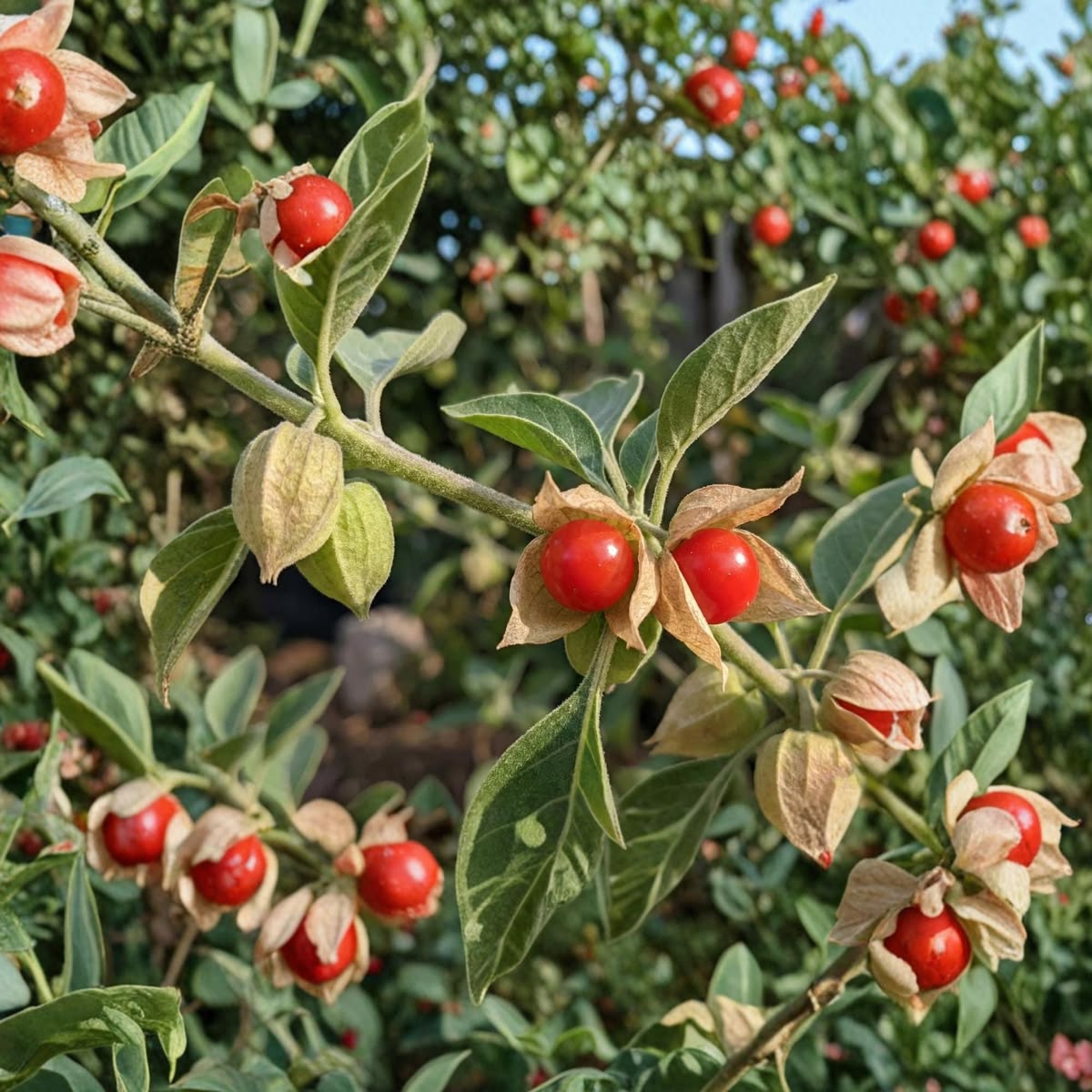
Meet Ashwagandha (Withania somnifera) — the ancient Ayurvedic treasure often called Indian Ginseng. This hardy desert shrub carries a unique dual gift for our plant medicine cabinet: it energizes when you are weary and calms when you are overwhelmed. Through its rich withanolides and time-honored Rasayana wisdom, Ashwagandha (Withania somnifera) helps rebuild Ojas (vital essence), supports restful sleep, balances stress hormones, and anchors the spirit with quiet, grounded strength.
Safe Ways to Use Adaptogens for Stress Relief: A Comprehensive Guide Adaptogens are plants, herbs, roots, or mushrooms that are claimed to help the body adapt to stress (physical, chemical, or biological), restore balance (homeostasis), reduce fatigue, and support overall resilience without causing harm at normal doses. The term was coined in 1947 by Soviet toxicologist Nikolai Lazarev to describe substances that increase “non-specific resistance” to stress, building on Hans Selye’s work on the general adaptation syndrome. Soviet researchers like Israel Brekhman and others further developed the concept in the mid-20th century, studying plants for performance enhancement in demanding conditions (e.g., […]
Exploring the Healing Power of Peyote: Lophophora williamsii
Exploring the Healing Power of Peyote: Lophophora williamsii
Peyote (Lophophora williamsii) is best understood as a Spiritual-Entheogenic Teacher Plant with profound holistic applications. Its healing power is primarily ceremonial and consciousness-based rather than everyday herbal tonic-style medicine. The most transformative effects typically emerge within proper ritual or guided therapeutic contexts that honor its sacred nature.
Psilocybin Mushrooms are multifaceted healers that work on the physical, emotional, mental, and spiritual levels. Their natural compounds promote neuroplasticity, reduce inflammation in the brain, and facilitate deep emotional processing. In traditional indigenous systems, they are used for soul retrieval, trauma resolution, and community healing. Today, they are studied for their ability to foster lasting improvements in mood, creativity, and sense of meaning. Gentle yet transformative, Psilocybin Mushrooms invite profound reconnection with self, others, and the living Earth.
“How Psilocybin Works in the Brain – Latest Research”
“How Psilocybin Works in the Brain – Latest Research”
Psilocybin is a naturally occurring psychedelic compound found in certain mushrooms (often called “magic mushrooms”). It acts primarily as a prodrug that is rapidly converted in the body to its active metabolite, psilocin. This conversion occurs mainly via dephosphorylation by alkaline phosphatase in the gut, liver, and kidneys. Psilocin is a serotonergic agonist with high affinity for the 5-HT2A receptor (Ki values typically in the low nanomolar range, e.g., ~6–107 nM depending on assay; EC50 for activation ~35 nM), as well as activity at 5-HT1A, 5-HT2C, and other serotonin receptors to a lesser extent. It also has modest effects on the […]
“A quiet moment of deep release. The fog lifts. The light breaks through. Old burdens dissolve as a new path of alignment opens.
This is what it feels like when everything suddenly starts working *with* you — when inner clarity turns into forward momentum. Trust the current. You’ve earned this. ✨”
Diving deeper into “practicing coherence”—referring primarily to heart coherence training techniques like those from the HeartMath Institute, which involve heart-focused breathing, positive emotion activation, and sometimes biofeedback tools to achieve a synchronized, harmonious state between the heart, brain, and nervous system. This isn’t about vague spirituality; it’s grounded in measurable physiological changes, like improved heart rate variability (HRV) and rhythmic patterns that shift the body from stress mode to regeneration. Regular practice (even 5-10 minutes daily) can lead to a range of benefits, but results vary based on consistency, individual starting point, and lifestyle factors. I’ll break this down into key benefit categories, supported by research, then cover realistic expectations, including timelines and potential limitations
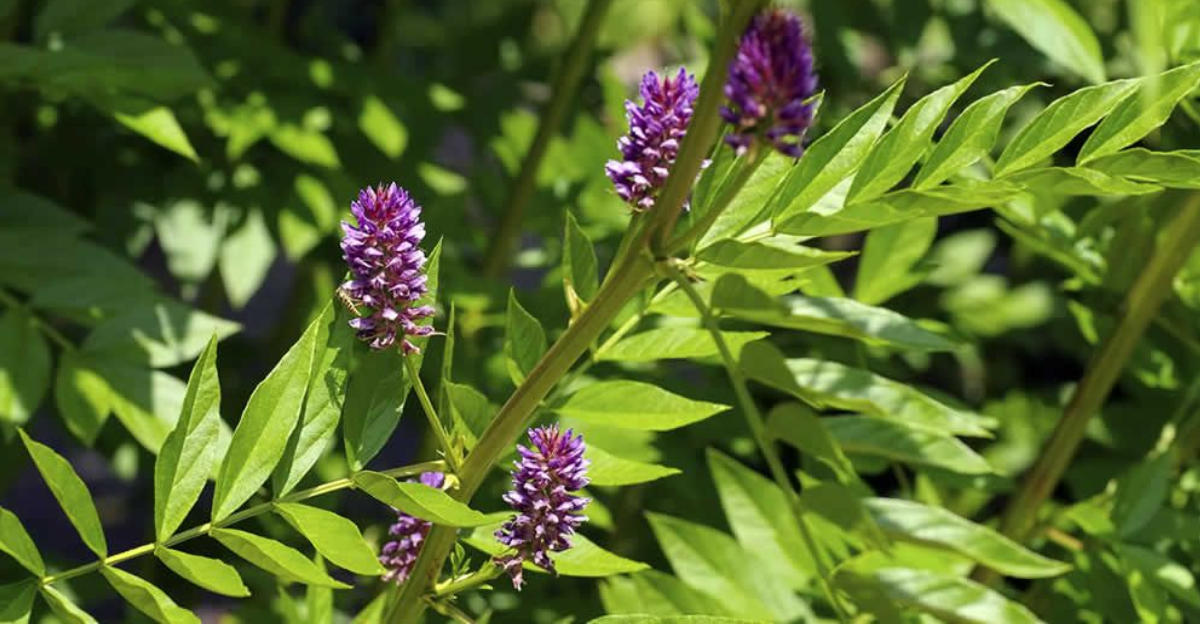
Licorice (Glycyrrhiza glabra) is a perennial herb celebrated for its sweet roots and extensive medicinal properties, influencing cultures for over 5,000 years. It thrives in well-drained soils and is documented in ancient Egyptian, Greek, and Chinese texts for treating respiratory and digestive issues. Its roots contain glycyrrhizin, contributing to antioxidant, anti-inflammatory, and antimicrobial effects. In modern herbalism, licorice is used as a demulcent and adaptogen, supporting adrenal function and soothing mucous membranes. While beneficial, high consumption can lead to serious side effects; thus, safer forms are recommended for longer use. Its diverse applications extend into culinary, industrial, and ecological realms.
Blue Lotus (Nymphaea caerulea): Discovering its Mystical Properties and Uses
Blue Lotus (Nymphaea caerulea): Discovering its Mystical Properties and Uses
Blue Lotus (Nymphaea caerulea), known as the Sacred Blue Lily of the Nile, stands as one of humanity’s oldest revered botanical treasures. Celebrated in Egyptian temples and tombs for over 3,000 years, this aquatic beauty offers a rare combination of calming, euphoric, and spiritually uplifting qualities. Today it remains a treasured ally for relaxation, emotional balance, meditation, and heart-opening practices worldwide.
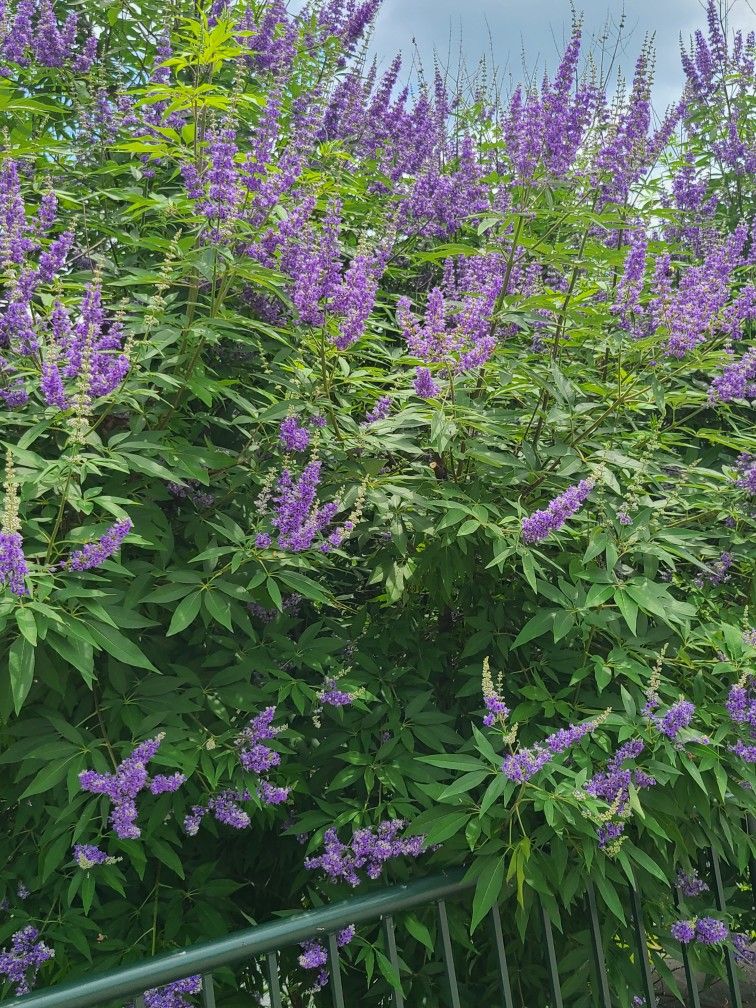
Vitex Agnus-Castus, commonly known as Chasteberry or Monk’s Pepper, is a Mediterranean shrub revered for over 2,500 years for its ability to balance female reproductive hormones. Through dopaminergic activity that gently lowers prolactin and supports progesterone, it has become one of the most well-studied herbs for PMS, cyclical mastalgia, irregular cycles, and menopausal transition. Rich in flavonoids, diterpenes, and iridoid glycosides, it serves as a bridge between ancient women’s wisdom and modern phytotherapy.
Sage (Salvia officinalis) is rich in rosmarinic acid, thujone, camphor, and 1,8-cineole, delivering clinically studied benefits for cognitive function, menopausal vasomotor symptoms, metabolic health, and oral hygiene. Its essential oil and standardized extracts demonstrate strong antioxidant, antimicrobial, and neuroprotective activity. Once called “Sage the Savior,” this Mediterranean herb remains a cornerstone of evidence-informed herbal practice and natural product development worldwide.
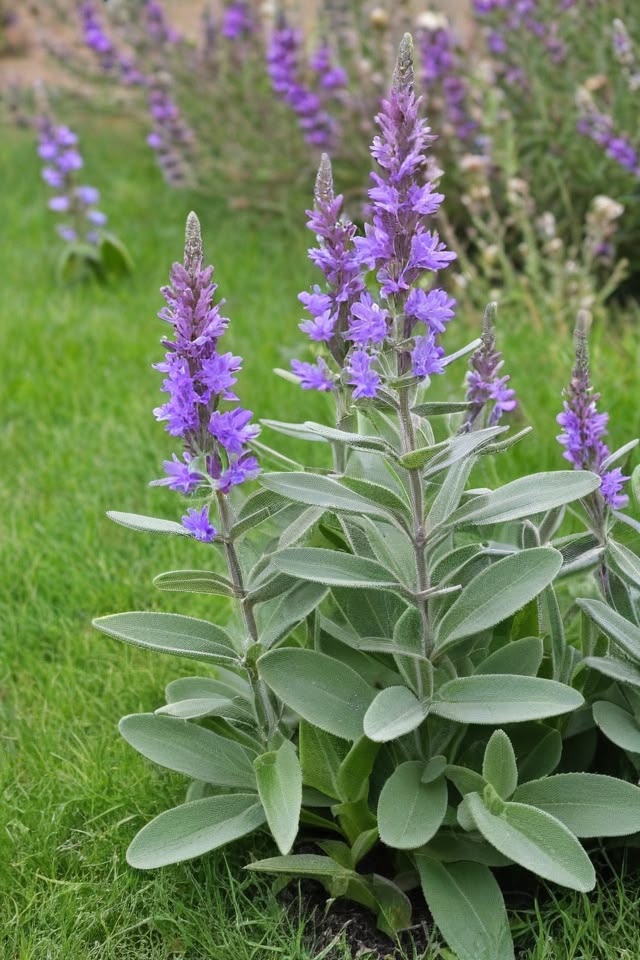
“AT A GLANCE” Lavender (Lavandula angustifolia) is the quiet breath of peace in the plant kingdom. With its narrow silver-green leaves and fragrant purple spikes, it carries the living spirit of purification, protection, and profound relaxation. From Egyptian mummification rites to Virgin Mary legends, Roman baths to modern clinical trials, Lavender (Lavandula angustifolia) has consistently served as a bridge between body, mind, and spirit. Its rich essential oil — dominated by linalool and linalyl acetate — gently calms the nervous system, supports restorative sleep, eases tension, and invites emotional harmony. A true ally for our times, Lavender (Lavandula angustifolia) reminds us […]
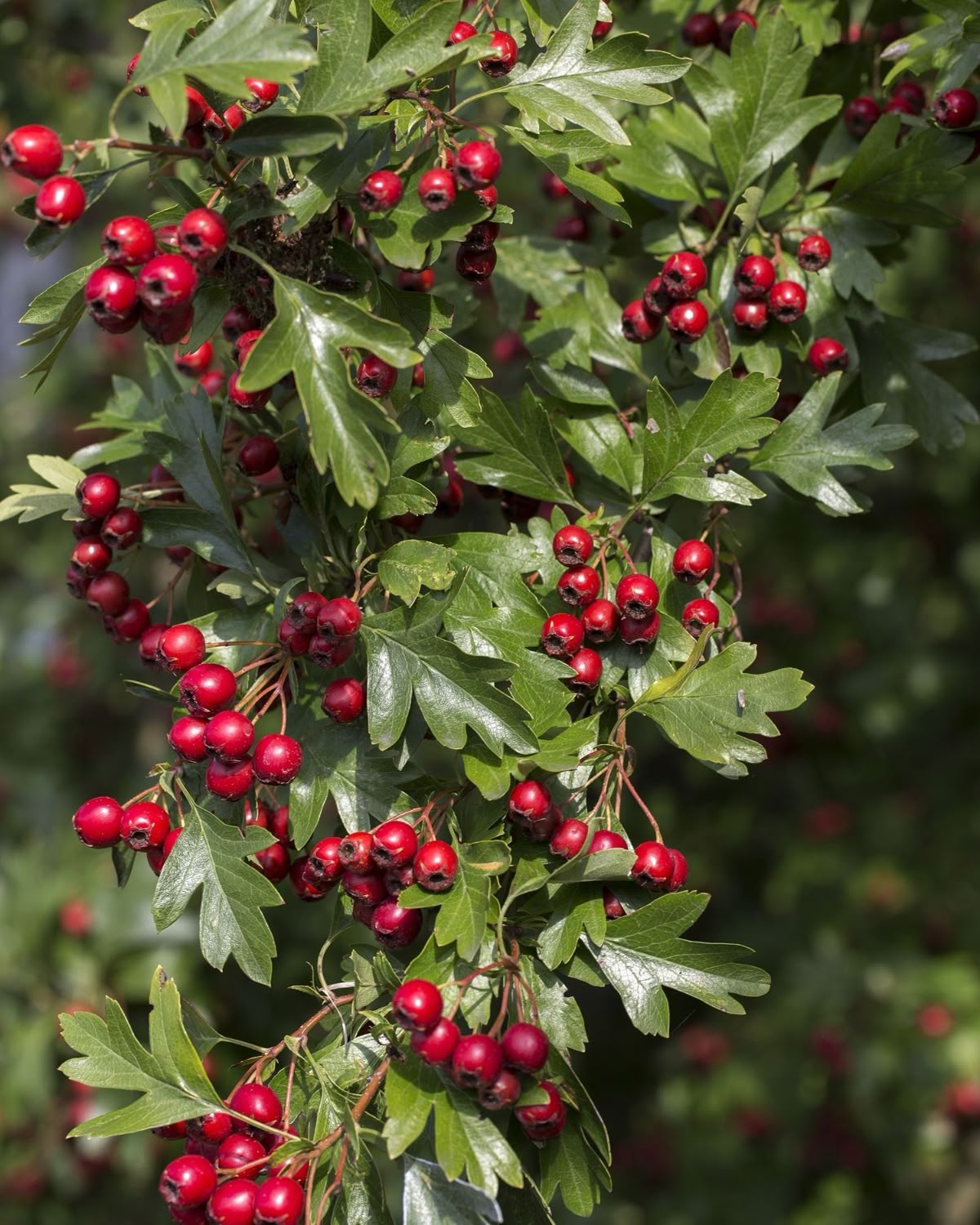
Hawthorn (Crataegus) — May Tree, Holy Thorn, and Keeper of Boundaries — carries the living pulse of the land itself. With thorns that fiercely protect and flowers that tenderly open, this remarkable plant has walked beside humanity for millennia, healing hearts, nourishing spirits, and guarding the threshold between worlds. Whether used as medicine, magic, or sacred ally, Hawthorn (Crataegus) teaches us to bloom courageously even in the harshest seasons.
Ivy (Hedera helix) Therapeutic Benefits: A Deep Dive into Its Uses
Ivy (Hedera helix) Therapeutic Benefits: A Deep Dive into Its Uses
Western Traditional & Clinical Actions:
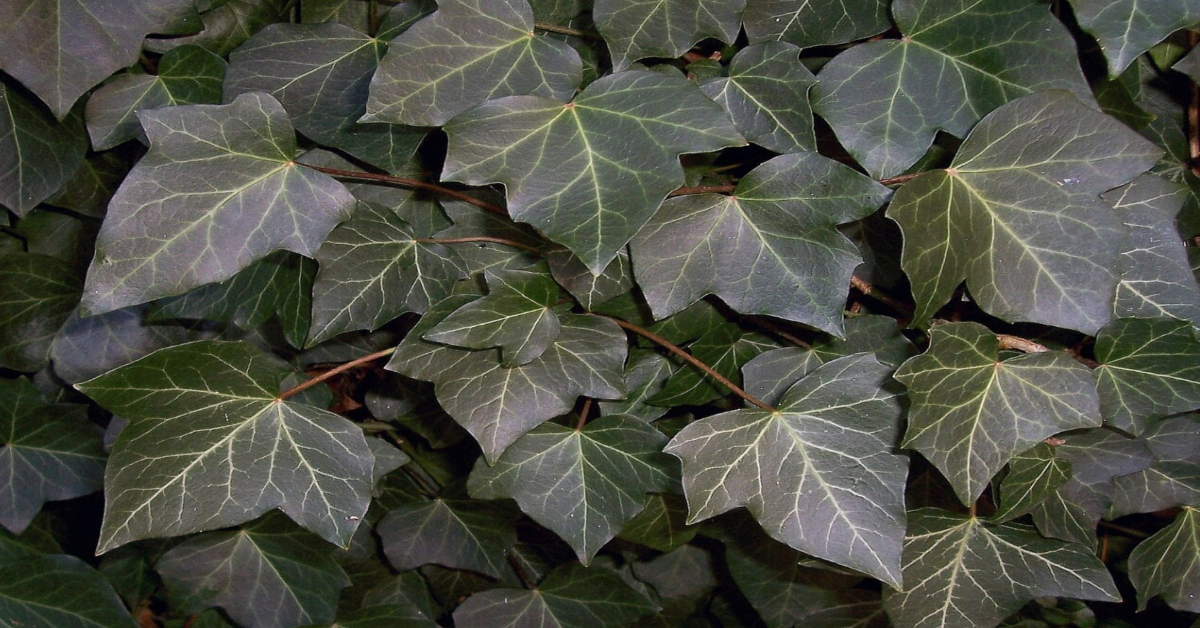
Primarily expectorant, mucolytic, bronchodilatory, and antispasmodic for respiratory catarrh, cough, and bronchitis. It thins mucus and eases a productive cough. Additional actions include mild anti-inflammatory, antimicrobial, and topical uses for skin conditions or cellulite. German Commission E approves it for chronic inflammatory bronchial conditions.
Traditional & Historical Uses:
Ancient Greeks and Romans used ivy for wreaths (Bacchus/Dionysus associations, believed to prevent intoxication), topical applications for wounds/burns, and internal remedies for dysentery, cough, and parasites. Medieval and folk European uses included poultices for arthritis, gout, and skin issues; leaves in wine for jaundice or as an anthelmintic. It appears in various ethnobotanical traditions for respiratory and anti-inflammatory purposes.
Exploring American Ginseng Benefits: A Complete Guide
Exploring American Ginseng Benefits: A Complete Guide
Ginseng (Panax quinquefolius), also known as American ginseng, is a medicinal herb native to eastern North America, valued for its cooling properties and unique ginsenosides. Recognized for adaptogenic, antioxidant, and immune-supporting effects, it has diverse applications in traditional and modern medicine, while advocating sustainable harvesting practices is crucial for its conservation.
Discover Holy Basil: Tradition Meets Modern Science
Discover Holy Basil: Tradition Meets Modern Science
Holy Basil (Ocimum sanctum) “AT A GLANCE” Holy Basil (Ocimum sanctum), also known as Tulsi or the “Incomparable One,” is a sacred aromatic subshrub in the Lamiaceae family and one of the most revered medicinal and spiritual plants in human history. Native to the Indian subcontinent and widely cultivated across tropical and subtropical regions, Holy Basil (Ocimum sanctum) is cherished in Ayurveda, Siddha, Unani, and Hindu traditions as a rasayana (rejuvenative) herb and living embodiment of the Goddess Tulasi. Its warm, pungent, clove-like leaves and stems are rich in eugenol, rosmarinic acid, ursolic acid, and other potent bioactives that give it […]
In Western herbalism, Lactuca virosa acts primarily as a nervine relaxant, mild sedative, hypnotic, analgesic, and antispasmodic. It has been used for nervous irritability, insomnia, restlessness (including in children), anxiety, tension headaches, muscular pain, irritable cough, and mild pain relief as a gentler alternative to opium. It is considered cooling and grounding, helping with overactive nervous system states without strong narcotic effects.
Ancient and historical uses date back centuries, with the latex (lactucarium) employed in European folk medicine from the 1700s onward as a painkiller and sedative. In the 19th century, physicians used it as an opium substitute for whooping cough, insomnia, rheumatism, and pain when opium was unavailable; it appeared in pharmacopeias and was studied by bodies like the Pharmaceutical Society of Great Britain. It has also served as a mild hypnotic, antitussive, and remedy for dropsy or urinary issues in older texts. Indigenous or regional uses in parts of Asia and elsewhere include similar sedative or wound applications. It earned the nickname “opium lettuce” or “poor man’s opium” due to the latex’s mild euphoric and pain-relieving qualities, with reportedly fewer side effects than true opium.
Meditation, as a practice, spans millennia and crosses cultural, spiritual, and scientific boundaries. Its evolution reflects humanity’s quest for inner peace, self-understanding, and connection to the divine or the universe. Below, I’ll provide a comprehensive exploration of meditation from its earliest documented origins to its modern manifestations, covering its role in various nations, cultures, belief systems, medicinal applications, astrological connections, sacred traditions, myths, spiritual beliefs, scientific research, technological advancements, and modern medical integrations. Our aim is to be thorough yet concise, ensuring relevance for our Vital Spirits Medica Holistic Repository. . Earliest Documented Mentions of Meditation Meditation’s roots trace back to […]
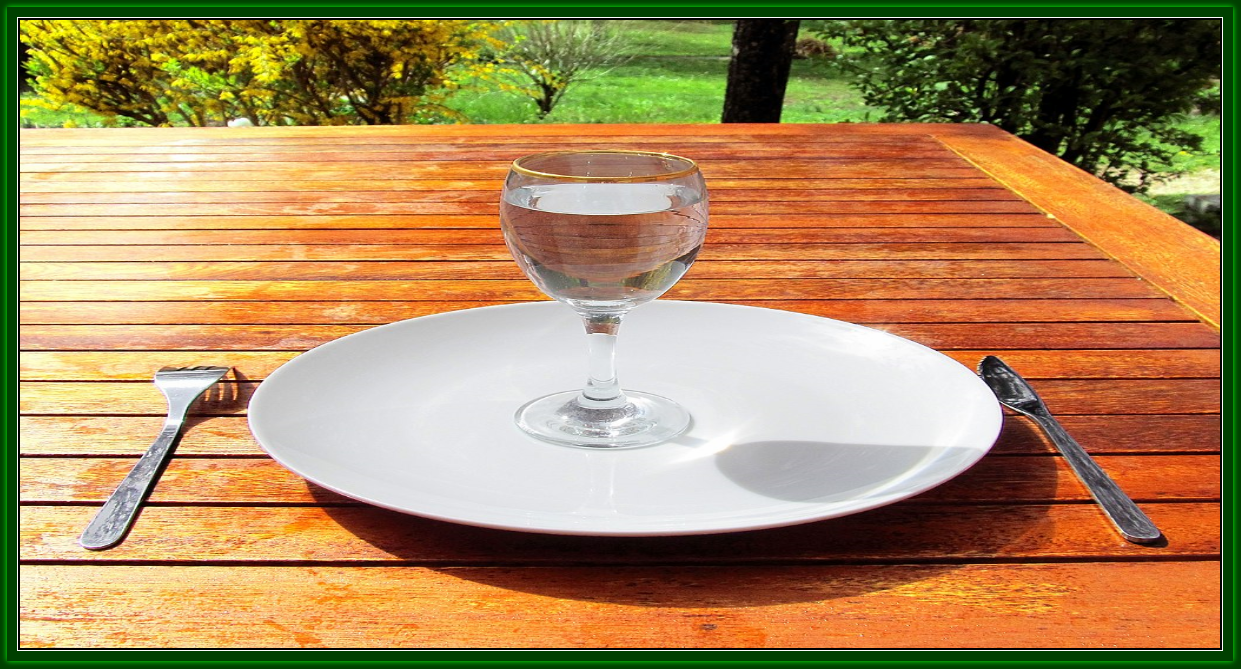
Fasting: A Comprehensive Exploration Across Time, Cultures, and Disciplines Fasting, the voluntary abstention from food and/or drink for a specific period, is one of humanity’s oldest practices, deeply rooted in spiritual, cultural, medicinal, and practical traditions. Its purposes range from spiritual purification and self-discipline to health optimization and social protest. Below, we explore fasting’s evolution across nations, cultures, and belief systems, integrating its medicinal, astrological, sacred, mythological, spiritual, scientific, and technological dimensions. 1. Earliest Documented Mentions of Fasting Fasting’s origins predate written records, likely emerging with early human rituals. The earliest documented mentions appear in ancient texts and oral traditions: These […]
Discover more from Vital Spirit Medica: “From Root to Crown: Healing Body, Mind & Spirit.”
Subscribe to get the latest posts sent to your email.
✨IF YOU ARE INTERESTED IN SHARING YOUR WILDCRAFTING, GARDENING, PLANT FINDS, OR YOUR WELLNESS JOURNEY WITH US… EMAIL YOUR STORIES, IMAGES, AND VIDEOS TO✨
Reading adds years to your life: A study from Yale University found that reading books for at least 3.5 hours a week can extend your lifespan by 20% compared to non-readers.
The posts and pages here form a “Living Body of Work” that evolves as it grows…
Kavalactones, the primary lipophilic α-pyrones in kava roots, enhance GABA-A receptor binding at sites distinct from benzodiazepines, increasing chloride influx and promoting inhibitory neurotransmission that underlies anxiolytic and sedative effects without heavy cognitive depression.
Key compounds such as kavain and dihydrokavain inhibit voltage-gated sodium and calcium channels, contributing to muscle relaxation, anticonvulsant activity, and local anesthetic properties through modulation of neuronal excitability.
Kavalactones demonstrate reversible inhibition of monoamine oxidase B (MAO-B) and reduced reuptake…
Sage (Salvia officinalis) is rich in rosmarinic acid, thujone, camphor, and 1,8-cineole, delivering clinically studied benefits for cognitive function, menopausal vasomotor symptoms, metabolic health, and oral hygiene. Its essential oil and standardized extracts demonstrate strong antioxidant, antimicrobial, and neuroprotective activity. Once called “Sage the Savior,” this Mediterranean herb remains a cornerstone of evidence-informed herbal practice and natural product development worldwide.
Lavender (Lavandula angustifolia) is the quiet breath of peace in the plant kingdom. With its narrow silver-green leaves and fragrant purple spikes, it carries the living spirit of purification, protection, and profound relaxation. From Egyptian mummification rites to Virgin Mary legends, Roman baths to modern clinical trials, Lavender (Lavandula angustifolia) has consistently served as a bridge between body, mind, and spirit. Its rich essential oil — dominated by linalool and linalyl acetate — gently calms…
Peyote (Lophophora williamsii) is best understood as a Spiritual-Entheogenic Teacher Plant with profound holistic applications. Its healing power is primarily ceremonial and consciousness-based rather than everyday herbal tonic-style medicine. The most transformative effects typically emerge within proper ritual or guided therapeutic contexts that honor its sacred nature.
Blue Lotus (Nymphaea caerulea), known as the Sacred Blue Lily of the Nile, stands as one of humanity’s oldest revered botanical treasures. Celebrated in Egyptian temples and tombs for over 3,000 years, this aquatic beauty offers a rare combination of calming, euphoric, and spiritually uplifting qualities. Today it remains a treasured ally for relaxation, emotional balance, meditation, and heart-opening practices worldwide.
Psilocybin Mushrooms are multifaceted healers that work on the physical, emotional, mental, and spiritual levels. Their natural compounds promote neuroplasticity, reduce inflammation in the brain, and facilitate deep emotional processing. In traditional indigenous systems, they are used for soul retrieval, trauma resolution, and community healing. Today, they are studied for their ability to foster lasting improvements in mood, creativity, and sense of meaning. Gentle yet transformative, Psilocybin Mushrooms invite profound reconnection with self, others, and…
Vitex Agnus-Castus, commonly known as Chasteberry or Monk’s Pepper, is a Mediterranean shrub revered for over 2,500 years for its ability to balance female reproductive hormones. Through dopaminergic activity that gently lowers prolactin and supports progesterone, it has become one of the most well-studied herbs for PMS, cyclical mastalgia, irregular cycles, and menopausal transition. Rich in flavonoids, diterpenes, and iridoid glycosides, it serves as a bridge between ancient women’s wisdom and modern phytotherapy.
Hawthorn (Crataegus) — May Tree, Holy Thorn, and Keeper of Boundaries — carries the living pulse of the land itself. With thorns that fiercely protect and flowers that tenderly open, this remarkable plant has walked beside humanity for millennia, healing hearts, nourishing spirits, and guarding the threshold between worlds. Whether used as medicine, magic, or sacred ally, Hawthorn (Crataegus) teaches us to bloom courageously even in the harshest seasons.
Western Traditional & Clinical Actions: Primarily expectorant, mucolytic, bronchodilatory, and antispasmodic for respiratory catarrh, cough, and bronchitis. It thins mucus and eases a productive cough. Additional actions include mild anti-inflammatory, antimicrobial, and topical uses for skin conditions or cellulite. German Commission E approves it for chronic inflammatory bronchial conditions. Traditional & Historical Uses: Ancient Greeks and Romans used ivy for wreaths (Bacchus/Dionysus associations, believed to prevent intoxication), topical applications for wounds/burns, and internal remedies for…
Meet Ashwagandha (Withania somnifera) — the ancient Ayurvedic treasure often called Indian Ginseng. This hardy desert shrub carries a unique dual gift for our plant medicine cabinet: it energizes when you are weary and calms when you are overwhelmed. Through its rich withanolides and time-honored Rasayana wisdom, Ashwagandha (Withania somnifera) helps rebuild Ojas (vital essence), supports restful sleep, balances stress hormones, and anchors the spirit with quiet, grounded strength.
Ginseng (Panax quinquefolius), also known as American ginseng, is a medicinal herb native to eastern North America, valued for its cooling properties and unique ginsenosides. Recognized for adaptogenic, antioxidant, and immune-supporting effects, it has diverse applications in traditional and modern medicine, while advocating sustainable harvesting practices is crucial for its conservation.
Native to the Indian subcontinent and widely cultivated across tropical and subtropical regions, Holy Basil (Ocimum sanctum) is cherished in Ayurveda, Siddha, Unani, and Hindu traditions as a rasayana (rejuvenative) herb and living embodiment of the Goddess Tulasi. Its warm, pungent, clove-like leaves and stems are rich in eugenol, rosmarinic acid, ursolic acid, and other potent bioactives that give it remarkable adaptogenic, anti-inflammatory, antioxidant, antimicrobial, and immunomodulatory properties.
Licorice (Glycyrrhiza glabra) is a perennial herb celebrated for its sweet roots and extensive medicinal properties, influencing cultures for over 5,000 years. It thrives in well-drained soils and is documented in ancient Egyptian, Greek, and Chinese texts for treating respiratory and digestive issues. Its roots contain glycyrrhizin, contributing to antioxidant, anti-inflammatory, and antimicrobial effects. In modern herbalism, licorice is used as a demulcent and adaptogen, supporting adrenal function and soothing mucous membranes. While beneficial, high…
Western Traditional & Clinical Actions: Astringent, diuretic, diaphoretic, purgative (mild laxative), anti-inflammatory, antibacterial, antifungal, and styptic (stops minor bleeding). It supports wound healing, reduces inflammation, and acts as a mild tonic for urinary and respiratory support.
Cinnamomum Verum extracts and powders are clinically applied as adjunctive therapy for type 2 diabetes management, with doses of 1–3 g daily demonstrating reductions in fasting blood glucose, HbA1c, and improvements in insulin sensitivity in randomized controlled trials, particularly beneficial for patients with metabolic syndrome.
Standardized hydroalcoholic bark extracts (such as TAPP-CZ-IND02) show promise in alleviating symptoms of allergic rhinitis, including rapid reduction in nasal congestion, itchy eyes, and pruritus within 24…
In Western herbalism, Lactuca virosa acts primarily as a nervine relaxant, mild sedative, hypnotic, analgesic, and antispasmodic. It has been used for nervous irritability, insomnia, restlessness (including in children), anxiety, tension headaches, muscular pain, irritable cough, and mild pain relief as a gentler alternative to opium. It is considered cooling and grounding, helping with overactive nervous system states without strong narcotic effects.
Ancient and historical uses date back centuries, with the latex (lactucarium) employed in…
A psychological operation, or psyop (often stylized as PSYOP or PSYOPS), is a planned effort to convey selected information and indicators to target audiences—typically foreign governments, organizations, groups, or individuals—to influence their emotions, motives, objective reasoning, and ultimately their behavior in ways that align with the originator’s objectives. This definition draws from U.S. military doctrine, where psyops are seen as a non-lethal tool in the spectrum…
Right now, our Sun is especially lively—sending waves of energy through our solar system after the recent eclipse. You might have noticed sleep shifting, emotions rising quickly, or intuition speaking a bit louder. It can feel personal, like the whole sky is whispering directly to you. And in a way, it is.
These solar pulses don’t just pass through the atmosphere; they touch our bodies, nervous systems, and inner worlds. Some days…
Earliest Evidence: The oldest known food-processing tool in Europe is a 32,000-year-old grinding stone from Grotta Paglicci cave in Italy, used for acorns. In Morocco’s Taforalt caves (around 12,000 BC), acorn shells were so abundant that they were deemed a year-round staple. This predates the domestication of cereals, with acorn use traced back to 700,000 years ago in Paleolithic sites.
Ancient Civilizations: In Ancient Greece, acorns were called the “food of invincible men” and were…
Groundnut tubers are utilized in modern herbal practices for metabolic support, often prepared as capsules or extracts standardized to isoflavone content, aiding in blood sugar regulation and anti-inflammatory effects, with recommended dosages of 500-1000 mg daily for adults based on preclinical evidence showing efficacy in reducing hyperglycemia without reported adverse effects in short-term use.
In integrative medicine, groundnut flower extracts are applied topically or ingested as tinctures for skin health and wound healing, leveraging their…
Forgiveness isn’t weakness or denial; it’s a deliberate refusal to let violence recruit more violence by mirroring it. It allows us to say: “No more harm,” with clear boundaries and firm consequences, while still recognizing souls on both sides of the pain.
The primary mechanism of Uva Ursi involves the hydrolysis of arbutin into hydroquinone in alkaline urine, which exerts potent antibacterial effects against pathogens like Escherichia coli and Staphylococcus, inhibiting bacterial adhesion and proliferation in the urinary tract to prevent and treat infections.
Tannins in Uva Ursi contribute to its astringent properties, contracting tissues and reducing inflammation in mucous membranes, which helps alleviate symptoms of cystitis and urethritis by forming a protective barrier and decreasing…
Angelica archangelica root extracts are incorporated into multi-herbal formulations like Iberogast (STW 5), a standardized preparation used clinically for functional dyspepsia and irritable bowel syndrome, where it contributes to symptom relief by modulating gastric motility, reducing spasms, and alleviating bloating through synergistic interactions with other botanicals such as peppermint and caraway; clinical trials involving over 1,200 patients have demonstrated superior efficacy over placebo in resolving abdominal pain and improving overall gastrointestinal function when administered at…
Unlocking Amaranth’s Health Benefits: Amaranth is rich in bioactive compounds, including phenolic acids (e.g., ferulic, caffeic, vanillic), flavonoids (e.g., rutin, isoquercetin), betalains (betacyanins and betaxanthins giving red pigmentation), saponins, tannins, squalene (high in seed oil), and vitamins (high in C, A, E, and minerals like calcium, iron). These contribute to strong antioxidant, anti-inflammatory, and hypocholesterolemic effects.
Amaranth was a staple grain in Aztec, Mayan, and other Mesoamerican cultures, dating back over 7,000 years. Seeds were ground…
Western Traditional & Clinical Actions In Western herbalism, slippery elm is a classic demulcent, emollient, nutritive, and mild astringent. It coats and soothes inflamed mucous membranes, supports digestion, and is used for sore throats, coughs, gastrointestinal irritation (e.g., ulcers, IBS, diarrhea/constipation), and topically for skin wounds or rashes. It is generally recognized as safe (GRAS) and valued as a gentle remedy for convalescence.
Discover Marshmallow Root: Remedies for Health and Wellness:
As a nutritional supplement in powder or capsule form, Althaea officinalis supplies polysaccharides and flavonoids that support immune function and reduce oxidative stress, ideal for inclusion in daily regimens for metabolic health, with 500-1000 mg doses aiding in blood sugar regulation and anti-inflammatory nutrition.
In functional food recipes, the root powder is added to smoothies and soups as a thickener rich in vitamins A, C, and B-complex,…
**Nervine relaxant** – Calms the nervous system, eases tension, anxiety, and over-excitement without heavy sedation; traditionally prized for soothing “over-enthusiastic” or stressed individuals. – **Mild antidepressant** – Supports emotional balance and lifts melancholy, historically used for nervous exhaustion and depressive states. – **Antispasmodic** – Relaxes muscular and nervous spasms, beneficial for tension headaches, menstrual cramps, and irritable bowel symptoms. – **Bitter tonic** – Stimulates digestion by increasing bile…
Herbal Actions: Astringent and hemostatic (stops bleeding) Anti-inflammatory and antispasmodic Diaphoretic (promotes sweating) Diuretic, carminative, and bitter tonic Vulnerary (wound-healing) and antimicrobial Phytochemistry: Rich in essential oils (1,8-cineole, camphor, achillicin), flavonoids (apigenin, luteolin, quercetin), sesquiterpene lactones (leucodin, achillin), phenolic acids (chlorogenic, caffeoylquinic), and alkaloids (achilleine). These contribute to its bioactivities, with variability by habitat and chemotype.
Functional Foods and Nutrition: Dandelion-infused oils and vinegars function as dietary condiments to aid fat digestion and mineral absorption, leveraging phenolic acids for antioxidant protection, integrated into modern functional diets based on ancient Greek and Roman records for enhanced meal nutrition. Dandelion leaves are incorporated into functional salads and greens as a nutrient-dense food source rich in vitamins A, C, and K, and minerals like potassium and iron, supporting immune function and bone health, with…
















Leave a Reply