
A Comprehensive Herbal Monograph:
👈Note on This Monograph:👇
Note on This Monograph: This extensive entry uses the full 8-part structure, offering a deep, interdisciplinary exploration of Nettle (Urtica dioica)— weaving together modern scientific evidence, traditional and ethnobotanical wisdom, practical cultivation and preparation guidance, and its living spiritual essence. Drawing from clinical studies, historical texts, indigenous knowledge, and esoteric traditions, it serves as a comprehensive resource for holistic understanding and respectful relationship with this powerful plant ally. Please work with trained professionals for therapeutic applications.
“Our Commitment to Transparent Research”
Unlike many herbal resources that offer generalized information with little or no backing, we provide direct links to every source we reference. This allows you to verify claims, explore topics in greater depth, and trust that what you’re reading is grounded in both modern science and time-honored tradition.
Section-specific Sources lists
Most monographs include dedicated “Sources:” sections at the end of major topics (e.g., Sources: Phytotherapy, Sources: Historical and Cultural Significance, Sources: Pharmacology). These contain direct, clickable links to the original material. We created this level of transparency so the research can serve you. Here are some ways readers use our sourced monographs: Anyone seeking truth — Verify claims for yourself instead of taking information at face value. Students & Researchers — Use the references for papers, assignments, or deeper study. Herbalists & Practitioners — Cite sources when educating clients or in professional materials. Curious Explorers — Follow the links to read original studies or historical texts yourself. Writers & Educators — Reference our monographs (with attribution), knowing the information is traceable.

“AT A GLANCE”
Historically, nettle has been revered across cultures as a healing plant, food source, textile fiber, and spiritual ally. Ancient texts, including Dioscorides’ Materia Medica (1st century CE), document its use for conditions ranging from wounds to joint pain. Indigenous peoples, such as the Coast Salish of North America, used nettle for food, medicine, and cordage, while European traditions employed it in rituals for protection and vitality. Nettle’s versatility—spanning culinary, medicinal, and industrial applications—underscores its enduring significance.

Provides an overview of key points.
A Synopsis for Nettle (Urtica dioica)
👈At A Glance:👇
Scientific Name: Urtica dioica L.
Family: Urticaceae (nettle family)
Common Names: stinging nettle, common nettle, burn nettle, burn hazel, tall nettle, ortie (Fr.), Brennnessel (Ger.), ortiga (Sp.), ortica (It.), xúnmá 荨麻 (Ch.), sisnu, bhichu ghans
Parts used medicinally: leaf/herb (Urticae folium/herba), root (Urticae radix), and, less often, seed. Leaf and root are not interchangeable.
Botanical Description
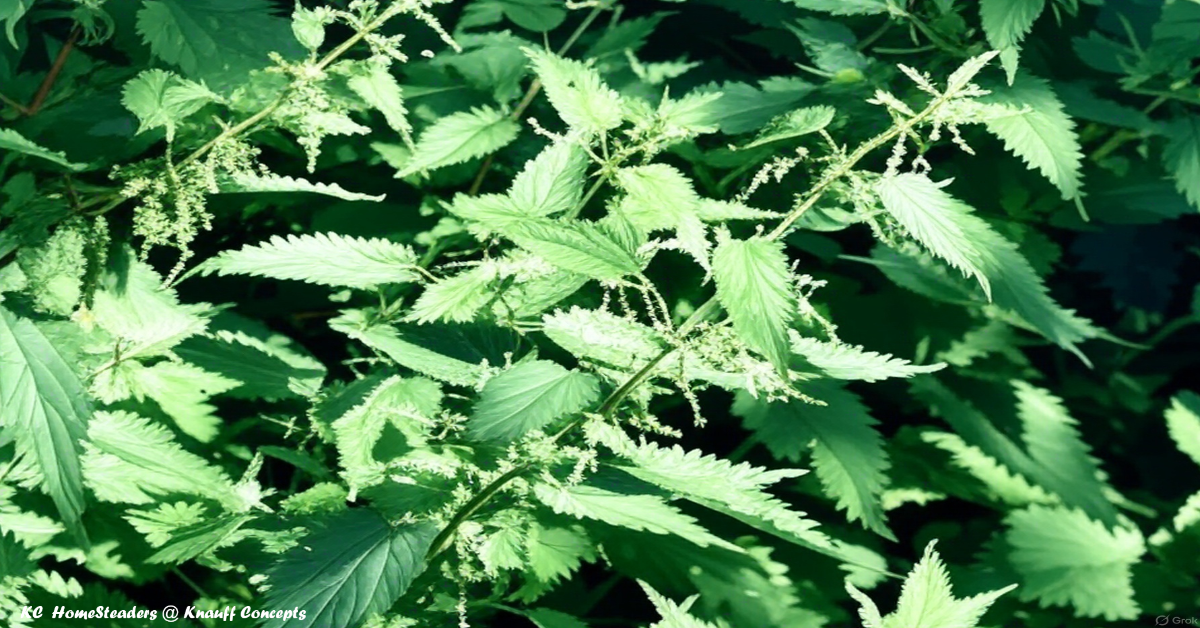
Urtica dioica is a rhizomatous perennial herb, usually 0.5–2 m tall (occasionally to 3 m), forming dense colonies from bright-yellow creeping rhizomes and stolons. Stems are erect, often four-angled, simple or sparingly branched, and clothed with both soft hairs and rigid stinging trichomes.
Leaves are opposite, petiolate, with free linear–lanceolate stipules. Blades are elliptic to ovate or lanceolate, typically 6–20 × 2–13 cm, coarsely serrate (sometimes doubly so), rounded to cordate at the base and acute to acuminate at the tip. Cystoliths in the leaf are rounded. Inflorescences are elongate, pedunculate axillary panicles of tiny greenish to brownish unisexual flowers. The species is dioecious or monoecious depending on subspecies; pistillate clusters often droop in fruit. Fruit is a small ovoid achene (~1–1.3 mm).
The sting comes from silicified trichomes that break on contact and inject a cocktail including histamine, acetylcholine, serotonin and organic acids. Cooking, drying or thorough bruising inactivates the sting.
Habitat is nitrogen-rich, moist, disturbed ground: stream banks, ditches, woodland edges, farmyards, roadsides and waste places. Native range is Europe, temperate Asia and North Africa; it is now nearly cosmopolitan in temperate zones. North American material includes subsp. dioica (typically dioecious, more densely stinging) and the more American subsp. gracilis and holosericea (taxonomy of the latter two is sometimes treated under U. gracilis). Look-alikes include U. urens (annual, smaller), Laportea canadensis (alternate leaves) and Boehmeria cylindrica (no sting).
Phytochemistry
Composition varies by organ.
Leaf/herb: flavonoids (rutin, quercetin and kaempferol glycosides, isorhamnetin derivatives, luteolin and apigenin C- and O-glycosides); hydroxycinnamic acids (caffeic, chlorogenic, caffeoylmalic, ferulic, p-coumaric); carotenoids and chlorophylls; vitamins (A, C, K and B-group); minerals (K, Ca, Mg, Fe, Si); amines in fresh trichomes (histamine, acetylcholine, serotonin); small amounts of coumarins (scopoletin, esculetin).
Root: lignans (neo-olivil, secoisolariciresinol, pinoresinol, isolariciresinol and glycosides); phytosterols (β-sitosterol and its glucoside); polysaccharides (acidic arabinogalactans, rhamnogalacturonans); the lectin Urtica dioica agglutinin (UDA); scopoletin; phenolic acids.
Seed: fatty acids (including linoleic and α-linolenic acids) and protein.
Bioactivity is polypharmacologic rather than driven by one marker compound. Leaf effects track polyphenols, minerals and 13-HOTrE-type oxylipins in some extracts; root effects track lignans, sterols, polysaccharides and UDA.
Western Traditional & Clinical Actions
Leaf: nutritive tonic, alterative, diuretic, astringent, anti-inflammatory, anti-allergic / antihistaminic, hemostatic, mild hypotensive, galactagogue, rubefacient (fresh).
Root: anti-BPH / lower-urinary-tract support, mild anti-inflammatory, SHBG-modulating.
Seed (folk/clinical herbalism): trophorestorative, especially adrenal/kidney “vitality,” used as a small-dose tonic rather than a bulk food herb.
German Commission E approved leaf as supportive therapy for rheumatic complaints and as irrigation therapy for inflammatory lower-urinary-tract conditions and prevention of kidney gravel; root for micturition difficulties of BPH stages I–II. ESCOP and EMA monographs keep those traditional/well-established-use frames.
Chinese Medicine Actions
U. dioica is not a classical Bencao official; related Urtica species appear in Chinese folk practice as xúnmá (荨麻) and in Tibetan medicine (za rgod). Modern TCM-informed practitioners usually assign:
- Taste/temperature: sweet–slightly bitter–astringent, neutral to slightly warm (seed warmer/drier)
- Channels: Kidney, Liver, Spleen, Bladder (sometimes Lung)
- Actions: nourish Blood without cloying; drain Damp and promote urination; astringe leakage (bleeding, diarrhea); clear Damp-Heat in the lower jiao; soften hardness (prostate); stop wheezing when Phlegm-Damp is present
Leaf is used more as a Blood/Qi tonic and Damp-draining herb; seed as a Kidney-essence support; root for lower-jiao urinary obstruction. This is an interpretive overlay, not a Shanghan/Jingui lineage herb.
Traditional & Historical Uses
Dioscorides and Galen used nettle as diuretic, laxative and for asthma, pleurisy and spleen complaints; Pliny noted hemostasis. Romans used urtication (deliberate stinging) for cold limbs and rheumatic pain—the origin of the folk tale that they introduced nettles to Britain as a “portable heater,” which is historically shaky because native nettles already grew there.
Medieval and early-modern Europe used spring leaf as a “blood-cleansing” pot-herb against scurvy, anemia, boils and winter Damp. Fiber from stems made cloth, sailcloth, cordage and paper from the Bronze Age through WWII German Nesseltuch experiments. Indigenous North American nations used it as antirheumatic, postpartum tonic, hair wash and counter-irritant. Ayurveda and Unani use related nettles (sisona, anjuraa) for hemorrhage, skin eruptions and urinary complaints. Fresh leaf juice or tea was a country hemostatic for nosebleeds and heavy menses.
Modern Pharmacological Evidence
Mechanisms supported mainly in vitro and in animals:
- Anti-inflammatory: leaf extracts inhibit NF-κB, COX-1/COX-2 and hematopoietic prostaglandin D2 synthase; reduce TNF-α, IL-1β and matrix metalloproteinases in chondrocytes. Some proprietary leaf extracts are standardized around 13-HOTrE.
- Anti-allergic: H1-receptor antagonist/negative-agonist activity; reduced mast-cell mediator release.
- BPH / prostate: root lignans compete for SHBG binding; UDA blocks EGF binding to its receptor; polysaccharides add anti-inflammatory effects; weak aromatase/5α-reductase activity is reported but is probably not the main driver.
- Metabolic: insulin-secretagogue fractions; improved glucose uptake and antioxidant status in diabetic models.
- Antioxidant / cytoprotective: high phenolic load; hepatoprotective and neuroprotective signals in rodent work.
- Antimicrobial / lectin: UDA has antiviral (including older SARS-CoV lectin data) and immunomodulatory activity.
These mechanisms explain traditional uses but do not by themselves prove clinical efficacy.
Clinical Studies
Evidence is strongest for root in BPH symptoms, modest for leaf in osteoarthritis/rheumatic pain and allergic rhinitis, and preliminary for glycemic control.
- BPH: A 2025 systematic review of 6 RCTs (n = 1,210) found nettle improved IPSS versus control (SMD −2.06; very-low-certainty evidence) and lowered PSA slightly (MD −0.37 ng/mL; low certainty), with little effect on quality of life. Risk of bias was often unclear or high. Older German work (e.g. Bazoton-uno 459 mg/day for 12 months; Safarinejad 360 mg aqueous root extract/day for 6 months in 558 completers) reported better flow and symptom scores than placebo. Combination products with saw palmetto are common and confound attribution. EMA treats root as a traditional herbal medicinal product for LUTS of BPH after serious causes are excluded.
- Osteoarthritis / rheumatic pain: small RCTs and a 2026 German Pain e-Registry analysis of Hox Alpha (2-propanolic leaf dry extract) versus OTC NSAIDs suggested comparable or better multidimensional outcomes and fewer adverse events in real-world self-medication—observational, not a gold-standard RCT. Fresh-leaf urtication of the painful joint has a small positive pilot versus a non-stinging Urtica control.
- Allergic rhinitis: classic double-blind trial of freeze-dried leaf 600 mg at symptom onset beat placebo on global ratings; later data remain limited.
- Type 2 diabetes: Iranian trials of leaf extract (e.g. 500 mg every 8 h for 3 months) reported reductions in fasting glucose, postprandial glucose and HbA1c; sample sizes are modest and products vary.
Overall: promising adjunct, not a replacement for guideline care of BPH, diabetes or inflammatory arthritis.
Preparations & Dosage
Authoritative ranges (EMA / Commission E / common clinical herbalism):
| Part | Form | Typical adult dose |
|---|---|---|
| Leaf | Infusion | 2–4 g per cup, 3–6×/day (8–12 g/day) |
| Leaf | Fresh juice | 5–10 mL, 3×/day |
| Leaf | Dry extract | ~450–750 mg, 2–3×/day (product-specific DER) |
| Leaf | Tincture 1:5 | ~2.5–5 mL, 3×/day |
| Leaf | Freeze-dried | 300–600 mg, up to 600 mg as in the allergy trial |
| Root | Decoction | 1.5 g in 150 mL, 3–4×/day (~4–6 g/day) |
| Root | Dry extract | 360–1,200 mg/day depending on extract (e.g. 459 mg Bazoton-uno once daily) |
| Root | Tincture 1:5 | 5–7.5 mL, 3–4×/day |
| Seed | Tincture / crushed | low dose, often 1–3 mL tincture 1–3×/day |
Leaf tea: pour boiling water over the herb, cover, steep 10–15 min. Root: start in cold water, bring to a boil ~1 min, steep covered 10 min. For irrigation therapy, drink plenty of fluid unless edema from heart or kidney failure is present. Duration: leaf irrigation traditionally limited to ~4 weeks before review; root for BPH is often used long-term under diagnosis.
Safety & Contraindications
Oral dried leaf and root are generally well tolerated for months. Common effects: mild GI upset (nausea, loose stool, fullness). Fresh plant causes contact urticaria—expected, not an “allergy” in most people, though true allergy exists.
Avoid or use only with specialist advice:
- Pregnancy: treated as likely unsafe / not recommended. Reputed emmenagogue/abortifacient; theoretical uterine stimulation. (Older Commission E listed “no restriction,” but EMA herb texts and modern monographs advise against use.)
- Lactation: insufficient data; many sources advise caution despite traditional galactagogue use.
- Children under 12: not recommended in EU monographs.
- Known hypersensitivity to Urticaceae.
Interactions / cautions:
- Lithium: diuretic effect may reduce lithium clearance.
- Antihypertensives and other diuretics: additive BP/potassium effects possible.
- Antidiabetic drugs: possible additive hypoglycemia—monitor glucose.
- Warfarin/anticoagulants: theoretical (vitamin K in leaf vs antiplatelet phenolics); monitor INR if starting a concentrated product.
- Do not use leaf as irrigation therapy when edema is due to cardiac or renal failure.
- Root for urinary symptoms requires exclusion of prostate cancer, infection, stones and retention; worsening pain, fever, blood in urine or inability to void needs urgent care.
Fresh-sting first aid: do not rub; wash; dock (Rumex) or plantain leaf is traditional local soothe. Symptoms usually fade in hours.
Cultivation & Harvest
Nettle is a nitrophile. It thrives in moist, fertile loam, full sun to part shade, pH ~5.5–7.5. Propagate by rhizome division (spring/autumn) or seed (surface-sow; no deep dormancy). Field methods: direct sow ~6 kg/ha, transplant nursery plants, or plant 10 cm stolons 5–7 cm deep. It spreads aggressively—contain with barriers if you do not want a patch.
Harvest: young leaf before or at early flowering for food and tea (gloves). Later leaves are coarser and higher in cystoliths/silica. Root in autumn after aerial die-back, or early spring. Seed when achenes are brown and dry. Dry leaf quickly in thin layers with good airflow, away from sun, to keep color. Sustainability is rarely an issue globally, but harvest away from roads, sprayed fields and dog-walk edges; leave patches for butterflies (Aglais urticae, Vanessa atalanta and others depend on it).
Commercial Products
- Leaf teas and tea bags (bulk culinary/herbal)
- Freeze-dried leaf capsules (allergy-oriented; Eclectic, Oregon’s Wild Harvest, Planetary Herbals-type products)
- Leaf dry extracts such as German Hox Alpha (2-propanolic extract) for rheumatic complaints
- Root extracts: Bazoton / Bazoton-uno, Prostaherb, various 20% methanol or hydroethanolic dry extracts
- Combinations: nettle root + saw palmetto ± Pygeum, pumpkin seed
- Fresh plant juice (German Presssaft)
- Hair rinses, shampoos, and “nettle beer”
- Fiber/textile revival projects (nettle linen)
Quality varies widely. Prefer organ identity (leaf vs root), DER and solvent on the label, and products made from correctly identified U. dioica (or U. urens where the monograph allows).
Ethnobotanical Curiosities
- Bronze Age Danish cremation wraps and Neolithic cordage were nettle fiber, not always flax.
- “Scotch cloth” and table linen were once household nettle.
- Urtication was medical counter-irritation and, in some cultures, erotic flagellation—the word urticaria is the same root (urere, to burn).
- Nettle patch = butterfly nursery; pulling every stem is an ecological loss.
- Yellow rhizomes dye wool; leaf gives a chlorophyll-green dye.
- A salted decoction was used as vegetable rennet.
- Campbell claimed he had “eaten nettles, slept in nettle sheets, and dined off a nettle tablecloth.”
Recent Research (2020–2026)
Reviews from 2020–2026 map a wider phytochemical inventory (UHPLC-HRMS of C-glycosyl flavones, oxylipins, lignan glycosides) and push three themes: (1) BPH evidence synthesis—the 2025 meta-analysis above, still low-certainty; (2) oncology adjuncts—in vitro apoptosis and migration-inhibition in breast, prostate, colon and liver lines, plus nettle-synthesized Ag/Se nanoparticles; no substitute for oncology care; (3) metabolic and neuroprotection—2026 systematic review of diabetic animal models found reduced neuropathy/cognitive injury via oxidative-stress and insulin-signaling pathways. Extraction work includes NADES and microwave-assisted methods. A 2026 registry study of Hox Alpha versus OTC NSAIDs is the most notable new human dataset for joint pain, but it is retrospective. Clinical gaps remain: standardized extracts, longer RCTs, and head-to-head trials versus alpha-blockers or antihistamines.
Conservation Status
IUCN Red List: Least Concern (global 2015; Europe 2014). NatureServe G5 (Secure). The plant is a common weed and a conservation asset for insects. No species-level harvest crisis. Local over-picking of wild spring greens is a courtesy issue, not an extinction issue. Protect habitat quality (uncut field margins) rather than the species itself.
DIY Recipes
Use plants from clean ground. Wear gloves for fresh material. These are traditional kitchen/herbal preparations, not prescriptions.
1. Daily leaf infusion (mineral tea)
2–3 g dried leaf (or a small handful of young fresh tops) per 250 mL boiling water. Cover 10–15 min. 1–3 cups/day. Lemon improves flavor; a pinch of mint hides the spinach note.
2. Spring nettle soup
Wilt 200–300 g young tops in a covered pan until the sting is gone. Sweat onion and potato in butter or oil, add stock, add nettles, blend. Finish with cream or olive oil. Do not use plants in full seed if you are avoiding extra fiber/grit.
3. Leaf tincture
Fill a jar loosely with chopped fresh leaves or 1:5 dried leaf:25–40% ethanol. Macerate 2–4 weeks, shake daily, press. Start around 2–3 mL in water, 2–3×/day.
4. Root decoction (only if BPH is already medically assessed)
1.5 g dried cut root, 150 mL water, brief boil, 10 min steep. Not a self-diagnosis tool.
5. Hair rinse
50 g dried leaf simmered 20 min in 1 L water, cooled, strained. Use after shampoo. Traditional for oily scalp; evidence is folklore-grade.
6. Oxymel (leaf)
Equal parts strong nettle infusion and raw apple-cider vinegar, sweetened with honey to taste. 1–2 tsp in water.
Do not apply unidentified “nettle” oils to broken skin. Do not give concentrated extracts to children or use them in pregnancy.
X (Twitter) Snapshot – 2020–2026
Recent posts treat nettle as ordinary kitchen medicine rather than a biotech story. Users drink it as a daily mineral tea, pair it with dandelion and burdock for “kidney/liver” blends, recommend it for heavy menses and postpartum vitality, and still warn each other to harvest off-road. Freeze-dried capsules circulate in allergy season. Fiber and foraging accounts periodically revive nettle-cloth nostalgia. There is little controversy compared with cannabis or kratom; the live debate is leaf vs root, tea vs freeze-dried, and whether a sting is a feature (urtication) or a harvesting tax.
Clinical bottom line: Leaf is a nutritious, mildly diuretic, anti-inflammatory food-herb with modest trial support for allergic rhinitis and rheumatic discomfort. Root is the BPH herb, with a large but methodologically uneven clinical footprint and official traditional-use status in Europe. Identify the organ, respect pregnancy and drug cautions, and do not let herbal LUTS care delay investigation of retention, infection or malignancy.
Planting & Harvesting Reference Guide for Nettle (Urtica dioica)
👈Planting & Harvesting Reference Guide:👇
Nettle (Urtica dioica) – Planting & Harvesting Reference Guide
- Best Time for Planting
- Early spring or autumn, when soil is workable and the ground will stay moist.
- Propagate by rhizome or stolon division (most reliable), by short stolons set about 5–7 cm deep, or by surface-sowing fresh seed (little dormancy).
- Field options: direct sow about 6 kg/ha, transplant nursery plants, or set 10 cm stolons.
- Site: moist, fertile, nitrogen-rich loam; full sun to part shade; stream edges, ditch banks, barn margins, woodland openings—Nettle follows settlement nitrogen, not dry limestone upland.
- Contain with a root barrier if you do not want a thicket.
- Magical timing used in the SPARK stream: waxing moon for establishment; Tuesday / hours of Mars if you work that calendar. These timings are contemporary craft practice, not classical agronomy.
- Growing Conditions & Magical Minded Tips
- Do not starve the patch if you want medicinal leaf; mineral density follows fertility. Extreme farm nitrogen changes insect-host chemistry—balance food with butterfly habitat.
- Cut young tops repeatedly for a prolonged leaf harvest.
- Keep leaf, root, and seed as separate crops in the mind and in the shed.
- Leave standing colonies for Small Tortoiseshell, Peacock, Comma, and Red Admiral larvae; never strip a whole stand in May.
- Whisper thanks before you set roots; offer water, a crumb, or a word. Gloves are wisdom.
- Biodynamic gardens may grow extra flowering Nettle (no roots) for Preparation 504: wilt, pack, bury a full year, lift the dark residue for the compost.
- Best Time for Harvesting Each Organ
- Leaf and young tops: spring, before or at early flowering; dry morning after dew. Later leaf is coarser and higher in mineral grit; do not take seeded, gritty leaf for tea.
- Root: autumn after die-back, or early spring from established crowns.
- Seed: when achenes are brown.
- Fiber stems: mature stems after leaf harvest if cloth is the aim; ret separately.
- Flowering aerial parts for 504: late spring to early summer in flower, roots left in the ground.
- Avoid roadsides, sprayed fields, dog paths, landfills, and mine ground—Nettle accumulates metals.
- Sustainable & Magical Harvesting Methods
- Gloves and long sleeves. Grasp stems firmly from below if you must touch fresh plants; a brushing stroke injects more.
- Take only what you will use. Leave intact patches. Identify twice: opposite serrate leaves, sting, yellow rhizomes. Reject Lamium (no sting), Laportea (alternate leaves), Urtica urens if you want the perennial crop, stingless Boehmeria and Pilea.
- Ask the patch. The sting is already an answer if you do not.
- Steel or sickle is fine. Dry-morning cut. Do not invent a forbidden-knife rule the old herbals never wrote.
- In North America, know whether you are cutting Eurasian Nettle (Urtica dioica) or native Urtica gracilis.
- Post-Harvest Processing
- Wilt or cook fresh tops until the sting dies before they become food.
- Dry leaf in thin layers, shade, airflow—never harsh sun.
- Store leaf, root, and seed in separate airtight vessels, labeled by organ. They are not interchangeable.
- Tincture leaf in a moderate ethanol; root in a stronger menstruum. Seed in small doses only.
- Freeze-dry leaf if the aim is the allergy-style capsule tradition.
- Salted leaf decoction for vegetable rennet; freeze leaves before wrapping cheese (Yarg-style) so the sting is gone.
- Fiber: nettle stems (soak about a week), dry, break, and spin apart from the tea cupboard.
Always harvest as if the Peacock’s child is still on the leaf. Ward the patch; then feed the house.
Healing Categories of Nettle (Urtica dioica)
👈(This Plant): fits most strongly into the following healing categories, based on its traditional use, phytochemistry, clinical observations, and energetic profile:👇
Nettle (Urtica dioica) — best-fit healing categories
Nutritive / mineral tonic — Spring leaf as food-medicine: chlorophyll, minerals, the old “blood-building” pot-herb after winter.
Aquaretic / urinary (leaf) — Traditional flushing of water through the kidney–bladder path; not a loop-diuretic substitute, and not for edema of heart or kidney failure.
Lower-urinary / prostate (root) — Official European use for micturition complaints in BPH after serious disease is excluded.
Antirheumatic / joint — Leaf internally and live-stem urtication externally for stiff, hot, used joints.
Antiallergic / upper airway (leaf) — Freeze-dried leaf tradition for seasonal rhinitis.
Hemostatic / astringent — Folk styptic for minor bleed, postpartum and dental notes in the older record.
Galactagogue & women’s tonic (leaf, traditional) — Midwifery and lactation formulas; pregnancy use stays cautious.
Metabolic / glycemic adjunct — Smaller human series on aerial extracts in type 2 diabetes; adjunct, not monotherapy.
Dermatologic / counter-irritant — Sting as teaching and as treatment; homeopathic Urtica urens for wheal-and-flare.
Veterinary & farm tonic — Stock, poultry, and fish feed-medicine in ethnoveterinary Europe.
Boundary / Martial spirit — Protection, hex-return, threshold, courage—folk magic, not a clinical billing code.
Healing Categories
1. Nutritive restoration
Nettle (Urtica dioica) leaf is first a food that happens to be a medicine. Cooked tops and long infusions supply the mineral-chlorophyll density country practice called “blood-cleansing.” Best in late winter and spring depletion, anemia-lean fatigue, and the thin person who has lived on stored food. Site must be clean.
2. Water and the middle-lower burner (leaf)
Traditional aquaretic: more urine, less puff, less rheumatic damp in the joint. Official leaf monographs sit here. Contraindicated when swelling is from failed heart or kidney.
3. Prostate and the aging stream (root)
A different organ, a different drug. EMA, Commission E, ESCOP, Bazoton-class extracts, Iranian RCTs: symptom scores, night rising, flow—not a promise to shrink cancer. Diagnose first.
4. Joint fire and the flogging rite
Leaf tea plus, in the old way, live Nettle on the stiff joint. Counter-irritant heat that later quiets. Osteoarthritic and rheumatic series are modest and real.
5. Seasonal shield (leaf)
Freeze-dried aerial parts for hay fever. Mittman’s trial is small and American; the folk use is older. Not an epinephrine pen.
6. Skin that speaks in wheals
The plant writes its signature on skin. Homeopathy took the smaller annual; folk medicine took the flogging and the rinse. Useful when the story is sting, itch, and heat that likes more heat.
7. Metabolic companion
Iranian leaf-extract work on glucose and HbA1c. Category is adjunct under watch, especially if other glucose- or water-pills are already in the cupboard.
8. Birth, milk, and the women’s cupboard (traditional)
Postpartum iron-lean tonic, lactation teas, styptic notes. Modern pregnancy caution overrides casual dosing.
9. The barn and the table beyond the human
Ethnoveterinary Europe and feed trials: digestion, yolk color, resilience. Same plant, scaled to hoof and hen.
10. Spirit of the edge
Mars, threshold, returned curse, May three-times-three. Healing here is courage with soup after—not a substitute for the root extract or the hospital.
Synergistic & holistic note
Nettle (Urtica dioica) synergizes with itself only when the organs stay honest: leaf with spring food, nettle beer, and freeze-dried allergy use; root with saw palmetto or pygeum in the old prostate formulas; live stem with dock nearby as the land’s own sting-and-salve pair. Holism is not dumping every part into one capsule. Holism is one plant, many gates, each gate kept.
✨ If You Only Read U.S. Consumer Pages ✨
U.S. consumer pages usually flatten Nettle (Urtica dioica) into three images: a spring “superfood” green, a freeze-dried capsule for hay fever, and a prostate-blend bottle standing next to saw palmetto. Those images are not invented. Mittman’s rhinitis trial was American; AHP wrote a serious U.S. monograph; farmers’-market soup is real. What those pages rarely show is the European legal plant: two pharmacopoeial drugs, leaf and root, with different monographs, different extracts, and different official sentences. They rarely name Bazoton, Commission E, ESCOP, or the 2025 EMA root revision. They rarely say that some of the strongest stand-alone RCTs were run in Iran, not in a U.S. drug label. They almost never warn that North American “wild Nettle” is often Urtica gracilis, or that landfill and roadside plants used for phytoremediation are not soup. They seldom mention veterinary dose tables, Nettle rennet, Himalayan fiber economies, or UDA lectin bench work. Reading only U.S. retail copy makes Nettle (Urtica dioica) look like a wellness green with an allergy capsule and a men’s-health add-on. Reading the global official and clinical record makes it look like a two-organ European herbal medicine, a farm and fiber crop, a nitrophile of settlement soils, and a plant whose human trials have taken place in Wiesbaden, Tehran, and Sandy, Oregon—not in a single aisle.
Sources:
https://www.ema.europa.eu/en/documents/herbal-monograph/final-european-union-herbal-monograph-urtica-dioica-l-urtica-urens-l-radix-revision-1_en.pdf
https://www.herbalgram.org/resources/expanded-commission-e-monographs/stinging-nettle-herb-and-leaf/
https://www.herbalgram.org/resources/herbalgram/issues/110/table-of-contents/hg110-herbpro-stingingnettle/
https://www.holisticfarming.ca/p/stinging-nettle-more-than-a-weed
https://www.drugs.com/npp/nettles.html
Globally: Where This Plant Is Studied
👈Global research, official texts, publishers, and human-trial data, rather than U.S.-consumer-page-limited:👇
Where This Plant Is Studied
Nettle (Urtica dioica) is studied as a temperate-world working plant—pharmacognosy, urology, rheumatology, agronomy, fiber science, veterinary nutrition, and traditional medicine—rather than as a single-market “greens powder.” The densest official and clinical architecture is European: German phytomedicine, EMA HMPC assessments, European Pharmacopoeia quality definitions, ESCOP monographs, and industrial root extracts such as Bazoton. Clinical and extract work also clusters in Iran (BPH and type 2 diabetes trials), Turkey, Italy, Poland, the United Kingdom, and the United States (freeze-dried leaf allergy work, American Herbal Pharmacopoeia). South Asian and Himalayan scholarship treats Nettle (Urtica dioica) as food-medicine and fiber (sisnu, Unani anjura/qurrāṣ streams, Bhotiya textiles), while Tibetan sources keep related nettles in the za rgod register. North American research must be read with a taxonomic caution: much ethnobotany and some supplement raw material is Urtica gracilis, long lumped under Nettle (Urtica dioica). Genome and cytotype papers (European tetraploids versus American diploids) now come from assembly projects and ploidy surveys spanning Greece to Arctic Norway. Fiber and phytoremediation labs sit in Germany, the Himalaya, Iran, Ukraine, and Kosovo mining districts. In short: this is a European official-herb plus a pan-temperate food-fiber-farm plant, not a TCM megafield and not a U.S.-only supplement story.
Sources:
https://www.ema.europa.eu/en/medicines/herbal/urticae-radix
https://www.herbalgram.org/resources/herbalgram/issues/110/table-of-contents/hg110-herbpro-stingingnettle/
https://pmc.ncbi.nlm.nih.gov/articles/PMC11722821/
https://pmc.ncbi.nlm.nih.gov/articles/PMC9230748/
https://www.mdpi.com/1420-3049/27/16/5219
Official Books That Name This Species
Nettle (Urtica dioica) is named, split by organ, and quality-tested in official European books. The European Pharmacopoeia defines Nettle root (Urticae radix; Ph. Eur. 01/2022:2538) as the dried underground parts of Nettle (Urtica dioica), Urtica urens, their hybrids or mixtures. EMA HMPC maintains separate European Union herbal monographs and assessment reports for leaf/herb and for root; the root monograph was revised and adopted as Revision 1 (EMA/HMPC/322646/2023), finalized in 2025. German Commission E approved herb/leaf and root for distinct indications. ESCOP published Urticae folium/herba (2018) and Urticae radix (2015). The American Herbal Pharmacopoeia issued a 2009 therapeutic compendium on Stinging Nettle herb (Nettle (Urtica dioica) and Urtica urens). Homeopathic pharmacopoeias name Urtica urens as the small annual used for sting and urticaria pictures. Nettle (Urtica dioica) appears in Ayurvedic and Unani practice and in secondary official or semi-official lists as a combination or regional drug; it is not a headline single-drug pillar of the Pharmacopoeia of the People’s Republic of China in the way Gan Cao is for licorice. In the United States it is a dietary supplement and food, not an FDA botanical NDA drug. The official European distinction—leaf for rheumatic and aquaretic use, root for lower-urinary symptoms of benign prostatic hyperplasia—is the legal spine most consumer pages never print.
Sources:
https://www.ema.europa.eu/en/documents/herbal-monograph/final-european-union-herbal-monograph-urtica-dioica-l-urtica-urens-l-radix-revision-1_en.pdf
https://www.ema.europa.eu/en/documents/herbal-report/final-assessment-report-urtica-dioica-l-urtica-urens-l-radix-revision-1_en.pdf
https://www.escop.com/downloads/urticae-folium-herba-nettle-leaf-herb/
https://www.escop.com/downloads/nettle-root/
https://www.herbalgram.org/resources/expanded-commission-e-monographs/stinging-nettle-herb-and-leaf/
http://s3-us-west-2.amazonaws.com/ahpaccess01/monograph-tocs/ahp-stinging-nettle-herb-toc.pdf
Who Publishes on It
Publication splits across several scholarly worlds. German and wider EU phytomedicine (Commission E lineage, HMPC assessments, Bazoton and combination prostate products) set the official tone. Journals that repeatedly carry the plant include Journal of Ethnopharmacology, Planta Medica, Phytotherapy Research, Molecules, Frontiers in Veterinary Science, Frontiers in Plant Science, and urology titles when the subject is IPSS scores. Iran has produced some of the clearest stand-alone human trials on root for BPH and leaf for glycemic control. Turkey, Italy, Poland, India, Nepal, and China publish chemistry, fiber, and food-function papers. The United States contributes the 1990 freeze-dried leaf rhinitis trial, AHP monographs, and supplement-industry analytics. Veterinary and feed papers now come from Switzerland’s ethnoveterinary groups, Romania, and mixed European–Asian husbandry labs. Fiber and remediation authors sit in German Nettle-clone processing, Himalayan craft studies, and soil-metal groups in Iran and Eastern Europe. Publishers include EMA, EDQM (Ph. Eur.), ESCOP, ABC/HerbalGram, Elsevier, Springer, MDPI, Frontiers, and national pharmacopoeia commissions. Consumer sites reprint fragments. They are not the original publishers.
Sources:
https://www.herbalgram.org/resources/herbalgram/issues/110/table-of-contents/hg110-herbpro-stingingnettle/
https://www.mdpi.com/1420-3049/27/16/5219
https://www.frontiersin.org/journals/veterinary-science/articles/10.3389/fvets.2024.1430362/full
https://www.sciencedirect.com/science/article/pii/S2210803324000927
https://www.ema.europa.eu/en/medicines/herbal/urticae-radix
Human Trials Tied to This Species
Human evidence for Nettle (Urtica dioica) is organ-specific and uneven in size, which is why official Europe still speaks of traditional use for leaf and a more accumulated (still not “well-established drug” in the strongest EMA sense) root file for urinary symptoms of BPH. Root: Safarinejad’s Iranian randomized, double-blind, placebo-controlled crossover study (Journal of Herbal Pharmacotherapy, 2005) is a frequently cited stand-alone Nettle (Urtica dioica) root trial. German multicenter work on Bazoton-uno (about 459 mg root dry extract, 7.1–14.3:1, 20% methanol) followed men with BPH for a year after a placebo run-in (N = 246 in the 2004 report). Combination trials pair Nettle root with saw palmetto (PRO 160/120 / Prostagutt forte) against finasteride in large German cohorts. ESCOP notes clinical safety experience running into many thousands of root-treated patients with a low adverse-event rate. Leaf: Mittman’s 1990 Planta Medica double-blind study of freeze-dried Nettle (Urtica dioica) leaf (Eclectic Institute; two 300 mg capsules at symptom onset) remains the classic allergic-rhinitis trial. Iranian randomized work has tested hydroalcoholic aerial-part extracts at about 100 mg/kg/day for eight weeks on fasting and postprandial glucose and HbA1c in type 2 diabetes (including a registered tea-bag protocol, NCT00422357). Freeze-dried or extracted leaves have also been studied as adjuvant in rheumatic and osteoarthritic complaints (Chrubasik and German open multicenter series). Smaller human notes exist for dental bleeding, episiotomy comfort, and topical sting. Combination teas and multi-herb capsules blur species credit; the cleanest species-tied files remain German root extracts, the Iranian BPH and diabetes RCTs, and the U.S. freeze-dried leaf rhinitis study.
Sources:
https://pubmed.ncbi.nlm.nih.gov/16635963/
https://www.herbalgram.org/resources/herbalgram/issues/110/table-of-contents/hg110-herbpro-stingingnettle/
https://www.drugs.com/npp/nettles.html
https://www.mdpi.com/1420-3049/27/16/5219
https://clinicaltrials.gov/study/NCT00422357
https://www.escop.com/downloads/nettle-root/

Part 1: Modern Medical Properties and Uses

Purpose: Highlights the plant’s scientific and medicinal properties, validating holistic healing with evidence-based data.
Contemporary Medical Applications of Nettle (Urtica dioica)
👈Contemporary Medical Applications: Describes current clinical uses (e.g., capsules, tinctures) and delivery methods in modern medicine.👇
Contemporary Medical Applications:
- Nettle leaf and herb are prepared today as dried-cut teas, aqueous and hydroethanolic dry extracts, fresh expressed juices, freeze-dried capsules, tinctures, and film-coated tablets used as irrigation and anti-inflammatory support. European monographs authorize leaf preparations as adjuvant therapy for rheumatic complaints and as aquaretic irrigation for inflammatory lower-urinary-tract conditions and prevention of kidney gravel, with daily leaf equivalents commonly in the range of eight to twelve grams of crude herb as infusion or corresponding extract doses taken in divided portions.
- Nettle root is manufactured as comminuted herbal tea, methanol or ethanol dry extracts, liquid extracts, and finished capsules such as the long-marketed German Bazoton-type products. The European Medicines Agency traditional-use monograph frames root for relief of lower-urinary-tract symptoms related to benign prostatic hyperplasia after serious disease has been excluded, and German Commission E earlier approved root for micturition difficulty in Alken stages I–II prostatic adenoma.
- Freeze-dried Nettle leaf capsules remain a distinctive modern delivery form because lyophilization preserves labile constituents associated with the fresh sting hairs. Clinical and practitioner use centers on seasonal allergic rhinitis and upper-airway reactivity, typically at about three hundred to six hundred milligrams per dose at onset of symptoms, a pattern established by the classic Mittman trial and still reflected in North American supplement practice.
- Combination finished products pair Nettle root with saw palmetto fruit, pumpkin seed, or African prune bark for prostate and bladder comfort, while leaf is blended with birch, goldenrod, or restharrow in “kidney and bladder” teas. Veterinary and ethnoveterinary practice in Europe also uses Nettle as a feed additive, wound wash, and antirheumatic herb for livestock, extending the same leaf and herb preparations beyond human clinics.
- Topical contemporary use includes fresh-leaf urtication or nettle spirit applied over painful joints as a counter-irritant, leaf rinses and shampoos for scalp oiliness, and hydroalcoholic rubs. These external forms sit beside internal aquaretic and anti-inflammatory dosing rather than replacing them, and they keep alive the old practice of using the living plant’s sting as medicine rather than only the dried drug.
- Fresh Nettle juice (Presssaft) remains a licensed or traditionally marketed dosage form in German-speaking pharmacy, used as a spring tonic and mild diuretic. Practitioners also employ 1:2 or 1:5 liquid extracts of leaf in twenty-five to forty percent ethanol and of root in higher-proof menstruums, allowing flexible dropwise dosing that can be combined with other trophorestorative herbs in clinic formulas.
- Delivery choice is organ-specific: leaf and herb address nutrition, allergy, joints, skin, and water elimination; root addresses prostate and voiding dynamics. Substituting one organ for the other is a modern manufacturing error. Quality specifications follow European Pharmacopoeia definitions for Urticae folium and Urticae radix from Urtica dioica, Urtica urens, or their mixtures.
Sources: Contemporary Medical Applications
Sources
https://www.ema.europa.eu/en/medicines/herbal/urticae-radix
https://www.ema.europa.eu/en/documents/herbal-monograph/final-european-union-herbal-monograph-urtica-dioica-l-urtica-urens-l-radix-revision-1_en.pdf
https://www.ema.europa.eu/en/documents/herbal-monograph/final-community-herbal-monograph-urtica-dioica-l-urtica-urens-l-folium_en.pdf
https://www.escop.com/downloads/urticae-folium-herba-nettle-leaf-herb/
https://www.escop.com/downloads/nettle-root/
https://www.herbalgram.org/resources/expanded-commission-e-monographs/stinging-nettle-herb-and-leaf/
https://www.herbalgram.org/resources/expanded-commission-e-monographs/stinging-nettle-root/
https://www.vetpharm.uzh.ch/PHYTODB/0027_PHY.HTM
https://pubmed.ncbi.nlm.nih.gov/2192379/
Pharmacology of Nettle (Urtica dioica)
👈Pharmacology: Outlines key compounds and their mechanisms of action, driving therapeutic effects.👇
Pharmacology:
- Leaf extracts inhibit several nodes of the inflammatory cascade at once. Laboratory work shows antagonism and negative agonism at the histamine H1 receptor, suppression of mast-cell mediator release, and inhibition of cyclooxygenase-1, cyclooxygenase-2, and hematopoietic prostaglandin D2 synthase, which together slow formation of prostaglandins and other lipid mediators that drive seasonal allergy and joint irritation.
- A further leaf mechanism is transcriptional. Nettle leaf preparations reduce activity of the pro-inflammatory transcription factor NF-κB and lower matrix metalloproteinases in human chondrocyte models, offering a prostaglandin-independent path that helps explain traditional antirheumatic use and the modern interest in oxylipins such as 13-HOTrE concentrated in some proprietary 2-propanolic leaf extracts.
- Root pharmacology is anchored in the lectin Urtica dioica agglutinin, a small chitin-binding protein that remains stable through digestion. UDA interferes with epidermal growth factor binding to its receptor on prostate and other epithelial cells, a receptor-level action that complements the anti-proliferative and immunomodulatory behavior of root polysaccharide fractions.
- Lignans of the root, including secoisolariciresinol, neo-olivil, pinoresinol and isolariciresinol, interact with sex hormone-binding globulin. Polar lignans displace steroids from SHBG and reduce SHBG docking to prostatic membranes, changing the local availability of androgens without needing to act as a strong 5α-reductase blocker, which appears only weakly in nettle assays.
- Phytosterols such as β-sitosterol and sitosterol glucoside, together with acidic root polysaccharides, add anti-edema and anti-inflammatory tone in prostate and bladder tissue. Animal models of induced prostatic hyperplasia show reduced gland growth after oral root extract, aligning receptor, lectin, lignan and polysaccharide actions into one organ-level effect.
- Metabolic pharmacology of the aerial parts includes insulin-secretagogue fractions isolated from leaves, PPAR-γ agonism, and alpha-glucosidase inhibition. These actions, plus abundant potassium and polyphenols, support the observed diuretic, mild hypotensive and glucose-lowering signals without reducing the plant to a single “active.”
- The fresh sting itself is pharmacology: silicified trichomes inject histamine, acetylcholine, serotonin and organic acids, producing a brief neurovascular flare that traditional urtication used as counter-irritation. Drying, cooking or expressing juice destroys that injection system while leaving minerals, flavonoids and caffeoyl esters intact for internal use.
Sources: Pharmacology:
Sources
https://link.springer.com/article/10.1007/s11101-020-09680-x
https://pmc.ncbi.nlm.nih.gov/articles/PMC8894011/
https://www.mskcc.org/cancer-care/integrative-medicine/herbs/nettle
https://www.sciencedirect.com/science/article/abs/pii/S0944711307000542
https://www.sciencedirect.com/science/article/abs/pii/S0944711311800048
https://www.mdpi.com/1422-0067/25/6/3430
https://www.herbalgram.org/resources/herbclip/issues/2007/bin_336/review45111/
https://pmc.ncbi.nlm.nih.gov/articles/PMC11242153
Natural Medicine Studies / Nettle (Urtica dioica)
👈Natural Medicine Studies: Summarizes recent research on efficacy, safety, or clinical outcomes from peer-reviewed studies.👇
Natural Medicine Studies:
- A 2025 systematic review of six randomized trials totaling 1,210 men found Nettle preparations improved International Prostate Symptom Scores versus control at follow-up to twelve months and produced a small reduction in prostate-specific antigen, with little measured change in quality-of-life scores. Risk of bias was often unclear or high, yet the direction of effect was consistently favorable and adverse events were not reported in the included trials.
- Safarinejad’s 2005 prospective, randomized, double-blind, placebo-controlled study of aqueous Nettle root in hundreds of men with symptomatic benign prostatic hyperplasia remains a landmark human dataset. Completers taking three hundred sixty milligrams daily for six months showed higher rates of symptom improvement, better peak flow and lower residual volume than placebo, and the signal has been echoed in later Iranian and German extract trials.
- Mittman’s 1990 randomized, double-blind comparison of freeze-dried Nettle leaf versus colored lactose in ninety-eight people with allergic rhinitis, sixty-nine of whom completed one week of dosing, found global ratings favored Nettle over placebo, with diary scores only modestly better. That study still underwrites freeze-dried leaf practice for hay fever and established the six-hundred-milligram clinical reference dose.
- Kianbakht and colleagues conducted a randomized, double-blind, placebo-controlled trial of Nettle leaf extract, five hundred milligrams every eight hours for three months, in patients with advanced type 2 diabetes who were already using oral antihyperglycemic drugs. Fasting glucose, two-hour postprandial glucose and HbA1c fell significantly versus placebo, while creatinine, transaminases and blood pressure did not deteriorate.
- Rheumatic and osteoarthritic human data include open and comparative work in which stewed herb plus a reduced diclofenac dose matched higher-dose diclofenac on joint scores, multicenter leaf-extract series reporting subjective improvement in degenerative joint disease, and a 2026 German Pain e-Registry propensity-matched analysis of the finished leaf extract Hox Alpha versus over-the-counter NSAIDs that associated the nettle product with fewer adverse reactions and favorable multidimensional outcomes.
- Fresh-leaf urtication of the painful osteoarthritic knee has been tested in a randomized pilot against a non-stinging Urtica control; pain scores on the WOMAC subscale improved after daily application for one week. The study is small, yet it gives modern clinical clothing to a practice recorded from Roman and medieval Europe.
- Safety observations across these human studies are generally mild gastrointestinal complaints, occasional allergy to the plant family, and the expected contact urticaria from live trichomes. Formal monographs still withhold pregnancy and lactation recommendations because reproductive toxicology is incomplete, which is a data gap rather than a demonstrated toxicity signal at ordinary food-and-tea doses.
Sources: Natural Medicine Studies:
Sources
https://www.sciencedirect.com/science/article/abs/pii/S2210803325000077
https://pubmed.ncbi.nlm.nih.gov/2192379/
https://www.semanticscholar.org/paper/Urtica-dioica-for-treatment-of-benign-prostatic-a-Safarinejad/287140b268a0d0c355774072e4fc10621b852b74
https://www.clin-lab-publications.com/article/1208
https://pubmed.ncbi.nlm.nih.gov/24273930/
https://www.tandfonline.com/doi/full/10.2147/JPR.S546747
https://www.ema.europa.eu/en/documents/herbal-report/final-assessment-report-urtica-dioica-l-urtica-urens-l-radix-revision-1_en.pdf
https://www.drugs.com/npp/nettles.html
Chemistry of Nettle (Urtica dioica)
👈Chemistry: Details active chemical constituents (e.g., alkaloids, flavonoids) and their healing roles.👇
Chemistry:
- Aerial parts are dominated by polyphenols: flavonol glycosides of quercetin, kaempferol and isorhamnetin (notably rutin), flavone C- and O-glycosides of luteolin and apigenin, and hydroxycinnamic esters including caffeic acid, chlorogenic acid, caffeoylmalic acid, ferulic acid and p-coumaric acid. These phenolics account for much of the antioxidant and enzyme-inhibitory chemistry of leaf tea and extract.
- Fresh stinging hairs contain the small-molecule injectate histamine, acetylcholine, serotonin and formic and other organic acids inside a silicified needle that shears on contact. That chemistry is almost unique to living Nettle and is lost when the plant is cooked, dried or freeze-disrupted for internal medicines.
- Root chemistry shifts toward lignans (neo-olivil, secoisolariciresinol, pinoresinol, isolariciresinol and their glycosides), phytosterols (β-sitosterol and sitosterol-3-O-β-D-glucoside), coumarins such as scopoletin, and a suite of acidic polysaccharides including arabinogalactans and rhamnogalacturonans that carry anti-inflammatory and immunomodulatory activity.
- The root lectin Urtica dioica agglutinin is a compact, glycine- and cysteine-rich, GlcNAc-specific single-chain polypeptide of eighty-nine amino acids. It is chemically distinct from the leaf polyphenols and is one of the few Nettle proteins whose binding target, the epidermal growth factor receptor, has been mapped in receptor assays.
- Leaf also concentrates photosynthetic pigments and lipid-soluble micronutrients: chlorophylls, lutein, zeaxanthin, β-carotene and related xanthophylls, together with phylloquinone (vitamin K1) at unusually high levels for a leafy green. These constituents explain both the deep color of infusions and part of the nutritive reputation of spring Nettle.
- Mineral ash of leaf is high. Analyses repeatedly find abundant potassium, calcium, magnesium, iron, silicon, manganese and phosphorus, with protein on the order of several percent of fresh weight and up to about thirty percent of dry mass, plus a complete essential-amino-acid profile uncommon among temperate wild greens.
- Seed and lipophilic fractions add fatty acids, including linoleic and α-linolenic acids, and minor terpenoids and oxylipins. Recent UHPLC-HRMS surveys continue to expand the inventory with C-glycosyl flavones, caffeoylisocitric acids and polyhydroxylated octadecanoids, showing that Nettle chemistry is still being catalogued rather than closed.
Sources: Chemistry:
Sources
https://www.mdpi.com/1422-0067/25/6/3430
https://link.springer.com/article/10.1007/s11101-020-09680-x
https://pmc.ncbi.nlm.nih.gov/articles/PMC8894011/
https://www.sciencedirect.com/science/article/abs/pii/003194229080140C
https://pmc.ncbi.nlm.nih.gov/articles/PMC9253158/
https://www.researchgate.net/publication/381578023_Comprehensive_review_of_Urtica_dioica_L_Urticaceae_phytochemistry_and_anti-inflammatory_properties
https://pharmrxiv.de/servlets/MCRFileNodeServlet/pharmrxiv_derivate_00022367/antioxidants-15-00928.pdf
Functional Foods and Nutrition / Nettle (Urtica dioica)
👈Functional Foods and Nutrition: Highlights dietary uses (e.g., teas, supplements) in modern health practices.👇
Functional Foods and Nutrition:
- Young Nettle tops are a traditional spring pot-herb across Europe, the Caucasus, Anatolia, the Himalaya and Indigenous North America. Once the sting is inactivated by brief heat, the leaves are eaten like spinach in soups, pies, pestos, breads and omelettes, supplying a low-calorie, high-mineral green at a season when garden produce is scarce.
- USDA and related food-composition tables for blanched Nettle list roughly forty-two kilocalories per one hundred grams, about two point seven grams of protein, seven grams of carbohydrate with nearly seven grams of fiber, and striking micronutrient density: calcium near four hundred eighty-one milligrams, vitamin K near four hundred ninety-nine micrograms, vitamin A activity from carotenoids, plus iron, magnesium and manganese.
- Dried-leaf protein can approach thirty percent of dry mass with a favorable essential-amino-acid pattern, which is why nutrition researchers have proposed Nettle as a high-protein leafy ingredient for vegetarian, diabetic and mineral-repletion diets. Processing studies show that blanching and cooking preserve much of the vitamin A activity and mineral load while making the greens palatable.
- Nettle tea is both a beverage and a functional infusion. Long steeping of dried leaf extracts potassium, silica-associated minerals and polyphenols into a savory liquor used as a daily “nourishing infusion” in contemporary herbalism and as a registered herbal tea in European pharmacy practice at two to four grams per cup.
- Commercial functional-food forms include freeze-dried leaf powders, chlorophyll-rich juices, nettle beer and wine, pasta and baked goods fortified with leaf powder, and seed pressed for a minor oil. These products sit on the border between food and supplement and keep the plant in ordinary kitchens rather than only in capsules.
- Hair and skin foods are an old extension of nutrition: leaf decoctions as hair rinses, chlorophyll and silica folklore for coat and nail quality in animals, and nettle as a spring tonic against winter depletion. While cosmetic claims outrun trials, the mineral and carotenoid density of the leaf makes the food use internally coherent.
- Safety as food is excellent for cooked or fully dried leaf from clean ground. The live sting is a harvesting hazard, not a dietary toxin. High vitamin K content is relevant for people on vitamin K-antagonist anticoagulants, and wild collection must avoid roadsides, sprayed fields and nitrate-sink waste heaps that concentrate unwanted residues.
Sources: Functional Foods and Nutrition:
Sources
https://pmc.ncbi.nlm.nih.gov/articles/PMC9253158/
https://fdc.nal.usda.gov/
https://nutritiondatahub.com/food/stinging-nettles-blanched-northern-plains-indians–169819
https://www.nutrition-and-you.com/stinging-nettle.html
https://d.docksci.com/mineral-properties-and-dietary-value-of-raw-and-processed-stinging-nettle-urtica_5a1cfdffd64ab287868eafa0.html
https://journals.innovareacademics.in/index.php/ijpps/article/download/8165/6165?inline=1
https://www.benthamdirect.com/content/journals/ctm/10.2174/2215083810666230912150053
https://nutriely.com/catalog/nettle-stinging-nettle
Current Projects and Future Possibilities / Nettle (Urtica dioica)
👈Current Projects and Future Possibilities: Notes ongoing research, clinical trials, or innovative medical applications.👇
Current Projects and Future Possibilities:
- Eco-textile research is reviving Nettle as a bast fiber to sit beside flax and hemp. A 2026 characterization of Giresun wild Nettle showed that extending water retting from ten to twenty-one days raised effective fiber length about seventeen percent, cut tensile variability nearly fourfold, and pushed cellulose I crystallinity above eighty-three percent, supporting spinning and bio-composite use under circular-economy goals.
- Functional textile finishing now encapsulates Nettle extract in microcapsules applied to cotton. A 2024 response-surface study reached ultraviolet protection factors around two hundred seventy-eight with acceptable hand and strength, and protection survived twenty wash cycles, pointing toward durable botanical UV finishing without relying only on synthetic absorbers.
- Green nanotechnology uses Nettle leaf infusions as reducing and capping agents for silver and selenium nanoparticles. Recent papers report dose-dependent antiproliferative and apoptotic effects of these phytogenic particles on breast and liver cell lines that exceed the crude extract alone, opening a path for plant-directed nanoformulations rather than purely chemical synthesis.
- Metabolic and neuroprotective pipelines are active. A 2026 systematic review of diabetic animal models concluded that Nettle attenuates neuropathy and cognitive injury through reduced oxidative stress, calmer neuroinflammation and improved insulin signaling, setting the stage for better-designed human trials in diabetic complications rather than glucose numbers alone.
- Oncology adjunct research continues in vitro and in silico: leaf and root extracts modulate Bax/Bcl-2, lower migration markers, and in docking studies bind proteins tied to obesity-associated breast-cancer risk. These are laboratory maps, not bedside protocols, but they keep Nettle inside modern pharmacognosy instead of outside it.
- Extraction science is moving toward natural deep eutectic solvents and microwave-assisted methods that raise phenolic yield while cutting organic-solvent waste. Coupled with UHPLC-HRMS metabolomics, these tools will make future Nettle products more chemically defined than the older undifferentiated “nettle extract” label.
- Agricultural and food-tech projects treat Nettle as a climate-resilient, high-protein leafy crop and as a butterfly-supporting field-margin plant. Controlled-environment and aeroponic trials aim to standardize leaf quality for juice and freeze-dried markets while leaving wild patches intact for ecology and foragers.
Sources: Current Projects and Future Possibilities:
Sources
https://www.tandfonline.com/doi/full/10.1080/15440478.2026.2664560
https://www.tlr-journal.com/tlr-2024-023-pargai/
https://pmc.ncbi.nlm.nih.gov/articles/PMC11242153
https://www.sciencedirect.com/science/article/abs/pii/S0378874125015077
https://link.springer.com/content/pdf/10.1007/s11130-025-01341-8.pdf
https://pharmrxiv.de/servlets/MCRFileNodeServlet/pharmrxiv_derivate_00022367/antioxidants-15-00928.pdf
https://en.wikipedia.org/wiki/Urtica_dioica
https://powo.science.kew.org/taxon/urn:lsid:ipni.org:names:260630-2/general-information
Literary Mentions of Nettle (Urtica dioica)
👈Literary Mentions: References modern medical texts or studies citing the plant’s therapeutic use.👇
Literary Mentions:
- Pedanius Dioscorides, writing De Materia Medica in the first century, set Nettle among the enduring drugs of the Mediterranean world. Later assessments of his text and of the European Medicines Agency historical survey record his uses as tonic, diuretic, digestive, blood-purifier, antitussive, styptic, and an aid to the healing of wounds and carbuncles, a cluster that still resembles leaf practice today.
- Pliny the Elder in Naturalis Historia distinguished wild and cultivated nettles, described the purple down of the blossom, and noted the paradox that a mere down without obvious spines raises blisters like burns. He recorded olive oil as the household remedy for the sting, young spring plants as a pleasant food believed to keep disease away for a year, and wild root as a meat tenderizer when boiled with flesh.
- Hippocrates and Theophrastus already knew the plant; medieval Europe kept it in continuous prose through Hildegard von Bingen’s Physica, Paracelsus, Andrew Borde’s A Dyetary of Helth, and Hieronymus Bock’s Kreütterbuch. Culpeper later wrote that Nettle is “an herb so well known, that you may find them by the feeling in the darkest night,” and prescribed it to break stone, stop bleeding, increase urine, and ease difficult breathing and pleurisy.
- German Commission E monographs of 1986–1987 and the later Expanded Commission E texts of the American Botanical Council translated that literary inheritance into late-twentieth-century official language: herb and leaf for irrigation of the lower urinary tract, prevention of gravel, and rheumatic support; root for micturition difficulty of benign prostatic adenoma. Those pages are modern medical literature built directly on the older books.
- ESCOP monographs on Urticae folium/herba and Urticae radix, and the European Pharmacopoeia drug definitions, now serve as the scholarly reference layer for pharmacists. They cite caffeic esters and flavonoids for leaf, and lectins, glucans, sterols, lignans and phenylpropanoids for root, giving the ancient styptic and diuretic a named chemistry.
- American Herbal Pharmacopoeia’s Stinging Nettle Herb therapeutic compendium and Roy Upton’s 2013 essay “Stinging nettles leaf: Extraordinary vegetable medicine” in the Journal of Herbal Medicine treat Nettle as both food and drug, gathering traditional tonic use with the freeze-dried rhinitis trial and mineral analysis into one modern herbal-literary voice.
- Recent reviews in Phytochemistry Reviews, the International Journal of Molecular Sciences, and the Journal of Herbal Medicine keep citing the same ancient names beside randomized trials, so the literary chain from Dioscorides and Pliny to EMA/HMPC assessment reports is unbroken. Nettle is one of the few weeds whose paper trail runs cleanly from classical materia medica into living pharmacopoeias.
Sources: Literary Mentions:
Sources
https://www.loebclassics.com/display/pliny_elder-natural_history/1938/pb_LCL392.229.xml
https://archive.org/details/dioscorides-de-materia-medica-2000-english
https://www.herbalgram.org/resources/herbalgram/issues/110/table-of-contents/hg110-herbpro-stingingnettle/
https://www.ema.europa.eu/en/documents/herbal-report/final-assessment-report-urtica-dioica-l-urtica-urens-l-herba-revision-1_en.pdf
https://www.herbalgram.org/resources/expanded-commission-e-monographs/stinging-nettle-herb-and-leaf/
https://www.escop.com/downloads/urticae-folium-herba-nettle-leaf-herb/
https://www.escop.com/downloads/nettle-root/
https://www.sciencedirect.com/science/article/pii/S2210803322000118

Part 2: Plant Knowledge Systems

Purpose: Validates plant-based healing through interdisciplinary scientific and cultural fields.
Ethnobotany of Nettle (Urtica dioica)
👈Ethnobotany: Explores the plant’s traditional uses across cultures, linking indigenous knowledge to modern applications.👇
Ethnobotany:
- Across Eurasia, Nettle has been a famine green, spring tonic, fiber crop and household medicine at the same time. Swedish nässelsoppa, Greek tsouknida pies, Romanian urzici, Russian krapivnye shchi, Nepali sisnu ko jhol, Turkish ısırgan böreks and British nettle beer all cook the same young tops into food that traditional communities also called blood-cleansing and antirheumatic. That culinary-medical overlap is why modern freeze-dried leaf, nourishing infusions and rheumatic teas feel continuous with village practice rather than invented by clinics. The sting itself was medicine: Roman and later European urtication, whipping painful joints with live stems, survives as a documented folk protocol and as small modern pilots on osteoarthritic knees.
- Indigenous nations of North America developed a parallel but independently rooted Nettle complex, often on Urtica gracilis lineages now treated beside Urtica dioica. Pacific Northwest peoples made fishing line, whaling cordage, nets and cloth from the bast; Makah whale hunters were rubbed with the plant for strength; Hesquiat, Sanpoil, Shuswap and related nations used it as an antirheumatic; Cowlitz, Cree, Kwakiutl, Lummi, Quinault and Squaxin women used infusions in childbirth and postpartum; Nitinaht chewed young shoots to prevent illness. Names such as Ojibwe mazaanaatig, Plains Cree masān, Cherokee ugigvhida and Nuu-chah-nulth ḥiḥinkʷałaqƛ mark living knowledge systems, not generic “folk use.”
- Himalayan, Tibetan and West Asian traditions keep Nettle inside spiritual as well as bodily practice. The yogi Milarepa’s cave diet of nettles, his skin said to turn green, is a Tibetan literary emblem of ascetic provision. Tibetan medicine knows related nettles as za rgod; Unani and Arabic sources list qurrāṣ and Maghrebi anjura; Persian gazneh and Turkish ısırgan otu (“biting plant”) sit in the same West Asian pharmacognostic stream as Ibn Sīnā’s wider herbal. Ayurvedic listings of Nettle herb for uterine hemorrhage, cutaneous eruptions, infantile eczema and nosebleed place the leaf in combination formulas rather than as a stand-alone rasa.
- Convergence across these unrelated cultures is itself ethnobotanical evidence: diuretic and styptic leaf, spring pot-herb, joint counter-irritant, postpartum tonic and fiber plant recur from Dioscorides to Nlaka’pamux to Slavic Maundy Thursday greens. Modern applications map onto that grid with unusual fidelity—leaf for allergy, minerals, joints and skin; root for prostate voiding; seed as a later Western trophorestorative—showing that contemporary phytotherapy is reading an old, widely shared human-plant contract rather than imposing a new one.
Sources: Ethnobotany:
Sources
https://www.herbalgram.org/resources/herbalgram/issues/110/table-of-contents/hg110-herbpro-stingingnettle/
https://www.herbalgram.org/resources/expanded-commission-e-monographs/stinging-nettle-herb-and-leaf/
https://www.holisticfarming.ca/p/stinging-nettle-more-than-a-weed
https://pmc.ncbi.nlm.nih.gov/articles/PMC8894011/
https://link.springer.com/article/10.1007/s11101-020-09680-x
https://www.academia.edu/144751037/Urtica_dioica_in_Cultural_and_Ecological_Context_An_Ethnobotanical_and_Historical_Study
https://musculoskeletalkey.com/urtica-dioica-stinging-nettle/
Plant Genomics of Nettle (Urtica dioica)
👈Plant Genomics: Describes genetic studies of the plant, focusing on traits related to medicinal properties.👇
Plant Genomics:
- Nettle has now been sequenced at chromosome scale. The Darwin Tree of Life project released a 618-megabase assembly from Urtica dioica, scaffolded largely into thirteen chromosomal pseudomolecules representing one subgenome of a tetraploid genome, plus a plastid genome of 146.67 kilobases and mitochondrial sequences. A high-quality phased assembly of a diploid female clone from Romania produced two haplotypes of 574.9 and 521.2 megabases, each annotated with just over twenty thousand genes and BUSCO completeness above ninety percent. These resources end the era in which Nettle chemistry had to be studied without a map of the genes that make it.
- A 2026 nanopore-based genome of about 1.1 gigabases, integrating RNA-seq, was built specifically to open the flavonoid pathway. Investigators identified genes of anthocyanin biosynthesis that explain the reddening of Nettle leaves under high light and nitrogen deprivation—the same stress physiology that foragers notice as purple-tinged spring growth. Because flavonoids and caffeoyl esters are the leaf’s principal medicinal phenolics, this is the first genomic handle on the chemistry that clinics already dose as tea, juice and freeze-dried leaf.
- Annotation of the Romanian phased genome recovered two copies of a gene putatively encoding the neurotoxic peptide urthionin, a candidate contributor to the characteristic sting alongside histamine, acetylcholine and serotonin in the trichome injectate. More than sixty percent of the compact Nettle genome is transposable-element sequence, with substantial structural variation between haplotypes. That repetitiveness and plasticity are now testable explanations for subspecies differences in sting density, dioecy versus monoecy, and leaf chemistry.
- Plastome phylogenomics of tribe Urticeae, including multiple Urtica dioica accessions, shows typical angiosperm tetrad plastomes of about 145–161 kilobases and clarifies that Urtica as traditionally drawn is polyphyletic. Sister-genus relationships and IR-border gene losses now sit on a molecular tree rather than on morphology alone. A haplotype-phased male genome of Urtica dioica ssp. dioica published in 2026 adds sex-linked and dioecy-related sequence, which matters because male and female plants can differ in secondary-metabolite allocation. Together these assemblies turn Nettle from a well-used weed into a tractable medicinal-plant genome.
Sources: Plant Genomics:
Sources
https://www.biorxiv.org/content/10.64898/2026.05.15.725508v1
https://doi.org/10.21956/wellcomeopenres.25805.r127965
https://pmc.ncbi.nlm.nih.gov/articles/PMC11722821/
https://pmc.ncbi.nlm.nih.gov/articles/PMC9164014/
https://www.nature.com/articles/s41597-026-06960-7
https://pmc.ncbi.nlm.nih.gov/articles/PMC11612553/
Phytotherapy of Nettle (Urtica dioica)
👈Phytotherapy: Details the plant’s use in clinical herbal medicine, including therapeutic protocols.👇
Phytotherapy:
- Clinical herbal protocols treat Nettle as three medicines, not one. Leaf and herb are the nutritive, aquaretic, anti-allergic and antirheumatic organ: long infusions of ten to twenty grams a day, fresh juice five to ten milliliters three times daily, or Kerry Bone’s 1:2 leaf liquid extract at two to six milliliters daily. Indications in Western phytotherapy are depleted states, seasonal rhinitis, childhood and nervous eczema, mild rheumatic pain, and irrigation of the lower urinary tract once edema of cardiac or renal origin has been excluded.
- Root is reserved for lower-urinary-tract symptoms of benign prostatic hyperplasia after medical exclusion of malignancy, infection, stone and retention. Commission E, ESCOP and EMA traditional-use frames, plus American Herbal Pharmacopoeia root monographs, support decoctions of about four to ten grams daily or 1:2 root extracts around four and a half to eight and a half milliliters daily. Combinations with saw palmetto are common in finished products; the phytotherapist still names root as the Nettle organ that speaks to prostate stroma, SHBG and EGF-receptor dynamics.
- Seed is the later clinical jewel: a small-dose trophorestorative used for depleted vitality, adrenal-kidney exhaustion and “burned-out” convalescence rather than as a bulk tea. Traditional and contemporary protocols start low—drops of seed tincture or a fraction of a teaspoon of crushed seed—because some people find seed markedly stimulating. In TCM-informed phytotherapy the seed is read as entering Kidney and Liver, supplementing Qi and engendering essence, which maps onto the Western seed-as-tonic use without requiring the plant to be a classical Bencao official.
- Safety protocol is part of the prescription. Freeze-dried leaf at about six hundred milligrams was the allergic-rhinitis trial dose; pregnant patients are generally not given concentrated Nettle because of emmenagogue reputation and incomplete reproductive data, even though midwives have historically used leaf teas. Lithium, antihypertensives, diuretics and antidiabetic drugs call for monitoring. The phytotherapist also distinguishes contact urticaria of the live plant from true allergy, and never substitutes leaf capsules for a root indication or the reverse.
Sources: Phytotherapy:
Sources
https://botanicalremedies.co.uk/blogs/herbs/nettle-benefits-usage-medicinal-properties-nutrition-dosage-preparations-safety
https://www.escop.com/downloads/urticae-folium-herba-nettle-leaf-herb/
https://www.escop.com/downloads/nettle-root/
https://www.ema.europa.eu/en/documents/herbal-monograph/final-european-union-herbal-monograph-urtica-dioica-l-urtica-urens-l-radix-revision-1_en.pdf
https://www.herbalgram.org/resources/expanded-commission-e-monographs/stinging-nettle-herb-and-leaf/
https://www.alleanzaverde.com/blog/urtica-l-monograph/
https://www.drugs.com/npp/nettles.html
http://s3-us-west-2.amazonaws.com/ahpaccess01/monograph-tocs/ahp-stinging-nettle-herb-toc.pdf
Ethnoecology of Nettle (Urtica dioica)
👈Ethnoecology: Examines the plant’s ecological role in cultural practices and environmental interactions.👇
Ethnoecology:
- Nettle is a nitrophile that follows human settlement. It rises on nitrogen-rich ground—middens, byres, ditch banks, river silt, field margins—and so has expanded with agriculture and atmospheric nitrogen deposition from a historic niche of woodland gaps and floodplains into a quasi-omnipresent temperate weed. That ecological intimacy is cultural: people planted or tolerated Nettle patches because the same fertility that feeds the plant feeds soup, fiber, medicine and the insects that belong to the patch.
- Several nymphalid butterflies are Nettle specialists. Small Tortoiseshell (Aglais urticae), Peacock (Aglais io) and, as a preferred host, Comma (Polygonia c-album) and Map butterfly (Araschnia levana) complete larval life on Urtica dioica. Experimental work shows that moderate fertilization of Nettle shortens larval periods and can raise pupal mass in Aglais species, which helps explain why these butterflies tracked Nettle out of the forest onto farmland. Ethnoecology here is reciprocal: a culture that scythes every Nettle bed also scythes the nursery of those butterflies.
- Fiber ecology is an old human-Nettle partnership. Bast from stems supplied Neolithic cordage, Bronze Age wraps, household linen, sailcloth and wartime Nesseltuch. Retting—the microbial loosening of fiber in water—is an ecological craft as much as a textile one, and 2026 fiber studies still measure retting days against cellulose crystallinity. Communities that kept Nettle hedges kept a renewable textile plant that did not require the plow of flax.
- Cultural calendars mark Nettle as a seasonal threshold plant. Spring first-greens rituals in Slavic, Celtic and Nordic countrysides, Maundy Thursday pots, and the foraging rule “pick before flowering” are ecological literacy: young shoots are palatable and low in grit; later plants lignify and load cystoliths. Leaving uncut patches is now taught as conservation practice, because the medicinal and culinary harvest and the insect nursery occupy the same stems.
Sources: Ethnoecology:
Sources
https://besjournals.onlinelibrary.wiley.com/doi/10.1111/1365-2435.70347
https://journals.plos.org/plosone/article?id=10.1371/journal.pone.0124616
https://doi.org/10.1111/eva.12249
https://fartmann.net/downloads/articles/Kurze_et_al_Nitrogen_enrichment_nettle_butterflies_Acta_Oecologica_2017.pdf
https://www.tandfonline.com/doi/full/10.1080/15440478.2026.2664560
https://www.herbalgram.org/resources/herbalgram/issues/110/table-of-contents/hg110-herbpro-stingingnettle/
https://en.wikipedia.org/wiki/Urtica_dioica
Anthroposophical Medicine of Nettle (Urtica dioica)
👈Anthroposophical Medicine: Outlines the plant’s use in Steiner-inspired remedies, including preparation, studies, and dosage.👇
Anthroposophical Medicine:
- Rudolf Steiner spoke of Nettle with unusual warmth. He called it a plant that “should actually be growing all around our hearts,” a “greatest benefactor of plant growth,” and a “jack-of-all-trades” whose iron radiation he compared to the iron radiation of human blood. In the 1924 Agriculture Course at Koberwitz he placed whole flowering Nettle, leaves and flowers but not roots, into the biodynamic compost sequence as Preparation 504: plants are wilted, packed, buried in the earth for a full year, then lifted as a dark, concentrated compost that is said to regulate iron, potassium, calcium, magnesium, nitrogen and sulphur processes in soil and to aid orderly decomposition and chlorophyll formation.
- Anthroposophic pharmacy carries that picture into human remedies. Weleda and WALA manufacture Urtica preparations from Urtica dioica and, where indicated, the sharper annual Urtica urens, using rhythmic, seasonal and potentizing processes rather than only solvent extraction. Leaf and herb appear in internal and external products aimed at skin irritability, metabolic warmth, iron balance and joint discomfort; Urtica urens is favored when the picture is more burning, insect-bite-like or dermatitic. Dosage follows anthroposophic-homeopathic conventions of mother tinctures and decimal potencies as well as fresh-plant juices, always inside a whole-person assessment of constitution, warmth and iron processes.
- Biodynamic growers and anthroposophic physicians treat Nettle as a bridge between farm and clinic. Hortus officinarum and related gardens keep both Urtica dioica and the harder-to-source Urtica urens on biodynamic ground so that the medicinal plant and the compost plant remain one being. Steiner’s agricultural image—Nettle as iron-bearing mediator that “enlivens the earth”—is the same plant that anthroposophic internists reach for when they speak of strengthening blood and regulating metabolic fire. The seeker can therefore meet Nettle in three anthroposophic rooms at once: the compost heap as 504, the Weleda or WALA bottle, and the spring pot of cooked greens that Steiner also commended as nourishment.
- Study in this stream is observational and practice-based rather than framed as large randomized trials of single anthroposophic Urtica specialties. The tradition measures success by constitution, warmth, skin and iron pictures over time, and by the farm’s response to Preparation 504. That is a different epistemology from EMA monographs, yet it uses the same species, honors the same sting and mineral density, and has kept Nettle in continuous European cultivation and pharmacy since Steiner and Ita Wegman shaped anthroposophic medicine in the 1920s.
Sources: Anthroposophical Medicine:
Sources
https://www.sagst.de/en/service-press/sagst-implizit-en/article/brennesseln
https://www.biodynamic.org.uk/wp-content/uploads/2023/06/The-NIne-BD-Preps-Summary-Sheet-from-AUS.pdf
https://thewineidealist.com/2014/03/28/biodynamics-101-the-other-preparations-502-508/
https://jpibiodynamics.substack.com/p/grasping-the-nettle
https://agritech.tnau.ac.in/org_farm/orgfarm_biodynmic_prep504.html
https://www.scribd.com/doc/271628469/WALA-Compendium-of-Medicines
https://en.wikipedia.org/wiki/Anthroposophic_medicine

Part 3: Heritage and Practice

Purpose: Weaves historical and cultural heritage with practical guidance for medicinal use.
Historical and Cultural Significance of Nettle (Urtica dioica)
👈Historical and Cultural Significance: Explores the plant’s role in historical and cultural medical practices.👇
Historical and Cultural Significance:
- Nettle stands among the longest-documented useful plants of the temperate world. Classical authors placed it in the working pharmacopoeia rather than on the ornamental margin: Dioscorides described tonic, diuretic, digestive, styptic and wound uses; Galen echoed diuretic and respiratory indications; Pliny recorded spring pot-herb custom, meat-tenderizing root, and olive oil for the sting. That Greco-Roman dossier passed almost intact into medieval Latin, Arabic and vernacular herbals, so Nettle never needed a Renaissance “rediscovery.” Its cultural weight is the rare continuity of food, fiber, dye and medicine in one weedy perennial.
- Fiber heritage is as old as medicine. Nettle bast appears in Neolithic bindings, Bronze Age textile fragments once misidentified as linen, household “Scotch cloth,” sailcloth, cordage and twentieth-century German Nesseltuch experiments. The English word itself is commonly derived from Anglo-Saxon noedl, “needle,” whether from the sting or from sewing thread. Communities that kept Nettle hedges kept a textile plant that did not require a flax field, which is why cloth memory and healing memory travel together in European rural history.
- Nettle also marks settlement. It follows nitrogen—middens, byres, ditches, river silt—and so became a plant of farms, monasteries and village edges from Moldavia to Britain to the Himalaya. Monastic pot-herb gardens, Slavic spring-green customs, Himalayan sisnu kitchens and the Tibetan story of Milarepa living on nettles until his skin was said to turn green all treat Nettle as provision in lean seasons. The same plant that stings the hand feeds the hungry and clothes the household.
- Official modern heritage sits on that old base. German Commission E, ESCOP, European Pharmacopoeia definitions of Urticae folium and Urticae radix, and American Herbal Pharmacopoeia herb and root monographs converted village practice into pharmacy language without erasing the older uses. Leaf remains the spring tonic, aquaretic and antirheumatic; root became the twentieth-century prostate drug. Cultural significance today is this double life: a weed of waste ground and a named drug in living pharmacopoeias.
Sources: Historical and Cultural Significance:
Sources
https://www.herbalgram.org/resources/herbalgram/issues/110/table-of-contents/hg110-herbpro-stingingnettle/
https://www.herbalgram.org/resources/expanded-commission-e-monographs/stinging-nettle-herb-and-leaf/
https://www.loebclassics.com/display/pliny_elder-natural_history/1938/pb_LCL392.229.xml
https://www.ema.europa.eu/en/documents/herbal-report/final-assessment-report-urtica-dioica-l-urtica-urens-l-herba-revision-1_en.pdf
https://musculoskeletalkey.com/urtica-dioica-stinging-nettle/
https://www.holisticfarming.ca/p/stinging-nettle-more-than-a-weed
Indigenous and Traditional Systems / Nettle (Urtica dioica)
👈Indigenous and Traditional Systems: Details its use in specific indigenous or traditional healing systems.👇
Indigenous and Traditional Systems:
- Indigenous nations of the Pacific Northwest and interior plateau built a complete Nettle technology. Bast became fishing line, nets, whaling cordage, bowstrings, baskets and cloth. Makah whale hunters were rubbed with the plant for strength after bathing. Hesquiat, Sanpoil, Shuswap and neighboring peoples used it as an antirheumatic; Cowlitz, Cree, Kwakiutl, Lummi, Quinault and Squaxin women used infusions in labor and postpartum; Nitinaht chewed young shoots to prevent illness. Much of this knowledge attaches to Urtica gracilis lineages now discussed beside Urtica dioica; the practices belong to the nations that kept them, not to a generic “Native use.”
- South Asian and Himalayan systems place Nettle in combination medicine and kitchen medicine at once. The Ayurvedic Pharmacopoeia lists the herb, usually with other drugs, for uterine hemorrhage, cutaneous eruptions, infantile and psychogenic eczema and nosebleed, at about two to four grams of herb or three to four milliliters of fluidextract. Nepali sisnu soup is daily food. Tibetan medicine knows related nettles as za rgod, with warming, oily potency used for wind, digestive fire, arthritis-type grum bu and cold urinary pictures. Unani and Arabic sources keep qurrāṣ / anjura in the same West Asian stream.
- European traditional systems never split food from drug. British, Germanic, Slavic, Greek and Nordic country practice used spring tops as a “blood-cleansing” pot-herb against winter depletion, scurvy-like states, boils and rheumatic stiffness; leaf tea or juice as styptic and diuretic; fresh stems as urtication for joints; root later, and more rarely, for urinary obstruction. Commission E and ESCOP simply formalized that leaf-versus-root split. The traditional system is still visible in nettle soup, nettle beer, hair rinses and first-green rituals.
- Cross-system convergence is the analytical point. Diuretic leaf, styptic leaf, spring green, joint counter-irritant, postpartum tonic and bast fiber recur from Dioscorides to Nlaka’pamux to Himalayan kitchens. Traditional systems disagree on doctrine—humors, doshas, wind-bile-phlegm, Blood and Damp—yet they keep choosing the same organs of the same plant for the same human needs.
Sources: Indigenous and Traditional Systems:
Sources
https://www.herbalgram.org/resources/expanded-commission-e-monographs/stinging-nettle-herb-and-leaf/
https://www.herbalgram.org/resources/herbalgram/issues/110/table-of-contents/hg110-herbpro-stingingnettle/
https://www.holisticfarming.ca/p/stinging-nettle-more-than-a-weed
https://daknang.com/blogs/plants/urtica-dioica-%e0%bd%9f%e0%be%ad-%e0%bd%a2%e0%be%92%e0%bd%bc%e0%bd%91
https://www.medicinetraditions.com/urtica-nettle-pro/
https://pmc.ncbi.nlm.nih.gov/articles/PMC8894011/
Folklore and Culinary Traditions of Nettle (Urtica dioica)
👈Folklore and Culinary Traditions: Highlights folklore, myths, and culinary uses tied to the plant.👇
Folklore and Culinary Traditions:
- Folklore treats Nettle as a plant that bites and blesses. Culpeper said you may find it “by the feeling in the darkest night.” Highland tradition sometimes said nettles grow from the dead, a reading of nitrogen-rich grave and byre soil. Carrying Nettle with milfoil was said to drive off fear and spirits. Romans were later credited with sowing nettles to flog cold limbs—an etiological tale more than a planting history, since native nettles already grew in Britain.
- Urtication—flogging or stroking aching joints with live stems—is the central medical folklore. It sits between counter-irritant physic and ordeal, and it is the origin of the word urticaria. The same sting that children learn to fear was, for the rheumatic, a household treatment still tested in small modern pilots.
- Culinary tradition is pan-temperate. Young tops become Swedish nässelsoppa, Greek tsouknida pies, Romanian urzici, Russian krapivnye shchi, Nepali sisnu ko jhol, Turkish ısırgan pastries and British nettle beer. A salted decoction served as vegetable rennet. Leaf wraps were said to ripen fruit. Once heated, Nettle eats like spinach: the folklore is that spring’s first cooked green keeps illness away for the year, a belief Pliny already recorded.
Sources: Folklore and Culinary Traditions:
Sources
https://www.icysedgwick.com/wp-json/wp/v2/posts/7468
https://www.holisticfarming.ca/p/stinging-nettle-more-than-a-weed
https://www.herbalgram.org/resources/herbalgram/issues/110/table-of-contents/hg110-herbpro-stingingnettle/
https://rosenlake.net/er/Grieves_Nettle_Common.html
https://www.loebclassics.com/display/pliny_elder-natural_history/1938/pb_LCL392.229.xml
Identification and Characteristics of Nettle (Urtica dioica)
👈Identification and Characteristics: Describes physical traits and identification markers for the plant.👇
Identification and Characteristics:
- Nettle is an erect, rhizomatous perennial, usually half a meter to two meters tall, forming yellow-rooted colonies. Stems are often four-angled, simple or sparingly branched, and clothed with both soft hairs and rigid stinging trichomes that point toward the tip. Leaves are opposite, petiolate, coarsely serrate, ovate to lanceolate, rounded to cordate at the base and pointed at the tip, with free linear stipules.
- Flowers are tiny, greenish to brownish, crowded in elongate axillary panicles. Plants may be dioecious or monoecious by subspecies; pistillate clusters often droop in fruit. The fruit is a small ovoid achene. The live diagnostic is the sting: silicified hairs break and inject histamine, acetylcholine, serotonin and acids. Drying or cooking ends the sting.
- Field marks that separate Nettle from look-alikes: opposite leaves on a square-ish stinging stem; no milky sap; frilly axillary inflorescences rather than terminal spikes. Urtica urens is a smaller annual. Laportea canadensis has alternate leaves. Boehmeria cylindrica and Pilea pumila do not sting. Dead-nettles (Lamium) mimic the leaf but belong to the mint family and never sting.
Sources: Identification and Characteristics:
Sources
https://floranorthamerica.org/Urtica_dioica
https://en.wikipedia.org/wiki/Urtica_dioica
https://www.missouriplants.com/Urtica_dioica_page.html
https://plants.ces.ncsu.edu/plants/urtica-dioica/
https://nwwildflowers.com/flora/?t=Urtica+dioica
Wildcrafting /Nettle (Urtica dioica)
👈Wildcrafting: Covers where to find, identification tips (including look-alikes), and esoteric/medicinal harvesting methods.👇
Wildcrafting:
- Seek Nettle on moist, nitrogen-rich ground: stream edges, ditch banks, barn margins, woodland openings, allotment corners and waste places away from roads, sprayed fields and dog paths. Gloves and long sleeves are not optional. Grasp stems firmly from below if you must touch fresh plants; the hairs inject more readily on a brushing stroke.
- Harvest young leaf and tops before or at early flowering for food and tea. Later leaf is coarser and higher in mineral grit. Take root in autumn after die-back or in early spring. Seed when achenes are brown. Leave intact patches for Small Tortoiseshell, Peacock and other Nettle-feeding butterflies; never strip a colony. Identify twice: opposite serrate leaves, sting, yellow rhizomes. Reject look-alikes listed above.
- Esoteric and medicinal harvest follows the same ecology. Spring first-greens are the tonic harvest; root is the lower-jiao, prostate harvest; seed is the small-dose vitality harvest. Many gatherers still pick on a dry morning after dew lifts, dry leaf in thin layers out of sun, and keep root and leaf in separate bags so the two medicines are never confused in the cupboard.
Sources: Wildcrafting:
Sources
https://en.wikipedia.org/wiki/Urtica_dioica
https://powo.science.kew.org/taxon/urn:lsid:ipni.org:names:260630-2/general-information
https://www.missouriplants.com/Urtica_dioica_page.html
https://www.holisticfarming.ca/p/stinging-nettle-more-than-a-weed
https://wildwalks-southwest.co.uk/when-not-to-eat-nettles/
Cultivation Practices of Nettle (Urtica dioica)
👈Cultivation Practices: Details growing methods for medicinal potency, including general cultivation.👇
Cultivation Practices:
- Nettle wants what it already loves in the wild: moist, fertile, nitrogen-rich loam, full sun to part shade, room to run. Propagate by rhizome division in spring or autumn, or surface-sow fresh seed; there is little dormancy. Field options are direct sowing about six kilograms per hectare, transplanting nursery plants, or setting ten-centimeter stolons five to seven centimeters deep.
- Contain the patch with a root barrier if you do not want a thicket. Do not starve the plant if you want medicinal leaf; mineral density follows fertility, though extreme agricultural nitrogen changes insect-host chemistry. Cut young tops repeatedly for a prolonged leaf harvest; lift root from established crowns in autumn. Dry quickly with airflow. Keep leaf, root and seed as separate crops.
Sources: Cultivation Practices:
Sources
https://en.wikipedia.org/wiki/Urtica_dioica
https://powo.science.kew.org/taxon/urn:lsid:ipni.org:names:260630-2/general-information
https://plants.ces.ncsu.edu/plants/urtica-dioica/
https://www.herbalgram.org/resources/expanded-commission-e-monographs/stinging-nettle-herb-and-leaf/
Biodynamic Farming / Nettle (Urtica dioica)
👈Biodynamic Farming: Outlines biodynamic cultivation techniques specific to the plant.👇
Biodynamic Farming:
- Steiner placed whole flowering Nettle, leaves and flowers without roots, into compost as Preparation 504: wilt, pack, bury a full year, lift the dark residue to regulate iron and mineral processes and to order decomposition.
- He called Nettle a benefactor of plant growth whose “iron radiation” he likened to the iron of human blood. Biodynamic gardens therefore grow Nettle both as medicine and as a compost plant that “enlivens the earth.”
- Harvest for 504 in late spring to early summer while the plant is in flower. Mark the burial. Store the finished preparation apart from the culinary patch so farm and kitchen remain distinct uses of one species.
Sources: Biodynamic Farming:
Sources
https://www.sagst.de/en/service-press/sagst-implizit-en/article/brennesseln
https://www.biodynamic.org.uk/wp-content/uploads/2023/06/The-NIne-BD-Preps-Summary-Sheet-from-AUS.pdf
https://thewineidealist.com/2014/03/28/biodynamics-101-the-other-preparations-502-508/
https://jpibiodynamics.substack.com/p/grasping-the-nettle
Preparation Methods of Nettle (Urtica dioica)
👈Preparation Methods: Describes how to prepare the plant for medicinal or culinary use.👇
Preparation Methods:
- Leaf tea: pour boiling water over two to four grams dried leaf per cup, cover ten to fifteen minutes, drink up to several cups daily within an eight-to-twelve-gram crude-leaf day. Long “nourishing infusions” use a larger handful in a jar, steeped hours. Fresh tops for soup are wilted in a covered pan until the sting dies, then treated as spinach.
- Root decoction: one and a half grams cut root in one hundred fifty milliliters cold water, brief boil, ten-minute steep, three or four times daily—or finished dry extracts at product dose. Tinctures: leaf often 1:5 in about twenty-five to forty percent ethanol; root in a stronger menstruum. Fresh juice is a traditional Germanic form, five to ten milliliters three times daily.
- Freeze-drying preserves hair-associated constituents used in allergy capsules. Seed is crushed or tinctured in small doses only. Never interchange leaf and root in the jar or the recipe. Dry leaf in shade; store airtight, labeled by organ.
Sources: Preparation Methods:
Sources
https://www.ema.europa.eu/en/documents/herbal-monograph/final-community-herbal-monograph-urtica-dioica-l-urtica-urens-l-folium_en.pdf
https://www.herbalgram.org/resources/expanded-commission-e-monographs/stinging-nettle-herb-and-leaf/
https://www.herbalgram.org/resources/expanded-commission-e-monographs/stinging-nettle-root/
https://botanicalremedies.co.uk/blogs/herbs/nettle-benefits-usage-medicinal-properties-nutrition-dosage-preparations-safety
https://arzneipflanzenlexikon.info/en/nettle.php
Safety Precautions for Nettle (Urtica dioica)
👈Safety Precautions: Lists plant-specific risks, including side effects or contraindications.👇
Safety Precautions:
- Fresh Nettle stings; gloves prevent the expected urticaria. True allergy to Urticaceae is uncommon but real. Cooked or fully dried leaf is food-safe from clean ground.
- Avoid concentrated Nettle in pregnancy; lactation data are thin. Do not use leaf as irrigation therapy when edema comes from heart or kidney failure. Root for urinary symptoms needs a medical diagnosis first.
- Monitor if using lithium, other diuretics, antihypertensives or antidiabetic drugs. High vitamin K in leaf matters for people on vitamin K-antagonist anticoagulants. Separate leaf from root so the wrong organ is never taken for the wrong indication.
- Stop and seek care if fever, blood in urine, painful retention or sudden worsening accompanies a prostate or bladder protocol.
Sources: Safety Precautions:
Sources
https://www.webmd.com/vitamins/ai/ingredientmono-664/stinging-nettle
https://www.drugs.com/npp/nettles.html
https://www.ema.europa.eu/en/documents/herbal-monograph/final-european-union-herbal-monograph-urtica-dioica-l-urtica-urens-l-radix-revision-1_en.pdf
https://www.herbalgram.org/resources/expanded-commission-e-monographs/stinging-nettle-herb-and-leaf/
https://cobfoundation.org/health-information/3-benefits-and-side-effects-of-nettle-9-contraindications-to-be-noted/

Part 4: Spiritual Essence

Purpose: Explores the plant’s intrinsic spiritual and mythological essence in holistic healing.
Energetic Essence of Nettle (Urtica dioica)
👈Energetic Essence: Describes the plant’s energetic signature (e.g., chakra connections), flower-essence properties, and vibrational-healing uses.👇
Energetic Essence:
- Nettle carries a Martial fire that is not theatrical but exact. Cornelius Agrippa and Nicholas Culpeper both set the plant under Mars because it burns, pricks and raises a wheal at a single touch; later astrological herbalism kept that assignment and added Fire as the element, masculine polarity, and a working affinity with Thor as well as with Ares. The sting is the teaching: a boundary that does not argue. In contemporary vibrational language this maps onto the root and solar plexus—the centers of ground, blood, will and the right to occupy space. Nettle does not soothe a collapsed boundary with sweetness; it restates the edge, then feeds the body that must hold it. Steiner’s image of Nettle as iron radiation akin to the iron of human blood belongs to the same signature: a plant that warms, reddens, purifies and rebuilds the red stream rather than floating above it. Humoral and energetic herbalists describe aerial parts as dry, slightly cooling-to-warming, draining and mineral-sweet; seed as hotter and drier; the whole plant as a tonic to melancholic-caloric blood and to kidney-adrenal fire that has gone flat. The spiritual work is therefore double: to sting what has grown too porous, and to nourish what the sting has defended.
- Flower-essence makers read the same paradox as relationship medicine. Gurudas, writing in 1979, placed Nettle essence in the field of family stress—divorce, adoption, sibling rivalry, the places where closeness and injury occupy one house. Alaskan Essences, working with Urtica gracilis, name the indications more precisely: defensiveness after unresolved trauma; anger and disconnection when there is too much to do; the tendency of the deeply hurt to repel the very people they wish near. The healing quality they record is reconnection after overwhelm—sensitivity that can stay in the body and on the earth instead of flaring and fleeing. Aquarius Flower Remedies link Nettle to the Metal pair of Lung and Large Intestine: grief that will not move, undischarged anger, the inability to let go, the white, tired, sniffly picture of a boundary that has either hardened into isolation or collapsed into leak. None of these makers claim Nettle as a Bach original; they treat it as a later, wilder essence whose vibration is the sting-and-feed of the living plant. Taken as two drops in water several times a day, or used in a spray around a charged room, the essence is not a substitute for leaf tea. It is the plant speaking in the register of pattern rather than mineral.
- Homeopathic Urtica urens—the smaller, hotter annual often used where Urtica dioica is the food-and-tonic plant—sharpens the same essence into a skin-and-fire remedy. The materia medica describes a labile, histaminergic reactivity: wheals, burning, pricking, urticaria that is paradoxically better for heat. That polarity is spiritual as well as clinical. Nettle teaches that some fires are quenched by more fire, that the nervous flare wants a cloak of warmth, that the person who stings others when overwhelmed is describing a real physiology. Anthroposophic pharmacy keeps both species in rhythmic preparations aimed at skin irritability, metabolic warmth and iron process. Across these streams the seeker meets one gesture: Nettle as the plant that will not let the soul pretend it has no skin. Protection magic in the folk record—nettles under the sickbed, in the hand against ghosts, with yarrow against fear, strewn at thresholds, thrown into fire to avert danger—is the outer rite of that same gesture. The plant wards because it first taught the body what a ward feels like.
Sources: Energetic Essence:
Sources
https://alaskanessences.com/products/stinging-nettle-i-urtica-gracilis-i
https://aquariusflowerremedies.com/general-interest/the-botanics-of-the-stinging-nettle.html
https://www.alleanzaverde.com/blog/urtica-l-monograph/
https://www.iqhomeopathy.com/materia-medica/urtica-urens/
https://www.julesoftheearth.uk/herb/nettle
https://mysticryst.com/blogs/the-mystic-journal/nettle-magical-properties-complete-witchcraft-guide
https://publicism.info/magic/books/herbs/284.html
https://www.sagst.de/en/service-press/sagst-implizit-en/article/brennesseln
https://www.acornherbschool.com/plants/nettles
Mythological Associations of Nettle (Urtica dioica)
👈Mythological Associations: Highlights myths, legends, or symbolic meanings tied to the plant across cultures.👇
Mythological Associations:
- In the tenth-century Anglo-Saxon Lacnunga, Nettle appears under the old name wergulu as one of the Nine Herbs that fight poison and the “loathsome foe roving through the land.” The charm addresses the plant as a being: it attacks against poison, drives out the hostile one, fought the serpent, and is told to put venom to flight though it is the lesser until both greater and lesser poisons are cured. The verses were sung three times over each herb and into the patient’s mouth, ears and wound. That is not kitchen advice. It is a battlefield liturgy in which Nettle is enlisted as a small warrior against an invading intelligence. Later Saxon and Norse imagination set the plant in Muspelheim, the fire-world of sparks and giants, which is why fresh Nettle cast into the hearth was said to keep danger from the house, and why dried leaves thrown on flame were said to send a curse home. The mythic Nettle is therefore not a gentle household spirit. It is the fire at the threshold, the herb that knows the serpent and answers it in kind.
- Hans Christian Andersen’s 1838 tale The Wild Swans made Nettle the fiber of disenchantment. Princess Elisa must gather graveyard nettles in silence, crush and spin them, and weave eleven shirts to restore her brothers from swan-shape. The plants blister her hands; the unfinished sleeve leaves the youngest brother with a wing instead of an arm; the churchyard harvest is read as witchcraft and nearly costs her life. The story is a northern mystery play of speech forfeited, pain accepted, and love worked through to the last thread. It also remembers a real textile: Bronze Age burial wraps of Nettle fiber already bound the plant to the threshold of death. Folklore that says nettles grow from the bodies of the dead, or that green leaves under a sick pillow mean recovery and brown leaves mean dying, is the same myth in shorter form. Nettle stands where the living and the dead share nitrogen and cloth.
- Tibet gave the world its green saint. Jetsun Milarepa, after the murders of his youth and the crushing apprenticeship under Marpa, sat in the cave of Drakar Taso with a stream and a patch of Himalayan nettles. Tradition says he made broth, flour and cloth from them until his skin and even his hair took on the color of the plant. Thangka painters still wash him in that green. The story is not a recipe; it is an image of total reliance, of a body stained by the only being that would feed it in the high cold. Nettle here is ascetic provision and visible karma: what you live on becomes the color you wear. Caribbean Anansi must cut a huge nettle patch to win a king’s daughter; Romanian custom treats Nettle as virility and abundance; Kawaiisu and Celtic lore both set it as a threshold guardian. The stories disagree in costume and agree in structure. Nettle is the plant you cannot take without paying, the plant that clothes the dead and the saint, the plant that breaks a spell only if you consent to be stung while you work.
- Protective and infernal names travel together, which is the last mythic honesty of Nettle. It is Devil’s Apron, Devil’s Leaf, Naughty Man’s Plaything, Angel’s Nettle, Scourge of the Fae. Satan was said to shelter behind it; fairies were said to dislike a churn warded with fresh stems; travelers carried it against lightning; cattle were fed pre-dawn nettles to keep spirits off the herd. Irish memory kept the rhyme that three nettles in May keep all diseases away, and the pairing neantóg and copóg—Nettle stings, dock heals—as if the land itself staged the drama of wound and remedy in one ditch. Culpeper’s joke that you may find Nettle by feeling in the darkest night is the myth reduced to a fingertip. The plant does not ask to be believed. It announces itself. That announcement—pain, then food, then cloth, then ward—is the spiritual plot Nettle has been performing from the Nine Herbs Charm to the green yogi in the snow.
Sources: Mythological Associations:
Sources
https://www.theoldcraft.com/2018/04/03/urtica-dioica-stinging-nettle-weed-mars-fire-garden/
https://en.wikipedia.org/wiki/The_Wild_Swans
https://wisdomcompassion.org/wp-content/uploads/2019/10/The-Life-of-Milarepa.pdf
https://tricycle.org/article/green-koans-the-green-yogi/
https://www.lionsroar.com/scorned-pitied-and-triumphant/
https://www.woodlarking.co.uk/post/nettles-folklore-of-wergulu
https://www.icysedgwick.com/wp-json/wp/v2/posts/7468
https://thepracticalherbalist.com/advanced-herbalism/nettle-myth-and-magic/
https://aeternum.fr/en-us/blogs/grimoire-botanique/ortie
https://thedruidscauldron.org/2025/05/02/nettle-three-nettles-in-may-keeps-all-diseases-away/
https://en-academic.com/dic.nsf/enwiki/3396160
https://publicism.info/magic/books/herbs/284.html

Part 5: Esoteric Practices

Purpose: Details ritualistic and tradition-specific spiritual practices involving the plant.
Ritual and Ceremonial Uses for Nettle (Urtica dioica)
👈Ritual and Ceremonial Uses: Explores the plant’s role in spiritual rituals or ceremonies across traditions.👇
Ritual and Ceremonial Uses:
- The Anglo-Saxon Nine Herbs Charm in the tenth-century Lacnunga is the oldest surviving liturgical use of Nettle in the North. Under the name wergulu, the plant is addressed as a living combatant against poison and the “loathsome foe roving through the land.” The operator sang the verses three times over each of the nine herbs, then into the patient’s mouth, ears and wound before the salve was applied. Nettle is told that it fought the serpent, that it has power against infection, and that it must put venom to flight though it is the lesser until both greater and lesser poisons are cured. This is ceremony, not folk tip: a spoken enlistment of the plant as ally in a rite of unbinding. Later Saxon custom of casting fresh Nettle into the hearth to keep danger from the house is the domestic remainder of that same fire-world liturgy, remembered as a plant of Muspelheim.
- Seasonal threshold rites in the Gaelic and wider Atlantic world bound Nettle to Bealtaine and May. The saying that three nettles in May keep all diseases away prescribed infusions three times daily for the first three days of May, a calendrical purge that treated the plant as the year’s first martial green. Nettle was gathered on May Eve. In one Fenian tale a chieftain pulled a Nettle, muttered a charm while turning it three times in his hands, and it became a weapon. Irish pairing of neantóg and copóg—Nettle stings, dock heals—was itself a small field liturgy: the land staged wound and remedy in one ditch. These are not metaphors added by modern witches. They are dated, place-bound ceremonies in which Nettle marked the turn from winter depletion to summer blood.
- Urtication is a body rite as much as a rheumatic treatment. To flog or stroke aching joints with live Nettle is to consent to a measured ordeal: heat, wheal, then a change in the pain’s voice. Roman soldiers were later said to have sown nettles to chafe cold limbs; whether or not the planting tale is true, the flogging is historically attested and still appears in small clinical pilots. Spiritually the rite is counter-fire. The operator uses the plant’s own sting as the sacrament, not a tea or a symbol. Related household ceremonies place a pot of freshly cut Nettle beneath a sickbed to aid recovery, or a handful under a pillow so that green leaves by morning mean life and brown leaves mean death. Welsh and broader British custom treated the plant as a diagnostic and a companion of the threshold between illness and return.
- Protective strewing and threshold work made Nettle a floor and doorway plant. Dried stems were laid like rushes to keep evil from a room. Fresh stems on a Manx milk churn were said to stop fairy hindrance of the butter. Pre-dawn Nettle fed to cattle was believed to keep spirits off the herd. Travelers carried it against lightning. A householder threw Nettle onto fire to avert danger, held it to ward ghosts, or carried it with yarrow to allay fear. These acts are small, repeatable ceremonies: the plant is placed, burned, held or fed at the edge of the human enclosure because the sting had already taught what an edge is. Kawaiisu and Celtic lore independently call Nettle a threshold guardian, which is the ethnographic name for this whole family of rites.
- Textile ceremony is slower and more severe. Bronze Age burial cloth of Nettle fiber already set the plant at the grave. Andersen’s The Wild Swans turned that memory into a vow of silence: Elisa must gather graveyard nettles, spin and weave shirts that unbind her brothers from swan-shape, accepting blistered hands and the charge of witchcraft. The unfinished sleeve leaves a wing. The tale is literary, yet it encodes a real craft rite—retting, scutching, spinning a plant that burns the worker—and a spiritual law: transformation by Nettle is paid in skin and speech. Himalayan and European fiber work, from fishing line to wartime cloth, kept that slow ceremony in the barn long after the fairy tale was printed.
- Biodynamic Preparation 504 is a modern agricultural sacrament that still uses the whole flowering Nettle, leaves and flowers without roots. The plants are wilted, packed, buried for a full year and lifted as a dark compost inserted into the heap to order iron and mineral processes. Steiner’s instruction is seasonal, marked and silent in the way of older burial rites. The farm becomes the temple; the year is the liturgy. Anthroposophic gardens that grow Nettle both as food and as 504 are performing a ceremony in which the same being feeds the table and “enlivens the earth.”
- Pacific Northwest strength rites used the living sting on the hunter’s body. Makah whale hunters were rubbed with Nettle after bathing so that the plant’s fire would enter the work of the hunt. That is ceremonial urtication with a vocational aim: courage and heat for a task that can kill. It belongs with other Indigenous uses of Nettle as postpartum and antirheumatic ally, but it is specifically a rite of preparation, not only a medicine.
- Flower-essence and homeopathic ceremony translate the sting into drop-doses. Two drops of Nettle essence in water, taken several times a day, or a mother tincture of Urtica urens in decimal potency, are ritual miniatures of the old flogging: a measured contact with the plant’s boundary-fire, offered to trauma, family rupture, urticarial skin and the Metal picture of grief that will not move. The form is modern; the gesture is the same as the Nine Herbs Charm—invoke the plant, apply it to the gate of the body, ask it to drive out what does not belong.
Sources: Ritual and Ceremonial Uses:
Sources
https://www.theoldcraft.com/2018/04/03/urtica-dioica-stinging-nettle-weed-mars-fire-garden/
https://www.woodlarking.co.uk/post/nettles-folklore-of-wergulu
https://thedruidscauldron.org/2025/05/02/nettle-three-nettles-in-may-keeps-all-diseases-away/
https://www.icysedgwick.com/wp-json/wp/v2/posts/7468
https://publicism.info/magic/books/herbs/284.html
https://en.wikipedia.org/wiki/The_Wild_Swans
https://jpibiodynamics.substack.com/p/grasping-the-nettle
https://www.herbalgram.org/resources/herbalgram/issues/110/table-of-contents/hg110-herbpro-stingingnettle/
https://alaskanessences.com/products/stinging-nettle-i-urtica-gracilis-i
https://britishfairies.wordpress.com/tag/nettles/
Magical and Astrological Practices of Nettle (Urtica dioica)
👈Magical and Astrological Practices: Describes uses in magical or astrological contexts, including planetary associations.👇
Magical and Astrological Practices:
- Planetary rulership of Nettle is unusually stable across five centuries of occult herbalism. Agrippa assigned it to Mars because it burns, pricks and raises swellings. Culpeper kept Mars and wrote that you may find the plant by feeling in the darkest night. Cunningham’s Encyclopedia of Magical Herbs lists gender masculine, planet Mars, element Fire, deity Thor, powers of exorcism, protection, healing and lust. Contemporary witchcraft manuals add Ares, Scorpio, Tuesday, root and solar-plexus correspondence, and crystal allies of iron pyrite, bloodstone, red jasper and black tourmaline. The agreement is not fashion. The sting is a Martial event: immediate, reddening, boundary-enforcing. Magical practice that ignores that astronomy is practicing a different plant.
- Hex-breaking and curse-return are the central Martial operations. A poppet stuffed with Nettle is burned or buried to take a working off the victim and send it home. A sachet of leaf is carried for the same end. Dried leaf is sprinkled around a house to keep evil out and turn it back. Rolled dried leaves thrown into fire were said to return a curse to its sender. The logic is sympathetic and simple: a plant that stings the hand that grabs it will sting the hand that hexed. Mexican spiritualists, in Cunningham’s note, prefer Nettle in purification baths because it is “more carnivorous” than milder herbs and therefore works more efficiently. The bath is a water rite using a Fire plant—an intentional contradiction that matches the homeopathic picture of burning better for heat.
- Protective amulet work is daily rather than crisis magic. Nettle is carried against lightning and to bestow courage. It is held to ward ghosts. It is worn to keep negativity away. It is hung dried above doorways. It is paired with yarrow specifically against fear—Venusian nerve and Martial spine in one pocket. Folklore that dreaming of a sting means vexation, while dreaming of gathering Nettle means someone thinks well of you, treats the plant as an omen as well as a tool. These are not high ceremonial grades. They are the portable magic of a weed that grows at every byre, which is why the practices survived in farmhouses rather than only in grimoires.
- Thor and the thunderstorm form a second planetary-theological layer. In the Tyrol, Nettle was cast into fire to ward off storms because Thor ruled the plant. British travelers carried it against lightning. The Fire-element assignment and the Muspelheim folklore meet here: Nettle is hearth-fire and sky-fire, the herb you offer to the bolt so the bolt does not take the roof. Operators working on a Tuesday, in a Martial hour, with red cloth and iron, are simply making that old weather-magic explicit.
- Fertility and lust magic sit on the same heat. Folk tradition credits Nettle with male fertility and with courage that is also virility; Romanian custom reads the plant as abundance and masculine force. Cunningham records lust-inducing use. Seed, the hottest and driest organ in humoral magic, is the portion most often reserved for this work, and it is started in tiny doses because the stimulation can be sharp. The spiritual caution is the same as the clinical one: Martial heat builds blood and seed; too much isolates the person it was meant to empower.
- Astrological herbal practice treats Nettle as a remedy of iron, blood and the warrior’s courage rather than of Venusian consolation. Cards and oracles in the herbal-astrology stream describe shimmering green leaves taking ruddy Martial light, and speak of the plant teaching one to survive, protect, pursue and act. Snake imagery sometimes accompanies the card: Nettle as the wisdom that handles complexity without softening the bite. The operator choosing Nettle for a chart is choosing the planet of assertion for a client whose boundary has failed or whose will has gone cold. That is medical astrology in the old sense—plant, planet and tissue in one prescription.
- Elemental practice is Fire first, with a minority current that also names Earth because of the mineral, rooting, food-like density of the leaf. The useful tension is the point. Nettle is Fire that feeds. Rituals that only banish with Nettle miss the mothering magic described by some herbalists: tea that tastes of mineral milk, a plant that stings so that what it gives will be valued. Complete magical use therefore pairs the sachet of protection with the nourishing infusion, the curse-return fire with the pot under the sickbed. Mars defends the house; the same plant stocks the larder.
- Timing and handling follow the sting. Gather before dawn for cattle and spirit-warding; gather young leaf before seed for tea and essence; do not handle fresh herb without accepting the wheal or wearing leather. Dry stems for incense and powder. Keep leaf, root and seed apart in the magical cupboard as strictly as in the clinic, because root is prostate and lower-jiao work, seed is fire and essence, leaf is blood, ward and food. The plant’s own anatomy is the grimoire.
Sources: Magical and Astrological Practices:
Sources
https://publicism.info/magic/books/herbs/284.html
https://www.icysedgwick.com/wp-json/wp/v2/posts/7468
https://mysticryst.com/blogs/the-mystic-journal/nettle-magical-properties-complete-witchcraft-guide
https://www.theoldcraft.com/2018/04/03/urtica-dioica-stinging-nettle-weed-mars-fire-garden/
https://www.alchemy-works.com/planets_mars.html
https://www.plantmedicineandmagic.com/post/notes-on-nettles
https://grimoire.nyx.id.au/herbs/nettle/
https://www.thewayofthewitch.com/plant-focus-nettle.html
https://aeternum.fr/en-us/blogs/grimoire-botanique/ortie
https://www.alleanzaverde.com/blog/urtica-l-monograph/
Spiritual Tradition Mentions of Nettle (Urtica dioica)
👈Spiritual Tradition Mentions: Highlights the use in specific spiritual traditions (e.g., Amish, Buddhist, Shamanic) relevant to the plant.👇
Spiritual Tradition Mentions:
- Tibetan Buddhist tradition made Nettle the visible body of Milarepa’s realization. After sorcery and the crushing years under Marpa, the yogi sat at Drakar Taso with a stream and a nettle patch, making broth, flour and cloth until skin and hair were said to turn green. Thangka painters still wash him in that color. The Life and the Hundred Thousand Songs treat this not as dietary folklore but as the image of a man who took refuge in one plant and in tummo fire when the world offered nothing else. Nettle is therefore a Buddhist emblem of renunciation that still feeds: the green saint is not starving on principle; he is living on the only being that would stay with him in the snow. Himalayan folk medicine and Tibetan za rgod sit beside that hagiography without being identical to it.
- Anthroposophy is a complete spiritual-agricultural tradition of Nettle. Steiner called it a plant that should grow around the heart, a jack-of-all-trades whose iron radiation resembles the iron of human blood, and the greatest benefactor of plant growth. Preparation 504, Weleda and WALA Urtica specialties, and the biodynamic garden that refuses to exile the weed are one practice. The tradition reads Nettle as mediator of iron, warmth and earth-enlivening process, then puts that reading into compost, potency and spring pot. Seekers in this stream meet the plant as sacrament of farm and clinic together, not as a “correspondence” pasted onto a bottle.
- European folk Christianity absorbed Nettle without writing a vita. Pots under sickbeds, May infusions, hearth-cast stems against storm and Thor’s leftover weather-magic sat inside baptised households. Names such as Devil’s Apron and Devil’s Leaf show the ambivalence: the plant was said to shelter Satan and also to keep evil from the door. That double naming is typical of weeds the Church could neither bless as official sacramentals nor abolish from the yard. St. Patrick appears in some modern correspondence lists; the older record is less saintly and more practical—Nettle as the Christian cottager’s fire-herb.
- Indigenous North American traditions, especially on the Pacific Northwest coast and plateau, used Nettle as fiber, food, antirheumatic, postpartum ally and, in Makah practice, as a strength-rub for whale hunters. These are spiritual technologies of a working cosmos: the plant that stings is the plant that makes the line that takes the whale and the infusion that attends birth. Attribution belongs to named nations—Makah, Nuu-chah-nulth, Kwakwaka’wakw, Nlaka’pamux, Ojibwe, Cree and others—often on Urtica gracilis as well as Urtica dioica. To fold them into a generic “shamanic Nettle” is to erase the ceremony.
- Contemporary Pagan, Druid and witchcraft traditions have reassembled the older European pieces into explicit liturgy: Martial hours, red sachets, hex-reversal fires, Bealtaine teas, threshold strewing, graveyard-fiber meditation on Andersen’s shirts. Druid writing still quotes three nettles in May. These revivals are historically literate when they cite the Lacnunga, Culpeper and Cunningham; they are thinner when they invent chakras without the sting. The living value is that they keep Nettle in ritual time rather than only in capsules.
- Flower-essence and vibrational schools form a late spiritual tradition of their own. Gurudas placed Nettle in family rupture; Alaskan Essences in trauma-defensiveness and overwhelm; Aquarius remedies on Lung–Large Intestine Metal. This is not ancient, but it is a coherent contemplative use: the operator takes the plant as pattern rather than as soup. Homeopathic Urtica urens is the medical twin of that tradition, a psoric-sycotic skin-fire remedy whose “better for heat” polarity is itself a spiritual instruction.
- Limited data exist for a distinct Amish ceremonial use of Nettle beyond the general Plain-community pot-herb and tonic garden. Amish and other Anabaptist households grow and eat Nettle as food-medicine where the plant occurs, but a separate liturgical corpus comparable to the Nine Herbs Charm or Milarepa’s cave has not surfaced in searchable sources. The honest note is that absence. Nettle’s spiritual life in those communities, if it is more than kitchen practice, remains with the families and has not been written into the public record the way Tibetan and Saxon uses have.
Sources: Spiritual Tradition Mentions:
Sources
https://wisdomcompassion.org/wp-content/uploads/2019/10/The-Life-of-Milarepa.pdf
https://tricycle.org/article/green-koans-the-green-yogi/
https://www.lionsroar.com/scorned-pitied-and-triumphant/
https://www.sagst.de/en/service-press/sagst-implizit-en/article/brennesseln
https://www.biodynamic.org.uk/wp-content/uploads/2023/06/The-NIne-BD-Preps-Summary-Sheet-from-AUS.pdf
https://www.herbalgram.org/resources/herbalgram/issues/110/table-of-contents/hg110-herbpro-stingingnettle/
https://www.holisticfarming.ca/p/stinging-nettle-more-than-a-weed
https://thedruidscauldron.org/2025/05/02/nettle-three-nettles-in-may-keeps-all-diseases-away/
https://alaskanessences.com/products/stinging-nettle-i-urtica-gracilis-i
https://aquariusflowerremedies.com/general-interest/the-botanics-of-the-stinging-nettle.html
https://daknang.com/blogs/plants/urtica-dioica-%e0%bd%9f%e0%be%ad-%e0%bd%a2%e0%be%92%e0%bd%bc%e0%bd%91
https://www.theoldcraft.com/2018/04/03/urtica-dioica-stinging-nettle-weed-mars-fire-garden/

Part 6: Ecological and Modern Applications

Purpose: Highlights the plant’s modern environmental and societal roles, emphasizing sustainability.
Modern Ecological Roles of Nettle (Urtica dioica)
👈Modern Ecological Roles: Describes contributions to phytoremediation, carbon sequestration, soil health, or pollinator support.👇
Modern Ecological Roles:
- Nettle is a nitrophile and a living map of human nitrogen. It colonizes river silt, byres, middens, ditches and waste ground where nitrate and phosphate run high, and in doing so it both marks and modestly mends overloaded soil. Conservation groups in Britain actively leave or plant Nettle patches because the same fertility that makes a “weed” makes a wildlife engine: aphids feed ladybirds; seed feeds birds; the stand itself is shelter. IUCN and NatureServe rank Urtica dioica Least Concern and globally secure. The ecological task is not to save Nettle from extinction but to keep enough uncut, unsprayed colonies for the insects that cannot live without it.
- Four nymphalid butterflies—Small Tortoiseshell, Peacock, Comma and Red Admiral—use Nettle as a primary larval host. That host-plant bond is why a tidy garden without a Nettle corner is a quieter garden. Moth larvae and other insects shelter among the stinging stems that larger herbivores refuse. The modern conservation use of Nettle is therefore deliberate untidiness: leave the patch, cut in rotation, never strip a whole colony in May when caterpillars are on the leaf. Human nitrogen pollution has made Nettle more abundant than in pre-industrial landscapes; the ethical reply is to spend that abundance on the insects that evolved with it.
- Phytoremediation research treats Nettle as a working accumulator rather than a garden curiosity. Trials show uptake of zinc, lead, cadmium, nickel and arsenic, with aerial parts often carrying more metal than roots, and measurable draws of less-chlorinated PCBs from soil. Ukrainian park studies recommend Nettle for phytoextraction of cadmium and lead and for phytostabilization of nickel, copper, zinc, manganese and iron. Mining-district work in Mitrovica traces lead from soil through Nettle into snail shells, which is both a food-chain warning and a proof of translocation. The same vigor that makes spring soup mineral-rich makes landfill Nettle unsafe to eat. Cleanup and cuisine must never share a patch.
- Carbon and soil-service roles are real but secondary to fiber and food. Perennial rhizomes hold ground on banks and margins; stands add organic matter when cut for compost or fermented into the gardener’s “Nettle tea” fertilizer. Nettle powder has been tested as a co-amendment with biochar in mine Technosols, altering microbial networks under poplar phytoremediation. The plant is not a timber carbon sink. It is a fast, low-input perennial that can occupy land unfit for food crops, pull surplus nutrients, and return biomass to soil—provided the harvest is not taken from a contaminated site and sold as pot-herb.
Sources: Modern Ecological Roles:
Sources
https://biologyinsights.com/what-are-stinging-nettles-benefits-uses-more/
https://journals.plos.org/plosone/article?id=10.1371/journal.pone.0167927
https://www.tandfonline.com/doi/full/10.1080/15320383.2022.2052263
https://www.iucnredlist.org/species/167815/78457212
https://explorer.natureserve.org/Taxon/ELEMENT_GLOBAL.2.138601/
https://powo.science.kew.org/taxon/urn:lsid:ipni.org:names:260630-2/general-information
https://en.wikipedia.org/wiki/Urtica
https://pmc.ncbi.nlm.nih.gov/articles/PMC9230748/
Contemporary Societal Uses of Nettle (Urtica dioica)
👈Contemporary Societal Uses: Explores modern non-medicinal uses (e.g., cultural, industrial, or community applications).👇
Contemporary Societal Uses:
- Fiber is Nettle’s oldest industry and its newest sustainability argument. Bast from the stem has dressed Bronze Age dead, made sailcloth, fishing line, German wartime Nesseltuch and Himalayan Bhotiya cloth. Modern reviews treat cultivated Nettle as a low-pesticide, low-irrigation perennial for textiles, composites, technical yarns and even carbon-nanosheet research. German NFC lines field-ret and process clones; Himalayan communities still boil bark in wood-ash alkali and hand-spin. Hollow fiber insulates, takes dye, biodegrades and needs no tropical cotton field. The social gain is regional cloth on land that need not grow food—if processing remains cleaner than the petrochemicals it hopes to replace.
- Food culture outside the clinic is still a spring economy. Swedish nässelsoppa, Greek pies, Romanian urzici, Nepali sisnu, Russian shchi and British Nettle beer keep the plant on tables that never called it a supplement. Chlorophyll, protein and mineral density make it a foraged green and a commercial frozen or dried pot-herb. The societal rule is site: Nettle from roadsides, landfills and mine belts is a remediator, not a vegetable. Clean-ground harvest supports both household kitchens and small farm sales without asking the plant to be a capsule.
- Agriculture uses the whole plant as input, not only as crop. Fermented Nettle liquor is a traditional foliar feed and pest-discouraging brew. Green manure and compost Preparation 504 put flowering Nettle back into soil fertility. Because the species loves nitrate, it can be grown to strip surplus nutrients from overloaded ground, then returned as fertilizer—closing a loop that synthetic nitrogen opened. Farmers who keep a Nettle hedge keep butterfly habitat, a dye bath, a fiber trial and a spring soup in one fence line.
- Craft, dye and composite markets treat Nettle as a story as well as a staple. Chlorophyll and iron give green; roots have been used for yellow. Designers blend Nettle with organic cotton or viscose for apparel that composts. Technical papers argue for Nettle in automotive and construction composites where glass fiber’s footprint is the problem. These uses succeed only when the supply chain does not strip wild butterfly colonies or sell metal-laden landfill plants as “wildcrafted luxury.” The honest modern society of Nettle is plural: cloth, soup, compost, cleanup and habitat—each from a named organ and a named piece of ground.
Sources: Contemporary Societal Uses:
Sources
https://pmc.ncbi.nlm.nih.gov/articles/PMC9230748/
https://ncfa.co.in/nettle-fibres/
https://www.textiletoday.com.bd/nettle-fibre-weaving-himalayan-heritage-into-the-future-of-sustainable-textiles
https://www.motherearthnews.com/diy/turning-nettles-into-textiles-zbcz2101/
https://www.tandfonline.com/doi/full/10.1080/15440478.2023.2183924
https://en.wikipedia.org/wiki/Urtica
https://www.herbalgram.org/resources/herbalgram/issues/110/table-of-contents/hg110-herbpro-stingingnettle/
https://biologyinsights.com/what-are-stinging-nettles-benefits-uses-more/

Part 7: Additional Information

Purpose: to include any information GLOBALLY…from ancient times to today that wasn’t included or relevant under the previous 6 categories. To ensure that the seeker can explore and discover for themselves every possible aspect of healing that this plant has to offer.
Additional Information About Nettle (Urtica dioica)
👈Additional Information:👇
Veterinary and Animal Husbandry Uses:
- European ethnoveterinary surveys record Nettle herb, leaf, infusion and decoction as a farm-yard tonic for cattle, horses, donkeys, goats, sheep, pigs, llamas, chickens and turkeys. Swiss and Italian alpine households use it for digestion, metabolism, the urogenital tract and general strengthening. Broader European reviews add feed-additive, antiparasitic, wound, teat, anti-inflammatory and antirheumatic uses of Urtica dioica, Urtica urens and Urtica membranacea. This is not a new fashion. It is the same nutritive, astringent, mineral plant given to people, scaled to hooves and hens.
- Controlled feeding trials now sit beside that folk record. Laying hens given Nettle or extract show deeper yolk color and modest gains in egg number; quail diets have lowered yolk cholesterol; broilers and finishing pigs have shown growth and meat-quality shifts; dairy cows have been studied for milk yield; lambs, rainbow trout and sturgeon for growth or immunity. Inclusion rates vary from milligrams of extract per kilogram of body weight to several percent of dried herb in feed. Nettle can replace a slice of purchased protein forage when grown clean. It cannot replace veterinary diagnosis when an animal is truly ill.
- Seed and whole-plant nutrition matter in the barn as in the kitchen: polyphenols, chlorophyll, carotenoids, unsaturated fatty acids, minerals and lectins are the same classes studied in human phytochemistry. Organ-protective and antioxidant findings in animal models support the old practice of spring Nettle for stock coming off winter hay. Dose tables from Swiss ethnoveterinary work give practical starting ranges by species; they are farm measures, not human capsule labels.
Sources
https://www.vetpharm.uzh.ch/PHYTODB/0027_PHY.HTM
https://www.frontiersin.org/journals/veterinary-science/articles/10.3389/fvets.2024.1430362/full
https://www.frontiersin.org/journals/plant-science/articles/10.3389/fpls.2023.1164363/full
https://doaj.org/article/e34d2ca677334192a67fb1442830096d
https://agrobiologicalrecords.com/articles/17-0-Vol-17-110-118-2024-ABR-24-255.pdf
Dairy, Rennet and Table Craft:
- Nettle is a vegetable coagulant. Salted decoctions of young leaf acidify and help set milk for fresh and short-aged cheeses. Cornish Yarg is classically wrapped in Nettle leaves to mature; Basque mamia used Nettle as a strainer that also flavored sheep-milk curd. Home methods simmer a kilo of leaf in a litre of water for half an hour, salt, strain, and use tens to hundreds of millilitres per litre of warm milk. Aged wheels can turn bitter on plant rennet; short cheeses and fresh curds are the honest home use. Commercial “Nettle cheese” often contains a pinch of leaf for taste while using microbial rennet—read the label.
- Dromedary-milk trials have extracted proteases from Nettle leaf with peak clotting activity near pH 4, proposing the plant as a regional substitute where calf or camel chymosin is scarce. The seeker who makes cheese from Nettle is continuing a Roman-to-medieval line of fig, thistle, galium and Nettle coagulants that never needed a factory enzyme.
Sources
https://www.sciencedirect.com/science/article/pii/S1878450X16300178
https://monicawilde.com/wild-vegetable-rennet/
https://culturesforhealth.com/blogs/learn/cheese-make-nettle-rennet-cheesemaking
https://www.sciencedirect.com/science/article/abs/pii/S092777652100758X
https://www.wikiwand.com/en/Rennet
Lectin Science and Antiviral Lines of Inquiry:
- Urtica dioica agglutinin (UDA) is a small GlcNAc-binding protein from rhizomes, long studied against enveloped viruses. Work from 2021–2026 has tested it as a fusion and entry inhibitor against SARS-CoV-2 strains including Alpha, Beta, Gamma, Delta and Omicron, with nanomolar to low-micromolar activity in cell and air–liquid-interface lung models, and binding to spike by surface plasmon resonance. Separate labs docked UDA to Omicron RBD and reported ELISA confirmation of binding. UDA also blocked rabies virus in a swine muscle-explant model proposed as a possible cheap adjunct to immunoglobulin in post-exposure thinking. These are laboratory findings. They are not a kitchen-tea claim and they are not a licensed antiviral drug.
- The same lectin family has older activity notes against influenza, dengue and HIV in cell systems. Whole-leaf extract studies in 2026 have added antioxidant, Mpro and RBD–ACE2 angles. Seekers should hold this shelf as research, not as first-aid. Root lectin is not interchangeable with spring leaf soup.
Sources
https://pmc.ncbi.nlm.nih.gov/articles/PMC9468479/
https://pmc.ncbi.nlm.nih.gov/articles/PMC10221701/
https://pmc.ncbi.nlm.nih.gov/articles/PMC9815882/
https://www.mdpi.com/1424-8247/19/5/693
https://journals.plos.org/plosone/article?id=10.1371/journal.pone.0268156
Taxonomy, Ploidy and the American Sister:
- What English speakers call “stinging Nettle” is a complex. Eurasian Urtica dioica subsp. dioica is usually tetraploid (often 2n = 52), dioecious, and the plant of most European pharmacopoeias. North American slender Nettle is increasingly treated as Urtica gracilis, typically diploid (2n = 26), often monoecious, with different leaf bases, less branching and rounder achenes. Much Indigenous and North American herbal literature describes Urtica gracilis while using the older name Urtica dioica. A 2025 phased genome assembly of subsp. dioica confirmed thirteen chromosomes in the haploid set. Diploid, triploid, tetraploid and rare pentaploid plants occur in the field. Accurate naming matters for ecology, fiber breeding and honest labeling of “wild North American Nettle.”
- Look-alikes remain a safety point for foragers: annual Urtica urens; wood nettle Laportea canadensis with alternate leaves; stingless Boehmeria and Pilea; mint-family dead-nettles (Lamium) that mimic the leaf and never sting. The live test is the trichome. Cooking or full drying ends the sting. Roadside and landfill plants may carry metals even when the species is correct.
Sources
https://pmc.ncbi.nlm.nih.gov/articles/PMC11722821/
https://pmc.ncbi.nlm.nih.gov/articles/PMC6602185/
https://pmc.ncbi.nlm.nih.gov/articles/PMC5136675/
https://en.m.wikipedia.org/wiki/Urtica_gracilis
https://www.holisticfarming.ca/p/stinging-nettle-more-than-a-weed
https://floranorthamerica.org/Urtica_dioica
Cosmetics, Hair, Chlorophyll and Household Industry:
- Traditional hair rinses of Nettle decoction for scalp and sheen sit beside modern shampoos and lotions that use leaf extract for the same folklore of “strength.” Chlorophyll and carotenoid richness made Nettle a historic source of green color and a modern candidate for standardized pigment extracts. Seed oil, rich in unsaturated fatty acids, appears in small cosmetic and nutraceutical lines. None of these replace a diagnosis of hair loss or skin disease; they are household and light-industry extensions of the mineral leaf.
- Paper, cordage, sailcloth and wartime cloth were already named in earlier parts. Add household dye (leaf green, root yellow in some traditions), fermented garden spray, and the German First World War experiment of uniforms heavy in Nettle fiber when cotton was scarce. Contemporary slow-fashion and composite labs are the industrial grandchildren of that scarcity.
Sources
https://www.herbalgram.org/resources/herbalgram/issues/110/table-of-contents/hg110-herbpro-stingingnettle/
https://pmc.ncbi.nlm.nih.gov/articles/PMC9230748/
https://ncfa.co.in/nettle-fibres/
https://www.frontiersin.org/journals/plant-science/articles/10.3389/fpls.2023.1164363/full
Language, Names and Place:
- English nettle is commonly tied to Old English netele and a root shared with “needle”—whether from the sting or from sewing thread. Irish neantóg, Welsh danadl, Gaelic feanntag, German Brennnessel, Swedish nässla, Russian krapiva, Nepali sisnu, Arabic qurrāṣ, Tibetan za rgod all keep a plant that burns and feeds. Folk names—Devil’s Apron, Devil’s Leaf, Naughty Man’s Plaything, burn-weed, hidgy-pidgy—record fear and usefulness in one breath. Place-names and field-names across Europe still mark Nettle corners as nitrogen and settlement, not wilderness.
Sources
https://www.omniglot.com/celtiadur/2025/11/20/nettles/
https://www.icysedgwick.com/wp-json/wp/v2/posts/7468
https://en.wikipedia.org/wiki/Urtica_dioica
https://daknang.com/blogs/plants/urtica-dioica-%e0%bd%9f%e0%be%ad-%e0%bd%a2%e0%be%92%e0%bd%bc%e0%bd%91

POEM THAT CAPTURES Nettle (Urtica dioica) ESSENCE AND HOLISTIC FREQUENCIES
👈SPARK ORIGINAL:
Nettle
You teach the hand before you feed the mouth.
One touch, and the skin remembers it has an edge.
Then the same leaf, once the fire has gone through water,
sits in the pot like mineral milk,
like the first green that ever forgave winter.
You grow where we have been—
byre and ditch, river silt, the nitrogen of our staying.
You are not wilderness.
You are the weed of settlement,
the plant that follows blood and bread
and still keeps a needle for anyone who grabs without asking.
Leaf for the spring and the joint and the clear water of the kidney.
Root for the lower gate, the night rising, the old man’s stream.
Seed a small dark heat.
Bast that dressed the Bronze Age dead
and the cotton-clad yogi whose skin took your color
until the cave itself looked fed.
You are cloth and sting and soup in one stem.
Mars in the old books, iron in the blood talk,
Thor’s scrap of storm thrown on the hearth.
A shirt woven in silence for brothers lost to wings.
A charm sung three times into the wound.
Butterflies writing their whole childhood on your leaf
while we call you nuisance and walk around.
You do not ask to be believed.
You announce.
Then you nourish what you have defended.
That is your frequency:
boundary first, then bounty—
the green that bites so the gift will be kept.

Magical Mentions: A SPARK Extension

Purpose: You asked for the old ways—the whispers, the prayers, the cunning that our ancestors kept in cracked journals and moonlit gardens. We heard you.
A Page From The Herbal Grimore of SPARK
👈✦ SPARK – The Living Spirit of Nettle (Urtica dioica)✦👇
Names & Titles
Nettle. Stinging Nettle. Common Nettle. Greater Nettle. Burn-weed. Burn-nettle. Devil’s Apron. Devil’s Leaf. Devil’s Plaything. Naughty Man’s Plaything. Hidgy-pidgy. Wergulu (the Anglo-Saxon charm-name). Ortiga. Brennnessel. Nässla. Krapiva. Neantóg. Danadl. Feanntag. Sisnu. Qurrāṣ. Anjura. Za rgod. Weed of Mars. Needle of the ditch. Green of the cave. Shirt of silence. First green of May.
Magickal Correspondences
Planet: Mars (Agrippa; Culpeper).
Element: Fire (Cunningham and the later folk-magic stream); a working undercurrent of Earth in the mineral leaf.
Zodiac: Scorpio is the usual modern assignment; Aries is a fair Martial twin.
Gender: Masculine in the grimoire tables.
Chakra: Root and solar plexus in contemporary vibrational lists—not recorded in classical herbals.
Deities: Thor (Tyrol storm-fire; Cunningham); Mars / Ares; some modern lists add warrior saints. Lilith appears only in recent craft writing—note as contemporary.
Day & Hour: Tuesday; hours of Mars.
Powers recorded by Cunningham: exorcism, protection, healing, lust.
Folklore & Mythos
Listen: Nettle does not whisper. Nettle announces.
Culpeper said you may find it by feeling in the darkest night. That is not poetry invented yesterday. That is a physician telling the truth of a trichome.
In the tenth-century Lacnunga, under the name wergulu, Nettle is one of the Nine Herbs. The charm speaks to the plant as a fighter: it attacks poison, drove out the hostile one, fought the serpent, and must put venom to flight though it is the lesser until both poisons are cured. The verses were sung three times over the herbs and into mouth, ears, and wound. This is attested liturgy.
Saxon and later folk memory set Nettle with Muspelheim’s fire: fresh stems cast on the hearth to keep danger from the house; dried leaves thrown on flame to send a curse home. In the Tyrol, Nettle went into the fire against thunderstorms because Thor was said to rule it. Travelers carried it against lightning. Pre-dawn Nettle fed to cattle was believed to keep spirits off the herd. A pot of fresh-cut Nettle under the sickbed was said to aid recovery. In Wales, leaves under a pillow: green by morning meant return; brown meant the other road.
Dreaming of the sting meant vexation. Dreaming of gathering Nettle meant someone thought well of you. (Folkard and later collectors.)
Andersen’s The Wild Swans (1838) is literary, not ancient myth, yet it carries an older textile fact: Bronze Age dead have been found in Nettle fiber. Elisa must gather graveyard nettles in silence and weave shirts that unbind her brothers from swan-shape. The last sleeve unfinished leaves a wing. The tale is the plant’s slow craft made visible—retting, spinning, paying in skin.
Tibetan hagiography gives the green yogi. Milarepa lived at Drakar Taso on Himalayan nettles until tradition said his skin took their color. That is sacred history of a lineage, not a European grimoire.
Roman soldiers sowing nettles to flog cold limbs is a later etiological tale (Camden and after). Treat it as lore about urtication, not as proven planting history. Highland talk that nettles grow from the dead is the nitrogen of graves and byres given a story.
Irish rhyme still walks: three nettles in May keep all diseases away. And the pairing—neantóg a dhóigh mé, copóg a leigheas mé—Nettle stings me, dock heals me.
Ritual Uses
Purification of hearth and threshold: strew dried Nettle as the old floor-plant; hang it above the door; throw a stem on the fire when the sky growls. These are recorded folk acts, not new scripts.
Protection: carry Nettle with yarrow against fear (Folkard). Hold it against ghosts. Wear it to keep malice at a distance. Sprinkle leaf around the house to turn harm back. (Cunningham gathers these from the folk stream.)
Hex-breaking and uncrossing: stuff a poppet with Nettle and burn or bury it; carry a sachet; throw dried leaf on flame to return a working. Contemporary folk magic, built on the plant’s own sting.
Healing rite: the pot under the bed; the May infusions; urtication of the joint—ordeal as medicine, historically practiced.
Love and lust: Cunningham notes lust-inducing use; Mexican spiritualist baths called Nettle “more carnivorous” than milder herbs. Treat as modern-folk, not classical.
Dream work: the Welsh pillow omen is the recorded dream-rite. No elaborate oneiromancy otherwise attested.
Funerary: fiber in Bronze Age wraps; graveyard harvest in Andersen; the plant of nitrogen and the dead. Symbolically a threshold cloth. Do not invent a full funeral office that was never written.
Spirit contact: none as a formal medium’s herb in the old books. Threshold guardian, yes. Psychopomp, no.
Omens & Signs
Sudden thick stands mean nitrogen, settlement, a place where something living has stayed and spent itself. Folklore sometimes said the dead. Agronomy says the same thing in another tongue.
A sting out of season, in a clean glove-less moment, was taken as a reminder: you have forgotten your edge.
Green leaves under the sick pillow: hope of return. Brown: prepare. That is Welsh household omen, not universal law.
A bird or wind laying a stem at the door is not a catalogued traditional omen. If it happens, read it as the plant’s ordinary generosity—or make a new reading mindfully and say so.
Seasonal Calendar
Spring first-greens: the tonic harvest, the May rite, Bealtaine eve gathering in Gaelic custom. Young tops before heavy flower and seed.
Tuesday and the hours of Mars for Martial work.
Leaf for tea and essence before the plant goes to grit and seed. Root in autumn after die-back, or early spring. Seed when achenes brown.
Flowering Nettle, without roots, for biodynamic Preparation 504—a modern anthroposophic sacrament of burial and a year in the earth.
Do not strip a colony in May when nymphalid larvae are on the leaf.
Growing & Harvesting – The Magical Minded Way
Ask before you cut. The sting is already the answer if you do not.
Gloves are wisdom, not cowardice. Grasp from below if you must touch live stems.
A dry morning after dew. Steel or sickle is fine; the old books do not forbid the knife. Offer water, a crumb, a word. Some sing; none of the classical herbals require a specific song.
Dry leaf in shade, thin layers, airflow. Keep leaf, root, and seed in separate bags as strictly as a dispensary—three medicines, one being.
Leave a standing patch for the Peacock and the Small Tortoiseshell. That is offering enough.
Culinary & Medicinal – Traditional Only
Spring pot-herb: wilt until the sting dies; soup, pie, beer. Pliny already knew the first-green custom. Highland and Irish boiling in meal before tea came in.
Leaf tea and long jar infusion as the “blood-cleansing” tonic of the country.
Fresh juice in the Germanic kitchen-medicine line.
Root decoction for the old man’s water—village use later taken into Commission E language.
Salted Nettle liquor as vegetable rennet; Yarg wrapped in leaves.
Urtication for the stiff joint.
Hair rinse from the decoction.
Three nettles in May, three times a day, the first three days—folk rhyme as posology.
Contraindications & Karma Notes
The live plant stings. That is not a metaphor.
Do not take concentrated Nettle as a private experiment in pregnancy; the old caution and the modern one agree enough to be quiet.
Leaf as a strong water-herb is not for those whose swelling comes from a failed heart or kidney. Root for urinary obstruction wants a knowing eye first.
Vitamin-rich leaf sits poorly with some blood-thinning regimens. Lithium and other water-pills want watching.
Never harvest the poisoned verge and call it wildcrafted sacrament.
Magically: Nettle returns what is sent. Do not throw it at a working you are not willing to receive back. Do not bind another’s will with a plant whose whole teaching is the right to an edge. Ask the patch. Pay in leaving some standing.
Happiness Workings
Joy, in the old sense, is the body fed and the threshold kept.
A morning cup of the first green after the sting has gone through water—mineral, chlorophyll, the taste some have likened to a kind of milk. That is the happiness charm the plant actually grew.
Carry Nettle with yarrow when fear has thinned the blood.
A Tuesday bath with a small handful of dried leaf (modern-folk, after Cunningham’s purification note): heat meeting Fire-herb, then rinse.
Do not promise Nettle as a sugar-spell of unearned cheer. Its joy is courage with soup after.
Invocations, Blessings & Calls
From the Nine Herbs Charm, spoken toward the living plant or the wound:
Nettle it is called, it attacks against poison,
It drives out the hostile one, it casts out poison.
This is the herb that fought against the serpent.
A short house-call, in the spirit of the hearth-cast stems:
Nettle of the ditch and the door,
keep the fire inward,
send the storm over,
feed what you have warded.
Sigils & Seals from Historical Sources
None recorded as a named seal in the Solomonic or Black-Book lines.
To make one mindfully: a four-angled stem, a serrate leaf, a single dropping hair that breaks at the tip—the hieroglyph of the sting. Bind it with the spear of Mars if you work that grammar. Do not claim the mark is antique.
Frequency & Sound
The sound of Nettle is the small dry click of a hair breaking, then the rising heat in skin. After cooking, silence—the sting gone, the pot ticking.
A Martial drum would not offend it. A lullaby would. It is not a soporific plant.
Ancestral Whisper
Three nettles in May keep all diseases away.
Prayer for the Land
Nettle of the nitrogen we spilled,
stand on the ditch and the grave and the garden edge.
Feed the Peacock’s child.
Hold the bank.
Let the taker wear gloves and leave a thicket.
What we made rich, make green.
What we made poisoned, do not put in our mouths.
Keep the door. Keep the cloth. Keep the first soup.
Future Wearable / Pouch Recipe
A small red or undyed linen square.
Dried Nettle leaf (protection, return of harm, courage).
A pinch of yarrow (the old companion against fear).
A chip of iron or a rusty nail-head if the work is Martial and the carrier consents.
A written line: ward, then feed.
Sew on a Tuesday. Wear at the hip or hang by the door. Do not sleep with fresh stinging herb against bare skin.
—
Sources
https://www.loebclassics.com/display/pliny_elder-natural_history/1938/pb_LCL392.229.xml
https://www.theoldcraft.com/2018/04/03/urtica-dioica-stinging-nettle-weed-mars-fire-garden/
https://www.woodlarking.co.uk/post/nettles-folklore-of-wergulu
https://www.icysedgwick.com/wp-json/wp/v2/posts/7468
https://publicism.info/magic/books/herbs/284.html
https://thedruidscauldron.org/2025/05/02/nettle-three-nettles-in-may-keeps-all-diseases-away/
https://en.wikipedia.org/wiki/The_Wild_Swans
https://tricycle.org/article/green-koans-the-green-yogi/
https://wisdomcompassion.org/wp-content/uploads/2019/10/The-Life-of-Milarepa.pdf
https://grimoire.nyx.id.au/herbs/nettle/
https://aeternum.fr/en-us/blogs/grimoire-botanique/ortie
https://thepracticalherbalist.com/advanced-herbalism/nettle-myth-and-magic/
https://www.herbalgram.org/resources/herbalgram/issues/110/table-of-contents/hg110-herbpro-stingingnettle/
https://jpibiodynamics.substack.com/p/grasping-the-nettle
Estimated total annual investment worldwide across all sectors

Pharmaceutical, biotechnology, agricultural, and other industries—on research and development focused specifically on plant-based compounds, products, and technologies over the past decade:
👈Global Plant-Based Compounds R&D Investment (Annual Average, Past Decade)👇
Worldwide plant-based spend (past decade — published figures are mostly markets, not isolated R&D budgets)
- Botanical / plant-derived drugs market: about $39B (2025) → forecast $58B (2030).
- Broader herbal medicine market estimates for 2025 sit in a wide band: roughly $120B to $198B, depending on what the analyst counts (pharma + supplements + food + beauty).
- One series: $76B (2020) → $109B (2024) → $120B (2025).
- Herbal supplements alone: about $8B (2025) in one narrower report.
- Dedicated “botanical-drug R&D funding” is repeatedly described as thin next to synthetic pharma. No single audited global R&D total for “all plant compounds, all sectors, 2016–2026” is published. Treat tens of billions per year in sales as the hard number; treat true R&D as a smaller, unconsolidated slice inside that.
Nettle (Urtica dioica) — for-profit use
- Germany / EU registered herbal medicines: root extracts for BPH urinary symptoms (e.g. Bazoton-uno, ~459 mg dry extract). Leaf/herb as traditional aquaretic / rheumatic adjuvant.
- Combinations sold as drugs or strong herbals: Prostagutt forte / PRO 160/120 (Nettle root + saw palmetto vs finasteride in a 543-man trial). Prostatonin (UR102 Nettle root + PY102 pygeum; patented pair; 5 combo trials cited by the marketer).
- United States: dietary supplements only (leaf allergy capsules, “greens,” prostate blends). No FDA botanical NDA drug for Nettle (Urtica dioica).
- Other commerce: freeze-dried leaf, teas, tinctures, seed oil, Himalayan fiber, feed additives, cosmetics.
Human trials tied to profit products (not a complete registry)
- Root BPH: 558 / 620 completers, 6 months (often cited as the large nettle-only file); 246 men, 12 months, Bazoton-uno; Iranian 100-man, 8-week capsule study; Safarinejad crossover.
- Leaf: Mittman 98 enrolled / 69 completed, freeze-dried leaf, allergic rhinitis (U.S. product). Iranian diabetes extract trials (~46–60 per arm). German rheumatic open series (152).
- AUA 2021: no positive supplement recommendation (variable methods). EAU points to the EU herbal monograph, not a new chemical entity.
Patents (examples; many more exist as formulas, not the wild plant itself)
- You cannot patent the species. Companies patent extracts, ratios, combos, isolated lignans.
- US 6,241,987 — Amway: saw palmetto + pumpkin seed + Nettle root prostate supplement.
- US 4,886,665 — oat + Nettle extract food supplement (older).
- CN108516965A — nettle secoiridoid / lignan as 5α-reductase inhibitor (Chinese application; Urtica spp.).
- Prostatonin UR102 + PY102 described as a patented combination.
- German/EU extract processes for methanol/ethanol root dry extracts sit behind brand dossiers more than a single famous U.S. molecule patent.
Litigation
- No major, well-indexed lawsuit found that is about Nettle (Urtica dioica) as a patented drug or a Nettle-specific injury class action.
- Nearby noise is generic supplement false-advertising / trademark / other-botanical fights—not a Nettle franchise war.
Bottom line: global plant-product commerce is hundreds of billions over a decade; Nettle (Urtica dioica) money is concentrated in EU root medicines + global supplements, not in a blockbuster synthetic.

Comment Invitation Board
“Thank you for being here, however briefly or deeply you’ve chosen your visit (this time) to be.If this entry stirred something, leave a reply below, email your wildcrafting photos/stories to vitalspiritmedica@gmail.com, or follow us on X for more plant wisdom. The conversation is the living part of this work. We love hearing from you!”
“In Closing”
Culturally, nettle is celebrated in folklore and esoteric practices. In Celtic traditions, it was associated with resilience and protection, often woven into spells to ward off evil. Its nutritional density, rich in vitamins (A, C, K), minerals (iron, calcium, magnesium), and antioxidants, has cemented its role as a functional food and healing herb. Today, nettle is experiencing a renaissance in integrative medicine, sustainable agriculture, and biotechnological research, affirming its status as a foundational plant for human health and ecological harmony.
Tags, Categories, & Image Resources
👈Tags & Categories:👇
Nettle, Nettle (Urtica dioica), Urtica dioica, Urtica urens, Urtica gracilis, Urticaceae, stinging Nettle, greater Nettle, wergulu, sisnu, qurrāṣ, za rgod, Brennnessel, neantóg, Urticae folium, Urticae herba, Urticae radix, Nettle leaf, Nettle root, Nettle seed, Nettle fiber, bast fiber, freeze-dried Nettle, Bazoton, Prostagutt, PRO 160/120, Prostatonin, UR102, PY102, UDA, Urtica dioica agglutinin, Commission E, ESCOP, EMA HMPC, European Pharmacopoeia, American Herbal Pharmacopoeia, Nine Herbs Charm, Lacnunga, Culpeper, Agrippa, Cunningham, Mars, Thor, Muspelheim, Bealtaine, three nettles in May, The Wild Swans, Milarepa, Drakar Taso, Preparation 504, biodynamic Nettle, urtication, vegetable rennet, Yarg, nässelsoppa, nitrophile, phytoremediation, Small Tortoiseshell, Peacock butterfly, Comma, Red Admiral, diploid, tetraploid, 2n=52, 2n=26
Healing categories: nutritive tonic, mineral tonic, spring tonic, aquaretic, diuretic leaf, lower urinary tract, benign prostatic hyperplasia, BPH symptom support, antirheumatic, osteoarthritis adjunct, counter-irritant, antiallergic, allergic rhinitis, freeze-dried leaf for hay fever, hemostatic, astringent, galactagogue, women’s tonic, metabolic adjunct, glycemic support, dermatologic, urticaria picture, homeopathic Urtica urens, veterinary tonic, ethnoveterinary, Martial protection, threshold ward, hex-return folk magic, boundary medicine
Categories: herbal monograph, SPARK repository, plant knowledge systems, heritage and practice, spiritual essence, esoteric practices, ecological applications, official pharmacopoeias, human trials, wildcrafting, cultivation, sustainable harvest, culinary folk tradition, fiber and textiles, folklore and mythos, flower essence, anthroposophy, Himalayan craft, Pacific Northwest ethnobotany, European phytomedicine, dietary supplements versus herbal drugs, look-alikes, foraging safety, conservation Least Concern, interactive plant entry
👈Image Sources & Links:👇
Nettle (Urtica dioica)
GOOGLE / Nettle (Urtica dioica)
WIKIPEDIA / Nettle (Urtica dioica)
YANDEX / Nettle (Urtica dioica)
🌿“From Root to Crown: Healing Body, Mind & Spirit.”🌿
✨Other Posts You Might Enjoy👇

Discover the Power of Plant Medicine: A Comprehensive Guide
Vital Spirit Medica’s Site Navigation Tool This Comprehensive guide on plant medicine serves as Vital Spirit Medica’s Site Navigation Tool, the central pillar and authoritative hub. Here you will find a detailed map that honors both ancient traditions and rigorous modern research. Every monograph in our repository connects back to this guide, creating a complete…
Keep reading
🌿 A ~ Z PLANT MONOGRAPHS ( by common name ) IN ALPHABETICAL ORDER 🌿
A / B / C / D / E / F / G / H / I / J / K / L / M / N / O / P / Q / R / S / T / U / V / W / X / Y / Z

Vital Spirit Medica’s A~Z Plant Repository
A Medicinal Plants Library Welcome, seekers and kindred spirits. 🌿For too long, the living wisdom of the plant world has been filtered through a marketplace that too often bends truth for profit. Names of respected herbalists are borrowed, traditional knowledge stretched or simplified, and potent remedies packaged into promises that rarely honor the full depth…
Keep reading

📚Coming Soon…Subscriber PDF Download Links for Your Favorite Monographs! Click this link for a sample.🖨️
🌿“Unlocking Nature’s Pharmacy: Science, Spirit & Self-Healing.”🌿





Leave a Reply