
A Comprehensive Herbal Monograph:
👈Note on This Monograph:👇
Note on This Monograph: This extensive entry uses the full 8-part structure, offering a deep, interdisciplinary exploration of Datura (Datura stramonium)— weaving together modern scientific evidence, traditional and ethnobotanical wisdom, practical cultivation and preparation guidance, and its living spiritual essence. Drawing from clinical studies, historical texts, indigenous knowledge, and esoteric traditions, it serves as a comprehensive resource for holistic understanding and respectful relationship with this powerful plant ally. Please work with trained professionals for therapeutic applications.
“Our Commitment to Transparent Research”
Unlike many herbal resources that offer generalized information with little or no backing, we provide direct links to every source we reference. This allows you to verify claims, explore topics in greater depth, and trust that what you’re reading is grounded in both modern science and time-honored tradition.
Section-specific Sources lists
Most monographs include dedicated “Sources:” sections at the end of major topics (e.g., Sources: Phytotherapy, Sources: Historical and Cultural Significance, Sources: Pharmacology). These contain direct, clickable links to the original material. We created this level of transparency so the research can serve you. Here are some ways readers use our sourced monographs: Anyone seeking truth — Verify claims for yourself instead of taking information at face value. Students & Researchers — Use the references for papers, assignments, or deeper study. Herbalists & Practitioners — Cite sources when educating clients or in professional materials. Curious Explorers — Follow the links to read original studies or historical texts yourself. Writers & Educators — Reference our monographs (with attribution), knowing the information is traceable.

“AT A GLANCE”
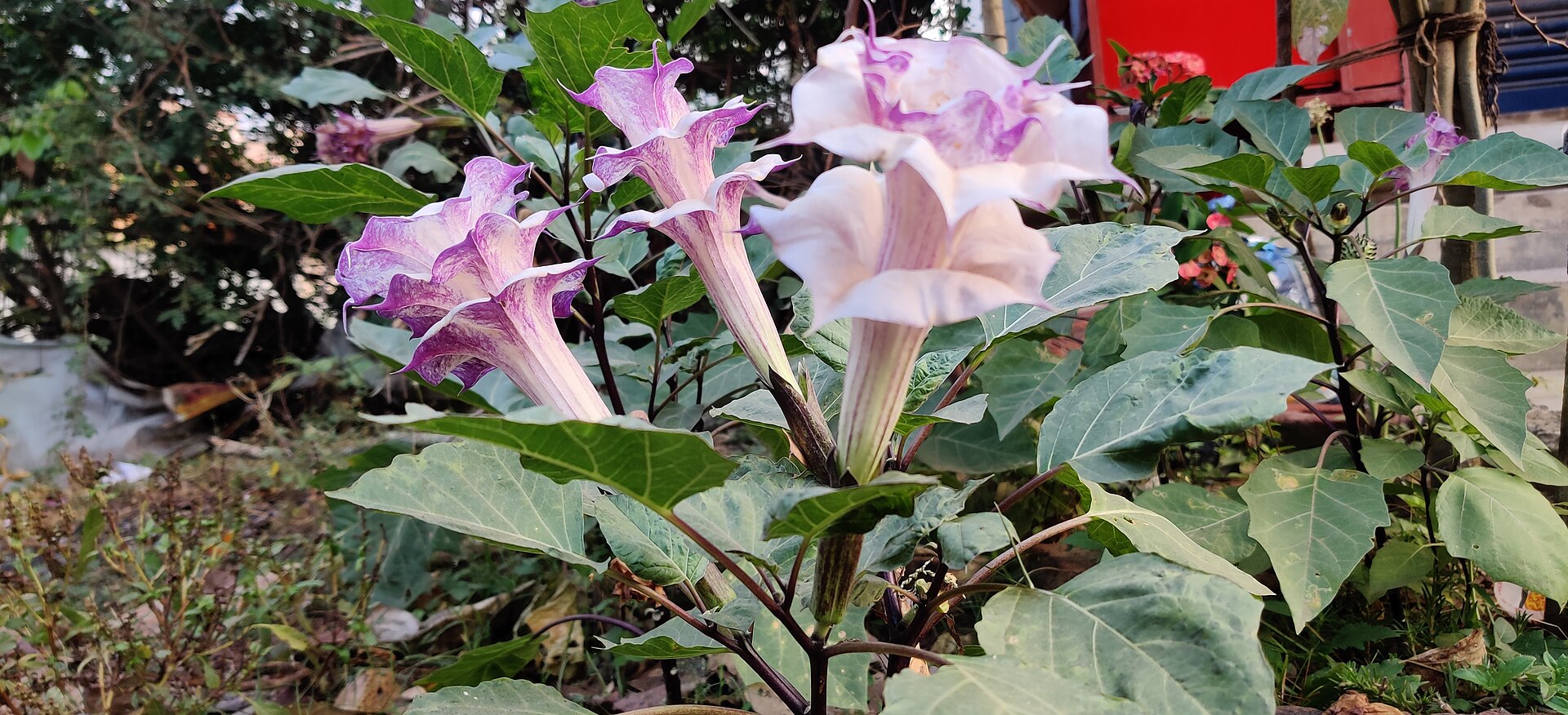
Datura (Datura stramonium), the night-blooming thorn apple, stands as one of the most potent and paradoxical plants in the herbal world. With its trumpet-shaped white-to-violet flowers that open at dusk and its spiny seed capsules, Datura has long been revered across cultures as a sacred visionary teacher, traditional respiratory medicine, and powerful threshold ally. Its tropane alkaloids offer both profound spiritual insight and serious physical caution, making a respectful relationship essential. From ancient shamanic initiations and Shiva offerings to modern phytoremediation and green nanotechnology, Datura continues to reveal layers of medicine for body, mind, land, and spirit.

Provides an overview of key points.
Synopsis
👈At A Glance:Datura (Datura stramonium)👇
Scientific Name: Datura stramonium L.
Family: Solanaceae (nightshade family)
Common Names: Jimsonweed (or Jimson weed), thorn apple, devil’s trumpet, devil’s weed, Jamestown weed, stinkweed, mad apple, moonflower, locoweed, pricklyburr, and various regional names (e.g., toloache in parts of Mexico, Stechapfel in German).
Botanical Description
Datura stramonium is an erect annual herb, typically 0.5–1.5 m (up to 2 m) tall, freely branching, with a stout, often hollow stem that is green to purplish and sparsely pubescent to glabrescent. It has a strong, unpleasant odor when crushed. Leaves are alternate, petiolate, ovate to broadly ovate (up to ~20 × 12–15 cm), coarsely sinuate-dentate or irregularly lobed/toothed, dark green above and lighter below. Flowers are solitary, erect, trumpet- or funnel-shaped (6–10 cm long), white to creamy or violet/purplish-tinged, fragrant (especially at night), with a 5-lobed corolla; they open in the evening and wilt by the next day. The fruit is an upright, ovoid to globose, spiny capsule (2.5–5 cm), dehiscing by 4 valves and containing many flattened, black, reniform seeds (~3–4.5 mm). It is native to Mexico/Central America but widely naturalized worldwide as a weed of disturbed sites, roadsides, fields, waste places, pastures, and gardens (0–1800+ m elevation), preferring full sun and various soils (especially fertile or clayey/loamy). Chromosome number 2n = 24.
Phytochemistry
The plant is rich in tropane alkaloids, primarily hyoscyamine (which racemizes to atropine), scopolamine (hyoscine), and related compounds (e.g., anisodamine, apoatropine, datumetine, littorine). Concentrations vary by plant part, age, geography, and environment (highest often in seeds and young leaves/stems; seeds may contain ~0.1–0.6 mg atropine equivalents each). Other constituents include withanolides (steroidal lactones), flavonoids, terpenoids, phenolics, carbohydrates, amino acids, and minor alkaloids (indole, β-carboline, pyrrolidine types). Over 400–500 compounds have been reported across the genus Datura, with alkaloids and withanolides as key bioactive classes.
Western Traditional & Clinical Actions
Historically used as an antispasmodic, antiasthmatic (smoked leaves or powders for respiratory relief), analgesic, narcotic, and mydriatic. Actions are primarily anticholinergic (competitive muscarinic receptor blockade), producing bronchodilation, reduced secretions, smooth muscle relaxation, sedation/hallucination at higher doses, and pupil dilation. Clinical observations historically supported use for asthma, cough, and spasms, but modern use is limited due to toxicity; pure alkaloids (atropine, scopolamine) remain pharmaceutical agents for similar effects.
Chinese Medicine Actions
In TCM (primarily referencing related D. metel flowers as Yangjinhua/Manttuoluo, with some overlap for D. stramonium), properties are pungent, warm, and toxic. Actions include smoothing Lung Qi to suppress cough/asthma, relieving spasm and pain, and providing anesthesia. Used for asthma, cough, abdominal cold-pain, rheumatic arthralgia, epilepsy, infantile convulsions, and surgical anesthesia (historical). Dosage is very low (e.g., 0.3–0.5 g flower decoction or pills; caution emphasized).
Traditional & Historical Uses
Used across cultures for centuries: in the Americas (Native groups, Aztecs) for pain, rituals, visions, and as a narcotic; in Europe linked to witchcraft and medieval remedies; in Asia (India, China) for asthma (smoked), anesthesia, rheumatism, and ceremonial purposes (e.g., associated with Shiva in India). The name “Jimsonweed” derives from a 1676 Jamestown, Virginia, incident where soldiers ate leaves and experienced prolonged delirium. Indigenous and folk uses include topical applications for swellings, wounds, toothache, and skin issues, plus internal use for respiratory and spasmodic conditions—always with recognition of high toxicity.
Modern Pharmacological Evidence
Tropane alkaloids provide well-established anticholinergic, antispasmodic, bronchodilator, analgesic, and anti-inflammatory effects (via prostaglandin/leukotriene suppression, COX/LOX inhibition, cytokine modulation such as TNF-α/IL-1β). Preclinical data support antioxidant, antimicrobial, anticancer (cytotoxic), immunomodulatory, and hypoglycemic activities. Withanolides show anti-inflammatory potential (e.g., NO inhibition in microglial cells superior to dexamethasone in some isolates)—mechanisms center on muscarinic receptor antagonism, with additional receptor interactions for minor alkaloids.
Clinical Studies
Human data are limited and mostly historical or observational (e.g., symptomatic relief in asthma via smoking or topical/inhalational use; some pilot reports for arthritis pain). No large modern RCTs support routine therapeutic use of the whole plant because of its narrow therapeutic index and toxicity. Pure alkaloids are clinically validated (e.g., atropine for bradycardia/poisonings, scopolamine for motion sickness). Recent reviews note potential anti-inflammatory/immunomodulatory benefits but stress the need for controlled trials and toxicity profiling. Poisoning case series remain more common than efficacy studies.
Preparations & Dosage
Traditional: dried leaves smoked or as powder for asthma; seeds/leaves in low-dose powders, decoctions, or topical pastes/oils; flowers in TCM pills/decoctions. Modern pharmaceutical use focuses on isolated alkaloids (e.g., hyoscyamine sulfate tablets 0.125 mg). Whole-plant doses historically very low (e.g., seed powder ~30 mg; flower 300–600 mg), but alkaloid content is highly variable—making accurate dosing impossible without assay. Not recommended for self-preparation or internal use.
Safety & Contraindications
Highly toxic—all parts, especially seeds. Tropane alkaloids cause classic anticholinergic syndrome (“blind as a bat, mad as a hatter, red as a beet, hot as a hare, dry as a bone…”): mydriasis, dry mouth/skin, tachycardia, hyperthermia, urinary retention, ileus, delirium, hallucinations, seizures, coma, respiratory failure, and death. Onset 30–60 min; duration 24–48 h (up to weeks). Lethal dose estimates: >10 mg atropine or >2–4 mg scopolamine (as few as 10–20 seeds can be dangerous; children especially vulnerable). Contraindicated in pregnancy/breastfeeding, children, glaucoma, cardiovascular disease (e.g., CHF, tachycardia), GI/GU obstruction, myasthenia gravis, and hypersensitivity. Interactions with anticholinergics, antihistamines, etc. Treatment: supportive care, activated charcoal, benzodiazepines, physostigmine in severe cases. Recreational misuse frequently leads to hospitalizations.
Cultivation & Harvest
Grows easily from seed in full sun on disturbed/fertile soils; drought-tolerant once established but frost-sensitive. Often a weed rather than intentionally cultivated. For alkaloid yield, harvest leaves ~8 weeks after sowing (early morning/late afternoon); dry in shade. Seeds from mature capsules. Sustainable practices are less relevant given its invasive/weedy status; control focuses on preventing seed set (hand-pulling or tillage of seedlings).
Commercial Products
Historical asthma cigarettes/powders (e.g., Asthmador) largely discontinued due to toxicity. Pure atropine/scopolamine/hyoscyamine are pharmaceutical standards (eye drops, injectables, tablets for various indications). Occasional herbal or esoteric products (candles, soaps, extracts) appear in some markets (e.g., Mexico), but whole-plant supplements are rare and unregulated/dangerous. Industrial interest includes phytoremediation and natural dyes.
Ethnobotanical Curiosities
Linked to witchcraft, shamanic rituals, and “zombie” lore (Caribbean); Aztec sacrificial/pain-relief uses; Jamestown soldiers’ 11-day delirium; offerings to Shiva; Mexican “toloache” for love-sickness (mal de amores) or susto (fright/soul loss) via altered states. Flowers attract hawk moths with nectar; plant studied for heavy-metal bioaccumulation. Cultural dual identity as medicine and dangerous “loco seed.”
Recent Research (2020–2025/2026)
Reviews highlight tropane alkaloids and withanolides for anti-inflammatory, anticancer, antimicrobial, and neurological applications; isolation of novel withanolides (including unprecedented B-ring-seco derivatives) with potent NO-inhibitory activity. Studies on genetic variation, alkaloid biosynthesis genes, phytoremediation (heavy metals), nanomaterial synthesis, corrosion inhibition, and poisoning epidemiology (accidental contamination vs. misuse). Emphasis on toxicity management, metabolic engineering for safer derivatives, and industrial/environmental uses amid invasive spread. Limited clinical progress due to safety barriers.
Conservation Status
Not threatened. Widespread weed/introduced species globally; assessed as Least Concern or Not Evaluated in most regions (e.g., widespread LC in some African floras; NatureServe GU/unranked in places). Focus is on control as an invasive rather than protection.
DIY Recipes
Strongly not recommended. All parts are dangerously toxic with unpredictable alkaloid levels; historical low-dose or topical folk uses carry high risk of severe poisoning or death. No safe home preparations exist for internal use. Seek professional medical advice only; never experiment.
X (Twitter) Snapshot – Recent (approx. 2022–2026)
Discussions frequently highlight extreme toxicity and hallucinogenic risks (bad trips, hospitalizations after ingestion or soaking in alcohol), alongside emerging interest in phytoremediation (heavy-metal absorption) and occasional notes on traditional or ornamental value. Posts warn against recreational use and note its invasive/weedy nature in various regions.
Overall note: Datura stramonium has a long ethnomedicinal history and validated alkaloid pharmacology, but its extreme toxicity and narrow therapeutic window make whole-plant use unsafe. Modern medicine relies on purified compounds under controlled conditions. Always consult qualified professionals; never self-medicate.
Planting & Harvesting Reference Guide
👈Planting & Harvesting Reference Guide:👇
Datura (Datura stramonium) – Planting & Harvesting Reference Guide**
- Best Time for Planting
- Sow seeds in early to mid-spring after the last frost when soil is workable and daytime temperatures are reliably warm.
- Soak seeds overnight in water to improve germination (typically begins in 1–2 weeks and completes within a month).
- Direct-sow in the field or start in nursery beds; transplant seedlings when 8–12 cm tall.
- Prefer waxing moon phases for strong establishment; full sun is essential.
- Ideal location: open, disturbed, or cultivated sites with moderately rich light sandy, calcareous, or loamy soil; drought-tolerant once established but frost-sensitive.
- Use 7–8 kg of seed per hectare for commercial-scale plantings if needed. Plants readily self-sow in suitable conditions.
- Growing Conditions & Magical Minded Tips
- Space plants to allow bushy growth (typically 30–60 cm apart depending on desired density).
- Thrives in full sun and open positions; tolerates various soils but prefers well-drained, moderately fertile ground.
- Apply light organic mulch or compost in spring; irrigate only during prolonged dry spells once established.
- Approach with reverence: at planting, whisper permission and thanks to the land spirits; offer a small amount of water, maize pollen, or simple gratitude.
- Monitor for self-seeding invasiveness and keep isolated from food crops to prevent seed contamination.
- Sing or speak softly to Datura at dusk while tending; treat her as a threshold ally rather than a common garden plant.
- Best Time for Harvesting
- Leaves and aerial parts: approximately 8 weeks after sowing, or just before flowering, preferably in early morning or late afternoon / at dusk.
- Flowers: at dusk or under the full moon when fully open and fragrant.
- Seeds: late summer to early autumn when capsules are mature, brown, and beginning to dehisce (open by four valves).
- Align leaf and flower harvests with waxing to full moon for energetic potency; seed collection under the waning moon supports protection and hex-breaking work.
- In wildcrafting, harvest only from abundant populations in open disturbed habitats (roadsides, waste places, field margins).
- Sustainable & Magical Harvesting Methods
- Always ask permission of Datura’s spirit before gathering; take only small portions and never deplete a stand.
- Use the non-dominant hand or a simple wooden tool; wear gloves to avoid skin contact with the toxic plant.
- For leaves and flowers, cut cleanly; for seeds, collect whole ripe capsules carefully.
- Sing soft praises, offer maize pollen, water, a strand of hair, or spoken gratitude before and after harvesting.
- In traditional Indigenous practice (e.g., Navajo), address the plant respectfully (as “Little White Hair”) and take only what is needed without arrogance.
- Leave the majority of plants and seeds to ensure continued abundance and soil seed-bank viability (seeds remain viable for decades).
- Post-Harvest Processing
- Dry leaves and flowers slowly in the shade (never direct sun) to preserve alkaloid content and energetic qualities.
- Sun-dry seeds after removing them from capsules; store in a cool, dark place.
- Place dried material in dark glass jars or cloth bags with clear intention (e.g., protection, clear vision, or respectful study).
- For magical storage, add a small piece of iron, black stone, or simply hold the intention of reciprocity.
- Label carefully and keep out of reach; handle only with full awareness of toxicity.
- Never use for casual culinary purposes; traditional preparations were always measured and specialist-guided.
This guide consolidates all planting, cultivation, wildcrafting, and harvesting details mentioned across the SPARK sections for quick practical reference. Always prioritize ethical, sustainable, and respectful practices to honor Datura’s potent spirit and ensure her continued presence in the landscape.
Healing Categories
👈Datura best fits the following primary healing categories, based on its long ethnobotanical record, traditional applications, and energetic/spiritual profile:👇
Healing Categories for Datura (Datura stramonium)
- Visionary & Entheogenic — Facilitates profound altered states, shamanic journeying, and access to non-ordinary reality (highly restricted, specialist use only).
- Respiratory & Antispasmodic — Traditional support for asthma, cough, bronchial spasm, and related conditions via carefully prepared smoked or external forms.
- Analgesic & Pain Relief — Historical use for rheumatic pain, neuralgia, wounds, and ritual pain management.
- Psychic & Dream Work — Enhances lucid dreaming, spirit contact, divination, and psychic perception.
- Protection & Hex-Breaking — Used to break unwanted influences, ward spirits, and create energetic boundaries.
- Threshold & Transformation — Supports deep psychological release, shadow work, and the dissolution of outdated structures.
- Topical & Dermatological — External applications for certain skin conditions, swellings, and wounds in traditional practice.
- Spiritual Purification — Assists in clearing stagnant or toxic energetic patterns when approached with reverence.
Healing Categories
Visionary & Entheogenic
Datura has been employed for millennia by Indigenous peoples of the Americas and in various Eurasian traditions as a powerful plant teacher capable of inducing intense visionary states, spirit communication, and initiatory experiences. This category is strictly for experienced practitioners working within established cultural protocols.
Respiratory & Antispasmodic
Classical and folk records across multiple continents document Datura’s use for easing bronchial constriction, asthma, whooping cough, and spasmodic respiratory conditions, most often through carefully measured smoking of dried leaves or specialized external preparations.
Analgesic & Pain Relief
Traditional applications include the relief of rheumatic pain, neuralgia, joint discomfort, and traumatic injury. Both internal (historical) and external preparations have been used to dull sensation and support recovery under knowledgeable guidance.
Psychic & Dream Work
The plant’s affinity for the night and the liminal makes it a classic ally for dream incubation, lucid dreaming, divinatory practices, and the strengthening of psychic perception when used in non-ingestive forms such as flower essences or external charms.
Protection & Hex-Breaking
In both European folk magic and certain Indigenous systems, Datura has been employed to break hexes, repel unwanted spiritual influences, and establish protective boundaries around a person or place.
Threshold & Transformation
Energetically, Datura specializes in dissolution and rebirth. It supports the release of outdated identities, the navigation of the “dark night of the soul,” and the courage required to cross major life or spiritual thresholds.
Topical & Dermatological
Leaves and other parts have been prepared as poultices, oils, or washes for external treatment of certain skin eruptions, wounds, ulcers, and inflammatory conditions in various traditional medical systems.
Spiritual Purification
Through its piercing, clarifying nature, Datura is regarded as a plant capable of purifying stagnant emotional and energetic patterns, supporting atonement, and clearing space for renewed clarity when approached with proper respect and intention.
Important Note
All categories must be understood within the absolute context of Datura’s high toxicity. Internal use is extremely dangerous and historically restricted to highly trained specialists. Modern engagement is best limited to non-ingestive, vibrational, or carefully controlled external applications under experienced guidance.
✦ If You Only Read U.S. Consumer Pages ✦
U.S. consumer pages usually flatten Datura (Datura stramonium) into three talking points: “Jimsonweed will make you hallucinate,” “sacred/dangerous nightshade,” and “keep it away from kids and livestock.” That is not false as a backyard warning, but it is a small slice. Those pages rarely mention that Ph. Eur. still assays the leaf at a 0.25% hyoscyamine floor; that Commission E published a negative monograph; that HMPC and ESCOP declined the plant as phytotherapy; that France and Russia still bound homoeopathic mother-tincture alkaloids; that Chinese official datura flower is mostly D. metel; that a 2023 genome paper treated this weed as a biosynthetic peer of belladonna; or that the largest modern human “trials” are poison-centre series and flour-contamination disasters. They also rarely distinguish seed from leaf, Stramonium from metel, crude plant from atropine ampoules. Reading only U.S. retail and forum copy makes the plant look like a delinquent weed with a folklore high. Reading the global official and clinical record makes it look like a pharmacopoeial toxic leaf, a homoeopathic article with a ceiling, a genome for tropane evolution, a scheduled Ayurvedic poison, and a plant that official Europe chose not to bless as tea. Both pictures matter. The second one is the one most American shoppers never see—and the one that explains why reverence here means distance.
Sources:
https://arzneipflanzenlexikon.info/stechapfel.php
https://www.edqm.eu/en/-/what-s-new-for-homoeopathic-preparations-at-european-level-
https://www.nature.com/articles/s41467-023-37133-4
https://pubmed.ncbi.nlm.nih.gov/36152725/
Globally: Where This Plant Is Studied
👈Global research, official texts, publishers, and human-trial data, rather than U.S.-consumer-page-limited:👇
Where This Plant Is Studied
Datura (Datura stramonium) is studied as a living research plant across Europe, South Asia, East Asia, Mexico, and forensic toxicology wards—not as a U.S. “Jimsonweed trip” novelty. It is an annual Solanaceae of disturbed ground, named for its spiny capsule and for the tropane alkaloids the roots make and the leaves and seeds store: chiefly (S)-hyoscyamine (which racemizes toward atropine) and scopolamine. The same chemistry that once put dried leaf in asthma cigarettes now puts the species on poison-control lists when spinach, flour, or stuffed leaves are contaminated with it.
Study clusters do not look like a wellness crop. EDQM still writes Ph. Eur. quality texts for the leaf and for homoeopathic Stramonium. Hashimoto’s Kyoto school and later Chinese genome groups reconstructed the tropane pathway; a 2023 Nature Communications chromosome-level comparison of Datura stramonium and Atropa belladonna showed a conserved medicinal-tropane route and a tropine gene cluster. Mexican population genomics (Ticumán versus Teotihuacán) tied extra h6h domain architecture to large differences in alkaloid yield—defence ecology, not a tea recipe. Indian and Unani pharmacies still name Dhattura among scheduled toxic drugs; Chinese official flower, however, is usually Yangjinhua / Flos Daturae from Datura metel, not this species. Clinical literature is written in emergency rooms: Athens, Taipei, Tehran, Bucharest, Kampala, Adelaide. In short: the plant is a European official toxic leaf, a homoeopathic mother-tincture article, a biosynthetic-genome model, and a food-chain contaminant—not a supplement aisle story. Distinguish it from D. metel, D. inoxia, and Brugmansia, which share anticholinergic chemistry and are constantly mixed in case reports.
Sources:
https://www.nature.com/articles/s41467-023-37133-4
https://pubmed.ncbi.nlm.nih.gov/36152725/
https://arzneipflanzenlexikon.info/stechapfel.php
https://www.edqm.eu/en/-/what-s-new-for-homoeopathic-preparations-at-european-level-
Official Books That Name This Species
Datura (Datura stramonium) is named in official books as a quality-defined toxic drug, not as an HMPC wellness herb.
The European Pharmacopoeia monographs Stramonii folium: dried leaves, or leaves with flowering and occasionally fruiting tops, of Datura stramonium L. and its varieties, not less than 0.25% total alkaloids calculated as hyoscyamine on the dried drug (hyoscyamine with a variable scopolamine share). A prepared stramonium powder monograph has existed in the same suite. Ph. Eur. 11 also adopted Stramonium for homoeopathic preparations (2734), with an HPLC tropane assay aligned to Belladonna and Hyoscyamus. The French Pharmacopoeia homoeopathic article uses fresh flowering aerial parts (D. stramonium, synonym D. tatula) and adjusts the mother tincture to a bounded total-alkaloid window expressed as hyoscyamine. Russia’s State Pharmacopoeia XIV (FS.2.6.0020.18) monographs a homoeopathic mother tincture from fresh flowering herb with its own alkaloid bounds as hyoscyamine. The German Homoeopathic Pharmacopoeia lists Datura stramonium. Hahnemann’s Stramonium remains a materia medica name; that is a different legal class from a Commission E tea.
What the official books refuse is as important as what they name. Commission E issued a negative monograph for stramonium leaf: unfavourable benefit–risk. HMPC and ESCOP have not written Community or ESCOP phytotherapy monographs, citing the same narrow therapeutic index. Phytotherapeutic use of the crude leaf is treated as obsolete in contemporary German lexica. Isolated atropine and scopolamine are hospital and ophthalmic drugs; they are not “dandelion-style” traditional herbal registrations.
Elsewhere, the genus is official under other species. The Chinese Pharmacopoeia article Flos Daturae / Yangjinhua is the flower of Datura metel, used in tightly limited amounts as an antiasthmatic and anaesthetic crude drug, contraindicated in glaucoma. The Ayurvedic Pharmacopoeia tradition names Dhattura among toxic scheduled plants (species in the genus, not a casual grocery herb). WHO selected-plant monographs did not make D. stramonium a consumer herb. That is a very different class of “naming” than a U.S. consumer page: a leaf with an alkaloid floor, a homoeopathic tincture with an alkaloid ceiling, and a political decision not to bless the weed as tea.
Sources:
http://www.pharmakobotanik.de/systematik/6_droge/stramo-f.htm
https://www.edqm.eu/en/-/what-s-new-for-homoeopathic-preparations-at-european-level-
https://meganorm.ru/mega_doc/norm/gosudarstvennaya-farmakopeya/2/fs_2_6_0020_18_farmakopeynaya_statya_datura_stramonium.html
https://link.springer.com/chapter/10.1007/978-3-642-73739-8_55
Who Publishes on It
Publication splits into four rooms that barely share a corridor. Pharmacopoeial chemists (EDQM, ANSM, Roszdravnadzor, HAB) publish identity and assay. Biosynthetic and genome groups (Kyoto legacy, Chinese Solanaceae genomes, Mexican UNAM ecology) publish PMT, TRI, TRII, H6H, and population copies of those genes. Ethnopharmacology reviews (Journal of Ethnopharmacology, 2022 genus review: 496 compounds, withanolides plus tropanes) treat D. stramonium, D. metel and D. inoxia together. Clinical toxicology journals publish the human record: Clinical Toxicology, Annals of Internal Medicine, Clinical Case Reports, national poison-centre series. Author clusters sit in poison centres (Taiwan PCC 203 Datura/Brugmansia cases, 1986–2015), forensic HPLC labs, and root-culture biochemistry. Consumer-health and “entheogen” pages reprint delirium; they are not the original publishers, and they are a poor guide to official books.
Sources:
https://pubmed.ncbi.nlm.nih.gov/36152725/
https://www.tandfonline.com/doi/full/10.1080/15563650.2018.1513527
https://www.nature.com/articles/s41467-023-37133-4
https://pmc.ncbi.nlm.nih.gov/articles/PMC8124590/
Human Trials Tied to This Species
There is no modern ethical RCT programme of whole Datura (Datura stramonium) as a wellness herb. The human evidence is toxicology, historical respiratory practice, and homoeopathic proving literature—not a glucose-capsule meta-analysis.
What exists: case series of anticholinergic syndrome after seeds, tea, stuffed leaves, or food contaminated with leaves (spinach in Italy and Australia, amaranth greens, corn-soy flour in Uganda with deaths, Greek blites). A classic U.S. hospital observation is Mikolich et al., 1975, Annals of Internal Medicine: Jimson seed ingestion, hyperpyrexia, EEG slowing, transient enzyme and prothrombin changes, recovery. Taiwan’s poison centre found medicinal self-use without a trained prescriber far more common than recreational use in that series; misidentifying the plant and swallowing parts other than the flower predicted severity; physostigmine shortened central toxicity when used. Romanian ICU reports document coma after deliberate ingestion. Family outbreaks after “herbal tea” appear from Iran and elsewhere. Historical “asthma cigarettes” and stramonium powders are the empirical-medicine layer Commission E later rejected. Isolated atropine and scopolamine have abundant clinical use as drugs; that evidence does not license crude seed or leaf.
Important cautions, stated as official books state them: tropane content varies with organ, age, climate, and genotype; children are drawn to the capsule; glaucoma and tachyarrhythmia are the textbook disasters; food-chain contamination is how whole villages meet the plant. This overview is not a method for preparing, dosing, or intoxicating with Datura. Poison-centre care is supportive; antidote decisions belong to clinicians.
Sources:
https://pubmed.ncbi.nlm.nih.gov/1180428/
https://www.tandfonline.com/doi/full/10.1080/15563650.2018.1513527
https://pmc.ncbi.nlm.nih.gov/articles/PMC9314559/
https://d-nb.info/1370503695/34

Part 1: Modern Medical Properties and Uses

Purpose: Highlights the plant’s scientific and medicinal properties, validating holistic healing with evidence-based data.
Contemporary Medical Applications:
Describes current clinical uses (e.g., capsules, tinctures) and delivery methods in modern medicine.
👈Contemporary Medical Applications:👇
Contemporary Medical Applications:
- Isolated tropane alkaloids from Datura stramonium, particularly atropine and scopolamine, serve as essential medicines listed on the World Health Organization Model List, employed in ophthalmology for inducing mydriasis and cycloplegia to facilitate fundus examinations and manage uveitis through topical hydrobromide solutions lasting 7–12 days.
- Scopolamine derived from the plant is clinically applied via transdermal patches delivering steady plasma levels for prophylaxis of motion sickness and postoperative nausea and vomiting, achieving efficacy approaching 90 percent in controlled settings by blocking central muscarinic receptors in vestibular nuclei.
- Atropine extracted or synthesized from Datura sources acts as a critical antidote in organophosphate and carbamate poisoning, competitively antagonizing muscarinic overstimulation to reverse life-threatening symptoms, with dosing protocols of 0.4–0.6 mg intramuscularly or intravenously in adults prior to induction.
- Hyoscyamine from Datura stramonium functions as an antispasmodic agent in gastrointestinal disorders including irritable bowel syndrome and colic, as well as adjunctive therapy for Parkinson’s disease symptoms and visceral pain relief through oral immediate-release or extended-release formulations titrated to response.
- Preanesthetic applications utilize Datura-derived scopolamine or atropine to reduce salivary and bronchial secretions and mitigate vagal bradycardia, administered intramuscularly 30 minutes before induction to facilitate smoother intubation in surgical and bronchoscopy settings.
- Historical and limited contemporary respiratory uses involve smoked leaf preparations or powders for asthma and bronchitis relief via bronchodilation, though modern practice prioritizes purified alkaloids over whole-plant forms due to variability in content.
- Emerging investigations explore low-dose scopolamine for rapid antidepressant effects through transient M1 receptor blockade and palliative control of excessive secretions, alongside ophthalmic and urological applications for overactive bladder.
Sources: Contemporary Medical Applications
https://doi.org/10.3390/toxins17090469
https://pmc.ncbi.nlm.nih.gov/articles/PMC12474130/
https://www.sciencedirect.com/science/article/pii/S092666902200766X
https://pmc.ncbi.nlm.nih.gov/articles/PMC8389218/
https://tmedweb.tulane.edu/pharmwiki/doku.php/cholinergic_pharm
https://www.mdpi.com/1420-3049/26/9/2629
Pharmacology:
Outlines key compounds and their mechanisms of action, driving therapeutic effects.
👈Pharmacology:👇
Pharmacology:
- Tropane alkaloids including hyoscyamine, atropine, and scopolamine from Datura stramonium act as competitive, reversible antagonists at muscarinic acetylcholine receptors M1 through M5, with high affinity binding (Ki values in the nanomolar range) that stabilizes the inactive receptor conformation and prevents acetylcholine binding via ionic and hydrophobic interactions.
- Hyoscyamine preferentially targets M2 and M3 subtypes to produce cardiac effects on nodal tissue and smooth muscle relaxation in exocrine glands and gastrointestinal tracts, underlying its antispasmodic and anticholinergic profile observed in both peripheral and central systems.
- Scopolamine’s 6β-epoxide bridge enhances central nervous system penetration and receptor affinity compared to atropine, enabling potent antiemetic, sedative, and amnestic actions while also reducing secretions and modulating vestibular responses.
- Atropine, as the racemic form of hyoscyamine, exerts nonselective muscarinic blockade that reverses organophosphate-induced overstimulation and provides mydriatic effects lasting days, with additional utility in bradycardia through sinoatrial node modulation.
- Minor alkaloids such as anisodamine and datumetine contribute to broader pharmacological spectra, including potential NMDA receptor modulation and anti-inflammatory pathways involving cytokine suppression of TNF-α, IL-1β, and COX-2 inhibition.
- Withanolides present in Datura stramonium exhibit distinct mechanisms supporting antioxidant, cytotoxic, and antimicrobial activities separate from tropane effects, often through steroidal lactone interactions that inhibit nitric oxide production in microglial models.
- Overall pharmacological actions encompass bronchodilation via airway muscarinic receptor blockade (M1 and M3), reduced gastrointestinal motility, and central delirium or sedation at higher exposures, reflecting the dual therapeutic and toxic potential inherent to the plant’s chemistry.
Sources: Pharmacology:
https://doi.org/10.3390/toxins17090469
https://pmc.ncbi.nlm.nih.gov/articles/PMC12474130/
https://www.mdpi.com/1420-3049/26/9/2629
https://pmc.ncbi.nlm.nih.gov/articles/PMC8389218/
https://www.sciencedirect.com/science/article/abs/pii/S0031942222003624
https://doi.org/10.47070/ijapr.v13i11.3922
Natural Medicine Studies:
Summarizes recent research on efficacy, safety, or clinical outcomes from peer-reviewed studies.
👈Natural Medicine Studies:👇
Natural Medicine Studies:
- Preclinical investigations demonstrate significant anti-inflammatory effects of Datura stramonium extracts through inhibition of TNF-α, IL-1β, and COX-2, with alkaloids contributing to reduced prostaglandin synthesis and leukocyte infiltration in both in vitro and in vivo models of inflammation.
- Immunomodulatory studies in animal models reveal enhancement of humoral and cell-mediated immunity via macrophage activation and elevated antibody titers following administration of seed extracts, restoring altered antioxidant enzymes and lipoprotein profiles under immunosuppressive conditions.
- Recent isolations of novel withanolides from Datura stramonium leaves, including unprecedented B-ring-seco derivatives, exhibit potent nitric oxide inhibitory activity in BV2 microglial cells with IC50 values superior to dexamethasone, supporting anti-inflammatory potential for related disorders.
- Antimicrobial and antifungal assays confirm activity against pathogens such as Fusarium species, Klebsiella pneumoniae, Staphylococcus aureus, and Candida albicans, with methanol and ethyl acetate extracts showing concentration-dependent inhibition zones and larvicidal efficacy against mosquito vectors.
- Limited clinical observations report symptomatic relief in inflammatory airway diseases and arthritis using topical or inhalational preparations, though narrow safety margins due to alkaloid variability necessitate caution and further controlled trials for validation.
- Antidiabetic and antioxidant evaluations of hydromethanolic seed and root extracts in animal models indicate hypolipidemic, cardioprotective, and renal protective properties, with in silico binding affinities to enzymes involved in lipid metabolism.
- Toxicity-focused studies, including 28-day repeated-dose assessments on related species and detoxification methods, highlight neurotoxicity and hepatotoxicity risks while confirming that purified or traditionally processed forms may mitigate adverse outcomes at carefully controlled low doses.
Sources: Natural Medicine Studies:
https://doi.org/10.47070/ijapr.v13i11.3922
https://www.sciencedirect.com/science/article/abs/pii/S0031942226000786
https://pmc.ncbi.nlm.nih.gov/articles/PMC8389218/
https://link.springer.com/article/10.1186/s12865-022-00519-y
https://journals.sagepub.com/doi/10.1177/1934578X241299279
https://www.sciencedirect.com/science/article/abs/pii/S1383576925001515
https://pubmed.ncbi.nlm.nih.gov/41220381/
Chemistry:
Details active chemical constituents (e.g., alkaloids, flavonoids) and their healing roles.
👈Chemistry:👇
Chemistry:
- Datura stramonium is characterized by high concentrations of tropane alkaloids, principally hyoscyamine (often the predominant form in young tissues), scopolamine, and atropine (racemic hyoscyamine), with levels varying by plant part, growth stage, and environmental factors, peaking in seeds and leaves.
- Biosynthetic pathways begin with L-ornithine decarboxylation to putrescine, progressing through N-methylation, oxidation, and condensation to tropinone, followed by reduction to tropine and esterification with phenyllactic acid derivatives to yield littorine and subsequent hyoscyamine or scopolamine via hyoscyamine 6β-hydroxylase.
- Withanolides, a class of C28 steroidal lactones with ergostane skeletons and δ-lactone rings, constitute major secondary metabolites, with recent isolations identifying over a dozen new structures including B-ring-cleaved formyl-bearing derivatives from leaf extracts.
- Additional constituents encompass flavonoids, phenolics, tannins, cardiac glycosides, amino acids (alanine, phenylalanine, glutamate, tyrosine), carbohydrates, and minor alkaloids such as anisodamine, apoatropine, datumetine, and pyrrolidine or indole types.
- Quantitative analyses reveal seed compositions including approximately 16 percent lipids, 26 percent carbohydrates, 16 percent protein, and variable ash and fiber, alongside polyphenol contents highest in seeds and flowers among aerial parts.
- Chromatographic and spectroscopic methods (GC-MS, UPLC-MS/MS, NMR) have identified hundreds of compounds across the genus, with Datura stramonium contributing significantly to the 400-plus reported metabolites focused on alkaloids and withanolides as primary bioactives.
- Enantiomeric ratios favor the biologically active (S)-hyoscyamine form in plant tissues, with racemization occurring during extraction to produce pharmaceutical atropine, and content influenced by ontogeny, geography, and cultivation conditions.
Sources: Chemistry:
https://doi.org/10.3390/toxins17090469
https://www.mdpi.com/1420-3049/26/9/2629
https://pmc.ncbi.nlm.nih.gov/articles/PMC8389218/
https://www.sciencedirect.com/science/article/abs/pii/S0031942222003624
https://www.sciencedirect.com/science/article/abs/pii/S0031942226000786
https://doi.org/10.3390/molecules25061260
Functional Foods and Nutrition:
Highlights dietary uses (e.g., teas, supplements) in modern health practices.
👈Functional Foods and Nutrition:👇
Functional Foods and Nutrition:
- Limited data exist on dietary applications of Datura stramonium due to its high toxicity from tropane alkaloids, precluding safe use as a conventional food or nutrient source in modern nutritional contexts.
- Proximate analyses of seeds indicate notable protein, lipid, and carbohydrate content, yet these are overshadowed by alkaloid presence that renders internal consumption hazardous and unsuitable for functional food development.
- Traditional external or low-dose preparations in some cultural systems have incorporated leaf or seed materials for respiratory support, but no evidence supports nutritional supplementation or fortification roles.
- Polyphenol and flavonoid fractions in aerial parts contribute antioxidant capacity in extract form, yet variability and toxicity prevent integration into teas, capsules, or everyday dietary products without rigorous purification.
- Animal model studies exploring seed extracts for metabolic benefits highlight potential hypolipidemic effects under controlled conditions, but human nutritional relevance remains unsupported and contraindicated.
- Overall, the plant’s chemistry prioritizes pharmacological isolation of alkaloids over any nutritional profile, with research emphasizing safety barriers rather than food applications.
- No standardized functional food products or dietary guidelines incorporate Datura stramonium, reflecting consensus on its exclusion from nutritional use.
Sources: Functional Foods and Nutrition:
https://pmc.ncbi.nlm.nih.gov/articles/PMC8389218/
https://journals.sagepub.com/doi/10.1177/1934578X241299279
https://link.springer.com/article/10.1186/s12865-022-00519-y
https://www.mdpi.com/1420-3049/28/13/5195
Current Projects and Future Possibilities:
Notes ongoing research, clinical trials, or innovative medical applications.
👈Current Projects and Future Possibilities:👇
Current Projects and Future Possibilities:
- Ongoing research explores Datura stramonium for heavy-metal phytoremediation, demonstrating capacity to accumulate chromium, cadmium, lead, and nickel in roots and tissues, with bacterial inoculation enhancing uptake and stress tolerance in contaminated soils.
- Green synthesis of zinc oxide, silver, gold, and copper nanoparticles using leaf or extract-mediated methods yields stable nanomaterials with enhanced antibacterial, antifungal, and anticancer activities against selected bacterial strains and cancer cell lines.
- Nanosuspension formulations of ethanolic extracts stabilized with surfactants show improved colloidal stability and potentiated antifungal efficacy against plant pathogens such as Alternaria alternata, offering eco-compatible crop protection strategies.
- Investigations into withanolide isolation and novel structural derivatives continue to identify potent anti-inflammatory leads superior to standard controls, opening pathways for drug discovery in inflammation-related and neurological conditions.
- Metabolic engineering and genetic studies aim to optimize tropane alkaloid biosynthesis genes for higher yields of pharmaceutical precursors while exploring safer derivatives with reduced toxicity profiles.
- Industrial applications under examination include natural dye production, corrosion inhibition, and nanomaterial synthesis, positioning the plant as a dual-purpose resource for environmental and biomedical innovation.
- Future possibilities encompass controlled clinical trials for purified compounds in depression models, insecticide development against vector mosquitoes, and integrated phytoremediation systems combining the plant with plant-growth-promoting bacteria.
Sources: Current Projects and Future Possibilities:
https://link.springer.com/article/10.1007/s10343-026-01391-1
https://www.sciencedirect.com/science/article/abs/pii/S0045206826002099
https://link.springer.com/article/10.1007/s44378-026-00227-8
https://www.sciencedirect.com/science/article/abs/pii/S2212429226003196
https://link.springer.com/article/10.1007/s13205-025-04442-y
https://sciresjournals.com/ijlsra/content/study-datura-stramonium-metallic-nanoparticles-showing-anti-cancer-and-anti-microbial
https://www.sciencedirect.com/science/article/abs/pii/S0031942226000786
Literary Mentions:
References modern medical texts or studies citing the plant’s therapeutic use.
👈Literary Mentions:👇
Literary Mentions: in ancient texts
- Ayurvedic texts including the Suśrutasaṃhitā reference dhattūra (Datura) in recipes for sinusitis elimination and categorize it among poisons usable as strong medicine when properly prepared, with later works such as the Śārṅgadharasaṃhitā listing it alongside other potent botanicals.
- Sanskrit sources from the Arthaśāstra and Kāmasūtra (circa 2nd–4th century CE) describe dhattūra as an intoxicant and aphrodisiac, with applications in statecraft and social-sexual contexts, later expanding into medicinal uses in classical Ayurvedic compilations.
- Chinese records in Li Shizhen’s Bencao Gangmu (1596) document Datura (mantuoluo) for anesthetic effects when combined with other herbs, building on earlier Song Dynasty botanical descriptions and associations with Buddhist sutras linking the flower to heavenly dew during sermons.
- Classical Greek and Latin authors including Theophrastus (Historia plantarum), Dioscorides (De materia medica), Pliny, and Galen describe a plant consistent with Datura stramonium under names such as struchnos manikos, noting its intoxicating properties and fruit characteristics.
- Arabic medical literature from Avicenna (11th century) records jouz-mathel or metel nut with pharmacological applications, reflecting transmission and integration into Mediterranean and West Asian materia medica traditions.
- Medieval European herbals and later works such as Matthiolus’s New Kreuterbuch (1563) illustrate and discuss the plant, while Indian tantric and Buddhist scriptures including the Guhyasamāja Tantra and Vajramahabhairava Tantra reference ritual and magical uses.
- Tibetan and Unani traditions preserve names and applications parallel to Ayurvedic ones, emphasizing carefully controlled external or processed forms for pain, respiratory, and ceremonial purposes across Eurasian textual lineages.
Sources: Literary Mentions:
https://contemplativejournal.org/article/gdpt2568/
https://www.researchgate.net/publication/5649991_Historical_evidence_of_Datura_in_the_Old_World_and_implications_for_a_first_millennium_transfer_from_the_New_World
https://ishamcook.com/2022/09/10/datura-and-the-psychedelic-tao/
https://www.erowid.org/herbs/datura/datura_timeline.php
https://www.medicinetraditions.com/datura-stramonium/
https://www.ortobotaniconapoli.it/images/Delpinoa/Delpinoa_n_s_39-40_1997-98_%5B2000%5D/Delpinoa_39-40_1997-98_%5B2000%5D_029-043.pdf
https://web.archive.org/web/20081007192621/http:/content.herbalgram.org/abc/herbalgram/articleview.asp?a=2930

Part 2: Plant Knowledge Systems

Purpose: Validates plant-based healing through interdisciplinary scientific and cultural fields.
Ethnobotany:
Explores the plant’s traditional uses across cultures, linking indigenous knowledge to modern applications.
👈Ethnobotany:👇
Ethnobotany:
- Across Indigenous cultures of the Americas, Datura has long served as a sacred and medicinal plant employed by shamans for divination, prophecy, initiation ceremonies, ritual intoxication, diagnosis of illness, and healing, with groups such as the Zuni, Navajo, Chumash, Cahuilla, Tarahumara, and Aztecs utilizing seeds, leaves, roots, and flowers to induce visionary states that verified mythic traditions, facilitated communication with spirits or the dead, and provided pain relief during bone-setting or sacrificial rites, practices that parallel modern interest in its tropane alkaloids for controlled anticholinergic applications in respiratory and neurological contexts.
- In Mexican traditional medicine, Datura, known as toloache, addresses both biomedical ailments such as asthma, cough, rheumatism, neuralgia, and joint pain through leaf infusions, smoked preparations, or topical poultices, as well as culturally defined syndromes including mal de amores (love-sickness) and susto (fright or soul loss), where ritual ingestion, smoking, or baths induce altered states interpreted as spiritual rebalancing, linking these uses to contemporary pharmacological studies of its bronchodilator, antispasmodic, and analgesic properties derived from hyoscyamine and scopolamine.
- African and Asian ethnobotanical records document Datura applications for asthma relief via smoked dried leaves or flowers, treatment of venereal diseases, ulcers, goitre, and as an abortifacient or courage-enhancing agent before contests among Fulfulde peoples, while in India and Hindu traditions it holds mythological significance associated with Lord Shiva, offered in rituals and used for respiratory, neurological, inflammatory, and dermatological disorders, connecting ancient ceremonial reverence to modern phytochemical validation of its bioactive constituents.
- European historical and folk uses, including medieval associations with witchcraft and magic as well as later pharmacopoeial inclusion for antispasmodic and Parkinson’s disease treatment, alongside Chinese traditional applications for asthma, cough, epigastric pain, rheumatism, and surgical anesthesia dating to the Song Dynasty, illustrate cross-cultural transmission that informs current research into purified alkaloids for clinical anticholinergic therapies while preserving the plant’s dual identity as both healer and potent agent requiring careful handling.
- Global ethnobotanical surveys record over forty distinct medicinal and ritual uses emphasizing leaves as the primary plant part for respiratory conditions, with seeds and roots secondary, demonstrating consistent patterns of ecological knowledge that modern science has partially translated into pharmaceutical isolation of tropane alkaloids while underscoring the need for culturally sensitive approaches to safety and dosage in any contemporary adaptation.
Sources: Ethnobotany:
https://gsconlinepress.com/journals/gscbps/sites/default/files/GSCBPS-2025-0339.pdf
https://www.sciencedirect.com/science/article/abs/pii/S0031942222003624
https://uses.plantnet-project.org/en/Datura_stramonium_%28PROTA%29
https://botanica.ugr.es/sites/dpto/botanica/public/inline-files/2018_Datura.pdf
https://sites.wustl.edu/peblabguide/items/datura-stramonium-l/
https://www.fs.usda.gov/wildflowers/ethnobotany/Mind_and_Spirit/datura.shtml
https://doctorlib.org/herbal/encyclopedia-psychoactive-plants-ethnopharmacology/44.html
Plant Genomics:
Describes genetic studies of the plant, focusing on traits related to medicinal properties.
👈Plant Genomics:👇
Plant Genomics:
- Draft genomes of Datura from contrasting Mexican environments have been assembled using Illumina sequencing, revealing signatures of expansion, physicochemical divergence, and positive selection on proteins related to tropane alkaloid production, terpenoids, glycoalkaloids, R defensive genes, and responses to biotic and abiotic stresses such as herbivory and drought, providing insights into the evolutionary adaptation of its medicinal chemistry within the Solanaceae family.
- A chromosome-scale genome assembly of Datura distributed across twelve haploid chromosomes, combined with quantitative trait loci mapping in F2 progeny transplanted into natural habitats, has identified a primary region on chromosome 3 associated with resistance to insect herbivores, explaining approximately 8 percent of variance and highlighting the role of receptor-like cytoplasmic kinases in signaling and regulating tropane alkaloids and terpenoids as chemical defenses.
- Annotation of the Datura genome estimates over 52,000 protein-coding genes with evidence of duplications in key tropane alkaloid biosynthetic genes including tropinone reductase I and hyoscyamine 6β-hydroxylase, which contribute to elevated scopolamine production, while comparative analyses with other Solanaceae genomes elucidate the genetic basis of psychoactive and defensive metabolite pathways relevant to pharmaceutical applications.
- Complete chloroplast genome sequencing of Datura has detailed its organizational features and implications for genetic engineering, offering a resource for understanding plastid-encoded contributions to secondary metabolism and potential biotechnological manipulation of medicinal compound yields.
- Tissue culture and transformation studies linked to genome resequencing detect limited differential gene expression post-culture alongside high mutation rates, underscoring the stability and plasticity of alkaloid biosynthetic genes that modern genomic tools continue to explore for optimized production of therapeutic tropanes.
Sources: Plant Genomics:
https://pmc.ncbi.nlm.nih.gov/articles/PMC7806989/
https://pmc.ncbi.nlm.nih.gov/articles/PMC7986286/
https://academic.oup.com/g3journal/article/14/2/jkad288/7478688
https://journals.plos.org/plosone/article?id=10.1371/journal.pone.0110656
https://link.springer.com/article/10.1186/s12864-023-09894-1
Phytotherapy:
Details the plant’s use in clinical herbal medicine, including therapeutic protocols.
👈Phytotherapy:👇
Phytotherapy:
- In clinical herbal protocols drawn from traditional systems, Datura leaf extracts or smoked preparations have been employed for anti-asthmatic and bronchodilatory effects, with limited modern observational data supporting symptomatic relief in inflammatory airway diseases through anticholinergic mechanisms, though protocols emphasize extreme caution, precise low dosing, and professional supervision due to alkaloid variability and toxicity risks.
- Ayurvedic and related phytotherapeutic approaches incorporate Datura in carefully prepared formulations such as oils, ghee, pastes, or internal compounds for over fifty conditions including skin diseases, vata disorders, eye ailments, inflammation, sciatica, gout, fever, cough, dyspnea, and neurological complaints, with external applications prioritized for safety and internal use restricted to processed forms under classical guidelines.
- Preclinical and limited clinical evidence supports anti-inflammatory and immunomodulatory protocols using seed or leaf extracts that inhibit cytokines such as TNF-α and IL-1β while enhancing macrophage activity and antibody titers, suggesting potential adjunctive roles in arthritis or related inflammatory states when standardized and detoxified preparations are utilized within narrow therapeutic windows.
- Egyptian herbal monographs and pharmacopoeial traditions recognize Datura for traditional indications based on long-standing use, outlining specific herbal preparations, posology, and methods of administration that align with antispasmodic and respiratory applications while stressing contraindications and the necessity of controlled extraction to mitigate adverse effects.
- Related species applications, such as intravenous or oral Datura metel extracts in meta-analyzed case series for psoriasis, report cure and effective rates in the range of 0.42 to 0.94, informing cautious phytotherapeutic exploration of Datura for dermatological inflammation through analogous protocols that require further high-quality clinical validation for safety and efficacy.
Sources: Phytotherapy:
https://doi.org/10.47070/ijapr.v13i11.3922
https://journals.lww.com/joay/fulltext/2024/18040/a_literary_review_on_the_medicinal_use_of_dhatura_.10.aspx
https://edaegypt.gov.eg/media/45afxyf5/datura-stramonium_1.pdf
https://link.springer.com/article/10.1186/s12906-023-04159-6
https://www.tandfonline.com/doi/full/10.1080/14786419.2025.2457598
Ethnoecology:
Examines the plant’s ecological role in cultural practices and environmental interactions.
👈Ethnoecology:👇
Ethnoecology:
- In cultural landscapes of Mexico and the southwestern United States, Datura occupies disturbed soils, roadsides, and wastelands as a weedy yet sacred species integrated into ecological knowledge systems where its presence signals both an agricultural challenge as an invasive contaminant of crops and a spiritual resource, with communities managing its dual role through selective harvesting that balances ecological competition with ritual and medicinal availability.
- Indigenous practices among groups such as the Navajo, Zuni, and Chumash embed Datura within broader ethnoecological frameworks of plant-animal-spirit interactions, utilizing its nocturnal flowering and hawkmoth pollination cycles in ceremonial timing while recognizing its chemical defenses against herbivores as parallel to human protective or visionary applications that sustain cultural continuity in arid and semi-arid ecosystems.
- Across African and Asian regions where Datura has naturalized, ethnoecological observations note its adaptation to anthropogenic habitats near settlements and fields, informing traditional management strategies that harvest leaves and seeds for respiratory remedies while mitigating seed contamination of food crops, reflecting adaptive knowledge of its invasive potential and ecological resilience under varying climatic pressures.
- Historical and contemporary records illustrate Datura’s role in cultural practices that intertwine ecological observation with spiritual ecology, such as offerings in Hindu rituals associated with transformative landscapes or African uses enhancing physical endurance in contested environments, thereby positioning the plant as a mediator between human communities and the biodiverse yet challenging habitats it colonizes.
- Paleoethnobotanical and modern surveys highlight Datura’s potential prehistoric management as a useful weed that discouraged other invaders in Eastern Woodlands cultivation systems or required careful removal, underscoring long-term human-plant coevolution that informs current conservation and control strategies in globalized ecological contexts.
Sources: Ethnoecology:
https://gsconlinepress.com/journals/gscbps/sites/default/files/GSCBPS-2025-0339.pdf
https://sites.wustl.edu/peblabguide/items/datura-stramonium-l/
https://www.fs.usda.gov/wildflowers/ethnobotany/Mind_and_Spirit/datura.shtml
https://doctorlib.org/herbal/encyclopedia-psychoactive-plants-ethnopharmacology/44.html
https://zenodo.org/records/18042447/preview/Article%2019,%20Volume%209,%20Issue%204.pdf
Anthroposophical Medicine:
Outlines the plant’s use in Steiner-inspired remedies, including preparation, studies, and dosage.
👈Anthroposophical Medicine:👇
Anthroposophical Medicine:
- Limited data exist specifically linking Datura to Rudolf Steiner-inspired anthroposophical remedies, with greater documentation available for related Solanaceae or homeopathic preparations of Stramonium that address states of fragmented consciousness, night terrors, post-traumatic psychosis, and dissociation between anxiety and aggression through potentized dilutions aimed at restoring coherence between nerve-sense and metabolic-limb systems.
- In anthroposophical clinical contexts, Stramonium preparations such as D12 globules administered one to two times daily have been indicated for children displaying adapted yet avoidant behavior, impaired attention, fear of darkness, and sudden aggressivity, aligning with holistic views of the plant’s capacity to guide the psyche through darkness toward integration in complementary therapy of ADHD-like or post-shock conditions.
- Broader anthroposophic pharmacy incorporates Solanaceae-derived substances including Hyoscyamus in composite remedies with Aurum and Stibium for restless emotional states and histrionic constitutions, reflecting Steiner’s emphasis on balancing ego efficacy, formative forces, and warmth qualities, though direct protocols for Datura remain sparsely detailed relative to more commonly referenced plants.
- Holistic anthroposophical approaches emphasize preparation methods involving potentization and rhythmic processes that transform the plant’s intense alkaloidal forces into remedies supporting spiritual and emotional dimensions, with observational use in acute mania, chorea, or convulsions following suppressed eruptions drawing on the plant’s archetypal association with terror of the subconscious and restoration of the fractured self.
- Available literature underscores the need for further documentation of Datura-specific anthroposophical applications, currently relying on homeopathic and related Solanaceae insights to inform cautious, individualized dosing within a multidimensional framework that honors both the plant’s medicinal potential and its profound effects on consciousness.
Sources: Anthroposophical Medicine:
https://www.iqhomeopathy.com/materia-medica/datura-stramonium/
https://www.anthromed.org/bitstreams/772b3500-d644-4012-bacd-cb88f2b0a60d/download
https://static1.squarespace.com/static/60e4901e2d0a0b11bee1edb5/t/6733cfa556fa7d60c5ccb8f9/1731448741975/2024+AM+Intro+Manual.pdf
https://www.anthromedics.org/DIS-0061-EN

Part 3: Heritage and Practice

Purpose: Weaves historical and cultural heritage with practical guidance for medicinal use.
Historical and Cultural Significance:
Explores the plant’s role in historical and cultural medical practices.
👈Historical and Cultural Significance:👇
Historical and Cultural Significance:
- Archaeological evidence indicates that Datura has been utilized for at least three thousand years in the southwestern United States, with even longer histories in other regions, where it served as a sacred visionary plant in shamanic practices across nearly all cultures that encountered it, including roles in induction of visions for the Delphic oracles in ancient Greece, pain relief and narcotic preparation for ritual sacrifices among the Aztecs, and as an ingredient in Caribbean zombification rituals known as “zombie-cucumber,” reflecting its profound integration into spiritual and communal frameworks that balanced its potent effects with careful ritual protocols.
- In colonial Virginia, the 1676 Jamestown incident involving British soldiers who consumed Datura leaves in a salad led to eleven days of delirium and altered behavior, an event that originated the common name Jimsonweed and underscored the plant’s dual capacity for both unintended intoxication and recognized medicinal or ceremonial value in early European-American encounters.
- Sanskrit and Chinese texts from antiquity reference Datura, with Avicenna in the tenth century and earlier Dioscorides noting its properties, while in India it held sacred status linked to Shiva, with flowers offered in ceremonies and seeds used in doped drinks that temporarily subdued will, illustrating a continuous thread of cultural reverence that extended into Buddhist iconography associating the plant with illumination and ecstasy.
- Prehistoric Pueblo Indians of the Southwest employed Datura seeds in ritual rooms dated to 1200–1250 CE, and Navajo traditions incorporated it for visions, love magic, aphrodisiac effects, hunting magic, divination, and disease diagnosis, demonstrating a sophisticated historical knowledge system that treated the plant as a mediator between human and spiritual realms across millennia of adaptive cultural practice.
- European medieval associations with witchcraft and sorcery, combined with later pharmacopoeial recognition for antispasmodic uses, further highlight Datura’s enduring historical significance as a plant whose cultural roles evolved from sacred and magical contexts into documented medicinal applications while retaining awareness of its transformative power.
Sources: Historical and Cultural Significance:
https://www.fs.usda.gov/wildflowers/ethnobotany/Mind_and_Spirit/datura.shtml
https://doctorlib.org/herbal/encyclopedia-psychoactive-plants-ethnopharmacology/44.html
https://sites.wustl.edu/peblabguide/items/datura-stramonium-l/
https://nypost.com/2023/04/07/hallucinogenic-drugs-found-in-3000-year-old-human-shaman-hair/
https://www.monaconatureencyclopedia.com/datura-stramonium/?lang=en
Indigenous and Traditional Systems:
Details its use in specific indigenous or traditional healing systems.
👈Indigenous and Traditional Systems:👇
Indigenous and Traditional Systems:
- Among Native American groups of the Southwest and California, including the Chumash, Cahuilla, Zuni, Navajo, and Tohono O’odham, Datura functioned as a central element in shamanic systems for divination, prophecy, initiation, communication with guardian spirits or the dead, healing, and verification of mythic traditions, with shamans carefully mediating doses of seeds, leaves, or roots to access supernatural power while enforcing taboos such as sexual abstinence and dietary restrictions to ensure safe integration of visionary experiences into community life.
- In Mexican ethnobotanical systems, Datura, known as toloache, addresses both physical conditions such as asthma, cough, rheumatism, and wounds through leaf decoctions, smoked preparations, or topical applications, and culturally specific syndromes including mal de amores and susto via ritual ingestion or baths that induce altered states for spiritual rebalancing, reflecting a holistic traditional framework that recognizes the plant’s dual medicinal and ritual identity.
- Ayurvedic and related Indian traditional systems classify Datura as a potent agent for respiratory disorders, inflammation, neurological complaints, and skin conditions, with processed forms appearing in classical formulations for internal and external use under strict guidelines that acknowledge its toxicity while harnessing its properties within broader frameworks of balance and purification.
- Chinese traditional medicine, documented from the Song Dynasty onward, employs Datura flowers and other parts for asthma, cough, epigastric pain, rheumatism, infantile convulsions, and surgical anesthesia, often in smoked or decocted preparations that align anticholinergic effects with pattern-based diagnoses of excess or stagnation.
- African traditional practices among groups such as the Fulfulde incorporate Datura seeds into drinks for enhancing courage and pain tolerance before contests, alongside uses for venereal diseases, ulcers, and goitre via infusions or poultices, illustrating adaptive indigenous knowledge that integrates the plant into social and therapeutic systems across diverse ecological settings.
Sources: Indigenous and Traditional Systems:
https://www.fs.usda.gov/wildflowers/ethnobotany/Mind_and_Spirit/datura.shtml
https://zenodo.org/records/17626548
https://escholarship.org/content/qt37r1g44r/qt37r1g44r.pdf
https://www.texasbeyondhistory.net/ethnobot/images/jimsonweed.html
https://www.tandfonline.com/doi/full/10.1080/14786419.2025.2457598
Folklore and Culinary Traditions:
Highlights folklore, myths, and culinary uses tied to the plant.
👈Folklore and Culinary Traditions:👇
Folklore and Culinary Traditions:
- Folklore surrounding Datura includes the Chumash creation myth in which the grandmother Momoy transforms into the plant after a great flood, marking the transition from mythical to modern times, as well as Serí mythology viewing certain Datura species as among the first plants of creation that demand shamanic exclusivity due to their power.
- The Pima “Datura Song” ritually performed by Tohono O’odham shamans invokes the plant’s leaves and flowers to induce dizziness and staggering for hunting success or treatment of sickness, embedding Datura within oral traditions that link ecological observation to spiritual efficacy.
- Limited culinary traditions exist because of toxicity, though historical accounts note accidental inclusion of leaves mistaken for greens in salads, as in the Jamestown incident, and rare cultural additions of seeds or roots to alcoholic drinks to intensify intoxicating effects under controlled traditional contexts.
- Myths across regions associate Datura with demons, spirits, and transformation, including European witchcraft flying ointments and Indian narratives of seeds sprouting from Shiva’s chest, reinforcing its folkloric status as a plant of profound and potentially overwhelming otherworldly influence.
- In some traditions, the plant’s foul odor and spiny fruits serve as natural warnings in folklore, discouraging casual interaction while elevating its role in guarded ceremonial narratives rather than everyday food practices.
Sources: Folklore and Culinary Traditions:
https://www.fs.usda.gov/wildflowers/ethnobotany/Mind_and_Spirit/datura.shtml
https://doctorlib.org/herbal/encyclopedia-psychoactive-plants-ethnopharmacology/44.html
https://gsconlinepress.com/journals/gscbps/sites/default/files/GSCBPS-2025-0339.pdf
https://sites.wustl.edu/peblabguide/items/datura-stramonium-l/
Identification and Characteristics:
Describes physical traits and identification markers for the plant.
👈Identification and Characteristics:👇
Identification and Characteristics:
- Datura is an erect annual herb growing 0.5 to 2 meters tall with dichotomously branched, often hollow stems that are green to purplish and sparsely hairy to glabrous, emitting a strong unpleasant odor when crushed, which serves as a primary identification marker distinguishing it from less aromatic nightshades.
- Leaves are alternate, ovate to rhombic-ovate or elliptical, measuring 3 to 20 cm long by 1 to 15 cm wide, with coarsely toothed or sinuate-dentate margins, often unequal bases, and a rank scent, providing reliable field characteristics for differentiation from similar weedy species.
- Flowers are solitary, erect, trumpet- or funnel-shaped, 6 to 10 cm long, white to violet or purple-tinged, fragrant at night, with five shallow lobes, opening in the evening and wilting by the next day, attracting nocturnal hawkmoth pollinators as a distinctive behavioral trait.
- The fruit is an upright, ovoid to globose spiny capsule 2.5 to 5 cm long, dehiscing by four valves to release numerous flattened black reniform seeds approximately 3 to 4.5 mm, with the spines and capsule structure forming unmistakable identification features.
- Overall growth form in disturbed open habitats, combined with the combination of rank odor, night-blooming trumpet flowers, and spiny fruits, allows confident recognition while cautioning against confusion with related Brugmansia species that have pendulous flowers and different growth habits.
Sources: Identification and Characteristics:
https://plants.ces.ncsu.edu/plants/datura-stramonium/
https://uses.plantnet-project.org/en/Datura_stramonium_%28PROTA%29
https://edibleplantdb.org/plants/11655/datura-stramonium
https://www.monaconatureencyclopedia.com/datura-stramonium/?lang=en
Wildcrafting:
Covers where to find, identification tips (including look-alikes), and esoteric/medicinal harvesting methods.
👈Wildcrafting:👇
Wildcrafting:
- Datura is commonly found in open disturbed habitats including roadsides, waste places, pastures, cultivated fields, irrigation ditches, and margins of trails across temperate to subtropical regions worldwide, preferring full sun and various soils but thriving particularly in fertile clayey or loamy sites where it establishes as a weed.
- Identification tips emphasize the rank odor of crushed leaves, erect trumpet flowers that bloom at night, and spiny upright capsules, while look-alikes such as other Datura species or Brugmansia can be distinguished by flower orientation (erect versus pendulous) and growth form (herbaceous annual versus woody perennial).
- Esoteric and medicinal harvesting traditionally occurs with reverence, selecting leaves before flowering for maximum alkaloid content or mature capsules for seeds, often at specific lunar or ceremonial times in Indigenous systems, while practical wildcrafting requires gloves to avoid skin contact and careful avoidance of contaminated sites near agricultural chemicals.
- Sustainable practices involve harvesting only small portions from abundant populations to preserve seed banks that remain viable for decades, recognizing the plant’s role in ecological succession on disturbed ground and its potential invasiveness that necessitates responsible collection.
- Practitioners are advised to confirm identity through multiple markers and to approach wildcrafting with full awareness of toxicity, limiting collection to experienced individuals for documented traditional or research purposes rather than casual gathering.
Sources: Wildcrafting:
https://plants.ces.ncsu.edu/plants/datura-stramonium/
https://uses.plantnet-project.org/en/Datura_stramonium_%28PROTA%29
https://edibleplantdb.org/plants/11655/datura-stramonium
https://www.erowid.org/herbs/datura/datura_info5.shtml
Cultivation Practices:
Details growing methods for medicinal potency, including general cultivation.
👈Cultivation Practices:👇
Cultivation Practices:
- Datura is readily grown from seed sown directly in the field or in nursery beds after overnight soaking to improve germination, which typically begins within two weeks and completes within a month, requiring 7 to 8 kg of seed per hectare for commercial-scale plantings aimed at medicinal leaf or seed production.
- Optimal conditions include full sun, moderately rich light sandy or calcareous loam soils, and open positions, with seedlings transplanted at 8 to 12 cm height if started in nurseries, yielding high biomass under warm conditions while remaining frost-sensitive and drought-tolerant once established.
- For medicinal potency, leaves are harvested approximately eight weeks after sowing when alkaloid content peaks, preferably in early morning or late afternoon, followed by shade drying, while seeds are collected from mature dehisced capsules and sun-dried for storage.
- Plants often self-sow readily in suitable sites and can become weedy, necessitating monitoring in cultivation plots, with commercial yields reported at 10 to 50 tons of fresh material or hundreds of kilograms of seed per hectare depending on region and management.
- Practical cultivation emphasizes isolation from food crops to prevent seed contamination and protective measures during handling, focusing on controlled environments for research or traditional medicinal production rather than ornamental or unrestricted growth.
Sources: Cultivation Practices:
https://uses.plantnet-project.org/en/Datura_stramonium_%28PROTA%29
https://edibleplantdb.org/plants/11655/datura-stramonium
https://prosea.prota4u.org/view.aspx?id=216
Biodynamic Farming:
Outlines biodynamic cultivation techniques specific to the plant.
👈Biodynamic Farming:👇
Biodynamic Farming:
- Limited data exist on specific biodynamic techniques for Datura, though general ecological principles of soil vitality, lunar planting rhythms, and compost preparations could theoretically support its growth in disturbed or marginal soils while enhancing secondary metabolite expression.
- Observational approaches in holistic systems might incorporate Datura within polycultures that respect its weedy nature and chemical defenses, aligning with biodynamic emphasis on farm organism balance without documented specialized preparations unique to this species.
- Future exploration could examine whether biodynamic horn manure or silica treatments influence tropane alkaloid profiles, but current literature prioritizes conventional cultivation over certified biodynamic methods for this plant.
Sources: Biodynamic Farming:
https://uses.plantnet-project.org/en/Datura_stramonium_%28PROTA%29
https://link.springer.com/article/10.1007/s10343-026-01391-1
Preparation Methods:
Describes how to prepare the plant for medicinal or culinary use.
👈Preparation Methods:👇
Preparation Methods:
- Traditional medicinal preparations include drying leaves for smoking in asthma remedies or rolling into cigarettes, preparing leaf or seed infusions and decoctions for external washes or limited internal use under expert guidance, and creating topical pastes, poultices, or oils from leaves and roots for application to swellings, rheumatism, or wounds.
- Seed preparations historically involve boiling or macerating in alcohol to create extracts or tinctures, while unripe fruits may be processed into ointments or plasters for local pain relief, always with precise measurement to account for variable alkaloid concentrations.
- In some systems, flowers are decocted or powdered for specific respiratory or anesthetic applications, and roots are soaked or pounded for enemas or other specialized uses, reflecting preparation methods tailored to plant part and intended traditional outcome.
- Modern approaches focus on standardized extracts or isolated alkaloids rather than crude whole-plant preparations, with drying in shade for foliage and sun-drying for seeds recommended to preserve potency while minimizing degradation.
- All preparation methods require extreme caution, protective equipment, and professional oversight, as even topical forms can lead to absorption risks, and culinary applications are essentially nonexistent due to inherent toxicity.
Sources: Preparation Methods:
https://uses.plantnet-project.org/en/Datura_stramonium_%28PROTA%29
https://www.white-buffalo-trading.com/daturas.html
https://www.erowid.org/herbs/datura/datura_info5.shtml
https://prosea.prota4u.org/view.aspx?id=216
Safety Precautions:
Lists plant-specific risks, including side effects or contraindications.
👈Safety Precautions:👇
Safety Precautions:
- All parts of Datura contain high levels of tropane alkaloids and are extremely toxic, capable of causing anticholinergic syndrome including dilated pupils, dry mouth, fever, tachycardia, delirium, hallucinations, seizures, coma, and death even in small amounts.
- Contraindications include pregnancy, breastfeeding, children, glaucoma, heart conditions, urinary retention, and concurrent use of anticholinergic medications, with ingestion of as few as ten to twenty seeds potentially life-threatening.
- Side effects begin within thirty to sixty minutes and may persist for days, necessitating immediate medical intervention with supportive care and possible physostigmine in severe cases.
- Skin contact or inhalation can produce symptoms; always use gloves and avoid self-experimentation, as alkaloid content varies unpredictably by plant part, age, and environment.
- Traditional knowledge stressed experienced mediation only; modern guidance strongly advises against any unsupervised use due to narrow safety margins and high risk of permanent harm or fatality.
Sources: Safety Precautions:
https://plants.ces.ncsu.edu/plants/datura-stramonium/
https://www.erowid.org/herbs/datura/datura_info5.shtml
https://edibleplantdb.org/plants/11655/datura-stramonium
https://www.white-buffalo-trading.com/daturas.html

Part 4: Spiritual Essence

Purpose: Explores the plant’s intrinsic spiritual and mythological essence in holistic healing.
Energetic Essence:
Describes the plant’s energetic signature (e.g., chakra connections), flower essence properties, and vibrational healing uses.
👈Energetic Essence:👇
Energetic Essence:
- Datura carries a profound vibrational signature as a threshold ally and guide through the unconscious realms, its flower essence offering a safe energetic imprint that draws the seeker into underground waters of shadow and dream, speaking in symbols, images, and archetypal patterns while illuminating the dark night of the soul without the physical risks of the plant’s alkaloids, thereby facilitating deep release, piercing purification of stagnant psychic material, and the courage to surrender false securities so that endings may give way to renewal in alignment with lunar cycles of death and rebirth.
- In vibrational healing practices, Datura essence supports expansion of perception and dissolution of illusions about reality, helping individuals let go of familiar structures such as relationships or identities without existential threat, easing the confusion of transformational periods, and opening the doors of perception to visionary states that are accepted as natural aspects of being, often resonating with the sixth and seventh chakras to enhance psychic development, spirit communication, shamanic journeying, past-life recall, and attunement to nature’s deeper mysteries.
- As a spirit guide through flower essence work, Datura teaches navigation of hidden psychic realms, encouraging introspection that unravels light and shadow aspects of the self, fostering transformation by shedding outdated patterns, and providing a lantern in the dark that illuminates toxicities—whether internal, relational, or environmental—so they may be processed, accepted, and transmuted into clarity, strength, and forward movement, including support for resolving trauma, breaking harmful cycles, and initiating change with resolve.
- Energetically aligned with water and ruled by Saturn and the Moon in certain esoteric systems, Datura essence purifies negative energies, facilitates atonement and forgiveness of self, breaks generational patterns or curses, blocks or removes the evil eye, and reconnects the individual to ancestral wisdom, the moon’s rhythms, and the mysteries of initiation, serving as a potent yet respectful tool for those prepared to meet its demand for reverence in the work of spiritual cleansing and renewal.
- Across contemporary plant-spirit communication traditions, Datura’s essence is regarded as a gift that renders her otherwise inaccessible teachings approachable, inviting trust in life’s spiral of growth while demanding seriousness of intention, as her vibration alone holds the power for astral travel, magical empowerment, discernment, and concealment when employed with care in ritual or meditative contexts.
Sources: Energetic Essence:
https://thespiralpath.love/blogs/blog/the-spiritual-properties-of-datura
https://tesswhitehurst.com/the-magic-and-mystery-of-datura/
https://www.desert-alchemy.com/flower-essence/sada/
https://www.elephantjournal.com/2023/08/datura-as-a-spirit-guide-navigating-lessons-and-benefits-through-energetic-flower-essence/
https://thepoisongarden.com/product/datura-inoxia-flower-essence/
https://www.milagroherbs.com/products/sacred-datura-flower-essence-5oz
https://emporiumapothecary.com/home-copy-2/
Mythological Associations:
Highlights myths, legends, or symbolic meanings tied to the plant across cultures.
👈Mythological Associations:👇
Mythological Associations:
- In Chumash creation mythology of southern California, the old grandmother Momoy transforms herself into Datura after the great flood that marked the transition from mythical times to the modern world, establishing the plant as a living embodiment of ancestral wisdom and a bridge between ordinary reality and the spirit realm, where its use in initiation and vision quests continues to verify the society’s cosmological narratives through mediated encounters with dream helpers and the dead.
- Hindu mythology closely associates Datura with Lord Shiva, recounting that the plant emerged from his chest after he drank the deadly poison halahal during the churning of the cosmic ocean, or that it grew as a protective and purifying force, rendering it one of his favorite offerings—known as shiva-shekhara or the crown of Shiva—presented during Maha Shivaratri and other rituals as a symbol of detachment from material desires, divine intoxication, and the dual forces of creation and destruction that lead toward higher spiritual consciousness.
- Among the Serí of the Sonoran region, Datura is regarded in mythology as one of the first plants of creation, a being of such potency that ordinary humans must avoid contact and only shamans may approach it, reflecting a sacred origin story that underscores the plant’s role as a primordial power requiring the utmost respect and specialized knowledge for any interaction with its spirit.
- Navajo traditions weave Datura into myths and ceremonies such as the ajilee or Excess Way, in which the practitioner transforms into a Datura spirit to gain power over desired outcomes in love, hunting, or divination, while broader Southwestern Indigenous legends position the plant as a teacher of courage, a revealer of hidden truths, and a mediator whose visions affirm the reality of creation stories and the presence of guardian spirits.
- Across Eurasian and other global narratives, Datura appears in associations with the Delphic oracles of ancient Greece for inducing prophetic visions, in Buddhist texts linking forests of Datura trees to the Buddha’s contemplation and illumination, in Caribbean lore as the “zombie-cucumber” of transformation and death-like states, and in European folklore as a witches’ herb for flight and spirit invocation, collectively portraying the plant as a liminal force that dissolves boundaries between worlds, demands initiation-level reverence, and embodies the profound risks and revelations of crossing into the unseen.
Sources: Mythological Associations:
https://www.fs.usda.gov/wildflowers/ethnobotany/Mind_and_Spirit/datura.shtml
https://doctorlib.org/herbal/encyclopedia-psychoactive-plants-ethnopharmacology/44.html
https://www.monaconatureencyclopedia.com/datura-stramonium/?lang=en
https://www.researchgate.net/publication/399028218_Datura_stramonium_L_Solanaceae_a_medico_religious_plant
https://en.wikipedia.org/wiki/Datura_metel
https://contemplativejournal.org/article/gdpt2568/
https://www.texasbeyondhistory.net/ethnobot/images/jimsonweed.html

Part 5: Esoteric Practices

Purpose: Details ritualistic and tradition-specific spiritual practices involving the plant.
Ritual and Ceremonial Uses:
Explores the plant’s role in spiritual rituals or ceremonies across traditions.
👈Ritual and Ceremonial Uses:👇
Ritual and Ceremonial Uses:
- In Indigenous American shamanic systems spanning from Chile to the American Southwest, Datura has served for millennia as a central agent in rituals of divination, prophecy, initiation, and spirit communication, with specialists carefully administering seeds, leaves, or roots under strict dietary and sexual taboos to enable the acquisition of dream helpers, magical flights to the spirit world, diagnosis of illness causes, and verification of cosmological narratives, thereby integrating the plant’s visionary effects into the maintenance of social and spiritual order.
- Among the Chumash, Cahuilla, and related southern California groups, Datura formed the core of puberty initiation ceremonies in which youths ingested the plant to receive revelations about personal talents, establish lifelong connections with guardian spirits, and glimpse the ultimate reality of creation stories, with the mediated hallucinations producing communal affirmation of mythic traditions while distinguishing mature spiritual capacity through the ability to endure disorienting effects without panic.
- Navajo ceremonial practices include the ritual collection of Datura accompanied by maize pollen offerings and prayers addressing the plant as “little white hair,” followed by its incorporation into Beautyway or Excess Way rites for inducing visions, love magic, hunting success, and diagnostic insight, reflecting a formal protocol of respect that positions Datura as a potent ally requiring precise intentionality to avoid arrogance or excess.
- Aztec and broader Mesoamerican rituals employed Datura as a painkiller in initiation ceremonies and as a narcotic to prepare victims for sacrificial rites, while contemporary Mexican traditional healing continues to use the plant in ceremonial contexts for culturally defined conditions such as susto or mal de amores, where ingestion, smoking, or bathing induces altered states interpreted as spiritual rebalancing under the guidance of specialized practitioners.
- In South Asian Hindu and Buddhist ceremonial frameworks, Datura flowers and seeds are offered to Shiva during Maha Shivaratri and related observances as symbols of divine intoxication and transformation, while tantric Vajrayāna texts prescribe specific harvesting of plant parts according to lunar asterisms for inclusion in magical acts, demonstrating a structured ritual integration that links botanical potency to cosmic timing and spiritual efficacy.
- European early modern practices associated Datura with witches’ rituals and ointments intended to produce ecstasy or flight experiences, with seeds employed in fumigations to invoke or banish spirits and occasionally added to beverages for narcotic enhancement, illustrating a ceremonial continuum from folk magic to more formalized occult applications across the continent.
- Caribbean and Haitian ritual traditions incorporate Datura, known as zombie-cucumber, within processes of zombification and spirit work, where its capacity to induce profound altered states supports ceremonial aims of transformation, protection, or the negotiation of boundaries between life and death under the direction of knowledgeable practitioners.
- Across global shamanic contexts, including Mapuche use of Datura seed brews for treating spirit-induced mental illness and educating children, as well as Peruvian and Andean applications for healing and vision, the plant’s ceremonial role consistently emphasizes specialist mediation, preparatory restrictions, and the retrieval of otherwise inaccessible knowledge for communal or individual benefit.
- Archaeological evidence from sites such as Pinwheel Cave in California, where chewed Datura quids were deposited near rock art depicting pinwheel flower forms, confirms long-standing ceremonial consumption linked to group initiations and visionary experiences that informed artistic and spiritual expression over centuries.
- In all documented ritual systems, Datura’s ceremonial employment is framed by profound awareness of its dual capacity for revelation and danger, requiring experienced oversight, precise preparation, and cultural protocols that transform its inherent potency into a vehicle for spiritual insight, healing, and the reaffirmation of sacred worldviews.
Sources: Ritual and Ceremonial Uses:
https://escholarship.org/content/qt37r1g44r/qt37r1g44r.pdf
https://gsconlinepress.com/journals/gscbps/sites/default/files/GSCBPS-2025-0339.pdf
https://www.fs.usda.gov/wildflowers/ethnobotany/Mind_and_Spirit/datura.shtml
https://doctorlib.org/herbal/encyclopedia-psychoactive-plants-ethnopharmacology/44.html
https://www.texasbeyondhistory.net/ethnobot/images/jimsonweed.html
https://contemplativejournal.org/article/gdpt2568/
https://www.researchgate.net/publication/399028218_Datura_stramonium_L_Solanaceae_a_medico_religious_plant
https://www.cnn.com/2020/11/23/americas/native-californians-hallucinogenic-plants-rock-art-scn
Magical and Astrological Practices:
Describes uses in magical or astrological contexts, including planetary associations.
👈Magical and Astrological Practices:👇
Magical and Astrological Practices:
- In Western occult and witchcraft traditions, Datura is classified under the planetary influence of Saturn with secondary lunar and Venusian associations, corresponding to the element of Water or Air depending on the system, and employed for powers of hex-breaking, protection against evil spirits, induction of sleep or prophetic dreams, psychic enhancement, and the facilitation of astral travel through the use of flower essences, dried blossoms in talismans, or carefully prepared incense rather than internal consumption.
- Magical applications frequently include the placement of Datura leaves in shoes or under beds to cure persistent insomnia, the carrying of charged blossoms wrapped with iron pyrite for concealment and invisibility, and the sprinkling of plant material around the home to break spells or create protective barriers, reflecting a formal correspondence system that harnesses the plant’s vibrational potency for defensive and transformative aims.
- Astrological harvesting protocols in tantric Buddhist texts prescribe collecting specific plant parts only when the moon occupies corresponding nakshatras—such as fruit during Pushya, bark during Ashlesha, leaves during Hasta, flowers during Chitra, and roots during Mula—thereby aligning the plant’s magical efficacy with lunar stations for use in subjugation, hostile rites, or other acts within the six magical performances.
- European folk magical practices incorporate Datura seeds as incense to chase away ghosts or invoke spirits, with historical links to Gypsy fumigation customs and witches’ ointments designed to produce ecstasy or the sensation of flight, positioning the plant as a key ingredient in nocturnal and underworld-oriented workings that demand precise timing and intention.
- In contemporary magical herbalism, Datura is associated with nocturnal allies such as the owl, moth, and night-active insects, as well as darker aspects of the Witch Queen and Fairy realm, supporting dream magic for both sending and receiving, the creation of illusions or nightmares for creative or manipulative purposes, and connection with liminal forces active under the moon.
- Planetary and elemental correspondences further link Datura to Scorpio and Capricorn for transformation and mastery of occult forces, with Saturnine qualities emphasizing structure, limitation, and the confrontation of shadow, while lunar influences enhance its role in cycles of death, rebirth, and the dissolution of ordinary perception.
- Magical uses in love and desire workings draw upon the plant’s Venusian undertones for forceful or manipulative aphrodisiac effects, though such applications are framed analytically within traditional systems as high-risk operations requiring ethical restraint and specialist knowledge to avoid unintended consequences.
- Protection magic employing Datura includes the placement of leaves on the crown of a hat against apoplexy or sunstroke and the use of the plant in banishing unwanted influences or purifying spaces through fumigation, illustrating a consistent theme of boundary reinforcement against both spiritual and physical threats.
- Across systems, the plant’s magical efficacy is understood to derive from its capacity to open extrasensory perceptions, amplify visions, and foster spirit communication, with formal practices emphasizing external applications such as talismans, incense, or vibrational essences to access these qualities safely.
- The overarching analytical framework in magical and astrological contexts treats Datura as a plant of profound potency whose correspondences demand rigorous protocol, lunar or planetary timing, and an attitude of reverence, ensuring that its transformative and protective powers serve intentional spiritual aims rather than casual experimentation.
Sources: Magical and Astrological Practices:
https://tesswhitehurst.com/the-magic-and-mystery-of-datura/
https://www.patheos.com/blogs/poisonersapothecary/2018/06/04/devils-apple-a-collection-of-datura-folklore/
https://aeternum.fr/en/blogs/grimoire-botanique/datura
https://contemplativejournal.org/article/gdpt2568/
https://publicism.info/magic/books/herbs/137.html
https://doctorlib.org/herbal/encyclopedia-psychoactive-plants-ethnopharmacology/44.html
Spiritual Tradition Mentions:
Highlights the use in specific spiritual traditions (e.g., Amish, Buddhist, Shamanic) relevant to the plant.
👈Spiritual Tradition Mentions:👇
Spiritual Tradition Mentions:
- Within Native American shamanic traditions of the Southwest and California, Datura is central to the spiritual path of the “knower of spirits,” with repeated ceremonial use enabling shamans to acquire multiple dream helpers, access supernatural realms for healing and diagnosis, protect participants in rites such as the snake dance, and occasionally serve malevolent ends, all under rigorous observance of restrictions that cultivate the plant spirit’s favor.
- In Hindu spiritual traditions, particularly Shaivism, Datura holds sacred status as a plant dear to Shiva, offered in worship as a symbol of divine intoxication, detachment, and the transcendence of dualities, with its presence in rituals reinforcing the pursuit of higher consciousness and the plant’s emergence from the god’s own body in mythological narratives.
- Tantric Buddhist Vajrayāna traditions, especially within the yoginī tantras, mention Datura as a material of magical potency derived from its established status as a dangerous poison, prescribing its use in the six magical acts including hostile rites of subjugation or insanity induction, with harvesting aligned to lunar asterisms to enhance spiritual and ritual efficacy.
- European witchcraft and folk spiritual traditions of the early modern period integrate Datura into ointments and incense for producing ecstasy, spirit invocation, and the sensation of flight, associating the plant with the underworld journey of the witch and the acquisition of arcane knowledge from darker goddesses or liminal realms.
- Caribbean Vodou and related spiritual systems reference Datura as zombie-cucumber within ceremonial processes that negotiate the boundaries of consciousness, death, and spirit possession, employing the plant’s profound effects under the guidance of specialized practitioners for transformative or protective spiritual aims.
- Among the Mapuche of South America, Datura seed preparations appear in spiritual traditions for treating illnesses attributed to wefukes spirits and for the education of children, reflecting a formal incorporation of the plant into systems of spirit negotiation and cultural transmission.
- Algonquian and broader Eastern North American spiritual practices historically included Datura in smoking blends or as a ritual narcotic for vision quests, positioning the plant as an aid to receiving guidance from the spirit world within the context of individual and communal spiritual development.
- In Tibetan and Himalayan spiritual contexts influenced by Indian tantra, Datura features in ritual texts for magical operations and is linked to practices of spirit possession or enhanced receptivity, continuing a South Asian lineage of plant-mediated spiritual power.
- Serí and other Sonoran Indigenous spiritual traditions regard Datura as a primordial creation being whose spirit may be approached only by shamans, embedding the plant within a cosmology that demands specialized knowledge and restricts ordinary interaction to preserve sacred boundaries.
- Across these diverse spiritual traditions—from shamanic to tantric, Hindu, European folk, and Afro-Caribbean—Datura is consistently mentioned as a plant of initiation, revelation, and boundary dissolution whose use is confined to experienced practitioners operating within established protocols, underscoring a global pattern of reverence for its capacity to mediate between ordinary and extraordinary states of consciousness.
Sources: Spiritual Tradition Mentions:
https://escholarship.org/content/qt37r1g44r/qt37r1g44r.pdf
https://www.fs.usda.gov/wildflowers/ethnobotany/Mind_and_Spirit/datura.shtml
https://doctorlib.org/herbal/encyclopedia-psychoactive-plants-ethnopharmacology/44.html
https://contemplativejournal.org/article/gdpt2568/
https://www.researchgate.net/publication/399028218_Datura_stramonium_L_Solanaceae_a_medico_religious_plant
https://www.texasbeyondhistory.net/ethnobot/images/jimsonweed.html
https://bigthink.com/the-past/psychedelic-origins-mystical-rites-religion/
https://www.cnn.com/2020/11/23/americas/native-californians-hallucinogenic-plants-rock-art-scn

Part 6: Ecological and Modern Applications

Purpose: Highlights the plant’s modern environmental and societal roles, emphasizing sustainability.
Modern Ecological Roles:
Describes contributions to phytoremediation, carbon sequestration, soil health, or pollinator support.
👈Modern Ecological Roles:👇
Modern Ecological Roles:
- Datura demonstrates significant phytoremediation potential for heavy-metal-contaminated soils, functioning as a cadmium accumulator with translocation factors exceeding 1.0 and accumulating lead, zinc, chromium, nickel, and other metals in leaves, stems, and roots when grown on highly polluted sites such as those near industrial plants; applications of chelating agents like EDTA or oxalic acid, plant hormones, chitosan nanoparticles, zeolite, or chromium-tolerant plant-growth-promoting bacteria further enhance bioconcentration, biomass production, antioxidant enzyme activity, and metal uptake while mitigating oxidative stress, positioning the plant as a non-edible, eco-friendly candidate for soil remediation strategies that reduce risks of food-chain transfer.
- As a nocturnal-blooming species with large trumpet-shaped flowers, Datura provides specialized support for hawkmoth (Sphingidae) pollinators that are attracted to its fragrance and nectar, facilitating pollen transfer in both native and introduced ranges; observational and experimental studies also indicate that honeybees can act as effective secondary pollinators during dusk and dawn periods by removing and transferring pollen, potentially increasing plant fitness when primary hawkmoth activity is limited and contributing to mutualistic interactions within disturbed or open habitats.
- In invaded ecosystems, Datura influences local soil stoichiometric characteristics of carbon, nitrogen, and phosphorus as well as native plant functional traits through competitive resource acquisition and allelopathic effects that inhibit seed germination of neighboring species, thereby altering community structure and biodiversity; while this invasive behavior poses challenges in regions such as Tibet and agricultural fields worldwide, the plant’s tolerance to contaminated or disturbed soils simultaneously offers opportunities for ecological restoration projects that leverage its accumulation capacity without promoting further spread.
- Limited data exist on direct contributions to large-scale carbon sequestration, though Datura’s rapid biomass production on marginal or polluted lands and its role in supporting pollinator networks indirectly sustain ecosystem services; ongoing research emphasizes integrated management that balances its phytoremediation benefits against invasive impacts to enhance overall environmental sustainability.
Sources: Modern Ecological Roles:
https://link.springer.com/article/10.1007/s13530-018-0361-5
https://www.sciencedirect.com/science/article/pii/S0147651324013484
https://www.itema-conference.com/wp-content/uploads/2025/09/ITEMA.S.P.2024.201.pdf
https://link.springer.com/article/10.1007/s44378-026-00227-8
https://link.springer.com/article/10.1007/s13205-025-04442-y
https://doi.org/10.3390/biology12121497
https://web.archive.org/web/20120815175007/http:/www.botgard.ucla.edu/html/MEMBGNewsletter/Volume4number2/Theplantsthatlovehawkmoths.html
https://doi.org/10.26786/1920-7603(2018)17
https://www.mdpi.com/2079-7737/14/11/1629
Contemporary Societal Uses:
Explores modern non-medicinal uses (e.g., cultural, industrial, or community applications).
👈Contemporary Societal Uses:👇
Contemporary Societal Uses:
- Datura extracts and leaf preparations enable green synthesis of metal and metal-oxide nanoparticles including zinc oxide, silver, iron, and others, which exhibit antibacterial activity against selected bacterial strains, catalytic properties for dye degradation and epoxide ring-opening reactions, anti-inflammatory, anticoagulant, and photocatalytic effects, thereby supporting sustainable nanotechnology applications in environmental remediation, water purification, and biomedical research while utilizing the plant’s phytochemical profile as a biogenic reducing agent.
- Fruit, seed, and leaf extracts of Datura function as effective, eco-friendly corrosion inhibitors for zinc alloys and mild steel in acidic media, achieving inhibition efficiencies exceeding 93–99 percent through adsorption mechanisms that form protective films on metal surfaces, as confirmed by electrochemical, surface analysis, and adsorption isotherm studies, offering a renewable alternative to synthetic inhibitors in industrial engineering and materials protection contexts.
- Industrial and environmental relevance extends to natural dye production and the development of adsorbents or catalysts derived from Datura biomass for removing dyes such as malachite green from wastewater, alongside exploratory uses in biodiesel formulations enhanced by nanoparticle additives that influence tribology and emissions in diesel engines, highlighting the plant’s versatility in sustainable chemistry and energy applications despite its invasive status.
- Beyond remediation and materials science, Datura contributes to societal research frameworks as a model organism for studying plant defense, allelopathy, and genetic adaptation in both native and non-native ranges, while its ornamental cultivation and controlled experimental plantings support educational and scientific inquiry into ecological interactions and green technologies without promoting uncontrolled dissemination.
- Management strategies in invaded agricultural and natural areas increasingly incorporate the plant’s dual role, using its phytoremediation capacity for contaminated sites while implementing targeted control measures to protect biodiversity, thereby integrating Datura into broader sustainability discussions that emphasize responsible utilization of weedy species for environmental and industrial benefit.
Sources: Contemporary Societal Uses:
https://link.springer.com/article/10.1007/s10343-026-01391-1
https://www.sciencedirect.com/science/article/abs/pii/S0045206826002099
https://www.sciencedirect.com/science/article/pii/S2666845923000831
https://www.sciencedirect.com/science/article/abs/pii/S1004954125000539
https://link.springer.com/article/10.1007/s13762-023-05208-w
https://link.springer.com/article/10.1007/s11696-026-04823-4
https://sciresjournals.com/ijlsra/sites/default/files/IJLSRA-2024-0077.pdf
https://link.springer.com/article/10.1007/s11356-025-36868-5

Part 7: ADDITIONAL INFORMATION

Purpose: to include any information GLOBALLY…from ancient times to today that wasn’t included or relevant under the previous 6 categories. To ensure that the seeker can explore and discover for themselves every possible aspect of healing that this plant has to offer.
Additional Information About Datura (Datura stramonium)
👈Additional Information:👇
Taxonomy, Nomenclature, and Genetics
- Datura is classified in the family Solanaceae, tribe Daturae, with chromosome number consistently reported as 2n = 24 across populations; forms such as purple-stemmed variants formerly treated as Datura tatula and spineless ones as Datura inermis are now generally regarded as varieties or subspecies of Datura stramonium, with recent biosystematic revisions supporting elevation of the inermis form in some analyses.
- Draft and chromosome-scale genome assemblies of Datura reveal an approximately 1.5–2 Gb haploid genome size with high repetitive content (around 61 percent, dominated by Gypsy-type retrotransposons), estimates of over 50,000 protein-coding genes, and lineage-specific gene duplications, including in key tropane alkaloid biosynthetic genes such as tropinone reductase I and hyoscyamine 6β-hydroxylase.
- Chloroplast genome comparisons within Datureae support monophyly of Datura relative to Brugmansia and Trompettia, enable design of species-specific molecular markers for distinguishing Datura stramonium and its varieties, and indicate diversification dating to the late Oligocene, with certain genes under positive selection related to environmental adaptation.
- Quantitative trait loci mapping has identified regions, particularly on chromosome 3, associated with resistance to insect herbivores, involving receptor-like kinases that regulate tropane alkaloids and terpenoids as chemical defenses.
- Flow cytometric studies of populations, including those from Iran near the broader origin area, confirm diploidy, with mean monoploid genome sizes around 3.80 pg for Datura stramonium and slight variation across accessions useful for future mapping and sequencing efforts.
https://bmcgenomics.biomedcentral.com/articles/10.1186/s12864-021-07489-2
https://pmc.ncbi.nlm.nih.gov/articles/PMC10628451/
https://pubmed.ncbi.nlm.nih.gov/38113048/
https://doaj.org/article/7c1821da8a58496c94fbcc37de9f2b8b
https://www.frontiersin.org/journals/plant-science/articles/10.3389/fpls.2025.1555237/full
https://pmc.ncbi.nlm.nih.gov/articles/PMC7986286/
Detailed Botanical Morphology and Habitat
- Datura is an annual or short-lived perennial erect herb reaching 0.5–2 m, with dichotomously branched stems that are sparsely hairy to glabrous, green to purplish, and often hollow; leaves are alternate, ovate to rhombic-ovate, 3–20 cm long, with irregularly toothed or lobed margins and a strong fetid odor when crushed.
- Flowers are solitary, erect, trumpet-shaped, 6–10 cm long, white to violet-tinged, nocturnal and fragrant; the fruit is an upright ovoid to globose spiny capsule up to 5 cm, dehiscing by four valves to release numerous flattened, D-shaped, dark brown to black seeds 3–4.5 mm long that remain viable in soil seed banks for decades.
- Habitat preferences include open, disturbed sites such as roadsides, waste places, grasslands, scrub, cultivated fields, and irrigation margins across temperate to subtropical zones worldwide; it tolerates diverse soils but favors clayey or loamy types, is frost-sensitive, and thrives in full sun with drought tolerance once established.
- Seedlings exhibit epigeal germination with long, slender hypocotyls and leafy cotyledons; the plant’s adaptability has enabled it to become a cosmopolitan weed, with documented presence from its likely Central American origin to Europe, Asia, Africa, Oceania, and beyond.
https://uses.plantnet-project.org/en/Datura_stramonium_%28PROTA%29
https://prosea.prota4u.org/view.aspx?id=216
https://www.monaconatureencyclopedia.com/datura-stramonium/?lang=en
https://www.henriettes-herb.com/eclectic/king1854/datura.html
Veterinary and Animal Applications
- Traditional veterinary uses include applications of Datura preparations for diarrhea in cattle when combined with other plants, wound washing after castration in sheep among Navajo practices, and broader treatment of animal ailments such as infections or pain in various Indigenous systems.
- In modern veterinary toxicology, Datura is recognized as a primary source of tropane alkaloid poisoning across species, particularly problematic in equines due to contamination of feed or forage, producing anticholinergic effects that require careful management in livestock regions.
- Historical ethnoveterinary records note use of leaf infusions or pastes for external animal wounds, bruises, and skin conditions, reflecting parallel human and animal applications in cross-cultural knowledge systems.
https://www.sciencedirect.com/topics/pharmacology-toxicology-and-pharmaceutical-science/datura
https://archive.fo/2007.11.06-192643/http://content.herbalgram.org/abc/herbalgram/articleview.asp?a=2930
https://www.researchgate.net/publication/230852231_Monograph_on_Datura_stramonium
Additional Historical and Cross-Cultural Mentions
- Ancient Chinese texts and Avicenna’s writings (drawing on Dioscorides) reference Datura for sedative effects, foot diseases, flatulence, hyperacidity, night sweats, and respiratory issues, with leaves used as painkillers or inhalants.
- In the Florentine Codex and Aztec records, Datura (toloache) appears for gout, swollen bodies, infected wounds, eruptions, intermittent fevers, enemas, and suppositories for pain relief during rituals.
- Peruvian and Andean historical practices employed Datura in shamanic healing operations, including possible use during trepanations, and as tea or smoked preparations for visions; African traditions include applications before contests for courage or as remedies for various conditions.
- Medieval European and Renaissance accounts associate Datura seeds with poisoning knowledge, pagan rituals, and later inclusion in pharmacopoeias for asthma cigarettes and bronchial remedies; the Kama Sutra notes intoxicating effects of thornapple fruits mixed in food.
- Archaeological evidence extends use to at least 3000–5000 years in the Americas, with seeds and residues found in ritual contexts across the Southwest and beyond.
https://www.monaconatureencyclopedia.com/datura-stramonium/?lang=en
https://www.sciencedirect.com/topics/pharmacology-toxicology-and-pharmaceutical-science/datura
https://gsconlinepress.com/journals/gscbps/sites/default/files/GSCBPS-2025-0339.pdf
https://huveta.hu/bitstream/handle/10832/3540/514762644.pdf?sequence=1&isAllowed=y
https://archive.fo/2007.11.06-192643/http://content.herbalgram.org/abc/herbalgram/articleview.asp?a=2930
Recent Scientific Advances and Novel Findings
- Biosystematic and chemical studies from 2015–2025 have identified novel tropane alkaloids in Datura genotypes, with gene expression levels of PMT, TR1, TR2, H6H, and related enzymes influencing accumulation patterns and enhancing potential medical and economic value.
- Green synthesis research continues to expand applications of Datura extracts for nanoparticles with catalytic, antimicrobial, and environmental cleanup properties, alongside investigations into withanolides and minor alkaloids for broader pharmacological profiles.
- Population genetics and invasion biology studies document rapid expansion into new regions, including cold environments outside native ranges, with allelopathic and competitive traits contributing to impacts on crops and biodiversity, prompting management research.
- Cytogenetic and comparative genomic work on Iranian and other germplasm highlights local diversity useful for breeding or conservation of medicinal traits, while tissue-culture studies reveal elevated mutation rates in transformed plants without drastic gene-expression disruption.
https://www.frontiersin.org/journals/plant-science/articles/10.3389/fpls.2025.1555237/full
https://link.springer.com/article/10.1007/s10343-026-01391-1
https://pmc.ncbi.nlm.nih.gov/articles/PMC12298928/
https://www.aljazeera.com/news/2026/5/28/poisonous-invasion-what-is-the-devils-trumpet-harming-crops-in-iraq
Invasive Status and Management Considerations
- Datura is widely regarded as an invasive or noxious weed in agricultural systems across the United States, Australia, parts of Europe, Asia, Africa, and recently documented expansions such as in Iraq and Tibet, where it competes with crops, contaminates seed supplies, and alters local plant communities through allelopathy and resource competition.
- No formal IUCN conservation threat status applies given its global abundance and weedy nature; management focuses on prevention of seed spread, mechanical or chemical control in fields, and awareness campaigns, while selective utilization of its remediation and industrial traits is explored as a complementary strategy.
- Seed longevity in soil banks and high reproductive output contribute to persistence, necessitating integrated approaches that balance ecological risks with potential beneficial applications in contaminated or marginal lands.
https://link.springer.com/article/10.1007/s10343-026-01391-1
https://www.mdpi.com/2079-7737/14/11/1629
https://www.aljazeera.com/news/2026/5/28/poisonous-invasion-what-is-the-devils-trumpet-harming-crops-in-iraq
https://uses.plantnet-project.org/en/Datura_stramonium_%28PROTA%29
Miscellaneous Ethnobotanical and Practical Notes
- Additional traditional applications recorded globally include fruit juice for body pain and scalp treatments against dandruff or hair loss, leaf extracts for external injuries and bleeding wounds, and powdered preparations as respiratory inhalants across Asian and American systems.
- In some African and Asian contexts, Datura has been noted for epilepsy, heart conditions, and as an aphrodisiac or for night sweats linked to tuberculosis, always under specialized knowledge due to variable alkaloid content.
- Practical identification markers beyond morphology include the strong unpleasant odor of crushed foliage and the night-blooming habit synchronized with hawkmoth activity; commercial or research cultivation emphasizes isolation from food crops to prevent contamination.
- Cross-cultural continuity is evident in the persistence of uses from pre-Columbian codices through colonial pharmacopoeias into modern ethnobotanical surveys, providing a rich foundation for further independent exploration of the plant’s multifaceted roles.
https://www.sciencedirect.com/topics/pharmacology-toxicology-and-pharmaceutical-science/datura
https://gsconlinepress.com/journals/gscbps/sites/default/files/GSCBPS-2025-0339.pdf
https://www.researchgate.net/publication/367145869_Datura_stramonium_Thorn_Apple_or_Devil’s_Trumpet
https://www.henriettes-herb.com/eclectic/king1854/datura.html

POEM THAT CAPTURES THIS PLANT’S ESSENCE AND HOLISTIC FREQUENCIES
👈SPARK ORIGINAL:
In the hush between dusk and the deepening dark,
Datura unfurls her pale trumpets to the moon.
White and violet throats open like secret doors,
pouring night-scent into the waiting air—
a fragrance both sweet and strange,
heavy with the memory of earth and stars.
She stands where the wild margins breathe,
thorned fruit cradling black seeds of vision and caution,
roots drinking the stories of disturbed soil,
leaves whispering the language of threshold.
Datura walks the edge of waking and dream,
guardian of the liminal hour,
teacher of surrender and return.
She dissolves the known world
so the unseen may rise—
shadow and light braided in one living stem.
Her frequency hums low and clear:
the pulse of transformation,
the courage to release what no longer serves,
the quiet invitation to listen
beyond the surface of ordinary sight.
Sacred to the night moths and the old ones,
she is both lantern and labyrinth,
medicine of the spirit’s deeper turning,
reminder that every ending
carries the seed of a wider becoming.
Datura—
moonflower, thorn apple,
keeper of the dark night’s illumination—
holds the holistic current
of death and rebirth in perfect, trembling balance.

Magical Mentions: A SPARK Extension

Purpose: You asked for the old ways—the whispers, the prayers, the cunning that our ancestors kept in cracked journals and moonlit gardens. We heard you.
A Page From The Herbal Grimore of SPARK
👈✦SPARK – The Living Spirit of Datura ✦👇
Names & Titles
Devil’s Apple, Ghost Flower, Jimsonweed, Thornapple, Mad Apple, Stinkweed, Sorcerer’s Herb, Witches’ Thimble, Toloache, Yerba del Diablo, Moonflower of the Night Threshold, Little White Hair (Navajo address), Shiva’s Chest Bloom.
Magickal Correspondences
Planet: Saturn (with strong lunar undertones in night-blooming essence)
Element: Water
Zodiac: Scorpio / Capricorn (contemporary attribution drawn from Saturnine and transformative qualities)
Gender: Feminine
Chakra: Sixth (Third Eye) and Seventh (Crown) — portals of vision and dissolution
Deity associations: Shiva (Hindu tradition, sacred offering), Momoy (Chumash grandmother spirit who became the plant), Hecate and the dark aspects of the Witch Queen in European folk magic, Aztec and Southwestern spirit helpers
Day & Hour: Saturday, hour of Saturn; nights of the waning or dark moon for deepest work
Folklore & Mythos
In Chumash creation lore, the old grandmother Momoy transformed herself into Datura after the great flood, marking the passage from mythical time into the world we know. Among the Serí, she is counted among the first plants of creation, so potent that only shamans may approach. In Hindu tradition, Datura is said to have sprung from Shiva’s chest after he drank the poison of the cosmic ocean; her flowers are still offered to him as crown and companion of divine intoxication. Southwestern Pueblo and Navajo peoples have long known her seeds and roots as keys to vision, diagnosis, and the acquisition of dream helpers. European witches of the early modern period mixed her into flying ointments and fumigations to cross the boundary between worlds. The Jamestown soldiers who ate her leaves in 1676 wandered in comic delirium for eleven days, giving her the name that still echoes: Jimsonweed.
Ritual Uses
Sprinkled around the home, she breaks hexes and wards off unwanted spirits (Cunningham). Leaves placed in the shoes and set beneath the bed with toes toward the wall are an old remedy for stubborn insomnia. In shamanic contexts of the Americas, she has been used for initiation, spirit contact, divination, hunting magic, and healing diagnosis under strict protocol. European tradition employed her seeds as incense to chase ghosts or call them. Flower essence or carefully prepared external charms support astral travel, magical empowerment, and the claiming of personal power. She is a plant of threshold crossings, purification of the psyche, and the dissolving of illusions that no longer serve.
Omens & Signs
When Datura suddenly appears in a garden or waste place, it may signal the presence of a liminal opportunity or the need to confront shadow material. A plant that blooms out of season or grows with unusual vigor can be read as an invitation from the spirit world. Seeds carried on the wind or left by birds near a dwelling have been regarded in some folk traditions as messages of change or warning. A dying Datura after a period of healthy growth may mark the completion of a cycle of vision or the closing of a doorway that has served its purpose.
Seasonal Calendar
Plant under the new or waxing moon in late spring when frost has passed. Harvest leaves and flowers at dusk or under the full moon for visionary work; collect seeds from the ripe, opened capsules in late summer or early autumn under the waning moon for protection and hex-breaking. Ritual windows align with Samhain and the dark of the moon, with Saturn’s day, and with nights when the hawkmoths dance. Offerings of maize pollen (Navajo practice) or simple water and song honor her at any season.
Growing & Harvesting – The Magical Minded Way
Speak to Datura at dusk: “Little White Hair, I ask only what is needed, with respect.” Use the non-dominant hand or a consecrated wooden knife. Sing or hum while gathering, never taking more than a small portion. Offer a strand of hair, a drop of water, or a whispered promise of care. Dry the leaves and flowers in the shade with the intention of clear vision and protected sleep. Store seeds in a dark cloth bag with a piece of iron or black stone, speaking over them the purpose for which they are kept. Always ask permission before any work; her spirit answers only to humility.
Culinary & Medicinal – Traditional Only
Traditional preparations were never casual. Leaves were smoked in carefully measured amounts for asthma or rolled into cigarettes in old pharmacopoeias. Seed extracts or decoctions appeared in Ayurvedic and Chinese texts for specific respiratory and spasmodic complaints under expert guidance. External poultices and oils from leaves treated wounds, rheumatism, and skin afflictions in many Indigenous American and European folk practices. No culinary use is recorded beyond the accidental and cautionary.
Contraindications & Karma Notes
Datura is extremely poisonous; every part contains tropane alkaloids capable of producing delirium, amnesia, or death. Never ingest. Sensitive skin may react to simple contact. Ethically: never use her to bind another’s will, to force love, or to harm. Approach only after asking permission and with clear intention. Pregnancy, blood rites, and any work of domination are strongly taboo. Spirit debts are real with this plant; reciprocity and respect are the only currency she accepts.
Happiness Workings
For the lifting of deep sorrow or the opening of a heart closed by fear, place a single dried Datura leaf (never more) in a small white cloth with a clear quartz and a sprig of rosemary. Sleep with it beneath the pillow for three nights while speaking: “Datura, night-blooming teacher, dissolve the chains of sorrow and let joy return on quiet feet.” Dispose of the leaf at a crossroads or running water afterward with thanks. Flower essence taken in water (commercially prepared or expertly made) may support the same gentle release of old grief.
Invocations, Blessings & Calls
“I call thee, Datura, Thornapple of the threshold,
Little White Hair who opens the doors of night.
Guide me safely through the dark waters,
dissolve what must die,
and return me whole to the morning light.”
“Datura, moon-trumpet, Saturn’s daughter,
stand at the edge of my circle and keep the unwelcome far.
By leaf and seed and spine I honor thee;
grant clear vision and protected sleep.”
Sigils & Seals from Historical Sources
None traditionally recorded in classical grimoires or herbals as a fixed seal. Contemporary practitioners sometimes create a simple sigil from the letters of “Datura” or “Toloache,” combining the trumpet-flower curve with a protective thorn. Work mindfully and charge under the dark moon if creating one.
Frequency & Sound
Her living frequency is the low, resonant hum of the threshold — the sound between one breath and the next, the soft wingbeat of the hawkmoth, the quiet that follows a spoken truth. Listen for it at dusk when her flowers open; it is the tone of release and return.
Ancestral Whisper
“At the time of the White Dawn… I ate the thornapple leaves and the leaves made me dizzy…” — fragment of the old Pima Datura Song.
Prayer for the Land
Datura of the open margins,
guardian of waste places and roadsides,
teach the land to hold both poison and medicine in balance.
Protect the soil that feeds you,
sanctify the disturbed ground,
and remind every walker that the wild still speaks
in trumpet and thorn.
Future Wearable / Pouch Recipe
For protection and clear dreaming: a small black or deep-blue cloth pouch containing one dried Datura leaf (ethically gathered), a pinch of rosemary, a tiny piece of black tourmaline or iron nail, and a single white feather. Sew shut while speaking the invocation above. Wear near the heart or place beneath the pillow. Never open or ingest the contents. Replace the leaf each dark moon with thanks.
Sources
Cunningham, Scott. Encyclopedia of Magical Herbs (1985)
USDA Forest Service, “Solanaceae: Datura” ethnobotany page
Rätsch, Christian. The Encyclopedia of Psychoactive Plants
Felger & Moser, Serí ethnobotany records
Chumash and Navajo ethnographic accounts (Applegate, Haile, Luckert)
Historical references: Dioscorides via Avicenna, Florentine Codex, early modern European herbals and witch-trial associations
Estimated total annual investment worldwide across all sectors

Pharmaceutical, biotechnology, agricultural, and other industries—on research and development focused specifically on plant-based compounds, products, and technologies over the past decade:
👈Global Plant-Based Compounds R&D Investment (Annual Average, Past Decade)👇
Global plant-based R&D investment (all sectors, past decade)
No precise isolated worldwide figure for “plant-based compounds only” is published.
Overall global pharmaceutical/biopharma R&D: approximately $200–300 billion annually in recent years (peaking near $276–300 billion).
Natural-product / plant-derived share historically significant but now a minority of new approvals (~10% of new drugs 2014–2024 are natural products or close derivatives). Exact annual plant-specific R&D spend across pharma + biotech + ag is not cleanly quantified in public data.
Datura (Datura stramonium) – clinical trials, pharma use, patents, litigation
- Clinical trials: Extremely limited. Mostly preclinical (anti-inflammatory, analgesic, antimicrobial, antioxidant, anticancer extracts). Very few modern human trials; historical asthma-cigarette / respiratory use only. Toxicity (tropane alkaloids) severely restricts development. No large-scale Phase 2/3 programs for Datura-derived drugs currently active.
- Pharmaceutical/for-profit experimentation: Atropine, hyoscyamine, and scopolamine (core Datura alkaloids) are long-established pharmaceutical agents (mydriatics, antispasmodics, motion sickness, anesthesia adjuncts) sourced primarily from other Solanaceae (e.g., Atropa, Hyoscyamus, Duboisia) or synthetic routes. Datura itself is studied mainly for alkaloid content, nanoparticle synthesis, green chemistry, and phytoremediation rather than as a primary drug crop.
- Patents/pending: Multiple patents and applications exist on Datura extracts, isolation of tropane alkaloids, nanoparticle synthesis (Ag, ZnO, etc.) from Datura leaves/seeds, corrosion inhibitors, dye removal, and minor pharmaceutical formulations. No dominant blockbuster patent portfolio or exclusive commercial drug franchise based solely on Datura stramonium.
- Litigation/lawsuits: Primarily individual or small-group poisoning cases, accidental ingestion, feed/food contamination, and recreational misuse (anticholinergic toxidrome). No major industry-wide pharmaceutical liability or patent wars centered on Datura as a developed drug. Occasional regulatory actions related to its status as a toxic weed/contaminant.
Summary numbers
Global pharma R&D: ~$276–300 billion/year (recent).
Datura-specific clinical/pharma development spend: negligible relative to overall plant-natural-product budgets (toxicity barrier).

Interactive Corner
Which aspect of Datura fascinates you most?
Leave your answer (and why!) in the comments below (bottom of this page) for a chance to be featured as our “Comment of the Month” on the homepage!
Winners receive a special spotlight section with their full comment, name (or username), and the win date.
Past features are archived for inspiration.
“In Closing”
Datura offers extraordinary gifts and equally extraordinary risks. From ancient ritual use to modern research into its alkaloids, remediation capacity, and green technologies, this plant continues to challenge and inspire. Yet her toxicity is absolute and her lessons uncompromising. Let this monograph serve not as an invitation to casual experimentation, but as a record of deep knowledge and a call to responsible relationship. Honor Datura by studying her thoroughly, approaching her with caution, protecting her wild places, and remembering that some doors are meant to be opened only by those properly prepared to walk through them.
TAGS, CATEGORIES & IMAGE RESOURCES
👈Tags & Categories:👇
Datura, Datura stramonium, Thornapple, Jimsonweed, Toloache, Devil’s Apple, Moonflower, Solanaceae, night-blooming, visionary plant, entheogen, shamanic, threshold plant, tropane alkaloids, atropine, scopolamine, hyoscyamine, respiratory, antispasmodic, analgesic, pain relief, psychic, dream work, protection, hex-breaking, transformation, spiritual purification, topical, dermatological, ethnobotany, Indigenous medicine, Aztec, Chumash, Navajo, Hindu, Shiva, witchcraft, European folk magic, ritual, ceremonial, magical correspondences, Saturn, Water element, flower essence, phytoremediation, heavy metals, pollinator support, hawkmoth, invasive, green synthesis, nanoparticles, corrosion inhibition, cultivation, wildcrafting, sustainable harvest, toxicity, caution, spiritual essence, mythology, folklore, ecological roles, modern applications, plant spirit, liminal, night garden, sacred plant, traditional medicine, herbal monograph, SPARK, Vital Spirit Medica
👈Image Resources:👇
Datura (Datura stramonium)
WIKIPEDIA /Datura (Datura stramonium)
GOOGLE /Datura (Datura stramonium)
YANDEX /Datura (Datura stramonium)
🌿“From Root to Crown: Healing Body, Mind & Spirit.”🌿
✨Other Posts You Might Enjoy👇

Discover the Power of Plant Medicine: A Comprehensive Guide
Vital Spirit Medica’s Site Navigation Tool This Comprehensive guide on plant medicine serves as Vital Spirit Medica’s Site Navigation Tool, the central pillar and authoritative hub. Here you will find a detailed map that honors both ancient traditions and rigorous modern research. Every monograph in our repository connects back to this guide, creating a complete…
Keep reading
🌿 A ~ Z PLANT MONOGRAPHS ( by common name ) IN ALPHABETICAL ORDER 🌿
A / B / C / D / E / F / G / H / I / J / K / L / M / N / O / P / Q / R / S / T / U / V / W / X / Y / Z

Vital Spirit Medica’s A~Z Plant Repository
A Medicinal Plants Library Welcome, seekers and kindred spirits. 🌿For too long, the living wisdom of the plant world has been filtered through a marketplace that too often bends truth for profit. Names of respected herbalists are borrowed, traditional knowledge stretched or simplified, and potent remedies packaged into promises that rarely honor the full depth…
Keep reading

🌿“Unlocking Nature’s Pharmacy: Science, Spirit & Self-Healing.”🌿




Leave a Reply