
Discover the Benefits of Cinnamomum Verum

“AT A GLANCE”
For thousands of years, Cinnamomum Verum has traveled the spice routes of the world as a treasure more valuable than gold. From the holy anointing oil of Moses to Egyptian embalming rites and Ayurvedic digestive fires, this noble tree offers far more than flavor. It warms the blood, steadies blood sugar, lifts the spirit, and carries the living memory of phoenix renewal — a true bridge between ancient wisdom and modern healing.

Provides an overview of key points.
👈At A Glance:👇
Botanical Description
Cinnamomum Verum (syn. Cinnamomum zeylanicum) is a small evergreen tree in the Lauraceae (laurel) family, native to Sri Lanka (formerly Ceylon) and the Malabar Coast of southern India. It typically grows 10–15 m (30–50 ft) tall in the wild but is often cultivated as a bushy shrub reaching about 3 m (10 ft) for easier harvest.
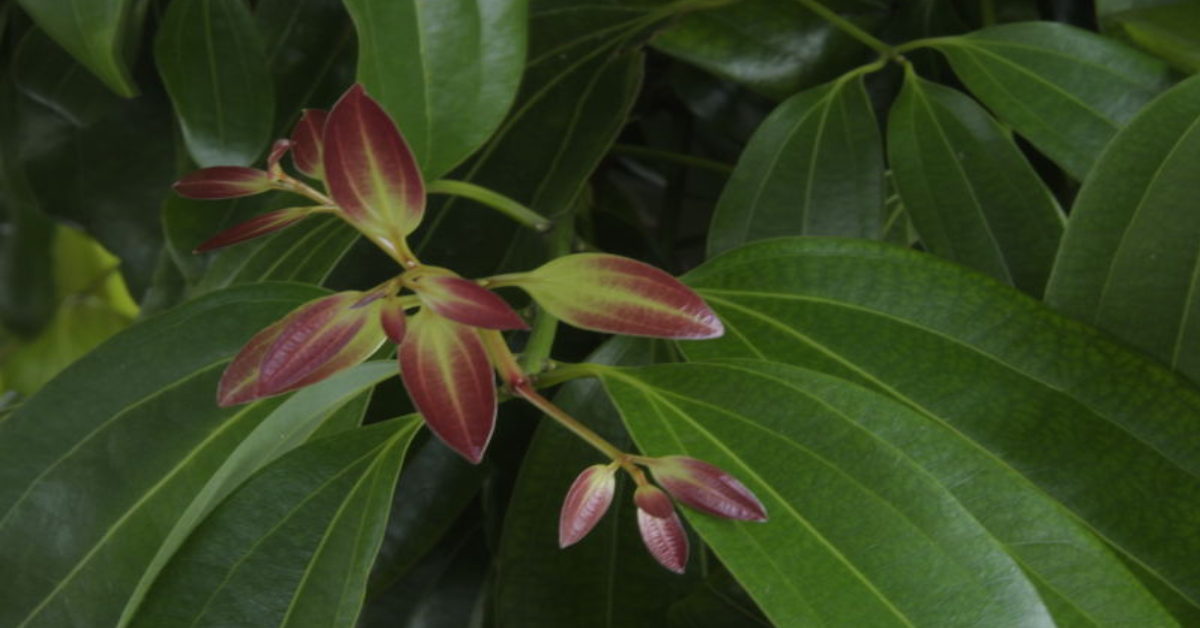
Leaves are opposite, ovate-oblong, 7–18 cm long, leathery, glossy green above and paler beneath. Flowers are small, greenish-white, and arranged in panicles with a distinct odor. Fruits are purple, one-seeded drupes about 1 cm long. The inner bark is the source of the prized spice, yielding quills when peeled. It thrives in tropical, humid climates with well-drained soil and partial shade, at low elevations.
Taxonomy: Kingdom Plantae, Order Laurales, Family Lauraceae, Genus Cinnamomum.
Phytochemistry
Key bioactive compounds include cinnamaldehyde (65–80% of essential oil, responsible for flavor, aroma, and many therapeutic effects), eugenol, cinnamyl acetate, cinnamic acid, and various terpenoids (e.g., β-caryophyllene, l-borneol). Polyphenols, procyanidins (A- and B-type), catechins, and small amounts of coumarin are also present. Leaf oil differs, often richer in eugenol. These metabolites contribute to antioxidant, antimicrobial, and metabolic activities.
Western Traditional & Clinical Actions
In Western herbalism, Cinnamomum Verum acts as a carminative, stimulant, astringent, antiseptic, antimicrobial (antibacterial, antifungal, antiviral), mild analgesic, and antioxidant. It supports digestion (relieving flatulence, indigestion, diarrhea), warms the system, and aids blood sugar regulation and circulation. It is used for respiratory issues, infections, and as a flavoring/preservative.
Chinese Medicine Actions
In TCM, known as Rou Gui (cinnamon bark), it is hot and acrid, entering the Kidney, Spleen, Heart, and Liver channels. It tonifies Kidney Yang, warms the interior, disperses cold, alleviates pain, invigorates blood, and guides fire back to its source. It addresses patterns of cold deficiency, yang deficiency, abdominal pain, diarrhea, and cold limbs.
Traditional & Historical Uses
Used since antiquity in Egyptian embalming, Biblical and Sanskrit texts, and by Greek/Roman writers. Traditional applications include digestive aid, treatment of colds/flu (often with ginger), respiratory issues, wounds, urinary infections, and as a flavoring/preservative. Indigenous and Ayurvedic systems value it for warming, carminative, and antidiabetic effects.
Modern Pharmacological Evidence
Demonstrated antioxidant, anti-inflammatory (inhibits prostaglandins/NF-κB), antimicrobial, antidiabetic (enhances insulin sensitivity, glycogen synthesis), neuroprotective (reduces β-amyloid oligomerization), and potential anticancer properties via multiple pathways. Mechanisms involve cinnamaldehyde and polyphenols modulating glucose metabolism, oxidative stress, and inflammation.
Clinical Studies
Meta-analyses and RCTs show benefits for type 2 diabetes (lowering fasting blood glucose, HbA1c), modest lipid improvements, and anti-inflammatory effects at doses of 0.5–6 g/day. A 2025 RCT on Ceylon cinnamon confirmed glycemic improvements in T2DM. Limited but promising data for metabolic syndrome; generally safe with low coumarin.
Preparations & Dosage
- Powder/tea: 0.5–1.3 g dried bark 3x daily (up to 4 g/day total).
- Tincture/fluid extract: 0.2–1 g equivalent, 3x daily.
- Infusion: Steep quills or powder in hot water.
- Culinary: Add to foods/drinks daily. Take with meals for digestive/glycemic support.
Safety & Contraindications
Cinnamomum Verum has low coumarin content, making it safer than cassia for long-term use. Generally recognized as safe (GRAS) in culinary amounts. Avoid high doses in pregnancy (may stimulate the uterus) or with blood thinners/antidiabetics (additive effects). Rare allergies or skin irritation from oil. Liver toxicity risk is minimal compared to cassia.
Cultivation & Harvest
Grown in tropical plantations (Sri Lanka dominant producer). Trees coppiced (cut near base) from year 3–5 onward for regrowth, allowing sustainable harvests every 2 years. Inner bark peeled from branches, dried into quills. Leaves/twigs yield oil. Sustainable practices include replanting, composting leaves, and rotation to maintain soil/biodiversity.
Commercial Products
Available as quills, powder, teas, capsules, essential oils (bark/leaf), and extracts in supplements targeting blood sugar, immunity, or digestion. Regulated as a spice or dietary supplement, Ceylon is preferred for purity/low coumarin. Also in foods, cosmetics, and aromatherapy.
Ethnobotanical Curiosities
Ancient trade made it as valuable as gold. Egyptians used it in mummification; it features in Ayurvedic, Unani, and folk remedies worldwide. Its name derives from the Greek “kinnamomon.” In some cultures, it wards off evil or enhances rituals due to its warming, aromatic qualities.
Recent Research (2020–2025)
Ongoing trials affirm metabolic benefits (glycemic control, lipids, BMI reduction). Neuroprotective, antioxidant, and anti-inflammatory effects explored in metabolic diseases and potential RTI support. Umbrella reviews of RCTs support safety and modest efficacy; focus on Ceylon for lower toxicity. Omics and formulation studies advancing applications.
Conservation Status
IUCN lists Cinnamomum Verum as Vulnerable due to habitat loss and overharvesting pressures, though cultivated populations sustain supply. Efforts emphasize sustainable plantations and genetic conservation.
DIY Recipes
- Cinnamon Honey: Infuse raw honey with Ceylon sticks for 4+ weeks; use for coughs, immunity, or as a sweetener.
- Blood Sugar Support Tea: ½–1 tsp powder + lemon + optional moringa; steep in hot water.
- Golden Milk: Warm milk (or plant-based) with turmeric, black pepper, Ceylon cinnamon, and honey.
- Digestive Gargle: Honey + a pinch of cinnamon in warm water for a sore throat.
X (Twitter) Snapshot – Nov 2025
Discussions highlight Ceylon cinnamon’s advantages over cassia (lower coumarin, blood sugar benefits), with users sharing recipes like moringa-cinnamon-lemon tea for metabolic health and golden milk blends. Posts emphasize evidence from RCTs for T2DM support, antioxidant effects, and preference for true cinnamon in daily wellness routines.
Cinnamomum Verum remains a versatile, evidence-supported herb bridging culinary delight and therapeutic potential. Always source high-quality Ceylon for optimal safety and efficacy. Consult a healthcare provider for medicinal use.
👈Planting & Harvesting Reference Guide:👇
Cinnamomum Verum (Ceylon/True Cinnamon) – Planting & Harvesting Reference Guide
- Best Time for Planting
- Early spring or after the last frost in suitable climates; waxing moon in water or fire signs for root strength.
- Tropical humid lowlands with well-drained, slightly acidic to neutral soils and partial shade.
- Growing Conditions & Magical Minded Tips
- Space trees 3–5 m apart in coppiced bush form; mulch heavily with organic matter.
- Whisper gratitude and offer tobacco or cornmeal when planting; sing to young trees during growth.
- Coppice for 3–5 years for sustainable regrowth; maintain for 35–50 years.
- Best Time for Harvesting Inner Bark
- After the rainy season (typically May–June in the native range), when sap rises, the bark slips easily.
- Waxing to full moon for peak potency; harvest 2–3 times per year from mature stems.
- Sustainable & Magical Harvesting Methods
- Coppice young stems (2–3 years old) at base; peel the inner bark in vertical strips with a drawknife or by hand.
- Take ≤10% per tree; leave outer bark and offer thanks, tobacco, or tokens.
- Never strip live standing trees completely; prioritize fallen or storm-damaged material when wildcrafting.
- Post-Harvest Processing
- Dry quills slowly in shade; roll into traditional sticks while holding abundance intentions.
- Store in cool, dark glass with sun-charged crystal; grind fresh as needed for magic and medicine.
This guide consolidates all planting and harvesting details across our SPARK collaboration for quick, reverent reference. Always work with gratitude and sustainability to honor the living spirit of Cinnamomum Verum.

Part 1: Modern Medical Properties and Uses

Purpose: Highlights the plant’s scientific and medicinal properties, validating holistic healing with evidence-based data.
Contemporary Medical Applications:
Describes current clinical uses (e.g., capsules, tinctures) and delivery methods in modern medicine.
👈Contemporary Medical Applications:👇
Contemporary Medical Applications:
- Cinnamomum Verum extracts and powders are clinically applied as adjunctive therapy for type 2 diabetes management, with doses of 1–3 g daily demonstrating reductions in fasting blood glucose, HbA1c, and improvements in insulin sensitivity in randomized controlled trials, particularly beneficial for patients with metabolic syndrome.
- Standardized hydroalcoholic bark extracts (such as TAPP-CZ-IND02) show promise in alleviating symptoms of allergic rhinitis, including rapid reduction in nasal congestion, itchy eyes, and pruritus within 24 hours of administration in recent clinical evaluations.
- Cinnamon supplementation supports cardiovascular health by modestly lowering LDL cholesterol, triglycerides, and improving lipid profiles when used at 1–6 g/day in patients with dyslipidemia or diabetes, often integrated into daily dietary regimens as capsules or powder.
- Topical and internal preparations of Ceylon cinnamon are explored for antimicrobial applications, including potential treatment of urinary tract infections through biofilm disruption and synergy with conventional antibiotics, delivered via extracts or essential oil formulations.
- In oncology supportive care, cinnamon bark extracts demonstrate protective effects against chemotherapy-induced weight loss (cachexia) and alopecia, promoting hair density and reducing severe cachexia in adjunctive protocols.
- Ceylon cinnamon is utilized in formulations for polycystic ovary syndrome (PCOS), often combined with other herbs to regulate menstrual cycles, reduce BMI, and improve oligomenorrhea when taken as tablets or extracts over 3 months alongside lifestyle interventions.
- Neuroprotective applications are emerging, with aqueous extracts investigated for reducing tau aggregation in Alzheimer’s models, delivered as supplements to support cognitive health in aging populations.
Sources: Contemporary Medical Applications
Sources:
https://pmc.ncbi.nlm.nih.gov/articles/PMC11759401/
https://www.walshmedicalmedia.com/open-access/modern-medicinal-use-of-cinnamon.pdf
https://www.macrothink.org/journal/index.php/jfs/article/viewFile/23421/18059
https://www.researchgate.net/publication/394894313_Cinnamomum_verum_Cinnamon_A_promising_natural_alternative_for_urinary_tract_infection_treatment
https://www.frontiersin.org/journals/pharmacology/articles/10.3389/fphar.2021.600139/full
https://pmc.ncbi.nlm.nih.gov/articles/PMC3854496/
Pharmacology:
Outlines key compounds and their mechanisms of action, driving therapeutic effects.
👈Pharmacology:👇
Pharmacology:
- Cinnamaldehyde (major bark volatile, 65–80%) activates insulin signaling pathways, enhances glucose uptake via GLUT4 translocation, and inhibits α-glucosidase and α-amylase, leading to improved glycemic control and reduced postprandial glucose spikes.
- Polyphenols and procyanidins (type A and B) exert potent antioxidant effects by scavenging free radicals, modulating Nrf2 pathways, and reducing oxidative stress markers in metabolic tissues.
- Eugenol (predominant in leaf oil, up to 90%) contributes to anti-inflammatory actions through inhibition of NF-κB, COX-2, and pro-inflammatory cytokines such as TNF-α, IL-1β, and IL-6.
- Cinnamic acid and derivatives inhibit glycation processes and support lipid metabolism by lowering LDL oxidation and improving cholesterol efflux mechanisms.
- β-Caryophyllene and other terpenoids interact with CB2 receptors and exhibit neuroprotective properties by reducing tau filament formation and amyloid aggregation in neurodegenerative models.
- The essential oil complex disrupts bacterial cell membranes, increases permeability, and shows synergistic effects with antibiotics against resistant strains including MRSA and uropathogens.
- Proanthocyanidins specifically disassemble tau filaments without affecting normal cellular tau function, highlighting targeted neuroprotective pharmacology.
Sources: Pharmacology:
Sources:
https://www.frontiersin.org/journals/pharmacology/articles/10.3389/fphar.2021.600139/full
https://www.sciencedirect.com/science/article/abs/pii/S0308814620316356
https://pmc.ncbi.nlm.nih.gov/articles/PMC11859615/
https://www.sciencedirect.com/topics/agricultural-and-biological-sciences/cinnamomum-verum
https://pmc.ncbi.nlm.nih.gov/articles/PMC7070835/
Natural Medicine Studies:
Summarizes recent research on efficacy, safety, or clinical outcomes from peer-reviewed studies.
👈Natural Medicine Studies:👇
Natural Medicine Studies:
- A 2025 randomized double-blind trial on Ceylon cinnamon extract demonstrated significant fasting blood sugar reduction in adults with type 2 diabetes, alongside a favorable safety profile and no major impact on LDL-C at tested doses.
- Umbrella reviews of meta-analyses (2020–2025) confirm modest improvements in glycemic parameters, lipid profiles, and inflammatory markers in patients with metabolic diseases, supporting its role as a complementary intervention.
- Preclinical and clinical data highlight antimicrobial efficacy against foodborne and resistant bacteria, with essential oils showing membrane disruption and biofilm inhibition in vitro and ex vivo models.
- Studies on chemotherapy support show cinnamon extracts reduce cachexia and alopecia while promoting apoptosis in tumor cells selectively, with recent RCTs strengthening these protective effects.
- Neuroprotective research using in vitro, ex vivo, and computational models demonstrates secondary metabolites from Ceylon cinnamon offering potential against oxidative stress and protein aggregation in neurodegenerative conditions.
- Clinical trials in PCOS patients using combinations including Cinnamomum Verum report improved menstrual regularity and reduced BMI when integrated with lifestyle changes.
- Antioxidant and anti-inflammatory effects persist after simulated digestion, validating bioavailability and efficacy in functional food matrices for chronic disease management.
Sources: Natural Medicine Studies:
Sources:
https://journals.plos.org/plosone/article?id=10.1371/journal.pone.0317904
https://www.frontiersin.org/journals/nutrition/articles/10.3389/fnut.2025.1683477/full
https://pmc.ncbi.nlm.nih.gov/articles/PMC7070835/
https://www.walshmedicalmedia.com/open-access/modern-medicinal-use-of-cinnamon.pdf
https://pmc.ncbi.nlm.nih.gov/articles/PMC12390917/
https://pmc.ncbi.nlm.nih.gov/articles/PMC9914695/
Chemistry:
Details active chemical constituents (e.g., alkaloids, flavonoids) and their healing roles.
👈Chemistry:👇
Chemistry:
- Trans-cinnamaldehyde dominates bark essential oil (typically 44–80%), serving as the primary bioactive responsible for flavor, aroma, and multiple pharmacological actions, including enzyme inhibition.
- Eugenol is the chief constituent in leaf oil (75–90%), contributing to antiseptic and anti-inflammatory properties alongside minor terpenoids like linalool and β-caryophyllene.
- Polyphenols, including catechins, procyanidins (A- and B-type), and cinnamic acid derivatives, provide robust antioxidant capacity measurable by LC-MS/MS analysis.
- Additional compounds such as saccharumoside C, emodin-glucuronide isomers, and physcion-glucuronide isomers have been newly identified in water and ethanol extracts, expanding known bioactive diversity.
- Coumarin content remains notably low in true Ceylon varieties compared to cassia, enhancing safety for long-term use while retaining therapeutic polyphenols.
- Volatile oils also contain benzaldehyde, benzyl cinnamate, and oxygenated mono/sesquiterpenes that support synergistic antimicrobial and metabolic effects.
- Proanthocyanidins are key for neuroprotective chemistry, directly interacting with tau proteins in Alzheimer’s-related research.
Sources: Chemistry:
Sources:
https://www.frontiersin.org/journals/pharmacology/articles/10.3389/fphar.2021.600139/full
https://www.sciencedirect.com/topics/agricultural-and-biological-sciences/cinnamomum-verum
https://www.mdpi.com/1999-4907/12/5/648
https://pubs.acs.org/doi/10.1021/acs.jafc.3c00285
https://pmc.ncbi.nlm.nih.gov/articles/PMC3854496/
Functional Foods and Nutrition:
Highlights dietary uses (e.g., teas, supplements) in modern health practices.
👈Functional Foods and Nutrition:👇
Functional Foods and Nutrition:
- Ceylon cinnamon powder integrates into daily diets at 0.5–4 g to support glycemic control when added to teas, oatmeal, or smoothies, leveraging its natural sweetness to reduce added sugar intake.
- As a functional ingredient, cinnamon enhances antioxidant capacity in baked goods, beverages, and fortified foods, with studies showing preserved bioactivity post-digestion for metabolic health benefits.
- Cinnamon-infused honey or golden milk formulations combine with turmeric and black pepper for synergistic anti-inflammatory and digestive support, popular in nutraceutical applications.
- Commercial supplements and capsules standardize bark extracts for consistent delivery of polyphenols, targeting blood sugar and lipid management in functional food lines.
- Incorporation into chewing gums and oral products utilizes antimicrobial properties to combat bad breath and support oral microbiota balance.
- Cinnamon serves as a natural preservative and flavor enhancer in foods, contributing to reduced oxidative spoilage while adding nutritional polyphenols.
- Dietary inclusion in metabolic diets shows potential for modest weight management and improved insulin sensitivity when part of balanced meal plans.
Sources: Functional Foods and Nutrition:
Sources:
https://journals.lww.com/nutritiontodayonline/fulltext/2019/01000/cinnamon__update_of_potential_health_benefits.8.aspx
https://pmc.ncbi.nlm.nih.gov/articles/PMC9914695/
https://www.nutraceuticalsworld.com/cinnamon-a-journey-from-traditional-flavor-to-modern-health-applications/
https://www.researchgate.net/publication/357079454_Effects_of_Cinnamon_on_Health_and_its_Potential_as_a_Functional_Food_Ingredient
https://www.mdpi.com/1999-4907/12/5/648
Current Projects and Future Possibilities:
Notes ongoing research, clinical trials, or innovative medical applications.
👈Current Projects and Future Possibilities:👇
Current Projects and Future Possibilities:
- Ongoing clinical trials explore Ceylon cinnamon’s role in ventricular arrhythmia management and broader cardiovascular applications, building on 2020–2025 evidence for anti-inflammatory and metabolic benefits.
- Research into synergistic formulations with honey or other botanicals targets cardiac hypertrophy and antimicrobial resistance, with potential for novel phyto-therapeutics.
- Neuroprotective projects using computational modeling and ex vivo studies aim to develop cinnamon-derived compounds for Alzheimer’s and other neurodegenerative conditions.
- Investigations into UTI treatments position Cinnamomum Verum as a natural alternative or adjunct to antibiotics, focusing on biofilm disruption and clinical translation.
- Future possibilities include optimized extracts for chemotherapy supportive care to mitigate side effects like cachexia and alopecia on a larger scale.
- Omics and formulation studies advance cinnamon’s integration into personalized nutrition for metabolic diseases, with emphasis on Ceylon’s low-coumarin profile for safety.
- Sustainable cultivation and extraction projects seek to expand therapeutic applications while ensuring biodiversity and high-quality supply for global health initiatives.
l
Sources: Current Projects and Future Possibilities:
Sources:
https://www.researchgate.net/publication/403023545_Cinnamon_as_a_phyto-therapeutic_agent_in_ventricular_heart_Arrhythmia_Clinical_and_molecular_perspectives
https://journals.lww.com/wtcm/fulltext/2024/10040/synergistic_effects_of_cinnamomum_verum_and.3.aspx
https://pmc.ncbi.nlm.nih.gov/articles/PMC12390917/
https://www.researchgate.net/publication/394894313_Cinnamomum_verum_Cinnamon_A_promising_natural_alternative_for_urinary_tract_infection_treatment
https://www.walshmedicalmedia.com/open-access/modern-medicinal-use-of-cinnamon.pdf
https://www.frontiersin.org/journals/nutrition/articles/10.3389/fnut.2025.1683477/full
Literary Mentions:
References modern medical texts or studies citing the plant’s therapeutic use.
👈Literary Mentions:👇
Literary Mentions:
- Comprehensive reviews in journals such as Journal of Pharmacy and Pharmacology (2019) detail the phytochemistry, pharmacology, and medicinal uses of Cinnamomum species, positioning Ceylon cinnamon as a key therapeutic agent.
- Systematic reviews in BMC Complementary and Alternative Medicine (2013) and updates through 2025 highlight in vitro, in vivo, and clinical evidence for diabetes and metabolic applications.
- Frontiers in Pharmacology (2021) bridges phytochemistry and pharmacology across Cinnamomum species, citing extensive modern studies on bioactives.
- Modern texts reference ancient Ayurvedic, Egyptian, and Biblical uses alongside contemporary RCTs validating blood sugar and anti-inflammatory effects.
- Peer-reviewed articles in Foods and Molecules journals document post-digestion bioactivity and chemotherapeutic potential in recent literature.
- Clinical trial protocols and umbrella reviews in Frontiers in Nutrition (2025) cite cinnamon extensively for metabolic disease management.
- Pharmacognosy resources and evidence-based herbal encyclopedias consistently feature Ceylon cinnamon for its superior safety profile in long-term wellness applications.
Literary Mentions in Ancient Texts
- Cinnamomum Verum (also known as Cinnamomum zeylanicum) appears in several foundational ancient texts across cultures, often valued as a sacred, fragrant, and medicinal spice. Here are the key verified literary references:
- Biblical / Hebrew Scriptures (Old Testament)
- Exodus 30:23 — One of the principal ingredients in the holy anointing oil commanded to Moses. It is listed alongside myrrh, calamus, cassia, and olive oil for consecrating the tabernacle, priests, and sacred objects. This is one of the earliest and most prominent mentions of “sweet cinnamon” (Hebrew: qinnāmôn).
- Proverbs 7:17 — Used as a perfume for the bed alongside myrrh and aloes, in a context of sensuality and seduction.
- Song of Solomon (Song of Songs) 4:14 — Included among the precious spices in the beloved’s garden: “…with all the chief spices” (alongside saffron, calamus, myrrh, and aloes), evoking erotic and paradisiacal imagery.
- Revelation 18:13 (New Testament) — Listed among the luxury merchandise of fallen Babylon (“cinnamon, and odours, and ointments…”), highlighting its high economic value in the ancient world.
- Egyptian Texts
- Ebers Papyrus (c. 1550 BCE) — Cinnamon (along with cassia) is referenced in embalming rituals and medicinal recipes, used for its preservative and aromatic properties in mummification.
- Kyphi incense recipes (Ptolemaic period onward) — Included cinnamon and cassia for temple rituals and sacred burning.
- Greek & Roman Classical Literature
- Herodotus (Histories, 5th century BCE) — Describes cinnamon as coming from Arabia, guarded by winged serpents or collected by giant “cinnamon birds” that build nests of the spice. This is the famous mythical account later echoed by other writers.
- Sappho (7th century BCE) — One of the earliest Greek poetic references to kasía (cassia/cinnamon).
- Pliny the Elder (Natural History, 1st century CE) — Critiques the mythical bird stories as trader inventions but confirms cinnamon’s high value, trade routes, and use in perfumes and wines. He distinguishes it from cassia.
- Ayurvedic & Indian Sanskrit Texts
- Charaka Samhita and Sushruta Samhita (c. 400–200 BCE or earlier) — Cinnamomum Verum (known as Tvak or Darusita) is described as a warming, digestive, and carminative herb used in formulations for respiratory issues, digestion, and balancing doshas (particularly kapha and vata). It appears in many multi-herb preparations.
- Other Ancient References
- Ancient Greek inscriptions (e.g., donation to the Temple of Apollo at Miletus) record cinnamon as a luxurious gift to deities.
- Roman authors (including Pliny) note its use in elite perfumes, funerary rites, and as a costly import.
- Cinnamomum Verum was consistently regarded as one of the most precious spices of antiquity — often more valuable than gold — due to its rarity, fragrance, preservative qualities, and spiritual significance. Its true botanical origin (Sri Lanka / southern India) was deliberately obscured by traders for centuries to maintain monopolies.
Sources: Literary Mentions:
Sources:
https://onlinelibrary.wiley.com/doi/full/10.1111/jphp.13173
https://pmc.ncbi.nlm.nih.gov/articles/PMC3854496/
https://www.frontiersin.org/journals/pharmacology/articles/10.3389/fphar.2021.600139/full
https://link.springer.com/article/10.1186/1472-6882-13-275
https://pmc.ncbi.nlm.nih.gov/articles/PMC9914695/
https://zenmaitri.com/blogs/herb-encyclopedia/cinnamon-cinnamomum-verum

Part 2: Plant Knowledge Systems

Purpose: Validates plant-based healing through interdisciplinary scientific and cultural fields.
Ethnobotany:
Explores the plant’s traditional uses across cultures, linking indigenous knowledge to modern applications.
👈Ethnobotany:👇
Ethnobotany:
- Cinnamomum Verum holds a central place in Ayurvedic traditions of India and Sri Lanka, where the inner bark has been employed for millennia as a carminative, digestive stimulant, and warming remedy to address conditions such as indigestion, flatulence, diarrhea, nausea, and respiratory ailments; these traditional applications align directly with contemporary pharmacological validations of its cinnamaldehyde content for enhancing insulin sensitivity and supporting gastrointestinal motility, illustrating a seamless bridge between ancient holistic systems and evidence-based metabolic support in modern integrative medicine.
- In Traditional Chinese Medicine, the bark of Cinnamomum Verum (often classified alongside related species as Rou Gui) serves as a potent warming herb that tonifies Kidney Yang, disperses interior cold, and invigorates blood circulation to treat patterns of deficiency cold, abdominal pain, and cold limbs; this ethnobotanical role connects to current clinical observations of its anti-inflammatory and vasodilatory effects, reinforcing its utility in protocols addressing circulatory and metabolic imbalances across global herbal practices.
- Ancient Egyptian papyri and embalming rituals document the extensive use of Cinnamomum Verum bark and oil for preservation, sacred anointing, and medicinal purposes, including treatment of digestive complaints and as an aromatic in religious ceremonies; such historical applications underscore the plant’s antimicrobial and preservative properties, which modern ethnobotanical research links to its contemporary roles in natural food preservation and supportive antimicrobial therapies worldwide.
- Biblical and ancient Near Eastern texts reference Cinnamomum Verum as a sacred ingredient in holy anointing oils and incense, symbolizing purification and healing across Hebrew, Greek, and Roman cultures; these ritual and medicinal traditions parallel today’s recognition of its essential oil for respiratory and antimicrobial support, highlighting cross-cultural continuity in employing the plant for both spiritual and physical wellness.
- In Thai traditional medicine, Cinnamomum Verum bark is valued as a warming tonic included in decoctions to stimulate digestion, relieve nausea, and address cold-related disorders, reflecting broader Southeast Asian ethnobotanical knowledge; this usage resonates with current global applications in functional foods and herbal formulations that leverage its bioactive compounds for digestive and immune modulation.
Sources: Ethnobotany:
Sources:
https://pmc.ncbi.nlm.nih.gov/articles/PMC6142888/
https://www.alveus.eu/blog/cinnamon-types-and-uses/
https://www.britannica.com/plant/cinnamon
https://www.herbalgram.org/resources/herbclip/herbclip-news/2012/cinnamon-a-bit-of-history/
https://kamalabeachestate.com/cinnamomum-verum/
Plant Genomics:
Describes genetic studies of the plant, focusing on traits related to medicinal properties.
👈Plant Genomics:👇
Plant Genomics:
- The complete chloroplast genome of Cinnamomum Verum has been fully sequenced and is publicly available (GenBank accession NC_035236), revealing a typical quadripartite structure of approximately 152,766 base pairs encoding 129 genes including 84 protein-coding genes, 37 tRNA genes, and 8 rRNA genes; comparative analyses with other Cinnamomum species confirm its phylogenetic placement within the Lauraceae family and highlight conserved regions useful for species authentication and tracing medicinal compound biosynthesis pathways.
- Nuclear internal transcribed spacer (ITS) regions and mitogenome segments of Cinnamomum Verum have been sequenced alongside chloroplast data in multi-locus studies of Sri Lankan Cinnamomum species, enabling resolution of genetic relationships, hybridization events, and evolutionary divergence that underpin variations in essential oil composition and therapeutic potency across wild and cultivated populations.
- Resequencing efforts and Skmer analysis incorporating Cinnamomum Verum reference genomes have advanced understanding of intraspecific genetic diversity, supporting marker-assisted breeding programs aimed at enhancing bioactive metabolite yields such as cinnamaldehyde while preserving low-coumarin traits critical for safe long-term medicinal use.
- Genomic data from Cinnamomum Verum chloroplast and nuclear markers facilitate DNA barcoding for quality control in commercial herbal products, distinguishing true Ceylon varieties from higher-coumarin substitutes and ensuring traceability in global supply chains for evidence-based phytotherapy.
Sources: Plant Genomics:
Sources:
https://pmc.ncbi.nlm.nih.gov/articles/PMC10511092/
https://e-kjpt.org/journal/view.php?number=5125
https://pmc.ncbi.nlm.nih.gov/articles/PMC10511092/
https://www.mdpi.com/2223-7747/13/6/841
Phytotherapy:
Details the plant’s use in clinical herbal medicine, including therapeutic protocols.
👈Phytotherapy:👇
Phytotherapy:
- In clinical phytotherapy protocols, powdered bark or standardized extracts of Cinnamomum Verum are administered at 0.5–1.3 g three times daily (up to 4 g total) as a digestive carminative for mild spasmodic gastrointestinal complaints, bloating, flatulence, and loss of appetite, with preparations taken after meals or 30 minutes before to optimize symptom relief while supporting overall metabolic balance in adults.
- Ayurvedic phytotherapeutic guidelines recommend 0.2–1 g of Cinnamomum Verum bark powder or ethanolic extracts three times daily for bowel complaints including indigestion, diarrhea, and vomiting, often integrated into multi-herb formulas to enhance carminative and astringent actions in holistic treatment regimens.
- European community herbal monographs endorse Cinnamomum Verum tinctures, fluid extracts, or infusions (0.5–1 g equivalent) up to four times daily for symptomatic relief of mild diarrhea and abdominal pain, emphasizing short-term use (up to two weeks) under practitioner guidance to align with traditional European phytotherapy safety standards.
- Phytotherapeutic applications of Cinnamomum Verum essential oil (50–200 mg daily in divided doses, diluted) target antimicrobial and anti-inflammatory effects in respiratory and gynecological protocols, drawing on its traditional uses while incorporating modern standardization for consistent therapeutic outcomes in integrative herbal practice.
Sources: Phytotherapy:
Sources:
https://webprod.hc-sc.gc.ca/nhpid-bdipsn/dbImages/mono_cinnamon–cinnamomum-verum_english.pdf
https://www.ema.europa.eu/en/documents/herbal-monograph/community-herbal-monograph-cinnamomum-verum-js-presl-cortex_en.pdf
https://www.edaegypt.gov.eg/media/jvknpkbg/cinnamomum-verum-j-presl.pdf
Ethnoecology:
Examines the plant’s ecological role in cultural practices and environmental interactions.
👈Ethnoecology:👇
Ethnoecology:
- Cinnamomum Verum plays a foundational ecological and cultural role in Sri Lankan tropical forest ecosystems, where its native growth in humid, well-drained lowland habitats supports biodiversity while forming the basis of a sustainable smallholder industry that sustains over 350,000 families through traditional quill-peeling and processing techniques passed down generations; this ethnoecological integration links local environmental stewardship with global spice trade and medicinal heritage.
- In the cultural landscapes of Sri Lanka’s cinnamon-growing regions, Cinnamomum Verum cultivation practices—such as coppicing and selective harvesting—maintain soil health and forest regeneration, embedding the plant within indigenous knowledge systems that view it as both an economic lifeline and a living embodiment of ancestral ecological wisdom, with direct ties to community rituals, Ayurvedic healing, and everyday culinary traditions.
- Ethnoecological studies highlight Cinnamomum Verum’s adaptation to Southeast Asian and South Indian agroforestry systems, where its presence influences microclimates and pollinator networks while cultural taboos and harvesting lore ensure sustainable yields; these dynamics parallel modern conservation efforts that recognize the plant’s contribution to livelihood security and biodiversity preservation amid climate pressures.
Sources: Ethnoecology:
Sources:
https://nph.onlinelibrary.wiley.com/doi/full/10.1002/ppp3.10192
https://www.theyogifoundation.com/post/history-of-cinnamon-in-sri-lanka
https://www.ceylonboutique.com/blogs/resources/origin-of-cinnamon-the-history-and-cultural-significance-of-cinnamon-from-sri-lanka
Anthroposophical Medicine:
Outlines the plant’s use in Steiner-inspired remedies, including preparation, studies, and dosage.
👈Anthroposophical Medicine:👇
Anthroposophical Medicine:
- Within anthroposophical medicine inspired by Rudolf Steiner’s principles, Cinnamomum Verum is recognized for its warming, grounding qualities that address constitutional imbalances such as neurasthenia (nerve-sense dominance leading to mental exhaustion and diminished vitality) and hysteria by harmonizing the nerve-sense, rhythmic, and metabolic systems through enhanced circulation and digestive support; preparations typically involve dilute tinctures or integrated remedies to restore equilibrium between thought, feeling, and will.
- Steiner-influenced holistic protocols incorporate Cinnamomum Verum bark or essential oil in low-potency dilutions to soothe nervous digestive symptoms and promote rhythmic balance in patients experiencing cold deficiency patterns, with emphasis on its role in supporting the “etheric” life forces and overall constitutional vitality when used alongside other anthroposophical botanicals in personalized regimens.
Sources: Anthroposophical Medicine:
Sources:
https://infiore.net/blogs/journal/cinnamon-zeylanicum-where-warmth-circulation-and-spirituality-meet

Part 3: Heritage and Practice

Purpose: Weaves historical and cultural heritage with practical guidance for medicinal use.
Historical and Cultural Significance:
Explores the plant’s role in historical and cultural medical practices.
👈Historical and Cultural Significance:👇
Historical and Cultural Significance:
- Cinnamomum Verum has occupied a position of extraordinary prestige across ancient civilizations for over 4,000 years, serving not merely as a spice but as a sacred commodity traded along perilous caravan routes from Sri Lanka and southern India to the Mediterranean, Egypt, and the Near East; its inner bark was imported into Egypt as early as 2000 BCE where it featured prominently in embalming rituals to preserve mummies alongside myrrh, in perfumery, and in sacred kyphi incense burned in temples to honor the gods, its antimicrobial and aromatic qualities symbolizing purification and eternal life while its high value equated it with gold in economic and ritual exchanges that shaped early global trade networks.
- In Biblical and Hebrew traditions, Cinnamomum Verum appears as a key ingredient in the holy anointing oil prescribed to Moses and in sacred incense formulations described in the Old Testament, underscoring its role as a symbol of divine favor, spiritual elevation, and healing across ancient Near Eastern cultures; these religious applications paralleled its use in Greek and Roman funerary rites where it was burned as incense during elite burials, and in luxurious perfumes and ointments reserved for royalty, cementing its status as a bridge between the mundane and the sacred while Arab merchants guarded its true origins through elaborate myths to maintain monopolistic control over its lucrative trade.
- The cultural reverence for Cinnamomum Verum extended into classical antiquity where Greek historians such as Herodotus documented legends of exotic birds transporting cinnamon sticks from distant lands, intertwining the plant with myths of renewal and the phoenix, while Roman writers celebrated its use in imperial banquets and medicinal wines; this enduring heritage reflects a continuous thread of appreciation for its warming, preservative, and therapeutic properties that transitioned seamlessly from ritualistic and elite contexts into broader medicinal and culinary spheres across Eurasia and Africa.
Sources: Historical and Cultural Significance:
Sources:
https://en.wikipedia.org/wiki/Cinnamon
https://www.alveus.eu/blog/cinnamon-types-and-uses/
https://www.herbalgram.org/resources/herbclip/herbclip-news/2012/cinnamon-a-bit-of-history/
https://aromaticmedicineschool.com/10-biblical-aromatics/
Indigenous and Traditional Systems:
Details use in specific indigenous or traditional healing systems.
👈Indigenous and Traditional Systems:👇
Indigenous and Traditional Systems:
- Within Ayurvedic medicine of India and Sri Lanka, Cinnamomum Verum (known locally as kurundu or darusita) is classified as a warming, carminative, and digestive herb that balances kapha and vata doshas while promoting agni (digestive fire); it has been employed for millennia in decoctions, powders, and multi-herb formulas to alleviate indigestion, flatulence, diarrhea, respiratory congestion, headaches, and cold-related disorders, often combined with other spices to enhance circulation, support oral hygiene, and act as a universal tonic that improves absorption of other remedies in holistic protocols addressing metabolic, gastrointestinal, and immune imbalances.
- In Traditional Chinese Medicine, the bark of Cinnamomum Verum (frequently grouped with related species as Rou Gui) functions as a hot, acrid herb entering the Kidney, Spleen, Heart, and Liver channels to tonify Yang, warm the interior, disperse cold, invigorate blood, and guide deficient fire back to its source; indigenous practitioners have long incorporated it into decoctions for patterns of yang deficiency manifesting as cold limbs, abdominal pain, diarrhea, and circulatory stagnation, with its applications extending to supportive roles in formulas for fatigue, menstrual irregularities, and metabolic regulation that align closely with modern validations of its bioactive compounds.
- Sri Lankan and Southeast Asian indigenous systems, including Thai traditional medicine where Cinnamomum Verum is called Ob Choey, regard the bark as a warming tonic integrated into royal herbal formulas and temple offerings; it is prepared in decoctions or compresses to stimulate digestion, relieve nausea, abdominal discomfort, colds, and fatigue, while its aromatic oils feature in massage blends for muscle stiffness and poor circulation, reflecting deep ethnoecological knowledge that views the plant as both a livelihood resource and a carrier of ancestral healing wisdom in humid tropical communities.
Sources: Indigenous and Traditional Systems:
Sources:
https://lakpura.com/pages/cinnamomum-verum
https://kamalabeachestate.com/cinnamomum-verum/
https://www.alveus.eu/blog/cinnamon-types-and-uses/
https://www.deepayurveda.in/blogs/ayurvedic-herbs/cinnamon
Folklore and Culinary Traditions:
Highlights folklore, myths, and culinary uses tied to the plant.
👈Folklore and Culinary Traditions:👇
Folklore and Culinary Traditions:
- Folklore surrounding Cinnamomum Verum is rich with legends of mystery and renewal, including ancient Greek accounts by Herodotus describing enormous birds or phoenix-like creatures transporting cinnamon sticks from distant Arabian mountains to nests built of the spice, stories that Arab traders perpetuated to obscure its true Sri Lankan origins and heighten its mythic allure; such narratives positioned Cinnamomum Verum as a rare gift from the gods, linking it symbolically to rebirth, protection, and divine favor across Mediterranean and Asian mythologies.
- Culinary traditions have elevated Cinnamomum Verum beyond mere flavoring into a global staple that infuses warmth and complexity into dishes ranging from mulled wines, spiced desserts, and holiday baked goods in European and American cultures to savory curries, rice dishes, and medicinal teas in South Asian and Middle Eastern kitchens; its delicate, sweet-citrusy profile distinguishes it in premium recipes where it enhances digestion, preserves foods naturally, and transforms everyday meals into aromatic experiences that carry forward ancient practices of using the spice for both nourishment and subtle therapeutic effect.
Sources: Folklore and Culinary Traditions:
Sources:
https://www.sourcedjourneys.com/post/cinnamon-the-making-of-myths-and-legends
https://www.finedininglovers.com/explore/articles/spice-trail-history-cinnamon
Identification and Characteristics:
Describes physical traits and identification markers for the plant.
👈Identification and Characteristics:👇
Identification and Characteristics:
- Cinnamomum Verum is readily identified as a small evergreen tree reaching 10–15 meters in the wild but cultivated as a 3-meter bush, featuring opposite, ovate-oblong, leathery leaves 7–18 cm long that are glossy green above and paler beneath, small greenish-white flowers in panicles with a distinctive odor, and purple one-seeded drupes about 1 cm in diameter; the diagnostic trait for medicinal use is the inner bark which peels into thin, light-brown, multi-layered quills resembling a cigar that are fragile, crumbly, and easily broken.
- Distinguishing Cinnamomum Verum from look-alikes such as Cinnamomum cassia relies on quill morphology and flavor: true Ceylon quills consist of multiple thin, smooth, light-brown layers that roll tightly with a hollow center and possess a delicate, sweet, nuanced aroma with subtle citrus notes, whereas cassia produces thicker, single-layered, darker, rougher, harder sticks with a bolder, spicier, harsher taste and higher coumarin content.
Sources: Identification and Characteristics:
Sources:
https://en.wikipedia.org/wiki/Cinnamomum_verum
https://trilogyflavors.com/cinnamon-and-cassia-explained/
Wildcrafting:
Covers where to find, identification tips (including look-alikes), and esoteric/medicinal harvesting methods.
👈Wildcrafting:👇
Wildcrafting:
- Cinnamomum Verum occurs naturally in the humid lowland tropical forests of Sri Lanka and the Western Ghats of southern India at low elevations with well-drained soils, where sustainable wild harvesting focuses on selective collection of mature branches from established trees rather than destructive uprooting; foragers identify the plant by its aromatic crushed leaves and bark scent, timing collection after the rainy season when inner bark loosens easily, while avoiding overharvesting in vulnerable habitats to maintain ecological balance and genetic diversity.
- Practical wildcrafting requires distinguishing Cinnamomum Verum from related Cinnamomum species through leaf size (larger and more ovate in true cinnamon), bark texture, and taste testing of small samples; ethical guidelines emphasize hand-peeling only from coppiced regrowth areas, leaving outer bark as mulch, and respecting local indigenous knowledge systems that view the tree as integral to forest stewardship, with modern foragers advised to obtain permits in protected zones and prioritize cultivated sources for consistent medicinal potency.
Sources: Wildcrafting:
Sources:
https://www.cabidigitallibrary.org/doi/full/10.1079/cabicompendium.13573
https://en.wikipedia.org/wiki/Cinnamomum_verum
Cultivation Practices:
Details growing methods for medicinal potency, including general cultivation.
👈Cultivation Practices:👇
Cultivation Practices:
- Cinnamomum Verum thrives in tropical climates with 1,250–2,500 mm annual rainfall, well-draining sandy-loamy slightly acidic soils (pH 5.5–6.5), and partial shade; propagation occurs via seeds or semi-hardwood cuttings raised in nurseries for 4–6 months before field planting at 120 × 90 cm spacing, with young trees trained into bushy forms through coppicing to encourage straight, harvestable shoots that reach optimal medicinal bark quality after 3–4 years.
- For maximum bioactive potency, cultivation emphasizes organic manuring, regular weeding, and soil conservation on slopes, with harvests timed every 2 years from 3-year-old stems onward; sustainable practices include mulching with outer bark, rotating plots, and selecting cultivars such as Pani-Miris Kurundu for superior flavor and cinnamaldehyde content, ensuring trees remain productive for 35–50 years while supporting biodiversity in agroforestry systems.
Sources: Cultivation Practices:
Sources:
https://nph.onlinelibrary.wiley.com/doi/full/10.1002/ppp3.10192
https://www.gardenia.net/plant/cinnamomum-verum-ceylon-cinnamon
Biodynamic Farming:
Outlines biodynamic cultivation techniques specific to the plant.
👈Biodynamic Farming:👇
Biodynamic Farming:
- Biodynamic cultivation of Cinnamomum Verum applies Rudolf Steiner’s principles by integrating the tree into closed-farm ecosystems where bark harvesting aligns with lunar cycles and cosmic rhythms to enhance vital forces in the medicinal quills, using specially prepared composts and horn-manure sprays to vitalize soil microbiology and support the plant’s aromatic etheric qualities.
- Limited specific biodynamic protocols exist for Cinnamomum Verum, yet practitioners emphasize holistic farm individuality, seed saving from on-site trees, and avoidance of synthetic inputs to preserve the plant’s inherent warming and grounding spiritual signatures in line with anthroposophical views of medicinal plants.
Sources: Biodynamic Farming:
Sources:
https://www.biodynamics.com/biodynamic-principles-and-practices
https://www.demeter.net/wp-content/uploads/2021/11/BFDI_Biodynamic-Preparation-Manual-Plant-cultivation_2021_EN.pdf
Preparation Methods:
Describes how to prepare the plant for medicinal or culinary use.
👈Preparation Methods:👇
Preparation Methods:
- Cinnamomum Verum bark is prepared medicinally as a simple infusion by steeping 0.5–1.3 g of powdered or broken quills in hot water for 5–10 minutes to create a warming digestive tea taken up to three times daily, or as a decoction simmered gently for 15–20 minutes to extract deeper compounds for more robust gastrointestinal or circulatory support.
- Tinctures are made by macerating dried Cinnamomum Verum bark in 45–60% alcohol (1:3 ratio) for 4–6 weeks, yielding a concentrated extract dosed at 2–4 ml up to twice daily in water for convenient internal use, while essential oil from bark or leaves is diluted for topical applications or aromatherapy to leverage its antimicrobial and relaxing properties.
- Culinary-medicinal preparations include grinding fresh quills into powder for incorporation into golden milk, honey infusions, or spiced foods where daily low-dose consumption (0.5–4 g) provides ongoing metabolic and digestive benefits without compromising the delicate flavor profile of true Ceylon varieties.
Sources: Preparation Methods:
Sources:
https://chestnutherbs.com/herbal-infusions-and-decoctions-preparing-medicinal-teas/
https://www.herbalreality.com/herb/cinnamon/
https://pmc.ncbi.nlm.nih.gov/articles/PMC10195174/
Safety Precautions:
Lists plant-specific risks, including side effects or contraindications.
👈Safety Precautions:👇
Safety Precautions:
- Cinnamomum Verum is generally well-tolerated with its characteristically low coumarin content minimizing liver risk compared to cassia varieties, yet excessive intake may cause mild gastrointestinal irritation such as nausea or stomach upset in sensitive individuals.
- Caution is advised during pregnancy due to potential uterine stimulation at high doses, and individuals on blood-sugar-lowering medications or undergoing surgery should monitor levels closely as Cinnamomum Verum may enhance hypoglycemic effects.
Sources: Safety Precautions:
Sources:
https://www.nccih.nih.gov/health/cinnamon
https://www.webmd.com/vitamins/ai/ingredientmono-330/ceylon-cinnamon

Part 4: Spiritual Essence

Purpose: Explores the plant’s intrinsic spiritual and mythological essence in holistic healing.
Energetic Essence:
Describes the plant’s energetic signature (e.g., chakra connections), flower essence properties, and vibrational healing uses.
👈Energetic Essence:👇
Energetic Essence:
- Cinnamomum Verum carries a profoundly warming and radiant energetic signature that aligns with the Fire element and Mars planetary influence, functioning as a catalyst for vital life force activation across the subtle body; its vibrational frequency stimulates circulation not only physically but on ethereal levels, dispersing stagnation in the energetic field while igniting inner warmth that grounds scattered energies and restores a sense of purposeful vitality. In chakra-centered practices, Cinnamomum Verum resonates deeply with the Root Chakra for foundational stability and security, the Sacral Chakra to awaken creative passion and emotional fluidity, the Solar Plexus for empowered will and confidence, the Throat Chakra to facilitate authentic expression, and notably the Third Eye and Crown Chakras where it opens pathways to higher consciousness, intuitive insight, and divine connection—facilitating spiritual awakening by elevating awareness beyond mundane limitations and inviting a renewed sense of enthusiasm and cosmic alignment. This multifaceted energetic profile makes Cinnamomum Verum an ally in vibrational healing modalities such as aromatherapy diffusion, incense rituals, or anointing oils, where its high-vibrational aroma raises spiritual frequencies, amplifies manifestation intentions, and creates a protective shield against negative or intrusive energies, allowing practitioners to move through meditative states with clarity, courage, and an uplifted spirit that bridges the material and spiritual realms in a serious, transformative manner.
- The flower essence derived from Cinnamomum Verum (Cinnamonum zeylanicum) offers a gentle yet precise vibrational remedy attuned specifically to the Inner Child archetype, clarifying the purpose behind personal expression while cleansing the emotional body of suppressed or unintegrated energies; this essence awakens a child-like joy in authentic self-expression, making it particularly supportive for singers, performers, introverts, and those seeking to release inhibitions around voicing their truth. In vibrational healing protocols, drops of the essence or integrated into custom blends encourage the release of held emotional patterns, fostering a natural flow of creative and communicative energies that align the subtle bodies with one’s higher purpose—transforming hesitation into confident, heart-centered articulation without force, but through an organic unfolding of inner vitality. When used in meditative or therapeutic settings, this essence of Cinnamomum Verum harmonizes the emotional and mental fields, promoting self-acceptance, emotional balance, and a grounded yet inspired state that supports deeper spiritual growth, inner harmony, and the integration of past wounds into empowered present-moment presence, embodying a serious mystical approach to holistic energetic restoration.
- As a vibrational medicine, Cinnamomum Verum embodies a high-frequency protective and abundance-attracting essence that elevates personal energy fields by dispelling psychic heaviness, enhancing psychic abilities, and accelerating the manifestation process through its stimulating yet grounding warmth; practitioners working with its essential oil, powdered bark in ritual circles, or infused waters report a rapid shift toward motivation, inspiration, and spiritual clarity, as the plant’s signature dissolves energetic blockages while inviting prosperity, love, passion, and success into one’s life path. This serious mystical application draws upon its ancient reputation as a sacred aromatic to create sacred space, where burning or diffusing Cinnamomum Verum raises ambient spiritual vibrations, supports emotional grounding during times of stress or coldness, and promotes a psychospiritual strength of purpose that aligns the individual with higher ideals and creative flow—serving as a bridge between everyday vitality and profound inner awakening in global holistic traditions ranging from Ayurvedic subtle-body work to contemporary esoteric practices.
Sources: Energetic Essence:
Sources:
https://www.spiritelement.co/prettypowerfulthings/the-metaphysical-properties-of-cinnamon-the-spice-of-abundance
https://infiore.net/blogs/journal/cinnamon-zeylanicum-where-warmth-circulation-and-spirituality-meet
https://www.pegasusproducts.com/shop/flower-essences/cinnamon-cinnamonum-zeylanicum-inner-child-2/
https://chakraandenergyhealing.com/cinnamon-and-chakra-healing/
https://scienceindiamag.in/spice-for-spiritual-awakening/
Mythological Associations:
Highlights myths, legends, or symbolic meanings tied to the plant across cultures.
👈Mythological Associations:👇
Mythological Associations:
- Across ancient civilizations, Cinnamomum Verum emerged as a mythic treasure shrouded in mystery and divine allure, most famously immortalized in Greek historian Herodotus’s accounts of enormous birds or phoenix-like creatures transporting the fragrant sticks from remote, sacred mountain realms to build their lofty nests; locals, according to the legend, would strategically place massive pieces of donkey meat near these nests, causing the overburdened structures to collapse and yield the prized cinnamon quills—a narrative crafted in part by Arab traders to veil the true origins in Sri Lanka and southern India, thereby safeguarding their monopolistic control over this extraordinarily valuable spice. Symbolically, this tale intertwined Cinnamomum Verum with themes of renewal, protection, and otherworldly exchange, mirroring the phoenix myth where the bird constructs its self-immolating pyre from cinnamon, myrrh, and spikenard to rise reborn from ashes, representing cycles of death, purification, and triumphant rebirth that resonated deeply in Mediterranean lore as an emblem of eternal life and transformative power. In Roman tradition, the spice’s burning fragrance at elite funerals, such as Emperor Nero’s extravagant use at his wife Poppaea Sabina’s rites that perfumed an entire city, further wove Cinnamomum Verum into rituals honoring the passage between worlds, positioning it as a sacred aromatic that bridged mortal and divine realms while evoking luxury, reverence, and the intoxicating allure of the exotic unknown.
- In Egyptian cosmology and Biblical scripture, Cinnamomum Verum embodied sanctity, purification, and divine favor, featuring prominently in embalming rituals alongside myrrh where its preservative and aromatic qualities ensured the eternal preservation of the body and soul, symbolizing protection for the deceased on their journey through the afterlife and serving as a conduit for sacred communion with the gods through temple perfumes and kyphi incense. This same plant held exalted status in Hebrew tradition as a principal ingredient in the holy anointing oil commanded to Moses for consecrating the tabernacle and priests, as well as in sacred incense formulations, evoking themes of spiritual elevation, covenant with the divine, and ritual purity that underscored its role as a bridge between earthly existence and heavenly blessing. Such associations extended into Hindu and Southeast Asian ceremonial contexts where Cinnamomum Verum infused oils and offerings honored deities and supported healing rites, reinforcing its global mythological identity as a warming, protective force that dispels negativity, ignites passion, and invites prosperity—narratives that continue to inspire contemporary spiritual practices while echoing the spice’s ancient status as a commodity more precious than gold, traded along perilous routes that shaped empires and cultural identities.
- Cinnamomum Verum further symbolizes the sacred interplay of desire, renewal, and cultural interconnection in folklore from the ancient Near East to medieval Europe, where it was linked to Dionysus as one of his holy plants alongside vines and ivy, embodying ecstatic vitality, fertility, and the intoxicating joy of life’s generative forces; its presence in winter rituals across European traditions evoked the return of warmth and light after darkness, serving as a folk emblem of hope, prosperity, and the cyclical blessing of abundance. These layered myths portray Cinnamomum Verum not merely as a botanical wonder but as a living archetype of resilience, seductive power, and spiritual guardianship—its fragrant essence capable of clearing stagnant energies, fostering courage, and awakening higher ideals—stories preserved through oral traditions and sacred texts that reveal humanity’s enduring recognition of the plant’s capacity to elevate consciousness, honor the dead, protect the living, and infuse daily existence with mythic depth and transformative potential across continents and eras.
Sources: Mythological Associations:
Sources:
https://www.sourcedjourneys.com/post/cinnamon-the-making-of-myths-and-legends
https://aromaticmedicineschool.com/10-biblical-aromatics/
https://angiesgardens.com/legends-of-cinnamon/
https://www.herbalgram.org/resources/herbclip/herbclip-news/2012/cinnamon-a-bit-of-history/
https://spells8.com/the-magical-properties-of-cinnamon-abundance-protection-and-passion/

Part 5: Esoteric Practices

Purpose: Details ritualistic and tradition-specific spiritual practices involving the plant.
Ritual and Ceremonial Uses:
Explores the plant’s role in spiritual rituals or ceremonies across traditions.
👈Ritual and Ceremonial Uses:👇
Ritual and Ceremonial Uses:
- Cinnamomum Verum has served as a cornerstone aromatic in sacred anointing and consecration rituals since antiquity, most prominently documented in the Biblical Book of Exodus where it forms a primary ingredient in the holy anointing oil prescribed by God to Moses for sanctifying the tabernacle, priests, and sacred objects; this preparation, combining Cinnamomum Verum with myrrh, cassia, and olive oil, was ritually applied to invoke divine presence, purity, and spiritual authority, symbolizing the infusion of sacred warmth and protective blessing that elevated ordinary matter into vessels of the holy, a practice that carried forward into early Christian and Jewish ceremonial traditions where the bark’s warming essence was believed to awaken the spirit, dispel negativity, and align participants with higher cosmic order, while its scarcity from Sri Lankan origins underscored its role as a luxury bridge between earthly trade routes and divine communion, influencing temple incense formulations like kyphi in Egyptian rites where Cinnamomum Verum was burned alongside resins to honor gods, facilitate priestly visions, and purify spaces for oracle work, creating an atmospheric veil that heightened sensory awareness and invited ancestral or divine energies into collective ceremonies across Mediterranean and Near Eastern cultures.
- In ancient Egyptian embalming and funerary ceremonies, Cinnamomum Verum bark and oil played a vital ritualistic role alongside myrrh for preserving the physical body while spiritually guiding the ka and ba through the afterlife journey, its antimicrobial and fragrant qualities ritually applied in wrappings and kyphi incense burned in temples to create a sacred atmosphere that honored the deceased, warded off malevolent forces, and symbolized eternal renewal much like the phoenix myth tied to the spice; this ceremonial use extended into Greek and Roman elite funerals where Cinnamomum Verum was burned in vast quantities, as recorded in accounts of Emperor Nero’s rites for Poppaea Sabina that perfumed entire cities, functioning as a transformative aromatic that bridged mortal loss with spiritual elevation, purifying the threshold between worlds and invoking protective deities in processions that reinforced communal grief as a pathway to cosmic harmony.
- Contemporary folk and Wiccan rituals harness Cinnamomum Verum in monthly abundance ceremonies, notably the widely practiced first-of-the-month door-blowing tradition where practitioners sprinkle powdered Cinnamomum Verum at the threshold and blow it inward while voicing intentions for prosperity, a simple yet potent act rooted in European folk magic that symbolically draws fiery solar energy into the home to accelerate manifestation, clear stagnant vibrations, and invite financial flow, often combined with visualization or spoken affirmations to amplify the spice’s energetic signature of speed, success, and warmth, thereby transforming everyday domestic space into a living altar of attraction that aligns household energies with lunar cycles and solar vitality for sustained abundance throughout the month.
- Within Hoodoo and African American conjure traditions, Cinnamomum Verum features prominently in money-drawing and protection rituals, incorporated into floor washes, sachet powders, and candle dressings where its powder is sprinkled in cash registers, wallets, or around business entrances to summon customers and prosperity while its sticks are burned as incense to create a fiery barrier against negativity, a practice that analytically merges the bark’s historical trade value with its vibrational capacity to hasten results, often layered with other roots in doll babies or mojo bags to empower spells for rapid financial gain, love attraction, or spiritual defense, demonstrating a living ceremonial continuum that honors ancestral knowledge of the spice as a catalyst for transformative outcomes in personal and communal workings.
- Shamanic practices in the Peruvian Amazon integrate Cinnamomum Verum bark into soplada healing ceremonies alongside tobacco, where curanderos chew or burn pieces of Cinnamomum Verum to balance energies during extraction of illness or witchcraft, blowing the combined aromatic smoke over patients to restore vitality and clear energetic intrusions, reflecting an analytical fusion of the plant’s warming circulatory properties with indigenous views of it as a mediator that harmonizes human-spirit relations, often employed in ritual diets or floral baths for protection and emotional grounding that support deeper visionary states and communal healing circles.
- In Hindu and Ayurvedic temple rituals across Sri Lanka and India, Cinnamomum Verum (kurundu) is offered in aromatic decoctions or incense during puja ceremonies to deities associated with prosperity and healing, its warming essence used in sacred fire rituals (homa) to invoke agni and balance doshas while symbolizing the bridging of material and spiritual realms, a practice that analytically links its native cultivation to devotional acts that elevate consciousness and foster communal harmony through shared aromatic offerings that purify altars and participants alike.
Sources: Ritual and Ceremonial Uses:
Sources:
https://www.researchgate.net/publication/400596725_SACRAMENTUM_REGIS_-ON_ROYAL_LITURGY_AS_ARTISTIC_PRACTICE_TO_PASS_INTO_PRINCESHIP
https://spells8.com/the-magical-properties-of-cinnamon-abundance-protection-and-passion/
https://www.sourcedjourneys.com/post/cinnamon-the-making-of-myths-and-legends
https://takiwasi.com/en/sinchi-negrito-tobacco.php
https://originalbotanica.com/blog/magical-properties-uses-vanilla-cinnamon-spells
https://pmc.ncbi.nlm.nih.gov/articles/PMC3888705/
Magical and Astrological Practices:
Describes uses in magical or astrological contexts, including planetary associations.
👈Magical and Astrological Practices:👇
Magical and Astrological Practices:
- Cinnamomum Verum aligns astrologically with the Sun and Mars, embodying fiery masculine energy that empowers spells for prosperity, passion, and rapid manifestation, its planetary correspondence to the Sun infusing rituals with vital solar force for success and leadership while Mars adds courageous momentum and protective heat, making it a preferred ingredient in astrological timing during Leo or Aries transits where practitioners anoint candles, create prosperity oils, or burn incense to draw wealth and amplify personal power, analytically channeling the bark’s native Sri Lankan solar-grown potency into talismans that accelerate intentions and shield against energetic depletion.
- In magical workings for love and lust, Cinnamomum Verum serves as a potent catalyst in potions, sachets, and bath blends where its sweet-spicy vibration awakens desire and strengthens romantic bonds, often combined with rose or vanilla in Hoodoo-style charms carried on the person or placed under pillows to ignite passion, with its Fire element correspondence analytically supporting rituals that transmute emotional coldness into warm connection, drawing upon ancient associations with Aphrodite and Venus to foster harmonious unions grounded in mutual vitality rather than fleeting attraction.
- Protection and purification spells utilize Cinnamomum Verum powder sprinkled around homes or burned as incense to create fiery barriers that dispel negativity and psychic intrusions, its Mars-ruled energy analytically fortifying wards and cleansing spaces during full or new moon phases, a practice echoed in Wiccan circle castings where the spice raises spiritual vibrations and enhances focus for divination, transforming the ritual environment into a consecrated field of empowered clarity and resilience.
- Abundance and money magic prominently features Cinnamomum Verum in charm bags, wallet sprinklings, or floor washes timed to Jupiter or Venus influences for enhanced financial flow, its Sun association analytically accelerating manifestation when blown through doorways on the first of the month, a folk-derived practice that merges planetary vitality with practical spellcraft to invite prosperity while its low-coumarin profile in true Ceylon form ensures sustained energetic purity in long-term workings.
- Psychic enhancement and clairvoyance rituals incorporate Cinnamomum Verum in incenses or teas to heighten intuition and spiritual sight, its Mercury and Sun planetary links analytically opening third-eye pathways during meditative or skrying sessions, where burning the bark raises vibrations to support prophetic dreams and clear mental fog, a technique rooted in classical grimoires that positions the spice as a bridge for conscious communication with higher realms.
- In ceremonial magic and alchemical formulations, Cinnamomum Verum appears in planetary incenses and philtres for invocation of solar deities or fortification rituals, its essential oil or powdered bark added to blends that honor Helios or Ra, analytically supporting evocation practices where the aromatic smoke facilitates spirit contact and energetic alignment with cosmic forces of growth and illumination.
Sources: Magical and Astrological Practices:
Sources:
https://spells8.com/the-magical-properties-of-cinnamon-abundance-protection-and-passion/
https://curiouscauldron.com.au/blogs/sacred-space/the-mundane-magickal-uses-of-cinnamon
https://originalbotanica.com/blog/magical-properties-uses-vanilla-cinnamon-spells
https://nkhtarot.com/blogs/hexe-and-hearth-by-nkh/properties-of-cinnamon-in-witchcraft
https://www.crystalvaults.com/magical-herbs/cinnamon/
https://sphereandsundry.com/form-function/fortifying-additive-and-blessing/
Spiritual Tradition Mentions:
Highlights the use in specific spiritual traditions (e.g., Amish, Buddhist, Shamanic) relevant to the plant.
👈Spiritual Tradition Mentions:👇
Spiritual Tradition Mentions:
- In Biblical and Christian traditions, Cinnamomum Verum is explicitly named in the holy anointing oil of Exodus, ritually consecrating sacred spaces and leaders as a symbol of divine favor and spiritual authority, its inclusion reflecting ancient recognition of the bark’s capacity to elevate consciousness and invoke protective blessing within temple liturgies that continue to inform modern ceremonial anointing for healing and ordination.
- Egyptian spiritual practices incorporated Cinnamomum Verum into kyphi incense and embalming rites to honor gods and guide souls, its aromatic presence analytically linking material preservation with eternal spiritual continuity in temple ceremonies that bridged human and divine realms.
- Within Hindu and Sri Lankan Ayurvedic-influenced devotional traditions, Cinnamomum Verum appears in puja offerings and homa fire rituals to deities of prosperity and vitality, its native cultural role supporting communal spiritual purification and energetic balance in temple worship.
- Peruvian Amazonian shamanic lineages utilize Cinnamomum Verum in soplada and floral bath ceremonies alongside tobacco for energy balancing and witchcraft removal, positioning the bark as a mediator in curandero practices that restore spiritual harmony and vitality within indigenous healing circles.
- Modern Wiccan and Pagan paths employ Cinnamomum Verum in sabbat incense, abundance spells, and altar work aligned with solar festivals, its Fire and Sun correspondences analytically enhancing rituals that celebrate seasonal renewal, protection, and manifestation across eclectic earth-based traditions.
- Hoodoo conjure traditions integrate Cinnamomum Verum into rootwork for money drawing, love, and protection, drawing upon African American folk spirituality to empower personal altars and spells that address practical spiritual needs with ancestral efficacy.
- Greek and Roman classical spirituality featured Cinnamomum Verum in funerary rites and Dionysian or Aphroditic offerings, its mythic associations with renewal and passion analytically woven into ceremonial banquets and temple burnings that honored deities of love, ecstasy, and transformation.
Sources: Spiritual Tradition Mentions:
Sources:
https://www.researchgate.net/publication/400596725_SACRAMENTUM_REGIS_-ON_ROYAL_LITURGY_AS_ARTISTIC_PRACTICE_TO_PASS_INTO_PRINCESHIP
https://takiwasi.com/en/sinchi-negrito-tobacco.php
https://spells8.com/the-magical-properties-of-cinnamon-abundance-protection-and-passion/
https://originalbotanica.com/blog/magical-properties-uses-vanilla-cinnamon-spells
https://themajka.com/media/knjige/Biljke/Herbs%20Magickal%20and%20Otherwise.pdf
https://wiki.rschooltoday.com/sites/browse/596/945/aN1G6E/Hoodoo%20Herb%20And%20Root%20Magic%20By%20Catherine%20Yronwode.pdf

Part 6: Ecological and Modern Applications

Purpose: Highlights the plant’s modern environmental and societal roles, emphasizing sustainability.
Modern Ecological Roles:
Describes contributions to phytoremediation, carbon sequestration, soil health, or pollinator support.
👈Modern Ecological Roles:👇
Modern Ecological Roles:
- Cinnamomum Verum plays a vital supportive role in tropical pollinator networks through its floral biology, which is morpho-anatomically and physiologically adapted for cross-pollination via protogynous dichogamy between distinct cultivar types; field observations in Sri Lankan cultivation systems confirm that its small greenish-white panicle flowers attract a diverse assemblage of effective pollinators including honeybees (Apis mellifera and Apis cerana), hoverflies (Dideopsis aegrota), wasps (Delta dimidiatipenne), stingless bees (Trigona iridipennis), butterflies (Ypthima ceylonica), and ants (Oecophylla smaragdina), with visitation durations ranging from seconds to minutes across daylight hours, thereby enhancing local insect biodiversity, supporting food-web stability, and contributing to the overall resilience of agroforestry ecosystems where the species is integrated as a canopy layer; this mutualistic relationship underscores the plant’s contribution to pollinator conservation amid global declines, while sustainable plantation practices in its native range further amplify these ecological services by maintaining habitat connectivity without reliance on synthetic inputs.
- As a component of mixed-spice agroforestry systems in tropical mountainous regions such as Sri Lanka and the East Usambara Mountains, Cinnamomum Verum enhances ecosystem services including biodiversity maintenance and carbon sequestration; cultivated alongside clove, cardamom, and pepper in smallholder plots, its evergreen canopy (8–17 m depth) provides structural layering that supports understory diversity, soil stabilization on slopes, and long-term carbon storage through biomass accumulation in stems and roots, with plantation expansion documented to increase by 14% over recent decades while preserving genetic diversity in wild and cultivated populations; analytical assessments highlight how these systems deliver regulating services such as microclimate regulation and water retention, positioning Cinnamomum Verum as a keystone species for climate-smart agriculture that balances livelihood needs with habitat preservation amid environmental pressures.
- Sustainable cultivation practices for Cinnamomum Verum in Sri Lanka emphasize living-soil management, natural water features, and biodiversity corridors within smallholder plantations that support approximately 350,000 families; organic mulching with pruned material, intercropping, and avoidance of chemical-intensive methods foster soil microbial health, reduce erosion on lowland slopes, and promote habitat for native fauna, while ongoing research into leaf compost and biochar applications demonstrates improved nutrient retention and carbon sequestration potential in cinnamon-growing soils; globally, these approaches serve as models for regenerative spice farming that mitigate climate impacts, conserve genetic resources through vegetative propagation of superior cultivars, and maintain ecological integrity in tropical forest-adjacent landscapes without compromising the plant’s native range contributions to forest regeneration and watershed protection.
Sources: Modern Ecological Roles:
Sources:
https://pmc.ncbi.nlm.nih.gov/articles/PMC9894414/
https://www.biorxiv.org/content/10.1101/2022.07.12.499711v1.full-text
https://www.frontiersin.org/journals/forests-and-global-change/articles/10.3389/ffgc.2023.1082864/full
https://nph.onlinelibrary.wiley.com/doi/full/10.1002/ppp3.10192
https://druera.com/blogs/ceylon-cinnamon-basics/sustainability-in-spice-farming-protecting-sri-lankas-biodiversity
Contemporary Societal Uses:
Explores modern non-medicinal uses (e.g., cultural, industrial, or community applications).
👈Contemporary Societal Uses:👇
Contemporary Societal Uses:
- In the global food and flavor industries, Cinnamomum Verum serves as a premium natural spice and functional ingredient, with its delicate sweet-citrus quills and bark powder widely incorporated into processed foods, confectionery, baked goods, curries, beverages, and preserves to provide distinctive aroma, natural sweetness, and preservative qualities that reduce reliance on synthetic additives; its leaf and bark essential oils further extend into the aroma sector for flavoring candies, chewing gums, mouthwashes, and toothpastes, supporting clean-label trends in consumer products while its low-coumarin profile ensures suitability for broad culinary applications across European, Asian, Middle Eastern, and North American markets, driving economic value through sustainable supply chains originating from Sri Lankan smallholders.
- Cinnamomum Verum essential oils and extracts find extensive application in the perfumery, cosmetic, and personal-care industries, where their warm, spicy, and aromatic profiles are formulated into soaps, dental preparations, fragrances, and skincare products to deliver natural scent diffusion and mild antimicrobial properties that align with consumer demand for botanical-derived ingredients; industrial extraction of bark and leaf oils supports high-value aroma manufacturing, while emerging uses as bio-mordanted natural dyes enable eco-friendly coloration of wool and textiles through microwave-assisted processes, offering sustainable alternatives to synthetic dyes in fashion and craft sectors worldwide and contributing to circular economies that valorize plantation by-products.
- Beyond traditional flavoring, Cinnamomum Verum bark and leaf oils are increasingly employed in sustainable agricultural pest management as environmentally benign biopesticides and repellents, leveraging their bioactive volatile compounds to deter insects and fungi in crop protection protocols that minimize chemical residues; this contemporary industrial use extends to post-harvest preservation and integrated pest strategies in global food systems, reflecting a shift toward plant-derived solutions that enhance food safety and reduce environmental footprints while maintaining compatibility with organic and regenerative farming practices across spice-producing and importing regions.
Sources: Contemporary Societal Uses:
Sources:
https://www.sciencedirect.com/topics/agricultural-and-biological-sciences/cinnamomum-verum
https://www.cabidigitallibrary.org/doi/full/10.1079/cabicompendium.13573
https://www.nutraceuticalsworld.com/cinnamon-a-journey-from-traditional-flavor-to-modern-health-applications/
https://www.researchgate.net/publication/358692285_Environmental_friendly_exploration_of_cinnamon_bark_Cinnamomum_verum_based_yellow_natural_dye_for_green_coloration_of_bio-mordanted_wool_fabric
https://www.sciencedirect.com/science/article/pii/S2405844025002075

Part 7: ADDITIONAL INFORMATION

Purpose: to include any information GLOBALLY…from ancient times to today that wasn’t included or relevant under the previous 6 categories. To ensure that the seeker can explore and discover for themselves every possible aspect of healing that this plant has to offer.
👈Additional Information:👇
- Cinnamomum Verum bark extract and essential oil function as effective natural feed additives and therapeutic agents in veterinary applications, particularly in poultry production where supplementation in broiler and layer diets improves gut microbiota balance, reduces pathogenic bacterial loads such as E. coli, exhibits strong anticoccidial activity against Eimeria species, and supports overall growth performance, immunity, and intestinal morphology without the drawbacks associated with conventional antibiotics; field and controlled studies confirm enhanced feed efficiency, lower mortality in challenged birds, and hepatoprotective benefits when used at appropriate inclusion rates, positioning Cinnamomum Verum as a sustainable alternative that aligns with organic and antibiotic-free farming systems worldwide while delivering consistent antioxidant and anti-inflammatory support to livestock under stress or infection.
- In companion-animal care, powdered Cinnamomum Verum (preferred over cassia varieties for its negligible coumarin content) is safely incorporated into canine diets in moderate doses to aid glycemic regulation, joint comfort, digestion, and general vitality, with veterinary guidance emphasizing small starting amounts mixed into food for senior dogs or those on monitored wellness plans; topical ethanolic extracts of Cinnamomum Verum accelerate wound closure and epithelialization in experimental rodent models through enhanced tissue repair mechanisms, while the plant remains classified as non-toxic to dogs, cats, and horses, offering a gentle, evidence-supported option for holistic animal wellness protocols that complement conventional veterinary care across global pet health practices.
- The colonial-era trade in Cinnamomum Verum profoundly shaped Sri Lankan society and global commerce, as Portuguese, Dutch, and British powers successively imposed monopolies from the early 16th century onward, enforcing strict cultivation quotas, harsh labor conditions on peelers and plantations, and export controls that treated the spice as a strategic commodity more valuable than gold; these empires waged conflicts explicitly to secure the bark’s supply routes, with the Dutch East India Company (VOC) codifying severe penalties for unauthorized harvesting or trade while expanding organized gardens, ultimately integrating Cinnamomum Verum into the economic backbone of Ceylon and influencing intercolonial movements of labor, law, and capital that left lasting legacies in the island’s agricultural and legal frameworks.
- Historical perfumery and incense traditions elevated Cinnamomum Verum bark and leaf oils as prized aromatic components in ancient Egyptian ceremonial blends, Cleopatra’s personal perfumes, and medieval European sacred formulations, where their warm, sweet-spicy profiles were steam-distilled or infused to create layered fragrances, temple kyphi, and therapeutic anointing oils valued for sensual depth, emotional uplift, and ritual purification; modern fragrance and cosmetic industries continue this legacy by incorporating the oil into oriental accords, soaps, candles, and natural scent compositions, capitalizing on its complex volatile profile to deliver exotic warmth without synthetic additives across global luxury and artisanal markets.
- Economically, Cinnamomum Verum remains a cornerstone of Sri Lankan exports, generating approximately $200–250 million annually in quill, powder, and oil shipments that support over 350,000 rural livelihoods and position the island as the world’s premier supplier of true cinnamon; national initiatives target doubling export income to $500 million through expanded cultivation in new districts, value-added processing, and sustainable branding, reflecting ongoing global demand for the low-coumarin variety in food, flavor, and wellness sectors while reinforcing smallholder agroforestry models that preserve biodiversity and cultural heritage into the present era.
Additional Information Sources
Sources:
https://pmc.ncbi.nlm.nih.gov/articles/PMC8300125/
https://www.glamac.com/blog/cinnamon-as-a-natural-feed-additive-a-promising-alternative-for-poultry-health-and-performance/
https://poultrydvm.com/supplement/cinnamon
https://www.bonza.dog/2025/04/cinnamon-for-dogs-a-comprehensive-guide/
https://vetmed.agriculturejournals.cz/artkey/vet-201201-0004_evaluation-of-the-wound-healing-activity-of-an-ethanolic-extract-of-ceylon-cinnamon-in-mice.php
https://www.aspca.org/pet-care/aspca-poison-control/toxic-and-non-toxic-plants/cinnamon
https://ceylonhistory.com/en/stories/cinnamon-trade/
https://druera.com/blogs/ceylon-cinnamon-basics/more-valuable-than-gold-the-epic-history-of-the-ceylon-cinnamon-trade
https://organicspiceshop.com/blogs/news/the-cinnamon-wars-how-empires-fought-for-spice
https://cafleurebon.com/cinnamon-in-perfumery-ancient-spice-of-ceremony-and-sensuality-plus-sweet-and-spicy-giveaways/
https://www.perfumeplayground.co/whywelovecinnamon/
https://www.growables.org/Spice/CinnamonPROSEA.htm
https://oec.world/en/profile/bilateral-product/cinnamon/reporter/lka
https://www.facebook.com/themorning.lk.official/posts/sri-lanka-aims-to-double-its-cinnamon-export-income-to-500-million-annually-up-f/1154546923340827/
https://trueceyloncinnamon.lk/ceylon-cinnamon-sri-lankas-golden-export-powering-the-modern-world-economy-%F0%9F%87%B1%F0%9F%87%B0/

POEM THAT CAPTURES THIS PLANT’S ESSENCE AND HOLISTIC FREQUENCIES
👈SPARK ORIGINAL👇
Cinnamomum Verum
You rise from Sri Lankan mist, a quiet fire wrapped in bark,
Phoenix quill and merchant’s gold, sweet heat that calls the lark.
Your scent awakens sleeping suns within the winter bone,
Turns bitter days to honeyed wine, makes weary spirits flown.
Cinnamomum Verum, you dance on tongues and in the smoke,
You quicken love, you speed the coin, you mend what sorrow broke.
Ancient anointing oil of kings, embalmer of the soul,
You teach us warmth is holy — that even embers make us whole.
Sweet fire of the gods, may your golden breath remain,
Turning every humble hearth into a sacred flame.
Magical Mentions: A SPARK Extension

Purpose: You asked for the old ways—the whispers, the prayers, the cunning that our ancestors kept in cracked journals and moonlit gardens. We heard you.
👈✦SPARK – The Living Spirit of Cinnamomum Verum👇 ✦
✦SPARK – The Living Spirit of Cinnamomum Verum ✦
Names & Titles
True Cinnamon, Ceylon Cinnamon, Kurundu (Sri Lanka), Darusita (Ayurveda), Rou Gui (TCM), Sweet Wood, Cinnamomum Zeylanicum, Biblical Holy Anointing Spice, Phoenix Nest Spice, Merchant’s Gold.
Magickal Correspondences
- Planet: Sun (primary) and Mars
- Element: Fire
- Zodiac: Aries (primary); also Leo and Aquarius influences
- Gender: Masculine / Projective
- Chakra: Solar Plexus (empowerment), Sacral (passion & creativity), Root (grounding & abundance), Third Eye / Crown (spiritual awakening)
- Deity associations: Aphrodite, Venus, Dionysus, Helios, Ra, Mercury, Hathor
- Day & Hour: Sunday (Sun) or Tuesday (Mars); best at sunrise or noon hour
Folklore & Mythos
Listen: the warm breath of Cinnamomum Verum carries tales older than empires. Ancient Greeks spoke of enormous birds or phoenix-like beings carrying the fragrant quills to mountain nests; locals lured the birds with donkey meat so the overloaded nests would fall, yielding the precious spice — a myth woven by Arab traders to guard their monopoly. Egyptians used it in embalming and kyphi incense, believing its fire preserved the soul’s journey. In the Bible, it sanctified the holy anointing oil of Moses. Hindu and Sri Lankan traditions revere it as a warming gift of the gods that kindles agni (digestive fire) and divine favor. Romans burned it at imperial funerals, filling cities with its sacred smoke. Across cultures, Cinnamomum Verum symbolizes renewal, prosperity, divine blessing, and the transformative fire that turns hardship into golden sweetness.
Ritual Uses
- Purification & sanctification: Burn powdered Cinnamomum Verum or quills as incense to cleanse hearth, home, and sacred tools; sprinkle around thresholds for energetic protection.
- Protection: Carry sticks or powder in red sachets to ward negativity and psychic attack.
- Hex-breaking & uncrossing: Add to uncrossing baths or floor washes to speed removal of obstacles.
- Love & passion: Use in attraction oils, sachets, or simmered with rose for lust and committed love.
- Prosperity: Blow powdered Cinnamomum Verum into the home on the first of the month while calling abundance; dress green candles for money drawing.
- Dream work & spirit contact: Burn with frankincense before sleep or divination to heighten intuition.
- Funerary rites: Add to incense for honoring the dead and easing transition.
Omens & Signs
Sudden strong scent of Cinnamomum Verum without source signals incoming prosperity or a message from ancestors. Finding a quill unexpectedly foretells swift positive change or passionate new beginnings. A Cinnamomum Verum tree blooming out of season or gifted by wind/birds is a powerful blessing of protection and abundance. If a plant wilts near your home, it may indicate energetic stagnation needing fiery renewal.
Seasonal Calendar
- Planting: Early spring (tropical/warm climates) or after the last frost; waxing moon in water or fire signs.
- Harvesting inner bark: After the rainy season (typically May–June in Sri Lanka), when sap rises, and bark slips easily; waxing to the full moon.
- Ritual peak: Yule / Winter Solstice (solar rebirth), Imbolc (returning fire), Sundays, or Mars-ruled Tuesdays.
- Offerings: Best during waxing moon for growth spells, full moon for manifestation.
Growing & Harvesting – The Magical Minded Way
Plant in well-drained, moist tropical soil with partial shade. Coppice young trees from year 3–4 for sustainable regrowth. Harvest inner bark from coppiced stems 2–3 years old. Approach each tree with reverence — whisper thanks, offer tobacco or cornmeal, ask permission. Use a silver blade or drawknife to peel vertical strips; take no more than 10% per tree. Dry quills slowly in shade while singing gratitude. Store with intention in a glass with a sun-charged crystal.
Culinary & Medicinal – Traditional Only
Wise-women and healers have long simmered Cinnamomum Verum quills in warm milk with honey for digestion and vitality, or added powder to spiced wines for circulation and courage. Ayurvedic tradition uses small daily pinches in golden milk or decoctions to kindle inner fire and balance doshas. Folk doses: ½–1 tsp powder daily in food or tea for warming the blood and lifting spirits.
Contraindications & Karma Notes
Avoid high doses in pregnancy (may stimulate the uterus). Do not use magically to bind or control another’s will — such misuse invites swift karmic return of fire. Always ask the plant’s spirit before taking or harvesting. Respect its power; never waste or overconsume.
Happiness Workings
Stir powdered Cinnamomum Verum into morning tea or honey while speaking joy into it. Create a happiness jar: layer orange peels, rose petals, and Cinnamomum Verum sticks with notes of gratitude. Burn as incense during sorrow to lift heavy hearts and invite solar warmth.
Invocations, Blessings & Calls
“I call thee, Cinnamomum Verum, Fire of the Sun and Sweet Breath of the Phoenix,
Kindler of abundance, warmer of hearts,
Come forth and bless this space with golden light and swift success.
As you rise in fragrant smoke, so let my wishes manifest!”
Sigils & Seals from Historical Sources
None directly recorded in major grimoires for Cinnamomum Verum specifically (often grouped with generic “cinnamon”). Create your own by combining solar circle, Mars arrow, and a quill shape, charged on Sunday at noon.
Frequency & Sound
Warm, bright, uplifting tone — think resonant bells or crackling hearth fire mixed with sweet flute notes. Its vibrational signature quickens the pulse and sparks creative flow.
Ancestral Whisper
“Warm the blood, sweeten the way — abundance follows those who honor the fire each day.”
Prayer for the Land
“Spirit of Cinnamomum Verum, guardian of tropical groves and smallholder hands,
Protect these soils, bless the peelers and the trees,
Let your roots hold the earth, your leaves shelter life,
May abundance flow in balance, and your fire warm the generations yet to come.”
Future Wearable / Pouch Recipe
Prosperity & Joy Pouch: Small red or gold cloth bag containing 3 Cinnamomum Verum quills (broken small), pinch of powder, sun-charged citrine or pyrite, rose petal, and a coin. Anoint with cinnamon oil, tie with golden thread while reciting the invocation above. Carry or hang in home for continuous warmth, success, and heart-opening energy.
Estimated total annual investment worldwide across all sectors

Pharmaceutical, biotechnology, agricultural, and other industries—on research and development focused specifically on plant-based compounds, products, and technologies over the past decade:
👈Global Plant-Based Compounds R&D Investment (Annual Average, Past Decade)👇

Healing Categories
Cinnamomum Verum is a multifaceted healing ally that bridges physical wellness, emotional balance, and spiritual elevation. Below are the primary healing categories where it excels, supported by centuries of traditional use and modern understanding.
1. Metabolic & Blood Sugar Regulation (Primary Strength)
Cinnamomum Verum stands out as one of the most effective natural supports for healthy glucose metabolism. It enhances insulin sensitivity, helps regulate fasting blood sugar and HbA1c levels, and supports overall metabolic function. Ideal for individuals managing type 2 diabetes, prediabetes, metabolic syndrome, or those seeking stable energy throughout the day.
2. Digestive Fire & Gastrointestinal Support
As a classic warming carminative, Cinnamomum Verum kindles digestive strength (agni), relieves bloating, flatulence, nausea, indigestion, and mild diarrhea. It soothes the stomach lining while promoting healthy gut motility and microbial balance, making it a gentle daily tonic for sluggish digestion or cold constitutions.
3. Antimicrobial, Antifungal & Immune Defense
Rich in cinnamaldehyde and other potent compounds, Cinnamomum Verum offers broad-spectrum antimicrobial action against bacteria, fungi, and viruses. Traditionally used for respiratory infections, colds, sore throats, oral health, and as a natural preservative. Excellent for seasonal immune support and maintaining a healthy microbiome.
4. Anti-inflammatory & Antioxidant Renewal
Its high polyphenol and procyanidin content provide powerful antioxidant and anti-inflammatory effects. Cinnamomum Verum helps protect cells from oxidative stress, supports joint comfort, cardiovascular health, and healthy aging by reducing chronic low-grade inflammation.
5. Circulatory & Warming Tonic
Cinnamomum Verum gently invigorates blood flow, warms cold extremities, and supports those with yang deficiency patterns. It brings vital heat to the body, making it especially beneficial during cold weather or for individuals who feel chilly, fatigued, or circulation-compromised.
6. Emotional & Heart-Warming Healing
On the emotional level, Cinnamomum Verum acts as a solar fire that lifts melancholy, ignites passion and creativity, and restores joy. It helps transform emotional coldness, stagnation, or grief into warmth, motivation, and openness of heart — a true “happiness herb” for winter blues or energetic depletion.
7. Spiritual Protection & Sacred Anointing
One of the most revered plants in spiritual traditions, Cinnamomum Verum is used for energetic purification, consecration, abundance drawing, and protection. It raises vibrational frequency, clears negativity, and creates a warm shield of light — perfect for ritual work, space clearing, and personal empowerment practices.
Additional Synergistic Healing Roles
- Respiratory & Lung Support (warming expectorant for coughs and congestion)
- Women’s Health (support for PCOS, menstrual comfort, and hormonal balance)
- Neuroprotective & Cognitive Vitality (emerging research on brain health and tau protein support)
- Oral & Dental Wellness (natural breath freshener and antimicrobial rinse)
Cinnamomum Verum is a true “Sweet Fire” healer — it warms what is cold, sweetens what is bitter, empowers what feels weak, and illuminates what feels dark. Its gentle yet potent nature makes it suitable for daily use by most people, bringing harmony to body, mind, and spirit.

Interactive Corner
What’s the most memorable “cinnamon moment” you’ve had — a recipe, ritual, scent memory, or healing experience?
Leave your answer (and why!) in the comments below (bottom of this page) for a chance to be featured as our “Comment of the Month” on the homepage!
Winners receive a special spotlight section with their full comment, name (or username), and the win date.
Past features are archived for inspiration.
“In Closing”
Cinnamomum Verum stands as a bridge between worlds — ancient and modern, physical and spiritual, scientific and sacred. Whether you seek metabolic harmony, emotional warmth, energetic protection, or simply the joy of its exquisite flavor, this noble tree offers its gifts with quiet generosity. May your relationship with True Cinnamon be deep, respectful, and richly rewarding, as you walk the path of empowered, heart-centered healing.
TAGS & CATEGORIES
👈Tags & Categories👇
Cinnamomum Verum, Ceylon Cinnamon, True Cinnamon, Ceylon Cinnamon benefits, Cinnamomum Verum medicinal uses, Ceylon cinnamon vs cassia, true cinnamon quills, Rou Gui TCM, Kurundu Ayurveda, cinnamon spiritual properties, cinnamon magical correspondences, cinnamon folklore myths, cinnamon prosperity spells, cinnamon anointing oil, sustainable cinnamon cultivation Sri Lanka, phoenix cinnamon legend, cinnamon essential oil uses, blood sugar support cinnamon, natural cinnamon remedies, cinnamon tree growing harvesting, SPARK herbal repository, Vital Spirit Medica cinnamon

Discover the Power of Plant Medicine: A Comprehensive Guide
Vital Spirit Medica’s Site Navigation Tool This Comprehensive guide on plant medicine serves as Vital Spirit Medica’s Site Navigation Tool — the central pillar and authoritative hub. Here you will find a detailed map that honors both ancient traditions and rigorous modern research. Every monograph in our repository connects back to this guide, creating a…
Keep reading

Vital Spirit Medicas A~Z Plant Repository
A Medicinal Plants Library Welcome, seekers and kindred spirits. 🌿For too long, the living wisdom of the plant world has been filtered through a marketplace that too often bends truth for profit. Names of respected herbalists are borrowed, traditional knowledge stretched or simplified, and potent remedies packaged into promises that rarely honor the full depth…
Keep reading

✨Other Posts You Might Enjoy👇







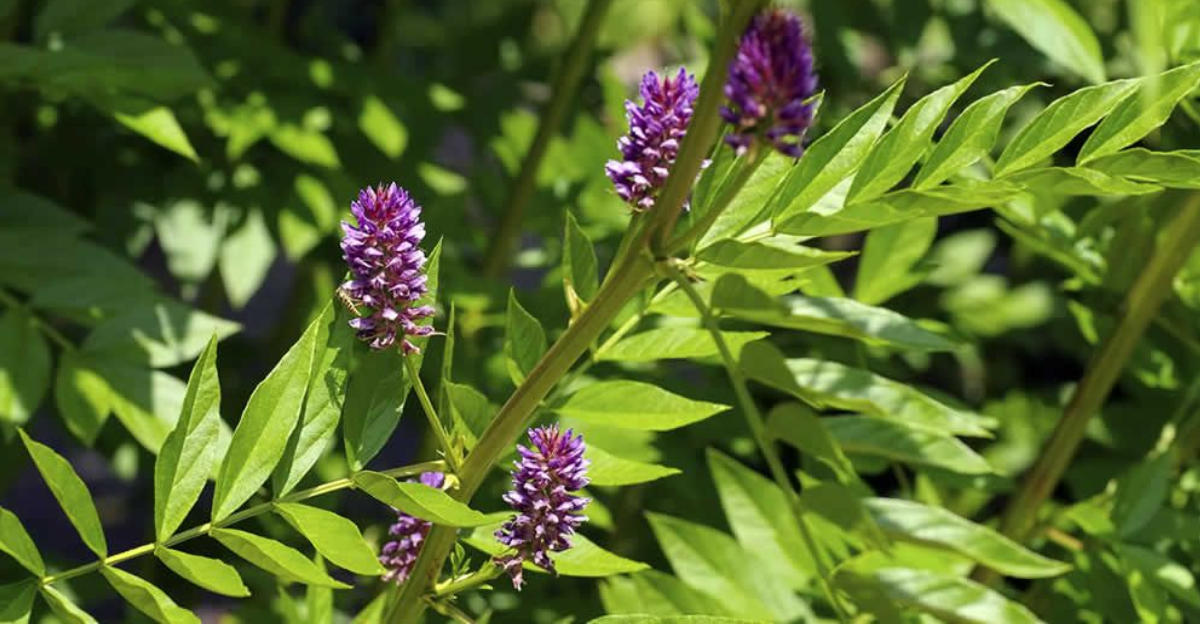

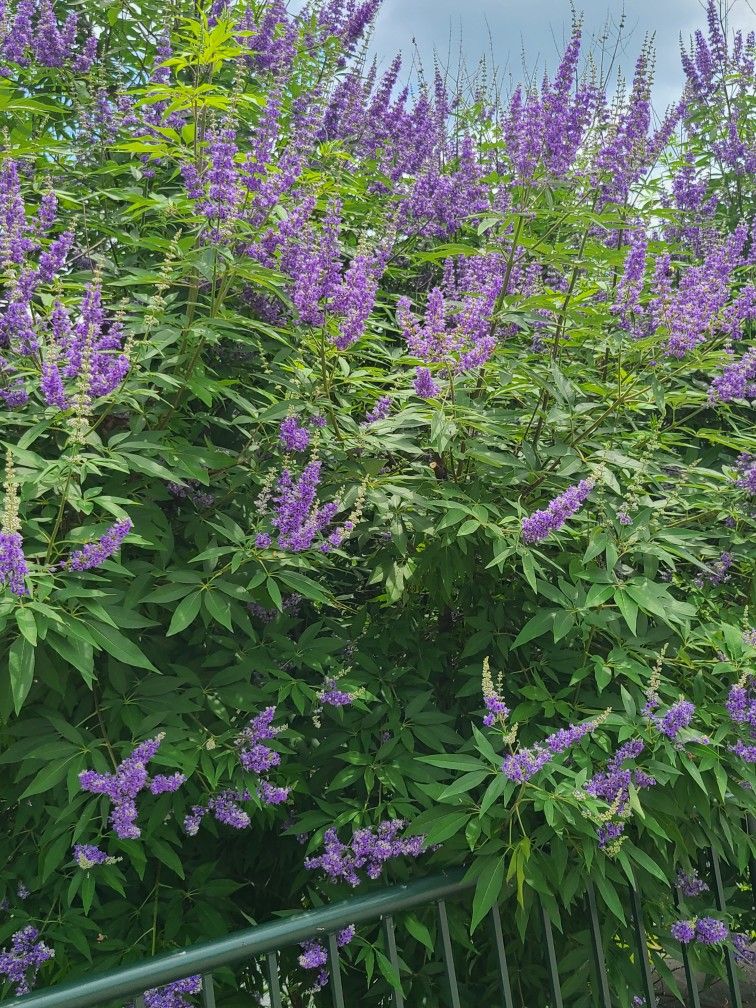
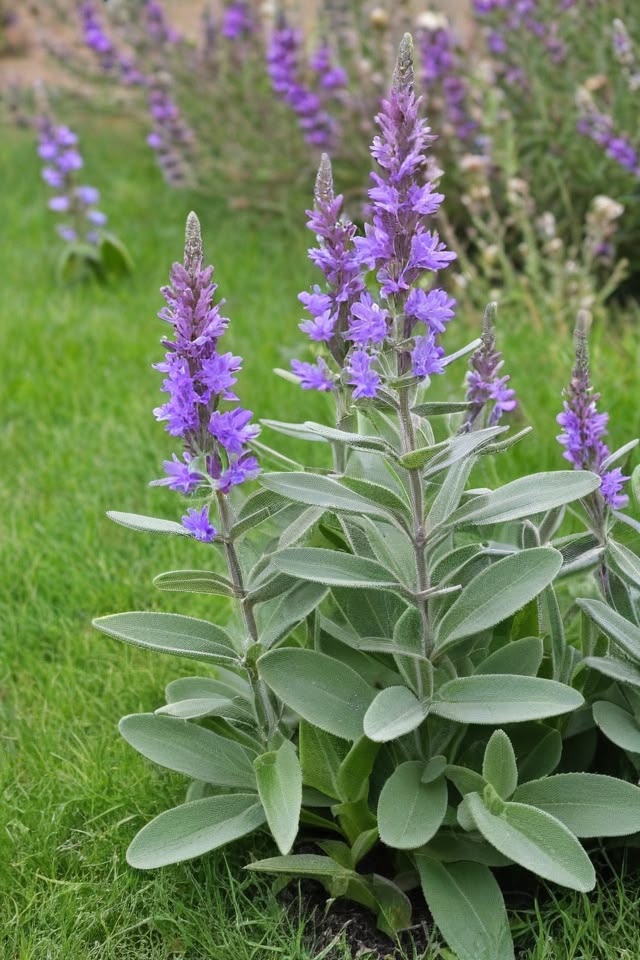

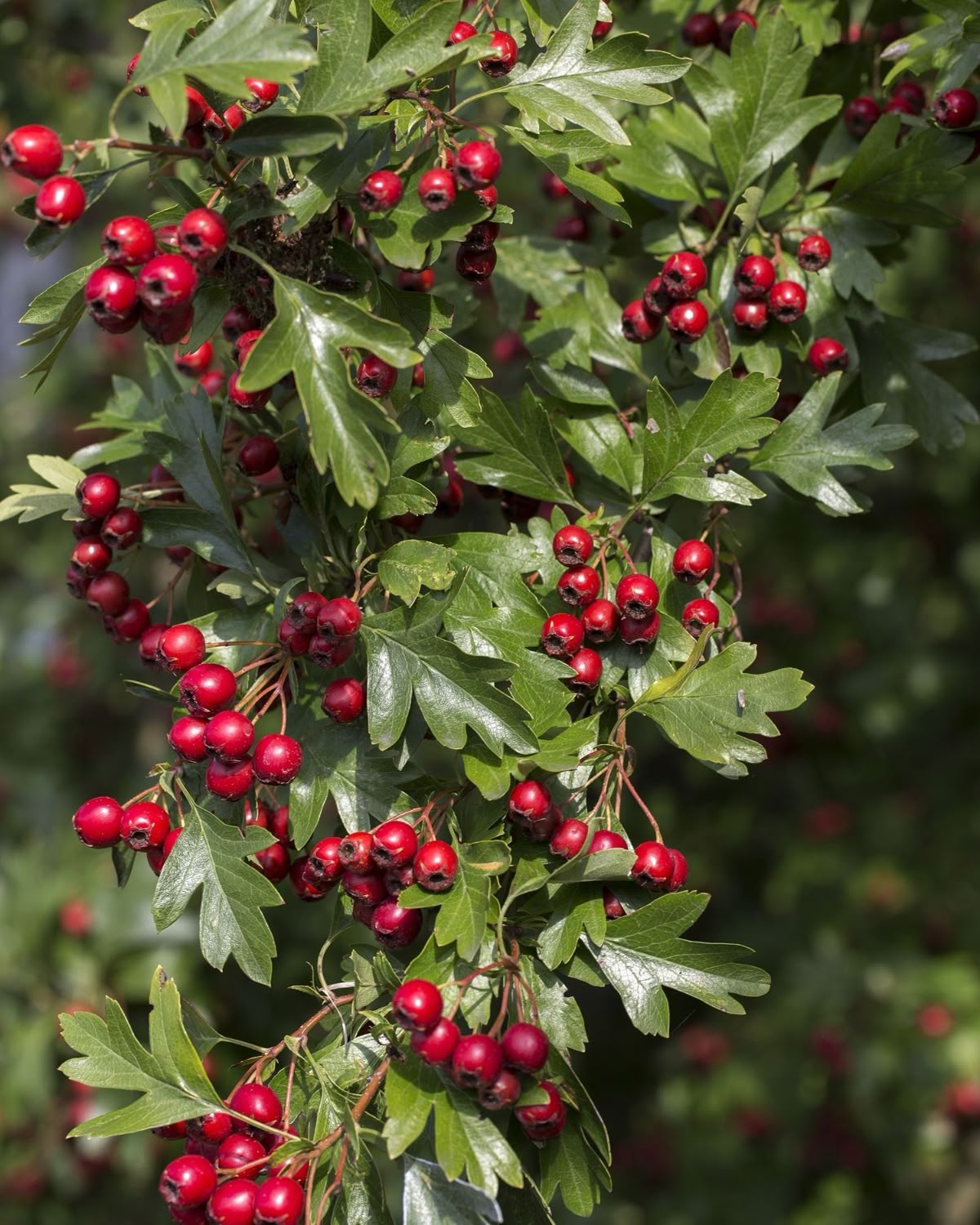
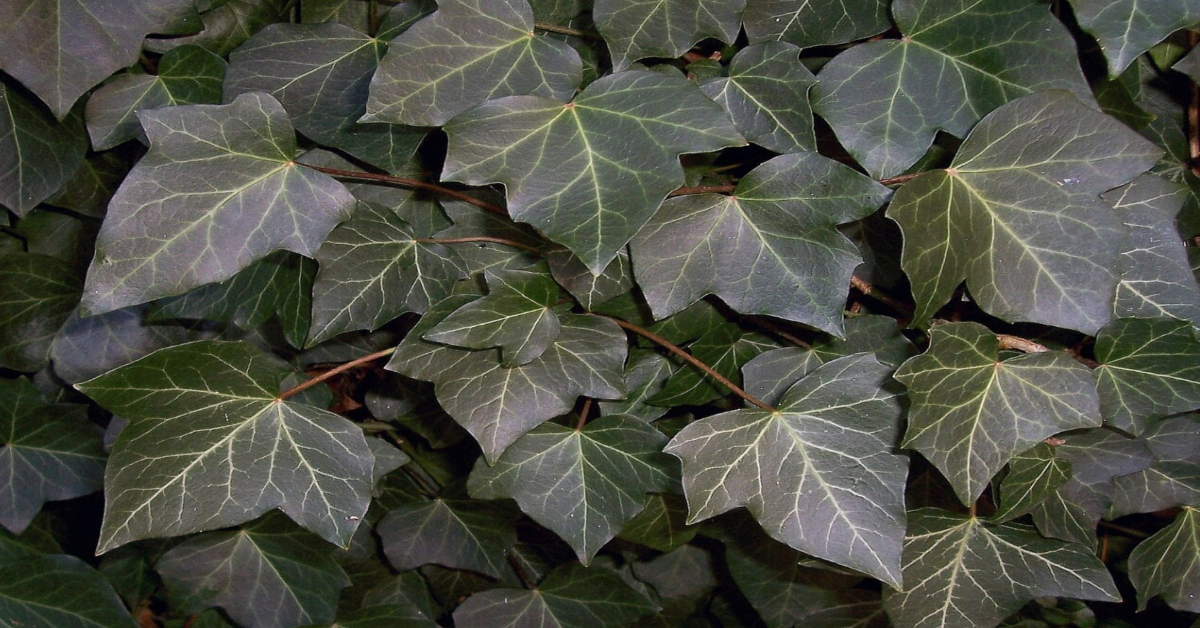






Leave a Reply