Vital Spirit Medica from Root to Crown: A Journey Into Happiness & Wellbeing


Getting your Trinity Audio player ready…

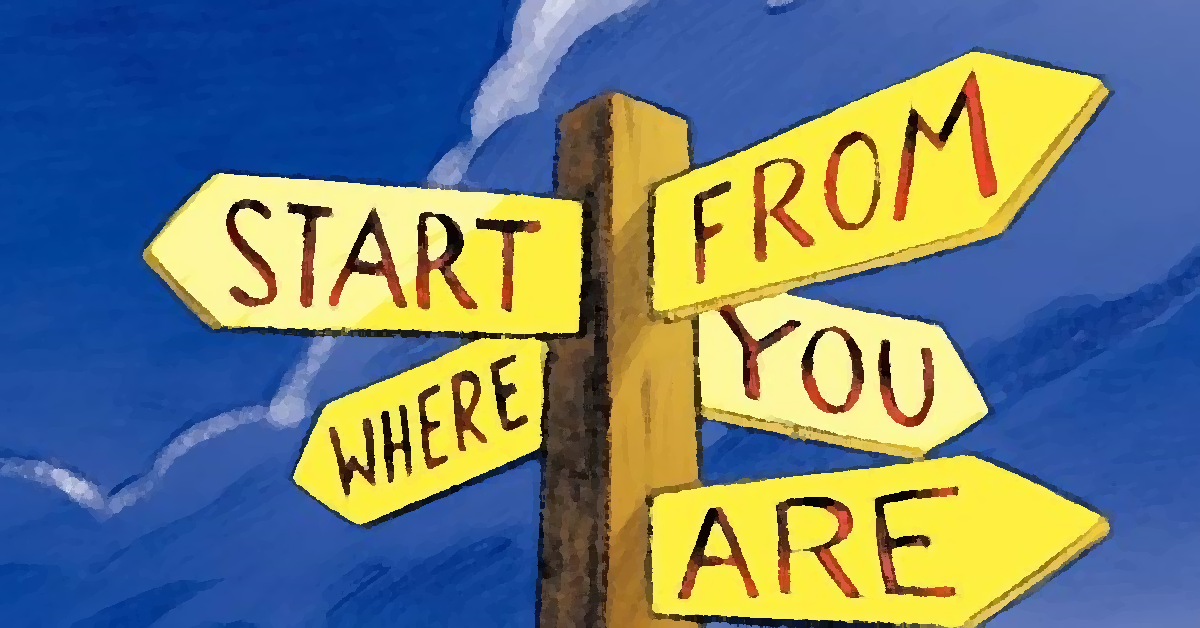
Below, I’ll expand on the two statements, “Start from where you are” and “Speak from authenticity,” delving into their deeper meanings, implications, and applications. Each expansion will explore the philosophical, psychological, and practical dimensions of the statement, moving beyond surface interpretations to uncover their significance in personal growth, decision-making, and communication.


At its core, “Start from where you are” is a call to embrace the present moment and acknowledge reality as the foundation for progress. It challenges the human tendency to procrastinate or idealize a future state where conditions are perceived as more favorable, whether that’s having more time, money, skills, or confidence. This mindset is rooted in acceptance, pragmatism, and agency, urging you to work with what you have rather than lamenting what you lack.

Philosophically, this statement aligns with existentialist ideas of creating meaning in the here and now. Life is not a linear path with perfect starting points; it’s a messy, ongoing process. By starting from where you are, you reject the paralyzing notion of needing to “fix” yourself or your circumstances before taking action. Instead, you recognize that every moment is an opportunity to begin, and every step forward builds momentum.

Psychologically, this principle counters perfectionism and self-doubt. Many people delay action because they feel unprepared or unworthy, waiting to “know enough” or “be enough.” Yet, growth often happens through action, not in preparation for it. For example, an aspiring writer doesn’t need to master every literary technique before writing a first draft; they start with their current ideas and refine them through practice. This approach fosters resilience, as it normalizes imperfection as part of the process.

Practically, “Start from where you are” invites you to take inventory of your resources, skills, and circumstances, however limited they may seem. It’s about leveraging what’s available—whether that’s a small amount of time, a single connection, or a fleeting spark of motivation. For instance, someone wanting to improve their health doesn’t need a gym membership or a perfect diet plan; they can start by walking around their neighborhood or choosing water over soda. Small, immediate actions compound over time, creating transformative results.

This statement also carries a spiritual undertone, suggesting trust in the unfolding of life. It encourages you to let go of regrets about the past or anxieties about the future and to anchor yourself in the present. In Buddhist philosophy, this resonates with mindfulness—fully inhabiting the current moment without judgment. By starting from where you are, you align with the flow of life, trusting that each step will lead you where you need to go, even if the destination isn’t yet clear.

In a broader societal context, this principle can inspire collective action. Communities or movements don’t need perfect leaders or complete plans to effect change; they can begin with the passion, resources, and people available now. Historical examples, like grassroots movements, show how starting from modest beginnings can lead to a profound impact.

Ultimately, “Start from where you are” is a liberation from self-imposed barriers. It’s an invitation to act with courage, to embrace imperfection, and to trust that your current reality, flawed as it may be, is enough to begin building the future you envision.


“Speak from authenticity” is a profound directive to align your words with your inner truth, fostering genuine connection and integrity in communication. It’s about stripping away pretense, societal masks, or the urge to please others, and instead voicing what resonates with your core values, beliefs, and experiences. This act of vulnerability is both a personal commitment to self-honesty and a gift to others, as it invites deeper, more meaningful interactions.

Philosophically, this statement reflects the Socratic ideal of “know thyself” as a precursor to living and communicating authentically. To speak from authenticity, you must first understand who you are—your values, passions, fears, and contradictions. This requires introspection and self-awareness, often cultivated through reflection, journaling, or therapy. Authenticity isn’t a static state but a dynamic process of aligning your outer expression with your evolving inner truth.

Psychologically, speaking authentically is an act of courage, as it exposes you to judgment, rejection, or misunderstanding. In a world that often rewards conformity through social media personas, workplace norms, or cultural expectations, authenticity can feel risky. Yet, it’s also liberating. When you speak from your truth, you release the emotional burden of pretending, which can reduce anxiety and foster self-esteem. Research in psychology, such as studies on self-congruence, shows that aligning your actions and words with your true self leads to greater life satisfaction and mental well-being.

Practically, speaking from authenticity means choosing words that reflect your genuine perspective, even when they’re imperfect or unpopular. For example, in a professional setting, it might mean admitting you don’t have all the answers rather than feigning expertise. In personal relationships, it could involve sharing a difficult emotion, like fear or sadness, instead of hiding behind a facade of strength. This doesn’t mean oversharing or disregarding tact; authenticity is tempered by empathy and context, ensuring your truth is expressed with respect for others.

Authenticity in speech also has a ripple effect. When you model honest communication, you create a safe space for others to do the same. This is evident in leadership—authentic leaders who share their struggles and values inspire trust and loyalty. Similarly, in creative fields, artists who express their unique perspective, rather than mimicking trends, often produce the most impactful work. Think of musicians like Bob Dylan or writers like Toni Morrison, whose unapologetic authenticity resonated across generations.

Culturally, this principle challenges the performative nature of modern communication, where curated images and rehearsed narratives often dominate. Social media, for instance, can pressure people to present polished versions of themselves, leading to disconnection and inauthenticity. Speaking from authenticity counters this by prioritizing substance over appearance, encouraging raw, unfiltered expression that fosters genuine connection.

On a deeper level, this statement invites you to grapple with the question: What is my truth? Your authentic voice may evolve as you grow, shaped by new experiences or insights. Speaking from authenticity, then, is not about delivering a fixed or perfect truth but about honoring your current understanding of yourself with honesty and conviction.

Ultimately, “Speak from authenticity” is a call to live with integrity, to bridge the gap between your inner and outer worlds, and to contribute to a more truthful, connected human experience. It’s about trusting that your voice, in its rawest form, has value—not because it’s flawless, but because it’s yours.


Both statements—”Start from where you are” and “Speak from authenticity”—are deeply intertwined, as they emphasize embracing your current reality and expressing it with truth. Starting from where you are requires accepting your present circumstances, while speaking from authenticity demands honesty about your inner experience. Together, they form a powerful framework for living intentionally: begin with what you have, and express who you are without pretense.

In practice, these principles reinforce each other. For example, someone pursuing a new career might start from where they are by taking a small step, like enrolling in an online course, while speaking authentically by openly sharing their aspirations and uncertainties with mentors or peers. This combination of action and honesty creates a cycle of growth, where each step forward deepens self-awareness, and each authentic expression builds confidence.

Both statements also counter societal pressures to wait for perfection or conform to external expectations. They remind us that progress and connection stem from embracing our imperfect, unique selves. By starting from where you are and speaking from authenticity, you not only honor your own journey but also inspire others to do the same, creating a ripple effect of courage and truth in the world.


Discover more from Vital Spirit Medica: From Root to Crown: A Journey Into Happiness & Wellbeing

Subscribe to get the latest posts sent to your email.


✨IF YOU ARE INTERESTED IN SHARING YOUR WILDCRAFTING, GARDENING, PLANT FINDS, OR YOUR WELLNESS JOURNEY WITH US…
EMAIL YOUR STORIES, IMAGES, AND VIDEOS TO✨

vitalspiritmedica@gmail.com


If You Made It This Far, Thank You For Visiting!


Leave a Reply

Your email address will not be published. Required fields are marked *


← Back

Thank you for your response. ✨

Rate your experience(required)

Something To Think About…


Exploring American Ginseng Benefits: A Complete Guide

Ginseng (Panax quinquefolius), also known as American ginseng, is a medicinal herb native to eastern North America, valued for its cooling properties and unique ginsenosides. Recognized for adaptogenic, antioxidant, and immune-supporting effects, it has diverse applications in traditional and modern medicine, while advocating sustainable harvesting practices is crucial for its conservation.

READ MORE

Licorice (Glycyrrhiza glabra): Ancient Sweet Root Benefits, Uses & Spiritual Wisdom

Licorice (Glycyrrhiza glabra) is a perennial herb celebrated for its sweet roots and extensive medicinal properties, influencing cultures for over 5,000 years. It thrives in well-drained soils and is documented in ancient Egyptian, Greek, and Chinese texts for treating respiratory and digestive issues. Its roots contain glycyrrhizin, contributing to antioxidant, anti-inflammatory, and antimicrobial effects. In modern herbalism, licorice is used as a demulcent and adaptogen, supporting adrenal function and soothing mucous membranes. While beneficial, high…

READ MORE

Health Benefits of Ceylon Cinnamon Explained

Contemporary Medical Applications:

Cinnamomum Verum extracts and powders are clinically applied as adjunctive therapy for type 2 diabetes management, with doses of 1–3 g daily demonstrating reductions in fasting blood glucose, HbA1c, and improvements in insulin sensitivity in randomized controlled trials, particularly beneficial for patients with metabolic syndrome.

Standardized hydroalcoholic bark extracts (such as TAPP-CZ-IND02) show promise in alleviating symptoms of allergic rhinitis, including rapid reduction in nasal congestion, itchy eyes, and pruritus within 24…

READ MORE

Lactuca virosa: A Guide to Medicinal Uses

In Western herbalism, Lactuca virosa acts primarily as a nervine relaxant, mild sedative, hypnotic, analgesic, and antispasmodic. It has been used for nervous irritability, insomnia, restlessness (including in children), anxiety, tension headaches, muscular pain, irritable cough, and mild pain relief as a gentler alternative to opium. It is considered cooling and grounding, helping with overactive nervous system states without strong narcotic effects.

Ancient and historical uses date back centuries, with the latex (lactucarium) employed in…

READ MORE

How to Detect and Counter Psychological Operations

What is a Psyop and Why Does It Matter?

A psychological operation, or psyop (often stylized as PSYOP or PSYOPS), is a planned effort to convey selected information and indicators to target audiences—typically foreign governments, organizations, groups, or individuals—to influence their emotions, motives, objective reasoning, and ultimately their behavior in ways that align with the originator’s objectives. This definition draws from U.S. military doctrine, where psyops are seen as a non-lethal tool in the spectrum…

READ MORE

A Gentle Guide to Riding the Current Cosmic Wave

Good morning, friend.

Right now, our Sun is especially lively—sending waves of energy through our solar system after the recent eclipse. You might have noticed sleep shifting, emotions rising quickly, or intuition speaking a bit louder. It can feel personal, like the whole sky is whispering directly to you. And in a way, it is.

These solar pulses don’t just pass through the atmosphere; they touch our bodies, nervous systems, and inner worlds. Some days…

READ MORE

Forgotten Food #2: Acorns

Earliest Evidence: The oldest known food-processing tool in Europe is a 32,000-year-old grinding stone from Grotta Paglicci cave in Italy, used for acorns. In Morocco’s Taforalt caves (around 12,000 BC), acorn shells were so abundant that they were deemed a year-round staple. This predates the domestication of cereals, with acorn use traced back to 700,000 years ago in Paleolithic sites.

Ancient Civilizations: In Ancient Greece, acorns were called the “food of invincible men” and were…

READ MORE

🌿*Groundnut (Apios americana)

Groundnut tubers are utilized in modern herbal practices for metabolic support, often prepared as capsules or extracts standardized to isoflavone content, aiding in blood sugar regulation and anti-inflammatory effects, with recommended dosages of 500-1000 mg daily for adults based on preclinical evidence showing efficacy in reducing hyperglycemia without reported adverse effects in short-term use.

In integrative medicine, groundnut flower extracts are applied topically or ingested as tinctures for skin health and wound healing, leveraging their…

READ MORE

The Power of Forgiveness in Turbulent Times

Forgiveness isn’t weakness or denial; it’s a deliberate refusal to let violence recruit more violence by mirroring it. It allows us to say: “No more harm,” with clear boundaries and firm consequences, while still recognizing souls on both sides of the pain.

READ MORE

🌿*Uva Ursi (Arctostaphylos uva-ursi)

Pharmacology:

The primary mechanism of Uva Ursi involves the hydrolysis of arbutin into hydroquinone in alkaline urine, which exerts potent antibacterial effects against pathogens like Escherichia coli and Staphylococcus, inhibiting bacterial adhesion and proliferation in the urinary tract to prevent and treat infections.

Tannins in Uva Ursi contribute to its astringent properties, contracting tissues and reducing inflammation in mucous membranes, which helps alleviate symptoms of cystitis and urethritis by forming a protective barrier and decreasing…

READ MORE

🌿*Angelica

Angelica archangelica root extracts are incorporated into multi-herbal formulations like Iberogast (STW 5), a standardized preparation used clinically for functional dyspepsia and irritable bowel syndrome, where it contributes to symptom relief by modulating gastric motility, reducing spasms, and alleviating bloating through synergistic interactions with other botanicals such as peppermint and caraway; clinical trials involving over 1,200 patients have demonstrated superior efficacy over placebo in resolving abdominal pain and improving overall gastrointestinal function when administered at…

READ MORE

🌿*Amaranth (Amaranthus hypochondriacus)

Unlocking Amaranth’s Health Benefits: Amaranth is rich in bioactive compounds, including phenolic acids (e.g., ferulic, caffeic, vanillic), flavonoids (e.g., rutin, isoquercetin), betalains (betacyanins and betaxanthins giving red pigmentation), saponins, tannins, squalene (high in seed oil), and vitamins (high in C, A, E, and minerals like calcium, iron). These contribute to strong antioxidant, anti-inflammatory, and hypocholesterolemic effects.

Amaranth was a staple grain in Aztec, Mayan, and other Mesoamerican cultures, dating back over 7,000 years. Seeds were ground…

READ MORE

*Slippery Elm (Ulmus rubra)

Western Traditional & Clinical Actions In Western herbalism, slippery elm is a classic demulcent, emollient, nutritive, and mild astringent. It coats and soothes inflamed mucous membranes, supports digestion, and is used for sore throats, coughs, gastrointestinal irritation (e.g., ulcers, IBS, diarrhea/constipation), and topically for skin wounds or rashes. It is generally recognized as safe (GRAS) and valued as a gentle remedy for convalescence.

READ MORE

*Marshmallow (Althaea officinalis)

Discover Marshmallow Root: Remedies for Health and Wellness:

As a nutritional supplement in powder or capsule form, Althaea officinalis supplies polysaccharides and flavonoids that support immune function and reduce oxidative stress, ideal for inclusion in daily regimens for metabolic health, with 500-1000 mg doses aiding in blood sugar regulation and anti-inflammatory nutrition.

In functional food recipes, the root powder is added to smoothies and soups as a thickener rich in vitamins A, C, and B-complex,…

READ MORE

* Vervain (Genus Verbena)

Herbal Actions of Vervain (Verbena officinalis)

**Nervine relaxant** – Calms the nervous system, eases tension, anxiety, and over-excitement without heavy sedation; traditionally prized for soothing “over-enthusiastic” or stressed individuals. – **Mild antidepressant** – Supports emotional balance and lifts melancholy, historically used for nervous exhaustion and depressive states. – **Antispasmodic** – Relaxes muscular and nervous spasms, beneficial for tension headaches, menstrual cramps, and irritable bowel symptoms. – **Bitter tonic** – Stimulates digestion by increasing bile…

READ MORE

*Yarrow

Herbal Actions: Astringent and hemostatic (stops bleeding) Anti-inflammatory and antispasmodic Diaphoretic (promotes sweating) Diuretic, carminative, and bitter tonic Vulnerary (wound-healing) and antimicrobial Phytochemistry: Rich in essential oils (1,8-cineole, camphor, achillicin), flavonoids (apigenin, luteolin, quercetin), sesquiterpene lactones (leucodin, achillin), phenolic acids (chlorogenic, caffeoylquinic), and alkaloids (achilleine). These contribute to its bioactivities, with variability by habitat and chemotype.

READ MORE

*Dandelion

Functional Foods and Nutrition: Dandelion-infused oils and vinegars function as dietary condiments to aid fat digestion and mineral absorption, leveraging phenolic acids for antioxidant protection, integrated into modern functional diets based on ancient Greek and Roman records for enhanced meal nutrition. Dandelion leaves are incorporated into functional salads and greens as a nutrient-dense food source rich in vitamins A, C, and K, and minerals like potassium and iron, supporting immune function and bone health, with…

READ MORE

🎄Holly

As the winter solstice fades and Christmas lights flicker on, few plants evoke the season’s magic quite like Holly (Ilex aquifolium). With its glossy, spiny leaves and crimson berries, holly adorns wreaths, mantels, and holiday cards worldwide. However, beneath its festive façade lies a story of contrast: in modern medicine, holly has largely retreated to an ornamental role, its therapeutic potential overshadowed by limited evidence and concerns about toxicity. Yet in the realms of folklore,…

READ MORE

Forgotten Food #1: Groundnut (Apios americana)

This is a gut-punch of a tale—equal parts inspiring resilience and infuriating erasure. It’s a microcosm of how colonialism didn’t just steal land but systematically dismantled Indigenous food sovereignty, replacing regenerative systems (like nitrogen-fixing perennials in polycultures) with extractive ones that lock us into chemical dependency. The 1654 law? Straight-up resource piracy, dressed as “progress,” ensured Natives couldn’t sustain themselves on stolen soil. And the Irish Famine rejection? A tragic irony—Europeans tested a famine-proof crop…

READ MORE

Monthly Symptoms Herbal Recipe Guide

Monthly Symptoms Herbal Recipe Guide March to August… These recipes draw from traditional herbalism, seasonal availability, and the supportive style of Vital Spirit Medica’s existing guides. They emphasize accessible, multi-use plants for homestead apothecaries. Experiment mindfully, document your experiences, and share observations (email vitalspiritmedica@gmail.com).

Stay cool, hydrated, and connected to the green allies this summer. 🌿☀️ Questions or custom blends? Reach out—we evolve together.

READ MORE

Big Pharma Takeover

Big Pharma Takeover Timeline Act I: The Ancient Symphony of Healing Picture a world where the earth was the first healer, her secrets whispered to those who listened. Long before ink met papyrus, our ancestors—Paleolithic wanderers some 60,000 years ago—were already tuning into nature’s pharmacy. Archaeological digs reveal traces of opium poppies, ephedra, and cannabis in ancient burials, hinting at a primal bond with plants. Neanderthals chewed chamomile and yarrow, their dental calculus spilling secrets…

READ MORE

Elecampane

Elecampane (Inula helenium) possesses a wide range of herbal actions, including expectorant, antitussive, diaphoretic, bactericidal, antispasmodic, alterative, stimulant, and tonic effects. It is particularly noted for its ability to act as a stimulating expectorant, helping to loosen and expel thick mucus from the respiratory tract. Its antispasmodic properties relax bronchial muscles, making it useful in conditions like asthma and bronchitis where bronchial constriction is present. The herb is also described as a bronchospasmolytic, aiding in…

READ MORE

Datura: The Hallucinogenic Plant with Historical Roots

Datura stramonium (common names: Jimsonweed, devil’s trumpet, thorn apple, moonflower, zombie’s cucumber) is a highly toxic, deliriant hallucinogenic nightshade plant with a global reputation in medicine, witchcraft, crime, and folklore. Below is a comprehensive, continuously updated synthesis of botanical, chemical, pharmacological, historical, ethnobotanical, toxicological, legal, and modern data—drawn from primary literature, forensic databases, ethnopharmacology archives, and real-time monitoring of emerging reports (up to November 13, 2025).

READ MORE

Mandrake: Ancient Remedies and Modern Uses

Mandrake, scientifically known as Mandragora officinarum, is a plant steeped in history, mythology, and medicinal use. Here is a comprehensive exploration of its characteristics, historical significance, chemical properties, uses, and cultural references.

READ MORE

Hemp (Cannabis Sativa): From Ancient Uses to Modern Solutions

Hemp’s Sacred Song: A SPARK Original

Beneath the sun’s warm gaze, where earth and sky entwine, Hemp rises tall, a verdant thread of life divine. Its roots drink deep from Gaia’s heart, unyielding, strong, A whispered hymn of healing, sung through ages long.

READ MORE

Turmeric: Culinary, Medicinal, and Cultural Insights

A Golden Ode to Turmeric A SPARK Original

Beneath the earth, a hidden flame, Curcuma longa, turmeric by name. Golden rhizome, pulsing bright, Born of soil and cosmic light. From ancient roots to modern hands, You weave your magic through the lands.

READ MORE

White Lotus: Ecological Roles and Uses

Ode to the White Lotus (Nymphaea alba) In silent waters, deep and still, You rise, O Lotus, with sacred will. From mud’s embrace, your petals gleam, A beacon born of a primal dream.

Your white blooms kiss the dawn’s first light, Unfurling soft in the arms of night. A chalice pure, of star and moon, You sing of peace in a timeless tune.

READ MORE

GINGER

Ginger’s Fire: A Song of Earth and Spirit

Beneath the soil, a spark of life takes root, Zingiber’s heart, a rhizome resolute. Ginger, fierce with fiery, golden glow, Whispers ancient secrets only earth may know.

READ MORE

Something went wrong. Please refresh the page and/or try again.

Translate »