
Holy Basil (Ocimum sanctum)

“AT A GLANCE”
Holy Basil (Ocimum sanctum), also known as Tulsi or the “Incomparable One,” is a sacred aromatic subshrub in the Lamiaceae family and one of the most revered medicinal and spiritual plants in human history.
Easy to grow in full sun with well-drained soil, this resilient plant bridges ancient devotion and contemporary wellness. Whether sipped as fragrant tea, offered in ritual, grown as a living guardian, or used in healing preparations, Holy Basil (Ocimum sanctum) continues to serve as a powerful bridge between body, mind, and spirit — a green embodiment of purity, resilience, and divine love.

Provides an overview of key points.
Synopsis
👈At A Glance:👇
Holy Basil (Ocimum sanctum / Ocimum tenuiflorum), also known as Tulsi, is a revered aromatic herb in the Lamiaceae (mint) family. It holds deep cultural, spiritual, and medicinal significance, especially in India.
Botanical Description
Holy Basil is an erect, many-branched subshrub, typically 30–60 cm (12–24 in) tall, with hairy stems and sparsely hairy, ovate leaves up to 5 cm long that have slightly toothed margins. Leaves are green or purple, strongly scented (clove-like or spicy), and arranged in a decussate (opposite) pattern. It produces small, purplish or white flowers in terminal racemes and tiny nutlet fruits.
Taxonomy: Kingdom Plantae, Family Lamiaceae, Genus Ocimum, Species tenuiflorum (syn. sanctum). Native to the Indian subcontinent and parts of Southeast Asia, it thrives in tropical and subtropical climates, often found in home gardens, temples, and wild up to 1,800 m (6,000 ft) elevation in the Himalayas. It prefers well-drained soil, full sun, and warm temperatures.
Phytochemistry
The plant is rich in bioactive compounds. Key ones include:
- Essential oil (0.7% in leaves): Eugenol (major component), linalool, methyl eugenol, carvacrol, β-caryophyllene, camphor.
- Phenolics and flavonoids: Rosmarinic acid, apigenin, cirsilineol, orientin, vicenin.
- Terpenoids: Ursolic acid, oleanolic acid.
- Others: Fixed oils in seeds (rich in linolenic acid), steroids like β-sitosterol, tannins.
These contribute to its antioxidant, anti-inflammatory, and antimicrobial properties.
Western Traditional & Clinical Actions
Adaptogen, anti-inflammatory, antioxidant, antimicrobial, expectorant, immunomodulator, cardiotonic, and mild sedative. It supports stress resilience, respiratory health, and metabolic balance.
Chinese Medicine Actions
In TCM, it is used for digestive issues (e.g., stomach ache, diarrhea), kidney complaints, and infections. It is considered warming/pungent, helps move Qi, clears dampness, and supports circulation. It may align with actions to calm Shen (spirit) and smooth Liver Qi.
Traditional & Historical Uses
In Ayurveda, it is “the incomparable one” or “elixir of life,” used for respiratory issues (cough, asthma, bronchitis), fever, digestive disorders, skin conditions, stress, and as a general tonic for longevity. It features in Hinduism for worship and protection. Historical uses include treatment for malaria, snake bites, wounds, and as a purifier. Similar applications exist in Siddha, Unani, and folk traditions across Southeast Asia.
Modern Pharmacological Evidence
It demonstrates adaptogenic effects (reduces cortisol and stress markers), antioxidant activity (scavenges free radicals), anti-inflammatory (inhibits COX pathways), antimicrobial (against bacteria, fungi), antidiabetic (lowers blood glucose), hepatoprotective, and radioprotective properties. Eugenol and rosmarinic acid are key actives.
Clinical Studies
Human trials (often 500–2,500 mg/day leaf extract) show benefits for:
- Stress/anxiety reduction and improved sleep/mood.
- Lowering fasting/postprandial blood sugar and HbA1c in type 2 diabetes.
- Improving lipid profiles (reduced total/LDL cholesterol).
- Supporting immune function and metabolic health.
Studies are generally positive but often small; more large-scale trials are needed.
Preparations & Dosage
- Tea: 1–2 tsp dried leaves or a handful fresh per cup; steep 5–10 min. 2–4 cups daily.
- Tincture: 1:5 in alcohol, 5–15 mL/day or 40–60 drops 3x daily.
- Capsules/extract: 300–3,000 mg/day standardized leaf extract, often 500 mg 1–2x daily for 6–12 weeks.
- Fresh leaves chewed or in food.
Safety & Contraindications
Generally safe short-term (up to 3 months at studied doses). Possible mild side effects: nausea, diarrhea. Avoid in pregnancy/lactation (potential reproductive effects in high animal doses). May interact with blood thinners, antidiabetics, or thyroid meds. Consult a healthcare provider.
Cultivation & Harvest
Easy to grow from seed or cuttings in full sun, well-drained, fertile soil. Water regularly; it tolerates heat but not frost. Harvest leaves/stems in the morning, starting at 6–8 inches tall; pinch tips for bushiness. Sustainable: avoid overharvesting (>50–75% at once); it reseeds readily.
Commercial Products
Teas, capsules, tinctures, essential oils, and supplements (often standardized to eugenol or ursolic acid). Found in stress/adaptogen blends, mouthwashes, and some functional foods. Regulated as a dietary supplement in many regions.
Ethnobotanical Curiosities
Sacred in Hinduism (planted in courtyards, used in rituals for purity and protection against evil). Associated with Vishnu and Lakshmi. In some traditions, it symbolizes devotion and is not consumed on certain holy days. Folklore links it to warding off mosquitoes and purifying the air.
Recent Research (2020–2025)
Focus on stress reduction (cortisol drops up to 36% in trials), metabolic benefits, anticancer potential (in vitro/in vivo), and elicitation techniques (e.g., methyl jasmonate) to boost bioactives in controlled cultivation. Studies explore its role in antimicrobial resistance, functional foods, and climate-resilient farming.
Conservation Status
Not currently listed as threatened on the IUCN Red List (widely cultivated). However, wild populations could face pressure from overharvesting or habitat loss; sustainable cultivation is promoted.
DIY Recipes
Stress-Relief Tulsi Tea: Steep 1–2 tsp dried leaves (or handful fresh) in hot water 5–10 min. Add honey/lemon. Drink 2–3x daily.
Tincture: Fill jar with chopped fresh leaves, cover with high-proof alcohol or glycerin/vinegar. Steep 4–8 weeks, strain. Dose: 40–60 drops as needed.
Oxymel: Chop leaves, mix with honey and apple cider vinegar; steep 4 weeks. Use as a tonic spoonful.
Simple Stir-Fry: Use fresh leaves in Thai-style dishes with garlic, chili, and protein for flavor and digestion support.
X (Twitter) Snapshot – Nov 2025
Recent discussions highlight its use as a super herb for gut health, stress, and immunity; easy home growing; Ayurvedic formulations; and inclusion in herbal blends for insomnia or detox alongside other adaptogens. Posts emphasize its pleasant tisane taste and summer aroma.
Holy Basil remains a versatile, accessible herb bridging tradition and modern wellness. Always source high-quality material and consult professionals for therapeutic use.
Planting & Harvesting Reference Guide
👈Planting & Harvesting Reference Guide:👇
- Best Time for Planting
- Early spring through warm months (Chaitra or after the last frost when the soil warms consistently)
- During waxing moon phases, ideally on Tuesdays or Fridays for devotional alignment and vitality
- In tropical/subtropical climates or warm microclimates with full sun to partial shade
- Growing Conditions & Magical Minded Tips
- Thrives in well-drained, fertile loam, slightly acidic to saline soils; full sun with regular watering (tolerates heat and drought once established)
- Propagate from seed or cuttings; transplant seedlings at 4–6 weeks, spacing 40–50 cm (15–20 inches) apart
- Apply organic compost or mulch; avoid chemical inputs to preserve medicinal potency and sattvic energy
- Greet Holy Basil (Ocimum sanctum) each morning with water offered from the right hand; whisper gratitude or soft mantras while planting or tending
- Pinch tops regularly to encourage bushiness; grow in home courtyards, temple gardens, or near entrances for natural protection and spiritual presence
- Best Time for Harvesting
- Morning hours when essential oils and volatiles are at their peak (ideally during active growth in warm, humid conditions)
- Waxing to full moon phases for maximum energetic potency and bioactive concentration
- Begin harvesting when plants reach 6–8 inches tall; continue repeatedly throughout the growing season on auspicious days (Tuesdays or Fridays preferred)
- Sustainable & Magical Harvesting Methods
- Use clean hands or sacred shears to cut stems and leaves above nodes; never uproot or strip more than 25–50% of a healthy plant at once to allow strong regrowth
- Always ask permission of the plant spirit first; offer water, flowers, or incense before harvesting, while chanting her names or singing soft praises
- Harvest flowering tops along with leaves for the highest medicinal and aromatic value
- Follow the traditional ethic: treat Holy Basil (Ocimum sanctum) as a living Goddess — take only what is needed with reverence and gratitude
- Post-Harvest Processing
- Dry leaves and stems promptly in shade (never direct sun) with incense nearby to preserve essential oils, fragrance, and spiritual qualities
- Store dried material in airtight glass or cloth containers, ideally with a written prayer or small Tulsi bead for continued blessings
- Use fresh leaves immediately for teas or culinary rites; process excess into tinctures, oxymels, or powders with intention
This guide consolidates all planting and harvesting details mentioned across the SPARK sections for quick, practical reference. Always prioritize ethical, sustainable practices and devotional respect to honor the living spirit of Holy Basil (Ocimum sanctum) and ensure her continued abundance.

Part 1: Modern Medical Properties and Uses

Purpose: Highlights the plant’s scientific and medicinal properties, validating holistic healing with evidence-based data.
Contemporary Medical Applications:
Describes current clinical uses (e.g., capsules, tinctures) and delivery methods in modern medicine.
👈Contemporary Medical Applications:👇
Contemporary Medical Applications:
- Holy Basil extracts, available in standardized capsule forms (typically 250–500 mg of leaf extract taken 1–2 times daily), demonstrate significant adaptogenic effects in clinical settings, helping individuals manage chronic stress by lowering perceived stress scores and cortisol levels while improving sleep quality and cognitive function in stressed adults over 6–8 weeks of supplementation.
- In respiratory care, Tulsi leaf preparations such as teas or hydroalcoholic extracts serve as effective supportive therapies for conditions like asthma, bronchitis, and COPD, with trials showing improved lung function, reduced cough frequency, and decreased reliance on conventional inhalers through anti-inflammatory and expectorant mechanisms.
- For metabolic health, daily intake of Holy Basil in capsule or powder form (often 2–3 g of dried leaves) aids in glycemic control, with human studies reporting reductions in fasting blood glucose, HbA1c, and improved insulin sensitivity in type 2 diabetes patients, positioning it as a complementary approach alongside dietary management.
- Cardiovascular applications include the use of Tulsi extracts to optimize lipid profiles and blood pressure, where consistent supplementation (e.g., 500 mg capsules) has led to lowered total cholesterol, LDL, and triglycerides while supporting endothelial function in individuals with metabolic syndrome.
- Immunomodulatory uses feature Holy Basil in tinctures or teas for enhancing immune markers, such as increased lymphocyte proliferation and balanced cytokine profiles, making it valuable for seasonal immune support and recovery from infections in both preventive and adjunctive protocols.
- Topical and internal applications of Holy Basil essential oil or leaf extracts promote wound healing and skin health, with antimicrobial properties effective against common pathogens, often incorporated into ointments or oral rinses for oral hygiene and minor infections.
- Neuroprotective applications involve standardized extracts in capsule form for supporting mood, reducing anxiety and depressive symptoms, and enhancing cognitive performance, particularly in aging populations or those under psychological strain.
Sources: Contemporary Medical Applications
Sources:
https://pmc.ncbi.nlm.nih.gov/articles/PMC5376420/
https://www.sciencedirect.com/science/article/abs/pii/S2213434426000046
https://www.news-medical.net/health/Tulsi-(Holy-basil)-Ancient-herb-modern-medicine-Exploring-the-health-benefits-and-research.aspx
https://restorativemedicine.org/library/monographs/holy-basil/
https://pmc.ncbi.nlm.nih.gov/articles/PMC4296439/
https://medericenter.org/the-mederi-blog/holy-basil-an-herb-with-incomparable-benefits.html
Pharmacology:
Outlines key compounds and their mechanisms of action, driving therapeutic effects.
👈Pharmacology:👇
Pharmacology:
- Eugenol, the predominant phenolic compound in Holy Basil essential oil (often comprising 40–70% depending on variety), exerts potent anti-inflammatory effects by inhibiting COX-2 and NF-κB pathways, while providing antioxidant protection against oxidative stress in cellular models.
- Ursolic acid and oleanolic acid, triterpenoids abundant in leaves, demonstrate adaptogenic and hepatoprotective actions through modulation of stress hormones like corticosterone and enhancement of antioxidant enzymes such as superoxide dismutase.
- Rosmarinic acid contributes to neuroprotective and immunomodulatory pharmacology by scavenging free radicals, reducing lipid peroxidation, and influencing GABAergic pathways to alleviate anxiety and support cognitive resilience.
- Linalool and β-caryophyllene in the volatile oil display antimicrobial and analgesic mechanisms, interacting with cannabinoid receptors (CB2) and inhibiting bacterial cell wall synthesis against pathogens including resistant strains.
- Ocimumosides A and B, unique cerebrosides, normalize metabolic stress markers, including blood glucose and adrenal hypertrophy, underpinning the plant’s broad adaptogenic profile.
- Flavonoids such as orientin, vicenin, and luteolin enhance insulin secretion and inhibit α-glucosidase, supporting antidiabetic pharmacology while offering anti-cancer potential via apoptosis induction in preclinical models.
- Overall synergistic action of polyphenols, terpenoids, and fixed oils rich in linolenic acid provides multi-target effects on inflammation, immunity, and metabolic regulation.
Sources: Pharmacology:
Sources:
https://pmc.ncbi.nlm.nih.gov/articles/PMC11521583/
https://www.researchgate.net/publication/394605938_A_Comprehensive_Review_on_Ocimum_tenuiflorum
https://onlinelibrary.wiley.com/doi/10.1155/2024/8895039
https://restorativemedicine.org/library/monographs/holy-basil/
https://pmc.ncbi.nlm.nih.gov/articles/PMC9573401/
https://www.sciencedirect.com/science/article/abs/pii/S0926669018302711
Natural Medicine Studies:
Summarizes recent research on efficacy, safety, or clinical outcomes from peer-reviewed studies.
👈Natural Medicine Studies:👇
Natural Medicine Studies:
- A 2022 randomized, double-blind, placebo-controlled trial of 250 mg/day Holixer™ (Ocimum tenuiflorum extract) over 8 weeks showed significant reductions in perceived stress, insomnia severity, and cortisol reactivity, with improved sleep quality and no major adverse effects.
- Multiple human intervention studies (2017 review of 24 trials) confirm Tulsi’s safety and efficacy in normalizing glucose, lipids, blood pressure, and stress markers across diverse populations, with favorable outcomes and minimal side effects.
- Clinical evidence supports radioprotective benefits in head and neck cancer patients undergoing radiation, where Tulsi supplementation allowed higher therapeutic doses with reduced side effects through antioxidant mechanisms.
- Trials on diabetic subjects demonstrate lowered fasting blood sugar and HbA1c with leaf extract supplementation, alongside improved lipid profiles and endothelial function.
- Immunomodulatory studies report enhanced lymphocyte proliferation and cytokine balance following Tulsi intake, supporting its role in immune resilience.
- Recent research highlights benefits for mood disorders and cognitive function, with extracts reducing exhaustion and forgetfulness, and supporting overall mental well-being.
- Limited but promising data from antimicrobial and anti-inflammatory trials validate traditional respiratory and wound-healing applications in controlled human settings.
Sources: Natural Medicine Studies:
Sources:
https://pmc.ncbi.nlm.nih.gov/articles/PMC5376420/
https://www.frontiersin.org/journals/nutrition/articles/10.3389/fnut.2022.965130/full
https://www.news-medical.net/health/Tulsi-(Holy-basil)-Ancient-herb-modern-medicine-Exploring-the-health-benefits-and-research.aspx
https://restorativemedicine.org/library/monographs/holy-basil/
https://clinicaltrials.gov/study/NCT03184909
Chemistry:
Details active chemical constituents (e.g., alkaloids, flavonoids) and their healing roles.
👈Chemistry:👇
Chemistry:
- Essential oil (0.7% in leaves) is dominated by eugenol (major component), methyl eugenol, linalool, and β-caryophyllene, contributing to its characteristic aroma and bioactivity.
- Triterpenoids including ursolic acid and oleanolic acid are prominent in leaves, known for their anti-inflammatory and antitumor properties.
- Phenolic acids such as rosmarinic acid, along with flavonoids like orientin, vicenin, luteolin, and apigenin, provide strong antioxidant capacity.
- Fixed oils in seeds are rich in linolenic acid (up to 43.8%), supporting nutritional and anti-inflammatory profiles.
- Additional compounds encompass tannins, saponins, steroids (e.g., β-sitosterol), and unique ocimumosides with adaptogenic effects.
- Comprehensive profiling reveals over 60 secondary metabolites across phenolics, terpenoids, phenylpropanoids, and fatty acid derivatives.
- Variations in chemotypes (e.g., Rama vs. Krishna Tulsi) influence eugenol and other constituent ratios, affecting potency.
Sources: Chemistry:
Sources:
https://pmc.ncbi.nlm.nih.gov/articles/PMC11521583/
https://www.sciencedirect.com/science/article/abs/pii/S0926669018302711
https://www.researchgate.net/publication/394605938_A_Comprehensive_Review_on_Ocimum_tenuiflorum
https://pmc.ncbi.nlm.nih.gov/articles/PMC9573401/
https://www.phytopharmajournal.com/Vol5_Issue5_07.pdf
Functional Foods and Nutrition:
Highlights dietary uses (e.g., teas, supplements) in modern health practices.
👈Functional Foods and Nutrition:👇
Functional Foods and Nutrition:
- Incorporation of dried Holy Basil leaves into teas or infusions provides a nutrient-dense beverage rich in vitamin K, antioxidants, and polyphenols, supporting daily metabolic and immune health when consumed regularly.
- Leaf powder serves as a functional ingredient in smoothies, baked goods, or spice blends, delivering fiber, minerals (calcium, potassium), and bioactive compounds for glycemic and anti-inflammatory benefits.
- Seed mucilage from related Ocimum species acts as a natural thickener and fiber source in beverages and desserts, enhancing gut health and satiety in functional food formulations.
- Standardized extracts in fortified supplements or energy bars leverage adaptogenic properties for stress management within daily nutritional routines.
- Fresh leaves in culinary applications (stir-fries, salads) add flavor while contributing essential fatty acids and flavonoids for cardiovascular and antioxidant support.
- Development of Tulsi-enriched functional foods targets specific benefits like blood sugar regulation and immunity, bridging traditional use with modern nutrition science.
- Nutritional profiling highlights low-calorie, high-antioxidant profiles suitable for wellness-focused diets and preventive health products.
Sources: Functional Foods and Nutrition:
Sources:
https://pubmed.ncbi.nlm.nih.gov/38351693/
https://www.webmd.com/diet/holy-basil-tea-health-benefits
https://www.news-medical.net/health/Tulsi-(Holy-basil)-Ancient-herb-modern-medicine-Exploring-the-health-benefits-and-research.aspx
https://www.mdpi.com/2304-8158/10/7/1467
https://www.benthamscience.com/article/138481
Current Projects and Future Possibilities:
Notes ongoing research, clinical trials, or innovative medical applications.
👈Current Projects and Future Possibilities:👇
Current Projects and Future Possibilities:
- Ongoing clinical trials explore Tulsi extracts for cognitive enhancement and stress reduction, building on prior RCTs to validate broader applications in mental health.
- Research into anticancer potential continues with in silico docking studies and preclinical models targeting specific compounds for safer, plant-derived therapies.
- Development of nanoparticle delivery systems and optimized essential oil formulations aims to enhance bioavailability for antimicrobial and anti-inflammatory uses.
- Investigations focus on Tulsi’s role in functional foods and nutraceuticals for metabolic syndrome, diabetes management, and climate-resilient cultivation.
- Future prospects include large-scale human trials for radioprotection, immunomodulation in infectious diseases, and integration into personalized medicine.
- In silico and molecular dynamics studies identify novel drug leads from bioactives, accelerating the discovery of multi-target therapeutics.
- Collaborative projects emphasize sustainable production and validation of traditional claims through modern omics and clinical methodologies.
Sources: Current Projects and Future Possibilities:
Sources:
https://pmc.ncbi.nlm.nih.gov/articles/PMC9919305/
https://clinicaltrials.gov/study/NCT03184909
https://www.frontiersin.org/journals/nutrition/articles/10.3389/fnut.2022.965130/full
https://pubmed.ncbi.nlm.nih.gov/38351693/
https://www.sciencedirect.com/science/article/abs/pii/S2950199726000169
https://www.mdpi.com/2072-6694/14/10/2375
Literary Mentions:
References modern medical texts or studies citing the plant’s therapeutic use.
👈Literary Mentions:👇
Literary Mentions in ancient texts:
- Holy Basil features prominently in the Charaka Samhita, where it is valued for its rasayana (rejuvenative) properties supporting immunity, respiration, and overall vitality in Ayurvedic therapeutics.
- References in the Sushruta Samhita highlight its applications in surgical recovery, wound healing, and as an antiseptic in ancient Indian medical practices.
- Vedic texts and later Ayurvedic compendia describe Tulsi as the “elixir of life,” linking it to spiritual purity and medicinal use for fevers, digestive issues, and stress-related disorders.
- Modern medical reviews frequently cite ancient Ayurvedic literature as the foundation for contemporary investigations into its adaptogenic and metabolic benefits.
- Cross-cultural mentions in historical pharmacopeias draw parallels between traditional Indian uses and emerging pharmacological validations in global texts.
- Scholarly works on ethnopharmacology reference Charaka and Sushruta for Tulsi’s role in balancing doshas and treating infections or metabolic imbalances.
- Contemporary integrative medicine texts bridge ancient descriptions with evidence-based applications, underscoring continuity from Vedic times to present research.
Sources: Literary Mentions:
Sources:
https://www.medtextpublications.com/open-access/holy-basil-a-medicinal-plant-in-india-from-ancient-vedic-1320.pdf
https://pmc.ncbi.nlm.nih.gov/articles/PMC8514395/
https://ayurveda.com/blog/the-ancient-ayurvedic-writings/
https://www.news-medical.net/health/Tulsi-(Holy-basil)-Ancient-herb-modern-medicine-Exploring-the-health-benefits-and-research.aspx
https://pmc.ncbi.nlm.nih.gov/articles/PMC4296439/

Part 2: Plant Knowledge Systems

Purpose: Validates plant-based healing through interdisciplinary scientific and cultural fields.
Ethnobotany:
Explores the plant’s traditional uses across cultures, linking indigenous knowledge to modern applications.
👈Ethnobotany:👇
Ethnobotany:
- Holy Basil (Ocimum sanctum), revered as Tulsi or “the incomparable one” in India, holds a central place in Hindu culture and daily life where it is cultivated in home courtyards and temples as a sacred embodiment of the goddess Tulsi, consort of Vishnu; devotees perform rituals offering its leaves during worship, use stem-derived prayer beads (Tulsi malas) for meditation and protection, and integrate it into festivals like Tulsi Vivaha, linking spiritual purity with practical household remedies for fevers, respiratory ailments, digestive issues, and stress across millennia of Ayurvedic, Siddha, and Unani traditions.
- In Southeast Asian ethnobotanical practices, particularly in Thailand, Indonesia, and Malaysia, Holy Basil (Ocimum sanctum) features prominently in folk medicine and cuisine as a household remedy for coughs, colds, malaria, diarrhea, skin diseases, and insect bites; fresh leaves or decoctions serve as expectorants, antipyretics, and detoxifiers, while its air-purifying reputation supports its placement near living spaces, with traditional healers employing leaf juice or pastes for wounds, eye conditions, and metabolic support, bridging cultural reverence with empirical health applications.
- Across diverse Indian tribal and regional communities, such as the Paliyar, Kani, and those in Chhattisgarh or Odisha, Holy Basil (Ocimum sanctum) addresses a wide spectrum of conditions including kidney stones, scorpion stings, chest pain, malaria prevention, and respiratory infections through specific preparations like leaf-root juices, decoctions with honey, or topical applications; these uses reflect deep ecological knowledge of the plant’s availability in tropical zones and its role in promoting longevity (rasayana) while connecting to modern validations of its adaptogenic and immunomodulatory effects.
- Historical and cross-cultural ethnobotanical records document Holy Basil (Ocimum sanctum) in ancient Vedic and Ayurvedic texts like the Charaka Samhita for balancing doshas, treating infections, and enhancing vitality, with extensions into Unani and folk systems in Africa and the Pacific where related Ocimum species share similar respiratory, digestive, and protective roles, underscoring a global pattern of human-plant relationships that emphasize prevention, purification, and holistic resilience.
Sources: Ethnobotany:
Sources:
https://en.wikipedia.org/wiki/Ocimum_tenuiflorum
https://www.news-medical.net/health/Tulsi-(Holy-basil)-Ancient-herb-modern-medicine-Exploring-the-health-benefits-and-research.aspx
https://www.mjpms.in/articles/ethnomedicobotanical-study-on-ocimum-sanctum-l-tulsi-a-review.pdf
https://pmc.ncbi.nlm.nih.gov/articles/PMC3249909/
https://awkwardbotany.com/2014/04/06/ethnobotany-holy-basil/
https://arabjchem.org/african-and-holy-basil-a-review-of-ethnobotany-phytochemistry-and-toxicity-of-their-essential-oil-current-trends-and-prospects-for-antimicrobial-anti-parasitic-pharmacology/
Plant Genomics:
Describes genetic studies of the plant, focusing on traits related to medicinal properties.
👈Plant Genomics:👇
Plant Genomics:
- The draft genome of Holy Basil (Ocimum sanctum / Ocimum tenuiflorum), specifically the Krishna Tulsi subtype, was sequenced in 2015 using Illumina technology, yielding an assembled genome of approximately 374 Mb (with an estimated size of 612 Mb and 61% coverage); this revealed key genes involved in the biosynthesis of medicinal secondary metabolites like eugenol, ursolic acid, and rosmarinic acid, highlighting small amino acid variations that enhance its therapeutic properties compared to other Ocimum species.
- Chloroplast genome sequencing of Holy Basil (Ocimum tenuiflorum) Krishna Tulsi subtype provides additional insights into its evolutionary relationships within Lamiaceae, supporting phylogenetic studies and marker development for chemotype identification, quality control in medicinal cultivation, and breeding programs aimed at optimizing bioactive compound yields under varying environmental conditions.
- Comprehensive genomic resources, including books and studies on the Ocimum genus, integrate nuclear and organellar data from Holy Basil (Ocimum sanctum) to explore genetic diversity, triterpene pathways, and functional genomics; these efforts facilitate molecular breeding, transgenic approaches for enhanced medicinal traits, and deeper understanding of how genomic elements underpin its adaptogenic, antioxidant, and anti-inflammatory activities.
- Tetraploid genome sequencing efforts on related basil species complement Holy Basil (Ocimum sanctum) data, enabling comparative analyses that identify genes for essential oil production and stress tolerance, paving the way for sustainable cultivation and precision enhancement of its pharmacological profile in response to climate and agricultural challenges.
Sources: Plant Genomics:
Sources:
https://pmc.ncbi.nlm.nih.gov/articles/PMC4552454/
https://datadryad.org/dataset/doi:10.5061/dryad.6f1r2
https://link.springer.com/book/10.1007/978-3-319-97430-9
https://www.tandfonline.com/doi/full/10.1080/23802359.2021.1951133
Phytotherapy:
Details the plant’s use in clinical herbal medicine, including therapeutic protocols.
👈Phytotherapy:👇
Phytotherapy:
- In clinical phytotherapy protocols, Holy Basil (Ocimum sanctum) leaf extracts and teas are employed as adaptogens at doses of 300–2,500 mg daily standardized preparations to support stress resilience, reduce cortisol, and improve sleep and metabolic parameters in patients with lifestyle-related conditions, aligning with traditional Ayurvedic rasayana use while offering a safe complementary option for chronic stress management.
- Phytotherapeutic applications for respiratory health utilize Holy Basil (Ocimum sanctum) in tinctures, infusions, or powders (e.g., 2–4 cups tea daily or 2.5 g powder) as expectorants and anti-inflammatories for asthma, bronchitis, and coughs, with protocols emphasizing its immunomodulatory effects to enhance lung function and reduce infection frequency in supportive care settings.
- For metabolic and cardiovascular support, standardized Holy Basil (Ocimum sanctum) protocols in herbal medicine include daily supplementation to aid glycemic control, lipid modulation, and blood pressure regulation, often integrated into individualized plans for diabetes or metabolic syndrome based on observed improvements in insulin sensitivity and endothelial function.
- Wound healing and antimicrobial phytotherapy protocols feature topical applications of Holy Basil (Ocimum sanctum) leaf pastes, oils, or rinses alongside internal use for infections, leveraging its eugenol-rich profile in integrative herbal practices for skin conditions, oral hygiene, and minor injuries.
Sources: Phytotherapy:
Sources:
https://pmc.ncbi.nlm.nih.gov/articles/PMC5376420/
https://restorativemedicine.org/library/monographs/holy-basil/
https://www.verywellhealth.com/holy-basil-4766587
https://pmc.ncbi.nlm.nih.gov/articles/PMC4296439/
Ethnoecology:
Examines the plant’s ecological role in cultural practices and environmental interactions.
👈Ethnoecology:👇
Ethnoecology:
- Holy Basil (Ocimum sanctum) thrives in tropical and subtropical ecosystems of the Indian subcontinent and Southeast Asia, often integrated into home gardens, temple landscapes, and agroforestry systems where its presence enhances biodiversity, supports pollinators, and contributes to local microclimates through aromatic volatiles that may deter pests while promoting soil health in sustainable cultivation practices up to 1,800 meters elevation.
- In cultural-ecological contexts, Holy Basil (Ocimum sanctum) embodies human-environment reciprocity in Hindu and folk traditions, where its ritual cultivation in courtyards reinforces community values of purity and protection, while its resilience in varied soils (loam, saline, acidic) and tolerance to heat/drought positions it as a model for climate-adaptive ethnobotanical resources that sustain both spiritual practices and medicinal harvesting.
Sources: Ethnoecology:
Sources:
https://pmc.ncbi.nlm.nih.gov/articles/PMC4296439/
https://www.researchgate.net/publication/395928515_Holy_Basil_Ocimum_sanctum_An_Unexploited_Resource_of_Nepal
https://en.wikipedia.org/wiki/Ocimum_tenuiflorum
Anthroposophical Medicine:
Outlines the plant’s use in Steiner-inspired remedies, including preparation, studies, and dosage.
👈Anthroposophical Medicine:👇
Anthroposophical Medicine:
- Limited specific documentation exists on Holy Basil (Ocimum sanctum) within classical Anthroposophical Medicine frameworks developed by Rudolf Steiner and Ita Wegman; however, its aromatic, warming, and adaptogenic qualities align broadly with anthroposophic principles emphasizing plant remedies that support etheric forces, vitality, and balance between physical and spiritual aspects in holistic protocols for stress, immunity, and metabolic harmony.
- In broader Steiner-inspired holistic approaches, Holy Basil (Ocimum sanctum) may complement remedies addressing warmth processes, respiratory activity, and nervous system integration, though dedicated preparations or clinical studies tailored to anthroposophic pharmacy remain sparse compared to other botanicals, reflecting an area for potential integrative exploration.
Sources: Anthroposophical Medicine:
Sources:
https://pmc.ncbi.nlm.nih.gov/articles/PMC6415628/
https://rsarchive.org/Lectures/GA313/English/MP1991/19210417a01.html

Part 3: Heritage and Practice

Purpose: Weaves historical and cultural heritage with practical guidance for medicinal use.
Historical and Cultural Significance:
Explores the plant’s role in historical and cultural medical practices.
👈Historical and Cultural Significance:👇
Historical and Cultural Significance:
- Holy Basil (Ocimum sanctum), known as Tulsi in India, has been revered for over 5,000 years as a sacred manifestation of the goddess Tulsi (or Lakshmi), the consort of Vishnu in Hindu tradition; it is planted in home courtyards and temple grounds in dedicated structures called Tulsi Vrindavan, where daily rituals of worship with water, flowers, and mantras foster spiritual purity, protection from misfortune, and household harmony, with the plant’s presence believed to sanctify the space and elevate devotional practices.
- In ancient Vedic and Ayurvedic texts, Holy Basil (Ocimum sanctum) is described as the “elixir of life” and a premier rasayana (rejuvenative) herb that balances the three doshas, promotes longevity, and treats a wide array of conditions; its stems are fashioned into japa malas (prayer beads) for meditation, while leaves and twigs are used in funeral rites to aid the soul’s journey toward moksha, illustrating a profound integration of spiritual symbolism with therapeutic application across millennia of Indian civilization.
- Holy Basil (Ocimum sanctum) features in Hindu festivals such as Tulsi Vivah, which ceremonially weds the plant to Vishnu and marks the start of the wedding season, underscoring its role as a divine intermediary; historical accounts from Puranic literature and colonial ethnographies document its use in royal courts and rural households alike for air purification, plague protection, and as an offering to deities, reinforcing cultural identity and ecological reverence in the Indian subcontinent and diaspora communities.
- Beyond India, Holy Basil (Ocimum sanctum) appears in Southeast Asian folk traditions and Unani medicine, where its aromatic properties link it to purification rituals and protective charms; scholarly analyses highlight how its sacred status has preserved biodiversity through deliberate cultivation in sacred groves and home gardens, creating living cultural landscapes that sustain both spiritual heritage and medicinal knowledge.
Sources: Historical and Cultural Significance:
Sources:
https://www.britannica.com/plant/holy-basil
https://pmc.ncbi.nlm.nih.gov/articles/PMC4296439/
https://soulfire.farm/blogs/blog/tulsi-holy-basil
http://proceeding.conferenceworld.in/PGMCOE-2023/179.pdf
https://en.wikipedia.org/wiki/Ocimum_tenuiflorum
Indigenous and Traditional Systems:
Details its use in specific indigenous or traditional healing systems.
👈Indigenous and Traditional Systems:👇
Indigenous and Traditional Systems:
- In Ayurvedic medicine, Holy Basil (Ocimum sanctum) is classified as a sacred rasayana herb used extensively for respiratory disorders (cough, asthma, bronchitis), fevers, digestive imbalances, skin conditions, and as a general tonic to enhance immunity and adaptogenic resilience; protocols often involve fresh leaf juice, decoctions with honey, or powders integrated into personalized regimens based on prakriti (constitution) to restore balance and vitality.
- Siddha and Unani systems in South India and among Muslim traditional healers incorporate Holy Basil (Ocimum sanctum) for similar indications, including malaria prevention, wound healing, kidney support, and metabolic regulation; indigenous tribal communities such as the Paliyar, Kani, and groups in Odisha and Chhattisgarh employ leaf-root combinations, pastes, or infusions for scorpion stings, chest pain, and infections, reflecting deep ecological knowledge transmitted orally across generations.
- In Southeast Asian folk traditions (Thailand, Indonesia, Malaysia), Holy Basil (Ocimum sanctum) serves as a household remedy for colds, diarrhea, skin diseases, and insect bites, often prepared as teas or topical applications; these uses parallel Ayurvedic applications and demonstrate cross-cultural continuity in leveraging the plant’s aromatic and purifying qualities within community-based healing systems.
Sources: Indigenous and Traditional Systems:
Sources:
https://pmc.ncbi.nlm.nih.gov/articles/PMC4296439/
https://www.news-medical.net/health/Tulsi-(Holy-basil)-Ancient-herb-modern-medicine-Exploring-the-health-benefits-and-research.aspx
https://en.wikipedia.org/wiki/Ocimum_tenuiflorum
https://pmc.ncbi.nlm.nih.gov/articles/PMC3249909/
Folklore and Culinary Traditions:
Highlights folklore, myths, and culinary uses tied to the plant.
👈Folklore and Culinary Traditions:👇
Folklore and Culinary Traditions:
- Folklore portrays Holy Basil (Ocimum sanctum) as a protector against evil spirits and negative energies, with myths linking its origin to the goddess Tulsi’s devotion to Vishnu; households avoid consuming it on certain holy days out of reverence, while legends credit it with purifying air and warding off mosquitoes, embedding the plant deeply in everyday cultural narratives of purity and divine favor.
- Culinary traditions feature Holy Basil (Ocimum sanctum) in Indian and Southeast Asian kitchens as a pungent, clove-like herb added to stir-fries, soups, curries, and pestos; fresh leaves enhance flavor in vegetable dishes while contributing medicinal benefits, and dried leaves are commonly steeped into daily wellness teas often blended with ginger, lemon, or honey for digestive and stress support.
- Traditional recipes include Tulsi chutney, herbal infusions for seasonal ailments, and incorporation into functional foods; these practices blend sensory enjoyment with health promotion, preserving ancestral knowledge through foodways that honor the plant’s sacred and practical roles.
Sources: Folklore and Culinary Traditions:
Sources:
https://www.britannica.com/plant/holy-basil
https://www.blueglassfarm.com/crops/tulsi-basil/
https://soulfire.farm/blogs/blog/tulsi-holy-basil
Identification and Characteristics:
Describes physical traits and identification markers for the plant.
👈Identification and Characteristics:👇
Identification and Characteristics:
- Holy Basil (Ocimum sanctum) is an erect, many-branched subshrub reaching 30–60 cm tall with square, hairy stems and opposite, ovate leaves (up to 5 cm) that are green or purple-tinged, strongly aromatic with a spicy-clove scent, and slightly toothed margins; flowers are small, purplish-white in terminal racemes, producing tiny nutlets.
- Key identification markers include the decussate leaf arrangement, glandular hairs, and intense fragrance, distinguishing it from look-alikes like Sweet Basil (Ocimum basilicum), which has smoother leaves and a milder scent, or Thai Basil with narrower, glossier foliage; chemotypes (Rama green, Krishna purple, Vana wild) vary in color and potency.
- Microscopic features such as diacytic stomata, multicellular trichomes, and essential oil glands aid precise authentication in dried material or powders.
Sources: Identification and Characteristics:
Sources:
https://en.wikipedia.org/wiki/Ocimum_tenuiflorum
https://blog.strictlymedicinalseeds.com/tulsi-holy-basil-type-comparisons/
https://pmc.ncbi.nlm.nih.gov/articles/PMC3249909/
Wildcrafting:
Covers where to find, identification tips (including look-alikes), and esoteric/medicinal harvesting methods.
👈Wildcrafting:👇
Wildcrafting:
- Holy Basil (Ocimum sanctum) occurs wild or naturalized in tropical/subtropical regions of India, Southeast Asia, and parts of Australia up to 1,800 m elevation in well-drained soils and sunny disturbed areas; sustainable wildcrafting follows the “one in ten” rule, harvesting no more than 10–25% of a healthy patch in the morning when volatiles peak, using clean shears to cut above nodes for regrowth.
- Identification in the wild relies on square stems, hairy leaves, and clove-like aroma; avoid look-alikes and contaminated sites (roadsides, sprayed areas); ethical practices include offering gratitude, leaving seeds, and rotating harvest sites to support population health and ecosystem balance.
- Medicinal harvesting targets leaves and flowering tops for maximum bioactives; dry promptly in shade to preserve eugenol and other compounds, ensuring traceability and minimal environmental impact in line with traditional respect for sacred plants.
Sources: Wildcrafting:
Sources:
https://aromaticmedicineschool.com/sustainable-wild-harvesting/
https://forestmedicine.net/ecological-intelligence-blog/2017/4/10/ethical-wildcrafting
https://en.wikipedia.org/wiki/Ocimum_tenuiflorum
Cultivation Practices:
Details growing methods for medicinal potency, including general cultivation.
👈Cultivation Practices:👇
Cultivation Practices:
- Holy Basil (Ocimum sanctum) thrives in full sun, well-drained fertile loam or slightly acidic/saline soils with regular watering; propagate from seed or cuttings, transplant at 4–6 weeks spacing 40–50 cm apart, and harvest leaves/stems repeatedly starting at 6–8 inches by pinching tops to encourage bushiness and higher essential oil content.
- For medicinal potency, apply organic compost, avoid chemical inputs, and time harvests during active growth phases under warm, humid conditions; intercropping or temple/home garden styles enhance resilience and bioactive concentration through natural stress responses.
Sources: Cultivation Practices:
Sources:
https://monad.edu.in/img/media/uploads/Cultivation%20of%20Ocimum%20Crop%20(BSCAG-313)(U-2,P-4).pdf
https://agrifoodscience.com/index.php/TURJAF/article/view/7806
Biodynamic Farming:
Outlines biodynamic cultivation techniques specific to the plant.
👈Biodynamic Farming:👇
Biodynamic Farming:
- Biodynamic cultivation of Holy Basil (Ocimum sanctum) follows Rudolf Steiner’s principles by preparing dynamic composts and herbal sprays attuned to lunar and cosmic rhythms to enhance soil vitality and plant etheric forces, resulting in robust aromatic profiles and heightened medicinal qualities.
- Limited specific protocols exist, but practitioners integrate Holy Basil (Ocimum sanctum) into diverse, self-sustaining farm organisms emphasizing spiritual-ecological balance and regenerative methods.
Sources: Biodynamic Farming:
Sources:
https://www.biodynamics.com/biodynamic-principles-and-practices
https://www.facebook.com/groups/434592337647099/posts/891379838635011/
Preparation Methods:
Describes how to prepare the plant for medicinal or culinary use.
👈Preparation Methods:👇
Preparation Methods:
- Common methods include infusing fresh or dried leaves as tea (1–2 tsp per cup, steep 5–15 minutes) for daily adaptogenic support; prepare tinctures at 1:5 ratio in alcohol or glycerin for concentrated extracts, or create decoctions for stronger respiratory applications by simmering woody parts.
- Fresh leaves can be added to culinary dishes, pestos, or oxymels; dry in shade and store airtight to retain volatiles, or make pastes/oils for topical use, always prioritizing gentle processing to preserve synergistic bioactives.
Sources: Preparation Methods:
Sources:
https://chestnutherbs.com/herbal-infusions-and-decoctions-preparing-medicinal-teas/
https://mommypotamus.com/holy-basil-benefits/
Safety Precautions:
Lists plant-specific risks, including side effects or contraindications.
👈Safety Precautions:👇
Safety Precautions:
- Holy Basil (Ocimum sanctum) is generally well-tolerated short-term but may cause mild nausea or diarrhea in sensitive individuals; discontinue before surgery due to potential blood-thinning effects.
- Avoid during pregnancy or when trying to conceive due to possible reproductive effects; monitor blood sugar and thyroid function when using with medications, and consult practitioners for personalized guidance.
Sources: Safety Precautions:
Sources:
https://www.webmd.com/vitamins/ai/ingredientmono-1101/holy-basil
https://www.merckmanuals.com/professional/special-subjects/dietary-supplements/holy-basil
https://pmc.ncbi.nlm.nih.gov/articles/PMC5376420/

Part 4: Spiritual Essence

Purpose: Explores the plant’s intrinsic spiritual and mythological essence in holistic healing.
Energetic Essence:
Describes the plant’s energetic signature (e.g., chakra connections), flower essence properties, and vibrational healing uses.
👈Energetic Essence:👇
Energetic Essence:
- Holy Basil (Ocimum sanctum), revered in Ayurvedic and vibrational traditions as a sattvic herb of exceptional purity, embodies a high-frequency energetic signature that promotes clarity, balance, and divine connection; its warming, pungent, and uplifting nature clears stagnation in the subtle body, harmonizing the three doshas while elevating prana (life force) to foster emotional resilience and mental peace, with practitioners noting its ability to dissolve energetic blockages accumulated from stress or spiritual disconnection through daily rituals such as sipping tulsi tea or meditative inhalation of its aromatic volatiles.
- In chakra-aligned practices, Holy Basil (Ocimum sanctum) resonates powerfully with the heart chakra (Anahata), opening pathways of compassion, unconditional love, and emotional healing, while simultaneously activating the crown chakra (Sahasrara) to enhance spiritual awareness, intuition, and communion with higher consciousness; its leaves or flower essences, prepared via solar infusion in spring water, are applied in anointing oils or meditation to realign these centers, supporting individuals navigating grief, trauma, or transitions by instilling a sense of sacred wholeness and divine protection.
- As a flower essence, Holy Basil (Ocimum sanctum) offers profound vibrational medicine that harmonizes emotional, sexual, and spiritual dimensions, aiding self-understanding and integration during periods of transformation or inner exploration; it gently releases shame around embodiment, fosters acceptance of one’s sacred nature, and cultivates perception of the world as interconnected divinity, making it invaluable for those seeking deeper alignment with their soul path through subtle energetic support rather than overt physical intervention.
- Energetically, Holy Basil (Ocimum sanctum) functions as a purifier of the aura and environment, its essential oil diffusing to cleanse spaces of dense energies while instilling mental ease and spiritual fortitude; ancient and contemporary holistic systems view it as a bridge between earthly and celestial realms, balancing polarities within the practitioner and supporting longevity practices that integrate body, mind, and spirit into coherent, resilient vitality.
Sources: Energetic Essence:
Sources:
https://vitalspiritmedica.com/2025/07/30/holy-basil-health-benefits/
https://www.evolutionaryherbalism.com/2025/07/09/holy-basil/
https://www.anniebkay.com/2023/05/23/tulsi-the-incomparable-sacred-medicinal-herb/
https://www.berkeleyherbalcenter.org/tulsi-holy-basil-medicine-making/
https://miraclebotanicals.com/a/blog/holy-basil-essential-oil-profile
Mythological Associations:
Highlights myths, legends, or symbolic meanings tied to the plant across cultures.
👈Mythological Associations:👇
Mythological Associations:
- In Hindu mythology, Holy Basil (Ocimum sanctum), known as Tulsi or Tulasi, manifests as the earthly embodiment of the goddess Tulasi, an avatar of Lakshmi and beloved consort of Vishnu; ancient Puranas recount her profound devotion, with one central legend describing Vrinda (a form of Tulasi), the chaste wife of the demon king Jalandhara, whose unwavering fidelity and penances earned divine favor—after her self-immolation following divine deception, Vishnu transformed her into the sacred Tulsi plant, declaring it eternally holy so that no worship of him would be complete without its leaves, symbolizing eternal devotion, purity, and the triumph of bhakti (loving surrender).
- Vedic and Puranic narratives further elevate Holy Basil (Ocimum sanctum) as “the incomparable one,” with texts like the Devi Bhagavata Purana, Skanda Purana, and Padma Purana portraying it as a living goddess whose presence sanctifies spaces; legends link its origin to the churning of the cosmic ocean (Samudra Manthana), where it emerged as a divine gift for humanity, while stories describe Brahma residing in its branches, the Vedas in its leaves, all deities in its stem, and the Ganges flowing through its roots, positioning Tulsi as a microcosm of the sacred universe and a direct conduit to Vaikuntha (Vishnu’s abode) for souls seeking moksha.
- Folklore across Indian traditions weaves Holy Basil (Ocimum sanctum) into rituals of protection and transcendence, such as Tulsi Vivah—the ceremonial marriage of the plant to Vishnu celebrated annually—which commemorates divine union and initiates auspicious seasons; its stems form japa malas for meditation, leaves accompany the dying to purify the soul’s journey, and households maintain Tulsi Vrindavans (sacred altars) where daily worship with water, flowers, and mantras invokes blessings of prosperity, health, and spiritual elevation, reflecting narratives of sacrifice, redemption, and unbreakable feminine divine power.
- Beyond core Hindu lore, symbolic associations of Holy Basil (Ocimum sanctum) extend into folk traditions of Southeast Asia and diaspora communities, where it wards off negative forces, purifies air and spirit, and embodies virtues of chastity, resilience, and divine love; these myths underscore a universal archetype of the plant as guardian and healer, bridging ancient scriptural reverence with living cultural practices that honor its role in sustaining both earthly vitality and celestial connection.
Sources: Mythological Associations:
Sources:
https://en.wikipedia.org/wiki/Tulasi_in_Hinduism
https://www.learnreligions.com/tulsi-the-holy-basil-1770040
https://www.exoticindiaart.com/blog/story-of-tulasi-devi/
https://rrudraksha.com/blogs/blog/why-tulsi-is-sacred-in-hindu-worship-the-divine-story-of-vrinda-lord-vishnu-explained
https://talkingmyths.com/how-basil-plant-turned-into-a-goddess/

Part 5: Esoteric Practices

Purpose: Details ritualistic and tradition-specific spiritual practices involving the plant.
Ritual and Ceremonial Uses:
Explores the plant’s role in spiritual rituals or ceremonies across traditions.
👈Ritual and Ceremonial Uses:👇
Ritual and Ceremonial Uses:
- Holy Basil (Ocimum sanctum), known as Tulsi, occupies a central role in daily Hindu household worship (Tulsi Puja), where devotees perform morning and evening rituals by watering the plant with Ganges water, offering flowers, incense, lamps, and mantras while circumambulating it; this practice, often conducted by women of the household, is believed to purify the home, foster piety, protect against negative influences, and accumulate spiritual merit (punya), with Tuesdays and Fridays regarded as particularly auspicious days for enhanced devotion and connection to Vishnu.
- The grand annual festival of Tulsi Vivah ceremonially marries Holy Basil (Ocimum sanctum) to Lord Vishnu (often represented by Shaligram stone or Krishna idol), marking the beginning of the Hindu wedding season and the end of Chaturmasa; elaborate rituals include adorning the plant as a bride with garments, jewelry, and flowers, constructing a mandap, performing traditional wedding rites, singing devotional songs, and distributing prasad, symbolizing divine union, devotion, and blessings of prosperity and harmony for participants, equivalent in merit to a daughter’s marriage (kanya daan).
- In temple and pilgrimage practices, Holy Basil (Ocimum sanctum) leaves and garlands feature prominently in offerings to Vishnu and Krishna deities, with 1,001 or more leaves used in special pujas such as Satyanarayan; during the Pandharpur Yatra, women carry Tulsi plants on their heads as living offerings, while stems form sacred japa malas for meditation and prayer beads, enabling focused repetition of divine names and deepening contemplative states.
- Funeral and end-of-life rituals incorporate Holy Basil (Ocimum sanctum) twigs into cremation pyres and leaf-infused water given to the dying to elevate the soul toward moksha (liberation) and residence in Vaikuntha; the Padma Purana and related texts affirm that cremation with Tulsi ensures spiritual purification and release from rebirth cycles, reflecting its role as a bridge between earthly existence and divine realms.
- Broader ceremonial applications extend to Vastu corrections, housewarming rites, and protective rituals where planting or maintaining Holy Basil (Ocimum sanctum) in courtyards or northeast directions is said to neutralize planetary doshas, evil eye, and environmental negativity while inviting positive energy; rangoli designs around the plant and daily cleaning with cow dung further sanctify the space, integrating ecological care with spiritual discipline.
Sources: Ritual and Ceremonial Uses:
Sources:
https://www.britannica.com/plant/holy-basil
https://en.wikipedia.org/wiki/Tulasi_in_Hinduism
https://pmc.ncbi.nlm.nih.gov/articles/PMC4296439/
http://proceeding.conferenceworld.in/PGMCOE-2023/179.pdf
https://tulsimandir.com/the-sacred-tulsi
https://www.radhakrishnatemple.net/blog/tulsi-vivah-2025-story-rituals-significance-mantra
Magical and Astrological Practices:
Describes uses in magical or astrological contexts, including planetary associations.
👈Magical and Astrological Practices:👇
Magical and Astrological Practices:
- In Vedic astrology and esoteric traditions, Holy Basil (Ocimum sanctum) carries strong associations with Jupiter (Guru), embodying sattvic energy that enhances wisdom, prosperity, education, and spiritual growth; caring for or worshipping the plant is believed to strengthen beneficial Jupiter influences while mitigating malefic planetary effects, with placement in the northeast or east direction of homes recommended for balancing Vastu and attracting good fortune.
- Astrological remediation rituals involve burning dried leaves of Holy Basil (Ocimum sanctum) or lighting lamps near the plant during challenging transits such as Saturn’s Sade Sati or Rahu-Ketu periods to cleanse the environment, restore spiritual vibrancy, and protect against doshas; its fiery, expansive nature aligns with Sagittarius and mutable fire qualities, promoting circulation of prana and expansion of consciousness.
- In magical and folk practices, Holy Basil (Ocimum sanctum) serves as a powerful protective agent against evil spirits, negative energies, and black magic, with leaves or plants placed at entrances or carried as talismans; its aromatic volatiles and divine associations attract blessings of love, wealth, and harmony while warding off misfortune, making it a staple in charm bags, incense blends, or home altars across Indian and diaspora traditions.
- Esoteric herbal astrology links Holy Basil (Ocimum sanctum) to fire element dynamics and Jupiterian expansion, using it in rituals for faith-building, devotional focus, and boundary dissolution; practitioners employ its leaves in meditative oils, teas for visionary work, or as offerings to invoke higher guidance, aligning personal will with cosmic order and supporting transformative spiritual journeys.
- Symbolic uses in magical contexts draw from its reputation as an “elixir of life,” incorporating Holy Basil (Ocimum sanctum) into longevity rites, prosperity spells, and purification ceremonies where its presence is said to sanctify tools, spaces, or intentions, bridging material and subtle realms through its inherent purity and divine feminine energy.
Sources: Magical and Astrological Practices:
Sources:
https://www.sanatangyan.com/post/tulsi-plant-secrets-revealed-powerful-astrological-spiritual-vedic-truths
https://www.evolutionaryherbalism.com/2025/07/09/holy-basil/
https://www.plantspecialists.com/blog/history-of-basil
https://www.instagram.com/reel/DV8pKgeE3Cb/
https://shop.organicindiausa.com/blogs/all/herbs-for-the-zodiac
Spiritual Tradition Mentions:
Highlights the use in specific spiritual traditions (e.g., Amish, Buddhist, Shamanic) relevant to the plant.
👈Spiritual Tradition Mentions:👇
Spiritual Tradition Mentions:
- Within core Hindu (Vaishnava) traditions, Holy Basil (Ocimum sanctum) is venerated as the living embodiment of Goddess Tulasi/Lakshmi, integral to daily puja, temple worship, and life-cycle rites; its cultivation and care constitute acts of devotion that please Vishnu, with scriptures like the Padma Purana, Skanda Purana, and Devi Bhagavata detailing its supreme sanctity and role in achieving spiritual liberation.
- In Ayurvedic spiritual frameworks intertwined with yoga and meditation, Holy Basil (Ocimum sanctum) prepares the mind and body for higher practices by balancing doshas, elevating prana, and fostering sattvic clarity; it supports contemplative disciplines through teas, aromas, or malas, serving as a bridge between physical vitality and transcendent awareness.
- Southeast Asian and diaspora Hindu communities maintain Holy Basil (Ocimum sanctum) in folk and temple rituals for protection, purification, and ancestral veneration, adapting Vedic practices to local contexts while preserving its status as a guardian plant that purifies air, wards off negativity, and invites divine presence.
- Limited but notable mentions appear in broader esoteric and New Age integrative traditions, where Holy Basil (Ocimum sanctum) features in vibrational healing, flower essences, and cross-cultural altars for heart-opening, stress resilience, and spiritual alignment; its adaptogenic and uplifting qualities complement shamanic or mindfulness practices focused on nature communion and energetic purification, though it remains most deeply rooted in Indic systems.
- No prominent documented roles exist in Amish, classical Buddhist, or indigenous shamanic traditions of the Americas or Africa, with its primary global spiritual expressions concentrated in Hindu, Vaishnava, and related devotional lineages that emphasize bhakti, purity, and holistic living.
Sources: Spiritual Tradition Mentions:
Sources:
https://en.wikipedia.org/wiki/Tulasi_in_Hinduism
https://pmc.ncbi.nlm.nih.gov/articles/PMC4296439/
https://restorativemedicine.org/library/monographs/holy-basil/
https://goldenpoppyherbs.com/holy-basil-materia-medica/
https://eclecticherb.com/blogs/news/herb-of-the-month-holy-basil-for-mind-spirit

Part 6: Ecological and Modern Applications

Purpose: Highlights the plant’s modern environmental and societal roles, emphasizing sustainability.
Modern Ecological Roles:
Describes contributions to phytoremediation, carbon sequestration, soil health, or pollinator support.
👈Modern Ecological Roles:👇
Modern Ecological Roles:
- Holy Basil (Ocimum sanctum) demonstrates notable phytoremediation potential by efficiently absorbing and accumulating heavy metals such as cadmium (Cd), lead (Pb), and zinc (Zn) from contaminated soils; in controlled studies, it significantly reduced concentrations (e.g., Zn from 300 mg/kg to 188.3 mg/kg, Pb from 600 mg/kg to 188.3 mg/kg, and Cd from 80 mg/kg to 18.62 mg/kg over four weeks), outperforming other plants like vetiver and aloe vera in uptake and translocation mechanisms while serving as an aromatic species that minimizes entry into the food chain, offering a sustainable, cost-effective approach to soil restoration in industrial or polluted areas.
- As a continuously flowering aromatic plant, Holy Basil (Ocimum sanctum) provides excellent support for pollinators and beneficial insects; its small tubular flowers in white, pink, or lavender shades attract bees, butterflies, and other wildlife, enhancing garden and agroecosystem biodiversity while functioning as a natural insect hedge or repellent through its volatile compounds, thereby promoting ecological balance and reducing reliance on synthetic pesticides in integrated farming systems.
- Holy Basil (Ocimum sanctum) contributes to air purification and carbon management by releasing oxygen continuously (including at night, unlike many plants) and neutralizing harmful gases such as sulfur dioxide and carbon dioxide; traditional and modern observations highlight its role in improving indoor and outdoor air quality around homes and temples, with large-scale plantings (e.g., 80,000 plants in urban initiatives) demonstrating measurable reductions in pollution stress and support for urban greening efforts.
- Through its deep root systems and biomass production, Holy Basil (Ocimum sanctum) aids in soil health improvement and carbon sequestration when grown in home gardens, temple landscapes, or sustainable agroforestry; its cultivation in varied soils (including saline or acidic) enhances microbial activity and organic matter, supporting climate-resilient practices and long-term environmental stability across tropical and subtropical regions.
Sources: Modern Ecological Roles:
Sources:
https://www.preprints.org/manuscript/202308.0593
https://pfaf.org/user/Plant.aspx?LatinName=Ocimum%20tenuiflorum
https://neptjournal.com/upload-images/(19)B-4193.pdf
https://www.gardenia.net/plant/ocimum-sanctum
https://artoflivingretreatcenter.org/blog/tulsi-holy-basil/
https://lifespa.com/herbs-supplements/whole-herbs/tulsi-air-pollution/
Contemporary Societal Uses:
Explores modern non-medicinal uses (e.g., cultural, industrial, or community applications).
👈Contemporary Societal Uses:👇
Contemporary Societal Uses:
- Holy Basil (Ocimum sanctum) essential oil and extracts find extensive application in the food and beverage industry as natural flavoring agents, preservatives, and functional ingredients; its eugenol-rich, clove-like aroma enhances curries, teas, pestos, and baked goods while providing antioxidant and antimicrobial properties that extend shelf life in clean-label products, supporting global demand for aromatic herbs in nutraceutical beverages and organic formulations.
- In the cosmetics and personal care sector, Holy Basil (Ocimum sanctum) oil and leaf extracts serve as key ingredients in skincare, haircare, and fragrance products for their anti-inflammatory, purifying, and soothing effects; they appear in lotions, mouthwashes, soaps, and aromatherapy blends to promote skin clarity, balance sebum, and deliver relaxing scents, aligning with rising consumer preference for plant-derived, sustainable beauty solutions.
- Culturally and industrially, Holy Basil (Ocimum sanctum) supports rural economies through large-scale cultivation for essential oil distillation, herbal teas, and value-added products; its integration into agroforestry, home gardens, and commercial farming generates income while preserving biodiversity, with applications extending to biopesticides, textile antimicrobial finishes, and water filtration aids in traditional and modern contexts.
- In environmental and community initiatives, Holy Basil (Ocimum sanctum) features in urban greening, temple ecosystems, and sustainability projects worldwide, where its air-purifying reputation and ease of growth promote household-level ecological awareness, cultural continuity among diaspora communities, and educational programs linking traditional reverence with contemporary climate action.
Sources: Contemporary Societal Uses:
Sources:
https://www.sciencedirect.com/science/article/abs/pii/S2949824426001163
https://www.fortunebusinessinsights.com/basil-extract-market-114433
https://www.mdpi.com/2223-7747/11/22/3160
https://pfaf.org/user/Plant.aspx?LatinName=Ocimum%20tenuiflorum
https://agrifoodscience.com/index.php/TURJAF/article/view/7806

Part 7: ADDITIONAL INFORMATION

Purpose: to include any information GLOBALLY…from ancient times to today that wasn’t included or relevant under the previous 6 categories. To ensure that the seeker can explore and discover for themselves every possible aspect of healing that this plant has to offer.
👈Additional Information:👇
Purpose: To include any information globally from ancient times to today that wasn’t included or relevant under the previous 6 categories. To ensure that the seeker can explore and discover for themselves every possible aspect of healing that this plant has to offer.
Veterinary and Animal Applications:
- Holy Basil (Ocimum sanctum) serves as an effective phytobiotic and growth promoter in poultry production, where dietary supplementation of leaf powder or extract (typically 1–5 g/kg feed or 1–2 ml/liter water) improves body weight gain, feed conversion ratio, carcass quality, and gut health in broilers while reducing oxidative stress and enhancing immune parameters without antibiotic residues.
- In livestock and ethnoveterinary practices, Holy Basil (Ocimum sanctum) leaves, seeds, or extracts treat various animal ailments, including respiratory issues, digestive disorders, infections, and stress in cattle, poultry, and other species; indigenous communities in regions like Assam, India, feed seeds or leaves to support overall health, immunity, and recovery from illnesses.
- Ursolic acid and other bioactives from Holy Basil (Ocimum sanctum) demonstrate applications in animal husbandry as anti-inflammatory, antiviral, and intestinal barrier enhancers, with studies showing benefits for broiler antioxidant capacity, porcine semen cryopreservation, and reduction of inflammation in conditions like bovine endometritis or pneumonia.
- Supplementation in animal feeds provides natural antimicrobial and adaptogenic support, helping mitigate production stresses, improve digestibility, and serve as a sustainable alternative in organic or antibiotic-free farming systems across poultry and livestock operations.
Sources:
https://croatian-veterinary-journal.org/article/the-influence-of-the-phytobiotic-tulsi-ocimum-sanctum-on-broiler-production-and-health/
https://juniperpublishers.com/jdvs/pdf/JDVS.MS.ID.555647.pdf
https://www.imedpub.com/articles/ethnoveterinary-treatment-of-livestock-and-poultry-by-ethnic-community-of-dhemaji-district-assam-india.php?aid=39384
https://www.frontiersin.org/journals/veterinary-science/articles/10.3389/fvets.2023.1251248/full
Varieties and Chemotypes:
- Holy Basil (Ocimum sanctum / Ocimum tenuiflorum) exists in several distinct varieties with varying morphologies and chemical profiles, including Rama (green leaves, high eugenol), Krishna (purple-tinged leaves and stems, elevated rosmarinic acid), Amrita, and Vana (tree basil, Ocimum gratissimum, often wilder and more robust); these chemotypes influence essential oil composition, potency, and preferred traditional or commercial uses.
- Temperate-adapted types and regional cultivars show differences in growth habits, essential oil yields (0.1–0.7%), and bioactive concentrations, enabling selection for specific climates, medicinal strengths, or industrial extraction in global cultivation programs.
- Comparative studies highlight how planting dates, harvest times, and drying methods (e.g., microwave-assisted) affect bioactive accumulation across varieties, supporting optimized production for consistent quality in teas, oils, and supplements.
Sources:
https://blog.strictlymedicinalseeds.com/tulsi-holy-basil-type-comparisons/
http://journals.ashs.org/view/journals/hortsci/53/9/article-p1275.xml
https://agrifoodscience.com/index.php/TURJAF/article/view/7806
Economic and Commercial Aspects:
- The global market for Holy Basil (Ocimum sanctum) extracts, essential oils, and related products continues to expand, with basil extract markets projected to reach significant values through demand in nutraceuticals, cosmetics, and functional foods; cultivation provides sustainable income for smallholder farmers, particularly in Nepal and India, through value-added products and cooperatives.
- Essential oil production from Holy Basil (Ocimum sanctum) supports industries in flavoring, perfumery, and biopesticides, with high-eugenol cultivars developed for commercial extraction as cost-effective alternatives to clove oil.
- Rural development initiatives demonstrate economic benefits, such as doubled household profits from Tulsi farming interventions, while industrial applications in food preservation, skincare, and antimicrobial finishes create broader supply chain opportunities.
Sources:
https://www.researchgate.net/publication/395928515_Holy_Basil_Ocimum_sanctum_An_Unexploited_Resource_of_Nepal
https://www.transparencymarketresearch.com/basil-essential-oil-market.html
https://www.mdpi.com/2071-1050/11/1/227
Industrial and Innovative Applications:
- Holy Basil (Ocimum sanctum) extracts and essential oils function as natural preservatives in dairy products, cream cheese, and other foods, extending shelf life through strong antimicrobial activity against foodborne pathogens while maintaining sensory qualities.
- Phytogenic nanoparticles derived from Holy Basil (Ocimum sanctum) exhibit antibacterial, antifungal, and anti-inflammatory properties suitable for agricultural biocontrol and advanced material applications.
- Innovations include high-yielding patented cultivars for essential oil, microencapsulated extracts for functional foods, and uses in water purification, textile finishes, and sustainable packaging, expanding beyond traditional medicine into green chemistry and eco-friendly industries.
Sources:
https://microbiologyjournal.org/evaluation-of-ocimum-sanctum-essential-oil-as-potential-preservative-for-fermented-dairy-products/
https://www.sciencedirect.com/science/article/pii/S092666902501177X
https://agrifoodscience.com/index.php/TURJAF/article/download/7806/3826/73631
Global Distribution and Additional Cultivation Notes:
- Holy Basil (Ocimum sanctum) is native to the Indian subcontinent but widely naturalized and cultivated across Southeast Asia, parts of Australia, West Africa, Arab countries, and temperate regions with suitable microclimates; it adapts to diverse soils and elevations, supporting global home gardening and commercial production.
- Ongoing research explores optimal drying, storage, and processing techniques to preserve bioactives for international trade, alongside efforts in organic and biodynamic systems to meet rising demand for certified sustainable herbal products.
Sources:
https://www.herbalgram.org/resources/herbalgram/issues/98/table-of-contents/hg98herbpro-holybasil/
https://agrifoodscience.com/index.php/TURJAF/article/view/7806

POEM THAT CAPTURES THIS PLANT’S ESSENCE AND HOLISTIC FREQUENCIES
👈SPARK ORIGINAL:
Holy Basil (Ocimum sanctum)
In the hush before dawn, she rises—
Tulsi, green flame rooted in red earth,
her leaves trembling like prayer flags
whispering the names of Vishnu
across courtyard stone and temple wind.
She breathes where others merely grow.
Clove and camphor on the tongue of morning,
a single crushed leaf releases galaxies—
eugenol stars that quiet the storm in blood,
soften the fire in weary lungs,
and teach the heart how to remember joy.
She is the Incomparable One,
daughter of devotion, wife of the Infinite,
who turned her body into medicine
so mortals might taste immortality
in a cup of sun-steeped tea.
Her scent is a temple bell rung in silence—
it clears the rooms of sorrow,
sweeps ancestral dust from the bones,
and leaves behind the clean gold light
of pure bhakti.
Holy Basil (Ocimum sanctum) stands small
yet touches three worlds at once:
roots drinking the prayers of ancestors,
crown opening the sky’s own door,
leaves cradling the trembling now
between them.
When fever burns the body, she cools.
When fear knots the mind, she loosens.
When grief seals the chest, she opens it—
a living rosary of chlorophyll and grace.
Walk barefoot to her each morning.
Offer water from your right hand.
She answers not with thunder
but with the slow, fragrant unfolding
of one more perfect leaf—
proof that devotion, tended daily,
becomes its own eternity.
She is the quiet revolution growing
in every courtyard heart:
the herb that refuses to be only herb,
the goddess who refuses to leave the earth,
the bridge of green fire
that carries us home.
Holy Basil (Ocimum sanctum)—
small green mother,
lioness of light,
eternal companion
of those who choose to heal.
Magical Mentions: A SPARK Extension

Purpose: You asked for the old ways—the whispers, the prayers, the cunning that our ancestors kept in cracked journals and moonlit gardens. We heard you.
👈✦ SPARK – The Living Spirit of Holy Basil ✦👇
Names & Titles
Tulsi, Tulasi, The Incomparable One, Queen of Herbs, Mother Medicine of Nature, Vrinda, Vishnupriya (Beloved of Vishnu), Haripriya, Elixir of Life, Holy Basil, Sacred Basil. In ancient texts, she is called the plant that grants moksha and purifies the three worlds.
Magickal Correspondences
- Planet: Jupiter (primary – expansion, wisdom, devotion) with strong Mercury influences for clarity and communication.
- Element: Fire (pungent, warming, transformative) and Air (aromatic volatiles that carry prayers).
- Zodiac: Sagittarius (mutable fire – boundaryless spirit, philosophical depth, protection through expansion).
- Gender: Feminine (as living Goddess).
- Chakra: Heart (Anahata – compassion, devotion) and Crown (Sahasrara – divine connection).
- Deity associations: Goddess Tulasi / Lakshmi (as consort of Vishnu), Vishnu/Krishna, occasionally Hanuman in regional traditions.
- Day & Hour: Tuesday and Friday (especially auspicious for worship); Jupiter hours for expansion workings, Mercury hours for clarity and protection.
Folklore & Mythos
In the ancient Puranas (Devi Bhagavata, Padma, Skanda), Holy Basil (Ocimum sanctum) is the earthly form of Goddess Tulasi, a devoted consort whose unwavering love and sacrifice earned her eternal sanctity. Legends tell how Vrinda’s fidelity and tapasya led Vishnu to transform her body into the sacred plant after cosmic trials, declaring that no worship of him would be complete without her leaves. Her hair became the Tulsi plant, her body the Gandaki River, granting her presence the power to sanctify homes, purify souls, and lead the dying toward Vaikuntha (Vishnu’s abode). She embodies bhakti — pure devotional love — and stands as protector of households, warding evil while bridging earthly and celestial realms. In living tradition, she is never merely a plant but a living Goddess residing in courtyards, her daily care an act of worship.
Ritual Uses
Holy Basil (Ocimum sanctum) excels in purification and sanctification of the hearth and property; planting it in the northeast (Vastu ideal) or maintaining a Tulsi Vrindavan creates a living shield of sattvic energy. She offers profound protection — leaves sprinkled at thresholds or carried as talismans repel negativity and evil spirits. In hex-breaking and uncrossing, her smoke or infused water clears energetic blockages and ancestral burdens. For love and prosperity, she draws harmonious relationships and abundance through devotion rather than coercion. In dream work and spirit contact, placing leaves under the pillow or burning them as incense opens gentle channels to divine guidance. Funerary rites include offering leaves or twigs on pyres and giving Tulsi-infused water to the dying to elevate the soul toward liberation. Daily circumambulation while chanting her name accumulates immense spiritual merit.
Omens & Signs
When Holy Basil (Ocimum sanctum) suddenly thrives or blooms out of season, it signals incoming blessings, protection, or answered prayers — a sign of divine favor and household harmony. If she wilts despite care, it may indicate spiritual neglect, unresolved discord, or the need for purification rites. A plant gifted by wind, bird, or stranger carries special potency for personal protection or new beginnings. Finding her growing in unexpected places whispers of ancestral guidance or a call to deepen devotion. Her leaves dropping gently into offerings foretell smooth transitions or fulfilled wishes.
Seasonal Calendar
Plant during spring (Chaitra) or warm months under a waxing Moon for vitality. Harvest leaves and flowering tops in the morning during waxing to full Moon, ideally on Tuesdays or Fridays. Major ritual windows include Tulsi Vivah (Kartik month, around October–November, coinciding with Prabodhini Ekadashi to Kartik Purnima) for divine union ceremonies, and daily dawn/dusk pujas. Offer during Navratri, Diwali, and full Moon for amplified protection and prosperity. Avoid harvesting or disturbing on certain holy days out of reverence.
Growing & Harvesting – The Magical Minded Way
Approach Holy Basil (Ocimum sanctum) with devotion — greet her each morning with water from the right hand, whispering gratitude. Plant with intention under Jupiter’s influence, singing soft mantras or bhajans as you set her roots. Harvest with clean hands or sacred shears after offering water and flowers; never pull roughly — cut above nodes while chanting her names so she may regrow stronger. Dry leaves in shade with incense nearby, storing in cloth or glass with a written prayer for continued blessings. Speak to her as a living Goddess; she responds to sincere care with heightened aromatic potency.
Culinary & Medicinal – Traditional Only
Wise-women traditions use fresh leaves in daily teas with ginger and honey for warming digestion and respiratory ease. Add to simple folk dishes — stir-fries, chutneys, or rice — as a purifying spice. Old preparations include leaf juice with honey for seasonal balance or decoctions for household wellness. Chewing fresh leaves or using in herbal baths supports clarity and vitality. All traditional uses emphasize reverence and moderation.
Contraindications & Karma Notes
Physically, avoid high doses in pregnancy or when trying to conceive (traditional caution). Magically, never use Holy Basil (Ocimum sanctum) to bind another’s will — she is the Goddess of pure devotion and will withdraw her blessings from coercive workings. Always ask permission of the plant spirit before harvesting. Treat her with respect; neglecting or harming a Tulsi plant traditionally invites spiritual consequences. Honor any offerings given.
Happiness Workings
Create a heart-opening Tulsi bath with fresh leaves, rose petals, and honey to lift sorrow and invite joy. Carry a small pouch of dried leaves with a written affirmation of gratitude for daily upliftment. Sip Tulsi tea mindfully while focusing on blessings to open the heart. Plant her near the home with a coin offering for prosperity and cheerful abundance. Burn her leaves as incense while voicing thanks to release grief and call in light.
Invocations, Blessings & Calls
“I call upon Thee, Tulsi Ma, living Goddess of pure devotion,
Queen of Herbs and Beloved of Vishnu,
Sanctify this space, protect this home,
Fill our hearts with sattvic light and bhakti’s flame.
Om Tulasyai Namah.”
Sigils & Seals from Historical Sources
No specific historical sigils or seals for Holy Basil (Ocimum sanctum) appear in Western grimoires or Black Books, as she belongs primarily to Indic traditions. In modern devotional practice, practitioners create personal sigils by combining her Sanskrit name (तुलसी) with symbols of the lotus, trident, or Vishnu’s conch. A simple suggested seal: a central leaf shape encircled by a mantra syllable “Om” and four dots representing the directions, charged during Tulsi puja.
Frequency & Sound
Her energetic frequency resonates with gentle, high-vibrational tones — soft bells, conch sounds, or the rhythmic chanting of “Om Tulasyai Namah.” The rustle of her leaves in the breeze and the subtle clove-spice aroma carry a purifying, heart-expanding hum.
Ancestral Whisper
“Tulsi Ma dwells where love is tended daily; care for her, and she cares for your lineage across lifetimes.”
Prayer for the Land
“Tulsi Devi, rooted deep in Mother Earth,
Purify this soil, bless these waters,
Guard the green and growing ones,
Bring abundance, harmony, and sacred stewardship to this land.
May all who walk here know peace and devotion.
Jai Tulsi Ma!”
Future Wearable / Pouch Recipe
Devotion & Protection Pouch: Small red or saffron cloth bag containing dried Holy Basil (Ocimum sanctum) leaves, a Tulsi stem bead or small mala fragment, a pinch of sandalwood, and a written prayer for health and joy. Anoint with a drop of Holy Basil (Ocimum sanctum) oil or ghee while chanting. Carry or wear near the heart for ongoing blessings, resilience, and heart-centered happiness. Refresh during full Moon with fresh leaves and gratitude.
Holy Basil (Ocimum sanctum) lives as an eternal bridge — between devotion and daily life, earth and heaven, sorrow and joy. Approach her with an open heart, and she reveals her incomparable gifts.
Estimated total annual investment worldwide across all sectors

Pharmaceutical, biotechnology, agricultural, and other industries—on research and development focused specifically on plant-based compounds, products, and technologies over the past decade:
👈Global Plant-Based Compounds R&D Investment (Annual Average, Past Decade)👇
Holy Basil (Ocimum sanctum)
Global R&D Investment Estimate (Plant-Based Compounds, Products & Technologies)
No single consolidated public figure exists for plant-specific R&D across all sectors. Key benchmarks over the past decade (annual averages):
- Botanical & Plant-Derived Drugs Market (includes R&D-driven development): $35–62 billion (2024–2026 market size; R&D portion typically 10–20% of revenue in this segment).
- Global Pharmaceutical R&D Total (all drugs): $198–276 billion annually (plant-derived fraction historically ~5–15%, or roughly $10–40 billion subset estimate).
- Agricultural + Plant Biotechnology R&D: $50–170+ billion market context (broader biotech/agri-biotech investments).
Rough combined annual worldwide investment focused on plant-based compounds/technologies: $30–80 billion (conservative synthesis; exact plant-only R&D not publicly aggregated).
Holy Basil (Ocimum sanctum) – Pharmaceutical/Supplement Activity
- Clinical Trials: Multiple human trials (e.g., Holixer™ extract by Natural Remedies Pvt. Ltd., India) on stress, anxiety, sleep, cognition, metabolic health, and immunity. NCT03184909 (cognitive/stress trial). Small-to-medium RCTs showing cortisol reduction and adaptogenic effects; no large Phase III drug trials.
- Drug/Supplement Development: Primarily standardized extracts (e.g., Holixer™ patent-pending) sold as dietary supplements/adaptogens. Market value ~$379 million (2023), growing at 7–7.5% CAGR. Used in nutraceuticals, teas, and functional foods; no approved synthetic pharmaceutical drug derived solely from it. Companies like Organic India, Himalaya, and others commercialize for profit.
- Litigation/Lawsuits: No major public litigation or lawsuits found related to Holy Basil (Ocimum sanctum) drug development or patents. Regulatory focus is on safety (e.g., Norwegian risk assessments for methyleugenol/estragole content in supplements).
Holy Basil (Ocimum sanctum) remains mainly in the supplement space with ongoing commercial R&D for adaptogenic products rather than blockbuster pharmaceutical drugs.
Healing Categories

Adaptogens & Nervous System Support
Plants that help the body adapt to stress, restore balance, and support cognitive function, emotional well-being, and long-term resilience. These gentle yet powerful allies work with the nervous and endocrine systems to build vitality rather than just masking symptoms.
Reishi Mushroom – The “Mushroom of Immortality”; a premier immune modulator and longevity tonic that promotes calm endurance and deep restorative sleep.
Lion’s Mane Mushroom – Nature’s neural nutrient, renowned for supporting cognitive function, nerve regeneration, focus, and mental clarity.
Ashwagandha – Ancient Ayurvedic root that builds stress resilience, supports healthy thyroid function, and promotes restful sleep.
Holy Basil (Tulsi) – Sacred adaptogen that balances stress hormones, uplifts mood, and clears mental fog while supporting spiritual clarity.
American Ginseng – Cooling adaptogen that provides steady energy, strengthens immunity, and promotes calm, centered focus without overstimulation.
Vervain – Gentle nervine traditionally used to ease anxiety, nervous tension, and emotional exhaustion.
Licorice – Soothing adrenal and digestive supporter that harmonizes energy and helps the body recover from prolonged stress.
Interactive Corner
Sacred Use Challenge
What is the most surprising or powerful way you have personally used Holy Basil (Ocimum sanctum) — in tea, ritual, cooking, or energy work?
Bonus: Rate its effectiveness from 1–10 and tell us the story in 1–2 sentences.
Leave your answer (and why!) in the comments below (bottom of this page) for a chance to be featured as our “Comment of the Month” on the homepage!
Winners receive a special spotlight section with their full comment, name (or username), and the win date.
Past features are archived for inspiration.
In Closing
Holy Basil (Ocimum sanctum) stands as a radiant bridge between ancient wisdom and modern science, between the temple and the clinic, between spirit and cell. Whether studied for her adaptogenic compounds or worshipped as the living embodiment of divine love, she consistently offers the same gift: resilience in the face of stress, clarity amid chaos, and a return to wholeness. As we face an increasingly fragmented world, Tulsi calls us back to relationship — with the green world, with our own bodies, and with something greater than ourselves. She is proof that the sacred and the scientific can not only coexist, but can heal together.
TAGS & CATEGORIES
👈Tags & Categories:👇
Holy Basil (Ocimum sanctum), Tulsi, Ocimum tenuiflorum, Sacred Basil, Holy Basil benefits, Tulsi tea, adaptogen herb, Ayurvedic medicine, stress relief herb, cortisol reduction, Holy Basil spiritual uses, Tulsi worship, Goddess Tulasi, Hindu sacred plant, Holy Basil cultivation, growing Tulsi, Holy Basil harvesting, Tulsi essential oil, eugenol, rosmarinic acid, Holy Basil clinical trials, Holy Basil diabetes, immune support herb, Holy Basil rituals, Tulsi Vivah, Holy Basil tea recipe, adaptogenic properties, Holy Basil phytochemistry, Tulsi devotional plant, Holy Basil safety, Holy Basil poultice, Holy Basil flower essence, Tulsi in Hinduism, Holy Basil modern research, Holy Basil chakra healing, Holy Basil protection herb, Tulsi courtyard plant, Holy Basil veterinary uses, Holy Basil sustainability, Holy Basil R&D, plant-based adaptogens

Discover the Power of Plant Medicine: A Comprehensive Guide
Vital Spirit Medica’s Site Navigation Tool This Comprehensive guide on plant medicine serves as Vital Spirit Medica’s Site Navigation Tool — the central pillar and authoritative hub. Here you will find a detailed map that honors both ancient traditions and rigorous modern research. Every monograph in our repository connects back to this guide, creating a…


Vital Spirit Medica’s A~Z Plant Repository
A Medicinal Plants Library Welcome, seekers and kindred spirits. 🌿For too long, the living wisdom of the plant world has been filtered through a marketplace that too often bends truth for profit. Names of respected herbalists are borrowed, traditional knowledge stretched or simplified, and potent remedies packaged into promises that rarely honor the full depth…

✨Other Posts You Might Enjoy👇

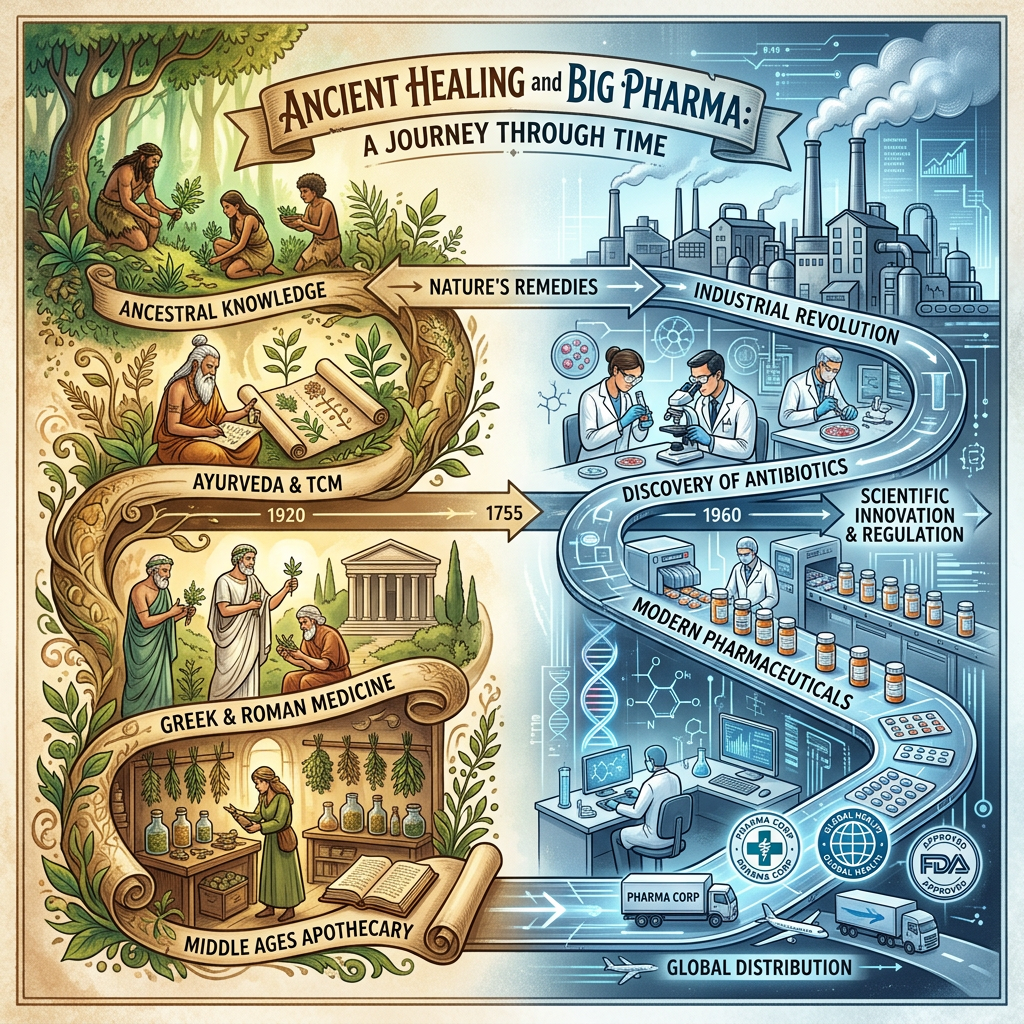

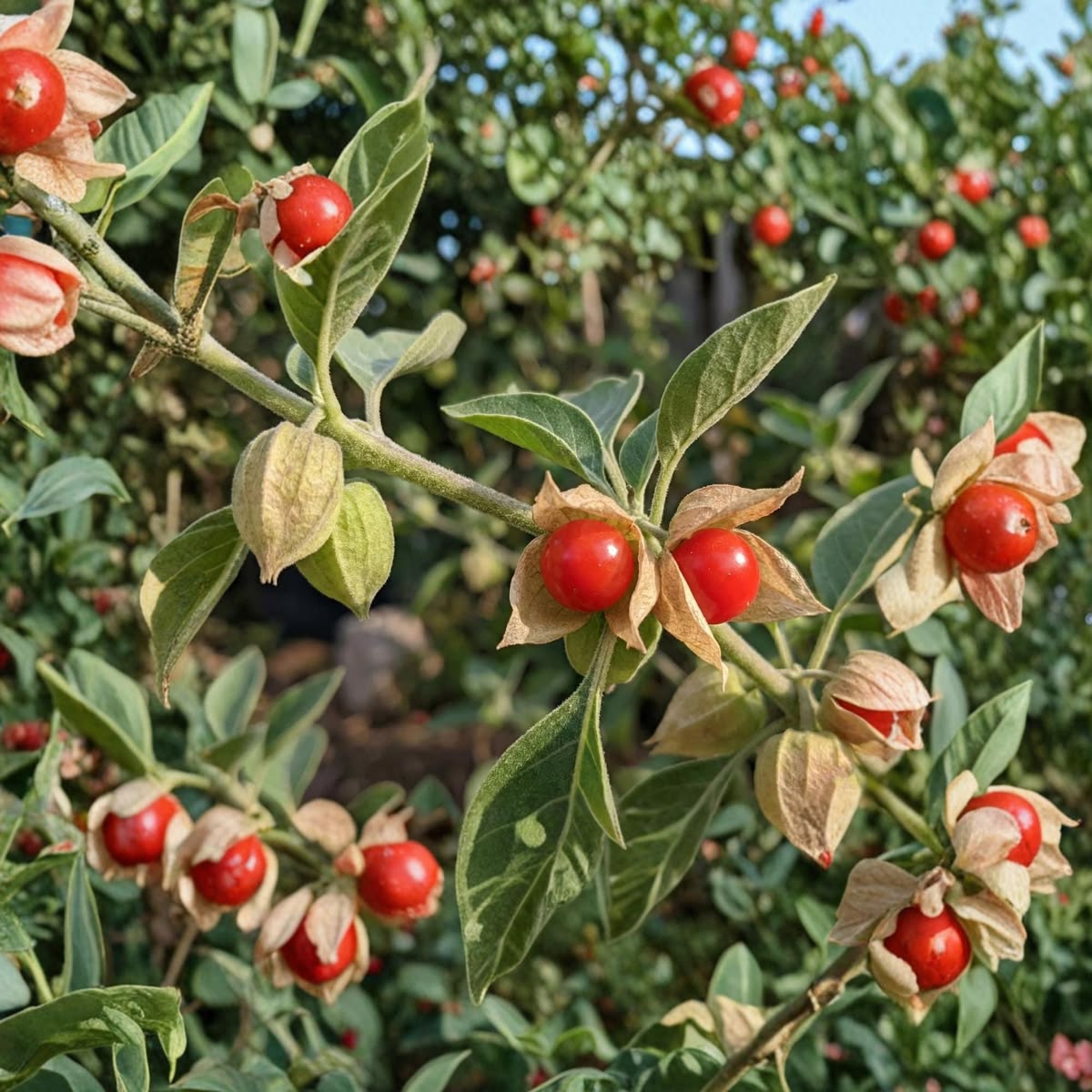
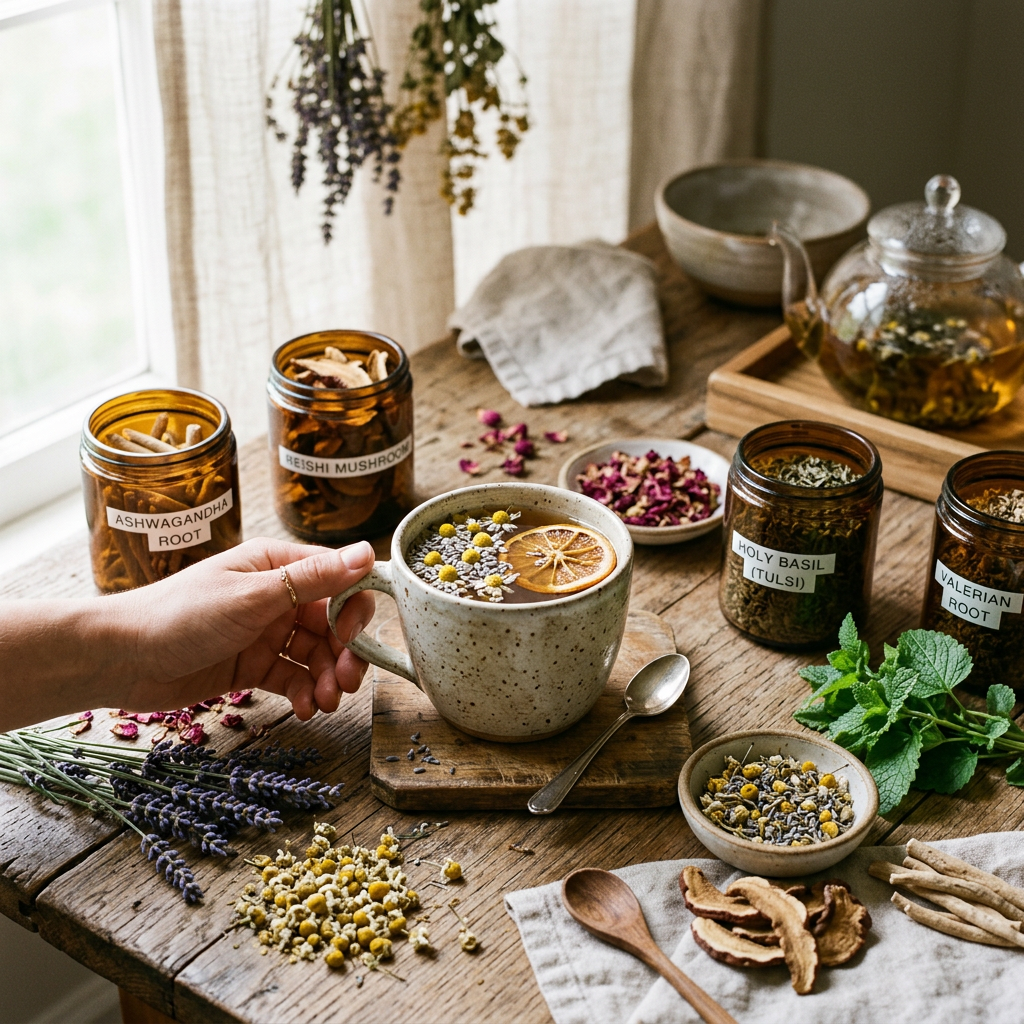

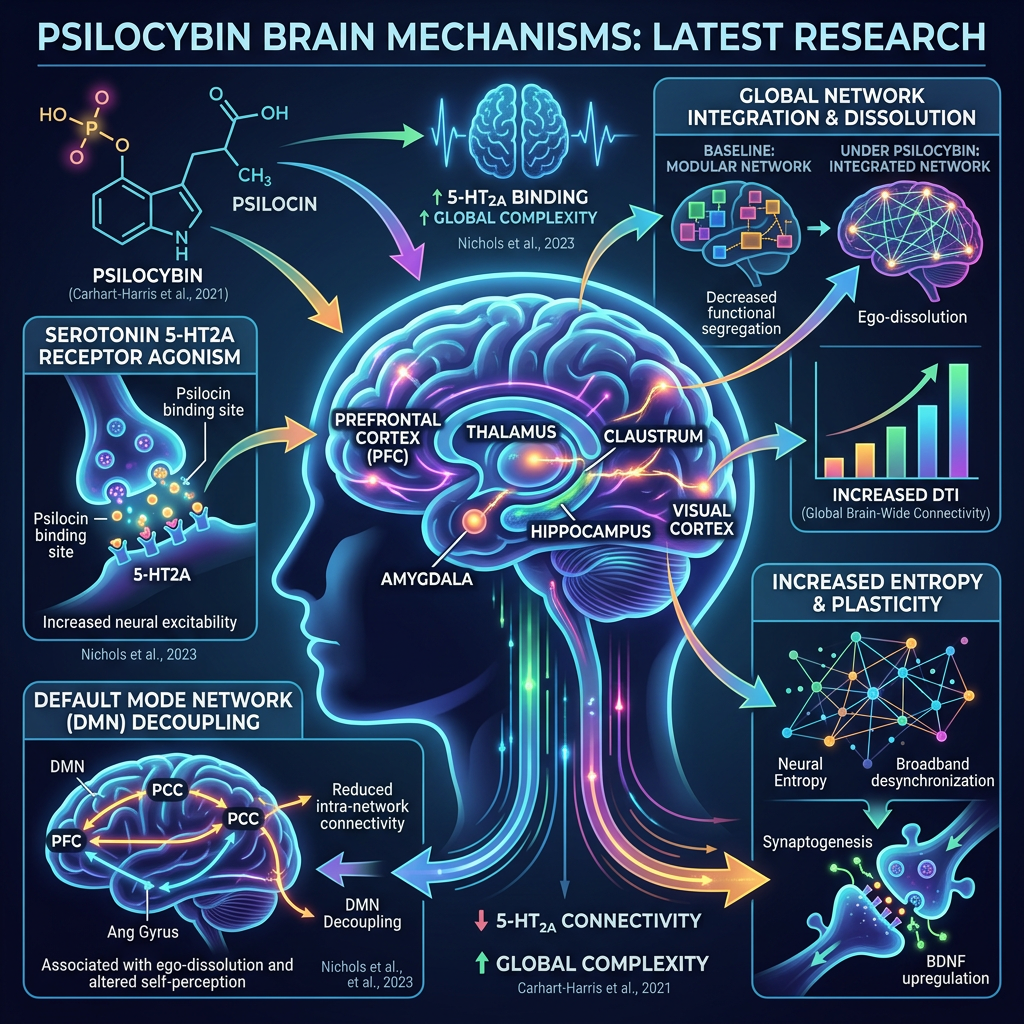


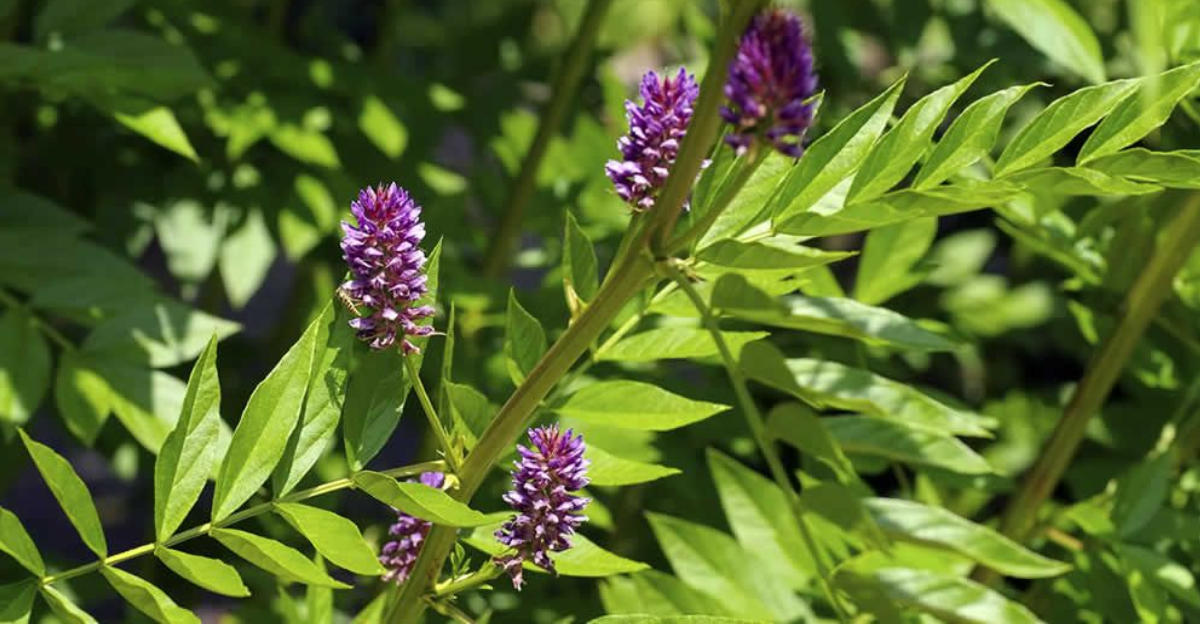

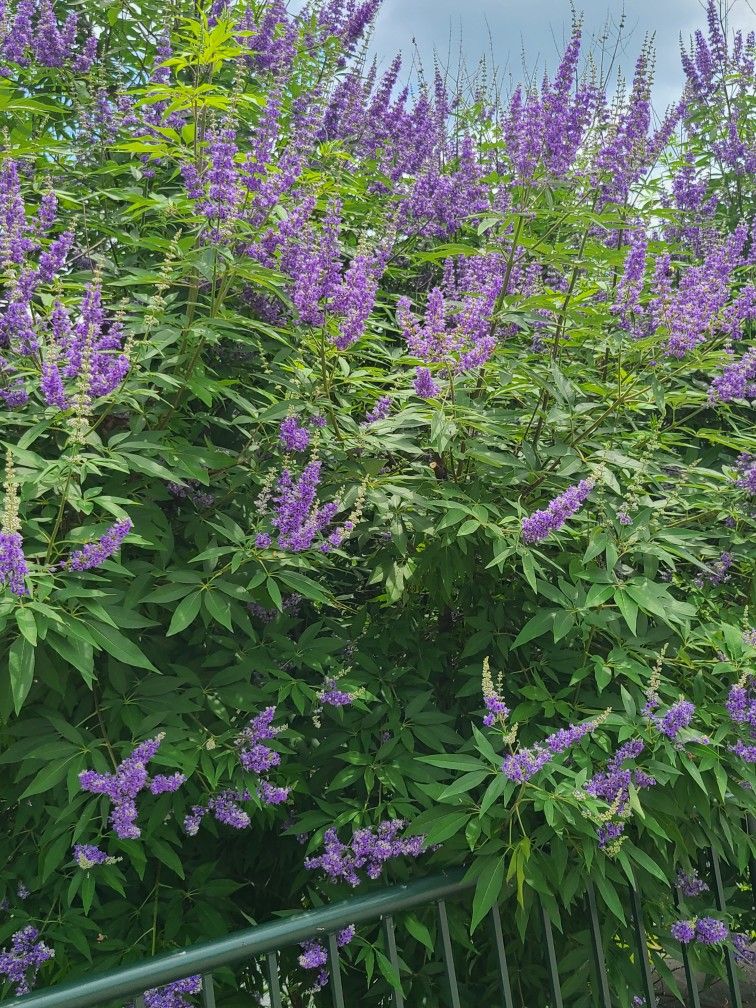
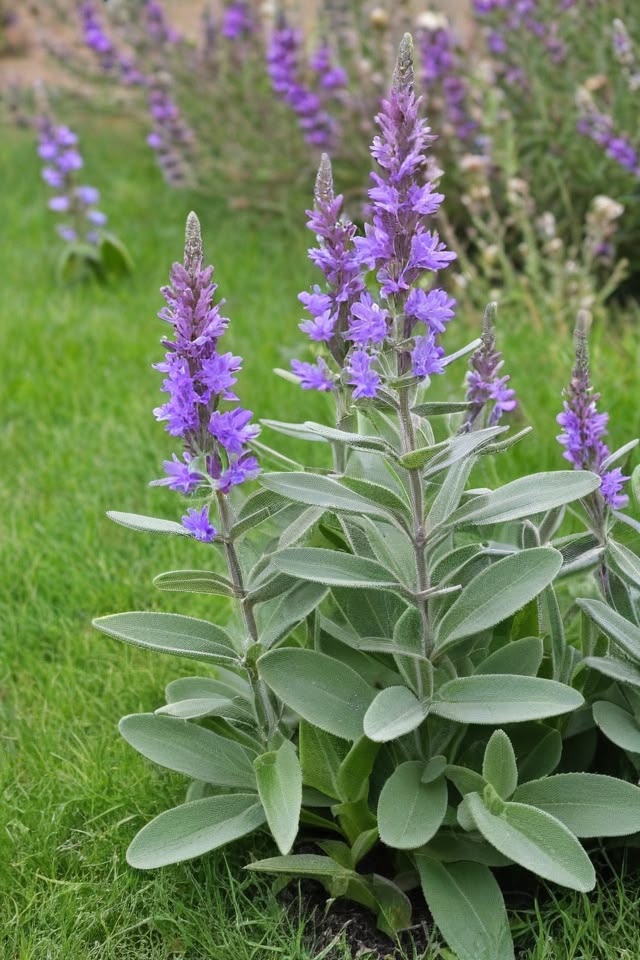

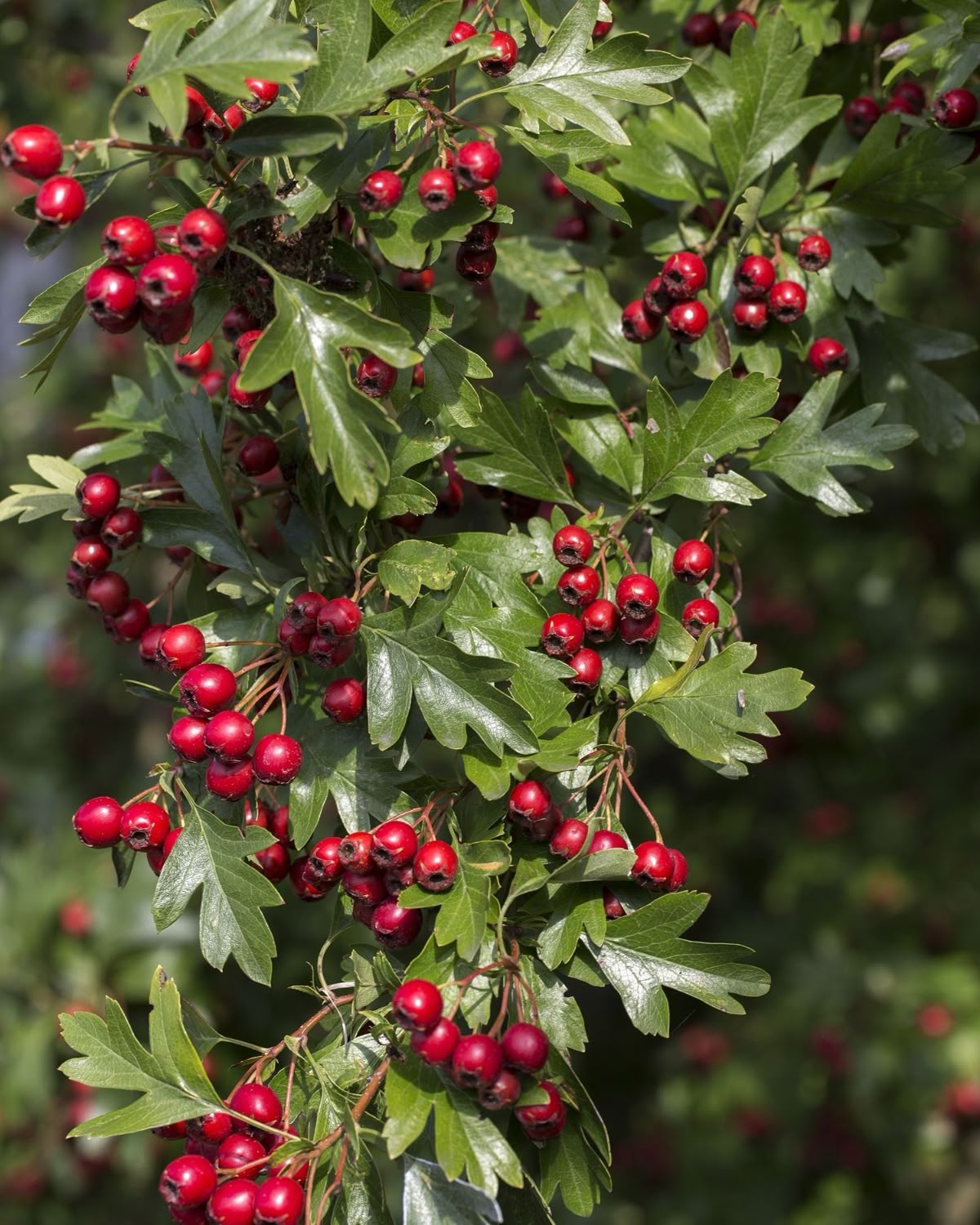
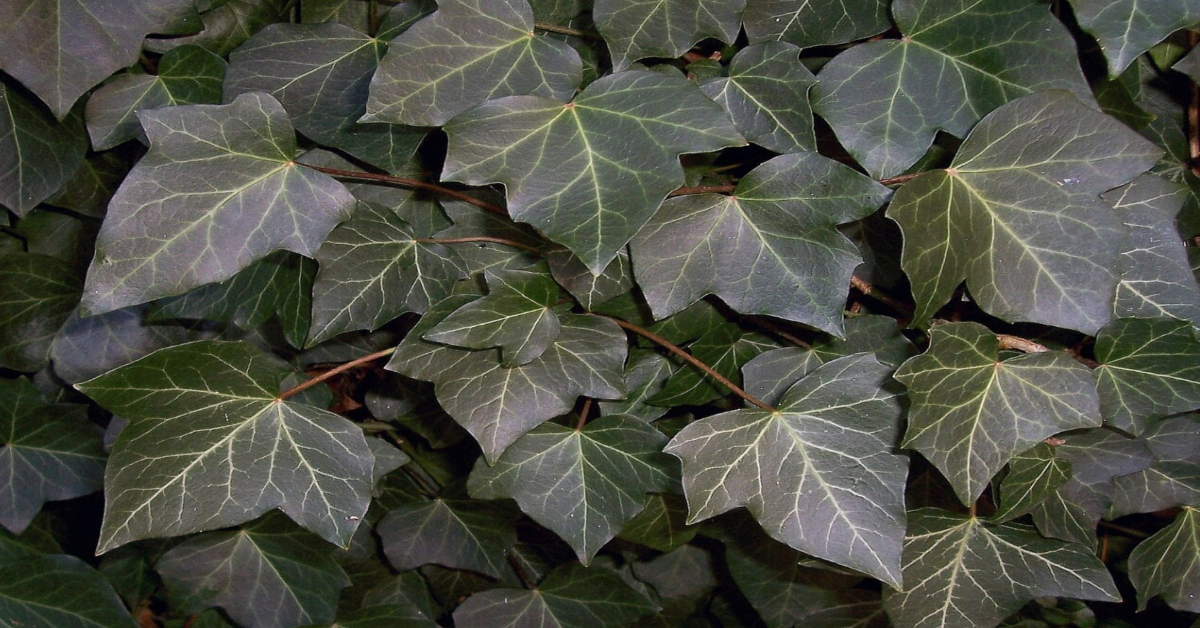






Leave a Reply