
A Complete Herbal Monograph – Benefits, Uses & History:
👈Note on This Monograph:👇
Note on This Monograph: This extensive entry uses the “full 8-part structure”, offering a deep, interdisciplinary exploration of Psilocybin Mushrooms (Psilocybe cubensis)— weaving together modern scientific evidence, traditional and ethnobotanical wisdom, practical cultivation and preparation guidance, and its living spiritual essence. Drawing from clinical studies, historical texts, indigenous knowledge, and esoteric traditions, it serves as a comprehensive resource for holistic understanding and respectful relationship with this powerful plant ally. Please work with trained professionals for therapeutic applications.
“Our Commitment to Transparent Research”
Unlike many herbal resources that offer generalized information with little or no backing, we provide direct links to every source we reference. This allows you to verify claims, explore topics in greater depth, and trust that what you’re reading is grounded in both modern science and time-honored tradition.
Section-specific Sources lists
Most monographs include dedicated “Sources:” sections at the end of major topics (e.g., Sources: Phytotherapy, Sources: Historical and Cultural Significance, Sources: Pharmacology). These contain direct, clickable links to the original material. We created this level of transparency so the research can serve you. Here are some ways readers use our sourced monographs: Anyone seeking truth — Verify claims for yourself instead of taking information at face value. Students & Researchers — Use the references for papers, assignments, or deeper study. Herbalists & Practitioners — Cite sources when educating clients or in professional materials. Curious Explorers — Follow the links to read original studies or historical texts yourself. Writers & Educators — Reference our monographs (with attribution), knowing the information is traceable.

“AT A GLANCE”
Psilocybin Mushrooms are multifaceted healers that work on the physical, emotional, mental, and spiritual levels. Their natural compounds promote neuroplasticity, reduce inflammation in the brain, and facilitate deep emotional processing. In traditional indigenous systems, they are used for soul retrieval, trauma resolution, and community healing. Today, they are studied for their ability to foster lasting improvements in mood, creativity, and sense of meaning. Gentle yet transformative, Psilocybin Mushrooms invite profound reconnection with self, others, and the living Earth.

Provides an overview of key points.
Synopsis
👈At A Glance:👇
Psilocybin Mushrooms (Psilocybe cubensis) (primarily species in the genus Psilocybe, such as P. cubensis, P. semilanceata, and others) are fungi containing psychoactive compounds like psilocybin and psilocin. They are not true “herbs” or plants but are addressed here by adapting the provided monograph template. Note that they are federally illegal in many places (Schedule I in the US) but have growing therapeutic interest and decriminalization in select jurisdictions.
Botanical Description
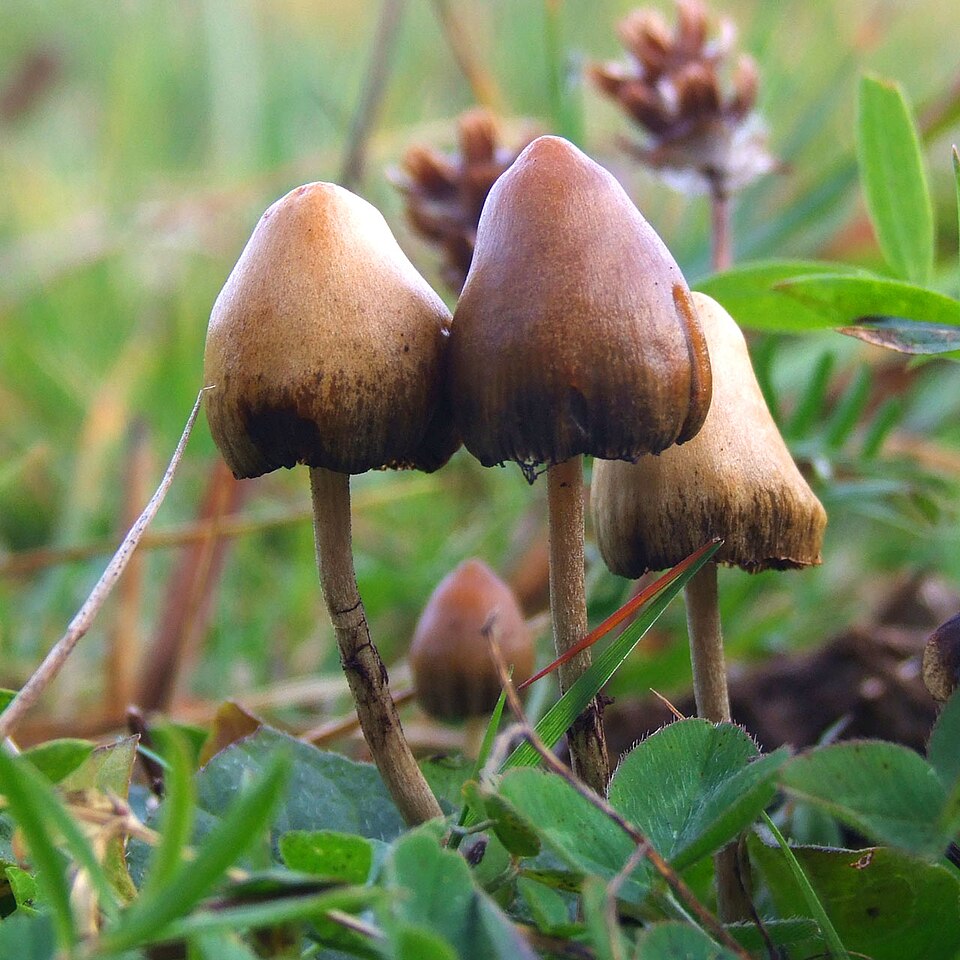
Psilocybin mushrooms belong to the genus Psilocybe (family Hymenogastraceae, order Agaricales, phylum Basidiomycota). Key species include P. cubensis (common, dung-loving, golden-brown caps), P. semilanceata (Liberty Cap: small, conical, pointed caps, widely distributed in temperate grasslands), and potent ones like P. azurescens or P. cyanescens (wood-loving, strong bluing reaction).
Morphology: Small to medium gilled mushrooms with dark purple-brown spore prints. Caps are often conical to convex, hygrophanous (color-changing with moisture). Stems bruise blue-green due to psilocin oxidation. Many are “little brown mushrooms” (LBMs).
Habitat: Saprotrophic; grow on dung, soil, wood debris, or grasslands in subtropical/tropical to temperate zones worldwide. P. semilanceata is one of the most widespread.
Taxonomy: Over 100+ species in Psilocybe sensu stricto (bluing clade); related genera include Panaeolus, Pluteus, and Gymnopilus.
Note: Wild identification is risky due to toxic look-alikes—never consume without expert confirmation.
Phytochemistry
Primary actives: Psilocybin (4-phosphoryloxy-N, N-dimethyltryptamine, prodrug) dephosphorylates to psilocin (4-hydroxy-N, N-dimethyltryptamine), the active serotonin 5-HT2A agonist. Minor analogs include baeocystin, norbaeocystin, and aeruginascin.
These tryptamine alkaloids drive hallucinogenic effects. Concentrations vary by species, substrate, and conditions (e.g., P. azurescens is highly potent). Other metabolites include ergothioneine (antioxidant) and various fungal compounds.
Western Traditional & Clinical Actions
Primarily psychedelic/hallucinogenic with emerging antidepressant, anxiolytic, and anti-addictive properties. Produces altered perception, mystical experiences, and emotional insight when used with support. Not a classic “herb” with anti-inflammatory or analgesic actions in traditional Western herbalism.
Chinese Medicine Actions
No traditional classification in classical TCM (psilocybin mushrooms are not native or historically documented in Chinese herbals). Modern integrative views sometimes link them to Shen-calming or Qi-moving effects due to mind-altering properties, but this is speculative. Related medicinal mushrooms (e.g., Reishi/Lingzhi) are tonifying and spirit-calming.
Traditional & Historical Uses
Indigenous Mesoamerican use (e.g., Aztec teonanácatl, or “flesh of the gods,” and Mazatec niños santos) for divination, healing, and religious ceremonies dates back over 3,000 years. Shamans (such as curanderas like María Sabina) used them for diagnosis and spiritual insight. Evidence from pre-Columbian artifacts was suppressed post-conquest but persisted. Rare or exaggerated claims elsewhere.
Modern Pharmacological Evidence
Psilocin acts as a 5-HT2A receptor agonist, promoting neuroplasticity, reducing default mode network activity, and facilitating emotional processing. Shows promise for rapid antidepressant effects, potentially via BDNF upregulation and anti-inflammatory pathways.
Clinical Studies
Numerous trials (Phase 2/3) demonstrate that single or few doses (e.g., 25 mg psilocybin) with psychotherapy yield rapid, sustained reductions in depression (including treatment-resistant), anxiety, and end-of-life distress. Benefits can last months. Ongoing for PTSD, addiction, OCD, etc. High response rates (60-70%+ in some studies), but set/setting is critical.
Recent (2024-2026): Long-term follow-ups confirm durability up to 12 months; new trials for Alzheimer’s symptoms, chronic pain, and mindfulness augmentation.
Preparations & Dosage
In clinical settings: Synthetic psilocybin capsules (e.g., 20-30 mg/70 kg) with guided therapy. Traditional: Dried mushrooms (1-5 g dried, species-dependent) eaten or in tea. Microdosing (0.1-0.3 g) is popular but has less evidence. Onset 20-60 min, duration 4-6 hours.
DIY is not recommended due to legal risks, dosing variability, and misidentification.
Safety & Contraindications
Low physical toxicity (no known lethal dose). Common: Nausea, increased heart rate/BP, anxiety (“bad trip”). Risks: Psychological distress, especially in those with a history of schizophrenia, bipolar disorder, or psychosis. Contraindicated with MAOIs, lithium (seizure risk), uncontrolled hypertension, and pregnancy. Serotonin syndrome possible with SSRIs.
Supervised use is safest.
Cultivation & Harvest
Easy for species like P. cubensis on dung/straw or PF Tek (brown rice flour). Stages: Spawn on grain, bulk substrate colonization, fruiting at high humidity (90%+), 70-75°F, fresh air exchange. Harvest before the veil breaks for potency. Sustainable home kits exist for edibles; psilocybin cultivation is illegal in most places.
Commercial Products
Regulated therapy in Oregon/Colorado (US); truffles in the Netherlands. Unregulated edibles/gummies are often adulterated or contain alternatives like muscimol (Amanita). No standard OTC supplements due to legality.
Ethnobotanical Curiosities
Central to Mesoamerican shamanism for communing with gods/ancestors. “Entheogen” term popularized by Wasson/Sabin. Cultural renaissance links to modern psychedelic-assisted therapy.
Recent Research (2020–2025/6)
Explosion of trials validating efficacy for depression/addiction. Neuroimaging shows brain connectivity changes. Emerging: Dementia symptom relief, cellular lifespan extension in vitro, microdosing studies. FDA breakthrough status; Phase 3 advancing.
Conservation Status
Most common species (e.g., P. cubensis) are Least Concern. Some rare/endemic Mexican species (e.g., P. neoxalapensis) are endangered due to habitat loss. Fungi generally under-assessed by the IUCN.
DIY Recipes
Not recommended for safety/legal reasons. Traditional tea: Simmer dried mushrooms in water (avoid boiling to preserve compounds), strain, and add honey/ginger for nausea. Always test small amounts. Professional guidance essential.
X (Twitter) Snapshot – Nov 2025
Discussions likely focus on ongoing trials, decriminalization efforts, integration with mindfulness, sustainability of cultivation, and advocacy for therapeutic access (aligning with broader natural medicine trends).
Important Disclaimer: Psilocybin remains controlled in most jurisdictions. This is for informational/educational purposes only. Consult professionals; do not self-medicate. Risks include legal consequences and adverse psychological effects.
The difference between Ayahuasca and Psilocybin Mushrooms
Psilocybin Mushrooms and Ayahuasca are both powerful entheogenic (sacred visionary) medicines, but they differ significantly in origin, chemistry, experience, and traditional use.
Key Differences
| Aspect | Ayahuasca | Psilocybin Mushrooms |
|---|---|---|
| Source | Brew made from two Amazonian plants: Banisteriopsis caapi vine (MAOI) + Psychotria viridis leaves (DMT source) | Fungi (mainly Psilocybe species) containing psilocybin/psilocin |
| Active Compounds | N, N-Dimethyltryptamine (DMT) made orally active by MAO inhibitors | Psilocybin (converted to psilocin in the body) – direct serotonin 5-HT2A agonist |
| Duration | 4–8+ hours (often intense for 4–6 hours) | 4–6 hours (peak at 1–3 hours) |
| Physical Effects | Strong “body load” – common purging (vomiting, diarrhea), nausea, temperature fluctuations | Milder – possible nausea or yawning, but generally gentler on the body |
| Experience Style | Often feels like a strong, directive “teacher” or “mother” plant. Deeply visionary, symbolic, confrontational, and purgative. Strong ceremonial container required. | More playful, fluid, introspective, or exploratory. Can feel like “holy children” or friendly guides. Easier for self-guided or lighter settings. |
| Traditional Context | Indigenous Amazonian tribes (Shipibo, Huni Kuin, etc.) – strong shamanic, icaros (healing songs), nighttime ceremonies in darkness | Mesoamerican (Mazatec, Aztec) – teonanácatl (“Flesh of the Gods”), veladas with chanting and prayer |
| Accessibility | Almost always in structured group ceremonies with experienced facilitators/shamans | More flexible – can be used in retreats, therapy, nature, or guided solo journeys |
| Safety Profile | Higher risk of interactions (MAOIs) and physical intensity; requires strict diet | Generally safer pharmacologically with lower toxicity and fewer interactions |
| Common Therapeutic Focus | Deep trauma work, ancestral healing, “shadow” confrontation, spiritual cleansing | Neuroplasticity, depression, anxiety, PTSD, creativity, ego dissolution, emotional openness |
Shared Qualities
- Both can produce profound mystical experiences, ego dissolution, emotional healing, and long-term improvements in mood and well-being.
- Both have strong traditional Indigenous roots and are currently being studied for mental health applications.
- Set and setting are crucial for both.
In short:
Ayahuasca tends to be a more intense, physically demanding, and ceremonially strict “grandmother” or teacher medicine focused on deep purification and visionary insight.
Psilocybin Mushrooms are often described as gentler, more accessible “holy children” that support playful exploration, creativity, and heartfelt emotional healing.
Both deserve deep respect and proper preparation. The “best” one depends entirely on the individual’s intention, experience level, and personal resonance.
Planting & Harvesting Reference Guide
👈Planting & Harvesting Reference Guide:👇
Psilocybin Mushrooms – Planting & Harvesting Reference Guide
- Best Time for Planting / Inoculation
- Spring through early fall for indoor cultivation (optimal mycelial colonization at 70–78°F / 21–26°C)
- Outdoor beds or wild patches: Late spring to early summer after the last frost, coinciding with the onset of the rainy season in temperate or subtropical climates
- During waxing moon phases for energetic growth and mycelial expansion, align with water signs (Cancer, Scorpio, Pisces) to honor the fungi’s affinity for moisture
- Growing Conditions & Magical Minded Tips
- Use nutrient-rich substrates such as pasteurized manure, straw, wood chips, coco coir, or grain spawn in well-ventilated, humid environments (80–95% relative humidity during fruiting)
- Maintain temperatures of 70–75°F (21–24°C) for fruiting with fresh air exchange and indirect light (mushrooms use light as a directional cue, not for photosynthesis)
- For outdoor patches: Choose dung-rich grasslands, riparian zones, or mulched garden beds with partial shade and consistent moisture
- Speak to the mycelium as a living network or elder; offer tobacco, cornmeal, or water with gratitude when inoculating; maintain a clean, sacred space, and sing or pray during colonization to infuse intention
- Monitor for contamination and practice reciprocity—never over-cultivate without giving back to the land through habitat restoration
- Best Time for Harvesting Fruiting Bodies
- When caps begin to open but before the veil fully breaks (typically 5–12 days after pinning, depending on strain and conditions)
- Rainy seasons in wild habitats (spring and fall flushes in many regions); after rainfall when mushrooms emerge naturally
- Harvest during waxing to full moon for peak potency and spiritual alignment; early morning or twilight hours when energy is transitional
- Sustainable & Magical Harvesting Methods
- For wild Psilocybin Mushrooms: Take only mature specimens and leave at least half of every patch to spore and reproduce; twist and pull gently at the base or cut with a clean blade, leaving the mycelium undisturbed
- Never harvest more than needed; always ask permission from the land and the mycelial web before gathering
- Use clean hands, a dedicated ritual knife, or sacred tool; offer thanks, songs, or small gifts (tobacco, cornmeal, flowers) to the earth immediately after
- In cultivation: Harvest by gently twisting at the base to avoid damaging the substrate for future flushes; leave smaller pins to mature
- Post-Harvest Processing
- Dry gently in a warm, dark, well-ventilated area (or with a food dehydrator at low heat under 110°F / 43°C) while singing prayers or holding intention to preserve both chemical and spiritual qualities
- Store dried Psilocybin Mushrooms in airtight glass jars in a cool, dark, sacred space with a clear quartz or intention for continued wisdom and healing
- Label with harvest date, location, and gratitude note; use mindfully in ceremonial contexts only
This guide consolidates all planting, cultivation, wildcrafting, and harvesting details mentioned across the SPARK sections for quick, practical reference. Always prioritize ethical, sustainable, and reverent practices to honor the living spirit of Psilocybin Mushrooms and ensure their continued abundance for future generations.
Healing Categories
👈Psilocybin Mushrooms (Psilocybe cubensis): fit most strongly into the following healing categories, based on its traditional use, phytochemistry, clinical observations, and energetic profile:👇
Primary / Best-Fit Healing Categories
1. Mental & Emotional Health (Strongest Category)
- Treatment-resistant depression
- Anxiety disorders & existential distress
- PTSD and trauma resolution
- Major depressive disorder
- Emotional processing and catharsis
2. Spiritual & Consciousness Healing
- Sacred entheogenic/visionary work
- Ego dissolution and spiritual awakening
- Soul retrieval and reconnection to purpose
- Mystical-type experiences leading to increased sense of meaning and interconnectedness
3. Addiction & Behavioral Recovery
- Alcohol use disorder
- Nicotine/tobacco addiction
- Opioid and other substance dependencies
- Compulsive behaviors
4. Neurological & Brain Health
- Neuroplasticity enhancement
- Default Mode Network (DMN) modulation
- Cognitive flexibility and creative problem-solving
- Long-term mood regulation through brain rewiring
5. Palliative & End-of-Life Care
- Anxiety and depression in terminal illness
- Fear of death / existential distress
- Quality-of-life improvement for cancer patients
Strong Secondary Categories
6. Holistic & Integrative Healing
- Mind-body-spirit integration
- Trauma-informed shamanic healing
- Ceremonial / ritual medicine
7. Preventive & Wellness
- Microdosing protocols for mood, creativity, and resilience (emerging)
- Burnout prevention and emotional regulation
Psilocybin Mushrooms are uniquely powerful because they operate across all four levels simultaneously — physical (neurochemical), emotional, mental, and spiritual — which is rare among most medicinal plants or fungi. Their deepest healing often occurs through transformative experience rather than symptomatic relief alone.
✦ If You Only Read U.S. Consumer Pages ✦
U.S. consumer pages usually meet Psilocybe cubensis as “shrooms,” a strain menu, and a depression cure already in the clinic. Those pages are not inventing the blue bruise or the alkaloid. Cubensis really does make psilocybin, and synthetic psilocybin really does have a depression-trial file.
What those pages almost never carry is the official split. They rarely say that the Mazatec sacrament Hofmann isolated was P. mexicana, and that cubensis is the dung species the twentieth century scaled; that COMP360, the Usona material, and the JAMA 25 mg capsule are synthetic, not a fruit body; that the United States still lists psilocybin in Schedule I, with Oregon, Colorado and New Mexico running state programs that do not erase that listing; that Australia’s 2023 change is a psychiatrist-only Schedule 8 route for treatment-resistant depression, not a mushroom licence; or that the Netherlands banned the mushroom and left a different fungus’s sclerotium in the shop. They also rarely say that Phase 3 is unfinished business, that suicidal ideation appeared in the TRD trial, or that a shop strain name is not a species.
Reading only U.S. retail and forum copy makes the fungus look like a product. Reading the global record makes it look like a Cuban-described pasture mushroom, a secondary species in a Mexican ceremonial complex, and the wild relative of an alkaloid now moving through psychiatry under its own chemical name. Both pictures describe something real. The second one is the one most American shoppers never see.
Sources:
https://psilocybinresearch.com/psilocybin-laws-worldwide
https://pmc.ncbi.nlm.nih.gov/articles/PMC10472268/
https://www.sciencedirect.com/science/article/pii/S1878614622000095
https://mushly.com/mazatapec
Globally: Where This Plant Is Studied
👈Global research, official texts, publishers, and human-trial data, rather than U.S.-consumer-page-limited:👇
Psilocybin mushrooms (Psilocybe cubensis)
Where This Plant Is Studied
Psilocybe cubensis (Earle) Singer is studied as a living coprophilous agaric—not as a U.S. “magic mushroom” brand. Earle described it in 1906 from Cuba as Stropharia cubensis. Singer moved it to Psilocybe in 1948. The fruit body is the familiar golden-capped, blue-bruising mushroom of dung and manured pasture. The range is now pantropical and warm-temperate: the Americas, and introductions into parts of Asia, Australia and Europe wherever cattle travel. It is one species. Shop names—Golden Teacher, Mazatapec, “Mexican”—are culture lines, not taxa.
The ceremonial record and the clinical record are not the same object. Mazatec, Mixe, Chatino, Zapotec and Nahuatl practice in Mexico used several Psilocybe species. The culturally central ones are Psilocybe mexicana, P. caerulescens, P. aztecorum and P. zapotecorum. Heim and the Wassons did find cubensis on cow dung around Huautla, and Singer and Smith listed a Wasson collection, but María Sabina’s veladas are tied in the mycological record to caerulescens, and the fungus Hofmann cultured for the first isolation of psilocybin and psilocin was P. mexicana. Cubensis is the species the late twentieth century industrialized because it fruits readily on dung substrates. The laboratory species of the current depression trials is usually neither: it is synthetic psilocybin.
Study clusters sit in Mexican mycology (Guzmán’s Psilocybe monograph tradition), Basel natural-products history, Imperial College and King’s (Carhart-Harris), Johns Hopkins (Griffiths), Usona, Compass Pathways (COMP360), and Australian psychiatry after the 2023 TGA reschedule. In short: P. cubensis is a dung mushroom with a global weedy range, a secondary player in the Mexican sacred-mushroom complex, and the species most often confused with the synthetic alkaloid now in Phase 3.
Sources:
https://www.sciencedirect.com/science/article/pii/S1878614622000095
https://mushly.com/mazatapec
https://documentsdelivered.com/source/021/542/021542082.php
Official Books That Name This Species
This is not a pharmacopoeial herb. There is no EMA HMPC monograph, no Ph. Eur. article, no Commission E chapter, no USP dietary-supplement monograph, and no Chinese Pharmacopoeia TCM drug. The books that name it are control lists, and they usually name the alkaloids, not the fungus.
Psilocybin and psilocin are Schedule I in the United States. There is no FDA-approved psilocybin medicine. Compass Pathways’ synthetic COMP360 has FDA breakthrough-therapy designation and, as of 2026 reporting, a rolling New Drug Application for treatment-resistant depression; that file is the molecule, not P. cubensis fruit bodies. Oregon (2020 measure, service centers), Colorado, and New Mexico run state supervised-access programs that do not change federal status.
Australia, from 1 July 2023, moved psilocybine to Schedule 8 only when a psychiatrist with TGA Authorised Prescriber approval uses it for treatment-resistant depression. Every other use stays Schedule 9. That is not legalization of the mushroom. Canada allows the substance through trials, the Special Access Program, or a ministerial exemption. Switzerland uses case-by-case authorizations. The Netherlands banned hallucinogenic mushroom fruit bodies on 1 December 2008 (Opiumwet) and left sclerotia unlisted; the truffles in Dutch shops are generally other Psilocybe species, not cubensis caps. Mexico schedules psilocybin with named fungi, including Psilocybe mexicana, while indigenous ceremonial practice has a separate constitutional and administrative life. Jamaica does not schedule the substance.
Hofmann’s 1958 isolation paper names P. mexicana. Singer and Smith’s 1958 monograph of section Caerulescentes is the taxonomic book that still anchors the Mexican complex. Index Fungorum lists P. cubensis (Earle) Singer. Quality, in the official sense, is species identity and whether a trial used synthetic psilocybin or an unstandardized mushroom.
Sources:
https://psilocybinresearch.com/psilocybin-laws-worldwide
https://www.drugscience.org.uk/the-australia-story-current-status-and-future-challenges
https://psilocybinlegalization.com/record/netherlands
Who Publishes on It
Publication splits across mycology, natural-product chemistry, and psychiatry. Guzmán, Heim, Singer and Smith built the species file. JAMA, New England Journal of Medicine, and Psychiatry Research carry the modern depression trials. Imperial, Johns Hopkins, Usona and Compass are the clinical clusters; Mexican universities and CONABIO-adjacent mycology hold the ethnomycology. Consumer strain catalogues are not the original publishers.
Sources:
https://pmc.ncbi.nlm.nih.gov/articles/PMC10472268/
https://www.sciencedirect.com/science/article/pii/S1878614622000095
https://www.sciencedirect.com/science/article/abs/pii/S016517812300481X
Human Trials Tied to This Species
Human evidence is strong for synthetic psilocybin with psychological support, and thin for authenticated P. cubensis fruit bodies. (If you ask yourself why this is, you are not alone}
The modern depression file uses capsules. Raison and colleagues (JAMA, 2023) randomized 104 adults with major depression to a single 25 mg dose of synthetic psilocybin or niacin, both with support: MADRS fell more on psilocybin by day 43 (mean difference about −12.3). Goodwin and colleagues (COMP360, NEJM, 2022) compared 25 mg, 10 mg and 1 mg in treatment-resistant depression (233 participants); 25 mg separated from 1 mg at week 3, with adverse events that included headache, nausea and, in a minority, suicidal ideation requiring care. Carhart-Harris’s Imperial trial compared two psilocybin sessions plus support with six weeks of escitalopram (59 participants); the primary QIDS difference was not significant, secondary measures favored psilocybin. A 2023 meta-analysis of nine trials (596 participants) found a large pooled effect (SMD −0.78) and remission about 45% versus 22%. Compass Phase 3 (COMP005, COMP006; more than 1,000 participants with TRD) is the registration file, again synthetic COMP360.
Cancer anxiety, addiction pilots and headache work exist in the same alkaloid literature. They are not mushroom-tea trials. Potency in wild and cultivated cubensis varies with specimen, batch and drying; a trial capsule does not. Adverse effects in the published sessions include transient blood-pressure rise, nausea, anxiety and, rarely, prolonged psychological distress. People with a personal or family history of psychosis are excluded from the careful trials for a reason.
This overview is not a protocol for growing, identifying, or dosing the fungus.
Sources:
https://pmc.ncbi.nlm.nih.gov/articles/PMC10472268/
https://www.sciencedirect.com/science/article/abs/pii/S016517812300481X
https://www.rush.edu/clinical-trials/comp360-psilocybin-treatment-resistant-depression
https://legalclarity.org/psilocybin-fda-approval-timeline-trials-and-scheduling/

Part 1: Modern Medical Properties and Uses

Purpose: Highlights the plant’s scientific and medicinal properties, validating holistic healing with evidence-based data.
Contemporary Medical Applications:
Describes current clinical uses (e.g., capsules, tinctures) and delivery methods in modern medicine.
👈Contemporary Medical Applications:👇
Contemporary Medical Applications:
- Psilocybin-assisted therapy, administered as a single 25 mg oral dose of synthetic psilocybin in controlled clinical settings with psychological support, demonstrates rapid and sustained reductions in symptoms of treatment-resistant major depressive disorder, with effects often lasting 6–12 months or longer in follow-up studies.
- In palliative care for patients with life-threatening illnesses, psilocybin therapy (typically 20–30 mg/70 kg) significantly alleviates anxiety, depression, and existential distress, improving quality of life through facilitated emotional processing and mystical-type experiences.
- Emerging applications include psilocybin for post-traumatic stress disorder (PTSD), with ongoing trials combining it with psychotherapy to reduce trauma-related symptoms and enhance emotional resilience in veterans and other populations.
- Treatment protocols for substance use disorders, such as alcohol and opioid addiction, utilize psilocybin sessions (often 25 mg) to promote insight, motivation for change, and reduced craving, showing promise as an adjunct to behavioral therapies.
- Delivery methods emphasize supervised administration in therapeutic environments, including capsules of purified psilocybin or, in permitted jurisdictions, prepared mushroom material, always paired with pre- and post-session integration therapy.
- Investigational use in neurodegenerative conditions like Parkinson’s disease targets depression and cognitive symptoms, with protocols exploring single or repeated dosing to support neuroplasticity and mood regulation.
- Microdosing regimens (0.1–0.3 g dried material or equivalent) are explored informally for daily mood and cognitive enhancement, though clinical evidence remains mixed and protocols vary widely.
Sources: Contemporary Medical Applications
Sources
https://www.hopkinsmedicine.org/psychiatry/research/psychedelics-research
https://www.nccih.nih.gov/health/psilocybin-for-mental-health-and-addiction-what-you-need-to-know
https://adf.org.au/insights/magic-mushrooms-medicine/
https://www.hopkinsmedicine.org/news/newsroom/news-releases/2022/02/psilocybin-treatment-for-major-depression-effective-for-up-to-a-year-for-most-patients-study-shows
https://mindbraintms.com/depression/psilocybin-therapy-for-ptsd-and-mdd/
https://clinicaltrials.ucsf.edu/psilocybin
https://www.psychiatrist.com/pcc/modern-psychedelic-microdosing-research-mental-health-systematic-review/
Pharmacology:
Outlines key compounds and their mechanisms of action, driving therapeutic effects.
👈Pharmacology:👇
Pharmacology:
- Psilocybin acts as a prodrug that is rapidly dephosphorylated in the body to its active metabolite psilocin, which functions primarily as a partial agonist at serotonin 5-HT2A receptors, leading to altered perception, cognition, and emotion central to therapeutic effects.
- Activation of 5-HT2A receptors in cortical regions, particularly layer V pyramidal neurons in the prefrontal cortex, promotes increased excitability and downstream signaling via Gq/11 pathways, contributing to neuroplastic changes such as enhanced dendritic spine density.
- Psilocin also interacts with other serotonin receptor subtypes (including 5-HT2C and 5-HT1A) as well as minor affinities for dopamine and adrenergic receptors, creating a multifaceted serotonergic modulation that underlies both acute psychedelic and longer-term antidepressant actions.
- The compound induces temporary suppression of the default mode network, facilitating decreased rumination and increased brain network flexibility, which correlates with reported therapeutic insights and emotional breakthroughs.
- Neuroplasticity mechanisms involve upregulation of brain-derived neurotrophic factor (BDNF) and promotion of synaptic growth, offering potential for rewiring maladaptive neural circuits in mood and anxiety disorders.
- Metabolism occurs primarily via hepatic enzymes, with a rapid onset (20–40 minutes) and duration of 4–6 hours for full doses, influenced by individual factors such as genetics and set/setting.
- Minor tryptamine analogs like baeocystin may contribute to an entourage effect, though their independent pharmacological contributions remain under active investigation.
Sources: Pharmacology:
Sources
https://www.sciencedirect.com/science/article/pii/S0753332222010010
https://pmc.ncbi.nlm.nih.gov/articles/PMC6785028/
https://www.nature.com/articles/s41398-025-03611-0
https://mindmedicineaustralia.org.au/wp-content/uploads/Psilocybin-Pharmacology-1.pdf
https://www.research.unipd.it/handle/11577/3549793
https://www.youtube.com/watch?v=XBEas8MGzd0
https://pmc.ncbi.nlm.nih.gov/articles/PMC9667540/
Natural Medicine Studies:
Summarizes recent research on efficacy, safety, or clinical outcomes from peer-reviewed studies.
👈Natural Medicine Studies:👇
Natural Medicine Studies:
- A 2022 Johns Hopkins follow-up study found that psilocybin-assisted therapy produced large decreases in depression severity, with 75% response and 58% remission rates maintained at 12 months post-treatment in participants with major depressive disorder.
- Meta-analyses of randomized trials confirm large effect sizes for psilocybin in reducing symptoms of anxiety and mood disorders (SMD around -1.4 to -1.5), with benefits often sustained after one or two sessions when combined with psychotherapy.
- Peer-reviewed research on end-of-life distress shows psilocybin significantly improves anxiety, depression, and quality of life in cancer patients, with effects persisting for months and high participant-reported personal meaning.
- Safety profiles in controlled studies indicate good tolerability, with transient increases in blood pressure and heart rate as primary physiological effects, and low incidence of serious adverse events when proper screening and support are provided.
- Studies on treatment-resistant depression report rapid symptom relief within days, outperforming traditional antidepressants in speed and durability in select populations.
- Emerging natural medicine-aligned research explores psilocybin’s role in enhancing mindfulness and emotional regulation, with positive outcomes in reducing burnout and improving well-being metrics.
- Limited but growing data support potential efficacy in obsessive-compulsive disorder, eating disorders, and chronic pain through mechanisms overlapping with neuroplasticity and anti-inflammatory pathways.
Sources: Natural Medicine Studies:
Sources
https://www.hopkinsmedicine.org/news/newsroom/news-releases/2022/02/psilocybin-treatment-for-major-depression-effective-for-up-to-a-year-for-most-patients-study-shows
https://www.sciencedirect.com/science/article/abs/pii/S0165032725023249
https://www.nccih.nih.gov/health/psilocybin-for-mental-health-and-addiction-what-you-need-to-know
https://jamanetwork.com/journals/jamapsychiatry/fullarticle/2846478
https://www.apa.org/monitor/2024/06/psychedelics-as-medicine
https://keck.usc.edu/news/researchers-receive-funding-to-launch-uscs-first-clinical-study-of-psilocybin-for-mental-health/
https://www.sciencedirect.com/science/article/abs/pii/S0165032725023249
Chemistry:
Details active chemical constituents (e.g., alkaloids, flavonoids) and their healing roles.
👈Chemistry:👇
Chemistry:
- Psilocybin (4-phosphoryloxy-N, N-dimethyltryptamine) is the primary phosphorylated tryptamine alkaloid, stable in dried mushrooms and converted enzymatically or in acidic conditions to the active dephosphorylated form psilocin.
- Psilocin (4-hydroxy-N, N-dimethyltryptamine) serves as the direct serotonin receptor agonist responsible for psychoactive properties, structurally analogous to serotonin with an added dimethylated amine group.
- Minor analogs, including baeocystin (4-phosphoryloxy-N-methyltryptamine), norbaeocystin, and aeruginascin, occur in varying concentrations across Psilocybe species and may modulate overall effects through similar tryptamine pathways.
- Concentrations vary significantly by species, growing substrate, and environmental conditions, with potent species like Psilocybe azurescens reaching higher percentages of total tryptamines by dry weight.
- Additional fungal metabolites such as beta-glucans, ergothioneine (antioxidant), and phenolic compounds contribute to the broader chemical matrix, though their therapeutic synergy with tryptamines requires further elucidation.
- Analytical chemistry methods (HPLC, mass spectrometry) confirm the stability of psilocybin in biomass under proper storage, with degradation influenced by heat, light, and moisture.
- Synthetic production yields pure psilocybin for clinical use, bypassing natural variability while maintaining the core indole structure essential for receptor binding.
Sources: Chemistry:
Sources
https://pmc.ncbi.nlm.nih.gov/articles/PMC12299699/
https://en.wikipedia.org/wiki/Baeocystin
https://cen.acs.org/biological-chemistry/magic-mushrooms-psilocybin/103/web/2025/10
https://pmc.ncbi.nlm.nih.gov/articles/PMC9667540/
https://academic.oup.com/tfs/article/1/1/vxaf001/8101341
https://www.oregon.gov/oha/PH/PREVENTIONWELLNESS/Documents/Stability%20of%20Psilocybin%20and%20Analogs.pdf
https://pubmed.ncbi.nlm.nih.gov/32398764/
Functional Foods and Nutrition:
Highlights dietary uses (e.g., teas, supplements) in modern health practices.
👈Functional Foods and Nutrition:👇
Functional Foods and Nutrition:
- Psilocybin-containing mushrooms share nutritional profiles with other edible fungi, offering protein (19–35% dry weight), fiber, B-vitamins, selenium, and potassium, though psychoactive use prioritizes alkaloid content over routine dietary incorporation.
- Microdosing protocols sometimes integrate low amounts into functional food formats such as chocolates, teas, or capsules for sub-perceptual wellness support, though regulatory restrictions limit commercial availability in many regions.
- Non-psychoactive functional mushroom blends (e.g., with Lion’s Mane or Reishi) are explored in stacks alongside trace psilocybin for purported synergistic cognitive and adaptogenic benefits in wellness communities.
- Traditional preparation methods like drying, tea infusion, or incorporation into foods preserve bioactive tryptamines while leveraging the mushrooms’ inherent nutritional matrix for overall support.
- Research on mushrooms as next-generation functional foods highlights their potential in nutraceutical development for mental wellness, though psilocybin-specific products remain investigational.
- Limited data exist on routine nutritional supplementation due to legal status, with emphasis on controlled therapeutic rather than daily dietary use.
Sources: Functional Foods and Nutrition:
Sources
https://www.mdpi.com/2311-5637/12/4/173
https://daytryp.com/psilocybin/psilocybin-microdosing-a-comprehensive-2025-guide/
https://tocco.earth/article/microdosing-and-functional-mushrooms-mabel-s-take-on-women-s-wellbeing
https://thelivingsacrament.com/mushroom-nutrition-facts-see-whats-inside-magic-mushrooms/
https://pmc.ncbi.nlm.nih.gov/articles/PMC9763630/
https://www.opss.org/article/mushroom-dietary-supplements
Current Projects and Future Possibilities:
Notes ongoing research, clinical trials, or innovative medical applications.
👈Current Projects and Future Possibilities:👇
Current Projects and Future Possibilities:
- Phase 3 clinical trials for treatment-resistant depression and major depressive disorder are advancing, with candidates like COMP360 (synthetic psilocybin) approaching potential regulatory milestones for approved therapeutic use.
- Ongoing multisite studies explore psilocybin for PTSD, opioid addiction, Alzheimer ’s-related symptoms, anorexia nervosa, and chronic pain, integrating neuroimaging to map neuroplastic mechanisms.
- Innovative trials combine psilocybin with mindfulness meditation or cognitive-behavioral therapy to enhance outcomes in mental well-being and palliative care settings.
- Research initiatives funded by institutions like Johns Hopkins, UCSF, and USC investigate long-term brain changes, safety in diverse populations, and applications for physician burnout and neurodegenerative conditions.
- Translational projects focus on developing optimized analogs, better delivery systems, and personalized protocols to maximize efficacy while minimizing variability.
- Global efforts include state-supported programs and international collaborations aiming to expand access through evidence-based frameworks and education on psychedelic medicine.
- Future possibilities emphasize integration into holistic mental health care, potentially transforming approaches to mood disorders through single-dose or infrequent interventions.
Sources: Current Projects and Future Possibilities:
Sources
https://www.hopkinsmedicine.org/psychiatry/research/psychedelics-research
https://globalwellnessinstitute.org/global-wellness-institute-blog/2026/04/02/psychedelics-healing-initiative-trends-for-2026/
https://keck.usc.edu/news/researchers-receive-funding-to-launch-uscs-first-clinical-study-of-psilocybin-for-mental-health/
https://grants.nih.gov/funding/find-a-fit-for-your-research/highlighted-topics/55
https://www.houstonpublicmedia.org/articles/news/health-science/2026/05/05/550958/psychedelic-treatments-are-on-the-verge-of-fda-approval-why-texas-is-pushing-for-them/
https://www.blackdoginstitute.org.au/news/psilocybin-therapy-treatment-resistant-depression-2025/
Literary Mentions:
References modern medical texts or studies citing the plant’s therapeutic use.
👈Literary Mentions:👇
Literary Mentions in ancient texts:
- Sixteenth-century Spanish chroniclers, including Bernardino de Sahagún, documented Aztec use of teonanácatl (“flesh of the gods”) in religious and healing rituals, describing ceremonies involving visions, singing, and communal discussion of experiences.
- Pre-Hispanic Mixtec codices, such as the Codex Vindobonensis (ca. 1100–1521), depict ritual scenes with mushrooms carried by deities and participants, indicating sacred ceremonial importance in Mesoamerican cultures.
- Modern medical literature frequently cites these historical ethnobotanical records when contextualizing contemporary psilocybin research, bridging ancient entheogenic practices with evidence-based psychotherapy.
- Archaeological interpretations link Neolithic cave art and petroglyphs potentially depicting Psilocybe species to early human use of mind-altering fungi across regions.
- Twentieth- and twenty-first-century texts, including works by R. Gordon Wasson and clinical reviews by researchers like David Nichols, reference ancient Mesoamerican traditions while detailing the transition to laboratory isolation and therapeutic trials.
- Sahagún’s Florentine Codex provides detailed accounts of mushroom-induced states used for divination and healing, now analyzed in psychedelic medicine scholarship.
Sources: Literary Mentions:
Sources
https://pubmed.ncbi.nlm.nih.gov/32398764/
https://www.bbc.com/future/article/20240910-the-ancient-history-behind-healing-trauma-with-psychedelics
https://www.researchgate.net/publication/341321407_Psilocybin_from_ancient_magic_to_modern_medicine
https://en.wikipedia.org/wiki/Entheogenic_drugs_and_the_archaeological_record

Part 2: Plant Knowledge Systems

Purpose: Validates plant-based healing through interdisciplinary scientific and cultural fields.
Ethnobotany:
Explores the plant’s traditional uses across cultures, linking indigenous knowledge to modern applications.
👈Ethnobotany:👇
Ethnobotany:
- Psilocybin Mushrooms have been integral to Mesoamerican Indigenous cultures for millennia, with the Aztecs referring to them as teonanácatl or “flesh of the gods,” using them in religious ceremonies, divination, and healing rituals to commune with deities and gain spiritual insight; practices documented in pre-Columbian codices and early colonial Spanish chronicles that link these entheogenic traditions directly to contemporary psychedelic-assisted psychotherapy protocols emphasizing set, setting, and integration for therapeutic outcomes.
- Among the Mazatec people of Oaxaca, Mexico, Psilocybin Mushrooms known as niños santos or “holy children” form the core of velada healing ceremonies led by curanderas such as María Sabina, where participants ingest the fungi during all-night rituals involving chanting, prayer, and visionary experiences to diagnose illnesses, receive spiritual guidance, and facilitate physical and emotional healing, traditions that persist today and inform modern clinical models of psilocybin-assisted therapy by highlighting the importance of cultural context, community, and guided introspection.
- Ethnobotanical records across Indigenous groups in Mexico, including Nahuas, Mixtecs, and Zapotecs, document over 200 vernacular names for Psilocybin Mushrooms and their roles in therapeutic, divinatory, and sacramental contexts, demonstrating sophisticated ecological knowledge of species identification, habitat preferences, and seasonal harvesting that parallels contemporary scientific efforts to standardize cultivation and dosing in regulated therapeutic environments while preserving biocultural heritage.
- The global dissemination of knowledge about Psilocybin Mushrooms accelerated in the mid-20th century through encounters like those of R. Gordon Wasson with María Sabina, bridging ancient Mesoamerican practices with Western scientific inquiry and catalyzing research into their psychoactive compounds, which now underpins evidence-based applications in mental health treatment by validating traditional wisdom regarding their capacity to induce profound states of consciousness conducive to healing and self-understanding.
Sources: Ethnobotany:
Sources
https://www.drugtopics.com/view/psilocybin-mushrooms-a-journey-from-ancient-traditions-to-modern-clinical-use
https://en.wikipedia.org/wiki/Mar%C3%ADa_Sabina
https://www.akjournals.com/view/journals/2054/8/1/article-p3.xml
https://jied.lse.ac.uk/articles/10.31389/jied.101
Plant Genomics:
Describes genetic studies of the plant, focusing on traits related to medicinal properties.
👈Plant Genomics:👇
Plant Genomics:
- Multiple Psilocybe species, including Psilocybe cubensis, Psilocybe mexicana, Psilocybe azurescens, and Psilocybe semilanceata, have undergone whole-genome sequencing, revealing high-quality draft assemblies that enable detailed analysis of the psilocybin biosynthetic gene cluster (BGC) containing key genes such as PsiD (tryptophan decarboxylase), PsiH (cytochrome P450 monooxygenase), PsiK (kinase), and PsiM (N-methyltransferase), providing a genetic foundation for understanding compound production and supporting synthetic biology approaches to therapeutic compound development.
- Comparative phylogenomic studies across dozens of Psilocybe genomes and related genera demonstrate convergent evolution and possible horizontal gene transfer of the psilocybin BGC, with variations in gene copy number, synteny, and regulatory elements that correlate with differences in alkaloid profiles and ecological adaptations, offering insights into the evolutionary pressures that favored these metabolites and informing targeted breeding or genetic engineering for consistent medicinal yields.
- Genome sequencing of sibling progenies in species like Psilocybe subaeruginosa has elucidated mating systems (tetrapolar) and gene duplications within the psilocybin pathway, highlighting genetic diversity that influences compound production and providing resources for marker-assisted selection in cultivation programs aimed at optimizing therapeutic potential while maintaining genetic integrity of medicinal strains.
- Comprehensive genomic atlases encompassing over 80 Psilocybe genomes serve as valuable resources for identifying high-impact variants in biosynthesis genes, facilitating research into natural product variation, speciation, and the molecular basis of medicinal properties that underpin both traditional and modern pharmacological applications.
Sources: Plant Genomics:
Sources
https://www.ncbi.nlm.nih.gov/datasets/genome/GCA_017499595.1/
https://www.mycosphere.org/pdf/MYCOSPHERE_16_1_28.pdf
https://www.sciencedirect.com/science/article/abs/pii/S1087184522001141
https://medicinalgenomics.com/psiloseek-p-cubensis-speciation/
Phytotherapy:
Details the plant’s use in clinical herbal medicine, including therapeutic protocols.
👈Phytotherapy:👇
Phytotherapy:
- In contemporary clinical phytotherapy and integrative medicine contexts where legally permitted, Psilocybin Mushrooms are incorporated into structured psilocybin-assisted psychotherapy (PAP) protocols that emphasize patient preparation through education and rapport-building, followed by supervised dosing sessions in controlled environments, and subsequent integration therapy to process insights, with dosing typically involving 20–30 mg of synthetic psilocybin or equivalent mushroom material calibrated to body weight and therapeutic goals for conditions such as treatment-resistant depression.
- Herbalists and integrative practitioners supporting Psilocybin Mushrooms use often recommend adjunctive botanicals during microdosing or macrodosing regimens, such as adaptogens like Rhodiola or Ashwagandha for resilience, nervines like Lemon Balm or Skullcap for emotional balance during preparation, and grounding or restorative herbs like Valerian, Passionflower, Reishi, or Tulsi for integration phases to support nervous system recovery and holistic well-being.
- Phytotherapeutic approaches stress individualized protocols accounting for set and setting, contraindications, and drug interactions, drawing on clinical trial data to guide safe administration while recognizing Psilocybin Mushrooms’ role in facilitating neuroplasticity and emotional processing as a bridge between traditional entheogenic wisdom and evidence-based mental health care.
- In jurisdictions with regulated access, such as certain Australian or U.S. programs, authorized prescribers integrate Psilocybin Mushrooms into psychiatric care for treatment-resistant conditions, combining fungal material or purified compounds with psychotherapeutic support in multi-session frameworks that prioritize safety monitoring and long-term outcome assessment.
Sources: Phytotherapy:
Sources
https://www.sciencedirect.com/science/article/abs/pii/S0022395624003194
https://wildrosecollege.com/blog/the-science-behind-psilocybin-what-herbalists-need-to-know-part-2/
https://pmc.ncbi.nlm.nih.gov/articles/PMC9751063/
https://adf.org.au/insights/magic-mushrooms-medicine/
Ethnoecology:
Examines the plant’s ecological role in cultural practices and environmental interactions.
👈Ethnoecology:👇
Ethnoecology:
- Psilocybin Mushrooms exhibit diverse ecological niches across global biomes, with species such as Psilocybe cubensis favoring dung-enriched pastures in tropical and subtropical regions and wood-loving species like Psilocybe cyanescens or Psilocybe azurescens thriving on decaying woody debris in temperate forests, reflecting Indigenous knowledge systems in Mesoamerica that emphasize sustainable harvesting tied to seasonal cycles, lunar phases, and habitat stewardship to maintain fungal populations integral to cultural and spiritual practices.
- In Mazatec and other Indigenous ethnoecological frameworks of Oaxaca and central Mexico, Psilocybin Mushrooms are perceived as sacred entities emerging from living earth, with traditional ecological knowledge guiding identification of specific microhabitats, avoidance of overharvesting, and integration of fungal use into broader agroecological and spiritual landscapes that view fungi as mediators between human communities and natural forces, practices that support biodiversity conservation amid modern pressures from tourism and habitat alteration.
- Evolutionary ecology research suggests Psilocybin Mushrooms may produce these compounds as chemical defenses or signaling agents that interfere with serotonergic systems in potential herbivores or competitors, paralleling Indigenous cultural interpretations of the fungi as powerful mediators capable of influencing consciousness and ecological relationships, thereby linking traditional ecological wisdom with contemporary hypotheses on fungal chemical ecology and adaptive advantages.
- Cultural ecological practices surrounding Psilocybin Mushrooms include ritualized collection and preparation methods passed through generations in Indigenous communities, fostering reciprocal relationships with fungal habitats that promote sustainability, while contemporary ethnoecological studies highlight the need for community-led conservation to protect these species and their associated traditional knowledge from commercialization and environmental degradation.
Sources: Ethnoecology:
Sources
https://www.sciencedirect.com/science/article/abs/pii/S1087184523000439
https://www.akjournals.com/view/journals/2054/8/1/article-p3.xml
https://pubmed.ncbi.nlm.nih.gov/37210028/
https://www.pnas.org/doi/10.1073/pnas.2311245121
Anthroposophical Medicine:
Outlines the plant’s use in Steiner-inspired remedies, including preparation, studies, and dosage.
👈Anthroposophical Medicine:👇
Anthroposophical Medicine:
- Limited data exist on the specific use of Psilocybin Mushrooms within core anthroposophical medicine, as Rudolf Steiner generally characterized mushrooms as containing hindering lunar forces associated with rigidification and old Moon evolutionary stages, advising caution or avoidance in dietary or medicinal contexts to prevent interference with spiritual development and human evolution toward greater consciousness.
- Anthroposophical approaches to fungal remedies typically focus on non-psychoactive medicinal mushrooms prepared through specialized pharmaceutical processes emphasizing rhythmical and alchemical methods to harness etheric forces, rather than psychoactive species, aligning with a holistic view that prioritizes substances supporting the integration of physical, etheric, astral, and ego aspects of the human being without disruptive influences.
- Modern integrative practitioners drawing on anthroposophical principles may explore bridges between traditional Psilocybin Mushrooms use and spiritual science by emphasizing preparation, mindful intention, and post-experience integration to support soul development, though such applications remain outside mainstream anthroposophical pharmacy and require careful discernment regarding Steiner’s warnings about lunar forces in fungi.
- Anthroposophical medicine’s broader framework of viewing plants and fungi through cosmic and evolutionary lenses encourages contextual understanding of Psilocybin Mushrooms’ psychoactive properties as potentially revealing thresholds of consciousness, yet prioritizes individualized, multimodal therapies including art, movement, and plant-based remedies aligned with the fourfold human constitution over direct use of entheogenic fungi.
Sources: Anthroposophical Medicine:
Sources
https://rsarchive.org/Lectures/GA266/English/UNK1998/19090000e01.html
https://pmc.ncbi.nlm.nih.gov/articles/PMC3865373/
https://books.google.com/books/about/Growing_Up_Psychedelic.html?id=BWwY0AEACAAJ
https://www.gardenshaman.eu/en/2024/04/17/plants-in-antroposophy-a-spiritual-connection/

Part 3: Heritage and Practice

Purpose: Weaves historical and cultural heritage with practical guidance for medicinal use.
Historical and Cultural Significance:
Explores the plant’s role in historical and cultural medical practices.
👈Historical and Cultural Significance:👇
Historical and Cultural Significance:
- Psilocybin Mushrooms hold profound historical importance in Mesoamerican civilizations, particularly among the Aztecs who referred to them as teonanácatl (“flesh of the gods”), using them in elaborate religious ceremonies, divination, and healing rituals to facilitate communication with deities, ancestral spirits, and the divine realm, as documented in 16th-century chronicles like Bernardino de Sahagún’s Florentine Codex, which describes participants consuming the fungi with honey, dancing, weeping, and sharing visionary insights in communal settings that underscore their role as sacred mediators between the physical and spiritual worlds.
- Archaeological evidence, including mushroom-shaped stone sculptures and artifacts from Maya, Mixtec, and other pre-Columbian cultures dating back over 3,000 years, illustrates the deep integration of Psilocybin Mushrooms into ritual life, symbolizing connections to death, rebirth, and the underworld, with codices such as the Codex Vindobonensis and Magliabechiano depicting deities and participants in mushroom ceremonies that highlight their enduring status as entheogens central to spiritual and therapeutic practices across Indigenous societies.
- The suppression of these traditions by Spanish colonizers in the 16th century, who viewed them as demonic, drove the practices underground, yet they persisted among groups like the Mazatec, preserving a living cultural heritage that later influenced 20th-century Western rediscovery through figures like R. Gordon Wasson and María Sabina, bridging ancient wisdom with modern therapeutic applications and affirming Psilocybin Mushrooms as a cornerstone of humanity’s long-standing relationship with consciousness-altering fungi.
Sources: Historical and Cultural Significance:
Sources
https://cswr.hds.harvard.edu/news/2024/10/ritual-and-religious-uses-psilocybe-mushrooms-mesoamerica
https://pubmed.ncbi.nlm.nih.gov/32398764/
https://www.akjournals.com/view/journals/2054/8/1/article-p3.xml
https://www.drugtopics.com/view/psilocybin-mushrooms-a-journey-from-ancient-traditions-to-modern-clinical-use
https://en.wikipedia.org/wiki/Psilocybin_mushroom
Indigenous and Traditional Systems:
Details its use in specific indigenous or traditional healing systems.
👈Indigenous and Traditional Systems:👇
Indigenous and Traditional Systems:
- In Mazatec traditional systems of Oaxaca, Mexico, Psilocybin Mushrooms known as niños santos (“holy children”) are central to velada healing ceremonies led by curanderas, involving nighttime rituals with chanting, prayer, and ingestion to diagnose illnesses, resolve spiritual imbalances, and provide guidance, a practice maintained across generations that emphasizes respect for the fungi’s agency and integration into holistic community-based healing frameworks still active today.
- Among Nahua (Aztec descendants) and other Indigenous groups such as Mixtecs, Zapotecs, and Matlatzincas, sophisticated ethnomycological taxonomies distinguish dozens of Psilocybin Mushrooms species by habitat, appearance, and effects, incorporating them into divination, therapeutic, and ceremonial contexts that reflect deep ecological knowledge and a worldview where these fungi serve as teachers and healers, bridging human and spirit realms.
- Broader Indigenous systems across Mesoamerica view Psilocybin Mushrooms as sacred gifts from the earth, used sparingly in ritual settings aligned with seasonal cycles and lunar influences, with protocols emphasizing preparation, intention, and post-ceremony integration to maximize therapeutic and spiritual benefits while maintaining cultural continuity despite historical persecution.
Sources: Indigenous and Traditional Systems:
Sources
https://www.akjournals.com/view/journals/2054/8/1/article-p3.xml
https://chacruna.net/psychoactive-mushrooms-in-mexico-overview-of-ecology-and-ethnomycology/
https://imafungus.pensoft.net/article/148070/
https://cswr.hds.harvard.edu/news/2024/10/ritual-and-religious-uses-psilocybe-mushrooms-mesoamerica
Folklore and Culinary Traditions:
Highlights folklore, myths, and culinary uses tied to the plant.
👈Folklore and Culinary Traditions:👇
Folklore and Culinary Traditions:
- Folklore surrounding Psilocybin Mushrooms often portrays them as bridges to otherworldly realms, with Mesoamerican myths linking them to gods and ancestors, while European and global tales sometimes associate similar fungi with fairy rings, enchantment, and altered states, embedding them in cultural narratives of transformation, wisdom, and the supernatural across diverse traditions.
- Culinary traditions are limited due to their primary entheogenic role rather than everyday food use, though in some Indigenous contexts they are prepared simply with honey or in ceremonial beverages, contrasting with non-psychoactive mushrooms in broader global diets and highlighting their specialized cultural positioning as sacred rather than staple ingredients.
- Modern folklore has evolved with Western rediscovery, influencing counterculture movements and contemporary wellness narratives that celebrate Psilocybin Mushrooms as tools for personal insight, while cautionary tales in various cultures underscore the need for respect and proper context in their use.
Sources: Folklore and Culinary Traditions:
Sources
https://foodculturebites.com/mushrooms-a-4000-year-journey/
https://publicdomainreview.org/essay/fungi-folklore-and-fairyland/
https://www.pbs.org/food/stories/edible-mushrooms
Identification and Characteristics:
Describes physical traits and identification markers for the plant.
👈Identification and Characteristics:👇
Identification and Characteristics:
- Psilocybin Mushrooms typically feature small to medium-sized caps that are conical, bell-shaped, or convex (often becoming flatter with age), ranging in color from golden-brown to caramel or hygrophanous (changing with moisture), with a key diagnostic trait being blue bruising on stems or caps when damaged due to psilocin oxidation.
- Spore prints are characteristically dark purple-brown to black, and many species exhibit a distinct nipple-like umbo on the cap, with slender stems that may show fibrous texture; these features aid differentiation within the Psilocybe genus while requiring expert confirmation to avoid confusion with non-active or toxic species.
- Habitat preferences vary by species—dung-loving for Psilocybe cubensis, wood-loving for Psilocybe cyanescens or azurescens, and grassland for Psilocybe semilanceata—with gill attachment and overall morphology providing additional markers for field identification.
Sources: Identification and Characteristics:
Sources
https://wolfcreekrecovery.com/blog/psilocybin-identification/
https://www.ascendantny.com/how-to-identify-magic-mushrooms-and-stay-safe/
https://en.wikipedia.org/wiki/List_of_psilocybin_mushroom_species
Wildcrafting:
Covers where to find, identification tips (including look-alikes), and esoteric/medicinal harvesting methods.
👈Wildcrafting:👇
Wildcrafting:
- Wildcrafting of Psilocybin Mushrooms requires deep knowledge of specific habitats, such as fertilized pastures for dung-associated species or decaying wood chips for others, with optimal timing during cool, moist seasons; ethical practices emphasize sustainable harvesting by leaving mycelium intact, taking only mature specimens, and rotating sites to support population health.
- Identification in the field must include checking for blue bruising, spore color, and cap shape while carefully ruling out deadly look-alikes like Galerina species (which have rust-brown spores and lack bluing) or Amanita varieties, underscoring the absolute necessity of expert guidance or microscopy for safety.
- Traditional and modern wildcrafters often incorporate esoteric respect through prayer or intention-setting during harvest, aligning collection with lunar or seasonal cycles drawn from Indigenous knowledge to honor the fungi’s spiritual potency and ensure medicinal quality.
Sources: Wildcrafting:
Sources
https://chacruna.net/psychoactive-mushrooms-in-mexico-overview-of-ecology-and-ethnomycology/
https://mushroomexam.com/magic-mushroom-lookalikes.html
https://www.akjournals.com/view/journals/2054/8/1/article-p3.xml
Cultivation Practices:
Details growing methods for medicinal potency, including general cultivation.
👈Cultivation Practices:👇
Cultivation Practices:
- Cultivation for medicinal potency focuses on species like Psilocybe cubensis using methods such as grain spawn on nutrient-rich substrates (straw, manure, or coir-based mixes), maintaining high humidity (90%+), temperatures around 70-75°F during fruiting, and fresh air exchange to promote robust growth and optimal alkaloid levels influenced by genetics and environmental factors.
- Techniques emphasize sterile procedures to prevent contamination, with substrate composition and harvest timing (before veil break) directly impacting tryptamine content; advanced methods explore strain selection and controlled conditions to enhance consistency for therapeutic applications.
- Home and small-scale cultivation prioritizes sustainability and traceability, allowing controlled environments that can replicate or exceed wild potency through optimized nutrition and stress techniques while respecting legal frameworks in permitted regions.
Sources: Cultivation Practices:
Sources
https://pmc.ncbi.nlm.nih.gov/articles/PMC11856550/
https://www.miraculix-lab.de/en/mushrooms/psilocybe-cubensis-strain-potency-variability
https://fungiacademy.com/hoodie-tek-how-to-grow-magic-mushrooms-at-home/
Biodynamic Farming:
Outlines biodynamic cultivation techniques specific to the plant.
👈Biodynamic Farming:👇
Biodynamic Farming:
- Limited data exist specifically for biodynamic cultivation of Psilocybin Mushrooms, though principles of Rudolf Steiner’s approach could theoretically apply through attention to cosmic rhythms, soil vitality, and holistic fungal ecology in substrate preparation and growing cycles.
- Biodynamic methods might incorporate preparations and lunar planting calendars to enhance mycelial health and secondary metabolite production in alignment with living forces, though mainstream cultivation remains more conventional.
Sources: Biodynamic Farming:
Preparation Methods:
Describes how to prepare the plant for medicinal or culinary use.
👈Preparation Methods:👇
Preparation Methods:
- Common preparation involves thorough drying at low temperatures (below 95°F/35°C) to cracker-dry consistency for long-term storage and potency preservation, followed by grinding or breaking into pieces for use in teas, capsules, or direct consumption to ensure even dosing.
- Traditional tea method entails simmering dried Psilocybin Mushrooms in hot (not boiling) water for 20-30 minutes, often with ginger or lemon to reduce nausea and enhance extraction of psilocybin/psilocin, then straining for a gentle, palatable medicinal beverage.
- Other methods include chocolate infusions, tinctures, or microdosing capsules, with emphasis on precise measurement and combination with supportive herbs for integration and comfort during use.
Sources: Preparation Methods:
Sources
https://zombiemyco.com/blogs/mushrooms/the-ultimate-guide-to-drying-mushrooms-techniques-tools-and-tips-for-drying-and-preserving-potency-and-flavor
https://www.oklahomafungi.com/blog/how-to-make-mushroom-tea
https://spokaneheightsdetox.com/what-is-psilocybin-mushroom-tea/
Safety Precautions:
Lists plant-specific risks, including side effects or contraindications.
👈Safety Precautions:👇
Safety Precautions:
- Psilocybin Mushrooms carry risks of psychological distress (“bad trips”), nausea, elevated heart rate, and anxiety, particularly in unsupportive settings or for those with personal or family history of psychosis, schizophrenia, or bipolar disorder.
- Contraindications include concurrent use with certain medications (e.g., MAOIs, lithium), uncontrolled hypertension, or pregnancy; proper set, setting, dosage calibration, and experienced supervision are essential to minimize adverse effects.
- Always verify identification rigorously due to toxic look-alikes, and source from trusted, tested material to avoid contamination or misidentification.
Sources: Safety Precautions:
Sources
https://www.beckleyretreats.com/blog/types-of-psychedelic-mushrooms
https://mushroomexam.com/magic-mushroom-lookalikes.html

Part 4: Spiritual Essence

Purpose: Explores the plant’s intrinsic spiritual and mythological essence in holistic healing.
Energetic Essence:
Describes the plant’s energetic signature (e.g., chakra connections), flower essence properties, and vibrational healing uses.
👈Energetic Essence:👇
Energetic Essence:
- Psilocybin Mushrooms carry a profound energetic signature rooted in the fungi kingdom’s lunar and underworld qualities, often described in vibrational medicine as complementary to solar-oriented flower essences; these essences, prepared under lunar cycles and astrological influences, work subtly to balance light and shadow aspects of the self, facilitating deep integration of emotional and spiritual layers while promoting harmony between the physical body and higher consciousness through gentle vibrational attunement rather than direct psychoactive effects.
- In modern esoteric and holistic practices, Psilocybin Mushrooms are associated with activation of the crown chakra (sahasrara), enhancing connection to universal consciousness and divine wisdom, alongside the third eye (ajna) for heightened intuition, visionary insight, and perception beyond ordinary reality; users and practitioners report experiences of energy flow that clear blockages in these centers, fostering a sense of unity, expanded awareness, and alignment with one’s soul purpose through the mushrooms’ capacity to dissolve ego boundaries and reveal interconnectedness.
- Vibrational healing applications of Psilocybin Mushrooms extend to ceremonial essences and microdosing protocols that invite exploration of the soul’s interconnection with ancient natural wisdom, supporting emotional release, heart chakra opening for compassion and love, and overall energetic restoration; these approaches view the fungi as teachers that amplify inner light, promote chakra balancing, and facilitate profound states of mystical union, often integrated with sound healing, reiki, or shamanic journeys to deepen vibrational resonance and holistic well-being.
- The energetic essence of Psilocybin Mushrooms embodies duality and transformation, bridging solar (conscious, illuminating) and lunar (subconscious, mysterious) forces in a manner that supports comprehensive healing of mind, body, and spirit; practitioners emphasize respectful, intentional engagement to harness their vibrational properties for clearing stagnant energies, enhancing spiritual receptivity, and cultivating a grounded yet expansive state of being that honors both earthly roots and celestial connections.
Sources: Energetic Essence:
Sources
https://clinicalherbalism.com/mushroom-essences-energetic-medicine-from-the-fungi-kingdom/
https://www.shamansmarket.com/products/ceremonial-plant-essence-psilocybin
https://tikkunhealingcenter.org/spiritual-healing/psilocybin-mushrooms/
https://www.amazon.com/Mushroom-Essences-Vibrational-Healing-Kingdom/dp/1623170451
Mythological Associations:
Highlights myths, legends, or symbolic meanings tied to the plant across cultures.
👈Mythological Associations:👇
Mythological Associations:
- In Mesoamerican mythology, particularly among the Aztecs (Nahua), Psilocybin Mushrooms known as teonanácatl or “flesh of the gods” held sacred status as divine intermediaries capable of transporting participants into realms of vision and communion with deities; ancient codices such as the Florentine Codex and Codex Vindobonensis depict rituals where mushrooms were consumed with honey amid music and dance, enabling priests and participants to receive prophecies, heal illnesses, and connect with gods of rain, wind, and the underworld, symbolizing a profound bridge between the human world and the divine that underscored their role as sacred teachers and catalysts for spiritual insight.
- Mixtec and other Indigenous traditions portray Psilocybin Mushrooms as embodiments of duality and fertility, often linked to deities like the God of Wind or figures associated with lightning-struck earth where potent species grow; mushroom stones from Maya and Olmec cultures (dating back over 2,000–3,000 years) serve as archaeological testaments to their veneration, representing portals to ancestral wisdom or symbols of rebirth, while narratives describe visionary encounters with spirit beings or “little people” who impart guidance, healing knowledge, and warnings during ceremonial use.
- Among the Mazatec people, Psilocybin Mushrooms are revered as niños santos or “holy children,” central to shamanic velada ceremonies led by curanderas like María Sabina, where they facilitate direct dialogue with the divine, diagnosis of ailments through visionary symbolism, and access to paradisiacal realms like Tlālōcān; these myths emphasize the mushrooms as compassionate entities that reveal hidden truths, foster humility, and restore balance, weaving personal healing into broader cosmological narratives of interconnectedness with nature and spirit.
- Broader cultural and speculative mythological associations extend to theories of ancient global mushroom cults proposed by researchers like R. Gordon Wasson, linking Psilocybin Mushrooms (and related species) to the origins of religious experience, shamanism, and even human consciousness evolution; while primary evidence centers on Mesoamerica, scattered references in other traditions highlight fungi as symbols of transformation, otherworldly communication, and sacred intoxication, reinforcing their archetypal role as mystical agents that dissolve boundaries between the mundane and the transcendent across time and geography.
Sources: Mythological Associations:
Sources
https://cswr.hds.harvard.edu/news/2024/10/ritual-and-religious-uses-psilocybe-mushrooms-mesoamerica
https://roguearthistorian.substack.com/p/mushroom-art-in-indigenous-cultures
https://www.akjournals.com/view/journals/2054/8/1/article-p3.xml
https://www.beckleyretreats.com/blog/the-history-of-psilocybin-usage

Part 5: Esoteric Practices

Purpose: Details ritualistic and tradition-specific spiritual practices involving the plant.
Ritual and Ceremonial Uses:
Explores the plant’s role in spiritual rituals or ceremonies across traditions.
👈Ritual and Ceremonial Uses:👇
Ritual and Ceremonial Uses:
- Psilocybin Mushrooms, revered as teonanácatl (“flesh of the gods”) in Aztec (Nahua) tradition, played a central role in pre-Columbian religious ceremonies documented in 16th-century codices such as the Florentine Codex, where they were consumed with honey during all-night rituals involving music, dance, and communal sharing of visions to facilitate communion with deities, prophecy, and healing, establishing a formal framework of entheogenic sacrament that integrated spiritual, therapeutic, and social functions within Mesoamerican cosmology.
- Among the Mazatec people of Oaxaca, Mexico, Psilocybin Mushrooms known locally as ndi xijtho or “holy children” form the core of velada ceremonies led by curanderas (healers), nighttime rituals combining ingestion with chanting, prayer, and invocation to diagnose illness, communicate with spirits or ancestors, and effect healing through ecstatic trance states, a practice with deep roots in ancient Mesoamerican traditions that emphasizes the mushrooms as active spiritual agents rather than passive substances.
- María Sabina, the renowned Mazatec curandera, conducted veladas in which participants, including herself in larger doses, ingested Psilocybin Mushrooms to enter visionary states for therapeutic purposes, often experiencing dialogues with spirit entities or “little saints” that provided guidance, warnings, and healing instructions, illustrating a sophisticated ritual system blending indigenous knowledge with syncretic Catholic elements while maintaining the mushrooms’ status as sacred teachers and healers.
- Historical accounts from Spanish chroniclers and later ethnobotanists describe Aztec ceremonies where Psilocybin Mushrooms were used in divinatory and healing contexts, sometimes mixed with chocolate or pulque, to induce states of heightened perception for resolving community or personal matters, reflecting an analytical integration of psychoactive fungi into structured religious and social frameworks that prioritized intention, setting, and post-ritual integration.
- Modern ceremonial adaptations of Psilocybin Mushrooms draw directly from indigenous Mesoamerican models, incorporating guided group or individual sessions with preparation, dosing, and integration phases to replicate the structured spiritual container of traditional veladas, emphasizing safety, cultural respect, and the mushrooms’ role in fostering profound personal and collective transformation within contemporary spiritual and therapeutic contexts.
- In broader shamanic frameworks across Mesoamerica, Psilocybin Mushrooms serve as tools for ecstatic trance enabling communication with guardians of natural features (hills, rivers, caves) and ancestral spirits, used in divination for locating lost items, interpreting omens, or seeking advice on life challenges, demonstrating their analytical function within indigenous systems of knowledge that treat the fungi as sentient allies in navigating spiritual and material realms.
- Archaeological and codical evidence, including mushroom stones from Maya and Olmec cultures and depictions in Mixtec manuscripts like the Codex Vindobonensis, supports the long-standing ritual use of Psilocybin Mushrooms in ceremonial contexts tied to fertility, rain deities, and underworld symbolism, providing a formal historical basis for understanding their enduring role as sacred elements in structured spiritual practices across time.
Sources: Ritual and Ceremonial Uses:
Sources
https://cswr.hds.harvard.edu/news/2024/10/ritual-and-religious-uses-psilocybe-mushrooms-mesoamerica
https://en.wikipedia.org/wiki/Mazatec_shamanism
https://chacruna.net/mazatec-shamanism-and-psilocybin-mushrooms/
https://fungaonline.com/instead-of-history-of-plant-medicines/
https://mycomeditations.com/blog/psychedelic-information/psilocybin-mushroom-ceremonies/
https://chacruna.net/mazatec-shamanism-and-psilocybin-mushrooms/
https://cswr.hds.harvard.edu/news/2024/10/ritual-and-religious-uses-psilocybe-mushrooms-mesoamerica
Magical and Astrological Practices:
Describes uses in magical or astrological contexts, including planetary associations.
👈Magical and Astrological Practices:👇
Magical and Astrological Practices:
- In contemporary esoteric and magical contexts, Psilocybin Mushrooms are incorporated into ritual workings focused on consciousness expansion, divination, and manifestation, often timed with lunar phases (particularly full or new moons) to align with heightened intuitive energies, drawing on their traditional association with visionary states to enhance scrying, astral projection, or spirit communication within structured ceremonial magic frameworks.
- Astrological associations in modern practices link Psilocybin Mushrooms to planets such as Neptune (dissolution of ego boundaries and mystical insight) or Pluto (transformation and underworld journeys), with rituals designed around planetary transits or retrogrades to amplify themes of spiritual awakening, shadow work, and rebirth, reflecting an analytical adaptation of their psychoactive properties into personalized astrological magic.
- Magical uses include incorporation into talismanic or sigil work where the mushrooms serve as a catalyst for imprinting intentions into the subconscious during peak visionary states, combined with traditional tools like candles, incense, or invocations to create a formal container for directing their energetic influence toward healing, protection, or gnostic revelation in eclectic spiritual practices.
- Some contemporary magical traditions draw on Mesoamerican precedents to frame Psilocybin Mushrooms as “plant allies” or spirit teachers within animistic frameworks, using them in offerings, invocations, or journeying rituals to establish reciprocal relationships with fungal consciousness, emphasizing ethical reciprocity and precise timing based on seasonal or celestial cycles for optimal magical efficacy.
- Limited traditional astrological documentation exists outside speculative reconstructions, but modern practitioners analytically integrate Psilocybin Mushrooms into horary or electional magic by selecting dates when beneficial aspects support visionary clarity or emotional catharsis, treating the experience itself as a divinatory tool that reveals hidden patterns aligned with natal or transiting chart themes.
Sources: Magical and Astrological Practices:
Sources
https://www.beckleyretreats.com/blog/the-history-of-psilocybin-usage
https://medium.com/@alexglushenkov/psilocybin-mushrooms-a-comprehensive-guide-for-dummies-aa5316f82262
https://chacruna.net/mazatec-shamanism-and-psilocybin-mushrooms/
https://cswr.hds.harvard.edu/news/2024/10/ritual-and-religious-uses-psilocybe-mushrooms-mesoamerica
https://www.beckleyretreats.com/blog/the-history-of-psilocybin-usage
Spiritual Tradition Mentions:
Highlights the use in specific spiritual traditions (e.g., Amish, Buddhist, Shamanic) relevant to the plant.
👈Spiritual Tradition Mentions:👇
Spiritual Tradition Mentions:
- In indigenous Mesoamerican shamanic traditions, particularly Mazatec and related groups, Psilocybin Mushrooms are integral to structured spiritual practices where curanderos facilitate veladas for healing, divination, and direct interaction with sacred entities or ancestors, representing a formalized system of ecstatic shamanism that treats the fungi as living spiritual teachers within animistic worldviews.
- Modern neo-shamanic and syncretic spiritual practices often incorporate Psilocybin Mushrooms into guided ceremonies, blending indigenous protocols with contemporary elements such as integration circles or mindfulness, analytically adapting traditional ritual structures to support personal spiritual development, trauma resolution, and expanded states of consciousness in non-indigenous contexts.
- Limited direct mentions exist in mainstream Buddhist traditions, though some contemporary practitioners and researchers explore synergies between Psilocybin Mushrooms and meditation or mindfulness practices for deepening insight into impermanence and interconnectedness, drawing analytical parallels between psychedelic-induced mystical experiences and Buddhist concepts of enlightenment or no-self.
- In broader shamanic and animistic spiritual traditions worldwide, including speculative reconstructions of ancient practices, Psilocybin Mushrooms appear in contexts of nature communion, ancestral veneration, and altered-state journeying, with modern integrations in eclectic spiritual paths emphasizing their role as catalysts for direct experiential gnosis within formalized ritual containers.
- Emerging syncretic traditions combine Psilocybin Mushrooms with elements from various spiritual lineages (e.g., contemplative or earth-based practices) in ceremonial settings focused on collective healing or planetary consciousness, reflecting an analytical evolution of their use from strictly indigenous ritual systems to adaptable tools within diverse contemporary spiritual frameworks.
Sources: Spiritual Tradition Mentions:
Sources
https://chacruna.net/mazatec-shamanism-and-psilocybin-mushrooms/
https://mycomeditations.com/blog/psychedelic-information/psilocybin-mushroom-ceremonies/
https://www.bps.org.uk/research-digest/psilocybin-magic-mushrooms-plus-meditation-and-spiritual-training-leads-lasting
https://www.beckleyretreats.com/blog/the-history-of-psilocybin-usage
https://www.changainstitute.com/blog/the-history-of-psilocybin-use-from-indigenous-practices-to-modern-therapy

Part 6: Ecological and Modern Applications

Purpose: Highlights the plant’s modern environmental and societal roles, emphasizing sustainability.
Modern Ecological Roles:
Describes contributions to phytoremediation, carbon sequestration, soil health, or pollinator support.
👈Modern Ecological Roles:👇
Modern Ecological Roles:
- Psilocybe species, as saprotrophic fungi, contribute significantly to ecosystem decomposition by breaking down organic matter such as dung, wood debris, and plant litter, thereby recycling essential nutrients like nitrogen and phosphorus back into the soil and supporting plant growth in diverse habitats ranging from grasslands to forests; this process is fundamental to nutrient cycling and soil fertility maintenance across global biomes where these species occur naturally.
- Mycelial networks associated with Psilocybe and related fungi act as important carbon reservoirs in terrestrial ecosystems, sequestering atmospheric carbon through symbiotic or saprotrophic associations that store carbon underground in soil and fungal biomass rather than releasing it as CO2, with studies on fungal networks in general demonstrating their substantial role in long-term carbon storage and climate regulation, particularly in forest and grassland systems where Psilocybe species are present.
- While specific data on Psilocybe species in phytoremediation or pollinator support remains limited compared to other fungi, their enzymatic capabilities and mycelial structures position them within broader mycoremediation frameworks, where fungi degrade environmental pollutants such as hydrocarbons or heavy metals through extracellular enzymes; general fungal ecology research indicates potential applications in contaminated soil restoration, though targeted studies on Psilocybe are sparse and warrant further investigation for species-specific contributions.
- In natural habitats, Psilocybe mycelium enhances soil structure and microbial diversity by forming extensive underground networks that facilitate water retention and nutrient exchange, indirectly supporting plant communities and overall ecosystem resilience; this ecological service aligns with global fungal contributions to soil health, though direct quantification for Psilocybe remains an area of emerging research amid broader mycological studies on carbon dynamics and bioremediation potential.
Sources: Modern Ecological Roles:
Sources
https://www.seversondells.com/blog/mushrooms
https://pmc.ncbi.nlm.nih.gov/articles/PMC12913587/
https://www.researchgate.net/publication/341105427_Role_of_mushrooms_in_soil_mycoremediation_a_review
https://www.seversondells.com/blog/mushrooms
Contemporary Societal Uses:
Explores modern non-medicinal uses (e.g., cultural, industrial, or community applications).
👈Contemporary Societal Uses:👇
Contemporary Societal Uses:
- Beyond medicinal contexts, Psilocybin Mushrooms hold significant cultural value in contemporary Mexican society, particularly in Oaxaca where they support eco-tourism and cultural heritage experiences centered on traditional knowledge, drawing visitors to sites associated with historical use while fostering community-based economies that emphasize sustainable harvesting and education about indigenous mycological traditions.
- In modern artistic and countercultural expressions, Psilocybin Mushrooms serve as symbols of consciousness exploration and creative inspiration, appearing in literature, visual arts, music, and festivals that celebrate altered states and interconnectedness with nature; these uses reflect analytical integrations of their historical entheogenic roles into contemporary societal dialogues on creativity, spirituality, and environmental awareness without direct psychoactive application in all cases.
- Industrial and biotechnological interest in Psilocybe species extends to mycelium-derived materials and research applications, where their robust growth characteristics are explored for potential in sustainable composites or enzymatic processes, though commercial development remains limited due to regulatory factors; general fungal biotechnology demonstrates parallels in using mycelium for packaging or remediation products, positioning Psilocybe within emerging green technology discussions.
- Societally, Psilocybin Mushrooms contribute to global conversations on biodiversity conservation and traditional ecological knowledge, with contemporary movements advocating for the protection of natural habitats and respectful engagement with indigenous practices; this includes analytical frameworks in anthropology and environmental studies that examine their role in cultural continuity and sustainable land management across regions where they occur.
Sources: Contemporary Societal Uses:
Sources
https://cswr.hds.harvard.edu/news/2024/10/ritual-and-religious-uses-psilocybe-mushrooms-mesoamerica
https://www.sciencedirect.com/science/article/abs/pii/S0734975023001544
https://www.sciencedirect.com/science/article/pii/S2590006423000200
https://www.culanth.org/fieldsights/the-wild-and-un-natural-science-of-psilocybin-mushrooms-in-north-america

Part 7: Additional Information

Purpose: to include any information GLOBALLY…from ancient times to today that wasn’t included or relevant under the previous 6 categories. To ensure that the seeker can explore and discover for themselves every possible aspect of healing that this plant has to offer.
Additional Information
👈Additional Information:👇
- Psilocybin Mushrooms exhibit a near-global natural distribution across continents (excluding Antarctica), with species adapted to diverse substrates like dung, wood, and grasslands; this widespread presence has supported varied cultural engagements from ancient Mesoamerican rituals to modern global research networks, highlighting their role in cross-cultural exchanges of ethnobotanical knowledge that continue to inform contemporary conservation and sustainable use discussions.
- Conservation concerns for certain Psilocybe species arise from habitat loss, overharvesting linked to rising interest and tourism (particularly in Mexican regions), and climate impacts on fungal ecosystems; while many common species remain resilient due to saprotrophic lifestyles, rarer endemics face threats, prompting calls for habitat protection, regulated cultivation, and community-led stewardship to preserve biodiversity and traditional access rights.
- Legal and policy landscapes for Psilocybin Mushrooms have evolved significantly by 2026, with federal Schedule I status persisting in the United States alongside state-level regulated therapeutic programs in Oregon and Colorado, decriminalization efforts in various cities, and permissive frameworks in places like Jamaica and the Netherlands (for truffles); globally, countries such as Brazil maintain gray areas, while others advance medical access models, reflecting shifting societal recognition of their therapeutic potential balanced against regulatory controls.
- Economic dimensions include emerging psilocybin tourism in traditional regions like Oaxaca, Mexico, supporting local economies through guided experiences while raising ethical questions around cultural appropriation and benefit-sharing with Indigenous communities; additionally, cultivation industries for research and permitted therapeutic use generate specialized agricultural activity, with mycelium technologies offering broader industrial parallels in sustainable materials, though Psilocybe-specific applications remain niche due to psychoactive properties.
- Advanced research frontiers encompass synthetic biology approaches to psilocybin production, AI-assisted analysis of genomic data for novel analogs or optimized strains, and investigations into long-term neuroplasticity or microdosing protocols; these build on ancient uses by applying modern tools to refine safety, efficacy, and accessibility, while global collaborative studies explore interactions with climate change on fungal distributions and potential roles in ecosystem restoration via mycelial networks.
- Ethical and harm-reduction frameworks in contemporary contexts emphasize set-and-setting principles, integration support, and screening protocols drawn from both traditional Indigenous practices and clinical trials; these address risks of psychological distress or misuse, promoting responsible engagement that honors historical reverence while advancing evidence-based applications in mental health and personal growth worldwide.
- Speculative and cross-cultural historical notes include debated connections to ancient practices in regions like Africa (e.g., Tassili n’Ajjer rock art interpretations), Asia, or even Vedic traditions (sometimes linked to Soma debates involving psychoactive fungi), though primary evidence centers on Mesoamerica; these discussions enrich global narratives of human-fungi relationships and encourage further archaeological and ethnobotanical inquiry into potential widespread prehistoric uses.
Sources
https://medium.com/northern-light/before-the-microscope-the-sacred-history-of-psilocybin-mushrooms-2ded92c3ad12
https://iucn.org/news/secretariat/201608/three-quarters-world%E2%80%99s-threatened-species-are-imperiled-agriculture-land-conversion-overharvesting
https://en.wikipedia.org/wiki/Legal_status_of_psilocybin_mushrooms
https://mycomeditations.com/blog/psychedelic-information/where-is-psilocybin-therapy-legal-2026/
https://www.sciencedirect.com/science/article/pii/S2590006423000200
https://fungaonline.com/instead-of-history-of-plant-medicines/
https://www.lunitajungleretreat.com/post/ancient-wisdom-the-history-of-sacred-mushrooms-across-cultures

POEM THAT CAPTURES THIS PLANT’S ESSENCE AND HOLISTIC FREQUENCIES
👈SPARK ORIGINAL:
A SPARK Original – The Whispering Veil
In the hush of rain-kissed earth where shadows kiss the loam,
Psilocybin Mushrooms rise, small lanterns of the Unknown.
Holy Children, velvet caps unfurling like forgotten stars,
You breathe the ancient mycelial song that stitches wound to scar.
You are the Flesh of Gods made tender, soft beneath the moon’s soft gaze,
A living bridge where ego dies and wider worlds ablaze.
From darkened veins of forest floor you weave the unseen thread,
Connecting root to heart to sky, where living and the dead
Speak as one in velvet silence, dissolving every wall of “me,”
Till rivers of light flow through the soul and eyes begin to see.
Little Saints with quiet voices, teachers cloaked in humble brown,
You open doors that fear had sealed and gently lay the old self down.
In velvet night the veil grows thin; the ancestors draw near,
And every hidden wound is kissed by truths both sharp and clear.
You carry frequencies of oneness, the deep hum of the Web,
Where every leaf and stone and beast remembers what we’ve left.
A single taste, a humble bite, and suddenly the heart expands,
To hold the grief of centuries and still extend its hands.
Psilocybin Mushrooms, sacred midwives of the reborn mind,
You dance between the seen and unseen, gentle yet unkind
To illusion’s brittle throne. You crack the shell, you set us free,
Then whisper, “Child, remember love is all there needs to be.”
Beneath the velvet cap you hide a galaxy of light,
A thousand silent prayers ascending through the velvet night.
You are the Earth’s own quiet laughter, the thunder in the spore,
The living proof that from decay new heavens are reborn.
O Holy Children of the Rain, remain our trusted guide,
Through every shadowed valley where the fearful spirits hide.
Teach us once more the art of seeing with the heart’s own eyes,
That we may walk this woven world both grounded and sky-wise.
And when the journey softly fades and morning light returns,
We carry still your golden thread in every cell that burns
With newfound wonder, quiet grace, and deep, unbroken trust
That life itself is mycelium — and all are one with Us.
Psilocybin Mushrooms —
The Veil that loves us enough to tear.
The Teacher that speaks without a word.
The Living Bridge between worlds.

Magical Mentions: A SPARK Extension

Purpose: You asked for the old ways—the whispers, the prayers, the cunning that our ancestors kept in cracked journals and moonlit gardens. We heard you.
👈✦ SPARK – The Living Spirit of ✦ Psilocybin Mushrooms👇
Names & Titles
- Teonanácatl (“Flesh of the Gods” or “God’s Flesh”) – Aztec (Nahuatl)
- Niños Santos / “Holy Children” or “Little Saints” – Mazatec
- Ndi Xijtho (“the little ones that sprout”) – Mazatec
- Little Ones Who Spring Forth
- Divine Mushrooms / Sacred Children
- In contemporary contexts: Visionary Teachers, Veil-Openers, or Earth’s Holy Messengers (modern folk and neo-shamanic usage)
Magickal Correspondences
- Planet: Moon (visionary, subconscious depths, cyclical revelation) and Neptune (mystical dissolution, spiritual insight) – inferred from traditional visionary qualities and modern esoteric associations.
- Element: Spirit / Ether (transcendent consciousness) with strong Earth undertones (fungal mycelial web connecting all life).
- Zodiac: Pisces and Scorpio (depth, transformation, dissolution of ego boundaries).
- Gender: Often regarded as feminine or androgynous in indigenous traditions – nurturing yet fiercely revelatory “Holy Children.”
- Chakra: Third Eye (Ajna – visions, intuition) and Crown (Sahasrara – divine connection, unity consciousness).
- Deity Associations: Linked in Mesoamerican lore to rain and wind deities, underworld guardians, and sacred ancestral spirits; in modern practice, sometimes associated with archetypes of the Divine Child or psychopomp figures.
- Day & Hour: Traditionally used in nighttime ceremonies (veladas); modern practitioners often align with full or new moons, or hours of twilight/dawn for threshold work.
Folklore & Mythos
In ancient Mesoamerica, Psilocybin Mushrooms were revered as living sacraments. The Aztecs called them teonanácatl and consumed them in elaborate ceremonies to commune with gods, receive prophecy, and heal. Codices such as the Florentine Codex and Codex Vindobonensis depict mushrooms in the hands of deities and ritual participants, often linked to rain gods, fertility, and the underworld.
Among the Mazatec people of Oaxaca, they are known as niños santos – “Holy Children.” Curandera María Sabina described them as wise, speaking entities that reveal truth, diagnose illness, and guide the soul. In velada ceremonies, participants enter ecstatic states where the mushrooms act as intermediaries between the human world and the realm of spirits, ancestors, and divine wisdom.
Mushroom stones from Maya and Olmec cultures suggest these fungi held sacred status for over two thousand years, symbolizing portals, rebirth, and connection to the divine. While evidence of widespread pre-Columbian use outside Mesoamerica is limited and often debated, the core tradition portrays Psilocybin Mushrooms as sentient teachers and healers rather than mere substances.
Ritual Uses
- Spirit Contact & Divination: Central to traditional veladas for communing with ancestors, saints, and spirit beings; used to receive guidance, diagnose illness, or locate lost items.
- Healing & Purification: Employed in shamanic ceremonies to cleanse spiritual imbalances, release emotional or energetic blockages, and restore harmony between body, soul, and cosmos.
- Threshold & Transformation Work: Facilitates crossing between worlds (life/death, ego/self, ordinary/non-ordinary reality); used in rites of passage and deep initiatory experiences.
- Protection through Insight: Reveals hidden dangers or illusions, offering clarity that functions as spiritual protection.
- Dream & Visionary Work: Opens the gates of dreaming and waking vision for prophetic insight or creative revelation.
- Community & Ancestral Connection: Strengthens bonds with lineage and land spirits in group ceremonial settings.
Omens & Signs
Sudden appearance of Psilocybin Mushrooms in unusual places or out of season may signal a call to deeper spiritual inquiry or a threshold moment in one’s life path. Their presence near sacred sites or after storms (lightning-struck earth in some traditions) is sometimes read as a blessing or invitation from the land spirits. Withering or failure to fruit in expected habitats can indicate an imbalance in the local ecosystem or a need for ritual attention and reciprocity with the earth.
Seasonal Calendar
Traditional use often aligned with the rainy season in Mesoamerica when mushrooms fruit abundantly. Modern magical practitioners frequently time workings with the full moon (for revelation and culmination) or the new moon (for intention-setting and new vision). Dawn and twilight hours are considered potent thresholds. Offerings and gratitude rituals are especially powerful on nights of strong visionary work or during seasonal transitions that mirror inner transformation.
Growing & Harvesting – The Magical Minded Way
Approach cultivation and wildcrafting with deep respect and reciprocity. Speak to the mycelium as a living elder or teacher. Harvest with intention, offering thanks, water, or small gifts (tobacco, cornmeal, or flowers in traditional style) to the earth. Use clean hands or a dedicated ritual knife. Dry gently with reverence, perhaps while singing or praying. Store in sacred space with clear intention for healing and wisdom. Never harvest more than needed, and always leave some to continue the cycle.
Culinary & Medicinal – Traditional Only
In indigenous practice, Psilocybin Mushrooms were consumed fresh or dried, often in pairs, sometimes prepared as a simple tea or eaten directly during ceremony. They were never treated as everyday food but as sacred medicine taken under guidance for healing, divination, or spiritual communion. Traditional preparations emphasized purity of intention, proper setting, and the presence of an experienced guide.
Contraindications & Karma Notes
These are powerful spirit medicines. Traditional wisdom stresses that they must be approached with humility, clear intention, and respect — never for frivolous or ego-driven purposes. Physical cautions include avoiding use during pregnancy, with certain mental health conditions, or while on specific medications. Ethically and magically, one must never attempt to bind another’s will or use them coercively. Reciprocity with the earth and spirits is essential; taking without giving back (through offerings, protection of habitat, or service) creates spiritual debt. Always honor the living intelligence of the mushrooms themselves.
Happiness Workings
Psilocybin Mushrooms are traditionally used not for fleeting pleasure but for profound joy that arises from truth, connection, and release of illusion. In ceremonial context they can open the heart to gratitude, dissolve sorrow rooted in separation, and reveal the inherent beauty and interconnectedness of existence. Modern practitioners sometimes incorporate them into guided journeys focused on self-compassion, forgiveness, and reclaiming inner light.
Invocations, Blessings & Calls
“Holy Children, little saints who spring from the dark earth,
I call you with respect and open heart.
Teach me what I need to see.
Heal what needs healing.
Show me the way back to the sacred within.”
“Flesh of the Gods, veil between worlds,
I stand before you in humility.
May your wisdom flow through me like rain through the mountain.
May I remember who I truly am.”
Sigils & Seals from Historical Sources
No traditional European grimoire seals or sigils for Psilocybin Mushrooms are recorded. In Mesoamerican codices, mushrooms appear symbolically in the hands of deities or as part of ritual scenes rather than as abstracted seals.
Suggestion for creation: A sigil could be formed by combining mycelial branching patterns with a stylized eye (for vision) or a spiral (for journeying and transformation). Meditate on the living mycelial web while drawing, allowing the design to emerge organically as a personal covenant with the spirit of the mushrooms.
Frequency & Sound
Traditional veladas feature chanting, prayer, and rhythmic vocalization that guide the journey. Modern practitioners often pair ceremonies with drumming, singing bowls, or specific frequencies (such as those associated with the pineal gland or heart coherence) to deepen the vibrational field and support integration.
Ancestral Whisper
“The mushrooms have power because they are the flesh of God.” — María Sabina
Prayer for the Land
“Spirits of the earth who give these holy children,
We thank you for the wisdom that grows in darkness.
May we walk gently upon you.
May we protect the places where the little saints rise.
May the mycelial web that connects all life remain strong and unbroken.
For the generations yet to come, we offer our care and our gratitude.”
Future Wearable / Pouch Recipe
Create a small medicine pouch or wearable talisman using a piece of dried, respectfully harvested Psilocybin Mushroom (or a symbolic representation such as a small carved mushroom or mycelium-inspired bead), combined with protective and visionary herbs such as mugwort, damiana, or copal resin. Add a small crystal (clear quartz or amethyst) for clarity. Consecrate the pouch under moonlight while speaking your intention for clear vision, heart-opening, and protection on the spiritual path. Carry or wear during meditation, journey work, or times when deeper insight is needed. Refresh the intention periodically with gratitude and offerings to the earth.
Estimated total annual investment worldwide across all sectors

Pharmaceutical, biotechnology, agricultural, and other industries—on research and development focused specifically on plant-based compounds, products, and technologies over the past decade:
👈Global Plant-Based Compounds R&D Investment (Annual Average, Past Decade)👇
Psilocybin Mushrooms global plant-based R&D investment (all sectors, past decade) lacks a precise, isolated figure. Broader pharmaceutical/biotech R&D totals $200–276 billion annually (2021–2025 data), with plant-derived/botanical drugs as a subset market of $38.7 billion (2025) projected to $58.1 billion by 2030.
Psilocybin-specific R&D (a fungal-derived compound treated in pharma contexts) is niche but accelerating: hundreds of millions in private biotech funding (e.g., Compass Pathways raised $150 million in 2025 for Phase 3; Cybin up to $500 million deal). No exact annual global total; psychedelics sector investment has surged from near-zero pre-2018 to substantial venture/clinical funding.
Clinical Trials & Experimentation for Pharmaceutical/Supplement Profit
- COMPASS Pathways (COMP360 synthetic psilocybin): Phase 3 trials for treatment-resistant depression (positive topline 2025); FDA Breakthrough Therapy Designation. Multiple global sites.
- Cybin (CYB003 deuterated analog): Phase 2/3 for depression; Breakthrough Therapy; strong remission data.
- Filament Health (PEX010 natural/botanical psilocybin): Supplied to 70+ clinical sites worldwide; GMP production; trials in palliative care, depression; patented extraction.
- Other: Usona Institute, Psyence, atai Life Sciences-backed programs; trials in US, Canada, Europe, Australia for depression, PTSD, anxiety, addiction. Johns Hopkins, NYU, and others conduct supporting studies.
Litigation/Lawsuits: Patent challenges (e.g., Freedom to Operate vs. COMPASS Pathways on crystalline forms, post-grant reviews). Ethical debates on biopiracy and patenting natural compounds. Limited major product liability suits due to early stage.
Patents & Pendings
- COMPASS Pathways: Multiple US patents (e.g., US 11,149,044 crystalline Form A hydrate; others on polymorphs, formulations, methods). Some challenged.
- Filament Health: 76 issued patents (15 families) on natural psilocybin extraction, purification, standardization, stabilization.
- Cybin: 39+ granted (incl. US 11,834,410 on CYB003); 170+ pending.
- Others: Psygen (synthetic process), various formulations/analogs. USPTO granted ~9 psilocybin patents in 2021 alone; dozens filed.
Psilocybin Mushrooms development focuses on synthetic/natural extracts and analogs for FDA/EMA approval as mental health drugs, with profit-driven IP strategies amid traditional Indigenous use.
Sacred, Entheogenic & Spiritual Plants
Plants traditionally used for consciousness expansion, spiritual connection, divination, and sacred ceremony. These powerful allies are approached with deep respect, proper preparation, and strong caution due to their potency and legal/safety considerations.
Psilocybin Mushrooms – The most researched entheogenic fungi, known for profound shifts in perception, emotional healing, and neuroplasticity support in clinical settings.
Ayahuasca & Harmala Allies – Traditional Amazonian visionary brew combining Banisteriopsis caapi (MAO-inhibitor vine) with DMT-containing plants; widely studied for deep psychological healing, trauma resolution, and spiritual insight.
Peyote & San Pedro Cactus – Mescaline-containing cacti used in Indigenous North and South American ceremonies for heart-opening, introspection, and connection to the divine.
Blue Lotus – Ancient Egyptian and Ayurvedic sacred flower prized for its gentle euphoric, dream-enhancing, and meditative qualities.
Datura – A powerful, potent visionary nightshade plant with strong caution; historically used in shamanic and magical traditions, but highly toxic and potentially dangerous.
Holy Basil (Tulsi) – Sacred bridge between body and spirit; revered in Hindu tradition as an adaptogen that calms the mind, uplifts the heart, and supports daily spiritual practice.
Psilocybin Mushrooms and Ayahuasca are both powerful entheogenic (sacred visionary) medicines, but they differ significantly in origin, chemistry, experience, and traditional use.
Key Differences
| Aspect | Ayahuasca | Psilocybin Mushrooms |
|---|---|---|
| Source | Brew made from two Amazonian plants: Banisteriopsis caapi vine (MAOI) + Psychotria viridis leaves (DMT source) | Fungi (mainly Psilocybe species) containing psilocybin/psilocin |
| Active Compounds | N-Dimethyltryptamine (DMT) made orally active by MAO inhibitors | Psilocybin (converted to psilocin in the body) – direct serotonin 5-HT2A agonist |
| Duration | 4–8+ hours (often intense for 4–6 hours) | 4–6 hours (peak at 1–3 hours) |
| Physical Effects | Strong “body load” – common purging (vomiting, diarrhea), nausea, temperature fluctuations | Milder – possible nausea or yawning, but generally gentler on the body |
| Experience Style | Often feels like a strong, directive “teacher” or “mother” plant. Deeply visionary, symbolic, confrontational, and purgative. Strong ceremonial container required. | More playful, fluid, introspective, or exploratory. Can feel like “holy children” or friendly guides. Easier for self-guided or lighter settings. |
| Traditional Context | Indigenous Amazonian tribes (Shipibo, Huni Kuin, etc.) – strong shamanic, icaros (healing songs), nighttime ceremonies in darkness | Mesoamerican (Mazatec, Aztec) – teonanácatl (“Flesh of the Gods”), veladas with chanting and prayer |
| Accessibility | Almost always in structured group ceremonies with experienced facilitators/shamans | More flexible – can be used in retreats, therapy, nature, or guided solo journeys |
| Safety Profile | Higher risk of interactions (MAOIs) and physical intensity; requires strict diet | Generally safer pharmacologically with lower toxicity and fewer interactions |
| Common Therapeutic Focus | Deep trauma work, ancestral healing, “shadow” confrontation, spiritual cleansing | Neuroplasticity, depression, anxiety, PTSD, creativity, ego dissolution, emotional openness |
Shared Qualities
- Both can produce profound mystical experiences, ego dissolution, emotional healing, and long-term improvements in mood and well-being.
- Both have strong traditional Indigenous roots and are currently being studied for mental health applications.
- Set and setting are crucial for both.
In short:
Ayahuasca tends to be a more intense, physically demanding, and ceremonially strict “grandmother” or teacher medicine focused on deep purification and visionary insight.
Psilocybin Mushrooms are often described as gentler, more accessible “holy children” that support playful exploration, creativity, and heartfelt emotional healing.
Both deserve deep respect and proper preparation. The “best” one depends entirely on the individual’s intention, experience level, and personal resonance.
Comment Invitation Board

“Thank you for being here, however briefly or deeply you’ve chosen your visit (this time) to be.If this entry stirred something, leave a reply below, email your wildcrafting photos/stories to vitalspiritmedica@gmail.com, or follow us on X for more plant wisdom. The conversation is the living part of this work. We love hearing from you!”
In Closing
The journey through the botanical, cultural, spiritual, and practical dimensions of Psilocybin Mushrooms reveals a remarkable continuity: a sacred relationship between humanity and these fungi that has endured for millennia. Whether viewed through the lens of ethnobotany, modern neuroscience, or ancestral wisdom, Psilocybin Mushrooms consistently demonstrate their capacity to facilitate profound transformation. As research and respectful traditional use advance side by side, may future generations inherit not only the knowledge contained herein but the essential spirit of reciprocity, reverence, and responsibility that has always accompanied the proper relationship with these extraordinary teachers.
Tags, Categories, & Image Resources
👈Tags & Categories:👇
Psilocybin Mushrooms, Holy Children, Teonanácatl, Flesh of the Gods, Niños Santos, Mazatec Veladas, Sacred Mushroom Medicine, Entheogenic Fungi, Psilocybin Healing, Psilocybin Therapy, Treatment Resistant Depression, PTSD Treatment, Anxiety Relief, Addiction Recovery, End of Life Care, Neuroplasticity, Mystical Experience, Spiritual Awakening, Ego Dissolution, Shamanic Healing, Indigenous Entheogens, Mesoamerican Sacred Plants, Mushroom Ceremony, Visionary Mushrooms, Psilocybin Cultivation, Sustainable Mushroom Harvesting, Mycelial Wisdom, Third Eye Activation, Crown Chakra Healing, Plant Spirit Medicine, Ethnomycology, Psychedelic Research, Consciousness Expansion, Soul Retrieval, Emotional Healing, Trauma Resolution, Microdosing, Palliative Psychedelics, Sacred Mushroom Rituals, Fungal Allies, Holy Children Teachings, Psilocybin Monograph, SPARK Herbal Repository, Entheogenic Traditions, María Sabina Legacy, Psilocybin Patents, Natural Psilocybin Extraction, Psychedelic Integration, Mycoremediation, Fungal Ecology, Mushroom Folklore, Ancient Mushroom Use, Modern Psychedelic Medicine
👈Image Resources:👇
Psilocybin Mushrooms(Psilocybe cubensis)
GOOGLE /Psilocybin Mushrooms(Psilocybe cubensis)
WIKIPEDIA /Psilocybin Mushrooms(Psilocybe cubensis)
YANDEX /Psilocybin Mushrooms(Psilocybe cubensis)
🌿“From Root to Crown: Healing Body, Mind & Spirit.”🌿
✨Other Posts You Might Enjoy👇

Vital Spirit Medica’s A~Z Plant Repository
A Medicinal Plants Library Welcome, seekers and kindred spirits. 🌿For too long, the living wisdom of the plant world has been filtered through a marketplace that too often bends truth for profit. Names of respected herbalists are borrowed, traditional knowledge stretched or simplified, and potent remedies packaged into promises that rarely honor the full depth…
Keep reading

Discover the Power of Plant Medicine: A Comprehensive Guide
Vital Spirit Medica’s Site Navigation Tool This Comprehensive guide on plant medicine serves as Vital Spirit Medica’s Site Navigation Tool, the central pillar and authoritative hub. Here you will find a detailed map that honors both ancient traditions and rigorous modern research. Every monograph in our repository connects back to this guide, creating a complete…
Keep reading

🌿“Unlocking Nature’s Pharmacy: Science, Spirit & Self-Healing.”🌿




Leave a Reply