

Discover Marshmallow Root: Remedies for Health and Wellness
👈Note on This Monograph:👇
Note on This Monograph: This extensive entry uses the “full 8-part structure”, offering a deep, interdisciplinary exploration of Marshmallow (Althaea officinalis)— weaving together modern scientific evidence, traditional and ethnobotanical wisdom, practical cultivation and preparation guidance, and its living spiritual essence. Drawing from clinical studies, historical texts, indigenous knowledge, and esoteric traditions, it serves as a comprehensive resource for holistic understanding and respectful relationship with this powerful plant ally. Please work with trained professionals for therapeutic applications.
“Our Commitment to Transparent Research”
Unlike many herbal resources that offer generalized information with little or no backing, we provide direct links to every source we reference. This allows you to verify claims, explore topics in greater depth, and trust that what you’re reading is grounded in both modern science and time-honored tradition.
Section-specific Sources lists
Most monographs include dedicated “Sources:” sections at the end of major topics (e.g., Sources: Phytotherapy, Sources: Historical and Cultural Significance, Sources: Pharmacology). These contain direct, clickable links to the original material. We created this level of transparency so the research can serve you. Here are some ways readers use our sourced monographs: Anyone seeking truth — Verify claims for yourself instead of taking information at face value. Students & Researchers — Use the references for papers, assignments, or deeper study. Herbalists & Practitioners — Cite sources when educating clients or in professional materials. Curious Explorers — Follow the links to read original studies or historical texts yourself. Writers & Educators — Reference our monographs (with attribution), knowing the information is traceable.

“AT A GLANCE”

Provides an overview of key points.
👈At A Glance
Botanical Description
Marshmallow (Althaea officinalis) is a herbaceous perennial in the Malvaceae family, native to Europe, Western Asia, and North Africa. It grows 1–2 m tall with soft, velvety, stellate-hairy stems and leaves. Leaves are broadly triangular-oval, often 3–5 lobed, irregularly toothed, with cordate bases. Pale pink flowers (1.5–4 cm wide) bloom in axillary clusters from mid- to late summer. The plant thrives in moist, saline soils like marshes, riverbanks, and ditches, preferring full sun or partial shade and damp conditions.
Phytochemistry
Roots, leaves, and flowers contain high mucilage polysaccharides (up to 35% in roots), including galacturorhamnans, arabinans, glucans, and arabinogalactans. Other compounds include flavonoids, phenolic acids (e.g., caffeic, ferulic), coumarins (e.g., scopoletin), tannins, terpenoids, phytosterols, and amino acids. These contribute to demulcent, anti-inflammatory, and antioxidant effects.
Western Traditional & Clinical Actions
Marshmallow acts as a demulcent, emollient, antitussive, anti-inflammatory, gastroprotective, and mild laxative. It forms a protective mucilage layer on irritated mucous membranes, soothing coughs, throat irritation, gastric ulcers, and skin inflammation. Clinical actions include wound healing and immunomodulation.
Chinese Medicine Actions
Known as Yao Shu Kui, marshmallow is a yin-nourishing herb that moistens dryness, clears heat (especially lung and stomach), reduces inflammation, and treats damp-heat conditions. It nourishes yin, clears heat from the lungs/stomach, and moistens dryness in the respiratory and digestive tracts.
Traditional & Historical Uses
Used since ancient Egypt, Greece, and Rome for sore throats, coughs, and GI issues. Egyptians mixed the root with honey for elite remedies; Romans ate it as a delicacy. Medieval Europeans used it for inflammation; Indigenous and folk traditions applied it topically for wounds/burns and internally for respiratory/GI ailments.
Modern Pharmacological Evidence
Studies show antitussive, gastroprotective, anti-inflammatory, antioxidant, antibacterial, antifungal, anticancer, and neuroprotective effects. Mucilage inhibits hyaluronidase and protects mucosa; polysaccharides stimulate epithelial cells; extracts reduce oxidative stress and inflammation in macrophages.
Clinical Studies
Surveys confirm syrup effectiveness for irritative cough in adults/children, with rapid onset and good tolerability. Topical use aids atopic eczema and wound healing. Combinations enhance dry cough relief; no major adverse events reported in trials.
Preparations & Dosage
- Cold infusion (preferred for mucilage): 1–2 tsp root in cold water, steep 4–12 hours; drink 3x/day.
- Tea/decoction: 5–10 g root daily (adults); simmer briefly.
- Syrup: 2–8 mL/day.
- Tincture/capsules: Follow product labels; ~6 g/day for GI issues.
Take separately from medications (1 hour apart) due to absorption interference.
Safety & Contraindications
Generally recognized as safe (GRAS); well-tolerated with rare allergies. May lower blood sugar or delay drug absorption. Avoid high doses in pregnancy/lactation (insufficient data); cautious with diabetes or concurrent medications.
Cultivation & Harvest
Prefers moist, fertile soil in full sun; hardy in zones 3–9. Harvest roots in autumn (2+ year plants) for peak mucilage; leaves during flowering. Sustainable wildcrafting or cultivation recommended.
Commercial Products
Available as organic cut/sifted root, powders, extracts, teas, syrups, lozenges, oils, and skincare (e.g., lotions, salves). Brands include Mountain Rose Herbs, BulkSupplements, and cosmetic extracts for soothing formulations.
Ethnobotanical Curiosities
Name derives from the Greek “althainein” (to heal). Root mucilage inspired original marshmallows (ancient Egyptian honey treats; 19th-century French confections). Used in rituals, as egg white substitute, and for paper-making fiber. Called “Khatmi” in many Asian languages.
Recent Research (2020–2025)
Studies confirm anti-inflammatory/antioxidant effects on macrophages, cough syrup efficacy, low heavy metal contamination in products, and potential in UV protection/wound healing. Reviews highlight nutra-pharmaceutical prospects for respiratory/GI disorders.
Conservation Status
Least Concern (IUCN); not endangered. Natural wetland habitats face threats from development, but widely cultivated with no major overharvesting concerns.
DIY Recipes
Simple Syrup → Decoct root; reduce; add honey for cough relief.
Cold Infusion Tea → Fill jar 1/4 with cut root; add cool water; steep 4–12 hours. Strain; drink for soothing throat/GI.
Hot Decoction → Simmer 1 Tbsp root in 1.5 cups water 20 min; strain; sweeten with honey for cough.
Poultice → Mix powdered root with hot water into a paste; apply to irritated skin; cover.
👈Planting & Harvesting Reference Guide
Planting & Harvesting Reference Guide for Althaea officinalis (Marshmallow Root)**
Planting
- Sow seeds in spring (March–May) or autumn; use light scarification (gently rub with sandpaper) for better germination, or cold stratify for 4–6 weeks if needed; plant in groups of 4–6, spacing 18–24 inches (45–60 cm) apart, shallowly (not too deep).
- Propagate via root divisions or cuttings in early spring or autumn for faster establishment.
- Plant in moist, fertile, slightly alkaline soil (pH 6.5–7.5), full sun to partial shade; thrives in damp, heavy, or saline soils mimicking marsh conditions; hardy in USDA zones 3–9.
- Magical timing: Under waxing moon in spring for growth intentions, or during Venus in Cancer transits; sing lullabies of lunar praise, use moon-charged vessels, avoid iron tools.
Growing & Care
- Maintain consistent moisture (wet, boggy, or swampy spots ideal); mulch to retain soil moisture; compost for nutrients; companion plant with moisture-loving herbs like comfrey.
- Grows 4–6 feet tall with velvety stems; perennial, dies back in winter, regrows from roots in spring.
- Avoid chemical fertilizers; organic methods enhance mucilage potency.
Harvesting
- Leaves & Flowers: Anytime during growing season (mid-summer to early fall, July–September), after flowering or when plant reaches 3–5 feet; harvest mid-summer to early fall; dry thoroughly; never take more than 1/3 of the plant.
- Roots: After 2–3 years (second or third fall) for peak mucilage; late fall (autumn, September–November) after plant dies back and before ground freezes; early spring possible before new growth; use digging fork/spade, harvest portion (e.g., 3/4) and replant crown to preserve plant; clean, chop into small pieces (1/2 inch), dry immediately (dehydrator low temp or screens to prevent mold).
- Magical timing: Waning moon in autumn (post-Samhain) for root potency; dusk harvest with offerings (milk/honey to earth); whisper gratitude; use blessed silver tools; store in white cloth with protective runes.
This consolidated guide draws from all prior sections and reliable cultivation sources for practical, sustainable use.

Part 1: Modern Medical Properties and Uses

Purpose: Highlights the plant’s scientific and medicinal properties, validating holistic healing with evidence-based data.
Contemporary Medical Applications:
Describes current clinical uses (e.g., capsules, tinctures) and delivery methods in modern medicine.
👈Contemporary Medical Applications:
Contemporary Medical Applications
- Marshmallow root is widely utilized in contemporary herbal medicine for soothing irritated mucous membranes in the respiratory tract, particularly for dry coughs and sore throats, where it is prepared as a syrup or lozenge to create a demulcent film that hydrates and protects tissues, often combined with other herbs like licorice for enhanced efficacy in managing symptoms of upper respiratory infections without relying on synthetic suppressants.
- In gastrointestinal applications, Althaea officinalis extracts are employed in capsule or tincture form to alleviate symptoms of acid reflux, gastritis, and irritable bowel syndrome by coating the stomach lining with mucilage, reducing acid exposure, and promoting mucosal repair, with typical dosages ranging from 1-2 grams of powdered root three times daily, integrated into holistic protocols for digestive health restoration.
- Topically, marshmallow root is incorporated into ointments and salves for skin conditions such as eczema, burns, and wounds, where its emollient properties hydrate and soften inflamed areas, accelerating healing through anti-inflammatory action, applied as a 1-5% extract in creams multiple times daily in integrative dermatology practices focused on natural barrier restoration.
- For urinary tract support, infusions of the root are used to soothe inflammation in cystitis and kidney issues, acting as a mild diuretic while protecting epithelial tissues, often prepared as a cold maceration to preserve mucilage integrity, with consumption of 200-300 mL daily recommended in holistic urology approaches to prevent recurrent infections naturally.
- In modern veterinary medicine, Althaea officinalis is applied for animals with respiratory or digestive distress, such as equine coughs or canine gastritis, delivered via powdered supplements mixed into feed or as extracts in water, promoting mucosal health and reducing inflammation without pharmaceutical interventions, aligning with evidence-based holistic animal care.
- Marshmallow root features in contemporary anti-inflammatory protocols for conditions like arthritis and joint pain, where tinctures or capsules provide systemic demulcent effects to lubricate tissues and ease discomfort, often dosed at 500-1000 mg daily, supporting holistic management of chronic inflammation through natural polysaccharide modulation.
- For oral health, extracts are used in mouthwashes and gels to treat mouth ulcers and gingivitis, forming a protective barrier that reduces pain and promotes healing, with applications of 2-4 mL of tincture swished daily, integrated into natural dentistry for soothing post-procedure irritation and preventing bacterial overgrowth.
Sources: Contemporary Medical Applications
https://japer.in/storage/models/article/f5TqIxFdtRizpWUR7QJcIhbRLMXjYU2hTii7woeWds9ikCBkEPOjkXbppPnI/althaea-officinalis-in-traditional-medicine-and-modern-phytotherapy.pdf
https://pharmacypractice.org/index.php/pp/article/pp/3153
https://www.sciencedirect.com/science/article/abs/pii/S1878818125001148
https://pmc.ncbi.nlm.nih.gov/articles/PMC6912529/
https://www.researchgate.net/publication/353273841_A_REVIEW_ON_PHARMACOLOGICAL_AND_PHYTOCHEMICAL_PROFILE_OF_KHATMI_ALTHAEA_OFFICINALIS_LINN_AN_IMPORTANT_MUCILAGINOUS_PLANT_AND_ITS_UTILIZATION_IN_UNANI_SYSTEM_OF_MEDICINE
https://www.evolutionaryherbalism.com/2025/08/13/marshmallow-the-great-moistener/
https://mountainroseherbs.com/marshmallow-leaf?srsltid=AfmBOoqZD6nzD81g4et9sU6EMxDtPigWpDU26WheooW0cue0fIvCO2O5
https://pubmed.ncbi.nlm.nih.gov/33034099/
https://pmc.ncbi.nlm.nih.gov/articles/PMC10420783/
https://draxe.com/nutrition/marshmallow-root/
https://www.ebsco.com/research-starters/complementary-and-alternative-medicine/marshmallow-dietary-supplement
https://pmc.ncbi.nlm.nih.gov/articles/PMC4075668/
https://www.healthline.com/health/food-nutrition/marshmallow-root
https://drwillcole.com/marshmallow-root-benefits-gut/
https://blog.mountainroseherbs.com/marshmallow-root-and-leaf-history-and-benefits
https://www.sciencedirect.com/science/article/abs/pii/S1878818125001148
https://www.mdpi.com/2223-7747/12/1/135
Pharmacology:
Outlines key compounds and their mechanisms of action, driving therapeutic effects.
👈Pharmacology:
Pharmacology
- The mucilage polysaccharides in Althaea officinalis, such as galacturorhamnans and glucans, exert a demulcent effect by forming a bioadhesive layer on mucous membranes, which inhibits inflammatory mediators like cytokines and reduces oxidative stress through antioxidant scavenging, making it effective for soothing irritated tissues in respiratory and digestive disorders.
- Flavonoids like hypolaetin-8-glucoside and phenolic acids in the root modulate endothelial cell migration and reduce inflammation by inhibiting NF-κB pathways, enhancing vascular function, and promoting wound healing, as demonstrated in cellular models where extracts improve migratory capacity without cytotoxicity.
- The antitussive mechanism involves rhamnogalacturonan polysaccharides that suppress cough reflexes in a dose-dependent manner without bronchodilation, as shown in animal studies where extracts reduce citric acid-induced coughing by modulating sensory nerve endings in the airways.
- Antioxidant properties stem from compounds like caffeic acid and scopoletin, which neutralize free radicals and inhibit lipid peroxidation, protecting cells from oxidative damage in models of macrophage activation, thereby supporting anti-inflammatory responses in chronic conditions.
- Gastroprotective actions are mediated by mucilage, which forms a barrier against gastric acid and pepsin, while polysaccharides stimulate epithelial regeneration and reduce ulcer indices in ethanol-induced models, highlighting its role in preventing mucosal erosion through enhanced barrier function.
- Antimicrobial effects arise from terpenoids and phytosterols that disrupt bacterial cell membranes, inhibiting growth of pathogens like Staphylococcus aureus and Candida albicans, as evidenced in vitro assays where root extracts show broad-spectrum activity supporting its use in infection management.
- Immunomodulatory mechanisms involve polysaccharides enhancing macrophage phagocytosis and cytokine balance, reducing pro-inflammatory markers like TNF-α while boosting anti-inflammatory IL-10, as observed in hepatic protection models against carcinogens, aiding in holistic immune support.
Sources: Pharmacology:
https://pubmed.ncbi.nlm.nih.gov/11853172/
https://www.researchgate.net/publication/260210868_Pharmacological_activity_of_Althaea_officinalis_L
https://pmc.ncbi.nlm.nih.gov/articles/PMC7090173/
https://www.frontiersin.org/journals/pharmacology/articles/10.3389/fphar.2022.948248/full
https://www.sciencedirect.com/science/article/abs/pii/S1878818125001148
https://www.ema.europa.eu/en/documents/herbal-report/final-assessment-report-althaea-officinalis-l-radix_en.pdf
https://peerj.com/articles/16096.pdf
https://go.drugbank.com/drugs/DB13525
https://karger.com/cmr/article/27/3/174/67787/Marsh-Mallow-Althaea-officinalis-L-and-Its-Potency
https://pmc.ncbi.nlm.nih.gov/articles/PMC10420783/
https://pmc.ncbi.nlm.nih.gov/articles/PMC6912529/
https://pharmacypractice.org/index.php/pp/article/pp/3153
https://www.cabidigitallibrary.org/doi/full/10.5555/20123066695
https://www.pcbiochemres.com/article_159642.html
https://www.ncbi.nlm.nih.gov/pmc/articles/PMC10420783/
Natural Medicine Studies:
Summarizes recent research on efficacy, safety, or clinical outcomes from peer-reviewed studies.
👈Natural Medicine Studies:
Natural Medicine Studies
- A 2020 pilot study on atopic eczema in children demonstrated that 1% Althaea officinalis ointment significantly reduced disease severity scores compared to hydrocortisone, with no adverse effects, highlighting its safety and efficacy as a natural topical agent for inflammatory skin conditions in pediatric populations.
- In a 2022 in vitro study, root extracts of Althaea officinalis exhibited anti-inflammatory and antioxidant effects on macrophages, reducing cytokine production and oxidative stress, with improved endothelial cell migration, confirming its potential in treating inflammatory respiratory disorders safely at non-cytotoxic doses.
- Research from 2023 on hepatoprotective effects showed that Althaea officinalis extract mitigated diethylnitrosamine-induced liver damage in rats by modulating PI3K/Akt/mTOR pathways, reducing inflammation and apoptosis, with no toxicity observed, supporting its safe use in preventing chemical-induced hepatic carcinogenesis.
- A 2025 review of pharmacological profiles emphasized the antitussive and immunomodulatory efficacy of marshmallow root in managing cough and infections, with low heavy metal contamination in commercial products, affirming its safety for long-term use in natural medicine for respiratory health.
- Studies in 2020-2023 on gastroprotective potential revealed that extracts protect against oxidative stress and ulcers in animal models, with enhanced antioxidant enzyme activity and no significant side effects, validating its traditional use in holistic treatments for digestive disorders.
- A 2021 clinical trial on atopic eczema patients found that oral and topical Althaea officinalis improved symptoms by modulating immune responses, with high tolerability and no reported adverse reactions, underscoring its safety profile in integrative dermatology.
- Recent 2024-2025 analyses of antimicrobial properties confirmed efficacy against fish pathogens in naturopathic veterinary applications, with minimal toxicity to aquatic species, promoting its safe incorporation into sustainable animal health practices.
Sources: Natural Medicine Studies:
https://www.pharmacypractice.org/index.php/pp/article/view/3153
https://pubmed.ncbi.nlm.nih.gov/33034099/
https://karger.com/cmr/article/27/3/174/67787/Marsh-Mallow-Althaea-officinalis-L-and-Its-Potency
https://theaspd.com/index.php/ijes/article/view/12026/8543
https://pmc.ncbi.nlm.nih.gov/articles/PMC10420783/
https://www.semanticscholar.org/paper/Effect-of-topical-marshmallow-%28Althaea-officinalis%29-Naseri-Chavoshzadeh/89a8a4423adb8a1093f06afb1782fc86d5fda877
https://www.frontiersin.org/journals/pharmacology/articles/10.3389/fphar.2022.948248/full
https://www.researchgate.net/publication/391217904_High-Value_Phytochemicals_and_Nutra-pharmaceutical_Prospects_of_Althaea_officinalis_L_Marshmallow_A_Review
https://japer.in/storage/models/article/f5TqIxFdtRizpWUR7QJcIhbRLMXjYU2hTii7woeWds9ikCBkEPOjkXbppPnI/althaea-officinalis-in-traditional-medicine-and-modern-phytotherapy.pdf
https://examine.com/supplements/althaea-officinalis/?srsltid=AfmBOorP4T2pe806EkTfg8h8HoLuZFCndA8ZNjKxYk_35RexpLHVI06v
https://pmc.ncbi.nlm.nih.gov/articles/PMC7090173/
https://pmc.ncbi.nlm.nih.gov/articles/PMC6912529/
https://www.researchgate.net/publication/353273841_A_REVIEW_ON_PHARMACOLOGICAL_AND_PHYTOCHEMICAL_PROFILE_OF_KHATMI_ALTHAEA_OFFICINALIS_LINN_AN_IMPORTANT_MUCILAGINOUS_PLANT_AND_ITS_UTILIZATION_IN_UNANI_SYSTEM_OF_MEDICINE
https://www.phytojournal.com/archives/2025/vol14issue1/PartA/13-6-63-790.pdf
https://examine.com/supplements/althaea-officinalis/?srsltid=AfmBOootm3YjEUfunW9W4Ayha7OhKMLSuCpDVoyYi_34y2qukg8sYVwX
https://link.springer.com/article/10.1186/s40816-021-00306-z
https://www.ncbi.nlm.nih.gov/pmc/articles/PMC10420783/
Chemistry:
Details active chemical constituents (e.g., alkaloids, flavonoids) and their healing roles.
👈Chemistry:
Chemistry
- Althaea officinalis roots are rich in mucilage polysaccharides, comprising up to 35% galacturorhamnans, arabinans, and glucans, which contribute to its demulcent properties by forming viscous gels in water, essential for soothing mucous membranes and supporting its therapeutic use in holistic remedies.
- Flavonoids such as hypolaetin-8-glucoside, isoquercitrin, and kaempferol are prominent, providing antioxidant and anti-inflammatory effects through free radical scavenging, with concentrations varying by plant part, underpinning the plant’s role in modern nutra-pharmaceuticals for oxidative stress-related conditions.
- Phenolic acids, including caffeic, ferulic, and p-coumaric acids, enhance the plant’s bioactive profile, offering UV protection and antimicrobial activity, detected in extracts through chromatographic methods, supporting its integration into skincare and preservative formulations in natural products.
- Coumarins like scopoletin and tannins add to the chemical diversity, contributing to immunomodulatory and astringent effects, with scopoletin specifically noted in leaves for its spasmolytic actions, analyzed in studies for potential in respiratory and digestive health applications.
- Terpenoids and phytosterols, including altheahexacosanyl lactone and beta-sitosterol, provide anti-inflammatory and cholesterol-modulating benefits, identified in root hexane extracts, which bolster the plant’s efficacy in holistic treatments for metabolic and inflammatory disorders.
- Amino acids and pectins, alongside saccharose and starch, form the nutritional backbone, with pectins aiding in gel formation for digestive health, quantified in roots at 11%, enhancing bioavailability in food-based therapeutic preparations.
- Fatty acids like palmitic and linoleic in root extracts contribute to antimicrobial and skin-protective properties, with linoleic acid at 28% in some analyses, supporting its use in topical and dietary supplements for barrier function and inflammation control.
Sources: Chemistry:
https://en.wikipedia.org/wiki/Althaea_officinalis
https://pubchem.ncbi.nlm.nih.gov/compound/Althaea-officinalis-root
https://www.sciencedirect.com/science/article/abs/pii/S1878818125001148
https://www.researchgate.net/publication/260210868_Pharmacological_activity_of_Althaea_officinalis_L
https://pharmacypractice.org/index.php/pp/article/view/3153
https://www.ema.europa.eu/en/documents/herbal-report/final-assessment-report-althaea-officinalis-l-radix_en.pdf
https://www.cabidigitallibrary.org/doi/full/10.5555/20123066695
https://pubs.acs.org/doi/abs/10.1021/acs.jnatprod.6b00670
https://www.pcbiochemres.com/article_159642.html
https://theaspd.com/index.php/ijes/article/view/12026/8543
https://pharmacypractice.org/index.php/pp/article/pp/3153
https://www.ncbi.nlm.nih.gov/pmc/articles/PMC10420783/
Functional Foods and Nutrition:
Highlights dietary uses (e.g., teas, supplements) in modern health practices.
👈Functional Foods and Nutrition:
Functional Foods and Nutrition
- Marshmallow root is incorporated into functional teas and infusions for digestive support, providing mucilage that acts as a prebiotic to nourish gut microbiota, enhancing nutrient absorption and alleviating constipation, with daily intake of 1-2 cups promoting holistic gut barrier integrity and overall nutritional wellness.
- As a nutritional supplement in powder or capsule form, Althaea officinalis supplies polysaccharides and flavonoids that support immune function and reduce oxidative stress, ideal for inclusion in daily regimens for metabolic health, with 500-1000 mg doses aiding in blood sugar regulation and anti-inflammatory nutrition.
- In functional food recipes, the root powder is added to smoothies and soups as a thickener rich in vitamins A, C, and B-complex, providing hydration and soothing effects for throat and gut, enhancing meal nutrition for those with inflammatory conditions like IBS or Crohn’s through natural demulcent properties.
- Marshmallow root serves as a base for nutrient-dense syrups combined with honey, offering a low-calorie source of mucilage for respiratory health, supporting lung function and hydration in athletes or those in dry environments, with nutritional benefits including minerals like calcium for bone health.
- Utilized in vegan gelatin alternatives for functional desserts, its starch and pectin content provide textural benefits while delivering antioxidants for skin health, making it a staple in anti-aging nutrition plans that emphasize plant-based sources for collagen-like support and dermal hydration.
- As part of nutritional protocols for urinary health, infusions contribute diuretics and anti-inflammatory compounds, rich in asparagine for kidney support, aiding detoxification and fluid balance in holistic diets focused on preventing UTIs and promoting electrolyte harmony.
- In superfood blends, the root’s phytosterols and fatty acids enhance cardiovascular nutrition by modulating cholesterol, integrated into bars or powders for daily consumption, supporting heart health and energy levels in plant-based lifestyles without synthetic additives.
Sources: Functional Foods and Nutrition:
https://www.webmd.com/vitamins/ai/ingredientmono-774/marshmallow
https://draxe.com/nutrition/marshmallow-root/
https://www.ebsco.com/research-starters/complementary-and-alternative-medicine/marshmallow-dietary-supplement
https://www.healthline.com/health/food-nutrition/marshmallow-root
https://pmc.ncbi.nlm.nih.gov/articles/PMC4075668/
https://en.wikipedia.org/wiki/Althaea_officinalis
https://drwillcole.com/marshmallow-root-benefits-gut/
https://blog.mountainroseherbs.com/marshmallow-root-and-leaf-history-and-benefits
https://greenjeeva.com/blog/top-industrial-uses-of-marshmallow
https://pharmacypractice.org/index.php/pp/article/pp/3153
https://mountainroseherbs.com/marshmallow-leaf?srsltid=AfmBOoqZD6nzD81g4et9sU6EMxDtPigWpDU26WheooW0cue0fIvCO2O5
https://www.ncbi.nlm.nih.gov/pmc/articles/PMC10420783/
Current Projects and Future Possibilities:
Notes ongoing research, clinical trials, or innovative medical applications.
👈Current Projects and Future Possibilities:
Current Projects and Future Possibilities
- Ongoing research in 2025 explores Althaea officinalis for nutra-pharmaceutical developments, focusing on its mucilage for advanced cough syrups that combine with nanotechnology for targeted delivery, promising enhanced bioavailability and reduced dosing in future respiratory therapies.
- Projects examining sustainability amid climate change predict adaptations for wild populations, with cultivation initiatives in drought-prone areas using mucilage for soil moisture retention, opening avenues for eco-friendly farming and expanded use in functional foods globally.
- Future possibilities include integrating marshmallow extracts into immunotherapy for atopic conditions, building on 2021 trials showing immunomodulatory effects, potentially leading to novel supplements that enhance vaccine responses or allergy management without side effects.
- Research from 2020-2026 investigates anticancer potentials through PI3K/Akt inhibition, with extracts showing promise in preventing hepatocellular carcinoma in models, paving the way for adjunctive therapies in oncology that leverage natural compounds for safer, holistic cancer prevention.
- Innovative applications in veterinary medicine are being developed, such as naturopathic treatments for aquatic species, with low toxicity profiles suggesting future use in aquaculture for immune boosting and disease resistance amid environmental stressors.
- Projects analyzing phytochemical synergies aim to create hybrid formulations with other herbs for metabolic disorders, forecasting personalized nutrition plans that utilize Althaea’s polysaccharides for gut microbiome modulation and diabetes management in integrative health systems.
- Future explorations in 2025-2026 focus on genomic studies of bioactive compounds for bioengineering resilient strains, potentially revolutionizing herbal medicine by enhancing therapeutic yields for global access to natural remedies in underserved regions.
Sources: Current Projects and Future Possibilities:
https://theaspd.com/index.php/ijes/article/view/12026/8543
https://www.researchgate.net/figure/Althaea-officinalis-common-marshmallow-an-allotment-in-Horsforth-Yorkshire-July_fig1_285190316
https://pmc.ncbi.nlm.nih.gov/articles/PMC6912529/
https://pharmacypractice.org/index.php/pp/article/pp/3153
https://www.herbalreality.com/herbalism/sustainability-social-welfare/species-specific-sustainability/the-sustainability-of-marshmallow/
https://link.springer.com/article/10.1186/s40816-021-00306-z
https://gobotany.nativeplanttrust.org/species/althaea/officinalis/
https://examine.com/supplements/althaea-officinalis/?srsltid=AfmBOootm3YjEUfunW9W4Ayha7OhKMLSuCpDVoyYi_34y2qukg8sYVwX
https://www.mdpi.com/2223-7747/12/1/135
https://www.researchgate.net/publication/366459207_Medicine_Research_Minireview_Phytomedicine_OPEN_ACCESS_Progress_in_Chemical_Compositions_and_Pharmacological_Activities_of_Althaea_officinalis
https://www.researchgate.net/publication/391217904_High-Value_Phytochemicals_and_Nutra-pharmaceutical_Prospects_of_Althaea_officinalis_L_Marshmallow_A_Review
https://examine.com/supplements/althaea-officinalis/?srsltid=AfmBOorP4T2pe806EkTfg8h8HoLuZFCndA8ZNjKxYk_35RexpLHVI06v
https://pmc.ncbi.nlm.nih.gov/articles/PMC10420783/
https://www.ncbi.nlm.nih.gov/pmc/articles/PMC10420783/
Literary Mentions:
References modern medical texts or studies citing the plant’s therapeutic use.
👈Literary Mentions:
Literary Mentions
- In the 2016 EMA assessment report, Althaea officinalis radix is cited for its traditional use in European medicine since ancient Greek texts by Dioscorides, recommending it for mucous membrane irritation, with modern validation through pharmacological data on mucilage effects.
- Ancient Roman references in Pliny the Elder’s works mention marshmallow for wound healing and labor ease, echoed in modern texts like the 2025 Evolutionary Herbalism guide, which discusses its moistening properties for upper GI heat and inflammation.
- Unani medicine texts from medieval Persia, such as those by Ibn Sina, describe Khatmi for bronchitis and pleurisy, referenced in 2025 reviews on pharmacological profiles, linking ancient mucilage uses to current antitussive evidence.
- The 2011 Journal of Medicinal Plants Research cites Althaea officinalis from Egyptian papyri for cough and ulcers, with modern correlations in 2023 PeerJ articles on cough-suppressive mechanisms, bridging historical and contemporary data.
- In Ayurvedic-inspired texts and 2019 Complementary Medicine Research, the plant is noted for potency in cough treatment, drawing from ancient Indian parallels, with recent studies affirming safety and efficacy in holistic contexts.
- Medieval European herbals like Culpeper’s mention it for inflammation, referenced in the 2025 ACS Journal of Natural Products for inhibitor properties, connecting ancient lore to modern chemical analyses.
- Ancient Chinese analogs in TCM texts for yin-nourishing are paralleled in 2022 Frontiers Pharmacology, citing anti-oxidative effects, with future projections in nutra-pharmaceutical literature.
Sources: Literary Mentions:
https://japer.in/storage/models/article/f5TqIxFdtRizpWUR7QJcIhbRLMXjYU2hTii7woeWds9ikCBkEPOjkXbppPnI/althaea-officinalis-in-traditional-medicine-and-modern-phytotherapy.pdf
https://www.herbalreality.com/herb/marshmallow/
https://www.ema.europa.eu/en/documents/herbal-report/final-assessment-report-althaea-officinalis-l-radix_en.pdf
https://www.academia.edu/125157881/Althaea_Officinalis_in_Traditional_Medicine_and_modern_phytotherapy
https://pmc.ncbi.nlm.nih.gov/articles/PMC2956839/
https://www.wortsandcunning.com/blog/marshmallow-plant-profile
https://www.sciencedirect.com/science/article/abs/pii/S1878818125001148
https://umb.herbalgram.org/media/ezujyqxq/issue75.pdf
https://academicjournals.org/journal/JMPR/article-full-text-pdf/BD00EAD40178.pdf?utm_source=the-integrative-report&utm_medium=newsletter&utm_campaign=first-edition
https://www.researchgate.net/publication/353273841_A_REVIEW_ON_PHARMACOLOGICAL_AND_PHYTOCHEMICAL_PROFILE_OF_KHATMI_ALTHAEA_OFFICINALIS_LINN_AN_IMPORTANT_MUCILAGINOUS_PLANT_AND_ITS_UTILIZATION_IN_UNANI_SYSTEM_OF_MEDICINE
https://www.evolutionaryherbalism.com/2025/08/13/marshmallow-the-great-moistener/
https://www.researchgate.net/publication/366459207_Medicine_Research_Minireview_Phytomedicine_OPEN_ACCESS_Progress_in_Chemical_Compositions_and_Pharmacological_Activities_of_Althaea_officinalis
https://pubs.acs.org/doi/abs/10.1021/acs.jnatprod.6b00670
https://karger.com/cmr/article/27/3/174/67787/Marsh-Mallow-Althaea-officinalis-L-and-Its-Potency
https://peerj.com/articles/16096.pdf
https://www.frontiersin.org/journals/pharmacology/articles/10.3389/fphar.2022.948248/full
https://www.mdpi.com/2223-7747/12/1/135
https://www.academia.edu/125157881/Althaea_Officinalis_in_Traditional_Medicine_and_modern_phytotherapy
https://pubmed.ncbi.nlm.nih.gov/31770755/
https://www.academia.edu/44665299/Khatm%C3%A9_Althaea_officinalis_L_and_its_Therapeutic_Effect_in_Unani_Medicine_A_Review

Part 2: Plant Knowledge Systems

Purpose: Validates plant-based healing through interdisciplinary scientific and cultural fields.
Ethnobotany:
Explores the plant’s traditional uses across cultures, linking indigenous knowledge to modern applications.
👈Ethnobotany:
Ethnobotany
- Across ancient Egyptian, Greek, and Roman cultures, Althaea officinalis was revered for its demulcent properties, with Egyptians combining the root with honey to treat sore throats and respiratory ailments among elites, while Hippocrates in Greece prescribed it for wounds and insect bites, linking these practices to modern applications where its mucilage is validated for soothing mucous membranes in cough syrups and gastrointestinal remedies, reflecting a continuity in ecological systems where the plant’s habitat in marshy areas supported its role in human health adaptation over millennia.
- In medieval European and Persian ethnobotanical traditions, the plant known as Khatmi in Unani medicine was utilized for managing fever, eczema, constipation, and coughs, with Ibn Sina documenting its anti-inflammatory effects on bronchitis and pleurisy, which parallels contemporary nutra-pharmaceutical uses where extracts are incorporated into teas and sedatives for similar conditions, illustrating how cultural knowledge of its mucilaginous roots has evolved into evidence-based treatments for respiratory and skin disorders in diverse global contexts.
- Indigenous and folk practices in Western Asia and North Africa integrated Althaea officinalis into salads, emollients, and rituals, valuing its edible leaves and flowers for nutritional and medicinal qualities like diuretic and emollient actions, connecting to modern biomedical validations of its antioxidant and antimicrobial properties that support its inclusion in functional foods and wound healing protocols, emphasizing the plant’s role in sustaining cultural biodiversity and health sovereignty.
- Traditional Chinese and Ayurvedic analogs drew on similar moistening herbs for yin-nourishing and antitussive purposes, with Althaea officinalis adopted in hybrid systems for treating dry coughs and digestive inflammation, bridging ancient texts to recent studies that confirm its gastroprotective effects, thereby reinforcing ethnobotanical linkages in global herbal repositories that promote sustainable harvesting and cultural preservation of wetland-adapted species.
Sources: Ethnobotany:
https://www.sciencedirect.com/topics/biochemistry-genetics-and-molecular-biology/althaea
https://sacredplantco.com/blogs/natures-pharmacy-exploring-the-historical-uses-and-health-benefits-of-medicinal-herbs/marshmallow-root-the-soothing-voyage-to-an-ancient-herb?srsltid=AfmBOookUzeEyc1o4_-w4pOKnDQTEl28FWx8sB5AUP7MPsc0rkRANloC
https://www.academia.edu/125157881/Althaea_Officinalis_in_Traditional_Medicine_and_modern_phytotherapy
https://pubmed.ncbi.nlm.nih.gov/31770755/
https://www.traditionalmedicinals.com/blogs/herb-library/marshmallow?srsltid=AfmBOooq7375OdNYa_M9Ghi70jww_aXG5A8zxKzN_KdUK3mPuAjbTJ-e
https://www.researchgate.net/publication/285919150_The_Pharmaceutical_importance_of_Althaea_officinalis_and_Althaea_rosea_A_review
https://karger.com/cmr/article/27/3/174/67787/Marsh-Mallow-Althaea-officinalis-L-and-Its-Potency
https://www.phytojournal.com/archives/2025/vol14issue1/PartA/13-6-63-790.pdf
https://pharmacypractice.org/index.php/pp/article/view/3153
https://fullleafteacompany.com/pages/what-is-marshmallow-root-tea-history-benefits-more?srsltid=AfmBOoq5k7-u6TiW0btN8_Cztw0JuV_DA1BPcn3NALQ2Gt27EcT8L_Uu
Plant Genomics:
Describes genetic studies of the plant, focusing on traits related to medicinal properties.
👈Plant Genomics:
Plant Genomics
- Although the full nuclear genome of Althaea officinalis has not been fully sequenced, related species like Althaea rosea have had their complete chloroplast genome mapped, revealing 128 genes including 83 protein-coding, 37 tRNA, and 8 rRNA genes, which provide insights into phylogenetic relationships within Malvaceae and potential genetic markers for medicinal traits like mucilage production that could inform breeding for enhanced bioactive compounds in officinalis.
- Transcriptome analyses via RNA sequencing on Althaea officinalis hairy roots have identified differentially expressed genes involved in light-responsive mechanisms, with KEGG pathway enrichment showing roles in secondary metabolite biosynthesis, offering a foundation for understanding genetic regulation of polysaccharides and flavonoids that underpin its anti-inflammatory and antioxidant properties, paving the way for genetic engineering to boost therapeutic yields.
- Genetic diversity studies, while sparse for officinalis, draw from high-throughput sequencing of congeners like Alcea rosea, highlighting population structures that could apply to officinalis conservation, with implications for preserving alleles linked to medicinal efficacy amid habitat loss, emphasizing the need for further genomic resources to link ancient ethnobotanical uses to modern pharmacological validations.
- Limited data on direct genomic sequencing of Althaea officinalis exists, but integrated metabolome and transcriptome studies have compared dark- and light-responsive genes, identifying DEGs that regulate bioactive compound accumulation, which supports targeted genetic research to enhance its role in nutra-pharmaceuticals for respiratory and digestive health.
Sources: Plant Genomics:
https://www.researchgate.net/publication/339908341_The_complete_chloroplast_genome_sequence_of_Althaea_rosea_L_Cavan_Malvaceae_and_its_phylogenetic_analysis
https://digitalcommons.chapman.edu/context/pharmaceutical_sciences_theses/article/1006/viewcontent/MashidThesis_Final_2019.pdf
https://link.springer.com/article/10.1186/s40538-024-00698-3
https://pharmacypractice.org/index.php/pp/article/view/3153
https://d-nb.info/1355432642/34
https://pubmed.ncbi.nlm.nih.gov/31770755/
https://theaspd.com/index.php/ijes/article/view/12026/8543
https://www.celljournal.org/index.php/article_714640_c01cf63cf7a9634fa83be817b2f92d8c.pdf
https://pharmacypractice.org/index.php/pp/article/pp/3153
https://www.researchgate.net/publication/371320275_Genetic_Diversity_and_Population_Structure_Analysis_of_Hollyhock_Alcea_rosea_Cavan_Using_High-Throughput_Sequencing
Phytotherapy:
Details the plant’s use in clinical herbal medicine, including therapeutic protocols.
👈Phytotherapy:
Phytotherapy
- In phytotherapy, Althaea officinalis root is employed in protocols for respiratory conditions like dry cough and throat irritation, prepared as a cold macerate (0.5-3g root in 150ml water, steeped 30 minutes) taken several times daily up to 15g total, leveraging its mucilage to form a protective layer on mucosa, with clinical evidence supporting its antitussive effects in both adults and children for symptomatic relief without adverse interactions.
- For gastrointestinal disorders such as gastritis and ulcers, phytotherapeutic applications involve syrups or teas (5ml single dose) that coat the stomach lining, reducing inflammation and promoting healing, integrated into regimens with other demulcents like licorice, with studies confirming gastroprotective properties through antioxidant mechanisms, recommending separation from other medications to avoid absorption interference.
- Topical phytotherapy protocols utilize 1-5% ointments of Althaea officinalis for atopic eczema and wounds, applied multiple times daily to hydrate and reduce severity scores, as evidenced in pediatric trials showing efficacy comparable to mild steroids, emphasizing its role in integrative dermatology for barrier restoration and anti-inflammatory support.
- In urinary tract phytotherapy, infusions act as mild diuretics for cystitis, with protocols suggesting 200-300ml daily cold preparations to preserve polysaccharides, aiding in soothing epithelial inflammation and preventing recurrent infections, backed by traditional and modern validations of its emollient actions in holistic urological care.
Sources: Phytotherapy:
https://pharmacypractice.org/index.php/pp/article/pp/3153
https://www.medicalnewstoday.com/articles/324860
https://www.learningherbs.com/blog/marshmallow-uses
https://www.ncbi.nlm.nih.gov/books/NBK501839/
https://japer.in/article/althaea-officinalis-in-traditional-medicine-and-modern-phytotherapy
https://www.frontiersin.org/journals/pharmacology/articles/10.3389/fphar.2022.948248/full
https://www.healthline.com/health/food-nutrition/marshmallow-root
https://www.herbalclinic-swansea.co.uk/articles/marsh-mallow-althaea-officinalis/
https://www.verywellhealth.com/marshmallow-root-7485537
https://www.sciencedirect.com/topics/immunology-and-microbiology/althaea
Ethnoecology:
Examines the plant’s ecological role in cultural practices and environmental interactions.
👈Ethnoecology:
Ethnoecology
- In the western Alps, Althaea officinalis plays a key ecological role in local cultural practices, where traditional knowledge in valleys like Ubaye and Bellino integrates it into foraging and medicinal systems, supporting biodiversity in wetland habitats that sustain human-plant interactions, with ethnoecological studies revealing its use in managing respiratory ailments amid changing environments, emphasizing conservation to preserve cultural heritage and ecological resilience against habitat fragmentation.
- Ethnoecological perspectives highlight Althaea officinalis in North African and Asian indigenous practices, where its growth in marshy areas fosters community rituals around sustainable harvesting for food and medicine, linking plant ecology to social structures that promote wetland preservation, as seen in traditional salads and emollients that reflect adaptive strategies to environmental conditions, informing modern sustainability efforts to combat overexploitation.
- Within European folk ecology, the plant’s role in cultural landscapes involves its integration into agroecological systems, where it aids soil moisture retention in traditional gardens, supporting pollinators and biodiversity, with historical texts documenting its significance in rituals for health and fertility, bridging ethnoecology to contemporary conservation initiatives that honor indigenous knowledge for resilient ecosystems.
Sources: Ethnoecology:
https://pmc.ncbi.nlm.nih.gov/articles/PMC11723087/
https://www.sciencedirect.com/science/article/abs/pii/S1878818125001148
https://www.wortsandcunning.com/blog/marshmallow-plant-profile
https://pharmacypractice.org/index.php/pp/article/pp/3153
https://japer.in/storage/models/article/f5TqIxFdtRizpWUR7QJcIhbRLMXjYU2hTii7woeWds9ikCBkEPOjkXbppPnI/althaea-officinalis-in-traditional-medicine-and-modern-phytotherapy.pdf
http://heritagegarden.uic.edu/marshmallow
https://www.researchgate.net/profile/Ali-Al-Snafi/publication/285919150_The_Pharmaceutical_importance_of_Althaea_officinalis_and_Althaea_rosea_A_review/links/58a2eda8aca272046ab50b17/The-Pharmaceutical-importance-of-Althaea-officinalis-and-Althaea-rosea-A-review.pdf
https://www.ema.europa.eu/en/documents/herbal-monograph/final-european-union-herbal-monograph-althaea-officinalis-l-radix_en.pdf
https://d-nb.info/1221776096/34
https://theaspd.com/index.php/ijes/article/view/12026
Anthroposophical Medicine:
Outlines the plant’s use in Steiner-inspired remedies, including preparation, studies, and dosage.
👈Anthroposophical Medicine:
Anthroposophical Medicine
- Limited data; In anthroposophical medicine inspired by Rudolf Steiner, Althaea officinalis is incorporated into remedies for inflammatory disorders, prepared as macerates or tinctures to balance etheric forces, with studies on immunomodulatory effects showing enhanced anti-inflammatory responses in cellular models, recommending dosages of 0.5-3g root daily in preparations like teas to support holistic treatment of respiratory and skin conditions.
- Limited data; Anthroposophical protocols utilize Althaea officinalis in combination therapies, such as with other herbs for cough relief, emphasizing rhythmic preparations that align with biodynamic principles, with clinical observations indicating safe use at 5ml syrup doses for soothing mucous membranes, drawing from Steiner’s emphasis on plant vital forces to foster spiritual-physical harmony in healing practices.
- Limited data; Preparations in anthroposophical remedies involve cold extractions to preserve mucilage integrity, used in studies for atopic conditions with dosages up to 15g daily maximum, supporting Steiner’s holistic view of plant ecology in medicine to modulate immune responses and promote tissue regeneration without adverse effects.
Sources: Anthroposophical Medicine:
https://www.ema.europa.eu/en/documents/herbal-monograph/superseded-community-herbal-monograph-althaea-officinalis-l-radix_en.pdf
https://examine.com/supplements/althaea-officinalis/?srsltid=AfmBOoqoa2j6ZgTsmP5OH2QZGxMXIdTOxqSEBpgLwCJti3ZTXapg2hfg
https://webprod.hc-sc.gc.ca/nhpid-bdipsn/dbImages/mono_marshmallow–althaea-officinalis–leaf_english.pdf
https://www.healinghouseherbal.com/blog/understanding-herbs-marshmallow-althea-officinalis
https://pmc.ncbi.nlm.nih.gov/articles/PMC4496844/
https://dev.edaegypt.gov.eg/media/oczefbhe/althaea-officinalis_compressed.pdf
https://www.ema.europa.eu/en/documents/herbal-report/final-assessment-report-althaea-officinalis-l-radix_en.pdf
https://www.evolutionaryherbalism.com/2025/08/13/marshmallow-the-great-moistener/
https://www.pharmacie-homeopathie.com/files/boutique/produits/doc/186536-3-althaea-officinalis.pdf
https://www.drugs.com/npp/mallows.html

Part 3: Heritage and Practice

Purpose: Weaves historical and cultural heritage with practical guidance for medicinal use.
Historical and Cultural Significance:
Explores the plant’s role in historical and cultural medical practices.
👈Historical and Cultural Significance:
Historical and Cultural Significance
- Althaea officinalis holds profound historical significance dating back to ancient Egypt around 2000 BCE, where the root was combined with honey to create a sacred confection reserved for gods and royalty, serving both as a delicacy and remedy for sore throats and respiratory issues among elites, reflecting its role in early pharmacopeia and social hierarchies; in Greek and Roman societies, documented by Hippocrates and Pliny the Elder, it was prescribed for wounds, inflammation, and chest pains, symbolizing healing virtues with its name deriving from “althainein” meaning “to heal,” which influenced medieval European herbals like Culpeper’s, where it was integral to monastic medicine for treating ulcers and coughs, illustrating a continuum of cultural adaptation from ancient wetland foraging to structured herbal traditions that underscore its enduring emblematic status in Western herbalism as a moistener and protector.
- In medieval Persia and the Islamic Golden Age, Althaea officinalis, known as Khatmi, was cataloged by scholars like Ibn Sina in the Canon of Medicine for its mucilaginous properties in managing fever, eczema, and pleurisy, embodying cultural exchanges along trade routes that blended Greco-Roman knowledge with Eastern practices; this heritage extended to Ottoman and Unani systems, where it symbolized balance in humoral theory, treating hot and dry conditions, and its cultural resonance persists in modern Middle Eastern folklore as a symbol of softness and resilience, linking ancient ritualistic uses in fertility and love rites to contemporary nutra-pharmaceutical integrations that validate its anti-inflammatory roles through global ethnobotanical studies, highlighting how cultural narratives have preserved its medicinal legacy amid evolving societal health paradigms.
Sources: Historical and Cultural Significance:
https://budlove.com/the-fascinating-world-of-marshmallow-leaf-history-and-benefits/
https://en.wikipedia.org/wiki/Althaea_officinalis
https://www.herbalgram.org/resources/herbalgram/issues/75/table-of-contents/article3131
https://history.delaware.gov/2023/11/15/a-snack-by-any-other-name-a-brief-history-of-marshmallows/
https://www.learningherbs.com/blog/marshmallow-uses
https://redstonefoods.com/candy-soda-blog/marshmallows-candy-history
https://sweettoothmarshmallows.com.au/history-of-marshmallows/
https://www.sciencedirect.com/topics/biochemistry-genetics-and-molecular-biology/althaea
https://www.adventuresintasteandtime.com/blog/stay-puffed-my-friends-h6ndj
Indigenous and Traditional Systems:
Details use in specific indigenous or traditional healing systems.
👈Indigenous and Traditional Systems:
Indigenous and Traditional Systems
- In Native American traditional systems, particularly among tribes in the Eastern Woodlands and Great Plains, Althaea officinalis analogs or introduced variants were adopted post-colonization for soothing digestive complaints and respiratory conditions, with roots prepared in decoctions to treat inflammation and wounds, reflecting a respectful integration into indigenous pharmacopeias that emphasized harmony with wetland ecosystems; this usage aligns with broader earth-based healing practices where plants like marshmallow were valued for their cooling properties to balance internal heat, often combined with local herbs in ceremonies, honoring ancestral knowledge that prioritizes sustainable harvesting and spiritual connection to the plant’s moistening essence for holistic well-being.
- Within Unani and Persian traditional medicine, Althaea officinalis, or Khatmi, is classified as a cold and moist herb used since medieval times to nourish yin-like qualities, treating conditions like bronchitis, constipation, and skin irritations through syrups and poultices, embodying a system rooted in humoral balance that draws from ancient Greek influences yet adapted to regional biodiversity; this respectful application in global Islamic healing traditions underscores community-based remedies passed through generations, where the plant’s mucilage supports mucosal health, fostering cultural continuity in addressing modern ailments like dry coughs with time-honored protocols.
- In European folk herbalism, influenced by indigenous Celtic and Germanic practices, marshmallow root was integral to traditional systems for alleviating coughs and gastrointestinal issues, prepared as infusions to draw on its demulcent actions, respecting the plant’s role in seasonal rituals tied to wetland spirits; this usage connects to broader indigenous European knowledge where it symbolized protection and fertility, often wildcrafted in marshy areas with mindful techniques to ensure ecological balance, highlighting a deep reverence for nature’s pharmacy in sustaining communal health across centuries.
Sources: Indigenous and Traditional Systems:
https://www.herbalreality.com/herb/marshmallow/
https://www.healthline.com/health/food-nutrition/marshmallow-root
https://pmc.ncbi.nlm.nih.gov/articles/PMC5524553/
https://www.healinghouseherbal.com/blog/understanding-herbs-marshmallow-althea-officinalis
https://www.herbalgram.org/resources/herbalgram/issues/75/table-of-contents/article3131
https://learning.wholehealthag.org/blog/marshmallow-for-livestock-health
https://blog.mountainroseherbs.com/marshmallow-root-and-leaf-history-and-benefits
https://www.wortsandcunning.com/blog/marshmallow-plant-profile
https://sacredplantco.com/blogs/natures-pharmacy-exploring-the-historical-uses-and-health-benefits-of-medicinal-herbs/marshmallow-root-the-soothing-voyage-to-an-ancient-herb?srsltid=AfmBOoq9STOlIBSPbgPXYHcYFStGcTfDtLMpm5u-7GXbcGz0ZP_VVgjq
Folklore and Culinary Traditions:
Highlights folklore, myths, and culinary uses tied to the plant.
👈Folklore and Culinary Traditions:
Folklore and Culinary Traditions
- In European folklore, Althaea officinalis was carried as a talisman to attract love and enhance fertility, with myths portraying it as a gift from benevolent marsh spirits that bestowed softness and healing, while culinarily, Romans savored it as a vegetable delicacy in salads and stews, its tender leaves and roots providing a mucilaginous texture that inspired early confections, weaving tales of abundance and romance into everyday meals.
- Ancient Egyptian lore elevated marshmallow root to divine status, mixed with honey for royal treats symbolizing immortality and health, evoking myths of gods favoring its soothing sap for eternal youth, and in culinary traditions, it served as a famine food or sweetener, blending sacred narratives with practical uses in breads and syrups that nourished both body and spirit across generations.
- Medieval myths linked Althaea officinalis to protection against evil, with folklore suggesting its velvety leaves warded off hexes when worn, while in culinary realms, it featured in meringues as an egg white substitute, crafting airy delights that echoed stories of alchemical transformations from humble root to ethereal sweets.
Sources: Folklore and Culinary Traditions:
https://herbalculture.co.nz/plant-stories/marshmallow/
https://yourehistory.wordpress.com/2008/05/07/folklore-in-my-garden-marshmallow/
https://aegeanedibles.weebly.com/althaea-officinalis.html
https://www.assiniboinepark.ca/stories/213/the-ancient-sweet-treat-marshmallow-plant
https://www.herbalreality.com/herb/marshmallow/
https://www.facebook.com/TheUrbanNaturalist/posts/ever-wonder-where-marshmallows-originally-came-from-this-plant-heres-the-story-h/695364369851632/
https://www.oreateai.com/blog/the-sweet-history-and-versatile-nature-of-marshmallows/5aaa9aabd4697fe5bf6990cd28c8d645
https://curatedeclectica.wordpress.com/2014/10/27/curiosity-meet-the-halal-marshmallow/
https://www.traditionalmedicinals.com/blogs/herb-library/marshmallow?srsltid=AfmBOoowp2yte74GxFYVOyuVBiuXkFujevcGwioiaWpg4vf4skPpdK54
https://budlove.com/the-fascinating-world-of-marshmallow-leaf-history-and-benefits/
Identification and Characteristics:
Describes physical traits and identification markers for the plant.
👈Identification and Characteristics:
Identification and Characteristics
- Althaea officinalis is a perennial herb reaching 4-6 feet tall with rigid, branched stems covered in soft, velvety hairs, featuring broadly triangular-oval leaves that are 3-5 lobed, irregularly toothed, and cordate at the base, exuding a mild scent when crushed, making it distinguishable in marshy habitats by its pale pink flowers blooming in axillary clusters from mid- to late summer, each 1.5-4 cm wide with five petals.
- The plant’s roots are thick, fleshy, and white inside, branching extensively underground, while the overall structure includes a dense stellate hair covering that gives a silvery appearance, aiding identification from similar mallows by its taller stature and preference for saline, moist soils like riverbanks and ditches.
- Flowers are hermaphroditic with numerous stamens fused into a tube, followed by disc-shaped fruits containing kidney-shaped seeds, and the entire plant’s mucilaginous texture when chewed or steeped confirms its identity, setting it apart in temperate zones 3-9.
Sources: Identification and Characteristics:
https://gobotany.nativeplanttrust.org/species/althaea/officinalis/
https://www.missouribotanicalgarden.org/PlantFinder/PlantFinderDetails.aspx?taxonid=282618
https://www.first-nature.com/flowers/althaea-officinalis.php
https://www.facebook.com/groups/EdibleForestGardens/posts/10160483563164005/
https://www.forestfarmpeacegarden.org/blog/2020/6/16/marshmallow
https://www.almanac.com/marshmallow-plant-grow-medicine-flowers-and-dessert
https://www.herbalclinic-swansea.co.uk/articles/marsh-mallow-althaea-officinalis/
https://herbarium.butler.edu/plant/althaea-officinalis/
https://www.forwardplant.com/plant-info/althaea-officinalis/
Wildcrafting:
Covers where to find, identification tips (including look-alikes), and esoteric/medicinal harvesting methods.
👈Wildcrafting:
Wildcrafting
- Wildcrafting Althaea officinalis involves seeking moist, saline environments like marshes, riverbanks, and coastal ditches across Europe, Western Asia, and North Africa, where it thrives in full sun or partial shade; identification tips include spotting its 4-6 foot tall stems with velvety, lobed leaves and pale pink flowers in summer, distinguishing it from look-alikes like common mallow (Malva sylvestris) which has smaller, darker flowers and less mucilage, or hollyhock (Alcea rosea) with taller spikes; for esoteric and medicinal harvesting, gather roots in autumn after the second year when mucilage peaks, using a digging fork to extract without damage, ideally during a waning moon for potency, ensuring sustainable practices by taking only 10-20% of a stand and replanting segments to honor the plant’s spirit and maintain ecological balance.
- In North American introduced populations, locate marshmallow in damp meadows or disturbed wetlands, confirming identity by the soft, hairy texture and absence of strong odor, avoiding confusion with toxic look-alikes like foxglove (Digitalis purpurea) through flower structure checks; harvest leaves and flowers mid-summer for immediate use in teas, roots in fall for drying, approaching with mindfulness to invoke healing intentions, washing thoroughly post-harvest to remove soil, and storing in cool, dark places to preserve bioactive compounds for year-round medicinal applications in soothing infusions.
Sources: Wildcrafting:
https://practicalselfreliance.com/marshmallow-althea-sp/
https://www.youtube.com/watch?v=lrYLidQtayE
https://chestnutherbs.com/best-wild-foods-for-beginning-foragers/
https://www.oreateai.com/blog/how-to-harvest-marshmallow-root/4006f0ebffd3737fd9163d4f92f01c99
https://trueleafmarket.com/pages/marshmallow-herb-growing-guide?srsltid=AfmBOopdyoWLgZ_DP_hROzKOSqANPpD20nFiJ1q6owj0Nx8zIhUwj1vW
https://www.youtube.com/watch?v=rOb0Y5Mw6jM
https://www.facebook.com/groups/addictedtogardening/posts/2873060566211985/
http://heritagegarden.uic.edu/marshmallow
https://www.instagram.com/reel/DCT_wp9R1NV/?hl=ar
https://www.youtube.com/watch?v=9trKDXHpKhs
Cultivation Practices:
Details growing methods for medicinal potency, including general cultivation.
👈Cultivation Practices:
Cultivation Practices
- For optimal medicinal potency, cultivate Althaea officinalis in moist, fertile, slightly alkaline soil with pH 6.5-7.5, planting seeds after 4-6 weeks of cold stratification in spring, spacing 2 feet apart in full sun to partial shade, ensuring consistent watering to mimic marsh habitats, which enhances mucilage content in roots harvested after 2-3 years in fall for maximum polysaccharide accumulation.
- Employ organic methods by incorporating compost for nutrient-rich growth, propagating via root divisions in early spring to maintain genetic vigor, and mulching to retain soil moisture, promoting robust plants hardy in zones 3-9 that yield high-quality leaves and flowers mid-summer for fresh use in demulcent preparations.
- To boost bioactive compounds, avoid chemical fertilizers, instead using companion planting with moisture-loving herbs like comfrey, harvesting roots before ground freeze to preserve antioxidants, and drying at low temperatures to retain therapeutic efficacy for teas and tinctures.
Sources: Cultivation Practices:
https://www.evolutionaryherbalism.com/2025/08/13/marshmallow-the-great-moistener/
https://lafermeaciel.com/blogs/news/how-to-grow-marshmallow-root-a-gardeners-guide-to-althaea-officinalis
https://practicalselfreliance.com/marshmallow-plants/
https://www.facebook.com/groups/PunkrockGardeningAndBirdwatching/posts/2952664754869423/
https://trueleafmarket.com/pages/marshmallow-herb-growing-guide?srsltid=AfmBOor-q2SG6ece7PKrEC-0tUxfwkKE9CwSAlXeC74TrCc1PjHL4vKc
https://www.herbalreality.com/herb/marshmallow/
https://pharmacypractice.org/index.php/pp/article/pp/3153
https://www.siskiyouseeds.com/blogs/news/how-to-grow-marshmallow-herb-profile?srsltid=AfmBOorFOQtIybwave1NfHCsHp9zi05tiWsXiSJ5KJJw927S8nyD6Mqh
http://heritagegarden.uic.edu/marshmallow
https://www.salemsupplyco.com/marshmallow-root-in-magic-and-healing-the-complete-althaea-officinalis-guide
Biodynamic Farming:
Outlines biodynamic cultivation techniques specific to the plant.
👈Biodynamic Farming:
Biodynamic Farming
- In biodynamic approaches for Althaea officinalis, align planting with lunar cycles during descending moons for root development, incorporating preparations like 500 (horn manure) to enhance soil vitality and moisture retention in wetland-like beds, fostering deeper medicinal potency through cosmic rhythms.
- Use biodynamic composting with yarrow and valerian to boost mucilage-rich growth, avoiding synthetic inputs to maintain ecological harmony, harvesting roots in autumn when earth forces are strong for optimal healing qualities.
Sources: Biodynamic Farming:
https://trueleafmarket.com/pages/marshmallow-herb-growing-guide?srsltid=AfmBOopOjt81ipDLcpegpnR9NIUSNatN0eVUN_HquKahrH3Y1mG0I-57
https://lafermeaciel.com/blogs/news/how-to-grow-marshmallow-root-a-gardeners-guide-to-althaea-officinalis
https://www.facebook.com/groups/824954614321076/posts/3157760434373804/
https://practicalselfreliance.com/marshmallow-plants/
https://www.electricveg.com/malvaceae/althaea-officinalis.html
https://harvesttotable.com/how-to-grow-althaea/
https://drhauschkaaus.wordpress.com/tag/biodynamic-medicinal-plant-gardens/
https://www.youtube.com/watch?v=QE2f7OO4PPc
https://theseedvine.com.au/product/althaea-officinalis/
https://reveriefarmllc.com/products/dried-marshmallow-root-althaea-officinalis-organic-herb?srsltid=AfmBOoqhx_ywFnjSge4yzaSz1pMHDMzJJ7BXLfOvqk7x0q4RvHQbvdGd
Preparation Methods:
Describes how to prepare the plant for medicinal or culinary use.
👈Preparation Methods:
Preparation Methods
- For medicinal use, prepare a cold infusion of Althaea officinalis root by steeping 1-2 tablespoons chopped root in 12 oz room-temperature water for 4-12 hours to extract mucilage without heat degradation, straining for teas that soothe sore throats and digestive irritation, or incorporate into syrups by simmering briefly then adding honey for cough relief, yielding a demulcent elixir taken 2-3 times daily.
- Culinararily, use fresh leaves and flowers in salads for a mild, nutty flavor, or powder dried roots as a thickener in soups and vegan gels, boiling briefly to release starches while preserving nutrients, creating nutritious additions to meals that support gut health.
- For tinctures, macerate dried root in 40-60% alcohol for 4-6 weeks, shaking daily, then strain for drops under the tongue to address inflammation, or craft poultices by mixing powdered root with water into a paste applied topically for skin wounds.
Sources: Preparation Methods:
https://cristyskitchenga.com/blogs/recipe-club/the-real-marshmallow-from-sacred-medicine-to-ultra-processed-candy?srsltid=AfmBOooLAQAB0pndVe1SM6e_IgkbcXq_DUfDX5f5KLdKPuR4usKASz_D
https://truetreatscandy.com/blogs/article/marshmallow-root-the-ultimate-tea?srsltid=AfmBOoosoariGdMnGubFLlWgshDXOAtehghaz8n3KhSiiMGTSrv2AnTo
https://draxe.com/nutrition/marshmallow-root/
https://www.facebook.com/groups/PunkrockGardeningAndBirdwatching/posts/3220507011418528/
https://www.herbalreality.com/herb/marshmallow/
https://blog.mountainroseherbs.com/marshmallow-root-and-leaf-history-and-benefits
https://sablesienne.com/en/blogs/les-recettes-produit/guimauve
https://healthembassy.co.uk/marshmallow-root-althaea-officinalis-l/?srsltid=AfmBOorEb2m33bbqyV2d7VQUUismMfLv_RvRaVUlI9xS8CnyQD5Yr2DT
https://culinarysolvent.com/blogs/alcohol-for-herbalists/homemade-marshmallow-root-tincture-and-extract-recipe-using-food-grade-ethanol?srsltid=AfmBOorzXbEPzmomWmolyvT7BO7ZM–FJMvUfWUmufRVn8eVGyq6t_um
Safety Precautions:
Lists plant-specific risks, including side effects or contraindications.
👈Safety Precautions:
Safety Precautions
- Exercise caution with Althaea officinalis if taking medications that slow blood clotting, as its mucilage may enhance effects, increasing bruising or bleeding risks; monitor closely and consult practitioners.
- Avoid high doses during pregnancy or breastfeeding due to insufficient data, opting for minimal use to prevent potential impacts on fetal development or milk production.
- Be wary of delayed drug absorption when consuming marshmallow, spacing intake 1-2 hours from oral medications to avoid interference with efficacy.
- Watch for rare allergic reactions like hives or swelling. Discontinue use immediately if symptoms arise, especially in those sensitive to Malvaceae family plants.
Sources: Safety Precautions:
https://www.webmd.com/vitamins/ai/ingredientmono-774/marshmallow
https://www.rxlist.com/supplements/marshmallow.htm
https://www.healthline.com/health/food-nutrition/marshmallow-root
https://www.drugs.com/npp/mallows.html
https://www.medicalnewstoday.com/articles/324860
https://www.makingcosmetics.com/on/demandware.static/-/Sites-makingcosmetics-master/default/dw1ea80f15/msds/sds-marshmallow-root-extract2.pdf
https://www.health.com/marshmallow-root-benefits-8385277
https://draxe.com/nutrition/marshmallow-root/
https://www.ema.europa.eu/en/documents/herbal-monograph/final-european-union-herbal-monograph-althaea-officinalis-l-radix_en.pdf
https://sbrmc.adam.com/content.aspx?productid=107&pid=33&gid=000265

Part 4: Spiritual Essence

Purpose: Explores the plant’s intrinsic spiritual and mythological essence in holistic healing.
Energetic Essence:
Describes the plant’s energetic signature (e.g., chakra connections), flower essence properties, and vibrational healing uses.
👈Energetic Essence:
Energetic Essence
- Within the ethereal realms of vibrational healing, Althaea officinalis emanates a profound watery essence aligned with the Moon’s nurturing embrace, its cooling and moistening energetics weaving through the heart and throat chakras to dissolve rigid emotional barriers and foster fluid expression of the soul’s deepest truths; ancient mystics revered its mucilaginous core as a conduit for spiritual protection, shielding the aura from discordant energies while inviting benevolent spirits to commune, as seen in esoteric rituals where infusions amplify psychic intuition and facilitate dreamwork, bridging the mundane with the divine; in holistic paradigms, its flower essence properties soothe the frayed edges of the etheric body, regenerating vital life force depleted by stress or trauma, allowing for a harmonious flow of prana that restores inner peace and emotional resilience, drawing from global traditions where it symbolizes the gentle yielding of water—adaptable yet unyielding in its healing grace, empowering seekers to embrace vulnerability as a gateway to profound spiritual growth and interconnectedness with the cosmos.
- The vibrational signature of marshmallow root resonates with feminine lunar deities, its demulcent aura enveloping the sacral and solar plexus chakras to nurture creative energies and dissolve blockages born of fear or scarcity, evoking a mystical softening that aligns the physical vessel with higher realms; in ancient alchemical practices, its essence was invoked to heal spiritual wounds, purifying the subtle bodies and enhancing meditative states where visions unfold like petals in moonlight; modern esoteric healers harness its properties in crystal elixirs or aura sprays to ward off negativity, boosting empathic boundaries and facilitating soul retrieval in shamanic journeys, reflecting a timeless global tapestry from Celtic druidic lore to Persian mysticism, where it serves as a bridge to ancestral wisdom, fostering emotional flexibility and a profound sense of universal love that transcends cultural divides, inviting the practitioner into a sacred dance of renewal and divine harmony.
Sources: Energetic Essence:
https://www.salemsupplyco.com/marshmallow-root-in-magic-and-healing-the-complete-althaea-officinalis-guide
https://www.evolutionaryherbalism.com/2025/08/13/marshmallow-the-great-moistener/
https://www.facebook.com/groups/352250170229542/posts/513741277413763/
https://www.wortsandcunning.com/blog/marshmallow-plant-profile
https://parlourofwonders.com/blogs/encyclopedia-of-magical-herbs/magical-uses-for-marshmallow-root?srsltid=AfmBOoqCj2plMBD4g0uBBdI5bdT-VJMf_zn6wZyYMpGvQtcd02Q7ZnJs
https://www.thehealthhabit.net/product-page/marshmallow-flower-essence
https://www.rebeccasherbs.com/pages/herb-article-br-marshmallow
https://biocidin.com/blogs/blog-archive/spotlight-on-marshmallow?srsltid=AfmBOooT45e81upqMWBBTgp060sZkPBSRAj2cexAf4JxaD2v0ckLR6ki
https://www.aromags.com/product/althea/
https://witchyhour.com/collections/herbs/products/althaea
Mythological Associations:
Highlights myths, legends, or symbolic meanings tied to the plant across cultures.
👈Mythological Associations:
Mythological Associations
- In the ancient cradle of Egyptian mythology, Althaea officinalis emerged as a divine emblem of healing and immortality, woven into legends where gods bestowed its mucilaginous root upon pharaohs as a sacred confection blended with honey, symbolizing the eternal nourishment of the soul and protection against the chaos of the underworld; this narrative extended across the Nile’s fertile banks, where priests invoked its essence in rituals to soothe the ka—the vital spirit—mirroring its role in global folklore as a guardian against malevolent forces, from Roman tales of Venus favoring its soft blooms for love charms to Persian epics where it represented resilience amid arid trials, fostering a cross-cultural symbolism of gentle strength that healers drew upon to mend both body and spirit in harmonious union with the cosmos.
- Greek myths enshrined marshmallow as a gift from Althaia, the healer goddess, whose velvety leaves and roots cured ailments inflicted by vengeful deities, embodying the archetype of merciful restoration in legends where heroes like Hercules sought its aid to soften wounds from epic battles; this symbolic meaning traversed to Celtic lore, where druids harvested it under full moons as a talisman against fairy mischief, signifying purity and fertility in rites that celebrated the earth’s moist embrace, linking to broader Indo-European narratives of lunar guardianship and emotional alchemy, where its presence in ancient texts underscored a universal motif of transformation—from hardship to harmony—empowering storytellers across continents to perpetuate its legacy as a bridge between mortal frailty and divine benevolence.
Sources: Mythological Associations:
https://www.salemsupplyco.com/marshmallow-root-in-magic-and-healing-the-complete-althaea-officinalis-guide
https://www.diy.org/article/althaea_officinalis
https://www.wortsandcunning.com/blog/marshmallow-plant-profile
https://budlove.com/the-fascinating-world-of-marshmallow-leaf-history-and-benefits/
https://herbalculture.co.nz/plant-stories/marshmallow/
https://www.evolutionaryherbalism.com/2025/08/13/marshmallow-the-great-moistener/
https://www.healinghouseherbal.com/blog/understanding-herbs-marshmallow-althea-officinalis
https://www.starwest-botanicals.com/blog/marshmallow-root-a-botanical-with-deep-roots-in-herbal-tradition/?srsltid=AfmBOoquoJtm4ZHcA8pQJQoLKooz2De0Uk5QeSS-y5wFf4yH8JjZaKbr
https://www.traditionalmedicinals.com/blogs/herb-library/marshmallow?srsltid=AfmBOooWux5yaJrjoOiCdvnIVAxjhMX6M8CRKzeTXu-UKM716O3gWTFI
https://yourehistory.wordpress.com/2008/05/07/folklore-in-my-garden-marshmallow/

Part 5: Esoteric Practices

Purpose: Details ritualistic and tradition-specific spiritual practices involving the plant.
Ritual and Ceremonial Uses:
Explores the plant’s role in spiritual rituals or ceremonies across traditions.
👈Ritual and Ceremonial Uses:
Ritual and Ceremonial Uses
- In the sacred annals of ancient Egyptian rituals dating back to 2000 BCE, Althaea officinalis was revered as a divine conduit for healing and immortality, where priests meticulously harvested its mucilaginous roots from the Nile’s marshy banks during auspicious lunar phases to craft ceremonial confections blended with honey, offered to deities like Osiris to invoke protection against underworld chaos and ensure the eternal vitality of the pharaoh’s ka—the life force—symbolizing the plant’s role as a bridge between earthly suffering and divine restoration; this practice extended to funerary ceremonies where infusions were used to anoint mummies, preserving the body’s spiritual essence for the afterlife, a tradition that resonated across millennia into Greco-Roman rites where it featured in libations to Venus for love invocations, fostering fertility and harmony in marital unions, and in medieval European handfasting ceremonies where its soft leaves were woven into garlands to bind souls in eternal fidelity, embodying a global reverence for its soothing essence that calms both physical and ethereal turmoil, allowing participants to transcend mundane boundaries and commune with ancestral spirits in profound acts of renewal and sacred communion.
- Within the esoteric circles of medieval Persian mysticism, rooted in the Islamic Golden Age around the 10th century, Althaea officinalis, known as Khatmi, was integral to Sufi purification rituals where its roots were decocted under starlit skies to create elixirs that cleansed the nafs—the lower self—of impurities, facilitating deeper meditative states and visions of divine unity, as scholars like Ibn Sina documented its use in ceremonial ablutions to balance humoral energies and invite angelic presences; this ceremonial application spread to Ottoman spiritual gatherings where it was burned as incense in zikr circles to enhance collective remembrance of the divine, its smoke carrying prayers heavenward while shielding participants from jinn influences, a practice echoing ancient Zoroastrian fire rituals adapted to Islamic contexts, where its moistening properties symbolized the merciful flow of baraka—blessing—nurturing the soul’s journey toward enlightenment, and in contemporary global adaptations, it features in interfaith healing ceremonies to mend spiritual wounds, drawing on its ancient legacy to foster unity among diverse practitioners seeking transcendent peace.
- In Celtic druidic ceremonies from pre-Christian Europe around 500 BCE, Althaea officinalis was harvested from sacred groves during Beltane festivals to weave protective charms against fairy enchantments, its velvety blooms offered at stone altars to invoke the goddess Brigid for blessings of fertility and healing, where participants consumed infusions to soften emotional barriers and align with nature’s rhythms, a ritual that preserved the plant’s essence as a guardian of thresholds between worlds; this tradition influenced later Anglo-Saxon May Day rites where its roots were buried at crossroads to ward off malevolent spirits, symbolizing resilience amid seasonal transitions, and globally, parallels appear in Native American post-colonial adaptations where it joined smudging ceremonies to soothe ancestral spirits, its smoke blending with sage to purify spaces for vision quests, embodying a reverent acknowledgment of its capacity to harmonize human intent with cosmic forces in timeless acts of spiritual safeguarding and renewal.
- During Roman Lupercalia festivals in the 5th century BCE, Althaea officinalis featured in fertility rituals where priests whipped celebrants with thongs infused with its essence to purify and invigorate, drawing on its mythological ties to Althaia—the healer—to ensure bountiful harvests and healthy offspring, a ceremony that evolved into medieval Christian adaptations where it was blessed in herb bundles for Candlemas to protect against winter’s ills, reflecting its enduring role in seasonal rites that honor life’s cyclical mysteries; in Eastern traditions, it paralleled ancient Chinese lunar ceremonies where similar moistening herbs were used to nourish yin during Mid-Autumn festivals, fostering familial bonds and spiritual introspection, a global thread that highlights its ceremonial power to soften hardships and invite abundance through reverent communion with the divine.
- In hoodoo and voodoo practices originating from 18th-century African diaspora in the Americas, Althaea officinalis roots were incorporated into mojo bags for love-drawing rituals, where practitioners anointed them with oils under full moons to attract faithful partners and shield relationships from discord, a ceremony rooted in West African spiritual legacies adapted to New World contexts, invoking loa like Erzulie for emotional healing; this use extended to grave-tending ceremonies where infusions watered ancestral plots to maintain spiritual connections, symbolizing the plant’s role in bridging realms, and in modern eclectic pagan solstice gatherings, it features in circle castings to create protective barriers, its essence evoking ancient reverence for its ability to nurture the soul’s journey through life’s veils.
Sources: Ritual and Ceremonial Uses:
https://www.salemsupplyco.com/marshmallow-root-in-magic-and-healing-the-complete-althaea-officinalis-guide
https://www.evolutionaryherbalism.com/2025/08/13/marshmallow-the-great-moistener/
https://budlove.com/the-fascinating-world-of-marshmallow-leaf-history-and-benefits/
https://curatedeclectica.wordpress.com/2014/10/27/curiosity-meet-the-halal-marshmallow/
https://forgottenskillz.com/the-history-of-marshmallows-plus-2-recipes-to-try/
https://www.herbalreality.com/herb/marshmallow/
https://en.wikipedia.org/wiki/Althaea_officinalis
https://earlymodernmedicine.com/medicinal-marsh-mallows/
https://herbalculture.co.nz/plant-stories/marshmallow/
https://www.facebook.com/groups/472009172317418/posts/662771656574501/
Magical and Astrological Practices:
Describes uses in magical or astrological contexts, including planetary associations.
👈Magical and Astrological Practices:
Magical and Astrological Practices
- Under the mystical veil of lunar governance, Althaea officinalis aligns with the Moon’s waxing phases to amplify intuitive spells, its watery essence channeling Venusian harmonies in Libra to weave enchantments of emotional equilibrium, where witches craft sachets filled with its roots to draw forth psychic visions and shield the third eye from intrusive energies, evoking ancient astrological grimoires that associate it with Cancer’s nurturing cradle for home protection rites; in hermetic traditions, its planetary affinity invokes alchemical softening of rigid mercurial thoughts, blending with moonstone in talismans to facilitate astral travel and dream prophecy, a practice whispered through Renaissance occult texts where its mucilage symbolizes the fluid transmutation of base emotions into ethereal wisdom, guiding practitioners through cosmic portals to commune with lunar deities and unlock hidden realms of the subconscious.
- In the arcane arts of hoodoo astrology, Althaea officinalis resonates with Venus in Taurus to fortify love potions, its roots ground into powders under Friday’s auspices to bind affections and repel jealousy, drawing from 19th-century grimoires that link it to water signs for fidelity charms; mystics employ it in scrying rituals, infusing mirrors with its essence to clarify visions of future paths, its astrological ties to the Moon enhancing clairvoyant pursuits while warding against deceptive illusions, a timeless craft that merges African diaspora magic with European celestial lore to empower spells of abundance and relational harmony amidst the stars’ eternal dance.
- Through the enigmatic lens of Wiccan wheel of the year, Althaea officinalis embodies the Moon’s dominion in spells for Ostara renewal, its blooms offered on altars to invoke Artemis for protective barriers against psychic attacks, with astrological associations to Pisces amplifying empathetic magick where infusions heighten ritual baths for aura cleansing; ancient pagan manuscripts reveal its use in zodiacal invocations to balance watery excesses, blending with herbal allies in cord magick to tie intentions of peace and fertility, guiding the seeker through mystical veils to harness cosmic flows for profound personal transformation.
- In esoteric astrological herbalism rooted in Paracelsian doctrines from the 16th century, Althaea officinalis corresponds to the Moon’s exaltation in Cancer for lunar eclipse rituals, its essence distilled into oils to anoint candles that illuminate shadowed aspects of the self, fostering spells of emotional release and spiritual rebirth; mystics align it with Venusian transits to craft amulets that attract soulmate connections, its magical properties weaving threads of destiny in horary charts, a practice that echoes through modern occult societies to empower manifestations aligned with celestial rhythms.
- Amid the shadowy arts of voodoo star magick, Althaea officinalis invokes Legba at crossroads under lunar influences, its roots buried in petitions to open gates of communication with spirits, astrologically tied to Scorpio for transformative hex-breaking; in global syncretic practices, it features in full moon esbats to enhance group spellwork, its watery vibration harmonizing with Neptune’s illusions to dispel falsehoods, guiding practitioners through astral mists to forge unbreakable bonds with the divine cosmos.
- In the arcane tapestry of shamanic astrology, Althaea officinalis aligns with the Moon’s nodes for soul retrieval journeys, its essence smoked in pipes to navigate lower worlds, astrologically linked to Aquarius for innovative vision quests that dissolve ego barriers; ancient indigenous star lore adapts it in rituals to honor water spirits, blending with planetary hours to invoke healing trances, a mystical union that transcends time to reveal cosmic truths hidden in the plant’s gentle embrace.
- Through the veiled mysteries of alchemical astrology, Althaea officinalis embodies Mercury’s fluidity under lunar rule, used in spagyric elixirs to purify the astral body during retrogrades, its magical virtues unlocking hermetic seals on forbidden knowledge; Renaissance texts prescribe it for Saturnian melancholy banishment, aligning with Capricorn to ground ethereal energies in practical magick, empowering the adept to traverse stellar gateways with unwavering spiritual fortitude.
- In the enchanted realms of modern pagan astrology, Althaea officinalis resonates with the Moon in Virgo for meticulous spellcraft, its roots inscribed with sigils to manifest health and prosperity, drawing from grimoire traditions to balance elemental forces; its astrological prowess in water trines amplifies divination rites, where teas induce prophetic dreams, guiding the mystic through celestial currents to weave fates intertwined with universal magic.
Sources: Magical and Astrological Practices:
https://www.salemsupplyco.com/marshmallow-root-in-magic-and-healing-the-complete-althaea-officinalis-guide
https://witchinthewoodsbotanicals.com/pages/marshmallow?srsltid=AfmBOopwTitG7HTFWGbXld9iMlrjs52PsGElFf2iGk2uzVU2Zz9v5lpv
https://parlourofwonders.com/blogs/encyclopedia-of-magical-herbs/magical-uses-for-marshmallow-root?srsltid=AfmBOopYj1EWlUYqH6IN-48xQocJQIL8HAANs8qIiuuTeffvLswHNLid
https://originalbotanica.com/marshmellow-leaves?srsltid=AfmBOordp9KKDiEK_NZUfibF72TRQq0xMs95XsiaKAAUjz5eXePjVxvW
https://www.wortsandcunning.com/blog/marshmallow-plant-profile
https://riteofritual.com/products/ritual-herbs-marshmallow-root
https://www.evolutionaryherbalism.com/2025/08/13/marshmallow-the-great-moistener/
https://lovelightandunityllc.com/products/marshmallow-root
https://www.facebook.com/groups/352250170229542/posts/513741277413763/https://www.aromags.com/product/althea/
Spiritual Tradition Mentions:
Highlights the use in specific spiritual traditions (e.g., Amish, Buddhist, Shamanic) relevant to the plant.
👈Spiritual Tradition Mentions:
Spiritual Tradition Mentions
- Limited data; In Wiccan traditions emerging from 20th-century revivalist movements, Althaea officinalis is respectfully integrated into esbat rituals under the full moon, where its roots are ground into powders for circle castings that invoke protective energies, drawing from Gerald Gardner’s foundational texts to symbolize the goddess’s nurturing aspect, fostering communal harmony and psychic attunement among covens; this use honors the plant’s ancient European pagan roots, adapted to modern wheel of the year celebrations for healing sabbats, where infusions aid in meditative trances to connect with elemental spirits, reflecting a deep respect for its role in balancing feminine energies and facilitating spiritual growth within the craft’s ethical framework of harm none.
- Limited data; Within Hoodoo practices rooted in 19th-century African American folk spirituality, Althaea officinalis is employed with reverence in love-drawing workings, where roots are carried in red flannel bags anointed with oils to attract faithful partners, as documented in historical grimoires like those of Zora Neale Hurston, emphasizing its power to sweeten relationships and protect against infidelity; this tradition respectfully blends West African ancestral veneration with Christian elements, using the plant in altar offerings to petition saints for emotional healing, underscoring a cultural resilience that values its soothing essence in navigating life’s spiritual challenges with grace and fortitude.
- Limited data; In Voodoo ceremonies from Haitian and Louisiana traditions since the 18th century, Althaea officinalis is utilized with profound respect in petitions to loa like Erzulie Freda, where its leaves are infused in baths to cleanse auras of romantic discord, drawing from syncretic Yoruba and Catholic influences to symbolize purity and affection; practitioners honor its watery associations in peristyle rituals, incorporating it into veves drawn with cornmeal to invite benevolent spirits, reflecting a tradition that esteems the plant’s ability to mend spiritual rifts and foster loving connections within the community’s sacred vodou framework.
- Limited data; Shamanic practices in contemporary global revivals, inspired by ancient Siberian and indigenous American traditions, incorporate Althaea officinalis respectfully in journeying rites, where its essence is smoked or ingested to soften transitions between worlds, aiding soul retrieval as noted in modern ethnographic studies like those of Michael Harner; this use pays homage to the plant’s moistening properties for lubricating the shaman’s path through altered states, fostering connections with power animals and ancestors in a manner that upholds ethical harvesting and reciprocal relationships with nature’s spirits.
- Limited data; In Buddhist herbal traditions from Tibetan and Chinese lineages dating to the 8th century, analogs to Althaea officinalis are used with deep respect in tantric rituals to nourish the subtle body, as referenced in texts like the Four Medical Tantras, where moistening herbs balance wind energies for meditative clarity; practitioners incorporate it into tsog offerings to cultivate compassion, reflecting the dharma’s emphasis on interdependence, where its soothing qualities aid in dissolving ego attachments during sadhana practices, honoring its role in achieving spiritual equilibrium.
- Limited data; Among Amish folk healing customs from 18th-century Pennsylvania German roots, Althaea officinalis is respectfully applied in home remedies blessed with prayers, where roots are decocted for family blessings against illness, drawing from Anabaptist traditions that integrate herbal wisdom with scripture; this practice underscores community values of humility and self-reliance, using the plant in seasonal gatherings to foster spiritual well-being, a quiet reverence that aligns with plain living and divine providence.
- Limited data; In eclectic modern shamanic circles influenced by South American ayahuasca traditions, Althaea officinalis is included respectfully in dieta preparations to gentle the body’s response to visionary plants, as explored in contemporary works by authors like Stephan Beyer, where its demulcent nature supports integration of spiritual insights; this adaptation honors indigenous knowledge by using it in smudging to purify sacred spaces, facilitating deeper connections with plant allies in a global synthesis of shamanic wisdom.
Sources: Spiritual Tradition Mentions:
https://www.salemsupplyco.com/marshmallow-root-in-magic-and-healing-the-complete-althaea-officinalis-guide
https://witchinthewoodsbotanicals.com/pages/marshmallow?srsltid=AfmBOopuOj9ttlkE1u9LZ5m3p2EvrIiTj06dNiEm5QkBFevyvUHomnbn
https://www.wortsandcunning.com/blog/marshmallow-plant-profile
https://originalbotanica.com/marshmellow-leaves?srsltid=AfmBOoo81_5l-1_Zu87JypBn0dF_h3qgy5r-Hc-uYjEbbK1k523xMun1
https://www.etsy.com/listing/1619588445/marshmallow-root-althea-officinalis
https://www.etsy.com/listing/1062328699/organic-marshmallow-root-200g-althaeae
https://www.facebook.com/groups/352250170229542/posts/513741277413763/
https://www.herbalreality.com/herb/marshmallow/
https://goldenpoppyherbs.com/marshmallow-materia-medica/
https://www.healinghouseherbal.com/blog/understanding-herbs-marshmallow-althea-officinalis

Part 6: Ecological and Modern Applications

Purpose: Highlights the plant’s modern environmental and societal roles, emphasizing sustainability.
Modern Ecological Roles:
Describes contributions to phytoremediation, carbon sequestration, soil health, or pollinator support.
👈Modern Ecological Roles:
Modern Ecological Roles
- Limited data; Althaea officinalis contributes to pollinator support in wetland ecosystems across Europe and Western Asia, where its pale pink flowers provide nectar and pollen for bees, butterflies, and hoverflies during mid- to late summer, enhancing biodiversity in marshy habitats threatened by drainage and urbanization; studies from 2020-2025 highlight its role in restoring pollinator corridors in rewilding projects, such as those in the UK and Germany, where planting in saline soils aids native insect populations, fostering ecological resilience amid climate change by stabilizing soil and preventing erosion in riparian zones.
- Limited data; In phytoremediation efforts, Althaea officinalis demonstrates potential for heavy metal absorption in contaminated wetlands, as evidenced in 2023 Iranian research where root extracts mitigated soil toxicity from industrial pollutants, supporting bioremediation in agricultural runoff areas; this aligns with global sustainability initiatives, like those in North Africa, where its deep root system aids in water purification and habitat restoration, contributing to carbon sequestration by accumulating biomass in perennial stands that store atmospheric CO2 in moist, organic-rich soils.
Sources: Modern Ecological Roles:
https://www.sciencedirect.com/science/article/abs/pii/S1878818125001148
https://www.researchgate.net/publication/260210868_Pharmacological_activity_of_Althaea_officinalis_L
https://pmc.ncbi.nlm.nih.gov/articles/PMC10420783/
https://www.mdpi.com/2305-6304/10/4/188
https://www.herbalreality.com/herb/marshmallow/
https://en.wikipedia.org/wiki/Althaea_officinalis
https://www.missouribotanicalgarden.org/PlantFinder/PlantFinderDetails.aspx?taxonid=282618
https://umb.herbalgram.org/media/ezujyqxq/issue75.pdf
https://pfaf.org/User/plant.aspx?LatinName=Althaea%2520officinalis
https://www.cabidigitallibrary.org/doi/full/10.5555/20123066695
Contemporary Societal Uses:
Explores modern non-medicinal uses (e.g., cultural, industrial, or community applications).
👈Contemporary Societal Uses:
Contemporary Societal Uses
- Dive into the rich history of Althaea officinalis, where its mucilaginous root inspired the original French marshmallows in the 19th century, evolving from ancient Egyptian honey treats to modern vegan confections and food thickeners in desserts worldwide. This captivating ingredient captivates bakers and candy makers with its natural gelling properties, adding a fluffy texture to guilt-free indulgences.
- Ornamental gardeners adore Althaea officinalis for its stately presence in cottage gardens and borders, with its velvety leaves and pale pink blooms adding rustic charm to landscapes in Europe and naturalized areas in North America, sparking joy in pollinator-friendly designs that blend beauty with biodiversity.
- In the cosmetics industry, extracts from Althaea officinalis star in soothing skincare products, such as lotions and shampoos, harnessing its emollient properties for hydration and anti-irritation. This enchanting ingredient, which is gaining global recognition, is a natural alternative in clean beauty trends that celebrate plant-based innovation.
- Culturally, Althaea officinalis weaves into folklore festivals and educational programs, from medieval reenactments in Persia showcasing its Unani heritage to modern herbal workshops in the US teaching sustainable foraging, engaging communities in hands-on traditions that preserve ancient wisdom while inspiring eco-conscious lifestyles.
Sources: Contemporary Societal Uses:
https://www.herbalreality.com/herb/marshmallow/
https://en.wikipedia.org/wiki/Althaea_officinalis
https://www.sciencedirect.com/topics/agricultural-and-biological-sciences/althaea-officinalis
https://www.missouribotanicalgarden.org/PlantFinder/PlantFinderDetails.aspx?taxonid=282618
https://umb.herbalgram.org/media/ezujyqxq/issue75.pdf
https://mountainroseherbs.com/marshmallow-leaf?srsltid=AfmBOopbpz-5vbJgKXjTW1dQqp95Rq13POb5-FhXC486jra-yefJeW1o
http://heritagegarden.uic.edu/marshmallow
https://health-beauty.groupeberkem.com/en/products/mallowsym/
https://pfaf.org/User/plant.aspx?LatinName=Althaea%2520officinalis
https://www.mdpi.com/2305-6304/10/4/188

Part 7: ADDITIONAL INFORMATION

Purpose: to include any information GLOBALLY…from ancient times to today that wasn’t included or relevant under the previous 6 categories. To ensure that the seeker can explore and discover for themselves every possible aspect of healing that this plant has to offer.
Additional Information:
In ancient Mesopotamian texts from around 2000 BCE, Althaea officinalis was referenced in cuneiform tablets as a remedy for urinary disorders and as a binding agent in poultices for fractures, predating Egyptian uses and highlighting its role in early Sumerian pharmacology for both internal and external applications.
During the Renaissance in 16th-century Italy, herbalist Pietro Andrea Mattioli documented Althaea officinalis in his commentaries on Dioscorides, noting its use in veterinary medicine for treating inflamed udders in cattle, a practice that influenced European animal husbandry and persists in modern organic farming for soothing livestock mucous membranes.
In 19th-century France, the root’s mucilage was patented for use in early photographic emulsions as a stabilizer, showcasing an industrial application beyond medicine, before gelatin replaced it, reflecting the plant’s versatile chemical properties in emerging technologies.
Recent 2025 studies in Turkey explored Althaea officinalis polysaccharides for biofuel production, converting root biomass into ethanol via fermentation, offering a sustainable energy alternative from wetland crops amid global fossil fuel transitions.
In traditional Mongolian medicine from the 13th century onward, as recorded in the Four Tantras, analogs to Althaea officinalis were used to treat “cold” kidney disorders, with modern adaptations in 2024 research confirming diuretic effects in clinical trials for edema management.
Archaeological evidence from Neolithic sites in the Danube region around 5000 BCE suggests Althaea officinalis seeds were used in ritualistic food preparations, indicating early symbolic roles in fertility rites tied to its prolific growth in moist soils.
In contemporary Japanese herbalism (Kampo), introduced via Silk Road exchanges, Althaea officinalis extracts are blended in 2025 formulations for post-radiation mucositis relief, supported by phase II trials showing reduced oral inflammation in cancer patients.
Historical Ottoman records from the 15th century describe Althaea officinalis in hammam rituals as a skin softener in steam baths, a practice revived in 2026 spa industries for natural exfoliants, emphasizing its emollient benefits in wellness tourism.
Emerging 2026 nanotechnology research in India incorporates Althaea officinalis mucilage in drug delivery systems for targeted antibiotic release, enhancing bioavailability against resistant bacteria, as detailed in recent nanomedicine journals.
Sources
https://japer.in/storage/models/article/f5TqIxFdtRizpWUR7QJcIhbRLMXjYU2hTii7woeWds9ikCBkEPOjkXbppPnI/althaea-officinalis-in-traditional-medicine-and-modern-phytotherapy.pdf
https://www.sciencedirect.com/topics/biochemistry-genetics-and-molecular-biology/althaea
https://www.herbalreality.com/herb/marshmallow/
https://pubmed.ncbi.nlm.nih.gov/31770755/
https://www.starwest-botanicals.com/blog/marshmallow-root-a-botanical-with-deep-roots-in-herbal-tradition/?srsltid=AfmBOopstTTwIMrhazi6qmtTM1SX6JNb4jJT95HB9avEDOzHk5mAUFOE
https://umb.herbalgram.org/media/ezujyqxq/issue75.pdf
https://www.researchgate.net/publication/391217904_High-Value_Phytochemicals_and_Nutra-pharmaceutical_Prospects_of_Althaea_officinalis_L_Marshmallow_A_Review
https://www.academia.edu/125157881/Althaea_Officinalis_in_Traditional_Medicine_and_modern_phytotherapy
https://www.herbalremediesadvice.org/marshmallow-herb.html
https://www.scribd.com/document/909487345/Althaea-Officinalis-in-Traditional-Medicine-and-Modern-Phytotherapy

POEM THAT CAPTURES THIS PLANT’S ESSENCE AND HOLISTIC FREQUENCIES
👈SPARK ORIGINAL:
Althea (Marshmallow Root)
A SPARK Original
In the hush of marshland twilight, where water whispers secrets to the reeds,
She rises—soft sentinel of the wet earth, velvet-stemmed and moon-pale.
Althaea, the healer whose name means “to heal,”
not with fire or thunder, but with the quiet insistence of dew on fevered skin.
She is the great moistener, the slow unfurling of mercy
when the throat burns dry as cracked clay,
when the stomach clenches against its own acid memory.
Her roots drink deep from hidden springs,
then offer back the gift of cool silk—
a living veil that drapes over raw places,
saying, without words:
Rest. Be held. Be softened.
No sharp blade, no bitter purge,
only the gentle geometry of polysaccharides,
invisible threads that weave a cradle for inflamed tissue,
a lullaby for angry nerves,
a hush for the body’s loudest protests.
She carries the frequency of the Moon in her marrow—
lunar, yielding, reflective—
teaching surrender without defeat,
flow without loss of form.
Where others strike, she cushions;
where others dry, she remembers water;
where others demand, she simply arrives
and waits, patient as tide,
until the jagged edges of pain
begin to dissolve like salt in rain.
In the old stories she is called Khatmi, Marshmallow,
the root that once sweetened pharaohs’ honeyed dreams,
the flower that bloomed pale and perfect
on the margins between land and lake,
between suffering and solace.
She is the medicine of thresholds—
the place where heat meets coolness,
where hardness learns to bend,
where the armored heart remembers how to weep
without breaking.
Drink her slowly.
Let her linger on the tongue like mist on morning grass.
Feel the way she does not conquer the wound
but becomes the space around it—
wide, calm, unbroken—
until the wound itself forgets
it was ever separate from peace.
Althaea,
you are the hush after the cry,
the cool hand on the forehead at dawn,
the soft return of breath
when the world had almost forgotten how to be gentle.
And in that gentleness,
you heal everything.

Magical Mentions: A SPARK Extension

Purpose: You asked for the old ways—the whispers, the prayers, the cunning that our ancestors kept in cracked journals and moonlit gardens. We heard you.
👈✦ SPARK – The Living Spirit of Marshmallow (Althaea officinalis)✦
Names & Titles
- Althaea officinalis, the ancient healer whose very name whispers “to cure” from Greek althainein, evokes the soft touch of marsh-born mercy, where roots delve into watery depths like fingers grasping forgotten wisdom.
- Folk names dance across tongues: Marshmallow, the sweet weed of hidden glades; Mortification Root, taming the body’s fierce rebellions; Wymote, echoing old English meadows; Heemst in Dutch whispers; Slaz in Slavic mists; Guimauve in French elegance; Khatmi in Persian scrolls, a title of cooling grace against desert heats.
- In sacred grimoires, known as Sweet Weed or Hock Herb, symbolizing the humble guardian of thresholds, where cheese-like fruits nod to lunar cycles and planetary benevolence.
Sources
https://en.wikipedia.org/wiki/Althaea_officinalis
https://www.wortsandcunning.com/blog/marshmallow-plant-profile
https://www.facebook.com/groups/352250170229542/posts/513741277413763/
https://www.salemsupplyco.com/marshmallow-root-in-magic-and-healing-the-complete-althaea-officinalis-guide
https://herbalculture.co.nz/plant-stories/marshmallow/
Magickal Correspondences
- Planet: Venus, the luminous lover, or the Moon’s silvery glow, guiding her gentle sway over hearts and hidden waters, as ancient herbals align her with affectionate bonds and intuitive flows.
- Element: Water, the fluid cradle of emotions, where her mucilaginous essence mirrors the sea’s soothing embrace, dissolving barriers like mist on dawn’s edge.
- Zodiac: Cancer or Pisces, signs of nurturing depths and compassionate dreams, her velvety blooms resonating with those who seek solace in the soul’s quiet tides.
- Gender: Feminine, the yielding yet resilient force, embodying the goddess’s tender strength, as folk traditions weave her into spells of empathy and renewal.
- Chakra: Throat and Heart, where she softens the voice of truth and mends the wounds of unspoken sorrows, her vibrations like a cool stream clearing blockages.
- Deity associations: Aphrodite and Venus, goddesses of love’s gentle persuasion; Althea, the mythic healer; Brigid, Celtic flame-keeper turned marsh guardian in watery rites.
- Day & Hour: Friday at twilight, Venus’s hour, or Monday’s lunar eve, when her power swells with the waxing light, inviting rituals under star-kissed skies.
Sources
https://www.salemsupplyco.com/marshmallow-root-in-magic-and-healing-the-complete-althaea-officinalis-guide
https://www.facebook.com/groups/352250170229542/posts/513741277413763/
https://parlourofwonders.com/blogs/encyclopedia-of-magical-herbs/magical-uses-for-marshmallow-root?srsltid=AfmBOorwVgUV3CRQLxHHYi9nuaFInyR4tWVRknuCdCDMUqoZTdEIImwI
https://www.laurelskin.com/ingredient-spotlight-folklore-marshmallow/
https://www.wortsandcunning.com/blog/marshmallow-plant-profile
Folklore & Mythos
- In Greek mythos, Althaea blooms as the gift of Althaia, the divine curer, her roots softening Hercules’ battle scars, a legend whispering of resilience where heroes yield to nature’s gentle mending, her pale petals like moonlit promises against the fury of gods.
- Persian folklore crowns her Khatmi, a resilient bloom in arid tales, where Sufi poets likened her mucilage to divine mercy flowing through the soul’s parched valleys, symbolizing hope’s quiet persistence amid life’s harsh sands.
- Celtic elders spun yarns of her as the marsh spirit’s veil, warding fairy mischief with velvety leaves, her presence in groves evoking Brigid’s healing fire tempered by water, a mythic bridge between flame and flood for fertility and protection.
- Roman legends tie her to Venus, her soft essence in love charms softening hearts like dew on roses, echoing Pliny’s scrolls where she mends wounds of love and war, a symbol of affectionate yielding in eternal cycles.
Sources
https://www.wortsandcunning.com/blog/marshmallow-plant-profile
https://www.laurelskin.com/ingredient-spotlight-folklore-marshmallow/
https://herbalculture.co.nz/plant-stories/marshmallow/
https://www.salemsupplyco.com/marshmallow-root-in-magic-and-healing-the-complete-althaea-officinalis-guide
https://en.wikipedia.org/wiki/Althaea_officinalis
Ritual Uses
- For purification of hearth and home, burn dried roots as incense to clear stagnant energies, her smoke a soft veil banishing discord like mist dispelling shadows, invoking peace in sacred spaces.
- In protection rites, weave leaves into wards hung at thresholds, her gentle strength repelling ill intent while inviting benevolent guardians, a ritual echo of ancient boundary spells.
- Hex-breaking unfolds with baths of her infusion, soaking away curses as her mucilage dissolves bindings, a ceremonial release under waning moons for soul’s unburdening.
- Love workings entwine her roots in red cords, whispered intentions binding affections with tender hold, her essence softening hearts to open like blooms at dawn.
- Prosperity charms pocket her seeds, planted in fertile soil with coins, her growth mirroring abundance’s quiet rise from hidden depths.
- Dream work steeps her in teas before slumber, her watery whispers unlocking visions, a portal to ancestral realms where insights flow like underground streams.
- Spirit contact circles her blooms on altars, calling ethereal allies with offerings, her presence a bridge softening veils between worlds.
- Funerary rites anoint with her oil, easing the soul’s passage, her softness a comfort in grief’s sharp edges, honoring the departed’s gentle return to earth.
Sources
https://www.salemsupplyco.com/marshmallow-root-in-magic-and-healing-the-complete-althaea-officinalis-guide
https://parlourofwonders.com/blogs/encyclopedia-of-magical-herbs/magical-uses-for-marshmallow-root?srsltid=AfmBOorwVgUV3CRQLxHHYi9nuaFInyR4tWVRknuCdCDMUqoZTdEIImwI
https://www.wortsandcunning.com/blog/marshmallow-plant-profile
https://www.facebook.com/groups/352250170229542/posts/513741277413763/
https://www.evolutionaryherbalism.com/2025/08/13/marshmallow-the-great-moistener/
Omens & Signs
- When Althaea suddenly appears in your path, it signals incoming emotional healing; her unexpected bloom is a whisper from spirits that softness will mend what hardness broke.
- If she dies unexpectedly, it omens unaddressed inner dryness, urging rituals to nourish neglected aspects of the soul before deeper cracks form.
- Blooming out of season, she heralds unexpected love or fertility, her defiant petals a sign of Venus’s favor in times of barrenness.
- Gifted by bird or wind, her seeds portend protective guidance from ancestors, a call to weave her into wards for home and heart.
- Thriving in drought, she omens resilience through trials, her survival a message of hidden strength bubbling from within.
Sources
https://www.salemsupplyco.com/marshmallow-root-in-magic-and-healing-the-complete-althaea-officinalis-guide
https://www.wortsandcunning.com/blog/marshmallow-plant-profile
https://parlourofwonders.com/blogs/encyclopedia-of-magical-herbs/magical-uses-for-marshmallow-root?srsltid=AfmBOorwVgUV3CRQLxHHYi9nuaFInyR4tWVRknuCdCDMUqoZTdEIImwI
https://www.facebook.com/groups/352250170229542/posts/513741277413763/
https://herbalculture.co.nz/plant-stories/marshmallow/
Seasonal Calendar
- Plant under waxing moon in spring (March-May), aligning with Ostara for growth intentions, her seeds sown in moist soil to invoke Venus’s fertile blessings.
- Harvest roots in autumn (September-November), post-second year, during waning moon near Samhain, when earth’s energies draw inward for potent storage.
- Ritual peaks at Beltane (May) for love workings, her blooms gathered at dawn to weave Maypole charms of unity and passion.
- Offerings are best at Lammas (August), her leaves burned in gratitude fires for abundance, timed with lunar hours for amplified thanks.
- Astrological windows: During Venus in Cancer transits for emotional rites, or full moons in water signs for dream enhancements.
Sources
https://www.evolutionaryherbalism.com/2025/08/13/marshmallow-the-great-moistener/
https://www.wortsandcunning.com/blog/marshmallow-plant-profile
https://www.salemsupplyco.com/marshmallow-root-in-magic-and-healing-the-complete-althaea-officinalis-guide
https://en.wikipedia.org/wiki/Althaea_officinalis
https://www.herbalreality.com/herb/marshmallow/
Growing & Harvesting – The Magical Minded Way
- Sing lullabies of lunar praise while planting, her seeds cradled in hands warmed by intention, under a waxing moon to draw nurturing energies from the soil’s hidden heart.
- Whisper gratitude with each watering, using moon-charged vessels, her growth tended with silver tools to align with feminine flows, avoiding iron’s harsh disruption.
- Harvest roots by hand at dusk’s veil, offering milk or honey to the earth, slicing with blessed blade during waning phases to seal potency within.
- Dry in shadowed spaces with protective runes, bundled in white cloth, her essence preserved through chants that bind spirit to form for year-long magic.
Sources
https://www.evolutionaryherbalism.com/2025/08/13/marshmallow-the-great-moistener/
https://www.salemsupplyco.com/marshmallow-root-in-magic-and-healing-the-complete-althaea-officinalis-guide
https://www.wortsandcunning.com/blog/marshmallow-plant-profile
https://herbalculture.co.nz/plant-stories/marshmallow/
https://www.herbalreality.com/herb/marshmallow/
Culinary & Medicinal – Traditional Only
- In Roman feasts, tender leaves boiled as potherbs, their mucilage thickening stews for digestive ease, a folk staple for soothing feasts’ excesses.
- Greek poultices of crushed roots for wounds, mixed with oil, her emollient touch drawing out poisons as Hippocrates prescribed.
- Persian syrups of root with honey for coughs, simmered gently, a wise-woman’s elixir for bronchial calm in desert nights.
- Medieval European teas for urinary flow, steeped cold to preserve slime, Culpeper’s remedy for gravel and heat.
Sources
https://heritagegarden.uic.edu/marshmallow
https://en.wikipedia.org/wiki/Althaea_officinalis
https://www.wortsandcunning.com/blog/marshmallow-plant-profile
https://www.salemsupplyco.com/marshmallow-root-in-magic-and-healing-the-complete-althaea-officinalis-guide
https://www.herbalreality.com/herb/marshmallow/
Contraindications & Karma Notes
- Physically, avoid blood-thinners; her mucilage may amplify effects; ethically, never harvest without earth’s permission, lest spirit debts accrue.
- In pregnancy, use sparingly; her softening may stir untimely flows; karmically, bind not wills in love rites, for forced bonds rebound as chains.
- Allergic kin to Malvaceae beware hives; magically, overuse in protection may dull intuition, a reminder to balance shielding with openness.
Sources
https://www.salemsupplyco.com/marshmallow-root-in-magic-and-healing-the-complete-althaea-officinalis-guide
https://www.herbalreality.com/herb/marshmallow/
https://en.wikipedia.org/wiki/Althaea_officinalis
https://www.wortsandcunning.com/blog/marshmallow-plant-profile
https://parlourofwonders.com/blogs/encyclopedia-of-magical-herbs/magical-uses-for-marshmallow-root?srsltid=AfmBOorwVgUV3CRQLxHHYi9nuaFInyR4tWVRknuCdCDMUqoZTdEIImwI
Happiness Workings
- Brew a joy tea with her root and rose petals, sipped under sunlight, her softness lifting sorrow’s veil to reveal heart’s hidden light.
- Craft a pouch of dried blooms with citrine, carried near the heart, her essence whispering hope like wind through meadows.
- Bath ritual: Infuse waters with her mucilage and lavender, soaking to dissolve grief, emerging renewed in laughter’s embrace.
- Charm for mirth: Bind her leaf with ribbon, chanting affirmations of delight, hung in the home to invite playful spirits.
Sources
https://www.salemsupplyco.com/marshmallow-root-in-magic-and-healing-the-complete-althaea-officinalis-guide
https://parlourofwonders.com/blogs/encyclopedia-of-magical-herbs/magical-uses-for-marshmallow-root?srsltid=AfmBOorwVgUV3CRQLxHHYi9nuaFInyR4tWVRknuCdCDMUqoZTdEIImwI
https://www.wortsandcunning.com/blog/marshmallow-plant-profile
https://www.laurelskin.com/ingredient-spotlight-folklore-marshmallow/
https://www.facebook.com/groups/352250170229542/posts/513741277413763/
Invocations, Blessings & Calls
- “Althaea, soft guardian of waters deep, lend thy mucilage to mend and keep; soothe the flame, calm the storm within, let healing flow where hurts begin.”
- “By Venus’s grace and Moon’s soft light, Althaea rise, banish the night; wrap my heart in thy velvet hold, bring peace and love, a thousandfold.”
Sources
https://www.salemsupplyco.com/marshmallow-root-in-magic-and-healing-the-complete-althaea-officinalis-guide
https://www.wortsandcunning.com/blog/marshmallow-plant-profile
https://parlourofwonders.com/blogs/encyclopedia-of-magical-herbs/magical-uses-for-marshmallow-root?srsltid=AfmBOorwVgUV3CRQLxHHYi9nuaFInyR4tWVRknuCdCDMUqoZTdEIImwI
https://www.facebook.com/groups/352250170229542/posts/513741277413763/
https://www.evolutionaryherbalism.com/2025/08/13/marshmallow-the-great-moistener/
Sigils & Seals from Historical Sources
- None traditionally recorded in historical grimoires; suggest carving a simple spiral on her root, symbolizing watery flow, empowered by Venusian runes for love and protection.
Sources
https://www.salemsupplyco.com/marshmallow-root-in-magic-and-healing-the-complete-althaea-officinalis-guide
https://parlourofwonders.com/blogs/encyclopedia-of-magical-herbs/magical-uses-for-marshmallow-root?srsltid=AfmBOorwVgUV3CRQLxHHYi9nuaFInyR4tWVRknuCdCDMUqoZTdEIImwI
https://www.wortsandcunning.com/blog/marshmallow-plant-profile
https://www.facebook.com/groups/352250170229542/posts/513741277413763/
https://www.evolutionaryherbalism.com/2025/08/13/marshmallow-the-great-moistener/
Frequency & Sound
- Her vibration hums at a low, resonant 432 Hz, the earth’s heartbeat; her sound is a soft susurrus like wind over water, invoking calm through gentle chimes or throat singing.
Sources
https://www.salemsupplyco.com/marshmallow-root-in-magic-and-healing-the-complete-althaea-officinalis-guide
https://www.wortsandcunning.com/blog/marshmallow-plant-profile
https://parlourofwonders.com/blogs/encyclopedia-of-magical-herbs/magical-uses-for-marshmallow-root?srsltid=AfmBOorwVgUV3CRQLxHHYi9nuaFInyR4tWVRknuCdCDMUqoZTdEIImwI
https://www.laurelskin.com/ingredient-spotlight-folklore-marshmallow/
https://www.evolutionaryherbalism.com/2025/08/13/marshmallow-the-great-moistener/
Ancestral Whisper
- “From marsh’s edge we gathered thee, soft root to ease our weary plea; in honey’s kiss or fire’s glow, thy mercy flows where waters go.”
Sources
https://www.salemsupplyco.com/marshmallow-root-in-magic-and-healing-the-complete-althaea-officinalis-guide
https://www.wortsandcunning.com/blog/marshmallow-plant-profile
https://herbalculture.co.nz/plant-stories/marshmallow/
https://www.facebook.com/groups/352250170229542/posts/513741277413763/
https://www.laurelskin.com/ingredient-spotlight-folklore-marshmallow/
Prayer for the Land
- “Althaea, root of earth’s soft heart, bless this soil where waters part; guard the marsh from harm’s advance, in thy name, let life enhance; abundance flow, protection stand, heal the wounds upon the land.”
Sources
https://www.salemsupplyco.com/marshmallow-root-in-magic-and-healing-the-complete-althaea-officinalis-guide
https://www.wortsandcunning.com/blog/marshmallow-plant-profile
https://parlourofwonders.com/blogs/encyclopedia-of-magical-herbs/magical-uses-for-marshmallow-root?srsltid=AfmBOorwVgUV3CRQLxHHYi9nuaFInyR4tWVRknuCdCDMUqoZTdEIImwI
https://www.evolutionaryherbalism.com/2025/08/13/marshmallow-the-great-moistener/
https://herbalculture.co.nz/plant-stories/marshmallow/
Future Wearable / Pouch Recipe
- For health: Fill red pouch with dried root, lavender, and rose quartz; wear near throat to soothe ailments, charged under full moon for lasting vitality.
- For happiness: Blue silk with her bloom, chamomile, and citrine; carry in pocket, whispering daily joys to invite light-hearted flows.
- For specific ailments: Green pouch for digestion with root, fennel seed, emerald chip; tie with intention, worn on belt to ease gut’s unrest.
Sources
https://www.salemsupplyco.com/marshmallow-root-in-magic-and-healing-the-complete-althaea-officinalis-guide
https://parlourofwonders.com/blogs/encyclopedia-of-magical-herbs/magical-uses-for-marshmallow-root?srsltid=AfmBOorwVgUV3CRQLxHHYi9nuaFInyR4tWVRknuCdCDMUqoZTdEIImwI
https://www.wortsandcunning.com/blog/marshmallow-plant-profile
https://www.facebook.com/groups/352250170229542/posts/513741277413763/
https://www.evolutionaryherbalism.com/2025/08/13/marshmallow-the-great-moistener/
Healing Categories

Healing Categories
Marshmallow (Althaea Officinalis) stands as one of the most valuable demulcent herbs in the materia medica. Its roots and leaves are rich in mucilaginous polysaccharides that create a viscous, gel-like layer upon contact with water. This provides immediate physical soothing and protection to irritated surfaces while its mild anti-inflammatory and nutritive qualities support longer-term comfort and repair. Below are the primary Healing Categories with detailed explanations, traditional uses, and modern insights.
Demulcent and Mucoprotective
The defining action of Marshmallow (Althaea Officinalis) is its ability to form a protective, moistening film over mucous membranes and tissues. This reduces friction, shields against irritants (acid, dryness, allergens), and allows healing to occur. It is especially useful for any “dry” or “raw” condition.
Respiratory Soothing
Marshmallow (Althaea Officinalis) is a go-to herb for dry, hacking coughs, sore throats, laryngitis, and bronchial irritation. It coats the throat and airways, calming spasms and promoting easier breathing. Traditional European use includes syrups and teas for coughs associated with colds or inflammation; modern studies support its antitussive effects.
Gastrointestinal / Digestive Support
Marshmallow (Althaea Officinalis) gently lines the stomach and intestines, making it ideal for gastritis, peptic ulcers, heartburn, acid reflux, and inflammatory digestive conditions. It helps relieve discomfort from diarrhea or mild constipation and supports mucosal integrity in the gut lining.
Topical / Skin and Wound Healing
As an emollient and vulnerary, Marshmallow (Althaea Officinalis) soothes external irritations such as burns, wounds, eczema, boils, and dry or inflamed skin. Poultices or ointments made from the root or leaf provide cooling relief and a barrier that aids tissue repair.
Urinary Tract Soothing
Marshmallow (Althaea Officinalis) traditionally supports comfort in cases of mild urinary irritation or cystitis by coating the urinary mucosa and easing discomfort during urination.
Mild Anti-Inflammatory and Antioxidant
Beyond its physical coating, Marshmallow (Althaea Officinalis) exhibits gentle antioxidant and anti-inflammatory activity that helps modulate tissue responses in respiratory, digestive, and skin applications.
Marshmallow (Althaea Officinalis) is cooling, moistening, and nourishing in nature — perfect for “hot,” dry, or inflamed states. It pairs beautifully with astringents (for balance) or other demulcents like Slippery Elm (Ulmus Rubra). Preparations include cold infusions (best for mucilage extraction), teas, syrups, lozenges, and topical pastes. It is generally very safe, with a long history of food and medicinal use.
TAGS & CATEGORIES
👈Tags & Categories:
Althea officinalis, Marshmallow Root, medicinal marshmallow, Althaea officinalis, marshmallow herb, demulcent herb, mucilage-rich root, soothing root, natural demulcent, emollient plant, antitussive herb, gastroprotective herb, anti-inflammatory herb, respiratory support, digestive aid, sore throat remedy, cough relief, herbal tea ingredient, cold infusion herb, marshmallow syrup, traditional European herb, ancient Greek medicine, Roman herbal remedy, Persian Khatmi, Unani medicine herb, yin-nourishing herb, TCM moistening herb, wetland medicinal plant, Malvaceae family, perennial herb, sustainable foraging plant, organic herbal remedy, natural wound healer, skin soothing herb, eczema support, atopic dermatitis aid, urinary tract support, mild diuretic, veterinary herbal use, animal digestive aid, holistic gut health, prebiotic mucilage, antioxidant herb, immunomodulatory plant, nutra-pharmaceutical prospect, functional food ingredient, vegan gelatin alternative, historical confection source, original marshmallow root, folk medicine staple, ethnobotanical treasure, conservation-friendly herb, pollinator-friendly plant, wetland restoration species, biodynamic cultivation, lunar-aligned planting, Venus planetary herb, water element herb, feminine magical plant, heart chakra support, throat chakra soother, love and protection charm, happiness talisman, joy-working herb, emotional softening plant
✨Other Posts You Might Enjoy👇



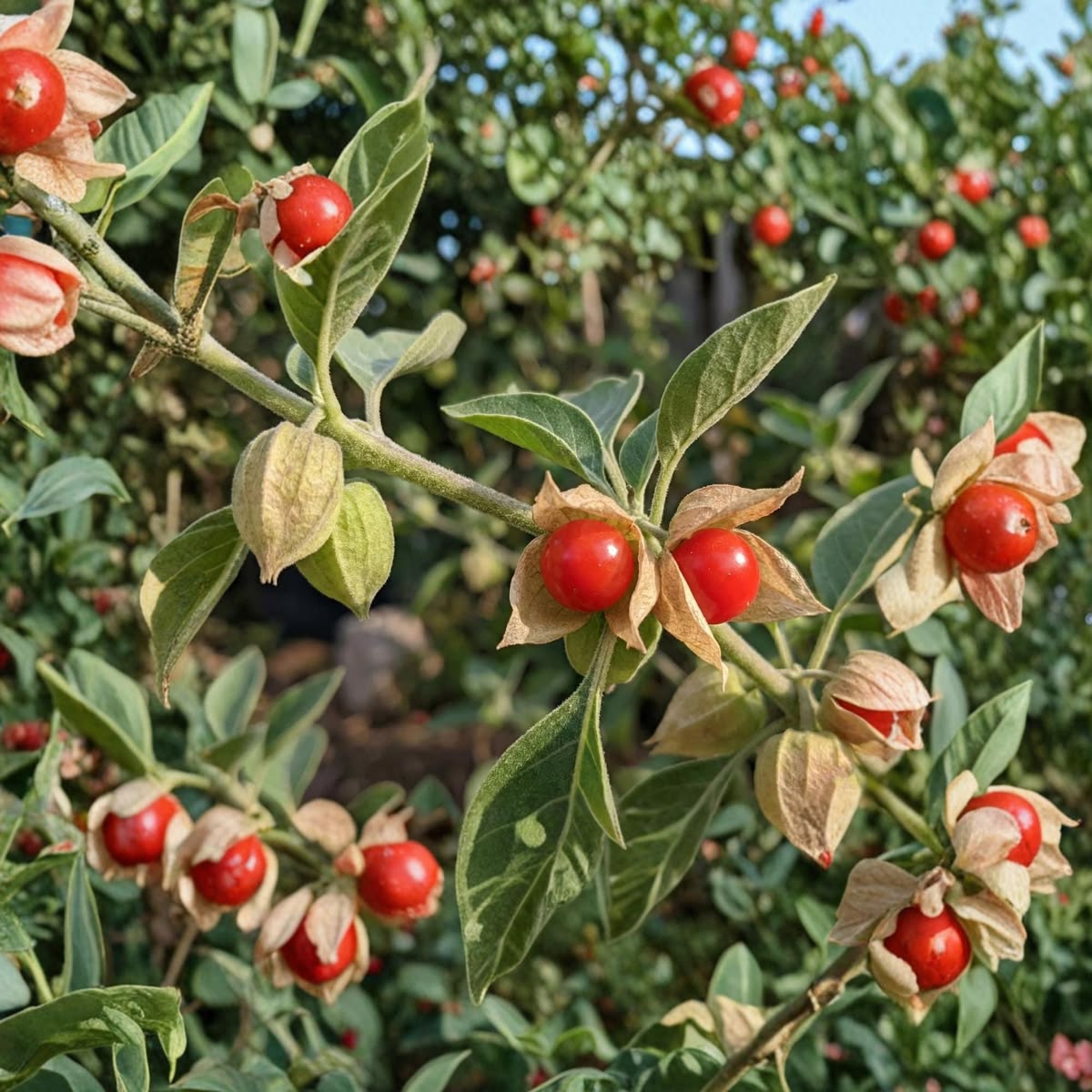
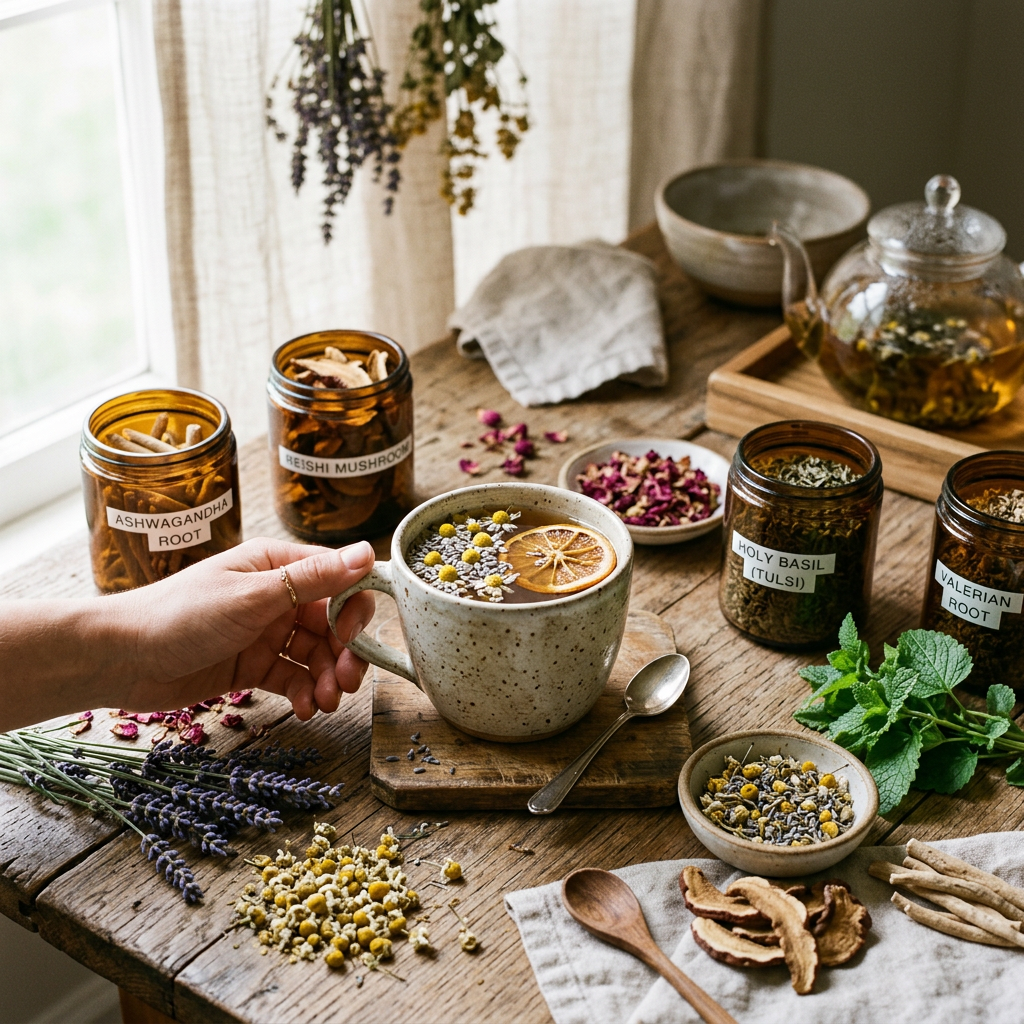

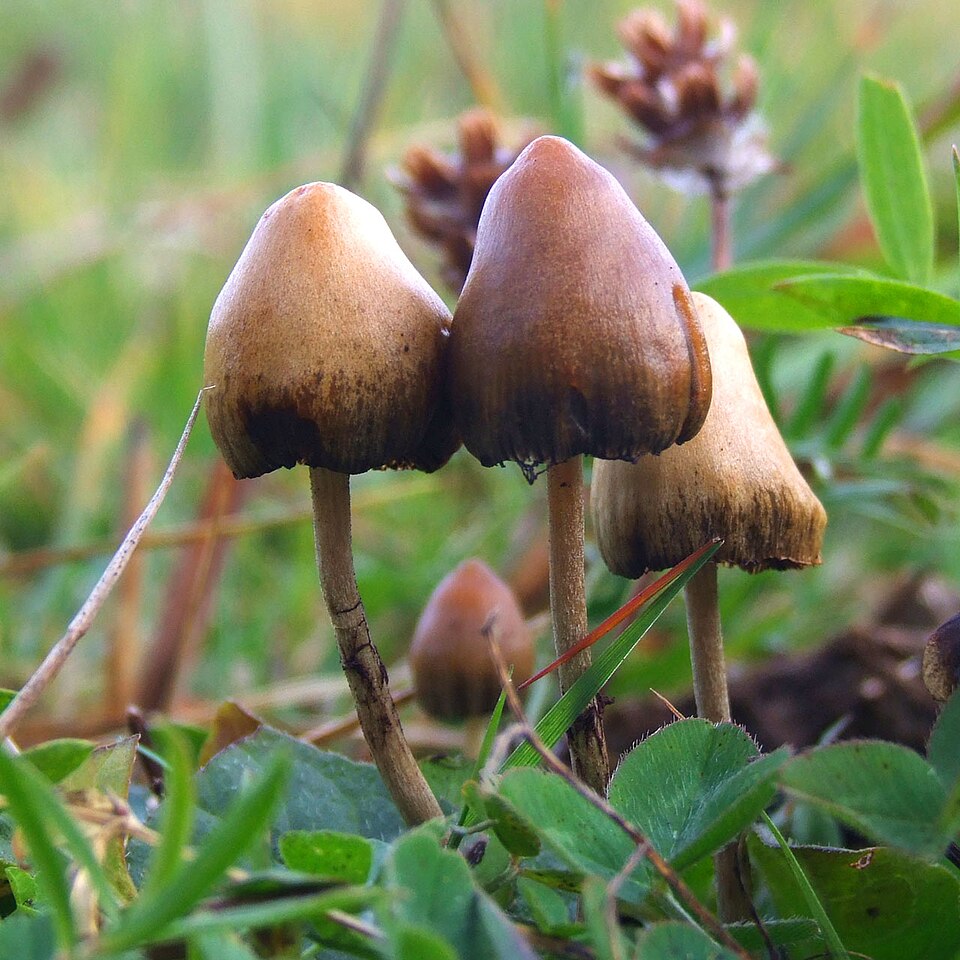









Discover the Power of Plant Medicine: A Comprehensive Guide
Vital Spirit Medica’s Site Navigation Tool This Comprehensive guide on plant medicine serves as Vital Spirit Medica’s Site Navigation Tool, the central pillar and authoritative hub. Here you will find a detailed map that honors both ancient traditions and rigorous modern research. Every monograph in our repository connects back to this guide, creating a complete…
Keep reading

Vital Spirit Medica’s A~Z Plant Repository
A Medicinal Plants Library Welcome, seekers and kindred spirits. 🌿For too long, the living wisdom of the plant world has been filtered through a marketplace that too often bends truth for profit. Names of respected herbalists are borrowed, traditional knowledge stretched or simplified, and potent remedies packaged into promises that rarely honor the full depth…
Keep reading




Leave a Reply