Arabic Gum: Nature’s Healing & Cultural Treasure
👈Note on This Monograph:👇
Note on This Monograph: This extensive entry uses the full 8-part structure, offering a deep, interdisciplinary exploration of Arabic Gum (Acacia senegal)— weaving together modern scientific evidence, traditional and ethnobotanical wisdom, practical cultivation and preparation guidance, and its living spiritual essence. Drawing from clinical studies, historical texts, indigenous knowledge, and esoteric traditions, it serves as a comprehensive resource for holistic understanding and respectful relationship with this powerful plant ally. Please work with trained professionals for therapeutic applications.
“Our Commitment to Transparent Research”
Unlike many herbal resources that offer generalized information with little or no backing, we provide direct links to every source we reference. This allows you to verify claims, explore topics in greater depth, and trust that what you’re reading is grounded in both modern science and time-honored tradition.
Section-specific Sources lists
Most monographs include dedicated “Sources:” sections at the end of major topics (e.g., Sources: Phytotherapy, Sources: Historical and Cultural Significance, Sources: Pharmacology). These contain direct, clickable links to the original material. We created this level of transparency so the research can serve you. Here are some ways readers use our sourced monographs: Anyone seeking truth — Verify claims for yourself instead of taking information at face value. Students & Researchers — Use the references for papers, assignments, or deeper study. Herbalists & Practitioners — Cite sources when educating clients or in professional materials. Curious Explorers — Follow the links to read original studies or historical texts yourself. Writers & Educators — Reference our monographs (with attribution), knowing the information is traceable.

“AT A GLANCE”
Harvested from the thorny branches of Acacia Senegal, Arabic Gum is a time-honored demulcent, prebiotic, and gentle astringent. Traditional healers across Africa and the Near East have long used its soft, water-soluble tears to calm inflamed tissues, support digestion and kidney function, and form a protective film over wounds—qualities now echoed in contemporary clinical observations of metabolic and gut health. Known in antiquity as the Tree of Life and the dwelling of Osiris, Acacia Senegal yields Arabic Gum—a solar, airy binder of worlds. Its clear tears purify space, seal intention, open psychic clarity, and whisper of immortality, offering soft protection and luminous coherence to those who approach with reverence. Arabic Gum, the golden tears of Acacia Senegal (Senegalia Senegal), is a living gift of the Sahel. For over four thousand years, this resilient desert tree has offered its protective mucilage to soothe body, mind, and spirit—binding wounds and intentions alike, restoring soil, nourishing communities, and carrying the ancient frequency of renewal from Egyptian tombs to modern prebiotic science. Arabic Gum from Acacia Senegal (Senegalia Senegal) remains one of nature’s most versatile hydrocolloids. Valued globally as a clean-label emulsifier, stabilizer, and soluble fiber (E414), it bridges ancient desert wisdom with today’s food, pharmaceutical, cosmetic, and ecological applications—proof that a single tree can nourish both body and planet.

Provides an overview of key points.
👈At A Glance: Arabic Gum (Acacia senegal / Senegalia senegal)*👇
Scientific Name: Senegalia senegal (L.) Britton (syn. Acacia senegal (L.) Willd.; basionym Mimosa senegal L.)
Family: Fabaceae (Leguminosae / pea family); subfamily Caesalpinioideae (mimosoid clade)
Common Names: Gum Arabic tree, gum acacia, Sudan gum / Sudan gum arabic, hashab (Sudan), Senegal gum, three-thorned acacia, kher / khor / kumta / kumatiya (India), gommier / gommier blanc (French), and numerous local African names (e.g., tur, tulh, harheyr).
Botanical Description
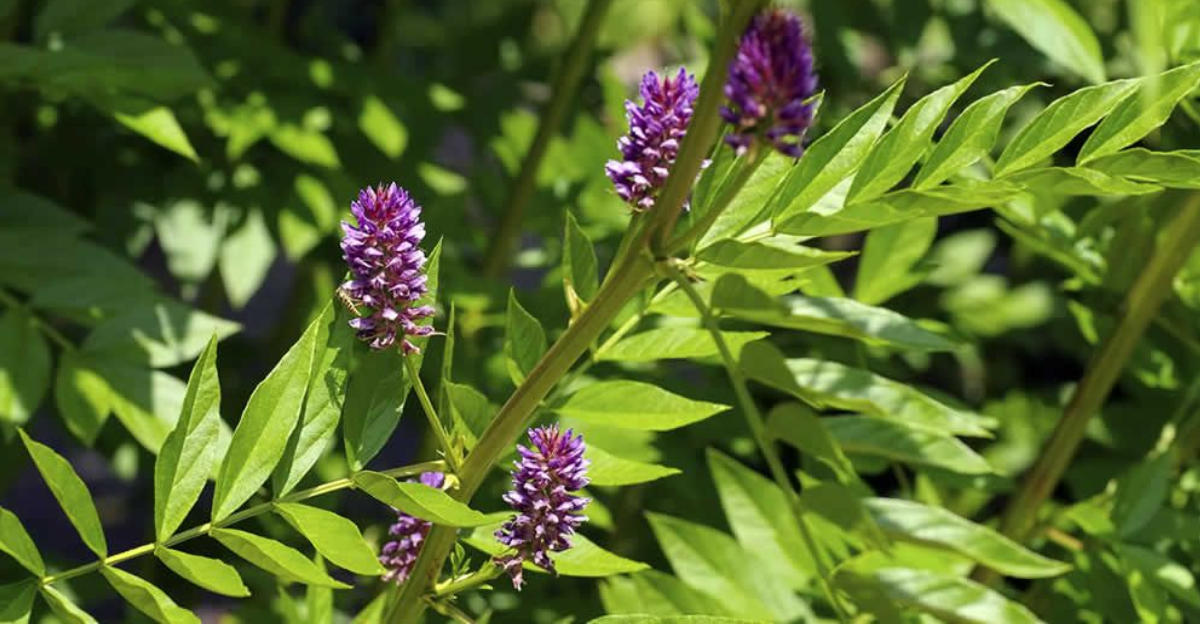
Senegalia senegal is a drought-resistant, deciduous, spiny shrub or small tree typically 2–12 m (occasionally to 15 m) tall, with a short trunk (to ~30 cm diameter) and a flattened, rounded, or irregular crown. Bark is yellowish-brown to grey/blackish, smooth on young trees and becoming dark, gnarled, cracked, or papery-peeling on older ones. Branchlets bear sharp prickles (usually in threes just below nodes: central one hooked downward, laterals upward; or solitary). Leaves are alternate, bipinnate, 3.5–8 cm long, with 3–8 (rarely more) pairs of pinnae and 7–25 pairs of small leaflets (1–9 mm × 0.5–3 mm). Flowers are white to cream, fragrant, in axillary spikes 2–12 cm long. Fruits are flat, oblong, dehiscent, yellowish- to brown pods (2–19 cm × 1–3.5 cm), containing 2–7 (up to ~8) subcircular-lenticular seeds.
Native to arid/semi-arid regions of Sub-Saharan Africa (Sahel belt from Senegal/Mauritania to Sudan/Ethiopia/Somalia and southward), plus Oman, Pakistan, and western India. It thrives in rainfall of ~100–800 mm/year (mainly 200–400 mm), on poor sandy/rocky soils (pH 5–8), at altitudes 100–1,950 m, and tolerates extreme heat, drought, and sandstorms. It is nitrogen-fixing via root nodules.
Phytochemistry
Gum Arabic is a complex, branched arabinogalactan-protein (AGP) hydrocolloid (mainly calcium, magnesium, and potassium salts of “Arabic acid”). The polysaccharide backbone consists of 1,3-linked β-D-galactopyranosyl units, highly branched (especially at O-6) with side chains containing β-D-galactose, α-L-arabinofuranose, α-L-rhamnopyranose, β-D-glucuronic acid, and 4-O-methylglucuronic acid. Composition (approximate, variable by source/season): galactose ~36–42%, arabinose ~24–30%, rhamnose ~12–16%, glucuronic acids ~15–18%, protein ~2–3% (higher in S. senegal/hashab than Vachellia seyal/talha), with minerals. Fractions include arabinogalactan (~90%), AGP (~10%), and glycoprotein. It is highly water-soluble, forming low-viscosity solutions with excellent emulsifying/stabilizing properties.
Western Traditional & Clinical Actions
Demulcent, emollient, astringent, prebiotic fiber, emulsifier/stabilizer. Historically used for sore throat, cough, diarrhea, inflammation of mucous membranes, and as a pharmaceutical binder/excipient. Modern observations support anti-inflammatory, antioxidant, lipid-modulating, glycemic, and oral-health effects (plaque/gingival reduction).
Chinese Medicine Actions
Not a classical TCM herb, but in contemporary cross-traditional interpretations (drawing on Western/Unani parallels): neutral to cool, moistening; clears heat, benefits Yin, restrains leakage; used for dry/sore throat, cough, gastric/intestinal irritation, diarrhea, urinary heat/irritation, and Yin-deficiency patterns with dryness. Externally for burns/wounds.
Traditional & Historical Uses
Used for >5,000 years. Ancient Egyptians employed it as an adhesive for paints, hieroglyphs, and mummification (as “kami”). Arabic physicians treated diverse ailments, giving rise to the name “gum Arabic.” In African traditional medicine (Sudan, Sahel, East Africa): gum, bark, leaves, and roots for diarrhea, dysentery, cough, sore throat, eye infections, urinary tract issues, gonorrhea, wounds, burns, joint pain, and as a demulcent. Also used for tanning, dyeing, ink, and food. Sudanese “hashab” gum is prized.
Modern Pharmacological Evidence
Antioxidant (scavenges free radicals, improves total antioxidant capacity); anti-inflammatory (reduces CRP and other markers); prebiotic (fermented to short-chain fatty acids, modulates gut microbiota); hypoglycemic/lipid-lowering; renal-protective; antimicrobial (especially oral pathogens); supports enamel remineralization (calcium/phosphate content); potential immunomodulatory and cytoprotective effects. Mechanisms involve AGP fractions, viscosity, and fermentation products.
Clinical Studies
Systematic reviews of trials (up to ~40 studies) show benefits in metabolic syndrome/type 2 diabetes (reduced BMI, visceral fat, fasting glucose, HbA1c, blood pressure, improved lipids/adiponectin); sickle-cell anemia (antioxidant, reduced inflammation); rheumatoid arthritis (lower inflammatory markers, joint symptoms); oral health (plaque, gingivitis, periodontitis reduction); gastrointestinal issues (improved stool consistency, reduced diarrhea/constipation symptoms); and kidney disease markers. Typical doses 10–30 g/day for 6–12 weeks. Effects are generally modest-to-moderate; larger confirmatory trials are ongoing.
Preparations & Dosage
Dried tears/nodules or powdered gum (food-grade). Dissolve in water (cold or warm) as a mucilage/drink; used in capsules, sachets, syrups, or as a food additive (E414). Clinical doses: 10–30 g/day (often 15–30 g split, e.g., dissolved in water on an empty stomach or with meals); start low (2–5 g) and titrate to minimize bloating. Traditional: aqueous solutions of nodules. Pharmaceutical: binder, emulsifier, tablet coating.
Safety & Contraindications
Generally recognized as safe (GRAS by FDA; ADI “not specified” by JECFA/EFSA). Well-tolerated up to 30 g/day in adults; high doses may cause transient flatulence, bloating, or mild GI discomfort (usually resolves). Rare allergic reactions (hypersensitivity, especially in atopic individuals). Avoid or use caution in pregnancy/lactation due to limited data. Potential theoretical delay in absorption of co-administered oral drugs (separate by 1–2 hours). No major toxicity in subchronic/carcinogenicity studies. Safe for most as food additive or fiber supplement.
Cultivation & Harvest
Propagated by seed (hard-coated; scarify or soak; 7,000–19,000 seeds/kg; viable years under cool/dry storage) or tissue culture. Plant in pits or directly; protect from fire/grazing initially. Grown in agroforestry “gum gardens” or bush-fallow systems (e.g., 20-year rotations in Sudan: crops + young trees, then productive gum phase). Tapping begins at 4–5 years (peak 7–15 years): strip bark in dry season (post-leaf-fall, ~Oct–Nov in Sudan) with specialized tools; gum exudes and hardens in 3–8 weeks; collect clean nodules. Sustainable management is key; trees also provide fodder, fuel, and soil improvement.
Commercial Products
Food additive (E414/I414): emulsifier, stabilizer, thickener, fiber in beverages, confectionery, ice cream, baked goods, etc. Pharmaceutical excipient (tablets, syrups, emulsions). Cosmetics (adhesive, binder). Dietary supplements (powder, capsules for fiber/prebiotic). Specialty: watercolor medium, ink, adhesives. Major producers: Sudan (highest-quality hashab), Chad, Nigeria, Senegal, Mali. Global trade supports Sahel livelihoods.
Ethnobotanical Curiosities
Linked to ancient Egyptian mummification and painting; biblical “shittim wood” associations with related acacias. In Sahel cultures, gum gardens are multi-generational livelihood systems combining food crops, livestock, and gum. Folk remedies include chewing for oral health or aqueous solutions for stomach upset. The “Gum Wars” of colonial eras reflected its economic value. Related species yield inferior “talha” gum.
Recent Research (2020–2025)
Clinical evidence continues to support metabolic (glucose/lipid/weight), anti-inflammatory, prebiotic, oral-health, sickle-cell, and renal benefits. Network pharmacology and experimental work explore diabetic wound healing (AGEs-NF-κB-NLRP3 axis), microbiome modulation, and potential anticancer or other bioactivities of fractions. Reviews synthesize 29–40 trials; studies on formulation (e.g., gels, chewing gums) and sustainable production persist amid climate and conflict challenges in producer regions.
Conservation Status
Least Concern (IUCN criteria / regional assessments); not threatened globally. Widespread and economically managed, though local pressures (land conversion, drought, fuelwood, over-tapping in some areas) exist. Seeds conserved in banks (e.g., Kew Millennium Seed Bank); agroforestry and sustainable harvesting support populations.
DIY Recipes
Simple mucilage/drink (prebiotic): Dissolve 5–15 g food-grade powder or crushed tears in 200–250 mL warm water; stir until smooth; drink daily (start low).
Gomme syrup (classic cocktail/sweetener): Heat 60 mL water nearly to boil; stir in 30 g gum arabic powder; stand 2–3 h until paste forms. Separately dissolve 200–300 g sugar in 120 mL water; simmer; blend in gum paste; simmer 5 min, cool, strain, refrigerate. Use 1:1 or richer in drinks.
Watercolor medium: 1 part gum powder: 2–3 parts hot water; dissolve, strain, optional glycerin; refrigerate.
Always use food-grade material; consult a healthcare provider for therapeutic use.
X (Twitter) Snapshot – Recent / around late 2025–2026
Posts highlight ongoing research (e.g., genetic improvement of Acacia/gum Arabic species at Nigerian institutes; bioactive compounds and prostate-cancer cell studies presented at conferences), the critical role of Sudanese gum Arabic in global food/pharma supply chains amid regional conflict, traditional folk uses (e.g., stomach remedies), and its historical presence in art conservation and ancient binders. Sustainable production and livelihood aspects remain recurring themes.
Gum Arabic remains a versatile, safe natural product bridging ancient traditions, modern industry, and emerging evidence-based health applications.
Planting & Harvesting Reference Guide
👈Planting & Harvesting Reference Guide:👇
Arabic Gum (Acacia Senegal / Senegalia Senegal) – Planting & Harvesting Reference Guide
- Best Time for Planting
- Beginning of the rainy season in suitable semi-arid to arid climates (typically when soils receive first reliable moisture).
- Direct sowing or nursery transplant after scarifying or soaking the hard-coated seeds; one kilogram contains roughly 7,000–19,000 seeds.
- Seeds remain viable up to seven years when stored cool and dry; collect mature pods in the dry season, dry in shade, thresh, and clean before storage or sowing.
- Preferred under waxing Moon phases for strong establishment, aligning with the plant’s solar and airy nature.
- Growing Conditions & Magical Minded Tips
- Well-drained sandy, rocky, or fossil-dune soils; annual rainfall ideally 200–800 mm (optimal around 300–400 mm); pH 5–8; highly drought- and heat-tolerant but sensitive to frost and waterlogging.
- Planting densities of approximately 200–625 trees per hectare in agroforestry or pure stands; lower densities (around 200–400/ha) when intercropped with cereals or groundnuts.
- Traditional 20–25-year bush-fallow systems integrate 4–5 years of cropping with 15–20 years of Acacia senegal dominance to restore soil.
- Protect young plants from fire, uncontrolled grazing, and weed competition for the first two years.
- Whisper gratitude to the desert spirits and the living tree when setting roots; offer a few drops of water, a pinch of grain, or simple thanks. Approach as a resilient elder that returns nitrogen and holds the dunes.
- Best Time for Harvesting Gum
- Trees are ready for first tapping at 4–6 years of age; peak production is typically between 7 and 15 years.
- Begin at the onset of the dry season after leaf fall (commonly late October or early November through the dry months, depending on local rainfall patterns).
- Prefer waxing to full Moon phases for increased yield and energetic potency, or any clear dry-season period when the grass beneath the trees begins to dry.
- Sustainable & Magical Harvesting Methods
- Make shallow longitudinal or angled incisions only on branches greater than about 5 cm in diameter; avoid deep cambial damage and never over-tap the same area in one season.
- Allow the exudate to harden for 2–4 weeks, then collect every 10 days for 6–8 rounds using clean tools and cloth sacks; keep Acacia Senegal (hashab) gum strictly separate from Vachellia Seyal (talha) gum.
- Take only what the tree freely yields; limit cuts so the same individuals continue producing for many years.
- Ask permission of the tree’s spirit before cutting; harvest with the receiving (left) hand while offering water, grain, or quiet thanks with the right. Sing or speak softly: “I ask only what you freely give, O Binder of Worlds.”
- Work with clean equipment and avoid ground contact to prevent contamination, honoring both practical hygiene and reciprocity with the living resource.
- Post-Harvest Processing
- Air-dry the hardened tears or nodules in clean, shaded conditions away from direct intense sun and dust.
- Sort by size, color, and purity; store in cool, dry, sealed containers (glass or food-grade vessels) away from moisture and strong odors.
- For magical storage, place a small solar symbol or intention note with the gum so its clarifying and binding virtues remain coherent.
- Grind or dissolve only as needed for culinary, medicinal, or ritual preparations.
This guide consolidates all planting, cultivation, tapping, and harvesting details mentioned across the SPARK sections for quick, practical reference. Always prioritize ethical, sustainable practices to honor the plant’s spirit and ensure its continued abundance.

Part 1: Modern Medical Properties and Uses

Purpose: Highlights the plant’s scientific and medicinal properties, validating holistic healing with evidence-based data.
Contemporary Medical Applications:
Describes current clinical uses (e.g., capsules, tinctures) and delivery methods in modern medicine.
👈Contemporary Medical Applications:👇
Contemporary Medical Applications:
- Clinical protocols frequently employ pure food-grade Arabic Gum powder dissolved in water or mixed into beverages at daily intakes of 20–30 grams, divided into two doses, for managing metabolic syndrome parameters including reductions in systolic and diastolic blood pressure, fasting plasma glucose, and body adiposity indices over 12-week periods in randomized trials involving adults at risk of metabolic disorders.
- In sickle cell anemia management, oral administration of 30 grams daily of Acacia senegal-derived gum for 12 weeks has been investigated as a supportive intervention, demonstrating measurable increases in total antioxidant capacity alongside decreases in oxidative stress markers such as malondialdehyde, offering a natural adjunct to conventional care without reported severe adverse events in phase II evaluations.
- Topical and oral applications appear in periodontal and gingival care formulations, where Arabic Gum powders or gels serve as adjuncts to scaling procedures, contributing to reduced plaque accumulation, lower gingival inflammation scores, and improved clinical parameters through its demulcent and mild antibacterial surface properties observed in controlled human studies.
- Pharmaceutical delivery methods incorporate Arabic Gum as an emulsifier, binder, and film-forming agent in tablet coatings, syrups, and sustained-release matrices, leveraging its high solubility and low viscosity to stabilize active ingredients and enhance patient compliance in formulations for gastrointestinal and systemic support.
- Wound-care preparations utilize aqueous mucilages or gels of the gum for topical application on burns, irritated mucous membranes, and diabetic wounds, capitalizing on its protective film-forming capacity and observed acceleration of tissue repair processes documented in both clinical observations and experimental models.
- Gastrointestinal symptom relief protocols recommend dissolving 10–20 grams of powdered gum in warm water as a daily demulcent drink, supporting improved stool consistency, reduced bloating perception, and better bowel movement quality in individuals with metabolic or digestive imbalances according to randomized controlled findings.
- Encapsulation and sachet-based supplements containing 15-gram portions of purified Acacia senegal gum enable precise dosing for prebiotic and metabolic support, commonly taken on an empty stomach or with meals to optimize colonic fermentation while maintaining the material’s status as a generally recognized safe food additive across regulatory frameworks.
Sources: Contemporary Medical Applications
https://pmc.ncbi.nlm.nih.gov/articles/PMC9855968/
https://pmc.ncbi.nlm.nih.gov/articles/PMC7826716/
https://www.drugs.com/npp/acacia-gum.html
https://ingredients.hermeticasuperfoods.com/ingredients/gum-arabic-tree-acacia-senegal
https://www.tandfonline.com/doi/abs/10.1080/22311866.2025.2533171
https://link.springer.com/article/10.1186/s12878-015-0040-6
https://pmc.ncbi.nlm.nih.gov/articles/PMC5356407/
Pharmacology:
Outlines key compounds and their mechanisms of action, driving therapeutic effects.
👈Pharmacology:👇
Pharmacology:
- The arabinogalactan-protein complex within Arabic Gum exerts prebiotic activity by resisting small-intestinal digestion and undergoing fermentation by colonic microbiota, yielding short-chain fatty acids that modulate gut barrier integrity, influence satiety signaling, and contribute to systemic metabolic improvements observed across human and experimental models.
- Antioxidant mechanisms involve elevation of endogenous enzyme activities including superoxide dismutase, catalase, and glutathione peroxidase, alongside direct scavenging of reactive oxygen species, resulting in lowered malondialdehyde and hydrogen peroxide levels that protect cellular structures in conditions characterized by elevated oxidative burden such as sickle cell anemia.
- Anti-inflammatory actions proceed through downregulation of pro-inflammatory cytokines including tumor necrosis factor-alpha, interleukin-6, and C-reactive protein, together with attenuation of nuclear factor-kappa B pathway activation, thereby reducing joint swelling scores in rheumatoid arthritis cohorts and systemic inflammation markers in metabolic trials.
- Hypoglycemic and lipid-modulating effects arise from delayed gastric emptying, reduced intestinal carbohydrate absorption, and improved insulin sensitivity pathways, producing measurable declines in fasting glucose, HbA1c, LDL cholesterol, and triglycerides while elevating HDL fractions in type 2 diabetes and metabolic syndrome participants.
- Renal protective pharmacology includes binding of urea and other nitrogenous wastes within the intestinal lumen, facilitating increased fecal excretion and supporting residual renal function parameters, as evidenced by lowered serum urea, creatinine, and phosphorus alongside improved calcium balance in chronic kidney disease contexts.
- Quorum-sensing interference and mild antibacterial properties target periodontal pathogens by disrupting biofilm formation and autoinducer signaling, complementing mechanical oral hygiene and contributing to reduced plaque and gingival indices without broad-spectrum antibiotic drawbacks.
- Wound-healing pharmacology engages the AGEs-NF-κB-NLRP3 axis modulation, promoting angiogenesis, collagen deposition, and keratinocyte migration while suppressing oxidative and inflammatory cascades that impede repair in diabetic tissue models.
Sources: Pharmacology:
https://pmc.ncbi.nlm.nih.gov/articles/PMC8874428/
https://pmc.ncbi.nlm.nih.gov/articles/PMC3562323/
https://pmc.ncbi.nlm.nih.gov/articles/PMC11882529/
https://www.frontiersin.org/journals/immunology/articles/10.3389/fimmu.2026.1812170/full
https://pmc.ncbi.nlm.nih.gov/articles/PMC11493777/
https://link.springer.com/rwe/10.1007/978-3-319-78030-6_11
https://onlinelibrary.wiley.com/doi/full/10.1002/ptr.8125
Natural Medicine Studies:
Summarizes recent research on efficacy, safety, or clinical outcomes from peer-reviewed studies.
👈Natural Medicine Studies:👇
Natural Medicine Studies:
- A systematic review encompassing twenty-nine clinical trials concluded that Arabic Gum consistently alters lipid profiles, reduces blood pressure and inflammatory markers, improves plaque and gingival scores, and supports metabolic and renal parameters across diverse populations from Africa, Asia, Europe, and North America when administered at 10–40 grams daily.
- Randomized placebo-controlled trials in type 2 diabetes and metabolic syndrome cohorts receiving 20–30 grams daily of Acacia senegal gum for three months documented statistically significant reductions in body mass index, visceral adiposity index, systolic blood pressure, and fasting plasma glucose, accompanied by enhanced satiety and dietary fiber intake without serious adverse events.
- Phase II interventional studies in sickle cell anemia patients (ages 5–42) administering 30 grams daily for twelve weeks demonstrated significant elevations in fetal hemoglobin, mean corpuscular volume, hematocrit, and total antioxidant capacity, concurrent with reductions in oxidative markers and selected lipid fractions.
- Controlled evaluations of Arabic Gum as an adjunct in chronic periodontitis and gingivitis reported meaningful decreases in gingival index, bleeding on probing, and plaque scores when used as powder, gel, or chewing formulations alongside standard scaling, highlighting its antibacterial and anti-inflammatory contributions to oral ecology.
- Rheumatoid arthritis cohorts receiving 30 grams daily oral gum for twelve weeks exhibited lowered serum tumor necrosis factor-alpha, erythrocyte sedimentation rate, and counts of swollen and tender joints, supporting its immunomodulatory potential in inflammatory joint conditions.
- Gastrointestinal-focused trials confirmed improvements in stool consistency, reductions in self-perceived bloating, and better quality of bowel movements following 20-gram daily intakes, consistent with its fermentable fiber and demulcent properties across metabolic syndrome participants.
- Emerging wound and residual renal function investigations, including ongoing dialysis patient protocols, continue to explore Arabic Gum’s capacity to accelerate tissue repair and preserve residual kidney metrics through antioxidant and binding mechanisms documented in both preclinical and early clinical settings.
Sources: Natural Medicine Studies:
https://pmc.ncbi.nlm.nih.gov/articles/PMC9855968/
https://pmc.ncbi.nlm.nih.gov/articles/PMC7826716/
https://link.springer.com/article/10.1186/s12878-015-0040-6
https://pmc.ncbi.nlm.nih.gov/articles/PMC5356407/
https://www.tandfonline.com/doi/abs/10.1080/22311866.2025.2533171
https://clinicaltrials.gov/study/NCT06836206
https://www.drugs.com/npp/acacia-gum.html
Chemistry:
Details active chemical constituents (e.g., alkaloids, flavonoids) and their healing roles.
👈Chemistry:👇
Chemistry:
- Arabic Gum consists predominantly of a highly branched arabinogalactan-protein complex in which the polysaccharide backbone comprises 1,3-linked β-D-galactopyranosyl units extensively substituted at the O-6 position by side chains containing galactose, arabinose, rhamnose, and glucuronic acid residues, forming the structural basis for its hydrocolloid behavior.
- Typical monosaccharide composition of Acacia senegal-derived material includes approximately 35–42 percent galactose, 24–30 percent arabinose, 12–16 percent rhamnose, and 15–18 percent glucuronic acids (including 4-O-methylglucuronic acid), with minor variation attributable to geographic origin, season, and processing.
- Protein content generally ranges from 1.5–3 percent and is enriched in hydroxyproline, serine, proline, and leucine residues; these protein moieties covalently link to the carbohydrate domains, creating distinct fractions identified by hydrophobic interaction chromatography.
- Three primary molecular fractions are recognized: arabinogalactan (approximately 88–90 percent of mass, low protein, molecular weight near 300 kDa), arabinogalactan-protein (approximately 10 percent, higher protein, molecular weight near 1.5 million Da), and glycoprotein (1–2 percent, highest protein content), each contributing differentially to emulsifying and bioactive properties.
- The gum occurs naturally as mixed calcium, magnesium, and potassium salts of the acidic polysaccharide, conferring polyelectrolyte character that underpins high water solubility, low viscosity even at elevated concentrations, and excellent film-forming capacity.
- Structural variability between Acacia senegal (hashab) and related species such as Vachellia seyal (talha) includes differences in arabinose-to-galactose ratios, rhamnose content, and protein levels, with senegal material generally preferred for food-grade and higher-protein applications.
- Partial hydrolysis and advanced chromatographic techniques continue to refine understanding of terminal oligosaccharide motifs, confirming the hyperbranched architecture responsible for both technological functionality and biological interactions within the gastrointestinal tract.
Sources: Chemistry:
https://pmc.ncbi.nlm.nih.gov/articles/PMC8874428/
https://www.researchgate.net/publication/23248941_New_Insights_into_the_Structural_Characteristics_of_the_Arabinogalactan-Protein_AGP_Fraction_of_Gum_Arabic
https://link.springer.com/rwe/10.1007/978-3-319-78030-6_11
https://www.sciencedirect.com/science/article/pii/S0268005X26000925
https://www.researchgate.net/publication/321583707_Chemistry_Biological_and_Pharmacological_Properties_of_Gum_Arabic
https://pmc.ncbi.nlm.nih.gov/articles/PMC11493777/
Functional Foods and Nutrition:
Highlights dietary uses (e.g., teas, supplements) in modern health practices.
👈Functional Foods and Nutrition:👇
Functional Foods and Nutrition:
- Recognized as a soluble dietary fiber and food additive (E414), Arabic Gum functions as an emulsifier, stabilizer, and thickener in beverages, confectionery, ice creams, and baked goods, simultaneously contributing fermentable fiber that supports colonic microbiota without substantially elevating caloric density.
- Daily supplemental incorporation of 10–30 grams as powder mixed into water, tea, yogurt, or smoothies provides a practical means of increasing soluble fiber intake, promoting short-chain fatty acid production, and assisting satiety and glycemic modulation in metabolic health regimens.
- Traditional aqueous preparations involve dissolving whole gum tears or powder in warm water to create a mucilaginous drink historically and contemporarily used for digestive comfort and general nutritional support across Sahelian and Sudanese communities.
- In functional food product development, the gum enhances texture and shelf stability of low-fat formulations while delivering prebiotic benefits that favor beneficial bacterial genera, thereby linking technological utility with measurable nutritional outcomes.
- Encapsulation technologies employ Arabic Gum as a wall material for protecting sensitive nutrients and probiotics, improving delivery of bioactive compounds through the digestive tract and expanding its roleperto within fortified food systems.
- Nutritional analyses confirm its low protein and fat content alongside high complex carbohydrate fractions, positioning it as a suitable ingredient for calorie-conscious and fiber-enriched dietary patterns without introducing strong flavors that could limit consumer acceptance.
- Regulatory acceptance as a generally recognized safe substance across major food authorities enables widespread inclusion in everyday products, allowing cumulative fiber contributions that align with broader public health recommendations for increased plant-derived soluble fiber consumption.
Sources: Functional Foods and Nutrition:
https://ingredients.hermeticasuperfoods.com/ingredients/gum-arabic-tree-acacia-senegal
https://www.drugs.com/npp/acacia-gum.html
https://pmc.ncbi.nlm.nih.gov/articles/PMC9855968/
https://link.springer.com/rwe/10.1007/978-3-319-78030-6_11
https://www.tandfonline.com/doi/abs/10.1080/22311866.2025.2533171
https://pmc.ncbi.nlm.nih.gov/articles/PMC7826716/
Current Projects and Future Possibilities:
Notes ongoing research, clinical trials, or innovative medical applications.
👈Current Projects and Future Possibilities:👇
Current Projects and Future Possibilities:
- Ongoing clinical trials are examining Arabic Gum’s influence on residual renal function in adult dialysis patients, seeking to quantify potential preservation of kidney metrics through its urea-binding and anti-inflammatory actions in end-stage renal disease populations.
- Network pharmacology and experimental validation studies continue to map molecular targets within the AGEs-NF-κB-NLRP3 axis, opening avenues for specialized formulations aimed at accelerating diabetic wound healing via combined antioxidant, pro-angiogenic, and anti-inflammatory mechanisms.
- Research into quorum-quenching applications explores Arabic Gum as a natural adjunct for periodontal disease management, potentially reducing reliance on conventional antimicrobials by disrupting bacterial communication and biofilm integrity in oral environments.
- Immunomodulatory investigations are expanding understanding of cytokine regulation, phagocytic enhancement, and gut–immune axis interactions, positioning the gum for future supportive roles in inflammatory and autoimmune contexts.
- Formulation science projects focus on optimizing liposomal and hydrogel delivery systems that incorporate Arabic Gum as a stabilizer or matrix component, enhancing bioavailability of co-administered plant actives and creating synergistic topical or oral products.
- Sustainable agroforestry and genetic improvement initiatives in producer regions aim to increase yield consistency and quality of Acacia senegal gum, ensuring long-term supply for both industrial and therapeutic applications while supporting local livelihoods.
- Exploratory work on cognitive, cholesterol absorption, and microbiome diversity endpoints seeks to broaden the evidence base, potentially establishing standardized dosing protocols and novel functional food categories that leverage the gum’s unique physicochemical and biological profile.
Sources: Current Projects and Future Possibilities:
https://clinicaltrials.gov/study/NCT06836206
https://pmc.ncbi.nlm.nih.gov/articles/PMC11882529/
https://pmc.ncbi.nlm.nih.gov/articles/PMC11493777/
https://www.frontiersin.org/journals/immunology/articles/10.3389/fimmu.2026.1812170/full
https://www.tandfonline.com/doi/abs/10.1080/22311866.2025.2533171
https://pmc.ncbi.nlm.nih.gov/articles/PMC9855968/
https://www.herbalgram.org/resources/herbmedpro/herb-list/acacia-gum
Literary Mentions:
References modern medical texts or studies citing the plant’s therapeutic use.
👈Literary Mentions:👇
Literary Mentions:in ancient texts
- Ancient Egyptian records from as early as the second millennium BCE and the Third Dynasty reference the use of gum (known then as “kami”) as an adhesive for wrapping mummies and as a binder in mineral paints for hieroglyphic inscriptions, establishing one of the earliest documented applications of Acacia-derived exudates in both ritual and practical contexts.
- Classical medical compilations, including works associated with Dioscorides, describe acacia gum as astringent and cooling, recommending its application for conditions involving inflammation of mucous membranes and as a demulcent agent, reflecting continuity of therapeutic recognition across Mediterranean and Near Eastern traditions.
- Medieval Arabic medical literature expanded upon these foundations, employing the gum extensively for a wide spectrum of internal and external remedies, thereby embedding the substance within the scholarly pharmacopeias that later influenced European herbal texts and pharmacy practice.
- Nineteenth- and twentieth-century pharmacognosy treatises and national pharmacopoeias consistently list gum Arabic as both a medicinal demulcent and a pharmaceutical excipient, citing its historical pedigree while documenting standardized identification and quality criteria for commercial and clinical use.
- Modern peer-reviewed reviews and monographs regularly reference the ancient Egyptian and classical applications when introducing contemporary clinical findings, thereby linking archaeological and textual evidence with current antioxidant, prebiotic, and metabolic research outcomes.
- Ethnobotanical surveys of Sahelian and Sudanese communities preserve oral and written accounts of aqueous gum preparations used for digestive comfort, oral health, and general vitality, illustrating uninterrupted cultural transmission of practical knowledge across millennia.
- Contemporary herbal databases and systematic reviews of clinical trials explicitly cite both the antiquity of use and the growing body of controlled human data, reinforcing the continuity between traditional wisdom and evidence-based validation of Arabic Gum’s multifaceted properties.
Sources: Literary Mentions:
https://link.springer.com/rwe/10.1007/978-3-319-78030-6_11
https://pmc.ncbi.nlm.nih.gov/articles/PMC8874428/
https://www.drugs.com/npp/acacia-gum.html
https://de.wikipedia.org/wiki/Gummi_arabicum
https://www.herbalgram.org/resources/herbmedpro/herb-list/acacia-gum
https://pmc.ncbi.nlm.nih.gov/articles/PMC9855968/
https://www.medicinetraditions.com/acacia-gum-arabic-pro/

Part 2: Plant Knowledge Systems

Purpose: Validates plant-based healing through interdisciplinary scientific and cultural fields.
Ethnobotany:
Explores the plant’s traditional uses across cultures, linking indigenous knowledge to modern applications.
👈Ethnobotany:👇
Ethnobotany:
- Across the Sahelian belt from Senegal and Mauritania eastward through Mali, Niger, Chad, Sudan, and into Ethiopia and Somalia, communities have long recognized every part of the Acacia Senegal tree as a multipurpose resource, with documented local knowledge encompassing more than forty distinct traditional applications that range from nutritional and medicinal to cultural and material uses; the gum itself is consumed fresh or dissolved as a digestive aid and general tonic, while bark decoctions address injuries, jaundice, and intestinal complaints, leaves and pods serve as livestock fodder, and the exudate functions as a binder in traditional inks for Quranic schools, thereby embedding the species deeply within daily livelihood systems that continue to inform contemporary interest in its soluble-fiber and demulcent properties.
- In North Kordofan and other Sudanese regions, rural tappers and households transmit intergenerational knowledge of Acacia Senegal (known locally as hashab) that includes the use of gum powder for stomach disorders and kidney support, bark for wound healing, and flowers or pods as supplemental forage, with oral traditions, poems, and proverbs actively reinforcing tree protection and conservation of hashab gardens; these practices illustrate how ethnobotanical wisdom simultaneously sustains ecological stewardship and economic resilience, paralleling modern clinical explorations of the gum’s antioxidant, prebiotic, and metabolic-supportive actions.
- Ancient Egyptian records dating to the first dynasty and subsequent dynasties describe the use of Acacia-derived gum (referred to as kami or komme) as an adhesive for mummification wrappings, a binder for mineral pigments in hieroglyphic painting, and an ingredient in medicinal and cosmetic preparations, establishing a continuous historical thread that extends through classical Mediterranean and Arabic medical literature into present-day global trade and pharmaceutical applications of the same exudate.
- In Indian and Arabian contexts the seeds of Acacia Senegal appear in regional dishes and the gum serves demulcent roles for respiratory, urinary, and gastrointestinal complaints, while West African pharmacopoeias record topical applications of the gummy exudate for burns, inflamed mucous membranes, and irritated nipples alongside internal use of bark, leaves, and gum for coughs, diarrhea, dysentery, gonorrhea, and eye infections, demonstrating a pan-regional pattern of utilization that modern systematic reviews of clinical trials now examine for measurable physiological effects.
- Ethnobotanical surveys in Benin and southeastern Sudan further group Acacia Senegal with plants valued for infectious-disease management and heart-related pains, with roots applied to wounds and leaves employed for sore throats and abdominal discomfort, reinforcing the species’ status as a culturally embedded healing resource whose traditional preparation methods—aqueous solutions, powders, and decoctions—align closely with contemporary delivery forms investigated in metabolic, oral-health, and inflammatory conditions.
Sources: Ethnobotany:
https://www.tropentag.de/2013/abstracts/full/576.pdf
https://powo.science.kew.org/taxon/urn:lsid:ipni.org:names:518304-1/general-information
https://www.researchgate.net/publication/339845887_A_Review_on_ethnobotanical_uses_biological_activities_and_phytochemical_aspects_of_Acacia_senegal_L_Willd_and_Acacia_seyal_Delile_Fabaceae
https://www.herbalgram.org/resources/herbalgram/issues/140/table-of-contents/hg140-herbprofil-acacia/
https://www.fao.org/4/V5360E/v5360e0l.htm
https://theconversation.com/la-gomme-arabique-issue-des-acacias-du-sahel-africain-est-utilisee-dans-des-centaines-de-produits-ce-quil-faut-savoir-229051
Plant Genomics:
Describes genetic studies of the plant, focusing on traits related to medicinal properties.
👈Plant Genomics:👇
Plant Genomics:
- The complete chloroplast genome of Senegalia Senegal has been sequenced and published, enabling comparative phylogenomic analyses with related Vachellia species and clarifying its placement within the revised generic system of the mimosoid clade; these organellar data support taxonomic refinements and provide molecular markers useful for tracing population history and adaptive traits linked to arid-zone survival and gum production.
- Phylogeographic studies employing nuclear internal transcribed spacer sequences together with chloroplast DNA markers (PCR-RFLP and cpSSR) across 66 populations spanning the species’ natural range reveal high haplotypic diversity, substantial historical gene flow via seed dispersal, and patterns of early colonization followed by more recent range expansion, offering genetic context for the morphological and physiological variation that underpins differences in gum yield and quality among provenances.
- Rangewide surveys of ploidy variation document both diploid and tetraploid populations of Acacia Senegal, with a notable north–south divide in DNA content and chromosome number that correlates with differences in phenology, drought response, and growth performance; these cytogenetic findings illuminate potential adaptive genetic mechanisms relevant to the species’ medicinal exudate production under fluctuating climatic conditions.
- Population-genetic analyses using nuclear and chloroplast microsatellites across West African Sudano-Sahelian stands demonstrate higher-than-expected nuclear diversity within populations and strong chloroplast differentiation, indicating complex colonization histories that inform conservation strategies aimed at preserving genetic resources associated with high-quality Arabic Gum production and related bioactive properties.
- Although a complete nuclear genome assembly for Senegalia Senegal remains limited in publicly available resources, ongoing phylogenomic work with hundreds of single-copy nuclear genes continues to refine understanding of infrageneric relationships and adaptive loci, laying groundwork for future functional studies that may connect specific genetic variants to arabinogalactan-protein composition and the therapeutic attributes of the gum.
Sources: Plant Genomics:
https://www.ncbi.nlm.nih.gov/nuccore/NC_045513.1
https://www.nature.com/articles/hdy201252
https://pmc.ncbi.nlm.nih.gov/articles/PMC4363475/
https://pmc.ncbi.nlm.nih.gov/articles/PMC5901919/
https://www.sciencedirect.com/science/article/pii/S2351989421005072
Phytotherapy:
Details the plant’s use in clinical herbal medicine, including therapeutic protocols.
👈Phytotherapy:👇
Phytotherapy:
- Clinical herbal protocols commonly administer purified Acacia Senegal gum as a daily oral powder at dosages of 20–30 grams, divided into two portions dissolved in water or mixed with food, for periods of six to twelve weeks to support metabolic parameters including reductions in body-mass index, visceral adiposity, fasting glucose, and blood pressure, reflecting its established role as a soluble-fiber demulcent with prebiotic activity.
- In supportive care for sickle-cell anemia, phytotherapeutic regimens employ 30 grams of Arabic Gum daily for twelve weeks, with observed increases in fetal hemoglobin, hematocrit, and total antioxidant capacity alongside decreases in oxidative markers, positioning the preparation as a complementary intervention within broader hematological management frameworks.
- Oral-health phytotherapy utilizes Arabic Gum powders, gels, or chewing formulations as adjuncts to mechanical debridement, targeting reductions in plaque accumulation, gingival inflammation, and bleeding scores through the material’s mild antibacterial, film-forming, and anti-inflammatory surface effects documented in controlled clinical settings.
- For gastrointestinal and inflammatory conditions, traditional-to-clinical protocols recommend aqueous mucilages prepared from whole tears or powder at moderate daily intakes to soothe mucous membranes, improve stool consistency, and modulate systemic inflammatory markers such as C-reactive protein and tumor necrosis factor-alpha, consistent with both historical demulcent use and contemporary trial outcomes.
- Rheumatoid-arthritis and renal-supportive applications in phytotherapy draw upon the same 30-gram daily oral dosage range over multi-week periods, reporting improvements in joint swelling indices, erythrocyte sedimentation rates, and selected nitrogenous-waste parameters, thereby integrating the gum into evidence-informed herbal strategies that emphasize its dual prebiotic and antioxidant contributions.
Sources: Phytotherapy:
https://www.drugs.com/npp/acacia-gum.html
https://ingredients.hermeticasuperfoods.com/ingredients/gum-arabic-tree-acacia-senegal
https://pmc.ncbi.nlm.nih.gov/articles/PMC9855968/
https://pmc.ncbi.nlm.nih.gov/articles/PMC7826716/
https://www.tandfonline.com/doi/abs/10.1080/22311866.2025.2533171
Ethnoecology:
Examines the plant’s ecological role in cultural practices and environmental interactions.
👈Ethnoecology:👇
Ethnoecology:
- Within Sahelian agroforestry systems, particularly the traditional bush-fallow “gum gardens” of Sudan and analogous practices in Senegal, Niger, and neighboring countries, Acacia Senegal functions as a keystone species that simultaneously restores soil fertility through nitrogen fixation, stabilizes sand dunes against desertification, supplies browse for livestock, and yields commercial Arabic Gum, thereby embedding the tree at the intersection of ecological resilience and cultural livelihood strategies that have sustained rural communities for generations.
- Local ecological knowledge in North Kordofan and the Ferlo region actively protects regenerating Acacia Senegal stands through customary rules, poems, and intergenerational transmission, recognizing the tree’s capacity to maintain relatively fertile soil patches conducive to cereal intercropping while providing fuelwood, fencing material, and honey forage, illustrating a sophisticated ethnoecological understanding of multipurpose woody resources in semi-arid landscapes.
- In Niger and broader West African projects focused on sustainable land management and carbon sequestration, communities living around gommeraies value Acacia Senegal for its role in enhancing soil fertility, serving as live hedges, and buffering climate variability, with surveyed populations identifying multiple socio-environmental services that reinforce the cultural practice of integrating the species into crop–livestock systems for long-term landscape health.
- The ecological niche of Acacia Senegal in dry savanna and Sahel transition zones—characterized by low rainfall, high temperatures, and nutrient-poor soils—has shaped cultural practices of selective tapping, controlled grazing, and rotational fallowing that both harvest the exudate and perpetuate the tree’s presence, creating a reciprocal relationship between human management and the plant’s capacity to fix nitrogen, modify microclimates, and support associated herbaceous biodiversity.
- Ethnoecological observations across the species’ range highlight its contribution to desertification control and windbreak functions, with pastoral and agricultural communities deliberately retaining or planting Acacia Senegal to protect cultivated fields and water points, thereby weaving the tree into cultural narratives of environmental stewardship that parallel modern conservation and agroforestry recommendations.
Sources: Ethnoecology:
https://winrock.org/factnet/fact-net-fact-sheets/acacia-senegal-gum-tree-with-promise-for-agroforestry/
https://qcat.wocat.net/af/wocat/technologies/view/technologies_1119/
https://www.researchgate.net/publication/393306986_Acacia_senegal_L_Willd_une_espece_polyvalente_dans_la_vie_des_communautes_vivant_autour_des_gommeraies_au_Niger
https://www.researchgate.net/publication/309637844_Association_de_cultures_Acacia_senegal-cereales_outil_de_resilience_aux_changements_climatiques_au_Niger
https://powo.science.kew.org/taxon/urn:lsid:ipni.org:names:518304-1/general-information
Anthroposophical Medicine:
Outlines the plant’s use in Steiner-inspired remedies, including preparation, studies, and dosage.
👈Anthroposophical Medicine:👇
Anthroposophical Medicine:
- Limited data exist concerning specific Anthroposophical Medicine applications or Rudolf Steiner-derived preparations centered on Acacia Senegal or Arabic Gum; the substance does not appear among the classical anthroposophic remedies detailed in foundational texts or the Anthroposophic Pharmaceutical Codex as a primary medicinal entity.
- In broader traditional and pharmaceutical contexts that occasionally intersect with anthroposophic practice, Arabic Gum is recognized as a demulcent mucilage capable of soothing irritated mucous membranes and serving as a pharmaceutical vehicle or binder, properties that align with general anthroposophic interest in plant substances that support the rhythmic and formative processes of the organism.
- Historical demulcent uses of the gum for coughs, gastric irritation, and inflammatory conditions of the digestive and respiratory tracts are documented in classical herbal literature that anthroposophic practitioners may consult alongside more specialized preparations, yet no dedicated Steiner-inspired dosage regimens, potentization methods, or clinical studies focused exclusively on Arabic Gum have been identified in available sources.
- Where anthroposophic pharmacy employs plant-based hydrocolloids or film-forming agents as carriers or supportive vehicles, the physicochemical attributes of Arabic Gum—high solubility, low viscosity, and protective coating capacity—could theoretically inform formulation choices, although explicit references to such applications remain sparse and secondary to the core anthroposophic materia medica.
- Overall, the absence of prominent dedicated literature indicates that Arabic Gum occupies a peripheral rather than central position within Anthroposophical Medicine, with any contemporary use more likely arising from its established demulcent and excipient roles than from specific indications developed through Steiner’s spiritual-scientific approach to remedy selection.
Sources: Anthroposophical Medicine:
https://de.wikipedia.org/wiki/Gummi_arabicum
https://www.henriettes-herb.com/eclectic/felter/acacia-sene.html
https://www.scribd.com/doc/55526807/Codex-Anthroposophical-Pharmacy
https://rsarchive.org/Books/GA027/Compare_20.php
https://www.anthromedics.org/DIS-0061-EN

Part 3: Heritage and Practice

Purpose: Weaves historical and cultural heritage with practical guidance for medicinal use.
Historical and Cultural Significance:
Explores the plant’s role in historical and cultural medical practices.
👈Historical and Cultural Significance:👇
Historical and Cultural Significance:
- From the earliest Egyptian dynasties onward, the exudate of Acacia Senegal and closely related species held a central place in both practical and sacred activities, serving as an adhesive for mummy wrappings, a binder for mineral pigments used in hieroglyphic inscriptions, and an ingredient in medicinal and cosmetic preparations; inscriptions from the Eighteenth Dynasty already refer to the material as “komi” or “komme,” demonstrating that knowledge of its adhesive and protective qualities was firmly established more than three thousand years ago and continued to influence later Mediterranean and Near Eastern pharmacopeias.
- Across the Sahelian “gum belt” stretching from Senegal to Sudan and Ethiopia, Acacia Senegal became a cornerstone of rural economies and cultural identity, with hashab gardens in Kordofan and analogous systems elsewhere integrating the tree into rotational land-use practices that simultaneously produced commercial gum, restored soil fertility, and supplied fodder and fuel; the species thereby acquired the status of a cultural keystone whose protection was reinforced by customary rules, oral poetry, and intergenerational transmission of tapping knowledge.
- Biblical references to shittim wood employed in the construction of the Tabernacle and the Ark of the Covenant have long been associated with related African acacias, reflecting a broader Near Eastern reverence for the genus that extended into medieval religious and medicinal texts; this sacred dimension complemented everyday utilitarian roles and helped sustain trade networks that carried the gum from African production zones into European and Asian markets for centuries.
- In colonial and post-colonial periods the commercial value of Arabic Gum from Acacia Senegal shaped regional political economies, prompting organized tapping systems, grading standards, and export monopolies, while local communities continued to regard the tree as both an economic resource and a living embodiment of environmental resilience in arid landscapes; the enduring cultural significance of the species is therefore inseparable from its dual identity as a source of livelihood and a symbol of adaptation to harsh ecological conditions.
Sources: Historical and Cultural Significance:
https://www.herbalgram.org/resources/herbalgram/issues/140/table-of-contents/hg140-herbprofil-acacia/
https://powo.science.kew.org/taxon/urn:lsid:ipni.org:names:518304-1/general-information
https://link.springer.com/article/10.1007/s10531-014-0755-x
https://www.researchgate.net/publication/352902020_Synoptic_Overview_of_Exotic_Acacia_Senegalia_and_Vachellia_Caesalpinioideae_Mimosoid_Clade_Fabaceae_in_Egypt
https://theconversation.com/la-gomme-arabique-issue-des-acacias-du-sahel-africain-est-utilisee-dans-des-centaines-de-produits-ce-quil-faut-savoir-229051
Indigenous and Traditional Systems:
Details its use in specific indigenous or traditional healing systems.
👈Indigenous and Traditional Systems:👇
Indigenous and Traditional Systems:
- Within Sudanese and broader Sahelian indigenous systems, every organ of the Acacia Senegal tree is assigned specific roles: the gum is dissolved for digestive and kidney support, the bark is prepared as decoctions or poultices for wounds and jaundice, leaves and pods serve as livestock fodder, and the exudate is mixed with charcoal to produce traditional ink for Quranic instruction; these practices form an integrated knowledge system transmitted orally and through apprenticeship that simultaneously addresses human health, animal husbandry, and cultural literacy.
- West African traditional medicine, as recorded in regional pharmacopoeias and ethnobotanical surveys, employs the gummy exudate of Acacia Senegal topically for burns, inflamed mucous membranes, and irritated nipples, while internal preparations of bark, leaves, and gum address coughs, sore throats, diarrhea, dysentery, gonorrhea, and urinary-tract complaints; the consistency of these indications across multiple ethnic groups underscores a shared empirical understanding of the plant’s demulcent and mild astringent properties.
- In Indian and Arabian traditional systems the seeds of Acacia Senegal appear in regional culinary preparations and the gum functions as a demulcent for respiratory and gastrointestinal irritation, reflecting historical trade connections that carried both the material and associated knowledge beyond Africa; these uses parallel the plant’s roles in Unani and related medical traditions where cooling and moistening qualities are emphasized.
- Pastoral nomadic groups of the Red Sea Hills and adjacent arid zones incorporate related acacias into territorial organization, spiritual beliefs, and customary law, treating the trees as cultural keystone species whose protection is linked to kinship, honor, and resource-sharing norms; although focused primarily on other Acacia taxa, these frameworks illuminate the broader indigenous valuation of gum-producing trees as both ecological and social anchors.
Sources: Indigenous and Traditional Systems:
https://www.tropentag.de/2013/abstracts/full/576.pdf
https://www.herbalgram.org/resources/herbalgram/issues/140/table-of-contents/hg140-herbprofil-acacia/
https://www.researchgate.net/publication/339845887_A_Review_on_ethnobotanical_uses_biological_activities_and_phytochemical_aspects_of_Acacia_senegal_L_Willd_and_Acacia_seyal_Delile_Fabaceae
https://link.springer.com/article/10.1007/s10531-014-0755-x
https://www.fao.org/4/V5360E/v5360e0l.htm
Folklore and Culinary Traditions:
Highlights folklore, myths, and culinary uses tied to the plant.
👈Folklore and Culinary Traditions:👇
Folklore and Culinary Traditions:
- Folklore surrounding Acacia Senegal in Sahelian communities frequently appears in proverbs, poems, and wisdom sayings that emphasize the tree’s protective and life-sustaining qualities, reinforcing social norms of conservation and careful tapping so that future generations may continue to benefit from its gum and shade; these narrative forms function as informal ecological education.
- In traditional Sudanese and West African culinary practice the fresh or lightly processed gum is occasionally eaten directly or added to juices and beverages to impart a soft texture and mild thickening effect, while dried seeds may be prepared as a vegetable or incorporated into regional dishes, illustrating the seamless integration of medicinal and nutritional uses.
- Culinary traditions in parts of India include the use of edible gum (gond) derived from Acacia species, often fried in ghee until it puffs and then crushed into energy-rich sweets such as ladoos or panjeeri, especially valued in winter or postpartum diets for their perceived strengthening properties; although multiple Acacia sources may be employed, the technique reflects a shared appreciation of the material’s transformative texture.
- Limited mythic narratives specifically centered on Acacia Senegal have been recorded, yet the broader cultural landscape associates related acacias with sacred or protective roles in Egyptian and Near Eastern traditions, where the tree appears in contexts of divine birth, resurrection, and ritual construction, lending an aura of antiquity to the practical uses of its exudate.
Sources: Folklore and Culinary Traditions:
https://www.tropentag.de/2013/abstracts/full/576.pdf
https://nutri.it.com/how-to-eat-gum-gar-goond-edible-gum-recipes-safety-guide
https://www.herbalgram.org/resources/herbalgram/issues/140/table-of-contents/hg140-herbprofil-acacia/
https://powo.science.kew.org/taxon/urn:lsid:ipni.org:names:518304-1/general-information
Identification and Characteristics:
Describes physical traits and identification markers for the plant.
👈Identification and Characteristics:👇
Identification and Characteristics:
- Acacia Senegal is a deciduous, multi-stemmed or single-trunked shrub or small tree reaching 2–15 m in height, distinguished by its yellowish-brown to dark grey or purplish-black bark that may be smooth, rough, or papery and peeling; the presence of characteristic prickles arranged in threes just below the nodes—central one hooked downward and laterals curved upward—or occasionally solitary, provides a primary field identification marker.
- Leaves are bipinnate, typically with 3–8 pairs of pinnae and 7–25 pairs of small linear to oblong leaflets, while the creamy-white to yellowish flowers appear in axillary spikes 2–12 cm long during the rainy season; mature pods are flat, oblong, dehiscent, and yellowish- to brown, containing several subcircular seeds, features that help separate the species from related gum-producing acacias.
- Varietal distinctions within Senegalia Senegal rely on combinations of crown shape, bark texture, peduncle pubescence, and pod apex morphology, with the typical var. senegal generally showing a denser flat-topped crown and non-rostrate pods; accurate identification is essential because gum quality and commercial grading differ among varieties and closely allied species such as Vachellia Seyal.
- The overall architecture—spiny branchlets, flattened or rounded crown, and ability to thrive in arid, nutrient-poor soils—combined with the production of milky-white to amber hard gum tears after wounding, allows experienced collectors to distinguish high-value hashab trees from inferior sources in mixed stands.
Sources: Identification and Characteristics:
https://uses.plantnet-project.org/en/Acacia_senegal_(PROTA)
https://powo.science.kew.org/taxon/urn:lsid:ipni.org:names:518304-1/general-information
https://winrock.org/factnet/fact-net-fact-sheets/acacia-senegal-gum-tree-with-promise-for-agroforestry/
Wildcrafting:
Covers where to find, identification tips (including look-alikes), and esoteric/medicinal harvesting methods.
👈Wildcrafting:👇
Wildcrafting:
- Arabic Gum is wildcrafted primarily in the semi-arid Sahelian zone from Senegal and Mauritania eastward through Mali, Niger, Chad, Sudan, and into Ethiopia and Somalia, where natural and managed stands of Acacia Senegal occur on sandy or rocky soils receiving 200–800 mm annual rainfall; collectors identify productive trees by their characteristic three-pronged prickles, bipinnate leaves, and the presence of natural or previously tapped gum nodules on branches greater than approximately 5 cm in diameter.
- Sustainable tapping begins when trees are four to five years old and is performed at the onset of the dry season after leaf fall, using clean, sharp tools to make shallow longitudinal or angled incisions that avoid deep cambial damage; gum is allowed to harden for two to four weeks before collection into clean cloth sacks, with repeated harvests every ten days for several cycles, always separating Acacia Senegal (hashab) gum from the friable, darker product of Vachellia Seyal (talha) to maintain quality.
- Look-alikes include other spiny Sahelian acacias and Vachellia species that produce inferior or non-food-grade gums; careful attention to prickle arrangement, pod shape, bark texture, and the hardness and color of the exudate is required, while local knowledge of provenances known for high-quality hashab further reduces misidentification.
- Esoteric and medicinal harvesting traditions emphasize respect for the tree’s vitality, often limiting the number of cuts per season and allowing recovery periods so that the same individuals continue to yield for many years; collectors work with clean equipment and avoid ground contact to prevent contamination, reflecting both practical hygiene and a cultural ethic of reciprocity with the living resource.
Sources: Wildcrafting:
https://uses.plantnet-project.org/en/Acacia_senegal_(PROTA)
http://foris.fao.org/static/nwfp/Gum_trees_and_gum_arabic_field_manual.pdf
https://members.wto.org/crnattachments/2026/TBT/TZA/26_01438_00_e.pdf
https://winrock.org/factnet/fact-net-fact-sheets/acacia-senegal-gum-tree-with-promise-for-agroforestry/
Cultivation Practices:
Details growing methods for medicinal potency, including general cultivation.
👈Cultivation Practices:👇
Cultivation Practices:
- Propagation of Acacia Senegal is most reliably achieved from seed; hard-coated seeds are collected from mature pods, scarified or soaked, and sown in nursery bags or directly into prepared pits at the beginning of the rainy season, with viability retained for several years under cool, dry storage; tissue-culture methods have also been developed for rapid multiplication of superior genotypes.
- In traditional Sudanese bush-fallow systems a twenty- to twenty-five-year rotation integrates five years of cereal or groundnut cropping with fifteen to twenty years of Acacia Senegal dominance, during which the trees restore nitrogen, stabilize soil, and produce gum after the fifth year; modern agroforestry plantings use densities of 200–625 trees per hectare depending on whether intercropping or pure stands are intended.
- Trees are ready for first tapping at four to six years and reach peak production between seven and fifteen years; management includes protection from fire and uncontrolled grazing in the establishment phase, periodic pruning to encourage branching, and careful dry-season tapping that preserves long-term productivity and wood value for fuel or poles.
- Site selection favors well-drained sandy or rocky soils with pH 5–8 and low to moderate rainfall; once established, the deep taproot and nitrogen-fixing capacity enable the species to thrive with minimal external inputs while enhancing the fertility of surrounding land for subsequent crops.
Sources: Cultivation Practices:
https://uses.plantnet-project.org/en/Acacia_senegal_(PROTA)
https://winrock.org/factnet/fact-net-fact-sheets/acacia-senegal-gum-tree-with-promise-for-agroforestry/
https://qcat.wocat.net/af/wocat/technologies/view/technologies_1119/
Biodynamic Farming:
Outlines biodynamic cultivation techniques specific to the plant.
👈Biodynamic Farming:👇
Biodynamic Farming:
- Limited data exist on specifically biodynamic cultivation protocols for Acacia Senegal; the species is nevertheless well suited to holistic arid-land systems that emphasize soil vitality, biodiversity, and lunar or seasonal rhythms already implicit in traditional Sahelian rotational practices.
- Biodynamic principles of compost preparation, green-manure cover, and minimal soil disturbance align naturally with the nitrogen-fixing and soil-restorative roles of Acacia Senegal in agroforestry, potentially enhancing gum quality through improved microbial associations.
- Planting and tapping timed according to seasonal dry-period cues, as practiced in conventional systems, can be further refined by biodynamic calendars to support tree resilience and exudate formation without synthetic inputs.
- Integration of Acacia Senegal into mixed biodynamic holdings would favor its multipurpose functions—gum, fodder, fuel, and fertility—while fostering the closed-system nutrient cycling central to the approach.
Sources: Biodynamic Farming:
https://winrock.org/factnet/fact-net-fact-sheets/acacia-senegal-gum-tree-with-promise-for-agroforestry/
https://uses.plantnet-project.org/en/Acacia_senegal_(PROTA)
https://qcat.wocat.net/af/wocat/technologies/view/technologies_1119/
Preparation Methods:
Describes how to prepare the plant for medicinal or culinary use.
👈Preparation Methods:👇
Preparation Methods:
- For medicinal or prebiotic use, clean, food-grade Arabic Gum tears or powder are simply dissolved in cool or warm water, stirred until a smooth mucilage forms, and consumed directly or mixed into beverages; traditional Sudanese practice often employs whole nodules allowed to soften slowly, while modern protocols divide 10–30 g daily doses into two portions taken with or between meals.
- Culinary preparation in certain Indian traditions involves frying hard gond crystals in ghee or oil over medium heat until they puff like popcorn, after which the crisp pieces are drained, cooled, and crushed for incorporation into nutrient-dense sweets such as ladoos or energy mixtures; this heat treatment alters texture and digestibility.
- Pharmaceutical and household mucilage is prepared by soaking the gum in water (sometimes with gentle warming) to produce a viscous solution used as a demulcent vehicle, tablet binder, or emulsifier; straining removes any residual bark fragments, and the preparation may be sweetened or combined with other soothing herbs.
- For topical applications, the gum is reconstituted into a thick paste or gel that can be applied to burns, irritated skin, or mucous membranes, forming a protective film that retains moisture and supports tissue comfort; clean equipment and pure source material are essential to avoid contamination.
Sources: Preparation Methods:
https://ingredients.hermeticasuperfoods.com/ingredients/gum-arabic-tree-acacia-senegal
https://nutri.it.com/how-to-eat-gum-gar-goond-edible-gum-recipes-safety-guide
https://www.drugs.com/npp/acacia-gum.html
https://conservation-wiki.com/wiki/BPG_Adhesives
Safety Precautions:
Lists plant-specific risks, including side effects or contraindications.
👈Safety Precautions:👇
Safety Precautions:
- Arabic Gum is generally recognized as safe for food and supplemental use at customary intakes; however, abrupt introduction of high doses (approaching 30 g daily) may cause transient flatulence, bloating, or mild abdominal discomfort that typically resolves within days as the gut microbiota adapts.
- Rare hypersensitivity reactions, including urticaria or respiratory symptoms, have been reported in sensitive individuals; anyone with known allergies to Acacia or related legumes should exercise caution and begin with minimal amounts.
- Although no major drug interactions are well documented, the viscous fiber matrix may theoretically slow absorption of concurrently administered oral medications; separating intake by one to two hours is a prudent precaution.
- Safety data in pregnancy and lactation remain limited; traditional food-level consumption is widespread, yet therapeutic high-dose regimens should be approached with professional guidance until more specific evidence accumulates.
- Only food-grade, properly cleaned material free of bark, sand, or microbial contamination should be used for internal consumption; industrial or non-food grades intended for adhesives or technical applications are unsuitable for medicinal or culinary purposes.
Sources: Safety Precautions:
https://www.ahealthylife.nl/e-nummer/e414-arabische-gom/
https://www.drugs.com/npp/acacia-gum.html
https://ingredients.hermeticasuperfoods.com/ingredients/gum-arabic-tree-acacia-senegal
https://pmc.ncbi.nlm.nih.gov/articles/PMC9855968/

Part 4: Spiritual Essence

Purpose: Explores the plant’s intrinsic spiritual and mythological essence in holistic healing.
Energetic Essence:
Describes the plant’s energetic signature (e.g., chakra connections), flower essence properties, and vibrational healing uses.
👈Energetic Essence:👇
Energetic Essence:
- The vibrational signature of Arabic Gum, drawn from the resilient Acacia Senegal tree of the arid Sahel, carries a stabilizing yet clarifying frequency that practitioners of energetic healing describe as both grounding and elevating; its solar and airy affinities align it with the solar plexus and heart centers, where it is said to dissolve energetic stagnation while fostering a sense of inner containment and quiet resilience, allowing scattered vital forces to cohere without heaviness, much as the physical gum forms a protective yet permeable film over irritated tissues. In contemporary esoteric herbalism, the resin is burned alone or with sandalwood to raise the vibrational field of a space, purifying residual discord and creating a clear channel for meditative insight or divinatory work; the rising smoke is regarded as a subtle carrier that lifts intention toward higher awareness while simultaneously anchoring the practitioner in embodied presence, making it especially suited to those navigating thresholds of emotional or spiritual transition. Flower-essence approaches, though not extensively documented for this specific exudate, draw upon the broader acacia archetype of renewal and threshold consciousness, suggesting that a carefully prepared vibrational essence of the gum or flowering tree could support the release of fear surrounding mortality and the gentle strengthening of psychic permeability, always approached with reverence for the living source. Used in talismanic inks or as a fixative in incense blends, Arabic Gum is understood to seal and prolong the life of an energetic charge, ensuring that protective or clarifying intentions remain coherent over time, thereby serving as both medium and amplifier within the subtle anatomy of ritual practice.
- Within the framework of elemental and planetary correspondences long associated with Acacia Senegal, Arabic Gum resonates with masculine solar energy and the element of air, qualities that translate into an energetic capacity for illumination, mental clarity, and the stimulation of latent psychic faculties; when the dried tears are gently heated or burned, the resulting aroma is employed to open pathways of perception, enhancing mediumistic sensitivity and the reception of subtle guidance without overwhelming the nervous system. Energetic healers note its ability to soothe “emotional inflammation,” a vibrational analogue to its physical demulcent action, thereby calming turbulent heart-field patterns and restoring a sense of soft protection around the auric boundary. In practical vibrational protocols, the gum may be dissolved in pure water and taken as a subtle internal ally, or its presence invoked through incense during chakra-balancing sessions focused on the solar plexus, where it is believed to fortify personal will while tempering excessive fire with the cooling moisture of its native desert resilience. This dual movement—upward toward clarity and inward toward stability—renders Arabic Gum a valuable companion for practitioners seeking to integrate spiritual insight with grounded daily life, echoing the tree’s own capacity to thrive in harsh conditions while offering nourishment and shelter.
- Esoteric traditions that engage the gum as a magical fixative and purifying agent emphasize its capacity to bind intention to form, much as it once bound pigments to papyrus or bandages to the prepared body; this binding quality is understood energetically as the ability to crystallize ephemeral spiritual impulses into lasting protective or healing matrices. When incorporated into sachets, oils, or ritual inks, Arabic Gum is said to lend longevity and integrity to the working, preventing dissipation of the subtle charge and ensuring that the desired vibrational pattern remains coherent. Its association with platonic love and pure-hearted connection further suggests an energetic action that clarifies relational fields, dissolving possessive or clouded attachments while fostering clear, respectful bonds. In meditative practice, the simple presence of the untreated tears on an altar or the inhalation of its incense smoke can serve as a focal point for contemplating the interplay of solidity and dissolution, inviting the practitioner into a direct experiential recognition of the continuum between material form and spiritual essence that the Acacia Senegal tree so eloquently embodies across the ages.
Sources: Energetic Essence:
https://magickalspot.com/gum-arabic/
https://threewishesapothecary.com/monograph/acacia/
https://betulasbotanica.com/products/gum-arabic-resin-spirituality-purification-platonic-love
https://publicism.info/magic/books/herbs/7.html
https://www.pagansworld.org/2013/02/hump-day-herbal-magic-acacia/
https://vitalspiritmedica.com/2025/04/23/arabic-gum-health-benefits/
Mythological Associations:
Highlights myths, legends, or symbolic meanings tied to the plant across cultures.
👈Mythological Associations:👇
Mythological Associations:
- In the sacred landscape of ancient Egypt the Acacia tree, source of the precious gum later known as Arabic Gum, stood as a profound emblem of life, death, and regeneration; mythic narratives recount that all the gods and goddesses were born beneath its branches, and the primordial goddess Iusaaset, Grandmother of the Gods and Lady of the Acacia, was said to have emerged from the formless waters to rest upon the first mound of earth sheltered by this very tree. Osiris himself became known as “the One in the Tree” and “the Solitary One in the Acacia” after his sarcophagus, set adrift by the jealous Set, came to rest on the shores of Byblos and an acacia grew up around his body, concealing and protecting the dismembered god until Isis and Nephthys could restore him. Horus, conceived in the magical interval of Osiris’s temporary revival, is described in the Pyramid Texts as the one who “comes forth from the acacia tree,” linking the plant irrevocably to the mysteries of resurrection and the eternal cycle of sovereignty. The Two Acacia Goddesses—Isis and Nephthys in their aspect as the Shonti—presided over the threshold between worlds, and the hard wood and adhesive gum of the tree were employed in the practical arts of mummification, ensuring that the physical vessel might endure so the soul could journey onward. Thus the exudate of Acacia Senegal and its kin carried not merely practical utility but the concentrated essence of Egyptian eschatology: a material bridge between the perishable and the imperishable.
- Across the wider tapestry of Near Eastern and African lore the Acacia Senegal tree and its golden tears of gum acquired the stature of a Tree of Knowledge and a dwelling place of divine feminine power; Arabian traditions spoke of the acacia as the repository of hidden wisdom and secret insight, while North African reverence held that a goddess resided within its form, granting fertility to women and healing to the afflicted. In Persian ceremonial practice, the Magi are said to have burned the resin so that its rising smoke might carry prayers heavenward, transforming the physical substance into a messenger between earth and the celestial realms. Pastoral peoples of the Red Sea Hills and the Sahel regarded related acacias as cultural keystone beings whose presence ordered both the ecological and the spiritual landscape, weaving the trees into kinship systems, territorial law, and the delicate balance of honor and reciprocity that governed human–plant relations. These layered associations reveal a consistent mythic pattern: the thorny, resilient tree of the desert margins stands as guardian of thresholds—between life and death, ignorance and wisdom, scarcity and abundance—its gum serving as the tangible token of that guardianship.
- Within the symbolic system of Freemasonry the sprig of acacia became a central emblem of the immortality of the soul, deliberately chosen for its evergreen vitality amid the transient blooms of other plants; the plant’s capacity to renew itself without interruption was taken as a living allegory for the spiritual essence that survives the dissolution of the physical form. Although the precise botanical identity of the masonic acacia has been debated, its historical connection to the gum-bearing trees of Africa and the Near East anchors the symbol in the same lineage that supplied Arabic Gum to the ancient world. The sprig therefore carries forward an unbroken thread of meaning from Egyptian resurrection myths through Hebrew memorial plantings and into modern initiatory traditions, where it continues to remind the seeker that what appears cut down in the material realm remains eternally vigorous in the realm of spirit. In this light the humble tears of Arabic Gum, once used to bind the wrappings of the prepared body, become a quiet sacrament of continuity—an earthly substance that has participated, across millennia, in humanity’s most enduring contemplation of what endures beyond death.
- Christian and biblical traditions further enrich the mythic aura surrounding the acacia family, identifying the burning bush of Moses, the wood of the Ark of the Covenant and the Tabernacle (shittim wood), and even elements of the Passion narrative with various thorny acacias of the region; while these associations more often attach to related species, they contribute to a cumulative sacred reputation that inevitably embraces the gum-producing Acacia Senegal. The tree’s hardwood and protective thorns, together with the preserving quality of its exudate, rendered it a natural symbol of divine endurance and covenant. In this extended narrative, the material that once sealed the bandages of the Egyptian dead and bound the pigments of sacred texts also participates in the story of revelation and redemption, illustrating how a single botanical lineage can gather around itself the deepest human intuitions about protection, continuity, and the passage between worlds.
Sources: Mythological Associations:
https://isiopolis.com/2022/09/04/isis-the-magic-of-acacia/
https://annafranklinhearthwitch.wordpress.com/2026/02/05/acacia-tree-of-life-tree-of-death/
https://www.tphta.ws/the-mystical-properties-of-acacia-in-egyptian-lore/
https://sacred-texts.com/mas/sof/sof30.htm
https://hearthmoonrising.com/tag/gum-arabic/
https://www.herbalgram.org/resources/herbalgram/issues/140/table-of-contents/hg140-herbprofil-acacia/
https://magickalspot.com/gum-arabic/
https://publicism.info/magic/books/herbs/7.html
https://en.m.wikisource.org/wiki/The_Symbolism_of_Freemasonry/Chapter_XXVIII

Part 5: Esoteric Practices

Purpose: Details ritualistic and tradition-specific spiritual practices involving the plant.
Ritual and Ceremonial Uses:
Explores the plant’s role in spiritual rituals or ceremonies across traditions.
👈Ritual and Ceremonial Uses:👇
Ritual and Ceremonial Uses:
- In ancient Egyptian funerary and temple ceremonies the exudate of Acacia Senegal and related acacias functioned as both practical adhesive and sacred substance; it was incorporated into the resins and bindings used to wrap the mummified body, thereby participating directly in the ritual transformation that prepared the deceased for the afterlife journey, while the same material served as a binder for the pigments that inscribed sacred texts and tomb walls with words of power intended to guide and protect the soul.
- Persian Magi are recorded as having burned the resin of the Acacia tree during religious ceremonies so that the rising smoke might carry prayers and offerings toward the celestial realms; this practice positioned Arabic Gum as a medium of vertical communication between the human and divine spheres, a role that continued in later incense traditions where the gum is combined with other aromatic substances to purify the ritual space and elevate collective intention.
- Within traditional Sahelian and Sudanese community practices the harvesting and first processing of Arabic Gum from Acacia Senegal often carried ceremonial overtones of reciprocity and respect for the living tree; although primarily economic, the act of tapping was governed by customary timing, limitation of cuts, and sometimes oral invocations or protective gestures that acknowledged the tree’s status as a provider of both material livelihood and subtle vital force.
- Modern Western esoteric and neopagan ceremonial work frequently employs Arabic Gum as a primary binder in the manufacture of ritual incense pellets and cones; when combined with frankincense, myrrh, sandalwood, or dragon’s blood the gum not only holds the powdered ingredients together but is understood to amplify and stabilize the energetic charge of the blend, ensuring that the smoke released during invocation or purification rites remains coherent and purposeful.
- In Hoodoo and related African-American folk-spiritual ceremonies Arabic Gum appears in the preparation of protection jars, spiritual baths, and floor washes; practitioners combine the powdered or whole tears with salt, pepper, and other mineral or botanical allies, then seal the mixture with focused intention so that the container or the washed space becomes a continuous source of defensive and clarifying influence within the domestic or personal sphere.
- Contemporary ritualists engaged in ancestor veneration or mediumistic work sometimes burn Arabic Gum alone or in combination with sandalwood on charcoal, regarding the resulting smoke as a clarifying agent that opens subtle channels of perception while simultaneously forming a protective boundary against uninvited or disruptive entities; the practice draws upon the historical association of the Acacia with thresholds between the living and the dead.
- Ceremonial ink-making traditions, both historical and modern, dissolve Arabic Gum in water or other liquids to produce a durable writing medium for talismans, petitions, and sacred manuscripts; the gum’s binding quality is understood to fix the written intention into lasting form, rendering the inscribed object a stable vessel of spiritual force that can be carried, buried, or placed upon an altar for ongoing effect.
- In certain initiatory and memorial contexts influenced by Freemasonic symbolism a sprig or representation of the Acacia tree is presented or placed, and by extension the gum of Acacia Senegal participates indirectly in the ceremonial affirmation of continuity beyond physical death; although the primary emblem is the evergreen sprig, the historical identity of the tree as the source of commercial gum links the material substance to the same complex of ideas concerning immortality and regeneration.
Sources: Ritual and Ceremonial Uses:
https://magickalspot.com/gum-arabic/
https://www.alchemy-works.com/incense_gum_arabic.html
https://www.nubianimpulse.com/post/the-magickal-and-hoodoo-properties-of-acacia-gum-arabic
https://publicism.info/magic/books/herbs/28.html
https://publicism.info/magic/books/herbs/7.html
https://www.freemason.com/acacia-tree/
https://isiopolis.com/2022/09/04/isis-the-magic-of-acacia/
https://www.herbalgram.org/resources/herbalgram/issues/140/table-of-contents/hg140-herbprofil-acacia/
Magical and Astrological Practices:
Describes uses in magical or astrological contexts, including planetary associations.
👈Magical and Astrological Practices:👇
Magical and Astrological Practices:
- Classical Western magical correspondences, as systematized in works such as Cunningham’s Encyclopedia of Magical Herbs, assign Arabic Gum (Acacia Senegal) a masculine gender, the planetary rulership of the Sun, and the elemental affiliation of Air; these attributions inform its use in spells and rituals seeking illumination, mental clarity, protection, and the elevation of spiritual vibration, with the solar correspondence emphasizing vitality and success while the airy quality supports communication and psychic receptivity.
- Practitioners burn Arabic Gum alone on charcoal or incorporate it into compound incenses specifically formulated to purify a space of residual negativity and to generate an atmosphere conducive to high spiritual work; the rising smoke is regarded as both a cleansing agent and a carrier of intention, making the material especially valued in preparatory rites that precede divination, invocation, or meditation.
- As a primary ingredient in magical inks, Arabic Gum is dissolved and combined with pigments or other charged substances so that talismans, seals, and written petitions gain both physical durability and energetic permanence; the act of writing with such an ink is understood to bind the operator’s will into the material substrate, ensuring that the inscribed magical formula continues to radiate its influence over time.
- In protective magic the gum or a sprig of the parent Acacia Senegal tree is placed above doorways, beds, or personal altars, or is carried in a sachet, to form a barrier against malevolent influences; this practice continues ancient Near Eastern and African customs in which the thorny, resilient tree was regarded as a natural guardian, and the gum concentrates that protective virtue into a portable and workable form.
- Money-drawing and prosperity workings in both traditional Hoodoo and contemporary occult practice frequently include powdered Arabic Gum among the ingredients of powders, sachets, or candle dressings; its solar correspondence and historical association with valuable trade goods are thought to attract opportunities and to stabilize newly acquired resources, while its binding quality helps “fix” the desired outcome.
- When the goal is the stimulation of psychic or mediumistic faculties, Arabic Gum is burned together with sandalwood; the combined smoke is employed to open the subtle senses, enhance clarity of inner vision, and facilitate communication with non-physical intelligences, always within a carefully established protective circle that the gum itself helps to maintain.
- Astrologically oriented magicians may time the preparation or use of Arabic Gum talismans and incenses for hours or days ruled by the Sun, or for periods when the Sun is well-aspected, thereby aligning the material’s inherent solar virtue with the current celestial configuration and amplifying its efficacy in matters of vitality, authority, and spiritual illumination.
- In love magic of a specifically platonic or friendship-oriented character the gum is included to foster clear, respectful, and enduring bonds free from possessive entanglement; this application reflects both its airy clarifying quality and the traditional observation that Acacia-related workings tend toward pure rather than passionate attachment.
- Some contemporary practitioners dissolve small amounts of the gum in water to create a liquid base for asperging or anointing ritual tools and participants; the resulting solution is understood to impart a mild protective and purifying charge while remaining gentle enough for repeated use in group or solitary ceremonies.
Sources: Magical and Astrological Practices:
https://publicism.info/magic/books/herbs/28.html
https://publicism.info/magic/books/herbs/7.html
https://magickalspot.com/gum-arabic/
https://www.alchemy-works.com/incense_gum_arabic.html
https://www.nubianimpulse.com/post/the-magickal-and-hoodoo-properties-of-acacia-gum-arabic
https://www.pagansworld.org/2013/02/hump-day-herbal-magic-acacia/
https://betulasbotanica.com/products/gum-arabic-resin-spirituality-purification-platonic-love
Spiritual Tradition Mentions:
Highlights the use in specific spiritual traditions (e.g., Amish, Buddhist, Shamanic) relevant to the plant.
👈Spiritual Tradition Mentions:👇
Spiritual Tradition Mentions:
- Within the Egyptian spiritual and funerary tradition the Acacia tree and its gum occupied a central place in the mythology and practical rites surrounding Osiris, Isis, and Horus; the tree was regarded as the dwelling of the resurrected god and the birthplace of divine beings, while the adhesive gum participated in the mummification process that mirrored the mythic restoration of Osiris, thereby linking the physical substance to the core soteriological narrative of death, reconstitution, and eternal life.
- Freemasonic tradition elevates the sprig of Acacia to a primary symbol of the immortality of the soul and of initiation into deeper knowledge; although the emblem is the evergreen branch rather than the gum itself, historical identification of the sacred tree with the source of Arabic Gum from Acacia Senegal and related species embeds the commercial and medicinal substance within the same symbolic complex of continuity, resurrection, and the enduring spiritual essence that survives physical dissolution.
- In Hoodoo, the African-American folk-spiritual system that synthesizes West and Central African, European, and Native American elements, Arabic Gum is employed as a practical magical ingredient in protection jars, money-drawing powders, spiritual baths, and purification rites; its inclusion reflects both the material’s historical availability through trade and its perceived capacity to bind intention, cleanse space, and fortify the practitioner against adverse spiritual influences.
- Traditional African spiritual and ethnomedical systems of the Sahel, particularly among communities that have long managed Acacia Senegal stands, regard the tree as a multipurpose being whose gum, wood, and presence participate in the maintenance of ecological and social order; while formal ceremonial use of the gum may be less elaborately codified than in Egyptian or Masonic contexts, the customary regulations surrounding tapping and the oral traditions that protect the trees indicate an underlying spiritual ecology of reciprocity and respect.
- Western ceremonial magic, Wiccan-adjacent, and contemporary occult traditions frequently list Arabic Gum among the standard resins of the incense cupboard, valuing it for purification, protection, psychic enhancement, and as a binder for compound incenses and inks; these uses draw upon published correspondences that assign the material solar and airy virtues and upon the cumulative historical reputation of the Acacia as a tree of life, knowledge, and threshold.
- Limited specific data exist concerning the formal use of Arabic Gum or Acacia Senegal within Amish, Buddhist, classical Shamanic Siberian, or many other distinct spiritual lineages; where the material appears in global occult supply chains it is generally adopted into the syncretic practices of Western esotericism rather than retained as a traditional sacrament of those particular paths.
- In certain strands of Egyptian-inspired and Rosicrucian-influenced Freemasonry, most notably the Egyptian Rite associated with Cagliostro, preparations involving Acacia were employed as a sacramental or alchemical substance within the initiatory process; although the precise botanical identity and preparation methods remain subjects of scholarly discussion, these rites explicitly link the plant to themes of purification, the primal matter, and the recovery of lost spiritual knowledge.
- Across the broader spectrum of folk-magical and herbal-spiritual practices that engage desert and arid-zone plants, Arabic Gum continues to serve as a versatile ally for creating durable talismans, purifying atmospheres, and supporting the operator’s focus during prolonged ritual work, its physical properties of adhesion and solubility providing a ready analogy for the binding and clarifying of subtle forces.
Sources: Spiritual Tradition Mentions:
https://isiopolis.com/2022/09/04/isis-the-magic-of-acacia/
https://www.freemason.com/acacia-tree/
https://sacred-texts.com/mas/sof/sof30.htm
https://pansophers.com/alchemical-elixirs-egyptian-freemasonry/
https://www.nubianimpulse.com/post/the-magickal-and-hoodoo-properties-of-acacia-gum-arabic
https://publicism.info/magic/books/herbs/7.html
https://magickalspot.com/gum-arabic/
https://www.herbalgram.org/resources/herbalgram/issues/140/table-of-contents/hg140-herbprofil-acacia/
https://www.alchemy-works.com/incense_gum_arabic.html

Part 6: Ecological and Modern Applications

Purpose: Highlights the plant’s modern environmental and societal roles, emphasizing sustainability.
Modern Ecological Roles:
Describes contributions to phytoremediation, carbon sequestration, soil health, or pollinator support.
👈Modern Ecological Roles:👇
Modern Ecological Roles:
- Acacia Senegal functions as a key nitrogen-fixing legume in semi-arid and arid ecosystems of the Sahel and beyond, forming symbiotic associations with rhizobia that convert atmospheric nitrogen into plant-available forms; through leaf litter, root turnover, and nodule breakdown this process enriches nutrient-poor sandy and skeletal soils, creating islands of fertility that support understory grasses, intercropped cereals, and overall ecosystem productivity while reducing dependence on external fertilizers in traditional bush-fallow and modern agroforestry systems.
- The species contributes to carbon sequestration both above and below ground; plantations of varying ages in Sudan have demonstrated progressive increases in biomass carbon and soil organic carbon stocks compared with open grasslands, with associated improvements in soil hydraulic properties, moisture retention, and nutrient status that enhance the resilience of degraded drylands and support climate-change mitigation efforts across the gum belt.
- Acacia Senegal plays a significant role in desertification control and land rehabilitation through sand-dune stabilization and windbreak functions; its deep root systems and ability to colonize disturbed sites, including mining waste-rock dumps when combined with microbial or manure amendments, help reduce erosion, bind loose substrates, and restore vegetative cover in regions threatened by advancing desert margins.
- Flowers of Acacia Senegal provide nectar and pollen resources that support pollinators, including honeybees of the genus Apis and various beetles, thereby contributing to local biodiversity and generating secondary income through honey production in marginal lands; the tree’s canopy and browse further sustain livestock and wildlife while facilitating habitat complexity in dry savanna and Sahel transition zones.
- In phytoremediation and ecological restoration contexts, Senegalia Senegal has been investigated for its capacity to establish on degraded mining sites and rehabilitate nutrient-depleted or physically disturbed soils, leveraging both its symbiotic microbial partnerships and inherent drought tolerance to initiate succession and improve long-term site conditions without introducing non-native species.
Sources: Modern Ecological Roles:
https://winrock.org/factnet/fact-net-fact-sheets/acacia-senegal-gum-tree-with-promise-for-agroforestry/
https://www.frontiersin.org/journals/environmental-science/articles/10.3389/fenvs.2022.803009/full
https://www.sciencedirect.com/science/article/pii/S0254629918313553
https://helda.helsinki.fi/bitstreams/c36d9379-2b73-4955-b902-989ee174c405/download
https://powo.science.kew.org/taxon/urn:lsid:ipni.org:names:518304-1/general-information
https://www.researchgate.net/publication/372231501_Acacia_Shrubs_and_Trees_for_Climate_Change_Mitigation_and_Economic_Growth_An_Imperative_towards_Achieving_the_Sustainable_Development_Goals_in_Yobe_Nigeria
Contemporary Societal Uses:
Explores modern non-medicinal uses (e.g., cultural, industrial, or community applications).
👈Contemporary Societal Uses:👇
Contemporary Societal Uses:
- Arabic Gum derived primarily from Acacia Senegal remains one of the most widely used natural hydrocolloids in the global food industry, functioning as an emulsifier, stabilizer, thickener, and film-forming agent (E414) in soft drinks, confectionery, ice cream, bakery glazes, dairy products, and flavor encapsulations; its ability to prevent sugar crystallization, stabilize oil-in-water emulsions, and provide soluble dietary fiber underpins its continued industrial preference over many synthetic alternatives.
- In cosmetics and personal-care formulations the gum serves as an emulsifier, stabilizer, thickener, and film-former in lotions, creams, liquid makeup, mascara, lipsticks, hair-care products, and peel-off masks, contributing texture, adhesion, and protective qualities while meeting demand for plant-derived ingredients across international markets.
- Beyond food and cosmetics, Arabic Gum finds application in pharmaceuticals as a tablet binder and suspending agent, in fine arts as a superior watercolor binder second only to egg yolk, in printing and lithography, in ceramics, in photographic papers, in inks, and historically in adhesives and textile processing; emerging research also explores its use as a partial cement replacement in concrete and mortar to improve mechanical properties and reduce conventional binder demand.
- The commercial production and trade of Arabic Gum sustain livelihoods for millions of smallholder farmers, tappers, and processors across the Sahelian gum belt, particularly in Sudan, Chad, Nigeria, Senegal, and neighboring countries; traditional gum gardens and agroforestry systems integrate economic returns from the exudate with ecological services, fuelwood, fodder, and intercropping, thereby linking rural incomes to sustainable dryland management.
- Cultural and artisanal uses persist alongside industrial demand: the gum continues to serve as a component of traditional inks, a culinary thickener in regional beverages and sweets, a material in craft adhesives, and a resource supporting honey production and livestock systems, reinforcing the multipurpose societal value of Acacia Senegal in both local and global contexts.
Sources: Contemporary Societal Uses:
https://proe.info/en/additives/e414
https://www.sciencedirect.com/science/article/abs/pii/S3050475925008048
https://www.researchgate.net/publication/333142874_Commodities_at_a_Glance_Special_issue_on_gum_arabic
https://testbook.com/chemistry/gum-arabic
https://onlinelibrary.wiley.com/doi/10.1002/fbe2.12067
https://winrock.org/factnet/fact-net-fact-sheets/acacia-senegal-gum-tree-with-promise-for-agroforestry/
https://powo.science.kew.org/taxon/urn:lsid:ipni.org:names:518304-1/general-information

Part 7: ADDITIONAL INFORMATION

Purpose: to include any information GLOBALLY…from ancient times to today that wasn’t included or relevant under the previous 6 categories. To ensure that the seeker can explore and discover for themselves every possible aspect of healing that this plant has to offer.
👈Additional Information:👇
Taxonomy and Varieties:
- The accepted name under current taxonomic revisions is Senegalia Senegal (L.) Britton, reflecting the reclassification of African acacias away from the broadly circumscribed genus Acacia; four morphological varieties are widely recognized—var. senegal (the typical and most widespread form with flat-topped crown and non-rostrate pods), var. kerensis, var. rostrata, and var. leiorhachis—distinguished by differences in pod apex shape, thorn arrangement, leaf pinnae number, and geographic distribution across the Sahel, East Africa, and into southern Africa.
- Synonyms include Acacia Senegal (L.) Willd., Acacia verek Guill. & Perr., and various regional names; the species remains the primary source of high-quality hashab gum, while related Vachellia Seyal yields the friable talha gum that is graded and traded separately in commercial markets.
- Conservation assessments classify the species overall as Least Concern under IUCN criteria, with none of the four varieties currently listed as threatened, although localized pressures from drought, fuelwood collection, agricultural expansion, and conflict in the gum belt can affect stand density and regeneration in specific regions such as parts of Sudan.
https://powo.science.kew.org/taxon/urn:lsid:ipni.org:names:518304-1/general-information
https://www.sciencedirect.com/topics/agricultural-and-biological-sciences/senegalia-senegal
https://www.feedipedia.org/node/342
https://grokipedia.com/page/Senegalia_senegal
Ancient Textual and Classical References:
- Classical Greek and Roman authors documented the plant and its exudate: Theophrastus (Historia Plantarum) described akantha and its gum from Egyptian forests; Dioscorides (De Materia Medica) referred to akakia as astringent and cooling, recommending the juice for eye diseases, erysipelas, oral ulcers, and other inflammatory conditions; Pliny the Elder (Natural History) noted its value and pricing, while later writers such as Celsus and Galen incorporated gum preparations into ophthalmic and demulcent formulas.
- Egyptian records from the Eighteenth Dynasty and earlier refer to the gum as “komi” or “komme,” used in adhesives, paints, mummification, and medicine; the material entered Mediterranean trade routes early, appearing in Alexandrian lists and later Arabian medical texts under names such as Samgh-i-Arabi, where it was valued as pectoral, emollient, and strengthening.
- Medieval European herbals and dispensatories continued to list Gummi Arabicum or Acaciae Gummi, distinguishing grades from Senegal, Barbary, and Red Sea ports, and prescribing it as a simple demulcent that lubricates abraded surfaces and envelops acrid matter without significant systemic action.
http://www.papirologia.unipr.it/CPGM/medicalia/vocab/index.php?tema=123
https://www.medicinetraditions.com/acacia-gum-arabic-pro.html
https://umb.herbalgram.org/media/sprm155n/hg140-herbprofile-acacia.pdf
https://www.chestofbooks.com/health/materia-medica-drugs/London-Dispensatory/Acaciae-Arabics-et-A-verae-Gummi-Dub-Acacia-Gum-or-Gum-Arabic.html
Veterinary and Animal Applications:
- Leaves, pods, and young shoots of Acacia Senegal rank among the most preferred local forages in Sahelian pastoral systems, providing high crude-protein content (often 15–33 % dry matter) and digestibility that sustain sheep, goats, camels, and wildlife during the late dry season when other vegetation is scarce; the foliage may constitute a substantial portion of intake for goats and camelids.
- Arabic Gum itself is approved and used as a technological feed additive (emulsifier, stabilizer, thickener, binder) for all animal species; regulatory assessments confirm safety at inclusion levels ranging from several hundred to several thousand mg/kg complete feed depending on the species, with demonstrated prebiotic effects that support gut microbiota, mucosal immunity, antioxidant status, and performance in poultry, rabbits, and other monogastrics.
- Traditional ethnoveterinary practices across Africa employ bark, leaves, or gum preparations of Senegalia and related species for livestock ailments including diarrhea, respiratory issues, wounds, postpartum recovery, and anthelmintic activity; laboratory tests have shown methanol extracts of Senegalia Senegal stem bark to exhibit significant anthelmintic effects against certain parasites at low concentrations.
https://www.feedipedia.org/node/342
https://www.researchgate.net/publication/393779374_Safety_and_efficacy_of_a_feed_additive_consisting_of_acacia_gum_gum_Arabic_for_all_animal_species_AIPG_Association_for_International_Promotion_of_Gums
https://link.springer.com/article/10.1007/s11250-026-05127-1
https://www.mdpi.com/2223-7747/14/19/3107
https://www.sciencedirect.com/science/article/abs/pii/S0377840121000808
Global Production, Trade, and Livelihood Dimensions:
- Sudan has historically supplied 70–80 % of world Arabic Gum (primarily high-quality hashab from Acacia Senegal), with annual exports prior to recent conflict often in the range of 60,000–150,000 tonnes and values of several hundred million USD; Chad, Nigeria, Senegal, and other Sahelian countries contribute the remainder, the majority still exported in raw or semi-processed form.
- An estimated five million people in Sudan alone have depended directly or indirectly on the gum sector for off-season income; traditional gum gardens and agroforestry rotations integrate gum harvesting with crop production, soil restoration, and livestock support, making the species a cornerstone of dryland livelihoods and foreign-exchange earnings.
- Quality grades distinguish hard, pale hashab nodules preferred for food and pharmaceutical uses from friable talha; global markets are dominated by the European Union, United States, and India, with demand driven by the unique emulsifying and stabilizing properties that synthetic alternatives have not fully displaced.
https://www.ohchr.org/sites/default/files/documents/countries/sudan/2026-07-15-sudan-trend-analysis-report.pdf
https://paxforpeace.nl/wp-content/uploads/sites/2/2025/11/Rapport_Arabische_Gom_uit_Soedan2511.pdf
https://umb.herbalgram.org/media/sprm155n/hg140-herbprofile-acacia.pdf
https://www.mdpi.com/2813-2432/4/3/16
https://www.fao.org/3/cb9267en/cb9267en.pdf
Miscellaneous and Emerging Aspects:
- Seeds of Acacia Senegal are occasionally dried, preserved, and consumed as a vegetable in parts of its range, including India; flowers support local honey production, adding another non-timber forest product stream for rural communities.
- Beyond established industrial roles, research continues to explore Arabic Gum as a functional prebiotic in animal nutrition, a natural coating to extend fruit shelf life, a partial cement replacement that can improve certain concrete properties, and a carrier or encapsulating agent for bioactive compounds.
- In community surveys around gum gardens in countries such as Niger, local populations consistently rank the tree’s multipurpose value—gum for food and cash, foliage for livestock, wood for fuel and construction, and soil-improving effects—among the highest of available woody species, underscoring its continued centrality to Sahelian social-ecological systems.
https://powo.science.kew.org/taxon/urn:lsid:ipni.org:names:518304-1/general-information
https://www.researchgate.net/publication/393306986_Acacia_senegal_L_Willd_une_espece_polyvalente_dans_la_vie_des_communautes_vivant_autour_des_gommeraies_au_Niger
https://www.sciencedirect.com/science/article/abs/pii/S3050475925008048
https://onlinelibrary.wiley.com/doi/10.1002/fbe2.12067

POEM THAT CAPTURES THIS PLANT’S ESSENCE AND HOLISTIC FREQUENCIES
👈SPARK ORIGINAL:
In the arid breath of the Sahel,
where sand remembers the footsteps of kings,
stands Acacia Senegal,
Senegalia Senegal,
keeper of the golden tears.
Arabic Gum rises from the wounded bark
like prayer made visible—
a slow, luminous sap that hardens
into moons of translucent light.
It binds the living to the living,
the past to the present,
the soil to the sky.
Its frequency is soft and solar,
air and earth in quiet conversation:
a demulcent song that coats the throat of the world,
soothes the inflamed edges of body and spirit,
feeds the unseen gardens of the gut,
and steadies the heart against the dry winds of scarcity.
From the tombs of the Two Lands
to the incense of the Magi,
from the Ark of shittim wood
to the sprig of everlasting green,
Arabic Gum has carried the code of renewal—
nitrogen returned to barren ground,
roots holding the dunes against oblivion,
smoke rising as pure intention.
It is protection without walls,
clarity without force,
nourishment that asks nothing
but the patience of the dry season.
Taste it in water and feel the ancient mucilage
remember your cells.
Burn it and watch the veil thin.
Hold a tear of Arabic Gum
and know the desert’s secret:
even in thirst, the tree gives.
Acacia Senegal.
Senegalia Senegal.
Arabic Gum—
the quiet pulse of resilience,
the soft glue of worlds,
the living frequency
that turns wound into gift,
and scarcity into abundance.

Magical Mentions: A SPARK Extension

Purpose: You asked for the old ways—the whispers, the prayers, the cunning that our ancestors kept in cracked journals and moonlit gardens. We heard you.
👈✦SPARK – The Living Spirit of Arabic Gum (Acacia Senegal / Senegalia Senegal) ✦👇
Names & Titles
Arabic Gum, Gum Arabic, Egyptian Gum, Cape Gum, Egyptian Thorn, Hashab, Tree of Life, Solitary One in the Acacia, Komi of the Ancients, Golden Tear of the Desert, Binder of Worlds, Sprig of Immortality.
Magickal Correspondences
Planet: Sun (with secondary Air-Mercury clarity)
Element: Air
Zodiac: Leo (solar radiance) and Aquarius (clear vision)
Gender: Masculine
Chakra: Solar Plexus and Heart (illumination held in gentle containment)
Deity associations: Osiris, Ra, Isis (as Lady of the Acacia), Nephthys, Astarte, Ishtar, Diana
Day & Hour: Sunday, hour of the Sun; or any clear dry-season dawn when the desert breathes light
Folklore & Mythos
In the land of Kemet, the Acacia Senegal was the Tree of Life beneath whose branches the gods were born. Osiris, murdered and set adrift, was enclosed by an Acacia that grew around his body; he became “the One in the Tree,” and from that sacred wood and its golden tears the mysteries of resurrection were whispered. Isis and Nephthys, the Two Acacia Goddesses, guarded the threshold between worlds. Hebrew tradition planted a sprig of Acacia at the head of a grave as an emblem of the soul’s evergreen immortality. In the Sahel, the living tree still stands as cultural keystone—protector of soil, giver of livelihood, and quiet witness to the pact between people and arid land. Its gum, once used to bind mummy wrappings and sacred pigments, carries the memory of that ancient sealing of spirit into form.
Ritual Uses
Burned alone or with sandalwood, Arabic Gum purifies space of negativity and raises clear, protective vibration. A sprig or a few tears placed above the bed or tucked into clothing wards off evil. Dissolved into magical inks, it fixes intention into talismans and seals. Added to incense, it strengthens the resolve of any working, especially those of protection, psychic opening, and pure-hearted (platonic) connection. In funerary and ancestral rites, its smoke softens the veil and honors the continuity of the soul. Used in prosperity sachets and money powders, it “glues” abundance into place. As a binder of powders and resins it makes permanent the fleeting prayer.
Omens & Signs
When Arabic Gum or a piece of Acacia Senegal wood appears unexpectedly—gifted by wind, bird, or stranger—it signals a call to purification and the strengthening of spiritual boundaries. A sudden abundance of gum tears on a known tree may herald a season of protection and clear vision. If the tree withers without cause, traditional folk wisdom reads it as a warning that reciprocity with the land has been neglected. Blooming or gum flow out of season is taken as a rare blessing of unexpected renewal.
Seasonal Calendar
Harvest the gum in the deep dry season after leaf-fall (traditionally October–February in the Sahel), preferably under a waxing or full Moon for increase of power, or under a waning Moon for purification work. Planting and offerings are favored at the start of the rains when the tree awakens. Ritual use is especially potent on Sundays, at the summer solstice (solar height), or during the dry-season festivals that celebrate endurance. Offerings of water, milk, or a whispered thanks are made whenever the first tears are taken.
Growing & Harvesting – The Magical Minded Way
Approach Acacia Senegal as a living elder of the desert. Sing or speak softly to the tree before any cut: “I ask only what you freely give, O Binder of Worlds.” Use a clean, sharp blade under the dry-season Sun; make shallow, respectful wounds. Collect the hardened tears with the left hand (receiving) while offering a few drops of water or a pinch of grain with the right. Dry in shade with intention of clarity. Store in a sealed vessel of glass or clay, labeled with the date and a single solar symbol, so the spirit remains coherent and bright.
Culinary & Medicinal – Traditional Only
Old desert and Sahelian practice dissolves the clean tears in water to form a soft mucilage taken for sore throat, cough, and inflamed bowels. A thin paste is laid upon burns, wounds, and irritated skin as a cooling, protective film. In some regions the fried gum is mixed into strengthening sweets for the weak or the newly delivered. Folk doses are modest—a small piece dissolved or a spoonful of mucilage—always prepared with clean water and quiet gratitude.
Contraindications & Karma Notes
Physically, large sudden amounts may loosen the bowels; begin gently. Magically, Arabic Gum is a binder—never use it to constrain another’s free will, for the debt returns threefold. Always ask the tree or the spirit of the gum before taking. In pregnancy, traditional food-level use is known, yet large ritual doses are best left until after. Respect the arid lands that birth it; over-tapping or waste creates a spirit debt that the desert remembers.
Happiness Workings
Dissolve a few tears of Arabic Gum in spring water under the Sunday Sun. Add a drop of honey and a petal of any yellow flower. Sip slowly while speaking: “As this gum binds light into form, so joy binds itself to my days.” Carry a small sealed tear in a pouch of yellow cloth to steady the heart and invite clear, sunlit gladness. Burn a pinch with frankincense on the new Moon to clear sorrow and open the spirit to quiet delight.
Invocations, Blessings & Calls
“I call thee, Arabic Gum, Golden Tear of Acacia Senegal,
Sun-born binder of intention and soul.
Purify this space, protect this heart,
Open the clear eye of spirit.
As Osiris rose within the Tree,
So let renewal rise within me.
So mote it be.”
“O Senegalia Senegal, Tree of the Living Desert,
Receive my thanks and grant your soft protection.
May your tears seal only what is good,
And open only what is true.”
Sigils & Seals from Historical Sources
None traditionally recorded in classical grimoires for Arabic Gum itself. Contemporary practice suggests creating a simple solar seal: a circle containing a central point (the Sun) crossed by three flowing tear-shapes, drawn in ink made with the gum itself. Charge it under the Sunday Sun while stating the intention of clarity and binding for good.
Frequency & Sound
The living frequency of Arabic Gum is a clear, mid-range solar tone—steady, slightly crystalline, like light striking dry quartz. It hums between the solar plexus and heart, a soft “ah” that expands without force. When burned, its subtle fragrance carries a high, clarifying note that stills mental chatter and opens the inner ear.
Ancestral Whisper
“Plant the sprig at the head of the grave, and the soul shall never know winter.”
Prayer for the Land
May the roots of Acacia Senegal hold the dunes in place.
May its nitrogen return life to tired soil.
May its golden tears feed both body and spirit.
May those who harvest give back water, song, and rest.
May the gum belt remain a living covenant
between people, tree, and the wide dry sky.
So may it be, and so may it endure.
Future Wearable / Pouch Recipe
For protection, clarity, and quiet joy:
One small tear of Arabic Gum,
A pinch of frankincense or sandalwood,
A single yellow thread or bead,
A few grains of desert sand (or salt).
Place all in a small yellow or white cloth pouch.
Sew shut while speaking the invocation above.
Wear against the skin or carry in a pocket.
Recharge under the Sunday Sun once each month.
When the work is complete, return the contents to the earth with thanks.
Sources
Scott Cunningham, Cunningham’s Encyclopedia of Magical Herbs (1985)
https://publicism.info/magic/books/herbs/7.html
https://publicism.info/magic/books/herbs/28.html
http://www.pagansworld.org/2013/02/hump-day-herbal-magic-acacia/
https://magickalspot.com/gum-arabic/
https://www.undinegrimoires.com/resins/gum-arabic
Traditional Egyptian and Near Eastern lore as recorded in classical sources and modern ethnographic summaries of the Acacia–Osiris cycle
Estimated total annual investment worldwide across all sectors

Pharmaceutical, biotechnology, agricultural, and other industries—on research and development focused specifically on plant-based compounds, products, and technologies over the past decade:
👈Global Plant-Based Compounds R&D Investment (Annual Average, Past Decade)👇
Global R&D investment (plant-based compounds/products/technologies, all sectors, past decade estimate)
No single precise worldwide annual figure isolates “plant-based compounds only.” Closest available:
- Botanical & plant-derived drugs market: ~$38.7 billion (2025), projected $58.1 billion by 2030.
- Plant-based API market: ~$30 billion (2024), projected ~$52 billion by 2034.
- Phytochemical market: ~$39–40 billion (2024–2025).
- Overall global pharma R&D: ~$300 billion annually (2025). Plant-derived share is a minority fraction (exact % not isolated in public aggregates).
Arabic Gum (Acacia Senegal / Senegalia Senegal) – clinical trials, commercial development, litigation
- Multiple human clinical trials (systematic reviews document 30–40+ trials): metabolic syndrome/type 2 diabetes, chronic kidney disease/renal function, sickle-cell anemia, rheumatoid arthritis, periodontitis, COVID-19 immunomodulation, heart-failure fiber supplementation, residual renal function in dialysis patients. Typical doses 10–50 g/day as dietary supplement / prebiotic fiber.
- FDA (2021): granted citizen petition recognizing Acacia (Gum Arabic) as dietary fiber (physiological benefit on post-meal blood glucose/insulin). Petitioners included commercial gum suppliers (Nexira, Alland & Robert).
- Widely used commercially as E414 / GRAS food additive, pharmaceutical excipient (binder, emulsifier, tablet coating), and dietary-fiber supplement. Ongoing commercial R&D for prebiotic, metabolic, and renal-support products.
- No major high-profile product-liability or patent-infringement lawsuits specifically targeting Arabic Gum as an active pharmaceutical ingredient identified in public records. (General consumer class actions on unrelated oral-care “gum protection” claims exist but do not center on Acacia Senegal.)
Patents & patent applications (selected / representative)
- ~30 patents/applications historically identified for Acacia seyal / gum Arabic family (1892–2021+), covering compositions, delivery systems, and uses.
- Examples:
– WO9903978A1 – plant gum polynucleotides / improved gum production (Acacia Senegal / seyal).
– US6610810B2 – hydrocolloid/gum Arabic processing.
– WO2006103657A2 – buccal/intra-oral insulin delivery matrix using gum.
– WO2008074437A2 – gum Arabic as angiogenesis inhibitor.
– US20170189336A1 – co-granules of xanthan + Acacia gum for prolonged-release tablets.
– WO2020128802A1 – food supplement with Acacia Senegal / seyal for lipid regulation.
– Multiple older and ongoing filings for emulsifiers, prebiotic formulations, dental/oral devices, quality-control methods, and isolation of constituents (L-rhamnose, arabinose).
Many are expired, lapsed, or limited to specific formulations rather than broad composition-of-matter claims on the raw gum itself.
Healing Categories

Best Healing Categories for Arabic Gum (Acacia Senegal / Senegalia Senegal)
- Demulcent & Mucilaginous Healing — Forms a soothing, protective film over irritated mucous membranes and skin.
- Digestive & Gut Restoration — Acts as a gentle prebiotic fiber that nourishes beneficial microbiota and calms inflamed intestines.
- Metabolic & Blood-Sugar Support — Helps moderate post-meal glucose and insulin responses while supporting healthy lipid balance.
- Renal & Urinary Comfort — Traditional and modern use for supporting kidney function and easing urinary-tract irritation.
- Respiratory Soothing — Softens dry, irritated throats and coughs through its cooling, coating action.
- Topical & Wound Protection — Creates a natural barrier that retains moisture and shields damaged or inflamed tissue.
- Protective & Purifying (Physical & Energetic) — Guards both the body and subtle fields while clearing residual discord.
- Ecological & Land Healing — Restores nitrogen-depleted soils, stabilizes dunes, and revitalizes arid landscapes.
- Spiritual Continuity & Threshold Work — Linked to renewal, immortality, and gentle opening of psychic clarity.
Healing Categories
Arabic Gum, the luminous exudate of Acacia Senegal (Senegalia Senegal), moves through multiple dimensions of healing with quiet versatility. Its primary gifts unfold across the following categories:
Demulcent & Mucilaginous Healing
The arabinogalactan-rich tears dissolve into a soft, viscous mucilage that coats and protects irritated surfaces—whether the lining of the throat, the digestive tract, or external skin. This cooling, film-forming quality brings immediate comfort to heat, dryness, and abrasion, embodying the plant’s ancient reputation as a gentle shield.
Digestive & Gut Restoration
As a soluble, fermentable fiber, Arabic Gum serves as a true prebiotic. It nourishes beneficial gut bacteria, supports short-chain fatty-acid production, and helps restore microbial balance. Traditional use for diarrhea, dysentery, and intestinal inflammation finds modern resonance in its ability to calm and rebuild the inner ecosystem.
Metabolic & Blood-Sugar Support
When taken with carbohydrate-rich meals, Arabic Gum has been observed to moderate the rise of blood glucose and insulin. Its viscous nature slows absorption while its fiber content contributes to healthy lipid profiles and a sense of metabolic steadiness—qualities long valued in desert cultures facing scarcity and abundance in turn.
Renal & Urinary Comfort
Across Sahelian and Sudanese traditions, the gum has been employed to support kidney function and ease urinary discomfort. Contemporary observations continue to explore its role in maintaining residual renal function and reducing certain waste markers, aligning physical cleansing with the plant’s clarifying energetic signature.
Respiratory Soothing
A simple mucilage of Arabic Gum softens dry, hacking coughs and irritated throats. Its astringent-yet-moistening character makes it a classic ally for the upper respiratory passages, offering relief without the heaviness of many other demulcents.
Topical & Wound Protection
Applied as a paste or wash, the gum forms a breathable, moisture-retaining barrier over burns, inflamed skin, and minor wounds. It cools heat, reduces friction, and creates a clean environment for tissue recovery—mirroring the same protective intelligence that once sealed mummy wrappings and sacred pigments.
Protective & Purifying (Physical & Energetic)
Whether burned as incense, carried as a tear, or dissolved in ritual water, Arabic Gum establishes clear boundaries. Physically, it guards tissues; energetically, it purifies space, strengthens the auric field, and seals intention without rigidity—making it equally at home in the apothecary and the ceremonial circle.
Ecological & Land Healing
Beyond the human body, Acacia Senegal heals the earth itself. Through nitrogen fixation, deep root systems, and dune stabilization, the tree restores fertility to depleted soils and holds back desert advance. Harvesting its gum within traditional agroforestry cycles becomes an act of reciprocal land medicine.
Spiritual Continuity & Threshold Work
Linked in ancient Egypt to Osiris, the Tree of Life, and the mysteries of resurrection, Arabic Gum carries the frequency of gentle rebirth. It supports transitions—physical recovery, emotional release, or conscious passage between worlds—while anchoring the practitioner in clear, solar presence.
Together these categories reveal Arabic Gum as a plant of soft power: one that soothes without sedating, protects without isolating, and renews both the individual and the wider living landscape.

Interactive Corner
Do you prefer to work with Arabic Gum as incense, as a culinary thickener, as a magical ink binder, or in another way entirely? Tell us your favorite method.
Leave your answer (and why!) in the comments below (bottom of this page) for a chance to be featured as our “Comment of the Month” on the homepage!
Winners receive a special spotlight section with their full comment, name (or username), and the win date.
Past features are archived for inspiration.
“In Closing”
So we close this account of Acacia Senegal and its precious Arabic Gum, yet the story itself remains open. Every tear that hardens on the branch, every seed that waits for rain, every elder who still taps with reverence continues the unbroken lineage from the Two Acacia Goddesses to the present hour. Carry forward the knowledge with care. Let the plant’s soft frequency settle in your own heart—clarifying, protective, and endlessly renewing—so that the living spirit of the gum belt endures for all who come after.
TAGS & CATEGORIES
👈Tags & Categories:👇
Arabic Gum, Acacia Senegal, Senegalia Senegal, Gum Arabic, Hashab, Demulcent Healing, Mucilaginous Healing, Digestive Restoration, Gut Prebiotic, Metabolic Support, Blood-Sugar Balance, Renal Comfort, Urinary Support, Respiratory Soothing, Topical Wound Protection, Protective Energetics, Purifying Incense, Spiritual Continuity, Threshold Work, Ecological Land Healing, Nitrogen Fixation, Dune Stabilization, Agroforestry, Sahel Keystone Species, Ancient Egyptian Medicine, Osiris Tree of Life, Solar Correspondence, Air Element, Masculine Energy, Psychic Clarity, Talisman Binder, Magical Ink, Funerary Rites, Immortality Symbol, Traditional African Ethnobotany, Unani Demulcent, Food Additive E414, Pharmaceutical Excipient, Cosmetic Stabilizer, Sustainable Harvesting, Dryland Livelihoods, Clinical Prebiotic Research, Desert Resilience, Holistic Plant Medicine, Vital Spirit Medica, SPARK Herbal Repository

Discover the Power of Plant Medicine: A Comprehensive Guide
Vital Spirit Medica’s Site Navigation Tool This Comprehensive guide on plant medicine serves as Vital Spirit Medica’s Site Navigation Tool, the central pillar and authoritative hub. Here you will find a detailed map that honors both ancient traditions and rigorous modern research. Every monograph in our repository connects back to this guide, creating a complete…
Keep reading
🌿 A ~ Z PLANT MONOGRAPHS ( by common name ) IN ALPHABETICAL ORDER 🌿
A / B / C / D / E / F / G / H / I / J / K / L / M / N / O / P / Q / R / S / T / U / V / W / X / Y / Z

Vital Spirit Medica’s A~Z Plant Repository
A Medicinal Plants Library Welcome, seekers and kindred spirits. 🌿For too long, the living wisdom of the plant world has been filtered through a marketplace that too often bends truth for profit. Names of respected herbalists are borrowed, traditional knowledge stretched or simplified, and potent remedies packaged into promises that rarely honor the full depth…
Keep reading

✨Other Posts You Might Enjoy👇